
DBH 740 R - Hammer BOSCH - Free user manual and instructions
Find the device manual for free DBH 740 R BOSCH in PDF.
 FR
FR
 BG
BG
 CS
CS
 DA
DA
 DE
DE
 EL
EL
 EN
EN
 ES
ES
 ET
ET
 FI
FI
 HU
HU
 ID
ID
 IT
IT
 KK
KK
 KO
KO
 LT
LT
 LV
LV
 MK
MK
 NL
NL
 NO
NO
 PL
PL
 PT
PT
 RO
RO
 RU
RU
 SK
SK
 SL
SL
 SV
SV
 TR
TR
 UK
UK
 VI
VI
 ZH
ZH
| Product type | Pneumatic hammer (combination hammer) |
| Brand | Bosch |
| Model | DBH 740 R |
| Power source | Compressed air (pneumatic) |
| Recommended operating pressure | 6.3 bar (typical value) |
| Air consumption | Approximately 10 l/s (estimated) |
| Weight | Approximately 6 kg |
| Tool holder | SDS-plus |
| Main functions | Drilling with percussion, drilling without percussion, chiseling |
| Operating mode adjustment | Rotation/hammer stop (3 positions) |
| Auxiliary handle | Adjustable position (wing screw) |
| Depth stop | Yes, adjustable |
| Dust cap | Yes |
| Safety | Wear hearing protection, eye protection, dust mask, gloves, fitted clothing |
| Regular maintenance | Clean the air inlet filter, lubricate with SAE 10/20 motor oil |
| Periodic maintenance | Grease the gear every 300 h with Bosch special grease (ref. 3605430009) |
| After-sales service | Bosch France: 0811 360 122, Belgium: +32 2 588 05 89, Switzerland: +41 44 847 15 12 |
| Spare parts | Use exclusively genuine Bosch parts |
| Repairability | Repair by qualified personnel only (Bosch approved workshop) |
| Disposal | Recycling via recycling center or Bosch approved workshop |
Frequently Asked Questions - DBH 740 R BOSCH
User questions about DBH 740 R BOSCH
0 question about this device. Answer the ones you know or ask your own.
Ask a new question about this device
Download the instructions for your Hammer in PDF format for free! Find your manual DBH 740 R - BOSCH and take your electronic device back in hand. On this page are published all the documents necessary for the use of your device. DBH 740 R by BOSCH.
USER MANUAL DBH 740 R BOSCH
Robert Bosch Power Tools GmbH
70538 Stuttgart
GERMANY
www.bosch-pt.com
160992A33X[2014.02]AS/256UNI

160992A33X
0607557501

BOSCH
de Originalbetriebsanleitung en Original instructions fr Notice originale it Istruzioni originali nl Oorspronkelijke gebruiksaanwijzing da Original brugsanvisning sv Bruksanvisning i original es Manual original pt Manual original no Original driftsinstruks fi Alkuperäiset ohjeet el Πρωτότυπο οδηγιών χρήσης tr Orijinal işletme talimatı
hu Eredeti használati utasítás ru Оригинальное руководство по эксплуатации uk Оригінальна інструкція з експлуатації
ro Instrucțiuni originale bg Оригинална инструкция за употреба sr Originalno uputstvo za rad sl Izvirna navodila hr Originalne upute za rad mk Оригинално упатство за работа
pl Instrukcja oryginalna
zh 正本使用说明书 tw 原始使用說明書 ko 원본 사용 설명서 ar دليل الاستخدام الأصلي vi Bản gốc hướng dẫn sử dụng


Deutsch | 5
German
8 | German
General Safety Rules for Pneumatic Tools
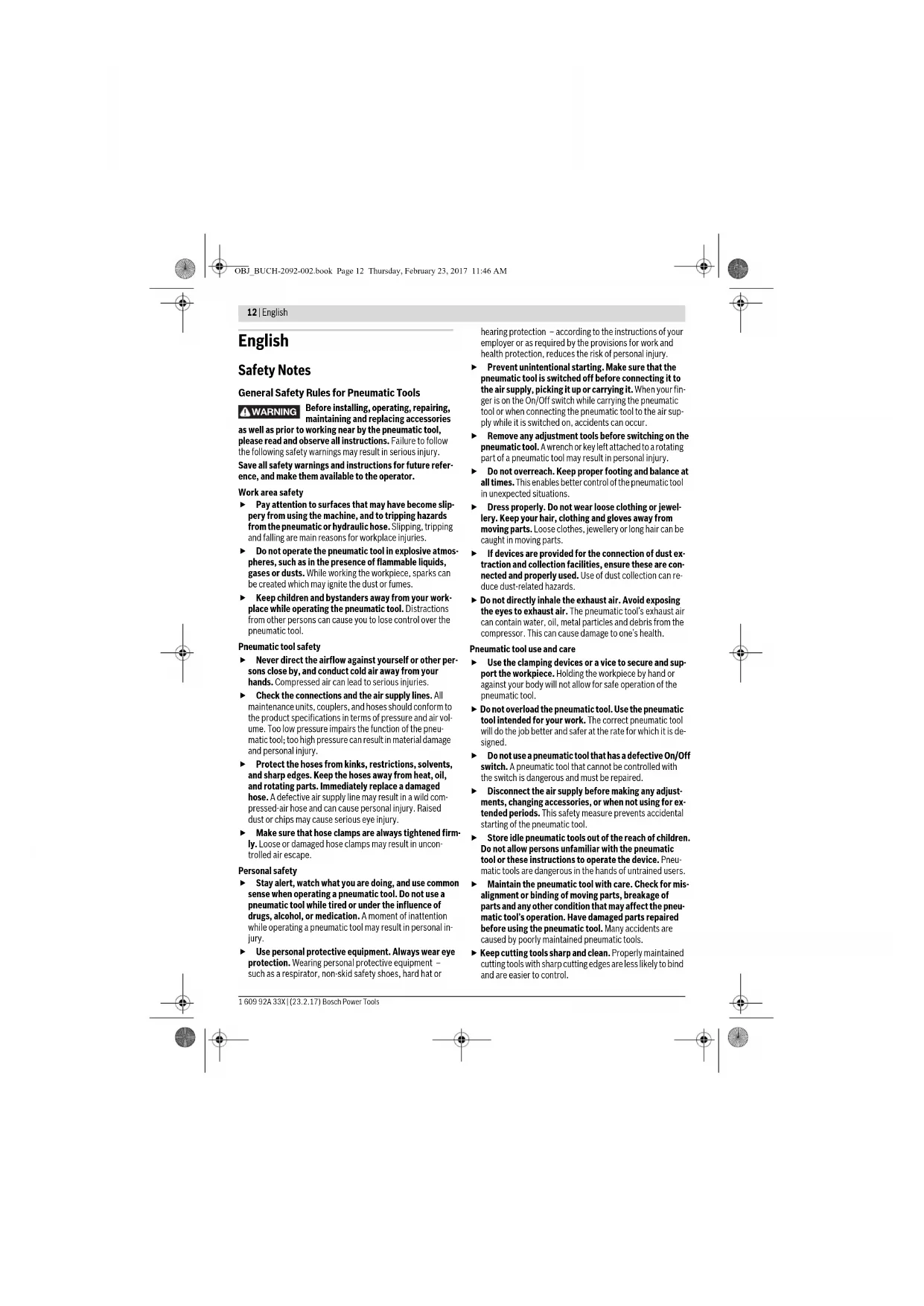
WARNING: Before installing, operating, repairing, maintaining, and replacing accessories, as well as prior to working near the pneumatic tool, please read and observe all instructions. Failure to follow the following safety warnings may result in serious injury.
Save all safety warnings and instructions for future reference, and make them available to the operator.
Work area safety
Pay attention to surfaces that may have become slippery from using the machine, and to tripping hazards from the pneumatic or hydraulic hose. Slipping, tripping, and falling are main reasons for workplace injuries. Do not operate the pneumatic tool in explosive atmospheres, such as in the presence of flammable liquids, gases, or dusts. While working on the workpiece, sparks can be created which may ignite the dust or fumes. Keep children and bystanders away from your workplace while operating the pneumatic tool. Distractions from other persons can cause you to lose control over the pneumatic tool.
Pneumatic tool safety
- Never direct the airflow against yourself or other persons close by, and conduct cold air away from your hands. Compressed air can lead to serious injuries.
- Check the connections and the air supply lines. All maintenance units, couplers, and hoses should conform to the product specifications in terms of pressure and air volume. Too low pressure impairs the function of the pneumatic tool; too high pressure can result in material damage and personal injury. Protect the hoses from kinks, restrictions, solvents, and sharp edges. Keep the hoses away from heat, oil, and rotating parts. Immediately replace a damaged hose. A defective air supply line may result in a wild compressed-air hose and can cause personal injury. Raised dust or chips may cause serious eye injury. Make sure that hose clamps are always tightened firmly. Loose or damaged hose clamps may result in uncontrolled air escape.
Personal safety
Stay alert, watch what you are doing, and use common sense when operating a pneumatic tool. Do not use a pneumatic tool while tired or under the influence of drugs, alcohol, or medication. A moment of inattention while operating a pneumatic tool may result in personal injury. Use personal protective equipment. Always wear eye protection. Wearing personal protective equipment such as a respirator, non-skid safety shoes, hard hat, or
hearing protection - according to the instructions of your employer or as required by the provisions for work and health protection, reduces the risk of personal injury.
Prevent unintentional starting. Make sure that the pneumatic tool is switched off before connecting it to the air supply, picking it up or carrying it. When your finger is on the On/Off switch while carrying the pneumatic tool or when connecting the pneumatic tool to the air supply while it is switched on, accidents can occur. Remove any adjustment tools before switching on the pneumatic tool. A wrench or key left attached to a rotating part of a pneumatic tool may result in personal injury. Do not overreach. Keep proper footing and balance at all times. This enables better control of the pneumatic tool in unexpected situations. Dress properly. Do not wear loose clothing or jewellery. Keep your hair, clothing and gloves away from moving parts. Loose clothes, jewellery or long hair can be caught in moving parts. If devices are provided for the connection of dust extraction and collection facilities, ensure these are connected and properly used. Use of dust collection can reduce dust-related hazards. Do not directly inhale the exhaust air. Avoid exposing the eyes to exhaust air. The pneumatic tool's exhaust air can contain water, oil, metal particles and debris from the compressor. This can cause damage to one's health.
Pneumatic tool use and care
Use the clamping devices or a vice to secure and support the workpiece. Holding the workpiece by hand or against your body will not allow for safe operation of the pneumatic tool. Do not overload the pneumatic tool. Use the pneumatic tool intended for your work. The correct pneumatic tool will do the job better and safer at the rate for which it is designed. Do not use a pneumatic tool that has a defective On/Off switch. A pneumatic tool that cannot be controlled with the switch is dangerous and must be repaired. Disconnect the air supply before making any adjustments, changing accessories, or when not using for extended periods. This safety measure prevents accidental starting of the pneumatic tool. Store idle pneumatic tools out of the reach of children. Do not allow persons unfamiliar with the pneumatic tool or these instructions to operate the device. Pneumatic tools are dangerous in the hands of untrained users. Maintain the pneumatic tool with care. Check for misalignment or binding of moving parts, breakage of parts and any other condition that may affect the pneumatic tool's operation. Have damaged parts repaired before using the pneumatic tool. Many accidents are caused by poorly maintained pneumatic tools. Keep cutting tools sharp and clean. Properly maintained cutting tools with sharp cutting edges are less likely to bind and are easier to control.


Use the pneumatic tool, accessories, application tools, etc. according to these instructions. Take into consideration the working conditions and the activities to be carried out. This reduces the development of dust, vibrations and noise to the greatest extent. The pneumatic tool should be set up, adjusted or used exclusively by qualified and trained operators. The pneumatic tool may not be modified in any way. Modifications can reduce the effectiveness of the safety measures and increase the risks for the operator.
Service
Have your pneumatic tool repaired only through a qualified repair person and only using original replacement parts. This will ensure that the safety of the pneumatic tool is maintained.
Safety Warnings for Pneumatic Rotary Hammers
Check if the type plate can be read. If required, provide for replacement from the manufacturer. In case of breakage of the workpiece or an accessory, or even of the pneumatic tool itself, parts can be thrown about at high speed. During operation, repairs or maintenance, and when replacing accessories on the pneumatic tool, always wear shock-resistant eye protection. The degree of the required protection should be separately evaluated for each individual application. Wear a hard hat when carrying out work overhead. This prevents injuries. - Use the pneumatic tool only when the chisel is secured against falling out. Otherwise, the application tool can be thrown about. Worn, bent or broken parts of the tool holder must be replaced. This prevents injuries. Apply the pneumatic tool firmly to the surface to be worked before switching the pneumatic tool on. The operators and the maintenance personnel must be physically capable to handle the size, weight and power of the pneumatic tool. Be prepared for unexpected movements of the pneumatic tool that can develop owing to reaction forces or breakage of the application tool. Maintain a firm grip on the pneumatic tool and position your body and arms to allow you to resist such movements. These precautions can prevent injuries. Caution! Application tools can become hot during prolonged operation of the pneumatic tool. Wear protective gloves. In case of an interruption of the air supply or reduced operating pressure, switch the pneumatic tool off. Check the operating pressure and start again when the operating pressure is optimal. - When using the pneumatic tool for the performance of work-related activities, the operator may experience unpleasant sensations in the hands, arms, shoulders, neck area or other body parts.
When working with this pneumatic tool, assume a comfortable stance, hold the tool securely and avoid unfavorable positions or positions where it is difficult to keep your balance. For prolonged work, the operator should change stance or posture, which can help avoid discomfort and fatigue. Should the operator perceive symptoms such as persistent nausea, discomfort, throbbing, pain, tingling, numbness, burning or stiffness, these warning signs should not be ignored. The operator should notify his employer about the symptoms and consult a qualified physician. Never use the chisel as a hand tool. The chisels are heat-treated and can break. Use only sharp chisels. Dull application tools can lead to heavy vibrations and fatigue breakage. Never cool off hot accessories in water. This can lead to brittleness and premature failure. Do not use the chisel as a lever. Otherwise, it can break. - Use appropriate detectors to determine if utility lines are hidden in the work area or call the local utility company for assistance. Contact with electric lines can lead to fire and electric shock. Damaging a gas line can lead to explosion. Penetrating a water line causes property damage. Avoid contact with "live" conductors. The pneumatic tool is not insulated; contact with a "live" conductor can lead to an electric shock.
WARNING: The dust developing during sanding,
operations can act carcinogenic, teratogenic or mutagenic. Some of the substances contained in these dusts are: - Lead in lead based paints and varnishes;
- Crystalline silica in bricks, cement and other masonry work:
Arsenic and chromate in chemically treated wood.
The risk of disease depends on how often you are exposed to these substances. To reduce the risk, you should work only in well ventilated rooms with appropriate protective equipment (e.g. with specially designed respirators that filter out even the smallest dust particles).
When working on the workpiece, additional noise can develop, which can be avoided through appropriate measures (e.g. by using damping materials on occurrence of ringing noise from the workpiece). Operate the pneumatic tool in such a manner that as little dust as possible develops, e.g. through moistening the material being worked. When the pneumatic tool is equipped with a silencer, always ensure that it is available and in proper working condition when operating the pneumatic tool. Vibration effects may cause damage to the nerves and blood circulation disorders in the hands and arms. Wear close-fitting gloves. The flow of compressed air makes the handles of pneumatic tools cold. Warm hands are less sensitive to vibrations. Loose fitting gloves can be caught by rotating parts.




If you notice that the skin of your fingers or hands becomes numb, tingles, hurts or turns white, stop working with the pneumatic tool, notify your employer and consult a physician. Do not hold the application tool while working. Hold the pneumatic tool with a not too firm yet secure grip, compliant with the required hand-reaction forces. The vibrations can be intensified the firmer you hold the tool. When universal rotary couplings (bayonet couplings) are being used, retaining pins are required. Use Whip-check hose restraints to protect against failed hose connections or the connection between hose and pneumatic tool. Never carry the pneumatic tool by the hose. Switch the pneumatic tool off immediately when the application tool locks up. Be prepared for high reaction torque that lead to kickback. The application tool locks up when:
the pneumatic tool is subject to overload, - it jams or cans in the workpiece or - its tip goes through the material being worked.
Use auxiliary aids to absorb reaction torque, such as a supporting fixture. If this is not possible, use an auxiliary handle. Never place your hand near rotating application tools. You could injure yourself. - Do not allow the drill bit to rattle on the workpiece. This can lead to significant intensification of the vibrations.
Symbols
The following symbols could have a meaning for the use of your pneumatic tool. Please take note of the symbols and their meaning. The correct interpretation of the symbols will help you to use the pneumatic tool in a better and safer manner.
Symbol Meaning

Before installing, operating, repairing, maintaining and replacing accessories as well as prior to working near by the pneumatic tool, please read and observe all instructions. Failure to follow the following safety warnings and instructions may result in serious injury.

Wear ear protectors. Exposure to noise can cause hearing loss.

Wear safety goggles.
| Symbol Meaning | ||
| W | W | a t t P o |
| Nm Newton metre | Unit of energy (torque) | |
| kg | Kilogram | Mass, weight |
| Ibs | Pounds | |
| mm Millimetre Length | ||
| min | Minutes | Time period, duration |
| s | Seconds | |
| \( \mathbf{m i n}^{-1} \) | Revolutions or motions per minute | No-load speed |
| bar | bar | Air pressure |
| psi | pounds per square inch | |
| l/s | Litres per second | Air consumption |
| cfm | cubic feet/minute | |
| dB Decibel | Unit of relative loudness | |
| QC Quick-change chuck | ||
| ○ | Symbol for hexagon socket | Tool holder |
| ■ | Symbol for external drive | |
| UNF | US fine thread (Unified National Fine Thread Series) | |
| G | Whitworth thread | Connecting thread |
| NPT | National pipe thread | |
Product Description and Specifications

Read all safety warnings and all instructions. Failure to follow the warnings and instructions may result in electric shock, fire and/or serious injury.
While reading the operating instructions, unfold the fold-out page with the illustration of the pneumatic tool and leave it open.
Intended Use
The pneumatic tool is intended for hammer drilling in concrete, bricks and masonry, as well as for light chiselling work. It is also suitable for drilling without impact in wood, metal, ceramic and plastic.
The rotary hammer is suitable for use in wet and damp rooms and for outdoor jobsites.
Product Features
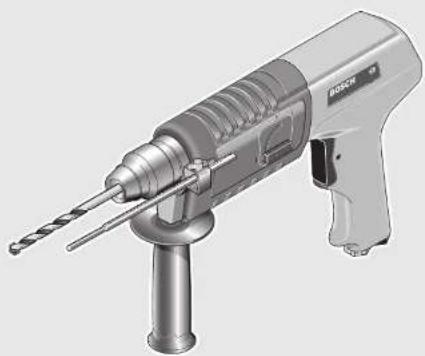
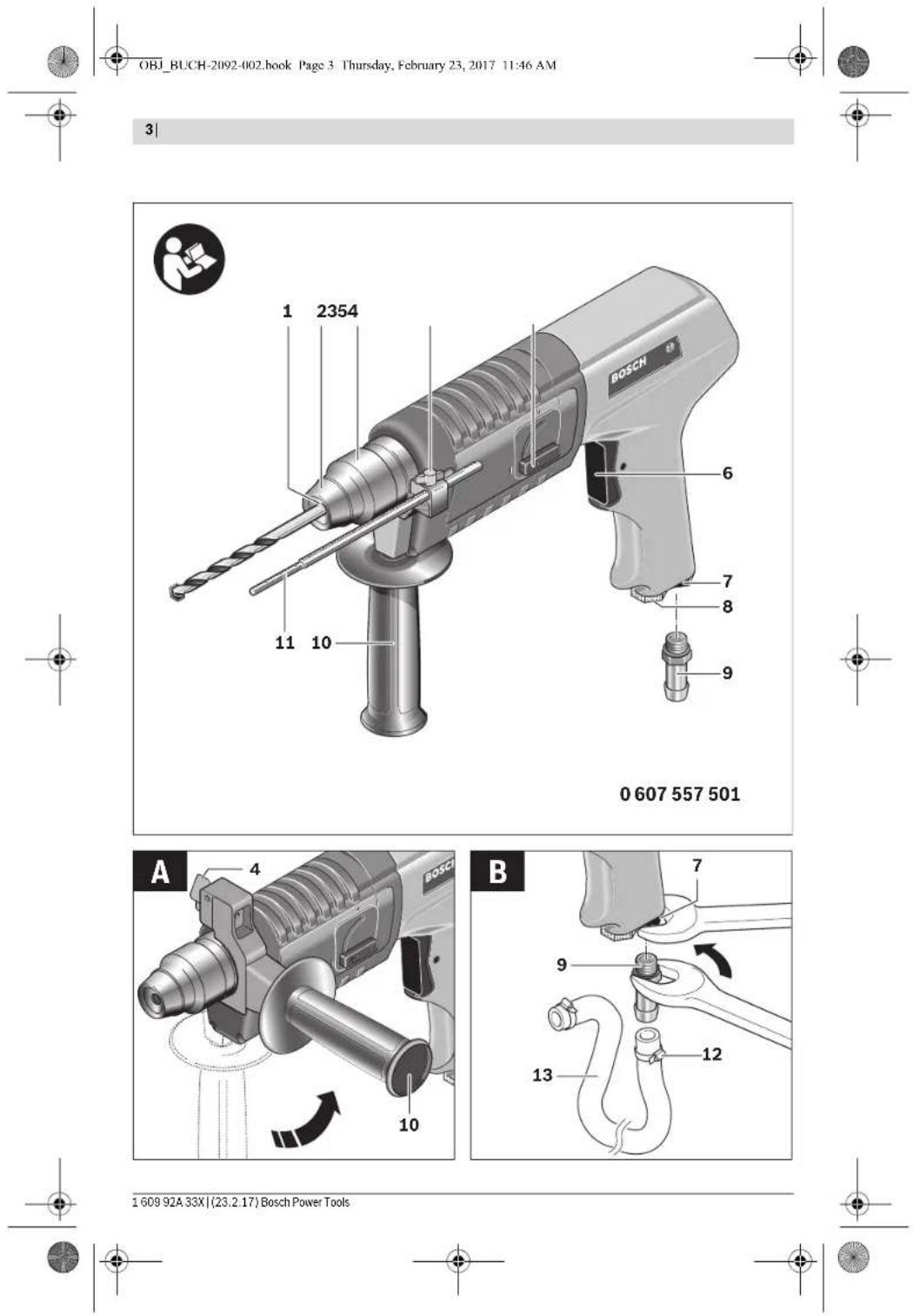
The numbering of the product features refers to the illustration of the pneumatic tool on the graphics page.
1 Tool holder 2 Dust protection cap 3 Locking sleeve 4 Wing bolt for adjustment of auxiliary handle



5 Mode selector switch
6 On/Off switch 7 Connection socket at air intake 8 Air outlet with silencer 9 Hose fitting
10 Auxiliary handle
11 Depth stop
12 Hose clamp
13 Supply-air hose
14 Securing screw for key type drill chuck
15 Key chuck
16 SDS-plus adapter shank for drill chuck
*Accessories shown or described are not part of the standard delivery scope of the product. A complete overview of accessories can be found in our accessories program.
Technical Data
| Pneumatic rotary hammer | ||
| Article number 0 607 557 501 | ||
| Rotational speed under load, max. | min-1 | 850 |
| Impact rate | min-1 | 3900 |
| Output power | W 740 | |
| Drilling diameter, max.: | ||
| - Concrete | mm | 20 |
| - Steel | mm | 13 |
| - Wood | mm | 30 |
| Tool holder | SDS-plus | |
| Max. working pressure for tool | bar | 5 |
| psi | 72.5 | |
| Thread size of hose connection | G 1/4" | |
| Inner diameter of hose | mm 13 | |
| Air consumption at no-load | l/s | 15 |
| cfm | 31.8 | |
| Weight according to EPTA-Procedure 01:2014 | kg | 3.0 |
| lbs | 6.6 | |
Noise/Vibration Information
Measured sound values determined according to
EN ISO 15744.
Typically the A-weighted noise levels of the pneumatic tool are: Sound pressure level 89 dB(A); sound power level 100 dB(A). Uncertainty K = 3 dB.
Wear hearing protection!
Vibration total values a_i (triax vector sum) and uncertainty K determined according to EN 28927:
Hammer drilling in concrete: a_v = 5 m/s^2, K = 1.0 m/s^2. Chiselling: a_v = 6 m/s^2, K = 1.1 m/s^2.
Drilling in metal: a_u < 2.5 m/s^2, K = 1.5 m/s^2.
Declaration of Conformity
CE
We declare under our sole responsibility that the product described under "Technical Data" is in conformity with the following standards or standardization documents:
EN ISO 11148 according to the provisions of the directive 2006/42/EC.
Technical file (2006/42/EC) at:
Robert Bosch Power Tools GmbH, PT/ECS,
70538 Stuttgart, GERMANY
Henk Becker
Executive Vice President
Engineering
Helmut Heinzelmann
Head of Product Certification
PT/ECS
Robert Bosch Power Tools GmbH
70538 Stuttgart, GERMANY
Stuttgart, 01.01.2017
Assembly
Auxiliary Handle (see figure A)
For safety reasons, the pneumatic tool must only be used with mounted auxiliary handle 10.
The auxiliary handle 10 can be set to any position for a secure and low-fatigue working posture.
Turn the wing bolt for adjustment of the auxiliary handle 4 in anticlockwise direction and set the auxiliary handle 10 to the required position. Then tighten the wing bolt 4 again in clockwise direction.
Exhaust-air Guidance
With exhaust-air guidance, the exhaust air can be diverted through an exhaust-air hose away from your workplace, while at the same time achieving optimal sound-proofing. Additionally, your working conditions are improved, as your workplace can no longer be contaminated though oil-containing air and dispersed dust or chips.
- Unscrew the silencer at air outlet 8 and replace it with a hose fitting 9.
- Loosen hose clamp 12 of the exhaust-air hose, mount the exhaust-air hose to hose fitting 9 and retighten the hose clamp.
Connecting the Air Supply (see figure B)
- Ensure that the air pressure is not lower than 5 bar (72.5 psi) because the pneumatic tool is designed for this operating pressure.
For maximum performance, the values for the inner hose diameter as well as the connection threads must be adhered to as listed in the "Technical Data" Table. To maintain the full performance, only use hoses with a maximum length of 4 m. The compressed air supplied should be free of foreign material and moisture to protect the tool from damage, contamination, and the formation of rust.
Note: The use of a compressed-air maintenance unit is necessary. This ensures proper function of the pneumatic tools.
Observe the operating instructions of the maintenance unit. All fittings, connecting lines and hoses must be dimensioned for the pressure and the required air volume.


Avoid restrictions in the air supply, e.g., from pinching, kinking, or stretching!
When in doubt, check the pressure at the air inlet with a pressure gauge with the pneumatic tool switched on.
Connecting the Air Supply to the Pneumatic Tool
- Screw hose fitting 9 into the connection socket at air inlet 7.
To avoid damage to interior valve components of the pneumatic tool when screwing hose fitting 9 in or out, it is recommended to counter hold the projecting connection socket of air intake with an open-end wrench (size 22 mm).
- Loosen hose clamp 12 of supply-air hose 13, mount the supply-air hose to hose fitting 9 and retighten the hose clamp.
Note: Always mount the supply-air hose to the pneumatic tool first, then to the maintenance unit.
Selecting Drill Chucks and Tools
For hammer drilling and chiselling (chiselling only with MV 200 accessory), SDS-plus tools are required that are inserted in the SDS-plus drill chuck.
For drilling without impact in wood, metal, ceramic and plastic as well as for screwdriving, tools without SDS-plus are used (e.g., drills with cylindrical shank). For these tools, a keyless chuck or a key type drill chuck are required.
Changing the Key Type Drill Chuck
To work with tools without SDS-plus (e.g., drills with cylindrical shank), a suitable drill chuck must be mounted (key type drill chuck or keyless chuck, accessories).
Mounting the Key Type Drill Chuck (see figure C)
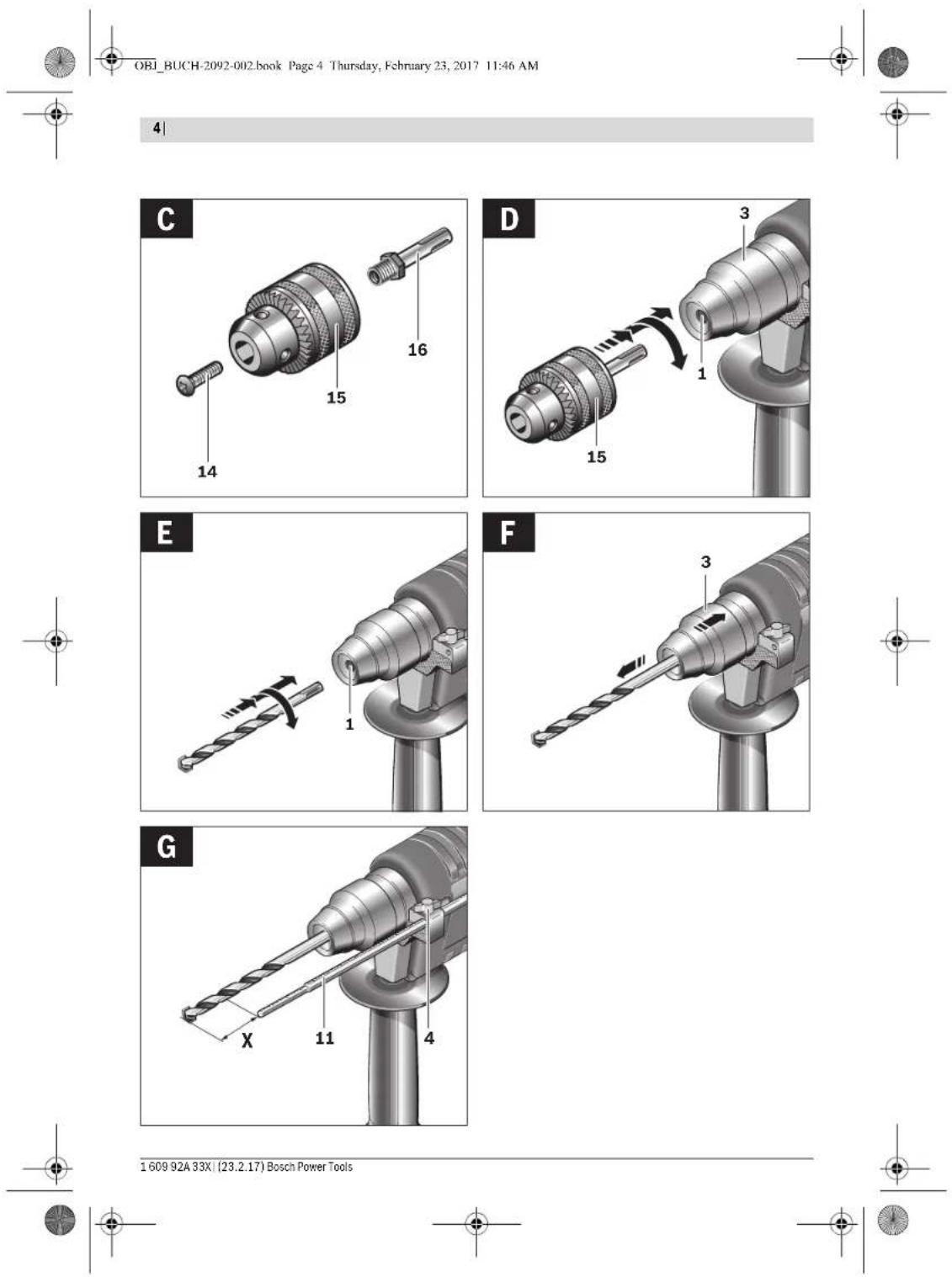
- Screw the SDS-plus adapter shank 16 into a key type drill chuck 15. Secure the key type drill chuck 15 with the securing screw 14. Please observe that the securing screw has a left-hand thread.
Inserting the Key Type Drill Chuck (see figure D)
- Clean the shank end of the adapter shank and apply a light coat of grease.
- Insert the key type drill chuck with the adapter shank into the tool holder with a turning motion until it automatically locks.
- Check the locking effect by pulling the key type drill chuck.
Removing the Key Type Drill Chuck
Push the locking sleeve 3 toward the rear and pull out the key type drill chuck 15.
Changing the Tool
The dust protection cap 2 largely prevents the entry of drilling dust into the tool holder during operation. When inserting the tool, take care that the dust protection cap 2 is not damaged. A damaged dust protection cap should be changed immediately. We recommend having this carried out by an after-sales service.
Inserting SDS-plus Drilling Tools (see figure E)
The SDS-plus drill chuck allows for simple and convenient changing of drilling tools without the use of additional tools.
Clean and lightly grease the shank end of the tool. - Insert the tool in a twisting manner into the tool holder until it latches itself. - Check the latching by pulling the tool.
As a requirement of the system, the SDS-plus drilling tool can move freely. This causes a certain radial run-out at no-load, which has no effect on the accuracy of the drill hole, as the drill bit centres itself upon drilling.
Removing SDS-plus Drilling Tools (see figure F)
Push back the locking sleeve 3 and remove the tool.
Inserting Drilling Tools without SDS-plus
Note: Do not use tools without SDS-plus for hammer drilling or chiselling! Tools without SDS-plus and their drill chucks are damaged by hammer drilling or chiselling.
- Insert a key type drill chuck 15 (see "Changing the Key Type Drill Chuck", page 16).
- Open the key type drill chuck 15 by turning until the tool can be inserted. Insert the tool.
- Insert the chuck key into the corresponding holes of the key type drill chuck 15 and clamp the tool uniformly.
Removing Drilling Tools without SDS-plus
- Turn the sleeve of the key type drill chuck 15 with the drill chuck key in anticlockwise direction until the drilling tool can be removed.
Operation
Starting Operation
The pneumatic tool works optimally at a working pressure of 5 bar (72.5 psi), measured at the air inlet when the pneumatic tool is switched on.
Setting the operating mode
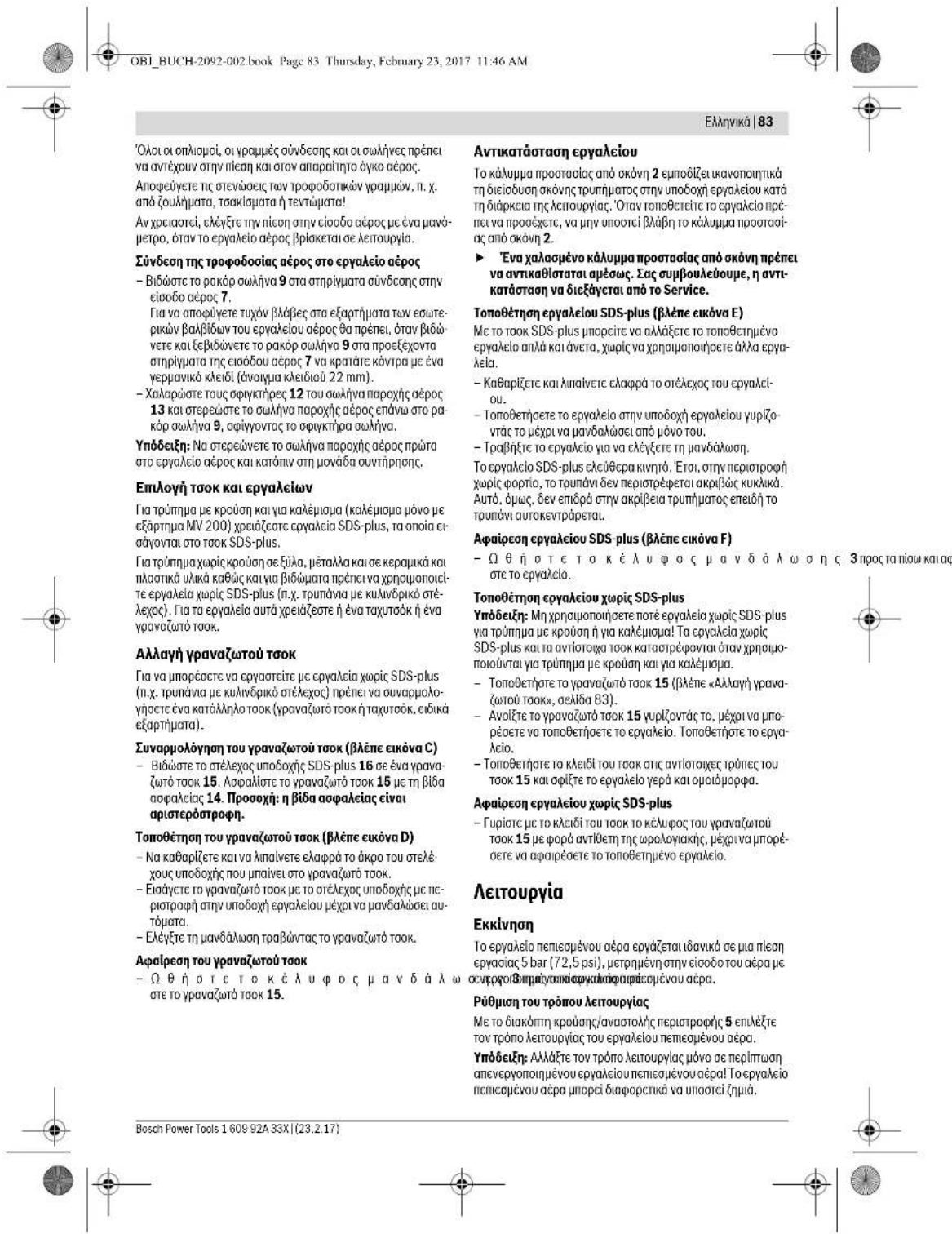
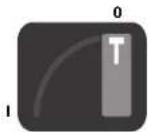
The operating mode of the pneumatic tool is selected using the mode selector switch 5. Note: Change the operating mode only when the pneumatic tool is switched off! Otherwise, the pneumatic tool may become damaged. Turn the mode selector switch 5 to the requested position.
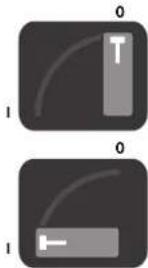
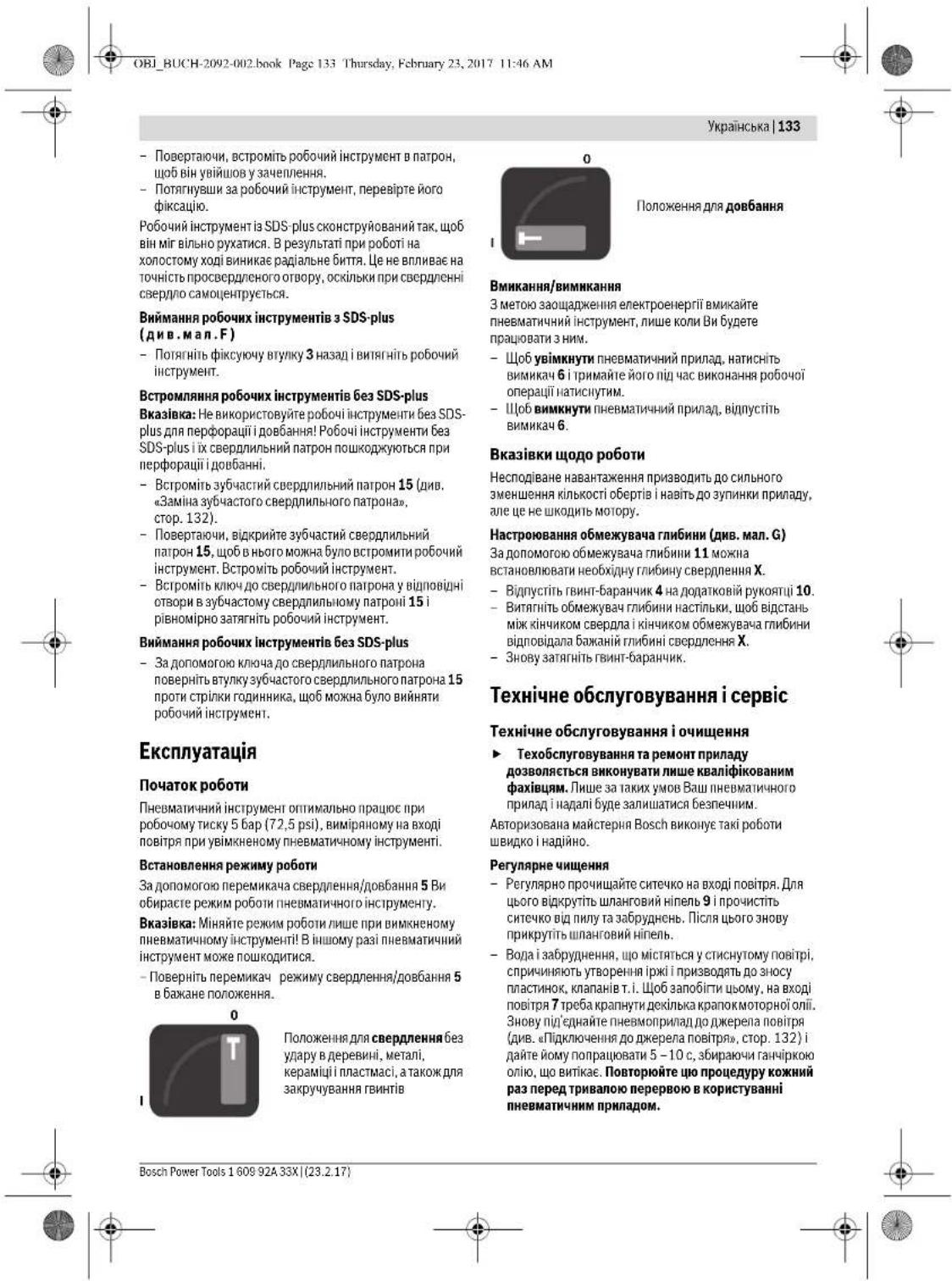
Position for drilling without impact in wood, metal, ceramic and plastic as well as for screwdriving
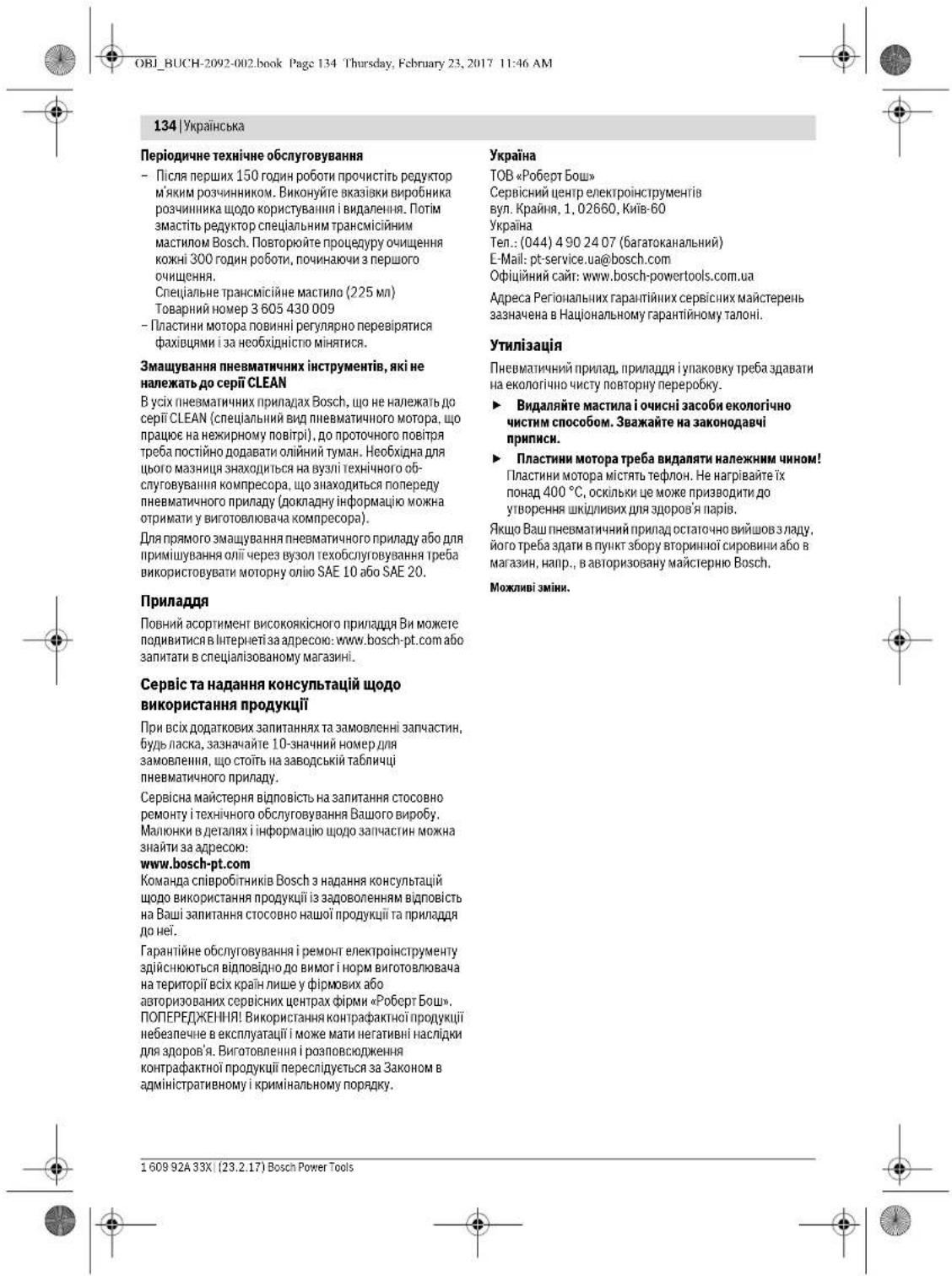
Position for chiselling


Starting and Stopping
To save energy, only switch the pneumatic tool on when you are using it.
- To switch on the pneumatic tool, press the On/Off switch 6 and keep it pressed during the working procedure.
- To switch off the pneumatic tool, release the On/Off switch 6.
Working Advice
Sudden loads cause a sharp drop in speed or a complete stop, yet do not cause damage to the motor.
Adjusting the Depth Stop (see figure G)
The required drilling depth X can be set with the depth stop 11.
Loosen the wing bolt 4 on the auxiliary handle 10. Pull out the depth stop until the distance between the tip of the drill bit and the tip of the depth stop corresponds to the desired drilling depth X. Tighten the wing bolt again.
Maintenance and Service
Maintenance and Cleaning
Have maintenance and repair work carried out only through qualified persons. This will ensure that the safety of the pneumatic tool is maintained. An authorized Bosch after-sales service agent will carry out this work quickly and reliably.
Regular Cleaning
- Clean the sieve at the air intake of the pneumatic tool regularly. For this, unscrew the hose fitting 9 and remove any dust and debris from the sieve. Afterwards, retighten the hose fitting again. Water and debris particles in the compressed air cause rust and lead to wear of plates, valves etc. To prevent this, fill several drops of engine oil into the air intake 7. Reconnect the pneumatic tool to the air supply (see "Connecting the Air Supply", page 15) and run it for 5-10 seconds, while catching/picking up the escaping oil with a cloth. Always carry out this procedure when not using the pneumatic tool for a longer period of time.
Scheduled Maintenance
Clean the gearbox after the first 150 running hours using a mild solvent. Follow the solvent manufacturer's directions for use and disposal. Lubricate the gearbox using Bosch gearbox lube. Repeat the lubrication procedure every 300 hours after the initial gearbox service. Special gearbox grease (225 ml) Article number 360543009 - The motor plates should be checked regularly by specialised personnel and replaced, if required.
Lubrication of Pneumatic Tools that do not belong to the CLEAN Product Line
For all Bosch pneumatic tools that do not belong to the CLEAN product line (these have a special type of compressed-air motor that functions with oil-free compressed air), oil mist should be added continuously to the flowing through compressed air. The compressed-air oiler required for this is included in the compressed-air service unit on the line side of the pneumatic tool (for more details, please refer to the compressor manufacturer). For direct lubrication of the pneumatic tool or admixtures to the service unit, use SAE 10 or SAE 20 engine oil.
Accessories
For more information on the complete quality accessories program, please refer to the internet under www.bosch-pt.com or contact your specialist shop.
After-sales Service and Application Service
In all correspondence and spare parts orders, please always include the 10-digit article number given on the type plate of the pneumatic tool.
Our after-sales service responds to your questions concerning maintenance and repair of your product as well as spare parts. Exploded views and information on spare parts can also be found under:
www.bosch-pt.com
Bosch's application service team will gladly answer questions concerning our products and their accessories.
Great Britain
Robert Bosch Ltd. (B.S.C.) P.O.Box 98 Broadwater Park North Orbital Road Denham Uxbridge UB95HJ At www.bosch-pt.co.uk you can order spare parts or arrange the collection of a product in need of servicing or repair. Tel. Service: (0844) 7360109 E-Mail: boschservicecentre@bosch.com
Ireland
OrigLtd. Unit 23 Magna Drive Magna Business Park City West Dublin 24 Tel. Service: (01) 4666700 Fax: (01) 4666888

Robert Bosch (France) S.A.S.
install, operate, repair and maintain
30 | English
a1 = 5 m/s², K = 1.0 m/s²
Chiseling: ah = 6 m/s², K = 1.1 m/s²
Metal drilling: ah < 2.5 m/s², K = 1.5 m/s².
1609 92A 33X(23.2.17) Bosch Power Tools
Executive Vice President Head of Product Certification Engineering PT/ECS

Robert Bosch Power Tools GmbH ZB 368, Electron, GERMANY
Stuttgart, 01.01.2017
Assembly
Additional handle (see figure A)
Portuguese 35
Portuguese 37
11 Depth stop 12 Hose clip 13 Air supply hose 14 Safety screw for SDS-plus drill chuck* 15 SDS-plus drill chuck 16 SDS-plus bit holder*
Henk Becker Helmut Heinzelmann Executive Vice President Head of Product Cert Engineering PT/ECS
IV. k = m _____
Robert Bosch Power Tools GmbH
70538 Stuttgart, GERMANY
Stuttgart, 01.01.2017
38 | Portuguese
44 Italian
Executive Vice President Engineering
Helmut Heinzelmann
Head of Product Certification PT/ECS

Robert Bosch Power Tools GmbH
70538 Stuttgart, GERMANY
Stuttgart, 01.01.2017
Assembly
Auxiliary handle (see figure A)
52|Dutch
Danish|57
| Symbol | Betydning | |
| QC | Hurtigudskiftningspatron | |
| ○ | Symbol for indvendig seskant | |
| ■ | Symbol for udvendig firkant | Værktæjsholderen |
| UNF | US finf gehind (Unified National Fine Thread Series) | |
| G | Whitworth-gevind | |
| NPT | National pipe thread | Tilslutningsgevind |
Executive Vice President Engineering
Helmut Heinzelmann
Head of Product Certification PT/ECS
Robert Bosch Power Tools GmbH
70538 Stuttgart, G
Stuttgart, 01.01.2017
Technical data
Special gear oil (225 ml)
Type number 3605430009
The motor laminations must be checked by specialized personnel and replaced as needed.
Bosch Service Center
Telegrafvej 3
2750 Ballerup
At www.bosch-pt.dk you can order spare parts online or create a repair order.
Tel. Service Center: 44898855
Fax: 44898755
E-Mail: vaerktoej@dk.bosch.com
Disposal
Symbol Meaning
| bar | bar | Lufttryck |
| psi | pounds per square inch | |
| l/s | liter per sekund | Luftfürbrukning |
| cfm | cubic feet per minute | |
| dB Decibel | Storhet für relativ ljudniva | |
| QC Snabbchuck | ||
| ○ | Symbol für invändig sexkant | Verktygsfeste |
| ■ | Symbol für utvändig fyrkant | |
| UNF | US-fingänga( Unified National Fine Thread Series) | |
| G | Whitworth-gänga | Anslutningsganga |
| NPT | National pipe thread | |
Henk Becker Executive Vice President Engineering
Helmut Heinzelmann Head of Product Certification PT/ECS
iV. k = m
Robert Bosch Power Tools GmbH 70538 Stuttgart, GERMANY Stuttgart, 01.01.2017
Bosch Power Tools 1609 92A 33X|{23.2.17}


Noise/vibration data
The measurement values have been determined in accordance with EN ISO 15744.
Bosch Service Center
Telegrafvej 3
2750 Ballerup
Denmark
Tel.: (08) 7501820 (within Sweden)
Fax: (011) 187691
Waste disposal
Symbol Meaning
QC Quick chuck

Symbol for internal
hexagon
Symbol for external square Tool holder
US thread
UNF (Unified National Fine
Thread Series)
G Whitworth thread
NPT National pipe thread
Connection thread
Product and performance description

Drilling in metal: ah<2.5m/s, K=1.5m/s²
Technical data
Pneumatic hammer drill
| Produktnumber 0607 557 501 | ||
| max. turtall, belastet | min1 | 850 |
| Slagtall | min1 | 3900 |
| Avgitt effekt | W 740 | |
| Bordiameter max.: | ||
| - B e t o n g | mm | 20 |
| - S tål | mm | 13 |
| - Tre | mm | 30 |
| Verktøyfeste | SDS-plus | |
| max. driftstrykk på verktøyet | bar | 5 |
| psi | 72,5 | |
| Tilkopingsjenger for slangefilmkoppling | G 1/4" | |
| Innvendig slangevidde | mm | 13 |
| Luftforbruk ved tomgang | l/s | 15 |
| cfm | 31,8 | |
| Vekt tilsvarende EPTA-Procedure 01:2014 | kg | 3,0 |
| Ibs | 6,6 | |
Declaration of conformity
C
We declare as solely responsible that the product described under "Technical data" complies with the following standards or standardized documents, EN ISO 11148 in accordance with the provisions of Directive 2006/42/EC.
Technical data (2006/42/EC) at:
Robert Bosch Power Tools GmbH, PT/ECS,
70538 Stuttgart, GERMANY
Henk Becker
Helmut Heinzelmann
Executive Vice President
Head of Product Certification
Engineering
Robert Bosch Power Tools GmbH
70538 Stuttgart, GERMANY
70|Norwegian
- Turn the wing screw to adjust the auxiliary handle 4 counterclockwise and swing the auxiliary handle 10 to the desired position. Then tighten the wing screw 4 clockwise again.
Exhaust air hose
With an exhaust air hose, you can route the exhaust air through an exhaust air hose away from the work area and at the same time achieve optimal sound damping. In addition, you improve your working conditions, because the workplace can no longer be contaminated by oily air or dust and chips that can be stirred up.

Finnish 75
Product description

Executive Vice President
Head of Product Certification
Engineering

Robert Bosch Power Tools GmbH
70538 Stuttgart, GERMANY
Stuttgart, 01.01.2017
Assembly
10 PiooBcTnAβn 11 ObnyocBabouc 12 201kpaac oAynv 13∑uivactpoogosnncpeepa 14 Biag aagaaelac yia yapaawto tooX 15paovawtoaok 16 TReAeOc unoOxHcyi Taok SDS-plus Eepnnta nou aneikovocvtia h neypapovotai dev nepokovotai ot stovatp ooskeuaia. Ta tov naipn katalayo ckapnntuvkoi ta to npoypaayc ekapvotau.
Technical characteristics
Henk Becker Helmut Heinzelmann Executive Vice President Head of Product Certification Engineering PT/ECS

Robert Bosch Power Tools GmbH
70538 Stuttgart, GERMANY
Stuttgart, 01.01.2017
Declaration of Conformity
Accessory (Bhenekova A)
The device is intended for professional use and generates the required torque with a single accessory.
The accessory must be fitted to the tool so that it can be used safely and without risk.
- Tugioe in bia 10 pOIOAIOI IN pOIOBIOI IN pOIOBIOI IN AIOBIOI 4 pOIOAIOVIIOTN IN POIOAIOKc KpOIOBIOITN pOIOBIOIN AIOBIOIN 10 aTNI EMIIOUOIN EON AkoAOBAC apIEE T bia 10 pOIOAIO 4 yupovtnc IVp e opoaiokoi Apoia
Instructions for use
With the guarantee of the device, we ensure that it will function properly for a long time if used correctly and maintained. If this is not the case, the device will be repaired or replaced free of charge.
Remove the device from the packaging, insert the battery, and turn on the device. Then adjust the settings as described in the manual.
SvOeOg Omy TPOPOOa aepoc (Blae eKova B)
IpoaTe,vaunivlneanieoTouepaaumotepn and 5 bar (72,5 psi),enohtoepyaleo meceoue ou aepaivoaegauvo yaurntvncionaeuoyic.
Ia TnV emtnxla Tc meyotnc duvntac ixoc npenei va Tnpouvaia o tue, ia To cowepcko avonya Tou ao Awa Yau Kaoboc koi yia Ta anepala ouuveanou aovapoeovtai stov nivaka Texwika xapakntipnktid. Ia Tn diatthonr Tc nHnpooc ixoc vXpnqunnoeite aoAiwec meyioTo uKoc 4m.
O eioxoyepovoc apec npenei va uny npeiyex Eva ovtkejeva Kau uypaia, yaa vnpoatcurtciro cypaaleo aepoc ano qmuic, Bpojuic Kau oceoiouac.
Ynobecn:Anateirn xpon niac movdaac ouwnpnoan. EToi eaoailear n aporin Aucropyia Tou cyaekoi aepoc.
Oaata npoooohn o6noyicxepiaqou nncovabacovvtnponc.
1609 92A 33X (23.2.17) Bosch Power Tools





84|EAAnvka
-Fupate ro diakomn avataoic kpoovnc/epiopnpic 5 atny enduun thc
Oeon yia toumna xwpic kpoowon oe Euua, petaa kai oe kepuka kai naaotka uka kaboc kai yia Bubuata
Oeon yia kaLemuopa
Oeon e aeitoupyia kEKTc aeitoupyiac
I tay n eokovon neevepiae, evenvoipnote o epyaelo meneuepou aev npovot, ovat ao xnpnuoioeit.
biakonON/OFF6Kkpaotocovnatnevo kata ndiapkeiaTc biadikaclaeepyaac.
eaeepo to biakomn ON/OFF 6.
This device is intended for filtering the air in the room and for increasing the humidity of the ambient air, without the need to install a humidifier.
Replacing the filter (Bleeneikova G)
With the aid of the 11, proceed to remove the filter cover C.
Then remove the filter from the device by pulling it out.
Guide the filter towards the slots, following the direction indicated by the arrow and the filter's own guide. Insert the new filter into the filter cover X. -2pIeTe mBiae ne Tnu Kepaan tumou nataoaoac Gava oTa- 6epa.
Maintenance and Service
Maintenance and cleaning
Before cleaning and maintenance, always disconnect the appliance from the power supply. Wait for it to cool down.
This ensures the safety of the appliance. A Bosch Service center can perform these tasks quickly and reliably.
Regular cleaning
Clean the filters on the air inlet and air outlet regularly. To do this, remove the filter cover 9 and remove the dust and dirt from the filters. Then the filter must be cleaned or replaced.
The filters for water and dust removal protect the appliance from damage and ensure the air quality. To clean them, you must place them in the air inlet for 7 days in the dishwasher. Be careful not to damage them in the dishwasher (see information section, page 82) or to clean them manually with a soft brush. After cleaning, let them dry completely. If the appliance is not used for a long time, you should remove the filters and store them properly.
Periodic maintenance
Clean the drive mechanism after every 150 hours of operation or at least once a year. Use a soft cloth and a brush to remove dust and dirt from the mechanism. Follow the instructions in the manual for the drive mechanism and the maintenance schedule for the Bosch appliance. Repeat the cleaning procedure after 300 hours of operation or at least once a year.
Ei6koAIOcVuaIyauooucKlvnnc(225ml)
Aopuc eupetnpou 3605430009
a e aouapata Tou Kwnthopnpen va eeyovra ot kntkva xovikia baoiura ancbokcckiaucjcvvo npooimko kai aypeoicta,aaVcAoi.
Alnavon Tou evayelow nmeiepeyou aepou nou dev an kouv ony katokuaotk oepa CLEAN
Tnpoue to biokaiwa aalayov.
Turkish
Safety Instructions
OBI_BUCH-2092-002.book Page 88 Thursday, February 23, 2017 11:46 AM
88|Turkish
Symbol Meaning
QC Quick-change chuck
Hexagon symbol
Square symbol Triangle
US fine thread
UNF (Unified National Fine
Thread Series)
G Whitworth dis
NPT National pipe thread
Product and function description

Executive Vice President
Head of Product Certification
Engineering
PT/ECS
iV. k = m
Robert Bosch Power Tools GmbH
70538 Stuttgart, GERMANY
Stuttgart, 01.01.2017




Turkish 89
Assembly
Auxiliary handle (see Figure A)
Removing the SDS-plus drill bit
Polish | 95
Symbols
National pipe thread
pipe thread
Briggs
(NPT)
Thread
connection thread
96 Polish
Technical data
Executive Vice President
Engineering
Helmut Heinzelmann
Head of Product Certification
PT/ECS
iV. k = wc
Robert Bosch Power Tools GmbH
70538 Stuttgart, GERMANY
Stuttgart, 01.01.2017
Montaz
OBI_BUCH-2092-002.book Page 102 Thursday, February 23, 2017 11:46 AM
102 | Czech
Henk Becker Executive Vice President Engineering
Helmut Heinzelmann Head of Product Certification PT/ECS
∴ n = 1
Robert Bosch Power Tools GmbH 70538 Stuttgart, GERMANY Stuttgart, 01.01.2017
1609 92A 33X| (23.2.17) Bosch Power Tools

Czech 103
Assembly
Auxiliary handle (see figure A)
For safety reasons, the pneumatic tool may only be used with the auxiliary handle 10 mounted.
To achieve a safe and fatigue-free working position, you can rotate the auxiliary handle 10 to any position.
- Turn the wing screw for adjusting the auxiliary handle 4 counterclockwise and rotate the auxiliary handle 10 to the desired position. Then retighten the wing screw 4 clockwise.
Bosch Service Center PT
KVapence 1621/16
692 01 Mikulov
You can order repairs for your machine online at www.bosch-pt.cz.
Tel: 519305700
Fax: 519305705
E-Mail: servis.naradi@c2.bosch.com
www.bosch.cz
Waste disposal
Pneumatic tools, accessories and packaging should be handed over for environmentally friendly recycling.
Henk Becker Helmut Heinzelmann Executive Vice President Head of Product Certification Engineering PT/ECS

Robert Bosch Power Tools GmbH 70538 Stuttgart, GERMANY Stuttgart, 01.01.2017
Assembly
NPT National Pipe Thread
Thread
Connection thread
Safety warnings for working with pneumatic tools
Do not direct the air flow at yourself or others. Do not direct the air flow at your hands. The air flow can cause serious injury. Check the connections and hoses. All components, hoses and connections must be designed for the maximum air pressure. Too low pressure affects the functionality of the pneumatic tool, too high pressure can cause material damage and lead to injury. Protect the hose and the coupling. Protect the hose from oil and heat. Replace damaged hoses immediately. Damaged hoses can cause the pneumatic tool to move uncontrollably and cause injury. The chips can cause injuries, so always wear safety goggles. Due to poor tightening or damage to the couplings, the hose can become disconnected and cause injury.
Safety
Bybte BHHMATEnbHb, cnehtaem, 40B bdaenee, H npOyMaHNO NOxOHTK P kaote C nheBMATHECKMH HCTPymENTo. He paotabe T CnEBMAThccKHM NCTPYMTOM BYCTANOM COCTOHN HN ECNBI HaxoHTecb noBnnHHeh NapKOTKHOB, CNPTHBX HANTKOB NHNEKAPCTB.MHNYTHA HEBHHMATENBHOCTb npHpaote C nHEBMATHcckMH HCTPymENTo MOKET pNPBCETC Kepb3HbIM TpABMM. OeBaIePaboyOeDxyNo63atEnbHOHaBeBaIe 3aunthbe Ouy. HINBnYnlaBbIe CpedCTBAaHHTI, TAKAEK Ka3aHTI OPAHOBdXANHHa3auTHaHECKONB 3raaJbOyBb, 3aunTHaN KACKa NnHAYuHNH, -B3aBN CMOCTNOT HNCPTPyKINpABoTATEAINN INN TpeBOAHIN texHNKBe3oNtacOHmNnCahHtApBHXHOPM -CHNKaOT pCKTpABM. N36eAte HnpeHnmepeHnro BknoueHn. NpeT TEm, KAKoDknOHTb NHEBMTHNECKHN HhCTPmEHTK HcTOHHKY BO3dyA, NOHHTb HnNnepeHcTe hero, y6eBNTbcBT, 0TO NHEBMTHNECKHN HhCTPmEHTBKnOHeN. NpeHocKa NHEBMTHeCKTo HnHCTpyMeNTa C nIaIeM HA BkKnOHTaTE HnN ONDKnOHTe HkNOUeHNO RnHEBMTHeCKTo HNtEPEyMeNTa KTOCHNYBO3dyXa MOrYPiNEBCTN HcHeCAthBM CNYqAR. IpeBkIOOHeHMe NHEBMATHeCKOrHO HCTpyMHTA y6bpeHte HAcTPOeHHBe MHCTpyMTh. HAcTPOeHHb HnCtPYMeT, HAXOJIaONH BO BPAaIOUeHcE DetAI IN NHEBMATHeCKOrHO HCTpyMTha, MOKET CTbTb PnPHOH O TaBMyb. He nepeoueHbAte c6e. Bcerda 3aHHMaIte yctoi HBOE NOJIOKENHE COXPAHAIAB PAHOBECYE.TOYHO BOE NIOJOKENHE COOTBCTByOUIEE NOIOJEKENTE IaNO 80BANT BAMyIuHCOxPAHAI KONPHTB HAD NHEBMATHECKMHNCTpyEMHOTMBEOKINDAHbIXCNIAYHX Hocte noXdoaIyO oEky. He hocte npocctophy OeKny u Kyaepaehnn. Depkhtne BOnocb, odKny npKABuBtu ha pacCToHN OT BpaauoUxncxBcTaeNan. IpocptopnA oEckdy, kyaepaehnn i nnHHbte BonoCb moTyt nonact Bo pbaauoUmech CETAn. Ecnnpdycmptepa BO3MOXHOCTb MOHTaKa yctpoCTB nOtOCa c6pObaHn, npOBepTe npaBnBHOCTb NIOKNIeOHHHN CNOIb3OBAHn TAKHX YCTPOCTB COKpaJAEOT PCK BO3HNK HOBEHNA ONChBH XCHTAYH N-3A pblHn. HeBbxaHnepaOtpoabTahnnBO3dyN.6e8aIraTeNoanadHnOPaobTaHnOBO3dyN.Ba3a.OTpOtaTahnnBO3dyX, BHXoJINHHIN HTHMEATNHcKTOHNPyMeHTA,MOKETCpeKbTABoY,MACNO,MeTaNIEcKHeCACTMKN 3aqrP3HmH IN KOMnPecoppa.3To4peBaTOyEePoDMIgD30OpOBa.
PnBbHbIoo6ObaeeHc NHeBMaTHuecKHM HNCTpyMeHON TEO HcNo1b20BaHne
HcnoB3yIe 3axHHMhIye yctpoCTb HA HTH TCKn DnA 3xpePENHnIe NIOnpOKn O6paBtBuMaero MATEpHa. IpnpeKHNBaO6paBtBuMaeyo Detan pyKOn NNII pKNNMaEE K TEny, HnB3a ObecneYHe BeonaCHOCTb IIp paBoTe C INHEBMAtuNecKHM HHTpyMeHOM.

Pycckn121
Do not modify the pneumatic tool. Use only the pneumatic tool that is specifically designed for your work. A pneumatic tool that is not suitable for the intended power range is dangerous. Use a pneumatic tool with a safety switch. A pneumatic tool that cannot be turned on or off is dangerous and requires repair. Disconnect the air supply before adjusting the tool, before changing accessories, and before storing it. This precaution prevents accidental starting of the pneumatic tool. Store unused pneumatic tools out of the reach of children. Do not allow persons unfamiliar with the pneumatic tool or these instructions to operate it. Pneumatic tools are dangerous in the hands of untrained users. Maintain the pneumatic tool carefully. Check that moving parts are aligned and not jammed, and that no parts are broken that could affect the operation of the pneumatic tool. If damaged, have the pneumatic tool repaired before use. Many accidents are caused by poorly maintained pneumatic tools. Keep cutting tools sharp and clean. Properly maintained cutting tools with sharp cutting edges are less likely to jam. Use the pneumatic tool, accessories, and tool bits, etc., in accordance with these instructions, taking into account the working conditions and the work to be performed. Using the pneumatic tool for operations different from those intended could result in a hazardous situation. Adjusting, repairing, or using pneumatic tools is not permitted for untrained operators. Do not make any modifications to the pneumatic tool. Such modifications could reduce the effectiveness of safety measures and increase the risk of injury.
Service
Have your pneumatic tool serviced by a qualified repair person using only identical replacement parts. This will ensure that the safety of the pneumatic tool is maintained.
Safety instructions for pneumatic tools
After this, the serial number on the nameplate may be illegible. If necessary, request a new nameplate from the manufacturer. In case of damage to the workpiece, the fragments may fly off at high speed. During operation, as well as during repair, maintenance, and replacement of parts of the pneumatic tool, always wear protective goggles. The required degree of protection is determined for each individual case of tool use. By doing so, you can avoid injury. Use the tool only when the guard is in place. Otherwise, the tool may slip and cause injury. Worn, deformed, or broken parts of the tool's fastening system must be replaced. Thus, you can avoid injury. Before turning on the pneumatic tool, check that the workpiece is securely fastened. The operator must be in good physical condition and must be able to work with the pneumatic tool of the given size, weight, and power. Be prepared for sudden movements of the pneumatic tool caused by reactive forces or a broken tool. Hold the pneumatic tool firmly with both hands in a position where you can counteract these forces and prevent injury. Caution! During prolonged operation of the pneumatic tool, the tool may heat up. Wear protective gloves. Check the air supply and the working pressure of the pneumatic tool. Check the working pressure before turning on the tool, as the correct pressure is optimal. When working with the pneumatic tool, the operator must wear protective goggles, gloves, and other protective equipment. When working with the pneumatic tool, take a comfortable position, but avoid positions where it is difficult to maintain balance. During prolonged work, the operator should change the position of the body to reduce fatigue.

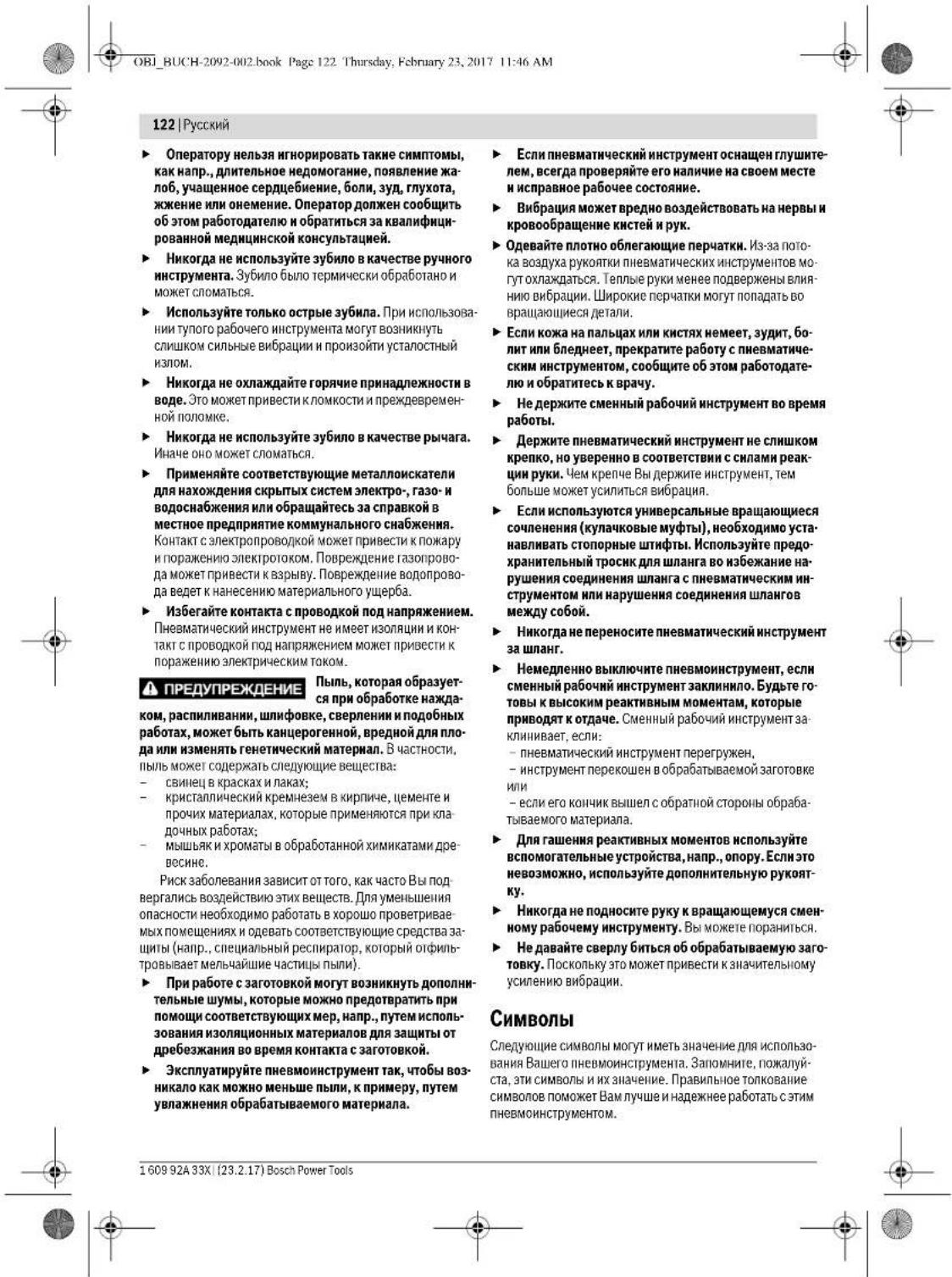

Russian123
Symbols

Before operation, maintenance, repair, technical service, and replacement of parts of pneumatic tools, as well as before working with them, carefully read and follow all instructions. Failure to follow the instructions below may result in serious injury.

Use hearing protection. Exposure to noise may cause hearing loss.

Use safety goggles.
Your power
| Hm | HbkyoTH-Metp | EduHnuaAHeprn (КрутшIMМомeNT) |
| Kf | KHIOIgPamM | Macc, BeC |
| Ibs | ФуHTbI | |
| MM | MHUHMeTp | Динha |
| MHN | MHNYtI | ПюдОпЖгтел- Ность |
| c | CEKYHdI | |
| MHN1 | чсJOOobopOTOB ИИN ДвИЗБЕНВ B MHNITY | ЧИСЮ obOPOTOB хлОстOrO XODa |
| bar | 6ap | atmocферhoe Давлиеиke |
| psi | ФуHTbI Ha KBaIpaTHbI ДJOH | |
| n/c | nIHTbI B CekYHdI | ПOTpeBблENHe BOZdYka |
| cfm | КуБИчecKHe ΦуТь B MHNITY | |
| ДБ DeuHcBělI | EduHnua OTHOCH- Тelьнoi CHNl b 3Byka | |
| QCБИСТРССМЕннI 到рОн | ||
| ○ | ОвоЗнayчENE BnyTpeHne- roШЕТРЯППИКHA | |
| ■ | СИМВОн НарУжHOrO чetytpeRexPraППИКHA | Паурон |
| UNF | STANДАrtTOHоpe3b6bI CUJIA | |
| (ЕднIHиН haциОнAHьHь STANOH TOHоnbOБТКH CUJIA) | ||
| G | pe3b6a YHrTbPora | ПиХСоEdINHITel- нэя рe3b6a |
| NPT | нauHOnHаньHь STAnДAPRT trpybHоpe3b6bI CUJIA | |
Product and service description

Follow all instructions in this manual for safe operation. Failure to follow the instructions in this manual may result in electric shock, fire, or serious injury.
Please open the folded page with the illustrations of the pneumatic tool and keep it open while you read the manual and operating instructions.
Intended use
The tool is intended for leveling, brick, and also light concrete works. It is also intended for leveling wood, metal, ceramics, and plastic. The perforator is intended for use in wet and damp rooms, as well as in construction and repair.
Illustrated components
The dimensions of the presented components are fully consistent with the illustration of the tool and its description.
1
2 Chuck
3 Locking ring
4 Wing nut for adjusting the depth stop
5 Impact/drill mode switch
6 Switch
7 Air inlet connector
8 Air outlet opening
9 Depth stop
10 Auxiliary handle
11 Depth limiter
12 Clamp for the handle
13 Air nozzle
10 Drill chuck with carbide-tipped teeth
15 Drill chuck with carbide-tipped teeth
16 SDS-plus adapter for drill chuck
Accessories shown or described are not part of the standard delivery scope. A complete overview of accessories can be found in our accessories program.
Technical data
124|Russian
Technical documentation (2006/42/EC):
Robert Bosch Power Tools GmbH, PT/ECS,
70538 Stuttgart, GERMANY
Henk Becker Helmut Heinzelmann
Executive Vice President Head of Product Certification Engineering PT/ECS

Robert Bosch Power Tools GmbH
70538 Stuttgart, GERMANY
Stuttgart, 01.01.2017
Assembly
Additional handle (see fig. A)
The pneumatic power tool must be used only with the monitored additional handle 10.
The additional handle 10 can be turned to any position to ensure safe and comfortable work with the tool.
- Turn the collar nut 4 counterclockwise to install the additional handle, then turn the handle 10 to the desired position. Then tighten the collar nut 4 clockwise.
Exhaust air outlet
Through the exhaust air outlet component, the exhaust air can be directed away from the operator simultaneously with the suction of the working tool. In addition, this improves the working conditions, as your workplace is not contaminated with oil-containing air and the air does not pick up dust particles.
- Pull the exhaust hose 8 over the exhaust air outlet and place it on the connection piece 9. Loosen the clamp 12 for the exhaust air hose, position the exhaust air hose on the connection piece 9, and then tighten the clamp.
Connection to compressed air supply (see fig. B)
Ensure that the supply pressure does not exceed 5 bar (72.5 psi), as the pneumatic tool is designed for this operating pressure.
For maximum performance, the inner diameter of the supply hose must be at least 3/8 inch. Use a hose with a maximum length of 4 m.
Before connecting the tool to the air supply, check that the trigger switch is in the off position.
Connect the air supply hose to the pneumatic tool.
BHHNHITE XnHbROBb HnHnBe.9 B pNCHoEDHNHTe bHy tUeepy hXoDe BOAdyxa 7
IINPepoTbpauHIN NOBpeKHeH BHHTpOHNHXAactEH BEBHNI INHEMOHNCTPYMENTA CIEyET PIPN BEEPTbBAHHN HBBEPtBAHHN IaHrTOBO rHmNE9yEepKHBATb PPnHOeHNHITREhN hTuyepe BXOda BOADyxa 7raeHbMb KIOYOM(3822MM).
1609 92A 33X (23.2.17) Bosch Power Tools




Pycckn125
OcnaBHTXOMYTHK12 7nAHaTNOaHbBO3yKa13N3aKpeHtB 7nAHI Ha HINInene9,3aRrhyDnIgTOI0XOMYTHK. YkaaAHHe: BCEjda 3akpeiHneIte WnAHI NpOAHu BoDyxa CHa- yana Ha nHeBMOHcHTpyMeHTE H aTeM Ha BNoke BoDyxoNOD- tORObK.
BbI6Op cBepnHbHOro npatPOna HnHCTpymEnTa
Cmeha natapoha c3y6aTbIM BeHcOm
Ipaqobc nHCTpyMeHTOM 6ea SDS-plus (HanpHmep, pna CBepnCnIHNDHueCKHM XBOCTOBHKOM) CnEDyETYCTAHABNbBbNoXoDnCHCBepnHbHybN aTPOH (HAp. nATPOH c3yOaBHmBEHOM NblbStP03aKHMHOaTPOH, npHaJIeNKBHOCTN).
YCTAHOBKa CBePnHbHoro NaTPOHa c 3y6aTbIM BEHcOM (CM.PHC.C)
BBHHTNE NOCAOHN XBOCTOBNK SDS-plus 16 BcepINbHbN NATPOH C3yBbAHM BEHUM 15. PedeoxpAHNTe CBePNHbN HnPOn C3yBcAaTM BEHOM 15 PedeoxpaHHTeNBHM BINTOM 14. YtH, TnpeoDPaHNTenBHy BNHT HmeeT NeByo pe3bby.
YCTAHOBKAnatpOHaC3y6aTbIMBENHcOM(cm.pnc.D)
- OuHuaIe HnEICKa CMAsIbIaBte BCTaBNHEM N KOHeN IocADHOHO XBOCTOBHKA. BcAeHbIe CbePnIbHnI npO H cYbHtM BHeIOMC BpaIeHm B nCaOpHoe THeDo aoTOMaTHeCKoB 6bnKpOBKn. PnpoepbeBIOKOPBAHNE NIOBTKIOB BYTBAHNTB CEBPININbHBN PANTOH C 3yCbAITBM BEHDM.
CHATNE natoha c3y6uatbIM BEHcOM
CDBHHTeΦNCHKPYUOYIb3y3 H3a3d, YbBbTE CEBPINbblbTAPONC 3cYbATbIM BEHUM 15
3aMeHa pa6oery HnCTpymEnTa
The chuck 2 protects against accidental switching on. When changing the tool, make sure that the chuck 2 is not damaged.
Immediately replace a damaged chuck. This is recommended to be done by a service workshop.
Installing the SDS-plus tool (see Fig. E)
With the SDS-plus tool you can simply and conveniently change the tool without using additional tools. Clean and lightly grease the insertion end of the tool.
Turn the tool and insert it into the tool holder until it locks automatically. Check the locking by pulling the tool.
The SDS-plus tool has free movement, which is caused by the system. As a result, a radial runout occurs. This does not affect the drilling accuracy, as the drill is centered automatically.
Removing the SDS-plus tool (see Fig. F)
Pull back the locking sleeve and remove the tool.
Installing tools without SDS-plus
Note: Do not use tools without SDS-plus for impact drilling. Tools without SDS-plus and impact drilling will damage the chuck. - Install the chuck with toothed ring 15 (see replacing the chuck with toothed ring, page 125). Check that the toothed ring 15 is turned so far that the tool can be inserted. Insert the tool. Turn the tool in the chuck in the corresponding direction of the chuck with toothed ring 15 and lock the tool properly.
Removing tools without SDS-plus
Turn the ring of the drill chuck with toothed ring 15 using the chuck key counterclockwise until the tool can be removed.
Working with the tool
Switching on
The pneumatic tool works optimally at an operating pressure of 5 bar (72.5 psi), measured at the air inlet on the switched-on pneumatic tool.
Work area safety
Using the power tool, the rotation direction switch 5 is used to select the impact/stop mode.
Note: Only switch the mode when the power tool is switched off. Otherwise, the power tool may be damaged. - Set the impact/stop mode switch 5 to the desired position.
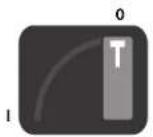
Position for drilling without impact, for metal, ceramic, and plastic materials, and for screwdriving


OBI_BUCH-2092-002.book Page 127 Thursday, February 23, 2017 11:46 AM
Ukrainian127
Russian
Manufacturer's address:
OOO Robert Bosch
Balashikha Highway, 24
141400, Khimki, Moscow Region
RUSSIA
Tel: 88001008007 (toll-free within Russia)
E-Mail: info.powertools@ru.bosch.com
Full warranty information is available at
You can obtain spare parts and accessories:
- On the official website www.bosch-pt.ru
- or by phone at the Bosch service hotline 8800 100 8007 (toll-free within Russia)
Belarus
Robert Bosch LLC Service Center for Power Tools, ul. Timiryazeva, 65A, 220035, Minsk, Belarus. Tel.: +375 (17) 254 78 71, Tel.: +375 (17) 254 79 15/16, Fax: +375 (17) 254 78 75, E-Mail: pt-service.by@bosch.com, Official website: www.bosch-pt.by
Kazakhstan
Robert Bosch LLP
Service Center for Power Tools
Almaty
Kazakhstan
050050
pr. Raibymbeka 169/1
corner of ul. Kommunalnaya
Tel.: +7 (727) 232 37 07
Fax: +7 (727) 233 07 87
E-Mail: info.powertools.ka@bosch.com
OfHnAaBbHm caHt: www.bosch.kz; www.bosch-pt.kz
YTHH3aun
OtNyckHbMn cBpO CK HsMoHcHcPymENT, npHAdnEeK HocTH yNauOBky CnepyET caTb Ha KONOrHeCk NCHcyo peuPKyunHIOXoDko.
Cma30hble matepnaibn cpectBa nOCHTK
DONKbIyTNHn3HpOaBtcb3KoNOrnueckn NcTbIM
06pa30M. BbInonHnHte 3aKoHHhe npedncaHHa.
Cornacno npednHcAHm NoepraTye TYNN3aun H nonact MToTPOI Naonact MToPoA cOpExkT rEIOHO HArpeBaTe Ix CbIIe 400°C, TAK kAp N3TOMB0MOKHO BvDeneHHe BpEnHx dNf sOpoBba NapoB.
Ecnn BaunnBmOnHcTpyMeH BonBue HepaBocncOc6en, to caJain ero, noKanArycta, BJeHTp YtnHn3auu HnN BTOPO1IO, HanPmep, BABTOPK30BaHHy cpeBCHyMo MaTePCKyIO BoI.
Bo3MOXHbI XaMeHeHHa.
ykpaiahcbka
Bka3iBk 3Texhikn6e3neKn
3araabhi bkaaibk 3 texhik 6e3neek dna HHEBMTHHn npnaqib
A NOITEPEDEXEHHA
IpeoMOnTAKeM, BHKOPHCTAHHM, DEMOHOM
Technical documentation and instructions for pneumatic tools, as well as before working with them, carefully read the instructions. Failure to follow safety instructions can lead to serious injuries.
Keep the safety instructions and give them to the operator.
Safety instructions
Be careful that the tool may become hot during use, and also ensure safety when changing accessories or adjusting. Wear protective glasses, gloves, and a helmet. Do not work with a pneumatic tool in an environment where there is a risk of explosion due to the presence of flammable gases or liquids. When working, parts may fly off, which can cause injury. When working with a pneumatic tool, hold it firmly and be prepared for recoil. If you are distracted, you may lose control of the pneumatic tool.
Safety of pneumatic tools
Never point the air stream at yourself or others. Never point the air stream at your hands. The air stream can cause serious injury. Check the connections. All connections must be properly tightened and the pressure and air flow must be within the technical specifications. Excessive pressure negatively affects the operation of the pneumatic tool and can lead to material damage. Wear protective glasses, gloves, and a helmet. Wear protective glasses, gloves, and a helmet. Do not use the tool if it is damaged. Damaged tools can break and cause injury. The tool can be damaged. Be careful not to damage the tool. Keep the tool clean and dry.




128|Ukrainian
or damaged tools must not be used.
Safety
Always wear safety glasses when operating pneumatic tools. Do not use pneumatic tools. If you are tired or under the influence of drugs, alcohol, or medication, do not operate pneumatic tools. Carelessness when using pneumatic tools can lead to serious injuries. Before using, check that all connections are secure. Also, ensure that the air supply is clean and dry, and that the pressure does not exceed the maximum rated pressure for the tool. Failure to follow these instructions may result in injury. Always wear eye protection. Before using a pneumatic tool, inspect it for damage, and ensure that it is in good working order. Do not carry a pneumatic tool by the hose. Carrying a pneumatic tool by the hose or pulling the hose to move the tool can cause damage to the tool or the hose. When using a pneumatic tool, choose the appropriate tool for the job. Using the wrong tool for the job can cause injury. Do not overreach. Keep proper footing and balance at all times. Proper footing and balance enable better control of the pneumatic tool in unexpected situations. Wear protective gloves. Do not wear loose clothing or jewelry. Keep hair, clothing, and gloves away from moving parts. Loose clothing, jewelry, or long hair can be caught in moving parts. When using auxiliary devices, ensure that they are properly installed and used correctly. Using such devices may increase the risk of injury. Do not point the air stream at yourself or others. Ensure that the air stream is not directed at anyone. The air stream from the pneumatic tool can be dangerous and may contain metal particles or debris from the compressor. This can cause injury.
Safety instructions for using pneumatic tools
27. When working with abrasive materials, use appropriate protective equipment
or accessories. When grinding a workpiece, hold it firmly with both hands, and do not attempt to grind it with one hand. Always use the pneumatic tool with the correct accessories.
Read the operating instructions before using the pneumatic tool. Use the pneumatic tool only for the purposes for which it is specifically designed. The pneumatic tool is intended for driving nails into the workpiece. Do not use the pneumatic tool if it is damaged or malfunctioning. If the pneumatic tool is damaged or does not work properly, it must be repaired by an authorized service center before further use. Do not use the pneumatic tool if it has been dropped or damaged. Store the pneumatic tool in a dry place, out of reach of children. Do not allow untrained persons to use the pneumatic tool. Improper use of the pneumatic tool can result in injury. Keep the pneumatic tool under supervision. Check that all parts of the tool are in good condition and that no parts are damaged or affect the operation of the pneumatic tool. If any parts are damaged, replace them before use. Before using the pneumatic tool, make sure it is properly assembled. Keep the tool clean and sharp. Store the tool in a safe place. Use the pneumatic tool only with the appropriate accessories. Always wear safety glasses when operating the tool. Do not exceed the maximum air pressure. Adjust the pressure regulator according to the instructions. Do not modify the pneumatic tool. Such modifications can affect the safety features and increase the risk of injury to the operator.
Serious
Repairs should only be carried out by qualified personnel using original spare parts. Otherwise, the pneumatic tool may be unsafe.


Ukrainian
Safety instructions for pneumatic tools
Before use, check the tool for damage. If necessary, repair it or replace it with a new one. Improperly prepared or worn parts can cause the pneumatic tool to fail at high speed. During operation, as well as during maintenance, repair, and adjustment of the pneumatic tool, it is mandatory to wear protective clothing. The necessary degree of protection depends on the specific type of tool use. When performing work above your head, wear a protective helmet. In this way, you can prevent injuries. Use the pneumatic tool only for the purpose for which it is intended. Otherwise, the tool may break and cause injuries. Damaged, deformed, or worn parts of the device must be replaced immediately. In this way, you can prevent injuries. Do not operate the pneumatic tool unless it is installed on a stationary base. The operator and maintenance personnel must wear appropriate protective equipment, which allows them to work with pneumatic tools of various sizes and with the required precision. Be ready for unexpected movements of the pneumatic tool, which may occur due to sudden reactions or jamming of the tool. When holding the pneumatic tool, keep your body and hands in a position where you can resist these forces. Protective measures will help prevent injuries. Caution! During prolonged operation of the pneumatic tool, the working tool may heat up. Wear protective gloves. Before changing the working tool, disconnect the pneumatic tool from the air supply. Use the tool only when the working tool is in optimal condition. During operation with pneumatic tools, the operator may experience discomfort in the hands, arms, shoulders, neck, or other parts of the body. When working with pneumatic tools, maintain a stable posture, do not hold the tool in awkward positions or in positions where it is difficult to maintain balance. During prolonged work, the operator must change
body position to avoid discomfort and fatigue.
The operator must be able to use the tool and handle it properly. The tool must be used only for its intended purpose. The operator must follow the instructions and consult the qualified medical professional if necessary. Never use the tool as a hand instrument. The tool may break if it is not used properly. Use only the tool's accessories. When using the tool, be careful not to damage the tool or the workpiece. The tool may cause injury. Do not use the tool near flammable materials. The tool may cause fire. The tool may cause electric shock if it is not used properly. The tool may cause injury if it is not used properly. The tool may cause damage to property. Do not use the tool if it is damaged. The tool may cause electric shock if it is not used properly.
WARNINGS
Note: The tool may be dangerous if used improperly.
Improper use, careless handling, or misuse of the tool may cause injury or damage to property. In particular, the tool may cause
Injuries to the eyes and skin; - The tool may contain hazardous materials, such as lead and other substances that are used in the tool and may be harmful if inhaled or ingested.
The risk of injury depends on the frequency of use and the user's experience. The user must follow the safety instructions and use the tool only for its intended purpose. The user must also use the appropriate personal protective equipment (e.g., safety glasses, dust mask, hearing protection).
The tool may be used for cutting and drilling. The tool may be used with appropriate accessories. The user must use the tool with the appropriate accessories and follow the instructions. The user must use the tool in a safe manner to avoid injury.

130|Ukrainian
Pneumatic tools are equipped with a motor, so before using them, read all instructions and safety warnings. Always wear safety glasses. Through the exhaust air, pneumatic tools can be cleaned. Tool handles are adjustable. Wide handles can get caught in rotating parts. If the tool is damaged or has defects, stop using it, take it to a qualified service center, and report the issue. Do not use the tool while it is running. Hold the pneumatic tool firmly, but not too tightly, according to the tool's reaction force. The less force you apply, the more control you have. When using impact wrenches (fist clutches), it is necessary to install locking pins. Use the tool's safety strap to prevent accidental activation. Never carry pneumatic tools by the hose. If the tool is stuck, be prepared for high reaction forces that may cause injury. If the tool is stuck,
- The pneumatic tool is overloaded, - the tool is bent in the workpiece, or - the tool tip is stuck in the workpiece.
To avoid reaction forces, use a support handle, for example, a side handle. If this is not possible, use a pipe wrench.
Never hold your hand near the tool's working area, as it may be injured. Do not touch the rotating workpiece. This can cause serious injury.
Symbols
The following symbols may appear on the tool or in the manual. Familiarize yourself with these symbols. Understanding these symbols will help you use the tool safely and effectively.
Symbol Meaning

Before installation, use, repair, or maintenance of pneumatic tools, and before working near them, read all instructions and safety warnings. Failure to follow the following instructions may result in serious injury.

Wear hearing protection. Noise can damage hearing.

Wear safety glasses!
Wear protective gloves
| Hm | HbIOTOH-METP | Одненье eheprii (обertealthи Moment) |
| кг | КINORРAM | Маса, bara |
| Ibs | ФуNTM | |
| MM | MinIMETP | Довжниа |
| XBHn. | XBHnIH | Трьаліпь |
| c | секунд | Битретен ПИОHM |
| XBHn.1 | oberte Naо рухи 3a XBHnIHy | KINькіст. надегін ha хол检Tomу xOу |
| bar | бap | |
| psi | ФуNTN Ha KBaцрathni ДIOHM | Повітpen ПИСК |
| π/c | Пл'tР Na 3a SEkyн'dy | |
| cfm | КуБИЧIФуNT ha XBHnIHy | Витрета nobітpres |
| ДБ DeuHбeHn | Oco6HnBa OdnHnuz BIDHocho rOncHOCTI | |
| QC UHdKOZaTHCKHni NaTPOH | Патрон | |
| ○ | СHMBON BVHTPIUHbOro шЕТнграNHнka | |
| ■ | СHMBON 0OBHIIshbOro KBaДрatura | |
| UNF | stAndapt TOnHoi piәi СЗДA (CdHHH NaHJOHaJIbHnri stAnon TOnHoi obp6bHn СЗДA) | |
| G | piэb YITBopta | Спolyчи рэь |
| NPT | НaJOHaJIbHn CTanДар ТуБиOi piәi СЗДA | |


Ukrainian 131
From the manufacturer's instructions
4. Fixing the gear tooth drill bit
5 3v6yactn CBePnHbHH natpoh
6XBoCTOBm3SDS-plusnBcBepnnHoro natpona
*60abaehe 500nKcane npnnadnne H bXoDNTB C tAndptnHm ocbar nocTabKn. NobHn acotMtHnent npnnadn Bn 3naIe B hauin npornpam npnnadn.
Technical data
| П�ЕВМУЧМЕРФОТ | ||
| Товарни homер | 0 607 557 501 | |
| Мakc. кльбICTь обергпiod навалхженим | xви.1 | 850 |
| КльбICTь удAPIБ | xви.1 | 3900 |
| Корисна пост冈ichtь | Вт 740 | |
| Дiamетр розсевeredиюванього otbyору, макс.: | ||
| - стон | MM | 20 |
| - стоь | MM | 13 |
| - деревенá | MM | 30 |
| Пагон | SDS-plus | |
| Мakc. робочий тинк ha рobochую Inctrpymentl | 6ap | 5 |
| psi | 72,5 | |
| Прочdnувална рizьба шалною оштуега G 1/4* | ||
| Читné дiamетршианca | MM 13 | |
| С两款нвадьни постри на хлобосту му xody | n/c | 15 |
| cfm | 31,8 | |
| Bara bialnovi do EPTA- Procedure 01:2014 | Кт | 3,0 |
| Ibs | 6,6 | |
Declaration of Conformity
We declare under our sole responsibility that the product described under “Technical data” complies with the following standards or standardizing documents: EN ISO 11148 in accordance with the provisions of Directive 2006/42/EC.
Technical file (2006/42/EC): Robert Bosch Power Tools GmbH, PT/ECS, 70538 Stuttgart, GERMANY
Henk Becker
Executive Vice President Engineering
Helmut Heinzelmann
Head of Product Certification PT/ECS

iV. k = m _____
Robert Bosch Power Tools GmbH
70538 Stuttgart, GERMANY
Stuttgart, 01.01.2017
MOHTAX
IodatkoBa pyKoRTka (INB.MaN.A)
3MIPyBaHbTexHHKBe3NKeHN KOPCHCyBaTHc INHEBMATNHIM IHCTPYEMHTOM DO3BOJHcBcRcN HNE 3 MOHTOBaHOO DODATKOBOYPOKTONKO10.
IodatkoBy pyKoRTxy 10 MoXnHa NoBepTAty B dyb-Ke nonoxeHHH, uO 3a6eNeuey 3pyHy po6Oy Be3 BTOMneHH ryk.
BjdkpyTITbTBHIT-bapaHnHKIpeyERPOBAHNNdoaTkoBOI pyOKTKN4 npOTH cptINK roHNHHKA i nobepHTB doaKTOKBY POKTKY 10 B KAHAI NOONKHEIN. Tcna
Bosch Power Tools 1609 92A 33X|{23.2.17}
132|YkpaHcbKa
Zb0rO3aTARHITbBHT-6apAHN4K4NOePraHHAM3a CTrpIKoTOQINHHKA.
PiKNoeHH NoBirpo NHeBMaTHuHOr npHnady
-3akpytihnlaahroBHNH9BcnOyHHNHTyepHa BxoDIOIporR7. L063a0b0fTHN N00KoDKeHNO BHYrPliuHxqTnH KAnAna, pnpAkyRiB1BkDyBuHHIiHaHRBOHO HInen9 9Tre6pa nprrpHMyBaTH BmCTYnaOCHnCnoTyHN YTuep 非BAxoDiPiOBTP7raKOBHMKnHOEM (po3mip nID KIOH22 MM). - Pocnabre xomytn 12 uanra nna onda ni nobitpr 13 i 3akpiinb uanai nna ondaqui nobitpr na uanahroBomy hineni 9, Tyro 3aetnhybni xomyT.
Bkaia:UaHnI dna nodaui nobirp rte6a3abxdi CIOATKAY MOHTyBaH Do IIeBHMATHOPOIIaIY IINue niciu zo do ybna TeXobcnyroBuHaHH.
Bn6ip cbepnnbHoro natopona ipo60nx inctpymertib
Dnepoapui i oobhaHH (OobhaHH Hne 3 npnndam MV 200) Bamntp6i bi oboi icHPTeMH n3 SDS-plus, RIKo Mocha BCTPOMN B cBpeiHNbNHn patOH a SDS-plus. Dn CpeiHNbHH bE ynpy B DepeBHm, Metani, Kepami i nactMaci, a TAKOK AekpyuBAHn RBHTB INKOPHCTOBYtBC poBIH icHPTeMH be3 SDS-plus (HanP., cBpeiHa 3 uHHINpHNNH XBOCTOBHKOM). Dn TaKHX pOboHH icHPTeMH notpHIN MBWko3ATNCKHI CpeiHNbHH npatOH a60 3y6aTCHn CpeiHNbHH npatOH.
3amHa 3y6yactoro CBepnHbHOro natpona
LIO6 npaKobatn 3 pO6OHMM HcTpyMeHTAMM 6ea SDS- plus (Hapn., i3 cEBPDNM 3 uINHDPNHM XbCTOBKM), TpeBaMOHTyBatn PpIaTHMN CEBPdNlHN NpatPOH (3y6bactHn a0bIbNNkO3AATHCNH CEBPdNlBHN NpatPOH, pnpia/4).
MOHTAK 36yOCTORO CEBPDAHINBHORO NATPOHA (AHN.MAN.C)
3aKpyTb XBOCTOBHK aSDS-plus 16 b ay6bactn CBepINbHn natPOH 15.3adKcYIe ty6bactn CBepINbHn natPOH 15 3a donoMoro fikcyOuro GBHHa 14.3BaKaHae Ha Te, zo fikcyOuyr RBHTMa nly pIs.
BCTPOMHnHH3y6actoro CBepHnHbHOro nAtrhoHa (mB.mn.D)
- PpOCHCTB KINHKN XBOCTOBHKI I TPOXH 3MACTB HRO。 -PObepTaOCh, BCTPOMITb 3y6aCTHN CEBPDNHHN nATPOH XBOCTOBHKOM B3aTnCKaH, uO6B HYBIMUOB y 3aENNEHH.
- Nepeiprpo fikcaio, noTARhybui 3a 3y6hactri CbePfIbnHbnI natPO.
BnMaHHa 3y6aacto rCbePnHbHoro nata
NITHTHbIcKyoHyBnyK3HaadIaHIMbIy3bUcAchTm CEBPNDNTHaNHPO15
3amHa po6o4oro IHcTpyMeNTa
HIN03axHCNH KOBNAOK 2 3anobirae NotpanHHIOB nATPOHN NNIY BID CEBPNEHNIJ, VAC pOBOTN. IINIac BCTpOMNHAPOBOVOr IHCTpyMeTHaCnIKyTe 3a TMM, IO6 He NOIkoDNI HIN03axHCNH KOBNAOK 2 Ypasi nouokdoekhenHH Nnno3axhCHoro KOBnauka HOro Tpe6a Heraiho 3amiHHT. PekomeHyctcb paohnt ce B cepichin mainctephi.
BCTPOMHRAHPOBOHXIHCPTyPMHTa3SDS-plus (dHbMaN.E)
3aBnBcBpHbNMy npOHy 3 SDS-plus p060nIHCTPYMENMOXHaPtoI 3pyHO MIRTH 63BKOPKCTAHNR DQATKOBHX IHCTPYMHTB PnIOHCTB KINIK NPOBOHO ICHPTMENA,KKIM BIB BCTPOMNIAETBCNA TPOH,TOXHAACTMBIHO.


Kazakura 137
PeakunbkytepeMece ananb-camnbl acnabH 63ybyybe661hen naDa 6onatBn HneBMaTHKanbkypanbkyinmenerepeketepheAab60bnb.1nHeBMaTHKanbkypanb6ekem yctan deehi6en konaapbH3dbny epeketepjYcTaNtBNkanbKentipH3.Ocb CaTBkWapnapApkbpKaPakattHynpdbAnbHanyMVKH A6aB6onbHb3!AnmblcnnbIacnantap nHEBMATHKabIK Kpyanbly 3aKyKaHIT naDaanraHrann HcKb3bnKetYi MykH. Kopray KonoBAH KHJ3. Aya Kenyi ToKtaca Hemece XyMbICKa KepeKTI KbCbIMbTomeHEnCe NHeBmATKnkB Kypan eWedi. XyMbICKaKepeKTI KbCImbl TcEepin OITMaIbnb KbCImBXaJdaiNnHa KaItra XyMbICt IcTeynB DactaHIs. PHEBMATHANKBbABOTMAbTI naIaNanAHydA Kymblc apeketepinOpbnayKe3iHe naiNanAHybl anakah, kon, hik, moHbH HeMece 6oKa debeoniktepihe XaKbMcb3TyrCtkeDPe c3ey MyMKH. BynIHEBMATKANbIK KypaIeMHXyMbICICTeyuH XaJIb KyIe Tpy6bI bekem TypbIb3, an Tene- TehiKnIcYtant YpO KHyBb6onBbIbN de KyIepInHe TpyMaHb3. PndanaHybU yzak YaKbITbY XMyCbIapAda De HcybAbyCtbPbJx KaBMcBc3IbKx HeaIpaayAbH bAnDbI ay Anly BpeK Erepnainananybukyakbbtbyxkbimcb3dbky,yyp, kacyk,buuy, ybnk kany, deye KREHEme Hecice pcin kany bchntcBHTMNTDapblc 6ce36yn6gnirnenblkbiNac3bKIOyMmHEmEC. Piadananybubxmybc6epyuihe xabap6epin mamandpirepre xabapncbykket. OohbIbIeKaauH kon caMaHbI petHe nnaDaanBn3. OihbIaT terMHNbIK hKeJREH 60bn, uItbHbY MMKIN. TeK ekip oikfHtapb naiaIaIahnIbIb3. AnIaJIbIcannAblacn anan erneHbncon, KaTb TepBeyMeH KJxDyHAn JaXpIbNcAan IaN nn Kenyi MyMkh. Kabdbknapeepinewkaanhyda cybtaib3. BymopttkkxKaHepeteyBanyra anbn KenyiymkmH. OBytmbu Ekwakn Tytkbw peHne naJaanahBaBb3. 8nnieoe, oncbHab. Kaxetti3dey Kypanapabhi naidana hbnx kacbipbhrn Kopek Cbimapab Tabbiu3 Hemeck xepriinkti Kopek Yibimhaba WukpibH3.3eKTPcBmabHHA THO ept Hemece ToK coryha anb nnky MyMkh. Ta3 Kybipbni 3akbmday kapeblica bnny kenly MyMkh.Cy kbpibn 3akbmday Matepehndlbk BNHfA bbln Kenly MyMkh. TOKOTETIH CBMbTMBH3.1HEBMATHKANIKACnAP OKyuaHAnbDbpBIMAHFONBIHOHbIKTOKCBMbHA THIOI TOK COYbHaAINBENKYMVKII
ECKEPTY Yukipney,apanay,terictey,6pybnay XeHcKac apeketepdi opblhy Ke3iHe naia gonatoBnWan konpeorehdi,repatorehdi Hemece MytarehdI ccep eyi Mymkh. Ocb warap TOMEHOrI 3aTKeTepdi KaMTnDbI:
- NaK HeMece bOrynapdaFbI KpFacbIH;
First, clean the base of the crystal with a solvent; then apply the adhesive and format. The two caps should be bonded to the base. For the tube, it is necessary to use a special adhesive (for example, a sealant resistant to oils and fuels) to ensure a tight seal. If the sealant is not applied correctly, it may leak, but it can be repaired by applying more sealant. The material of the sealant must be compatible with the pneumatic system. Pneumatic valves should be installed in a way that allows for easy access and maintenance. If the pneumatic valve has a leak, it must be repaired or replaced immediately to prevent further damage. The use of a sealant and gaskets is recommended for all connections. The valve must be kept clean. The pneumatic valve's seals should be checked regularly. Use a sealant on all threaded connections. If the valve is damaged, corroded, or worn, it must be replaced immediately. Do not operate the pneumatic valve without proper lubrication. The pneumatic valve should be installed in a clean, dry location. If a universal joint (or a flexible joint) is required, it must be installed. The pneumatic valve must be protected from contamination. Do not install the pneumatic valve without a filter. If the pneumatic valve is not operating correctly, check the air supply. The valve should be installed in a horizontal position. The tube must be connected to the valve with a proper fitting.
Check the pressure gauge readings of the mechanism before starting. If the pressure is low, do not start the mechanism.




138|Kasaika
KoIbIbIaHnBIn KxatKaH KypanDbH XaHbHa 6onmaybKepe.3iHj3di JkapaAtaTahyBbH3MymKiH BpybI dainmamdaipindecmeich. Byn terpeyky KATBI Kyueiin ketyine an lyan kenly Mymkih.
The device is designed for use with compressed air. The device is equipped with a pressure regulator. The device must be connected to the compressed air supply via a filter regulator.

The catalog, the device, the pneumatic cylinder, and the pneumatic accessories are designed for use with compressed air. The user must ensure that the accessories are compatible with the device.

The device is equipped with a pressure gauge. The gauge must be checked regularly.

The device is equipped with a safety valve.
The device is equipped with a filter and a lubricator.

Bapnkyainicikhyckayntkaptbnx hane ecepttnenepiokb. TexKahaibk kaynicidhkyacnyhtkbrnhx Hae eceptnepdi cakamay TOKtih CORYha,ep TcHHe/Hemecce aybpkapaATAHynpara anbl KeliY MyMkhN.
THeBMaTHaKbIK KypaIbH CypeTI bap BerI aUbIN naIaNanAHy HcaybHbH Oky KeiIne OOh aUbIK YCTaHbIa.
Taraihndany6oynbHnaKoIaHy
IHEBMATHKAIbIKypan nepFopatopmH6eTOHbIb, KIPHI, TaTbIOHOFAJXHeJXKAFYKMBCTapbHaApIHraH. ONXHe aARaM, MetaI, KepAMKa, NactMaCCAHb KaYcBIs OORA apHAnrA. NepFopatop cybIXaHeDbIMKnB6nMepeDe XHe aXbIX KepdEi KypblbCTapda naDaIaNMyFa APHAnH.
BenneneHren Kypamdb6nweKTeP
Kepcetinre Kypamdactap Hemipi cyperTep 6apBettier INHEMaTHKaIbIK KypaPbnIH CNnTaTAMcbHa KaTbCTbl.
1Acnan nHaTpoHb 2WahHnCaKaTaNtBn6yKtbpMa 3BeKityTeKec 4 KanakbbybpyfkbocbmuTtKaHbXkbDkbyy 5 KaYdybl/aHAnydybTOKTaTy KCKbIbbl 6KockbW/ewipriu 7Aya kipicinhe bipikripetin Kente Kybbl 8BaeCnTeKiwTetiayaawrbbcbl 9UHaHKeTe Ky6bipb 10KocbIMuaTtKa 11 Tepehikwekteriui 12UHaH KAmblrbl 13Aya kybnbyi 14 Taqik bpybnaay natoHb yuHn ToKtAaBb 15 Ticti Toxdk Bypranay npohb 16 Byprbnay npohb yuih SDS-plus-acn an npohb *EeHneneHren HeMee ChnattanFAn Xa6DkTap CTahdptBtY kTeK3yXaENmIMn KAmblamDa. TOnbIK Xa6DkTAPbI 61dIn Xa6DkTAP b4gdpnAmabMaTbTabac3B
1609 92A 33X (23.2.17) Bosch Power Tools



OBI_BUCH-2092-002.book Page 139 Thursday, February 23, 2017 11:46 AM
Kazakura139
TexHkAnbik ManimetTep
a1 = 5M / c2,K = 1,0M / c2
O10: a=6M/c², K=1,1M/c²
Metanbbypfnany:a<2,5M/c²,K=1,5M/c².
Caikecik manimdeci

Technical data: The machine complies with the relevant standards and directives. The technical data can be found in the operating instructions. The following standards and directives apply: EN ISO 11148, 2006/42/EG.
Technical data [2006/42/EC]: Robert Bosch Power Tools GmbH, PT/ECS, 70538 Stuttgart, GERMANY
Henk Becker
Heimut Heinzelmann
Executive Vice President Engineering
Head of Product Certification PT/ECS

Robert Bosch Power Tools GmbH 70538 Stuttgart, GERMANY Stuttgart, 01.01.2017
Noise
Wear safety goggles
The noise level at the workplace can exceed 70 dB(A). Wear hearing protection when working with the tool.
The noise level is measured in accordance with the relevant standards. The noise level at the workplace can exceed 70 dB(A). Wear hearing protection.
Safety instructions
Read all safety warnings and all instructions. Failure to follow the warnings and instructions may result in electric shock, fire and/or serious injury. Save all warnings and instructions for future reference. The term "power tool" in the warnings refers to your mains-operated (corded) power tool or battery-operated (cordless) power tool. Work area safety: Keep work area clean and well lit. Cluttered or dark areas invite accidents. Do not operate power tools in explosive atmospheres, such as in the presence of flammable liquids, gases or dust. Power tools create sparks which may ignite the dust or fumes. Keep children and bystanders away while operating a power tool. Distractions can cause you to lose control.
Wear safety goggles
The tool is intended for tightening and loosening screws (72.5 Nm) and for drilling in wood, metal and plastic.
Maximum safety for the operator is guaranteed by the safety devices. The technical manual describes the device. Only qualified specialists may use the maximum safety device.
The safety devices and their functions are described in the device, and the technical data is provided in the technical manual.
Warning: The device must be used only for its intended purpose. Any other use is considered improper and may result in damage to the device. The device must be used only for its intended purpose.
The device, its accessories, and the spare parts must be used only for their intended purpose.
Before starting the device, read the operating instructions carefully!
The device is intended for use with the technical data specified in the technical manual.
The device is intended for use with the technical data specified in the technical manual.
The device must be used only for its intended purpose. Any other use is considered improper and may result in damage to the device.
Bosch Power Tools 1609 924.33X| (23.2.17)




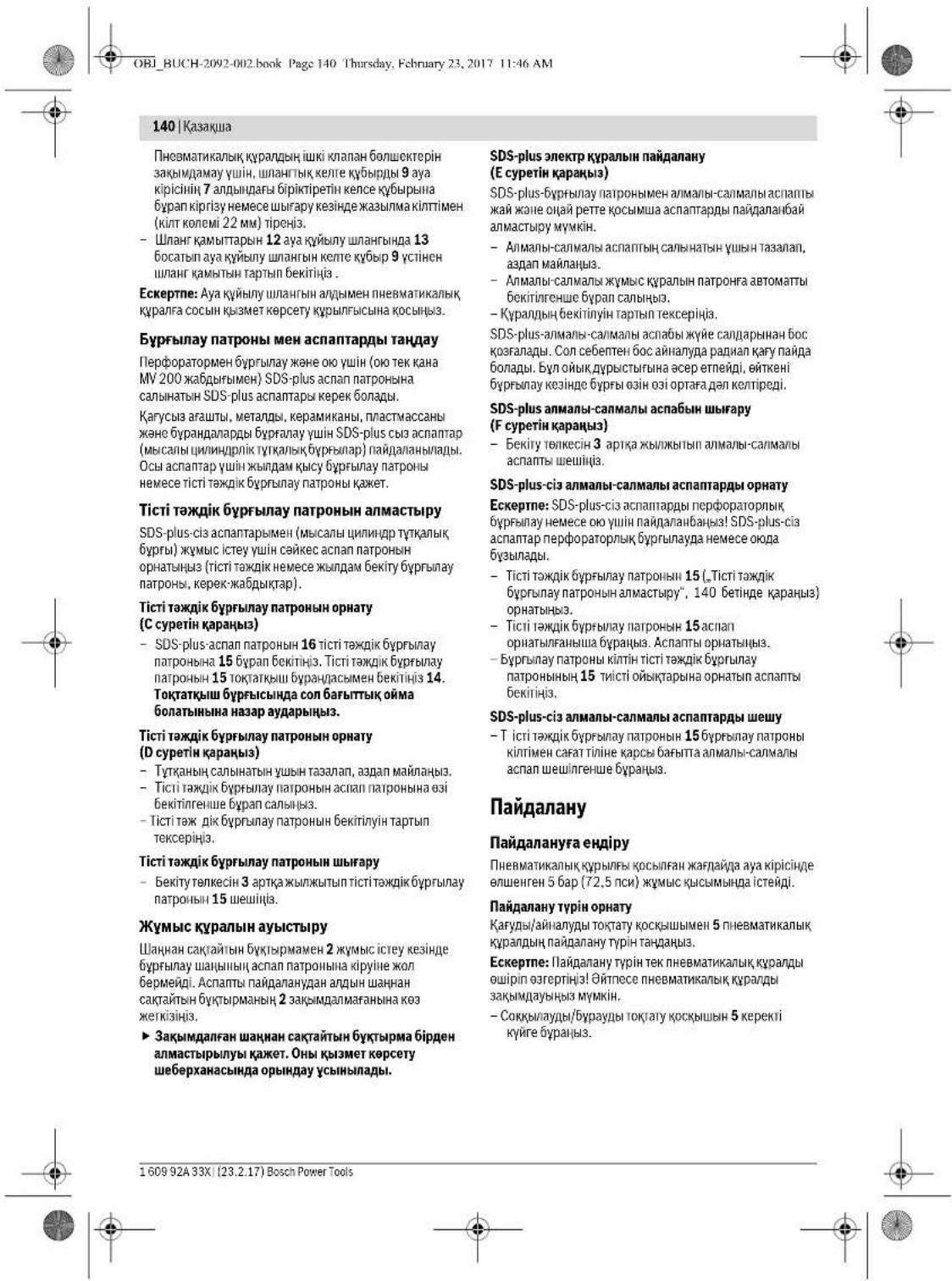
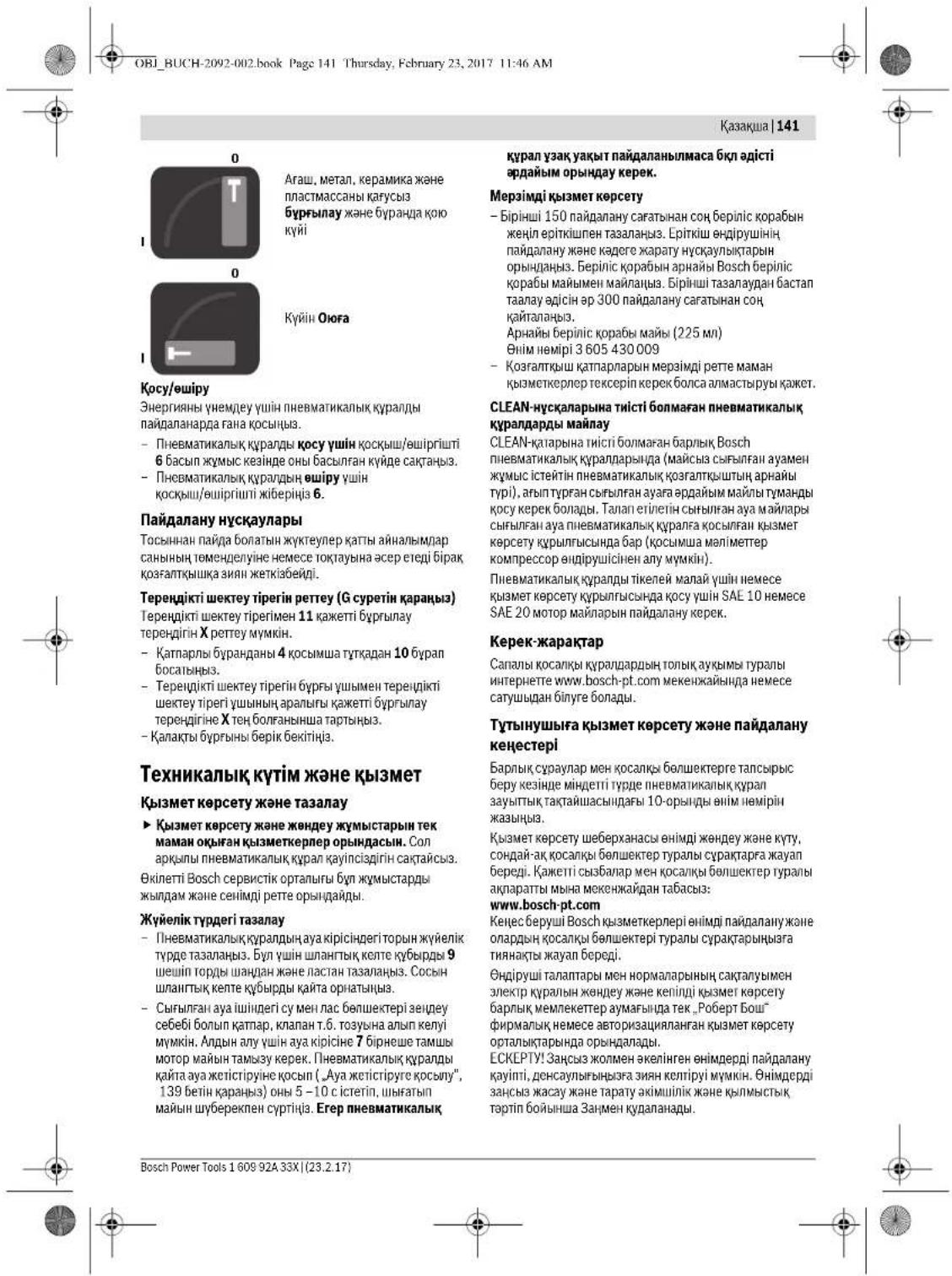
Romàna 143
OBI_BUCH-2092-002.book Page 145 Thursday, February 23, 2017 11:46 AM
Romàna | 145
cheazadaca:
Henk Becker Helmut Heinzelmann Executive Vice President Head of Product Certification Engineering PT/ECS
Robert Bosch Power Tools GmbH
07538 Stuttgart, GERMANY Stuttgart, 01.01.2017
Mounting
Additional handle (see figure A)
Bosch service center
Str. Horia Macelariu Nr. 30-34
013937 Bucharest
Tel. power tool service: (021) 4057540
Fax: (021) 4057566
E-Mail: infoBSC@ro.bosch.com
Tel. consultancy: (021) 4057500
Fax: (021) 2331313
E-Mail: infoBSC@ro.bosch.com
www.bosch-romania.ro
Disposal
The pneumatic tool must be directed to an ecological recycling station. Dispose of lubricants and detergents in an environmentally friendly manner. Respect legal provisions. Dispose of the rotor blades properly. The rotor blades contain Teflon. Do not heat them above 400°C, as otherwise harmful vapors may be released.
Safety during operation
WARNING: Be careful of the surface, which may be hot. Before using the tool, check for any damage, such as cracks, breaks, or wear. Do not use the pneumatic tool if it is damaged or if there are any signs of damage. Do not work with a pneumatic tool in the presence of flammable liquids or gases, as there is a risk of explosion. When working
Do not allow sparks to form, which could ignite dust or fumes.
- Always maintain a safe distance from the work area when using the pneumatic tool. If you notice any malfunction, you must immediately stop using the pneumatic tool.
Safety when working with pneumatic tools
Never point the air jet at yourself or others. Turn off the air supply before disconnecting the tool. The air under pressure can cause serious injury. Check the connections and hoses. Any repairs, adjustments, or connections must comply with the technical parameters regarding the supply pressure and air flow. Use the correct pressure for the pneumatic tool. Excessive pressure can cause damage to materials or injury. Check the blades for cracks, breaks, or sharp edges. Keep the blades at a distance from the body and clothing. Replace damaged blades immediately. A damaged blade can cause injury or accelerate in an uncontrolled manner due to reactive forces. The air jet can cause injury. Be careful of the blade edges. They are sharp. Do not touch or damage the blade edges. They can cause injury.
Personnel safety
ATTENTION: Before using, make sure you have read and understood the instructions for use. Do not use pneumatic tools if they are damaged or if they do not comply with the instructions for use. Improper use of pneumatic tools can cause serious injury. Work with personal protective equipment as required. After using the equipment, wear protective masks, safety shoes with steel toe caps, and hearing protection (ear muffs) according to the instructions for use and the relevant safety regulations. Always follow the safety measures to avoid accidents. Make sure the pneumatic tool is disconnected from the air supply before connecting it to the air hose. If the tool is connected to the air supply, do not disconnect it while it is in use.




150|Bulgarian
DANGER: When the tool is connected to the air supply, there is a risk of injury.
Before connecting the pneumatic tool, make sure that the tool is not damaged. The tool for adjusting, tightening, or loosening the parts of the pneumatic tool may cause injury if not used properly. Always maintain a safe distance from the tool. Do not operate the tool without proper training. If the tool is damaged or malfunctioning, do not use it. Using a damaged tool can cause serious injury. Do not point the tool at yourself or others. Avoid direct contact with the exhaust air. The exhaust air may contain oil, water, or other contaminants from the compressor. These can cause injury.
Proper handling of pneumatic tools
When using the tool, always hold it firmly. When the tool is held with one hand or pressed against the body, you cannot control the pneumatic tool. Do not operate pneumatic tools. For every operation, use the safety equipment for pneumatic tools. With the help of pneumatic tools, you can achieve high quality work. If you use a pneumatic tool, always follow the instructions. A pneumatic tool that cannot be turned on or off is dangerous. When adjusting a pneumatic tool, replacing accessories, or when the tool is not in use, disconnect the air supply. This prevents accidental starting of the pneumatic tool. Store pneumatic tools in a safe place. Do not allow pneumatic tools to be used by people who are not familiar with the safety instructions.
When using the pneumatic tool, always wear safety glasses.
Be careful with the pneumatic tool. If the pneumatic tool is not functioning properly, check for damaged parts. Before using the pneumatic tool, organize the work area. Many accidents are caused by poorly maintained pneumatic tools. When using the pneumatic tool, always use the correct accessories and tools. Follow the instructions. Improper use can cause injury. The pneumatic tool must be maintained and serviced by qualified personnel. Do not modify the pneumatic tool. Modifying the pneumatic tool can lead to unsafe conditions and increase the risk of injury.
Service
Have your pneumatic tool serviced by a qualified repair person using only identical replacement parts. This will ensure that the safety of the pneumatic tool is maintained.
Safety instructions for pneumatic tools
The operator must be instructed to use the table only as specified by the manufacturer. Drawing of processed parts, on an element of additional equipment or on the pneumatic tool itself, can open parts at high speed. During work with pneumatic tools, as well as during repair or maintenance, or when changing additional equipment, it is necessary to use protective goggles. The degree of necessary protection must be determined in each individual case. When removing the table plate, work with protective goggles. This will avoid possible injuries. Use pneumatic tools only with the specified air pressure. In the opposite case

Bulgarian 151
the tool may be operated at excessive speed.
Worn, damaged or cracked elements or parts must be replaced. This will avoid injuries. Before switching on the pneumatic tool, check that the air pressure is between 6 and 8 bar. The pneumatic tool and the personal protective equipment must be in good condition to handle the permitted speed, mass and power of the pneumatic tool. Injuries caused by the pneumatic tool arise as a result of the action of the tool on the material or as a result of the tool itself. Hold the pneumatic tool firmly, with sufficient force to counteract the recoil of the pneumatic tool. These precautions can prevent injuries. Attention! With prolonged use of the pneumatic tool, the tool may become hot. Use protective gloves when supplying the tool with compressed air or when connecting or disconnecting the pneumatic tool. Check the supply and fill the tool before work to achieve optimal performance. When using the pneumatic tool, the operator may experience unpleasant vibration in the hands, arms, shoulders or other parts of the body. When working with the pneumatic tool, take a comfortable position, pay attention to the stable position of the body and avoid uncomfortable postures that disturb balance. The operator of the pneumatic tool must periodically change the position of the body, which helps to reduce unpleasant vibrations. If the operator of the pneumatic tool experiences symptoms such as numbness, tingling, pain, swelling, stiffness, shortness of breath, or difficulty breathing, these may be signs of overexertion and must be reported. The operator must inform the employer of any such symptoms. Never use the tool as a hammer. The cutting tools are heat-treated and may break. Use only sharp tools. When working with sharp tools, there is a risk of injury due to fatigue of the material. Never throw the cutting tools into the air. This may cause damage to the tool or premature defects.
Use only as intended. To prevent accidents, use appropriate protective equipment and check for hidden electrical or pneumatic lines before starting work. Do not approach the tool with wet hands. The use of power tools and accessories can cause fire or electric shock. The tool can cause electric shock. The tool and accessories can cause serious injury. Use only insulated handles. The pneumatic tool is not insulated against electric shock.
WARNING: Observe all safety warnings, instructions, and precautions. Failure to do so may result in electric shock, fire, and/or serious injury. Save all warnings and instructions for future reference.
WARNING: Use only accessories recommended by the manufacturer. Use of other accessories may result in injury. Always use eye protection. Use of this tool can generate dust that may be harmful to health. Use a dust mask or other personal protective equipment. When working on materials, always check for hidden electrical wires, gas pipes, or water pipes. Use only insulated handles. The pneumatic tool must be inspected before each use and must be in good working condition. Always disconnect the air supply before changing accessories or making adjustments. Do not use the tool if it is damaged. Always use the tool with the correct air pressure. Do not exceed the maximum air pressure. Always use a regulator. Use only clean, dry, regulated compressed air. Do not use oxygen or other combustible gases. Always use a hose with a minimum working pressure of 150 psi. Always use a quick-connect coupling on the tool. Do not use a wrench on the tool. If the tool is not working properly, stop using it immediately and have it repaired by a qualified technician.





During operation, do not hold the tool by the hose. Hold the pneumatic tool firmly, but do not over-tighten, as this may cause the tool to slip. The tool may vibrate if held too tightly. If using universal couplings (e.g., quick-connect), they must be secured with locking pins. Use only the recommended hose size for the tool. Do not carry the pneumatic tool by the hose. If the tool is damaged, disconnect it from the air supply immediately. Be aware of the reaction torque that may occur when the tool is in use. The tool is equipped with a safety trigger.
TINHEBMATNUHHNHTNCHPTyMeNTbgepePepoBapen, -ce3aknnnBobpaobotKaHnnaTain -octpneTo My npemHe npes obpabotbHaHn DeTaeH.
H3n03BaTe NMOOHH nPNCnoc6HeBHH 3a NoeMaHe HApKaHNOHHTE MOnEH, HAp. nOxdoAun NoDnOph. Ako ToBA He E B3MOKHO, H3n03BaTe CnoMaTENHa PbKoXBATKA.
HnKora He noctabnte puee c n 6n30cTo BbPTaUncpe paobTHN HhCTpymEnTH. Moxerte da ce HapaHnTe. He octabnite cpeipno da BnBpnpa no taeTna.Toea pIaIbIeBnBKA 3HaHHTeHO YbcNnBaHa NE BnBpaIne HMaIIHnHATA.
SYMBOLS
The symbols in this manual may be of significance for the use of pneumatic tools. Read the symbols and their meaning carefully. The symbols are intended to help you use pneumatic tools safely and correctly.
Symbol Meaning

Operation, repair, maintenance, and servicing of the pneumatic module, as well as work in the vicinity of pneumatic tools, require special attention. If you do not follow the safety instructions, you may cause injury or damage.

Wear safety goggles. Operation of the tool may cause injury to the eyes.
Symbol Meaning

Wear protective gloves.
Wear protective footwear.
| Nm | H isoton-Metbp | Еденица за серпгь (ырtnц мочent) |
| kg | Килогам | Маса, тетло |
| Ibs | Пayнд | |
| mm | Миниметр | Дылійнá |
| min | MinHyн | Вразец, подільник-Телноct |
| s | Секун | Ссөрөүхүүлөрөүхүүлүүлүүлүүлүүлүүлүүлүүлүүлүүлүүлүүлүүлүүлүүлүүлүүлүүлүүлүүлүүлүүлүүлүүлүүлүүлүүлүүлүүлүүлүүлүүлүүлүүлэхordырүүхүүхүүхүүхүүхүүхүүхүүхүүхүүхүүхүүхүүхүүхүүхүүхүүхүүхүүхүүхүүхүүхүүхүүхүүхүүхүүхүүхүүхүүхүүхүүхүүхүүхэхordырүүхүүхүүхүүхүүхүүхүүхүүхүүхүүхүүхүүхүүхүүхүүхүүхүүхүүхүүхүүхүүхүүхүүхүүхүүхүүхүүхүүхүүхүүхүүхүphantудярпшоюн Ф.Ф.Ф.Ф.Ф.Ф.Ф.Ф.Ф.Ф.Ф.Ф.Ф.Ф.Ф.Ф.Ф.Ф.Ф.Ф.Ф.Ф.Ф.Ф.Ф.Ф.Ф.Ф.Ф.Ф.Ф.Ф.Ф.Ф.Ф.Ф.Ф.Ф.Ф.Ф.Ф.Ф.Ф.Ф.Ф.Ф.Ф.Ф.Ф.Ф.Ф. Ф.Ф.Ф.Ф.Ф.Ф.Ф.Ф.Ф.Ф.Ф.Ф.Ф.Ф.Ф.Ф.Ф.Ф.Ф.Ф.Ф.Ф.Ф.Ф.Ф.Ф.Ф.Ф.Ф.Ф.Ф.Ф.Ф.Ф.Ф.Ф.Ф.Ф.Ф.Ф.Ф.Ф.Ф.Ф.Ф.Ф.Ф.Ф.Ф.Ф Ф.Ф.Ф.Ф.Ф.Ф.Ф.Ф.Ф.Ф.Ф.Ф.Ф.Ф.Ф.Ф.Ф.Ф.Ф.Ф.Ф.Ф.Ф.Ф.Ф.Ф.Ф.Ф.Ф.Ф.Ф.Ф.Ф.Ф.Ф.Ф.Ф.Ф.Ф.Ф.Ф.Ф.Ф.Ф.Ф.Ф.Ф.Ф.Ф.Φ.Ф.Ф.Ф.Ф.Ф.Ф.Ф.Ф.Ф.Ф.Ф.Ф.Ф.Ф.Ф.Ф.Ф.Ф.Ф.Ф.Ф.Ф.Ф.Ф.Ф.Ф.Ф.Ф.Ф.Ф.Ф.Ф.Ф.Ф.Ф.Ф.Ф.Ф.Ф.Ф.Ф.Ф.Ф.Ф.Ф.Ф.Ф.Ф.Ф.Φ. Ф.Ф.Ф.Ф.Ф.Ф.Ф.Ф.Ф.Ф.Ф.Ф.Ф.Ф.Ф.Ф.Ф.Ф.Ф.Ф.Ф.Ф.Ф.Ф.Ф.Ф.Ф.Ф.Ф.Ф.Ф.Ф.Ф.Ф.Ф.Ф.Ф.Ф.Ф.Ф.Ф.Ф.Ф.Ф.Ф.Ф.Ф.Ф.Ф.Φ Ф.Ф.Ф.Ф.Ф.Ф.Ф.Ф.Ф.Ф.Ф.Ф.Ф.Ф.Ф.Ф.Ф.Ф.Ф.Ф.Ф.Ф.Ф.Ф.Ф.Ф.Ф.Ф.Ф.Ф.Ф.Ф.Ф.Ф.Ф.Ф.Ф.Ф.Ф.Ф.Ф.Ф.Ф.Ф.Ф.Ф.Ф.Ф.Ф.Б Ф.Ф.Ф.Ф.Ф.Ф.Ф.Ф.Ф.Ф.Ф.Ф.Ф.Ф.Ф.Ф.Ф.Ф.Ф.Ф.Ф.Ф.Ф.Ф.Ф.Ф.Ф.Ф.Ф.Ф.Ф.Ф.Ф.Ф.Ф.Ф.Ф.Ф.Ф.Ф.Ф.Ф.Ф.Ф.Ф.Ф.Ф.Ф.Ф. Ф. Ф.Ф.Ф.Ф.Ф.Ф.Ф.Ф.Ф.Ф.Ф.Ф.Ф.Ф.Ф.Ф.Ф.Ф.Ф.Ф.Ф.Ф.Ф.Ф.Ф.Ф.Ф.Ф.Ф.Ф.Ф.Ф.Ф.Ф.Ф.Ф.Ф.Ф.Ф.Ф.Ф.Ф.Ф.Ф.Ф.Ф.Ф.Ф.Ф.Б. Ф.Ф.Ф.Ф.Ф.Ф.Ф.Ф.Ф.Ф.Ф.Ф.Ф.Ф.Ф.Ф.Ф.Ф.Ф.Ф.Ф.Ф.Ф.Ф.Ф.Ф.Ф.Ф.Ф.Ф.Ф.Ф.Ф.Ф.Ф.Ф.Ф.Ф.Ф.Ф.Ф.Ф.Ф.Ф.Ф.Ф.Ф.Ф.Ф. Ф Ф.Ф.Ф.Ф.Ф.Ф.Ф.Ф.Ф.Ф.Ф.Ф.Ф.Ф.Ф.Ф.Ф.Ф.Ф.Ф.Ф.Ф.Ф.Ф.Ф.Ф.Ф.Ф.Ф.Ф.Ф.Ф.Ф.Ф.Ф.Ф.Ф.Ф.Ф.Ф.Ф.Ф.Ф.Ф.Ф.Ф.Ф.Ф.Ф.ф. Ф.Ф.Ф.Ф.Ф.Ф.Ф.Ф.Ф.Ф.Ф.Ф.Ф.Ф.Ф.Ф.Ф.Ф.Ф.Ф.Ф.Ф.Ф.Ф.Ф.Ф.Ф.Ф.Ф.Ф.Ф.Ф.Ф.Ф.Ф.Ф.Ф.Ф.Ф.Ф.Ф.Ф.Ф.Ф.Ф.Ф.Ф.Ф.Ф.φ Ф.Ф.Ф.Ф.Ф.Ф.Ф.Ф.Ф.Ф.Ф.Ф.Ф.Ф.Ф.Ф.Ф.Ф.Ф.Ф.Ф.Ф.Ф.Ф.Ф.Ф.Ф.Ф.Ф.Ф.Ф.Ф.Ф.Ф.Ф.Ф.Ф.Ф.Ф.Ф.Ф.Ф.Ф.Ф.Ф.Ф.Ф.Ф.Ф.φ |
| bbar | bar | Бьдүшоюн halлаганe |
| psi | Паунда на Кадратуен Ич | Бьдүшоюн Halлаганe |
| I/s | Пл'tра за сөкүдүдүдүдүдүдүдүдүдүдүдүдүдүдүдүдүдүдүдүдүдүдүдүдүдүдүдүдүдүдүдүдүдүдүдүдүдүдүдүдүдүдүдүдүдүдүдүдүдүдүdүдүдүдүдүдүдүдүдүдүдүдүдүдүдүдүдүдүдүдүдүдүдүдүдүдүдүдүдүдүдүдүдүдүдүдүдүдүдүдүдүдүдүдүдүдүдүдүдүдү徳хordырүүхүүхүүхүүхүүхүүхүүхүүхүүхүүхүүхүүхүүхүүхүүхүүхүүхүүхүүхүүхүүхүүхүүхүүхүүхүүхүүхүүхүүхүүхүүхүүxordырүүхүүхүүхүүхүүхүүхүүхүүхүүхүүхүүхүүхүүхүүхүүхүүхүүхүүхүүхүүхүүхүүхүүхүүхүүхүүхүүхүүхүүхүүхүүхүүхэхordьрүүхүүхүүхүүхүүхүүхүүхүүхүүхүүхүүхүүхүүхүүхүүхүүхүүхүүхүүхүүхүүхүүхүүхүүхүүхүүхүүхүүхүүхүүхүүхүүхүүxordьрүүхүүхүүхүүхүүхүүхүүхүүхүүхүүхүүхүүхүүхүүхүүхүүхүүхүүхүүхүүхүүхүүхүүхүүхүүхүүхүүхүүхүүхүүхүүхүүхэхрүүхүүхүүхүүхүүхүүхүүхүүхүүхүүхүүхүүхүүхэхordьрүүхүүхүүхүүхүүхүүхүүхүүхүүхэхordьрүүхүүхүүхүүхэхordьрүүхүүхүүхэхordьрүүхүүхэхordьрүүхүүхэхordьрүүхэхordьрүүхэхordьрүүхэхordьрүүхэхordьрүүхэхordьрүүхэхordьрүүхэхordьрүүхэхordьрүүхэхordьрүүхэхordьрүүхэхordьрүүхэхordьрүүх爽ordьрүүх爽ordьрүүх爽ordьрүүх爽ordьрүүх爽ordьрүүх爽ordьрүүх爽ordьрүүх爽ordьрүүх爽ordьрүүх爽ordьрүүх爽ordьрүүх爽ordьрүүх爽ordьрүүх爽ordьрүүх爽ordвр Ф.Ф.Ф.Ф.Ф.Ф.Ф.Ф.Ф.Ф.Ф.Ф.Ф.Ф.Ф.Ф.Ф.Ф.Ф.Ф.Ф.Ф.Ф.Ф.Ф.Ф.Ф.Ф.Ф.Ф.Ф.Ф.Ф.Ф.Ф.Ф.Ф.Ф.Ф.Ф.Ф.Ф.Ф.Ф.Ф.Ф.Ф.Ф.Ф.℉ UFN | Ф.Ф.Ф.Ф.Ф.Ф.Ф.Ф.Ф.Ф.Ф.Ф.Ф.Ф.Ф.Ф.Ф.Ф.Ф.Ф.Ф.Ф.Ф.Ф.Ф.Ф.Ф.Ф.Ф.Ф.Ф.Ф.Ф.Ф.Ф.Ф.Ф.Ф.Ф.Ф.Ф.Ф.Ф.Ф.Ф.Ф.Ф.Ф.Ф.Ф.F. Ф.Ф.Ф.Ф.Ф.Ф.Ф.Ф.Ф.Ф.Ф.Ф.Ф.Ф.Ф.Ф.Ф.Ф.Ф.Ф.Ф.Ф.Ф.Ф.Ф.Ф.Ф.Ф.Ф.Ф.Ф.Ф.Ф.Ф.Ф.Ф.Ф.Ф.Ф.Ф.Ф.Ф.Ф.Ф.Ф.Ф.Ф.Ф.Ф.℉ |
| G | Whitworth-pe36a | Присысеньштетар pe36a |
| NPT | National pipe thread | pe36a |
Product description and its capabilities

Read all instructions carefully. Failure to follow the instructions may result in electric shock, fire, and/or serious injury.
The tool is designed for pneumatic operation. It is intended for professional use and should be operated according to the instructions in this manual.
Intended use of the tool
High-pressure pneumatic tools for processing stone, concrete, and similar materials, as well as for processing materials such as metal, ceramics, and plastics.

Bulgarian 153
Perform work only with sufficient humidity, such as for work in the open.
Illustrated components
The numbering of the components may differ from the illustrations of the pneumatic tool on page 153.
1 Socket 2 Dust protection cap 3 Locking sleeve 4 Screw for clamping the clamping nut 5 Wrench (for tightening the clamping nut) 6 Trigger switch 7 Locking button for continuous operation 8 Air inlet opening with protective cap 9 Socket for marking 0 Wrench for clamping nut 1 Stroke limiter 2 Marking bracket 3 Marking for supply air 4 Guide pin for drill bit with centering 5 Drill bit with centering 6 SDS plus adapter for drill bit. Illustrations and descriptions of accessories and spare parts with standard equipment. The measuring tool and accessories may be shown in the catalog of accessories and spare parts.
Technical data
Henk Becker Executive Vice President Engineering
Helmut Heinzelmann Head of Product Certification PT/ECS
Robert Bosch Power Tools GmbH 70538 Stuttgart, GERMANY Stuttgart, 01.01.2017
Assembly
Wrench (see figure A)
Before any work on the pneumatic tool, only use the supplied wrench 10.
You can adjust the exhaust air outlet to any position. For this, turn the exhaust air outlet to the desired position.
Turn the adjusting screw for the exhaust air outlet counterclockwise to set the exhaust air outlet to the desired position. Then turn the adjusting screw clockwise to lock it in place.
Exhaust air extraction
You can extract the exhaust air directly into the air outlet on the side. To do this, switch on the exhaust air extraction. However, make sure that the exhaust air is not directed at persons or animals. Also, ensure that the exhaust air does not contain any oil mist or other contaminants.
Bosch Power Tools 1609 92A 33X|{23.2.17}




154|Быларск
- The exhaust air outlet can be adjusted to any position. For this, turn the exhaust air outlet to the desired position.
- Release the clamp of the exhaust air outlet.
- Turn the exhaust air outlet to the desired position, then tighten the clamp of the exhaust air outlet.
Switching on and off the exhaust air system (see figure H.1)
Ensure that the pressure does not fall below 5 bar (72.5 psi), as the pneumatic tools are designed for this pressure.
The maximum permissible speed of the tool is specified in the technical data table. For this, use the maximum speed of the tool, as well as the maximum speed of the grinding wheel, to ensure safe operation.
If the pneumatic tool is damaged, rusted, or blocked, or if the exhaust air is not flowing properly, it must be repaired by a qualified person.
Note: It is necessary to use a combination of safety devices (pressure regulator, filter, lubricator, or shut-off valve). Observe the operating conditions for safe work with pneumatic tools.
Follow the instructions in the operating manual for the pneumatic tool.
WARNING: Read the operating instructions before using the machine.
The machine is intended for drilling and hammer drilling in concrete, brick, stone, and similar materials.
The power tool is intended for hammer drilling in concrete, brick, and stone, as well as for drilling in wood, metal, ceramics, and plastic.
Switching on and off: To start the machine, press the On/Off switch.
To switch off the machine, release the On/Off switch.
To reduce the risk of injury, always wear safety goggles when operating the power tool.
Before any work on the machine itself, pull the mains plug.
Always keep the power tool clean and free of dust and debris.
Selecting the drill chuck and working tools
For drilling and hammer drilling (hammer drilling with the MV 200 attachment), use tools with SDS-plus shanks.
For drilling in wood, metal, ceramics, and plastic, and for screwdriving, use tools without SDS-plus shanks.
For these tools, use a keyless chuck or a chuck with a key.
Changing the chuck with a key
To work with tools without SDS-plus shanks (e.g., cylindrical shank), you must install a suitable chuck (chuck with key or keyless chuck, not included in delivery).
Mounting the chuck with a key (see figure C)
Insert the SDS-plus tool holder with 36 teeth into the outer ring 15. Turn the tool holder with 36 teeth into the outer ring 15 with the bit 14. Note that the outer ring has two threads.
Mounting the tool holder with 36 teeth into the outer ring (see figure D).
- After pressing the release button, remove the tool. Insert the tool holder with 36 teeth into the outer ring with the bit into the socket until it engages automatically.
- Make sure that the tool holder with 36 teeth is engaged correctly by pulling it.
Removing the tool holder with 36 teeth
Press the release button and pull out the tool holder with 36 teeth.
Changing the tool
The dust protection cap 2 limits the penetration depth of the tool. When inserting the tool, be careful not to damage the dust protection cap 2. Check the dust protection cap regularly for damage. If it is damaged, have it replaced by an authorized service center for power tools.
Inserting the tool with SDS-plus shank (see figure E)
The SDS-plus tool holder allows you to change the tool easily without using additional tools. - Clean the tool shank and apply a light coat of grease. - Insert the tool into the tool holder with a twisting motion until it engages automatically. - Check the engagement by pulling the tool.
The tool with SDS-plus shank can be removed by pulling the release ring. Due to this, the tool may rotate during operation. Do not use the tool for precision drilling or screwdriving, as the tool may rotate.
Removing the tool with SDS-plus shank (see figure F)
- Press the release ring 3 and pull out the tool.

Bulgarian 155
Inserting the tool without SDS-plus shank
WARNING: Do not use the tool without the SDS plus adapter for impact drilling! When impact drilling or drilling with the tool without the SDS plus adapter, the tool can be damaged.
Insert the tool holder into the SDS plus adapter (see figure, page 154). - Turn the tool holder to the left to open it, insert the tool, and turn it to the right to lock it in place.
Turn the key on the tool holder in the direction indicated for the opening or closing of the tool holder with the SDS plus adapter, and insert the tool evenly, as shown in the figure.
Removing the tool without the SDS plus adapter
Turn the sleeve of the tool holder with the SDS plus adapter in the opposite direction to the locking direction, using the special key, until the tool can be removed.
Operation
Switching on
The tool is designed for a maximum working pressure of 5 bar (72.5 psi), measured at the tool inlet during operation.
Selecting the operating mode
The switch can be used to select the operating mode of the pneumatic tool.
Warning: Change the operating mode only when the pneumatic tool is at a standstill. Otherwise, the pneumatic tool may be damaged.
-Turn the switch for the direction of rotation to the desired position.
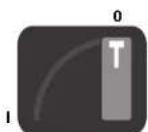
Differences for safe working in wood, metal, ceramic, and plastic materials, as well as for drilling/drilling with impact.
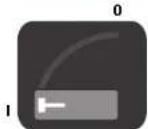
Differences for drilling
Switching on/off
When switching on the pneumatic tool, keep the start lever pressed for a while until it starts.
- For switching on the pneumatic tool, press the start lever.
Work instructions
When switching on suddenly, the tool may jerk. Hold the tool firmly with both hands on the handle, but do not press against the body.
Adjust the exhaust air restrictor (see figure B)
The exhaust air restrictor 11 is pre-adjusted and can be further adjusted if needed.
Turn the restrictor with a screwdriver or an auxiliary handle 10. Select the exhaust air restrictor so that the distance between the top of the restrictor and the exhaust air outlet is adjusted for the desired exhaust air flow.
Maintenance and service
Maintenance and cleaning
Before any maintenance or repair, disconnect the tool from the air supply. This ensures that the pneumatic tool is not accidentally started. This activity can be performed quickly by a qualified service technician.
Regular cleaning
- Regularly clean the tool with a dry cloth. Do not use cleaning agents containing solvents. Dirt and dust can be removed with a soft brush. The air inlet must be kept free of dirt and moisture to prevent corrosion and to ensure proper operation of the valves. To prevent this, add a few drops of oil through the air inlet. When the tool is not in use, connect it to the air supply (see connection to the air supply, chapter 154) and let it run for 5-10 seconds, then add a few drops of oil. If the pneumatic tool has been used for a long time, this procedure should be performed regularly.
Regular maintenance
After 150 working hours, clean the gearbox with a suitable solvent. Follow the instructions for the solvent and the gearbox. Then lubricate the gearbox with the specified grease. Repeat this procedure every 300 working hours. The special grease for the gearbox (225 ml) is available under part number 3 605 430 009
Bosch Power Tools 1609 924.33X|(23.2.17)


156MaKeDoHcKn
- Before use, the tool must be checked by a qualified technician for any necessary repairs.
Lubrication of pneumatic tools that are not equipped with CLEAN
Pneumatic tools that are not equipped with CLEAN (special tools that work with compressed air without oil mist) must be lubricated regularly through the air inlet. The required oil for this must be added to the air inlet of the tool using a lubricator (for more information, contact the compressor manufacturer).
For correct lubrication of pneumatic tools with oil mist lubrication, use only SAE 10 or SAE 20 oil.
Accessories
You can obtain detailed information about the high-quality accessories from the address www.bosch-pt.com or from your specialized dealer.
Service and advice
When making inquiries, please quote the 10-digit article number printed on the type plate of the pneumatic tool.
For repairs and spare parts for your product, you can contact our service department. You can find the address for service and advice at:
www.bosch-pt.com
The Bosch team for technical advice and applications will be happy to answer questions regarding our products and their accessories.
Robert Bosch EOOD-Bulgaria
Bosch Service Center
Tel.: (02) 9601061
Tel.: (02) 9601079
Fax: (02) 9625302
www.bosch.bg
Rejected
Proper use and maintenance of the pneumatic tool. The accompanying instructions must be followed carefully.
Dispose of oils and lubricants in a manner that does not pollute the environment. Follow local regulations.
Dispose of the tool's hose according to the applicable regulations. Do not expose it to temperatures above 400°C, as at that temperature the hose may melt and cause burns.
When the pneumatic tool cannot be used properly, take it to a specialist for repair or return it to the authorized dealer. Never repair the tool yourself.
Spare parts warranty.
Macedonian
Safety instructions for pneumatic tools
APENDYPNEDYBAHBe
PINOCTAJE THKHBMABAJE HA CNT
Instructions for installation, use, adjustment, repair, and maintenance of the equipment and for the tools as well as for the pneumatic tools. If you do not follow the safety instructions, serious injury may occur.
The equipment must be used only for its intended purpose. Any other use is considered improper.
Workplace safety
Pay attention to the hazards that may arise when using the machine, such as the danger of being caught by the rotating or moving parts, the risk of electric shock, the risk of fire, and the risk of injury from sharp edges. Do not work with pneumatic tools in an environment where there is a risk of explosion, in the presence of flammable liquids, gases, or dust. When handling the tool, there may be sparks that can ignite flammable materials or gases. Keep the tool away from your body and from other people while it is operating. If you do not follow the safety instructions, you may lose control of the tool.
Safety of pneumatic tools
The air jet must not be directed at yourself or at other people, nor at the tool or at the workpiece. Compressed air can cause serious injury. Check the hoses and fittings for leaks. The components, hoses, and fittings must be suitable for the maximum pressure of the air in the system. The pressure must not exceed the maximum pressure of the tool, as excessive pressure can cause damage to the material or injury.


Macedonian 157
Protect the tool from impacts, shocks, solvents, and sharp objects. The tool must be kept away from heat, oil, and sharp edges. Keep the tool clean. The air hose for filling may cause damage to the pneumatic tool if it is not properly maintained. The hose and its connections may cause serious injury. Be careful, keep the tool always in good condition. The safety instructions for the tool may cause uncontrolled release of air.
Safety of the tool
Before using the pneumatic tool, read the operating instructions carefully. Do not use the pneumatic tool unless you have been instructed on its use and have understood the dangers. Any moment of inattention when using the pneumatic tool can lead to serious injury. Always wear protective goggles and a protective mask. Depending on the type of work, such as when working with paint, varnish, or chemicals, use additional protective equipment for the face and respiratory system. Avoid uncontrolled use of the tool. Ensure that the pneumatic tool is disconnected from the air supply before changing accessories, before servicing, or before storing it, because if the pneumatic tool is connected to the air supply, it may start unexpectedly. Disconnect the tool from the air supply before replacing accessories. The tool for replacing accessories that is attached to the pneumatic tool can cause injury. Do not exceed the rated capacity. Place the tool in a stable position when working. The stable position allows you to control the pneumatic tool in unexpected situations. Wear appropriate clothing. Do not wear loose clothing or jewelry. Tie back long hair, clothing, and jewelry away from moving parts. Loose clothing, jewelry, or long hair can get caught in moving parts. Since you need to install guards for the work area, make sure they are correctly adjusted and used properly. The use of these guards reduces the risk of injury.
Do not direct the air flow at yourself or others. Be careful that the air from the pneumatic tool may contain water, oil, metal particles, or contaminants from the compressor. This can cause health hazards.
Risky use. Handling the pneumatic tool.
The pneumatic tool is intended for tightening and loosening bolts. To ensure the tool is used correctly, it must be operated with the appropriate compressed air pressure. If the pressure is too high or too low, you cannot control the tool properly. Do not exceed the recommended air pressure. Use the correct air pressure for the job. With the correct air pressure, you will work better and safer in the intended work area. Do not use the pneumatic tool if the trigger is defective. A pneumatic tool that cannot be switched on or off poses a safety risk and must be repaired. Disconnect the air supply before replacing accessories, performing maintenance, or storing the tool. Always follow the safety instructions for pneumatic tools. Remove the tool from the air supply when not in use. Pneumatic tools can cause injury if used improperly. Always wear appropriate personal protective equipment. Maintain pneumatic tools regularly. Check that all moving parts operate smoothly and are not damaged or worn, which could affect the function of the pneumatic tool. Replace worn parts before using the pneumatic tool. Keep your hands away from moving parts. Store pneumatic tools out of reach of children. Maintain tools for cutting with sharp blades to ensure safe operation. Use only pneumatic tools, accessories, and parts recommended by the manufacturer. In accordance with this manual, always use the tool in its entirety. Follow all local regulations regarding the use of pneumatic tools. The pneumatic tool must be used only by trained and qualified personnel.
158|Macedonian
The pneumatic tool must not be modified. Any modification may affect the safety of the tool and the manufacturer's warranty.
Service
Repairs to the pneumatic tool must be carried out by qualified personnel using only original spare parts. This will ensure the safety of the pneumatic tool.
Safety instructions for pneumatic tools
Check all labels and specifications. If any are missing, replace them with the manufacturer's. If any part is worn or damaged, or if the pneumatic tool is not functioning properly, it may operate at high speed. If you use the tool for repairs or maintenance, or when replacing parts, always disconnect the air supply. The required safety distance must be determined for each specific work situation. Always wear safety glasses and hearing protection. Do not use the pneumatic tool if it is damaged. If the tool is defective, it must be repaired. Inspect, clean, and replace any damaged parts. This will prevent accidents.
Before operating the pneumatic tool, read the operating instructions carefully. Failure to follow the instructions may result in damage to the tool or personal injury. Always wear appropriate personal protective equipment when using the pneumatic tool. Do not use the tool if it is damaged or malfunctioning. Keep the tool away from children and unauthorized persons. Use only recommended accessories and spare parts. Regularly inspect the tool for wear and tear. Never use the tool for purposes other than those intended. Follow all safety warnings and instructions provided by the manufacturer.
When using the pneumatic tool, the operator may experience discomfort in the hands, arms, shoulders, neck, or other parts of the body. While working with this pneumatic tool, maintain a comfortable position, avoid awkward postures, and take frequent breaks. Prolonged use of the tool may cause discomfort. The operator should periodically change the position of the body to help reduce discomfort and fatigue. If symptoms such as persistent discomfort, pain, throbbing, aching, tingling, numbness, burning, or stiffness occur, these warning signs should not be ignored. The operator should inform the employer and consult a qualified medical professional. Never use the tool as a hammer. The tool may be damaged by impact and could break. Use only sharp bits. Bits for insertion may break or cause injury. Never point the tool at yourself or others. This could cause injury or damage. Never use the tool as a pry bar. It may break. Use appropriate equipment for prying. Always use the correct tool for the job to avoid damaging the tool and to ensure safety. When working with electrical cables, the tool may come into contact with live wires, leading to electric shock. Always hold the tool by insulated gripping surfaces when performing work where the cutting accessory may contact hidden wiring. Contact with a live wire will make exposed metal parts of the tool live and shock the operator. The pneumatic tool is not insulated; contact with live wires may result in electric shock.
PRECAUTIONS
Read all instructions before use
Certain dust and fumes created by power tools can cause cancer, birth defects, or other reproductive harm. Some substances that may be present in these dusts include:
Lead from lead-based paints and materials containing lead; crystalline silica from bricks, cement, and other masonry products; arsenic and chromium from chemically treated lumber. The risk of exposure depends on how often you do this type of work. To reduce your exposure to these chemicals, work only in well-ventilated areas and use appropriate safety equipment (such as dust masks that are specifically designed to filter out microscopic particles).




Macedonian | 159
The tool is designed for use on the material and may become hot, so it can cause burns if used improperly, such as on the roots of the material, since the teeth of the tool are exposed during operation. Use the pneumatic tool, so that it will create a right angle and pressure. After starting the material, process it. While the pneumatic tool is running, you must constantly check that the pneumatic tool is in good working condition. The impact and vibrations can cause damage to the nerves, especially in the blood circulation in the hands and feet. Follow the instructions. The pneumatic tool is a standard device for working with compressed air. The fine details are adjusted with the adjusting screws. The working pressure can be adjusted with the control valves. While the tool is attached to the air hose, check the hoses and connections for leaks, and if there are any, stop working with the pneumatic tool and consult your supervisor or a doctor. Do not use the tool for purposes other than its intended use. The pneumatic tool is equipped with a safety valve, which is one of the safety features. The valve can be adjusted, as long as the surface of the valve is not damaged. When using the tool with a lubricant (oil), it must be replaced with a suitable lubricant. The tool is equipped with a safety valve for the hose, to protect against defects in the hose of the pneumatic tool and to prevent the hose from bursting. Do not use the pneumatic tool without the hose. If the pneumatic tool is blocked, disconnect the electric tool. Check the safety valves regularly, as they can prevent sudden movements, the tool for replacement is safe, as long as:
- the pneumatic tool is disconnected, - it is covered in one hand, and the other hand is used to operate the tool.
Use personal protective equipment for the safety moments, such as a safety helmet. If possible, use additional handles. Never place your hands near the rotating or moving parts. You may get injured.
The material being processed may be damaged. This can lead to significant damage to the workpiece.
Symbols
The following symbols are used for the user of the pneumatic tool. Please remember these symbols. They are not a substitute for the safety instructions, but they help you to use the pneumatic tool correctly.
Symbol meaning

Read and pay attention to all the instructions during installation, use, repair, maintenance, and replacement of parts, as well as when working near the pneumatic tools. If you do not pay attention to the safety instructions, serious injuries may occur.

Follow the safety instructions. Failure to do so may affect the safety of the tool.

Follow the safety instructions.
| Ознaka 3начебe | ||
| SWF Бразстетагka rлава | ||
| ○ | Ознaka за ванатоша шостагона rлава | |
| ■ | Ознaka за Надовецна четимагогона rлава | Прифат на(analot) |
| UNF | Ознaka за метрички ситер Наво ( Unified National Fine Thread Series ) | |
| G (Плелд рунен цebен наво) | Вираворов Наво Наво на приклuyокт | |
| NPT | Конусан 出им Наво | |
Description of the product capacity

Read the safety instructions for
safety. Follow the instructions as
You can turn off the pneumatic hammer by pressing the switch. The switch is located on the rear side of the tool.
Use with appropriate attachment
The pneumatic hammer is intended for chiseling and breaking concrete, brick, stone, and similar materials. It is not suitable for use on wood, metal, ceramics, or plastic.
The pneumatic hammer is designed for use in dry conditions. Do not use it in wet or damp environments, or in the presence of flammable liquids or gases.
Component illustration
The numbering and description of the components are provided on the accompanying page.
1 Air inlet
2 Protective cap for the chisel
4 Chisel for soft materials (not included) 5 Retaining spring for the chisel 6 Retaining pin for the chisel 7 Air regulator for exhaust 8 Air exhaust with silencer 9 Wood chisel
10 Additional handle 11 Depth stop 12 Wood chisel 13 Chisel for concrete
14 SDS-plus chuck for the chisel 15 Chisel 16 SDS-plus adapter for the chisel The list of accessories shown is not part of the standard delivery. The complete accessories can be found in our program.
Formation de base / Sélection
Measured values determined in accordance with EN ISO 15744.
Noise emission values of the pneumatic tool, measured with compressed air, typical values: Sound pressure level 89 dB(A); Sound power level 100 dB(A). Uncertainty K = 3 dB
Wear hearing protection!
Vibration total values (vector sum of three directions) and uncertainty K determined in accordance with EN 28927:
Chiseling in concrete: a1 = 5m / s2 K = 1.0m / s2 Chiseling: a2 = 6m / s2 K = 1.1m / s2
Chiseling in metal: aB < 2,5m / s2,K = 1,5m / s2
Technical data
| EnektronneWMSTCKHekan 3a dynche | ||
| bpoj ha den/apotmkn | 0607 557 501 | |
| maKc. bpoj ha bprtekni npri | ||
| npceontoBapyaBaie | min1 | 850 |
| bpoj ha yadpi | min1 | 3900 |
| Hn3eHa moK | W 740 | |
| ДиJaMeTAP ha dynckata MaKc: | ||
| - b eToH | MM | 20 |
| -ЧeLПК | MM | 13 |
| -ДрBo | MM | 30 |
| IpnDfA ha anatot SDS plus | ||
| maKc. pabOTeH npriTHcOK ha | bapn | 5 |
| anatot | psi | 72,5 |
| HaboJ ha pRnKnyOKOT ha | G1/4" | |
| upeBoto | ||
| Ширна ha upeBoto | MM 13 | |
| IporpoшУвачka ha bo3dux Bo | n/c | 15 |
| npaeeH ond | cfm | 31,8 |
| TeKhiHa cornaCHO EPTA- | Kr | 3,0 |
| Procedure 01:2014 | ФуHTa | 6,6 |
Declaration of Conformity
We declare under our sole responsibility that the product
described in "Technical data" complies with
the following standards or standard documents:
EN ISO 11148 in accordance with the provisions of Directive 2006/42/EC.
1609 92A 33X(23.2.17) Bosch Power Tools
OBI_BUCH-2092-002.book Page 161 Thursday, February 23, 2017 11:46 AM
Technical file (2006/42/EC):
Robert Bosch Power Tools GmbH, PT/ECS,
70538 Stuttgart, GERMANY
Henk Becker
Executive Vice President Engineering
Helmut Heinzelmann
Head of Product Certification PT/ECS

Robert Bosch Power Tools GmbH
70538 Stuttgart, GERMANY
Stuttgart, 01.01.2017
Mounting
Additional handle (see figure A)
Before any work on the power tool, remove the battery.
The additional handle 10 can be swiveled to any position for safe and fatigue-free work.
Turn the pressure regulator counterclockwise to release the pressure in the hose from the pressure gauge to the additional valve 10 in the hose. Then turn the pressure regulator clockwise again in the direction of the arrows on the pressure gauge.
Air filter
The air filter removes impurities from the air drawn in from the environment to ensure optimal performance and extend the life of your pneumatic tool. Clean air is essential for the proper functioning of the tool and to prevent damage from dust, oil, or water. Replace the filter element regularly.
- Open the air inlet valve, then close it with the plug for the hose. Attach the hose for the air inlet to the hose connector 12, then connect the hose for the air inlet to the hose connector 9, and then tighten the hose connector.
Filling with air (Option B)
WARNING: The air pressure must not exceed 5 bar (72.5 psi), as the pneumatic system is designed for a maximum working pressure.
For maximum efficiency, adjust the air pressure according to the width of the tire and the load on the tire as described in the table "Technical data". To maintain the correct pressure, use only tires with the recommended specifications.
The compressed air must be free of oil and water to protect the pneumatic system from damage, contamination, and corrosion.
Note: The air filter unit must be regularly checked and maintained. This ensures the proper functioning of the pneumatic system.
WARNING: Risk of injury when using the air filter unit.
The air filter unit must be installed in accordance with the manufacturer's instructions and the applicable safety regulations.
Avoid overloading the air filter unit. Check, clean, and replace the filter element regularly!
Before use, check the air filter unit and the air hose for damage, and ensure that the pneumatic system is properly connected.
Air filter unit for the pneumatic system
- Close the hose connector 9 for the air inlet to the air filter unit. Then open the drain valve on the air filter unit to release any accumulated moisture. After draining, close the drain valve. Note: Always close the air inlet valve on the pneumatic system first, then the air filter unit.
Replace the drill head for drilling and chiseling
For impact drilling and chiseling (chiseling with SDS-plus accessories) use SDS-plus drill heads, insert them into the SDS-plus chuck.
For drilling in wood, metal, ceramics, and for screwdriving/unscrewing, use drill heads without SDS-plus (e.g., drill heads with a cylindrical shank). For these accessories, the drill head for drilling must be replaced. Insert the drill head for drilling.
Replacing the drill head for drilling
To work with accessories without SDS-plus (e.g., with a cylindrical shank), you must mount the appropriate drill head for drilling (see the drill head for drilling, depending on the model).
Mounting the drill head for drilling (see figure C)
Turn the SDS-plus drill head to insert it into the drill head for drilling 15. Turn the drill head for drilling 15 with the locking sleeve 14. Make sure the locking sleeve has no play.
Removing the drill head for drilling (see figure D)
- Clean the tool for removal and the drill head for drilling before removing it.


The drill head for drilling with the locking sleeve for tightening must be turned in the direction of the arrow 1 for tightening, but it must not be over-tightened. Check that the locking sleeve is properly engaged on the drill head for drilling.
Inserting the drill head for drilling
- The tool is inserted for drilling and chiseling into the drill head for drilling 15.
Replacing the tool
Safety cap for protection against incorrect use and the parts that are created during operation of the tool. Before operation and the tool, check that the safety cap for protection against incorrect use is intact.
A damaged safety cap must be replaced. This should only be done by the service department.
Inserting the SDS-max tool (see figure E)
With the SDS-plus tool, you can easily insert it without any additional help. To replace the tool, insert it.
- Check the locking mechanism for inserting the tool. Insert the tool.
- The tool that is inserted should be placed at the level of the guide, until it locks itself. Check that it is locked by pulling on the tool. With the SDS-plus tool that is inserted, it is easy to maneuver, provided it is inserted. Thus, when working, the distance to the surrounding area is maintained. This has no influence on the precision of the drilling function, but the function is centered during operation.
Remove the SDS-max tool for insertion (see figure F)
- The drill is designed for drilling and impact drilling in concrete, masonry, and stone.
Inserting the tool without SDS-plus
Note: Do not use tools without SDS-plus for drilling or impact drilling! Tools without SDS-plus and the drilling tools that are used must be checked for impact drilling or drilling.
Insert the drill bit for drilling 15 (see "Replacing the drill bit for drilling", page 1161). Turn the locking sleeve for the drill head 15 until it is open so that the tool can be inserted. Insert the tool. The locking mechanism for the drill head 15 is closed by turning the locking sleeve in the direction of the arrow.
Inserting the tool without SDS-plus
Turn the locking sleeve for the drill head 5 clockwise to the stop, and insert the tool into the drill head until it stops.
Operation
Starting operation
The pneumatic tool is designed for a maximum pressure of 5 bar (72 psi). The air inlet is located on the side of the tool.
Operating procedure
The pneumatic tool is designed for a maximum pressure of 5 bar. Warning: Do not exceed the maximum operating pressure of the pneumatic tool! The pneumatic tool may be damaged. The manufacturer recommends using a pressure regulator with a safety valve at the air inlet.
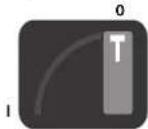
Adjusting the speed for drilling, metal, ceramics, and other materials
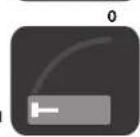
Adjusting the speed
Turning on/off
To start and stop, turn the pneumatic tool's throttle lever. - To start, press the throttle lever. To stop, release the throttle lever. - To turn off the pneumatic tool, release the throttle lever and wait for the tool to stop.
Operating instructions
The tool is designed for continuous operation, but it should not be overloaded. Do not apply excessive pressure to the motor.
Adjusting the depth stop (see figure G)
The depth stop can be adjusted to the desired depth.
- Loosen the locking screw 4 and adjust the depth stop 10. Set the depth stop to the desired depth. The distance between the tip of the drill bit and the tip of the depth stop determines the drilling depth. - Retighten the locking screw.



The pneumatic tool must not be modified. Modifications can reduce the effectiveness of safety measures and increase the risk of injury to the operator.
Service
Have your power tool serviced by a qualified repair person using only identical replacement parts. This will ensure that the safety of the power tool is maintained.
Safety Warnings for Rotary Hammer Drills
Check that the rating plate is legible. If not, contact the manufacturer for a replacement. In the event of breakage of the workpiece or any accessory part, or of the power tool itself, parts may be ejected at high speed. Always wear impact-resistant eye protection during operation, repair, maintenance, or when changing accessories on the power tool. The required level of protection should be assessed for each specific case. Wear a safety helmet when performing overhead work. This will prevent injuries. Use the power tool only when the chisel is secured against falling out. Otherwise, the tool may fly off. Worn, bent, or cracked tool holders must be replaced. This will prevent injuries. Place the power tool on a stable surface before switching it on. The operator and maintenance personnel must be physically capable of handling the size, weight, and power of the power tool. Be aware of unexpected movements of the power tool, which may result from reaction forces or jamming of the tool. Hold the power tool firmly and position your body and arms so that you can withstand these movements. These precautions can prevent injuries. Caution! Inserted tools may become hot during prolonged use. Wear protective gloves. In case of interruption of the air supply or reduced workpiece, switch off the power tool. Check the working pressure and restart at the optimal working pressure. When using the power tool, the operator may experience unpleasant sensations in the hands, arms, neck, or other parts of the body associated with this work. Adopt a suitable working position, ensure a secure grip, and avoid awkward postures or positions that make it difficult to maintain balance. The operator should change working posture during prolonged work, which can help avoid discomfort and fatigue.
If a worker notices symptoms in themselves such as continuous involuntary tremors, palpitations, pain, irritability, deafness, or stiffness, they should not ignore these warning signs. The worker should report them to their employer and consult a qualified medical professional. ▶ Never use a chisel as a hand tool. Chisels are thermally hardened and can break. Use only sharp chisels. Dull tools can cause strong vibrations and breakage due to material jamming. Never cool hot tool parts in water. This can make them brittle and cause premature failure. Do not use a chisel as a lever. It can break. Use suitable detection devices to locate hidden supply lines, or contact the local power company. Contact with electrical lines can lead to electric shock. Damage to a gas line can lead to explosion. Penetrating a water line can cause property damage. ▶ Avoid contact with live wires. Pneumatic tools are not insulated, and contact with a live wire can cause electric shock.
WARNING Dust generated during sanding, sawing, grinding, drilling, and similar work can cause cancer, genetic changes, or harm to the fetus. Some substances found in this dust:
- Lead from paints and varnishes that contain it; Crystalline silica from bricks, cement, and other masonry work; - Arsenic and chromates from chemically treated wood.
The risk of illness depends on how often you are exposed to these substances. To reduce the danger, you should work only in well-ventilated areas with appropriate protective equipment (for example, specially designed respiratory protection that filters even the smallest dust particles).
▶ Working on a workpiece can generate additional noise, which can be avoided with suitable measures, such as using damping materials when ringing occurs on the workpiece. Operate the pneumatic tool in a way that minimizes dust, for example, by wetting the material being processed. If the pneumatic tool has a sound damper, it must always be ensured that it is in good working condition during operation. Vibration effects can cause nerve damage and circulatory disorders in the hands and fingers. Wear close-fitting gloves. Pneumatic tool handles are cooled by the flow of compressed air. Cold hands are more sensitive to vibrations. Loose gloves can be caught by rotating parts.


If you determine that the skin on your fingers or hands tingles, hurts, or turns white, stop working with the pneumatic tool, inform your employer, and consult a doctor. Do not hold the tool too firmly during work. Do not hold the pneumatic tool with an excessively firm grip, but maintain a secure hold while applying the necessary reaction force. Reaction forces can increase the tighter you hold the tool. If universal rotating couplings (claw couplings) are used, locking pins must also be used. Use Whipcheck hose safety devices to provide protection in case of a connection failure between the pneumatic tool and the hoses. Never carry the pneumatic tool by the hose. Switch off the pneumatic tool immediately if the inserted tool becomes blocked. Be prepared for high reaction torques that can cause kickback. The inserted tool becomes blocked when:
the pneumatic tool is overloaded, is tilted in the workpiece being processed, or - passes through the material to be processed with its tip.
5 Impact stop/rotation stop switch
Henk Becker Executive Vice President Engineering
Helmut Heinzelmann Head of Product Certification PT/ECS

Robert Bosch Power Tools GmbH 70538 Stuttgart, GERMANY Stuttgart, 01.01.2017
Assembly
Additional handle (see figure A)
For safety reasons, the pneumatic tool may only be used with the mounted additional handle 10. You can rotate the additional handle 10 as desired to achieve a safe and comfortable grip during work.
- Turn the wing screw for adjusting the additional handle 4 counterclockwise and rotate the additional handle 10 to the desired position. Then tighten the wing screw 4 clockwise firmly.
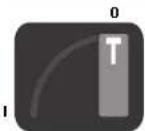
Position for drilling without impact in wood, metal, ceramic, and plastic, as well as for screwdriving.
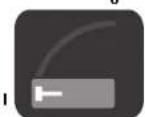
Position for stamping
Slovenian|173
Henk Becker Helmut Heinzelmann Executive Vice President Head of Product Certification Engineering PT/ECS

Robert Boch Power Tools GmbH 28032, Germany
70536 Stuttgart, CEBMENT Stuttgart, 01.01.2017

Croatian 179
Symbol
Meaning

Wear protective goggles.
| W | V | a | t | S | n |
| Nm Njutnmetar | Jedinica za energiju (okretni moment) | ||||
| kg | Kilogram | Masa, težina | |||
| Ibs | Funte | ||||
| mm Milimetar Düzina | |||||
| min | Minute | Vremenski razmak, trajanje | |||
| s | Sekunde | ||||
| min-1 | Okretaja ili gibanja u minuti | Broj okretaja pri praznom hodu | |||
| bar | bar | Tlak zraka | |||
| psi | funta po kvadratnom palcu | ||||
| I/s | Litara u sekundi | Potrošna zraka | |||
| cfm | kubična stopa po minuti | ||||
| dB Decibel | Jedinica za relativnu jačinu zvuka | ||||
| QC Brzoizmjenjiva stezná glava | |||||
| ○ | Simbol za unutarnji šesterokut | Stezać alata | |||
| ■ | Simbol za vanjski Četverokut | ||||
| UNF | US-sitni navoj (Unified National Fine Thread Series) | ||||
| G | Withworthov navoj | Priključni navoj | |||
| NPT | National pipe thread | ||||
Product description and operation

Read all safety notes and instructions. Failure to follow the safety notes and instructions may result in electric shock, fire and/or serious injury.
180|Croatian
Henk Becker Executive Vice President Engineering
Helmut Heinzelmann Head of Product Certification PT/ECS

i. V.k = WC
Robert Bosch Power Tools GmbH 70638 Stuttgart, GERMANY Stuttgart, 01.01.2017
Assembly
Before installing or replacing accessories, and before working near the compressed air tool, read all instructions. Failure to follow the safety instructions may result in serious injury. Keep the safety instructions in a safe place and pass them on to the person using the device.
Safety instructions
OBI_BUCH-2092-002.book Page 185 Thursday, February 23, 2017 11:46 AM
Meaning
Wear hearing protection. Noise can damage hearing.

Wear safety goggles.

Henk Becker Executive Vice President Engineering
| W | v | a | t | i |
| Nm njutonmeeter | Energieäuhik (pörderMoment) | |||
| kg | kilogramm | Mass, kaal | ||
| Ibs | nael | |||
| mm millimeter Pikkus | ||||
| min | minut | Ajahemik, kestus | ||
| s | sekund | |||
| \( min^{-1} \) | pöret völi likumist minutis Tühikägupördd | |||
| bar | bar | Öhusurvey | ||
| psi | naela ruutillo kohta | |||
| I/s | liitrit sekundis | Öhukulu | ||
| cfm | kuupjalga minutis | |||
| dB detsibell | Suhtelise helitugevu-see ühik | |||
| QC Kärivahetuspadrun | Padrun | |||
| O | Sisekuuskandi sömbol | |||
| Välisnelikandi sömbol | ||||
| UNF | US peenkeere( Unified National Fine Thread Series) | |||
| G | Whitworth-keere | Ühenduskeere | ||
| NPT | National pipe thread | |||
Henk Becker, Executive Vice President of Engineering
Helmut Heinzelmann, Head of Product Certification PI/ECS
Robert Bosch Power Tools GmbH 70538 Stuttgart, GERMANY Stuttgart, 01.01.2017
Assembly
Additional accessories (see figure A)
OBI_BUCH-2092-002.book Page 198 Thursday, February 23, 2017 11:46 AM
198 | Lithuanian
| Simbolis Reiksmé | ||
| min | Minutes | Laiko intervalas, trukme |
| s | Sekundés | |
| \( \mathbf{min}^{1} \) | Sükiy arba judesiyy skaičius per minute | Tusčiosios eigos sükiy skaičius |
| bar | bar | Oro slegis |
| psi | Svary kvadratiniam coliuì | Orso sagnaudos |
| l/s | Litru per sekundʒ | Oro sagnaudos |
| cfm | Kubiniy pèdu per minute | |
| dB Decibelas | Specialus garso santiyykinio stiprumo vienetas | |
| QC Greilojo keitimo griebtuvas | ||
| ○ | Vidinio šesiaibriaunio simbolis | Irankiu jtvaras |
| ■ | Šorinio keturkampio simbolis | |
| UNF | US smulkusis sriegis(angl., „Unified National Fine Thread Series") | |
| G | "Whitworth" sriegis | Prijungimo sriegis |
| NPT | „National pipe thread“ | |
Product description and specifications

Executive Vice President Engineering
Heimut Heinzelmann
Head of Product Certification PT/ECS
Robert Bosch Power Tools GmbH
70538 Stuttgart, GERMANY
Stuttgart, 01.01.2017
Assembly
Additional handle (see Fig. A)
For safety reasons, the pneumatic tool may only be used with the additional handle 10 mounted.
The additional handle 10 can be turned to any desired position for comfortable working.
Turn counterclockwise to loosen the wing screw 4 and turn the additional handle 10 to the desired position. Then tighten the wing screw by turning it clockwise.
Exhaust air direction
With the used air exhaust system via the exhaust hose, you can direct the used air away from your workplace and at the same time achieve optimal noise reduction. In addition, this will improve your working conditions, as the air at the workplace will no longer be contaminated with oil mist or dust and chips.
- Unscrew the silencer from the exhaust air outlet 8 and replace it with the hose connector 9.
- Loosen the exhaust hose clamp 12, attach the exhaust hose using the hose connector 9, and tighten the hose clamp.
Connection to the compressed air supply system (see Fig. B)
Note that the air pressure must be at least 5 bar (72.5 psi), as the pneumatic tool is designed for this working pressure. To achieve maximum tool performance, it is necessary to adhere to the specified hose inner diameter and connection thread values as indicated in the technical data table. To maintain maximum tool performance, use hoses longer than 4 m. To protect the pneumatic tool from damage and premature wear, the compressed air used must be free of foreign particles and moisture. Note: It is essential to use a compressed air preparation unit. Such a unit guarantees trouble-free operation of pneumatic tools. Follow the instructions provided in the operating manual of the compressed air preparation unit. All fittings, connecting pipes, and hoses must be suitable for the working pressure and compressed air consumption. Avoid pipe constrictions caused by compression, kinking, or crushing.
If in doubt, check the air pressure at the air supply port with a pressure gauge while the pneumatic tool is under load.
Connection of the compressed air supply system to the pneumatic tool
Screw the hose connector 9 onto the connection nipple at the air inlet 7. To avoid damaging the internal valve parts of the pneumatic tool, hold the connection nipple at the air inlet 7 with a wrench (22 mm) while screwing on or off the hose connector 9. - Loosen the air supply hose clamp 12, attach the air supply hose to the hose connector 9, and tighten the hose clamp. Note: Always connect the air supply hose to the pneumatic tool first, and then to the compressed air preparation unit.
Selecting the chuck and tool
To drill with impact and chisel (chiseling only with the additional MV 200 attachment), SDS-plus tools are required, which are inserted into the SDS-plus chuck. To drill without impact in wood, metal, ceramic, and plastic, and to drive screws, tools that are not SDS-plus systems (e.g., drill bits with cylindrical shanks) must be used. For these tools, a keyed chuck or a keyless chuck will be needed.
Symbol meanings
Whitworth thread
Thread
National pipe thread
Thread
Connector thread
Product and performance description

Executive Vice President Head of Product Certification
Engineering PT/ECS

Robert Bosch Power Tools GmbH
70538 Stuttgart, GERMANY
Data:
www.bosch-pt.com
Executive Vice President Head of Product Certification
Engineering PT/ECS

Robert Bosch Power Tools GmbH
70538 Stuttgart, GERMANY
Stuttgart, 01.01.2017
1609 92A 33X (23.2.17) Bosch Power Tools
Installation
Auxiliary handle (see illustration A)
212 | Chinese
Chinese | 213
Information: www.bosch-pt.com
| 기主机 | ||
| I/s | 主机端 RIter | 公差 S-MAK |
| cfm | 端部端部端部 | |
| dB max值 | ||
| QC通道 | ||
| ○ | 6颗天线 | |
| ■ | 无线天线 | |
| UNF | US line thread ( Unified National Fine Thread Series) | |
| G | Whitworth thread | |
| NPT | National pipe thread | |

OBI_BUCH-2092-002.book Page 217 Thursday, February 23, 2017 11:46 AM

Chinese | 217
Declaration of Conformity (2006/42/EC) Robert Bosch Power Tools GmbH, PT/ECS, 70538 Stuttgart, GERMANY
Henk Becker Helmut Heinzelmann Executive Vice President Head of Product Certification Engineering PT/ECS
Robert Bosch Power Tools GmbH 70538 Stuttgart, GERMANY Stuttgart. 01.01.2017
Song of Mersli
http://www.bosch-pt.com
This publication and its related content
OBI_BUCH-2092-002.book Page 221 Thursday, February 23, 2017 11:46 AM
221
OBI_BUCH-2092-002.book Page 222 Thursday, February 23, 2017 11:46 AM
222
1 1



1 2n 3 1 4 5 6 5 7 8 7 9 10 11 12 13
1609 92A 33X (23.2.17) Bosch Power Tools





OBI_BUCH-2092-002.book Page 223 Thursday, February 23, 2017 11:46 AM
14 angnssuunwouwduWoo 15 1 16 nuuSDS-plus
Henk Becker Executive Vice President Engineering
Helmut Heinzelmann Head of Product Certification PT/ECS

Robert Bosch Power Tools GmbH 70538 Stuttgart, GERMANY Stuttgart, 01.01.2017
10 10
OBI_BUCH-2092-002.book Page 224 Thursday, February 23, 2017 11:46 AM
224
Use protective goggles.
General Safety Warnings for Pneumatic Tools
WARNING
Before installing, operating, repairing, maintaining and replacing accessories,
as well as before working with pneumatic tools, please read and follow all instructions. Failure to follow the safety warnings below may result in serious injury. Keep all instructions for future reference, and make them available to the operator.
Safe work area
Be aware of surfaces that may become slippery, resulting from tool use, and the hazards of tripping over pneumatic tools or hydraulic hoses. Slipping, tripping and falling are major causes of injury in the workplace.
Do not use pneumatic tools in explosive atmospheres, such as in the presence of flammable liquids, gases or dust. While working with materials
234|Vietnamese
During machining, sparks may be produced that can ignite dust or fumes.
Keep the tool and bystanders at a safe distance from the work area while operating the pneumatic tool. Distractions caused by other people can cause you to lose control of the pneumatic tool.
Safety with pneumatic tools
Never point the air stream at yourself or others nearby, and keep the air stream away from the body. Compressed air can cause serious injury. Check the hoses and air supply lines. All couplings, hoses, and fittings must meet the specifications for the pressure and volume of air. Too low pressure reduces the performance of the pneumatic tool; too high pressure can damage materials and cause injury to yourself. Protect the hose from kinks, blockages, sharp edges, and sides. Keep the hose away from heat, oil, and rotating parts. Replace damaged hoses immediately. A damaged air supply hose can cause the compressed air hose to whip around and can cause injury to yourself. Dust or debris can cause eye injury. Ensure that the hose clamps are always tightened securely. Loose hose clamps can cause loss of control of the tool.
Personal safety
Stay alert, know what you are doing, and use common sense when operating a pneumatic tool. Do not use a pneumatic tool while tired or under the influence of drugs, alcohol, or medication. A moment of inattention while operating a pneumatic tool can cause injury to yourself. Use personal protective equipment. Always wear eye protection. Wear personal protective equipment - such as a dust mask, non-slip safety shoes, hard hat, or hearing protection - as directed by the employer or as required by the job conditions. This reduces the risk of injury to yourself. Prevent unintentional starting. Ensure the pneumatic tool is turned off before connecting to the air supply, loading the tool, or moving the tool. When your finger is on the On/Off switch while moving the pneumatic tool or when connecting the pneumatic tool to the air supply, accidents can occur.
Remove any adjusting key or wrench before turning the power tool on. A wrench or a key left attached to a rotating part of the power tool may result in personal injury. Do not overreach. Keep proper footing and balance at all times. This enables better control of the power tool in unexpected situations. Dress properly. Do not wear loose clothing or jewelry. Keep your hair, clothing, and gloves away from moving parts. Loose clothes, jewelry, or long hair can be caught in moving parts. If devices are provided for the connection of dust extraction and collection facilities, ensure these are connected and properly used. Use of dust collection can reduce dust-related hazards. Do not inhale exhaust directly. Avoid exposing your face to exhaust. Exhaust from pneumatic tools may contain chips, oil, metal fragments, and other debris, which can be hazardous to health.
Use and care for pneumatic tools
Use clamps or another practical way to secure and support the workpiece to a stable platform. Holding the work by hand or against your body leaves it unstable and may lead to loss of control. Do not force the pneumatic tool. Use the correct pneumatic tool for your application. The correct pneumatic tool will do the job better and safer at the rate for which it was designed. Do not use the pneumatic tool if the switch does not turn it on or off. Any tool that cannot be controlled with the switch is dangerous and must be repaired. Disconnect the air supply before making any adjustments, changing accessories, or storing the tool for an extended period. Such preventive safety measures reduce the risk of starting the tool accidentally. Store idle pneumatic tools out of the reach of children and do not allow persons unfamiliar with the pneumatic tool or these instructions to operate the tool. Pneumatic tools are dangerous in the hands of untrained users. Maintain pneumatic tools. Check for misalignment or binding of moving parts, breakage of parts, and any other condition that may affect the tool's operation.
Have damaged parts repaired before using the pneumatic tool. Many accidents are caused by poorly maintained pneumatic tools.
Keep cutting tools sharp and clean. Properly maintained cutting tools with sharp edges are less likely to bind and are easier to control. Use the pneumatic tool, accessories, application tools, etc. according to the machine instructions. Take into account the working conditions and the work to be performed. This reduces dust generation, noise, and vibration to a minimum. The pneumatic tool must be installed, adjusted, or used only by qualified and trained personnel. Do not modify the pneumatic tool in any way. Modifications may reduce the effectiveness of safety measures and increase the risk to the operator.
Maintenance
Have your pneumatic tool serviced by a qualified repair person using only identical replacement parts. This will ensure that the safety of the pneumatic tool is maintained.
Safety warnings for pneumatic impact wrenches
Check if the nameplate indicating the machine type is legible; if necessary, request a replacement from the manufacturer. In case of workpiece or accessory breakage, the pneumatic tool may shatter and parts may be thrown at high speed. Always wear impact-resistant eye protection during operation, repair, maintenance, and when changing accessories. The level of protection required must be assessed for each application. Wear a hard hat when performing overhead work. This prevents injury. Only use the pneumatic tool when the tool is securely attached and cannot fall off. Otherwise, the tool or accessory may fly off. Worn, bent, or cracked parts of the mounting assembly must be replaced. This prevents injury. Hold the pneumatic tool firmly against the work surface before activating it. The operator and maintenance personnel must have sufficient physical strength to handle the size, weight, and force of the pneumatic tool.
Always stand sideways to the tool and position your body and arms so that you can counteract the forces of a kickback. These precautions can prevent injury. Note! The tool can become hot during prolonged use. Wear protective gloves. ▸ In case the air supply is interrupted or the pressure drops, switch off the pneumatic tool. Check the operating pressure and restart the tool when the operating pressure is at its best. When using the pneumatic tool for work-related activities, the operator may experience discomfort in the hands, arms, shoulders, neck, and other body parts. When working with the pneumatic tool, adopt a comfortable posture, hold the tool securely, and avoid awkward positions or postures where it is difficult to maintain balance. For prolonged tasks, the operator should change the tool's position or posture to avoid discomfort and fatigue. If the operator experiences symptoms such as persistent discomfort, pain, palpitations, headache, itching, dizziness, burning, or numbness, do not ignore these warnings. The operator should inform their employer of these symptoms and consult a specialist doctor for examination. ▸ Never use chisels that are not intended for hand tools. These chisels are heat-treated and can break. Only use sharp chisels. The pneumatic tool can cause strong vibrations and reduce grip. Never use water to cool down accessories that are still hot. This will cause damage and reduce the tool's service life. Do not use chisels as levers. Otherwise, the chisel can break. Use suitable equipment to locate hidden utility lines or contact the local utility company for assistance. Contact with live lines can cause fire and electric shock. Damaging a gas line can cause an explosion.
236|Vietnamese
Damaging water pipes can cause property damage and may result in electric shock.
Avoid contact with live wires. The pneumatic tool is not insulated; contact with live wires can cause electric shock.
WARNING
238|Vietnamese
Technical file (2006/42/EC) at:
Robert Bosch Power Tools GmbH, PT/ECS, 70538 Stuttgart, GERMANY
Henk Becker Helmut Heinzelmann
Executive Vice President Head of Product Certification
Engineering

Robert Bosch Power Tools GmbH 1972, 304-308
70538 Stuttgart, Germany Stuttgart 01 01 2017
Information on noise/vibration
The sound level is determined in accordance with EN ISO 15744.
The typical A-weighted sound level of the pneumatic tool is: sound pressure level 89 dB(A); sound power level 100 dB(A). Uncertainty K = 3 dB.
Wear hearing protection!
The total vibration value a (vector sum of three directions) and the uncertainty coefficient K are determined according to EN 28927:
Hammer drilling in concrete:
a_h = 5 m/s², K = 1.0 m/s²
Chiseling: a_h = 6 m/s², K = 1.1 m/s²
Drilling in metal: a_h < 2.5 m/s², K = 1.5 m/s².
Inserting
Replacing Non-SDS-plus Drill Bits
Rotate the chuck collar (15) counterclockwise and turn the chuck by hand until the drill bit can be removed.
Operating Instructions
Starting operation
The pneumatic tool operates at an optimal pressure of 5 bar (72.5 psi), measured at the air inlet of the pneumatic tool.
Chinh Dat Phuong Thuc Hoa Dong
For operation and adjustment 5, please select the type of wheel of the pneumatic tool.
Note: Changing the wheel type of the pneumatic tool may damage the tool. Please select the operating mode 5 according to the requirements.
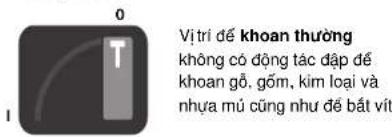
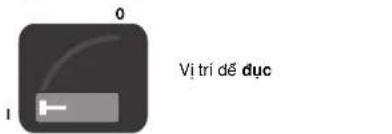
Start and Stop
To save energy, only turn on the pneumatic tool when needed. To turn on the pneumatic tool, press the On/Off switch 6 and hold it during all work steps.




www.bosch-pt.com
aJy p1aiw2jgwo aqjgsw cglg no gS
.1gjg jaiio c aiwJ ggsy sclw J g
Jalal jgolj gai la jiaaiall alil aagll
JgBg 1g
aui j 0sll no jalil
aIg|g|g|g|g|g|g|g|g|g|g|g|g|g|g|g|g|g|g|g|g|g|g|g|g|g|g|g|g|g|g|g|g|g|g|g|g|g|g|g|g|g|g|
oL aIaI IaIaI gJb Jc aIaI aiaiaa
.
aio aaij
aigaiIolSduaiu
jg jgai!pksuL Lb JaaI IyJ yalai
400 42
aJy oJooj J ic gao, aigio
JuswJ aJoo JbgeoJIgJgIooJ
SAE 20, SAE 10
Oil viscosity grades
Just
Viscosity at 72.5°C
Oil capacity
Oil change interval
Drain plug torque
- Oil filter
Use recommended oil grade
Oil capacity
5W-30 or 10W-40
SDS-plus 1 (Fig. 1) (Translation: SDS-plus 1 (Fig. 1))
(Fig. 5) SDS-plus chuck
16 SDS-plus chuck 15 SDS-plus adapter 14 SDS-plus adapter 15
(Fig. 6) SDS-plus chuck
SDS-plus adapter
.
4 10 4 10 4
| 0 607 557 501 | الصniaماني | |
| \( ^{1-}\text{a}\ddot{a}\ddot{a}\ddot{a}\ddot{a}\ddot{a}\ddot{a}\ddot{a}\ddot{a}\ddot{a}\ddot{a}\ddot{a}\ddot{a}\ddot{a}\ddot{a}\ddot{a}\ddot{a}\ddot{a}\ddot{a}\ddot{a}\ddot{a}\dddot\ddot{a}\ddot{a}\ddot{a}\ddot{a}\ddot{a}\ddot{a}\ddot{a}\ddot{a}\ddot{a}\ddot{a}\ddot{a}\ddot{a}\ddot{a}\ddot{a}\ddot{a}\ddot{a}\ddot{a}\ddot{a}\ddot{a}\ddot{a} \) | \( ^{1-}\text{a}\ddot{a}\ddot{a}\ddot{a}\ddot{a}\ddot{a}\ddot{a}\ddot{a}\ddot{a}\ddot{a}\ddot{a}\ddot{a}\ddot{a}\ddot{a}\ddot{a}\ddot{a}\ddot{a}\ddot{a}\ddot{b}\ddot{b}\ddot{b}\ddot{b}\ddot{b}\ddot{b}\ddot{b}\ddot{b}\ddot{b}\ddot{b}\ddot{b}\ddot{b}\ddot{b}\ddot{b}\ddot{b}\ddot{b}\ddot{b}\ddot{b}\ddot{b}\ddot{b}\ddot{a}\ddot{a}\ddot{a}\ddot{a}\ddot{a}\ddot{a}\ddot{a}\ddot{a}\ddot{a}\ddot{a}\ddot{a}\ddot{a}\ddot{a}\ddot{a}\ddot{a}\ddot{a}\ddot{a}\ddot{a}\ddot{a}\ddot{b}\ddot{b}\dddot\ddot{b}\ddot{b}\ddot{b}\ddot{b}\ddot{b}\ddot{b}\ddot{b}\ddot{b}\ddot{b}\ddot{b}\ddot{b}\ddot{b}\ddot{b}\ddot{b}\ddot{b}\ddot{b}\ddot{b}\ddot{b}\ddot{b}\ddot{b} \) | |
| \( ^{1-}\text{a}\ddot{a}\ddot{a}\ddot{a}\ddot{a}\ddot{a}\ddot{a}\ddot{a}\ddot{a}\ddot{a}\ddot{a}\ddot{a}\ddot{a}\ddot{a}\ddot{a}\ddot{a}\ddot{a}\ddot{a}\cdots \) | \( ^{1-}\text{a}\ddot{a}\ddot{a}\ddot{a}\ddot{a}\ddot{a}\ddot{a}\ddot{a}\ddot{a}\ddot{a}\ddot{a}\ddot{a}\ddot{a}\ddot{a}\ddot{a}\ddot{a}\ddot{a}\ddot{a}\dddot\ddot{b}\ddot{b}\ddot{b}\ddot{b}\ddot{b}\ddot{b}\ddot{b}\ddot{b}\ddot{b}\ddot{b}\ddot{b}\ddot{b}\ddot{b}\ddot{b}\ddot{b}\ddot{b}\ddot{b}\ddot{b}\ddot{b}\cdots \) | |
| \( ^{1-}\text{a}\ddot{a}\ddot{a}\ddot{a}\ddot{a}\ddot{a}\ddot{a}\ddot{a}\ddot{a}\ddot{a}\ddot{a}\ddot{a}\ddot{a}\ddot{a}\ddot{a}\ddot{a}\ddot{a}\ddot{a}\ddot{\ddot{b}}\ddot{\ddot{b}} \) | ||
| 20 | \( ^{0} \) | \( ^{0} \) |
| 13 | \( ^{0} \) | \( ^{0} \) |
| 30 | \( ^{0} \) | \( ^{0} \) |
| SDS-plus | \( ^{0} \) | |
| 5 | \( ^{1-}\text{a}\ddot{a}\ddot{a}\ddot{a}\ddot{a}\ddot{a}\ddot{a}\ddot{a}\ddot{a}\ddot{a}\ddot{a}\ddot{a}\ddot{a}\ddot{a}\ddot{a}\ddot{a}\ddot{a}\ddot{a}\ddot{ab} \) | \( ^{1-}\text{a}\ddot{a}\ddot{a}\ddot{a}\ddot{a}\ddot{a}\ddot{a}\ddot{a}\ddot{a}\ddot{a}\ddot{a}\ddot{a}\ddot{a}\ddot{a}\ddot{a}\ddot{a}\ddot{a}\ddot{a}\cdots \)\( ^{1-}\text{a}\ddot{a}\ddot{a}\ddot{a}\ddot{a}\ddot{a}\ddot{a}\ddot{a}\ddot{a}\ddot{a}\ddot{a}\ddot{a}\ddot{a}\ddot{a}\ddot{a}\ddot{a}\ddot{a}\ddot{a}\ddot{a}\cdots \) |
| 72,5 | \( ^{1-}\text{a}\ddot{a}\ddot{a}\ddot{a}\ddot{a}\ddot{a}\ddot{a}\ddot{a}\ddot{a}\ddot{a}\ddot{a}\ddot{a}\ddot{a}\ddot{a}\ddot{a}\ddot{a}\ddot{a}\ddot{a}\ddot{\text{b}}\text{c}\text{e}\text{g}\text{h}\text{i}\text{j}\text{k}\text{l}\text{m}\text{n}\text{o}\text{n}\text{p}\text{o}\text{q}\text{r}\text{s}\text{t}\text{u}\text{d}\text{i}\text{d}\text{i}\text{d}\text{i}\text{d}\text{i}\text{d}\text{i}\text{d}\text{i}\text{d}\text{i}\text{d}\text{i}\text{d}\text{i}\text{d}\text{i}\text{d}\text{i}\text{d}\text{i}\text{d}\text{i}\text{d}\text{i}\text{d}\text{i}\cdots \) | \( ^{1-}\text{a}\ddot{a}\ddot{a}\ddot{a}\ddot{a}\ddot{a}\ddot{a}\ddot{a}\ddot{a}\ddot{a}\ddot{a}\ddot{a}\ddot{a}\ddot{a}\ddot{a}\ddot{a}\ddot{a}\ddot{b}\text{c}\text{e}\text{h}\text{i}\text{t}\text{d}\text{i}\text{d}\text{i}\text{d}\text{i}\text{d}\text{i}\text{d}\text{i}\text{d}\text{i}\text{d}\text{i}\text{d}\text{i}\text{d}\text{i}\text{d}\text{i}\text{d}\text{i}\text{d}\text{i}\text{d}\text{i}\text{d}\text{i}\left(\begin{array}{l}1 \\ 1 \\ 1 \\ 1 \\ 1 \\ 1 \\ 1 \\ 1 \\ 1 \\ 1 \\ 1 \\ 1 \\ 1 \\ 1 \\ 1 \\ 1 \\ 1 \\ 1 \\ 1 \\ 1 \\ 1 \\ 1 \\ 1 \\ 1 \\ 1 \\ 1 \\ 1 \\ 1 \\ 1 \\ 1 \\ 1 \\ 1 \\ 1 \\ 1 \\ 2 \\ 2 \\ 2 \\ 2 \\ 2 \\ 2 \\ 2 \\ 2 \\ 2 \\ 2 \\ 2 \\ 2 \\ 2 \\ 2 \\ 2 \\ 2 \\ 2 \\ 2 \\ 2 \\ 2 \\ 2 \\ 2 \\ 2 \\ 2 \\ 2 \\ 2 \\ 2 \\ 2 \\ 2 \\ 2 \\ 2 \\ 2 \\ 2 \\ 2 \) |
| G 1/4" | \( ^{1-}\text{a}\ddot{a}\ddot{a}\ddot{a}\ddot{a}\ddot{a}\ddot{a}\ddot{a}\ddot{a}\ddot{a}\ddot{a}\ddot{a}\ddot{a}\ddot{a}\ddot{a}\ddot{a}\ddot{a}\ddot{a}\ddot{x}\text{y} \) | |
| 13 | \( ^{0} \) | \( ^{1-}\text{a}\ddot{a}\ddot{a}\ddot{a}\ddot{a}\ddot{a}\ddot{a}\ddot{a}\ddot{a}\ddot{a}\ddot{a}\ddot{a}\ddot{a}\ddot{a}\ddot{a}\ddot{a}\ddot{a}\ddot{a}\left(\begin{array}{l}1 \\ 1 \\ 1 \\ 1 \\ 1 \\ 1 \\ 1 \\ 1 \\ 1 \\ 1 \\ 1 \\ 1 \\ 1 \\ 1 \\ 1 \\ 1 \\ 1 \\ 1 \\ 1 \\ 1 \\ 1 \\ 1 \\ 1 \\ 1 \\ 1 \\ 1 \\ 1 \\ 1 \\ 1 \\ 1 \\ 2 \\ 2 \\ 2 \\ 3 \) |
| 15 | \( ^{1-}\text{a}\ddot{a}\ddot{a}\ddot{a}\ddot{a}\ddot{a}\ddot{a}\ddot{a}\ddot{a}\ddot{a}\ddot{a}\ddot{a}\ddot{a}\ddot{a}\ddot{a}\ddot{a}\ddot{a}\ddot{a}\ddot{x} \) | \( ^{1-}\text{a}\ddot{a}\ddot{a}\ddot{a}\ddot{a}\ddot{a}\ddot{a}\ddot{a}\ddot{a}\ddot{a}\ddot{a}\ddot{a}\ddot{a}\ddot{a}\ddot{x} \) |
| 31,8 | \( ^{1-}\text{a}\ddot{a}\ddot{a}\ddot{a}\ddot{a}\ddot{a}\ddot{a}\ddot{a}\ddot{a}\ddot{a}\ddot{x} \) | \( ^{1-}\text{a}\ddot{a}\ddot{a}\ddot{a}\ddot{a}\ddot{a}\ddot{a}\ddot{a} \) |
| 3,0 | \( ^{1-}\text{a}\ddot{a}\ddot{a}\ddot{a}\ddot{a} \) | \( ^{1-}\text{a}\ddot{a}\ddot{a}\ddot{a}\ddot{a} \) |
| 6,6 | \( ^{1-}\text{a}\ddot{a}\ddot{a}\ddot{a} \) | EPTA-Procedure 01:2014 |
2006/42/EC, EN ISO 11148
(2006/42/EC)
Robert Bosch Power Tools GmbH, PT/ECS
70538 Stuttgart, GERMANY
Henk Becker
Senior Vice President
Engineering
Helmut Heinzelmann
Head of Product Certification
PT/ECS
Robert Bosch Power Tools GmbH,
70538 Stuttgart, GERMANY
Stuttgart, 01.01.2017
U
.10
10 10
#

Jusss
EN ISO 15744
Sound power level (A-weighted) 89
3 = K ∩gLoill. (A ggi) ∪uus 100 g
gawagolgjj
aLgagolgao)aahlaalaijIjJai
aolgall laub cuaK oglaill auwg (uL
EN 28927
aJUwJUgJgJUgJUgJU
K=0.1/ρ, a=5/ρ²
K=1.10/ρ, a=60/ρ²: U
K=1.5/10, a>2.5/10: h:JdJdJd
#
joull
JU 1000000000000000000000000000000000000000000000000000000000000000000000000000000000000000

logssaaJI:lgell ssc jloI
c. 1000
Cunol
4
A Lc JlgJlgU
01 1
ijjU
a aalglg uallg aallll 100 laolgal glg yggll aaslg baaull aailly ggl ooc aad laoaall alo jai ylo jol 15 15 15 15 15 15 15 15 15
4 alalI gaiI
jg pblal jyI yI g bIa IgJg Jg 0g jIg jIg jIg jIg jIg jIg jIg jIg jIg jIg jIg jIg jIg jIg jIg jIg jIg jIg jIg jIg jIg jIg jIg jIg jIg jIg jIg jIg jIg jIg jIg jIg jIg jIq Jq Jq Jq Jq Jq Jq Jq Jq Jq Jq Jq Jq Jq Jq Jq Jq Jq Jq Jq Jq Jq Jq Jq Jq Jq Jq Jq Jq Jq Jq Jq Jq Jq Jq Jq Jq Jq Jq Jq Jq Jq Jq Jq Jq Jq Jq Jq Jq Jq Jq
Jolai joi
bgsaall 1gll ooc pssw 2. jasbi bsaaall jui ci ngsi lo sic g l yio u gki lo xic allo oii psc .aggl gl Jgssll gl Ujdoall 5gds bgsaall 1gll ooc plosdswl ooldg .0jbs uIol
Uos u wu wu wu jui uo a gluwpu puaa g o slaiu l jb, yj yj laowu cIgwu dy uo .duu uolao g Udo Uyjdl dgi g olus uo aei jui ulaiu sju .dua Jauo uo aiau sljdl b
olkiwsjS jla oJ jI
gdu jSdy auyuag g calsio yjJ 1djw eju g Ja oJl cujj bao bao Jr
gijgljooa.aaJoa0j j Cwuj bao .laai agi
Henk Becker Senior Vice President Engineering
Helmut Heinzelmann Head of Product Certification PT/ECS
Robert Bosch Power Tools GmbH, 70538 Stuttgart, GERMANY Stuttgart, 01.01.2017
| 0607 557 501 | السلام | |
| 850 | min-1 | السلام |
| 3900 | -1 | السلام |
| السلام | ||
| W740 | ||
| 20 | mm | - UN |
| 13 | mm | - UN |
| 30 | mm | - UN |
A. i=1n aij is a sequence of n terms
__SUPPIMER__
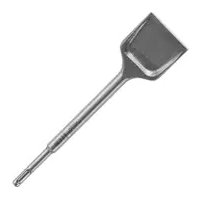
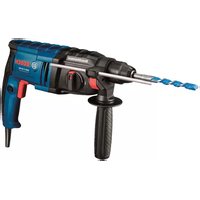
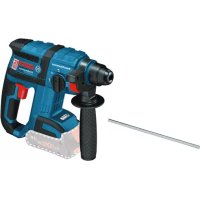
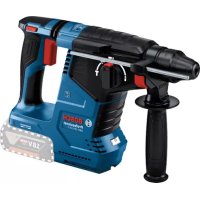
- GERMAN
- WORK AREA SAFETY
- PNEUMATIC TOOL SAFETY
- PERSONAL SAFETY
- PNEUMATIC TOOL USE AND CARE
- SERVICE
- SAFETY WARNINGS FOR PNEUMATIC ROTARY HAMMERS
- WARNING: THE DUST DEVELOPING DURING SANDING
- SYMBOLS
- SYMBOL MEANING
- PRODUCT DESCRIPTION AND SPECIFICATIONS
- INTENDED USE
- PRODUCT FEATURES
- NOISE/VIBRATION INFORMATION
- DECLARATION OF CONFORMITY
- CE
- ASSEMBLY
- AUXILIARY HANDLE (SEE FIGURE A)
- EXHAUST-AIR GUIDANCE
- CONNECTING THE AIR SUPPLY (SEE FIGURE B)
- CONNECTING THE AIR SUPPLY TO THE PNEUMATIC TOOL
- SELECTING DRILL CHUCKS AND TOOLS
- CHANGING THE KEY TYPE DRILL CHUCK
- MOUNTING THE KEY TYPE DRILL CHUCK (SEE FIGURE C)
- INSERTING THE KEY TYPE DRILL CHUCK (SEE FIGURE D)
- REMOVING THE KEY TYPE DRILL CHUCK
- CHANGING THE TOOL
- INSERTING SDS-PLUS DRILLING TOOLS (SEE FIGURE E)
- REMOVING SDS-PLUS DRILLING TOOLS (SEE FIGURE F)
- INSERTING DRILLING TOOLS WITHOUT SDS-PLUS
- REMOVING DRILLING TOOLS WITHOUT SDS-PLUS
- OPERATION
- STARTING OPERATION
- SETTING THE OPERATING MODE
- STARTING AND STOPPING
- WORKING ADVICE
- ADJUSTING THE DEPTH STOP (SEE FIGURE G)
- MAINTENANCE AND SERVICE
- MAINTENANCE AND CLEANING
- REGULAR CLEANING
- SCHEDULED MAINTENANCE
- LUBRICATION OF PNEUMATIC TOOLS THAT DO NOT BELONG TO THE CLEAN PRODUCT LINE
- ACCESSORIES
- AFTER-SALES SERVICE AND APPLICATION SERVICE
- WWW.BOSCH-PT.COM
- GREAT BRITAIN
- IRELAND
- ENGLISH
- ADDITIONAL HANDLE (SEE FIGURE A)
- PORTUGUESE
- ITALIAN
- DUTCH
- DISPOSAL
- NOISE/VIBRATION DATA
- BOSCH SERVICE CENTER
- WASTE DISPOSAL
- PRODUCT AND PERFORMANCE DESCRIPTION
- TECHNICAL DATA
- C
- NORWEGIAN
- EXHAUST AIR HOSE
- PRODUCT DESCRIPTION
- TECHNICAL CHARACTERISTICS
- ACCESSORY (BHENEKOVA A)
- INSTRUCTIONS FOR USE
- SVOEOG OMY TPOPOOA AEPOC (BLAE EKOVA B)
- EAANVKA
- OEON E AEITOUPYIA KEKTC AEITOUPYIAC
- REPLACING THE FILTER (BLEENEIKOVA G)
- PERIODIC MAINTENANCE
- ALNAVON TOU EVAYELOW NMEIEPEYOU AEPOU NOU DEV AN KOUV ONY KATOKUAOTK OEPA CLEAN
- TURKISH
- SAFETY INSTRUCTIONS
- PRODUCT AND FUNCTION DESCRIPTION
- REMOVING THE SDS-PLUS DRILL BIT
- MONTAZ
- PYCCKN
- PRODUCT AND SERVICE DESCRIPTION
- ILLUSTRATED COMPONENTS
- ADDITIONAL HANDLE (SEE FIG. A)
- EXHAUST AIR OUTLET
- CONNECTION TO COMPRESSED AIR SUPPLY (SEE FIG. B)
- CONNECT THE AIR SUPPLY HOSE TO THE PNEUMATIC TOOL
- BBI6OP CBEPNHBHORO NPATPONA HNHCTPYMENTA
- CMEHA NATAPOHA C3Y6ATBIM BEHCOM
- YCTAHOBKA CBEPNHBHORO NATPOHA C 3Y6ATBIM BEHCOM (CM.PHC.C)
- YCTAHOBKANATPOHAC3Y6ATBIMBENHCOM(CM.PNC.D)
- CHATNE NATOHA C3Y6UATBIM BEHCOM
- AMEHA PA6OERY HNCTPYMENTA
- INSTALLING THE SDS-PLUS TOOL (SEE FIG. E)
- REMOVING THE SDS-PLUS TOOL (SEE FIG. F)
- INSTALLING TOOLS WITHOUT SDS-PLUS
- REMOVING TOOLS WITHOUT SDS-PLUS
- WORKING WITH THE TOOL
- SWITCHING ON
- RUSSIAN
- BELARUS
- KAZAKHSTAN
- YTHH3AUN
- YKPAIAHCBKA
- BKA3IBK 3TEXHIKN6E3NEKN
- ARAABHI BKAAIBK 3 TEXHIK 6E3NEEK DNA HHEBMTHHN NPNAQIB
- A NOITEPEDEXEHHA
- SAFETY OF PNEUMATIC TOOLS
- UKRAINIAN
- SAFETY
- SERIOUS
- SAFETY INSTRUCTIONS FOR PNEUMATIC TOOLS
- WARNINGS
- NOTE: THE TOOL MAY BE DANGEROUS IF USED IMPROPERLY
- MOHTAX
- IODATKOBA PYKORTKA (INB.MAN.A)
- YKPAHCBKA
- PIKNOEHH NOBIRPO NHEBMATHUHOR NPHNADY
- BN6IP CBEPNNBHORO NATOPONA IPO60NX INCTPYMERTIB
- AMHA 3Y6YACTORO CBEPNHBHORO NATPONA
- MOHTAK 36YOCTORO CEBPDAHINBHORO NATPOHA (AHN.MAN.C)
- BCTPOMHNHH3Y6ACTORO CBEPHNHBHORO NATRHOHA (MB.MN.D)
- BNMAHHA 3Y6AACTO RCBEPNHBHORO NATA
- AMHA PO6O4ORO IHCTPYMENTA
- BCTPOMHRAHPOBOHXIHCPTYPMHTA3SDS-PLUS (DHBMAN.E)
- KASAIKA
- THE DEVICE IS EQUIPPED WITH A FILTER AND A LUBRICATOR
- TARAIHNDANY6OYNBHNAKOIAHY
- BENNENEHREN KYPAMDB6NWEKTEP
- CAIKECIK MANIMDECI
- NOISE
- WEAR SAFETY GOGGLES
- THE TOOL IS INTENDED FOR TIGHTENING AND LOOSENING SCREWS (72.5 NM) AND FOR DRILLING IN WOOD, METAL AND PLASTIC
- THE DEVICE IS INTENDED FOR USE WITH THE TECHNICAL DATA SPECIFIED IN THE TECHNICAL MANUAL
- MOUNTING
- SAFETY DURING OPERATION
- SAFETY WHEN WORKING WITH PNEUMATIC TOOLS
- PERSONNEL SAFETY
- BULGARIAN
- PRODUCT DESCRIPTION AND ITS CAPABILITIES
- INTENDED USE OF THE TOOL
- WRENCH (SEE FIGURE A)
- EXHAUST AIR EXTRACTION
- БЫЛАРСК
- SWITCHING ON AND OFF THE EXHAUST AIR SYSTEM (SEE FIGURE H.1)
- SWITCHING ON AND OFF: TO START THE MACHINE, PRESS THE ON/OFF SWITCH
- SELECTING THE DRILL CHUCK AND WORKING TOOLS
- CHANGING THE CHUCK WITH A KEY
- MOUNTING THE CHUCK WITH A KEY (SEE FIGURE C)
- MOUNTING THE TOOL HOLDER WITH 36 TEETH INTO THE OUTER RING (SEE FIGURE D)
- REMOVING THE TOOL HOLDER WITH 36 TEETH
- INSERTING THE TOOL WITH SDS-PLUS SHANK (SEE FIGURE E)
- REMOVING THE TOOL WITH SDS-PLUS SHANK (SEE FIGURE F)
- INSERTING THE TOOL WITHOUT SDS-PLUS SHANK
- REMOVING THE TOOL WITHOUT THE SDS PLUS ADAPTER
- SELECTING THE OPERATING MODE
- SWITCHING ON/OFF
- WORK INSTRUCTIONS
- ADJUST THE EXHAUST AIR RESTRICTOR (SEE FIGURE B)
- REGULAR MAINTENANCE
- MAKEDOHCKN
- LUBRICATION OF PNEUMATIC TOOLS THAT ARE NOT EQUIPPED WITH CLEAN
- SERVICE AND ADVICE
- ROBERT BOSCH EOOD-BULGARIA
- REJECTED
- MACEDONIAN
- APENDYPNEDYBAHBE
- WORKPLACE SAFETY
- SAFETY OF THE TOOL
- RISKY USE. HANDLING THE PNEUMATIC TOOL
- PRECAUTIONS
- DESCRIPTION OF THE PRODUCT CAPACITY
- USE WITH APPROPRIATE ATTACHMENT
- COMPONENT ILLUSTRATION
- FORMATION DE BASE / SÉLECTION
- WEAR HEARING PROTECTION
- AIR FILTER
- FILLING WITH AIR (OPTION B)
- AIR FILTER UNIT FOR THE PNEUMATIC SYSTEM
- REPLACE THE DRILL HEAD FOR DRILLING AND CHISELING
- REPLACING THE DRILL HEAD FOR DRILLING
- MOUNTING THE DRILL HEAD FOR DRILLING (SEE FIGURE C)
- REMOVING THE DRILL HEAD FOR DRILLING (SEE FIGURE D)
- INSERTING THE DRILL HEAD FOR DRILLING
- REPLACING THE TOOL
- A DAMAGED SAFETY CAP MUST BE REPLACED. THIS SHOULD ONLY BE DONE BY THE SERVICE DEPARTMENT
- INSERTING THE SDS-MAX TOOL (SEE FIGURE E)
- REMOVE THE SDS-MAX TOOL FOR INSERTION (SEE FIGURE F)
- INSERTING THE TOOL WITHOUT SDS-PLUS
- OPERATING PROCEDURE
- TURNING ON/OFF
- OPERATING INSTRUCTIONS
- SAFETY WARNINGS FOR ROTARY HAMMER DRILLS
- CROATIAN
- SYMBOL
- MEANING
- WEAR PROTECTIVE GOGGLES
- PRODUCT DESCRIPTION AND OPERATION
- OBI_BUCH-2092-002.BOOK PAGE 185 THURSDAY, FEBRUARY 23, 2017 11:46 AM
- WEAR HEARING PROTECTION. NOISE CAN DAMAGE HEARING
- ADDITIONAL ACCESSORIES (SEE FIGURE A)
- EXHAUST AIR DIRECTION
- CONNECTION TO THE COMPRESSED AIR SUPPLY SYSTEM (SEE FIG. B)
- CONNECTION OF THE COMPRESSED AIR SUPPLY SYSTEM TO THE PNEUMATIC TOOL
- SELECTING THE CHUCK AND TOOL
- SYMBOL MEANINGS
- DATA
- INSTALLATION
- AUXILIARY HANDLE (SEE ILLUSTRATION A)
- CHINESE
- SONG OF MERSLI
- THIS PUBLICATION AND ITS RELATED CONTENT
- GENERAL SAFETY WARNINGS FOR PNEUMATIC TOOLS
- WARNING
- SAFE WORK AREA
- VIETNAMESE
- SAFETY WITH PNEUMATIC TOOLS
- USE AND CARE FOR PNEUMATIC TOOLS
- MAINTENANCE
- SAFETY WARNINGS FOR PNEUMATIC IMPACT WRENCHES
- INFORMATION ON NOISE/VIBRATION
- INSERTING
- REPLACING NON-SDS-PLUS DRILL BITS
- CHINH DAT PHUONG THUC HOA DONG
- START AND STOP
- AUI J 0SLL NO JALIL
- (FIG. 5) SDS-PLUS CHUCK
- (FIG. 6) SDS-PLUS CHUCK
- U
- JUSSS
- JOULL
- OLKIWSJS JLA OJ JI
- GIJGLJOOA.AAJOA0J J CWUJ BAO .LAAI AGI
Brand : BOSCH
Model : DBH 740 R
Category : Hammer