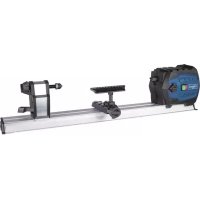
DM600VARIO - Wood lathe SCHEPPACH - Free user manual and instructions
Find the device manual for free DM600VARIO SCHEPPACH in PDF.



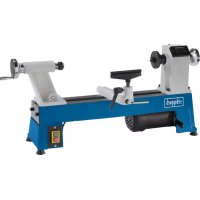
| Product type | Wood lathe |
| Brand | Scheppach |
| Model | DM600VARIO |
| Dimensions (L x W x H) | 1010 x 154 x 215 mm |
| Weight | 6.7 kg |
| Power supply | 220-240 V~ 50 Hz |
| Power | 550 W |
| Rotational speed (no-load) | 800 - 3000 min⁻¹ |
| Speed adjustment | Electronic, continuously variable |
| Max. workpiece length | 600 mm |
| Max. workpiece diameter | 25 cm |
| Spindle head thread | M18x1.5 |
| Operating mode | S1 (continuous) |
| Sound pressure level (LpA) | 86.6 dB (uncertainty 3 dB) |
| Sound power level (LWA) | 99.6 dB (uncertainty 3 dB) |
| Hearing protection required | Yes |
| Protective equipment | Goggles, hair net, no gloves |
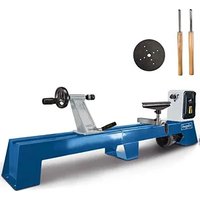
| Supplied parts | Headstock, tailstock, tool rest, tool support, faceplate, SW24 wrenches, fixing screws |
| Wear parts | Turning chisel (not included) |
| Maintenance | Clean with cloth, oil rotating parts monthly, do not oil the motor |
| Storage | Dry place, frost-free, out of reach of children, temperature 5-30 °C |
Frequently Asked Questions - DM600VARIO SCHEPPACH
User questions about DM600VARIO SCHEPPACH
0 question about this device. Answer the ones you know or ask your own.
Ask a new question about this device
Download the instructions for your Wood lathe in PDF format for free! Find your manual DM600VARIO - SCHEPPACH and take your electronic device back in hand. On this page are published all the documents necessary for the use of your device. DM600VARIO by SCHEPPACH.
USER MANUAL DM600VARIO SCHEPPACH
Homepage: https://www.scheppach.com/de/service
Explanation of the symbols on the device
Symbols are used in this manual to draw your attention to potential hazards. The safety symbols and the accompanying explanations must be fully understood. The warnings themselves will not rectify a hazard and cannot replace proper accident prevention measures.
| Warning! Danger to life, risk of injury or damage to the tool are possible by ignoring! | |
| Read instruction manual and safety instructions before starting up and pay attention! | |
| Wear ear-muffs! | |
| Wear a hair net! | |
| Wear safety goggles! | |
| The use of gloves is prohibited! | |
| Protection class II (double shielded) | |
| The product complies with the applicable European directives. | |
| The product complies with the applicable Serbian directives. |
| 1. 2. 3. 4. ↓ | Releasing tailstock clamp |
| 1. 2. 3. 4. ↓ | Tensioning tailstock clamp |
Table of contents: Page:
- Introduction 22
- Device description 22
- Scope of delivery 22
- Intended use 23
- Safety information 23
- Technical data 26
- Before putting into operation 26
- Attachment and operation 27
- Transport 29
- Cleaning and maintenance 29
- Storage 29
- Electrical connection 29
- Disposal and recycling 30
- Troubleshooting 31
- Declaration of conformity 312
1. Introduction
Manufacturer:
Scheppach GmbH
GünzburgerstraBe 69
D-89335 Ichenhausen
Dear Customer,
we hope your new tool brings you much enjoyment and success.
Note:
According to the applicable product liability laws, the manufacturer of the device does not assume liability for damages to the product or damages caused by the product that occurs due to:
- Improper handling
Non-compliance of the operating instructions - Repairs by third parties, not by authorized service technicians
- Installation and replacement of non-original spare parts
Application other than specified - A breakdown of the electrical system that occurs due to the non-compliance of the electric regulations and VDE regulations 0100, DIN 57113 / VDE0113.
We recommend:
Read through the complete text in the operating instructions before installing and commissioning the device.
The operating instructions are intended to help the user to become familiar with the machine and take advantage of its application possibilities in accordance with the recommendations.
The operating instructions contain important information on how to operate the machine safely, professionally and economically, how to avoid danger, costly repairs, reduce downtimes and how to increase reliability and service life of the machine.
In addition to the safety regulations in the operating instructions, you have to meet the applicable regulations that apply for the operation of the machine in your country.
Keep the operating instructions package with the machine at all times and store it in a plastic cover to protect it from dirt and moisture. Read the instruction manual each time before operating the machine and carefully follow its information.
The machine can only be operated by persons who were instructed concerning the operation of the machine and who are informed about the associated dangers.
The required minimum age must be observed. In addition to the safety instructions in this operating manual and the separate regulations of your country, the generally recognised technical rules relating to the operation of such machines must also be observed. We accept no liability for damage or accidents which arise due to non-observation of these instructions and the safety information.
2. Device description
- Motor unit
- On/Off switch
- Speed control
- Headstock drive centre
- Tool support
- Tool rest
- Centering pin
- Counternut
- Tailstock
- Handwheel
- Clamping lever tailstock
- Machine bed
- Locking screw
- Clamping lever tool rest
- Face plate
3. Scope of delivery
1 Motor unit
1 Headstock drive centre
- 1 Tool rest
1 Tool support
1 Centering pin
1 Tailstock
1 Machine bed
1 Face plate
2 Wrench SW24
- 1 Clamping lever tool rest (pre-assembled)
8 Fastening screws (B)
1 Instruction manual
4. Intended use
The machine is only designed for working on wood using a suitable turning tool.
The machine meets the currently valid EU machine directive.
The manufacturer's safety, operation and maintenance instructions as well as the technical data given in the calibrations and dimensions must be adhered to.
Relevant accident prevention regulations and other generally recognized safety and technical rules must also be adhered to.
The machine may only be used, maintained or repaired by trained persons who are familiar with the machine and have been informed about the dangers. Unauthorized modifications of the machine exclude a liability of the manufacturer for damages resulting from the modifications.
The machine is intended for use only with original spare parts and original tools from the producer.
Any other use is considered to be not intended. The manufacturer excludes any liability for resulting damages, the risk is exclusively borne by the user.
Please note that our equipment has not been designed for use in commercial, trade or industrial applications. Our warranty will be voided if the equipment is used in commercial, trade or industrial businesses or for equivalent purposes.
5. Safety information
General power tool safety warnings
WARNING! Read all safety warnings, instructions, illustrations and specifications provided with this power tool. Failure to follow all instructions listed below may result in electric shock, fire and/or serious injury.
Save all warnings and instructions for future reference.
The term "electric tool" used in the safety instructions refers to mains-powered electrical tools (with a mains cable) and battery-powered electrical tools (without a mains cable).
1. Work area safety
a) Keep your work area clean and well-lit. Cluttered or dark areas invite accidents.
b) Do not operate power tools in explosive atmospheres, such as in the presence of flammable liquids, gases or dust. Power tools create sparks which may ignite the dust or fumes.
c) Keep children and bystanders away while operating a power tool. Distractions can cause you to lose control.
2. Electrical safety
a) Power tool plugs must match the outlet. Never modify the plug in any way. Do not use any adapter plugs with earthed (grounded) power tools. Unmodified plugs and matching outlets will reduce risk of electric shock.
b) Avoid body contact with earthed surfaces, such as pipes, heaters, ovens and refrigerators. There is an increased risk of electric shock if your body is earthed or grounded.
c) Do not expose power tools to rain or wet conditions. Water entering a power tool will increase the risk of electric shock.
d) Do not abuse the cord. Never use the cord for carrying, pulling or unplugging the power tool. Keep cord away from heat, oil, sharp edges or moving parts. Damaged or entangled cords increase the risk of electric shock.
e) When operating a power tool outdoors, use an extension cord suitable for outdoor use. Use of a cord suitable for outdoor use reduces the risk of electric shock.
f) If operating a power tool in a damp location is unavoidable, use a residual current device (RCD) protected supply. Using a fault-current circuit breaker reduces the risk of an electric shock.
3. Personal safety
a) Stay alert, watch what you are doing and use common sense when operating a power tool. Do not use a power tool while you are tired or under the influence of drugs, alcohol or medication. A moment of inattention while operating power tools may result in serious personal injury.
b) Use personal protective equipment. Always wear eye protection. Protective equipment such as a dust mask, non-skid safety shoes, hard hat or hearing protection used for appropriate conditions will reduce personal injuries.
c) Prevent unintentional starting. Ensure the switch is in the off-position before connecting to power source and/or battery pack, picking up or carrying the tool. Carrying power tools with your finger on the switch or energising power tools that have the switch on invites accidents.
d) Remove any adjusting key or wrench before turning the power tool on. A wrench or a key left attached to a rotating part of the power tool may result in personal injury.
e) Do not overreach. Keep proper footing and balance at all times. This enables better control of the power tool in unexpected situations.
f) Dress properly. Do not wear loose clothing or jewellery. Keep your hair and clothing away from moving parts. Loose clothes, jewellery or long hair can be caught in moving parts.
g) If devices are provided for the connection of dust extraction and collection facilities, ensure these are connected and properly used. Use of dust collection can reduce dust-related hazards.
h) Do not let familiarity gained from frequent use of tools allow you to become complacent and ignore tool safety principles. A careless action can cause severe injury within a fraction of a second.
4. Power tool use and care
a) Do not force the power tool. Use the correct power tool for your application. The correct power tool will do the job better and safer at the rate for which it was designed.
b) Do not use the power tool if the switch does not turn it on and off. Any power tool that cannot be controlled with the switch is dangerous and must be repaired.
c) Disconnect the plug from the power source and/or remove the battery pack, if detachable, from the power tool before making any adjustments, changing accessories, or storing power tools. Such preventive safety measures reduce the risk of starting the power tool accidentally.
d) Store idle power tools out of the reach of children and do not allow persons unfamiliar with the power tool or these instructions to operate the power tool. Power tools are dangerous in the hands of untrained users.
e) Maintain power tools and accessories. Check for misalignment or binding of moving parts, breakage of parts and any other condition that may affect the power tool's operation. If damaged, have the power tool repaired before use. Many accidents are caused by poorly maintained power tools.
f) Keep cutting tools sharp and clean. Properly maintained cutting tools with sharp cutting edges are less likely to bind and are easier to control.
g) Use the power tool, accessories and tool bits etc. in accordance with these instructions, taking into account the working conditions and the work to be performed. Use of the power tool for operations different from those intended could result in a hazardous situation.
h) Keep handles and grasping surfaces dry, clean and free from oil and grease. Slippery handles and grasping surfaces do not allow for safe handling and control of the tool in unexpected situations.
5. Service
a) Have your power tool serviced by a qualified repair person using only identical replacement parts. This will ensure that the safety of the power tool is maintained.
Warning! During operation, this power tool produces an electromagnetic field. Under certain circumstances, this field may negatively affect active or passive medical implants. In order to reduce the danger of serious or fatal injuries, we recommend that individuals who wear medical implants should consult their doctor and the manufacturer of the implant before operating the power tool.
Operational Safety Instructions for the Wood Turning Lathe
- Familiarise yourself with the machine's features and wood-turning techniques before using the machine.
-
Examine all workpieces for splits or knots. Glued joints must set completely before turning.
-
Ensure that the workpiece is securely locked in position and all attachments are secured.
- Before turning the machine ON ensure that the workpiece can rotate freely by rotating it by hand.
- Keep your hands and fingers away from the rotating workpiece.
- Switch the machine OFF and wait until it has come to a full stop before making any adjustments on the workpiece, tailstock, or tool rest.
- Maintenance, adjustment, calibration and cleaning may only be performed with the motor turned off.
- The machine is designed for use with wood-turning chisels only.
Always store away the wood-turning chisels safely before you leave the workplace. - Do not run the lathe without its covers and guards in place.
- Keep cutting tools sharp.
- Use the lowest speed when starting a new workpiece.
- Always stop the lathe at its slowest speed. If the lathe is run so fast that it vibrates, there is a risk that the workpiece will be thrown or the cutting tool jerked from your hands.
- Do not allow cutting tools to bite into the workpiece. The wood could be split or thrown from the lathe.
- Always position the tool rest above the centre line of the lathe when shaping a piece of stock.
- Before attaching a workpiece to the face plate, always rough it out to make it as round as possible. This minimizes the vibrations while the piece is being turned. Always fasten the workpiece securely to the faceplate. Failure to do so could result in the workpiece being thrown away from the lathe.
- Use a brush or compressed air to remove wood shavings; never your hands. The wood shavings will be sharp.
- The cutting tool must always be tight within the chuck and adjusted to limit projection from the post. This will reduce the possibility of the tool breaking or bending.
- Do not reach a cross the lathe while it is running.
- Only feed workpiece into a cutting tool against the direction of rotation. The workpiece must always be rotating toward you.
- Do not leave the tool unattended when it is plugged into an electrical outlet. Turn off the tool, and unplug it from its electrical outlet before leaving.
-
This product is not a toy. Keep it out of reach of children.
-
Some dust created by power sanding, sawing, grinding, drilling, and other construction activities, contains chemicals known to cause cancer, birth defects or other reproductive harm. Some examples of these chemicals are:
- Lead from lead-based paints
- Crystalline silica from bricks and cement or other masonry products
- Arsenic and chromium from chemically treated lumber
- Your risk from these exposures varies, depending on how often you do this type of work. To reduce your exposure to these chemicals: work in a well ventilated area, and work with approved safety equipment, such as those dust masks that are specially designed to filter out microscopic particles.
- People with pacemakers should consult their physician(s) before use. Electromagnetic fields inclose proximity to heart pacemaker could cause pacemaker interference or pacemaker failure. In addition, people with pacemakers should:
- Avoid operating alone.
- Properly maintain and inspect to avoid electrical shock.
- The warnings, precautions, and instructions discussed in this user manual cannot cover all possible conditions and situations that may occur. It must be understood by the operator that common sense and caution are factors which cannot be built into this product, but must be supplied by the operator.
Additional safety instructions for the use of faceplates
- Ensure that the faceplate is the appropriate size to support the workpiece.
- Ensure that the workpiece is securely fastened to the faceplate.
- Rough cut the workpiece as close as possible to the final shape before mounting onto a faceplate.
- Only use scraping chisels for faceplate turning. Cutting chisels can easily be torn out of your hands.
- Pay attention that the woodturning chisel cannot interfere with the holding screws at the finished dimensions of the workpiece.
Remaining hazards
The machine has been built using modern technology in accordance with recognized safety rules.
Some remaining hazards, however, may still exist.
- Only process selected woods without defects such as: Branch knots, edge cracks, surface cracks. Wood with such defects is prone to splintering and hazardous.
- Wood which is not correctly glued can explode when being processed due to centrifugal force.
- Trim work piece to a rectangular shape, center and correctly secure before processing. Unbalanced work pieces can be hazardous.
- Injuries can occur when feeding work pieces if tool supports are not correctly adjusted or if turning tools are blunt. Sharp turning tools which are free of defects are necessary for professional turning.
- Long hair and loose clothing can be hazardous when the work piece is rotating. Wear personal protective gear such as a hair net and tight fitting work clothes.
- Saw dust and wood chips can be hazardous. Wear personal protective gear such as safety goggles and a dust mask.
- The use of incorrect or damaged mains cables can lead to injuries caused by electricity.
Even when all safety measures are taken, some remaining hazards which are not yet evident may still be present. - Remaining hazards can be minimized by following the instructions in "Safety Precautions", "Proper Use" and in the entire operating manual.
- Before carrying out any adjustment or maintenance work, switch off the device and disconnect the mains plug.
6. Technical data
AC motor 220 - 240 V~ 50Hz
| Power 550 Watt | |
| Operating mode S1* | |
| Spindel speed 800 - 3000 rpm | |
| Max. workpiece length 600 mm | |
| Max. workpiece diameter | 25 cm |
| Headstock thread | M 18 x 1.5 |
| Weight | 6.7 kg |
| Dimensions L x W x H mm | 1010x154x215 |
- Operating mode S1, continuous operation
Noise
Total vibration values determined in accordance with EN 62841.
| Sound pressure level LpA | 86.6 dB |
| Uncertainty KpA | 3 dB |
| Sound power level LWA | 99.6 dB |
| Uncertainty KWA | 3 dB |
Wear hearing protection.
The effects of noise can cause a loss of hearing. Total vibration values (vector sum - three directions) determined in accordance with EN 62841.
7. Before putting into operation
- Open the packaging and remove the device carefully.
- Remove the packaging material as well as the packaging and transport bracing (if available).
- Check that the delivery is complete.
- Check the device and accessory parts for trans-port damage.
- If possible, store the packaging until the warranty period has expired.
ATTENTION
The device and packaging materials are not toys! Children must not be allowed to play with plastic bags, film and small parts! There is a risk of swallowing and suffocation!
- The machine must be securely installed, i.e. bolted down on a workbench, base frame or similar.
- Before the machine is put into operation, all covers and safety devices must be properly attached.
- In the case of wood which has already been worked with, check for foreign bodies such as nails or screws etc.
- Before connecting the machine, check that the data on the type plate matches those of the mains system.
- The machine must only be connected to a properly installed safety socket which is protected by a fuse of at least 16A.
8. Attachment and operation
Warning! Risk of injury!
Prepare the workplace where you intend to place the electrical power tool. Provide enough space to ensure safe and trouble-free operation. The power tool is designed for working in enclosed rooms and has to be installed on level and firm ground.
Important! Pull out the power plug before carrying out any maintenance, resetting or assembly work on the device!
Fixation of the machine (Fig. 1)
Before operation, the device must be screwed to a workbench, undercarriage or similar. Use the slotted holes (A) for this purpose.
Installing the tool rest (Fig. 1; 4;)
- Plug the tool rest (6) into the hole in the tool support (5).
- Fasten the tool rest (6) at the desired height using the locking screw (13).
Setting the tool rest (Fig. 1; 4)
- The height of the tool rest (6) can be set by loosening the locking screw (13).
- In order to set the length of the tool rest (6), loosen the clamping lever for tool rest (14). The tool rest (6) must be driven as close as possible to the workpiece without touching it.
- Retighten the clamping lever for the tool rest (14).
Adjustment of the tailstock (Fig. 1; 5)
- Loosen the clamping lever (11) for the tailstock (9) in order to set the distance between the tailstock (9) and the headstock drive centre (4).
- To adjust the clamping pressure use the handwheel (10) and secure it with the counternut (8).
Warning! Make sure that the tool rest (6) is tightened securely and cannot turn in towards the workpiece.
Tensioning and releasing the tailstock clamp (fig. 6)
To fix the tailstock in the desired position, proceed as follows:
- Move the tension lever (11) in the lower position, from right to left, until it stops.
-
Lift the tension lever (11) and move it in the opposite direction as far as it will go.
-
Repeat this process 4-7 times until the tailstock is securely fixed.
To loosen the tailstock, please proceed in reverse order.
Securing the workpiece on the headstock drive centre (Fig. 1)
- Locate the centre of the workpiece by accurately drawing diagonal lines on each end. The intersection point of these two lines will indicate the centre of the workpiece.
- At the end of the workpiece, produce an approx. 2 mm deep saw cut along the diagonal, in order to receive the headstock drive centre (4).
- Use a wood mallet (not supplied) to drive the headstock drive centre (4) into the point where the diagonal cuts across the end of the workpiece. Take care to protect the threaded end of the headstock drive centre (4) so that no object damages the thread.
- Cut the corners off the workpiece if the diameter of the ends is greater than 5cm× 5cm to make turning easier and safer.
- Measure the combined total length of the workpiece with the headstock drive centre (4) and centering pin (7) on each end.
- Loosen the clamping lever for the tailstock (9) and set the distance between the headstock drive centre (4) and the centring pin (7), such that a slightly greater distance is obtained than the measured total length of the workpiece.
- Tightly screw the headstock drive centre (4) with workpiece onto the centering pin (7) by the hand wheel (10).
- Once positioned fasten the counternut (8) against the tail stock (9).
- Set the tool support (5) with tool rest (6) approx. 3 mm away from the workpiece.
Caution: Before starting the machine test the setup by rotating the workpiece by hand to ensure that there is enough clearance all the way around and that it does not come into contact with the tool support (6).
Using the face plate: (Fig. 3)
To use the faceplate:
- The faceplate (15) offers solid and secure support for a variety of turned objects such as platters, bowls, pots and round pieces.
Installing the faceplate:
- Loosen the headstock drive centre (4) and remove from the spindle.
- Thread the faceplate (15) onto the headstock spindle and tighten by hand and the wrench.
Securing workpiece on the faceplate:
Workpieces that cannot be worked using the headstock drive centre (4), instead must be mounted on a faceplate (15) or a backing piece, such as a chuck or block of wood.
- Rough cut the workpiece as close as possible to the final shape before mounting onto the faceplate (15).
- Firmly attach the faceplate (15) to the workpiece. Depending on the workpiece, this can be done with wood screws (not supplied) driven directly into the workpiece. Where the intended cutting dimensions do not allow for screws, a backing piece might be required. A backing piece can be made from a piece of scrap wood cube with two flat and parallel opposite faces. Identify and mark the centre of the backing piece.
It may be necessary to bond the carrier part (wooden block) with the workpiece and attach it to the carrier part, before fastening it to the face plate (15) using screws (not included in the scope of delivery). In this case, clamp the backing piece to the workpiece and wait for the glue to dry according to the glue manufacturer's recommendation. Where the use of screws into the workpiece is not permissible, the workpiece can be glued onto a backing piece with a piece of paper placed in between the joint. This allows for later separation without damage caused to the workpiece. Use only non-tapered head wood screws. Do not use tapered head wood screws.
Caution: Pay attention to the wood turning chisel so that it does not interfere with the holding screws at the finished dimensions of the workpiece.
IMPORTANT!
You must fully assemble the appliance before using it for the first time!
Switching on and off (Fig. 1)
- Press the On switch (2 / ,1 ) to start the machine.
- Press the Off switch (2 / "0" ) to stop the machine.
Caution: The device starts running immediately at the set speed.
Speed adjustment (Fig. 1)
The correct speed must be set to suit the workpiece to be processed.
Electronic speed control:
Use the electronic speed control to steplessly set the speed:
Set the speed with the help of the speed control (3).
Important information for operation
- We recommend that you refer to specialised literature on wood-turning techniques.
- Look out for knots and shrinkage shakes when selecting the wood for your turning work. Only use wood which is free of cracks and large knots (where there are small knots, take appropriate care with the pressure applied with the turning tool).
Always check that the shaped item is securely held by checking it by hand. Warning! Pull out the power plug! - Use only an original turning tool which is sharp.
- Do not stand in the flight path of the workpiece when turning wooden disks.
- Please cut large and imbalanced shaped items to size as best as possible using a bandsaw or fret saw. If the shaped items are very imbalanced they will pose a risk to your health and to the service life of the machine.
- Always start with the lowest possible speed for new workpieces being turned and increase it with increasing massiveness of the workpiece being turned.
- Do not use wooden disks with contraction cracks, since they pose a high risk of bursting under the impact of centrifugal forces.
- Do not exceed the maximum workpiece sizes.
- In case of tools which get blocked: Pull out the power plug first before starting troubleshooting.
- To do your turning work, position yourself at the machine so that you can guide the cutting tools effectively on the tool support.
- Only use cutting tools, which are recommended for wood turning works.
9. Transport
- Turn the power tool off before it is transported and disconnect it from the power supply.
- Always carry the electric tool with at least one other person. Carry the power tool to the machine bed (12).
- Protect the power tool against knocks, jolts and strong vibrations, e. g. when it is transported in motor vehicles.
- Secure the power tool against tilting and sliding.
- Never use the protective devices for handling on transport.
10. Cleaning and maintenance
Warning!
Prior to any adjustment, maintenance or service work disconnect the mains power plug!
General maintenance measures
Wipe chips and dust off the machine from time to time using a cloth. In order to extend the service life of the tool, oil the rotary parts once monthly. Do not oil the motor.
When cleaning the plastic do not use corrosive product.
Maintenance
There are no parts inside the machine which require additional maintenance.
Service information
Please note that the following parts of this product are subject to normal or natural wear and that the following parts are therefore also required for use as consumables.
Wear parts*: wood turning chisel
- Not necessarily included in the scope of delivery!
Spare parts and accessories can be obtained from our service centre. To do this, scan the QR code on the cover page.
11. Storage
Store the device and its accessories in a dark, dry and frost-proof place that is inaccessible to children. The optimum storage temperature is between 5 and 30°C . Store the electrical tool in its original packaging.
Cover the electrical tool in order to protect it from dust and moisture.
Store the operating manual with the electrical tool.
12. Electrical connection
The installed electric motor is connected and is ready to work. The connection complies with the relevant VDE and DIN regulations. The customer-side mains supply and the used extension line must meet these regulations.
Defective electric connection lines
Often, insulation damages occur on electrical connection lines.
Causes are:
- Drag marks if connection lines are led through window or door clearances.
- Kinks due to improper attachment or routing of the connection line.
- Cuts caused by running over the connection line.
Insulation damages caused by pulling the connection line out of the wall socket. - Fissures caused by the ageing of the insulation.
Such defective electric connection lines must not be used and are hazardous due to the insulation damages. Regularly check the electrical connection lines for damages. Please make sure that the connection lines are disconnected from the mains supply during the check.
Electrical connection lines must comply with the relevant VDE and DIN regulations. Only use connection lines labelled with H05VV-F.
The labelling of the connection cable with the type specification is required.
AC motor
The mains voltage must be 220 - 240 V~.
- Extension cables up to 25m in length must have a cross-section of 1.5mm2
Connections and repairs to the electrical equipment may only be performed by a qualified electrician.
If you have any queries, please provide the following information:
- Current type of the engine
Data from the machine type plate
Data from the motor type plate
Connection type X
If the mains connection cable of this device is damaged, it must be replaced by a special connection cable which can be obtained from the manufacturer or its service department.
13. Disposal and recycling
Notes for packaging


The packaging materials are recyclable. Please dispose of packaging in an environmentally friendly manner.
Notes on the electrical and electronic equipment act [ElektroG]
![SCHEPPACH DM600VARIO - Notes on the electrical and electronic equipment act [ElektroG] - 1](/content/2026/04/589799/images/914adb4dbb68ca537270a347c518b933c626be219a7a315c484d0a163b33c289.jpg)
Waste electrical and electronic equipment does not belong in household waste, but must be collected and disposed of separately!
- Used batteries or rechargeable batteries that are not installed permanently in the old appliance must be removed non-destructively before disposal. Their disposal is regulated by the battery law.
- Owners or users of electrical and electronic devices are legally obliged to return them after use.
- The end user is responsible for deleting their personal data from the old device being disposed of!
- The symbol of the crossed-out dustbin means that waste electrical and electronic equipment must not be disposed of with household waste.
-
Waste electrical and electronic equipment can be handed in free of charge at the following places:
-
Public disposal or collection points (e.g. municipal works yards)
-
Points of sale of electrical appliances (stationary and online), provided that dealers are obliged to take them back or offer to do so voluntarily.
-
Up to three waste electrical devices per type of device, with an edge length of no more than 25 centimetres, can be returned free of charge to the manufacturer without prior purchase of a new device from the manufacturer or taken to another authorised collection point in your vicinity.
Further supplementary take-back conditions of the manufacturers and distributors can be obtained from the respective customer service.
- If the manufacturer delivers a new electrical appliance to a private household, the manufacturer can arrange for the free collection of the old electrical appliance upon request from the end user. Please contact the manufacturer's customer service for this.
These statements only apply to devices installed and sold in the countries of the European Union and which are subject to the European Directive 2012/19/EU. In countries outside the European Union, different regulations may apply to the disposal of waste electrical and electronic equipment.
14. Troubleshooting
| Trouble Possible cause Solution | ||
| Quality of cut is poor. | Cutting tool is dull. Sharpen or replace cutting tool. | |
| Cutting too aggressive cut. Reduce the working pressure. | ||
| Cutting tool is positioned below workpiece center line. | Lower cutting tool to maximum 3mm above the centre line of workpiece. | |
| Lathe speed too slow Increase lathe speed | ||
| Excessive vibration when turning thin workpieces. | Cutting tool is positioned below workpiece centre line. | Raise cutting tool to centerline of workpiece. |
| Cutting to aggressively. Use a lighter touch. | ||
| Excessive vibration when turning large workpieces or bowls. | Headstock and/or tailstock improperly located at ends of workpiece. | Check for proper workpiece centres at head-stock and/or tailstock. |
| Workpiece is unbalanced. Trim end of workpiece until workpiece is more balanced. | ||
| Lathe will not turn on. | Cord not connected into electrical outlet. Connect to electrical outlet. | |
| Lathe will not turn off. | Damaged or faulty power switch and/or internal wiring. | Unplug the lathe from its electrical outlet immediately. Do not operate lathe until it is repaired by a qualified service technician. |
Günzburger Straße 69
D-89335 Ichenhausen
Arvoisa asiakas
Pabudt minstealder ma overholds.
KeIaem Bn MHO npraTHN MOMeHTN ycnexn npnpa6oTata c Baun HOB ypei.
Yka3aHHe:
CbIacHO DeIcTBaIaIg 3aKOH 3a IpoIyKObAta OTROBOPHOCT, npOIN3BOIDTeJIr H a To3n ypeI He HOCNOTROBOPHOCT 3a UeTI, Bb3HNIKHAn N O NII INopadITo3n ypeI, npI:
- HenpaBnIHO 6opabeHe,
- Hecna3BaHe Ha pBkoBOcTBOTO 3a 06CnyXbaHe,
- pemOHn OT HeynbHOMOeHN CneuAnCTN, YBaAsn Ce TpeTn Nua,
BrgpaKaDaHe NIOdMaHa Ha He OpuRHaJIHn pe3epBHN YactN. - ynoTpe6a He no npedHa3NaueHne,
- OKa3 Ha eJektpnueckKaTa NHCTaJaunn npn HeCna3BaHe Ha npednncanHra 3a pa60Ta c eJekTpnuecTBo n pa3npoeD6nte Ha VDE 0100, DIN 57113/VDE0113.
Bzeme Te noBHHMaHHe:
PpeMn MONTa KnyckaHTo B EKcNlOaTaun npo- TetTe cT Ha pBkoBOdCTBoto 3a ynotpe6a.
UeIHa ToBa pBkoBOdCTBO 3a ynotpe6a e Da Bu yneChn npu 3ano3HaBaHTo C Baun eNeKtpueckn
HHCTpymEn T n 3noJ3BaHTo Ha HerOBITE Bb3MOXHOCTn 3a ynotpe6a cbIacHo PpeDnncAHnra.
PbkoBODCTBOTO 3a ynoTpe6a cbdbpka BaxHn yka3a-Hn OTHOCHO be3oNaChATA, npabunHaTa NIKOHOMuHnA tpa6ota c eNEKtpueeckn INHcTpymENT, n36rBaHTo Ha onachOCTn, cneCTraBaHTo Ha paXoDn 3apeMOHT, HamaJIbaHeTO Ha BpeMeHata Ha IpctOINyBeIIuHaBeHo HA NaExxHocCTTa I KInBOTa Ha eNekTPnuCeckn INHcTpymENT.
BdoIbJIHeHne Kbmyka3aHnraTa 3a6e3oNaCHOCTB TOBa pKOBODCTBO 3a yNtpe6a, 3aIbJXHTeJIHO Tp8Ba Da cna3BaTe OTHacrUnte Ce Do EKCnNoatauunraHa eNeKtpnueckn HnctpyMeHn PpeDncaHn BbB BaWata CtpaHa.
CbXpaHraBaIte pbKOBoDCTBOTO 3a ynoTpe6a npn eJIeKtpnueckn INHCTpyMeHT, 3aunTeHO OT 3ambpocBaHe n Bnara B pnaCTmacoBA Top6uKa. To Tp6Ba Da 6bDe IpoUeTeHO INBHMaTeJHO Cna3BaHO OT BCEKn OepaTop npdN 3anoYBaHe Ha pa6ota. CeJIeKtpnueckn INHCTpyMeHT MORAT da pa6OTr cAmO Niua, KOINTO ca INHCTpyKtnpaHn OTHoCHO ynoTpe6ata Ha eJIeKtpnueckn INHCTpyMeHT n Ca 3aNo3HaTu CbC CBbpAHTE C TOBA ONaCHOCTN.
N3nckbaHata MHHMaJIHa Bb3pact Tpr6Ba Da ce cna3Ba.
OcbEN cbIbpxaUTe Ce B TOBa pbKOBOdCTBO 3a ynoTpe6a yka3aHnra 3a 6e3oNaChoc T CneuHaHnTe pa3npope6n BB BaWata cTpaHa, npi pa6oTaTc MaunHn Tpr6Ba Da ce cna3BAt N OboOpnPn3HaTnTe npabJnHa HaTexHnKaTaN.
He noemame OTROBOPHoc 3a 3IIOJyKn NIn IeTn, Bb3NkHaJI INopaIN HeCna3BaHe Ha TOBa pKOBoDCTBO INN Ha yKa3aHnraTa 3a 6e3OnacHOcT.
2. Onicahne Ha ypeia
1.БнokHaDburatela
2. IpeBkIOUbATEI 3a BkIOUBaHe/13KIOUBaHE
3. PerylaTop Ha o6opotnte
4. LcHbP Ha Tgata Ha BpeTeHHOTo CeIIO
5. NocTabka 3a uHcTpymeHa
6. noJIOXKIN 3a INHCTpyMeHT
7. ΒeHTpnpaBbpx
8. KoHTparaKa
9.3aHNo ceJIO
10. Pbyho kOJIeNo
11. 3ateratelehen noct Ha 3aHnTo ceIIO
12. Pama Ha MaunHata
13. BnHT 3aФнксupahe
14. 3aterateJHeH JIOCT Ha IIOJIOXkata 3a INCHPTpyMeHTa
15.Планшайба
3. Osem Ha DocTaBkata
16nokHaDnurataTeJr
1eHTbp Ha TaraHa BpeHhTo ceNo
1 noDIOKka 3a INHCTpyMeHTa
- 1 noctabka 3a INHCTpyMeHTa
1 ueHtpnpaBpbx
13aHNo ceINo
- 1 pama Ha MaunHaTa
- 1 pnaHsaan6a
2raeunKIOUa SW 24
1 3ateratenennoctHa noDnOxkata 3a INHCTpyMeHTa (npedBapnteJHO MOHTupaH)
- 8 ckpeneHTeHH BnHTa (B)
1 pboDCTBO 3a ynoTpe6a
4. Ynotpe6a no npedHa3NaueHne
IbpbOeJIcknT Ctpy e npedHa3NaueH 3a o6pa6oTKa Ha IbpBecnHa c NOMOHTa Ha NOxOJaUN dNeTa. MaunHata OTROBapra Ha DeiCTBaUaTa DnpeKtNbHa Ho OTHOCHO MaunHHTe.
IpeDncaHnTa 3a 6e3oNaCHOCT,pa6ota nnoDpBxKaHa npOn3BOJNTeJI,KAKTO NocOueHnTe pa3MepuBTEXHnueCKNTE DaHHN,TPa6BaJa 6bDat Cna3BaHN.
CbOTBeTHnTe PpeDncaHn 3a 6e3oNaCHOCT Ha Tpyda n dpyrnte, oBsoOpn3HaTn npabnla Ha TexNkata Ha 6e3oNaCHOCT, Tp8Ba Da 6bDat cna3BaHn.
MaunHaT a MoKe Da ce 3nON3Ba, NODbPka nn peMOHTnpa cAmO OT KOMNTeHTHn Jnua, KOtO ca 3An03HATc HRe n Ca INCTpyKTIpaHn OTHOCHO ONacHOCTte. CBOEBOHn IpomEnn No MaunHaTa OCBO6XdABat PpOn3BODnteIr OTOTROBOPHOCT 3a Bb3HNKHJaN Bpe3yJITaT OT TOBA uetn.
MaunHaTa MoKe Da ce 3n0n3Ba cAmO C opuHaJIH npHaIeXHOCTN INHcTpymeHTN OT pOn3BOJntEJI.
Bcka pa3nuaa ce ot TOBA ynoTpe6a ce cHTa 3a ynoTpe6a He no npedHa3HaueHne. 3a uetn B pe- 3yIITat Ha TOBa npou3BODInTeJr He Hocn OTROBOpHOCT, pUCbT ce eoema camo ot noTpe6nteJr.
MOnJa OobpHeTe BHMaHne, Ye HaWInTe ypeN He ca KOHCTpyuPAnH C npEHa3HaueHne 3a TbproBcKa, 3aHaTynckA nI npOMnUeHa yNoTppe6a. He noeMaMe rapaHnA, aKO ypeBt Ce n3noJ3Ba B TbproBCKn, 3aHaTynckn nI npOMnUeHn ppeDnpnTna, KaKTo I npi paBHocnHn DeHocn.
5. yka3aHna 3a 6e3oNaCHOCT
O6u yka3aHnna 3a 6e3oNaChocr 3a eNeKtpnueckn HnCTpyMeHTn
PPEyPExEHE! PpOeTeTe BCnKu yKa3aHn 3a 6e3oNaChocT, HNCTpyKu, NIOcTaCuuN TeXnueckn DaHH, PpeOCTaBeHn C To3n eKeTpneckn NHCTpyMeHT. PpOnyckn PpN cna3BaHeTo Ha INHCTpyKuNTe NO-dOly MoRat Da DOBeDaT Do TO-KOB yDap, Noxap N/nn TExKu HapaHbAHn!
3ana3eTE BCnUKN yka3aHn 3a 6e3onacHOCT N H-CTpyKuN 3a 6bJeN cnpaBKn.
I3noJ3BaHOTOByka3aHnTa 3a6e3oNaCHOCT NOHrTne ,eNeKtpnueckn INcTpymeHT" ce OTHacrdo3axpaHbAHOTMpexaTaeNeKtpnueckn INcTpymeHTN (CMpeXOB npOBODnK) n do 3axpaHbAHn CakymnaTOp eNeKtpnueckn INcTpymeHTN (6e3 MPexOB npOBODnK).
1.БezonachocHT ha pa6oTHoTo MrcTo
a) NpOdIbPkaIte pa6oTHOTc MRCTO YHCTO n Do6pe OCBTeHo. Be3nOpraIbKbT INN HeOCBeteHNTE pa6oTHM MeCTa MORaT Da DOBeEdaT Do 3JIOJNYKn.
b) He pa6oTe c eNeKtpnueckn HNCTpyMeHT Bbb B3pHBOONacha CpeDa, B KOrTo mHa 3anaJIIMN TeuHOCTn, Ra3OBe nI npaxoBe. EJeKTPnuecknte HNCTpyMeHTcB3daBaT NCKPn, KOn-TO MORa Da BB3JIaMeHr Ipaxa nn Napte.
c)ДрьхTe DecaиpyrNПиuaДалeчNoВpeMeHa N3NOJ3BaHeTo Ha eIeKtpnuecknY INHCTpy-MENT.Прп расeйBaHe moKte ДаИЗryБNTe KOHTpOJI Bbpxy eIeKtpnueckn INHCTpymENT.
2. Be3onacnoct npn pa6oTa c eJektpueeckn TOK
a) 电eT ha eKtpueckn HcTpymeHT TpaBa da OTROBapHa KOtakTa. 电eTbT He 6uBa da ce npomeH NO HkaKB BaHauH. He n3no3BaTe aanTepHn 9enceJN 3aeDHO cbc 3a3eMeH eKtpueckn HcTpymeHTn. HenpomeHen 9eCen I noXoJaun KOtakTu HamajBaT pCKa O T TOKOB ydap.
b) N36yBaIte TeJeceH KOHTaK TcBc 3a3eMeHN NOBbpxHOCTn KaTO TpB6n, OTONNTENHypeDN, cyPhN xJaADNHnC. CbueCTbYBaNOBnSeH PNCK OT TOKOB yDap, KOrato TAnoto BnE 3a3eMeHo.
c) Na3eTe eNeKtpnuecknte HNcTpymeHTn OT bXd N Bnara. PpOHnKBaHTo Ha BOda B eNeK- TpnueeKn HNcTpymeHT yBEnuaba pncKa OT TOKOB ynap.
d) He n3noJ3BaIe CBbp3Baun npoBODnK He no npedHa3NaueHHe, 3a Hoche nn 3akauane Ha eJeKTpnueckn HNCTpyMeHT nn 3a n3- DbpBaHe Ha uenceLa ot KOHTAKTa. NaTe CBbp3BaUn npoBODnK OT ropeunHa, MacNo, OCTpnpb6OBe nn DBNXeUe Ce qactn. NobpeHn nn ycyKaHN CBbp3Baun npoBODnUyBEJIuHabAT pCKaOT TKOB yIap.
e) Korato pa6oTnte c eIekTpueckn HNCTpyment Ha otKpTO, n3no3BaIte caMo ydbJnxTeHN npOBODHnC, KOTo cbIoo ca NOxOJaUN 3a ynotpe6a Ha otKpTO. n3no3BaHeTo Ha noDxoJaU 3a ynotpe6a Ha otKpTO ydbJnxTeJeH npOBODHk HamanraBa pNcKa OT TOKOB ydap.
f) Korato ynotpe6aTa Ha eJekTpueckn HNCTpymEnT BbB BnaXHa CpeHa He MoKe Da 6bDe n36ErHata, n3NoJ3BaTe DeEkeKTHTOKOBA 3aunTa. N3NoJ3BaHeTo Ha DeEkeKTHTOKOBA 3aunTa HamaJraBa pUcKa OT TOKOB yDap.
3. Be3onachocT ha xopata
a)БbTe BnMaTeHN,06pTaAte BnHaHne Ha TOBa,KoTo npaBnTe,H NOxoxKaI-Te pa3ymHO KbMa paOtaTc eEKeTpueeKn HhCTpyMeHT.He n3NoJ3BaIte eEKeTpueeKn HhCTpyMeHT,aKo CTe yMopeHn Hn NOD BnJyHHeTo Ha HApKOTuN,anKoxOJ Hn MeDnKa-MeHTn.MomeHT HeBnMaHne npn H3NoJ3BaHeTo Ha eJEKtpueeKn HhCTpyMeHT MoKe Da DOBeede Do cepno3Hn HapaHbAHn.
b) Hocete JnHn npedna3n CpeCTBa n BnHa- r 3aunTHn OuHnA. HocheTo Ha JnHn nped- na3Hn CpeCTBa, KaTO npOTNBopaxOba MACKa, npedna3Hn obyBkn, KOHTo He ce XJb3raT, nped- na3Ha KacKa IIN aHTNFOHN, cNopeD BnDa n yno- Tpe6ata Ha eNEKtpueeCKn INHCTpyMeHT, HamaJIaBA pNcKa OT HapaHbAHn.
c) N368BaTe HeBOLHO BKNIOUBAHe. YBepete Ce, Ye eNekTpuecknT HNCTpyMeH Te N3KIO-yeH, IpEi Da To CBbpKeTe KbM eNekTpO-3axpaHbaHeTo n/nnn akymyNaTopa, IpEi Da To B3eMeTe nHn Hocnte. AKO npu HOceHTo Ha eNekTpueckn IHNCTpyMeH TdBpXnTe Pbcta CN BbpxY IpEkbCbaa Nn CbbPkeTe KbM eNekTpO-3axpaHbaHeTo BKNIOUeH eNekTpueckn HNCTpyMeHT, TOBa MoKe Da DOBeDe Do 3JNOJyKn.
d) OTePahete HnCTpyMeHTte 3a HactpoKa nnraeHnTe KIOOObE, npei Da BKnIOHTe eNektpueckn HnCTpyMeHT. NcHCTpyMeHT nnKIOU, hAmnpaCt Ce BB BbPTaCa ce YacT Ha eNektpueckn HnCTpyMeHT, MoKe Da DOBeDe Do HapaHBAHN.
e) 368raTe HnpabnHa cToKa Ha TAnoto. Ocnypete cn ctaBnEn cToex n NoctoHno na3e paBHOBeCne. TaKa MoKeTe Da KOHTponi-pate eNeKtpueeCKn INHCTpyMeHt INo-dO6pe npn HeoayakBaHN CNTyaUIN.
f) Hocete noxdxoadjo 06nekn. He hocete shpokn dpexn nn HaKNTn. DpbkTe Kocata n 06neKnoto cn daJeY OT DBNXeUe ce yactn. ShpOKn dpexn, hakTN nn DblrN KOCh MOrat da 6bDaT 3axBaHaTHo OT DBNXeUe ce yactn.
g) Korato Morat Da 6bDaT MoHTnpaHn npaxo3-CMyKbaun npaxoynaBua yCTpOcTBa, Te Tp6Ba Da ca CBbp3aHn Ha ce H3NoI3BaT npabHNO. N3noJ3BaHeTo Ha npaxoN3CMyKbaU OYCTPOINCTBO MOKe Da HAMAn BpeDInTe 3a 3dpa-BETO nopadn npax.
h) He ce noДаBaIte Ha faJIshnBTo yBCTBO 3a 6e30nacHocT n He npHepeRBaIte npaBnIata 3a 6e30nacHocT npn paBoTa c eJekTpHuYeCKnte HnCtpyMeHTn, DOpn aKO cNeM MHOrOKpaTHata nM yNoTpe6a MncInTe Ye rN No3HaBaTe Do6pe. He6peXHnte DeiCTBnMa Mo-rat Da IOBeDat DO TeKk TeteChn NOBpeDN B paMKInTe Ha YaactN OT CeKHyData.
4. Ynotpe6a n 6opabene c eIektpnueckn H-ctpymENT
a) He npetobapbaite eelktpnueckn nHctpyment. N3noJ3BaTe NOxOJaun 3a Baawata pa6ota eelktpnueckn nHctpyment. C noDxoJaun eelktpnueckn nHctpyment pa6oTne No-do6pe n no-cnpypho B dnaana30Ha Ha pa6oTHnte My xapaKtepnCTnK.
b) He n3noJ3BaIte eJekTpueeCKn HNCTpyMeHT, NInTo npEkbCBAe eoBpeDeH. EJekTpueeCKn INHCTpyMeHT, KOITo HE MoXe Da Ce BkJIIOUBya NIN N3KNIOUBya, e OnaceH I Tp8Ba Da 6bJe peMOH-TnpaH.
c) N3BaTe ΣeCena OKTaKTa n/NnN 3Ba-DeTe CMeHЯEMnA kymyNatOp, npedn Da n3-BbPbBaTe HAcTpoKnNo ypeDa, da CmeHrTe qactn Ha pa6oTHnHnCTpyMeHT nN da ocTaBnTe eNeKtpnueckn HnCTpyMeHTa HacTpaHn. Ta3n MnpKa 3a 6e3onacHOCT npedOTbPaTBA HeymuIHeHTo BkIIOUbaHe Ha eNeKtpnueckn HnCTpyMeHT.
d) CbxpahraBaTe He3nO3BaHnte eNEKtpnueckn HNCTpyMeHTn Ha HeoctbHNO 3a Dea Macto. He No3BOJRABaTe eNEKtpnueCKnT nH-CTpyMeHT da 6bJe n3NoJ3BaH OT Ntca, KOnto He ca 3an03HaTH c Hero mHe ca npoyen Te3n nHCTpyKcun. ENEKtpnueCKte nHCTpyMeHT Ca ONaCH, aKO ce n3noJ3BAT OT HeonNTn Nua.
e) PnDbpxaTe eJektpueckte HNCTpymeHTn pa6oTHna HNCTpymeHT rpnXnBO. IpOBepaBaTe daNN dBHXeUnte ce qactn cyHKunoHnpaT 63ynpeuHo n He 3aJxdaT, daNN HmaCuyneH nn Taka NOBpeHn Yactn, ye daHapywaBat cyHKunOHpaHTo Ha eJektpueckn HNCTpymeHT. NobpeHnte qactn cIedBa Da 6bDaT peMOHTnpaHn ppeHn 3noJ3BaHeTo Ha eJektpueckn HNCTpymeHT. Mhoro 3NoJOnyKn Ca npuHHeH NOT LoNO NoDbpxaHNeJektpueckn HNCTpymeHTn.
f) POnDbPkaIte pexeIte HnCTpyMeHTn HatoeyH n YnCTn. rpnKlnBO noDbPkaHnte peXeIINHCTpyMeHTn C OCTpnpeXeIINp b6OBe ce 3aKnHBat NO-MaJIKO IN CE BOJrT No-JeCHO.
g) N3noJ3BaIte eJIeKtpueckn HNCTpymeHT, npHnAdJeXHoCTnTe, pa6OTnTe HNCTpyMeHTn n T.H. CbIaCHO HAcToaHte HNCTpyKcnn. Pn TOBa B3emaTe NOB BHMaHaNe YcNoBnaTa Ha pa6Ota n DeiCtBnEto, KoEt ToP6Ba Da ce N3Bbpun. YnOTpe6bata Ha eJIeKtpueckn HNCTpyMeHTn 3a pa3InuHn OT ppeBnDeHnte PnploKeHn MoKe Da DoBeDe IOnaChn CNTyaCm.
h) Pn3eTe DpBknte N TexHnte NOBbpxHOCTN cyxu, uctn 6e3 macno n rpec. Xlb3raBNTe dpBXKn IN TexHnte NOBbpxHOCTN He No3BOJIaBAT 6e3oNa cha pa6ota n KOHTpoJ Ha eJeKtpueckn HnCTpyMeHT B HnpeDbUdEHN CNTyaun.
5. CepBn3
a) Bb3naarate peMOHTn no Baunr eJektpn-yeckn HNCTpymeHt cAmo Ha KBaJIncu npAHn CneuaHnCTn n camo C opurHaHn pe3epBHN qactn. Taka ce rapaHTnpa, ye 6e3onacHocTt ha eJektpnueeckn HNCTpymeHt ue ce 3ana3n.
IpeynpejdeHne!NoBpeMeHaeknnoataaTo3n eNeKtpnueckn IHCTpymeHT cb3daBa eNeKtpomarHHTHO none. Pnp onpeJeHn ycNobna TOba nole MoKe da HapuyuФyHKuOHHpaHTo Ha AKTNbHn nn nacNBn MeuHcNmMnAHTN. 3a Da ce HamaHn OnacHOCTTAOT cepNO3Hn Nn CMbPtoHOCHn HapaHbAHn, IpeOpbVbame Ha Nua c MeuHcNk NmPiAHTn Da ce KOHCytnpat Cbc CBOJLekap N C npOn3BOdnteHa MeuHcNkNmPiAHT, ppei eNeKtpuecknT INCTpymeHT da 6bDe n3NON3BaH.
Yka3aHn 3a 6e3onacHocT npn pa6oTa c DbpbOdenckn Ctpyr
- Прддда псheTe MaшнHaТа ВЕКПоатuaЯ ce 3an03haIte c xapaKtepncTnKeTe Ha MaшнHaTЯ nTexHnKaTa Ha CTpyroBaHe.
- PpOBepTe BCnUKN O6pa6oTBaH N DeTaun 3a NyKHaTHnH INI KNOH. Ppei O6pbuahe IeINHHTe Bpb3Kn Tpr6Ba Da Ce BTBbPdT HAnbNHO.
- YBepete ce, ye 6pa6oTBaHnT Detai n e 3dpabo 3akpenen, a BCNUHKpaHHu ca OCNypeHN.
- PpeIa BaKIOUHTe MaUNHaTa ce yBepTe, Ye 6pa6oTBaHnT DeTaN MoKe Da ce BbPTN CBO6OHO Ha pKa.
- IpbkTe pbcTe n npbCTnTe cn daane O T ctpyroBaHnra o6pa6oTBaH deTaII.
-ИЗк nullуete MaunHataи n3aKaIte da cnpe HantbHIO, npedn da hactpone o6pa6OTbAHnЯ detaJI, 3aHHTO ceIINO nIN NOJIOKKATA 3a INCTpyMeNTa. - PpBkata, HactpoKaTa, KaH6pnpaHTo n NOuchBaHeTO TpaBa da ce N3BbPwBat cmo npn N3KJIQUeH DBrIaTeI.
MaunHaTa e npedBnDeta camo 3a n3noJ3BaHe c dneTa.
BnHaHcBxApaHbAaTe DJIeTata Ha 6e3oNaCHO MRCTO, PpeDn Da HanyChete pa60THOTo MRCTO.
He pa6oTeTe cIbPBoeJcknA cTpyr 6e3 Kaaun 3auNTH yCTpoiCTBa.
-ДрьхтpepekeuTe INHctpyMeHTNOCTpN. - 13no13BaIte Hau-HnCKa ckopoCT npi cTapTupaHe Ha o6pa60Tkata Ha HOB deTaun.
BnHa n CnpaTe DpbOeJckn Ctpyr c Hn-HnCKa ckopoc. Ako DpbOeJIcknT Ctpyr pa60tn ToIkoBa 6bp3o, ye Bn6pnpa, cbIecTByBa onacHOCT OT N3XBbPnHe Ha o6pa6OtBAHn DeTaN Nn N3TpbrBaHe Ha peKeuHnHCTpymENT OT p6te Bn.
He no3B0JBAIte Ha peXeUITE nHCTpyMeHTn da ce 3aknnrT B o6pa6oTBaHna Detai. IbpbecnHaTa MoKe Da ce pa3eenn nn da 6bDe n3XBbpneHa ot ctpya.
Korato oopmtoe 6pa6oTBaHn deTaN, BNHaN no3nIOHpaTe NOIIOXkata 3a INCTpyMeHTa Hnd cHTpAHHATA NINHA NbPBOeNCKn CTpyr.
-ПпдддзakpeniteобрботвандетанHa npedHЯ панел,Вингун ro n3pa6OTBAITE Bb3MOxHOnHai-rpy6o,3a da ro HanpaBNTe Bb3MOxHO Hau-KpbrI.Тoba mHmMn3npaBpaCnTE npi ctpyroBaHe ha obp6OTBAHnДeTaN.BinHn 3akpenBaTeobpa6OTBAHnДeTaN 3dpabo 3a npedHЯ панEL.B npotINBeHcnyaI obp6OTBAHnTdETaII MoKeJa 6bde N3XbPLeH OT dbpBODeNCKnCTpyr.
3aOTcpaHbAHe HaIbPBeHnTe CtpyKn n3noTBAHTe YETKa IIN CRbCTeH Bb3dyX; HNKORA pBcTeCn. CtpyKnTe MoKe Da ca ocTpN.
PexeIHT HCTpymENT BnHaT Tp6Ba Da CeiHHeNoBHXHO B 3ateraTeHHNaTPOHHK N Da e Ha-CTpoEH Taka, Ye n3daJeHata Yact Da e OrpaHueHa OT NapYeTo DbPBeH MaTePnAn. ToBa HamaJIBA Bb3MOXHOCTTa 3a CUnBaHe Nn OrBaHe Ha IHCTpymEHTa.
-ДьрводянckиТСтуг He ТрябВа Да ce песича no BpeMe Ha pa6Ota.
BkapBaIte 6pa6oTBaHnI Detai n BpeKeuNnHCTpyMeHT cmo CpeUy Nocokata Ha CTpyROBaHe. O6pa6oTBaHnI Detai n BuHaTn Tp8Ba Da ce BbpTN KbM Bac.
He octabry Te ypea 6e3 Hau3Op, KoraTo e BKnIOyeh B KOHTAKT, N3KIOHcTe r n I3DbpnaTe uenceJa ot KOHTAKTa, ppei Da r OCTaBtE.
To3n npOdyKT He e nIrpauka. CbXpaHraBaIte ro I3BbN o6cera Ha deca.
HЯко npaxObe, KOTo ce o6pa3yBaT npn shnФoBaHe, p3aHe, npobBaHe n dpyr cTpOnTeJIHn pa-60Tu, cBdpxKAT XIMKaJIH, 3a KOTo e N3BeCTHO, Ye npuHHaBt paK, BPOdeHn HeOcTaTBcN IIN dpyrnpenpoJyKTbHN npo6JIemn. HЯко npimepn 3a Te3n XIMKaJIH ca:
- OJOBOTO OT OJOBHNTe 60N
- KPNCTaJIHnT CNIuIeB DnOKCnD OT TuxNITe NcIMeHTa INI dpyr3nIapcKn IpOdyKTn
- apceHbT n XpOMbT OT XmMueeCKn o6pa6oTeHn ДьрВeH MaTePnA
PnckbT Bapnpa B 3abncmoct OT TOBA KOJIKO Yec-TO N3BbpwBaTe Ta3n pa60Ta. 3a Da HamaNITE n3IarAHeto Ha Te3n XUMKakn: Pa6oTeTe Bdo6pe npOBeTpBO nomeHne n C oOobpeHn PpeJna3-Hn CpeDCTBa, KaTo HAnp. IpOTuBONpaxOBn MaCKn, KOnTO ca CneuaJHo pa3pa6oTeHn 3a φnIITpnpaHe Ha MUKPOCKOINH Yuactu.
Xopata c neiCmeKbpr Tp6Ba da ce KOHCyNTnpaT c nekapra cn npdi ynoTppe6a. EneKTporMaHHTnTe noIeta B 6n3OCT do neiCmeKbpa MOrat da DOBe- dAT DO HeN3PpABHOCT Nn OTKa3 Nn Nei CMeKbpa.
OcbEN TOBa XopaTa C NeiCMeKbPn Tp86Ba:
- da n36raBat da pa6oTcAmn.
-Да n3BbPWBaT noДрБЖКITE n npOBepKITE npaBUNHO,3aДа n36erHaT eNeKTpueCeKn yIap.
- Ппсдуржденита, п徴даингte Мерки и Иструкшипe, onиcahi B TOBA pьковдбTO 3a noTpe6nteЯ, може да He nokpmbat BCNUB K Bb3MOxH Yu cNoBnI u cnTuayuIN. OnepaTopbT Tpr6Ba da pa3bepe, Ye 3dpaBnI Pa3ym I npedna3NIOBOCTTa ca phaktopn, konTo He moraT da 6bDat BrpaDeHN B To3n npOdyKT, a Tpr6Ba da ce ocInpyrT OT Hero.
DonbJHNTeHH yKa3aHnna 3a 6e3oNaCHOCT 3a n3- noJ3BaHe Ha nJaHaWaa6nte
- Ybepete ce, ye nlaHsaBata e c npabnHna pa3-Mep, 3a da MoKe Da noDnpa o6pa6oTBaHna deTaN.
- YBepete ce, ye 6pa6oTbHnna Detaun e 3akpenen npabnno Ha nnaHsa6ata.
- Ppei MoTaxa Bbpxy nHaHsaI6ata OtpexTe 6pa6oTBaHnA DetaiBb3MOxHO Hau-6n30 Do KpaHata opma.
3a 3abpTaHe Ha PnAnHsaB6ata N3noN3BaIte camo DneTo. DneTata Morat IecHO da 6bDat n3-tpbHaTH O pueTe Bn. - YBepTe ce, YeДIeTToH He MOKe Da HApUuN OrpaHnHTeHNHTe BnHTOBe Bbpxy OkOHaTeHNHTe pa3-Mepn Ha o6pa6oTBaHnJaTeaJn.
OctaTbUHn DnCKOBe
EneKtpnuecknT HNCTpyMeH e KOHcTpynpaH cb- rnaCHO HNBOTO Ha pa3BNTHe Ha TEXHNKaTa n npu3HaTnte npaBnla Ha TexHNka Ha 6e3OnaCHOCT.
Bbnpekn ToBa, npn pa6ota Morat da Bb3HnKHaT OTdeHNn OCTaTB4HN PNCKOBe.
- O6pa6oTbaIe cAmo no6paHa IbpbBeCnHa 6e3 DepeKTH KATO: Wypnn, HappeHn NyKHATnH, NyKHATnH NO NobbpxHOCTTA. DepeKTHaTa IbpbBeCnHa MOKe Da ce pa3eenn n da 3actpaun pa6oTata.
-Дьрбснота,КояTo He e npabuHNo 3aJIeNeHa,MOxKe Da ekCnIOnupa No BpeMe Ha o6pa6Otka nopadn ceHTpo6ExKHaTa cnla. - Ppei3atrahe otpxeke cypOBn daTaN Ha KBaIpaTHa fOpMa, ceHTnpaIte ro n ce yBepTe, ye e 3axBaHAT npabNnHO. He6anaHCnPAnrT deTaN BOIN Do pNC OT HapaHbAHe.
- OnachocT ot HapaHraBe He npaHHeNecnpyHo Ha-cOuaBaHe Ha nHcTpymeHa npH HeTOUHO hAcTpoEHa NOIIOXka 3a nHcTpymeHa n 3aTbNeH nHcTpymeHT 3a ctpyroBaHe. IepfekTHnA, do6pe HatoeH nHcTpymeHT 3a ctpyroBaHe e npednoCTabKa 3a npaBnH O ctpyroBaHe.
3actpaasaabaHa 3dpabetoOT ctpyrobauu HNCTpymEnT npn Dbln Kocn Cbo6oH0 o6neKnO.Hocete NnHa npedna3Ha eKnnnpOBKa KaTo MpeXa 3aKoca n PbTHo npnraio 6neKnO.
- Onachocst 3a 3dpaBeTo nopadn DbPBecen npax nnn DbPBeChn CTbproTHn. Hocete nnHn npedna3HN cpeDCTBA KAto 3auNTa 3a 3peHneTO n npoTUBONpaxOBA Macka.
3actpaawabaHe Ha 3dpabeto nopadn TOK npn n3- non3BaHe Ha HnnpaBnHn eJeKtpueeckn Cbbp3Ba- u npOBdHn.
OcbEN TOBa, Bbnpekn BCnukn B3eTn npedna3HmepKn, Moat Da CbueCTByBat HeaBn OCTaTbHn pNCKOBe.
OCTaTbHInTe pNCKOBe MoarTa 6bDat HamaNeHH, aKO 6bDat cna3BaHn ,Yka3aHnraTa 3a 6e3oNaCHOCT" n ,ynotpe6ata no npedHa3hauHeHne", KaKTo n PbKOBOdCTBOTO 3a ynotpe6a KATO uHaNo.
- Ppei nIa n3BbPWBate pa60tn no HacTpoiKa nn npOdpbXka, n3KnUoyTe ypea n n3BaTe MpekoBnA uenCeI.
6. TexHnueckn daHHN
| Двигастел на поменл窥 ТOK | 220 - 240 V~ 50 Hz |
| Мошист 550 W | |
| Рек imm Ha paßota S1* | |
| Оьогори Ha пазецхов 800 - 3000 min | -1 |
| Мakc.. Дьлжина Ha образовдану detай | 600 mm |
| Мak. Ø Ha образовдану detай | 25 cm |
| Рezба Ha вретенто събло | M 18 x 1,5 |
| Терно ok. 6,7 kg | |
| Конструковни размeper Д x Ш x В | 1010 x 154 x 215 mm |
- Pekim Ha pa60Ta S1, HenpeKbChHa Ta pa60Ta
CTOnHOCTHa Wyma
CTOHOCTHTeHaUyMa ca onpeJeHn cbrnaCHO EN 62841.
| НИВО на 3ВУКОВО напягawe LpA | 86,6 dB |
| Heonpeidenenocst KpA | 3 dB |
| НИВО на 3ВУКОВа мошноct LWA | 99,6 dB |
| Heonpeidenenocst KWA | 3 dB |
Hocete 3aunTa 3a cnyxa.
Bb3dienCTBneto Ha Wym Moxe da npuHn 3aY6ha H cnyu. Obun cTOnHOCTn Ha Bn6paunite (BeKToPHa cyMa ot Tpnte nocok), onpeJeHn Cbrnacho EN 62841.
*不同程度 of the pH range of the pH range of the pH range of the pH range of the pH range of the pH range of the pH range of the pH range of the pH range of the 2.5% aqueous solution
Rezervne delove i dodatnu opremu mozte nabaviti u našem servisnom centru. Potrebno je da skenirate QR kod na naslovnoj strani.
11. Skladištenje
Skladišite uredaj i njegov pribor na tamnom i suvom mestu zašićenom od mraza van domašaja dece.
Optimalna temperatura skladišenja je izmedu 5 i 30°C
Elektricni alat cuvaje u originalnoj ambalaži.
Pokrijte elektricni alat da biste ga zašitili od prašine ili vlage.
Cuvajte priručnik za upotrebu uz elektrčni alat.
12. Elektricni priključak
Instalirani elektrichi motor fabrički je priključen.
Prikljucak je usklaeden s relevantnim propisima VDE i DIN. Mrežni priključak na mestu upotrebe, kao i produkti kabl koji ce se koristiti moraju da budu u skladu sa ovim propisima.
Ostecen elektrichi priključni kabl
Na elektricnim priključnim kablovima Često nastaju oštećenja izolacije.
Uzroci mogu biti:
- Spljošte na mesta na kablovima kada se provode kroz zazor otvorenog prozora ili otvorenih vrata.
- Prelomi usled nepravilno pricvrscivanja ili vodenja priključnog kabela.
- Posekotine usled prelaZenja preko priključnog kabla.
- Ostecenja izolacije usled naglog izvlačenja kabla iz zidne uticnic.
- Pukotine uslovljene starenjem izolacije.
Maks. is parcasi 0 25 cm
I\$ mili kafasi dislisi M 18 x 1,5
Aigrlik yaki. 6,7 kg
Olculer U x G x Y 1010 x 154 x 215 mm
7. Isletime almadan once
EU Declaration of Conformity
Article name: WOOD LATHE - DM600VARIO
Standard references:
EN 62841-1:2015; EN ISO 12100:2010; EN IEC 55014-1:2021; EN IEC 55014-2:2021;
EN IEC 61000-3-2:2019/A1:2021; EN 61000-3-3:2013/A2:2021
This declaration of conformity is issued under the sole responsibility of the manufacturer.
The object of the declaration described above fulfils the regulations of the directive 2011/65/EU of the European Parliament and Council from 8th June 2011, on the restriction of the use of certain hazardous substances in electrical and electronic equipment.
Subject to change without notice
Documents registrar: Matthias Herz
Günzburger Str. 69, D-89335 Ichenhausen
EU Declaration of Conformity
| 2000/14/EG_2005/88/EG | |
| Noise: measured Lwx = xx dB; guaranteed Lwx = xx dB | |
| Annex V | |
| Annex VI |
| Annex IV Notified Body: Notified Body No.: Certificate No.: |
| 2016/1628/EU |
| Emission. No: |
Standard references:
EN 62841-1:2015; EN ISO 12100:2010; EN IEC 55014-1:2021; EN IEC 55014-2:2021;
EN IEC 61000-3-2:2019/A1:2021; EN 61000-3-3:2013/A2:2021
This declaration of conformity is issued under the sole responsibility of the manufacturer.
The object of the declaration described above fulfils the regulations of the directive 2011/65/EU of the European Parliament and Council from 8th June 2011, on the restriction of the use of certain hazardous substances in electrical and electronic equipment.
Subject to change without notice
Documents registrar: Tobias Ihle
Günzburger Str. 69, D-89335 Ichenhausen
EU Declaration of Conformity
Standard references:
EN 62841-1:2015; EN ISO 12100:2010; EN IEC 55014-1:2021; EN IEC 55014-2:2021;
EN IEC 61000-3-2:2019/A1:2021; EN 61000-3-3:2013/A2:2021
This declaration of conformity is issued under the sole responsibility of the manufacturer.
The object of the declaration described above fulfils the regulations of the directive 2011/65/EU of the European Parliament and Council from 8th June 2011, on the restriction of the use of certain hazardous substances in electrical and electronic equipment.
Subject to change without notice
Documents registrar: Tobias Ihle
Günzburger Str. 69, D-89335 Ichenhausen
EU Declaration of Conformity
AB uygunluk beyani
CE
Scheppach GmbH, Günzburger Str. 69, D-89335 Ichenhausen
| DE | erklärt folgende Konformität gemäß EU-Richtlinien und Normen für den Antikel | RO | declarár urmátoarea conformitate corespunzător directivel ori normelor UE pentru articolul |
| GB | hereby declares the following conformity under the EU Directive and standards for the following article | GR | δηλώνει τὴν ακόλουθη συμόρφωση σύμφωνα μέ την Εβηγία EE και πρότυπα γία Τροίόν |
| BG | Демпария с bóтветноу с bóтветостbvе с bóласно Ди-peк-тува на EC и Норми за arтник | TR | Burada açıklanan ürünün geleçeri yönnetmeliklere ve standart-lara uygün olduğunu tamamen kendi sorumluluğumuz-altinda beya ediyoruz. |
| RS | potvrduje sledeću usklaadenost prema smernicama EZ i normama za artikal |
Marke / Brand / Marque: SCHEPPACH
Article name: WOOD LATHE - DM600VARIO
Urun Tanim:
TORNA MAKINESI - DM600VARIO
Standard references:
EN 62841-1:2015; EN ISO 12100:2010; EN IEC 55014-1:2021; EN IEC 55014-2:2021;
EN IEC 61000-3-2:2019/A1:2021; EN 61000-3-3:2013/A2:2021
This declaration of conformity is issued under the sole responsibility of the manufacturer.
The object of the declaration described above fulfils the regulations of the directive 2011/65/EU of the European Parliament and Council from 8th June 2011, on the restriction of the use of certain hazardous substances in electrical and electronic equipment.
Subject to change without notice
Documents registrar: Tobias Ihle
Günzburger Str. 69, D-89335 Ichenhausen
Garantie DE
Apparent defects must be notified within 8 days from the receipt of the goods. Otherwise, the buyer loses its rights of claim due to such defects are invalidated. We guarantee for our machines in case of proper treatment for the time of the statutory warranty period from delivery in such a way that we replace any machine part free of charge which provably becomes unusable due to faulty material or defects of fabrication within such period of time. With respect to parts not manufactured by us we only warrant insofar as we are entitled to warranty claims against the upstream suppliers. The costs for the installation of the new parts shall be borne by the buyer. The cancellation of sale or the reduction of purchase price as well as any other claims for damages shall be excluded.
Garantie FR
Apparent defects must be notified within 8 days from the receipt of the goods. Otherwise, the buyer's rights of claim due to such defects are invalidated. We guarantee for our machines in case of proper treatment for the time of the statutory warranty period from delivery in such a way that we replace any machine part free of charge which provably becomes unusable due to faulty material or defects of fabrication within such period of time. With respect to parts not manufactured by us we only warrant insofar as we are entitled to warranty claims against the upstream suppliers. The costs for the installation of the new parts shall be borne by the buyer. The cancellation of sale or the reduction of purchase price as well as any other claims for damages shall be excluded.
Zaruka CZ
Apparent defects must be notified within 8 days from the receipt of the goods. Otherwise, the buyer's rights of claim due to such defects are invalidated. We guarantee for our machines in case of proper treatment for the time of the statutory warranty period from delivery in such a way that we replace any machine part free of charge which provably becomes unusable due to faulty material or defects of fabrication within such period of time. With respect to parts not manufactured by us we only warrant insofar as we are entitled to warranty claims against the upstream suppliers. The costs for the installation of the new parts shall be borne by the buyer. The cancellation of sale or the reduction of purchase price as well as any other claims for damages shall be excluded.
Garantii EE
Apparent defects must be notified within 8 days from the receipt of the goods. Otherwise, the buyer's rights of claim due to such defects are invalidated. We guarantee for our machines in case of proper treatment for the time of the statutory warranty period from delivery in such a way that we replace any machine part free of charge which provably becomes unusable due to faulty material or defects of fabrication within such period of time. With respect to parts not manufactured by us we only warrant insofar as we are entitled to warranty claims against the upstream suppliers. The costs for the installation of the new parts shall be borne by the buyer. The cancellation of sale or the reduction of purchase price as well as any other claims for damages shall be excluded.
Tapaunua BG
OeBnHn HeoocTaBn Tp6Ba Da 6bDat DOKnabHn B pAMKte Ha 8 dHn OT NOnyuaBaHeTo Ha cTOKn, B npOTNBcIyau KnyBaHT ry6n BCaKaBn
PpeHn 3a TaKNaBa DeEkeKn. PpeNarame rapaHnHa HaaNTe Maunn C npabUNHO ToeHne Ha cPOka H deCTBne Ha KocBeHa rapaHn O
DaTata Ha DoCTaBA Ka No TaBb HauH, Ye Hne 3aMeHN BCa YaCt B pAMKte Ha TOBa BpeMe OTKpNA B eEDn PeB MaTePnaA nIN n3pa60kTaT Pr6Ba
da 6bDe 6e3NoE3Ho, 6e3NaTHo. 3a Yactn, KOnto Hne He CE npONBExdA, Hne IpbAM Camo kato rapaHn, kato IMAME IpABo Ha rapaHIOHH
mCKOB CpeUy DoCTaBuHn. Pa3xOInTe 3a BMbKBaHe Ha HOB Naactn Ha KnyBaHa. PpeO6pa3yBaHe n HAanraBaHe B3emAHn n Dpyr n NcKobete 3a
Obes3eTeHn, ca n3KnIOueHn.
Garancija RS
Ocigledni nedostaci se moraju prijaviti u roku od 8 dana nakon prijema robe, u suprotnom kopac gubi sva prava u pogledu takvih nedostataka. Za nase masine dajemo garanciju tokom trajanja zakonskog garantnog roka od datuma primopredaje, pod uslovom da se sa njima pravilno rukuje, na taj nacin besplatno vrśimo zamenu svakog dela masine koji tokom tog perioda postane neupotrebljiv usled greške u materijalu ili proizvodnj. Za delove koje ne proizvodimo sami, dajemo garanciju samo u okviru ostvarivanja garantnih prava koja dobijamo od poddobavljača. Troškove za ugradnju novih delova snosi kapac. Pravo na zamenu i umanjeje i drugi zahtevi za nadoknadu šte su isklučeni.
Garantie RO
Defecte evidente trebuie sa fi raportate in termen de 8 zile de la primirea de bunuri, alfel cmparatorul pierde toate cerirele prentu astfel de defece. Oferim o garantie de pe masinile noastre cu un tratament aecvat pe durata unei garantiis implicite de la data de livrare in asa fel incat vom inlocui ficare parte in acel moment detectabil intr-un rand in material sau manoperar ar fi inutil, gratuit. Pentru partile care nu ne produc, vom face doar o astfel de garantie, asa cum avem dreptul la pretentii de garantie impotrivafurnizorilor. Costurile preeutro introducrea de piesne noi la cmparator. Conversie si reducerea createste alte cerirele de despagubire sunt excluse.
Eyyunon GR
Euapawv Ealattwpatw Tou TpTei va Koivotoiouvtai Evtoc 8 nepwav tno TnTapaalaaht wv Emuopeuatauw. diaqopetik, ta bkiwata buyeris nca iwiangs loyw teoiw v atiwatowakupwbei. Eyyuopaote yia Tc n xavaes mace peittwn katalan thepaie ia to xpovo ts ek tou voou piofooyunanc aTNO TnpoTO WATE VA AVTKATAOTNEI OTIOBNTOTE poc wpeav uXAVN TOU aTOBDEEVVA aXPnOteUf loyewelattwatuikou uikou h elattwata nC kataokun c eoa ae TEoia xovikn pepibo. Oov apopa Ta Tmjuata Nou dev exouv kataoekuaote ai oEasexoume npov Eyyuatae evoue To dkaiwua va tic aiooeic yyunong evavTIW npountheuv. Ta Eobya Tnv EYkataaon Tuv veW Tunatwba TpTei va Bapuvovtov ayopaoTn. PpTei va anokleietai n akupwn Tnc Tiwn n Tn tiHc ayopac, kaowc kai otioeodntote aaaccaiwoei ci yia aozhiomega. H Aenlida pioviu eiva avawmoipo iboc kai egapouvtai pnta ano kaiywnon.
Garanti TR

- EXPLANATION OF THE SYMBOLS ON THE DEVICE
- TABLE OF CONTENTS: PAGE
- INTRODUCTION
- MANUFACTURER
- DEAR CUSTOMER
- NOTE
- WE RECOMMEND
- DEVICE DESCRIPTION
- SCOPE OF DELIVERY
- INTENDED USE
- SAFETY INFORMATION
- GENERAL POWER TOOL SAFETY WARNINGS
- SAVE ALL WARNINGS AND INSTRUCTIONS FOR FUTURE REFERENCE
- WORK AREA SAFETY
- ELECTRICAL SAFETY
- PERSONAL SAFETY
- POWER TOOL USE AND CARE
- SERVICE
- OPERATIONAL SAFETY INSTRUCTIONS FOR THE WOOD TURNING LATHE
- ADDITIONAL SAFETY INSTRUCTIONS FOR THE USE OF FACEPLATES
- REMAINING HAZARDS
- TECHNICAL DATA
- NOISE
- WEAR HEARING PROTECTION
- BEFORE PUTTING INTO OPERATION
- ATTENTION
- ATTACHMENT AND OPERATION
- WARNING! RISK OF INJURY
- IMPORTANT! PULL OUT THE POWER PLUG BEFORE CARRYING OUT ANY MAINTENANCE, RESETTING OR ASSEMBLY WORK ON THE DEVICE
- FIXATION OF THE MACHINE (FIG. 1)
- INSTALLING THE TOOL REST (FIG. 1; 4;)
- SETTING THE TOOL REST (FIG. 1; 4)
- ADJUSTMENT OF THE TAILSTOCK (FIG. 1; 5)
- WARNING! MAKE SURE THAT THE TOOL REST (6) IS TIGHTENED SECURELY AND CANNOT TURN IN TOWARDS THE WORKPIECE
- TENSIONING AND RELEASING THE TAILSTOCK CLAMP (FIG. 6)
- SECURING THE WORKPIECE ON THE HEADSTOCK DRIVE CENTRE (FIG. 1)
- CAUTION: BEFORE STARTING THE MACHINE TEST THE SETUP BY ROTATING THE WORKPIECE BY HAND TO ENSURE THAT THERE IS ENOUGH CLEARANCE ALL THE WAY AROUND AND THAT IT DOES NOT COME INTO CONTACT WITH THE TOOL SUPPORT (6)
- USING THE FACE PLATE: (FIG. 3)
- INSTALLING THE FACEPLATE
- SECURING WORKPIECE ON THE FACEPLATE
- IMPORTANT
- SPEED ADJUSTMENT (FIG. 1)
- ELECTRONIC SPEED CONTROL
- IMPORTANT INFORMATION FOR OPERATION
- TRANSPORT
- CLEANING AND MAINTENANCE
- WARNING
- GENERAL MAINTENANCE MEASURES
- MAINTENANCE
- SERVICE INFORMATION
- STORAGE
- ELECTRICAL CONNECTION
- DEFECTIVE ELECTRIC CONNECTION LINES
- AC MOTOR
- IF YOU HAVE ANY QUERIES, PLEASE PROVIDE THE FOLLOWING INFORMATION
- CONNECTION TYPE X
- DISPOSAL AND RECYCLING
- NOTES FOR PACKAGING
- NOTES ON THE ELECTRICAL AND ELECTRONIC EQUIPMENT ACT [ELEKTROG]
- TROUBLESHOOTING
- ARVOISA ASIAKAS
- YKA3AHHE
- BZEME TE NOBHHMAHHE
- ONICAHNE HA YPEIA
- OSEM HA DOCTABKATA
- YNOTPE6A NO NPEDHA3NAUEHNE
- YKA3AHNA 3A 6E3ONACHOCT
- O6U YKA3AHNNA 3A 6E3ONACHOCR 3A ENEKTPNUECKN HNCTPYMEHTN
- 1.БEZONACHOCHT HA PA6OTHOTO MRCTO
- BE3ONACNOCT NPN PA6OTA C EJEKTPUEECKN TOK
- BE3ONACHOCT HA XOPATA
- YNOTPE6A N 6OPABENE C EIEKTPNUECKN H-CTPYMENT
- CEPBN3
- DONBJHNTEHH YKA3AHNNA 3A 6E3ONACHOCT 3A N3- NOJ3BAHE HA NJAHAWAA6NTE
- OCTATBUHN DNCKOBE
- ENEKTPNUECKNT HNCTPYMEH E KOHCTPYNPAH CB- RNACHO HNBOTO HA PA3BNTHE HA TEXHNKATA N NPU3HATNTE NPABNLA HA TEXHNKA HA 6E3ONACHOCT
- BBNPEKN TOBA, NPN PA6OTA MORAT DA BB3HNKHAT OTDEHNN OCTATB4HN PNCKOBE
- TEXHNUECKN DAHHN
- CTONHOCTHA WYMA
- HOCETE 3AUNTA 3A CNYXA
- SKLADIŠTENJE
- ELEKTRICNI PRIKLJUČAK
- OSTECEN ELEKTRICHI PRIKLJUČNI KABL
- ISLETIME ALMADAN ONCE
- EU DECLARATION OF CONFORMITY
- STANDARD REFERENCES
- AB UYGUNLUK BEYANI
- CE
- GARANTIE DE
- GARANTIE FR
- ZARUKA CZ
- GARANTII EE
- TAPAUNUA BG
- GARANCIJA RS
- GARANTIE RO
- EYYUNON GR
- GARANTI TR
Brand : SCHEPPACH
Model : DM600VARIO
Category : Wood lathe