
BTS800 - Sander SCHEPPACH - Free user manual and instructions
Find the device manual for free BTS800 SCHEPPACH in PDF.



| Product Type | Combined Belt and Disc Sander |
| Brand | Scheppach |
| Model | BTS800 |
| Dimensions (L x W x H) | 460 x 360 x 280 mm |
| Weight | 16.5 kg |
| Power Supply | 230-240 V ~, 50 Hz |
| Power Consumption | 370 W |
| Disc Diameter | 150 mm |
| Disc Speed | 2980 min⁻¹ |
| Abrasive Belt Dimensions | 915 x 100 mm |
| Abrasive Belt Speed | 7.5 m/s |
| Belt Tilt | 0° - 90° |
| Table Tilt | 0° - 45° |
| Table Dimensions | 225 x 160 mm |
| Sound Pressure Level (LpA) | 81 dB (uncertainty 3 dB) |
| Sound Power Level (LWA) | 94 dB (uncertainty 3 dB) |
| Compatible Materials | Wood and similar materials |
| Abrasive Attachment Type | Velcro for disc, mechanical tension for belt |
| Maintenance | Regular cleaning, oiling of moving parts, belt inspection |
| Wear Parts | Carbon brushes, abrasives, belt |
| Safety | Safety glasses, hearing and respiratory protection recommended; emergency stop; disconnect before maintenance |
Frequently Asked Questions - BTS800 SCHEPPACH
User questions about BTS800 SCHEPPACH
0 question about this device. Answer the ones you know or ask your own.
Ask a new question about this device
Download the instructions for your Sander in PDF format for free! Find your manual BTS800 - SCHEPPACH and take your electronic device back in hand. On this page are published all the documents necessary for the use of your device. BTS800 by SCHEPPACH.
USER MANUAL BTS800 SCHEPPACH
Günzburger Straße 69
D-89335 Ichenhausen
Verehrter Kunde,
Homepage: https://www.scheppach.com/de/service
Explanation of the symbols on the device
| Warning! Disregard results in a risk of death or injury, or damage to the tool! | |
| Before commissioning, read and observe the operating manual and safety instructions! | |
| Wear safety goggles. | |
| Wear hearing protection. | |
| Wear respiratory protection if dust is produced! | |
| Attention! Danger of injury! Do not reach into grinding disc while it is running! | |
| Attention! Before assembly, cleaning, modification, servicing, storage and transport, the device must be switched off and disconnected from the power supply. | |
| The product complies with the applicable European directives. | |
| The product complies with the applicable Serbian directives. |
Table of contents: Page:
- Introduction 21
- Device description 21
- Scope of delivery 21
- Proper use 21
- General safety information for power tools 22
- Residual risks 24
- Technical data 24
- Assembly and operation 24
- Transport 26
- Working instructions 26
- Cleaning and maintenance 26
- Storage 27
- Electrical connection 27
- Disposal and recycling 28
- Troubleshooting 29
- Declaration of conformity 294
1. Introduction
Manufacturer:
Scheppach GmbH
Günzburgstraße 69
D-89335 Ichenhausen
Dear Customer,
We hope your new device brings you much enjoyment and success.
Note:
In accordance with the applicable product liability laws, the manufacturer of this device assumes no liability for damage to the device or caused by the device arising from:
- Improper handling,
- Non-compliance with the operating manual,
- Repairs carried out by third parties, unauthorised specialists,
- Installing and replacing non-original spare parts,
Application other than specified, - Failures of the electrical system in the event of the electrical regulations and VDE provisions 0100, DIN 57113 / VDE0113 not being observed.
Note:
Read the whole text of the operating manual before assembly and commissioning.
This operating manual should help you to familiarise yourself with your device and to use it for its intended purpose.
The operating manual includes important instructions for safe, proper and economic operation of the device, for avoiding danger, for minimising repair costs and downtimes, and for increasing the reliability and extending the service life of the device.
In addition to the safety instructions in this operating manual, you must also observe the regulations applicable to the operation of the device in your country.
Keep the operating manual at the device, in a plastic sleeve, protected from dirt and moisture. They must be read and carefully observed by all operating personnel before starting the work.
The device may only be used by personnel who have been trained to use it and who have been instructed with respect to the associated hazards. The required minimum age must be observed.
In addition to the safety instructions in this operating manual and the separate regulations of your country, the generally recognised technical rules relating to the operation of such machines must also be observed.
We accept no liability for accidents or damage that occur due to a failure to observe this manual and the safety instructions.
2. Device description
- Locking screw for grinding table
- Angle scale
- Suction port
- Base plate
- Allen screw
5a. Belt cover - Grinding belt
- Stop rail
- Knurled screw for grinding belt adjustment
- Support foot
- Grinding belt tensioner
- Grinding wheel
- On/off switch
- Transverse stop
- Grinding table
3. Scope of delivery
- Open the packaging and carefully remove the device.
- Remove the packaging material, as well as the packaging and transport safety devices (if present).
- Check whether the scope of delivery is complete.
- Check the device and accessory parts for transport damage.
- If possible, keep the packaging until the expiry of the warranty period.
Attention!
The device and the packaging are not children's toys! Do not let children play with plastic bags, films or small parts! There is a danger of choking or suffocating!
- Belt and disc grinding machine
Transverse stop
Grinding table
Grinding belt
Grinding disc - Original operating manual
4. Proper use
The purpose of the belt and disc sander is to sand all types of wood, depending on the size of the machine.
The machine complies with the applicable EC machinery directive.
- The safety, operating and maintenance specifications of the manufacturer, as well as the dimensions specified in the technical data, must be observed.
- Relevant accident prevention regulations and other generally recognized safety and technical rules must also be observed.
- The machine may only be used, maintained or repaired by competent persons who are familiar with it and have been informed of the dangers. The manufacturer shall not be liable for damage resulting from unauthorised changes to the machine.
- The machine may only be operated with original accessories and original tools from the manufacturer.
- Any use beyond this is improper use. The manufacturer is not responsible for the resultant damages, the user bears this risk alone.
Please note that our equipment was not designed with the intention of use for commercial or industrial purposes. We assume no guarantee if the device is used in commercial or industrial applications, or for equivalent work.
5. General safety information for power tools
Warning! Read all safety information and instructions! Failure to observe safety information and instructions can result in electric shock, fire and/or serious injuries!
Save all warnings and instructions for future reference.
The term "power tool" used in the safety instructions refers to mains-powered power tools (with a mains cable) and battery-powered power tools (without a mains cable).
1) Work area safety
a) Keep your work area clean and well-lit. Cluttered or dark areas invite accidents.
b) Do not operate power tools in explosive atmospheres, such as in the presence of flammable liquids, gases or dust. Power tools create sparks which may ignite the dust or fumes.
c) Keep children and bystanders away while operating a power tool. Distractions can cause you to lose control of the power tool.
2) Electrical safety
a) Power tool plugs must match the outlet. Never modify the plug in any way. Do not use any adapter plugs with earthed (grounded) power tools. Unmodified plugs and matching outlets will reduce risk of electric shock.
b) Avoid body contact with earthed or grounded surfaces, such as pipes, radiators, ranges and refrigerators. There is an increased risk of electric shock if your body is earthed or grounded.
c) Do not expose power tools to rain or wet conditions. Water entering a power tool will increase the risk of electric shock.
d) Do not abuse the cord. Never use the cord for carrying, pulling or unplugging the power tool. Keep cord away from heat, oil, sharp edges or moving parts. Damaged or entangled cords increase the risk of electric shock.
e) When operating a power tool outdoors, use an extension cord suitable for outdoor use. Use of a cord suitable for outdoor use reduces the risk of electric shock.
f) If operating a power tool in a damp location is unavoidable, use a residual current device (RCD) protected supply. Use of an RCD reduces the risk of electric shock.
3) Personal safety
a) Stay alert, watch what you are doing and use common sense when operating a power tool. Do not use a power tool while you are tired or under the influence of drugs, alcohol or medication. A moment of inattention while operating power tools may result in serious personal injury.
b) Wear personal protective equipment and always safety goggles. Protective equipment such as a dust mask, non-skid safety shoes, safety helmet or hearing protection used for appropriate conditions will reduce personal injuries.
c) Prevent unintentional starting. Ensure the switch is in the off-position before connecting to power source and/or rechargeable battery, picking up or carrying the power tool. Carrying power tools with your finger on the switch or energising power tools that have the switch on invites accidents.
d) Remove any adjusting tools or spanners/keys before turning the power tool on.
A wrench or a key left attached to a rotating part of the power tool may result in personal injury.
e) Avoid abnormal postures. Keep proper footing and balance at all times. This enables better control of the power tool in unexpected situations.
f) Wear suitable clothing. Do not wear loose clothing or jewellery. Keep your hair and clothing away from moving parts. Loose clothes, jewellery or long hair can be caught in moving parts.
g) If devices are provided for the connection of dust extraction and collection facilities, ensure these are connected and properly used. Use of dust extraction can reduce dust-related hazards.
h) Do not let familiarity gained from frequent use of power tools allow you to become compla- cent and ignore power tool safety principles. A careless action can cause severe injury within a fraction of a second.
4) Power tool use and care
a) Do not force the power tool. Use the correct power tool for your application. The correct power tool will do the job better and safer at the rate for which it was designed.
b) Do not use the power tool if the switch does not turn it on and off. Any power tool that cannot be controlled with the switch is dangerous and must be repaired.
c) Disconnect the plug from the power source and/or remove the battery pack, if detachable, from the power tool before making any adjustments, changing tool attachments, or storing power tools. Such precautionary measures reduce the risk of starting the power tool accidentally.
d) Store idle power tools out of the reach of children and do not allow persons unfamiliar with the power tool or these instructions to operate the power tool. Power tools are dangerous in the hands of untrained users.
e) Maintain power tools and tool attachments. Check for misalignment or binding of moving parts, breakage of parts and any other condition that may affect the power tool's operation. If damaged, have the power tool repaired before use. Many accidents are caused by poorly maintained power tools.
f) Keep cutting tools sharp and clean. Properly maintained cutting tools with sharp cutting edges are less likely to bind and are easier to control.
g) Use the power tool, accessories and tool attachments etc. in accordance with these instructions. Take into account the working conditions and the work to be performed. Use of the power tool for operations different from those intended could result in a hazardous situation.
h) Keep handles and grasping surfaces dry, clean and free from oil and grease. Slippery handles and grasping surfaces do not allow for safe handling and control of the tool in unexpected situations.
5) Service
a) Have your power tool serviced by a qualified repair person using only identical replacement parts. This will ensure that the safety of the power tool is maintained.
Warning! This power tool generates an electromagnetic field during operation. This field can impair active or passive medical implants under certain circumstances. In order to prevent the risk of serious or deadly injuries, we recommend that persons with medical implants consult with their physician and the manufacturer of the medical implant prior to operating the power tool.
Additional safety rules for the belt and disc sander Warning: Do not use your machine until it is completely assembled and installed according to the instructions.
If you are not familiar with the operation of the grinding machine, ask the head of the department, your teacher, or any other qualified person.
- Attention: This machine is designed for grinding wood or wood-like material only. The sanding of other materials can cause fire, injuries, or damage the product.
Always wear safety goggles.
- This machine may only be operated indoors.
- Important: Only assemble and use the machine on a horizontal surface. A non-horizontal surface can damage the motor.
- If the machine tends to tilt or walk (especially when sanding long and heavy panels), it must be fastened to a solid surface of sufficient carrying force.
- Make sure the grinding belt runs in the correct direction. See arrows at the back of the belt.
- Make sure the grinding belt is running correctly so that it cannot come off the drive pulleys.
- Make sure the grinding belt is not twisted or loose.
- Firmly hold the workpiece when sanding.
Always use the end stop when using the belt sander in a horizontal position.
Always hold the workpiece firmly against the table when using the disc sander. - Always hold the workpiece to the side of the grinding disc running downwards, in order to maintain the workpiece pressed to the table. By using the upg-360ward-running side of the grinding disc, the workpiece could be ejected and cause injury to persons.
- Always keep a minimum distance of about 1.6mm or less between the table or stop and the grinding belt or grinding disc.
- Do not wear gloves. Do not hold the workpiece with a cloth during sanding.
- Sand using the grain size of the wood.
- Never sand workpieces too small to be held safely.
- Avoid awkward hand positions where a sudden slip could cause your hand to touch the grinding belt or disc.
- When sanding a large piece of material, provide an additional support at table height.
- Never sand an unsupported workpiece. Secure the workpiece with the table or the stop. Exceptions are the sanding of curved workpieces on the outside of the grinding disc.
Always clear the table, fence or grinding belt of scraps or other objects, before turning the machine on. - Do not perform any layout assembly or set-up work on the table while the grinding machine is in operation.
- Switch the machine off and pull the power plug from the socket when fitting or removing accessories.
- Never leave the working area of the sander while the tool is running, or as long as it has not come to an absolute standstill.
Always place the workpiece on the grinding table or position it firmly against the grinding stop. Place curved tools securely on the table when sanding on the grinding wheel.
6. Residual risks
The machine has been built according to the state-of-the-art and the recognised technical safety requirements. However, individual residual risks can arise during operation.
-
Risk of injury for fingers and hands due to the rotating grinding disc with improper guiding or positioning of the tool to be sanded.
-
Risk of injury from tools thrown away due to improper holding or guiding.
- Hazard due to electrical power with the use of improper electrical connection cables.
- Furthermore, despite all precautions having been met, some non-obvious residual risks may still remain.
- Residual risks can be minimised if the "Safety instructions" and the "Proper use" are observed along with the whole of the operating instructions.
7. Technical data
| Dimensions L x W x H 460 x 360 x 280 mm | |
| ø disc 150 mm | |
| RPM disc 2980 rpm | |
| Grinding belt size 915 x 100 mm | |
| Grinding belt speed 7.5 m/s | |
| Angle positioning 0° - 90° | |
| Table size 225 x 160 mm | |
| Table angle positioning 0°-45° | |
| Weight 16.5 kg | |
| Engine | 230-240 V~ / 50 Hz |
| Rated input | 370 W |
Subject to technical changes
The noise and vibration levels have been determined in accordance with EN 62841-1.
| Sound pressure level LpA | 81 dB |
| Uncertainty KpA | 3 dB |
| Sound power level LWA | 94 dB |
| Uncertainty KWA | 3 dB |
Wear hearing protection.
Exposure to noise can cause hearing loss. Total vibration emission values (vector sum of three directions) determined in accordance with EN 62841-1.
8. Assembly and operation
Before commissioning
Before connecting, make certain that the data on the type plate matches with the mains power data.
Attention!
Always make sure the product is fully assembled before commissioning!
Warning!
Always pull out the mains plug before carrying out adjustments on the device.
- Prior to commissioning, all covers and safety devices must be mounted correctly.
It must be possible for the grinding belt and grinding wheel to run freely. - In case of previously machined wood, be aware of any foreign bodies, such as nails or screws, etc.
- Before pressing the on/off switch, make sure that the sandpaper is correctly fitted, and that moving parts run smoothly.
8.1 Assembly (Fig. 1 - 5)
- Fit the lower protective panel (15) with the screws (16). (Fig. 2)
- Mount the grinding table (14) and secure it with the wing screw (1). (Fig. 3+4). The grinding table (14) can be adjusted continuously from 0^ to 45^ using the metre scale (2) and the locking screw (1). The adjustable transverse stop (13) ensures safe guidance of the workpiece. Attention! The grinding wheel (11) must be able to rotate freely, but the distance between the grinding table (14) and the grinding wheel (11) must not exceed 1.6 ~mm .
- Place the stop rail (7) and fasten using the Allen screws (17) (Fig. 5). Attention! It must be possible for the grinding belt (6) to run freely.
8.2 Replacing the grinding belt (6) (Fig. 6 - 9)
Pull out the mains plug.
- Remove the screws (18).
- Remove the grinding belt inlay (19).
- Move the grinding belt tensioner (10) to the right to loosen the grinding belt (6).
- Remove the grinding belt (6) to the rear.
- Refit the new grinding belt in reverse order. Attention! Observe running direction on the housing and on the inside of the grinding belt!
8.3 Adjusting the grinding belt (6)
Pull out the mains plug.
- Push the grinding belt (6) by hand slowly in the running direction.
- The grinding belt (6) must run centrally on the sand-ing surface. If not, you can use the knurled screw (8) to make adjustments.
8.4 Moving the sanding position of the grinding belt (6) (Fig. 10-12)
- Loosen the Allen screw (5).
- Move the grinding belt (6) upwards into the desired position.
- Retighten the Allen screw (5) to lock in position.
- The grinding table can be inserted in this position for workpiece support. To do this, first loosen the two Allen screws (17) and then remove the stop rail (7). The grinding table can now be pushed into the hole in the retaining tube (20) and secured with the locking screw (1).
8.5 Replacing the sandpaper on the grinding wheel (11)
Remove the lower protective panel (15) by removing the 2 screws (16). Pull the sandpaper off the grinding wheel (11) and attach the new sandpaper (quick-fit fastening system).
Use as a stationary machine
If your machine is to be used in a permanent location, it is recommended you secure it to a workbench.
- To do this, mark the drill holes by placing the grinding machine in the way it will be installed later and now draw the position of the holes to be drilled on the workbench.
- Drill holes through the workbench.
- Place the sanding machine above the holes and insert suitable screws from the top through the holes of the grinding machine and the workbench.
- Now tighten the grinding machine from below using washers and suitable hexagon nuts.
Use as a mobile machine
If your grinding machine is to be used as a portable tool, it is recommended you fasten it to a suitable mounting plate which can easily be clamped to a workbench.
The mounting plate should be at least 19mm thick and sufficiently larger than the grinding machine to allow space for the clamps.
- Mark the holes to be drilled on the mounting plate.
- Follow the last three steps as described in section "Use as a stationary machine".
Note: Ensure that the screws are of suitable length. Spax screws must not protrude in order to avoid damaging the substrate, whereas hexagon screws must protrude so that washers and hexagon nuts can be fitted.
8.6 On/Off switch (12)
- It is possible to switch the grinder on by pressing the green "1" button.
- In order to switch the grinder off again, it is necessary to press the red "0" button.
Warning: Never reach over the device to switch the grinding machine on or off! Danger of injury!
8.7 Sanding
- Always hold the workpiece firmly during sanding.
- Do not apply excessive pressure.
- The workpiece should be moved back and forth on the grinding belt or grinding plate during sanding to prevent the sandpaper from wearing on one side!
- Important! Pieces of wood should always be sanded with the grain to prevent them splitting. Attention! If the disc or the grinding belt jams while working, please remove your workpiece and wait until the device has reached its maximum speed again.
9. Transport
If you want to transport the device to a different location, disconnect the device from the power supply and set it down in another appropriate area.
10. Working instructions
Sanding chamfers and edges (Fig. 14)
The worktable can be infinitely adjusted from 0^ to 45^ .
- Loosen the locking screw (1).
- Set the worktable to the desired angle. Attention: The worktable should never be more than 1.6 mm from the grinding disc, even when tilted!
- Tighten the locking screw (1) again.
Grinding of front sides with a litre gauge (Fig. 15)
The supplied metre gauge (13) makes precise grinding easier. We recommend its use when sanding (short) faces.
Note: Always move the workpiece from the left to the centre of the grinding disc, never beyond! Risk of injury due to workpiece being thrown away!
Horizontal and vertical grinding (Fig. 10-12+16)
Your grinding machine can be used both vertically and horizontally. The worktable can be used for both applications.
- Loosen the Allen screw (5).
-
Move the grinding belt (6) upwards into the desired position.
-
Retighten the Allen screw (5) to lock in position.
- The grinding table can be inserted in this position for workpiece support. To do this, first loosen the two Allen screws (17) and then remove the stop rail (7). The grinding table can now be pushed into the hole in the retaining tube (20) and secured with the screw (1).
Note: Sand long workpieces in the vertical position by moving the workpiece evenly over the grinding belt.
Surface sanding on the grinding belt, (Fig. 17)
- Hold the workpiece (W) firmly. Watch your fingers! Danger of injury!
- Keep the workpiece pressed firmly against the grinding support (X) guiding it evenly over the grinding belt. Attention: Be particularly careful when sanding very thin pieces and extra long pieces (perhaps even without grinding support (X)). Apply only enough pressure to allow the grinding belt to remove sanded material.
Grinding concave curves, (Fig. 18)
Warning: Do not grind the front sides of straight workpieces on the drive shaft (R)! The workpiece (W) may be thrown away. Danger of injury!
Always grind concave curves on the grinding belt on the drive shaft.
- Hold the workpiece firmly. Watch your fingers! Danger of injury!
- Guide the workpiece evenly over the grinding belt.
Attention: Special care should be taken when grinding particularly thin or long material.
Grinding convex curves, (Fig. 19)
Always sand convex curves using the grinding disc by guiding the workpiece (W) from the left side to the centre of the sanding disc.
- Hold the workpiece firmly. Watch your fingers! Danger of injury!
- Press the workpiece evenly against the grinding disc and move it from left to the centre of the grinding disc.
Warning: Never grind concave curves on the right side of the grinding wheel! Workpiece may be thrown away! Danger of injury!
11. Cleaning and maintenance
Warning! Pull out the mains plug before carrying out any setting, servicing or repair work!
General maintenance tasks
Wipe swarf and dust off the machine from time to time with a cloth. Oil the rotating parts once monthly to extend the life of the tool. Do not oil the motor. Do not use corrosive agents for cleaning the plastic.
General maintenance information
After using your grinding machine, clean it completely. Regularly lubricate all moving parts. Apply a thin layer of Automotive Type Paste Wax onto the worktable; this makes it easier to clean the worktable.
Re-tensioning and changing the toothed belt
(Fig. 1; 20)
Tool required:
- Phillips screwdriver (not included in the scope of delivery)
Retighten belt
- First, remove the belt cover (5a) by loosening the screw with a Phillips screwdriver.
- Loosen the three fastening screws with a Phillips screwdriver.
- Then adjust the belt tension using the Allen screw. This relaxes or tightens the belt.
- If the belt gives more than 6 mm (thumb pressure), you must retighten it again.
- Then tighten the fastening screws again.
- Reinsert the belt cover (5a) and firmly tighten it.
Replacing the belt
- First, remove the belt cover (5a) by loosening the screw with a Phillips screwdriver.
- Loosen the three fastening screws with a Phillips screwdriver.
- Then relieve the belt tension using the Allen screw. Now put on the new belt.
- Now check the belt tension (thumb pressure). If the belt gives more than 6 mm (thumb pressure), you must retighten it again.
- Then tighten the fastening screws again.
- Reinsert the belt cover (5a) and firmly tighten it.
Cleaning
Dust can accumulate in the belt and disc sander. Check regularly (ideally after each use) and remove dust, e.g. by blowing it away or carefully using compressed air.
Service information
With this product, it is necessary to note that the following parts are subject to natural or usage-related wear, or that the following parts are required as consumables.
Wearing parts*: Carbon brushes, abrasives, belt
- may not be included in the scope of delivery!
Spare parts and accessories can be obtained from our Service Centre. To do this, scan the QR code on the front page.
12. Storage
Store the device and its accessories in a dark, dry and frost-free place that is inaccessible to children. The optimum storage temperature is between 5 and 30^ . Store the power tool in its original packaging.
Cover the power tool to protect it from dust or moisture.
Store the operating manual with the power tool.
13. Electrical connection
The electrical motor installed is connected and ready for operation. The connection complies with the applicable VDE and DIN provisions. The customer's mains connection as well as the extension cable used must also comply with these regulations.
Damaged electrical connection cable
The insulation on electrical connection cables is often damaged.
This may have the following causes:
- Pressure points, where connection cables are passed through windows or doors.
- Kinks where the connection cable has been improperly fixed or routed.
- Places where the connection cables have been cut due to being driven over.
Insulation damage due to being ripped out of the wall outlet. - Cracks due to the insulation ageing.
Such damaged electrical connection cables must not be used and are life-threatening due to the insulation damage.
Check the electrical connection cables for damage regularly. Ensure that the connection cables are disconnected from electrical power when checking for damage.
Electrical connection cables must comply with the applicable VDE and DIN provisions. Only use connection cables with the designation H05VV-F.
The printing of the type designation on the connection cable is mandatory.
AC motor
The mains voltage must be 230V
- Extension cables up to 25m long must have a cross-section of 1.5mm^2
Connection type Y
If it is necessary to replace the mains connection cable, this must be done by the manufacturer or their representative to avoid safety hazards.
Please provide the following information in the event of any enquiries:
Type of current for the motor
Machine data - type plate
- Motor data - type plate
14. Disposal and recycling
Notes for packaging


The packaging materials are recyclable. Please dispose of packaging in an environmentally friendly manner.
Notes on the electrical and electronic equipment act (ElektroG)
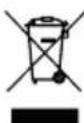
Waste electrical and electronic equipment does not belong in household waste, but must be collected and disposed of separately!
- Used batteries or rechargeable batteries that are not installed permanently in the old device must be removed non-destructively before disposal! Their disposal is regulated by the battery act.
- Owners or users of electrical and electronic devices are legally obliged to return them after use.
- The end user is responsible for deleting their personal data from the old device being disposed of!
-
The symbol of the crossed-out dustbin means that waste electrical and electronic equipment must not be disposed of with household waste.
-
Waste electrical and electronic equipment can be handed in free of charge at the following places:
-
Public disposal or collection points (e.g. municipal works yards).
- Points of sale of electrical devices (stationary and online), provided that dealers are obliged to take them back or offer to do so voluntarily.
- Up to three waste electrical devices per type of device, with an edge length of no more than 25 centimetres, can be returned free of charge to the manufacturer without prior purchase of a new device from the manufacturer or taken to another authorised collection point in your vicinity.
Further supplementary take-back conditions of the manufacturers and distributors can be obtained from the respective customer service.
- If the manufacturer delivers a new electrical device to a private household, the manufacturer can arrange for the free collection of the old electrical device upon request from the end user. Please contact the manufacturer's customer service for this.
These statements only apply to devices installed and sold in the countries of the European Union and which are subject to the European Directive 2012/19/EU. In countries outside the European Union, different regulations may apply to the disposal of waste electrical and electronic equipment.
15. Troubleshooting
| Fault Possible cause Remedy | ||
| Motor does not start. a) On | off switch damagedb) On/off cable damagedc) On/off relay damagedd) Fuse burnte) Motor burnt | a-d) Replace all damaged parts before you use the grinding machine again.e) Contact your local service centre or an authorised service station. Every attempt to carry out a repair, can be dangerous if it is not done by skilled personnel. |
| Machine becomes slower during work. | Too much pressure is applied to the workpiece. | Apply less pressure to the workpiece. |
| Grinding belt comes off the drive pulleys. | It does not run straight. Reset the track. | |
| Wood gets burnt during sanding. | a) Grinding disc or belt is covered with grease.b) Excessive pressure was applied to the workpiece. | a) Replace belt or disc.b) Reduce the pressure applied to the workpiece. |
Günzburger Straße 69
D-89335 Ichenhausen
Cher client,
Günzburger Straße 69
D-89335 Ichenhausen
Geachte klant,
Günzburger Straße 69
Günzburger Straße 69
D-89335 Ichenhausen
Vázéný zákaznik,
Günzburger Straße 69
D-89335 Ichenhausen
Kedves Üglyfelünk!
Günzburger Straße 69
D-89335 Ichenhausen
Szanowny Kliencie,
Günzburger Straße 69
D-89335 Ichenhausen
Postovani kupci,
Zelimo vam mnogo zadovoljstva i uspjeha pri radu s novim uredajem.
Napomena:
Prema vazećem njemačkom Zakun o odgovornosti za proizvode, proizvodac ovog uredaja ne odgovara za stete koje nastanu na ovom uredaju ili koje ovaj uredaj uzrokuje u slućaju:
- nepropisnog rukovanja
- nepridržavanja priručnika za uporabu,
- popravaka koje obave drugi, neovlasteni stručnjaci
- montaže i zamjene neoriginalnih rezervnih rijelova,
- nenamjenske uporabe,
- kvarova elektricnog sustava zbog nepridržavanja propisa i odredaba o elektricnoj energiji VDE 0100, DIN 57113 / VDE0113.
Vodite računa o sljedecem:
Prijne montaze i stavljanja u pogon pročitajte cjelokupan tekst priručnika za uporabu.
Ovaj prisucnik za uporabu pomoci ce vam da upoznate uredaj i rabite ga na propisan nacin.
Priručnik za uporabu sadržava važne napomene za siguran, ispravan i učinkovit rad s uredajem te za izbegravanje opasnosti, smanjivanje troškova popravka i prekida rada te povećavanje pouzdanosti i vijeka trajanja uredaja.
Osim sigurnosnih propisa iz ovog prisučnika za uporabu svakako se pridržavajte i nacionalnih propisa koji se odnose na rad ovog uredaja.
Cuvajte prirucnik za uporabu u blizini uredaja, zasti-cenog od prljavstine i vlage u plasticnoj vrecici. Prijepocetka rada svri rukovatelji moraju procitati i pozorno se pridržavati ovog prirucnika.
Na uredaju smiju raditi samo osobe koje su poducene u uporabi uredaja i upucene u opasnosti koje su povezane s njegovom uporabom. Strojem smiju rukovati samo osobe odgovarajuce minimalne dobi.
Osim sigurnosnih napomena sadrzanih u ovom prisucniku za uporabu i posebnih nacionalnih propisa valja se pridrzavati i opceprihvacenih tehnickih pravila za rad konstrukcijski identcnih naprava.
Ne preuzimamo odgovornost za nezgode ili stete kojenastanu zbog nepridržavanja ovog prisucnika i sigur-nosnih napomena.
2. Opis uredaja
- Vijak za fiksiranje stola za bruşenje
- Kutna Ijestvica
- Usisni nastavak
- Temeljna ploča
- Imbus vijak
5a. Pokrov remena - Brusna traka
- Granična tračnica
- Nazubljeni vijak za namjestanje brusne trake
- Potporna noga
- Zatezač brusne trake
- Brusni tanjur
- Sklopka za uključivanje/isključivanje
- Poprečni grančnik
- Stol za bruşenje
3. Opseg isporuke
- Otvorite pakiranje i oprrezno izvadite uredaj.
- Uklonite ambalažni materijal te ambalažne i transportne osigurace (ako postoje).
- Provjerite je li opseg isporuke potpun.
- Provjerite postoje li na uredaju i priboru stete kod transporte.
- Sačuvajte pakiranje po mogućnosti do isteka jamstvenog razdoblja.
Pozor!
Günzburger Straße 69
D-89335 Ichenhausen
Austatud klien!
Uldised ohutusjuhised
Günzburger Straße 69
D-89335 Ichenhausen
Gerbiamas klien,
Günzburger Straße 69
D-89335 Ichenhausen, Vacija
Godatais client!
Velam prieku un izdošanos, stradajot ar šo jauno ierici.
Norāde:
Sis icerces razotajs saska aar spek esso likumu par ra zotaja atbildibu par raojumu kvaliti nav atbildigs par zaudejumiem, kas rodas sai iceriei vai sis icerces del saistiba ar:
- nelietpratigu apkalposanu,
- lietosanas instrukcijas neieverosanu,
treso personu, nepilvarotu specialistu veiktiem labosanas darbiem,
neoriginalorezervesdau montazu un nomainu, - noteikumiem neatabilstošu lietosanu,
- elektrioiekartasatteici,neieverojotelektribas noteikumus un VDE noteikumus 0100,DIN 57113/ VDE0113.
leverojiet:
Pirms montazas un lietoanas saksanas izlasiet visu lietoanas instrukcijas tekstu.
Günzburger Straße 69
D-89335 Ichenhausen
Bästa kund!
Günzburger Straße 69
D-89335 Ichenhausen
Arvoisa asiakas,
Günzburger Straße 69
D-89335 Ichenhausen, Tyskland
Kare kunde
Günzburger Straße 69
D-89335 Ichenhausen
Kjare kunde,
8.3 Stille inn slimeband (6)
He noeMaMe OTROBOPHOCT 3a 3IIOJnyKn Nn NcETN, Bb3HnKHaJI NopaI Hecna3BaHe Ha TOBa pKOBoD-CTBO NN HA yKa3aHnraTa 3a 6e3OnaCHOCT.
2. OnscaHne Ha ypeDa
- BnHT 3a qKcnpaHe Ha JInNoBvHaTa Maca
- brnoBacka
- HakpaimHK 3a npaxoylaBAre
4.OchOBHa nNoya
5.BnHT C BbTppeuH uectoTeH
5a. Kanak 3a pembka
6. ⅢnФOBbUHaJIeHTa
7. Onopha penca
8.BnHTcHa3b6eHa rnaBa 3a HacTpoNka Ha shiΦOBbYHaTa neHTa
9. Onopeh kpaK
10.ObTeaHaIINIOBbUHaTaJIeHTa
11. ⅢnΦOBvEh Kpb
12. IpeBkIIOUbaTeJ 3a BkIIOUBaHe/U3KIIIOUBaHe
13. Hanpehen orpaHnHTen
14. ⅢnfoBbHa maca
3. Osem Ha DocTaBkata
- OTbopeTe onakOBkata n BnMaTeJHo n3BaJeTe ypeDa.
- OTCTpaHete ONAKOBbUHnMaTePnAn, KaKTo n ONAKOBbUHnTe n TpaHCnOpTHnTe OCnrypOBKn (aKo nMaTaKNBa).
- PpOBepeTe DaJIH OeMbT Ha DoCTaBkAte e NJIeH.
- Поберете урEDA и пинадлесноюпгдаа поьдд OT ТрасноportаHETO.
- No Bb3MOXHOCT 3ana3eTe ONAKOBkata Do N3TuHaHe Ha rapaHUNOHNcPOK.
BHHMaHHe!
YpeBt n OnakOBbHnTe MaTePnAaH He ca irpaKa 3a Deua! Deua He 6Ba Da InrpaT c NlaCTmacoBn Top6uKn, fOJIno n Dpe6Hn Yactn! CbIeCTByBa onaCHOCT OT norlbUaHe n 3aDywaBaHe!
- JeHTOBA NДСКОВа Шинфовьна Maшина
- Hanpeuen orpaunnten
- UJINIOBbUHa maca
- WJINΦOBbHaJeHTa
- WlnnoBbueHnck
OpunHAnHO pBkoBOdCTBO Ha eKcnnoataa
4. YnOTope6a no npEHa3HaueHHe
JIeHTOBaTn DnCKOBaTa 7JINΦOBoBvHa MaunHa CnyXn 3a 7JNaIΦaHe Ha BCaKaBb BnD IbPBeH MaTepnAn Cnopei pa3Mepnte Ha MaunHaTata.
MaunHaTa OTroBapr Ha DeiCTBaUaTa DnpeKtNbHa EO OTHOCHO MaunHHTe.
- PpeDncaHnra 3a 6e3oNaChocr, pa60a n noDdpBkKa Ha npOn3BoDnTeJRA, KaKTo n NocOeyHnTe pa3Mepn B TexHnuecknTe DaHHN, Tp8Ba da 6b-dat cna3BaHN.
CbOTBeTHNte npednncAHn 3a 6e3onacHOCT Ha Tpyda n dpyrnte, oBOpnp3HaTn npabnHa Ha TexHnkata Ha 6e3oNaCHOCT, Tp6Ba da 6bDat cna3-BAHN.
MaunHata MoKe Da ce H3no3Ba, noDbpxka nn peMOHTnpa cMo OT KOMnTeHTn Nua, KOTo ca 3aNo3HaTc HeN Ca NHCTpyKTnpaHn OTHOCO onaCHOCTnte. CBoeBOJn IpomEn No MaunHata OCBO6XdaBAt npOn3BOJnteJr OT OTROBOPHOCT 3a Bb3HNKHaN Bpe3yJtAT OT TOBa IeTu.
MaunhaTAMoKeJaCaCeH3NoJ3Ba cAmO C opuHaHn npHaJNeXHOCTN uHcTpymeHTN OT npOn3BOUNTeJI.
Bcra pa3nnaaba ce ot TOBa ynoTpe6a ce cunTa 3a ynoTpe6a He no npedHa3NaueHne. 3a uetn Bpe3yntat Ha TOBa npOn3BOuNTeIaT He Hocn OTROBOPHOCT, pncbT ce eoMa cAmO ot nOtpe6nteIa.
MOnI,obbpeTe BnImaHne,Ye HaunTe ypeN He ca KOHcTpyuPAHn C npedHa3HauHne 3a TbproBcKa, npocecnoHaHaHa nnn npomnHeHa ynoTppe6a. He noeMaMe rapaHua, aKO ypeBt Ce n3NoJ3Ba B TbproBCKn, 3aHaarTuKn nnn npomnLeHn npednpnA Tna, KaKTo n npi paBHocnHn DeHOCn.
5. 06и уka3aHЯ 3a 6e3oNaChocT 3a eNeKtpnueckn HnCtpyMeHTn
IpeynpexdeHne! IpoyeteBcunyka3aHn 3a 6e3oNaChocT n HnCTpyKuN! Pponyckn npn Cna3BaHeTo Ha yKa3aHnraTa 3a 6e3oNaChocT n HnCTpyKuInTe MoRat Da DOBeDaT Do TOKOB yDap, NOXAP n/nn TeKKn HapaHbAHn!
3ana3eTe BCnUknyka3aHnna 3a 6e3onacHOCTpyKuHH 3a 6bdeu nCnpAKn.
N3noJ3BaHTo B yka3aHnraTa 3a 6e3onachocT noHrTne ,eNeKtpnueckn nHcTpymeHT" ce OTHacrdo 3axpaHbAHn OT mpeXaTaeNeKtpnueckn nHcTpymeHTn (C MPexOB Ka6en) n Do 3axpaHbAHn C akyMynaTop eNeKtpnueckn nHcTpymeHTn (6e3 MPexOB Ka6en).
1) Be3onachocHT Ha pa6oTHOTo MrcTo
a)Подьрхаite pa6OTHOTc MЯCTO ndo6pe oCBeteHo.Бe3nopraIbKbT nnn HeocBeteHHTe pa6OTHMeCTa MoRaT Da IOBeDaT Do 3JIOJNYKn.
b) He pa6oTeTe c eIeKtpnueckn HNCTpyMeHT BbB B3pHBOONacha CpeDa, B KOrTO mHa 3anaJIIMn TeuHOCTn, RaOBe nn npaxObe. EJeKTPnuecknte INHCTpyMeHTn Cb3dAbat NCKPn, KOITOMorat Da Bb3PiameHr npaxa nn napnte.
c)ДрьхTe Deua ИpyrIиua Далeч no BpeMe Ha n3noI3BaHeTo Ha eNeKtpnuecknru HnCTpy- MeNT.Пп pa3ceIbHa He MoKeTe da n3ry6nte KOH- TpoJI Bbpxy eNeKtpnuecknru HnCTpymEnT.
2) BezonaHocT npa6oTa c eNeKtpueeckn Tok
a) ΜεπceJIbT ha eIektpnueckn HNCTpymeHT Tp8Ba Da otroBapra Ha KOHTakTa. ΜεncelbT He 6HbA da ce npomeHa no HnkaKbB NaunH. He n3noJ3BaIte aadantepHn ΜεnceJn 3aeJHo Cbc 3a3eMeHN eIektpnueckn HNCTpymeHTn. HenpomeHen Μεncen I NOxOJaU KONTAKTHn HAmaJIbBat pNcKa OT TOKOB yIap.
b)ИЗБЯВАЛТЕТENECEHKOHTAKTc6c3a3emeHIN NOBbpxHOCTN KATO Tp6n,OTONJIteHNYpeH,Фурни XnaIINHnC.NbIeCTByBaNOBIIseH pUCK OT TOKOB yДap,KORATo TAnOTO BNe 3a3emeHo.
c) Πa3eTe eNeKtpnuecknTe nHCTpyMeHTO 1bXkN Bnara. IpoHnKBaHeTo Ha BOda B eNeK-TPnuecknI INCTpyMeHT yBEnuAba pNCKa OT TO-KOB ynap.
d) He n3no3BaIte CbBp3BaIIN npOBoHNK He no npEHa3HaueHHe, 3a HocHe IIN 3aKaUaHe Ha eNEkTpncckn INcTpyMeHT IIN 3a N3-DbPnBaHe Ha uencena ot KOnTa. Na3eTe CbBp3BaIIN npOBoHNK OT RopeuHa, MacNo, OCTpn Pb6OBe IIN DInXeUeCe qAcTn. NobpeHn IIN yCykaHn CbBp3BaIIN npOBoHNu YBeJIuYabAT pNcKa OTOKOB yAp.
e) Korato pa6oTnte c eIektpnueckn HNCTpymEnr Ha OTkpnto, n3non3BaIte cAmO ydbJnxTeHNn npOBODHnC, KOHTo CbIo ca NOxOJa 3a ynoTpe6a Ha OTkpnto. n3non3BaHeTo Ha noDxoJa 3a ynoTpe6a Ha OTkpnto yNbJnxTeJeH npOBODHkHAMaJIyBa pUcKa O T TOKOB ydap.
f) Korato ynoTpe6aTa Ha eJekTpueckn HNCTpymENT BbB BnaXHa CpeDa He MoKe Da 6bDe n36ErHata, n3NoJ3BaIte DeeKTHOTOKOBA 3aUHTa. N3NOJ3BaHeTo Ha DeeKTHOTOKOBa 3aUHTa HamaJIraBa PNCKa OT TOKOB yIap.
3) Be3onachocT ha xopata
a)БbTe BnMaTeHn,OpbuaTe BnHa Hne Ha TOBa,KoETO npaBHTe,IN NOxoxDaI-Te pa3ymHO KbM pa6oTata c eNeKtpnueckn HHCTpymENT.He n3noJ3BaIte eNeKtpnueckn HHCTpymENT,AKO CTe yMopeHN Nn NOB BnHHHeTo Ha HApKOTuN,AnKOxON Nn MeDnKaMeHTN.MoMeHT HeBnHaHne npn N3NoJ3BaHeTO Ha eNEKtpnueCKn HHCTpymENT MoKe Da DOBeDe Do cepno3Hn HapaHbAHn.
b) Hocete NnHn npEtna3n CpeCTBa n BnHa- rna3n CpeCTBa, HocHeTo Ha nnHn npEtna3n CpeCTBa, KaTO npOTNBONpaxOba MaCKa, Hexlb3raun ce npEtna3n 06yBkn, npEtna3Ha Kacka nn 3aunTa 3a cnUxa, B 3aBNCIMoCT OT BnDa n ynotpe6ata Ha eJNEKTPOHNCTpyMeHTa, HamajraBa PnCKa OT HapaHBAhe.
c) N368BaTe HeBOLHO BKNIOUBAHe. YBepete ce, Ye eNektpnuecknT NHCTpyMeHt e N3KNO-yeH, npEn Da ro CBbpxKeTe KbM eNektpo-3axpaHbaHeTo n/nnn akymyIaTopa, npEn da ro B3emEt Hn HocHTe. Ako npu HOceHTo Ha eNektpnuecknYNHCTpyMeHt DpbxKeTne pbcTa CN Bbpxy npekbcBaHa nn CBbpxKeTe KbM eNektpo-3axpaHbaHeTo BKNIOUeH eNektpnueckn NHCTpyMeHT, TOBa MoKe Da DOBeDe Do 3JNOJyKn.
d) OTeTpaHete HNCTpyMeHTte 3a HacTpoKa nn RaeyHnte KIOOObe, npei Da BKNIOHnTe eJekTpueckn HNCTpyMeHT. INCTpyMeHT nn KIOU, HAMipaC Ce BB BbpTaa ce Yact Ha eJekTpueckn HNCTpyMeHT, MoKe da DOBeDe Do HapaHBAHN.
e) N368raBte HnnpabnHa cToKa Ha TAnoto. Ocnypete cn cTabnEn cToex n NoctoHno na3epe paBHOBeCne. TaKa MoKeTe Da KOHTpOJIpaTae eJekTpueeCKn IHNCTpyMeH TNo-dOppe npn HeoayakBaHn CNTyaUuN.
f) Hocete noxoadjoo o6keNo. He hocete u npokn dpexn nn ykpaewenra. Dpbjxte kocata n obkeNoto cn daJeY OT DBHXeun ce Yactn. UnpOKn dpexn, ykpaewenr nn dIbnr KOC Mo- rat da 6bDat 3axBaHaTn OT DBNXeun ce Yactn.
g) Korato Morat Da 6bDaT MoHTnpaHn npaxOn3-CMyKBaun n npaxOyNaBraun yCTpOInCTBa, Te Tp6Ba Da ca CBbp3aHn Ha ce H3NoI3BaT npaBnHo. N3noJ3BaHeTo Ha npaxOn3cMyKBaU OYCTPOINCTBO MOKe Da HAMAn BpeDInTe 3a 3dpa-BETO nopadn npax.
h) He ce noDdaBaIte Ha faJshnBOTO yBCTBO 3a 6e3oNaChOcT H He npHe6peRbaIte npaBnata 3a 6e3oNaChOcT npaPaBoTa C eNeKtpnuecknte NHCtpyMeHTN, DOpn Ako CneM MHorokpaTHaTaNyOTpe6a MncnTeYe rN No3HaBaTe Do6pe. He6peXHnTe DeiCTBnMa Mo-rat Da DOBeDat Do TeKk TeneCHN NOBpeDN B pAMKITHe Naactn OCEkyHdata.
4) YnOTope6a n 6opabeHe c eNeKtpnueckn HNCTpyMeHT
a) He npetOBaBaiTe eNeKtpnueckn HNCTpyMeNT. N3noJ3BaIe NoXoJaun 3a BaWata pa6Ota eNeKtpnueckn HNCTpymeNT. C noDxoJaun eNeKtpnueckn HNCTpymeNT pa6OTnte NOdo6pe nNo-cuypHo B dHaNa30Ha Ha pa6OTHInTe My xapaKTepnCTKN.
b) He n3noJ3BaIte eIeKtpueeCKn HNCTpyMeHT, NInTo npeKbcBaue noBpeDeH. EneKtpueeCKn INHCTpyMeHT, KOITo He MoKeJa ca BkJIIOUyBa IIN N3KNIOUBA, e OnaceH n Tp8Ba Da 6bJe peMOH-TnpaH.
c) N3BaTe ΣeCenJa OT KOHTaTaNJN N3Ba-DeTe CMeHЯEMnAkyMylatop, npedn Da N3-BbPWBate HAcTpOKnNo ypeDa, da CmHrTe Ha pa6oTHnHnCTpyMeHrN Ja octaBtE eNeKtpnueckn HnCTpyMeHa HacTpaHn. Ta3n MnpKa 3a 6e3onacHOCT npedotBpTaRaHeymuIHeHTo BkIIOUbaHe Ha eNeKtpnueckn HnCTpyMeHt.
d) CbxpahBaIte HEn3no3BaHnte eJektpn-yeckn IHcTpymEtHa HeDocTbHNo 3a DecaMrcTo. He No3BoJaBaIte eJekTpuecknIHCTpyMeHT da 6bJe n3noJ3BaH OT JInca, KOnTOHe ca 3ano3HaTH c Hero nHn He ca npoyenTe3n IHcTpkyKun. EJekTpuecknTE IHcTpymEHn Ca ONaCH, aKO ce N3noJ3BAT OT HeONINTNJIua.
e) NpOdIbpxKaIte eJekTpueckne uHcTpymEnu pa6oTHnI uHcTpymEnr pnxKnBO. IpOBepraBaIte DaII DnHexeInte ce qactn FyHKUHOHnpaT 63ynpeuHO n He 3aXkDaT, daN HmaCuyneH nn Taka nobpeDeHN qactn, ye daHapywaB aFyHKUHOHpaHeTo Ha eJekTpueckn IuHcTpymENT. NobpeDeHnte qactn CneiBa Da 6bDat pemOnHpauHn npEdu N3NoJ3BaHeTo Ha eJekTpueckn uHcTpymENT. MHoro3IIOJnyKn Ca pnuHHeH O T NOIo POdIbpxKaHNe JElkTpueckn uHcTpymENT.
f) POnDbPkaItepeXeIHTe HNCTpyMeHn HaToyeHn uHcTn. TpIXKnBO NOdIbPkaHnTe peXeIINHCTpyMeHn C OcTp n peXeIINpb6OBe ce 3aKJIINHBaT No-MaIKo IN Ce BOJrT No-JneCHO.
g) N3noN3BaIte eNeKtpnueckn HNCTpyMeHT, npHnAJIeJXHOCTnTe, pa6OTnTe HNCTpyMeHT n T.H. CbIaCHO HAcTOraIte HNCTpyKcII. PpToBa B3emaIte NOBnHMAnHe ycIOBnTa Ha pa6Ota I DeIcTBnEto, KoEt ToTpa6Ba Da ce N3BbpNI. YNoTpe6aTa Ha eNeKtpnueckn HNCTpyMeHTn 3a pa3JIuHn OT ppeBnDeHnTe npInIOKeHn MoKe Da DOBeDe Do ONaCHn CNTyaUIN.
h) Paa3eTe DpBkKnte n TexHnte NOBbpxHocTn cyxN, uCTn u 6e3 macNo u rpec. Xnb3raBnTe dpBkN INTexHnte NOBbpxHOCTn He No3BOJIaBaT 6e3OJaNa pa6ota n KOHTpoJ Ha eJeKTPnuEckn IHCtpyMeHT B HEnpeDbUdeHn CNTyaun.
5) CepBn3
a) Bb3naraTe peMOHTn no Baunr eJektpnueckn nHcTpymeHT cAmo Ha KBaJIuФmUnpaHn CneuaJIncTn cAmo C opRnHaHn pe3epBHN qactn. Taka ce rapaHTnpa, ye 6e3onacHOCTTa Ha eJekTpueckn nHcTpymeHT ue ce 3ana3n.
IpeynpexdHne! No BpeMe Ha ekCnloatauTo3n eJektpueckn IHcTpymeHT cb3daBa eJektpoMarHHTO nOJe. Pnp onpeJeHn ycNoBna TOBa noLe MoKe Da HapUHN cyHKUHOHPaHeTO Ha AKTNBHNnn NaCNBHm MedUnHCKn MMnAHTN. 3a da ceHaMaNN OnaCHOCTTa OT cepNO3HN nn CMBpTOHOCHn HapaHraBaHn, npenOpbYBaMe Ha JInca C MeDUNHCKN MMnAHTN da CE KOHCyTTnpaT CBc CBOr Jekap Nc Ppon3BOIDTeJI HA MeDUNHCKN MMnAHT, ppeiNeJektpueckn IHcTpymeHT da 6bDe n3no3BAH.
DonbHnTeJnH npabuHa 3a 6e3onacHocT 3a NeHTOBata NDCKOBaTa WJNΦOBbUHa MaunHa
IpeDynpexKdEHe: He n3non3BaIte BaIaTa MaunHa npEi Da 6bIe HAnbIHO crNo6eHa mOHTnpaHa cb- rIacHo IHCTpyKcIInTe.
Ako He cte 3an03HaTu cpa6oTaHa WnnpOBbHuHaTa MaunHa, nockaTe HnctpyKuOn ot BaunpBkoBOAnTeJ, yUHTeI nn dpyr KBaHnDnnpaHO Jnue.
BHHMaHHe: Ta3n MaunHa e pa3pa6oTeHa eHNCTBeHo 3a IJauΦaHe Ha dIbPBO IIN dIbPBONoO6HN MaTePnaI. JauΦaHTo Ha dpyrMaTePnaIIMOKe Da IOBeDe Do NOxap, HapaHraBaHry IIN NOBpeDN Ha npOdyKTA.
BnHn HocTe 3aunTHN OUYJa.
Tazmaunha Tp6Ba da ce n3no13Ba caMo 3a pa-6OTn Ha 3aKpNTO.
Baxho: MoHTnpaIte n 3noJI3BaIte MaunHaTa cAmo Bbpxy XOpN3OHTaJIHa NOBbpxHOCT. MoNTaXbT Bbpxy HexOpN3OHTaJIHa NOBbpxHOCT MOKe Da NOBPeDN DBrTaTeJ.
Ako mBa BepoTHOCT MaunHaTa Da ce npeo6bPHe nn H3MeCTn No BpeMe Ha pa60Ta, oc6eHOpn Iu naΦaHe Na Dblm Nm TeKn DeTaN, MaunHata Tpa6Ba Da Ce CBpXe Do6pe C HOceUa NOBbpxHOCT.
- YbepeTe ce, Ye ⅢnfoOBbHata JeHTa ce DnKIn B npabHnHaTnocoka. 3a cIeTTa Cb6JIOdaBaNTe CTpeKNTE Ha 3aHATA CtpaHa Ha JeHTaTa.
- YBepTe ce, Ye IINFOBbHnTa JeHTa e npokapaHa npabNHO, Taka Ye Da He MoKe Da ce N3TbPKOJN OT 3aDbNkBaunTe Wa6n.
- YBepete ce, ye IINIOPOBbUHaTa JeHTa He ce e 3a-nnen a nn Ye He ce e pa3xna6nna.
-ДрьжTe o6pa6oTBaHnЯ DeTaIg 3dpaBO,doKaTo ro mnaJbate.
Bunharu n3no3BaTe orpaHnHTeTn, KoraTo n3- no3BaTe neHToBaTa uNnObBvHa MaunHa B Xopn3oHTaHa No3u.
Bunar npndbpxaTe 06pa6oTBaHna Detan3dpABO KbMaCaTa, KOrato n3non3BaTe DnCKOBata uNFOOByHa MauHa.
BnHAnDpBXTe o6pa6oTBaHn DaTaHn KbM O6bpHataHaNoJy CtpaHa Ha ⅢNΦOBuHHn DnCK, TaKa Ye DetaiNbT Da Jexn Do6pe Ha Macata. Ako H3PON3BaTe O6bPhaTata Harope CtpaHa Ha ⅢNΦOBuHHn DnCK, O6pa6oTBaHn T DetaiN MoKe Da 6bDe N3XBpIeH n No To3n Haun Da 3actpaHn HampuHTE ce HaOKONo Xopa.
BHHar nca3BaIte MmHmAlNo pa3cTOrHne ot OKoJIO 1,6 mm nn no-MaIKo MeKdy Macata nn orpaHnHTeN nnΦOBbHuHaTa neHTa nn nnΦOBbUHn DaCK.
HeHocTe pBkABuNn He dpBxTe 6pa6oTBaHnA detai n c npua, KOrato ro unaΦate.
- ⅢaHaeTe c6c 3bpeHoCTTa Ha dbpBOTO.
Hikora He Iwnaiae Taen, KOITc Ta Tbpe MaKN 3a 6e3onacha pa6ota.
- IV36raBaiTe Heydo6Hn DbHexeHn CpbueTe, npKoNTO MoKeTe BHe3aHNO da Ce NODxJIb3HeTe BUINFOBByHaTJeHTA INN B UINFOBByHnI DNCK.
Ako o6pa6oTBaTe rOleni Detai, Tp8Ba Da n3- noJ3BaTe DOnbHnTeJIHa NOpnopa Ha BnCOuHata Ha Macata.
He IaIpaIte He3akpeHEn DetaiN.Cn3KnIOye Hne Ha n3BNTnte 6pa6oTbaHn DeTaIIN OT BbHHaT a CtpaHa Ha IINΦOBuHHn DnCK, NOpnpaTe 6pa6oTbaHn DeTaII N c Macata nn OprahnuTeJIa.
-Преди Да ВКЛЮЧITE Машинота, Виharн OТСТраньайтейзркпгпдругпгп OTпдьцп OT macata,огразнчтелллшлфовснда Лentа.
He nlaHpaIte H He MOHTpaIte Hnio Ha macaTa, KOrato WInofoBvHaT MaunHa pa6oTn.
- I3KJIIOUBAIte MaUNHaTa N 3BaJdaIte KOHTaKTa OT UeNcEla, KOraTO MOHTuPaTe UNI DeMOHTuPaTe akcecoapn.
HnKora He HanyckaTe pa6oTHata 30Ha Ha nHcTpymeHTa, KOrato INHcTpymeHTb Te BkJIooyeH IIN BCE Oue He e cnpraHnBnHO.
BnHaHn nocTabaIte o6pa6oTBaHna DeTaun Bbpxu ⅢnΦOBbUHaTama maca,pecn.3akpenBaIte rN pblTHO KbM ⅢnΦOBbUHnO raPAnuHTen.Ipn ⅢnΦOBAHe nocTabeTe uKpNBeHnTe HnCTpyMeHTn Ha ⅢnΦOBbUHn KpbR Bbpxu Macata.
6. OctaTbUH pUCKOBe
Maunhata e KOHCTpyupaHa cbrnacHo HNBTo Ha pa3Bntne Ha texHnKaTa n npu3HaTnte npaBnHa teXnKa Ha 6e3oNaCHOCT. Bbnpekn TOBa, npn pa6ota MORat Da Bb3HNKHat OTdeJIHH OCTaTbUHn pUCKObE.
- Onachoct ot HapaHbAhe Ha npbctn nn dIaHn OT Bbptraa Ce IINFOBBye Ncck pni HeppaBnHO BOdeHe IIN NOCTABYe Ha IINFOBbHn INHCTpymEnT.
- Onachoct OT HapaHbAhe OT n3xbpIeH IHCTpyMeHT npn HennpaBnHO dbpkaHe nn BOdeHe.
OnachocOT TOK npn H3noJ3BaHe Ha HnpaBnHn HneKtpueeCKn Cbbp3Baun npOBODnU.
OcBeH TOBa, BbnpKe BcNcK B3eTn npEpa3HmepKn, MoaT Da CbIeCTByBaT HeBHN OCTaTbHu PNCKOBe.
OCTaTbUHInTe pUCKOBe MORaT da 6bDaT HAmaneHn, aKO 6bDaT cna3BaHn yka3aHnraTa 3a 6e3oNaChocT n ynotpe6ata no npedHa3NaueHne, KaKTo n PbKOBODCTBOTO 3a yNtpe6ka KATO qINo.
7. TexHnueckn daHHN
| KoНструктувни раЗмери Д х ШхВ | 460 x 360 x 280 mm |
| ø дис 150 mm | |
| Оьороти на диска 2980 min | -1 |
| РаЗмери нашифовьуната л eнта | 915 x 100 mm |
| Скорост нашифовьуната л eнта | 7,5m/s |
| Hарочно положения 0° - 90° | |
| РаЗмери на маса та 225 x 160 mm | |
| Hарочно положения на маса та | 0°-45° |
| Тер lo 16,5 kg | |
| Двигател 230-240 V~ / 50 Hz | |
| Консуmp irreпа на мошноct 370 W |
3ana3Ba ce npaBoTo Ha TexHnueckn npomeHH
CtoHocHTe Ha 7um N Bn6paun ca onpeJeHn CbIacHo EN 62841-1.
| НИВО на 3БУКОВО налЯгане LpA | 81 dB |
| Heорpeденист KpA | 3 dB |
| НИВО на 3БУКОВА мошност LWA | 94 dB |
| Heорpeденист KWA | 3 dB |
Hocete 3aunTa 3a cnlyxa.
Bb3dienCTBnTo Ha 7m MoKe Da npuHn 3aY6a Ha cnya. Obu n cTouHOCTn Ha Bn6paunTe (BeKtopHa cyMa oT Tpnte NocOKn), onpeDeneHn CbrnaCHO EN 62841-1.
8. KoHcTppyKzma n o6cnykBaHe
Ppeynnyckahe BekcnnoaTaunr
Ipei n Cbbp3BaHeTo ce yBepTe, Ye daHHnTe Bbpxy fmpMeHata Tabenka CbBnaDat C daHHnTe Ha Mpekata.
BHMaHHe!
Ppei nuckaHTo B ekcnnoataa 3aIbJXHTeNo crNo6eTe HanbNo npOdykTa!
PpeynpekdeHne!
BnHaH n3TerIyIe IeIeNa OToKtAkaT, npEn Da n3BbPwBaTe HAcTpOKn No ypeDa.
- Прази руckeане веклноаця писсокобенята 3a 6ezonachoctТрбвда 6bdaT npabunHO MOHTIPAHn.
- UHnOOBbUHaTae HNTa N UHnOOBbUHnT KpbT PRA6Ba Da MORaT Da Ce DnKxat CBO6oDHO.
- Pn Buee 6pb6oTbAo HbPBO BnHmBaIte 3a YxKdTeNa, KATO HAp. NpOHN, BNHTObE N T.H.
- Ppei Da 3aDeiCTBaTe npeBkIIOUbaTeIa BkIOUbaHe/IN3KIOUbaHe ce yBepeTe, ye IckypkaTa e npabUNHO MOHTnpaHa N IOBbXHnTe qactn CaJIeCHOIOBxHn.
8.1 MoHTax (ΦnR. 1-5)
- MoHTnpaIte npedna3nteHa dNcKa (15) c BnHToBete (16). (ΦIr. 2)
- MoNTnpaIte ⅢNIOΦOBbUHATA Maca (14) n a ocNrypeTe c KpInuHaTna BnHT (1). (ФИr. 3+4). ⅢNIOΦOBbHuHata Maca (14) moKe da ce perynipa 6e3TeenHoo ot 0^ do 45^ c nomOuTa ha cKaIaTa 3a pr3aHe noD bbl (2) n BnHTa 3a oKcnpaHe (1). PerynnpyemnT HanpeueH orpaHnUHTen (13) rapaHTnpa6e3oNaCHO BOdeHe Ha nHCTpyMeHTa. BHIMAHne! ⅢNIOΦOBbUHnT DnCK (11) Tpr6Ba da ce DBNXn CBO6oNDHO, pa3cToRHaNeTo MExd y IINIOΦOBbUHATA Maca (14) n IINIOΦOBbUHnT KpbT (11) He Tpr6Ba da e eo-roJAMo OT 1,6 mm.
- Poctabe onopnata penca (7) nФИКсuaite c BnHTOBe C BbTpueH ueCTOteH (17) (ФИr. 5). BnMaHne! UINΦOBbUHaTa JIeHTA (6) Tp8Ba Da MoKe da Ce DnKu CBO6oJHo.
8.2 CmHa Ha uHnObBvHaTa neHTa (6) (Φnr. 6-9)
- N3dIbpnaTe 1epeJa.
CbaNete BnHTOBete (18).
Cbaene npedna3ntenHa uHnOOBbHuHaTa neHa Ta (19). - Ipnemectete o6teraya Ha 7nfoOByHaTa neHt a (10) Hndrcho, 3a da ocbo6oJte 7nfoOByHaTa neHt a (6).
CbaJeTe WJINFOBbUHaTa JeHTa (6) Ha3a. - MoHTnpaIte OTHOBO WJINFOBbYHATA JENTA B o6paTHa NocJeIOBaTeHNHOCT. BHIMAHHe!
O6bphete BHIMAHHe Ha nocokata Ha DnBXKeHne: Bbpxy Kopnyca n OT BbTpewhata CtpaHa Ha WnlofoBbHuHata JeHTa!
8.3 HactpoBbHe Ha wHnΦOBbYHaTa neHTa (6)
- N3dbpnaTe 乘nceJa.
-Банбут themselves (6) Cpbka B NOcOKa HbIXeHnTo. - ΜινηφοBBuHaTα ΜεHTa (6) TργδBa Αa ce ΣBnKb B cpeIa T bpxy ΜινηφοBBuHaTα ΜOBbpxHocT; aKO TOBa He e Taka, TOBa MoKe Αa ce perγιnpa Ype3 BnHTa C hα3b6eHa Γλaba (8).
8.4 Perynnpahe Ha no3ueta Ha unae Haa nnofoBbHata neHa (6) (Φnr. 10-12)
- Pa3xJa6Te BnHTa C BbTpseH uectoCTeH (5).
-Премecтeteшлфовьнотанentа(6)harope bxeJahata no3nua. - OTHOBO 3aterHeTe BnHTa C BbTpEWeH WeCToCTe (5), 3a Da KcnpaTe Ta3n No3n.
3a onopa Ha DeTaHa BA Ta3n N03nua MoKe da ce n3no13Ba WInofoBbYHaTama Maca; 3a ceJTA PbBO Tp86Ba Da OTBnHTnte Dbata BNHTa C BbTppeWeH WeCTOCTe (17) n Cnei TOBa OTCpaHete OnopHata peIca (7). Cera WInofoBbYHaTama Maca MoKe da 6b-De n36yTaHa B OTBopa Ha Tpb6bata-DbpxkateI (20) n Da 6bJe FHKcnpaHa C BNHTa 3a FHKcnpaHe (1).
8.5 NocTabaHe Ha shKypKa Bbpxy shnfoOBbHn KpbI (11)
ДемоHTираNTe DoHnI npedna3nteHa DnCKa (15), CBaJIkn 2-Ta BnHTa (16).N3BaTe WkypkaTa OT WnIOΦOBbHnR KpbT (11) mOHTnpaNTe HOBata (BeNKpo).
N3non3BaHe KaTo CtauHApHa MaunHa
3a Henpekbchata ynoTpe6a ce npenopbUba MOHTax Bbpxy pa60tha maca.
3a ceTt MaKpAte OTBOpTe 3a np6nBaHe, KaTO nOCTaBtE WInΦOBbYHaTa MaWHa Ha McTTo, KbTeTo 6bDe MOHTnpaHa NO-KbCHO, n CNeT TOBa HauepTaTe N03uYra Ha OTBOpTe 3a np6nBaHe Bbpxy pa6oTHata Maca.
- PpO6nIte OTBOpIte Ipe3 pa6oTHata maca.
- Ioctabete uHnfoBbHaTa MaunHa Ha otBopnte n BkapaiTe NdoXoJaBn BVHTOBe OTrope npes OTBOPTe Ha uHnfoBbHaT a MaunHa n pa6OTHaTa Maca.
Cera 3aBHTeTe OTDOJy WnHFOBbYHaTa MaunHa C NOJIOXHNTE Wai6N IN NOxOJaUN WeCTOBbJIHN RaIKN.
U3noJ3BaHe kato Mo6nHa MaunHa
3a Mo6nHOTo n3noN3BaHe Ha BaHaTa MaunHa ce npenopbUyBa MOHTax Bbpy NOxOJa oCHOBHa nNoya. CneT TOBa MoXeTe Da e 3aTeHHe T Bbpy cb-OTBETHaTa pa6oTHa Maca.
OCHOHATAIIOUa Tp6Ba Da e MHNmym 19 mm De-6eJa I da e NO-tOJMa OT WnNΦOBbHata MaunHa, Taka Ye da NMA IOCTaTbUHO MRCTO 3a 3ATraHETO.
- Ot6eJexKeTe OTBOpnte, KOInTo Tp86Ba Da 6bDaT npo6nTu Bbpxy OCHOBHata NIOya.
- Пордьлжete takа, кадо e onicaHO B NOcneHnTe 3 CTbKN B Tocka „ИзпогиBaHe KaTO CtaцhoHapHa MaunHa".
Yka3aHHe: CneDeTe 3a npabnHaTa DbJxHa Ha BnHToBete. BnHToBeTe Spax He Tp8Ba Da CTbpUaT, 3a da HE NOBpeIr OCHOBaTa, B 3AmraHa Ha TOBa BnHToBete C WeCTOcTeHHa rnaBa Tp8Ba Da CTbpUaT, 3a Da MoRat NoDIOXHNte Wainu N WeCTOBtBNHIne raIKN da 6bDat MOHTnpaHn.
8.6 PpeBKnIOyBaTeJ 3a BKnIOyBaHe/N3KnIOyBaHe (12)
- WnfoBauyt MoKe Da 6bDe BkIoueH Upe3 HaTnKaHe Ha 3eHen 6yToH ,1".
Tp6Ba DaHaTnCHete UepBeHna 6yToH ,0"3a Da NkIIOHTe OTHOBO WnNFOBaay.
IpeynpexdHne: Hkora He noCraTe KbM npeBKIOHbATEI pE3 ypea, 3a Da BKnHOHTe NIKIOHTeUINFOBbHaT MaunHa! OnachOCT OT HapaHBAHe!
8.7 Ⅲaɪfəne
- IopBpeMe HaIJaHpaHeTo BnHaTn DpBxKTe 3dpaBO o6pa6oTBaHnI DeTaI.
- He ynpaxhnaBte roJMaH aTnck.
- Ito Bpeme Ha ⅢaHpaHe DeTaIbT TpIbBa Da ce DnIXn Happei-Ha3aD Bbpxu WnIOOBbUHaTa JeHTa, peCn. Bbpxu WnIOOBbUHaTa NNoOa, 3a Da ce npedoTBpaTN eNHOCTpaHHOT O3HOCBaHe Ha Wkypkata!
Baxho! NapyeTata nbpBeH MaTePnA Tpr6Ba BnHa n da ce uiaqat B noCoka Ha TeKCTypata Ha DpbBecnHata, 3a da ce n36erHe OTeINBaHe Ha TpeKn. BHMaHne! Ako dNcKbT nnu nnpoOByHa-ta JeHTa 6IoknP aT no BpeMe Ha pa6Ota, n3BaTeTe DeTaJna N 3UkaaTe ypeBt OTHOBO Da IOCTNRHe MAKcImaJIHnte cn obopOTn.
9. TpaHcnpTnpaHe
Ako nckaTe da npemecnte ypeDa Ha dpyro Macto, n3knIOyTe ro ot eNEKtpueckata MpeKa Iro npemecTeHa dpyro Macto.
10. Yukazannya pa6oTa
UlaeHaHe Ha packn np6oBe (Hr. 14)
Pa6oTHaTama maca moKe da ce peRyInpa 6e3cteneHHO t 0^ do 45^
- 3a ueIpa paBnIe BnHTa 3a fNkCnpaHe (1).
HaKnoHete pa6oTHata Maca do XeNaHn Bb.
BnMaHHe:Pa6oTHata Maca HnKora He Tp8Ba Da
6bJe HaKIOHeHa Ha NoBeYe ot 1,6 mm ot nnΦoBvHnA nCK! - OTHOBO 3aTeHHeTe BnHTa 3aФнксиpe (1).
UnaeHa He YenHcTpaHc Hnpeey Hnean 3a p3ane noBbJ (Fur.15)
IocTaBeHnT IiHeaI 3a pr3aHe noD bIbI (13) yIe- CHraBa npeu3Hoto uJaHpaHe. IpenOpBvBaMe TaxHOTO H3NoJ3BaHe npN uJaHpaHe Ha (KbcN) YeJIHn CTpaHn.
Yka3aHHe: BnHaH npemecTbaIe nHcTpymeHTa OTnBBO B ceHTbpa Ha IJNFOBbUHHa NCK, HNKORA N3BbH Hero! OnachOCTn OT HapaHbAHe OT N3XBbpJeHnCTpymeHT!
XOpu3OHTaJIHo n BepTuKaIHO uJaIΦaHe (ФИr.10-12+16)
Baata uinfoobuHa MaunHa MoKe da ce n3noJ3Ba KaKTo XOpN3OHTaHNo, Taka N BepTnKaIHo. Pa6oTHata Maca moKe da ce n3noJ3Ba n 3a DBeTe ynotpe6n.
- Pa3xJa6Te BnHTa C BbTpseH uectoCTeH (5).
- PpemecTeTe WInfoBbHata NeHTa (6) Harope BKeNaHaTa No3nua.
- OTHOBO 3aTeHHeTe BnHTa C BbTpEWeH WeCToCTe (5), 3a Da KcnpaTe Ta3n No3u.
3a onopa ha DeTaNb Ta3n POnu MoKe da ce n3noN3Ba WnHOBbHaTa Maca; 3a ceNTa NpBTO Tpa BnHTe DbTa BnHTa C BbTppeWeH WeCTOteH (17) n CneT TOBA OTcPaHete OnopHa- ta penca (7). Cera WnHOFobbHata Maca MoKe da 6bDe n36yTaHa BOTbopa Ha Tpb6a-tdPbKAten (20) n Da 6bDe FHKcnpaHa c BNtA (1).
Yka3aHne: IJnaIpaTe DbIg N DeTaJIb BB BepTNKaHa I03uNja, IpemecTBAKn paBHOMepHO o6pa-6oTBaHn dTaun HAD UINΦOBbUHATA JeHTa.
NobbpxHO CTHO JnaiΦaHe Ha JInΦOBbYHaTa JeHTa (Φnr.17)
-ДрьжTe Здрао obpa6OTbaHЯДетаи(W).Пазe-Te npbctnte cn!OnachOCT ot HapaHЯBaHe!
- HanpaBnaBte 6pa6oTBaHnA Detan, HATNC KaIKI TO CNHIO KbM WInΦOBbHaTa ONopa (X), paBHOMepHO HaI WInΦOBbHaTa NeHTa.
BHHMaHHe: Heo6xOJMo e oc6eHo BHNMaHne npu 7naiΦaHe Ha oc6eHO TbHbK nn Dblr MaTePn- an (eBeHT. dOpn i 6e3 7nnΦOBbUHa onopa (X)). KoHTaKTHO tHaIraHe HNKORA He Tp86Ba da 6bJe npeKaJIeHO rONMO, 3a Da MoKe 7nnΦOBaHna MaTePnA1 Da 6bJe N3BO3EH OT 7nnΦOBbUHaT a JeHTa.
LnaΦaHe Ha Bn6HaTH n3BnBKn (ΦnR.18)
PpeDynpeXeHHe:HeIaIpaIteYeHNITe cTpaHn Ha npabNTe DeTaNbBbpxy 3axBauaunr Bn (R)!
06pa6oTbAHnT DeTaN (W) MoKe da 6bDe n3XbPneH. OnaCHOCT OT HapaHBAHe!
BnHaun ⅢaHae BnBb6HaTne n3BnBKn Bbpxu ⅢnΦOBbYHaTa JeHTa Bbpxy 3axBaauaunBaI.
-Дрьхтze 3драBO六个月пганя DeТаи. ПаЗTe npьстnte c! OnachocT ot HapahЯBaHe!
HanpaBnaBte 6pa6oTBaHnI DetaI npabHO mepHo HAD uNΦOBbYHaT a IeHTa. BHMaHne: He- o6xOdmo e oc6eHO BHMaHne npu IuaJFaHe Ha oc6eHO TbHbK NIN DbIbMaTePnA.
Jia pahe Ha n3nbKaHn n3BbKn (Fnr. 19)
N3bKHaHnTe H3BnBKn BuHaR Tp86Ba da ce WnaI-ΦaT Bbpxu wlnΦOBbUHn DaCK, KaTO o6pa6oTBaHnT DeTaN (W) 6bDe HnPaBnBaH OT JeBn p6 KbM ΚeHTbpa Ha WlnΦOBbUHn DnCK.
-ДрьхтzeЗдраBOобразованяДетаи.Паэтepbctnte c!ОпасноCTOTнараяBaHe!
HaTnCHete paBHomepHo ⅢNΦOBbHOTOKoJIeNo KbM WnΦOBbHnIaCK Iro npemecTeTe OTJRABO Do cHTbp Ha WnΦOBbHnIaCK.
IpeDynpexdHne: Hnkora He uanpaTe Bn6-HaHTe N3BnBKn Bbpy DaCHata CtpaHa Ha uNIOBbUHNr Dnck! O6pa6oTBaHnT Detai MoKe Da 6bDe n3XBpNeH! OnacnoCT OT HapAraBaHe!
11. NocntBaHe n noDpBxka
PpeynpeKdHne! PpeBn BCaKaBn HacTpoKn, NOIdpbKka nIIN peMOHT u3NbpaNaTe uencena!
06uMepKn 3a noDpBxxKa
OT Bpeme Ha Bpe Me36bpcBaIte C Kbpna CtpyKknte H npaxa OT MaunHata. 3a yDbIgKaBaHe Ha XnBota Ha HHCTpyMeHTa, BeNbX MeceHNo Cma3BaIte BbptA- uInTe ce qactn. He Cma3BaIte DnIraTeJIa.
He n3non3BaIte pa3aun npenapatn 3a no-uctbaHe Ha nlaTmacite.
06uynka3aHna 3a noDpBxxKa
IINHPOBbHaTa MaunHa Tp6Ba Da ce NOuCTBa cTapaTeHNO CneD BcKa yNoTppe6a.Cma3BaIte pe- DOBHO BCNUK NODBUNKN YactN. OctabeTe TbHbK Cnoi NaCToo6pa3eH BOCbK OT aBTOMoBnHeH TnBbPxy pa60THnI pnot, 3a da yNeCHnTe NOUcTBaHeto Ha pa60THnI pnot.
Doo6Trahe n CmHa Ha Ha3b6eHnpeMbk (Fnr. 1; 20)
Heo6xoJIM INHCTpyMeHT:
Kpbctata OTBepTKa (He e BKNIOueHa B OeMa Ha doCTaBKata)
OnbheTe DonblHnTeJIHo pemka
- Пьрв CBаЛeTe Kanaka Ha pembka (5a), pa3Bn-BaIKN BnHTa C KpbCTaTa OTBepTKa.
- Pa3BnIte TpIte cKpeIITeJIHn BnHTa C KpbCTaTa OTBeptKa.
- Cnej TOBa peryInpaIte o6TraHTo Ha peMbKa c NOMOHTa Ha BnHTa C BbTppeWeH WeCToCTe.Ho To3N HauHH peMbKbT Ce OTnyCKa IIN O6TgA.
- Tp6Ba da oBTeHete pembka, ako ce orBa c noBeue ot 6 mm (HaTnCKaHe C naneu).
- Cnej TOBa 3aTeHHeTe OTHOBo 3aKpenBaunTe BnHTOBe.
- NocTabete OTHOBO KanaKa Ha pembka (5a) n ro 3aTeHHeTc BnHTOBete.
CmHa Ha peMbka
- Пьрв сваletekanakaHa pembka(5a),pa3BnBaiku BnHTa C Kpbctata OTBeptka.
- Pa3BnTe Tpnte cKpeNITeJIHn BnHTa C KpbCTaTa OTBeptka.
- CneI TOBa OCBO6OJeTe ObTgAHeTo Ha pembka c NOMoUaHa BnHTa C BbTppeWeH IeCTocTeH. NoCTaBeTe HOBn peMbK.
- Поберете объганeto Ha pemьka (HaTnCKaHe c naneua).Трбba Да obTeHete pemьka,aco ce orbBA c nobeue ot 6 mm (HaTnCKaHe c naneua).
- Cnei TOBa 3aTeHHeTe OTHOBO 3aKpeINBaunTe BnHTObe.
- NocTabete OTHOBO kanaka Ha pembka (5a) n ro 3aTERHeTe C BnHTOBete.
TouncTaHe
B IeHTOBaT a NDCKOBaTa 7JINFOBbUHa MaUNHa MoXe Da ce Cb6pe npax. PpOBepaIte peoBHO (3a npednoHTaHe cneB BcRAy yNtpe6a) nOTcPAnBaIte npaxTa, HAp. Ype3 N3dYXBHe NnBHNMaTeHHO CbC CbCTeH Bb3dyX.
CepBn3Ha HhOpMaun
Tp6Ba Da ce HMa npEdbN, Ye CneHnTe qactn Ha To3n npOdyKT ca oBeKT Ha n3HocBaHe nopAdn n3HocBaHe nHa eCTeCTBeHO n3HOCBaHe, peCn. CneHnTe qactn Ca Heo6xOdIMn KaTO KOHCymATNB.
БьрзИЗнOCBAи ceЧаCTN*: rpaФNTHn YETK, MATEpnaJ 3a WlaIΦaHe, pembK
- He ca BKNIOUeH 3aIbJIIXTeHNO B o6ema Ha DocTabkata!
Pe3epBn qactn npHaadJnxHocTn ce npednarat B HauincaepBn3eH cHTbp. 3a cenTa cKaHpaIte QR KoJa Ha 3aIbHBHa TcpaHua.
12. CbXpaHeHne
CbXpaHbBaTe ypea n HerOBITE npHaadneKHOCTn Ha TbMHO, cyxo n 3aunTeHO OT 3ampb3BaHe, KaKTo n HeoctbNHO 3a Deua MRCTO. ONTImaHATA Temepa-typa Ha cbXpaHene e MeJdy 5 n 30^
CbxpaHraBaIte eIeKtpnueckn HNCTpyMeHT B opnHaJIHaT a OnaKOBka.
IokpBaIte eIeKtpnueckn IHCtpymeHT, 3a da ro npedna3nte ot npax nIIN BJara.
CbxaHbAte pkoBocTbOTo 3a ynoTppe6a npneKtpueckn HhctpyMeHT.
13. EneKtpnuecko CBbp3BaHe
MoHTnpaHnT eNEKtpoDvBraTe n cCBp3aH B roTOBHOCT 3a ekCnIooatauHa. CbP3BaHTo OTROBApHa npINOxMnTE pa3nope6n Ha VDE n DIN. MpeXOBOTc CBp3BaHe OT CTpaHa Ha KIneHTa, KaKTo n I3NoJ3BAHnT yDbJnxKaBaU Ka6en, Tpr6Ba Da OTROBapr Ha Te3n PpeDnncAHn.
Iobpehen Cbbp3BaueeKeTpueeckn npoBodnK
No Cbbp3BaUnte eNeKtpnueckn npoBoHnU qecTo Bb3HKnBbT nobpeDn B n3OJaCuaTa.
PnunHn 3a TOBa MoRaT da 6bDaT:
ToKHa npTnCKaHe, KOrato CBbp3BaUnte npoBODHnCa npokapAH ppe3 npouen Ha npo3Opu nn BpaTu.
ToykHa npertbaHe npadn HennpaBnH0 3akpenBaHe nn npokapBaHe Ha Cbbp3Baun npoBOHNK.
- Mecta Ha npep3BaHe nopadi npera3BaHe Ha CBbp3Baunn npoBOdHk.
-ПоврдиВиЗonaцятадаиДьрпанeOTCTEHINKHTaKT.
-PykHaTInHn npaDn CTapeEHe Ha n3OJaunraTa.
TaknBa DepeKTHN Cbbp3Baun eNeKtpnueckn npoBODHn He 6nBa da ce n3noJ3Bat n nopadn nobpeDeHaTa n3Olaunca onachn 3a XNBOTA.
PepOBHO npOBepaBte 3a noBpeDN CBbp3BaunTe eEeKtpnueckn npoBOHn. BnImaBaTc 3a TOBa, npn npOBepKaTa CBbp3Baunr npoBOHNk Da He e CBbp3aH KbM eJNEKtpnueckata Mpeka.
Cbpb3BaIte eJeleKtpnueckn npoBOHNu Tp86Ba da OTROBAPrHa npInOxIMTe pa3npoe6n Ha VDE n DIN. H3noJ3BaIte camo Cbpb3Baun npoBOHNu c o6o3haueHne H05VV-F.
Otneaytahe Ha TINOBOTo 06o3HaueHne Bbpxy Cbbp3BaunnaKa6en e 3aBnKHTeHNO npedncaHne.
Дигаген Ha npomehnв TOK
- Мөховоти Нарөхене Трябда e 230 V~.
- YdJIKabauIte npoBODnC dJIKnHa do 25 m Tp6Ba da ca c HanpeHcceHne ot 1,5 KBaIpaTHN MUNIMeTpA.
Bud ha cBbP3BaHeto Y
Ako e Heo6xOIMa CmHa Ha npoBODnka 3a CBbp3BaHe KbM Mpekata, TOBa Tp8Ba Da ce n3BbPun OT npOn3BOIDTeJnHr HerOB PndCTaBtEn, 3a Da Ce n36erHe 3actpaWabHe Ha 6e0nacHOCTTa.
Pn3aHTBaHn,MOJIO NOCOBAIte CNEHNTE DaHHN:
TIN TOK Ha DnBraTeNa
-ДаннOT TINOBaTa Ta6eKa Ha ypeDa
JaHHNOT TINOBaTa Ta6eKHa HbRatEn
14. N3xBbPnaHe n peunKnnpaHe
Yka3aHnna 3a onakOBkata

OnakobbHnTe Maepnann MoTat Da ce peuKnnpaT. Mon, n3XbPneTe onakOBkata no npnpoDocbo6paeh Haun.
Yka3aHn 3a 3aKaHa 3a eNeKtpnueckoto n eNeK- TPOHHOTo o6OpyDbAhe (ElektroG)
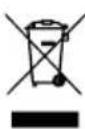
CTapTo eNeKtpnuecko n eNeKtpoHNo 06OpyDbaHe He Tp86Ba Da ce N3XBbPnla 3aeHNO C 6ntOBNTe OTnaDbu, a Tp86Ba Da ceCb6npa n N3XBbPnla pa3dEInHO!
CTapnte 6aTeepn n akymyIaTopn, KOTo He ca HEnoDbNkHo MOHTnpaHn B CTapn ypeD, Tpr6Ba da 6bDat n3BaDeHn npdei npedabaHe 6e3 da ce pa3pyuwaBat!
TxAHOTO n3XBpIHe e perIaMeHTnpaHo ot 3aKoHa 3a 6aTePnTe n akMylaTopnPte.
CobCTBeHnHTe,pecn. noJ3BaTeJNTe Ha eNeKTpUecko n eNeKtpoHNO obOpyDbaHe ca 3aKOHOBO 3a-DbJIKeHN da rN BbPHaT cneI yNoTpe6a.
KpaHnT noTpE6nte e OTROBOpEn 3a n3TpNBHeTo Ha NnHTe My DaHHN OT CTapN ypeD, KOITOr Tp6Ba da 6bDe n3XBbpNeH!
CIMBOJbT Ha 3auepkhata KoFa Ha KOJIeJa O3Ha- YaBa, Ye OTnAbuIte O TeJeKTPnueCKOTO n eJeK- TPOHHTO 6OpuyBaHe He Tp6Ba Da ce N3XBpIaT 3aEDHO C 6ntOBITE OTnAbuI.
- EneKtpnueckoto n eNeKtpoHnTo o6OpyDbaHe MoKe Da ce npedaba 6e3nlaTHO Ha cIeHNTe MecTa:
- Np6nHcB6npaTeHn nyHKTOBe (Ha npmep DBOPOBE Ha oBUNHCK crpaN).
-Mara3HH 3a npoda6ha He nektpoHn ypeu (fN3nueckn OHnaH), npu ycnoBne ye TbproBcHTe ca dIbXHH da rH B3emat o6paTHO Hnnpednarat TOBa B3emaHe do6pOBONHO.
-MoKTe Da npedeAte Do Tpu CTapn eNeKTpu-yecku ypea O TB BCEk TIN ypeD C MaKcImaHaDbJnxHa Ha pb6a OT 25 caHTmEtpa 6e3 DaKyNyBaTe HOB ypeD OT npOn3BOAnTeTna, INN daRn npedeAte B Dpyr OToPn3npanh Cb6npaTeHnyKt BB Baun paNoH.
- 3a DoIbHnHTeHNHTe ycNoBna 3a BpbUaHe Ha npOn3BOAnTeNn N DnCTpN6yTopn Ce O6bpHeTe KbM CbOTBeTHnA ZENTbP 3a O6cnyXbaHe Ha KJIneHTn.
Ako HOBNrT eNEKTPnec KI ypeI CE DOCTABr O T npo- n3BOUNTeJI Ha YACTHO DOMAKINHCTBO, TOI MOKe Da oprAHn3npa 6e3nPaTHO N3BO3BaHe Ha CTapnra ENEKTPnueCKN ypeI npi NOUCKBaHe OT KpaHnna Notpe6nTeJ. 3a cEJIa Ce CbBpXeTe COTdena 3a 06cnykBAHe Ha KNHeHTHa IPOUN3BOUNTEJI.
ToBa ce OTHacr cAmo 3a ypeDnTe, KOntO ce nH-ctaInpat n npOdaBAT B Ebponeckn Cb03 n ca npedmet Ha ebponeckata DnpeKtnBa 2012/19/ EC.B CTpaHn N3BbH Ebponeckn Cb03 MoT a ce npiIarat pa3nUHN pa3nope6n 3a N3XBpIHe Ha OTNaDbuNTe OT eJektpnuecko n eJekTpOHNo obOpyDahe.
15. OtcTpaHЯBaHe Ha Heu3npaBHOCTn
Günzburger Straße 69
D-89335 Ichenhausen
Axiotipe TELaTn,
Za euyoatae va atolauoetn vea oac ouakeun kai va exete kaata noteleopata kata tn xpon tns.
Yπóδειξη:
O kataaekuaotnc autn tsouakeunc dev eueuvetai ouuwa vteovxovta vopo nepi euhvnc poiovtwyia nmuic, Toun Ppokalouvtai oe autn tn ouoakeun n atto autn tn ouakeun otis egnc peitttwoeic:
Günzburger Straße 69
D-89335 Ichenhausen
Stimate client,
Vä dorim sa avei multe satisfactii si mult succes in lucrul cu noul dumneavoastraparat.
Indicatie:
Günzburger Straße 69
D-89335 Ichenhausen
Postovani kupce,
| A! | Uyari! Riayet edilmediğinde®,®,®,®,®,®,®,®,®,®,®,®,®,®,®,®,®,®,®,®,®,®,®,®,®,®,®,®,®,®,®,®,®,®,®,®,®,®,®,®,®,®,®,®,®,®,®,®,®,®,®,®,®,®,®,®,®,®,®,®,®,®,®,®,®,®,®,®,®,®,®,®,®,®,®,®,®,®,®,®,®,®,®,®,®,®,®,®,®,®,®,®,®,®,®,®,®,®,®,®,® |
| B! | Işletime almadan®,®,®,®,®,®,®,®,®,®,®,®,®,®,®,®,®,®,®,®,®,®,®,®,®,®,®,®,®,®,®,®,®,®,®,®,®,®,®,®,®,®,®,®,®,®,®,®,®,®,®,®,®,®,®,®,®,®,®,®,®,®,®,®,®,®,®,®,®,®,®,®,®,®,®,®,®,®,®,®,®,®,®,®,®,®,®,®,®,®,®,®,®,®,®,®,®,®,®, ® |
| C! | Bir koryucu®,®,®,®,®,®,®,®,®,®,®,®,®,®,®,®,®,®,®,®,®,®,®,®,®,®,®,®,®,®,®,®,®,®,®,®,®,®,®,®,®,®,®,®,®,®,®,®,®,®,®,®,®,®,®,®,®,®,®,®,®,®,®,®,®,®,®,®,®,®,®,®,®,®,®,®,®,®,®,®,®,®,®,®,®,®,®,®,®,®,®,®,®,®,®,®,®,®,®,© |
| D! | Bir koryucu kulak!,kullanı. |
| E! | Toz olşumunda solunum koryucu kullanı! |
| F! | Dikkat! Yaralanma tehlükis!, Çalır durumdaki taşlama diskine dokunmayın! |
| G! | Dikkat! Montaj, temizlik, yüzinalde®,®,®,®,®,®,®,®,®,®,®,®,®,®,®,®,®,®,®,®,®,®,®,®,®,®,®,®,®,®,®,®,®,®,®,®,®,®,®,®,®,®,®,®,®,®,®,®,®,®,®,®,®,®,®,®,®,®,®,®,®,®,®,®,®,®,®,®,®,®,®,®,®,®,®,®,®,®,®,®,®,®,®,®,®,®,®,®,®,®,®,®,®,®,®,®,®,®,®,%, |
| H! | Dikkat! Montaj, temizlik, yüzinalde®,®,®,®,®,®,®,®,®,®,®,®,®,®,®,®,®,®,®,®,®,®,®,®,®,®,®,®,®,®,®,®,®,®,®,®,®,®,®,®,®,®,®,®,®,®,®,®,®,®,®,®,®,®,®,®,®,®,®,®,®,®,®,®,®,®,®,®,®,®,®,®,®,®,®,®,®,®,®,®,®,®,®,® |
| I! | Dikkat! Montaj, temizlik, yüzinalde®,®,®,®,®,®,®,®,®,®,®,®,®,®,®,®,®,®,®,®,®,®,®,®,®,®,®,®,®,®,®,®,®,®,®,®,®,®,®,®,®,®,®,®,®,®,®,®,®,®,®,®,®,®,®,®,®,®,®,®,®,®,®,®,®,®,®,®,®,®,®,®,®,®,®,®,®,®,®,®,®,®,®, ® |
| J! | Dikkat! Montaj, temizlik, yüzinalde®,®,®,®,®,®,®,®,®,®,®,®,®,®,®,®,®,®,®,®,®,®,®,®,®,®,®,®,®,®,®,®,®,®,®,®,®,®,®,®,®,®,®,®,®,®,®,®,®,®,®,®,®,®,®,®,®,®,®,®,®,®,®,®,®,®,®,®,®,®,®,®,®,®,®,®,®,®,®,®,®,®,®,© |
| K! | Ürün Avrupa'da,—geçerli"—yönetmeliklere uygundur. |
| L! | Ürün Sürbistan'daki,—geçerli"—yönetmeliklere uygundur. |
Icindekiler: Sayfa:
Isletime almadan once
Apparent defects must be notified within 8 days from the receipt of the goods. Otherwise, the buyer loses its rights of claim due to such defects are invalidated. We guarantee for our machines in case of proper treatment for the time of the statutory warranty period from delivery in such a way that we replace any machine part free of charge which provably becomes unusable due to faulty material or defects of fabrication within such period of time. With respect to parts not manufactured by us we only warrant insofar as we are entitled to warranty claims against the upstream suppliers. The costs for the installation of the new parts shall be borne by the buyer. The cancellation of sale or the reduction of purchase price as well as any other claims for damages shall be excluded.
Garantie FR
Apparent defects must be notified within 8 days from the receipt of the goods. Otherwise, the buyer's rights of claim due to such defects are invalidated. We guarantee for our machines in case of proper treatment for the time of the statutory warranty period from delivery in such a way that we replace any machine part free of charge which provably becomes unusable due to faulty material or defects of fabrication within such period of time. With respect to parts not manufactured by us we only warrant insofar as we are entitled to warranty claims against the upstream suppliers. The costs for the installation of the new parts shall be borne by the buyer. The cancellation of sale or the reduction of purchase price as well as any other claims for damages shall be excluded.
Záruka CZ
Apparent defects must be notified within 8 days from the receipt of the goods. Otherwise, the buyer's rights of claim due to such defects are invalidated. We guarantee for our machines in case of proper treatment for the time of the statutory warranty period from delivery in such a way that we replace any machine part free of charge which provably becomes unusable due to faulty material or defects of fabrication within such period of time. With respect to parts not manufactured by us we only warrant insofar as we are entitled to warranty claims against the upstream suppliers. The costs for the installation of the new parts shall be borne by the buyer. The cancellation of sale or the reduction of purchase price as well as any other claims for damages shall be excluded.
Garantii EE
Apparent defects must be notified within 8 days from the receipt of the goods. Otherwise, the buyer's rights of claim due to such defects are invalidated. We guarantee for our machines in case of proper treatment for the time of the statutory warranty period from delivery in such a way that we replace any machine part free of charge which provably becomes unusable due to faulty material or defects of fabrication within such period of time. With respect to parts not manufactured by us we only warrant insofar as we are entitled to warranty claims against the upstream suppliers. The costs for the installation of the new parts shall be borne by the buyer. The cancellation of sale or the reduction of purchase price as well as any other claims for damages shall be excluded.
rapanua BG
OeBnHn HeoctaTbun Tp6Ba da 6bDat DOKnaBauH B pAMKNTe Ha 8 dHn OT NONYuBaHeTo HA CTOKN, B IpOTNBc Hcyua KnyBaHT rBy6BcKaBn
PpeTeHm 3a TaKINBA DeEeKTN. PpeINaIarMe rapaHnHa HauIne MaUNH C npABINHO ToeHne Ha cPOka H deCTBne Ha KocBeHa rapAHn O
DaTaTaHa DoCTabKa No TaKb HauH, Ye Hne 3aMeHN BCra KaCT B pAMKNTe Ha TOBa BpeMe OTKPUBA EEDN B MaTePnAa Nn IN3pa60Tkata Tp6Ba
da 6bDe 6e3NoJe3Ho, 6e3nPaTHo. 3a AcTu, KOITo Hne He CE npOn3BExkDaT, Hne npABM Camo KAto rapaHn, KATO IMAME npABo Ha rapaHnOHn
NCKOB CpeUy DoCTabUHn. Pa3XODIne 3a BMkBbaHe Ha HOB Naactn Ha KnyBaVa. PpeOpBa3yBaHe n HamaJIraBaHe B3emAHn n Dpyr nckobete 3a
Obe3IeHn, ca n3KnIOueHn.
Garancija RS
Ocigledni nedostaci se moraju prijaviti u roku od 8 dana nakon prijema robe, u suprotnom kopac gubi sva prava u pogledu takvih nedostataka. Za nase masne dajemogaranciju tokom trajanja zakonskog garantnog roka od datumaprimpredaje, pod uslovom da se sa njima pravilno rukju, na taj nacin besplatno vrslmo zamenu svakog dela masine koji tokom togo perioda postane neupotrebljivusled greke u materijalu ili proizvodnji. Za delove koje ne proizvodimo sami, dajemo garanciju samu o okviru ostvarivanja garantnih prava koja doobjamo od poddobavljača. Troškove za ugradnju novih delova snosi kopac. Pravo na zamenu i umanjenje i drugi zahtevi za nadoknadu šte su isklučeni.