PD60CS40 - Saw Powerworks - Free user manual and instructions
Find the device manual for free PD60CS40 Powerworks in PDF.



| Product Type | Cordless Chainsaw |
| Brand | Powerworks |
| Model | PD60CS40 |
| Power Source | Lithium-ion battery (not included) |
| Compatible Battery Type | 60 V max, lithium-ion |
| Guide Bar Length | 254 mm (10 in) |
| Maximum Cutting Capacity | 229 mm (9 in) |
| Recommended Cutting Capacity | 153 mm (6 in) |
| Weight (without battery) | Approximately 4.5 kg |
| Chain Type | Low Kickback Chain |
| No Load Speed | Not specified |
| Main Features | Wood cutting, toothed bucking claw, chain brake, kickback guard |
| Maintenance and Cleaning | Clean after each use, lubricate chain, sharpen regularly |
| Safety Devices | Chain brake, kickback guard, antivibration guide bar, double insulation |
| Spare Parts and Repairability | Have repaired by a professional, use only original parts |
| General Information | Outdoor use only, for adults only, do not cut materials other than wood |
Frequently Asked Questions - PD60CS40 Powerworks
User questions about PD60CS40 Powerworks
0 question about this device. Answer the ones you know or ask your own.
Ask a new question about this device
Download the instructions for your Saw in PDF format for free! Find your manual PD60CS40 - Powerworks and take your electronic device back in hand. On this page are published all the documents necessary for the use of your device. PD60CS40 by Powerworks.
USER MANUAL PD60CS40 Powerworks
English (original instructions)
Your product has been engineered and manufactured to Powerworks high standard for dependability, ease of operation, and operator safety. When properly cared for, it will give you years of rugged, trouble-free performance.
GENERAL SAFETY WARNINGS
WARNING
Read all safety warnings and all instructions. Failure to follow the warnings and instructions may result in electric shock, fire and/or serious injury.
INTENDED USE
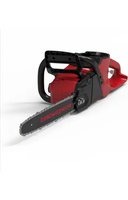
This chainsaw is designed for cutting branches, trunks, logs and beams of a diameter determined by the cutting length of the guide bar. It is only designed to cut wood. It is only to be used in an outdoor, domestic application by adults.
Do not use the chainsaw for any purpose not listed above.
This chainsaw is not to be used for professional tree services. It is not to be used by children or by persons not wearing adequate personal protective equipment and clothing.
RESIDUAL RISKS:
Even with the intended use of the appliance, there is other risk which cannot be prevented. According to the type and construction of the appliance, the following potential hazards might happen:
- Contact with exposed saw teeth of the saw chain (cutting hazards).
Access to the rotating saw chain (cutting hazards).
Unforeseen, abrupt movement of the guide bar (cutting hazards).
Flung out of parts from the saw chain (Cutting / injection hazards).
Flung out of parts of the work piece.
Inhalation of work piece particles.
Skin contact with the fuel oil.
Loss of hearing, if no ear protection is used during work.
Save all warnings and instructions for future reference. The term "power tool" in the warnings refers to your mains-operated (corded) power tool or battery-operated (cordless) power tool.
WORK AREA SAFETY
- Keep work area clean and well lit. Cluttered or dark areas invite accidents.
- Do not operate power tools in explosive atmospheres, such as in the presence of flammable liquids, gases or dust. Power tools create sparks which may ignite the dust or fumes.
- Keep children and bystanders away while operating a power tool. Distractions can cause you to lose control.
ELECTRICAL SAFETY
- Avoid body contact with earthed or grounded surfaces, such as pipes, radiators, ranges and refrigerators. There is an increased risk of electric shock if your body is earthed or grounded.
- Do not expose power tools to rain or wet conditions. Water entering a power tool will increase the risk of electric shock.
PERSONAL SAFETY
- Stay alert, watch what you are doing and use common sense when operating a power tool. Do not use a power tool while you are tired or under the influence of drugs, alcohol or medication. A lapse of attention while operating power tools may result in serious personal injury.
Use personal protective equipment. Always wear eye protection. Protective equipment such as dust mask, nonskid safety shoes, hard hat or hearing protection used appropriately will reduce personal injuries.
English (original instructions)
Prevent unintentional starting. Ensure the switch is in the off position before connecting to power source and/or battery pack and when picking up or carrying the tool. Carrying power tools with your finger on the switch or energizing power tools that have the switch on invites accidents.
- Remove any adjusting key or wrench before turning the power tool on. A wrench or a key left attached to a rotating part of the power tool may result in personal injury.
- Do not over-reach. Keep proper footing and balance at all times. This enables better control of the power tool in unexpected situations.
- Dress properly. Do not wear loose clothing or jewellery. Keep your hair, clothing and gloves away from moving parts. Loose clothes, jewellery or long hair can be caught in moving parts.
If devices are provided for the connection of dust extraction and collection facilities, ensure these are connected and properly used. Use of dust collection can reduce dust-related hazards.
POWER TOOL USE AND CARE
- Do not force the power tool. Use the power tool for the application. The correct power tool will do the job better and safer at the rate for which it was designed.
- Do not use the power tool if the switch does not turn it on and off. Any power tool that cannot be controlled with the switch is dangerous and must be repaired.
- Disconnect the plug from the power source and/or the battery pack from the power tool before making any adjustments, changing accessories, or storing power tools. Such preventive safety measures reduce the risk of starting the power tool accidentally.
Store idle power tools out of the reach of children and do not allow persons unfamiliar with the power tool or these instructions to operate the power tool. Power tools are dangerous in the hands of
untrained users.
- Maintain power tools. Check for misalignment or binding of moving parts, breakage of parts and any other condition that may affect the power tool's operation. If damaged, have the power tool repaired before use. Many accidents are caused by poorly maintained power tools.
Keep cutting tools sharp and clean. Properly maintained cutting tools with sharp cutting edges are less likely to bind and are easier to control.
Use the power tool, accessories and tool bits etc.in accordance with these instructions, taking into account the working conditions and the work to be performed. Use of the power tool for operations different from those intended could result in a hazardous situation.
BATTERY TOOL USE AND CARE
- Recharge only with the charger specified by the manufacturer. A charger that is suitable for one type of battery pack may create a risk of fire when used with another battery pack.
Use power tools only with specifically designated battery packs. Use of any other battery packs may create a risk of injury and fire.
When battery pack is not in use, keep it away from other metal objects like paper clips, coins, keys, nails, screws, or other small metal objects that can make a connection from one terminal to another. Shorting the battery terminals together may cause burns or fire.
Under abusive conditions, liquid may be ejected from the battery; avoid contact. If contact accidentally occurs, flush with plenty of soap and water. If liquid contacts eyes, immediately seek medical help. Liquid ejected from the battery may cause irritation or burns.
English (original instructions)
SERVICE
Have your power tool serviced by a qualified repair person using only identical replacement parts. This will ensure that the safety of the power tool is maintained.
SPECIFIC SAFETY WARNINGS
- Keep all parts of the body away from the saw chain when the chain saw is operating. Before you start the chain saw, make sure the saw chain is not in contact with anything. A moment of inattention while operating chain saws may cause entanglement of your clothing or body with the saw chain.
Hold the power tool by insulated gripping surfaces only, because the saw chain many contact hidden wiring. Saw chains contacting a "live" wire may make exposed metal parts of the power tool "live" and could give the operator an electric shock.
Always hold the chain saw with your right hand at the rear handle and your left hand at the front handle. Holding the chain saw with a reversed hand configuration increases the risk of personal injury and should never be done.
Wear safety glasses and hearing protection. Further protective equipment for head, hands, legs and feet is recommended. Adequate protective clothing will reduce personal injury from flying debris or accidental contact with the saw chain. - Do not operate a chain saw in a tree. Operation of a chain saw while up in a tree may result in personal injury.
Always keep proper footing and operate the chain saw only when standing on fixed, secure and level surface. Slippery or unstable surfaces such as ladders may cause loss of balance or control of the chain saw.
When cutting a limb that is under tension, be alert of spring back. When the tension in the wood fibres is released, the spring loaded limb may strike the
operator and/or throw the chain saw out of control.
Use extreme caution when cutting brush and saplings. The slender material may catch the saw chain and be whipped toward you or pull you off balance.
- Carry the chain saw by the front handle with the chain saw switched off and away from your body. When transporting or storing the chain saw, always fit the guide bar cover. Proper handling of the chain saw will reduce the likelihood of accidental contact with the moving saw chain.
Follow instructions for lubricating, chain tensioning and changing accessories. Improperly tensioned or lubricated chain may either break or increase the chance for kickback.
- Keep handles dry, clean, and free from oil and grease. Greasy, oily handles are slippery, causing loss of control.
Cut wood only. Do not use chain saw for purposes not intended. For example: do not use chain saw for cutting plastic, masonry or non-wood building materials. Use of the chain saw for operations other than intended could result in a hazardous situation.
English (original instructions)
CAUSES AND OPERATOR PREVENTION OF KICKBACK:
Kickback may occur when the nose or tip of the guide bar touches an object, or when the wood closes in and pinches the saw chain in the cut.
Tip contact in some cases may cause a sudden reverse reaction, kicking the guide bar up and back towards the operator.
Pinching the saw chain along the top of the guide bar may push the guide bar rapidly back towards the operator.
Either of these reactions may cause you to lose control of the saw which could result in serious personal injury. Do not rely exclusively upon the safety devices built into your saw. As a chain saw user, you should take several steps to keep your cutting jobs free from accident or injury.
Kickback is the result of tool misuse and/or incorrect operating procedures or conditions and can be avoided by taking proper precautions as given below:
- Maintain a firm grip, with thumbs and fingers encircling the chain saw handles, with both hands on the saw and your body and arm positioned to allow you to resist kickback forces.
- Kickback forces can be controlled by the operator, if proper precautions are taken. Do not let go of the chain saw.
- Do not overreach and do not cut above shoulder height. This helps prevent unintended tip contact and enables better control of the chain saw in unexpected situations.
Only use replacement bars and chains specified by the manufacturer. Incorrect replacement bars and chains may cause chain breakage and/or kickback.
Follow the manufacturer's sharpening and maintenance instructions for the saw chain. Decreasing the depth gauge height can lead to increased kickback.
ADDITIONAL WARNINGS
It has been reported that vibrations from handheld tools may contribute to a condition called
Raynaud's Syndrome in certain individuals. Symptoms may include tingling, numbness and blanching of the figures, usually apparent upon exposure to cold and dampness, diet, smoking and work practices are all thought to contribute to the development of these symptoms. It is presently unknown what, if any, vibrations or extent of exposure may contribute to the condition. There are measures that can be taken by the operator to possibly reduce the effects of vibration:
- Keep your body warm in cold weather, when operating the unit wear gloves to keep the hands and wrists warm. It is reported that cold weather is a major factor contributing to Raynaud's Syndrome.
After each period of operation, exercise to increase blood circulation.
Take frequent work breaks. limit the amount of exposure per day.
If you experience any of the symptoms of this condition, immediately discontinue use and see your physician about these symptoms.
The recommended cutting capacity of this chain saw is 153mm (6 in.) and smaller to prolong the life of the tool and allow for safest operation.
Cutting logs with a diameter larger than this will cause excess wear on your tool. Logs with a maximum diameter of 229mm (9in.) can be cut, but should only be done so rarely and with caution.
The integral spiked bumper is designed to assist cutting. When forced against the log while cutting it provides a more stable pivot point.
Any chainsaw is potentially lethal if used inappropriately. It is strongly suggested that you seek professional training in the safety and use of this tool.
SAVE THESE INSTRUCTIONS. REFER TO THEM FREQUENTLY AND USE THEM TO INSTRUCT OTHERS WHO MAY USE THIS UNIT. IF YOU LOAN SOMEONE THIS UNIT, LOAN THEM THESE INSTRUCTIONS ALSO.
English (original instructions)
SYMBOLS
Some of the following symbols may be used on this product. Please study them and learn their meaning. Proper interpretation of these symbols will allow you to operate the product better and safer.
| SYMBOLES | DESIGNATION / EXPLANATION |
| V Voltage | |
| W Watt-Power | |
| --- | Direct current -Type or characteristic of current. |
| DANGER! Beware of kickback. | |
| Precautions that involve your safety. | |
| Read the operation manual and follow all warnings and safety instructions. | |
| Wear eye and hearing protection. | |
| Do not expose to rain or damp conditions. | |
| Avoid bar nose contact. | |
| Hold with both hands. | |
| Wear non-slip, heavy duty gloves. | |
| Double-insulated construction. | |
| Keep all bystanders at least 15m away. |
| The following signal words and meanings are intended to explain the levels of risk associated with this product. | ||
| SYMBOL | SIGNAL MEANING | |
| DANGER: Indicates an imminently hazardous situation, which, if not avoided, will result in death or serious injury. | ||
| WARNING: Indicates a potentially hazardous situation, which, if not avoided, could result in death or serious injury. | ||
| CAUTION: Indicates a potentially hazardous situation, which, if not avoided, may result in minor or moderate injury. | ||
| CAUTION: (Without Safety Alert Symbol) Indicates a situation that may result in property damage. | ||
YKA3AHN NO B63ONACHOCTN HA PABOYEM MECTE
Bcerda codepxtte pa6oee MeTo B uHCTote n nopAke. TaK Jx CneIHTe 3a OCBeUeHHOCtBu Pa6OeRo MeCTa. Hey6paHHbIe NOMEuEHNr UcNoBn rNIOXOn OCBeUeHHOCtN MOrTy PnIBecTn K IOnyueHnTO TpaBM.
Kateropnueckn 3anpeuaeTc np6oTa C 3JIeKTPoHnCtpymeHTOM B ycNoBnx NOBbIweHHo KOnHeHTpaun NapOB JERKOBOcPnJaMeHIOUxxCr XNDKOCTe H BeueCTB. Pnp pa6ote 3JIeKTPoHnC- TpyMeHTa Ha DBNrAteJe BO3HnKaOT NCKpbI,KOTOpbie MOyT PpNBecTu K BO3ROPaHnIO.
He donyckaite noctopohnix IIOeB pa6oyu 30hy. HebHmATEIbHOCTb MOKET npIBeCTN K NOTEpe KOHTPOJHaID INHCTpymeHTOM I NOJUyeHNO TpaBM.
3JIEKTP0B6E3ONACHOCTb
■ N36eraIte KOHTaKTa C 3a3eMJIeHHbIMN npedMetAm, TaKIMN KaK, Tpy6bl, paNaTOPbl,IINTbl IN XOJODINbHNKN.
Kateropnueckn 3anpeuaeTcnaNoIb3OBaHne 3JeKTPoHnCtpymeHTaBycIOBnX NOBblWeHHoBnAaxHOCTN.PonadaHne BnArn B 3JeKTPoHnCtpymeHTMOKeT npINBeCTN K BbIXOy erO n3 CToPOI INI NopaxHeHIO 3JeKTPuYeCKM TOKOM.
NEPCOHAJbHARBE3OJACHOCTb
Pycckn (IpebeO d opnHaJIbHbIX nHcTpyKcN)
Pn HcNoIb3OBaHHN 3JIeKTPoHnHCTpymEHTa 6yDbTe aKKypaTHbl N BHNMaTeJbHbI. He nOJIb3yInTEcb INHCTpyMeHTOM,ecIN Bbl yCTaJI, NOMHIne YTO 3TONCTOuHnK NOBblueHHOn ONaCHOCTn DnA YeNoBeKa.
IcnoIb3yIte NHdINBnDyaJIbHbIe Cp-edCTBa 3aunTbIBcerda HadeBaIte 3auntlbIe OCHN. 3aunTHoe CHapJxKeHne, PpIMHeHHoe B COOTBEcTBYIOux 06CToRrTeNbCTBax, TakoE KaK, Nblne3aunTHbIe MaCKN, 3aunTHaOByBb C HeCKoJ-b3aJeN pODoUBoi,3aunTHbIe IJembl I CpeIDCTBa 3aunTbI OprAHOB Cnyxa,3HaHTeJbHO yLyUshaIOT npOceCC pa6Otbl C 3JIeKTPoIHcTpyMeHToM IN CBOJAT PNCK TpaBM K MNHMMy.
Будъть Внмателови рп поpehocke nHCTpymemeHa.перед erо podknюченem K cetи Илп порноcke B dpyroe pa6ooye Mecto y6eintecb,чTO BblKnIOuataelb HaxodntcB nOLOXeHnN «BblKl.»
■ Npeed BkIIOueHHeM 3JIeKTPoHNCTpyMeHTa y6eNTecb B OTCyTCTBn Ha HEM BCex KpeNEXHBIX NHCTpy-MeHTOB. RaIKu INJ KJIIOU, OCTaBJeHHbIe Ha BpaauOuNXcra Yactx 3JIeKTPoHNCTpyMeHTa, MOrTy npNBecTN K TpaBMam.
Pp np a6oTe c 3JIeKtpOnHcTpymeHTOM Bcerda3aHmMaTeYcToUHBOeNoJoxeHne. He daBnTe Ha 3JIeKtpOnHcTpymeHT.
Pp np pa6ote c 3neKtpoHCTpyMeHTOM HaedeBaIte COOTBeTCTByOuSyO ODEXy. He Hocnte npocToPhyO OExdy nIn IOBJIINPHbIe yKpaWeHnA.InnHbIe BOJOCbI lyUwe y6paTb NOd rONOBHOY6Op.
PpN COBmecTHoI pa6Ote 3JNeKTPoHCTpyMeHTa C yCTpoiCTBaMn C6opaNbIIIN peryIpaHIO npOBepaTe MeCTa CoeUNHeHn.
ИСПОЛьЗOBAHNE И OБСЛУЖИВAHNE ЗЛЕКТPOINHCTPYMEHTA
He neperpykaTe 3JeKTPoHCTpymeHT. PeryIaRHO npOBepaTe 3JeKTPoHCTpymeHT Ha HAnuYe MexaHnuecknx NOBpeXdEHN KOpNyCa n CeTeBOrO uHypa.
He nCnoB3yIte 3neKtpOnHcTpymeHT C HeNCnpaBHBIM BbIKIOuYaTeJEM. Pn IOBJIeHN NocToPOHHIX UyMOB,
3a naxa ropeIoiu n3OJauu, NOBbIeHHoro NCKpoo6pa3OBaHnHa Heo6xOJMo HEmeJIeHHo ppeKpaTntb pa6Ot y o6paTntbcra B aBTOpN3OBaHHbI CEPBNCbI ueHTp.
Ipeed BbINOJHHeHem JIO6bIX pa6oT, CB83aHHbIX C 06cnyXnBaHNem 3JIeKTPoINHCTpyMeHTa NIN C 3aMeHOm CMeHHbIX akceccyapOB, 683aTeNbHO OTKIIouaHTe erOOT cETN.
XpaHnTe HEnCNoIb3YeMbIe 3JIeKTPOnHCTpyMeHTbIB HeDocTyINHom dIaTei MeTe. He IonyckaIte K paBoTe C 3JIeKTPoIHCTpyMeHTOM NlU, KOToPbIE He 6blN O3HaKOMJIeHbIC yKa3aHnA MNo TExHnke 6e3ONaCHOCTN i C INHCTpyKcnei NO 3KcNPyatauN.
Perynpho OcmatpmbaTe KOpnyc 3JektponHCTpyMeHa. Ipeed Hauanom pa60tbl 083aTeIbHO npOBepyIte npabNbHOCTb FyHKUHOHPOBaHNr BCEX NOdBHXbIX YacteI.Perynpho npOBepyIte HAnuue BCEx KpeEcxHbIX DeTaNey B Kopnyce 3JektponHCTpyMeHa.
Ipeed hauanom paobtI npOBepaTe CMeHHbIe akceccyapbl. He nCnoJIb3yIte akceccyapbl C MexaHnueckmN IOBpeJdeHNrMn.
IcnoNb3yUte 3JeKTPoHnHCTpyMeHTbl, BcNoMOraTeIbHbIe npHaJNeXHOCTN, CBepna n T. D. B COOTBeTCTBUN C Ha3HaueHHeM KaJDoRo OTdEJIbHOro 3JeKTPoHnHCTpyMeHTa, yuHTbIBa pa6Ouye ycNoBn I xapaKTeP BbINOJIHReMoI pa6Otbl.
3KCNJYATAUNIUYXOD3AN3DEJIINARMCAKKYMJTOPHBIMNITAHHEM
3apdky BbINHnTe TOnbKo C nCNoIb3OBaHHem 3apdHorO yCTpo- nCTBa, yKa3aHHoro n3rOTOBHTeMe. 3apdHoe yCTpOietBO, NOxODJaUee K ODHOMy Tnpy aKKymJrTOphbIX 6aTapei, MOKeT CO3DaTb ONaCHOCTb BO3rOpAHn Ipn NcNoIb3OBaHHn C aKKymJrTOphbIMN 6aTapeMn DpyrO Tnna.
IcnoJb3yIte n3dEJIa c aKKymJrTOpHbIM NITaHNEM TOJbKO CO CneUaNbHO npedHa3HaueHHbIM dJa HNX aKKymJrTOpHBIM 6aTapeMn. IcnoJb3OBaHHe aKKymJrTOpHbIX 6ata-pei DpyrOTo Tnna MoKeT npVBecTI K TeJeCHbIX NOBpeKde-
Pycckn (IpebeO d opnHaJIbHbIX nHcTpyKcN)
HnM NJI B03rOpaH-NIO.
Ecnn akkymyITopna 6aTapeH He HcnoJb3yeTcX,XPaHIne ee OTdJeNbHO OT dpyrnx MeTaJInuYeCKNX PpeDMeTOB, HAnpIMep KaHcIeJIrpCKNX CKepeNOK, MOHeT,rBO3Dei, BnHTOB N dpyrnx MeJKNx MeTaJInuYeCKNX PpeDMeTOB, KOTOpblc MOryt PnPBecTN K 3aMbIKaHHIO KOHTAKTOB 6aTapeH. 3aMbIKaHne KOHTAKTOB 6aTapeH MoKet Bbl3BaTb OXoRn IINI PnPBecTN K BO3rOpaHHIO.
■Пи HeHOpMaIbHbIX ycNoBnIx n3 6aTapeN MoXeT BblTeYb XnIDKocTb, n36eraIte KOHTaKtA c Hei. EcInaToro n36eJxTaB He ydaIOcB, CMOIe XnIDKocTb BOIo. EcIn XnIDKocTb nonaB rIa3a, NocIe Ix npOMbIBaHnI O6paTntecb 3a MeINuHcKoI pOMOuH. XnIDKocTb, BblTEKwAЯ n3 6aTapeN, MoXeT Bbl3BaTb pa3dpaxKeHne nII Oxkor.
OBCJYKBAHNE
O6cnyxuBaHne n peMOHT 3JKeKtpOnHCTpyMeHTa npON3BOJNTe TOJbKO B aBTOpN3OBaHHbIXΦnPMoN-PPON3BOJNTeJeM cepBnCHbIX ueHTpax.PemOHn O6cnyxuBaHne 3JKeKtpOnHCTpyMeHTa B NOCTOPOHNX opraHn3aunx, a TaK JKe BHeCeHne KOHCTpyKTNBbIX N3MeHeHn npINBeTe K OTKa3y OT rapaHTnHBix 06aTeJIbCTB.
OCOБbie YKA3AHNЯ NOTEXHNIKE B630PACHOCTNДЯЦENHOI ПИЛbl
■ Depxnte 3neKtpoHHCTpymEn TOIbKO 3a N3OJInpOBaHHbIe NOBepxHOCTN, TAK KAK CEHNHnA NIIa MoXeT 3aDeTb Ckpbityo npOBODky. B pe3yNbTaTe KOHTaKTa NINbHOI c npOBODom, HAXOJAAUMCn IO nHapJxKeHnEM, MetaJIInueckNe qactn INHCTpyMeNTa TAKKe MOrYTOkA3aTbcrIOd HApJxKeHnEM, YTO MoXeT pNBecTI K IopaxHeHIO pa60taUoIero 3neKtpuuecknM TOKOM.
Pp np pa6ote cenho nIbI noIb3OBaTeIb DOJKeH HaxOHTbcr Ha 6e3OpacHom pacCToAHN OT cenn nnbl. PpeD 3anyckOM cENHO
NINbI y6eNTecb,HTO cENb NINbI Hn C
cHem He copnkacaetc. Pn pa6ote c
cENHO NIOI N3-3a HEBHIMaTeNbHOCTH
pa6oTaUoJero cENb MOxET 3axBaTb
ODeXy IIN 3aCenITb KaKyIO-JNo6O YacTb
TeJa.
Bcerda depxnte enHyo nIpy npboy pyko 3a 3aHIOO pyky, a neBO- 3a nepeHIO. HnkOrda He depxnte ceNHyo nIpy hao6opot (JeBOy pyKO 3a 3aHIOO pyky, a npAOB- 3a nepeHIO), TAK KAK 3TO NOBbIaET ONaCHOCTb TpaBMnPOBaHna.
Hocnte 3aunthbte ouKn n CpeDCTBa 3aunTbI opraHOB cnyxa.PekomeHyetcA DOnOJIHTeJIbHO NCNoJIb3OBaTb CHapJxHeHne JnJ 3aunTbI rOIOBbl,pyK,HOr N CTynHe. Hanuue COOTBeTCTByIOUeJ 3aunTHoJ OExkbl CN3NT ONaCHOCTb NOJyEHHa TpaBMbl OT pa3NeTaIOUXCRA YactNU INN HEnpeHaMepeHNO CoPNIKOCHOBEHNA CZeNBIOINJIb.
3anpeaetcpa6oTa b ccenho nnno, haxoJcB Ha DepeBe. Pa6ota CcenHO nnIOH, HaxoJcB Ha DepeBe, MOKeT npNBecTN K NOJyEHNO TpaBMbl.
Bcerda nCnoJb3yIte npOHyo onOpy, pa6oTaIe C cENHO nnIO TOnbKO hXoJaCb Ha 3aKpeNJIeHHoH,HaDeXHOH n POBHO NOBepxHOCTn. CcOJIb3Kne IIN HeycToUHBBie NOBepxHOCTn, HApPIMep, IecTHNuIb,MOrYT pNBecTN K NoTepe paBHOBecnI IN K NoTepe ynpabJIeHnA ZENHO nnIOI.
■ Pn 6pe3ke corHyToH n HapJxehHOB BcKn 6yDbTe rTOOBbl K TOMy, yTO OHa OTCKoHT Ha3a. Korda corHyTaBcKa 6ydet pacnIeHa, OHa MoKeT pa3OrHyTbCn I ydApNTb pOnb3OBaTeJI N (nIn) OTbPocNtB cENHyIO NnIy, Bbl3BaTb NOTepIO ee ynpabLЯEMOCTN.
Bydte Ype3BbuaHNo BHNMaTeIbHbI npn nnleHnn KycTapHnka n MoJOndbix DepeBbeB. I6Kaar DpeBecnHa MoKeT 3aKJIINHTb cenb NIIbI n 3aTeM ydapNTb NOJb3OBaTeIe NN npNBecTN K nOtepe paBHOBecn.
Pycckn (IpebeO d opnHaJIbHbIX nHcTpyKcn)
Ipehenocnte cenhyo nny 3a nepeHIO pyKoTky B BbIKNoyeHHOM COCTOHN, Depka noaJIbwe ot ce6ra. Iprn TpaHCnOpTnpOBKe nn XpaHeHN CENHO nnbl Bcerda yCTaHaBnBaIte KpbIkwy nnbHO nnHbI. ObpaSeHne c CENHO nnIOH HndJexKaunm O6pa3OM CHN3NT BEPOrTHOCt bClyauHoro cOnpNKoCHOBeHna C DBNXuJeCSa CenbIO nnbl.
CneyuTe yka3aHnMaNo cMa3Ke, HaTaeHeNHO cenn n 3ameHe npHa- dHexHocte. HeBepHO HataHyTaI nn HEnpaBnIbHO Cma3aHHa YcENb MOxET NOpBaTbcra NNy UBeJIuHTb BepoTHOCTb OTCKOKa nnbl.
CneiTe,TO6bI pyKoTKn 6bln cyXIMN,YNCTbIMN,Ha Hnx He 6blIO Macna n Cma3Kn.PyKoTKn,NCnayKaHHbIE B Cm3Ke NJI 3aMacJeHHbIE,CTaHyT CKOJb3KIMN, YTO MOKe T npNBecTN K NOTepe ynpabHeHn.
■ CenHnA Nnla npedHa3NaYeHa ToIbKO DnA NnIeHnA DpeBecnHbl. 3anpeaetcNcNoIb3OBaTb cENHyIO Nnly He NoHa3NaueHnIO. HanpImep, 3anpeaaetcNcNoIb3OBaTb cENHyIO Nnly dNn NaHeNnAactMaCC, KaMeHHoN KJaKn NnN HeDepeBraHHbIX CTPONTeJIbHbIX MaTePnaJIOB.NcNoIb3OBaHne cENHO Nnbl HeNO Ha3NaueHnIO MOKeT nPnbEcTN KBO3HNKHOBeHnIO ONaCHO CITyauCNI.
Pa6oTaIoUm MOxET npEDoTbpaTnTb OTCKOK, pInHAB COOTBeTCTByIOUne Mepbl. CJeIte 3a Tem, yTo6bl nIHa He BblpBaIacb n3 pyK.
He npnKnaIbIbAaTe Ype3MepHbIX ycnnn H He BblOnHnIte NJIeHne Ha ypoBHe BblIe nIe. 3TO NOMOXET PpeoTbpaTNTb HENpeHaMepeHHoe COnpNKOCHOBEHne C KOHcOM NNblN NO3BOJNT LyUwe ynpabTb cENHOI NIIIOB H ENpeDbIeHHbIX CITyauHX.
Icnoj3yntepn 3aMeHe TOnbKO yka3aHHbIe npoN3BOdnteIeM uHHbI n cenn. HnpaBnJIbHO Bbl6paHHbIe dna 3aMeHbI uHHbI n cenn MOrYT CTaTb npuHHoO6pbIbA cenn n (uIN)OTCKOKa.
BbINOJIHnTe yka3aHH npON3BOJNTe INo 3aTOUKe nTexHNueckOMy o6cIyX HBAHIO cENHO NNbl. YMeHbWeHne BbICOTbl IpocBeTa MeKdy peKyuIMN KpOMKaMn NINbHOu cEN MoKET pPbECTN K yBeJIuHHeHIO OT6paCbIBAHn NINbl.
Pycckn (IpebeO d opnHaJIbHbIX nHcTpyKcn)
IOnOHnTEbHbIE PEPdYPExKdEN
CunTaeTc, yTO Bn6paunr pyuHOrO nHCTpyMeHTa MoKet npNBecTN K npoBHeHIO y OTdJIbHbIX Ntac TaHa3bIbAemOn 60Je3HN PeHNO (Raynaud's Syndrome).CmPTombl Moryt BKIOUaTb NOKaIBBaHne, OHEmHne I NOBeJIeHne NaIbueB (kak npn nepeoxlanXeHnN). HAcNeDCTBeHHbIe PAKTopbl, nepeoxlanXeHne INOBIISeHHa BnaxHOCTb, DnEta, KypeHne IN HeBepHbIe pniEMbl pa60TbI MOrYT cNoco6CTBOBaTb pa3BNTIO DaHHbIX CmMTOMOB. CyueCTByET prd Mep, KOToPbIE MOxHO pPeINpHnRb TdN CHNXeHnB O3DeCTBnRA BV6paun:
JIIO6a ueHna nIJa npedCTabnAreT CMepeIbHyO onaCHOCTb npi HeHaJnxKaUeM NCNOJb3OBaHIn. HAcToTeJIbHO peKOMeHdyETc npoITn npocceccnHaIbHyO NOrTOBky No 6e3OnachOMy IcNoJIb3OBaHIno daHHoro INHCTpyMeHTa.
XPAHNTE HACTOUINE IHCTPYKUNI NO TEXHNIKE BE3ONACHOCTN. PEGYJIARPHO IEPUEHTbIBAITE INI INHΦOPMNPYITE DpyNX IOnb3OBATEJEI. ODAJXINBAI INHCTPUMENT, PPIKJIa-DbIBAITE K HEMY HACTOUIEE PYKOBODCTBO IO 3KCPNJYATAUIN.
OdeBaITeEcB TeNJIe B XOJOnHyIO NOrOy. Ipr pa6ote C yCTpOInCTBOM NOnb3yInTeEcB nepaTkAMn,HTo6bl pyKn N 3aJnCTb8 6bln B TenJIe.CuHtAEcra,yTO xOJOnHaN rnoDa JABnETCs OCHOHBIM qAKTopOM, CNOCo6CTByUoINM BO3HNKHOBeHnO 60Je3-Hn PeHNO (Raynaud's Syndrome.).
Iocne KaJDoTo 3Tana pa6oTbI BbINOHNHe ynpaxHHeHn Iy YcNJIeHn KpOBOO-6paueHn.
Uaune DeIaNte nepepbIBbI B pa6ote. Cokpatnte dIInTeJbHOCTb eXeIHeBHOrO np6bIBAHnHa OTKpbITOM BO3DyXe.
PnnoBHeHn KaKx-Jn6o n3 yKa3aHHbIX CmNTOMOB cpa3y Je ppeKpatnte pa60ty n 6bpatntecb no nx nobody K BpaCy.
PekomeHdyemarpexyuaCnoc6hOCTb daHHo CEHNHO INIbI COCTaBnEeT 153 MM (6 HIOMOB) IMHeBSe, YTO DOJXHO CnOC6CTBOBaTb PPOJIeHNO Cpoka cnyx6bl IHCTpyMeHTa N ObecneueHIO 6e3OnacHO pa60TbI.
БpeBHa 60JIbIeRo DnAmEtpa MOryT npINBeCTN KUpe3MepHOMy N3HOCy BaIeRO nHCTpyMeHTa. BpeBHa C MaKcIMaJIbHBiM DnAmEtpOM 229 MM (9 IIOHMOB) MOryT paCnIIIBaTbcra, HO TOnbKO B peKnx CJyuayx n C co6JIHOdeHNEm OCTOPOKHOCTn.
BCTpoeHHbOt6oHnK C uHnAmn o6IerHaet pacnIOBky. Ecnn npnpacnIOBKe 6peBHO npndepkNBA Tb, o6ecneuBaETc8 60nee yctOnuNBaTOka NOBOPota.
Pycckn (IpebeO d opnHaJIbHbIX nHcTpyKcN)
OBO3HAUEHIN
Ha daHHOM INHCTpyMeHTe MOryT npNCyTCTBOBAtb HeKOTOpBIE n3 CNeDyUOuX O6o3HaueHn.ДЯ 6e3OnaChOH pa6oTBc yCTpoNCTBOM N3yHTe IN N 3aONMHHTe, YTO OHN O3HaayIOT.
BEZPIECZENSTWO W MIEJSCU PRACY
PRÍCINY A PREVENCE OBSLUHY VÜČI ZPÉTNÉMU VRHU:
SAVE THESE INSTRUCTIONS. REFER TO THEM FREQUENTLY AND USE THEM TO INSTRUCT OTHERS WHO MAY USE THIS UNIT. IF YOU LOAN SOMEONE THIS UNIT, LOAN THEM THESE INSTRUCTIONS ALSO.
Some of the following symbols may be used on this tool. Please study them and learn their meaning. Proper interpretation of these symbols will allow you to operate the tool better and safer.
SIGURNOST RADNOG PROSTORA
Držite radni prostor Čist i dobro osvijetljen. Zatrpani i neosvijetljeni radni prostori izazivaju nezgode.
Nemojte rukovati elektricim alatima u eksplozivnim atmosferama u kojima su prisutne zapaljive tekucine, plinovi ili prasina. Elektrici alati stvaraju iskre koje mogu zapaliti prasinu ili pare.
Tijekom rada s elektricnim alatom drzite podalje djecu i promatrace. Ometanja mogu uzrokovati da izgubite kontrolu.
ELEKTRICNA SIGURNOST
I P E D U Y I P E X D E H N E
Tp6Ba Da npoyeTe TE Bcuny yka3aHnI npeDynpeKdeHnraT OTHOCHO
6e3onacHocCTTa. HecbO6pa3aBaHeto C npdeUnpexKdEHNrTa n yka3aHnraTa MoKe Da DOBeDe Do eJekTpueckn ydap, noXap N cepNo3Hn HapaHbAHn.
ПРЕДHA3HAUECHNE
BepnKnT TpnoH e npedHa3NaueH 3a
pa3aHe Ha KNOH, DbHepN, Tpynn, rpeu C
DnaMeTbp, OnpdeJeH OT DblnxHaTa Ha
BOeUaTa WnHa. PpeHa3HaueH e 3a p3aHe
eINHCTBeHO Ha DbPBO. ToI Tp6Ba da ce
H3NoJ3Ba cAmO Ha OTKpNTO,OT Bb3pactTHN.
He n3noI3BaIte BepnxHnI TpNOH 3a Dpyra ueJ, KOrTo He e yka3aHa No-rope.
To3n BepnKeH TpnoH He Tp86Ba Da ce n3POn3Ba 3a npocpeCNOHaJIHO p83aHe Ha dIbPBA. ToH He Tp86Ba OT Deua Hnn OT Iuca, KOnTO He HocrT NODXODaUN JInuHN npedna3HN CpeCTBa N ObneKNo.
HENPEIIBNDEHN PNUCKOBE:
Iopn ako ypeT ce n3no3Ba no npedHa3NaueHne, BnHaCbIeCTByBat HepeBnDeHn pNCKOBe, KOnto He MoRaT da ce npedOTbpaT. Cbo6pa3Ho Tnna i KOHCTpyKzraTa Ha ypeDa, MOKe Da Bb3HNKHaT cJeHDHTe NOTEHuaJHO ONaCHN CNTyaUIN:
KoHTaKT C orOJIeHn 3b6uHa Bepurata Ha TpnoHa (OnaCHOCT OT Nopra3BaHe)
IocTbN BbpTaaTa Ce Bepura Ha TpnoHa (OnaCHOCT OT Nop3BaHe)
HenpeBnDeHO,BHe3aHNO DnHexeHne Ha
(OnachocOTnop3BaHe)
I3XbpyaHe Ha qactn OT Bepurata Ha TpnoHa (OnachocT OT Nopra3BaHe / npOHKBaHe)
I3XbpyaHe Ha yactn OT MaTePnaJa
BdIuBaHe Ha qactnO T MaTePnaJa
KoHTaKT Ha Koxata C MacNoTO
OrnyuBaHe, ako He ce n3NoI3BaT Heo6xOdUmTe aHTnfoHn no BpeMe Ha pa6ota.
CbxpahBaIte Te3n yka3aHna 3a 6e3oNa cha pa6Ota Ha cnrypHo mAcTo, 3a Da MoKeTe Da rN H3PON3BaTe B 6bDeJe. Te pMnHbT, eNeKtpuYeCKnHCT pyMeHT "B npdeUnpexKdEHNrTa ce OTHacr 3a Baunr eJekTpueckn INHCTpyMeHT, 3axpaHbaH C Ka6en, CBbp3aH KbM eJekTpueckata MpeXa, nIi 3a INHCTpyMeHT, 3axpaHbaH OT 6aTeprna (6e3xnuHe).
БЕЗПАСНСТО ПОНТРАСТВО HA PAБOTHOTO
I OndbpxaHepa6oHTOponpocTpaHCTBO uNcTo ndo6pe ocBeteHo. Be3npaBkBT NIN TbMHnHaTa B pa6oTHOT npocTpaHCTBO ca npedeNoctabKa 3a 3JOnonykn.
He H3noJ3BaIte eJeKtpnueckn HHCTpyMeHTN B EKCnIO3NBH CpeDN, HanpImep B npncbCTBneTo Ha 3anaJIteJIHH TeUHOCTN, Ra3OBe Nn npax. IOpBpeMeHa pa6oTa eJeKtpnueckNTe HHCTpyMeHTN pOn3BExkDaT NCKP, KONTo MORaT Da Bb3PiameHr npax Nn napi.
ДрьхтЕ DeцаТ n CтразнчНe He6и�дател Дале,ДOKATOборвnte c eJektpueckn NHcTpymENT. Ako BHIMaHHeTO Bn 6bde OTKJOHO,MOxe Da 3ary6bte KOHTpOJa HAd eJektpueckn INHCTpyMeNT.
EJEKTPNUECKA BE3ONACHOCT
■ N36yBaIte Donnp cbc 3a3eMeHn NOBbpxHOCTN, KaTO Tp6n, paHaTOpN, neuK n XnaHnHnCn. Korato TAnOTo Bn e 3a3eMeHO, pNCbT OT Bb3HNKBaHe Ha TOKOB yDap e No-ToJAM.
He n3naaTe eJektpnuecknte HNCTpyMeHTHa DbXd NII BJaXHn ycNoBna. IpoHnKBaHeTo Ha Boda B
CEPBNU3HO OBCJYKBAHE
EneKtpnuecknT nHcTpymeHT cneBa da 6bde nonpaBn OT KBaIINΦnUnpaH TexnK n camo C opuHaJIH pe3epBHN qactn. NToTo3n HaunH ce rapaHTnpa, ye 6e3onacHOCTTa Ha eNeKtpnueckn HNcTpymeHT e 3ana3eHa.
CNEUΦIuHn IPNABUNA 3A B63OJNACHOCT 3A BEPNUXEH TPOOH
Pn pa6oteu Bepxkeh TpnoH dpbxte pexeata Bepura Ha pa3ctoHne OT BCNUqHTe BepxHNA TJNOTo cn. PpeNu da BKIOHTe BepxHNA TPOOH ce yBepTe, Ye Bepurata He Ce DoNnpa HkBe. EINH MIR HeBHIMAHne Pn pa6ota C BepxkeH TpnoH MoKe Da DOBeDe do yBnUaHe OT Bepurata Ha ObJeKlOTO BN NIIu Yactn OT TaJATO.
ДрьхTe eJekTpueckn HNCTpymEnT cMo 3a ИЗОЛнpaHNTe NOBbpxHOCTn 3a XBaUaHe, Tb' KATO BepnraTa Ha TpnoHa MoKe Da BNe3e B KOHTaKT CbC CKPnTu Ka6eIn. Ako BepnHTe Ha TpnoHa BJIa3aT B KOHTaKT C OTKpNTu JNUcI, MOKe Da npOteue TOK IO MeTaNHTe Yactn Ha eJekTpueckn INHCTpymEnT N OpeaTOpBT Da 6bJe NODNoXeH Ha TOKOB yIap.
BHHaN DpBXTe BepNXHn TpNOH C DaChHaTa pKa 3a 3aHaTa pKoXBaTKa N C NaBaTa pKa 3a npEdHaT. 3axBaAHeTo Ha BepNXHn TpNOH nO o6paTHn HauNH yBeJIuHaBa ONaCHOCTTa OT TpaBMn Ie 3a6paHeHo.
Pa6oTeTecnpa3HnOu n aH yM03aRnyuHTeN (aHTnOHO). IpenOpbUba ce cBso Taka NOJ3BaHeTo Ha npedna3HN CpeCTBa 3a rnaBa, Pbue n Kpaka. PoIxOJaTO npEJa3HO oBleKIO HamaJIyBa ONaCHOCTTa OT HapaHЯBaHe OT OTXBbPcAunTe pni Pra3aHe napYeHa n DOINrno HeBHMaHne Do peKeUaTa Bepira.
He pa6oTeTe C BepnKnTpNoH, KaeHn
BnHaHn n3NoJ3BaIte c aMo npEaNc
P P P P P P P P P P P P P P P P P P P P P P P P P P P P P P P P P P P P P P P P P P P P P P P P P P P P P P P P P P P P P P P P P P P P P P P P P P P P P P P P P P P P P P P P P P P P P P P P P P P P P
1
A C
sJg 100000000000000000000000000000000000000000000000000000000000
1Jx
JU 1UuU UeUuspupp JuaBge Uue
UeUe UeUe UeUuspu UuuUglUeP
UeUe UeUe UeUuspu UuuUglUeP
UeUe UeUe UeUuspu UuuUglUeP
UeUe UeUe UeUuspu UuuUglUeP
UeUe UeUe UeUuspu UuuUglUeP
UeUe UeUe UeUuspu UeeUUglUeP
UeUe UeUe UeUuspu UeeUUglUeP
UeUe UeUe UeUuspu UeeUUglUeP
UeUe UeUe UeUuspu UeeUUglUeP
UeUe UeUe UeUuspu UeeUUglUeP
UeUe UeUe UeUlue UeeUUglUeP
UeUlue UeUlue UeeUUglUeP
UeUlue UeUlue UeeUUglUeP
UeUlue UeUlue UeeUUglUeP
UeUlue UeUlue UeeUUglUeP
UeUlue UeUlue UeeUUglUeP
UeUlue UeUlue UeeUUglUeP
UeUlue UeUlUEgUspeu
1JpE 1Jpa
1 1 1 1 1 1 1 1 1 1 1 1 1 1 1 1 1
P 1
UJU 1JU
y 1
1 1j j 100000000000000000000000000000000000000
J 1
1
PjwJUJUJUJU
J 1 J
1 1 1 1 1 1 1 1 1 1 1 1 1 1 1 1 1 1 1 1 1 1 1 1 1 1 1 1 1 1 1 1 1 1 1 1 1 1 1 1 1 1
Joo 1
1 1
J 10000000000000000000000000000000000000000000000000000000000
1 1 1 1 1 1 1 1 1 1 1 1 1 1 1 1 1 1 1 1 1 1 1 1 1 1 1 1 1
Jus Jpa Jjdo jgsso
1 1 1 1 1 1 1 1 1 1 1 1 1 1 1 1 1 1 1 1 1 1 1 1 1 1 1 1 1 1 1 1 1 1
J 1 J 1 J 1 J 1 J 1 J 1 J 1 J 1 J 1 J 1 J 1 J 1 J 1 J 1 J 1 J 1 J 1 J 1 J 1 J 1 J 1 J 1 J 1 J 1 J 1 J 1 J 1 J 1 J 1 J 1 J 1 J 1 J 1 J 1
JUWJUaJUwU
1 1 1 1 1 1 1 1 1 1 1 1 1 1 1 1 1 1 1 1 1 1 1 1 1 1 1 1 1 1 1 1 1 1 1 1 1 1 1 1 1 1 1 1 1
1 1 1 1 1 1 1 1 1 1 1 1 1 1 1 1 1 1 1 1 1 1 1 1 1 1 1 1 1 1 1 1 1 1 1 1 1 1
0sUeJU(sUoUuU UpUeU
1 1 1 1 1 1 1 1 1 1 1 1 1 1 1 1 1 1 1 1 1 1 1 1 1 1 1 1 1 1 1 1 1 1 1 1 1 1 1 1 1 1
J 1 J 1 J 1 J 1 J 1 J 1 J 1 J 1 J 1 J 1 J 1 J 1 J 1 J 1 J 1 J 1 J 1 J 1 J 1 J 1 J 1 J 1 J 1 J 1 J 1 J 1 J 1 J 1 J 1 J 1 J 1 J 1 J 1 J 1 J
J 1 J 1 J 1 J 1 J 1 J 1 J 1 J 1 J 1 J 1 J 1 J 1 J 1 J 1 J 1 J 1 J 1 J 1 J 1 J 1 J 1 J 1 J 1 J 1 J 1 J 1 J 1 J 1 J 1 J 1 J 1 J 1 J 1 J 1 J
1 1
1 1 1 1 1 1 1 1 1 1 1 1 1 1 1 1 1 1 1 1 1 1 1 1 1 1 1 1 1
JU 1 JU 1 JU 1 JU 1 JU 1 JU 1 JU 1 JU 1 JU 1 JU 1 JU 1 JU 1 JU 1 JU 1 JU 1 JU 1 JU 1 JU 1 JU 1 JU 1 JU 1 JU 1 JU 1 JU 1 JU 1 JU 1
JU 1 JU 1 JU 1 JU 1 JU 1 JU 1 JU 1 JU 1 JU 1 JU 1 JU 1 JU 1 JU 1 JU 1 JU 1 JU 1 JU 1 JU 1 JU 1 JU 1 JU 1 JU 1 JU 1 JU 1 JU 1 JU 1
1 1 1 1 1 1 1 1 1 1 1 1 1 1 1 1 1 1 1 1 1 1 1 1 1 1 1 1 1 1 1 1 1 1 1 1 1 1 1 1 1 1 1
12 1Jooj Uo Jy jg s o E y Jy C 0000000000000000000000000000000000000000000000000000000000000000000
1 1 1 1 1 1 1 1 1 1 1 1 1 1 1 1 1 1 1 1 1 1 1 1 1 1 1 1 1 1 1 1 1 1
J 1 J 1 J 1 J 1 J 1
1 1 1 1 1 1 1 1 1 1 1 1 1 1 1 1 1 1 1 1 1 1 1 1 1 1 1 1
1 1 1 1 1 1 1 1 1 1 1 1 1 1 1 1 1 1 1 1 1 1 1 1 1 1 1 1 1 1 1 1 1 1 1 1 1 1 1 1 1 1 1 1
1
1 1 1 1 1 1 1 1 1 1 1 1 1 1 1 1 1 1 1 1 1 1 1 1 1 1 1 1 1 1 1 1 1 1 1 1 1 1 1
1 1j0o j000s0 2 2 2 2 2 2 2 2 2 2 2 2 2 2 2 2 2 2 2 2 2 2 2 2 2 2 2 2 2 2
Ee 11111111111111111111111111111111111111111
1 1 1 1 1 1 1 1 1 1 1 1 1 1 1 1 1 1 1 1 1 1 1 1 1 1 1 1 1 1 1 1 1 1 1 1 1 1 1 1 1 1
Jusglguljua
1 1 1
C
1 1
8sUeJU(sUaIJI UpUeC)
1 111111111111111111
12 1111111111111111111111111111111111111111
12pJU 1JU 1JU 1JU 1JU 1JU 1JU 1JU 1JU 1JU 1JU 1JU 1JU 1JU 1JU 1JU 1JU 1JU 1JU 1JU 1JU 1JU 1JU 1JU 1JU 1JU 0000000000000000000000000000000000000000000000
1 1 1 1 1 1 1 1 1 1 1 1 1 1 1 1 1 1 1 1 1 1 1 1 1 1 1 1 1 1 1 1 1 1 1 1 1 1 1 1
J 1 J 1 J 1 J 1 J 1 J 1 J 1 J 1 J 1 J 1 J 1 J 1 J 1 J 1 J 1 J 1 J 1 J 1 J 1 J 1 J 1 J 1 J 1 J 1 J 1 J 1 J 1 J 1 J 1 J 1 J 1 J 1 J 1 J 1
1 1 1 1 1 1 1 1 1 1 1 1 1 1 1 1 1 1 1 1 1 1 1 1 1 1 1 1 1 1 1 1 1 1 1
E 1JU 1JU 1JU 1JU 1JU
1234567890101123456789010112345678901011234567890101123456789010112345678901011234567890101123456789010112345678
JU 1 JU 1 UJU 1 UJU 1 UJU 1 UJU 1 UJU 1 UJU 1 UJU 1 UJU 1 UJU 1 UJU 1 UJU 1 UJU 1 UJU 1 UJU 1 UJU 1 UJU 1 UJU 1 UJU 1 UJU 1 UJU 1 U
1
1J 1J 1J 1J 1J 1J 1J 1J 1J 1J 1J 1J 1J 1J 1J 1J 1J 1J 1J 1J 1J 1J 1J 1J 1J 1J 1J 1J 1J
1 1 1 1 1 1 1 1 1 1 1 1 1 1 1 1 1 1 1 1 1 1 1 1 1 1 1 1 1
1 1 1 1 1 1 1 1 1 1 1 1 1 1 1 1 1 1 1 1 1 1 1 1 1 1 1 1 1 1 1 1 1 1 1 1 1 1 1 1 1 1 1 1 1
8uJU(sUaIJI U
1
1Jr 1Jr Jr Jr Jr Jr Jr Jr Jr Jr Jr
J 1 J
JU 1JU JU UJU JU JU JU JU
1 1 1 1 1 1 1 1 1 1 1 1 1 1 1 1 1 1 1 1 1 1 1 1 1 1 1 1 1 1 1 1 1 1 1 1 1 1 1 1 1 1 1 1
1 1 1 1 1 1 1 1 1 1 1 1 1 1 1 1 1 1 1 1 1 1 1 1 1 1 1 1 1 1 1 1 1 1 1 1 1 1
1 1
Jg Jg Jg Jg Jg Jg Jg Jg Jg Jg Jg Jg Jg Jg Jg Jg Jg Jg Jg Jg Jg Jg Jg Jg Jg Jg Jg Jg Jg Jg Jg Jg Jg Jg Jg Jg Jg Jg Jg Jg Jg Jg Jg Jg Jg Jg Jg Jg Jg Jg
1 1 1 1 1 1 1 1 1 1 1 1 1 1 1 1 1 1 1 1 1 1 1 1 1 1 1 1 1 1 1 1
1 1
C
1 11111111111111111111111111111111111111
J 1 J 1 J 1 J 1 J 1 J 1 J 1 J 1 J 1 J 1 J 1 J 1 J 1 J 1 J 1 J 1 J 1 J 1 J 1 J 1 J 1 J 1 J 1 J 1 J 1 J 1 J 1 J 1 J 1
EeJg 1uJU JU. E uJ Uus 1uJG 1uJU 1uJU 1uJU 1uJU 1uJU 1uJU 1uJU 1uJU 1uJU 1uJU
1 1
1 1111111111111111111111111111111
1 153 (6)
1 229 (9 w)
U 1u 1u 1u 1u 1u 1u 1u 1u 1u 1u 1u 1u 1u 1u 1u 1u 1u 1u 1u 1u 1u 1u 1u 1u 1u 1u 1u 1u 1u 1u 1u 1u 1u 1u
1 1 1 1 1 1 1 1 1 1 1 1 1 1 1 1 1 1 1 1 1 1 1 1 1 1 1 1 1 1
1 1 1 1 1 1 1 1 1 1 1 1 1 1 1 1 1 1 1 1 1 1 1 1 1 1
0sUeJU(SUsuUuUuUuU
10 : 2x - 6x^ = 2x + 3
JU 1 JU 1 UJU 1 UJU 1 UJU.