USER MANUAL AB1500X SCHEPPACH
Homepage: https://www.scheppach.com/de/service
Explanation of the symbols on the device
Symbols are used in this manual to draw your attention to potential hazards. The safety symbols and the accompanying explanations must be fully understood. The warnings themselves will not rectify a hazard and cannot replace proper accident prevention measures.
| Warning - Read the operating manual to reduce the risk of injury. |
| Wear hearing protection. Excessive noise can result in a loss of hearing. |
| Wear a dust protection mask. When machining wood and other materials, harmful dust may be generated. Do not machine material containing asbestos! |
| Wear safety goggles. Sparks created during work or fragments, chippings and dust ejected by the device can cause sight loss. |
| Protection class II |
| Guaranteed sound power level |
| We have marked points in these operating instructions that impact your safety with this symbol. |
| The product complies with the applicable European directives. |
| The product complies with the applicable Serbian directives. |
Table of contents: Page:
- Introduction 19
- Device description (Fig. 1) 19
- Scope of delivery (Fig. 1a) 19
- Proper use 19
- Important information 19
- Technical data 21
- Unpacking 22
8.Before commissioning 22
- Operation 23
- Electrical connection 23
- Maintenance 23
- Cleaning 24
- Storage 24
- Disposal and recycling 24
- Troubleshooting 25
- Declaration of conformity 245
1. Introduction
Manufacturer:
Scheppach GmbH
GünzburgerstraBe 69
D-89335 Ichenhausen
Dear Customer
We hope your new device brings you much enjoyment and success.
Note:
In accordance with the applicable product liability laws, the manufacturer of this device assumes no liability for damage to the device or caused by the device arising from:
- Improper handling
Non-compliance with the operating manual
- Repairs carried out by third parties, unauthorised speciaIstists
- Installing and replacing non-original spare parts
- Improper use
- Failure of the electrical system in the event of the electrical regulations and VDE provisions 0100, DIN 57113 / VDE 0113 not being observed
Note:
Read the whole text of the operating manual before assembly and commissioning.
This operating manual should help you to familiarise yourself with your device and to use it for its intended purpose.
The operating manual includes important instructions for safe, proper and economic operation of the device, for avoiding danger, for minimising repair costs and downtimes, and for increasing the reliability and extending the service life of the device.
In addition to the safety instructions in this operating manual, you must also observe the regulations applicable to the operation of the device in your country.
Keep the operating manual at the device, in a plastic sleeve, protected from dirt and moisture. They must be read and carefully observed by all operating personnel before starting the work.
The device may only be used by personnel who have been trained to use it and who have been instructed with respect to the associated hazards.
The required minimum age must be observed.
In addition to the safety instructions in this operating manual and the separate regulations of your country, the generally recognised technical rules relating to the operation of such machines must also be observed.
We accept no liability for accidents or damage that occur due to a failure to observe this manual and the safety instructions.
2. Device description (Fig. 1)
- Locking sleeve
- Dust cover
- Cover
- On/off switch
- Locking switch
- Handle
- Mains cable
- Additional handle
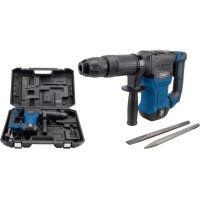
3. Scope of delivery (Fig. 1a)
A. Case
B. Demolition breaker
C. Maintenance tool
D. Carbon brushes
E. Flat chisel
F. Pointed chisel
4. Proper use
The electric tool is intended for heavy chiselling and demolition work.
The machine may only be used in the intended manner. Any use beyond this is improper. The user/operator, not the manufacturer, is responsible for damages or injuries of any type resulting from this.
Please note that our equipment was not designed with the intention of use for commercial or industrial purposes. We assume no guarantee if the device is used in commercial or industrial applications, or for equivalent work.
WARNING Read all safety information and instructions. Failure to observe safety information and instructions can result in electric shock, fire and/or serious injuries.
Save all warnings and instructions for future reference.
The term "electrical tool" used in the safety instructions refers to mains-powered electrical tools (with a mains cable) and battery-powered electrical tools (without a mains cable).
- Work area safety
a. Keep your work area clean and well-lit. Cluttered or dark areas invite accidents.
b. Do not operate power tools in explosive atmospheres, such as in the presence of flammable liquids, gases or dust. Power tools create sparks which may ignite the dust or fumes.
c. Keep children and other people away while using the electric tool. Distractions may cause you to lose control of the device.
- Electrical safety
a. Power tool plugs must match the outlet. Never modify the plug in any way. Do not use any adapter plugs with earthed (grounded) power tools. Unmodified plugs and matching outlets will reduce risk of electric shock.
b. Avoid body contact with earthed or grounded surfaces, such as pipes, radiators, ranges and refrigerators. There is an increased risk of electric shock if your body is earthed or grounded.
c. Do not expose power tools to rain or wet conditions. Water penetrating an electric device increases the risk of an electric shock.
d. Do not use the cable for another purpose, for example, carrying or hanging the power tool or pulling the plug out of the socket. Keep the cable away from heat, oil, sharp edges or moving device parts. Damaged or coiled cables increase the risk of an electric shock.
e. If you work with an electric tool outdoors, only use extension cables that are also suitable for outdoor use. Use of a cord suitable for outdoor use reduces the risk of electric shock.
f. If operating a power tool in a damp location is unavoidable, use a residual current device (RCD) protected supply. Use of an RCD reduces the risk of electric shock.
- Personal safety
a. Stay alert, watch what you are doing and use common sense when operating a power tool. Do not use an electric tool if you are tired or under the influence of drugs, alcohol or medication.
A moment of carelessness when using electrical tools can result in serious injuries.
b. Wear personal protective equipment and always safety goggles. Protective equipment such as a dust mask, non-skid safety shoes, safety helmet or hearing protection used for appropriate conditions will reduce personal injuries.
c. Prevent unintentional starting. Ensure the switch is in the off-position before connecting to power source and/or rechargeable battery, picking up or carrying the tool. Keeping your finger on the switch or having the device switched on when you connect it to the power supply may result in accidents.
d. Remove any adjusting tools or spanners/keys before turning the power tool on. A tool or spanner that is located in a rotating device part may result in injuries.
e. Avoid abnormal postures. Keep proper footing and balance at all times. This enables better control of the power tool in unexpected situations.
f. Wear suitable clothing. Do not wear loose clothing or jewellery. Keep hair, clothing and gloves away from moving parts. Loose clothes, jewellery or long hair can be caught in moving parts.
g. If dust extraction and collection devices can be mounted, make sure that they are connected and used properly. Use of dust extraction can reduce dust-related hazards.
h. Do not let familiarity gained from frequent use of tools allow you to become complacent and ignore tool safety principles. A careless action can cause severe injury within a fraction of a second.
- Power tool use and care
a. Do not overload the device. Use the correct power tool for your application. The correct power tool will do the job better and safer at the rate for which it was designed.
b. Do not use the power tool if the switch does not turn it on and off. Any power tool that cannot be controlled with the switch is dangerous and must be repaired.
c. Remove the plug from the socket and/or remove the battery before setting the device, changing accessories or putting the device away. Such preventive safety measures reduce the risk of starting the power tool accidentally.
d. Store idle power tools out of the reach of children and Do not let people use the device if they are not familiar with it or if they have not read these instructions. Power tools are dangerous in the hands of untrained users.
e. Maintain power tools. Check whether moving parts function properly and do not get stuck and whether parts are broken or are damaged and thus adversely affect the electric tool function. Have damaged parts repaired before using the device. Many accidents are caused by poorly maintained power tools.
f. Always keep your cutting tools sharp and clean. Properly maintained cutting tools with sharp cutting edges are less likely to bind and are easier to control.
g. Use the power tool, accessories and tool bits etc. in accordance with these instructions. Take into account the working conditions and the work to be performed. Use of the power tool for operations different from those intended could result in a hazardous situation.
h. Keep handles and grasping surfaces dry, clean and free from oil and grease. Slippery handles and grasping surfaces do not allow for safe handling and control of the tool in unexpected situations.
5. Service
a. Only have your power tool repaired by qualified specialists and only with original spare parts. This ensures that safety of the electric tool is maintained.
Safety instructions for hammers
- Wear hearing protection. Excessive noise can result in a loss of hearing.
- Use the additional handles provided with the device. Loss of control can lead to injuries.
- When performing work during which the tool attachment can meet with concealed power lines or its own mains cable, hold the device by the insulated gripping surfaces. Contact with a live wire may make exposed metal parts of the power tool live and could give the operator an electric shock.
WARNING! This power tool generates an electromagnetic field during operation. This field can impair active or passive medical implants under certain circumstances. In order to prevent the risk of serious or deadly injuries, we recommend that persons with medical implants consult with their physician and the manufacturer of the medical implant prior to operating the power tool.
Store the safety instructions safely.
Residual risks
Even when this electric tool is operated properly, residual risks still remain. The following hazards may arise in connection with the design and construction of this power tool:
- Lung damage if suitable dust protection mask is not worn.
- Hearing damage if suitable hearing protection is not worn.
- Damage to health resulting from hand/arm vibration if the device is used over an extended period of time or if it is not properly operated and maintained.
6. Technical data
Mains voltage 230 - 240 V~50 Hz
Power consumption 1300 W
Impact force 20 Joule
Number of impacts 4100 bpm
Tool receiver SDS-MAX
Protection class II
Weight 5.5kg
Danger!
Noise and vibration
The noise and vibration levels have been determined in accordance with EN 60745.
| Sound pressure level LpA | 96.0 dB |
| Uncertainty KpA | 2.81 dB |
| Sound power level LWA | 99.0 dB |
| Uncertainty KWA | 2.81 dB |
Wear hearing protection.
Excessive noise can result in a loss of hearing.
Total vibration emission values (vector sum of three directions) determined per EN 60745.
Chisel
Main handle:
Vibration emission value a_h, Cheq = 5.920 m/s Uncertainty = 1.5 m/s²
The vibration emission value specified has been measured in accordance with a standardised test procedure and may change depending on the type and manner in which the electric tool is used and may be above the specified value in exceptional cases.
The specified vibration emission value can be used to compare one electric tool with other.
The specified vibration emission value can also be used for an initial assessment of the impairment.
Keep the noise level and vibration to a minimum!
- Only use faultless devices.
- Maintain and clean the device at regular intervals.
- Adapt your working methods to the device.
- Do not overload the device.
- Have the device checked if necessary.
- Switch the device off if it is not in use.
- Wear gloves.
7. Unpacking
- Open the packaging and carefully remove the device.
- Remove the packaging material, as well as the packaging and transport safety devices (if present).
- Check whether the scope of delivery is complete.
- Check the device and accessory parts for transport damage. In the event of complaints the carrier must be informed immediately. Later claims will not be recognised.
- If possible, keep the packaging until the expiry of the warranty period.
- Familiarise yourself with the device by means of the operating manual before using for the first time.
- With accessories as well as wearing parts and replacement parts use only original parts. Spare parts can be obtained from your specialist dealer.
- When ordering please provide our article number as well as type and year of manufacture for your device.
WARNING!
The device and the packaging material are not children's toys! Do not let children play with plastic bags, films or small parts! There is a danger of choking or suffocating!
8. Before commissioning
Before connecting the machine, make certain that the data on the type plate matches with the mains power data.
Warning!
Always pull out the mains plug before carrying out adjustments on the device.
Check the deployment location for hidden electrical lines, gas pipes and water pipes using a cable detector.
Additional grip (Fig. 1)
For safety reasons, only use the hammer drill with the additional grip.
- The additional handle (8) allows the user additional hold when using the hammer drill.
- For safety reasons, it is not permitted to use the device without the additional handle (8). The additional handle (8) is fastened hammer drill through clamping.
- Turning the handle anti-clockwise (as seen from the handle) loosens the clamping.
- Turning the handle clockwise tightens the clamping.
- First, loosen the clamping of the additional handle. You can subsequently swivel the additional handle (8) into the working position that is most comfortable for you.
- Now turn the additional handle back in the opposite direction of rotation until the additional handle is firmly seated.
- Clean tool before use and lightly grease tool shaft with drill grease.
- Pull back the locking sleeve (1) and hold in place.
- Push the dust-free tool into the tool receiver up to the stop while rotating it. The tool will lock itself in place.
- Check the locking mechanism by pulling on the tool.
- Pull back the locking sleeve (1) and hold it in place and remove the tool.
Attention:
- Only work with low pressure when chiselling.
- Too much pressure puts unnecessary strain on the motor.
- Sharpen chisels in good time and replace if necessary.
Dusts from materials such as paint containing lead, some types of wood, minerals and metal can be harmful to health. Touching or inhaling the dust can cause allergic reactions and/or respiratory diseases in the user or persons in the vicinity.
Certain dusts such as oak or beech dust are considered carcinogenic, especially in combination with additives for wood treatment (chromate, wood preservatives). Material containing asbestos may only be processed by specialists.
- Make sure that the work area is well-ventilated.
- It is recommended to wear respirators with filter class P2.
Observe the regulations for the materials to be processed applicable in your country.
9. Operation
ATTENTION!
Always make sure the product is fully assembled before commissioning!
Danger!
In order to prevent a hazard, the machine may only be held by the two handles (6/8)!
Switching on: Unlock the locking switch (5) and press the on/off switch (4) to switch the motor on.
Switching off: Release on/off switch (4).
10. Electrical connection
The electrical motor installed is connected and ready for operation. The connection complies with the applicable VDE and DIN provisions.
The customer's mains connection as well as the extension cable used must also comply with these regulations.
Damaged electrical connection cable
The insulation on electrical connection cables is often damaged.
This may have the following causes:
- Pressure points, where connection cables are passed through windows or doors.
- Kinks where the connection cable has been improperly fastened or routed.
- Places where the connection cables have been cut due to being driven over.
Insulation damage due to being ripped out of the wall outlet.
- Cracks due to the insulation ageing.
Such damaged electrical connection cables must not be used and are life-threatening due to the insulation damage.
Check the electrical connection cables for damage regularly. Ensure that the connection cables are disconnecte d from electrical power when checking for damage.
Electrical connection cables must comply with the applicable VDE and DIN provisions. Only use connection cables with the designation H07RN-F.
The printing of the type designation on the connection cable is mandatory.
AC motor
- The mains voltage must be 230-240 V~.
- Extension cables up to 25m long must have a cross-section of 1.5mm^2
Connections and repair work on the electrical equipment may only be carried out by electricians.
Please provide the following information in the event of any enquiries:
Data of machine type plate
11. Maintenance
Warning! Pull out the mains plug before carrying out any setting, servicing or repair work!
General maintenance tasks
- Keep protective devices, air vents and the motor housing as free of dust and dirt as possible. Rub the device clean with a clean cloth or blow it off with compressed air at low pressure.
- We recommend that you clean the device directly after every use.
- Clean the device at regular intervals using a damp cloth and a little soft soap. Do not use any cleaning products or solvents; they could attack the plastic parts of the device. Make sure that no water can penetrate the device interior.
- All moving parts must be re-lubricated periodically!
Lubrication (Fig. 4 + 5)
This tool does not need to be greased hourly or daily because it has a grease-lubricated lubrication system. However, for a longer tool life, the lubricant should be replaced after 40-50 hours.
-
Run the tool for a few minutes to warm it up.
-
Switch off the tool and unplug the plug.
- Open the cover (3) using the maintenance tool (C) provided.
- Wipe out the old grease on the inside and replace it with new grease (20-30 g) (not included in scope of delivery). (Fig. 5)
- Afterwards, close the cover (3) again.
Carbon brushes
- If excessive sparks are formed, have an electrician check the carbon brushes. Attention! The carbon brushes must only be replaced by an electrician.
With this product, it is necessary to note that the following parts are subject to natural or usage-related wear, or that the following parts are required as consumables.
Wearing parts*: Carbon brushes, chisel
- may not be included in the scope of delivery!
Spare parts and accessories can be obtained from our Service Centre. To do this, scan the QR code on the front page.
Ordering spare parts
Please provide the following information when ordering spare parts (via the service hotline):
Device type
Device article number (can be found on the packaging or in the instructions)
12. Cleaning
12.1 Cleaning
Keep protective devices, air vents and the motor housing as free of dust and dirt as possible. We recommend cleaning the device directly after every use.
12.1.1 Exterior cleaning
- Clean the device at regular intervals using a damp cloth and a little soft soap.
- Do not use cleaning agents or solvents. These could damage the plastic parts of the device.
- Make sure that no water can penetrate the device interior.
13. Storage
Store the device and its accessories in a dark, dry and frost-free place that is inaccessible to children. The optimum storage temperature is between 5 and 30^ .
Store the power tool in its original packaging.
Cover the power tool to protect it from dust or moisture.
Store the operating manual with the power tool.
14. Disposal and recycling
Notes for packaging


The packaging materials are recyclable. Please dispose of packaging in an environmentally friendly manner.
Notes on the electrical and electronic equipment act (ElektroG)
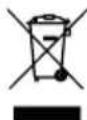
Waste electrical and electronic equipment does not belong in household waste, but must be collected and disposed of separately!
- Used batteries or rechargeable batteries that are not installed permanently in the old device must be removed non-destructively before disposal! Their disposal is regulated by the battery act.
- Owners or users of electrical and electronic devices are legally obliged to return them after use.
- The end user is responsible for deleting their personal data from the old device being disposed of!
- The symbol of the crossed-out dustbin means that waste electrical and electronic equipment must not be disposed of with household waste.
-
Waste electrical and electronic equipment can be handed in free of charge at the following places:
-
Public disposal or collection points (e.g. municipal works yards).
- Points of sale of electrical appliances (stationary and online), provided that dealers are obliged to take them back or offer to do so voluntarily.
-
Up to three waste electrical devices per type of device, with an edge length of no more than 25 centimetres, can be returned free of charge to the manufacturer without prior purchase of a new device from the manufacturer or taken to another authorised collection point in your vicinity.
Further supplementary take-back conditions of the manufacturers and distributors can be obtained from the respective customer service.
-
If the manufacturer delivers a new electrical device to a private household, the manufacturer can arrange for the free collection of the old electrical device upon request from the end user. Please contact the manufacturer's customer service for this.
-
These statements only apply to devices installed and sold in the countries of the European Union and which are subject to the European Directive 2012/19/EU. In countries outside the European Union, different regulations may apply to the disposal of waste electrical and electronic equipment.
15. Troubleshooting
The following table shows fault symptoms and describes remedial measures in the event of your machine failing to work properly. If you cannot localise and rectify the problem with this, please contact your service workshop.
| Fault Possible cause Remedy |
| Engine does not start | Mains fuse blown Check mains fuse | |
| Extension lead defective Replace extension lead |
| Connection to the motor or switch not OK Have this checked by an electrician |
| Engine or switch faulty Have this checked by an electrician |
| Carbon brushes defective Have this checked by an electrician |
| Motor not supplying power, fuse tripping | Cross section of the extension cable insufficient | see Electrical connection |
| Overload Check tool | |
| Electrical system defect Have this checked by an electrician |
Supporto attrezzo SDS-MAX
Günzburger Straße 69
D-89335 Ichenhausen
Vázenzý zákaznik,
Dodatna rucka (sl. 1)
Günzburger Straße 69
D-89335 Ichenhausen, Tyskland
Kare kunde
for lignende maskiner, overholds.
Günzburger Straße 69
D-89335 Ichenhausen, TepmaHnA
YBaKaemn KIneHTn,
KeJaem Bn MHO npraTHN MOMHTN uCyHexn npn pa-botata c Baunr HOB ypeI.
Yka3aHHe:
CbIaCHO DeIcTBaUIN 3aKOH 3a npOdykTOBata OTROBOPHOCT, npoI3BOIDNTeIANT Ha To3n ypeI He HocN OTROBOPHOCT 3a UeTI, Bb3HNIKHJI NIO INI INopaN To3n ypeI, npi:
- HenpaBnHNo 6opabeHe
- Hecna3BaHe Ha pbKOBoDCTBOTO 3a yNtpe6a
PemOHn OT HeynbHOMOeHN CneuaJIInCTN, YBaBauIu Ce TpeTJNua
- MoNTaIX IIOdMaHa Ha He opuHnHaHn pe3epBHN Yactn
- YnOTope6a He no npEpaHa3HaueHHe
- OTka3 Ha eJektpnueckata nHctaJaun npn Hecnaa3BaHe Ha npednncanra 3a pa6oTa c eJektpnuecTBOn pa3npope6nte Ha VDE 0100, DIN 57113/VDE 0113
B3emTe noD BHMaHHe:
Ppei MoHTaKa i NyckaHeTo B EeknloaTaunia npoYeTe Te cIeNra TeKCT Ha pbKOBoDcTBOTO 3a yNoTpe6a.
Lceta HbToba pKOBODCTBO 3a ynoTpe6a e da Bn yneCn npn 3ano3HabHeTo C Baun ypeu n n3no3BaHeTo Ha HeOBITE Bb3MOXHOCTn 3a ynoTpe6a cbrnaCHO npedNncaHra.
PbkoBODCTBOTO 3a ynoTpe6a CbDbpka BaxKn yka3aHnOTHOCHO 6e3oNacHATA, npabunHata NIKOHMOHHTApa-60ta cype4, n36raBaHTo HA onaCHOCTN, cneTBAHeTO Ha pa3xoOn 3a peMOHT, HamaJRAHTo HA BpeMeHaTaHa npctoN uYBeNnuBaHTo HA naEckdHocTTa Nek-nloaTuONHHN JKBOT HA eNEKTPnueCKN INCHpymENT. B DonbJIHeHne KbM yka3aHnHTa 3a 6e3oNaCHOCT B TOBaPbKOBOCTBO 3a ynoTpe6a, 3aIbJXnTeHNO Tp8Ba DaCna3BaTe OTHACrUHTe Ce Do EKCnNoaTaUNrTa Ha ypeDa npedncaHn BB BaWata ctpHa.
CbxpaHraBaIte pbKOBOCTBOTO 3a ynoTpe6a npn ypeda, 3aunTeHO OT 3ambpcraBaHe n Bnara B nnaCTmacoBa TOp- 6nuKa. To Tp86Ba Da 6bJe npOyeTeHO n BHmATEeHNo cna3BaHO OT BCEKN onepApTo npEn 3anOuBaHe Ha pa6ota.
C ypeda morat da pa6otr cmo nua, KOtO ca HCTpykTnpaHn OTHOcH Oyntpe6aTa Ha ypeDa n ca 3ano3-HaTHn CbC CBp3aHNTe C TOBa ONaCHOCTN.
U3nCKBaHaTa MmHmAlHa Bb3pact Tpr6Ba Da ce cna3Ba.
OcbEN cbIbpxkaunTe ce b TOBA pKOBODCTBO 3a yno- Tpe6a yka3aHnra 3a 6e3oNaChocT n CneuAnHnTe pa3- npoeBn BvB Baata cTpHa, npn pa6oTaT a mAsHHn Tpr6Ba da ce cna3Bat n O6UOpn3HaTnTe npabnHa H TeXnKaT.
He noemame OTROBOPHOCT 3a 3IonoIyKn IINu IeTu, Bb3-HNKhaJIi Nopadn HeCna3BaHe Ha TOBa pKOBODCTBO INHa yKa3aHnraTa 3a 6e3oNaCHOCT.
2. OnscaHne Ha ypeDa (Onr. 1)
- 3aknoubaa Btynka
- 3aunta ot npax
- Kanak
4.превкюваTeJЗвкючBaHe /ИЗКЮчВaHe
- BLOKIPAHpeKBcBa
- PbKoXBaTka
7.Мржов ka6eN
8.ДоньнHTeJIHа pБКoxВaTKa
3. Osem Ha doctaKaTa (Φn.r. 1a)
A. Kydpap
B. KbpTaU
C. INHcTpymeHT3a noDpBxka
D. rpaΦnTHn ηeTkn
E.Пиocкдпeto
F. Shino
4. Ynotpe6a no npedHa3HaueHne
EneKtpnuecknT INCTpyMeHT e npedHa3NaueH 3a TeKK pa6oTu No o6pa6oTbaHe cDNeTo N KbPteHe.
MaunHaTAMoKeJa cE n3no3Ba cAmO cbrnaCHO HeHnHO npedHa3NaHeHne. BcKa pa3nuaBaCa ce OT ToBa yNoTe6a He e no npedHa3NaHeHne. 3a BcKaKbB Bd npOn3TuHaaOn OT ToBa UeTN HapAnBaHN OTOBOPHOCT HOCN NOpe6ntJrT/onepaTopbT, a He npOn3BODHTeJIrT.
MOnr, o6bphTe BnHMaHne, ye Haunte ypeNi He ca KOHCTpyuPAHn C npEHa3HaueHne 3a TbproBcKa, npo- pecnoHaJIHa nI IpnOMnJleHa yNoTpe6a. He noeMaMe rapaHcN, aKO ypeBt Ce n3PON3Ba B TbproBcK, 3aHa- tynckn nI npOMnJIeHn npednpraTna, KaTOn n npi paBHocnHn DeHOCn.
5. Baxhny yka3aHnA
O6u yka3aHn 3a 6e3oNaChocT 3a eNeKtpnueckn HnCTpyMeHTn
PNEUYPEXKDEHNE IpOoTeTe BCNUKyka3AHN NnHCTpykCn 3a 6e30nacHOCT. PpOnyckn npn cna3-BAHeTo Ha yka3aHnIa 3a 6e30nacHOCT n HnCTpykCnITe MORAT Da DOBeDaT Do TOKOB Ydap, NOXAP n/nn TeKKN HapaHbAHN.
3ana3e TBCnKyka3aHna 3a6e3oNaHocT nHCTpykun 3a 6bdeu cnpaBkn.
I3noJ3BaHOTo B yka3aHnraTa 3a 6e3onacHOCT noHrTne "eJIeKTPnueCKn IHCTpyMeHT" ce OTHacrdo 3axpaHbAHn OT MPexkata eJIeKTPnueCKn IHCTpyMeHTn (C MPeKOB Ka6en) n do 3axpaHbAHn C akymyNatop eJIeKTPnueCKn IHCTpyMeHTn (6e3 MPeKOB Ka6en).
- Be3onachocHT ha pa6oTHOTo MrcTo
a. NopdIbpxaIte pa6oTHOTcMЯCTO yHCTO ndo6pe oCBeTeHO. Be3npaIbKbT IJIH HeOCBeteHHTe pa6oTHN MecTa MORaT Da DOBeDaT Do 3No-NOJyKn.
b. He pa6oTe c eJeKtpnueckn HNCTpyMeH TBB B3pNbBOONacha Cpea, B KOrTO mA 3anaJIIMn TeuHocTn, ra3OBe nI npaxObe. EJeKtpnueckn-Te IHCTpyMeHTN cb3dAbat NCKpn, KOnTO MOraT da BB3nJaMeHr npaxa nn napute.
c.ДрьжTe Deca npyrN mua daJeu no BpeMe Ha 3nOJ3BaHeTo Ha eNeKtpnueckn HnCTpyMeH. Ppu pa3ceBbHe MoKeTe Da n3ry6nte KOHTpon Bbpx ypeDa.
- Bezonachoct npa6oTa c eneKtpnueckn TOK
a. ΜεncelbHa eNeKtpnueckn HnCTpymEnT py6Ba Da OTROBapHa KOHTaKa. ΜεncelbHe 6NBa Da ce npomeH no HnKaKBn Haunn. He n3noJ3BaTe aadantepHn ΜeNCEJI 3aeDHO cbc3a3eMeHn eNeKtpnueckn HnCTpymEnH. Henpo-MeHn ΜeNCEI N NOxOJaI KONTAKTN HaMaJIBAt PnCKa OT TokOB yAp.
b. 1368BaTe TeeneH KOHTaK TcBc 3a3eMeHN NOBbpxHOCTN KATO TpB6n, OTONNTENH ypeDN, cyphN xnaDnHnC. CbueCTByBa NOBwEH pCK OT TOKOB ydap, Korato TAnoTo Bn e 3a3eMeHO.
c. Na3eTe eNEKtpnuecknTe nHCTpyMeHTN OT bXkD n Bnara. IpoHnKBaHeTo Ha BOda B eNEKtpnuecknYpeD yBelenuBa pUcKa OT TOKOB yIap.
d. He n3noJ3BaIte Ka6eHa He no npedHa3NaYe Hne, 3a HocHe nn 3aKaUaHe Ha eNeKtpnueckn HnCTpyMeHT nn 3a N3DbpNbAe Ha 9enCeHa ot KOHTa. Na3eTe Ka6eHa ot RopeuHa, MacNo, OCTpn p6oBe nn DBNXeUs Ce Yactn Ha ypeHa. NobpeHn nn ycKaHn Ka6eN yBENHuaBt PnCKa OT TKOB yIap.
e. Korato pa6oTnte c eIeKtpnueckn HNcTpyment Ha OTkpTO, n3noJ3BaIte camo ydbJXHTenHn Ka6eHN, KOINTO cbIoo ca noDxOJaUN 3a yNOTpe6a Ha OTkpTO. I3noJ3BaHeTo Ha noDxOJaUN 3a yNOTpe6a Ha OTkpTO ydbJXHTeEN Ka6eHN HamaJIraBa pUCKA OT TOKOB yIap.
f. Korato ynoTpe6aTa Ha eNeKtpnueckn HnCTpyMeHT BbB BnaXHa CpeDa He MoKe Da 6bDe n3-6erHata, N3NoJ3BaNte DeΦeKTHOTOKOBA 3aun-Ta. N3NoJ3BaHeto Ha DeΦeKTHOTOKOBA 3aunTaHAMajraBa pNcKa OT TKOB yap.
- Be3onachocT ha xopata
a.БbTe BnMaTeJHn,O6pTaAte BnMaHne Ha TOBa,KoTo npaBHe,N NOxoxJaTe pa3ymHO KbM pa60TaTc eNeKtpueeCKn HnCTpyMeHT.He n3No3BaTe NnCTpyMeHT,ako cTe ymopeHn nn NoBnHaHnEto Ha HApKOTnCn,AnKoxonnn MeKnAmEtH.NmOeHT HeBnHaHne npu n3-NOJ3BaHeTO Ha eNeKtpueeCKn HnCTpyMeHT MoKe Da DOBeDe Do cepno3HN HapaHraBaHn.
b. Hocete IuHn npEdna3n CpeDCTBa n BuHaH 3aHTnO uHa. HocHeTo Ha IuHn npEdna3n CpeDCTBa, KaTO npOTNBOpaxoBa MACKa, npEdna3H N obyBKn, KOITo He ce XNb3raT, npEdna3Ha Kacka INN 3auntTa 3a cnyxa, cnopeD Bua n ynoTppe6ata Ha eIeKTPueckn HnCTpyMeHT, HamaJIba pUcKa OT HapaHBAHn.
c. 368BaTe HeBOJHO BKNIOUBAHe. YBepTe ce, Ye eNekTpuecknT HNCTpyMeH Te N3KIOUeH, npei Da rO CBbPKeTe KbM eNekTpOaXpaHba-HeTo H/nn aKymyIaTopa, npei Da rO B3EmTe HIN HOChTE. Ako npHocHeTo Ha eNekTpN-yeCKnY INCHtpMeHT DbPxNTe PpCTa CN BbpxY npeKbCBaHa HIn CBbPKeTe KbM eNekTpOaXpaHBaHETo BKNIOUeH ypei, TOBa MoXe Da DoBeDe Do 3NONOlyKn.
d. OTeTpaHete HNCTpyMeHTte 3a HAcTpoKa nIraeHuHTe KIOUOBe, Ipei Da BKNHOuTe eEnKTpueckn HNCTpyMeHT. INCTpyMeHT nI KIOU, HamipaS CE BB BbPTa ca ce yact OT ypeDa, MoKe da DOBeDe Do HapaHaBaHna.
e. N36yBaIte HnnpaBnHa cToIka Ha TAnoto. Ocnypete cn cTa6nJen cToexn noCToHNo na3ePaBHOBeCne. Taka MoKeTe Da KOHTpOJIpaTep eNeKtpnueckn nHcTpymEn Tno-dO6pe npn HeoayKaBAHN CNTyaUIN.
f. Hocete noDxOaHo 6nEKn. He Hocete nIpOKn dpexn nn HaKNTn. DpbXte Kocata, 6neKNoTo npKaBnCHTe cn daJeY OT DBNXeUnc ce Yactn. WipOKn dpexn, HAKNTn nn DbNtN KOcN MORat Da 6bDat 3axBaHaTn OT DBNXeUnc ce Yactn.
g. Korato Morat Da 6bDaT MOHTnpaHn npaxo3-CmykBaun n npaxoynaBau ycToCTBa, yBepeTe ce, ye Te ca Cbbp3aHn n ce n3no3BaT npabuHNo. N3noN3BaHeto Ha npaxoN3CMyKbaUO ycToIcTO BO MoKe Da HamaN BpeDnte 3a 3dpabeTo npaDi npax.
h.He ce noDaBaTe Ha faJImBOTO yBCTBO 3a 6e3onacnoct H He npene6perBaTe npabnata 3a 6e3onacnoct npaPbota c eJeKtpueckn- Te HHcTpyMeHTN, DOpN aKO cNeD MHOROKpaTHata NM yNotpe6a MncnTe Ye rN NO3Habate Do6pe. He6pexKnTe DeiCTBnMOrat Da IOBeDat DO TeKKn TeJIeCHN NOBpeDN B paMKte Ha qactN OT CEkyHdaTa.
- Ynotpe6a n 6opabeHe c eIeKtpueckn HNCTpyMeHT
a. He npetobapbaite ypeia. N3noJ3BaIte noDxOJaun 3a Baawata pa6ota eNeKtpnueckn HnCTpyMeNT. C NOxOJaun eNeKtpnueckn HnCTpyMeNT pa6oTne no-dO6pe n no-CnrypHo B dIana30Ha Ha pa6oTHnte My xapaKTepnCTKN.
b. He n3noJ3BaIte eJektpueeckn HNCTpyMeHT, NInTo npekbcBau e nobpeDen. EJektpueeckn INHCTpyMeHT, KOJTO He MoKe Da CE BKNIOUBA INN IN3- KInOuBa, e OnaCeH IN Tp6Ba Da 6bJe peMOHTnpaH.
c. 3BaTe 6eCeta OKTaHa/Inn H3BaTe aKymyIaTopa, PpeN Da n3BbPwBaTe HAcTpoKn No ypeDa, Da CMeHrte PrnHaIeXHoCTn INn Da OCTaBnte ypeDa HAcTpaH. Ta3n MApKa 3a 6e3oNaCHOCT PpeDToBpTaRa HeymuJeHOTo BKIOUBAHe Ha IHCTpyMeHTa.
d. CbXpaHbAte He3no3BaHtE eJektpueckn HNCTpyMeHTHa HeoocTbHNo 3a Deua Mxcto. He octabYte ypeDa da 6bJe n3no3BaH ot Nua, KOnTo He ca 3ano3HaTu c ypeDa nn He ca npOeHn HactoIHTe HNCTpyKcHn. EJektpueCKITE INCHPTyMeHTu ca Onachn, aKO ce n3no3BAt OT HeONITH JInca.
e. IopdIbpxaIte eJektpnuecknte nHcTpymEnIrpnxNBO.IpoBepraBeTe daNN DBNXeUITEce qactn yHKNUOHnpaT 6e3ynpueHNOHe 3aJxDaT,daNN Hma cHyneH Nn TaKa NOpeHn qactn, ye da HapuBaT yHKNUOHpAneto Ha eJektpnueckn HNCTpyMeH.T NobpeHnTe qactn cJeDbA da 6bDat pemOHnpaHn npen H3NoJ3BaHeTo Ha ypeHa.MHOrO 3noJOnyKn ca npuHHeHOT NoIoo NOpIbpxKaHn eJektpnueckn IHCTpyMeHTN.
f. PndbpxaTe Baunte pexeu HnctpymeHTn HatoeHN u nCTn. rpnKnBO noDbpxaHNTe pekeu INcTpyMeHTN C oCtpr pekeu p6oBe ce 3aknnHBat NO-MaIKO u Ce BOJr TNo-JeCHO.
g.ИЗнOL3BaIte eJekTpueckn INHCTpymeHT, npiHaJIeXHOCTNTE,pa6OTHNTe INHCTpyMeHTn T.H.CbIJaCHO HAcTOraIte INHCTpyKcIu.IpnTOBaB3emaTe NOd BHNMaHne ycNoBnTa Ha pa6o-Ta I DeIcTBHeTo,KoETo Tpr6Ba Da ce N3BbP.1u.NOTpe6aTa Ha eJekTpueckn INHCTpyMeHTn 3a pa3NIuHr OT pPeBnDEHnTe npINIOKeHn MoKe da DOBeDe Do ONaCHN CNTyaCUn.
h. Na3eTe DpbKNTe N TexHtE NOBbpxHOCTn cyxN, uCTn n 6e3 MacNo n rpec. Xlb3raBNTe dpbKNI TexHtE NOBbpxHOCTn He No3BOJRABat 6e3onacha pa6ota n KOHTpOHa eJIeKTPnueckna INCHTpymeHT B HEnpeDbUdEnn CNTyaucn.
5. CepBn3
a. Bb3jaraTe peMOHTn no Baunr eJektpueeckn HhctpymeHcMo Ha KbaNfNpuHn CneuNaHCTn cAmO cOpRHaJIHn pe3epBHN qactn. Taka ce rapaHTnpa, ye 6e3oNAchocCTTa ha eJektpueeckn HhctpymeHt ue ce 3ana3n.
Yka3aHnna 3a 6e3oNaCHOCT 3a KbptauN
-Дрьхteуpeda3aи0nnpaHnte NOBbpxhocTn 3a XBaUaHe, KOrato n3BbPWBate pa6OTn, npN KOnto pa6OTHnIHTNcTpymeHT MoKe Da 3acERHe cKpTN eNEKTPnuEckn npOBODHnIuN Co6CTBeHnMpeXOB Ka6eN. KOHTaKTbT C npOBODHnK NOD HAnpeXeHne MoKe Da NoCTaBn Nod HAnpeXeHne CbUO IN MeTaJIHn YactN OT ypeDa I Da DOBeDe Do TOKOB yap.
PPEUYPEXKDEHNE! No Bpeme Ha ekcnnoataa TOne eNektpueckn IHCTpyMeHT cb3daBa eNektpoMaHTHO NOE. Pn OnpedeJeH yCNOBra TOBA noIe MOKe Da HApUH FyHKuOHnPAHeTo Ha AKTNBH Nn NaCBHN MeuHcN Kn MMnAHTN. 3a Da Ce HAmnn ONaCHOCTTA OT cepNo3H Nn CMbPTOHOChn HapAHBaH N, npenopbYBaMe Ha Nua C MeDuHCKN MMnAHTN Da Ce KOHCytnpaT cbc CBOr Jekap n C npOn3BoDnteJr Ha MeuHcNckn IMnAHT, Ppei eNektpuecknT INHCTpyMeHT da 6bde n3NOJ3BaH.
CbxaHraBaIte Do6pe Te3n yka3aHna 3a 6e3oNaCHocT.
OcTaTbUHn pNCKOBe
Dopn KORATO n3noJ3BaTe To3n eNeKtpnueckn HCTpymEnT CbIaCHO npedncaHnra, BnHaN OCTaBaT OCTaBHyn PnCKOBe. B 3aBNCIMoCT OT KOHCTpyKzraTa N3nbHeHHeTo Ha To3n eNeKtpnueckn HHCTpymEnT, MORaT Da Bb3HNKHAT CJeDHnTe OnacHOCTN:
- YbpeKdane Ha 6eInte dpo6oBe, aKe He ce Hocn noXOdaa npaxo3aunTHa Macka.
- YBpeKdane Ha cnIyxa, aKO He ce Hocn noDxoJua 3aunTa 3a cnIyxa.
- YbpejdaHnHa 3dpabeto B pe3yIaT Ha Bn6paunnDnAH-pbKa, aKO ypeDbT ce n3no3Ba npoDbJnxTeHnHO Bpeme nn He ce Haprabna Ba nn noDtbPxa npabuHNo.
6. TexHnueckn daHHN
MpekoBo HappeKeHne 230-240V\~50Hz
PoiIbpxaIe IJeTaBnHaHn Do6pe 3aToueHn.
BhimaHne:
- Пдн КртЕе радOTe само слК нанck.
- PpekaJIeHO rJAM HaTnCK HaTOBapBa N3JIuSHo DBNrataTeN.
3aToUBaIte dIeTaTc CBoeBpeMeHHO n npn Huykda mIOJIMHeYTe.
N3cMyKBaHe Ha npax/cTpwxkN
PpaxbT OT MaTePNaJI KATO 6oHa ONoBHa OCHOBa, HAnKo BnOBe DbPBO, MnHepaJI N MeTaI MoKe Da 6bDeBpeDeH 3a 3dpabeto. OkocbaHeTo IIn BmUbaHToHa npaxa MoKe Da npuHH aNeprHuH peakun n/nnPecnnpaTopHn 3a6oJIbAHn Ha Notpe6nteJn HaMnpaHTe Ce HaOKONO Xopa.
HЯко npaxObe, kato npax ot Дьб ИИ 6yK, ce cHTaT 3a KaHcEporeHHN, Oco6eHo B KOMbHaCnA Cdo6aBKn 3a obpa60Ka HaДьpBeCnHa (xPOMaT, KOHcEpBaHTn 3a DpbBeCnHa).MATEpnaJIbT, cbIbpxka a36eCT, morat da ce obpa60TBa TcMo OT CneuNaJInCTn.
- OcnHypeTe Do6pa BeHTnlaunHa pa6oTHOT MoCTO.
- PpenopbUba ce da ce Hocn pecnPapTopHa macka c cnTbp KnaC P2.
Cb6nDabAte DeiCTBaunTe BB BaWata cTpaHa npedncaHna 3a o6pa6oTBaHnte MaTePnAn.
9.ObcnyXBaHe
BHIMAHHE!
Ppei nycKaHeTo B eKcnNoatauia 3aIbJxNtEnHo crno6eTe HanbJnHO npOdykTa!
Onachoct!
3a da ce n36erHe onachocT, MaunHaTa Tp8Ba da ce Dbpkn caMo 3a dBeTe dpBxxk (6/8)!
BknOuBaHe: Ocbo6oTe 6nokpaun npekbcBau (5) n3aDenCTBaIte npebKIOUbaTeTn 3a BKnIOUbaHe/N3KIOUBAHe (4), 3a da BKnIOUHTe DnIraTeTn.
N3KIIIOUBaHe: Nychete npebKIOUbaTeJra 3a BkIOUBaHe/ N3KIOUBaHe (4).
10.ЕнектprчecкoccBbр3BaHe
MOHTnpaHnT eNeKtpoDBrAteJe cCBbp3aH B rOtOBHOCT 3a ekCnIooatau. CbBp3BaHeTo OTROBapHa npINOxHMTe pa3nope6n Ha VDE n DIN.
MpexKOBOTO CBbP3BaHe OT CtpaHa Ha KIneHTa, KaKTo Nn3NON3BaHrT yDbJnxBaau Ka6eI, Tpr6Ba daOTROBaprT Ha Te3n npeDnncAHn.
Pobpehen Cbbp3BaueeKtpnueecknpoBOdHnK
Ibcbp3Baunte eJektpueeckn npoBoHnCn YecTo Bb3HKBaT NOBpeDN B nOlaqyraTa.
PnunHn 3a ToBa MoRa Tda 6bDaT:
ToKn Ha npNTsKaHe, KoraTo Cbbp3BaunTe npoBODHnCa npokapAn npe3 npouen Ha npo3Opu nnBpaTn.
TocknHa npertBaHe npaHn HnpabHnHO 3akpenBa-He nI npokapBaHe Ha Cbbp3Baun npoBOdNk.
- Mecta Ha npep3BaHe npaDi npera3BaHe Ha cBbP3BaUHn pOBOdHnK.
-ПовpeиВИЗолациЯТапорадиДьрnaHe OT CTeHHNkoHTaKT.
- PnykhatuHn npaDn cTapeeHe Ha n3oJaunraTa.
TaknBa deeKTHn CBbp3Baun eJektpueckn npoBODHn He 6nBa da ce n3non3Bat n nopadn nobpeedeHaTa n3Olaauna ca onaChn 3a XNBOTA.
PeNoBHO npOBepaBaIte 3a NOpeDN CBbp3BaUHTe eJeKtpnueckn npOBODHn. BnImaBaIte 3a TOBA, npu npOBepKaTa CBbp3BaUNT npOBODNk Da He e Cbbp3aH KbM eJeKtpnueckaTa MpeXa.
Cbpb3BaunTe eNeKtpnueckn npoBOHnU Tp86Ba da OTROBAPrT Ha npINOxIMnte pa3npoe6n Ha VDE n DIN. 3no3BaIte cAmO CBpb3Baun npoBOHnU C o6o3Ha-ueHe H07RN-F.
Otnpeatbahe Ha TINOBOTO 6o3HaueHne Bbpxy Cbbp3BaunKa6eJ e 3aBnKntenHO npedncaHne.
Standard references:
EN 62841-1:2015+A11:2022; EN IEC 62841-2-6:2020+A11:2020; EN IEC 55014-1:2021; EN IEC 55014-2:2021
EN IEC 61000-3-2;2019+A1:2021; EN 61000-3-3:2013+A1:2019+A2:2021
This declaration of conformity is issued under the sole responsibility of the manufacturer.
The object of the declaration described above fulfils the regulations of the directive 2011/65/EU of the European Parliament and Council from 8th June 2011, on the restriction of the use of certain hazardous substances in electrical and electronic equipment.
Subject to change without notice
Documents registrar: Niklas Schiele
Günzburger Str. 69, D-89335 Ichenhausen
Article name: DEMOLITION HAMMER - AB1500X
Annex IV Notified Body: Notified Body No.: Certificate No.:
| X | 2000/14/EG_2005/88/EG |
| X | Noise: measured LWA=97 dB; guaranteed LWA=99 dB
Notified Body: Via Ca' Bella 243- Loc. Castello di Serravalle
40053 Valsamoggia (BO)
Notified Body No.:1282 |
| X | Annex V |
| X | Annex VI |
| 2016/1628/EU |
| Emission. No: |
Standard references:
EN 62841-1:2015+A11:2022; EN IEC 62841-2-6:2020+A11:2020; EN IEC 55014-1:2021; EN IEC 55014-2:2021
EN IEC 61000-3-2;2019+A1:2021; EN 61000-3-3:2013+A1:2019+A2:2021
This declaration of conformity is issued under the sole responsibility of the manufacturer.
The object of the declaration described above fulfils the regulations of the directive 2011/65/EU of the European Parliament and Council from 8th June 2011, on the restriction of the use of certain hazardous substances in electrical and electronic equipment.
Subject to change without notice
Documents registrar: Niklas Schiele
Günzburger Str. 69, D-89335 Ichenhausen
Article name: DEMOLITION HAMMER - AB1500X
Standard references:
EN 62841-1:2015+A11:2022; EN IEC 62841-2-6:2020+A11:2020; EN IEC 55014-1:2021; EN IEC 55014-2:2021
EN IEC 61000-3-2;2019+A1:2021; EN 61000-3-3:2013+A1:2019+A2:2021
This declaration of conformity is issued under the sole responsibility of the manufacturer.
The object of the declaration described above fulfils the regulations of the directive 2011/65/EU of the European Parliament and Council from 8th June 2011, on the restriction of the use of certain hazardous substances in electrical and electronic equipment.
Subject to change without notice
Documents registrar: Niklas Schiele
Günzburger Str. 69, D-89335 Ichenhausen
AB uygunluk beyani
Scheppach GmbH, Günzburger Str. 69, D-89335 Ichenhausen
| DE | erklärt folgende Konformität gemäß EU-Richtlinien und Normen für den Artikel | RO | declară următoarea conformitate corespunțător directivelori si normelor UE pentru articolul |
| GB | hereby declares the following conformity under the EU Directive and standards for the following article | GR | δηλώνει τήν ακόλουθη συμύρφωση σύμφωνα με τήν Εδη-γία EE και πρότιπα γία το προίόν |
| BG | dekapirpa cboTBeTHOTO cboTBeTCTBnE cblnacHo Ди-pek-ТиBa Na EC и Норми за-apтikuŋ | TR | Burada açıklanan urünün geleçter liyonetmeliklere ve standart-lara uygun oldugunu tamamen kendi sorumluluğumuz altinda beman ediyoruz. |
| RS | potvrduje sledeću usklaDENost prema smenicama EZ i norma ma za artikal | | |
Article name: DEMOLITION HAMMER - AB1500X
Urun Tanim: KIRMA ÇEKICI -AB1500X
Standard references:
EN 62841-1:2015+A11:2022; EN IEC 62841-2-6:2020+A11:2020; EN IEC 55014-1:2021; EN IEC 55014-2:2021
EN IEC 61000-3-2:2019+A1:2021; EN 61000-3-3:2013+A1:2019+A2:2021
This declaration of conformity is issued under the sole responsibility of the manufacturer.
The object of the declaration described above fulfils the regulations of the directive 2011/65/EU of the European Parliament and Council from 8th June 2011, on the restriction of the use of certain hazardous substances in electrical and electronic equipment.
Subject to change without notice
Documents registrar: Niklas Schiele
Günzburger Str. 69, D-89335 Ichenhausen
Garantie DE
Apparent defects must be notified within 8 days from the receipt of the goods. Otherwise, the buyer loses its rights of claim due to such defects are invalidated. We guarantee for our machines in case of proper treatment for the time of the statutory warranty period from delivery in such a way that we replace any machine part free of charge which provably becomes unusable due to faulty material or defects of fabrication within such period of time. With respect to parts not manufactured by us we only warrant insofar as we are entitled to warranty claims against the upstream suppliers. The costs for the installation of the new parts shall be borne by the buyer. The cancellation of sale or the reduction of purchase price as well as any other claims for damages shall be excluded.
Garantie FR
Apparent defects must be notified within 8 days from the receipt of the goods. Otherwise, the buyer's rights of claim due to such defects are invalidated. We guarantee for our machines in case of proper treatment for the time of the statutory warranty period from delivery in such a way that we replace any machine part free of charge which provably becomes unusable due to faulty material or defects of fabrication within such period of time. With respect to parts not manufactured by us we only warrant insofar as we are entitled to warranty claims against the upstream suppliers. The costs for the installation of the new parts shall be borne by the buyer. The cancellation of sale or the reduction of purchase price as well as any other claims for damages shall be excluded.
Záruka CZ
Apparent defects must be notified within 8 days from the receipt of the goods. Otherwise, the buyer is rights of claim due to such defects are invalidated. We guarantee for our machines in case of proper treatment for the time of the statutory warranty period from delivery in such a way that we replace any machine part free of charge which provably becomes unusable due to faulty material or defects of fabrication within such period of time. With respect to parts not manufactured by us we only warrant insofar as we are entitled to warranty claims against the upstream suppliers. The costs for the installation of the new parts shall be borne by the buyer. The cancellation of sale or the reduction of purchase price as well as any other claims for damages shall be excluded.
Garanti EE
Apparent defects must be notified within 8 days from the receipt of the goods. Otherwise, the buyer's rights of claim due to such defects are invalidated. We guarantee for our machines in case of proper treatment for the time of the statutory warranty period from delivery in such a way that we replace any machine part free of charge which provably becomes unusable due to faulty material or defects of fabrication within such period of time. With respect to parts not manufactured by us we only warrant insofar as we are entitled to warranty claims against the upstream suppliers. The costs for the installation of the new parts shall be borne by the buyer. The cancellation of sale or the reduction of purchase price as well as any other claims for damages shall be excluded.
rapanua BG
OeBnHn HeoctaTbun Tp6Ba da 6bDat OOKnabHn B pAMKNTe Ha 8 dHn OT NONYuBaHeTo Ha CTOKN, B npoTNBE CNyau KnyBaHT rSybN BCAKBN npTeHn 3a TaKINBA DepeKTn. PpeINaIarame RapaHnHa HauIne MaUNHc nPapBnHOTo NeueHne Ha cPOka H deCTBne HA KOCBeHa rapAHnOT DaTaTaHa DoCTABKa No TaKbHauHH, Ye Hne 3aMeHN BCaYacT B pAMKNTe Ha TOBa BpeMe OTKPUBA B eEHN peD B MaTePNaHa IIN U3pa60TKaTA Tp6Ba da 6bDe 6e3NoJIe3Ho, 6e3NnAthO. 3a YactN, KOITOn Hne He ce npou3BeKdA, Hne npabM cAmO KaTo rapaHn, KATO IMMaMe npABO Ha rapaHIOHH INCKOB CpeUy DoCTABuHn. Pa3xOJnte 3a BMkBkBaHe Ha HOB uactn Ha KyuBaVa. Ppeo6pa3yBaHe n HamaJIraBaHe B3emAHn n Dpyr nckOBte 3a obE3IeHn, ca N3KnIOUeHN.
Garancija RS
Ocigledni nedostaci se moraju prijaviti u roku od 8 dana nakon prijema robe, u suprotnom kopac gubi sva prava u pogledu takvih nedostataka. Za naše masi-ne dajemo garanciju tokom trajanja zakonskog garantnog roka od datuma primopredaje, pod uslovom da se sa njima pravilno rukuje, na taj način besplatno vršimo zamenu svakog dela masine koji tokom tog perioda postane neupotrebljiv usled greške u materijalu ili proizvodnj. Za delove koje ne proizvodimo sami, dajemo garanciju samo u okviru ostvarivanja garantnih prava koja dobijamo od poddobavljača. Troškove za ugradnju novih delova snosi kopac. Pravo na zamenu i umanjenje i drugi zahtevi za nadoknadu šte ste su isklučeni.
Garantie RO
Defecte evidente trebuie sa fe raporate in termen de 8 zile de la primirea de bunuri, altfel cmparatorul pierde toate cerirel penru astfel de defece. Oferim o garantie de pe masinile noastre cu un tratament adevat pe durata unei garantiimplicite de la data delrare in a fa fel incat vom linocui ficare parte in acel moment detectabil intr-un rand in material Sau manoperar ar fi inutil, gratuit. Pentru paitle care nu ne produc, vom face doar o astfel de garantie, ascum avem dreptul la pretentii de garantie impotrivafurnizorilor. Costurile pensu introducerea de piese noi la comparator. Conversie si reducerea creante si alte cererile de despagubire sunt excluse.
eyunon GR
Euapawv Ealattwpatw Tou TpETe i va Koivotiouovt AEvTc 8 nepw atro Tnv Tapaalaa Tw EvItopeuatw. Diaopetika, ta dikawata buyeris Tc agiowns loyw teoiw v aKupwte. EyyuopaTe yia nig xavaes mac Te pTTwn katalan th patieia yia to xpovo tnc ek tou vou piofoyunong an to npapaoan me tetoio troto wote va avikataoanei otoiohntote mepoc owpeav uynav nou aoidebiyeva th axpntutei loyew elattwatuikou uikou n e aattwputa ts kataokueng meoa ae teioia xovikn tipeido. Oov apopa ta tmuata Tou dev exouv kataoekuaotei ato emac exoume novo eyuutai eooov exoume to biakwma va nig aizoeic eyuvonnc evavri twpountheutw. Ta eodya via tvn eykataotaon twv veov tmuatow th pETei va papuvovt ov ayopao. PpTEi va atokaeietai n auwoon tn ci wann ons n meiwon tn ci niuc ayopac, kaow kai otioeohntote aaec agiowei yia atoqniomega. H letida triioviu eiva avawmo iedoc kai egaouvtai pnta an kajia eywnon.
Garanti TR