
ONE+ R18RT - Multitools RYOBI - Free user manual and instructions
Find the device manual for free ONE+ R18RT RYOBI in PDF.



| Product type | Multifunction rotary tool (oscillating) |
| Brand | RYOBI |
| Model | ONE+ R18RT |
| Power supply | Lithium-ion battery (compatible with Ryobi ONE+) |
| Rated voltage | 18 V |
| Variable speed | Yes, via control dial |
| Intended use | Cutting, grinding, sanding, polishing, engraving, drilling (with appropriate accessories) |
| Operating temperature range | 0 °C to 40 °C |
| Storage temperature range | 0 °C to 20 °C (battery) / 0 °C to 40 °C (tool) |
| Charging temperature range | 10 °C to 38 °C |
| Clamping mechanism | Collet with collet nut |
| Included accessories | Grinding wheels, sanding drums, polishing discs, drill bit, wire brush, etc. (see full list in the manual) |
| Warranty | 24 months (extendable via online registration within 30 days) |
| Maintenance | Clean with a clean cloth; avoid solvents; repairs by authorized service center |
| Safety | Wear safety glasses, dust mask, hearing protection, gloves; keep bystanders away |
| Weight | Approximately 0.6 kg (without battery) |
| Dimensions (pen-style) | Approximately 25 cm long, 3 cm diameter |
| Noise level | Not specified; wear hearing protection |
| Certifications | CE, Eurasian Conformity mark, Ukrainian |
| Replacement parts | Listed accessories (A1 to A21); chucks, grinding wheels, brushes, etc. |
Frequently Asked Questions - ONE+ R18RT RYOBI
User questions about ONE+ R18RT RYOBI
0 question about this device. Answer the ones you know or ask your own.
Ask a new question about this device
Download the instructions for your Multitools in PDF format for free! Find your manual ONE+ R18RT - RYOBI and take your electronic device back in hand. On this page are published all the documents necessary for the use of your device. ONE+ R18RT by RYOBI.
USER MANUAL ONE+ R18RT RYOBI
Safety, performance, and dependability have been given top priority in the design of your rotary tool.
INTENDED USE
The rotary tool is intended to be used only by adults who have read and understood the instructions and warnings in this manual, and can be considered responsible for their actions.
With appropriate accessories fitted, the product is designed to perform cutting, grinding, sanding, sculpting, polishing, buffing, etching, engraving and drilling.
The product is intended for consumer use only.
Do not use the product for any other purpose. Use of the product for operations different from intended could result in a hazardous situation.
WARNING
Read all safety warnings, instructions, illustrations and specifications provided with this power tool. Failure to follow all instructions listed below may result in electric shock, fire and/or serious injury.
Save all warnings and instructions for future reference.
ROTARY TOOL SAFETY WARNINGS
Safety warnings common for grinding, sanding, wire brushing, polishing, carving or abrasive cutting-off operations
This power tool is intended to function as a grinder, sander, wire brush, polisher, carving or cut-off tool. Read all safety warnings, instructions, illustrations and specifications provided with this power tool. Failure to follow all instructions listed below may result in electric shock, fire and/or serious injury.
- Do not use accessories which are not specifically designed and recommended by the tool manufacturer. Just because the accessory can be attached to your power tool, it does not assure safe operation.
The rated speed of the grinding accessories must be at least equal to the maximum speed marked on the power tool. Grinding accessories running faster than their rated speed can break and fly apart.
The outside diameter and the thickness of your accessory must be within the capacity rating of your power tool. Incorrectly sized accessories cannot be adequately controlled.
The arbour size of wheels, sanding drums or any other accessory must properly fit the spindle or collet of the power tool. Accessories that do not match the mounting hardware of the power tool will run out of balance, vibrate excessively and may cause loss of control.
- Mandrel mounted wheels, sanding drums, cutters or other accessories must be fully inserted into the collet or chuck. If the mandrel is insufficiently held and/or the overhang of the wheel is too long, the mounted wheel may become loose and be ejected at high velocity.
- Do not use a damaged accessory. Before each use inspect the accessory such as abrasive wheels for chips and cracks, sanding drum for cracks, tear or excess wear, wire brush for loose or cracked wires. If power tool or accessory is dropped, inspect for damage or install an undamaged accessory. After inspecting and installing an accessory, position yourself and bystanders away from the plane of the rotating accessory and run the power tool at maximum no-load speed for one minute. Damaged accessories will normally break apart during this test time.
- Wear personal protective equipment. Depending on application, use face shield, safety goggles or safety glasses. As appropriate wear dust mask, hearing protectors, gloves and workshop apron capable of stopping small abrasive or workpiece fragments. The eye protection must be capable of stopping flying debris generated by various operations. The dust mask or respirator must be capable of filtrating particles generated by your operation. Prolonged exposure to high intensity noise may cause hearing loss.
- Keep bystanders a safe distance away from work area. Anyone entering the work area must wear personal protective equipment. Fragments of workpiece or of a broken accessory may fly away and cause injury beyond immediate area of operation.
Hold power tool by insulated gripping surfaces only, when performing an operation where the cutting accessory may contact hidden wiring. Cutting accessory contacting a "live" wire may make exposed metal parts of the power tool "live" and could give the operator an electric shock.
Always hold the tool firmly in your hand(s) during the start-up. The reaction torque of the motor, as it accelerates to full speed, can cause the tool to twist.
Use clamps to support workpiece whenever practical. Never hold a small workpiece in one hand and the tool in the other hand while in use. Clamping a small workpiece allows you to use your hand(s) to control the tool. Round material such as dowel rods, pipes or tubing have a tendency to roll while being cut, and may cause the bit to bind or jump toward you.
Position the cord clear of the spinning accessory. If you lose control, the cord may be cut or snagged and your hand or arm may be pulled into the spinning accessory. - Never lay the power tool down until the accessory has come to a complete stop. The spinning accessory may grab the surface and pull the power tool out of your control.
After changing the bits or making any adjustments, make sure the collet nut, chuck or any other adjustment devices are securely tightened. Loose adjustment devices can unexpectedly shift, causing loss of control, loose rotating components will be violently thrown. -
Do not run the power tool while carrying it at your side. Accidental contact with the spinning accessory could snag your clothing, pulling the accessory into your body.
-
Regularly clean the power tool's air vents. The motor's fan will draw the dust inside the housing and excessive accumulation of powdered metal may cause electrical hazards.
- Do not operate the power tool near flammable materials. Sparks could ignite these materials.
- Do not use accessories that require liquid coolants. Using water or other liquid coolants may result in electrocution or shock.
KICKBACK AND RELATED WARNINGS
Kickback is a sudden reaction to a pinched or snagged rotating wheel, sanding band, brush or any other accessory. Pinching or snagging causes rapid stalling of the rotating accessory which in turn causes the uncontrolled power tool to be forced in the direction opposite of the accessory's rotation.
For example, if an abrasive wheel is snagged or pinched by the workpiece, the edge of the wheel that is entering into the pinch point can dig into the surface of the material causing the wheel to climb out or kick out. The wheel may either jump toward or away from the operator, depending on direction of the wheel's movement at the point of pinching. Abrasive wheels may also break under these conditions.
Kickback is the result of power tool misuse and/or incorrect operating procedures or conditions and can be avoided by taking proper precautions as given below.
- Maintain a firm grip on the power tool and position your body and arm to allow you to resist kickback forces. The operator can control kickback forces, if proper precautions are taken.
Use special care when working corners, sharp edges etc. Avoid bouncing and snagging the accessory. Corners, sharp edges or bouncing have a tendency to snag the rotating accessory and cause loss of control or kickback. - Do not attach a toothed saw blade. Such blades create frequent kickback and loss of control.
Always feed the bit into the material in the same direction as the cutting edge is exiting from the material (which is the same direction as the chips are thrown). Feeding the tool in the wrong direction causes the cutting edge of the bit to climb out of the work and pull the tool in the direction of this feed. - When using rotary files, cut-off wheels, high-speed cutters or tungsten carbide cutters, always have the work securely clamped. These wheels will grab if they become slightly canted in the groove, and can kickback. When a cut-off wheel grabs, the wheel itself usually breaks. When a rotary file, high-speed cutter or tungsten carbide cutter grabs, it may jump from the groove and you could lose control of the tool.
Safety warnings specific for grinding and abrasive cutting-off operations
Use only wheel types that are recommended for your power tool and only for recommended applications. For example: do not grind with the side of a cut-off wheel. Abrasive cut-off wheels are intended for peripheral grinding, side forces applied to these wheels may cause them to shatter.
For threaded abrasive cones and plugs use only undamaged wheel mandrels with an unrelieved shoulder flange that are of correct size and length. Proper mandrels will reduce the possibility of breakage.
- Do not "jam" a cut-off wheel or apply excessive pressure. Do not attempt to make an excessive depth of cut. Overstressing the wheel increases the loading and susceptibility to twisting or snagging of the wheel in the cut and the possibility of kickback or wheel breakage.
- Do not position your hand in line with and behind the rotating wheel. When the wheel, at the point of operation, is moving away from your hand, the possible kickback may propel the spinning wheel and the power tool directly at you.
- When wheel is pinched, snagged or when interrupting a cut for any reason, switch off the power tool and hold the power tool motionless until the wheel comes to a complete stop. Never attempt to remove the cut-off wheel from the cut while the wheel is in motion otherwise kickback may occur. Investigate and take corrective action to eliminate the cause of wheel pinching or snagging.
- Do not restart the cutting operation in the workpiece. Let the wheel reach full speed and carefully re-enter the cut. The wheel may bind, walk up or kickback if the power tool is restarted in the workpiece.
Support panels or any oversized workpiece to minimize the risk of wheel pinching and kickback. Large workpieces tend to sag under their own weight. Supports must be placed under the workpiece near the line of cut and near the edge of the workpiece on both sides of the wheel.
Use extra caution when making a "pocket cut" into existing walls or other blind areas. The protruding wheel may cut gas or water pipes, electrical wiring or objects that can cause kickback.
Safety warnings specific for wire brushing operations
- Be aware that wire bristles are thrown by the brush even during ordinary operation. Do not overstress the wires by applying excessive load to the brush. The wire bristles can easily penetrate light clothing and/or skin.
- Allow brushes to run at operating speed for at least one minute before using them. During this time no one is to stand in front or in line with the brush. Loose bristles or wires will be discharged during the run-in time.
- Direct the discharge of the spinning wire brush away from you. Small particles and tiny wire fragments may be discharged at high velocity during the use of these brushes and may become imbedded in your skin.
ADDITIONAL SAFETY WARNINGS
- Inspect for and remove all nails from the workpiece before using the product. Following this rule will reduce the risk of serious personal injury.
- Do not reach in the area of the spinning bit. The proximity of the spinning bit to your hand may not always be obvious.
2 | English
The product is not intended for use as a dental drill or in human or veterinary medical applications. Serious injury may result.
- Do not grind or sand heat flammable materials.
Sparks from the wheel could ignite these materials.
- Do not bend the flex shaft with a radius less than 13mm . The risk of overheating will increase substantially.
- Ambient temperature range for tool during operation is between 0^ and 40^ .
- Ambient temperature range for tool storage is between 0^ and 40^ .
The recommended ambient temperature range for the charging system during charging is between 10^ and 38^ .
ADDITIONAL BATTERY SAFETY WARNINGS
WARNING
To reduce the risk of fire, personal injury, and product damage due to a short circuit, never immerse your tool, battery pack or charger in fluid or allow a fluid to flow inside them. Corrosive or conductive fluids, such as seawater, certain industrial chemicals, and bleach or bleach-containing products, etc., can cause a short circuit.
- Ambient temperature range for battery during use is between 0^ and 40^ .
- Ambient temperature range for battery storage is between 0^ and 20^ .
TRANSPORTING LITHIUM BATTERIES
Transport the battery in accordance with local and national provisions and regulations.
Follow all special requirements on packaging and labelling when transporting batteries by a third party. Ensure that no batteries can come in contact with other batteries or conductive materials while in transport by protecting exposed connectors with insulating, non-conductive caps or tape. Do not transport batteries that are cracked or leaking. Check with the forwarding company for further advice.
RESIDUAL RISKS
Even when the product is used as prescribed, it is still impossible to completely eliminate certain residual risk factors. The following hazards may arise and the operator should pay special attention to avoid the following:
Injury caused by thrown-off particles
Metal or abrasive particles may enter the eyes and cause severe permanent damage. Wear goggles approved for grinding operations whenever you use the product.
Injury caused by vibration
- Limit exposure. See "Risk Reduction".
Injury caused by dust
Wear appropriate dust control mask with filters suitable for protecting against particles from the
material being worked on and abrasive particles from the accessories. Do not eat, drink, or smoke in the work area. Ensure adequate ventilation.
Injury from contact with the attachments
- The attachment and workpiece will become hot during use. Wear gloves when changing discs or touching workpiece. Keep hands away from the working area at all times. Clamp the workpiece whenever possible.
Injury caused by noise
- Prolonged exposure to noise will increase the risk of hearing damage, and the effects are cumulative. When using power tools for any extended period of time, wear hearing protection.
RISK REDUCTION
It has been reported that vibrations from hand-held tools may contribute to a condition called Raynaud's Syndrome in certain individuals. Symptoms may include tingling, numbness and blanching of the fingers, usually apparent upon exposure to cold environments. Hereditary factors, exposure to cold and dampness, diet, smoking and work practices are all thought to contribute to the development of the these symptoms. There are measures that can be taken by the operator to possibly reduce the effects of vibration:
- Keep your body warm in cold weather. When operating the unit wear gloves to keep the hands and wrists warm. It is reported that cold weather is a major factor contributing to Raynaud's Syndrome.
After each period of operation, exercise to increase blood circulation.
Take frequent work breaks. Limit the amount of exposure per day.
If you experience any of the symptoms of this condition, immediately discontinue use and see your doctor.
WARNING
Injuries may be caused, or aggravated, by prolonged use of a tool. When using any tool for prolonged periods, ensure you take regular breaks.
KNOW YOUR PRODUCT
See page 189.
1. Battery port
2. Accessory storage slots
3. Speed control dial
4. On/off switch
5. Collet nut
6. Pen holder
7. Spindle lock lever
8. Flex shaft
9. Key hole hanger
OPERATING TIPS
INSTALLING ACCESSORIES
Insert the shank of the accessory into the collet until the shank bottoms out, then pull it out 2mm to allow for
expansion when the accessory gets hot.
BALANCING ACCESSORIES
For precision work, it is important that all accessories be properly balanced. To balance an accessory, slightly loosen the collet nut and give the accessory or collet a 1/4 turn. You should be able to tell by the sound and feel if the accessory is running in balance. Continue adjusting in this fashion until the best balance is achieved. Replace accessories if they become damaged or unbalanced.
LEARNING TO USE THE ROTARY TOOL
Hold the pen in your hand and get used to its weight, balance, and the taper of the housing. This taper permits the pen to be grasped like a pencil.
MAINTENANCE
WARNING
The product should never be connected to a power supply when you are assembling parts, making adjustments, cleaning, performing maintenance, or when the product is not in use. Disconnecting the product will prevent accidental starting that could cause serious injury.
WARNING
When servicing, use only original manufacturer's replacement parts, accessories and attachments. Use of any other parts may create a hazard or cause product damage.
- Avoid using solvents when cleaning plastic parts. Most plastics are susceptible to various types of commercial solvents and may be damaged by their use. Use clean cloths to remove dirt, carbon dust, etc.
WARNING
Do not at any time let brake fluids, gasoline, petroleum-based products, penetrating oils, etc., come in contact with plastic parts. They contain chemicals that can damage, weaken or destroy plastic.
WARNING
For greater safety and reliability, all repairs should be performed by an authorised service centre.
ENVIRONMENTAL PROTECTION

Recycle raw materials instead of disposing of as waste. The machine, accessories and packaging should be sorted for environment-friendlyly recycling.
SYMBOLS ON THE PRODUCT

Safety alert
CE conformity
No-load speed
Rated speed
V Volts

Direct current
EurAsian Conformity Mark
Please read the instructions carefully before starting the machine.

Ukrainian mark of conformity

Failure to keep long hair away from air inlet could result in personal injury.

Wear eye protection
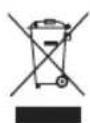
Waste electrical products should not be disposed of with household waste. Please recycle where facilities exist. Check with your local authority or retailer for recycling advice.
SYMBOLS IN THIS MANUAL

Note

Parts or accessories sold separately
The following signal words and meanings are intended to explain the levels of risk associated with this product:

DANGER
Indicates an imminently hazardous situation, which, if not avoided, will result in death or serious injury.

WARNING
Indicates a potentially hazardous situation, which, if not avoided, could result in death or serious injury.

CAUTION
Indicates a potentially hazardous situation, which, if not avoided, may result in minor or moderate injury.
CAUTION
(Without Safety Alert Symbol) Indicates a situation that may result in property damage.
4 | English
SPEED DIAL SETTINGS
| Type of accessory App | Application Speed | |
| Aluminum oxide grinding bits | Grinding metal High | |
| Fiberglass cut-off wheel | Cut bolts, screws, nails, thin wood High | |
| Sanding drums | Sanding wood High | |
| Felt polishing wheels | Polishing steel, aluminum, brass, stone, ceramic, glass | Medium |
| Drill bit | Drilling holes into wood, leather High | |
| Wire brush | Brushing metal Medium | |
| Engraving bit | Engraving soft metals and wood | High speeds for woods, slow speeds for metals |
| High-speed cutter | Shaping curved surfaces and engraving soft metals and wood | High |
| Conical grinding stone | Grinding metal High |
ACCESSORY
| Figure Accessory Accessory number Application | |||
| Drum sander mandrel (Ø 6.4 mm)(Ø 3.2 mm shank/collet) | A1 | Attaching to sanding drums | |
| Drum sander mandrel (Ø 12.7 mm)(Ø 3.2 mm shank/collet) | A2 | ||
| Wrench A3 | Removing and inserting accessory bits | ||
| 15.9 mm. x 9.5 mm orange 120-grit aluminum oxide grinding wheel bits | A4 | Grinding metal | |
| 9.5 mm x 12.7 mm orange 120-grit aluminum oxide grinding wheel bits | A5 | ||
| 32 mm fi berglass cut-off wheel used with [A18] mandrel | A6 | Cutting bolts, screws, nails, and thin wood | |
| 6.4 mm screw mandrel A7 | Attaching to polishing wheels | ||
| 6.4 mm x 12.7 mm sanding drums,used with [A1] mandrel | A8 (60 grit)A9 (12 grit)A12 (240 grit) | Sanding wood | |
| 12.7 mm x 12.7 mm sanding drums,used with [A2] mandrel | A10 (60 grit)A11 (12 grit)A13 (240 grit) | ||
| Felt polishing wheels used with [A7] mandrel | A14 | Polishing and buffi ng metals, stone, glass and ceramics | |
| Polishing compound vial A15 | Polishing and brightening metals and plastics. | ||
| 3.2 mm high speed steel drill bit A16 Drilling | |||
| Wire brush wheel A17 Brushing metal | |||
| Cut-off wheel mandrel,3.2 mm shank | A18 | Attaching to fi berglass cut-off wheels | |
| 0.8 mm engraving bit A19 Engraving soft metals | |||
| High-speed cutter A20 | Shaping curved surfaces and engraving soft metals and wood | ||
| Conical grinding stone A21 Grinding metal | |||
REDUCTION DES RISQUES
APPRENEZ A CONNAITRE VOTRE PRODUIT
Voir page 189.
SYMBOLES APLIQUES SUR LE PRODUIT

Alerte de sécurité

Conformité CE

Vitesse a vide

Vitesse nominale
V Volts

Courant continu

MACHEN SIE SICH MIT IHREM PRODUKT VERTRAUT
SieheSeite189.
SYMBOLE AUF DEM PRODUKT

Sicherheitswannung

CE Konformität

Leerlaufdrehzahl

Nenndrehzahl
V Volt

Gleichstrom

No permitted in any way. No permit to be used for commercial purposes.
ADVERTENCIA
ACCESSIONS INSTALLEREN
SYMBOLER PÅ PRODUKTEN

Sakerhetsvarning

CE-oversensstammelse

Tomgangshastighet

Hastighet

Likström

EurAsian overensstammelsesymbol

SYMBOLER PÅ PRODUKTET

Sikkerhetsadvarsel

CE samsvarserklaering

Hastighet ubelastet

Nominell hastiget
V Volt

Likestrom

EurAsian Konformitetstegt
TPAHCIOPTIPOBKA JINTHEBbIX BATAPEI
TpaHcnpTpnyTe aKkMyJrTopHy6bataeB COOTBeTCTBUN C MeCTHBIMN I TOCyDapCTBeHHbIMN npaBnAmN NNOJOEHNAMN.
Pn TpaHcnpTupOBKe Batape TpeTbeN CTopoHOI cObIoudaIte BCE CneuaJIbHbIe Tpe6oBaHnNo ynaKOBKe n MapKnPOBKe. PpOBepbTe, YTObIaKKyMnyTOpHbIe 6bataen He BCTynaII N KOHTAKC DpymN 6batapeMn IIN PpOBODMbIM MATEpNaIaAMn Pn TpaHCnpTupOBKe,
ДЯ 3TORO 3aIHTNE OROJIHHbIe pa3bEmbl N3OJIaHNei, N3OJIpyUHIMN KONNAyKAMn UIN NeHTAmn. He nepeHocIne 6bTapeN C NOBPEXdEHnA Mm ININ yTeuKaMn. 3a DaJIbHeNJIMN KOHCyJbTaCnRMM O6paTITecb B TpAHcNOPHO-3KcneDIOOHHyO KOMNaHNO.
OCTATOUHbIe PNCKN
JaKe KOrda n3dJIe NcNOJb3yIOT cOrnaCHO HnCTpyKUma, HeBO3MOxHNO JONHOCTbO YcTpaHnTB paKTOpBp PNCKa. CNeDyIOuNE ONaCHOCTN MOrYT Bo3HNKHyTB BO BpEmr eO INcNoJIb3OBaHnI, I BO n36ExKaHne nx pa6OuN DoJXeH O6paTnTB OC6ObE BHMaHHe Ha CNeDyIOuCe:
TpaMbbl, Bbl3bIbAemble OTIetauUIM Mu actuaam
- MetaJIINueckne nIa6pa3nBbIe yacntuMb MyrT nonactb B rna npuHnHT TReKeIyIO TpaBMy. Pa6oTaTe B 3aunTHbIX OOKax, npiroDhIX dIra IINFOBaHn, npN EKnIyatauIN N3dEInr.
TpaMbbl, Bb3bBaemble Bn6paunei
OrpaHnUBAIte BO3dEInCTBHe. CM "CHHXeHne PnCKa".
TpaBMBblBb3bBaEMbIe nbInbIO
- NcnoJb3yIe HAdnexKaUyO nbIe3aunTHyO macky C fNtbpamn dny 6nokpobAHna qactu c0pa6atbIbAemoro MaTePnana n npHaadneXHocTe. He eBte, He neTHe KypTe B pa6oey 30he. ObecneYbTe DoCTaTOHyIO BEHTINRAHIO.
TpaBMA OT CONpIKOCHOBENC HacaIKAaM
HacaKa 3arotOBKa HarpeBaOTcB O BpemnncnoB3ObaHHa. HadeBaIte 3aunTHbIe nepuATkn npn 3ameHe WnfoBaJbHoro Kpyra nn npn KaacAHN 3arotOBKn. DePKTe pyKn noaJIbWe ot pa6oey 30hbl. NIO BO3MOXHOCTN 3akpenJIyTe 3arotOBky.
TpaBmbi, Bbl3bIbAemble WymOM
-ДиNTeJIbHoe BO3dEiCTBHe Wyma yBeJIuHnBaet ONaCHOCTb NOBpeXJDeHn CnyxA, N 3TO BO3dEiCTBHe HOCNT KMyIaTINBHyxapakTeP.Пи INCNoJIb3OBAHN 3JIeKTPoHnCTpyMeHTa B TeueHne DInTeJIbHO BpemeHn HOCHTe PcEaCTBa 3aunTbOpraHOB CnyxA.
CHNXEHME PNCKA
CHTAETCA,TO Bn6paunpyHOrO nHCTpymeHTa MOKET npINBECTN K pnoRbNEHN OTDJIbHBIX NtU TAK Ha3bBaEMoB 60ne3Hn PeHo (Raynaud's Syndrome).K CmNTOMAM MOTY OTHCOTBCr NOKJIbBAHHe, OHemHne I NOBENHe NAnbueB (kak npn nepeoxlaXdHn). CHTAOT, YTO HACNeDCTBeHHbIe PafKTopbl, OxJaxDeHne IN BnAXHOCTb, Dneta, KypeHne n npaKTuWeckn Onbl CTOCOBCTBYOT pa3BnTHIO 3TNX CmNTOMOB. Hxke npINBOyTcMepbl, KOtOpblE MoKET npINHrtb OepaTOP dJa CHNXEHNA BO3deCTBn Bn6paun:
OdeBaITeCb Tennee B XoJIoNHyIO norOy. Ppi pa6oTe C yCTpOJICTBOM NOnb3yIeTcB nepuATkAMn, YTObI pyKIN 3aJIaCTbIg 6blIN B TENNE.CuHTaETcA, YTO xOJODHAR noroJa ABJAETCs OCHOBHIM PaKTOpOM, CNOCo6CTByIOUIm BO3HNIHOBEHIN0 6OJe3HN PeiHo (Raynaud's Syndrome).
IocneKaKdoRo3Tana pa6oTbBblonHnTe ynpaxHeHHn DnYycnHeHKnpoBOO6paueHn.
Yaue deaIte nepepbBb B pa6ote. Cokpatnte DnITebHoCTb exEhEBHoro npe6bBAHn Ha OTKpblOM BO3dyxe.
Pn noBHeHn KaKnx-Ni6o n3 yKa3aHHbIX CmMTOMOB cpa3y Je ppekpatne pa60Ty n 6paTntecb NO nx nobOdy K BpaCy.
A OCTOPOXHO
PpOIOKHTeJIbHOE IcNOJIb3OBaHHe IHCTpyMeHtA 6e3 nepepbIbMAoKET npBecTn K TpaBMam. PpN IcNOJIb3OBaHm INHCTpyMeHTa B TeueHne IINTeJIbHorO BPemEH DeJaiTe peRyIaRbIe nepepbIBbl.
N3yUHTEN3DENNE
Ctp 189.
- Hne3do noKJIIOUeHn6BaTapeN
- OTeKn dIg XpaHEnH npHaDJIeXHoCTe
- PerylTop ckopocTn
- TymnepeBkJIOUeHn/BBKIOUeHn
- RaKa nTaPOna
- Nopctabka
- PbyarФКCatopaIINHdEra
- Tn6kn Bn
- HacteHHoe KpeIneHne "3amOyHa CKBaXHa"
COBETbI NO 3KcNpyATAUIN
YCTAHOBKA IPIPNCIOCOBJEHNI
BCTABbTe XBOCTOBnK npncnocobneHn B cAHy, YTO6b OH DOCTnIc CamoR HxKHeRo NIOJKeHn, 3aTEM BblTaunTe Ha 2 mm, YTO6b CdelaTb BO3MOXHbIM paCUnpeHne npn HarpeBe npncnocobneHn.
BAJAHCINPOBKA IIPNCNOCOJEHNI
ДяTOHpaObTbBaxHo,YTObI Bce npCnOCoBHeNBAHn HADNeXaUIMOBpa3OMcBaNHCnPOBaHb.IJNAHNCnPOBKNpINAADNEXHOCTCNerKaOCLa6bTeuAHRBOyIOraKyINOBepHNTePINAADNEXHOCTbINNAHryHa1/4OBopota.BoBpMa paObTI MoxHO NO 3BykyHnAOuyNByBeHTbcyTO pncnOCoBHeNEXopoWcBaNHCPOBaHO.PpoJOnKaiTeHAcTPOkYNaATbIMOBpa3OM,NOKaHE6yDetDOCTrHyTHaNNyUHmpe3yJIbTaB6aNAHCnPOBKn.3aMeHNTePncnOCoBHeNRA,ECNI OHNOBpeXdeHbNNpON30Ulnxpa3BaNAHCPOBKa.
OBUYEHNEIONb3OBAHNUΦPE30I
Depknte pyky B pyke npnbblknite K eee Becy, banaHCy n KOHYCHOCTN KOpnyca. 3TOT KOHyc No3BONReT 3aXBaTBiBaTbpyky kakapaHaA.
TEXHNUECKOE O6CJNYKUBAHNE
A OCTOPOXHO
Pn6bOp HN B KOem cnyae He DoJnxKeH NoDCoeDnHtBCa K NCTOCHNY NITAHNA, KOrDa Bbl pa3bnpaete erO KOMNoHEHTbl, BBIOJIHHeTe peryIINPOBky, OuNCtKy, PnOBoNTe TexNHueeCKoe 0cbcLyKXBaHne, INN KOrDa np6bOp He nCnONb3yETc. OtcoEINHeHne np6bopa N03BOJNT 3aUHTNTb IHCTpyMeH TcNyauHoro 3anycka, YpeBaTOrO cepbe3HbIMn fN3NueeckmM TpaBMAMn.
CTOPOXHO
Pn BbINONHeHn TexHnueeCKOro 06cnyKuBaHnN CnOJIb3yIe TOJbKO OpUInHaJIbHbIe 3aNactn, akCEccyapbl HacaKn OT npOn3BOdnteJI. NcNoJIb3OBAHne Dpynx 3aNacte MoKet npEcdTABnTb ONACHOITNI NOBpeDNTb N3DeJIIn.
136eraIte nCNoJIb3OBAHnI paCTBOpITeNe BO BpeM qNCTKII pNactMaCCOBbIX qACTeN. MHorne IJIaCTMaCCbI yBCTBnTeNbHbIK BO3DeIcTBNIO pa3JIuHbIX 6blTOBbIX paCTBOpITeNe IN B pe3yJIbTaTe IN NCNoJIb3OBAHnI MOYr pa3pyUHTbcR. JnI CHrTHn rpr3n, Nblnn n np. NOJIb3yIteCb YIcTOI TpIKNoI.
CTOPOXHO
HnKOrda He DonyckaIte KOHTa TOpMo3HOJKnKocTn, 6eH3nHa, npOdyKTOB Ha HeTJAHO OCHOBEPONITOOHo Macna n T. D.C NJaCTMaCCOBbIMNacCTMn. 3TH XmMKaTb COepXaT BeIecTBA, KOTOpbEMoryt HcnpTITb, ocNa6NTb nn pa3pyuNTb NlaCTMcy.
CTOPOXHO
Dn 60nbwe 6e3onacHocTu HaedxHOCTN BCE pemOHThbI paObTbI DOJXHBI npOBOnTbCRA ABTOPIN3OBaHHbIM cepBNCbHM CEHTPOM.
3AUHTA OKPYXAOUeI CPEbl

YTNIN3npyTe KaK cbIpbe,a He BBi6paCbBaIte KaK Mycop.MaunHa, akCECCyapbl ynaKOBKa DOJXHbI 6blTb OTCOPTnPOBaHbl.
YCJIOBHBIE OBO3HAUEHNA HAPODyKTE

CnHn onaCHOCTn

COOTBETCTBNE TpeboBaHnM CE

CKopoctb Ha xOIOCTOM xOyD

HOMHaJIbHaJa cKOpocTb

Bonby

IOCTOHHbI TOK

3HaK EBya3nCKoTO COOTBETCTBnA CeTnΦnKAT COOTBETCTBnA Ng TC RU C-DE.PC52.B.01348
Cpok DeiCTBnA CeptnФнKaTa COOTBETCTBnI No 29.07.2023
Opran no ceptnФКaUN npOdyKuIN
ObseCTBa c orpaHnueHHoN
OTBETcBEHHOCtBu <
123060, ropD MockBa, yNuca MapsaJa
PbIbJIko, dom 2, Kopnyc 9, nomeueHne
638

Ipeep nCnoB3ObaHnem np6opab HbHMATEbHO O3HaKOMbTeEc b DaHHoINHCTpykUnei.

UkpHnckn 3NaK cTaHdapTn3aun

IopanaHne IINHHbIX BOIOC B BO3yUHoe OTBepCTHe MOKeT PnBecTu K TpaBMe.

PpmeHnTe CpeDCTBa 3auntbI opraHOB 3peHH
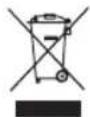
Otpa6oTaHHa 3nEeKTPoTeHNuecka npOdykunI DOJXHau yHNUTOXKaTbCBA MecTe C 6bITOBbIMN OTXoAMN. YtINn3uPyTe, ecn NmeeTcra CneuaNbHOe TexHueckoe o6OpyIOBaHne. IIO BONpocam yTNIN3aUIN POKOHcybTnpYteCb C MeCTbIM OprAHOM BNaCTN INI INpeDnPnTHeM PO3HNUHOI TOPROBNI.
OB03HAUEHN B PYKOBODCTBE

Приимechаиме

TeaHn npHaNekxHOCTn, npno6peTaemble OTeJbHO
CneIyUoHne CnHaNbHbIe CNoBa n 3NaueHn npedHa3HaueHbI, YTo6bl O6bAcHHTb ypOBHn PnCKa, CBraHHOrO C 3TUM N3DeHnEM.
ONACHO
Yka3bIbaeT Ha NoteHuaJIbHO ONaChyIO CNTyaUIO, KOtOpa, ecn ee He n36ExaTb, npBBeTeK JneTaJIbHOMy NCxOdy INIcpe3HOn TpaMe.
OCTOPOXHO
Yka3bIbaeHa NotehuJaNbHO OnaChyIO CNTyaCnIO, KOtOpaa,ecn ee He n36ExaTb,MOKeT pInBeCTN K IeTaHbOMy NcXOdy INN cepbe3HO TpaBMe.
BHIMAHNE
Yka3bIbaeHaNoTeHnlaNbHOOnaChyIO CNTyaCnHO, KOtOpaa,ecnne He n36ExaTb,MOKET npNBecTN K TpaBMeJeRKOnnCpeDHeTJXeCTn.
BHIMAHNE
(Be3 CmBona TpeBorN Be3onacHocTn) Yka3bIbaet CNTyaUIO, KOTOPAR MOKET KOHcTaBCr NOBpeXdEHNEM CO6CTBEHOCtN.
TPAHCNOPTNPOBKA:
Kateropueeckn He donyckaetc naedHne n IIObIe MexaHueeckne BO3dienCTBna Ha ynaKOBky npN TpaHCnpTIpOBKe.
Ppi pa3rpy3ke/norpy3ke He donyccaetc nCnObn3oBaHne IIO60o BnDa TexHnKn, pa6oTaIoSeI no npHHuNy 3aXnMa ynaKOBKn.
XPAHEHNE:
Heo6xOJIMO xpaHHTb B cyXOM MeCTe.
Heo6xOIMO XpaHNTb BdaIOn OT NCTOCHNKOB NOBblJEHHbIX TEMnepaTpN BO3DeINCTBnC OJIHeuHbIX JnyeN.
Ppi xpaHeHn Heo6xoDmO n36eRaTb pe3kOro nepenada TeMnepeatyp.
XpaHHeH6e3yapKOBKn HeOnyckaetc.
CPOK CnykBbl N3DEJNIA:
Cpok cnjxkbni3dennncoctabniet 5 nT.
He pekomehnyetc K 3KcnIyataun no nCTeueHn 5 let XpaHEnn C daTbI n3rOToBnEHH 6e3 npedBaPntelbHO npOBepKn.
Data n3rotOBJHn (KoI DaTbI) OTUaMNoBaH HnOBepxHOCTN KOpnyca n3dennr.
Ppimep:
W17 Y2015, rnde Y2015 - roD n3roTOBJIeHn
W17-HeJeIur3rOToBJIeHnIa
OnpeJeHb Mecau 3roTOBHeM MoXHo cOrJaCHO npueeHHo Hxke Ta6nue,Ha npimepe 2015 roda.
06paTNE BHMaHHe! KOJIyEcTBo HeJeIb B MecAe pa3NyaTeC T O T Oda B T Oa.
HACTPOIKN PEGYJATOPA CKOPOCTN
A TARTOZÉKOK FELHELYEZÉSE
TAIENDAVAD OHUTUSJUHISED
DODATNA VARNOSTNA OPOZORILA
CbBETN3A PABOTA C IPODYKTA
MOHTIPAHE HA AKCECOAPN
BkapaTe TAnTo Ha akcecoapa B npbCTeHa,doKaTo CTnHe Do TbHOTo, CneI KoETo rN3DbpNaTe 2 mm, 3a da MoKe Da ce pa3wnpa Napn HapraBaHe.
BAJIAHCINPAHE HA AKCECOAPN
3a no-npeuHa pa6oTa e BaXHo BCnKn akcecoapn Da 6bDat banaHcapaH npabnHno. 3a da banaHcapate Daenakcecoap, 3aterhe Te IeKO raKaTn Ha npbctHe n 3aBbPteTe akcecoapa nn npbctHe c 1/4 o6opot. Tpa6Ba Da moKeTe Da npeueHnte No 3Byka N da yCeTnte daNn akcecoapbTe 6banaHcapaN. PpOdbnKtepeyJnpaHeto NO TO3n HauHH, IDOKATO NOCTNRHe T B3MOxHO Hau-Do6bp 6banaHC. CmeHete akcecoapnte, Ako Te ca nobpeDeHN nn He ca 6baHcapaHn.
KAK C IN3IIOJI3BA POTAUOHHNRT HCHTPMEHT
3aDpBxTE NORHnka BpbKa nCBNKHTe CHEROBOTERI0, 6aHaNC N KOHNHaΦOpMa Ha KOpnyca. KOHNHaTApΦOpMa PO3BOJRA BA NOHNKbT Da bDe DbPxHaK aTO MOINB.
IOPDPTbJXKA
EDYNPEXEHNIE
IpoDyKbT He Tp86Ba HnKora Da Ce BKnIOUba B 3axpaHbaHe, KOrato CrNo6BaTe Yactn, npaBnte HaCTpoiKn, NoYnCTBaTe, N3BbPbBaTe NOdPbXka IIN KOrato He Ro n3NoJ3BaTe. N3KnIOuBaHTo Ha npOdykTa OT 3axpaHbaHeTo Ue npedOTbPaTu CnyauHo CTapTnpaHe, KoEtO 6n MOrNo Da npuHHn cepno3Hn HapaHBAHn.
TRENDYNPEXEHHIE
PnO6cnyKBaHe n3non3BaIte cAmoOpunHaHn pe3epBn qactn, akcecoapn n CpeDCTBa 3a npKpenBaHe Ha npOn3BOIDTeJ. N3non3BaHTo Ha dpyn qactn MoKe Da BN NOCTaBn B ONaCHOCT JIN da nobpeDn npOdykTa.
136raBte H3noJ3BaHTo Ha pa3TbOpTeNn npn noHCTBaHTo Ha nJaCTMacOBte Yactn. NObeHTo IAACTMaCn Ca yBCTBntENn KbM pa3NJuHN BNDBe pa3TbOpTeNn MoKe Da ce NOBpeJr Ptn H3noJ3BaHTo Ha TaKInBa. H3noJ3BaIte MEKn Kbpnn 3a OTcTpaHBAHe Ha 3aMbpcBaHn, BByIepOeH npax n dp.
ENYUNPEXJEHME
B HnkaKbB CnyaH He No3BoJBaIte NnactMacOBTe YacTN Da BIn3aT B KOHTaKT CbC CNIPAuHN TeyHOCTN, HePTEHN PPOyKT, PPOHKBauM Macna n T.H. Te CbDbPxat XmUeCKn BeIecTBa, KOnTO MOrAT da NOBpeJr, OTCNa6r nn pa3pyWt NnactMacata.
ENYUNPEXJEHME
3a no-rojma 6e3oNaCHOCT n HAdExdHoc BcUKN peMOHTn Tp8Ba Da ce N3BbPWBat OT OToPi3uPaH cepBn3.
ONA3BAHE HA OKOJIHATA CPEDA

PeuKnnpaHe hA cypOBnH, BmecTo 3a o6e3BpeKdaHe kato OTnaIbK. MaunHata, donbHNTEHNITE npncnocobJeHH n ONAOKBNTe Tp8Ba Da 6bDat noJNOxKeHH naOxOJa npepa6oTKa 3a onoN3OTbOpraBaHe Ha CbDbPkaUnte CE TB XBTOPuHn CypOBnH.
CNMBOJIH H NPOJYKTA

IpeDynpexKeHne OTHOCHO630NaChOCTTa

CEcbOTBcTCTBn

CkopoocHa npa3eH xo

HOMHaJIHa cKOpOCT

Hansehene

TOCTOReH ToK
EurAsian 3HaK 3a CbOTBcTCTBne

PpoTeTe HNCTpyKUInTE BHMAteHNO, npEn da CTaptnpate MaunHata.
YkpanHcN3HaK 3a CbOTBETCTBNE

001

Ako Imate DbIra Kocu He TaBpKInTe Ha pa3CTOAHne OTOTBOPa 3a BCMyKBaHe Ha Bb3dyx, TOBa MoKe Da DoBeDe Do Hn3Uecko HapaHbaHe.

Hocete 3aunTHn cpeCTBa 3a ou
EneKtpnuecknte ypeNi He Tp6Ba Da ce n3XbPnT 3aeHNO C 6NtOBnTe OTnabu. PeuknnpaHTe, KbTeO NMa B3MOxHOCT. O6bPHeTe Ce 3a CbBET NO peuknnpaHTo KbM MeCTHnTE Bnactn IIN pa3npocTpahnteIte.
CNMBONB HACTOJTO PbKOBOCTBO

3a6e9ka

Yactnte nn npnaaJeXHoCTte ce npoabaT OTeHNO
CneHNTE CnHnHn Dymn n TexHnTe CbOTBeTHn 3NaueHnna O6BcHBAt Hbata Ha OnaCHOCT, CBbp3aHn C yNtpeBaTa HA To3n PpOdyKT:
ONACHOCT
Yka3Ba HEMnHyEmo OnaCha CNTyaCIN, KOrTo aKO He 6bDe n36ErHata, Ie IOBeDe DO cepNo3HN HapaHbAHN INM CMBPT.
I PENEYIPPEXJEHNE
Yka3Ba NoteHuaJHO ONaCHA CNTyaun, KOrTo aKO He 6bDe n36erHaT, MoKe Da DoBepe Do cepno3Hn HapaRaBHe Nm Cmbpt.
BHIMAHNE
Yka3Ba noteHnauHNO onaacha CnTuayn, KOrTo aKO He 6bJe n3BeHata, MoKe da doBede Do dpe6Hn nn cpeHN HapaHaBAHH.
BHIMAHNE
(Be3 npéynpeinteneH cIMBOI 3a 6e3oNaChocT) Yka3Ba cnTyauN, KOrTO MOKe Da IOBeDe Do IMyueCTBeHn UeTI.
HACTPOIKN HA CKOPOCTOMEPA
PnI3BcTeN Do npOKpyuBaHHn IHCTpyMeHtA.
BukopncTOByTe 3aTnCKaI DnI niDTPmKn
obpo6JIIOBaHOi Detani, KOJI Nc MOxNBO. HIKON
He TpMaTe HeBeENKy 3arOTOBky B ODiH pyci i
InCTpymEnB IHsi pyci nac BUKOpNCtAHn.
KaIO 3akpinITn HeBeENKy Detanb, 0o 6OboNHOeTBcR,
pykn 3aINsAoiTbcra BiJbHMn dNra TORO, 0o6
KOHTPOIIOBaTN IHCTpymEnT. Kpyrnn MaTepiAn, TaKNI
RAIO6eNBHi npTy, Tpy6n aOTo py6onpOBI maOtB
TeHNDeHciIO Do CKpyUBAHH naC ac BiDpi3AHn, i
MOxyTB pIn3BecTn Do 3acTpraHHa 6o BiIDCKaYBaHH
pi34Ha Bac.
Po3auynte uhyp kkomora dani bID akcecyapib, 0o o6epTaHbC. RkUO Bn BTPaTne KOHTponb, UHyp MOKe 6yTu pO3pi3aHn abo MoKe 3aueHNTncr, i BaWu KnCTb abo pyKa MoKyTB 6yTu BTrHyTi B AkceCyap, 0o o6epTaetcb.
HikonHe knaiItb eKeTpoHcTpymENT, nOKn npuaaIIOBHCtHO He 3ynHHIOcb. OBeptObe npuaaMOne 3axoONHTNoBepxHIO I BNTaRHyTN eKeTpoHcTpymENT 3 BaUoro KOHTpOIO.
■ Picna 3miHn 6itB a6o 6ydb-kaNX KOpNryBaHb, nepeKohaiTeC8, yO MyfTa caHn, natpoh a6o 6yb-aki iHsi npncTpoi peryIIOBAHHa HadiHno 3aTaryt. Raio qikcaui Ocna6JeHa, noIOXeHHa npncTPOIB MOKe HecNoDIBaHO 3MiHOBaTNCa, IIO npn3BeDe Do BTPaTH KOHTpONIO, ocNa6JeHi KOMNOHEHTN, IO o6epTaOTbcM MoKyTB KpyTNTNCpIKKO.
He 3anyckaTe eNeKtpoiHcTpymENT KOJI nepehocnte Horo Ha po6oye Micue. BnnaKOBNI KOHTAKT 3 ObepTOBIM PnPnAaM MoKe 3IOBtN BaW OJr, NotRHyBn PnPnAaDn DO BAwOrO Tina.
PerylraHOp OunuAte BeHTnlauiHi npop3n eektpoHcTpymenty. BENTnIaTOp DnBryHa 6yde BTaryBaTI NUI ycepeDInHy KopnyCy i HaDmipHe HAKONUeHH MaTeBHX NopoWKiM MoKe BNKLIkKaTu ypaxEHH eNEKTPuHMM cTpymOM.
He BnKOpNCToBMyte eNeKtpoiHcTpymeHT no6n3y JERKO3aMmCTnx MaTepiAnIB. Ickp MoKyTb 3anaNTu Ci MaTepiAn.
He BnKOpNCToBvIe npnaad, 0o Bmarae piknx oxoJOnkUoyiB. BnKOpNCTaHHBaOIN a6o iHux oxoJOnkUoynx piINH MoKe npu3BeCTn Do ypaKeHHra eNeKTPoCtpyMOM a6o WOKy.
BIDDAUATCYMIXHINONEPEJXEHHH
Bidae paTTOBOO peakueio Ha 3aueemnei a60 3aennehi oepTOBi Koneca, uNipyBaHbHn BaNK, uItky a6o 6ydb-ke iHwe npnaDra. 3aTncHeHHa 60 3aueenneHH BKNIkae WBNkY BtpaTy WBnKocti oepTOBOrO akcecyapa, 10, B CBOU Yepry, BKNIkae nepeMiueHH HeKOHTPOJbOBaHO rENEKTPOIHCTpymEH TY HaprrMky, npOTnLEXHOMy oepTaHHIO npNJad.
HapnKlad, kIIO abpa3NBHe KOLO 3aueHInocra a60 3aTNCHTe y 3aROTOBui, Kpai KOleca, IIO BXoDnTB B TOCKy 3aunnnHnMoKe BKOnaTnCBA NOBepxHOMatepiany B pe3ynbTaTI QHO KOleco Byde 3anaDAtn a60 BnKnDaTnc." KoIcO MoKe pyXaTnCdo a60 BiOnepatopa, B 3aJenKHoCTi BiD HapPmky pyx KoIeca B ToUci 3aueemHnHa. 3a uNx yMOB abpa3NBHINDCKN MOKyTB
TAKOXPO3KOJIOTNcR.
Bidya e Hacnikom HenpaBnIbHoro 3actocyBaHH enektpo IHcTpymEnrTa/a6o HenpaBnIbHnx npoeDyp a60 yMOB ekpnyataui i moKe 6ytu yHKHyta 3actocyBaHHM HanexKHX 3anobixKHX 3axOdB, k3a3HaueHO HxKHe.
MiHNO TpMaIe ENEKtpoiHcTpymENT i po3auyntiIO I pyKn, 0o6 Do3BOJNTn Bam npOTnCTOaTn BiDau. OepaTop 3daTHN KOHTPOJHOBaN BiDCKOK, anE dno zuoro Heo6xIDHO BKNIT BuINOBIDHX 3axoDb.
Bybte oO6nBO o6epKHMn nIac po6oTy kyTx, 6iIN roCTpNx KpOMOK i T.I. YHkaTe BiDcKOB Ta 3aenNHe NCKy. KyTOuKN, roCTpi Kpa i a6o cTpu6aHH MaHTb TEHNeHciIO 3IOBnHOBatn o6eptOb npuaadra i npBOaHTn Do BpATn KOHTPOIIO a6o BiJaayi.
He nid'ednyte 3y6acte pixyue ne3o. Taki ne3a CTBOPIObIyacTi Biikatn i BtpaTy KOHTpOIO.
3aBxDn BBOIDtB DnCK y MaTepiA n HAnpMky BHXOy pIXyOi KpOMKn 3 MaTepiAyn (To6To, B HAnpMky BKNDaHn TnpCn).Y pa3i NOnaHiNCTpyMeHTa B IHOWMy HAnpMky DnCK BNXoNTmE 3 MaTepiAyn Ta WTOBXaTmE IHCTpyMeHT B HAnpMky NOnaHi.
■Pn BnKOpncTaHHi poTauinHx HanNkIB, BiDpi3Hnx Kpyrib, BnCOKoWbNdkicHnx pixyux DnCKiB a60 BoNbΦpam-Kap6iDnHex DnCKiB 3aBXKn HaIiHO φikcyte Detanb, 0o 0bpo6nεTbcra. Pn HabITb HeBeNtukOMy nepeKoci ci DnCKn BXOJrTy 3aHIn i3 MaTePiAnom, 0o MoKe npu3BOdntu Do BIdcKoY. 3aBvuaa npu 3auiJIHH Hi BiDpi3Horo kpya BIn IamaeTbcra. Pn 3auiJIHHi poTauiHx HnLkib, BnCOKoWbNdkicHnx pixyux DnCKiB a60 BoNbΦpam-Kap6iDnHex DnCKiB BOHN MOKyTB BuCKaKyBaTN 3 npOniny, i onepaTop MoKe BtpaHTn KOHTpOBn HaI IHCTpymENTom.
PonepeJxHn6e3neKn, cneunphiHi I JIyBaHH i onepaui a6pa3uBHoro 3pi3AHN:
BukopncToByte TINbKn pekomEndoBaHn Dnla BaWoro eNeKTPoHcTpyMeHTy TnNn DNCKIB, i TInbKn DnpekOMeHNDoBaHOI onepauii. HanpNKLaD, He BHKOnHyTe WNIΦyBAHH 6OKOBIO CTOPHO BIdpi3HOrO Nscky. A6pa3NBHI BiPia3aOuHi DNCKn npin3NaHe I nne nepnΦepiHoro WNIΦyBaHH, 6iuHi CnN, pnpknAedHIO Do uX DNCKIB MOKyTB pnp3BecTN do IX 3pyHyBaHH.
Ipy3b60BnXa6pa3NBHXKohyciBicuNlHdpuHnx 1yBaBnX roBOK BkOpncTobyTe TInbKn HeykoJKeHi onpabJeHHaKonec 3 HeaTNIOBAHH npeOBm fnaHcem, kM aHOb npaBnBnHn po3Mip i DOxMHy. PpaBnBHe onpabJeHHaDe 3MeHsuBtmoKJIbCtB noKoJKeHHa
He "3atnckaIe" BiDpi3Hnn DnCK a6o He 3actocobyBaTe HAdmipHn TnCK. He HamaraTecr 3pObntn 3pi HAdmipHOI Tn6Hn. NpeBaHTaxeHHn DnCKa 36IbIyE HabaHTaxeHHn i CnpHnHrTnBicTB Do CKpyuBaHHa 60 3aueHneHHn DnCKa B po3pi, BiDaayi a6o nolomKn DnCKa.
He BCTAHOBHIOHTe BAuI pyKHa pIBHI a6o no3aHy o6ePTOBOrO DnCKa. KOnI dNcK, B MoMeHT poBoTn, Bucn3ae 3 BaUoi pyKn, MOxJIbBa BiJaVa MoKe
WTOBXHyTN OeptOBn DnCK Ta eNekTpoIHcTpymENT nprmo Ha Bac.
KoJN KOJECO 3aTNCKaETbcra, 3aYenJIeTbcra, a60 KOnn 3pi3aHH nepePNBaCTbcra 3 6yDb-koI npuHn, BmKHTb eNEkTPOiHcTPymeH t TpMaIte HepxOMO cEKeTPOiHcTPymeH, NOK KOneco NobHicTHe 3ynHcBcH. HikOnn He HamaraTeCBAIaHTn BiDpaHTn BiDpi3aOuyn Dnck 3 po3pi3y, KOnn Dnck KPTNbC, ce MoKe CnpuHNHTn BiDaay. DocNiDiTa Ta npuMItb KopurTuoyi Di3 MeTOIO ycyeHH npuHH 3aTNCKAHH a60 3aYenNeHH DaCKa.
He po3noHHaTe pixyuy onepauiy y 3arotobui. Hexa nnckn DocraHytb NOBHOI WBNKOcTi i nobtopho BBeiTb ix y po3pi. Nsck Moke 38'3ayBaTnc, niCKaKyBatn a6o cnpuHHTn BiDnaCy, kKIO eNEkTpOHCTpymEn 6ynde nepe3anyueHn y 3arotibni.
PiItpmMyTe naHeni a6o 6ydb-jaRi Hera6apnTHi Detani, o06 mHimIm3yBatn pn3NK 3aueenHeHHa Dncka i BiDau. BeNki 3arotOBKn MOkyTb npOrHaTnC nD BnAChO BarOIO. OnOpn NobHHi 6ytn NOMiuehi nD 3arotOBKy noBn3y NiHii po3piy i npuy 3 KpaMn 3arotOBKn Ha o6ox cToPOhAX dNcKa.
Bybte 0c06nbo 06epekhi npn BnKoHaHHi "KmuehkbOBux po3pi3ib" B icHyounx CTihax abo iHxu X BiMocTkax. BuCTynaOuyn DnCK MoKe cKopOTTu r3oBi a6o BOJOpOBiDi Tpy6n, eNeKTPonpBOdKy a6o npedMeTn, kki MOkyTB BnKNIKAtu BIDaCy.
3actepexhenha 0do 6e3neKn, kci cnBnKoHyBaTNIi yac po60Tu 3 MetaJIeBIMN uITkAMN
MaIte Ha yBa3i, 10 MeTaNBeBa 1KITKa KpyTnTbcra HabItb niD vac 3BnuaHoiPobOTn. He 3actocobyTe HAdmiphe HabaHTaxeHHa 1tKy. Metanebi 1tKn Ierko npOHkaHOb Kpi3b NERkn OJrTa / a6o kipy.
Ipeed BnKOpNCtAHHm 1iTOK cnid nonpaocOBaTH npn poBouH WBNkOcTi npHaMHi ONDy XBUNHy. Ipotrom zboro yacy hIXTO He NOBHN cTOrTN nonepedy a6o Ha nii tKn. UeTNHKn a6o MetaneBi qactkn 6dyTB BiPnBaTncr nd acpBoToN.
HanpaBnIte 1kty, 0o o6eptbCBAid ce6e. Di6hi cactnHKi i dp6Hi MetaneBi cactnHK MoKyTB 6yTN BnnyuheHi 3 BnCOKO O WnKicTIO nID Yac BnKOpNCaHHaX uitok i MOKyTB NotpanNTY BaWy Shkipy.
DOATKOB3AXOINBE3NEKN.
Ipeed BnKOpncTahHnmpntpo npepbipte HABhictb Ta BNTaHrHtB Bci 3 Detani. DToPImaHHz bOro npabuHa 3HN3HTb pN3NK OTpImaHH cepno3HO TpaBMn.
He notpannayte y o6naCTb o6eptoBoro pi3aka. Bn3bkicTb o6eptoBoro pi3aka do BaWoI pyKn, He 3aBXDN MOKe 6yTu OyeBuNDHOIO.
Ley npodyKT He npn3HaueHn IJRA BHKOpncTahnB JAKoCTI 6opMaunHn afo B MeuHnx afoBeTeepnHapnX onepaiax. Lc MoKe cnpuHHTN cepno3Hi TpaBMn.
He npipioHIOte Ta He uIiOyTe BORHeHe6e3neuHi mATEpiaH. Ickpn 3 Kpyrib MOKytb 3anaJNTn ci
MaTepiAni.
He 3rHaTe rHyckn BaI paDiYcom MeHs k 13 MM.Pu3NK neperpiBy 3NaUHO 36InbWntbcra.
Диаэон Temпатуги habКошньоу cepeobua Дя пистою niç ус використань BiD 0°Cdo 40°C.
Диаэон Temпатугн HabКошньоу cepeobua Дя пистою niç уac 3берiraань BiD 0^ do 40^
PekomeHdoBHHdian3OH Tempepatyn 3OBHIHbOcrepeoBua Dnna CnCTemn 3apJxHaHn nDac3apJxHaHHn Mk 10^ Ta 38^
TEXHIKA B63NEKN IPN EKCPIIYATAUJI AKMYJRATOPHOI BATAPEI
A NONEPEDXEHH
Дялглггнг He6e3neCi noKexi B pe3yltarit KopoTKORO 3amKanHH, TpaBMam I NOWKoJKeHHIO Bnpoib He 3aHpyHOte IHcTpymEt, 3MiHHn akymIaTOp a60 3apdHn npCTpi y piDHy i He donyckaiTe NotpannnHH pIDHN BCEpEnHy npCtpoIB a60 akymJIaTOpB. Kopo3iHi icTpymonpOBiDi Hi piDHN, Taki k CoONH pOzHn, NEbHI xIMiKaTu, BN6JIIOBaJIbHi 3ac6n a60 npOdyKTu, loix MICTaTb, MOKyTB npN3BcTe Ndo KopoTKORO 3amKanHH.
Диаэон Temпературни HabКолшьо ratcepeOBuzaдя akymлтopa niД淘汰 BnKopncTaHHa mix 0°C Ta 40^
Diana3OH TemnepaTyp 30BniHbOro cepenobuana nidaac 36epirahna akmyjTopa mix 0^ Ta 20^
TPAHCIOPTYBAHHIITIEBHX BATAPEI
TpaHcnpTyTe 6bTaapeo BiDnOBiDNo Do MicueBux Ta HaioHaIbHnx NoIOKeHb Ta npaBnJ.
DToPmMyTeCb ycix CneuiabHnx BmOr 0do nakyBaHH Ta MapkyBaHH npn TpaHcnpTyBaHHi BaTapei TpeTboIO CTopoHOIO. NepeKoHaIeTcEa, 0o BaTapei He MoKyTu BCTynatn B KOHTAKT 3 IHsHMn BaTapeMn aOo NpObiHNMaTepiAnamn npn TpaHCnpTIpOBuCi, 3axNuOuy BiKpnTi Po3'EMn I3OJauHIMn HEnpOBoDAuHMn KpnUkAmn aOo CTpiKoIO. He nepeBosNTn BaTapei, kI MaOTb TpiUnn A6o npoteckn. KoHcybTuTEc3 ekCneDiTopcbKOIO KOMnaHIEO dnn NoaJIbWx KOhCyIbTaui.
3AJINIJKOBI PN3IKN
Habitb KOn npOdyKT BnKOpNCtOByETbCRAHKancaHO, 3aJIuWaeTbCRA HEMoKJINBIM NOBHiCTU yCyHyTN DeAki 3aJIuWkoBI uHHNKn p3Nky. HAcTyNHI He6e3NeKN MoKyTB BnHnKHyTN i OpeaTop NobHeH 3BepHyTN OcO6NHy By Ybary, U06 yHNKHyTN HAcTyNHO:
TpaBMn,BVKINKaHI BiDKNHyTNM YacTHNKaMI -MetaneBi a6o abpa3NBI qactNHKn MOkyTb notpanttn B Oci Ta BIKNkATn cepno3H He3BOPOTHi nookdKeHH. Hocitb 3axnChi OkyIpyn, CXbaJIeHi dIa WlifyBaHH npn pOboti npOdyKty.
TpaBMn, BnKnKaHi Bi6paJIeIO -IimityTe BnInB. DnBiTbcra «3HJXEHHRA PN3NKU>.
TpaBMn, BuknkaHi nJlOM.
Hocitb BiDnOBiHy Macky BiD nNny 3 fInbtpamn, npndaTHy Dnra 3axnctTy BiD qactnHOK o6pO6nHObaHOro MaTepiany Ta abpa3nBHX qactnHOK Bi npinaDn. He iXkTe, He nnIITe i He naiTb B po6oui 30Hi. 3a6e3neYte DoCTaTHIO BEHTnIaH Ho p6oOomy Micu.
TpaBMn BiD KOHTaKTo 3 npuaaam
- PpnilaI i IeTaNb nIac o6pO6Kn MoKyTB Harpibatnc. OJraIte pyKaBnUKN npn 3MiHi DnCKIB a60 TopKaIOuHcB 3aROTOBKn. TpImaTe pyKn YKOMORA dani BiD pO6OoI 3OH. 3aTNCHTb 3aOTIBNIO, KOJI N CE MOKJINBO.
IoiKoJxHnCJyXy, BKNiKaHe yMOM
TpBannn BnNIB uMMy niDnUyE pu3NK nooKoJKeHHcnyx, iuee eFKT hakOnuYcTbcra. Pn BNkOpNCaHHi eneKtpoiHCTpyMeHTIB npOTarom TpBAnoro nepioNy cacy, BNkOpncToByte 3acobn 3axncty opraHb Cnyx.
3HIXEHHI PN3IKY
Nobidomnlooc,oBibpauii BIDpyHnx iHCTpyMeHTiB y neBHxOc6 MOKytb CnpaTn CTahY, kNn Ha3NBacTBcCnHDPOM PeHo. CmTTOMM MOKytb BKJIOUaTN NOKONBOAHHH, OHIMHHI 36NIIDHeHH NaIbciB, kNpABIN0, OeBvHi npn BnJIbIXONoy.CnAKnOBi paKTOpn, BnINB XoNoD I BORKOCTI, DiEta, KypINH Ipo6Oa npAKTtKa, BCI zi YHHNKIpO6JIb TCBi BHECOK y po3BNTOK uX CmNTOMIB. Li 3axOn MoKytB 6yTN pInHRTI onepatopom, o6 MoKJIbBO 3MeHNITn BnINB Biopa:
TpmaTe tino B teni B xonoHy norody . Pnp eknlyataui npnaLy, oJraTe pykabuKn, 0oB TpMaTu pykn i 3an'acty teni. Nobidomlanoc, 0x xnoDHa noroA e OCHOBNM YHHNKOM, 0c cnpne CnHdpomy PeHo.
■IicnaKoKHOro nepioDy po6Otn,3diinCHIOte BnpaBNn niiBnueHH KpOBo0biry.
Poibt bacti nepebpBn B po60ti. 3po6itb o6mexeHHKilbkocti BnNBy Ha deHb.
KIO BV BIDyBaTe 6yB-aki 3 CnMTOMIB cboTcAHy, HeraHNO npnnHITb BNkOpNCTaHH i 3BepHiTcBcdo Nikapra 3 cIMN CnMTOMAMN.
A NONEPEIXEHNA
Tpnbale BnKOpNCtAHH IHCtpyMeHTy MoKe BnKJlnKaTn a6o NocuNTn TpaBMn. PpN BnKOpNCtAHHi IHCtpyMeHTy npotrrom Tpnbano nepioy, po6Itb peYnApHi nepepbn.
3HAHTECBIINPPOJKT
ДиВ.стор. 189.
- Hɪzdo nIy akyMylTopa
2.CnotnDn36epirarHH npuaad - Perjytnop wBndkocti
- Nepemukau yBIMKH. / BIMKH.
- Taima zanm
- Tpimau pukn
-
Baxinb 6nokyBaHHra WnHdene
-
Thyukm Bān
- OnopHnKpoHHTeH
IOPADNI ODOPOBOTN
YCTAHOBKA PIPNJIAIDJ
BCTABTe XBOCTOBNK npnnaDn B ZaHry Do XHNKHbOi Meki BOCTOBNa, a NOTIM BNTaRHiTb NOro Ha 2 MM, 0o6 Do3BOIHTN pO3UInpeHH, KOIN Akcecyap HarpiETbcr.
BAHACYBAHHIPIIAD
Дя touhoi po6oTn,BaKJInBO,O6Bce npnaDЯ 6yne npabNtbo 36aHaHCOBAHO. Uo6 36aHaHcyBaTn npnaDЯ, 3JeRka ocna6Te ZaHROBy raKy Ta noBepHtB npnaDЯ a60 zuAnpy Ha 1/4 o6eTy.Bn nobHHi 6yTu B 3mo3i cKa3aTn,no 3Byky i BiDyBaTn,Akyo akceCyap npauOe 36aHaHCOBAHO. PpOdoBkyIte HAcTpOy TaKIM YINOM Do Tnx nip,nOKI DocrHete HaKpaUoro 6bAnaHcy. 3AmHiTb npnaDЯ, Akyo BOHn NowkOxDKeHi a6o He36aHaHCOBAHI.
HABUAHHA, KOPNUCTYBATNCA POTOPHIM IHCTPYMEHTYOM
NotpmaIte pyky B pyci Ta 3BnKHiB do II Barn, 36aIahcyIe KOHyc KOpnyc. UeN KOHyc Do3BOJrE TpMaTn pyky, kOJIbeUb.
OECJNYTOBYAHH
A NIOPEPDXEHH
IpoDyKT He NOBHeH 6ytN NiKNoUeHn Do DxKepeNa
JINBHeHH, KOJI Bn 3bnpaTe DeTani, perynIOeTe,
YnCTNTe, npOBoNDte TexHicHe OBCnyroByBaHH aBO
KOJI npOdyKT He BnKOpNCTOByeTBcR. BiKnIOuHeHH
IpoDyKT DonOMOKe yHNKHyTN BnnaKobORo 3anycky,
JKN MoKe npn3BeCTn Do cepno3HnX TpaBM.
A NOIPEDEXEHNA
Pn 06cIyroBvBaHHi BnKOpNCTOBYte TlBKn OPnIHbHI 3aNaChi YactHHn AkceCyapn Ta 06laHaHHB IiBnO6HnKa. BnKOpNCTAHn 6yNb-IAkNx IHuNX DeTaeJe MoKe CTbOpHTn He6e3NeKy a6o CnpNHNrN IOwKOJxEHn IpOdykTy.
He BnKOpNCToByTe po3HHHKn DnA OunueHHn PnactMacOBnx Detanei. BinbWicTb nlaCTMac Bpa3nBa Do pi3Hnx BnDIB KOMepuiHHx po3HHNKiB i MoKe 6ytn NoWKoJKeHa ix BnKOpNCaTHnM. BnKOpNCToByTe uNCTI raHvipKn DnA BnDaJIeHHn 6pydy i ByrInbHorO nnNy.
A NOIPEJXEHH
Hikon He Do3BOJnTe rIbMIBHi piDnHi, 6eH3nHy, npOyKTam Ha OCHOBi HaFTn, i npOHkaHOUM MacnAm BCTynaTn B KOHTaK T 3PiactNKOBmN DeTaIaMn. BOH MICTaTB xIMiHi peOBoHN, kI MOxTyB 3aWKoDntN, nocla6nTn abo 3HnUHTn PnactIK.
TNEPEDXEHHA
Дябьшоiбзneки iHaДиHOCTi, BcipeMOHTi po6OTn NOBHHI BIKOHyBaTnCBAbTOPn3OBAHOMy cepBICHOMY ueHpi.
3AXNCT HABKONHbOTo CEPEIOBnla

IpepeoBnTe CnpOBHy 3amictb ytni3aui B kocti BiXoDIB.MaunH, obnadhaHna Ta ynakobka nobHHi byu BiDCOPTOBaH i Dpyxhboi nra HABKONHbOre cepenobua ytni3aui.
CNMBOJIHNAIPODyKTI

PonepeJxehn863neK

CEBIDNOBIDHictb

UbNkictb6e3HaabaHTaKeHHA

HomiHaJIbHa WbUdKiCtB
V BoJbTu

NoctiHnCTpyM
Cbpa3iBckn 3HaK BiNObiHocti

Bybnaacka,ybaXno npounTaIte IHcTpyKuHnepeD 3anyckom npOdykTy.

UkpaIhcbKm 3HaK BiINOBiHocTi
001

TpmaTe DoBRE BOnocKaKOMora dani BiD OTbOpy DnBnCyNobITpy iHaKwe BOJOCs MOKe NOTpanNTu npCTpi, Ce MoKe pnp3BecTu Do TpaBM.

Hocitb 3axnct dny ouey
Bixxodn eIektpotexHio npodykii
He cniD BKNDaTn pa30m i3 nobyTOBIMN
BIXOamn. Byb naCkA, nepepo6nTe
TaM, de HABHE yCTaTKyBaHHra
Pipebipte 3 BaUM MicueBm OpraHOM
BlaAn a6o npOabem dny KOHCyNbTaui
3 pInBOdy nepepo6Kn.
CNMBOJI N B LIEI IHCTPYKU3 EKCNIYATAU

Ppumitka

3anachi detani a6o npHnaleKHOCTI npOaIObCOKpEMO
HnKYeBka3aHi nonepdKaIbHi cNoBa Ta CmBOJN nOraCHOIOb pIBeHb PN3NKy npn po6oTI 3cIM npnnaDOM.

HEBE31KEA
Bka3yE Ha HEMnHye He6e3neHy cnTyauio, JaKa, KaIIO II He yHNKHTN, MoKe npu3BcETN Do CMepti abo cepno3Hnx TpaBM.

TONEPEDEKEHRA
Bka3ye Ha noteHuiHo Hebe3neHy cnTuayio, Ka, kUo II He yHNKHTN, MoKe npn3BecTN do Cmepti abo cepno3Hx TpaBM.

YBAGA
Bka3ye Ha noteHuiHo Hebe3neHy cnTuayiio, kka, kkuo ii He yHnKHyTn, MoKe npn3BeCTn Do cepenHbOi a6o JERKOITpaBMn.
YBAGA
(Be3 CmBony nonepedxkeHH np He63neky) Bka3ye Ha cnTyauio, kA MoKe npNBecTN Do MATEpiaIbHnX 3bTkIB.
HANAUITYBAHHI WKAJIIN WBNDKOCTI
(\sigma \text{T} \text{P} \text{E} \beta \lambda \omega \sigma \epsilon \mathrm { I } \mu \sigma \sigma \sigma \text{K} a t e p y a z o u e v o T e u x i o , n K o u n T O U T P O X O U K I V O U E U E V A K A P F W O E I O N V E T I P A V E I A T O U K A T E P Y A Z O U E V O T E P A X I O U , E A T O T E L E A O U O T P O X O S V B E I A T O T O P A A T O T K A T E P Y A Z O U E V O T E P A X I O N V A K A V E I E T I O P O H . 2 E T P I P T T W O N A V A T I N D H M A T O G , O L E I A V T I K O S T P O X O C M T O P E I A K O U A K A V O A T T A O E I . T O A V I N D H M A E I A U V E T I W C T O A T O T E L E A O U L A V H O A M E V N S X P H N S T O U E P Y A L E I OU N K A L A V H O A M E V W D I A D I K A O I W N N O U V H N K W K O T I N C.
To avamnojua evai ouveTiwoc to aontelaeoja laovaaevns xpans Tou epyaieiou kai laavthetaevwv diaikaciwv n ouvwnkwkow KOTNC. Mtopei wotoo va atopoeuxthe tnpwtau opiaeves TPOUAAEIG:
Kpatate Otaepa To epyaleio kai epete To owa aoc kaito mtpatoosac os kataaanlneon wote va mtopeite va eayxete tuxov avattnnoa. Oxipiotng mtopei va eayxiis duvaei otiooaktoatoc, expooov exouv anfoe ta kataaannla metpa.
Ipooexete 1iaitepa otav epyaceote oe ywies, koptepec akpckAaT. Povticetve maun os aas Tlayioaohei n va aos maykwoei to aegouap. Otav epyaceote oe ywies n koptepec akpcn otav oas Tlayioaothei to epyaleio, o kivuvoc elvai TIO ueyacos va pTLOKapei to aegouap KAI VA XaETe Tov Eexyto Tou epyaleiou POKALWVTAC avattnonma.
Mny xpnoipoioiteAa ma e oovtwoeic.Auto tou EIOousOI Aaeusagavouv Tov kivduvo avanonmuatog KAI aTwAeiaCLeyxou Tou epyaieou.
TOnToTeEITE TO TpuTAvi NaVToE ME TnV IIda KATEUUVON, ME TnV OTIOA EExpyEaI aKun Kotns aTO To UAIKO (KATEUUVON ME TnV OTIOA EExpyOvTA Ta Tpiovidia/piviomuata aTO uAIKO).H xpnan Tou Epyaieou ME Tnv avtiEtn KATEUUVAN TTPOeoxn Tou TpuTAVIOu ATo TO AVtikeJeuvo Epyaiaq KAI TIV WOnn Tou Epyaieou aNv KATEUUVAN aTO TnV OTIOA TTponAe n apxikn kivnon.
Aopaiizete Tavta To avtkeiievo Epyaioas e OphiKTnpes, Otav Xpnoipotoeite TepiTPOPIKES AIEc, Tpvovodikouos, KoPTEs uynanhs Taxutntas n KoPTEs Kapbioiou Tou Boaoppoiou. Autoi o BIOKOI Evexetai va TAPouiaocouv EPTALOKn EAV TOIOeTNOuVmuKPn Kliion OTNV auakwon, Evw EvEXei Kivuvoc OTIAOlaKtiouatos. Otav EPTLAKeI eva Tpiovodikoc, OuvnWOSnAei. Otav EPTLAKeImu TEPiOTPOPIKNIiAva,Evac KoPTNS uynanss Taxutntas n KoPNTSCapbioiou Tou BOaPPaioiu,TOE Evexetai v EkoevovotiEi EKTOS auakwons, ME aTOTeAeogua va XaoteTov EAEyxo Tou Epyaieiou.
Suykepiéves TpoeiOToiHoeis aopaleias yia
aetoupyies kottns akovioaatoCkai aeavons
XpnoiopoToieIe moV eDn TPOxWvTou ouviotwvTai yia To nEeKtpiko EpyaIeio ca KAI MVO VIA TIG OUVIOwueves epapoyes. Ia Tnpadeiyua, mnv EKTEAEITE Epyaies akoviauos / aeivans me Tnv TAEupa Tou TPOxOAtOKoTns. OI AEAVtIKoi TPOxOI aTOKOTNS biATIEVTai YIA TEPIpepiakO akovia - evav aokthei TLEUPIKNIIEAN OE autous tous TPOxOSe Evexetai va 0pumuatiotouv.
Fia aeivkoKwovoukai Tntes me Otnieipomega xpnoiopoioite mvo aiktouc agoves tpoxwv
μe Kaivoupyies φλavTcεσTO σωtó μeYEθoc KAI μnkos. OI αωtoi ásovεc θa μeiwosuv Tny TIIθavotnta θpaunS.
Mny *PpakapeTTOV TPOXo aTOKOTnKai mny aOKEITE UTEPBOAIkNIIEO. Mny TPOOATAEITE VA KAVETU TEPBOIAKA BAties KOITc.H UTEPBOAIKI TIEON TOU TPOXOU auGavei TN FOPTION KAI TNY EUAIOIQA OTN OPEBawon n TNY TAYIDeuON TOU TPOXOU KATA TNY KOTNI KAOWC KAI TNY TIeavotnta KAWOTnmuos n 0paunc Tou TPOXou.
MnBaTeToXePiOaOStNVEuEiaKaiTioAtoTov TEPiOTpePouEvToPOxo.OTAVoTOPOxO,OToOnueio LEIToupyia,AToJAKpuVetaiAtoTOXePiOa,TOtHavO KAWtonua MIOpeIvaWOnoeiTov TEPiOTpePouEvToPOxoKAI TO NkETPIKOepyaleio ATneUeiaC TPOcOaC.
Otav o tpoxoc mlokapei, ocakwoei, n otav biakontetai n kony ia onioovbntote loyo, 0hote to nektpiko epyaleio kai kpatnote akivto to nektpiko epyaleio, expi o tpoxoc va stapatnoei tealeiwc. Mny tpooataeite note va apaipoeTeov tpoxo atokotnc aTTOV KOTNI OAO autoc kiveitai, diapopetikca mtopei va tpokanthe EITIOPOPH. EpeuvnoTe kai abete biopomegaka metpa yia va egaieipte Tnv ania tou mlokapiauato c nokaawatoc Tou tpoou.
Mny Eekivate atnTnV apx nTv npyaoia Kootns OTO TEpaxio otou epyaote. AqnoTe Tov tpoxo va pTaoei OTNV TAnpn Taxutnta Tou kai KaVe TPOeKTIka gava Tnv KOtn. O tpoxoc mTopei va TiaoTei, va eakivnei n va kavei ETIOptpOph, av yivei veaekivnon Tou epaaleiou Tavw oTo Tepaxio.
TnpiEe Taaia n eueyeyen Teaia yia va EaaxioToTOIOeTe TOKivuO TiaoiMatos Tou TPOXou KAI EITOTPOPc. Ta eyala Taaia Teivouva Kepave aTto Bapoc Tou. Ta UTOoTpiyuata PPTEIva TOTOnetNouk Katw aTTO TEaXIO, KovTA OTn Ypaun Tns KOtnc KAI KovTA OTNV AKn Tou TEaXIOKAI OTIC DUAeupcTou TPOXou.
Ipooexetieiaitepa otav kavete iia "KoTn 0ulakwons" oe utpoxovta toxwpatn aAles Tepioxcs xwpis opatotnta. H Ipoeexwv TPOXOS tOpei va Koyei aywous aepiou n vepou, NkETpiKa Oupata n avtkeiEvva TIOPOUv va TPOKAeouv EITIOPTpOfn.
Pnoeioioeic aqaaiaac yiaocuupaotobouptoac
ExTe UToynOaC OTo TpiEs OupuatoTETayovtai aTn BOpTa aKa oKa kata n BiapKeia Tn Kavoviknc Aetoupyiac. Mny TiEe Ta Oupata EApapOzovTac UTePBoAIO FOptio tN BoUpto. OI TpiEs OupuatoC mTopoov Eukola va Eioxwpnoov e Elaapppu pouxioo /kai oTo δepua.
Apnte Tc Boptoea va Leitoupynouov e Taxtnta aeitoupyia via Toulaxiotov eva Aetto TTiv Tc xnpoiuotoinete. Kata n diapkeia autnc Tns aeitoupyia, kao 0 eaivai v a npv oteketai kaveic mtpoata otn Boptca. Tuxov xaapaes tpixec n oupuata o a gupuyov kat a n diapkeia tou xpovou EKKIVNG
Kateuovete noupatobouptoa kpi aTó
The vibration emission level given in this information sheet has been measured in accordance with a standardised test given in EN 62841 and may be used to compare one tool with another. It may be used for a preliminary assessment of exposure. The declared vibration emission level represents the main applications of the tool. However if the tool is used for different applications, with different accessories or poorly maintained, the vibration emission may differ. This may significantly increase the exposure level over the total working period.
An estimation of the level of exposure to vibration should also take into account the times when the tool is switched off or when it is running but not actually doing the job. This may significantly reduce the exposure level over the total working period. Identify additional safety measures to protect the operator from the effects of vibration such as: maintain the tool and the accessories, keep the hands warm, organisation of work patterns.
FR AVERTISSEMENT
In addition to any statutory rights resulting from the purchase, this product is covered by a warranty as stated below.
- The warranty period is 24 months for consumers and commences on the date the product was purchased. This date has to be documented by an invoice or other proof of purchase. The product is designed and dedicated to consumer and private use only. So there is no warranty provided in case of professional or commercial use. This warranty applies only on new products.
- There is a possibility to extend for a part of the range of power tools (AC/DC) the warranty period over the period described above using the registration on the www.ryobitools.eu website. The eligibility of products for extended warranty is clearly displayed in stores and / or on packaging and is contained within the product documentation. The end user is required to register his/her newly-acquired products online within 30 days from the date of purchase. The end user may register for the extended warranty in his/her country of residence if listed on the online registration form where this option is valid. Furthermore, end users must give their consent to the storage of their personal data that is required to be entered online. They must also accept the terms and conditions. The registration confirmation receipt, which is sent out by e-mail, and the original invoice showing the date of purchase will serve as proof of the extended warranty.
- The warranty covers all defects of the product during the warranty period due to faults in workmanship or material at the purchase date. The warranty is limited to repair and/or replacement and does not include any other obligations including but not limited to incidental or consequential damages. The warranty is not valid if the product has been misused, used contrary to the instruction manual, or has been incorrectly connected to a power supply. This warranty does not apply to:
any damage to the product that is the result of improper or lack of maintenance
any product that has been altered or modified
any product where original identification (trade mark, serial number) markings have been defaced, altered or removed
- any damage caused by non-observance of the instruction manual
- any product not displaying the CE approval mark on the rating plate
- any product that has been attempted to be repaired by a nonauthorised warranty service centre or without prior authorisation by Technonic Industries
any product connected to improper power supply (amps, voltage, frequency)
- any damage caused by external influences (water, chemical, physical, shocks) or foreign substances
normal wear and tear spare parts - inappropriate use, overloading of the tool
-use of non-approved accessories or parts -
Power tool accessories provided with the tool or purchased separately, including but not limited to screw driver bits, drill bits, abrasive discs, sand paper and blades, lateral guide, etc.
Components (parts and accessories) subject to natural wear and tear, including but not limited to service & maintenance kits, carbon brushes, bearings, chuck, SDS drill bit attachment or reception, power cord, auxiliary handle, transport carry case, sanding plate, dust bag, dust exhaust tube, felt washers, impact wrench pins & springs, etc. -
For servicing, the product must be sent or presented to a RYOBI authorised service station listed for each country in the following list of service station addresses. In some countries your local RYOBI dealer undertakes to send the product to the RYOBI service organisation. When sending a product to a RYOBI service station, the product should be safely packed without any dangerous contents such as petrol, marked with sender's address and accompanied by a short description of the fault.
- A repair / replacement under this warranty is free of charge. It does not constitute an extension or a new start of the warranty period. Exchanged parts or products become our property. In some countries delivery charges or postage will have to be paid by the sender. Your statutory rights arising from the purchase of the product remain unaffected
- This warranty is valid in the European Community, Switzerland, Iceland, Norway, Liechtenstein, Turkey and Russia. Outside these areas, please contact your authorised RYOBI dealer to determine if another warranty applies.
AUTHORISED SERVICE CENTRE
To find an authorised service centre near you, visit http://uk.rybitools.eu/ header/service-and-support/service-agents

RYOBI CONDITIONS D'APPLICATION DE LA GARANTIE
UCIOBIIIPIIMHEHINI IAPAHNTN HA IPODyKLIIO RYOB
TOMMIO 3AOKHOHbPnab, BO3HKHOUOHNp INN pONKNYeI DAHIOE 3AENJIE NOKpbBaETC rapaHTHeB COBOTBeTCTBN C npRbDEHHbIMN HIXKE NYKTAMN.
- 1aAHTHnHbI neHIOI dnn NOkynatEn CoCTaBnEET 24 MeCAc a DaIbI NOkYNHm3dENr.I DaT NOKYNM dnONJIb6bITnOHTBePKeJDAHe NIOHcTO b3aONlHEHbIM rapAHTNHIbIM TaNOHOM NekOM O NOKyIke. DAnHOe I3dEne PnpDAHA3HcHcEO TOnbKO nINdAACTHO RnONfLb3OBAHIN NOkynATeMe.I ToTOMy HApAHnI He pAcnpOCTpaHReTCHa INCoNfLb3OBAHme BnpOecCNoHbHLbIX IN KOMMepeCckX cEJIaX.
- PnDyCMToPHe BA0MOnKHOCTb npOJHHeN DnA cactn H3denn IInneKn 3NEKTPOHCTpMeHTOB (AC/DC) rapaHTNIHO rnpoDA C nOMouBIO pERcPTaAMn HA caTte WryobitooEs, PpABo HcTcPmEHTHa I npOJHHe NpeaHTNIHO rnpoDA vETKO yKa3aHO B mAr3INax I INn HA yNAOKoeI B oCepKDCTB CONYCTBNOUH INcHTpMeHT DOkMytAHuONeKoKeHHNoJIb3OBeATb DOJNKe H3APrNTPOBaTB CBONpO6pTeHNbH INcTpMeHT B TcEHHE 30 dHcN C DaTb NOKyIKN KoKeHHNoJIb3OBeTb MOKET 3ApERcTPOBaTB CBOH INcHTpMeHT HA npOJHHe NpeaHTNB C bTaPA ECBOero pOKXBAHIN, eCNH OHa YKa3aHA BΦOpme OHaNlH-pERcTpaAMn KpOme TORO, KOKeHHNoJIb3OBeTb DOJNKe DA tB CBOE CORLACHe HA XpAHeHNe DaHbIX, KOtOpBE Heo6XoIMBO BECTN B OHNaH-ΦOpmy N pINHPbT PbAIBaN U cYOBnB. POITBeRzDEHe N pERcTpaAMn, KOtOpOE Bbl NONYHTe NO 3eKTOPHNO NocTe, ZAnONHeHHB IraHTNIHb TaHOn O pINrHaNbHb Yek, B KOTOPOM YKa3aHa DAta NOKynK, BdyT cLnKbT DoKA3aTeBCTBOM npOJTHHOH RAPaHTN.
- RaPahTHN NOKpHbAeT B TceHHepe RapaHTnHOro nepHOa BcdepeKtBu KaueCTBa IIN MepHApia H3dEHN Ha daty NKpyKn. RaPahTHN OPAHnHcpeMOHToMn / INI 3MaehOnn He BKNHcayet HNKakne DpyTne 06B3atEnbCTBa, BkIOHcay, HO He ORpAHmHBaCb CNYaHbHMn INI KOCBeHbHMn YbItkAMn. RaPahTHN CTaHOBUTCA HNeDECTBtNEHo, ECNN N3dEInne NcNOB3OBAIOcB He No HAHaehENIO, BonPeKn IHCTpyKzUIM, DAHNBM PkyOBoCTBeNoIb3OaTeNaI INI 6bIIO HnepaBInbHO nOKnKHyHe.HactoJuaR paRaTHN He paccnoctpaHaeTcHa:
IIObble NOBpEXJENHIA M3dEnH Bpe3yNbTaTe HnepaBnHOrHoTexMHcckoro OcbNpyKmbAHn IIN HeOCTaTOHOrO yxoJa 3aNCHTpyMeHOTM
- NIObIe H3dEJIINr, NOOBepRwnecra H3MeHeHnM m MOndnKauuN
IIObIe IaENPIA, OINHnHaBHe Ie HENTHnKauHOHHe OTMeTKa KOTOPOrO (TOPOBa MapKa, cepHnBn HOmep) bIIM NoBpeXdHb, NMEHEHb IIN yDAnEHo
IIOBbe NOBpeDENHbI3BaHNbIE Heo6NoDeHEmn HnCTpyKuHny PkyOBoDCTBa non3bObaTeNA
JIIOBIE H3eJIeH, He cepTnHdIuNPOBaHbIe MApKIOBko "CE" Jnra npOaIXk B EOpEnckOMcOe3
IIObIe N3dEINH, NOBeprUneecnONbTKAM peMOHTa NEKBAHNFuHPOBAHHBM paOTHMK UNI Be3 PpeDapNTbHoro yTbePDKXDEH KOMANJIeTechronic Industries.
- NIObE 3NDEIN, NOIKNIOHENBE K HEPABINBHOMy ICTOHNKY NITAHNY (CINOA TOKA, HANPAKHEINE, YACTOTA)
- NIOBIE NOBPEXDEHIN, BY3BaHINHE BHUHNIMBOB3ECTBAMN (XHHMCEKNE,ΦMH3ECKNE,ya4bp) INN NOCTOPOHHNBM EBECTBAMN
- ECTECTBEHHbI N3HOC 3aNaChbIX DeTaNEn
HecooTBeTCTByIOUeIcN0Nb3OBAHMe,pepepy3KaMHCTpyMeHTa
- INCHON30BAHME HeYTBepKdEHHbIX Ax KcCECCyApOB HHeOPrINHaNbHbIX 3anaChbIX DetanE
akCEcyapb3nKTPoHCTpyMeHTOB,NOCTaBnREmBE C nHCTpyMeHTOM HnnPnpOBeTaeMbe OTeJbNo. K 30MYCnCKy OTHocTc, Ho He NCHepnblBAoiIero: CpeBaNpOBePTOB, DpeBn, abpa3nBHe BIMCK, HxDxaHHyO GyMaY, neB3Nn B6OKOBBe HappAJIIOuJe
KOMIOHENTb(TeTaNJN AAKCECUPaB),NOdBePKeHHHe bEcTeCTBEHHOMY NHOCHyN P3APbBy, BKNJouA, No HE ORpAHuNNBaCb HABOpB JnIe TEXHMHECKOTO O6CNJXMBAHINr, YTOBnHbIE QETKn, NODUNHNHKn, NaTPOHb, NEPEOXDNHNI KAN, Ka6eIN NITAHn, DOnONHTeNtBHe lyPyKn, FQTHyIbI dN TPAChCNPTOPoRkN, UINMFOBaNbHbIE NODOuBbI, NJIeEcoBOPHKn, Tpy6Kn dNTOBaNbIn, BOINOuHbIe Siau6bI, TbTIpn N IpyXnHKn YdApBbX KNIOeH N dP.
4.ДЯ npOBeHnIaTexHnueckoro 6cnyKbHaHIn m3dne nCneyET HapBaNtB aBtOp3oBaHbHe bcePbChbHe IeHTpbI RYOB1, ykaaahHbIe dJa KaJdo cTpaHbI B pRbeHnHm Hnke CnHcKe aTepeCB OeBCHORO 6cbNyKbAHBaBn. B HEKOTOpbIX cTpaHAn MeCThIbe DInepbI RYOB1 otnpabJIot m3dEINBA B cepbcHbIe oprHaH3aUHN RYOB1. PnO tnpabKe M3dEINBA B cepbcHbI eHTp RYOB1, m3dEine doNkHo 6blTb 6ezonacHO ynakobAO Hi He CoepKaTb HnKaKx OnaChbX BeueCTB, TAKX Kk KeB3MH, DoJIKEN 6blTb NOniNCaH aDpc OtnpabNTeIa n ConpoBoXdTaBC kPaTKM ONcaHmHEcNpapBOHcN.
5.PemOH/TaMeHa npOBoDNTCBpaMAKx HACTOuee rapaHTn 6cNtAHO. OH He npOdaBeaerpaoHIOHe HaayMaHae rapaTmHbHne nepNO.3aMeHeHHbe Detanu INHCTpyMeHTb CTAOBRTCA HAUE CO6CTBEHNOChtBOHEKOTOpBX cTPAHAX OTnpABNTeB DOJNKeH ONNaHbTa CToMOnCtB OTpPbAK.Baum 3aOKHbHe pBaA, BO3HKUHe pNkOYke INCHCTpyMeHTb, OCTAOTCHE HEM3MEHbIM
6.Даннага rapantma DeIcTBInTeNbHa B EbponeNckOM Coo6ueCTBe, 田BeuHapn, NcnaHm, HOpbern, JInxTeHHTeHHe, Typm n Poccm. Bhe yka3aHHbIX Teppntopni O6paanTecb K CBOeMy ABTopn3oBaHHomy dInepy RYOB1, T06bl y3HaTb, npnmeHraKcTn Y cNOBnKaKnX-Jn5O dpyrnx rapahtm.
YNOJHOMOUEHHBICEPBNCHBI UEHTP
Ycboi hain 6n1kuaauiy yonlnoHMOeHbHn cepRBCHB uTep, obaTtTeCb K be6-cayrhtu://ri.yrobitools.eu/manager/service-and-support/service-agents
PL
WARUNKI GWARANCJI RYOB
EN declaration of conformity
Techtronic Industries GmbH
Max-Eyth-Straße 10, 71364 Winnenden, Germany
Herewith we declare that the product
Rotary tool
Brand: RYOBI
Model number: R18RT
Serial number range: 46292701000001 - 46292701999999
is in conformity with the following European Directives and harmonised standards
2006/42/EC, 2014/30/EU, 2011/65/EU
EN 55014-1:2017, EN 55014-2:2015, EN 60745-1:2009+A11:2010
EN 60745-2-23:2013
RoHS documentation is compiled according to EN 50581:2012

Todd Chipner
Sr. Director, Regulatory & Safety
Authorised to compile the technical file:
Alexander Krug, Managing Director
Techronic Industries GmbH
Max-Eyth-Straße 10, 71364 Winnenden, Germany
FR DÉCLARATION DE CONFORMITÉ
Techronic Industries GmbH
Max-Eyth-StraBe 10, 71364 Winnenden, Germany
Max-Eyth-Straße 10,71364 Winnenden, Germany
Max-Eyth-Straße 10, 71364 Winnenden, Germany
Max-Eyth-Straße 10, 71364 Winnenden, Germany
Max-Eyth-StraBe 10,71364 Winnenden, Germany
Max-Eyth-StraBe 10,71364 Winnenden, Germany

Max-Eyth-StraBe 10,71364 Winnenden, Germany
Max-Eyth-StraBe 10,71364 Winnenden, Germany

IFORMITEITSVERKLARING
Techtronic Industries GmbH
Max-Eyth-StraBe 10,71364 Winnenden, Germany
Max-Eyth-Straße 10, 71364 Winnenden, Germany
PT DECLARAGONDE CONFORMIDADE
Techtronic Industries GmbH
Max-Eyth-StraBe 10,71364 Winnenden, Germany
Pelo presente declaramos que os produits
Ferramenta rotativa
Marca: RYOBI
Numero do modelo: R18RT
Intervalo do numero de série: 46292701000001 - 46292701999999
Max-Eyth-Straße 10, 71364 Winnenden, Germany
DA OVERENSSTEMMELSESERKLERAING
Techtronic Industries GmbH
Max-Eyth-Straße 10, 71364 Winnenden, Germany
Vi erklaerer hermed, atprodukte
Rotationsværktj
Brand: RYOBI
Modelnumber:R18RT
Serienummeromrade:46292701000001-46292701999999
Max-Eyth-StraBe 10,71364 Winnenden, Germany
SV KONFORMITETSDEKLARATION
Techtronic Industries GmbH
Max-Eyth-Straße 10, 71364 Winnenden, Germany
Härmed deklarervi attproduktema
Max-Eyth-Straße 10, 71364 Winnenden, Germany
FI SÄÄNNÖSTEN NOUDATTAMINEN
Techtronic Industries GmbH
Max-Eyth-Straße 10, 71364 Winnenden, Germany
Max-Eyth-Straße 10, 71364 Winnenden, Germany
NO Samsvarserklaering
Techtronic Industries GmbH
Max-Eyth-Straße 10, 71364 Winnenden, Germany
Herved erklaerer vi at Produktet
Roterende verktoy
Merke: RYOBI
ModelNumber: R18RT
Serienummerseries:46292701000001-46292701999999
Max-Eyth-Straße 10, 71364 Winnenden, Germany
RU 3AABJIHEHNE O COOTBETCTBIM TPEBOBAH
Techronic Industries GmbH
Max-Eyth-Straße 10, 71364 Winnenden, Germany
HaemouumMbtaaenrEmmo daHHbI npodykm
Φpe3a
Mapka: RYOBI
Homep monen: R18RT
Диэпэзн 3аВОдснх HOMePoB:46292701000001-46292701999999
coomemcmey mpeoaaHnme cneoyouux Duekmue EC u coanalooaHbix cmaedapmo
2006/42/EC, 2014/30/EU, 2011/65/EU
EN 55014-1:2017, EN 55014-2:2015, EN 60745-1:2009+A11:2010
EN 60745-2-23:2013
DokymentaRa RoHS cootBcTByeT cTAnapTy EN 50581:2012

Todd Chipner
H DnpekTOp, TexHnke 6e3oNaCHOCTu cTaHapTaM
Max-Eyth-Straße 10, 71364 Winnenden, Germany


PL DEKLARACJA ZGODNOSCI
Techtronic Industries GmbH
Max-Eyth-Straße 10, 71364 Winnenden, Germany
Max-Eyth-Straße 10, 71364 Winnenden, Germany
RO DECLARATIE DE CONFORMITATE
Techronic Industries GmbH
Max-Eyth-Straße 10, 71364 Winnenden, Germany
Alexander Krug, Director General
Techtronic Industries GmbH
Max-Eyth-Straße 10, 71364 Winnenden, Germany
CS PROHLASENI O SHODE
Techtronic Industries GmbH
Max-Eyth-Straße 10, 71364 Winnenden, Germany
Max-Eyth-Straße 10, 71364 Winnenden, Germany
LV Atbilstbas deklaracija
Techtronic Industries GmbH
Max-Eyth-Straße 10, 71364 Winnenden, Germany
Ar so pazinojam, ka produkti
Pagriežams instruments
Modela numurs: R18RT
Zimols: RYOBI
Serijas numura intervals: 46292701000001 - 46292701999999
Max-Eyth-Straße 10, 71364 Winnenden, Germany

HU IZJAVA O USKLADENOSTI
Techtronic Industries GmbH
Max-Eyth-Straße 10, 71364 Winnenden, Germany
Max-Eyth-Straße 10, 71364 Winnenden, Germany
LT ATITIKTIES DEKLARACIJA
Techtronic Industries GmbH
Max-Eyth-Straße 10, 71364 Winnenden, Germany
Max-Eyth-Straße 10, 71364 Winnenden, Germany

VASTAVUSDEKLARATSI0ON
Techtronic Industries GmbH
Max-Eyth-StraBe 10,71364 Winnenden, Germany
Kinnitame, et see toode
Pördloikur
Mark: RYOBI
Mudeli number: R18RT
Seerianumbri vahemik: 46292701000001 - 46292701999999
Max-Eyth-Straße 10, 71364 Winnenden, Germany

PREHLÁSENIE O ZHODE
Techronic Industries GmbH
Max-Eyth-StraBe 10,71364 Winnenden, Germany
Max-Eyth-Straße 10, 71364 Winnenden, Germany

JZAVA O USKLADENOSTI

ENAPALHA3A CBOTBETCTBNE
Techtronic Industries GmbH
Max-Eyth-Straße 10, 71364 Winnenden, Germany
C HactoIeTo DeKnapaPe, Ye npOdyKTInTe
PotaHNOHeH INHCTpyMeHT
Mapka: RYOBI
Homep Ha Moena: R18RT
06xBaT Ha cepnHn Homepa: 46292701000001 - 46292701999999
OTROBAPHa CnEHNTE DnpeKTHBn Ha EC nXapMOHn3npAH CTaHapTn
2006/42/EC, 2014/30/EU, 2011/65/EU
EN 55014-1:2017, EN 55014-2:2015, EN 60745-1:2009+A11:2010
EN 60745-2-23:2013

Dokymentaunra 3a RoHS e cctabena B cbOTBeTCTBne c EN 50581:2012.
Techtronic Industries GmbH
Max-Eyth-Straße 10, 71364 Winnenden, Germany
Max-Eyth-Straße 10, 71364 Winnenden, Germany

IZJAVA O SKLADNOSTI
Techtronic Industries GmbH
Max-Eyth-Straße 10, 71364 Winnenden, Germany
Max-Eyth-StraBe 10,71364 Winnenden, Germany

C
Todd Chipner
TnaBEN DnpeKTop, OTeJen HopMaTHNBH N3NCKBaHn N 6e3OnaCHOCT
Max-Eyth-Straße 10, 71364 Winnenden, Germany

Deknapaia npo BiinobiHicTb
Techtronic Industries GmbH
Max-Eyth-StraBe 10,71364 Winnenden, Germany
Ppu ybomy Mu 3aeraemmo, uo npodykm
JeHTOBA WIMNFOBbYHa MaWIMHa
Mapka: RYOBI
Homes R18RT
Dianaoh cepiHoro Homepy: 46292701000001 - 46292701999999
y eiooiohocmi 3 hacmynHUMe cpoenecbkumu dupekmua ma zapmoi0aHUMU
cmahdapmamu
2006/42/EC, 2014/30/EU, 2011/65/EU
EN 55014-1:2017, EN 55014-2:2015, EN 60745-1:2009+A11:2010
EN 60745-2-23:2013
Dokymehmaia RoHS cnaedeha iioeioho eo EN 50581:2012
C
Todd Chipner
THe. DnpeKToP, peryNIOBAAHH i 6e3neKa
Max-Eyth-Straße 10, 71364 Winnenden, Germany

TR Uygunluk beyami
Techtronic Industries GmbH
Max-Eyth-Straße 10, 71364 Winnenden, Germany
Boylelikbeyan ederiz ki; urin
Doner alet
Marka: RYOBI
Model numarasi: R18RT
Serinumarasi araliq:46292701000001-46292701999999
Alexander Krug, Genel Muddur
Techtronic Industries GmbH
Max-Eyth-Straße 10, 71364 Winnenden, Germany

Anawon oumuoppwons
Techtronic Industries GmbH
Max-Eyth-Straße 10, 71364 Winnenden, Germany
Aia tou napovoc 8nawoume on to poiiov
PepiTpePFOEvo EpyaIeio
MáρKa: RYOBI
AipOoC oovTeau:R18RT
Eupoc eipakov apiOw: 46292701000001-4629270199999
Eivai ouipwvo pe nnapakarw Eupwntaikc Odyie cai evapoviaeva npotuma
2006/42/EC, 2014/30/EU, 2011/65/EU
EN 55014-1:2017, EN 55014-2:2015, EN 60745-1:2009+A11:2010
EN 60745-2-23:2013
Ta eyypaqa RoHS ouvtacovotai oumuwa to EN 50581:2012


Todd Chip
AvwTePOs AIEuBuvTns, Tmu PpuoiEwV & AopAeia
Max-Eyth-Straße 10, 71364 Winnenden, Germany

EN RYOBI is a trademark of Ryobi Limited, and is used under license.
71364 Winnenden, Germany