Sectional Garage Doors Ecostar - Garage door Hormann - Free user manual and instructions
Find the device manual for free Sectional Garage Doors Ecostar Hormann in PDF.



Frequently Asked Questions - Sectional Garage Doors Ecostar Hormann
User questions about Sectional Garage Doors Ecostar Hormann
0 question about this device. Answer the ones you know or ask your own.
Ask a new question about this device
Download the instructions for your Garage door in PDF format for free! Find your manual Sectional Garage Doors Ecostar - Hormann and take your electronic device back in hand. On this page are published all the documents necessary for the use of your device. Sectional Garage Doors Ecostar by Hormann.
USER MANUAL Sectional Garage Doors Ecostar Hormann
natural_image
Technical line drawing of a metal frame structure with support beams and structural supports (no text or symbols)3 048 944 RE / Stand: 05.2015 / Druck: 05.2015
DE
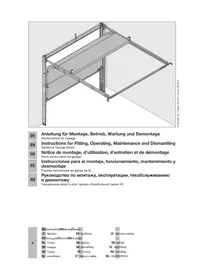
Anleitung für Montage, Betrieb, Wartung und Demontage
Sectionaltore für Garage
EN
Instructions for Fitting, Operating, Maintenance and Dismantling
Sectional Garage Doors
FR
Notice de montage, d'utilisation, d'entretien et de démontage
Porte sectionnelle de garage
ES
Instrucciones para el montaje, funcionamiento, mantenimiento y desmontaje
Puertas seccionales de garaje de la
RU
Руководство по монтажу, эксплуатации, техобслуживанию и демонтажу
Секционные ворота для гаража строительной серии 40
+
NLNederlaNdsNONorskETeesti
IT italiaNo
SV sveNska
PTPortuguêsFlsuomiHRHrvatski
PL Polski
DA daNsk
HU magyar
SK sloveNsky
CS Česky
TR türkçe
SL sloveNsko
LT lietuvių kalba
LV latviešu valoda
SR srPski
EL eλλHNika
RO româNă
BG БЪЛГАРСКИ
DEUTSCH 3
ENGLISH 7
FRANÇAIS 11
ESPAÑOL.... 15
РУССКИЙ 19
NEDERLANDS. 23
ITALIANO....27
PORTUGUÊS. 31
POLSKI 35
MAGYAR 39
ČESKY 43
SLOVENSKO 47
NORSK....51
SVENSKA. 55
SUOMI 59
DANSK....63
SLOVENSKY 67
TÜRKÇE 71
LIETUVIŲ KALBA 75
EESTI 79
LATVIEŠU VALODA.... 83
HRVATSKI 87
SRPSKI 91
ΕΛΛΗΝΙΚΑ. 95
ROMÂNĂ 99
БЪЛГАРСКИ.... 103
107
Inhaltsverzeichnis
1 About These Instructions....7
1.1 Warnings used....7
2 ⚠ Safety Instructions....7
2.1 Intended use....7
2.2 General safety instructions....7
2.3 Environmental conditions....8
3 Fitting....8
3.1 Tensioning the springs....8
4 Operation....8
4.1 Operating the door 8
4.2 Locking and unlocking 9
5 Cleaning and Care....9
6 Inspection and Maintenance....9
6.1 Inspections and maintenance .....9
7 Malfunctions and Troubleshooting ....10
7.1 Paint treatment....10
8 Dismantling....10
107
Dissemination as well as duplication of this document and the use and communication of its content are prohibited unless explicitly permitted. Noncompliance will result in damage compensation obligations. All rights reserved in the event of patent, utility model or design model registration. Subject to changes.
Dear Customer,
We are delighted that you have chosen a quality product from our company.
1 About These Instructions
These instructions are divided into a text section and an illustrated section. The illustrated section can be found after the text section.
These instructions are original instructions as outlined in the EC Directive 2006/42/EC. Read and follow these instructions carefully. They contain important information concerning the product. Please pay particular attention to all safety and warning notices.
Keep these instructions in a safe place for later reference!
1.1 Warnings used

The general warning symbol indicates a danger lead to injury or death. In the text, the general symbol will be used in connection with the caution described below. In the illustrated section, an instructional reference refers back to the explanation in the

WARNING
Indicates a danger that can lead to death or serious injuries.
ATTENTION
Indicates a danger that can lead to damage or destruction of the product.
2 Safety Instructions
2.1 Intended use
This garage door is designed and intended for private use only.
Continuous operation is not permitted.
2.2 General safety instructions
- Fitting, maintenance, repair and dismantling of the Series 40 sectional garage door may only be carried out by specialists (competent persons in accordance with EN 12635).
- In the event of a door failure (sluggish operation or other malfunctions), a specialist must be commissioned immediately for the inspection / repair work.
- The specialist must ensure that the respective national regulations regarding occupational safety are complied with.
- Before the door is put into service, it must be tested to make sure that it is mechanically sound, in perfect working order as well as correctly balanced, making it also easy to operate manually (EN 12604).
- The field of application for Series 40 sectional doors is laid down in EN 13241-1.
- When the door is fitted, attention must be paid to potential hazards as defined in EN 12604 and EN 12453.
2.3 Environmental conditions
ATTENTION
Damage due to temperature differences
Differences in the inside and outside temperatures may cause deflection of the door elements (bi-metal effect).
This may result in damage when the door is operated.
▶ Comply with the operating conditions.
The door is intended for the following operating conditions:
Temperature:
• Exterior side - 40 °C to + 60 °C
• Interior side -20^ to +60^
Relative humidity: 20 % to 90 %
3 Fitting

WARNING
Danger of injury as the result of structural modifications
Changing or removing functional parts may put important safety components out of action. Uncontrolled door travel could occur and persons or objects may be trapped as a result.
▶ Do not alter or remove any functional parts.
▶ Do not attach any additional components. The torsion springs are precisely matched to the door leaf weight. Additional components may overload the springs.
▶ If equipping the door with an operator, pay attention to the instructions provided by the manufacturers of the door and operator. Only use the original connections of the door manufacturer!
Before fitting the door, the door opening and the building floor must be completely finished.
Observe the following during fitting:
- Establish a secure connection with the building structure.
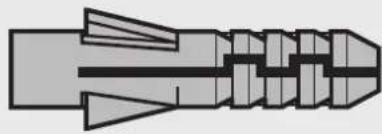
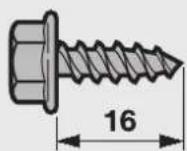
- Check that the fixing materials supplied are suitable for the given structural conditions.
- Do not fasten the door system to supporting structural members unless you have obtained the prior approval of the structural engineer.
- Ensure adequate water run-off in the area of the bottom seal and the frame parts, otherwise there is a danger of corrosion. (see Technical Manual)
- Ensure sufficient drying and ventilation in the building, otherwise there is danger of corrosion.
- The door must be effectively protected before carrying out plastering and paintwork, as splashes of mortar, cement, plaster, paint etc. can damage the door surface.
- Protect the door from caustic, aggressive substances, e.g. nitrous reactions from stones or mortar, acids, alkali solutions, de-icing salt, aggressive paints or sealants. Failure to do so, could lead to corrosion.
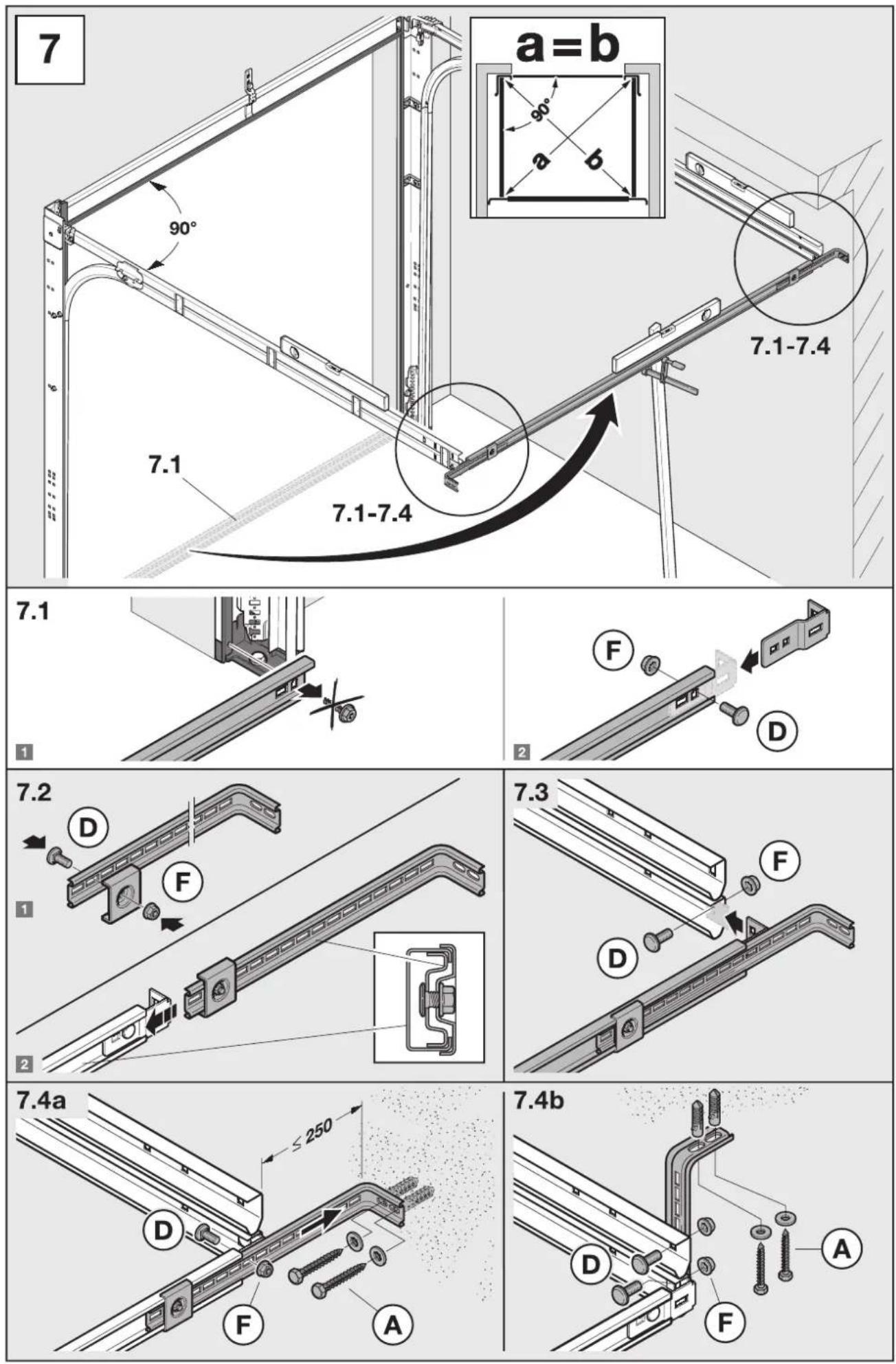
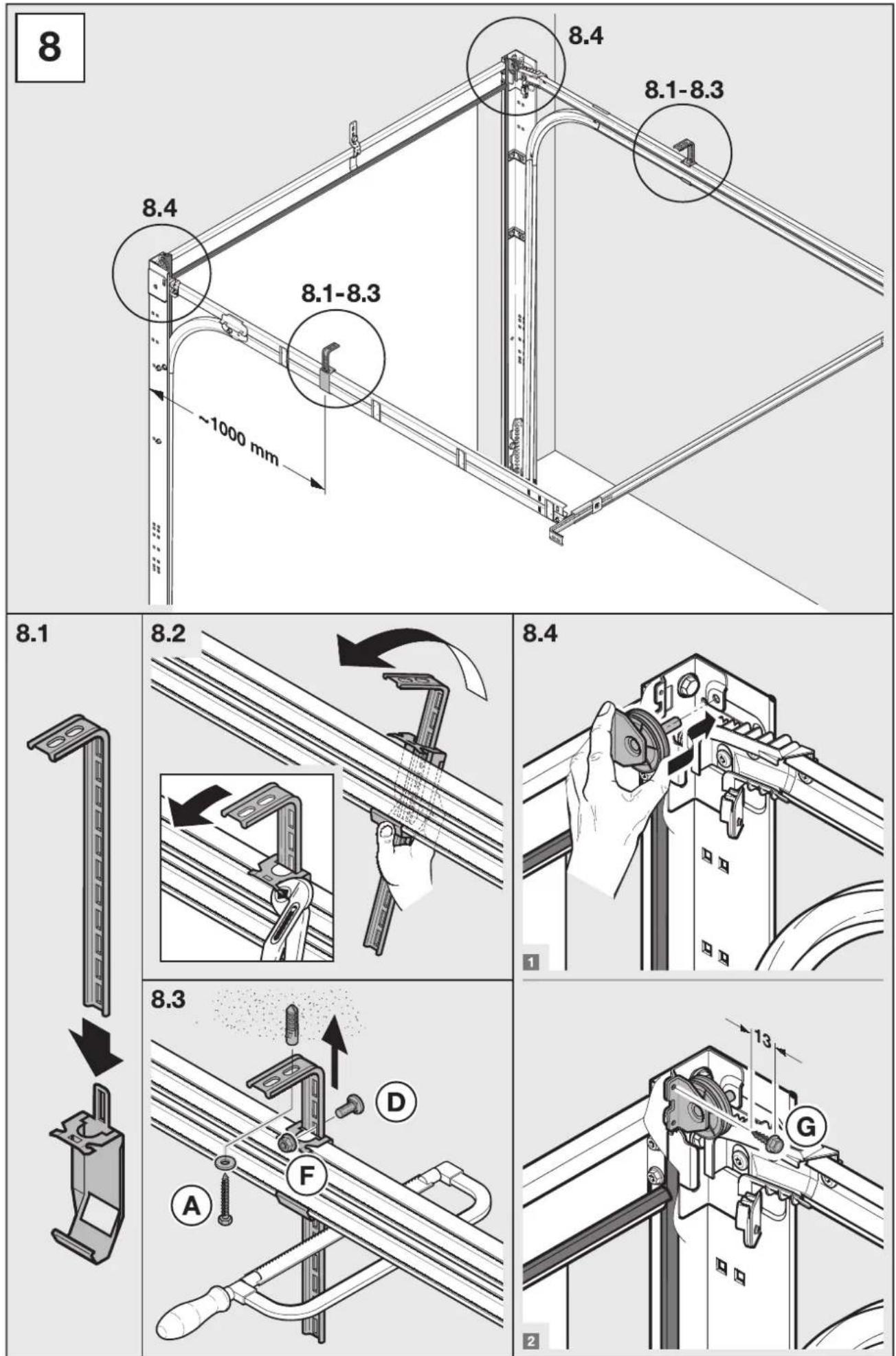
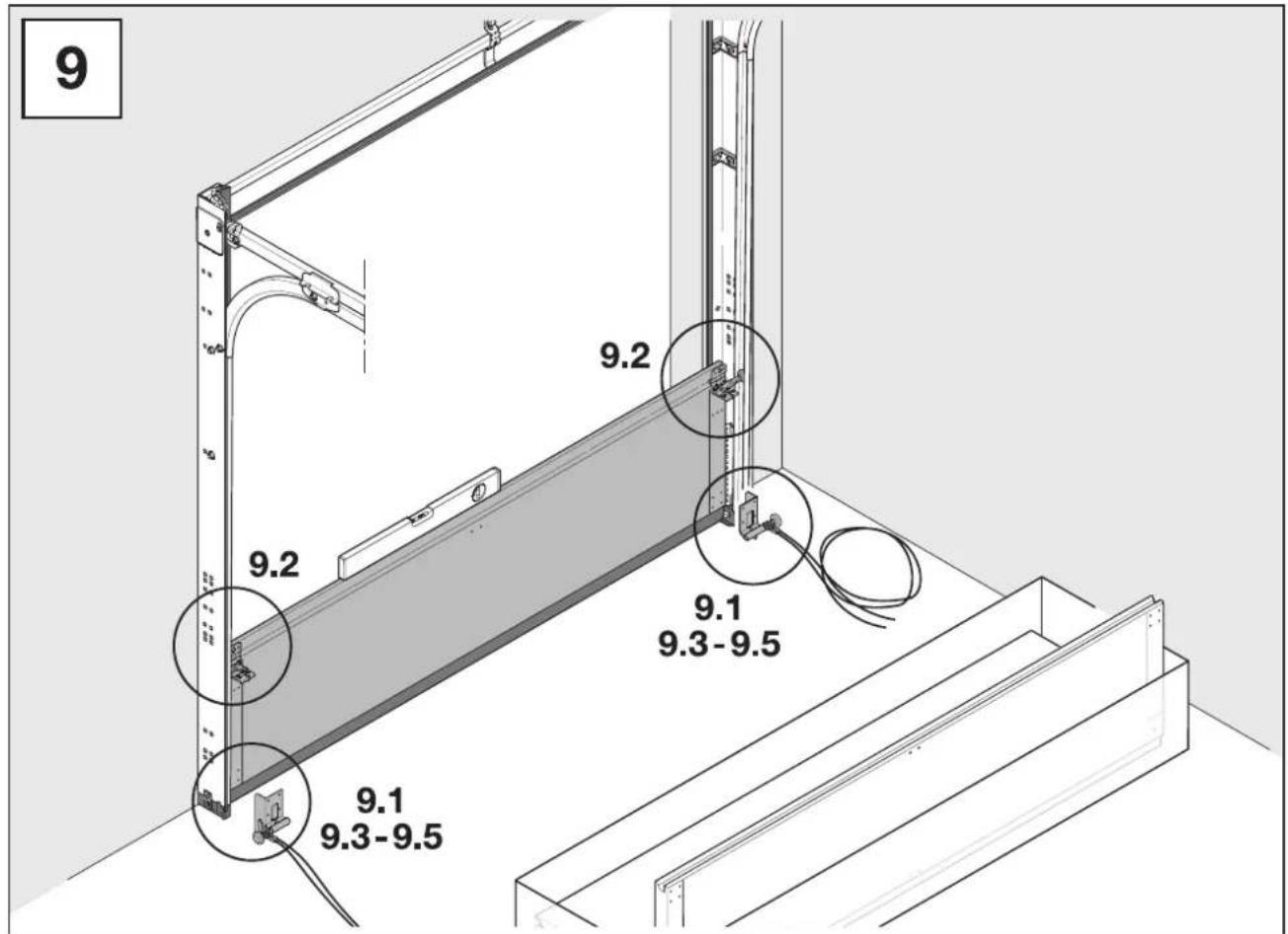
▶ To ensure simple and secure fitting, please follow the work steps listed in the illustrated section.
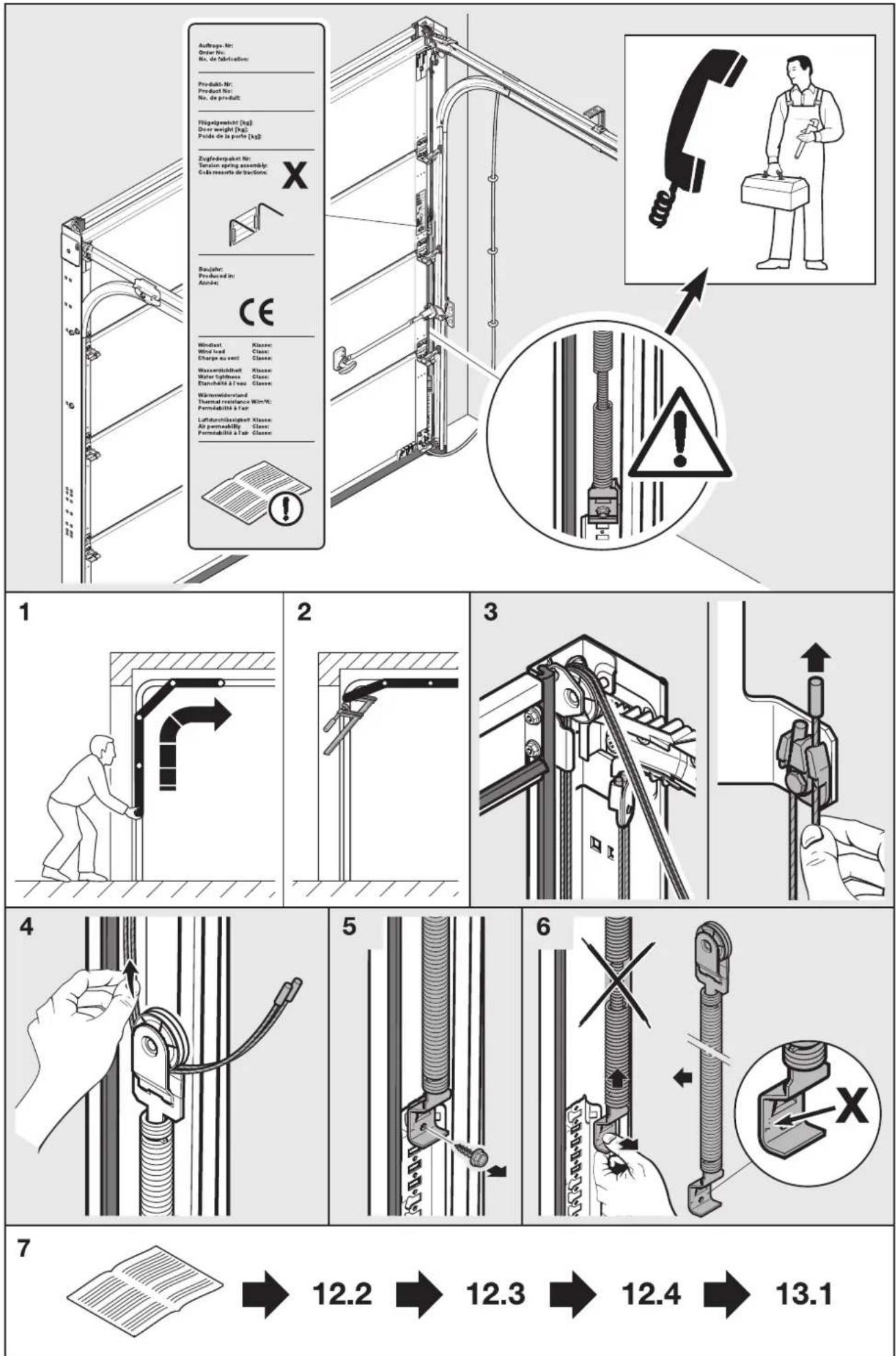
3.1 Tensioning the springs

WARNING
Danger of injury due to high spring tension
Springs are under high tension and may discharge high forces if they are not secured during tensioning.
- Fix the door leaf to prevent uncontrolled movement before adjusting the tension springs.
When the springs are tensioned correctly, the moving door leaf has a slight tendency to pull upwards.
▶ Each time the door is serviced, the tension of the springs should be checked and, if necessary, subsequently re-adjusted.
Before putting the door into operation for the first time, inspect the door according to the chapter Inspection and Maintenance!
4 Operation
4.1 Operating the door

WARNING
Danger of injury during door travel
The sectional door opens to the top vertically; persons or objects may be trapped.
When operating the door, always make sure that there are no objects or persons, especially children, within the door's range of movement!
▶ Always keep the opening area of the door clear.
▶ Do not operate the door in strong winds.
The door must only be operated by suitably instructed persons. If the sectional door is competently fitted and inspected, it can be easily moved and operated.
4.1.1 Manually operated doors

WARNING
Danger of injury due to improper operation
Persons or objects may be trapped if the door is operated improperly.
▶ Only open and close the door using the supplied operating elements; these ensure a controlled, smooth action.
▶ When closing the door, make sure that the latches engage fully and correctly.
4.1.2 Power-driven doors
The automation of a sectional door requires that special safety regulations be observed. Consult your supplier.
4.2 Locking and unlocking
The door is not locked when closed with the grip handle. This is done by using the key or locking lever on the lock.
From outside:
▶ Turn the key 360°
To unlock: turn the key left
To lock: turn the key right
From inside:
▶ Slide the locking lever on the lock
To unlock: slide it upwards
To lock: slide it downwards
5 Cleaning and Care
ATTENTION
Scratches on the panes due to improper cleaning
Rubbing the panes causes scratches.
▶ Dirt and dust particles must first be thoroughly rinsed off with water. If necessary, only wash with water, a pH-neutral household detergent and a soft, clean cloth.
Clear water is sufficient for cleaning and care. Use warm water together with a neutral, non-abrasive cleaning agent (household detergent, pH value 7) if more heavily soiled. To preserve the surface characteristics, regular cleaning must be carried out at least every 3 months (outside of door, seals). The slide area behind the side seals must be kept permanently clean and able to slide.
A variety of environmental influences (e.g. maritime climate, acids, road salt, air pollutants, paint damage) may make additional protective coating necessary (see Paint treatment on page 10).
6 Inspection and Maintenance
6.1 Inspections and maintenance

WARNING
Danger of injury due to defective safety components Important safety components may fail or become defective if not sufficiently inspected and maintained.
▶ Have a qualified person perform inspection and maintenance work at regular intervals.
The following inspection and maintenance tasks must be carried out by a specialist in accordance with these instructions, before initial operation and at least once a year!
6.1.1 Inspect all load-bearing components

WARNING
Danger of injury due to high cable tension
Cables are under high tension. Damaged cables may cause serious injuries.
▶ Fix the door leaf to prevent movement before exchanging damaged cables.
▶ Be particularly careful when exchanging damaged cables.
▶ Check load carriers (cables, springs, tracks, supports) and safety devices for breakage and damage, replacing any damaged components as necessary.
6.1.2 Weight counterbalance

WARNING
Danger of injury due to uncontrolled door drops
If the counterbalance has not been properly adjusted, this may result in an uncontrolled door drop, which could trap persons or objects.
▶ Retighten the tension springs.
High spring tension
Springs are under high tension and may discharge high forces if they are not secured during tensioning.
- Fix the door leaf to prevent uncontrolled movement before adjusting the tension springs.
Check the counterbalance of the door leaf
▶ Open the door manually up to the half-way point. The door must be capable of holding this position.
If the door moves substantially downwards:
▶ Re-adjust the tension of the springs
6.1.3 Fixing points
▶ Check all the fixing points on the door and the building structure and make sure that all the fastenings are securely seated and, if necessary, retighten.
6.1.4 Rollers and tracks
When the door is closed, the rollers must be easy to turn.
▶ Adjust rollers if necessary. Observe the operator fitting notes; they contain details on roller adjustment.
▶ Clean tracks, if necessary, do not grease!
6.1.5 Hinges and roller holders
▶ Oil hinges and roller holders.
6.1.6 Locking cylinders
ATTENTION
Damage to the locking cylinders due to unsuitable cleaning products
Locking cylinders may not be cleaned with agents containing oil or be oiled.
▶ Only use specialised care products.
▶ Do not use oil or graphite.
6.1.7 Seals
▶ Check for damage, deformations and completeness. If necessary, replace.
7 Malfunctions and Troubleshooting

WARNING
Danger of injury due to uncontrolled door movement If the door malfunctions, uncontrolled door movements may trap persons or objects.
In the event of a door failure (sluggish operation or other malfunctions), a specialist must be commissioned immediately for the inspection / repair work.
7.1 Paint treatment
The door leaf is provided with a polyester-primer coating. If you want to paint the door a different colour, or if a renovation coating or additional protective coating is necessary:
- Lightly sand the surface with fine sand paper (at least 180 grain size).
• Clean with water, dry and remove any grease - Treat further with commercially available synthetic resin paints suitable for outdoor applications.
Avoid dark coatings on double-skinned doors and doors with thermal breaks.
Follow the directions of the paint manufacturer!
8 Dismantling
Dismantle the door in accordance with these fitting instructions, in the logically correct reverse order.
Table des matières
▶ Retendez les ressorts de traction.
▶ Retendez les ressorts de traction.
Hoidke see juhend hoolikalt alles!
natural_image
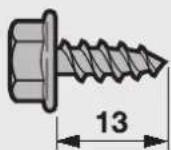
Illustration of a hexagonal bolt with threaded shaft (no text or symbols)
natural_image
Pure mechanical component diagram without any text, numbers, or symbolsB

E

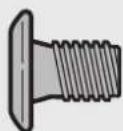
©
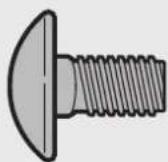
F

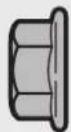
D

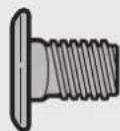
G

text_image
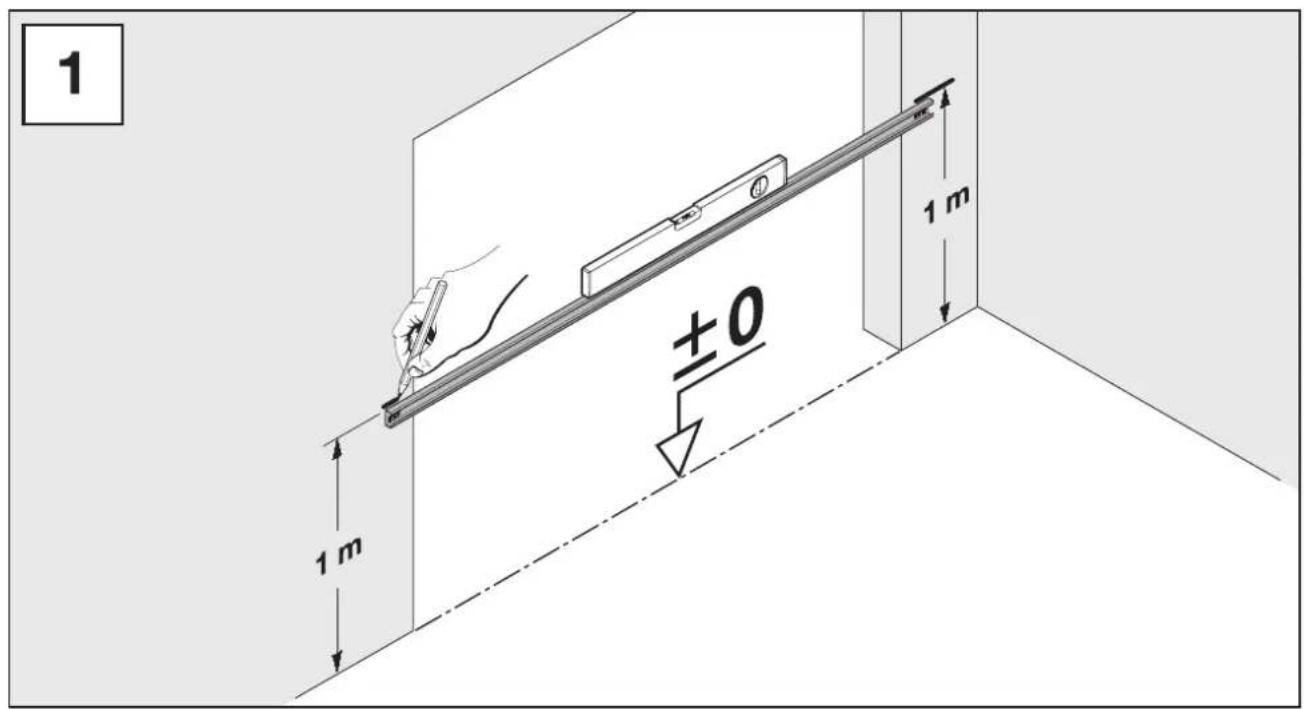
1 ±0 1 m 1 m 1 m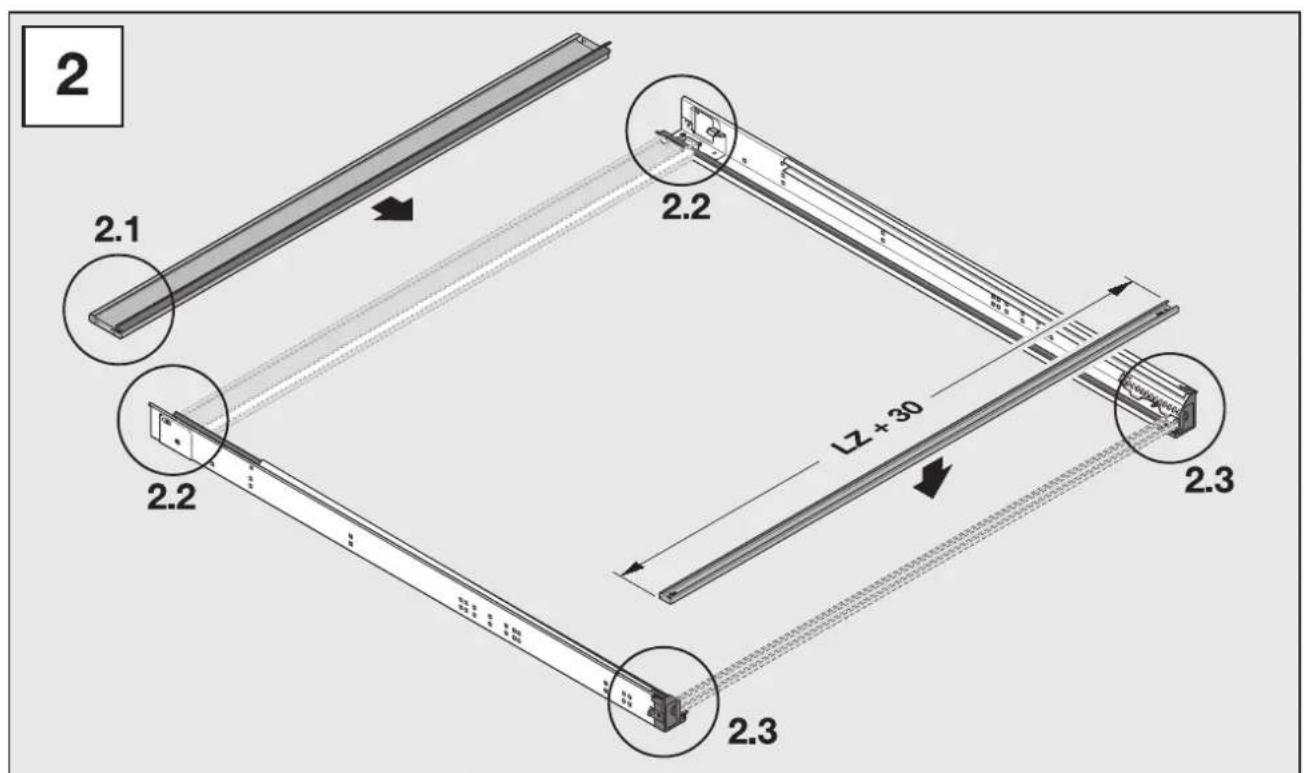
text_image
2 2.1 2.2 LZ + 30 2.2 2.3 2.3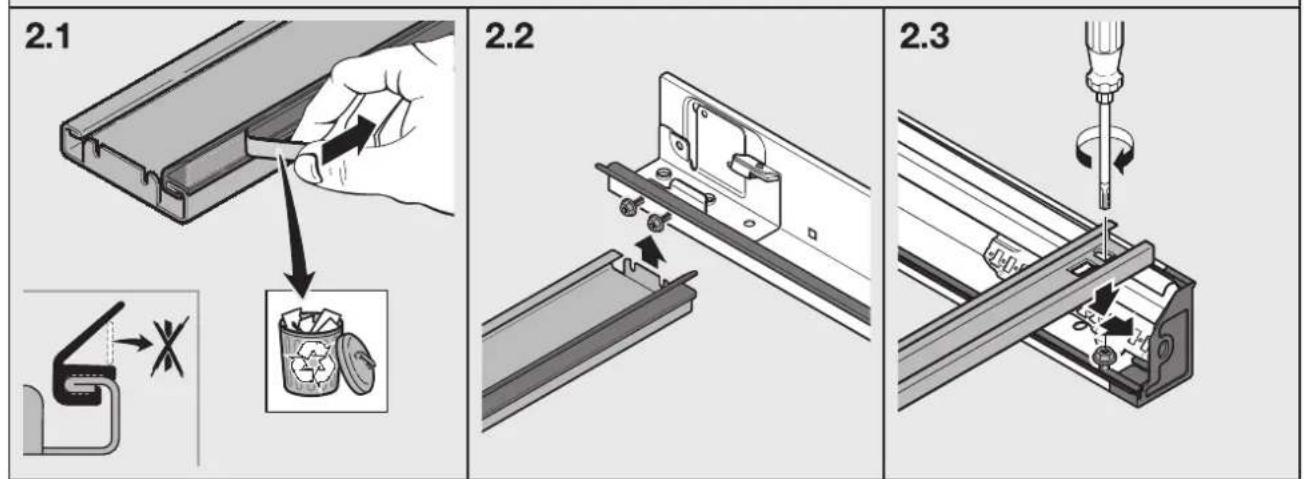
text_image
2.1 2.2 2.3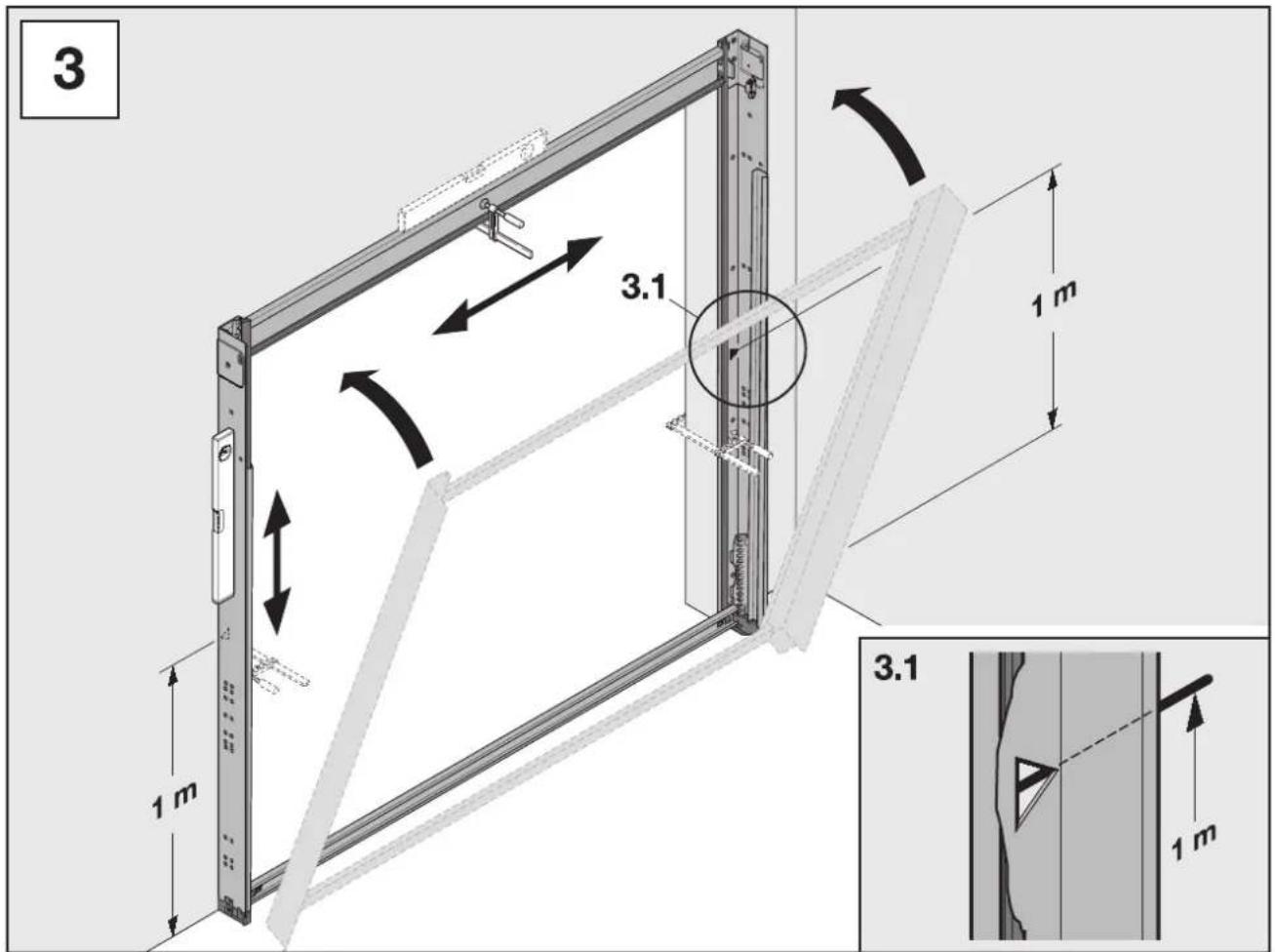
text_image
3 1 m 3.1 1 m 3.1 1 m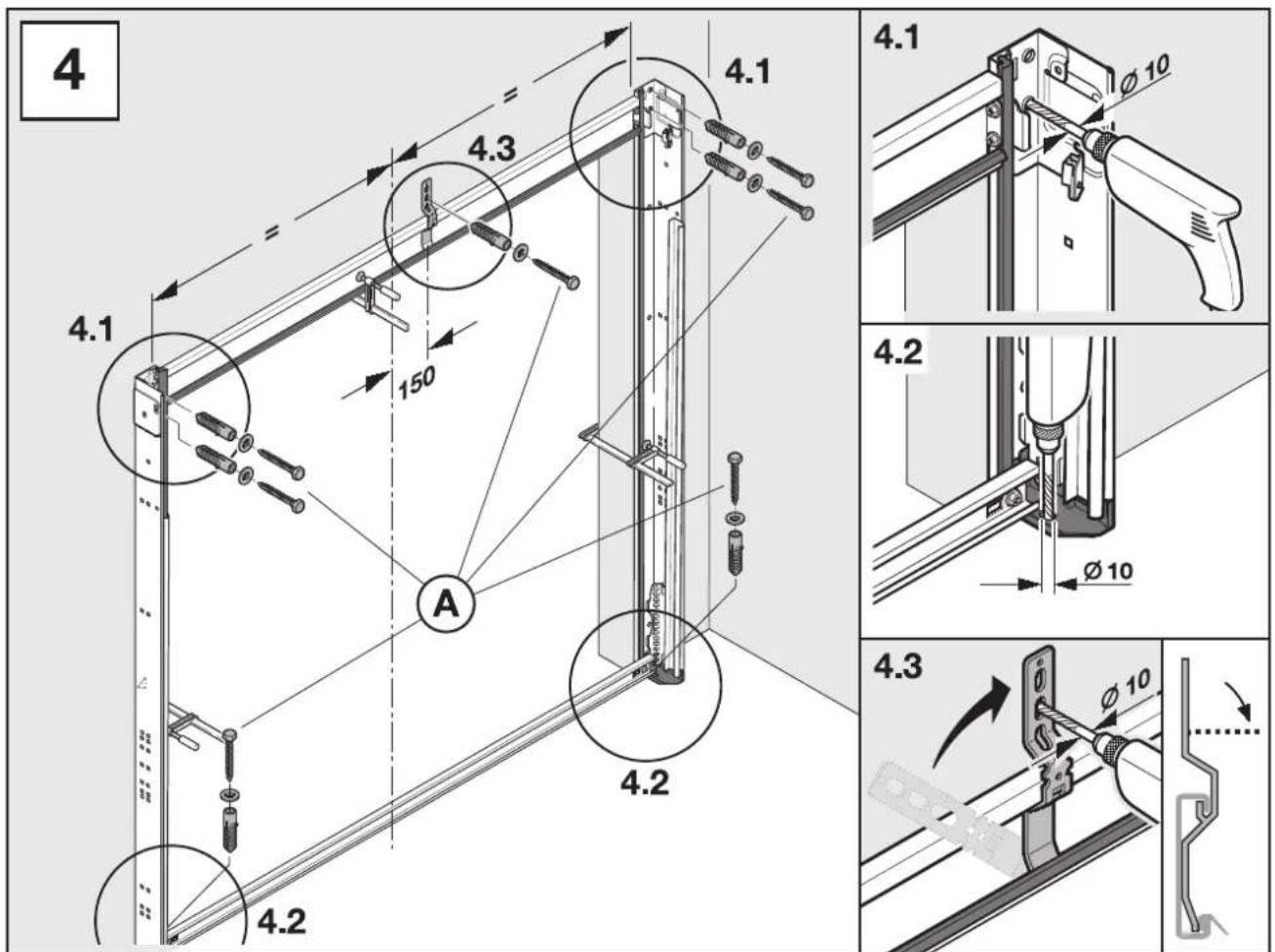
text_image
4 4.1 4.3 4.1 150 A 4.2 4.2 4.1 Ø 10 4.2 Ø 10 4.3 Ø 10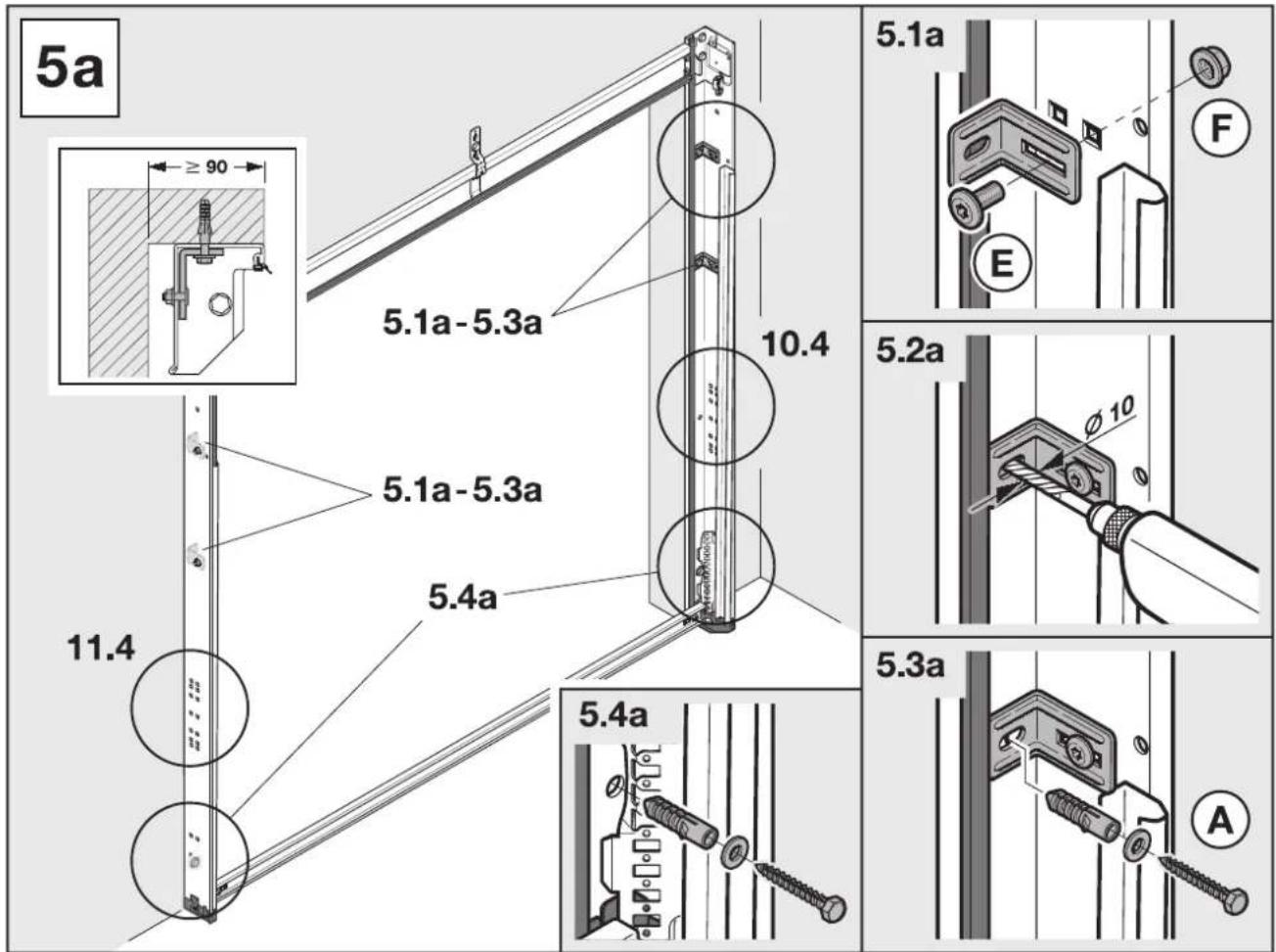
text_image
5a ≥ 90 5.1a-5.3a 10.4 5.1a E F 5.2a φ 10 5.3a A 5.1a 5.1a-5.3a 5.4a 11.4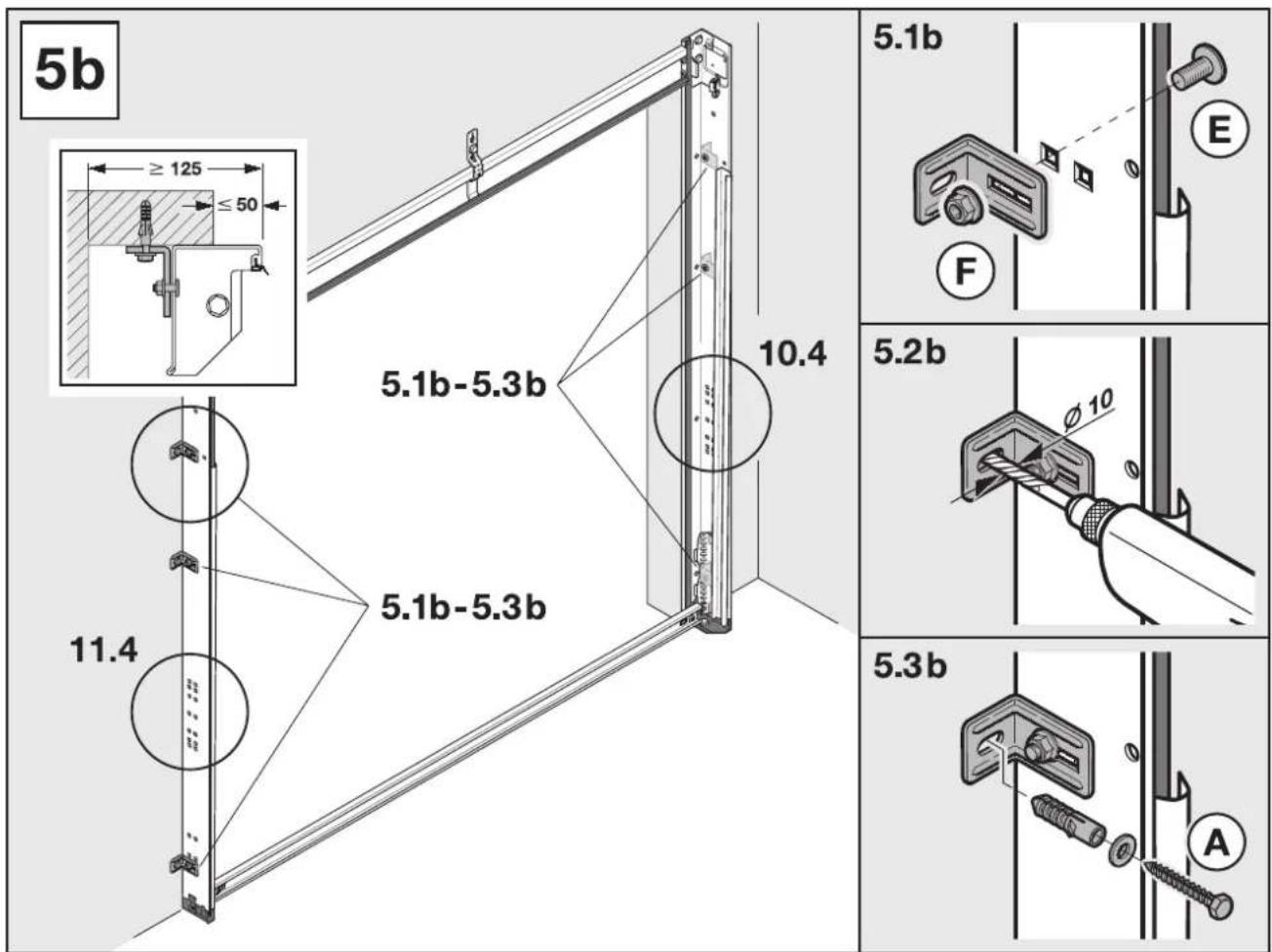
text_image
5b ≥ 125 ≤ 50 5.1b-5.3b 10.4 5.1b E F 5.2b φ 10 5.3b A 11.4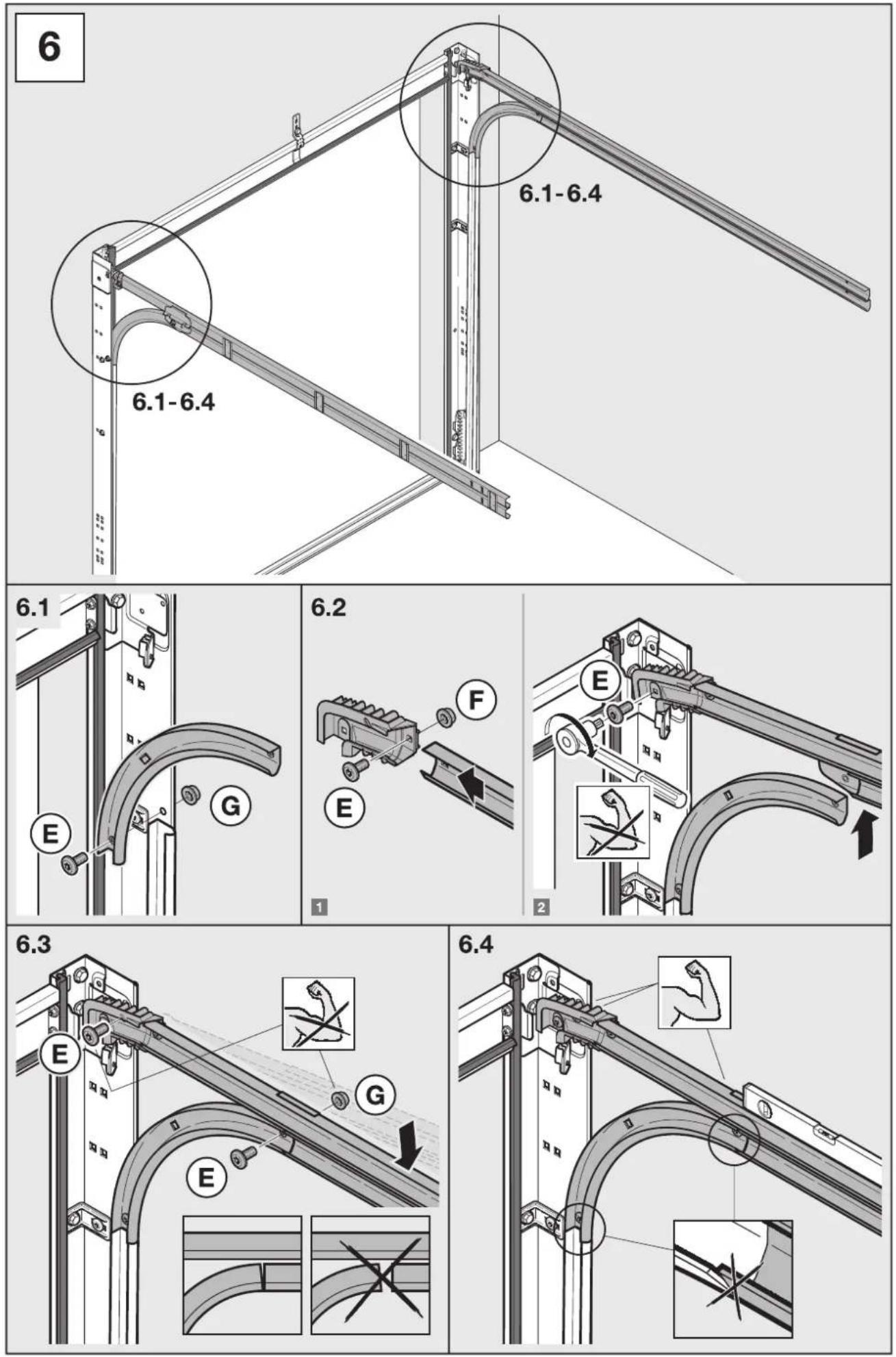
text_image
9 9.2 9.1 9.3-9.5 9.1 9.3-9.5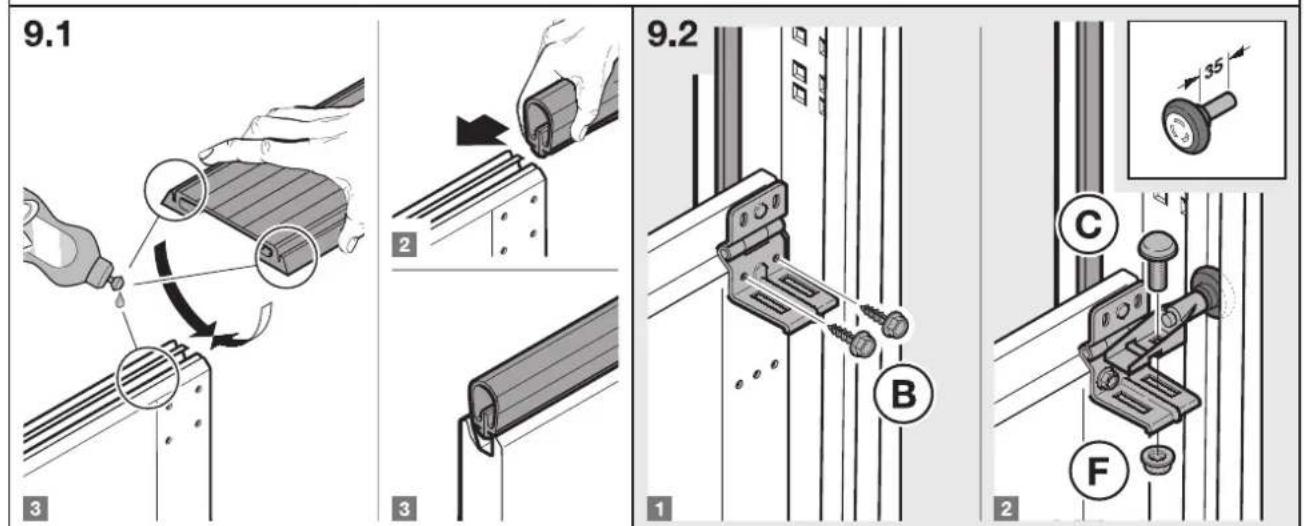
text_image
9.1 2 3 9.2 1 C 35 F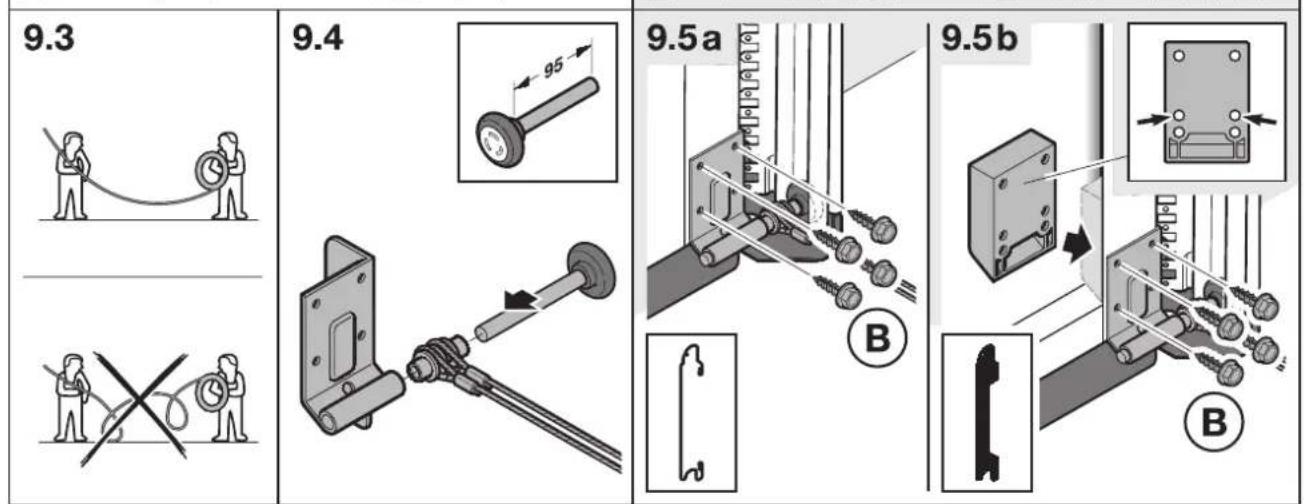
text_image
9.3 9.4 9.5a 9.5b B B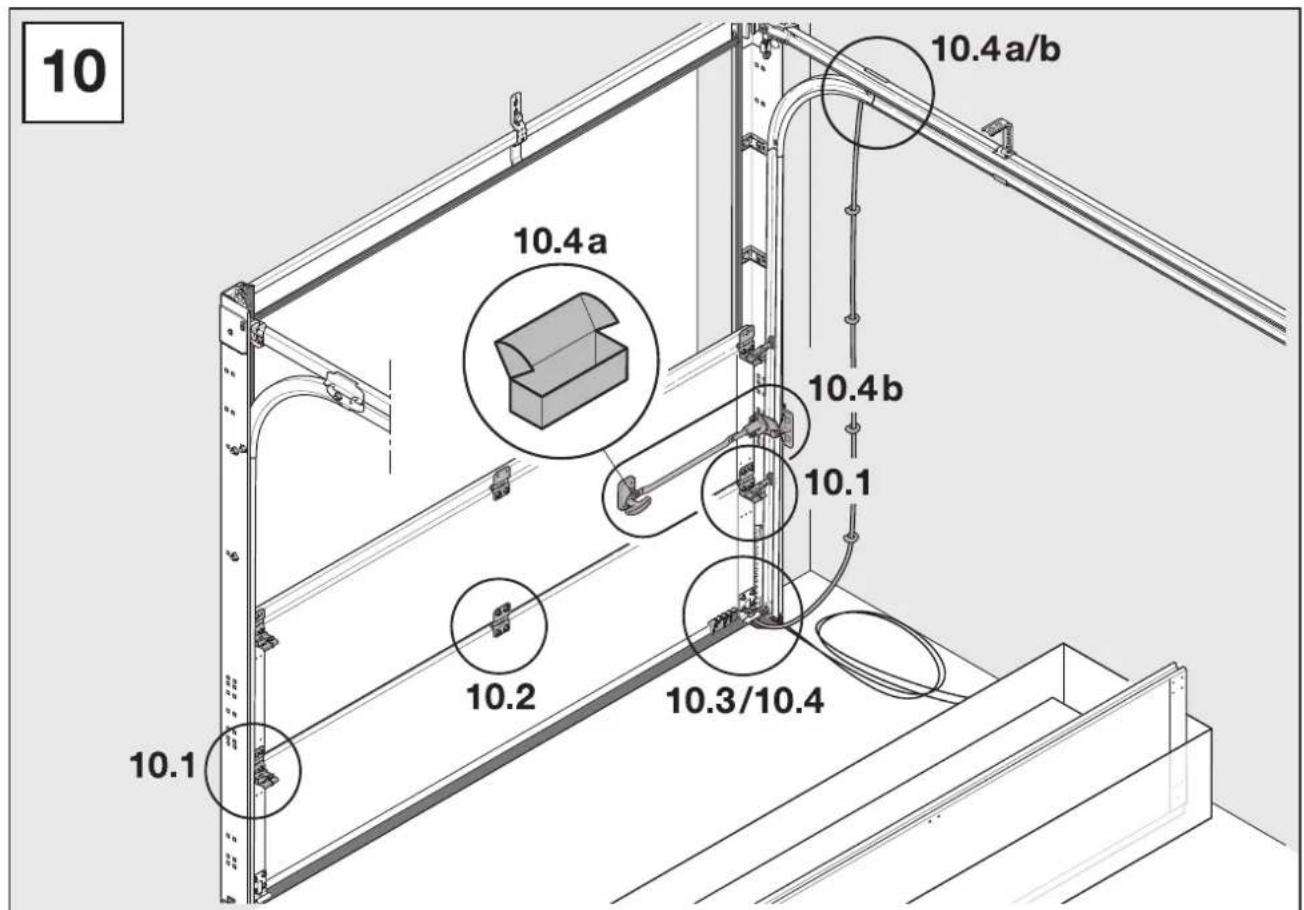
text_image
10 10.4a/b 10.4b 10.1 10.2 10.3/10.4 10.1 10.4a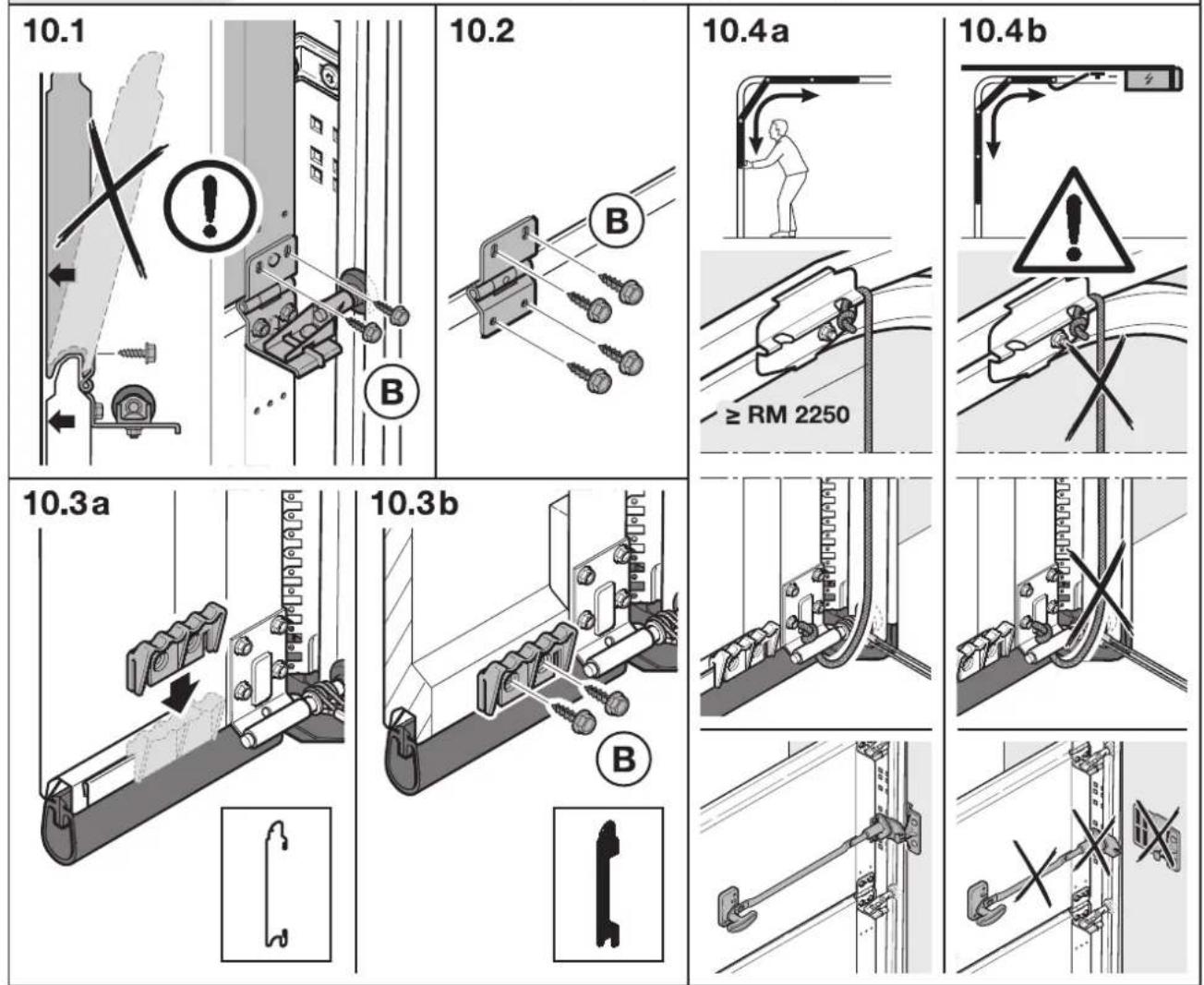
text_image
10.1 10.2 10.4a 10.4b ≥ RM 2250 10.3a 10.3b B
text_image
13 13.2 13.1 13.2 13.1 13.2a D 73 170 F 13.2b