
DP110 - String Trimmer HUSQVARNA - Free user manual and instructions
Find the device manual for free DP110 HUSQVARNA in PDF.
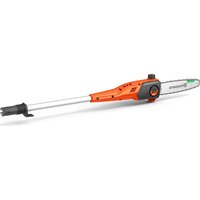


| Product type | Battery-powered pole pruner attachment |
| Brand | Husqvarna |
| Model | DP110 |
| Compatibility | Husqvarna 110iLD or 110iL power units |
| Weight (without battery) | 3.11 kg |
| Chain oil tank capacity | 0.09 L |
| Measured sound power level | 94 dB(A) |
| Guaranteed sound power level (LWA) | 97 dB(A) |
| Sound pressure level at ear | 87 dB(A) |
| Vibration level (front/rear handles) | 1.415 / 1.374 m/s² |
| Recommended chain type | SP11G (pitch 1/4", gauge 1.1 mm, 60 drive links) |
| Recommended guide bar | 529 34 07-34 (length 10", pitch 1/4", gauge 1.1 mm) |
| Lubrication system | Automatic, chain oil (tank 0.09 L) |
| Main functions | Pruning branches and twigs, use with harness, right-angle cut recommended |
| Maintenance and cleaning | Regular chain tension, lubrication, sharpening cutting teeth, cleaning guide bar, checking drive sprocket |
| Safety | Safety distance 15 m, distance to power lines 10 m, wear PPE (helmet, glasses, gloves, boots), use harness, safety devices (hand guard, suspension hook) |
| Spare parts and repairability | Original Husqvarna spare parts, maintenance by authorized workshop |
| General information | Compliant with EC directives (2006/42/EC, 2014/30/EU, 2000/14/EC, 2011/65/EU), EC certificate no. M6A 024735 0160 |
Frequently Asked Questions - DP110 HUSQVARNA
User questions about DP110 HUSQVARNA
0 question about this device. Answer the ones you know or ask your own.
Ask a new question about this device
Download the instructions for your String Trimmer in PDF format for free! Find your manual DP110 - HUSQVARNA and take your electronic device back in hand. On this page are published all the documents necessary for the use of your device. DP110 by HUSQVARNA.
USER MANUAL DP110 HUSQVARNA


Contents
Introduction.... 10
Safety....11
Assembly.... 14
Operation.... 15
Maintenance.... 16
Technical data.... 19
Accessories.... 19
Declaration of Conformity.... 21
Introduction
Product description
Husqvarna DP110 is a pole saw attachment that is used together with a power unit.
We have a policy of continuous product development and therefore reserve the right to modify the design and appearance of the products without prior notice.
Intended use

WARNING: This attachment may only be used together with the intended product, see the accessory chapter in the Operator's Manual of the product.
This attachment is only designed for cutting branches and twigs.
Attachment overview
(Fig. 1)
- Shaft
- Harness support hook
- Protective cover for saw chain
- Locking knob for protective cover
- Chain tensioning screw
- Saw chain
- Guide bar
- Chain oil tank
- Cap for the chain oil tank
- Operator's manual
- Transport guard
- Harness
- Combination tool
- Handguard
- Hanger
- Screws for the handguard
- Storage hook, screws and wall plugs
Symbols on the attachment and on the power unit
(Fig. 2) WARNING! Be careful and use the product correctly. This product can cause serious injury or death to the operator or others.
(Fig. 3) Read the operator's manual carefully and make sure you understand
the instructions before you use the attachment.
(Fig. 4) Use a protective helmet in locations where objects can fall on you. Use approved eye protection.
(Fig. 5) Always wear approved protective gloves.
(Fig. 6) Wear sturdy, non-slip boots.
(Fig. 7) Direct current.
(Fig. 8) Rated voltage, V
(Fig. 9) The product or package of the product is not domestic waste. Recycle it at a recycling station for electrical and electronic equipment.
(Fig. 10) Do not expose to rain.
(Fig. 11) Disconnect battery before maintenance.
(Fig. 12) Chain oil.
(Fig. 13) This attachment is in accordance with applicable EC directives.
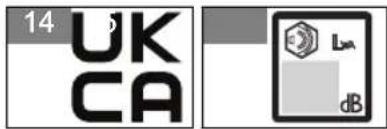
(Fig. 14) This product conforms to the applicable UK regulations.
legislation "Protection of the Environment Operations (Noise Control) Regulation 2017". The guaranteed sound power level of the product is specified in Technical data on page 19.
(Fig. 15) Noise emission to the environment label as per EU and UK directives and regulations, and New South Wales
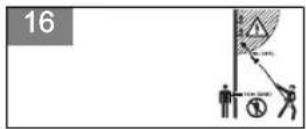
(Fig. 16) This product is not electrically insulated. If the product touches or
comes close to high-voltage power lines it could lead to death or serious injury. Electricity can jump from one point to another by arcing. The higher the voltage, the greater the distance electricity can jump. Electricity can also travel through branches and other objects, especially if they are wet. Always keep a distance of at least 10 m between the machine and high-voltage power lines and/or any objects that are touching them. If have to work within this safe distance you should always contact the relevant power company to make sure the power is switched off before you start work.
The operator of the product must ensure, while working, that no persons or animals come closer than 15 meters.
Note: Other symbols/decals on the product refer to special certification requirements for certain markets.
Safety
Safety definitions
Warnings, cautions, and notes are used to point out specially important parts of the manual.

WARNING: Used if there is a risk of injury or death for the operator or bystanders if the instructions in the manual are not obeyed.

CAUTION: Used if there is a risk of damage to the product, other materials, or the adjacent area if the instructions in the manual are not obeyed.
Note: Used to give more information that is necessary in a given situation.
General safety instructions

WARNING: Read the warning instructions that follow before you use the product.
- Please read the operator's manual carefully and make sure you understand the instructions before using the attachment. These instructions supplement the instructions that were included with the product. For other
procedures, please refer to the operating instructions for the product.
- Under no circumstances may the design of the attachment be modified without the permission of the manufacturer. Do not use an attachment that appears to have been modified by others, and always use original accessories. Non-authorized modifications and/or accessories can result in serious personal injury or the death of the operator or others.
- National regulations can restrict the use of the product.
Safety instructions for operation
- Never allow children to use the product.
- Keep unauthorized persons at a distance. Children, animals, onlookers, and helpers should be kept outside the safety zone of 15 meters while you work. Stop the product immediately if anyone approaches.
- Never allow anyone else to use the product without first ensuring that they have read and understood the contents of the operator's manual.
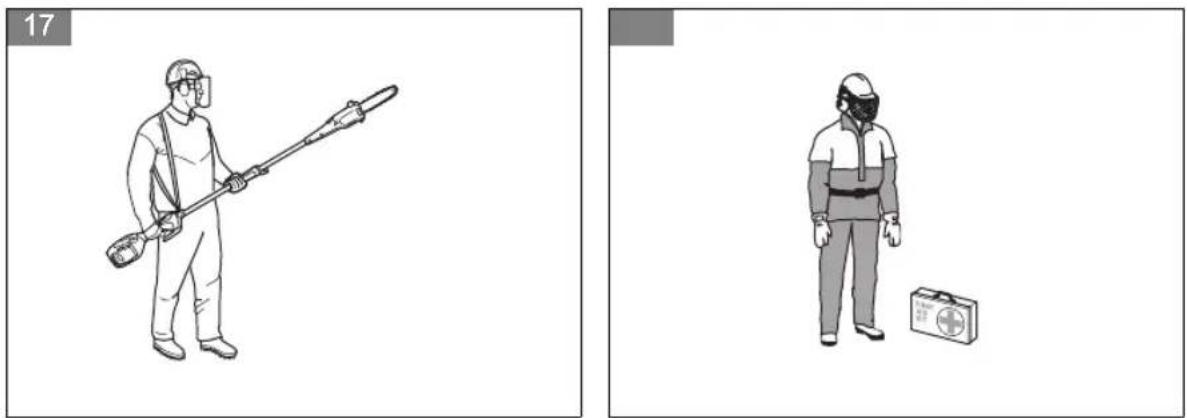
- Never work from a ladder, stool, or any other raised position that is not fully secured. Always ensure you have a safe and stable working position. Always use the harness when you operate the product. The harness gives maximum control during operation of the product. The harness decreases the risk of tiredness in your arms and back.
• Always use both hands to hold the product. Hold the product at the side of your body. Make sure that you connect the harness to the harness support hook.
(Fig. 17)
- Use your right hand to control the power trigger.
- If an emergency occurs, let go of the product and let it fall to the ground.
- Make sure that your hands and feet do not come near the cutting attachment when the motor is running.
- When the motor is switched off, keep your hands and feet away from the cutting attachment until it has stopped completely.
- Watch out for stumps of branches that can be thrown out during cutting. • Always put the product on the ground when you are not using it.
- Check the working area for foreign objects such as electricity cables, insects and animals, etc, or other objects that could damage the cutting attachment, such as metal items.
- If a foreign object is hit or if vibrations occur, stop the product immediately. If you have a battery operated product, remove the battery from the product. Make sure that the product is not damaged. Repair the product if it is damaged.
- If anything gets caught up in the cutting attachment while you are working, switch off the motor and let it stop completely before cleaning the cutting attachment.
- Do not use the pole saw while you are tired or under the influence of drugs, alcohol or medication. • Overexposure to vibration can lead to circulatory damage or nerve damage in persons who have poor circulation. Speak to your physician if you experience symptoms of overexposure to vibration. Such symptoms include numbness, loss of feeling, tingling, pricking, pain, loss of strength, changes in skin color or condition. These symptoms usually show in the fingers, hands or wrists. The risk increases at low temperatures.
- Before operation, do an inspection for damages on the product. If the product falls or hits something, do an inspection for damages. Repair the product if it is damaged.
- Do not breathe in chain oil mist or sawdust. Long term inhalation of chain oil mist and sawdust can represent a health risk.
Personal protective equipment

WARNING: Read the warning instructions that follow before you use the product.
- Use a helmet if it is possible that objects can fall on you.
- Use approved hearing protection.
- Long-term exposure to noise can result in permanent hearing impairment. Always use approved hearing protection. • Always wear protective, non-slip boots.
(Fig. 18)
• Always wear working clothes and heavy-duty long trousers. - Never wear loose clothing or jewelry. - Make sure your hair does not hang below shoulder level.
Safety devices on the product
This section describes the safety devices on the product, their purpose, and how checks should be carried out to ensure that the safety devices operate correctly.

WARNING: Never use a product with faulty safety devices. The safety devices must be checked as described in this section. If the product fails any of these checks, contact your servicing agent to get it repaired.
Pole saw safety warnings
- Keep all parts of the body away from the saw chain or saw blade when the pole saw is operating. Before you start the machine, make sure the saw chain or blade is not contacting anything. A moment of inattention while operating the machine may result in injury to yourself or others.
- Always use two hands when operating the pole saw. Hold the machine with both hands to avoid loss of control. • To reduce the risk of electrocution, never use the pole saw near any electrical power lines. Contact with or use near power lines may cause serious injury or electric shock resulting in death.
- Hold the pole saw by insulated gripping surfaces only, because the saw chain or blade may contact hidden wiring. Saw chains or blades contacting a "live" wire may make exposed metal parts of the machine "live" and could give the operator an electric shock.
- Wear safety glasses and ear protection. Further protective equipment for hands and feet is recommended. Adequate protective clothing will reduce personal injury by flying debris or accidental contact with the saw chain or blade. • Always use head protection when operating the pole saw overhead. Falling debris can result in serious personal injury. • Always keep proper footing and operate the pole saw only when standing on the ground. Slippery or unstable surfaces may cause a loss of balance or control of the machine.
- Do not operate a pole saw in a tree. Operation of a pole saw while up in a tree may result in personal injury.
- Keep all power cords and cables away from cutting area. Power cords or cables may be hidden in trees and can be accidentally cut by the blade.
- Do not use the pole saw in bad weather conditions, especially when there is a risk of lightning. This decreases the risk of being struck by lightning.
- When cutting a limb that is under tension, be alert for spring back. When the tension in the wood fibres is released, the spring loaded limb may strike the operator and/or throw the machine out of control.
- Use extreme caution when cutting brush and saplings. The slender material may catch the saw chain or blade and be whipped toward you or pull you off balance.
- Carry the pole saw by the handles with the machine switched off, taking care not to operate any power switch and with the blade away from your body. Proper carrying of the machine will reduce the likelihood of accidental contact with the moving saw chain or blade.
- When transporting or storing the pole saw, always fit the guide bar or blade cover. Proper handling of the machine will reduce the likelihood of accidental contact with the moving saw chain or blade.
- When clearing jammed material, storing or servicing the pole saw, make sure the switch is off and the battery pack is removed. Unexpected actuation of the machine while clearing jammed material or servicing may result in serious personal injury.
- Follow instructions for lubricating, chain tensioning and changing accessories. Improperly tensioned or lubricated chain may either break or increase the chance for kickback.
- Cut wood only. Do not use pole saw for purposes not intended. For example: do not use the machine for cutting plastic, metal, masonry or non-wood building materials. Use of the machine for operations different than intended could result in a hazardous situation.
Causes and operator prevention of kickback:
Kickback may occur when the nose or tip of the guide bar touches an object, or when the wood closes in and pinches the saw chain or circular saw blade in the cut.
Tip contact in some cases may cause a sudden reverse reaction, kicking the guide bar up and back and affecting safe control of the pole saw.
Pinching the saw chain along the top of the guide bar may push the guide bar rapidly backwards.
Either of these reactions may cause you to lose control of the pole saw which could result in serious personal injury. As a pole saw user, you should take several steps to keep your cutting jobs free from accident or injury.
Kickback is the result of tool misuse and/or incorrect operating procedures or conditions and can be avoided by taking proper precautions as given below:
- Maintain a firm grip, with thumbs and fingers encircling the pole saw handles, with both hands on the machine and position your body and arm to allow you to resist kickback forces. Kickback forces can be controlled by the operator, if proper precautions are taken. Do not let go of the machine.
- Do not overreach. This helps prevent unintended tip contact and enables better control of the machine in unexpected situations.
- Only use replacement guide bars, saw chains or blades specified by the manufacturer. Incorrect replacement bars, chains or blades may cause chain breakage and/or kickback.
- Follow the manufacturer's sharpening and maintenance instructions for the saw chain or saw blade. Decreasing the depth gauge height can lead to increased kickback.
Other safety information
- Avoid Dangerous Environment – Don't use appliances in damp or wet locations.
- Don't Use In Rain.
- Keep Children Away – All visitors should be kept at a distance from work area.
- Dress Properly – Do not wear loose clothing or jewelry. They can be caught in moving parts. Use of rubber gloves and substantial footwear is recommended when working outdoors. Wear protective hair covering to contain long hair.
- Use Safety Glasses – Always use face or dust mask if operation is dusty.
- Use Right Appliance – Do not use appliance for any job except that for which it is intended.
- Avoid Unintentional Starting – Don't carry plugged-in appliance with finger on switch. Be sure switch is off when plugging in.
- Don't Force Appliance – It will do the job better and with less likelihood of a risk of injury at the rate for which it was designed.
- Don't Overreach – Keep proper footing and balance at all times.
- Stay Alert – Watch what you are doing. Use common sense. Do not operate appliance when you are tired.
- Store Idle Appliances Indoors – When not in use, appliances should be stored indoors in dry, and high or locked-up place – out of reach of children.
- Maintain Appliance With Care – Keep cutting edge sharp and clean for best performance and to reduce the risk of injury. Follow instructions for lubricating and changing accessories. Keep handles dry, clean, and free from oil and grease.
- Check Damaged Parts – Before further use of the appliance, a guard or other part that is damaged should be carefully checked to determine that it will operate properly and perform its intended function.
Check for alignment of moving parts, binding of moving parts, breakage of parts, mounting, and any other condition that may affect its operation. A guard or other part that is damaged should be properly repaired or replaced by an authorized service center unless indicated elsewhere in this manual.
Safety instructions for maintenance

WARNING: The cutting attachment continues to rotate even after the power trigger has been released. If you have a battery operated product, remove the battery from the product. Make sure that the cutting attachment has stopped completely before you do maintenance on the attachment.
- Make sure that the transport guard is attached correctly to the cutting attachment when the product is not in use, is transported or is in storage. • Always wear heavy-duty gloves when repairing the cutting attachment. The cutting equipment is extremely sharp and can easily cause cuts.
- Store the product out of reach of children.
- Use only original spare parts for repairs.
- Never use a product that is faulty. Carry out the safety checks, maintenance and service instructions described in this manual. Some maintenance and service measures must be carried out by trained and qualified specialists.
- Secure the machine during transport.
Safety instructions for the cutting equipment

WARNING: Read the warning instructions that follow before you use the product.
- Only use approved guide bar/saw chain combinations and filing equipment. Refer to Guide bar and saw chain combinations on page 19 for instructions.
- Use protective gloves when you use or do maintenance on the saw chain. A saw chain that does not move can also cause injuries.
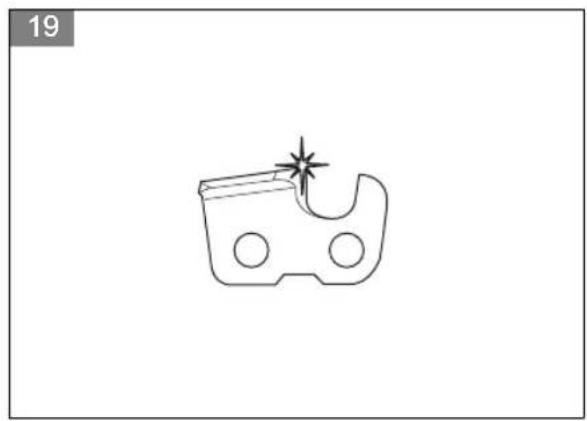
- Keep the cutting teeth correctly sharpened. Obey the instructions and use the recommended file gauge. A saw chain that is damaged or incorrectly sharpened increases the risk of accidents.
(Fig. 19)
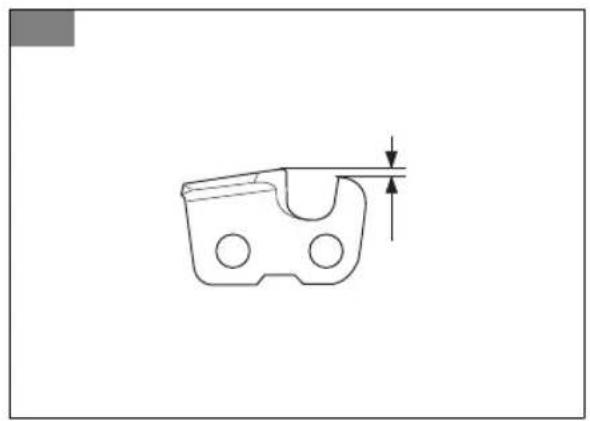
- Keep the correct depth gauge setting. Obey the instructions and use the recommended depth gauge setting. Too large depth gauge setting increases the risk of kickback.
(Fig. 20)
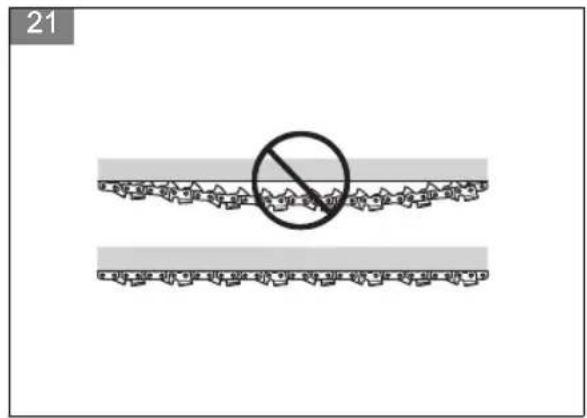
- Make sure that the saw chain has the correct tension. If the saw chain is not tight against the guide bar, the saw chain can derail. An incorrect saw chain tension increases wear on the guide bar, saw chain and chain drive sprocket. Refer to To adjust the chain tension on page 18.
(Fig. 21)
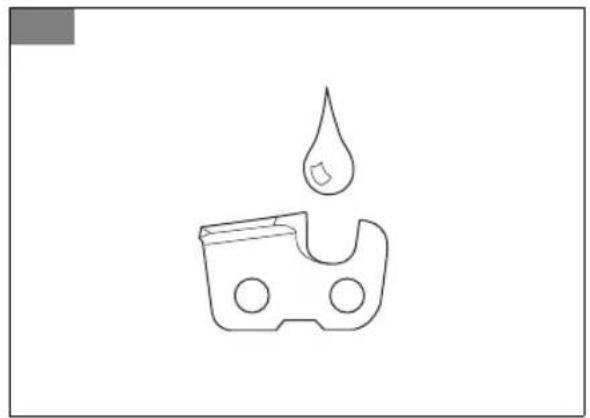
- Do maintenance on the cutting equipment regularly and keep it correctly lubricated. If the saw chain is not correctly lubricated, the risk of wear on the guide bar, saw chain and chain drive sprocket increases.
(Fig. 22)
Assembly
Introduction

WARNING: Read and understand the safety chapter before you assemble the product.
To assemble the guide bar and saw chain
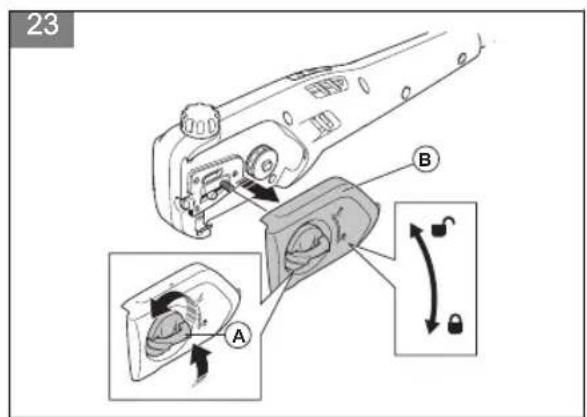
- Unfold the tab on the locking knob (A) and turn the locking knob counterclockwise. (Fig. 23)
- Remove the cover (B).
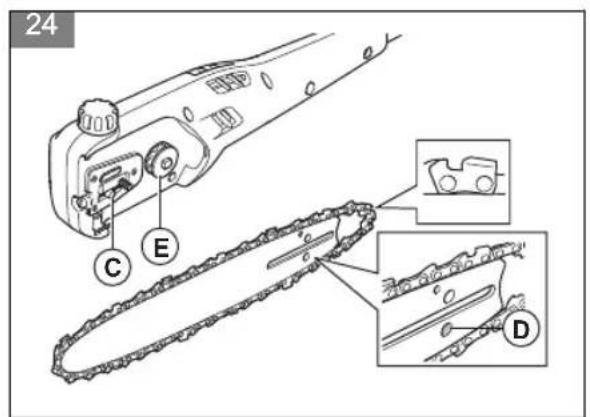
- Put the guide bar on the guide bar bolt. Make sure that the chain adjustment pin (C) is in the correct hole (D) in the guide bar. (Fig. 24)
- Move the guide bar to its most rear position.
- Put the saw chain on the drive sprocket (E) and in the groove on the guide bar. Start on the top side of the guide bar.
- Make sure that the edges of the cutting links point forward on the top edge of the guide bar.
- Make sure that the drive links of the saw chain are correctly installed on the drive sprocket and that the saw chain is in the groove in the guide bar.
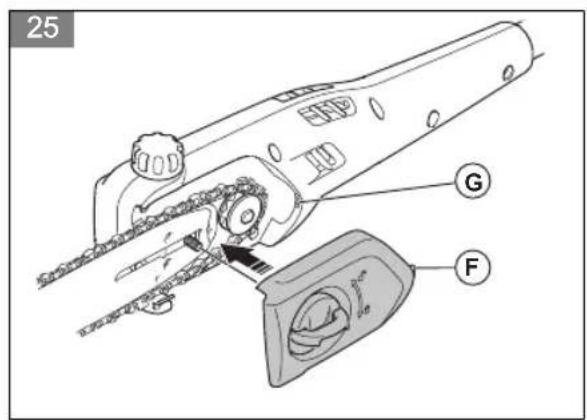
- Install the cover. Make sure that the flange (F) on the cover is put correctly in the hole (G) on the cutting head. (Fig. 25)
- Turn the locking knob clockwise.
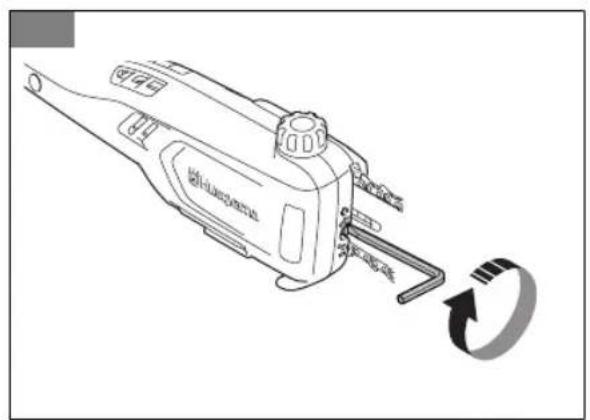
- Turn the chain tensioning screw to add tension to the saw chain. Use the screwdriver side of the combination tool. (Fig. 26)
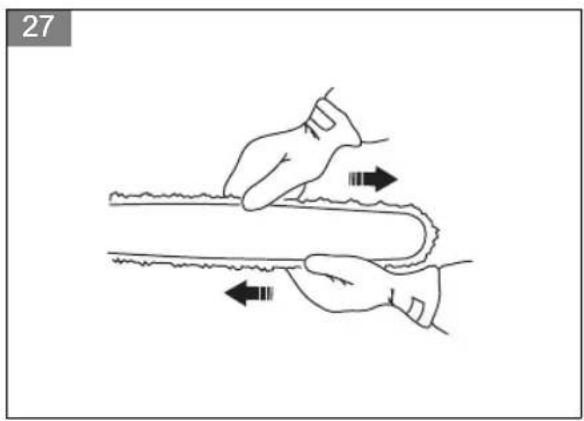
Note: The saw chain has the correct tension when it does not hang down from the bottom of the guide bar, but is easily turned by hand. (Fig. 27)
- Hold up the front of the guide bar and tighten the locking knob.
Note: When you install a new saw chain, do a run-in and examine the chain tension frequently during that period. Examine the chain tension regularly. A chain that has correct tension is necessary for good cutting performance and long saw chain life.
To install the handguard
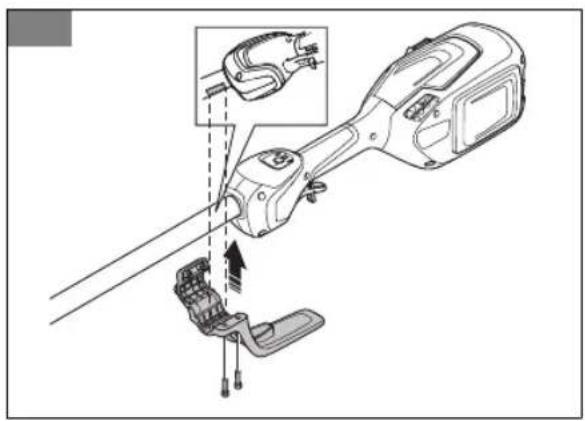
- Unfold the handguard clamp and put it on the shaft. Make sure that the tab on the shaft is in the groove on the bottom of the handguard clamp. (Fig. 28)
- Fold the handguard clamp around the shaft and tighten the 2 screws.
To adjust the harness
- Put on the harness.
- Attach the product to the harness support hook.
- Adjust the length of the harness until the support hook is approximately level with your right hip. (Fig. 17)
To fill the chain oil tank with chain oil
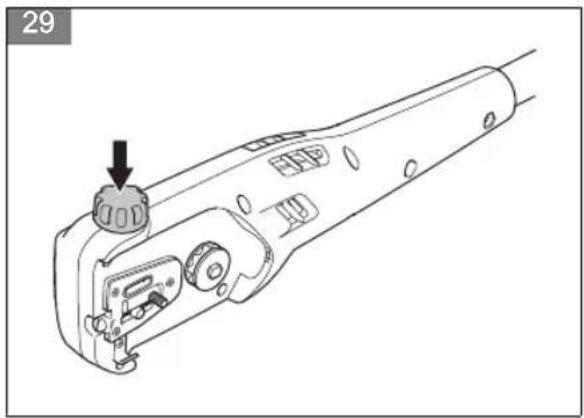
- Remove the oil tank cap from the chain oil tank. (Fig. 29)
- Fill the tank with saw chain oil.
- Tighten the oil tank cap.
To install the storage hook on the wall
• Install the storage hook indoors. - Keep the storage hook out of sunlight and in ambient temperature of -10°C to 70°C. • Install the storage hook on a drywall, wood or concrete wall.
CAUTION: Make sure that the wall can hold loads of minimum 30 kg.
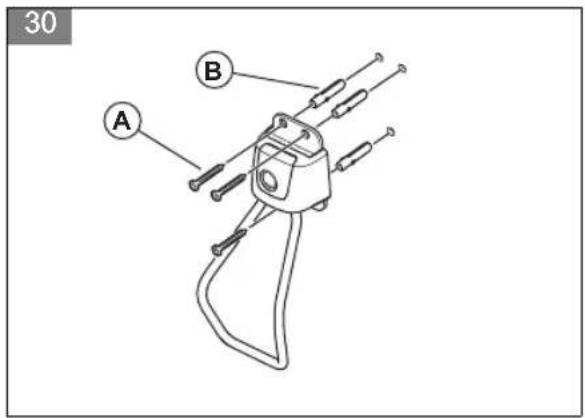
- Install the storage hook on the wall with the 3 screws (A). Use wall plugs (B) if it is necessary. (Fig. 30)
CAUTION: Make sure that the screws are applicable for your wall type.
- Speak to your Husqvarna service agent for information about available storage accessories for your product.
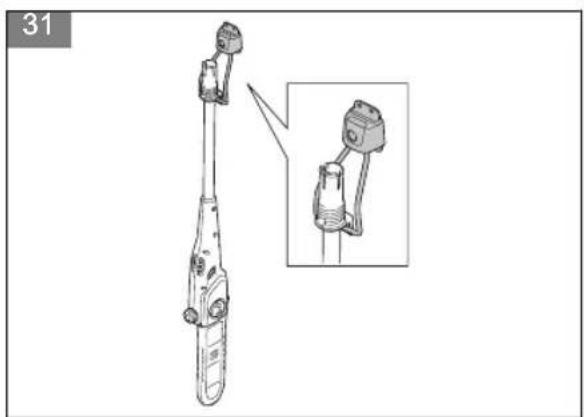
To hang the pole saw attachment on the storage hook
- Hang the pole saw attachment on the storage hook as shown in the illustration. (Fig. 31)
Operation
Introduction

WARNING: Read and understand the safety chapter before you use the product.
To do before you start the product
- Do an inspection of the work area. Remove objects that can be thrown out.
- Do a check of the cutting attachment. Do not use blunt or damaged equipment.
- Make sure that the product operates correctly.
- Make sure that all nuts and screws are tight.
- Make sure that the lubrication for the chain operates correctly. Refer to To lubricate cutting equipment on page 18.
- Make sure that the cutting attachment always stops when you release the power trigger.
- Only use the product to cut branches and twigs.
- Make sure that the handle and safety functions are not damaged and operate correctly. Do not use a product that has missing parts or is changed from its specification.
- Make sure that the locking devices of movable elements, for example the extended shaft and pivoting element, are locked.
To operate the product
WARNING: Observe the applicable safety regulations for work in the vicinity of overhead power lines.
WARNING: Never stand directly underneath a branch that is being cut. This could lead to serious or even fatal personal injury.
WARNING: This product is not electrically insulated. If the product touches or comes close to high-voltage power lines
it could lead to death or serious bodily injury. Electricity can jump from one point to another by arcing. The higher the voltage, the greater the distance electricity can jump. Electricity can also travel through branches and other objects, especially if they are wet. Always keep a distance of at least 10 m between the product and high-voltage power lines and/or any objects that are touching them. If you have to work within this safe distance, you should always contact the relevant power company to make sure the power is switched off before you start work.

WARNING: This product has a long reach. Make sure that no people or animals come closer than 15 m when the product is running.

WARNING: Never activate the power trigger without having the cutting attachment in full view.
- Hold the product as close to your body as possible to get the best balance.
- Make sure that the tip does not touch the ground.
- Do not rush the work, but work steadily until all the branches have been cut back cleanly.
- Release the power trigger after each working operation. Long periods at full speed without any load on the motor can cause serious motor damage.
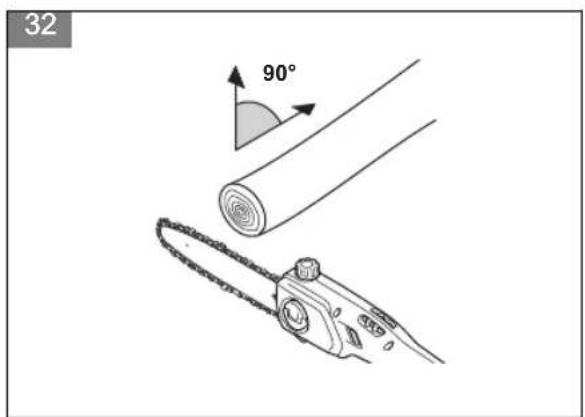
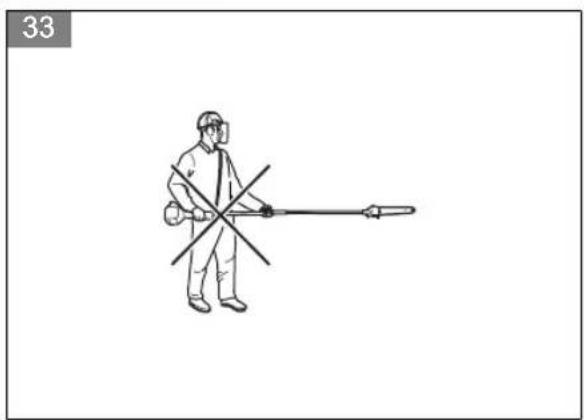
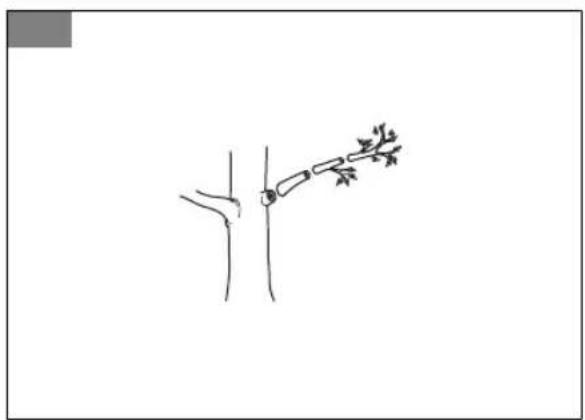
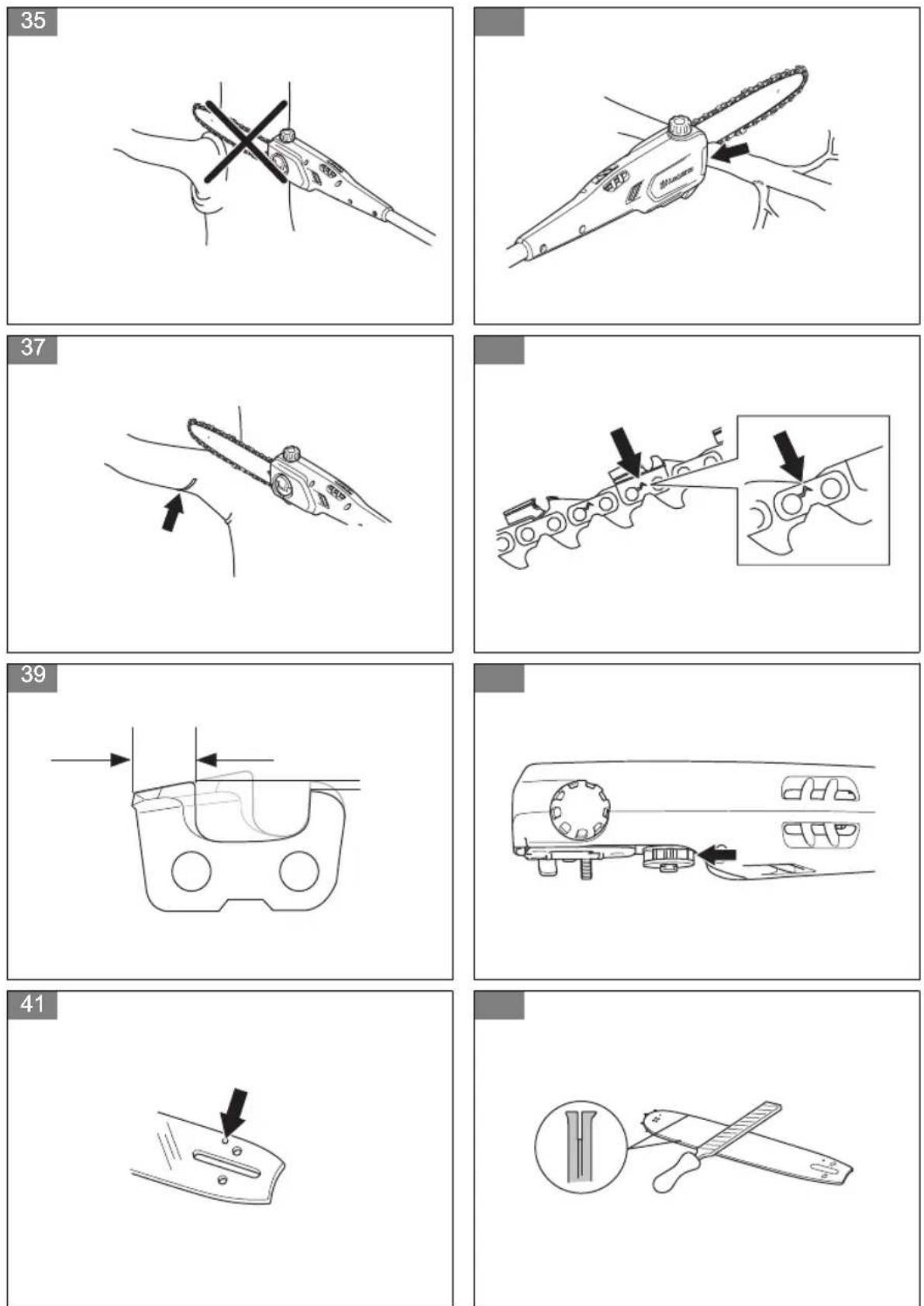
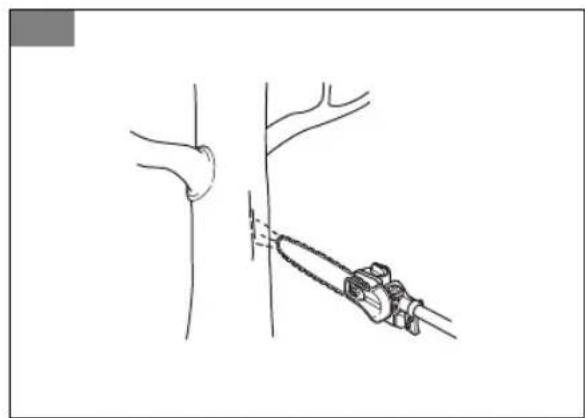
• Always work at full speed. - Observe great care when working close to overhead power lines. Falling branches can result in short-circuiting. - Whenever possible position yourself so that you can make the cut at right angles to the branch. (Fig. 32) - Do not work with the shaft held straight out in front of you (like a fishing rod) as this increases the apparent weight of the cutting attachment. (Fig. 33) - Cut large branches in sections so that you have better control over where they fall. (Fig. 34) - Never cut through the swelling at the root of the branch as this will slow down healing and increase the risk of fungal attack. (Fig. 35) - Use the stop at the base of the cutting head to provide support during cutting. This will help prevent the cutting attachment from "jumping" on the branch. (Fig. 36) - Make an initial cut on the underside of the branch before cutting through the branch. This will prevent tearing of the bark, which could lead to slow healing and cause permanent damage to the tree. The cut should not be deeper than 1/3 of the branch thickness to prevent jamming. Keep the chain running while you withdraw the cutting attachment from the branch to prevent it jamming. (Fig. 37) - Use the harness to support the weight of the machine and make it easier to handle. - Make sure you have a firm footing and that you can work without being hampered by branches, stones and trees.
Maintenance
Introduction
Below you will find some general maintenance instructions. If you need further information please contact your service workshop.
To perform maintenance on the attachment
To check the saw chain
Do a check of the saw chain daily.
- Make sure that there are no cracks in rivets and links. (Fig. 38)
- Examine if the saw chain is rigid.
- Compare the saw chain with a new saw chain to examine if the rivets and links are worn.
- Replace the saw chain if it exhibits any of the conditions above.
- Replace the saw chain when the length of the cutting teeth has worn down to only 4 mm (0.16 in.) (Fig. 39)
To do a check of the drive sprocket
- Regularly examine if the drive sprocket is worn. Replace the drive sprocket if necessary. (Fig. 40)
To check the guide bar
- Make sure that the oil channel is not blocked. Clean the oil channel if necessary. (Fig. 41)
- Examine if there are burrs on the edges of the guide bar. Use a file to remove the burrs. (Fig. 42)
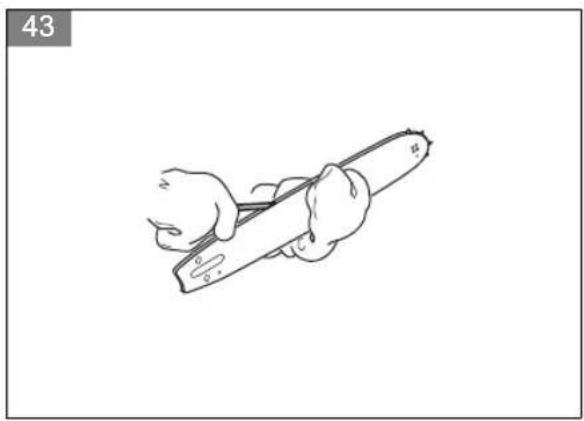
- Clean the groove in the guide bar. (Fig. 43)
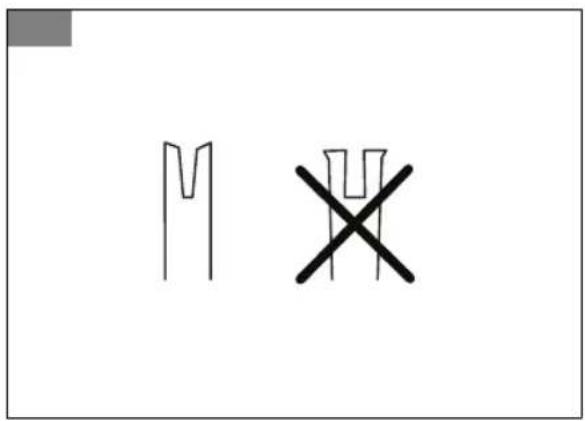
- Examine if the groove in the guide bar is worn. Replace the guide bar if necessary. (Fig. 44)
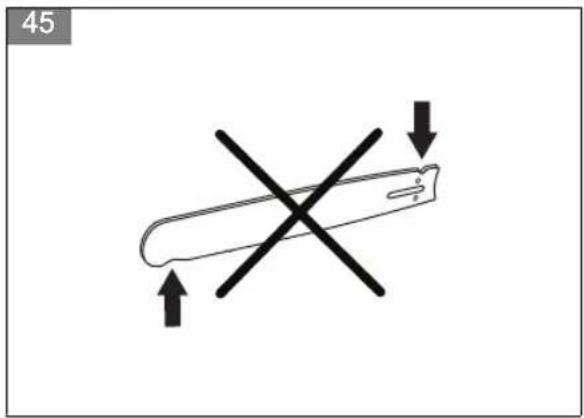
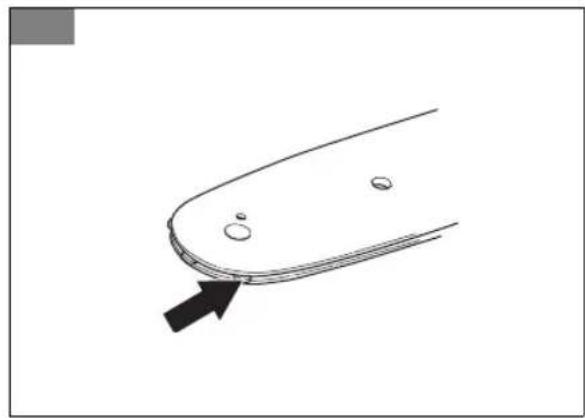
- Examine if the guide bar tip is rough or very worn. (Fig. 45)
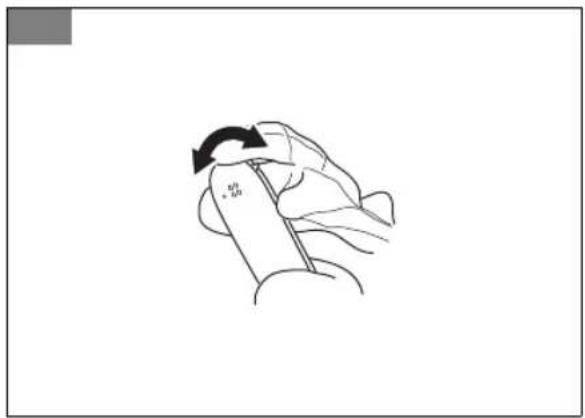
- Make sure that the bar tip sprocket turns freely and that the lubrication hole in the bar tip sprocket is not blocked. Clean and lubricate the bar tip sprocket if necessary. (Fig. 46)
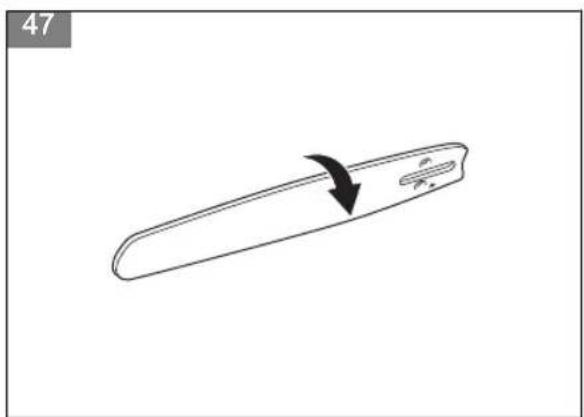
- Turn the guide bar daily to extend its life cycle. (Fig. 47)
To sharpen the saw chain
Information about the guide bar and saw chain
Replace a worn or damaged guide bar or saw chain with the guide bar and saw chain combinations that we recommend. This is important in order to keep the safety functions of the cutting equipment. Refer to Accessories on page 19, for a list of replacement bar and chain combinations that we recommend.
- Length, in/cm.
(Fig. 48)
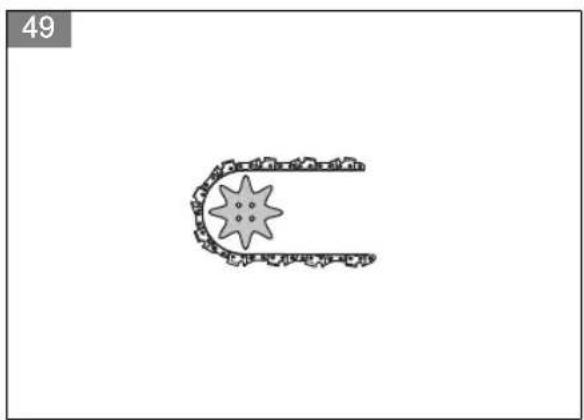
• Number of teeth on bar tip sprocket (T).
(Fig. 49)
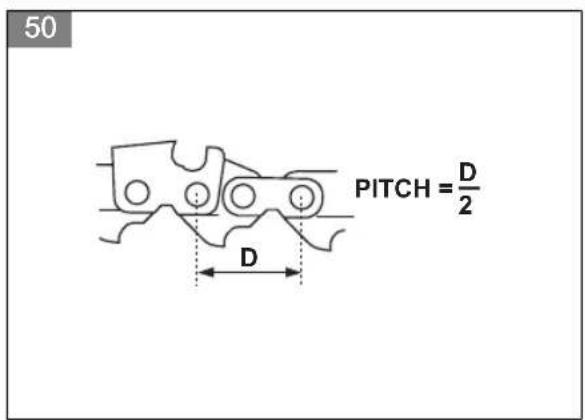
- Chain pitch, in. The distance between the drive links of the saw chain must align with the distance of the teeth on the bar tip sprocket and drive sprocket.
(Fig. 50)
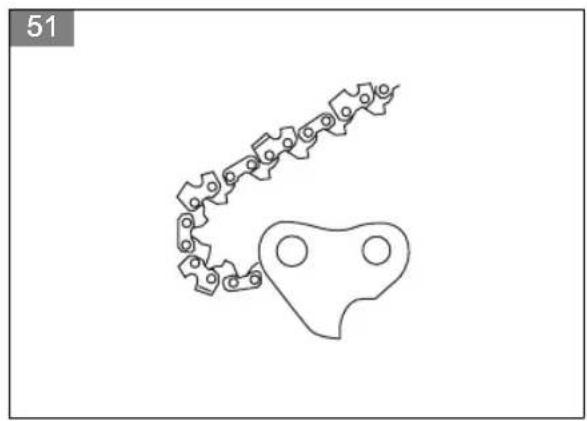
- Number of drive links. The number of drive links is decided by the length of the bar, the chain pitch and the number of teeth on the bar tip sprocket.
(Fig. 51)
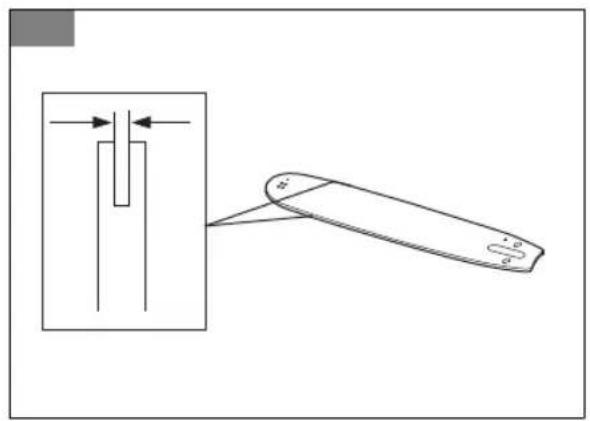
- Bar groove width, in/mm. The groove in the guide bar must align with the width of the chain drive links.
(Fig. 52)
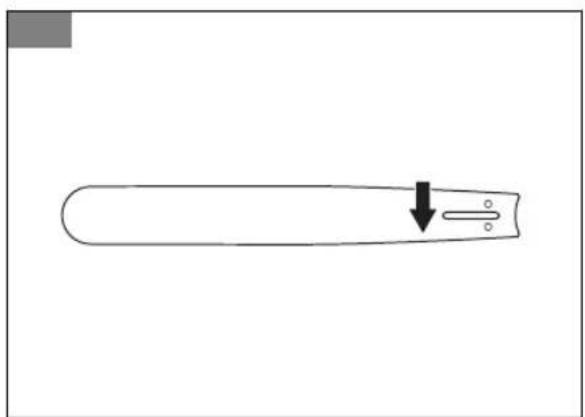
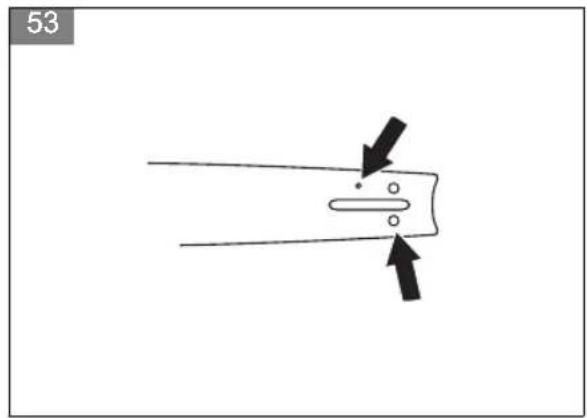
- Chain oil hole and hole for chain tensioner. The guide bar must align with product.
(Fig. 53)
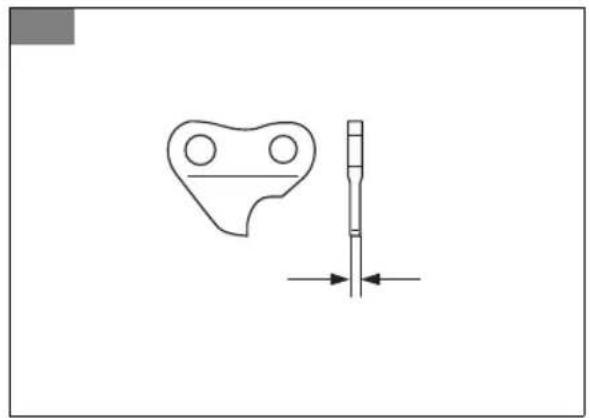
- Drive link width, in/mm.
(Fig. 54)
General information about how to sharpen the cutting teeth
Do not use a blunt saw chain. If the saw chain is blunt, you must apply more pressure to push the guide bar through the wood. If the saw chain is very blunt, there will be no wood chips but sawdust.
A sharp saw chain eats through the wood and the wood chips becomes long and thick.
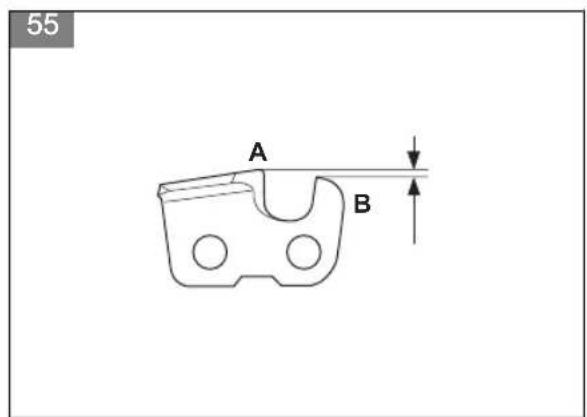
The cutting tooth (A) and the depth gauge (B) together makes the cutting part of the saw chain, the cutter. The difference in height between the two gives the cutting depth (depth gauge setting).
(Fig. 55)
When you sharpen a cutting tooth, think about the following:
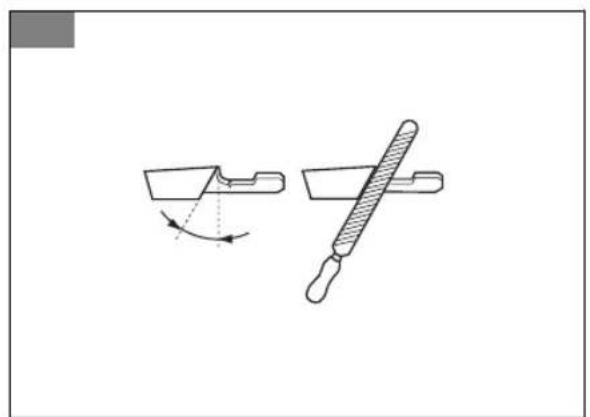
- Filing angle.
(Fig. 56)
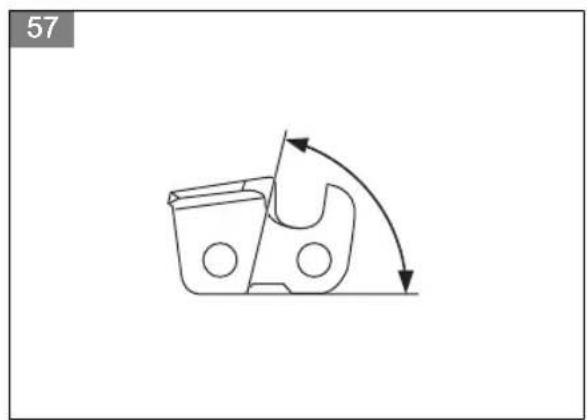
- Cutting angle.
(Fig. 57)
- File position.
(Fig. 58)
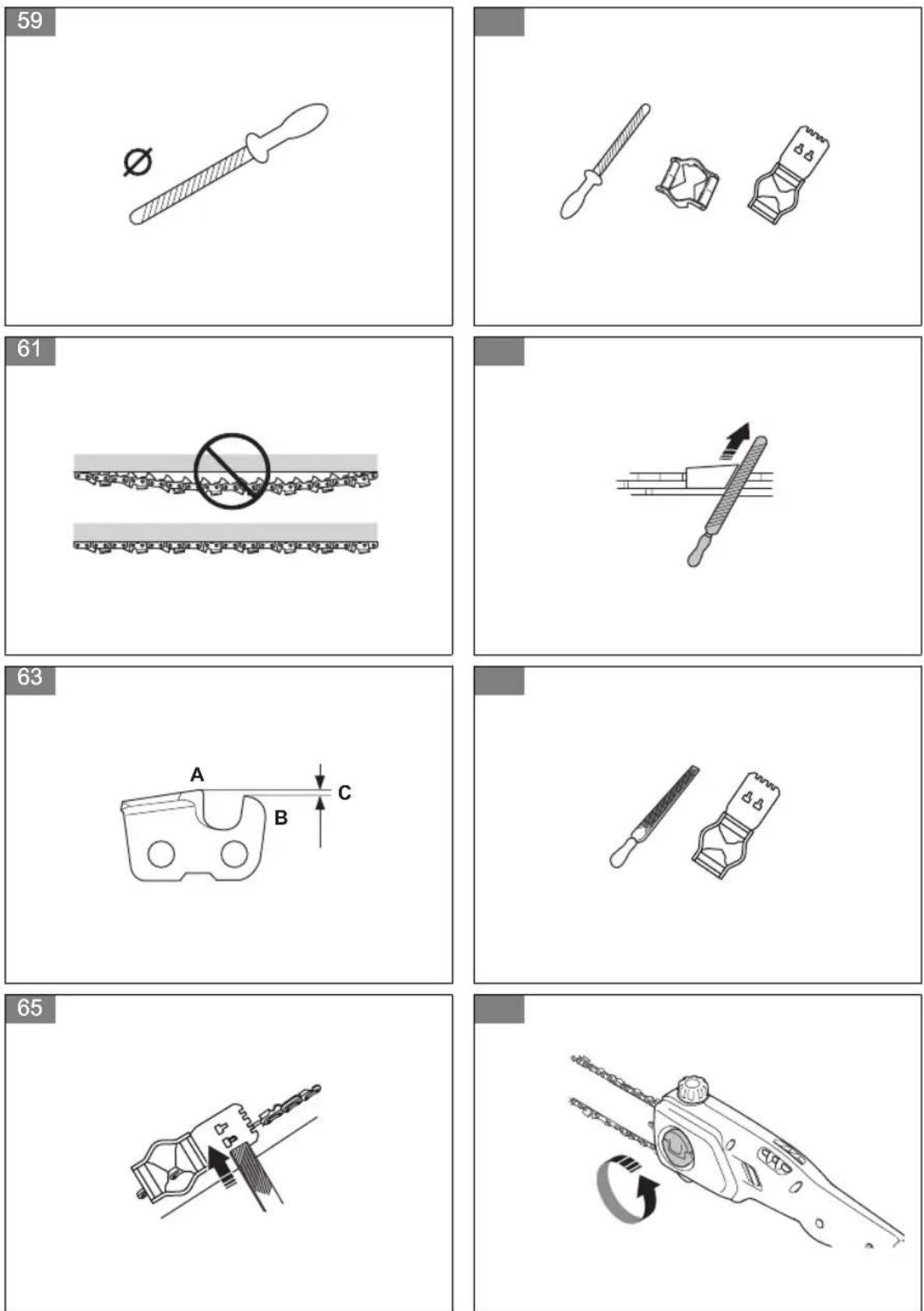
- Round file diameter.
(Fig. 59)
It is not easy to sharpen a saw chain correctly without the correct equipment. Use the recommended file gauge. This will help you to keep maximum cutting performance and the kickback risk at a minimum.
WARNING: The risk of kickback increases a lot if you do not follow the sharpening instructions.
Note: See Technical data on page 19 for information about sharpening of the saw chain.
To sharpen the cutting teeth
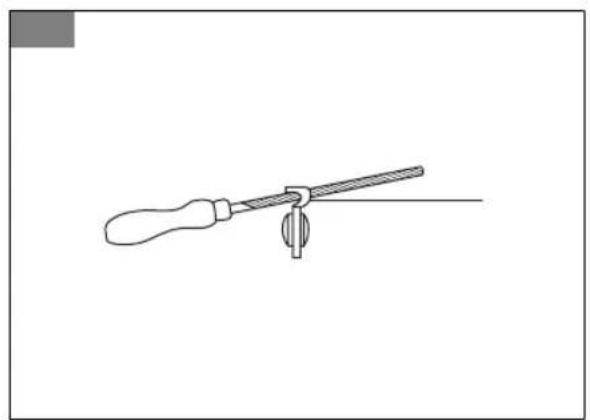
- Use a round file and a file gauge to sharpen the cutting teeth. (Fig. 60) Note: See Technical data on page 19 for information about which file and gauge that we recommend for your saw chain.
- Make sure that the saw chain has the correct tension. A saw chain without the correct tension moves from side to side. This does not make it easy to sharpen the saw chain. See To adjust the chain tension on page 18 for instructions. (Fig. 61)
- Move the file from the inner side of the cutting teeth and out. Decrease the pressure on the pull stroke. (Fig. 62)
- Remove filing material on all teeth on one side first.
- Turn the product around and remove filing material on the other side.
- Make sure that all cutting teeth become the same length when you remove filing material.
- The saw chain is worn out when the cutting teeth are decreased to 4 mm (0.16"). Replace the saw chain. (Fig. 39)
General information about how to adjust the depth gauge setting
The depth gauge setting (C) decreases when you sharpen the cutting tooth (A). To keep maximum cutting performance, you must remove filing material from the depth gauge (B) to receive the recommended depth gauge setting. See Technical data on page 19 for instructions on how to receive the correct depth gauge setting for your saw chain.
(Fig. 63)
WARNING: The risk of kickback increases if the depth gauge setting is too large!
To adjust the depth gauge setting
Before you adjust the depth gauge setting or sharpen the cutting teeth, see To sharpen the cutting teeth on page 17 for instructions. We recommend you adjust the depth gauge setting after each third operation that you sharpen the cutting teeth.
Note: This recommendation applies only if the length of the cutting teeth does not decrease too much.
We recommend that you use our depth gauge tool to receive the correct depth gauge setting and bevel for the depth gauge.
(Fig. 64)
- Use a flat file and a depth gauge tool to adjust the depth gauge setting. Only use the recommended depth gauge tool to receive the correct depth gauge setting and bevel for the depth gauge.
- Put the depth gauge tool on the saw chain.
Note: See the package of the depth gauge tool for more information about how to use the tool.
- Use the flat file to remove the part of the depth gauge that extends through the depth gauge tool. (Fig. 65)
Note: The depth gauge setting is correct when you do not feel resistance as you move the file along the depth gauge tool.
To adjust the chain tension

WARNING: A saw chain that has incorrect tension can derail from the guide bar and cause serious injury or death.
A saw chain becomes longer when it is used. Adjust the saw chain regularly.
- Loosen the locking knob that holds the cover and chain brake. (Fig. 66)
- Lift the front of the guide bar and turn the chain tensioning screw. Use the screwdriver side of the combination tool. (Fig. 26)
- Tighten the saw chain until it is tight against the guide bar but can move easily.
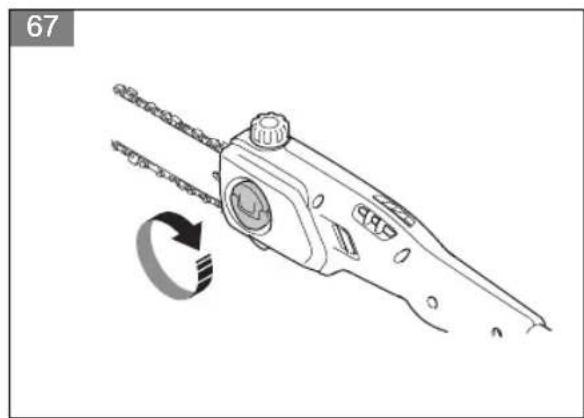
- Tighten the locking knob and lift the front of the guide bar at the same time. (Fig. 67)
- Make sure that you can pull the saw chain around freely by hand and that it does not hang from the guide bar. (Fig. 27)
To lubricate cutting equipment
WARNING: Poor lubrication of cutting equipment may cause the chain to snap, which could lead to serious, even fatal injuries.

WARNING: Do not use waste oil! Waste oil is dangerous for persons, the product and for the environment.
Saw chain oil
For the position of the oil tank cap, refer to Attachment overview on page 10.
- Use saw chain oil of good adherence to the saw chain. The saw chain oil must keep its viscosity in all weather, for example, during hot summer or cold winter.
- Use Husqvarna chain oil for maximum saw chain life and to keep environmental damage to a minimum. If Husqvarna saw chain oil is not available, use a standard saw chain oil.
- In areas where oil for lubrication of saw chains is not available, use EP 90 transmission oil.
- Make sure that the lubrication of the saw chain operates correctly. Fill with saw chain oil and examine the saw chain lubrication if it is necessary.
- Do a check of oil level in the oil tank regularly to prevent damage to the saw chain and the guide bar.
To do a check of the chain lubrication
- Examine the chain lubrication regularly. Aim the front of the bar at a surface with a light color, approximately 20 cm (8 inches) away. If the chain lubrication operates correctly, you see a line of oil on the surface after 1 minute. (Fig. 68)
To do a check if lubrication does not work
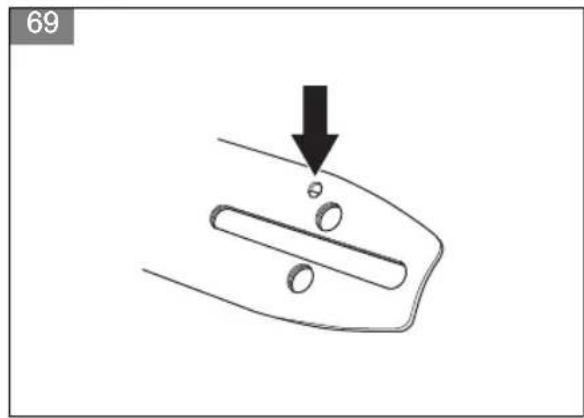
- Check that the oil channel in the bar is not obstructed. Clean if necessary. (Fig. 69)
- Check that the oil channel in the gear housing is clean. Clean if necessary.
- Check that the bar tip sprocket turns freely. If the chain lubrication system is still not working after carrying out the above checks you should contact your service workshop. (Fig. 70)
Technical data
Technical data
| 110iLD or 110iL + Pole saw attachment DP110 | |
| Lubrication system | |
| Oil tank capacity, l 0.09 | |
| Weight | |
| Weight without battery, kg 3.11 | |
| Noise emissions 1 | |
| Sound power level, measured dB (A) 94 | |
| Sound power level, guaranteed LWA dB (A) 97 | |
| Sound levels 2 | |
| Equivalent sound pressure level at the operator's ear, dB (A) 87 | |
| Vibration levels 3 | |
| Vibration levels at front/rear handle, measured according to ISO 22867, m/s 2 | 1.415/1.374 |
Accessories
Guide bar and saw chain combinations
The following combinations are CE approved.
| Guide bar Saw chain | |||||
| Type Length, | inch Pitch, inch Gauge, mm Type | Length, number of drive links | |||
| 529 34 07-34 10 | 1/4 1.1 SP11G 60 | ||||
Saw chain filing and file gauge
Use the recommended file gauge to get the correct filing angles. We recommend you to always use the recommended file gauge to restore the sharpness of the saw chain.
If you do not know which saw chain you have on your product, speak to your servicing dealer.
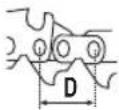 PITCH = D/2 PITCH = D/2 | 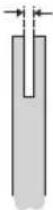 | 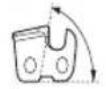 1/5 1/5 | 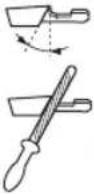 | 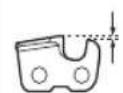 | 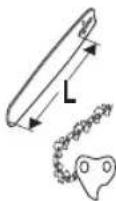 | |||
| mm/inch mm/inch mm/inch | drive links:cm/inch | |||||||
| SP11G | 6.4/0.25" 1 | 1/0.043" 3.5/0 | 0.14 60° 30° 0° | 0.4/0.016" 60:25/10" | ||||
Declaration of Conformity
EU Declaration of Conformity
We, Husqvarna AB, SE-561 82 Huskvarna, Sweden, tel: +46-36-146500, declare on our sole responsibility that the product:
| Description Battery-operated pole saw | |
| Brand Husqvarna | |
| Type / Model DP110 attachment with power unit 110iLD or 110iL | |
| Identification Serial numbers dating from 2023 and onwards | |
complies fully with the following EU directives and regulations:
| Regulation Description | |
| 2006/42/EC "relating to machinery" | |
| 2014/30/EU "relating to electromagnetic compatibility" | |
| 2000/14/EC "relating to outdoor noise" | |
| 2011/65/EU “relating to the restriction of use of certain hazardous substances” | |
The following standards have been applied: EN 62841-1:2015/A11:2022, EN ISO 11680-1:2021, EN ISO 12100:2010, EN IEC 55014-1:2021, EN IEC 55014-2:2021, EN IEC 63000:2018.
Notified body: TÜV SÜD Product Service GmbH, Ridlerstraße 65, 80339 MÜNCHEN, Germany, has carried out EC type examination in accordance with the machinery directive's (2006/42/EC) article 12, point 3b.
The certificate for EC type examination has the number: M6A 024735 0160
Huskvarna, 2023-08-15
Claes Losdal, R&D Manager, Husqvarna AB Responsible for technical documentation
CE
UK Declaration of Conformity
We, Husqvarna AB, SE-561 82 Huskvarna, Sweden, tel: +46-36-146500, declare on our sole responsibility that the product:
| Description Battery-operated pole saw | |
| Brand Husqvarna | |
| Type / Model DP110 attachment with power unit 110iLD or 110iL | |
| Identification Serial numbers dating from 2023 and onwards | |
complies fully with the following UK regulations:
| Description |
| The Supply of Machinery (Safety) Regulations 2008 |
| Electromagnetic Compatibility Regulations 2016 |
| The Noise Emission in the Environment by Equipment for use Outdoors Regulations 2001 |
| The Restriction of the Use of Certain Hazardous Substances in Electrical and Electronic Equipment Regulations 2012 |
and that the following standards and/or technical specifications are applied: EN 62841-1:2015/A11:2022, EN ISO 11680-1:2021, EN ISO 12100:2010, EN IEC 55014-1:2021, EN IEC 55014-2:2021, EN IEC 63000:2018.
UK Importer: Husqvarna UK Ltd Preston Road, Co. Durham DL5 6UP
The type examination was carried out by: Technology International (Europe) Limited (BN: 0673), 56 Shrivenham Hundred Business Park, Shrivenham, Swindon, SN6 8TY, UK.
The certificate number is: TI(E) / SOMSR(08) - UKTE / 117 / 22092023
For information relating to noise emissions, refer to Technical data on page 19.
Huskvarna, 2023-08-15
Claes Losdal, R&D Manager, Husqvarna AB
Responsible for technical documentation

Table of Contents
Introduction.... 23
Safety....24
Assembly....28
Operation.... 29
Maintenance....31
(Fig. 6) Wear sturdy, non-slip boots.
(Fig. 7) Direct current.
(Fig. 8) Rated voltage, V
Claes Losdal, responsible R&D, Husqvarna AB
Responsible for technical documentation
Table of Contents
EN IEC 55014-1:2021, EN IEC 55014-2:2021, EN IEC
63000:2018.
Notified body: TÜV SÜD Product Service GmbH,
EN IEC 55014-1:2021, EN IEC 55014-2:2021, EN IEC
63000:2018.


- CONTENTS
- INTRODUCTION
- PRODUCT DESCRIPTION
- INTENDED USE
- ATTACHMENT OVERVIEW
- SYMBOLS ON THE ATTACHMENT AND ON THE POWER UNIT
- SAFETY
- SAFETY DEFINITIONS
- GENERAL SAFETY INSTRUCTIONS
- SAFETY INSTRUCTIONS FOR OPERATION
- (FIG. 17)
- PERSONAL PROTECTIVE EQUIPMENT
- WARNING: READ THE WARNING INSTRUCTIONS THAT FOLLOW BEFORE YOU USE THE PRODUCT
- (FIG. 18)
- SAFETY DEVICES ON THE PRODUCT
- POLE SAW SAFETY WARNINGS
- OTHER SAFETY INFORMATION
- SAFETY INSTRUCTIONS FOR MAINTENANCE
- SAFETY INSTRUCTIONS FOR THE CUTTING EQUIPMENT
- (FIG. 19)
- (FIG. 20)
- (FIG. 21)
- (FIG. 22)
- ASSEMBLY
- TO ASSEMBLE THE GUIDE BAR AND SAW CHAIN
- TO INSTALL THE HANDGUARD
- TO ADJUST THE HARNESS
- TO FILL THE CHAIN OIL TANK WITH CHAIN OIL
- TO INSTALL THE STORAGE HOOK ON THE WALL
- TO HANG THE POLE SAW ATTACHMENT ON THE STORAGE HOOK
- OPERATION
- TO DO BEFORE YOU START THE PRODUCT
- TO OPERATE THE PRODUCT
- MAINTENANCE
- TO PERFORM MAINTENANCE ON THE ATTACHMENT
- TO CHECK THE SAW CHAIN
- TO DO A CHECK OF THE DRIVE SPROCKET
- TO CHECK THE GUIDE BAR
- TO SHARPEN THE SAW CHAIN
- INFORMATION ABOUT THE GUIDE BAR AND SAW CHAIN
- GENERAL INFORMATION ABOUT HOW TO SHARPEN THE CUTTING TEETH
- TO SHARPEN THE CUTTING TEETH
- GENERAL INFORMATION ABOUT HOW TO ADJUST THE DEPTH GAUGE SETTING
- TO ADJUST THE DEPTH GAUGE SETTING
- TO ADJUST THE CHAIN TENSION
- TO LUBRICATE CUTTING EQUIPMENT
- SAW CHAIN OIL
- TO DO A CHECK OF THE CHAIN LUBRICATION
- TO DO A CHECK IF LUBRICATION DOES NOT WORK
- TECHNICAL DATA
- ACCESSORIES
- GUIDE BAR AND SAW CHAIN COMBINATIONS
- SAW CHAIN FILING AND FILE GAUGE
- DECLARATION OF CONFORMITY
- EU DECLARATION OF CONFORMITY
- UK DECLARATION OF CONFORMITY
- TABLE OF CONTENTS
Brand : HUSQVARNA
Model : DP110
Category : String Trimmer