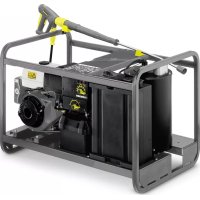
HDS 1000 De - Pressure washer Kärcher - Free user manual and instructions
Find the device manual for free HDS 1000 De Kärcher in PDF.



User questions about HDS 1000 De Kärcher
0 question about this device. Answer the ones you know or ask your own.
Ask a new question about this device
Download the instructions for your Pressure washer in PDF format for free! Find your manual HDS 1000 De - Kärcher and take your electronic device back in hand. On this page are published all the documents necessary for the use of your device. HDS 1000 De by Kärcher.
USER MANUAL HDS 1000 De Kärcher
natural_image
Technical line drawing of an open industrial machine casing with internal components (no text or symbols)Deutsch 5
English 20
Français 34
Italiano 50
Nederlands 66
Español 81
Português 97
Dansk 113
Norsk 127
Svenska 141
Suomi 155
Ελληνικά 170
Türkçe 187
Русский 202
Magyar 219
Čeština 234
Slovenščina 249
Polski 263
Românește 279
Slovenčina 294
Hrvatski 309
Srpski 324
Български 339
Eesti 356
Latviešu 370
Lietuviškai 385
Українська 400
中文 416
1 HDS 1000 BE
2
HDS 1000 DE
natural_image
Technical line drawing of a mechanical device with a circular component and upward arrow indicator (no text or symbols)Chairman of the Board of Management
S. Reiser
Director Regulatory Affairs & Certification
71364 Winnenden (Germany)
Tel.: +49 7195 14-0
Fax: +49 7195 14-2212
Winnenden, 2018/08/01
Technische Daten
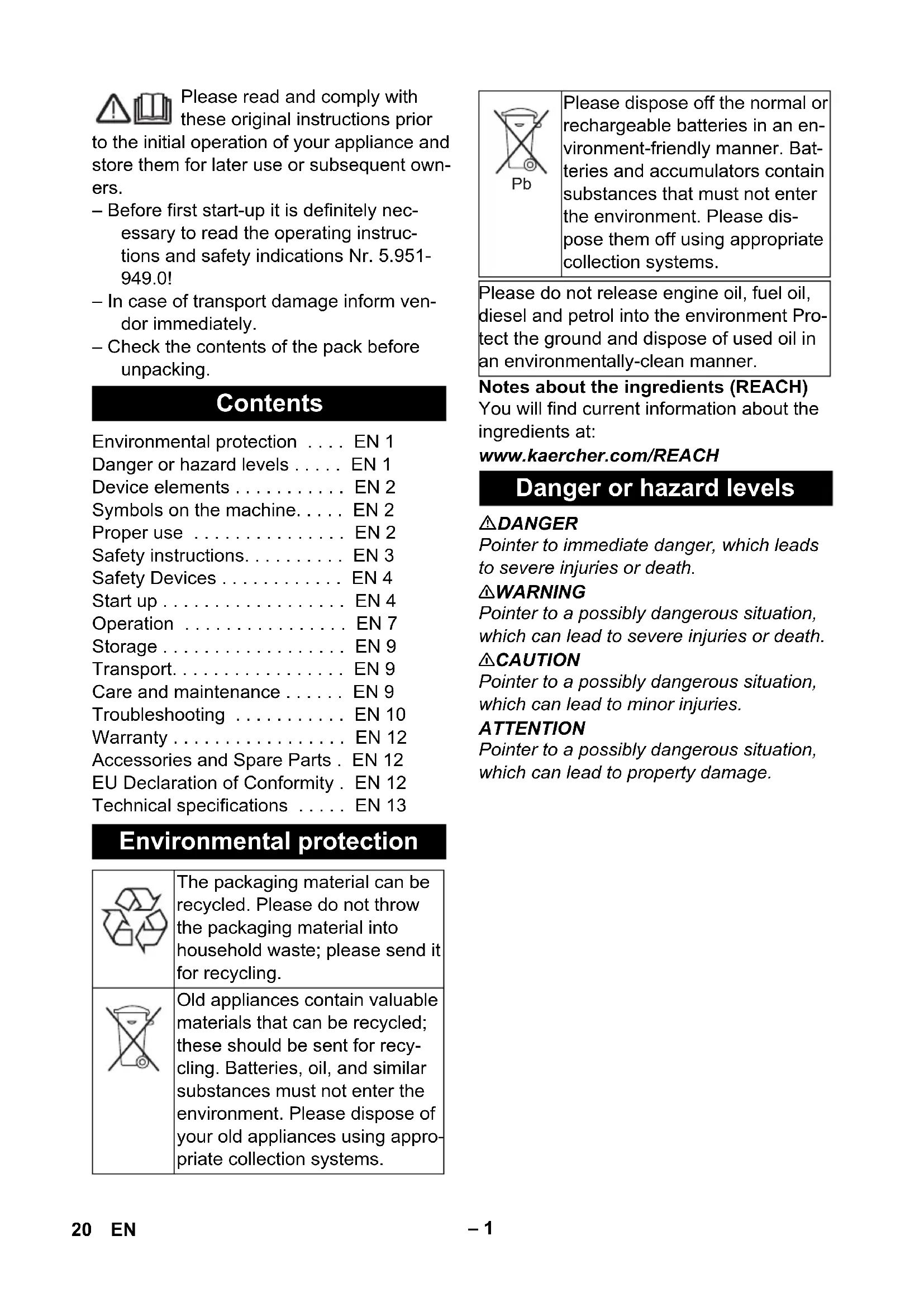
Please read and comply with these original instructions prior
to the initial operation of your appliance and store them for later use or subsequent owners.
- Before first start-up it is definitely necessary to read the operating instructions and safety indications Nr. 5.951-949.0!
– In case of transport damage inform vendor immediately. - Check the contents of the pack before unpacking.
Contents
| Environmental protection | EN 1 |
| Danger or hazard levels | EN 1 |
| Device elements | EN 2 |
| Symbols on the machine | EN 2 |
| Proper use | EN 2 |
| Safety instructions | EN 3 |
| Safety Devices | EN 4 |
| Start up | EN 4 |
| Operation | EN 7 |
| Storage | EN 9 |
| Transport | EN 9 |
| Care and maintenance | EN 9 |
| Troubleshooting | EN 10 |
| Warranty | EN 11 |
| Accessories and Spare Parts | EN 12 |
| EU Declaration of Conformity | EN 13 |
| Technical specifications | EN 14 |
Environmental protection
| The packaging material can be recycled. Please do not throw the packaging material into household waste; please send it for recycling. | |
| Old appliances contain valuable materials that can be recycled; these should be sent for recycling. Batteries, oil, and similar substances must not enter the environment. Please dispose of your old appliances using appropriate collection systems. |
Please dispose off the normal or rechargeable batteries in an environment-friendly manner. Batteries and accumulators contain substances that must not enter the environment. Please dispose them off using appropriate collection systems.
Please do not release engine oil, fuel oil, diesel and petrol into the environment Protect the ground and dispose of used oil in an environmentally-clean manner.
Notes about the ingredients (REACH)
You will find current information about the ingredients at:
www.kaercher.com/REACH
Danger or hazard levels
⚠️DANGER
Pointer to immediate danger, which leads to severe injuries or death.
⚠ WARNING
Pointer to a possibly dangerous situation, which can lead to severe injuries or death.
△CAUTION
Pointer to a possibly dangerous situation, which can lead to minor injuries.
ATTENTION
Pointer to a possibly dangerous situation, which can lead to property damage.
Device elements
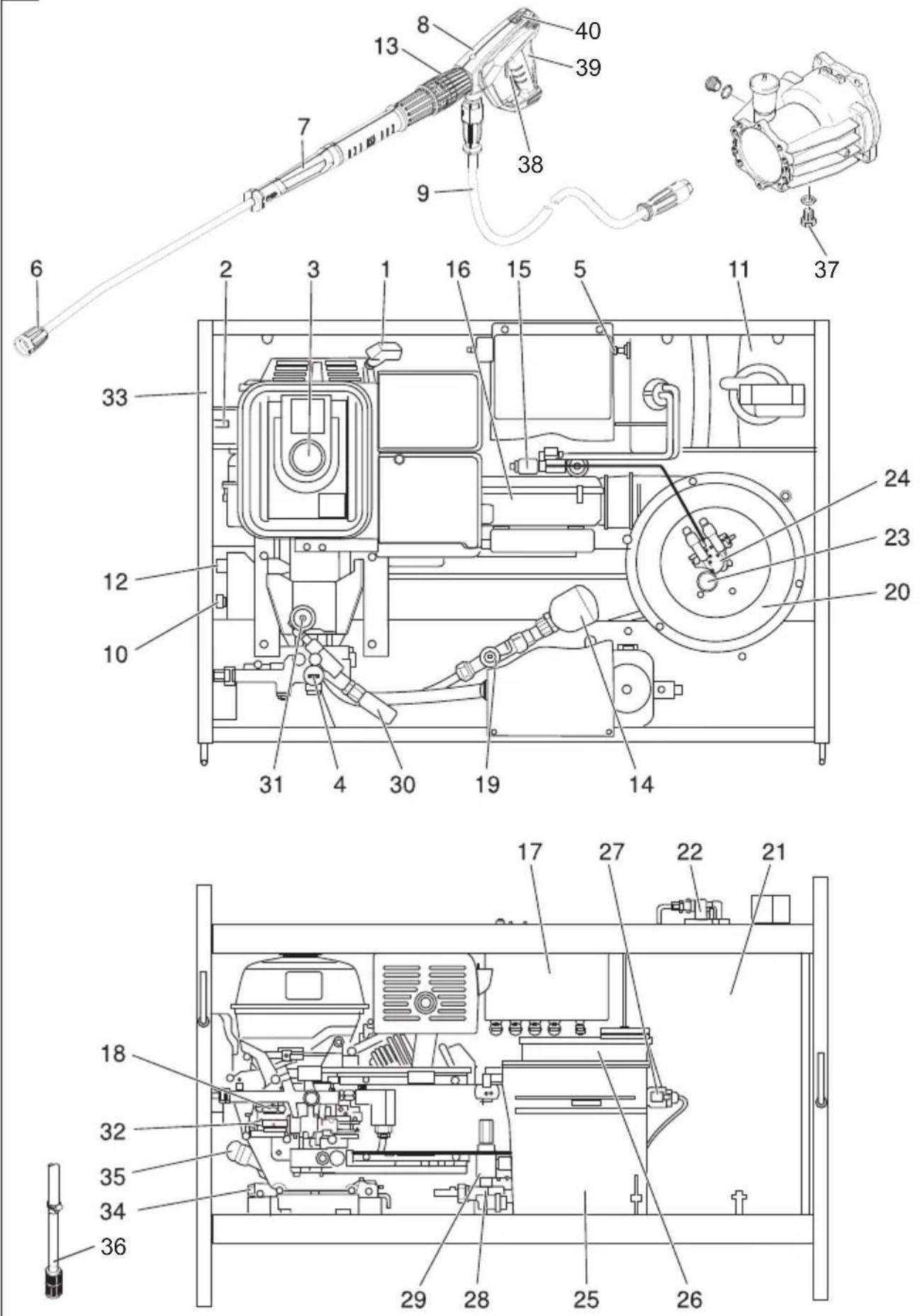
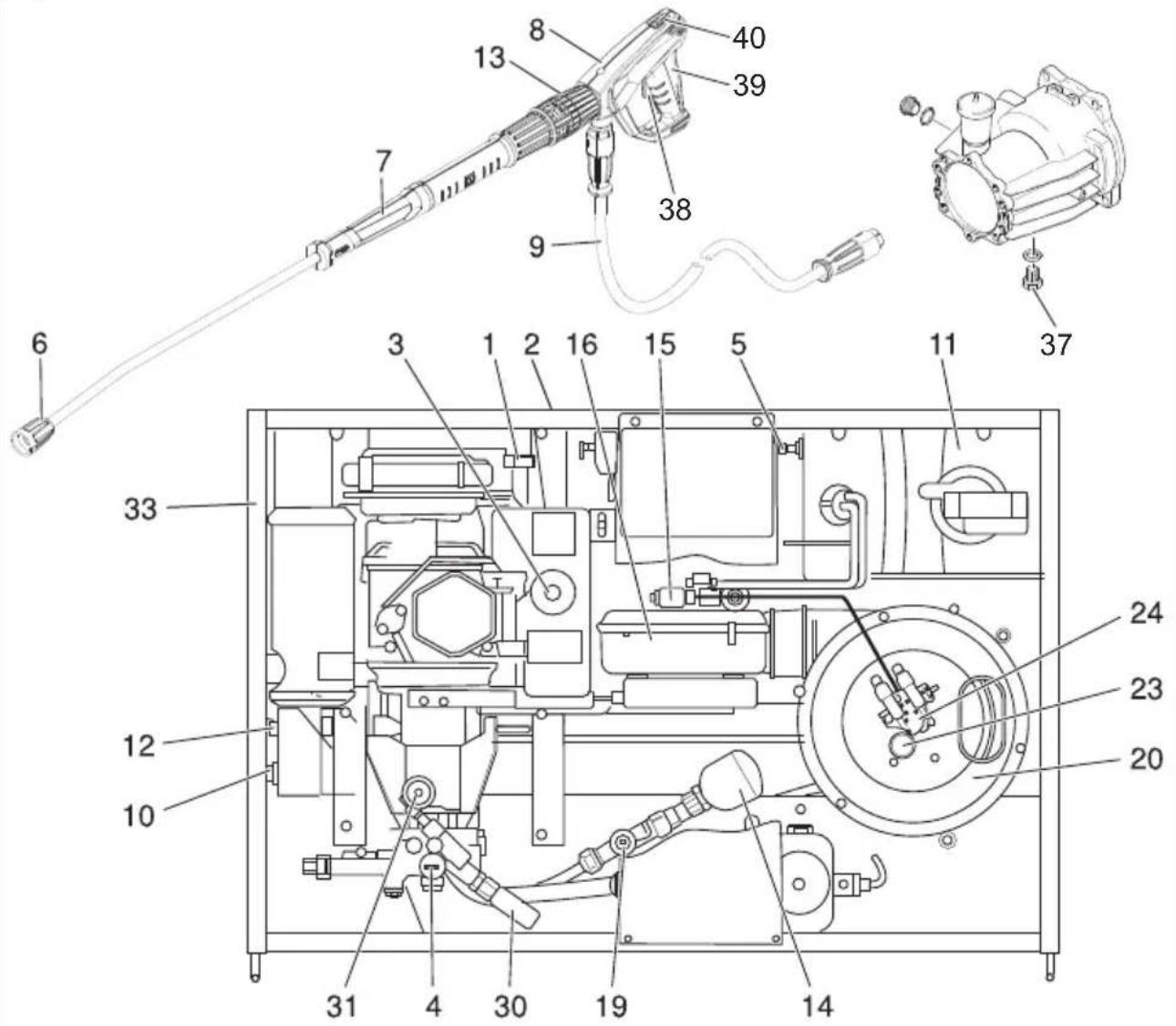
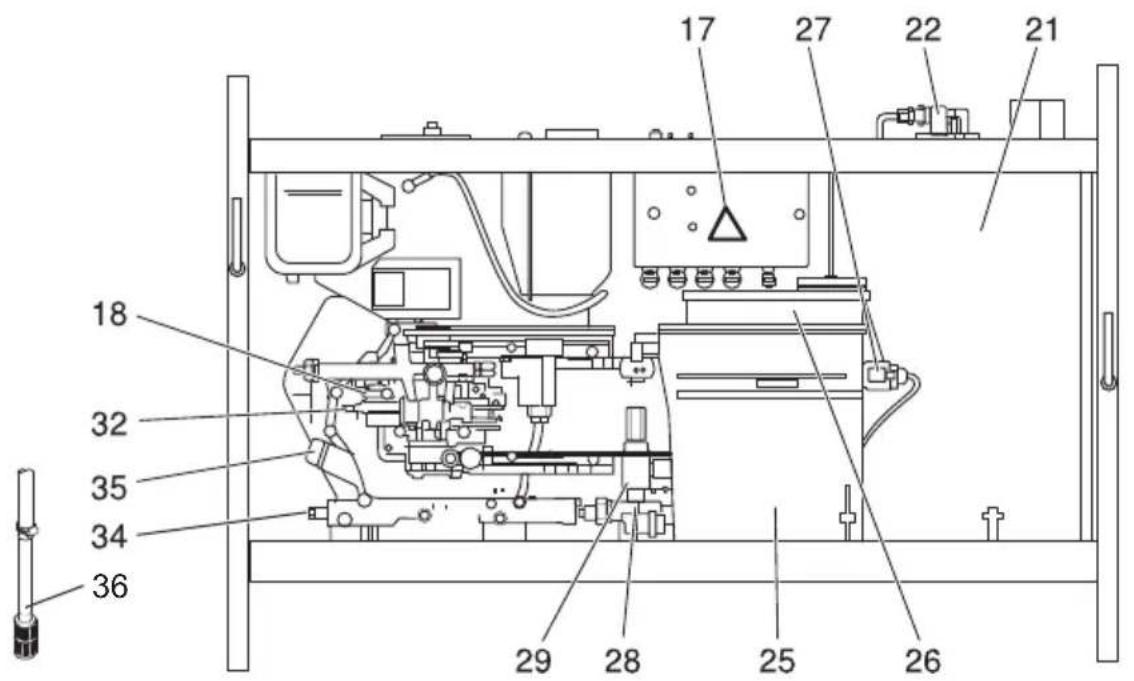
Figures 1+2
1 Device for manual start
2 Electric starter system
3 Fuel tank
4 Manometer
5 Battery
6 High pressure nozzle
7 Spray lance EASY!Lock
8 Trigger gun EASY!Force
9 High pressure hose EASY!Lock
10 High-pressure connection EASY!Lock
11 Fuel tank
12 Connection for water supply with filter
13 Pressure/ quantity regulation
14 Pressure tank
15 Fuel pump with fuel filter
16 Burner blower
17 Electronics system
18 Oil sight glass
19 Safety valve
20 Burner cover
21 Continuous heater
22 Ignition plug
23 Burner looking glass
24 Nozzle holder
25 Float tank
26 Softener container
27 Solenoid valve
28 Water shortage safeguard
29 Sieve in the water shortage safeguard
30 Pressure switch
31 Oil filling container
32 High-pressure pump
33 Nameplate
34 Oil drain screw (engine)
35 Oil dip (engine)
36 Detergent suction hose with filter
37 Oil drain screw (pump)
38 Safety lever
39 Trigger
40 Safety latch of the hand spray gun
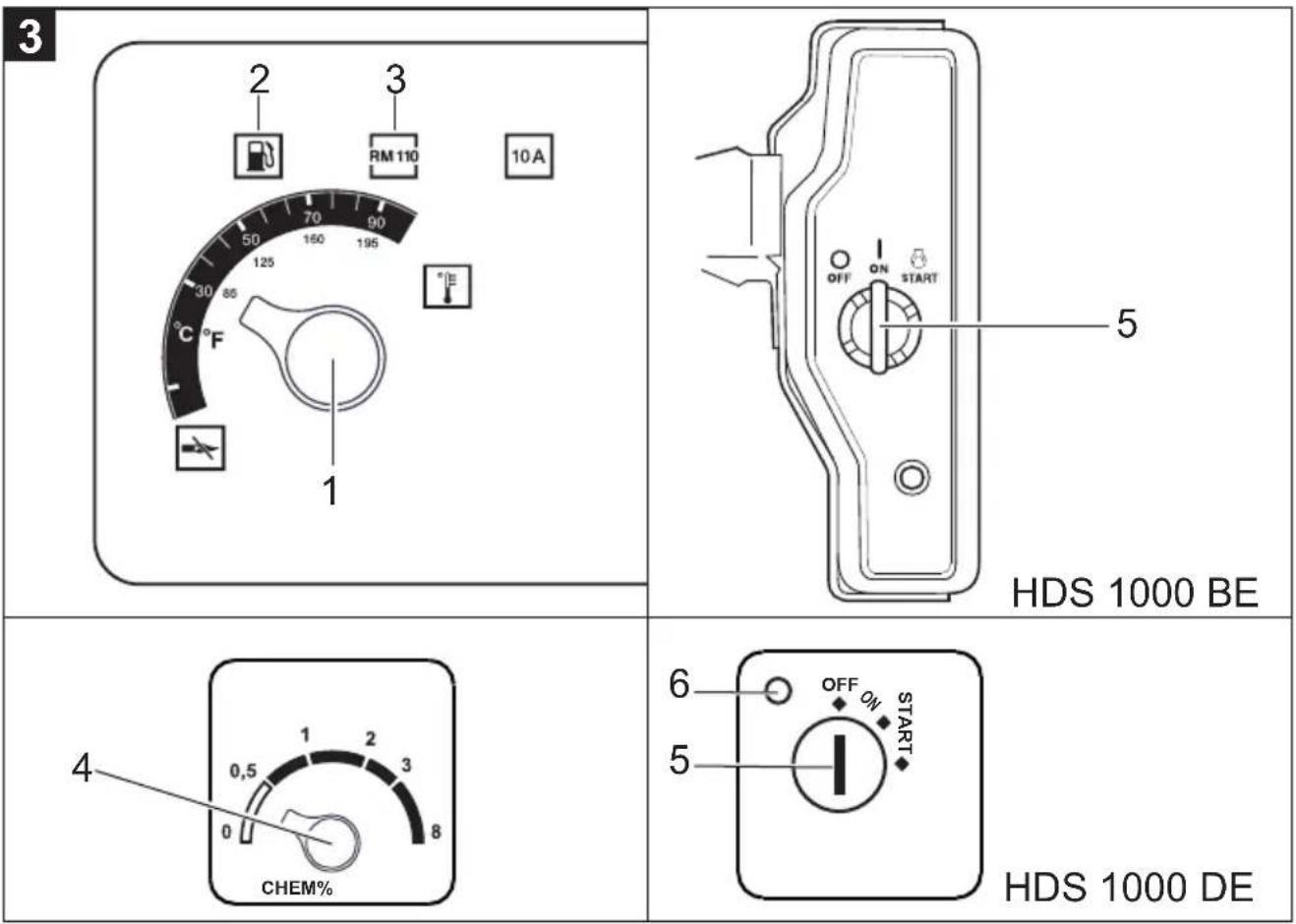
Operating field
Figure 3
1 Power switch
2 Fuel indicator lamp
3 Liquid softner indicator lamp
4 Dosage valve for detergent
5 Key switch (electric starter system)
6 Indicator lamp "Ignition ON"
Symbols on the machine

High-pressure jets can be dangerous if improperly used. The jet may not be directed at persons, animals, live electrical equipment or at the appliance itself.
 | Risk of poisoning! Do not inhale exhaust fumes. |
 | Risk of burns on account of hot surfaces! |
Proper use
Note: Applicable only for Germany: The appliance is meant only for mobile (non-stationary) operations.
- The appliance is used especially at locations where there is no electrical connection and it is necessary to work with hot water.
- Cleaning of: Machines, Vehicles, Structures, Tools, Facades, Terraces, Gardening tools, etc.
⚠️DANGER
Risk of injury! Follow the respective safety regulations when operating at gas stations or other dangerous areas.
Please do not let mineral oil contaminated waste water reach soil, water or the sewage system. Perform engine cleaning and bottom cleaning therefore only on specified places with an oil trap.
Quality requirements for water: ATTENTION
Only clean water may be used as high pressure medium. Impurities will lead to increased wear and tear or formation of deposits in the appliance and accessories. If recycled water is used, the following limit values must not be exceeded.
| pH value 6,5...9,5 | |
| electrical conductivity * Conductivity fresh water +1200 μS/cm | |
| settleable solids ** < 0,5 mg/l | |
| total suspended solids *** < 50 mg/l | |
| Hydrocarbons < 20 mg/l | |
| Chloride < 300 mg/l | |
| Sulphate < 240 mg/l | |
| Calcium < 200 mg/l | |
| Total hardness < 28 °dH | < 50 °TH< 500 ppm (mg CaCO3/l) |
| Iron < 0,5 mg/l | |
| Manganese < 0,05 mg/l | |
| Copper < 2 mg/l | |
| Active chloride | < 0,3 mg/l |
| free of bad odours | |
| * Maximum total 2000 μS/cm** Test volume 1 l, settling time 30 min*** no abrasive substances | |
Safety instructions
⚠️DANGER
- Do not use high pressure cleaners when there has been an oil spill; move the appliance to another spot and avoid any sort of spark formation.
- Do not store, spill or use fuel in the vicinity of open flames or appliances such as ovens, boilers, water heaters, etc. that have an ignition flame or can generate sparks.
-
Keep even mildly inflammable objects and materials away from the silencer (at least 2 m).
-
Do not start the engine without the silencer; check, clean and replace, if required, the silencer at regular intervals.
- Do not use the engine in forest, bushes or grassy areas without fitting a spark receiver at the exhaust.
– Except for setting jobs, do not run the engine when the air filter is removed or there is no cover over the suction support. - Do not make any adjustments to the regulator springs, regulator bars or other parts that can bring forth an increase in the engine speed.
- Risk of burns! Do not touch hot silencers, cylinders or radiator ribs.
- Do not put hands or feet close to moving or rotating parts.
- Risk of poisoning! The appliance should not be operated in closed rooms.
General notes on safety
- Please follow the national rules and regulations for fluid spray jets of the respective country.
- Please follow the national rules and regulations for accident prevention of the respective country. Fluid spray jets must be tested regularly and the results of these tests must be documented in writing.
- The heating appliance of the machine is an ignition plant. All national laws and regulations about heating systems must also be followed.
- The appliance/accessories must not be modified.
High pressure hose
⚠️DANGER
Risk of injury!
- Only use original high-pressure hoses.
- The high-pressure hose and the injection system must be suitable for the maximum operating pressure given in the Technical Data.
-
Avoid contact with chemicals.
-
Check the high-pressure hose daily. Do not use hoses with kinks. Stop using the high-pressure hose if the external wire layer is visible.
- Do not use the high-pressure hose anymore if the winding is damaged.
– Lay the high-pressure hoses in such a way that no vehicle can drive over it. - Do not use high-pressure hoses that have been driven over, kinked, pressed or bent even if there is no externally visible damage.
- Store the high-pressure hoses in such a way that they are not subject to any mechanical load.
Safety Devices
Safety devices serve for the protection of the user and must not be put out of operation or bypassed with respect to their function.
Water shortage safeguard
The safety mechanism against lack of water prevents the heater from over-heating when there is no water. The burner operates only when there is adequate water supply.
Overflow valve
- If the hand spray gun is closed, the overflow valve opens and the high pressure pump diverts the water back to the pump suction side. Thus the permissible working pressure is not exceeded. - The overflow valve is set by the manufacturer and sealed. Setting only by customer service.
Safety valve
- The safety valve opens when the overflow valve is defective.
- The safety valve is set by the manufacturer and sealed. Setting only by customer service.
Pressure switch
The pressure switch switches off the burner when the working pressure falls below the minimum value and switches it on again when it is exceeded.
Safety catch
The safety catch on the trigger gun prevents the appliance from being switched on unintentionally.
Start up
⚠ WARNING
Risk of injury! Appliance, accessories, supply lines and connections must be in fault-free condition. If they are not in a perfect state then the appliance must not be used.
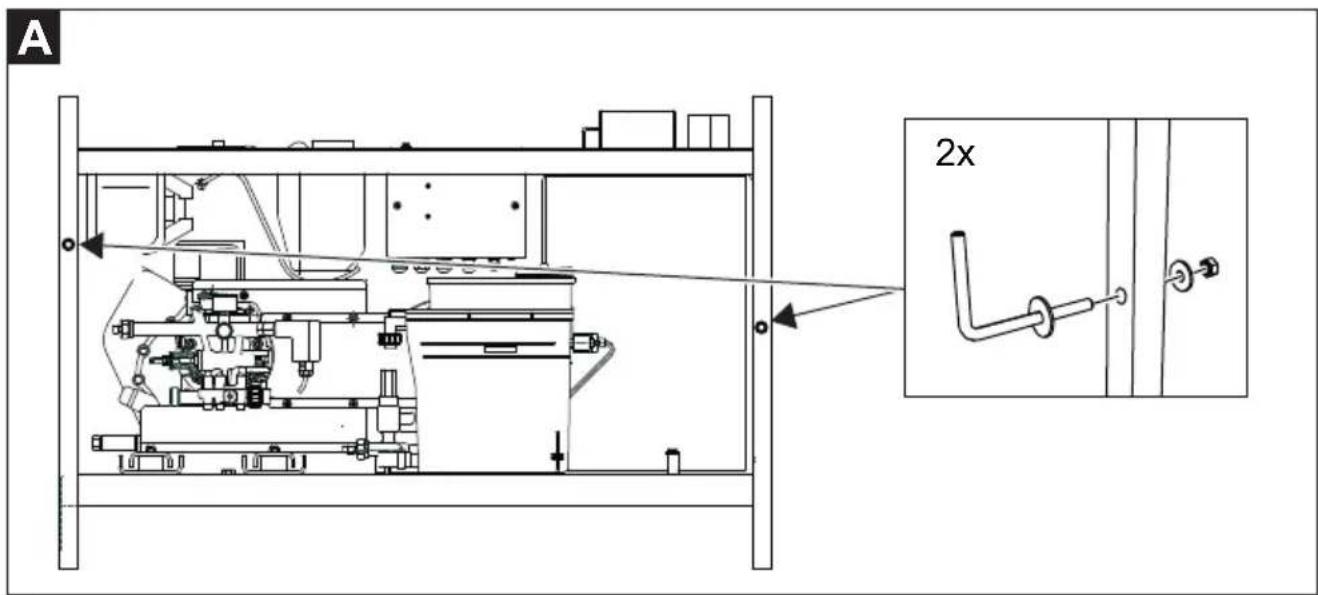
Attaching the spray lance rest
→ Attach both spray lance rests before initial startup (see figure A at the beginning of these instructions).
Check oil level of the high pressure pump
ATTENTION
Risk of damage! In case of lacteous oil inform Kärcher customer service immediately.
→ Check oil level of the high pressure pump at the oil sight glass.
Do not operate the appliance if the oil level has fallen below "MIN".
→ Add oil if required (see technical specifications).
Motor
Follow the instructions given in the section "Safety Notes"!
→ Read the operating instructions of the engine manufacturer before start-up and follow the safety instructions carefully.
→ Check air filter.
→ Check oil level of the engine.
Do not operate the appliance if the oil level has fallen below "MIN".
→ If required, top up oil carefully.
HDS 1000 BE:
→ Fill the fuel tank with unleaded petrol. Do not use 2-speed mixture.
HDS 1000 DE:
→ Fill fuel tank with diesel.
Refill fuel
⚠️DANGER
Danger of explosion! Only refill diesel oil or light fuel oil. Inappropriate fuels, e.g. petrol, must not be used.
ATTENTION
Risk of damage to the fuel pump on account of dry running. Fill up the fuel tank even during cold water operations to such a level that the indicator lamp for fuel goes off.
→ Refill fuel.
→ Close tank lock.
→ Wipe off spilled fuel.
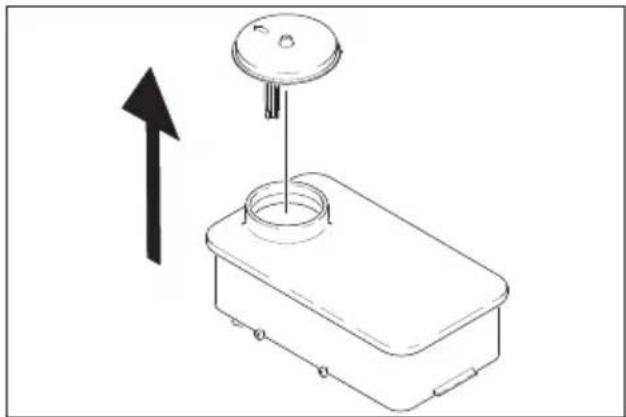
Refill liquid softener
Note: A sample bundle of liquid softener is included in the delivery.
natural_image
Technical line drawing of a mechanical component with an upward arrow indicating motion (no text or symbols)→ Fill the tank with Kaercher softener liquid RM 110 (Order no. 2.780-001).
- The liquid softener prevents the calcification of the heating spiral while operating with calciferous tap water It is dosed into the supply drop by drop
- The metering is set to medium water rigidity by the manufacturer
Adjust dosing of liquid softener
⚠️DANGER
Dangerous electrical voltage! Setting may only be done by an electrician.
→ Determining the hardness of tap water:
– through the public water supply works,
- using a hardness tester (order no. 6.768-004)
→ Open the electrical box.
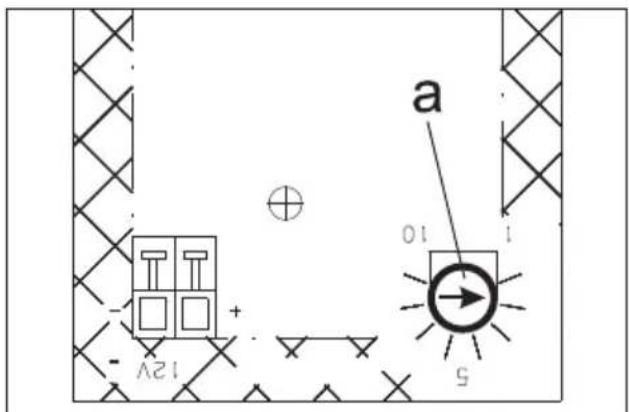
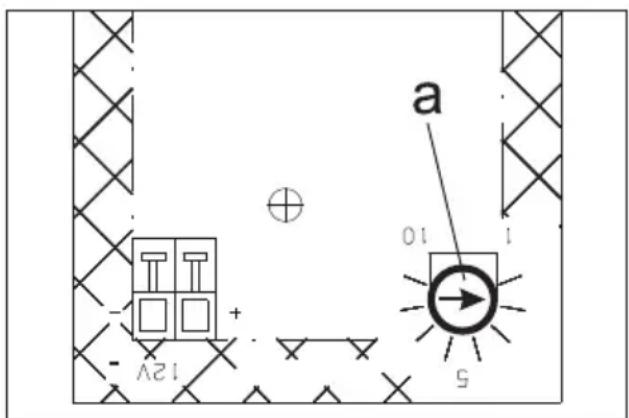
→ Set the speed potentiometer (a) according to the water hardness. You can refer to the correct setting in the table.
Example:
For a water hardness of 15^ dH, set 7 on the value scale of the speed potentiometer.
| Water hardness (°dH) | Scale on the speed potentiometer |
| 5 | 10 |
| 10 | 8 |
| 15 | 7 |
| 20 6.5 | |
| 25 | 6 |
| 30 5.5 |
Battery
Safety notes regarding the battery
Please observe the following warning notes when handling batteries:
 | Observe the notes on the battery and in the operating instructions! |
 | Wear an eye shield! |
 | Keep away children from acid and batteries! |
 | Risk of explosion! |
 | Fire, sparks, open light, and smoking not allowed! |
 | Danger of causticization! |
 | First aid! |
 | Warning note! |
 | Disposal! |
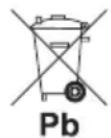 | Do not throw the battery in the dustbin! |
⚠️DANGER
Risk of explosion! Do not put tools or similar on the battery, i.e. on the terminal poles and cell connectors.
⚠️DANGER
Risk of injury! Ensure that wounds never come into contact with lead. Always clean your hands after having worked with batteries.
Charging battery
⚠️DANGER
Risk of injury! Comply with safety regulations on the handling of batteries. Observe the directions provided by the manufacturer of the charger.
→ Disconnect battery.
→ Connect positive terminal cable from the charger to the positive pole connection on the battery.
→ Connect negative terminal cable from the charger to the negative pole connection on the battery.
→ Plug in mains connector and switch on charger.
→ Charge battery using lowest possible level of charging current.
Check fluid level in the battery and adjust if required
ATTENTION
Regularly check the fluid level in acid-filled batteries.
→ Unscrew all cell caps.
→ Where fluid level is too low, top up cells to the mark provided with distilled water.
→ Charge battery.
→ Screw in cell caps.
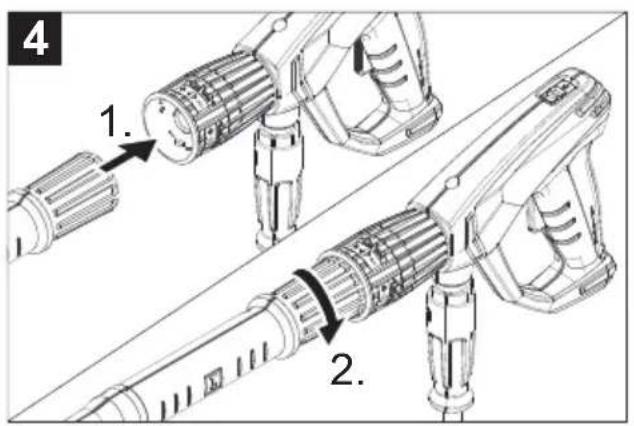
Install the hand-spray gun, the jet pipe, the nozzle and the high pressure hose
Note: The EASY!Lock system joins components with a quick-fasten thread solidly and securely with just one turn.
Figure 4
→ Join the spray lance with the trigger gun and tighten until hand-tight (EASY!Lock).
→ Insert the high pressure nozzle onto the spray lance.
→ Install union nut and hand-tighten it (EASY!Lock).
→ Join the high-pressure hose with trigger gun and high-pressure connection of the appliance and tighten until hand-tight (EASY!Lock).
Water connection
For connection values refer to technical specifications.
→ Connect the supply hose (minimum length 7.5 m, minimum diameter 3/4") to the water connection point of the machine and at the water supply point (for e.g. a tap).
Note: The supply hose is not included.
Suck in water from vessel
- When fitted with the appropriate accessories, this high-pressure cleaner can draw in surface water, e.g. from water butts or ponds.
– Suction height max. 1m.
⚠️DANGER
Risk of personal injury or damage! Never suck in water from a drinking water container. Never suck in liquids which contain solvents like lacquer thinner, petrol, oil or unfiltered water. The sealings within the device are not solvent resistant. The spray mist of solvents is highly inflammable, explosive and poisonous.
→ Connect suction hose (minimum diameter 3/4") with filter (accessory) to the water connection point.
→ Set dosing value for detergent to "0".
Operation
⚠️DANGER
Danger of explosion! Do not spray flammable liquids.
⚠️DANGER
Risk of injury! Never use the appliance without the spray lance attached. Check and ensure proper fitting of the spray lance prior to each use. The screw connection of the spray lance must be finger-tight.
⚠️DANGER
Risk of injury! Hold the hand spray gun and the spray pipe firmly with both hands.
⚠️DANGER
Risk of injury! The trigger and safety lever may not be locked during the operation.
⚠️DANGER
Risk of injury! Contact Customer Service if the safety lever is damaged.
ATTENTION
Risk of damage to the fuel pump on account of dry running. Fill up the fuel tank even during cold water operations to such a level that the indicator lamp for fuel goes off.
Opening/closing the trigger gun
→ To open the trigger gun: Actuate the safety lever and trigger.
→ To close the hand spray gun: Release the safety lever and trigger.
Replace the nozzle
⚠️DANGER
Risk of injury! Switch the appliance off prior to replacing nozzle and activate hand spray gun until device is pressureless.
→ Secure the trigger gun. To do so, push the safety catch towards the front.
→ Replacing the nozzle.
Cleaning
→ Set pressure/temperature and detergent concentration according to the surface to be cleaned.
Note: To prevent damage due to too much pressure, always position high pressure ray first from a greater distance towards object to be cleaned.
Working with the high pressure nozzle
The spray angle is essential for the effectiveness of the high pressure ray. Normally work is performed with a 25^ flat ray nozzle (included).
■ Recommended nozzles are deliverable as accessories
- For strong contaminations.
0° full ray - nozzle
- For sensitive surfaces and light contaminations
40° flat ray - nozzle
- For thick layered, persistent contaminations
Dirt blaster
- Nozzle with adjustable spray angle, for adaption to different cleaning tasks
Angle-Vario-Nozzle
Recommended cleaning method
- Loosen the dirt:
Spray detergent economically and let it work for 1...5 minutes but do not let it dry up.
- Remove the dirt:
Spray off loosened dirt with the high pressure jet.
Turning on the Appliance
→ Open the water supply.
→ Set the appliance switch to operation with cold/ hot water.
→ Start the engine according to the operating instructions of the engine manufacturer.
→ Release the trigger gun. To do so, push the safety catch towards the back.
→ Open the hand spray gun.
Operating with cold water
→ Set the appliance switch to "Burner off".
Operating with hot water
⚠️DANGER
Scalding danger!
→ Set the appliance switch to the desired working temperature (max. 98 °C). The burner is switched on.
Set working pressure and flow rate
→ Set (+/-) the working pressure and quantity by turning the pressure/quantity regulation mechanism at the hand spray gun.
⚠️DANGER
Risk of injury! When adjusting the pressure/quantity regulation, make sure that the screw connection of the spray lance does not become loose.
Operation with detergent
ATTENTION
Unsuitable detergents can cause damage to the appliance and to the object to be cleaned.
- For considerate treatment of the environment use detergent economically.
- Observe the dosage and other instructions provided with these detergents.
– Use only those detergents approved by the manufacturer of the appliance. - Kärcher detergents ensure smooth functioning. Please consult us or ask for our catalogue or our detergent information sheets.
→ Suspend end of suction hose in a container filled with detergent.
→ Set dosing value for detergent to the desired concentration.
Interrupting operation
→ Close the hand spray gun.
→ Secure the trigger gun. To do so, push the safety catch towards the front.
Note: If the trigger gun is closed, the motor continues to run at idling speed. The water thus circulates within the pump and heats up. When the cylinder head at the pump has reached the maximum permissible temperature (80 °C), the safety thermostat at the cylinder head switches off the motor. The device can be restarted after cooling down to below 50 °C.
Cooling can be hastened while using compressed water from the water supply pipes:
→ Open the trigger gun for approx. 2 - 3 minutes so that the circulating water cools down the cylinder head.
→ Restart the engine.
After operation with detergent
→ Set dosing value for detergent to "0".
→ Open the hand spray gun and rinse the appliance for at least 1 minute.
Turn off the appliance
⚠️DANGER
Danger of scalding from hot water! After operation with hot water, the device must be operated with opened handgun with cold water for at least two minutes.
After operating the water using saline water (sea water), open the hand spray gun and rinse the appliance for at least 2 - 3 minutes using tap water.
ATTENTION
Risk of damage! Never stop the motor under full load when the trigger gun is opened.
→ Set the appliance switch to "Burner off".
→ Close the hand spray gun.
Motor regulates to reach dry run speed.
→ Set the appliance switch at the engine to OFF and close the fuel supply valve.
→ Shut off water supply.
→ Activate trigger gun until device is pressure-less.
→ Secure the hand spray gun using the safety catch so that it doesn't open accidentally.
→ Remove the water inlet hose from the appliance.
Storage
△CAUTION
Risk of personal injury or damage! Consider the weight of the appliance when storing it.
Transport
ATTENTION
Protect the trigger from damage during transport.
△CAUTION
Risk of personal injury or damage! Mind the weight of the appliance during transport.
→ When transporting in vehicles, secure the appliance according to the guidelines from slipping and tipping over.
Care and maintenance
You can sign with your dealer a contract for regular safety inspection or even sign a maintenance contract. Please take advice on this matter.
⚠️DANGER
Risk of injury if the machine is left running in an unattended state. Remove the spark plug or disconnect the battery before working on the appliance.
Risk of burns! Do not touch hot silencers, cylinders or radiator ribs.
Maintenance intervals
Daily
→ Check the high pressure hose for damages (risk of bursting). Please arrange for the immediate exchange of a damaged high-pressure hose.
Weekly
→ Check oil level of the high pressure pump.
ATTENTION
Risk of damage! In case of lacteous oil inform Kärcher customer service immediately.
Monthly
→ Clean the sieve in the water connection.
→ Clean sieve in the water shortage safe guard.
→ Clean filter at the detergent suck hose.
Every 500 operating hours, at least annually
→ Decalcify appliance.
→ Have the maintenance of the device performed by the customer service.
Maintenance Works
High-pressure pump
Oil change:
→ Ready a catch bin for appr. 1 Liter oil.
→ Turn out the oil drain screw.
→ Drain the oil in a collection basin.
Dispose of old oil ecologically or turn it in at a collection point.
→ Screw in the oil drain screw.
→ Slowly fill in new oil until the "MAX" marking on the oil container.
Note: Air pockets must be able to leak out.
For oil type refer to technical specifications.
Motor
Carry out maintenance tasks to the engine according to the specifications provided in the operating instructions of the engine manufacturer.
Decalcify appliance
The flow resistance is higher if there are deposits in the pipes; this increases the load on the motor.
⚠️DANGER
Risk of explosion due to combustible gases! Smoking strictly prohibited during decalcification. Ensure proper ventilation.
⚠️DANGER
Risk of burns injury on account of acid! Wear protective glasses and protective gloves.
■ Procedure:
According to statutory requirements, only tested and approved boiler decrusting agents may be used.
- RM 100 (Order No. 6.287-008) dissolves chalk and simple compounds of chalk and detergents residues.
- RM 101 (Order No. 6.287-013) dissolves the deposits that cannot be dissolved using RM 100.
→ Fill a 20 litre container with 15 l water.
→ Add one litre of boiler decrusting agent.
→ Connect the water hose directly to the pump and hang in the other free end into the container.
→ Insert the connected spray pipe without nozzle into the container.
→ Start the engine according to the operating instructions of the engine manufacturer.
→ Open the hand-spray gun and do not close it during the decalcification process.
→ Set the appliance switch to a working temperature of 40 °C.
→ Let the appliance run till the working temperature is reached.
→ Switch off the appliance and let it stand for 20 minutes. The hand-spray gun must remain opened.
→ Then pump out the machine until empty.
Note: As an anti-corrosion measure and for neutralising the acid residue, we recommend that you finally pump an alkaline solution through the machine (for e.g. RM 81) via the detergent tank.
Frost protection
ATTENTION
Risk of damage! Freezing water in the appliance can destroy parts of the appliance.
- Store the appliance in a heated room during winter or empty it. During longer breaks in operation, it is advisable to pump in anti-frost agents into the appliance.
- If it is not possible to store frost free, shut down device.
- Drain water:
→ Screw off water supply hose and high pressure hose.
→ Screw off supply hose at boiler bottom and drain heating spiral empty.
→ Operate device for max. 1 minute until the pump and conduits are empty.
■ Flush appliance with anti-freeze agent:
Note: Observe handling instructions of the anti-freeze agent manufacturer.
→ Fill anti-freeze agent of the trade into swimmer container.
→ Switch on appliance (without heater) till the appliance has been completely rinsed.
A certain corrosion protection is achieved with this as well.
Troubleshooting
⚠️DANGER
Risk of injury if the machine is left running in an unattended state. Remove the spark plug or disconnect the battery before working on the appliance.
Risk of burns! Do not touch hot silencers, cylinders or radiator ribs.
Fuel indicator lamp glows
- Fuel tank empty
→ Refill.
Indicator lamp liquid softener glows
– Liquid softener tank is empty, due to technical reasons a remainder stays in the tank.
→ Refill.
– Electrodes in the tank are dirty
→ Clean the electrodes.
Appliance is not running
Follow operating instructions of the engine manufacturer!
- Fuel tank empty.
→ Refill. - HDS 1000 BE: Spark plug (motor) is dirty/ defective
→ Clean or replace the spark plug. - Safety thermostat at the high pressure pump has switched off the appliance after long period of cycle operation.
→ Allow the appliance to cool down; then restart it. Refer section "Interrupting operation".
Device is not building up pressure
- Operating speed of the engine is too low
→ Check operating speed of the engine (refer to technical data).
– HDS 1000 BE: Spark plug (motor) is dirty/ defective
→ Clean or replace the spark plug. - Nozzle is blocked/ washed out
→ Clean/ replace nozzle.
– Sieve in the water connection is dirty
→ Clean sieve.
– Amount of water supply is too low.
→ Check water supply level (refer to technical data).
– Pipe inlets to pump are leaky or blocked
→ Check all inlet pipes to the pump.
– Air within the system
Vent pump:
→ Set dosing value for detergent to "0".
→ Open the water supply.
→ Start the engine according to the operating instructions of the engine manufacturer.
→ To dearate the appliance, unscrew the nozzle and allow the appliance to run until the water exits in a bubble-free state.
→ Switch off the appliance and fit the nozzle again.
High pressure side is leaky
- Pump leaky
Note: 3 drops/minute are allowed.
→ With stronger leak, have device checked by customer service.
High pressure pump is vibrating
- Inlet pipes to the pump are leaky.
→ Check all inlet pipes to the pump.
– Air within the system
Vent pump:
→ Set dosing value for detergent to "0".
→ Open the water supply.
→ Start the engine according to the operating instructions of the engine manufacturer.
→ To dearate the appliance, unscrew the nozzle and allow the appliance to run until the water exits in a bubble-free state.
→ Switch off the appliance and fit the nozzle again.
Device is not sucking in detergent
– Detergent suction hose with filter is leaky or blocked
→ Check/ clean detergent suction hose with filter.
- Backflow valve in the connection of the detergent suction hose is jammed
→ Clean/ replace backflow valve in the connection of the detergent suction hose.
– Detergent dosing valve is closed or leaky/ blocked
→ Open or check/clean detergent dosing valve.
Overflow valve keeps switching on/off when the hand-spray gun is opened
- Nozzle is blocked
→ Clean the nozzle.
– Appliance is decalcified
→ Decalcify appliance. - Sieve in the water shortage safe guard is dirty
→ Clean sieve. - Overflow valve is defective
→ Replace overflow valve (Customer Service).
Burner does not start
- Fuel tank empty
→ Refill.
- Water shortage
→ Check water supply, check connections.
→ Clean sieve in the water shortage safe guard.
- Fuel filter dirty
→ Change fuel filter.
- No ignition spark
→ If device is in use and no ignition spark can be seen through the viewing glass, have device checked by customer service.
Set temperature is not achieved while using hot water
– Working pressure/flow rate to high
→ Reduce working pressure/ flow quantity on the hand spray gun.
- Sooty heating spiral
→ Have device de-sooted by customer service.
Customer Service
If malfunction can not be fixed, the device must be checked by customer service.
Warranty
The warranty terms published by the relevant sales company are applicable in each country. We will repair potential failures of your appliance within the warranty period free of charge, provided that such failure is caused by faulty material or defects in manufacturing. In the event of a warranty claim please contact your dealer or the nearest authorized Customer Service center. Please submit the proof of purchase.
Accessories and Spare Parts
Only use original accessories and spare parts, they ensure the safe and trouble-free operation of the device.
For information about accessories and spare parts, please visit www.kaercher.com.
EU Declaration of Conformity
We hereby declare that the machine described below complies with the relevant basic safety and health requirements of the EU Directives, both in its basic design and construction as well as in the version put into circulation by us. This declaration shall cease to be valid if the machine is modified without our prior approval.
Product: High pressure cleaner
Type: 1.811-xxx
Relevant EU Directives
2006/42/EC (+2009/127/EC)
2000/14/EC
2014/30/EU
Applied harmonized standards
EN 55012: 2007 + A1: 2009
EN 60335-1
EN 60335-2-79
Applied conformity evaluation method
2000/14/EC: Appendix V
Sound power level dB(A)
HDS 1000 BE
Measured: 106
Guaranteed: 108
HDS 1000 DE
Measured: 105
Guaranteed: 107
5.957-090
5.957-091
The signatories act on behalf of and with the authority of the company management.
H. Jenner
Chairman of the Board of Management
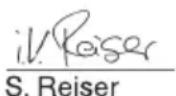
S. Reiser
Director Regulatory Affairs & Certification
Documentation supervisor:
S. Reiser
Alfred Kärcher SE & Co. KG
71364 Winnenden (Germany)
Tel.: +49 7195 14-0
Fax: +49 7195 14-2212
Winnenden, 2018/08/01
Technical specifications
| HDS 1000 BE H | HDS 1000 DE | ||
| Type of protection -- IPX5 IPX5 | |||
| Motor | |||
| Type -- Honda GX 390, | 1 cylinder, 4-stroke | Yanmar L 100 N, 1 cyl-inder, 4-stroke | |
| Maximum torque at 3600 rpm kW (HP) 9.6 (1) | 3) 7.4 (10) | ||
| Specific consumption g/kWh 313 250 | |||
| Operating speed 1/min 3200-3400 3200-3400 | |||
| Fuel tank l 6.5 5.5 | |||
| Fuel | -- Petrol, un | lead-ed* | Diesel |
| * Appliance is suitable to use E10 petrol | |||
| Water connection | |||
| Max. feed temperature | °C | 30 | 30 |
| Min. feed volume | l/h (l/min) | 1000 (16.7) | 1000 (16.7) |
| Max. feed pressure | MPa (bar) | 0.6 (6) | 0.6 (6) |
| Inlet hose | Order no. | 4,440-207.0 | 4,440-207.0 |
| Inlet hose length | m | 7.5 | 7.5 |
| Inlet hose diameter (min.) | Inch | 3/4 | 3/4 |
| Suck height from open container (20 °C) | m | 1 | 1 |
| Performance data | |||
| Water flow rate | l/h (l/min) | 450-900 (7.5-15) | 450-900 (7.5-15) |
| Operating pressure of water (using standard nozzle) | MPa (bar) | 4-21 (40-210) | 4-20 (40-200) |
| Size of standard nozzle | -- 047 050 | ||
| Max. excess operating pressure (safety valve) | MPa (bar) | 23 (230) | 23 (230) |
| Max. operating temperature of hot water | °C | 98 | 98 |
| Detergent suck in | l/h (l/min) | 0-40 (0-0.7) | 0-40 (0-0.7) |
| Burner performance | kW | 59 | 59 |
| Maximum consumption of heating oil | kg/h | 5.6 | 5.6 |
| Max. recoil force of trigger gun | N | 51 | 51 |
| Values determined as per EN 60335-2-79 | |||
| Noise emission | |||
| Sound pressure level L_pA | dB(A) | 91 | 91 |
| Uncertainty K_pA | dB(A) | 3 | 2 |
| Sound power level L_WA + Uncertainty K_WA | dB(A) | 108 107 | |
| Hand-arm vibration value | |||
| Hand spray gun | m/s2 | <2.5 | <2.5 |
| HDS 1000 BE | HDS 1000 DE | ||
| Spray lance m/s | ^2 | <2.5 <2.5 | |
| Uncertainty K m/s | ^2 | 1 | 1 |
| Fuel | |||
| Fuel -- Fuel oil EL or | Diesel | Fuel oil EL or Diesel | |
| Oil quantity - pump l 0.35 0.35 | |||
| Oil type - pump Engine oil | 15W40 | Order no.6.288-050.0 | Order no.6.288-050.0 |
| Dimensions and weights | |||
| Length x width x height mm 1100 x 750 x | 785 | 1100 x 750 x 785 | |
| Typical operating weight kg 175.2 197.0 | |||
| Fuel tank | l 34 | 34 | |
www.kaercher.com/REACH
Niveaux de danger
⚠️DANGER
natural_image
Diagram of a device with a circular component and an upward arrow, no text or symbols present2006/42/CE (+2009/127/CE)
2000/14/CE
2014/30/UE
Chairman of the Board of Management
Director Regulatory Affairs & Certification
71364 Winnenden (Germany)
Tel.: +49 7195 14-0
Fax: +49 7195 14-2212
Winnenden, 2018/08/01
www.kaercher.com/REACH
Livelli di pericolo
⚠PERICOLO
natural_image
Technical line drawing of a mechanical device with a circular component and upward arrow indicator (no text or symbols)2006/42/CE (+2009/127/CE)
2000/14/CE
2014/30/UE
Chairman of the Board of Management
S. Reiser
Director Regulatory Affairs & Certification
71364 Winnenden (Germany)
Tel.: +49 7195 14-0
Fax: +49 7195 14-2212
Winnenden, 2018/08/01
Dati tecnici
www.kaercher.com/REACH
Gevarenniveaus
⚠ GEVAAR
natural_image
Technical line drawing of a mechanical component with an upward arrow indicating motion (no text or symbols)Chairman of the Board of Management
S. Reiser
Director Regulatory Affairs & Certification
71364 Winnenden (Germany)
Tel.: +49 7195 14-0
Fax: +49 7195 14-2212
Winnenden, 2018/08/01
Technische gegevens
www.kaercher.com/REACH
Niveles de peligro
⚠️ PELIGRO
natural_image
Technical line drawing of a mechanical component with an upward arrow indicating motion (no text or symbols)2006/42/CE (+2009/127/CE)
2000/14/CE
2014/30/UE
Chairman of the Board of Management
S. Reiser
Director Regulatory Affairs & Certification
71364 Winnenden (Germany)
Tel.: +49 7195 14-0
Fax: +49 7195 14-2212
Winnenden, 2018/08/01
Datos técnicos
www.kaercher.com/REACH
Níveis de perigo
⚠PERIGO
natural_image
Technical line drawing of a mechanical device with a circular component and an upward arrow indicator (no text or symbols)→ Encher o recipiente com líquido descalcificante Kärcher RM 110 (Nº de encomenda 2.780-001).
2006/42/CE (+2009/127/CE)
2000/14/CE
2014/30/UE
Chairman of the Board of Management
S. Reiser
Director Regulatory Affairs & Certification
71364 Winnenden (Germany)
Tel.: +49 7195 14-0
Fax: +49 7195 14-2212
Winnenden, 2018/08/01
Dados técnicos
www.kaercher.com/REACH
Faregrader
⚠️FARE
natural_image
Technical line drawing of a mechanical device with a circular component and upward arrow indicator (no text or symbols)2006/42/EF (+2009/127/EF)
2000/14/EF
2014/30/EU
Chairman of the Board of Management
S. Reiser
Director Regulatory Affairs & Certification
71364 Winnenden (Germany)
Tel.: +49 7195 14-0
Fax: +49 7195 14-2212
Winnenden, 2018/08/01
Tekniske data
www.kaercher.com/REACH
Risikotrinn
⚠️FARE
Anvisning om en umiddelbar truende fare som kan føre til store personskader eller til død.
ADVARSEL
natural_image
Technical line drawing of a mechanical device with a circular component and upward arrow indicator (no text or symbols)→ Fyll beholderen med Kärcher-bløtemiddel RM 110 (best.nr. 2.780-001).
- Avkalkningsmiddelet hindrer forkalking av varmeslangen ved bruk med kalkholdig ledningsvann. Det tilføres vannbeholderen dråpevis.
– Doseringen er fra fabrikken innstilt på middels vannhardhet.
Still inn dosering av avkalkingsvæske
⚠️FARE
2006/42/EF (+2009/127/EF)
2000/14/EF
2014/30/EU
2000/14/EF: Vedlegg V
Lydeffektnivå dB(A)
HDS 1000 BE
Målt: 106
Garantert: 108
HDS 1000 DE
Målt: 105
Garantert: 107
5.957-090
5.957-091
Chairman of the Board of Management
S. Reiser
Director Regulatory Affairs & Certification
71364 Winnenden (Germany)
Tel.: +49 7195 14-0
Fax: +49 7195 14-2212
Winnenden, 2018/08/01
Tekniske data
www.kaercher.com/REACH
Risknivåer
⚠️FARA
natural_image
Technical line drawing of a mechanical device with a circular component and upward arrow indicator (no text or symbols)Chairman of the Board of Management
S. Reiser
Director Regulatory Affairs & Certification
71364 Winnenden (Germany)
Tel.: +49 7195 14-0
Fax: +49 7195 14-2212
Winnenden, 2018/08/01
Tekniska data
www.kaercher.com/REACH
Vaarallisuusasteet
⚠ VAARA
natural_image
Technical line drawing of a mechanical device with a circular component and upward arrow indicator (no text or symbols)Chairman of the Board of Management
S. Reiser
Director Regulatory Affairs & Certification
71364 Winnenden (Germany)
Tel.: +49 7195 14-0
Fax: +49 7195 14-2212
Winnenden, 2018/08/01
Tekniset tiedot
www.kaercher.com/REACH
Διαβάθμιση κινδύνων
⚠️KINDYNOΣ
natural_image
Technical line drawing of a mechanical component with an upward arrow indicating motion (no text or symbols)Chairman of the Board of Management
S. Reiser
Director Regulatory Affairs & Certification
71364 Winnenden (Germany)
Tel.: +49 7195 14-0
Fax: +49 7195 14-2212
Winnenden, 2018/08/01
www.kaercher.com/REACH
Tehlike kademeleri
TEHLIKE
natural_image
Diagram of a device with a circular component and an upward arrow, no text or symbols presentChairman of the Board of Management
S. Reiser
Director Regulatory Affairs & Certification
71364 Winnenden (Germany)
Tel.: +49 7195 14-0
Fax: +49 7195 14-2212
Winnenden, 2018/08/01
Teknik Bilgiler
www.kaercher.com/REACH
Степень опасности
⚠️ ОПАСНОСТЬ
natural_image
Technical line drawing of a mechanical device with a circular component and upward arrow indicator (no text or symbols)Chairman of the Board of Management
S. Reiser
Director Regulatory Affairs & Certification
71364 Winnenden (Germany)
Tel.: +49 7195 14-0
Fax: +49 7195 14-2212
Winnenden, 2018/08/01
Технические данные
www.kaercher.com/REACH
Veszély fokozatok
⚠ VESZÉLY
natural_image
Diagram of a device with a circular component and an upward arrow, no text or symbols presentChairman of the Board of Management
S. Reiser
Director Regulatory Affairs & Certification
71364 Winnenden (Germany)
Tel.: +49 7195 14-0
Fax: +49 7195 14-2212
Winnenden, 2018/08/01
Műszaki adatok
www.kaercher.com/REACH
Stupně nebezpečí
⚠NEBEZPEČÍ
natural_image
Technical line drawing of a mechanical component with an upward arrow indicating motion (no text or symbols)2006/42/ES (+2009/127/ES)
2000/14/ES
2014/30/EU
Chairman of the Board of Management
S. Reiser
Director Regulatory Affairs & Certification
71364 Winnenden (Germany)
Tel.: +49 7195 14-0
Fax: +49 7195 14-2212
Winnenden, 2018/08/01
Technické údaje
www.kaercher.com/REACH
Stopnje nevarnosti
⚠NEVARNOST
natural_image
Diagram of a device with a circular component and an upward arrow, no text or symbols present2006/42/ES (+2009/127/ES)
2000/14/ES
2014/30/EU

71364 Winnenden (Germany)
Tel.: +49 7195 14-0
Fax: +49 7195 14-2212
Winnenden, 2018/08/01
Tehnični podatki
| HDS 1000 BE H | HDS 1000 DE | ||
| Vrsta zaščite -- IPX5 IPX5 | |||
| Motor | |||
| Tip -- Honda GX 390, | 1 cilinder, 4-taktni | Yanmar L 100 N, 1 cilinder, 4-taktni | |
| Nazivna kapaciteta pri 3600 1/min kW (KM) 9,6 (13) 7,4 (10) | |||
| Specifična poraba g/kWh 313 250 | |||
| Obratovalno število obratov 1/min 3200–3400 3200–3400 | |||
| Rezervoar za gorivo | I 6,5 | 5,5 | |
| Gorivo | -- Bencin, neo-svinčen * | Dizel | |
| * Naprava je primerna za gorivo E10 | |||
| Vodni priključek | |||
| Temperatura dotoka (maks.) | °C | 30 | 30 |
| Količina dotoka (min.) | l/h (l/min) | 1000 (16,7) | 1000 (16,7) |
| Pritisk dotoka (maks.) | MPa (bar) | 0,6 (6) | 0,6 (6) |
| Dovodna cev | Naroč. št. | 4.440-207.0 | 4.440-207.0 |
| Dolžina dovodne cevi | m | 7,5 | 7,5 |
| Premer dovodne cevi (min.) | Cola | 3/4 | 3/4 |
| Sesalna višina iz odprte posode (20 °C) | m | 1 | 1 |
| Podatki o zmogljivosti | |||
| Pretok vode | l/h (l/min) | 450–900 (7,5–15) | 450–900 (7,5–15) |
| Delovni tlak vode (s standardno šobo) | MPa (bar) | 4–21 (40–210) | 4–20 (40–200) |
| Velikost standardne šobe | -- 047 050 | ||
| Maks. obratovalni nadtlak (varnostni ventil) | MPa (bar) | 23 (230) | 23 (230) |
| Maks. delovna temperatura vroče vode | °C | 98 | 98 |
| Sesanje čistila | l/h (l/min) | 0–40 (0–0,7) | 0–40 (0–0,7) |
| Moč gorilnika | kW | 59 | 59 |
| Maksimalna poraba kurilnega olja | kg/h | 5,6 | 5,6 |
| Povratna udarna sila ročne brizgalne pištole (maks.) | N | 51 | 51 |
| Ugotovljene vrednosti v skladu z EN 60335-2-79 | |||
| Emisija hrupa | |||
| Nivo hrupa L_pA | dB(A) | 91 | 91 |
| Negotovost K_pA | dB(A) | 3 | 2 |
| Nivo hrupa ob obremenitvi L_WA + negotovost K_WA | dB(A) | 108 107 | |
| Vrednost vibracij dlan-roka | |||
| Ročna brizgalna pištola | m/s2 | < 2,5 | < 2,5 |
| HDS 1000 BE | HDS 1000 DE | ||
| Brizgalna cev m/s | ^2 | < 2 , 5 < 2 , 5 | |
| Negotovost K m/s | ^2 | 1 | 1 |
| Goriva | |||
| Gorivo -- EL kurilno olje | ali dizel | EL kurilno olje ali dizel | |
| Količina olja - črpalka I 0,35 0,35 | |||
| Vrsta olja - črpalka Motorno | olje 15W40 | Naroč. št.6.288-050.0 | Naroč. št.6.288-050.0 |
| Mere in teža | |||
| Dolžina x širina x višina mm 1100 x 750 x | 785 | 1100 x 750 x 785 | |
| Tipična delovna teža kg 175,2 197,0 | |||
| Rezervoar za gorivo I 34 34 | |||
www.kaercher.com/REACH
Stopnie zagrożenia
⚠ NIEBEZPIECZEŃSTWO
natural_image
Diagram of a mechanical device with a circular component and upward arrow, no text or symbols present2006/42/WE (+2009/127/WE)
2000/14/WE
2014/30/UE
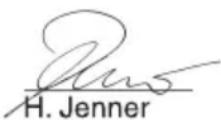
Chairman of the Board of Management
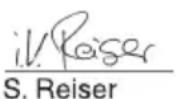
Director Regulatory Affairs & Certification
71364 Winnenden (Germany)
Tel.: +49 7195 14-0
Fax: +49 7195 14-2212
Winnenden, 2018/08/01
Dane techniczne
www.kaercher.com/REACH
Trepte de pericol
⚠PERICOL
natural_image
Technical line drawing of a mechanical device with a circular component and upward arrow indicator (no text or symbols)Directive UE respectate:
2006/42/CE (+2009/127/CE)
2000/14/CE
2014/30/UE
Norme armonizate utilize:
EN 55012: 2007 + A1: 2009
EN 60335-1
EN 60335-2-79
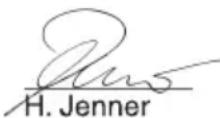
Chairman of the Board of Management
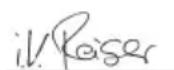
S. Reiser
Director Regulatory Affairs & Certification
71364 Winnenden (Germany)
Tel.: +49 7195 14-0
Fax: +49 7195 14-2212
Winnenden, 2018/08/01
Date tehnice
www.kaercher.com/REACH
Stupne nebezpečenstva
⚠NEBEZPEČENSTVO
natural_image
Technical line drawing of a mechanical device with a circular component and upward arrow indicator (no text or symbols)2006/42/ES (+2009/127/ES)
2000/14/ES
2014/30/EÚ
Uplatňované harmonizované normy:
EN 55012: 2007 + A1: 2009
EN 60335-1
EN 60335-2-79
Chairman of the Board of Management
Director Regulatory Affairs & Certification
71364 Winnenden (Germany)
Tel.: +49 7195 14-0
Fax: +49 7195 14-2212
Winnenden, 2018/08/01
Technické údaje
www.kaercher.com/REACH
Stupnjevi opasnosti
⚠ OPASNOST
natural_image
Technical line drawing of a mechanical device with a circular component and upward arrow indicator (no text or symbols)→ Napunite spremnik Kärcherovim tekućim omekšivačem RM 110 (kataloški br. 2.780-001).
– Omekšivač sprječava nastanak kamenca na zavijenoj grijaćoj cijevi pri radu s vodom koja sadrži vapnenac. On se
kap po kap dodaje dovodu u kutiji za vo- du.
2006/42/EZ (+2009/127/EZ)
2000/14/EZ
2014/30/EU
Primijenjene uskladene norme:
EN 55012: 2007 + A1: 2009
EN 60335-1
EN 60335-2-79
Chairman of the Board of Management
S. Reiser
Director Regulatory Affairs & Certification
71364 Winnenden (Germany)
Tel.: +49 7195 14-0
Fax: +49 7195 14-2212
Winnenden, 2018/08/01
Tehnički podaci
| HDS 1000 BE H | HDS 1000 DE | ||
| Zaštita -- IPX5 IPX5 | |||
| Motor | |||
| Tip -- Honda GX 390, | 1-cilindrični, 4-taktni | Yanmar L 100 N, 1-cilindrični, 4-taktni | |
| Nazivna snaga pri 3600 1/min kW (KS) 9,6 (13) 7,4 (10) | |||
| Specifična potrošnja g/kWh 313 250 | |||
| Broj okretaja pri radu 1/min 3200 - 3400 3200 - 3400 | |||
| Spremnik goriva | I 6,5 | 5,5 | |
| Gorivo | -- Bezolovni benzin * | Diesel | |
| * Uređaj je prikladan za gorivo E10 | |||
| Priključak za vodu | |||
| Dovodna temperatura (maks.) | °C | 30 | 30 |
| Dovodni protok (min.) | l/h (l/min) | 1000 (16,7) | 1000 (16,7) |
| Dovodni tlak (maks.) | MPa (bar) | 0,6 (6) | 0,6 (6) |
| Dovodno crijevo | Kataloški br. | 4.440 - 207.0 | 4.440 - 207.0 |
| Duljina dovodnog crijeva | m | 7,5 | 7,5 |
| Promjer dovodnog crijeva (min.) | inč | 3/4 | 3/4 |
| Visina usisavanja iz otvorenih posuda (20°C) | m | 1 1 | |
| Podaci o snazi | |||
| Protok vode | l/h (l/min) | 450 - 900 (7,5 - 15) | 450 - 900 (7,5 - 15) |
| Radni tlak vod (sa standardnom mlaznicom) | MPa (bar) | 4 - 21 (40 - 210) | 4 - 20 (40 - 200) |
| Veličina mlaznice za standardnu mlaznicu | -- 047 050 | ||
| Maks. radni nadtlak (sigurnosni ventil) | MPa (bar) | 23 (230) | 23 (230) |
| Maks.radna temperatura vruće vode | °C | 98 | 98 |
| Usisavanje sredstva za pranje | l/h (l/min) | 0 - 40 (0 - 0,7) | 0 - 40 (0 - 0,7) |
| Snaga plamenika | kW | 59 | 59 |
| Maksimalna potrošnja loživog ulja | kg/h | 5,6 | 5,6 |
| Povratna udarna sila ručne prskalice (maks.) | N | 51 | 51 |
| Utvrdene vrijednosti prema EN 60335-2-79 | |||
| Emisija buke | |||
| Razina zvučnog tlaka L_pA | dB(A) | 91 | 91 |
| Nepouzdanost K_pA | dB(A) | 3 2 | |
| Razina zvučne snage L_WA + nepouzdanost K_WA | dB(A) | 108 107 | |
| Vrijednost vibracije na ruci | |||
| Ručna prskalica | m/s2 | < 2,5 | < 2,5 |
| HDS 1000 BE | HDS 1000 DE | ||
| Cijev za prskanje m/s | ^2 | < 2,5 < 2,5 | |
| Nepouzdanost K m/s | ^2 | 1 | 1 |
| Radni mediji | |||
| Gorivo -- Ložno ulje EL ili | dizel | Ložno ulje EL ili dizel | |
| Količina ulja za pumpu I 0,35 0,35 | |||
| Vrsta ulja za pumpu Motorno | ulje 15W40 | Kataloški br.6.288-050.0 | Kataloški br.6.288-050.0 |
| Dimenzije i težine | |||
| Duljina x širina x visina mm 1100 x 750 x | 785 | 1100 x 750 x 785 | |
| Tipična radna težina kg 175,2 197,0 | |||
| Spremnik za gorivo | I 34 | 34 | |

Pre prve upotrebe Vašeg uređaja pročitajte ove originalno
www.kaercher.com/REACH
Stepeni opasnosti
⚠ OPASNOST
Napomena koja ukazuje na neposredno preteću opasnost koja dovodi do teških telesnih povreda ili smrti.
⚠UPOZORENJE
Napomena koja ukazuje na eventualno opasnu situaciju koja može dovesti do teških telesnih povreda ili smrti.
△OPREZ
Napomena koja ukazuje na eventualno opasnu situaciju, koja može izazvati lakše telesne povrede.
PAŽNJA
Napomena koja ukazuje na eventualno opasnu situaciju koja može izazvati materijalne štete.
natural_image
Diagram of a mechanical device with a circular component and an upward arrow, no text or symbols present→ Napunite posudu Kärcher-ovim tečnim omekšivačem RM 110 (kataloški br. 2.780-001).
– Tečni omekšivač sprečava stvaranje kamenca na spirali grejača prilikom rada sa (tvrdom) vodom sa česme koja
sadrži krečnjak. On se kod dovoda u rezervoar za vodu dozira u vidu kapi.
– Doziranje je fabrički podešeno na srednju tvrdoću vode.
Podešavanje doziranja omekšivača
⚠ OPASNOST
Opasan električni napon! Podešavanje sme vršiti samo električar.
→ Odredite lokalnu tvrdoću vode:
– preko lokalnog vodovodnog poduzeća,
– durometrom (kataloški br. 6.768-004).
→ Otvorite razvodnu kutiju.
→ Obrtni potenciometar (a) podesite na vrednost koja odgovara tvrdoći vode. Iz tabele možete očitati ispravne vrednosti podešavanja.
Primer:
2006/42/EZ (+2009/127/EZ)
2000/14/EZ
2014/30/EU
Primenjene uskladene norme:
EN 55012: 2007 + A1: 2009
EN 60335-1
EN 60335-2-79
Chairman of the Board of Management
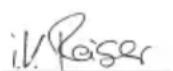
S. Reiser
Director Regulatory Affairs & Certification
71364 Winnenden (Germany)
Tel.: +49 7195 14-0
Fax: +49 7195 14-2212
Winnenden, 2018/08/01
Tehnički podaci
| HDS 1000 BE H | HDS 1000 DE | ||
| Stepen zaštite -- IPX5 IPX5 | |||
| Motor | |||
| Tip -- Honda GX 390, | 1-cilindrični, 4-taktni | Yanmar L 1 0 0 N , 1 - cilindrični, 4-taktni | |
| Nominalna snaga pri 3600 1/min kW (KS) 9,6 (13) 7,4 (10) | |||
| Specifična potrošnja g/kWh 313 250 | |||
| Broj obrtaja pri radu 1/min 3200-3400 3200-3400 | |||
| Rezervoar goriva | I 6,5 | 5,5 | |
| Gorivo | -- Bezolovni benzin * | Dizel | |
| * Uređaj je prikladan za gorivo E10 | |||
| Priključak za vodu | |||
| Dovodna temperatura (maks.) | °C | 30 | 30 |
| Dovodni protok (min.) | l/h (l/min) | 1000 (16,7) | 1000 (16,7) |
| Dovodni pritisak (maks.) | MPa (bar) | 0,6 (6) | 0,6 (6) |
| Dovodno crevo | Kataloški br. | 4.440-207.0 | 4.440-207.0 |
| Dužina dovodnog creva | m | 7,5 | 7,5 |
| Prečnik dovodnog creva (min.) | inč | 3/4 | 3/4 |
| Visina usisavanja iz otvorenih posuda (20°C) | m | 1 | 1 |
| Podaci o snazi | |||
| Količina protoka vode | l/h (l/min) | 450-900 (7,5-15) | 450-900 (7,5-15) |
| Radni pritisak vode (sa standardnom mlaznicom) | MPa (bar) | 4-21 (40-210) | 4-20 (40-200) |
| Veličina mlaznice kod standardne mlaznice | -- 047 050 | ||
| Maks. radni nadpritisak (sigurnosni ventil) | MPa (bar) | 23 (230) | 23 (230) |
| Maksimalna radna temperatura | °C | 98 | 98 |
| Usisavanje deterdženta | l/h (l/min) | 0-40 (0-0,7) | 0-40 (0-0,7) |
| Snaga gorionika | kW | 59 | 59 |
| Maksimalna potrošnja mazuta | kg/h | 5,6 | 5,6 |
| Povratna udarna sila ručne prskalice (maks.) | N | 51 | 51 |
| Izračunate vrednosti prema EN 60335-2-79 | |||
| Emisija buke | |||
| Nivo zvučnog pritiska L_pA | dB(A) | 91 | 91 |
| Nepouzdanost K_pA | dB(A) | 3 | 2 |
| Nivo zvučne snage L_WA + nepouzdanost K_WA | dB(A) | 108 107 | |
| Vrednost vibracije na ruci | |||
| Ručna prskalica | m/s2 | <2,5 | <2,5 |
| HDS 1000 BE | HDS 1000 DE | ||
| Cev za prskanje m/s | 2 | <2,5 <2,5 | |
| Nepouzdanost K m/s | 2 | 1 | 1 |
| Radni mediji | |||
| Gorivo -- Ložno ulje EL ili | dizel | Ložno ulje EL ili dizel | |
| Količina ulja za pumpu I 0,35 0,35 | |||
| Vrsta ulja za pumpu Motorno | ulje 15W40 | Kataloški br.6.288-050.0 | Kataloški br.6.288-050.0 |
| Dimenzije i težine | |||
| Dužina x širina x visina mm 1100 x 750 x | 785 | 1100 x 750 x 785 | |
| Tipična radna težina kg 175,2 197,0 | |||
| Rezervoar za gorivo | I 34 | 34 | |
www.kaercher.com/REACH
Степени на опасност
⚠️ ОПАСНОСТ
natural_image
Technical line drawing of a mechanical device with a circular component and upward arrow indicator (no text or symbols)Chairman of the Board of Management
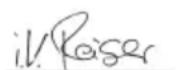
S. Reiser
Director Regulatory Affairs & Certification
71364 Winnenden (Germany)
Tel.: +49 7195 14-0
Fax: +49 7195 14-2212
Winnenden, 2018/08/01
Технически данни
www.kaercher.com/REACH
Ohuastmed
⚠️OHT
natural_image
Diagram of a device with a circular component and an upward arrow, no text or symbols presentToode: Körgsurvepesur
Tüüp: 1.811-xxx
Chairman of the Board of Management
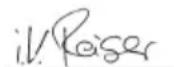
S. Reiser
Director Regulatory Affairs & Certification
71364 Winnenden (Germany)
Tel.: +49 7195 14-0
Fax: +49 7195 14-2212
Winnenden, 2018/08/01
Tehnilised andmed
www.kaercher.com/REACH
Riska pakāpes
⚠ BİSTAMI
natural_image
Technical line drawing of a mechanical device with a circular component and upward arrow indicator (no text or symbols)
Pilnvarotais sagatavot dokumentāciju: S. Reiser
Alfred Kärcher SE & Co. KG
71364 Winnenden (Germany)
Tel.: +49 7195 14-0
Fax: +49 7195 14-2212
Winnenden, 2018/08/01
Tehniskie dati
www.kaercher.com/REACH
Rizikos lygiai
⚠️PAVOJUS
natural_image
Technical line drawing of a mechanical device with a circular component and upward arrow indicator (no text or symbols)Chairman of the Board of Management
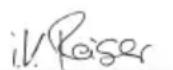
S. Reiser
Director Regulatory Affairs & Certification
71364 Winnenden (Germany)
Tel.: +49 7195 14-0
Fax: +49 7195 14-2212
Winnenden, 2018/08/01
Techniniai duomenys
www.kaercher.com/REACH
Ступінь небезпеки
⚠️НЕБЕЗПЕКА
natural_image
Technical line drawing of a mechanical device with a circular component and an upward arrow indicator (no text or symbols)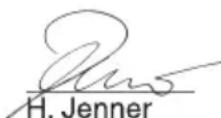
Chairman of the Board of Management
Director Regulatory Affairs & Certification
71364 Winnenden (Germany)
Tel.: +49 7195 14-0
Fax: +49 7195 14-2212
Winnenden, 2018/08/01
www.kaercher.com/REACH
危险等级
危险
natural_image
Diagram of a mechanical device with a circular component and upward arrow, no text or symbols presentnatural_image
Black silhouette of a hand giving a thumbs-up gesture (no text or symbols)THANK YOU!
MERCI! DANKE! iGRACIAS!

Register your product and benefit from many advantages.
www.kaercher.com/welcome


Rate your product and tell us your opinion.
natural_image
Icon showing a gear and wrench inside a square frame (no text or symbols)www.kaercher.com/dealersearch
Alfred Kärcher SE & Co. KG
Alfred-Kärcher-Str. 28-40
71364 Winnenden (Germany)
Tel.: +49 7195 14-0
Fax: +49 7195 14-2212