
CL400i - Robotic mower HUSQVARNA - Free user manual and instructions
Find the device manual for free CL400i HUSQVARNA in PDF.



| Product type | Cable layer for robotic mowers |
| Brand | Husqvarna |
| Model | CL400i |
| Weight without battery | 39 kg |
| Weight with 2 BLi300 batteries | 43 kg |
| Battery type | Husqvarna 36 V lithium-ion |
| Battery capacity | 9.4 Ah (BLi300) |
| Battery voltage | 36 V |
| Recommended charger | QC500 (100-240 V, 50-60 Hz, 500 W) |
| Battery operating temperature | 5°C to 40°C |
| Cable laying depth | 1 to 6 cm (adjustable) |
| Adjustable track width | 250, 270, 290 or 310 mm |
| Motor type | BLDC (brushless) 36 V |
| Motor speed (nominal) | 3,000 rpm |
| Maximum motor power | 1.8 kW |
| Transmission | Mechanical gearbox with oil bath gears |
| Clutch | Belt type with pulley |
| Guaranteed sound power level | 86 dB(A) |
| Sound pressure level at operator | 66 dB(A) |
| Vibration level (handle) | 1.8 m/s² |
| Safety devices | Safety key, drilling operation handle, emergency stop |
| Required personal protective equipment | Slip-resistant boots, long trousers, safety glasses, gloves, hearing protection |
| Regular maintenance | Cleaning of the feeding blade and drilling head, lubrication, belt check |
| Repairability | Husqvarna spare parts, maintenance by an authorized agent |
| Warranty | See manufacturer's conditions |
Frequently Asked Questions - CL400i HUSQVARNA
User questions about CL400i HUSQVARNA
0 question about this device. Answer the ones you know or ask your own.
Ask a new question about this device
Download the instructions for your Robotic mower in PDF format for free! Find your manual CL400i - HUSQVARNA and take your electronic device back in hand. On this page are published all the documents necessary for the use of your device. CL400i by HUSQVARNA.
USER MANUAL CL400i HUSQVARNA
EN Operator's manual 9-24





natural_image
Technical line drawing of a mechanical assembly with no visible text or symbols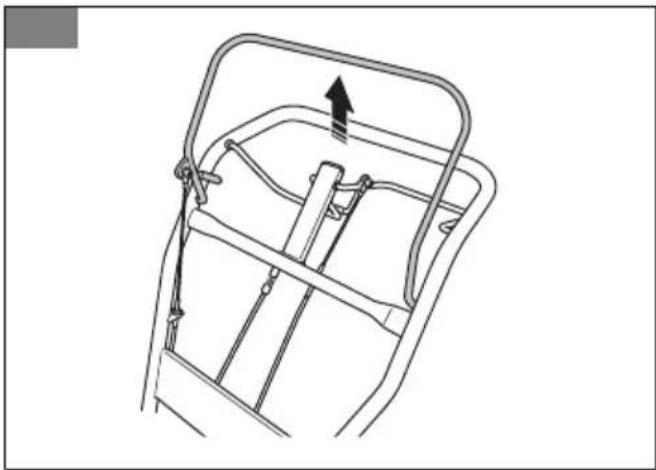
natural_image
Line drawing of a bicycle rear lift frame with overhead lever and handle (no text or symbols)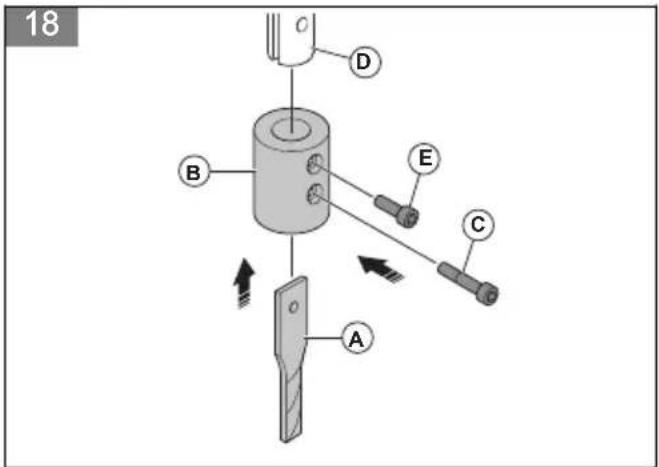
natural_image
Mechanical assembly diagram showing a motor, gear, and cable with directional arrows indicating motion (no text or labels)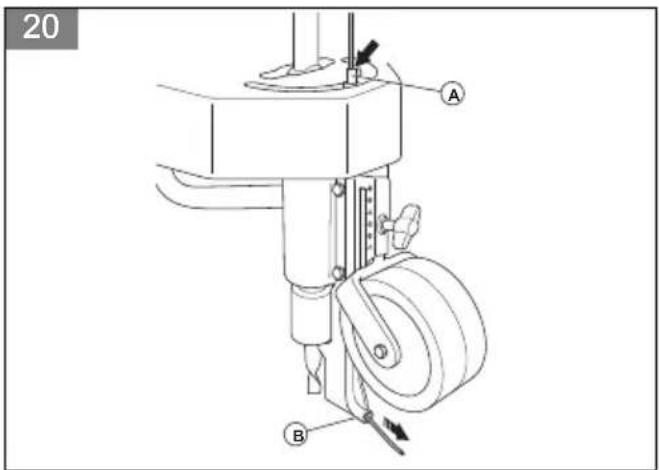
natural_image
Mechanical assembly diagram showing a lever pressing down on a circular component with a rotating arrow (no text or symbols)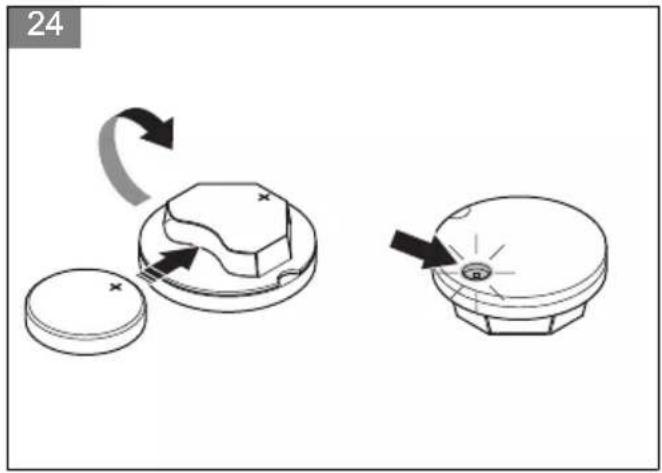
natural_image
Diagram showing two mechanical components with arrows indicating rotation and movement, no text or symbols present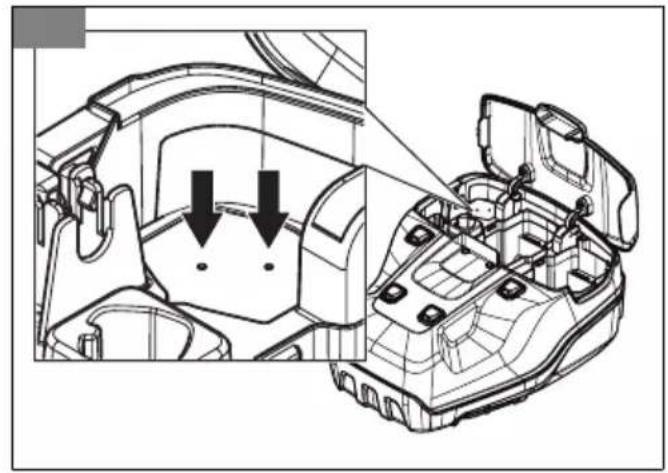
natural_image
Technical line drawing of a car body panel with internal components and directional arrows indicating movement (no text or symbols)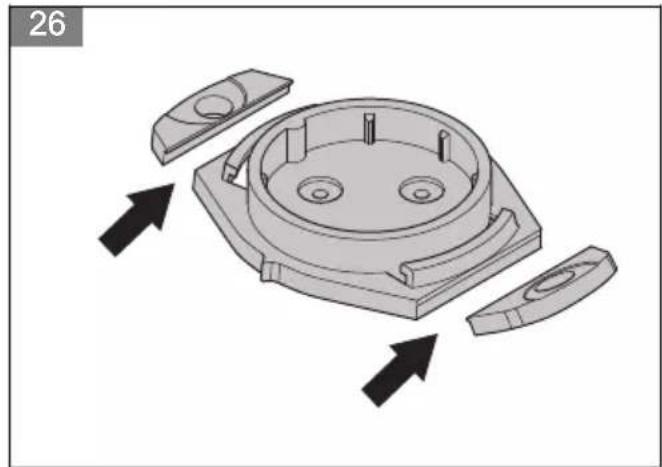
natural_image
3D mechanical component diagram showing a circular housing with internal components and directional arrows indicating movement (no text or symbols)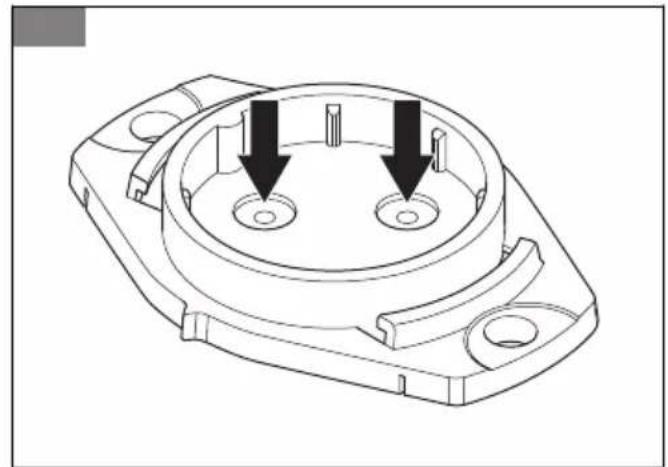
natural_image
Technical line drawing of a mechanical component with two circular holes and three mounting holes, no text or symbols present.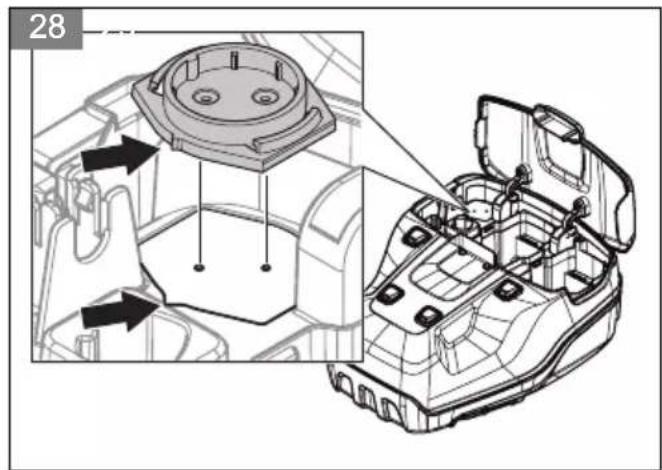
natural_image
Technical line drawing of a mechanical assembly with component highlights and directional arrows (no text or symbols)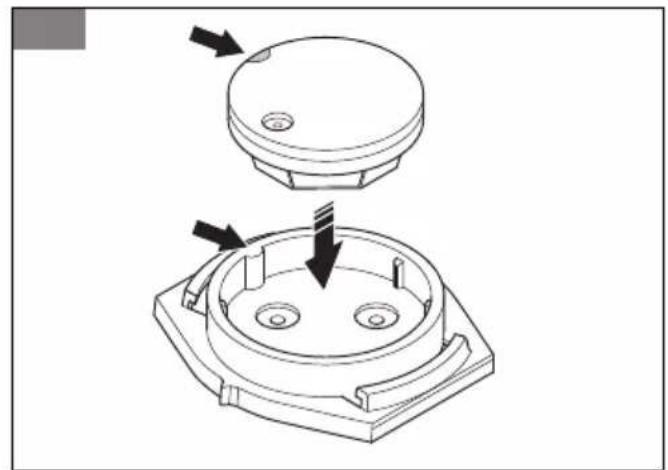
natural_image
Technical line drawing of a mechanical component with two views: top shows top view, bottom shows front view (no text or symbols)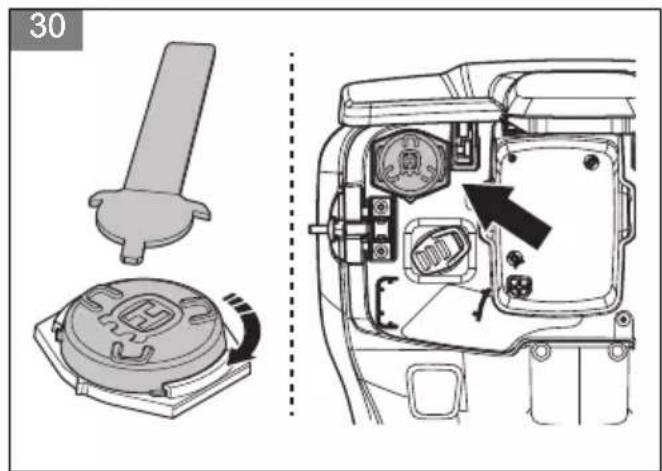
natural_image
Line drawing of a device with a warning symbol and a control panel (no text or labels)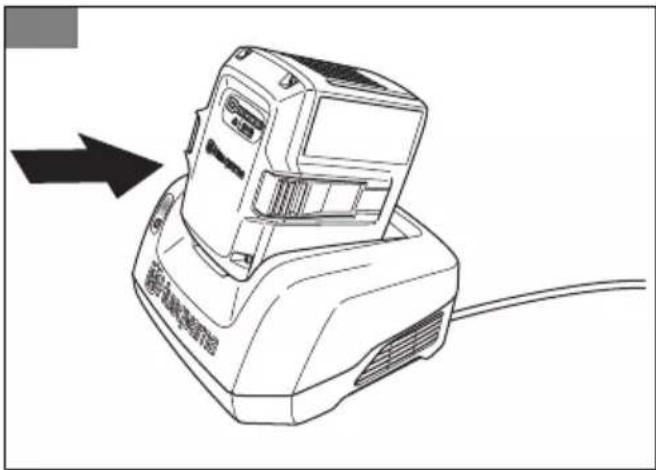
natural_image
Line drawing of a portable electronic device with a cable, showing no text or symbols on the device itself.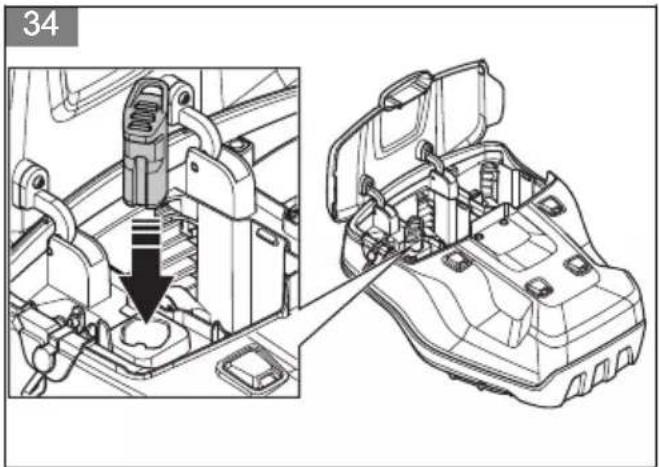
natural_image
Technical diagram of a vehicle engine compartment showing internal components and a close-up view of the assembly (no text or labels)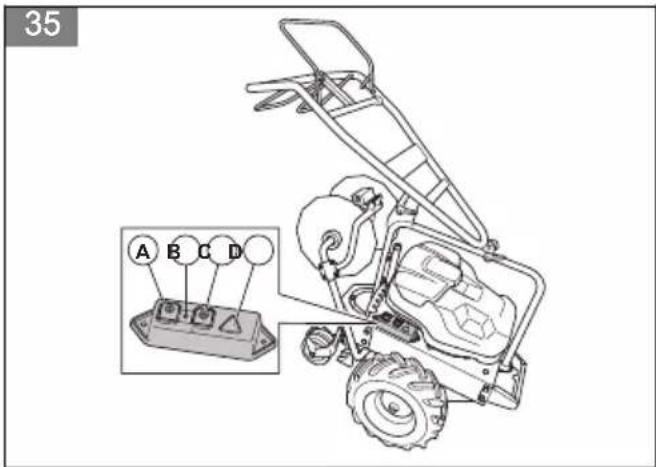
natural_image
Line drawing of a bicycle seat frame with a handle and seatbelt, no text or symbols present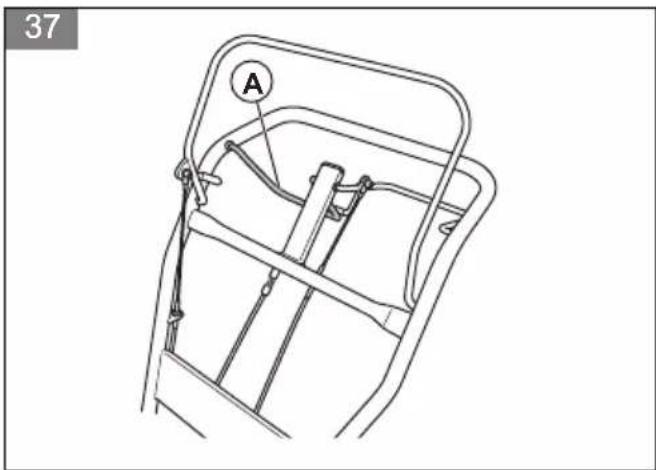
natural_image
Line drawing of a bicycle rear lift frame with labeled component A (no text or symbols beyond label)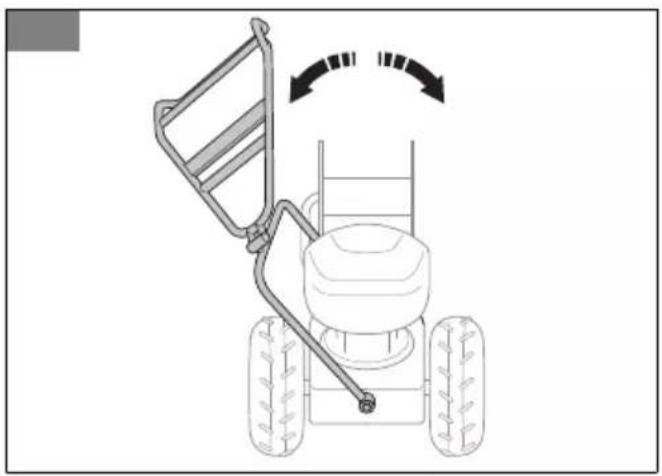
natural_image
Diagram of a lawn mower with a blade and grass, showing rotational motion (no text or symbols)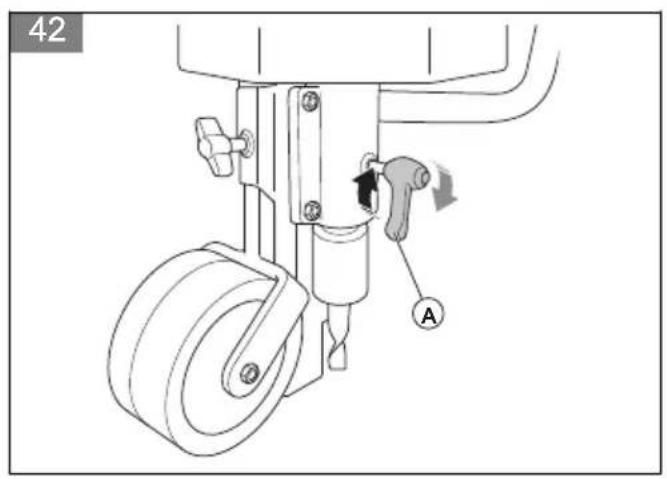
natural_image
Mechanical assembly diagram showing a bracket with fasteners and a lever mechanism (no text or labels)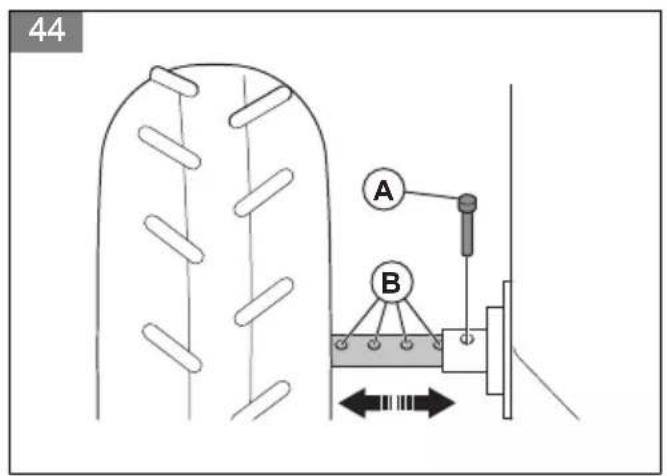
flowchart
graph TD
    A["START"] --> B{Decision}
    B --> C["Start Point"]
    style B fill:#90EE90,stroke:#333
    style C fill:#FFD700,stroke:#333
48
49
flowchart
graph TD
    A["Start"] --> B{Decision}
    B --> C["Path 1"]
    C --> D["Path 2"]
    D --> E["Path 3"]
    E --> F["End"]
    style A fill:#f9f,stroke:#333
    style B fill:#ccf,stroke:#333
    style C fill:#cfc,stroke:#333
    style D fill:#fcc,stroke:#333
    style E fill:#cff,stroke:#333
    style F fill:#ffc,stroke:#333
50
The image is too blurry to recognize any text content.
52
53
54
natural_image
Technical line drawing of a vehicle brake system with no visible text or symbols55

natural_image
Technical line drawing of a vehicle's lower body and rear wheels, showing a mechanical assembly with a key inserted (no text or symbols)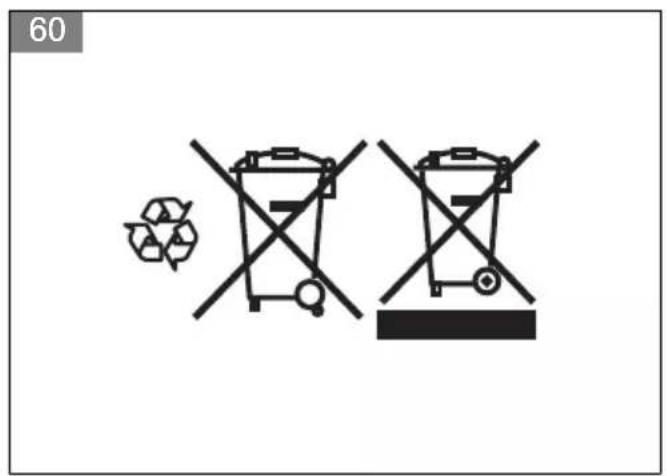
Contents
| Introduction | 9 |
| Safety | 10 |
| Assembly | 14 |
| Operation | 14 |
| Maintenance | 17 |
| Troubleshooting | 19 |
| Transportation, storage and disposal | 21 |
| Technical data | 21 |
| Declaration of Conformity | 23 |
Introduction
Product description
The product is a pedestrian-controlled cable layer.
Product overview
(Fig. 1)
- Drill operation bail
- Handlebar tilt bail
- Drive bail
- Counter
- Cable winder
- Feeding fin
- Drill
- Control panel
- Safety key
- Battery (Accessory)
-
Operator's manual
-
Battery charger (Accessory)
Symbols on the product
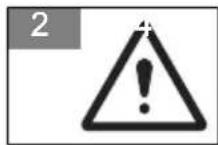
(Fig. 2) WARNING
(Fig. 3) Warning: Rotating parts. Keep hands and feet away.
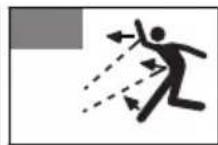
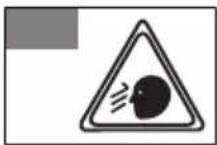
(Fig. 4) Look out for thrown objects and ricochets.
(Fig. 5) Read the instructions.
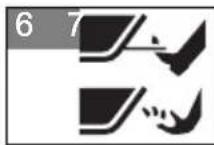
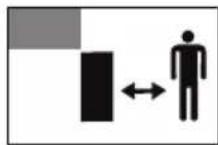
(Fig. 6) Keep persons and animals at a safe distance from the work area.
(Fig. 7) Risk of eye injury to bystanders.
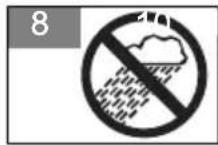
(Fig. 8) Do not expose to rain.
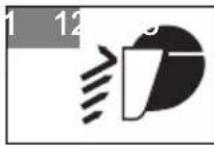
(Fig. 9) Use protective visor.
(Fig. 10) Standby mode (black button).
(Fig. 10) Start and stop the motor (red button).
Intended use
Use the product to put boundary wire and guide wire for robotic lawn mowers into the ground. Do not use the product for other tasks.
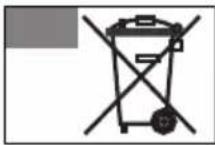
(Fig. 11) The product or package of the product is not domestic waste. Recycle it at a recycling station for electrical and electronic equipment.
(Fig. 12) The product agrees with the applicable EC directives.
(Fig. 13) This product conforms to the applicable UK regulations.
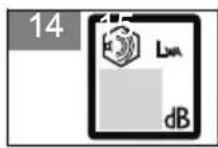
(Fig. 14) Noise emission to the environment label as per EU and UK directives and regulations, and New South Wales legislation "Protection of the Environment Operations (Noise Control) Regulation 2017". The guaranteed sound power level of the product is specified in Technical data on page 21 and on the label.
(Fig. 15) The product is drip protected.
Note: Other symbols/decals on the product refer to certification requirements for some markets.
Product damage
We are not responsible for damages to our product if:
• the product is incorrectly repaired.
- the product is repaired with parts that are not from the manufacturer or not approved by the manufacturer.
- the product has an accessory that is not from the manufacturer or not approved by the manufacturer.
- the product is not repaired at an approved service center or by an approved authority.
Safety
Safety definitions
Warnings, cautions and notes are used to point out specially important parts of the manual.

WARNING: Used if there is a risk of injury or death for the operator or bystanders if the instructions in the manual are not obeyed.

CAUTION: Used if there is a risk of damage to the product, other materials or the adjacent area if the instructions in the manual are not obeyed.
Note: Used to give more information that is necessary in a given situation.
General product safety warnings

WARNING: Read all safety warnings, instructions, illustrations and specifications provided with this product. Failure to follow all instructions listed below may result in electric shock, fire and/or serious injury.
Save all warnings and instructions for future reference. The term "product" in the warnings refers to your mains-operated (corded) product or battery-operated (cordless) product.
Work area safety
- Keep work area clean and well lit. Cluttered or dark areas invite accidents.
- Do not operate the product in explosive atmospheres, such as in the presence of flammable liquids, gases or dust. The product create sparks which may ignite the dust or fumes.
- Keep children and bystanders away while operating the product. Distractions can cause you to lose control.
Electrical safety
- Product plugs must match the outlet. Never modify the plug in any way. Do not use any adapter plugs with earthed (grounded) products. Unmodified plugs and matching outlets will reduce risk of electric shock.
-
Avoid body contact with earthed or grounded surfaces, such as pipes, radiators, ranges and refrigerators. There is an increased risk of electric shock if your body is earthed or grounded.
-
Do not expose products to rain or wet conditions. Water entering a product will increase the risk of electric shock.
- Do not abuse the cord. Never use the cord for carrying, pulling or unplugging the product. Keep cord away from heat, oil, sharp edges or moving parts. Damaged or entangled cords increase the risk of electric shock.
- When operating a product outdoors, use an extension cord suitable for outdoor use. Use of a cord suitable for outdoor use reduces the risk of electric shock.
- If operating a product in a damp location is unavoidable, use a residual current device (RCD) protected supply. Use of an RCD reduces the risk of electric shock.
Personal safety
- Stay alert, watch what you are doing and use common sense when operating a product. Do not use a product while you are tired or under the influence of drugs, alcohol or medication. A moment of inattention while operating products may result in serious personal injury.
- Use personal protective equipment. Always wear eye protection. Protective equipment such as dust mask, non-skid safety shoes, hard hat or hearing protection used for appropriate conditions will reduce personal injuries.
- Prevent unintentional starting. Ensure the switch is in the off-position before connecting to power source and/or battery pack, picking up or carrying the product. Carrying products with your finger on the switch or energising products that have the switch on invites accidents.
- Remove any adjusting key or wrench before turning the product on. A wrench or a key left attached to a rotating part of the product may result in personal injury.
- Do not overreach. Keep proper footing and balance at all times. This enables better control of the product in unexpected situations.
- Dress properly. Do not wear loose clothing or jewellery. Keep your hair and clothing away from moving parts. Loose clothes, jewellery or long hair can be caught in moving parts.
- If devices are provided for the connection of dust extraction and collection facilities, ensure these are connected and properly used. Use of dust collection can reduce dust-related hazards.
- Do not let familiarity gained from frequent use of products allow you to become complacent and ignore product safety principles. A careless action can cause severe injury within a fraction of a second.
Product use and care
- Do not force the product. Use the correct product for your application. The correct product will do the job better and safer at the rate for which it was designed.
- Do not use the product if the switch does not turn it on and off. Any product that cannot be controlled with the switch is dangerous and must be repaired.
- Disconnect the plug from the power source and/or remove the battery pack, if detachable, from the product before making any adjustments, changing accessories, or storing products. Such preventive safety measures reduce the risk of starting the product accidentally.
- Store idle products out of the reach of children and do not allow persons unfamiliar with the product or these instructions to operate the product. Products are dangerous in the hands of untrained users.
- Maintain products and accessories. Check for misalignment or binding of moving parts, breakage of parts and any other condition that may affect the product's operation. If damaged, have the product repaired before use. Many accidents are caused by poorly maintained products.
- Keep cutting tools sharp and clean. Properly maintained cutting tools with sharp cutting edges are less likely to bind and are easier to control.
- Use the product, accessories and tool bits etc. in accordance with these instructions, taking into account the working conditions and the work to be performed. Use of the product for operations different from those intended could result in a hazardous situation.
- Keep handles and grasping surfaces dry, clean and free from oil and grease. Slippery handles and grasping surfaces do not allow for safe handling and control of the product in unexpected situations.
Service
- Have your product serviced by a qualified repair person using only identical replacement parts. This will ensure that the safety of the product is maintained.
- Never service damaged battery packs. Service of battery packs should only be performed by the manufacturer or authorized service providers.
Battery tool use and care
- Recharge only with the charger specified by the manufacturer. A charger that is suitable for one type of battery pack may create a risk of fire when used with another battery pack.
- Use products only with specifically designated battery packs. Use of any other battery packs may create a risk of injury and fire.
- When battery pack is not in use, keep it away from other metal objects, like paper clips, coins, keys, nails, screws or other small metal objects, that can make a connection from one terminal to another.
Shorting the battery terminals together may cause burns or a fire.
- Under abusive conditions, liquid may be ejected from the battery; avoid contact. If contact accidentally occurs, flush with water. If liquid contacts eyes, additionally seek medical help. Liquid ejected from the battery may cause irritations or burns.
- Do not use a battery pack or tool that is damaged or modified. Damaged or modified batteries may exhibit unpredictable behavior resulting in fire, explosion or risk of injury.
- Do not expose a battery pack or tool to fire or excessive temperature. Exposure to fire or temperature above 130ircC / 265ircF may cause explosion.
- Follow all charging instructions and do not charge the battery pack or tool outside the temperature range specified in the instructions. Charging improperly or at temperatures outside the specified range may damage the battery and increase the risk of fire.
General safety instructions

WARNING: Read the warning instructions that follow before you use the product.
- This product is dangerous if used incorrectly or if you are not careful. Injury or death can occur if you do not obey the safety instructions.
- This product produces an electromagnetic field during operation. This field may under some circumstances interfere with active or passive medical implants. To reduce the risk of serious or fatal injury we recommend persons with medical implants to consult their physician and the medical implant manufacturer before operating this product.
• Always be careful and use your common sense. If you are not sure how to operate the product in a special situation, stop and speak to your Husqvarna dealer before you continue. - Keep in mind that the operator will be held responsible for accidents that involve other persons or their property.
- Keep the product clean. Make sure that you can clearly read signs and decals.
- Never allow children or people unfamiliar with these instructions to use the appliance. Local regulations may restrict the age of the operator.
• Always monitor a person, with decreased physical capacity or mental capacity, that uses the product. A responsible adult must be there at all times. - Do not use the product if you are tired, ill, or under the influence of alcohol, drugs or medicine. This has a negative effect on your vision, alertness, coordination and judgment.
- Do not use the product if it is damaged or does not operate correctly.
- Do not change this product or use it if it is possible that it has been changed by others.
Work safety

WARNING: Read the warning instructions that follow before you use the product.
- Use the product to put boundary wire and guide wire for robotic lawn mowers into the ground. Do not use the product for other tasks.
- Use personal protective equipment. Refer to Personal protective equipment on page 12.
- Make sure that you know how to stop the motor quickly in an emergency.
- Do not operate the product in rain or wet conditions. The risk of electrical shock increases if water enters the product.
- Do not operate the product unless the drill and all covers are attached correctly. An incorrectly attached drill can come loose and cause injury.
- Remove objects such as branches, twigs and stones from the work area before you use the product.
- Objects that hit against the cable laying equipment can eject and cause damage to persons and objects. Keep bystanders and animals at a safe distance from the product.
- Never use the product in bad weather such as fog, rain, strong winds, intense cold and risk of lightning. To use the product in bad weather or in moist or wet locations is tiring. Bad weather can cause dangerous conditions, such as slippery surfaces.
- Look out for persons, objects and situations that can prevent safe operation of the product.
- Look out for obstacles, such as roots, stones, twigs, pits and ditches. Long grass can hide obstacles.
- Do not use the product on ground that slopes more than 15irc .
- Exercise extreme caution when changing direction on slopes. Operate the product across the face of slopes. Do not move up and down.
- Be careful when you go near hidden corners and objects that prevent a clear view.
- Make sure that the drill does not hit objects such as stones and roots. This can do damage to the drill and bend the motor shaft. A bent motor shaft causes heavy vibration and a very high risk that the drill becomes loose.
- If the drill hits an object or if vibrations occur, stop the product immediately. Stop the motor, pull up the safety key and remove the battery. Wait until moving parts stop. Examine the product for damages. Tighten loose parts. Repair damages and replace damaged parts. Let an approved service agent do the repair.
- Do not attach the drill operation bail permanently to the handle when the motor is started.
- Put the product on a stable, flat surface and start it.
• Always stay behind the product when you operate it.
- Let all the wheels stay on the ground and keep 2 hands on the handle when you operate the product.
- Keep your hands and feet away from the rotating drill.
- Do not tilt the product when you start the motor or during operation of the product.
- Be careful when you pull the product rearward.
- Do not lift up the product when the motor is started. If you must lift the product, first stop the motor, pull up the safety key and remove the battery.
- Do not walk rearward when you operate the product.
- Release the drill operation bail to stop the drill when it is necessary to tilt the product for transportation.
- Do not run with the product when the motor is started. Always walk when you operate the product.
- Stop the motor before you change the cable laying depth. Do not make adjustments with the motor started.
- Do not let the product stay out of view with the motor started. Stop the motor and make sure that the drill does not rotate.
- The vibrations in the product during operation can be different from the declared vibration value in Technical data on page 21. The difference is caused by variations in how the product is used. If you operate the product frequently or for long periods of time, take breaks regularly to prevent injury from vibrations.
Safety instructions for operation
Read the instructions that follow before you use the product.
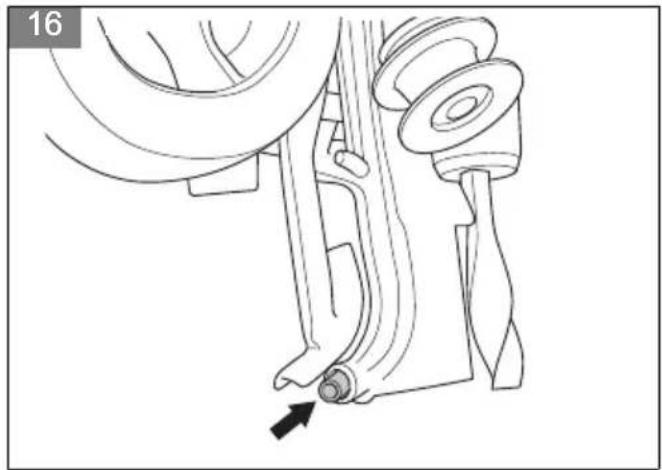
- Make sure that the cable on the cable guide is intact.
- Make sure that the tube in the feeding fin is intact. Replace the tube if it is worn or damaged.
(Fig. 16)
- Make sure that the edge around the hole is not sharp or damaged. Replace the cable guide if it is damaged.
- Make sure that all screws are tightened.
- Make sure that all levers are in neutral position.
Personal protective equipment

WARNING: Read the warning instructions that follow before you use the product.
- Personal protective equipment cannot fully prevent injury but it decreases the degree of injury if an accident does occur. Let your dealer help you select the right equipment.
- Use heavy-duty slip-resistant boots or shoes. Do not use open shoes or go with bare feet.
-
Use heavy, long pants.
-
Use protective gloves when necessary, for example when you attach, examine or clean the cable laying equipment.
- We recommend to use hearing protection.
Safety devices on the product

WARNING: Read the warning instructions that follow before you use the product.
- Do not use a product with safety devices that are damaged or do not operate correctly.
- Do not remove or do modifications to safety devices.
- Do a check of the safety devices regularly. If the safety devices are damaged or do not operate correctly, speak to your Husqvarna service agent.
Safety key
The safety key is below the battery lid. The safety key connects the battery that supplies the motor with power.
To do a check of the safety key
The safety key connects the battery that supplies the motor with power.
- Start and stop the motor. If the safety key operates correctly, the motor can only start when the key is in the safety lock.
Drill operation bail
The drill operation bail stops the drill. When the drill operation bail is released, the drill stops.
To do a check of the drill operation bail, start the motor and then release the drill operation bail. If the drill does not stop in 3 seconds, speak to an approved Husqvarna service agent.
(Fig. 17)
Battery safety

WARNING: Read the warning instructions that follow before you use the product.
- Use Husqvarna rechargeable batteries as a power supply for related Husqvarna products only. To prevent injury, do not use the battery as a power supply for other devices.
- Do not use non-rechargeable batteries.
- Risk of electrical shock. Do not connect the battery terminals to keys, coins, screws or other metal. This can cause a short circuit of the battery.
- Do not put objects into the air slots of the battery.
- Keep the battery away from sunlight, heat or open flame. The battery can explode and cause burns and/or chemical burns.
-
Keep the battery away from rain and wet conditions.
-
Keep the battery away from microwaves and high pressure.
- Do not try to disassemble or break the battery.
- If the battery leaks, do not let the liquid touch your body or eyes. If you have touched the liquid, clean the area with a large quantity of water and get medical aid.
- Use the battery in the product only when the ambient temperature is between 5ircC - 40ircC .
- Use the battery charger only when the ambient temperature is between 5ircC - 40ircC .
- The battery will not charge if the battery temperature is more than 50ircC .
- Do not clean the battery or the battery charger with water. Refer to To clean the battery and the battery charger on page 19.
- Do not use a damaged battery.
- Keep batteries in storage away from metal objects such as nails, coins, jewellery.
Battery charger safety

WARNING: Read the warning instructions that follow before you use the product.
- Use the QC battery chargers to charge Husqvarna replacement batteries only.
- Risk of electrical shock or short circuit. Do not put objects into the air slots of the charger. Do not try to disassemble the battery charger. Do not connect the charger terminals to metal objects. Use an approved mains socket.
- This product produces an electromagnetic field during operation. This field may under some circumstances interfere with active or passive medical implants. To reduce the risk of serious or fatal injury, we recommend persons with medical implants to consult their physician and the medical implant manufacturer before operating this product.
- Regularly make sure that the power cord of the battery charger is not damaged and that there are no cracks in it.
- Do not lift the battery charger by the power cord. To disconnect the battery charger from a mains socket, pull out the plug. Do not pull the power cord.
- Keep the power cord and extension cables away from water, oil and sharp edges. Make sure that the cable is not pinched in doors, fences or equivalent. It can cause the charger to become energized.
- Do not clean the battery charger with water.
- The battery charger can be used by children aged from 8 years and above and persons with reduced physical, sensory, or mental capabilities or lack of experience and knowledge if they have been given supervision or instruction concerning use of the battery charger in a safe way and understand the hazards involved. Children shall not play with
the battery charger. Cleaning and user maintenance shall not be made by children without supervision.
- Do not charge non-rechargeable batteries in the battery charger.
- Do not use the battery charger near flammable materials or materials that can cause corrosion. Do not cover the battery charger. Pull out the plug to the battery charger if there is smoke or fire.
- Do not use a damaged battery charger.
- Only charge the battery indoors in a room with good airflow and away from sunlight. Do not charge the battery in wet conditions.
Safety instructions for maintenance

WARNING: Read the warning instructions that follow before you use the product.
- Remove the safety key before you do maintenance on the product.
- Do the maintenance work correctly to increase the lifetime of the product and decrease the risk of accidents. Let an approved service agent do the professional repairs. Speak to your nearest service agent for more information.
- Only do the maintenance work written in this operator's manual.
- Use heavy duty gloves when you touch the cable laying equipment.
- Keep the product clean for the best and safest performance.
- Let your service agent regularly examine the product and make necessary adjustments and repairs.
- Replace damaged, worn or broken parts.
- Obey the instructions for how to change accessories. Only use accessories from the manufacturer.
- When not in operation, keep the product, battery and battery charger apart in a dry, indoor and locked area. Make sure that children and persons that are not approved cannot get access to the product, battery or battery charger.
Assembly
Introduction

WARNING: Read and understand the safety chapter before you assemble the product.
To install the drill
- Put the drill (A) into the drill head (B) and install the long screw (C). (Fig. 18)
Note: A 6 mm hex key is necessary to install the drill.
- Install the drill head on the shaft (D) with the short screw (E).
- Tighten the screws.
To install the cable
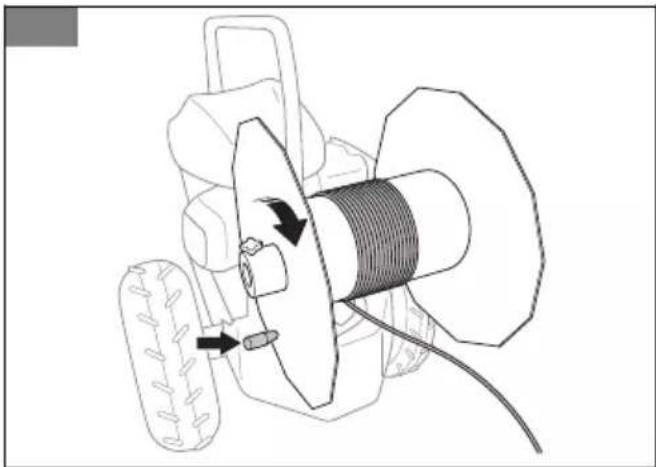
The product has a clutched cable winder that can be removed.
- Put the cable onto the cable winder. Use the knob to turn the cable winder clockwise.
Note: The cable must be installed clockwise on the cable winder so it unwinds smoothly during operation.(Fig. 19) - Push the cable into the tube in the feeding fin (A) until the cable comes out from the bottom (B) approximately 5 cm. (Fig. 20)
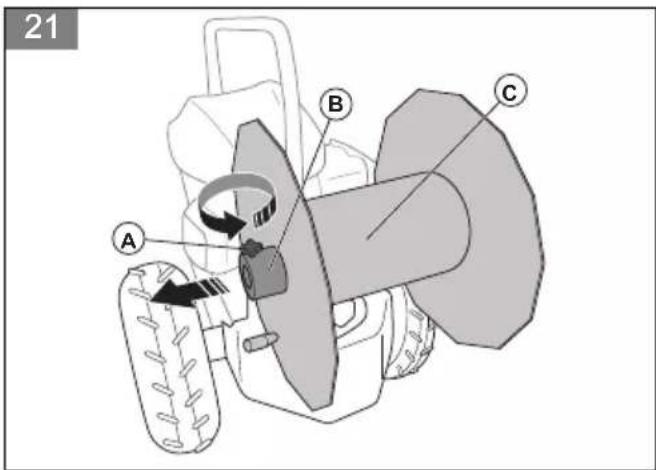
To install and remove the cable winder
- Loosen the knob (A). (Fig. 21)
- Remove the retainer (B).
- Remove the cable winder (C).
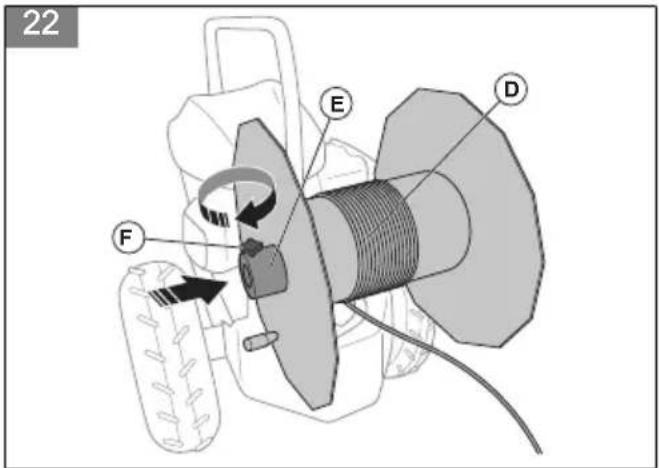
- Install the cable winder (D). Use the adapter if it is necessary. (Fig. 22)
- Install the retainer (E) and tighten the knob (F).
Operation
Introduction

WARNING: Before you operate the product, you must read and understand the safety chapter.
Husqvarna Fleet Services™
Husqvarna Fleet Services ™ is a cloud solution that gives the operator an overview of all products that are connected. On this product a Husqvarna Fleet Services ™ sensor can be installed. The Husqvarna Fleet Services ™ sensor collects product data and lets you connect to the Husqvarna Fleet Services ™ system. The Husqvarna Fleet Services ™ system reports data such
as operation time, servicing intervals and location of the product.
For more information about Husqvarna Fleet Services ™ , download the Husqvarna Fleet Services ™ app or speak to your Husqvarna representative.
To prepare the sensor (accessory)
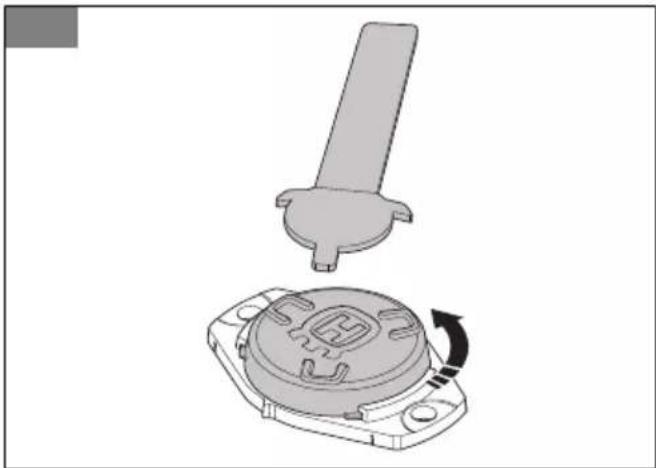
- Use the sensor key to open the lid of the sensor. (Fig. 23)
- Remove the sensor.
- Connect the battery to the sensor. The LED light of the sensor comes on. (Fig. 24)
- Download the Husqvarna Fleet Services ™ app.
- Log on to the Husqvarna Fleet Services TM app.
- Do a pairing operation. Refer to To do a pairing operation between the app and the product on page 15
To do a pairing operation between the app and the product
- Log on to the Husqvarna Fleet Services TM app.
- Select your product in the app.
- Scan the code behind the sensor with your mobile device to install the sensor in the app.
Note: It is only necessary to do a pairing operation between the app and the product one time.
To install the sensor
- Make sure that the sensor is connected to the Husqvarna Fleet Services™ app. Refer to To do a pairing operation between the app and the product on page 15.
- Drill 2 holes by the marks in the enclosure slot. (Fig. 25)
Note: Make sure that the holes are the same dimension as the rivets supplied with the sensor.
- Use a pair of pliers to remove the outer holes on the sensor slot. (Fig. 26)
- Drill 2 holes by the marks in the sensor slot. (Fig. 27)
- Align the sensor slot with the enclosure slot. (Fig. 28)
- Attach the sensor slot with the rivets.
- Install the sensor in the sensor slot. Align the white mark on the sensor with the mark on the sensor slot. (Fig. 29)
- Close the lid to the sensor and lock it with the sensor key. Make sure that the top of the Husqvarna "H" points away from the safety key. (Fig. 30)
Battery

WARNING: Before you use the battery, you must read and understand the safety chapter. You must also read and understand the operator's manual for the battery and the battery charger.
Keep the battery and the battery charger in correct ambient temperatures.
| Ambient temperature | |
| Operation of the battery | 5 °C - 40 °C |
| Charging of the battery | 5 °C - 40 °C |
Battery status
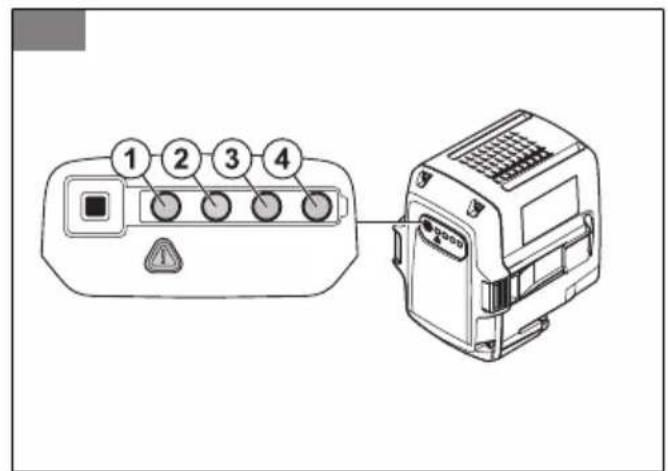
The display shows the remaining battery capacity and if there are problems with the battery. The battery capacity is shown for 5 seconds after the product is switched off or the battery indicator button is pressed. The warning symbol on the battery is on when an error has occurred. See Battery on page 20.
(Fig. 31)
| LED lights | Battery status |
| All LEDs are lit Fully charged | (75-100%) |
| LED 1, LED 2, LED 3 are lit | The battery is 50%-75% charged |
| LED 1, LED 2 are lit The battery | battery is 25%-50% charged |
| LED 1 is lit The battery is 0%-25% charged. | |
| LED 1 flashes The battery is empty. Charge the battery. | |
To charge the battery
Charge the battery before the first use. The battery is only 30% charged when supplied to the customer.
Note: The battery charger must be connected to the voltage and frequency specified on the rating plate.
The battery does not charge if the battery temperature is above 50irc C. The battery charger decreases the temperature of the battery before it starts to charge.
-
Connect one end of the power cord for the battery charger into the socket of the battery charger.
-
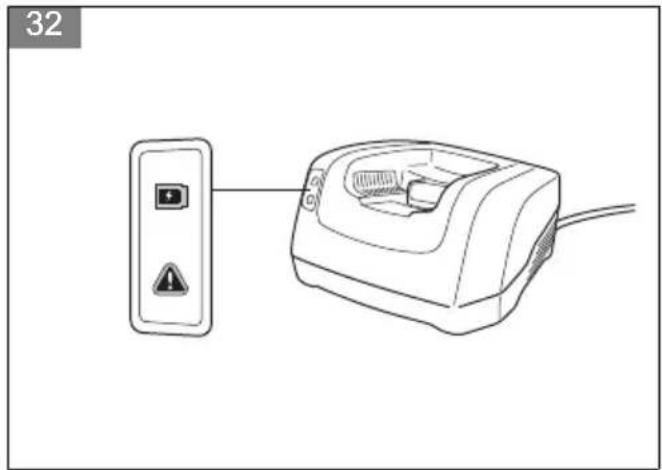
Connect the other end of the power cord for the battery charger in an grounded mains socket. The LED on the battery charger flashes green one time. (Fig. 32)
- Put the battery in the battery charger. The green light on the charger comes on when the battery is correctly connected to the battery charger. (Fig. 33)
- When all LEDs on the battery have come on the battery is fully charged. Charge the battery for maximum 24 hours.
- To disconnect the battery charger from the mains socket, pull the plug, not the power cord.
- Remove the battery from the battery charger.
Battery charging status
A Husqvarna Li-ion battery can be charged or used at all charging levels. The battery is not damaged. A fully charged battery will not decrease its charge when the battery is left in the charger.
| LED display | Charging status |
| LED 1 flashes 0%-25% | |
| LED 1 is lit, LED 2 flashes | 25%-50% |
| LED 1, LED 2 are lit, LED 3 flashes | 50%-75% |
| LED 1, LED 2, LED 3 are lit, LED 4 flashes | 75%-100% |
| LED 1, LED 2, LED 3, LED 4 are lit | Fully charged |
To do before you operate the product
- Water the ground the day before operation during the summertime or if the soil is dry.
- Make sure that people, animals are at least 20 m away from the product.
- Put the cable onto the cable winder. Refer to To install the cable on page 14.
- Adjust the cable laying depth. Refer to To adjust the cable laying depth on page 16.
- Attach the end of the cable to a stake.
To start the product
- Tilt the handlebar to the side. Refer to To tilt the handlebar on page 16.
- Open the battery lid.
- Put a charged battery in battery slot number 1 below the battery lid. For longer operation time, put a second charged battery in battery slot number 2.
- Disconnect the safety key from the safety key holder.
- Push the safety key into the safety lock. (Fig. 34)
-
Stay behind the product.
-
Push the standby button (A) on the control panel. The standby light (B) comes on. (Fig. 35)
- Push the start/stop button (C) until it stays pushed in. The motor starts.

CAUTION: Do not operate the product if the warning light (D) flashes red.
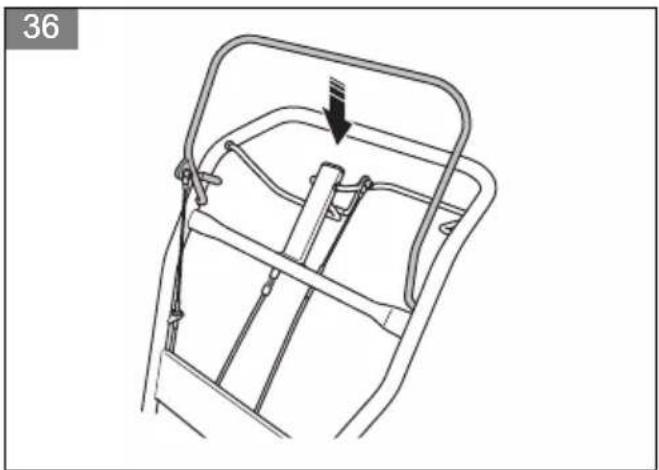
- Push the drill operation bail in the direction of the handlebar to engage the drill. (Fig. 36)
To use the drive on the wheels
- Pull the drive control bail (A) in the direction of the handlebar to engage the drive on the wheels. (Fig. 37)
- Release the drive control bail to disengage the drive on the wheels.
To adjust the cable laying depth
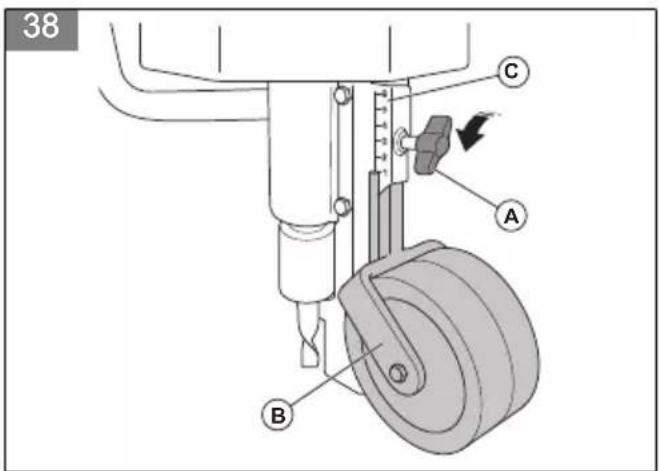
- Loosen the knob (A). (Fig. 38)
- Adjust the support wheel (B) to the necessary cable laying depth and tighten the knob.
Note: The numbers (C) on the side of the support wheel tube show the cable laying depth in cm. The cable laying depth can be adjusted between 1–6 cm.
To adjust the height of the handlebar
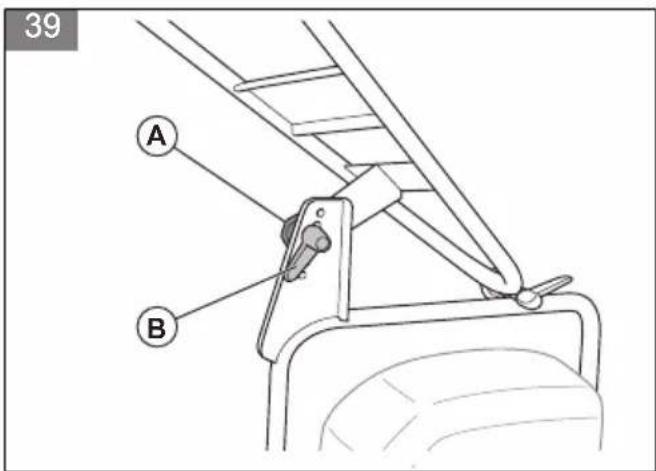
The height of the handlebar can be adjusted into 5 positions.
- Turn the handle (A) counterclockwise to loosen it and remove the knob (B). (Fig. 39)
- Adjust the height of the handlebar and install the knob in the hole of the nearest position.
- Turn the handle clockwise to tighten it.
To tilt the handlebar
You can tilt the handlebar to prevent that obstacles hit you when you operate the product. The handlebar can be tilted in 4 positions on the right side and 4 positions on the left side.
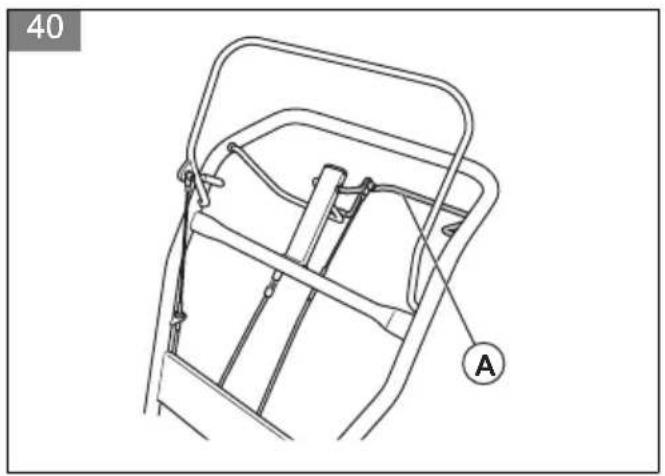
- Pull the handlebar tilt bail (A) in the direction of the handlebar fully and hold it. The handlebar tilt bail is on the lower left side of the handlebar. (Fig. 40)
- Tilt the handlebar to 1 of the 4 positions to the left or right side and release the handlebar tilt bail. Make sure that the pin that lock the handlebar position is in 1 of the slots. (Fig. 41)
To lock the swivel function of the feeding fin
To increase the precision of direction when you put the cable in long straight sections, you can lock the swivel function of the feeding fin.
- Make sure that the feeding fin is in the same direction as the product and tighten the handle (A). (Fig. 42)
To adjust the cable guide
The product is adjusted for 4 mm cables. If the cable has a larger diameter, the cable guide must be adjusted.
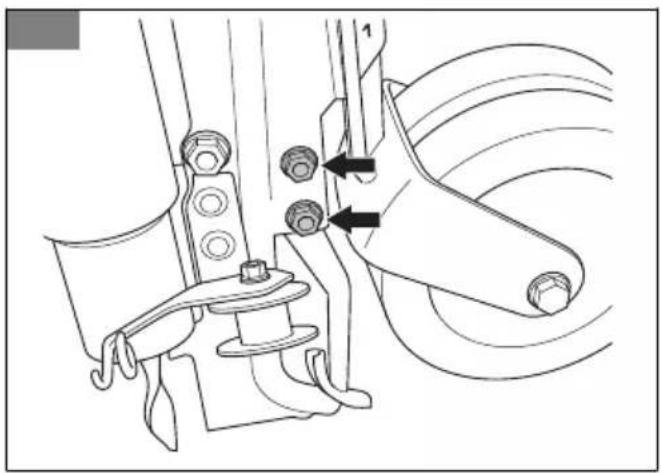
- Loosen the 2 screws. (Fig. 43)
- Move the cable guide up a few millimeters.
- Tighten the 2 screws.
To adjust the track width
The position of the wheels can be adjusted for different track widths. There are 4 adjustment holes in the axle on the left side and 4 adjustment holes in the axle on the right side. The track width can be adjusted at 250, 270, 290 or 310 mm from the center of the drill. (Fig. 44)
- Pull out the pin (A).
- Adjust the wheels to the necessary track width.
- Put the pin in one of the 4 holes (B) in the axle.
- Lock the safety spring.
To start the work
After the cable and the drill are installed, the operator need to fix the cable to the ground.
- Put a stake into the ground.
- Fasten the part of the cable that comes out from the bottom of the cable guide to the stake.
To use the 2-cable guide
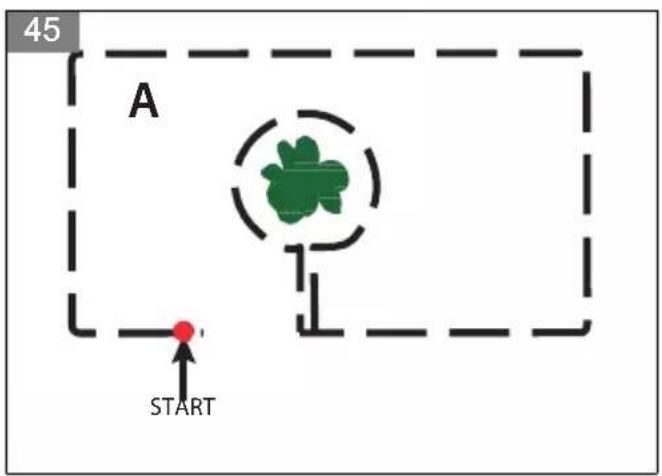
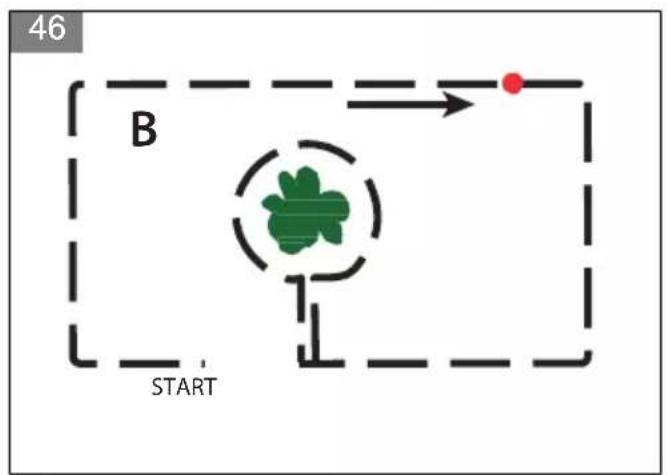
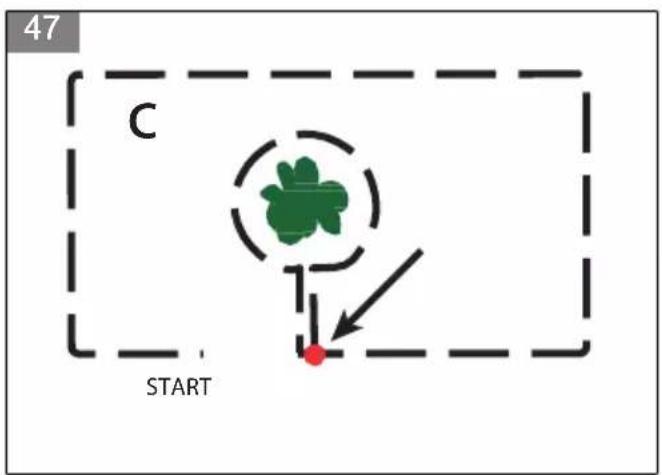
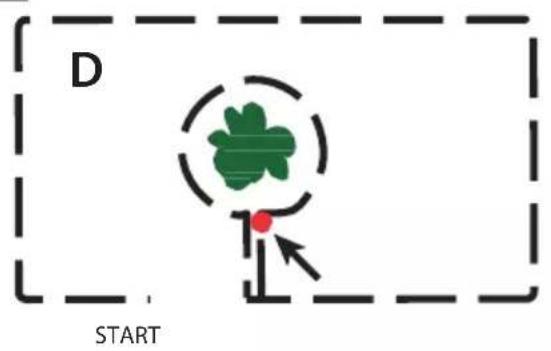
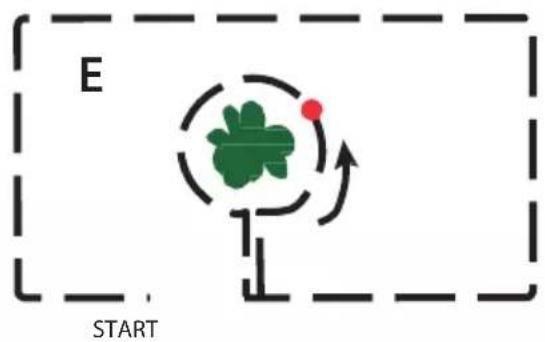
If the product goes away from the outer perimeter of the work area, it is necessary to put 2 cables at the same time.
- Plough down 1 cable along the entire perimeter. Refer to figure (A) and (B). (Fig. 45) (Fig. 46)
-
When you are at the point shown in figure (C), put the support wheel in the highest position to remove the feeding fin from the soil. Attach the cable with a stake and continue with the cable above the soil until you are the next point. (Fig. 47)
-
Attach the cable with a stake at the point shown in figure (D). (Fig. 48)
- Put the feeding fin in the correct cable laying depth and continue to plough the cable to create the island. Refer to figure (E). (Fig. 49)
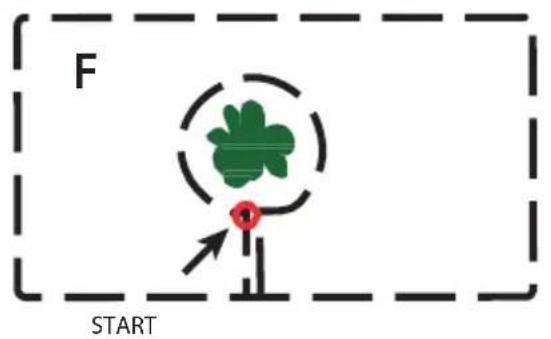
- When you reach the point indicated in the figure (F), remove the stake and clean the feeding fin. Refer to To clean the feeding fin on page 18. (Fig. 50)
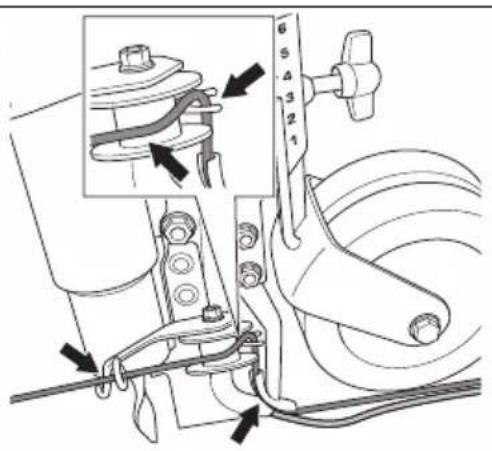
- Assemble the cable above ground in the cable guide. (Fig. 51)
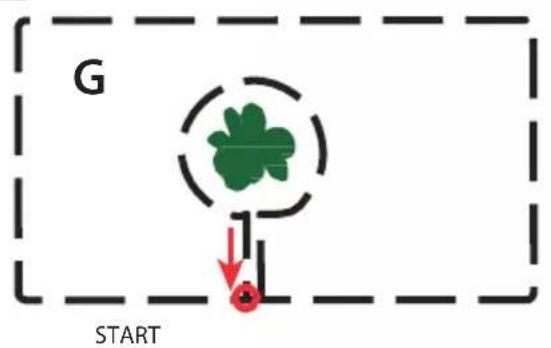
- Plough the 2 cables at the same time to the point shown in figure (G). Attach the 2 cables to a stake and disconnect the second cable from the cable guide. (Fig. 52)
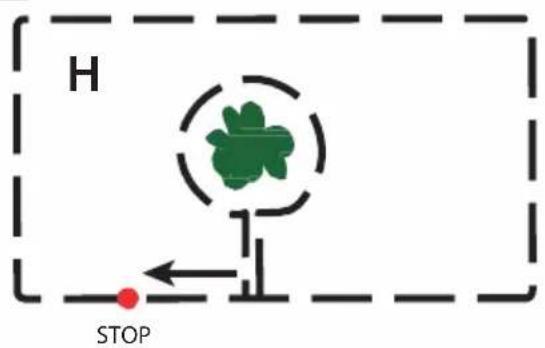
- Continue to plough the perimeter cable to the point shown in figure (H). (Fig. 53)
To stop the product
The product stops automatically if you do not operate it for 3 minutes.
- Release the drive bail (A) to disengage the drive on the wheels. (Fig. 37)
- Release the drill operation bail to stop the drill. (Fig. 17)
- Push the start/stop button on the control panel.
- Push the standby button on the control panel.
- Open the battery lid.
- Remove the safety key from the safety lock and put it in the safety key holder.
- Use the scraper to clean the feeding fin. Refer to To clean the feeding fin on page 18.
- Clean and lubricate the drill head after each operation. Refer to To clean and lubricate the drill head on page 18.
Maintenance
Introduction

WARNING: Before you do maintenance, you must read and understand the safety chapter.
For all servicing and repair work on the product, special training is necessary. We guarantee the availability of professional repairs and servicing.
For more detailed information, refer to www.husqvarna.com.
Maintenance schedule
The maintenance intervals are calculated from daily use of the product. The intervals change if the product is not used daily.
For maintenance identified with *, refer to Safety devices on the product on page 13.
| Each use | Monthly | Each season | |
| Do a general inspection. X | |||
| Make sure that the safety devices on the product are not defective *. X | |||
| Examine the drill and the feeding fin. X | |||
| Do a check of the drill operation bail *. X | |||
| Make sure that the start/stop button operates correctly and is not defective. X | |||
| Examine the battery for damage. X | |||
| Do a check of the battery charge. X | |||
| Make sure that the release buttons on the battery operates correctly and that the battery locks into the product. | X | ||
| Clean the air intakes on the motor. Make sure that the air intakes does not have grass or dirt on them. | X | ||
| Lubricate unpainted parts. X | |||
| Lubricate parts where the zinc plating has been worn. X | |||
| Clean and lubricate the drill head. X | |||
| Clean the feeding fin. X | |||
| Examine the battery charger for damage and make sure that it operates correctly. | X | ||
| Examine the connections between the battery and the product. Also examine the connection between the battery and the battery charger. | X |
To clean the feeding fin
- Use the scraper to remove soil and clean the feeding fin. (Fig. 54)
To replace the feeding fin
- Tilt the product forward and put it slowly on the ground.
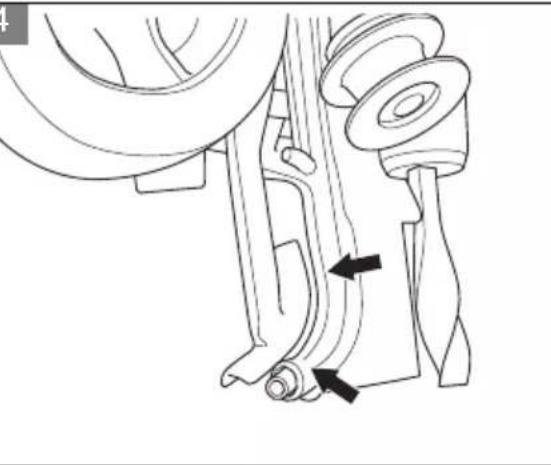
- Remove the 2 screws (A) and the feeding fin (B). (Fig. 55)
- Install the new feeding fin in the opposite sequence.
To replace the drill
- Remove grass and dirt from the product.

CAUTION: Make sure that dirt or other unwanted materials do not enter the drill during the process of installation.
Note: Clean and lubricate the housing of the drill each time after work.
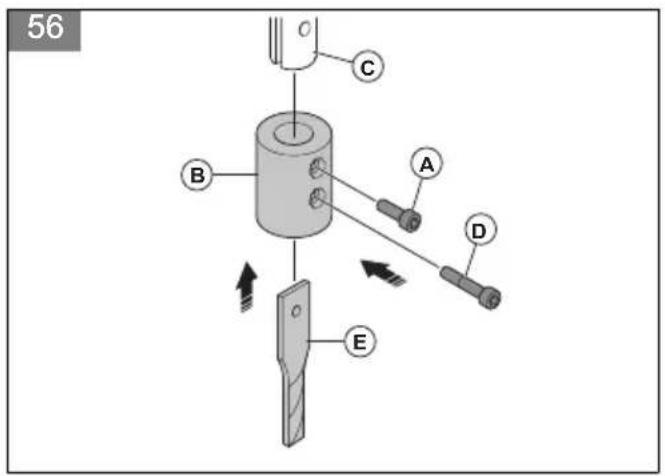
- Remove the short screw (A) and the drill head (B) from the shaft (C). (Fig. 56)
Note: A 6 mm hex key is necessary to replace the drill.
- Remove the long screw (D) and the drill (E) from the drill head.
- Put a new drill into the drill head and install the long screw.
- Install the drill head on the shaft.
- Tighten the screws.
To clean and lubricate the drill head
Clean the drill head fully after each operation.
- Tilt the product forward and put it slowly on the ground.
- Remove grass, dirt and unwanted materials with a soft brush.
- Use compressed air to remove smaller particles of grass and dirt.
- Remove the screws (A) from the drill head (B) and remove the drill (C). (Fig. 56)
-
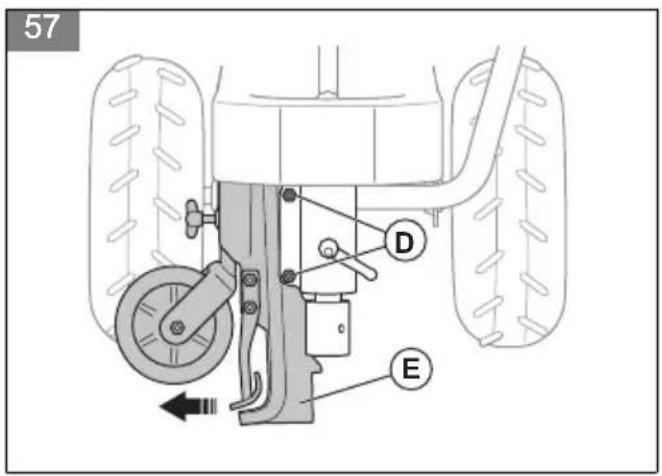
Loosen the 2 screws (D) and remove the feeding fin (E). (Fig. 57)
-
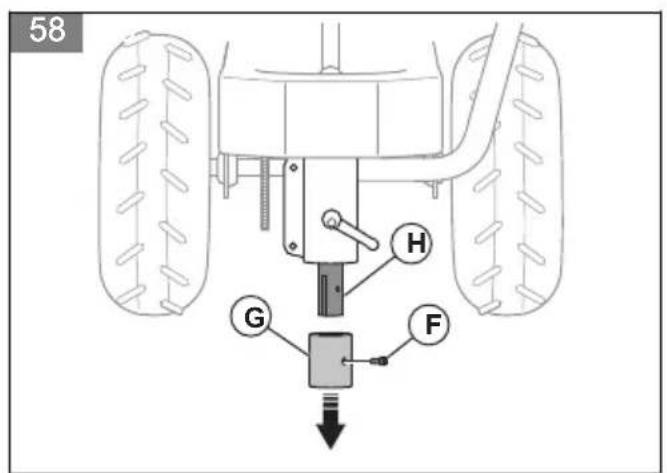
Remove the screw (F) and remove the drill head (G) from the shaft (H). (Fig. 58)
- Use compressed air to clean the product. Make sure that all dirt, grass and other unwanted materials are removed.
- If it is necessary, remove dirty grease with an applicable solvent.
- Clean all components with an applicable solvent and lubricate all components.
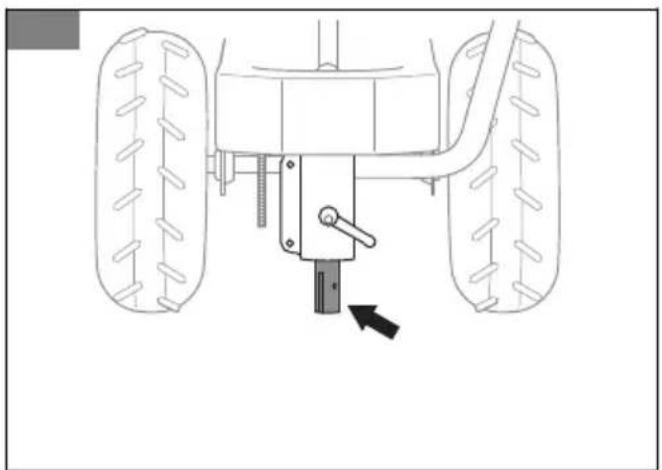
- Apply water-repellent grease on the shaft. (Fig. 59)
To clean the battery and the battery charger

WARNING: Do not clean the battery or the battery charger with water.

WARNING: Do not use any chemical substances to clean the battery.
- Make sure that the battery and the battery charger are clean and dry before you put the battery into the battery charger.
- Clean the battery terminals with compressed air or use a soft and dry cloth.
- Clean the surfaces of the battery and the battery charger with a soft and dry cloth.
Troubleshooting
Troubleshooting
If you cannot find a solution to your problems in this manual, speak to your Husqvarna service agent.
| Problem Cause | |
| The motor does not start. | The battery is not charged. |
| The battery is not installed correctly. | |
| The battery is defective. | |
| The control panel is defective. | |
| The drill does not rotate. | The belt is worn out. |
| The belt has moved out of the pulleys. | |
| The lever does not put sufficient tension on the belt. | |
| The drill continues to rotate when the drill operation bail is released. | The wire from the drill operation bail is worn or damaged. |
| The product does not operate correctly. | The drill is worn or damaged. |
| The drill is not installed correctly. | |
| The product does not move when the drive bail is engaged. | The wire from the drive bail is worn or damaged. |
| The transmission belts are worn. | |
| The chain is broken or does not have sufficient tension. | |
| The clutch discs in the transmission housing are worn. | |
| The drill head cannot be removed. | There is unwanted material in the unit. |
| There is oxide in the system. | |
| The insulation of the cable put into the ground is damaged. | The cable outlet hole on the feeding fin is damaged. |
| The tube that contains the cable and which is part of the feeding fin is dirty. |
Battery
| LED on the battery Cause | Solution | |
| The green LED flashes. | The battery voltage is low. Charge the battery. | To charge the battery on page 15. |
| The error LED flashes. | The battery is weak. Charge the battery. | Refer to Battery on page 20. |
| The temperature in the work environment is too high or too low. | Use the battery in temperatures between -10°C and 40°C. | |
| Overvoltage. Make sure that the mains | voltage is the same as on the rating plate on the product. | |
| Remove the battery from the battery charger. Wait 5 seconds and try again to charge the battery. If the problem continues, speak to an approved service agent. | ||
| The error LED is on. The | cell difference too much (1V). Speak to | an approved service agent. |
Battery charger
| LED on the battery charger | Cause Solution | |
| The error LED flashes. | The temperature in the work environment is too high or too low. | Use the battery charger in temperatures between 5°C and 40°C. |
| The error LED is on. S | Speak to an approved service agent. |
Control panel
| Error code (number of flashes) | Possible faults Possible procedure | |
| 5 The motor speed de | creases too much, and the motor stops. | Clean the drill head and decrease the cable laying depth. Refer toTo clean and lubricate the drill head on page 18 and To adjust the cable laying depth on page 16. If the error stays, speak to your approved service agent. |
| 8 The battery is weak. | Charge the battery. Refer to | To charge the battery on page 15. |
| 9 Battery error or no si | gnal from battery. Put the battery in the product | correctly and examine the battery connector. If the error LED on the battery flashes, refer toBattery on page 20. |
| 10 The motor control is | too hot. Stop the motor and wait until it is cool. | |
| Other errors If other errors occur, remove the safety key and the battery and speak to an approved service agent. | ||
Transportation, storage and disposal
Introduction

WARNING: To prevent unintentional start during transport pull up the safety key, remove the battery and wait at least 5 seconds.
Transportation
- The Dangerous Goods Legislation requirements apply to the contained Li-ion batteries.
- For commercial transports special requirements on package and labels must be obeyed.
- Make sure that you obey the regulations for dangerous material when you prepare the product for transport. Local regulations can apply.
- Always remove the battery for transport.
- Put tape on the battery connectors and make sure that the battery cannot move around during transport.
- Attach the product during transport.
Storage
- Before storage, let the product become cool.
- Always remove the battery for storage.
- To prevent accidents, make sure that the battery is not connected to the product during storage.
- Keep the battery charger in a closed and dry space.
- Keep the battery and the battery charger in a dry space where there is no moisture or frost.
- Disconnect the battery from the battery charger during storage.
-
Do not keep the battery where static electricity can occur. Do not keep the battery in a metal box.
-
Keep the product where the ambient temperature is between -10ircC and 40ircC .
- Keep the battery where the ambient temperature is between 5ircC and 25ircC and out of sunlight.
- Keep the battery charger where the ambient temperature is between 5ircC and 45ircC and out of sunlight.
- Make sure that the battery is charged to 30% - 50% before you put it in storage for long periods.
- Keep the product, battery and battery charger in a locked area out of reach for children and not approved persons.
- Clean the product.
- Do the maintenance procedures given in this operator's manual. Refer to Maintenance schedule on page 17.
- Do a complete servicing before you put the product in storage for a long time.
Disposal
Symbols on the product or the packaging of the product indicate that this product cannot be handled as domestic waste. It must be submitted to an appropriate recycling station for the recovery of electrical and electronic equipment.
By ensuring that this product is taken care of correctly, you can help to counteract the potential negative impact on the environment and people that can otherwise result through the incorrect waste management of this product. For more detailed information about recycling this product, contact your municipality, your domestic waste service or the shop from where you purchased the product.
(Fig. 60)
Technical data
| Drilling motor | |
| Motor type BLDC (brushless) 36V | |
| Motor speed – nominal, rpm 3000/min | |
| Motor speed – high load, rpm 3300/min | |
| Motor output – maximum, kW 1.8 | |
| Motor output – nominal, kW 1.2 | |
| Transmission Mechanical gearbox with oil bath gears | |
| Clutch Belt-type, with pulley | |
| Weight | |
| Weight without battery, kg 39 | |
| Weight including 2 x BLi300, kg 43 | |
| Battery | |
| Type of battery Husqvarna Battery series | |
| Battery runtime | |
| Battery runtime, min 1 | 38 |
| Noise emissions 2 | |
| Sound power level, measured LWA dB (A) 84 | |
| Sound power level, guaranteed LWA dB (A) 86 | |
| Sound levels 3 | |
| Sound pressure level at the operator's ear, dB (A) 66 | |
| Vibration levels 4 | |
| Handle m/s2 | 1.8 |
| Cable laying equipment | |
| Cable laying depth, cm 1–6 | |
| Distance between drill and wheel edge, mm 250, 270, 290, 310 | |
| Drill 597 04 84-01 | |
| Approved batteries Brand Type | Battery capacity | ty, Ah | Voltage, V | Weight, lb/kg |
| BLi300 | Husqvarna | Lithium-ion | 9.4 | 36 |
| Approved chargers for the specified batteries, BLi | Brand | Input voltage, V | Frequency, Hz | Power, W |
| QC500 Husqvarna 100–240 | 50–60 | 500 |
Declaration of Conformity
EU Declaration of Conformity
We, Husqvarna AB, SE-561 82 Huskvarna, Sweden, tel: +46-36-146500, declare on our sole responsibility that the product:
| Description Cable layer | |
| Brand Husqvarna | |
| Type / Model CL400i | |
| Identification Serial numbers dating from 2022 and onwards | |
complies fully with the following EU directives and regulations:
| Regulation Description | |
| 2006/42/EC "relating to machinery" | |
| 2014/30/EU "relating to electromagnetic compatibility" | |
| 2011/65/EU | “on the restriction of the use of certain hazardous substances in electrical and electronic equipment” |
and that the following standards and/or technical specifications are applied: EN ISO 12100:2010, EN ISO 14119:2013, EN ISO 14120:2015, EN ISO 13857:2019, EN 62841-1:2015+AC:2015, EN ISO 11202:2010, EN 1032:2009, EN 55014-1:2017, EN 55014-2:2015, EN 63000:2018.
For information relating to noise emissions, refer to Technical data on page 21.
Huskvarna, 2022-03-21
Δdu
Claes Losdal, Development Manager/Garden Products, Husqvarna AB
Responsible for technical documentation

UK Declaration of Conformity
We, Husqvarna AB, SE-561 82 Huskvarna, Sweden, tel:
+46-36-146500, declare on our sole responsibility that
the product:
| Description Cable layer | |
| Brand Husqvarna | |
| Type / Model CL400i | |
| Identification Serial numbers dating from 2022 and onwards | |
complies fully with the following UK regulations:
| Description |
| The Supply of Machinery (Safety) Regulations 2008 |
| Electromagnetic Compatibility Regulations 2016 |
| The Restriction of the Use of Certain Hazardous Substances in Electrical and Electronic Equipment Regulations 2012 |
and that the following standards and/or technical
specifications are applied: EN ISO 12100:2010, EN ISO
14119:2013, EN ISO 14120:2015, EN ISO 13857:2019,
EN 62841-1:2015+AC:2015, EN ISO 11202:2010, EN
1032:2009, EN 55014-1:2017, EN 55014-2:2015, EN
63000:2018.
For information relating to noise emissions, refer to
Technical data on page 21.
Huskvarna, 2022-03-21
Δdot 2 m
Claes Losdal, Development Manager/Garden Products,
Husqvarna AB
Responsible for technical documentation
UK
CA
UK Importer:
Husqvarna UK Ltd
Preston Road, Co. Durham
DL5 6UP
Съдържание
(Fig. 2) WAARSCHUWING
| LED-display | Laadstatus |
| LED 1 knippert 0%-25% | |
| Led 1 brandt, led 2 knip-pert | 25%-50% |
| Led 1 en led 2 branden, led 3 knippert | 50%-75% |
| Led 1, led 2 en led 3 bran-den, led 4 knippert | 75%-100% |
| Led 1, led 2, led 3, led 4 branden | Volledig opgeladen |
Claes Losdal, Development Manager/Garden Products, Husqvarna AB
Original instructions
Оригинални инструкции
Původní pokyny



- Contents
- Introduction
- Product description
- Product overview
- (Fig. 1)
- Symbols on the product
- (Fig. 2) WARNING
- Intended use
- Product damage
- Safety
- Safety definitions
- General product safety warnings
- Work area safety
- Electrical safety
- Personal safety
- Product use and care
- Service
- Battery tool use and care
- General safety instructions
- Work safety
- Safety instructions for operation
- (Fig. 16)
- Personal protective equipment
- Safety devices on the product
- Safety key
- To do a check of the safety key
- Drill operation bail
- Battery safety
- Battery charger safety
- Safety instructions for maintenance
- Assembly
- To install the drill
- To install the cable
- To install and remove the cable winder
- Operation
- Husqvarna Fleet Services™
- To prepare the sensor (accessory)
- To do a pairing operation between the app and the product
- To install the sensor
- Battery
- Battery status
- To charge the battery
- Battery charging status
- To do before you operate the product
- To start the product
- To use the drive on the wheels
- To adjust the cable laying depth
- To adjust the height of the handlebar
- To tilt the handlebar
- To lock the swivel function of the feeding fin
- To adjust the cable guide
- To adjust the track width
- To start the work
- To use the 2-cable guide
- To stop the product
- Maintenance
- Maintenance schedule
- To clean the feeding fin
- To replace the feeding fin
- To replace the drill
- To clean and lubricate the drill head
- To clean the battery and the battery charger
- Troubleshooting
- Transportation, storage and disposal
- Transportation
- Storage
- Disposal
- Technical data
- Declaration of Conformity
- EU Declaration of Conformity
- UK Declaration of Conformity
- Съдържание
Brand : HUSQVARNA
Model : CL400i
Category : Robotic mower