USER MANUAL GSS 23 AE BOSCH
Robert Bosch Power Tools GmbH
70538 Stuttgart
GERMANY
www.bosch-pt.com
160992A2BP(2015.03)0/150EURO
160992A2BP
GSS 23 AE Professional
Original instructions
Original instructions
Original instructions
Original instructions
Original instructions
Original instructions
Original instructions
Translation of the original instructions
Translation of the original instructions
Original instructions
Translation of the original instructions
Translation of the original instructions

BOSCH
sr Original instructions for use, hr Original instructions for use, hu Original instructions for use, et Original instructions for use, lt Original instructions for use, lv Original instructions for use, ro Original instructions for use, sk Original instructions for use, sl Original instructions for use

2
Deutsch. 6
English
French. Page 15
Spanish. Page 20
Portuguese. Page 25
Italian. Page 30
Dutch. Page 35
Danish. Page 39
Swedish. Page 43
Norwegian. Page 47
Finnish. Page 51
Russian. Page 55
Turkish. Page 60
Polish. Page 65
Czech. Page 70
Slovak. Page 74
Hungarian. Page 79
Russian page 84
Ukrainian page 90
Kazakh page 95
Romanian page 100
Bulgarian page 104
Macedonian page 109
Serbian page 114
Slovenian page 118
Henk Becker Executive Vice President Engineering
Helmut Heinzelmann Head of Product Certification PT/ETM9

Robert Bosch Power Tools GmbH
70538 Stuttgart, GERMANY
Stuttgart, 01.01.2017
Assembly
WARNING
Read all safety warnings and all instructions. Failure to follow the warnings
and instructions may result in electric shock, fire and/or serious injury.
Save all warnings and instructions for future reference.
The term "power tool" in the warnings refers to your mains-operated (corded) power tool or battery-operated (cordless) power tool.
Work area safety
- Keep work area clean and well lit. Cluttered or dark areas invite accidents. Do not operate power tools in explosive atmospheres, such as in the presence of flammable liquids, gases or dust. Power tools create sparks which may ignite the dust or fumes.
- Keep children and bystanders away while operating a power tool. Distractions can cause you to lose control.
Electrical safety
Power tool plugs must match the outlet. Never modify the plug in any way. Do not use any adapter plugs with earthed (grounded) power tools. Unmodified plugs and matching outlets will reduce risk of electric shock. Avoid body contact with earthed or grounded surfaces, such as pipes, radiators, ranges and refrigerators. There is an increased risk of electric shock if your body is earthed or grounded. Do not expose power tools to rain or wet conditions. Water entering a power tool will increase the risk of electric shock. Do not abuse the cord. Never use the cord for carrying, pulling or unplugging the power tool. Keep cord away from heat, oil, sharp edges and moving parts. Damaged or entangled cords increase the risk of electric shock. When operating a power tool outdoors, use an extension cord suitable for outdoor use. Use of a cord suitable for outdoor use reduces the risk of electric shock. If operating a power tool in a damp location is unavoidable, use a residual current device (RCD) protected supply. Use of an RCD reduces the risk of electric shock.
Personal safety
Stay alert, watch what you are doing and use common sense when operating a power tool. Do not use a power tool while you are tired or under the influence of drugs, alcohol or medication. A moment of inattention while operating power tools may result in serious personal injury. Use personal protective equipment. Always wear eye protection. Protective equipment such as dust mask, non-skid safety shoes, hard hat, or hearing protection used for appropriate conditions will reduce personal injuries.
Prevent unintentional starting. Ensure the switch is in the off-position before connecting to power source and/or battery pack, picking up or carrying the tool. Carrying power tools with your finger on the switch or energising power tools that have the switch on invites accidents. Remove any adjusting key or wrench before turning the power tool on. A wrench or a key left attached to a rotating part of the power tool may result in personal injury. Do not overreach. Keep proper footing and balance at all times. This enables better control of the power tool in unexpected situations. Dress properly. Do not wear loose clothing or jewellery. Keep your hair, clothing and gloves away from moving parts. Loose clothes, jewellery or long hair can be caught in moving parts. If devices are provided for the connection of dust extraction and collection facilities, ensure these are connected and properly used. Use of dust collection can reduce dust-related hazards.
Do not force the power tool. Use the correct power tool for your application. The correct power tool will do the job better and safer at the rate for which it was designed. Do not use the power tool if the switch does not turn it on and off. Any power tool that cannot be controlled with the switch is dangerous and must be repaired. Disconnect the plug from the power source and/or the battery pack from the power tool before making any adjustments, changing accessories, or storing power tools. Such preventive safety measures reduce the risk of starting the power tool accidentally. Store idle power tools out of the reach of children and do not allow persons unfamiliar with the power tool or these instructions to operate the power tool. Power tools are dangerous in the hands of untrained users. Maintain power tools. Check for misalignment or binding of moving parts, breakage of parts and any other condition that may affect the power tool's operation. If damaged, have the power tool repaired before use. Many accidents are caused by poorly maintained power tools. Keep cutting tools sharp and clean. Properly maintained cutting tools with sharp cutting edges are less likely to bind and are easier to control. Use the power tool, accessories and tool bits etc. in accordance with these instructions, taking into account the working conditions and the work to be performed. Use of the power tool for operations different from those intended could result in a hazardous situation.
Service
Have your power tool serviced by a qualified repair person using only identical replacement parts. This will ensure that the safety of the power tool is maintained.
Safety Warnings for Sander
Use the machine only for dry sanding. Penetration of water into the machine increases the risk of an electric shock. Caution, fire hazard! Avoid overheating the object being sanded as well as the sander. Always empty the dust collector before taking breaks. In unfavourable conditions, e.g., when sparks emit from sanding metals, sanding debris in the dust bag, micro filter or paper sack (or in the filter sack or filter of the vacuum cleaner) can self-ignite. Particularly when mixed with remainders of varnish, polyurethane or other chemical materials and when the sanding debris is hot after long periods of working. When working with the machine, always hold it firmly with both hands and provide for a secure stance. The power tool is guided more secure with both hands. Secure the workpiece. A workpiece clamped with clamping devices or in a vice is held more secure than by hand.
Products sold in GB only: Your product is fitted with a BS 1363/A approved electric plug with internal fuse (ASTA approved to BS 1362).
If the plug is not suitable for your socket outlets, it should be cut off and an appropriate plug fitted in its place by an authorised customer service agent. The replacement plug should have the same fuse rating as the original plug.
The severed plug must be disposed of to avoid a possible shock hazard and should never be inserted into a mains socket elsewhere.
Products sold in AUS and NZ only: Use a residual current device (RCD) with a rated residual current of 30 mA or less.
Product Description and Specifications

Read all safety warnings and all instructions. Failure to follow the warnings and instructions may result in electric shock, fire and/or serious injury.
While reading the operating instructions, unfold the graphics page for the machine and leave it open.
Intended Use
The machine is intended for dry sanding of wood, plastic, filler and coated surfaces.
Product Features
The numbering of the product features refers to the illustration of the machine on the graphics page.
1 Thumbwheel for orbit frequency preselection 2 On/Off switch 3 Lock-on button for On/Off switch 4 Dust box, complete (Microfilter System) 5 Sanding-sheet clamp 6 Sanding plate 7 Sanding sheet 8 Release button for front clamping bracket
9 Front clamping bracket 10 Perforating tool 11 Screws for sanding plate 12 Extraction outlet 13 Filter element (Microfilter System) 14 Vacuum hose 15 Handle (insulated gripping surface)
*Accessories shown or described are not part of the standard delivery scope of the product. A complete overview of accessories can be found in our accessories program.
Technical Data
| Orbital sander GSS 23 AE |
| Article number | | 3601 K70 7.. |
| Rated power input | W | 190 |
| Preselection of orbital stroke rate ● | | |
| No-load speed | min-1 | 7000 - 1200 |
| No-load orbital stroke rate | min-1 | 14000 - 24000 |
| Orbit diameter | mm 2.0 |
| Sanding sheet dimensions | | |
| -Adhesion via Velcro backing | mm | 93 x 185 |
| -Attachment via clamping | mm | 93 x 230 |
| Sanding plate dimensions | mm 92 x 182 |
| Weight according to EPTA-Procedure 01:2014 | kg 1.7 |
| Protection class | | ☐/II |
| The values given are valid for a nominal voltage [U] of 230 V. For differ-ent voltages and models for specific countries, these values can vary. |
Sound emission values determined according to EN 60745-2-4.
Typically the A-weighted noise levels of the product are: Sound pressure level 80 dB(A); Sound power level 91 dB(A). Uncertainty K = 3 dB.
Wear hearing protection!
Vibration total values a_h (triax vector sum) and uncertainty K determined according to EN 60745-2-4: a_h = 4.5 m/s^2, K = 1.5 m/s^2
The vibration level given in this information sheet has been measured in accordance with a standardised test given in EN 60745 and may be used to compare one tool with another. It may be used for a preliminary assessment of exposure. The declared vibration emission level represents the main applications of the tool. However, if the tool is used for different applications, with different accessories or insertion tools, or is poorly maintained, the vibration emission may differ. This may significantly increase the exposure level over the total working period.
An estimation of the level of exposure to vibration should also take into account the times when the tool is switched off or when it is running but not actually doing the job. This may significantly reduce the exposure level over the total working period.
Identify additional safety measures to protect the operator from the effects of vibration, such as: maintain the tool and the accessories, keep the hands warm, and organise work patterns.

We declare under our sole responsibility that the product described under "Technical Data" is in conformity with all relevant provisions of the directives 2011/65/EU, until 19 April 2016: 2004/108/EC, from 20 April 2016 on: 2014/30/EU, 2006/42/EC including their amendments, and complies with the following standards: EN 60745-1, EN 60745-2-4, EN 50581.
Technical file (2006/42/EC) at: Robert Bosch Power Tools GmbH, PT/ETM9, 70538 Stuttgart, GERMANY
Henk Becker
Executive Vice President Engineering
Helmut Heinzelmann, Head of Product Certification PT/ETM9

Robert Bosch Power Tools GmbH
70538 Stuttgart, GERMANY
Stuttgart, 01.01.2017
Assembly
Before any work on the machine itself, pull the mains plug.
Dusts from materials such as lead-containing coatings, some wood types, minerals and metal can be harmful to one's health. Touching or breathing in the dusts can cause allergic reactions and/or lead to respiratory infections of the user or bystanders.
Certain dusts, such as oak or beech dust, are considered as carcinogenic, especially in connection with wood-treatment additives (chromate, wood preservative). Materials containing asbestos may only be worked by specialists.
- As far as possible, use a dust extraction system suitable for the material.
- Provide for good ventilation of the working place.
- It is recommended to wear a P2 filter-class respirator.
Observe the relevant regulations in your country for the materials to be worked.
Prevent dust accumulation at the workplace. Dusts can easily ignite.
Attach the dust box 4 onto the extraction outlet 12 until it latches.
To empty the dust box 4, pull it off downward.
Before opening the dust box 4, it is recommended to loosen the dust from the filter element by gently striking it against a firm support (as shown in the figure).
Grasp the dust box 4 by the recessed grip, fold the filter element 13 upward, and empty the dust box. Clean the thin plates of the filter element 13 with a soft brush.
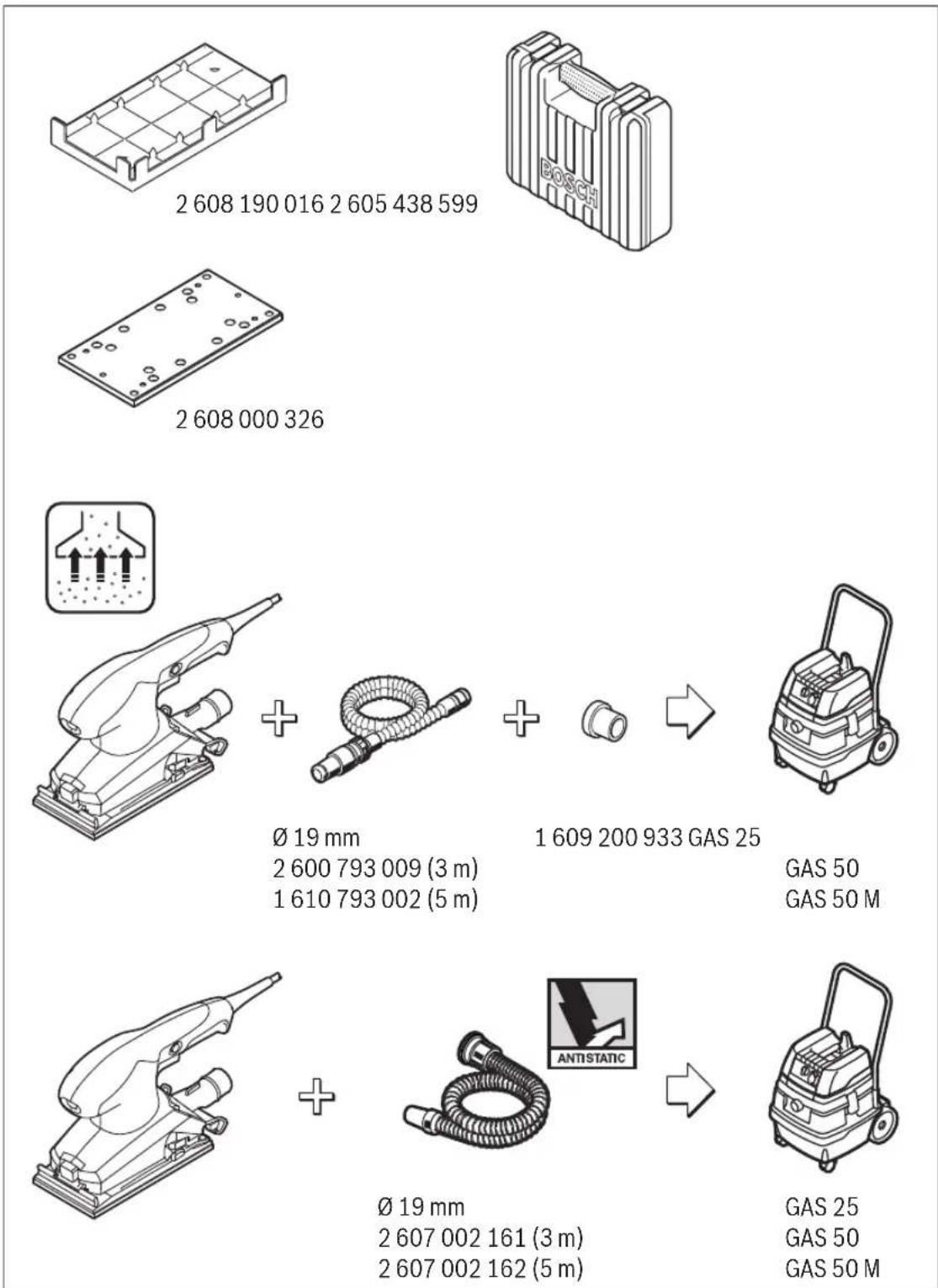
Mount a vacuum hose 14 onto the extraction outlet 12. Connect the vacuum hose 14 to a vacuum cleaner. An overview for the connection of various vacuum cleaners can be found at the end of these instructions.
The vacuum cleaner must be suitable for the material being worked.
When vacuuming dry dust that is especially detrimental to health or carcinogenic, use a special vacuum cleaner.
Replacing the Sanding Sheet
When attaching a new sanding sheet, remove any dust or debris from the sanding plate 6 (e.g., with a brush).
To ensure optimum dust extraction, pay attention that the punched holes in the sanding sheet match the holes in the sanding plate.
The sanding plate 6 is fitted with Velcro backing for quick and easy fastening of sanding sheets with Velcro adhesion.
Before attaching the sanding sheet 7, free the Velcro backing of the sanding plate 6 from any debris by tapping against it to enable optimum adhesion.
Position the sanding sheet 7 flush alongside one edge of the sanding plate 6, then lay the sanding sheet onto the sanding plate and press firmly.
To remove the sanding sheet 7, grasp it at one of the tips and pull it off from the sanding plate 6.
Press the release button 8 and keep it depressed. Guide the sanding sheet 7 to the stop under the opened front clamping bracket 9 and let go of the release button 8 again. Pay attention that the sanding sheet is clamped centrally. Press the sanding sheet clamp 5 inward and pivot it to the stop. Fold the sanding sheet 7 firmly around the sanding plate. Guide the other end of the sanding sheet 7 between the rear clamping bracket and the red roller on the clamping bracket 5. Hold the sanding sheet densely and press the clamping bracket 5 toward the sanding plate to lock the sanding sheet.
Sanding sheets without holes, e.g. from rolls or by the meter, can be punctured with the perforating tool 10 for use with dust extraction. For this, press the machine with the mounted sanding sheet onto the perforating tool (see figure E).
To remove the sanding sheet 7, loosen the clamping bracket 5 and pull out the sanding sheet from the rear holding fixture. Press the release button 8 and completely remove the sanding sheet.
Selecting the Sanding Sheet
Depending on the material to be worked and the required rate of material removal, different sanding sheets are available:
Grain size
40-240
red:Wood
For the working of all wooden materials
For coarse-sanding, e.g. of rough, unplaned beams and boards coarse 40, 60
For face sanding and planing small irregularities medium 80,100,120
For finish and fine sanding of hard woods fine 180,240
white: Paint
40-320
For the working of paint/enamel coats or primers and fillers
For sanding off paint: coarse 40, 60
For sanding primer: medium 80, 100, 120
For final sanding of primers before coating: fine 180, 240, 320
The sanding plate 6 can be replaced, if required.
Unscrew the 4 screws 11 completely and remove the sanding plate 6. Attach the new sanding plate 6 and tighten the screws again.
Operation
Starting Operation
Observe correct mains voltage! The voltage of the power source must agree with the voltage specified on the nameplate of the machine. Power tools marked with 230 V can also be operated with 220 V.
Switching On and Off
To start the machine, press the On/Off switch 2 and keep it pressed.
To lock the pressed On/Off switch 2, press the lock-on button 3.
To switch off the machine, release the On/Off switch 2 or when it is locked with the lock-on button 3, briefly press the On/Off switch 2 and then release it.
To save energy, only switch the power tool on when using it.
Preselecting the Orbital Stroke Rate
With the thumbwheel for preselection of the orbital stroke rate 1, you can preselect the required orbital stroke rate, even during operation.
The required stroke rate depends on the material and the working conditions and can be determined through practical testing.
Working Advice
Wait until the machine has come to a standstill before placing it down. Before any work on the machine itself, pull the mains plug.
The removal capacity during sanding is mainly determined by the selection of the sanding sheet as well as the preselected orbital stroke rate.
Only flawless sanding sheets achieve good sanding capacity and extend the service life of the machine.
Pay attention to apply uniform sanding pressure; this increases the working life of the sanding sheets.
Intensifying the sanding pressure does not lead to an increase of the sanding capacity, but to increased wear of the machine and the sanding sheet.
A sanding sheet that has been used for metal should not be used for other materials.
Use only original Bosch sanding accessories.
Maintenance and Service
Maintenance and Cleaning
Before any work on the machine itself, pull the mains plug. For safe and proper working, always keep the machine and ventilation slots clean.
If the replacement of the supply cord is necessary, this has to be done by Bosch or an authorized Bosch service agent in order to avoid a safety hazard.
After-sales Service and Application Service
In all correspondence and spare parts order, please always include the 10-digit article number given on the type plate of the machine.
Our after-sales service responds to your questions concerning maintenance and repair of your product as well as spare parts. Exploded views and information on spare parts can also be found under:
www.bosch-pt.com
Bosch's application service team will gladly answer questions concerning our products and their accessories.
Great Britain
Robert Bosch Ltd. (B.S.C.)
P.O.Box 98
Broadwater Park
North Orbital Road
Denham
Uxbridge
UB95HJ
At www.bosch-pt.co.uk you can order spare parts or arrange the collection of a product in need of servicing or repair.
Tel. Service: (0344) 7360109
E-Mail: boschservicecentre@bosch.com
Ireland
Origo Ltd.
Unit 23 Magna Drive
Magna Business Park
City West
Dublin 24
Tel. Service: (01) 4666700
Fax: (01) 4666888
Australia, New Zealand and Pacific Islands
Robert Bosch Australia Pty. Ltd.
Power Tools
Locked Bag 66
Clayton South VIC 3169
Customer Contact Center
Inside Australia:
Phone: (01300) 307044
Fax: (01300) 307045
Inside New Zealand:
Phone: (0800) 543353
Fax: (0800) 428570
Outside AU and NZ:
Phone: +61 395415555
www.bosch.com.au
Republic of South Africa
Customer service
Hotline: (011) 6519600
Gauteng - BSC Service Centre
35 Roper Street, New Centre
Johannesburg
Tel.: (011) 4939375
Fax: (011) 4930126
E-Mail: bsctools@icon.co.za
KZN - BSC Service Centre
Unit E, Almar Centre
143 Crompton Street
Pinetown
Tel.: (031) 7012120
Fax: (031) 7012446
E-Mail: bsc.dur@za.bosch.com
Western Cape - BSC Service Centre
Democracy Way, Prosperity Park
Milnerton
Tel.: (021) 5512577
Fax: (021) 5513223
E-Mail: bsc@zsd.co.za
Bosch Headquarters
Midrand, Gauteng
Tel.: (011) 6519600
Fax: (011) 6519880
E-Mail: rbsa-hq.pts@za.bosch.com
Disposal
The machine, accessories and packaging should be sorted for environmental-friendly recycling.
Only for EC countries:
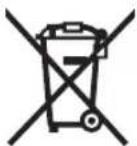
According to the European Directive 2012/19/EU for Waste Electrical and Electronic Equipment and its implementation into national right, power tools that are no longer usable must be collected separately and disposed of in an environmentally correct manner.
Subject to change without notice.
Français
an = 4.5 m/s2, K = 1.5 m/s2.
Executive Vice President
Engineering
Helmut Heinzelmann
Head of Product Certification
PT/ETM9

Robert Bosch Power Tools GmbH
70538 Stuttgart, GERMANY
Stuttgart, 01.01.2017
Assembly
Robert Bosch (France) S.A.S.
Executive Vice President
Engineering
Helmut Heinzelmann
Head of Product Certification
PT/ETM9

Robert Bosch Power Tools GmbH
70538 Stuttgart, GERMANY
Stuttgart, 01.01.2017
Assembly
Executive Vice President Engineering
Helmut Heinzelmann Head of Product Certification PT/ETM9

Robert Bosch Power Tools GmbH
70538 Stuttgart, GERMANY
Stuttgart, 01.01.2017
Assembly
- Before any work on the power tool, pull the mains plug out of the socket.
Executive Vice President
Engineering
Helmut Heinzelmann
Head of Product Certification
PT/ETM9

Robert Bosch Power Tools GmbH
70538 Stuttgart, GERMANY
Stuttgart, 01.01.2017
Assembly
Executive Vice President
Engineering
Helmut Heinzelmann
Head of Product Certification
PT/ETM9

Robert Bosch Power Tools GmbH
70538 Stuttgart, GERMANY
Stuttgart, 01.01.2017
Assembly
Executive Vice President
Engineering
Helmut Heinzelmann
Head of Product Certification
PT/ETM9

Robert Bosch Power Tools GmbH
70538 Stuttgart, GERMANY
Stuttgart, 01.01.2017
Assembly
Bosch Service Center
Telegrafvej 3
2750 Ballerup
On www.bosch-pt.dk you can order spare parts online or create a repair order.
Service Center phone: 44898855
Fax: 44898755
E-Mail: vaerktoej@dk.bosch.com
Disposal
Executive Vice President Engineering
Helmut Heinzelmann
Head of Product Certification PT/ETM9

Robert Bosch Power Tools GmbH
70538 Stuttgart, GERMANY
Stuttgart, 01.01.2017
Assembly
Pull the plug out of the socket before carrying out any work on the power tool.
Dust/Chip extraction
Bosch Service Center
Telegrafvej 3
2750 Ballerup
Denmark
Tel.: (08) 7501820 (in Sweden)
Fax: (011) 187691
Waste disposal
Executive Vice President Engineering
Helmut Heinzelmann
Head of Product Certification PT/ETM9

Robert Bosch Power Tools GmbH
70538 Stuttgart, GERMANY
Stuttgart, 01.01.2017
Assembly
Executive Vice President
Engineering
Helmut Heinzelmann
Head of Product Certification
PT/ETM9

Robert Bosch Power Tools GmbH
70538 Stuttgart, GERMANY
Stuttgart, 01.01.2017
Assembly
Executive Vice President Engineering
Helmut Heinzelmann Head of Product Certification PT/ETM9

Robert Bosch Power Tools GmbH
70538 Stuttgart, GERMANY
Stuttgart, 01.01.2017
The product must be inspected and repaired only by Bosch or an authorized Bosch Service Center to avoid any safety hazards.
60 | Türkçe
Service and advice on use
If you have any questions about the product and its spare parts, please contact the service department directly.
The service department will answer your questions regarding the product and its repair, as well as for spare parts.
The Bosch service department will gladly answer your questions about our products and their accessories.
Greece
Robert Bosch A.E.
Eoxy1ac 37
19400Koropi-Athens
Tel.: 2105701258
Fax: 2105701283
www.bosch.com
www.bosch-pt.gr
ABZ Service A.E.
Tel: 2105701380
Fax: 2105701607
Athens
The electrical appliances, the spare parts and the accessories should be recycled in an environmentally friendly way.
Only for EU countries:
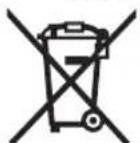
According to the European Directive 2012/19/EU regarding old electrical and electronic equipment and the transposition of this directive into national law, it is no longer mandatory for old electrical appliances to be collected separately in order to be recycled in an environmentally friendly way.
We reserve the right to make changes.
Turkish
Safety Instructions
General Safety Instructions for Power Tools
Executive Vice President
Engineering
Helmut Heinzelmann
Head of Product Certification
PT/ETM9

Robert Bosch Power Tools GmbH
70538 Stuttgart, GERMANY
Stuttgart, 01.01.2017
Assembly
Bosch San. ve Tic. A.S.
Ahi Evran Cad. No:1 Kat:22
Polaris Plaza
80670 Maslak/Istanbul
Bosch Expert Team +90 (0212) 367 18 88
Isiklar LTD. STI.
Kizilay Cad. No: 16/C Seyhan
Adana
Tel.: 0322 3599710
Tel.: 0322 3591379
Henk Becker Executive Vice President Engineering
Helmut Heinzelmann Head of Product Certification PT/ETM9

Robert Bosch Power Tools GmbH 70538 Stuttgart, GERMANY Stuttgart, 01.01.2017
Assembly
Robert Bosch Sp. z o.o.
Executive Vice President Engineering
Helmut Heinzelmann
Head of Product Certification PT/ETM9

Robert Bosch Power Tools GmbH
70538 Stuttgart, GERMANY
Stuttgart, 01.01.2017
Assembly
Before any work on the power tool, pull the plug out of the socket.
Dust/chip extraction
Bosch Service Center PT
K Vapence 1621/16
692 01 Mikulov
You can order the repair of your machine or spare parts online at www.bosch-pt.cz.
Tel.: 519305700
Fax: 519305705
E-Mail: servis.naradi@cz.bosch.com
www.bosch.cz
Waste disposal
Executive Vice President
Engineering
Helmut Heinzelmann
Head of Product Certification
PT/ETM9

Robert Bosch Power Tools GmbH
70538 Stuttgart, GERMANY
Stuttgart, 01.01.2017
Assembly
Executive Vice President Engineering
Helmut Heinzelmann Head of Product Certification PT/ETM9

Robert Bosch Power Tools GmbH
70538 Stuttgart, GERMANY
Stuttgart, 01.01.2017
Assembly
It is recommended to clean the tool after each use.
Storage
- Store in a dry place, away from heat sources and direct sunlight.
- Avoid sudden temperature changes. Do not store without packaging.
- For detailed storage requirements, see GOST 15150 (Condition 1).
Transportation
- Do not drop or subject the packaging to mechanical impact during transportation.
- During loading/unloading, the use of any lifting devices operating on the principle of packaging is not allowed. For detailed requirements for transportation conditions, see GOST 15150 (Condition 5).
Safety instructions
General safety instructions for power tools
WARNING
Read all safety instructions and instructions for use.
Failure to follow the safety instructions and instructions for use may result in electric shock, fire, and/or serious injury.
Keep these instructions and safety instructions for future use.
The term "power tool" used in these instructions applies to power tools powered by mains (with a power cord) and battery-powered power tools (without a power cord).
Work area safety
Keep your work area clean and well lit. Cluttered or dark areas invite accidents. Do not operate power tools in explosive atmospheres, such as in the presence of flammable liquids, gases, or dust. Power tools create sparks, which may ignite the dust or fumes. Keep children and bystanders away while operating a power tool. Distractions can cause you to lose control of the tool.
Electrical safety
Power tool plugs must match the outlet. Never modify the plug in any way. Do not use any adapter plugs with earthed (grounded) power tools. Unmodified plugs and matching outlets will reduce risk of electric shock. Avoid body contact with earthed or grounded surfaces, such as pipes, radiators, ranges, and refrigerators. There is an increased risk of electric shock if your body is earthed or grounded. Do not expose power tools to rain or wet conditions. Water entering a power tool will increase the risk of electric shock. Do not abuse the cord. Never use the cord for carrying, pulling, or unplugging the power tool. Keep cord away from heat, oil, sharp edges, or moving parts. Damaged or entangled cords increase the risk of electric shock.
Russian | 85
When operating a power tool outdoors, use an extension cord suitable for outdoor use. Use of a cord suitable for outdoor use reduces the risk of electric shock. If operating a power tool in a damp location is unavoidable, use a residual current device (RCD) protected supply. Use of an RCD reduces the risk of electric shock.
Personal safety
By being attentive, watch what you are doing and use common sense when working with a power tool. Do not use a power tool while you are tired or under the influence of drugs, alcohol, or medication. A moment of inattention while operating a power tool may result in serious personal injury. Use personal protective equipment. Always wear eye protection. Protective equipment such as a dust mask, non-skid safety shoes, hard hat, or hearing protection used for appropriate conditions will reduce personal injuries. Prevent unintentional starting. Ensure the switch is in the off-position before connecting to a power source and/or battery pack, picking up or carrying the tool. Carrying power tools with your finger on the switch or energizing power tools that have the switch on invites accidents. Remove any adjusting key or wrench before turning the power tool on. A wrench or a key left attached to a rotating part of the power tool may result in personal injury. Do not overreach. Keep proper footing and balance at all times. This enables better control of the power tool in unexpected situations. Dress properly. Do not wear loose clothing or jewelry. Keep your hair, clothing, and gloves away from moving parts. Loose clothes, jewelry, or long hair can be caught in moving parts. If devices are provided for the connection of dust extraction and collection facilities, ensure these are connected and properly used. Use of dust collection can reduce dust-related hazards.
Power tool use and care
Do not misuse the power tool. Use the correct power tool for your application. The correct power tool will do the job better and safer at the rate for which it was designed. Do not use the power tool if the switch does not turn it on and off. Any power tool that cannot be controlled with the switch is dangerous and must be repaired. Disconnect the plug from the power source and/or the battery pack from the power tool before making any adjustments, changing accessories, or storing power tools. Such preventive safety measures reduce the risk of starting the power tool accidentally. Store idle power tools out of the reach of children and do not allow persons unfamiliar with the power tool or these instructions to operate the power tool. Power tools are dangerous in the hands of untrained users. Maintain power tools. Check for misalignment or binding of moving parts, breakage of parts and any other condition that may affect the power tool's operation. If damaged, have the power tool repaired before use. Many accidents are caused by poorly maintained power tools. Keep cutting tools sharp and clean. Properly maintained cutting tools with sharp cutting edges are less likely to bind and are easier to control. Use the power tool, accessories and tool bits etc., in accordance with these instructions, taking into account the working conditions and the work to be performed. Use of the power tool for operations different from those intended could result in a hazardous situation.
Service
Have your power tool serviced by a qualified repair person using only identical replacement parts. This will ensure that the safety of the power tool is maintained.
Safety Warnings for Sanders
Use this power tool only for dry sanding. Water entering a power tool will increase the risk of electric shock. Caution, fire hazard! Avoid overheating the material being sanded and the sander. Always empty the dust collector before taking a break. Sanding dust can
86 | Russian
be combustible in the dust bag, microfilter, paper bag (or filter bag of the vacuum cleaner) under unfavorable conditions, for example, when sparks are generated while sanding metals. Particular danger arises when sanding primer, polyurethane, or other chemical substances, as the dust may self-ignite after prolonged work.
Always hold the power tool with both hands during work, having previously assumed a stable stance. With both hands you work more reliably with the power tool. Secure the workpiece. A workpiece clamped in a clamping device or vise is held more securely than in your hand.
Product Description and Services

Read all safety warnings and instructions. Failure to follow the warnings and instructions may result in electric shock, fire and/or serious injury.
Open the illustrated page for the power tool and keep it open while you read the operating instructions.
Intended use
The power tool is intended for sanding dry wood-based materials, synthetic materials, lacquers, and coated surfaces.
Illustrated components
The numbering of the components shown refers to the illustration on the graphics page.
1 Oscillation frequency setting wheel 2 On/off switch 3 Lock-on button for On/off switch 4 Dust box (Microfilter System) 5 Sanding plate 6 Sanding sheet 7 Sanding pad 8 Unlocking button for front sanding plate 9 Dust extraction hose* 1 Screws for sanding plate 2 Exhaust nozzle 3 Filter element (Microfilter System) 4 5 Sanding sheet 5 Handle (with insulated gripping surface)
The accessories shown or described are not included in the standard delivery. A complete range of accessories can be found in our accessories program.
Technical data
Executive Vice President Engineering
Helmut Heinzelmann Head of Product Certification PT/ETM9

Robert Bosch Power Tools GmbH 70538 Stuttgart, GERMANY Stuttgart, 01.01.2017
Assembly
Before any work on the power tool, pull the plug out of the socket.
Dust extraction with the dust box
Dust from materials such as lead-containing paint, some wood types, minerals, and metals can be harmful to health. Contact with or inhalation of dust can cause allergic reactions and/or respiratory diseases to the operator or bystanders.
Emissions, fumes, dust, and shavings are considered carcinogenic, especially in combination with preservatives for wood treatment (chromium, wood preservatives). Materials containing asbestos may only be processed by specialists.
- If possible, use a vacuum cleaner for material dust extraction. - Ventilate the work area well. - It is recommended to use a respirator with a P2 class filter.
Comply with the regulations in force in your country regarding the materials being processed.
Avoid sparks at the work area. Sparks can easily ignite dust.
Internal dust extraction system with container for dust (see Fig. G1-G4)
Press the container release button 12 to release the lock.
Empty the container by pulling it downwards.
Before opening the container, it should be cleaned as shown in the figure to remove dust from the filter element.
Hold the dust container by the recessed grips, remove the filter element from above and empty the container. Clean the filter element with a soft brush.
External dust extraction system (see Fig. H)
Press 14 onto the suction hose 12 and connect 14 to the vacuum cleaner. You will find an overview of connection options for different vacuum cleaners at the end of this manual.
The vacuum cleaner must be suitable for the material being processed.
Use of special vacuum cleaners for particularly hazardous dusts - e.g. carcinogenic or dry dust - is recommended.
Replacing the sanding pad
Before fitting a new sanding pad, remove any dirt and dust from the sanding pad, e.g. with a brush.
The holes in the threaded rod are made in the threaded rod.
Threaded rods with a nut (see Fig. A)
The threaded rod 6 is equipped with nuts for quick and easy replacement of the threaded rod, also equipped with a nut.
To replace the threaded rod 6, pull out the nut on the threaded rod to ensure optimal connection.
Place the threaded rod 7 on one side of the threaded rod 6, aligning it with the edge of the rod, then press the entire threaded rod onto the rod and press firmly.
To remove the threaded rod 7, grasp the end of the rod and pull the rod off the threaded rod 6.
Threaded rods without nuts (see Fig. B-D)
Press the release button 8 and hold it. Insert the threaded rod 7 fully into the open front clamp 9, then release the release button 8. The threaded rod must be locked in the middle position. Press the clamp 5 inward and turn it fully. Insert the threaded rod 7 with the nut onto the threaded part. Insert the end of the threaded rod 7 into the gap between the clamp and the red ring on the clamp 5. Hold the threaded rod in this position, pressing the clamp 5 against the threaded part, and secure it.


88 | Russian
Threaded rods without holes, for example, for wood screws, can be prepared for suction with the help of a drilling tool 10. For this, press the electric tool with the installed threaded rod against the drilling tool (see Fig. E).
To remove the threaded rod 7, open the clamp 5 and pull the threaded rod 7 out of the holder. Press the release button 8 and remove the threaded rod.
Selection of the threaded rod
Depending on the material to be processed and the required threading, different threaded rods are available:
Coarse
40-240
red:Wood
Processing of abrasive materials
Preliminary sanding, for example, of unplaned blocks, boards, pipes, etc.
Sanding of paint layers, varnish or primer, for example, fillers
Sanding of primer, etc.
Sanding with grit 80, 100, 120
For final sanding of primer before painting with grit 180, 240, 320
Replacing the sanding sheet (see Fig. F)
The sanding sheet 6 can be replaced.
Unscrew the 4 screws 11 and remove the sanding sheet 6. Install a new sanding sheet 6 and firmly tighten the screws.
Working with the tool
Switching on the power tool
Pay attention to the voltage! The voltage of the power source must match the data on the nameplate. Power tools with 230 V can also operate at 220 V.
Switching on/off
To switch on the power tool, press the switch and hold it pressed.
Differentiated switch EL2BO VKIOchEHOM NONO-жehнHaKMHTe KHOKNyФнсрован3.
IINBbIKIOHEn3NEKTPONHCTPymeHTAOTNyCTNTBeBbIKIOOaTeJIb2nH,ecNI OH6bln3aΦNKcnpoBAHNKHONKOIΦKcPOBaHNAH3,HAKMITE NOTNCTNTBeBbIKIOaTeJIb2.
B cIeJx 3K0HOMn 3JIeKtpo3Heprn BKnIOuayTe 3JIeKtPOHHCTpyMeHT TOnbKO TOrda, KOrDa Bbl co6npaetecb pa6oTaTb C HIM.
HactpoKa qactOby Kone6aHn
C nomoBIO yctaHOBOUHoro KonecNka 1 Bbl moKTe peRyIPOBaTb yactOTy Kone6aHN TaKKe H BO BpempaOtbl.
HeoXOIMma YacToTa KOle6aHm 3aBcHrOT MaTePnHa n ycNoBn paObI m MoKet 6bIb onpeDeneHa npakTneckn Cnocobom.
Yka3aHnno npmHeHHIO
JaTe3NEKTPoHCTpyMEnyIJOCTbOCTaHOBTbc HTONbKO Nocne 3TOBOBInyCTHeeroH3pyK. Ipeep IIO6bIMM MaHHyNnRnHm C3NeKtpOHnCTpyMeHTOM BbITACKHBAite WTeNCelb H3 p03eTK.
PpOHTBODNTeBHOCTb NO Cbemy MaTePNa IpnIINFOBAHNN 3aBNCNT TnABHbM O6pa3OM OT IINFOBaNbHOJ KkypkN H yCTAHOBENHORO YCNCA KOJIeBaHN.
ToIbKO 6e3ynpeHbIe IINFOBaIbHbIe IIKyPKn oEbcneuBaIOT XopoUyIO npOn3BOIDTeNbHOCTb N aadT 3JNEKTPoHnHCTpyMeHT.
CneHte 3a paBHomepHbmycHnem npKtaTHy,UTO6bl NOBbCHTb cpoK cnK6bl uNFOBaIbHbX Kypok.
Upe3MepHoe NOBbIeHHe ycHnI npNkATH He BeTeK NOBbIeHIO npOn3BOJNTeBHOCTn, a K BoJe e CnBHOmy n3HOcy 3NEKTPOHNCTpyMeHTa HINHOBaBHOH KUPKN.
He HcnoIb3yIte IINHIOBaNbHyO uKpyK, KOtopoB Bb o6pa6aTbIbAII MetaII,ДЯ O6pa6OTKn DpyrNx MaTePnaNoB.
PpHMeHrTe TOnbKO opHnHaIbHbIe npHaIeXHOCTN Bosch.
Texo6cnyxHBaHne n cepBnC
Storage and cleaning
Before any manipulation with the electric tool, pull the plug out of the socket. To ensure safe operation, keep the electric tool and ventilation slots always clean.
If the tool needs to be replaced, contact the Bosch branch or an authorized Bosch service center for electric tools.
Russian|89
Service and consulting on product use
Please, in all inquiries and orders of spare parts, always indicate the 10-digit article number from the type plate of the electric tool.
The service center will answer all your questions regarding repair and maintenance of your product and spare parts. Exploded views and information on spare parts can also be found at:
The Bosch team of consultants on product use will be happy to answer all your questions regarding our products and their accessories.
Address: Russia, Belarus, Kazakhstan, Ukraine
Warranty service and repair of electric tools, in compliance with the requirements and standards of the manufacturer, is carried out on the territory of all countries only in the specified or authorized service centers of "Robert Bosch".
WARNING! Use of counterfeit products is dangerous, can lead to electric shock and damage to your health. Manufacturing and distribution of counterfeit products is prosecuted by law in administrative and criminal order.
Russia
Authorized by the manufacturer organization:
LLC "Robert Bosch"
After the end of their service life, power tools, accessories, and packaging should be handed over for environmentally friendly recycling of waste.
Only for EU member states:
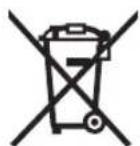
According to the European Directive 2012/19/EU on waste electrical and electronic equipment and its implementation in national law, power tools that have reached the end of their service life must be collected separately and handed over for environmentally sound recycling.
Changes may be made.
90|Ukrainian
Ukrainian
Safety instructions
General power tool safety warnings
WARNINGS
Read all safety warnings.
Failure to follow the warnings and instructions may result in electric shock, fire, and/or serious injury.
Save all warnings and instructions for future reference.
The term "power tool" in the warnings refers to your mains-operated (corded) power tool or battery-operated (cordless) power tool.
Workplace safety
Keep your work area clean and well lit. Cluttered or dark areas invite accidents. Do not operate power tools in explosive atmospheres, such as in the presence of flammable liquids, gases, or dust. Power tools create sparks which may ignite the dust or fumes. While operating a power tool, keep children and other people away from the work area. Distractions can cause you to lose control.
Electrical Safety
Power tool plugs must match the outlet. Never modify the plug in any way. Do not use any adapter plugs with earthed (grounded) power tools. Unmodified plugs and matching outlets will reduce risk of electric shock. Avoid body contact with earthed or grounded surfaces, such as pipes, radiators, ranges and refrigerators. There is an increased risk of electric shock if your body is earthed or grounded. Do not expose power tools to rain or wet conditions. Water entering a power tool will increase the risk of electric shock. Do not abuse the cord. Never use the cord for carrying, pulling or unplugging the power tool. Keep cord away from heat, oil, sharp edges or moving parts. Damaged or entangled cords increase the risk of electric shock. When operating a power tool outdoors, use an extension cord suitable for outdoor use. Use of a cord suitable for outdoor use reduces the risk of electric shock.
If operating a power tool in a damp location is unavoidable, use a residual current device (RCD) protected supply. Use of an RCD reduces the risk of electric shock.
If operating a power tool in a damp location is unavoidable, use a residual current device (RCD) protected supply. Use of an RCD reduces the risk of electric shock.
Personal Safety
By the way, keep in mind that you are working with a power tool. Do not use the power tool if you are tired or under the influence of drugs, alcohol, or medication. A moment of inattention while using the power tool can lead to serious injury. Use personal protective equipment and always wear eye protection. Protective equipment such as a dust mask, non-slip safety shoes, hard hat, or hearing protection used in appropriate conditions will reduce the risk of injury. Avoid accidental starting. Ensure the switch is in the off position before connecting to a power source, picking up or carrying the tool. Carrying power tools with your finger on the switch or energizing power tools that have the switch on invites accidents. Remove any adjusting key or wrench before turning the power tool on. A wrench or key left attached to a rotating part of the power tool may result in personal injury. Do not overreach. Keep proper footing and balance at all times. This enables better control of the power tool in unexpected situations. Dress properly. Do not wear loose clothing or jewelry. Keep your hair, clothing, and gloves away from moving parts. Loose clothes, jewelry, or long hair can be caught in moving parts. If devices are provided for the connection of dust extraction and collection facilities, ensure these are connected and properly used. Use of dust collection can reduce dust-related hazards.
Proper handling and use of power tools
Do not force the power tool. Use the correct power tool for your application. The correct power tool will do the job better and safer at the rate for which it was designed.
Ukrainian 91
Do not use the power tool if the switch does not turn it on and off. Any tool that cannot be controlled with the switch is dangerous and must be repaired. Before using the tool, inspect it for any damage. If the tool is damaged, do not use it. Have the tool repaired by a qualified person. Proper maintenance of the tool will reduce the risk of electric shock. Keep the tool away from children and do not allow persons unfamiliar with the tool or these instructions to operate it. Power tools are dangerous in the hands of untrained users. Maintain the tool with care. Check for misalignment or binding of moving parts, breakage of parts and any other condition that may affect the tool's operation. If damaged, have the tool repaired before use. Many accidents are caused by poorly maintained tools. Keep cutting tools sharp and clean. Properly maintained cutting tools with sharp cutting edges are less likely to bind and are easier to control. Use the power tool, accessories and tool bits, etc., in accordance with these instructions. Take into account the working conditions and the work to be performed. Use of the power tool for operations different from those intended could result in a hazardous situation.
Service
Have your power tool serviced by a qualified repair person using only identical replacement parts. This will ensure that the safety of the power tool is maintained.
Safety instructions for sanders
Use the power tool only for sanding without water. Water entering a power tool will increase the risk of electric shock. Warning: hazard! Avoid overheating the sanding surface and the sanding machine. Before working, check the sanding disc. If the sanding disc is worn, replace it. The sanding disc (or the sanding belt) can self-ignite under unfavorable conditions, e.g., from sparks when sanding metal. This hazard is especially present when changing the disc from sanding with a coarse grit to a fine grit, or when the sanding surface is heated due to prolonged work.
Disconnect the plug from the power source and/or the battery pack from the power tool before making any adjustments, changing accessories, or storing power tools. Such preventive safety measures reduce the risk of starting the power tool accidentally. Store idle power tools out of the reach of children and do not allow persons unfamiliar with the power tool or these instructions to operate the power tool. Power tools are dangerous in the hands of untrained users. Maintain power tools. Check for misalignment or binding of moving parts, breakage of parts and any other condition that may affect the power tool's operation. If damaged, have the power tool repaired before use. Many accidents are caused by poorly maintained power tools. Keep cutting tools sharp and clean. Properly maintained cutting tools with sharp cutting edges are less likely to bind and are easier to control. Use the power tool, accessories and tool bits, etc., in accordance with these instructions, taking into account the working conditions and the work to be performed. Use of the power tool for operations different from those intended could result in a hazardous situation.
Product description and specifications

Read all safety warnings and all instructions. Failure to follow the warnings and instructions may result in electric shock, fire and/or serious injury.
Open the page with the illustration of the tool and keep it open while reading the instructions.
Tool description
The tool is intended for sanding wood, plastic, metal, and painted surfaces.
Illustrated components
The numbering of the illustrated components refers to the illustration of the power tool on the page with the diagram.
1 On/off switch 2 Locking button 3 Lock-on button 4 Microfilter System container 5 Dust bag 6 Suction hose 7 Suction hose sleeve 8 Release button for the front suction hose 9 Front suction hose 10 Blow hose 11 Suction hose screw 12 Exhaust pipe 13 Filter (Microfilter System) 14 Moisture indicator 15 Handle (with insulated gripping surface) *Accessories shown or described are not included in the standard delivery. The complete range of accessories is available in our program.
Technical data
| Bíbaúchina shiΦmaunha GSS 23 AE |
| To巴apnHn HOMep | 3601 K707.. |
| Hom. cnojNBAHa NotyXhICTb | 1 |
| BctahOBHeHnHa YactOTn
KoINBaHb ● | |
| Kilbkictb obeptiB Ha
xOIOCTOMy XOyD | XBIL.1 7000-12000 |
| Ipaametprz 3a3aueHeni dny HomiHaJIbHOI Hanpyr [U] 230 B. ПиiInuX
3aueHnHx Hanpyr, a TAKOJ y cneuΦiUHOMy dny KpaIHn BVkoHnHi
Mожиbli iHni Ipaametprn. |
92|Ukrainian
Selection of the GSS 23 AE
Technical documentation (2006/42/EC):
Robert Bosch Power Tools GmbH, PT/ETM9, 70538 Stuttgart, GERMANY
Henk Becker
Helmut Heinzelmann
Executive Vice President Engineering
Head of Product Certification PT/ETM9

Robert Bosch Power Tools GmbH
70538 Stuttgart, GERMANY
Stuttgart, 01.01.2017
Assembly
Before any work on the machine, pull the plug out of the socket.
Such materials, e.g., abrasive coatings, may be hazardous to health if they contain heavy metals, minerals, or wood dust.
Touching or inhaling the dust may cause you or persons nearby to have allergic reactions and/or respiratory diseases.
When handling dust, use a vacuum or brush. It is considered carcinogenic, especially when combined with wood dust from beech or oak. Materials containing asbestos may only be processed by specialists.
- Always use the dust extraction device. Work in a well-ventilated area. - It is recommended to wear a respirator with a P2 filter.
Check the regulations for processing materials in your country.
Empty the dust container at the workplace. It can easily catch fire.
INTEGRATED EXTRACTION SYSTEM WITH CONTAINER (see Fig. G1-G4)
Place the dust container 4 onto the outlet pipe 12 until it engages.
To empty the dust container 4, pull it downwards.
Press the locking lever of the dust container 4 against a hard surface, as shown in the figure, to release the filter.
Grasp the dust container 4 by the recessed grips, tilt it downwards, and empty the container. Clean the filter with a soft brush.
EXTERNAL EXTRACTION (see Fig. H)
Attach the extraction hose 14 to the outlet pipe 12. Connect the extraction hose 14 to the vacuum. For other vacuums to which the accessory can be connected, see the end of these instructions.
Ukrainian 93
Electrical safety instructions

EXPERTS
Before using the electrical safety instructions and the expert recommendations.
Technical safety instructions and expert recommendations may be brought to the attention of the relevant authorities.
For your own safety, follow the safety instructions and recommendations.
The safety instructions apply to electrical devices that are connected to the mains (with a grounding pin) and to electrical devices that are connected to the mains (without a grounding pin).
Workplace safety
Install the device in a clean and well-ventilated area. Dust or moisture can cause malfunctions. Never use the device in explosive or flammable atmospheres. Do not cover the electrical device. Do not block or cover the ventilation openings. During operation, keep the device away from children and other people. Do not operate the device unattended.
Electrical safety
The electrical device must be plugged into a properly grounded outlet. Do not use an adapter. Do not connect the device to the mains with an adapter that does not have a grounding pin. The grounding pin and the outlet must be properly grounded. Do not use the device in damp or wet areas. If the device is not used, disconnect it from the mains. Do not pull the cable to disconnect the device. If water enters the device, it may cause a short circuit. Do not use the device if the cable is damaged. Install the cable away from sharp edges, heat sources, or moving parts. A damaged cable can cause a short circuit. Do not use the device in a place where it can be exposed to water, only use it in a dry place. Using the device in a dry place reduces the risk of electric shock.
96|Kazakh
If the electrical device is damaged, it must be repaired by a qualified technician. Using a damaged device can cause electric shock.
Personal safety
The crane is operated using the electric control handle. The handle must be held with both hands, and the electric control handle must be operated carefully. The electric control handle can be operated by pressing the buttons sequentially. Do not press the buttons simultaneously or in a chaotic manner. The electric control handle must not be operated while the load is suspended, as this may cause the load to swing or fall, posing a danger to people and objects. The load must be lifted vertically. The electric control handle must not be used to pull or push the load, nor to drag it along the ground, as this may damage the handle or the load. When the electric control handle is in use, keep the cable and the hook clear of the load and the surrounding objects. The electric control handle must be kept clean and dry. Do not use the handle with wet hands. If you are not familiar with the operation of the electric control handle, do not use it. Keep children and unauthorized persons away from the crane. Do not allow anyone to stand under the load or the hook. The crane operator must be trained and authorized to operate the crane. The operator must be aware of the crane's capacity and the load's weight. The crane must not be used to lift loads exceeding its rated capacity.
The crane's operation and maintenance
The device is designed for use with electric heaters. The electric heater must be connected to a properly grounded outlet. Do not use the heater if the plug or cord is damaged. If the heater falls into water, unplug it immediately. Do not touch the heater or the cord with wet hands. Do not use the heater near flammable materials or in areas where gasoline, paint, or other flammable liquids are used. Do not cover the heater or block the air intake or exhaust.
The heater must be placed on a flat, stable surface. Do not use the heater if it is damaged or has been dropped. Do not use the heater outdoors. Do not insert any objects into the heater. Keep the heater away from children and pets. Do not use the heater in areas where it may come into contact with water, such as bathrooms or kitchens. Do not use the heater with a damaged cord or plug. If the cord is damaged, it must be replaced by the manufacturer or a qualified person. Do not use the heater near curtains, bedding, or other flammable materials. Keep the heater away from walls and furniture. Do not use the heater in areas where it may be exposed to rain or moisture.
Service
The power cord is designed for connection to the mains supply. The plug is safe and secure.
Safety instructions for operation
The power cord is intended for connection to the mains supply. If water gets into the power cord, it increases the risk of electric shock. Unplug! Be careful with the material or the heating element. Keep away from heat sources. Do not touch the plug with wet hands. The metal parts of the heating element (or the heating element in the plug or the plug connector) may be hot during operation. The heating element may be hot, and contact with flammable materials or liquids may cause a fire hazard. When connecting the power cord, hold it firmly with both hands and insert the plug into the socket. Operate the power cord with both hands. Always unplug. Do not pull the cord or the appliance by the cord, and do not place heavy objects on it.
Operation and maintenance

Do not ignore safety warnings.
Do not ignore technical safety warnings. In case of malfunction, unplug the appliance and contact a qualified technician.
Kazakh 97
During the operation of the power cord, keep it away from the heating element.
For household use only
The power cord is intended for connection to the mains supply, not for outdoor use.
Accessories and spare parts
The accessories shown in the pictures are not included with the power cord.
1 Power cord 2 Plug 3 Plug connector 4 Microfilter System 5 Filter 6 Operating panel 7 Operating button 8 Water inlet connector 9 Water inlet 10 Test button 11 Operating panel cover 12 Water outlet 13 Water filter (Microfilter System) 14 Water tank 15 Handle (removable)
*Accessories and spare parts are subject to change without notice. Only use original spare parts.
Technical specifications
| Тербенисторій GSS 23 AE |
| Бhim hemipi | | 3601 K70 7.. |
| Kecimdi Куаты пайдану | Вт | 1 |
| Тербени кенин тандay
дени耗eri | | ● |
| Бос ai hyалу сati | MHH-1 | 7000-12000 |
| Бос ai hyалудыл Тербени
салы | MHH-1 | 14000-24000 |
| Тербени Deени gerihin
даметri | MM 2,0 | |
| Тericteу дисki кени degeri | | |
| -Jжбіckсыксы bidiіктур | MM | 93x185 |
| -Kыckeьштар керneyi | MM | 93x230 |
| Тericteу пл actин acbHyн
элшем dipei | MM 92x182 | |
| EPTA-Procedure 01:2014
Кужын саï calmafy | Кr 1,7 | |
| Сakыксын bini | [ ]/II | |
| МелIMETter [U] 230 В кени Di Kepehyre aphanfah. Backa KepehyЖаhe
ende Kaыndanfah зацap baymamimetterdi озгету муdkин. |
This power tool complies with EN 60745-2-4.
The declared vibration total value and the declared noise emission value in accordance with EN 60745-2-4: vibration emission value ah = 80 dB(A); noise emission value = 91 dB(A). Uncertainty K = 3 dB.
Wear ear protection when using the power tool!
The vibration total value (triaxial vector sum) and the declared noise emission value in accordance with EN 60745-2-4 have been measured in accordance with the standard test method:
a_h = 4.5 m/s², K = 1.5 m/s².
The vibration emission value given in this instruction manual has been measured in accordance with the standard test method provided in EN 60745 and may be used for comparing one power tool with another. It may also be used for a preliminary assessment of exposure.
The vibration emission value during actual use of the power tool may differ from the declared value depending on the ways in which the tool is used. The following measures should be considered to protect the operator from vibration: always use the tool with the correct accessories, keep the tool and its accessories in good condition, and use the tool with both hands.
To reduce the risk of injury, the tool must be used with the auxiliary handle and the side handle. This reduces the risk of injury from vibration.
To reduce the risk of injury, always use the tool with the side handle and the auxiliary handle. For example: when using the tool for drilling, use the side handle and the auxiliary handle to maintain control.
Executive Vice President
Engineering
Helmut Heinzelmann
Head of Product Certification
PT/ETM9
Robert Bosch Power Tools GmbH
70538 Stuttgart, GERMANY
Stuttgart, 01.01.2017
XnHay
BapnbK KymbicTapdAn andbin 3neKtp KypanHbHxeninik aibipbH po3etKaadn bifapbHb3.
UaHdbj kHe KOHKanapdbi copy
KopfacbH6ory,Keibiparaaw copTapbi,MIHepaanap KHe MeTaanap 6ap Keibip MATEpnaIapdbHsaHb DeHCaynbKa3HHdb6OBybMymkIn. HAnFaTHIOXHe
98|Kazakua
WahbI KyTu naDalaHbIa HeMece KaHbIHArfbl aadamapda aheepnraik peakunnapbKahe/Hemec TbHbcXoJdApbIHaypyanbpH TybIpbyMymKIn. Ke6ip wahTypnepi, acipece emehxhe wamwat aafwihhwaHb, acipece, arafTb eHney KaNtapbmeH (xpomat, aafTb Kopfay 3aTb) 6pire KaHeporeHep 60bn ecentenei. Ac6ectik matepan TEK KaHa MaMaHapMeH eHDenyKepek.
MymkiHinirihneocbiMaTePnAnyiwChKeKcKeletIH 1aHCOPfblTbI naDaHaHbHb3. KymbocPbHbHjAkcbjKeTneTinyiHe Ke3KeTki3iH3. P2 cy3ri cblhbnlbHdafbra3kafapdbnnaDanaHyycbHbnaBbl.
HneneTIN MATEpHaIaIap yuH eniH3e KOnHaBInaTbH YrFapbIMapdbI naIaNanHbHb3.
KymbicopbHdaWahhbiHHXHHanybH60ndbipMaHb13. 1aH OHai TyTaHyb MyMKiH.
UaHxawirimee3iHdkwancopy (G1-G4 cyperterpih kapaib)
WanJxawirih4copykybipha12tipenreHwe opHaTbHb3. WanJxawirih 46ocaty ywiH OHb TMeH TaPTbHb3. WanJxawirih 4 awydaH andbH cy3ri IeMeHtHe HwHbI 6ocaty ywiH OHb CypETe KepcetireHdKaTbTaKfA COKkbJaHb3.
The installation of the device must be carried out in accordance with the requirements of this manual. The device elements must be protected from impacts.
Filter replacement (see Figure A)
The filter must be replaced after 14 months of use. The filter must be replaced after 14,000 hours of operation. This is necessary to ensure the device operates correctly. If the filter is not replaced, the device may malfunction. To replace the filter, follow the instructions below.
Test disk installation
To install the test disk, insert the test disk into the drive with the label facing up, for example, as shown.
The device's optical drive must be connected to the test disk's drive connector using the appropriate cable.
Removing the test disk (see Figure B)
To remove the test disk, press the eject button on the drive and remove the disk.
The device must be disconnected from the power supply before removing the test disk. The test disk must be removed from the drive before the device is powered on.
The test disk must be removed from the drive before the device is powered on. The test disk must be removed from the drive before the device is powered on.
The test disk must be removed from the drive before the device is powered on. The test disk must be removed from the drive before the device is powered on.
Removing the test disk (see Figures B-D)
Press the eject button. The drive tray will open. Place the test disk on the tray with the label facing up. Press the eject button again to close the tray. The drive will read the disk. If the disk is not read, check the connection. Press the eject button to open the tray. Remove the test disk from the tray. Press the eject button to close the tray. The drive will read the disk. If the disk is not read, check the connection. Press the eject button to open the tray. Remove the test disk from the tray. Press the eject button to close the tray.
The test disk must be used with the device's power supply. The device must be connected to the power supply before the test disk is inserted (see Figure E).
After removing the test disk, the device must be disconnected from the power supply. Press the eject button to open the tray. Remove the test disk from the tray. Press the eject button to close the tray.
The device is designed for operation with the specified types of disks:
Type of disk
red:Wood
40-240
For cutting soft materials
For cutting and grinding with discs 40,60
For cutting with a hard disc 80,100,120
For cutting hard materials with a disc 180,240
white:Paint
180,240
For cutting and grinding with discs 180,240
| Баяды ТерICTeу yшin | depeki | 40,60 |
| Т eceme Баяды ТерICTeу yшin | optaшa | 80,100,120 |
| Пakсын Тсесе Баяды ТерICTeу | maйда | 180,240,320 |
The cutting disc must be replaced (see figure)
If the cutting disc is worn, replacement is possible.
Before starting work, check the condition of the disc. If the disc is damaged, replace it.
Kazakua 99
Usage
Safety instructions
Dear customer! Before connecting the electrical appliance, please read the instructions on the safety plate. The electrical appliances are designed to operate at 220V AC.
Connection/disconnection
To connect the electrical appliance, use the plug at the end of the cord.
To disconnect the plug from the socket, pull it out by the plug, not by the cord.
To disconnect the electrical appliance, if the plug is stuck or cannot be pulled out by the plug, unplug it by pulling the cord quickly.
To save energy, connect the electrical appliance only when necessary.
Adjusting the temperature
The temperature regulator can be used to adjust the temperature during operation.
The temperature regulator can be used to adjust the temperature of the material being processed.
Safety instructions
Before cleaning the electrical appliance, unplug it. Remove any dirt and dust from the electrical appliance with a dry cloth.
If the appliance is not working properly, check the connection and the temperature setting.
Do not use the power tool if the switch does not turn it on and off. Any tool that cannot be controlled with the switch is dangerous and must be repaired.
Have your power tool serviced by a qualified repair person using only identical replacement parts. This will ensure that the safety of the power tool is maintained.
The on/off switch and the power tool's housing are designed to prevent accidental starting.
Do not use the power tool for sanding materials other than those intended.
Do not use the power tool for polishing with polishing pads.
Technical data and service
Executive Vice President Engineering
f(2) = h · m
Robert Bosch Power Tools GmbH 70538 Stuttgart, GERMANY Stuttgart, 01.01.2017
Assembly
Before any work on the power tool, pull the mains plug out of the socket.
medium grit 80, 100, 120
For final sanding of primer
nylon before fine lacquering 180, 240, 320
Changing the sanding sheet (see figure F)
Tel. service scule electrice: (021) 4057540
Fax: (021) 4057566
E-Mail: infoBSC@ro.bosch.com
Tel. consultanta clienti: (021) 4057500
Fax: (021) 2331313
E-Mail: infoBSC@ro.bosch.com
www.bosch-romania.ro
Disposal
Power tools, accessories and packaging must be directed to an ecological recycling station.
Please observe the safety measures for working with electric power tools to avoid the effects of vibration, for example: technical servicing of the power tool and working tools, keeping the tools sharp, and proper organization of the work sequence.
Declaration of Conformity
C
We declare under our sole responsibility that the products described under «Technical Data» comply with all applicable requirements of the directives 2011/65/EC, as of 19 April 2016: 2004/108/EC, as of 20 April 2016: 2014/30/EC, 2006/42/EC, including amendments and comply with the requirements of the standards: EN 60745-1, EN 60745-2-4, EN 50581.
Technical documentation (2006/42/EC) at: Robert Bosch Power Tools GmbH, PT/ETM9, 70538 Stuttgart, GERMANY
Henk Becker
Executive Vice President Engineering
Helmut Heinzelmann
Head of Product Certification PT/ETM9
f g i.v. h · m
Robert Bosch Power Tools GmbH 70538 Stuttgart,GERMANY Stuttgart,01.01.2017
Mounting
Warning: Dust from sanding, sawing, grinding, drilling, and other construction activities can contain chemicals known to cause cancer, birth defects, or other reproductive harm. Some examples of these chemicals are: lead from lead-based paints, crystalline silica from bricks and cement and other masonry products, and arsenic and chromium from chemically-treated lumber. Your risk from these exposures varies, depending on how often you do this type of work. To reduce your exposure to these chemicals: work in a well ventilated area, and work with approved safety equipment, such as dust masks that are specially designed to filter out microscopic particles.
Dust extraction system
Dust from materials such as lead-containing paint, some wood types, minerals, and metals can be harmful to health. Contact with or inhalation of dust can cause allergic reactions and/or respiratory diseases to the user or persons in the vicinity. Certain dusts, e.g. oak or beech dust, are considered carcinogenic, especially in combination with wood treatment additives (chromate, wood preservatives). Only allow qualified personnel to handle asbestos-containing material.
- If possible, use a dust extraction system suitable for the material being processed. - Ensure good ventilation of the workplace. - It is recommended to use a dust mask with filter class P2.
Observe the relevant regulations in your country for the materials to be processed.
Avoid dust accumulation at the workplace. Dust can easily ignite.
Integrated dust extraction with dust extraction hood (see figures G1-G4)
Insert the dust extraction hood 12 until it engages.
To remove the dust extraction hood 4, press the release button.
The dust extraction hose must be connected to the dust extraction outlet. To do this, place the hose on a firm surface, as shown in the figure.
To connect the dust extraction hose to the extraction outlet on the rear side of the device, insert the hose end from above into the dust extraction outlet. With a slight turn, secure the hose end.
Dust extraction system (see figure H)
Place the chip collector 14 onto the air outlet opening 12. Switch on the chip collector 14. The possibility of connecting a chip collector is indicated in this operating manual.
The chip collector used must be suitable for the material being processed.
If during work a longer period of time is spent on extracting dust or carcinogenic dust, use a special dust extraction system.
Changing the dust bag
The dust bag is provided with a zipper, e.g., a zipper.
To ensure optimal dust extraction, make sure that the dust bag opening matches the outlet opening of the sander.
Dust bag with Velcro closure (see figure A)
The sanding plate is equipped with a Velcro fastening for the dust bag, which allows the dust bag to be attached and removed quickly and easily.
Before attaching a new dust bag 7, remove any sanding dust from the sanding plate 6 to ensure optimal adhesion.
Attach the dust bag 7 exactly along the edge of the sanding plate 6, then press the dust bag onto the sanding plate until it is securely attached.
To remove the dust bag 7, simply grasp it at the edge and pull it off the sanding plate.

Press the release button 7 down to the stop, then pull the sanding sheet forward to release it. Pull the sanding sheet 8 out of the front clamping device. Then pull the sanding sheet out of the rear clamping device. Press the release button 7 and tilt the sanding plate up. Insert the new sanding sheet between the clamping device and the sanding plate. Press the clamping device 5 in the direction of the sanding plate, without releasing the release button, to lock it.
Non-perforated sanding sheets, e.g. from rolls, can be used for the sanding system with the help of the punch or the punching tool 10. For this, punch the sanding sheet with the punching tool before mounting it on the sander (see Fig. E).
To remove the sanding sheet 7, release the clamping device 5 and pull the sanding sheet out of the front clamping device. Then press the release button 8 and remove the sanding sheet.
Selecting the sanding sheet
Depending on the material to be processed and the required removal rate, different types of sanding sheets are available:
Grit
Wood
40-240
For processing all types of wood materials
For coarse sanding, e.g. of rough, planed or sawn wood: 40, 60
For flat sanding and smoothing of slight unevenness: 80, 100, 120
For final sanding and fine sanding of hard wood: 180, 240
Paint
40-320
3a обработка на кожи по-критични и бол,дресн. Основна, прик.
За премахване на бол груба 40,60
За премахване на основен среда 80,100,120
За окончателно шлифоване на груби предибонлсване и на 180,240,320
Смяна на шлифоващата плоча (вижте фигурата)
Принциповата интензивност на отнемане на материала се влияе основно от вида на курката, както и от честотата на избраните.
Самата курка върху корпусно състояние предпазва от преждевременно износване на електроинструмента.
Равномерна работа притискайте електроинструмента равномерно, за да увеличите дълготрайността на курката.
Прекомерното увеличаване на силата на притискане не води до увеличаване на интензивността на отнемане, а до бързо износване на курката и на електроинструмента.
Не използвайте курка, с която сте обработвали метал, за шлифоване и прибиране на материали.
Използвайте само оригинални курки, производство на Бош.
Македонски | 109
Поддръжка и сервиз
Поддръжка и почистване
Преди да извършите каквато и да е дейност по електроинструмента, изключете щепсела от захранващата мрежа. За да работите качествено и безопасно, поддържайте електроинструмента и вентилационните отвори чисти.
Replacement of the supply cable must only be carried out by an authorized service center for power tools, in order to preserve the safety of the power tool.
Service and advice
When making inquiries, please quote the 10-digit article number on the type plate of the power tool.
For questions and spare parts orders, you can get help from our service department. You can find more information and spare parts at the address:
The advice section provides answers to questions regarding our products and accessories.
Workplace safety
Keep your work area clean and well lit. Cluttered or dark work areas can lead to accidents. Do not work with power tools in explosive atmospheres where there are flammable liquids, gases, or dust. Power tools create sparks that can ignite dust or fumes. Keep children and bystanders away while operating a power tool. Distractions can cause you to lose control.
Electrical safety
The power tool plug must match the outlet. Never modify the plug in any way. Do not use any adapter plugs with earthed (grounded) power tools. Unmodified plugs and matching outlets will reduce risk of electric shock. Avoid body contact with earthed surfaces such as pipes, radiators, ranges, and refrigerators. There is an increased risk of electric shock if your body is earthed. Do not expose power tools to rain or wet conditions. Water entering a power tool will increase the risk of electric shock. Do not use the cord for other purposes, to carry the power tool, to hang it up, or to pull the plug from the outlet. Keep the cord away from heat, oil, sharp edges, or moving parts. Damaged or entangled cords increase the risk of electric shock. When operating a power tool outdoors, use an extension cord suitable for outdoor use.
110|Macedonian
Use of a cord suitable for outdoor use reduces the risk of electric shock.
If operating the power tool in a damp environment cannot be avoided, use a residual current device (RCD) protected supply. Use of an RCD reduces the risk of electric shock.
Safety warnings
Read the operating instructions carefully before using the electric tool. Do not use the electric tool if you are tired or under the influence of drugs, alcohol, or medication. A moment of inattention while using the electric tool can lead to serious injury. Wear protective equipment. Always wear protective glasses. Protective equipment such as dust mask, non-slip safety shoes, hard hat, or hearing protection used in appropriate conditions will reduce personal injuries. Avoid accidental starting. Ensure the switch is in the off position before plugging in the tool or inserting the battery pack. Carrying the tool with your finger on the switch or plugging it in with the switch on invites accidents. Remove any adjusting key or wrench before turning the tool on. A wrench or key left attached to a rotating part of the tool may result in personal injury. Do not overreach. Keep proper footing and balance at all times. This enables better control of the tool in unexpected situations. Dress properly. Do not wear loose clothing or jewelry. Keep your hair, clothing, and gloves away from moving parts. Loose clothes, jewelry, or long hair can be caught in moving parts. If devices are provided for the connection of dust extraction and collection facilities, ensure these are connected and properly used. Use of dust collection can reduce dust-related hazards.
Use and care of the electric tool
Do not force the tool. Use the correct electric tool for your application. The correct tool will do the job better and safer at the rate for which it was designed. Do not use the electric tool if the switch does not turn it on and off. Any tool that cannot be controlled with the switch is dangerous and must be repaired.
Before replacing the supply cord, before replacing the parts, and before cleaning the device, disconnect it from the power supply. These measures prevent unintentional starting of the power tool. Pull the plug out of the socket before making any adjustments, changing accessories, or storing power tools. Such preventive safety measures reduce the risk of starting the power tool accidentally. Store idle power tools out of the reach of children and do not allow persons unfamiliar with the power tool or these instructions to operate the power tool. Power tools are dangerous in the hands of untrained users. Maintain power tools. Check for misalignment or binding of moving parts, breakage of parts and any other condition that may affect the power tool's operation. If damaged, have the power tool repaired before use. Many accidents are caused by poorly maintained power tools. Keep cutting tools sharp and clean. Properly maintained cutting tools with sharp cutting edges are less likely to bind and are easier to control. Use the power tool, accessories and tool bits etc., in accordance with these instructions, taking into account the working conditions and the work to be performed. Use of the power tool for operations different from those intended could result in a hazardous situation.
Service
Your power tool should be serviced only by qualified repair personnel using only original replacement parts. This will ensure that the safety of the power tool is maintained.
Safety Warnings for Drills
Use the power tool only for dry drilling. Introducing water into the power tool increases the risk of electric shock. WARNING: There is a risk of fire! Avoid overheating the material being drilled and the drill bit. Before taking a break from work, always empty the dust container. Dust from drilling, e.g. of metals, may be flammable or explosive under certain conditions, such as when drilling metals. There is a particular danger when dust from drilling is mixed with paint residue or other chemical materials and when the material being drilled is heated by prolonged work. During work, hold the power tool firmly with both hands and ensure a secure stance. You will be able to control the power tool better if you hold it with both hands.
Macedonian | 111
Hold the material being worked on. If you
Secure the workpiece with a clamping device. Then the material being worked on is held firmly by the clamp with both hands.
Description of performance

Read all safety warnings and all instructions. Failure to follow the warnings and instructions may result in electric shock, fire and/or serious injury.
You can open the fold-out page with the illustration of the power tool and keep it open while reading the operating instructions.
Intended use
The power tool is intended for dry drilling in wood, plastic, plaster, and masonry surfaces.
Nlyctpaunja Ha KOMNOHEHTN
HymepnpaheToHa cInknte co KOMnoHeHTn Ce odHeCyBa Ha npKa3oHa eNeKtpnHnte anapatn Ha rpaFnuKaTa CTpaHnua.
1 BpTINBO konue 3a npTeXoJHO 6npaHe Ha 6pojot Ha ocunnau 2IpeKHyBaU 3a BknyuBaHe/ncKyuYBaHe 3 Konue 3aФнкираhe Ha npeknHyBaOT 3a BknyyBaBe/ncknyyBaBe 4 Kompiet Kytjna 3a npab (Microfilter System) 53aTe3eH CTpeMeH 6 OchOBHa 6pycna nnoya 7БусенИNT 8 Konue 3a OtknyuBaBe Ha npedHnOT TepMNHaen6bok 9IpehenTePMnHaJIeH6nok 10Anar3aDyunpeHBe 11LpafoBn3aOCHOBHata6pycha nnoya 12Mna3HnIz3aI3NyByBaHe 13Фнтep(Microfilter System) 14 LpeBo 3a BmkyBaHe 15PaKa(n3oInpaHa nOBpHnHa Ha npKaT) *OnnHaHata onpema npKkaxHa Ha cnKnHe He e den oD cTAndapHnOt o6e Ha Hcnpaka. KomnneHata onpema moKe da ja hajTe Bo hawata Pporpama 3a onpema.
Texnukn noataoun
| Бибрацноа Буснда GSS 23 AE |
| Бpoj на дeн/артник | 3601 K70 7.. |
| Homina на щашина | W 190 |
| Претхodedи Ибор на БроJOТ
На осцидаци | ● |
| Пдаточе ваджат за Номинален наюн [U] od 230 Волп. Овile
пдаточи може дa от网络安全д рир ралчим наюн, bo заразсност
ond Изевдота bo односнота земJa. |
| Бвбрацона 6руснka GSS 23 AE |
| Бpoj на празни вртыхи min | -1 7000 - 12000 |
| Бpoj на осцILAцни BO пра themselves min | -1 14000 - 24000 |
| ДиJMаметap на кругот на осцILAпра themselves | MM 2,0 |
| ДиМЕнЗни на 6руснnot linst
—Велкpo ленинka | MM 93 x 185 |
| —Сврозн habон | MM 93 x 230 |
| ДиМЕнЗни на оснOBнатa
6рсна пiouya | MM 92 x 182 |
| Текина сорласно EPTA-
Procedure 01:2014 | Кг 1,7 |
| Клaca на заштита | ☐/П |
| Поваточile варат за НOMINAlen HaONH [U] od 230 BOLTN. ObVE
поваточile можеodia OTSTANYBaAT рпс разIMЧИН HaONH, BO 3aBHCCHOCT
OD ИЗБдБATA BO OДNOCHATA ZEMJa. |
HnΦopMaun 3a 6yuaBbN6paun
BpeHocHTHe Ha eMnCnJa Ha 6yUaBA OppeHb BO cOrnaHcOCT co EN 60745-2-4.
HnBToHa3ByKHa ypeIOT, OueHETO coA,TINuHNO H3HeCyBa:HnBO Ha 3ByeH npITcOK 80 dB(A); HnBO Ha 3ByHa jaHnHa91 dB(A).HecnrypHOCT K=3 dB.
Hocete 3auntra 3a cnyxot!
BkyHnTe BpeHocTH Ha Bbpaun a (BeKTopcN 36Op Ha TpHTe HAcOKN) HecnrypHOCT K daeneH ce BO cornachoct co EN 60745-2-4:
an = 4,5m / s2,K = 1,5m / s2
HnBTo HnBpaunn HaBeJeHO BO ONe yNaTcBa e H3MepeHo CO HopmnpaHa NoCTaKna CnopeEN 60745 n MoKe Da CE KOpNCTu 3a MeYce6Ha Cnope6bHa eNEkTPnuHHTe anapatn. NTo TaKa MoKe Da Ce npHaRoDn 3a npEdBpeMeHa PpoCeHa HA ONTOBAPyBaHbEto Co BnBpaunn. HaBeJeHOTo HnBO Ha BnBpaunn E 3a OCHOBHa T pImeHa Ha eNEkTPnuHHTo anapat. DOKONky eNEkTPnuHHTo anapat ce KOpNCTu 3a DpyrN PpIMeHN, CO pa3nnuHa ONPema, AnATOT tO Ce BMETHYBA OTCTAnyBa OD HOPMNTe INI HeOBONHO Ce ODPxyBa, MoKe Da OTCTAnyBa HnBOTO Ha BnBpaunn. Oba MoKe 3HaHTeHNO Da To 3rOleMn ONTOBAPyBaHbEto CO BnBpaunn BO nepNoDT Ha IeNoKynHTo paBoTeHe.
3a npueuO odpeyBaHe Ha onTOBapyBaHbTo CO Bn6paun, Tpe6a da ce eme Bo o6snp n nepnoDt BO koj ypeoTe ncknyeHn nn EBAj pa60TH, a He BO MOMHTOT Kora eBO yNtpe6a. Oba moKe 3naHTenHO da ro HamaHn ONTOBAPyBaHbTe Co Bn6paunn BO nepnoDt Ha cNoKynHTo pa6oTeHe.
YtbpdtE rI dONIOHNTENHTe MePKn 3a 6e36bndoc3a 3aHTTA Ha KOpNCNKO TOB NImajHneto Ha BnbpauNTe, KaKo HA np.: OpPxByBaTe rN BHIMATENo EneKtpnHnTe anapatn n anaTOT 3a BMETHyBaHe, OpPxByBaTe ja TOnHHaTa Ha dHaHKnte, OprAHnHpaJTe ro TEkOt Ha paBoTata.


112|MaKeDoHcKn
H3jaba 3a coo6pa3hocT
We declare under our sole responsibility that the product described under “Technical Data” complies with the relevant provisions of the directives 2011/65/EU, until 19 April 2016: 2004/108/EC, from 20 April 2016: 2014/30/EU, 2006/42/EC, including their amendments, in accordance with the relevant standards: EN 60745-1, EN 60745-2-4, EN 50581.
We hereby declare that the product of the technology of the company complies with the requirements of the applicable directives 2011/65/EU, until 19 April 2016: 2004/108/EC, from 20 April 2016: 2014/30/EU, 2006/42/EC, including their amendments, in accordance with the relevant standards: EN 60745-1, EN 60745-2-4, EN 50581.
Technical Documentation (2006/42/EC) at: Robert Bosch Power Tools GmbH, PT/ETM9, 70538 Stuttgart, GERMANY
Executive Vice President Engineering
Helmut Heinzelmann Head of Product Certification PT/ETM9
Helmut Heinzelmann Head of Product Certification PT/ETM9

70538 Stuttgart, GERMANY
Stuttgart, 01.01.2017
Mounting
Before any intervention on the electric tool, pull the plug out of the socket.
Dust extraction
Dust from materials such as lead-based paint, some types of wood, minerals, and metals can be harmful to health. Touching or inhaling such dust can cause allergic reactions and/or respiratory diseases in the user or persons in the vicinity.
Certain dust, such as oak or beech dust, is carcinogenic, especially when combined with wood treatment additives (chromate, wood preservatives). Materials containing asbestos may only be worked on by specialists.
- As far as possible, use a dust extraction system suitable for the material being processed. - Ensure good ventilation of the workplace. - It is recommended to wear a breathing mask with filter class P2 when extracting dust.
- It is possible to use the product in accordance with the rights for the materials being processed. - Ensure good ventilation of the workplace. - Wearing a protective mask is recommended when sanding with class P2 filter.
Always follow the safety instructions for the material you are processing.
Avoid collecting waste at the workplace.
The tool can be damaged.
Dust extraction with a vacuum cleaner (BHNPSLKG1-G4)
Connect the vacuum cleaner for dust extraction 12 before switching on.
Removing the saw blade: Loosen the clamping screw 5 and pull out the saw blade. Press the unlocking button 8 and pull out the saw blade.
Selecting the saw blade
Depending on the material to be processed and the cutting volume, different saw blades are available:
Wood
red:Wood
40-240
For processing all wood materials
For rough cutting, e.g. for coarse cuts in panels, coarse 60
For fine cutting and trimming of panels, fine 80,100,120
For finishing and fine cutting of veneers, fine 180,240
white:Paint
40-320
Processing the paint layer. Follow the instructions for the amount of paint and the machine.
| 3a 6puceHe Ha 6oja | rpy6o | 40,60 |
| 3a 6puceHe Ha ochOBHata 6oja | cpeHno | 80,100,120 |
| 3a KpaJHo 6puceHe Ha ochOBHata | | |
| 6oja pIeD IaKnPaBe | ФИНо | 180,240,320 |
Adjusting the base brush (Figure F)
The base brush 6 can be replaced if necessary. Loosen the screws 11 and remove the base brush 6. Place the new base brush 6 and retighten the screws.
Use
Putting into use
Attention to electrical safety! The power source must match the specifications on the rating plate of the electrical appliance. Electrical appliances marked with 230 V can also be used on 220 V.
Switching on/off
To put the electrical appliance into use, press the switch for switching on/off 2 and hold it.
To lock the switch for switching on/off 2, press it and the lock button 3. To switch off the electrical appliance, release the switch for switching on/off 2. If the lock button 3 is engaged, briefly press the switch for switching on/off 2 and then release it. To save energy, switch on the electrical appliance only when you are using it.
Preselecting the number of oscillations
With the knob for adjusting the number of oscillations 1, you can select the required number of strokes during the use of the appliance.
The required number of oscillations depends on the material and working conditions and can be determined in practical application.
Working advice
Unplug the appliance from the mains before adjusting it. To avoid electric shock, unplug the power cord from the outlet.
The grinding capacity, in general, is determined by the choice of the grinding disc and the previously selected number of oscillations.
The grinding discs themselves can also affect the grinding capacity and the operation of the appliance.
Pay attention to the uniformity of the pressure to increase the service life of the appliance and the grinding disc.
Excessive pressure on the surface does not lead to increased grinding capacity, but only to greater wear of the appliance and the grinding disc.
The grinding disc is intended for metal processing; do not use it for other materials.
Use only original accessories for grinding.
Maintenance and service
Maintenance and cleaning
Unplug the appliance from the mains and remove the power cord from the outlet. Clean the appliance and the ventilation openings to ensure good and safe operation.
If it is necessary to use an extension cord, use only a properly rated extension cord for the appliance to avoid safety hazards.

Service and advice on use
For all repairs of spare parts, you can find the 10-digit number on the rating plate of the device.
The service will take care of your repairs and maintenance of your product and spare parts. If you need more information about spare parts, you will find it at:
We hereby declare that the product described below complies with the relevant provisions of the directive, including the applicable amendments.
Macedonia
A.D. Elektrik
Sava Kovačević 47H, no. 3
1000 Skopje
E-mail: dimce.dimcv@servis-bosch.mk
Internet: www.servis-bosch.mk
Tel./Fax: 02/2467610
Mobile: 070595888
Disposal
Electrical appliances, accessories, and packaging should be disposed of in an environmentally friendly manner.
Only for EU countries
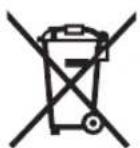
According to the European Directive 2012/19/EU on waste electrical and electronic equipment and its implementation in national law, electrical appliances that are no longer usable must be collected separately and recycled in an environmentally friendly manner.
Subject to change without notice.
Serbian
Safety Instructions
General Power Tool Safety Warnings
WARNING
Read all safety warnings and instructions.
Executive Vice President Engineering
Helmut Heinzelmann Head of Product Certification PT/ETM9

Robert Bosch Power Tools GmbH 70538 Stuttgart, GERMANY Stuttgart, 01.01.2017
Assembly
Pull the mains plug out of the socket before carrying out any work on the power tool.
Dust/chip extraction
Dust from materials such as lead-containing coating, some wood types, minerals and metal can be harmful to health. Touching or inhaling the dust can cause allergic reactions and/or respiratory diseases of the user or people in the vicinity.
Some dust, such as oak and beech dust, is considered carcinogenic, especially in connection with wood treatment additives (chromates, wood preservatives). Material containing asbestos may only be worked on by specialists.
- Use as much as possible a dust extraction system suitable for the material. - Ensure good ventilation of the workplace. - It is recommended to wear a breathing mask with filter class P2.
Executive Vice President Engineering
Helmut Heinzelmann
Head of Product Certification PT/ETM9

Robert Bosch Power Tools GmbH
70538 Stuttgart, GERMANY
Stuttgart, 01.01.2017
Assembly
Executive Vice President
Head of Product Certification
Engineering
PT/ETM9

Robert Bosch Power Tools GmbH
70538 Stuttgart, GERMANY
Stuttgart, 01.01.2017
Assembly
Before performing any work on the power tool, pull the mains plug out of the socket.
Extraction of chips/dust
Dust from materials such as lead-containing coatings, some types of wood, mineral materials, and metals can be harmful to health. Touching or inhaling dust can cause allergic reactions and/or respiratory diseases in users of the power tool or people nearby.
Certain types of dust, such as oak or beech dust, are considered carcinogenic, especially in combination with additional wood treatment substances (chromate, wood preservatives). Material containing asbestos may only be processed by qualified personnel.
- Use dust extraction suitable for the material whenever possible. - Ensure good ventilation of the workplace. - It is recommended to use a protective mask with a P2 class filter.
Observe the applicable regulations for the materials being processed.
Avoid accumulation of dust at the workplace.
Safety instructions
WARNING
Read all safety warnings and instructions. Failure to follow the safety warnings and in
structions may result in electric shock, fire and/or serious injury.

Robert Bosch Power Tools GmbH
70538 Stuttgart, GERMANY
Stuttgart, 01.01.2017
Assembly
Before any work on the power tool, pull the plug out of the socket.
Dust/chip extraction
Henk Becker Executive Vice President Engineering
Helmut Heinzelmann Head of Product Certification PT/ETM9

Robert Bosch Power Tools GmbH 70538 Stuttgart, GERMANY Stuttgart, 01.01.2017
Assembly
Before any work on the power tool, pull the plug out of the socket.
Dust/chip extraction
Dust from materials such as lead-containing paint, some wood types, minerals and metals can be harmful to health. Touching or inhaling such dust can cause allergic reactions or respiratory diseases in the user of the power tool or in persons near the workplace. Dust from certain materials, for example, dust from sawing oak or beech wood, can cause cancer, especially if the wood has been previously treated with chemicals (chromate or wood preservatives). Materials containing asbestos may only be processed by persons with special professional skills.
- Use the dust extraction method most suitable for the material being processed. The workplace must be well ventilated. It is recommended to use a mask for respiratory protection with filter class P2 during work.
Observe the regulations in your country that apply to the material being processed.
Prevent dust accumulation in the workplace. Dust can easily ignite.
Dust extraction by collecting it in the container (figures G1-G4)
Place the dust container 4 onto the dust extraction outlet 12 and press it down until it locks into place.
To empty the dust container 4, pull it downwards until it detaches from the outlet.
Before opening the dust container 4, it is recommended to tap it a few times against a hard surface, as shown in the figure, to loosen any dust that has adhered to the filter element.
Holding the dust container 4 by the locking openings, lift the filter element 13 upwards, remove it, and empty the container. Clean the filter element 13 with a soft brush to remove dust.
Dust extraction with the help of an external vacuum cleaner (figure H)
Slide the extraction hose 14 onto the dust extraction outlet 12. Connect the extraction hose 14 to a vacuum cleaner. Instructions for connecting the tool to different types of vacuum cleaners are provided at the end of the manual.
The vacuum cleaner must be suitable for extracting the dust from the material being worked on.
For dust that is particularly harmful to health, carcinogenic, or dry, use special vacuum cleaners.
Replacing the sanding sheet

70538 Stuttgart, GERMANY
Stuttgart, 01.01.2017

138 | Lithuanian
Installation
Before performing any adjustment or maintenance work on the power tool, unplug the plug from the power socket.
Dust, shavings and chips extraction
100 100
(AgJglj) gJU UaJI JaiJI gJg
ooJSAuIgjGaaW6aull aaggja
aJgewgacjwgujU Uuilll ojaalglg
6 1a a a a a a a a a a a a a
JU 7 aai 1g
6 6ulll aouo jb sa ljc 7 ojaiill gj s
gagaiill aao 1c oiaai adjg sso
olui aooa uilus yu luee bennll Jn ool
aclwll jlac as
jucawog lulg j 1o elw7 ojaai all aJg Eji
6ulilldo
(B-Dgallj) gjx u9a jglg
.1bgao dai! Lc kolag 8 Jlaoj jj uas
aJc 7 aai 8g
1.2011/65/EU
1.2004/108/EC:2016 19
2006/42/EC, 2014/30/EU:2016 20 20
Executive Vice President Head of Product Certification
Engineering PT/ETM9

Robert Bosch Power Tools GmbH
70538 Stuttgart, GERMANY
Stuttgart, 01.01.2017
#
1a aJg
.aaJgSll 6ssll Joc JcI
jUJ/1JUJI b
Uolollc
0jg jgjjg jllglg g
glll lolj g aolSglglllc
aaiiui
aaiia
:EN60745-2-4 KglaIg (
1.2U/ro 1,5=K.2U/r4,5=a
UaJIJI UJIJI 15g uu uauu uauu uauu uauu uauu uauu uauu uauu uauu uauu uauu uauu uauu uauu uauu uauu uauu uauu uauu uauu uauu uauu uauu uauu uauu uauu uauu uauu uauu uauu uauu uauu uauu uauuu
__SUPPIMER__
Henk Becker Executive Vice President Engineering
Helmut Heinzelmann Head of Product Certification PT/ETM9
Robert Bosch Power Tools GmbH 70538 Stuttgart, GERMANY Stuttgart, 01.01.2017
(Microfilter System) juc g jS Jols aldo 4
oLaiw dIg sIy oJxj 5
6
osuw 7
←wls wlu
1j1j1j1w g
Jg g jal jagw dilo moj ag 9 gabw ly jy wloi oos yds sglgs y laow wolj nniom g noj ay llail gls c b .ybl go jol g jbj pbsn oj 1 g jg g jl jll oWs
Jwaiu

1j1 j0g
daLgS gJU JgI jgI jI 山JgJgS S. 1000000000000000000000000000000000000000000000000000000000000000000000000000

1uJU JL jU.