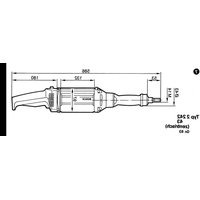
HGS 85/80 Professional - Grinder BOSCH - Free user manual and instructions
Find the device manual for free HGS 85/80 Professional BOSCH in PDF.

 FR
FR
 BG
BG
 CS
CS
 DA
DA
 DE
DE
 EL
EL
 EN
EN
 ES
ES
 ET
ET
 FI
FI
 HU
HU
 ID
ID
 IT
IT
 JA
JA
 KK
KK
 KO
KO
 LT
LT
 LV
LV
 MK
MK
 NL
NL
 NO
NO
 PL
PL
 PT
PT
 RO
RO
 RU
RU
 SK
SK
 SL
SL
 SV
SV
 TH
TH
 TR
TR
 UK
UK
 VI
VI
 ZH
ZH
| Product type | High-frequency straight grinder |
| Brand | Bosch |
| Model | HGS 85/80 Professional |
| Rated voltage | 135 V |
| Frequency | 200 Hz |
| Rated input power | 2100 W |
| Rated output power | 1630 W |
| Rated current | 10,0 A |
| No-load speed | 5700 tr/min |
| Max. grinding wheel diameter | 150 mm |
| Max. grinding wheel thickness | 20 mm |
| Tool holder | M14, clamping flange for 20 mm bore |
| Weight | 8,4 kg |
| Protection class | II (double insulation) |
| Protection rating | IP 20 |
| Sound pressure level | 91 dB(A) |
| Sound power level | 99 dB(A) |
| Vibration (grinding) | < 2,5 m/s² (uncertainty K=1,5 m/s²) |
| Power supply | Three-phase high frequency via frequency converter, special cable 4 m, CEE 4-pole plug |
| Main functions | Metal grinding and deburring with corundum wheels |
| Maintenance and cleaning | Regular cleaning of ventilation slots, cable replacement by Bosch, gear lubrication every 300 h |
| Supplied accessories | Protective guard, clamping flange, clamping nut, pin spanner, open-end wrench |
| Intended use | Metal grinding and deburring; do not use for sanding, brushing, or cutting |
Frequently Asked Questions - HGS 85/80 Professional BOSCH
User questions about HGS 85/80 Professional BOSCH
0 question about this device. Answer the ones you know or ask your own.
Ask a new question about this device
Download the instructions for your Grinder in PDF format for free! Find your manual HGS 85/80 Professional - BOSCH and take your electronic device back in hand. On this page are published all the documents necessary for the use of your device. HGS 85/80 Professional by BOSCH.
USER MANUAL HGS 85/80 Professional BOSCH
natural_image
Illustration of a Bosch electric shaver with a spoke and head (no text or symbols on the device itself)English ...... Page 14
Français......Page 22
www.bosch-pt.com/serviceaddresses
Entsorgung
General Power Tool Safety Warnings
WARNING
Read all safety warnings, instructions, illustrations and specifica-
tions provided with this power tool. Failure to follow all instructions listed below may result in electric shock, fire and/or serious injury.
Save all warnings and instructions for future reference.
The term "power tool" in the warnings refers to your mains-operated (corded) power tool or battery-operated (cordless) power tool.
Work area safety
▶ Keep work area clean and well lit. Cluttered or dark areas invite accidents.
▶ Do not operate power tools in explosive atmospheres, such as in the presence of flammable liquids, gases or dust. Power tools create sparks which may ignite the dust or fumes.
▶ Keep children and bystanders away while operating a power tool. Distractions can cause you to lose control.
Electrical safety
▶ Power tool plugs must match the outlet. Never modify the plug in any way. Do not use any adapter plugs with earthed (grounded) power tools. Unmodified plugs and matching outlets will reduce risk of electric shock.
▶ Avoid body contact with earthed or grounded surfaces, such as pipes, radiators, ranges and refrigerators. There is an increased risk of electric shock if your body is earthed or grounded.
▶ Do not expose power tools to rain or wet conditions. Water entering a power tool will increase the risk of electric shock.
▶ Do not abuse the cord. Never use the cord for carrying, pulling or unplugging the power tool. Keep cord away from heat, oil, sharp edges or moving parts.
Damaged or entangled cords increase the risk of electric shock.
When operating a power tool outdoors, use an extension cord suitable for outdoor use. Use of a cord suitable for outdoor use reduces the risk of electric shock.
▶ If operating a power tool in a damp location is unavoidable, use a residual current device (RCD) protected supply. Use of an RCD reduces the risk of electric shock.
Personal safety
▶ Stay alert, watch what you are doing and use common sense when operating a power tool. Do not use a power tool while you are tired or under the influence of drugs, alcohol or medication. A moment of inattention while operating power tools may result in serious personal injury.
▶ Use personal protective equipment. Always wear eye protection. Protective equipment such as a dust mask, non-skid safety shoes, hard hat or hearing protection used for appropriate conditions will reduce personal injuries.
▶ Prevent unintentional starting. Ensure the switch is in the off-position before connecting to power source and/or battery pack, picking up or carrying the tool. Carrying power tools with your finger on the switch or energising power tools that have the switch on invites accidents.
Remove any adjusting key or wrench before turning the power tool on. A wrench or a key left attached to a rotating part of the power tool may result in personal injury.
▶ Do not overreach. Keep proper footing and balance at all times. This enables better control of the power tool in unexpected situations.
▶ Dress properly. Do not wear loose clothing or jewellery. Keep your hair and clothing away from moving parts. Loose clothes, jewellery or long hair can be caught in moving parts.
If devices are provided for the connection of dust extraction and collection facilities, ensure these are connected and properly used. Use of dust collection can reduce dust-related hazards.
▶ Do not let familiarity gained from frequent use of tools allow you to become complacent and ignore tool safety principles. A careless action can cause severe injury within a fraction of a second.
Power tool use and care
▶ Do not force the power tool. Use the correct power tool for your application. The correct power tool will do the job better and safer at the rate for which it was designed.
▶ Do not use the power tool if the switch does not turn it on and off. Any power tool that cannot be controlled with the switch is dangerous and must be repaired.
▶ Disconnect the plug from the power source and/or remove the battery pack, if detachable, from the power tool before making any adjustments, changing accessories, or storing power tools. Such preventive safety measures reduce the risk of starting the power tool accidentally.
▶ Store idle power tools out of the reach of children and do not allow persons unfamiliar with the power tool or these instructions to operate the power tool. Power tools are dangerous in the hands of untrained users.
- Maintain power tools and accessories. Check for misalignment or binding of moving parts, breakage of parts and any other condition that may affect the power tool's operation. If damaged, have the power tool repaired before use. Many accidents are caused by poorly maintained power tools.
▶ Keep cutting tools sharp and clean. Properly maintained cutting tools with sharp cutting edges are less likely to bind and are easier to control.
▶ Use the power tool, accessories and tool bits etc. in accordance with these instructions, taking into account the working conditions and the work to be performed. Use of the power tool for operations different from those intended could result in a hazardous situation.
▶ Keep handles and grasping surfaces dry, clean and free from oil and grease. Slippery handles and grasping surfaces do not allow for safe handling and control of the tool in unexpected situations.
Service
▶ Have your power tool serviced by a qualified repair person using only identical replacement parts. This will ensure that the safety of the power tool is maintained.
Safety information for straight grinders
Safety warnings common for grinding:
This power tool is intended to function as a grinder. Read all safety warnings, instructions, illustrations and specifications provided with this power tool. Failure to follow all instructions listed below may result in electric shock, fire and/or serious injury.
▶ Operations such as sanding, wire brushing, polishing, hole cutting or cutting-off are not to be performed with this power tool. Operations for which the power tool was not designed may create a hazard and cause personal injury.
▶ Do not convert this power tool to operate in a way which is not specifically designed and specified by the
tool manufacturer. Such a conversion may result in a loss of control and cause serious personal injury.
▶ Do not use accessories which are not specifically designed and specified by the tool manufacturer. Just because the accessory can be attached to your power tool, it does not assure safe operation.
The rated speed of the accessory must be at least equal to the maximum speed marked on the power tool. Accessories running faster than their rated speed can break and fly apart.
The outside diameter and the thickness of your accessory must be within the capacity rating of your power tool. Incorrectly sized accessories cannot be adequately guarded or controlled.
The dimensions of the accessory mounting must fit the dimensions of the mounting hardware of the power tool. Accessories that do not match the mounting hardware of the power tool will run out of balance, vibrate excessively and may cause loss of control.
▶ Do not use a damaged accessory. Before each use inspect the accessory such as abrasive wheels for chips and cracks, backing pad for cracks, tear or excess wear, wire brush for loose or cracked wires. If power tool or accessory is dropped, inspect for damage or install an undamaged accessory. After inspecting and installing an accessory, position yourself and bystanders away from the plane of the rotating accessory and run the power tool at maximum no-load speed for one minute. Damaged accessories will normally break apart during this test time.
▶ Wear personal protective equipment. Depending on application, use face shield, safety goggles or safety glasses. As appropriate, wear dust mask, hearing protectors, gloves and workshop apron capable of stopping small abrasive or workpiece fragments. The eye protection must be capable of stopping flying debris generated by various applications. The dust mask or respirator must be capable of filtrating particles generated by the particular application. Prolonged exposure to high intensity noise may cause hearing loss.
▶ Keep bystanders a safe distance away from work area. Anyone entering the work area must wear personal protective equipment. Fragments of workpiece or of a broken accessory may fly away and cause injury beyond immediate area of operation.
▶ Hold the power tool by insulated gripping surfaces only, when performing an operation where the cutting accessory may contact hidden wiring or its own cord. Cutting accessory contacting a "live" wire may make exposed metal parts of the power tool "live" and could give the operator an electric shock.
▶ Position the cord clear of the spinning accessory. If you lose control, the cord may be cut or snagged and your hand or arm may be pulled into the spinning accessory.
▶ Never lay the power tool down until the accessory has come to a complete stop. The spinning accessory may
16 | English
grab the surface and pull the power tool out of your control.
▶ Do not run the power tool while carrying it at your side. Accidental contact with the spinning accessory could snag your clothing, pulling the accessory into your body.
▶ Regularly clean the power tool's air vents. The motor's fan will draw the dust inside the housing and excessive accumulation of powdered metal may cause electrical hazards.
▶ Do not operate the power tool near flammable materials. Sparks could ignite these materials.
▶ Do not use accessories that require liquid coolants. Using water or other liquid coolants may result in electrocution or shock.
Kickback and related warnings:
Kickback is a sudden reaction to a pinched or snagged rotating wheel, backing pad, brush or any other accessory. Pinching or snagging causes rapid stalling of the rotating accessory which in turn causes the uncontrolled power tool to be forced in the direction opposite of the accessory's rotation at the point of the binding.
For example, if an abrasive wheel is snagged or pinched by the workpiece, the edge of the wheel that is entering into the pinch point can dig into the surface of the material causing the wheel to climb out or kick out. The wheel may either jump toward or away from the operator, depending on direction of the wheel's movement at the point of pinching. Abrasive wheels may also break under these conditions.
Kickback is the result of power tool misuse and/or incorrect operating procedures or conditions and can be avoided by taking proper precautions as given below.
▶ Maintain a firm grip with both hands on the power tool and position your body and arms to allow you to resist kickback forces. Always use auxiliary handle, if provided, for maximum control over kickback or torque reaction during start-up. The operator can control torque reactions or kickback forces, if proper precautions are taken.
▶ Never place your hand near the rotating accessory.
Accessory may kickback over your hand.
Do not position your body in the area where power tool will move if kickback occurs. Kickback will propel the tool in direction opposite to the wheel's movement at the point of snagging.
▶ Use special care when working corners, sharp edges, etc. Avoid bouncing and snagging the accessory.
Corners, sharp edges or bouncing have a tendency to snag the rotating accessory and cause loss of control or kickback.
▶ Do not attach a saw chain woodcarving blade, segmented diamond wheel with a peripheral gap greater than 10 mm or toothed saw blade. Such blades create frequent kickback and loss of control.
Safety warnings specific for grinding operations:
▶ Use only wheel types that are specified for your power tool and the specific guard designed for the selected wheel. Wheels for which the power tool was not designed cannot be adequately guarded and are unsafe.
The grinding surface of centre depressed wheels must be mounted below the plane of the guard lip. An improperly mounted wheel that projects through the plane of the guard lip cannot be adequately protected.
The guard must be securely attached to the power tool and positioned for maximum safety, so the least amount of wheel is exposed towards the operator.
The guard helps to protect the operator from broken wheel fragments, accidental contact with wheel and sparks that could ignite clothing.
▶ Wheels must be used only for specified applications. For example: do not grind with the side of cut-off wheel. Abrasive cut-off wheels are intended for peripheral grinding, side forces applied to these wheels may cause them to shatter.
▶ Always use undamaged wheel flanges that are of correct size and shape for your selected wheel. Proper wheel flanges support the wheel thus reducing the possibility of wheel breakage. Flanges for cut-off wheels may be different from grinding wheel flanges.
▶ Do not use worn down wheels from larger power tools.
A wheel intended for larger power tool is not suitable for the higher speed of a smaller tool and may burst.
When using dual purpose wheels always use the correct guard for the application being performed. Failure to use the correct guard may not provide the desired level of guarding, which could lead to serious injury.
Additional safety information

Wear safety goggles.

Hold the power tool firmly with both hands and make sure you have a stable footing. The power tool can be more securely guided with both hands.
▶ Use suitable detectors to determine if utility lines are hidden in the work area or call the local utility company for assistance. Contact with electric lines can lead to fire and electric shock. Damaging a gas line can lead to explosion. Penetrating a water line causes property damage or may cause an electric shock.
▶ Release the On/Off switch and set it to the off position when the power supply is interrupted, e. g., in case of a power failure or when the mains plug is pulled. This prevents uncontrolled restarting.
▶ Do not touch grinding discs until they have cooled down. The discs can become very hot while working.
- Secure the workpiece. A workpiece clamped with clamping devices or in a vice is held more secure than by hand.
Connect the power tool to a mains supply that is properly connected to earth. The socket and extension cable must have a fully functioning protective conductor.
▶ Products sold in GB only:
Your product is fitted with an BS 1363/A approved electric plug with internal fuse (ASTA approved to BS 1362). If the plug is not suitable for your socket outlets, it should be cut off and an appropriate plug fitted in its place by an authorised customer service agent. The replacement plug should have the same fuse rating as the original plug. The severed plug must be disposed of to avoid a possible shock hazard and should never be inserted into a mains socket elsewhere.
Safety Instructions for the Energy Supply of High-Frequency Tools
The Safety Instructions and Working Advice for the frequency converter must be strictly observed. For more detailed information on this, please contact the manufacturer of the frequency converter.
The frequency converter must be safeguarded with a residual current device if you want to operate it in an environment that requires special personal protection. Special personal protection is required, for example, when working in damp rooms or with substances that can generate conductive dust. Failure to use residual current devices can lead to an electric shock, a fire hazard or serious injuries.
The residual current device must only be installed in the power grid by trained professionals. Otherwise, proper function cannot be ensured.
The output voltage and frequency of the frequency converter must match the voltage specified on the rating plate of the high-frequency power tool.
The power tool must only be operated with an appropriate plug. The CEE plug must be designed for the rated current required by the power tool (see Technical Data).
▶ Plug installation and connection to the energy supply must be carried out by trained professionals who are trained in handling high-frequency tool systems.
▶ Only the originally supplied cables should be used. Always check the power tool, cables and plugs for damage before use. Cables and plugs must be replaced rather than repaired in order to prevent hazards.
Product Description and Specifications

Read all the safety and general instructions. Failure to observe the safety and general instructions may result in electric shock, fire and/or serious injury.
Please observe the illustrations at the beginning of this operating manual.
Intended Use
The power tool is intended for grinding and deburring metal with corundum grinding tools.
Only the supplied protective guards and clamping nuts or those approved for this power tool may be used.
Product Features
The numbering of the product features refers to the diagram of the power tool on the graphics page.
(1) Grinding accessory
(2) Protective guard for grinding
(3) On/off switch
(4) Grinding spindle
(5) Mounting flange
(6) Clamping nut
(7) Two-pin spanner for clamping nut
(8) Locking screw for protective guard
(9) Open-ended spanner on the mounting flange
(10) Strain relief (CEE plug)
(11) Plug insert (CEE plug)
(12) Screws (CEE plug)
(13) Screws in the plug insert (11) (CEE plug)
(14) CEE plug
(15) Plastic cover (CEE plug)
Notes on energy supply
The power tool is part of a high-frequency system and requires three-phase current with a frequency according to the rating plate.
To reach this frequency, the power tool must be connected with a frequency converter (see "Connecting to the power supply", page 19).
Technical Data
| High-frequency straight grinder | ||||
| Article number | 0 602 240 104 0 602 240 107 0 602 240 134 0 602 242 234 | |||
| Rated voltage V 135 72 200 200 | ||||
| Frequency Hz 200 200 300 300 | ||||
| Rated power input W 2100 1990 3060 1890 | ||||
| Rated power output W 1630 1420 2250 1420 | ||||
| Rated current A 10.0 18.0 10.0 6.4 | ||||
Bosch Power Tools 1 609 92A 8SX | (31.10.2024)
18 | English
| High-frequency straight grinder | ||||
| No-load speed min | -1 | 5700 5700 5900 6850 | ||
| Max. grinding tool diameter (at 45 m/s) mm 150 150 150 125 | ||||
| Max. grinding tool thickness mm 20 20 20 20 | ||||
| Tool holder | ||||
| - Clamping flange for 20 mm drilling dia-meter | M14 M14 M14 M14 | |||
| Weight ^A) | kg 8.4 8.4 8.4 4.9 | |||
| Protection class /I /I /I /I | ± | ± | ± | ± |
| Protection rating IP 20 IP 20 IP 20 IP 20 | ||||
A) Weight without mains connection cable and without mains plug Values can vary depending on the product, scope of application and environmental conditions. To find out more, visit www.bosch-professional.com/wac.
Noise/Vibration Information
| High-frequency straight grinder | ||
| 0 602 240 104 | 0 602 242 234 | |
| 0 602 240 107 | ||
| 0 602 240 134 | ||
Noise emission values determined according to EN IEC 62841-2-3.
Typically, the A-weighted noise level of the power tool is
| Sound pressure level | dB(A) | 91 | 86 |
| Sound power level | dB(A) | 99 | 94 |
| Uncertainty K | dB | 3 | 3 |
| Wear hearing protection! |
Vibration total values a_h (triax vector sum) and uncertainty K determined according to EN IEC 62841-2-3:
Grinding surfaces (roughing):
| a_h | m/s2 | < 2.5 | < 2.5 |
| K | m/s2 | 1.5 | 1.5 |
Grinding thin metal sheets or other materials that tend to easily vibrate with a large surface area can cause the noise emission value to increase by up to 15 dB. Suitable, heavy damping mats can reduce the increased noise emissions. Increased noise emissions must be taken into consideration, both for the risk assessment of the noise output and for selecting suitable hearing protection.
The vibration level and noise emission value given in these instructions have been measured in accordance with a standardised measuring procedure and may be used to compare power tools. They may also be used for a preliminary estimation of vibration and noise emissions.
The stated vibration level and noise emission value represent the main applications of the power tool. However, if the power tool is used for other applications, with different accessories or is poorly maintained, the vibration level and noise emission value may differ. This may significantly increase the vibration and noise emissions over the total working period.
To estimate vibration and noise emissions accurately, the times when the tool is switched off or when it is running but not actually being used should also be taken into account. This may significantly reduce vibration and noise emissions over the total working period.
Implement additional safety measures to protect the operator from the effects of vibration, such as servicing the
power tool and accessories, keeping their hands warm, and organising workflows correctly.
Fitting
▶ Pull the plug out of the socket before carrying out any work on the power tool.
▶ Disconnect the power supply before adjusting the tool settings, changing accessories or storing the power tool. This safety measure prevents the power tool from being started accidentally.
Fitting Protective Equipment
▶ Pull the plug out of the socket before carrying out any work on the power tool.
▶ Adjust the protective guard (2) such that sparking in the direction of the operator is prevented.
Protective guard for grinding (see figure A)
Note: If the grinding disc breaks during operation or the holding fixtures on the protective guard/power tool become damaged, the power tool must be sent to the after-sales service immediately; see the "After-Sales Service and Application Service" section for addresses.
Place the protective guard (2) on the spindle collar. Adjust the position of the protective guard (2) to meet the requirements of the operation. Lock the protective guard (2) with the locking screw (8) and tighten the locking screw with at least 12 Nm.
Changing the Tool (see figure A)
Inserting the Grinding Disc
▶ When inserting an application tool, ensure that the shank of the application tool is firmly seated in the tool holder. When the shank of the application tool is not inserted deep enough in the tool holder, the application tool can become loose again and cannot be controlled.
▶ Do not use application tools that are worn or in otherwise less than perfect condition. Defective application tools can break, for example, causing material damage and personal injury.
Make sure that the right protective guard is fitted (see "Fitting Protective Equipment", page 18).
Pay attention to the dimensions of the abrasive tools. The diameter of the hole must match that of the mounting flange. Do not use an adapter or reducer.
- Clean the grinding spindle (4) and all the parts to be fitted.
- Place the mounting flange (5) on the grinding spindle (4).
- Place the required grinding tool (1) (grinding disc) on the grinding spindle (4) according to the correct rotational direction.
- Place the clamping nut (6) onto the spindle thread so that the middle recess of the clamping nut points up.
- Tighten the clamping nut with the two-hole spanner (7) whilst holding on the spanner flat of the grinding spindle (4) with the open-ended spanner (9).
▶ After fitting the abrasive tool, check that the abrasive tool is fitted correctly and can turn freely before switching on the power tool. Make sure that the abrasive tool does not brush against the protective guard or other parts.
Removing the Grinding Disc
▶ Do not touch grinding discs until they have cooled down. The discs can become very hot while working.
- Use an open-ended spanner (9) on the spanner flat of the grinding spindle (4) to hold it in place.
- Unscrew the clamping nut (6) from the grinding spindle with the two-hole spanner (7) whilst holding on the spanner flat with the open-ended spanner (9).
- Then pull the abrasive tool and the mounting flange off the grinding spindle.
Dust/Chip Extraction
Dust from materials such as lead-containing coatings, some wood types, minerals and metal can be harmful to one's health. Touching or breathing-in the dust can cause allergic reactions and/or lead to respiratory infections of the user or bystanders.
Certain dust, such as oak or beech dust, is considered carcinogenic, especially in connection with wood-treatment additives (chromate, wood preservative). Materials containing asbestos may only be worked by specialists.
- Provide for good ventilation of the working place.
- It is recommended to wear a P2 filter-class respirator.
Observe the relevant regulations in your country for the materials to be worked. - Avoid dust accumulation at the workplace. Dust can easily ignite.
Connecting to the power supply
To operate the power tools, you need a frequency converter that generates three-phase current with a frequency according to the rating plate.
There are frequency converters in various sizes, with different frequencies, secondary voltages and rated outputs. The selection of the frequency converter depends on the power tools to be connected. Get advice on the selection of the frequency converter from your Bosch specialist retailer.
You get the power tool with a special cable of four metres in length without a plug. To start it up, the special cable must be provided with a four-pole CEE plug (identification colour green).
In addition, the power tool can be equipped with a commercially available motor protection switch to protect against overload. The settings range of this motor protection switch must cover the rated current of the power tool Technical Data. The motor protection switch must respond in less than a second.
▶ Observe the safety instructions and installation instructions in the operating instructions of the motor protection switch here.
Fitting a CEE Plug (see figures B-C)
- Loosen both screws (12), and pull the plug insert (11) out of the housing of the CEE plug (14).
- Trim the plastic grommet (15) according to the diameter of the special cable on the power tool, and push the CEE plug housing over the special cable.
– Guide the four wires through the strain relief (10). - Release the four small screws (13) in the plug insert (11) and insert
the wire ferrule of brown wire L1 into contact socket L1, the wire ferrule of blue wire L2 into contact socket L2, the wire ferrule of black wire L3 into contact socket L3 and the wire ferrule of the green/yellow wire into the protective contact socket
- Retighten the four small screws (13) in the plug insert (11) in order to fix the four wires.
20 | English
- Then tighten the strain relief (10) around the entire cable with the cable sheath, so that there is no strain on the wire ferrules.
- Reinsert the plug insert (11) into the housing of the CEE plug (14) and retighten both screws (12).
- Then check that the protective earth conductor is working correctly.
- Insert the CEE plug (14) of the power tool into the connection socket of the frequency converter.
You can now connect the frequency converter to the energy supply.
How to connect the frequency converter to the energy supply can be found in the operating instructions of the frequency converter.
▶ Then check the rotational direction.
Checking the rotational direction
The rotational direction of the grinding spindle must match the arrow depicted on the power tool.
If the grinding spindle rotates in the wrong direction when starting operation (see "Switching On and Off (see page 3)", page 20) for the first time, you must immediately switch the power tool off again and disconnect it from the energy supply.
- Loosen both screws (12) again, and pull the plug insert (11) back out of the housing of the CEE plug (14).
- Release the wire ferrules of the brown and the black wires from their contact sockets.
- Then insert the wire ferrule of black wire L3 into contact socket L1, and the wire ferrule of brown wire L1 into contact socket L3.
- Retighten the small screws (13) in the plug insert (11) in order to fix the wires.
- Reinsert the plug insert (11) into the housing of the CEE plug (14) and retighten both screws (12).
- Then check that the protective earth conductor is working correctly.
- Reconnect the power tool to the energy supply.
Operation
Starting Operation
The voltage and frequency of the power source must match the voltage specified on the rating plate of the power tool.
▶ Always check abrasive tools before using them. The abrasive tool must be fitted properly and be able to move freely. Carry out a test run for at least one minute with no load. Do not use abrasive tools that are damaged, run untrue or vibrate during use. Damaged abrasive tools can burst apart and cause injuries.
▶ Put the On/Off switch (3) in the "Off" position if the power tool unexpectedly stops operating even though the On/Off switch is in the "On" position. This prevents uncontrolled restarting. Check the energy supply (see
"Connecting to the power supply", page 19) before you restart the power tool.
▶ Always connect the power tool with the frequency converter before connecting the frequency converter to the mains.
Switching the frequency converter on and off
The frequency converter must be switched on before the power tool can be switched on.
To do this, consult the operating instructions for the frequency converter.
Switching On and Off (see page 3)
Switching On With Locking Mechanism
To start the power tool, first press the on/off switch (3) ①, then slide it forwards ②. Then press and hold it ③.
To lock the pressed on/off switch (3), slide the on/off switch (3) further forwards ④.
To switch off the power tool, release the on/off switch (3); or, if the switch is locked, briefly press the on/off switch (3) and then release it.
Switching On Without Locking Mechanism
To start the power tool, first press the on/off switch (3) ①, then slide it forwards ②. Then press and hold it ③.
To switch off the power tool, release the on/off switch (3).
Working advice
▶ Disconnect the power supply before adjusting the tool settings, changing accessories or storing the power tool. This safety measure prevents the power tool from being started accidentally.
▶ Clamp the workpiece if it is not secure under its own weight.
▶ Do not load the power tool so heavily that it comes to a stop.
▶ If the power tool has been subjected to a heavy load, continue to run it at no-load for several minutes to cool down the accessory.
▶ Grinding tools can become very hot while working. Do not touch them until they have cooled down.
Working with the Straight Grinder
The choice of application tools, such as fan grinders, depends on the application and area of use.
Your Bosch specialist dealer will help you to select the appropriate grinding tool.
Move the grinding tool evenly back and forth with light pressure to achieve an optimum work result.
Pressure that is too strong reduces the performance capability of the power tool and causes the grinding tool to wear more quickly.
Grinding with Grinding Discs
The grinding disc should lie as flat as possible during grinding to achieve the best work result. Move the power tool back and forth with moderate pressure. This will ensure that the workpiece does not become too hot or discolour and that grooves are not formed.
Maintenance and Service
Maintenance and Cleaning
▶ Pull the plug out of the socket before carrying out any work on the power tool.
▶ To ensure safe and efficient operation, always keep the power tool and the ventilation slots clean.
▶ Disconnect the power supply before adjusting the tool settings, changing accessories or storing the power tool. This safety measure prevents the power tool from being started accidentally.
In extreme conditions, always use a dust extractor if possible. Blow out ventilation slots frequently and install a residual current device (RCD) upstream. When machining metals, conductive dust can settle inside the power tool, which can affect its protective insulation.
▶ Regularly measure the no-load speed of the grinding spindle. If the measured value is more than 10 % above or below the specified no-load speed (see Technical Data), you should have the power tool checked by a Bosch after-sales service centre. At too high a no-load speed, the application tool may break; at too low a speed, performance is reduced.
▶ Only the originally supplied cables should be used. Always check the power tool, cables and plugs for damage before use. Cables and plugs must be replaced rather than repaired in order to prevent hazards.
▶ Have maintenance and repair work performed exclusively by a qualified specialist. This will ensure that the safety of the power tool is maintained.
Clean the connection sockets, couplings and plugs of the power tool disconnected from the mains with a dry, lint-free cloth to remove dust and dirt particles.
Clean the gearbox with a mild cleaning agent after the first 150 operating hours. Follow the cleaning agent manufacturer's instructions on use and disposal. Then lubricate the gearbox with Bosch special gearbox grease. Repeat the cleaning process once every 300 operating hours after cleaning has been carried out for the first time.
An authorised Bosch after-sales service centre will handle this work quickly and reliably.
In order to avoid safety hazards, if the power supply cord needs to be replaced, this must be done by Bosch or by an after-sales service centre that is authorised to repair Bosch power tools.
Store and handle the accessories carefully.
Accessories
Information about the complete quality accessory range can be found online at www.bosch-pt.com and www.boschproductiontools.com or obtained from your dealer.
After-Sales Service and Application Service
Our after-sales service responds to your questions concerning maintenance and repair of your product as well as spare
parts. You can find explosion drawings and information on spare parts at: www.bosch-pt.com
The Bosch product use advice team will be happy to help you with any questions about our products and their accessories.
In all correspondence and spare parts orders, please always include the 10-digit article number given on the nameplate of the product.
Malaysia
Robert Bosch Sdn. Bhd.(220975-V) PT/SMY
No. 8A, Jalan 13/6
46200 Petaling Jaya
Selangor
Tel.: (03) 79663194
Toll-Free: 1800 880188
Fax: (03) 79583838
E-Mail: kiathoe.chong@my.bosch.com
www.bosch-pt.com.my
Great Britain
Robert Bosch Ltd. (B.S.C.)
P.O. Box 98
Broadwater Park
North Orbital Road
Denham Uxbridge
UB 9 5HJ
At www.bosch-pt.co.uk you can order spare parts or arrange the collection of a product in need of servicing or repair.
Tel. Service: (0344) 7360109
E-Mail: boschservicecentre@bosch.com
You can find further service addresses at:
www.bosch-pt.com/serviceaddresses
Disposal
The power tool, accessories and packaging should be recycled in an environmentally friendly manner.
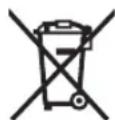
Do not dispose of power tools along with household waste.
Only for EU countries:
Power tools that are no longer suitable for use must be disposed of separately. Use the designated collection systems. If disposed incorrectly, waste electrical and electronic equipment may have harmful effects on the environment and human health, due to the potential presence of hazardous substances.
Only for United Kingdom:
According to The Waste Electrical and Electronic Equipment Regulations 2013 (SI 2013/3113) (as amended), products that are no longer usable must be collected separately and disposed of in an environmentally friendly manner.
Français
Robert Bosch Morocco SARL
53, Rue Lieutenant Mahroud Mohamed 20300 Casablanca
Tel.: +212 5 29 31 43 27
E-Mail : sav.outillage@ma.bosch.com
France
Robert Bosch (France) S.A.S.
www.bosch-pt.com/serviceaddresses
Calle Robert Bosch No. 405
www.bosch-pt.com/serviceaddresses
Eliminación
www.bosch-pt.com/serviceaddresses
Eliminação
www.bosch-pt.com/serviceaddresses
Smaltimento
www.bosch-pt.com/serviceaddresses
Afvalverwijdering
Bosch Service Center
Telegrafvej 3
2750 Ballerup
På www.bosch-pt.dk kan der online bestilles reservedele eller oprettes en reparations ordre.
Tlf. Service Center: 44898855
Fax: 44898755
E-Mail: vaerktoej@dk.bosch.com
Yderligere serviceadresser findes under:
www.bosch-pt.com/serviceaddresses
Bortskaffelse
Bosch Service Center
Telegrafvej 3
2750 Ballerup
Danmark
Tel.: (08) 7501820 (inom Sverige)
Fax: (011) 187691
Vidare serviceadresser finner du under:
www.bosch-pt.com/serviceaddresses
Avfallshantering
Overflatesliping (grovsliping):
www.bosch-pt.com/serviceaddresses
Deponering
www.bosch-pt.com/serviceaddresses
Hävitys
www.bosch-pt.com/serviceaddresses
Απόσυρση
www.bosch-pt.com/serviceaddresses
Tasfiye
Robert Bosch Sp. z o.o.
www.bosch-pt.com/serviceaddresses
Utylizacja odpadów
Bosch Service Center PT
K Vápence 1621/16
692 01 Mikulov
www.bosch-pt.com/serviceaddresses
Likvidace
www.bosch-pt.com/serviceaddresses
Likvidácia
www.bosch-pt.com/serviceaddresses
Eltávolítás
www.bosch-pt.com/serviceaddresses
www.bosch-pt.com/serviceaddresses
Утилізація
www.bosch-pt.com/serviceaddresses
Service scule electrice
Strada Horia Măcelariu Nr. 30-34, sector 1
013937 Bucureşti
www.bosch-pt.com/serviceaddresses
Eliminare
Service scule electrice
Strada Horia Măcelariu Nr. 30–34, sector 1
013937 Bucureşti, România
www.bosch-pt.com/bg/bg/
www.bosch-pt.com/serviceaddresses
Бракуване
www.bosch-pt.com/serviceaddresses
Отстранување
www.bosch-pt.com/serviceaddresses
Uklanjanje dubreta
www.bosch-pt.com/serviceaddresses
Odlaganje
Električno orodje, pribor in embalažo je treba dostaviti v okolju prijazno ponovno predelavo.
www.bosch-pt.com/serviceaddresses
Zbrinjavanje
Energiavarustuse juhised
www.bosch-pt.com/serviceaddresses
www.bosch-pt.com/serviceaddresses
www.bosch-pt.com/serviceaddresses
Šalinimas
www.bosch-pt.com/serviceaddresses
廃棄
www.bosch-pt.com/serviceaddresses
处理废弃物
www.bosch-pt.com/serviceaddresses
廢棄物處理
www.bosch-pt.com/serviceaddresses
처리
www.bosch-pt.com/serviceaddresses
การกำจัดขยะ
Arkadia Green Park Tower G - 7th floor
Jl. Let. Jend. TB. Simatupang Kav.88
Jakarta 12520
Tel.: (021) 3005 5800
Fax: (021) 3005 5801
E-Mail: boschpowertools@id.bosch.com
www.bosch-pt.co.id
www.bosch-pt.com/serviceaddresses
Cara membuang
www.bosch-pt.com/serviceaddresses
Sự thải bổ
ال Ratings (11) وأدخل
Innovation of the world's global economy, and the global economy is a key problem.
د dd presents the largest
◄◄◄◄◄◄◄◄◄◄◄◄◄◄◄◄◄◄◄◄◄◄◄◄◄◄◄◄◄◄◄◄◄◄◄◄◄◄◄◄◄◄◄◄◄◄◄◄◄◄◄◄◄◄◄◄◄◄◄◄◄◄◄◄◄◄◄◄◄◄◄◄◄◄◄◄◄◄◄◄◄◄◄◄◄◄◄◄◄◄◄◄◄◄◄◄◄◄◄◄►►►►►►►►►►►►►►►►►►►►►►►►►►►►►►►►►►►►►►►►►►►►►►►►►►►►►►►►►►►►►►►►►►►►►►►►►►►►►►►►►►►►►►►►►►►►►►►►►►►► ►►►►►►►►►►►►►►►►►►►►►►►►►►►►►►►►►►►►►►►►►►►►►►►►►►►►►►►►►►►►►►►►►►►►►►►►►►►►►►►►►►►►►►►►►►►►►►►►►►►►▶
Robert Bosch Morocco SARL
- شارع الملازم محمد م representatives
20300 alدار البيضاء
www.bosch-pt.com/serviceaddresses
311 | ۴ارسی
antib Electrical Electrical Engineering, 1980.
www.bosch-pt.com/serviceaddresses
Declaration of Conformity
| High-frequency straight grinder Article number | |
| HGS | 0 602 240 104 |
| HGS | 0 602 240 107 |
| HGS | 0 602 240 134 |
| HGS | 0 602 242 234 |
We declare under our sole responsibility that the stated products comply with all applicable provisions of the regulations listed below and are in conformity with the following standards.
Technical file at: Robert Bosch Ltd. (PT/SOP-GB), Broadwater Park, North Orbital Road, Uxbridge UB9 5HJ, United Kingdom
| The Supply of Machinery (Safety) Regulations 2008The Electromagnetic Compatibility Regulations 2016The Restriction of the Use of Certain Hazardous Substances in Electrical and Electronic Equipment Regulations 2012EN 62841-1:2015+A11:2022EN IEC 62841-2-3:2021+A11:2021EN IEC 63000:2018 |

BOSCH
Vonjy Rajakoba
Managing Director - Bosch UK
Robert Bosch Power Tools GmbH, 70538 Stuttgart, Germany represented (in terms of the above regulations) by
Robert Bosch Limited, Broadwater Park, North Orbital Road, Uxbridge UB9 5HJ, United Kingdom
Martin Sibley
Business Operations and Aftersales Director
Robert Bosch Ltd. Broadwater Park, North Orbital Road, Uxbridge UB9 5HJ, United Kingdom, as authorised representative acting on behalf of Robert Bosch Power Tools GmbH, 70538 Stuttgart, Germany
Place of issue: Uxbridge Date of issue: 15/10/2024