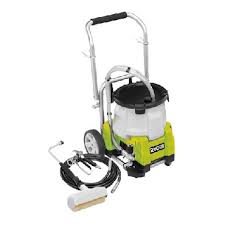
RAP200 - Paint gun RYOBI - Free user manual and instructions
Find the device manual for free RAP200 RYOBI in PDF.



| Product type | High-pressure paint sprayer |
| Brand | RYOBI |
| Model | RAP200 |
| Maximum working pressure | 19.3 MPa (2800 psi) |
| Flow rate | 1.09 l/min |
| Tank capacity | 13.2 liters |
| Power supply | 230 V ~ 50 Hz, AC only, 670 W, 3.1 A |
| Weight | 14.06 kg |
| High pressure hose length | 7.62 m with grounding |
| Compatible paint types | Phenol aldehydes, nitriles, alkyds, epoxy, oxidized rubber, latex, water-based |
| Included nozzles | Reversible nozzle 415 (spray width 20.3-30.5 cm) and 515 (spray width 25.4-30.5 cm) |
| Roller function | Yes, with 22.9 cm roller and roller head |
| Grounding required | Yes, grounded power outlet |
| Sound pressure level | 75.2 dB(A) (K=3 dB(A)) |
| Sound power level | 90.3 dB(A) (K=3 dB(A)) |
| Paint temperature | 5°C to 40°C |
| Warranty | 24 months against manufacturing defects |
| Maintenance and cleaning | Clean after each use; use water for water-based paints, solvent/thinner for oil-based paints |
| Safety | Mandatory wearing of gloves, goggles, mask; trigger lock; pressure relief procedure |
| Spare parts and repairability | Use only original RYOBI parts; have repairs done by an authorized service center |
Frequently Asked Questions - RAP200 RYOBI
User questions about RAP200 RYOBI
0 question about this device. Answer the ones you know or ask your own.
Ask a new question about this device
Download the instructions for your Paint gun in PDF format for free! Find your manual RAP200 - RYOBI and take your electronic device back in hand. On this page are published all the documents necessary for the use of your device. RAP200 by RYOBI.
USER MANUAL RAP200 RYOBI
SAVE THESE INSTRUCTIONS. To reduce the risks of fire or explosion, electric shock, and the injury to persons, read and understand all instructions included in this manual. Be familiar with the controls and the proper usage of the equipment.
READ ALL INSTRUCTIONS
- KNOW YOUR PAINT TOOL. Read the operator's manual carefully. Learn the machine's applications and limitations as well as the specific potential hazards related to this tool.
WARNING: To reduce the risk of fire or explosion:
- Do not spray flammable or combustible materials near an open flame or sources of ignition such as cigarettes, motors, and electrical equipment.
For units intended for use with only water-based or mineral spirit-type materials with a minimum flash point of 60°C , do not spray or clean with liquids having a flash point less than 60°C .
Paint or solvent flowing through the equipment is able to result in static electricity. Static electricity creates a risk of fire or explosion in the presence of paint or solvent fumes. All parts of the spray system, including the pump, hose assembly, pistol-grip sprayer, and objects in and around the spray area shall be properly grounded to protect against static discharge and sparks.
Use only conductive or grounded high-pressure airless paint sprayer hoses specified by the manufacture.
Verify that all containers and collection systems are grounded to prevent static discharge. - Connect to a grounded outlet and use grounded extension cords. Do not use a 3 to 2 adapter.
- Do not use a paint or a solvent containing halogenated hydrocarbons.
- Keep spray area well ventilated. Keep a good supply of fresh air moving through the area. Keep pump assembly in a well ventilated area.
Do not smoke in the spray area. - Do not operate light switches, engines, or similar spark producing products in the spray area.
- Keep area clean and free of paint or solvent containers, rags, and other flammable materials.
- Know the contents of the paints and solvents being sprayed. Read all Material Safety Data Sheets (MSDS) and container labels provided with the paints and solvents. Follow the paint and solvent manufacturer's safety instructions.
Fire extinguisher equipment shall be present and working.
WARNING: To reduce the risk of skin injection:
- Do not aim the nozzle at, or spray any person or animal.
- Keep hands and other body parts away from the discharge. For example, do not try to stop leaks with any part of the body.
Always use the nozzle tip guard. Do not spray without nozzle tip guard in place.
Only use a spray tip specified by the manufacturer.
Use caution when cleaning and changing spray tips. In the case where the spray tip clogs while spraying, follow the manufacturer's instructions for turning off the unit and relieving the pressure before removing the spray tip to clean. - Do not leave the unit energized or under pressure while unattended. When the unit is not in use, turn off the unit and relieve the pressure in accordance with the manufacturer's instructions.
High pressure spray is able to inject toxins into the body and cause serious bodily injury. In the event that injection occurs, seek medical attention immediately. - Check hoses and parts for signs of damage. Replace any damaged hoses or parts.
This system is capable of producing 19.3 Mpa (2800 psi). Only use replacement parts or accessories that are specified by the manufacturer and are rated a minimum of 20.7 Mpa (3000 psi).
Always engage the trigger lock when not spraying. Verify the trigger lock is functioning properly.
Verify that all connections are secure before operating the unit. - Know how to stop the unit and bleed pressure quickly. Be thoroughly familiar with the controls.
For household use only.
WARNING: To reduce the risk of injury:
Always wear appropriate gloves, eye protection and a respirator or mask when painting.
- Do not operate or spray near children. Keep children away from equipment at all times.
- Do not overreach or stand on an unstable support. Keep effective footing and balance at all times.
Stay alert and watch what you are doing.
- Do not operate the unit when fatigued or under the influence of drugs or alcohol.
Do not kink or overbend the hose.
- Do not expose the hoses to temperatures or to pressures in excess of those specified by the manufacturer.
- Do not use the hose as a strength member to pull or lift the equipment.
English
SPECIAL SAFETY RULES
- Keep guards in place and in working order. Never operate the tool with any guard or cover removed. Make sure all guards are operating properly before each use.
Use right tool. Don't force tool or attachment to do a job it was not designed for. Don't use it for a purpose not intended. - Do not operate the equipment while barefoot or when wearing sandals or similar lightweight footwear. Wear protective footwear that will protect your feet and improve your footing on slippery surfaces.
Exercise caution to avoid slipping or falling.
Always wear safety glasses with side shields. Everyday eyeglasses have only impact-resistant lenses; they are NOT safety glasses.
Use only recommended accessories. The use of improper accessories may cause risk of injury. - Check damaged parts. Before further use of the tool, a guard or other part that is damaged should be carefully checked to determine that it will operate properly and perform its intended function. Check for alignment of moving parts, binding of moving parts, breakage of parts, mounting, and any other conditions that may affect its operation. A guard or other part that is damaged must be properly repaired or replaced by an authorized service center to avoid risk of personal injury.
SPECIAL SAFETY RULES
- Follow manufacturer's recommendations for safe loading, unloading, transport, and storage of machine.
- Be thoroughly familiar with controls. Know how to stop the product and bleed pressure quickly.
- Keep tool dry, clean, and free from oil and grease. Always use a clean cloth when cleaning. Never use brake fluids, gasoline, petroleum-based products, or any solvents to clean tool.
- Do not use tool if switch does not turn it off. Have defective switches replaced by an authorized service center.
- Avoid dangerous environment. Don't use in damp or wet locations or expose to rain. Keep work area well lit.
-
Never direct a paint stream toward people or pets, or any electrical device.
-
Never start the machine if ice has formed in any part of the equipment.
- Keep away from hot parts.
- Check bolts and nuts for looseness before each use. A loose bolt or nut may cause serious motor problems.
Before storing, allow the product to cool.
Store in a cool, well-ventilated area, safely away from spark and/or flame-producing equipment. - Never use the sprayer without a spray tip installed.
An injection injury can lead to possible amputation. See a physician immediately. - Never put your hand in front of the spray tip when in use. Gloves will not always provide protection against an injection injury.
Wear protective clothing to keep paint off skin and hair, along with a mask or respirator during use. Paints, solvents, and other materials can be harmful if inhaled or if they come into contact with the body.
Always unplug the paint station, shut the unit off and release pressure before servicing, cleaning the tip or guard, changing the tip, or leaving unattended. - Plastic can cause sparks. Never hang plastic to enclose a spray area. Do not use plastic drop cloths when spraying flammable materials.
Do not spray outdoors on windy days. - Do not attempt to clean or unclog the spray tip with your finger.
Make sure your extension cord is in good condition. When using an extension cord, be sure to use one heavy enough to carry the current your product will draw.
SERVICE
Have your paint tool serviced by a qualified repair person using only identical replacement parts. This will ensure that the safety of the power tool is maintained.
DESCRIPTION
- Pump
- Prime/spray lever
- Roller hook
- Pistol-grip sprayer hook
- 13.25 liter paint container
- 7.62 m grounded high pressure hose
- ON/OFF switch
English
DESCRIPTION
- HIGH/LOW pressure control
- Wheel
- Accessory storage
- High pressure hose storage
- Return tube
- Intake tube
- Paint container lid
- Folding handle
- Paint station with 13.25 liter container and lid
- Elastic strap
- Pistol-grip sprayer with nozzle tip guard
- Roller cap
- 22.9 cm roller
- Roller head
- Roller handle
- Garden hose attachment
- 415 Reversible spray tip
- 515 Reversible spray tip
- Axle
- Washer
- Large washer
- Small washer
- Hitch pin
- Handle
- Handle knob
- Spray hose outlet
- High pressure hose
- Hose collar
- Pistol-grip sprayer
- Adjustable wrench
- Nozzle tip guard
- Reversible spray tip
- Nozzle seat
- Cap
- Lock-off thumbscrew
- Pin
- Slot
- Trigger
- Spray
- Lock-off
- Larger paint container
- Waste container
- Paint container
- Orifice size increases
- Fan width decreases
- High pressure
- Even strokes
- Latches
- Filter
- Garden hose
- Low pressure
-
Trigger guard
-
Sprayer handle
- Hex socket screw
- Lock nut
- Sprayer nut
- Hook and loop straps
ELECTRICAL
EXTENSION CORDS
Use only 3-wire extension cords that have 3-prong grounding plugs and 3-pole receptacles that accept the product's plug. When using a power tool at a considerable distance from the power source, use an extension cord heavy enough to carry the current that the product will draw. An undersized extension cord will cause a drop in line voltage, resulting in a loss of power and causing the motor to overheat. Use the chart provided below to determine the minimum wire size required in an extension cord.
When working with the product outdoors, use an extension cord that is designed for outside use.
ELECTRICAL CONNECTION
This product is powered by a precision-built electric motor. It should be connected to a power supply that is 230V , AC only (normal household current), 50Hz . Do not operate this product on direct current (DC). A substantial voltage drop will cause a loss of power and the motor will overheat. If the product does not operate when plugged into an outlet, double check the power supply.
GROUNDING INSTRUCTIONS
This product must be grounded. In the event of a malfunction or breakdown, grounding provides a path of least resistance for electric current to reduce the risk of electric shock. This product is equipped with an electric cord having an equipment-grounding conductor and a grounding plug. The plug must be plugged into a matching outlet that is properly installed and grounded in accordance with all local codes and ordinances.
Do not modify the plug provided. If it will not fit the outlet, have the proper outlet installed by a qualified electrician.

WARNING
Improper connection of the grounding plug can result in a risk of electric shock. When repair or replacement of the cord is required, do not connect the grounding wire to either flat blade terminal. The wire with insulation having an outer surface that is green with or without yellow stripes is the grounding wire.
English
ELECTRICAL
Check with a qualified electrician or service personnel if the grounding instructions are not completely understood, or if in doubt as to whether the product is properly grounded.
Repair or replace a damaged or worn cord immediately.
This product is for use on a nominal 230 V circuit and has a grounding plug similar to the plug. Only connect the product to an outlet having the same configuration as the plug. Do not use an adapter with this product.
BEFORE YOU START
The RAP200 paint station is compatible with the following paints:
- phenol aldehyde paint series
-nitryl paint series - alkyd paint series
- epoxy resin paint series
- oxidized rubber paint series
- latex paint series
- water soluble paint series
Before each use, check all hoses for cuts, leaks, abrasion or bulging of cover. Check for damage or movement of couplings. Immediately replace the hose if any of these conditions exist. Never repair a paint hose. Replace it with another grounded high pressure hose.
ASSEMBLY
TOOLS NEEDED
Adjustable wrench (2), 2 mm hex key
INSTALLING THE WHEELS
See Figure 3.
To attach the wheels to the base:
Locate the axle assembly.
- Slip the axle into the wheel hole. Slide small washer onto axle.
- Lifting the paint station slightly, slide the axle, wheel, and small washer into the wheel mounting hole in the machine base.
Slide large washer onto the axle.
Push the hitch pin into the hole on the end of the axle to secure assembly.
Repeat with the second wheel assembly.
FOLDING THE HANDLE
See Figure 4.
To raise the handle: pull the handle up until the handle release knob snaps through the locking hole to secure the handle in place.
To lower the handle (for storing): pull the handle release knob on the right side of handle and lower.
CONNECTING HIGH PRESSURE HOSE/PISTOL-GRIP SPRAYER
See Figure 5.
To connect the high pressure hose to the paint station:
Screw the collar on the high pressure hose onto the spray hose outlet located on the pump.
Tighten securely with an adjustable wrench.
To connect the pistol-grip sprayer to the high pressure hose:
Screw the collar on the high pressure hose onto the pistol-grip sprayer by turning the hose collar clockwise.
Use an adjustable wrench to hold the nut on the pistol-grip sprayer and another to turn and tighten the nut on hose end and tighten securely.
INSTALLING REVERSABLE SPRAY TIP AND NOZZLE TIP GUARD ON PISTOL-GRIP SPRAYER
See Figure 6.
See operator's instructions for flushing, priming and cleaning before installing nozzle tip guard and spray tip. Note all warnings regarding use of pistol-grip sprayer and the possibility of injection.
Turn lock-off thumbscrew counterclockwise to lock sprayer trigger.
Install nozzle seat and cap into nozzle tip guard.
- Thread nozzle tip guard assembly onto sprayer and tighten securely.
- Select spray tip and push securely into nozzle tip guard.
- Keep pistol-grip sprayer trigger locked when not in use.
INSTALLING PAINT ROLLER
See Figure 7.
Place roller caps in each end of the paint roller.
Align pins in the end of each roller cap to the holes inside the roller head. Push out on the side of the roller head until the roller snaps into place.
English
SPECIFICATIONS
Flow Rate 1.09 L/min
Max working pressure 19.3 Mpa (2800 PSI)
Container Size 13.2 Liters
Input 230V 50Hz AC only,
670W, 3.1 Amp
Weight 14.06 Kg
Paint Temperature 5°C - 40°C
OPERATION

WARNING
Do not allow familiarity with products to make you careless. Remember that a careless fraction of a second is sufficient to inflict serious injury.

WARNING
Always wear safety goggles or safety glasses with side shields when operating products. Failure to do so could result in objects being thrown into your eyes, resulting in possible serious injury.

WARNING
Do not use any attachments or accessories not recommended by the manufacturer of this product. The use of attachments or accessories not recommended can result in serious personal injury.
ACCESSIONS
All accessories used with this product must be rated greater than 20.7 Mpa (3000 psi). Ensure compatibility and fit before using any accessory with this product.
APPLICATIONS
You may use this product for the purposes listed below:
Exterior painting and staining of decks, outdoor furniture, fences, and interior/exterior rolling of walls.

WARNING
To reduce the risk of injection NEVER change spray tip without locking the lock-out thumbscrew on the sprayer and never point sprayer at any part of the body, persons, or unit itself. In case of skin injection, seek medical attention immediately. Failure to heed this may cause
serious personal injury.
LOCKING THE PISTOL-GRIP SPRAYER
See Figure 8.
Always lock the pistol-grip sprayer trigger when you have stopped spraying to prevent the sprayer from being bumped or triggered accidentally and causing injection.
Turn lock-off thumbscrew counterclockwise to lock sprayer trigger.
Turn lock-off thumbscrew clockwise to unlock sprayer trigger.
RELEASE PRESSURE PROCEDURE
Always follow this procedure when shutting paint station OFF for any reason. This procedure releases pressure in the high pressure hose.
On pistol-grip sprayer, turn lock-off thumbscrew counterclockwise to lock sprayer trigger.
Turn ON/OFF switch OFF.
Turn prime/spray lever to PRIME, as shown in figure 10. This releases pump pressure.
- Unlock sprayer trigger and point to inside wall of paint container releasing unused paint or stain back into container. This releases pressure in the hose and pistol-grip sprayer.
Turn lock-off thumbscrew counterclockwise to lock sprayer trigger.
- Leave prime/spray lever in the PRIME position until ready to spray again.
FLUSHING THE PAINT STATION
Before using your new paint station or before beginning a new project or changing colors, it is important to thoroughly flush the paint station of any storage fluid, previous cleaning fluid, or material left in the system. Follow instructions for Cleaning the Paint Station before beginning any project.
SET UP AND PRIMING
See Figure 9-11.
User must prime the pump and sprayer before beginning any spraying or rolling.
Fill the 13.25 liter container with desired paint or stain. Place lid on container.
NOTE: Paint container may also be removed and replaced with larger paint container, 3.79 liter square container or 3.79 liter container. Secure container with elastic strap. Place lid on container.
- Remove nozzle tip guard and spray tip from pistol-grip sprayer.
Place intake tube in paint container.
English
OPERATION
Set return tube over waste container to flush out waste material.
Turn prime/spray lever to PRIME.
Turn HIGH/LOW pressure control to LOW pressure.
Plug in the paint station.
Turn ON/OFF switch ON.
- When material begins to flow through return tube set, return tube into paint container and clip to intake tube.
Point pistol-grip sprayer (without guard and spray tip in place) into waste container.
Turn prime/spray lever to SPRAY.
Unlock sprayer trigger.
Turn HIGH/LOW pressure control from LOW to HIGH until pump starts.
- Spray into waste container until all air, water, cleaning fluid is expelled and only paint comes out.
NOTE: When the motor stops, this indicates that the pump and hoses are under pressure. If the motor continues to run, re-prime by turning the prime/spray lever to PRIME.
Turn lock-off thumbscrew counterclockwise to lock sprayer trigger.
Turn ON/OFF switch OFF.
- Replace nozzle tip guard and reversible spray tip onto pistol-grip sprayer.
Unit is ready to spray.
SELECTING A SPRAY TIP
See Figure 12.
Spray tips come in a variety of hole sizes and fan widths. Your unit includes two reversible spray tips with a hole size of 0.4 cm that will work for a wide variety of applications. The 415 spray tip has a fan width of 20.3 - 30.5 cm. The 515 spray tip has a fan width of 25.4 - 30.5 cm.
HOLE SIZE: Spray tip hole size determines the flow rate, that is the amount of paint that is discharged from sprayer.
A larger hole size is best for thicker materials. A smaller hole size is best for thinner materials.
FAN SIZE: Fan width determines the size of the spray pattern when sprayer is held approximately 30.5cm from surface to be painted.
A narrow fan width will provide thicker coverage of material and is better suited for small, tight areas.
A wide fan width will give thinner coverage of material and provide better coverage on large, broad areas.
SPRAY TIP NUMBERS: When selecting a spray tip, the last three numbers of the spray tip number contains
information on hole size and fan width.
For example if the spray tip number is 1415, the 4, when doubled is the approximate fan width of paint when applied 30.5cm from surface. The last two numbers, 15, refer to the hole size in inches. In this case 0.4cm .
| Tip hole size | Coatings | ||||
| Light | Medium | Heavy | |||
| Stains | Enamels | Primers | Interior Paints | Exterior Paints | |
| 0.011 | ● | ||||
| 0.013 | ● | ● | |||
| 0.015 | ● | ● | ● | ||
| 0.017 | ● | ● | ● | ||
| 0.019 | ● | ● | ● | ||
| 0.021 | ● | ||||
SPRAY TIP WEAR: It is important to replace or spray tips when they become worn. A worn spray tip will cause uneven application and finish of material. Over time the spray tip hole size increases and the width of the fan spray decreases.
When using water based paint, spray tips need to be replaced between 56.78 and 151.42 liter. For oil based materials, replace spray tips after 132.49 to 227.12 liter of use.
To increase the life of your spray tips, use the lowest pressure setting needed to apply an even coating of materia.
SPRAYING
See Figure 13.
Ensure surface to be painted is free of dust, dirt, and grease.
- Mask or cover any areas not intended to be painted or stained. Be aware of wind that may cause your paint or stain to spray into areas not desired. Always use drop cloths or other cover to protect areas that are not intended to be painted or stained.
- Select spray tip and seat securely into nozzle tip guard. Arrow on spray tip should face direction of spray.
Plug in the paint station.
Prime unit. Follow Set Up and Priming instructions.
Turn ON/OFF switch ON.
Turn prime/spray lever to SPRAY.
Turn HIGH/LOW pressure control clockwise to SPRAY icon (HIGH pressure). Pressure can be adjusted to reach desired spray pattern and coverage.
English
OPERATION
Unlock pistol-grip sprayer trigger. Begin spraying.
NOTE: If spray tip becomes clogged, turn 180° and spray into waste container to clear clog. Return spray tip to spray position and continue spraying.
- Lock pistol-grip sprayer trigger and follow release pressure procedure when finished or stopping for any reason.
PAINTING TIPS
See Figure 14-15.
Practice spraying on a piece of scrap material to test your spray pattern before beginning. If you cannot get a good spray pattern see Troubleshooting section.
To create an even coating over the entire surface:
- Keep the sprayer an even distance from the area being sprayed, about 30.5cm from the spray tip of the sprayer to the surface being sprayed.
- Operate the sprayer in straight horizontal strokes. Do not hold the sprayer at an angle. This will result in uneven coverage.
Depress the trigger to start the spray at the beginning of the stroke and release the trigger as you end the stroke. To prevent material build-up, do not keep the trigger depressed as you proceed to the next stroke. -
Make one pass for each stroke. Overlap strokes in halves for full coverage.
-
When finished, return any unused paint or stain to its original container and thoroughly clean the sprayer.
PAINTING WITH THE ROLLER ATTACHMENT
See Figure 16-17.
NOTE: The pistol-grip sprayer is used to control the flow of paint into the roller attachment. Pull the trigger only when more paint is needed on the roller.
Turn lock-off thumbscrew counterclockwise to lock pistol-grip sprayer trigger.
Turn off paint station and release pressure from spraying.
- Assemble the 22.9 cm roller into the roller head according to the Installing Paint Roller.
- Remove nozzle tip guard and spray tip from pistol-grip sprayer.
- Thread roller handle onto sprayer (make sure rubber washer is in the roller handle before assembling).
Tighten securely with an adjustable wrench.
Snap roller head onto roller handle (make sure latches are completely engaged).
Turn ON/OFF switch ON.
Turn HIGH/LOW pressure control to ROLLING icon (LOW pressure).
Turn prime/spray lever to SPRAY.
- Squeeze the trigger. Once the roller has paint, release the trigger and squeeze again only when more paint is needed.
NOTE: Do not continuously squeeze the trigger. For best results, after every third stroke, pull trigger for 1 second, release, then continue to paint.
To create an even coating over the entire surface:
- Apply paint or stain in an area several feet wide in a zig-zag direction.
- Roll back and forth repeatedly over the same area until the entire area is covered and the roller marks are smoothed out.
-
If additional coats are necessary, let paint or stain dry completely between coats.
-
When finished, lock pistol-grip sprayer trigger and follow Release Pressure Procedure.
Unplug the paint station.
OVERNIGHT STORAGE (UP TO 12 HOURS)
NOTE: These instructions are for water based materials only. If you are using oil-based material, refer to Cleaning the Paint Station and Long Term Storage for instructions. Stains and oil based materials do not keep for any extended period of time.
Lock pistol-grip sprayer and follow Release Pressure Procedure.
Turn ON/OFF switch OFF.
Unplug the paint station.
Leave intake tube and return tube in paint.
Gently pour 1/2 cup water over top of paint to prevent drying.
- Close lid on 13.25 liter container. Wrap damp cloth around tubes and over opening of container. If using larger or other container, wrap tubes and container with plastic to seal out air.
- Wrap pistol-grip sprayer with damp cloth and place in plastic bag. Seal bag.
Store for short time out of sunlight. For longer storage, follow instructions for Cleaning the Paint Station.
CLEANING THE PAINT STATION
See Figure 18-19.
The solution used to clean the sprayer is determined by the type of material that has been sprayed. For anything other than water based material use Cleaning Solvent/ Paint Thinner (for oil-based paints or varnish).
English
OPERATION

CAUTION
It is important to thoroughly clean paint station and pistol-grip sprayer after each use or when changing paint color. Allowing paint or stain to remain in an idle tool for an extended period of time can cause its hoses to clog and its moving parts to seize.

WARNING
Do not clean with any flammable liquids such as paint stripper, paint remover, brush cleaner, mineral spirits, lacquer thinner, turpentine, acetone, gasoline, kerosene, etc.

WARNING
Do not use guns for spraying flammable materials.

WARNING
Beware of any hazards presented by the material being sprayed and consult the markings on the container or the informatin supplied by the manufacturer of the material to be sprayed, including requirements for the use of personal protective equipment.

WARNING
Do not spray any material where the hazard is not known.
Always use drop cloths or other cover to protect areas from possible spills.
Lock pistol-grip sprayer and follow Release Pressure Procedure.
Unplug the paint station.
- Remove the spray tip and nozzle tip guard from sprayer.
Use spray tip cleaning brush to clean material from spray tip holes.
Soak spray tip(s) and nozzle tip guard in water (for water based paints) or Cleaning Solvent/Paint Thinner (for oil-based paints or varnish), rinse.
- Return any unused paint or stain to its original container. If using paint station container, rinse clean with water (for water based paints) or Cleaning Solvent/Paint Thinner (for oil-based paints or varnish). Empty into waste container.
- Remove filter from intake tube, soak in cleaning fluid and rinse.
- Fill paint station container with water (for water based paints) or Cleaning Solvent/Paint Thinner (for oil-based paints or varnish).
NOTE: If flushing or cleaning using water for water based materials, It may be easier to use a garden hose and the garden hose attachment (included). Remove filter from intake tube and attach intake tube to garden hose with attachment.
Place intake tube to paint station container.
Place return tube in original paint container.
Place original paint container right next to waste container.
Turn prime/spray lever to PRIME.
Turn HIGH/LOW pressure control counterclockwise to LOW pressure.
Turn ON/OFF switch ON.
The paint station will draw cleaning fluid up the intake tube through the pump and out the return tube into the paint container. Move the return tube from the paint container to the waste container as soon as the cleaning fluid starts to come out of the return tube.
Turn prime/spray lever to SPRAY.
Unlock pistol-grip sprayer.
- Point pistol-grip sprayer at the interior side of original paint container to run out paint in system so as not to waste paint.
- Move the pistol-grip sprayer from the paint container to the waste container as soon as the cleaning fluid starts to come out sprayer.
- Let fluid run through system for at least 1 minute (until clean fluid is noticed).
NOTE: If using the garden hose adapter, turn on garden hose and run water through system until water runs clear.
Leave system running for approximately one minute or until cleaning fluid runs clear.
Turn prime/spray lever to PRIME.
Turn ON/OFF switch OFF.
Unplug the paint station
- Dispose of dirty water (or Cleaning Solvent/Paint Thinner) in accordance with federal, state, and local ordinances.
TO CLEAN THE PAINT ROLLER:
Always use drop cloths or other cover to protect areas from possible spills.
- Disconnect the roller head from the roller handle and pour the remaining paint or stain from the roller head and roller handle into the original container.
Thoroughly clean the roller and accessories by soaking and rinsing in water (for water based paints) or Cleaning Solvent/Paint Thinner (for oil-based paints or varnish).
English
OPERATION
CLEANING THE PISTOL-GRIP SPRAYER FILTER
See Figure 20.
- Shut down the paint station using Release Pressure Procedure.
Unplug the paint station.
Check that pistol-grip sprayer trigger is locked off. - Remove pistol-grip sprayer from the high pressure hose using two adjustable wrenches.
- Unscrew hex socket screw and lock nut to release trigger guard from plate on the base of sprayer.
Using wrench, turn handle counterclockwise to remove.
Remove filter from handle, noting direction of filter.
Thoroughly clean filter container with water (for water based paints) or Cleaning Solvent/Paint Thinner (for oil-based paints or varnish).
If filter has any holes, replace with new filter. NEVER puncture filter with any object. - Replace filter in handle, tapered end down facing back of sprayer. Sprayer will not work if filter is improperly inserted in handle.
Reassemble pistol-grip sprayer in reverse order, tighten securely.
MAINTENANCE

WARNING
When servicing, use only identical RYOBI replacement parts. Use of any other parts may create a hazard or cause product damage.
Avoid using solvents when cleaning plastic parts. Most plastics are susceptible to damage from various types of
commercial solvents and may be damaged by their use. Use clean cloths to remove dirt, dust, oil, grease, etc.

WARNING
Do not at any time let brake fluids, gasoline, petroleumbased products, penetrating oils, etc., come in contact with plastic parts. Chemicals can damage, weaken or destroy plastic which may result in serious personal injury.
Do not abuse power tools. Abusive practices can damage tool as well as workpiece.

WARNING
Do not attempt to modify this tool or create accessories not recommended for use with this tool. Any such alteration or modification is misuse and could result in a hazardous condition leading to possible serious personal injury.
LONG-TERM STORAGE
See Figure 21.
When storing the paint station for 16 hours or more, a thorough cleaning is recommended.
Shutdown paint station.
Thoroughly clean paint station and sprayer according to instructions.
- Be sure that machine and tubes are clear any water or fluid as these may freeze.
Coil 7.62m high pressure hose and store on back of tool with hook and loop straps.
- Keep intake tube and prime tube in 13.25 liter paint container. Store filter and sprayer in plastic bag and seal.
- Fold handle over front of tool.
TROUBLESHOOTING
| PROBLEM | CAUSE | POSSIBLE SOLUTION |
| Motor does not run | Paint station is not plugged in On/Off switch in OFF position Paint station has shut off while under pressure No current coming from outlet Extension cord is damaged or has low voltage A fuse has blown on paint station Motor is not working properly | Make sure unit is plugged in Turn On/Off switch to ON Turn the high/low pressure knob to maximum pressure or release pressure by turning Prime/Spray lever to Prime Test the power supply voltage Replace extension cord Contact Authorized Service center Contact Authorized Service Center |
English
TROUBLESHOOTING
| PROBLEM | CAUSE | POSSIBLE SOLUTION |
| Pressure setting is too low | HIGH/LOW pressure control set too high | Turn HIGH/LOW pressure control clockwise |
| Paint station starts but does not circulate paint when Prime/Spray lever is turned to Prime | Paint container is empty or intake tube is not fully submerged in fluidSuction filter is cloggedPrime/Spray valve is clogged | Fill paint container with material and submerge intake tube into materialClean suction filterContact Authorized Service Center |
| Motor seems to be running properly but pressure drops when pistol-grip is triggered | Reversible spray tip is wornSpray tip is cloggedSuction tube and filter are loose or damagedPistol-grip sprayer filter is cloggedMaterial being sprayed is too thickInlet valve is damaged or wornIntake tube is loose | Replace spray tipTurn spray tip 180° and spray to cleanReinstall or replace suction tube and filter as neededClean or replace pistol-grip sprayer filterFollow material manufacturer's directions and thin material as neededReplace inlet valveTighten intake tube |
| Prime/spray lever is set to spray but there is flow through the prime tube | Prime/spray lever is dirty or damaged | Contact Authorized Service Center |
| Pistol-grip sprayer leaks | Internal sprayer parts are worn or damaged | Contact Authorized Service Center |
| Nozzle tip guard leaks | Nozzle tip guard or spray tip where assembled improperly | eassemble according to nozzle tip guard and Spray tip assembly instructions |
| Pistol-grip sprayer will not spray | Spray tip is cloggedPistol-grip sprayer filter is cloggedSpray tip is not fully seated into nozzle tip guard | Turn spray tip 180° and spray to cleanClean or replace pistol-grip sprayer filterReassemble according to nozzle tip guard and Spray tip assembly instructions |
| Paint pattern is weak or uneven | Pressure is set to lowPistol-grip sprayer or intake tube filter is cloggedIntake tube is loose at inlet valveSpray tip is wornMaterial being sprayed is too thickLoss of pressure | Turn High-low pressure knob clockwise to increase pressureClean or replace filtersTighten tube fittingReplace spray tipFollow material manufacturer's directions and thin material as neededSee Cause/Possible solutions for "Pressure setting is too low," and "Motor seems to be running properly but pressure drops when pistol-grip is triggered" |
English
ENVIRONMENTAL PROTECTION
Recycle raw materials instead of disposing as waste. The machine, accessories and packaging should be sorted for environmental-friendly recycling.
SYMBOL

Safety Alert
V
Volts
Hz
Hertz
Alternating Current
W
Watts
No
No load Speed
min-1
Revolutions or reciprocations per minute

CE Conformity

Wear Personal protective equipment

Please read the instructions carefully before starting the machine.
Recycle raw materials instead of disposing as waste. The machine, accessories and packaging should be sorted for environmental-friendly recycling
Français
CONSIGNES DE SECURITE GENÉRALES

AVERTISSEMENT
No permitted in any time. No permit to be used for other purposes. No permit to be used for other purposes. No permit to be used for other purposes. No permit to be used for other purposes. No permit to be used for other purposes. No permit to be used for other purposes. No permit to be used for other purposes. No permit to be used for other purposes. No permit to be used for other purposes. No permit to be used for other purposes. No permit to be used for other purposes. No permit to be used for other purposes
NOTE: Whenever the motor is broken, the ignition switch must be turned off. Note: When the motor is broken, the ignition switch must be turned off.
PISTOOLSPUT VERGRENDELEN
Zie afbeelding 8.
Please read the instructions carefully before starting the machine.

ADVARSEL: For at reducere faren for brand ellereksplosion:
ADVARSEL: Sādan reduceres faren for hudinjection:
INLEDANDE ÅTGÄRDER OCH FLODNING
Sefigur9-11.
YÖSÄLITYS (ENINTÄÄN 12 TUNTIA)
PROSEDYRE FOR UTLØSING AV TRYKK
Følg alltid denne prosedyren nár malestasonen av en uller annen grunn settes i posjon OFF. Denne prosedyren lser ut trykket i hoytryksslangen.
OCObIe ITPABUNIA B3OPIACHOCTN
Держпerte 3ашитные писнособлия по рукови в равочем состotingи. Н sukordа не равOTATEСУТРОЛСТВOM CO CHTыIMN 3ашинныпимписнособлияни Кожухам. Кжdyд пазегпаном равotь убдптесь T TOM, до Все 3ашинтыпимписнособлия Фуннкюнчут надlexашмобразом.
IcnoIb3yIte IcnpabHoe n COOTBETCTByIOoee yctpoIcTBO.He npImeHnTe yctpoIcTBA n npHaJNeKHO tI na p6O, K KOtOpBm OHI He npEdaHaNaHeB. He icNoIb3yIte yctpoIcTBA B HecooTBeTCTBYIOHX CEJIAX.
He pa6oTaIe C yctpOoiCTBOM 60cNkOM, B OTKpbTbIX caHdAnInx uIN IerKoi 06yBn. HocIte pa6ooyo 06yBb, 3aunuauyUHOHn U o6ceNuBaUOuyU HaeJXHoe cUenneHcONOpHOn NOEbpXHoCTbU.
Bydte octopoxhbl,HTo6bI He NOckoB3Hytbcn He ynahtb.
Bcerda HadeBaTe 3aunThbIe OKn C 6okobIMn UNTkAmN. JInh3bl ObUHbIX OOKOB MOryt 6bTb YadopnpouhBMn, Ho Takne OKn HE RaBnIoTcra 3aunTHbIMn.
I Onb3yntecb TOnbko peKoMeHdyemblm npncnoc6beHnMn. VcNoB3ObaHne HeNaDNeKaunx npCnoc6BeHn MoXeT npUBeCTN K TeLeChblm NOBpeXdEHNMa.
I npobepnte nobpejdeHHbIe Detann. Npeed daJIbHeHmIM nCOnNoB3OBaHMeH yCTPOINCTBA TuaTeNbHO npOBpeBte npabInbHocTh pa60bTI n FyHKuMOHaJbHyO pa6OTcNOcO6HbTb NOPBceHdHbX 3aunTHbIX npCnOCo6JeHn I dpyrnx KOMNoHEhTOB. NpOBpeBte perynIOBky u CoUHeHne DIBKxUxXcaY cheT, cIeOCTHOCT deTaleN, kpeIeHne, n dpyrnee aKToPbI, KOtOpBe MOrYT oPa3ITbc Ha pa6Ote YcTPOiCTBa. Bo n36ExAHme BO3NHKHOBeHn OAnCHOEt TELeChbIX nobpeJdeHn, HeNCnPabHbIe 3aUnTHbIe npCnOCo6HeHn IIn DPyrNe DeTaN DoJXHbPeMOHTnpOBaTbC INI ZAMeHARbC B ABOTNU3OBaHHom CEPBCHOM CEHTpe.
CneyuTrepeKoMeHdaunrmpOn3BODmtEn npn porpy3Ke npa3rpy3Ke,tpaHcnpotnpobKe XpaheneHHexAH3MOB.
TuaatebHO 3yUHTe opraHbI ynpaBHeHH.3yUHTe H3anOMHte, KaK 6bICTPO OCTAHOBNTb yCTPOCTBO IN CHN3ITb DABHeHIE.
CodeljeNte UcTPOCTBO CByXOM NCHCTOM BnDE, OuHauTe erOToMaCna I CMa3Kn.ДЯ NCTKNy UcTPOCTBA INONLb3Yne I PTONPouHYU TpANKy. 3AnpeuaTeCnIOB3OBaTb IINrIcTKN yCtPOCTBA TopMO3HbIe KJNKoCTN,6eH3INH,HeTENpoDyKTbI n DpyRme pACTBOPHTEn.
He Nolby3yTebc yctpoTcbTOB, eCNb BvIKIOaTeb He BVKIOaTeCB. 3aMeHHTe HecnPpBAHb BVKIOaTeB B aTOPI3OBAHOM CepBNCHOM cHTpe.
N36eraaTe onacbX yCNoBn 3KcPnYatauHn. He nOJIb3yIteCb yCTPOIcTBOM BO BLnJXbHb INn CbIbIX MeTax, a TAKKE noDdoXdEm. Pa6oTaIe npn xopoWem OCBeueHnn.
HnKorda He HanpaBnaIte CtpyU Kpacku Ha IJoue, XNBOTHbIX, INN 3NeKtPnueCeKnpe np6Opbl.
Hnkorga He 3anyckaTe yctpoiCTBO, ccn KaKaJa-n6o ee qactb oNepeHena.
He npinkacaiTecb Ktopaum qactm yctpoiCTBa.
Kakdbpa3 neped hauanom pa60tbpnpoepnre HadejxHoctb 3atJxxk 60Tob nraek. He3aTHytbe 60tbn rKaN Moryt Bb3BaTb cpe3HyO HenncpabHoctb Dbratena.
Ipeendtemkay6paTbYCTPOINCTBO,DOxDNITcBeroOCTbBAHIN.
XpaHnTe yctpoNCTBO B npoxJaHOM, xopoIIOBpETPbBaEMOM McTe,Ha 6e3oNaChOM paCtOHNOT ITOCHUHNA IUCP INI OTHA.
HkoTga He noIb3yIteCb paCnblnteNm 6e3 yCTaHOJIeHHOrO paCnblnteJIbHoro HakoHeHHka.
BnPbIckBaHne KpaKn PoJ KoKy MoKt npUBeCTN k amnytaun nopakJeHHoro yuactKa. B noDbOH cNoyae HemeJennHOO obparntecb 3a meJInnHcKOI NOMoCbuIO.
Ppi pa6ote c pacnbilntenem pykn HNKoIa He doJnKbHn HaxoDnTbc nped paCnbIeNtBnHm HakoHeuHKOM. PykabNcIb He BcERda ObecneYBaIoT 3aunTy ot npOHNIHOBEHN Kpackn B TKAHI TEa.
Pycckn
OCOBIE INPABUNA BE30NACHOCTN
Ppi pa6ote noIb3yItecB 3aunTHoH macko, pecnnapTopoM n 3aunTHoN oJekdoN dI npedoxpaheneHn O T nonadHnK packn Ha KOKy n BONocb. Kpacka, pactbOpntel N pyrue xmmueckne BeueCTBa MOrT npuHnHTb BpeD npn BbIXaHN nn nonadaHN Ha KOKy.
Bcerda c6pacsbIbAaTe daBHeHne, BblKIOaIte yCTPOICTBO N OTKJIIOaHTe MAnRpyHO TcAHIIO OT CETNI pepeo6cIyXnBAHem, uCtKoHakoHeuHKnOB INI 3aunTHbIX pncnocO6BeHn, ZAMeHO HakoEHNKOB, pepeo TEM, KAK OCTabNTb YCTPOICTBO 6e3 npCMOTpa.
Пл actик может сать пчнов Иckрьи BOCПЯменя.НИКогда He oropaxnBaTeплactikomоблacrb Okpaшваня. He noIb3yItecb ПлactIKOBIMuЧeЯнOTblIn npn paCnIeHn IerKOBOSCIPMENHIOUxNCABESeCTB.
He npo3B0nTe paCnblIeHne Ha OTKpbTOM BO3dyXe B BetpeHyIO norOy.
He yinnte paonblntelbny hakoehnK n HeydaiyTe 3arpa3neHnaIbamn.
- O6ecneBte nCnpaBHOe COctOHNHe yDInHnTeNbHoro Ka6enI. PnI nCnOJIb3OBAHmN yDInHnTeNbHoro Ka6enI npOBePbTe, COOTBeTCTByt I enero Harpy3OCHa nCnoC6HocThb TOKITNotpe6NeHnYcTpoiCTBa.
O6CJYKUBAHNE
Texnuecko 6cbnykBaHne npemont MajaepHO CTaHcNIOJKeH BbIIOJIHbTb TofbKO KBaHmOuPBOAHB CneUaNtC cNcIOB3oBAHMe NeHTeINHbX 3aNaChbIX qactE.3To 06ecNeHT HOpMaIbHoe Texnuecko COCTOAnHe yCTpoIcTBa.
OTUNCAHNE
- HarHeTaTeNb
- PbyaKoK (NoKaayka - pacbIeHne)
3.ДержателдгВалика
4.Дерхателдяпстолгогрacьnteя - BaK dIy KpaKn, 13,25 IITpOB
- YcunenHHbI WJIaHr BbICOKO rDaBHeHn,7,62M
- BbIKIouaTeNb
- YnpaBHeHne DaBHeHnem BbICOKOE-HN3KOE
- Koneca
- KpeIeHnIy Ira XpaHEnI npHaIaIeXKnOtei
11.Петлидяхраенишална ВсOCOKОдавпени
12.Bo3BpaTHaTpy6ka - 3a6opnHa Tpy6ka
- Kpbiuka emKoCTn dny KpaCNI
- CklaabBaioaJc pyka
- Manapna ctaunc 6akom emkoctbio 13,25 n
KpbIshKoI
17. ΝaftnHbI peMeWok
18.Пистонелы расьліпел b c зшітон срла
19. Kolnauok Bänilka
20. BǎnK, 22,9 cm
21. Tolobka Baniika
22. Puyka Bǎlińska
23. NepexoDnK dny caOboR OJHaHra
24. 415 PeBepCnBbI paCnblnteHbHb HakoHeuHK
25. 515 PeBepCnBbI paCnblnteBbHb HakoHeuHK
26. Ocb
27. Ⅲa6a
28. Bolbwa 7aia6a
29. Manja shaib
30. Ⅲnibka
31. Puyka
32. Khonka pyuken
33. BbIXoHoi wTucep dIy IaHaRa paCnblneHra
34.卍laHr BbICOKO daBneHn
35. ⅢtyuepeuHaHa
36.Пистоне THь paCnblnteB
37. Pa3BODHOI raeuHbI KJIIOU
38. 3aunta conna
39. PeBepcBHyI paCbJIInTeJbHbI HAKOHeuHK
40. Cenlo conna
41. Konnaquok
42.Баразшекблорвки
43. Ⅲnibka
44. THe3Do
45. KypkoBbI BblKIIuOaTeNb
46. PacnbIeHne
47.Блokировka
48.БakДЯКpackиУвелчEHоEMKOCtN
49.БakДЯOTXODOB
50. Pa3mep oTBepCTn yBelenuNbAeTc
51. Emkoctb dIy KpaKn
52.Динна поны OkpacayMeHBsaetc
53. BbICOKOE daBneHne
54. PabHomepHoe NOKpbTne
55. 3aunen
56.Фильтр
57. CaOboBm 1nHaHr
58. Hn3Koe daBneHne
59.3aunTHaCKo6a
60. RykoRTka pacnbilntela
61. Bont nop topoBbI KJIou
62. Ctonopnra raika
63. Taima shtuepapacbnnten
64.ДерхателиnpemeHHble netTIN
Pycckn
3JNEKTPMNUECKNUEJEMENTbI
YDINHHTELbHbIEKABEJI
Nlb3yntcB TOnbKO 3-KnblbHbIM ydInnHtEnbHbIM Ka6eHem, NmEoUHM 3-KONTAKTHYIO BUNky C3aEMnEHnEM I 3-rHe3doOB 3NeKtpnueckO po3eTKO, COOTBeTCTByIOUeI MneUoeJHKe. Pn IcNoPbOBAHN 3NeKtpnueckORO UcTPOCTBa HA 3NaHTeNBHom PaCtOHaHHN OT MeTa NODKNIOUeHIN K 3NeKtpocEt N ONb3yNTecb YdInnHtEnbHbIM Ka6eHem, KOTOpbI CMOKeT BbIpeJXaTb TK Harp2xKn DnA DAHNHO RycpOCTBa. NcNoPb3OBAHN MaOMoUHOrO ydInnHtEnbHO KA6eI npBVeTe N daNEHIO HapJxKeHH B cEN, YTO Bbl3OEB NotepIO MoUHcTo N neperpeB dBnraTeJI. Nla ONpeJeHnMnHMnBHO CEeuHn NpOBoD8 ydInnHtEnbHO KA6eI BCERda NpLb3yNTecb HxKepeNpBEDeHHo TaBNIeI. Pnp a6ote BHe NomeuHn IcNoPb3yte YdInnHtEnbHbN K6eB,PeDaHaNAeHHN bIaN cNoPb3BOAHN HA OTKpbTOM BO3dyXe.
3NEKTPUCHECKOE NOIKJIOUYEHNE
JaHHOe YCTPOINCTBO PNPBOINTCB DeEChTBNE C 3JNKTPOBDIATENEM CBBCOKM KauCHeT BOM C6OpKN. YCTPOINCTBO CIEUYET NOKNIQUHT ToJIbKO KJNKTPNHECKO CETN NEPEMEHOR TOKA HANPJAKEHNEM 230 B,50 TcAHTBHe napametpbI 3NkTPOCetn dJe KInbX nomeuehen).
He nCnOlb3yIe DnNITaHn DaHHOro yCTpoiCTBa NOCTOHNbY ToK. 3HaunTeJIbHOe NaEHeN HeapXeHn Ha DBIratene npBBeTe K BbElNeHIO MoUcHToN NepeRpeBy DBiratena. EcnNoDkNIOueHHe K POzETke YCTpoiCTBO He pa6Otaet, y6eIntecb H aHmUInn HapXeHn B cETn.
YKA3AHNIA NO 3A3EMJEHNIO
DaHnOe yctpoiCTBO DoJNkHO 6bTb 3a3emNeHO. B cIyueae HeINcnpabHOCTOn HNI NIOOMKYN CytPOIcTBa 3a3emNeHe OBeCneHT eNkTPnuEckOMY TOKy dI pyoteKaHnry PtB HAMMeHBwero CONPOTNBENHn I nepeDtBPATNT OAnoCHOB T npApKeHn YNkTPnuCeKM TokOM. DaHnOe yctpoiCTBO Ch6zHeNo 3eNkTPpokaBenEM C 3a3eMJIIOUIMN PpOBoDMn BUNKO K KOHTAKOM 3a3eMNEHN. BNka DoJNXHa NOdKNLIOuCB Ta 3a3eMNEHNO R 3a3eTETBn CO BCEMN DeICTBYUQMMN B DAHOM pERHOne HOPMAm. He NepeBJIbATEB INKU YNtAHHa. EcNi BNka He NOxOJNT K PO3eTKe, O6paTIeCEb K KBaJIFOuPiPobAHNOy 3eNkTPKnY DnYCTAOJUEe P03eTKn.

OCTOPOXHO!
Hnepabunbhoe nodknoyehne Bnkn c 3a3emnne Hmoe npBecTe n K npaeHHo 3neKtpueckm TOKom. Ecn kn Ka6be Np6byet pmoHTa nn 3aMeHb, He npncOeHNHte 3a3emJIOU npBOd K KaKOMy-n60 NPOCKOMY KOHTaKy p3aBema. PpOBd B mOJIaun 3eJeHO rCbeta (CKeJtBMn NpONcKaMn NN 6e3 HN) ABnTcR 3a3EmJIOUm npBOOm.
Ecni yka3aHnI NO 3a3emIeHHIO HeDocTaTOUHO
ICHbl NIIIMMEIOTCAROMHEHINB IpaBnBHOCTN
NIOdkILOUeHnna YCTpOCTBa K 3a3eMJIeHNO, O6paTHTecb K KBaIIuΦIuPObaHHOMy 3JIeKTPNKU INI TExNHueCKOMy CneuINaIcNTy.
Cpa3y je pemontpyte nIIM 3aMeHnTe nobpeJdeHHbI nII IN3HOeHHbI ka6eb.
DaHHe yctpoCTBO NcNoIb3yETcB C cTn C HanpJKeHNEM 230 B n Imeet 3aZMaJIpyuNIO KOHTAK, CoMeCTMnBiC rHe3dOM BNkN. POnKNIouaYte YcTPOCTBO TOnbKO pOzEtke, NmeUoIe TYXe KOnHfyrpaunio, YTO u BNka. He NcNoJIb3yI nepeXoDNHKnPi npa6Ote C daHHbIM yCTPOCTBOM.
IEPEHAYAJIOM
C mānρhǒn cṭaúnéi RAP200 dōnyckaetcānpoIb3OBAHne cIeDyUoJxKpacok:
-ΦeHoaJIbIeRnIbIe KpaCKN
- HHTpOKpaKn
-aJIKNiDhbIe KpaCKN
-3NOKCNHbIe KpaCKN
-OKCN-3NaCTOMepHbIe KpaCKN
-JaTeKChbIe KpaCKN
- BOdopaactBopnMbIe IN BOO3MylbCNOHHbIe KpaCKN
Kazdby p3 nepeh hauanom paobtbp npoepraTe BCE 7aHaHn Ha npedmet OTCyTCTBnna Pnoe3OB, npoteyek, nctpaHn H B3DyTH. BbInonHnte npoepky Ha npedmet nobpekdeHnna mCmeueHn coeqnHeHn. HeMeJeHNo 3aMeHnTe 7aHaR, ecnn npcYCTByet Kaok-nI6o deFeKT. HnkOrTa He pemOnTpuyHe MAnpRhB 7aHaR. 3aMeHnE ro ha NcnpabHbN yCnneHbN 7aHaR BblcOKO daBHeHn.
HEO6XODIMbIE INHCTPYMEHTbl
Pa3BODHOI raeHbI KJIIOU (2); IeCTmIRpaHHbI (IM6ycoBbI) KJIIOU, 2 MM
YCTAHOBKA KOJIEC
CM.puc.3.
TEXHUNCHECKHEXAPAKTEPNCNTUKN
Pacxo1,09I/MnH
MaKc.pa6ooye daBvIeHne 19,3MPa(2800HT/KB.DIOuM)
O6bem emkoctn 13.2 nItp
Pa6ouaT empepatya 5°C - 40°C
3KcIpyATAUIM

PNEyIpyKxDEHNE
OBnaDeB INHCTpyMeHTOM, He TepaIte 6dntelbHOCTN. POMHNTe, YTO DOCTaTOUHO cekyHdb, HeBHMAMHa, YTO6bI POJyHtB TjKEnyU TpaBMY.

PNEyIpyKDEHNE
Pnpap6oTeBcerdaonb3yTeTcBzauNTbHMn OOKAMC 6KOKOBIM npOTeKTOpAMn. Pnp HecO6JIIODeHmN 3TOrO npAByIa TexHNKn 6e3OnaChOCTn NocToPOHHne npeMeTbMOryt Nnonactb B rla3a Nbl3BaT TjXeJIbe Ira3HbIe TpaBMbl.

PNEyIpyKDEHNE
Tolb3yIeTcB TOLbKO peKOMeHIOBaHHbIMN n3rOToBHTeMe Detalamn u AkceccyapamM. Ucnlo3oBaHne DpyuNx Detaen u akceccyapOB BeDet K TjXeJIbM TpAbMm.
ПИHAДLEЖHOCTN
Bce npnHaJNeXHocTn, nCNoIb3yEmble c daHHbIM YcToPcYTBOM, DOnKhb 6bIb paCCuHTaHb Ha pa60Ty npn DaJIeHN He MeHee 20,7 MNa (3000 φ HT/ KB.ДиUM). ПоверTe COBMecTUMOCt bnpurodHocTb npnHaJNeXHocTeB, nCNoIb3yEmbIX C daHHbIM YcToPcYTBOM nepe npnMeHeneM.
OBJACTb PIMMEHEN
JaHHoe n3dJIeMIO MxHNO IcNpOb3OBaTb dIy IpeuNCJIeHHbIX HnJKe CEJIe.
Pycckn
3KcIJIYATAUIM
HapykHoe nokpblTne IakokpacoOHybIMn MaTepnAnamm Teppac, ynyuOhm Me6eIn, 3abOpOB, OkpaKcBAIkom BHTypeHHNX HApkyxhBx CTEN.

OCTOPOXHO!
Дя п dedOTbpaueHn onaHcOts nodkoKHOBOBnpbICKa kpaackn HNKoTDA He MeHnTe HAKOHeuHKpacblnte npn pa36noKropOBaHOM nolooKeHH6apaaKa 6NoKnPOBKn paCbnlnte, HNKoTdHe hnapabJIte paCbnlnteHa kakyo-nIbOocTBena,Ha JIOdeJn cAmo yctpoiCTBO.CNcyae BNPbICKa KpACKn NODKOxy HEmdNeHHO6bpaNTecb 3a MedinHcKoN nMOoubI.Ppehe6pexene 3tMn p dedOpTOxHOCTmM MoKet npnbEctn K TjXkMn TeJeCHblNOBpeXDeHnAM.
БLOKIPOBKA ПICTOLETHOTO PACIbJIInTEJIa
Cm.puc.8.
Bcerda 6noknyte KypkoBb BblKnOuateIb NCToneTHORo paCnblnte I no OKOHaHnn PaCnblneHn, YTO6bl npedotBpaNTb CnyauaHoe BkIIOUeHne OT tonuKa Hnnpdynx npunH, YTO MOKeT BblBaTb NOKKhbB nPbck Kpackn.
I Nobepnhte 6apaweK 6loKnpoBKN npotNB yacoboi ctpenkn dno 6loKnpoBaHry KypKOBO BbIKIOuTeJRA paNblnteJIa.
I NobepHnite 6apawek 6nokupOBKn no YacBOB cTpeKe daP3bOknOpOBKn KypKOBOro BbIKluOateJna pacsblnteJ.
TPOUEyPA CbPOCA DABJEHNA
PnBbIKIyueHmMaJIrpHOI cTAnuH,NOIIO6oIpNcHHe, BcGERa cO6IIaJaTe npOeDpy C6PoCA dABNeHnA. DAnHra npOeUpaC6pAcbBaET daBneHne B WJHaRe BbICOKOr daBJeHnA.
I Nobepnnte 6apaweK 6nokpOBKn nctOnetHoro pacnbInTeN npOTNB yacOBn CTpeKN dny 6nokpOBaHn KypKOBOBb BkJIouateN nCTOnetHoro paCnblNTeN.
UcTaHOBInTe BbIKIouaTeIb NITaHnB NnoJoxHeN BblKJI.
■IOBepHnTe pblaJokK «noDkaUka - paCnblJeHne» nIpoJIoKeHn POJKAUY, Ka nokKa3aHa H pnc. 10. DabJIeHne npri 3TOM 6yEdt c6pOHeNo.
Pa36nokpynte KypKobbl BbIKNoHcyTeB paCbInTeIaN HApPabte paCbInTeIb B 6ak Jnla KpaCKn, YTO6bl CmTb HeNCnObl3oBaHNyIO KpaCKy NnN Jak O6paTHo B 6ak. Pn3OTM 6ydt C6poSeHO DaBNeHne B IuaHre NnCTOnETHom paCbInTeIe.
I Nobepnite 6apawek 6loKnpoBkn npotnb yacoboi Ctrpenk dny 6loKnpoBaHn KypkoBOro BbIKNoateJia
pacnbilntenra.
OctabTe pblayok KIOkaKa - paCnblneHne B noloxenPiOKAKAdo oupeedhoro paCnblneHn kpaKn.
POMbIBKA MAJIAPHOI CTAHUIN
Ipeed nCnoB3ObaHmem HOBo mAlaRPhoCTaHcun, nepeed HauJalom HOBo pa60tBu IIN CMeHO Kpaackn Heo6xOJIMo TuaTeBbNO IpomBt b MaJrPHyO CTaHcUIO, Yo6bI ydaJIITb BcIO IMeOuSyOC B HeN JxNkOcTB JxNkOcTB OT npEbeIduyue OuyCTKn, INM cAutaNcB, OCTabUHeNcB B CNTceme. Ipeed hauJalom HOBo pa60tBu BblONnHte Yka3aHnA, npInBeDeHHbE B p4zdeIe «OuCTKa MaJrPHoCTaHcUNI»
IIOIROBKA K PABOTE
CM.puc.9-11.
Ipeed nCnoB3OBAHmE pacbInTeIy IIN BaNkA cneIyET npIBeCTn B rTOBBOCTb HaHETaTeIb n paCbInTeIb.
3aneTe B 6ak EMKocTbIO 13,25 n Huxkyo Kpacky nn NaK. YctaHOBtNe Ha 6ak KpbIshKy.
INPUMEYAHME. BAK JIЯ KpackM MoKHO CHaTb I 3aHemHbHa6ak60JIbWei EMKOCTn,Ha npMoYrObnBHy b6ak EMKocTbIO 3,79 n nn6ak EMKocTbIO 3,79 n. 3aKpeNITE 6ak JaIactuHbIM pemeuKOM. UcTaHOBIne Ha 6ak KpbIbKy.
CHIMITEaunTy conna n pacnbintelbHbI hakoHeuHK.
I TomecHTe 3a6OpHyIO Tpy6ky B 6ak C KpaackoJ.
UcTaHOBInTe Bo3BpaTHyIO Tpy6ky HAD 6aKOM dIg C6opa OCTaTKOB DnI OuNCTKn OTOXOIOB.
UcTaHOBnTe pBuaJxOK «NoIkaKa- paCbJIeHne» B noIooJHEnI POJaKAyKA.
UctahOBtpeperyIaTOpDaBHeHnB noLoKeHne HN3KOE.
I OdknHHTe MaJrphHyIO CTaHcNIO K 3NeKtpocetN.
YctaHOBInTe BbIKIOuATEIb NITaHINB NOIOXeHne BKJI.
Korda Jxukocb TaHneT nepemeaatbcyepe3 BoBpaTHy0 Tpy6ky, NomcTeIte ee B 6ak Iy kpaackn npinkpenite K 3a6OpnoT py6ke.
HappaBte nctoIeTHbI paCblntIb (6e3 3aunTbI npacblntIbHO rakoHeuNka) B6ak dnoTOxOIOB.
UctahOBtBe pIaJXOKoNIOkaKa-pacnJIeHneB NOJoxHePACPiJIeHNE.
Pa36nokpyte KypkoBbY BbIKIOuTaTeIb.
IpeepzayckomHarhetatejnepebeindepeyraTop daBHeNnHnnoJKeHHn3KOE B noJooKeHne BbICOKOE.
PacnbIJIe TcOdepKIMoe B6aK IJnIOTXoOB, Noka BeCb BO3dyx, BOa, JxIKoCTb IJN ONUcTkn He 6yUT yJaIeHb, bAbyxoNTb 6yET ToJIbKO kpaCkA.
NPMMEYAHNE. OctaHOB dVBnataTey yKa3bIbaeT Ha To, YTO HAHETATenb HsAHTHN HAOJITcN IOD DAIBENHeM. EcnI dVBnataTe NpOdoJIkae paBoTaTb, BbIOnHnTe NOBTOPHU NOkauKy, yCTaHOBN PbUaKoK «IOKaKAu- pacNbIbeHe" BNOLOKeHe IIOKAKA.
Pycckn
3KcIJIYATAUIM
I Nobepnhte 6apaweK 6loKnpoBkn npotnb yacoboi cTpeknДЯ 6loKnopoBaHna KypkoBOro BbIKIOuTeJra pacbnInTeJIa.
YcTaHOBInTe BbIKIIOuAteIb NITaHnB N pIoJxHeH e BblKJI.
UcTaHOBnTe 3aunTy conna n peBepCnBhbl paCnblntbHbH naKoHeuHKn Ha nIcTOneThb nacblntteB.
Iocne 3Toro yctpoiCTBO roTOBO nla paCnblEnHa.
BbIBOP PACIIbIINTEJIbHOH HACdKN
CM.puc.12.
PacnbntenbHbe HacaKn NoctabnTcC cOnnAmn pa3Horo pa3Mepa n dInnoH noNocbOkpaca.DanHoe yctpoiCTBO noCTabnIeTC C dBMypeBepCuBbIMn pacnbntenbHbIMn HacaKamn c pa3Mpom conna 0,4 cm, KOTOpBe MoJHO nCNOb3ObaT bJa cambix pa3NnuhIX npImeHeHn.PacnbntenbHaH HacaKa 415 Imeet DnHy npONcbl Okpaca 20,3-30,5 cm.PacnbntenbHaH HacaKa 515 Imeet DnHy npONcbl Okpaca 25,4-30,5 cm.
PA3MEP OTBEPCTN4 COIIA. PA3MEp OTBepCTN4 COIIa paONblIeTNbHoi HacAnKn OnpeJeNer pACxoD, T.e.KOJIeCTBO KpAKn, BblNyCkAeMOe N3 paCNblTEny.
Conna c 60nbwmpam4mepom OTbpctnnyuue Bcero noxoxnT npa0btlc rctbmmkpackamn. Conna C Mehvm p4mepom nyuue Bcero noxoxnT npa0btl C xuknnm kpackamn.
PA3MEPДИINHbI NOLOCbI OKPACA.DnHaNoLoCbI OKpaca yka3bBaet pa3MEpNOLOcbI paCbnHeHn npi paccTcOHNOT PcBnITeNdo OKpaunBaemOnOBepxHOtNOKO30,5cm.
Majana nnna nolocbl Okpaca o6eeneuhaet 6onee rctoI cno Maepnana I nuynpe peyntbIpt npia paoBote HneBunxN TpyHNOCTOynHbIX MeCTax.
Bonbua nnHa nonocb Okpaca oecneuBaet HaneceHne 6oee ToHKOro CNoa Kpackn n LyuWne pe3yIbTaTb npa 6oBbHmM NloaJdAmN Okpackn.
HOMEPA PACINbJIITNEJBHbIX HACADOK. NocneHne tpru cHΦpbI HOMepa pacnblnteJbHOH hacaKn copeKAT nHΦopMaQUo o pa3Mepe OTBepCTNcONa INnHe nNoCbI Okpaca.
Hanpimep, B paCblntelbHOH hAcJaKe c HOMepom 1415 uΦpa 4 npu yMHOJeHHn Ha 2 npu6blntelbHO COOTBETCTBYET dINHe nOLOcBi OKpaca npu paCblneHHn Ha paCtOHHm 30,5 cm OT OkpaUNBaEMo NOBepxHOCTM. DBe NocpeHne uΦpbI, 15, 06O3NaaT oPa3MeP oTBePCTN aCOIIa B TbcUHbIX DoJIaX DoJIma. B daHHom Cnyae 3TO COCTABJREt 0,4 CM
| Размер овERCТМЯ с орлая нараздун | Поксытme | ||||
| Легкоe | СреДпee | Густoe | |||
| Дak | Змаль | ГруNTовka | Краскадя вингейніх paBOT | Краскадя наразкимьх paBOT | |
| 0.011 | ● | ||||
| 0.013 | ● | ● | ● | ● | |
| 0.015 | ● | ● | ● | ||
| 0.017 | ● | ● | ● | ||
| 0.019 | ● | ||||
| 0.021 | ● | ||||
M3HOC PACbIbIITeJIbHbIX HACAOK. BaxHo 3aMeHЯTb
pacbIbIITeJIbHbIe HacaIKn npu IX N3HOce. IcNoJIb3ObaHne
N3HOWeHHoH paCbIbIITeJIbHOH HacaIKn MOKet npINBeCTn
K HEPOBHOMY NOKpblTIu N 6bICTpOMy PACxoYo MATEPnAla.
Co BpeMeHem pazMEp OTBepCTna CoPaCbIbIITeJIbHOH
HACAKn YBEJIuNBAeTcA, a DInHa NOnOcbI OkpaCa
ymEhbIaETcA.
Pnncnblb0aHnn Kpacok Ha BODHO OCHOB paacblntbHbte HacaKn cneJeT 3aMeHraNb nocLe nCpOJIb3oBAHn oT 56,78 do 151,42 nKpaKn. Pnncnblb3oBAHn MaclnBbX Kpacok 3aMeHraIte paacblntbHbte HacaKn noCle NcPOnbl3oBAHn ot 132,49 do 227,12 nKpaKn.
Длп рpoДнену сроча symжбbl paocblntelbhhxн hacaDOK yctaHaBnBaIte moKHe n3Koe dabNeHne, Heo6xOdMоe ДЯ NOpanyehu poBBOrO pOBkpBITN.
PACIbJIeHne
Cm.puc.13.
OuICTnTe OkpaunBaemyIOBepxHocTb OT nbIn, rpa3n nn Knpa.
3aKpOte Bce yuactKn, KOtOpbIe He HyxHo npokpaunBaTb. POMHITe, YoBETeP MOKET cdyb KpACKy IIN naK ha yuaCTKn, KOtOpBe He HxJHO npokpaunBaTb. Bcerda 3aKpbBaIte YeuactKn, KOtOpBe He HyxHo npokpaunBaTb, TKAHbO INI dpyrIM MATEpHaNOM.
Bb6epnte paCnblntenbHyno Hacadky nHaedxho yctahOBnte ee B 3aunTy conna. Ctpenka Ha paCnblnte neyka3bBaet HanpabneHne paCnblneHn.
Plug in the paint station.
Pycckn
3KcIJIYATAUIM
IpoJroTOBka yctpoiCTBa Ka pa6Ote. BbInoJIHnTe yKa3aHnI, npVBeHeHHbIe Bpa3dJe «IpoJroTOBka Ka pa6Ote»
YctaHOBtE BbIKIOuATEb NITaHnB NIOJoxHeNc BKJI.
UcTaHOBuTe pIyauKOK IIOKaUka - paCnblEnHeB nonoJxHePACnblEnHE.
■ Noboporom perynatopa daBneHn no yacoboi cTeJke yctanOBITE ero ha 3naQK PAcTbJIeHNE (BblCOKOE daBneHne).ДЯ NOlyeHn HuyKnO nOocbl paCtbnEHHn NOKpbTn CNeDyET OTperynipoBaTb daBneHne.
Pa36Iokpyte KypKOBbY BbIKNoaTeJI bNCTOneTHORO paCblntela. Haunite paCblneHne.
NPNMEYAHNE. Pn 3acopenhn paCNbIINTeBHOH nAcadKn NOpebnite ee ha 180° nPOn3BODIne paCNbIeHne B6ak dNtOxOoB dNtOcNtK 3acopa. Iocne 3Toro yCTaHOBnTE paCNbIeNBHy oHaCky B npExHHe noLoXeHne NpOdoJXte paCNbIeHne.
Iocne 3aBepweHnna pa60bI nn npn ocTaHOBKe nOpyro npnuHHe 3a6NOKpYte KypKOBbl BblKnIOHaTeNb NCTOneTHoro paCblntEn I BblONHnTe npoedUpy c6poca daBnHnE.
COBETbl NO OKPACKE
Cm.puc.14-15.
Ipeed Hauanom pa60tbI NOynpaxnHnTecb B OKpacke Ha kakOM-n6o HENyXHOM Kcke MATEpnaA, TTO6bl IPOBeprtb, KaK pa6oTaET pa7blntEn. Ecn nOnca paCnblneHn He nOnuyaeTpe6yemoroKaueCTBa, CM. pa3dE NOnckN yctpaHHeHHeNCpabHOctTe.
He nCnO3yIe paCbnIITenB IpnIpaCblIeHJIe IeKOBONcNAmEHOUxNCEBaEueCTb.

OCTOPOXHO!
POMHNTe 06 onaCHOCTN, KOtOpYIO npedctabJIHOt paCnblIeMbIe BeseCTBa, O6paauIte BHIMAHHe Na 06O3NaueHnHa EMKOT N INΦOpMaIIO O Tnpo3BODInTeI paCnblIeMoro BeseCTBa, BKlIOUaJr TpeOBAHNI NO NcONb3OBAHNI CpeDCTB NINHOH 3aUNTb.

OCTOPOXHO!
He paçnbjIyIe KaKoe-JIb6 BoeIeCTBO, ecJIHEN3BecTHa CTeNEh bero OAnCHOCTN.
BcTeJa 3akpbBaIte TKAHbIO INI DpyrIM MATEpRnAOM He3aKpaWbAeMbIe yAcTKn OT BO3MOxHOrO nOnaHaHn KpacN.
3a6bKnpyte KypKOBbl BbIKHOaTeIb NtCtOeTHORopacblInTeJI bBbONHteJeCTBnB CcoBTcETBNOpa3demon «PtoeDypa c6poca daBneHnA.
OTKIIouHTe MaJIaRHyIO CTaHcUNIO OT 3JIeKTPocETN.
CHIMITE paCbIInTeBnHbN HakoHeuHn HzaunTy cOnna pCaPbIInTeJHa.
ДагичNTKOnCENpaCnblnteNbHbHnHacadok nonbnytebcTeKoN.
Onyctnte pacblntelbhyu hacaKy u 3aunTy coIIa B BODY (npn cnoNb3OBAHnn KpaCOK Ha BOHOJ OCHOBE) nIn B NCTraun paCTBOPNTb nn Pa36aBtJe b (npn cnoNb3OBAHnn MacnaIbIX KpaCOK I NaKOB) n CNOLOCHNTe IX.
Cneute Hncnolb3OBaHHy KpaKcY IIN NaK B 3aBOdckyo EMKocb. Ptin nCNOJb3OBaHHN 6aka JnKpaKcn MajaRPH cTAnHm TuaTeBnHO CnoNOnCHNE ero BOdo (npn nCNOJb3OBaHHN KpaCOK HA BDHOO NcTOH)UcTAAHM pactBOPHTeNEM IIN pa3abWtENEM (npn nCNOJb3OBaHHM MaCLNaHbX KpaCOK I NaKOB). Onopokhnte 6ak JnOxODB.
CHMNITe HnBtpc3a6bOPH Tpy6KIN, OyCTNTE B CNTAUYo XNKOCTb NCNONOCHNTe.
HanoHnnte 6ak dny Kpackn MaJIarHOn CTaHmN BODO (npn nCNOJb3OBAHN KpacOK Ha BOHOH OCHOBE), nCTaYmP pactBOpntEn mnn pa36abNTenem (npn nCNOJb3OBAHN MaCLNAHbX KpacOK nAKOB).
Pn npombHaHHnn OHCTKeC nOMoHbBOBdIg KpaocKa HbOHOH OCHObe MoKt OEa3bCyrOyOHee NCpOJIb3OBaTb CaDobBIJnHaHr (BXOINT B COMNKeKT).
PIMMEUHNE.CHMnTeΦnIbTp c 3a6OpHo Tpy6Kn n noDcoeHNHTe ee K caOBOmy ShnaHry.
IomeCTnTe 3a60pyu Tpy6ky B6ak MaJrpHoi CTAHmN.
IOMecTne BO3BpATHyIO Tpy6Ky B 3aBOckyIO EMKOCtb dNPKACKn.
IocTabBe 3aBODcKyo EMKoCTb Ira KpaKn pAOM 6aKom Ira OTXoOB.
Pycckn
3KcIJIYATAUIA
UctahOBite PByaxok NOdkaKa- paCblneHnE B noJonoKHe PNOKKA.
IIOBepHnTe peryIaTOp daBJIeHnI npOTnB YacBOB CTpeKN B nOLOKeHne HN3KOE.
YcTaHOBnTe BbIKHouateIb NITaHnB NIOJoxeHne BKJI.
MaJrPna Staun 6ydt nepeKaunBaTb OUnuauSyUo XnKocTb Chee3 3abOpHy Tpy6Ky, HArHeTaTeNB I BO3BparTHyO Tpy6Ky B 6ak DnA KpackN. IpeMeCTnTE Bo3BparTHyO Tpy6Ky n3 6aka DnA KpackN B 6ak DnA OTXoOB Cp3ay Jcne OocLe TORO, Kaq UcT7aAa JxNkoCTb HaHET NoCTynatb n3 BO3BparTHoT py6Kn.
UctahOBite pblaXOKoNoDKaKa- paCNJIeHneB E noJonoKHePACPiJIeHNE.
Pa36loknyTe nCTOneTHbI paCbnInTEnb.
HanpaBbTe nIcToTneThb paCbnlnteB BHytpb 3aObckO emKoTn dJa Kpacku, YTO6bblNtB Kpacky B CNTcEmY DnA EKOHOMm Kpackn.
IpepeMeCTte NcTOnetThb paCbnInTe n3 6aKaJnKpaKnB 6 Bakn dnt OxOob cpa3y Je nocse TOro, KaK CNTsAa JIKDKoCTb HauHET NoctynTaN3 pAcNbInTeNa.
Iyctb JnKocTb IpOKaUNBaETcA Uepe3 CnCTemy He MeHee 1 MInHyTbI (Noka H Ne NoiJET cHCTaR JnKocTb).
PIMMEUHNE. PnncnoJb3ObaHm nepexoHnka nla caDoboro 7naHa, BKIOuHTe caDoby I nnahr nponyckaTe BODy chepe cTcEmy, NOKA He nojdt YNCTaB ODA.
Даит ecTeMe nopa6oTaB TeueHne Okono OndHOn MHyTbI NnD IO NOBHeHnY UcSTOJ XmKocTn.
UctahOBITEbuaJXOKoNDAkaKa-pacnJIeHneB E nnoJoxEPAcPiJIeHNE.
YcTaHOBInTe BbIKNIOUaTeIb NITaHnB NNoJoxHeH BblKJI.
OTKJIIOHTe MaJIpyHcSTAHZnIO OT 3NeKTPOCeTNI.
Uynn3npyTe 3aRpa3HeHHyO BDO (nnn YnCTAun paCTBOPIneB nn pa36aBnTeB) B COOTBETCTBN C RocyapCTBeHHbIM, peNHOaHbHbIMn Nm MeCThBMn HOPMaTINBaMn.
OuNCTKA MAJIYPHOFO BAJINKA
Bcerda3akpbbaiTeTkaHbOINIpyrIMMATEepnAIONHe3aKpaunBaembe yAcTKNOTBO3MOxHORONanaHnKpckn.
- OToeDInHnTe roLoBky BaIInKa OT pyuKn BaIInKa n BbIeNe octaBlyocn KpaCkN n3 roLoBky BaIInKa n pyuKn BaIInKa B 3AzoDCkyo EMKOCTb.
TtataTeNbHOOcHNTeBAJIHKnPnpCnOco6BeHnI,ONyCTNB INBBOUY (pnpNCNoJb3OBaHmKpaCOKHaBOHOIOCHOB),BNUCTaIINpactBOpnteBnnPa36aBnTEb (pnpNCNoJb3OBaHmMaCLbIxKpaCOKJaKOB)N3aTEM CNOLOCHyB INX.
TEXHNUECKOE OBCJNYXMBAHNE

OCTOPOXHO!
HeNbTaIteCb BHOCNTb 3MMeHEnB BOHCTpyKUIO yctPOITcBA NIN INrOtaBnBaTb PnpuHaJeNkHOCTm, HepeKoMeHDoBaHbHBe K3KnPyatauC n 3TNM yctPOITcBOM. NIObte NIO6bHe M3MeHEnu NIN MOInΦNkaun ABJRAOTc HApyuHemn PpaBUN 3KnPnYauaUMN MOrfCTaB pNpHuNHO Co3dAnHn OAnCHOH CUYaUn, KOtOpA MoKet npNBecTr N TJKXKIM TENEChBM NOBpeKDeHNAM.
ДОЛТВОРЕМEHHOхPAHEHNE
CM.puc.21.
EcnntaHnna He nCnoB3yeTc6Oonee 16 yacOB,
pekomeHdyetcye TuaTeNbHaO uNCTka.
BbIKIOUHTe MaJIaRHyIO CTAHcIIO.
TuaTeNbO OunCTnTe MaJIpyo CTaHcIIO paCnblntelb corlaCHO yKa3aHnM.
I PnoBepbTe, HeT IIN B UcTPOJCTBE N Tpy6kax BoDblnn DpyroT KnKoCTN - B Cnyae MOpO3a OHI MOrYT 3aMep3HytB.
CmotaIe m7nHaB BbCOKOrO DabHeHna (7,62 M) n 3aKpennTe erO c3aHd CTOPOhly UcTPOiCTBa C nOMouIbpeMeHHbIX nTeJIb N dEcpTeJen.
Ponokjte 3abopny tpy6ky npTykaqun B6akdЯ knackn (13,25 n).Cnojkte fniBtpn paCbnntenb BnlaactKOBBI MEWOK NnIOTHO 3aKoPIe Iero.
CnojntpepyukyyctpoiCTBa.
IOMCK UYCTPAHEHNE HENCPABHOCTEIM
COOTBETCTBNE Tpe6OBaHnM CE

PiIb3yIITecb HINHINBUNyaJIbHBIMN 3aIIHTbIMn CpeJCTBaMn.

Ipeed nCnObn3OBAHmE mpi6opa BHNMaTeIbHO O3HaKOMbTecB C daHNo HNCTpykUmei.
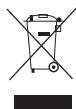
Otpa60taHnHa 3eKTPoTeXnHuCeckA npOdyKuHn OdoJXA yHnuToXaTbCBA MBeCTe C b6bTOBbIMn OTxOdAMn. YtNIn3npYIte, eCIN NMeETcR cpeiNaJIbHoE TexHnuCeCKoe 6OpOyOBaHne. POnBpOCam YtNIn3aZmPnOkoHcyNbIpyIteCb MecTHbIM oprAHOM Bnactn INI pIepnpiTHeM pOchNHO TOpROBN.
Polski
OGOLNE WYMAGANIA BHP

OSTRZEZENIE
Marime recipient 13.2 litru
Intrare 230V 50Hz, doar c.a., 670W, 3,1 Amp
Greutate 14,06 kg
Temperatura vopsea 5°C - 40°C
OPERAREA

AVERTISMENT
Nu slabiiti vigilenza odata ce va simtiati familiarizat cu masina. Nu uiti, niciodata, ca o secunda de neanetie的速度i tueo a vã rani foarte grav.

AVERTISMENT
Puratai intotdeauna ochelari de siguranta sau ochelari de protectie cu ecrane laterale atunci candutilizati masini electrice. Nerespectarea acestei reguli poate antrena proiectarea de corpuri straine in ochi si poate provoca raniri oculare grave.
Roman
OPERAREA

AVERTISMENT
Nuutiliati alte piese sau accesorii decat cele recomandate de catre producatorul acesti maşini. Utilizarea de piese sau accesorii nerecomandate poate prezentariscuri de raniri grave.
ACCESORII
Current alternative
W Wati
Viteza in gol
min-1 Numar de roatai tau de miscari pe minut

Conform CE

LUGEGE KOIK JUHISED LABI
POSEBNA SIGURNOSNA PRAVILA
Drzite stitnike na mnejsti i spravne za rad. Nikada ne radite s alatom ako je neki sttnik iliPoklopac ukonjen. Prijee svake uporabe provjerite da li svi sttinici pravilno rade.
- Koristite pravu alatu. Ne silte uredaj il prikrjucak za posao za koji nije namijenjen. Nemojte ga koristiti za svru za koju nije namijenjen.
Nemojte raditi o promem dok ste bosonogi ili dok nosite sandale ili sličnu laganu obucu. Nosite zašitnu obucu koja Če štiti vaša stopala i povoljsati uporiste na klavim povrsinama.
Budite oprezni kako bistie izbjegli sklizanje ili padanje.
Hrvatski
POSEBNA SIGURNOSNA PRAVILA
PRECITAJTE SIVSETKY INSTRUKCIE
EIIAYMA THMONADAABAH
Ipotou xpnoaioioe Tnv voa Vovada Baipnc oac n npotou Eekivnoe tia vea epyoia n aalace Te xumuata, elvai anqvatiko va enaieve kala tvv movalda Baipnc an'ta uypa antoohkeuoc, ta nponyoueva uypa kaqapiaou, nuikua tou exouanoe iTo ouotnma. Akoauhote tic odnyiec yia tokabapiao TNC Movadac Baipnc npotou Eekivnoe Tooiandone evyosia.
PYOMIISH KAI IPOETOIMAIA
Bλ.Σχnμα 9-11.
O xpiotnc npenei va etoiapaei tvn avia kai tov sekaotnpa npotoou EekivneoiOnioovdntote ekao o baip ne poIo.
FgIoiTe to Doxieo 13.25 Hitpv Mu Te to EtnuHToXpua n Bapr.BaIte To kanaki Oto Doxieo.
HMEIOsH: To doxio biapic mnpoei enionc va apapeo kai va avtkataoTaBiemu eva meyauTepo doxio xpawotoc, eva tetpaywvo doxio 3.79 litpwv n eva doxio 3.79 IAtPW. Aospaiaote to doxioe uTo Eaotikou maVta.BaIte to kanaki oTo doxio.
ByaTe nV aoPaeia OToiou KAI TO OTOpio 8Ekaotnpa ano TnItoTolBapnc.
BaTeToV OwIvA EioayWynCtoOdoxEio XpUaTOc.
Balté tov olwniya aavoatoppoñc návaw ano to doxelio anoβaftw yia va byaλeTe a tepiTt uiká.
TupioTe tvKevtpko/ moXo eKaotnpa oTo PRIME.
Fupiote tvoi diaokntn pieoC YPHAH/ XAMHAH oTO XAMHAO.
Bálté tvóu maδa baqnc σtnv πiça.
Eληνικό
AEITOYPTIA
TupioteovdiakontnON/OFFoTOON(avoixto).
O'Atv to uIko apiEi va pEi mea ano tv oU omNva EIOTPOPHC, bAte tv oU omNva EIOTPOPHC OTO doxEIO XpWATOC KAI UVDoTe OTV OUHNA EIOAYOWHC.
Στρέψετο πισόλι βαφής (χωρίς τὴν ασφάλεια και τούμιο) στο δόχειο ἀποβλήτων.
ΓupioTe tov kevtpiKo/ moXlo ΨeKaOTnpa oTo SPRAY (εKaOμoc).
EeKleiodwote nV oavdaayn ekaouo.
ΓupioTeTovdiakontnneicnycYPHA/XAMH/AnoTo XAMH/O stOyYPHAO wonouvapxiei navlaia.
EKAeTE ETOC TOU DOXiou AOIaHtuv EWC OTOU EXOV aOIOJIeOLO a ePAC, vepo, kaTApIOTIKO Uypo Ka IByaiveI MOVO XpUJA.
ZHMEIOEH: Otav otauatnoei n unxavn, auto uotoseikvuei oti n avtla kai oi oawlyec exouv nIa np niean. Eav n unxavn ouvexioe va douleu, pOeToiaaote Eava yupwvtac tov kevtipko/ oxlo yekaotnp a 0T PRIME.
ΓupioTe nV biωtn aoaia npoc ta apioTepa yia va kλeiodωeTe nV oakvdaIyekaaou.
TupiotetovdeltaikontnON/OFF oTo OFF (kλεισό).
TOnoTeTnOte Tny aoxpalaia oToiou kai to avaotpepoevo otioio yekaouo tioItoIbaic.
H movada eivai etouin yia sekao.
ENIIOH ΣTOMOY ΨEKAZMOY
Bλ. Σχήμα 12.
Ta otómu Ψekaoou δiatiθevtai OE πoiiklia μeeyθouc Ka nAtouc quoŋtnpa. H movada oac πepiaqβavei duo avaotpeoéva otómu eμ eyeoc tpuac 0,4 ek.nou xpoiaoniouovtai yia meyaln noiklia εφapoyw.To otómu Ψekaaou 415 exi nλatoc quoŋtnpa 20,3-5 ek.To otómu Ψekaaou 515 exi nλatoc quoŋtnpa 25,4-30,5 ek.
MeyEOc TPYIA:To meyeoC npuaac otoiou kaOopiEi tvn nooTntpoic, dena dn tvn nooTnTa xpuatoc nou EKKpivetai an tov yekaotnpa.
Mia µ eyautepn tpua eivai kalutepn yia nio paxia uikia. Mia uipotepn tpuna eivai kalutepn yia nio lenta uikia.
MEGE0O ΦYZHTHPA: To meyecoc quontnpka kahtopi ceu To meyecoc Tou oxmuatoc yekaaouotav o yekaaonpac Bpioketai oe anoTaon nepinou 30,5E anoTn enipaveia nou npoketai va baqtei.
Eva oTevo nAtoc quOnTnpaPexi nio naXia kALuyntou uIKOU kai eivai katalnIoTePO yia mKpEc, oTevec neipoxec. Eva meyalo nAtoc quOnTnpaO th a dwoei nio aeinn kALuyn uIKOU kai npaeXei kalutepn kALuyn o meyalec, nlatie c
APIOMOI STOMIOY EKAMOY: Otav eNlEyEe TOnmu iEKAoou, o TELeuataoiTreic apiOoi OToV apiOo OTouiou pEpiXouv NpOpopoei yia To eYeEOc Tpuac Kai to nAtoc quantnpia.
Tnnapaedyma evo apiohoc otooiou yekaou eivai 1415, to 4 otav dinlaiazetai eivai nepinou to matoc quantnopaotav epapuoczetai 5k ano tny enipaveia. OI TELeutaioi duo apuoia, 15, avapeovta oTo meyeOoc tpunac oEvtoc. autn tnV npintwn0,4k.
| Mévyöç tópùmac στόμιου | Émikaλψεις | ||||
| Elaφρίá | Mêtria | Bápiá | |||
| Baípèç | Bérhoïk | Baúnić στρωση χρώματος | Eoʊterpíkèc Baípèç | Eóʊterpíkèc Baípèç | |
| 0.011 | • | ||||
| 0.013 | • | • | • | • | |
| 0.015 | • | • | • | ||
| 0.017 | • | • | • | ||
| 0.019 | • | ||||
| 0.021 | • | ||||
OOPA STOMIOY EK AMOY Eivai σηµντ 口 va avtikaiotate ta otouia kaouo otav θe ipovtal .Eva θa pµo otioo yekaoo θ a npokaleoi avion epapoyn kai qivipiaota wu ulikw. Me nTv napodo tou xpovou to meye0cTNCtpuTnauTOsOUIOyekaooauefavetai kai Tnlatoc TO quontnpa meivetai.
Otau xnpoiotie utoiautioxpuia ta otua ykeaou pnte va atikaiotovtai meTu 56.7kai 151.42 litpwv. tia ukaie maon to lavi, avtataotnate ta otua ykeaou mta ano 132.49 wc 227.12 litpa xphnc. tia va auetaote tnvi diapkeia cwnw tc souivy kyaou, xnpoiotnote tv xauanlotepn puohm nieoc nou xpeiaetai yia va anawoe tia ouaianlntipwn o evu uliko.
YEKAZMOZ
Bλ.Σχnμa 13.
ΦovtioTe n eipáveia nou npókeiTa va ΨeKaotei va μnV éxéokov,βρωμεç, kai ypaa.
KaIuVE Te OIOIEoBnOte ENiAPAEIEc SEV OKONEUETE va BauTe. PooEeTe yia aveo Nou mOpei va metapepei To xpuMa OE nepioXeC NOV EEMUeITE VA BauTe. XpOaIOnOEte naTva UpaOaTa n aAla KaIuMaTa via va npOtaTepe TEPIOXe, NOV EExETe kONToVA BauTe.
EπiδεTe στομio Ψεκαομύ και τοιθεησε τήν καλαστην αραραεία στομιό. To βελος στο τορομio Ψεκαομύ πρεπειν ειναι στραμμένο πορο, τήν κατεύθυναπ Ψεκαομύ.
Bálté tov móváδa βαρnç σπν πiça.
Etoiaote Tnu movada.AkoauotheTic odnyie Puaonc kai npoeoiaaic.
Tupiatao tov diaokontn ON/OFF oTo ON (avoixto).
FupioTe Tov kevtipko/ moXlo yekaoTnpa oTo SPRAY (yekaaouc).
Eληνικό
AEITOYPTIA
Iupiote tov diakontn YPHAHZ/ XAMHAHpieanpoc ta δ λ oTo EIKoVIO SPRAY (YPHAH nieon). H nieon npoepa vpuOmuTe oTo eToumTo oxma kai kauynpsi ekaoou.
EeKaeioTtNvOavδaItnouIIOAIOBαipnc. EeivnoTEvaekacTe.
ZHMEIOZH: Av Boulaoei To otuo yekaoouyuiote 180' kai keaote oTo doxieo anoaltwv ia va EeBoulaoei. ENIotpeSyte to otuo ae They eon yekaooukauovexiete v aekaeTe.
KAEIDWOTNOKAV6ALNTOIOAILOBbaPNC KAKOIAOHOTNtVDIAIDKAIAA anEAEUHepwncpiAnOTAV TEAEWOETNtOAJATATEYOAOnoiVDoNToLyo.
ΣYMBOYΛE ΣBAΦH
Bλ. Σχnμα 14-15.
Egaknthe oTov yekaoo naw o' eva koumu atx npota uika vaaevyete to oxma yekaoou npotou Eekivnoe. Eav dev mopeite va nTuXeTe eva kaO oxma yekaoou avatpeTe oTo Kepalao Eniluon npoBnatwv.
Tia va πετύχετε μια Μαλή επίστρωη σε ολόκληρη τήν επιφάνεια:
KpatnoTeToVpKaOaTnpaOeiaionanooanotny nepioxynTOypekaCetai nepiou30.5katoaetaeTuTOoTIouPEkaQouKai nTc nepioxNTOUpekaCetaI
Na xepicate To vekaaotnpa me iace oipovtieepaata. Mny kpatate To vekaaotnpa oe yvia.Auto 8o odnyoei OE avwuaan kaluyn.
PntnoTe Tnu OkaVaIaN yia va EekivnOeTe Tov YekaIaO tny apxTu Npu TepaOaTOc KAI aPNOte Tnu OkaVaIaN otav OokaNpuVETai To npaOa. Ia v anoPuyTe Tnu ooupeuun uikoi, mnu Kpatate Tnu OkaVaIaN natmuEvn kaWc npoxpATE OTO ENoEv o paOa.
Kavte ia kivon yia khe nepaogma. Einkaluyske kat to nou ta nepaumata yia nn npk kaluyn.
O'Atav TEAEIwaTe, ENIOTpeyTE TO XpWua Tou dev XpNaiOnIOaATE OTO apXIOKO xoeio Tou KAI KAtheta KaAToV SEKAOTnPA.
BAΨIMO MTO EAPTHMAPOAOY Bλ.Σχημα 16-17.
\SHEMIEI\$\H: To iotoli xpnaioioietai yia va eAeYyEaia n poic xpuoiatoc oTo ecaptnma tou poIo. Patnote tvN oKavdaln mOvo otav xpeiaCotepiooTepo xpua oTo poAo.
TupioTe Tnv biowtn aoaiaeia npoc ta apioTepa yia va kleiiodwaeTe nV oakvdaHn Tou iioToaiu bapnc.
KLeioTe TnV movadabapnc kai aneuepwoTe Tnv nieon Tou yekaoou.
ΣuvapuoloynoTe to poAo 22,9 EK Σtnv KepaI npoU oμφwva με TnV EykaTσaon PoAo Baqnc.
ByaTe TnV aovapaleia oToiou kai to oToio yekaoou ano to nItoIbapnc.
περαστηχειρολβήρολουστον Σεκαστήρα
Maks. calisma basinci
19.3 Mpa (2800 PSI)
Kap olcusu
13.2 Litre
Giris
230V 50Hz , sadece AC,
670 W, 3.1 Amp
Agrlik
14.06 Kg
Boya Sicakligi
5°C - 40°C
CALISTIRMA

UYARI
All Ryobi products are guaranteed against manufacturing defects and defective parts for a period of twenty four (24) months from the date stated on the original invoice drawn up by the retailer and given to the end user. Deterioration caused by normal wear and tear, unauthorised or improper use or maintenance, or overload are excluded from this guarantee as are accessories such as battery packs, light bulbs, blades, fittings, bags, etc. In the event of malfunction during the warranty period, please take the NON-DISMANTLED product, along with the proof of purchase, to your retailer or nearest Authorised Ryobi Service Centre.
This warranty in no way affects your legal rights concerning defective products.

GARANTIE - CONDITIONS
The vibration emission level given in this information sheet has been measured in accordance with a standardised test given in EN 60745 and may be used to compare one tool with another. It may be used for a preliminary assessment of exposure. The declared vibration emission level represents the main applications of the tool. However if the tool is used for different applications, with different accessories or poorly maintained, the vibration emission may differ. This may significantly increase the exposure level over the total working period.
An estimation of the level of exposure to vibration should also take into account the times when the tool is switched off or when it is running but not actually doing the job. This may significantly reduce the exposure level over the total working period. Identify additional safety measures to protect the operator from the effects of vibration such as: maintain the tool and the accessories, keep the hands warm, organisation of work patterns.

AVERTISSEMENT
DECLARATION OF CONFORMITY
We declare under our sole responsibility that this product is in conformity with the following standards or standardized documents.
2006/42/EC, 2004/108/EC, EN12621, EN60204-1, EN14462.
Sound pressure level [K = 3dB(A)] 75.2 dB(A)
Sound power level [K = 3dB(A)] 90.3 dB(A)
The vibration total values(triax vector sum) determined according to EN12621:
Vibration emission value ah = 1.0m / s2 (Uncertainty K = 1.5m / s2 )
Noise value determined according to noise test code EN14462.

DECLARATION DE CONFORMITE
Mb Cc Bce OBETCBHCCBHTCb 3ABJEM, YTO HACTOIIJIaIPOIyKIIHOM COOTCBTCTBYET NHEC JCEIHOUHM HOPAM H JOKYMEMTHAM:
2006/42/EC, 2004/108/EC, EN12621, EN60204-1, EN14462.
Razina jačine zvuka (K=3dB (A)) 90.3 dB(A)
Ukupne vrijednosti vibracija (troosni vektorski zbir)
odreouju se u skladu s EN12621:
Name/Title: Brian Ellis / Vice President - Engineering
Signature:
Feb 15, 2010
Technical File at
Name of company: TTI EMEA
Address: MEDINA HOUSE, FIELDHOUSE LANE, MARLOW, BUCKS, SL7 1TB, UNITED KINGDOM
Web: www.ttigroup.com
Name/Title: Carl A. Jeffries / Head of Ryobi Product Marketing
Signature:
Trademarks:
The use of the trademark Ryobi is pursuant to a license granted by Ryobi Limited.
- READ ALL INSTRUCTIONS
- ENGLISH
- SPECIAL SAFETY RULES
- SERVICE
- DESCRIPTION
- ELECTRICAL
- EXTENSION CORDS
- ELECTRICAL CONNECTION
- GROUNDING INSTRUCTIONS
- WARNING
- BEFORE YOU START
- ASSEMBLY
- TOOLS NEEDED
- INSTALLING THE WHEELS
- FOLDING THE HANDLE
- CONNECTING HIGH PRESSURE HOSE/PISTOL-GRIP SPRAYER
- INSTALLING REVERSABLE SPRAY TIP AND NOZZLE TIP GUARD ON PISTOL-GRIP SPRAYER
- INSTALLING PAINT ROLLER
- SPECIFICATIONS
- OPERATION
- ACCESSIONS
- APPLICATIONS
- LOCKING THE PISTOL-GRIP SPRAYER
- RELEASE PRESSURE PROCEDURE
- FLUSHING THE PAINT STATION
- SET UP AND PRIMING
- SELECTING A SPRAY TIP
- SPRAYING
- SEE FIGURE 13
- PAINTING TIPS
- PAINTING WITH THE ROLLER ATTACHMENT
- OVERNIGHT STORAGE (UP TO 12 HOURS)
- CLEANING THE PAINT STATION
- CAUTION
- TO CLEAN THE PAINT ROLLER
- CLEANING THE PISTOL-GRIP SPRAYER FILTER
- MAINTENANCE
- LONG-TERM STORAGE
- ENVIRONMENTAL PROTECTION
- SYMBOL
- FRANÇAIS
- CONSIGNES DE SECURITE GENÉRALES
- AVERTISSEMENT
- PISTOOLSPUT VERGRENDELEN
- INLEDANDE ÅTGÄRDER OCH FLODNING
- YÖSÄLITYS (ENINTÄÄN 12 TUNTIA)
- PROSEDYRE FOR UTLØSING AV TRYKK
- OCOBIE ITPABUNIA B3OPIACHOCTN
- PYCCKN
- OCOBIE INPABUNA BE30NACHOCTN
- O6CJYKUBAHNE
- OTUNCAHNE
- 3JNEKTPMNUECKNUEJEMENTBI
- YDINHHTELBHBIEKABEJI
- 3NEKTPUCHECKOE NOIKJIOUYEHNE
- YKA3AHNIA NO 3A3EMJEHNIO
- OCTOPOXHO
- IEPEHAYAJIOM
- HEO6XODIMBIE INHCTPYMEHTBL
- YCTAHOBKA KOJIEC
- TEXHUNCHECKHEXAPAKTEPNCNTUKN
- 3KCIPYATAUIM
- PNEYIPYKXDEHNE
- PNEYIPYKDEHNE
- ПИHAДLEЖHOCTN
- OBJACTB PIMMEHEN
- 3KCIJIYATAUIM
- БLOKIPOBKA ПICTOLETHOTO PACIBJIINTEJIA
- CM.PUC.8
- TPOUEYPA CBPOCA DABJEHNA
- POMBIBKA MAJIAPHOI CTAHUIN
- IIOIROBKA K PABOTE
- CM.PUC.9-11
- BBIBOP PACIIBIINTEJIBHOH HACDKN
- PACIBJIEHNE
- COBETBL NO OKPACKE
- 3KCIJIYATAUIA
- OUNCTKA MAJIYPHOFO BAJINKA
- TEXHNUECKOE OBCJNYXMBAHNE
- ДОЛТВОРЕМEHHOХPAHEHNE
- POLSKI
- OGOLNE WYMAGANIA BHP
- OSTRZEZENIE
- OPERAREA
- AVERTISMENT
- ROMAN
- ACCESORII
- LUGEGE KOIK JUHISED LABI
- POSEBNA SIGURNOSNA PRAVILA
- HRVATSKI
- PRECITAJTE SIVSETKY INSTRUKCIE
- EIIAYMA THMONADAABAH
- PYOMIISH KAI IPOETOIMAIA
- EΛΗΝΙΚΌ
- AEITOYPTIA
- ENIIOH ΣTOMOY ΨEKAZMOY
- YEKAZMOZ
- ΣYMBOYΛE ΣBAΦH
- BAΨIMO MTO EAPTHMAPOAOY BΛ.ΣΧΗΜΑ 16-17
- CALISTIRMA
- UYARI
- GARANTIE - CONDITIONS
- DECLARATION OF CONFORMITY
- DECLARATION DE CONFORMITE
- TECHNICAL FILE AT
Brand : RYOBI
Model : RAP200
Category : Paint gun