525LK - Brush cutter HUSQVARNA - Free user manual and instructions
Find the device manual for free 525LK HUSQVARNA in PDF.



| Product type | Petrol brush cutter |
| Brand | Husqvarna |
| Model | 525LK |
| Power source | Petrol (2-stroke mix, 50:1) |
| Displacement | 28 cm³ |
| Power | 1.1 kW |
| Weight | 5.1 kg |
| Max speed | 9,000 rpm |
| Cutting head type | Nylon line spool or brush cutter blade |
| Cutting width | 45 cm (with blade) |
| Fuel tank capacity | 0.5 L |
| Sound level (at ear) | 99 dB(A) |
| Vibration level (handles) | 5.6 m/s² (front) / 8.3 m/s² (rear) |
| Intended use | Cutting grass, weeds, and light brush |
| Recommended protective equipment | Hearing protection, eye protection, gloves, safety shoes |
| Safety distance | 15 meters minimum |
| Regular maintenance | Cleaning air filter, checking spark plug, sharpening blade |
| Warranty | 2 years |
| Spare parts | Available at authorized Husqvarna dealers |
Frequently Asked Questions - 525LK HUSQVARNA
User questions about 525LK HUSQVARNA
0 question about this device. Answer the ones you know or ask your own.
Ask a new question about this device
Download the instructions for your Brush cutter in PDF format for free! Find your manual 525LK - HUSQVARNA and take your electronic device back in hand. On this page are published all the documents necessary for the use of your device. 525LK by HUSQVARNA.
USER MANUAL 525LK HUSQVARNA
EN 2-12 Operator's manual
BG 13-25bkoBODCTBO 3a eknnoataua
EN-US Operator's manual
285-292
Transportation, storage and disposal. 10
Safety. 3
Technical data. 10
Operation 9
EC Declaration of Conformity. 12
Maintenance. 9
Introduction
Product description
We have a policy of continuous product development and therefore reserve the right to modify the design and appearance of the products without prior notice.
Note: This manual cover both gasoline operated and battery operated power units.
used together with the intended power unit. See the accessory chapter in the Operator's manual for the power unit.
Intended use

WARNING: This attachment may only be
The attachment is only designed for blowing lawns, pathways, asphalt roads and the like.
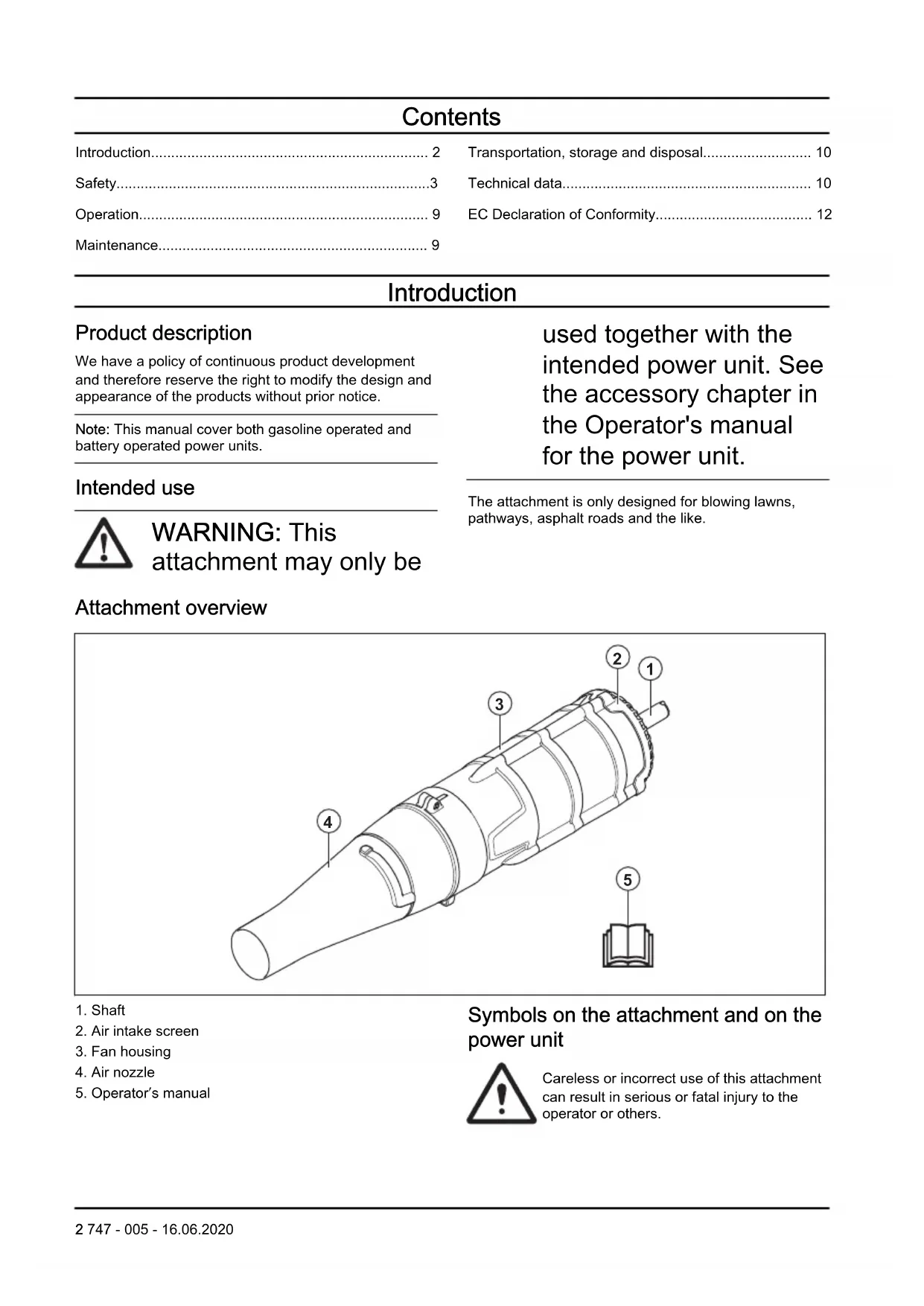
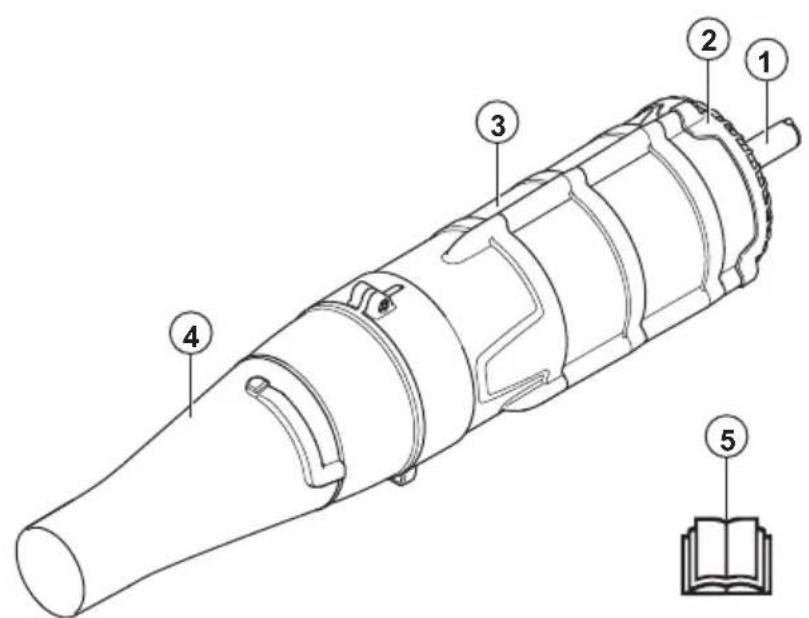
Attachment overview
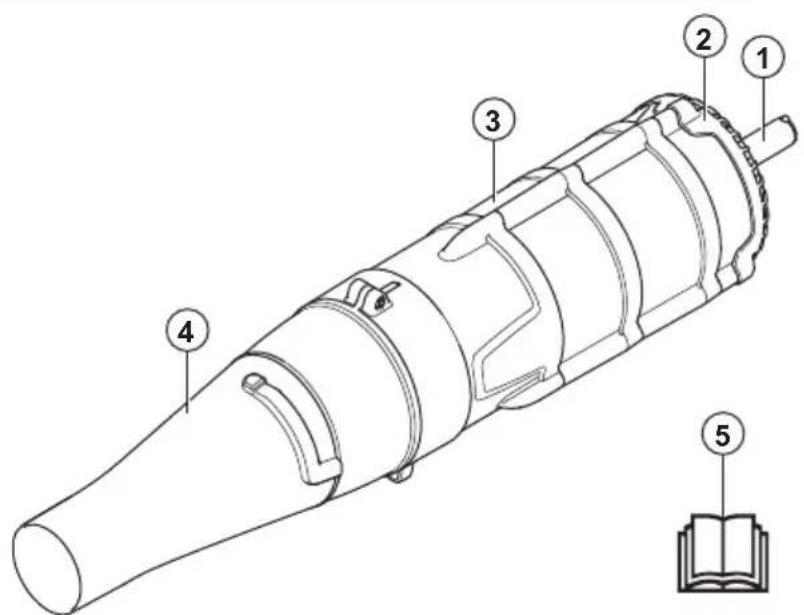
- Shaft
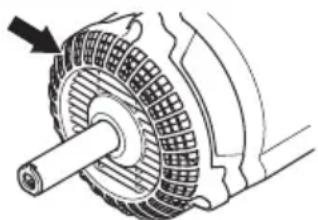
- Air intake screen
- Fan housing
- Air nozzle
- Operator's manual
Symbols on the attachment and on the power unit

Careless or incorrect use of this attachment can result in serious or fatal injury to the operator or others.

Read the operator's manual carefully and make sure you understand the instructions before you use the attachment.
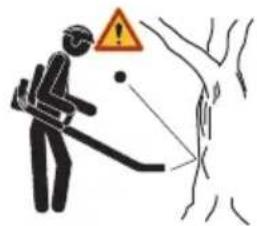
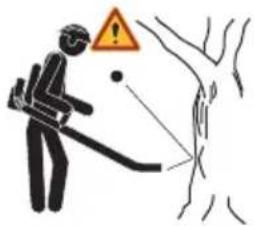
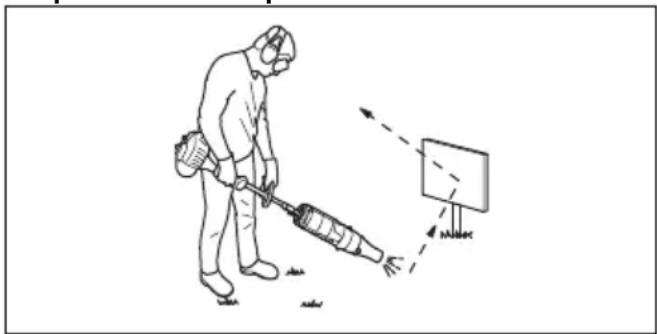
The blower can forcibly throw objects that can bounce back. This can result in serious eye injuries if the recommended safety equipment is not used.

This attachment is in accordance with applicable EC directives.
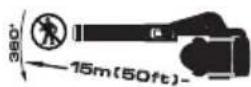
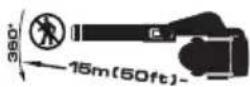
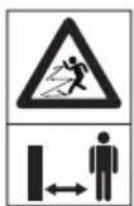
The operator of the product must ensure, while working, that no persons or animals come closer than 15 meters.

Use approved hearing, eye and breathing protection.
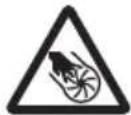
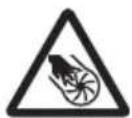
Severing of fingers or hand by fan blade. Do not open or remove the safety guards or nets while engine is running.

Use approved protective gloves.
Note: Other symbols/decals on the attachment refer to special certification requirements for certain markets.
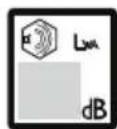
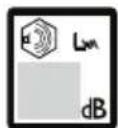
Noise emission to the environment according to the European Community's Directive. The attachment's emission is specified in the Technical data chapter and on the label.

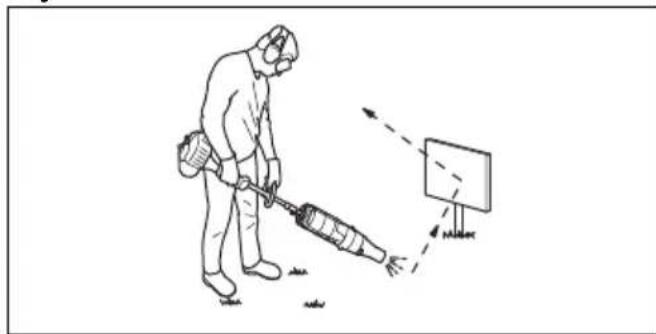
The blower operator must ensure that no people or animals come closer than 15 meters. When several operators are working at the same site a safety distance of at least 15 meters must be in effect. The blower can forcibly throw objects that can bounce back. This can result in serious eye injuries if the recommended safety equipment is not used.
Safety
Safety definitions
Warnings, cautions and notes are used to point out specially important parts of the operator's manual.

WARNING: Used if there is a risk of injury or death for the operator or bystanders if the
instructions in the manual are not obeyed.

CAUTION: Used if there is a risk of damage to the product and/or the attachment, other materials or the adjacent area if the instructions in the manual are not obeyed.
Note: Used to give more information that is necessary in a given situation.
General safety instructions

WARNING: Read the safety instructions that follow before you use the attachment.
- Please read the operator's manual carefully and make sure you understand the instructions before using the attachment.
- This Operator's manual should be read together with the Operator's manual for the power unit to get the complete user information.
- Under no circumstances may the design of the attachment be modified without the permission of the manufacturer. Do not use an attachment that appears to have been modified by others and always use original accessories. Non-authorized modifications and/or accessories can result in serious personal injury or the death of the operator or others.
Safety instructions for operation

WARNING: Read the warning instructions that follow before you use the product.

WARNING: This product produces an electromagnetic field during operation. This field may under some circumstances interfere with active or passive medical implants. To reduce the risk of serious or fatal injury, we recommend persons with medical implants to consult their physician and the medical implant manufacturer before operating this product.
- Never use the product if you are tired, if you are ill, if you have consumed alcohol, or if you are taking other drugs or medication that can affect your vision, judgement or coordination.
- Never use a product that is faulty.
- All covers and guards must be fitted before starting. If you have a gasoline operated
product, ensure that the spark plug cap and ignition lead are undamaged to avoid the risk of electric shock.
- The blower operator must ensure that no people or animals come closer than 15 meters. When several operators are working at the same site a safety distance of at least 15 meters must be in effect.
- Never allow children to use the product.
- Never allow anyone else to use the product without first ensuring that they have read and understood the contents of the operator's manual.
- Never remove the air intake screen.
- Never touch the spark plug or ignition cable while the engine is running. Touching the spark plug or plug may result in being subjected to an electrical shock.
- Always contact local authorities and make sure you are following applicable directives.
- Keep all parts of your body away from hot surfaces.
If you encounter a situation where you are uncertain how to proceed you should ask an expert. Contact your dealer or
your service workshop. Avoid all usage which you consider to be beyond your capability.
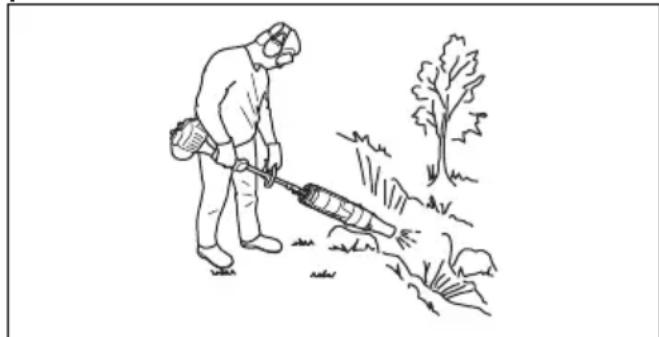
- Hold the opening of the blower as close to the ground as possible. Utilize the entire length of the blow pipe to keep the air stream close to the ground.
- Use the machine during normal working hours to avoid unnecessary disturbance. Avoid working early in the morning or late at night.
- Be aware of your surroundings. If anyone approaches your work area, release the throttle/power trigger until the person is at a safe distance. Direct the blower away from people, animals, play areas, open windows and cars etc. The force of air can cause rocks, dirt or sticks to be thrown or to ricochet which can injure people or animals, break glass or cause other damage.
- Never put hands or other objects into blower housing to avoid serious injury from the rotating impeller.
- Keep outside surface free from oil and fuel.
-
Never use for spreading chemicals, fertilizer or other substances which may contain toxic materials.
-
To avoid spreading fire, do not use near leaf or brush fire, fireplaces, barbecue pits, ashtrays, etc.
- Never douse or squirt the attachment with water or any other liquid.
Always use both hands to hold the machine. Hold the machine at the side of your body. - If you have a gasoline operated product, allow the engine to cool before refueling.
- The powerful streams of air can move objects at such a speed that they can bounce back and cause serious eye injuries.
- Stop the engine/motor before assembling or dismantling accessories or other parts.
-
Do not use the product in bad weather, such as dense fog, heavy rain, strong wind, intense cold, etc. Working in bad weather is tiring and can lead to dangerous conditions, e.g. slippery surfaces.
-
Make sure you can move and stand safely. Check the area around you for possible obstacles (roots, rocks, branches, ditches, etc.) in case you have to move suddenly. Take great care when working on sloping ground.
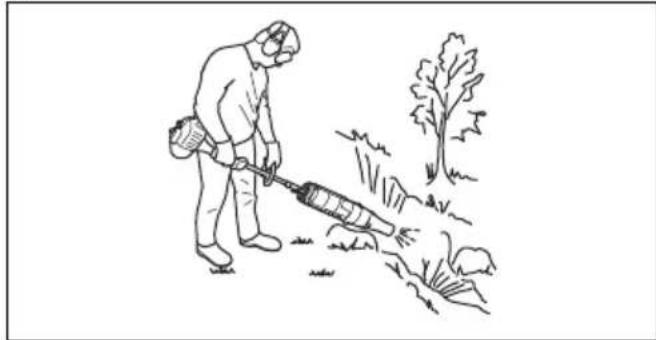
- Never put the product down with the engine/motor running unless you have it in clear sight.
- If you have a gasoline operated product, the engine exhaust fumes contain carbon monoxide, which can cause carbon monoxide poisoning. For this reason you should not start or run the product indoors, or anywhere that is poorly ventilated.
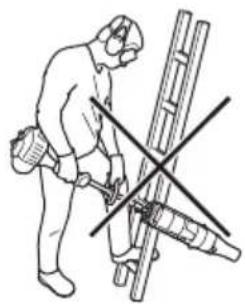
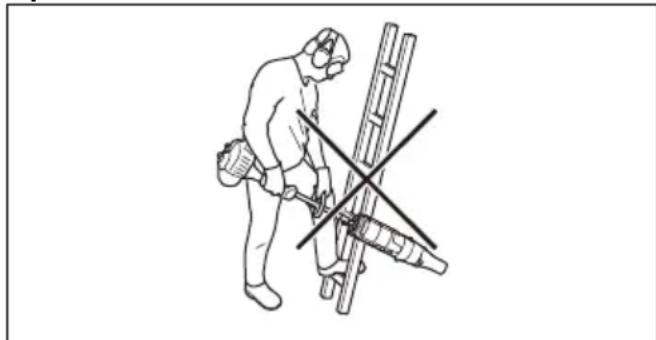
- The blower must not be used while on a ladder or scaffolding, or in high places (such as roofs). This work could result in severe injury.
- Do not use the product unless you are able to call for help in the event of an accident.
- Never place any objects in air intake opening as this could restrict proper air flow and cause damage to the unit.
- Make sure that the product do not hit any fence, tree or other hard material. This could cause damage to the machine and lead to severe injury.
- Listen out for warning signals or shouts when you are wearing hearing protection. Always remove your hearing protection as soon as the engine/motor stops.
Personal protective equipment

WARNING: Read the warning instructions that follow before you use the product.
Always use approved personal protective equipment when you use the product. Personal protective
equipment cannot fully prevent injury but it decreases the degree of injury if an accident does occur. Let your dealer help you select the right equipment.
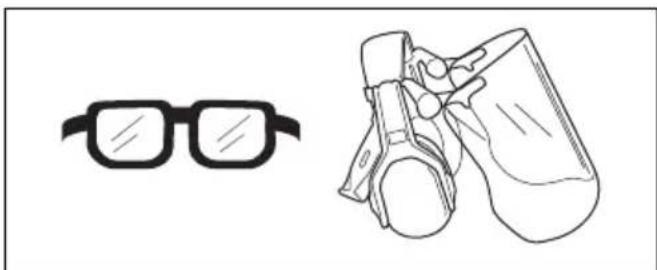
- Use approved hearing protection that provides adequate noise reduction. Long-term exposure to noise can result in permanent hearing impairment.
- Use approved eye protection. If you use a visor, you must also use approved protective goggles. Approved protective goggles must comply with the ANSI Z87.1 standard in the USAs or EN 166 in EU countries.
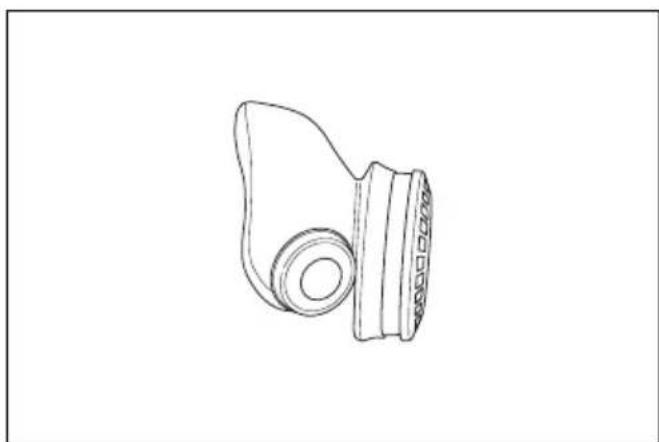
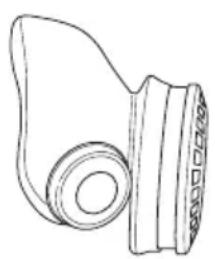
- Use breathing protection when there is a risk of dust.
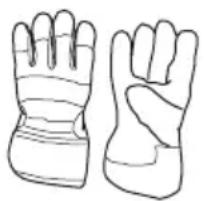
- Use gloves when necessary, for example when you attach, examine or clean the equipment.
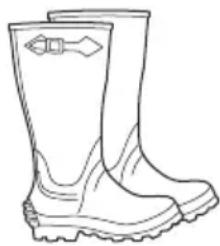
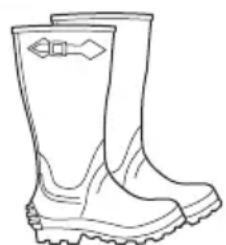
- Use sturdy non-slip boots or shoes.
- Use clothing made of a strong fabric. Always use heavy, long pants and long sleeves. Do not use loose clothing that can catch on twigs and branches. Do not wear jewelry, short pants, sandals or go with bare feet. Put your hair up safely above shoulder level.
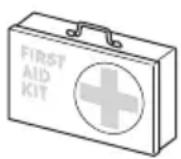
- Keep first aid equipment close at hand.
Safety instructions for maintenance

WARNING: Read the warning instructions that follow before you operate the product.
Carry out an overall inspection of the product before use. See the maintenance schedule.
Carry out the maintenance and service instructions described in this manual. Some maintenance and service measures must be carried out by trained and qualified specialists. See instructions under the Maintenance heading.
Always check for any objects that may block the air intake screen before beginning work.
In order to prevent damage due to falling of the product, assembly and dismantling should be conducted close to the ground surface.
Operation
To use the attachment
Note: Show consideration to persons in your surroundings by avoiding using the machine at unsuitable times, such as late in the evening or early in the morning. Reduce the noise levels by limiting the number of equipment units used simultaneously. Read through and follow the simple directions so that you disturb your surroundings as little as possible.
- Use a rake or a brush to release rubbish stuck to the ground.
- Clean corners by starting in corners and moving outward. This will help prevent an accumulation of debris which could fly into your face.
- Use the blower with the lowest possible throttle/ speed. It is seldom necessary to use full throttle/ speed, and many work procedures can be done at half throttle/speed. A lower throttle/speed means less noise and less dust, and it is also easier to keep control over the rubbish collected together/moved.
-
Minimise the blowing time by lightly wetting dusty areas or using spray equipment.
-
Reduce water consumption by using blowers instead of water hoses for different applications around the lawn and garden, such as lattices, screens, grills, porches, etc.
- Be careful when working near plants. The force of the air could damage tender plants.
- The speed of the air jet is regulated by means of the throttle/power trigger. Select the speed best suited for respective tasks.
- Be aware of the wind direction. Work with the wind to make your work easier.
- Using the blower to move large piles is time consuming and creates unnecessary noise.
- Keep a good balance and a firm foothold.
- Keep clearance between the tube and ground to avoid contact with the ground when working with the product.
- Clean up afterwards. Make sure that you have not blown rubbish into someone's garden. Dispose of debris in trash receptacle.
- When work is finished the product should be stored horizontally.
Maintenance
Introduction
Below you will find some general maintenance instructions. If you need further information please contact your service workshop.
To perform daily maintenance on the attachment

WARNING: Always stop the engine/motor before you clean or do maintenance on the attachment. If you have a gasoline operated product, disconnect the ignition cable from the spark plug. If you have a battery operated product, remove the battery.

WARNING: Keep all parts of your body away from hot surfaces.
- Clean the exterior surface of the blower.
- Make sure that all the housing are free of cracks.
- Make sure that the product is in perfect working order.
- Make sure that all nuts and screws are tight.
- Clean the labels using a damp cloth with a mild detergent.
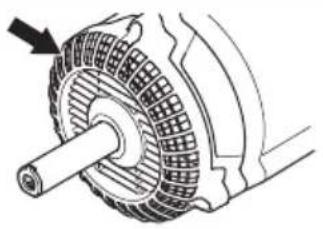
To check the air intake screen
- Check that the air intake is not blocked on all sides including the underside, for example, by leaves or rubbish. A clogged air intake reduces the product's blowing capacity and increases the working temperature of the engine/motor, which can result in engine/motor failure. Stop the engine/motor and remove the object.
Transportation, storage and disposal
Transport and storage
Perform the following steps after each use:
- Allow attachment to cool before storing or transporting.
-
Store in a high, cool, dry, indoor area out of reach for children.
-
Clean the unit.
- Inspect attachment for any loose or damage parts. Tighten any loose screws.
- Replace any damaged, worn or broken parts.
- At the beginning of the next season, use only fresh fuel having the proper petrol to oil ratio.
Seasonal storage
Prepare attachment for storage at end of season or if it will not be used for 30 days or more. If your blower attachment is to be stored for a period of time:
Technical data
Technical data for gasoline operated products
| BA101 | |
| Weight | |
| Weight, kg 1.9 | |
| Noise emissions | |
| Sound power level, measured dB (A) 109 | |
| Sound power level, guaranteed LWA dB (A) 112 | |
| Sound levels1 | |
| Equivalent sound pressure level at the operator's ear, measured according to EN15503 dB(A) | 99 |
| Vibration levels2 | |
| Equivalent vibration levels (ahv,eq) at handles, measured according to EN 15503, m/s2 | |
| Front/rear handles: 5.6/8.3 | |
| Fan performance3 | |
| Max. air velocity with standard nozzle, m/s: 66 | |
| Air flow with standard nozzle, m3/min 15 | |
Technical data for battery operated products
| 325iLK + Blower attachment BA101 | |
| Weight | |
| Weight, kg 2.3+1.9 | |
| Noise emissions4 | |
| Sound power level, measured dB (A) 103 | |
| Sound power level, guaranteed LWA dB (A) 106 | |
| Sound levels5 | |
| Sound pressure level at the operator's ear, measured according to ISO 26868 dB(A) | |
| Equipped with approved accessory (original), dB (A) 93 | |
| Vibration levels6 | |
| Vibration levels at handles, measured according to EN 62841-1, m/s2 | |
| Equipped with approved accessory (original), left/right m/s 1.6/1.1 | |
| Fan performance7 | |
| Air flow in normal mode with standard nozzle, m3/min 14 | |
| Maximum air velocity in normal mode with standard nozzle, m/s: 52 | |
EC Declaration of Conformity
EC Declaration of Conformity - for gasoline operated products
Husqvarna AB, SE-561 82 Huskvarna, Sweden, tel: +46-36-146500, declares that the Husqvarna blower attachment with serial numbers dating from 2019 onwards (the year is clearly stated on the rating plate, followed by the serial number), comply with the requirements of the COUNCIL'S DIRECTIVE:
of May 17, 2006 "relating to machinery" 2006/42/EC
of June 8, 2011 "restriction of use of certain hazardous substances in electrical and electronic equipment" 2011/65/EU
of May 8, 2000 "relating to the noise emissions in the environment" 2000/14/EC.
The following standards have been applied for Gasoline products:
EN15503:2009+A2:2015, SS-EN ISO 12100:2010, EN IEC 63000:2018
RISE SMP Svensk Maskinprovning AB, Box 7035, SE-750 07 Uppsala, Sweden has performed voluntary type examination on behalf of Husqvarna AB. The certificate is numbered: SEC/15/2416 - Husqvarna BA101
Huskvarna, 2019-06-24
Pär Martinsson, Development Manager (Authorized representative for Husqvarna AB and responsible for technical documentation)
EC Declaration of Conformity - for battery operated products
Husqvarna AB, SE-561 82 Huskvarna, Sweden, tel: +46-36-146500, declares that the blower, Husqvarna BA101 attachment with power unit Husqvarna 325iLK with serial numbers dating from 2019 onwards (the year is clearly stated on the rating plate, followed by the serial number), comply with the requirements of the COUNCIL'S DIRECTIVE:
of May 17, 2006 "relating to machinery" 2006/42/EC
of June 8, 2011 "restriction of use of certain hazardous substances in electrical and electronic equipment" 2011/65/EU
of May 8, 2000 "relating to the noise emissions in the environment" 2000/14/EC.
The following standards have been applied for Battery products:
IEC 60335-2-100, EN IEC 63000:2018
RISE SMP Svensk Maskinprovning AB, Box 7035, SE-750 07 Uppsala, Sweden has performed voluntary type examination on behalf of Husqvarna AB. The certificate is numbered: SEC/15/2416 - Husqvarna BA101
RISE SMP Svensk Maskinprovning AB has also verified agreement with the appendix V of the council's directive 2000/14/EG. The certificate have the number: 01/012/014
For information relating to noise emissions, refer to Technical data on page 10.
Huskvarna, 2019-06-24
Pär Martinsson, Development Manager (Authorized representative for Husqvarna AB and responsible for technical documentation)
CbDbPkaHne
BbVeJeHne. 13
TpaHcnpTupaHe,cbxpaHeneu n3xBpIaHe.22
Bezonachocct. 14
Texnueckn daHHN 23
Onepa.. 21
Deknapaun 3a cboTBeTCTBne Ha EO. 25
Iopdpbckka. 22
BbVeHne
OncanHe Ha npodykTa
Hne imame noiHTnka Ha HnpeKbchato pa3BNTne Ha CBOUTe npOyKTn 3aTOBa 3ana3BaMe npaBOTO cn Da npomeHme TExhata KOHCTpykun n BbHweh Bn6e3 npedn3BecTne.
3a6eJekka: Toba pBkoBoDCTBO 06XbaUca KaKTo
6eH3nHObN, Taka N 3axpaHbAHc aKymylaTOpHn
6aTeepN 3axpaHbAUc 6IokObe.
npeHa3HaueHna 3axpaHbau6Iok.BxKTe rIaBaTa 3a
nHnHaJneJXHOCTN B HnHCTpyKznaTa 3a
eKcnploataa3a 3axpaHbau7n86Jok.
PpeHa3NaueHne

ПЕДУПЕЖДЕНЕ:
TaN pncTabKa moKe da ce n3noJ3Ba cAmO C
PnncTabkata e npedHa3HaeHa cAmo 3a n3noJ3BaHe B MopabN, PbTeKN, acpaTobN pTnua N noDobHn.
O6u npereHn npncTabka
- Ban
2.ФИNTbРHa CMyKaTeJIHnB b3dYxONpOBOd - Kanak Ha BeHTnlaTopa
4.Bb3dyuHaIHO3a - PboDcTBo 3a onepatopa
CnmboN Bbpxy o6opydBaHeto n 3axpaHbaun 6Iok

HeBnMaTeHTo nHn HnPaBnHToTo n3No3BaHe Ha Ta3n npucta Ka MoKe Da IOBeDe Do cepno3Ho nHn CmbpTOHO CHO HapaHbAHe Ha onepaTopa nn dpyn Iuca.


PpoyeTe BnMaTeHNO
pBKOBOdCTBOTo 3a OepaTopa n ce
yBepeTe,Ye pa3bnpate
HHCTpyKuNTe, npedn da n3NoN3BaTe
npuctabKaTa.
MToPHaTa MeTnMa MoKe Da
N3XBbPn NpeDMeTn C
rOJMa Cnla, KOITo Da
OTCKoYat 6paTHo. TOba
MOKe Da DOBeDe Do
cepNo3Hn HapaHbAHn Ha
OHTe, aKO He Ce n3NoT3BaT
npenOpbYnteHNtE
npedNa3Hn CpeCTBa.
OnepaTopbT Ha npOdykTa Tp86Ba Da ce nOrpnKn no BpeMe Ha pa6oTa HnKaBn Xopa nn KINBOTHn Da He Ce Do6NnKabat No-6n30 ot 15 MeTpa.

Ta3n npicTabKa OTROBapHa n3NcKBaHnra Ta Ha npINOxMNTe DnpeKtNBn Ha EO.

N3non3BaIte Odo6peHn 3aunTHn CpeDCTBa 3a cnYxa, ouHTe n dUshaHeTo.

I3noJ3BaIte Odo6peHn 3aunTHn pbKaBUN.
UyMOBn EMUCN B OKONHaTcpeDa BCbOTBeCTBne C NipeKtNBaTa Ha EBponeckata 06HOCr.EMCnnte Ha npCTaBkata ca NOCOeHN B rJaBaTa 3a TEXHueCKn XapaKTepNCrN Ha etKeTa.
Otpra3BaHe Ha npbctn nnHa pkaTa ot JnonatKnte Ha BENTnlaTopa.He OTbaprTe HcBajrTe PpeDna3nteIte nn MPexNtE,doKaTo DBrVaTeJr pa60Tu.
3a6eEka: OcTaHaJIte CmBOJI/JeIeHKn Bbpxy npCTaBkata ce OTHAcT 3a CneuΦnHn N3NCKBaHn NO OTHoWeHne Ha cepTNΦnKATn 3a ONpeJEnH na3apn.
OnepaTopbHa KOMnpecopHOTO
obopydBaHe Tp8Ba Da ce yBepn,Ye
Xopa Hnn XNBOTHN He Ce
npnbnxkabT BpaNyc ot 15 MeTpA.
Korato HnKoNko OepaTopa pa60rT B eINH CbU Obekt, Tp8Ba Da ce
Cna3Ba 6e3onacHO pa3cToHne OT
nohe 15 MeTpA.MotOpHaTa MetNa
MOKe Da n3XBbpNn PpeDMETn C
ROJMA Cnla, KOINT Da OTCKoyat
O6paTHO. ToBa MoKe Da IOBeDe Do
cepno3Hn HapaHbAHn Ha OUnTe,
aKO He CE n3NON3BaT
IpenOpbYnteHnTe IpeDn3Hn
CpeCTBa.
Бe30асноct
Дeфпнци 3a 6e3oNaCHOCT
IpeDynpexKdEHHa3a BHNMaHne n 6eJExKn Ce
n3noJ3BaT 3a yka3BaHe Ha OcObeHO BaxHn Yactn Ha INHCTpyKzraTa 3a ekCnIPOaTaun.

ПРЕДУПЕЖДЕНЕ:
I3noJ3Ba ce, aKO nMa ONaCHoCT OT HapaHЯBaHe nII n CmbpT 3a ONepaTopa nIi 3a OKoJIHnTe, aKO He Ce CpA3BaT nHcTppyKcInTe B pBkoBOdCTBOTO.

BHIMAHNE:Използва
ce, ako nma onaCHOCT OT NOBpejdahe Ha npOdykTa n/niln npIcTaNkata,dpyM mATEpnaJIu nn CbSeiHaTa 30Ha, aKO He Ce cP3BaT INHCTpyKcInTe B pboBOODCTBOTO.
3a6eJexka: N3noJ3Ba ce 3a
IpeIoCTaBraHe Ha NOBeue
HnΦopMaζη, KOrTO e
Heo6xOДmAb DaJeHa
CITyaζη.
O6uHnCTpyKcnn 3a 6e30naCHOCT

PPEyPExKDEHNE:
IpoyeTe cIeDbaunTe HnCTpyKcnn 3a 6e3oNaChocT, npedn da
n3PON3BaTe npNCtAbKaTa.
- Пюочete Внимаелно рьковodeвOTO 3a onepaTopa n ce ybepeTe, Ye pa3bupaTe INHCTpyKcInTe,прdi Na ИЗПОЛЗВaTe пиСТаВКaТа.
- Ta3n INHCTpyKcna 3a ekCpIIOaTaun Tp8Ba Da ce npOyeTe 3aeDNo C INHCTpyKcnaTAta 3a ekCpIIOaTaun Ha 3axpaHbAun 6Jok, 3a Da nOJIyUHTe cJaIata NOTpe6nteJcKa INΦOpMaun.
- При НИКаКВи обсторе Лства He 6иBa Дa ce HaHacЯT MоДиФИКациь ПьрВОнЧалнаТа KOHCTPyKця NaПриСТаВКаТа 6e3 pa3peшене OT ПрONSВODINTEЯ. He ИЗПОЛЗВайтЕ Дадени ПриСТаВka, korato Ce BИЖдa, Чe e мОДиФИцираHa OT Дуги Лиca, И ВиНаги ИЗПОЛЗВайтЕ OpИгИнални ПриНадлжноctи. Hepa3peшeni ИЗмeненя И/ИпriПриспособlenя може ДaПрeДиЗВИкAT СерNo3нi TeLEscHи NOВpeDi NII СMbrtTa Ha OпepaTopa ИП Други Лиca.
Инструкции 3a 6e3oNaCHOCT 3a pa6ota

PPEyPExKDEHNE:
Ipooyete cIeDbaunTe npdeynpeintenHn yka3aHna, ppei da n3noJ3BaTe npOyKta.

PPEyPExKdEHNrE:
TaN MaunHa Cb3daBa
eJeKTPomarHHTHO NOle
No BpeMe Ha pa6oTa.
Pn HAKOn ycIOBna TOBa
NoIe MoKe Da
NHTepFepnpa C aKTNBn
NJPi NaCIBHn
MeuHcNk
IMPaHTaHTn. 3a da
HaMaJIte pNcKa OT
cepNO3Ho NLI
CMbPTOHOCHO
HapaHraBaHe, Hne
IpenOpbYBaMe JNuCaTa C
MeiHcNckn IMPaHTn
Da rOBoprT C Jekapr Cn
N IpON3BOdnteJNa
MeiHcNkNn IMPaHT,
PpeDi a 3aNoCHat da
pa6OTr c To3n IpoDyKT.
Hnkora He n3noJ3BaIte npOdyKta, aKO cTe yMopeHn, aKO cTe 6oJHn, aKO cTe yNoTpe6nIaIKoxoJI nn aKO
B3nMaTe JekapCTBa, KOnTo BInyT Ha 3peHneTO, IpeeHKaTa NII KOOpDnHaCuNra Ta Ha DBrXKeHnra.
-
HnKora He n3noJ3BaIte npOdyKT, KoITo e Hen3npaBeH.
-
Bсичкиkanaци npeДпа3nteЛТя6Вада ca nocTaBЕнnpeДn CTapTIPaHne.AkoImate npoDyKT,KOHTOpa6OTN C 6eH3IN,poBepTe daJI NylIaTHa 3aIaNITeJHaT a CBeU N 3aIaNBaUNT Ka6eI ca n3nPaBHN,3a Da n36eHHeTe ONaCHOCTTa OT eJIeKTPnueckn ydap.
3a n3BbPWBaHe Ha BCEKNiDHeBHO TexHnuecko 6cnykBaHe Ha npNCtabKaTa

ПРЕДУПЕЖДЕНЕ:
BnHa n cnpaTe
DvraTeJy/MOTopa,
Ipei Da NouchTBe
Hn Da N3BbPwBaTe
TexHuecka PndpBXKa
Ha npCTaBkata. Ako
IMATE pOdyKT,
pa6oTeC 6eH3nH,
pa3KaueTe
3aPAnTeJIHH Kabel OT
3aPAnTeJIHaTa CBeU.
Ako IMate pOdyKT,
pa6oTeC aKymyJatop,
n3BaJeTe aKymyJatopa.
TЯлOTO си далец OT ropeци NOBbpxHOCTN.
- NocHTe TBHWHHTe NOBbpxHOCTHa dYxAnkata.
- YBepete ce, ye no cenna KOpnyc Hma nykHaTuHn.
- YBepete ce, ye npoodykTbTe B OTJNUHPO pa60THO CbCTOHNHe.
- YBepete Ce, Ye BCNUKn RaIKN IN BInTOBe Ca 3aTeHATN.
5.Почистеу урета сnomошт ha влajхна Кьрпа IMek ПОчиствацnpenapaT.
3a npoBepka Ha qnIbpa Ha CmyKaTeJIHnRA Bb3dYxOIpOBoD
1.ПоберетеOT BCNUCTpaH,BKNIOHTENHO OTdOly,DAJI NCMyKaTeJIHNrT Bb3DyXONpOBoH He e 6IOKIPAH,HAnPIMePOT JINCTa NIN 60Knyu. 3aNyueH CMyKaTeJIeN Hb3DyXONpOBoH HamajraBa KanaUITeta Ha N3dyXBAHe Ha npOdykTa n yBeJIuYaba pa6OThaTe TMnepaTypa Ha DBIrata/ MOTopa,KOETO MOKe Da IOBede Do HeN3npABHOCT Ha DBIrataJIa/MOTopa.CnPete DBIrataJIa/MOTopa n OTCTpaHETe ppeMeta.

ПЕДУПЕЖДЕНЕ:
PanaTe BCnUKN YacTn Ha
TpaHcnpTupaHe,cbXpaHHeN e n3XBbPnIHe
TpaHcnpOptnpaHe n cxbxpaHne
CneB CBAka ynoTpe6a n3nblnHbAaTe cneDnHTe CTbNKn:
- Octabete npncnocobneHneTo da n3ctnHe, npden da ro npnbepete Ha cbxpanehne nn TpaHCnpTupate.
CbxpnaHbAaTe Ha BucOko, XnaIHO, cyxO MrcTo Ha 3akpnto, daJeU ot o6cera Ha deca.
CE3OHHO CbXPAHEHNE
IodrotBeTnpCTabKaTa 3a cxbxpaHeHne CneKpaHa ce30Ha nnAko Tn Hma Da ce n3noJ3Ba 30 dn nnNoBee. Ako dYxaJaKaTa Bn Tp8Ba da ce np6epe Ha cbxpaHeHne 3a onpeDeen HcpoK:
-Почисту урда.
-Поверете npисносблениTo 3a pa3xna6eHH Или NOвр徴енчacTN. 3aterHeTe BCnUKN pa3xna6eHH BINTOBe.
TexHnueckn daHHN
TexHnueckn daHHn 3a npOdykTN, KOnto pa6OTc 6eH3nH
Tehnilised andmed. 96
Too. 95
EU vastavusdeklaratsoon 98
Hooldamine. 95
Sissejuhatus
Toote kirjeldus
IcnoJb3yeTc8, KOrda
Heco6JIHODeHne
HHCTpyKcN pyKOBOdCTBa
MOXeT pINBeCTn K
IOBpeXdEHNO n3DeJIy
n/IIn pInHaJTeJxHOCTn,
dpyrIX MaTePnaJIOB nJI
pInJIeRaIoUeJ
TeppNTOpNI.
COepeKaTb TOKcHbIe KOMNoHEtbl.
Bo n36eXaHne
pacnpoctpaHeHnOrHn He
pa6oTaIte B6n3n
CxNraEmbIX JnCTbeB nII
BETOK, KOCtPOB, MaHraJIOB,
PeneLus n T. d.
- HnKoRda He cMaUBaIte o6OpyOBoHne n He 6pbI3raIte Ha Hero BODOn nII NIO6OJ dpyroJ XnIDKOCTbIO.
Bcerda Āperxnte n3delenne o6eIMn pykam. Āperxnte n3delenne c6oky.
- Перацькои n3delenya, pa6oTaIooero Ha 6eH3nHe, daIte DBnraTeJIO OCTbITb.
MoHbIe NOTOKN BO3dUxamOryT NepemeaTbnpEdMeTbIC TaKoINCKOpocTbIO, pRn KOTOpOnpEiMeTbIMOryT OTCKOHTbOBpaTHO IN HaHeCTN rla3aMcepBe3HbIE TpaBMbl.
OCTaHaBJIbBaIte (3JIeKtpo-)DvIraTeIb IpeEd UCTaHOBKOJ NII IN CHaTHeM PnHaIaJIeXHOCTeJ NII DpyrIX KOMNoHETOB.
3a npeuaetc nCnoJb3OBaTb
n3deJIne B nIOxH x nOroHbIX
ycNoBnx, TaKnx KaK rYcToi
TymaH, CnIbHbI dOxDb,
pe3Kn BTeep, Hn3Kne
TempeatypbI n T. d. Pa6oTa
B nIOxU O nOy cNlbHO
yTomJET n MoXeT npNBecTN K BO3HNKHOBeHIO ONaCHbIX
CnTyauN, HnPmEp, n3-3a
CKoJIb3KnX NOBepXHOCTeN.
- Y6eIntecb, yTO Bbl MOxKeTe DBNrATbCS n CToTb 6e3OpacHO. IpoBepbTe, Het IIN BOKpyr Bac BO3MOXHbIX NOMEX n IpePnTCTBn (KOpHei, KamHei, BeTOK, yM n T. d.), ecII Bam Bdpyr bYudet HxKHO 6bICTpo nepemecITbcra. Bydte Oco6eHHO BHIMaTeJIbHbI ppi pa6oTe Ha cKnOHaX.
HnB Koem clyuae He onyckaIte n3dJIne Ha 3eMIO npi pa6oTaHOzem (3JeKTPo-)DvIraTeJIe, 3a NCKIIuOHeHEm clyuaeB, KOrda erO XOpO Sho BnDHo.
- BbIXIOnHbIe ra3bl n3dJIy, pa6OtaIOUeRo Ha 6eH3InHe, coDEpXaT yrapHbI ra3,
KOTOpbIM MOKeT CTaTB
PpUHOn OtpaBHeHn. Po
3ToI pUHHe He CJeDyET
3aNyCKaTB N3DeJIne B
NOMeUeHNn IB NIOXO
PpOBeTpNBaEmbIX MeCTax.
3anpeuaeTcay 3KcnpnyaTnpoBaTb BO3duyxOyBky, HaxoJcB Ha IeCTHnue nIIN PLaTOpme, a TaKke Ha BO3BbIWeHHbIX yUactkax (Ha npimep, Ha KpbIwe). B npOTnBHom Clyuae 3Kcnpnyataun MOKeT pInBeCTN K cepbe3HbIM TpaBMam.
3aPpeHcNoIb3OBaTb H3dJIeB CHTyaCn, B KOTOpOi Bbl He CMOKeTe P03BaTb Ha NOMoIb npi HeCcuACTHom clyuae.
3aPpeuaeTcI NOMEaTb KaKne-Jn6o IpeDMeTbI BO BnYCKHoe OTBepCTNe, TaK KaK 3TO MoKeT CO3DaTb IpePnTCTBnI DJI HOpMaJIbHOrO TOKa BO3dUxHa I npINBeCTN K NOBpeJdeHnIO yCTpO'CTBa.
Cleinte 3a Tem, TTo6bln3dJIne He ydaIIOcb O
3a6op, DepeBo nIi npuro TBePdbI MaTePnaI. 3To MOxKET pNBecTn K IOBpeXdEHNIO yCTpOcTBA I Cepbe3HbIM TpaBMam.
- Пи IncnoIb3OBAHn 3aUHTbIX HayuHnKOB o6paauTe BnMaHne Ha npdeUnpexJaIOuNe CnHaJIbI nII KpIKN. ChmaiTe HayuHnKn cpa3y nocJe OCTaHOBKN (əJleKTpo-)DvIraTeJIa.
CpeIcTba INHINBnDyaJIbHOJ 3aIITbl

IPEdYIpEeJHHe: B 06aTeIbHOM nopAKe npOHTaTe cJeDyUoUne HnCTpyKcNn PO TexHKe 6e3OpacHoCTn, npExde Yem npCtUpaTb K 3KcPlyatau nn 3dJIIny.
Kajdki pa3 npn pa6ote c n3deJnem cJeDyeT nCIOJIb3OBaTB ODo6peHhBie CpeIcTBA INHdINBnDyaJIbHOJ 3aUHTbI. CpeIcTBA INHdINBnDyaJIbHOJ 3aUHTbI He MOryT NOLHOCTbIO NCKJIIOuHTb PnCK NOLUChENr TpaBMbl, HO npN HeCuaCTHom Clyuae OHn CHnJaOT TJaKeCTb TpaBMbl. 3a NOMOUsIO NO npaBnJIbHOMy Bbl6Opy
obopydOBaHnObpaaTecb K dIJIepy.
- Pn paBoTe B yCNoBnX, KOToPbIe MoryT npNBeCTN K NOBJIeHIO nbIIN,
NcPb3yIe CpeCTBa 3aNTbI OpraHOB DbIXaHn.
Ha BpeMpa6oTbI HaDeBaIte yCTOuHBYIO,HeCKoJIb3aUyO 06yBb.
HaJeBaIe OeJy n3 npOuHOro MaTePnAna. Bcerda HaJeBaIe DInHHbIe npOuHbIe 6pIOKn I BepXHIOO OeJy C DInHHbIMn pyKaBaMn. 3aIpeUaetcra HaJeBaTb CBO6OdHyIO
Odexdy, KOTopa MoKeT 3aueNTbcra 3a BetBn nI IN KycTapHnk. He naDeBaIte HOBeJInpHbIe yKpaSheHna, 7OpTbI, caHdaJIIN n He XoJInTe bocnKom. 3aΦNKcpyuTe BOLOcbI BblSe yPOBnA pJeU.
CpeiCTBa OKa3aHnI nepBOI NOMOuN BceIa DOJIxHbI 6bITb IOD pykoJ.
KakymyTopHomy o6opyoBaHHIO npMHeHOTcCneNyUe CTaHdaptbl:
IEC 60335-2-100, EN IEC 63000:2018
Kompania RISE SMP Svensk Maskinprovning AB, Box 7035, SE-750 07 Uppsala, UBeu, no co6ctbeHHomy XeJahnIO ocUeCTBnla TINOBYIO npOBepky OT IMeHN KompanHn Husqvarna AB. Homep ceTnФкata: SEC/ 15/2416-Husqvarna BA101
RISE SMP Svensk Maskinprovning AB TAKKe 3aBepnla COOTBeTCTBHe npINIOXeHNO V DInpeKTHbI COBtA EC 2000/14/EG.CepTnΦnKaTy npncBOeH HOMep: 01/012/014
HOpmaIIO no n3nyeHIO yMa CM. B pa3dene Texnueckne daHHbIe Ha cTp. 228.
Huskvarna, 2019-06-24
Nep MaptnHcoh (Pär Martinsson), dIpeKTop OTdela pa3pa60tOK (yIOnHomOueHHbI npEicTaBnteIb KOMnAHn HUsqvarna AB nOTBeTcBeHHbI 3a TexHnueckyo DOKymeHTaUHO)
Obsah
Uvod. 232
Preprava, skladovanie a likvidacia. 240
Bezpečnost 233
Transportation, storage and disposal. 7
Operation 6
Technical data. 8
Introduction
Product description
We have a policy of continuous product development and therefore reserve the right to modify the design and appearance of the products without prior notice.
Note: This manual cover both gasoline operated and battery operated power units.
Intended use

WARNING: This
attachment may only be used together with the intended power unit. See the accessory chapter in the Operator's manual for the power unit.
The attachment is only designed for blowing lawns, pathways, asphalt roads and the like.
Attachment overview
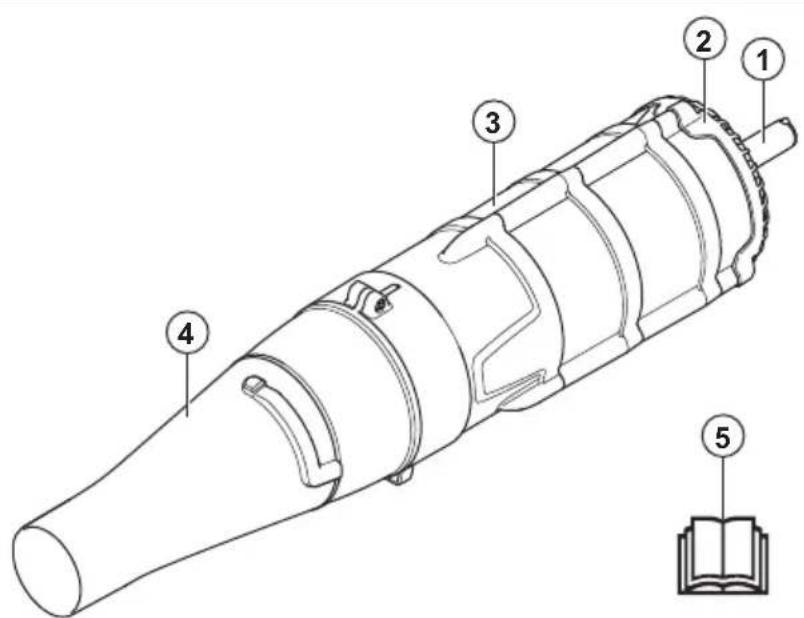
- Shaft
- Air intake screen
- Fan housing
- Air nozzle
- Operator's manual
Symbols on the attachment and on the power unit

Careless or incorrect use of this attachment can result in serious or fatal injury to the operator or others.


Read the operator's manual carefully and make sure you understand the instructions before you use the attachment.

Use approved hearing, eye and breathing protection.

The blower operator must ensure that no people or animals come closer than 15 meters. When several operators are working at the same site a safety distance of at least 15 meters must be in effect. The blower can forcibly throw objects that can bounce back. This can result in serious eye injuries if the recommended safety equipment is not used.
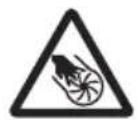
Severing of fingers or hand by fan blade. Do not open or remove the safety guards or nets while engine is running.
Note: Other symbols/decals on the attachment refer to special certification requirements for certain markets.
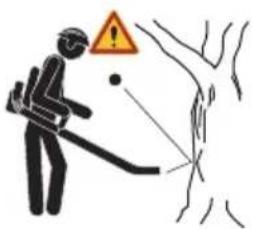
The blower can forcibly throw objects that can bounce back. This can result in serious eye injuries if the recommended safety equipment is not used.
Safety
Safety definitions
Warnings, cautions and notes are used to point out specially important parts of the manual.

WARNING: Used if
there is a risk of injury or death for the operator or bystanders if the instructions in the manual are not obeyed.

CAUTION: Used if there
is a risk of damage to the product, other materials or the adjacent area if the instructions in the manual are not obeyed.
Note: Used to give more information that is necessary in a given situation.
IMPORTANT SAFETY INSTRUCTIONS

WARNING: Read all
safety warnings and all instructions. Failure to follow the warnings and instructions may
result in electric shock, fire and/or serious injury.
READ ALL INSTRUCTIONS BEFORE USING THE APPLIANCE
Please read the operator's manual carefully and make sure you understand the instructions before using the machine.

WARNING: To Reduce
The Risk Of Electric Shock - Do Not Expose To Rain - Store Indoors.
- Do not allow to be used as a toy. Close attention is necessary when used by or near children.
- Use only as described in this manual. Use only manufacturer's recommended attachments.
- Do not use with damaged cord or plug. If appliance is not working as it should, has been dropped, damaged, left outdoors, or dropped into water, return it to a service center.
-
Do not handle plug or appliance with wet hands.
-
Do not put any object into openings. Do not use with any opening blocked; keep free of dust, lint, hair, and anything that may reduce air flow.
- Keep hair, loose clothing, fingers, and all parts of body away from openings and moving parts.
- Use extra care when cleaning on stairs.
- Do not use to pick up flammable or combustible liquids, such as gasoline, or use in areas where they may be present.
General safety instructions

WARNING: Read the
safety instructions that follows before you use the attachment.
- Please read the operator's manual carefully and make sure you understand the instructions before using the attachment.
- This Operator's manual should be read together with the Operator's manual for the power unit to get the complete user information.
- Under no circumstances may the design of the attachment be modified without the permission of the manufacturer. Do not use an attachment that appears to have been modified by others and always use original accessories. Non-authorized modifications and/or accessories can result in serious personal injury or the death of the operator or others.
Safety instructions for operation

WARNING: Read the
warning instructions that follow before you use the product.

WARNING: This
product produces an electromagnetic field during operation. This field may under some circumstances interfere with active or passive medical implants. To reduce the risk of serious or fatal injury, we recommend persons with medical implants to consult their physician and the medical implant manufacturer before operating this product.
- Never use the product if you are tired, if you are ill, if you have consumed alcohol, or if you are taking other drugs or medication that can affect your vision, judgement or co-ordination.
- Never use a product that is faulty.
-
All covers and guards must be fitted before starting. If you have a gasoline operated product, ensure that the spark plug cap and ignition lead are undamaged to avoid the risk of electric shock.
-
The blower operator must ensure that no people or animals come closer than 15 meters. When several operators are working at the same site a safety distance of at least 15 meters must be in effect.
- Never allow children to use the product.
- Never allow anyone else to use the product without first ensuring that they have read and understood the contents of the operator's manual.
- Never remove the air intake screen.
- Never touch the spark plug or ignition cable while the engine is running. Touching the spark plug or plug may result in being subjected to an electrical shock.
- Always contact local authorities and make sure you are following applicable directives.
- Keep all parts of your body away from hot surfaces.
- If you encounter a situation where you are uncertain how to proceed you should ask an expert. Contact your dealer or your service workshop. Avoid all usage which you consider to be beyond your capability.
- Hold the opening of the blower as close to the ground as possible. Utilize the entire length of the blow pipe to keep the air stream close to the ground.
- Use the machine during normal working hours to avoid unnecessary disturbance. Avoid working early in the morning or late at night.
- Be aware of your surroundings. If anyone approaches your work area, release the throttle/ power trigger until the person is at a safe distance. Direct the blower away from people, animals, play areas, open windows and cars etc. The force of air can cause rocks, dirt or sticks to be thrown or to ricochet which can injure people or animals, break glass or cause other damage.
- Never put hands or other objects into blower housing to avoid serious injury from the rotating impeller.
- Keep outside surface free from oil and fuel.
- Never use for spreading chemicals, fertilizer or other substances which may contain toxic materials.
- To avoid spreading fire, do not use near leaf or brush fire, fireplaces, barbecue pits, ashtrays, etc.
- Never douse or squirt the attachment with water or any other liquid.
- Always use both hands to hold the machine. Hold the machine at the side of your body.
- If you have a gasoline operated product, allow the engine to cool before refueling.
- The powerful streams of air can move objects at such a speed that they can bounce back and cause serious eye injuries.
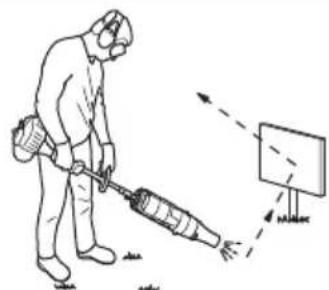
- Stop the engine/motor before assembling or dismantling accessories or other parts.
- Do not use the product in bad weather, such as dense fog, heavy rain, strong wind, intense cold, etc. Working in bad weather is tiring and can lead to dangerous conditions, e.g. slippery surfaces.
- Make sure you can move and stand safely. Check the area around you for possible obstacles (roots, rocks, branches, ditches, etc.) in case you have to move suddenly. Take great care when working on sloping ground.
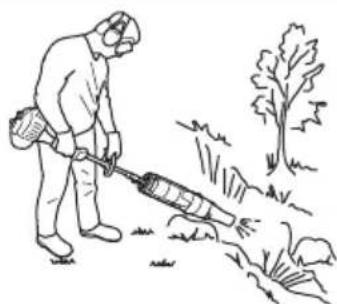
- Never put the product down with the engine/motor running unless you have it in clear sight.
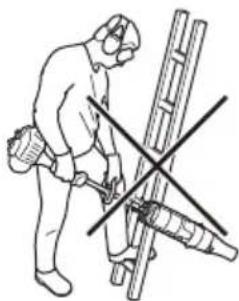
If you have a gasoline operated product, the engine exhaust fumes contain carbon monoxide, which can cause carbon monoxide poisoning. For this reason you should not start or run the product indoors, or anywhere that is poorly ventilated. - The blower must not be used while on a ladder or scaffolding, or in high places (such as roofs). This work could result in severe injury.
- Do not use the product unless you are able to call for help in the event of an accident.
- Never place any objects in air intake opening as this could restrict proper air flow and cause damage to the unit.
Make sure that the product do not hit any fence, tree or other hard material. This could cause damage to the machine and lead to severe injury.
- Listen out for warning signals or shouts when you are wearing hearing protection. Always remove your hearing protection as soon as the engine/motor stops.
Other safety information
- Avoid Dangerous Environment - Don't use appliances in damp or wet locations.
- Don't Use In Rain.
- Keep Children Away - All visitors should be kept at a distance from work area.
- Dress Properly - Do not wear loose clothing or jewelry. They can be caught in moving parts. Use of rubber gloves and substantial footwear is recommended when working outdoors. Wear protective hair covering to contain long hair.
- Use Safety Glasses - Always use face or dust mask if operation is dusty.
- Use Right Appliance - Do not use appliance for any job except that for which it is intended.
- Avoid Unintentional Starting - Don't carry plugged-in appliance with finger on switch. Be sure switch is off when plugging in.
- Don't Force Appliance - It will do the job better and with less likelihood of a risk of injury at the rate for which it was designed.
- Don't Overreach - Keep proper footing and balance at all times.
- Stay Alert - Watch what you are doing. Use common sense. Do not operate appliance when you are tired.
- Store Idle Appliances Indoors - When not in use, appliances should be stored indoors in dry, and high or locked-up place - out of reach of children.
- Maintain Appliance With Care - Keep cutting edge sharp and clean for best performance and to reduce the risk of injury. Follow instructions for lubricating and changing accessories. Keep handles dry, clean, and free from oil and grease.
- Check Damaged Parts - Before further use of the appliance, a guard or other part that is damaged should be carefully checked to determine that it will operate properly and perform its intended function. Check for alignment of moving parts, binding of moving parts, breakage of parts, mounting, and any other condition that may affect its operation. A guard or other part that is damaged should be properly repaired or replaced by an authorized service center unless indicated elsewhere in this manual.
Personal protective equipment

WARNING: Read the
warning instructions that follow before you use the product.
- Always use approved personal protective equipment when you use the product. Personal protective equipment cannot fully prevent injury but it decreases the degree of injury if an accident does occur. Let your dealer help you select the right equipment.
- Use approved hearing protection that provides adequate noise reduction. Long-term exposure to noise can result in permanent hearing impairment.
- Use approved eye protection. If you use a visor, you must also use approved protective goggles. Approved protective goggles must comply with the ANSI Z87.1 standard in the USAs or EN 166 in EU countries.
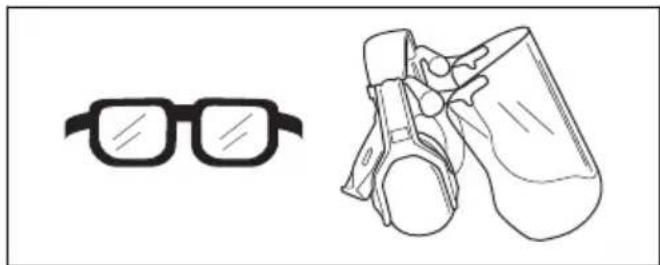
- Use breathing protection when there is a risk of dust.

- Use gloves when necessary, for example when you attach, examine or clean the equipment.
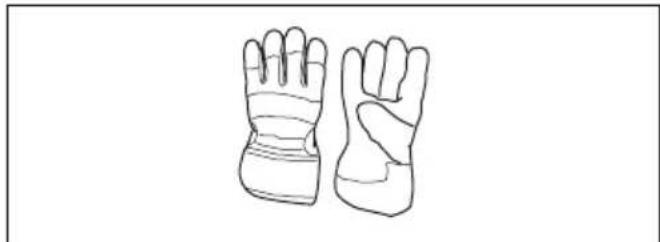
- Use sturdy non-slip boots or shoes.
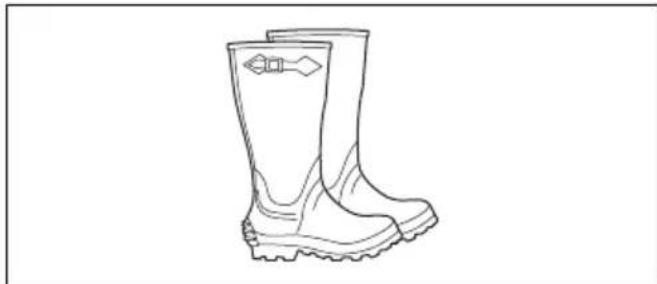
- Use clothing made of a strong fabric. Always use heavy, long pants and long sleeves. Do not use loose clothing that can catch on twigs and branches. Do not wear jewelry, short pants, sandals or go with bare feet. Put your hair up safely above shoulder level.
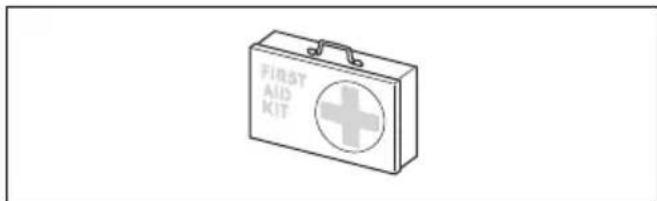
- Keep first aid equipment close at hand.
Safety instructions for maintenance
WARNING: Read the warning instructions that follow before you operate the product.
Carry out an overall inspection of the product before use. See the maintenance schedule.
Carry out the maintenance and service instructions described in this manual. Some maintenance and service measures must be carried out by trained and qualified specialists. See instructions under the Maintenance heading.
Always check for any objects that may block the air intake screen before beginning work.
In order to prevent damage due to falling of the product, assembly and dismantling should be conducted close to the ground surface.
SAVE THESE INSTRUCTIONS
Operation
To use the attachment
Note: Show consideration to persons in your surroundings by avoiding using the machine at
unsuitable times, such as late in the evening or early in the morning. Reduce the noise levels by limiting the number of equipment units used simultaneously. Read
through and follow the simple directions so that you disturb your surroundings as little as possible.
- Use a rake or a brush to release rubbish stuck to the ground.
- Clean corners by starting in corners and moving outward. This will help prevent an accumulation of debris which could fly into your face.
- Use the blower with the lowest possible throttle/ speed. It is seldom necessary to use full throttle/ speed, and many work procedures can be done at half throttle/speed. A lower throttle/speed means less noise and less dust, and it is also easier to keep control over the rubbish collected together/moved.
- Minimise the blowing time by lightly wetting dusty areas or using spray equipment.
-
Reduce water consumption by using blowers instead of water hoses for different applications around the lawn and garden, such as lattices, screens, grills, porches, etc.
-
Be careful when working near plants. The force of the air could damage tender plants.
- The speed of the air jet is regulated by means of the throttle/power trigger. Select the speed best suited for respective tasks.
- Be aware of the wind direction. Work with the wind to make your work easier.
- Using the blower to move large piles is time consuming and creates unnecessary noise.
- Keep a good balance and a firm foothold.
- Keep clearance between the tube and ground to avoid contact with the ground when working with the product.
- Clean up afterwards. Make sure that you have not blown rubbish into someone's garden. Dispose of debris in trash receptacle.
- When work is finished the product should be stored horizontally.
Maintenance
Introduction
Below you will find some general maintenance instructions. If you need further information please contact your service workshop.
To perform daily maintenance on the attachment

WARNING: Always stop the engine/motor before you clean or do maintenance on the attachment. If you have a gasoline operated product, disconnect the ignition cable from the spark plug. If you have a battery operated product, remove the battery.

WARNING: Keep all parts of your body away from hot surfaces.
-
Clean the exterior surface of the blower.
-
Make sure that all the housing are free of cracks.
- Make sure that the product is in perfect working order.
- Make sure that all nuts and screws are tight.
- Clean the labels using a damp cloth with a mild detergent.
To check the air intake screen
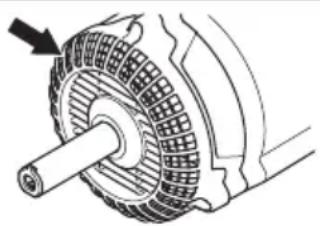
- Check that the air intake is not blocked on all sides including the underside, for example, by leaves or rubbish. A clogged air intake reduces the product's blowing capacity and increases the working temperature of the engine/motor, which can result in engine/motor failure. Stop the engine/motor and remove the object.
Transportation, storage and disposal
Transport and storage
Perform the following steps after each use:
- Allow attachment to cool before storing or transporting.
- Store in a high, cool, dry, indoor area out of reach for children.
Seasonal storage
Prepare attachment for storage at end of season or if it will not be used for 30 days or more. If your blower attachment is to be stored for a period of time:
- Clean the unit.
- Inspect attachment for any loose or damage parts. Tighten any loose screws.
Technical data
Technical data for gasoline operated products
| BA101 | |
| Weight | |
| Weight, lb/kg 4.2/1.9 | |
| Sound levels1 | |
| Equivalent sound pressure level at the operator's ear, measured according to EN15503 dB(A) | 99 |
| Vibration levels2 | |
| Equivalent vibration levels (ahv,eq) at handles, measured according to EN 15503, m/s2 | |
| Front/rear handles: 5.6/8.3 | |
| Fan performance3 | |
| Max. air velocity with standard nozzle, mph / m/s: 148/66 | |
| Air flow with standard nozzle, cfm / m3/min 529/15 | |
Technical data for battery operated products
| 325iLK + Blower attachment BA101 | |
| Weight | |
| Weight, lb/kg 5.1/2.3+4.2/1.9 | |
| Sound levels | |
| Sound pressure level at the operator's ear, measured according to ISO 26868 dB(A) 4 | |
| Equipped with approved accessory (original), dB (A) 93 | |
| Vibration levels5 | |
| Vibration levels at handles, measured according to EN 62841-1, m/s2 | |
| Equipped with approved accessory (original), left/right m/s 1.6/1.1 | |
| Fan performance6 | |
| Maximum air velocity in normal mode with standard nozzle, mph / m/s: 117/52 | |
| Air flow in normal mode with standard nozzle, cfm / m3/min 495/14 | |
Table des matieres
Introduction. 10
Entretien. 16
Sécurité 11