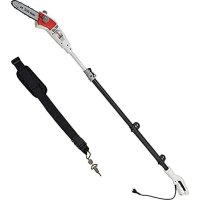
EAS 750 - Saw IKRA - Free user manual and instructions
Find the device manual for free EAS 750 IKRA in PDF.


| Product type | Electric pruning saw |
| Brand | IKRA |
| Model | EAS 750 |
| Nominal voltage | 230-240 V ~ / 50 Hz |
| Rated power | 750 W |
| No-load speed | 6000 min⁻¹ |
| Guide bar length | 200 mm |
| Cutting length | approx. 17.5 cm |
| Telescopic handle height adjustment | from 1.90 m to 2.85 m |
| Maximum working height | up to 4.5 m |
| Cutting speed at rated speed | 11 m/s |
| Oil tank capacity | 110 ml |
| Weight | 3.4 kg |
| Chain | 91PJ033X |
| Guide bar | 080SDEA041 |
| Protection class | II |
| Sound pressure level (EN ISO 11680-1) | 90 dB(A) K = 3 dB |
| Vibration level (EN ISO 11680-1) | 2.7 m/s² K = 1.5 m/s² |
| Chain lubrication | Automatic, integrated oil tank |
| Safety | Activation lock, blade guard, shoulder strap |
| Maintenance | Regular cleaning, sharpening or replacement of the chain if necessary |
| Delivery contents | Saw with chain and blade, shoulder strap, multifunction tool, blade guard, manual |
Frequently Asked Questions - EAS 750 IKRA
User questions about EAS 750 IKRA
0 question about this device. Answer the ones you know or ask your own.
Ask a new question about this device
Download the instructions for your Saw in PDF format for free! Find your manual EAS 750 - IKRA and take your electronic device back in hand. On this page are published all the documents necessary for the use of your device. EAS 750 by IKRA.
USER MANUAL EAS 750 IKRA
Operating Instructions - Translation of the original Operating Instructions
Read operating instructions before use!
GB | Operating Instructions
Electric branch saw EAS 750
Content
- General safety regulations
- Explanation of symbols
- Description of the machine and scope of delivery
- Intended use
- Assembly
- Operation
- Working with the chainsaw
- Technical data
- Maintenance
- Cleaning and storage
- Information for environmental protection / disposal
- Ordering spare parts
- Fault remedy
- Declaration of conformity
Packaging
This machine is packaged to prevent damage during transportation. The packaging is raw material and can thus be reused or fed back into the raw materials cycle.
When using the machine certain safety precautions must be taken in order to prevent injuries and damage:
- Read through the operating instructions carefully and observe the instructions contained therein. Familiarise yourself with the machine, its correct use and the safety devices by means of these operating instructions.
- Store these carefully so that the information is always available to you.
- In the event of the machine being handed over to another party, please include these operating instructions with it.
We accept no liability for accidents and damage caused as a result of disregarding these instructions.
1. General safety regulations
This machine is not intended for use by persons (including children) with an impaired physical, sensory or mental capacity or insufficient experience and/or insufficient knowledge unless they are supervised by a person responsible for their safety or receive instructions from that person in the use of the machine. Children should be supervised in order to ensure that they do not play with the machine.
Remain alert, pay attention to what you are doing and proceed sensibly when working with an electric tool. Do not use the machine if you are tired or under the influence of drugs, alcohol or medication.
General safety information for power tools
Warning! Read all safety-related information and safety instructions! Failure to observe the safety information and instructions may result in electric shock, burns and/or severe injury.
Keep the safety information and instructions for future reference.
The term 'power tool' as used in the safety information and instructions includes both mains-operated tools (with power cord) and battery-operated tools (without power cord).
1) Safety at the workplace
a) Keep your working area clean, tidy and well-lit. Disorder and poorly lit working areas may result in accidents.
b) Do not operate the power tool in potentially explosive environments containing combustible fluids, gases or dusts. Power tools generate sparks that may ignite dusts or fumes.
c) Keep children and other persons away while you are operating the power tool. Distractions may result in the operator loosing control over the tool.
GB | Operating Instructions
2) Electrical safety
a) The mains plug of the power tool must fit into the mains socket. The plug must not be modified in any way. Do not use adapter plugs/ connectors in combination with tools with protective earthing. Unmodified plugs and fitting sockets reduce the risk of electric shock.
b) Avoid physical contact with earthed surfaces as pipes, heaters, ovens and refrigerators. There is an increased risk of electric shock if your body is earthed.
c) Keep the tool out of the rain or moisture in general. The penetration of water into a power tool increases the risk of electric shock.
d) Do not use the cord to carry or hang up the tool or to pull the plug out of the socket. Keep the cord away from heat, oil and sharp edges or moving parts of the tool. Damaged or tangled cords increase the risk of electric shock.
e) When operating a power tool outdoors, use exclusively extension cords that are approved for outdoor-use. The use of an extension cord that is suitable for outdoor use reduces the risk of electric shock.
f) If the operation of a power tool in a moist environment cannot be avoided it is highly recommended to use a residual current device (RCD). The use of an RCD reduces the risk of electric shock.
3) Personal safety
a) Always pay attention to what you do and apply reasonable care when working with a power tool. Do not use the power tool when you are tired or under the influence of medication, drugs or alcohol. When working with power tools, even a short moment of inattention may result in severe injury.
b) Wear personal protection equipment and always wear eye protection (safety goggles). Wearing personal protection equipment as a dust mask, nonslip safety shoes, safety helmet or ear protectors (depending on the type and application of the tool) reduces the risk of injury.
c) Avoid unintentional operation. Make sure that the power tool is switched off before you connect it to the mains supply and/or the battery and whenever you pick up or carry the tool. When carrying the tool with your finger on the on/off switch or connecting the tool to the mains supply with the switch in 'ON' position, this may result in accidents.
d) Remove adjustment tools or wrenches and the like before you switch the power tool on. A wrench or other tool that is inside or on a rotating part of the tool may cause injury.
e) Avoid unusual postures. Make sure to have a safe footing and keep your balance at all times. This will allow you to better control the power tool in unexpected situations.
f) Wear suitable clothes. Do not wear wide clothing or jewellery. Keep your hair, clothes and gloves clear of all moving parts. Loose clothing, jewellery or long hair may get caught in moving parts.
g) If dust extraction/collectio devices are provided make sure that they are connected and used properly. The use of a dust extraction device may reduce risks caused by dust.
4) Use and handling of the power tool
a) Do not overtax the power tool. Use the power tool intended for your type of work in each case. The use of the suitable power tool within the stated range of performance makes working more effective and safer.
b) Do not use a power tool with a damaged switch. A power tool that cannot be switched on or off any more is dangerous and must be repaired.
c) Pull the mains plug and/or remove the battery before adjusting a tool, changing accessories or putting the tool aside. This precaution avoids the unintentional start of the tool.
d) Store power tools that are currently not used out of the reach of children. Do not allow persons to use the tool if they are not familiar with the tool or these instructions. Power tools are dangerous if used by inexperienced persons.
e) Thoroughly maintain your power tool. Check whether moving parts are working properly and are not jamming/sticking, and whether parts are broken or otherwise damaged in a way that may affect the function of the power tool. Have damaged parts repaired before using the tool. Many accidents are the result of poorly maintained power tools.
f) Keep cutting tools sharp and clean. Thoroughly maintained cutting tools with sharp cutting edges are jamming less often and are easier to guide.
g) Use power tools, accessories, add-on tools, etc. in accordance with these instructions and in the way prescribed for the respective type of tool. You should also consider the working conditions and the work to be carried out. The use of power tools for purposes other than those intended for the respective tool may result in dangerous situations.
5) Service
a) Have the power tool serviced by qualified technical personnel only; repairs should be carried out using exclusively original spare parts. This will ensure the continued safe operation of the power tool.
GB | Operating Instructions
Device-specific safety instructions
- Keep the cable away from the cutting area. When working with the tool the cable might be hidden in bushes and accidentally cut through.
- Keep all parts of your body clear of the chain while the saw is running. Before starting the saw, make sure that the chain does not touch any objects. When working with a chain saw, even a short moment of inattentiveness may result in clothes or parts of the body being caught by the chain.
- Always hold the chain saw with your right hand at the rear handle and your left hand at the front handle. Holding the chain saw differently (left hand - rear handle / right hand - front handle) during operation will increase the risk of injury and is not permitted.
- Wear eye and hearing protection. Other personal protection equipment for the head, hands, legs and feet is recommended. Proper protective clothing and protection equipment reduce the risk of injury caused by thrownabout wood chips and accidental contact with the chain.
- Do not operate the chain saw on trees. Operating a chain saw while situated on a tree involves a high risk of injury.
- Make sure to have a safe stand at any time, and only use the chain saw when standing on solid, safe and level ground. A slippery ground or instable surfaces as the steps of a ladder may lead to loosing balance or the control over the chain saw.
- When cutting a branch that is under tension take into account that it will spring back. When the tension of the wood fibres is released the tensioned branch may hit the operator and/or the chain saw resulting in a loss of control.
- Apply particular caution when cutting brush and young trees. The thin material may get caught in the chain and hit you or throw you off balance.
- Carry the switched-off chain saw using the front handle with the chain pointing away from your body. Always put on the protection cover when transporting or storing the chain saw. The careful handling of the chain saw reduces the risk of accidentally touching the sharp cutting chain.
- Follow the instructions for lubrication, chain tension and changing accessories. An improperly tensioned or lubricated chain may either break or considerably increase the risk of a kickback.
- Keep the handles dry, clean and free from oil and grease. Fatty, oily handles are slippery and may lead to a loss of control.
- Use the chain saw for cutting wood only! Do not use the chain saw for works it is not designed for. - Example: Do not use the chain saw for cutting plastics, brickwork or other construction materials that are not made of wood. The use of the chain saw for applications, for which it is not designed, may result in dangerous situations.
- Never attempt to use an incomplete machine or one which an unauthorised alteration has been implemented.
These devices are not designed to be operated by persons who have insufficient experience and/or insufficient knowledge or by persons with impaired physical, sensory or mental capabilities, unless they are being supervised by a person who is responsible for their safety or they are receiving instructions about how these devices are to be used. - Young persons under the age of 16 are not permitted to operate these devices.
- Measures must be implemented to ensure that the device is not operated during adverse weather conditions, in particular when there is a risk of lightening.
Warning!
The prolonged utilisation of a tool will subject the user to vibration and shocks that could lead to Raynaud's syndrome or Carpal tunnel syndrome.
This condition reduces the ability of the hand to sense and regulate temperature, causes numbness and a sensation of heat and can lead to damage to the nervous system and the circulatory system and to necrosis.
Not all factors that lead to Raynaud's syndrome are known but cold water, smoking and illnesses that impact the blood vessels and the circulatory system as well as severe or long-lasting exposure to vibrations are known to be factors in the development of Raynaud's syndrome. Observe the following in order to reduce the risk of Raynaud's syndrome and Carpal tunnel syndrome:
- Wear gloves and keep your hands warm.
- Make sure the device is well maintained. A tool with loose components or with damaged or worn-out dampers will have a disposition towards increased vibrations.
- Always hold the handle firmly but do not clutch it constantly with excessive force. Take breaks often.
All of the above precautions cannot exclude the risk of Raynaud's syndrome or Carpal tunnel syndrome. Therefore, with long-term or regular use it is advisable to keep a close watch on the condition of your hands and fingers. Seek medical attention immediately in the event of any of the above symptoms appearing.
GB | Operating Instructions
2. Explanation of symbols
| The following symbols are used on this electric tool. You can operate this electric tool more safely and effectively with the correct interpretation of these symbols. | |
| SYMBOLS MEANING | |
| If you do not adhere to the instructions and safety measures described in the Operating Instructions severe injuries may occur. Read the Operating Instructions before you start and operate this device. | |
| Wear eye and ear protection devices when operating this device. Falling objects may cause serious injuries of the head; wear a head protection when operating this device. | |
| Always wear safety boots and gloves when operating the device. | |
| Clothing must be sturdy and snug-fitting, but allow complete freedom of movement. | |
| Unplug immediately if the power cord or plug becomes damaged! | |
| Do not use the tool under wet weather conditions! | |
| Protection class II | |
| CE | Confirms the conformity of the electric tool with the Directives of the European Community. |
| This device may not be disposed of with general/household waste. Dispense of only a designated collection point. | |
| 10m | Maintain a minimum clearance of 10 m from current-carrying lines. Life-threatening danger from electric shock |
GB | Operating Instructions
3. Description of the machine and scope of delivery (Fig. 1)
- Mains cable
- Cable strain relief
- On/off switch
- Handle
- Telescope arm
- Padded grip
- Telescope quick-acting lock
- Motor housing
- Chain sprocket cover
- Oil tank cover
- Multi-function tool
- Saw chain
- Guide bar
- Switch lock
- Guide bar guard
- Shoulder belt
4. Intended use
The chainsaw with telescoping arm is intended for removing branches from trees. It is not suitable for extensive sawing work and felling trees or for the sawing of materials other than wood. Please observe that our machine was not designed for use in commercial, technical or industrial applications. We assume no liability if the machine is used in commercial, technical or industrial applications or for equivalent activities.
5. Assembly
Attention! Only connect the chainsaw to the mains supply once it has been completely assembled and the chain tension has been set. Always wear protective gloves when carrying out work on the chainsaw in order to prevent injury.
5.1 Assembly of guide bar and saw chain
Carefully unpack and inspect all parts for completeness. (Fig.1)
- Loosen the fastening bolt for the chain sprocket cover. (Fig.2)
- Remove the chain sprocket cover.
- Place the chain in the groove of the guide bar as shown. (Fig.3/Pos. A)
- Insert the guide bar and chain into the mount on the chainsaw. (Fig. 4) In the process, guide the chain around the pinion and hang the guide bar in the chain tensioning bolts.
- Re-mount and hand-tighten the chain sprocket cover with the fastening bolt. (Fig.5)
Attention! Only tighten the fastening bolt once the chain tension has been adjusted (see 5.2).
5.2 Tensioning the saw chain
Attention! Always pull out the mains plug before inspection and adjustment work. Always wear protective gloves when carrying out work on the chainsaw in order to prevent injury.
- Loosen the fastening bolt of the chain sprocket cover a few rotations.
- Adjust the chain tension with a screwdriver at the chain tensioning screw.
- Clockwise rotation increases the chain tension; anticlockwise rotation reduces the chain tension. The saw chain is correctly tensioned if it can be raised approx. 2mm in the centre of the guide bar. (Fig.6 + 7)
Attention! All chain links must lie properly in the guide groove of the guide bar.
Information regarding the tensioning of the chain
The saw chain must be tensioned properly in order to ensure safe operation. The chain tension is optimal if the saw chain can be lifted 2mm in the centre of the guide bar. Since the saw chain heats up during the sawing process, whereby its length changes, you must check the chain tension at least once every 10min and adjust it as necessary. This applies in particular for new saw chains. Slacken the saw chain after work is completed, because it shortens when cooling down. In doing so, you can prevent damage to the chain.
5.3 Saw chain lubrication
Attention! Always pull out the mains plug before inspection and adjustment work. Always wear protective gloves when carrying out work on the chainsaw in order to prevent injury.
Attention! Never operate the chain without saw chain oil! The use of the chainsaw without saw chain oil or with an oil level below the minimum oil level mark results in damage to the chainsaw!
Attention! Only use special chainsaw oil. The warranty is voided with the use of used oil.
Filling the oil tank (Fig. 8)
- Place the chain saw on a level surface.
- Clean the area around the oil tank cap (Pos.10) and then open it.
- Fill the oil tank with saw chain oil. In doing so, make sure that no dirt gets into the oil tank so that the oil nozzle does not clog.
- Close the oil tank cap (Pos.10).
6. Operation
6.1 Adjusting the telescope length
- Rotate the locking cap nut (Fig.9) anti-clockwise.
- The lock is released and can be adjusted to the desired length by pulling the ends out from one another to the desired length.
- Then firmly tighten the locking cap nut in clockwise motion.
GB | Operating Instructions
6.2 Connection to the mains supply
- Connect the mains cable to a suitable extension cable. Make sure that the extension cable is designed to accommodate the power of the chain saw.
- Secure the extension cable against tractive forces and accidental unplugging as shown in (Fig.10).
- Connect the extension cable to an earthed safety socket installed in accordance with regulations. We recommend the use of a cable in a signal colour (red or yellow). This reduces the risk of accidental damage from the chainsaw.
Recommendation
Only connect the device to a power source that is protected via a residual current protective device (RCD) with a maximum release current of 30mA .
6.3 Switching on/off
Switching on
- Hold the chainsaw firmly with both hands on the handle (thumb under the handle).
- Press and hold the switch lock (Fig.11).
- Switch the chainsaw on with the on/off switch (3). The switch lock (14) can now be released again.
Switching off
- Release the on/off switch (3). Always pull out the mains plug when discontinuing the work.
7. Working with the chainsaw
7.1 Preparation
Before each use, check the following to ensure safe work:
Condition of the chainsaw
Before beginning work, inspect the chainsaw for damage to the housing, the mains cable, the saw chain and the guide bar. Never use an obviously damaged machine.
Oil tank
Fill level of the oil tank. Also check whether there is sufficient oil available while working. Never operate the saw if there is no oil or the oil level has dropped below the minimum oil level mark in order to prevent damage to the chain saw. On average, an oil filling is sufficient for 10 minutes of operation, depending on the duration of pauses and the stress.
Saw chain
Tension of the saw chain, condition of the cutters. The sharper the saw chain is, the easier and more manageable the chain saw is to operate. The same applies for the chain tension. Also check the chain tension at least once every 10 minutes while working in order to increase safety! New saw chains, in particular, tend to have a higher degree of elongation.
Protective clothing
Make absolutely sure to wear the appropriate, close-fitting protective clothing, such as chainsaw-protective pants, gloves and safety shoes.
Hearing protection and protective goggles
Wear a safety helmet with integrated hearing protection and a face guard. This provides protection against falling branches and recoiling branches.
Attachment of the shoulder belt
- Wear the shoulder belt so that it lies over the right shoulder (Fig. 12).
- Fasten the carabiner hook on the shaft bracket on the shaft (Fig. 13).
Never carry the belt diagonally across your shoulders and chest, but rather only on one shoulder, so that you can rapidly move away from the tool in case of danger.
Safe work
In order to ensure safe work, a maximum working angle of 60^ is prescribed.
- Never stand below the branch to be sawed.
Exercise caution when sawing branches under tension or splintering wood.
- Potential risk of injury from falling branches and flying wood projectiles!
- If the machine is in operation, keep persons and animals away from the danger area.
- The machine is not protected against electric shock when coming into contact with high-voltage lines. Maintain a minimum clearance of 10m from current-carrying lines. Life-threatening danger from electric shock!
- When working on an incline, always stand above or to the side of the branch to be sawed.
- Hold the machine as close as possible to your body. By doing so, you maximise your balance.
Sawing techniques
- When removing branches, hold the machine at an angle ranging from a maximum 60^ to horizontal in order to avoid being struck by a falling branch.
- Saw off the lower branches on the tree first. By doing so, it is easier for the cut branches to fall to the ground.
- At the end of the cut, the weight of the saw suddenly increases for the user, because the saw is no longer supported on the branch. There is the risk of losing control of the saw.
- Only pull the saw out of the cut with the saw chain running. By doing so, you can prevent it from getting jammed.
- Do not saw with the tip of the guide bar.
- Do not saw into thick the branch formations. This impedes the tree's ability to heal the wound.
Sawing off smaller branches (Fig.14)
Place the stop face of the saw on the branch. This prevents fitful movements of the saw at the beginning of the cut. Applying light pressure, guide the saw through the branch from top to bottom.
GB | Operating Instructions
Sawing off larger and longer branches (Fig.15)
Make a relief cut when sawing larger branches.
a) First saw through 1/3 of the branch diameter from bottom to top using the top side of the guide bar.
b) Then saw from top to bottom to the first cut using the bottom side of the guide bar.
c) Saw off longer branches in sections in order to maintain control over the location of impact.
Kickback
The term kickback refers to when the chainsaw suddenly jumps up and back. This is usually caused by the workpiece coming into contact with the guide bar tip or the clamping of the saw chain.
A kickback generates abrupt, powerful forces. Therefore, the chainsaw usually reacts in an uncontrolled manner. The consequence is often the severe injury of the user or nearby persons.
The danger of a kickback is greatest if you apply the area near the guide bar tip to a branch, because the leverage effect is greatest there. Therefore, always apply the saw as flatly as possible.

Attention!
- Always make sure that the chain tension is correct!
- Only use properly functioning chainsaws!
- Only work with a saw chain sharpened according to regulations!
- Never saw with the upper edge or tip of the guide bar!
- Always hold the chainsaw firmly with two hands!
Sawing wood under tension
Sawing wood which is under tension necessitates elevated caution! Wood that is under tension and is then released from that tension when cut occasionally reacts in a completely uncontrolled manner. This can result in severe to deadly injuries. Such work may only be performed by trained specialists.
GB | Operating Instructions
8. Technical specifications
| Electric branch saw EAS 750 | |
| Rated Voltage 230-240 V ~ / 50 Hz | |
| Nominal Consumption 750 W | |
| No-load Speed 6000 min | -1 |
| Guide Bar 200 mm | |
| Cutting length ca. 17,5 cm | |
| Variable height adjustment from 1.90 m to 2.85 m | |
| Working height up to 4.5 m | |
| Chain speed 11 m/s | |
| Oil 110 ml | |
| Weight with bar+chain 3.4 kg | |
| Chain type 91PJ033X | |
| Guide Bar type 080SDEA041 | |
| Class of Protection | II |
| Sound Pressure Level EN ISO 11680-1:2008 90 dB(A) | K = 3 dB |
| Vibration EN ISO 11680-1:2008 2,7 m/s | 2 K = 1,5 m/s2 |
Noise emission information in accordance with the German Product Safety Act (ProdSG) and the EC Machine Directive: the noise pressure level at the place of work can exceed 80 dB(A). In such cases the operator will require noise protection (e.g. wearing of ear protectors).
Wear hearing protection. The influence of noise can cause hearing loss.

Attention!
The vibration value will change on the basis of the area of application of the electric tool and may lie above the specified value in exceptional situations.
Keep the development of noise and vibration to a minimum!
- Only use properly functioning machines.
- Maintain and clean the machine regularly.
- Adapt your working method to the machine.
- Do not overstress the machine.
- If necessary, have the machine inspected.
- Switch the machine off when it is not in use.
- Wear work gloves.
Attention: Noise protection! Please observe the local regulations when operating your device.
GB | Operating Instructions
9. Maintenance
9.1 Replacing the saw chain and guide bar
The guide bar must be replaced if the guide
- groove of the guide bar is worn out.
- the spur wheel in the guide bar is damaged or worn out.
For this purpose, proceed as described in the chapter "Assembly of the guide bar and saw chain"!
9.2 Checking the automatic chain lubrication
Regularly check the functionality of the automatic chain lubrication in order to prevent overheating and the subsequent damage to the guide bar and saw chain associated with it. For this purpose, align the guide bar tip against a smooth surface (board, cut-in of a tree) and allow the chainsaw to run. If an increasing amount of oil appears, the automatic chain lubrication functions properly. If no clear trace of oil appears, please read the appropriate information in the chapter "Fault remedy!"
If this information does not help, please contact our customer service or a similarly qualified workshop.

Attention! Do not touch the surface during the process. Maintain a sufficient safety clearance (approx. 20cm
9.3 Sharpening the saw chain
Effective work with the chainsaw is only possible if the saw chain is in good condition and sharp. This also reduces the danger of a kickback. The saw chain can be resharpened by a specialty dealer. Do not attempt to sharpen the saw chain yourself if you do not have a suitable tool and the necessary experience.
10. Cleaning and storage
- Regularly clean the tensioning mechanism by blowing compressed air onto or cleaning it with a brush. Do not use any tools for the cleaning.
- Keep oil away from the handle in order to ensure a secure hold.
- Clean the machine as necessary with a damp cloth and a mild cleanser, if appropriate.
- If the chainsaw is not used for an extended period of time, remove the chain oil from the tank. Briefly place the chainsaw and the guide bar in an oil bath and then wrap it in oil paper.

Attention!
- Always replace the protective cover for transport or storage of the chainsaw.
- Pull out the mains plug before cleaning.
- Never immerse the machine in water or other liquids.
- Store the chainsaw in a safe and dry place and out of the reach of children.
11. Information for environmental protection/ disposal
Dispose of the machine properly after it is worn out. Disconnect the mains cable in order to prevent misuse. Do not dispose of the machine with the household waste. In the interest of environmental protection, take it to a collection point for electric machines. Your responsible local authority can provide you with addresses and operating times. Also take the packaging materials and worn out accessories to the appropriate collection points.
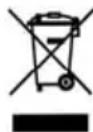
Only for EU countries
Do not discard electric tools in the household waste!
In accordance with European Directive 2002/96/EC on waste electrical and electronic equipment and its implementation in national law, waste electric tools must be collected separately for environmentally-compatible re-use.
Recycling alternative to the return invitation: Instead of returning the electric equipment, the owner is alternatively obligated to take part in the proper recycling in the case of relinquishment of ownership. The waste equipment can also be taken to a collection facility which disposes of it in the sense of the national recycling management and waste acts. This does not pertain to the accessory parts and auxiliary equipment without electrical components accompanying the waste equipment.
12. Ordering spare parts
The following information should be provided when ordering spare parts:
- Type of machine
- Item number of the machine
13. Fault finding

Caution!
Switch off the machine and pull out the mains plug before commencing fault finding.
The following table shows fault symptoms and describes how they can be rectified if your machine is not functioning properly. If this does not help you localise and rectify the problem, contact your service workshop..
GB | Operating Instructions
| Cause Fault Remedy | ||
| Chainsaw does not operate No current supply Check current supply. | Defective outlet Try a different source of current, change as necessary. | current, replace if necessary. |
| Extension cable damaged Check cable, | replace if necessary. | |
| Defective fuse Replace fuse | ||
| Chainsaw operates irregularly Mains cable damaged Take saw to a specialty workshop | External loose connection Take saw to a specialty workshop | specialty workshop |
| Internal loose connection Take saw to a specialty workshop | specialty workshop | |
| Defective on/off switch Take saw to a specialty workshop | specialty workshop | |
| Saw chain dry No oil in the tank | Re-fill oil | |
| Ventilation in the oil tank cap clogged | Clean oil tank cap | |
| Oil tank flow channel clogged | Unclog oil flow channel | |
| Chain/guide rail hot | No oil in the tank | Re-fill oil |
| Ventilation in the oil tank cap clogged | Clean oil tank cap | |
| Oil tank flow channel clogged | Unclog oil flow channel | |
| Dull chain | Re-sharpen or replace chain | |
| Chainsaw jumps up, vibrates or does not saw properly | Chain tension too loose | Adjust chain tension |
| Dull chain | Re-sharpen or replace chain | |
| Chain worn out | Replace chain | |
| Saw teeth pulling in the wrong direction | Re-mount saw chain with teeth in the correct direction |
14. EC Declaration of Conformity

We, ikra GmbH, Schlesierstraße 36, D-64839 Munster/Deutschland, declare under our sole responsibility that the product Electric branch saw EAS 750, to which this declaration relates correspond to the relevant basic safety and health requirements of Directives 2006/42/EC (Machinery Directive), 2004/108/EC (EMC-Guideline), 2011/65/EU (RoHS-Guideline) and 2000/14/EC (noise directive) incl. modifications. For the relevant implementation of the safety and health requirements mentioned in the Directives, the following standards and/or technical specification(s) have been respected:
EN 60335-1/A13:2008; EN ISO 11680-1:2008; EN 62233:2008
EN 55014-1/A2:2011; EN 55014-2/A2:2008; EN 61000-3-2/A2:2009; EN 61000-3-3:2008
Type examination certificate No. M6A 12 05 32082 042; TÜV SÜD Product GmbH, Identity no. 0123
measured acoustic capacity level
105,1 dB (A)
guaranteed acoustic capacity level
108,0 dB (A)
Conformity assessment method to annexe V / Directive 2000/14/EC
The year of manufacture is printed on the nameplate and can be additionally retrieved via the consecutive serial number.
Munster, 11.03.2014
Gerhard Knorr, Technical Management Ikra GmbH
Maintenance of technical documentation: Gerhard Knorr, Kärcherstraße 57, DE-64839 Munster
5.1 UvapoAoynon nts mnpac kai ncauoidac
ByaIe IpooEKTiKa aTo Tn ouKeuuaia oLa Ta uepn Tou mXavnuatoC.(Eik.1)
Xaapwote Tnv Bia oTo kaLupma Tns KaTavaac aluoi8ac (Eik.2)
ApaipoeTe To kALUMa KaTavaac aAUoiOaC.
ToTIOeTnOte TnV aUoIbO aTO auAki Tns IaIac otTWS UTIOEIKVETAI. (EIK.3/0Eon A)
Eioayete Tny lapa kai Tnv aluoida meoa ot n otnpiignto Tpiovi (Eik. 4) Tn ouvexia Tepaote Tnv aluoida yupw atto Ypavac Kai Otaepeotoinote Tnv Lapa kai Tny aluoida TIC biDEC tavuanc.
- ETTAVATOTTOEITNOTEKAI OPIETE μE TO xépi TNI βiδa OTKAUμμa TNS KauTTAVAC αluoiδac. (EIK.5)
Ppooox! 2iE Tn BiOa mO otav n ravuon TnC aluoioc exei puoioiTe (8e1e 5.2).
5.2 Tavon aluoiδac
Ppoox! NaVt a Byacet e Tnv TpiCa Tpv Tnv EtiEwponkai Tnv puOmuon Tou Tpioviou. NaVt
ΦopáTE TPOOATEUKÁ YAVTIA OTAV ETTIOKEUACETETO UNXAVNμA YIA TIV ATOPUYN TPAUATIQUO.
Xaapwote tn biδa tou kalμatos ts kaπavaq katα εpiékεσ Θpoeε.
- Puθμiσe Tny Távuaŋ Tns aλuσiδaç με Kαταβiδi περιστέφοντaç Tny βiδa Távuaŋs.
i o p o TEPiTPOn auéavei Tnv tavuon Tns aauoiaac; apioTePoOToPOn TEPiToPOn eiwvei Tnv tavuon TnC aauoiad. H auaoiδeexi Tn owtn tavuon evu tiopei va atouapkuuvθei Tepitou 2 mm aTTO KevTpo TnC mIaPac.(Eik.6+7)
Ppoox! Oλa Ta tunmuata TnC aUoiaoc TpETTE va Bpiokovtai otny owtn teon meo aouaki Tavw OTov oyno aUoiaoc.
3. JIuHa 6e3oNaCHOCT
a)БbTe BnMaTeJHn, CJeTe 3a CBOnTe DeIcTBn I n3NoJ3BaIe 3dpaBna pa3ym npi ekCnloataunrTa Ha MexAHn3npaHn IHCTpyMeHT. He n3noJ3BaIte IHCTpyMeHTa, aKO cTe yMopeHn nn ce HamnPate noD BnJHHe Ha HapKOTuN, aJIKOxOJI nIJI nekapCTBa. EJHO MOMEHTO OTKnOHeHne Ha BHImaHHeTo npi pa6ota MoKe Da IOBeDe Do cepNO3HO HapaHbaHe.
b) 3no3BaTe 6opdyBaHe, ocrypaaso 6e0nacHocT np pa6oTa. BnHaH HocTe npedna3Hn OuHa. 6opdyBaHeTo, ocrypaaso 6e0nacHocT np pa6oTa, kato macka npotnb npax, Henbp3aJauCe obvKn, kaca nIcpeCTBa 3a 3aunTa Ha cnlyxa, 3no3BaHn npCbotBEHTHe ycIOBn, hAmJIraPnCKa OT TpaBMn.
c) He donyckaIte cnyaHOn cTaptnpaHe. Y6eTe ce, ye npBkNIOUbaTeIa Ce HAMnpa B N3KnIOueHO NOIOKeHne npEn Da BkNIOuHTe 3axpaHbAHeTo. HocHeTo Ha MexaHN3pAHn INCTpyMeHT, npN KOeTO npbCTbT Bu CE HAMnpa Ha npBkNIOUbaTeJIa, KaKTo IN BkNIOUbaHETo B MPexKaTa npN BkNIOUeH npBkNIOUbaTeI MoKe Da DOBeDe Do abApna.
d) IpeBn BKnIOUcbHe Ha ypeHa npI6ePeTe BCnKu peRyIINPOBbHn NIIraeHn KIOOBe. KIOH 3aKepeH KbM BbpTtua Ce YacT Ha MexaHn3npAHn INCTpyMeHT, MoKe Da DOBeDe Do HapaHbAhe.
e) He ce npotraaTe. BnHa rno noDbpxKaIte yctOuHBO noNoKeHne Ha KpaKaTa n na3e paBHOBeCne. ToBa OcHpyraBA NO-dO6bp KOHTpON Hd MexAHIN3npaHIn IHCTpMEnT B HeoAkaBHn CnTuauHH.
f) 3n0n3BaIte noDxOJaIO o6NeKNo. He 6bBa Da ce HocrT uNpOKn dpexn nn 6NkyTa. Kocata, o6NeKnoto n pbKaBnTe Tpr6Ba Da ce DpbXaT daJeu OT DnBXKeUnte ce qactn. Unpoknte dpexn, 6NxyTata nn Dblnte Kocn MORat Da 6bDat 3axBaHaTHn OT DnBXKeUnte ce qactn.
g) Ako nma yctpoicTba, npedHa3HaueHn 3a cKaUBaHe KbM cpeCTBaTa 3a n3cMyKBAHe n cb6npaHe Ha npax, npOBepTe daJn ca noctabeHn n ce n3noJ3BaT npabuHNO. n3noJ3BaHTo Ha Te3n yctpoiCTBa MOKe da HamaJIOn aNacHOCTNe, Cbbp3aHn C npaxa.
5.1 MoTax Ha uHaTa n Bepnata
Pa3oNaKobaiTe n npOBepeTe BnHMaTeNHO daNN KOMnNeKta e nBneH. (ФИr.1)
Pa3BnIte 6oTt a 3a 3akpenBaHe Ha kanaka Ha 3b6HOTo KOJENO. (Φur.2)
MaxheTe Kanaka Ha 3b6HTo KOJeNo.
- NocTabete Bepurata B KaHaTa Ha UHHaTa, KAKTo e noka3aHo. (ФИг. 3/По3. A)
- IocTabete uHaTa u Bepurata Ba Kopnyca Ha TpnoHa. (Фиг. 4) CneT OToBa nOCTabete Bepurata Okono 3b6Hoto koneno n 3aKaayete uHa Ta Ha 6oNTOBeTe 3a 3aTarahe Ha Bepurata.
- IocTaBete OTHOBO n 3aTeHHeTe Ha pbKa KaNaka Ha 3b6Hoto KOJIeJo CbC 3aKpeBaUJn8 BoNT. (Fur.5)

BhimaHne! 3aTeHHeTe 3akpeNBaUzna 6oNT cAmO CJIeI KaTO CTe peryInpaII ONbBAHeTo Ha BepnraTa (BIX 5.2).
5.2 OnbbaHe Ha Bepurata

BnHaHn n3BaXdaIte 3axpaHbauJnKa6en npeI npOBepka nn HacTpoNknoMaunHata.BnHarn HocTe npedna3n pbKaBnnpn n3BbPbBAHe Ha DeHOCTHc TeneckOnuHnBepeNXe TpNO, 3a Da ce npedna3nte OT HapaHbAhe.
Pa3BnTe Jeko 60nta Ha kanaka Ha 3b6HOTO KOJEno.
- Perylinae OtnBaHeto C nomoTa Ha BnHTa 3a o6Trahe Ha Bepurata.
3aBbptaneNoNOCOKaHaYacOBHnKOBaTaCTpeKa yBeHnUabaONbBaHeTO;BbPHeTeO6paTHo Ha YacOBHnKOBaTaCTpeKaHAMaJIraBa 3aTgAHeTo Ha Beprata.Bepratae npabINHO ONbHaTa aKO B cpeIATAHa WnHaTa MoKe Da ce NOBdInrHe Ha OKONO 2MM.(Fnr.6+7)

BhMaHHe! BcNk 3BeHa Ha BepnraTa Tpr6Ba Da Ca NocTaBeHN B KaHaNa Ha ShHaTa.
Hhopmaun 3a onbBaHeTo Ha Bepnata
Bepirata Tp6Ba Da 6bJe npaBnH O nBHaT, 3a da ocNpyn 6eOonacna pa6ota. OnbbaHeTo Ha Bepiratae ONTMaHNO aKO MoKe Da 6bJe NOBdNHaTa OKONO2 MM OT CpeDATA Ha BOeUaT a UHa. TbN KaTO Bepiratace HarpraBa No BpeMe Ha pa6ota N dJnxHATA N ce npomeHa, Tp6Ba Da npOBepRaTe ONBaHeTo Ha Bepirata Na He BeDhK Ha BCEKN 10 MIn. N da Ra HarglaCte Ako e Heo6xOdmo. ToBa e Ooc6eHO BaxHo 3a HOBn Bepurn. Pa3xIabeTc Bepirata cnei npNKlIOuBaHe Ha pa6ota, 3aIoTO Ta Ce CkbcBa CneI OxJaXdaHe. Toba ue npedOTbpatn NobpeDi no Bepirata.
5.3 Cma3BaHe Ha Bepurata

BHMaHne! BuHaRn 13BaJdaIte 3axpaHbauNkaben npedn npOBepka nnn HacTpoiKa HaMaunHaTa. BuHaRn HocTe npEdna3n pKabu npn 13BbPbBaHe Ha DeHOCtnc TeNeckOnuHnBepNXe TpNO, 3a da ce npedna3nte ot HapaHraBaHe.

BHHMaHHe! HnKOra He pa6oTeTe C MaunHata 6e3 MacNo 3a Bepura! N3noN3BaHeTo Ha TeJeCKOnuHnR BepnKeH TpNOh 6e3 MacNo 3a Bepura INC HeOCTaTbUHO KOnueCTBO MacNo MOKe Da DOBeE Do nobpeNi!

BHHMaHHe! 3nON3BaIe cAmO CneuHaHO MacNo 3a Bepira. N3nON3BaHeTo Ha CTapo MacNo Ue DOBeDe Do aHyInpaHe Ha rapaHuaTa.
Пьлесни macJeHЯ pe3epBoap (Фиг.8)
- Пoctabete Вернхия Трон Ha paВha OCHOBA.
- NocnteTe MCTOTo OKoI KanaKaTa Ha MacneHnpe3epBoap (No3.10) n cneT TOBa OTBopeTe.
- HanbHHeTe MacHeHnpe3epBoap c MacNo 3a Bepura. No Bpeme Ha 3apeXdahe ce yBepTe, Ye B pe3epBoapa He nonaTat HeuNCTOTUN, Taka Ye IIO3aTa Ha MacHeHata NOMna Da He Ce 3anyu.
- 3aTbopeTe kanaVkata Ha MacNeHnpe3epBoap (P03.10).
6. EKcnploatauia
6.1 PerynnpaHe Ha BncoHnHaTa Ha TeJeckOnnHaTa npbxxka
- 3aBbPTeTe 3aKnIOUBaUOTo yCTpoINCTBO B Nocoka o6paTHa Ha YacOBHNKOBATA CTpeJIka (ΦnIg.9).
- MexaHn3Ma ce ocbo6oxdaBa n moKe da ce peryuInpa do JeenaHaTa dbJnxHa ype3 n3dbpnaHe Ha kpanuata.
- CneToBa 3aterHeTe 3dpaBO 3aknOyBaun MexaHn3bM C dBNKeHne B NocOKa Ha YacOBHNKOBaTa CTpeJIka.
6.2 Cbbp3BaHe KbM en.MpeXkata
CbbpxeTe 3axpaHbAunKa6en KbM NOxOaU ydbnKteJ. YBepTe ce, ye ydbnxnteJe eoCTaTbueh 3a MOuHOCTTa Ha TeNECKONuHHN BepNXeH TpNOH.
- PóndcinypeTe ydbJNKeTEna cpeu npkeMepHo ONbBAHe n ClyuaHHO n3BaXdaHe OT KOHTaKTa KaKTo e noka3aHo (Φn.r. 10).
CbpxKeTe yIbIxNtEnHnKa6eKbM 3a3EmeH KOHTaKT MOHTnpaH B cBcOTBeTCTBne C pa3nope6nte 3a 6e30nacHOCT. PpenOpbUBaMe n3No13BaHeto Ha Ka6eNc eHN cBRT (uepeBEN nn KblT).ToBa HamaJIraBa pNcKa OT HeBOJH NOBpeDi OT pe3aKata.
Ppenopbkn
Cbbp3BaIte yctpoiCTBOTo cAmo KbM n3TOUHnK Ha 3axpaHbAHe C yctpoiCTBO 3a 3auNTa OT OCTaTbueH TOK (RCD) c mAc. 30 mA.
6.3 BkIIOUBaHe/ɪn3KlIOUBaHe
BkIIOUyBaHe
XBaHete TeIeCKOnuHnBepuKeH TpnoH 3paBO C DBeTe pue.
- HaTnCHeTe n 3aApbXkTe 6yToHa 3a 3aKJIIOUbaHe (ФИr.11).
Bknuoye BepnKnna TpnoH ue3 on/off 6yToHa (3). CneT TOBa MoKeTe da ocBo6oJte 6yToHa 3a 3aknouBahe (14).
N3KIOUBaHe
- Ocb6oTe on/off 6yToHa (3). BnHa n3BaJaTaTe 3axpaHbuaa Ka6eI cneI npKJIIOUbaHe Ha pa60Ta.
7. Pa6oTa c eIeKtpnueckn TeneckonnueH TpnoH
7.1 NpIroTobKa
PpeiB CBya ynoTpe6a, 3a da cn ocInyprte 6e3OnacHa pa6ota npoBepeTe cneHnTo:
CbctoHnHaBepnxHnTpnoH
Ipei 3anoybahe Ha pa6oTa, npOBepeTe BepKnHn Tpnoh 3a noBpeNi No Kopnyca, 3axpaHbuaun Ka6en, Bepurata N BOeUaTAtu HnHa. Hnkora He n3noJ3BaIte OueBnHO NOBpeDeHa MaunHa.
Pe3epBoap 3a MacNo
CneTe HNBOTo Ha macnoto. IIO BpeMe Ha pa6ota npOBepaBaiTe daJIIM Ma DOCTaTbUHO KOJNUcHcTO
macno. Hnkora He pa6oTe c TpnoHa aKO hma macno IINn aKO HNBOTo My e NOd MUNHMaJIHOTo paBnUe, 3a Da n36BerHeTe NOBpeNi Ha MaunHata. CpeNo, eoH 3apejdahe C MacNo e OocTaTbUHO 3a 10 MNHyTu pa6Ota, B 3aBNCIMOCr OT npOdbJnxIteJIHOCTTa N HaTOBaPeHOCCTTa Ha pa6Ota.
Bepura
O6TeHaTOc Ha Bepurata, CbCToHne Ha 3b6nte. Konkoto no-octpa e Bepurata, TOnko no-Necha ue e pa6oTata c BepKHNr TpnoH. CbUTo ce OTHacn H obTerHaTOcTTa Ha Bepurata. 3a 6e3oNa p6oTa npOBepraBaiTe daJIH Bepurata e ONbHaTa noHe BeDhXk Ha 10 MInHyn pa6oTa! HOBtE BepuN, B qactHOCT, IMAT No-BvCoka CTeneH Ha yDbIxKaBaHe.
PpeDn3Ho 6neKno
BnHarn Hocete noXoJaIO npJenHAno 3aunTHO o6neKnO, naHTaONH npeDna3BaUu OT nopra3BaHe, pbKaBnU n peDna3HN obyKn.
ANTnfoHn 3aunTHn Oyna
Hocete 3aunTHa kacka c BrpadeHN aHTnfoHN n npedna3Ha macka 3a JnueTo. Toba ue BN 3aunTOn ot naaun KNOHN.
NoctabRHe Ha pameHHnpeMbK
- IocTabete pembka npes3 JraCHOTo cn pamo (Phr. 12).
- 3akpenete KykaTa Ha cko6aTa Ha Tpb6aTa (ΦnI. 13).
Hnkora He Hocete KOJanaHa DnaRHOHaHo Npe3 pamTo n TbpDnTe, a cAmO Bbpxy eHhOTo pAMo, TaKa MoKeTe da CbaJInte ypea OT TaIto 6b30 npn OnaCHOCT.
Be3onacha pa6ota
- 3a da cn ocirypnte 6e3onacna pa6ota, cna3BaTe npedncaHmAKcImaHepa6oTeH bIbIOT 60^
- HnKora He cToTe noD KNoHa, KOTo ige peXeTe.
-Бьдete OcO6eHOBHIMaTeIHH, KOraTOpeKeTeKnOH NOD HAnpeKeHne IIN pa3UeNeHn IbPbeta. - PtoTeHuaJen pNCK OT HapaHraBaHe OT Naaun KNoHn nn napyTa DpbBO!
- Ppi pa6oTa Ha MaunHaTa, na3eTe OkonHnTe Ha 6e3oNaCHO pa3cTOrHne OT 3oHaTa Ha pa6oTa.
MaunHaTa He e 3auntHeAOT KOKOB yap npu KOHTC BucOKOBONTOBn npoBOHnU. PdIbpxaIte pa3ctOraHne Hau-Manko ot 10 M MeKdy BepnKHNr TpnoH n eJeKtponpoBoa. OnachocT ot pataen TKOB yap! - Ppi pa6oTa no HAKIOHeH TepeHn, BnHaH n CToIte Na nn OTcpaHn Ha KJHOHa, KOnto ue peXeTe.
-ДьхTe MaunHaTb3MOxH0 NO-6JN3O Do TJIOTo cn. NTo3n NaHn yBeJIuHabate Cta6NJHOCTTa cn.
TexHKn Ha KacTpeHe
- Ppi npemaxbahe Ha KIOHn, DpbXTe MaunHaTa noD bIg Do MaKcMym 60° xOpN3OHTaJIHO, 3a Da ce npedna3nte ot ynap
- OT NaДаши KЛIOHn.
- PexkTe NbPBO HnCKNte KNoHn Ha DbPBeTata. NTo3n HaunH, OTPaHnTE KJIOHn ige naat no-JechoHa 3emrTa.
B KpaHa Otpa3bKa, TerIto Ha BepnKnH TpnoH ce yceua MHOro NOBeue OT Ntpe6nteJI, TbN KaTO MaunHaTa Beue He Ce NOpnPa Ha KNoHa. CbUecTByBa puck ot 3ary6a Ha KOHTpon Na pe3auKaTata.
- ɪЗbaːkɪənte octpnɛto Ha pe3aʊkɑta O T O pɪrəska camo kɔrato Bepɪrata ce ἀνκη. Πο Tɔːn Hauŋ, Κe npɛdɒTbpaɪnte 3acuñahe Ha Bepɪrata.
- He pěkěte c Bbpxa Ha ŠǔnHaTa.
- He pexkete B 6bn3ocT do ochobata Ha knoHa. Toba ue HamaJIc cnOCO6HocHTne Ha nbpBOTo da 3a3dpabeEe.
Prahe Ha no-MaIKK KIOHn (Φur.14)
IocTabete rohpata qact Ha TpnoHa Ha KIOHa. ToBa ige npedotbpatn KOle6JMBITE DBNXeHna Ha TpnoHa B HauaNoTo Ha p3aHeTo. PpINOKeTe Jek HaTnCK, npdBnxKeTe TpnoHa No KIOHa OT rope Ha DoNy.
Prahe Ha no-rolemn no-dbIg KnoHn (Φur.15)
Pn p3aHe Ha no-Tolemn KIOHn Hapabete NOMOeH pa3pe3.
a) ΠbρBO cpexkete OKOIO 1/3 OT dImaTe bpa Ha KJIOHa OT dOly HArope, KaTO n3nON3BaTe rOpHaTa Yact Ha shHata.
b) Cne ToBa MInHeTe OTo Rope Ha DoIy CpeUy NpBnpa3pe3, H3NoJ3BaIKN DoJHaTc Aact Ha WnHaTa.
c) Pekete no-dbIITe KIOHn Ha qactn, 3a da MOKete Da KOHTPOJInpate MRCTOHa ndaHeTo m.
OTkAT
TepMinbT OTKaT, O3Haayaba Ye TpnoHa N3BeHbX OTCKaHa Harope n Ha3a. ToBa 6nKHObeHo Ce Dblnx HA KOHTaKT Ha Bbpxa Ha uHaTa C KNoHa uNn 3aTgAre Ha BepuRaTa.
OTkata cb3daBa pe3Kn, MoUHN cnIn. Iopadn TOBa pe3aKATA 6bIKHOBeHo pearnpa no HeKOHTpOINpaH aunH. NocneNuca OT TOBA YecTo e TeKko HapaHraBaHe Ha Notpe6nteJI INN OKONHte.
OnachocCTTa OT OKaT e Hai-roJaMa aKO DonpeTe Bbpxa Ha WnHaTa B KIOH, TbN KaTO eΦeKTA Ha NocTa e Hau-roJam TAM.

BhimaHne!
- Ybepete ce, ye Bepurata e npabunHno Haterhata!
- I3noI3BaIte caMo npabuHNO pa6oTeU TpnoH!
Bunarn pa6oTe c Bepura HatoeHa cnopei 3nCKBaHnraTa! - Hnkora He pexkete c ropnna kpa n nn Bbpxa Ha shuHaTa!
BunarnDpbkTe eJektpnueckn TeJeckoHneh TpnoH 3dpaBO C DBeTe pue!
Prahe Ha DpbBa nOd HappeKeHne
PraHTo Ha DpBeta Nc HapexeHne 3NCKBa NOBnueHO BnMaHHe! Pnpocbo6oxdaBaHe Ha DpbBOTo OT ToBa HapexeHne npo OTPa3BaHe noHkOra pearupa HeKOHTPOINpyEmo. Toba MoKe Da DoBeDe Do TeKKn mCbptOHochn TpaBM. PoO6eHN Bd DeHOCT Tpr6Ba da Ce n3BpWbCaMoOT o6yehn CneuaJIInCTn.
8. TexHnueckn daHHN
EneKtpnueckn TeJeckonuHcN TpnoH EAS 750
| Homonhalno HanpexeHne 230-240 V ~ / 50 Hz | |
| Homonhalna MoiunocT 750 W | |
| Овороти бez товар 6000 min | -1 |
| Дыжина нашината 20 cm | |
| Дыжина на рядане ≈ 17,5 cm | |
| Perugilpane на висуната OT 1.90 мdo 2.85 m | |
| РавOTHA висуна до 4.5 m | |
| Скорост на вэрugata 11 m/cesk | |
| Обem на масlenения розерbooap 110 мл | |
| Маса сшина и вэрUGA 3,4 кг | |
| Тип на вэрUGАТа 91PJ033X | |
| Тип нашинatable 080SDEA041 | |
| Клас на зашита II | |
| НИВО на зуковatingа akтinhocT EN ISO 11680-1:2008 90 dB(A) K = 3 dB | |
| ВибрацIN EN ISO 11680-1:2008 2,7 m/s2 K = 1,5 m/s2 | |
Инфорmaцята 3a Шу mobOTO ИЗльчаве B сьOTВETCTBVE C „Германckия зakон 3a 6e30anachocctTа Ha Издлгая" (ProdSG) и Диpeктпвата 3a машинно obopyдыо на EC: НИБОТо Ha 3ByKOBOTO HaЯга He Ha pa6OHTO място можеда певшаба 80 dB(A).В takиba сунуOnepaTopt eДьжehда HOCn cpeДТВа 3aцnta OT shyma (нарример ушни тann).
Hocete aHTnfoHN. Wyma moKe da doBepe do 3ary6a Ha cnyx.
BHMMaHHe! CToMHOCTTa
CtoHocCTTa Ha Bn6paunite ce npomeHa 3aBncmOcT ot oBlaactTa Ha npinoxeHne n BepnxHna TpnoH n MoKe da e HAD nOCoeyHATA CTOnHOCT npu N3KNIOHTeHN Cnyan.
HamaIe wyma n Bn6paunTe do MNHMym!
- N3noJ3BaIte cAmo npaBnHOp a6oTeuMaunHn.
- PóndbρkaaIte n nouchTaBaIte MaunHaTa peDoBHO.
-Приснобete Наин си на paobota Кьм Maшинота.
He npetobapbaTe MaunHaTa. - PnHneOxOndmoCT 3aHeceTe MaunHaTa Ha npoBepka.
- N3KNUyBaIe MaunHaTa, KOraTo He y n3nOJ3BaTe.
HocTe npedna3n pbkauu.
BHHMaHHe: HocTe aHTnOOn! MoJI cna3BaIte MeCTHITe pa3nope6n npi pa6ota cypeja.
BG | Иструкция за ekспюатуся
9. Iopdpbxxka
9.1 CmHa Ha Bepurata N uHnHaTa
UHaTa Tp6Ba Da ce CMeHn aKo
- KaHana Ha WnHaTa e N3HOceH.
3b6HOTOKoJIeNoHaUHHaTe e NOBpeIeHO nnN 3HOceHo.
3a ceta, cneBaIte CtbNKeTe nocOeHb pa3den "MOnTax Ha uHaTa n Bepurata"!
9.2 IpoBepka Ha aBTOMaTHUHOTo Cma3BaHe Ha BepnraTa
Поберяbaite peobho pa6oTaHa cnCTemata 3a ABTomuHNO cma3BaHe Ha BepnraT, 3a da npedOTbpaTne nperpЯBaHe n nocJeBbAua NOBpeHa ha shnHATA N Bepurata.3a ceIta, noctabete shnHata Bbpxy rJaKa nobbpXHOCT (Dbcka,napue DbpBO)N OCTaBe T BepnxHr TpOH Da pa60tN.AKO KOniueCTBOTo Ha MACNOTO NO Bpeme Ha pa6Oa Ce yBeJInuBa,CnCTeMaTa 3a ABtomuTHO cma3BaHe Ha Bepnrata pa60Tu npabInHO.AKHOJMA JcHn CJIeDN OT NOBa HA MacNo, MOJ npoyetete CbOTBeTHaTn HOpMaunBpa3deN ,OTkpmbaHe Ha texHnueckn HeN3npabHOCTn"!
Ako nocouehata tam HOpmaun He BN nomara, Moa CBpKeTe Ce c OTOpn3upan cepBn3eH ueHTbp.

BHMaHne! He DOKOCBaIte NOBbpxHOCTT a No BpeMe Ha pa6Ota. IOnDbPkaIte 6e3oNaCHO pa3CTOHaHne (OKOIO 20 cm).
9.3 3aToUbaHe Ha BepnraTa
EfeKTHBHa pa6Ota c MaunHata e Bb3MOxHa cAmo npn 3aToeHa Bepira B do6po cbCToHne. Toba cbso HaMaJIyBa pNcKa OT oTKaT. Bepirata MoKe da 6bde 3aToeHa npn cNeuaJIncr. He ce ONITBaIte da 3aTOCbATE Bepirata camn, aKO HMaTe NOxOJaUNTe INHCTpyMeHTN nHyXHNA ONIT.
10.Поунстваи И сьхра themselves
-ПочнстваitepeIDOBHOONbBaUNMexaHn3bMcBcCbCTeH Bb3dYx INN C YeTka.He n3noJ3BaTe HNCTpyMeHTn.
BHHMaaIte no pbkoXbaTKaTa Da He nonaHn MacNo, 3a da cn rapaHTnpate cnrypeh 3axBaT.
-Почистваима,akoe Heo6xOДМо,C BnaJHa KbpNa I NOxOJaHHearpeCnBEn Почиствац npenapat.
Ako He n3no3BaTe MaunHaTa 3a DbIbr nepNoD ot BpeMe, n3CnneTe MacIoTO OT pe3epBoapa. IocTabete BepKHNr TpNOH uinHaTa 3a KpaTKo BMacNeHa 6aHn i CneT TOBa ONAKOaIeB HAMACNeHa xapTna.

BhimaHne!
- Пп Трансоптуаре И сбхаразни На Верпжня Трон Bинаги постаяг Te 3aцntня Kanak (прдпазлел).
- ɪnɪkʌŋʊchæte OT eɪn. Mpeɡkata npeɪn noʊchætbahe.
- Hnkora He NotanayTe MaunHaTa BbB Boa Nn DpyrN TeuHOCTN.
CbxaHbAte MaunHaTa Ha cnpyhO n cyxo macto, daeneOTdoctbnaHa deca.
11.ИнфорmaцязаЗашит ha OKonhaTa cpeda / n3Bexkdahe ot ynoTpe6a
Cnei n3HocBaHe Ha MaunHaTa YnBeTe OYnoTpe6a
No NOxOJaU NaHN. MaxHeTe 3axpaHbAunKa6en,
3a Da NpeoTbPaTte 3noynoTpe6n. He nXbPnIeMaunHaTa C DoMaKInhCKnte OTnAbuN. 3a Da 3aUnTIte OKoJHaTa CpeA, Ra 3aHecTe B nyHK T a cbHpnaHe Ha
eneKtpuecko o6OpyDaHe. BaUnTe MeCTn Bnactn Ue BN daDat INΦopMaunr 3a adpca n pa60THOTo BpeMe.
3aHecTe i n3nOJ3BaHaTa ONaKOBKa B cbOTBETnH
nykT 3a cb6npaHe.

Camo 3a cTpaHnte ot EC
He n3XbBpIaTe eJIeKTpUeCKOTO 06OpyDbaHepn6ntOBtEOTNaIbIu!
B cboTBeTcBue c EbponeeCKa DnpeKTHBa 2002/96/EC
OTHOCHO OTnAdbUte O teneKTPoHNO n eKeKTPuYecko
ObOpyDbAne H npnilaHaTeO B HaunOHAnHOTO
3aKOHOdaTeJICTBO, N3HOceHNTe eNeKTPnuYeCKn
INHCTpyMeHTN Tp8Ba Da ce Cb6npaT pa3dElnHO C ceI
pezIKnPaHe N IOBTOPO HO N3PON3BaHe, Cbo6pa3eHO C OKJHATA CpeDA.
BmecTo Da BpbUa eNEKtpnueckTo o6OpyDbAHe, co6CTBeHnKbTe eJbXeH KaTO aNTepHaTnBa da yuactBa B npabnHOTo peuKNipnaHE B cnyau Ha OTka3 OT co6CTBeHocT. IV3BeDeHOTo OT yNtpe6a o6OpyDbaHe MOKe Da 6bJe 3aHeceHO B nyHKT 3a cbHpaHe, pa3noJaraUc CnCTema 3a ynpaBHeHne H peuKnipaHe HA OtnaIbUHTe. ToBa He ce OTHacr 3a akcecoapn npndpykabAu n UpeDa n CnOMaTaTeHNu ycTpoiCTBa 6e3 eNEKtpnueckn KOMNoHeHTn.
12. Nopbukha ha pe3epBn qactn
Pn npbka Ha pe3epBn qactn, Tpr6Ba da npedoctabnte cneHaTa INHOpMaun:
TnHaMaunHata
- ApTikyIeH HOMep Ha MaIINHaTa
13. OtkpnbAhe Ha TexHnueckn Heu3npaBHOCTN

BHHMaHHe! N3KJIIOUeTe MaunHaTa n 3BaJeTe 3axpaHbAun Ka6en npEn npOBepKa Ha MaunHaTa 3a TEXHnueckn Hn3npaBHOCTn.
B Ta6nIaTa ca NocOeHb3MOxHnTe npuHn H naHHa Ha OTcpaHraBaHeTo IM npu He npaBnHa pa6oTa Ha MaunHaT. Ako Ta3n INΦopMauzn He BV nOMorHe Da oTKpneTe npo6Iema, CBpbXeTe ce C otOpn3upan cepBn3eH ueHTbp.
| Helen3npabnocst Bvj3moxha npuynha OTctpaHaBaHe | |
| Вернхия Трон He pa60n HЯma | Ток П探测ete 3axpaBbAteTo |
| Дeфekten KontraktОпitaiteс дуг n3Toчнк ha Ел. eнергia, Рдмение при НебхODIMoCT | |
| Поведен удьлжителен кабел П探测e Тe Кабela, Замение пri НебхODIMoCT. | |
| ДeфektenPreedna3ntel Пдмение Pre ТeДпа3nteIa | |
| Heyctочива рбota Na Вернхия Трон | Поведен зхранвац кабел 3anecete Серви3 |
| Разхлобenvи Врьзки в машината 3anece Серви3 | |
| Дeфekten on/off 6byon 3anecete ураз Серви3 | |
| Верига e cyха Ная масло b pe Зрвога Halayte MacNo | |
| Зanyшen Кларан Ha kanaTkata Na Масlenя рezepBoap | |
| Канaja 3a пreminhabe Na macIoTO e 3anyushen | |
| Верига/шина с сино Harpetи | Ная масло b pe3epBoap Halayte MacNo |
| Зanyшen Кларан Ha kanaTkata Na Масlenя рezepBoap | |
| Канaja 3a пreminhabe Na macIoTO e 3anyushen | |
| Затлеса Верга | |
| Вернхия Трон Heсторpa, ВибрURA ини He pa60tN правлino | Верига e пекално xla6aba |
| Затлеса Верга | |
| Верига e Из nocesa | |
| ЗыбITE Na Верига tce ДвixkatВ гравлino посoka |
14. EOДекларачnia 3a CbOTBeTCTBnE
C
Hne, ikra GmbH, Schlesierstraße 36, D-64839 Munster/Deutschland, rapaHTpame Ha CO6CTBHeA OTROBOPHOCT, ye npOdyKTbT EeNEKTPnuEckn TeneckOnuEh TpnoH EAS 750, 3a KOToCe OTHacr HAcTOUATA DeKNapauNr OTROBApHa OCHOBHnTe N3NCKBaHn 3a 6e3OnaCHOCT n 3dpaBOcNOBHTe N3NCKBaHn Ha NpeKtNBn 2006/42/EC (MaunHnHa NpeKtNbA), 2004/108/EC (EeKTPomarHnTHa CbBmecTmOCCT), 2011/65/EU (RoHS-DnpeKtNbA) n 2000/14/ EC (DnpeKtNbA 3a Wyma) BKn. HanpaBeHnTe npomeHn. 3a npabInHto npnilarahe Ha npedna3HnTe n 3dpabocNoBn Hn N3NCKBaHnTa ynomehn B DnpeKtNBte, ca cna3eHn CneJHnTE TaHaptn n/nn TeXhueckn CneuΦkaun:
EN 60745-1/A11:2010; EN ISO 11680-1:2011
EN 55014-1/A2:2011; EN 55014-2/A2:2008; EN 61000-3-2/A2:2009; EN 61000-3-3:2008
Ceptnikat 3a n3nTbaHe n npOBepka Ha KOHCTpykTNBnO6pa3eNo.M6A 12 05 32082 042
TÜV SÜD Product GmbH, Identity no. 0123
I3MepeHo akyctnHOn HaJIraHe 105,1 dB (A)
TapaHTnpaHO akyctnHnHaIraHe 108,0 dB (A)
MeToI 3a OueHka Ha cBoTBcTbNEtO cbrNaCHO npInnoJe HnV / DnpeKtnBa 2000/14/EC
TOnHaTa Ha npOn3BODCTBO e OTpeaTaHa Ha Ta6eKkata N MoKe Da 6bDe DonbJIHnTeJHo Bb3cTaHOBeHa Upe3 nocOeHn CepHeH OmeP.
Munster, 11.03.2014
G. knopp
Gerhard Knorr, Texhnuecko PkoBocDBo Ha Ikra GmbH
CTah JanaHOroBoi nnKn
Ipeed KOKHIM BHKOpNCTaHHa 3aBXdN nepeBipnTe IaHcIgOBy nIKy Ha HaNBIcTb NsKoDKeHb KOpNyCa, Ka6eJIO XnBJIeHHa, NaHcIgTa Ta HnPmHOi SiHN. HiKOJIH He BHKOpNCTOBuYte JAnCIOROBy nIKy 3 RaBHMM O3HaKaMn NOsKoDKeHHa.
MacJaan6ak
3anobHitb 6ak Macnom do Heo6xidHoro pibn. Taokn pepebiprnte nn DoctaTbo macna B 6aky niD qac po60tn.
Iio6 3anobirn nooKoJxHNO naHcHOrOBoi nNkN, hikoN He npaioTe kso MacNo BiCyTHe a60 3haxoNTb- cHxue MinImalbHO dOnyCTmoro pIBH. 3aIexHo BId HabaHTaxKeH i TpNbAIOCTi nay3, B cepedhomy Macna Bnctaue Ha 10 xBnHH po6OTn.
JaHcIg nnKn
Heo6xidno nepeBiprTn HataRHeHHra Ta cTaH pikyux naHok. Ym roctpiu nnauor, Tm nere Ta kOMphiopTHiwe npaouBaann 3 naHucroBOO nnkoIO. TeK came CTocyeTbca HataRHeHHnaHcUora. 3abXdn nepeBi-paTe HataRHeHHnaHcUora. 06 3abe3neuNTn 6e3neky po60tN, ce Heo6xidno po6ntn xOua 6 1 pa3 kOxHi 10 XBNINp60t! HoBI naHcUrr MaOTb 6Ibuy cxInb-HICTb DO PO3TReHHn.
3axnchnoj
Будte BnevBHeH, сио Ви Дягл BiД nobIDHni, сиьн 3axnchno OJr, takni k3axnchi StaHn DЯpo6OTn 3 NaHOrOBOHO NIIKOIO, pyKabNci Ta CneuaIbHe 3axnche B3yTTT.
3axnct dny Byx Ta oueY
Hocitb 3axnchni 70JOM 3 B6ydoBaHOIO CnCTeMOHO 3axncty DnBByx Ta JInuBoBIM UNTKOM. Lc 3a6e3neuHTb 3axnct BiI NaadaoHnx IIOK Ta IIOK, IO MOKyTB BiDCKOHTN.
PnueHaHHnpeoBoro peMeH
- Hocitb npeobn peimb TaKIM YINOM, 06 Bin Jexab Ha npabe npeci (Pnc.12).
- 3amkhntb rayok kapa6iHa B dyxci, i0 3haxoDnTbcra Ha bany (Pnc.13).
Be3neuHa po6oTa
- Ⅲo6 3a6e3neuNTn 6e3neky po6oTu, peKOMeHnyEcbra po6ouy Kyt 60o.
HikonHe ctiTe 3a riko,ky 3bupaTeEc cnJnTn. - Bydte oco6JInBO 06epexHi cnnIIOOHn HanpykeHi rinkn a6o DepeBHy, 10 p03KoNHOETbcra.
- lChye NOTeHuiHn pu3NK OTPMaHHa TpaBMn Bi, naDaohuNX rIOK Ta YactNH DepeBa!
- RaKIO MaUNHa npaHoe, TpMaJte OTOuyOuNX IHOe i TBapNH NoaIi BiD He6e3neuHOi 30HN.
MaunHa He 3axuueHa Bi, nopa3Kn eJektpnHm Ctpymom, y BnnaKy, kkuo Bi6ydeTbcra II KOHTaKT 3 BncoKOBoJIbTHnMn npOBdAm. MiHimaIbHa DnCTaHcIg MIX MaUNHOTo Ta BnCOKOBoJIbTHnMn npOBdAm -10 MeTpib. IcHyE He6e3NeKa dJa KInTTB iD nopa3Kn eJektpnuHm Ctpymom! - Ppaiouyn Ha cxnli, 3abxnn CTiTe Hnd a6o 360ky BiD rinky, kky 3bnpaetecb cnniln.
- TpmaTe MaunHy rKOMora 6Jnxy de TiJa. Lc MaKcMIm3ye CTiKiCt bAaworo TiJa.
Texhikn nnHnn
- Pπn CπnHOBaHHi πJOK, TpmaIte MaunHy πiD kyTOM BID 60o Do ropn3OHTaNbHoro noJoxeHHra, ζo6 He 6ytn BdapeHm rIKKO.
CnHIOte rIKn nouHaOu3 Tux, 0o po3TaWOBaHi 3HN3y. Lc Do3BOJNTb BNCOKo po3aWOBaHm rIKaM BiNbHO nadaTn Ha 3emJIIO.
UA | Посibик 3 ekспунаразцii
B KINUc CnHOBaHHr rIKN, Bara NaHIOROBOI nNKN panTOBO 36iJbWyEcBcR, TAK kN NkA 6iNbWe He ONnpaETbcra Ha nIKy. IChye pu3NK BTPaTN KOHTpONIO HAD NaHIOROBOI NIKKOIO.
3 po3nny moKHa BntaRyBaTn TiNbKn npaOIOUy nnky. B iHOMy BnnaIky BOHa MoKe 3aknnHHTncb B po3nni.
- He nuiyTe nepeDhboIO yactHIOU shHH.
He nIyIe B TOBcTy OCHOBy rIKn. Lc ycknaHHTb npoec 3arOBOaHH paHn.
CnnJIIOBaHHa Mannx rINOK (Pnc.14)
Noctabe Ha rinky ynopHy nobepxHIO nnIK. TaKIM NHOM BN 3ano6iraTe NOPNBaTOMy pyxy nnIKn Ha noatky nIyHHJ. IerKIM HAATNCKAHm pyxaTe nnIKy uepe3 rinky 3Bepxv BHN3.
CnnIIOBaHHB EBNKnx Ta DOBrnx rIOK (Pnc.15)
KoII nIIyTe BeIky rIKy,po6Itb nocla6JIIOUOHy 3pi3.
a) 3po6itb3piHa1/3 diametpa nIKN 3Hn3y BBepx, nIJIIOUH BEPXHBOHO qACTNHO HO HAnpMHOI uHNH.
6) Ntim nnnrte 3Bepx Bn3 do micu 3pi3y, nnnno HNKHbO O YactHNO NINKN.
c) Dobri rijn Heo6xio CnnIOBaTu no cekzjam, 0o6 KOHTpONHOBAtu Micue naIHn.
Bidnaua
Tepmih BiDnaya O3Haaye HecnoiBaHm pyx nIKN BBepx i Ha3a. 3BnuaiHo ce BiD6yBaetbcy y BNpaKy, KOIN o6'kT, IIO NiIJaRa e CnIJIaHHIO, KOHTaKTyc 3 NpepeHbHO (HOCOBOU) YactNHOU sNNH.
Bidaa CTbOpHe HecnOiBaHy Ta NotyKHy cnIy. Tomy B TAKNX BnnaDkax NaHcIroBa NIIka 3BnuaH OpyXaETbcR B HEKOHTPOJbOBaHM YINOM. YaCTO HacJIikOM ZbOrO cTAIO TB TpaBMOn OepaTopa TA OTOUHOuIX.
He6e3neKa BiJaayi BnBcTbcN HaHbIbwoIO, RaIO TOpKATNCpePdHIM Kpaem uHHN Do rIKN, TOMy 0eEeKT BaKeJN Bui oBlaCTi uHH NHaHbIbWNI. TOMy 3aBKn BnKOpNCTOByTe nINKy HAcTIbKN pIBHO, HAcKiNbN ceMOKJIbBO.

ybara!
3aBXn 6yNbTe BneBHeHi B TOMy, lO NaHIOr npaBUNbHO HATARHEHN!
BukopncToByte TiIbKTI naHcIorObi nIJI, 10 npaBnIbHO yHKUohyIb!
BukopncToByTe TINbKu Ty NaHcIorOBy NnKy, B aKOIpabunbHo 3aToeHn NaHcIor!
HikoJNe He NnIaIe BepXHIM Kpaem a6o nepeDhboO (Hocobo) qactuHO HaprrMHOI uHH!
3abKmIuHO tprMaTe nIky o6oMa pykAm!
Hannn Hanyx nok
Hnpyxehnx rinkoN oTpe6ye BiD Bac oOcBnoi ybaru Ta oBepeXhocti! Hanpyxehi rinkn nicraCnIIOBAHH pyxaOTbcra y HnnpMky, kKNe He MOxHa nepe6aHTn, Ta a6coJIHO HeKOHTpOJBOAHm YHOM. Lc MoKe np3BecTN DO OTPMaHH cepNo3Hnx Ta HabITb CmeptelbHnx IopAHeNb. Taky po6Oy nobHHI BIKOKHyBaTN TiNbKn TpeHOBAHi cneuaianictn.
UA | Посibнк 3 ekcnnyataцii
8. TexHiuHi XapaKTePncTnKn
EnektpuHn BucToPi3 EAS 750
9.2 NepeBipka aBTOMaTHHOrO 3MaueHHNaHcIora
Perynapno nepeBipraTe po60y ABtOMaTHORO 3MaUyBaHH, uo6 3ano6irTu neperpiBaHHIO Ta NOxKOJKeHHHaNPaMHOI uHHuTa NaHcIOrA. Dna cboRo, nocTabe HAnpymHy Hnd rJaKDIO NOBepxHeO (Hanp., DoKoO) Ta 03BObte NINci nonpaQOBaTI. RaKuo cNoCTepiraTbc36InbWeHH KInbKoCTi 3MaUeHHr, TO abTomaHTHa CnCTema NODaYi Macna npauoe npabNbHo. Kaio He cNoCTepiraTbcra BHNX cnIdib Macna, 6yDb-NAcKa npouHTaTe BiNobIDHy INfOpMauiB pOzdi I'OnyTk Ta ycHHeH HecnpaBHOcteR!
KuO uHOpMaia He Donomarae, 6yNb-Jnacka, 3B'Xitbcra 3 Haum cHTpOM niTpUMKn KniEHTIB a6o noi6HoI KBaJIphiKOBaHOI MaICTepHI.

Ybara!Пдчacnpocecy He TopkaTecb nobepxhi. TpmaTe 6e3neuHy dncTaHcio (pn6n.20 cm).
9.3 3aToueHHnHaNcIgra nInk
EfeKTHBHa po6Ota IaHIOROoI INIK MoKJINBa TINbKn IaKIO IaHIOr nepe6yBaC B XopoWOMy CTahi i AIBIAETbcra 3aToUeHm. Lc TaKox 3MeHwye He6e3neky BiJaChi. IaHIOr INIKMOKHa NOBTOPO 3aTOUYBaTN B CNEiAni3OBAHm MaNCTepHI. He HAMaraiTeCB camOCTiINHO 3aTOHTn IaHIOr, IaKIO Bn He MaTe BiINOBiDHorO IHCTpymeHTa Ta Heo6XiDHorO DoCBy.
10. Ouichienna Ta 36epiraHHa
3aBXkD Ouyuain Te MexaHIm HaTgHeHHnpoodyBaOH NOrO CKOMnpecOBAHm NOBITpAm a60 OuyuauOn NOro 1tKoHO.
- TpmaTe Macno noaJI BiD pyuKn, 1o6 MaTmMOxJIbICtB MiHO Ta HaDiHoo II TpMaTn.
3a Heo6xidHicTHO OunuTaMaUNHy BONoro raHvipKOTo Ta M'AKIM 3ac06om DJIY OUNUeHHJ.
- RaKUO NaHcUroBa NNka DOBn Yac He BnKOpNCTOBYeTbC, np6epiB MacNo 3 MacJrHO6aKy. Ha KopoTKn Ipomixok Yacy NOKJaIDtB NaHcUROBy NIKy Ta HApMHy UINHy B EMHiCTb 3 MaclOM, a NOTIM 3arOpHtB IX B MacJrHN nnip.

Ybara!
3aBxKn HndraTe 3axnH Koxy NiJ Yac TpaHCnOpTyBaHH Ta 36epiraHH NaHcIorOBoi NIKN.
- Ppeod ouHueHHaBxDn Bi'd'edHynte NaHcIyOBy nIKy BiD Mepeki.
HikonHe knaitb maunHy B body a60 iHwi piinHn.
36epiraTe nuky B 6e3neuHomy Ta cyxomy micui, HeoocxHOMy dna diTei.
For this electric tool, the company provides the end user - independently from the retailer's obligations resulting from the purchasing contract - with the following warranties:
The warranty period is 24 months beginning from the hand-over of the device which has to be proved by the original purchasing document. For commercial use and use for rent, the warranty period is reduced to 12 months. Wearing parts and defects caused by the use of not fitting accessories, repair with parts that are no original parts of the manufacturer, use of force, strokes and breaking as well as mischievous overloading of the motor are excluded from this warranty. Warranty replacement does only include defective parts, not complete devices. Warranty repair shall exclusively be carried out by authorized service partners or by the company's customer service. In the case of any intervention of not authorized personnel, the warranty will be held void.
All postage or delivery costs as well as any other subsequent expenses will be borne by the customer.