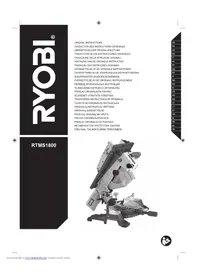
RCS1600 - Electric saw RYOBI - Free user manual and instructions
Find the device manual for free RCS1600 RYOBI in PDF.



| Product Type | Electric Circular Saw |
| Brand | RYOBI |
| Model | RCS1600 |
| Power Supply | Mains 230 V (estimated) |
| Rated Power | 1600 W (as per model) |
| Max Cutting Depth | 54 mm |
| Bevel Range | 0° to 45° |
| Blade Diameter | 190 mm (estimated) |
| No-Load Speed | 5000 min⁻¹ (estimated) |
| Guide Laser | Class 2, 650 nm, ≤1 mW, EN 60825-1:2014 |
| Weight | Approx. 5 kg (estimated) |
| Suitable Materials | Wood and similar materials (no metal or masonry) |
| Cut Type | Crosscut and rip cuts |
| Lower Blade Guard | With automatic return spring |
| Main Handle | With insulated gripping surface |
| Sound Level | Not specified |
| Vibrations | Measured according to EN 62841 (declared level) |
| Warranty | 24 months for private use, extension possible via registration |
| Maintenance | Clean with a clean cloth; lubrication not necessary |
| Included Accessories | Blade, service key, cutting guide (estimated) |
Frequently Asked Questions - RCS1600 RYOBI
User questions about RCS1600 RYOBI
0 question about this device. Answer the ones you know or ask your own.
Ask a new question about this device
Download the instructions for your Electric saw in PDF format for free! Find your manual RCS1600 - RYOBI and take your electronic device back in hand. On this page are published all the documents necessary for the use of your device. RCS1600 by RYOBI.
USER MANUAL RCS1600 RYOBI
Important! It is essential that you read the instructions in this manual before assembling, maintaining and operating the product.
Safety, performance, and dependability have been given top priority in the design of your circular saw.
INTENDED USE
The circular saw is intended to be used only by adults who have read and understood the instructions and warnings in this manual, and can be considered responsible for their actions.
The product is designed for rip- and cross-cutting of wood or similar materials up to a maximum depth of 54~mm . The product can make straight or bevelled cuts between 0 and 45 degrees. The product is to be used with the base of the tool in contact with the workpiece. It should only be used in a dry, well lit and well ventilated area.
The product is designed for handheld use. The product is not to be mounted onto a workbench unless specific instructions about how to do this are given by the manufacturer of the saw. Do not use for cutting metal or masonry.
Do not use the product for any other purpose. Use of the product for operations different from intended could result in a hazardous situation.
WARNING
Read all safety warnings, instructions, illustrations and specifications provided with this power tool. Failure to follow all instructions listed below may result in electric shock, fire and/or serious injury.
Save all warnings and instructions for future reference.
CIRCULAR SAW SAFETY WARNINGS
CUTTING PROCEDURES
TANGER
Keep hands away from cutting area and the blade. Keep your second hand on auxiliary handle, or motor housing. If both hands are holding the saw, they cannot be cut by the blade.
- Do not reach underneath the workpiece. The guard cannot protect you from the blade below the workpiece.
Adjust the cutting depth to the thickness of the workpiece. Less than a full tooth of the blade teeth should be visible below the workpiece. -
Never hold the workpiece being cut in your hands or across your leg. Secure the workpiece to a stable platform. It is important to support the work properly to minimise body exposure, blade binding, or loss of control.
Hold the power tool by insulated gripping surfaces only, when performing an operation where the cutting tool may contact hidden wiring or its own cord. Contact with a "live" wire will also make exposed metal parts of the power tool "live" and could give the operator an electric shock. -
When ripping, always use a rip fence or straight edge guide. This improves the accuracy of cut and reduces the chance of blade binding.
Always use blades with correct size and shape (diamond versus round) of arbour holes. Blades that do not match the mounting hardware of the saw will run eccentrically, causing loss of control. - Never use damaged or incorrect blade washers or bolt. The blade washers and bolt were specially designed for your saw, for optimum performance and safety of operation.
KICKBACK CAUSES AND RELATED WARNINGS:
- kickback is a sudden reaction to a pinched, jammed or misaligned saw blade, causing an uncontrolled saw to lift up and out of the workpiece toward the operator;
- when the blade is pinched or jammed tightly by the kerf closing down, the blade stalls and the motor reaction drives the unit rapidly back toward the operator;
- if the blade becomes twisted or misaligned in the cut, the teeth at the back edge of the blade can dig into the top surface of the wood causing the blade to climb out of the kerf and jump back toward the operator.
Kickback is the result of saw misuse and/or incorrect operating procedures or conditions and can be avoided by taking proper precautions as given below.
- Maintain a firm grip with both hands on the saw and position your arms to resist kickback forces. Position your body to either side of the blade, but not in line with the blade. Kickback could cause the saw to jump backwards, but kickback forces can be controlled by the operator, if proper precautions are taken.
- When blade is binding, or when interrupting a cut for any reason, release the trigger and hold the saw motionless in the material until the blade comes to a complete stop. Never attempt to remove the saw from the work or pull the saw backward while the blade is in motion or kickback may occur. Investigate and take corrective actions to eliminate the cause of blade binding.
- When restarting a saw in the workpiece, centre the saw blade in the kerf and check that saw teeth are not engaged into the material. If a saw blade binds, it may walk up or kickback from the workpiece as the saw is restarted.
Support large panels to minimise the risk of blade pinching and kickback. Large panels tend to sag under their own weight. Supports must be placed under the panel on both sides, near the line of cut and near the edge of the panel. - Do not use dull or damaged blades. Unsharpened or improperly set blades produce narrow kerf causing excessive friction, blade binding and kickback.
Blade depth and bevel adjusting locking levers must be tight and secure before making cut. If blade adjustment shifts while cutting, it may cause binding and kickback.
Use extra caution when sawing into existing walls or other blind areas. The protruding blade may cut
objects that can cause kickback.
LOWER GUARD FUNCTION
- Check lower guard for proper closing before each use. Do not operate the saw if lower guard does not move freely and close instantly. Never clamp or tie the lower guard into the open position. If the saw is accidentally dropped, lower guard may be bent. Raise the lower guard with the retracting handle and make sure it moves freely and does not touch the blade or any other part, in all angles and depths of cut.
- Check the operation of the lower guard spring. If the guard and the spring are not operating properly, they must be serviced before use. Lower guard may operate sluggishly due to damaged parts, gummy deposits, or a build-up of debris.
Lower guard may be retracted manually only for special cuts such as "plunge cuts" and "compound cuts". Raise lower guard by retracting handle and as soon as blade enters the material, the lower guard must be released. For all other sawing, the lower guard should operate automatically.
Always observe that the lower guard is covering the blade before placing saw down on bench or floor. An unprotected, coasting blade will cause the saw to walk backwards, cutting whatever is in its path. Be aware of the time it takes for the blade to stop after switch is released.
SAFETY INSTRUCTIONS FOR WOOD CUTTING BLADE
Please read the manual and instructions carefully before using the saw blade and the power tool.
The power tool must be in good condition, the spindle without deformation and vibration.
- Do not use the saw without the guards in position. Keep guards in good working order and properly maintained.
- Ensure the operator is adequately trained in safety precautions, adjustment, and operation of the power tool.
Always wear goggles and ear protection when using the power tool. It is recommended to wear gloves, sturdy non-slip shoes.
Before using any accessory, consult the instruction manual. The improper use of an accessory can cause damage and increase the potential for injury.
Use only blades specified in this manual, complying with EN 847-1.
- Observe the maximum speed marked on the saw blade. Ensure the speed marked on the saw blade is at least equal to the speed marked on the saw.
Always use blades with correct size and shape of bore holes. Blades that do not match the mounting hardware of the saw will run eccentrically, causing loss of control.
- Do not use blades of larger or smaller diameter than recommended. Do not use any spacers to make the blade fit onto the spindle.
- Check the tips of the saw blade for damage or abnormal appearance before each use. Tips that are damaged or loose can become flying objects in use and increase the chance of personal injury.
- Do not use cracked or distorted saw blades. Do not use saw blades that are damaged or deformed
- Scrap the saw blade if damaged, deformed, distorted, or cracked; repairing is not permitted.
Do not use HSS blades.
Ensure the saw blade is mounted correctly. Tighten the blade bolt securely before use (tightening torque approx. 10-15 Nm).
Fastening screw and nuts shall be tightened using the appropriate spanner.
- Extension of the spanner or tightening using hammer blows is not permitted.
Make sure the blade and flanges are clean and the recessed sides of the collar are against the blade.
Make sure the blade rotates in the correct direction.
Before use, make a dummy cut without the motor turned on so the position of the blade, operation of the guards with respect to other machine parts, and workpiece may be checked.
Never leave the power tool unattended.
- Do not apply lubricants on the blade when it is running.
- Never perform any cleaning or maintenance work when the power tool is still running and the head is not in the rest position.
- Never attempt to stop a power tool in motion rapidly by jamming a tool or other means against the blade. Serious accidents can be caused unintentionally in this way.
- Disconnect the saw from the mains supply or battery before changing blades or carrying out maintenance.
Pay attention to the blade packing and unpacking. It is easy to be injured by the sharp blade tips.
Use a blade holder or wear gloves when handling a saw blade. - Keep and store the blade in original packaging or other suitable packaging. Keep in dry conditions and away from chemicals which may damage the blade.
WARNING
Wear eye and ear protection.
- Avoid overheating the blade tips. Do not use dull or damaged blades. Do not force the tool.
Only use saw blades recommended.
ADDITIONAL SAFETY WARNINGS
Do not use any abrasive wheels.
Use only blade diameter(s) in accordance with the markings.
- Identify the correct saw blade to be used for the material to be cut.
Use only saw blades that are marked with a speed equal or higher than the speed marked on the tool.
Use only saw blades recommended by the manufacturer, which conform to EN 847-1, if intended for wood and analogous materials.
Wear a dust mask.
2 | English
For RCS1400 only: A power spike causes voltage fluctuations and may affect other electrical products in the same power line. Connect the product to a power supply with an impedance equal to Z_ = 0.459 to minimize voltage fluctuations.
LASER SAFETY (RCS1600)

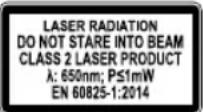
The laser radiation used in this saw is Class 2 with maximum ≤ 1mW and 650nm wavelengths. Do not stare into the laser beam. Failure to comply with the rules could result in serious personal injury.
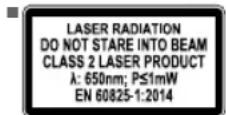
We have supplied you with an adhesive label in your language and now request that you please apply this over the top of the existing English language label that is located on the side of the tool prior to first commissioning the machine.
Do not stare into beam during operation.
- Do not project the laser beam directly into the eyes of others. Serious eye injury could result.
- Do not place the laser in a position that may cause anyone to stare into the laser beam intentionally or unintentionally.
Do not use optical tools to view the laser beam. - Do not operate the laser around children or allow children to operate the laser.
Do not attempt to repair the laser device by yourself. - Do not attempt to change any parts of the laser device by yourself.
Any repairs must only be carried out by the laser manufacturer or authorized service agent. - Do not replace the laser with a different type.
RESIDUAL RISKS
Even when the product is used as prescribed, it is still impossible to completely eliminate certain residual risk factors. The following hazards may arise and the operator should pay special attention to avoid the following:
Injury caused by kickback
- Read and understand the information in this manual.
Injury caused by dust
Dust may enter the eyes or respiratory system. Wear eye protection at all times. Wear appropriate dust control mask with filters suitable for protecting against particles from the material being cut. Do not eat, drink, or smoke in the work area. Ensure adequate ventilation.
Injury caused by electric shock
- The blade may contact hidden wiring, causing parts of the product to become live. Always hold the product by the designated handles and take care when blind-cutting into walls and floors where cables may be hidden
NOTE: When working on walls, ceilings, or floors, take care to avoid electric cables and gas or water pipes.
Injury caused by contact with the blade
- The blades are very sharp and will become hot during use. Wear gloves when changing blades. Keep hands away from the cutting area at all times. Never hold workpiece being cut in your hands or across your leg. Clamp the workpiece whenever possible.
Injury caused by vibration
- Limit exposure. See Risk Reduction.
RISK REDUCTION
It has been reported that vibrations from handheld tools may contribute to a condition called Raynaud's Syndrome in certain individuals. Symptoms may include tingling, numbness and blanching of the fingers, usually apparent upon exposure to cold. Hereditary factors, exposure to cold and dampness, diet, smoking and work practices are all thought to contribute to the development of these symptoms. There are measures that can be taken by the operator to possibly reduce the effects of vibration:
- Keep your body warm in cold weather. When operating the unit wear gloves to keep the hands and wrists warm. It is reported that cold weather is a major factor contributing to Raynaud's Syndrome.
After each period of operation, exercise to increase blood circulation.
Take frequent work breaks. Limit the amount of exposure per day.
If you experience any of the symptoms of this condition, immediately discontinue use and see your doctor about these symptoms.
WARNING
Injuries may be caused or aggravated by prolonged use of a tool. When using any tool for prolonged periods, ensure you take regular breaks.
KNOW YOUR PRODUCT
See page 135.
- Trigger
- Lock-off button
- Upper guard
- Dust port adapter
- Lower guard lever
- Blade bolt
- Lower guard
- Handle, insulated gripping surface
- Angle scale
- Angle scale lock knob
- Rip guide lock
-
Base
-
Laser head (RCS1600)
- Blade
- Wrench
- Rip guide
MAINTENANCE
WARNING
The product should never be connected to a power supply when assembling parts, making adjustments, cleaning, performing maintenance, or when the product is not in use. Disconnecting the product from the power supply will prevent accidental starting that could cause serious injury.
WARNING
When servicing, use only original manufacturer's replacement parts, accessories and attachments. Use of any other parts may create a hazard or cause product damage.
WARNING
Do not at any time let brake fluids, gasoline, petroleum-based products, penetrating oils, etc., come in contact with plastic parts. Chemicals can damage, weaken or destroy plastic which may result in serious personal injury.
- Avoid using solvents when cleaning plastic parts. Most plastics are susceptible to various types of commercial solvents and may be damaged by their use. Use clean cloths to remove dirt, carbon dust, etc.
- Be sure to disconnect the product from the power supply before attaching or removing the saw blade. Clean the product and guarding system with clean cloths.
Always wear safety goggles or safety glasses with side shields during power tool operation or when blowing dust. If operation is dusty, also wear a dust mask.
If the supply cord is damaged, it must be replaced by a special cord or assembly available from the manufacturer or its service agent.
For greater safety and reliability, all repairs should be performed by an authorised service centre.
LUBRICATION
All of the bearings in the product are lubricated with a sufficient amount of high grade lubricant for the life span of the product under normal operating conditions. Therefore, no further lubrication is required.
ENVIRONMENTAL PROTECTION
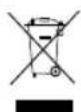
Recycle raw materials instead of disposing of as waste. The machine, accessories and packaging should be sorted for environment-friendlyly recycling.
SYMBOLS ON THE PRODUCT

Safety alert
V Volts
Hz Hertz

Alternating current
W Watts
n。No-load speed
min-1 Revolutions or reciprocations per minute

Class II tool, double insulation

Wood

Do not cut metals

Wear ear protection

Wear eye protection

Laser radiation.
Do not stare into beam.
Class 2 laser product
λ:650nm;P≤1mW
EN 60825-1:2014

Danger! Sharp blade

Do not expose to rain

Width of cut

Blade teeth

CE conformity

EurAsian Conformity Mark

Ukrainian mark of conformity

Please read the instructions carefully before starting the machine.

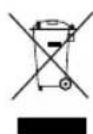
Waste electrical products should not be disposed of with household waste. Please recycle where facilities exist. Check with your local authority or retailer for recycling advice.
4 | English
SYMBOLS IN THIS MANUAL

Connect to the power supply.

Disconnect from the power supply.

Parts or accessories sold separately

Lock

Unlock

Note
The following signal words and meanings are intended to explain the levels of risk associated with this product:
DANGER
Indicates an imminently hazardous situation, which, if not avoided, will result in death or serious injury.
WARNING
Indicates a potentially hazardous situation, which, if not avoided, could result in death or serious injury.
CAUTION
Indicates a potentially hazardous situation, which, if not avoided, may result in minor or moderate injury.
CAUTION
(Without Safety Alert Symbol) Indicates a situation that may result in property damage.
Votrecscicircularea eteconue endonnanprioritea la securite, a la performance et a la fiabilitie.
UTILISATION PRÉVUE
APPRENEZ A CONNAITRE VOTRE PRODUIT
Voir page 135.
MACHEN SIE SICH MIT IHREM PRODUKT VERTRAUT
SieheSeite135
SYMBOLE AUF DEM PRODUKT

Sicherheitswannung
V Volt
Hz Hertz

Wechselstrom
W Watt
n. Leerlaufdrehzahl
min-1
Undlad at skarei metal

Benyt horevern

Benyt øjenvaern

Laserstraling.
Se aldrig direkte ind i stralen.
TpaBmbl, Bbl3bIbAemble OT6paCbIbAHnEM
BHHMaTeJbHo npOHTaHTe n H3yHTe HAcTOrUcEe pyKOBOCTBO NOJb3OBaTeIa.
TpaBmbl, Bbl3bBaemble nblibio
- TbIb MoKet nonactb B rJa3a nIN B dbixateBHyocntemy. O6raTeNbHO HOCHTe yCTPOiCTBaDnI 3aunTb Ira3. NcNoB3yIte HaJNeXaUyIO bJIe3aUnTHyIO Macky C cHbTpamM DnIg6NOKpOBaHnIy qACTnU o6pa6aTbIBaEMOROMatepnana. He eWbTe, He neTne n He KypnteB pa6oHe 30He. ObecneYbTe DoCTaTOHyoBEHTnIaIIO.
TpaBMBbl, Bbl3bIBAeMbIe nopaxKeHnEM 3JIeKTPnueCKM TOKOM
PnIbHoe NOIOTHO MOKET 3aDeTb Ckpbityo npOBOKy, pRn 3TOM DeTaN N3DENNA OKaKyTCN NOI HAprrKeHHem. DepXNTe N3DEJIne TOJIbKO 3a PpeHa3NaueHHBle IINr 3TOrO pyKn IN 6yDbTe OCTOPOKHbPiN NIIeHNn CTEn IN NIOB, rE MoYr T 6bITb CKpBTb KaBeJI.
PIMMEAHHE: PnBbINOHHeHH pa60Ha cTeHax, NOTONkax nINn NOJAX CJIeNITe 3a TEM, YTO6bI He 3aJeTb 3JIeKTPnueckne Ka6eHN Ira3ObIe INN BOJOpBOJHbIe Tpy6bl.
TpaBmbl, Bbl3bIBaEMblc KOHTaKTOM C NINbHbIM NOJOTHOM
Pexyuee noIOTHO 6ydet HarpBaTbCBA BpEmnncnoB3OBaHn. BblnoJnHaTe 3ameHy nOToHaB nepuAtkax.He donyckaIte nonadHn pykB 3ohy pe3aHn.HNKoIgA He noDepKnBaHTeOTnniNbAemb MaTePnAn. No BO3MOxHOCTN3akpeIJIte 3arOTOBky.
TpaBmbl, Bbl3bIbAemble Bn6pauee
OrpaHnUBAIte BO3eJcTBue. CM «CHxKeHne Pucka》.
CHNXEHNE PNCKA
Co06uanoB,TOBn6paunpyhBx3neKtpOnHCTpyMeHTOB yOTDeNbHbIX NmC MoKET CNOcO6CTBOBaTb COCToHHIO, KOTOpoe Ha3bIbaeTc CnHpOM PeHNo. K CmMTomAM MOrY T OTHOCHTBCR NOKaMbBAHHe, OHemHeN I NO6JIeHne NaIbuek (kak npn nepeoxJaxKeHIn). CHTaHOT, YTO HAcNEcTBeHHbIe PAKTopbl, OxnaXdHHeN BnAxxHOCTb, Dneta, KypHeHne n pKaTnueckn ONbl CTocO6CTByHOT pa3BNTnIO 3TNX CmMTomOB. Hnke npnbODaTc Mebl, KOTOpble MOKET npnHbTb OepaTOp dnn CHnKeHHN BO3deNCTBnB6paun:
OdeBaITeCb Tnennee B XoJOnHyNo norOyu. Pn pa6oTe C yCTpOInCTBOM NOnb3yInTeCb nepaTkAmu, YTo6bl pyKn I 3anrctb8 bbln B tenne.CunTaETcra, YTO xOnODHnA NorOda ABnEeTcA OCHOBhIM PaKTopoM, CNOCObCTByHOUm BO3HNKHOBeHnO 60Je3Hn PeHHo (Raynaud's Syndrome).
IocneKaKdOrO3Tana pa6oTbI BbInOnHnTe ynpaxHeHnIyucnEHHKpOBo0bpaueHnI.
Yaue denaite nepepbBbI B pa6ote. Cokpatnte DnNTenbHOCTb exEHNHeBHOrO npe6bIBaHnHa OTKpblOM BO3dyxe.
Pn noBHeHH KaKux-Jn6o n3 yKa3aHHbIX CmNTOMOB cpa3y Je npekpatnte pa60Ty n 6opatntecb nX nOboy K Bpauy.

OCTOPOXHO
IpoDIOKHTeJIbHOe IcNoJIb3OBAHHe IHCTpyMeHTa 6e3 nepepbIbMAoKET npINBeCTN K TpaBMam. Pn INcNOJIb3OBAHm INHCTpyMeHTa B TeueHne IJNTeJIbHorO BpEmH DeJaTe peryIaRPhIe nepepbIBbl.
I3yUHTE I3DEINIE
Ctp 135.
1. Kypok
2. Khonka pa36noknpobkn Kypka
3. BepxHnOxpaHHNK
4.HacaKa nblnenpemHnka
5. HxHn pbyar oxpaHHNK
6. BoNT KpennneHn noIToHa
7. HxHHxOxApaHHNk
8. Puyka, n30InpoBaHHa NOBepxHocb 3axBata
9. YrnoBaA uKaNa
10.ФИКСАТОРугLOBOWшкалы
11.Фикcatop HanpaBnaIooeДЯ npOdoJIbHOro paCnIIa
12. Ba3a
13. La3epnra roJOBka (RCS1600)
14. JIe3BHe
15. Raeyhny KIIOH
16. HanpaBnaIooaIpe3kn
3KCNJNYATAUH
CTOPOXHO
PnnoTepe 3neKtponntAHn Hn Dpyrom campon3BONbHbIM BbIKIOueHn MaunHbI HemeJeHHo nepeBeNTe KlaBnUy BbIKIOuateTn B noJooKeHne «OTKIOUOHO» n OTOeHNHTe BuNKy ot po3ekn. Ecn npn noTepe HanpJxHnMaunHa OCTaNaCb BKIOUeHHo To npn BO306HOBNEHN nTaHn OHa camponpOn3BOJbHO 3apa6oTaet, yTo MOXkET npNBecTN K TeNECHOM NOBpeJxHeHn N(ni) MaepnaNbHomy uep6y.
TEXHNUECKOE OBCJNYKUBAHNE
CTOPOXHO
PnBop HN B KOem Cnyae He DonJKeH NODcoEINHbC K nCTOuHKnY PNTAHN, KOrDa Bbl pa3bnpaete ero KOMNoHEHTbl, BblONHReTe peyInpOBky, OcNCTKy, npOBnTE TexHnueckoe ObcnyKnbAHne, INN KOrda npBop He nCNOB3yETc. OTKnIOUeHne IHCTpyMeHaTa OT nCTOuHnKa nTtAHN ppeIoTbpaauet erO cNYaHbI nyCK, KOTOpBI MOKe TpNBecTN K NOUYehnIO TjKeNoI TpaBMbl.
CTOPOXHO
Pn BbINOHHeHH TexHnueeCKOrO 06cIyKnBaHnN
NCNoB3yTe TOJbKO OpuHNHaNbHbIe 3aNactn,
akCEccyapbl HacaDNOT npOn3BODntJI.
NcNoB3OBAHne Dpynx 3aNacte MoKET
npEcdTaNtB ONACHoCTb NIN NOBpeNTb N3DeJIy.
CTOPOXHO
HnKOrda He DonyckaIte KOHTaT TopMo3HOJXnKoCTn, 6eH3nHa, npOdyKTOB Ha HeTJAHOJ OCHOBe, nPONINTOHOr Macna H T. D. C PJIaCTMaCCOBbIMuCACTMn. 3TN XmIKKaTb COdePjAt BeJeCTBa, KOTOpblc MOrY NcNpOITb, OcNa6Nt b Nn pa3pyuNTb PJIaCTMaCCy. 3To BeEt K TAgKeJIbIM TpaBMam.
136eraIte nCnoJIb3OBAHn paCTBOpITeNe BO BpeM qNCTKn pIaCTMaCCOBbIX qACTeN. MHOne INaCTMaCCbI yBCTBnTeNbHbIK BO3DeIcTBNIO pa3NJuHbIX 6blTOBBIX paCTBOpITeN IN B pe3yIbTaTe IN NCNoJIb3OBAHn MOYr pa3pyUHTbcA. Dnra ChrTna rpa3n, Nbln n np. NOJIb3yIteCb YIcTOI TpIKN
OTKIOHTe INCTpymEnT OT NITAOUe CETN nepeyctAHOBKOIN CHYTHEM PEXyUeRO NOIOTHa.OnuaiTe INCTpymEn T CnCTEmy PpeOxpanHeHnA HCTOITKAHbIO.
Bcerda HadeBaTe npedoxpaHnteIbHbIe IIN 3aunTHbIe Ockn C60KOBbIMN 3auNTbIMN 3kpaHaMn Pn pa6oTe C daHHbIM INCTpyMeHTOM INCdyBaHmN nbnn. Ecn Bo Bpem pa6oTbI o6pa3yETc MHorO nbnn, TaKke HadeBaTe Nblne3aunTHyo Macky.
Ecnn Hpy nntaHnna NobpeXdeH,ero Hyxho 3aMeHnTb Ha cneuaNbHbI WHyp nnHa KOMnNeKT,DOCTynHbI OT npOn3BODNTeJI nnero cepBcHOro ppeDctabTeJI.
Дябьшey 6e3oNaCHOCTnHaDExHOCTN BCE peMOHTbIpeaboTbI DOnKHbI BbINOJIHrTbcR abTOPIN3OBaHHOM cepBnCHOM cHTpeI.
CMA3KA
Bce noDunHnKn B n3deJInm Cma3aHbI DoCTaTOHyBM KOINueCTBOM BBICOKOCOPTHOIN CMA3KN IJI npOIOHNTeNbHO 3KcNlpyatauINn3deJInn B HopMaNbHbIX pa6oynx ycNoBnx. PoTOMy dOnoJHNTeNBHaC m3Ka He Tpe6yertc.
3AUNTA OKPYXAIOUCEI CPEbl
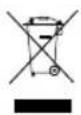
YtIIN3pyIte KaK CbIpbe, a He BbIbpaCbIbAte KaK MyCop. MaUNHa, akCEccyapbl n yNAKOBA kOJXHbI 6bITb OTcOpTIPoBaHbI.
YCJIOBHbIE OBO3HAueHnRA HAPODyKTE

CnHnONaCHOCTN
V
BolbT
Hz
Tepu
NepemHHbI TOK
W
BaTT
No
Ckopoocb Ha xOJIoCTOM xOdy
min-1
O6OpOTOB INIIN BO3BpaTHO- NOCTyNaTeNbHbIX DnKHeH B MmHyTy

Klacc 3auntbI II, DBOHnHaN3OJIaCn

Древесина

3anpeaaetcpeaetb metanbl

PpIMeHnTe CpeDCTBa 3aunTbI opraHOB cnyxa

PpIMeHnTe CpeDCTBa 3aunTbI opraHOB 3peHn

Jlasephoe n3neueHne.
He cmOTpnte Ha lyu na3epa.
Ja3epHoe n3dene KnaCca 2
λ:650nm;P≤1mW
EN 60825-1:2014

Onacho!OctpbippexyuDnck!

He noDBepraIte HNCTpymENT BO3DeIcTBIO DOxJIA


Unpa3pe3a
Yncno 3y6beB
CoOTBETCTBnTpe6oBaHnM CE
3HaK EBya3nCKOro COOTBeTCTBnA
CepTnФnKaT COOTBeTCTBnA
NcTC RU C-DE.AE61.B.07917
CpOK DeIcTBnA CeTpNФnKaTa
CoOTBeTCTBnA 11.07.2021
AHO 3Kcneptn3bI n KOHTpona KaueCTBa -LcHtp ceTpNФnKauIN «EBpo-TecT»
109147 PΦ, ropod MockBa,
yJIna MaNa J KaJIITNHKnOBcka Dom 7
YkpanHckn 3naK cTaHapTn3aun
IpeepnObn3oBaHneM np6opabBHNMaTeNbHO O3HaKOMbTEcB C daHHOHNHCTpyKuiei.
Otpa6oTaHHa 3neKtpoTexHueckar npOyKUNA DOJNKA yHNUTOKaTcBcBAMeCTc 6bIToBbIMN OTXOdAMN. YtINu3npyuTe, ecIn IMeETcC nEuaJIbHoE texHueCeKoe o6OpYDoBaHne. IIO BOnpocam yTuINu3aunnpokOHcyNJbTnpyTecb C MeCTHBIM OPraHOM Blaactn INI ppeDnPnTnem Po3HNoHOToproBIn.
ONACHO
Yka3bIbaeHa NotehuiaJIbHO ONaChyIO CNTyaUIO, KOtOpAa, ecn ee He n36ekaTb, npBaTeK JneTaJIbHOMy NCxOdy nn cepbe3HO TpaBMe.
OCTOPOXHO
Yka3bIbaeHa NotEHuaJIbHO ONaCHyO CITyaUHIO, KOtOpAra, ecIn ee He n36ExaTb, MoKet PnIBecTn K JeTaIbHOMy IcXoDy nn cepBe3HO TpaBMe.
BHIMAHNE
Yka3bIbaeHa NotEHuaJIbHO ONaCHyO CITyaUHIO, KOTOPa, ecJn ee He n36EkaTb, MoKET npNBecTn K TpaBMe NERKO nn CpeHHe TReKcTn.
BHIMAHNE
(Be3 CmB0Ja TpeBOrn Be3onacHocTn) Yka3bIbaet CNTyaUIO, KOtOpA MoKET KOHcTbCRA NOBpeXJDeHNEM CO6CTBeHHOCTN.
OB03HAUEHNBApyKOBODCTBE

IpoKJIIOUHTe K NCTOUYHKU NITAHIA.

OTKIOHHTe OITcOHTNkA NITAHIA.

Tnnn npnaHnexKHO npno6pTaembIe OTeJIbHO

3aФИКСИРОВАТБ

Pacenitb

Приимechание
Cneyuouine CnHaJIbHbIe CnoBa n 3NaueHna npedHa3HaueHbI, Yo6bl O6bYCHNTb ypOBHN pNcKa, CBraHHOrO cTtM N3dennm.
TpaHcIopTpObKa:
Kateropnueckn He donyckaetc naeHne n IIObIe MExaHueckne BO3dEiCTBna Ha ynaKOBy npu TpaHCnpTIpOBKe.
Ppi pa3rpy3ke/norpy3ke He donyccaetcnaonb3oBaHne JIO6O BnDa TexHnKn,pa6Taiouee no npHHuNy 3axnMa ynaKOBKn.
Xpahnne:
HeoXoDIMO XpaHHTb BCYXOM MecTe.
HeoXoIMO XpaHNTb BdaIIN OT NCTOCHNKOB NOBblJeHHbIX TEMnepaTpN BO3dEINCTBnC OJIHeHbIX JnyeN.
Ppi XpaHeHn Heo6xoDmO n36eRaTb pe3KOro nepenada Temnepatyp.
XpaHHeHe 63 ynaKOBKn He dOnyckaetc.
He pekomehnyetc K 3cknnyataun no ncteuehen 5 let XpaheHnC daTbI n3rOToBneHn 6e3 npedBaPntelbHO npOBepKn.
Data n3rotoblenen (KoD DaTbI) OTWtAMNOBAn Ha NOBepxHocTN KOpnyca N3denn.
Pnimep:
W17 Y2015, rIeY2015 - roI n3roTOBJIeHn
W17-HeJeIur3rTOBJIeHnI
OnpeDenIb Mecau n3roTOBHeHn MoXHo corlaCHO npBeHHo Hxke Ta6nue,Ha npImepe 2015 roda.
06paTHe BHMMaHHe! KoJIyEcTBo HeJeIb MecaIepa3NuaeTcA O T rOda B rOd.
Cpok cnyxbi n3dennia:
Cpok cnjxkbni3dennia coctabniet 5 net.
Nu priviti direct in raza.
Proclus cu laser clasa 2
λ:650nm;P≤1mW
EN 60825-1:2014

TAIENDAVAD OHUTUSJUHISED
DODATNA VARNOSTNA OPOZORILA
Oboptn HbBbPaTHo-NOCTbNaTeHn DmKHeHn B MHyTa

ДьрBO

He pexkTe MeTaTI

Hocete aHTIOHNI

Hocete 3aunTHn cpeCTBa 3a ou

Ia3epHo IbueHne.
He ce B3npaIte B Ibya.
Ja3epen npoDyKT ot Knac 2
λ:650nm;P≤1mW
EN 60825-1:2014

Onachoct! OcTpo ocTpne

He n3naarTe Ha IbXd

UpiHaHa p3aHe

3b6nHaoctpneTo

INPNUHNBIIDCKOKYTA BIDNOIBHI NONEPEJXEHHRA:
BiiDaua - ue HecnodibaHa peakui Ha NnIbHni, 3aTncHytn a6o NowkoJxHn DNCK, 0c cnpuHnHeKoHTpObnBoAHn NiHOM Nnny Bid 3arOTOBOK Do onepaTopa;
KONJIne3O CTNCKaETbC8 a60 UIINbHO 3aUeEMnEbC8,3akPnBAIOH pykY,ne3o 6NOKyETbcA a DBnHy H WBNIKO NOBepTa npICptiI do onepatopa;
Kuio DNCK nepekooyeTbcry pO3nni, 3y6ui Ha 3aHni YactnHi Dncky YInnnIOTbcra 3a BepxHki KpaJ Detani, BHacNIOK OTO DNCK BnPNaEcTbcra 3 pO3nny Ta WTOBxAe NIKy B HAnpMky OepaTopa.
BiDnay e HacniKOM HenpabunbHoro 3actocybaHH enektpo IHctpymeHTy Ta/a6o HenpabunbHnx npoceyp a6o yMOB ekcnpyatai i Moke 6ytu yHKHyta 3actocybaHHaHalekHNx 3anobixKHnx 3axoJIB, kK 3a3HaYeHO HXKye.
Miuho TpmaTe nnky o6oma pykamn ta po3tawytec TaK, 606 6ytn roTOBm Ha Bnnaok BiDcKOy. CtaBaTe TaK, 606 BaWe TiNo 3hAxOduNoc3 Ondoro uHwOro 60ky BiD nCKy, a He Ha NiHII DnCKy. BiDcOK npMpyue nnky pyxATncr Ha3aI, aIe NOro MOXHa KOHTPOJBOATn, kUO 3a3daJIerIb BKNITn HAnEKHNX 3axOJIB.
■ RaKIO DNCK 3aCtpR a6o Jy pa3i nepepNBHn HPOUcCy PO3NIIHOBAHH 3 6yDb-RAKOI npuHN BiDnyctITb KypOK I BTPMMyTe NIKy Do NOBHOI 3ynHKn DNCKy. HikoN He BHTraIte DNCK 3 MaTepiany I He pyxaIte NIKy Ha3aI, KOIN DNCK o6eptAcTbc: ce MoKe npn3BeCTn Do BIDCKOky. 3'acYIte, YOMy DNCK 3aCtpR, Ta yCyHbTe npuHNHy.
Pn NOBTOPHOMy 3anycky nNkN, KOJ NICK 3haxoNDbcra B DeTani,po3TaWyTe nNkY TaK,06 DnCK 6yB npaJIeNBHM PO3nIy, i nepeKoHaTecb, 3y6ci He yinJaHTbcra 3a Matepian. JaKo DnCK 3a6loKOBaHIn, BiH MoKe NiDHiMaTncs a6o BiDcKaKyBaTu BiD 3arOTobKn, KOJ NIIa 3anyckaTbcra
3HOBy.
Pn po3nnHOBaHH naHee BEnKoro po3mipy 3aJy yHnKHeHH 3aKnHOBaHH Dncky Ta BiDcKoKy 3a6e3neYte onOpn dny naHee. BeNKi 3arotOBKn MoKyt npOrHaTncr NiBnCHO BarOIO. Onopn Heo6xIDHO po3miuATn NiD NaHeJMy 3 o6ox 6okIB no6N3y do niiHt po3nnHOBaHH ta 6Ira Kpaio naHee.
He BnKOpncToByTe Tyni a6o NowkOxehi Dnckn. npBnKOpncTaHHI He3aRoCTpeHnx a6o HnPaBnBHO BCTaHOBJIeHnx DnCKIB po3Nl 6yde 3aHaTTO By3bKnM, lo MoKe npu3BOdHTn Do HaMpHOro Teptra, 3aKnHIOBaHHa DnCKy Ta BiDcKOKy.
Ipepe po3nHIOBaHHm nepeKoHaITeCb, 00 Baxeni peryarnTopiB rnn6HH Ta kyta p3aHH HaIIHO 3aTARHyTI. Jkso HalaTuBaHH NcCKy 6yde npuyseHo Ni dac po3nHIOBaHH, ce MoKe np3BeCTN Do 3akNIHIOBAHH DNCKy Ta BiDCKOky.
Bybte 06epeKHMn npn po3nnHOBaHHi cTH Ta pO6oTI B Micqx 3 06mExeHO BUNMictIO. BnctynaOCh nDnck MoKe 3aueHNTncr 3a nepeuKOOn, IIO MOKe npn3BecTn Do BiDcKoKY.
HNXHI 3AXINCHI UNTOK
Ipeed KOKHNBMNkOpNCtAHHm nepeBipraTe, YN 3aKpHTn HxhHi 3axnCHn 3uTOK.3abOpOHcTBcR KOHCTyBaTnCnJIKOIO, JAKUo HxhHi 3axnCHn 3uTOK 3acTprae a6o He fIKcyTBcR. 3a6opOHcTBcFikCyBatn HxhHi 3axnCHn 3uTOK y BIDKPITOMy nOJKeHHi. JAKUo NnIKy BNnAdKOBO YnCTNTn, HxhHi 3uTOK MoKe NOrHyTncR. PdHIMtB HxhHi 3uTOK 3a pyKy Ta nepeKoHaTecR, IIO Bin pyXaETBCB BInbHO iHe TopKaETcbAHI DnCKY, AHI 6yb-koI iHooI cactHnIHNCTpyMeHTy npn 6yb-aknx KYtax YN rINbHI pO3nnlIOBaHHa.
Ipepebipte po60ty npyXHH HnKhboro 3axnchoro 7tka.Y pa3i nopuyehn B po6oti 7tka nn npyXHH nukky cnid doctabntu do cepbichoro 7htpy dna Texhichoro obcnyrobyaHH. Iopuyehn B po6oti HnKhboro 7tka moxniBi uepe3 noikodxehi detani, Haninahn a6o hakonueHH CMITT.
I O3BoJraTcB BIDBOHn HxHnH IHTOK Jnwe dna CneuaJIbHnx po3piIB, HanpNKaIad, npOnNJIB cnCKNaHnx po3nnJIIB. PidHIMtB HxHnH IHTOK 3a pyHKy; Rk TINbKn DnCK yBiJe B MaTePIA,I BiDnyCTITb IHTOK. B ycix IHnx BnauKaX HxHnH IHTOK MaE npaUOBaTn ABTomATNuHO.
I Nepu HIX NOKnactn Nnky Ha Bepctak Yn nidnory, nepekoHaTecra, 0o HnxHn IHTOK npKpNBac pikyyn DNck. RaO zuoro He 3po6ntu, npn BkHoueHHi IHCTpyMeHTy nnka pyxatmTeBcRa Ha3aD, po3pi3aOnu BCE Ha 7Jxry. 3ayBaXte, 0o nicra BnMKHeHH Heo6XiHN NeBHn Yac, 0o6 Dnck 3yINHBcR NOBHCIO.
3AXOIN BEEKIN PPOBOTI 3 INCKAMN JIJI PI-3AHHJ DEPEBUNH
Bybnacka, npouHTaTe kepIBHnTBO Ta IHctpyKii nepeBnKOpncTaHHm nIJKn I MaunHH.
MaunHa noBHHa 6ytn B rapHomy cTahi, nnHdJIb
6e3 deopmaui i Bipaaui.
He Kopnctyntecn nIIO 3I 3HrTmM 3axnCHMN mTKamn. TpmaTe KoxyN B do6pomy po6oOmy CTahi HaneKHM NINOM BCTAHOBJIHHMN.
IpekeKaHTeCz, 0 onepaTOp HaneKHM YHOM nIdrotOBHeHn 3 TexHikn 6e3neKn, HanaRoJKeHH Ta ekcnnyatauMaunHn.
3aBXKn HadaRaTe 3axnchi OkyIpaN Ta 3acobn 3axncty opraHIB cnyx npn BVKOpNCtAHHi MaunHn. PekomeHdyEeTbcra HadaRatn pykabuKn Ta MiueHe, HeCN3bKe B3yTTa.
Ipeed BnKOpNCTaHHaM 6yNb-akcecyapa, 3BepHItbcdO IHCTpykui 3ekcnnyataui. HenpabnlbHe BnKOpNCTaHH npnaDMy MoKe pns3BeCTn Do nowkoJxehn i 36ilbwnTn noteHuaJn dnn TpaBMn.
BukopncToByTe TINbKn ne3a, 3a3NaYeHi y cboMy noci6nky, 3 doTpmaHHm EN 847-1.
I DToPmMyTeCb MaKcMaJIbHOi WbNdkOci, 3a3HaueHoi Ha NcKOBI INIKn. 3a6e3neUte WbNdkicTb, 3a3HaueHy Ha Ie3i INIKn, pInHaMHi DOpIBHIOci WbNdkOci, No3HaueHoi HA INJI.
3aBxDn BnKOpNCTOByTe Ie3a 3 npabHbHm po3Mpom i fopmoTO TBOPIB ONpABKn. Ie3a, kIe BiINoBIAHO bMOHTaxHOMy ObaHaHHIO NIIKN 6ydyb npaIOBaTN EKCtEHTPuHNO, IO npn3BeDe Do BTPaTNI KOHTPOJIO.
He BnKOpNCToBnyTe DnCKn 6InbWoTO QmMeHwOTo DiamETpy, HIX peKOMeHdyETbcra. He BnKOpNCToBnyTe npoknaKn, Uo6 nocaunTne3o Ha WnHdJIb.
IpebeipTe KINKIN nnKOBOro J3a Ha HABHicTb NOsKOJKeHb, a6o HeOpMaBnBn BuRJa npeed KOHN BnKOpNCtAHm. KInKn, kki 6yIn noKoJKeHi a6o ocna6JeHi MoKyt b CTAtn JeTIOHM O6'ekTamn npn BnKOpNCtAHHI i 36ilbWHTn ShaHCn OTPMaHH TpaBMn.
He BnKOpNCToBnyTe TrichyTi a6o CnOTBopeHne3a.He BnKOpNCToBnyTe ne3a nnKn, kki 6ynn nookdokehi a6o deopmoBaHI.
BuknHbTe NINbHe Je3o, RaKIO BOHO NOUKOJKeHe, DeOpMOBaHe, CNOTBOpHe a6o TpichyTe, peMOHT He DonyckaTcra.
He BnKOpncToBvIeJe3a 3i WbNdkopixyoi cTani.
■ NpekoHaTeCra, 10 NiIa npabuBho BCTaHOBHeHa nepeB BnKOpNCtAHHm. NpeP KOpNcTyBaHHM HadiiHo 3aTArHtB 6oNT KpInnEHn DnCKy (3ycnnn 3aTaryBaHH np6bl. 10-15HM).
KpinbHn rBHT i raKN NOBHHi 6yTN 3aTMyTI, BnKOpNCTOByOuN BiIDNOBIDHN KIOU,IT.D.
PozupenHraikoboroKnOuaabo3aTByBaHHaDOnomorOyadipB MONOTKa He Donyckaetbcra.
Ipekeohntecra,0ne3o i fnaHui ncti 3akpnti 360ky Btyn npotn ne3a.
IpekeKaHTeCg, 0oJe3o o6epTaEcB npaBnIbHomy HanpMky.
Ipepe p06to1o, 3p06ntn np6hnn 3pi3 6e3 BKNIOUeHOro DBNrHyna, uO6 ctaHOBnue Je3a, po6ota 3axNCTIB NO BiDNOweHHo Do iHUnx qACTnH MaunHn i 3arOTOBKMOKytb 6yTu nepeBipeHi.
HikoJn He 3aIIaIe Te npauOuyn Bnpi63 HaarJa.
He 3actocobyTe MaCTnIbHi MaTepiAnHa ne3i, KOJI
BOHO npaIIOE.
HikonHe BnKohyTe 6yIbKa YeuHHe a6oTexHiHe 06CnyroByBaHHa, KOI MaunHa BCE ue npauOe, i rONOBKa He B nOJOKeHHi CNOKOIO.
Hikon He HamaraTec3yHHHTn eNEKtpoiHCTpymeHT, knn WbNko pyxaetbcra, 3a6nokyBaBun DnCK MexahHm IHCTpymeHtOM afo hIm npEdMeTom. Lc MOKe np3BecTN Do cepno3HN NOUKoDxHeh i TpaBM.
IpeedzamHIO DnCKy a6o pO6oTaMn 3 o6cnyroByBaHHaOB'RAKOB0 BiD'cHyNte IHCTpymENT BiD Mepeksi KINBHeHHa NkAkyMnTopa.
BybTe o6epeKHMn Ni dac ynaKoBvBaHHa YPO3nakOByBaHH pixyuro Dncky. Bih mac roctpy KpOMky, 6kny JERKO MoXHa npi3aTncr.
BukopncToByTe TpMaay ne3a a6o Hocitb pyKaBuKn npu pOboTi 3 Ne3OM Nnkn.
TpmaTe Ta 36epiraTe DNCK B opirihbHomy a60 IHwOMy npndaTHOMy nakyBaHHi. 36epiraTe B cyxOMy MICU, OKpeMo BiD xIMiHuNX peOBOHN, 10 MoKytb NOUKoDNTH HIX.
TNEPEDXEHNA
Hocitb oueyi Byx.
CπiDkyTe3aTMM,IIO6KpOMKaIINCKyHe neperpiBnacr. He BnKOpNCToByTe tyni abo noIKoJKeHi dNcKn.He nepeBaHTaKyTe eNEkTpoHCTpyMeHT.
O3B0JAEbCBAKOpNCTOByBaTINnnIbHi DnCKn peKOMeHdyETbcR.
3aBxNHaJaRaTe 3axnChi OkyIpy.

Ja3epHe BInpomHIOBaHHa
He DnBItbcra Ha Ia3epHm npomHb.
PpOdykT na3epa 2Knacy
λ:650nm;P≤1mW
EN 60825-1:2014

He6e3neka!Ie3a dyke roctpi.

He nidaabaTe BnInBy douy a6o BOJorux yMOB.

Umpnha pizy

3y6ui ne3a

CEBiiNobiHictb

Cbpa3iIcBKn 3HaK BiNObiHocti

UkpaiHcbkmy3nK BiINOBiHocti

ByIb Iaca, yBaXHo npOHTaTe IHCTpyKUIO nepe3anyckOM npOdykTy.
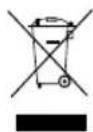
Bixxodn enektpotexhiuhoi npodykuii He cnid Bkndatn pa3om i3 nobytobmni Bixdoamn. Bynb nacka, nepepo6nayTe TaM, de HaeBHe ycTaKyBaHH. NepeBipTe 3 BaUM MicueBIM opraHOM BnaDi a6o npOdaBcEM dIg KOHCyIbTauci 3 npIBody nepepo6kn.
CNMBOJI N B LOMY NOCIEHNY

PiiknHoyitb do Dxkepena XNBneHHA.

BidKnIOuITb BID Dxkepea XnBneHHA.

3aactnHaakcecyapn,po npaoTbockpeMo

BLOKYBATU

P036nokyBatn

Ppumitka
Hactynhi cnhaJIbHI cnoBa i 3naeHHn npn3naeHi, 0o6 nOaCHHTPiBHI pni3Nky, NOB'ra3aHOro 3 LMM Bnpo6OM.

HE6E31IEKA
Bka3ye Ha HEMHHye He6e3neHny CnTyauiio, Ka, Kkuo II He yHMKHTN, MoKe npn3BeCTn Do Cmepti abo cepno3Hnx TpaBM.

NONEPEDXEHH
Bka3yE Ha noTeHuiHo Hebe3neHy cnTuayio, kKa, kKuO II He yHNKHTN, MOKe npn3BeCTN do cMeptI abo cepno3hIX TpaBM.

YBAGA
Bka3ye Ha noteHuiHo He6e3neHy cnTuayiio, kka, kkuo II He yHnKHyTN, MoKe npu3BeCTN do cepenHbOi a6o JERKOITpaBMn.
YBAGA
(Be3 CmBony TpBOrn Be3neKn) Bka3ye cntyaio, kmoKe 3aKiHyBaTnCn noiKoJKeHHM BnaCHOCTi.
Doner testeremizin tasariminda en yuksek onceligi guvenlik, performans ve guvenilirige verdik.
KULLANIM AMACI
min- Apious otpov n kivnoewv aAeTT

Karnyopia II, sinan movwn
三Uao

Mny KoBETe pTaalaa

Φopáte TTPOOATEUkα αutw

The vibration emission level given in this information sheet has been measured in accordance with a standardised test given in EN 62841 and may be used to compare one tool with another. It may be used for a preliminary assessment of exposure. The declared vibration emission level represents the main applications of the tool. However if the tool is used for different applications, with different accessories or poorly maintained, the vibration emission may differ. This may significantly increase the exposure level over the total working period.
An estimation of the level of exposure to vibration should also take into account the times when the tool is switched off or when it is running but not actually doing the job. This may significantly reduce the exposure level over the total working period. Identify additional safety measures to protect the operator from the effects of vibration such as: maintain the tool and the accessories, keep the hands warm, organisation of work patterns.
FR AVERTISSEMENT
In addition to any statutory rights resulting from the purchase, this product is covered by a warranty as stated below.
- The warranty period is 24 months for consumers and commences on the date the product was purchased. This date has to be documented by an invoice or other proof of purchase. The product is designed and dedicated to consumer and private use only. So there is no warranty provided in case of professional or commercial use. This warranty applies only on new products.
- There is a possibility to extend for a part of the range of power tools (AC/DC) the warranty period over the period described above using the registration on the www.ryobitools.eu website. The eligibility of products for extended warranty is clearly displayed in stores and / or on packaging and is contained within the product documentation. The end user is required to register his/her newly-acquired products online within 30 days from the date of purchase. The end user may register for the extended warranty in his/her country of residence if listed on the online registration form where this option is valid. Furthermore, end users must give their consent to the storage of their personal data that is required to be entered online. They must also accept the terms and conditions. The registration confirmation receipt, which is sent out by e-mail, and the original invoice showing the date of purchase will serve as proof of the extended warranty.
- The warranty covers all defects of the product during the warranty period due to faults in workmanship or material at the purchase date. The warranty is limited to repair and/or replacement and does not include any other obligations including but not limited to incidental or consequential damages. The warranty is not valid if the product has been misused, used contrary to the instruction manual, or has been incorrectly connected to a power supply. This warranty does not apply to:
any damage to the product that is the result of improper or lack of maintenance
any product that has been altered or modified
any product where original identification (trade mark, serial number) markings have been defaced, altered or removed
- any damage caused by non-observation of the instruction manual
- any product not displaying the CE approval mark on the rating plate
- any product that has been attempted to be repaired by a nonauthorised warranty service centre or without prior authorisation by Technonic Industries
any product connected to improper power supply (amps, voltage, frequency)
- any damage caused by external influences (water, chemical, physical, shocks) or foreign substances
normal wear and tear spare parts - inappropriate use, overloading of the tool
-use of non-approved accessories or parts -
Power tool accessories provided with the tool or purchased separately, including but not limited to screw driver bits, drill bits, abrasive discs, sand paper and blades, lateral guide, etc.
Components (parts and accessories) subject to natural wear and tear, including but not limited to service & maintenance kits, carbon brushes, bearings, chuck, SDS drill bit attachment or reception, power cord, auxiliary handle, transport carry case, sanding plate, dust bag, dust exhaust tube, felt washers, impact wrench pins & springs, etc. -
For servicing, the product must be sent or presented to a RYOBI authorised service station listed for each country in the following list of service station addresses. In some countries your local RYOBI dealer undertakes to send the product to the RYOBI service organisation. When sending a product to a RYOBI service station, the product should be safely packed without any dangerous contents such as petrol, marked with sender's address and accompanied by a short description of the fault.
- A repair / replacement under this warranty is free of charge. It does not constitute an extension or a new start of the warranty period. Exchanged parts or products become our property. In some countries delivery charges or postage will have to be paid by the sender. Your statutory rights arising from the purchase of the product remain unaffected
- This warranty is valid in the European Community, Switzerland, Iceland, Norway, Liechtenstein, Turkey and Russia. Outside these areas, please contact your authorised RYOBI dealer to determine if another warranty applies.
AUTHORISED SERVICE CENTRE
To find an authorised service centre near you, visit http://uk.rybitools.eu/ header/service-and-support/service-agents

RYOBI CONDITIONS D'APPLICATION DE LA GARANTIE
UCIOBIA 3A BAINIDHOCT HA IAPAHUNRA HA RYOB
B DonbHHeHne KbM 3aKHOyCTaHOBeHHTe npaba, pnoaTmuaOn OT NOKynkata, TOnn npOyKT e oxbHaT O rapaHnra, kAKTo e nI3JNO ENo-DoN.
- RaapanuohnHHT cpoe 24 Mececa 3a KInHeTH n 3anOVA da Teue ot DeHa 3akynyBaHa h npOyKTA. Ta3 n Da tprba Da ce DoKaKe C fkaTpya nnpyo To kok3aTeNCTBO 3a NOKyNA. PnpOyKbTe e m3pAoTeH n IpeHna3aHueh CaMo 3a Notpe6BtENcKa H NnHa yNTope6a.CneNoBaTeHn He ce Daba rapaHcua B cnuya Ha nIINsBaHe O npOpeCnoHaJIncn Tnn CtbroBcKa uei.
-
CbIeCTByBa B3MOXHOC3 aYbIaKaBAHe Ha rapaHIOHHnCpOK 3a cact OT dHa3HOHa raHapLAHTa He enEKeTPrueckn HNCTpyMeHTn (AC/ DC) cIe, mITHuHAneto HA ONHCANy Tuk ype3 perntPcAraH YAe6CaTAY www.Ryobitools.eu.B MaIa3HNITE M/INH Ma onAKOBkATA INN Btpe B DOKmENTAHITa H npOdykTA e NOK3AHO YCHO DAJIIN HNCTpyMeHTB tOTOBAPa HA ycNOLNTA 3a TAkOBA YdbNkABaHE Ha rapaHIOHHnCpOK. KpaHnRT notpe6BnET TpRbA da pERNTPcPA CBOnte HOBOpND0BnTT HNCPTPyEMTN OHnIH B PAMKNE HA 30 DnH OT dATATA HA NOKYnKA. KpaHnRT notpe6BnTE Moke Da ce pERNTPcPA 3a YdbNkKeHa rapaHnCnB B Dpkabata CN Ha npe6BnBABe, Ako E noCeHOH BbF OPMyrnpa 3a OHnIH pERNTPaMg KaTO MRCTO KbTeTo Ta3n ONUe E BAInDHa. OceH ToBa kpaHnRT notpe6BnETn TpRbA Da dDat CbIaNcEto Cn 3a CbXpAHHe HdAHnTE KOYTO Ca 3aDbNkTeHn 3a ONoPBNAe OHnIH, IN TpRbA da npHemat O6UHTe YcNObH. IOnyueHTo NOTBpXdHeNe 3a pERNTPaALn, INpATEHo NO eNEKTPoHNa Noua, IG opMHAnHATA qAktypa, NOKaBaMa DaTATA Ha NKyKn, Ue cNyKAT KA TO DOKa3TeNCTBO 3a YdbNkHeHATA rapAHn.
3.「RapaunraTnOKPbBA BcHKn DepeKtn Ha npOyKaT no BpeMe Ha rapaunOHnBcPCKo, KOIO Ce bJbKATn HA npObEneMn B n3pAbOTkata HnMaTeepaHnIte KbM MOMeHTa HnOkykTa.「RapaUNrTa e oarpuHHeHa pEmoHTn/HNIM 3AMHn HNE BKfQyBaDpyr 3dblKHeHN, BK10HHTeJIHO, HO He cAmO, CnyaHn HNIN KocBHeH NtN.「RapaUNrTa e HeBaHmHa, aKO npOyKbTb E n3NO3BaH HenpaBnH OIN B npOTbOpEneC pbKOBDCBTBO C nHCTpyKUn, KaKTo M aKO e cbbpAaH He npaBnHO. Ta3n RapaunHBe Baxn 3a: -
贝Tn no npdykTa B pe3ynta T Ha HenpaBnHa npoPnnaKtnka
- npOdyKTn, KOITo ca 6nnn H3MeHeHn nn MoOnnHpaHn
- npOyKT, npN KOTo opINHnHInTe MapKIOBKN 3a INeHTnPHKaIuN (TbproBCKaMapKa, cepENH HOMep) ca N3TpNTn, TpOMeHeHn INn INpeMaXHaT
-NOBpea, npMHeHa OT HeCn3BaHe Ha pKOBOCTBOTO C HCHTpykUH - npOdyKT 6e3 CE mapKnpoBka
- npodyKT, 3a KOIto e HapraBeH ONIT 3a peMOHT OT hKbAunuHnpuh cnEuaMCT mN be3 npedBapTeHNO pa3peWHeNe oT Chtronic Industries.
IpoDyKT, Cbbp3AH KbM HEnoXOJIO eNEKtpo3aXpaHbaHe (amnpaek, BONTaq, YecToTA)
-UIETN,PnHNEHENOTBHNHMBNINHNA(XIMNUH,PHNCHNY,YdAPN)NNHYNKDNBESECTBA
HOPMaHNO H3HOBCBaHe Hape3epBHN qACT
- HenoDxOyIa yNtpe6a, npetOBapBaHe Ha INHCTpyMeHTa
-13nON3BaHe Ha HeoOobpeHN akcecoapn nn YactN
A Kccecoapnte 3a enektpnueckn Hnctpymeht ca npedoctaben C nHCTpyMeHTn cne KyNBat OTdEINHO. TeNn NkHNOeHN BKNIOVBAT, HO He camo, HakpainHInu 3a OTBeptTKa, CBpeJna, abpa3nBn DNCKOBe, UKypka n octpeta, CTpaHNeBn BOaJd
KOMNHOHTN (actn n akcecoapn), noDIOXKeHn Ha eCTeBHeNO3HOCBaHE, BKNIOHTENHO HO He cAmo, KOMNKeTn 3a oCbNyBaHe NnoDpBxKaK, KAP6OBHOBYtEKn, NapeRn, NATPOHNK, pNcTAbKa Cbc CbpEno SDS INn PnEmHO yctPoJCTBO, 3axpaHNau Ka6en, ClONMAteHa NpBxOBATKa, Kytna 3 TaPncnOptnPahe, UINΦObBuHaNnACTHa, Topb3 a npax, Tpb5a 0 tBeKdAne Ha npax, FInIouBn ShaBn, uHTOBE n npyKHHa 3a BnHTOBePTn n dp.
4.3a 06cnykahe npdyktbT Tp8bHa da ce Hnpatn nn 3aHece Ha otpnHnpan cepBnHa RYOBI, nocOeH 3a BCNa DpbKaba B cJeDnHa CnIcK c aadecn Ha cepBn3n. B HKnon DpbKaBa MecTHNt TpRoBeu Ha RYOBI noema OTROBOPHCCTTa da Hnpatn npOdykTA do cepBnE hCHTbp Ha RYOBI. PnHnPaanHe Ha npOdyKT do cepBn3 Ha RYOBI toh Tp8bHa e OnakOBan 6eOnaCHO 6e3 ONaCHO cbDbPkaHne, Hnp. 6eH3HN, da e MapKnC a dpcaHa Na oateNn npnpdyxKeH o KpaTko OnPcAahne Ha nobpeDaTa.
5. PemOHbT/3aMHaHATA NO CHIATA HA TaaHrapanuHcA 6e3nnatn. Te He BOdTdo yDfKbaHae ININoDHOBaHE Hra pahUIOHNHcPcOK. CMeEHNtte Aactn ININ NInCTpyMeHTN CTabAT HaaA coC6TBHeOCT. B HAnON DpXkABn TakChTe 3a DOCTaBA ININ INnPauaHede Tpa6Ba Da ce nIaTAT O NoTaTeN. 3AkoHOyCaTOHBeHNTBn INpaba, npOn3Tuauu OT 3AkynYBaHoTe HAOHCTpyMeHTA, OCTabat HEaczeharHt
6. Taan rapaunie e Bannhna B Ebponeckata oobuoct, Wbeuapnna, NcnaHnua, Hopberina, NlxtHenuaH, Typua n Pycuia. HbBn Te3n obni ce cBpbjkeTe cybIbnHomooe HtbproeHa RYOBI, 3a da ce yctahOBn danin e npnIOKMA dpyra rapauniu.
YITbJIHOMOUEHCEPBUN3EHUEHTbP
3a da HamepuTe yIbIbHOMnueH cepBn3eH ueTbP 6m3o Do Bac, noceteTe http://uk.ryobitools.eu/header/service-and-support/service-agents.
UK
TAPAHTIHIMMOBINI RYOB
Okpim 3araHOM yCTaHOBNEHMx 3akoHOM npab, 10 CTocyHbCn NOKynK, cen npncptpi nokpmbaeTcR rapaHTieO, 10 3a3aueHo HMKye.
- RapaHTIHIN NepiOg DnA CNOXNBAuBcKladae 24 Mici i noHaeTbC3 3 MOMENTY pnpDAHNB IIOI OTOI NpCTPOIO. Lda TATA NOBHHa 6yTN 3ADOKUMETHOBA y rapaHTIHOMY TaOHIO ABO KEUY. LcI pNIPTB 6yB P03oPbENHI I pN3HauVHNI TINbIK DnA CNOXNBIHO TA pNBAHTHO BHKOPCTAHNN. Y paTI npOPECIIHO AO KOMEPUHORO BHKOPNTAHNN IIOI OPICTPOIO, BIV BTPAUc rapATHIO.
- IChy MoknBicb noobKHTn rapaHTHn nepio dna qactHn nHHN eEKEPTCPMHTB (nepeMHHO/NoCTIHORo cTpyM), noHaD nepiod oncaHn Bnue 3a donomorIO pceCTpaui Ha caNTI www.ryobitools. eu.Pnctpoi, kai MAOTb npabO h naOBpEHHa RAPATHIHO nepiod, Maotb Ytki No3AHKn UoO zuo B Mar3AHnx i / afo HA ynakobu / Ta DokymeTAUdo npctpOIO.KINUEBNI KOPCITyBAu NOHN HzeepCTpyBaTHI NOrToII HOBOpnpDgHn nPcTpi OHnA nPoTRAM 30 DHB 3Datn NOKynK. KInHEBNI KOPcTByA uMOseapCTpyBATnca DnnoNDobKeHHra paHtHnHO nepiod B CBOI KpaHl NOCTIHORo nepeSyBaHHA, kku BOHa EocDyHIOY B YdNOBIDHni OnUI OHnAIH fOpMN peCCTpaui. Kpm TOrO, KInHeBJI KOPcTByAa NOHNH datn CBOIO 3roHy DA 36ePiARHdaHAnX, kri Heo6XiHJn DRA BBEDEHHN OHaN, a TAKOX BOH NOBHH npinHn npabla Ta yMOBN. OTPMaHNA NIDTBEPDKHe HpeCtpaui, kke BiDpABNeTcBAHa Ja depecy eneKTPHOHoi noNTI, Ta opINHAN rapaHTHn HO TanaOH i 3a3aHuHo IO DaTOO NOKynK 6yde cnTyBaTHo DOKASOM NOOBKEHOI rapaTII.
-
RaapAHTI noWpiPoTbCn H Bc iDepeKtn PnCTpoIO npToTGM raapAHTIHORo TepmHy 0do HeDoptPMAHN CHaTaNAPB1B BPO6BHNTBa aO bMaTePianB Ha dAty npAdBaHHa. RaapAHTI oMeMxEyCbPE moHOTm Ta/aO bAmHO, Ta HE BKNUae B Ce6e BykX INHIX 3OB63A3Ns, B TOMY cNJI, ane HeoMeKeHa y pasi BNnAkoBnx Ta NoaIbLnx NooKOJKeHB. RaapAHTI He Die, JAKU pNCTPI BKNOPCTOBYBAcBc HEnaNeKHM YINOM, BCynpeH IcTpkyi 3 EcnPyATAuB iO sbv HnpabnBnHO nIKnOHeH Do MEpexi DaHa rappAHTI He noWpiPoTbCn Ha:
-
pπrctpO, Φ Μyπιον πουκόλεχηι y pezyIbTari HεραβίNθHOrO TEXHCHO rO6cIyROBBAHHa?
- npncptpo, 6yHn BnD03mHeH a6o MoNΦIKOBaH;
-mpctpoi,oprrihalhe iIeHTnphiiauiHHe (TOBAPHH 3hak,cepiHH HOMep) mapkybAHnRAkx6yIO noWkoJKeHe,3MIHe ABO BmDAnEO;
-6ydi-KI NIOKIDXeHHN,3aNOJH IHeDtPIMHaHm IHCTpyku 3 eknnyatauoi
-mpctpo,0 He MaObMbApKyBaHHCAE;
npuictpoi, 60 6ytn BiDpemOHToBaHI HeKBaIicIKOBAHM faxiBEm afo 3a BiDcyTHoCTi nonepedHboro Do3Bony BiD Techronic Industries;
- npnctpoI, nDkIkyeHIO NO HEBINOBIDHO RKepeRA XHBNEHHA (Cnna TOK, HANpYKeHHA, YACTOla);
-6ydi-Rki NOIkoJDKEHH CNPIYHEHNI 3OBHIUHM BIIHNBOM (ximHMM, PHIMHN, CTPNKBAHANHPY) a60 cTOPOHHMIPEOBOHIMAA
-HOPMaIbHy aMOpTn3aJIO 3aNAChNXaCTNH
-HeBIDNOBIDHE BIKOPNCaHHn,nepeBaHTaxKeHHn npICTpOIO;
-BNKOPNCaHHH HeniTBepeKeHnX 3anachnX a60 akcecyapib;
- npnnaa da enektpoHCTpymEny, 0o NoctaAeTbCpa30m 3 npnctpoem a60 kynyTOBc OKPEm. Taik BnHTKb PAXOBYOTb ane He oMBeXeHHMN DnA HakoHeVHMKB BVkpyToK, CbepeI, abpa3HNHX DNCKIB, HAKDaHOrO Nanepy Ta ne3, BiHNx HanpMaHNX
KOMIOHEHTI(3aCTHnTa npnaDra 3ypaxyBaHHM HopMaIbHOrHO 3HOuBaHHB, BpaxoByOuH, ane 6be 0MeKeHHa KOMIIeTKn InpofiakTNKa TaeTHNHO 6cNYoBByAHn, ByInhui ciTKn, NiUIMNHKN, nATPOHN, KpINHeHH a6o npmOS SDS cBepen, KaBen iXMBHeHH, DoJtKOBI pyKoTIKN, OxNNI JnIra TpaHCNOPTYBaHH, NIDyBaJIbHI pAACTHnMI, MiKN dNl 3bOp tybKn BxNOny, fePtoai Kinsu, uTIpi i npyKHHn raIKoBepy tI.
4.ДЯбсуговьанн,псntpi Маe 6byt BiDpabNeHm a6o nOdahmdo OdHoro 3 aBTOPcOBOAHN cEpBICHN cTeHPTB RYOBI, kH nepeiHcHnI yKoKHO KpaIHn H YAchTNYOMu nepeNIky aDPEC cepBHCIN cHTPb. YdeKHXK pKaHax MlCseBn DInep RYOBI 3608a3yctbCBAIpABTN pncTPI do cepBICHO rHTpy RYOBI. Pn BIDpabNEHnPiNcTPO Do cepBICHO CEHTpy RYOBI, nCrtpi Mae 6byt HAnIHy oNakOBaHN 63 6ybl-aKOrO HeBeaENHOro BMCTY, HanPKIaD 6eH3NHy, 3No3aHeHO OapecO BiNPaBnHKa Ta CypOBOxdyBaNTc KOPOTKM ONcHmOC HecnPABHOcti.
5.Pemont /aMaHa 1DIOBIOHO do UieI rapaHTI 4uHCHOeTcBc 6eKoUTOBO. LHe e ochoBOO nIOPOBKeHH aoo NOATKY HOBO rapaHTI Horo nepiooy. 3AMHeHI cuaTHN a0 pnpAaepexOaTB Do BNACCHOT KOMnAH.Iy DEkHX kpaHx BAPCTb DOCTABKN a0o NtOBI BnPTaN NOBHNI 6yTN CnnaHc IBDpNaBHKNC. 3aRanbHO bCTaHOBNEH npBaOKynHn HA pncTpi 3aMuaOToCB He3MIHNHM
6. Lra rapaTriae B CbponecKomy Coo3i, UBeuapai, Icnahdi, Hopberii, liXTeHnTeHni, TypeyuHHI Ta Pocii. 3a MeKamn uix 30h, 6ydb nacka, 3BepHtbcdo ophiuiHoro dunepa RYOBI, uo6 BuHaHHTN, qn 3actocobyctc Hua rapaTria.
ABTOPN3OBAHI CEPBICI UEHTPN
Дялгимань сорсдддддддддддддддддддддддддддддддддддддддддддддддддддддддддддддддддддддддддддддддддддддддддддддддддддд徳ссссссссссссссссссссссссссссссссссссссссссссссссссссссссссссссссссссссссссссссссссссссссссссссссc
TR RYOBI GARANTI UYGULAMA KOSULLARI
DECLARATION OF CONFORMITY
Techtronic Industries GmbH
Max-Eyth-Straße 10, 71364 Winnenden, Germany
Herewith we declare that the product
Circular Saw
Brand: RYOBI
Model number: RCS1400/RCS1600
Serial number range:
RCS1400:46201203000001-4620120399999
RCS1600:46201403000001-4620140399999
is in conformity with the following European Directives and harmonised standards 2006/42/EC, 2014/30/EU, 2011/65/EU
EN 55014-1:2017, EN 55014-2:2015, EN 61000-3-2:2014, EN 61000-3-3:2013.
EN 61000-3-11:2000, EN 62841-1:2015, EN 62841-2-5:2014
RoHS documentation is compiled according to EN IEC 63000:2018
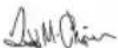

Todd Chipner
Sr. Director, Regulatory & Safety
Authorised to compile the technical file:
Alexander Krug, Managing Director
Techtronic Industries GmbH
Max-Eyth-Straße 10, 71364 Winnenden, Germany


DECLARATION DE CONFORMITE
Techtronic Industries GmbH
Max-Eyth-Straße 10, 71364 Winnenden, Germany
Max-Eyth-Straße 10, 71364 Winnenden, Germany

Max-Eyth-StraBe 10, 71364 Winnenden, Germany
Max-Eyth-Straße 10, 71364 Winnenden, Germany


Max-Eyth-Straße 10, 71364 Winnenden, Germany
Max-Eyth-Straße 10, 71364 Winnenden, Germany


Max-Eyth-Straße 10, 71364 Winnenden, Germany
Max-Eyth-Straße 10, 71364 Winnenden, Germany

DECLARACAO DE CONFORMIDADE
Techtronic Industries GmbH
Max-Eyth-StraBe 10,71364 Winnenden, Germany
Pelo presente declares que os produits
Serra Circular
Marca: RYQBI
Numero do modelo: RCS1400/RCS1600
Intervalo do numero de série:
RCS1400:46201203000001-4620120399999
RCS1600:46201403000001-46201403999999
Max-Eyth-Straße 10, 71364 Winnenden, Germany

CONFORMITEITSVERKLARING
Techtronic Industries GmbH
Max-Eyth-Straße 10, 71364 Winnenden, Germany
Max-Eyth-Straße 10, 71364 Winnenden, Germany

OVERENSSTEMMELSESERKLÄERING
Techtronic Industries GmbH
Max-Eyth-Straße 10, 71364 Winnenden, Germany
Vi erklaerer hermed, atproduktet
RundsaV
Brand: RYOBI
Modelnummer: RCS1400/RCS1600
Serienummeromrade
RCS1400:46201203000001-4620120399999
RCS1600:46201403000001-4620140399999
or i overensstemmelse med falgende EU-directiver og harmoniserede standarder
2006/42/EC, 2014/30/EU, 2011/65/EU
EN 55014-1:2017, EN 55014-2:2015, EN 61000-3-2:2014, EN 61000-3-3:2013
EN 61000-3-11:2000, EN 62841-1:2015, EN 62841-2-5:2014
Max-Eyth-Straße 10, 71364 Winnenden, Germany


KONFORMITETSDEKLARATION
Techtronic Industries GmbH
Max-Eyth-Straße 10, 71364 Winnenden, Germany
Max-Eyth-Straße 10, 71364 Winnenden, Germany

SAMSVARSERKLIERING
Techtronic Industries GmbH
Max-Eyth-Straße 10, 71364 Winnenden, Germany
Herved erklaerer vi alprodukter
Sirkelsaq
Merke: RYOBI
Modellnummer: RCS1400/RCS1600
Serienummerserie
RCS1400:46201203000001-4620120399999
RCS1600:46201403000001-4620140399999
er i samsvar med folgeuropeiske direktiv og harmoniserte standarder 2006/42/EC, 2014/30/EU, 2011/65/EU
EN 55014-1:2017, EN 55014-2:2015, EN 61000-3-2:2014, EN 61000-3-3:2013
EN 61000-3-11:2000, EN 62841-1:2015, EN 62841-2-5:2014
Max-Eyth-Straße 10, 71364 Winnenden, Germany


SÄNNÖSTEN NOUDATTAMINEN
Techtronic Industries GmbH
Max-Eyth-Straße 10, 71364 Winnenden, Germany
Max-Eyth-Straße 10, 71364 Winnenden, Germany

3AABJIEHNE O COOTBETCTBUN TPEBOAHNAR
Techtronic Industries GmbH
Max-Eyth-StraBe 10,71364 Winnenden, Germany
HacmouumMb3aenme,mo daHHbI npodykm
Unpkynpna nna
Mapka: RYOBI
HomeMmoen: RCS1400/RCS1600
Max-Eyth-Straße 10, 71364 Winnenden, Germany


DEKLARACJA ZGODNOSCICI
Techtronic Industries GmbH
Max-Eyth-Straße 10, 71364 Winnenden, Germany
Max-Eyth-Straße 10, 71364 Winnenden, Germany

MEGFELELOSEGI NYILATKOZAT
Techtronic Industries GmbH
Max-Eyth-Straße 10, 71364 Winnenden, Germany
Max-Eyth-Straße 10, 71364 Winnenden, Germany


PROHLÁSÉNI O SHODE
Techtronic Industries GmbH
Max-Eyth-Straße 10, 71364 Winnenden, Germany
Rozsaheirovych cisel:
RCS1400:46201203000001-4620120399999
RCS1600:46201403000001-46201403999999
Ze tento vyrobek je v souladus evropskymi a harmonizovanymi standardy
2006/42/EC, 2014/30/EU, 2011/65/EU
EN 55014-1:2017, EN 55014-2:2015, EN 61000-3-2:2014, EN 61000-3-3:2013
EN 61000-3-11:2000, EN 62841-1:2015, EN 62841-2-5:2014.
RoHS dokumentace sestavena dile EN IEC 63000:2018
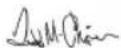

Todd Chipner
Vyssi feditel, normy a bezpecnost
Max-Eyth-Straße 10, 71364 Winnenden, Germany

DECLARATIE DE CONFORMITATE
Techtronic Industries GmbH
Max-Eyth-StraBe 10,71364 Winnenden, Germany
Prin prezenta, declaram ca produsele
Fierstrau circular
Marcà: RYOBI
Numar series: RCS1400/RCS1600
Gamá numár série:
RCS1400:46201203000001-46201203999999
RCS1600:46201403000001-46201403999999
Alexander Krug, Director General
Techtronic Industries GmbH
Max-Eyth-Straße 10, 71364 Winnenden, Germany


ATBILSTIBAS DEKLARACIJA
Techtronic Industries GmbH
Max-Eyth-Straße 10, 71364 Winnenden, Germany
Ar so pazinojam, ka produkti
Ripzagis
Zimols: RYOBI
Modela numurs: RCS1400/RCS1600
Max-Eyth-Straße 10, 71364 Winnenden, Germany

VASTAVUSDEKLARATSIOON
Techtronic Industries GmbH
Max-Eyth-StraBe 10,71364 Winnenden, Germany
Kinnitame, et see toode
Ketassaag
Mark: RYOBI
Mudeli number: RCS1400/RCS1600
Max-Eyth-Straße 10, 71364 Winnenden, Germany

ATITIKTIES PAREISKIMAS
Technonic Industries GmbH
Max-Eyth-Straße 10, 71364 Winnenden, Germany
Max-Eyth-Straße 10, 71364 Winnenden, Germany

IZJAVA O USKLABDENOSTI
Techronic Industries GmbH
Max-Eyth-Straße 10, 71364 Winnenden, Germany
Max-Eyth-StraBe 10,71364 Winnenden, Germany


IZJAVA O SKLADNOSTI
Techtronic Industries GmbH
Max-Eyth-Straße 10, 71364 Winnenden, Germany
Izjavjamo, da je izdelek
Krožna Žaqa
Znamka: RYOBI
Stevilka modela: RCS1400/RCS1600
Max-Eyth-Straße 10, 71364 Winnenden, Germany

DEKJIAPAUHRA3ACBOTBETCTBME
Techtronic Industries GmbH
Max-Eyth-Straße 10, 71364 Winnenden, Germany
C HacToIeTo DeKlApnpame, Ye npOyKTnTe
UnpkypeH TpnoH
Monen: RYOBI
Home ha moena: RCS1400/RCS1600
06xbat Ha cepHHH Homepa
RCS1400:46201203000001-4620120399999
RCS1600:46201403000001-4620140399999
OTROBAPHa CJIeHHTe DnpeKTHBn Ha EC n XapMOH3npaHn CTaHdaptN
2006/42/EC, 2014/30/EU, 2011/65/EU
EN 55014-1:2017, EN 55014-2:2015, EN 61000-3-2:2014, EN 61000-3-3:2013
EN 61000-3-11:2000, EN 62841-1:2015, EN 62841-2-5:2014
DokymentaunraTa 3a RoHS e c bctabeHa B cboTBcTbne c EN IEC 63000:2018.
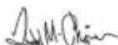
C
Todd Chipner
TnaBEN DnpeKTOp,OTen HopMaTHN N3CKBaHn 6e3oNaCHOCT
Max-Eyth-Straße 10, 71364 Winnenden, Germany


PREHLASENIE O ZHODE
Techtronic Industries GmbH
Max-Eyth-Straße 10, 71364 Winnenden, Germany
Max-Eyth-Straße 10, 71364 Winnenden, Germany

DEKJIAPAUI IPO BIDNOBIDHICTb
Techtronic Industries GmbH
Max-Eyth-StraBe 10,71364 Winnenden, Germany
Pn ybomy Mm 3aBbIeMo, 10 npOdyKT
UnpkyraHa nnka
Mapka: RYOBI
Homep moen: RCS1400/RCS1600
Diana0H cepiHoro HOMepy:
RCS1400:46201203000001-46201203999999
RCS1600:46201403000001-46201403999999
y biDnoBIOHocmi 3 HacmynHumu eeponeucbKumu dupekmueamu ma zapMOHI3oeAHUMU
CTAHdaptamn
2006/42/EC, 2014/30/EU, 2011/65/EU
EN 55014-1:2017, EN 55014-2:2015, EN 61000-3-2:2014, EN 61000-3-3:2013
EN 61000-3-11:2000, EN 62841-1:2015, EN 62841-2-5:2014
Dokymentaia RoHS ckaedeHa BIDNOBIDHO EN IEC 63000:2018
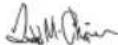
C
Todd Chipner
THe. DnpekTop, peryIIOBaHHa I 6e3neKa
Alexander Krug, Kepyouh DupekTop
Techronic Industries GmbH
Max-Eyth-Straße 10, 71364 Winnenden, Germany


UYGUNLUK BEYANI
Techtronic Industries GmbH
Max-Eyth-Straße 10, 71364 Winnenden, Germany
Max-Eyth-Straße 10, 71364 Winnenden, Germany

△HAΩEH ΣYMMOPΦΩEH
Techtronic Industries GmbH
Max-Eyth-Straße 10, 71364 Winnenden, Germany
Ara rou npovroc dawoume on to pioiv
KUKAIKOC KOTTTNC
Móρka: RYOBI
Aip0oocovteau:RCS1400/RCS1600
Eupoc eipiaKw apiOuW:
RCS1400:46201203000001-4620120399999
RCS1600:46201403000001-4620140399999
Eivaouwvo e nnapakaw Eupwnaike Onyie kai evapovioeva npotua
2006/42/EC, 2014/30/EU, 2011/65/EU
EN 55014-1:2017, EN 55014-2:2015, EN 61000-3-2:2014, EN 61000-3-3:2013
EN 61000-3-11:2000, EN 62841-1:2015, EN 62841-2-5:2014
Ta eyypapa RoHS ouvtaoovta ouuwova uTo EN IEC 63000:2018
C
Todd Chipner
AvwepocAieuovtn, Tmu PuOuioeWv & Aopaaia
Max-Eyth-Straße 10, 71364 Winnenden, Germany
EN RYOBI is a trademark of Ryobi Limited, and is used under license.
71364 Winnenden, Germany