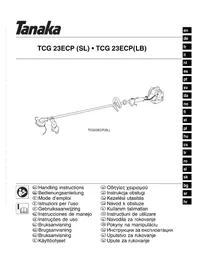
TCG 23ECP(SL) - String Trimmer Tanaka - Free user manual and instructions
Find the device manual for free TCG 23ECP(SL) Tanaka in PDF.



| Product type | String trimmer / Brush cutter |
| Brand | Tanaka |
| Model | TCG 23ECP(SL) |
| Engine type | 2-stroke, single cylinder, air cooled |
| Displacement | 23 cc |
| Fuel | Mixture of unleaded gasoline 89 octane and 2-stroke oil (ratio 25:1 to 50:1) |
| Ignition system | Electronic igniter |
| Spark plug | Electrode gap: 0.6 mm |
| Cutting tool | Semi-automatic nylon head (line Ø 2.4 mm) or metal blade (diameter 10-12 inches) |
| Line length | 11 to 14 cm |
| Guard | Blade guard with detachable extension |
| Harness | Yes (depending on model) |
| Routine maintenance | Cleaning air filter, fuel filter, spark plug, greasing gearbox (every 50 h) |
| Safety | Glasses, helmet, hearing protection, long clothing, safety distance 15 m |
| Idle adjustment | Adjustment screw (T) to adjust idle speed |
| Transport and storage | Drain fuel, store in a dry place |
Frequently Asked Questions - TCG 23ECP(SL) Tanaka
User questions about TCG 23ECP(SL) Tanaka
0 question about this device. Answer the ones you know or ask your own.
Ask a new question about this device
Download the instructions for your String Trimmer in PDF format for free! Find your manual TCG 23ECP(SL) - Tanaka and take your electronic device back in hand. On this page are published all the documents necessary for the use of your device. TCG 23ECP(SL) by Tanaka.
USER MANUAL TCG 23ECP(SL) Tanaka
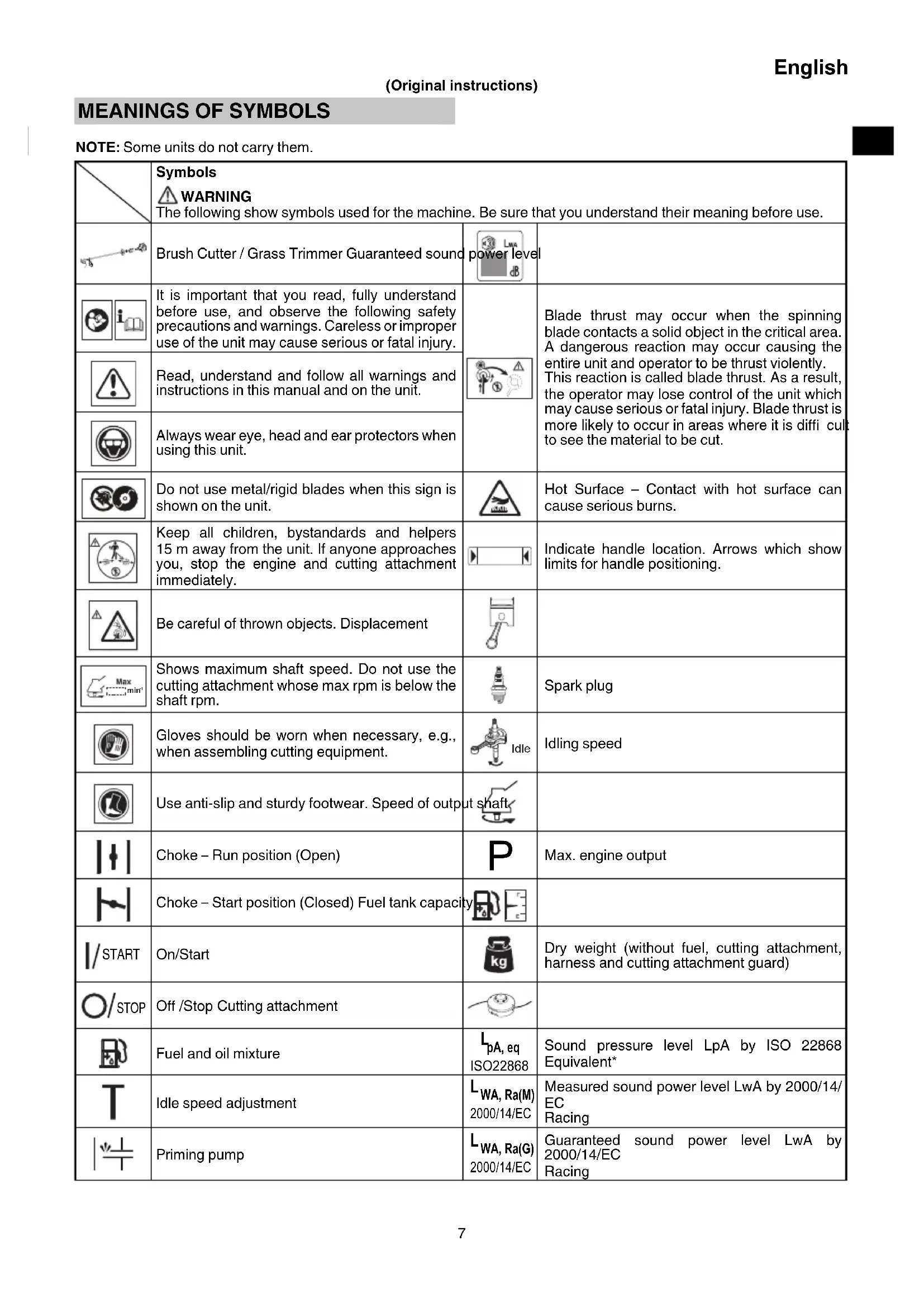
NOTE: Some units do not carry them.
| Symbols WARNING The following show symbols used for the machine. Be sure that you understand their meaning before use. | |||
| Brush Cutter / Grass Trimmer Guaranteed sound | power level | ||
| It is important that you read, fully understand before use, and observe the following safety precautions and warnings. Careless or improper use of the unit may cause serious or fatal injury. | Blade thrust may occur when the spinning blade contacts a solid object in the critical area. A dangerous reaction may occur causing the entire unit and operator to be thrust violently. This reaction is called blade thrust. As a result, the operator may lose control of the unit which may cause serious or fatal injury. Blade thrust is more likely to occur in areas where it is difficult to see the material to be cut. | ||
| Read, understand and follow all warnings and instructions in this manual and on the unit. | |||
| Always wear eye, head and ear protectors when using this unit. | |||
| Do not use metal/rigid blades when this sign is shown on the unit. | Hot Surface - Contact with hot surface can cause serious burns. | ||
| Keep all children, bystandards and helpers 15 m away from the unit. If anyone approaches you, stop the engine and cutting attachment immediately. | Indicate handle location. Arrows which show limits for handle positioning. | ||
| Be careful of thrown objects. Displacement | |||
| Shows maximum shaft speed. Do not use the cutting attachment whose max rpm is below the shaft rpm. | Spark plug | ||
| Gloves should be worn when necessary, e.g., when assembling cutting equipment. | Idle | Idling speed | |
| Use anti-slip and sturdy footwear. Speed of output shaft. | |||
| Choke - Run position (Open) | P | Max. engine output | |
| Choke - Start position (Closed) Fuel tank capacity | |||
| I/START | On/Start | kg | Dry weight (without fuel, cutting attachment, harness and cutting attachment guard) |
| O/STOP | Off /Stop Cutting attachment | ||
| E | Fuel and oil mixture | pA, eq ISO22868 | Sound pressure level LpA by ISO 22868 Equivalent* |
| T | Idle speed adjustment | LWA, Ra(M) 2000/14/EC | Measured sound power level LwA by 2000/14/EC Racing |
| Priming pump | LWA, Ra(G) 2000/14/EC | Guaranteed sound power level LwA by 2000/14/EC Racing | |
| \(a_{h\nu},\text{eq}(\text{F})\) | Vibration level by ISO 22867 Front or Left handle / Equivalent* | K | Uncertainty |
| \(a_{h\nu},\text{eq}(\text{R})\) | Vibration level by ISO 22867 Rear or Right handle / Equivalent* | ||
| Before using your machine ·Read the manual carefully. ·Check that the cutting equipment is correctly assembled and adjusted. ·Start the unit and check the carburetor adjustment. See“MAINTENANCE”. | |||
NOTE: Equivalent noise level / vibration level are calculated as the time-weighted energy total for noise / vibration levels under various working conditions with the following time distribution:
* 1/2 Idle, 1/2 racing.
WHAT IS WHAT? (Fig. 1)
Since this manual covers several models, there may be some difference between pictures and your unit. Use the instructions that apply to your unit.
A: Fuel cap
B: Throttle trigger
C: Starter handle
D: Cutting attachment guard
E: Guard extension
F: Cutting attachment
G: Drive shaft tube
H: Handle
I: Hanger
J: Ignition switch
K: Spark plug
L: Priming pump
M: Harness (if so equipped)
N: Throttle trigger lockout
O: Choke lever
P: Engine
Q: Gear case
R: Cutter case
S: Combi box spanner
T: Handling instructions
U: Goggles
V: Hex bar wrench
W: Top cover
X: Spanner
WARNING AND SAFETY INSTRUCTIONS
Pay special attention to statements preceded by the following words:
WARNING
Indicates a strong possibility of severe personal injury or loss of life, if instructions are not followed.
CAUTION
Indicates a possibility of personal injury or equipment damage, if instructions are not followed.
NOTE
Helpful information for correct function and use.
Operator safety
Wear head protection (1). (Fig. 2)
Always wear a safety face shield or goggles (2). (Fig. 2)
O Wear approved hearing protection (3). (Fig. 2)
Long-term exposure to noise can result in permanent hearing impairment. Pay attention to your surroundings. Be aware of any bystanders who may be signaling a problem.
Remove safety equipment immediately upon shutting off engine.
Always wear heavy, long-sleeved shirts (4) and long pants (5) and non-slip boots (6) and gloves (7). (Fig. 2)
Do not wear loose clothing, jewelry, short pants, sandals or go barefoot.
Secure hair so it is above shoulder length.
- Do not operate this tool when you are tired, ill or under the influence of alcohol, drugs or medication.
- Do not operate the tool at night or under bad weather conditions when visibility is poor. And do not operate the tool when it is raining or right after it has been raining. Working on slippery ground could lead to an accident if you lose your balance.
- Never let a child or inexperienced person operate the machine.
- Do not start the engine if there are any flammables such as dry leaves, waste paper or fuel in the vicinity.
- Never start or run the engine inside a closed room or building. Breathing exhaust fumes can kill.
- Keep handles free of oil and fuel.
- Keep hands away from cutting equipment.
Do not grab or hold the unit by the cutting equipment.
Gloves should be worn when installing or removing the cutting attachment. Failure to do so may result in injury. - When the unit is shut off, make sure the cutting attachment has stopped before the unit is set down.
- When operation is prolonged, take a break periodically so that you may avoid possible Hand-Arm Vibration Syndrome (HAVS) which is caused by vibration.
WARNING
Always operate the tool with proper protective equipment and clothing. Failure to do so may result in accidents such as burns or injuries. (Fig. 2)
- Do not touch the spark plug area or high voltage during operation. Doing so may result in electric shock.
Do not allow children near the tool during operation.
- Do not touch the engine, top cover or exhaust vent during or shortly after operation. Doing so may result in burn or injury.
Antivibration systems do not guarantee that you will not sustain Hand-Arm Vibration Syndrome or carpal tunnel syndrome. Therefore, continual and regular users should monitor closely the condition of their hands and fingers. If any of the above symptoms appear, seek medical advice immediately.
If you are using any medical electric/electronic devices such as a pacemaker, consult your physician as well as the device manufacturer prior to operating any power equipment.
Unit/machine safety
Inspect the entire unit/machine before each use. Replace damaged parts. Check for fuel leaks and make sure all fasteners are in place and securely tightened.
Replace parts that are cracked, chipped or damaged in any way before using the unit/machine. Faulty parts may increase the risk of accidents and may lead to an injury.
- Make sure the cutting attachment guard and harness are properly attached. Do not operate if cutting attachment guard and harness is not properly attached.
- Keep others away when making carburetor adjustments.
- Use only accessories as recommended for this unit/ machine by the manufacturer.
Before operation, make sure that there are no tools such as the adjustment key or spanner still attached to the unit.

WARNING
- Never modify the unit/machine in any way. Do not use your unit/machine for any job except that for which it is intended.
- Tampering with the engine voids the EU type approval of this engine.
Non-authorized modifications and/or accessories may result in serious personal injury or the death of the operator or others.
Fuel safety
Mix and pour fuel outdoors and where there are no sparks or flames.
Use a container approved for fuel.
- Move at least 3m away from fueling site before starting engine.
- Stop engine before removing fuel cap. Do not remove the fuel cap during operation.
- Empty the fuel tank before storing the unit/machine. It is recommended that the fuel be emptied after each use. If fuel is left in the tank, store so fuel will not leak.

WARNING
Fuel is easy to ignite or get explosion or inhale fumes, so that pay special attention when handling or flling fuel.
- Do not smoke or allow smoking near fuel or the unit/machine or while using the unit/machine.
O Wipe up all fuel spills before starting engine.
- Store unit/machine and fuel in area where fuel vapors cannot reach sparks or open fl ames from water heaters, electric motors or switches, furnaces. etc.
- When using the unit in dry areas, make sure that fire extinguishing equipment is readily available.
If you shut off the engine for refueling, make sure the unit has cooled down before adding fuel.
Cutting safety
Do not cut any material other than grass and brush.
Inspect the area to be cut before each use.
Remove objects which can be thrown or become entangled.
Do not operate in areas where there are tree roots or rocks.
For respiratory protection, wear an aerosol protection mask when cutting the grass after insecticide is scattered.
- Keep others including children, animals, bystanders and helpers outside the 15m hazard zone. Stop the engine immediately if you are approached.
- Please exercise caution as engine startup may be delayed after pulling the starter handle.
Always keep the engine on the right side of your body.
Hold the unit/machine firmly with both hands.
- Keep firm footing and balance. Do not over-reach. Losing your balance during work may lead to an injury.
- Keep all parts of your body away from the muffler and cutting attachment when the engine is running.
- Keep cutting attachment below knee level.
Please exercise caution when operating in areas where electrical cables or gas pipes are present.
- Do not operate the cutting attachment for anything but clearing grass or bushes. Avoid operations where the cutting attachment may touch water such as puddles or dig into dirt. Failure to do so may result in injury or damage to the unit.
- Avoid prolonged use at low speed range in which vibration is high. Doing so may result in engine damage.
- When relocating to a new work area, or inspecting, adjusting or exchanging the unit's cutting attachments, accessories, etc., be sure to shut off the machine and ensure that all cutting attachments are stopped.
- Never place the machine on the ground when running.
- Never touch the cutting attachment when it is rotating.
Always ensure that the engine is shut off and any cutting attachments have completely stopped before clearing debris or removing grass from the cutting attachment.
Always carry a first-aid kit when operating any power equipment.
Turn off the engine and make sure the cutting attachment has come to a full stop before removing the unit from your body or before leaving the unit unattended. - If you accidentally bump or drop the unit, inspect it immediately to make sure there are no damage, cracks or deformations.
- If the tool is operating poorly and produces strange noise or vibrations, turn off the engine immediately and ask your dealer to have it inspected and repaired.
Continued use under these conditions could lead to injury or tool damage.
Use in accordance with local laws and regulations.

KICKBACK DANGER (Fig. 3)
When using metal cutting attachments such as blades, contact with obstacles such as trees or other hard surfaces with the front or right portion of the spinning attachment may force the unit to catch on an obstacle, resulting in a kickback reaction towards the right side of the operator.
Kickback may occur when the cutting attachment comes into contact with tree stumps or rocks hidden behind weeds. Always make sure there are no obstacles hidden by weeds before starting work.
To minimize the danger of kickbacks when they do occur, always position the unit to the right side of the body during operation. With the operator properly positioned as the cutting attachment rotates, this will reduce the danger of the unit's direct contact with the body.
Maintenance safety
O Maintain the unit/machine according to recommended procedures.
- Disconnect the spark plug before performing maintenance except for carburetor adjustments.
- Keep others away when making carburetor adjustments.
- Use only genuine Tanaka replacement parts as recommended by the manufacturer.
CAUTION
Do not disassemble the recoil starter. There is a possibility of personal injury with recoil spring.

Improper maintenance could result in serious engine damage or in serious personal injury.
Transport and storage
- Carry the unit/machine by hand with the engine stopped and the muffler away from your body.
- Allow the engine to cool, empty the fuel tank, and secure the unit/machine before storing or transporting. Failure to do so may result in fire or accidents.
- Empty the fuel tank before storing the unit/machine. It is recommended that the fuel be emptied after each use. If fuel is left in the tank, store so fuel will not leak.
- Store unit/machine out of the reach of children.
Clean and maintain the unit carefully and store it in a dry place. - Make sure engine switch is off when transporting or storing.
- When transporting and storing, either remove the cutting attachment or place the blade cover over the blade.
- You have to secure the machine during transport to prevent loss of fuel, damage or injury.
If a warning label cannot be read, peels off or becomes indistinct, replace it with a new one. To purchase new labels, contact Tanaka dealer.
English
If situations occur which are not covered in this manual, take care and use common sense. Contact Tanaka dealer if you need assistance.
SPECIFICATIONS
The SPECIFICATIONS of this machine are listed in the table on page 261.
NOTE
All data subject to change without notice.
ASSEMBLY PROCEDURES
Drive shaft to engine (Fig. 4)
Loosen tube locking bolt (8) about ten turns so that the bolt point will not obstruct drive shaft tube to be inserted. When inserting drive shaft tube, hold the tube locking bolt outward preventing inside ftting from obstructing as well.
Insert the drive shaft into the clutch case of the engine properly until the marked position (9) on the drive shaft tube meets the clutch case.
Some models may come with the drive shaft already installed.
NOTE
When it is hard to insert drive shaft up to the marked position on the drive shaft tube, turn drive shaft by the cutter mounting end clockwise or counter-clockwise. Tighten tube locking bolt lining up the hole in the shaft tube. Then tighten clamp bolt securely.
Installation of handle
Loop handle type (Fig. 5)
Attach the handle to the drive shaft tube.
Adjust the location to the most comfortable position before operation.
Make sure to securely attach the handle with the 4 bolts.
NOTE
If your unit has handle location label (10) on drive shaft tube, follow the illustration.
Installation of throttle wire / stop cord
Turn the knob (11) and remove the air cleaner cover. (Fig. 6) Connect stop cords. (Fig. 7)
Fasten the throttle outer end (12) to the cable adjuster stay (13) by tightening the adjuster nuts (14) so that the throttle outer end (12) is pressed tightly against the cable adjuster stay (13).
Connect throttle wire end (15) to swivel (16) of carburetor. (Fig. 8)
Some models may come with the parts installed.
CAUTION
Open and close the throttle and verify that the swivel (16) abuts against screw (17) when the throttle is closed.
NOTE
To put the air filter cover back into place, hook it on the upper tabs and then attach it.
Installation of harness
(If so equipped)
WARNING
If the product includes a harness, always make sure to use it.
Attach the harness hook (18) to the hanger (19) on the drive shaft tube. (Fig. 9)
Adjust the length of the harness for easy operation of the tool.
NOTE
You may need to adjust the position of the hangar (19) to balance the unit. To do so, loosen bolt (20) and adjust the position of hangar (19). After adjusting as necessary, make sure to securely tighten the bolt (20). (Fig. 9)
Installation of cutting attachment guard
WARNING
If an incorrect or faulty guard is fitted, this may cause serious personal injury.
CAUTION
Some cutting attachment guards are equipped with sharp line limiters. Be careful with handling it.
NOTE
When using a trimmer head with two piece type cutting attachment guard, attach the guard extension to the cutting attachment guard, then tighten the bolt (21). (Fig. 10)
The guard bracket may come already mounted to the gear case on some models.
Align the cutting attachment guard with the guard bracket (22) and secure it to the drive shaft tube, using the bolt. (Fig. 11)
WARNING
Remove the guard extension when using metal or plastic blades. Failure to do so may result in injury or damage to the cutting attachment guard.
NOTE
To remove the guard extension, refer to the drawings. Wear gloves as the extension has a sharp line limiter.
Loosen the bolt (21). Then push the three square tabs on the guard one by one in order. (Fig. 12)
(TCG23ECP (LB))
Insert the cutter case between the guard bracket and cutting attachment guard, and secure it with the bolt. (Fig. 13)
Installation of cutting attachment
WARNING
Install the cutting attachment properly and securely as instructed in the handling instructions.
If not attached properly or securely, it may come off and cause serious and/or fatal injury.
- Do not install or remove cutting attachments while the engine is running.
Always use genuine Tanaka cutting attachments and metal fittings.
Installation of semi-auto cutting head
- Function
Automatically feeds more nylon cutting line when it is tapped at low rpm (not greater than 6000 min-1).
Specific cations
| Code No. | Type of attaching screw | Direction of rotation | Size of attaching screw |
| 6600570 | Female screw | Counter-clockwise | M10xP1.25-LH |
| 6601376 | Female screw C | ockwise M8xP1 | 25-RH |
Applicable nylon cord
Cord diameter: 2.4mm Length: 5m
- Precautions
The case must be securely attached to the cover.
Check the cover (23), case (24) and other components for cracks or other damage. (Fig. 14)
Check the case and button for wear.
If there is a hole in the bottom (25) of the button, change the new parts immediately. (Fig. 14)
The cutting head must be securely mounted to the unit's gear case/cutter case.
If the cutting head does not feed cutting line properly, check that the nylon line and all components are properly installed. Contact Tanaka dealer if you need assistance.

WARNING
For Tanaka heads, use only fl exible, non-metallic line recommended by the manufacturer. Never use wire or wire ropes. They can break off and become a dangerous projectile.
3. Installation
(TCG23ECP (SL)) (Fig. 15)
Insert the Hex bar wrench (26) into the hole of the gear case and groove of the Cutter holder (A) (27) in order to lock the shaft.
Install cutting head on gear case of brush cutters. The mounting nut is left-hand-threaded. Turn clockwise to loosen/counter-clockwise to tighten.
NOTE
Since the cutter holder cap is not used here, keep it for when a metal blade is used, if so equipped.
(TCG23ECP (LB)) (Fig. 16)
Insert the Hex bar wrench (26) into the hole of the cutter case in order to lock the drive shaft tube.
Install cutting head on cutter case of grass trimmers. The mounting nut is right-hand-threaded. Turn counterclockwise to loosen/clockwise to tighten.
4. Adjusting line length
Set the engine speed as low as possible and tap the head on the ground. The nylon line will be drawn out about 3cm with each tap. (Fig. 17)
Also, you can extend the nylon line by hand but the engine must be completely stopped. (Fig. 18)
Adjust the nylon line to the proper length of 11-14 cm before each operation.
Installation of cutting blade (Fig. 19)
(If so equipped)
Insert the Hex bar wrench (26) into the hole of the gear case and groove of the Cutter holder (A) (27) in order to lock the shaft.
Assemble in the following order: Cutter holder (A) (27), blade (28), cutter holder (B) (29), nut cover (30).
Tighten the fi xing nut with the combi box spanner with a tightening torque of 14± 2 N.m. Please note that the cutter fi xing nut (31) has left-handed threads (clockwise to loosen/ counter-clockwise to tighten).
NOTE
-
When installing cutter holder (B) (29), be sure to set concave side upward.
-
When installing or removing a blade, make sure to wear gloves and place the blade cover over the blade.
CAUTION
Check a nut cover (30) for wear or cracks before operation. If any damage or wear is found, replace it, as it is an article of consumption.

WARNING
-
When installing a cutting blade, make sure that there are no cracks or any damage in it and that the cutting edges are facing the correct direction.
-
Remove any surface grit from blade installation fittings (cutter holder (A) (27), cutter holder (B) (29), nut cover (30), nut (31)). Failure to do so may result in the loosening of nuts.
The protrusion of the cutter holder (A) (27) may become misaligned with the blade (28) while tightening nut (31). Before operation, make sure the blade has been properly installed. (Fig. 20)
- Rotate the blade by hand and make sure there is no rocking or abnormal noise. Rocking may cause abnormal vibrations or result in the loosening of nuts.
OPERATING PROCEDURES
Fuel (Fig. 21)
WARNING
The trimmer is equipped with a two-stroke engine. Always run the engine on fuel, which is mixed with oil. Provide good ventilation, when fueling or handling fuel.
- Fuel is highly flammable and it is possible to get seriously injured when inhaling or spilling on your body.
Always pay attention when handling fuel. Always have good ventilation when handling fuel inside building.
Fuel
Always use branded 89 octane unleaded gasoline.
- Use genuine two-cycle oil or use a mix between 25:1 to 50:1, please consult about the mixture ratio to Tanaka dealer.
If genuine oil is not available, use an anti-oxidant added quality oil expressly labeled for air-cooled 2-cycle engine use (JASO FC GRADE OIL or ISO EGC GRADE). Do not use BIA or TCW (2-stroke water-cooling type) mixed oil.
Never use multi-grade oil (10 W/30) or waste oil.
- Never mix fuel and oil in machine's fuel tank. Always mix fuel and oil in a separate clean container.
Always start by filling half the amount of gasoline, which is to be used.
Then add the whole amount of oil. Mix (shake) the fuel mixture. Add the remaining amount of gasoline.
Mix (shake) the fuel-mix thoroughly before filling the fuel tank.
Mixing amount of two-cycle oil and gasoline
| Gasoline (Liter) | Two-cycle oil (ml) | |
| Ratio 50:1 | Ratio 25:1 | |
| 0.5 | 10 | 20 |
| 1 | 20 | 40 |
| 2 | 40 | 80 |
| 4 | 80 | 160 |
Fueling
WARNING
Always shut off the engine and let it cool for a few minutes before refueling. Do not smoke or bring flames or sparks near the fueling site.
- Slowly open the fuel tank, when filling up with fuel, so that possible over-pressure disappears.
O Tighten the fuel tank cap carefully, after fueling.
Always move the unit at least 3m from the fueling area before starting.
Always wash any spilled fuel from clothing immediately with soap.
Be sure to check any fuel leakage after refueling.
Before fueling, in order to remove static electricity from the main body, the fuel container and the operator, please touch the ground that is slightly damp.
Before fueling, clean the tank cap area carefully, to ensure that no dirt falls into the tank. Make sure that the fuel is well mixed by shaking the container, before fueling.
Starting
WARNING
Before starting the tool, ensure that the cutting attachment is not touching any objects or the ground. Otherwise, the cutting attachment may unexpectedly rotate and cause an injury.
English
Ensure that the cutting attachment does not rotate while the engine is idling. If it does rotate, adjust the idle speed according to the instructions in "Idle speed adjustment" in the "MAINTENANCE" section. If the cutting attachment still rotates after this adjustment, immediately stop the engine and cease use, then bring the tool to the nearest Tanaka dealer.
(1) Starting the cold engine
- Set ignition switch (32) to ON position. (Fig. 22)
- Push priming pump (33) several times so that fuel flows through return pipe (34). (Fig. 23)
- Set choke lever (35) to START position (closed) (A). (Fig. 24)
- Pull recoil starter briskly, taking care to keep the handle in your grasp and not allowing it to snap back. (Fig. 25)
- When you hear the engine want to start, return choke lever to RUN position (open) (B). (Fig. 24)
- Pull recoil starter briskly again. (Fig. 25)
NOTE
If engine does not start, repeat procedures from 2 to 5.
- Then allow the engine about 2-3 minutes to warm up before subjecting it to any load.
- Check that the cutting attachment does not rotate when the engine is idling.
(2) Starting the warm engine
Use only 1, 6 and 8 of the starting procedure for a cold engine.
If the engine does not start, use the same starting procedure as for a cold engine.
Cutting

WARNING
Always use the harness (If so equipped) and wear the proper attire and protective equipment when operating the unit. (Fig. 26)
- Keep others including children, animals, bystanders and helpers outside the 15m hazard zone. Stop the engine immediately if you are approached. (Fig. 27)
- When grass or vines wrap around attachment, stop engine and attachment and remove them. Continuing operation with grass or vines wrapped around the attachment may result in damages such as early abrasion of the clutch.
CAUTION
Use and points of caution will vary depending on the type of cutting attachment. For safe use, make sure to follow the instructions and guidelines provided with each type.
NOTE
Press the quick release button or pull emergency release flap (If so equipped) in the event of emergency. (Fig. 28)
Use in accordance with local laws and regulations.
(1) Using a semi-auto cutting head
Set the engine at high speed when using this attachment.
Cut grass from left to right. The cut grass will be discharged away from the body, minimizing transfer to your clothes. (Fig. 29)
Cut grass from right to left as the cutting attachment of the curved drive shaft tube model rotates clockwise.
With nylon cord, use about 2cm of the end of the cord to cut grass. Using the full length of the cord will reduce rotation speed and make cutting diffi cult.
NOTE
Automatically feeds more nylon cutting line when it is tapped at low rpm (not greater than 6000 min-1).

WARNING
This product is equipped with a line limiter that will automatically cut any excess cord. When operating the unit, do not remove the guard or line limiter.
As the resistance is greater for nylon cords as opposed to blades, mishandling could increase engine load and result in damage.
Do not use with the engine set at low speeds. If the engine speed is low, grass may wrap around the attachment, causing the clutch to slip which could result in clutch abrasion.
With nylon cord cutters, always use over 15~cm of cord. If the length of the cord is too short, rotation speed will increase and may cause damage to the nylon cord cutter. As the curved drive shaft tube model in particular is not equipped with a deceleration mechanism, the possibility of increased rotation speed for the cutting attachment is high.
(2) Using a blade
- Adjust engine speed according to the resistance of the grass. For soft grass, use low speeds, For tough clumps of grass, use high speeds.
Cut grass from right to left, using the left side of the blade to cut. (Fig. 30)
Slightly tilting the blade to the left while cutting will pile the cut grass to the left, making collection easy.
NOTE
Excessively increasing rotation speed may cause increased blade wear, vibration and noise. It will also result in increased fuel consumption.
WARNING
- Blade thrust may occur when the spinning blade contacts a solid object in the critical area.
A dangerous reaction may occur causing the entire unit and operator to be thrust violently. This reaction is called blade thrust. As a result, the operator may lose control of the unit which may cause serious or fatal injury. Blade thrust is more likely to occur in areas where it is difficult to see the material to be cut.
If cutting attachment should strike against stones or other debris, stop the engine and make sure that the attachment and related parts are undamaged.
Stopping (Fig. 31)
Decrease engine speed and run at an idle for a few minutes, then turn off ignition switch (32).
WARNING
A cutting attachment can injure while it continues to spin after the engine is stopped or Throttle trigger is released. When the unit is turned off, make sure the cutting attachment has stopped before the unit is set down.
MAINTENANCE
MAINTENANCE, REPLACEMENT OR REPAIR OF THE EMISSION CONTROL DEVICES AND SYSTEMS MAY BE PERFORMED BY ANY NON-ROAD ENGINE REPAIR ESTABLISHMENT OR INDIVIDUAL.
Carburetor adjustment (Fig. 32)
The carburetor is a precision part that mixes air and fuel, and it is designed to ensure high performance from the engine. Before the tool is shipped from the factory, its carburetor is adjusted during a test run. Only make adjustments if it is necessary because of environmental conditions (the climate or atmospheric pressure), the type of fuel, the type of two-cycle oil, etc.
WARNING
Because the carburetor is manufactured with a high degree of precision, do not disassemble it.
For this product, the only setting of the carburetor that can be adjusted is the idle speed (T).
- Never start the engine without the complete clutch cover and tube assembled! Otherwise the clutch can come loose and cause personal injuries.
T = Idle speed adjustment screw.
Idle speed adjustment (T)

WARNING
- When the engine is stopped, do not excessively turn the idle speed adjustment screw (T) in a clockwise direction. Otherwise, when the engine starts, the cutting attachment may unexpectedly rotate and cause an injury.
Do not adjust the idle speed adjustment screw (T) for any reason other than to adjust the idling.
Run the engine while adjusting the idling.
(1) If the engine stops during idling Start the engine, and slowly turn the idle speed adjustment screw (T) in a clockwise direction until it is in a position at which the engine rotates smoothly. At that time, ensure that the cutting attachment is not spinning.
(2) If the cutting attachment rotates during idling Slowly turn the idle speed adjustment screw (T) in a counter-clockwise direction until it is in a position at which the cutting attachment does not rotate. At that time, ensure that the rotation of the engine is smooth.

WARNING
If the cutting attachment still rotates after adjustment of the idle speed adjustment screw (T), immediately stop the engine and cease use, then contact the nearest Tanaka dealer.
Air fi Iter (Fig. 33)
The air filter (36) must be cleaned from dust and dirt in order to avoid:
Carburetor malfunctions.
Starting problems.
O Engine power reduction.
Unnecessary wear on the engine parts.
Abnormal fuel consumption.
Clean the air filter daily or more often if working in exceptionally dusty areas.
Open the air filter cover and remove the air filter (36). Clean it.
Check that the filter is dry before reassembly.
An air fi liter that has been used for some time cannot be cleaned completely. Therefore, it must regularly be replaced with a new one. A damaged fi liter must always be replaced.
NOTE
To put the air filter cover back into place, hook it on the upper tabs and then attach it.
Fuel fi Iter (Fig. 34)
Remove the fuel filter (37) from the fuel tank, and replace it if it is dirty.
NOTE
A blocked fuel fi ler (37) can prevent the supply of fuel and cause a rotation malfunction of the engine.
Spark plug (Fig. 35)
The spark plug condition is influenced by:
An incorrect carburetor setting
Wrong fuel mixture (too much oil in the gasoline)
O A dirty air fi lter.
O Hard running conditions (such as cold weather).
These factors cause deposits on the spark plug electrodes, which may result in malfunction and starting difficulties. If the engine is low on power, difficult to start or runs poorly at idling speed, always check the spark plug first.
If the spark plug is dirty, clean it and check the electrode gap. Re-adjust if necessary. The correct gap is 0.6mm . The spark plug should be replaced after about 100 operation hours or earlier if the electrodes are badly eroded.
NOTE
In some areas, local law requires using a resistor spark plug to suppress ignition signals. If this machine was originally equipped with resistor spark plug, use same type of spark plug for replacement.
Flexible drive shaft (Fig. 36)
(TCG23ECP (LB))
Flexible drive shaft should be removed and lubricated with good quality lithium grease every 20 hours. To remove the flexible shaft, first remove screw (38), loosen bolt (39) and remove the cutter case then pull the shaft out of the drive shaft tube. Clean the shaft off and apply a generous coat of lithium grease to it and insert if back into the drive shaft tube, turn it unit it drops into place then install the cutter case, install & tighten screw (38) and bolt (39).
Gear case (Fig. 37)
Check gear case or angle gear for grease level about every 50 hours of operation by removing the grease filler plug on the side of gear case.
If no grease can be seen on the flanks of the gears, fill the gear case with quality lithium based multipurpose grease up to 3/4. Do not completely fill the gear case.
CAUTION
- Make sure to remove any dirt or grit when attaching the plug to its original position.
Before attempting inspection or maintenance of the gear case, make sure the case has cooled.
Semi-auto cutting head Nylon line replacement
- Remove the case (24) by fi rmly pushing inward the locking tabs with your thumbs as shown in Fig. 38.
- After removing the case, take out the reel and discard the remaining line.
- Fold the new nylon line unevenly (approx. 10cm ) in half as shown in picture. Hook the U-shaped end of the nylon line into the groove (40) on the center partition of the reel.
Wind both halves of the line on the reel in the same direction, keeping each half of the line on its own side of the partition. (Fig. 39)
- Push each line into the stopper holes (41), leaving the loose ends approx. 10cm in length. (Fig. 40)
- Insert both loose ends of the line through the cord guide (42) when placing the reel in the case. (Fig. 41)
NOTE
When placing a reel in the case, try to line up the stopper holes (41) with the cord guide (42) for easier line release later.
- Place the cover over the case so that the cap locking tabs (44) on the cover meet the long holes (43) on the case. Then push the case securely until it clicks into place. (Fig. 42)
- The initial cutting line length should be approx. 11 - 14cm and should be equal on both sides. (Fig. 43)
Blade (Fig. 44)
WARNING
Wear protective gloves when handling or performing maintenance on the blade.
Use a sharp blade. A dull blade is more likely to snag and thrust.
Replace the fastening nut if it is damaged and hard to tighten.
When replacing blade, purchase one recommended by Tanaka, with a 25.4mm (one inch) fitting hole.
In the case of a 3 tooth blade (45), it can be used on either side.
Use the correct blade for the type of work.
English
- When replacing blades, use appropriate tools.
- When cutting edges become dull, re-sharpen or file as shown in the illustration. Incorrect sharpening may cause excessive vibration.
Discard blades that are bent, warped, cracked, broken or damaged in any way.
NOTE
When sharpening blade it is important to maintain an original shape of radius at the base of the tooth to avoid cracking.
For long-term storage
Drain all fuel from the fuel tank. Start and let engine run until it stops. Repair any damage which has resulted from use. Clean the unit with a clean rag, or the use of high pressure air hose. Put a few drops of two-cycle engine oil into the cylinder through the spark plug hole, and spin the engine over several times to distribute oil. Cover the unit and store it in a dry area.
Maintenance schedule
Below you will find some general maintenance instructions. For further information please contact Tanaka dealer.
Daily maintenance
Clean the exterior of the unit.
Check that the harness is undamaged.
Check the cutting attachment guard for damage or cracks. Change the guard in case of impacts or cracks.
Check that the cutting attachment is properly centered, sharp, and without cracks. An off-center cutting attachment induces heavy vibrations that may damage the unit.
Check that the cutting attachment nut is suffi cientsly tightened.
- Make sure that the blade cover is undamaged and that it can be securely fitted.
Check that nuts and screws are sufficiently tightened.
Check that the unit is undamaged and free of defects.
Weekly maintenance
Check the starter, especially the cord.
Clean the exterior of the spark plug.
Remove the spark plug and check the electrode gap. Adjust it to 0.6mm or change the spark plug.
Check that the angle gear is filled with grease up to 3 / 4
Clean the air filter.
Monthly maintenance
Rinse the fuel tank with gasoline.
Clean the exterior of the carburetor and the space around it.
Clean the fan and the space around it.
SELECTING ACCESSORIES
The accessories of this machine are listed on page 262.
SELECTING CUTTING ATTACHMENTS
Recommended accessories for each model are presented in the table below.
For purchases, contact Tanaka dealer.
Please check carefully as those accessories not marked with "●" cannot be attached.
List of recommended accessories
| Type | Name | Specifi cation LOOP HANDLE | ||||
| Diameter | Feed System Adapter or No. of Teeth (Blade) | Blade Thickness (mm) or Trimmer line Diameter (mm) | TCG23ECP (LB) | TCG23ECP (SL) | ||
| ALUMINIUM HEADS | NYLON HEAD CH-100 (W/NYLON LINE) | 4" Pre-Cut Line 2.2 - 3.0 | ● | |||
| NYLON HEAD CH-100 | ● | |||||
| NYLON HEAD CH-300 (W/CUTTER HOLDER CAP) | 5" | Manual line feed | 2.2 - 2.7 | |||
| NYLON HEAD CH-300 | ||||||
| AUTO NYLON HEADS | NYLON HEAD TH-97M | 5" L M10 x 1.25 Nut 2.4 - 2.7 | ||||
| NYLON HEAD TH-97U2 | 5" | LM10 x 1.25 Nut LM8 x 1.25 Nut | 2.4 - 2.7 | |||
| TAP & GO NYLON HEADS | NYLON HEAD BF-4 | 4" R M8 x 1.25 Nut 2.2 - 3.0 | ||||
| NYLON HEAD (R) (G137-301) | 4" R M8 x 1.25 Nut 2.0 - 2.8 | |||||
| NYLON HEAD 4" L M10 x 1.25 Nut | 2.4 | ● | ||||
| NYLON HEAD 4" R M8 x 1.25 Nut | 2.4 | ● | ||||
| NYLON HEAD BF-5 | 5" | LM10 x 1.25 Nut LM8 x 1.25 Nut | 2.2 - 3.0 | ● | ||
| NYLON HEAD ASS'Y (G138-501) | 4" L M10 x 1.25 Nut 2.0 - 2.8 | ● | ||||
| NYLON HEAD ASS'Y (S128-500) | 5" L M10 x 1.25 Nut 2.0 - 3.0 | |||||
| BLADES | BLADE B3/10/1.8 | 10" | 3 1.8 | ● | ||
| BLADE B3/10/2.01 | 10" | 3 2.0 | ||||
| BLADE B3/12/3.0 | 12" | 3 3.0 | ||||
| BLADE B4/9/1.6 | 9" 4 1.6 | ● | ||||
| BLADE B4/10/1.6 | 10" 4 1.6 | ● | ||||
TROUBLESHOOTING
Use the inspections in the table below if the tool does not operate normally. If this does not remedy the problem, consult your dealer or the Tanaka dealer.
| Condition Cause Remedy | |||
| Engine does not start | Fuel system | Fuel tank is empty or fuel level is low | Fill the fuel tank with the correct fuel mix (25:1-50:1) |
| Fuel tank contains old fuel (off ensive odor) | Replace with new fuel | ||
| Too much fuel is absorbed and spark plug is wet | 1. Disconnect the spark plug and allow to dry 2. Pull the starter handle 5 or 6 times to remove the surplus fuel 3. Attach the spark plug 4. Set the choke lever to RUN position and pull the starter handle | ||
| Fuel filter is clogged with dirt | Clean the fuel filter | ||
| Fuel pipe is bent or disconnected | Ensure that the fuel flows smoothly | ||
| Carburetor malfunction | Contact Tanaka dealer | ||
| Electrical system | Stop switch lead has short-circuited | Contact Tanaka dealer | |
| Spark plug is dirty Replace or clean the spark plug | Replace with new fuel | ||
| Electrode gap is too big Adjust the gap to | 0.6mm | ||
| Poor connection between high tension cable and spark plug | Reconnect | ||
| Electrical system malfunction | Contact Tanaka dealer | ||
| Other | Muffler exhaust port is clogged with carbon | Contact Tanaka dealer for repair | |
| Engine starts but cuts out straightaway Engine is apt to cut out | Fuel system | Fuel tank is empty or fuel level is low | Fill the fuel tank with the correct fuel mix (25:1-50:1) |
| Fuel tank contains old fuel (off ensive odor) | Replace with new fuel | ||
| Two-cycle oil has not been added | Contact Tanaka dealer | ||
| Choke lever is in START position Set the | choke lever to RUN position | ||
| Air has got into fuel system Reconnect the | fuel pipe or joint | ||
| Carburetor malfunction | Contact Tanaka dealer | ||
| Electrical system | Ignition failure | ||
| Spark plug failure Replace with new | spark plug | ||
| Electrical system failure | Contact Tanaka dealer | ||
| Other | Engine overheating | ||
| Wrong spark plug model | Replace with designated part See "SPECIFICATIONS" | ||
| Dirty air cleaner Clean | |||
| Carbon clogging (muffler exhaust port) | Clean | ||
| Insuffcient compression (piston, piston ring, cylinder) | Contact Tanaka dealer | ||
| Abnormal vibration | Cutting attachment is not properly installed | See "Installation of cutting attachment" | |
| Handle, handle bracket or other fastening part is loose | Check and tighten | ||
| Blade is bent or damaged Replace with | new blade | ||
| Grass is wrapped round gear case/ cutter case | Remove grass | ||
| Engine is running but blade does not move Movement is poor | Grass is wrapped round gear case/ cutter case | Remove grass and dirt | |
| Condition Cause Remedy | |||
| Engine does not stop Stop switch | failure | Set the choke lever to START position to stop the engine Cease use immediately and contact Tanaka dealer | |
| Engine stops when throttle is closed | Idle speed is too low | Contact Tanaka dealer | |
| Blade continues rotating when throttle is closed | Idle speed is too high Throttle wire is too taut | Contact Tanaka dealer | |
SYMBOLBEDEUTUNGEN
(TCG23ECP (LB)) (Abb. 16)
Cordon de nylon applicable
(TCG23ECP (LB)) (Fig. 16)
SELECTION D'ACCESSIONS
(TCG23ECP (LB)) (Fig. 16)
WAARSCHUWINGEN EN VEILIGHEIDSINSTRUCTIES
(TCG23ECP (LB)) (Afb. 16)
(si viene equipments)
ADVERTENCIA
(TCG23ECP (LB)) (Fig. 16)
(si viene equipments)
(TCG23ECP (LB)) (Fig. 16)
(TCG23ECP (LB)) (Bild 16)
HVAD ER HVAD? (Fig. 1)
(TCG23ECP (LB)) (Fig. 16)
(TCG23ECP (LB)) (Fig. 16)
Sett den seskante de skiftenokkelen (26) inn i hullet pa kuttekassen for a lase drivakselroret.
Monter kuttehedet pa kuttekassen pa gresstrimmere. Monteringsmutteren er hoyregjenget. Vri mot urviseren for a losne/med urviseren for a feste.
- Justere tradlengden
(TCG23ECP (LB)) (Kuva 16)
(TCG23ECP (LB)) (Eik. 16)
Eoiayete to kIeidi Eaywnc npapac (26) otnv onn nts 0nktou kontn npokeievou va kIeiodoetov oWlnva tou aOva eTadoonc kivnonc.
Eykataotnote nV kepaan konnc otn thkn kontn twv unxavw konnc ypaaiiou. To naiaudi ouykpatnonc kiveital deioto pda. Nepiotpse apiotepoortpoa ia va xaalapwoet/6eiooTpoaa ia va ophiTe.
4. PpOpaOpoyn Tou uKouc Tns ypaunis
PuθμioTe Tn μnxavn ΕoO to duvatov xαμnλotepn taxutnta kal baTc Tnv Kεφaλn σTo εδaΦoc. H valov γpaμn εEyéta πepinou kata 3 ek. με kaθε xτιŋμa.
(Euk. 17)
Enionc, mnpoeite va eunkuvte tn vaiov ypaumn xeipokivnta aaaa o kivntnpac npenei va evai evtalewoc otapatnevoc. (Euk.18)
PpooapuoTe Tnv vaiov ypaum oTo kataaAno mKocTwv11-14 ek.npv ano kae aeitoupyia.
Eykataoan tnc i a c konns.(Eik.19)
(Eav npexetai)
Eoiayete to kIeisi eaywngn napac (26) otnv otn tou KIbwtou taxutntwv kai auakwote tnv undoxh tou kontn (A) (27) npokiemuevov va kIeiodoetov aOva.
Suvapuolooyote Tny akolouo oepa: EApntma ouykpaptnoC kontn (A) (27), 5epiida (28), EApntma ouykpaptnoC kontn (B) (29), kalumua naEiiaoiu (30).
(TCG23ECP (SL)) (Rys. 15)
(TCG23ECP (LB)) (Rys. 16)
(TCG23ECP (LB)) (16. abra)
(TCG23ECP (SL)) (Obr. 15)
Trubku pohonneho hridele zajistite zastrcenim
imbusoveho kliche (26) do otvoru ve skrini prevodovy a
do drzky v drzaku rezného nastroje (A) (27).
Reznou hlavu nasad'te na kryt prevodovy krovinorezu.
Montážni matice ma levotočive závity. Pro povoleni
otacejte ve smru hodinovych ručicek/pro utaženi proti
smru hodinovych ručicek.
POZNÁMKA
Protoze v toto priadene neni pouzivana krytka drzaku rezného nastroje, uschovejte ji pro priad pouziti kovove cepele,Pokud je tato soucasti vyaveni.
(TCG23ECP (LB)) (Obr. 16)
(TCG23ECP (LB)) (Sek. 16)
Tahrik mili borusunu kilitlemek icin altigen cubuk anahtan (26) kesici muhafazasin deligine yerlestirin.
- 1/2 in gol, 1/2 accelerator.
DESCRIEREA PIESELOR (Fig. 1)
(TCG23ECP (LB)) (Fig. 16)
(TCG23ECP (SL)) (SI. 15)
Vstavite inbus kljuc (26) v odprtino ohisja naprave in utor drzala rezalnika (A) (27), da zaklenete gred.
Namestite rezalno glavo na ohise rezalinika kosilnice na nitko. Pritrdilna matica ima levi navoj. Obrnite jo v smeri urnega kazalca, da jo zrahljate, in v nasprotni smeri urnega kazalca, da jo zategnete.
OPOMBA
Ker v tem primerusPokrov drzala rezalinika ni uporabljen, ga shranite za situacije, ko boste uporabljali kovinskio rezilo,ce je prilozhen.
(TCG23ECP (LB))(SI. 16)
(TCG23ECP (SL)) (Obr. 15)
Vlozte sesthranny nastrckovy kluc (26) do otvoru prevodovej skinky a do dražky drziaka rezačky (A) (27), aby ste zaistili hriadel'.
(TCG23ECP (LB)) (Obr. 16)
Vlozte sesthranny nastrockovy kluc (26) do otvoru puzdra rezachy, aby ste zaistili rurku hnacieho hriadela.
IPEdUppeJdeHnI HhCTpyKzI3ABe3OpanCHOCT
06bpeTe cneuaHb BHMaHHe Ha cIeHNte n3IOKeHHa:
PNEyPENKDEHNE
Yka3Ba roJMa BepoTHOCT OT cepno3Ho HapaHBAHe IIN 3aY6a Ha HINBOT, aKO INHCTpyKcNITe He 6bDaT CJIeDbAHN.
BHHMAHNE
Yka3Ba BepoTHOCT OT cepno3HO HapaHbAhe NnIuTeN Ha obOpyDbaHeTo, aKO INcTpyKUnnte He 6bDaT CJeDbAHN.
3ABEJIEXHA
I0JIe3Ha INHΦOpMaζη 3a npaBnHTo ΦyHKζnoHnpaHe n I3PON3BaHe.
Be30nachoct Ha onepaTopa
HocTe 3aunTHn CpeCTBa 3a ImaBaTa (1). (Фиr.2)
O BnHaH HocTe IInCeB npEpa3HTeI HIn 3aunTHn Ovnila (2). (Φnr.2)
O Iop3BaTe OdopeHn 3aunTHn cpeCDTBa 3a cnyxa (3). (Фиг.2)
IpoaJIbJIHnTeJIHTo H3JIarAHe Ha Wym MoJc Da DoBede do TpaHn ClyXOBn YBpeKdAnHn.
ObpheTe BnMaHHe Ha 3aobkaIaTa BN cpea.
ImaHTe PneBn BCnUKn, CTOnu Ha 6n3o Xopa, KOHTO MOKe Da CnHaJIIN3npa T3 npo6Jem.
OCTpaHete 0630nacHTeHOTo 6OpyDbaHe He3a6abHO CLEd N3KJIIOUBaHe Ha DBuRaTeJr.
O BnHaHn HocTe TeKKn 6Iy3n C IbIbI r pIbKaB (4), IbIbn NaHTaIOHn (5), HeNtB3rau n Ce oSyBkn (6) n PbKaBn (7). (Φnr.2)
He hocete shipokn dpexn, 6nkyta, Kbcn nHTaIOHn, cahdan H He xode Te 6OcN.
ФИКСИРаTe KOCaTe, Taka Ye Da e HaДьЛнИHa HApameHete.
He pa6oTeTe cTo3n HhCTpyMeHT, KOraTO cTe N3MopeHN, 60JIHN IIN NOB Bb3dEInCTBHeTO Ha aJIKOxOJ, JIeKapCTBa IIN ONNATN.
He pa6oTe c To3n ypeI npE3 HoUta HIN KOraTO KInMaTHuHHTe ycIOBnI npElaRat Lo7a BnIMoCT. CbIo Taka, He n3noJI3BaIte ypeDa DOkato BAIN NIN BeDHara, CLEK KaTO DbIKDbT e CnpJl.
Pa6oTaHaXlb3raBaIOBbpxHOCTMOKe Da IOBeDe DO HnHcndHTn, aKO 3aIy6nte paBHOBeCne.
O Hnkora He octabnTe Dea nn Iina 6e3 onnt da pa60rT C MaunHaTa.
He nychaTe DnirateJe aKO HaOKoI NMa 3anaJIIMN oBekTu KaTO CyXn JInCTa,OTNaDHa XapTn HIN RopBO.
Hnkora He cTaptnpaIte Hne nyskaTe DnirataTeB 3aTBopeHa cTae HIN crpaJa. BdnuBaHTo HaOTpa6oTeHN raoBe MoKe da DOBeDe Do CmbpT.
O NpIbprKaHte dpBHKHTe YNCTn OT MacNo I RopnBO.
O DpBxTe pBuce cn daJeU OpeKeu o6OpyDbaHe.
He xbaaate He dpbHte ypea 3a peKeoTo o6opyDbahe.
O Hocete pBkabnI np crIIO6BaHe nI IN demoHTnpaH e na peKeIte npictabKn. B npOTnbEN cnyaN CbIeCTByBa pNCK OT HapaHraBaHe.
O Horato ypeBt e n3KIOUeH, yBepeTe ce, ye peKeIaTa npictaBa e cnpraJa npdeNu da ro ocTabte.
O Horato pa60tata e npoIbJnKInTeHna, npaBeTepnoDnHnNouBKn, TaKa Ye Da n36BerHeTe Bb3MoKeH cnHdpom Ha Bn6paunpKa-pamO (HAVS), KoiTo ce npuHHraBa OT Bn6paunrTa.
IpeDyPENKDEHNE
O BnHaH na paoTe c ypeDa c noDxOJaTa 3aunTHa eKnnpOBka n o6JeKIO. B npOTnBEH cnUayai CbIeCTByBa pNCH OT INCuIeHTn KaTO n3rApAHHa HapAHBaHHa. (Φnr.2)
He nnaTe 0bactTa Ha CBeuNTe HnHa BnCOHO HanpeKeHne no Bpeme Ha pa6ota. B npotnbEn cnyaM MoKeTe Da noJyHTe TOKOB yap.
He octabryte deca da ce npnbHkabat do HCTpyMeHTa NO BpeMe Ha pa6ota.
He dohocbaTe Dbiratela, TropnHaKanak HIn OTxOHaTa HJana no BpeMe HIn cKeOp cJe padota. B npotHBc CnyaM MoKeTe Da noluyuHte N3rapAne HIn HapaHbAhe.
ANTBnBpaHnHTe CNTeMH He rapaHTnpaT,Ye HMa da CTpdaTe OT CNHpOM Ha BNbpaunn pKa-pamO nIN CNHpOM Ha KapnaJHHr TyHeI. ETo 3aUo, KpaHnTe NOTpe6nteHN, KOINTO paBOTAT NPOJbJNHTeJHO n peryJnRHO cypeda, Tpy6Ba Da CLEJT NOCToHHo PbUcTeE IN pBCTNTe CN. AHO e HAJIuHcH KOITOn I Da e OT ROPHnTE CmIMTOMN, NTbpcTe He3a6abHO MeDnCnHcKa NOMOu.
Ako H3noI3BaTe KaKBTO N da e MeDnHcN eJektpnueechn/eJektpoHHn yctpoNCTBa KaT0 neiCmEiKbp, KOHCyNTnpaIte Ce cbc CBOJ IeKap, KaKTo n C npOn3BODnTEJIHa ycTPOINCTBOTo, npEn Da pa6oTHe C eJeKTPooobopydBaHe.
Be3onacHocT Ha ypea/MaunHaTa
O HncnKeTnpaTe ueJype/MaunHa nppeu BcHOn 3noJI3BaHe. CmeHeTe NOBpeHte YactN. IpOBepeTe 3a TeOBe Ha rOpINBO n Ce yBepeTe, Ye BCNU KpeENKn Ca Ha MeCTaTa CN n Ca 3aTeHnat Do6pe.
CmeHeTe YactHc, KOHTo Ca HanykaHn, HauchpeBEN nn NOBpeHn No HAKbB HauHH, PpeDn da 3aNoCHeTepabota CypeA/MaunHaTa. NOBpeHn Yactm Morat Da NobuWAT pckA OT HUNDEHTN DA DOBeEaT Do HapaHBAHn.
O Ybepete ce, ye npedna3nteJrH na pekeuata npictaBka n c6pyra ca npabnHo MOHTnpaHn. He pa6oTe c ypeDa, aKo npedna3nteJrH na peKeuata npictaBka n c6pyra He ca npabnHo NOCTabeHn.
He no3B0JIaBaiTe Ha OKoJIHnTe da ce npI6JIuKabT, KOrato peryInpate Kapbypatopa.
O H3noJI3BaIte cAmO aKceCoApN, npenopbuaHn OT npOn3BOdnteJIra 3a TO3n ypeJ/MaunHa.
O Ipei npabota, yBepete ce, Ye Ha MaunHaTa HMa octaHaJI npereylnpaunn raeuHn KIOUOBE.
I PENEYNPENKDEHNE
O HnKora He MoiHnIuPaIe YpeHa/MaunHaTa No KaKbBTo n Da e NaHn. He n3NoJ3BaIte CBOr ypeD/ MaunHa 3a dpyra pa6ota, ocBeH 3a Ta3n, 3a KOrTO e npedHa3HaueHa.
MaHnHyIpaHTo Ha dBnIaTeJIa anyIina TInOBOTo Odo6peHHe Ha EC 3a To3n DnIaTeJ.
O HeperIaMeHTnpaHHTe MoINΦnKaUIN N/IN aKceCoapn MOrat Da DOBeaT Do cepNo3HN TeLeCN HapaHbAHN INI CMBPT Ha ONepaTopa INI dpyrN.
Бezonaachoc3a ropnboto
O CmecBaIte n 3apeKdaIte rOpNBOTo Ha OTHpnto N KbTeTo HMa NCKpn NnPiJaMbU.
O H3noJ3BaIte KOHTeHep, OIO6peH 3a rOpINBO.
O IpeMeCTeCe NOHe Ha 3 M OT MrcToHa 3apeHdaHe C rOpNBO, npEn Da CTapTnPaTe DnIaTeJIa.
O NsKIOUeTe DBrTaTeJI, npEi DaCBAInTe KanaKaTa Ha pe3epBoapa. He CbAInTe KaNaKhata Ha pe3epBoapa no BpeMe Ha pa60Ta.
O N3npa3Hete roPbHNpa3epBoap, npdI da np6epeYpeDa/MaunHaTa 3a cbxpaHeHne. PpenopbHTeH0 e rOpBOTO Da 6bDe H3TOBaHO cJeB C9KO pON3BaHe.AKO rOpBOTO 6bDe ocTaBeHO B pe3epBoapa,cbxpaHbaTe TaKa,Ye Da HMa TeOBE.
PPEyPENKDEHNE
O TropNBOTO e IecHO 3aIaJIHMo, B3pNBOONacHO n3nYcKa OTOPBHN 3napeHnraTakaYe o6pbuaTe CneuHaBnHO BHMaHHe npa6oTa n 3apeKdaHe Ha rOpNB.
He nyuheTe Hn He No3BOJRABaIe Te nuweHe B 6Hn3OCT Do rOpNBOTo nn ypeDa/MaunHaTa, nn DOkato H3NOJ3BaTe ypeDa/MaunHaTa.
O H36bpuete BcKaKbPa3JIbHaHn, npeI Da CTapTtpaTe DBrTaTeJIa.
O CbxaHraBaIte ypeDa/MaunHaTa n ropnBoto Ha MRCTO, KbTeTo N3napenrTa OT ropnBOTO He MORaT a DOCTnIHat Do NcKpn INN OTKpNT NlAmbK OT BoJlepn, eJeKtpOMOTOpn INN pBeBKnIOUcbATEIn, cyphNn np.
O Horato n3noJ3BaTe ypeDa B cyx npaONH, yBepTe ce, ye pa3noJaraTe C noJaporacnteI noD pKa.
Ako n3KIOHTe DnRaTeIa npesapeJHaHe, yBepTe ce, ye ypeDbT e n3CTnHaI, npen Da doabNTe roPBO.
Be3onacHOCT npn p83aHe
HepekeTe Hnio dpyro oCbeN TpeBa n xpaTn.
O HncnEeKtnpaTe 30HaTa 3a pR3aHe npEi BcKa ynoTpe6a.
OTctpaHete npedMeTHe, KOHToMOraT da OTCHOaT nn da ce 3anJeTaT.
He pa6oTeTe B 30Hn C DpbBeChn KopeHn nn KaMbHn.
3a 3aunTa Ha dnxateHnTe NbTnua, HocTe aepo30Ha 3aunTHa MaCKa, KOrato peKeTe TpeBa CneI npNlaRaHe Ha IHCEKTHUd.
O DpbkTe dpynte xopa, BKnIOuHTeJIHO deua, HKNBOTHN, OKoHn N NOMOuHnHa 15 Metpa n3BbH onaChata 30Ha. CnpTe DBnraTeJr He3a6abHo, aKO Bn np6JIHKaT.
O MoI npoBraBaTe BHMaHne, TbN KaTO BKNIOUbaHeTo Ha DBnraTeJI MOKe Da ce 3a6aBN CNeI N3DbpNBaHe Ha CTapTePHNIAIOCT.
O BnHaHn DpbKTe DnBraTeIaOT DaChata CtpaHa Ha TAnTo CN.
O DpbkTe ypea/MaunHaTa 3paBO c DBe pBue.
O IopnbpaHte cta6nHa cToiHa 6aHaC. He ce do6nKaBaTe npeKaIeHo. Ako 3arybnte paBHOBeCe No BpeMe Ha pa6oTa, TOBa MOKe da DOBeDe Do HapaHBAHe.
O Dpbjhte BcHKn YacTn Ha TAnTo Cn DaJeY OT 3aRnyuHTeIe IIN peKeIeIte npHCTabKn, KOraTO DBNfateJIrT pa60tN.
O DpBkTe peKeEuata npnCTaKa Ha HnBO NOd KOJIrHOTo.
O MoIa BnMaBaTe npna pa60Ta Ha MeCTa C HAIuHNe IeKtpueeCKn Ka6eJIn NIN Ra3OpBoDHN Tpb6N.
He n3noJ3BaIte peKeIeTe npIcTbKn 3a dpyro,ocBeH 3a pa3nCTBaHe Ha TpeBa IIN xpaCTN. H36raBte Onpaun, pni KOnTO peKeIeTaT npIcTbKa moKe da ce doKoche Do BODa,HaPImep B JOKBn IIN npbct.B IpOTnBEH clyuM MoKe Da ce CTNRHe Do HapaHbaHe IIN NOpeDa Ha ypeDa.
O N368BaIte npoBJIHnTeJHa ynoTpe6a Ha HnCKn CHOpocTN, npi KOnTO hMa cINHn Bn6paCmN. B npoTnBeH CnyaM MoKeTe Da NOBPeDInTe DnRAteJIa.
O Horato ce MeCTHe KbM HOBa 30Ha 3a pa6oTa, Hn npereJekdaTe, peryIuPate Hn 3aMeHrte peKeUHTe npictabKn, aKceCoapn T.H. Ha ypeDa, yBepete Ce, Ye cTe N3KJIIOvHm MaunHaTa n BCNUKn peKeu npictabKn ca cnpeJIi.
O HnKora He nocTabaTe MaunHaTa Ha 3eMaTa, DOHaTo pa60TH.
O HnKora He nnaTe peXeMaTa npncTabKa, DOKaTO ce BbpTN.
O Binharn ce yBepaBaTte, ye DnRaTeJr e 3KlnoH en BCnKn peKeu npCTaBKn ca HanbJHo cnpelen, npden Da nouchTaBe Ope3Kn NIn OTcTpaHraBe TpeBn OT peKeuNTe npCTaBKn.
O BnHaH N OCeTe KOMJIeHT 3a IIpbBa IOMoU, KOraTo pa6OTHe C KaBOTO n Da e JIeKTHpoO6OpyDbaHe.
O N3KIOUHeTe DnRaTeTn I ce yBepTe, Ye peKeHuaTa npNCTaBka e HAnbJHo cnpraJa, npei Da CBaJIHTe ypeDa OT Ce6e Cn nn da OCTaBnTe YpeDa 6e3 HaI3Op.
Ako cnyuahno ydapnte nn n3TbpBteyepea,Behdara ro nperendaTe 3a nobpeu,nykhatnHn nn deofoMaun.
O Ako ypeBbT He pa6oTn Do6pe N 3ndaba CtpaHnn 3ByuN nn Bn6paun, He3a6abHo N3KIOUeTe DBNrTaJIe Nce KOHCyIHTpaJte C Baun DaCTaBukk 3a nprrne I nonpaBka.
PpOdbJIHnTeJIHaTa ynoTpe6a B noo6Ho CbCToHHe MoKe Da IOBeDe Do TpaBMa NIn NOBpeHa Ha ypeA.
O H3noJ3BaIe CbIaHcHO MeCTHnTe 3aKOHn npasnope6n.
ANPEAUPENKDEHNE
ONACHOCT OT OTHAT (Φnr.3)
Korato n3no13BaTe metaHn peKeu npncTaBn KaTo OCTpneTa, DocerbT Ha npedHaT aNIN dAChata yact Ha BbpTaaTc Ce npctabKa C npenrTCTBn KaTO dbpBeta NIN dpytn TBbpDn NOBbpXHOCTM MoKe Da IOBeDe Do 3axBaUaHe Ha ypeDa B npenrTCTBnETo, KOeTo Da npedn3BnKa peakun Ha OTKAT OT dAChata cTpaHa Ha onepaTopa.
OTkaT MoKe Da Ce NOnyH KOraTo peKeuTe npncTaBnCe Doonpat Do DbHepn nn KaMbHn, CkPHTn nOd nIeBeJI. BInHaRn npOBepraBaIte, Ye Hama ChpHTn npenrTCTBna NOD nIeBeJI, npEn Da 3anOuHeTe pa6oTa.
3a da HamaJIte ONaCHocTTa OT OKaTH KOrato Te ce ClyuAT, BnHaHr DpBxTe ypeDa OT JAnChata CTpaHa Ha TAnTo NO BpeMe Ha pa6Ota. Korato onepaToPbTe 3aen NDoXoJaA NaOnu npN BbPtHeTo Ha peKeUIne IpnCTaBN, TOBa HamaJIra BA OnaCHocTTa OT dIpeHTe KOHTaKT Ha ypeDa C TAnOTO.
Be30nacnoCT npn noDpBHHa
O PdIbPkaIte ypea/MaunHaTa CbIacHO npenopbuaHTe npoueDpyu.
O Pa3KaayTe 3anaJIHTeJIHaTc CBeU npEi npOBeJHaHeTo Ha nOaBpbKHa,OCBEN 3a peRyIInpAne Ha KapbypaTopa.
He no3BOJIaBaiTe Ha OKoJIHnTe da ce npI6JIuHaBaT, KOrato peYInpaTe KapbypaTopa.
O H3noJ3BaIe cAmoOpHnHaJIHn pe3epBHN YacTN Tanaka, KaKTo e npenopbHaHO OT pOn3BOIDTeJIa.
BHIMAHNE
He pa3IIO6BaIe pBcHnCtApTe. Bb3MOxHo e HapaHbAHe OT npyHnHaTa Ha cTApTepa.
NPEyPENKDEHNE
HepaBnHaTaNpDpBKaMoKe da doBeDeO cepNo3NIOBpeNi NO dBnIaTeJI NII cepNo3H HapaRaBaHIA.
TpaHcnpT n cxbpaeHne
O DpbkTe ypea/MaunHaTc pKa npn cnpH dBnraTeJ, a 3aIywnTeJI DaJIeH OT TIAIOTo BN.
O Octabete Dniratela da ce oxlaan, n3npa3Hepe3epBoapa 3a rOpBO nHnKcnpaTe ypeDa/MaunHaTApnei cBxpanenHe nIITpAnCnoptnape. B npOTNBENcuya cnECTByBa pNCK OT NOKAP nINn HnndENTn.
O H3npa3Hete roPbHnpe3epBoap, npdI da np6epete ypea/MaunHaTa 3a CbXpaHeHne. IpenopbYnteJIHO e rOpBOTO Da 6bDe n3TOBaHO cIeD BCaKO pON3BaHe.AKO rOpBOTO 6bDe ocTaBeHO B pe3epBoapa, cbXpaHbaTe TaKa, Ye da HMa TeOBE.
CbxpahraBte ypea/MaunHaTa n3BbH doCTbna Ha deua.
O NocTBAIte H NOIDbPkaTe ypeDa BHMaTeHNO I rO cbxpaHraBaTe Ha cyxo MRCTO.
O YbepeTe ce, Ye npeBHKIOUcBaTeJIe T e N3KIOUcH, KOraTo TpaHCnOpTnpaTe NIN CbXpaHRABaTe MaUNHaTa.
O Horato npehacrTe nIN cbxpaHbATE ypea, INCBAJIte peKeIaTa pNCTabKa, INN NOCTABYTE KanaKa BbpxOcTpneTO.
O Tp6Ba Da Ocnrypnte MaunHaTa No BpeMe Ha TpaHcnpT, 3a Da N36erHete 3ary6a Ha rOpNBO, NOBpeDa Hn HapaHraBaHe.
Ako Beue He MoKeTe Da pa3HTate DaHe npedynpeDnteH eTKeT, ToI ce pa3JeNn NIn CTaHe HeueTINB, 3aMeHTe rC HOB. 3a da 3aKyNTe HOB eTKeTn, CbPKeTe Ce c DnJIb H a Tanaka.
Pn CNTyaun, KOTo He ca 3aceHaN B To3n HapbHnK, 6bDeTe BHNMaTeHNn N npNlaRaIte O6uIne npHcUnn. CBpHexe ce c dIbP Ha Tanaka, aOc ce HyKaTe ot nOMoU.
CNEUΦNHAUIN
CNEUΦHKAUNTE Ha ypea ca nocoehn B Ta6nuaTaHa ctp. 261.
3A6EJIeHHKA
BcunKaa ppeMeHa npomHa 6e3 npedynpeKdHne.
MOHTAH Ha pbHOXBathata
PbkoXBaTka TIN npIMKa (Φnr.5)
MOHTnpaIe pBkoXBaTKaTa 3a Tp6aTa Ha 3aDbNKBaunBaJ.
HameTe Te No3uTAta 3a MaKcMaIHO yO6CTBO npEi Da 3anoyHe Ta.
YBepete ce, ye cTe npHpeNn pBkoXbaKaTa CnpyHo C 46oTtA.
3A6EJEKHA
Ako ypeBt BN hma eTNKeT 3a MeCTOnOLOKHeHneTo Ha pBHOXBaTHaTa (10) Ha TpB6aTa Ha 3aDbNKBaUNBaJI, CLEDaIte HNCTpyKcINTe Ha NlIOCTpaUNraTa.
MOHTaHK Ha Hnlo Ha dpocel / cnnpaeh Ha6eI
3aBbPteTe 6yToHa (11) n CBAIeTe KaIaKa Ha Bb3dUuHnI Φntbp. (Φnr.6)
CbpxHeTe CnnpaunHne Ka6eJN. (Фиг.7)
3aterhe BbHnna KpaHa Dpocena (12) KbM Ka6eHHnperyIaTOp (13) Kato 3aterhepe pyinnpaunte raKn (14), TaKaYe BbHnnaKpaHa Dpocena (12) Da 6bJe 3dpaBO npITcHAT KbM Ka6eHHnperyIaTOp (13).
CbpbKTe KpaHa npoBOnHnKa Ha dpocela (15) KbM 7apHnpa Ha Kap6ypatopa (16). (Φnr.8)
HЯкоMuOeIIMoMeJaCaCnpEaBapntelHo HnCTaJIpaHnYactn.
BHIMAHNE
OtbopeTe n 3aTbopete npocela n npobepete daHn shapnpa (16) ce donnpa donnpa do BNHTa (17), KOrato dpocelbTe 3aTbopeH.
3ABEJIEXHKA
3a Da NoCTaBnTe KaNaka Ha Bb3dyuHnHa HHTbP 6oPaTHo Ha MRCTo, 3aKaayTe ro 3a rOpHnTe e3NuTea N CLeT TOBa Ro 3akpenTe.
MOHTaHa c6pyrTa
(ako ce npedna)
I PENEYNPENKDEHNE
Ako npodykTBbHIOUba c6py, BnHaIgN H3no3BaTe.
OkaheTe Kykata Ha c6pyra (18) KbM 3aKaayalKaTa (19) Ha Tpb6aTa Ha 3aDbNnBaaun Baal. (Φnr. 9)
PerynnpaTe IbIHHHaTa Ha c6pyra 3a No-Jecha pa6oTa C ypeda.
3ABEJIEXHKA
Mohe da ce haIooH da HameCTte No3nurTa Ha xahrapa (19), 3a da 6baIaHcnpuTe ypeHa. 3a ueTpa3xla6eTe 6oTtA (20) n HacptpoTe NOnuTHa xahrapa (19). CnepeyInpaHe cnopeD Heo6xoIIMocTTa, yBepTe ce, ye cTe 3aterHaII 6oTtA (20). (PhiR.9)
MONTAH na npedna3nteIa 3a peheuata npncTbKa

PNEyynPEXDEHNE
Ako ce moHTnpa rpeuH nn DepeKeTEN ppeNa3nTeJ, TOBa MoKe Da IOBeE Do cepNo3Hn TeLeChN NOBpeN.
BHIMAHNE
HЯко npedna3nteI npa3noIarat c octpn orpaHnHTeI 3a BbJHe. BbDeTe BHNMaTeIHH npu pa6oTa C Tx.
3A6EJIeHHKA
O Korato n3noI3BaTe TpImepHa rIaBa c npedna3nte 3a peKeIte enEMeHTn OT DBe YacTn, pNkpeTe npedna3nteHHy yDbJIHNTe KbM npedna3nteJr, CJeD Koeto 3aterHeTe 6oIta (21). (Φnr.10)
IpeJa3HaTa CkO6a MoKe BeHe Da e MOHTnpaHa KbM CKOpocTHaTa KyTn Ha HrKoN MoJeH.
HaIacHeTe npedna3nTeNa Ha peKeuTa npIcTaBka c npEpa3HaTa ckOba (22) n ro 3aKpePeTe 3a 3aDbNkBaunBaJ C NOMoTt Ha 6oTt. (ФИr.11)

PNEyIpyEHEHNE
CbaTe npedna3Hn ydbJHHTen KOrato noI3BaTe MeTaNn Nn nlaCTmacOBn ocTpneTa. B npotNBen cnUa, MoHe da ce CTnIRhe Do HapaHbAhe nn NobpeDa Ha npedna3HtEn 3a peKeu npicTabKn.
3A6EJIeHHHA
3a da cBaJInte yIbJIHKeTIe, BnKTe NIOCTpaUNTE. Hocete pBkABuIc, TbN KATO yIbJIHKeTIeJIr IMa OCTbp OrpaHnHTeI.Pa3Xla6Te 6oTtA (21). CneT OToBA HATNCHE Te TpNTe KBaDpaTHN e3NuEHa NpeDna3HTeJIe EEDHO no eDHO no peD. (ФИr.12)
(TCG23ECP (LB))
IocTabeTe KytTnTa Ha pe3eua MeKdy npedna3HaTa cKo6a n npedna3ntela 3a peKeuea npictabka n ro 3akpenete C 6oJt. (Φnr.13)
MoHTaH Ha peHHeuata npncTabKa

PPEyIpyEJaENHe
O MoHTnpaTe peKeIeTa npNCtBaKa npaBnHOn 3dpaBO, KATO CnA3BaTe OKa3AHTE INHCTpyKcUN. AHO He Ce 3aKaUn npaBnHOn NJIN DOCTaTBHo 3dpaBO, MOHe Da N3paNHe N Da npuHnCepNo3HO N/INJn FataHn HapaHraBe.
He MoHTpaIte Nn CBaJIHrTe peKeu npNCTaBn DOkato DBIRatErlT pa60Tu.
O BnHaHn n3NoI3BaIte opnHnHaIIHn peKeIu npNCTaBHN MeTaN H eJeMeHTn Tanaka.
MOnTaHnNoJy-ABTomTuHa peKeuHa rnaBa
1.ФункциЯ
A B T O M A T N U H O N O D A B A N O B E E H A N I L O H O B O P E K E S O B B J E, K O R A T O E H A C T P O E H A H N C K N O B O P O T N (H E N O B N C O K N O T 6 0 0 0 M M H - 1).
Cneunfkaa
| Код норер | Тип Зхваши ВИNT | Посoka на Бъртени | Размер на Зхвашия ВИNT |
| 6600570 | Женски ВИNT | Осыразно на часовникова та стrelka | M10xP1,25-LH |
| 6601376 | Женски ВИNT | Пл часовникова та стrelka | M8xP1,25-RH |
PnIOKIMNaIIOHOBKnOpN
(TCG23ECP (LB)) (Фиг. 16)
BkapaTe WeCTOCTeHHraehen KIOUy (26) B O TBopa Ha KYTnRA Ha peKeIeIINHCTpyMeHT, 3a Da 3aKIOHOTe TpbBaTa Ha 3aDbNKBaIIra BaI.
MOnTnpaIte peKeIaTa rIaBa BbPxy KyTHraHapeKeIy IHNCTpyMeHT Ha KocayKInTe 3a TpeBa.MoTAtXnHata raKa e c IcHsHa pe36a.3aBbPteB Nocoka o6paTHo Ha YacOBHnKOBaTa CTrpeJIka, 3a Da pa3xJa6nte/Ha YacOBHnKOBaTa CTpeJIka, 3a Da 3aTeHete.
4. Perylnaphe IbIHHaTa Ha BbKeTo
HacptpoTe cHOpocTtHa BnRaTeIHa Bb3MOHO Ha-HNCN CToHOCTN OnpTe IaBaTa Ha 3eMra. HauHOBOTo BbHe Ue N3JIIN3a C OKOIO 3 CM npn BCaKO notynBaHe. (Φnr.17)
Cbio TaKa e Bb3MOHHO da H3dbpNaTe BbXeTo Ha pbKa, HO dBnraTeIaTpr6Ba Da e HanbIHo cnpJ. (Фиг.18)
PerynpaTe HaIOHOBOTo BbHe Do Heo6xOIMaTaDbJHKHa O T 11-14 cm npEi BCa Ka onepaun.
Българскн
MOHTAH Ha peHHeu ocTpneTa (MnR. 19)
(ako ce npedna)
BkapaIte IeCTOCTeHHraeueH KJIIOU (26) B O TBopa Ha CKOpocTHATA KyTIN KaHaJa Ha IbPkaHa Ha pe3eua (A) (27), 3a da 3aHIOuHTe BAla.
Crtio6eB cIeHNHpei: Dbprka 3a pe3eua (A) (27), octpne (28), dbpna 3a pe3eua (B) (29), kapan 3a ranKa (30).
3aterhe fncnpaata raKa c KOMbHnpaHraeeyen KIOUc BbpTAA MmEHT Ha 3aTgAHe 14± 2 N.m. MoJr HmaIte npedBvD, ye fncnpaata raKa 3a pe3eua (31) mHa IyBa pe36a (no YacOBHnKOBaTa CTePkn Ka 3a pa3Xla6BaHe/06paTHo 3a 3aTgAHe).
3ABEJIeHHKA
O Korato MoHTnpaTe IbprHaua 3a pe3eU (B) (29), yBepete ce, Ye BnB6HaTaTa CtpaHa e Harope.
O Korato MoHTnpaTe Nm CBaJIte OCTpne, yBepTe ce, Ye Hocnte pKaBnCn I NoCTaBeTe KaNaKa 3a OCTpne HaD OCTpneTo.
BHIMAHNE
PpOBepTe KanaKaHa Raikata (30) 3a n3HocBaHe IINnyKHaTInnI npEtn pa6Ota.AKO OTKpneTe NOBpeN IINn3HOcBaHe, CMeHeTe r, TbKn KaTo Toe KOHCymATNB.
PNEyNPEKDEHNE
O Korato MOnTHnPate peKeHcIO ocTpne, yBepete ce, Ye HMa NyKHATINHN NIN NOBpeDN NcpeKeHcNTe KpaNua rIeDat B npaBnHaTa NoCoka.
O PnpemaxHeTe BcKaHbN NOBbpxHOCTHN 3aMbpcBaHnno HhctaJaUHOHHTE eJeMeHTn Ha ocTpneTO (bPka3a ocTpne(A) (27), DbpKauch 3a ocTpne(B) (29),Kanak Ha raKa (30), RaKa (31)).B npOTnbEN cLyayaNcbueCTByBa pnck OT pa3Xla6BaHe Ha raKn.
O N3nbKHaIaTa YacT Ha IbPkaHa 3a pe3eU (A) (27) MoKe Da ce pa3MeCTn OT OCTpneTo (28) npn 3aTgHe Ha raIKte (31). Ppei pa6oTa ce yBepTe, ye ocTpneTo e npaBnHO MOHTnpaHo. (Фиr. 20)
O 3aBbptTe octpneTo c pbKa n npOBepe Ta HMa pa3KlaUaHe Nn HETnNnHn 3Byu. Pa3KlaUaHeTO MOKe Da DOBeDe Do HETnNnHn Bn6paunn nn da npuHHn pa3Xla6BaHe Ha raIKnTE.
PABOTNIPOUEyPN
TopuBo (Φn.r. 21)
PNEyPENKDEHNE
O TpimepbTe o6opuyBaH c DByTaHTOB dBiratel. BnHaN nyckaIte DBirateJc rOpNBO, KOeTO e CmecHo C MacNo. OcnrypeTe Iobpa BEHTnlaucn, KOraTO 3apeXdaTe rOpNBO nn 6opabNTe C TaKObA.
O TropNBOTO e cnJIHO Bb3nJIaMeHIMo H e Bb3MOJHO da 6bTeTe cepno3HO HapaHeHN, aHO BdIaTe NIN pa3JIeTe TROPBO Bbpx TYIATO CN.
BnHaH 6bTe BHNMaTeJIHn, KOrato 6opabnte c ropuBO. BnHaH n ocHpyBaIte do6pa BeHTnlaucn, Korato 6opabnte c ropuBO b crpada.
TopuBo
BnHaHn H3NoJ3BaIe MapKOB 89 OHTaHOB 6e30IOBEH 6eH3uH.
O N3noJ3BaIeOpHnHaJIHo MaIcNo 3a DByTaKTOBn DBnIraTeHn Hn Cmec ot 25:1 Do 50:1; KOHCyIITnpaIte ce c nnbp Ha Tanaka OTHoCHO cbOTHOeHneTo Ha CMECbAHe.
Ako He e HauHOpunHaHmO Macno, n3nol3BaTe MacNo Cdo6abHnpoTbOKcndaun, n3pnuHo cETnHET 3a yNtpe6a B2-TaKTOBn DnIgATEIn C Bb3dyuHO oxJaDaHe (MACJIO JASO KJIAC FC nIN ISO KJIAC EGC). He n3no3baTe BIA nnTCW (TNn 3a 2-TaKTOB DnIgATEc BOINO OxJaDaHe) CmeceHO MacNo.
HnKora He n3no3BaIte MacIO OT pa3nHn HJacOBe (10 W/30) nnOtnaDbUHO macIO.
O HnKora He cMEcBaIe rOpINBO C MacIO B pe3epBOapa Ha MaunHaT. BuHaRc MecBaIe rOpINTO N MacIOTo B OTDeJIeH YNCT KOHTeHep.
BnHaH n cTApTnpaIte 3apeJdaHeto KaTo 3apeNITe NIOOBnHaTa KOJIIncCTBO 6eH3HH, KOEtO 8e 6bDe H3NOJ3BaHO.
CneToBa Do6aBeTe UJIoTO KOJIInueCTBO MacNo. CMeCeTe (pa3HlaTeTe) RopINBHaTc Cmec. DObaBeTe OCTaBaUToO KOJIInueCTBO 6eH3nH.
CmecTe (pa3klaTeTe) roPbHaTa Cmec n3qIIO, npEi Da 3apeiTe pe3epBoapa 3a ropno.
CmeceHO KOJIInueCTBO Ha DByTaKTOBOMACIoN 6eH3nH
AkoBnRaTeJIrHe 3aJaIIN, NOBTopeTe npOeDpyPteOT 2do5.
- CneToBaOCTaBeTe DnRaTeIa 3a rpee 3a OKoI0 2-3 MNHyTN, npedn da ro HaTOBapnte.
- Поберяbaite Ддп ржшаразиста He ce Bbptn, KOraTO DBNIGATEJIAT pa60TH Ha npa3eH XoJ.
(2) CtaptnpaHe Ha 3aqrnn DnBnraTeI H3noJ3BaIte cAmo CTbKn 1,6, n8 ot npoeDypata 3a CtaptnpaHe Ha CtydEHN DnBnraTeI.
Ako DnirateJIrHT He cTApTnpa, H3NoJ3BaIe CbUaTaCTapTOBa npoueDpya, KaKTo npn CTyDen DnIRatEi.
Pra3aHe

PNEyPENXDEHNE
O BnHaHn H3noI3BaIte c6pyra (aKo ce npedna) n HocTe NODXoJIo O6JIeKIO n PpeJa3Hn CpeCTBa, KOrato pa6oHTe C yCtpoiCTBOTo. (ФИr.26)
O DpbkTe DpyrTe Xopa, BKNIOHTeJIHO Deca, JNBOTHN, OKoHN N NOMOuHnU Ha 15 MeTp a N3BbH onaChata 30Ha. Cnpete DBnraTeJn He3a6abHo, aKo BN npn6nHnat. (Фнr.27)
O Korato TpeBa IIN yBnBn paTeHnCe ONIeTaT OKoI npCTaBkata, CnpTe DBNrAteJI N pNCTaBkata N rCBAIeTe. IpOdbJnKaBaHTo Ha paBoTa C TpeBa IIN yBnBn paTeHn OHOLO npCTaBkata MoHe Da DOBeDe Do NOBpeDN KATO paHHO N3HOCBaHe HA CbeDHNHTeJI.
BHIMAHNE
YnOTpe6aTaN BaxHNTe MOMENTBapnpat CnopeTd TnapeKeega npctabka.3a 6e3oNaCHa yNoTpe6a BNHarn Cna3BaIte HNCTpyKunTe N HAcOKnTe, PpeOcTaBeHn C BCEKN TNI.
3AEBJEXHA
O Hata 6ytoHa 3a 6bp3o OCBO60KdaBaHe IIN 3dbpnaTe aBapnHata Klanaa (ako ce npedlara) B cnyuHa Ha CneuHocT. (Mr.28)
O H3noJ3BaIte CbIaCHO MeCTHITe 3aKOH pa3npope6n.
(1)Изпольван ha noлу-aВТOMaTиЧаразежca rlaBa
HactpoIte DnIraTeHa BncoKa ChopocT KOraTo H3noI3BaTe Ta3n npNCtBaKa.
O PeKHeTe TpeBa OT JIABO Ha JIcHcO. OTP3aHaTa TpeBa Ue ce HxBbPn DaJIeU OT TAnIo Bn, 3a Da OrpaHnM MaKcMaJIHo 3AmbpcBaHTo Ha dpexnte Bn. (Φnr.29)
O PeXeTe TpeBaTa OT JxCHO Ha JIABO, TbI KaTo peKeUaT a npuCTaBka Ha MoDeJa C u3KpNBHeHa Tpb6a Ha 3aDnHbAsn Bal Ce BbPTN NO YacOBHNKObaTa CTpeIIka.
CHaHIOHOBa KOpda, H3NoJ3BaIte OKoJ0 2 cm ot KpaHa KOpdaTa Da peKeTe TpeBaTa. PoJ3BaHeTo Ha PbJHaTa DbJHHa Ha KopdaTa Ue HaMaJI N ChOpocTTa Ha BbPTeHe N Ue 3aTpUdHn PjaHaTeO.
3ABEJIEXKA
ABTomaTHNO NOdaBa NOBce HaJIHOBO peKeIoo Bbke, KOraTo e HAcTpoeHa Ha HnCKn O6OpOTn (He NOBUCOKN OT 6000 MmH-1).
I PENEYNPENKDEHNE
To3 npOdyKT pa3nOlara cIInHeeH orpaHHTeL, KOITo aBTOMATNUHO ige OTpeKe HeHyHHata KOpda. Korato pa6OTnte C ypeDa, He CBaJIrTe IpeDna3HTeJI nn OrpaHHTeJHa BbKeTO.
TbI KaTO CbIpOTHBJIeHHeTo e NO-ROJAMo 3a HauIOHOBnTe Ka6EIN, OTKOLKOTO 3a OCTPnEtata, He npabUNHaTa yNoTpe6a MoKe Da npebuHn HaTOBaPbAHeto Ha DnBtAteJI N da npuHHN NOBpeJa.
He no3BaIe C DnIraTeJ HAcTpoEH Ha HnCKn ChOpOCTN. AHO CHOpOCTTa Ha DnIraTeJIe HnCHA, TpeBata MOHe Da ce OMOtae OKoIO npNCtABHaTA, KaTO TOBa Da DOBeJe Do Nlb3raHe Ha CbeEINHITeJIu HnHOCBaHe.
O 3a pe3auchn C haIIOHOBN KOpDn BnHaHn nol3BaTe 15 cm Kopda.AHO DblnHnHa T HA KOpDta e TBbpDe Kbca, CKOpocTTa Ha BbPteHe Ie Ce NOBUnn TOBa MoKe Da npuHN NOBpeDa Ha pe3eua Ha HauIOHOBAt a KOpda. TbN KaTO MOeJIbT C n3BHTa Tpb6a Ha 3aDbNKBaun BaI B YacCTHOCT He e O6OpyDbAH Cbc 3a6abAum MExaHn3bM, Bb3MOxHOCCTTA OT NOBUnHe CaKOpCt Ha BbpTeHTo Ha peKeUaTa PnCTaBk e rOJaMa.
TopnBEN HnItbp (HnR.34)
OctpaHHe roPb (37) ot pe3epBoapa 3a ropBO nro 3ameHe, aKe e 3ambpceH.
3A6EJIEXHA
Блokирангт Фипьр 3а ratupBO (37) moHe da Bb3npenrTcTBa DoctabKaTa Ha ropuBO n Da npHnHn HapyeHo BbpTeHe Ha DBnRaTeJI.
3anaHTeHa CBeu (ΦnR. 35)
CbctoHHeTo Ha 3anaJIteJIHaTa CBeue Ce Bnre OTO
He npabnHn HacTpoKn Ha Kap6ypaTopa.
O TpeHnA rOpNBa Cmec (IpeKaJIeHO MHO MtO MaCIO B 6eH3nHa)
MpbcEH Bb3dyuWeH HnTbp.
O TpydHn ycNoBHa paobota (Kato cTyeHn atmocpeHn ycNoBHa. Te3n fakTopn npuHHBaT OTlaRaHn no eJeKtpoDnte Ha 3anaJIteJIHata CBeU, KoETo MOKe da DoBeHe DO HEn3npaBHOCT n TpydHocTn npu NaIeHe.AKO DnRatela e C HnCKa MoUHcT, TpydHO naIN nn paBoTH NoWo Ha npa3EH XoD, BnHaHn npOBepBaHT pbpBO 3anaJIteJIHata CBeU.
Ako 3anaJIteJIHaTa CBeue 3aMbpcHe, noOuHcTeRe n npOBepete lyfTa Ha eJeKtpoJa. PeryInpaIte, aKe e Heo6xoJMo. IpabunHnrt LyfTe 0,6 MM. 3anaJIteJIHaTa CBeU Tp8Ba Da 6bDe cmeHeHa CneD OKoLo 100 pa6oTHu Yaca HIN NO-paHO, Ako eJeKtpoJTE ca epo3npaII MHOr.
3ABEJIENKA
B HrKoN peHOnH, MeCTHOTo 3aKOHOdaTeJIcTBO n3NCBa N0I3BaHETO Ha pe3NCTOpHN 3anaJIInTEJHn CBeUe 3a NOITnCKaHe Ha CNHaJIte 3a 3anaJIbAe. Ako MaunHaTa NpPBOHaayalHo e pa3NoJaRa c pe3NCTOpHN 3anaJIInTEJHn CBeUe, N3NoI3BaIte CbUe TIN pRn NIOdMraHa.
TbBkab 3aDbNkBaB BaI (ΦnR. 36)
(TCG23ECP (LB))
TbBkABnT 3aDnBnKBaB aI Tp6Ba Da Ce CBAJn Cma3Ba C BnCOKoAcTBHeA NITneB rpec Ha BCEKn 20 Yaca.3a Da CBAInTe TbBkABnB aI, NbpBO CBAIne TBnTa (38), pa3Xna6te 6o1Ta (39) nCBanTe KytNaHa pe3eua, cJeD KOeTO n3DbPnaNe Ta Bala OT Tpb6ata Ha 3aDnBnKBaunr BaI. NoHCTeTE Bala n HaHeceTe DoCTaTbHOr KOINueCTBO IInTneBa rpec, CLEd KOeTo Ro BbpHete B Tp6aTa, 3aBbPTeTe Ro DOkato Ce HameCTu MOHTnpaIne KytNaTa Ha pe3eua, noCTabete N 3aterHeTe BNtA (38) n 6o1Ta (39).
Chopoctha Kytna (Фиг.37)
PpOBepBaHte CKOpocTHaTaNITNnBfNHATA npedabKa 3a HNBOTO Ha rpec Ha BCEKN 50 pa6OTHN Yaca, KaTO CBAJIHTe TaNaTa Ha OTBOPa 3a rpec OTCPaHn Ha KTYHrTa.
Ako He ce BnKda rpec no cTpaHnTe Ha npedabKnTe, HanbHHeTe Ha 3/4 ChopocTHaTa KyTna C KaueCTBeHa MHOyHKUHOHaHa rpec Ha JInTneBa OCHOba. He nbHHeTe N3uJIo kyTnTa.
BHIMAHNE
O Ybepete ce, ye cTe npemaxhaJI INBcRAKBN 3aMbpcBaHnI HacJaRbAHnI KOraTO BpbUaTe TaNaTa B HaayJHa N03NzI.
O Ipei Da npicTbHnTe KbM npOBepKa nn NIOaBpBkaHa cKOpocThaKa Tn, yBepeTe Ce, ye n3CTnHaJa.
IOny-ABTomaTHuHa peHeuA rnaBa CMnHa Ha HauHOHOBTO BbHe
- CbaIeTe KHTra (24), KaTo HaTnCHeTe 3dpaBO HABbTpce c NaIu 3aKIOUBAuNTe e3NueTa, KaKTo e NOKa3aHO Ha Phr. 38.
- CneI KaTo CbAJInTe KytTnTa, N3BaJeTe MaHapaTa n 3XbPJIeTe OCTaBaUaTaKOpJa.
- Crbhete HanoIobHnHa HOBaTa KOpda Ha HepaBnHa cTt (OKo1o 10 cm), KaHTO e Noka3aHO Ha NIOCTpaunraTa.
3aKaUe U-6pa3HnKpaHa KOpdaTa B KaHala (40) Ha ceHTpaHHTO OTeJeHHe Ha MaKaPaTa.
HabnTe DBeTe NIOBHH Ha KOpdaTa Ha MaKapata B eHa n Cbua NOCOKa, KaTo IbpKHTe BCEKN KpaB CbOTBEHTO OTDeJeHHe. (Phr.39)
- HatncheTe BceHn KpaB B OTBOpHTe Ha OpraHnHTeJIa (41), KaTO OCTaBNTe NO OKOLO 10 CM OT BCraHa CBO6oHN. (Φnr. 40)
- BhapaTe n DbTa Cbo6OHN Kpa Ha KopdaTnpe3 BODa4a (42) KOrato NoCTaBnTe MaHapaTa B HHTnra. (Фиг. 41)
3ABEJIEXHA
Korato noCTaBnTe MaKapa B KyTnTa, OnntaTe Da 3apabHnTe OTbOpHTe Ha orpaHnHTeY (41) cBoDaHa 3a KopdaTa (42) 3a No-JeCHO OCBO6OHaBaHe Ha KopdaTa NO-KbCHO.
- NocTabete KaNaka HaKD KyTnTa, TaKa Ye 3aHIOUbaunTe e3ueta (44) Ha KaNaka Da CpeuHa TbIInTe OTBOpn (43) Ha KyTnTa.CleD ToBa HaTNCHe 3dpabo KyTnTa, DOkato upaKHe Ha MCTO. (Φur. 42)
- Пьрвонаннота Длжни Ha ряза He Tpr6Ba da e MeJdy 11-14 cm n da e paBHa OT DBeTe cTpaHn. (Фиг.43)
Octpne (ΦnR. 44)
PNEyNPEKDEHNE
Hocete 3aunTHn pbkabuN KOraTo pa6oTne nn H3BpWBATE NOdpbHKKa Ha ocTpneTO.
O N3noJ3BaIte ocTpo ocTpne. 3aTbIeHTo ocTpne e noBepoTHO da ce 3aKaUu I da OTCKOu.
3aMeHETe CBbp3BaUaTa rAka aKO e NOBpeHa HnIc 3aTgA TpydHO.
O Korato cMeHrTe oCtpneTo, 3aKyIeTe npenOpbuaHO OT Tanaka, c 25,4 MM (eDIN HN) MOHTaKeH OTBOP.
O Octpnec 3 3b6eaa (45) moKe da ce noI3Ba n ot dBete cTpaHn.
O H3noJ3BaIe npaBnHTo oCtpne 3a TnPa pa60Ta.
O Korato cmeHrTe ocTpneTa, H3noJ3BaIe IoXoJauN HhCTpyMeHTn.
O Korato Kpanuata 3a p3aHe ce n3TbT, HatoTe nn n3nIeTe, KaTo e noka3aHO Ha NIOCTpaunra. HenpaBnHoto HaoCTpAre MoKe da DOBeDe Do npekomepeHN B6paun.
O N3xBpIeTe ocTpneTa, KOHTo ca OrBaTH, n3KpNBHeH, HanyKaHn, CuypeHn IIN NOBpeHn PO KaKBTO n da e NaunH.
3ABEJIEXHA
Horato HatoBate octpne e BaKHO da 3ana3nTe opurHnHaHata φopMa B paDnyCa Ha 3b6a, 3a Da npedOTbPaTHe NyKHAtHH.
3a DblroTaHNo cbxpaHeHne
N3TOUeTe TIO TO ROPBO OT pe3epBoapa 3a rOpBO. CTapTnpaTe DnRatEn I ro octaBeTe da pa6oTH DoKaTo cnpe.PemOHnpaTe BcRAKBN NOBpeDN, pInuHHeH NOTpe6aTa. POnCTeTe ypeDa c HCT napaI nn H3NO3BaHTe MapkyC Bb3dyn NoJ HAJIraHe. NocTaBeTe HAKOLKO KAnHOTBDO DnRatEnHO MacLo B UINHNDbpa npe3 OTbopa Ha 3anaJInteIHATA CBeu N 3aBpTeTe DnRatEn HAKOLKO PbTN, 3a da ce pa3nPpeDJI MaJOTO.
PoknTe ypea nTo cxbxpaHeTe Ha cyxoMCTO.
TpaΦnK 3a nOaDpBkHa
No-dony ue Hamepu Te obu nHctpyKun 3a noDpBxHa. 3a noBee uHΦopMaunCe CBpbKeTe CnIbP Ha Tanaka.
EeHHeBHa noDpBHKa
OПоисТbaIteуpeДаOTbH.
O PpOBepBaIe daJIc6pyTa He e nobpeDeHa.
O PpOBepBaIte npEa3nTeIa 3a peKeIaTnpNCtABKa 3a noBpeN nnnyKHATnH. CmeHete npEpa3nTeIa npn BdNb6HaTHnH nnnyKHATnH.
OПоверяваiteдпп ржшета псstаьк e npabnloцentрupaHa,HaoctpeHa n 63 nykhaTnHn. Heo6peцentprupaHa pekeua npcstabKa BODI Do cnHnBn6paun, KONTO MORaДа NOBpeJr Typea.
O PnoBepaBte daHraKaTa Ha peKeuata npucTabKa e 3aTeHaTa DoCTaTbYHO.
O YBepeTe Ce, Ye KaNaKaBt Ha OCTpneTo He e IIOBpeDeH MoKe Da Ce MOHTnpa 3DpaBO.
O PnpoeBaIte daIraKnTe n 6oJIToBete ca 3aTeHaTHIOCTaTbUHO.
O PpOBeRbAaTe DaHn ypeBt e 6e3 NoBpeHn n DeΦeKTH.
CedmnuHa noDpBxHa
O PpOBePbAaTe CtApTepa, OcOBeHO BbKeTo.
O NpOuHCTBaIe BbHuaHa TaCt Ha 3aIaJIteJIHaTa CBeU.
O DEmoHTnpaIte 3anaJIteJIHaTa CBeU n npOBepeTe lyΦTa Ha eJekTpOJa. PeryIinaPaiTe ro do O,6 MM nn CMeHETe 3anaJIteJIHaTa CBeU.
O PpOBepe TaIbRIOBaTa IpeDaBka e 3/4 nblHa c rpec.
ONoHCTBaITeBb3dUShnAΦnITbp.
Meceha noDpBHKa
N3nlaKaBaiTe pe3epBoapac6eH3nH.
O NOnHCTBaIte BbHUnHaTa YacT Ha KAp6ypaTopa HnpocTpahCTBOTO OKoJO Hero.
O NocTbaTe BeHTnlaTopa I npocTpaHCTBOTO OKoIc Hero.
H3BOP HA AHCECOAPN
AkhcecoapTe Ha ypeDa ca nocouHn Ha cTp.262.
H3bOP HA PEXEiI IPICTABKN
IpeOpbHaHHe aKceCoapn 3a BcEKN MoJel ca OINcaHN TBaBInuTaT NO-dOly.
3a noKyn, CbbpHeTe ce c dIybp Ha Tanaka.
Moln npobepaBaiTe BHMaTeJIHO, TbI KaTo akcecoapn 6e3 MapKnipOBKa , He MoRaT da 6bDaT nOCTABHn.
CnncbHa npenopbuHn Akecoapn
| Тин | Иme | Спесифікази | РьбOXВАHA ПОНМHA | |||
| Дамсър | Адатер за состем На поадахе лим брглъдь (octrie) | Дебенінь на OCTRUБЕ (MM) ПIM Дамсър на Вькін ТуМер (MM) | TCG23ECP (LB) | TCG23ECP (SL) | ||
| Альперов CH-100 СН-100 (СН-100 CH-100) | НайлоноBA ГЛABA CH-100 (CН-100 CH-100) | 4" | Линя заPre徳- разанe | 2,2-3,0 | ● | |
| НайлоноBA ГЛABA CH-100 | ● | |||||
| НайлоноBA ГЛABA CH-300 (CН-300 CH-300 (CН-300 CE3ELA) | 5" | Рычно поадахе на kopда | 2,2-2,7 | |||
| НайлоноBA ГЛABA CH-300 | ||||||
| АВТOMATΥПИ НайлоноBA ГЛABA | НайлоноBA ГЛABA TH-97M | 5" L | M10 x 1,25 ragиka 2,4 | 2,7 | ||
| НайлоноBA ГЛABA TH-97U2 | 5" | L M10 x 1,25 ragиka L M8 x 1,25 ragиka | 2,4-2,7 | |||
| НайлоноBA ГЛABA C (TОЧУВАЕ | НайлоноBA ГЛABA BF-4 | 4" R | M8 x 1,25 ragиka 2,2 | 3,0 | ||
| НайлоноBA ГЛABA (R) (G137-301) | 4" R | M8 x 1,25 ragиka 2,0 | 2,8 | |||
| НайлоноBA ГЛABA 4" L M10 x 1,25 ragиka | 1,25 ragиka | 2,4 | 2,4 | ● | ||
| НайлоноBA ГЛABA BF-5 | 5" | L M10 x 1,25 ragиka L M8 x 1,25 ragиka | 2,2-3,0 | ● | ||
| MOHTAJH HайлоноBA ГЛABA (G138-501) | 4" L | M10 x 1,25 ragиka 2,0 | 2,8 | ● | ||
| MOHTAJH HайлоноBA ГЛABA (S128-500) | 5" L | M10 x 1,25 ragиka 2,0 | 3,0 | |||
| OCTPETA | OCTРIE B3/10/1,8 | 10" | 3 1,8 | ● | ||
| OCTРIE B3/10/2,01 | 10" | 3 2,0 | ||||
| OCTPIE B3/12/3,0 | 12" | 3 3,0 | ||||
| OCTPIE B4/9/1,6 | 9" 4 | 1,6 | ● | |||
| OCTPIE B4/10/1,6 | 10" 4 | 1,6 | ● | |||
OTCTPAHRABAHE HA IPOBJEMN
I3noJI3BaIte npOBepKInTe BdoJIHaTa Ta6IIuca, aHO INHCTpyMeHTbT He pa6OTn HOpMaJIHo. AHO TOBa HE nonpaBn Ipo6JIema, KOHCytnpaIte ce C BaIur dIINbp nIc dIINbp Ha Tanaka.
UPOZORENJA I BEZBEDNOSNA UPUTSTVA
Obratite posebnu pažnju na izjave kojima prethode sledeće reci:
UPOZORENJE
Ukazuje na ozbiljnu mogucnost za nastanak tešikh telesnih povreda ili gubitakŽivota akosne slede uputstva.
OPREZ
(TCG23ECP (LB)) (SI. 16)
Ubacite imbus ključ (26) u rupu kutije sekača da biste zakljucali cev pogonske osovine.
Instalirajte glavu za secenje na kutiju sekacă trimera za travu. Matica za montiranje je sa desnim navojem. Okrenite je u suprotnom smeru od kretanja kazaljke na situ da biste je olabavili / u smeru kretanja kazaljke na situ da biste je pritegnuli.
4. Prilagodavanje duzine linije
Podesite brzinu motora sto je moguce nze i udarite mu glavu na zemlju. Linija najlona ce biti izvucena naoko 3 cm sa svakim udarom. (SI.17)
Takohe, mozete da proširite liniju najlona rukom ali motor mora da bude u potpunosti zaustavljen. (SI. 18)
Prilagodite liniju najlona na pravu dužinu od 11-14 cm pre svakog rukovanja.
Instalacija ostrice secenja (Sl. 19)
UPOZORENJA I SIGURNOSNE UPUTE
OPASNOST OD POVRATNOG UDARCA (Sika 3)
Pri korišenju metalnih nastavaka za rezanje poput noževa,kontakt s preprekama kao što su stabla ili druge tvrde podlogg s prednjim il desnim dijelom rotirajućeg nastavka moze prisiliti uredaj da zahvati prepreku, što rezultira povratnim udarcem prema desnoj strani operatera.
(TCG23ECP (SL)) (Slika 15)
(TCG23ECP (LB)) (Slika 16)
6601376: TCG23ECP (LB)
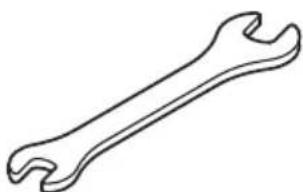
6600874
| English Nederlands | |
| EC DECLARATION OF CONFORMITYWe declare under our sole responsibility that Brush Cutter / Grass Trimmer, identified by type and specific identification code *1), is in conformity with all relevant requirements of the directives *2) and standards *3). Technical file at *4) - See below.The European Standard Manager at the representative office in Europe is authorized to compile the technical file. Annex V (2000/14/EC): For information relating to noise emissions, see the chapter specifi cations.The declaration is applicable to the product aff xed CE marking. | EC VERKLARING VAN CONFORMITEITWij verzklaren onder onsze eigen verantwoerdelijkheid dat Motor Bosmaaier/Motor Zeis, geidentificiered door het type en de spezielle identificatiecode*1), voldoet aan alle relevante bepalingen van de richtlijnen*2) en normen*3). Technische documentation bij *4) - zie onder.De Europese Normen Manager bij de vertegenwoordiginc in Europa is gemachtig od het technisch dosier samen te stellen.Aanvulling (V 2000/14/EC): Voor informatie over de lawaai-emissie wordt u verwzeen aan het hoofdstuk met de specifie caties.Deze verzklaring is van toepassing op producten voorzien van de CE-markeringen. |
| Deutsch Espanol | |
| EG-KONFORMITÄTSERKLÄRUNGWir erklaren in alleiniger Verantwortung, dass die durch den Typ und den spezifischen Identifizierungscode *1) identificierte Motorsense /Rasentrimmer allen einschlängigen Bestimmungen der Richtlinien *2) und Normen *3) entspricht.Technische Unterlagen unter *4) - Siehe unto.Die Leitung der representativen Behörde für europäische Normen und Richtlinien ist berechtigt, die technischen Unterverlagten zusammenzustellen.Anhang V (2000/14/EG): Informationen zur Geräuschentwicklung fühden Sie im Kapitel Spezifizierungen.Die Erkälung gilt für die an dem Produkt angebrachte CE-Kennzeichnung. | DECLARACION DE CONFORMIDAD DE LA CEDeclaramos bajo notreunga unica responsabilitad que las Desbrozadoras/Motoguidañas, identificadas por tipo y por documento de identificacionspecifico *1), estan en conformidad con todas las dispositions correspondentes de las directivas *2) y de las normas *3). Documentacion Tecnica en *4) - Ver a continuacion.EI Direktor de Normas Europeas en la oficina de representation en Europa esta autorizo para elaborar el expediente Tecnico.Anexo V (2000/14/CE): Para maior informacion sobre la emisión de ruidos, consulte la seccion de specifica caciones.La declaracion se aplica al producto con marcas de la CE. |
| Français Portugues | |
| DECLARATION DE CONFORMITE CENos déclarons sous notre entiere responsabilité que la Débroussailleuse / le Coupe-bordure, identifiés par le type et le code d'identification spécifique *1) sont en conformite avec toutes les exigences applicables des directives *2) et des normes *3).Dossier technique en *4) - Voir ci-dessous.Lé Gestionnaire des normes europeennes dubureau de représentation en Europe est autorisé à constituer le dosier technique.Ennexe V (2000/14/CE): Pour les informations relatives aux émissions de bruits, reportez-vous au chapitre Caractéristiques.Cette déclaration s'applique aux produits désignés CE. | DECLARATION DE CONFORMIDADE CEDeclaramos, sob{nossa una e inteira responsabilitadque Rocadora / Foice a Motor, identificada por tipo e documento de identificacaospecifico *1), está em conformidade com todos os requisimentos relevantes das direitasvas *2) e normas *3). Ficheiro专业技术 en *4)- Consulte abaixo.O Gestor de Normas Europeias no escritorio de representation na Europa está autorizzato a compilar o fi chero tecnico.Anexo V (2000/14/CE): Para obiter mais informacoes relacionadas com emissoes de ruido, consulte as specificacoes do capitulo.A declaracion aplica-aos produits com marca CE. |
| Italiano Sverska | |
| DICHIARAZIONE DI CONFORMITÀ CEDichiariamo sulla notre esclusive responsabilità che il decespugliatore / bordatore, identificato dal tipo e dal codice identificativo specifico *1), è conforme a tutti i requisiti pertinenti delle dirteive *2) e degli standard *3). Documentazione tecnia presso *4)- Vedere molto.Il gestore delle norme europee presso l'ufficio di rappresentanza in Europa e autorizzato a compliarile il fascicolo tecnico.Allegato V (2000/14/CE): Per informazioni riguardo alle emissioni di rumore, consultare le specifici che del capitolo.La dichiarazione è applicabile ai prodotti cui sono applicati i marchi CE. | EG-DEKLARING BETRAFFANDE LIKEFORMIGHTVi intygar pà eget ansvar attenna rôjsäg/grästrimmer, identifierad eniigt typ och särskild identifikationskod *1), överensstämmer med alla relevanta krav i direktiven *2) och standarderna *3). Teknik fil eniigt *4)- Se nedan.Den europeiska standardsvariga pa repretationskontoret i Europa ar auktoriserad att sammanställa den tekniska fi len.Bilaga V (2000/14/EG): För information rõrande buller, se kapitelbeskrivningen.Denna fösakran gäller fordukten med tillhörande CE-märkning. |
| *1) TCG23ECP E333135R*2) 2006/42/EC, 2014/30/EU, 2000/14/EC, 2011/65/EU*3) EN ISO 11806-1:2011CISPR 12:2007+A1:2009EN ISO 14982:2009 | |
| *4) Representative offi ce in EuropeHikoki Power Tools Deutschland GmbHSiemensring 34, 47877 Willich, GermanyHead offi ce in JapanKoki Holdings Co., Ltd.Shinagawa Intercity Tower A, 15-1, Konan 2-chome,Minato-ku, Tokyo, Japan | 29.3.2019Naoto YamashiroEuropean Standard Manager29.3.2019a RahayanaA. NakagawaCorporate Offi cer |
| Dansk Polski | ||
| EF-OVERENSSTEMMELSESERKLIERING | ||
| Vi erklær os fuldstændige ansvarlige for, at buskrydderen/græstrimmeren, identificeret ved typ og spekifik identifikationskode*1), er i overensstemmelse med alle relevante krav i direktiverne *2) og standarderne *3). Teknik fi i *4)- Se nedenfor. Lederen at europëiske standarder på representationskontrotet i Europa er bemydiget til at kompilere den tekniske fi l. Appendiks V (2000/14/EF): For information vedrønde stojafgivelse henvises til afsnitet Speci kationer. Erklæringen gælder produktet, der er mærket med CE. | DEKLARACJA ZGODNOSCI Z WE Osciandzamy na wlasna wylacznj odpowiedzialnośc, ze koska spalinowa/podkaszarka podanego typ i oznaczona unikalynym kodem identifikacynjm *1) jest zgodna ze wszystimi wlaswiymi wymogami dyrektyw *2) i norm *3). Dokumentacja techniczna w *4)- Patrz ponižej. Menedzer Norm Europesjek przemstawcielstwa fMRI w Europie jest upoaweziho do sporadzania documentszeci和技术cznej. Zalacznik V (2000/14/WE): Informacja na temat poziomu halasu znajdujá sie w czȩci Specyfikacja. Niniejsza deklaracja ma zastosowanie do produktu opatrzonego znakiem CE. | |
| Norsk Magyar | ||
| EF'S ERKLIERING OM OVERENSSTEMMELSE Vi erklær på eget ansvart at ryddesag/gresstrimmer, identifizert etter type og spekifik identifikasjonkmode*1), er i samsyar med alle relevante krav i direktiver *2) og standarder *3). Teknik fil under *4)- Se nedenfor. Styrenr er europeiske standarder ved representankontoret i Europa er autorisert til à kompilere den tekniske fi len. Annes K (2000/14/EF): For informasjon relatert til lydemisjon, se kapitell speşif kasjonene. Erklæringen gjelder produkt je Product. | EK MEGFELELösESEG I NYILATKOZAT A kizárolagos felelossgunkre kijelentjuk, hagy a Benzinmotors bozótvagó / Benzinmotors fükszasa, mely tipus és egyedi azonosito kód *1) alapján azonositott, megfel et arányelvek vontakozó kovetelményinek *2) és szabványainak *3). Mûszik tífát al *4)- Lásd alabb. Az EU képvisetilet iroda europai szabványúgyi menedzsere jogosalt a muszaki dokumentácio összéallitasăra. V. függeflek (2000/14/EK): A zajikboscátasi adatokat illetöen tekintse meg a Mûszik adatok c. fejezetet. Jelen nyilatkozat a terméken felttuntetét CE jelzésre vontatkozik. | |
| Suomi Čěsthina | ||
| EY-ILMOITUS YHDENMUKAISUUESTA Vakuutamme yksinomaisla vastuullamme, etta raivaussahа/ ruohotrimmeri, joka identifidoaan typin je erityisen tunnistuskoodin *1) perusteele, on kaikkien direktivien *2) ja standardien *3) asiainenkuulvien vaatimusten mukainen. Tekninen tiedosto kohlassa *4)- katso alta. Eurooppalaisten standarden halliaelin European edustustossa on valtuutettu kokoamaan tekinsen tiedoston. Lite V (2000/14/EY): Katso melupäästöhin littyviä tietoja kappaleesta ominaisuudet. Ilmoitus on solvellettavissa tuotteeesen kiinnitetyyn CE-merkintään. | PROHLÁSENIO SHODE S ES Prohlasujeme na svou vyhradni zodpovednost, ze krovinofrez/ dostifhovačtrávy, identifikovany podle typu a specifikného identifikaciho nó kódu *1), je v souladu se všemi priślùsnymi požadavyk směrniric *2) a norem *3). Technický soubor *4)- viz nice. K sestaveni technické dokumentace je opravné manzer pro evropské standardy v evropském obchodnim zestupeni. Príloha V (2000/14/ES): Ohledné informaci o hlukovych emisich viz specifi kace kapitol. Toto prohláseni plati pro výrobek označeny značkou CE. | |
| Eλληνικá Tırçce EK ΔHΛΩΗ ENAPMONIISOМ Λλύνουμε με απολΑΙΤΚ Μας ευθυμή Οτι Φθμνοκοπικό / Xλοκοπικό, to Θοτο Προσδιρίζει Ατο Φτο Κι Ελδύκο avayvριστίκο кωδίκο *1), ειαίαι συμφυνο με δλες τις σχετικές απατιθές των Μθηλυν *2) και στα σχετικά προτιμή *3). Teχνικό Αρεξε στο *4)- Δείτε παρακτω. O Δλίαπιστίκε Ευματαίνων Προτιμων στο γραδείοε εκτροσωμπηθός στην Ευμωτή ειαίαι εξουσιδοτημένος γία τη συνταβήου του εχνικό φαλέου. Πραρτημα V (2000/14/EK): Γία πλροφορίες σχετικά με την εκτομμπθόρύβου, βλέτε τι προδιγραδές του κεραλίου. H δηλωμιονι ρόνο μεών το προίνιου του ειναι τοτοθετημένη σημανονη CE. | ||
| *1) TCG23ECP E333135R *2) 2006/42/EC, 2014/30/EU, 2000/14/EC, 2011/65/EU *3) EN ISO 11806-1:2011 CISP R 12:2007+A1:2009 EN ISO 14982:2009 | ||
| *4) Representative office in Europe Hikoki Power Tools Deutschland GmbH Siemensring 34, 47877 Willich, Germany Head office in Japan Koki Holdings Co., Ltd. Shinagawa Intercity Tower A, 15-1, Konan 2-chome, Minato-ku, Tokyo, Japan | 29. 3. 2019 Naoto Yamashiro European Standard Manager 29. 3. 2019 a Nakagawa | |
| RomânăБуларся | ||
| DECLARATIE DE CONFORMITATE CE Declaram pe propria raspundere cãMotocasa/Trimmer-ul gazon, identificâ(ã) dupã tipul sãcodul de identificare specifico*1), este in conformitate cu toaste cerintele relevante ale directivelor *2) sãale standardelor *3). Fisier tehnica lã*4)-Vezi mai jos. Managerul standardelor europene de la birul reprezentantei din Europa este autorizat sa intocmeascâdosarul tehnic. Anxa V (2000/14/CE): Pentru informații legate de emisiile de zgomote, vedeti specifici capitolului. Declarata se referãla produsul pe care este aplicat semnul CE. | EO DEHILAPAUÇA 3A CßOTBETCTBNE Декларраме на сбвя собстену OTTOBOPHOC, чЕ Розчата захра themselves and their work on the project of their work on the project of their work on the project of their work on the project of their work on the project of their work on the project of their work on the project of their work on the project of their work on the project of their work on the project of their work on the project of their work on the project of their work on the project of their work on the project of their work on the project of their work on the project of their work on the project of their work on them Декларпсгама на сбвя собстену OTTOBOPHOC, чЕ Розчата захра themselves and their work on the project of their work on the project of their work on the project of their work on the project of their work on the project of their work on the project of their work on the project of their work on the project of their work on the project of their work on the project of their work on the project of their work on them Декларпсгама на сбвя сobстену OTTOBOPHOC, чews Trivera and their work on the project of their work on the project of their work on the project of their work on the project of their work on the project of their work on the project of their work on the project of their work on the project of their work on the project of their work on the project of their work on the project of their work on the project of their work on the project of their work on the project of their work on the project of their work on the project of their work | |
| Slovenšcina Srpski | ||
| ES IZ JAVA O SKLADNOSTI Na lastno odgovornost izjavljamo, da je Motorna kosa / Motorna kosa, označena z vrsto in posebno identifikacijsko kodo *1), v skladu z vsemi utrezniimi zahtevami direktiv *2) in standardov *3). Tehnicna dokumentacijsa pod *4)-glete spodaj. Upravitelj evropskih standardov na predstavnitsv u Evropi je pooblasčen za pripravo tekhnichne dokumentace. Dodatek V (2000/14/ES): Za informacije v zvezzi z emisijami hrupa gleje specifi kacije poglavja. Deklaracija je označena na izdelku s pritrijeno oznako CE. | EZ DEKLARACIJA O USAGLAŠENOSTI Pod punom odgovornostu izjavljemo de je Sekać zaŽbunje / Trimer za travu, identifikovan prema tipu i speciñnom identifikacionom kodo *1), u skladu sa svim relevantnim zahtevima direktiva *2) i standardima *3). Tehnicka datota kdo *4)- Pogledajte dole. Direktor za evropske standarde u kancelariji predstavnitsva u Evropi je odgovoran za sastavljanje tekhnike dokumentace. Dodatak V (2000/14/EZ): Za informacije o emisijeni buke vidite poglavlje o specifi kacijama. Deklaracija je primenjiva na proizvod na koji je stavljena CE oznaka. | |
| Slovenčina Hryatski | ||
| ES VYHLÁSENIE O ZHODE Týmto vyhlasujeme na vlastnu zodpovednost, ze vyrobok Krovinorez/Vyzinač identifikovanić podl'ya typu a spefického identifikacného kódu *1) v zhode so vžhodne pristužnámi požiadavkami smernić *2) a noriem *3). Technický subor v *4)- Pozrìte nižíšie. Manžér europskych nosriem na zastupujúčom ùrade v Europe má opravnenie na zostavovanie technickéj Dokumentace. Prilohna V (2000/14/ES): Informação o emisiach hluku nájdete v kapitole s technickými parametrami. Toto vyhlasenie sa vztahuje na vyrobok označený značkou CE. | EZ IZ JAVA O SUKLADNOSTI Izjavljemo pod vlastitom odgovornostu kako je rezać grmlja / trimer za travu, identifikiran prema vrsti i posebnom identifikacijskom kodo *1), u skladu sa svim relevantnim zahtievima direktiva *2) i standarda *3). Tehnicka dokumentacijsa na *4)- Vidi dolje. Menadžer za europske standarde u europskom predstavnitsvu tvrtke ovlašten je za sastavljanje tekhnike dokumentace. Dodatak V (2000/14/EZ): Za informacije o razini emisije bukevidi poglavlje sa specifi kacijama. Izjava se primjenjuje na proizvod na kojem je stavljena CE oznaka. | |
| *1) TCG23ECP E333135R *2) 2006/42/EC, 2014/30/EU, 2000/14/EC, 2011/65/EU *3) EN ISO 11806-1:2011 CISPR 12:2007+A1:2009 EN ISO 14982:2009 | ||
| *4) Representative offi ce in Europe Hikoki Power Tools Deutschland GmbH Siemensring 34, 47877 Willich, Germany Head offi ce in Japan Koki Holdings Co., Ltd. Shinagawa Intercity Tower A, 15-1, Konan 2-chome, Minato-ku, Tokyo, Japan | 29. 3. 2019 Naoto Yamashiro European Standard Manager 29. 3. 2019 a. Nakagawa b. Nakagawa Corporate Offici cer | |
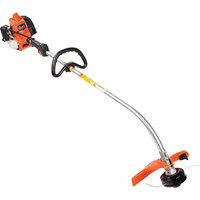

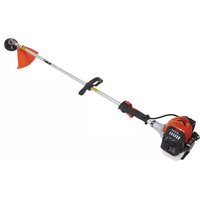
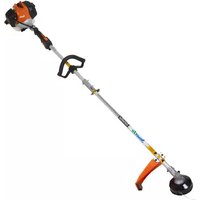
- WHAT IS WHAT? (Fig. 1)
- WARNING AND SAFETY INSTRUCTIONS
- WARNING
- CAUTION
- NOTE
- Operator safety
- Unit/machine safety
- Fuel safety
- Cutting safety
- KICKBACK DANGER (Fig. 3)
- Maintenance safety
- Transport and storage
- English
- SPECIFICATIONS
- ASSEMBLY PROCEDURES
- Drive shaft to engine (Fig. 4)
- Installation of handle
- Installation of throttle wire / stop cord
- Installation of harness
- Installation of cutting attachment guard
- (TCG23ECP (LB))
- Installation of cutting attachment
- Installation of semi-auto cutting head
- Installation
- Adjusting line length
- Installation of cutting blade (Fig. 19)
- OPERATING PROCEDURES
- Fuel (Fig. 21)
- Fuel
- Fueling
- Starting
- Cutting
- Stopping (Fig. 31)
- MAINTENANCE
- Carburetor adjustment (Fig. 32)
- Idle speed adjustment (T)
- Air fi Iter (Fig. 33)
- Fuel fi Iter (Fig. 34)
- Spark plug (Fig. 35)
- Flexible drive shaft (Fig. 36)
- Gear case (Fig. 37)
- Semi-auto cutting head Nylon line replacement
- Blade (Fig. 44)
- For long-term storage
- Maintenance schedule
- Daily maintenance
- Weekly maintenance
- Monthly maintenance
- SELECTING ACCESSORIES
- SELECTING CUTTING ATTACHMENTS
- TROUBLESHOOTING
- SYMBOLBEDEUTUNGEN
- SELECTION D'ACCESSIONS
- WAARSCHUWINGEN EN VEILIGHEIDSINSTRUCTIES
- ADVERTENCIA
- (TCG23ECP (LB)) (Fig. 16)
- (si viene equipments)
- HVAD ER HVAD? (Fig. 1)
- (TCG23ECP (LB)) (Eik. 16)
- PpOpaOpoyn Tou uKouc Tns ypaunis
- (Euk. 17)
- Eykataoan tnc i a c konns.(Eik.19)
- (Eav npexetai)
- (TCG23ECP (SL)) (Rys. 15)
- (TCG23ECP (LB)) (Rys. 16)
- POZNÁMKA
- (TCG23ECP (LB)) (Obr. 16)
- (TCG23ECP (LB)) (Sek. 16)
- DESCRIEREA PIESELOR (Fig. 1)
- OPOMBA
- IPEdUppeJdeHnI HhCTpyKzI3ABe3OpanCHOCT
- PNEyPENKDEHNE
- BHHMAHNE
- 3ABEJIEXHA
- Be30nachoct Ha onepaTopa
- IpeDyPENKDEHNE
- Be3onacHocT Ha ypea/MaunHaTa
- I PENEYNPENKDEHNE
- Бezonaachoc3a ropnboto
- PPEyPENKDEHNE
- Be3onacHOCT npn p83aHe
- ANPEAUPENKDEHNE
- ONACHOCT OT OTHAT (Φnr.3)
- Be30nacnoCT npn noDpBHHa
- BHIMAHNE
- NPEyPENKDEHNE
- TpaHcnpT n cxbpaeHne
- CNEUΦNHAUIN
- 3A6EJIeHHKA
- MOHTAH Ha pbHOXBathata
- 3A6EJEKHA
- MOHTaHK Ha Hnlo Ha dpocel / cnnpaeh Ha6eI
- 3ABEJIEXHKA
- MOHTaHa c6pyrTa
- MONTAH na npedna3nteIa 3a peheuata npncTbKa
- PNEyynPEXDEHNE
- PNEyIpyEHEHNE
- 3A6EJIeHHHA
- MoHTaH Ha peHHeuata npncTabKa
- PPEyIpyEJaENHe
- MOnTaHnNoJy-ABTomTuHa peKeuHa rnaBa
- 1.ФункциЯ
- (TCG23ECP (LB)) (Фиг. 16)
- Perylnaphe IbIHHaTa Ha BbKeTo
- Българскн
- MOHTAH Ha peHHeu ocTpneTa (MnR. 19)
- (ako ce npedna)
- 3ABEJIeHHKA
- PNEyNPEKDEHNE
- PABOTNIPOUEyPN
- TopuBo (Φn.r. 21)
- TopuBo
- Pra3aHe
- PNEyPENXDEHNE
- 3AEBJEXHA
- 3ABEJIEXKA
- TopnBEN HnItbp (HnR.34)
- 3A6EJIEXHA
- 3anaHTeHa CBeu (ΦnR. 35)
- 3ABEJIENKA
- TbBkab 3aDbNkBaB BaI (ΦnR. 36)
- Chopoctha Kytna (Фиг.37)
- IOny-ABTomaTHuHa peHeuA rnaBa CMnHa Ha HauHOHOBTO BbHe
- Octpne (ΦnR. 44)
- 3a DblroTaHNo cbxpaHeHne
- TpaΦnK 3a nOaDpBkHa
- EeHHeBHa noDpBHKa
- CedmnuHa noDpBxHa
- Meceha noDpBHKa
- H3BOP HA AHCECOAPN
- H3bOP HA PEXEiI IPICTABKN
- OTCTPAHRABAHE HA IPOBJEMN
- UPOZORENJA I BEZBEDNOSNA UPUTSTVA
- UPOZORENJE
- OPREZ
- (TCG23ECP (LB)) (SI. 16)
- Prilagodavanje duzine linije
- Instalacija ostrice secenja (Sl. 19)
- UPOZORENJA I SIGURNOSNE UPUTE
- OPASNOST OD POVRATNOG UDARCA (Sika 3)
Brand : Tanaka
Model : TCG 23ECP(SL)
Category : String Trimmer