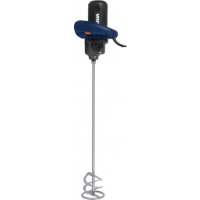
PMM1006 - Cement mixer Ferm - Free user manual and instructions
Find the device manual for free PMM1006 Ferm in PDF.



| Product Type | Cement / Paint Mixer |
| Brand | Ferm |
| Model | PMM1006 |
| Mixer Diameter | 140 mm |
| Weight | 6.2 kg |
| Power | 1400 W |
| Speeds | 2 ranges: 180-380 rpm (1st) and 300-650 rpm (2nd) |
| Speed setting | Continuous preset thumbwheel |
| Motor type | Motor with double insulation (Class II) |
| Beater | Two parts (rod and blade), screwed onto the tool holder |
| Additional handle | Yes, included |
| Sound pressure level (Lpa) | 94 ± 3 dB(A) |
| Sound power level (Lwa) | 105 ± 3 dB(A) |
| Vibration value | 3.06 ± 1.5 m/s² |
| Electronic functions | Soft start, idle speed reduction, constant speed regulation, electronic and thermal overload protection |
| Maintenance | Regular cleaning of ventilation slots; check carbon brushes after 100 h; replace grease after 200 h |
| Supplied accessories | Two wrenches for mounting the beater |
| Warranty | See supplied warranty card |
| Intended use | Mixing concrete, cement or paint |
| Safety | Switch with lock, accidental start protection, electrical and mechanical safety instructions |
Frequently Asked Questions - PMM1006 Ferm
User questions about PMM1006 Ferm
0 question about this device. Answer the ones you know or ask your own.
Ask a new question about this device
Download the instructions for your Cement mixer in PDF format for free! Find your manual PMM1006 - Ferm and take your electronic device back in hand. On this page are published all the documents necessary for the use of your device. PMM1006 by Ferm.
USER MANUAL PMM1006 Ferm
Thank you for buying this Ferm product.
By doing so you now have an excellent product, delivered by one of Europeis leading suppliers. All products delivered to you by Ferm are manufactured according to the highest standards of performance and safety. As part of our philosophy we also provide an excellent customer service, backed by our comprehensive Warranty. We hope you will enjoy using this product for many years to come.
The numbers in the following text refer to the picture on page 2

Read the operating instructions carefully before using this device. Familiarize yourself with its functions and basic operation. Service the device as per the instructions to ensure that it always functions properly. The operating instructions and the accompanying documentation must be kept in the vicinity of the device.
Introduction
The machine is only intended for mixing concrete, cement or paint. Improper use may damage the tool.
1.MACHINE DATA
Technical specification
Voltage 230 V, 50 Hz
Power input 1400 W
No load speed:
Gear 1 180-380/min
Gear 2 300-650/min
Whisk 140 mm
Weight 6.2kg
Lpa (sound pressure level) 94 + 3dB(A)
Lwa (sound power level) 105 + 3dB(A)
Vibration value 3.06 + 1.5m / s
Vibration level
The vibration emission level stated in this instruction manual has been measured in accordance with a standardised test given in EN 60745; it may be used to compare one tool with another and as a preliminary assessment of exposure to vibration when using the tool for the applications mentioned
- using the tool for different applications, or with different or poorly maintained accessories, may significantly increase the exposure level
- the times when the tool is switched off or when it is running but not actually doing the job, may signifi cantly reduce the exposure level
Protect yourself against the effects of vibration by maintaining the tool and its accessories, keeping your hands warm, and organizing your work patterns
Features
- Switch
- Switch lock
- Speed control wheel
- Speed selector switch
- Tool mount
- Supplementary handle
- Ventilation apertures
- Whisk shaft
- Whisk paddle
2. SAFETY INSTRUCTIONS
Explanation of symbols

Denotes risk of personal injury, loss of life or damage to the tool in case of non-observation of the instructions in this manual.

Indicates electrical shock hazard.

Variable speed control

Always use ear protection.

Sound power level

Wear eye protection
Specific safety instructions
The tool should not be operated in damp, wet premises; during a rain, fog and snow in the open, and in environment with a risk of explosion.
- The switch should be in "OFF" position before putting the plug in the mains socket.
- For long hair, wear hair protection. Work only with closely fitting clothes.
- Secure the vessel with the mixed substance against moving on the floor.
- Always direct backwards the flexible lead from the tool. The flexible lead should not be exerted by tensile stress and should not lie on or pass over sharp edges.
- Use the supplementary handle.
- Consider possible reaction torque.
- Wear ear and eye protection.
Immediately switch off the machine when:
- Excessive sparking of the carbon brushes and verticiliosis in the collector.
- Interruption of the mains plug, mains lead or mains lead damage.
Defect switch - Smoke or stench of scorched isolation
Electrical safety
When using electric machines always observe the safety regulations applicable in your country to reduce the risk of fire, electric shock and personal injury. Read the following safety instructions and also the enclosed safety instructions.

Always check that the power supply corresponds to the voltage on the rating plate.

Class II machine. Your machine is double insulated; therefore no earthwire is required.
Replacing cables or plugs
Immediately throw away old cables or plugs when they have been replaced by new ones. It is dangerous to insert the plug of a loose cable in the wall outlet.
Using extension cables
Only use an approved extension cable suitable for the power input of the machine. The minimum conductor size is 1,5mm^2 . When using a cable reel always unwind the reel completely.
3. ASSEMBLY
Assembling the two-part whisk
Fig. A
- Screw the Whisk shaft (9A) onto the Whisk paddle (9B)
- Tighten both parts securely
Replacing the whisk
Fig. A

Before assembly, always switch off the machine and remove the mains plug from the mains.
Use only whisks conform the specified diameter. Always use a whisk that is suitable for the material to be mixed/stirred. Using an unsuitable mixer bar can unnecessarily overload both the machine and yourself.
Mounting the whisk
- Screw the assembled whisk into the tool holder (5) in clockwise direction as far as possible.
- Tighten the whisk into the tool holder using the supplied spanners. To do so, hold the tool holder (5) using one of the supplied spanners, and use the second spanner to tighten the assembled whisk.
Removing the whisk
- Loosen the assembled whisk using the supplied spanners. To do so, hold the tool holder (5) using one of the supplied spanners, and use the second spanner to loosen the assembled whisk.
- Unscrew the whisk from the tool holder (5) in anti-clockwise direction.
4. USE
Improper use may damage the instrument. Observe therefore these instructions:
- Use a tool up to the specified diameter.
- Load the tool in such a way that the speed would not drop considerably or that it would stop.
Check if the data on the rating plate correspond with the actual mains vol tage.
Instrument scheduled for 230V can be plugged to 220 V/240 V mains.
The ON/OFF switch
- To switch on the tool, press and hold the on/off switch (1).
- If you release the on/off switch, the tool will be switched off.
Switch locking mechanism
You can lock the on/off switch by pressing the on/off switch (1) and then button (2). The switch lock can be released by briefly pressing the on/off switch.
5. ELECTRONIC MOTOR CONTROL
Starting current limiting
The electronically controlled smooth start takes care that the machine starts without jerk. In this manner, the splashing of thin liquid materials is prevent at the same time when switching on the machine.
As a result of the machine's reduced starting current, a 16 A fuse is sufficient.
No load speed reduction
The electronic control reduces the no-load speed of the machine which results in reduced noise and wear of motor and gear.
Speed pre-selection
With the speed control (3) the speed can be continuously pre-selected: the necessary speed is dependent on the type of material to be mixed. It is recommended that it be confirmed with a practical trial.
Speed selection
Two rpm ranges can be pre-selected with the speed selector switch (4):
Gear 1 180-380 r/min
Gear 2 300-650 r/min
The necessary speed depends on the type of the material mixed and it is recommended to verify it by a practical test.
Constant electronics
The constant electronics keeps the speed between no-load and load nearly constant and ensures uniform mixing of the materials.
Electronic overload protection
In case that the machine is extremely overloaded, an electronic overload protection protects the motor from damage. In this case, the motor stops and restarts only after the feeding pressure is reduced.
Temperature-dependant overload protection
To protect the motor from overheating at extreme permanent load, it is switched off by the protective electronic system when a critical temperature is reached.
After a cooling-down period of approx. 3-5 min., de machine is again ready for use and can be fully loaded.
When the machine is warmed by use, the temperature-dependent overload protection reacts earlier as a result.
6. SERVICE & MAINTENANCE

Make sure that the machine is not live when carrying out maintenance work on the motor.
This machine has been designed to operate over a long period of time with a minimum of maintenance. Continuous satisfactory operation depends upon proper machine care and regular cleaning.
- The ventilating slots on the motor casing should be cleaned out from time to time.
After 100 hours: check carbon brushes
After 200 hours: renew the grease filling in the gearbox
Cleaning
Regularly clean the device's casing with a soft cloth, preferably after each use. Keep the fan slits free of dust and dirt. Remove stubborn dirt using a soft cloth, dampened with soapy water. Do not use solvents such as benzene, alcohol, ammonia, etc, which might damage the plastic parts.
Lubrication
The device does not need any additional lubrication.
Defects
If a defect appears due to a part wearing out, please contact the service center on the warranty card. Separately you will find an exploded view showing the parts that can be ordered.
Environment
To prevent damage during transport, the appliance is delivered in a solid packaging which consists largely of reusable material. Therefore please make use of options for recycling the packaging.

Damaged and/or disposed of electrical or electronic devices must be dropped off at recycling stations intended for that purpose.
Only for EC countries
Do not dispose of power tools into domestic waste. According to the European Guideline 2012/19/EU for Waste Electrical and Electronic Equipment and its implementation into national right, power tools that are no longer usable must be collected separately and disposed of in an environmentally friendly way.
Warranty
Read the warranty conditions on the separately supplied warranty card.
Specifications techniques
Tension 230V,50Hz
Alimentation 1400 W
Régime à vide:
1evitesse180-380/min
2evitesse300-650/min
6. SERVICE OG VEDLIKEHOLD

Variable speed control

Vypinač zapnú't/vypnú't/On/Off/
Reducerea tura'ilor la mers in gol
1. DAHHN HA MAUNHATA
MOHTaX Ha 6bPkakkata
- 3abnTe crno6eHaTa 6bPkAnKa B DbPkaHa Ha HnCTpyMeHa (5) no nocoka Ha YacOBHnKOBaTa CTePLKa, IOKOJIkOTO e Bb3MOxHO.
- 3aTeHHeTe 6bPkakata B dbPxkaHa Ha INCTpyMeHTa C NOMOuTa Ha IpeDoctabeHInTe RaeyHn KInOyObe. 3a Da HAnpaBnTe ToBa, DpbXkTe DbPkaHa HA INCTpyMeHTa (5) C NOMOuTa Ha eINH OT IpeDoctabeHInTe raeyHn KInOyObe H3NoI3BaNte BTOpHr KInOv 3a 3aTaraHe Ha crNo6eHaTa 6bPkakka.
CbaJrHe Ha 6bPkakata
- Pa3xla6te Crno6eHaTa 6bPKaIka c NOMOHTa Ha npedocTabeHnTe raeHN KIOUoBe. 3a Da HnPaBnTe TOBa, dpbXkTe DbPkaHa Ha nHCTpyMeHTa (5) C NOMOHTa Ha eINH OT npedocTabeHnTe raeHN KIOUoBE i N3NoJ3BaIte BTOpNg KIOU, 3a Da pa3xla6nte Crno6eHaTa 6bPkaiKa.
- Pa3BnIte 6bPkAknKaTa OT dbpKaaHa INHCTpyMeHTa (5) NO Nocoka Ha YacOBHNKOBA tCtpeIka.
4. YIOTPEBA
HenpaBnHOTOn 3nOJ3BaHe MoKe Da nOBpeNnHCTpyMeHTa.
CneIOBATEJIHO cna3BaIte CNEHHTe INHCTpyKUIN:
- I3noI3BaIte HnCTpyMeHT Do OnpedeJeHnA DnaMaTeBp.
3apeTe HNCTpyMeHTa NO TaKbB HaunH,Ye CKOpocTtA Da He CnadHe 3HaunTeJInHO nn da cnpe.
PpOBepTe DaJIIN DaHHnTe Ha Ta6eJIkKaTa C daHHN CBOTBETCTBAT Ha DeIcTBtEJIHOTO BOJITAX.
HCTpyMeHTbT, nHaHnpaH 3a 230 V, moKe da
6bde BkIIOueH KbM MpekaTa 220 V/240V.
PpeBknUcbTeJIaT ON/OFF
3aДаВКЛIOUHTeMHCTpyMeHTa,HaTINCHTeи 3aIpBXKTE KJIIOUa3aBKKIOUBAHe/IN3KJIIOUBAHe (1).
Akoocbo6oDnte npebkIIOUbaTeTn3a BKNIOVAHe /N3KIOUBAHe,INHCTpyMeHTbT 6bJe N3KIOUey
PpeBkIIOUeTe 3aKIOUOBAunMexAHn3bM
MoxTe Da 3aKIOUHTe IpeBKnIOUbaTeJra 3a BkIOUBAHe / N3KIOUBAHe, KaTO HaTNCHEte 6yToHa 3a BkIOUBAHe / N3KIOUBAHe (1) nCneT TOBa 6yToHa (2). 3aKIOUBAHeTo Ha IpeBKnIOUbaTeJRA MOKe Da ce OcBOOOnupe3 KpaTko HATNCKAHe Ha IpeBKnIOUBATeJra 3a BkIOUBAHe / N3KIOUBAHe.
5. EJIKTPOHEH MOTOPEH KOHTPOJI
Haayalno orpaHnueBaHe Ha ToKa
EneKtpoHNO KOHTpOINpaHOTrAaKO cTApTnpaHe ce rpnKMaunHaTa Da 3anOue He 6e3 Da Ce dpbNHe. ITO3n HauH NIO BpeMe Ha BKIOUbaHe Ha MaunHaTa Ce npeDOrBpaTBA eNDOBpeMeHHO 3nPbckBaHe Ha TbHKn TeuH MaTePnaJIn.
Bpe3yntaHa hamaenHnaayaneHToK Ha maunHaTa e DocTaTbueH npedn3ntenOT 16A.
6e3 HamaJraBaHe Ha ckopoCTTa Ha HATOBapBaHe
EneKtpoHHTO ynpaBHeHamaJIbBa ckopoCTTa Ha 3apeXdaHe Ha MaunHaTa, KOeTO BOuN Do HamaJIbBaHe Ha UyMa N I3HOCBaHeTo Ha DBnIraTeTn I npedAkBkata.
PpeBapnteHn36opHaCKopoCT
Pn ynpaBneHneTo Ha ckopocTta (3) ckopocTta MoKeJa 6bJe npedBapnteHNo n36paHa npedBapnteHNo:
Heo6xOIMata CKOpoc 3aBnCn OT BnDa Ha MaTePnAna, KOTo Ue Ce Cmecn. IpenOpbUba ce Da 6bDe NtBbpdeHo C npakTnecko n3nITBaHe.
U36op Ha ckopoct
MaunHaTa He n3nCKBa DOnbJIHHTeJIHO Cma3BaHe.
HeoctaBc
AkoBb3HnKHe NOBpeJa,Ha np.CneI N3HOCBaHe Ha
aact,MOJ, CbbpKeTe ce cbc cepBN3Hna adpec
Ha rapaHcNoHHaT a KapTa. B 3aHaT a Yact Ha ToBa
pbKOBOdCTBO MOKeTe Da HamePHTe pa3rBHaT
N3rJeHa YactNTe, KOnTO Moat Da 6bDat
nopBuAHn.
3a06nkaJna cpea
3aДапгдOTВРАТе NOВЕДА NO ВЕМЕ HA TpaHcNOpTnPaHeTO,урEDbT CeДОCTaB B TBbPdAn ONAKOBKa, KOrTo CE CbCTOn IpeDmH0 OT MaTePnaJIи 3a MHOrOKpATha yNoTppe6a.3aTOBa N3ПОЛЗВaIte ONUINTE 3a peUKNIIpAHe Ha ONAKOBkATA.

Heu3npa8Hume u / unu u3x6bPneHume eIekmpueeCKu unu enekmpoHnu ycmpoucmea mpeBa da ce cb6upam Ha cbomeemHume Mecma 3a peuzknapaHe.
Camo 3a ctpaHnte oT EO
He n3xBbpye Te eNEKtpoHCTpyMeHTte B 6nTOBn OTnabu. CbflacHO Ebponeckata Hacoka 2012/19 / EC 3a OTnadbUte ot eNEKtpueecko n eNEKtpoHH O o6OpyDbaHe n HeHOTO pnpnaHaHe B HaunOHnO ToPABO eNEKtpueeCKnTe IHCTpyMeHTN, KOtO BeYe He MORaT Da ce N3NO3BaT, Tpr6Ba Da ce Cb6npa T OTdEHNo I da Ce n3XbPnT NO ekONOrocbO6pa3eH NaHH.
TapaHn
IpoqTeTe rapaHIOHHTe yCIOBna Ha OTdeJHO npEOCTaBeHaTa rapaHIOHHa KapTa.
KPACKO-/BETOHOMEJAKA 1400W,2CKOPOCTb
БлардамВасьпбретен Дан Horo n3dEnerFerm. Bbl npno6peHn BbICOKKaueCTBeHHoe n3dEine OndHoro n3 Bedyux ebponeNCKnx noCTaBunKOB. Bce n3dEnerFerm n3rotabnBAOTcB COOTBECTBUN C BbICOauAaUMn CTaHapTaMn KaeeCTBa N 6e3OnaChocTn. B COOTBECTBUN C haWei ФиLOcoΦnei, Mbl TAKKe ObecneuBaEM PpeBOxCxODHoe o6cnykBaHne KIneHTOB i pacwippeHHbI yCNOBnra rapaHTIN. Mbl HaDeemCry TO Bbl CMoxTe B TeueHne MHOrNX JET NOyUaTb YDOBOJIbCTBNe OT 3KCNlyaTaUIM DaHHORO n3dEner.
Yka3aHHbIe e meKcme uOphpbI omHocmK duazpammm Ha cmp. 2.

Bhumamelbno npoumme uHcmpkykuu no 3cknnyamaquu, npexde yem haunhamb noIb30abmbcra daHHbIM ycmpoucmbom. O3hakombmeccb e2o cyHKUaMu U 6O3MOxHOCmAmu ynpaenue. Dnro obcepehen npaunbho paobmy cmpoucmea, bInonHnmae 20 o6cnjkuBaHue 8 coomeemcmBuU C uHcmpkykuaMu. Hcmpkycuu no 3cknnyaamauu u conymcmyuuyo dokymeHaauu Heobxodmo xpaHmb Bmecme c ycmpoucmbom.
BctynneHne
YcTpoNCTBO npedHa3HaueHo ToJbKO dIa CMeuBaHn6BeToHa, cEmeHTa IIN KpaCKN. NcNoJIb3OBAHnE He nO Ha3HaueHIO MOKeT IOBpeDNTb INCHTpymENT.
MexaHn3M 6JIOKINPOBKN KHOJKN
BblMOKeTe 3a6bLOKnPOBaTb KHOKNy BKN./ BbIKN. Haxab KHOKNy BKN./BbIKN.(1) NOTOM KHOKNy (2). BLOKnPOBky KHOKN MoXHNO OTKIOHHTb 6bICTpbIM HaxaTNEM KHOKN BKN./ BbIKN.
5. 3JIeKTPoHHOE yIpABJIeHn DBrIATEJEM
Nycboe orpaHneHne ToKa
Ynpabnembl 3neKtpoHbIMCpecTbAMn PnABhBn Nyck npedHa3HaueH dny IINKBaunTOJHKOB BO Bpemnycka MaunHbI. TOrda, BO Bpem BYKIOUeHmMaUNHbI, ppeoTBpauaaeTcA
pa36pb3rNBaHne MeJIKNX YacNTu CKNBeUeCTB.
Ka pe3yIbTa CHNXeHHOro NcCKOBOro ToKa MaunHbI, npedoxpaHntB 16A YBnreTcdoCTaTOUHbIM.
ChnkeHne YacTObI BpaueHnXoIOcToro Xoda
3JIeKtpoHoe ynpaBHeHne CHnKaet YacToTy BpaUeHnXOIOCTOrO XoJa MaunHbI, YTO, B CBOIO OHepeB, PpNBoNT K UMeHbSeHnO Wyma N 3HaUNBaHnY DBrTaTeJN INPpBOJa.
PpeBapnteIbHbI BbIbOp ckopoCTn
C NOMOu ynpaBHeHnA CKOpocTbO (3) MOxHO HepepbIBHO npu3BOIDHT ppeBaPnteHbHbI Bb6op CKOpocTn: Heo6xoImma CKOpocTb 3aBNCNT OT TnA CMeuNBAeMOrO BeueCTBa. PekomeHdyetc npOBepTu 3TO Ha npakTke.
Bb6opckopoctn
CyueCTByeT Bo3MOxHocTb NpeBapNTeNbHoro Bbl6opa DByx Dnana3oHOB 06/MnH C nOMOuBu nepeKluuataTe rckopocTu (4):
PnB0d1 180-380 o6/MnH
PnB0D2300-650o6/MnH
Heo6xoDImaCKOpocTb3aBnCtOT Tnna CMeuINBaEMOBeUeCTBa,NO3Tomy peKOMeHdyETcKOHTpOJnPoBaTb ee Ha npakTKe.
NoctoHHa 3JeKtpOnHka
IocToHHa 3JKeKtpOnHka yDepeXnBaet cKOpOCTb B Dnana3OHe MeKdy XoNocTbIM XoDm N pa60Toi PoN Harpy3kOIN pRbIIN3nteJIbHO NoCToHHo I oBeCeuHbaET OndopOdHoe CMeUHbAHne BeueCTB.
3NeKtpoHHa 3auHt aO npeppy30K
B cnyuae ype3bIyauHbIX neperpy30K MaunHbI, 3NeKtpoHHa 3aunTa OT neperpy30K 3aunucaET dBnraTeNb OT nobpeXJdeHnR. B 3TOM cnyuae dBnraTeNb OCTaHaBJIbAeTCr N HaunHaet pa60TaTB HOBb, TOJbKO nocJe CHNXeHnR daBHeHn POnaUn.
3aBnCmMaOT TempePaTypbI 3JIeKTpOHHa 3aunTa OT neperpy3OK
6. YXODI N TEXHnueCKOE OBCJnyxINBAHNE

Ipu 6blonHeHu paob no mexHuueckomy o6cnykuBaHuO deuameJ y6edumecb,mo MauHa He Haxodumc Jno Hnnp Jxehuem.
DaHHbIe yCTpoINCTBa 6bln cKOHcTpyuropoBaHbI
dIaIITeINbHO 3KcPnyaTuC MHNMaJIbHbIM
ObIeMOM cepBnCHbIX pa6OT. CpOK cIyXkbI
MOxHO pIOIoJKNtB peYrnapHO uNcTko I
HaIIeXaUIM ObaPaueHHeM C yCTpoINCTBOM.
BpeMaOT BpeMeHn npOuNsaIte ⅢeIIN dIeBENTUNRAcHn Ha oShuVBKe DbVaTeJIa.
- Pocne 100 yacob: npoBepbTe rpaHnTHbIe uetkn
- Pocne 200 yacob: o6HOBnte cma3ky B npNBOHNO Kopo6ke
UcTka
Perynapno npotupaTe Kopnyc nHcTpymenta MrgkOyTKaHbHO, npENoHTeJIbHO, NOCne kaxdoIocnoJb3OBaHna. BeHTnuaOnHHbIe OTBepCTNIOJXHbCOePkaTbcB YnCTOTE.
IydaenHn yToHbIX 3aRpa3HeHn BOCIOJIb3yITecb MfKoT KHaHbIO, CMOeHHO B MbJbHOM pactBope.
HnKOrIa He npImeHЯTe TaKepe pactBopnteJn, KaK 6eH3nH, cnpT, aMMnaHbI paCTBOp n T.D. 3TN paCTBopNTeJI MOrYT NOBpeDnTB nnactIKOBbie DeTaJI.
HencnpabHOCTN
B clyuae HeucnpabHocTn, Hap., nocne u3Hoca Kaok-JI6o Yactn, 6paTntecb no aDpecy NyHKTa 06cnykubHnY, yka3aHHOMy B rapaHTnHOM TaHOHe. IOKOMnoHEHTHOe npedCTaBJeHne 13o6paKeHnY qacte, KOtOpbIe MOKeTe 3aKa3aTb, Bbl HaJDeTe Ha nocJeDHei CTpaHnue pyKOBOdCTBa.
3aunTa okpykauei cpebl
ДяпсдOTВРацENЯ NOВPEKДENЯ npi nepeBO3Ke yCTpoIcTBO NOCTaBnIeTCB ydaponpOCHNoYnaKOBKe. YnaKOBKa B OCHOBHom BKIOUaET Nepepa6aTBaEBMbIe MaTePnAbl. ITo aToI npuHHe eE Heo6xOJMo cDaTb B nepepa60TKy.

HeucnpaHbuiu/uun6paKoEAHHbI 3neKmpuecku uUu 3neKmpoHHbI npubopdoJxhen6bim ymun3upoAH doJXhIM o6pa3OM.
Tolbko dIra cTpaH EC
He Bb6paBbAaTe 3JKeKTPoHnCTpymeHT BmecTe C 6bI0bBIM Mycopom. B COOTBeTCTBNI C EbponeiCKM pykoBDCTBOM 2012/19/EU no "YtNlN3aunn 3JKeKTPnuyeckoro n 3JKeKTPoHnHO o6OpyDobAHn" n HaunOHaJIbHbIMN 3aKHOdaTeJIbHbIMn aKTAmn 3JKeKTPoHnCTpymeHT, KOToPbI 6OJIbWe He NCNoJIb3YeTcR, Heo6XoIMMo Co6HpTaB OTdJIbHO n YtNlN3InpoBaTb 6e3OnaChbIM dnn OkpykaIouee cpebl Obpa3OM.
Tapaantna
YcnoBra rapaHTnN n3IOXKeHb Ha OTdIeNbHOM, npnaeraMOM rapaHTnHOM TaIoHe.
3MIUyBAuΦAPBn/UEMEHTY 1400W,2 WbNdkICTb
Дякуемо 3а пиббань сюro npodkyTу Виробнuctba komnahii Ferm.TakIM chHOM, Bn ctaJIи BnacnKOM ydoBOrO npodkyTу, lo HaDAeTbcr OndHM 3 npoBiHNx EBponecBkNx noctaaybHnikB.Ci npodkyTn KomnaHII Ferm CTbOpeHi 3a NaBnUmM nCTaHapTaMI npodykTNBHOCTI Ta 6e3neKn.YactnoHOHaIoI φINOcooi E HadaHHBaCOKoKICHOcrepbichoro o6cnyroByBaHH, lo NidkpinIOeTbcy MOBamn TapaHTi.Mn CnoDIBaemocb, lo Bu 6yndeTe 6araTo pokIB OTPmYbATn 3aDOBOJeHHi, BNKOPNCTOBYOUH NaH npodkyT.
Ucna y HacmynHomy meKcmi iidHocmcbdo KpcneHb Ha cmopinu 2

Yeaxho npoumaume ihcmpykui3 eknnyamaui neped eukopumannm npucmpo. O3naommecb 3 yHKUOHaBhicmmo ma ocho6Humcno6amu eknnyamaui. Obnyoeyu me npucpiu 3aioHO 3 ihcmpkyimu dna zapaHmiu 020 eidnoibHOi pobom. Hcmpykui 3 eknnyamaui ma cynpoeidh dokymehmaia noeunha 36epizamc Henodaik iD npucmpo.
BVeDeHn
Pnpntpi npn3naeTbcra TInbKn dny 3MiUyBaHHa6ToHy, cemehTy a6o fap6n. HebiNobiHe BIKOpNCtAHH MoKe NOuKOJNTn Ioro.
1.ДАHI ППСТРОЮ
TexhiHcneunphikaii
Hanpyra 230 B, 50 Hz
CnoxnbHa noTyXhicb 1400 B
Ubnikctb 6e3 3aBaHTaKeHHA:
PnB1d 1 180-380/MiH
PnB2300-650/MiH
πnpntpoIO DnI 36nBaHHr 140 MM
Bara 6,2 Kr
Lpa (piBHeB 3ByKOBOrO TnCKy) 94+3 dB(A)
Lwa (piBeHb 3BykoBoi noTyXhOcti) 105+3 dB(A)
Bibpaia 3,06+1,5 m/s
Pibehb Bi6pauii
Pibehb Bi6paui, 3a3haeHn B KInci daHoro noci6nka 3 ekCnIyatauui, 6yNo BmipraHo y BiINOBiDHOCTi 3i CTaNdaptN3OBAHIM
Bnnpo6yBaHHa,moMICNTbC8B EN 60745;daHaXapaKTePncTnKa MoKe BnKOpNCToByBaTnCraInpiBnHnHa OndHOro IHcTpymeHTa 3IHWM,a TAKOxIJa NonepeDhBooi OcIHKn BnJIbBy Bi6paui niJ vac3actocyBaHHaDaHOro IHcTpymeHTa IJa BkA3aHnxUjnei
- npn BUKOPNCaHHi IHCTpymeHTa B iHux zijax a6o 3 iHsMMN/HeCnpaBHNM NOnOMixHMn npncTOcyBaHHMn pBeHb BnNBBy Bi6paqii MOKe 3NaUHO nIDBNUyBaTnC
y nepioiN, KOJI nIHCtpymeHT BUMKHeHn a6o cyHKIOHyE 6e3 paKTNUHO BUKOHaHHa PO60TN, pIBeHbBnNBBy Bi6paui MoKe 3NaHNO 3HNKyBaTnCra
3axuaiTe ce6e BiBnNBy Bi6pauii,
niTpmyoyn IHctpymeHT i noro donomixhi
npictocybaHH B cnpaBHOMy CTahi, nTprmyouny
pyKn B TePi, a TAKOX npabnIbHO orpaHn3Obyoucy
cbi poobuy npoec
KOMHOHeTHN
- Перемкay
2.БлokираTop nepemkaça - Koneco KOHTPOJIO WBNKoCTI
4.ПеремкасеilekTopa wBndkocti - Tpimma npncTpoIO
6.ДодаТКOBаpyчka - Anepotypu BeHTnlaucii
- TOK npctpoIO nI 36BaHH
- JIOnaTb npucTpOIO dIra 36uBaHHA
2. IHCTPYKl3 E3NEKN
IoRcHnHcNMBOJIb

O3haue pu3uk ocobucmoi mpaemu, Cmepmb abo nowkodkeHHIhcmpyMeHmy y pa3i heoMpumahHHIhcmpyKui ubozo kepiHuumba.

Bka3ye Ha He6e3neky npa3ku eIeKmpuHUM cmpyMOM.

Kinbikmbobopomie mawuHmOxHa peaynouamue nekmpoHNO.

Hocumu 3axuci npucmocybaHHa eyx.

PieeHb nomyXhOcmi 38ky
CneunphiH iHctpykui 36e3neKn
- IHcTpymeHT He cnIi BnKOpNCTOBByaTu y BOIOromy cepeIOBUnsI Ta npMiuueHHx; npOTrOM DoUy, TymHy i Chiry, Ta B cepeIOBUnsI, De e 3 pNk Bb6yxy.
- Nepemikau NOBHeH 3haxOaNTnC8 B No3nii "BIMK" (OFF) nepeD BKJIIOueHHM Do p03eTKN.
- Ra y BAC DOBRE BONOCsHaIBaHTe peyi DnIix 3axNCTy. PpaioTe TINbKN Ta TINbKN B UINbHO npnraOCHMy OJ3i.
3afoicyntepayizcctanueo,0o 3muyec,06BOHaHe pyxanaacn no nipnozi.
3aBxHn HnpaBnIte rHyckn BnxiHa3aB BiINHCtpyMeHTy. Hnyckn BnxiHe NOBHeN iDBepratncr TnCKy Ta He NOBHeH TopKaTncr roctpNx KpaIB.
BnKOpncToByyTe DoaTkoBy pyKy. - Nam'raTae npo moXnBy peakciio BiD o6epTaHHa.
- OdaTae 3axnChi npicTroI pyOe Ta Byx.
HemeIeHNO BbIKIOHTe MaunHy B cnyae 6hApXKeHn CJeDyUoEero:
HeincpabHOn 7TeNCeBHO BUNKn nncceTeBOrO uHypa.
HeinpaBHOCTbBiknOyateJIa.
- PerperpeBa zpkyIpaHNOIINbI.
-Дыма UNN 3anaxa ropeNoI n3OJauN.
EneKtpnHa 6e3neka
Ybara! PnBnKOpncTaHHI eJekTpponpnaIb 3aBXdN DoTPmMyTeCb MiccEbnx BmOr 3 TexhIKI 6e3neKn CTOCOBHO pN3NKU BnHkHeHHa NOXeK, Bpa JeHHa ENEKTPOcTpyMOM i TpaBMyBaHHa. Okpim HactynHx Bka3iBOK TAKoK IpoHTaTe BmOrn do TexhIKn 6e3neKn y BiIDNoBIDHI OKpeMiu ChactHi. Dahe KepiBHuTBO Heo6xIdHO HaIDIHO 36epirat!

3aekdu nepeepiune, uo6 ekempoxueenH ennoeidano Hanpy3i Ha ma6luu mexnHuX daHux.

Maunha knacy II - NodeiHa i3oJauia - Bam He nompi6Ha wmenceIbHa bunka 3 3a3emnHnM.
3aMiHa MepeXeBux uHypiB i BuNok uTekepa
Ytni3ynte canti Ka6eni i Bnkn wTekepa
6e3nocepeHbO NiCnToro, Ra BOH 3amHIOHTbcra
Ha HOBI.
PiKluoyehnBnKn wTekepa He3akpinneHoro
Unhpya do po3ETKn He6e3neueHe.
BnKOpncTaHHnoDObKyBaYIB
BukopncToByTe JnWe Do3BoJeHn
NoobKyBaJbHn Ka6JIb, 0o BiNObiDae
NotjXHoCTi MaunHn. Heo6XiHO, 0o6 XuHn MaHn
MinImaJbHn nonepueHn nepepi3
1,5 MM².Яко ka6eJIb HAMOTaHn Ha KOTyWKy, Ioro cIiD NOBHiCTo PO3MOTaTn.
3. 3BIPKA
MOHTAX npncptpo0 dIy 36nBaHH, cKnadaTbc3 DBOX DeTaJe
Puc.A
- 3akpyitb wtoK npncTpoIO nla 36nBaHHa (9A) y nonatb npncTpoIO nla 36nBaHHa (9B)
- HadiinHO 3aTHiB 06nDiTeTani
3aima npncptpoIO dIy 36uBaHH Puc.A

Ipeo mohmaxem 3aekou bumkaume npucmpiu ma bumayume euky 3 pozemku.
BnKOpNCTOByIe NIIWe npNCTpoI dJIa 3bNbAHnB Bk3aHOrO diaMeTpA.3aBXdN BnKOpNCTOByIe npNCTpiI dJIa 3bNbAHnH, kN niXoDntb dJI MaTePiaNy, kN 3MIuYcTBcra/3bNbBaTbcra. BnKOpNCTaHH HeBIDNOBIDHO npNCTPOIO dJIa 3bNbAHnH MoKe npN3BeCTn Do HENOTpi6Horo nepeHaBaHTaKeHH dJIa IHcTpymEHTa Ta onepaTopa.
PnncdHaHH npnctpoD 36BaHH
- PnRbHHTntb 3i6paHn npCTpiJ dJa 36BaHHy TpMaH hAcAoK (5), NOBepTaOuN Ioro 3aROINHHKOBOIO CTPIIKOIO YKOMORA MIHO.
- Hanexhm yHOM 3aTgHiB npucptpiJnla 3buaHHy TpMaui HacaOk 3a DOnomoroTo raKOBOro KIOUa. JIra bOro UTPmYte TpMaay HacAOk (5) OndHM i3 HadaHx raiKObX KIOuiv, a 3a DOnomoroIO dpyrOro KIOUa 3aTgHiTb 3i6paHni npucptpiJnla 3buaHHa
3HimahHH npncptpoDn 36uBaHH
- Nocna6Te 3i6paHn npncTpri dIra 36npaHHa, BnKOpNCTOBHyOu rAikOBn KIOUc 3 KOMJIeKToY. IyBoO yTPmMyTe TpMaay HacaDOK (5) odHIM i3 HaadAHnx raIKOBx KIOUcIB, a
3a DOnOMOrO DpyrO OKnOuA Nocna6Te 3i6paHn npncptpi dnn 36buaHH.
- BnKpyTtB npncptiIN dIg 36nbHn8 3 TpImaHa hacaIOk (5), NOBepTaOuN Ioro npOTn roHNHHKOBoI CTPIIKN.
4. BUKOPUCTAHH
HeBIOHBe BKNOPCTAHN MoKe NOWKoDHTN IHCTpymENT. Tomy BHKOHyTe L i IHCTpyKuii:
BukopncToByTe iHCTpyMeHT Bka3aHorO diameTpY.
3aBaHTaxyIte iHCTpyMeHT TaKIM YINOM, 0o6 WbUdkicTb He naJaIa panTOBa, Ta 0o6 npnCTpiH He 3yPiHHBcR.
IpebeipTe 06 daHi Ha nactnHi npncTroIO cnibnadnn 3 kaTnHoo HanpyroIO. IHcTpymeHT, Akomy notpi6Ho 230 Bt. MoKe npneDHyBaTncr do MarictpaJI 220/240 Bt.
Vypinač zapnú/vypnú' /On/Off/
Tia va evpyoioe to epyaio, natoe kai kpatnoe naTnuevo to biakfinn λειtoupyiac (on/off) (1).
Eav 3eepwote to dikintn aeitoupyiac (on/off),to epyaeeio a anevpyoio n
Mnxavioufis aopaliong diakfittn
Mnopeite va aopaioe to diakfintn
Aitoupyiac natwvtac to diakfintn Aetoupyiac (on/off)1kai,0tn ouvexia,ntawvtac to
Koumi2.O diakfintnc Aetoupyiac on/off)1
Oa eueoepwoe i filiC Tov naTne kai nai
otiyia.
5. HAEKT ONHKOZ EAEΓXOZ KHNHTH A
PepiopiooEvtaonpeuatoeKkivnon
To nEKTPOVIKO OUsTmua EEvYxou omaInc
EKKIVNOnC FOovTiZcI va tiEeTaI TO mXavnua 0E
LeiToupyia Xwpi c avamnoon. Me Tov Iio TpOto
anotpeiTeaI n EKtivaEn Uypw Kai kata To
Obnmo Tou mXavnmuToC.
Xapn OTO OUsTmua PEPiOpiaou TcEVTaOnC
Tou pEuMaTOc EKKIVNoC, apKei n XpOnn Miac
aospalaeiaC 16 A.
PepiopiooC TcTaxutntac Xwpic optio
To nEeKtpoviko ouoTma nepiopiZei tic oTpopec Tou kivtnpapotav aeitoupyei xwpic qoptio, eAattwovovtac to oOpuo KaTn oOpa Tou kivtnpapa Ktou ouoTmuatoc etadoonc.
Pnoeimaioyntwov stpoaw
Me To xeiipotnpio eleyxou oTPOpwv (3)
mOpTe va aeitoupyeTE To mXavnma ouvexwc
OTIC PPOeIIeYmuEveoTPOpeC:oi anapaiTNTEC
OToPoeC EApTwai Ano Tov TUIO Tou uAIkOU
Nou TheeTva avamEte. Ia Tov kaOpioo
Tow aanlouevw vToPOpwv, OAC ouviToUe va
KavETe DOKIeC.
Emloyn Otpoov
Me To diakoTn Eniloync oTPOWv (4) mnpoeite
va npoeuEeTE duo nepioxoc TPOWV
Aetoupyiac:
1n TaxUmTa 180-380 oTp./Anrto
2n TaxUmTa 300-650 oTp./Anrto
Oi aataouvec stpopec Eaaptwvta ano tv tuno tou uikou nou thelete va avauiEte kai oac ouviotoue va tic kathetaioe, EKTawvtaosokuEc.
Bne3Ha MoKHOCT 1400W
Bp3nHa 6e3 onTepeTyBaHBe: Bp3nHa 1 180-380 /min Bp3nHa 2 300-650 /min
Mewsajka 140 mm
TeKHa 6.2 kg
Lpa (HnBO Ha 3BvyeH npTncOK) 94 + 3 dB(A)
Lwa (HINBO Ha 3BvUHa MOKHOCT) 105 + 3dB(A)
Bn6paun 3.06+1.5 m/s
HnboHaBn6paun
HnBOTO Ha emncjata Ha Bn6paunite, HabeDeHO BO yNaTCTBOO, e n3MepeHO BO cOrnaCHOCT CO tAndapnn3npaH TeCT daen Ho EN 60745; Toj MOKe Da ce KopnCTn 3a cnopeyBaHe Ha eDen aanat Co npY KAKO N 3a npEnmHapHa npoceHa
Ha n3JIOXeHOCT Ha Bn6paun npn KOpNCteHe Ha anaTOT BO CNOMEHaTnte aNIIkaCUN
KopncTeHbToHa aIaTOT 3a pa3nUHN anNkaun nn Co pa3nUHN nCna6o OdpXyBaH np6Op, MoKe 3HaUnTeJHo da ro 3rOJIeMn HbOTO Ha n3IOxKeHOCT
BpeMeTo KOra aIaTOT e NCKnyueH INN KOra pa60TN, Ho He ja BpUn pa60TaT, MoKe 3HaunTeJHO da To HAmAn HNBOTO Ha I3JNOXeHOCT
3awtnteTe ce od efeKTnte Ha Bn6paunnte co OndpkyBaHe Ha aIaNToT n npnbopot, paTe da BN 6uat TOnJN n opraHn3npajTe r na6oTHnTe HABKN.
KapakTepeNCTnKn
1.П配电Иьч
2. 3a6paBnK 3a npeknHyBaay
3. Tpkano 3a KOHTpOJa Ha 6p3nHa
4. П配电инвач за избор на брзиha
5. PnpaT ha anaT
6.Дононгелнадршka
7. OTBOPN 3a BeHTnlaunja
8.OckaHaMewaJka
9. Jnonatka Ha Mewaanka
2.БE3BEДHOCHI YNATCTBA
O6jachyBaHBe Ha cHm6oJnTe

O3nauya pu3uk od nopeda, aybeHa kubom unu owmemybahe Ha anamom 8o cnyaj Ha henoumybahe Ha ynamcmeama.

YkaKyea Ha onachocm od cmpyeh yap.

PpomeHnuea 6p3una

Cekozau Hoceme 3aumuma 3a yuume.

Hu8o Ha 38yHa Mokhocm

Hoceme 3aumuma 3a ouume
Ince6Hn 6e36eHocn ynaTCTBa
- Anatot He Tpe6a Da pa6oTn Bo BlaIra, BnaJHn npocToPn; 3a BpeMe Ha DoXd, MarNa n Cher N BO CpeDnHa Co OnaChOc OJ ekCnNo3nJa.
KopncTepeoDOnxHnKa6Jn
KopncTe camo OoobpeHn npoOnxHn Ka6nn noroHN 3a BNe3HaTa MoKHOCT Ha MaUNHaTa. Hajman nonpehen pcecek e 1,5 mm
Kora ce kopncn ka6en Bo polHa, cekorau ueNoCHO da ro ODMOTate.
3. MOHTAXA
CocTaByBaHBe Ha IBOeJIHaTa MewaJka Cnuka A
- Habptete ja ockaTa ha MewaIkaTa (9A) Ha nonaTka Ha MewaIkaTa(9B)
- 3aterheTe nDbata deJa ubpcTo
DECLARATION OF CONFORMITY PMM1006 - PAINT/CEMENT MIXER
(EN) We declare under our sole responsibility that this product is in conformity with directive 2011/65/EU of the European parliament and of the council of 8 June on the restriction of the use of certain hazardous substances in electrical and electronic equipment is in conformity and accordance with the following standards and regulations:
(DE) Der Hersteller erklärt eigenverantwortlich, dass这点 Produkt der Directive 2011/65/EU des Europäischen Parlaments und des Rats vom 8. Juni 2011 über die Einschränkung der Anwendung von bestimmten gefährlichen Stoffen in elektrischen und elektronischen Geräten entspricht. den folgenden Standards und Vorschriften entspricht:
(NL) Wij verklaren onder unsere volledige verantwoordelijkheid dat dit product voldoet aan de conform Richtlijn 2011/65/EU van het Europees Parlement en de Raad van 8 Juni 2011 betreffende beperking van het gebuik van bepaalde gevaarlijke stoffen in elektrische en elektronische apparatus uer en overeenstem ming is met de volgende standaarden en reguleringen:
(FR) Nous déclarons sous notre seule responsabilité que ce produit est conforme aux standards et directives suivants: est conforme à la Directive 2011/65/EU du Parlement Européen et du Conseil d'8 juin 2011 concernant la limitation d'usage de certaines substances dangereuses dans l'équipment électrique et électronique.
(ES) Declaramos bajo nuestra exclusiva responsabilidad que este producto cumple con las siguientes normas y estandares de configuraciono: se enquirya conforme con la Directiva 2011/65/UE del Parlamento Europeo y del Consejo de 8 de junio de 2011 sobre la restriccion del uso de determinadas sustancias peligrosas en los equipos electricos y electronicos.
(PT) Declaramos por esta total responsabilià-de que este produit está em conformidade e cumpre as nomas e regulamentações que se seguem: está em conformidade com a Directa 2011/65/EU do Parliamento Europeu e com o Conselho de 8 de Junho de 2011 no que respeira a restruição de享用ação de determinadas substancias perigosas existenles em equipamento eletrico e electrôlico.
(IT) Dichiariamo,除去la nostra responsabilità, che questo prodotto è conforme alle normative e ai regolamenti segunti: è conforme alla Diretta 2011/65/UE del Parlamento Europeo e del Consiglio dell'8 giugno 2011 sulla limitazione dell'uso di determinate sostanze pericolose nelle appearechiaculie elettriche ed ellettroniche.
(SV) Vi garanterar pagaet ansvar attenna produkt uppyfllor och foljer fojande standarder och bestammelser: uppyfler direktiv 2011/65/EU fran Europeiska parliamentet etch EG-radet fran den 8 Juni 2011 om begransningen av anvandning av farlaa substanser i elektrisk och elektronisk uutrustning.
(FI) Vakutamme yksinomaan omalla vastaullamme, etta tamu tuote tayttaa seuraavat standardit ja saadokset: tayttaa Euroopan parlementin ja neuvoston 8. kasakuuta 2011 paivatyn direktiv 2011/65/EU vaatumuksel koskien vaarallisten aineiden kayton rajaistusa sahkoja elektronisissa laiteissa.
(NO) Vi erkäerer under vart eget ansvar at dette produktet er i samsvar med folgende standarder og regler: er i samsvar med EU-direktivet 2011/65/EU fra Europa-parliamentet et Europa-rådet, pr. 8 Juni 2011, om begrensning i Bruken av visse farlige stoffer i elektriskog elektroniskn olstyr.
(DA) Vi erkräder under eget ansvar, at dette produit er i overensstemmelse med falgende standarder og bestemmelser: er i overensstemmelse med direktiv 2011/65/EU fra Europa-Parliamentet og Rädet af 8. juni 2011 om begrensning af anvendelsen af visse farlige stoffer i elektrisk og elektronisk udstyr.
(HU) Felelossaggink teljes tudatban kijelentjuk, hogy ez a termek teljes mertlekben megfelei az alabbi szabvanyoknak es eliorasoknak: je v souladu se smernici 2011/65/EU Evropskeho parlamentu a Rady EU ze dne 8. cerva 2011, ktera se tykə omezeni pouziti urciti nebezpecnych latek v elektrickych a elektronickych zaftzenich.
(CS) Na nasi vlastni zodpovednost prohrašujeme, ze je lento vyrobek v souladu s následujícími standardy a normami: Je v sūlade s normou 2011/65/EU Europskeho parliamentu a Rady z 8. juna 2011 týkajúcej sa obmedzenia použivania určitych nebezpečnéchá tátok v elektrickom a elektronickom vybaveni.
(SK) Vyhlasujeme na nasu vyhradnú zodpovednost,Že tento vyrobok je v zhode a sulade snasledujucimi nomami a predispim; Je v sulade s nomou 2011/65/EU Europskeho parlementu a Rady z 8. juna 2011 tykajucej sa obmedzenia pouzivania urcitychnebezepečnchy latak v elektrikkom a elektronickom vyaveni.
(SL) S polno odgovornostojo izjavlamo, da je ta izdelek v skladu in da odgovarja naslednjinm standardom terpredispom: je v skladu z direktvo 2011/65/EU Evropskega parilamenta in Sveta z d8. juni 2011 o omejevanju uporabe dolocenih nevamih snovi v elektrichin in elektronski opremi.
(PL) Deklarujemy na wlasna odpowiedzialnosc, zenlen produkt spelnia wymogi zawarte w nastepuiayych nomach i przypeisach: jest zgodny z Dyrektwy 2011/65/EU Parla mentu Europejskiego i Rady z dnia 8 czerwca 2011 r. w sprawie ograniczenia stosowania niedtorych niebepezczynych substancji w sprzecie elektrycznym i elektroniczynm.
(LT) Prisimdami visa atsakomybe deklaruojame, kad sis gaminys attiinka zeniaiu paminetus standartus arba nuostatus: atitinka 2011 m. birzeilo 8 d. Europos Parliamento ir Tarybos direktyva 2011/65/EB del tam tikru pavojingu medziag naudojmo elektros ir elektronineje jrangoej apribojo.
(LV) Ir atbilistoša Eiropas Parliamenta un Padomes 2011, gada 8. jūnija Direktfīvai 2011/65/ ES par džu bistamu viel izmantošanas ierobežošanu elektriskas un elektroniskas ijkartās.
(ET) Agpalvojam ar visu atbilidibu, ka sis produits ir saskaanà un atbilst sekojsiem stand.
artiem un nolikummi: ir atbilstósa Eiropas Parliamenta un Padomes 2011. gada 8.
jūnja Direktivai 2011/65/ES par dazu bistamu vii izmantoşanas ierobežošanu elektriskās un elektroniskās iekärtās.
(RO) Declarém prin acosta curaspunderea deplina cà produsul acesta este in conformitate cu urmatoarele standarde sau directive: este in conformitate cu Directa 2011/65/UE a Parliamentului Europeani si a Consiliulii din 8 unie 2011 cu privire la interizcerea utilizari anumitor substante periculoase la echipamentele electrice si electronecle.
(HR) Izjavljujemo pod vlasitom odgovornoi, su da je strojem ukladan sa slijevesim standardima ili standardiziranim dokumentima i u sklado su odredbama: uskldrano s Direktivom 2011/65/EU europskog parliamenta i vijecka izdanom 8. lipna 2011. oograničenu koristenja odredenih opashni tvari u elektrčnoj i elektronicj okremi.
(SRL) Pod punom odgovomošcu izjavljūjemo daje usaglasen sa sledecim standardima li normama: usaglasen sa direktivom 2011/65/EU Evropskog parlamenta i Saveta od 8.juna.2011. godine za restruktiju upotrebe odredenih opasnih materija u elektrčnoj i elektronskoj opremi.
(RU) PocBc0IO OTBETCTBEHOCb 3a8nBnEM,TO DAHHOE H3E6nHE COOTBcTcBYeCneDyIouIM CTAHApTAM N HOPMAM: COOTBcTcBYe Tpe6OBAHnIM DnpeKtNBb2011/65/EU EBponeKcOro NapnAmEHTa N cOBetA O T 8 HNOH 2011.r. noOrpaHnHmNcNOnBc3oBAOHn ONpeDeNeHBx ONaChbX BEEcTe B 3JNEKTPMHcckOMNIEKTOPHOM O6OpOBAHm
(UK) Ha cboo bnachy bidiinobidanbHcTb 3aBnREMO, UO dahe o6nndhanHH BIDNOBIDAc HACTYINHM CTAHdaptam I HOPMATBAM: 3aDOBOHbHE BMOMI DApEeTHBN 2011/65/ CC CbponehcbKOro PnapameHTy Ta PaNBI B 8 cepBn 2011 pOKy HA o6MeKeHHB BMOKPCTHNN DEeHX N He63neHnx peOBOH B ENEKTPNHOMY Ta ENEKTPHOHOMy 6bnadHHi.
(EL) Anuue uteuua on to npov auto uupwvei kai tneou napakaw Kovoviaouc kai npotutua: oouopovetae nEv Oyniogia 2011/65/EE tou Eupwtaikou KonoBouluoi kai TouuBouluoi ts 8ns ouvio 2011 tvn Tepkopio mTs pnoq opiaevuv etikivouuv ouovce aekpikko kai nAkpoviko eoTAmo.
EN 55014-1, EN 55014-2, EN 60745-1, EN 60745-2-1 EN 61000-3-2, EN 61000-3-3
2006/42/E, 2014/30/EU,2012/19/EU, 2011/65/EU
Zwolle, 01-05-2019
FERM - Lingenstraat 6 - 8028 PM - Zwolle - The Netherlands
- Thank you for buying this Ferm product.
- The numbers in the following text refer to the picture on page 2
- Introduction
- 1.MACHINE DATA
- Technical specification
- Vibration level
- Features
- SAFETY INSTRUCTIONS
- Explanation of symbols
- Specific safety instructions
- Immediately switch off the machine when:
- Electrical safety
- Replacing cables or plugs
- Using extension cables
- ASSEMBLY
- Assembling the two-part whisk
- Fig. A
- Replacing the whisk
- Mounting the whisk
- Removing the whisk
- USE
- The ON/OFF switch
- Switch locking mechanism
- ELECTRONIC MOTOR CONTROL
- Starting current limiting
- No load speed reduction
- Speed pre-selection
- Speed selection
- Constant electronics
- Electronic overload protection
- Temperature-dependant overload protection
- SERVICE & MAINTENANCE
- Cleaning
- Lubrication
- Defects
- Environment
- Only for EC countries
- Warranty
- Specifications techniques
- SERVICE OG VEDLIKEHOLD
- Vypinač zapnú't/vypnú't/On/Off/
- Reducerea tura'ilor la mers in gol
- DAHHN HA MAUNHATA
- MOHTaX Ha 6bPkakkata
- CbaJrHe Ha 6bPkakata
- YIOTPEBA
- PpeBknUcbTeJIaT ON/OFF
- PpeBkIIOUeTe 3aKIOUOBAunMexAHn3bM
- EJIKTPOHEH MOTOPEH KOHTPOJI
- Haayalno orpaHnueBaHe Ha ToKa
- 6e3 HamaJraBaHe Ha ckopoCTTa Ha HATOBapBaHe
- PpeBapnteHn36opHaCKopoCT
- U36op Ha ckopoct
- HeoctaBc
- 3a06nkaJna cpea
- Camo 3a ctpaHnte oT EO
- TapaHn
- KPACKO-/BETOHOMEJAKA 1400W,2CKOPOCTb
- Yka3aHHbIe e meKcme uOphpbI omHocmK duazpammm Ha cmp. 2.
- BctynneHne
- MexaHn3M 6JIOKINPOBKN KHOJKN
- 3JIeKTPoHHOE yIpABJIeHn DBrIATEJEM
- Nycboe orpaHneHne ToKa
- ChnkeHne YacTObI BpaueHnXoIOcToro Xoda
- PpeBapnteIbHbI BbIbOp ckopoCTn
- Bb6opckopoctn
- NoctoHHa 3JeKtpOnHka
- 3NeKtpoHHa 3auHt aO npeppy30K
- 3aBnCmMaOT TempePaTypbI 3JIeKTpOHHa 3aunTa OT neperpy3OK
- YXODI N TEXHnueCKOE OBCJnyxINBAHNE
- UcTka
- HencnpabHOCTN
- 3aunTa okpykauei cpebl
- Tolbko dIra cTpaH EC
- Tapaantna
- 3MIUyBAuΦAPBn/UEMEHTY 1400W,2 WbNdkICTb
- Ucna y HacmynHomy meKcmi iidHocmcbdo KpcneHb Ha cmopinu 2
- BVeDeHn
- 1.ДАHI ППСТРОЮ
- TexhiHcneunphikaii
- Pibehb Bi6pauii
- KOMHOHeTHN
- IHCTPYKl3 E3NEKN
- IoRcHnHcNMBOJIb
- CneunphiH iHctpykui 36e3neKn
- HemeIeHNO BbIKIOHTe MaunHy B cnyae 6hApXKeHn CJeDyUoEero:
- EneKtpnHa 6e3neka
- 3aMiHa MepeXeBux uHypiB i BuNok uTekepa
- BnKOpncTaHHnoDObKyBaYIB
- 3BIPKA
- MOHTAX npncptpo0 dIy 36nBaHH, cKnadaTbc3 DBOX DeTaJe
- Puc.A
- 3aima npncptpoIO dIy 36uBaHH Puc.A
- PnncdHaHH npnctpoD 36BaHH
- 3HimahHH npncptpoDn 36uBaHH
- BUKOPUCTAHH
- Vypinač zapnú/vypnú' /On/Off/
- Mnxavioufis aopaliong diakfittn
- HAEKT ONHKOZ EAEΓXOZ KHNHTH A
- PepiopiooEvtaonpeuatoeKkivnon
- PepiopiooC TcTaxutntac Xwpic optio
- Pnoeimaioyntwov stpoaw
- Emloyn Otpoov
- HnboHaBn6paun
- KapakTepeNCTnKn
- 2.БE3BEДHOCHI YNATCTBA
- O6jachyBaHBe Ha cHm6oJnTe
- Ince6Hn 6e36eHocn ynaTCTBa
- KopncTepeoDOnxHnKa6Jn
- MOHTAXA
- CocTaByBaHBe Ha IBOeJIHaTa MewaJka Cnuka A
- DECLARATION OF CONFORMITY PMM1006 - PAINT/CEMENT MIXER
- EN 55014-1, EN 55014-2, EN 60745-1, EN 60745-2-1 EN 61000-3-2, EN 61000-3-3
Brand : Ferm
Model : PMM1006
Category : Cement mixer