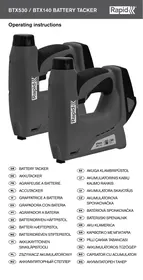
USER MANUAL BTX530 / BTX140 RAPID
Operating instructions
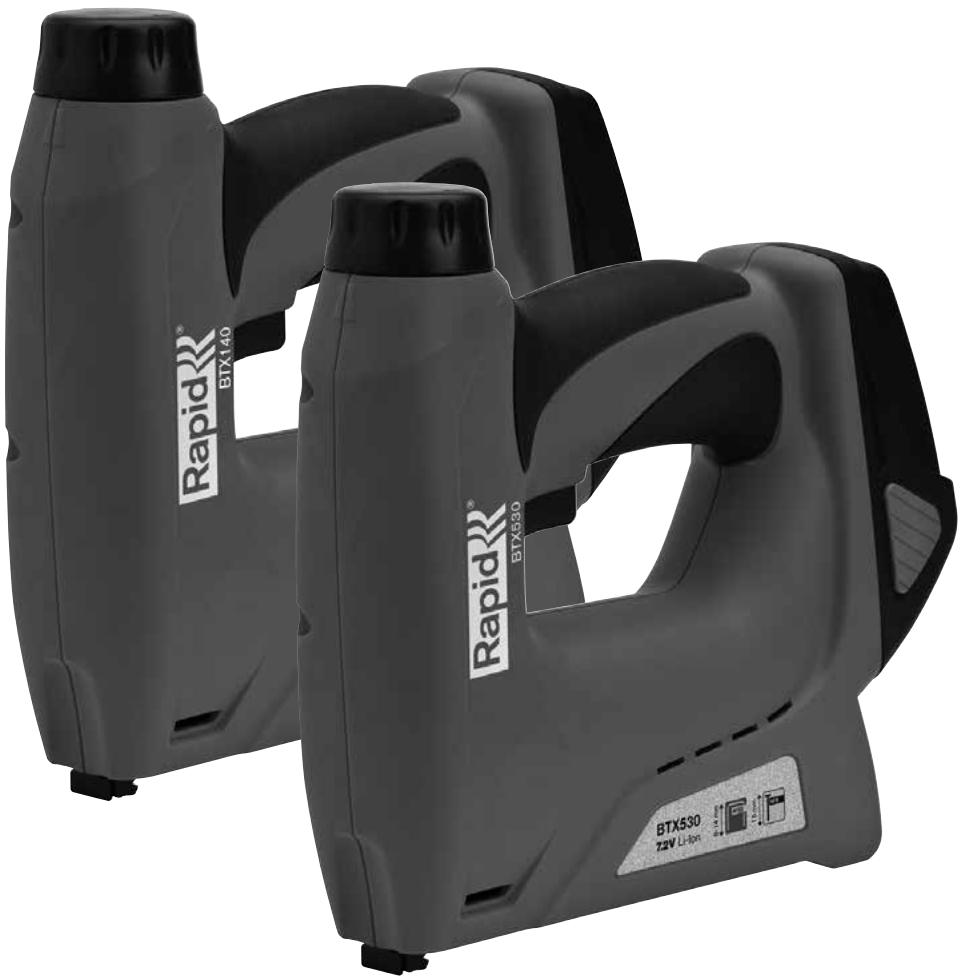
GB BATTERY TACKER
DE AKKUTACKER
FR AGRAFEUSEABATTERIE
NL ACCUTACKER
IT GRAFFATRICE A BATTERIA
ES GRAPADORA CON BATERIA
PT AGRAFADOR A BATERIA
SE BATTERIDRIVEN HÄFTPISTOL
DK BATTERI HAEFTEPISTOL
BATTERIDREVEN STIFTEPISTOL
FI AKKUKÄYTTÖINEN SINKILÄPISTOOLI
PL ZSZYWACZAKUMULATOROWY
RU AKHUMYJATOHBI CTENJIEP
EE AKUGA KLAMBRIPUSTOL
LAKUMULATORINIS KABIJKALIMO RANKIS
LV AKUMULATORA SKAVOTAJS
cZ AKUMULATOROVASPONKOVACKA
SK BATERIOVÁ SPONKOVAČKA
SI BATERIISKI SPENJALNIK
HR AKU KLAMERICA
GR KAPΦΩΤΙΚΟ ME MΠΑΓΑΡΑ
TR PILLIÇAKMA TABANCASI
HU AKKUMULATOROS TÜZÖGEP
RO CAPSATOR CU ACUMULATOR
BG AKYMUYATOPEH TAKEP
①
GB Operating instructions - Original 5
DE Übersetzung der Original-Bedienungsanleitung 9
FR Traduction des instructions originales 15
NL Traduction des instructions originales 20
Traduzione delle istruzioni originali 25
ES Traducción de las instrucciones originales 30
PT Traducao das instruções originais 35
SE Oversattning av originalinstruktionerna 40
DK Oversaettelse af den originalevejledning 45
NO Oversettelse av originalinstruktene 49
Ff Alkuperäisten ohjeiden käannös 54
PL Tumaczenie oryginalnej instrukcji obslugi 59
RU IpebeoD opnHnHaJIbHbIX INHCTpyKcni 64
EE Originaalkasutusjuhendi tõlge 69
LT Originaliu injstrukciju vertimas 74
L Sākotnējo lietošanas norādijumu tulkojums 78
cz Překlad originániho námodu 83
SK Preklad pôvodnýchPokynov 88
SI Prevod originalih navodil 93
HR Prijevod izvornih uputa 98
GR MTeafoaon Twv npwToTunwv odnyiwv 102
TR Original talimatlarin cevirisi 108
HU Azeredeti utasitások forditása 112
RO Traducerea instrucltiunilor originale 118
BG IpeBOD Ha opnHnHaJIHnTe HNCTpyKcnn 123
Complies to relevant EU directives
CE
WARNING!! Read all safety warnings and all instructions.
Failure to follow all instructions listed below may result in electric shock, fire and/or serious personal injury.
Save all warnings and instructions for future reference.
The term "power tool" in the warnings refers to your mains-operated (corded) power tool or battery-operated (cordless) power tool.


1)WORK AREA SAFETY
a) Keep your work area clean and well lit. Cluttered benches and dark areas invite accidents.
b) Do not operate power tools in explosive atmospheres, such as in the presence of flammable liquids, gases, or dust. Power tools create sparks which may ignite the dust or fumes.
c) Keep bystanders, children, and visitors away while operating a power tool. Distractions can cause you to lose control.
2) ELECTRICAL SAFETY
a) Power tool plugs must match the outlet. Never modify the plug in any way. Do not use any adapter plugs with earthed (grounded) power tools. Unmodified plugs and matching outlets will reduce risk of electric shock.
b) Avoid body contact with grounded surfaces such as pipes, radiators, ranges and refrigerators. There is an increased risk of electric shock if your body is grounded.
c) Do not expose power tools to rain or wet conditions. Water entering a power tool will increase the risk of electric shock.
d) Do not abuse the cord. Never use the cord for carrying, pulling or unplugging the power tool. Keep cord away from heat, oil, sharp edges or moving parts. Damaged or entangled cords increase the risk of electric shock.
e) When operating a power tool outdoors, use an extension cord suitable for outdoor use. Use of a cord suitable for outdoor use reduces the risk of electric shock.
f) If operating a power tool in a damp location is unavoidable, use a ground fault circuit interrupter protected supply. Use of a ground fault circuit interrupter reduces the risk of electric shock.
3) PERSONAL SAFETY
a) Stay alert, watch what you are doing and use common sense when operating a power tool. Do not use a power tool while you are tired or under the influence of drugs, alcohol or medication. A moment of inattention while operating power tools may result in serious personal injury.
b) Use personal protective equipment. Always wear eye protection. Protective equipment such as dust mask, non-skid safety shoes, hard hat, or hearing protection used for appropriate conditions will reduce personal injuries.
c) Prevent unintentional starting. Ensure the switch is in the off-position before connecting to power source and/or battery pack, picking up or carrying the tool. Carrying power tools with your finger on the switch or energizing power tools that have the switch on invites accidents.
d) Remove any adjusting key or wrench before turning the
power tool on. A wrench or a key left attached to a rotating part of the power tool may result in personal injury.
e) Do not overreach. Keep proper footing and balance at all times. This enables better control of the power tool in unexpected situations.
f) Dress properly. Do not wear loose clothing or jewellery. Keep your hair, clothing and gloves away from moving parts. Loose clothes, jewellery or long hair can be caught in moving parts.
g) If devices are provided for the connection of dust extraction and collection facilities, ensure these are connected and properly used. Use of dust collection can reduce dust-related hazards.
h) Do not let familiarity gained from frequent use of tools allow you to become complacent and ignore tool safety principles. A careless action can cause severe injury within a fraction of a second.
4) POWER TOOL USE AND CARE
a) Do not force the power tool. Use the correct power tool for your application. The correct power tool will do the job better and safer at the rate for which it was designed.
b) Do not use the power tool if the switch does not turn it on and off. Any power tool that cannot be controlled with the switch is dangerous and must be repaired.
c) Disconnect the plug from the power source and/or the battery pack from the power tool before making any adjustments, changing accessories, or storing power tools. Such preventive safety measures reduce the risk of starting the power tool accidentally.
d) Store idle power tools out of the reach of children and do not allow persons unfamiliar with the power tool or these instructions to operate the power tool. Power tools are dangerous in the hands of untrained users.
e) Maintain power tools. Check for misalignment or binding of moving parts, breakage of parts and any other condition that may affect the power tool's operation. If damaged, have the power tool repaired before use. Many accidents are caused by poorly maintained power tools.
f) Keep cutting tools sharp and clean. Properly maintained cutting tools with sharp cutting edges are less likely to bind and are easier to control.
g) Use the power tool, accessories and tool bits etc. in accordance with these instructions, taking into account the working conditions and the work to be performed. Use of the power tool for operations different from those intended could result in a hazardous situation.
h) Keep handles and grasping surfaces dry, clean and free from oil and grease. Slippery handles and grasping surfaces do not allow for safe handling and control of the tool in unexpected situations.
5) BATTERY TOOL USE AND CARE
a) Recharge only with the charger specified by the manufacturer. A charger that is suitable for one type of battery pack may create a risk of fire when used with another battery pack.
b) Use power tools only with specifically designated battery packs. Use of any other battery packs may create a risk of injury and fire.
c) When battery pack is not in use, keep it away from other metal objects, like paper clips, coins, keys, nails, screws or other small metal objects, that can make a connection from one terminal to another. Shorting the battery terminals together may cause burns or a fire.
d) Under abusive conditions, liquid may be ejected from the battery; avoid contact. If contact accidentally occurs, flush with water. If liquid contacts eyes, additionally seek medical help. Liquid ejected from the battery may cause irritation or burns.
e) Do not use a battery pack or tool that is damaged or modified. Damaged or modified batteries may exhibit unpredictable behaviour resulting in fire, explosion or risk of injury.
f) Do not expose a battery pack or tool to fire or excessive temperature. Exposure to fire or temperature above 130^ / 265^ may cause explosion.
g) Follow all charging instructions and do not charge the battery pack or tool outside the temperature range specified in the instructions. Charging improperly or at temperatures outside the specified range may damage the battery and increase the risk of fire.
6) SERVICE
a) Have your power tool serviced by a qualified repair person using only identical replacement parts. This will ensure that the safety of the power tool is maintained.
b) Never service damaged battery packs. Service of battery packs should only be performed by the manufacturer or authorized service providers.
TACKER SAFETY WARNINGS
- Always assume that the tool contains fasteners. Careless handling of the tacker can result in unexpected firing of fasteners and personal injury.
- Do not point the tool towards yourself or anyone nearby. Unexpected triggering will discharge the fastener causing an injury.
- Do not actuate the tool unless the tool is placed firmly against the work piece. If the tool is not in contact with the work piece, the fastener may be deflected away from your target.
- Disconnect the tool from the power source when the fastener jams in the tool. While removing a jammed fastener, the tacker may be accidentally activated if it is plugged in.
- Use caution while removing a jammed fastener. The mechanism may be under compression and the fastener may be forcefully discharged while attempting to free a jammed condition.
- Do not use this tacker for fastening electrical cables. It is not designed for electric cable installation and may damage the insulation of electric cables thereby causing electric shock or fire hazards.
TECHNICAL SPECIFICATION
| Battery Tacker, model number | BTX530 | BTX140 |
| Staple type | Rapid 53 | Rapid 140 |
| Staple length | 6-14 mm | 6-14 mm |
| Magazine capacity staple, max | 112 pcs | 66 pcs |
| Brad type, length | Rapid T8, 15 mm |
| Magazine capacity brads, max | 66 pcs |
| Tool Dimensions (Incl. Battery) H x W x L | 195 x 60 x 220 mm |
| Weight | 1.360 kg |
| Battery |
| Type, Voltage | Li-Ion, 7.2 V |
| Capacity | 1300 mAh |
| Charging time | 90 minutes |
| Shots per charge, max | ≈ 1500 shots |
| Stapling speed, max continuous | 20 shots/minute |
| Charger |
| Input | 100-240V, 50-60Hz |
| Output | 8.4V DC |
| Current | 1000 mA |
NOISE EMISSION
A-weighted sound pressure level LpA=79.3 dB(A), uncertainty K=3 dB(A)
A-weighted sound power level LwA=90.3 dB(A), uncertainty K=3 dB(A)
Recommendation for the operator to wear hearing protection.
VIBRATION
Vibration total value = 1.214m / s2 ,uncertainty K = 1.5m / s2
The declared vibration total value has been measured in accordance with a standard test method and may be used for comparing one tool with another.
The declared vibration total value may also be used in a preliminary assessment of exposure.
WARNING
The vibration emission during actual use of the power tool can differ from the declared total value depending on the ways in which the tool is used.
It's needed to identify safety measures to protect the operator that are based on an estimation of exposure in the actual conditions of use (taking account of all parts of the operating cycle such as the times when the tool is switched off and when it is running idle in addition to the trigger time).

ASSEMBLY
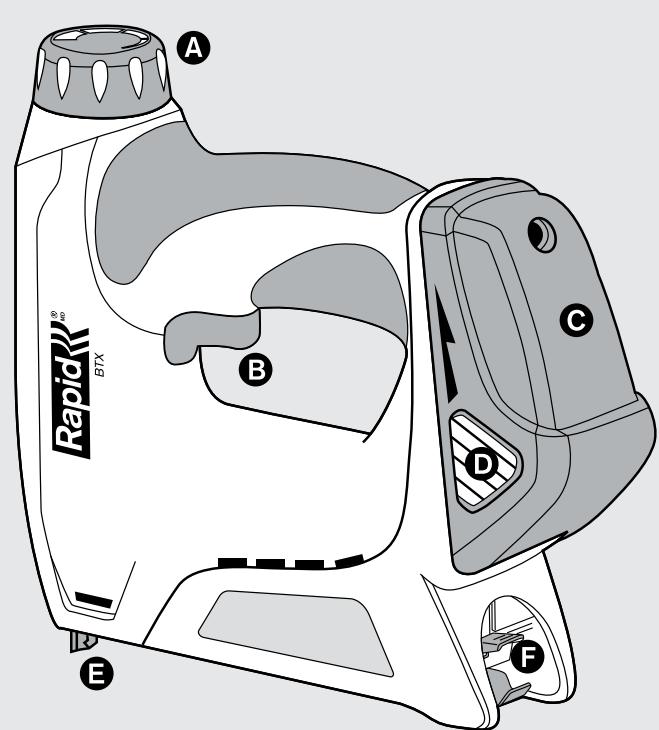
A : Power adjustment knob
B:Trigger
REMOVAL AND CONNECTION OF THE BATTERY
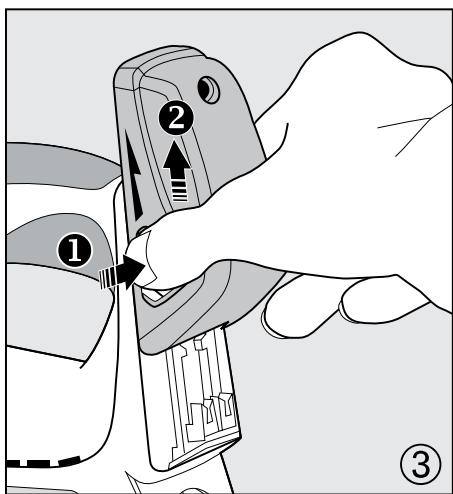
- To remove the battery C, press the unlocking buttons D and slide the battery out of the machine (Figure 3).
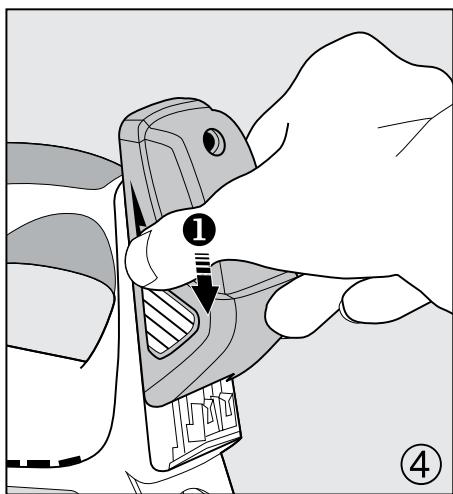
- To connect the battery; slide it in the other direction until the connection clicks (Figure 4).
LOAD STAPLES/BRADS INTO THE MAGAZINE
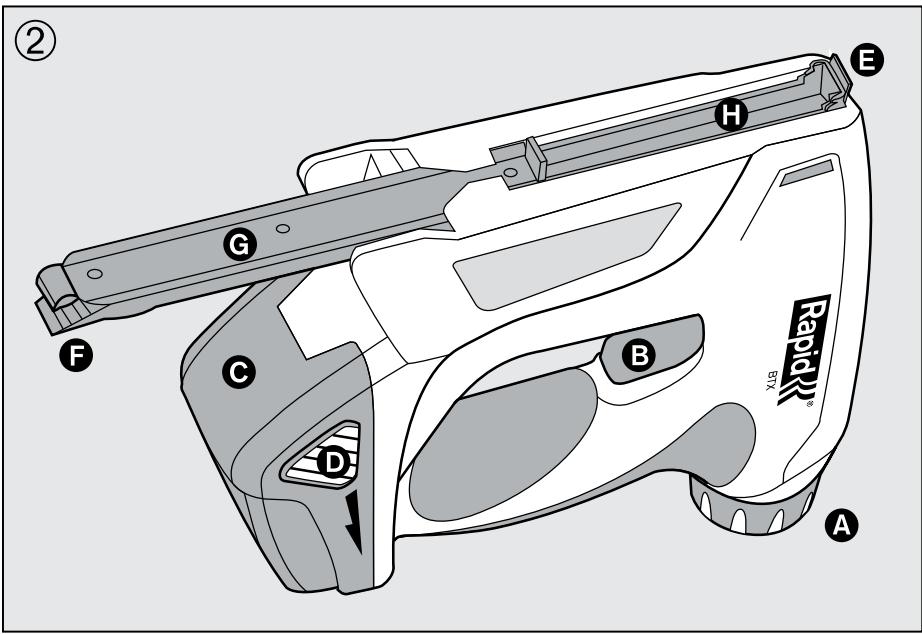
- Press the magazine latch F to unlock it from the tacker body.
- Slide the rail G backwards.
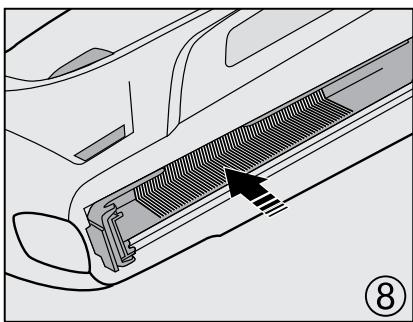
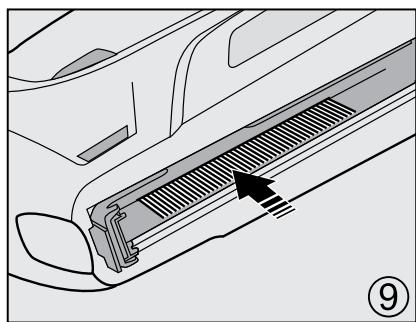
- Insert staples/brads strip as shown in figure 8 and 9.
- Close the magazine by pushing the rail frontward until locking.
REMOVE STAPLES/BRADS FROM THE MAGAZINE
- Press the magazine latch F to unlock it from the tacker body.
- Slide the rail G backwards.
- Remove the staples/brads from the magazine.
- Close the magazine.
OPERATION
STAPLING/NAILING
- Make sure the tool is in good working condition.
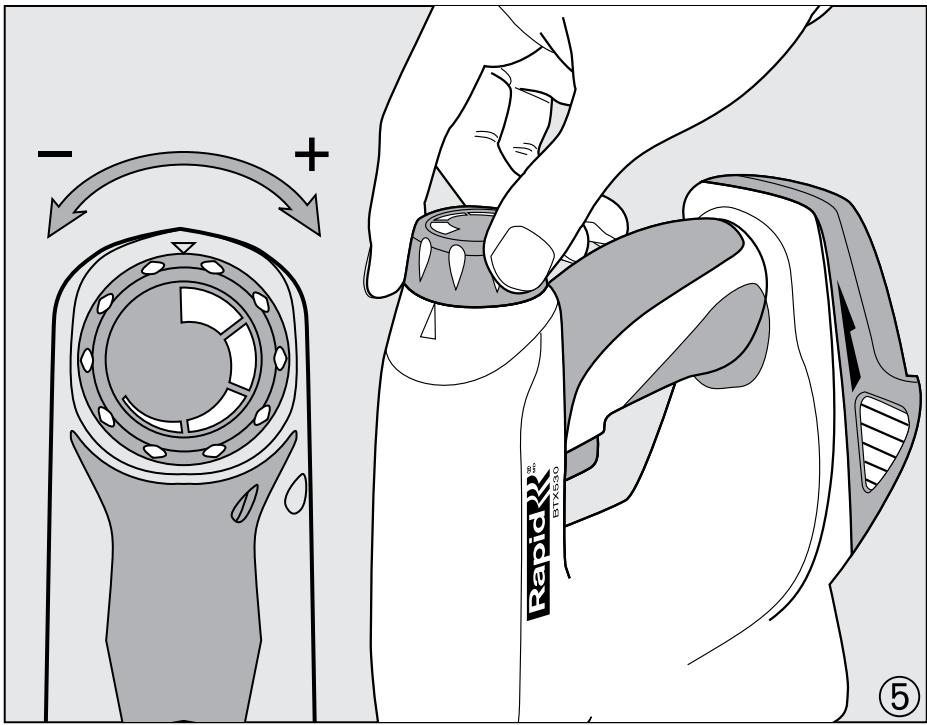
- Turn the power adjustment knob to adjust the penetration depth of staples/brads to your need (Figure 5).
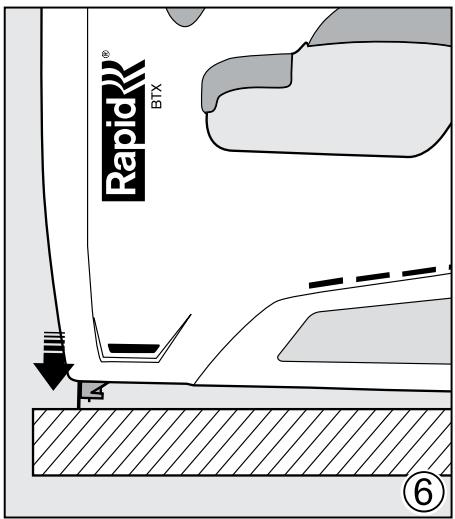
- Firmly press the safety yoke E against the work piece until it is pushed in a few millimeters (Figure 6).
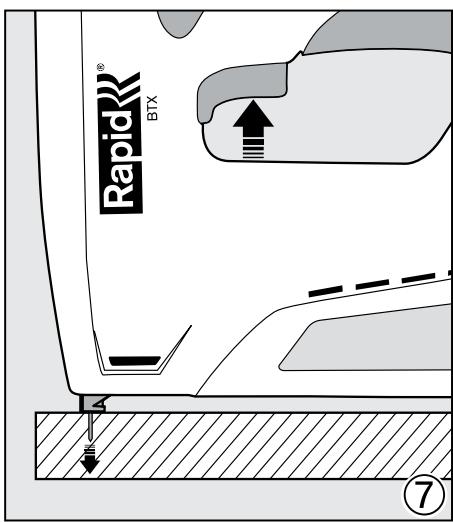
- Briefly press the trigger and then release again (Figure 7).
- Trigger B is locked as long as you do not press safety yoke against the work piece, thus preventing accidental operation.
OPERATING INSTRUCTIONS OF CHARGER
Do not use the tool whilst charging process.
1. Remove the battery out of the tool.
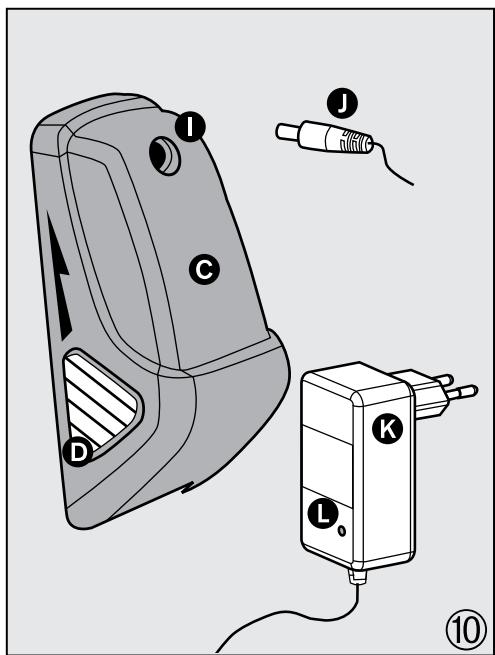
2. Connect the charging point of the charger into the socket of the battery (Figure 10).
3. Connect the charger K to the mains. The LED L on the charger will turn red during the charge (Figure 10).
4. When the battery is fully charged, the LED L of the charger will turn green (Figure 10).
5. Disconnect the plug J out of the socket I and unplug the charger K from the mains.
Charge only at ambient temperature between 10^ and 50^ .
During the process of charging, the charger can become warm: this is normal.
Do not store the battery in locations where the temperature may exceed 50^ .
NOTE: In case of a jammed staple or brad, read the maintenance section. DO NOT re-fire the tool in order to clear the jam as this may damage the tool.
NOTE: During operation, the tool may feel warm. This is normal but if the tool starts to feel hot use shall be discontinued until it cools down.
NOTE: The tacker should be used only for the intended purposes. This tool is intended for tackling of wood, cardboard, insulating material, fabric, foils, leather and similar materials on surfaces of wood or materials similar to wood. For private use only.
NOTE: Use the tool only with the specifically designated battery pack.
MAINTENANCE
STANDARD MAINTENANCE
- Inspect all screws and tighten if necessary.
- Keep all vents free from dust and dirt.
- Remove the battery pack before cleaning the tool.
- Clean tool by a dry or damp cloth. NEVER use any solvent.
- Keep the magazine channel clean.
- DO NOT oil or grease any parts
- Be sure the tacker is not damaged. Replace or repair prior to use.
CLEARING A JAMMED STAPLE/BRAD
- Press the magazine latch F to unlock it from the tacker body.
- Slide the rail G backwards.
- Take out the loose staples/brads from the magazine.
- Use a pin with a sharp end to remove the jammed staple/brad.
WARNING!!
DO NOT alter parts on this tacker or attach special fixtures. This can lead to personal injury. If the tool/charger should fail despite the care taken in manufacturing and testing procedures, repair should be carried out by an after-sales service centre for Rapid tools.

ENVIRONMENT
Separate Collection. Do not dispose power tools into household waste! According to the European Directive 2012/19/EC on waste of electrical and electronic equipment.
- When the tool needs to be replaced, or if it is of no further use it should be brought to a separate collection centre for recycling.
- Battery: the batteries are recyclables.
The battery can be recharged many times. At the end of their useful life, run the battery down completely, then remove it from the tool, and bring it to a local recycling station.

BTX530 / BTX140
VEILIGHEIDSWAARSCHUWINGEN VOOR TACKERS
LADDA KLAMMER/DYCKERT I MAGASINET
TA BORT KLAMMER/DYCKERT SOM HAR FASTNAT
INDFOR HAEFTEKLAMMER/DYKKERE IMAGASINET
FJERN HAEFTEKLAMMER/DYKKERE FRA MAGASINET
FYLLE MAGASINET MED STIFTER/DYKKERTER
STANDARD VEDLIKEHOLD
FJERNE EN STIFT / DYKKERT SOM HAR KILT SEG FAST
YpOBeHb Bn6paun nppeaIbHOM NcNol3OBaHH INHCTpyMeHTa MOHeT OTNlUaTBcAOT 3aBJIeHHoro ypOBHra Bn6paun H 3aBNCIMoCTn OT CNOcoBa NcNol3OBaHH INHCTpyMeHTa."
HeoIOIO OpeIeINb Mepbl 6e30nacHOCTn Ira 3aunltb Opeatopla,OCHOBAHbIe Ha ouEHKe BO3dEiCTBnBa B pealbHbIX ycIOBnX NCPOlb3OBAHnA (c yHTOM BCEx YacteY pa6Oyero UHHa, TAHIX KAK BpEMK, KOrda IHCTpyMeT BbIHIOueH N KOrDa OH pa6Otaet BXOIOCTyO).B DOnOIHeHne K BpEmH cpa6aTbIBaHN).
YCTPOICTBO
OBO3HAUHNA (PncyHke 1,2n10)
A:PeryjTTop HactpoiHN MOUHOCHTN
D:Uvolfovacie tlačidla
6:PeHa
1:3aepnnaTouka
B:CnycckoBaKHOHa
E:Пгебхантульна
H:MarazHH
K:3aapdHoe yctpoNCTBO
C: AkymyTOpHa8 6TaIepa
F:3aueHka mara3nHa
0:ΓHe3do
C:CBETOДИОД
YDALEHNEIPODKILOUEHNE BATAPEI
- UTo6bI n3BLeu6 batapeo C, hAnMnTe pa36NoHpyUoJe HKnHn D n n3BLeHnTe 6batapeo n3 nHCTpyMeHTa (pncyHOK 3).
- TTo6bI nOcOeINHnTb 6aTapeHO, BCTaBnIte ee o6paTHo, nOHa He pa3dactcIeIeHOK nOcOeINHeHnR (pncyHOK 4).
3ANPABHA CHOBOK/ΓBO3ДЕВ MAFA3INH
- Hanmnte Ha 3aueJnky F mara3Ha, yTO6bI n3BHeJ b erO n3 Kopnyca cTeJIpeA.
2.ПOTЯНITEpeHny GHa3aI.
3.BCTaBtBe CkO6bl/ΓbO3dN, KaH nOHa3aHO Ha pncyHKax 8n9.
4.3aKnpoTeMaarazHH, npOdBnHyB peHy BnepeJdoe efKcaHm.
H3BJEUHENECKO6OK/TBO3DEI H3 MATA3NHA
- Haxmte Ha 3aueHny MaRa3Ha, YTO6bI N3BHeY erO n3 Kopnyca cTeNlpeA.
2.ПOTЯнITEpeHkyHa3aI.
3.ИЗВЕKHITe ChOБн/ГВОЗД ИЗ МагаЗИHA.
4.3aKpoTeMaRa3nH.
3KcPJIyATAUHA
3A5NBAHNECHOB/ΓBO3DEI
- Y6eIHTecB HcnpaBHOM pa6oem COCTOHHH INHCTpyMeHaTa.
2.ДяpergunpoBnIpybHbI npOHHOBeHn CkO6/ΓBO3eB COOTBEcTBn C Heo6xOIMOCtHo NOBOPaHBaIte peyIaTOp HAcTpoHm MOUHOCTn A (pncyHOK5).
3.CnIbHO nAHMNTe IpeDOxpaHITeNbHM IepKaTeJIeEM EHa pa6Ooee H3dJIeNE, YTObI OH NpeMeCTINJCA Ha HECKOJIbKO MmJIIMMeTPOB (pncyHOK 6).
- HanMMte Ha cnYcKOByo KHOJIky B n HEmeJeHHO OTyCTHTE ee (pncyHOK 7).
5.CnycnoBaHKnOHa 0ctaetc3a6bONHPOBaHHo, nOKa npedeoxpaHTeNbHM depKaTeIeM He HauHMaIOT Ha pa6ooye H3dJIne. 3TO cNooc6CTBye TpeDToBpaueHIO ClyuahHO rCpa6aTbIBaHnIy.
HNCHTPYKUINIPO3KCNJYATAUN3APRHOYCTPOICTBA
3aIpeaetcNcNoIb3OBaTb NHTpyMeNT BO BpEm 3apAHN.
1.ИЗБЛЕКИТЕбатAPEЮИЗИНСТРМЕNTA.
2.ПоДнIHIOHTe 3apIaHbIy IaTeKepeI 3apIaHOrO yCTpoiCTBaK rHe3dY I6aTapeN (pncyHOK 10).
3.ПоДнлочteЗардноусгоствКксетиптанЯ. CBetOnHODHa3apdHOM yctpoCTBe6ydtoropetbKpaChbIMBoBpem3aPdHn(pCcyHOK10).
4. По заBERшENH 3apRdN 6aTAPeN CBETODIOD 3apRdHOrO yCTPOJCTBa CMEHNT ZBET Ha 3eJIeHbI (pncyHOK 10).
5.ИЗВЕКТЕШЕКЕРИЗГЕЗДАИОТПLOЧNTEЗAPДHIOYEUGCTPOICTBOKOTCETNITAHNIA.
- 3apaKaHte 6atapen Tolbko npn OkpykaHoue TempepaType ot 10^ do 50^ .
B npocece 3apndn 3apndhoe yctpoCTBO MOHET HaPReBaTbC: 3TO HopMaJIbHOe AJIbHeHne.
3anpeaetcxaanb6atapenBnomeueHnax,Te tempeaTpa MoKET npebbuaTb 50^
LAADIJA KASUTUSJUHEND
Mny xnpoionoeite to spyaiao kata n diaikaia ofpnns.
F:3aKoPuaKaHaMaRa3nHa
G:Penca
H:Mara3HH
1:KoHTaT
1:BkIIOUeTe UcENcena
K:3apAДHOTO
CBeToDIOBbT
H3BAXDAHE IN NOCTABRHE HA BATEPNYTA
- 3aДаИЗВадиTe 6aTePиЯТа ,HaTиСHTe OTHIQUHbAиTe 6byToH I npiПь3Hete 6aTePиЯТа n3BbH MaHnHaTa (Фигур a) 3).
- 3aДа NOCTaBnTE 6aTePnIa,пиINь3HeteЯВобpaTHaTЯ NOcOHaДOKaTO TЯ 3aCTaHЯ МЯСТOTО CIn Nуte HINKBaHe (ФИгур4).
3APEDETETCKOBN/DbPBOIDENCKN NIPOHN BMA3HNA
- HatncheTe 3aKoHuaHkata Ha MaRa3HnHa F, 3a da ro OCBO6Onde OT TAnTo Ha TaKepa.
2.Пьз HepepecaTa 6Ha3a.
- NocTaBete JeHtata CbC ChO6n/IInpOH, KaKTo e NOKa3aHO Ha fHyprn 8 n 9.
- 3aTbOpete MaaraHaHa, KaTo H36yTaTe peNcata HaPeD, DoHaTo Ce 3aHJIouH.
OTCTPAHETE CKBNTE/DbPBODEJICKNTE NIPPOHN OT MAF3nHA
- HatncheTe 3aKoHuaHkata Ha MaRa3HnHa F, 3a da ro OCBO6Onde OT TAnTo Ha TaKepa.
2.ПьзHepepepepeaHa3aI.
- OtctpaHete cKo6nTe/DbpBOeJcKHe TnpOHNOT MaRa3Ha.
- 3aTbOpTe MaRa3Ha.
EKCPIIHOATAZHA
3ACKO6RAHE/KOBAHE
- YBepete Ce, Ye INHCTpyMeHTbT E B Do6po EKCNIOaTaUHOHNO CbCTOAHNE.
- 3aBpTeTe KOnHcTo 3a peryIuPaHe Ha cnilata A, 3a Da HarglacTe IbIbOChHaTa Ha npOHnKBaHe Ha TeHETATA/rgo3dTe CnpoeH nyHdnte Cn (phiypa 5).
- Пи捜с悔te синно ппедпаэntеля B pa6oTHnЯ DeTaHn,doKaTo ce npi6epe Ha HraKoIko MInmMetpa (ФИгур 6).
- HaTnCHeTe 6bp3o cnYcbHa B n ro OTnycHeTe (fHrypa 7).
- 3a npedotbpaTbaHe Ha HeBOne H3cTeP, cnycbKbT e 3aKnUoye, KOrato npedna3nteIrT He e npitncat KbM pa6oTHnI detaII.
HNCTPYKUIN 3A PABOTA CbC 3APJHOTO YCTPOICTBO
He n3no3BaIte HnCTpyMeHTa,doKaTo Ce 3apeJHa.
1.ИЗва对接е 6атэрноуот Инстумэнт.
2. Bhniouche 1e9ceJa Ha 3apdHOTO yctpoiCTBO B KOHTaTt a6e3 6atepnaTta (fmyrpa 10).
3. BhJIOHcE 3aepAnHOy UcTPOIcTBo K B MPeKaTa. IIO Bpeme Ha 3apeKdAHeTo CBeTOIOHObT L Ha yCTPOIcTBOTO 10e CBETHE B cepBHeO (fNpya 10).
4. Korato 6aTepeHra Ta ce 3apeHn HantbJIno, CBeToDIOHObT L Ha 3apAINDOTO yCTPOIcTOB IOe CBETHE B
zelenho (fynypa 10).
5.ИЗнluчete luencela OTO KONTaKta 1 NИЗнluчete 3aprHOTO yCTpoIcTBO K OT IJIaBHOTO 3axpaHbAhe.
- CmehaTe rna camo npn TemnepaTpa Ha oKoHaTa cpea Mekny 10^ n 50^ .
- Поваме на зараздению усточьто ще се загп:TOBa e HopmaJIHO.
- He cbxpaHraBaIte 6aTepeHraHa MeCTa, KbDeTo TempePaTypaTa MoKe Da NaDnBnH 50°C.
3A5EJIEXKKA: 3a no-IO6pn pe3yNTaTH npHTNCHeTe HNCTpyMeHt KaM o6pa6OTBaHHa MaTePnA.
3A5EJIENHKA: B cnyaHa Ha 3acdaHa He cKo6n Hm nipOnn IpOyTepea3eJa OTHOCHOndpIbJxHa. HE CE IONYCHA NOBTOpeH N3CTpeC INHCTpyMeHTa 3a N3cHCTBaHe Ha 3aceHaHITe KOHCMyATINB, TbI KaTO nO TO3n HaunH INHCTpyMeHTb MOnge Da CE NOBpeiN.
3A5EJIENKHA: NbBpeme Ha pa6oTa HNCTPymeHT MoJe Da 3aRpee. ToBa e HopMaJHo, Ho aHO IHNCTPymeHT CTaHe TOpEu, pa6Otata Tp86Ba Da ce IpeyctaHOBn Do OXnaJdaHTo My.
3A5EJIENKHA: TaKeBt Tp86Ba Da ce H3non3Ba eDInHCTBeHo No npEHa3NaueHne. To3n INCTpyMeHT e pIeHa3NaueH 3a npIKpeTHe Ha nbpBO, KAPTOH, I3OlaUHOHe MaTePnaI, TEKCTNIHa TbKaH, FOJIO, KOJa N IOo6Hm MaTePnaIi KbM NOBbPxHOCTN OT dbpBO N IOo6Hn Ha nbpBO MaTePnaIi; cAmO 3a LiuHa yIOnTp6Ba.
3A5EJIENKHA: N3IIO3BaIte INHCTpyMeHTa cMo CbC cTeuHaIIHO pa3pa6oTeHaT a 6aTePnA.
IPOIDPbJHKA
CTAHAPTHAIOIDPbJKA
- Поберете BCINK BINTOBe И пи Нeo6xOДМОCT Г 3aTeHHeTe.
2.Почистваite BCИЧКВ BEHTINALIQUHNN OTBOPN OT npax ИЗмьсаBaHe
3.ИЗваде Te 6atepmaTa,прдд Да почистЕ ИСHTpyMeNTa.
4.Почистваite Инсту мente сбс суха пь влжна Крпа. ИИКОГА He Използовite pa3TВорител.
5.ПодьржайчИСТмагаингьЖлб6.
- HE CMA3BAIte cactnte c macna nIIN rpeci.
- BnHaI npOBepBaIte daJI NahepBT He e NOBpeDeH. PpeDi EKcPINOataZna Iro pemOnTHpaIte NII IOmHeTe CbOTBeTHaTAta Yact.
H3BAJDAHE HA 3ACEHHAJA CHOBA /ДьРBODEJICKI ПИPOH
- HatncheTe 3aKoHuaJIkata Ha MaRa3HaF, 3a Da rO ocBO6OnTe OT TaIOTo Ha TaKepa.
2.Пьзhtepe pencaTa 6 Na3a.
3.ИЗbaTeTe OT mara3Ha CBO6OДнITE CHO6и /ДьрВОдЕЛСНИ ПИРОИ
4.ИЗнлзайтЕигла,3aДаИЗВаДпТeЗаднTeСКБИ/ДьрВОдENCHINПИРОНH.
PNEyIPEKJEHNE!
HE PIPOMEHJNTE qactn Ha To3n Tahep N He pInKpeJTe CneuaJIH N DoTbJIHtEnH N pIcNcO6JeHn. Toba MoHe Da DoBeDe Do HapaHBAHn.
Ako INCHTpymeHTbT/3apAnHOTO yCTpoIcTBo CE NOBpeaT BnPpeKn PpeInpHeITne rpnKn npIPOueDpyNTe Ha npOn3BOcTBo N TeCTOBE, nonpaBHaTa Tp8Ba Da ce OcbIeCTBN OT cJeIPOdaJb6eH cepBIsEn CEHTbp 3a INCHTpymeHTn "Rapid".

ОПАЗВАЕ HA OKОЛHATA CPEДА
OTdIeHc6bipaHe. He 3xBbPnTte eEeKtpueeCN HNCTpyMeHTn pnp 6bTOBtne OTnAdbu! B cBoTBETCTBnC eEBpOeIeChata DnpeKTnBa 2012/19/EO OTHOCHO eJeKTPueeCKOTO n eJeKTPoHHOTo OobOpyDaHe.

Korato INCTpymeHTb Tpr6Ba Da CE NOIMEH NIN AHO BHe He CE N3N03Ba, Tpr6Ba Da Ce Ppeada 3a peuHnIpaHe BnyHKT 3a pa3dENo C6bnpaHa H OtnaDbu.
- BaTePnIa: 6aTePnIte MoRat Da ce peuHInpaT.