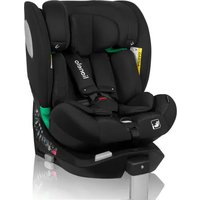
Braam Air - Car seat Lionelo - Free user manual and instructions
Find the device manual for free Braam Air Lionelo in PDF.


| Product type | Child car seat with i-Size system |
| Safety standard | R129/03 (i-Size) |
| Size group | 40 to 150 cm |
| Max child weight (harness) | 18 kg |
| Max child weight (booster) | 36 kg |
| Orientations | Rear-facing (40-105 cm), Forward-facing (76-150 cm) |
| Installation | ISOFIX + support leg or seat belt |
| Rotation | 360° with rotation button |
| Recline adjustment | 5 positions (reclined for -60 cm, upright for +125 cm) |
| Headrest adjustment | 14 levels, adjustable in height |
| Harness | 5-point with shoulder pads and newborn insert |
| Anti-rotation system | Anti-rotation frame |
| Support leg | Height adjustable with green deployment indicator |
| Indicators | ISOFIX green, support leg green |
| Ventilation | Built-in fan via USB port (i-Size model) |
| USB port | Yes, for fan power |
| Cover | Washable at 30°C, removable |
| Cleaning | Damp sponge and mild detergent |
| Manufacturer | BrandLine Group Sp. z o. o. |
| Contact | help@lionelo.com |
Frequently Asked Questions - Braam Air Lionelo
User questions about Braam Air Lionelo
0 question about this device. Answer the ones you know or ask your own.
Ask a new question about this device
Download the instructions for your Car seat in PDF format for free! Find your manual Braam Air - Lionelo and take your electronic device back in hand. On this page are published all the documents necessary for the use of your device. Braam Air by Lionelo.
USER MANUAL Braam Air Lionelo
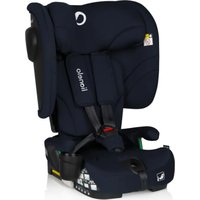
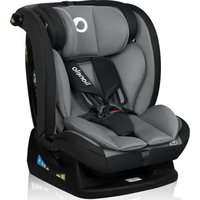
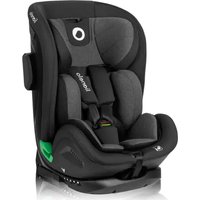
Braam i-Size Braam Air i-Size
Baby car seat
Fotelik samochodowy
Kindersitz
Детское автокресло
Seggiolino auto
Siège auto bébé
Silla de coche
Autostoeltje
natural_image
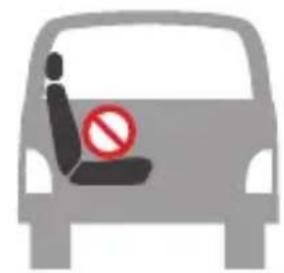
Silhouette of a car with a red prohibition symbol on the seat (no text or numbers present)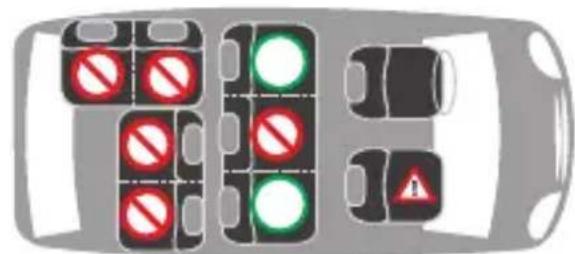
A
C
natural_image
Illustration of a hand inserting a device into a device housing (no text or symbols)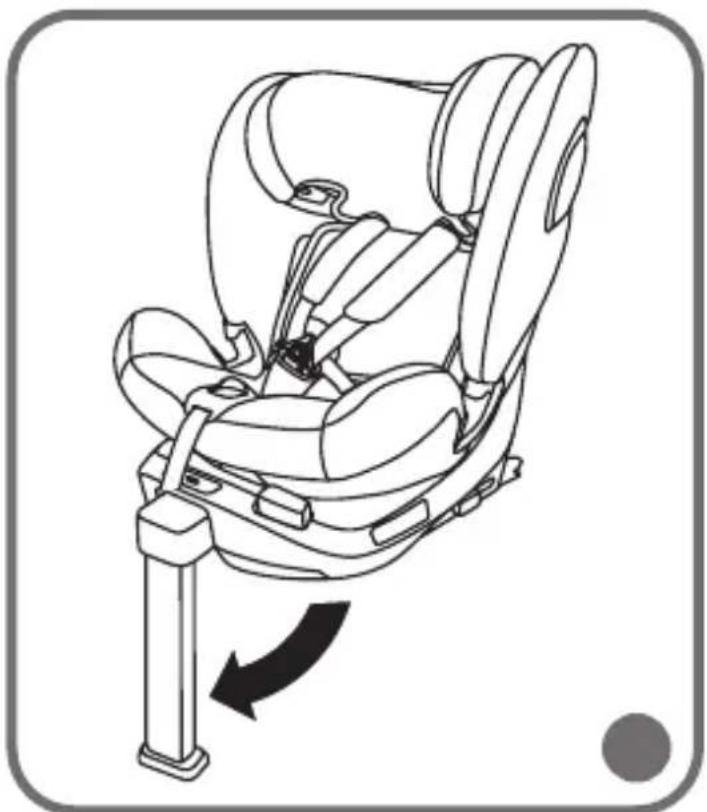
natural_image
Line drawing of a car seat assembly with a black arrow indicating the direction of motion (no text or symbols present)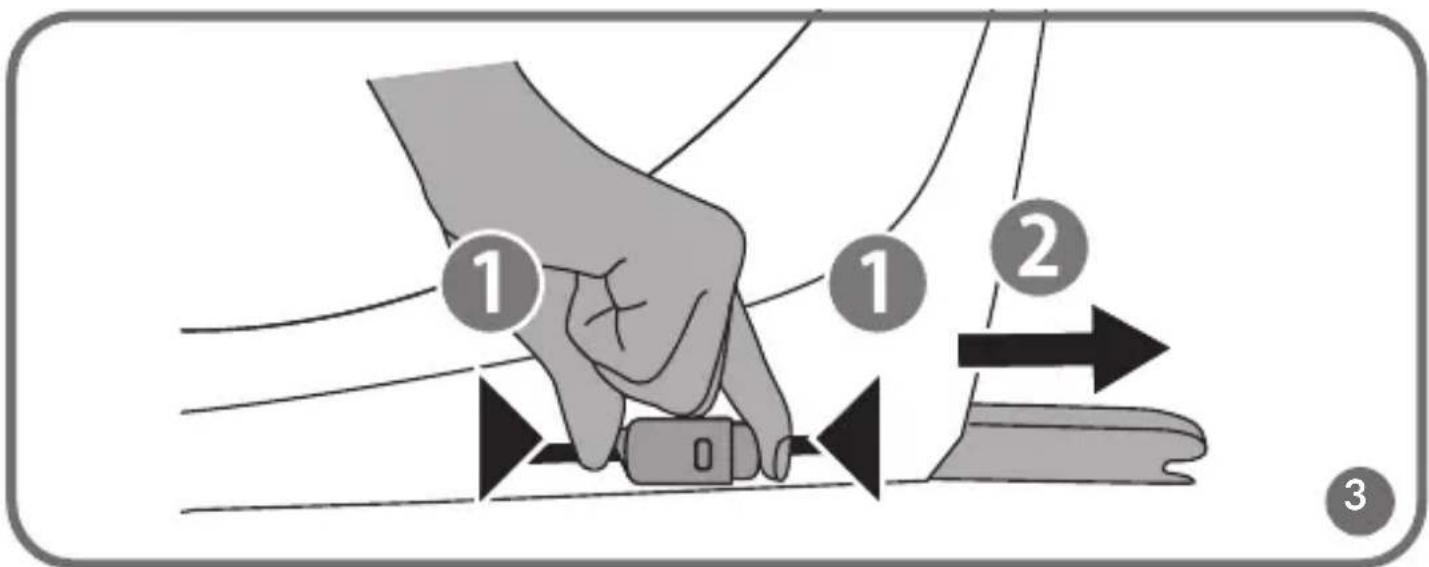
6b

natural_image
Illustration of a hand pressing down on a mechanical component, showing a force or pressure direction (no text or symbols)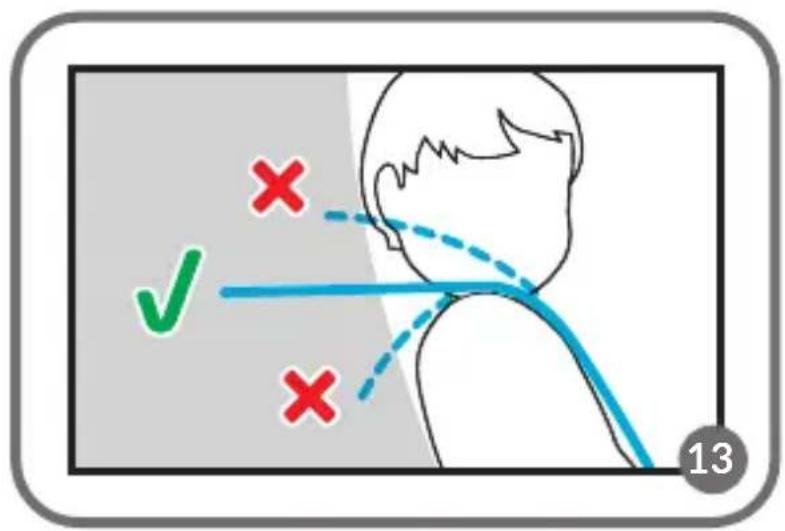
natural_image
Illustration of a hand performing a medical or surgical procedure on a device, with arrows indicating movement and red highlights (no text or symbols)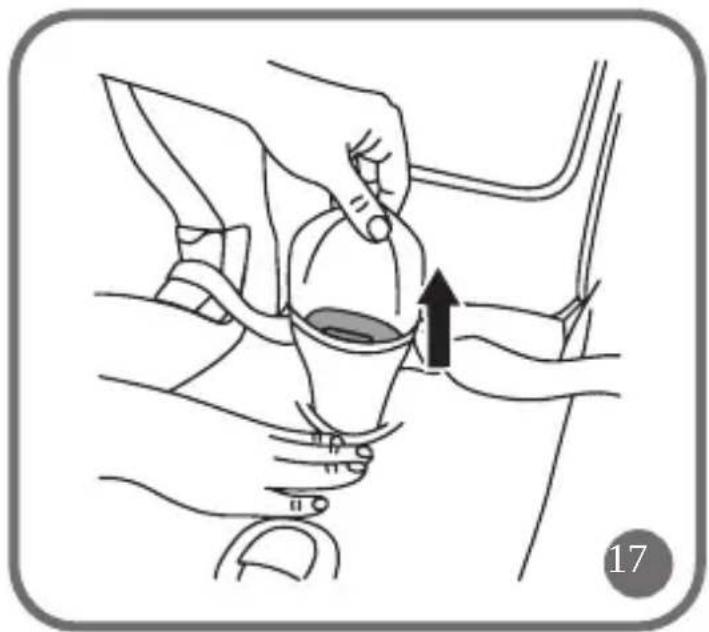
natural_image
Illustration of a hand performing a medical procedure on a car seatbelt, with an arrow indicating direction (no text or symbols present)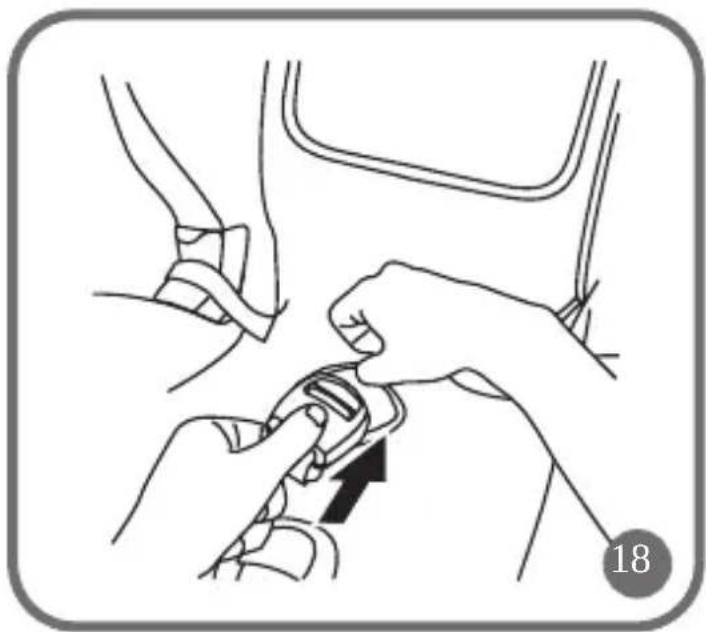
natural_image
Illustration of a car seatbelt being adjusted for a seatbelt, showing hand positioning and angle marking (no text or symbols)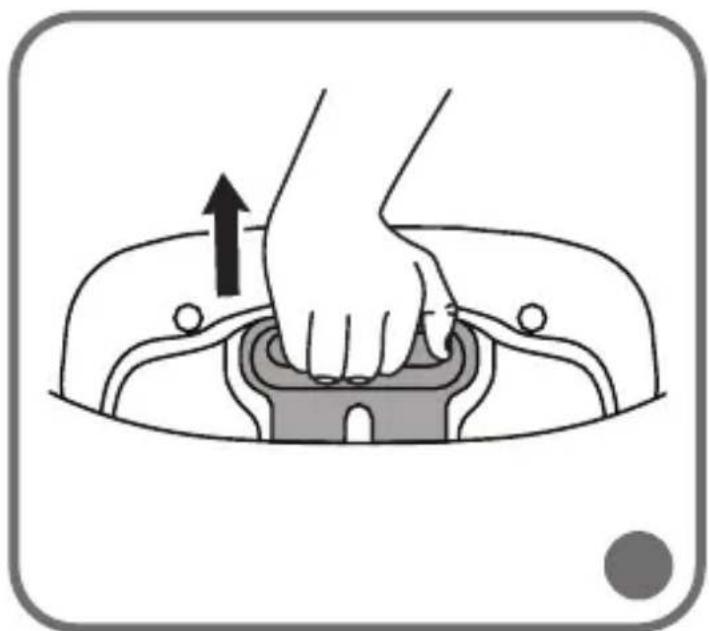
natural_image
Illustration of a hand pressing down on a mechanical component with an upward arrow indicating motion (no text or symbols)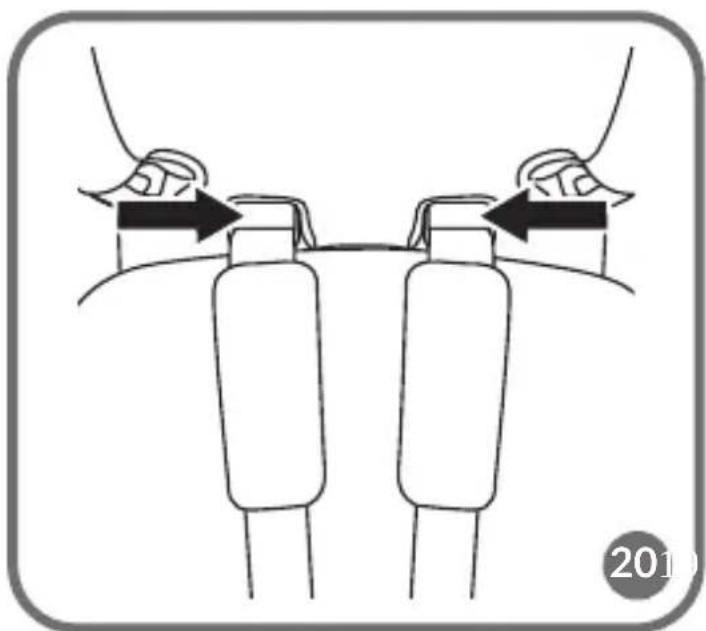
natural_image
Diagram showing two identical mechanical components with arrows indicating motion or force direction (no text or symbols)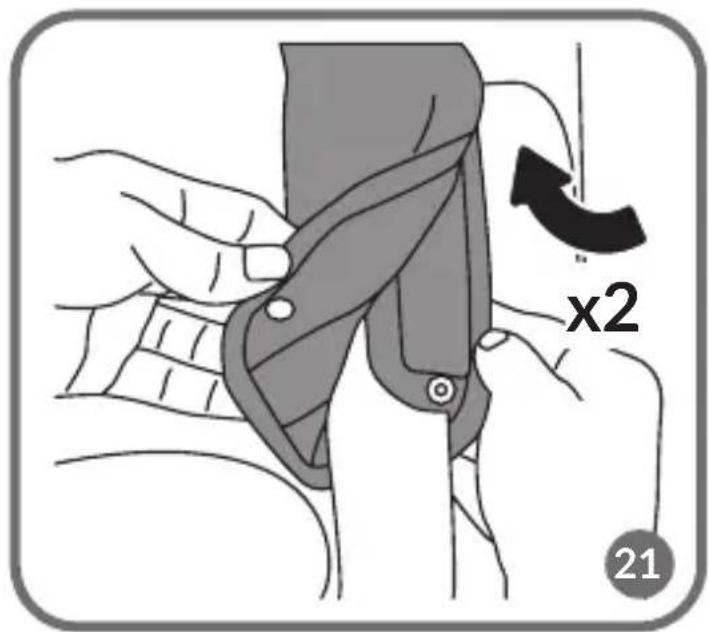
natural_image
Illustration of a hand holding two gray belt stopper clips, with an arrow pointing to the clip (no text or symbols)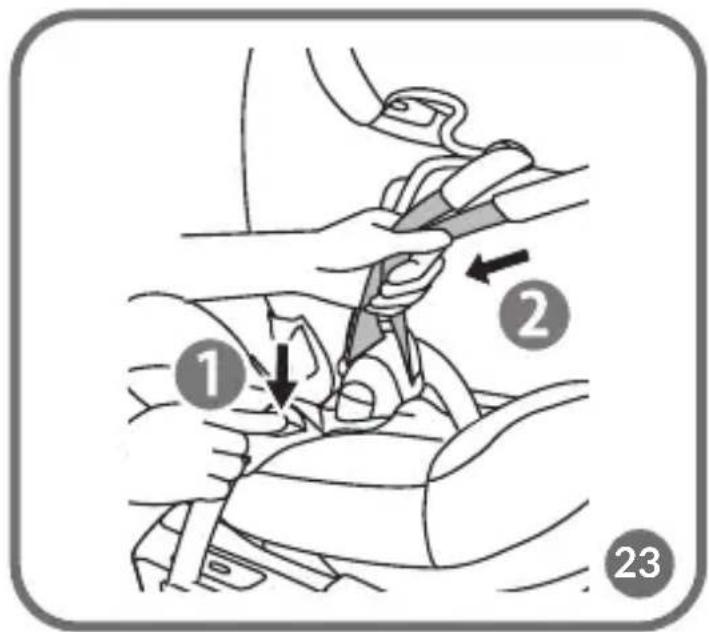
natural_image
Illustration of a hand pressing down on a curved surface with an arrow indicating motion (no text or symbols)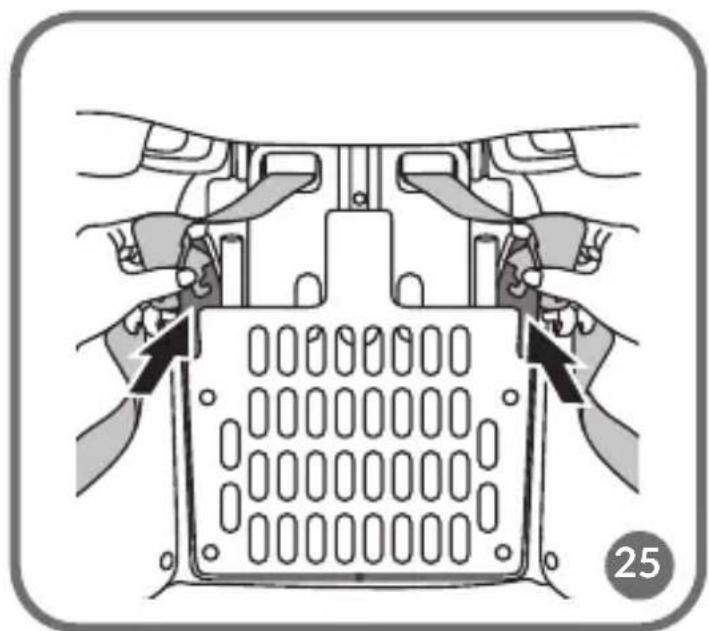
natural_image
Diagram of a vehicle chassis with mechanical components and directional arrows indicating assembly or movement (no text or symbols)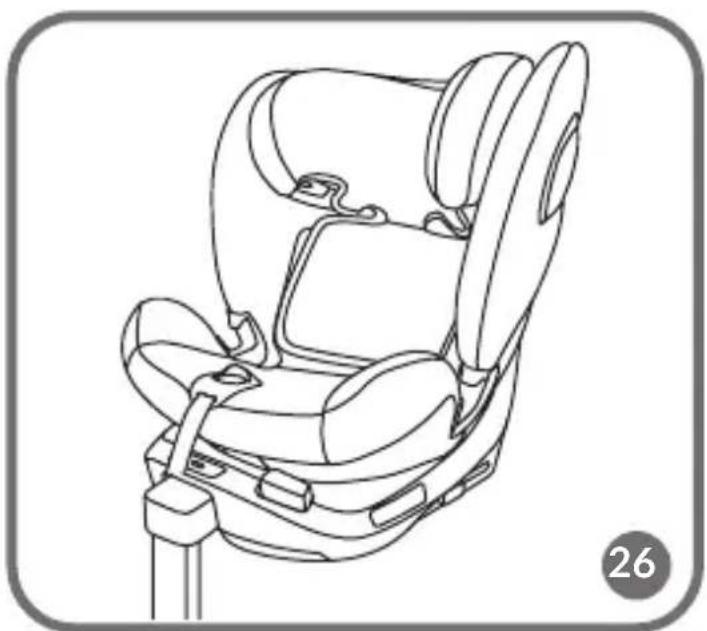
natural_image
Line drawing of a car comfort seat with adjustable straps and seat cover (no text or symbols)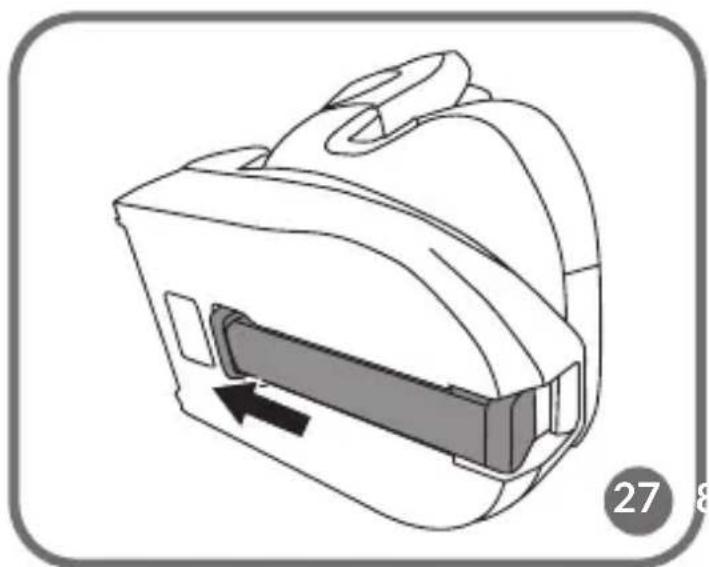
natural_image
Line drawing of a device with a gray internal component and an arrow indicating direction (no text or symbols)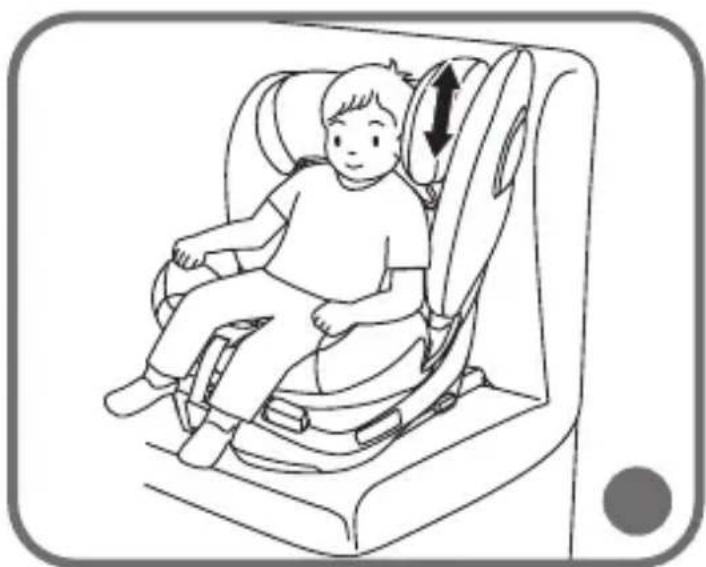
natural_image
Illustration of a child seated in a car seat with a directional arrow indicating motion (no text or symbols)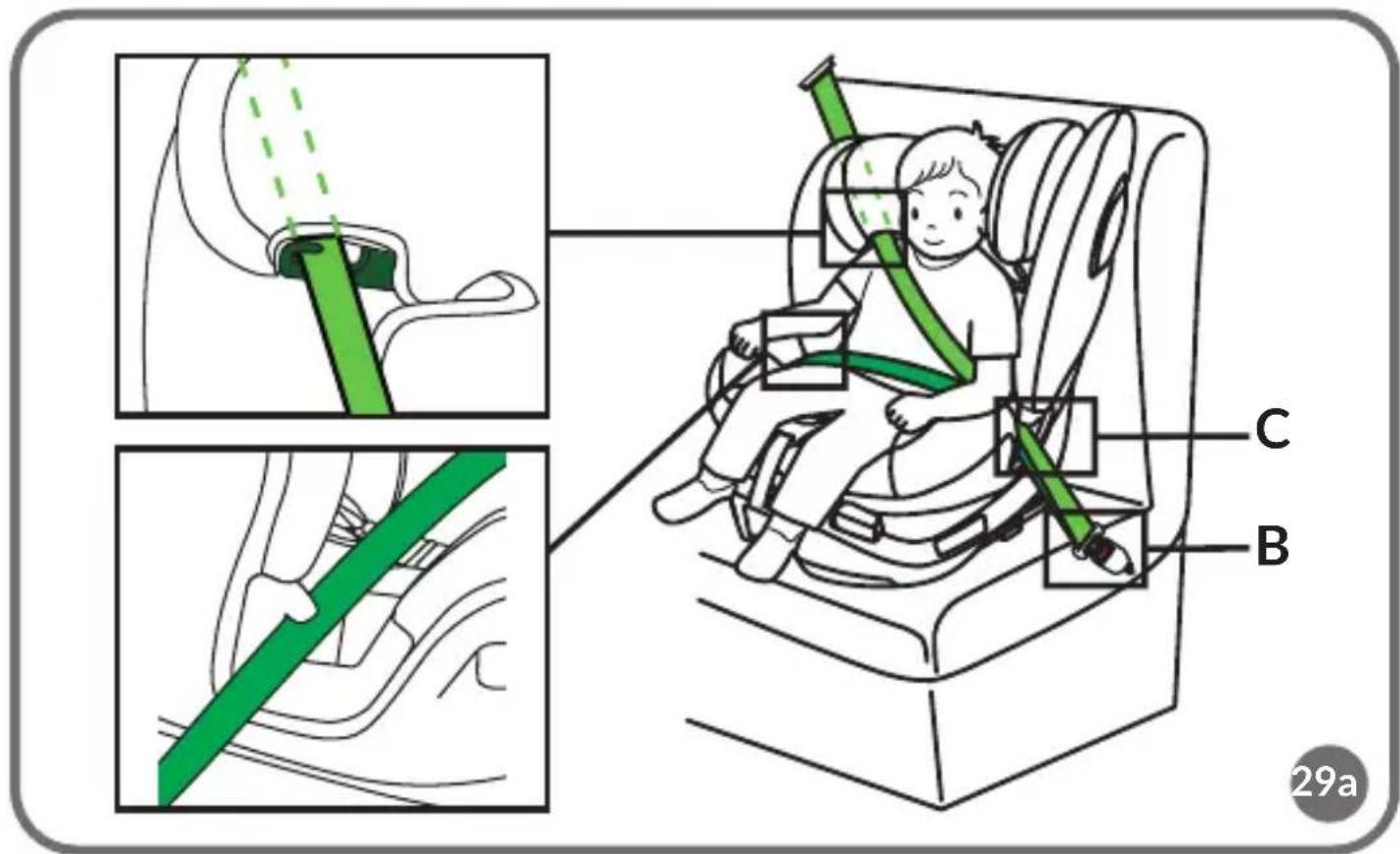
29c
natural_image
Diagram showing two gray belt stopper clips attached to a car, with a hand pointing to the clip (no text or symbols present)31
natural_image
Diagram showing a hand pressing down on a mechanical component with a black arrow indicating rotation (no text or symbols present)
natural_image
Simple line drawing of a mechanical component with hands operating it (no text or symbols)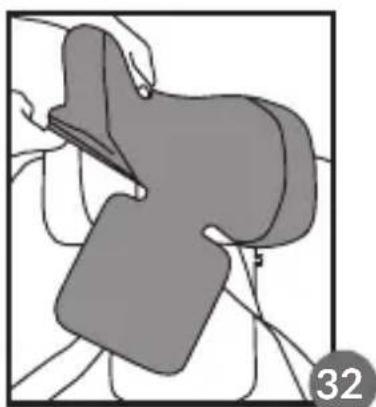
natural_image
Illustration of a hand holding a gray shaded object with a numbered label '32' (no text or symbols on the object itself)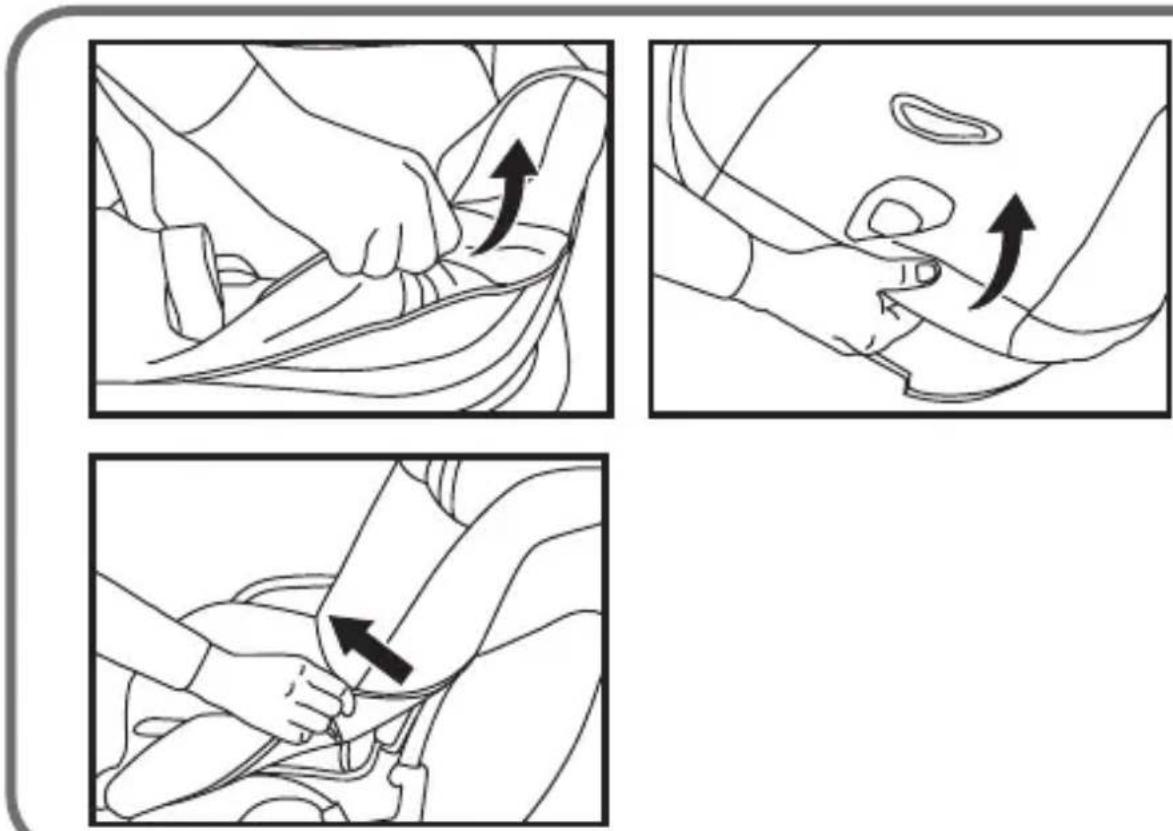
natural_image
Three-step illustration showing a person adjusting the seatbelt, with arrows indicating movement direction (no text or symbols)33
Dear customer!
Should you have any remarks or questions concerning the product, please do not hesitate to contact us: help@lionelo.com
Producer:
BrandLine Group Sp. z o. o.
The product meets the requirements of the standard: R129/03.
Information for the growth group from 40 to 105 cm (maximum weight of the child 18 kg)
NOTICE. This is an i-Size Enhanced Child Restraint System. It is approved according to UN Regulation No. 129, for use in i-Size compatible vehicle seating positions as indicated by vehicle manufacturers in the vehicle users's manual. If in doubt, consult either the Enhanced Child Restraint System manufacturer or the retailer.
Information for the growth group from 100 to 150 cm
NOTICE. This is a i-Size booster seat Enhanced Child Restraint System. It is approved according to UN Regulation No. 129, for use primarily in “i-Size seating positions” as indicated by vehicle manufacturers in the vehicle user’s manual. If in doubt, consult either the Enhanced Child Restraint System manufacturer or the retailer.
The product is only suitable for installation on the locations marked with the symbol ○ in fig. A, marked i-Size.
The product is suitable for installation in the position marked by the symbol! in fig. A only forward-facing and with the air bag deactivated. We recommend fitting the seat only on the rear seats of the car
WARNINGS:
- The product is designed for children weighing up to 36 kg and between 40 and 150 cm in height.
- If your child is less than 15 months old or less than 76 cm tall, do not use a forward-facing seat.
-
The hard parts and plastic parts of the child restraint system should be positioned and installed in such a manner that they cannot be trapped by a sliding seat or vehicle door under normal vehicle operating conditions.
-
For rear-facing installation, do not use the seat where the front air bag is active.
- Any seat belts holding the child must be well suited to the child's size. Belts must not be twisted.
- The straps securing the restraint to the vehicle must be tight, the stabilisation leg must be in contact with the ground of the car.
- Make sure the lap belts run low to adequately secure the pelvis.
- If the product has been exposed to strong elements (such as impact), it should be replaced.
- Do not make any changes to the seat or add any new components without the approval of the approval authority. To ensure maximum safety for your child, the equipment should be fixed and used as recommended in the instructions.
- Protect your child and the seat from the sun (for example, by covering the seat with a light-coloured item of clothing). If the seat is not covered, try not to expose it to the sun. Otherwise the seat may be too hot for your child's skin.
- Never leave a child alone in a child seat in a vehicle.
- Luggage and other similar items should be secured so that they do not cause any injury in a collision situation.
- Do not use the seat without its fabric cover.
- The cover cannot be replaced with an item from another set. It is an integral part of the set and affects the operation of the restraint.
- Always carry this instruction manual with you.
- Refer to the vehicle manufacturer's instruction manual.
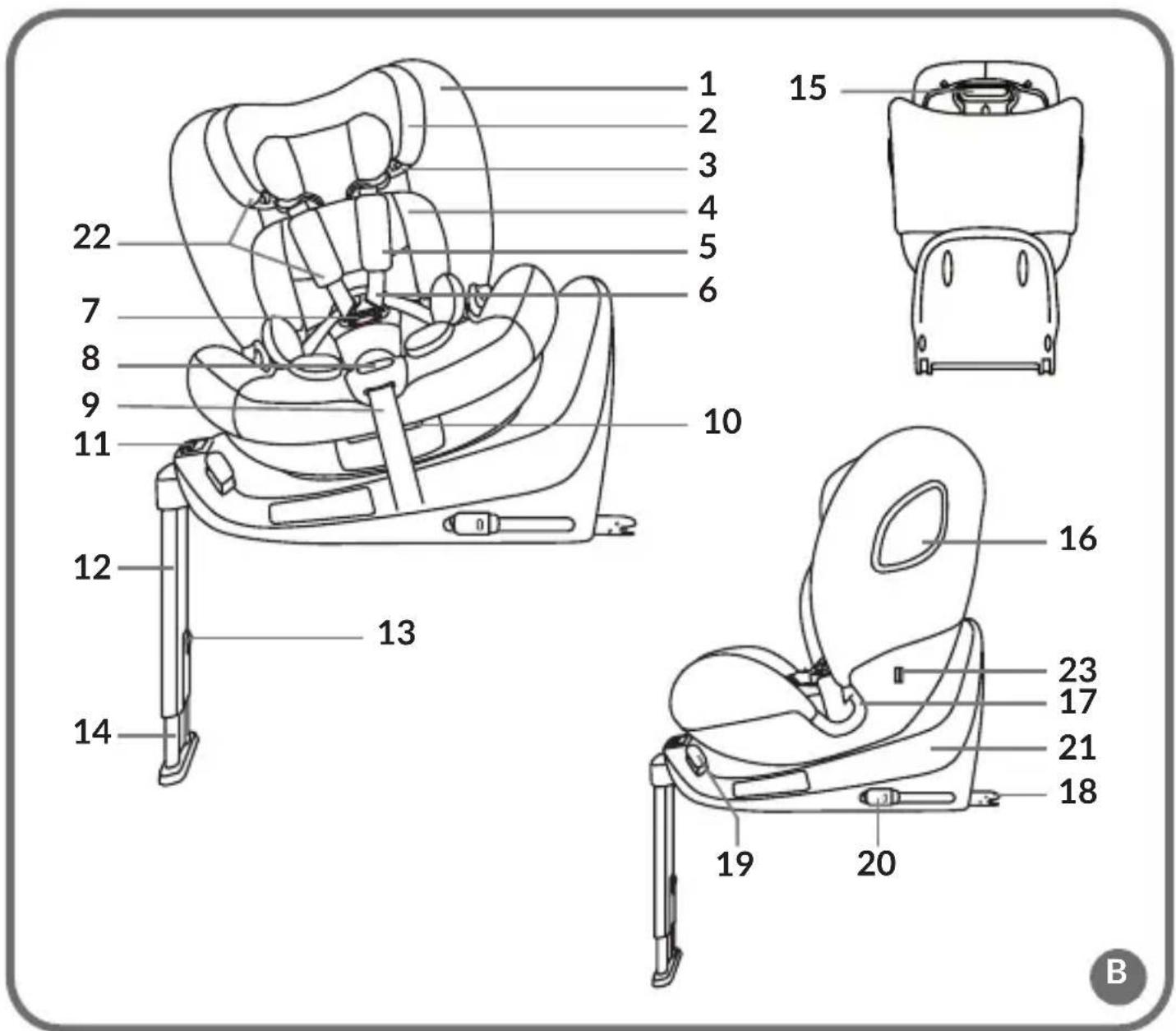
LIST OF PARTS (FIG. B)
- Backrest
- Headrest
- Shoulder belt guide
- Reduction insert for the baby
- Shoulder belt protection pads
- 5-point seat belts
- Seat belt buckle
- Button for seat belt tension adjustment
- Strap for seat belt tension adjustment
- Seat tilt adjustment lever
-
Stabilisation leg extension indicator
-
Stabilisation leg
- Stabilisation leg adjustment button
- Extendible part of the stabilisation leg
- Headrest adjustment lever
- Side protection system
- Lap belt guide
- ISOFIX arms
- Seat rotation button
- ISOFIX sliding lever
- Anti-rotation frame
- Inner belt retaining magnets
- USB port (applies to: Braam Air i-Size)
INSTALLATION IN THE CAR
| Seat installation Seat | orientation | Seat position Child's | dimensions |
| - Mounting via ISOFIX and stabilisation legChildren less than 60 cm tall – reclined position only | Rearward facing | 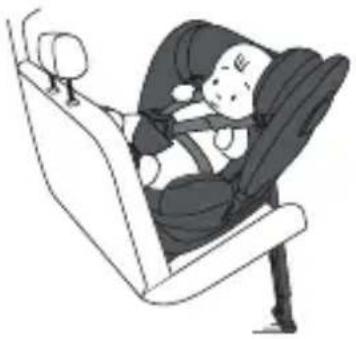 | From 40 to 105 cmChild's weight: maximum 18 kg |
| - Mounting via ISOFIX and stabilisation leg | Forward facing | 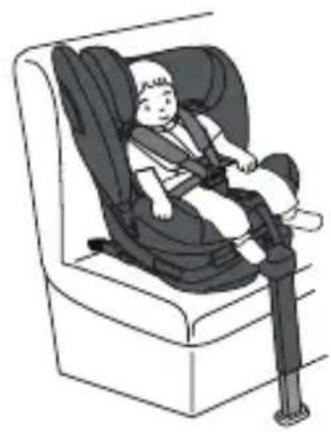 | From 76 to 105 cmChild's weight: maximum 18 kg |
| - Mounting via ISOFIX and car belts – Mounting via car belts onlyChildren taller than 125 cm – upright position only | Forward facing | 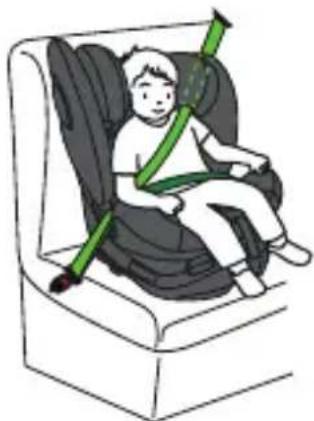 | From 100 to 150 cm |
REARWARD FACING (40 - 105 CM)
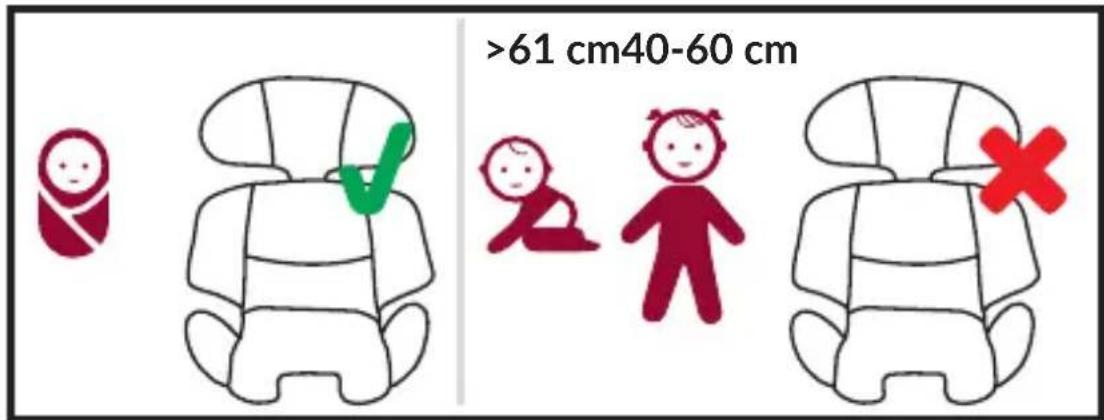
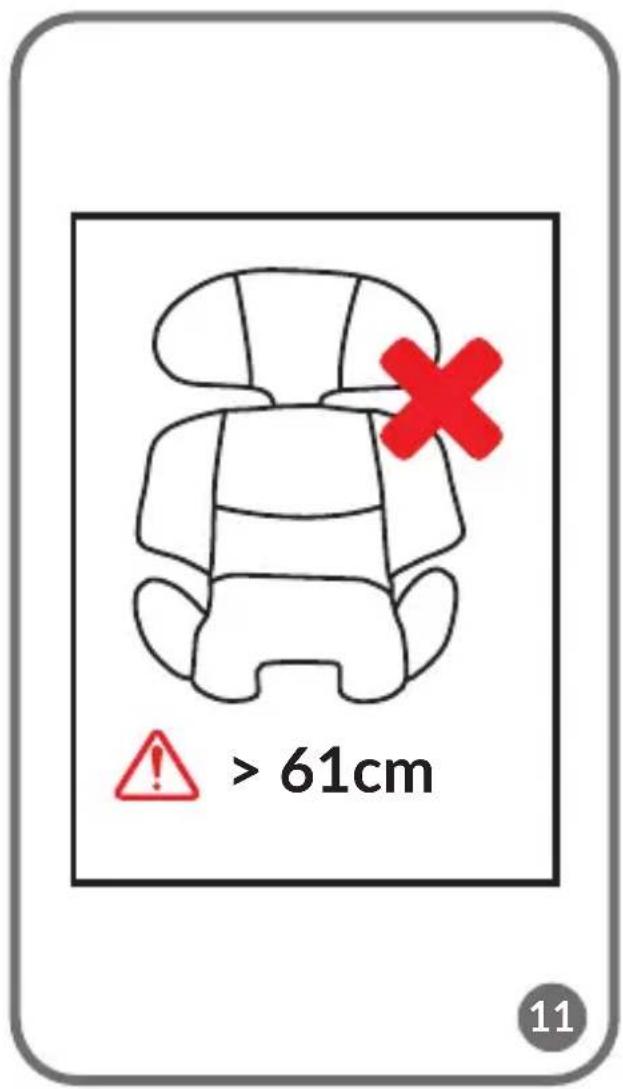
Note! Children under 61 cm in height can only use the seat with a reduction insert (fig. C).
- Extend the stabilisation leg (fig. 1 and 2).
- Place the seat on the sofa of the car.
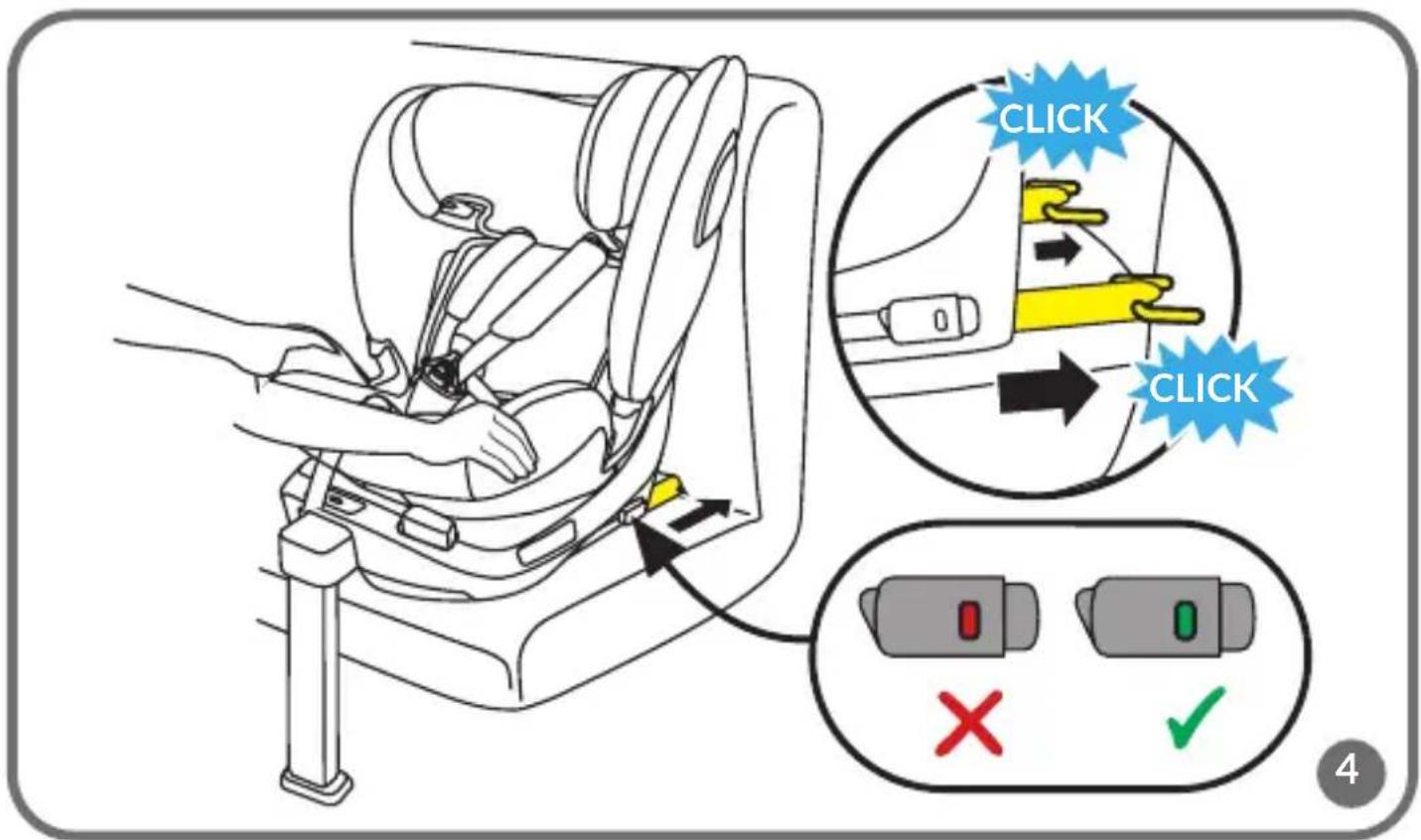
- Press the sliding lever and extend the ISOFIX arms (fig. 3). Anchor the ISOFIX arms to the anchorages located in the car's sofa (fig. 4). The arms will interlock and you will hear the characteristic click. The green indicator on the ISOFIX button must be visible on both sides of the seat.
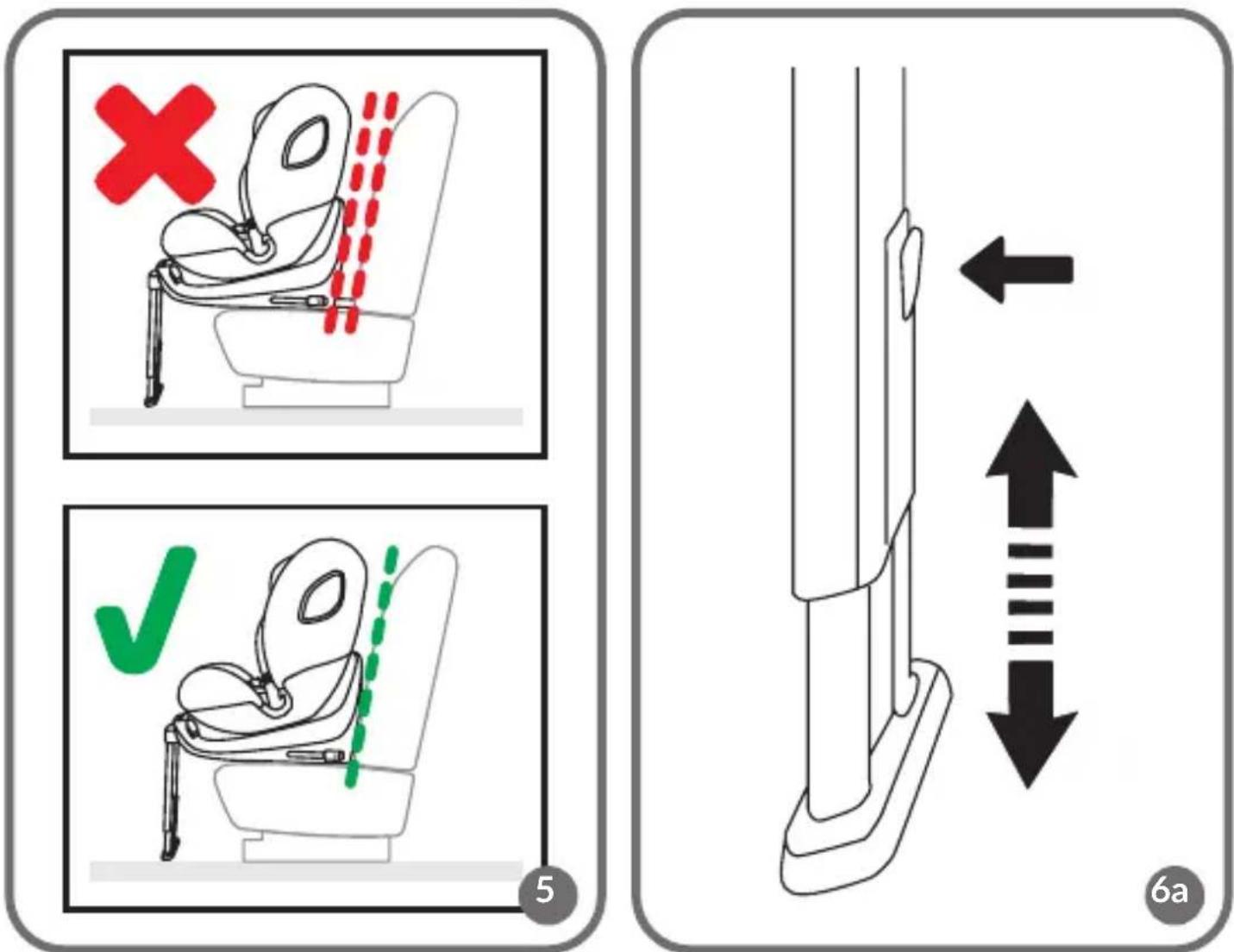
- Ensure that the anti-rotation frame is pressed firmly against the backrest of the sofa in the car (fig. 5). Push the seat towards the backrest. Push the base using a left-right movement towards the back of the vehicle seat until it is completely aligned with the back of the anti-rotation frame.
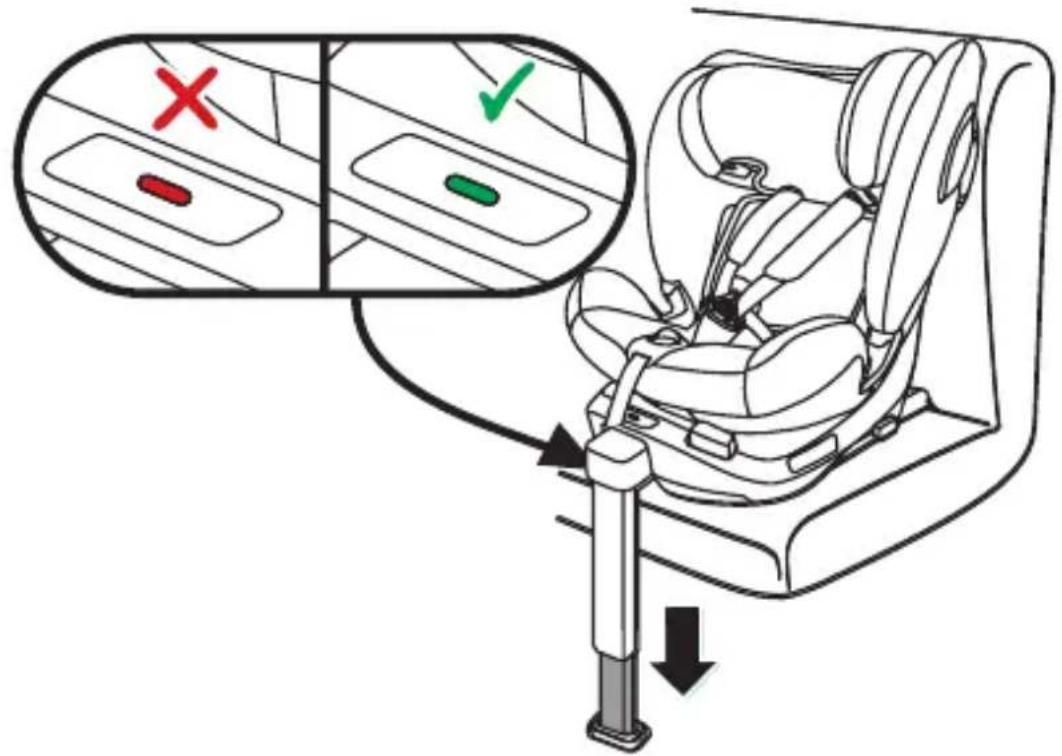
- Press the stabilisation leg adjustment button. Its retractable part should extend automatically (fig. 6a).
- Adjust the leg height so that the foot meets resistance from the vehicle floor. Now you can let go of the button.
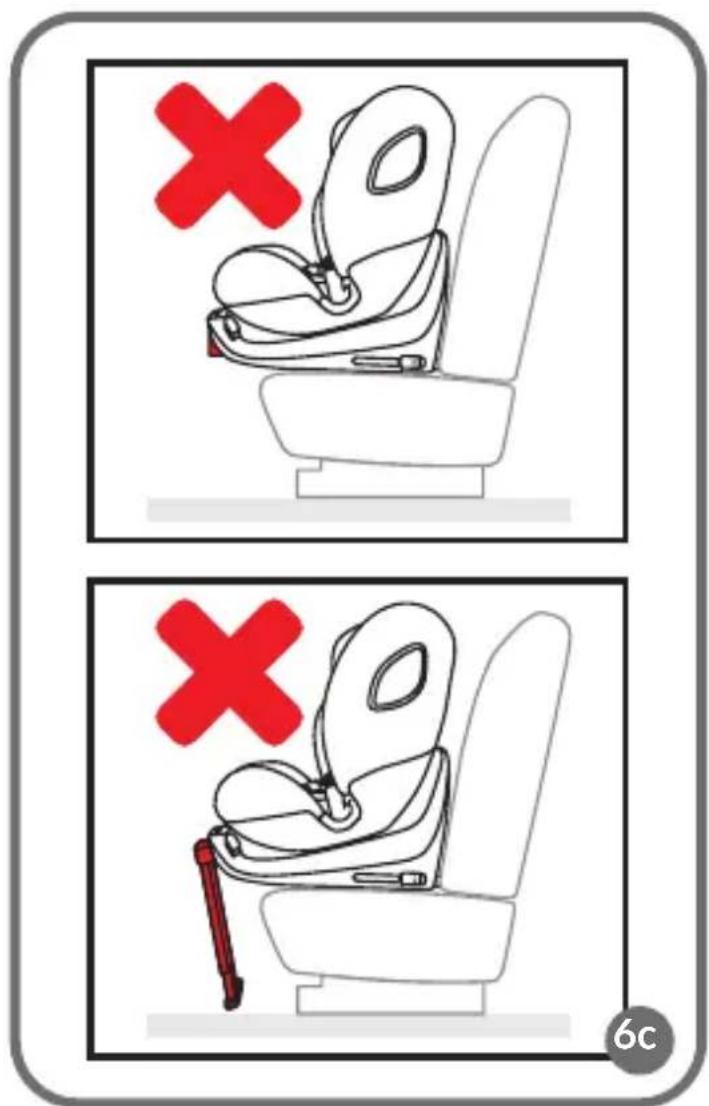
- Make sure that the stabilisation leg extension indicator is green and that the leg touches the ground of the car (fig. 6b) and is not crooked (fig. 6c).
NOTE! Never mount the foot from the support leg on the glove box in the floor of the car. This poses the risk of the glove box being blown off during an accident. If in doubt, refer to the vehicle's instruction manual.
NOTE! The support leg must never hang in the air and no objects may be placed under it.
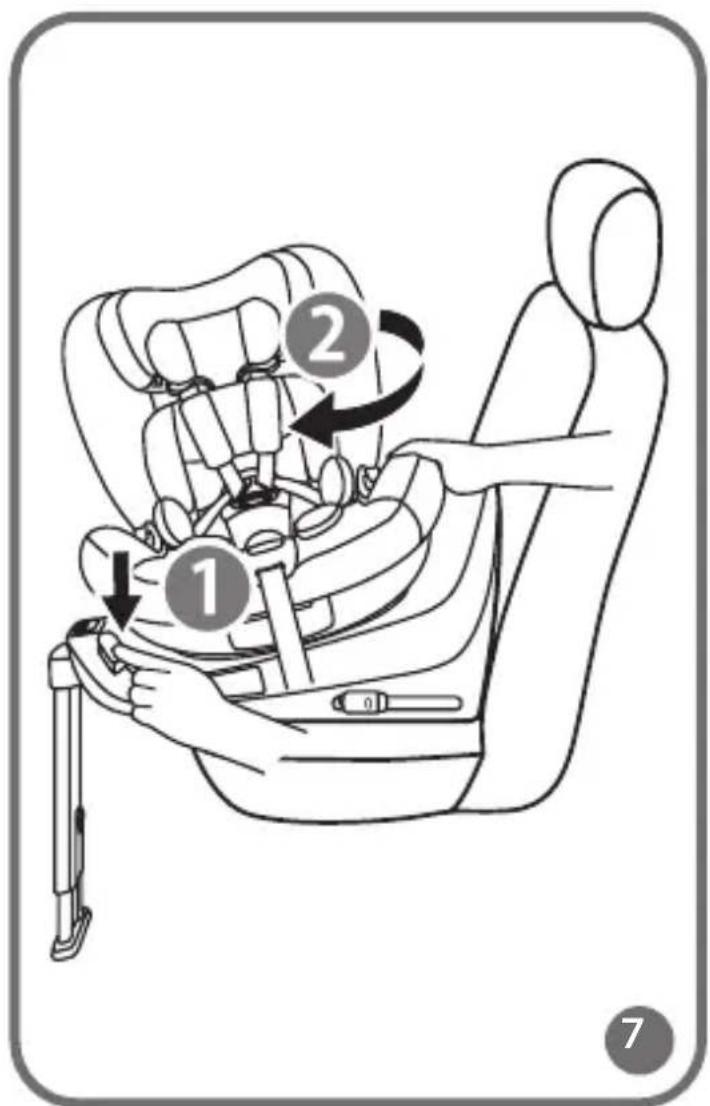
- Press the seat rotation button (19, fig. B) and then move the seat to a lateral position, at an angle of 90^ (fig. 7).
-
Loosen the shoulder belts of the seat by pressing the belt adjustment button (fig. 8) Use the belt retaining magnets for easy insertion of your child into the seat.
-
Place the child in the seat.
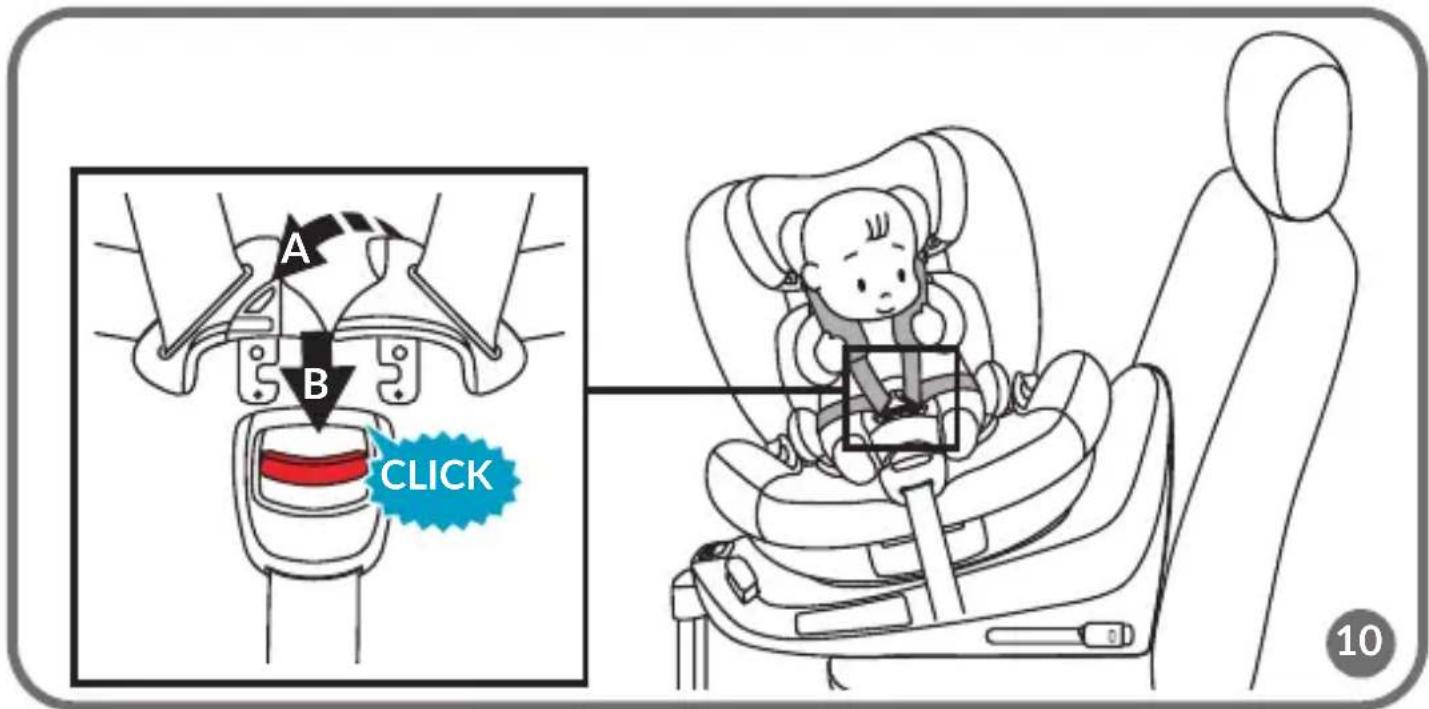
- Connect the belt connectors and then insert them into the buckle (fig. 10). You will hear a characteristic click.
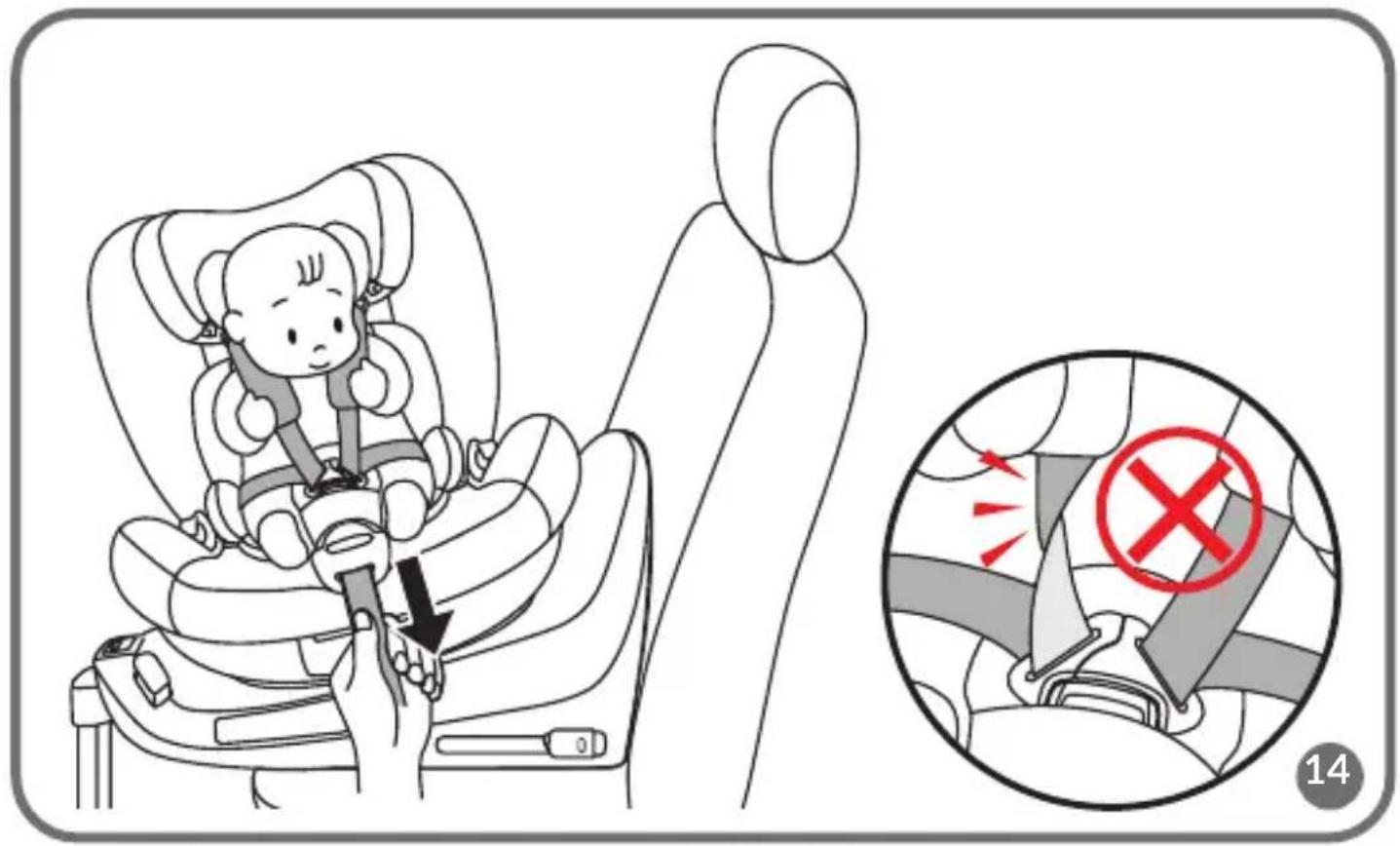
- Pull the strap to tighten the belts (fig. 14). To loosen the belts, press the belt adjustment button and pull on the shoulder belts (fig. 8).
- Adjust the headrest (see: Headrest adjustment).
- Using the rotation button (19, fig. B), turn the seat so that it is positioned rearward facing. The correct positioning will be signalled by a click.
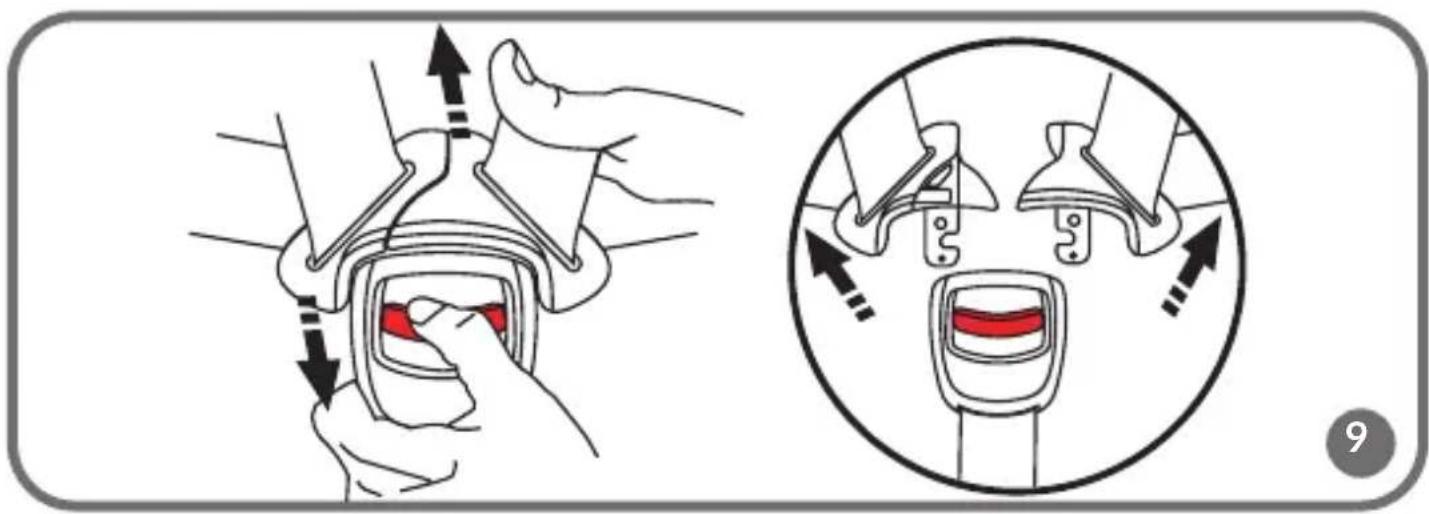
- To release the 5-point seat belts, press the red button on the buckle (fig. 9).
Note! The reduction insert must be removed when the seat is used by a child over 61 cm tall (fig. 11).
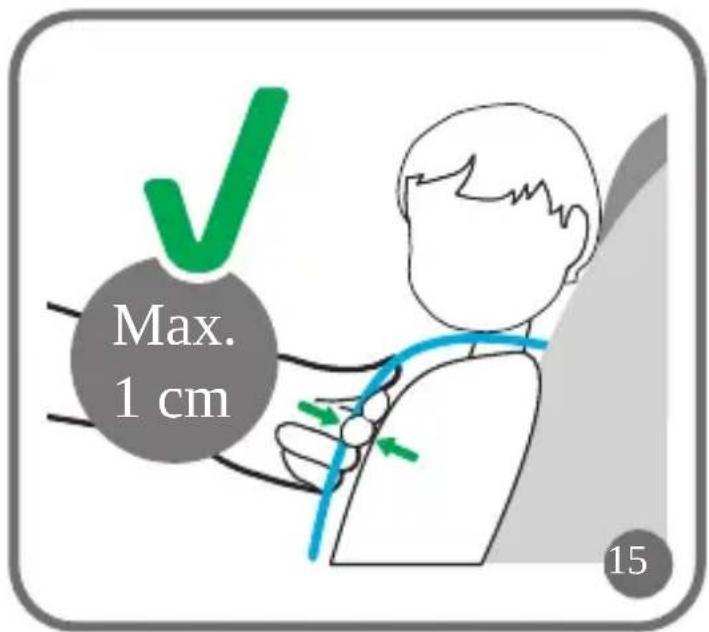
Note! Make sure that the seat belts are tight against the child's body and that they are not twisted (fig. 14). Make sure the lap belts run low and protect the child's pelvis. The belts should be tight against the child's body, but should not be too tight and cause discomfort (fig. 15).
FORWARD FACING (76 - 105 CM)
- Extend the stabilisation leg (fig. 1 and 2).
- Place the seat on the sofa of the car.
- Press the sliding lever and extend the ISOFIX arms (fig. 3). Anchor the ISOFIX arms to the anchorages located in the car's sofa (fig. 4). The arms will interlock and you will hear the characteristic click. The green indicator on the ISOFIX button must be visible on both sides of the seat.
- Ensure that the anti-rotation frame is pressed firmly against the backrest of the sofa in the car (fig. 5). Push the seat towards the backrest. Push the base using a left-right movement towards the back of the vehicle seat until it is completely aligned with the back of the anti-rotation frame.
- Press the stabilisation leg adjustment button. Its retractable part should extend automatically (fig. 6a).
- Adjust the leg height so that the foot meets the resistance with the ground of the vehicle now you can release the button.
- Make sure that the stabilisation leg extension indicator is green and that the leg touches the ground of the car (fig. 6b) and is not crooked (fig. 6c).
NOTE! Never mount the foot from the support leg on the glove box in the floor of the car. This poses the risk of the glove box being blown off during an accident. If in doubt, refer to the vehicle's instruction manual.
NOTE! The support leg must never hang in the air and no objects may be placed under it.
- Press the seat rotation button (19, fig. B) and then move the seat to a lateral position, at an angle of 90^ (fig. 7).
- Loosen the shoulder belts of the seat by pressing the belt adjustment button (fig. 8) Use the belt retaining magnets for easy insertion of your child into the seat.
- Place the child in the seat.
- Connect the belt connectors and then insert them into the buckle (fig. 10). You will hear a characteristic click.
- Pull the strap to tighten the belts (fig. 14). To loosen the belts, press the belt adjustment button and pull on the shoulder belts (fig. 8).
- Adjust the headrest (see: Headrest adjustment).
- Press the seat rotation button (19, fig. B) and then move the seat to the forward facing position. Use the tilt adjustment button to adjust the seat to the desired position.
- To release the 5-point seat belts, press the red button on the buckle (fig. 9).
FORWARD FACING (100 - 150 CM)
- Fold the stabilisation leg (see: Seat removal – stabilisation leg).
- Remove the seat belts (see: Seat belt removal).
- Press the seat rotation button (19, fig. B) and then move the seat to the forward facing position. The correct positioning will be signalled by a click.
- Place the seat on the sofa of the car in the space provided for installation.
Note! If installing without ISOFIX system, skip step number 5.
- Push in the ISOFIX sliding lever on both sides and extend the ISOFIX arms (fig. 3). Anchor the ISOFIX arms to the anchorages located in the car's sofa (fig. 4). The arms will interlock and you will hear the characteristic click. The green indicator on the ISOFIX button must be visible on both sides of the seat (fig. 4).
- Ensure that the anti-rotation frame is pressed firmly against the backrest of the sofa in the car (fig. 5). Push the base using a left-right movement towards the back of the vehicle seat until it is completely aligned with the back of the anti-rotation frame.
- Place the child in the seat (fig. 28) and adjust the headrest (see: Headrest adjustment).
- Pass the shoulder belt through the shoulder belt guide, which is located in the headrest of the seat. Pass the lap belt through the lap belt guide (fig. 29a).
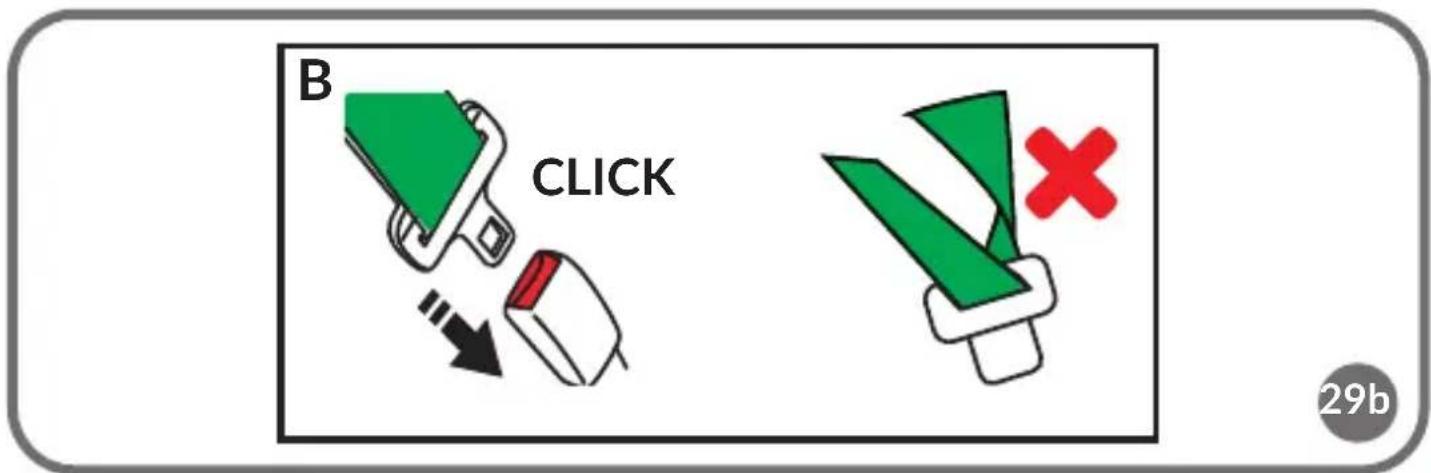
- Fasten the seat belts. Make sure the belts are not twisted (fig. 29b).
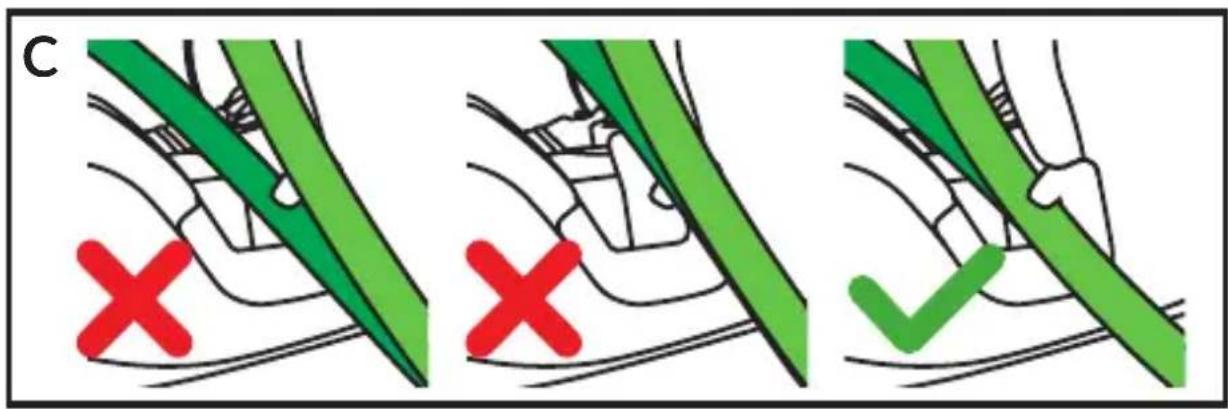
- Make sure that the belts are correctly positioned in the guides (fig. 29c).
SEAT REMOVAL - STABILISATION LEG
Press the stabilisation leg adjustment button (13, fig. B) and then push in the extension part of the leg. The stabilisation leg latch indicator will turn red. Fold the stabilisation leg (fig. 27).
SEAT REMOVAL - ISOFIX
Push in the ISOFIX sliding lever (20, fig. B) on both sides and disengage the ISOFIX arms. The anchorages will be released and the colour of the ISOFIX indicators will change from green to red. Retract the ISOFIX arms into the seat base by pressing the sliding lever (20, fig. B).
SEAT BELT REMOVAL
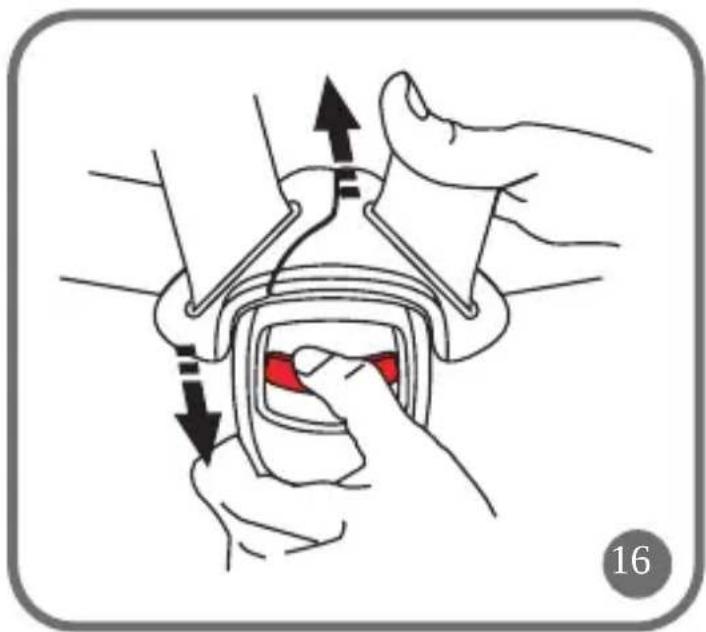
- Unbuckle the 5-point seat belts by pressing the red button on the buckle (fig. 16).
- Remove the 5-point seat belt buckle from the crotch cover (fig. 17). Pass the buckle through the hole in the cover (fig. 18) and place it in the storage compartment located in the seat, under the cover.
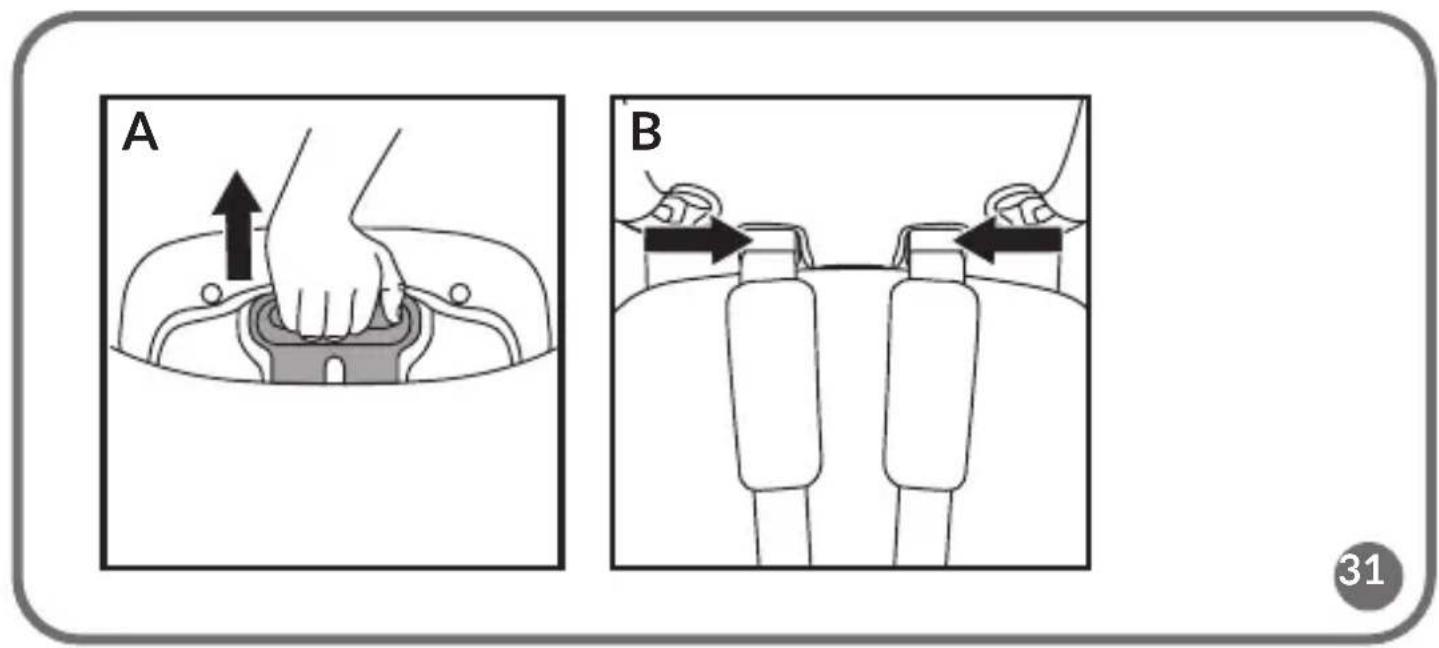
- Pull the headrest adjustment lever (A, fig. 31) and lift the headrest upwards (fig. 19) so that the holes in the backrest and headrest are at the same height (fig. 20).
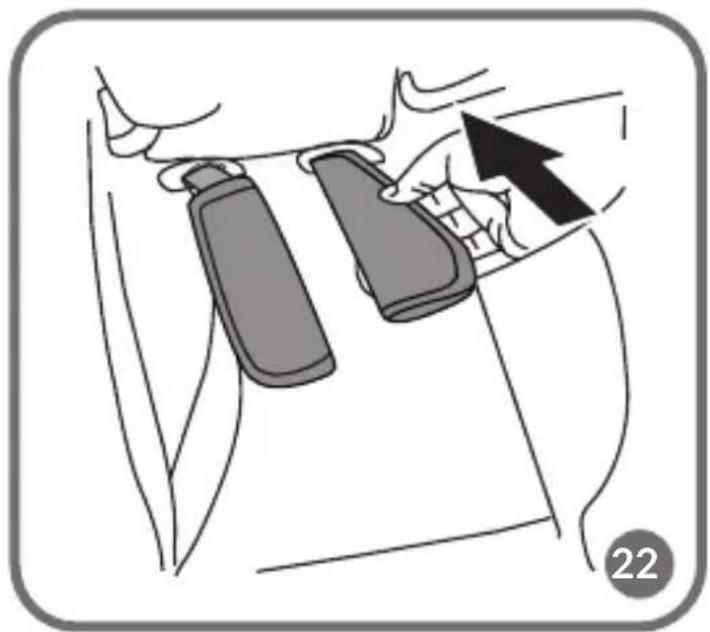
- Unfasten the cushions of the 5-point seat belts (fig. 21) and then put them through the holes in the backrest (fig. 22).
- Press the belt adjustment button and pull to loosen the shoulder belts. (fig. 23)
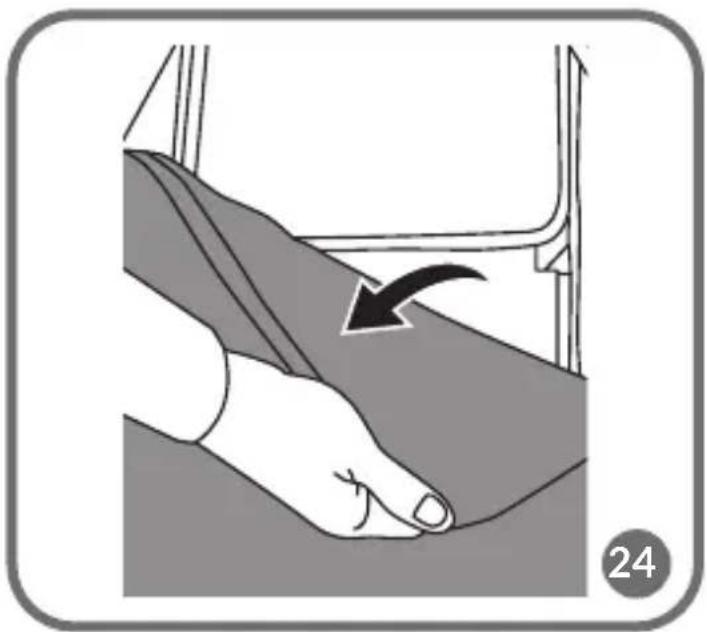
- Detach the cover (fig. 24).
- Put the shoulder belts together with the buckle in the place indicated in the picture, located in the seat backrest (fig. 25).
- Fasten back the cover you have just detached (fig. 26).
HEADREST ADJUSTMENT
To change the height of the headrest:
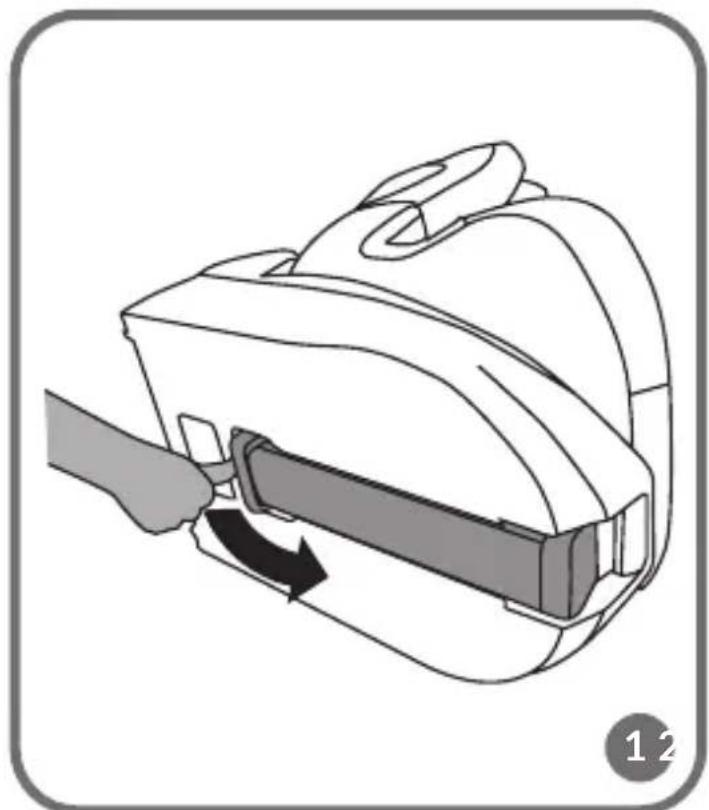
- While holding the button to adjust the tension of the seat belts (8), loosen the belts, this will allow you to adjust the height of the headrest more freely
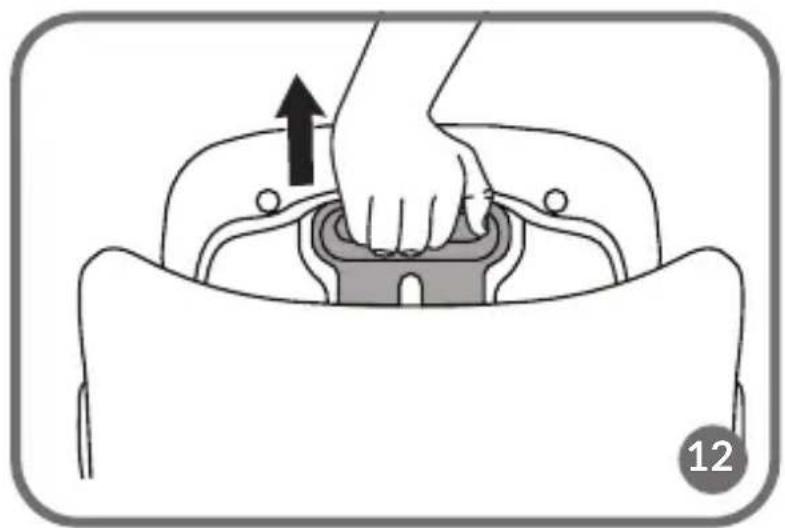
- pull the headrest adjustment lever (fig. 12).
The headrest should be adjusted so that the shoulder belts are not too high, for example at or above the ear line, nor too low, for example behind the child's back (fig. 13).
There are 14 headrest height levels available.
SEAT TILT ADJUSTMENT
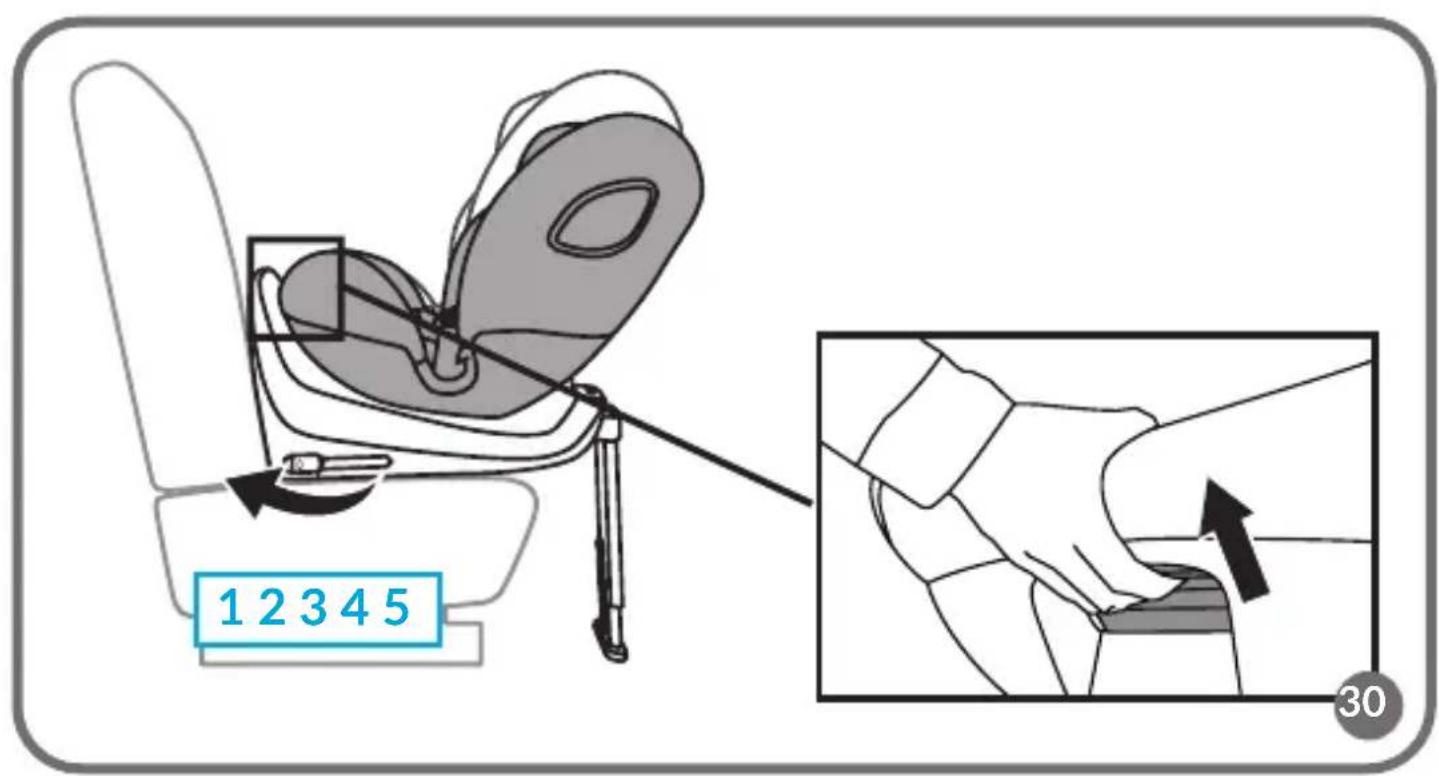
To adjust the seat tilt, push in the tilt adjustment lever (fig. 30) and move the seat to the
desired position. Move the seat slightly until you hear a distinctive “click” sound – the seat has been secured in the selected position.
The seat has 5 levels of tilt adjustment in rearward and forward facing positions.
Note! Children under 60 cm in height may only use the seat in the reclining position.
Note! Children over 125 cm in height may only use the seat in the upright position.
SEAT ROTATION
The rotation mechanism is a feature that helps to comfortably position or remove the child from the seat.
Press the seat rotation button (19, fig. B), rotate the seat 90 degrees. With this function you can easily place and remove your child from the seat. Then rotate the seat to the rearward or forward facing position. The correct positioning will be signalled by a click.
VENTILATION (applies to: Braam Air i-Size)
Connect the USB cable to the port located on the side of the seat (23, fig. B) and to the cigarette lighter socket in the car to activate the built-in fan. The function will work when the car engine is started.
COVER REMOVAL
To remove the seat cover, follow the steps below:
- Pull the headrest adjustment lever (A, fig. 31) and lift the headrest upwards. (B, fig. 31).
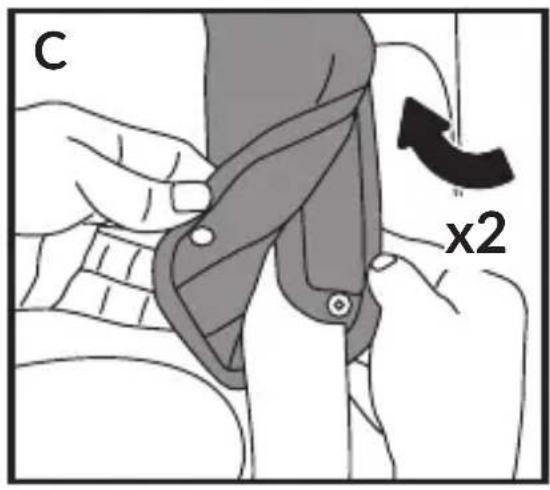
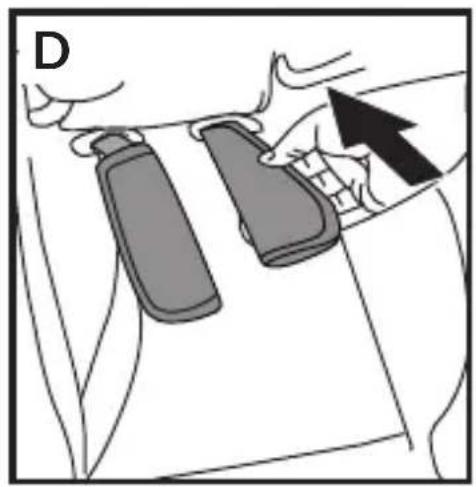
- Unfasten the 5-point seat belt covers (C, fig. 31) and then put the shoulder belts through the holes in the backrest (D, fig. 31).
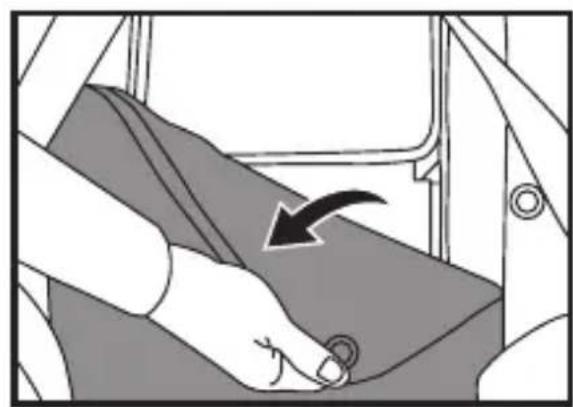
- Unfasten the snaps in the fabric and then remove the cover located on the headrest (fig. 32).
- Remove the rubber clips and then remove the cover from the lower part of the seat (fig. 33).
To reattach the cover to the seat, follow the above steps in reverse order.
CLEANING AND MAINTENANCE
Minor dirt should be cleaned with a damp sponge and a mild detergent.
The cover can be washed at a maximum temperature of 30^ C. To do this, the cover must be unzipped and completely removed from the body of the seat (see: Cover removal).
When drying, do not use dryers. The cover should not be exposed to sunlight for drying. The plastic parts can be cleaned with a damp cloth and mild detergent.
Note! Do not use strong detergents or bleaching agents.
PL
Drogi Kliencie!
- Braam i-Size Braam Air i-Size
- Dear customer!
- Producer:
- The product meets the requirements of the standard: R129/03.
- Information for the growth group from 40 to 105 cm (maximum weight of the child 18 kg)
- Information for the growth group from 100 to 150 cm
- WARNINGS:
- LIST OF PARTS (FIG. B)
- REARWARD FACING (40 - 105 CM)
- FORWARD FACING (76 - 105 CM)
- FORWARD FACING (100 - 150 CM)
- SEAT REMOVAL - STABILISATION LEG
- SEAT REMOVAL - ISOFIX
- SEAT BELT REMOVAL
- HEADREST ADJUSTMENT
- SEAT TILT ADJUSTMENT
- SEAT ROTATION
- VENTILATION (applies to: Braam Air i-Size)
- COVER REMOVAL
- CLEANING AND MAINTENANCE
- PL
- Drogi Kliencie!
Brand : Lionelo
Model : Braam Air
Category : Car seat