
Pipa next - Car seat Nuna - Free user manual and instructions
Find the device manual for free Pipa next Nuna in PDF.



| Brand | Nuna |
| Model | Pipa next |
| Product type | Car seat (infant carrier) |
| Category | Enhanced child restraint system i-Size |
| Child height | 40 to 83 cm |
| Child weight | ≤ 13 kg (approx. 15 months or less) |
| Child age | ≤ 15 months |
| Installation with base | ISOFIX + load leg (i-Size universal) |
| Installation without base | Vehicle 3-point seat belt |
| Airplane use | Yes, with 2-point lap belt |
| Orientation | Rear-facing |
| Harness adjustment | 7 head support positions, integrated straps |
| Side protection | Side impact protection device (foldable) |
| Infant insert | Removable, for children < 60 cm |
| Canopy | Dream Drape™ with ventilation window and magnets |
| Handle | 3 positions |
| Product weight | Approx. 4.5 kg (carrier only) |
| Dimensions (carrier) | Approx. 71 x 44 x 39 cm (L x W x H) |
| Cover materials | Washable textile fabric |
| Care and cleaning | Wipe clean with damp cloth; soft parts wash according to care label |
| Warranty | Customized manufacturer warranty, starts at purchase |
| Product registration | Recommended at www.nunababy.com |
| Spare parts and repairability | Only original Nuna parts; contact customer service |
Frequently Asked Questions - Pipa next Nuna
User questions about Pipa next Nuna
0 question about this device. Answer the ones you know or ask your own.
Ask a new question about this device
Download the instructions for your Car seat in PDF format for free! Find your manual Pipa next - Nuna and take your electronic device back in hand. On this page are published all the documents necessary for the use of your device. Pipa next by Nuna.
USER MANUAL Pipa next Nuna
natural_image
Silhouette of a person wearing a hat with a bow, against a white background (no text or symbols)IMPORTANT! KEEP THESE INSTRUCTIONS FOR FUTURE REFERENCE:
READ CAREFULLY

natural_image
Line drawing of a chair with seat and legs (no text or symbols)
natural_image
Two line drawings of a car showing interior compartments and seating (no text or symbols)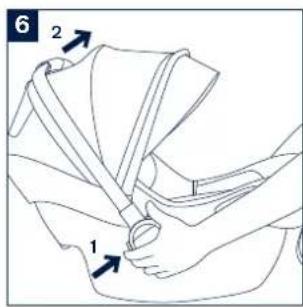

natural_image
Diagram showing two objects on a curved surface with directional arrows, no text or symbols present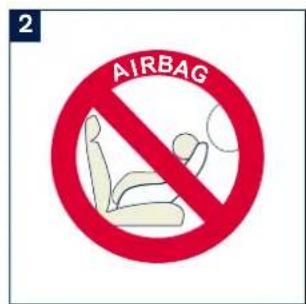

natural_image
Mechanical assembly diagram showing a lever mechanism with a handle and mounting bracket (no text or symbols)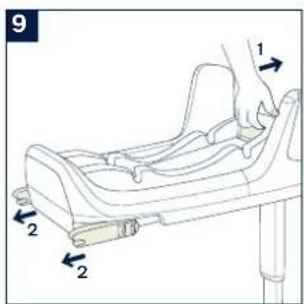



natural_image
Line drawing of a person using a backpack on a seatbelt, with a hand adjusting the seat (no text or symbols)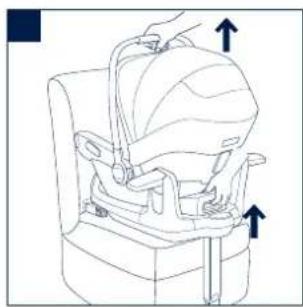
natural_image
Line drawing of a car seatbelt device with arrows indicating upward movement (no text or symbols)
natural_image
Simple line drawing of a symmetrical object with a central rectangular block and two curved top surfaces, no text or symbols present.

natural_image
Line drawing of a baby in a car seatbelt, no text or symbols present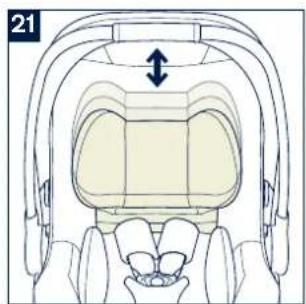
natural_image
Diagram of a car seat with overhead lifting arrow, no text or symbols present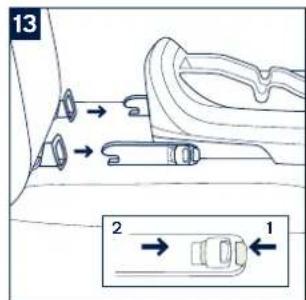

natural_image
Line drawing of a car seatbelt device with directional arrows indicating movement (no text or symbols)
natural_image
Illustration of a baby in a car seatbelt with a red X mark indicating a medical or safety symbol (no text or symbols present)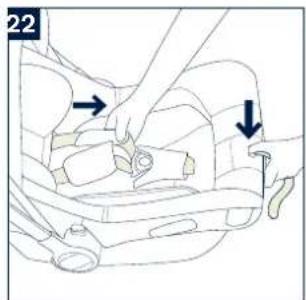


natural_image
Diagram of a medical device with arrows indicating anatomical features (no text or symbols present)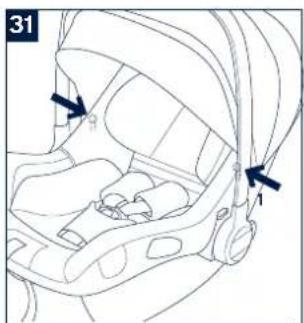
natural_image
Line drawing of a car interior showing seat, seatbelt, and seatbelt (no text or symbols)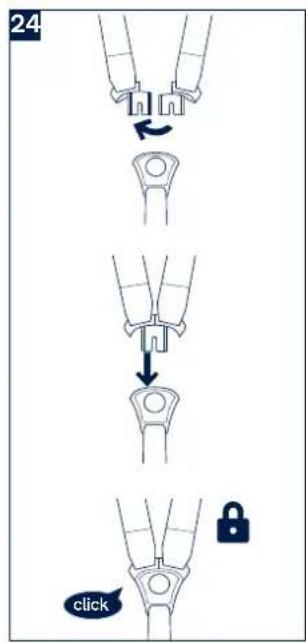

natural_image
Diagram of a car interior showing a curved ramp and textured surface (no text or symbols)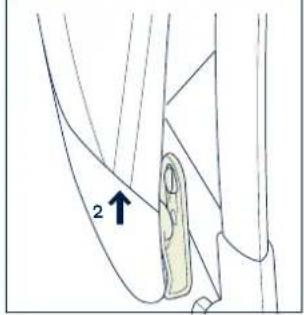
natural_image
Technical line drawing of a mechanical component with an arrow indicating direction (no text or symbols)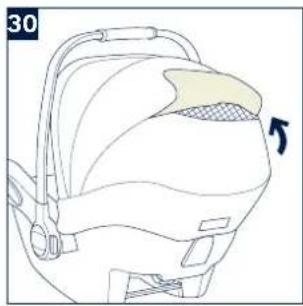
natural_image
Line drawing of a backpack with a mesh pattern and a curved arrow indicating motion (no text or symbols)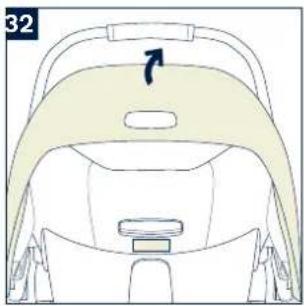
natural_image
Top-down diagram of a car seat with a highlighted seatbelt and arrow indicating direction (no text or symbols)

natural_image
Line drawing of a hand holding a small object with a circular hole, marked with a black arrow (no text or symbols)
natural_image
Illustration of a baby seat with a handle and arrow indicating direction (no text or symbols)
natural_image
Anatomical diagram of a pelvic region with two directional arrows indicating movement or force (no text or labels present)
natural_image
Line drawing of a chair seat with a red X mark indicating cancellation (no text or symbols on the chair itself)
natural_image
Diagram of a mechanical component with a downward arrow indicating force or direction (no text or symbols)

natural_image
Line drawing of a car seatbelt with a hand pointing to the seat area (no text or symbols)
natural_image
Line drawing of a seatbelt with a green checkmark indicating a location (no text or symbols)

natural_image
Line drawing of a baby car seat with a highlighted inset showing the interior compartment (no text or symbols)
natural_image
Line drawing of a baby car seat with a belt buckle (no text or symbols)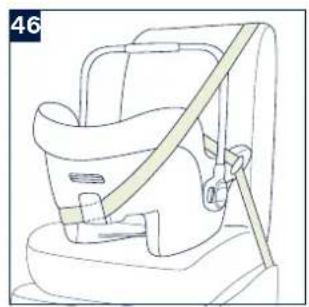
natural_image
Line drawing of a baby car seat with a diagonal band (no text or symbols)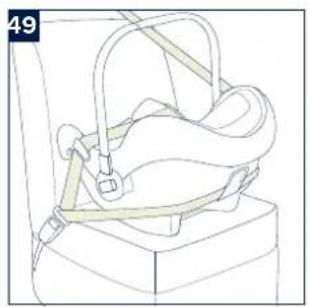
natural_image
Line drawing of a car seatbelt with straps and seat (no text or symbols)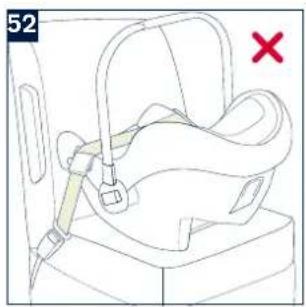
natural_image
Line drawing of a car seatbelt with a red X mark indicating no text or symbols on the diagram itself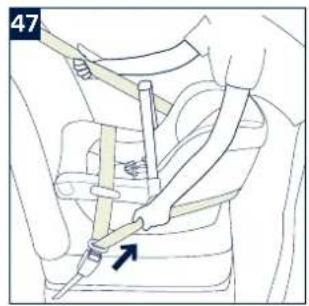

Designed around your life

Contents
Product information 3
Product Registration
Warranty
Contact
Child Usage Requirements 4
For Use with Base and without Base 5
Warning 6
Parts List 9
Product Use 11
Cleaning and Maintenance 16
Francais (FR) 17
Deutsch (DE) 33
Nederlands (NL) 49
Italiano (IT) 65
Español (ES) 81
Português (PT) 97
Polski (PL) 113
Česky (CZ) 129
Slovenčina (SK) 145
Hrvatski (HR) 161
Product Registration
Please fill in the above information. The model number and the manufactured in date are located on the bottom of the PIPA next and PIPA next base.
To register your product please visit:
www.nunababy.com
Click the "Register Gear" link on the homepage.
Warranty
We have purposely designed our high-quality products so that they can grow with both your child and your family. Because we stand by our product, our gear is covered by a custom warranty per product, starting from the day it was purchased. Please have the proof of purchase, model number and manufactured in date available when you contact us.
For warranty information please visit:
www.nunababy.com
Click the "Warranty" link on the homepage.
Contact
For replacement parts, service, or additional warranty questions, please contact our customer service department.
info@nunababy.com
www.nunababy.com
In the United Kingdom:
infouk@nunababy.com
www.nunababy.com
NUNA International B.V.
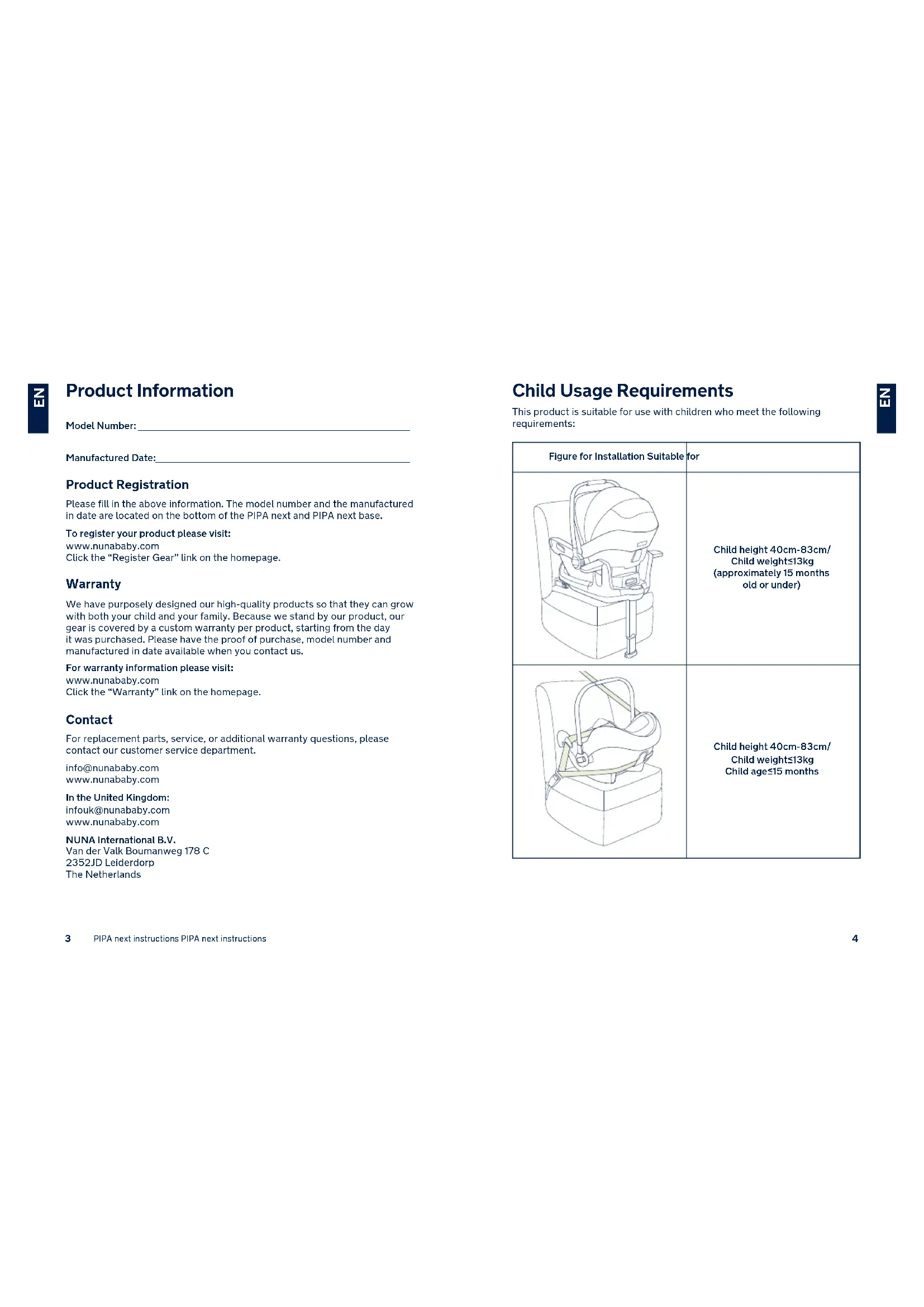
This product is suitable for use with children who meet the following requirements:
| Figure for Installation Suitable for | |
 | Child height 40cm-83cm/Child weight≤13kg(approximately 15 months old or under) |
 | Child height 40cm-83cm/Child weight≤13kgChild age≤15 months |

For Use with Base and without Base
1 - "i-Size" (Integral Universal ISOFIX Enhanced Child Restraint Systems) is a category of Enhanced Child Restraint System primarily designed for use in all i-Size seating position of a vehicle.
2 - According to the UN Regulation No. 129, the Enhanced Child Restraint with base is a Universal ISOFIX Enhanced Child Restraint and should be fitted using the ISOFIX connections.
3 - This is an "i-Size" Enhanced Child Restraint System. It is approved according to UN Regulation No. 129, for use in, i-Size compatible vehicle seating positions as indicated by vehicle manufacturers in the vehicle users' manual.
4 - This is an Universal Belted Enhanced Child Restraint System. It is approved according to UN Regulation No. 129, for use primarily in "Universal seating positions" as indicated by vehicle manufacturers in the vehicle user's manual.
5 - If in doubt, consult either the Enhanced Child Restraint System manufacturer or the retailer.
6 - PIPA next child restraint is compatible with:
PIPA next base
ARRA base
BASE next
Please refer to ARRA instruction manual for the installation of ARRA base.
Please refer to BASE next instruction manual for installation of BASE next.
WARNING
Failure to follow these warnings and instructions could result in serious injury or death.
Any straps holding the infant carrier module to the vehicle should be tight, that any load leg should be in contact with the vehicle floor, that any straps restraining the child should be adjusted to the child's body, and that straps should not be twisted.
After your child is placed in this enhanced child restraint, the safety belt must be used correctly.
Any luggage or other objects liable to cause injuries in the event of a collision shall be properly secured.
Be sure that the enhanced child restraint is installed in such a way that no part of it interferes with movable seats or in the operation of vehicle doors.
Before carrying the infant carrier module by hand, ensure that the child is fastened with the child harness, and that the handle is correctly locked in a vertical position.
Consult the distributor for issues concerning maintenance, repair and part replacement.
Correct Installation is only permitted by use of the ISOFIX connectors.
Frequently check the ISOFIX guides for dirt and clean them if necessary. Reliability can be effected by ingress of dirt, dust, food particles etc.
Please check before you purchase this enhanced child restraint to make sure it can be installed properly in your vehicle.
Please keep this enhanced child restraint without a textile cover away from sunlight, because it may be too hot for child's skin. Always touch the Enhanced Child Restraint before placing child in it.
To use this enhanced child restraint with the ISOFIX connections according to UN Regulation No. 129, your child must meet the following requirements.
Child height 40cm-83cm/Child weight≤13kg (approximately 15 months old or under).
To use this infant carrier module with vehicle belt, your child must meet the following requirements.
Child height 40cm-83cm/
Child weight ≤ 13kg/Child age ≤ 15 months.
The enhanced child restraint system soft goods should not be replaced with any other than the ones recommended by the manufacturer, because the soft goods constitutes an integral part of the restraint performance.
To avoid the risk of falling out, always secure the child using the child harness when the child is placed in infant carrier module, even when the enhanced child restraint is not in the vehicle.
To avoid serious injury or death, NEVER place infant carrier module on elevated surface seat with child in it.
The parts of this enhanced child restraint should not be lubricated in any way.
Remove this infant carrier module and base from the vehicle seat when it is not in regular use.
ALWAYS secure child in enhanced child restraint, even on short trips, as this is when most accidents occur.
NEVER leave your child unattended with this enhanced child restraint.
NEVER use a second-hand enhanced child restraint or an enhanced child restraint whose history you do not know because it may have structural damage that endangers your child's safety.
NEVER use ropes or any other substitutes to secure enhanced child restraint in vehicle or to secure child into enhanced child restraint.
NO enhanced child restraint can guarantee full protection from injury in an accident. However, proper use of this enhanced child restraint will reduce the risk of serious injury or death to your child.
DO NOT use the rearward facing enhanced child restraint systems in seating positions where there is an active frontal airbag installed. Death or serious injury may occur. Please reference vehicle owner's manual for more information.
DO NOT place any objects in the load leg area in front of your base.
DO NOT use any load bearing contact points other than those described in the instructions and marked on the enhanced child restraint.
DO NOT continue to use this enhanced child restraint after it has suffered any type of crash, even a minor one. Replace immediately as there may be invisible, structural damage from the crash.
DO NOT install this enhanced child restraint without following the instructions in this manual or you may put your child at serious risk of injury or death.
DO NOT make any modification to this enhanced child restraint or use it along with component parts from other manufacturers.
DO NOT use the enhanced child restraint system without the soft goods.
DO NOT use this enhanced child restraint if it has damaged or missing parts.
DO NOT have your child in large/oversized clothes because this may prevent your child from being properly and securely fastened by the shoulder harness straps and the crotch strap between the legs.
DO NOT leave this enhanced child restraint, or other items unbelted or unsecured in your vehicle because an unsecured enhanced child restraint can be thrown around and may injure occupants in a sharp turn, sudden stop, or collision.
DO NOT put anything other than the recommended inner cushions in this enhanced child restraint.
The instructions should be retained on the enhanced child restraint for its life period.
Please also pay attention to the instructions and warnings in the vehicle manufacturer's handbook.
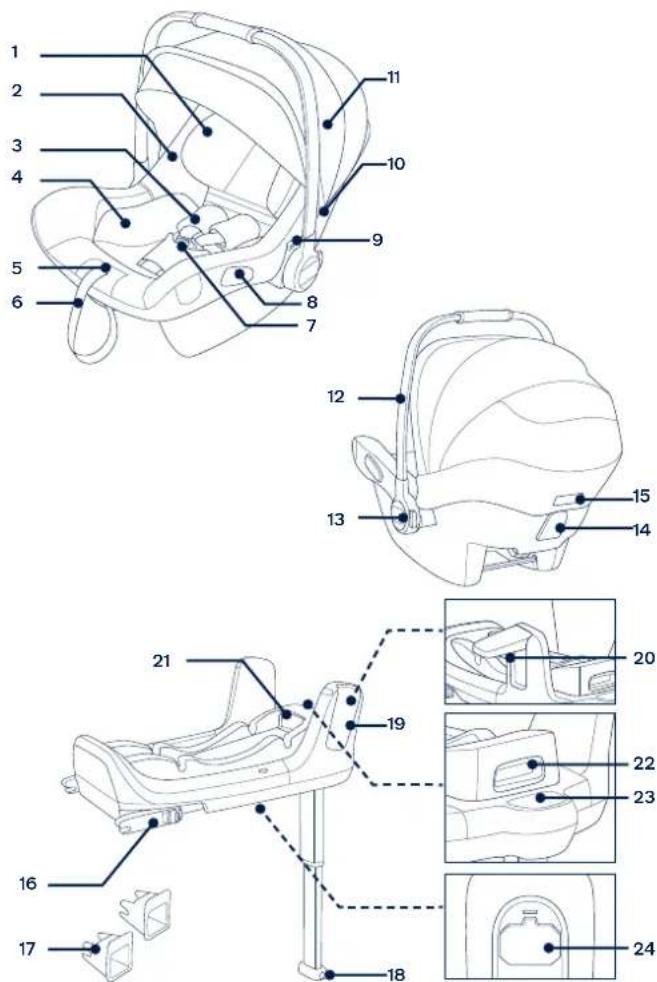
Parts List
Make sure all parts are available before assembly. The infant carrier module and base can be sold separately. If any part is missing, please contact local retailer. No tools are required for assembly.
1 Head support
2 Seat Pad
3 Shoulder Harness Straps
4 Infant Insert
5 Harness Adjustment Button
6 Adjustment Webbing
7 Safety Buckle
8 Side Guides
9 Stroller Release Button A
10 Canopy Mount
11 Canopy
12 Handle
13 Handle Button
14 Rear Guide
15 Stroller Release Button B
16 ISOFIX Connector
17 ISOFIX Guides
18 Load Leg Adjust Button
19 Side Impact Shield
20 Shield Fold Back Button
21 ISOFIX Adjust Button
22 Infant Carrier Module Release Button
23 Load Leg Indicator
24 Instruction Manual Storage Compartment
Product Use
Installation Concerns
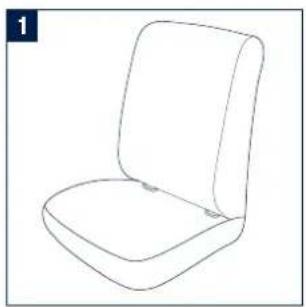
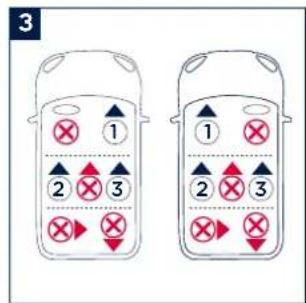
This infant carrier module is suitable for vehicle seats with i-Size ISOFIX anchor points with the Base. (1)
DO NOT use the rearward facing enhanced child restraint systems in seating positions where there is an active frontal airbag installed. Death or serious injury may occur. (2) Please reference vehicle owner's manual for more information.
DO NOT install this enhanced child restraint on vehicle seats that face sideways or rearward with respect to the moving direction of the vehicle. (3)
It is recommended to install this enhanced child restraint on the rear vehicle seat. (4)
DO NOT install this enhanced child restraint on vehicle seats movable during installation.
Handle Adjustment
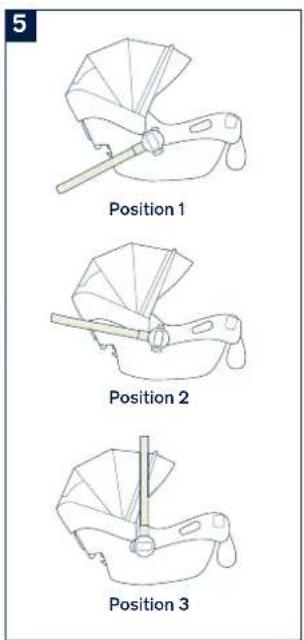
1 - The handle of the infant carrier module can be adjusted to 3 positions.
(5)
2 - To adjust the handle, squeeze handle buttons on both sides to release it. (6)-1
3 - Rotate handle until it clicks into any of the 3 positions. (6)-2
Installation with Base
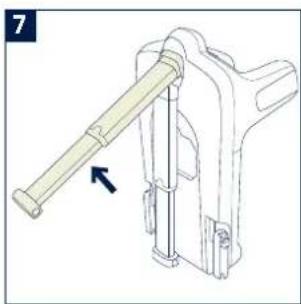
1 - Unfold the load leg from storage compartment. (7)
2 - Fit the ISOFIX guides with the ISOFIX anchor points. (8) The ISOFIX guides can protect the surface of the vehicle seat from being torn. They can also guide the ISOFIX connectors.
3 - Press the ISOFIX Adjust Button to adjust the ISOFIX connectors. (9)
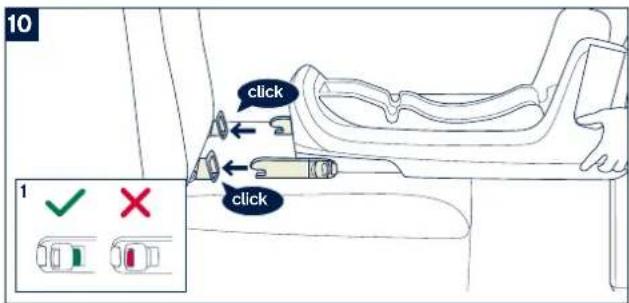
4 - Line up the ISOFIX connectors with the ISOFIX guides, and then click both ISOFIX connectors into the ISOFIX anchor points. (10)
! Make sure that both ISOFIX connectors are securely attached to their ISOFIX anchor points. There should be two audible clicks and the colors of the indicators on the both ISOFIX connectors should be completely green. (10)-1
! Check to make sure the base is securely installed by pulling on the both ISOFIX connectors.
11 PIPA next instructions PIPA next instructions
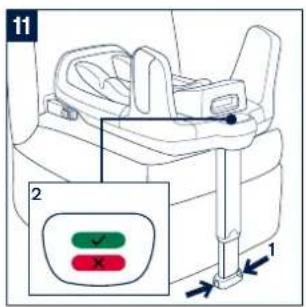
5 - After placing the base on the vehicle seat, extend the load leg to floor (11). When the load leg indicator shows green means it is installed correctly, red means it is installed incorrectly. (11)-2
! The load leg has 19 positions. When the load leg indicator shows red this means the load leg is in the wrong position.
! Make sure the load leg is in full contact with the vehicle floor pan.
! To shorten the load leg, squeeze the load leg release button and pull the load leg upwards. (11)-1
The completely assembled base is shown as (12).
! The ISOFIX connectors must be attached and locked onto the ISOFIX anchor points. (12)-1
! The load leg must be installed correctly with green indicator. (12)-2
6 - To remove the base, press the secondary lock button (13)-1 first and then the button (13)-2 on the latch connectors before removing the base from the vehicle seat.
7 - Press the ISOFIX adjust button to fold the ISOFIX.
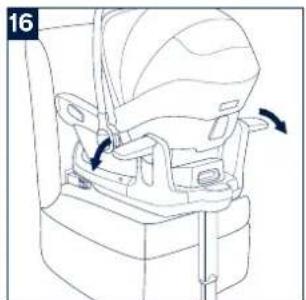
8 - Push the infant carrier module down into the base (14), if the enhanced child restraint is secure, the side impact shield will be open and the enhanced child restraint indicator shows green. (15) The side impact shield which is away from the door can be closed as shown on (16) when do not use it.
! Pull up on the infant carrier module to be sure it is securely latched into the base.
9 - To release the infant carrier module, pull the enhanced child restraint up while squeezing the infant carrier module release button. (17)
Height Adjustment
for Head Support and Shoulder Harnesses
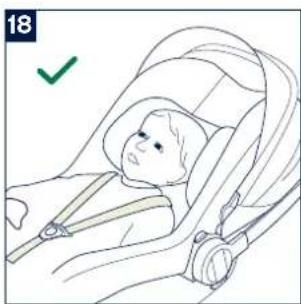
Check that Shoulder Harness Straps are set at the proper height. Please choose the proper pair of shoulder harness slots according to the child's height.
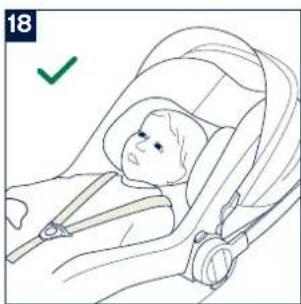
! Shoulder Harness Straps must be nearest to your child's shoulders (18), but not above the shoulder line. (19)
! If the Shoulder Harness Straps are not at proper height, the child might be ejected from the enhanced child restraint if there is a crash.
Pull the head support adjustment lever (20), meanwhile pull up or push down the head support until it snaps into one of the 7 positions. The head support positions are shown as (21).
Securing Child
Use Infant Insert

We recommend using the full infant insert while the baby is under 60 cm or until they outgrow the infant insert. The infant insert increases side impact protection.
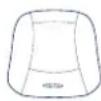
Remove the infant insert when the infant's shouldersno longer fit comfortably.
After the child is placed into the seat, check whether the Shoulder Harness Straps are at proper height.
1 - While pressing the harness adjustment button, pull completely the two Shoulder Harness Straps of the enhanced child restraint. (22)
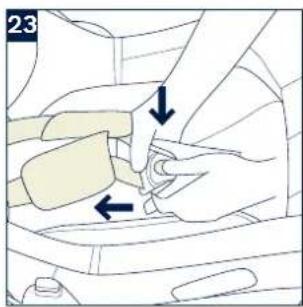
2 - Unlock the buckle of the harnesses by pressing the red button. (23)
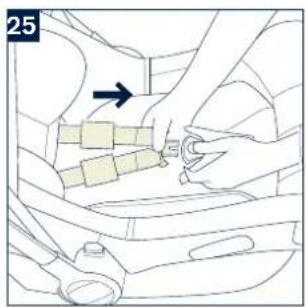
3 - Place the child into the infant carrier module and lock the buckle. (25) Please refer to (24).
4 - Tighten the shoulder harness straps by pulling the adjustment webbing. (26)
! Make sure the space between the child and the Shoulder Harness Straps is about the thickness of one hand.
Canopy
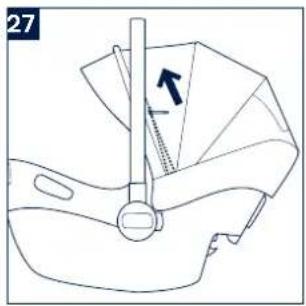
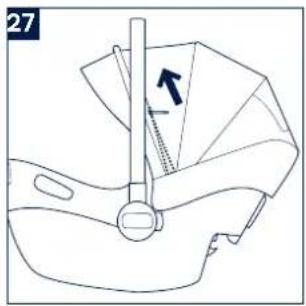
1 - Unzip the zipper of the front canopy bow. (27)
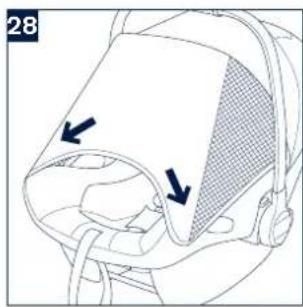
2 - Pull the dream drape™ out of the canopy. (28)
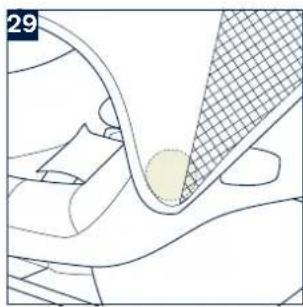
3 - Attach the magnets on each corner to the front of the infant carrier module with magnets. (29)
4 - The canopy window can be opened for ventilation. (30)
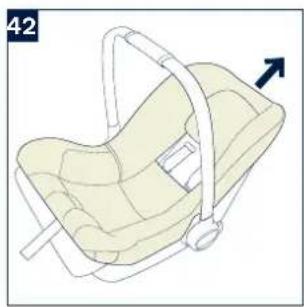
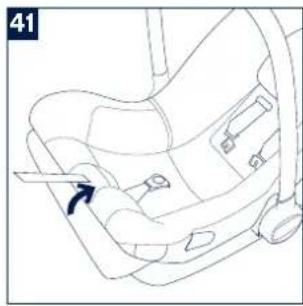
Detach & Assemble Soft Goods
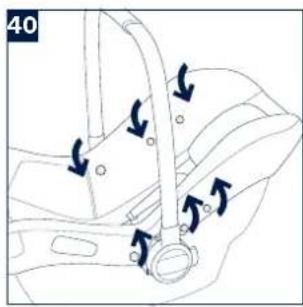
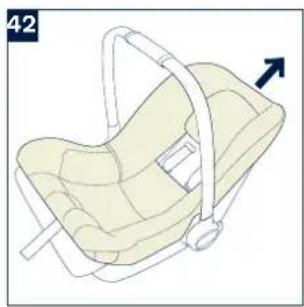
see images (31)-(42)
To re-assemble the soft goods, reverse the aforementioned steps.
Installation without Base
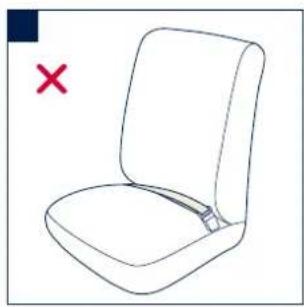
1 - DO NOT install this infant carrier module on vehicle seats with Lap Belts. (43)
2 - This infant carrier module is suitable for vehicle seats with a 3-point Retractor Safety Belt (without base) only. (44)
3 - Place the infant carrier module onto the vehicle seat where you wish to put it. Pull the vehicle safety belt out and lock it into the vehicle buckle, sliding the vehicle lap belt into the side guides of the infant carrier module. (45)
! The infant carrier module can not be used if the vehicle safety belt buckle (female buckle end) is too long to anchor the infant carrier module securely. (45)-1
4 - Slide diagonal belt into the rear guide. (46)
5 - Pull the vehicle shoulder belt to fasten the infant carrier module tightly and securely. (47)
6 - Level line on infant carrier module must be level to the ground when the infant carrier module is installed. (48)
! Tension the vehicle safety belt as much as possible, checking that it is not loose or twisted.
! After installing the infant carrier module, always check that the vehicle belts are routed correctly and securely fastened into the vehicle buckle. (49)
Aeroplane Installation
! Note that safety of the child for not complying with the installation and instruction manual is not guaranteed.
! Note that the installation of the infant carrier module on an aircraft seat differs from the installation on a car seat.
! Note that 2-Point "Lap Belt" attachment is only permitted in aircraft
! Note that the infant carrier module must remain belted on the aircraft seat even when unoccupied.
! Note that the infant carrier module is only for use on a passenger seat authorized by the airline.
! Warnings not to use the infant carrier module in the area of airbag deployment. (2)
! Note that Rearward facing infant carrier module should only be installed on forward facing passenger seats. (50)
How to install the infant carrier module using the aircraft seat's safety belt:
1 - Place the infant carrier module opposite to the flight direction onto the passenger seat.
2 - Ensure that the carry handle is in the topmost position.
3 - Place the safety belt into both belt guides.
4 - Close the safety belt (refer to the safety instructions by the airline).
5 - Tighten the safety belt by pulling the belt end. (51)
! The buckle of the safety belt must under no circumstances lie within the dark green belt guides. (52)
Removal:
Open the safety belt of the passenger seat (refer to the safety instructions by the airline).
Now you can take the infant carrier module from the passenger seat.
Cleaning and Maintenance
Clean the frame, plastic parts, and fabric with a damp cloth, but do not use abrasives or bleach. Do not use silicon lubricants as they will attract dirt and grime.
To ensure long-lasting use, wipe this product off with a soft, absorbent cloth after using it in rainy weather.
Refer to the care labels attached to the soft goods for washing and drying instructions.
It is normal for fabric to color from sunlight and to show wear and tear after a long period of use, even when used normally.
For reasons of safety, only use original Nuna parts.
Check regularly if everything functions properly. If any parts are torn, broken, or missing, stop using this product.
NUNA International B.V. Nuna and all associated logos are trademarks.
IMPORTANT! CONSERVEZ CES INSTRUCTIONS POUR UNE UTILISATION FUTURE :
LIRE ATTENTIVEMENT
Sommaire
31 Instructions PIPA next Instructions PIPA next
Produkt verwenden
Uso del prodotto
IMPORTANT! KEEP THESE INSTRUCTIONS FOR FUTURE REFERENCE:
READ CAREFULLY
natural_image
Line drawing of a chair seat with no text or symbols
natural_image
Two line drawings of a car showing interior compartments and seating (no text or symbols)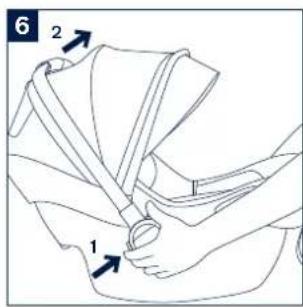

natural_image
Diagram showing two objects on a curved surface with directional arrows, no text or symbols present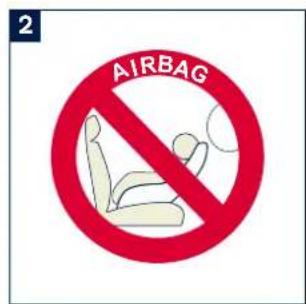

natural_image
Mechanical assembly diagram showing a lever mechanism with a handle and mounting bracket (no text or symbols)


natural_image
Line drawing of a backpack being lifted by a hand, with a downward arrow indicating the motion (no text or symbols present)
natural_image
Line drawing of a car seat assembly with arrows indicating direction (no text or symbols)
natural_image
Simple line drawing of a symmetrical object with a central rectangular block and two curved top surfaces, no text or symbols present.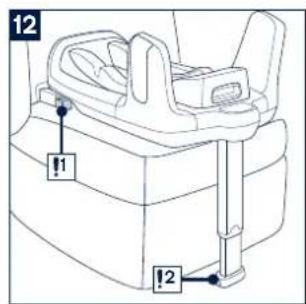

natural_image
Line drawing of a baby in a car seatbelt, no text or symbols present
natural_image
Diagram of a car seat with overhead lifting arrow, no text or symbols present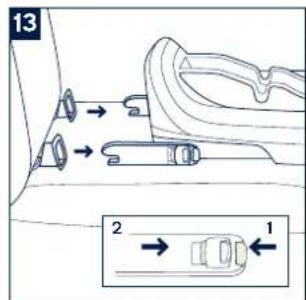
natural_image
Line drawing of a car seatbelt device with directional arrows indicating movement (no text or symbols)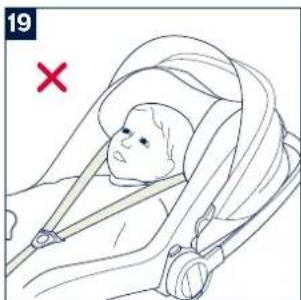
natural_image
Illustration of a baby in a car seatbelt with a red X mark indicating a medical or safety symbol (no text or symbols present)
natural_image
Line drawing of a car seatbelt with arrows indicating adjustment (no text or symbols)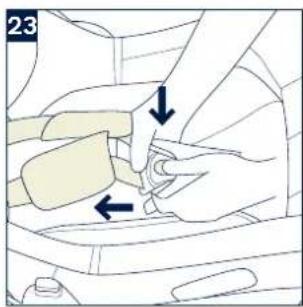
natural_image
Line drawing of a helmet with two arrows pointing to the front panel (no text or symbols)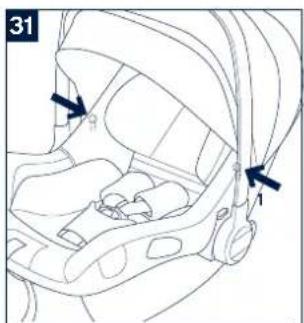
natural_image
Line drawing of a baby car seat with arrows indicating movement or positioning (no text or symbols)


natural_image
Diagram of a car interior showing a curved ramp and textured surface (no text or symbols)
natural_image
Technical line drawing of a mechanical component with an arrow indicating direction (no text or symbols)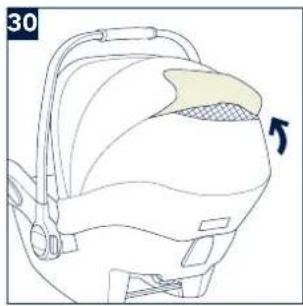
natural_image
Line drawing of a backpack with a mesh pattern and a curved arrow indicating motion (no text or symbols)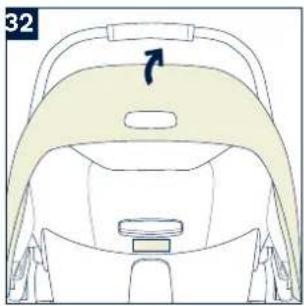
natural_image
Diagram of a car seat with a highlighted seatbelt and arrow indicating direction (no text or symbols)

natural_image
Line drawing of a hand holding a small object with a circular hole, marked with a black arrow (no text or symbols)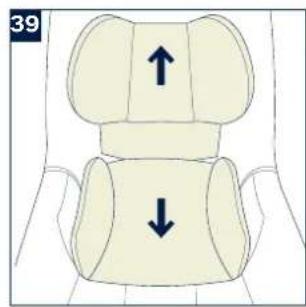
natural_image
Illustration of a baby seat with a handle and arrow indicating direction (no text or symbols)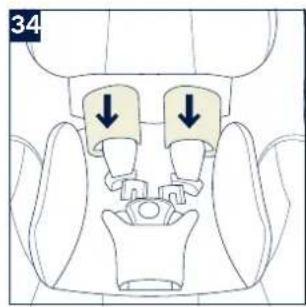
natural_image
Anatomical diagram of a pelvic region with two directional arrows indicating movement or force (no text or labels present)


natural_image
Line drawing of a chair seat with a red X mark indicating cancellation (no text or symbols on the chair itself)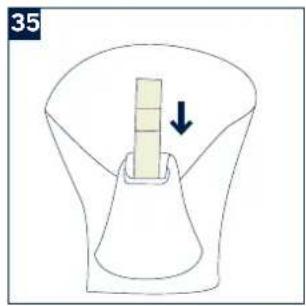
natural_image
Diagram of a mechanical component with a downward arrow indicating force or direction (no text or symbols)
natural_image
Line drawing of a car seat with a hand pointing to the seat area, no text or symbols present
natural_image
Line drawing of a seatbelt with a green checkmark indicating a location (no text or symbols)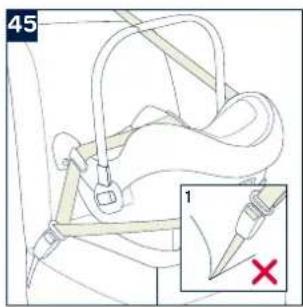

natural_image
Line drawing of a baby car seat with a highlighted inset showing the interior compartment (no text or symbols)
natural_image
Line drawing of a baby car seat with a belt buckle (no text or symbols)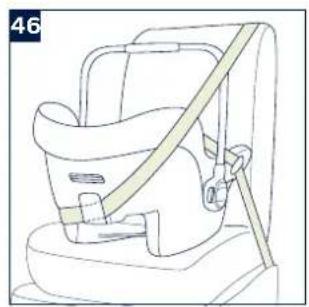
natural_image
Line drawing of a baby car seat with a belt and seatbelt (no text or symbols)
natural_image
Line drawing of a car seatbelt with straps and seat (no text or symbols)
natural_image
Line drawing of a car seatbelt with a red X mark indicating no text or symbols on the diagram itself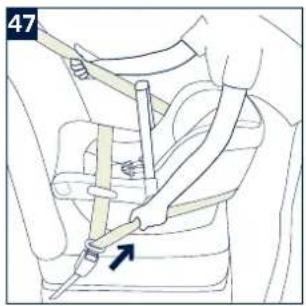

Designed around your life

Contents
Product information 3
Product Registration
Warranty
Contact
Child Usage Requirements
For Use with Base and without Base 5
Warning 6
Parts List 9
Product Use 11
Cleaning and Maintenance 16
Francals (FR) 17
Deutsch (DE) 33
Nederlands (NL) 49
Italiano (IT) 65
Español (ES) 81
Português (PT) 97
Polski (PL) 113
Česky (CZ) 129
Slovenčina (SK) 145
Hrvatski (HR) 161
Používání produktu
Používanie výrobku
Upotreba proizvoda
O čemu voditi računa prilikom postavljanja
PIPA next upute PIPA next upute
Uporaba izdelka
Produktanvändning
Tuotteen käyttö
Ürün Kullanımı
تاميولعت PIPA next تاميولعت PIPA next
قائمة الجزاء
natural_image
Two identical line drawings of a 3D object, one with a flat base and the other with a rounded top, placed side by side on a plain background (no text or symbols)

!
!
!
!
!
!
!
!
!
!
!
!


323
324





- IMPORTANT! KEEP THESE INSTRUCTIONS FOR FUTURE REFERENCE:
- Designed around your life
- Contents
- Product Registration
- Warranty
- Contact
- For Use with Base and without Base
- WARNING
- Parts List
- Product Use
- Installation Concerns
- Handle Adjustment
- Installation with Base
- Height Adjustment
- Securing Child
- Canopy
- Detach & Assemble Soft Goods
- Installation without Base
- Aeroplane Installation
- Removal:
- Cleaning and Maintenance
- IMPORTANT! CONSERVEZ CES INSTRUCTIONS POUR UNE UTILISATION FUTURE :
- Sommaire
- Produkt verwenden
- Uso del prodotto
- Používání produktu
- Používanie výrobku
- Upotreba proizvoda
- O čemu voditi računa prilikom postavljanja
- Uporaba izdelka
- Produktanvändning
- Tuotteen käyttö
- Ürün Kullanımı
- قائمة الجزاء
Brand : Nuna
Model : Pipa next
Category : Car seat