USER MANUAL PROFESSIONAL GSA 18V-LIC BOSCH
Power Tools Division
70764 Leinfelden-Echterdingen
GERMANY
www.bosch-pt.com
1609P13233(2015.08)T/200XXX
1619P13233
GSA 18 V-LIC Professional

BOSCH
de Originalbetriebsanleitung en Original instructions fr Notice originale es Manual original pt Manual original it Istruzioni originali nl Oorspronkelijke gebruiksaanwijzing da Original brugsanvisning sv Bruksanvisning i original no Original driftsinstruks fi Alkuperäiset ohjeet el Πρωτότυπο οδηγιών χρήσης tr Original işletme talimatı
pl Instrukcja oryginalna cs Původní návod k používání sk Pôvodný návod na použitie hu Eredeti használati utasítás ru Оригинальное руководство по эксплуатации uk Оригінальна інструкція з експлуатації kk Пайдалану жөніндегі нұсқаулық ro Instrucțiuni originale bg Оригинална инструкция mk Оригинално упатство за работа
sr Originalno uputstvo za rad sl Izvirna navodila hr Originalne upute za rad et Algupärane kasutusjuhend lv Instrukcijas oriģinālvalodā lt Original instrukcija ko 원본 지침 (한국어) ar الدليل الأصلي (بالعربية) th คู่มือต้นฉบับ (ภาษาไทย)

Deutsch. Seite 6
English. Page 12
Français. Page 18
Español. Página 24
Portuguese. Page 31
Italian 37
Dutch. 43
Danish. 49
Swedish Page 54
Norwegian. 59
Finnish 65
Ukrainian 70
Turkish Page 76
Polish Page 82
Czech Page 89
Slovak 94
Hungarian Page 100
Russian .. 107
Ukrainian Page 114
Kazakh. 121
Romanian. 127
Bulgarian. 133
Macedonian. 140
Serbian. 146
Slovenian. 152
- April 2016: 2004/108/EC, from April 20, 2016:
Executive Vice President
Engineering
Helmut Heinzelmann
Head of Product Certification
PT/ETM9

Robert Bosch GmbH, Power Tools Division
70764 Leinfelden-Echterdingen, GERMANY
WARNING
Read all safety warnings and all instructions.
Failure to follow the warnings and instructions may result in electric shock, fire and/or serious injury.
instructions may result in electric shock, fire and/or serious injury.
Save all warnings and instructions for future reference.
The term "power tool" in the warnings refers to your mains-operated (corded) power tool or battery-operated (cordless) power tool.
Keep work area clean and well lit. Cluttered or dark areas invite accidents.
- Keep work area clean and well lit. Cluttered or dark areas invite accidents.
- Do not operate power tools in explosive atmospheres, such as in the presence of flammable liquids, gases or dust. Power tools create sparks which may ignite the dust or fumes.
- Keep children and bystanders away while operating a power tool. Distractions can cause you to lose control.
Power tool plugs must match the outlet. Never modify the plug in any way. Do not use any adapter plugs with earthed (grounded) power tools. Unmodified plugs and matching outlets will reduce risk of electric shock. Avoid body contact with earthed or grounded surfaces, such as pipes, radiators, ranges and refrigerators. There is an increased risk of electric shock if your body is earthed or grounded. Do not expose power tools to rain or wet conditions. Water entering a power tool will increase the risk of electric shock. Do not abuse the cord. Never use the cord for carrying, pulling or unplugging the power tool. Keep cord away from heat, oil, sharp edges and moving parts. Damaged or entangled cords increase the risk of electric shock. When operating a power tool outdoors, use an extension cord suitable for outdoor use. Use of a cord suitable for outdoor use reduces the risk of electric shock. If operating a power tool in a damp location is unavoidable, use a residual current device (RCD) protected supply. Use of an RCD reduces the risk of electric shock.
Power tool plugs must match the outlet. Never modify the plug in any way. Do not use any adapter plugs with earthed (grounded) power tools. Unmodified plugs and matching outlets will reduce risk of electric shock. Avoid body contact with earthed or grounded surfaces, such as pipes, radiators, ranges and refrigerators. There is an increased risk of electric shock if your body is earthed or grounded. Do not expose power tools to rain or wet conditions. Water entering a power tool will increase the risk of electric shock. Do not abuse the cord. Never use the cord for carrying, pulling or unplugging the power tool. Keep cord away from heat, oil, sharp edges and moving parts. Damaged or entangled cords increase the risk of electric shock. When operating a power tool outdoors, use an extension cord suitable for outdoor use. Use of a cord suitable for outdoor use reduces the risk of electric shock. If operating a power tool in a damp location is unavoidable, use a residual current device (RCD) protected supply. Use of an RCD reduces the risk of electric shock.
Stay alert, watch what you are doing and use common sense when operating a power tool. Do not use a power tool while you are tired or under the influence of drugs, alcohol or medication. A moment of inattention while operating power tools may result in serious personal injury. Use personal protective equipment. Always wear eye protection. Protective equipment such as dust mask, non-skid safety shoes, hard hat, or hearing protection used for appropriate conditions will reduce personal injuries. Prevent unintentional starting. Ensure the switch is in the off-position before connecting to power source and/or battery pack, picking up or carrying the tool.
Stay alert, watch what you are doing and use common sense when operating a power tool. Do not use a power tool while you are tired or under the influence of drugs, alcohol or medication. A moment of inattention while operating power tools may result in serious personal injury. Use personal protective equipment. Always wear eye protection. Protective equipment such as dust mask, non-skid safety shoes, hard hat, or hearing protection used for appropriate conditions will reduce personal injuries. Prevent unintentional starting. Ensure the switch is in the off-position before connecting to power source and/or battery pack, picking up or carrying the tool.
- Carrying power tools with your finger on the switch or energising power tools that have the switch on invites accidents.
Remove any adjusting key or wrench before turning the power tool on. A wrench or a key left attached to a rotating part of the power tool may result in personal injury. Do not overreach. Keep proper footing and balance at all times. This enables better control of the power tool in unexpected situations. Dress properly. Do not wear loose clothing or jewellery. Keep your hair, clothing and gloves away from moving parts. Loose clothes, jewellery or long hair can be caught in moving parts. If devices are provided for the connection of dust extraction and collection facilities, ensure these are connected and properly used. Use of dust collection can reduce dust-related hazards.
- Do not force the power tool. Use the correct power tool for your application. The correct power tool will do the job better and safer at the rate for which it was designed.
Do not use the power tool if the switch does not turn it on and off. Any power tool that cannot be controlled with the switch is dangerous and must be repaired. Disconnect the plug from the power source and/or the battery pack from the power tool before making any adjustments, changing accessories, or storing power tools. Such preventive safety measures reduce the risk of starting the power tool accidentally. Store idle power tools out of the reach of children and do not allow persons unfamiliar with the power tool or these instructions to operate the power tool. Power tools are dangerous in the hands of untrained users. Maintain power tools. Check for misalignment or binding of moving parts, breakage of parts and any other condition that may affect the power tool's operation. If damaged, have the power tool repaired before use. Many accidents are caused by poorly maintained power tools. Keep cutting tools sharp and clean. Properly maintained cutting tools with sharp cutting edges are less likely to bind and are easier to control. Use the power tool, accessories and tool bits etc. in accordance with these instructions, taking into account the working conditions and the work to be performed. Use of the power tool for operations different from those intended could result in a hazardous situation.
Recharge only with the charger specified by the manufacturer. A charger that is suitable for one type of battery pack may create a risk of fire when used with another battery pack. Use power tools only with specifically designated battery packs. Use of any other battery packs may create a risk of injury and fire. When battery pack is not in use, keep it away from other metal objects, like paper clips, coins, keys, nails, screws or other small metal objects, that can make a connection from one terminal to another. Shorting the battery terminals together may cause burns or a fire. Under abusive conditions, liquid may be ejected from the battery; avoid contact. If contact accidentally occurs, flush with water. If liquid contacts eyes, additionally seek medical help. Liquid ejected from the battery may cause irritation or burns.
Service
Have your power tool serviced by a qualified repair person using only identical replacement parts. This will ensure that the safety of the power tool is maintained.
Safety Warnings for Sabre Saws
- Hold power tool by insulated gripping surfaces, when performing an operation where the cutting accessory may contact hidden wiring. Cutting accessory contacting a "live" wire may make exposed metal parts of the power tool "live" and could give the operator an electric shock.
- Keep hands away from the sawing range. Do not reach under the workpiece. Contact with the saw blade can lead to injuries. Apply the machine to the workpiece only when switched on. Otherwise there is danger of kickback when the cutting tool jams in the workpiece.
- When sawing, the base plate 2 must always face against the workpiece. The saw blade can become wedged and lead to loss of control over the machine. When the cut is completed, switch off the machine and then pull the saw blade out of the cut only after it has come to a standstill. In this manner you can avoid kickback and can place down the machine securely. Use only undamaged saw blades that are in perfect condition. Bent or dull saw blades can break, negatively influence the cut, or lead to kickback. Do not brake the saw blade to a stop by applying side pressure after switching off. The saw blade can be damaged, break or cause kickback.
- Clamp material well. Do not support the workpiece with your hand or foot. Do not touch objects or the floor with the saw running. Danger of kickback.
- Use appropriate detectors to determine if utility lines are hidden in the work area or call the local utility company for assistance. Contact with electric lines can lead to fire and electric shock. Damaging a gas line can lead to explosion. Penetrating a water line causes property damage. Secure the workpiece. A workpiece clamped with clamping devices or in a vice is held more secure than by hand. Always wait until the machine has come to a complete stop before placing it down. The tool insert can jam and lead to loss of control over the power tool. Before any work on the machine itself (e.g. maintenance, tool change, etc.) as well as during transport and storage, remove the battery from the power tool. There is danger of injury when unintentionally actuating the On/Off switch. Do not open the battery. Danger of short-circuiting.

Protect the battery against heat, e.g., against continuous intense sunlight, fire, water, and moisture. Danger of explosion.
In case of damage and improper use of the battery, vapours may be emitted. Ventilate the area and seek medical help in case of complaints. The vapours can irritate the respiratory system. - Use the battery only in conjunction with your Bosch power tool. This measure alone protects the battery against dangerous overload. The battery can be damaged by pointed objects such as nails or screwdrivers or by force applied externally. An internal short circuit can occur and the battery can burn, smoke, explode or overheat.

Product Description and Specifications

Read all safety warnings and all instructions. Failure to follow the warnings and instructions may result in electric shock, fire and/or serious injury.
While reading the operating instructions, unfold the graphics page for the machine and leave it open.
Intended Use
The machine is intended for sawing wood, plastic, metal and building materials while resting firmly on the workpiece. It is suitable for straight and curved cuts. The saw blade recommendations must be observed.
The light of this power tool is intended to illuminate the power tool's direct area of working operation and is not suitable for household room illumination.
Product Features
The numbering of the product features refers to the illustration of the machine on the graphics page.
1 Saw blade* 2 Base plate 3 Locking sleeve for saw blade 4 Stroke rod 5 Battery pack 6 Lock-off button for On/Off switch 7 On/Off switch 8 "PowerLight" 9 Handle (insulated gripping surface) 10 Battery unlocking button 11 Battery charge-control indicator 12 Saw blade holder
*Accessories shown or described are not part of the standard delivery scope of the product. A complete overview of accessories can be found in our accessories program.
Technical Data
| Sabre saw | GSA 18 V-LIC |
| Article number | | 3601 FA5 0.. |
| Rated voltage | V= | 18 |
| Stroke rate at no load n0 | min-1 | 0–3050 |
| Tool holder | | SDS |
| Stroke | mm | 21 |
| Cutting depth, max. | | |
| - in wood | mm | 200 |
| - in non-alloy steel | mm | 16 |
| - Pipe diameter | mm | 100 |
| Weight according to EPTA-Procedure 01/2003 | kg | 2.3 |
- Limited performance at temperatures <0 °C. Technical data determined with battery from delivery scope.
| Sabre saw | GSA 18 V-LIC |
| Permitted ambient temperature | | |
| - during charging | °C | 0...+45 |
| - during operation* and during storage | °C | -20...+50 |
| Recommended batteries | | GBA 18 V... |
| GBA 18 V...W |
| Recommended chargers | | AL 18.. |
| GAL 3680 |
| GAL 18...W |
- Limited performance at temperatures < 0 °C. Technical data determined with battery from delivery scope.
Sound emission values determined according to EN 60745-2-11.
Typically the A-weighted noise levels of the product are: Sound pressure level 82 dB(A); Sound power level 93 dB(A). Uncertainty K = 3 dB.
Wear hearing protection!
Vibration total values a_h (triax vector sum) and uncertainty K determined according to EN 60745-2-11:
Cutting board: a_h = 9 m/s², K = 1.5 m/s²
Cutting wooden beam: a_h = 8 m/s², K = 1.5 m/s²
The values given for sawing particle board apply for a workpiece thickness of 20 mm.
The vibration level given in this information sheet has been measured in accordance with a standardised test given in EN 60745 and may be used to compare one tool with another. It may be used for a preliminary assessment of exposure. The declared vibration emission level represents the main applications of the tool. However if the tool is used for different applications, with different accessories or insertion tools or is poorly maintained, the vibration emission may differ. This may significantly increase the exposure level over the total working period.
An estimation of the level of exposure to vibration should also take into account the times when the tool is switched off or when it is running but not actually doing the job. This may significantly reduce the exposure level over the total working period.
Identify additional safety measures to protect the operator from the effects of vibration such as: maintain the tool and the accessories, keep the hands warm, organisation of work patterns.
C
We declare under our sole responsibility that the product described under "Technical Data" is in conformity with all relevant provisions of the directives 2009/125/EC (Regulation 1194/2012), 2011/65/EU, until 19 April 2016:
2004/108/EC, from 20 April 2016 on: 2014/30/EU,
2006/42/EC including their amendments and complies with the following standards: EN 60745-1, EN 60745-2-11.
Technical file (2006/42/EC) at:
Robert Bosch GmbH, PT/ETM9,
70764 Leinfelden-Echterdingen, GERMANY
Henk Becker
Executive Vice President
Engineering
Helmut Heinzelmann
Head of Product Certification
PT/ETM9

Robert Bosch GmbH, Power Tools Division
70764 Leinfelden-Echterdingen, GERMANY
- Use only the chargers listed in the technical data. Only these chargers are matched to the lithium-ion battery of your power tool.
Note: The battery supplied is partially charged. To ensure full capacity of the battery, completely charge the battery in the battery charger before using your power tool for the first time.
The lithium-ion battery can be charged at any time without reducing its service life. Interrupting the charging procedure does not damage the battery.
The lithium-ion battery is protected against deep discharging by the "Electronic Cell Protection (ECP)". When the battery is empty, the machine is switched off by means of a protective circuit: The inserted tool no longer rotates.
Do not continue to press the On/Off switch after the machine has been automatically switched off. The battery can be damaged.
Observe the notes for disposal.
The battery 5 is equipped with two locking levels that should prevent the battery from falling out when pushing the battery unlocking button 10 unintentionally. As long as the battery is inserted in the power tool, it is held in position by means of a spring.
To remove the battery 5, press the battery unlocking button 10 and pull the battery out of the power tool toward the rear.
Do not exert any force.
The three green LEDs of the battery charge-control indicator 11 indicate the charge condition of the battery 5. For safety reasons, it is only possible to check the status of the charge condition when the machine is at a standstill.
Press button 11 to indicate the charge condition. This is also possible when the battery 5 is removed.
| LED | Capacity |
| Continuous lighting 3 x green | ≥2/3 |
| Continuous lighting 2 x green | ≥1/3 |
| Continuous lighting 1 x green | <1/3 |
| Flashing light 1 x green | Reserve |
When no LED lights up after pushing button 11, then the battery is defective and must be replaced.
Replacing/Inserting the Saw Blade
Before any work on the power tool, remove the battery. - When mounting the saw blade, wear protective gloves. Danger of injury when touching the saw blade. - When changing the saw blade, take care that the saw blade holder is free of material residue, e. g. wood or metal shavings.
Selecting a Saw Blade
Use only saw blades suitable for the material being worked.
An overview of recommended saw blades can be found at the beginning of these instructions. Use only 1/2 universal shank saw blades. The saw blade should not be longer than required for the intended cut.
Use a thin saw blade for narrow curve cuts.
Turn the locking sleeve 3 approximately 90 degrees in the direction of the arrow and hold. Push the saw blade 1 into the saw blade holder 12. Release the locking sleeve 3 again.
Check the tight seating of the saw blade. A loose saw blade can fall out and lead to injuries.
For certain work, the saw blade 1 can also be turned through 180 degrees (with the teeth pointed upwards) and re-inserted again.
Turn the locking sleeve 3 approximately 90 degrees in the direction of the arrow and hold. Remove the saw blade 1.
- Dust from materials such as lead-containing coatings, some wood types, minerals and metal can be harmful to one's health. Touching or breathing-in the dust can cause allergic reactions and/or lead to respiratory infections of the user or bystanders. Certain dust, such as oak or beech dust, is considered carcinogenic, especially in connection with wood-treatment additives (chromate, wood preservative). Materials containing asbestos may only be worked by specialists.
- Provide for good ventilation of the working place.
- It is recommended to wear a P2 filter-class respirator. Observe the relevant regulations in your country for the materials to be worked. Prevent dust accumulation at the workplace. Dust can easily ignite.
Operation
Starting Operation
Inserting the battery
Use only original Bosch lithium-ion batteries with the voltage listed on the nameplate of your power tool.
Using other batteries can lead to injuries and pose a fire hazard.






Press the lock-off button 6 to the right to protect the power tool from being switched on unintentionally. Insert the charged battery 5 into the handle until it can be felt to engage and faces flush against the handle.
Press the lock-off button 6 to the left.
To switch on the power tool, press the On/Off switch 7 and keep it pressed.
To switch off the machine, release the On/Off switch 7.
Then press the lock-off button 6 to the right again.
To save energy, only switch the power tool on when using it.
Controlling the Stroke Rate
Increasing or reducing the pressure on the On/Off switch 7 enables stepless stroke-rate control of the switched-on machine.
The required stroke rate is dependent on the material and the working conditions and can be determined by a practical trial. Reducing the stroke rate is recommended when the saw blade engages in the material as well as when sawing plastic and aluminium.
Temperature Control/Overload Protection Indicator
The red LED indicator 11 will help in protecting the battery against overheating and the motor against overloading.
When the LED indicator 11 continuously lights up red, the temperature of the battery is too high and the machine switches off automatically.
- Switch the power tool off.
- Allow the battery to cool down before continuing to work.
The LED indicator 11 flashes red, the power tool is blocked and switches off automatically.
- Remove the power tool from the workpiece.
As soon as the blockage is corrected, the power tool will continue to work at the set stroke rate.
Working Advice
Before any work on the machine itself (e.g. maintenance, tool change, etc.) as well as during transport and storage, remove the battery from the power tool. There is danger of injury when unintentionally actuating the On/Off switch.
Tips
- When sawing light building materials, observe the statutory provisions and the recommendations of the material suppliers.
Check wood, press boards, building materials, etc. for foreign objects such as nails, screws or similar, and remove them, if required.
Switch the machine on and guide it toward the workpiece. Position the base plate 2 onto the surface of the work and saw through the material applying uniform contact pressure and feed. After completing the working procedure, switch the machine off.
If the saw blade should jam, switch the machine off immediately. Widen the gap somewhat with a suitable tool and pull out the machine.
The plunge cutting procedure is only suitable for treating soft materials such as wood, plaster board or similar! Do not work metal materials with the plunge cutting procedure!
Use only short saw blades for plunge cutting.
Place the machine with the edge of the footplate 2 onto the workpiece and switch on. For power tools with stroke speed control, set the maximum stroke speed. Press the power tool firmly against the workpiece and allow the saw blade to slowly plunge into the workpiece.
As soon as the footplate 2 fully lays on the surface of the workpiece, continue sawing alongside the desired cutting line.
For certain work, the saw blade 1 can also be inserted turned through by 180° and the sabre saw can be guided accordingly in a reversed manner.
Using elastic bimetal saw blades, items still attached to a wall (e.g. projecting building elements such as water pipes, etc.) can be sawn off flush at the wall.
Pay attention that the saw blade always extends beyond the diameter of the material being worked. There is danger of kickback.
Position the saw blade directly against the wall and apply some lateral pressure via the tool until the footplate faces against the wall. Switch the power tool on and saw through the workpiece, applying constant lateral pressure.
Coolant/Lubricant
When sawing metal, coolant/lubricant should be applied alongside cutting line because of the material heating up.
Recommendations for Optimal Handling of the Battery
Protect the battery against moisture and water.
Store the battery only within a temperature range between -20°C and 50°C. As an example, do not leave the battery in the car in summer.
Occasionally clean the venting slots of the battery using a soft, clean and dry brush.
A significantly reduced working period after charging indicates that the battery is used and must be replaced.
Observe the notes for disposal.
Maintenance and Service
Maintenance and Cleaning
Warning! Prior to any maintenance and cleaning, switch the machine off and secure the lock-off button 6. For safe and proper working, always keep the machine and ventilation slots clean.
Clean the saw blade holder preferably with compressed air or a soft brush. Remove the saw blade from the power tool for this. Ensure proper operation of the saw blade holder by applying a suitable lubricant.





Heavy contamination of the machine can lead to malfunctions. Therefore, do not saw materials that produce a lot of dust from below or overhead.
After-sales Service and Application Service
Our after-sales service responds to your questions concerning maintenance and repair of your product as well as spare parts. Exploded views and information on spare parts can also be found under:
Bosch's application service team will gladly answer questions concerning our products and their accessories.
In all correspondence and spare parts orders, please always include the 10-digit article number given on the nameplate of the product.
Great Britain
Robert Bosch Ltd. (B.S.C.)
P.O.Box 98
Broadwater Park
North Orbital Road
Denham
Uxbridge
UB95HJ
At www.bosch-pt.co.uk you can order spare parts or arrange the collection of a product in need of servicing or repair.
Tel. Service: (0344) 7360109
E-Mail: boschservicecentre@bosch.com
Ireland
Origo Ltd.
Unit 23 Magna Drive
Magna Business Park
City West
Dublin 24
Tel. Service: (01) 4666700
Fax: (01) 4666888
Australia, New Zealand and Pacific Islands
Robert Bosch Australia Pty. Ltd.
Power Tools
Locked Bag 66
Clayton South VIC 3169
Customer Contact Center
Inside Australia:
Phone: (01300) 307044
Fax: (01300) 307045
Inside New Zealand:
Phone: (0800) 543353
Fax: (0800) 428570
Outside AU and NZ:
Phone: +61 395415555
www.bosch.com.au
Republic of South Africa
Customer service
Hotline: (011) 6519600
Gauteng - BSC Service Centre
35 Roper Street, New Centre
Johannesburg
Tel.: (011) 4939375
Fax: (011) 4930126
E-Mail: bsctools@icon.co.za
KZN - BSC Service Centre
Unit E, Almar Centre
143 Crompton Street
Pinetown
Tel.: (031) 7012120
Fax: (031) 7012446
E-Mail: bsc.dur@za.bosch.com
Western Cape - BSC Service Centre
Democracy Way, Prosperity Park
Milnerton
Tel.: (021) 5512577
Fax: (021) 5513223
E-Mail: bsc@zsd.co.za
Bosch Headquarters
Midrand, Gauteng
Tel.: (011) 6519600
Fax: (011) 6519880
E-Mail: rbsa-hq.pts@za.bosch.com
Transport
The contained lithium-ion batteries are subject to the Dangerous Goods Legislation requirements. The user can transport the batteries by road without further requirements.
When being transported by third parties (e.g.: air transport or forwarding agency), special requirements on packaging and labelling must be observed. For preparation of the item being shipped, consulting an expert for hazardous material is required.
Dispatch batteries only when the housing is undamaged.
Tape or mask off open contacts and pack up the battery in such a manner that it cannot move around in the packaging. Please also observe possibly more detailed national regulations.
Disposal

The machine, rechargeable batteries, accessories and packaging should be sorted for environmental-friendly recycling.
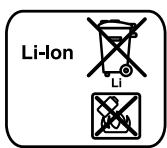
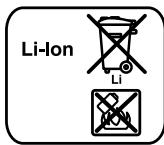
Do not dispose of power tools and batteries/rechargeable batteries into household waste!
Only for EC countries:

According to the European Guideline 2012/19/EU, power tools that are no longer usable, and according to the European Guideline 2006/66/EC, defective or used battery packs/batteries, must be collected separately and disposed of in an environmentally correct manner.


Batteries no longer suitable for use can be directly returned at:
Great Britain
Robert Bosch Ltd. (B.S.C.)
P.O.Box 98
Broadwater Park
North Orbital Road
Denham
Uxbridge
UB95HJ
At www.bosch-pt.co.uk you can order spare parts or arrange the collection of a product in need of servicing or repair.
Tel. Service: (0344) 7360109
E-Mail: boschservicecentre@bosch.com
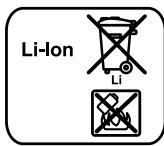
Battery packs/batteries:
Li-ion:
Please observe the instructions in section "Transport", page 17.
Subject to change without notice.
François
Executive Vice President Engineering
Head of Product Certification PT/ETM9

Robert Bosch GmbH, Power Tools Division
70764 Leinfelden-Echterdingen, GERMANY
Robert Bosch (France) S.A.S.
Executive Vice President
Engineering
Helmut Heinzelmann
Head of Product Certification
PT/ETM9

Robert Bosch GmbH, Power Tools Division
70764 Leinfelden-Echterdingen, GERMANY
Executive Vice President
Engineering
Helmut Heinzelmann
Head of Product Certification
PT/ETM9

Robert Bosch GmbH, Power Tools Division
70764 Leinfelden-Echterdingen, GERMANY
Technical file (2006/42/EC) at:
Robert Bosch GmbH, PT/ETM9,
70764 Leinfelden-Echterdingen, GERMANY
Henk Becker
Executive Vice President
Engineering
Helmut Heinzelmann
Head of Product Certification
PT/ETM9

Robert Bosch GmbH, Power Tools Division
70764 Leinfelden-Echterdingen, GERMANY
Executive Vice President Head of Product Certification Engineering PT/ETM9

Robert Bosch GmbH, Power Tools Division
70764 Leinfelden-Echterdingen, GERMANY
Executive Vice President
Head of Product Certification
Engineering
PT/ETM9

Robert Bosch GmbH, Power Tools Division
70764 Leinfelden-Echterdingen, GERMANY
Bosch Service Center
Telegrafvej 3
2750 Ballerup
At www.bosch-pt.dk you can order spare parts online or create a repair order.
Service Center phone: 44898855
Fax: 44898755
E-Mail: vaerktoej@dk.bosch.com
Transport
Executive Vice President Engineering
Head of Product Certification PT/ETM9

Robert Bosch GmbH, Power Tools Division 70764 Leinfelden-Echterdingen, GERMANY Leinfelden, 15.04.2015
Assembly
Battery charging
Bosch Service Center
Telegrafvej 3
2750 Ballerup
Denmark
Tel.: (08) 7501820 (within Sweden)
Fax: (011) 187691
Transport
The lithium-ion batteries included are subject to dangerous goods requirements. The user can transport the batteries on public roads without further obligations.
Executive Vice President
Engineering
Helmut Heinzelmann
Head of Product Certification
PT/ETM9

Robert Bosch GmbH, Power Tools Division
70764 Leinfelden-Echterdingen, GERMANY
Executive Vice President
Engineering
Helmut Heinzelmann
Head of Product Certification
PT/ETM9

Robert Bosch GmbH, Power Tools Division
70764 Leinfelden-Echterdingen, GERMANY
Executive Vice President
Engineering
Helmut Heinzelmann
Head of Product Certification
PT/ETM9

Robert Bosch GmbH, Power Tools Division
70764 Leinfelden-Echterdingen, GERMANY
Turkish
Safety Instructions
Henk Becker Helmut Heinzelmann Executive Vice President Head of Product Certification Engineering PT/ETM9
Robert Bosch GmbH, Power Tools Division
70764 Leinfelden-Echterdingen, GERMANY
Executive Vice President Engineering
Helmut Heinzelmann
Head of Product Certification PT/ETM9

Robert Bosch GmbH, Power Tools Division
70764 Leinfelden-Echterdingen, GERMANY
Robert Bosch Sp. z o.o.
Executive Vice President
Engineering
Helmut Heinzelmann
Head of Product Certification
PT/ETM9
Robert Bosch GmbH, Power Tools Division
70764 Leinfelden-Echterdingen, GERMANY
Bosch Service Center PT
K Vapence 1621/16
692 01 Mikulov
Executive Vice President
Head of Product Certification
Engineering
PT/ETM9
PPa
Jewc Reo
i. V.
k · m
Robert Bosch GmbH, Power Tools Division
70764 Leinfelden-Echterdingen, GERMANY
Executive Vice President Head of Product Certification
Engineering PT/ETM9
yΔCEA = 1/2 · AC · PD = 1/2 × CD × DE = CD.
Robert Bosch GmbH, Power Tools Division 70764 Leinfelden-Echterdingen, GERMANY
No. TC RUC-DE.AR46.B.70125
Cpok DeiCTBnB cepTnΦHKata O COOTBeTCTBn no 22.06.2020
Certification body "ROSTEST-Moscow" CJSC "Regional Certification and Testing Body" 119049 Moscow,
ul. Zhitnaya, 14, bldg. 1
Certificates of conformity are kept at the address:
LLC "Robert Bosch"
ul. Akademika Koroleva, 13, bldg. 5
Russia, 129515, Moscow
IMPORTANT: Read all safety instructions before use.
Failure to follow the instructions and safety precautions may result in electric shock, fire, and serious injury.
Keep these instructions and precautions for future use.
The safety instructions used in this manual apply to both corded power tools (with power cord) and cordless power tools (without power cord).
Workplace safety
Keep your work area clean and well lit. Cluttered or dark areas can lead to accidents. Do not operate this power tool in explosive atmospheres, where flammable liquids, gases, or dust are present.
Power tools create sparks, which may ignite dust or fumes.
Keep children and bystanders away while operating a power tool. Distractions can cause you to lose control of the tool.
Electrical safety
Do not use the power tool in explosive atmospheres, such as in the presence of flammable liquids, gases, or dust. Power tools create sparks which may ignite the dust or fumes. Never modify the plug in any way. Do not use any adapter plugs with earthed (grounded) power tools. Unmodified plugs and matching outlets will reduce risk of electric shock. Avoid body contact with earthed or grounded surfaces, such as pipes, radiators, ranges and refrigerators. There is an increased risk of electric shock if your body is earthed or grounded. Protect the power tool from moisture.
Do not open the battery. There is a risk of short-circuiting.

Protect the battery from high temperatures, e.g., from continuous sunlight, fire, water, and moisture. There is a risk of explosion.
If the battery is damaged or used improperly, vapors may be emitted. Provide fresh air and seek medical help if needed. The vapors may irritate the respiratory tract.
Use the battery only with your Bosch power tool. Only then is the battery protected against dangerous overload. Sharp objects, such as nails or screwdrivers, or external force can damage the battery. This can lead to an internal short circuit, battery overheating, explosion, or fire.
Product description and specifications

Read all safety warnings and instructions. Failure to follow the warnings and instructions may result in electric shock, fire, and/or serious injury.
Please unfold the fold-out page with the illustration of the power tool and keep it open while reading the operating instructions.
Intended use
The power tool is intended for driving and removing screws in wood, plastic, metal, and construction materials. It is suitable for direct and offset screwdriving. Follow the recommendations for the use of suitable screw bits.

English
The lamp on the power tool is intended to illuminate the immediate work area. It is not suitable for room lighting.
Illustrated components
The numbering of the components refers to the illustration on the graphics page.
1 Screwdriver bit* 2 Bit holder 3 Depth stop for screwdriving 4 Screwdriving depth stop 5 Battery 6 Battery unlock button 7 On/Off switch 8 Power Light 9 Handle (insulated gripping surface) 10 Battery release button 11 Battery charge indicator 12 Depth stop for screwdriving
Selected accessories for standard mounting. The full range of accessories can be found in the accessories program.
Technical data
Technical documentation (2006/42/EC):
Robert Bosch GmbH, PT/ETM9,
70764 Leinfelden-Echterdingen, GERMANY
Henk Becker
Helmut Heinzelmann
Executive Vice President
Head of Product Certification
Engineering
PT/ETM9
Russian
Robert Bosch GmbH, Power Tools Division 70764 Leinfelden-Echterdingen, GERMANY Leinfelden, 15.04.2015
Assembly
Use only the chargers specified in the technical data. Only these chargers are suitable for the lithium-ion battery of your power tool.
Note: The battery is not fully charged when delivered. To ensure full battery capacity, charge it completely before first use.
The lithium-ion battery can be charged at any time without reducing its service life. Interrupting the charging process does not damage the battery.
The electronic cell protection (ECP) system protects the lithium-ion battery against deep discharge. When the battery is discharged, the protective circuit switches off the power tool - the tool stops.
After the automatic switch-off of the power tool, do not continue to press the on/off switch.
The battery may be damaged.
Follow the safety instructions.
Removing the battery (see figure A)
The battery 5 is equipped with two locking levels, which are intended to prevent the battery from falling out when the unlocking button 10 is pressed unintentionally. As long as the battery is in the power tool, hold it in the corresponding position.
To remove the battery 5, press the unlocking button 10 and pull the battery 3 out of the tool backwards, without applying excessive force.
Battery charge indicator (see figure A)
The LEDs of the charge indicator 11 show the state of charge of the battery 5. For safety reasons, checking the charge level is only possible when the power tool is at a standstill.
Press the button 11 to check the charge level of the battery. This is also possible when the battery 5 has been removed.
| СИД | ЕМКОТь |
| НенерсынbiBий CBET 3 зelenыxBxCБETоюдов | ≥2/3 |
| НенерсынbiBий CBET 2 зelenыxBxCБETоюдов | ≥1/3 |
| НенерсынbiBий CBET 1 зelenноу CBETоюдoa | <1/3 |
| Моганne 1 зelenноу CBETоюдoa | Pe3eрВ |
If after pressing the button 11 no LED lights up, the battery is defective and must be replaced.
Installing/Replacing the dust bag
Before starting maintenance or adjustment work on the power tool, remove the battery. When installing the dust bag, wear protective gloves. Avoid contact with the dust bag if it is damaged. When replacing the dust bag, ensure that the clamping mechanism is clean (free of wood chips and metal shavings).
Selecting the dust bag
Use dust bags that are suitable for the material being worked on.
An overview of recommended dust bags can be found at the beginning of the instructions. Use only dust bags with a universal shank 1/2. The dust bag must not be longer than necessary for the intended purpose.
Ensure good ventilation of the work area. It is recommended to wear a respirator with a P2 filter.
Comply with the regulations in your country regarding the materials being processed.




Ensure a safe working environment. Avoid danger of fire.
Working with the tool
Switching on the power tool
Inserting the battery
Use only original Bosch lithium-ion batteries with the voltage specified on the nameplate of your power tool. Using other batteries may result in injury and fire hazard.
Press the lock-off button to the right to protect the power tool from unintentional activation.
Insert the charged battery 5 into the handle until it clicks into place. The battery must sit flush against the handle.
Switching on/off (see fig. D)
Press the on/off switch 6.
To switch on the power tool, press the on/off switch 7 and keep it pressed.
Temperature control / overload protection
The red light 11 helps to protect the battery from overheating and the motor from overload.
If the light 11 is constantly lit red, this indicates that the battery temperature is too high and causes the power tool to switch off automatically.
Switch off the power tool. Allow the battery to cool down before continuing work.
If the light 11 flashes red, the power tool is jammed and switches off automatically.
- Remove the power tool from the workpiece. After eliminating the cause of the jam, the power tool continues to work with the set frequency.
Intended use
Before starting maintenance, changing tools, etc., as well as when transporting and storing, remove the battery from the power tool. There is a risk of injury if the switch is accidentally pressed.
Tips
When sawing light building materials, observe the statutory regulations and recommendations of the material manufacturer.
Power tools, rechargeable batteries, accessories and packaging should be sorted for environmentally friendly recycling.
Do not dispose of power tools and rechargeable batteries/batteries in household waste!
ToIbko dIa cTpaH-ueHeOB EC:

BcooTBeCTBnC eBpOneNcKoI dIpeKTbBOI 2012/19/EU OTCnykHBWne 3eKtPOnH CTpyMeHTbl N B COOTBeTCTBnC E bPoNeckoI dIpeKTbBOI 2006/66/EC NOBPexDeH HbI NbOHCNoJIb3OBAHbIe AKKUMJTOpbl/6aTapeKeKN HyKHO Co6Hpata b OTdEhBO n CcbAba Ta KONOrnueCKn NCHcTuO peKynepaunIO.
AkkymyTOpbI,6atapen:
Li-Ion:
PtoKnyIcTa, yUHTbIaBte yka3aHne B pa3dene «TpaHcnpTpropBkA», ctp. 114.
Bo3MOXHbI H3MeHeHnA.
yKpaIHcbka
Bka3iBKn 3 Texhikn 6e3neKn
3araIbhi 3aCTepexeHHn Iy eNeKtpponpnaIb

NONEPEDKEHH
IpounTaIe BcI 3aTepeKHeHH I Bka3iBKn. HeNoTpN
MaHHa 3aCTepeXeHb i Bka3iBOK MOKe npu3BcTeN do ypaXeHn EneKTPnuHm CTpyMOM, NOxekTi a/a6o cepno3hNx TpaBM.
Iobpe 36epiraTe Ha Maia6yTHc zi nonepeJxKeHHa I BkazIBKn.
Пд NOHAЯМ «ЕнТРОпрИад» Buxx 3aCTepeKeHnX MaTbca Na yBa3i eNEtPOnpIaN, lo npaIoE bId MePeKi (3 eNEtPOKa6eIem) abo BiD akymyIaTOpHoI 6aTapei (6e3 eNEtPOKa6eIIO).
TexhiuHaDokumMeHuaJia(2006/42/EC):
Robert Bosch GmbH, PT/ETM9,
70764 Leinfelden-Echterdingen, GERMANY
Henk Becker
Executive Vice President
Engineering
Helmut Heinzelmann
Head of Product Certification
PT/ETM9
PPa
j wq e i.v. h.m
Robert Bosch GmbH, Power Tools Division
70764 Leinfelden-Echterdingen, GERMANY
Battery: The battery is supplied partially charged. To ensure full battery capacity, charge the battery completely in the charger before first use.
The lithium-ion battery can be charged at any time without reducing its service life. Interrupting the charging process does not damage the battery.
The lithium-ion battery is protected against deep discharge by the electronic cell protection. When the battery is empty, the power tool switches off automatically.
The battery is protected against deep discharge by the "Electronic Cell Protection (ECP)" system. When the battery is discharged, the device switches off automatically. The power tool must not be used anymore.
Remove the battery from the power tool for storage.
Do not continue to press the On/Off switch. This could damage the battery.
Contact your authorized service agent.
Battery removal (see figure A)
The battery has two locking stages to prevent accidental removal when the On/Off switch is not pressed. The battery is held in place by a spring.
To remove the battery 5, press the unlocking button 10 and pull the battery out of the power tool, pulling it backwards. Do not use force.
Battery charge indicator (see figure A)
The three green LEDs of the battery charge indicator 11 show the state of charge of the battery. For safety reasons, the state of charge can only be checked when the power tool is switched off.
Press the button 11 to check the state of charge of the battery. This is also possible when the battery is removed from the power tool.
Switching on and off (see figure D)
Press the lock-off button 6 on the left.
To switch on the power tool, press the On/Off switch 7 and keep it pressed.
To switch off the power tool, release the On/Off switch 7.
Afterwards, press the lock-off button 6 on the right.
3. Mains away from the power tool when switching it on, before you start using it.
Speed adjustment
By increasing or decreasing the signal, the switch can smoothly adjust the speed of the inserted power tool.
The required speed depends on the material being processed; you can find it in practice.
It is recommended to change the speed when inserting a new drill bit or when processing plastic and aluminum.
Temperature control / overload protection indicator
The red LED 1 informs you about protection of the battery against overheating, and the motor against overload.
When the LED 1 lights up in red
When the LED lights up, the temperature of the battery is too high, and the power tool switches off automatically.
Switch off the power tool. Let it cool down, then the battery can be used again.
When the LED 1 lights up in red, the power tool is switched off, and it turns off automatically.
Switch on the power tool again. The red LED will light up when the power tool is switched on, and it will work with the set speed.
Operating instructions
Before use and maintenance (e.g., technical service, replacement of the tool, etc.), as well as during transport and storage, pay attention to the battery of the power tool. If the battery is removed, there is a risk of injury.
Advice
Disposal of used materials should be carried out in accordance with the legislation and recommendations for material disposal.
Before starting to cut wood, wood-based panels, building materials, etc., check for any hidden nails, screws, staples, etc. Turn off the power tool and connect it to the prepared material. Place the support plate on the prepared surface and cut the material with even pressure and uniform feed. After finishing the work, turn off the power tool.
In case of jamming of the saw blade, immediately turn off the power tool. Using the supplied tool, spread the saw kerf and remove the tool.
Plunge cutting (plunge sawing)
Method of plunge cutting with a saw blade for soft materials such as wood, plasterboard, etc. Plunge cutting of metal with a saw blade is not allowed!
For plunge cutting with a saw blade, use only short saw blades.
Place the power tool with the front edge of the support plate on the prepared material and turn it on. If the power tool has a speed regulator, set the maximum speed. Press the power tool against the workpiece and then slowly plunge the saw blade into the prepared material.
After the support plate is fully in contact with the workpiece, continue cutting along the marked line.
Do not dispose of power tools and batteries/accumulators in household waste.
Disposal:

In accordance with European Directive 2012/19/EU and European Directive 2006/66/EC, power tools, waste electrical and electronic equipment, batteries and accumulators, or batteries/accumulators that are part of the tool, must be collected separately and recycled in an environmentally friendly manner.
Batteries/accumulators:
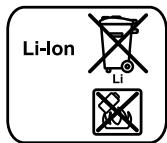
Lithium-ion:
Please follow the instructions in the 'Transport' section, page 120.
Possible.

Certificate of conformity of the pipe. Certificate No. TC RUC-DE.AA46.B.70125. The validity period of the certificate of conformity is until 22.06.2020.
"Certification body" LLC "ROSTEST-Moscow" certification body 119049, Moscow,
Krymsky dead end, 14, building 1
The following are certified for pipes:
LLC "Robert Bosch"
st. Akademika Koroleva, 13, building 5
Russia, 129515, Moscow
The end date of the warranty period is indicated in the accompanying documentation.
The importer's contacts are indicated on the packaging.
Warranty period
The warranty period starts from the date of sale (the date of sale is considered the date of activation of the warranty card). The warranty period is 5 years from the date of sale, subject to compliance with the rules of operation (maintenance).
The service life and maintenance intervals are indicated
If the housing is damaged, the warranty is void. If the housing is damaged, the warranty is void. If the housing is damaged, the warranty is void. If the housing is damaged, the warranty is void. If the housing is damaged, the warranty is void. If the housing is damaged, the warranty is void.
Uekri Kny 6enrinepi
Kayinci3ik HycKayapbI
3NeKtp KypanDapbHbIH Xaannbl Kayinci3dk HycKaynbIKTapbl
ECKEPTY Bapnik Kayinci3dk HcKaynbTkabbH XaHe eckptnenepei OkbIbI3. TexHn
KaIbIK KayiNCi3iIK HcayIbIKTapbIH XHe EceptPieneepdi CaKTabMay TOKtBHa COfYbHa, OTe JxHe/HemeCe aybIP KaPaKaTTaHynapFa aIbIN KeJyIMYMkIH.
Bonaawk kymbctap yin Kayinci3ik HycKaynbiktpbl Me n eceptnenepe di caktan KObHbI3.
Kayincizik HycaybIkpabHda naaDanaHbnfah,3neKtp Kypan"ataybIHbIXeJIeH Kyat anaTbH 3neKtp KypanapbHa (XeJinIK Ka6eni MeEH) XeHe AKKyMnTOpEn Kyat anaTbH 3neKtp KypanapbHa (XeJinIK Ka6eni JOK) KaTbCbIbap.
XymbicOpbHbHkayinci3diri
Xymblicopnbih Ta3a Xhahe XkaCbI XkapbiTalFaH XkaFdaNJa yCTaHbI3.Tepin Hemece Xkapbi6oImarHaH Xymbic aMakTapbl Ka3aTaBIM OKfAflapFaIbn Kenyi MymKiH. XaHaTbH cybIKbTbIKap,ra3dAp HeMece waJxNbIfah Xapblbc Kayini 6ap Kopwauya 3neKtp Kypanbl naDanaH6aHb13.3neKtp KypandaBly WkBn HbIfapbln, WaH HeMece 6ynapblx KaHdbpybMyKMIn. 》3neKtp KypanapbH naiDanahy Ke3iHne 6ana nap Xhe 6aca aamdpabIy 3aK Jepre wettetih3. Ayltky Ke3iHne Kypan 6aBilaybH KOFAITyblHb3 MymKiH.
3nektp kayinci3diri
3NeKtp Kypal wTenceninHn AbyIpbIpo 0o3eTKara cbIObi kaxket. AbyIpbIe uKaHaNai 03repty MymkH im EMcE. Xepre kocynIb 3NeKtp KypaIapMeH eUkaHaNai adanTepnik AbyIpbI naIdanaHbA bI. 03reptInmener H aByIip XeHHe XapaMdbI po3eTKaIapNb IaNdaIaNHy 3NeKtp TOK COY KayiIN TEmeHndeTeJI. Ky6bip, KxblItaTbH Xa6blk, NnTa XaHe cyblTkbl ChnKtbl Jepre Kocynbl Kypanlap cbiptbHa TmMeH3. Erep DeHeniz Jepre Kocynbl 60nca, 3NeKtp TofbHbH, Cofy Kayni apTadbl. 3NeKtp KypanapbH bInFaH, cbI3aH caKaTbI3. 3NeKtp KypanbHbH iWHe cy Kipce, on 3NeKtp TOfbHbH COy KayniH apTbIpaDbI. 》3nekpKypandba anbinykpy,acbn KOIO Hemece aibipbH p03eTKaadn btfapry yuih Kaebnb i nauidanaHaBbI3. Kaebnb i biCTbTaN, MaiDa, EIKP WETTEpen Hemece Kypandbi Kxblbima BoeNekTePineH anbc JcpeDe YCTAhB.3AkbIMdAnfAH Hemece UINEnHeicken Kaeb 3JNEKTTOFBiHBiH, COFy KayinH apTTbApNbI.

122|Ka3aKa7a
ΘeKTP KypaIbIMeH aawbIK Jepde JyMbic ictecesi3, TEK CbIPTa naIdanaHyF aapHanfah y3aPTkblIt bI naIdaNahBtIbI. CbIPTa naIdaNahyF aapHanfah y3aPTkblItbI naIdaNahy eNeKTP TOFBbIHc OFy KayinH TEmehDeTei.
3neKtp KypanbH bInFaIbbl KOpWayda naIaIaNahy kaxet 60nca, abTomaTbI caKaTHdbIpFbIu axbipaTkblbH naIaIaNbHbI3. ABTomaTbI caKaTHdbIpFbIu axbipaTkblbTI naIaIaNHy TOK COYI KayNIH TEmeHdeTei.
AadamapKayinci3diri
If the device is not going to be used for a long time, remove the battery. Store the device in a dry place, away from direct sunlight and heat sources. When storing the battery, keep it away from metal objects that could cause a short circuit. Do not dispose of the battery in fire. If the battery is damaged or shows signs of swelling, do not use it and replace it with a new one. Do not attempt to disassemble or repair the battery yourself. Keep the battery out of reach of children and pets. If the device is not working properly, check the battery contacts and clean them if necessary. Do not use the device if the battery is leaking. If the battery leaks, avoid contact with skin and eyes, and seek medical attention if contact occurs. Do not mix old and new batteries or different types of batteries. Remove the batteries if the device will not be used for an extended period. Do not short-circuit the battery terminals. Do not expose the battery to high temperatures or direct sunlight. Do not charge the battery if it is not rechargeable. Dispose of used batteries according to local regulations.
Do not touch the electric current wires. If you need to use the electric current wires, use the necessary protective equipment. Do not use the electric current wires without the appropriate protective equipment. The device must be connected to the electric current wires. If the electric current wires are damaged, they must be replaced by a qualified specialist.
Do not use the power tool if the switch does not turn it on and off. Any tool that cannot be controlled with the switch is dangerous and must be repaired. Disconnect the plug from the power source and/or the battery pack from the tool before making any adjustments, changing accessories, or storing power tools. Such preventive safety measures reduce the risk of starting the power tool accidentally. Store idle power tools out of the reach of children and do not allow persons unfamiliar with the power tool or these instructions to operate the power tool. Power tools are dangerous in the hands of untrained users. Maintain power tools. Check for misalignment or binding of moving parts, breakage of parts and any other condition that may affect the power tool's operation. If damaged, have the power tool repaired before use. Many accidents are caused by poorly maintained power tools. Keep cutting tools sharp and clean. Properly maintained cutting tools with sharp cutting edges are less likely to bind and are easier to control. Use the power tool, accessories and tool bits etc. in accordance with these instructions, taking into account the working conditions and the work to be performed. Use of the power tool for operations different from those intended could result in a hazardous situation.
Battery charging
Charge the battery only with the charger specified by the manufacturer. A charger that is suitable for one type of battery pack may create a risk of fire when used with another battery pack. Use the power tool only with specifically designated battery packs. Use of any other battery packs may create a risk of injury and fire. When battery pack is not in use, keep it away from other metal objects, like paper clips, coins, keys, nails, screws or other small metal objects, that can make a connection from one terminal to another. Shorting the battery terminals together may cause burns or a fire. Under abusive conditions, liquid may be ejected from the battery; avoid contact. If contact accidentally occurs, flush with water. If liquid contacts eyes, additionally seek medical help. Liquid ejected from the battery may cause irritation or burns.
Service
Have your power tool serviced by a qualified repair person using only identical replacement parts. This will ensure that the safety of the power tool is maintained.
Safety warnings for all operations
AnmblcnnblacnblnHkacbipih TOK cbmbha THIOI bIKTHMAN JYMbICTAPDbOpBnHdya Kypanblb OKaynaanDbiplnFaHTKcbiHaHcTaHb3.TOK eTeIH cbMlbHa NIO tetanblb Kypan6oIeKeTpEine TOK 6epin TOKcofbyHa anbIN Kenyi MymkiH.
KolbHb3DbI apanay epicihen Tbc yctahbl3. DaibHama actbHAn yctamaHb3.Apa noIoTHocbHa TIO JkapaKaTaNHy KayinIH TydbPaBbl.
3neKtp Kypanbl daBnHdamaTeK Kocynbl peTte anapbIbI3. Θntnce anMaIbI-caImaIbI acnan daBnHdamaF iinHce kepi cory kayini naJa b60anbl.
Apanayad tipey taKtacbHbH 2 daBbHdAmara fapin TpybHa Ke3 keTki3i3. Apa nonoTHocbl iINH 3neKtp Kpam 6akblaybHbH XofanTybHa anbl Kenyi MymkIn.
XymbictbaytafahnH Kein 3neKtp KypalbH eipin, OHbH TOblk TOkTaFahBHaH COH FANA apa NIOIOTHocB H KecikTeH bIfapbHb3. Co npKbIbKei cfoyadn caKaTaNbH, 3neKtp KypalbH Kayinci Kyire Kentipeci3.
By3bImaHaMHc3apa nonoTHocbHnaiDanaHbHbI3. KucainFaH Hemece eTnec apanonotHOJapcbHyb,KeCikTi 3aKbIMdaybl Hemece Kepi cofy ce6ebih TydbipabI.
Apa nooTHocbH eiprenHH co6yihip 6acy apkblb ToKtTnAbI3.Apa nooTHocb6y3blvby,cbHybl HeMeCe Kepy cOry c6e6iH tydbpyMymKiH.
Materpaanbkiattbkbcbhlb3.DaibihdamaHb kon Hemece aakneh Tipemehi3.Icten Typfah Kbilbwnen ewkahandzat Hemece xepre Tmehiz. Kepicokkbl kayni 6ap.
KaxeTTi3dey KypanDapbHn naiDanaHbIn XacbipHrAn Kopek cbIMdApbH Ta6bHbI HeMece xepriNtki Kopek YbIMdApbH 1wakbIPbHbI3. 3neKTe CbIMdApbHa TINO ePT Hemece TOK cOByHa aBnI Kenyi MymKiH. Fa3 K6bPbH 3aKbIMday KxpblBaCKa KaN Kenyi MymKiH. Cy K6bPbH 3aKbIMday MaTEpHaJDbIK 3nHFa aBnI Kenyi MymKiH.
DaihInamHb6ekitiiz. KbyCy kpyaIbHa Hemece KblCKblkaOpHaTbIFaH daibHdaMa KOblb36eH caIbICTbIpFaHda, 6epik yctanaIbI.
3NeKtp KypanbH Xepre KOIOdaH anDbH OHbH ToKtaybH KyTih3.AmAbI-calMaJIb acnI iINH 3NeKtp KypaI 6akblaybHbH XofAITyBaHa aBbIKENyi MyMKH.
AkkymyIaTOpbl3NeKtpr Kypammen Ke3 KeIreH JMybIcTApblbMbIcAnb,opHaty,KbI3MeTKepeCy, T.6.) Bactay anBbIHDA, coHdA-n, Ke3Nktp Kypambl TaBbImaJxHe cakTay Ke3InDe WbIFapBbI3. Ke3Jeicoc KocbIinaHaJakapar any Kayni bap.
Akkymytnopdbiaawnahb. Kbicka Tnybkianykayni 6ap.

Batteries, accumulators, and other sources of current, as well as their components, are disposed of separately. The battery source is not a household waste.
If the accumulator has been damaged or is not functioning properly, it should be disposed of. In this case, if there are any leaks or damages, seek medical help. These should be handled with care.
Batteries from Bosch are intended for use with the specified devices. Do not use the battery with other devices.
Improper use or use of non-genuine Bosch batteries can lead to damage. This can result in battery leakage, fire, injury, or burns.
Safety instructions

All safety instructions and warnings should be read and followed. Failure to follow the safety instructions and warnings may result in electric shock, fire, and/or serious injury.
Electrical safety: in the event of a short circuit, the device must be disconnected from the power supply.
Safety instructions for operation
Electrical tools are intended for cutting plastic, metal, and building materials. They are not intended for cutting thick or hard materials. The operator must be trained.
The electrical tool is designed for cutting with a reciprocating blade and is not intended for cutting with a circular blade.
Executive Vice President
Head of Product Certification
Engineering
PT/ETM9

Ia = 8/3l
Robert Bosch GmbH, Power Tools Division
70764 Leinfelden-Echterdingen, GERMANY
Cleaning the tool/Blade
Remove the battery from the electrical tool before any cleaning. Use a dry cloth to clean the tool. It is possible to clean the tool with a damp cloth. When cleaning, the tool must be free of dust, dirt, and metal shavings.
Cleaning the tool
Operation instructions
Before opening the battery compartment, make sure the electric crane switch is in the off position.
The battery compartment cover can be opened by pressing the latch.
The battery compartment contains batteries and a fuse, which are located under the cover.
Temperature setting indicators
The red LED indicators show the battery temperature and help in monitoring and control.
If the red LED is lit continuously, the battery temperature is too high and the electric crane will automatically shut off.
-Turn off the electric crane. Remove the batteries from the compartment.
If the red LED is lit
If the red LED is lit, the electric crane will automatically shut off.
-Remove the batteries from the electric crane.
After the electric crane has been turned off, the batteries can be removed from the compartment.
Safety instructions
Before starting work with the electric crane, such as cleaning, maintenance, or repair, always disconnect the electric crane from the power supply and remove the batteries.
There is a risk of electric shock if the cover is opened.
When using the device, follow the manufacturer's instructions and material safety data sheets.
Wear protective gloves, safety glasses, and appropriate protective clothing when handling materials.
Disconnect the power supply before performing any maintenance. Do not touch the power cord with wet hands or pull it to disconnect. Ensure the power supply is off before connecting the device.
If the power cord is damaged, replace it immediately. Do not use the device if the power cord is damaged or frayed.
Hand area (see figure)
Keep hands away from moving parts! Do not place hands near rotating parts!
Only use the device with the protective guard in place.
Do not operate the device without the protective guard. Do not exceed the maximum speed rating of the device. Do not force the device; let it operate at its own pace.
Do not use the device without the protective guard in place.
The protective guard can be rotated 180 degrees (see figure).
Danger area (see figure)
When using the device, be careful not to touch the rotating parts or other moving components.
Do not operate the device if the power cord is damaged. Replace it if necessary.
Do not operate the device without the protective guard. Do not force the device; let it operate at its own pace. Disconnect the power supply before performing any maintenance.
Battery replacement
Before replacing the battery, carefully read the safety instructions below.
Instructions for handling the battery
Protect the battery from moisture and water.
The battery can be operated at temperatures from -20°C to 50°C. Do not throw the battery into fire.
If you want to test the battery, wipe it with a dry, clean cloth.
To avoid short circuits, do not expose the battery to metal objects.
Do not use the battery if it is damaged.
Technical maintenance and service
Service and cleaning
Attention! Before performing service or cleaning, disconnect the device from the power supply. For other work, contact a qualified specialist.
Clean the device with a dry, lint-free cloth. Do not use abrasive cleaners. Do not immerse the device in water.
Electrical shock hazard. Do not open the device. For repairs, contact a qualified specialist.
Service and cleaning personnel
The service department is responsible for maintenance and repair, and also provides warranty service. For warranty claims, contact the manufacturer:
Bosch service centers are responsible for the repair of power tools according to the warranty terms.
For questions and repairs, please contact the authorized service centers listed below.
The Robert Bosch company provides warranty service for power tools in accordance with the warranty terms.



Romana | 127
The warranty service is carried out by authorized service centers of the company.
EXPERT! Do not use the tool without reading the instructions. Keep the instructions for future reference. The tool is intended for professional use.
Kazakhstan
Robert Bosch LLC
Power tools service center
Almaty city
Kazakhstan
050050
Raimbek Avenue
Communal Street, 169/1
Tel.: +7 (727) 232 37 07
Fax: +7 (727) 233 07 87
E-Mail: info.powertools.kz@bosch.com
Website: www.bosch.kz; www.bosch-pt.kz
Disposal
The machine, accessories and packaging should be sorted for environmental-friendly recycling.
Do not dispose of power tools into household waste! Only for EC countries of the EU Directive 2012/19/EU: According to the European guideline 2012/19/EU, power tools that are no longer usable must be collected separately and disposed of in an environmentally correct manner.
Only for EC countries of the EU Directive 2006/66/EC: Defective or exhausted batteries must be recycled according to the guideline 2006/66/EC. If the battery is not disposed of properly, it can cause harm to the environment and human health. Please dispose of batteries separately from other waste.
Batteries/battery packs:

Li-ion:
Please note the instructions in section "Transport", page 16.
Only for EC countries:
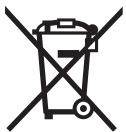
According to the European guideline 2012/19/EU, power tools that are no longer usable must be collected separately and disposed of in an environmentally correct manner. According to the European guideline 2006/66/EC, defective or exhausted batteries must be recycled separately.
Batteries/battery packs:
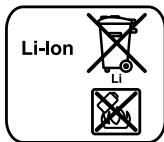
Li-ion:
TacbImaIay"TapayhdaIby,127 6eIHderi HcKaynapblOpbHdaIbI3.
TexHnKaIbIg 3epiCtepehriy KyKbIbIc KaTaNadI.
Româna
Executive Vice President
Engineering
Helmut Heinzelmann
Head of Product Certification
PT/ETM9

Robert Bosch GmbH, Power Tools Division
70764 Leinfelden-Echterdingen, GERMANY
Tel. service scule electrice: (021) 4057540
Fax: (021) 4057566
E-Mail: infoBSC@ro.bosch.com
Tel. consultanta clientsi: (021) 4057500
Fax: (021) 2331313
E-Mail: infoBSC@ro.bosch.com
www.bosch-romania.ro
Transport
The vibration emission level specified in these instructions has been measured in accordance with the standardised test method given in EN 60745; it may be used to compare one tool with another and for a preliminary assessment of exposure. The declared vibration emission value may also be used for a preliminary assessment of exposure. Warning: The vibration emission value during actual use of the power tool can differ from the declared value depending on the ways in which the tool is used. The following measures can help to reduce vibration exposure: maintain the tool and accessories, keep hands warm, organise work patterns.
Work with the tool only when it is in perfect condition!
Observe the safety instructions for working with electric power tools, especially regarding vibration exposure, for example: proper maintenance of the

Bulgarian | 137
electric power tool and accessories, keeping the tool sharp, arranging work sequences sensibly.
Declaration of Conformity
We declare under our sole responsibility that the product described under “Technical Data” complies with all relevant provisions of Directive 2009/125/EC
(Regulation 1194/2012), 2011/65/EU, and
Executive Vice President
Engineering
Helmut Heinzelmann
Head of Product Certification
PT/ETM9

Robert Bosch GmbH, Power Tools Division
70764 Leinfelden-Echterdingen, GERMANY
Battery charge indicator (see figure A)
The three green LEDs 11 indicate the charge condition of the battery 5. For safety reasons, checking the charge condition can only be performed when the power tool is at a standstill.
To check the charge condition of the battery, press the button 11. This can also be done when the battery 5 has been removed.
| Сbvетоюд | Кацштет |
| Ненильсану сbvетеhe 3х зelenho | ≥2/3 |
| Ненильсану сbvетеhe 2х зelenho | ≥1/3 |
| Ненильсану сbvетеhe 1х зelenho | <1/3 |
| Мигаши сbvетлina 1х зelenha | pezeрва |
If after pressing the button 11 no LED lights up, the battery is defective and must be replaced.
Inserting/replacing the saw blade
Before carrying out any work on the power tool, remove the battery. When mounting the saw blade, wear protective gloves. Danger of injury when touching the saw blade. When replacing the saw blade, ensure that the blade recess is free of debris, e.g. wood chips or shavings.
Selecting the saw blade
Use only saw blades that are suitable for the material being processed.
An overview of recommended saw blades can be found at the end of these operating instructions. Use only saw blades with a universal shank 1/2 . The blade must not be longer than required for the intended cut.
When cutting with a small radius, use a narrow saw blade.
Inserting the saw blade (see figure B)
Turn the clamping sleeve 3 approx. 90° in the direction indicated by the arrow. Insert and press the saw blade 1 into the recess 12. Release the clamping sleeve 3 again.
Observe the safety instructions before handling.
If the instructions are not followed, the device may be damaged and may cause injury.
When installing the device, it must be turned 180° (so that it faces upward) and placed accordingly.


Removing the blade (see Fig. C)
Turn the locking cap clockwise by 90° in the direction indicated by the arrow. Remove the blade 1.
Dust extraction system
Dust from sanding materials such as lead paint, some woods, minerals and metal may be harmful to health. Contact with or inhalation of dust can cause allergic reactions and/or respiratory diseases in the operator or bystanders. Certain dusts, e.g. from oak or beech, are considered carcinogenic, especially in combination with wood treatment additives (chromate, wood preservatives). Only process asbestos-containing materials if you have received appropriate training and use suitable protective equipment.
- Ensure good ventilation of the work area.
- It is recommended to use a dust mask with filter class P2.
Follow your country's laws and regulations regarding the processing of such materials.
Avoid overloading the dust at the workplace. The dust may self-ignite.
Working with power tools
Starting operation
Charging the battery
Use only original lithium-ion batteries, manufactured by the manufacturer, suitable for the power tool's rated voltage. Using other batteries may cause injury and fire hazard.
Press the battery lock button to protect the power tool from accidental switching on.
Remove the battery before adjusting, cleaning, or storing the tool.
Switching On and Off (Fig. D)
Press the battery lock button.
To switch on the power tool, press the on/off switch 7 and hold it.
To switch off the power tool, release the on/off switch 7.
Press the battery lock button again.
To save energy, switch on the power tool only when you are using it.
Adjusting the speed of the return stroke
By increasing or decreasing the pressure on the on/off switch 7, you can continuously adjust the speed of the return stroke of the power tool.
The required speed of the return stroke depends on the specific conditions and is best determined by trial.
It is recommended to limit the speed when starting to cut and when cutting plastics and aluminum alloys.
LED indicator of the temperature control system
The LED 11 lights up during operation to warn of battery overheating, and the power tool switches off automatically.
If the red indicator light is on with a steady red light, the battery temperature is too high and the power tool is switched off.
- Switch off the power tool. - Before further work, let the battery cool down.
If the red indicator light flashes with a steady red light, the power tool is blocked and switches off automatically.
- Remove the power tool from the application. When the blockage is removed, the power tool continues to work with the set speed for the return strokes.
Working instructions
Before carrying out any work on the power tool (e.g. maintenance, changing tools, etc.), remove the battery from the power tool for transport and storage. There is a risk of injury from the switch being pressed unintentionally.
Safety warnings
When cutting building materials, follow the legal regulations and the manufacturer's instructions.
Before cutting into walls, ceilings, floors, etc., check beforehand for the presence of metal objects, such as nails and screws, and remove them if necessary.
Switch on the power tool and press it against the workpiece. Guide the base plate 2 over the surface of the workpiece, applying steady pressure and moving the power tool evenly. After completing the cut, switch off the power tool.
If the saw blade becomes jammed, switch off the power tool immediately. Loosen the jammed blade with a suitable tool and remove the power tool.
Cutting with plunge cut (see figure E)
Plunge cutting may only be carried out on soft materials, such as wood, plasterboard, etc.! Do not attempt to plunge cut into metal!



Bulgarian|139
For plunge cutting, use only sharp saw blades.
Guide the base plate 2 onto the surface of the workpiece and switch on the power tool. If the power tool does not have speed adjustment, set the maximum frequency for the reciprocating motion. Press the power tool firmly against the workpiece and move it slowly during the cutting process.
When the base plate 2 comes into contact with the workpiece surface, proceed with the cutting along the marked line.
To cut out a specific shape, the saw blade can be turned 180° and the power tool can be operated accordingly.
Plunge cutting (see figure)
With the help of an elastic intermediate piece, the power tool can be guided along the wall surface.
Note: The cutting line is more visible when cutting at an angle. There is a risk of kickback.
Guide the saw blade at an angle to the wall and, with the help of the guide plate on the power tool, tilt it so that the base plate rests against the wall. Switch on the power tool and cut the workpiece with constant guide pressure.
Coolant/lubricant
To prevent overheating when cutting metal, you must apply a coolant/lubricant along the cutting line.
Instructions for optimal use of the battery
Charge the battery before first use.
Store the battery within a temperature range of -20°C to 50°C. For example, do not leave the battery in a car in the sun.
Periodically clean the ventilation slots of the battery with a soft, dry brush.
A significantly reduced operating time after charging indicates that the battery is worn out and must be replaced.
Follow the instructions for disposal.
Support and maintenance
Warning! Before technical service or maintenance, disconnect the power tool from the power supply and remove the battery pack. To work efficiently and safely, keep the power tool and ventilation slots clean.
Battery pack and ordinary batteries:
Li-Ion:
Please refer to the section 'Transport', page 139.
Subject to change without notice.
Macedonian
Safety warnings
General power tool safety warnings

WARNING Read all safety warnings and all instructions. Failure to follow the warnings and instructions may result in electric shock, fire and/or serious injury.
Save all warnings and instructions for future reference.
The term "power tool" in the warnings refers to your mains-operated (corded) power tool or battery-operated (cordless) power tool.
Work area safety
Safety instructions for the workplace
The workspace must be clean and well lit. Cluttered or dark workspaces can lead to accidents. Do not work with electrical equipment in an environment with a risk of explosion, where there are flammable liquids, gases, or dust. Electrical equipment creates sparks that can ignite dust or fumes. Keep children and other people away while using the electrical equipment. Distractions can cause you to lose control of the tool.
Electrical safety
The plug of the electrical equipment must match the outlet. Never modify the plug in any way. Do not use any adapter plugs with grounded electrical equipment. Unmodified plugs and matching outlets will reduce the risk of electric shock.
Avoid body contact with grounded surfaces such as pipes, radiators, stoves, and refrigerators. There is an increased risk of electric shock if your body is grounded. Keep electrical equipment away from rain or moisture. Water entering electrical equipment increases the risk of electric shock. Do not abuse the cord. Never use the cord for carrying, pulling, or unplugging the equipment. Keep the cord away from heat, oil, sharp edges, or moving parts. Damaged or entangled cords increase the risk of electric shock. When operating electrical equipment outdoors, use only extension cords suitable for outdoor use. Use of a cord suitable for outdoor use reduces the risk of electric shock. If operating the electrical equipment in a damp location is unavoidable, use a residual current device (RCD) protected supply. Use of an RCD reduces the risk of electric shock.
Personal safety
Stay alert, watch what you are doing, and use common sense when operating the electrical equipment. Do not use the equipment while you are tired or under the influence of drugs, alcohol, or medication. A moment of inattention while operating the equipment may result in serious personal injury. Wear personal protective equipment. Always wear eye protection. Protective equipment such as a dust mask, non-skid safety shoes, hard hat, or hearing protection used for appropriate conditions will reduce personal injuries. Prevent unintentional starting. Ensure the switch is in the off-position before connecting to a power source and/or battery pack, picking up, or carrying the tool. Carrying the equipment with your finger on the switch or energizing the equipment with the switch on invites accidents.


Macedonian|141
Remove the battery or the keys for locking before inserting the plug into the electrical appliance. If there is a key or a button in the device that can be turned, this can lead to injury. Avoid abnormal body posture and maintain a stable stance and balance at all times. In this way, you can better control the electrical appliance in unexpected situations. Wear suitable clothing. Do not wear loose clothing or jewelry. Keep your hair, clothing, and gloves away from moving parts. Loose clothing, jewelry, or long hair can get caught in moving parts. If devices for dust extraction and collection are to be installed, ensure that they are correctly connected and used properly.
The use of the dust extraction device can reduce dangers caused by dust.
Use and handling of the electrical appliance
Do not overload the device. Use the correct electrical appliance for your work. With the correct electrical appliance, you will work better and more safely in the specified performance range. Do not use the electrical appliance if it has a defective switch. An appliance that cannot be switched on or off is dangerous and must be repaired. Remove the plug from the socket and/or remove the battery before changing device settings, replacing parts, or storing the device. These preventive measures prevent unintentional starting of the electrical device. Store idle electrical appliances out of the reach of children and do not allow persons who are not familiar with these instructions or have not read them to use the device. Electrical appliances are dangerous when used by inexperienced persons.
Maintain electrical appliances carefully. Check that moving parts function properly and are not jammed, that no parts are broken or damaged, which could affect the function of the electrical appliance. Have damaged parts repaired before using the device. Many accidents are caused by poorly maintained electrical appliances. Keep the cutting tool sharp and clean.
Carefully maintain the cutting tool with sharp cutting edges. These are less likely to jam and are easier to control.
Use the electrical appliances, accessories, and bits, etc., in accordance with these instructions. Take into account the working conditions and the activity to be performed.
The use of electrical appliances for other purposes can lead to dangerous situations.
Use and handling of the battery-operated appliance
Charge the batteries only with the charger recommended by the manufacturer. If a battery is used with a different type of charger, there is a risk of fire. Therefore, use only batteries that are intended for the electrical appliance. The use of other batteries can lead to injury and fire.
The battery fluid is corrosive and can cause burns. Avoid contact with the fluid. If it accidentally comes into contact with the skin, rinse it off with water. If the fluid comes into contact with the eyes, seek medical help. The leaked fluid from the battery can cause skin irritation or burns.
Service
Repair of your electrical appliance should only be carried out by qualified personnel using original spare parts. Only then can the safety of the electrical appliance be ensured.
Safety instructions for the appliance
Hold the tool by the insulated gripping surfaces when performing work where the cutting accessory may contact hidden wiring. Contact with a live wire will make exposed metal parts of the tool live and can give the operator an electric shock. Always keep the work area clean. Do not touch the workpiece. If you come into contact with the workpiece, there is a risk of injury. Do not hold the electrical appliance directly against the workpiece while it is switched on. There is a risk of injury if the accessory gets caught in the workpiece. Be careful that the base plate is stable on the workpiece. The workpiece can become blocked and lead to loss of control over the electrical appliance. After finishing the work, switch off the electrical appliance and pull the plug out of the socket before it comes to a standstill. In this way, you can avoid injury and can safely leave the electrical appliance.

142 | Macedonian
Use only intact, undamaged saw blades. Damaged or deformed saw blades may break, cause kickback, or be thrown back. Do not use saw blades that are cracked or deformed. Saw blades may be thrown back or cause kickback. Securely tighten the material. Do not hold the material being processed with your hands or feet. Do not reach under the workpiece while working. There is a risk of kickback. Use appropriate safety equipment to locate hidden electrical cables or consult the local utility company. Contact with electrical cables can cause electric shock. Damage to gas and water pipes can cause explosions. Drilling into water pipes causes damage. Clamp the workpiece securely. If you clamp it with clamping devices or a vise, the workpiece is held firmly with both hands. Wait until the power tool has completely stopped before putting it down. The inserted tool can jam and cause loss of control over the power tool. ▸ Repairs to the power tool (e.g., replacing the saw blade) should only be carried out by qualified personnel. When transporting the power tool, remove the battery. Improper handling of the battery for insertion/removal poses a risk of injury. Do not open the battery. There is a risk of short circuit.

Protect the battery from heat, e.g., from prolonged exposure to sunlight, fire, water, or moisture. There is a risk of explosion.
▸ If the battery is damaged or not used properly, vapors may escape. Ventilate the area and seek medical attention if you have any complaints. The vapors can irritate the respiratory tract. Use only batteries recommended by the power tool manufacturer. Only in this way will the battery be protected against dangerous overloading. The battery can be damaged by sharp objects such as nails or screwdrivers or by external force. This can cause an internal short circuit, and the battery may catch fire, explode, or overheat.
Product Description and Specifications

Read all safety warnings and instructions. Failure to follow the safety warnings and instructions may result in electric shock, fire, and/or serious injury.
Please open the page with the illustration of the power tool and keep it open while reading the operating instructions.
Intended Use
The power tool is intended for cutting wood, plastic, metal, and building materials with firm support. It is intended for straight and curved cuts. You must observe the saw blade warnings.
The light of this power tool is intended to illuminate the immediate work area of the power tool and is not suitable for room lighting in households.
Numbering of the components
The numbering of the components refers to the components shown on the graphic page.
1 Saw blade* 2 Base plate 3 Cover for saw blade 4 Sawdust ejection 5 Battery 6 Locking when switching on and off 7 Switch for switching on/off 8 "PowerLight" lamp 9 Handle (insulated gripping surface) 10 Battery release button 11 Battery charge indicator 12 Saw blade guide
*The accessories shown or described are not included in the standard scope of delivery. The complete range of accessories can be found in our accessories program.
Technical data
Henk Becker Executive Vice President Engineering
Helmut Heinzelmann Head of Product Certification PT/ETM9

Robert Bosch GmbH, Power Tools Division 70764 Leinfelden-Echterdingen, GERMANY Leinfelden, 15.04.2015
Noise/vibration information
Vibration emission values according to EN 60745-2-11.
Sound pressure level, measured according to EN 60745-2-11: Sound pressure level 82 dB(A); Sound power level 93 dB(A). Uncertainty K = 3 dB.
Wear hearing protection!
Vibration total values (triaxial vector sum) and uncertainty K according to EN 60745-2-11:
Sawing wood: ah = 9 m/s², K = 1.5 m/s², Sawing metal: ah = 8 m/s², K = 1.5 m/s². The vibration level specified in these instructions has been measured in accordance with the standardised measuring procedure EN 60745 and may be used to compare power tools with each other. It may also be used for a preliminary assessment of vibration exposure.
The vibration level specified in these instructions is for the main use of the power tool. However, if the power tool is used for other applications, with different accessories, or is poorly maintained, the vibration level may differ. This may significantly increase the vibration exposure over the total working period. For an accurate assessment of vibration exposure, the periods when the tool is switched off or when it is running but not actually being used should also be taken into account. This may significantly reduce the vibration exposure over the total working period.
Read the instructions for safety before using the device, such as: handling electrical equipment and the battery, handling the fuel, organizing the work flow.
INSTALLATION
The battery
Use only the accessories that are listed in the technical data. Only use the original charger for the lithium-ion battery.
Note: The battery is partially charged. To fully charge the battery, before first use, place it in the charger until it is fully charged.
The lithium-ion battery can be charged at any time, without affecting its service life. Interrupting the charging process does not damage the battery.
The lithium-ion battery is protected against deep discharge by the "Electronic Cell Protection (ECP)". When the battery is empty, the device is switched off by a protective circuit. Do not continue to press the switch after the device has switched off automatically; the battery may be damaged.
If the device switches off automatically, do not keep pressing the on/off switch. The battery may be damaged.
Pay attention to the safety instructions.
Inserting the battery (see figure A)
The battery has two locking levels that prevent the battery from falling out when the release button is pressed accidentally. As long as the battery is inserted in the electrical device, it is held in position by a spring.
To remove the battery, press the release button 10 and pull the battery out of the electrical device. Do not use force.



144 | Macedonian
Battery charge indicator (see figure A)
The three green LEDs on the battery charge indicator 11 show the charge level of the battery 5. For safety reasons, the charge level can only be checked when the electrical device is switched off.
Press the button 11 to show the battery status. This can also be done with a battery test.
| Л佩светно | Кацштет |
| Травно сbeltно 3х зелени | ≥2/3 |
| Травно сbeltно 2х зелени | ≥1/3 |
| Травно сbeltно 1х зелени | <1/3 |
| Трекаро сbeltно 1х зелени | Pe¾ерва |
If the button 11 does not light up LED, the battery is defective and must be replaced.
Inserting/replacing the battery
Check the battery status and remove the battery. Pay attention to the polarity. Insert the battery according to the polarity. When inserting the battery, make sure that the battery does not lack material, e.g. springs or metal strips.
Battery
Use only the battery recommended for the material being processed.
The recommended batteries for the saw can be found on the label of this device. Use only batteries with 1/2 "universal drill. The battery must not be too long for the required cut.
For cutting tight curves, use a tight saw blade.
Inserting the saw blade (see figure B)
Turn the blade clamp 90° in the direction of the arrow and hold it firmly. Press the saw blade 1 into the blade holder and the saw blade 12. Then release the blade clamp 3.
Check if the saw blade is inserted. A loosely inserted saw blade can break and injure you.
For the saw blade 1 to be inserted, it must be turned 180° (the teeth point upwards) and then placed in the correct position.
Removing the saw blade (see figure C)
Turn the blade clamp 90° in the direction of the arrow and hold it firmly. Remove the saw blade 1.
Removing the guide
The material can be processed with a suitable primer. The primer must be applied in a thin layer. Applying the primer too thickly can cause allergic reactions or damage to the surface of the workpiece. The primer is flammable, especially when combined with solvents (chromates, wood preservatives). Materials containing asbestos must only be processed by trained personnel. - Ensure good ventilation at the workplace. - It is recommended to wear a protective mask when working with P2 filter class.
Pay attention to the important regulations of your country regarding the material you are processing.
Avoid collecting dust at the workplace.
The primer can easily ignite.
Use
Putting into use
Inserting the battery
Use only original Bosch lithium-ion batteries with the voltage indicated on the nameplate of the power tool. Using other batteries can cause injury and fire hazard.
Press the battery lock to insert the battery into the handle until it clicks into place.
Insert the charged battery into the handle until it clicks into place.
Switching on/off (see figure D)
Caba Kovacevik 47b, number 3
1000 Skopje
E-mail: dimce.dimcev@servis-bosch.mk
Internet: www.servis-bosch.mk
__SUPPIMER__
Transport
Lithium-ion batteries are subject to the regulations for dangerous goods. The batteries may be transported only when removed from the device, without requiring additional qualification. When transporting them by a third party (e.g., air transport or shipping), it is necessary to comply with the special instructions and markings. In such a case, when preparing the shipment, an expert for dangerous substances must be consulted.
Transport the batteries only if the packaging is undamaged. Close the open contacts and protect the battery so that it cannot short-circuit in the packaging.
Please also observe any additional local regulations.
Disposal

Electrical devices, batteries, accessories, and packaging must be disposed of in an environmentally friendly manner.
Do not dispose of electrical devices and batteries in household waste!
Only for EU member states

According to European regulation 2012/19/EU, electrical devices that are no longer in use, and defective or exhausted batteries according to regulation 2006/66/EC, must be collected separately and recycled for reuse.
Batteries:
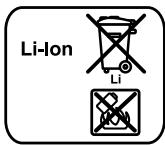
Lithium-ion:
Please observe the instructions in the section "Transport", page 146.
Subject to technical changes.
Serbian
Safety Instructions
General Power Tool Safety Warnings

WARNING
Read all safety warnings and instructions.
Failure to follow the warnings
Executive Vice President Engineering
Helmut Heinzelmann
Head of Product Certification PT/ETM9

Robert Bosch GmbH, Power Tools Division 70764 Leinfelden-Echterdingen, GERMANY Leinfelden, 15.04.2015
Assembly
Charging the battery
Use only chargers listed in the technical data. Only these chargers are compatible with the lithium-ion battery used in your power tool. Note: The battery is supplied partially charged. To ensure full battery capacity, charge the battery before first use in the charger. The lithium-ion battery can be charged at any time without reducing its service life. Interrupting the charging process does not damage the battery. The lithium-ion battery is protected against deep discharge by the "Electronic Cell Protection (ECP)". When the battery is discharged, the power tool is switched off by a protective circuit. The tool used will no longer rotate. Do not press the on/off switch further after the automatic shut-off of the power tool. The battery can be damaged.
Executive Vice President
Engineering
Helmut Heinzelmann
Head of Product Certification
PT/ETM9

Robert Bosch GmbH, Power Tools Division 70764 Leinfelden-Echterdingen, GERMANY Leinfelden, 15.04.2015
Assembly
Charging the battery
Executive Vice President Head of Product Certification Engineering PT/ETM9

Robert Bosch GmbH, Power Tools Division
70764 Leinfelden-Echterdingen, GERMANY
General safety instructions
WARNING Read all safety warnings and instructions. Failure to follow the safety warnings and instructions may result in electric shock, fire and/or serious injury.
Executive Vice President
Engineering
Helmut Heinzelmann
Head of Product Certification
PT/ETM9

Robert Bosch GmbH, Power Tools Division
70764 Leinfelden-Echterdingen, GERMANY
Executive Vice President Engineering
Helmut Heinzelmann
Head of Product Certification PT/ETM9

f( 2) = h · m
Robert Bosch GmbH, Power Tools Division 70764 Leinfelden-Echterdingen, GERMANY Leinfelden, 15.04.2015
Assembly
Battery charger
Use only the charger specified in the "Technical data" section. Only this charger is suitable for charging the lithium-ion battery used in your power tool.
Note. The battery is supplied partially charged. To ensure full performance, fully charge the battery before first use by connecting it to the charger.
Executive Vice President
Engineering
Helmut Heinzelmann
Head of Product Certification
PT/ETM9

Robert Bosch GmbH, Power Tools Division
70764 Leinfelden-Echterdingen, GERMANY
Executive Vice President
Engineering
Helmut Heinzelmann
Head of Product Certification
PT/ETM9

Robert Bosch GmbH, Power Tools Division
70764 Leinfelden-Echterdingen, GERMANY
Mechanics and Electronics Ltd.
PT/SAX-ASA
298 Bojeong-dong Giheung-gu
Yongin-si, Gyeonggi-do, 446-913
Republic of Korea
080-955-0909
#
2012/19/EU 2006/66/EC 2006/66/EC 2006/66/EC 2006/66/EC 2006/66/EC 2006/66/EC 2006/66/EC 2006/66/EC 2006/66/EC 2006/66/EC 2006/66/
Rechargeable battery:
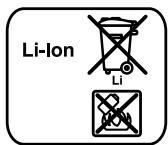
Li-ion:
For internal use, if any
gglgdl gll uag Ulaewu
/psJallgaiy 2006/66/EC
aJai jc aIg aJIuJI bJI
jciailly aaoia aojby lqio yalil pi
.1gJ

:UJbJI/0sJIJI
100 100
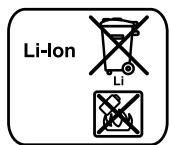
.
pIaW2I oJgwo g uUjlldo
gjll jie jia jiaai g bag uay lau g aill
:gag jll gbg jc loglaal lcg odssall
aJy oJyKJgJgJgJgJgJgJgS
Lgglg llaaio c alw 1 gaoos ooc w
gaoaoglaqgmuulululglcauolpjpoj
JLgabgUulb g UJluaiwUaJUuwJsic
Jalal jolg jaiy laaiaai Jlll lgl gll
julgbeuoguaillg
U
gJgI
julal acliall abioil
+213(0)982400992:
+213(0)34201569:
sav@siestal-dz.com:
25-99
2014
+21671428770:
+21671354175:
sotel2@planet.tn:
10a
+20222476091-95/+20222478072-73:
+20222478075:ω≤ω
boschegyp@unimaregyp.com:JjJJJJ
(Egjglj)uablljj
gglg clls aal slgall also jg
uIgIwUwLo gIJoo
yglwajjsslll jssllslgo 2!uabJI
!uulll
julal juiil oaii Juiiai Uai i bao p xai
aBg 2 ocll aH aIy jSj
JdJIyIgBglwblscmuLqawgJowll
oJbI bIgWJSSS SsOgjll
juiiJI jai gawlg jaiil aabg lc pks ayijgSJI
.
aao jkjjgogjgcjllbla lna glllgl
-20°C to 20
1 to 50°C
Operating temperature range
Storage temperature range
JU JUJUJUJUJUJU
1111111111111111
1000
Data
Input
Output
Supply voltage 6
Power consumption 1.5 W
Weight
EN60745 1
CE
Directive 2009/125/EC (as amended by 1194/2012)
2011/65/EU, 2014/30/EU:2016, 2004/108/EC
2006/42/EC, 2014/30/EU:2016, 20d
EN60745-1, EN60745-2-11
Annex IV of 2006/42/EC
Robert Bosch GmbH, PT/ETM9,
70764 Leinfelden-Echterdingen, GERMANY
Henk Becker
Executive Vice President
Engineering
Helmut Heinzelmann
Head of Product Certification
i. V. h = m _____
Robert Bosch GmbH, Power Tools Division
70764 Leinfelden-Echterdingen, GERMANY

The following 10 items are the contents of this manual. This manual is intended for the user. Read it carefully before using the product. Keep this manual for future reference.
aD
The product is designed for safe operation. However, improper use may cause injury or damage. Please read all instructions before operating.
aawuJ uWuLJ uLoI Uo
The product is designed for safe operation. However, improper use may cause injury or damage. Please read all instructions before operating. The product is designed for safe operation. However, improper use may cause injury or damage. Please read all instructions before operating. The product is designed for safe operation. However, improper use may cause injury or damage. Please read all instructions before operating.
The product is designed for safe operation. However, improper use may cause injury or damage. Please read all instructions before operating. The product is designed for safe operation. However, improper use may cause injury or damage. Please read all instructions before operating.
The product is designed for safe operation. However, improper use may cause injury or damage. Please read all instructions before operating. The product is designed for safe operation. However, improper use may cause injury or damage. Please read all instructions before operating.
The product is designed for safe operation. However, improper use may cause injury or damage. Please read all instructions before operating. The product is designed for safe operation. However, improper use may cause injury or damage. Please read all instructions before operating.
Jol
abwgljoslygalsaJlo JiaigkaS
auijse ooc oaiu 2. jssaiy auijSll ooll
jui jgSlo sic g i uio gSlo sic
abu olwI rsc. gglgJgJgJgJg
Jg 15g j auij gJ oai J piaiui sic b alg
.
__SUPPIMER__
The device is a laser, the laser is a device that emits light through optical amplification. It is used in various applications.

The user manual for the laser device is provided.
Please read the instructions carefully before use.
Directive 1002/19/EU and 2006/66/EC apply to this product. Directive 1002/19/EU and 2006/66/EC apply to this product. Directive 1002/19/EU and 2006/66/EC apply to this product. Directive 1002/19/EU and 2006/66/EC apply to this product. Directive 1002/19/EU and 2006/66/EC apply to this product. Directive 1002/1

Lithium-ion (Li-Ion) battery.
The device has a power output of 193 watts.
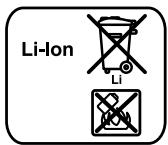
111111111111111111
olius Jus
The device is equipped with a laser diode and operates at a wavelength of 1064 nm.
15 10
The laser power is 100 watts.
Therefore, the area of triangle OBC is 1/2 times CO times BC, which equals 1/2 times CD times 5.
The device should be used in accordance with the safety instructions provided in the manual.
This is a test of the emergency broadcast system. This is only a test.
1619P13233|(5.8.15)
Bosch Power Tools

from -20 °C to 50 °C
www.bosch-pt.com
__SUPPIMER__
__SUPPIMER__
Henk Becker Helmut Heinzelmann Executive Vice President Head of Product Certification Engineering PT/ETM9
70764 Leinfelden-Echterdingen, GERMANY Leinfelden, 15.04.2015
| GSA 18 V-LIC | ojl#d |
| 3601 FA5 0.. | | sh# |
| 18 | V= | laji |
| 0-3050 | min-1 | (###) (###) n0 |
| SDS | | jll |
| 21 | mm | s#h |
| 200 | mm | d#j# |
| 16 | mm | d#j# |
| 100 | mm | d#j# |
| 2,3 | kg | jnl |
| 0...+45 | °C | d#j# |
| -20...+50 | °C | g*dlac# |
| GBA 18 V.. | | si# |
| GBA 18 V..W | | g# |
| AL 18.. | | sh# |
| GAL 3680 | | |
| GAL 18..W | | |
| <0°C | g# |
EN60745-2-11
81.5 dB(A) noise level
92.5 dB(A) sound power level
K = 3 dB
Vibration level (triaxial vector sum)
Uncertainty K = 1.5 m/s²
EN60745-2-11
K=1.5 m/s², ah=8.8 m/s² (main handle)
K=1.5 m/s², ah=7.9 m/s² (auxiliary handle)