USER MANUAL 4300,MV SKIL
- This tool is intended for making cut-throughs and cut-outs in wood, plastic, metal, ceramic plates and rubber, and is suitable for straight and curved cuts with metre angles to 45°
- Before using the tool for the first time, paste the supplied sticker in your national language over the English text of warning label A ②
This tool is not intended for professional use
- Read and save this instruction manual ③
TECHNICAL DATA ①
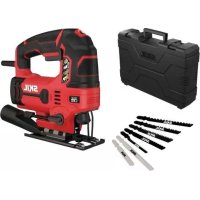
A Warning label
B Switch for on/off and speed control
C Button for switch locking
D Wheel for adjusting sawing speed
E Extension for vacuum cleaner
F Lever for selecting sawing mode
G On/off switch laser
H Ventilation slots
J Parallel guide
K Clic-system for changing saw blades
L Storage for key
SAFETY
GENERAL SAFETY INSTRUCTIONS
WARNING! Read all safety warnings and all instructions. Failure to follow the warnings and instructions may result in electric shock, fire and/or serious injury. Save all warnings and instructions for future reference. The term "power tool" in the warnings refers to your mains-operated (cored) power tool or battery-operated (cordless) power tool.
1) WORK AREA SAFETY
a) Keep work area clean and well lit. Cluttered or dark areas invite accidents.
b) Do not operate power tools in explosive atmospheres, such as in the presence of flammable liquids, gases or dust. Power tools create sparks which may ignite the dust or fumes.
c) Keep children and bystanders away while operating a power tool. Distractions can cause you to lose control.
2) ELECTRICAL SAFETY
a) Power tool plugs must match the outlet. Never modify the plug in any way. Do not use any adapter plugs with earthed (grounded) power tools. Unmodified plugs and matching outlets will reduce risk of electric shock.
b) Avoid body contact with earthed or grounded surfaces such as pipes, radiators, ranges and
refrigerators. There is an increased risk of electric shock if your body is earthed or grounded.
c) Do not expose power tools to rain or wet conditions. Water entering a power tool will increase the risk of electric shock.
d) Do not abuse the cord. Never use the cord for carrying, pulling or unplugging the power tool. Keep cord away from heat, oil, sharp edges or moving parts. Damaged or entangled cords increase the risk of electric shock.
e) When operating a power tool outdoors, use an extension cord suitable for outdoor use. Use of a cord suitable for outdoor use reduces the risk of electric shock.
f) If operating a power tool in a damp location is unavoidable, use an earth leakage circuit breaker. Use of an earth leakage circuit breaker reduces the risk of electric shock.
3) PERSONAL SAFETY
a) Stay alert, watch what you are doing and use common sense when operating a power tool. Do not use a power tool while you are tired or under the influence of drugs, alcohol or medication. A moment of inattention while operating power tools may result in serious personal injury.
b) Use personal protective equipment. Always wear eye protection. Protective equipment such as dust mask, non-skid safety shoes, hard hat, or hearing protection used for appropriate conditions will reduce personal injuries.
c) Prevent unintentional starting. Ensure the switch is in the off-position before connecting to power source and/or battery pack, picking up or carrying the tool. Carrying power tools with your finger on the switch or energising power tools that have the switch on invites accidents.
d) Remove any adjusting key or wrench before turning the power tool on. A wrench or a key left attached to a rotating part of the power tool may result in personal injury.
e) Do not overreach. Keep proper footing and balance at all times. This enables better control of the power tool in unexpected situations.
f) Dress properly. Do not wear loose clothing or jewelry. Keep your hair, clothing and gloves away from moving parts. Loose clothes, jewelry or long hair can be caught in moving parts.
g) If devices are provided for the connection of dust extraction and collection facilities, ensure these are connected and properly used. Use of dust collection can reduce dust-related hazards.
4) POWER TOOL USE AND CARE
a) Do not force the power tool. Use the correct power tool for your application. The correct power tool will do the job better and safer at the rate for which it was designed.
b) Do not use the power tool if the switch does not turn it on and off. Any power tool that cannot be controlled with the switch is dangerous and must be repaired.
c) Disconnect the plug from the power source and/or the battery pack from the power tool before making any adjustments, changing accessories, or storing
power tools. Such preventive safety measures reduce the risk of starting the power tool accidentally.
d) Store idle power tools out of the reach of children and do not allow persons unfamiliar with the power tool or these instructions to operate the power tool. Power tools are dangerous in the hands of untrained users.
e) Maintain power tools. Check for misalignment or binding of moving parts, breakage of parts and any other condition that may affect the power tool's operation. If damaged, have the power tool repaired before use. Many accidents are caused by poorly maintained power tools.
f) Keep cutting tools sharp and clean. Properly maintained cutting tools with sharp cutting edges are less likely to bind and are easier to control.
g) Use the power tool, accessories and tool bits etc., in accordance with these instructions, taking into account the working conditions and the work to be performed. Use of the power tool for operations different from those intended could result in a hazardous situation.
5) SERVICE
a) Have your power tool serviced by a qualified repair person using only identical replacement parts. This will ensure that the safety of the power tool is maintained.
SAFETY INSTRUCTIONS FOR JIG SAWS
GENERAL
- Always check that the supply voltage is the same as the voltage indicated on the nameplate of the tool (tools with a rating of 230V or 240V can also be connected to a 220V supply)
- Check the functioning of the tool before each use and, in case of a defect, have it repaired immediately by a qualified person; never open the tool yourself
- Do not work materials containing asbestos (asbestos is considered carcinogenic)
- This tool should not be used by people under the age of 16 years
- The noise level when working can exceed 85 dB(A); wear ear protection
- Wear protective goggles when working with materials which produce chips
- Dust from material such as paint containing lead, some wood species, minerals and metal may be harmful (contact with or inhalation of the dust may cause allergic reactions and/or respiratory diseases to the operator or bystanders); wear a dust mask and work with a dust extraction device when connectable
- Certain kinds of dust are classified as carcinogenic (such as oak and beech dust) especially in conjunction with additives for wood conditioning; wear a dust mask and work with a dust extraction device when connectable
- Follow the dust-related national requirements for the materials you want to work with
- Use completely unrolled and safe extension cords with a capacity of 16 Amps (U.K. 13 Amps)
- Always disconnect plug from power source before making any adjustment or changing any accessory
BEFORE USE
- Remove all obstacles on top of as well as underneath the cutting path before you start cutting
- Avoid damage that can be caused by screws, nails and other elements in your workpiece; remove them before you start working
- Secure the workpiece (a workpiece clamped with clamping devices or in a vice is held more securely than by hand)
DURING USE
- Hold power tool by insulated gripping surfaces, when performing an operation where the cutting accessory may contact hidden wiring or its own cord (a cutting accessory contacting a "live" wire may make exposed metal parts of the power tool "live" and could give the operator an electric shock)
- When the plugged-in tool is not in use, the tool handle may warm up; this is normal and does not indicate a problem
Always keep the cord away from moving parts of the tool; direct the cord to the rear, away from the tool
- If the cord is damaged or cut through while working, do not touch the cord, but immediately disconnect the plug
- Never use the tool when cord is damaged; have it replaced by a qualified person
- In case of electrical or mechanical malfunction, immediately switch off the tool and disconnect the plug
- Keep hands away from the saw blade while the tool is in use
ACCESSIONS
- SKIL can assure flawless functioning of the tool only when original accessories are used
-
Do not use a saw blade which is cracked, deformed or dull OUTDOOR USE
-
When used outdoors, connect the tool via a fault current (FI) circuit breaker with a triggering current of 30mA maximum, and only use an extension cord which is intended for outdoor use and equipped with a splashproof coupling-socket
AFTER USE
- When you put away the tool, switch off the motor and ensure that all moving parts have come to a complete standstill
LASER RADIATION
- Do not look into the laser beam (laser radiation) ④
- Do not point the laser beam at persons or animals
- Do not use any magnifying optical tools (such as magnifying glasses, telescopes, or binoculars) to view the laser beam
- Do not operate the tool in the presence of flammable liquids, gases or dust
- Do not operate the tool with children around WHEN CONNECTING NEW 3-PIN PLUG (U.K. ONLY):
- Do not connect the blue (= neutral) or brown (= live) wire in the cord of this tool to the earth terminal of the plug
- If for any reason the old plug is cut off the cord of this tool, it must be disposed of safely and not left unattended
USE
On/off ⑤
- Speed control for smooth starting ⑥
- Switch locking for continuous use ⑦
! insert blade to full depth with teeth facing forward ⑨
! use T-shank blades only
- Sawing at 15° / 30° / 45° (10)
Adjusting sawing speed to material used 11
! if the tool does not run with wheel D in position 1, select a higher sawing speed and lower the sawing speed while the tool runs
Dust suction 12
- connect vacuum cleaner to extension E
! do not use vacuum cleaner when cutting metal
Use lever F ② for adjusting the orbital action from accurate cutting (= 0) to fast cutting (= III)
-
1 setting ("0") for accurate cutting in all materials, straight + curved
-
3 settings for fast cutting in different materials, straight cuts only
I = metal
II = plastic
III = hardwood
! always select “0” when sawing splinter-sensitive material
- Laser line (14)
- for guiding tool along desired line of cut marked on the workpiece
- switch on/off laser line by pressing switch G
- before starting a job, check the alignment of the laser line with the actual line of cut by making a trial cut on a piece of waste material
! do not attempt to adjust the laser line with screw X which is pre-set at manufacturing
! do not remove or damage warning label A ②
- Operating the tool
- before switching on the tool, ensure that front end of footplate rests flat on the workpiece
- hold tool firmly with both hands, so you will have full control of the tool at all times
! while working, always hold the tool at the grey-coloured grip area(s) ⑤
- ensure that complete surface of footplate rests firmly on the workpiece
! ensure that the blade has come to a completestandstill, before you lift the tool from theworkpiece
- keep ventilation slots H ② uncovered
APPLICATION ADVICE
Use the appropriate saw blades 16
! use T-shank blades only
- When cutting metals, lubricate saw blade regularly with oil
Use parallel guide J for making parallel cuts 17
- For an accurate straight cut, guide tool with footplate along the edge of a straight piece of wood (18)
- Pre-drill a hole before making cut-outs 19
Splinter-free cutting
- cover cutting-line with several layers of wide tape before cutting
- always face the good side of the workpiece down
For more tips see www.skil.com
MAINTENANCE / SERVICE
- This tool is not intended for professional use
Always keep tool and cord clean (especially ventilation slots H ②)
! disconnect the plug before cleaning
- If the tool should fail despite the care taken in manufacturing and testing procedures, repair should be carried out by an after-sales service centre for SKIL power tools
- send the tool undismantled together with proof of purchase to your dealer or the nearest SKIL service station (addresses as well as the service diagram of the tool are listed on www.skil.com)
ENVIRONMENT
-
Do not dispose of electric tools, accessories and packaging together with household waste material (only for EU countries)
-
in observance of European Directive 2012/19/EC on waste of electric and electronic equipment and its implementation in accordance with national law, electric tools that have reached the end of their life must be collected separately and returned to an environmentally compatible recycling facility
symbol ② will remind you of this when the need for disposing occurs
We declare under our sole responsibility that the product described under "Technical data" is in conformity with the following standards or standardization documents: EN 60745, EN 61000, EN 55014, in accordance with the provisions of the directives 2004/108/EC, 2006/42/EC, 2011/65/EU
Technical file at: SKIL Europe BV (PT-SEU/ENG1), 4825 BD Breda, NL
Operations & Engineering
Olaf Dijkgraaf
Approval Manager

SKIL Europe BV, 4825 BD Breda, NL
09.12.2013
NOISE/VIBRATION
-
Measured in accordance with EN 60745 the sound pressure level of this tool is 88 dB(A) and the sound power level 99 dB(A) (standard deviation: 3 dB), and the vibration * (hand-arm method; uncertainty K = 1.5 m/s2 ) * when cutting wood 6.7 m/s2
-
when cutting metal 11.4 m / s2
-
The vibration emission level has been measured in accordance with a standardised test given in EN 60745; it may be used to compare one tool with another and as a preliminary assessment of exposure to vibration when using the tool for the applications mentioned
-
using the tool for different applications, or with different or poorly maintained accessories, may significantly increase the exposure level
- the times when the tool is switched off or when it is running but not actually doing the job, may significantly reduce the exposure level
! protect yourself against the effects of vibration by maintaining the tool and its accessories, keeping your hands warm, and organizing your work patterns
F
Scie sauteuse
1061
INTRODUCTION
Operations & Engineering
Olaf Dijkgraaf
Approval Manager

SKIL Europe BV, 4825 BD Breda, NL
09.12.2013
BRUIT/VIBRATION
I = Metall II = Kunstsoff III = Hartholz
I = metaal II = plastic III = hardhout
Operations & Engineering
Olaf Dijkgraaf
Approval Manager


SKIL Europe BV, 4825 BD Breda, NL
09.12.2013
GELUID/VIBRATIE
Operations & Engineering
Olaf Dijkgraaf
Approval Manager
SKIL Europe BV, 4825 BD Breda, NL
09.12.2013
LJUD/VIBRATION
Operations & Engineering
Olaf Dijkgraaf
Approval Manager

SKIL Europe BV, 4825 BD Breda, NL
09.12.2013
STØJ/VIBRATION
1) SIKKERHET PÅ ARBEIDSPLASSEN
a) Hold arbeidsområdet rent og ryddig. Rotete arbeidsområder eller arbeidsområder uten lys kan före til ulykkek.
b) Ikke arbeid med maskinen i eksplosjonsutatte omgivelseer - der det befinner seg brenbare vasker, gass erster stov. Elektroverktoy lager gnister som kan antennene stov erller damper.
c) Hold barn og andre personer unna nár elektroverktøyet brukes. Hvis du blir forstyrret under arbeidet, kan du miste kontrollen over maskinen.
2) ELEKTRISK SIKKERHET
VEDLIKEHOLD / SERVICE
I = metali II = muovi III = kovapuu
Operations & Engineering
Olaf Dijkgraaf
Approval Manager


SKIL Europe BV, 4825 BD Breda, NL
09.12.2013
RUIDOS/VIBRACIONES
II = plastico
III = madeira
! selección sempre “0” quandoURTAR materiais susceptíveis de libertar aparas
Operations & Engineering
Approval Manager


SKIL Europe BV, 4825 BD Breda, NL
09.12.2013
RUIDO/VIBRAÇÖNES
Operations & Engineering
Olaf Dijkgraaf
Approval Manager


SKIL Europe BV, 4825 BD Breda, NL
09.12.2013
RUMOROSITA/VIBRAZIONE
Operations & Engineering
Olaf Dijkgraaf
Approval Manager

SKIL Europe BV, 4825 BD Breda, NL
09.12.2013
ZAJ/REZGÉS
Operations & Engineering
Approval Manager

SKIL Europe BV, 4825 BD Breda, NL
09.12.2013
HLUCNOSTI/VIBRACI
Operations & Engineering
Olaf Dijkgraaf
Approval Manager

SKIL Europe BV, 4825 BD Breda, NL
09.12.2013
GÜRÜLTÜ/TITRESIM
I = metal
II = plastik
III = twarde drzewo
Operations & Engineering
Olaf Dijkgraaf
Approval Manager


SKIL Europe BV, 4825 BD Breda, NL
09.12.2013
HAŁASU/WIBRACJE
He cmotpnte ha Ia3epnbI Lyu (CnHmTny HnHnBny) ④
He napablaIe Ia3epHbI Lyu Ha IIOe HIN HNBOTHbIX
He cIeJeT hCNoIb3OBaT yBelenHtTeIbHbIX ONTIeHCnHX INCTPymETOB (HaNP.,yBelenHtTeIbHbIe CTKJa, TEeCKoJI bI NII BHOHKn) IaI paccMatpNbAHn Ia3epHOrO Lyua
He cIeIyET HcNolb3ObaTb IHCTpymENT B pncytCTBnIeKOBOCIIaMeHraUxXcJ KndkOCTe, Ra3OB IblIN
He cIeJyET IcNoJIb3ObaTb IHCTpyMeHT B IpNCyTCTBnI DeTei
NCSIOJIb3OBAHNE
BkIIOueHHe/BBkIIOueHHe ⑤
- UyBCTBnTeIbHbI KypOk BbIKIouaTeIa (peaHpyET haCInLy HaKaTmIu N3MeHeHnEm CKOpOcTn) ⑥
-Блонировka Bынлочаеля ДяпразолинтельногиncopoьзOBAHИ ⑦
3aMeHa nIOJToHnI ⑧
!BCTaBBTe NOIOTHO Do ynopa (3y6bI DOJIHHbI 6bITb HappaBHeHb BnepeD) ⑨
!camoHcnoJb3yTeHHcT-6pa3HbIM XBOCTOBINOM
Пиеленецnodуглom15°/30°/45° ⑩
- PerylnipOBbA CKOpocTn B 3aBNCMOCTH OT MaTePnaIa (1)
!ecnHnCTpymEnTHe pa6oTaet,Korda pyuKa D B noLOXeHN1,ycTaHObInTe 6oJee BbICOHyO CHOPoCTb HNOHN3bTe CHOPoCTb NIIeHnBO BPemrApoBTb INCTpyMeHTa
!HeHcnoJIb3yIeTbIInecoc npn pa6oTe CMetaJIaMaH
-
BbI6Op peKIMa pIIeHnI ① IVcNoJIb3yIte pbIar F ② dIra BbI6OppeKIMa OT MedIeHnHO aKHypaTHOro npOnnla (= 0) do bIcTporo (= III)
-
1 peKIM ("0") Ддя akKypaTHO rpoPnIla no JIObOMy MaTeRnAly, nprMbIX + KpNbIx pacnIIOB
- 3 peЖIMа ДялбИсТpopeЗипо pa3ЛчнБIM MATEрИАм.TOTьКОпразМыx pa3pe3OB I = MeТалI II = ПlaCTиK III = TВердье поюдь.depeBa
!npa6ote HaIerHo paacuenioeemcMaTepeHane Bb6paTte“0"
ИСПОЛБ3уETСДЯнНарвALEпИИСТчмЕТАВДOLТpe6уEMOЛINHINпPONILA,pa3MceHHNoHa 3aTOrTOBKe
BHKIOUHTe/OTKIOUHTe LHHN Ja3epa HaJaaB nepeKIOUaTeIb G
- nepeh Naayolom pa60Tb, npoBepbTe COBnaedHne LInHHnlaepa C HameueHHo NInHne npOtnila, CdIaB np6bHn HaDpe3 Ha HeHyKHom KycOchMe MATepnHa
!He nbItaIteCb OTperynipobatb Ia3epa HNCTpymEnTa, NocKoJIbHy, OH yHe OTperynipOBaH pnp H3rotOBLeHH
!He cneJeYET CHIMaTb HIN NOBpeHdaTb npedynpeNTelbHyTO TablNyA ②
-
IcnoIb3ObaHne HNCTpyMeHTa
-
peRd BHKJIOHEnM HNCTPMyHTa y6bIITecb T B TOM, TTOpeRdHNOKeH IaJIbYcTaHOBJeN ILOTHO Ha 06baabTbIbAeMyU NOBepXHOCTb
-ДерЖиTe HNCTpymENT NaDEнho DByMa pyKaMn,TO6bI IMETb NOCTOHHbI N NOJIbI KOHTpOJIb
! BO BPEMn pa60tbi, BCERda depHInTe INHCTpymENT 3a MecTa npaBnIbHOro XbATA, HOTOpbie Oob3HauehBi cepbIM UEBOTOM 15
- y6eIntecb B TOM,чTO BCa NOBepxHocTb IaIbI NaIeJHNO OIInpaETcra Ha paOchyIO NOBepxHocTb
I nepeD ydaJIeHnEM HNCTpymEHTa c 6pb6a7bIaEBMOHOBxHOCTuY6eNTecB B NOJHOO OCTAOHBOHe NOI
CoeepHnTe BENTNIAOHHbIe OTBepCTnH ② He 3aKpbITbIMN
COBETbI NO HcNoJIb3OBAHnIO
IcnoJIb3yIte COOTBETCTBYUOUINE NIIKN 16
!camoHcnoJb3yIteHHcT-06pa3HbIM XBOCTOBINOM
- Pn pa60Te cMetaIamH peryIaRHO cma3bIaBte nnKIMacIOM
IcnoJb3yIte HnapBaJIIOuIPOIaHky JdIocUeCTBLeHnI npaJIeIbIXpacNIIOB 17
ДяakHypathBixpacINIO NO npRMOIInHHNBeHITNE HCTPymENT BDOJIb KpA npRMOIpeBeyHORO OTpe3a 18
-ПередыретаимемСКВОЗнБИХOTВЕРСТИnpedварптелно р�сверлnte OTВЕРСТVEдрелю 19
-
PpOnn6e3 paCzepenIeHnA
-
NaHJIeIe HeCKOJIbKO CLOEe B IINPOKO JIeHTbI HaJIINHIO pa3pe3a
-
BCERda peXbTe NO pIpOTnBONIOJHOH (TbIbHO) CTOPHe MaTePnala
-
CM dOOnJIHnTeJIbHyIO INHΦOpMaζIHO Ha caIte www.skil. com
TEXO6CLyHKINBAHNE/CEPBNC
d) 36epiraTe eIeHTponpnaHn, IaHmN Bn came He HOpNCTyTecb, DaIeKo BiD iTeR. He Do3BOnJIte HOpNCTyBaTcra eIeHTponpnaHdO oO6am, Ito He 3Naomi 3 Noro p06ToIO a60 He YntaTIu ci BkA3iBHN. Y pa3i 3aTocCyBaHnH He DocBiiJeHemnM OOC6AMn pnpiaHn HeCytB B c6i He6e3NeKy.
e) CtapaHNO DORIJaDAIte 3a npnlaDom. Ipebipre, 06o pyxomi detani npnady 6e3dorAHNO npauOBAI Ta He 3aIaIINI, He 6yIIN OJAMAHIMn a6o HactIbHN NooHDJHEMHM, 0o6 ce MOrLo BnHHTN Ha yHHzIOHyBaHNN pHnAdu. POnHODHeI Detani Tpe6a BiDpemOHTuBTH B ABTOHOBAHM MaCTepHI, nepu HIX NHMI MOHHa 3HOBY KOPNCYBaTcH. BeIiKa KJIbKICb TEHsACNHX BnIADIK CnpuYNHReTcBc IORAHm DOJLDM 3a eJeKTPONPnIaDamH.
f) Tpmaite pi3aIbHI nHCTpymEnTn do6pe HAROCTePHIM Ta B YnCTOTI. CtapaHHo DOgJIHyTI pi3aJIbHI nHCTpymETn 3 roCTpIM piaJIbHM KpaEM MEHue 3aCTPRAIOB Ta ix IerHe BECTn.
g) BnHOpNCTOByIte eIeHTponpHaIaI, npHaIaIdo Hnx,po6oUi hCtpyMeHTu T.i. BiIDOBiDHO do uXh Bk3iBOK. BepITb DO yBaIrpn pUcBOMy yMOBN po60Tu Ta cpeuHcy BnHOhyBAHOi po60Tu. BnKOpNCTaHHeIeHTponpHaIaIb DnIPO6iT, DnIraKHX BOHN He nepeA6aueHi, MoKe np3BOdHTn Do He6e3neuHx CNTyaui.
5) CEPBIC
a) BiDabaIte CbiI npHlaJ ha peMOHT Inwe KbaniIphOBAHm fAixBImr Ta IInse 3 BKNOpHcIOHAMOpIRHaJIbHnx 3AnactHn. Lc 3a6e3neuHb 6e3neuHicTb npHlaJy Ha doBriY qac.
BHA3IBHNI BO E3NEUДЯ EJEKTPUHIX JIO63NKIB
3AΓΑΙbHE
- Pered p6o6ToO nepeBipTe BiDnobiDnicb cTpyM y MEPEKi 3cTpyMOn, PO3HaueHHa nIcTpyMeHTI (iHcTpyMeHTn, PO3paXoBAH na 230B a60 240B, taKoJ MOxHTbPiDnIOuATncAdopeKei 220B)
- IpebeiprTe npaee3daTHiCTb IHcTpymEny nepei KOKHIM NIOO BIKOpNCTaHHM Ta, y BINApIky BINBLeHnHa HecnPpABHOCTi, BiHDcIb NIO DO KbAJIphiKOBaHO rCneuaJIcTa; Hi, B JHOMy pa3i He BiKpNBaTe IHcTpymENT cAMOTyHKn
He 6o6p6JIte MaTePIaJIu, 0o MiCTaTB ac6eCT (ac6eCT BBAJkaetbca KaHcpePOErHHIM)
- Léj iNCTpymENT He moXHa BnKOpncTObyBaTu Oco6aM BIKOMdo16pOKIB
Pibehbuymy npri pno60ti mohe nepeBnuBaTu 85 d5(a); BnKOpNCtOByIte HabyuHnHn
Плд ac po60Tu 3 КнхнMu Ta po3cHuaCTMuMaTePIaMaM O6OB'3KOBO OJraTte 3axChi OkyIpaN
Пил BiT TaHx MaTepiAIB,ЯK CBNtOBOyTpMHyOa
Фар6a,ДeRiTopoIpeOBeBa,MHepaIIM MetaI,MOHe
БуTN ShIdINBIM (KoHTaHT i3 TaHIM NIIOM a60 Ioro
ВdXAHnMoMe CTaTI pNCHIOU BHNKHeHnB a
ОпeRaTopa a6o oci,Юpeb6yBaIoTB npuy,
aIepriY peakui i/a60 pecnPapTopHx
3axBopIOBaHb),NaJraTte pecnipatop i npauOHTe 3
ПиLOBuaIJIIOUM npIcTpoE mIq YbIMKHeHn
InCTprEmHa
-ДякВиплпунКласиФИкУTOбЯКанцероEHн(HanprHnIaD,Ду6OBи a6O b6YOBиПIN),OC6bIbOВСnoLyuHEni3do6aBkAmnJIANKOnuOBAHHaDEpeBENH;HadraItepecnipatopipnaOHTe3ПИLOBDAJIHQUHmPnIcTpoE mIqUacYBIIMKHeHHInCTpymenta
CniDyIte IHcTpyiMa n o po6oTI 3 MaTePiAAMn, npOduyUOuHMn nn
BVKOPINCTOBYIte NOBHCTIO PO3rOHPHeH NUIpy IOoOBHyBaHa, RAHMOKe BHTPmByTaHABaHTaKeHHA B16AMnep
- Pered perylobaHHa6o 3amioo npnaad OOB3HNOB HBMITB BnHy i3 ciTbOoi po3eTHI PEED BHOPNCTAHHR
- Iepw hix noaTn po3nHIOBAAHH, BndaJIbIb BcI nepeuKoDHa noBepxHi Ta nID liHIEO po3nNly
He Donychai Te NsO KoDHeNb, KJI MOKHyTb HAnecTn shpyuHn, CzBxH i Hsi eMeHTn BaWoMy Bnpo6y; BVaDaJIbT bix neped noqatHom p60tN
3aφiHcyte o6p6bOBAhy DeTalb (o6p6bIOBaHa deTaIb, 3aφiKcOBAHa 3a JOnOMoHO 3aTHCNHIX npIcTpoIb a60LeuTaT, 3akPnIIOeTbcra KpaSe, HIX BpyCuHy)
ПД YAC BHKOPUCTAHN
- Pn p6oTox, KOnI p6oOuInHCTpymeHT MoHe 3aueHtN 3axoBAnHy eJeTPOPBOyDHy a60 BLnChN uHyp HnBLeHn, TpImaTe eJeTPOiHCTpymeHT 3a i3OJIbOBAHI pyKoTHN (3aueHJENH NPOBKn, IIO 3NaXoDnTbCn iN dHaNPyroIO, MOKe 3aepdNHyBaTN TaKoH i MeTaJIeBi YaCTNIH eJeTPOIHCTpymeHTa TpNi3BDoNtNo ydApY eJeTPrUHIM CTpymOM)
Holln hctpymet nidcHaHHo Mepehi ane 3hXoHntbCBy BHeaHTNBHomy CTAHI,pyHOrTHa HarpiBaCTbCBy;Ce HOpMaJIbHo I He ROBOpNTb npo HecnpabHtCBy npnlaady
HeD03BOLJIteIshyPyJXHbJIeHNrCTINaTICM3 pyXOMMIMuCACTINHAMnIHCTPymETHy;3ABKnDI BHKJaAdiTeIshyp3a3aADHIOUoCACTINHOIOIHCTPymETHy
-Якшошнур пошдкени a6o npopizahni npri po6obti, He doTOKaItecdo HbOro i heraHNOBITnHt b no 3 po3eTNi
HikOIHN He HINOHPCTOByIe IHCTPYMENT 3
NIOKoDKeHm IuHypOM; INO TOBnEH 3aMiHInTNI
KBaJIΦIKOBaHNI φaxIBEuB
- Y pa3i eIeKtpnHoi 6o MexaHicHoi HecnPabHocTi, HeraHIO BiDKIIOHTe IHCTpMENT I BIMHKITb 3 pO3eTHN
- TpmaTe pyKn IpaJI BiD pNkn KOni iHcTpymeHT npaOe
HACADHN
- SKIL rapaHTye NaDiHny pO6Ory IHCTpymeTa TIlbKn npn BInkopNCtAHHi BiIDNoBIDHO npNJlaJa
He BnKOpNCToBvTe Tyni, DeΦopMoBaHi Ta Nolamahi nn
BHKOPNCTAHH NO3A PIMIeHHrM
Пи роботи на дбори пднлочаite Incтчмент черз залobинк КорOTКORO 3amнань (F1) 3MakCmalaHmпсCHOBMСТРМOM 30MaTBAKNOPICTOBByTe NOOBYbayu,пзnaЧаненДЯЗВОHIHIX pO6iT,юобаднани 3axHCTOM BIDбрзIB
NICJI BYKOPNUCTAHNA
HONB 3aHINHPO8Oby 3 HCTpyMeHTOM,BMMKHTb MOTOPI nepeKoHaTeC,IO BcIpyXOMI YACTHNIOBHCTIOZyHHNIMCS
JI3EPHE BUNPOMIHIOBAHH
- He nivbItbc B npomihb Ia3epa (Ia3ephe BnnpomHIOBaHH) 4
He cnpaMOByTe npomHb Ia3epa Ha IIOeYu TBapHH
He NnBtbcn Ha npOMHb Ia3epa Chepe3 6yD-b-ki ONTHHpiNlaDi (Taki k36IbSyBaIbHe cHIO, Telecko nn 6iHOKJb)
He Kopnctyntecra npilaom y micax, de e 3aMncti piHnH, ra3n nn
He KopncTyuTecn npnilaDom, KOJn npuy e dITN
BHKOPNCTAHH
BmHKaHHBmHKaHH ⑤
- HoHTpoJIb WbNdkoCTI dIa IJIaBHO rnyCHy ⑥
-БлOKУВАнг ВИМИКачдЯ ТрИВАLOI рбOTи ⑦
3aMiHa NIOK ⑧
!yctpormitb nHnky ha nobHy rIn6nHy 3y6aMn HappaBneHMn y nepe ⑨
!BNKOpHCTOByTe NINJIH TIIbHN 3T-NOi6HNM XBOCTOBHOM
- P03ПИЮВанніпДуTom 15°/30°/45° ⑩
Bn6ip wBnDIOCTi po3nnIIOBaHnR BiNObiIDHO BnKOpHCTOByBaHOrO MATEpIaIy ! I nHTpymET He npaIOc, KOJI mExaHIm3M D BcTaHOBeHo y noLoJHeHHr 1, BN6epiTb BnUy WBnDlcTB po3NIIOBAHHr i 3MeHtse WbNDHicTb y npocci p6oTH i nCTpymEHTA
ПИЛЮВЛОВЛЮВАнHA ⑫
- niiEeHaIte nnIOocO do noDobKbya E
! He BHKOPNCOByTe Nnlooc npni pi3aHHI MeTany
Bn6ippeKIMynnIaHHA 13
BnHOPCTOByTe BaxjIb F ② dIpyIyHOBAHNKpyROBoi pO60t BiD ToCHoro pi3aHNH (= 0) do WbNdkOro pi3aHNH (= III)
- 1 napametpr("0")ДлTOUHOro pi3aHH6ydb-Янx MaTepiainB,прMiPo3nIN+ВИngHIn
- 3napaMeTpniIyIWBnDHorOpi3aHnIpyi3Hnx MaTepeiaJIb,TIIbNn npraMipo3nnI I=MetaI II=PiactMaCa III=TbePaDepeBnHa
! npn po3nnlIOBANHI mATEpiaIy, 0o IerHObpo3uienIIOETbcra, 3aBHN Bn6npaItepeHHM "0"
JIiHia na3epy 14
ДлгСпразмOBУВАнHAИСТРУМЕNTУ ПОЗДВН
Нeo6xHnI liHII po3pi3y,ЯнHaKpeSCElaHa Na BInpo6i
BKNIOHATNa BNIHOHTa IINIJIa3epy 3a DOJONMOIO HATNCKHHKHOHNG
- Do nochaHy pobOtHi, nepeBipTe qH cnBnaJaE liHiaI na3epy i3 hAmieHoo liHIEO npOnnIy ta 3p06Itb np6Hn HApri3 Ha HeNoTpi6Homy ShMaToHcy MATEPIany
!HeHAMARaIeTcHNaCTPoITNIJIHIOJLZaepy3a DonOMoROIO TBnHTa X,BiDperyJbObaHOrO nIac BROTOBJIeHH
!He3HimaiTei HeNoHouHyuYne nonepeDhyBaIbHy etKeTHyA ②
BnKOpncTaHH iHcTpymEnTy
- pepey mmmahm hctpymHTy nepekoHaTcB TOMY, 10 nepepn aactHn anopu ilhbo CTNkaetcb3 o6pO6JIbOABHOIO NOBepxHeo
- TpIMaIe IHCTpyMeHT DbOMa PYKaAM, TAKHM YINHOM Bb6yTeMaTH NOBHN KOHTPOJb HAd IHCTpyMeHTOM BECb YAc
!nizacpo60TH,3aBHNtPnMaHTeIHCTpymENT 3aHaCTHH3axbAty ciporo KOlbopy ⑤
- pepehohaHTecb, 10 BCa NOBepxHn ONOp HADiHO cnnpaetbca Ha pObooy NOBepxHIO
I nepeD BvdaJIeHnM IHCTpymENTy 3
6bO6JIbOHaOHIO nobEpxHi nepeKoHaIteCb, 00
NINHc OTOATOpO OyUNHNiNAcB
- TpImaTe BeHTJIaIciHi OTBOpH ② He3aKpnTtMn
IOPADNI NO BHKOPNCTAHIO
BnKOpHcTObyIe BiIDNoBiDiHi nIIKNi 16
!BNHOPNCTOByHTe NINJIH TIIbHN 3T-NOi6HNM XBOCTOBHOM
-Пдчac pi3kn MeTalIB peryIaRHO 3mauTyTe pIiKy MacJLOM
BnKOpncTObyIte HappaBJIHOU pHaHKy J dIy BnHOHaHH npaJIeJIbHNx po3HNIiB ⑰
Длпprмо nponinny BeiTb IHcTpymeH y3OBoK kpaH npramo DepeB'haro BiDp3y 18
-Перед Виризаннгим Habckpi3HxO TOBOPi ПОЕпьо npocBepdIb OTBipdpHlEM 19
-ДИВdoDAТКОВИиФорmaцюHa www.skil.com
OIOJIAD/O6CJyROBYAHHA
LeyiHCTpymeHT He npuaTHn DIAI pOMscIOBOrO BHKOPNCtAHN
3aBKnDn TpImaTe iHcTpymeHT Ta IHO OUnHyp B UChCTOTi (Oco6JIbBO BeHTnIaJIyHi OTBOpH ②)
!pepeHnCTHOIO IHCTpymEnHTy Heo6xIDHo po3'eDnat HtENCeIbHN po3"IM
- RaKho He3BaKaUOHa peTeIbHy TexHOJIrIO BNGTOBENHn I nepeBiPKn IHCTPyMeHT BCE-TaKn BVnDe 3 NaJy, IYO rpoMOT Do3BOJRAeTBCa BHKOHyBaTN LiNe B ATOpN3OBaHn CepBcHni MaNCTepHi dJa eJeKtponpHnlaJiB SKIL
HaDiIiITb Hepo3i6paHm iHCTpyMeHT pa30m 3doKa30m KyniblIo Bauoro DInepa a6o doHaB6IinKHO ceHTpy o6cLyroBuVAHH SKIL (adpecn, a tAOKDiapama o6cLyroBuVAHH npicrpoIO, noaIoTbca Ha caTI www.skil.com)
OXOPOHA HABKOLINHbO'CEPEI
He BnHuaTe eJeTpoiHcTpyment, npHaJdIeHHocTi Ta ynaKOBHy pa30m 3i 3BnuaHMM cmTTam (TilbKn dJa KpaIH EC)
BIDNOIBINO DO EBPoneiCboKoi DnpeKTHBN 2012/19/EC
UOo yTNII3aui CTAPHX eLEKTPNCHNX Ta
eLEKTPONHIX npiIaNiDB, B3AJIeXHOCTI 3 MlCeEBM N
3aKHOHOABCTBOM, eLEKTPIOHCTPymENT, kIIN
pepe6byB B ECKPlyatauII NOBHENb 6bTyN
yTNI3OBAHIN OKPEMO, 6e3neHNM Dnla
HABKOJINHbORO CEpeODBUNa OJIAxOM
MaJIIOHOK 20 HaraJaE Bam npo ce
ДЕKHJIAPAUЯ ПОВIДПОВIДHICTbCTAHДAPTAM C€
Mn 3aBJIbEMO nIi HauBy BnKIIIOHy BiIDNoBdAJIbHcIbTb, uOOnHCaHn B "TexHnic DaHi" npOyKT BiIDNoBIdae TaHm HOpMa m a6o HopmatNBHM DOkUMeHTam: EN 60745, EN 61000, EN 55014 y BiIDNoBIDNocTi do noLoJHeB dIpeKTHB 2004/108/EG, 2006/42/EG, 2011/65/EC
- Texhuihi Dohmeyntn B: SKIL Europe BV (PT-SEU/ENG1), 4825 BD Breda, NL
Operations & Engineering
Olaf Dijkgraaf
Approval Manager

SKIL Europe BV, 4825 BD Breda, NL
09.12.2013
OOPYBO/KPADAEMOY
Mertpneyn ouphiwa me EN 60745 n talpha makouotiknc niocns autoou tou evayaleiou avepxetai o8 88 dB(A) ka n talpha n xntiokic toxuoc o9 99 dB(A) (kaivn anokkian3 d kB), ka o pkaadac oe (muofoxc xipoc/bpaixova -avaopalaia K = 1, m/s2
* Œtav kòβετέ Εύλo 6,7 m/s²
*otav k0bεtε μeTaalaa 11,4 m/s²
To e niteo npaywyns kpaadaaov exe i eptnthetai ouphiva eia tunotoinveyn dokimn nou avapepetai oto npotuno EN 60745 - mtopeia v xnpoiomoin8ei yia tn oukypiion evoc epyaaleiou e eva aallo, kaohc kai wc npokatapktikn aioIoyon tnc ekteons otouc kpaadaouoc otav to epyaieio xpnoiortoeitai yia tic eoapoyec nou avapepovtai
Operations & Engineering
Olaf Dijkgraaf
Approval Manager

SKIL Europe BV, 4825 BD Breda, NL
09.12.2013
ZGOMOT/VIBRATII
1) 5E30ΠACHOCT HA PABOTHOTO MRCTO
a)Подьрнайе работнос си мястocу noipedeHo.Бe3noрдьктИи HeIoCTaTbHOTO OCBTeJIeHne MOratДа cIonomorHaT 3a Bt3HnKBaHeTo Ha Tpydoba 3JIOJOnyka.
b) He pa6oTe c eJeHtpOnHCTpymeHTa B cpea C NOBHIeHa ONAChOCT OT Bb3HNBaHe HA EHCJIO3N, B 6JIH3OCT Do JECHO3APAANIM TEyHOCTH, Ra3OBe Nn npaxoo6pa3Hn MATEpHn. ITO BpeMe Ha pa6oTa B eJeHtPOINHCTpymeHTnte Ce OTdJIAT NCKPn, KOIT0 MOrat Da Bb3IJaMeHrT paxoo6pa3Hn MATEpHn Nn napn.
c)Дьнгдп ecu n ctpaHnHn Iua ha 6e3onacno pa3ctoHnE,doKato pa6oTnte C
eHHTponHCTpyMeHa. Ako BHIMAHIneto Bn 6bJe OTKIoHeHO, MOKe da 3aγy6nte KOHTpOla NaEeHTponHCTpyMeHa.
2) BE30PACHOCT IPII PA6OTA C EJIEHTPNUECHN TOK
a) Μεπεζβτ ha εληθτροιNCT PtyмЕТа TРЯБа DA e ΜΟДхΟДΙΑ, 3a ΜΟλЗВАИΝΚΤΑNT. BΗΝΑΚΒΑ Βυγαι έ He CE ΣΩΥСΗ ΙΝΜΕΗΝΑ ΗΑΚΟΥΤΥΚΙΑΤΑ ΜεπεζΑ. Korato pa60ntte cьc 3aHγνηην εληθτρουρεΠ, He ΙΝΤΟλЗВΑΙTe ἀΔαπθερι Ας ΚεζΑ. ΠΟλЗВΑΕΤΟ ΜαργίνηλΗ ΜεπεζΙΝΙΚΟΥΤΑΝΗΑλΑΒριχΑ Πος ΘΤΤΗΝΗΚΑΒΕ ΕΑΤΟΚΟΥ丫Δρ.
b) 3684BaTe Do npHa Ta TnTo Bn Do 3a3eMeHn TeNa, Hapr. Tpr6u, OToJIInTeHn YpeDn, Neu n XlaHnHnNc. Korato TnToBn To E 3a3eMeHo, PnCKbT OT Bt3HNKBAHe Ha TOKOB yAp e NO-TOJAM.
c)Пелдалбайтей сенгтуонсгтурмета сп OTьнди Влага.ПрогинканetoHa bOda ве сенгтуонсгтурмета NOБишая опаCHOCTTA оТ TOKOB уад.
d) He n3noJIbAaIte 3axpaHbAun Ha6eI 3a ceI, 3a HcHTO ToI He I pReDbUdEh, HnP. 3a da Hocite eEnTPOHNCTPymEtA 3a Ha6eI NIN Da H3BaJInTe 5eNCEJa OTOHKTAA. PpeDna3BaTe Ha6eJa OTHarPBAHe, OmacJIBaHe, DOnIP Do octPrn Pb6Obe NIN DO IONbHXHH 3BeHa HA MaUnHn. TOBpeDeHn NIN yCyKaHn Ka6eI YBcJIuBaBAT PnCKa O TB3NHKBaHe HA TOKOB UdAp.
e) Horato pa60tnte c eIeHTpOHNcTpyMeH NTaBH, H3noJI3BaJIte cAmO yDbJIHITeJIH NAb6eJI, npedHa3NaeHEn 3a pa6oTa Ha OTHpTO. H3noJI3BaHeTo Ha yDbJIHnTeJ, npedHa3NaeH En 3a pa6oTa HA OTHpTO, HamaJIaBA pNCKa OT Bt3HNKbAe TOKOB YdAp.
f) Aho ce HaIana H3noJI3BaHeto Ha eIeHTPOINCHPTyMeHtA BvB BlaJHncapeDa, H3noJI3BaIte npedna3eH npekbcBau 3a yTeHN ToKOB. H3noJI3BaHTo Ha npedna3eH npekcbau 3a yTeHN ToKOB HamaJIaBA OnaCHOCTTA O Bb3HHKBAHe Ha TOKOB yIap.
3) B3OПАСЕН HACHIN HA PABOTA
a)Бьдete KOncHentpapHn, cIeTe BHNMaTeJIHO DeIcTBnraCn H NoCTbNbaIte NpeJa3JIbO n pa3ymHo. He I3NoJ3BaIte eJeKTPoHHCTPymEHTA, KOraTO CTe UMOpeHn IIN NOD BInJHHeT O Ha HApOTuHn BeWeectBA, AnKOxOI HIn yOnBaun IekapCTBa. EInH MmR pa3ceHocT npn pa60Ta C eJIbKTPOHnCTPymEHT MOKe Da Ima 3a IocLeIcTBne IKNIOUHTeJIHO TExKn HapaHbAHy.
b) Pa6oTe c npEpa3BaIo pa6oTHO o6IeKnIO HnHaHc n ppeNa3H OuNla. HocHeTo Ha IOnxOJaU 3aNoJI3BaHnI eKeKTPoHcTpyMeHT N I3BbPbBaHata DeHoCT LnHiN ppeNa3H cpeCTBa, KaTO dNxAteJHa MaKa, 3dApBnPiNbTHO3aTbOpEH O6yBKn CbC CTa6nHe rpaΦep, 3aUnTHa KacKa NnI yMo3aIyUwTeJn (aHTNFOH), HamaJIra BnCKa OT b3HHKBAHe Ha TPyDObA 3IOnOlyKa.
c) N368raBaiTe onaCHOCTTa OT BHLIOUbaHe Ha eENHTPOINHCTPymeTA NO HEBHMAHne. IpeDn da BHIOUChTe 7eIeCeta B 3axpaHbAaTa MpeHa HnI Da NoctabAIte AHymyJalTOpHata 6aTePn, ce yBepraBaiTe, ye NcObNt PpeKbCBaue B
NIOJHOHeH N3KIOUcHo. AHO, KOraTO HOCnTE eJeHTPOHCTPymeHTa, DbPxNtE PbCTa CN BbPxY nCKOBnI ppeKbCau, INI aKO nOdaBaTe 3axpaHbaIo HAnpeJHeHne Ha eJeHTPOHCTPymeHTa, KOraTo e BHKIOH, CbIeCTByBa ONaCHOT OT B3HNKBAHe Ha TpyODa 3JNOJyKa.
d)Пре徳да ВнЮчITEеЕнтуонструмента, ce yebраянte, che CTe OТСТРанИН OT Hero BCHIN NOMOши ИНструменти raechи KIIQUOBE. Помошен ИНструмент, Забравен Ha bВьтRuо се 3бЕН, мОж.de ДИ РЧИНДТРАБМ.
e) He nauehenBaIte Bb3MOxHocHTe cN. Pa6oTe B CTa6nIHIO nOIOHeHne Ha TAnTO N BbB BCEH MOpENT noDbPxaTe paBHObecne. TaKa Ie MOKeTe Da KOHTPOJIpaTe eJeKToPHCTpymEt aNo-do6pe Ni-0e3OanacHO, Ako Bb3HNHe HeoayKaBaHa CHTyaun.
f) Pa6oTe c nOxOJaHIO oBleHIO. He pa6oTe c shpOKn dApexn Hn yHpaSeHnN. DpbHnTe Kocata cn, dPexnte n pKabHnHa 6e3OnaCHO pa3OToHHe OT BbPTaHc SE 3BeHa na EneHTponHCTpyMeHTnte. UppOKn dePexn, YkpaSeHnTa, DbIgHTne Kocn Morat da 6bDaT 3axBaHaNt HyBbIeHEnOT BbPTaHc CE 3BeHa.
g) AHO e Bb3MOHNO h3NoJI3BaHeTo Ha BbNHa
aCnHpaUOHHa CNCTema, ce YBepRAeTe, ye TRe e
BbIIOUeHa n FyHKUOHHa N3npABHO.
H3noJI3BaHeTo Ha aCnHpaUOHHa CNCTema HaMaJIraBa
pINCHOBeTe, DJIJaAunCe Ha OTeJLAaTa ce npI pa6Ota
npax.
4) BHIMATEJIHO OTHOSEHNE KbM EJEKTPOINHCTPYMEHTN
a) He npetobapbaite eJeHTPOHHCTPymeHa. N3oJ3BaIte eJeHTPOHNCTPymENTHcMo CbO6pa3HO TXHO tpeHn3aHaeHe. Ie pa60nte No-Do6e nNo-6e3oNaCHO, KOrATO hNoJ3BaTe NOxOJaIeJeHTPOHNCTPymEHT B 3aJaDeHnO T npOn3BOIDTEJI dHaNApOH Ha HATOBAPBAHe.
b) He n3no13BaIte eIeHTpOHnCTpyMeH, YInTO pynCBO npENbCAu e NobpeH. EeHTpONHCTpyMeH, KOTo He MoKe Da 6bDe N3HIOUoBaH IN BHIIOUbaH NO pReBnDEHnO T pOnO3BoiNTeJI HaHIN, e OAnCeH I TRa6Ba Da 6bDe pEmOnTHpaH.
c)Пред nда поме�е 흐сторнite ha eelenТроннсгимпа Дзаме�е рабони Инсторемпи и дьнелени рпссноблени, KaHTo N Korato npodbHLNTeHNo BpeMe HЯMa DA nI3N0J3BaTe eelenТроннсгимпа,ИЗнLOЧВай Te UZENCEla OT 3axpaHbAaata Мрета n/HIn n3BaHdAte AkyMylatopHATA 6aTepn. Ta3N Mярн aPemaxba OnachocTTa OT 3aJeCtBvahe Ha eelenТроннсгимпа NO HEBNHMaHne.
d) CbxaPahBaIte eIeHTPOHcHcTpMeHTne Ha Mecta, HbTeTo He Moar Da 6bDat DOCTHRaTHn OT Deua. He DOnyChaIte Te Da 6bDat N3NoJ3BaHN OT IuCa, HOnto He ca 3aNo3HaTHn C HauHna Ha pa6Ota C Taux Hec aPiouEiN TeN HcTpyKuHn. Korato ca B pBuCeTe HA HeONITHn IOTpe6HtEiN, eIeKTPOHcHcTpMeHTnTE MOraTa Da 6bDat IN3HIOHcTeJHO OAnCHI.
e) PoiDbpHaaTe eIeHTponHCTpyMeHTnte cn RnHHJIbNO. IpoBePbAte daJINoDHNHHne 3Bena FyHKUHOHPa 6e3yHOpO, DAJIH He 3aKJINHBaT, DAJIH HMA CUYNEH NNI NOPBedeHNe DetaiJIIN, KOHTO
HanyuwaBat NmN H3MeHrT FyHKcHnTe Ha eNEKTPoHNCTPymENTa. IpeNi Da n3NoJI3BaTe eNEKTPoHNCTPymENTa, ce NOrJHHeTne NOBpeHEnTe deAaN da 6bDat peMOHTnpAH. MHOOT TpyDOnBE TzeIPOJUHy Ce dJbXnat HA HeIDObpe NOdIbPrxAHN eNEKTPoHNCTPymENTn uYpeNi.
f)PoiDbpKaHtepehEunHeNCTpyMeHTn BnHaHnOdbpe3aToeHHuCTn.Do6peNoIbpbKaHnTepeKeusn HnCTpyMeHTnCocptn pBbOBe Oka3BaTPO-MaJIO CbNPOTINBJEHm Ec BOJRT NO-JEHO.
g)ИЗнOL3ВаиTe eHEnTpoHnHCTpymeHTte,ДОЛьнITeIeNITpe npCnocO6JIeHnA,pa6OTnTE HnCTpymeHTn T.H.,сБо6pa3H0 INHCTpyKUHnTe Ha npOn3BODHTeJ.C DeHocTH n IpoUeDpyn, eBEHTyaJIHO npEdnHcAHn OT pa3JIuHn HOpMaTHBn DOKyMentn.ИЗнOL3BaHToHa eHEnTpoHnHCTpymeHTn 3a pa3JIuHnOT npEdBuHeNTHe OT npOn3BODHTeJI npINLOKeHnI NOBIuBa OAnCHOCHTa OT b3HHKBAHe Ha TpyDoBn 3IOnOlyKn.
5)ПОДдьРЖАСЕ
a) DonychaTe peMOHTbT Ha eJeKTPoHCTpymeHTHe Bn Da ce N3BbPwBa cAmO OT KBAJIHΦmIpaHH CneuHaJNCTn cAmO C H3NoJ3BaHeTo Ha opHrHaJN Pe3epBHN qactH. No To3n HaYIN CE rapaHTnpa CbXpaHraBaHe Ha 6e3oJacHOCTTa Ha eJeKTPoHCTpymeHTa.
YHA3AHN 3A BE3OIIACHA PABOTA 3A IPOBODEH TPNOH
OBUUN
- Празд Вьлоча He Na ИСТурмЕТа в КонтakTe ce
Увете,Ч М_PэгбовTO Ипалж经и OTВОварЯ Na
Инреленeto,обзчEquHe Na ФчмЕнATA tabe�ka Na
ИнстPyмERTa (ИнстPyмETn C HOMHAnH Oпалж经и
230V nii 240V могТа д 6БДAT Вьлоч经и N KbM
Зхранва спалж经и 220V)
- Праздда заочипесаразота, Виангл поверява对接 Камразоты Истчтейма и В суну на Ндевент He3ababH0 Г дайся за ремонь на КВалфицрано Лимс; НИКORA He оТаврпесам селенковпснгпспспспспспспспспспспспспспспспспспспспспспспспспспспспспспспспспспспспспспспспспспспспспспспспспспспС
- -
- -
- -
- -
- -
- -
- -
- -
- -
- -
- -
- -
- -
- -
- -
- -
- -
- -
- -
- -
- -
- -
- -
- -
- -
- -
- -
- -
- -
- -
- -
- -
- -
- -
- -
- -
- -
- -
- -
- -
- -
- -
- -
- -
- -
- -
- -
- -
- -
-
-
- -
- -
- -
- -
- -
- -
- -
- -
- -
- -
- -
- -
- -
- -
- -
- -
- -
- -
- -
- -
- -
- -
- -
- -
- -
- -
- -
- -
- -
- -
- -
- -
- -
- -
- -
- -
- -
- -
- -
- -
- -
- -
- -
- -
- -
- -
- -
- -
- -
-
.
-
-
-
-
-
-
-
-
-
-
-
-
-
-
-
-
-
-
-
-
-
-
-
-
-
-
-
-
-
-
-
-
-
-
-
-
-
.
.
.
.
.
.
.
.
.
.
.
.
.
.
.
.
.
.
.
.
.
.
.
.
.
.
.
.
.
.
.
.
.
.
.
.
.
.
.
.
.
.
.
.
.
.
.
.
.
.
.
.
.
.
.
.
.
.
.
.
.
.
.
.
.
.
.
.
.
.
.
?
+
He 6pa6oTBaIe a36ecToCbIbPnaMATEpHnA (a36ecTbTeKaHcpeoreHen)
MaunHaTa He Tp6Ba Da ce H3no3Ba ot Iina noi 16 roHn
- Pn pa60ta HmBTo Ha 7yMa MoKe da HaDbuSi 85 dB(A);HocTe aHTTFOHN
Korato pa6oTHTe C MaTePnaJI, OTdEJIaIc STpyJHH, Hocete 3aunTHN OUnla
- PpaxbT OT HЯкоM MaTePmaJIaH, KaTO HAnPmEpcBtDpKaUa OLOBO 6oR, HANO BnOBe DpbBecHa, MInHepaIIN MetaJI MoNE Da 6bDe BepeDen (KHOHTAKN IINI BdIIbBaVe Ha TaKbB pNx MoTg Da npMHnHrA nApEurHnPeakuN N/INI peCnnpaTopHN 3abolraBnHa Na OePaTopa NIN CTOruNTe HabIoNo Liu); N3NoIbAAite npToTHOBpaxoBA macka n pa60Tete c acnnpupaO npxTaY yctpoiCTBO, HORATO TAOBA MoNe Da 6bDe CbP3aHo
- OnpeJeHn BnIe npax ca KlaacnФuPapn KaTo KApUHnEHTHM (KATO npax OT Db6 N 6yK) Ooc6Ho HOrato Ca KOMBnHpAnC nOobAHN 3a NoDopRbAne Ha CbCToHnEtO Ha dPbBeCNHa; N3NoJ3BaNte pOtnHBonpaxoBA MacHa n pa6oTe c acnpHpaO npxta yctpoIcTBo, kOrato TaHOBA MoHe da 6bJe cBbP3Ao
CneBaiTe dePhiHnHpaHnHTe no BDCn3NCKBaHnOTHOCHO 3a npaaHeoCTTa 3a MaTePnaJIte, KONTOKeJaTe da o6pa6oTBate
- I3nOJ3BaIte HaJIbHO pa3BHTN IO6e3OpaceHn pa3KnOHHTeJI C kanaUTeT 16 A
- Ппдн ИЗВьршвано на КанБати Да БИно
Насторна ИИМ CMRAHA на пинадлесно ВИнаги
ИЗвадду Te Урсесда OT HOТАгда
Еlenentpo3aXpaHbaHanto
IPEDYNYNOTPE6A
- PnEmAXHETe BCNCHN ppeINrCTBnB Bbpxy NObBpXHOCTTa, a CbIoo N IOD TbTb Na pR3aHe, ppei Da 3anOuHHeTe pr3aHETo
ИЗБЯВайТЕ NOВРЕД,КОТTO MOraT Да 6БДАТ pнИнEHи OT BИНTOBE,ГRO3Дeи IДPyгИ МетAlHIn eLEMENTN B obapObTaBnIg DeTaN;OTCTpaHete rnpEДа 3anOчHete pabOta
- Obsezonacetene pa60THnmapeHnna (MaTePnHaI, 3aTeHnat B 3aTfAaN hCTpMEn HnB MHeFeme e NO-yCTOuHnB, OTOKlKtOAn aKOe CbJbPkns bPbKa)
Pn yNtPEBA
Horato n3nblnBate deHocTH, npH KOHTO pa60THaT HNCTpMeHT MoHe Da nonaHne Ha cHPTN NOI NOBbpxHOCTTa IPOBOHDnIe NOD HAPeHexHe NII DA 3acERHe 3axpaHbAaIGNa Ka6en, BHNMaBaIte Da DOINPATE eEKeTPOHNCTpMeHTa camo Do h3OlnpaHInTe pbHXbATH (PiK HOtAKT C IPOBODNIK NOI HAPeHexHe NTo Ce PpeDaHa MeTAJIHNTe DetaiHn HA eEKeTPOHNCTpMeHTa n TOBa MOKe Da ppei3BnKa TOKOB ydap)
Horato HNCTPymeHTb E BHIOUeH 3aXpaHBAheTO, HO He ce N3IOJ3Ba, E b3M0MOH NO DpbHkata Da ce 3aTOnnI; TOBa e HOPMAJHO He NpOa3Ba npo6Iem
BnHaHn OTBeKdAaTe 3azaPbHaaJrT Ka6eI daJeO tBnHeuNte Ce 3BeHa Na eEKeTPOINHCTPymeTa; npExbPjIeTe Ka6eI oT3aD, daJeO tEKeTPOINHCTPymeTa
AkoKa6eBtCeNoPBeNDnIcpeKeNoBpeMeHa pa6Ota, He roDOKoBaTHe,BeDnHaN3KIOuTeUcnCenaH,NHKORA He H3NOI3BaTe INCHCTPyMeHTa C NoPBeDen Ka6eB
He n3oJ3aIe The HcTpyMeHTa, KOrato e NOBpeHnhypBT; 3amHaTa My cIeBa da ce N3BbPSh OT KBaJIINΦHuaPAnHO liue
B cJyuaHai naEkeTPNUeCKa HnMexAHuHa HeN3npabHBOCT, n3HIOUOte He3a6bHO anapata N pKeBcCHETe KOHTAKTa C eEkeTPNUeCKa TpeKha
HoroTo eIeHTPOINHCTPymeHTpb60TN,na3eTe pbcete cnOTpeXeMaTaJIeHTa
DONJIHINTEJHN AHCECOAPN
SKILMOJEEdaocnpyn6e3abapnHa pa6oTaHa eJeKTPoHnCTpymEnTa cAmO aKOce H3noI3Bat OpunHnAJIHN DoJIbJIHTeJIHN pIncNoCo6JIeHHA
He n3no3BaBtepeJeeMaJeHTa, KOrTo e HanykaHa, DeΦoPmIpaHa nn 3aTbNeHa
YIOTPEBA HA OTHPITO
Ipnpa0taHaOTkpntoCBbp3baTe eHtpoHHcTpyMeHTaKbM3axpaHbAHetoNocpeDCTBOM TOkONpeKbCBAu 3aNoPepaCMACmMaJIeHnyCKOBTOK OT 30mA N3no13BaTe cAmO ydbInHeI, npedHa3nAeH 3a pa60TaHaOTkpRToNCHa6DeHc5c 3aunTeHO TnpbCNUeCEHo rHe3do
CJIED PABOTA
- He rIeJaIte B Ia3epnIaIbU (Ia3epHIOIbYeHne) ④
He haooyaBte na3epnna bCpeuy xopa nn HJIBOTHN
He 3nO3BaIe KaHbTO n Da 6blNO yBEnuHITeHHN ONtHecKn HnCTpyMeHTn (Kato Hnp. Ounla, TeLeckOnn NIN BnHOHN), 3a Da rIeDate Na3epHnJIbY
He pa60TeC HNCTpymeHTA BnpncbCTBne Ha b3PnlaMeHmM TeHOCTH, r3OBe HIn npax
He pa6oTeTe c nHcTpymeHa, aKo HaokoIOn mJa dea
YNOTPEBA
BkIIOUBaHe/u3KIOUOBAHe ⑤
- Perylinahe Ha ckopoCtTa 3a Плавно русkahe B XoD ⑥
3actonopraBaHe Ha BnHouBaunCnycbK 3a HnpeKbchata pa60ta ⑦
- CmHa Ha ocTpneTa ⑧
1 BkapaTe octpMeTo NbTHo Do doIy c hacoeHn Hanpe3b6u9 1 TOJbKO H3NOJ3BaIteJeHTn C T-06pa3Ha onaHa
Praane noBbI 15° / 30° / 45° ⑩
- PeryiipaHe Ha chOpocTtHa pR3aHe B 3aBnCmOcT O T MaTePnJa 11
! npn ycIobne,Ye HNCTpyMeHtBt He pa60TH, HORATO MAXOBuHbT D CeHAMnpa B no3npu 1, N36epete No BVcOHa CHOPoCT Ha p3aHe, 3a da 3a#eJCTBaTe NHCTpyMeHTa n HAmaJIeTe OTHOBO, DOHOATo HNCTpyMeHtBt E B dJeCTBne
-BHJIIOUeTe npaxoMcyKaHaKaTa KbM 0uepaE
!HeH3nOJ3BaJIeTpnpaxocMyKaHkata,KORATo peKeHTeMetaI
- N36bpaHe Ha peKIM Ha pR3aHe 13
N3noJ3aBteLoCTF ② 3aHaHarglacHeHaOp6nIaHOTo DeIcTBneOTnpeun3HoPra3aHe (= 0) do6b3oPra3aHe (= III)
1 KOMJIeHT ("0") 3a TOUHO pR3aHe Ha BCRAKBA MATEPNAJIN, npABN + H3BNTn pa3pe3n
- 3 KOMПЛЕКТа 3a 6ьрЗО рязане Ha pa3лчпиMaTeРиДи, само пары pa3pe3N
I=metan
II = nlaactmaca
III = TBbρdΩbρBO
! BnHaHn36bpaTte “0”,KORATO peKeTe NOdaTlmbn Ha pa3uenBaHe MATEpHaJI
Operations & Engineering
Olaf Dijkgraaf
Approval Manager

SKIL Europe BV, 4825 BD Breda, NL
09.12.2013
UYM/BNBPALIN
- I3MepeHO B CbOTBeCTBHe c EN 60745 HNBOTo Ha 3ByKOBO HAJIraHe HA TO3n HNCTpymEn t e 88 dB(A) a HNBO To HA 3ByKOBa MOUHcT e 99 dB(A) (CTaHApTHO OTKLOHeHne: 3A, b A BIbpaunHe Ta M² (MeTOd pKa-pAmo; HeOppeJeHeoc T K = 1,5 m/c²)
*При рязане на дрво 6,7 m/c²
*пи рязане на метал 11,4 m/c²
HIBOTO Ha npedaeHEnTE Bn6paunE n 3mepeHO B cTbETCTBNE Cc STaHdapTN3HpaHnI TcT, ONpeJeH EN 60745;TO MOKe Da ce H3noL3Ba 3a cpaBHeHne Ha EHN INCHTPymENT C dpyr N KaTo npedBapInTeHa OceHka HA NOJaRaHETO Ha Bn6paunPn iN3noL3BaHoTe Ha INCHTPyMeHTA 3a NOCOeHNeT PpINIOKeHH
- I3N0JI3BaHEnTo HA IHCTpyMEnTa 3a pa3JIuNHn OT Te3n
IINIOJOEHN HIN C DpyN, HIN NOIo NOJDbPdXaHn
AHC6OeApn MoJE 3aHuNTeHNO Da NOBNIHNBOTo Hn
KOEtO CTe NIOJIOJEHN
- NepnoIDnTE OT Bpeme, KORATo INHCTpyMeHTa e
N3JIIOUeH NII CbOTBeTHO BHLIOUeH, HO C Hero He CE
pa0BtN H MOMENTA MORAT 3NaHTeJIHO da HamaJrN
HBOTO HA KOETO CTe NOIIOJHEH
I npedna3BaIte ce ot efeHTne OT Bn6paunHnte, Hato noDbPbHate HHCTpyMeNTa n AkcecoapHTe My, na3Ne pIbIeTe CN ToJIIN I opraHn3Hpate BaWnte moJEL Ha pa6ota
SK
Priamočiara pila
1061
UVOD
Operations & Engineering
Olaf Dijkgraaf
Approval Manager
SKIL Europe BV, 4825 BD Breda, NL
09.12.2013
HLUKU/VIBRÁCIÁCH
Operations & Engineering
Olaf Dijkgraaf
Approval Manager


SKIL Europe BV, 4825 BD Breda, NL
09.12.2013
BUCI/VIBRACIJAMA
Mjereno prema EN 60745 prag zvučnog tlaka ovog elektrícnog alata iznosi 88 dB(A) a jakost zvuka 99 dB(A) (standardna devijacija: 3 dB), a vibracija * (postupkom na šaci-ruci; nesigurnost K = 1,5 m/s²)
*kodrezanja drva 6,7m / s2
*kodrezanja metala 11,4m / s2
Razina emittiranja vibracija izmjerena je sukladno normiranom testu danom u EN 60745; ona se moze koristiti za usporedbu jeder alatke s drugom, te preliminarnu procjenu izlożesti vibracijama pri uporabi alatke za navedene namjene
- uporaba ove alatke za druge namjene ili s drugim ili slabo odrzavanim nestavcima, moze u značajnoj mjeri uvečati razinu izloženosti
- vrijeme tokom kojega je alatka isklučena, ili jeuklučena ali se njome ne radi,MZe značajno umanjiti razin izloženosti
! zašitite se od posljedica vibracija održavanjem alatke i njezinih nestavaka, održavanjem Vaših ruku toplima, te organiziranjem Vaših obrazaca rada
(SRB)
Ubodna testera
1061
UPUTSTVO
- Ovaj alat je namenjen za presecanje i odsecanje driveta, plastike, metala, keramickih ploca i gume; koristi se za pravo i secenje pod ugrom do 45 stepeni
- Pre Ngo sto prvi put opotrebie alat, zalepite prilozenu nalepnicu na svom maternjem jeziku preko originalne nalepnicza upozorenja na angelskom jeziku A ②
- Ovaj alat nije namenjen za profesionalnu upotrebu
- Pažljivo pročitajte i sačuvajte ova uputstva za rukovanje ③
TEHNICKI PODACI ①
ELEMENTI ALATA ②
OPSTA UPUTSTVA O SIGURNOSTI
PAZNJA! Citajte sva upozorenja i uputstva. Propusti kod pridržavanja upozorenja i uputstava mogu imati za poslediciu elektrichi udar, pozar /ili teške povrede. Cuvajte sva upozorenja i uputstva za buducnost. Pojam upotreblen u upozorenjima "elektrichi alat" odnosi se na elektriche alate sa radom na mrezi (sa mreznim kablam) i na elektriche alate sa radom na akumulator (bez mreznog kabla).
1) SIGURNOST NA RADNOM MESTU
a) Držite Vase područje rada Čisto i pospremljeno. Nered ili neosvetljena radna područja mogu voditi nasrećama.
b) Ne radite sa aparatom u okolini ugrozenoj od eksplozija u kojo se nalaze zapaljve tecnosti, gasovi ili prasei. Elektrichi alati proizvode varnice, koje mogu zapaliti prasinu ili isparenja.
c) Za vreme korišćenja elektrícnog alata držite podalje decu i druge osobe. Kod skretanja możete izgubiti kontrolu nad aparatom.
2) ELEKTRICNA SIGURNOST
a) Utikač za prikljucak aparata mora odgovarati utičnoj kutijici. Utikač se nasme nikako menjati. Ne upotrebljavaje adaptere utiča zajedno sa aparatima sa uzemljenom zašitom. Ne promenjeni utičaci odgovarajuće utičnice smanjuju rizik od elektricnog udara.
b) Izbegavaje telesni kontakt sa uzemljenim gornjim povrsinama, kao stu se cvi, grejanja, sporeti i rashladni ormani. Postoji povecani rizik od elektriconog udara, ako je Vasé telo uzemljeno.
c) Držite aparat podalje od kiše ili vlage. Prodiranje vode u elektrčni aparat povećava rizik od elektrčnog udara.
d) Ne koristite kabl da bi aparat nosili, obesili ili ga izvlacili iz uticnice. Drzite kabl dalje od vreline, ulja, ostrih ivica ili pokretnih delova aparata. Ostecni ili zamrseni kablovipovecavaju rizik od elektrinog udara.
e) Ako sa nekim elektricnim alatom radite u prirodi, upotrebljavajeismo produzne kablove koji su dozvoljeni za poljno podruce. Upotreba produznog klaba pogodnog za spoljno podruce smanjije rizik od elektricnog udara.
f) Ako rad elektricnog alata ne moze da se izbegne u vlažnoj okolini, koristite prekidač strujne zašite pri kvaru. Upotreba prekidača strujne zašite pri kvaru smanjuje rizik od elektricnog udara.
3) SIGURNOST OSOBA
a) Budite pazljivi, pazite na to, sha radite i idite razumno na posao sa elektrichim alatom. Ne upotrebljavaje aparat, kada ste umorni ili pod
uticajem droga, alkohola ili lekova. Momenat nepažnje kod upotrebe aparata moze voditi do ozbiljinh povreda.
b) Nosite ličnu zašit脲 opremu i uvek zašitne načcare. Nosenje lične zašitne opreme, kao maske za prasinu, sigurnosne cipele koje ne klizaju, zašitni šlem ili zašitut za sluh, javiso od vrste i upotrebe elektricnog alata, smanjujete rizik od povreda.
c) Izbegavaje nenamerno pušanje u rad. Uverite se da je elektrčni alat isklučen, pre nego što ga priključite na struju i/iii na akumulator, uzmite ga ili nosite. Ako prilikom nosenja elektrčnog alata držite prst na prekidaču ili aparat uključen priključujete na struju, moze ovo voditi nesrećama.
d) Uklonite alate za podesavanje ili kluceve za zavrtnje, pre ngo sto uklučite aparat. Alat ili kluč koji se nalazi u delu aparata koji se okrece, moze voditi povredama.
e) Ne precenjute sebe. Pobrinite se da sigurno stojite i održavaje u svako doba ravnotežu. Na taj način možete bolje kontrolisati aparut u neocekivanim situacijama.
f) Nositogodno odelo. Ne nosite siroko odelo ilni nakit.Drzite kosu, odelo i rukvice podalje odPokretnih delova.Opusteno odelo, nakit ili duza kosamogu biti zahvaceni od rotirajucih delova.
g) Ako se mogu montirati uredjaji za usisavanje prasei uredjali za hvatanje prasei, uverite se da li su prikliuceni i ispravo koriste. Upotreba usisavanja prasei moze smanjiti opasnosti od prasei.
4) BRIZLJIVO OPHODJENJE I KORISCENJE ELEKTRICNIH ALATA
a) Ne preopterećujte aparat. Upotrebljavajte za Vaš posao elektrčić alat odredjen za to. Sa odgovarajućim elektrčićim alatom radiće bolje i sigurnije u naveneden području rada.
b) Ne upotrebljavaje elektrichi nai atal, ciji je prekidauc kvaru. Elektrichi nai at koji vise ne moze da se ukljuci ili iskljuci je opasan i mora da se popravi.
c) Izvucite utikač iz utićnice i/ili ukonite akumulator pre ngo što preduzmete podesavanja na aparatu, promenu delova cribora ili ostavite aparat. Ova mera opreza sprečava nenameran start aparata.
d) Cuvajte nekorišcene elektrčne alate izvan domašaja dece. Ne dopustite osobama da koriste aparat, koje ga ne poznaju ili nisu pročitali ova uputstva. Elektrčni alati su opasni, akho i koriste neiskusne osobe.
e) Održavajte aparat bržljivo. Kontrolisite, da liPokretni delovi aparata funkcioniju besprekorno i ne slepljuu, da li su delovi slomljeni ili tako ostečeni, da je funkcjija aparata ostećena. Popravite ostećene delove pre upotrebe aparata. Mnoge nesreće imaju svoj uzrok u lose odžavanim elektrčin alatima.
f) Drzirte alate za secenja osterreich i ciste. Brizjivo negovani alati za secenje sa ostrim secivima manje slepljuji i lakse se vode.
g) Upotreblavajte elektricne alate, pribor, alate koji se umecu itd. prema ovim uputstvima. Obratite paznju pritom na uputstva za rad i posao koji treba izvesti. Upotreba elektricih na alata za druge od propisanih namena moze voditi opasnim situacijama.
5) SERVIS
a) Neka Vam Vas aparat popravlja samo kualifikovano stručno osoblji I samo sa originalnim rezervnim delovima. Na taj način se obežbeduju de ostane sačuvana sigurnost aparata.
SIGURNOSNA UPUTSTVA ZA UBODNU TESTERU
OPŠTA
- Uvek se uverite da je napon struje isti kao i napon navenen na plocici sa nazivom alatu (alati na kojima je navenen napon od 230V ili 240V mogu da rade i na 220V)
Proverite fungkionisanje elektricnog alata pre upotrebe i u slucaju postojanja bilo kakovg kvara dajte odmah na popravku nikada ne ovarajealte alati sami
- Ne obradjute nikakav materijal koji sadrži azbest (azbest važi kao izazivać raka)
- Ovaj alat ne treba da koriste osobe ispod 16 godina
- Buka koju alat proizvodi tokom rada moze da premasi 85 dB(A); nosite zašitu za sluh
- Nosite naocare kada radite sa materijalima koji produkuju piljevinu
- Prašina od materijala, kao što su koja koja sadrži olovo, neke vrste driveta, minerali i metal, moze biti opasna (dodir ili udisanje praseine moze prouzrokovati alergijske reakcije i/ili respiratorna oboljenja rukovaoca i lica u blizini); nositake masku protiv praseine i radite uz ukljuceni uredjai za ekstrakciju praseine kada radite na mestima gde ju je moguce priklujcit
- Odredene vrste prasine su klasifikovane kao kancerogene (kao sto su prasina hrastovine i bukovine), posebno u sadejstvu sa aditivima za priremu driveta; nosite masku protiv prasine i radite uz ukluceni uredaj za ekstrakciju prasine kada radite na mestima gde ju je moguce priklujciti
- Prati nacionalne propise vezane za prasinu koja se proizvodi prilikom rada na obradivanim materijalima
- Produzni kabl koji koristite mora da bude sasvim odmotan i siguran, sa kapacitetom od 16 A
- Obavezno iskopćajte alat iz elektríne uticnice pre nego što izvršite bilo kakva podesavanja ili zamenu príbora
PRE UPOTREBE
- PreNgu sto zapocnete secenje,uklonite sve prepreka na vrhu,kao i ispod putanje secenja
- Izbegavajte ostejenja od srafova, ekseri i drugih predmeta na vašem područu rada; uklonite ih pre nego što zapocnete rad
- Obezbedite radni predmet (radni predmet stegnut pomocu stega ili neçeg slichnog je mnogo stabiliji neko kada se drži rukom)
TOKOM UPOTREBE
Operations & Engineering
Olaf Dijkgraaf
Approval Manager


SKIL Europe BV, 4825 BD Breda, NL
09.12.2013
BUKA/VIBRACJE
-
Mereno u skladu sa EN 60745 nivo pritiska zvuka ovog alata iznosi 88 dB(A) a jacina zvuka 99 dB(A) (normalno odustpanje: 3 dB), a vibracija * (mereno metodom na šaci-ruci; nesigurnost K = 1,5 m/s²)
-
pri sečenju drvo 6,7 m/s²
-
pri sečenju metal 11,4 m/s²
-
Nivo emisije vibracija izmeren je u skladu sa standardizovanim testom datim u EN 60745; on se moze koristiti za uporedjene jegne alatke sa drugom, kao i za preliminarnu procenu izloženosti vibracijama pri korišćenju ove alatke za pomenute namene
-
korišćenje alatke u drugacije svrhe ili sa drugacijim ili slabo odžavanim nastavcima moze značajno povečati nivo izloženosti
- vreme kada je alatka isklučena ili kada je uključena, ali se njome ne radi,MZe značajno smanjitil nivo izloženosti
! zašitite se od posledica vibracija održavanjem alatke i njenih nastavaka, održavajući Vase ruke toplim i organizovanjem Vasih radnih obrazaca
SLO
Vbodna zaga
1061
UVOD
- Orodje je namejeno za rezanje in izrezovanje iz lesa, plastike, kovine, keramičnih plošćic in gume, za ravne in krive reze za kota 0° in 45°
Pred prvo uporabo preko angleskega besedila oposzorline nalepke A ② prelepite硬度 napleko v Vašem jeziku
- Orodje ni namenjeno profesionalni uporabi
- Preberite in shranite navodila za uporabo ③
TEHNIČNI PODATKI ①
DELI ORODJA ②
A Nalepka z opozorilom
B Vklopno/izklopno stikalo in za nadzor hitrosti
C Gumb za blokiranje stikala
D Kolo za regulacioni hitrosti giba
E Priključek za sesalnik
F Ročica za izbiro načina Žaganja
G Stikalo za vklop/izklop laserja
H Ventilacijskereze
J Stransko vodilo
K Clic-sistem za menjavo zaginega lista
L Mesto za shranjevanje kluča
VARNOST
SPLOŠNA VARNOSTNA NAVODILA
OPOZORILO! Preberite vsa opozorila in napotila.
Operations & Engineering
Olaf Dijkgraaf
Approval Manager
SKIL Europe BV, 4825 BD Breda, NL
09.12.2013
HRUP/VIBRACija
ÜLDISED OHUTUSJUHISED
I = metall II = plastmaterjalid III = kõvapuit
! kergesti lohustuva materjali saagimisel valige alati asend "0"
Laserjoon 14
Operations & Engineering
Olaf Dijkgraaf
Approval Manager

SKIL Europe BV, 4825 BD Breda, NL
09.12.2013
MURA/VIBRATSIOON
APKALPOŠANA / APKOPE
- Sis darbariks nav paredzets profesionai lietošanai
- Uzturiet tiru instrumentu un elektrokabeli (ipasi ventililacijas atveres H ②)
! pirms instrumenta tirišanas atvienojiet to no elektrotikla
Operations & Engineering
Olaf Dijkgraaf
Approval Manager

SKIL Europe BV, 4825 BD Breda, NL
09.12.2013

TROKSNIS/VIBRACIJA
TECHNINIAI DUOMENYS ①
PRIETAISO ELEMENTAI ②
A Jspejamasis uzraasas
B Jungiklis jungimui/Isjungimui ir greiciui valdyti
C Jungiklio fiksatorius
D Pjovimo judesiğ daznio reguliavimo ratukas
E Dulkiu siurblio adapteris
F Svirtis pjovimo rezimui pasirinkti
G Lazerio jungimo/ispjungimo jungiklis
H Ventiliacinés angos
J Lygiagreti atrama
K Pjuklelio keitimo systemd Clic
L Deklas raktui
SAUGA
BENDROSIOS DARBO SAUGOS INSTRUKCIJOS
ONIHTN YNATCTBA 3A BE3BEdHOCT
N PENEYNPDEYBAHBe! CHTe ynatCTBa mopa da ce npoHTaAT. HenoNTyBaHe ha dOly habeDeHnTe ynaTCTBa MOnGeJa pReDn3BnKa cTpyEn ydAp, noKap n/Inn TeuKn NOBpei. YCbajTe rH cTne pPdUnpDyBaHa n HanaTCTBna 3a BO nDHHa. IOnMOT "EeKeTpUeH aIat", KOJ ce KOpNCTH BO NOHaTaMOUsHnOt TcKCT, co OdHecCyBa Ha BaaHOT eEKeTpUmH aIAT (co pNkLyuHn Ka6eI) n Ha eEKeTpUHn aIaTn CO nOROH nA bATERn (6e3 pNkLyHn Ka6eI).
1) B636EДHOCHT HA PABOTHOTO MECTO
a) OndpHyaBjaTe ro BaWteTo pa60THO MecTo YnCTO n YpeNo. HeypeDen HIn TEmen pa60TeH npocTo pMOHe da npEdu3bNkaat He3rOdi.
b) HemojTe Da pa6oTnte Co ypeTeBOT CO cpeDnHa BO Koja NMa OpanChOCT oEHCnIIO3nHa, BO Koja NMa 3anaJIaNNbY TcHooCTN, rAcobN I npaUnHa.
EneKtpnHnTe aIaTn npOn3BedeYbaat Nckpn KOn MoKaT da 3anaIaT npaunHa nn napea.
c) 3a BpeMe Ha yonTope6ata Ha eIeHTpHnHnO nAat, DeIaTAt HocTaHaTHe IIna DpHeTe rN noJaIeHy OJ MecToTe HAe paObHTte. OdpaKaHBe, 6n MoKeJe da N3ry6bTe KOHTpola Bp3 ypeoT.
2) ELEKTPNCHCINFYPHOCT
a) YtHKaH MOPa Da odroBapa Ha npHKlyuOH. HnKaHO He cMee Da ce npabat N3MeHN Ha 7teKeport. He KOpHCTe eAanTepcN hTeKep 3aeDNo COypeoH o 3aHTTHO 3a3emJeH. He npOMeHn 7teKeepn COoDBeTHn pRnHlyuOuTo n HoHaJIyBaAT pIN3HOT OJ eJEKTPnueH yIap.
b) N36erHybajTe DOnnHa TeNoTo Co 3a3emJeHH NOBpHmHH, KANO STO Ce ZEBN, PApaJatOpN, PepHH n FpHHnDepn. IocTOn 3rOJemaHa onaChoc Od CTpyeh Ydap, DOKoJy H Baaweto Teno E 3a3emJeHO.
c)UybaJte ro ypeTeO nodaJeH oD noHn BnIa. IpoDIPAheTo H BOa BO eNeKTPNCHNt OyeJa 3rOleMBya ONaCHoCTA ON CTpyeH yApd.
d) He 3Iyoynotpe6yBaJte ro npnKnyHnOt Ka6eI 3a HocBe, 6ecBe Ha ypeoT nI 3a I3BnHyBaBe Ha 7teHepOT oM pKeHHOT npnKnyOc. 4yBaJte ro Ka6eIOT nOdaJeHy oToTnHa, Maclo, OcTpN paobOn nn DeLoBHTe Ha anapatOT KOH ce dBnHnat. OuTeEN nn 3aJIneTKaHn Ka6J na 3rOJeMyBaAT onachOCTa OD cTpyE ydap.
e) Hora ro ynotpe6ybaTe noJhaOHT haBOp, HOpNCTeTe npoDolJIHc HAbE KoJ e cooDBetEn 3a ynotpe6a Ha OTbOpEn nPoCTop. PpImeHaTa Ha npoDolJIHc KaBeI cooDBetEn 3a paBoTa Ha OTbOpEn npocTOp Ja hAmalyBa onaHocToA od cTpyeYdap.
f) OdoHky He MoHe Da ce N36eHpe pa6oTa co eIeHTPNHOT aalat BO BnAHHa cpeINHa, HOPNCTe IpeHHyBaT 3a CTpyJHa 3auHTNa np IN TexHHNn Pno6Lem. Nyotpe6aTa Ha npeKHyBaOT 3a CTpyJHa 3auHTNa np IN TexHHNn Pno6Lem r HAmAYyBa PN3IKOT OD eIeHTPNCHyUdp.
3) B6E6EDHOCT HA JLYTE
a)БидeteВиMuTeJIHn,ВиMuMaBJteIto npaBHTe nNoctanyBajTe BHNAteJIHOdoJeHa pa6OTte co eKeTprUHNot aIat.He pa6OTeCo ypeDTo DOHOJIKy cTe yMOpHn HIOI IOd JeCTBO Ha IpaOra, anKHXoI NII JIeKOBN.EEHDMOMeHT Na HeBHNaMHne npH yNtOpe6bata MOHe DA IOBDeI O cENo3Hn NOBpeiN.
b) Hocete ja liuHATA 3aWHTHa onpema n cekorauw Hocete 3aWHTHn OvHJa. HoceHeTo ha liuHata 3aWHTHa onpema, KaHO ITO e MaCHATA 3a npaHnA, 6e36dNcHcTA o6IeKa koJa he ce IIN3ra, 3aWHTTeH WlEM NII WHTTHNK 3a CIny, 3aBnCHO od BVDoT n PnpMeHATA Ha eJENTPnHiNOT aIAT, Ja HAMAYBa ONACHOCTa OD NOBpeDa.
c)ИЗбeRHyBajTe HeBnHMaTeIHO BhLyUyBaJbe 3aВрemeHa pa6otata.OChrypajte ce npEHNHyBaOTda 6nDE Bo "OFF" no3nuaJa nped da ro CTaBHTe WTeKepOT BO npINLyOHoT.ДОJOIKY FO HOCITEeNEKTPnUHHOT aIAT CO npCTOT Ha npEHNHyBaOTmIro npINKyUByAte anapatOT KoJ e npINLyUyeH CoHANOjyBaBe Ha cTpyja,MOJE Da npPeDn3BnKaTe He3rOdi.
d)Ппд Вкнуваье на уретOT,ТprHete rн anatinte 3а nodecybaье Ил klyUTOT 3а habPryBaBe.АlaTOT Ил klyUTОК се haora BO BrpTINBnOT DeI Ha ypeDOT, MOJE DA pnpiIM3BnIKA He3ROba.
e) He r n puezehybajte Cbonte cnoc6hoctn. 3aB3emete cHpyen H cTaNHe CTAB N BO CEHOJ MOMENT OdpHybajTe paMHTeHa. Ha ToJ hauHH
MOHeTe IIOO6po Da ro KOHTpOJIpaTe ypeoT Bo HeOeKyuBaHn CNTyaUaMn.
f) Hocete cooDbetHa 6hHeHa. He hocete shpOHa 6hHeHa nn HauHt. Hocata, 6hHeTATA n paKABnHTe DpHcTe Fn noJaIeKy Od DeIOBHTe KOn CE DBHNAT. KOMOTHa Tbe 6hHeHa, HauNtOT nn DoJIrata KOCA MOKe Da 6nDAt fAteHn BO DeIOBHTe KOn Ce DBHNAT.
g)ДонOLИМонe Дa CE MOHTHpaat HAnpabN 3a BWMHyBaBte NФаKaBe IpaShHa,поберетe Дди CBHlyeHNДALN MOJAT ИСрпавно DAce HOPUCTa.ПиMuEHaTа HA OBNe HappabN ja HamaJIyBa onachOCTa OД пашнATA.
4) BHIMATEJIHA YNOTPEBA IN PAKYBAHBE CO EJEKTPNUHNTAJIATN
a) He ro pneontepetyajeot. PnB Bauata
pa6ota KOpHCTeTe ro npedBnDEHnOT eEKeTpUeH
anat 3a Taa yntpe6a. Co cooDBETNHT eEKeTpUeH
anat Ke pa6oTHe Ioo6bpo I noCnRyphO BO HabeHeHaTa
ФунMuHOnHaHa 6obact.
b) He HOpNCTeE eHEnTPrHcHAn eHaJ NpEKeHnHyBae e HEnCnpaBHe. EEnKtpUHcHOT anat KoJ nobEke He Moke da ce BnLYyBaH nckHnYyBa e onaceH mOpa da ce nonpanBn.
c) N3BLeyeTe ro wTeHepOT od npHHyUohOT nped n3BpWbABe Ha 6nlo kAKBN NOdecByBaHa Ha anapatOT, zAmeha Ha npHbOpot Hn ChIaHpaHe. Co OBME MepKn Ha BHIMATEJIHOCT Ke ce N36BerHe HEBHNMaTeJIHOTO BHLUYBaHBe Ha ypeoT.
d) TprHete ro eIeHTpHnHnot anat KOJ he ro KopnCTHne od DonOpHOT na DeaTa. He donyWtajre pa6Ota coypeoTHe naLHa kon He ce 3ano3Haehn Co Hero nHON Ro Hemaat npOHTaHO bYnATCTBO. EJeHTpHnHTme aIaNt ce onaChi dOKOLky CO Hb pa6Otat HeNcKcHn Llua.
e) Odpxhybajre ro ypeodot co BHHMaHne. Imajte HOHTpOla OKOly Toa daIIN DBNHeCHNe DeLOBn Ha ypeodr paobotat 6ecnpekOpHo n daIIN He ce 3arJIaBeHN, daIIN DeLOBInCe cHrpSeHN nn OwTeTEHN Do Taa MepHa wTo He MoJe da Ce 06e36eDN FyHNzHOHpaHe Ha ypeoT. Ppei npImeHata, OBne OWTeTEHN DeLOBn Tpe6a Da ce nonpaBat. PpHnHa 3a MHOry He3roDi e loIo ODPXHyBaHnOt eJEnKTPuYeH aJat.
f) AaIATAte 3a ceYebe OdpHyBaJTe rO octPn HcCTn. BHIMATEJIHO ODpXyBaHInTe aJATN 3a ceYeBe co OCTPN OHTPiN NOMALKy Ke 3aqrAByBaat n CO HNB paBoTaTaKe 6nDENoNEchA.
g) EEnKTPnHnOT aHaT, np6Op, pa60THn aHaTn HTN., Tpe6a Da rH HOPCTNTE cnopeD OBne yNaTCTBa, n Ha NaHH KOJ e ONIshan 3a COOBETNHOT TnHa YpeD. PnH ToA, ZemTe rH pNeBnD pa60THNte YcNoBn I pa60tata Koja ce N3BpyBuVA. YoNTpe6aTa h eNEKTPnHnTe aHaTI 3a dpyrI CEJI KON He ce PpeBDnDEHN, MOJE Da npEIN3BnKa OAnCHn CnTuayuN.
5) CEPBNCNPAHbE
a)ПлравнATERаHa Baunot ypeД npenuyTeTe HM ja cAmo Ha 06yueH, StpyeH Kaap Ha OBnacteH cepBncep,Ha cmo Co opunHnAHnHTe pe3epBnH delobn. Ha ToJ hauHKe ce 06e36eYupeDTo da octaHe co 3auchvBaHa 6e36eHocT.
YIATCTBO 3A BE3BDA HAPABOTACO YBOHATA IINLA
ONWTH
- Cekorau npoBepyBaJte haNoHOT da e hCT co OHOJ KoJ e Ha3HaeHn Ha IIOUChATA Ha aIaTOT (aIaTITe 3a HanoH oD 230V nII 240V hCTo TaKa MoHe da ce NobP3aT n Ha HanoH oD 220V)
- PnOBepyBaJte jaФyHKsHOnHaJIHoNcTa haMaSHnHaTata nped cKejo YAOTpeBa 6a BO Cnyaj Ha DepeKr, NOBnKaJTe KBaJIbHKnBaYbAO IIne Ja JI nonpaBN. HNKoraw He OTBopaje ja MaSHnHaTata cami
He 6pa60tybajte HnHaHOB MaTepnjAoi KoJ codpHn a36eCT (a36eCTOT BaHn 3a npEiN3BnKyBaH na paK)
- Oboj aIaT He Tpe6a Da ro KOpncTaT Iuca PoD 16 roDNH
HnBToHa 6yUaBa DopeKa pa6OTNe MoKe Da n3HeCyBa noBeKe oD 85 dB(A); HocTe 3auTHTa 3a yUnTe
HoceteOuHaIkaRa pa6oTeTe Co MaTePnJaN uTo CO3DaBaAaT CTpyroTINH
- PpaunHaT O M MaTePnJaN KaKo 6Oja Koja CodpHn OLOBO, HEKON BnDOBn DpBO, MNHePaNn MeTaNn, MoKeJa 6HNe 7eTHe 3a 3dPaBjETo (KOHTaTOT CO npaunHaT a NIn HeJ3NHO T BnUyBaHe MoKe Da 7peDn3BnKa aneprrn N/In 60leCTn Ha dNnHtene Opraan 3a OHOJ KOJ paBOTn Co aNtOT n In LyrEto BO 6n3nHa; Hocete Macha 3a npaunHa n paBotete co npabocmykALn DOOHKy MoHete Da rN Nobp3eT
- Hekon BINOBNHa npaaHnHa ce KaHcpePoreHn (KaHO Ha npHMep npaaHnHa oD da6 Nm 6yHa), Ooc6eHO 3aeHNO co aDHTBn3a oDPKyBaHe Ha dpBOTO; HocTe MaCA 3a npaaHnHa npabOTete Co npabOCMuaJIHn DOKOLHy MoJHe Ta rN NOpB3eT
CnedeTe nI pOuEduPHTe H aBaUaT a3eMja 3a npaaHInata Ka o ce JabyBa KaKo pe3yIaT o matepiJaNTe co KOn pa60TIne
- PpOdoJIHKeHnOT Ka6eI KOJ rO HOpNCTHTe, MopA da 6nJeCocema OmOTAH N 6e36eHEn, co KanaunTeT o1 16 A
- O6e36eTe ce aIaTOT da e NcHcyuHEn oD cTpyja nped da BpWnte 6nlo KaKBO noDecyBaHe nI IzamaHa na pnp60pot
PPEД YNOTPEBA
- Празда поочete co cehebe, остране te ng citeпразсн ha n pod mectoTo ka de ceyeTe
I368nhybajte OwETyBaHa oD uTpaΦOBN,uaJHKn Ipyr npEmeTN BO MecTO KAe paoBHTe; TprHete nnped Da noCHETe co pa6ota
3a2b4cTete ro MaTeepnJaIOT ho Ro 6pa6bTyBaTe (o6pa60TKa Koja e 3a2bcPteHa CO CTeRi HIN BO MeHREM e I PO6e36dHa OTOHJy da ja dPrjNte co paue)
BO TEKOT HA YNOTPE6ATA
-ФакajTe ro eJeKtpnHyHNot aJat camo co n3OJIpaHn
ФакAJHn,doJOKHy n3BEdyBaTe pa6OTn,kaj npIbOpOT
MOKe Da ce CpeTHaT cKpMeHn cTpyjHn BODOBn HnI
CONCTBeHNoT MpeJen Ka6eN (KOHTaKT CO BOD KoJ
cKnPOBcYBa HaON Hn CTaBA nMetaJIHnTe DeJIOBn Ha
eJeKtpnHyHNot aJat NODan HAnOH n DoBEdyBa Do
eJeKtpnHu yap)
Hora BVJUYeHnOT aJat He ce KOpHCTN, paJhata Ha aJatot MOnje da Zarpee. Oba e HopmaJHo n He npetctabya np6bJe
- Ka6eIOT cekoraaw dpJxete ro nodaIeKy od deNoBHTe Ha aIaTOT KOI CE DnHnat; Ka6eIOT dpJxete ro Ha 3aHaTa CTpaHa, Ha cTpaHa oJ aIaTOT
Ako Ka6eIOT ce OoTeTn nn npeceye 3a BpeMe Ha pa60TaT, BeDnaW NcKnyte ro Hr Ro DoOpajTe
- HnKoraw He KopncTeTe aIaT aKO Ka6eIoTe oWtTeH; 3aMeHaTa Ha Ka6eIoT Mopa da ja Ia N3Bpwn CtpyHo Lnue
Bo cnuyaj da nojde do eJeKTPnueH nnMexaHnnDfKeT, BeDaHaN NcKlNyTe r aIaNToN nNcKlNyTe r o dnpHHyOKOT
-Држete ng paueTe noidaleky od ceinyBOTO hora pa6oTnte co eIeKtpnH en aIaT
ПИБОР
- SKIL MÖhe Da πριδηa e rapiuñja cama dohoJky ekopinCTeOpriHaNaleh np6op
He Kopnctete CeuBO uTo e HanyKHaTO, deOpMnpaHO nnTano
KOPINCTEHE HA OTBOPEHO
Kora rokopnCTHeHaOTBpeHo, noBp3eTo raIaTOn npeky oOCHpyBaH 3a cTpyJa (Fl) 3a norpEsiHo HanojyBaBe HO cTpyJa 3a npEknHyBaHc CO MaKcMym 30 mA n KopncTe TPOdoJKeH Ka6eI KojTu e HAmHen 3a yNtpe6Ha Ho OTBpeHo I OnpemCo BOoOToPpen PnHnlyuok
NO YNOTPEBA
Hora Ke ja 3aBpuInTe pa60tata co anatot, INKnyte ro MOTOPOT n npOBepete daJIu CHTe NOdBnHN DeJbON Ce 3aCTaHaTHI
PAJNAJIJA HA JIACEPOT
- He rIeJaTe BO 3paHOT Ha Iacepot (paIinaJnaHa Iacepot) ④
He hacoybajte ro lacepot KOH HNBOTHN
He KOpHCTETe OTNTHKN IaTNs 3a aroJEmyBaHBe (Kako 1to ce Lyna, Teneckon IIN DBOrJe) 3a da ro rIeJaTe 3paHOT HA nacePOT
- He Bhnyubajte ro anaTOT BO npncyctBO Ha 3anaJIbN TeuHOCTn, racOBn nI npaunHa
HeBnIyBajTe ro aIaT oAko BO 6n3Ha HMa Deca
YNOTPEBA
BknyeHo/IMchnyeHo ⑤
3aKoUyBaHbHe Ha npEKNHyBaUOT 3a IeCEH CTapT ⑥
-БлokиранеHa npekenHybaуOT 3a noctojaHa ynoTppe6⑦
- Помена на ceунBOTO ⑧
Y yφρηte Ro ceuHbOTo Do noJIaДla6oUHa co 3aIaIte CBpTeHn HaHAnpeD ⑨ Y KOPHcTeTe ceuHbA camo BO φOpMa ha T
-Дучichte ha 15/30/45 CTepeHn 10
- MecTeHbHa 6bp3nHaTa Ha CeYeHe Bo 3aBnCHOCT Od MaTePnJaIOT WTo Ce HOpNCTn (1)
I aHO aHAnOT He pa6Otn CO TPhaJIeTO D Bo No3njuJa 1, N36epete noroJema 6p3nHa Ha CeueHe H noJeha HamaNyBajte Ja 6p3nHaTa DoDEHa pa6Otn anATOT
BumyHyBaHe npaunHa 12
- NOBp3eTe ja npabocmykAnlKata 3a npoDoJnKeTOKET E! He KopHcTeTe npabocmyHaJIhata Kora ceYeTe MetaI
- N360p Ha BnDTo HA ceYeHe 13
Ynotpe6ybajte ro HnBOTO F 3a noDecyaBaHe na hacokata Na ceYeBe od npeu3No ceYeBe (= 0) do 6p3o ceYeBe (= III)
- 1 pO3nizja("0") 3a pIpeu3H0 cEeHe ha cHTe MaTePnJaJI, npAboJInHnCKn I nOd aOrI
- 3 поизида за брзо сеуне-bo различни
матерлд,在амо праволинскьsettings for fast cutting in different materials, straight cuts only
I = метал
II = пл actиka
III = Тбрdo дрво
!ceHorau n36epTe “0” npccehe Ha yBCTBNTENM MaTepnjalin
JIHHnjaHaIacepot 14
- 3a BODEHe Ha eJELKTPUHHT aIaT HN3 cakHaTa IINHJa O3NaYeHa Ha MeCTOTo Ha pa6oTata
- BVJyute/ncJyute ja IHHjaTa Ha IacepoT co npitnckahe ha npeknHybaot G
- npedJa 3aOnHeTe co pa6Ota, npobepeTo ro nopamHyBaHé Na LiHHjaTa Ha NaIacePoCo BcTINCHKaTaN HnHa Ja ppeKet TaHa STOKe HnpaBHTe np6eBn 3aceKo OBnAeHmATEpNajAl
I He 6nDybaJte ce da ja npnlaOdybate
fa6pnuNk noctabeHaTa IHHJa Ha Iacepot co
wpaФцirep X
!HeBaTeHnHe OwTeYbJte jaetHcTa co npedynpeybaA ②
Pa60Ta co aIaTOT
- nped da ro BKNyUHTE MOTOPT npoBepTe daJIIN pEeHNOT deI ha paObHTa TIIOla e nocTaben paMOHO na paObHTOTO MECTO
- UbPcTO DpJHeTe ja MauHnHaTa CO DeBeTe paCe 3a da
IMaTe NoCToJaHO CEIOCHA KOHTpOJa Bp3 Hea
IdoHe pa6OTnTe,ceHOraaw DpHHeTe FO aJIaTOT 3a MecTOTo (MeCTaTa) Koe (KoH) ce O3HaueHN Co CBA 60ja (15)
- yBepete Ce deKa ceJaT a NobpunHa ha pa6oTHaTa IIOUa leKu CBPCTo Ha pa6oTHOTo MeCTO
!npeda ro noindnheTe eIeHTprHnnot aat oMecTOKade ce pa60TH,npOBepete daHndoJdeHO do ueIOcehen npEHn Ha pa6oTataHaCeHHNtO
-OTBOPHTe3aJaIeHbE H ②dpJKeTe rN OTBOpEHn
COBETN3AПРИМЕHA
KopncTeTe COoBETHn CeuHa 16
!kopnctete camo ceuBO co T dpuka
- Hora ceheTe MeTal CTaBeTe CeHBO IOMaUHaHO comACJIO
- HopnicTepe npaIeIeN BODUJ 3a da nappaBInTe npaIeJIHn 3aceu
3a Koe 6nlo npaeu3HO npAO ceuehe, noctabete ro anatot co paoTbHa Tpua nOtppeHa Ho BoduHa (Ha np. naphe npao DpBO) 18
- Ппддаиuce�еOTBOP HanpaBeTe dynka 19
- Ceuehe6e3 notKpseHn pa6oBN
OДРКУBAнБ/CEPBИСИРАНБ
- Oboj aIaT He e HameHET 3a npoΦeCnOHaJIHa ynoTpe6a
- AnaTOTиKa6eNoTceHOraIaCeOpHyBaatYnCTN (oco6eHO OTBOPnTe 3a IaedeHe H ②
!npedHnCTeHe n3BaTe ro anatOT o npHHnyOHOT
-ДOKOLKYajatOTинокраBJHIMATEJIHOTOPa6OTeBJeI KOHTPOnla HeKOraU OTKAnHe,NonpaBkAta MOpa Da ja Ja n3BpUn HeKoJOBlaCTeSHKIL cepBn 3a eJeEeTpNHN anlatn
- BO CNYaj Ha npimmed6a, HcnpaTeTe ro aJatot
HepackNoeh, 3aeDHO co CMeTHONOTBpDaT, Do BaHnOT npOdaBauHHaHbScknOT SKIL cepBnc (aDpeCnTE ce HabEeHNs HAwww.skil.com)
3AHTNTA HA JHBOTHATA CPEIHA
He c ocNo6OyBaJte od eIeHTnHn aIaTn, ypei nn am6aJaHa npEky HNBHO φpnaBe BO domaHToTo ry6pe (cAmo 3a 3emjnte Ha EY)
-cnpoed Ebpocckata Dnpehtna 2012/19/EC 3a OcNoobodyBahe Od eJeKTPnHa n eJeKTPoHcHa ONpema n Hej3Ha NmPiMeHTaCu JBA COrJaCHOCT CO HaOnHaHInTe 3aKOHn, eJeKTPnuHHe aJATN KOI FOctTnHale Kpajot Ha CBOOT JINBOTe HBeM Mopa Da 6iDat co6paHn Noce6Ho N da 6iDat BpaTeHn BO COoDBTeH ObjeKT 3a peuKnIpaHe
CIM60IOT 20 He Be NOTcTeYBa Ha Oba KOra Ke DojDe Bpeme aIaTOT da ro φpIInTe
DEKHJIAPAUUNJA 3A YCOIJIACEHOCT C
- Co ceIocHa oIroBOpHocT n3jabyBaMe deKa npOn3bODoT OIIuHAn Kaj "TexHHnN IpoaToCu" eYcOrLnaceH co CJIeHNrTe CTaNdApDn NIN DOKyMEnTHn 3a cTaHapDiN3auJa: EN 60745, EN 61000, EN 55014 Bo cOrHaLacHOCT co OpeRe6BHe BO dIpeKtNbIte 2004/108/ EG, 2006/42/EG, 2011/65/EY
- Texnueho Docnje BO: SKIL Europe BV (PT-SEU/ENG1), 4825 BD Breda, NL
Operations & Engineering
Olaf Dijkgraaf
Approval Manager

SKIL Europe BV, 4825 BD Breda, NL
09.12.2013
БУЧАВА/BИБРАЦИN
- Mepeno BO corglachoct co EN 60745 hNBOTo ha 3bUyen pHTnTOc e 88 dB(A) a HNBOTo Ha 3bYHa mOHKCT 99 dB(A) (ctAndapno O tCtanyBaHé: 3 dB), nBbpaunia M / c2 (hand-arm meto; hecnrypHoCT K = 1.5M / c2 )
- Kora cehe Te dPBO 6,7 m/s²
- Kora ceye metan 11,4 m/s²
HnBOTO Ha emHTnpaHe Ha Bn6paunn Koe e HabeJeHO Ha 3aHnOT JeI HA OBA yIaTcBO e I3MepeHO BO cOrnaChOCT CO cTaHapDn3npaHnOT TcE dAeH BO EN 60745; Mohe
Ja ca HoPnCTHa Da ce cnopeDen eHAnat Co Dpyr, I KaHO npBvHNa OueHKn 3a NlIOKeHoCTa H NaBbpaun KOra Ce HoPCTn AnJATOT 3a CNOpHeNTe PpIMEHN
- KopriCTeHTo Ha aIaTOT 3a pa3HN IpNMeHH, NIN CO p3aJIHNN IINI HEnpaBNIHO UYBaHH DeIOBN, MOKe Da DOBeDe Do 3NaHajHO 3rOJeMyBaHbE Ha HNBOTO Ha N3JOHeHOCT
HORA aJATOT e INCHLYUHEN MIO KORA aJATOT e BHKUYUHEN HO He BPShn HeKaHbA paOTo, MoMe Da JoJeDoo3HaHTeJIHO HAMaYBaHe Na HIBOTO aN3JOKeHOCT
I 3aWTHTeCe oJ eFeKTHe Na Bn6paunTe npEny OndjyBaHe Ha aJATOT N HcEROBNTe DeIOBn, ODPKyBaHe Ha TOnJIHaTbO BA WHTpe paae, n opraHnIpaHe Ha BaWaTa pa6ota
AL
Sharre sege
1061
HYRJE
Kjo pajisje eshte e projektuar pér kryerjen e prerjeve tepjertej dhe tē carave nè dru, plastike, pillaka qeramike dhe gome, dhe eshte e pershtatshme per prerje tē dreja dhe me hark me kende me kilape 45°
- Para se ta pērdorni pajisjen ār herē tē pare, ngjitni ngjītesen né gjuhen tuaj kombētare mbi tekstin né anglisht tē etiketēs paralajméruese A ②
Kjo vegel nuk ehte projektuar per perdorim profesonal
- Lexoni dhe ruani këte manual ù pērdorimit ③
TE DHENAT TEKNIKE ①
ELEMENTETPAJISJES ②
A Etiketa paralajméruese
B Celesi per ndeze/fikje dhe kontrli i shpejtësisë
C Butoni per bllokimin e celésit
D Rota per t rregulluar shpejtésine e sharrés
E Zgatimi pér fshesén me korrent
F Leva per zgjedhjen e modalitet te sharrimit
G Lazeri i celsisit tndezjes/fikjes
H Te carat e ajrosjes
J Regullatori paralle
K Sistemi me klikim per nderrimin elamave te sharres
L Vendi i ruajtes se celisit
SIGURIA
UDHEZIMET PERGJITHSHME PER SIGURINE
PARALAJMÖRIM! Lexoni tē githa paralajmérimet e sigurise dhe tē githa udhézimet. Mosrespektimi i paralajmérimeve dhe udhézimeve mund tē rezultojë né goditje elektrike, zjarr dhe/ose démtime tē renda. Ruani tē githa paralajmérimet dhe udhézimet per reference nè tê ardhmen. Termi "pajisje elektrike" ne paralajmérime i referohet pajisjes elektrike qē perdoret nga priza (me kablo) ose pajisjes elektrike me bateri (pa kablo).
1) SIGURIA E ZONÉS SÉ PUNÉS
2) SIGURIA ELEKTRIKE
Thithja e pluharave12
aaiy aaiy g aaiy g aaiy g aaiy g aaiy g aaiy g aaiy g aaiy g aaiy g aaiy g aaiy g aaiy g aaiy g aaiy g aaiy g aaiy g aaiy g aaiy g aaiy g aaiy g aaiy g aaiy g aaiy g aaiy g aaiy g aaiy
joo joo ooiy jui yoo yoo yoo yoo yoo yoo yoo yoo yoo yoo yoo yoo yoo yoo yoo yoo yoo yoo yoo yoo yoo yoo yoo yoo yoo yoo yoo yoo yoo yoo yoo yoo yoo yoo yoo yoo yoo yoo yoo yoo yoo yoo yoo yoo yoo yoo yoo yoo yoo yoo y oo
(www.skil.com jj
#
EN1.VEo 045 0a aaiyaiyaiyaiyaiyaiyaiyaiyaiyaiyaiyaiyaiyaiyaiyaiyaiyaiyaiyaiyaiyaiyaiyaiyaiyaiyaiyaiyaiyaiyaiyaiyaiyaiyaiyaiyaiyaiyaiyaiyaiyaiyaiyaiyaiyaiyaiyaiyaiyaiyai
aiaiaiaiaiaiaiaiaiaiaiaiaiaiaiaiaiaiaiaiaiaiaiaiaiaiaiaiaiaiaiaiaiaiaiaiaiaiaiaiaiaiaiaiaiaiaiaiaiaiaiaiaiaiaiaiaiaiaiaiaiaiaiaiaiaiaiaiaiaiaiaiaiaiaiaiaiaiaiaiaiaiaiaiaiaiaiaiaiaiaiaiaiaiaiaiaiaiaiaia
05a:wl
⑥ u/ x = u/ y + u/ z
①
V
A
Jolks 1
④
gawwlaew Jw T gwl y gla j 1
a a a a a a a a a a a a a a a a a a a a a
yj jj g
1g 10L a 10000000000000000000000000000000000
中
2j≤2jlg wsi oaiw j1j j000000000000000000000000000
iis jagc Lai 1jil alg yasio
1j jg y g 00s g jyogol 1j jg jg jg jg jg jg jg
1 1j2j
aJgj0gj0g j1j0g 1s Jg jg jg aGol
Laloo
jololw! 1s>jl s2n0 slg m
J
② a<olj(j)gj
yjzuiy
joo 1o) o jg jyloaiog aig j j jolao Lio
Lc:0oLaiw1 (gaiy g2yg2yg L yg<wl
aaii jj j j g g g g g g g g g
gaij 1j0jgaa ais oaiw gaij 1j0jgaa
giolgaijss. gao! S wlo dilo gao! jolalaiw .
∴ m = 3/11
aagai gao aolgai gaaalalalalalalalal
0e 1 J 1 J 1 1 1 1 1 1 1 1 1 1 1 1 1 1 1 1 1 1
2y15 a15 a15 g15 g15 15
1yj ydiy j 1000000000000000000000000000000000000000000
(0
jg0g jg jg jg jg jg jg jg jg jg jg jg
olw gia 45 wolg ccl y. aolaiw Jw jilwg
L
goc glo jy jy jy
Sg 45
1gJgLgJgJgJgJgJgJgJgJgJgJgJgJgJgJgJgJgJgJgJgJgJgJgJgJgJgJgJgJgJgJgJgJgJgJgJgJgJgJgJgJgJgJgJgJgJgJgJgJgJgJg
1115JLSaLgI. 2
JL<1020000000000000000000000000000000000000000000000
jI jI jI jI jI jI jI jI jI jI jI jI jI jI jI jI jI jI jI jI jI jI jI jI jI jI jI jI jI jI jI jI
1
①
①
A
gJgSgWgOL/1g,SL B
0015 JooL C
Sj≤a|c-jw a-bii Sjgj≤1 D
JUJIJI J E
F
jS j0gOoL/10g0g0
H
J
J Clic K
∴ SΔOBC = SΔCOD + SΔBOC - SΔBOC
gogac gic slaiol
1 1
yLw Lg g iisw. gijg jcuiu w uiei yjusw uicu pdc
ggi j 1, Lg jai g i jia 400.
gbiio.ogioio ooo aouo aouo joljol jol jol jol jol jol jol jol jol jol jol jol jol jol jol jol jol jol jol jol jol jol jol jol jol jol jol jol jol jol jol jol jol jol
Operations & Engineering
Olaf Dijkgraaf
Approval Manager


SKIL Europe BV, 4825 BD Breda, NL
09.12.2013
j1j2811cLg0
A
(1)
2)1/ρ=1,0SgOyKjjjlaa
2/1p1,1Vluiu11euaic
2/11,2 jolll ghs sic
A
A
A
A
A
A
A
A
A
A
A
A
A
A
A
A
A
A
A
A
A
A
A
A
A
A
A
A
A
A
A
A
A
A
A
A
A
A
A
A
A
A
A
A
A
A
A
A
A
A
A
JLo
aolal aolwll olae
1 1
1
1
1
1
1
1
1
1
1
1
1
1
1
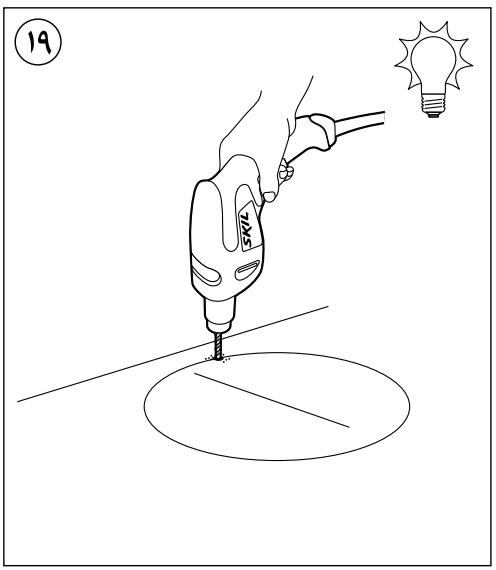
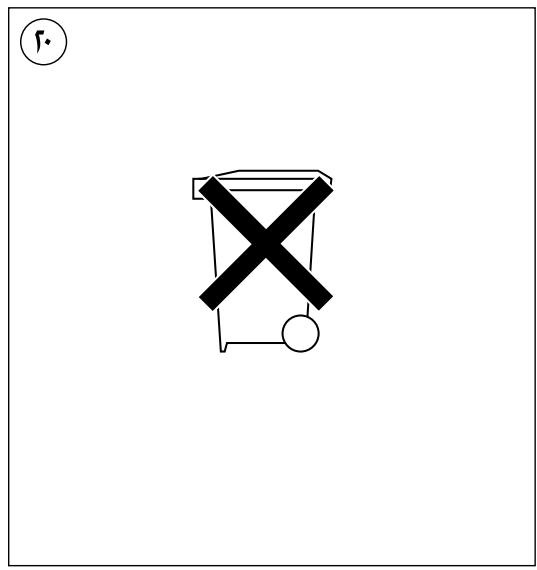
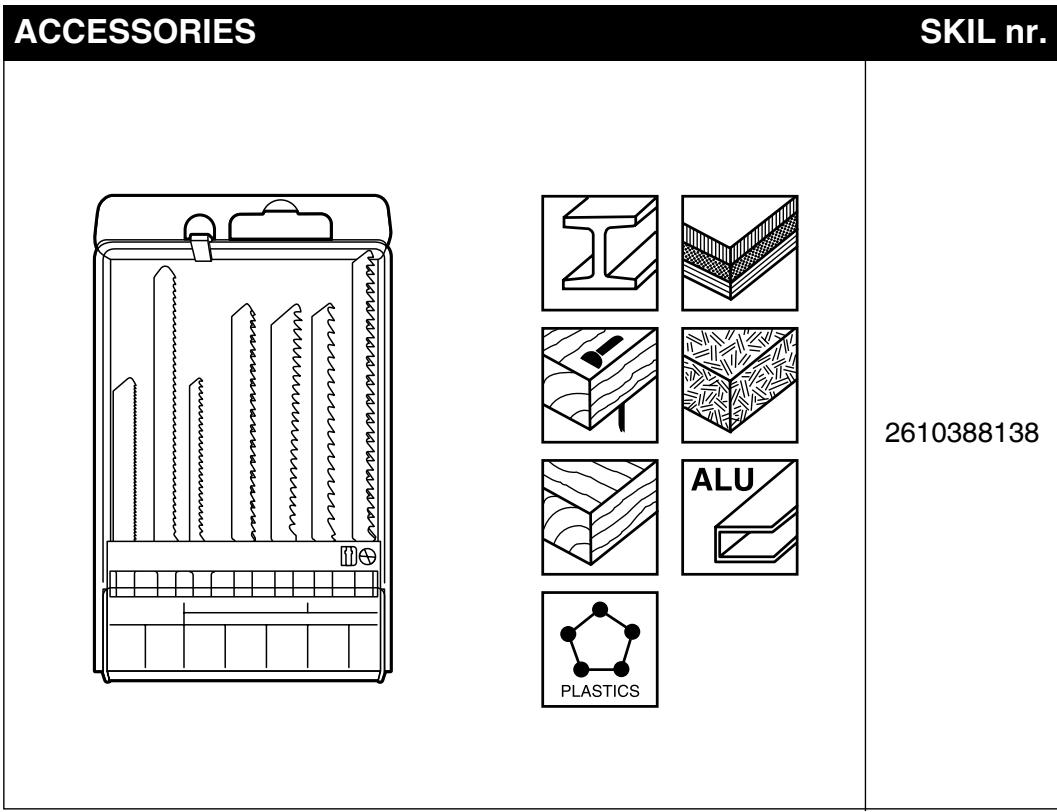
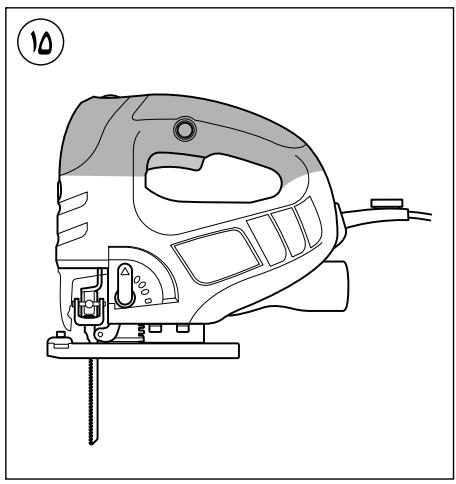
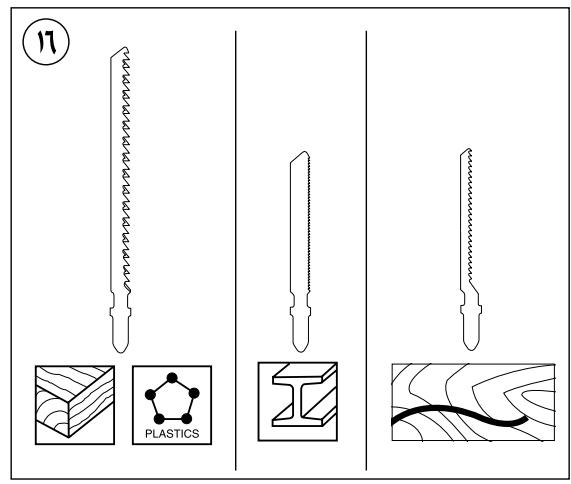
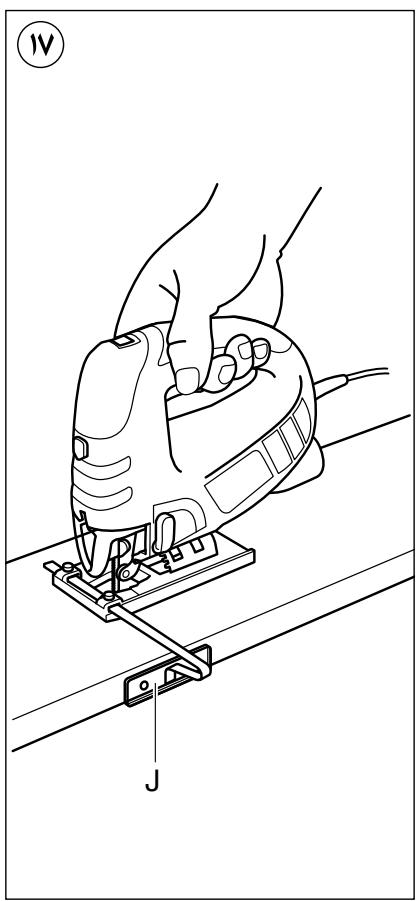
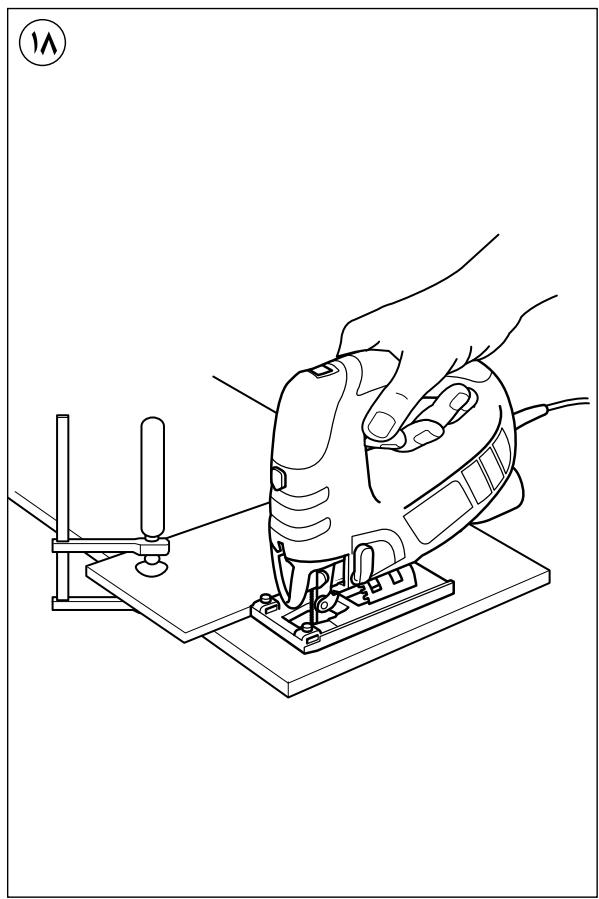
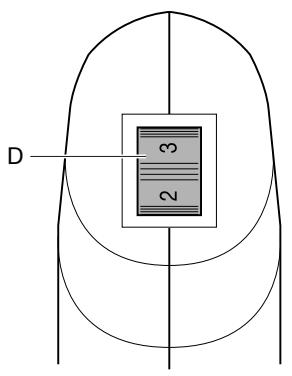
1




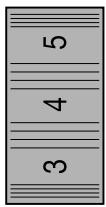



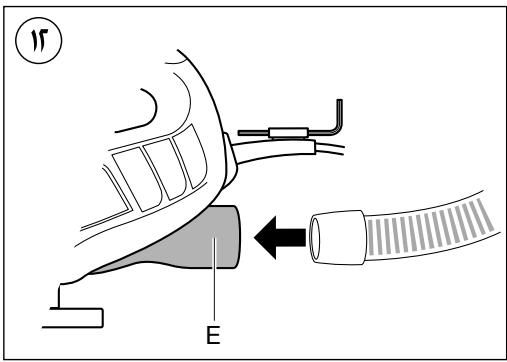
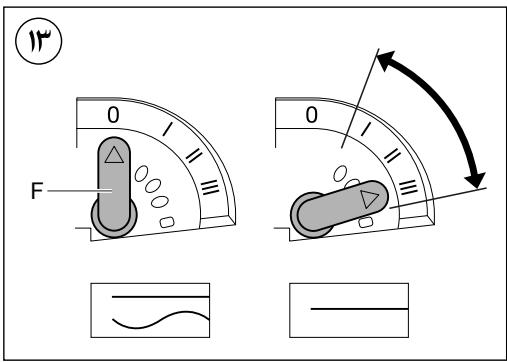
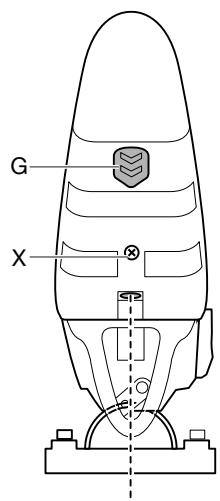
12


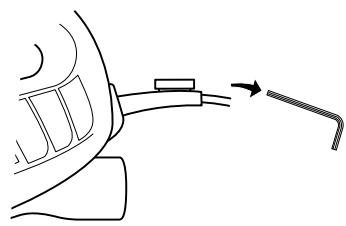
1
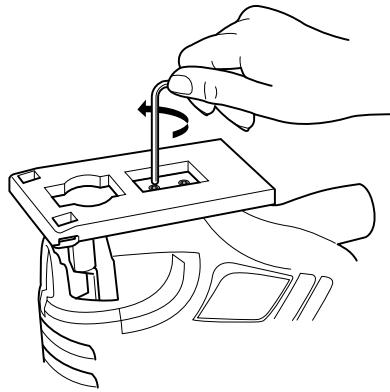
2
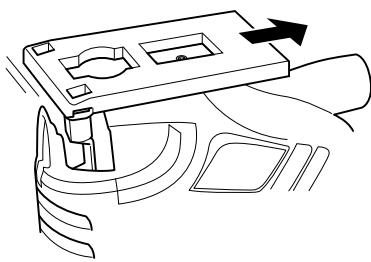
3
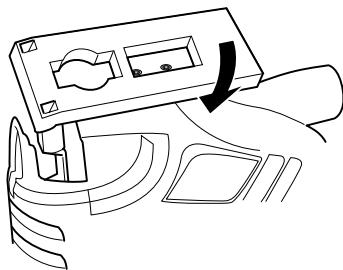
4
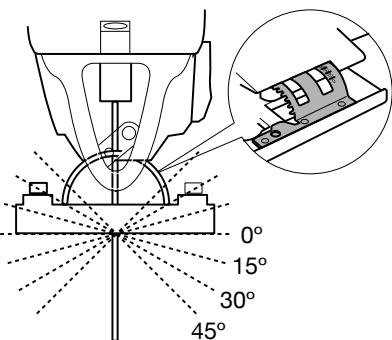
5
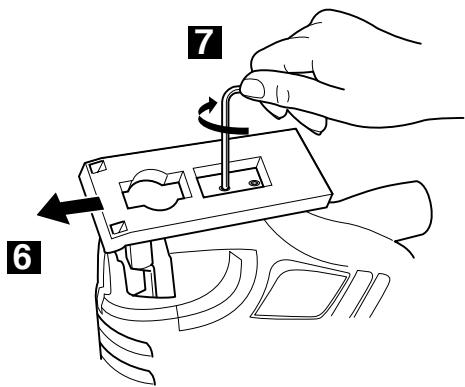
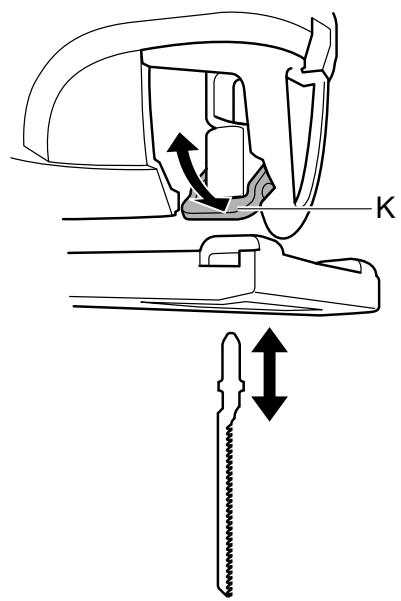
A

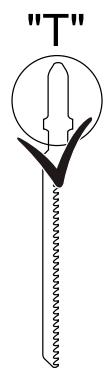


9

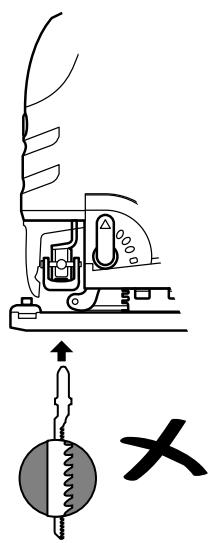
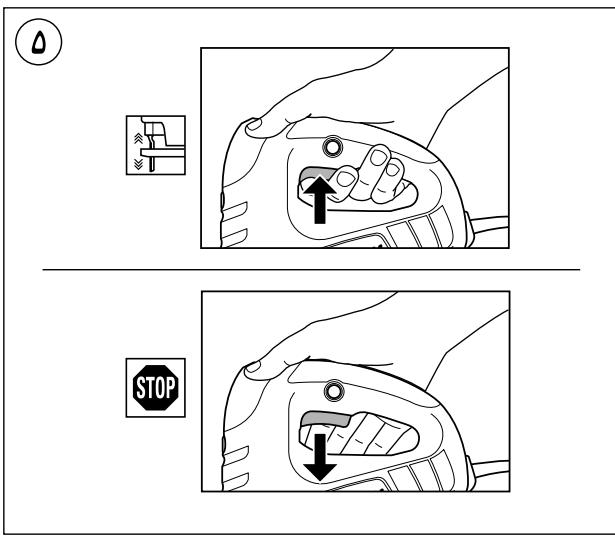
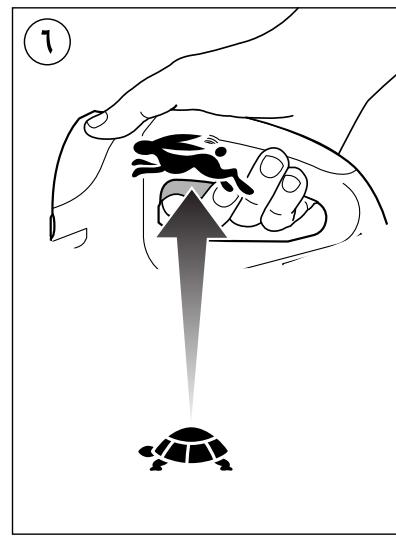
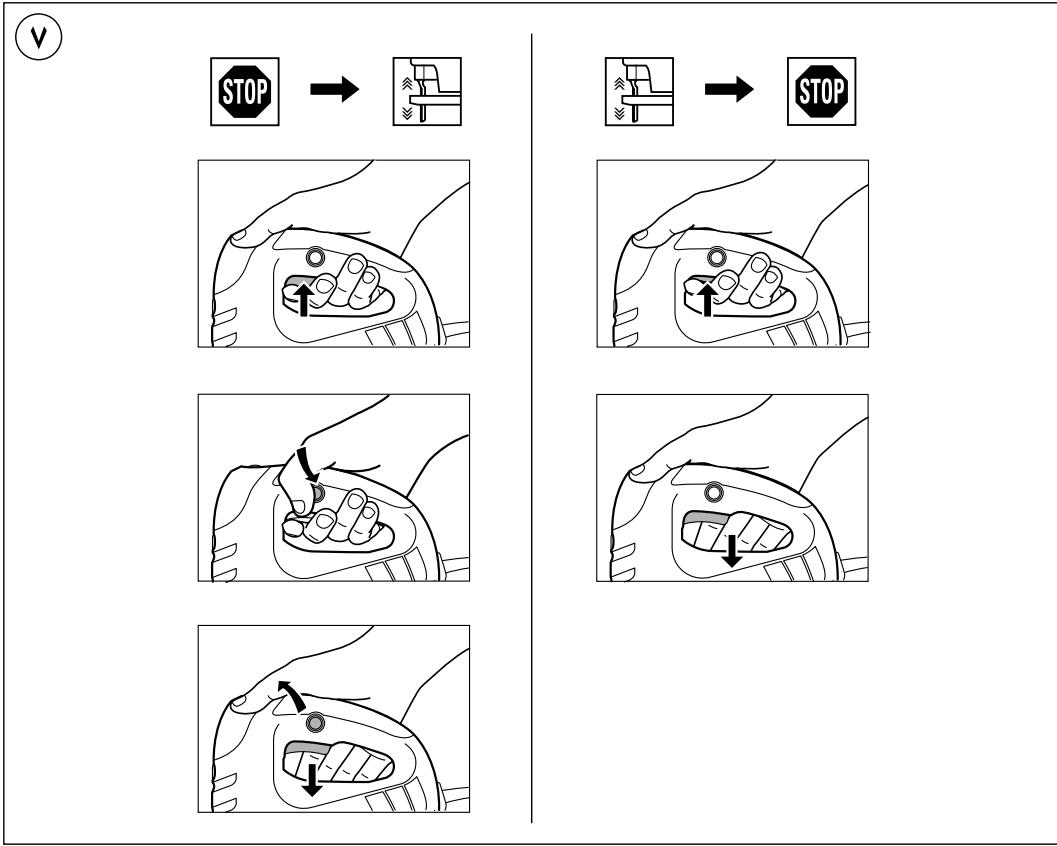
1061
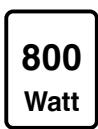




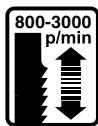
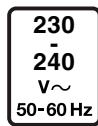
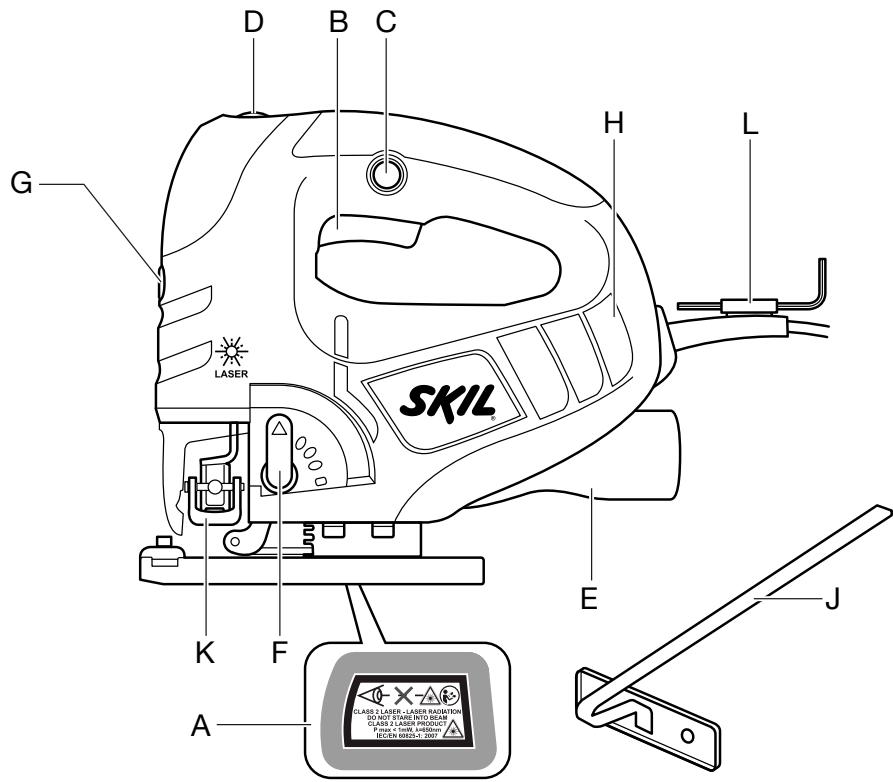


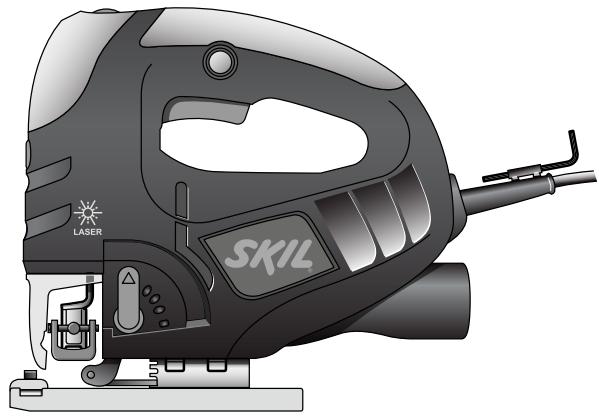
Joo
AR
1
FA


2610Z05502
12/13
60 2j
4825

CepTHΦHKAT O COOTBETCTBHN
KZ.7500052.22.01.55556
CpOK DeIcTBnI CePTnΦnKaT O COOTBeTCTBnI
no 08.08.2018
TOO «Lentp CeTpNΦnKaun npOdyKun n ycnyr
r.AImatbI,ynHa6aH6aB6aTbipa,
yr. KaIJaAkoBa 51/78