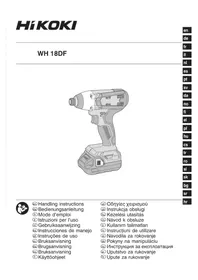
WH18DF - Drill HiKOKI - Free user manual and instructions
Find the device manual for free WH18DF HiKOKI in PDF.



| Product Type | Cordless Impact Driver |
| Brand | HiKOKI |
| Model | WH18DF |
| Rated Voltage | 18 V |
| Battery Type | Lithium-ion |
| No-Load Speed | 0 - 3000 min⁻¹ (estimated) |
| Maximum Tightening Torque | Variable depending on setting |
| Weight (without battery) | Approx. 1.5 kg |
| Dimensions (L × W × H) | Approx. 130 × 60 × 200 mm (estimated) |
| Power Source | 18 V lithium-ion battery |
| Main Functions | Tightening and loosening screws, bolts and nuts; variable speed; LED lighting; battery charge indicator; reversible rotation direction |
| Safety | Automatic shut-off in case of overload, short-circuit protection, battery thermal protection |
| Maintenance and Cleaning | Clean with a soft dry cloth; check fixing screws; clean battery and tool terminals |
| Spare Parts and Repairability | Use only genuine HiKOKI spare parts; entrust repairs to an authorized after-sales service |
| General Information | Warranty according to national regulations; do not dispose with household waste (recycle) |
Frequently Asked Questions - WH18DF HiKOKI
User questions about WH18DF HiKOKI
0 question about this device. Answer the ones you know or ask your own.
Ask a new question about this device
Download the instructions for your Drill in PDF format for free! Find your manual WH18DF - HiKOKI and take your electronic device back in hand. On this page are published all the documents necessary for the use of your device. WH18DF by HiKOKI.
USER MANUAL WH18DF HiKOKI
Read all safety warnings, instructions, illustrations and specifi cations provided with this power tool.
Failure to follow all instructions listed below may result in electric shock, fire and/or serious injury.
Save all warnings and instructions for future reference.
The term "power tool" in the warnings refers to your mains-operated (cored) power tool or battery-operated (cordless) power tool.
1) Work area safety
a) Keep work area clean and well lit.
Cluttered or dark areas invite accidents.
b) Do not operate power tools in explosive atmospheres, such as in the presence of flammable liquids, gases or dust.
Power tools create sparks which may ignite the dust or fumes.
c) Keep children and bystanders away while operating a power tool.
Distractions can cause you to lose control.
2) Electrical safety
a) Power tool plugs must match the outlet. Never modify the plug in any way. Do not use any adapter plugs with earthed (grounded) power tools.
Unmodified plugs and matching outlets will reduce risk of electric shock.
b) Avoid body contact with earthed or grounded surfaces, such as pipes, radiators, ranges and refrigerators.
There is an increased risk of electric shock if your body is earthed or grounded.
c) Do not expose power tools to rain or wet conditions.
Water entering a power tool will increase the risk of electric shock.
d) Do not abuse the cord. Never use the cord for carrying, pulling or unplugging the power tool.
Keep cord away from heat, oil, sharp edges or moving parts.
Damaged or entangled cords increase the risk of electric shock.
e) When operating a power tool outdoors, use an extension cord suitable for outdoor use.
Use of a cord suitable for outdoor use reduces the risk of electric shock.
f) If operating a power tool in a damp location is unavoidable, use a residual current device (RCD) protected supply.
Use of an RCD reduces the risk of electric shock.
3) Personal safety
a) Stay alert, watch what you are doing and use common sense when operating a power tool.
Do not use a power tool while you are tired or under the influence of drugs, alcohol or medication.
A moment of inattention while operating power tools may result in serious personal injury.
b) Use personal protective equipment. Always wear eye protection.
Protective equipment such as a dust mask, non-skid safety shoes, hard hat or hearing protection used for appropriate conditions will reduce personal injuries.
c) Prevent unintentional starting. Ensure the switch is in the off -position before connecting to power source and/or battery pack, picking up or carrying the tool.
Carrying power tools with your finger on the switch or energising power tools that have the switch on invites accidents.
d) Remove any adjusting key or wrench before turning the power tool on.
A wrench or a key left attached to a rotating part of the power tool may result in personal injury.
e) Do not overreach. Keep proper footing and balance at all times.
This enables better control of the power tool in unexpected situations.
f) Dress properly. Do not wear loose clothing or jewellery. Keep your hair and clothing away from moving parts.
Loose clothes, jewellery or long hair can be caught in moving parts.
g) If devices are provided for the connection of dust extraction and collection facilities, ensure these are connected and properly used.
Use of dust collection can reduce dust-related hazards.
h) Do not let familiarity gained from frequent use of tools allow you to become complacent and ignore tool safety principles.
A careless action can cause severe injury within a fraction of a second.
4) Power tool use and care
a) Do not force the power tool. Use the correct power tool for your application.
The correct power tool will do the job better and safer at the rate for which it was designed.
b) Do not use the power tool if the switch does not turn it on and off. Any power tool that cannot be controlled with the switch is dangerous and must be repaired.
c) Disconnect the plug from the power source and/ or remove the battery pack, if detachable, from the power tool before making any adjustments, changing accessories, or storing power tools.
Such preventive safety measures reduce the risk of starting the power tool accidentally.
d) Store idle power tools out of the reach of children and do not allow persons unfamiliar with the power tool or these instructions to operate the power tool.
Power tools are dangerous in the hands of untrained users.
e) Maintain power tools and accessories. Check for misalignment or binding of moving parts, breakage of parts and any other condition that may affect the power tool's operation. If damaged, have the power tool repaired before use.
Many accidents are caused by poorly maintained power tools.
f) Keep cutting tools sharp and clean.
Properly maintained cutting tools with sharp cutting edges are less likely to bind and are easier to control.
g) Use the power tool, accessories and tool bits etc. in accordance with these instructions, taking into account the working conditions and the work to be performed.
Use of the power tool for operations diff erent from those intended could result in a hazardous situation.
h) Keep handles and grasping surfaces dry, clean and free from oil and grease.
Slippery handles and grasping surfaces do not allow for safe handling and control of the tool in unexpected situations.
5) Battery tool use and care
a) Recharge only with the charger specified by the manufacturer.
A charger that is suitable for one type of battery pack may create a risk of fire when used with another battery pack.
b) Use power tools only with specifically designated battery packs.
Use of any other battery packs may create a risk of injury and fire.
c) When battery pack is not in use, keep it away from other metal objects, like paper clips, coins, keys, nails, screws or other small metal objects, that can make a connection from one terminal to another.
Shorting the battery terminals together may cause burns or a fire.
d) Under abusive conditions, liquid may be ejected from the battery; avoid contact. If contact accidentally occurs, fl ush with water. If liquid contacts eyes, additionally seek medical help.
Liquid ejected from the battery may cause irritation or burns.
e) Do not use a battery pack or tool that is damaged or modified.
Damaged or modifi ed batteries may exhibit unpredictable behaviour resulting in fire, explosion 1 or risk of injury.
f) Do not expose a battery pack or tool to fire or excessive temperature.
Exposure to fire or temperature above 130^ may cause explosion.
g) Follow all charging instructions and do not charge the battery pack or tool outside the temperature range specified in the instructions.
Charging improperly or at temperatures outside the specified range may damage the battery and increase the risk of fire.
6) Service
a) Have your power tool serviced by a qualified repair person using only identical replacement parts.
This will ensure that the safety of the power tool is maintained.
b) Never service damaged battery packs.
Service of battery packs should only be performed by the manufacturer or authorized service providers.
PRECAUTION
Keep children and infirm persons away.
When not in use, tools should be stored out of reach of children and infirm persons.
CORDLESS IMPACT DRIVER SAFETY WARNINGS
Hold the power tool by insulated gripping surfaces, when performing an operation where the fastener may contact hidden wiring. Fasteners contacting a "live" wire may make exposed metal parts of the power tool "live" and could give the operator an electric shock.
ADDITIONAL SAFETY WARNINGS
- This is a portable tool for tightening and loosening screws, bolts and nuts. Use it only for these operation.
- Make sure to securely hold the tool during operation. Failure to do so can result in accidents or injuries. (Fig. 2)
- Preparing and checking the work environment. Make sure that the work site meets all the conditions laid forth in the precautions.
- Check the actual tightening torque with a torque wrench.
- Stop the tool before switching the direction of rotation. Always release the switch and wait for tool to stop before switching the direction of rotation.
- Never touch the turning part. Do not allow the turning part section to get near your hands or any other part of your body. You could be cut or caught in the turning part. Also, be careful not to touch the turning part after using continuously it for a long time. It gets quite hot and could burn you.
- Please use the designated attachments which are listed in the operations manual and HiKOKI's catalog. Accidents or injuries could result from not doing so.
- Make sure to firmly install the attachments in the anvil. If the attachments is not firmly installed it might come out and cause injuries.
After installing the driver bit, pull lightly out the bit to make sure that it does not come loose during use. If the guide sleeve does not return to its original position, then the bit is not installed properly.
Resting the unit after continuous work.
10. Cautions on use of the speed control switch This switch has a built-in, electronic circuit which stepplessly varies the rotation speed. Consequently, when the switch trigger is pulled only slightly (low speed rotation) and the motor is stopped while continuously driving in screws, the components of the electronic circuit parts may overheat and be damaged.
11. Do not touch the metal parts, as it gets very hot during continuous work.
12. The use of the battery in a cold condition (below 0 degree Centigrade) can sometimes result in the weakened tightening torque and reduced amount of work. This, however, is a temporary phenomenon, and returns to normal when the battery warms up.
13. Do not look directly into the light. Such actions could result in eye injury. Wipe off any dirt or grime attached to the lens of the LED light with a soft cloth, being careful not to scratch the lens. Scratches on the lens of the LED light can result in decreased brightness.
14. Install securely the hook. Unless the hook is securely installed, it may cause an injury while using.
When electing to carry the tool hooked to your hip belt, make sure to detach the tool bit. Failure to do so may result in unexpected injury.
15. Always use the tool and the battery at temperatures between -5^ and 40^
16. Always charge the battery at an ambient temperature of 0^ - 40^
17. Do not allow foreign matter to enter the hole for connecting the rechargeable battery.
18. Never disassemble the rechargeable battery and charger.
19. Never short-circuit the rechargeable battery. Shortcircuiting the battery will cause a great electric current and overheat. It results in burn or damage to the battery.
20. Do not dispose of the battery in fire. If the battery is burnt, it may explode.
English
- Bring the battery to the shop from which it was purchased as soon as the post-charging battery life becomes too short for practical use. Do not dispose of the exhausted battery.
- Do not insert object into the air ventilation slots of the charger. Inserting metal objects or infl ammables into the charger air ventilation slots will result in electrical shock hazard or damaged charger.
- Do not use the charger continuously.
When one charging is completed, leave the charger for about 15 minutes before the next charging of battery. - Make sure that the battery is installed firmly. If it is as all loose it could come off and cause an accident.
- Do not use the product if the tool or the battery terminals (battery mount) are deformed.
Installing the battery could cause a short circuit that could result in smoke emission or ignition. - Keep the tool's terminals (battery mount) free of swarf and dust.
Prior to use, make sure that swarf and dust have not collected in the area of the terminals.
During use, try to avoid swarf or dust on the tool from falling on the battery. - When suspending operation or after use, do not leave the tool in an area where it may be exposed to falling swarm or dust.
Doing so could cause a short circuit that could result in smoke emission or ignition.
CAUTION ON LITHIUM-ION BATTERY
To extend the lifetime, the lithium-ion battery equips with the protection function to stop the output.
In the cases of 1 to 3 described below, when using this product, even if you are pulling the switch, the motor may stop. This is not the trouble but the result of protection function.
- When the battery power remaining runs out, the motor stops.
In such a case, charge it up immediately. - If the tool is overloaded, the motor may stop. In this case, release the switch of tool and eliminate causes of overloading. After that, you can use it again.
- If the battery is overheated under overload work, the battery power may stop.
In this case, stop using the battery and let the battery cool. After that, you can use it again.
Furthermore, please heed the following warning and caution.
WARNING
In order to prevent any battery leakage, heat generation, smoke emission, explosion and ignition beforehand, please be sure to heed the following precautions.
- Make sure that swarf and dust do not collect on the battery.
During work make sure that swarf and dust do not fall on the battery. - Make sure that any swarf and dust falling on the power tool during work do not collect on the battery.
- Do not store an unused battery in a location exposed to swarm and dust.
Before storing a battery, remove any swarf and dust that may adhere to it and do not store it together with metal parts (screws, nails, etc.). - Do not pierce battery with a sharp object such as a nail, strike with a hammer, step on, throw or subject the battery to severe physical shock.
- Do not use an apparently damaged or deformed battery.
- Do not use the battery in reverse polarity.
- Do not connect directly to an electrical outlets or car cigarette lighter sockets.
-
Do not use the battery for a purpose other than those specified.
-
If the battery charging fails to complete even when a specified recharging time has elapsed, immediately stop further recharging.
- Do not put or subject the battery to high temperatures or high pressure such as into a microwave oven, dryer, or high pressure container.
- Keep away from fire immediately when leakage or foul odor are detected.
- Do not use in a location where strong static electricity generates.
- If there is battery leakage, foul odor, heat generated, discolored or deformed, or in any way appears abnormal during use, recharging or storage, immediately remove it from the equipment or battery charger, and stop use.
- Do not immerse the battery or allow any fluids to flow inside. Conductive liquid ingress, such as water, can cause damage resulting in fire or explosion. Store your battery in a cool, dry place, away from combustible and flammable items. Corrosive gas atmospheres must be avoided.
CAUTION
- If liquid leaking from the battery gets into your eyes, do not rub your eyes and wash them well with fresh clean water such as tap water and contact a doctor immediately.
If left untreated, the liquid may cause eye-problems. - If liquid leaks onto your skin or clothes, wash well with clean water such as tap water immediately.
There is a possibility that this can cause skin irritation. - If you find rust, foul odor, overheating, discolor, deformation, and/or other irregularities when using the battery for the first time, do not use and return it to your supplier or vendor.
WARNING
If a conductive foreign matter enters in the terminal of lithium ion battery, the battery may be shorted, causing fire. When storing the lithium ion battery, obey surely the rules of following contents.
- Do not place conductive debris, nail and wires such as iron wire and copper wire in the storage case.
To prevent shorting from occurring, load the battery in the tool or insert securely the battery cover for storing until the ventilator is not seen.
REGARDING LITHIUM-ION BATTERY TRANSPORTATION
When transporting a lithium-ion battery, please observe the following precautions.
WARNING
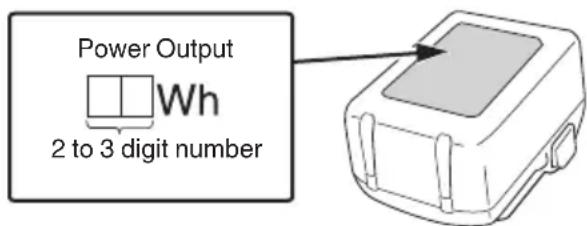
Notify the transporting company that a package contains a lithium-ion battery, inform the company of its power output and follow the instructions of the transportation company when arranging transport.
Lithium-ion batteries that exceed a power output of 100 Wh are considered to be in the freight classification of Dangerous Goods and will require special application procedures.
For transportation abroad, you must comply with international law and the rules and regulations of the destination country.
NAMES OF PARTS (Fig. 1-Fig. 10)
| ① | Hammer case Latch | ⑩ | |
| ② | Guide sleeve Pilot lamp | ⑪ | |
| ③ | LED light Driver bit | ⑫ | |
| ④ | Trigger switch Display panel | ||
| ⑤ | Battery | ⑭ | Remaining battery indicator switch |
| ⑥ | Handle | ⑮ | Remaining battery indicator lamp |
| ⑦ | Push button Hook | ⑯ | |
| ⑧ | Motor Screw | ⑰ | |
| ⑨ | Housing Groove | ⑱ |
SYMBOLS
WARNING
The following show symbols used for the machine.
Be sure that you understand their meaning before use.
| WH18DF : Cordless Impact Driver | |
| To reduce the risk of injury, user must read instruction manual. | |
| Only for EU countries Do not dispose of electric tools together with household waste material! In observance of European Directive 2012/19/EU on waste electrical and electronic equipment and its implementation in accordance with national law, electric tools that have reached the end of their life must be collected separately and returned to an environmentally compatible recycling facility. | |
| = = = | Direct current |
| V Rated voltage | |
| n₀ | No-load speed |
| min-1 | Oscillation per minute |
| Bpm Impact rate | |
| S | Small screw |
| Ordinary bolt | |
| H | High tension bolt |
| Hex. drive size | |
| MT Tightening torque (Maximum) | |
| kg | Weight* (According to EPTA-Procedure 01/2014) |
| I | Switching ON |
| O | Switching OFF |
| Disconnect the battery | |
| (R) | Clockwise rotation |
| (L) | Counterclockwise rotation |
- Depending on attached battery. The heaviest weight is measured with BSL36B18 (sold separately).
Battery
| Remaining battery indicator switch |
| Lights;The battery remaining power is over 75%. |
| Lights;The battery remaining power is 50%-75%. |
| Lights;The battery remaining power is 25%-50%. |
| Lights;The battery remaining power is less than 25% |
| Blinks;The battery remaining power is nearly empty.Recharge the battery soonest possible. |
| Blinks;Output suspended due to high temperature.Remove the battery from the tool and allow it to fully cool down. |
| Blinks;Output suspended due to failure or malfunction.The problem may be the battery so please contact your dealer. |
NOTE
To prevent the battery power consumption caused by forgetting to turn off the LED light, the light goes off automatically in about 3 seconds.
STANDARD ACCESSORIES
In addition to the main unit (1 unit), the package contains the accessories listed on page 152.
Standard accessories are subject to change without notice.
APPLICATIONS
Driving and removing of small screws, small bolts, etc.
SPECIFICATIONS
The specifications of this machine are listed in the Table on page 152.
NOTE
Due to HiKOKI's continuing program of research and development, the specific cations herein are subject to change without prior notice.
CHARGING
Before using the power tool, charge the battery as follows.
- Connect the charger's power cord to the receptacle.
When connecting the plug of the charger to a receptacle, the pilot lamp will blink in red (At 1- second intervals).
CAUTION
Do not use the electrical cord if damaged. Have it repaired immediately.
2. Insert the battery into the charger.
Firmly insert the battery into the charger as shown in Fig. 4.
3. Charging
When inserting a battery in the charger, charging will commence and the pilot lamp will light continuously in red.
When the battery becomes fully recharged, the pilot lamp will blink in red. (At 1-second intervals) (See Table 1)
Pilot lamp indication
The indications of the pilot lamp will be as shown in Table 1, according to the condition of the charger or the rechargeable battery.
Table 1
| Indications of the pilot lamp (RED) | ||
| Before charging | ON/OFF at 0.5 sec. intervals | Plugged into power source |
| While charging | Lights continuously | - |
| Charging complete | ON/OFF at 0.5 sec. intervals | - |
| Overheat standby | Lights for 1 sec. at intervals of 0.5 sec. | Battery overheated. Unable to charge. (Charging will commence when battery cools) |
| Charging impossible | ON/OFF at 0.1 sec. intervals | Malfunction in the battery or the charger |
- Regarding the temperatures and charging time of the battery.
The temperatures and charging time will become as shown in Table 2.
Table 2
| Charger Battery | UC18YKSL | |
| Charging voltage V 14.4 | 18 | |
| Weight kg 0.35 | ||
| Temperatures at which the battery can be recharged | 0°C-50°C | |
| Charging time for battery capacity, approx. (At 20°C) | ||
| 1.5 Ah | min | 40 |
| 2.0 Ah | min | 60 |
| 2.5 Ah | min | 75 |
| 3.0 Ah | min | 90 |
| 4.0 Ah | min | 120 |
| 5.0 Ah | min | 150 |
| 6.0 Ah | min | 180 |
| 8.0 Ah | min | 240 |
| Number of battery cells 4-10 | ||
NOTE
The recharging time may vary according to the ambient temperature and power source voltage.
CAUTION
When the battery charger has been continuously used, the battery charger will be heated, thus constituting the cause of the failures. Once the charging has been completed, give 15 minutes rest until the next charging.
- Disconnect the charger's power cord from the receptacle.
5. Hold the charger fi rmly and pull out the battery. NOTE
Be sure to pull out the battery from the charger after use, and then keep it.
Regarding electric discharge in case of new batteries, etc.
As the internal chemical substance of new batteries and batteries that have not been used for an extended period is not activated, the electric discharge might be low when using them the first and second time. This is a temporary phenomenon, and normal time required for recharging will be restored by recharging the batteries 2-3 times.
How to make the batteries perform longer.
(1) Recharge the batteries before they become completely exhausted.
When you feel that the power of the tool becomes weaker, stop using the tool and recharge its battery. If you continue to use the tool and exhaust the electric current, the battery may be damaged and its life will become shorter.
(2) Avoid recharging at high temperatures.
A rechargeable battery will be hot immediately after use. If such a battery is recharged immediately after use, its internal chemical substance will deteriorate, and the battery life will be shortened. Leave the battery and recharge it after it has cooled for a while.
CAUTION
If the battery is charged while it is heated because it has been left for a long time in a location subject to direct sunlight or because the battery has just been used, the pilot lamp of the charger lights for 1 second, does not light for 0.5 seconds (off for 0.5 seconds). In such a case, first let the battery cool, then start charging.
- When the pilot lamp flickers in red (at 0.2-seconds intervals), check for and take out any foreign objects in the charger's battery connector. If there are no foreign objects, it is probable that the battery or charger is malfunctioning. Take it to your authorized Service Center.
Since the built-in micro computer takes about 3 seconds to confirm that the battery being charged with charger is taken out, wait for a minimum of 3 seconds before reinserting it to continue charging. If the battery is reinserted within 3 seconds, the battery may not be properly charged.
If the pilot lamp does not blink in red (every second) even though the charger cord is connected to the power, it indicates that the protection circuit of the charger may be activated.
Remove the cord or plug from the power and then connect it again after 5 minutes or so. If this does not cause the pilot lamp to blink in red (every second), please take the charger to the HiKOKI Authorized Service Center.
MOUNTING AND OPERATION
| Action Figure Page | ||
| Removing and inserting the battery 3 2 | ||
| Charging 4 2 | ||
| How to use the LED light 5 2 | ||
| Mounting the bit 6 2 | ||
| Reversing the rotational direction 7 3 | ||
| Switch operation 8 3 | ||
| Remaining battery indicator 9 3 | ||
| Mounting and removing the hook (sold separately) | 10 | 3 |
| Selecting accessories — 153 |
MAINTENANCE AND INSPECTION
1. Inspecting the driver bit
Using a broken bit or one with a worn out tip is dangerous because the bit can slip. Replace it.
2. Inspecting the mounting screws
Regularly inspect all mounting screws and ensure that they are properly tightened. Should any of the screws be loose, retighten them immediately. Failure to do so could result in serious hazard.
3. Maintenance of the motor
The motor unit winding is the very "heart" of the power tool. Exercise due care to ensure the winding does not become damaged and/or wet with oil or water.
4. Inspection of terminals (tool and battery)
Check to make sure that swarf and dust have not collected on the terminals.
On occasion check prior, during and after operation.
CAUTION
Remove any swarf or dust which may have collected on the terminals.
Failure to do so may result in malfunction.
5. Cleaning on the outside
When the power tool is stained, wipe with a soft dry cloth or a cloth moistened with soapy water. Do not use chloric solvents, gasoline or paint thinner, for they melt plastics.
6. Storage
Store the power tool and the battery in a place in which the temperature is less than 40^ and out of reach of children.
NOTE
Storing lithium-ion batteries.
Make sure the lithium-ion batteries have been fully charged before storing them.
Prolonged storage (3 months or more) of batteries with a low charge may result in performance deterioration, significantly reducing battery usage time or rendering the batteries incapable of holding a charge.
However, significantly reduced battery usage time may be recovered by repeatedly charging and using the batteries two to five times.
If the battery usage time is extremely short despite repeated charging and use, consider the batteries dead and purchase new batteries.
CAUTION
In the operation and maintenance of power tools, the safety regulations and standards prescribed in each country must be observed.
Important notice on the batteries for the HiKOKI cordless power tools
Please always use one of our designated genuine batteries. We cannot guarantee the safety and performance of our cordless power tool when used with batteries other than these designated by us, or when the battery is disassembled and modified (such as disassembly and replacement of cells or other internal parts).
GUARANTEE
We guarantee HiKOKI Power Tools in accordance with statutory/country specific regulation. This guarantee does not cover defects or damage due to misuse, abuse, or normal wear and tear. In case of complaint, please send the Power Tool, undismantled, with the GUARANTEE CERTIFICATE found at the end of this Handling instruction, to a HiKOKI Authorized Service Center.
Information concerning airborne noise and vibration
The measured values were determined according to EN62841 and declared in accordance with ISO 4871.
Measured A-weighted sound power level: 103.9 dB (A)
Measured A-weighted sound pressure level: 92.9 dB (A)
Uncertainty K: 3 dB (A).
Wear hearing protection.
Vibration total values (triax vector sum) determined according to EN62841.
Impact tightening of fasteners of the maximum capacity of the tool:
Vibration emission value a_h = 11.3m / s^2
Uncertainty K = 1.5 m/s^2
The declared vibration total value and the declared noise emission value have been measured in accordance with a standard test method and may be used for comparing one tool with another.
They may also be used in a preliminary assessment of exposure.
WARNING
The vibration and noise emission during actual use of the power tool can differ from the declared total value depending on the ways in which the tool is used especially what kind of workpiece is processed; and
- Identify safety measures to protect the operator that are based on an estimation of exposure in the actual conditions of use (taking account of all parts of the operating cycle such as the times when the tool is switched off and when it is running idle in addition to the trigger time).
NOTE
Due to HiKOKI's continuing program of research and development, the specifications herein are subject to change without prior notice.
VOORZORGSGMAATREGELEN
VEILIGHEIDSWAARSCHUWINGEN SNOERLOZE
SLAGSCHROEFMACHINE
VEDLIKEHOLD OG INSPEKSJON
1. Inspisere foorbiten
Introduci corect accumulatorul in incarcator, conform Fig.4.
3. Incarcare
Atunci cänd introduci tīn incarcātor un accumulator, incarcarea va fi initiatizata iar lampa indicatoare se va aprinde in mod constant in culoarea rosie.
Atunci cánd accumulatorul se incarca complet, lampa indicatoare va clipi in culoare rosie. (La intervale de 1 secunda) (Vezi Tabelul 1)
- Semnificatia Iampii indicatoare
d) CbxpahraBaIte HeH3nO3BaHHTe eIeHTpueeCHn HNCTpyMeHTn DaIeY OT DOCTbn Ha Deua N He No3BOJRABaIte Ha Iuca, He3aNo3HaTHn C NaHHa Ha pa60Ta C NHCTpyMeHTne n Te3n HNCTpyKcHn, da pa60TATC Tax.
EneKtpnuecknte HNCTpyMeHTn npedctabIbBaT onaCHOCT B pBcTe Ha HeONTHN Iuca.
e) NopdIbpaHae eNtponHcTpymeHTnE n aHcecoapHe. PpOBepBaHte cHTPOBkata H 3aHPenBaHTo Ha NOdBHXHnTe qACTn, PpOBepBaHte 3a NOBpeHn qACTn, HONTo MORaT Da ce OTPa3rT Ha pa6Ota T ha eNtPnuechnte HHCTpyMeHTn.AHO yCTaHOBnTe NOBpeHn,OTCPaHete rnpedn da H3noJ3BaTe eNtPnuechnte HHCTpyMeHTn.
MHoro 3IIOIOnyKu Ce IbJNkA T Ha Iooa nOdpBxKa H a eIeKtpnuecknte HNCTpyMeHTN.
f) IopdIbpaHaepeKeIeHTe HcTpymEnTH 3aTOUeHN uHCTN.
PpaBnHO NOIdbpKaHnte peKeuINHCTpyMeHTN, C HatoyeHN peKeuIN eJeMeHTN, ce ynpablaBaT N KOHTPOHpaT No-JeCHO.
g) H3noI3BaIte eIeHTpHueeKn HNCTpyMeHTn, npHCTaBHN n aHcecoapn, n T.H., cbrIaCHO Te3n HNCTpyKUHN, KaTO B3eMeTe NpeBnD pa6oTHnte ycIOBnR n BnDa pa6OTn, KOHTO ue ce n3BbPWBat.
H3noI3BaHe Ha eIeKTpPnueckHTe HNCTpyMeHTn 3a pa60TH, pa3NIuHN OT Te3N, 3a KOITo Ca npEbnDcEH, MOKe Da IOBeDe DO NOBnWeH pNCH N ONaCHN CNTyaUN.
h) Pa3epepbHOXBATHNTE n NOBbpxHOCHTe 3a 3axBaapanec cyxu, qnCTn, 6e3 macno ngpec.
Xlb3raBHTpe pbKoXBaTKn IN NOBbpxHOCTN 3a 3axBa7aHe He N03BOJRAbT 6e3OnacHata pa6ota n npabIeHne Ha HnCTpyMeHtA B HeOyakBaHH cnTyauu.
5) EKcNlOaTaunn H NODpBbKa Ha eJeHTpHueckn HHCTpyMeHTn 3axpaHbAHn OT 6atePN
a) 3apeKdaTe ypeDnte cMo cbc 3apHnTe yctpOcnCTBa, nocOeyHn OT npOn3BODNTeJ.
3apnno yctpoNCTBO, noxoadsO 3a eHN Tnnp Batepnn MOKe Da Cb3daPe pck OT noHAp npn H3no3BaHe 3a Dpy Tn nBatepnn.
b) H3noI3BaIte eIeHTpHuecHnte NHCtpymEnTH camO c onpeJeHn 3a Tx TN 6aTepn.
H3noJ3BaHeTo Ha npyr TnB 6aTepn Cb3daBa pnc OT HapaHbaHe n noKap.
c) Horato He n3noJ3BaTe 6atepHnTe, Te Tpa6Ba Da ce cBxpaHbAT daley OT dpyrn MeTaJIHN PpeMEn Hato KnaMepn, MOHeTn, KIOUOBe, RBO3eH, BHTOBe Hn DpyrMaJIKN MeTAJIHN PpeMEn, KOHTO MORaT da OcbueCTBAT HOHTAHT MeKdy KJIeMnTe Nm.
HontaHT MeJy HJemnte Ha 6atepuNTe MoKe da DOBeDe OT NCKPN NIN NOKap.
d) Ipn HeNoDxOJaun ycNoBna Ha cbXpaHeHne, 6aTePnHTe Morat Da n3TeHaT; n36RaBnTe KOHTaNT. AHO cIyuaHNO BJIe3eTe B KOHTaKT C eJEnKTPoINTHata TeuHOCT, n3NlaHHeTe ObNJHO C BOda. AHO nonaADHe eJeKTPoINTH B OvHTe, n3NlaHHeTe ObNJHO H NOTbpcTe MeiNCHcH a NOMOUs.
EeKtpoIHTbT Ha 6atepuNTe MoKe Da npuHnBb3pnaHe Hnn N3rapHn.
e) He n3noJ3BaIte 6aTePnI HnHnCTpyMeHT, KOHTO ca NOBpeHn IIN MoNΦnUpaHn.
IobpehenHe mH MoHnHupaHb 6aTePm MORAT Da HMaT HEnpeBnHMo NOBeHne, KOeTo Da IOBeDe Do IOnHap, EKcPiO3n Hn pNCK OT HapaHaBaHe.
f) He n3laraTe 6atepnaTn nn HnctpyMeNTa Ha orbH nn Ha npekalneHo BncoKa TemnepaTypa.
N3naraHTo Ha orbH nnHa TemnepaTypa Hd 130°C MoHe Da npEdu3BnHa ekCnlo3n.
g) CneBaIe BCnHn HNCTpyKcHn 3a 3apeHdaHe H He 3apeHdaTe 6aTepeHra Nn INHCTpyMeHTa H3BbH TemnepaTypHn DnHaNa3OH, yHa3aH B INHCTpyKcHnTe.
HenpaBUNHOTO 3apeJdahe mnn 3apeJdahe npu Tempeatypn n3BbN onpeJeHn dnaNa3OH MOHe da NOBpeHn 6aTePnra Tn da yBeHn pncA ot noKap.
6) 06cnyHbAHe
a) O6cIyHbAHeTo Ha eIeHTpHueCHTe HhCTpyMeHTn Tp8Ba Da ce N3BbPwBA cAmO OT HBaJIHΦHupAH CepBn3HN pa6OTHnU, npn H3No13BaHe HaOprHHaJIHn pe3epBHN qAcTH. ToBa ige rapaHTnpa 6e3oNaChocTTa npu pa6ota c eIeKtpHueCHTe HhCTpyMeHTn.
b) HnHora He 06cIyKBaIte NOBpeDeHn 6aTePN. O6cIyKbaHTo Ha 6aTePnIte Tpr6Ba da ce n3BbPwBa cAmO OT npOn3BOJnteJI nnOT oTopu3HpaHTE DOCTaBHyNHa yClyrN.
BHIMAHNE
He donychaTe B 3oHaTa Ha pa60Ta Deza N Bb3paCTHn xopa.
Horato He H3noI3BaTe eJeHTpHuecKHe HHCTpyMeHTn, CbXpaHBAIte rN daJeH OT DoCTbN Ha deua N Bb3pacTHN Xopa.
IPEДУПЕЖDEHЯ 3A БE3ОПАСНСТ 3A БE3ЖИЧЕH УДAPEH ГИКOBЕТ
Ppna pa6ota,dpbhte ypeda 3a n30lnpaHnTe pbKoXBaTHN, aKo KpeJenHHnT eIeMeHT Hma ONaCHOCT da BJIe3E B KOHTAOK TcBc CHPNTN PPOBOHNu. KoHTaKT Ha npictabKNTE u KpeJenHHnTE eIeMeHTN C PPOBOHNu NOD HanpeKeHne, MoKe Da DoBeDe Do IpOTNuHa He TaK npE3 eJeKTPnuCeCKn HNCTpyMeHT N TOKOB Ydap.
ДОПьЛНITEЛНМЕРКИЗАБЕЗПАСHOCT
- ToBa e npehocm nHCTpyMeHT 3a 3aTgAHe n pa3BnBaHe Ha BnHTOBe,6oJIToBe n raIKn.I3noJ3BaIte ro cmo 3a Te3n CEJI.
- YBepete ce, Ye HMaTe CtaBnIeH 3aXBaT Bbpxy eJIeKtpnueckn HNcTpyme TNO BpeMe Ha pa6Ota. HeCTaBnIHnT 3axBaT Kpne pncOBe OT 3IOnOlyKn HapaHBAhe. (Φnr.2)
Блгарскn
3.Под�тOBkaипpoверkaHa pa6OTHOTOMaCTO.YBepete ce,Ye pa6OTHOTOMaCTO OTROBApHa BCnHN yCIOBnI, NOCOeHN B MEPKInTe 3a 6e3oNaCHOCT.
4.Поберетe ДейстВИТЕЛНИВТ ВьрТИ MОМЕТ CДИнhamOMeTpIчЕн KЛЮЧ.
5. Cnpete ypeDa, npEn Da npEbnKIOUHTe nocOKaTa Ha BbptHe. BuHaHn OCBO6OxDAbaIte CTapT 6yToHa N 33aKaBaTe ypeBdTa cnpe HApBlnHO, npEn Da CMeHInTe nocOKaTa Ha BbptHe.
6. HnKora He DoKocBaIte BbptTnTe ce qactn. He doBnKaBaIte pbcTe cN, nII npyra yact OT TlOTo cN, Do BbptTnCe KOMNoHEHTn Ha ypeDa. IMa onaCHOCT ot cP3BaHe nII 3axBaUaHe. OcBeH TOBa, BHIMaBaIte Da He DOKoCHeTe BbptTnCe KOMNoHEHT Ha ypeDa CLeD npOdbJnHtEnHO n3noJI3BaHe. BbptTnTe ce KOMNoHEHTn Ce 3arpaBAT CNHO mORA t Da Bu n3ropaT.
7. MoIa, n3noI3BaIte CbOTBETHInTe npIIOKeHHa, nocOeHN B PbKOBoIDCTBOTO 3a eKcnIIOaTaunr H KataIora Ha HiKOKl. HeCnA3BaHe Ha INcHTpyKUnnte MOKe Da IOBeDe To HapaHABAHN NIN INHcUdENTH.
8. Ybepete ce, ye cTe nocTabnIn npncTabKaTa 3dpaBO B dbpkaA. B npotnBeH cnUyai npncTabKaTa MoKe da H3Je3e N da npuHHn HapaHbAHn.
CleI KaTo MOHTnpate HaKpaHnHa, IeKO n3TeTne HABbH, 3a Da ce yBepnte, He HMa Da ce pa3xna6n npn EKcNlloataun. Ako BoJeaaTa BtynKa He Ce BbpHe B NbpBOHaHaJIHOTo CN NOJIOKeHHe, TOraBa HaKpaHnKbT He NoCTaBeH npabuHIO.
9. CneI npOdbJIHKHTeHa pa6oTa, ypeDbT cneJbA da 6bJe OCTaBnB INOKOI 3a IN3BeCTHO Bpeme.
10. PpeNa3Hm MepK 3a H3noJ3BaHeTo Ha KOHTPOHn KIIOU 3a CKOpocTtA To3n KIOUc HMa BrpaedeHa eJeKTPoHHa Bepra, KOrTO Ipomehn CKOpocTtHa BbPteHe 6e3 CTeneHN. CbOTBeTHO KOrato CnycbKbT Ha KIOUc eCbBcEM IeKO N3DbpnaH (6abHO BbPteHe) n MOTOpbT e cnpH npN pOdbJIHKHTJIHOTo 3aBNHTBaHe Ha BNHTObE, KOMNoHEHTn Ha YaCTn OT eJeKTPoHHaTb Bepra MoarTa da NperpeTn Da Ce NOBpeT.
11. He dokocba Te metaJIHnTe YaCTn, TbKato ce 3aqrBaT n3KIOHTeJIHO MHOrO pRn PpOdbJHKHTeJIHa pa6ota.
12.ИЗнOL3BaHTo Ha 6aTePnTa B cTydeHa cpeHa (noD O rpaIyca no LcJI3n) MoKe Da DoBede Do OTcIa6BaHe Ha BbPTIaII MOpENT N KaIauNTeTa Ha paBoTa. ToBa e BpemeHNo RaJIeHne, KoETo Ce eJIMMnHpa, CJIeN KaTO 6aTePnTa 3arpee.
13.He IeJaTe DnpeKTHOB INHdkaTopa.TOba MoHe da DoBeDe DO yBpeKDaHe Ha OHTe.
I36bpwe TBCRAKaBn 3AmbpcBaHHa NO JLaTa HA LED CBETINHaTcnapYe MEK PIA,T KATO BHIMabaTe Da He N3DpackaTe JLaTa.
DpackOTHH No JLaTa Ha LED CBETINHaTc MORat Da DoBEdaTO NO-Cla6a RpKoCT.
14. MoHTnpaInTe KHykata. Ako He e 3aKpeNeHa 3dpaBO, TOBa MoKe Da IOBeDe IIO HapaHbAHe npu IN3NoI3BaHe. Korato IN36epete Da IpeHacTe yPeDa 3aKaayen 3a KOJlHa Ha KpbCTa BN, YBepTe Ce, Ye CTe IN3BaDInn HAnpauNHa. B IpOTINBEc LyuaymMa ONaCHOCT OT HeOuyKaBAHO HapaHbAHe.
15. BnHaHn n3NoI3BaIte HNCTpyMeHTa n 6aTepeYra npi Tempeatypm MeJy-5°C n 40°C.
16. Binhari 3apeKdaIte 6aTepeYra npn TemnepaTpa 0^ - 40^
17.HeOnyckaIte npOHKBaHcTo Ha yJIN TeJa B OTBopa 3a Cbbp3BaHe Ha baTepeYra.
18. HnKora He pa3IIO6aBaiTe npEaepKaUHTe ce aHymlaTOpHN 6aTePNN 3apAHO TO yCTPOCTBO.
19. Hikora He daaBte Ha Kbco akyMnaTOpHnTe 6aTePN. Kbco cbeHNHe MoKe Da npuHHn PpeHappeKeHne n pperpaBe. Toba MoKe Da DOBeDe Do NobpeDa nn N3rapHe Ha 6aTePnTa.
20. Otpa6oTeHnTe 6aTeepn He Tp6Ba Da ceu3rapr.To BA MOKe Da DOBeE Do EKcNIO3nI.
- Bbphete 6aTePnHTe B MaRa3HHa, OT KOHTo Ca 6NIn 3aKynHeH, BeDnHa CneI KaTO cIKbJa Ha HINBOT Ha npe3apeJeHte 6aTePnCTaHe IpeKaJIeHO Kbc, 3a Da 6bDat N3NoJ3BaHn. OtpaBoTeHnTe 6aTePn He Tpr6Ba da Ce N3XBpJrT.
22.He nocTaBraH Te npEdmTe Bbpxy OTBOpHe 3a oxJaKaHa He 3apAHHOT OYCTPOIcTBO.BkapBaHTo Ha MeTALHN HIN 3anaJIIMN IpEMeTn BBB EHTNIaUHOHHTE CLOTOb e DOBeDe Do ONaCHOCT OT EJeKTPuYeCKn YdAp HIN Ue IOBpeJr3apAHHOT OYCTPOIcTBO.
23.He nI3noI3BaIte 3apAnHTo yCTpoNCTBOHeNpeKbchATo. Korato eNo 3apeJdaHe npnJIouH, OcTaBeTe 3apAnHTo yCTpoNCTBO 3a OKoJIO 15 MInHyTn ppei nCleBaIoTO 3apeKdane Ha 6aTePnI. - YBepete ce, ye 6aTepeTae eo6pe n3dpabo NOCTaBeHa. B npOTnBEH cnyaM MoKe da naDHe n da npuHH HnCnDEHT.
25.He n3noI3BaIte npOdyKta,aHO ypeIbT HnH KJIeMITE Ha 6aTePnIyTa (3a MoHTaH Ha 6aTePnIyTa) ca DeΦOpMnIpaHn.
IocTabaHTo Ha 6aTePnTa MoKe Da npuHH NbCo CbeDInHeHne, KOeTo MoKe Da DOBeDe Do nOraBa Ha dIM HIN 3anaIbAhe.
26.ПдьркайтkeКлемпe Ha Инстум enta(3a MoHTaHa 6aTepyra)чNTn OT npbCT n npax.
O Ipei npabota ce yBepeTe,ue B 3oHaTa Ha KJIemnte HrMa HaTpynaHn npax nCTpyKKn.
O IopBpeMe Ha pa6oTa ce OHTBaIte Da n36BerHeTe nonadaHTo Ha cTpyKnn nn npax Bbpxy 6aTePnraTa.
O Pn npekpataBaHe Ha pa6oTa nn CneI ynoTpe6a He OCTABRnTE IHCTpyMeHTa Ha MRCTo, KbDeTO MOKe Da 6bJe H3IOJKeH Ha npax n CTpyKKn.
Hecna3BaHeTo Ha ToBa MoJHe Da npuHHn KbCo CbeINHeHne, KOeTO MoJHe Da DOBeDe Do IIOBA Ha dIM HIn 3aIaNBaHe.
ГРИЖА 3A ЛINTHEBO-ИОHHATA BATEPЯ
3a da ydbjHKHTe KHBOTA Ha JNTHeBO-NOHHata 6aTePnra, TnIMa 3aunTHa FyHKUra 3a npeKbcBaHe Ha NODaBaHTo Ha 3apRd.
B clyuante 1 do 3, onncan no-dony, korato n3no3BaTe TOBA n3dene, dopn npn HATNCKaHe Ha cnycbKa, MOTOp bT MOHe da cnpe. TOBa He e B cIeJCTBne Ha nobpeda, a Ha 3aunTHa fynKcuiy.
- Horato pa3pndbT Ha 6aTePnra Hamaie 3HaHTeJIHO, MOTOpBT cnpa. B TaKbB cIyau, 3apeDeTe 6aTePnra He3a6abHO.
2.AHO HnHCTpyMeHTbTe 6nI npetobapeH, MToOpbT MOKe Da cnpe.B To3n CnyaH,OCBO6oTe CnycbKa N OTcPaHeTe npuHHata 3a npetobapBaHe.CneJ TOBa MOKe Da n3nOJ3BaTe ypeHa OTHOBO. - Ako 6atepna Ta e nperepa npn npetobapbahe, TMOJKe da OTKaKe da pa60Tn.
BTo3nCnya, CnpTe n3noJ3BaHeTo N, I naocTaBeTe Da ce oxlaDi. Cled ToBa MoKe da n3noJ3BaTe ypeDa OTHOBO.
OcbENTOBa,MOJI, cna3BaIe CneHInTe npEpynpExHnA. IPEyPENHEHNE
3a da npedotbpatnte pa3pehdahe Ha 6atepnaTa, 3aqrbaHe, NOBa Ha dIM, 3anaIbAe n EKcNIO3n, yBepete ce, ye cna3BaTe yka3aHnraTa 3a 6e3onacHOCT.
- YBepeTe ce, Ye no 6aTeepnra Ta He ce HaTpynBaT npax n CTpyKnn.
O YBepeTe ce,Ye no 6aTePnraTa He ce HaTpynBaT npax nCTpyKnn No Bpeme Ha pa60Ta.
O Ybepete ce, ye npax n ctpyHKn He ce HaTpyNBaT Bbpxy 6aTepeYrTa no Bpeme Ha pa6oTa.
He cBxpaHbAaTe HEn3noJ3BaHnTe 6aTePN B MeTa, KbTeO Ca N3IOKeHN Ha Bb3JeCTBnETo HA npax N CTpyKKn.
O Pn CbXpaHHe Hs 6aTePn, OCTpaHete EeHTyaJIHO HATpyNaHn CTpyKn n npax, KaTO He TpR6Ba da ce CbXpaHra 3aeHc C MeTaJIHn PpeDMeTn (6oJTOBe, rBO3dE n dpr.).
2. Na3eTe 6atePnTa OT npOsbBaHe C octpn npeMeTn KaTo rBo3dEn, OT yDap C uYK, HAcTbNBAHe, IIN OT cInJeH fns3nueckn yDap.
3.He n3noJ3BaIte BnDIMO noBpeDeHa nn deΦopMnpaHa 6aTePn.
4.He n3noJI3BaIte 6aTepeIra T c o6paTeH noJIpaIPTET.
5.He cBb3BaIte 6aTeepnraT aHpeKTHo KbM eJIeKtpnuecN n3TOuHNu, NIN KbM KynyHra Ha 3anaikata B Jeka.
6. He n3noI3BaIte 6aTepeHraTa 3a ceJI, pa3JIuHn OT npedHa3NaueHneTo I.
7. Ako 6aTeepnTa He MoKe Da Ce 3apei HnBtHo, Dopn CneI KaTo N3Tee npenOpbHaHn NepnoD OT BpeMe, He3a6abHn PpeKpaTe Te NocJeBaun ONNTu 3a 3apeXdaHe.
8. He n3JIaraiTe 6aTeepnraTa Ha BnCOkI Tempepatypu nn HauRaHe, He NoCTaBryTe B MmKpOBbHOba npHa, CyuINJHr nn KOnTeHepn NOD BnCOKO HauRaHe.
9. Pn yctaHOBAhe Ha Teu HHeNpTHa Mnp3Ma OT 6aTeepTa, He N3JaTaIe Ha Bb3DeiCTBneTo Ha CnHa TOnnHa nnOTKpnTuPiAmbui.
10.He n3no3BaIte 6aTepeHra Ta MeTa, KbTeO ce reHepeHa cINHO CTaTNUHO eJeKTPnueCTBO.
11.Ako 6atepnaTeue,Ima HnprnTa Mnp3Ma, 3arpaBnCe oBe3uBETn N deΦopMnpa NnN aKo Ce NOBRT HeoHauHn npn3Haun npi ynoTpe6a, npe3apeJdaHe N cbxpaHHeHne, He3a6abHO r OTCpaHete OT o6OpyDbaHeTo NnN 3apdHOTo N He Jn3NoI3BaNte.
12.He notanrIte 6aTepeyra n He no3BOJIaBATE HaBn3aHeTo Ha TeHocTH B HeJ. IpoHNKBAHeTo Ha npOBOMN TeHocTH KATO HApHmep BOJa, MOKe Da DOBeDe Do NOBpeDen N da PnUHN NoHap NnEcknlo3n. CbXpaHraBaTe 6aTepeyTa Ha XlaDHO n Cyxo MRCTo, daJeY OT RopMN JleCHO3aNAIMMaTepeHaJI. N36raBaTe aTMocfepn C KOpO3NBn ra3OBe.
BHIMAHNE
1.AKo eIeKtpoJIrOT 6aTepeHra Ta nonaHHe B OcHTe, He TbPKaHTe,a n3IIaKHeTe 06nIHcO C uHCTa,Hanp. YeIMHa,Boa H NtBpCeTe He3a6abHO Jekapcha NOMou. AHO He Ce B3eMaT MepKN, eJIeKtpoJIrTbT MoKe Da npuHHO OHN INPO6JIemN.
2.AKOEleKtpoNTOT6aTepeRnTA nonaHHe Bbpxy KOHaTa nn dpexnte, He3a6abHO n3MmIte c YnCTa, Hapr. yeuMaHa, BOda. Bb3MOxHo e eJeKtpoNtBt Da npuHHn KOxHO Bb3paleHne.
3.AKOp npn PbBTO n3NoJ3BaHe Ha 6aTePnraTa 3a6eJIeHte pJka, HnpeIaH MnpuC, npepRaHe, OBe3cBETBaHe, DeOpMnpaHe N/INn DpyrN HepeDHOCTn, He r N3NOJ3BaITe n BbPheTe Ha DOCTaBnKa IIN TbProBEca, OT KOInTo CTe r 3aKyPiNl.
PNEyPENKDEHNE
Ako yuHIO TJIIO, KOEtO e npoBOHNK, nonaDHe Bbpxy KIeMnTe Ha IHTneBO-NOHHata 6aTePnra, TRe MoKe Da daPe Ha Kbco N da npuHnN noKap. Korato cbxpaHnBaTe IHTneBO-NOHHata 6aTePnra cna3BaInTe CneHnTe npabnla 3a 6e3onacHOCT.
B Kytna 3a cbxpaHraBaHe He nocTaBnTe npoBOnu npedMeTH KaTO rBO3Den,napyTa npoBOnu MeHa TeI.
O 3a Na npedotbpaTne Kbc0 CbeHHeHne, cneBkapBaHe Ha 6aTepeNtA B eJeKtpnueckn HnCTpyMeHT NOCTaBnTe KaNaka N Taka, Ye BeHTnlaTopbT da He ce BnJa.
OTHOCHO TPAHCNOPTA HA JIHTHEBO-IOHHA BATEPNA
Ptp TaHcnpTnpaHe Ha IHTneBO-IOHHa 6aTePN, MoIcna3BaIte CJIeHNTE PpeDn3Hm MepKn.
PNEpyPENKDEHNE
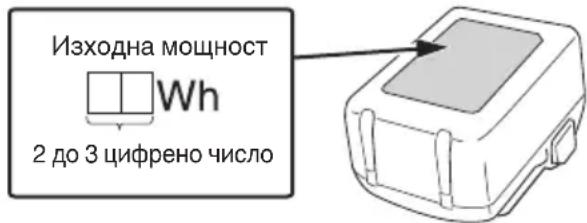
YBeDomete TpaHCnOpTHata KOMnHa, Ye npaTkata CbDbpKa IITneBO-OhHa 6aTePna, HNΦopMpaIte KOMnHaHTa 3a HeHATA N3XoHa MoHocT n Cn3BaIte HHCTpyKuHHe Ha TpaHCnOpTHata KOMnHa, KOraTo ypeJdAte TpaHCnOpTa.
O JIHTHeBO-NOHHnTe 6aTePNH, KOHTo HaDBNbAbaT H3XODHa MOUHOCT OT 100 Wh, ce CHTat 3a TpaHCnOpTHa KaTEROPn ONaCHn CTOKn H3NCKBa TpInlaRaHTo Ha CneuHaHNn PPOeDpyn.
3a TpaHcnpOpTnpe B yJx6nHa Tpr6Ba Da Cna3nte MekDyHapOndHte 3aKOHn I npAByIa N pa3nope6n Ha CTpaHaTa, Do KOrTo Ce TpaHCnpOpTnPaT.
MoIy, BnHaHn 3nOJ3BaIte HaIITe OpIINHaJIHb6aTePN. He rapaHTnpame 6e3oNacHocTta n pa6oTaTaHa ypeJa, KOrato Ce I3NoJ3BaT 6aTePN, pa3JIuHNOT NOCOeHNTe OT HAc, INI KOrato Ca npabeHn IpomEHn NO 6aTePNTE (KATO pa3rIo6BaHe n IOdMaHa HA KLeTKHe INI dpyrBbTpEWHN KOMNOHETN).
TAPAHLIM
Ipeoctabme rapaun 3a EeKtpnueckn HcTpymEnHiKOICbflacHO CneuHnHTMe MeCTEH 3aHOdaTeJICTBa Ha cBoTBETHNE DbpKABn. HactoJata rapaun He nokpnaB DeEeKTHnn NOBpeN, npuHHeHn OT He npaBnHO nn He6peHHO n3noJ3BaHe, KaTOn n Dblkaun Ce Ha oBuHa N3HOCBaH e HA KOMNoHEHTNe. B CnyaHa peKnamaun MOJ, n3npaTe EeKTPnuecknT HcTpymEn, B Hepa3rlo6en BnD, c TAPAHUOHHATA KAPTA, npoDoBOJCTBeHa B Kpa Ha HcTppyKUnHe, Ha OToPn3npaH cepBn3eH zentbP ha HiKOJI.
HOpMaun3a WymoBO 3ambpcBaHe N Bn6paun
I3MepeHNTe cToHOCTH OTROBAPrT Ha I3NCKBaHnTa Ha EN62841 n CbOTBeTcTBaT Ha ISO 4871.
I3mpeHNO A-npTeTJIeHO yMoBO HnBO:103,9 dB (A)
IImepeHO A-npeterlaHa cIIa Ha 3Byka:92,9 dB (A)
HeToHocT K: 3 dB (A).
HocTe aHTnΦoHn.
O6u n CTOnHocTn Ha Bn6paun (BeKTopHa cyMa) onpeJeHen CbIaCHO EN62841.
Ydapno 3aTgraHe Ha KpeNeJHn EJeMeHTn Do MaKcImaJIHHa KaanuTeT Ha ypeDa:
CTOHOCHT Ha emncna Ha Bn6paunn a=11,3m/s²
HeToHocT K =1,5M/ceH
DeknapnapaHata 06a cToHoc Ha Bn6paunnte H DeKnapnapaHata CToHoc Ha WymOBITE EMNCN Ca N3MepeHN B CbOTBETCTBNE CbC CTaNapTeH MeTOJ 3a N3NTBaHe H MOrat Da 6bDat N3NoJ3BaHn 3a CpabHraBaHe Ha eINHHTpMEnT C dpyr.
Te MoRat Da Ce N3No3BaT I npn npedBapnteHa OceHka Ha ekCNO3NtTa.
PNEyPENKDEHNE
O N3JIbUbaHeTo Ha Bn6paunu H Wym No BpeMe Ha DeIcTBInTeJHata YN0Tppe6a Ha eJeKtpOnHCTpyMeHa MoKe Da ce pa3JNUaBa OT DeKnapnPahata O6ua CTOINHOCTB 3aBNCIMOCT OT HAUYHNTe, IIO KONTO Ce H3NOJ3Ba INHCTpyMeHTbT, OCO6eHO KaKbB BNd DeTaNJ CE 6b6oTBA; H
O IeHTnHmUpaHe Ha MepKnte 3a 6e3OnacHOCT 3a onepaTopa, Bb3 OCHOBa OceHka Ha Bb3dJeCTBHeTO npn DeIcTBnTeHN yCIOBnHa H3NOJ3BaHe (KaTO ce B3emAT npeBnD BCNUeMeHTn OT pa6OTnur Kkbl, KaTO nepNoDi HA BKNUoyBaN u3KlIOUbaHe, KaKTo n pa60Ta Ha npa3Hn O6OpOTn HeNOCpeDCTBeHO npedn CneD MOMeHTa Ha N3NOJ3BaHe).
3A6EJIENHKA
Iopadn Hnpekbchato Pa3Bntne Ha HayuHO-pa3BOHata nporpama Ha HiKOKI, daeHnte tyk cneunkaun ca npedmet Ha npomHa 63 yBeDOMleHne.
OPŠTA BEZBEDNOSNA UPOZORENJA ZA ELEKTRICNI ALAT
UPOZORENJE
| WH18DF | ||
| (NNP) (NN) | ||
| UC18YKSL | - | - |
| BSL1820M | - | - |
| - | - | |
| - | - | |
| 1- | ||
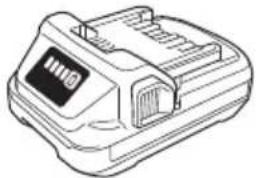
BSL1820M
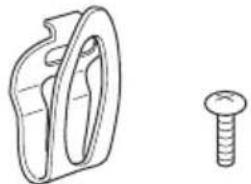
375800
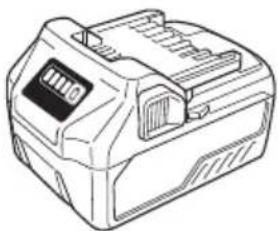
BSL36..18 329897
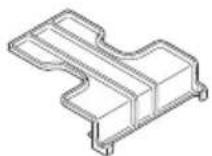
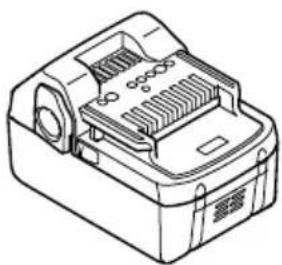
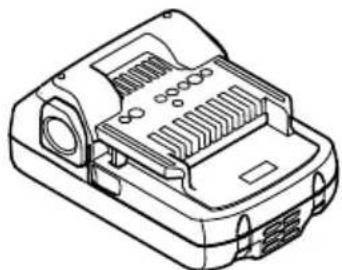
BSL18..
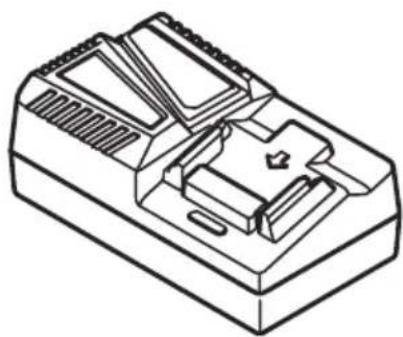
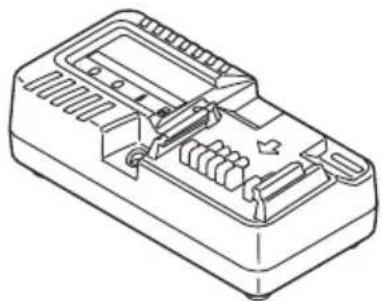
UC18YFSL (14,4 V-18 V) UC18YKSL (14,4 V-18 V)
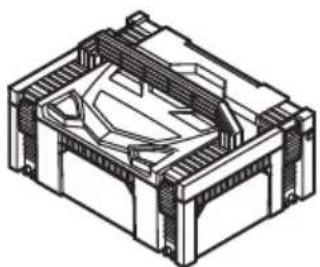
336471
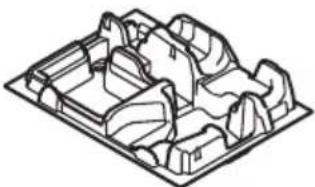
336475
| English Dansk Română | |||
| GUARANTEE CERTIFICATE 1 Model No. 2 Serial No. 3 Date of Purchase 4 Customer Name and Address 5 Dealer Name and Address (Please stamp dealer name and address) | GARANTIBEVIS 1 Modelnummer 2 Serienummer 3 Kjöbsdato 4 Kundes navn og adresse 5 Forhandlers navn og adresse (Indsæt stempel med forhandlers navn og adresse) | ||
| Deutsch Norsk Slovenžina | |||
| GARANTIESCHEIN 1 Modell-Nr. 2 Serien-Nr. 3 Kaufdatum 4 Name und Anschrift des Kunden 5 Name und Anschrift des Handliers (Bitte mit Namen und Anschrift des Handler abstempein) | GARANTISERTIFIKAT 1 Modellnr. 2 Serienr. 3 Kjöpsdato 4 Kundens navn og adresse 5 Forhandlers navn og adresse (Vennligst stemple forhandlers navn og adresse) | ||
| Français Suomi Slovenžina | |||
| CERTIFICATE DE GARANTIE 1 No. de série 2 No de série 3 Date d'achat 4 Nom et adresse du client 5 Nom et adresse du revendeur (Cachet portant le nom et l'adres du revendeur) | TAKUUTODISTUS 1 Malli nro 2 Sarja nro 3 Ostopäävamäärä 4 Asiakkaan nimi ja osoite 5 Myyjän nimi ja osoite (Leimaa myyjän nimi ja osoite) | ||
| Italiano Eλληνικά Βυλραρκη | |||
| CERTIFICATE DI GARANZIA 1 Modelo 2 N° di série 3 Data di acquistio 4 Nome e indirizzo dell'acquirente 5 Nome e indirizzo del rivendatore (Si prega di apporre il timbro con quosti dati) | ΠΙΤΟΙΝΙHTΙΚΟ ΓΕγΗΝΗ 1 Ap. Movτέλου 2 Αδχμν Αρ. 3 Μερομηνία γορός 4 Θυμα κα δεθύνισι πελάτη 5 Θυμα κα δεθύνισι μεταπιλήτη (Παραλούμεν αν χρησιοιοιηδει αφραγιδα) | ||
| Nederland Polski Srpski | |||
| GARANTIEBEWIJS 1 Modelonummer 2 Serienummer 3 Datum van aankoop 4 Naam en adrres van de gebruiker 5 Naam en adrres van de handelaar (Stempel a.u.b. naam en adrres vande de handelaar) | GWARANCJA 1 Model 2 Numer seryjny 3 Data zakupu 4 Nazwa klaenta i adres 5 Nazwa dealeri a adres (Pieczć punktu sprezaу) | ||
| Espanol Magyar Hrvatski | |||
| CERTIFICATE DE GARANTÍA 1Número do modulo 2Número do série 3 Fecha de adquisión 4 Nombre y direccion del cliente 5 Nombre y direccion del distribuidor (Se ruega poner el sello del distribuidor con su nome y direccion) | GARANCIA BIZONYLAT 1 Tipusszám 2 Sorozatszám 3 A vasárlás dátuma 4 A Vásárió neve és címe 5 A Kereskedő neve és címe (Körjúk ide elihelyszni a Kereskedő novének és címěnek pecsétjét) | ||
| Portugues Čeşina | |||
| CERTIFICATE DE GARANTIA 1Número do modulo 2Número do série 3 Data de compra 4 Nombre e morada do cliente 5 Nombre e morada do distribuidor (Por favor, carimbe o nome e morada do distribuidor) | ZÁRUÇNI LIST 1 Model &. 2 Série &. 3 Datum nákupu 4 Mýné o adresa zákaznika 5 Mýné o adresa prodejce (Prosimé o razlák se jmídem a adress ou prodejce) | ||
| Svenska Türke | |||
| GARANTICERTI KAT 1 Modellnr 2 Serien 3 Inkópsdatum 4 Kundens namn och adress 5 Försäljarens namn och adress (Stámpla försäljarens namn och adress (Strømple försäljarens namn och adress) | GARANTI SERTI KASI 1 Model No. 2 Serif No. 3 Satn Alma Tarihi 4 Müştori Ad ve Adresi 5 Bayi Ad ve Adresi (Lüften bayi adini ve adresini那儿 olarak basin) | ||
HiKOKI
| ① | |
| ② | |
| ③ | |
| ④ | |
| ⑤ |
Siemensring 34, 47877 willich, Germany
Tel: +49 2154 49930
Fax: +49 2154 499350
URL: http://www.hikoki-powertools.de
Hikoki Power Tools Norway AS
Kjeller Vest 7, N-2007 Kjeller, Norway
Tel: (+47) 6692 6600
Fax: (+47) 6692 6650
URL: http://www.hikoki-powertools.no
Hikoki Power Tools Netherlands B.V.
Brabanthaven 11, 3433 PJ Nieuwegein, The Netherlands
Tel: +31 30 6084040
Fax: +31 30 6067266
URL: http://www.hikoki-powertools.nl
Hikoki Power Tools Sweden AB
Rotebergsvagen 2B SE-192 78 Sollentuna, Sweden
Tel: (+46) 859899900
Fax: (+46) 859899940
URL: http://www.hikoki-powertools.se
Hikoki Power Tools (U.K.) Ltd.
Precedent Drive, Rooksley, Milton Keynes, MK 13, 8PJ,
United Kingdom
Tel: +44 1908 660663
Fax: +44 1908 606642
URL: http://www.hikoki-powertools.uk
Hikoki Power Tools Denmark A/S
Lillebaeltsvej 90, 6715 Esbjerg N, Denmark
Tel: (+45) 75 14 32 00
Fax: (+45) 75 14 36 66
URL: http://www.hikoki-powertools.dk
Hikoki Power Tools France S.A.S.
Hikoki Power Tools Belgium N.V./S.A.
Koningin Astridlaan 51, B-1780 Wemmel, Belgium
Tel: +32 2 460 1720
Fax: +32 2 460 2542
URL http://www.hikoki-powertools.be
Hikoki Power Tools Italia S.p.A
Via Piave 35, 36077, Altavilla Vicentina (VI), Italy
Tel: +39 0444 548111
Fax: +39 0444 548110
URL: http://www.hikoki-powertools.it
Hikoki Power Tools Ibérica, S.A.
C/ Puigbarral, 26-28, Pol. Ind. Can Petit, 08227 Terrassa
(Barcelona), Spain
Tel: +34 93 735 6722
Fax: +34 93 735 7442
URL: http://www.hikoki-powertools.es
Hikoki Power Tools Romania S.R.L.
Ring Road, No. 66, Mustang Traco Warehouses, Warehouse No.1, Pantelimon City, 077145, Ilfov County, Romania


- PRECAUTION
- CORDLESS IMPACT DRIVER SAFETY WARNINGS
- ADDITIONAL SAFETY WARNINGS
- English
- CAUTION ON LITHIUM-ION BATTERY
- WARNING
- CAUTION
- REGARDING LITHIUM-ION BATTERY TRANSPORTATION
- SYMBOLS
- NOTE
- STANDARD ACCESSORIES
- APPLICATIONS
- SPECIFICATIONS
- CHARGING
- Insert the battery into the charger.
- Charging
- Pilot lamp indication
- Hold the charger fi rmly and pull out the battery. NOTE
- How to make the batteries perform longer.
- MAINTENANCE AND INSPECTION
- Inspecting the driver bit
- Inspecting the mounting screws
- Maintenance of the motor
- Inspection of terminals (tool and battery)
- Cleaning on the outside
- Storage
- Important notice on the batteries for the HiKOKI cordless power tools
- GUARANTEE
- Information concerning airborne noise and vibration
- VOORZORGSGMAATREGELEN
- VEILIGHEIDSWAARSCHUWINGEN SNOERLOZE
- SLAGSCHROEFMACHINE
- VEDLIKEHOLD OG INSPEKSJON
- Inspisere foorbiten
- Incarcare
- 6) 06cnyHbAHe
- BHIMAHNE
- IPEДУПЕЖDEHЯ 3A БE3ОПАСНСТ 3A БE3ЖИЧЕH УДAPEH ГИКOBЕТ
- ДОПьЛНITEЛНМЕРКИЗАБЕЗПАСHOCT
- Блгарскn
- ГРИЖА 3A ЛINTHEBO-ИОHHATA BATEPЯ
- PNEyPENKDEHNE
- OTHOCHO TPAHCNOPTA HA JIHTHEBO-IOHHA BATEPNA
- PNEpyPENKDEHNE
- TAPAHLIM
- HOpMaun3a WymoBO 3ambpcBaHe N Bn6paun
- 3A6EJIENHKA
- OPŠTA BEZBEDNOSNA UPOZORENJA ZA ELEKTRICNI ALAT
- UPOZORENJE
- HiKOKI
- Hikoki Power Tools Norway AS
- Hikoki Power Tools Netherlands B.V.
- Hikoki Power Tools Sweden AB
- Hikoki Power Tools (U.K.) Ltd.
- Hikoki Power Tools Denmark A/S
- Hikoki Power Tools France S.A.S.
- Hikoki Power Tools Belgium N.V./S.A.
- Hikoki Power Tools Italia S.p.A
- Hikoki Power Tools Ibérica, S.A.
- Hikoki Power Tools Romania S.R.L.
Brand : HiKOKI
Model : WH18DF
Category : Drill