
PGS 418 - Saw Kärcher - Free user manual and instructions
Find the device manual for free PGS 418 Kärcher in PDF.
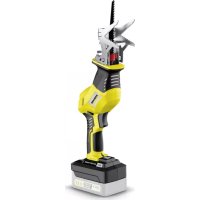



| Product type | Cordless reciprocating saw |
| Brand | Kärcher |
| Model | PGS 418 |
| Rated voltage | 18 V |
| Stroke rate | 0 – 2500 min⁻¹ |
| Stroke length | 20 mm |
| Max. cutting diameter (without guard) | 80 mm |
| Max. cutting diameter (with guard) | 50 mm |
| Weight (without battery) | 1.4 kg |
| Dimensions (L × W × H) | 475 × 89 × 174 mm |
| Power supply | 18 V lithium-ion battery (not included) |
| Intended use | Cutting wood, branches |
| Main functions | Straight, curved, flush, plunge cuts |
| Environmental protection | Recyclable packaging, do not dispose of the appliance in household waste |
| Maintenance and cleaning | Remove battery, clean ventilation slots, do not use water |
| Safety | Unlocking button, quick-clamping device, front guard |
| Spare parts and repairability | Original accessories, repair by qualified personnel only |
| General information | Warranty according to country conditions, EU declaration of conformity |
| Sound pressure level (LpA) | 94 dB(A), K=3 dB |
| Sound power level (LWA) | 83 dB(A), K=3 dB |
| Vibration (cutting panels) | a_h = 6.2 m/s², K=1.5 m/s² |
| Vibration (cutting beams) | a_h = 8.1 m/s², K=1.5 m/s² |
Frequently Asked Questions - PGS 418 Kärcher
User questions about PGS 418 Kärcher
0 question about this device. Answer the ones you know or ask your own.
Ask a new question about this device
Download the instructions for your Saw in PDF format for free! Find your manual PGS 418 - Kärcher and take your electronic device back in hand. On this page are published all the documents necessary for the use of your device. PGS 418 by Kärcher.
USER MANUAL PGS 418 Kärcher
Czech 98
Slovenian 104
Polish 110
Romanian 117
Slovak 124
Croatian 130
Serbian 136
Bulgarian 142
Estonian 149
Latvian 155
Lithuanian 161
Ukrainian 167
Kazakh 174
Japanese 180
Arabic 191

Register your product
www.kaercher.com/welcome

EAL

59910700 (05/23)
A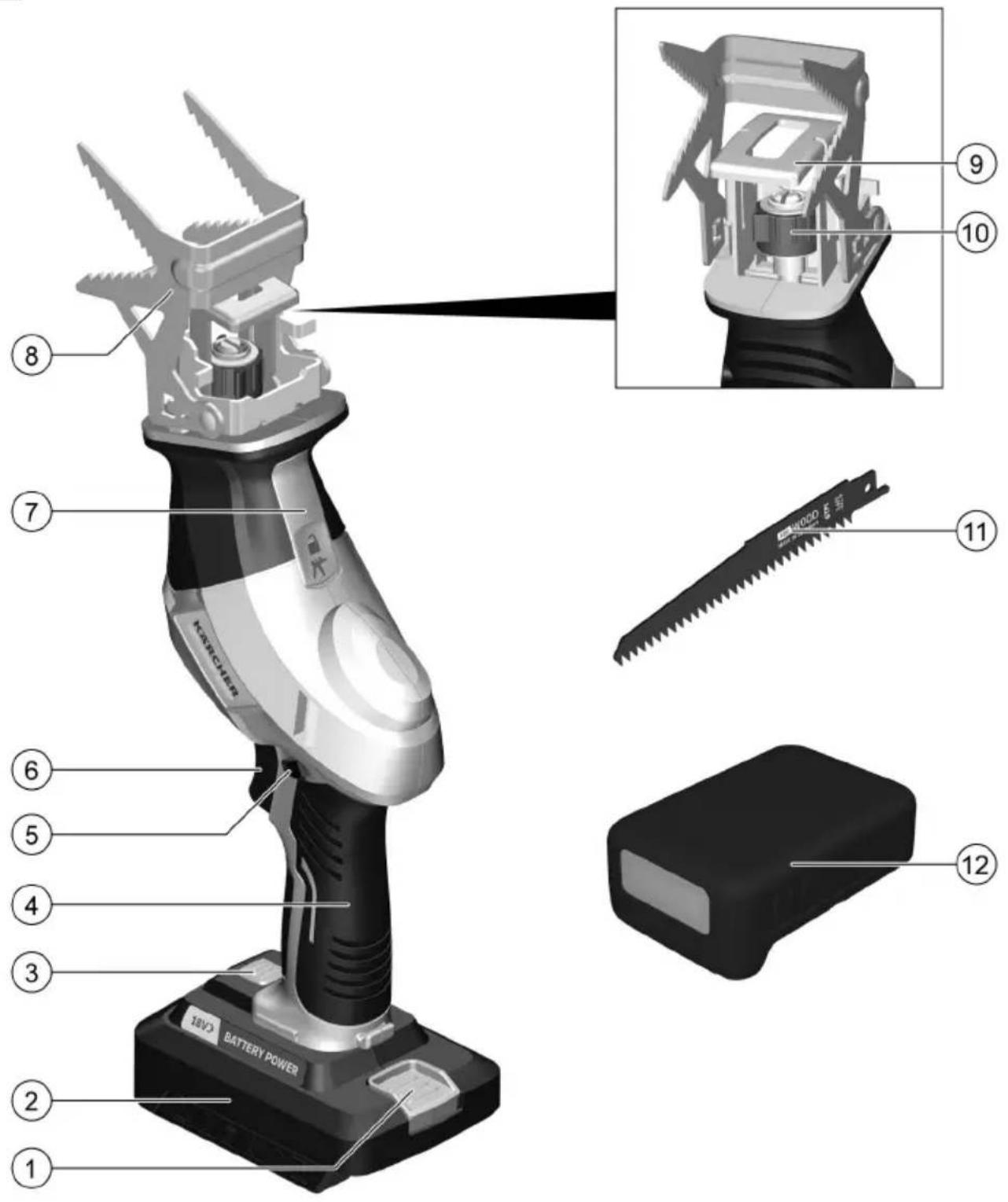
Contents
Chairman of the Board of Management
S. Reiser
Manager Regulatory Affairs & Certification
71364 Winnenden (Germany)
Tel.: +49 7195 14-0
Fax: +49 7195 14-2212
Winnenden, 2023/04/01
Contents
General notes.... 11
Intended use 13
Environmental protection 13
Accessories and spare parts 13
Scope of delivery 13
Safety devices 13
Device description 14
Installation 14
Operation 14
Finishing operation 15
Transport 15
Storage 15
Care and service 15
Troubleshooting guide 15
Warranty 16
Technical data 16
EU Declaration of Conformity.... 17
General notes

Read these safety instructions, these original instructions, the safety instructions provided with the battery pack and the original instructions supplied with the battery pack/standard
charger before using the device for the first time. Act in accordance with them. Keep the booklets for future reference or for future owners.
In addition to the notes in the operating instructions, you also need to take into consideration the general safety regulations and accident prevention guidelines applicable by law.
Hazard levels
⚠️DANGER
- Indication of an imminent threat of danger that will lead to severe injuries or even death.
⚠ WARNING
- Indication of a potentially dangerous situation that may lead to severe injuries or even death.
⚠CAUTION
- Indication of a potentially dangerous situation that may lead to minor injuries.
ATTENTION
- Indication of a potentially dangerous situation that may lead to damage to property.
General Power Tool Safety Instructions
Note
- Read all safety warnings, instructions, illustrations and specifications provided with this power tool. Failure to follow the warnings and instructions may result in electric shock, fire and/or serious injury. Save all warnings and instructions for future reference.
The term "power tool" in the warnings refers to your mains-operated (corded) power tool or battery-operated (cordless) power tool.
1 Work area safety
a Keep work area clean and well lit. Cluttered or dark areas invite accidents.
b Do not operate power tools in explosive atmospheres, such as in the presence of flammable liquids, gases or dust. Power tools create sparks which may ignite the dust or fumes.
c Keep children and bystanders away while operating a power tool. Distractions can cause you to lose control.
2 Electrical safety
a Power tool plugs must match the outlet. Never modify the plug in any way. Do not use any adapter plugs with earthed (grounded) power tools. Unmodified plugs and matching outlets will reduce the risk of electric shock.
b Avoid body contact with earthed or grounded surfaces such as pipes, radiators, ranges and refrigerators. There is an increased risk of electric shock if your body is earthed or grounded.
c Do not expose power tools to rain or wet conditions. Water entering a power tool will increase the risk of electric shock.
d Do not abuse the cord. Never use the cord for carrying, pulling or unplugging the power tool. Keep cord away from heat, oil, sharp edges or moving parts. Damaged or entangled cords increase the risk of electric shock.
e When operating a power tool outdoors, use an extension cord suitable for outdoor use. Use of a cord suitable for outdoor use reduces the risk of electric shock.
If operating a power tool in a damp location is unavoidable, use a residual current device (RCD) protected supply. Use of an RCD reduces the risk of electric shock.
3 Personal safety
a Stay alert, watch what you are doing and use common sense when operating a power tool. Do not use a power tool while you are tired or under the influence of drugs, alcohol or medication. A moment of inattention while operating power tools may result in serious personal injury.
b Use personal protective equipment. Always wear eye protection. Protective equipment such as dust mask, non-skid safety shoes, hard hat, or hearing protection used for appropriate conditions will reduce personal injuries.
c Prevent unintentional starting. Ensure the switch is in the off-position before connecting to power source and/or battery pack, picking up or carrying the tool. Carrying power tools with your finger on the switch or energising power tools that have the switch on invites accidents.
d Remove any adjusting key or wrench before turning the power tool on. A wrench or a key left attached to a rotating part of the power tool may result in personal injury.
e Do not overreach. Keep proper footing and balance at all times. This enables better control of the power tool in unexpected situations.
f Dress properly. Do not wear loose clothing or jewellery. Keep your hair, clothing and gloves away from moving parts. Loose clothes, jewellery or long hair can be caught in moving parts.
g If devices are provided for the connection of dust extraction and collection facilities, ensure these are connected and properly used. Use of dust collection can reduce dust-related hazards.
h Do not let familiarity gained from frequent use of tools allow you to become complacent and ignore tool safety principles. A careless action can cause severe injury within a fraction of a second.
4 Power tool use and care
a Do not force the power tool. Use the correct power tool for your application. The correct power tool will do the job better and safer at the rate for which it was designed.
b Do not use the power tool if the switch does not turn it on and off. Any power tool that cannot be controlled with the switch is dangerous and must be repaired.
c Disconnect the plug from the power source and/or the battery pack from the power tool before making any adjustments, changing accessories, or storing power tools. Such preventive safety measures reduce the risk of starting the power tool accidentally.
d Store idle power tools out of the reach of children and do not allow persons unfamiliar with the power tool or these instructions to operate the power tool. Power tools are dangerous in the hands of untrained users.
e Maintain power tools. Check for misalignment or binding of moving parts, breakage of parts and any other condition that may affect the power tool's operation. If damaged, have the power tool repaired before use. Many accidents are caused by poorly maintained power tools.
f Keep cutting tools sharp and clean. Properly maintained cutting tools with sharp cutting edges are less likely to bind and are easier to control.
Use the power tool, accessories and tool bits, etc., in accordance with these instructions, taking into account the working conditions and the work to be performed. Use of the power tool for operations different from those intended could result in a hazardous situation.
5 Battery tool use and care
a) Recharge only with the charger specified by the manufacturer. A charger that is suitable for one type of battery pack may create a risk of fire when used with another battery pack.
b) Use power tools only with specifically designated battery packs. Use of any other battery packs may create a risk of injury and fire.
c) When battery pack is not in use, keep it away from other metal objects, like paperclips, coins, keys, nails, screws or other small metal objects that can make a connection from one terminal to another. Shorting the battery terminals together may cause burns or a fire.
d) Under abusive conditions, liquid may be ejected from the battery; avoid contact. If contact accidentally occurs, flush with water. If liquid contacts eyes, additionally seek medical help. Liquid ejected from the battery may cause irritation or burns.
e) Do not use a battery pack or tool that is damaged or modified. Damaged or modified batteries may exhibit unpredictable behaviour resulting in fire, explosion or risk of injury.
f) Do not expose a battery pack or tool to fire or excessive temperature. Exposure to fire or temperature above 130 °C may cause explosion.
g) Follow all charging instructions and do not charge the battery pack or tool outside the temperature range specified in the instructions. Charging improperly or at temperatures outside the specified range may damage the battery and increase the risk of fire.
6 Service
a) Have your power tool serviced by a qualified repair person using only identical replacement parts. This will ensure that the safety of the power tool is maintained.
b) Never service damaged battery packs. Service of battery packs should only be performed by the manufacturer or authorized service providers.
Safety instructions for sabre saws
- Hold the power tool by insulated gripping surfaces, when performing an operation where the cutting accessory may contact hidden wiring. Cutting accessory contacting a "live" wire may make exposed metal parts of the power tool "live" and could give the operator an electric shock.
- Use clamps or another practical way to secure and support the workpiece to a stable platform. Holding the workpiece by hand or against your body leaves it unstable and may lead to loss of control.
- Hold power tools only by the insulated handles because the saw blade may come into contact with hidden power cables. If the saw blade comes into contact with a live cable, metallic device parts may become charged with voltage and cause electric shock.
- Search for hidden power supply lines with suitable detectors. If necessary, ask your utility company for assistance. Contact with electrical cables can cause fire and electric shock. Damage to a gas line can lead to an explosion. Penetration into a water line causes property damage.
- Keep your hands away from the saw blade. Do not grasp the underside of the workpiece. Contact with the saw blade can cause injuries.
- Keep your hands away from the stroke rod and the quick-action clamping device for the saw blade. Contact with the saw blade can cause injuries.
- Only apply the device to the workpiece when it is switched on. There is a danger of kickback if the saw blade jams in the workpiece.
- Switch off the device after cutting. Only pull the saw blade out of the workpiece after it has come to a standstill. This way you can avoid kickbacks and put the device down safely.
- Only use undamaged saw blades that are in perfect condition. Bent or blunt saw blades can break, negatively affect the cut or lead to kickback.
- After switching off, do not brake the saw blade to a standstill by applying lateral pressure. The saw blade can be damaged, break or cause kick-back.
- Clamp the material well. Do not support the workpiece with your hand or foot. Do not touch any objects or the floor when the saw is running. There is a danger of kickback.
- Secure the workpiece. A workpiece clamped with a clamping device or vice is held more securely than by hand.
- Always wait until the machine has come to a standstill before putting it down. The tool insert may jam and cause loss of control of the device.
- Lock the on/off switch in the off position before carrying out any work on the machine (e.g. maintenance, tool change, etc.) and during transport and storage. There is a risk of injury if the on/off switch is operated unintentionally.
- Protect the device from heat, e.g. from continuous intense sunlight, as well as fire, water and moisture. There is a danger of explosion.
Additional safety instructions
⚠ WARNING • Danger of burns. The saw blade becomes hot during use. Do not touch the saw blade.
Intended use
⚠️DANGER
Risk of injury from cuts
Avoid unintentional startup of the device.
Make sure that the ON/OFF switch is not activated when inserting the battery pack.
If the device switches off automatically due to overload, release the ON/OFF switch immediately. Wait until the device or the battery pack is ready for operation again before starting it up again.
⚠️DANGER
Improper use
Danger of death from incision injuries
Only use the device for its proper use.
- The device is only intended for private use.
- The device is only intended for cutting wood.
- The device is suitable for rough saw cuts, straight or curved cuts and flush surface cuts.
- When used with a branch bow, the device is suitable for cutting branches.
Any other use or modification of the tool is not permitted. The user shall be liable for hazards arising as a result of improper use.
Environmental protection

The packing materials can be recycled. Please dispose of packaging in accordance with the environmental regulations.

Electrical and electronic devices contain valuable, recyclable materials and often components such as batteries, rechargeable batteries or oil, which - if handled or disposed of incorrectly - can
pose a potential danger to human health and the environment. However, these components are required for the correct operation of the device. Devices marked by this symbol are not allowed to be disposed of together with the household rubbish.
Notes on the content materials (REACH)
Current information on content materials can be found at: www.kaercher.de/REACH
Accessories and spare parts
Only use original accessories and original spare parts. They ensure that the appliance will run fault-free and safely.
Information on accessories and spare parts can be found at www.kaercher.com.
Scope of delivery
The scope of delivery for the appliance is shown on the packaging. Check the contents for completeness when unpacking. If any accessories are missing or in the event of any shipping damage, please notify your dealer.
Safety devices
△CAUTION
Missing or modified safety devices
Safety devices are provided for your own protection. Never modify or bypass safety devices.
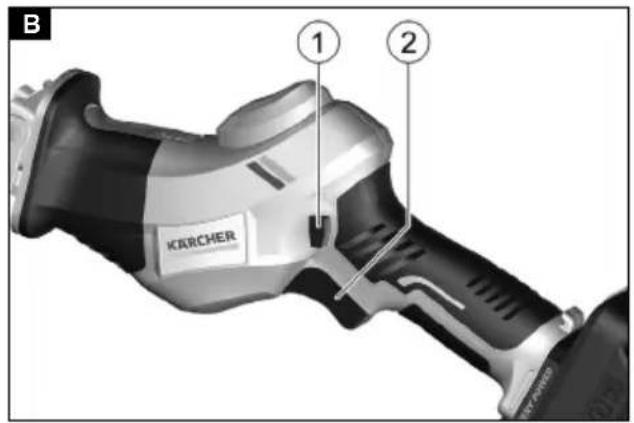
Unlocking button
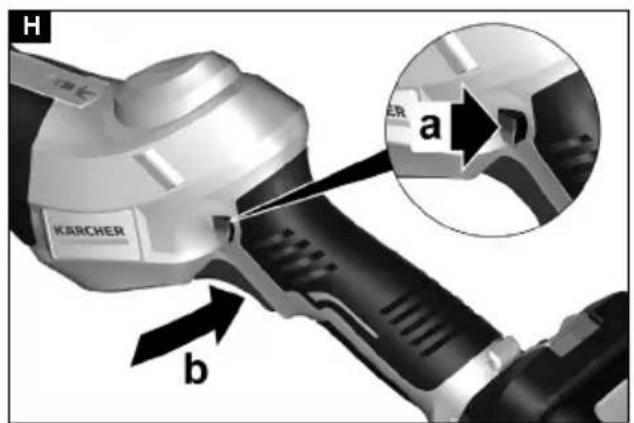
The unlocking button blocks the power switch, and thus prevents an uncontrolled start-up of the device.
Illustration B
① Unlocking button for ON/OFF switch ② ON/OFF switch
To start up the device, first press the unlocking button and then the ON/OFF switch.
Symbols on the device
 | General warning symbol |
 | Read the operating instructions and all safety instructions before operating the device for the first time. |
 | Always wear suitable eye protection and hearing protection when working with the device. |
 | Wear non-slip, sturdy gloves when working with the device. |
 | Keep bystanders at a safe distance from the power tool. |
 | Do not subject the device to rain or moist conditions. |
Device description
The maximum amount of equipment is described in these operating instructions. Depending on the model used, there are differences in the scope of delivery (see packaging).
See graphics page for illustrations Illustration A
① Battery pack unlocking button ② Battery pack mount ③ Unlocking button battery pack ④ Handle ⑤ ON/OFF switch unlocking button ⑥ ON/OFF switch ⑦ Branch bow unlocking button ⑧ Branch bow ⑨ Front protection ⑩ Quick clamping device for saw blade ⑪ Saw blade for wood ⑫*Rechargeable battery pack
* Optional
Installation
Attaching the battery pack mount
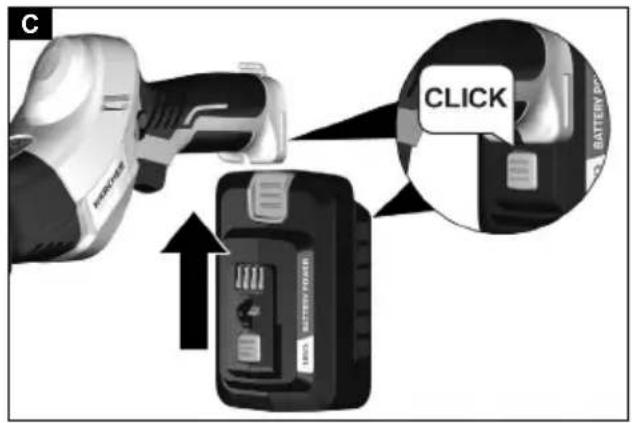
- Push the mount of the battery pack into the mount of the sabre saw until it audibly latches into place. Illustration C
Note
Ensure correct seating!
Mounting the saw blade
△CAUTION
Risk of injury from sharp saw teeth
Wear safety goggles and protective gloves when working on the device.
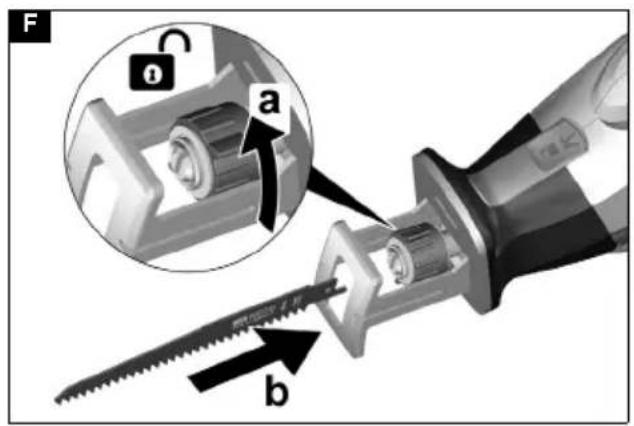
Illustration F
- Turn the quick clamping device anticlockwise and hold it.
- Insert the saw blade.
- Turn the quick clamping device clockwise back to the original position.
Note
After mounting the saw blade, check that it is correctly seated.
Mounting the branch bow
△CAUTION
Risk of injury from sharp saw teeth
Wear safety goggles and protective gloves when working on the device.
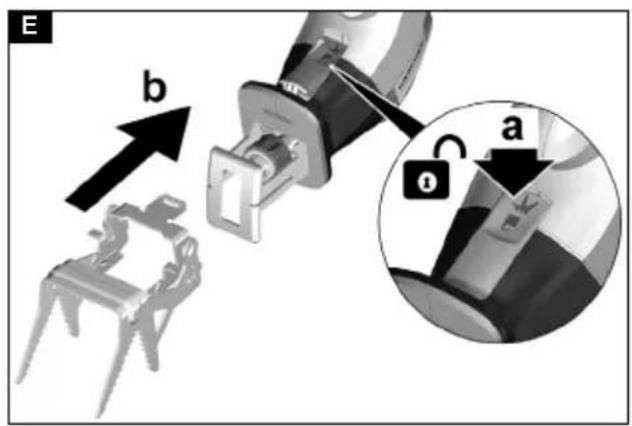
Illustration E
- Press the branch bow unlocking button.
- Push the branch bow into the guide until it engages.
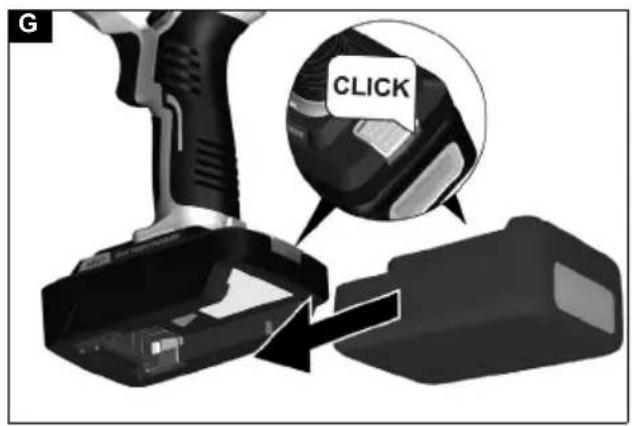
Installing the battery pack
- Push the battery pack into the battery pack holder. Illustration G
Operation
Switching on the device
- Press the unlocking button. Illustration H
- Switch on the device using the on/off switch.
Switching off the device
- Release the on/off switch. Illustration H
Sawing techniques
△CAUTION
Risk of injury from sharp saw blades
Wear safety goggles and protective gloves when working on the device.
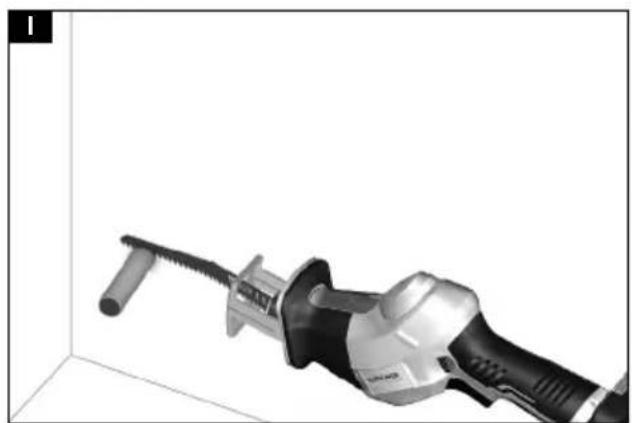
Flush cuts without branch bow
Note
When sawing thicker branches and boards, work WITHOUT the branch bow. The piece to be sawn must touch the front guard. Apply a rocking motion when sawing round pieces.
- Switch on the device.
- Saw with even pressure. Illustration I
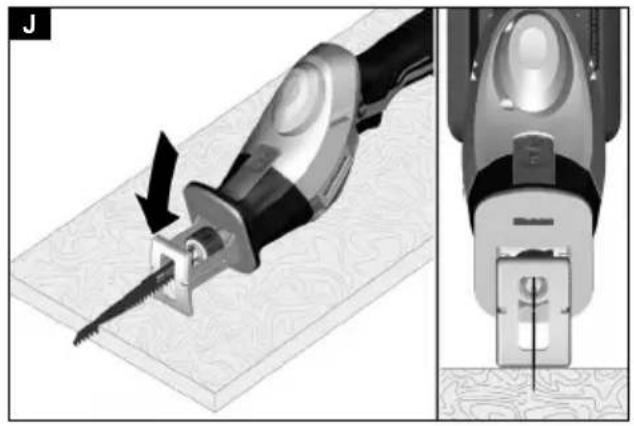
Insertion without branch bow
Note
When sawing thicker branches and boards, work WITHOUT the branch bow. The piece to be sawn must touch the front guard. Apply a rocking motion when sawing round pieces.
- Place the lower edge of the front guard on the workpiece.
- Switch on the device.
- Tilt the saw forward and insert the saw blade into the workpiece.
- Align the saw in a vertical position and saw along the cutting line.
Illustration J
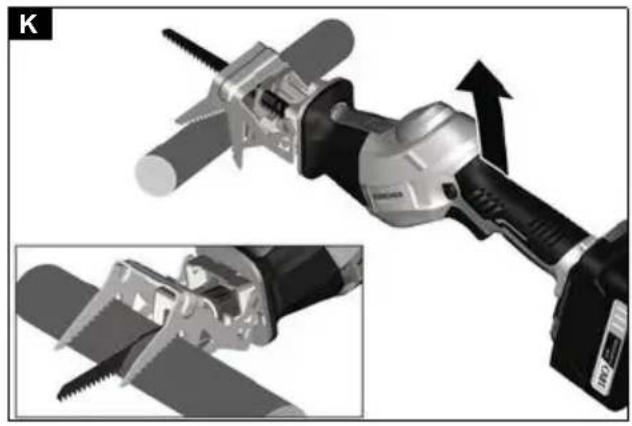
Flush cuts with branch bow
- Place the saw with branch bow, with light pressure on the workpiece.
- Switch on the device.
- Saw with even pressure. Illustration K
Sawing with telescopic extension
Note
The telescopic extension is an optional accessory for cutting wood and branches up to a height of 3.5 m.
Note
Before using the telescopic extension, read its operating instructions.
Finishing operation
- Remove the battery pack from the device (see Chapter Removing the battery pack).
- Clean the device (see Chapter Cleaning the device).
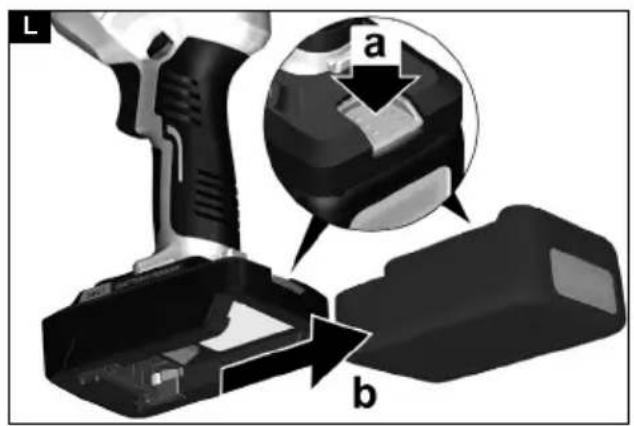
Removing the battery pack
Note
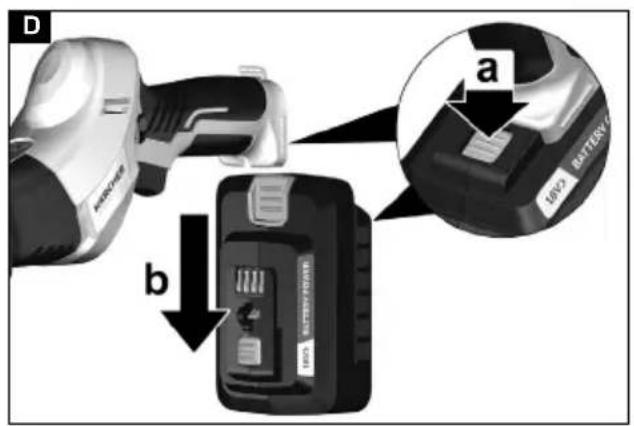
During longer work breaks, remove the battery pack from the device and secure it against unauthorised use.
- Remove the battery pack from the battery pack holder. Illustration L
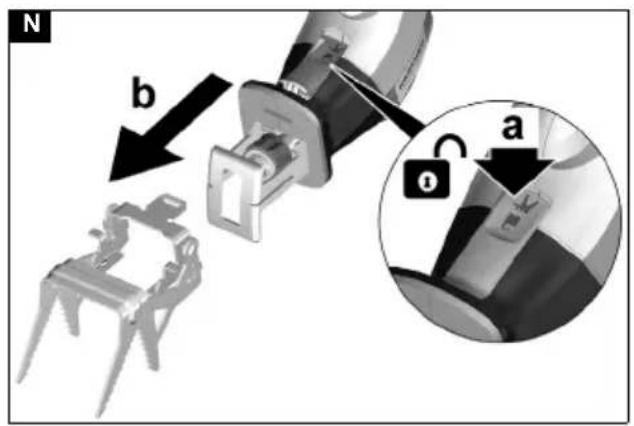
Removing the branch bow
CAUTION
Risk of injury from sharp blades
Wear safety goggles and protective gloves when working on the device.
Illustration N
- Press the branch bow unlocking button.
- Pull out the branch bow forwards.
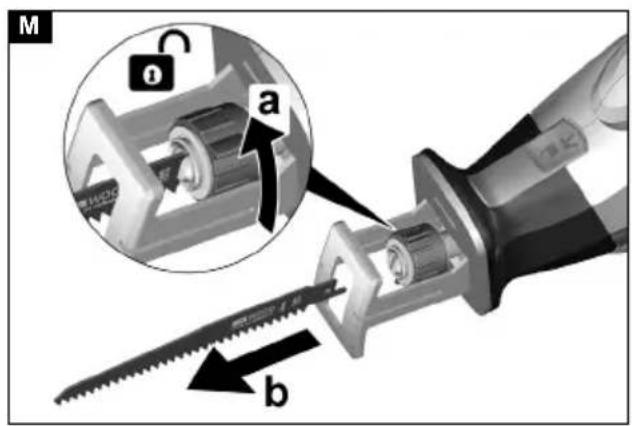
Removing the saw blade
CAUTION
Risk of injury from sharp blades
Wear safety goggles and protective gloves when working on the device.
Illustration M
- Turn the saw blade tensioner anticlockwise and hold it.
- Pull out the saw blade.
- Turn the saw blade tensioner clockwise back to the original position.
Transport
△CAUTION
Failure to observe the weight
Risk of injury and damage
Be aware of the weight of the device during transport and storage.
△CAUTION
Uncontrolled startup
Remove the battery from the device before transport.
- When transporting in vehicles, secure the device against slipping and tipping over according to the applicable guidelines.
Storage
△CAUTION
Failure to observe the weight
Risk of injury and damage
Be aware of the weight of the device during storage.
△CAUTION
Uncontrolled startup
Remove the battery from the device before storage.
- Clean the device, see chapter Cleaning the device.
- Store the device in a dry, well ventilated location.
Keep away from corrosive substances such as garden chemicals and defrosting salt. Do not store the device outdoors.
Care and service
Cleaning the device
△CAUTION
Uncontrolled startup
Incision injuries
Remove the battery from the device before all work on the device.
Note
Always keep the machine and the ventilation slits clean to ensure safe and proper working.
Note
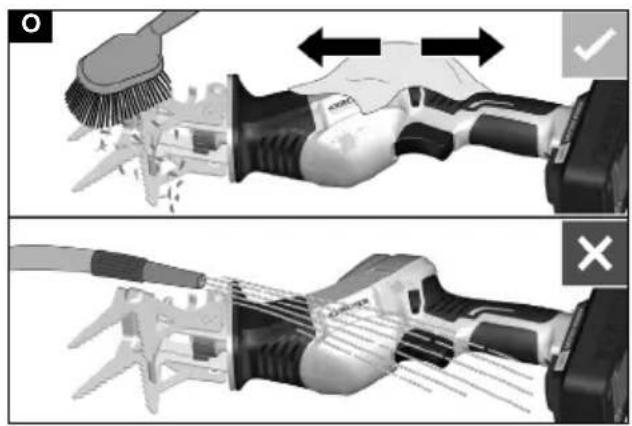
Clean the saw blade holder preferably with compressed air or a soft brush.
Note
Do not clean the device with water.
Illustration O
Troubleshooting guide
Malfunctions often have simple causes that you can remedy yourself using the following overview. When in doubt, or in the case of malfunctions not mentioned here, please contact your authorised Customer Service. As the battery pack ages, even if it is looked after, its capacity reduces such that the full run time will no longer be reached when fully charged. This does not indicate a defect.
| Fault Cause Rectification | ||
| The device does not start up | Battery pack is not inserted correctly. | ● Push the battery pack into the mounting until it latches into place. |
| The battery pack holder is not inserted/ latched correctly. | ● Push the battery pack holder into the mount un- til it audibly latches into place. | |
| Battery pack is empty ● Charge the battery pack. | ||
| Battery pack is defective. ● Replace the battery pack. | ||
| The device stops during operation | Motor has overheated | ● Stop working and allow the motor to cool down. |
| The battery pack is discharged. | ● Charge the battery pack. | |
| Saw blade cannot be fit- ted or removed | Saw blade tensioner is not in correct po- sition | ● Bring the saw blade tensioner into the correct position. |
Warranty
The warranty conditions issued by our sales company responsible apply in all countries. We shall remedy possible malfunctions on your device within the warranty period free of cost, provided that a material or manufacturing defect is the cause. In a warranty case, please contact your dealer (with the purchase receipt) or the next authorised customer service site. (See overleaf for the address)
Technical data
| PGS 4-18 | ||
| Device performance data | ||
| Nominal voltage V 18 | ||
| Stroke rate | /min | 0-2500 |
| Stroke length | mm | 20 |
| Cut material diameter (max.) Without branch bow | mm | 80 |
| Cut material diameter (max.) With branch bow | mm | 50 |
| Dimensions and weights | ||
| Weight (without battery pack) | kg | 1,4 |
| Length x width x height | mm | 475 x 89 x 174 |
Subject to technical modifications.
Noise/vibration information
Total vibration values ah (vector sum of three directions) and uncertainty K determined according to EN 62841-2-11: Sawing of chipboards ah,B=6.2\ m/s2 , K2=1.5\ m/s2 , Sawing of wooden beams: ah,WB=8.1\ m/s2 , K=1.5 m/ s2 . In combination with pole extension (2.445-247.0): ah=5.6 m/ s2 , K=1.5 m/ s2 . Sound emission values determined according to EN 62841-2-11. Typically the A-weighted sound power level of the product is 94 dB(A) and the sound pressure level is 83 dB(A), K=3 dB and in combination with pole extension (2.445-247.0). A weighted sound power level is 91 dB(A) and the sound pressure level is 82 dB(A), K=3 dB. Wear hearing protection!
The vibration level given in these instructions has been measured according to a standardised measurement procedure in EN 62841 and can be used for comparing power tools with each other. It is also suitable for a preliminary assessment of the vibration load.
⚠ WARNING
The vibration and noise emission levels may vary from the level specified during actual use, depending on the way in which the power tool is used, especially the type of workpiece it is used for.
Note
Keep the noise emissions and vibrations to a minimum.
- Only use appliances which are in perfect working order. Service and clean the appliance regularly.
- Adapt your working style to suit the appliance.
- Do not overload the appliance.
- Have the appliance serviced whenever necessary.
- Switch the appliance off when it is not in use.
- Wear protective gloves.
△CAUTION
Residual risks
Even if you use this electric power tool in accordance with instructions, certain residual risks cannot be ruled out. The following hazards may arise in connection with the equipment's construction and layout:
- Lung damage if no suitable protective dust mask is used.
- Damage to hearing if no suitable ear protection is used.
- Health damage caused by hand-arm vibrations if the equipment is used over a prolonged period or is not properly guided and maintained.
Declaration of Conformity
EU Declaration of Conformity
We hereby declare that the machine described below complies with the relevant basic safety and health requirements in the EU Directives, both in its basic design and construction as well as in the version placed in circulation by us. This declaration is invalidated by any changes made to the machine that are not approved by us.
Product: PGS (battery-powered telescopic saw)
Type: PGS 4-18 ("PGS" means battery-powered telescopic saw)
Currently applicable EU Directives
2006/42/EC (+2009/127/EC)
2014/30/EU
2011/65/EU
Harmonised standards used
EN 55014-1: 2017 + A11: 2020
EN 55014-2: 1997 + A1: 2001 + A2: 2008
EN 62841-1: 2015 + AC: 2015
EN 62841-2-11: 2016 + A1: 2020
EN ISO 11680-1:2011
EN IEC 63000: 2018
The signatories act on behalf of and with the authority of the company management.
H. Jenner Chairman of the Board of Management
S. Reiser Manager Regulatory Affairs & Certification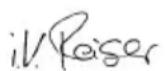
Documentation supervisor:
S. Reiser
Alfred Kärcher SE & Co. KG
Alfred-Kärcher-Str. 28 - 40
71364 Winnenden (Germany)
Ph.: +49 7195 14-0
Fax: +49 7195 14-2212
Winnenden, 2023/04/01
Declaration of Conformity (UK)
We hereby declare that the product described below complies with the relevant provisions of the following UK Regulations, both in its basic design and construction as well as in the version put into circulation by us. This declaration shall cease to be valid if the product is modified without our prior approval.
Product: PGS (battery-powered telescopic saw)
Type: PGS 4-18 ("PGS" means battery-powered telescopic saw)
Currently applicable UK Regulations
S.I. 2008/1597 (as amended)
S.I. 2016/1091 (as amended)
S.I. 2012/3032 (as amended)
Designated standards used
EN 55014-1: 2017 + A11: 2020
EN 55014-2: 1997 + A1: 2001 + A2: 2008
EN 62841-1: 2015 + AC: 2015
EN 62841-2-11: 2016 + A1: 2020
EN ISO 11680-1:2011
EN IEC 63000: 2018
The signatories act on behalf of and with the authority of the company management.
H. Jenner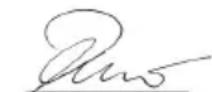
Chairman of the Board of Management
S. Reiser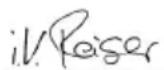
Manager Regulatory Affairs & Certification
Documentation supervisor:
S. Reiser
Alfred Kärcher SE & Co. KG
Alfred-Kärcher-Str. 28 - 40
71364 Winnenden (Germany)
Ph.: +49 7195 14-0
Fax: +49 7195 14-2212
Winnenden, 2023/04/01
Contents
2006/42/EC (+2009/127/EC)
2014/30/EU
2011/65/EU
H. Jenner Chairman of the Board of Management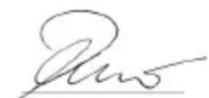
S. Reiser Manager Regulatory Affairs & Certification
71364 Winnenden (Germany)
H. Jenner Chairman of the Board of Management
S. Reiser Manager Regulatory Affairs & Certification
71364 Winnenden (Germany)
Tel.: +49 7195 14-0
Fax: +49 7195 14-2212
Winnenden, 01/04/2023
Contents
Product: PGS (cordless telescopic pole saw)
Type: PGS 4-18 ("PGS" means cordless telescopic pole saw)
H. Jenner Chairman of the Board of Management
S. Reiser Manager Regulatory Affairs & Certification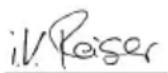
71364 Winnenden (Germany)
Tel.: +49 7195 14-0
Fax: +49 7195 14-2212
Winnenden, 2023/04/01
2006/42/EC (+2009/127/EC)
2014/30/EU
2011/65/EU
H. Jenner Chairman of the Board of Management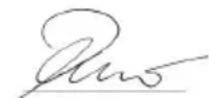
S. Reiser Manager Regulatory Affairs & Certification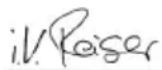
71364 Winnenden (Germany)
Tel.: +49 7195 14-0
Fax: +49 7195 14-2212
Winnenden, 01/04/2023
Index
2006/42/EC (+2009/127/EC)
2014/30/EU
2011/65/EU
H. Jenner Chairman of the Board of Management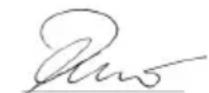
S. Reiser Manager Regulatory Affairs & Certification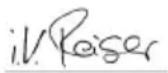
2006/42/EF (+2009/127/EF)
2014/30/EU
2011/65/EU
H. Jenner Chairman of the Board of Management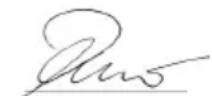
S. Reiser Manager Regulatory Affairs & Certification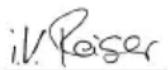
71364 Winnenden (Germany)
Tel.: +49 7195 14-0
Fax: +49 7195 14-2212
Winnenden, 2023/04/01
Contents
General notes.... 55
Proper use 57
Environmental protection 57
2006/42/EF (+2009/127/EF)
2014/30/EU
2011/65/EU
Applied harmonized standards
EN 55014-1: 2017 + A11: 2020
EN 55014-2: 1997 + A1: 2001 + A2: 2008
EN 62841-1: 2015 + AC: 2015
EN 62841-2-11: 2016 + A1: 2020
EN ISO 11680-1:2011
EN IEC 63000: 2018
H. Jenner Chairman of the Board of Management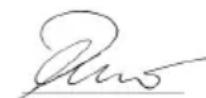
S. Reiser Manager Regulatory Affairs & Certification
71364 Winnenden (Germany)
Tel.: +49 7195 14-0
H. Jenner Chairman of the Board of Management
S. Reiser Manager Regulatory Affairs & Certification
D-71364 Winnenden (Germany)
Tel: +49 7195 14-0
Fax: +49 7195 14-2212
Winnenden, 01.04.2023
Contents
General instructions 66
Chairman of the Board of Management
S. Reiser
Manager Regulatory Affairs & Certification
71364 Winnenden (Germany)
Tel.: +49 7195 14-0
H. Jenner Chairman of the Board of Management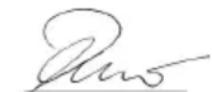
S. Reiser Manager Regulatory Affairs & Certification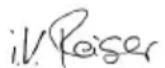
71364 Winnenden (Germany)
Tel.: +49 7195 14-0
Fax: +49 7195 14-2212
Winnenden, 2023/04/01
Table of Contents
2006/42/EC (+2009/127/EC)
2014/30/EU
2011/65/EU
H. Jenner Chairman of the Board of Management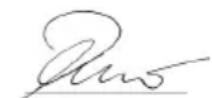
S. Reiser Manager Regulatory Affairs & Certification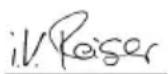
Chairman of the Board of Management
S. Reiser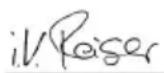
Manager Regulatory Affairs & Certification
71364 Winnenden (Germany)
Tel.: +49 7195 14-0
Fax: +49 7195 14-2212
Chairman of the Board of Management
S. Reiser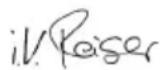
Manager Regulatory Affairs & Certification
2006/42/EC (+2009/127/EC)
2014/30/EU
2011/65/EU
H. Jenner Chairman of the Board of Management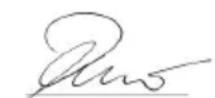
S. Reiser Manager Regulatory Affairs & Certification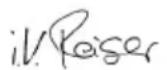
2006/42/EC (+2009/127/EC)
2014/30/EU
2011/65/EU
H. Jenner Chairman of the Board of Management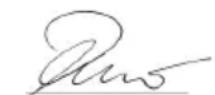
S. Reiser Manager Regulatory Affairs & Certification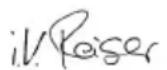
Winnenden, 1. 4. 2023
Table of Contents
2006/42/EC (+2009/127/EC)
2014/30/EU
2011/65/EU
Chairman of the Board of Management
S. Reiser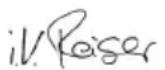
Manager Regulatory Affairs & Certification
71364 Winnenden (Germany)
Tel.: +49 7195 14-0
Relevant EU Directive
2006/42/EC (+2009/127/EC)
2014/30/EU
2011/65/EU
Harmonized standards applied
EN 55014-1: 2017 + A11: 2020
EN 55014-2: 1997 + A1: 2001 + A2: 2008
EN 62841-1: 2015 + AC: 2015
EN 62841-2-11: 2016 + A1: 2020
EN ISO 11680-1:2011
EN IEC 63000: 2018
H. Jenner Chairman of the Board of Management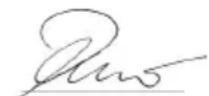
S. Reiser Manager Regulatory Affairs & Certification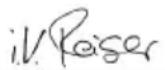
71364 Winnenden (Germany)
Tel.: +49 7195 14-0
Fax: +49 7195 14-2212
Winnenden, 2023/04/01
Contents
General safety warnings.... 124
2006/42/EC (+2009/127/EC)
2014/30/EU
2011/65/EU
H. Jenner Chairman of the Board of Management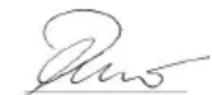
S. Reiser Manager Regulatory Affairs & Certification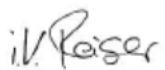
71364 Winnenden (Germany)
Tel.: +49 7195 14-0
Fax: +49 7195 14-2212
Winnenden, 01.04.2023
Contents
General notes.... 130
2006/42/EC (+2009/127/EC)
2014/30/EU
2011/65/EU
Applied harmonized standards
EN 55014-1: 2017 + A11: 2020
EN 55014-2: 1997 + A1: 2001 + A2: 2008
EN 62841-1: 2015 + AC: 2015
EN 62841-2-11: 2016 + A1: 2020
EN ISO 11680-1:2011
EN IEC 63000: 2018
H. Jenner Chairman of the Board of Management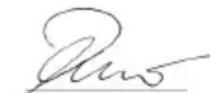
S. Reiser Manager Regulatory Affairs & Certification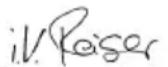
Authorized representative for documentation: S. Reiser
Alfred Kärcher SE & Co. KG
Alfred-Kärcher-Str. 28 - 40
71364 Winnenden (Germany)
Tel.: +49 7195 14-0
Fax: +49 7195 14-2212
Winnenden, 01.04.2023.
Contents
| Opšte napomene | 136 |
| Namenska upotreba | 138 |
| Zaštita životne sredine | 138 |
| Pribor i rezervni delovi | 138 |
| Obim isporuke | 138 |
| Sigurnosni uređaji | 138 |
| Opis uređaja | 139 |
| Montaža | 139 |
| Rad | 139 |
| Završetak rada | 139 |
| Transport | 140 |
| Skladištenje | 140 |
| Nega i održavanje | 140 |
| Pomoć u slučaju smetnje | 140 |
| Garancija | 140 |
| Tehnički podaci | 141 |
| EU izjava o usklađenosti | 141 |
General notes

Before first use of the device, read these safety notes, the original operating instructions, the safety notes supplied with the battery pack, and the enclosed
original operating instructions for the battery pack / standard device. Follow them accordingly.
2006/42/EC (+2009/127/EC)
2014/30/EU
2011/65/EU
Applied harmonized standards
EN 55014-1: 2017 + A11: 2020
EN 55014-2: 1997 + A1: 2001 + A2: 2008
EN 62841-1: 2015 + AC: 2015
EN 62841-2-11: 2016 + A1: 2020
EN ISO 11680-1:2011
EN IEC 63000: 2018
The signatories act on behalf of and with the authorization of the Board of Management.
H. Jenner Chairman of the Board of Management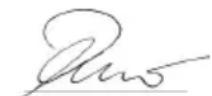
S. Reiser Manager Regulatory Affairs & Certification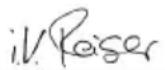
Person authorized to compile the technical file:
S. Reiser
Alfred Kärcher SE & Co. KG
Alfred-Kärcher-Str. 28 - 40
71364 Winnenden (Germany)
Tel.: +49 7195 14-0
H. Jenner Chairman of the Board of Management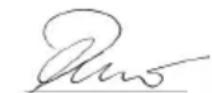
S. Reiser Manager Regulatory Affairs & Certification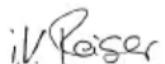
71364 Winnenden (Germany)
Tel.: +49 7195 14-0
Fax: +49 7195 14-2212
Winnenden, 2023/04/01
Table of contents
General instructions 149
2006/42/EU (+2009/127/EU)
2014/30/EU
2011/65/EU
Chairman of the Board of Management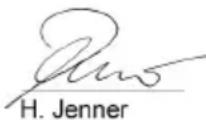
S. Reiser Manager Regulatory Affairs & Certification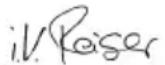
71364 Winnenden (Germany)
Tel: +49 7195 14-0
Chairman of the Board of Management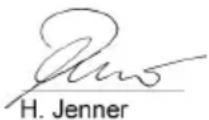
S. Reiser Manager Regulatory Affairs & Certification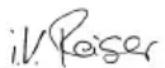
H. Jenner Chairman of the Board of Management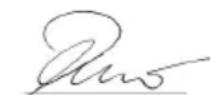
S. Reiser Manager Regulatory Affairs & Certification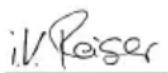
H. Jenner Chairman of the Board of Management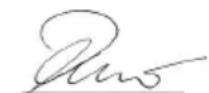
S. Reiser Manager Regulatory Affairs & Certification
71364 Winnenden (Germany)
Tel: +49 7195 14-0
Fax: +49 7195 14-2212
Connectivity and Privacy
THANK YOU!
MERCI! DANKE! iGRACIAS!

Register your product and benefit from many advantages.
www.kaercher.com/welcome


Rate your product and tell us your opinion.
www.kaercher.com/dealersearch
Alfred Kärcher SE & Co. KG
Alfred-Kärcher-Str. 28-40
71364 Winnenden (Germany)
- CONTENTS
- GENERAL NOTES
- HAZARD LEVELS
- ⚠️DANGER
- ⚠ WARNING
- ⚠CAUTION
- ATTENTION
- GENERAL POWER TOOL SAFETY INSTRUCTIONS
- NOTE
- ELECTRICAL SAFETY
- PERSONAL SAFETY
- POWER TOOL USE AND CARE
- BATTERY TOOL USE AND CARE
- SERVICE
- SAFETY INSTRUCTIONS FOR SABRE SAWS
- ADDITIONAL SAFETY INSTRUCTIONS
- INTENDED USE
- RISK OF INJURY FROM CUTS
- IMPROPER USE
- ENVIRONMENTAL PROTECTION
- NOTES ON THE CONTENT MATERIALS (REACH)
- ACCESSORIES AND SPARE PARTS
- SCOPE OF DELIVERY
- SAFETY DEVICES
- △CAUTION
- UNLOCKING BUTTON
- ILLUSTRATION B
- DEVICE DESCRIPTION
- SEE GRAPHICS PAGE FOR ILLUSTRATIONS ILLUSTRATION A
- INSTALLATION
- ATTACHING THE BATTERY PACK MOUNT
- MOUNTING THE SAW BLADE
- RISK OF INJURY FROM SHARP SAW TEETH
- ILLUSTRATION F
- MOUNTING THE BRANCH BOW
- ILLUSTRATION E
- INSTALLING THE BATTERY PACK
- OPERATION
- SWITCHING ON THE DEVICE
- SWITCHING OFF THE DEVICE
- SAWING TECHNIQUES
- RISK OF INJURY FROM SHARP SAW BLADES
- FLUSH CUTS WITHOUT BRANCH BOW
- INSERTION WITHOUT BRANCH BOW
- FLUSH CUTS WITH BRANCH BOW
- SAWING WITH TELESCOPIC EXTENSION
- FINISHING OPERATION
- REMOVING THE BATTERY PACK
- REMOVING THE BRANCH BOW
- CAUTION
- RISK OF INJURY FROM SHARP BLADES
- ILLUSTRATION N
- REMOVING THE SAW BLADE
- ILLUSTRATION M
- TRANSPORT
- FAILURE TO OBSERVE THE WEIGHT
- UNCONTROLLED STARTUP
- STORAGE
- CARE AND SERVICE
- CLEANING THE DEVICE
- ILLUSTRATION O
- TROUBLESHOOTING GUIDE
- WARRANTY
- NOISE/VIBRATION INFORMATION
- RESIDUAL RISKS
- DECLARATION OF CONFORMITY
- EU DECLARATION OF CONFORMITY
- CURRENTLY APPLICABLE EU DIRECTIVES
- HARMONISED STANDARDS USED
- DECLARATION OF CONFORMITY (UK)
- CURRENTLY APPLICABLE UK REGULATIONS
- DESIGNATED STANDARDS USED
- INDEX
- APPLIED HARMONIZED STANDARDS
- TABLE OF CONTENTS
- RELEVANT EU DIRECTIVE
- HARMONIZED STANDARDS APPLIED
- REISER
- THANK YOU
- MERCI! DANKE! IGRACIAS
Brand : Kärcher
Model : PGS 418
Category : Saw