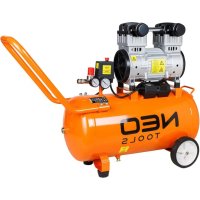
12K0221 - Compressor NEO tools - Free user manual and instructions
Find the device manual for free 12K0221 NEO tools in PDF.



| Product type | Air compressor |
| Brand | NEO tools |
| Model | 12K0221 |
| Supply voltage | 220-240 V AC |
| Frequency | 50 Hz |
| Operating mode | S1 |
| Rated motor power | 1100 W |
| Motor speed | 1450 min⁻¹ |
| Protection class | I |
| Maximum pressure | 8 bar |
| Cut-off pressure | 8 bar |
| Tank capacity | 50 L |
| Performance (air flow rate) | 180 L/min |
| Protection degree | IP X0 |
| Weight | 36,5 kg |
| Safety valve | Yes (factory set) |
| Pressure switch | Yes (automatic shut-off) |
| Air filter | Yes (cleanable) |
| Condensate drain valve | Yes |
| Transport wheels | Yes |
| Transport handle | Yes |
| Main uses | Pneumatic tools, inflation, spraying |
| Sound pressure level | 78 dB(A) |
| Sound power level | 80 dB(A) |
Frequently Asked Questions - 12K0221 NEO tools
User questions about 12K0221 NEO tools
0 question about this device. Answer the ones you know or ask your own.
Ask a new question about this device
Download the instructions for your Compressor in PDF format for free! Find your manual 12K0221 - NEO tools and take your electronic device back in hand. On this page are published all the documents necessary for the use of your device. 12K0221 by NEO tools.
USER MANUAL 12K0221 NEO tools
natural_image
Industrial air compressor unit with visible branding and control panel (no readable text or symbols beyond branding)12K020-1
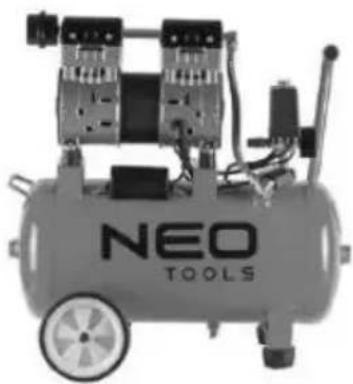
natural_image
Exterior view of a NEO Tool (air compressor) with visible wiring and components (no text or symbols on the device itself)12K021-1
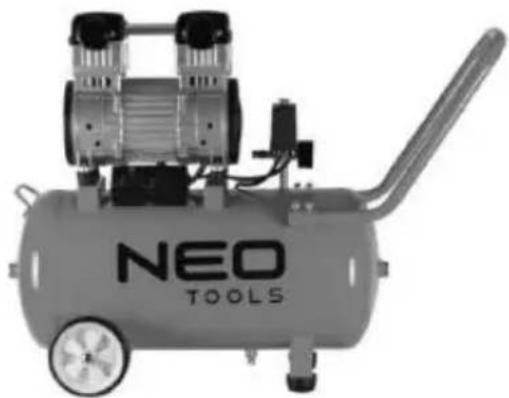
natural_image
Exterior view of a NEO TOOLS air compressor unit (no signage or text beyond branding)12K022-1

C
natural_image
Close-up of a mechanical component with a labeled dimension '1' (no text or symbols on the object itself)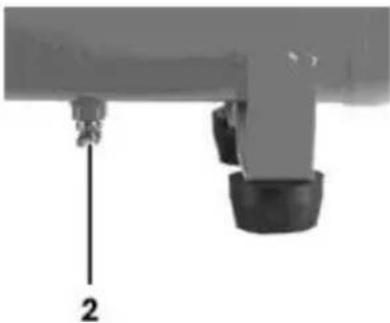
natural_image
Close-up of a mechanical component with a labeled dimension '2' (no text or symbols on the object itself)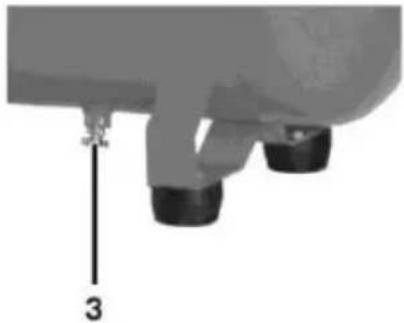
natural_image
Close-up of a mechanical component with two small black components and a numbered arrow labeled '3' pointing to a feature (no text or symbols beyond the number)D
natural_image
Mechanical device with two articulated arms and a labeled component (no visible text or symbols)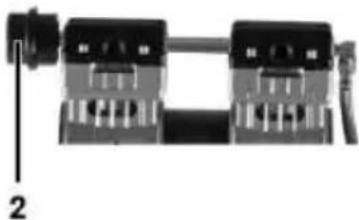
natural_image
Close-up of a mechanical connector with multiple ports and a labeled component (no visible text or symbols)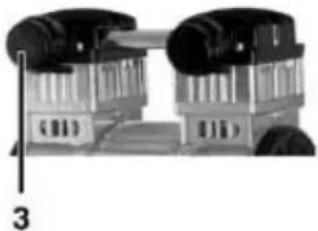
natural_image
Mechanical assembly diagram showing two cylindrical components with internal cavities and a labeled part '3' (no text or symbols on the components themselves)POLSKI (PL) INSTRUKCJA OBSŁUGI ORYGINALNA 4
ENGLISH (EN) TRANSLATION OF THE ORIGINAL INSTRUCTIONS....9
DANE DOTYCZACE HAŁASU I DRGAŃ
EN IEC 61000-6-1:2019; EN IEC 61000-6-3:2021
EN IEC 63000:2018
2014/68/EU
GTX Poland Sp. Z o.o. Sp.k.
Ul. Pograniczna 2/4
02-285 Warszawa
Paweł Kowalski
Producent: GTX Poland Sp. z o.o. Sp.k,
EN IEC 61000-6-1:2019; EN IEC 61000-6-3:2021
EN IEC 63000:2018
2014/68/EU
GTX Poland Sp. Z o.o. Sp.k.
Ul. Pograniczna 2/4
02-285 Warszawa
Paweł Kowalski
Producent: GTX Poland Sp. z o.o. Sp.k,
EN IEC 61000-6-1:2019; EN IEC 61000-6-3:2021
EN IEC 63000:2018
2014/68/EU
GTX Poland Sp. Z o.o. Sp.k.
Ul. Pograniczna 2/4
02-285 Warszawa
Paweł Kowalski
READ THE OPERATING MANUAL!
Pay particular attention to the safety instructions.
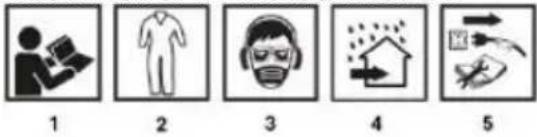
DESCRIPTION OF THE PICTOGRAMS USED

6

7
8

9

10
- Read the operating instructions.
2.Wear protective clothing.
-
Use personal protective equipment (safety goggles, ear protection, dust mask).
-
Protect from rain, for indoor use
5.Disconnect before repair (maintenance).
6.Caution hot surfaces.
- Attention can act without warning.
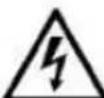
8.Caution risk of electric shock.
9.Do not point the jet at people, animals or live installations.
- Keep children away from the tool.
MARKINGS ON THE DEVICE

RRRR -year of manufacture
MM - month of manufacture
Y -additional designation
XXXXX -serial number
NNN -additional designation
DESCRIPTION OF THE DEVICE
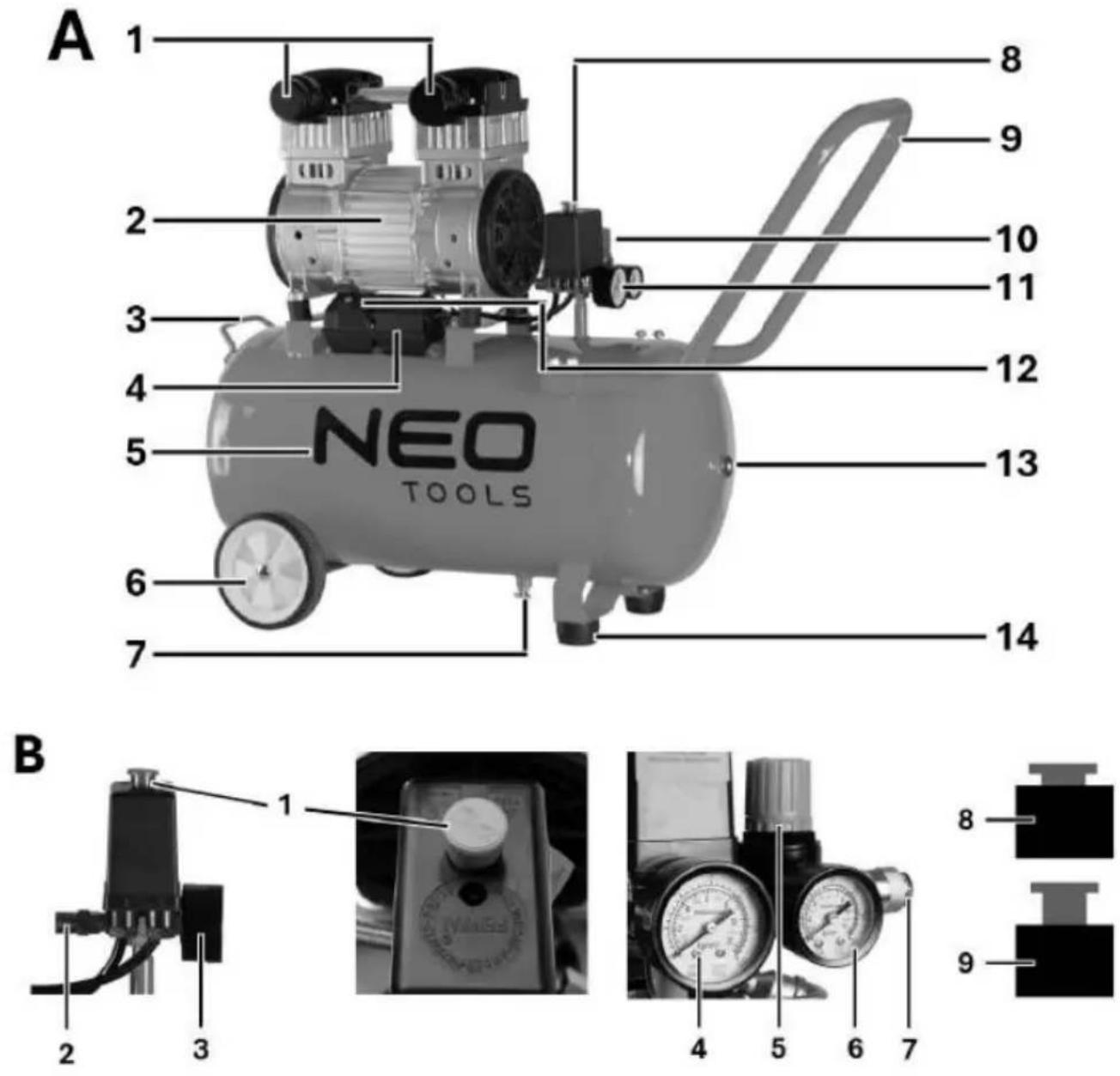
| Fig. A | Description |
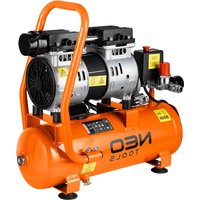
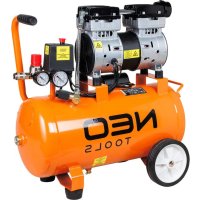
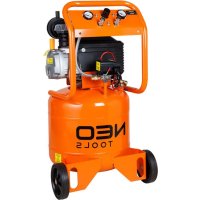
| 1 | Air filters |
| 2 | Engine, compressor |
| 3 | Transport handle |
| 4 | Capacitor chamber |
| 5 | Reservoir |
| 6 | Transport wheels |
| 7 | Condensate drain valve |
| 8 | Switch |
| 9 | Transport handle |
| 10 | Pressure regulator |
| 11 | Pressure gauges |
| 12 | Overload reset button (12K022-1) |
| 13 | Inspection opening |
| 14 | Resting foot |
| * The inspection hole is used for inspection and cleaning of the pressure vessel - can only be performed by an authorised service centre. | |
| Fig. B | Description |
| 1 | Switch |
| 2 | Safety valve |
| 3 | Pressure gauges |
| 4 | Tank pressure gauge |
| 5 | Pressure regulator |
| 6 | Compressor cut-in pressure gauge |
| 7 | Quick release |
| 8 | Compressor off OFF |
| 9 | Compressor ON |
| Fig. C | Description |
| 1 | Condensate drain valve 12K020-1 |
| 2 | Condensate drain valve 12K021-1 |
| 3 | Condensate drain valve 12K022-1 |
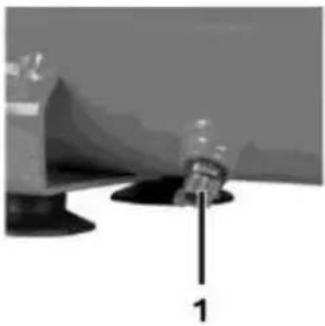
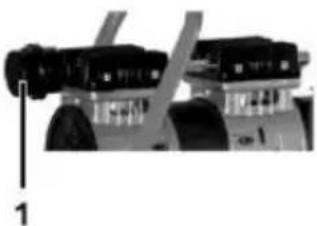
| Fig. D | Description |
| 1 | Air filter 12K020-1 |
| 2 | Air filter 12K021-1 |
| 3 | Air filters 12K022-1 |
WARNING!
FAILURE TO FOLLOW THE INSTRUCTIONS AND OBSERVE THE SAFETY PRECAUTIONS MAY RESULT IN DAMAGE TO THE PRODUCT OR SERIOUS INJURY OR EVEN DEATH.
If you notice any damage during transport or unpacking, notify the supplier immediately. DO NOT CONNECT FOR USE.
SPECIFIC CONDITIONS OF USE
This product is intended for use only:
- producing compressed air for tools. The compressor can be used to operate paint sprayers, air tools, lubricators, airbrushers, sealant guns, sandblasters, pumping tyres and plastic toys, spraying herbicides and insecticides, etc. In most of these applications, it is necessary to set the compressor according to the manufacturer of the accessory or the preparation used.
- According to the relevant descriptions and safety instructions in this manual, the product is not intended for use other than that described in the manual.
- If the product is used for a purpose other than that for which it is intended or if unauthorised modifications are made, the statutory warranty and statutory liability for defects as well as any liability on the part of the manufacturer will be null and void.
Do not overload! Use the product only for the power for which it was designed. A product designed for a specific purpose performs it better and safer than one that performs a similar function. Therefore, always use the correct one for the purpose.
Please note that our products are not intended for commercial, retail or industrial use as intended. We accept no liability if the product is used under such or comparable conditions.
Where required, follow the guidelines and legal regulations to prevent possible accidents during work.
NOTE!
Never use the product if it is close to people, especially children or animals. The user is responsible for any damage caused to third parties or their property.
Keep the manual and use it when you need more information. If you do not understand the guidelines in the manual, contact your dealer. If you lend the product to another person, it is necessary to lend this manual with it.
TRAINING
All operating personnel must be properly trained in the use, operation and set-up, and especially familiar with prohibited activities.
SAFETY INSTRUCTIONS
WARNING!
Failure to follow the warnings and instructions may result in electric shock, fire and/or serious injury. Use of other accessories or attachments other than those specified in the instructions may cause injury.
- Carefully read the manual. Learn how to use this product, all the limitations and what hazards may be associated with its use. Learn how to stop the product quickly and switch off the control.
- Be careful at work, focus on your work and use common sense.
- When not in use, the product should be stored in a dry and safe place out of the reach of children.
- Never pull the plug out of the socket by pulling the cord. Protect the power cord from heat, grease and sharp edges.
- Always disconnect the product from the power source before repairing, replacing accessories and when the product is not in use.
- When connecting to the socket, make sure the switch is in the "off" position. pressed Fig. B8.
- If the product is used outdoors, only use an extension cord designed for outdoor use and marked accordingly.
- Pay attention to what you are doing be focused and think sensibly, do not work with the product if you are tired, under the influence of alcohol, drugs or medication.
- Faulty switches should be taken to an authorised service centre for replacement.
- Do not use this product if the main switch does not allow you to switch it on or off.
- This product has been designed in accordance with all applicable safety requirements and standards that to it. Any repairs should only be carried out by a qualified person and spare parts replaced with original ones, otherwise the user may find himself in serious danger.
SAFETY INSTRUCTIONS FOR WORKING WITH A COMPRESSOR
TANK PRESSURE RELIEF VALVE
- This valve is fitted at the factory to prevent damage to the pressure circuit, compressor and motor.
- It is factory-set to a specific limit for a specific model and adjustment and should never be modified on adjustment by the user, this will automatically void the warranty.
PRESSURE SWITCH
- The air switch is set at the factory for optimum equipment performance. Never override or remove this switch as excessive air pressure can cause serious equipment damage or personal injury.
ENGINE AND COMPRESSOR PUMP
- Air compressors get hot during operation. Never touch the motor, pressure lines or compressor.
- If the switch is on, the compressor operates automatically when power is connected.
- Never attempt any adjustment with the power cable switched on and/or connected.
ATTENTION: COMPRESSED AIR
- The compressed air from the unit may contain carbon monoxide. The air generated is not suitable for breathing.
- Always use a respirator when spraying paint or in dusty conditions.
- Using compressed air can cause dust and/or particles to circulate - always wear safety goggles.
- If the machine is used for spraying flammable substances, position it upwind and at a safe distance.
- Never point the spray gun at yourself or other people or animals.
COMPRESSED AIR SYSTEM
- Excessive pressure in the pressure circuit can cause an explosion or rupture. To protect against, a factory-set safety value is included. Do not remove, adjust or replace this valve.
- Under no circumstances should parts of the pressure circuit be welded, drilled or modified.
- If any of the above conditions are altered or breached, this will invalidate the manufacturer's warranty. Please note that any spare parts must be purchased with the same specification as
the original equipment. Contact your authorised dealer for spare parts or specifications.
FAST CONNECTION
If the compressed air coupling leaks, shows signs of deep corrosion, mechanical damage or escapes from the air, switch off the machine immediately and have it serviced by an authorised service centre. Using the machine with a defective nozzle can lead to a ruptured air nozzle or unexpected high-pressure air leakage, resulting in fatal or serious injury.
ELECTRICAL REQUIREMENTS
- The machine must be connected to a properly earthed socket.
- Never use at a rated voltage other than 220-240 V / 50 Hz. The circuit must be adequately protected.
- Connect only to an electrical circuit protected by a current protection device with a tripping current not exceeding 30 mA.
PROTECTIVE EQUIPMENT
- Wear safety goggles! Operating the machine may cause foreign bodies to be ejected into the eyes, which can cause serious damage to the . Normal spectacles are not sufficient to protect the eyes. For example, corrective goggles or sunglasses do not provide adequate protection because they do not have a special safety glass and are not sufficiently closed at the sides.
NOTE: The machine is very noisy
- Wear appropriate noise protection equipment! Noise can cause damage or loss of hearing. Take frequent breaks during work. Limit the daily amount of exposure.
- Protective equipment, such as a dust mask or helmet, used under appropriate conditions, will reduce injury, especially when the processing generates dust or there is a risk of hitting the head on protruding or low obstacles.
PREVENTION AND FIRST AID
Note: always recommended:
- Suitable fire extinguisher (snow, powder) available.
- Fully equipped first aid kit, easily accessible to the attendant and operator.
- Mobile phone or other device to call emergency services quickly. Companion familiar with the principles of first aid. The companion must keep a safe distance from the work area and see you at all times!
Always follow the first aid rules in case of injury.
- In the case of electrocution, more than anywhere else, it is necessary to emphasise safety and the elimination of risks for rescuers. The injured person usually remains in contact with the electrical equipment (the source of injury) because of the muscle spasms caused by the shock. In this case, a traumatic process is underway. Therefore, it is necessary to FIRST switch off the power supply by any means possible. Then CALL AN AMBULANCE or other professional service.
IN CASE OF FIRE:
- If the engine starts to smoke or smoke starts to come out of it, switch off the product, disconnect the power supply and go to a safe place.
- Use a suitable extinguisher (CO2, dry powder, halotron) to extinguish the fire.
- DON'T PANIC. Panic can cause even more damage.
RESIDUAL RISK
Even if the product is used in accordance with the instructions, it is not possible to eliminate all risks associated with its handling. The following hazards may result from the design of the product:
- Electrical hazard caused by touching high-voltage parts (direct contact) or parts that have been subjected to high voltage as a result of a product failure (indirect contact).
- Heat hazard causing burns or other injuries due to possible contact with high temperature objects or materials, including sources.
- Hazards caused by contact with or inhalation of harmful liquids, gases, mists, fumes and dusts.
- Hazards resulting from non-compliance with the ergonomic principles of product design, for example hazards caused by an unhealthy body position or excessive strain and the unnatural
nature of the human hand/arm anatomy, relate to handle design, product balance.
- Hazards caused by unexpected start-up, unexpected overspeed of the motor caused by a fault / failure of the control system, relate to faults in the handle and drive placement.
- The dangers of not being able to stop the product under the best conditions relate to the soundness of the handle and the placement of the product off the engine.
- The hazards of a product control system failure relate to the robustness of the handle, the placement of the takers and the marking.
- Hazards from shooting objects or splashing liquids.
- Mechanical hazard due to cutting and rejection.
- Risk of noise causing hearing loss (deafness) and other physiological disorders (e.g. loss of balance, loss of consciousness).
Vibration risk (causing vascular and neurological damage to the hand-arm system, for example the so-called "white finger disease")
WARNING!
The product generates an electromagnetic field of very low intensity. This field may interfere with operation of some pacemakers. To reduce the risk of serious or fatal injury, people with pacemakers should consult a doctor.
In the absence of overcurrent protection, the user must ensure that an overcurrent protection device for the power circuit is installed. It must meet the requirements of EN60204-1. Ask your electrician for advice.
Do not use this compressor in explosive atmospheres: there is a risk of serious accidents and fire.
High oil viscosity can occur during a cold start, clogged oil filters or valve failure can cause oil starvation; Openings should be closed when the compressor is running.
Identify when the compressor is automatically or remotely controlled. Take the necessary measures to prevent automatic start or remote start when the compressor is being serviced, maintained or inspected: lock the main electrical disconnect.
Risk of coke forming in the discharge pipeline, causing a fire or explosion
Concentrations of processed gases that can displace breathing air should be kept at acceptable levels. The user should refer to standard EN 12021 on permissible levels of pollutants in breathing air.
Separators, traps and evacuation devices are required to treat the liquids generated by the compressor before the compressor is put into service, as these are not supplied;
DISCOVERY
- Carefully check all parts after unpacking the product from the box.
- Do not discard packaging materials until you have carefully checked that they have not remained part of the product.
- Do not leave packaging parts (plastic bags, paper clips, etc.) within the reach of children, they can be a potential source of danger. There is a danger of swallowing or suffocation!
- If you notice damage in transit or during unpacking, notify the supplier immediately. Do not use the product!
- We recommend keeping the package for future use. Continue to recycle or dispose of packaging materials in accordance with current legislation. Sort the individual parts of the packaging by material and take them to the appropriate collection points. For more information, please contact your local administration.
Fasteners may come loose during transport in the packaging.
CONTENTS OF THE KIT
Place the compressor in a clean, dry and well-ventilated area. Place the compressor 12 to 18 inches from a wall or other obstruction that could interfere with the airflow through the fan. Place the compressor on a stable, horizontal surface. The compressor is designed with heat dissipation fins to ensure proper cooling. Keep the fins and other parts that collect dust or dirt clean. A clean compressor runs cooler and provides longer operation. Do not put rags, containers or other materials on the compressor.
Set the maximum pressure and connect the compressor to the power supply. When the maximum pressure is reached, switch off the compressor, which is working properly, and check by listening for leaks. If an air leak is found, release pressure from the air nozzle
and have the compressor inspected and repaired at an authorised service centre before further use.
CAUTION: Never use a compressor with a compressed air leak! Move the machine only by lifting the handle, never by pulling on connected hoses and cables.
PREPARATION FOR WORK WARNING!
When using the compressor, always store and transport in the working position (standing, supporting feet and wheels on a level, hard surface - tank down and compressor motor up. Compressors never tilt upside down!
CONNECTING AND DISCONNECTING THE AIR HOSE
The machine is equipped with a quick-connect coupling for connecting the air hose.
- The use of compressed air for the various purposes envisaged (inflating, pneumatic tools, painting, washing with water-based detergents only, etc.) requires knowledge of and compliance with the rules established for each individual application.
- Always drain the pressure from the tank before carrying out maintenance, connecting tools or accessories. When connecting an air tool to the compressed air hose supplied by the compressor, it is mandatory to interrupt the air flow from the hose.
Interruption of the air flow from the hose is mandatory
PRESSURE HOSE CONNECTION
- Connect the pressure hose to the quick-release coupling Fig. B7
- Check that the air hose is correctly connected.
AIR HOSE DISCONNECTION
- Insert the air line connector into the quick-release coupling, fig. B7.
- Pull the flange back towards the pressure gauge.
- Pull out the air line connector and release the flange.
SETTING THE OPERATING PRESSURE
The set operating pressure can be read on the pressure gauge Fig. B6.
Turn the regulator Fig. B5 in accordance with the arrows to increase or decrease the pressure at which the compressor starts. When reducing the pressure, the change in the pressure gauge pointer only occurs after a partial reduction of air.
CAUTION! Never exceed the maximum operating pressure level of the connected appliance. Do not tighten the lock nut with excessive force.
USE OF THE COMPRESSOR
Please read the following steps carefully before using the device: Always drain the pressure from the tank before carrying out maintenance, connecting tools or accessories.
- Check that the bolts and nuts are securely tightened
- Check that the condensate is drained from the air tank and that the drain plug is closed.
- Check the condition of the safety vent, air tank and all pressure accessories.
- If the air filter is dirty, replace or clean it.
- Check that the air hose is correctly connected.
START / SHUTDOWN
- To start the unit, pull the switch fig. B1 upwards. The switch will be in the ON position fig. B9
-
To switch off the compressor, press switch fig. B1. The switch will be in the OFF position fig. B8
-
start the compressor, allow the air tank to pressurise and check for air leaks.
-
Adjust the required operating pressure.
-
if the air tank is well pressurised, the machine is automatically switched off.
-
if the pressure is too low, the unit starts automatically. Always switch off the machine when you have finished work. Open the tank vent, bleed and remove accumulated condensate.
MAINTENANCE AND STORAGE ATTENTION!
Have the machine checked and adjusted at least once a year by qualified personnel at an authorised service centre to ensure it is working properly.
Proper maintenance is essential for safe, economical and trouble-free operation of the machine. Failure to follow the maintenance instructions and precautions could result in serious injury or death. Always follow the procedures, precautions, recommended maintenance and recommended checks listed in this manual.
WARNING
ALWAYS switch off the motor before carrying out any work on the machine (maintenance, inspection, replacement of accessories, service) or before storing it, wait for all moving parts to stop and allow the machine to cool down. Secure the motor against accidental starting (disconnect the power supply from the mains). ALWAYS drain pressure from the air hose and tank before carrying out maintenance, connecting tools or accessories. Disconnect the compressor from the mains supply. Never connect or disconnect the tool during maintenance.
- Always ensure that all nuts and bolts are tightened securely and make sure the machine is in good working order.
- Keep the machine in good condition, change warning and instruction labels on the machine if necessary.
• Always that the vents are free of debris. - Replace worn or damaged parts for safety reasons. Use only original spare parts and accessories. Parts that have not been tested and approved by the equipment manufacturer may cause unforeseen damage.
- For repair and maintenance work other than that described in this chapter, which is more complicated or requires special tools, entrust it to our authorised service centre.
CONDENSATE DRAINAGE FROM THE AIR RESERVOIR
It is necessary to drain the condensate from the tank after each use. The condensate that forms inside the tank due to the moisture in the air should be drained periodically (or after work has been completed for more than an hour). This is to protect the tank from rust and not to limit its capacity.
- The drainage should be made under a pressure of max. 1 -2 bar.
- Tilt the tank to the lowest possible position of the drain outlet located at the bottom of the tank fig.C1(12K020-1) or fig.C2/3(12K021-1/12K022-1).
- Carefully unscrew the screw; the air pressure will displace the condensate from the tank.
- When there is only clean air in the tank, turn and tighten the screw.
SAFETY VALVE CONTROL
- Check the condition of the safety valve before each use.
- Ensure that the tank is empty during the test. The pressure gauge Fig. B4 should indicate 0 bar.
CLEANING THE AIR FILTER
- Unscrew the filter cap Fig. D1 (12K020-1) or Fig. D2/3 (12K021-1/12K022-1).
- Remove the air filter cap.
- Remove the filter cartridge.
- To remove dirt, gently tap the filter against a hard surface. Never try to brush away the dirt, brushing may force the dirt into the fibres. If the filter is excessively dirty, replace it with a new one.
MAINTENANCE TABLE
| Before each use | Drain the condensate from the tank |
| Check for unusual sounds or vibrations | |
| Make sure all nuts and bolts are tightened | |
| Every 10 hours of operation | Clean the air filter |
| Every 40h of operation | Check the air system for leaks using soapy water |
Maintenance should be carried out more frequently if the compressor is used near paint spraying operations or in a dusty environment.
All other maintenance and repairs may only be carried out by our service representative
CLEANING
- Clean the machine thoroughly after each use.
- Do not let the handles get dirty with oil or grease. Clean the handle with a damp cloth and soap. Never use aggressive detergents or solvents for cleaning. This may cause irreparable damage to the product. Plastic parts can be damaged by chemicals.
- Wipe off the product with a slightly dampened cloth or brush.
- Clean the casing of the unit, especially the vents.
STORAGE
- Keep the machine out of the reach of children.
- Switch off the engine and remove the plug from the socket when the machine is not in use.
- Check that the outlet pressure is zero (0) psi by turning the regulator knob fully to reduce the outlet air pressure completely.
- Remove the pneumatic tool or accessory.
- Allow the machine to cool down. Drain the air tank by opening the drain valve at the bottom of the tank. - Do not store the machine in direct sunlight for long periods of time.
- Replace worn or damaged parts for safety.
- Store the machine in a clean, dry, dark and frost-free place, protected from dust and out of the reach of children. The optimum storage temperature is between 5°C and 30°C.
- If possible, use the original packaging for storage.
- Cover the compressor with a suitable protective cover that does not retain moisture. Do not use a plastic sheet as a dust cover. A non-porous cover will trap moisture around the machine, promoting rust and corrosion.
TRANSPORT
Switch off the engine and remove the plug from the socket. When transporting, take care not to drop or otherwise shake the machine. For transport, secure the machine to prevent it from slipping and tipping over. Do not place any objects on the machine.
PROBLEM SOLVING
Malfunctions of the machine which require major intervention must always be rectified by a specialised workshop. Unauthorised interventions can cause damage. If you are unable to rectify the fault by the means described here, contact an authorised service centre.
| Problem Possible cause Corrective action | ||
| Compressor does not start | Failure of main power supply.Connection to mains.Overheating. | Check cause of blown fuse / circuit breaker. Replace or resetContact authorised service centreWait for the motor to cool down |
| Pressure is too low | Air leakage in safety valve.Clogged air filter.Defective non-return valve. | Check the valve manually by pulling the rings. If this is the case, replacement of the valve by an authorised service centre is still required.Clean or replace as necessary.Have the non-return valve replaced by an authorised service |
| Safety valve release | Faulty pressure switch or incorrect regulation | Check that the adjustment is correct and the problem , replace the pressure switch at an authorised service centre. |
TECHNICAL DATA
| 12K020 | 12K021 | 12K022 |
| Parameter | Value | Value | Value |
| Supply voltage | 220-240 V AC | ||
| Supply frequency | 50 Hz | ||
| Mode of operation | S1 | ||
| Rated motor power | 550W | 750W | 1100W |
| Motor speed | 1450 min^-1 | ||
| Protection class | I | ||
| Maximum pressure | 8 bar | ||
| Cut-out pressure | 8 bar | ||
| Tank capacity | 12l | 24l | 50l |
| Performance | 95 l/min | 125 l/min | 180 l/min |
| Degree of protection | IP X0 | ||
| Mass | 15 kg | 21kg | 36.5kg |
| 12K020-1; 12K021-1; 12K022-1 indicates both the type and the machine designation | |||
NOISE AND VIBRATION DATA
| Sound pressure level | L_pA = 78dB(A) K=2 dB(A) |
| Sound power level | Max. L_wA = 80 dB(A) K=2 dB(A) |
Information on noise and vibration
The noise emission level of the equipment is described by: the emitted sound pressure level Lp_A and the sound power level Lw_A (where K is the measurement uncertainty).
The sound pressure level Lp and sound power level Lw specified in these instructions were measured in accordance with EN 1012-1.
ENVIRONMENTAL PROTECTION
| Electrically-powered products should not be disposed of with household waste, but should be taken to appropriate facilities for disposal. Contact your product dealer or local authority for information on disposal. Waste electrical and electronic equipment contains substances that are not environmentally friendly. Unrecycled equipment poses a potential risk to the environment a human health. |
"GTX Poland Spółka z ograniczoną odpowiedzialnością" Spółka komandytowa with its registered office in Warsaw, ul. Pograniczna 2/4 (hereinafter: "GTX Poland") informs that all copyrights to the content of this manual (hereinafter: "Manual"), including among others. All copyrights to the contents of this Manual (hereinafter referred to as "Manual"), including but not limited to its text, photographs, diagrams, drawings, as well as its composition, belong exclusively to GTX Poland and are subject to legal protection pursuant to the Act of February 4, 1994 on Copyright and Related Rights (i.e. Journal of Laws 2006 No. 90 Item 631 as amended). Copying, processing, publishing, modifying for commercial purposes the entire Manual as well as its individual elements without the written consent of GTX Poland is strictly prohibited and may result in civil and criminal liability.
EC Declaration of Conformity
Manufacturer: GTX Poland Sp. z o.o. Sp.k,
Trade name: NEO TOOLS
Serial number: 00001 ÷ 99999
The product described above complies with the following documents:
Machinery Directive 2006/42/EC Electromagnetic Compatibility Directive 2014/30/EU RoHS Directive 2011/65/EU as amended by Directive 2015/863/EU Noise Emission Directive 2000/14/EC as amended by 2005/88/EC Guaranteed Sound Power Level LWA= 80 dB(A) Measured Sound Power Level LWA = 78.1 dB(A) K=1.99 dB(A)
And meets the requirements of the standards:
EN 62841-1:2015; EN 1012-1:2010
EN IEC 61000-6-1:2019; EN IEC 61000-6-3:2021
EN IEC 63000:2018
2014/68/EU
This declaration relates only to the machinery as placed on the market and does not include components
added by the end user or carried out by him/her subsequently.
Name and address of the EU resident person authorised to prepare the technical dossier:
Signed on behalf of:
GTX Poland Sp. z o.o. Sp.k.
Technical Documentation Officer GTX Service
Warsaw, 2024-11-27
EC Declaration of Conformity
Manufacturer: GTX Poland Sp. z o.o. Sp.k,
Trade name: NEO TOOLS
Serial number: 00001 ÷ 99999
The product described above complies with the following documents:
Machinery Directive 2006/42/EC Electromagnetic Compatibility Directive 2014/30/EU RoHS Directive 2011/65/EU as amended by Directive 2015/863/EU Noise Emission Directive 2000/14/EC as amended by 2005/88/EC Guaranteed Sound Power Level
LWA= 80 dB(A) Measured Sound Power Level LWA = 78.1 dB(A) K=1.99 dB(A)
And meets the requirements of the standards:
EN 62841-1:2015; EN 1012-1:2010
EN IEC 61000-6-1:2019; EN IEC 61000-6-3:2021
EN IEC 63000:2018
2014/68/EU
This declaration relates only to the machinery as placed on the market and does not include components
added by the end user or carried out by him/her subsequently.
Name and address of the EU resident person authorised to prepare the technical dossier:
Signed on behalf of:
GTX Poland Sp. z o.o. Sp.k.
Technical Documentation Officer GTX Service
Warsaw, 2024-11-27
EC Declaration of Conformity
Manufacturer: GTX Poland Sp. z o.o. Sp.k,
Trade name: NEO TOOLS
Serial number: 00001 ÷ 99999
The product described above complies with the following documents:
Machinery Directive 2006/42/EC Electromagnetic Compatibility
Directive 2014/30/EU RoHS Directive 2011/65/EU as amended
by Directive 2015/863/EU Noise Emission Directive 2000/14/EC as amended by 2005/88/EC Guaranteed Sound Power Level
LWA= 80 dB(A) Measured Sound Power Level LWA = 78.1 dB(A) K=1.99 dB(A)
And meets the requirements of the standards:
EN 62841-1:2015; EN 1012-1:2010
EN IEC 61000-6-1:2019; EN IEC 61000-6-3:2021
EN IEC 63000:2018
2014/68/EU
This declaration relates only to the machinery as placed on the market and does not include components
added by the end user or carried out by him/her subsequently.
Name and address of the EU resident person authorised to prepare
the technical dossier:
Signed on behalf of:
GTX Poland Sp. z o.o. Sp.k.
Technical Documentation Officer GTX Service
Warsaw, 2024-11-27
DEUTSCH(DE)
EN IEC 61000-6-1:2019; EN IEC 61000-6-3:2021
EN IEC 63000:2018
2014/68/EU
GTX Poland Sp. z o.o. Sp.k.
EN IEC 61000-6-1:2019; EN IEC 61000-6-3:2021
EN IEC 63000:2018
2014/68/EU
GTX Poland Sp. z o.o. Sp.k.
EN IEC 61000-6-1:2019; EN IEC 61000-6-3:2021
EN IEC 63000:2018
2014/68/EU
GTX Poland Sp. z o.o. Sp.k.
GTX Poland Sp. z o.o. Sp.k.
EN IEC 61000-6-1:2019; EN IEC 61000-6-3:2021
EN IEC 63000:2018
2014/68/EU
GTX Poland Sp. z o.o. Sp.k.
EN IEC 61000-6-1:2019; EN IEC 61000-6-3:2021
EN IEC 63000:2018
2014/68/EU
GTX Poland Sp. z o.o. Sp.k.
EN IEC 61000-6-1:2019; EN IEC 61000-6-3:2021
EN IEC 63000:2018
2014/68/UE
GTX Poland Sp. z o.o. Sp.k.
EN IEC 61000-6-1:2019; EN IEC 61000-6-3:2021
EN IEC 63000:2018
2014/68/UE
GTX Poland Sp. z o.o. Sp.k.
EN IEC 61000-6-1:2019; EN IEC 61000-6-3:2021
EN IEC 63000:2018
2014/68/UE
GTX Poland Sp. z o.o. Sp.k.
EN IEC 61000-6-1:2019; EN IEC 61000-6-3:2021
EN IEC 63000:2018
2014/68/EU
GTX Poland Sp. z o.o. Sp.k.
EN IEC 61000-6-1:2019; EN IEC 61000-6-3:2021
EN IEC 63000:2018
2014/68/EU
GTX Poland Sp. z o.o. Sp.k.
EN IEC 61000-6-1:2019; EN IEC 61000-6-3:2021
EN IEC 63000:2018
2014/68/EU
GTX Poland Sp. z o.o. Sp.k.
EN IEC 61000-6-1:2019; EN IEC 61000-6-3:2021
EN IEC 63000:2018
2014/68/EÚ
GTX Poland Sp. z o.o. Sp.k.
EN IEC 61000-6-1:2019; EN IEC 61000-6-3:2021
EN IEC 63000:2018
2014/68/EÚ
GTX Poland Sp. z o.o. Sp.k.
EN IEC 61000-6-1:2019; EN IEC 61000-6-3:2021
EN IEC 63000:2018
2014/68/EÚ
GTX Poland Sp. z o.o. Sp.k.
EN IEC 61000-6-1:2019; EN IEC 61000-6-3:2021
EN IEC 63000:2018
2014/68/EU
GTX Poland Sp. z o.o. Sp.k.
EN IEC 61000-6-1:2019; EN IEC 61000-6-3:2021
EN IEC 63000:2018
2014/68/EU
GTX Poland Sp. z o.o. Sp.k.
EN IEC 61000-6-1:2019; EN IEC 61000-6-3:2021
EN IEC 63000:2018
2014/68/EU
GTX Poland Sp. z o.o. Sp.k.
EN IEC 61000-6-1:2019; EN IEC 61000-6-3:2021
EN IEC 63000:2018
2014/68/ES
GTX Poland Sp. z o.o. Sp.k.
EN IEC 61000-6-1:2019; EN IEC 61000-6-3:2021
EN IEC 63000:2018
2014/68/ES
GTX Poland Sp. z o.o. Sp.k.
EN IEC 61000-6-1:2019; EN IEC 61000-6-3:2021
EN IEC 63000:2018
2014/68/ES
GTX Poland Sp. z o.o. Sp.k.
EN IEC 61000-6-1:2019; EN IEC 61000-6-3:2021
EN IEC 63000:2018
2014/68/ES
GTX Poland Sp. z o.o. Sp.k.
EN IEC 61000-6-1:2019; EN IEC 61000-6-3:2021
EN IEC 63000:2018
2014/68/ES
GTX Poland Šp. z o.o. Sp.k.
EN IEC 61000-6-1:2019; EN IEC 61000-6-3:2021
EN IEC 63000:2018
2014/68/ES
GTX Poland Sp. z o.o. Sp.k.
EN IEC 61000-6-1:2019; EN IEC 61000-6-3:2021
EN IEC 63000:2018
2014/68/EL
GTX Poland Sp. z o.o. Sp.k.
EN IEC 61000-6-1:2019; EN IEC 61000-6-3:2021
EN IEC 63000:2018
2014/68/EL
GTX Poland Sp. z o.o. Sp.k.
EN IEC 61000-6-1:2019; EN IEC 61000-6-3:2021
EN IEC 63000:2018
2014/68/EL
GTX Poland Sp. z o.o. Sp.k.
EN IEC 61000-6-1:2019; EN IEC 61000-6-3:2021
EN IEC 63000:2018
2014/68/EC
GTX Poland Sp. z o.o. Sp.k.
EN IEC 61000-6-1:2019; EN IEC 61000-6-3:2021
EN IEC 63000:2018
2014/68/EC
GTX Poland Sp. z o.o. Sp.k.
EN IEC 61000-6-1:2019; EN IEC 61000-6-3:2021
EN IEC 63000:2018
2014/68/EC
GTX Poland Sp. z o.o. Sp.k.
EN IEC 61000-6-1:2019; EN IEC 61000-6-3:2021
EN IEC 63000:2018
2014/68/EU
GTX Poland Sp. z o.o. Sp.k.
EN IEC 61000-6-1:2019; EN IEC 61000-6-3:2021
EN IEC 63000:2018
2014/68/EU
GTX Poland Sp. z o.o. Sp.k.
EN IEC 61000-6-1:2019; EN IEC 61000-6-3:2021
EN IEC 63000:2018
2014/68/EU
GTX Poland Sp. z o.o. Sp.k.
EN IEC 61000-6-1:2019; EN IEC 61000-6-3:2021
EN IEC 63000:2018
2014/68/EE
GTX Poland Sp. z o.o. Sp.k.
EN IEC 61000-6-1:2019; EN IEC 61000-6-3:2021
EN IEC 63000:2018
2014/68/EE
GTX Poland Sp. z o.o. Sp.k.
EN IEC 61000-6-1:2019; EN IEC 61000-6-3:2021
EN IEC 63000:2018
2014/68/EE
GTX Poland Sp. z o.o. Sp.k.
EN IEC 61000-6-1:2019; EN IEC 61000-6-3:2021
EN IEC 63000:2018
2014/68/UE
EN IEC 61000-6-1:2019; EN IEC 61000-6-3:2021
EN IEC 63000:2018
2014/68/UE
EN IEC 61000-6-1:2019; EN IEC 61000-6-3:2021
EN IEC 63000:2018
2014/68/UE
EN IEC 61000-6-1:2019; EN IEC 61000-6-3:2021
EN IEC 63000:2018
2014/68/UE
GTX Poland Sp. zo.o. Sp.k.
2/4 Via Pograniczna
02-285 Varsavia
Paweł Kowalski
EN IEC 61000-6-1:2019; EN IEC 61000-6-3:2021
EN IEC 63000:2018
2014/68/UE
GTX Poland Sp. z o.o. Sp.k.
2/4 Via Pograniczna
02-285 Varsavia

Paweł Kowalski
EN IEC 61000-6-1:2019; EN IEC 61000-6-3:2021
EN IEC 63000:2018
2014/68/UE
GTX Poland Sp. z o.o. Sp.k.
2/4 Via Pograniczna
02-285 Varsavia

Paweł Kowalski
BESCHRIJVING VAN HET APPARAAT
EN IEC 61000-6-1:2019; EN IEC 61000-6-3:2021
EN IEC 63000:2018
2014/68/EU
EN IEC 61000-6-1:2019; EN IEC 61000-6-3:2021
EN IEC 63000:2018
2014/68/EU
EN IEC 61000-6-1:2019; EN IEC 61000-6-3:2021
EN IEC 63000:2018
2014/68/EU
LER O MANUAL DE INSTRUÇÕES!
EN IEC 61000-6-1:2019; EN IEC 61000-6-3:2021
EN IEC 63000:2018
2014/68/UE
EN IEC 61000-6-1:2019; EN IEC 61000-6-3:2021
EN IEC 63000:2018
2014/68/UE
EN IEC 61000-6-1:2019; EN IEC 61000-6-3:2021
EN IEC 63000:2018
2014/68/UE
Fabricant : GTX Poland Sp. z o.o. Sp.k,
2/4 rue Pograniczna 02-285 Varsovie
GTX Poland Sp. z o.o. Sp.k.
2/4 rue Pograniczna
02-285 Varsovie

Paweł Kowalski
Responsable de la documentation technique GTX Service
Varsovie, 2024-11-27
Fabricant : GTX Poland Sp. z o.o. Sp.k,
2/4 rue Pograniczna 02-285 Varsovie
GTX Poland Sp. z o.o. Sp.k.
2/4 rue Pograniczna
02-285 Varsovie

Paweł Kowalski
Responsable de la documentation technique GTX Service
Varsovie, 2024-11-27
Fabricant : GTX Poland Sp. z o.o. Sp.k,
2/4 rue Pograniczna 02-285 Varsovie
GTX Poland Sp. z o.o. Sp.k.
2/4 rue Pograniczna
02-285 Varsovie

Paweł Kowalski
Responsable de la documentation technique GTX Service
Varsovie, 2024-11-27

- WARNING!
- FAILURE TO FOLLOW THE INSTRUCTIONS AND OBSERVE THE SAFETY PRECAUTIONS MAY RESULT IN DAMAGE TO THE PRODUCT OR SERIOUS INJURY OR EVEN DEATH.
- SPECIFIC CONDITIONS OF USE
- NOTE!
- TRAINING
- SAFETY INSTRUCTIONS
- SAFETY INSTRUCTIONS FOR WORKING WITH A COMPRESSOR
- TANK PRESSURE RELIEF VALVE
- PRESSURE SWITCH
- ENGINE AND COMPRESSOR PUMP
- ATTENTION: COMPRESSED AIR
- COMPRESSED AIR SYSTEM
- FAST CONNECTION
- ELECTRICAL REQUIREMENTS
- PROTECTIVE EQUIPMENT
- NOTE: The machine is very noisy
- PREVENTION AND FIRST AID
- Always follow the first aid rules in case of injury.
- IN CASE OF FIRE:
- RESIDUAL RISK
- DISCOVERY
- CONTENTS OF THE KIT
- PREPARATION FOR WORK WARNING!
- CONNECTING AND DISCONNECTING THE AIR HOSE
- Interruption of the air flow from the hose is mandatory
- PRESSURE HOSE CONNECTION
- AIR HOSE DISCONNECTION
- SETTING THE OPERATING PRESSURE
- USE OF THE COMPRESSOR
- START / SHUTDOWN
- MAINTENANCE AND STORAGE ATTENTION!
- WARNING
- CONDENSATE DRAINAGE FROM THE AIR RESERVOIR
- SAFETY VALVE CONTROL
- CLEANING THE AIR FILTER
- CLEANING
- STORAGE
- TRANSPORT
- PROBLEM SOLVING
- Information on noise and vibration
- ENVIRONMENTAL PROTECTION
- EC Declaration of Conformity
- EN IEC 63000:2018
- 2014/68/EU
- DEUTSCH(DE)
- 2014/68/EÚ
- EN IEC 61000-6-1:2019; EN IEC 61000-6-3:2021
- 2014/68/EE
- Paweł Kowalski
- 2014/68/UE
Brand : NEO tools
Model : 12K0221
Category : Compressor