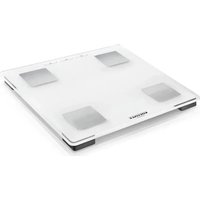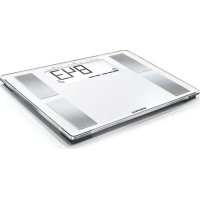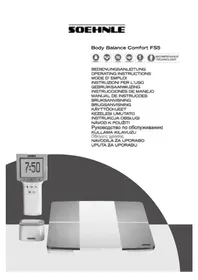
Body Balance Comfort FS5 - Scale SOEHNLE - Free user manual and instructions
Find the device manual for free Body Balance Comfort FS5 SOEHNLE in PDF.



| Product Type | Body analysis scale with radio terminal |
| Brand | Soehnle |
| Model | Body Balance Comfort FS5 |
| Maximum capacity | 150 kg |
| Display accuracy | 100 g |
| Analysis functions | Weight, body fat percentage, body water, muscle mass, energy consumption (kcal) |
| Memory | 8 personal memory spaces with automatic recognition |
| Trend display | Daily, weekly, monthly (up to 59 values) |
| Individual recommendations | Display of recommended actions (exercise, nutrition, etc.) |
| Communication | Radio 433 MHz, range of 3 meters |
| Power supply | Scale: 4 AA 1.5 V batteries; Terminal: 6 AA 1.5 V batteries |
| Height range | 100 to 250 cm |
| Age range | 10 to 99 years |
| Safety | Not suitable for people with electronic implants (pacemakers, etc.) |
| Cleaning and maintenance | Use a slightly damp cloth; do not use solvents or abrasives |
| Warranty | 3 years (free repair of material or manufacturing defects) |
| Declaration of conformity | Complies with EC directive 1999/5/EC |
Frequently Asked Questions - Body Balance Comfort FS5 SOEHNLE
User questions about Body Balance Comfort FS5 SOEHNLE
0 question about this device. Answer the ones you know or ask your own.
Ask a new question about this device
Download the instructions for your Scale in PDF format for free! Find your manual Body Balance Comfort FS5 - SOEHNLE and take your electronic device back in hand. On this page are published all the documents necessary for the use of your device. Body Balance Comfort FS5 by SOEHNLE.
USER MANUAL Body Balance Comfort FS5 SOEHNLE
BIO IMPEDANCE TECHNOLOGY
BEDIENUNGSANLEITUNG
OPERATINGINSTRUCTIONS
MODE D'EMPLOI
INSTRUZIONI PER L'uso
GEBRUIKSAANWUZING
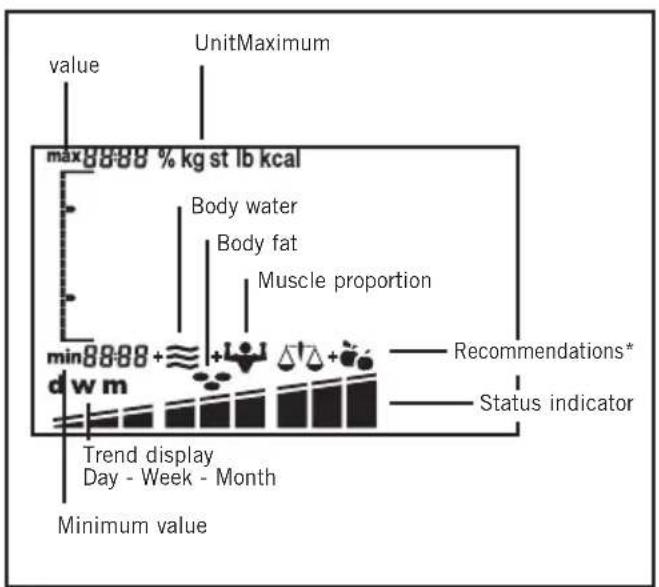
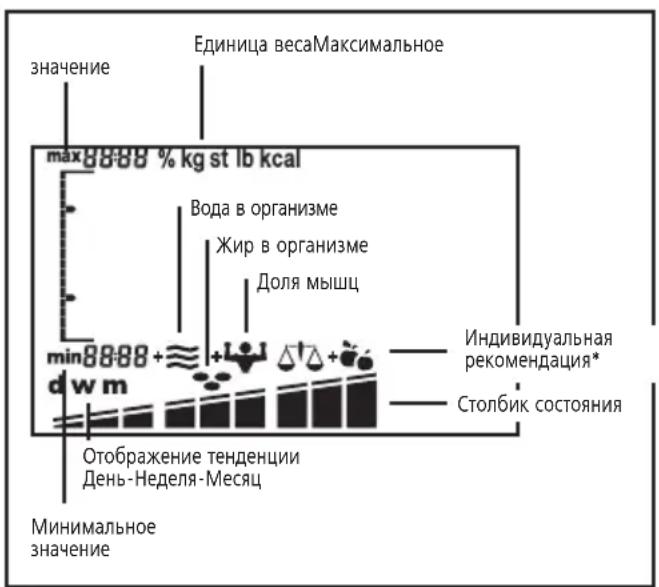
- Maximum value
- Units
- Display field
- Minimum value
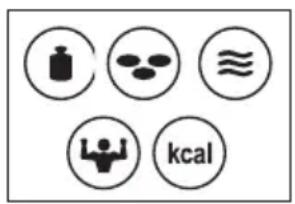
- Symbols for body weight components and recommendations
- Display of the trend periods
- Status bar
- Status indication
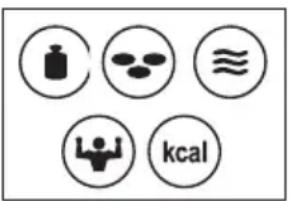
- Accessing body fat proportion and trend
- Accessing weight display and trend
- Accessing body water proportion and trend
- Accessing muscle proportion and trend
- Accessing energy consumption and trend
- Changing the trend periods
- Confirm key
- Selection of the personal memory
- Inputting your height
- Inputting your age
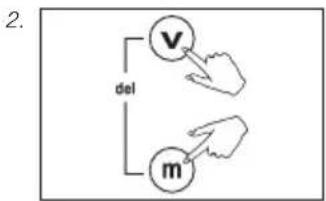
- Delete keys
- Adjusting the clock
- Inputting your sex
- Inputting your activity level
Content
Introduction 21
Important advice 21
Inserting batteries 21
Setting the time 22
Installation 22
Data input 23
Body analysis 25
Accessing your analysis values 26
Deleting personal data 27
Changing personal data 27
Switching between trend graphs 27
Trend curve 28
Individual recommendation 29
Factors that influence the measurement
readings 32
Important notes 33
Messages 34
Technical data 34
Disposal of old electrical and electronic equipment 35
Disposal of spent batteries 35
Compliance declaration 35
Cleaning and care 35
Consumer service 35
Warranty 35
Introduction
With the Body Balance you are making a crucial contribution to your health. These electronic body analysis scales have the following functions:
With the help of your personal data and the recommendations of health and body composition experts, Body Balance tells you your condition regarding weight, proportions of fat, water and muscle in your body and your energy consumption.
Individual assessment of the analysis result with personal recommendations on what to do.
- Optional display of the trends of weight, proportion of fat, water and muscle in the body and energy consumption in time intervals of days, weeks or months for each standard range.
Separate radio controlled terminal with a range of 3 metres.
8-person memory with automatic person recognition
Important advice
We recommend that you consult a doctor if you are overweight and are trying to reduce your weight, or if you are underweight and are trying to put on weight. Treatment and diet should only take place in consultation with your doctor.
Recommendations on exercise programmes or weight loss diets, on the basis of the values determined, should be provided by your doctor or certified health professional. Do not try to interpret the data yourself.
SOEHNLE will not be liable for damage or loss caused by the Body Balance or for third party claims.
This product is intended for personal home use only. It is not designed for professional use in hospitals or medical facilities.
Not suitable for people with electronic implants, such as pacemakers, etc.
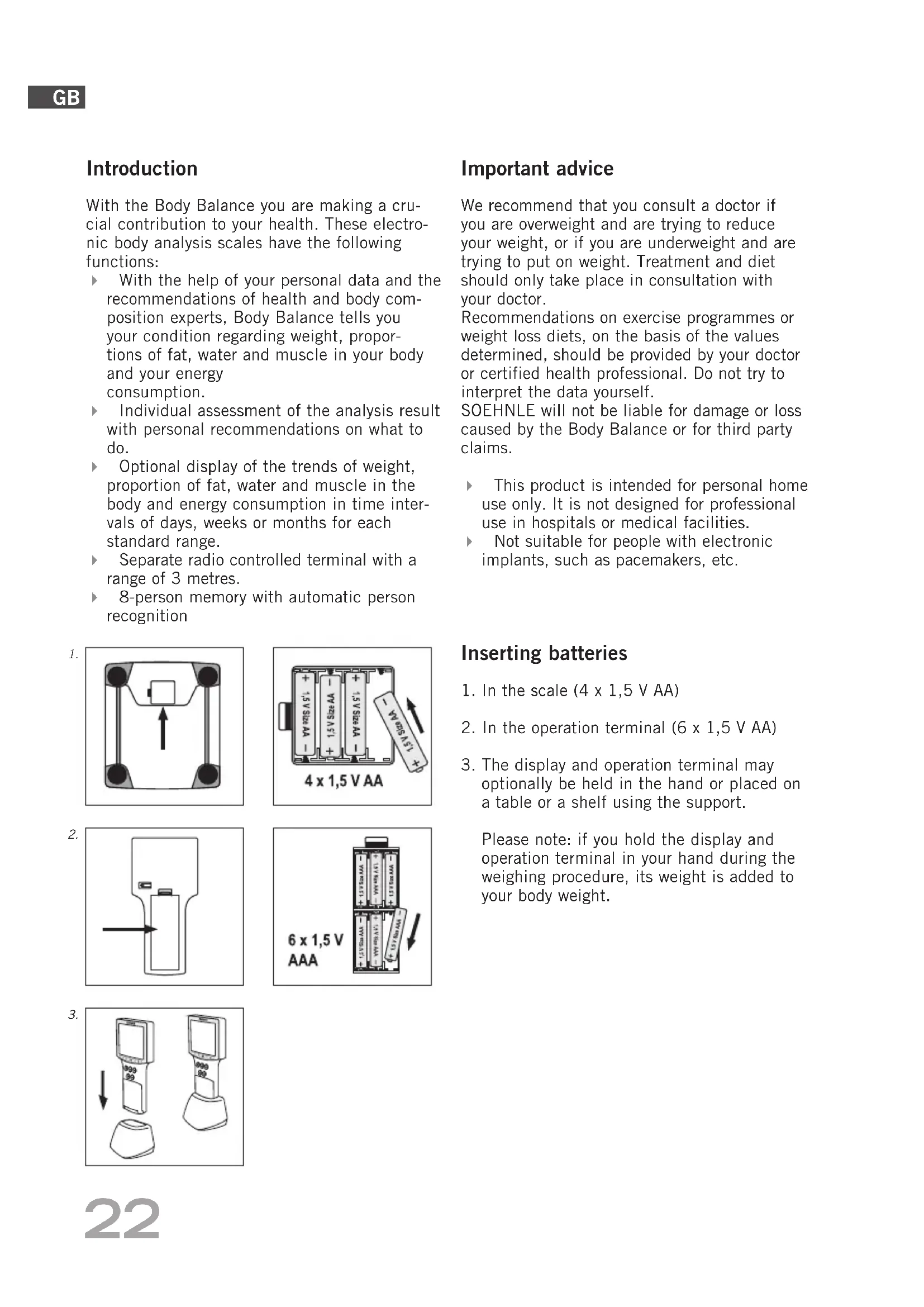
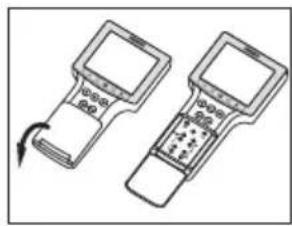
Inserting batteries
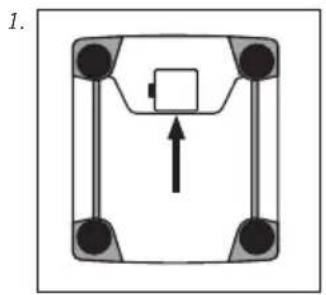
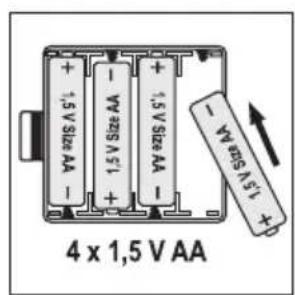
- In the scale (4 x 1,5 V AA)
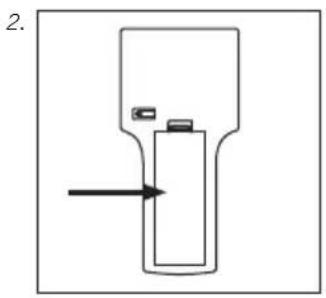
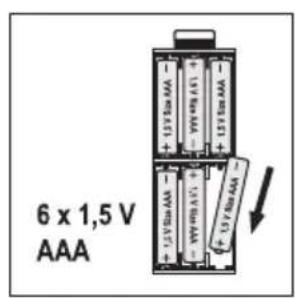
- In the operation terminal (6 x 1,5 V AA)
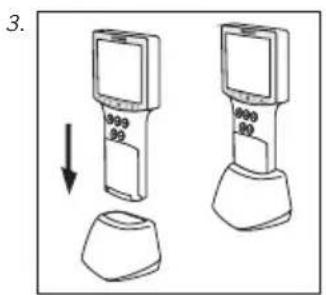
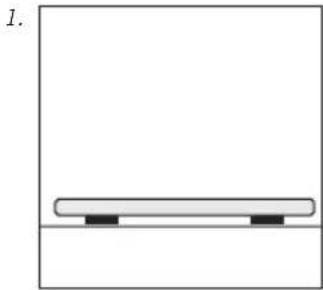
- The display and operation terminal may optionally be held in the hand or placed on a table or a shelf using the support.
Please note: if you hold the display and operation terminal in your hand during the weighing procedure, its weight is added to your body weight.
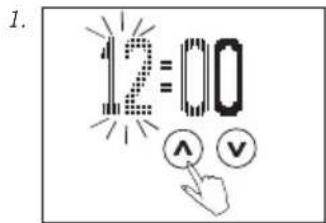
Setting the time
- Set the hours (plus, = minus) and confirm (ok).
- Set the minutes (plus, = minus) and confirm (ok).
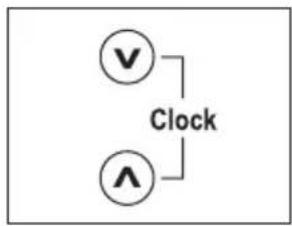
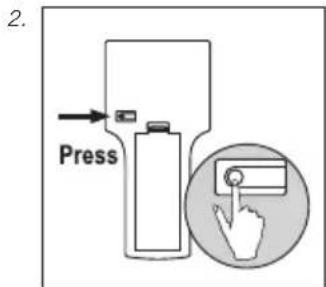
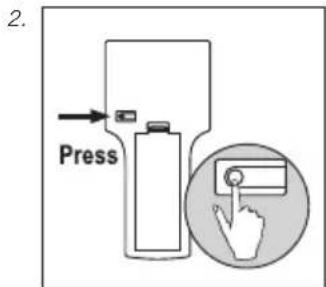
- If at a later time (summer time/winter time) you want to change the time, then you enter the time mode pressing the keys marked "clock" at the same time.
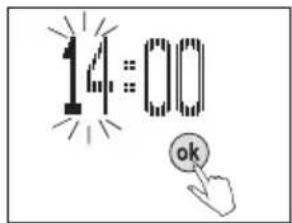
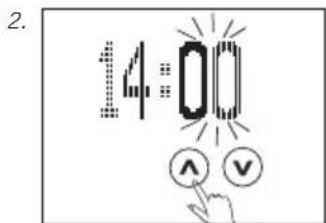
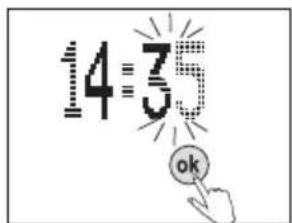
Installation
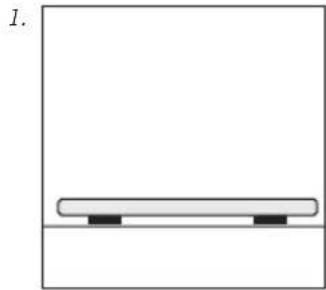
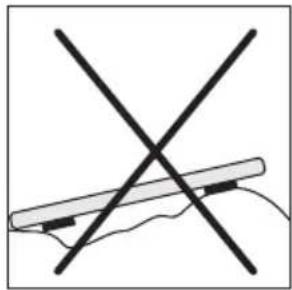
- Place the scale on a firm, level surface.
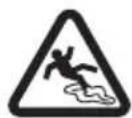
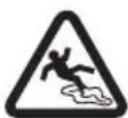
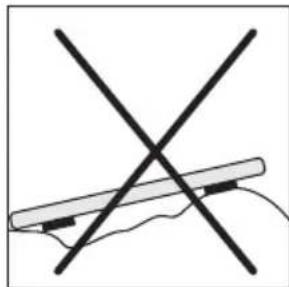
Attention! Risk of slipping if surface is wet.
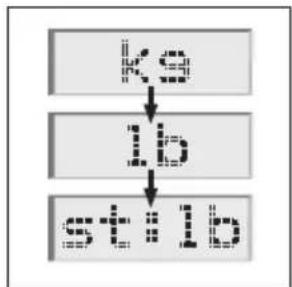
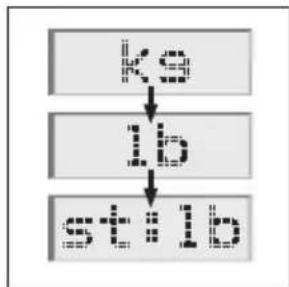
- Option of country-specific adjustment from kg/cm to lb/in or st/in.
- Operation terminal and scale are in contact via radio control. Radio-control operated computer components, hi-fi components or radio-controlled toys may cause a malfunction. (see error messages).
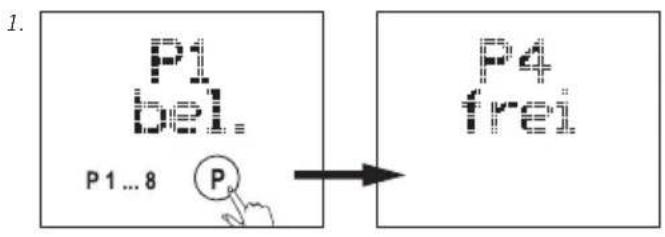
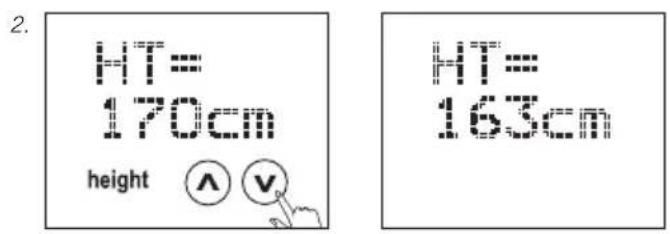
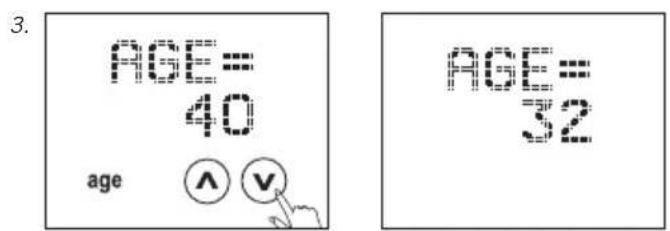
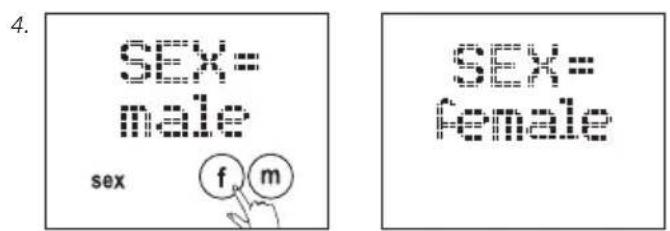
Data input
For correct operation of the Soehnle Body Balance, the personal data of the relevant person must be input into the display and operation terminal and he/she must then immediately step barefoot on to the scale.
If weight is placed on the scale during input of data, it then immediately switches - as long as there is radio contact between the display and operation terminal and the scale - to the weighing and analysis mode and it cannot be used again until the scale has switched back to the clock mode (about 20 seconds after weight is removed from the scale).
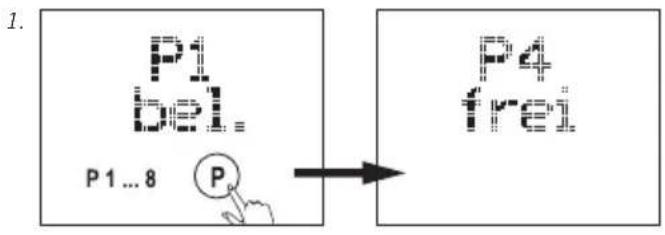
- Select a free personal memory by repeatedly pressing the key.
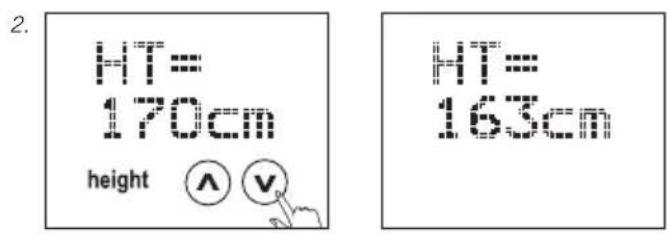
- Input your height with "height" (▲plus, = mnuus).
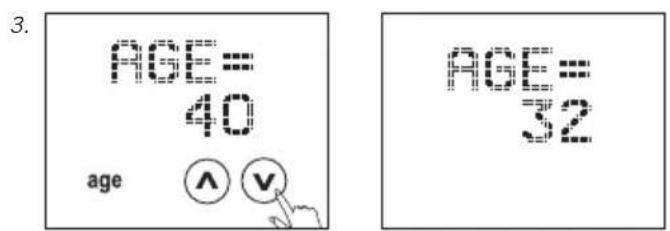
- Input your age with "age" (▲plus, = minus).
-
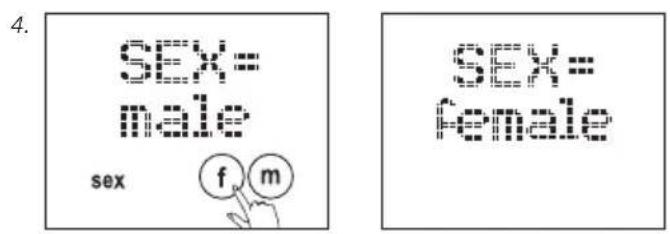
Select your sex with "sex" (male or = female).
-
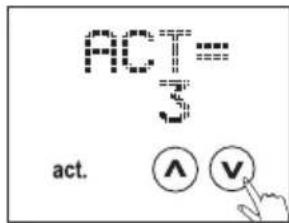
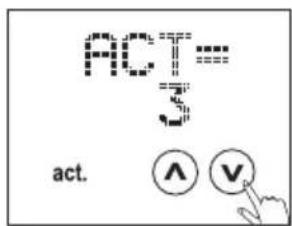
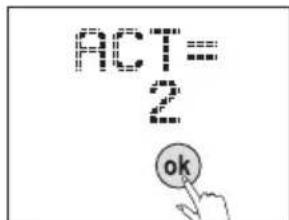
Input your desired activity level with "act" (plus, = minus). This value is required for determining your energy consumption.
1 Scarcely any body movement (max. 2 hours/day)
2 Light, active, sitting and standing activity
3
Home and garden work, mainly standing, only occasionally seated
4 Sportspeople and people with a high level of activity
5 People involved in heavy work or high-level sport
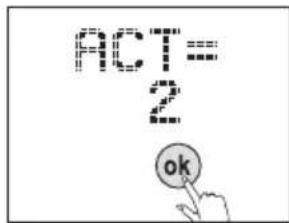
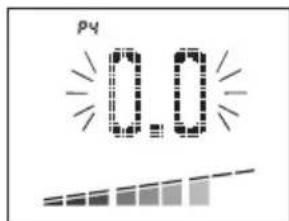
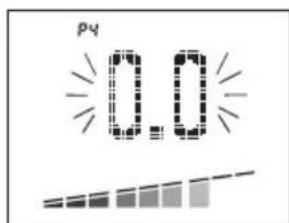
- When all parameters have been input, confirm with the okey.As soon as 0.0 flashes and the bar display is operating, step on the scale barefoot.
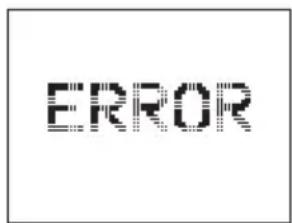
The first measurement is indispensable to the storage of the data for later automatic person identification. If you step on the scale in socks/stockings or shoes or you do not step on it, the message "ERROR" appears in the display and data input must be repeated.
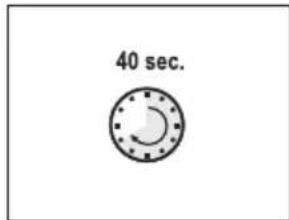
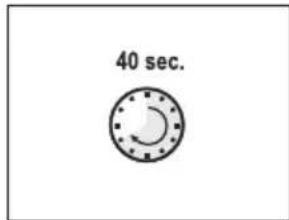
The first body analysis is performed when you step on the scale. The scale has a time-out mode.
It switches back to the time after about 40 seconds if the keys are not touched. Data are retained even when batteries are changed.
5.
6.
2.
3.
4.
Body analysis
Analysis is only possible barefoot. Personal data must have been input in advance.
For meaningful results step on the scale unclothed whenever possible and always under the same conditions (time of day, food intake).
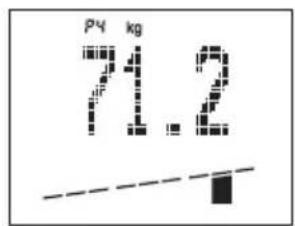
- Step on the scales. Your weight is then displayed and, as long as the display lasts (~5 sec.), so is a bar display. Hold still until the analysis is completed.
- After automatic personal recognition the display once more shows the body weight, the proportions of fat ( water and muscles) in the body and the energy consumption (kcal). The normal range of the relevant person lies in the 3 middle sections of the bar display.
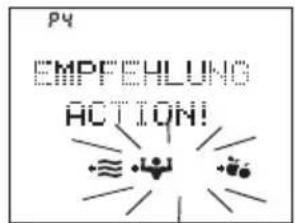
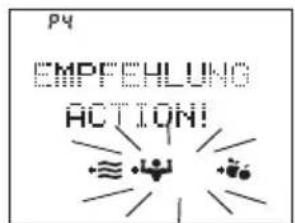
- Then a personal action recommendation is displayed.
Meaning of the symbols:
- ≈ You should drink more!
- Muscle-building training is recommended!
- Change of diet is recommended!
Your analysis figures are fine! - Step off the scale. The scale switches off automatically.
In rare cases automatic assignment to a personal memory is not possible. The memories of the persons who cannot be ... distinguished are displayed.
Since the measurement has already been taken, you can step off the scale and confirm your personal memory with the key located below it ( ). Then your body weight, proportions of body fat, body water and muscle as well as your calorie requirements are displayed.
One outstanding feature of this body analysis scale product is automatic personal identification. Identification is achieved mainly by body weight. If several people with the same or very similar weights use this scale, in rare cases the values may be assigned to the wrong person. This may lead to errors in the trend graphs.
In the event of changes of over ± 3kg between individual measurements, automatic identification is no longer possible and the measurement cannot be assigned to any trend graph. This may be the case if you do not step on the scale for several days (e.g. holiday) or you weigh yourself in clothing of different weights.
In this event repeat the data input to your personal memory as already described under Data Input. Then the measurement results to date will be retained.
Please note that after changing your personal data you must then immediately also step on the scale barefoot. Otherwise the change will not be stored. The changed data will be taken into account from the next analysis onwards.
Accessing your analysis values
The latest analysis values and trend graphs of the people stored can be accessed on demand.
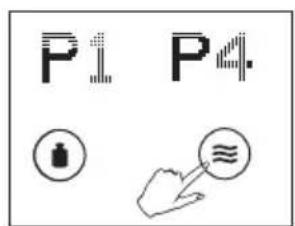
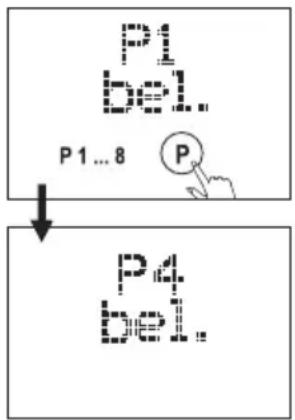
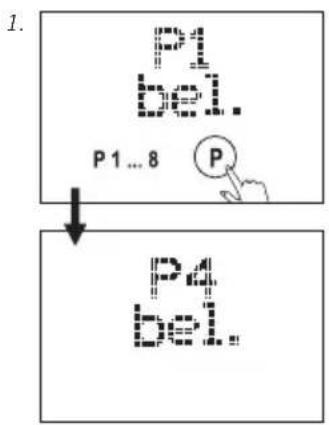
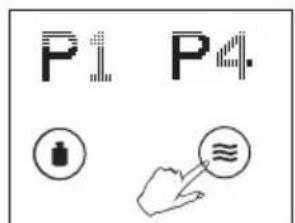
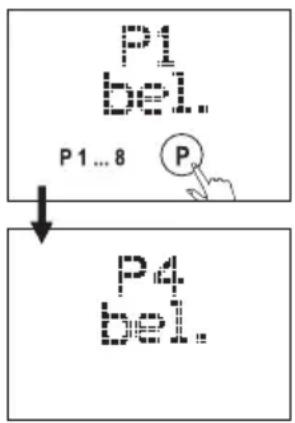
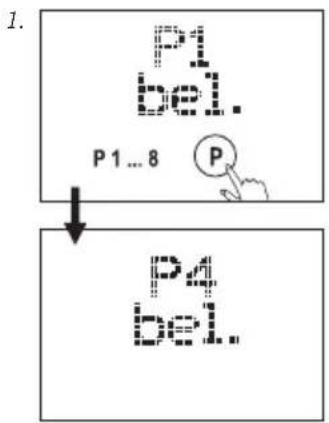
- Select the desired memory (P1 ... P8) by repeatedly pressing the key.
- Press the key for the desired analysis value.
The last analysis value in each case or the day's average value (in the case of several measurements a day) is displayed.
- By repeatedly pressing the same analysis value key you access the relevant trend graph.
- By pressing an analysis value key once again you access your personal recommended action plan from your last analysis.
After 3 minutes without the keys being touched, the display switches back to the clock.
1.
2
Deleting personal data
If data for a person - together with the trend history - are to be completely deleted, then proceed as follows:
- Select memory (P1 ... P8) with the key.
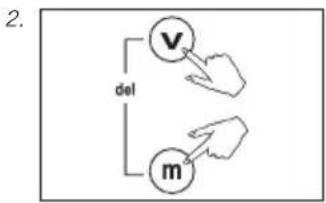
- Press the keys marked "del" at the same time.
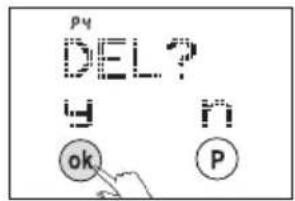
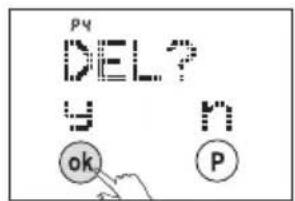
Pressing the key deletes all this person's data beyond recovery. The memory can be reused. Exit the delete procedure by pressing the key and the data will be retained.
Changing personal data
If for example:
- the age is increased by 1 year (birthday),
height changes (children in the growth phase), - the activity level type changes,
then you can change the desired data in the already-input memory as already described under "Data input".
Please note that after changing your personal data you must then immediately also step on the scale barefoot. Otherwise the change will not be stored.
The changed data will be taken into account from the next analysis onwards.
Switching between trend graphs
While a trend graph is being displayed, you can switch between the daily, weekly and monthly trend. Press the key.
Trend curve
Please weigh yourself regularly so that the trend curve will be display a precise trend.
The trend curve can display up to 59 values, subject to a corresponding number of measurements.
In case of several measurements daily, one single median value is stored. The weekly median value is determined based on 7 daily values.
The monthly median value is determined based on 30 daily values.
The value displayed after "max" and "min" is the maximum or minimum value of the curve - rounded up or down to the next whole number.
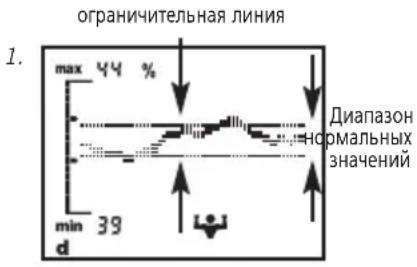
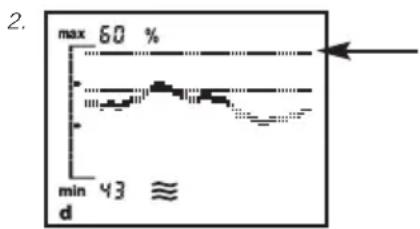
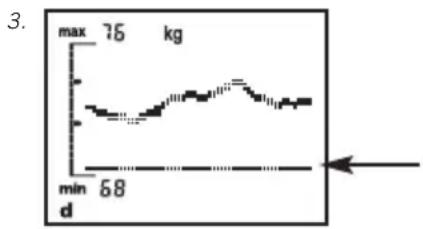
- The calculated average range for the respective person will be displayed in the trend curve in the area between the boundary lines.
- If a boundary line of the average value is positioned outside of the display range - in relation to the trend curve - the corresponding boundary line is displayed on the edge of the screen.
- If only one line is displayed on the top or bottom, this means that the total curve is above or below the average range.
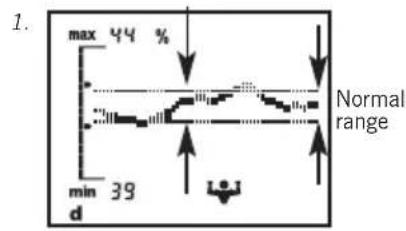
Border line
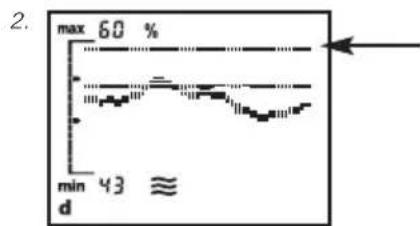
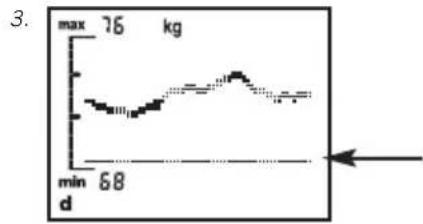
The display symbols of your analysis scale
- Meaning of symbols for action recommendations:
- ≈ You should drink more fluids!
- Muscle growth training is recommended!
- Diet change is recommended!

Your analysis values are ok!
Individual recommendation
The Body Balance uses your personal data and the recommendations of health experts to determine your ideal weight and body fat level.
In addition, it determines the percentage of total body water and muscle proportion. Please note that your muscles also contain body water and this is already covered by the body water analysis. Therefore the total analysis always shows a value above 100% .
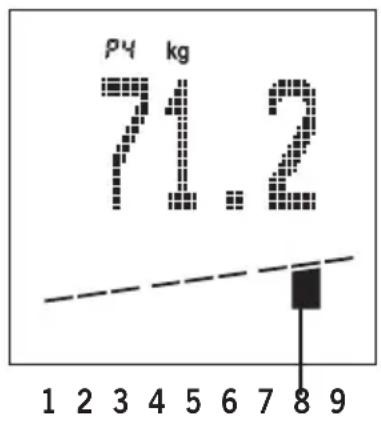
BMI
1 < - 7,5
2-7,5
3 -5,0
4-2,5
5 0,0
6 +2,5
7 +5,0
8 +7,5
9 > + 7,5
Difference compared with your individual standard value
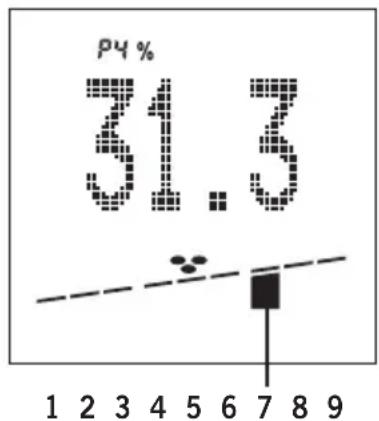
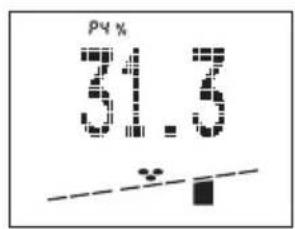
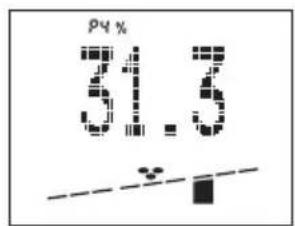
Example:
Actual body fat proportion calculated
= 31.3% of total weight.
This value is about 7% above the calculated individual standard value.
Body weight
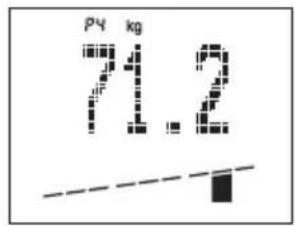
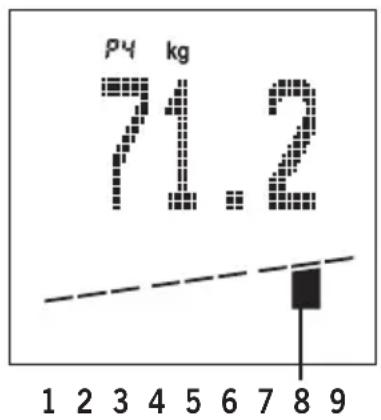
Whilst the body weight is shown in the display in kg, one of the 9 segments is shown in the bar below it.
Here the position of the active segment indicates the assessment of the body weight mentioned on the basis of the BMI figure.
The BMI (Body Mass Index) is a measure for the health risk resulting from overweight or underweight.
On the basis of categorisation of the BMI, doctors distinguish between "underweight", "normal weight", "overweight" and "obese".
$$ \mathrm {B M I} = \frac {\text {b o d y w e i g h t (k g)}}{\text {h e i g h t (m) ^ {2}}} $$
Proportion of body fat
Whilst the proportion of body fat in % is shown in the display, one of the 9 segments appears in the bar below it.
Too much body fat is unhealthy and does not look nice. What is more important is that a high proportion of body fat is also usually associated with a raised proportion of fat in the blood and this increases greatly the risk of various illnesses such as for instance diabetes, heart disease, high blood pressure etc. But a very low proportion of body fat is equally unhealthy.
Apart from the fatty tissue under the skin, the body also stores important fat deposits for the protection of the internal organs and to ensure important metabolic functions.
If this essential fat reserve is compromised, this can lead to metabolic disturbance. So for instance in women with body fat figures of under 10% , menstruation may cease. In addition, the risk of osteoporosis increases. The normal proportion of body fat is dependent on age and above all on sex. In women the normal figure is about 10% higher than in men. With increasing age the body loses muscle mass and so the proportion of body fat increases.
Proportion of body water
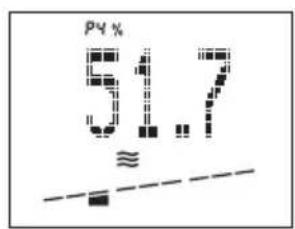
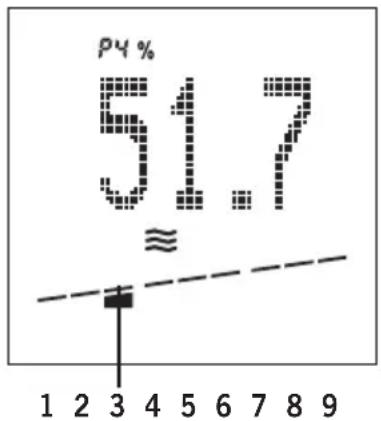
Whilst the proportion of water in the body in % is shown in the display, one of the 9 segments appears in the bar below it.
The figure shown in this analysis reflects the "total body water" (TBW). The body of an adult is composed of about 60% water. Here there is of course a certain range, with older people showing a lower proportion of water than younger people and men showing a higher proportion than women.
The distinction between men and women is a result of the higher mass of body fat in women. Since the majority of the body's water is to be found in the fat-free mass (73% of the FFM is water) and since the water content in the fat is very low by its nature (about 10% of the fatty tissue is water), the proportion of body fat automatically decreases with an increasing proportion of water in the body.
Difference compared with your individual standard value
| 1 < - 12 % very low proportion of fat |
| 2 - 12 % low proportion of fat |
| 3 - 7 % |
| 4 - 3 % normal proportion of fat |
| 5 - 0 % |
| 6 + 3 % |
| 7 + 7 % high proportion of fat |
| 8 + 1 2 % |
9 > + 12 % very high proportion of fat
Difference compared with your individual standard value
| 1 < -6 % very low proportion of water |
| 2 - 6 % low proportion of water |
| 3 - 4 % |
| 4 - 2 % normal proportion of water |
| 5 - 0 % |
| 6 + 2 % |
| 7 + 4 % high proportion of water |
| 8 + 6 % |
| 9 > + 6 % |
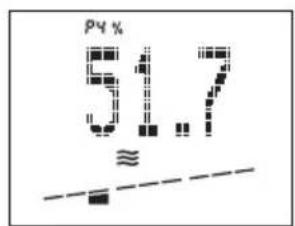
Example:
Calculated actual proportion of water in the body = 51.7% of total weight.
This value is about 4% below the calculated individual standard value.
Difference compared with your individual standard value
1 < - 6% very low proportion of muscle
2 - 6 % low proportion of muscle
3 -4%
4 - 2 % normal proportion of muscle
5 0%
6 + 2%
7 + 4% high proportion of muscle
8 + 6 %
9 > + 6 %
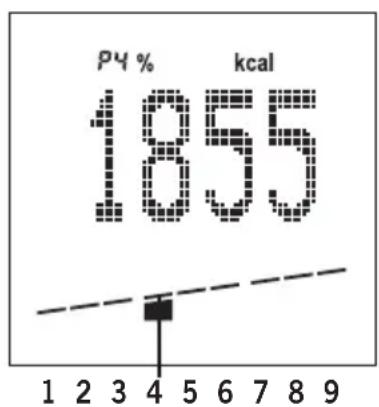
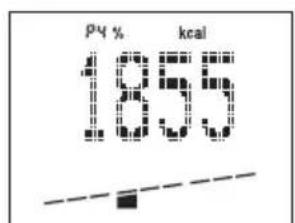
Example:
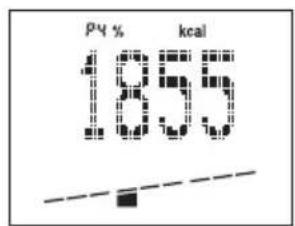
Energy consumption measured = 1,855kcal
This value is 5% below the calculated normal level of energy consumption.
Proportion of muscle
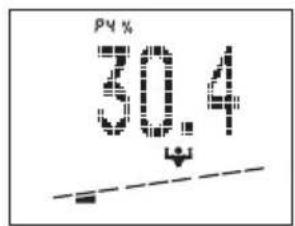
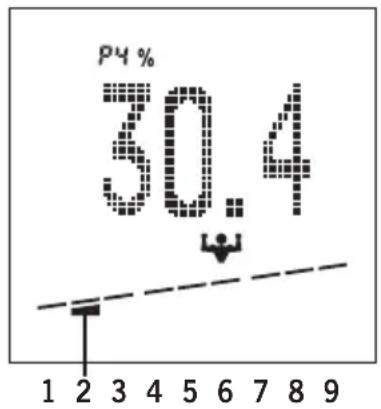
Whilst the proportion of muscle in % is shown in the display, one of the 9 segments appears in the bar below it.
The muscle mass is the engine of our bodies. Most of our energy conversion takes place in our muscles. The muscles take care of the maintenance of body temperature and they are the basis of our bodily performance.
An exercised, muscular body is seen as aesthetically pleasing.
A check of the muscle mass is particularly important for people with weight and fat problems. Since the body needs muscles to reduce excess energy reserves or folds of fat, longterm weight reduction can only
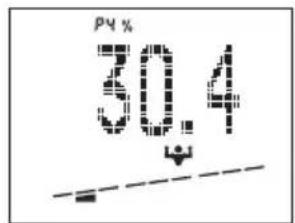
Example:
Actual proportion of muscle calculated
= 30.4% of total body weight.
This value is about 6% below the calculated individual standard value.
Energy consumption
While energy consumption is shown in the display in kcal, one of the 9 segments appears in the graphics panel below.
Energy consumption is calculated from the personal data - corrected by a factor for the relevant activity type - and the distribution of body mass measured.
Basic rate
- performance rate
= energy consumption.
If you take in fewer kilocalories than your individual energy consumption, then your body will react by losing weight. Your weight will increase if you take in more calories.
Difference compared with your individual standard value
1 < - 15% very low energy consumption
2 - 15 % low energy consumption
3 - 1 0 %
4 - 5 % normal energy consumption
5 0%
6 + 5%
7 + 10 % high energy consumption
8 + 1 5 %
9 > + 1 5 %
Factors influencing measurement readings
Analysis is based on the measurement of the body's electrical resistance. Eating and drinking habits during the course of the day and individual lifestyle affect the water balance. This is noticeable by the fluctuations in the display.
In order to ensure that the results of analysis are a accurate and consistent as possible, keep the measurement conditions constant, as only in this way will you be able to observe changes over an extended period.
Other factors can affect water balance:
After a bath, the body fat reading may be too low and the body water reading too high.
After a meal, readings can be higher.
Women may experience fluctuations due to the menstrual cycle.
Due to loss of water caused by illness or after physical activity (sport).
After taking exercise, wait for 6 to 8 hours before carrying out the next measurement.
Varying or implausible results can occur in the case of:
Persons with a high temperature, symptoms of oedema or osteoporosis
Persons undergoing dialysis treatment
Persons taking cardiovascular medicine
Pregnant women
Athletes who undertake more than 10 hours of intensive training per week and have a resting pulse rate of under 60 / min
Competitive athletes and body builders
Important notes
How to measure correctly?
The measurement process should be performed unclothed, if possible, and barefoot. It is recommended to perform the measurements under similar conditions and at the same time of day (e.g. in the evenings before the evening meal).
How often should measurements be performed with Soehnle body analysis scales?
Actually, that is up to you. However, we recommend always measuring at the same time under the same conditions, once a day. The daily routine, eating and drinking habits, but also your lifestyle, influence the water content of your body. When using body analysis scales, this can affect deviations in the display. The scale stores the median value.
Is it possible to recognize a change in the percentage of body mass contents on the first day?
It is possible for the body analysis scale to display deviating values. This is caused by the changing water content of your body throughout the day and the fact that your body's own values change depending on stress.
Will stored trend curves be lost if the data of one memory slot is changed?
No. Only, if the data is deleted.
Can external influences impact the measurement values?
Extreme electromagnetic influences, e.g. operating a radio transmitter in the immediate proximity of the device, can influence the measurement results. After removal of the influence, the product will be fully functional again.
However, it might be necessary to switch the device off and back on.
How are trend curves created?
Daily trend curve (day) means: The daily median values of the last 59 days will be displayed. The last value will always be added to the right side.
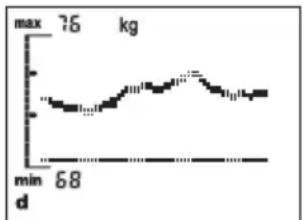
Weekly curves (week) means:
A weekly median value will be determined based on 7 daily median values. Therefore, the first weekly median value can be displayed only after one week*.
The last 59 weekly median values will be displayed.
Monthly curve (monthly) means: A monthly median value will be determined based on 30 daily median values. Therefore, the first monthly median value can be displayed only after one month*. Up to 59 monthly median values can be displayed.
- We therefore recommend to select a daily trend initially.
What happens to the trend graph if I don't measure myself every day?
Then the scale interpolates the values for each day in between with the next measurement in each case and creates the daily trend graphs from this.
Messages
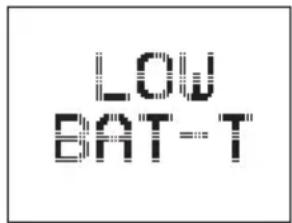
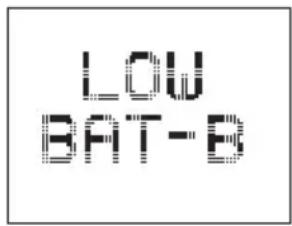
- Batteries in the operator unit (LOW BAT-T) or the base (LOW BAT-B) low. Please always replace all the batteries in the scale or in the operation terminal at the same time. If only individual batteries are replaced, this shortens the life of the batteries.
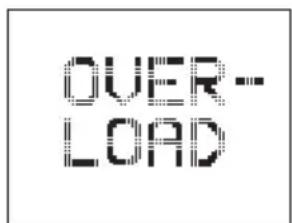
- Overload: From 150kg
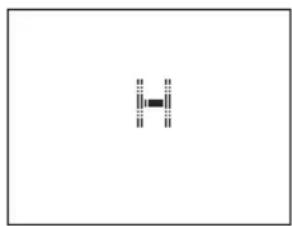
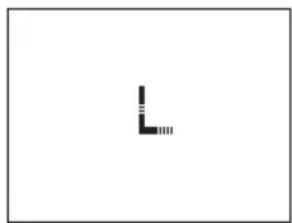
- Implausible analysis result - check individual programming.
-
-
- Bad foot-contact: clean scale or feet or check for sufficient skin moisture.
-
- If skin is too dry - moisten feet or carry out measurement after taking a bath or shower. Interference with radio contact between scales and operator terminal.
The range of the radio signal and correct operation are dependent on several factors:
Battery condition, location and position, screening objects, other devices on the same frequency band.
Under the environment with electrostatic discharge, the 'Body Balance Comfort F5' could not maintain communication link and require the user to take off the battery and insert it again.
Under the environment with radio interference the 'Body Balance Comfort F5' could not maintain communication link and resume to normal when the interference stops.
Technical data
Weighing capacity x graduation = max. 150kg x 100g
Display resolution: body fat: 0.1%
Display resolution: body water: 0.1%
Display resolution: muscle mass: 0.1%
Display resolution: energy consumption: 1 kcal
height: 100-250 cm
age: 10-99 years
8-person individual memory locations
Size of LCD screen
measuring circuit: 0.035 mA RMS, 50 kHz
Radio frequency: 433 MHz, range: 3m
Batteries: 4 x 1,5V AA for the scales 6 x 1,5 V AA for the operator t Batteries supplied with unit.
1.
1.
2.
3.
4.
5.
6.
Disposal of old electrical and electronic equipment
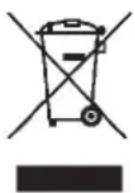
This symbol on the product or on its packaging indicates that this product shall not be treated as household waste. Instead it shall be handed over to the applicable collection point for
the recycling of electrical and electronic equipment. For more detailed information about recycling contact your local city office, your household waste disposal service or the shop where you purchased the product.
Disposal of spent batteries
Batteries must not be disposed of as normal household waste. Note that you are legally obliged to dispose of used batteries in a correct way. You can return spent batteries either to public collection points in your town or to any outlet selling batteries of the same kind.

Pb = Battery contains lead
Cd = Battery contains cadmium
Hg = Battery contains mercury
Compliance declaration
C
This device is screened in accordance with the applicable EC Directive 1999/5/EC.
Note: the display value may be affected by extreme electromagnetic influences, e.g. when a radio is operated in the immediate vicinity of the device.
The product can be used for its intended purpose again when the interference disappears (a reset may be required)
Cleaning and care
Only with a slightly damp cloth.
Do not use any solvents or abrasive substances and do not immerse the scales in water.
Consumer service
If you have questions or comments, the following points of contact are available:
Ph: (08 00) 5 34 34 34
Warranty
SOEHNLE guarantees that all defects due to materials or manufacturing faults will be remedied by replacement or repair, free of charge, for a period of 3 years from the date of purchase. Please keep your purchase receipt and the guarantee card in a safe place. If you have any complaints, please return the scale to your dealer with the guarantee card and receipt.
Touches et symboles
Difference compared with your individual standard value
Individual recommendation
Veckokurvan (week)innebar:
- UCTaHOBtB BeCbI Ha POBHOu yCTOuHBOI NOBepXHOCTN.
BHHMaHHe He noc KOJIb3HNTeCb Ha MOKpoi NOBepxHOCTn!
2.Bo3MOxHOCTb yCTaHOBKn pa3HbIX eINHnU n3MepeHnKr/cm Ha ΦyHT/ДIOm mNn CTOyH/DIOm.
3.CB3b MExdy BecAMn 6NoKOM ynpabHeHnRAIETcpaNOCB3bIO.KOMnoHEtbl KOMnbIOTepaC npIMeHHeM paNIO, KOMnoHEtbl HIFI nINpaNOyPbAReMbIe INpyuKm MOyT Bbl3BaTb c60NBpa6Ote (cm. coo6uEHHn o c60ax).
BBOJ daHbIX
InpaBnHoro FoynKuOnHupoBaHn Soehnle Body Balance HeobxOJMo, YTo6bI B 6NOK INnKaunu N ynpabJeHn 6bln BBeDeHb I nepcoHaJIbHbIe DaHHbe COOTBeTCTByIOUe Ro NOJIb3OBATeJI, Nocne Yero Heo6xoJMo cpa3y Xe BCTaTb Ha BeCbI 6ocbIMn HORAMN.
Ecn npn BBOe daHHbIX BeCbl OKa3bIBaOTc NOI
HaRpy3KoN,TO OHN,PNH HAIuH N KOHTaKTA PO
paINOCB8M MeXy 6IOKOM INDkaCNI IN
YnpaBLeHnRA BeCAM, Cpa3y NepeKIOUaOTc Cpa3y
NepeKIOUaOTc B pexMM B3BeuNBaHn INTEpPteTaCn DaHHbIX 6ByT HeynpaBJIeMebl Do
Tex Nop, Poka ChOBA He BepHyTCB pexIM
HNdkAun BpemeHn (20 cek. nocne CHrTna HaRpy3Kn C BECOB)
-
NOBTOpHbIM HaxaTneM KnaBnWn Bbl6paTB CBO6OHyIO RyeKy IaMRTN NOJb3OBaTeJIa P
2.YctaHOBntb poCT>>height(ΠIOC, = MmHyc).
3.YCTaHOBntb Bo3pact age(πIOc, = MMHyC).
4.Bb6paTb non »sex(MxCKoNn =XHCKn). -
YctaHOBtBJ XeNaTeNbHoe 3HaueHne DnRatEnbHOJ AKTNBOCTN act(AnIOc, =MHyC). 3TO 3HaueHne Heo6xOJMo dIOnpeJeHn paCXoJa 3Heprn.
1 MHHMym DnBnteHbHOaKTHBOCTN (MaKc.2U./JeHb);
JERKaA,AKTNBHAR,CINJaHnNCTOaHpaOpMa3aHrtnnn pa60Tb;
pa6ota no domy nnn ca ny (oropody), rnaBbIM o6pa3oM cT0r, nnub HnOrda cnnd;
4 CnOpTNBHyI N aKTNBHO-NOdBNXHbI BNDJeTeJIbHOCTN;
TJXeJIaIyIuecka pa6Ota, npoceccnoHaIbHbIe 3aHrTnA cnOPTOM;
6.ПослЕ BVEDEHINBAEXnapaMeTPOB NOITBepNTb BBOD KJIaBNIeK AkToJIbKO 3aMepuaet 3HaueHne O.O nNo6exNt NIOCKa INHnKaun, CTyINrBa Ha BeCbl6Ocblm HOrAMn.
IepBoe n3MepenHe Heo6xOuIMo IJIa COXpaHEnIaHHbIX B NaMaTIN
IJIa NocJeDuOeBO ABTOMaTHueCKOrO paCnO3HaBaHNr OJb3OBaTeJI.
EcII HA BeCbI He BCTaTB NII BCTaB Hockax (yJkax) NII O6yBN, TO
Ha DnCJIee IOBHTcA COo6UeHne "ERROR" u BBOD daHHbIX 6ydet
Heo6xOuIMo NOBtOpNTb.
Pn BCTaBaHn Ha Becbl npOn3BOJNTc aHaJIu3 npaMeTPOB TeJa BeCbl NMeIOT pexIM OTKIOUeHn PnO TcyTCTBn AKTNBHOCTN. PnpMepHo uepe3 40 cekyHn nocne nocJeHero HaxaTHn Ha KnaBnOH OHn peekloHauOTc B pexIM OTo6paXeHn BpemHeN.
DaHHbIe coXpaHrOToC B NaMaTn DaXe npu 3aMeHe 3JeMeHToB nHTaHn.
5.
6.
2.
3.
4.
AhaHn3 npaMeTpOB TeHa
AHaJI3 Bo3MOKeH ToIbKO npi
HaxOxJeHn Ha Becax 6ocNKOM.
IpeEaTmM DoJXHbI 6bITb BBeJeHbI
NepCOHaJIbHbIe DaHHbIe.
IIraNoIyueHnro OHO3HaUHbIX
pe3yJIbTaTOB, NO BO3MOXHOCTn, BCTaBaTb
Ha Becbl 6e3 OJExKdI n pRn OINHaKObIx
ycIOBnIX (Bpem cyTok, pRnEM Pius n I dp.).
1.BCTaTb Ha BeCbI. DAnee Ha NnCnPee CJeDyET HNdkauNBAecaN- INoKa dInTcra hAan3 (-5ceK.) BbICBeuHbAe TnHdkauNBA BVde CTOn6nka.OCTaBaYTeCb CnOKoHOr CToRtB Ha Becax Do 3aBepWeHn aHaHn3a.
2.ПоссаEBTOMaTnueckoro
pacno3HaBaHnI NOJIb3OBaTeJI BHaayane IeT INIINkaCnBeca,IOnI XInPObIx OTIOXKeHn B OprAHN3Me (JIOJIIN KINKOCTN B OprAHN3Me (JIOJIIN MblSeHNoMaccbl() HNEpro3aTpAtp OprAHN3Ma (kcal). Dnana3OH 3NaYeHn《HopMa》JIA KaKdOrO NOJIb3OBaTeJI HAXODITcB paNoHe CpeDnIX Tpex CeRMeHTOB CToJIbIKOBO INHINKaUIN.
3.Даee npedlaarotc pekomehdaunn no n3meheno o6pa3a Kn3Hn.
3NaueHne Mrraioux CNMBOJIOB:
- BAm CneJeYer yNoTpe6JIaTb 60JIbWe XnIKoCTn!
- PekomeHnyetc3aHrTbcra TpeHnpOBKoIJa pa3BNTNRA Mblu!
- PekoMeHdyeTcBHeCTN cyueCTBeHHbIe KoppeKTNBbIBpeXIM NHTAHNA! Baun daHHbIe HaxOJaTcB HopMe!
4.CouTn C BecOB.BecbI aBtOMaTHueCKN OTKIOHOaTOC.
B peKnX cnUyax ABTomTuYeCKoe COOTHeCehne C ryeKoN PAmrT N0lb3OBaTeIe 6bIBaET HeBO3MOxHbIM: OTo6paKaOTcR JaeyKn PAmrN NOlb3OBaTeIe, KOTOpBle He MoYr 6bItb pa3JIuYeHbl.
Tak KaK n3Mepehne yXe 3aKOHnIOCb,TO C BecOB MOxHO coNTu N IOITBepDntb BaUy nepCOHaJIbHyIO JYeHky NaMAYu HaxaTneM HaxOJaIeCnHxKe KJIaBUnu (N). 3aTeM Ha INdNKaTope OTo6pa3NTcBec,DOJRAKPOBbIX OTNoXeHn, DOJRA TKAHeBOJ XIKKOCTN,DOJRA MYCKyJIbHOI TKAHN,a TaKKe NOTpe6HOCTb B KAJOpnX dJr NOKpbITNAHEpTeTNUeCKNX 3aTpAT.
BbIaOuIMMC CBOINCTBOM DaHbIX BECOB ABJIaETcABTOMaTHueCKoe paCIO3HaHHe NOJb3OBaTeH.ДЯ paCIO3HaBaHnI IaBAHbIM O6pa3OM NcNOJb3yETc BEc TeHa. EcIn BecAMN IOJIb3yETc HECKoJIbKO ueNoBek C OINHaKOBbIM INI CXOXHM BECOM,TO BpeKnx CnyaX BO3MOxHa BbIaHa Ha INdIKaTOP 3HaueHn He TOrO KIneHTa.3To MOxET pInBeCTN K φaJIbCSΦnKaUHrpaΦnka n3MeHeHn.
Ipi n3MeHenH 6olee ± 3 Kr Mexy OTeBbIMN N3MepeHnAMn
aBTOMaTHueCKoe COOTHeCEHne
CTaHOBTcR HeBO3MOXHBIM N3MepeHne He MoXeT 6bITb
COOTHeCehO C KaKIM-JIN6 rpaΦNKOM
N3MeHEN. 3TO MOxet npOn30iTN,
ecn B TeeyHne DOJrOTo BpeMeHn He BCTaBaTb Ha Becbl (HaNPmEp, BO BpeMg OTnycka) INN B3BeuNBaTbcB ODeXJe, IMeIoUH pa3NIuHb BEc.
Bb13OB 3HaueHn aHaJIIn3a
B 3TOM cIyue IOBTOPte BBOd DaHHbIX B Bauy nepcoHaJIbHyIO qYeKy NaMHTN, KaK yKe OnncAo B n. BBoD daHHbIX. Pe3yJbTaTbI npexHX N3MepeHnOCTaIOTcR npn 3TOM COxpaHeHHbIMN.
IoxaanyiCTa, NOMHInTe, yTo nocLe BHeceHn I3MeHeHn TaKxHe 06xoIMo 3aTem Cpa3y Xe BcTaTb Ha BeCbl 6ocblm HorAmn. B npOTNBHom Cnyae, I3MeHeHne He 6yDet COxpaHeHO B NaMrtn. HauHna co cIeDyUoJero aHaJIIN3a 6yUyt yuHTbIBaTbcr I3MeHeHHbIe daHHble.
Pn Heo6xOUMOCT MoXHO Bbl3BaTb Ha nCpIe NocIeHne COxpaHeHHbIe B naMTr 3HaueHna aHaJIa3a ngpaKn I3MepeHn PONb3OBaTeJI.
- BbIbpaTb IBOHbIM HaxaTneM KnaBnUn PHyXHyIO YueKy NaMrtN (P1...P8).
- HaxaTb KlaBnUy HyxHOro 3HaueHnnaHaJIIn3a.
Ha HnKaTope OTo6pa3ntcra nocJeHHee 3HaueHne aHaJIIN3a INI cpeHHe e HHeBHOe (PnH HeCKoJIbKnx IN3MepeHHx 3a DeHb) 3HaueHne.
3.HobbIM HaxaTneM ToJ Xe KJIaBnHn aHaIIN3a Bbl nonaTe B COOTBeTCTByUOuN IpaΦNK 13MeHeHn.
4.EeOJHMMHaXaTneM3ToiXe KJIaBnBn BblIonoJaTe B OTO6paXeHne peKoMeHdaunn IINHINBnDyAaHbHIM DeICTBnM NOnb3OBaTeIaN3NoCJeIHeRo aHaIINa3a.
Ecnn KnaBnHne 6yuyT 3aJeIcTBoBaHbI,TOyepe3 MmHyTbI HNdkatop cHOBA nepeKJIIOuAeTCB B peXIM OTo6paXeHnBpeMeH.
1.
2
YdaJIeHHe HnDnBnDyaNbHbIX DaHHbIX
Pn Heo6xOIMOCr NOnHOrO ydaenra nepcoHaJIbHbIX daHHbIX -BMeCTc rpaQkAMN 3MeHeHNI - CNeyET DeIeCTBOBaTb CNeDyUOUM o6pa3OM:
- BbIbpaTb KJIaBnWei YeNkynamrtn (P1...P8).
- OndHOBpeMeHHo HaxaTb 0603HaehHHyO»del« KnaBnuy.
HaxaTneM KnaBnU Bce DaHHbIe DaHHoro NOnb3OBaTeN ydaJIaIOTc8 Be3BO3BpaTHo.
YaeKaNamrtn CBO6OHa IINr
3aHeceHnB Hee DaHHbIX.
HaxaTneM KnaBnU BBInTu n3
IPOueDpybl YdaJIeHnN daHHbIE OCTaHyTCOxpaHeHHbIMN.
I3MeHeHne nepcoHaJIbHbIX DaHHbIX
Ecn, Hapmep:
- Ha 1 roJ n3MeHReTcR Bo3pact (JeHb poKDeHn),
-IMMeHReTcPOCTTea (TeTNBΦa3e poCTa), - TIN DBNFATeJbHOA KTNBHOCTN,
To Bbl MoXeTe B yXe 3aONHeHHoH
yueKe NaMRTn N3MeHHTb HxHbIe
daHHbIe, KaYxE ONuCaHO B n. BBoD
DaHHbIX'.
06paTte BHMaHHe Ha To, YTO NOcNe H3MeHHeN NepcoHaNbHbIX DaHHbIX Heo6xOIMo 3aTeM cpa3y Xe BCTaTb Ha BeCbl 6ocbIMn Horamn. B IpotNBHom Cnyae, H3MeHHeN He COxpaHrTc. HauHna Co CneIyUoJero aHaJIIN3a 6yDyT yuHTbIBaTbCn3MeHeHhBle daHHbIe.
IpekeJIIOueHne rpaФИKa n3MeHeHn
Bo Bpem OTo6paXeHn rpaФnKa
N3MeHeHm MoXHo OcyueCTBnTb
nepeKIOUeHn MeJxNy DHeBhBMn,
HeJeNbHbIMn MecyHbIMn
N3MeHeHnMn.
IJIa 3TOrO CNeDyET HaxaTb KnaBnWy T.
OTo6paXeHne TpeHda
Дя toro yto6bl rpaФИK (kpVBa) OTO6paxkak MOxHOb 6OJIe TOnHbI TpeHd (TeHDeHcNIO), HeOxOIMo NPOBODITb peYJnPHOe B3BeWbHAHne.
TpaΦNK TpeHda MoXeT OTo6paXaTb Do 593NaueHn.3To npEiNoIarAet PPOBeHeHne COOTBeTCTByIOUeTO KOJIInueCTBa N3MepeHn.
Pn HaNChn HeCKoBkNX N3MepeHn B DeHb B NaMRTn COxpaHareTcOdHo cpeHne 3HaueHne. N3 7 DHeBbIX N3MepeHn paCCHTbBaETc CpeHne HeJeBbHOe 3HaueHne. N3 30 DHeBbIX 3HaueHn paCCHTbBaETc CpeHne MeCraHoe 3HaueHne.
3haeHnI IOd 《max》И 《min》 COOTBETCTBYOT MaKcImaJIbHOMy IN MInHMaJIbHOMy 3haeHnIO rpaФиka - OKpyrJIeHHOMy Do 6JInxKaJWeO UeNoRo YnCna.
11..PacchTuHHbI DnA COOTBeTCTByUoJero NOnb3OBaTeJI HOpMaJIbHbI DnAna3OH OTo6paKaTaC B NOKa3aTeJI TpeHda DnAna3OHom MExy DByMg ORpaHnHTeJIbHbIMN JINHNrMn.
22.EcnO OrpaHnUHTeNbHa JINHn HOpMaJIbHOrO Dnana3oHa HaxODITcI OTOHOseHIO K rpaNkY TpeHda 3a IpeDeJaMn Dnana3oHa INDnKauN, TO COOTBeTCTByIOuaJ ORpaHnHTeNbHa JINHn OTo6paxaETcHa CaMOM KpaIO.
3.EcIN OTO6paXaeTc TOIbKO OHa IHHNc COBcEM BBePxy INN COBCem BHn3y,TO 3TO O3Haayet,HTO BeCb rpaHk HaxoNTcBblwe INN HIXe HopMaJIbHOrO dNaNa3OHa.
CnmbolbHa HndkaTope Baux Becob
- 3NaueHHe cIIMBOJOB, o6O3HaJauOuNX peKOMeHdyEmbIe DeICTBnI:
+BM CnEnyET NITb 6OJIbwe XNIDKOCTN! - PeKOMeHnyeTcTpeHnPOBkMa MyCKyIaTpybl!
+KoMeHdyeTcmeHaXapaKTepa NITaHn! Pe3yNbTaBtBaWero aHaJIn3a B HopMe!
IHHINbUdyaJIbHaJ peKOMeHdaZnA
Ha 6a3e BaInx IInuHbIX DaHHbIX IN peKOMHeIaIIN 3KcpeptOB NO npOoHnAKeTnueckOyMeINUHe FyHKU8 6aJAnca OprAHn3Ma yCTaHaBnBaet BaIwe nJeanbHoE coCToHnE KaK No Becy, TaK IN CoDEpXaHIO Xnpa B OprAHn3Me.
И,КрOME TOrO,ОпраздяET OБцeec COpeхаHne BOdbl BoprAn3Me IN COpexahneMbIeHNoMaccbl.Пр nTOM CJIeNyET YYeCTb,YTO B MycKJax TAKKe COpeXHTCЯ XNkOcTB,KOTopa YXe BOwJa B aHaJIIn3 COpexahnB OBObl.ПоТOMy B OБцeem paCteTe 3NaueHne Bcerda coCTabJIeT Bblwe 100%
BMI
OchOBHOn 06MeH B COCToHn NOKoR
ΦaKTopbI, BnIyIoUe Ha pe3yIbTaTbI n3MepeHn
AHaIIN3 OCHOBbIAeTcH Ha I3MepeHHN 3JIeKTPueCKOTo COpOTnBJIeHHaTeHa. PnBBuHKn eBbI NITbBy B TeueHne DnH INHINBnDyalbHbI O6pa3 Xn3HN BJIINrOT Ha CoedePxAHHe BObl.
3TO MOXHO 3aMeTHTb NO KOJIe6aHnIaM pe3yJbTaTOB. 4TO6bl NOLyUHTb HAn6OJIee ToHbIe IN BOCPON3BOIMMbIe 3HaueHnpe3yJbTaTOB aHaJIIN3a, 0EbcNcpeTe OINHaKOBbIe YCIOBn I3MepeHn, TOLbKO TaK Bbl CMOxTe TOUHO Ha6JIoDaTb I3MeHeHn Ha npOTJxHn nnTeNbHO BpEmHn.
Kpome 3Toro Ha coedePKaHne BObI MOyT BnIaTb n dpyrne foakTopbl:
Iocne BaHbIMoKeT NOKa3bIBaTbCnUWKOM Hn3Koe cOePkaHne Xnpa N CnUWKOM BbICOKoe COePxaHne BObl.
Iocne ebl3a BENHHa MoKet 6bTb Bblwe.
YKeHnHmEIOCTKoJe6aHnO,ObycNoBHeHHbIe 1NKJaMn.
ПиnotepeBoDbIBopraHn3Me,obycnoBHeHHoJ 3a6OJIeBaHnEmIINIOcJIeΦn3NueckoHaRpy3Kn (cnpT).
YTuIN3aunNcNoJb30BaHHbIX 3NeKTpuecknx N 3NeKtpoHHbIX np6opOB
HaHnue CmB0Na Ha H3dennn nIeero ynaKOBKe yKa3bBaet Ha To,TO npu yTnIIN3aunn C 3TNM IpOdyKTOM CneDyEt 6paaaTcR He KaC O6bHbIMN 6bITOBbIMN OTXoDAmU, a DocTaBNTb eRo B MeCTO pPNeMKN 3NEkTPnuCeKNX I
3JIeKToHHbIX np6OpOB IJN IcNoIb3OBAHnI IN B KaueCTBe BToPnUHOro CbIpB. BoIee NoIpo6HyIO HΦopMaunIO Bbl CMOXTe NOLyHTb B BaIiX MeCTbIX opraHax cAmOyIpaBHeHnI, KOMMyHaIbHbIX opraHn3aunx NO yJaIeHnIO OTxOBoB, B MaRa3nHe, rIe Bbl npno6peNi DaHHoe n3JeInne.
Ytunuzaun 6atapen
Batape He OTHOCrTa K 6bITOBMy Mycopy. BydyuN IOTpe6nteIeM, Bbl No 3aKHy 06raHbI BO3BpaAaTb NCIOJIb3OBAHHie 6atapeN. Bbl MoKeTe CdaTb CBON NCIOJIb3OBAHHie 6atapeN B 06ux MeCTax INx C6opaB BaWeM paOnHe Nn TaM, rJa PpOdaIOTcR BatapeN TaKOrO Xe TnIa.

Pb = coNepeKnT CBNHeu
Cd = coДержИТ Кадми
Hg = coNeprKNT pTytb
3aBHeHne o COOTBeTCTBnN

3To yctpoiCTBOYABnIeTc
NOMEXO3aUHcEHbIM B COOTBETCTBnC
Директвов 1999/5/EC.
Yka3aHHe: Pn CnIbHbIX 3JIeKTpOMaHHTbIX BO3DeIcTBnIX, HAnpIMep, PnE3KcNpyaTuIN paNOpnp6Opa B HenocpeIcTBeHHoB 6II3OCTu OT yCtpoIcTbA, MOryt 6bIT NcKaXeHbI OTO6paXaEMbIe 3HaueHn I3MepeHn. Po OKOHauHIn BO3DeIcTBn IomExn I3DeJIne CHOBA MOxHO INcNoIb3OBA Tb NO Ha3HaueHIO, PnI 3Tom MoXeT NOTpe6ObaTcR IOBTopHoe BKIOUeHne.
YnCTka n yxOa
Tolbko c nOMoBbIO cIeRka BnaXHoN TpAKn.
3anpeaaetcnoB3OBaTbcnA nCTKN
pacTBOpHTeJIaMn N UcTReIaMn CpeIcCTBaMn N OKyHaTb BeCbI B Body.
Cnyx6a pa60tbc KIneHTamn
MbCyIOBOJIbCTBnEM OTBeTnM Ha BCE Bo3HnKaIOuIe y Bac BOpocbi NpeDIOKeHnB CJeDyIOUee Bpem:
Ten.: (08 00) 5 34 34 34
TapaHTn
SOEHNLE rapaHTnpyET Ha nepno3 3Iet C MOMeTa NOKyIKN 6ecnlaTHoe yCTpaHHeNe HeIOCTaTKOB, Bbl3BaHHbIX DeΦeKTaMn MaTePnaJa NN OwN6KaMn BV N3TOTOBJIeHN, NyTeM 3aMeHb NN O6MeHa.
Ioxaanycta, xopoio coxpaHnte kaccobbI yeK n rapaHTnHBt TaIOH. B cnyae Heo6xoIMocTn BOCIOJIb3OBaTbCra rapaHTneBepHTe BeCbI C rapaHTnHBt TaIOHOM n yeKOM BaWemy npOdaBuY.