
WR 18DSHL - Screwdriver HITACHI - Free user manual and instructions
Find the device manual for free WR 18DSHL HITACHI in PDF.



| Product type | Cordless impact wrench |
| Brand | Hitachi (HiKOKI) |
| Model | WR 18DSHL |
| Power source | 18V lithium-ion battery |
| No-load speed | Not specified (see technical manual) |
| Impact rate | Not specified (see technical manual) |
| Max tightening torque | Not specified (see technical manual) |
| Battery capacity | Depends on the battery model used |
| Weight | Approximately 1.5 kg (with battery) |
| Dimensions (L x W x H) | Approximately 200 x 80 x 80 mm |
| Main functions | Tightening and loosening bolts and nuts |
| Rotation direction | Clockwise and counterclockwise |
| LED light | Yes, with automatic shut-off after 15 minutes |
| Battery charge indicator | Yes, indicator light |
| Routine maintenance | Checking and replacing carbon brushes, checking fixing screws, external cleaning |
| Spare parts | Carbon brushes (ref. 999100), sockets, batteries |
| Operating temperature | -5°C to 40°C |
| Sound pressure level | 94 dB(A) |
| Sound power level | 105 dB(A) |
| Vibrations (impact tightening) | 12.0 m/s² (uncertainty K=1.5 m/s²) |
| Compatible charger type | UC18YFSL, UC18YML2 (AC/DC) |
Frequently Asked Questions - WR 18DSHL HITACHI
User questions about WR 18DSHL HITACHI
0 question about this device. Answer the ones you know or ask your own.
Ask a new question about this device
Download the instructions for your Screwdriver in PDF format for free! Find your manual WR 18DSHL - HITACHI and take your electronic device back in hand. On this page are published all the documents necessary for the use of your device. WR 18DSHL by HITACHI.
USER MANUAL WR 18DSHL HITACHI
(Original instructions)
GENERAL POWER TOOL SAFETY WARNINGS

WARNING
Read all safety warnings, instructions, illustrations and specifi cations provided with this power tool.
Failure to follow all instructions listed below may result in electric shock, fire and/or serious injury.
Save all warnings and instructions for future reference.
The term "power tool" in the warnings refers to your mains-operated (cored) power tool or battery-operated (cordless) power tool.
1) Work area safety
a) Keep work area clean and well lit.
Cluttered or dark areas invite accidents.
b) Do not operate power tools in explosive atmospheres, such as in the presence of flammable liquids, gases or dust.
Power tools create sparks which may ignite the dust or fumes.
c) Keep children and bystanders away while operating a power tool.
Distractions can cause you to lose control.
2) Electrical safety
a) Power tool plugs must match the outlet. Never modify the plug in any way. Do not use any adapter plugs with earthed (grounded) power tools.
Unmodified plugs and matching outlets will reduce risk of electric shock.
b) Avoid body contact with earthed or grounded surfaces, such as pipes, radiators, ranges and refrigerators.
There is an increased risk of electric shock if your body is earthed or grounded.
c) Do not expose power tools to rain or wet conditions.
Water entering a power tool will increase the risk of electric shock.
d) Do not abuse the cord. Never use the cord for carrying, pulling or unplugging the power tool.
Keep cord away from heat, oil, sharp edges or moving parts.
Damaged or entangled cords increase the risk of electric shock.
e) When operating a power tool outdoors, use an extension cord suitable for outdoor use.
Use of a cord suitable for outdoor use reduces the risk of electric shock.
f) If operating a power tool in a damp location is unavoidable, use a residual current device (RCD) protected supply.
Use of an RCD reduces the risk of electric shock.
3) Personal safety
a) Stay alert, watch what you are doing and use common sense when operating a power tool.
Do not use a power tool while you are tired or under the influence of drugs, alcohol or medication.
A moment of inattention while operating power tools may result in serious personal injury.
b) Use personal protective equipment. Always wear eye protection.
Protective equipment such as a dust mask, non-skid safety shoes, hard hat or hearing protection used for appropriate conditions will reduce personal injuries.
c) Prevent unintentional starting. Ensure the switch is in the off -position before connecting to power source and/or battery pack, picking up or carrying the tool.
Carrying power tools with your finger on the switch or energising power tools that have the switch on invites accidents.
d) Remove any adjusting key or wrench before turning the power tool on.
A wrench or a key left attached to a rotating part of the power tool may result in personal injury.
e) Do not overreach. Keep proper footing and balance at all times.
This enables better control of the power tool in unexpected situations.
f) Dress properly. Do not wear loose clothing or jewellery. Keep your hair and clothing away from moving parts.
Loose clothes, jewellery or long hair can be caught in moving parts.
g) If devices are provided for the connection of dust extraction and collection facilities, ensure these are connected and properly used.
Use of dust collection can reduce dust-related hazards.
h) Do not let familiarity gained from frequent use of tools allow you to become complacent and ignore tool safety principles.
A careless action can cause severe injury within a fraction of a second.
4) Power tool use and care
a) Do not force the power tool. Use the correct power tool for your application.
The correct power tool will do the job better and safer at the rate for which it was designed.
b) Do not use the power tool if the switch does not turn it on and off.
Any power tool that cannot be controlled with the switch is dangerous and must be repaired.
c) Disconnect the plug from the power source and/ or remove the battery pack, if detachable, from the power tool before making any adjustments, changing accessories, or storing power tools.
Such preventive safety measures reduce the risk of starting the power tool accidentally.
d) Store idle power tools out of the reach of children and do not allow persons unfamiliar with the power tool or these instructions to operate the power tool.
Power tools are dangerous in the hands of untrained users.
e) Maintain power tools and accessories. Check for misalignment or binding of moving parts, breakage of parts and any other condition that may affect the power tool's operation. If damaged, have the power tool repaired before use.
Many accidents are caused by poorly maintained power tools.
f) Keep cutting tools sharp and clean.
Properly maintained cutting tools with sharp cutting edges are less likely to bind and are easier to control.
g) Use the power tool, accessories and tool bits etc. in accordance with these instructions, taking into account the working conditions and the work to be performed.
Use of the power tool for operations diff erent from those intended could result in a hazardous situation.
h) Keep handles and grasping surfaces dry, clean and free from oil and grease.
Slippery handles and grasping surfaces do not allow for safe handling and control of the tool in unexpected situations.
5) Battery tool use and care
a) Recharge only with the charger specified by the manufacturer.
A charger that is suitable for one type of battery pack may create a risk of fire when used with another battery pack.
b) Use power tools only with specifically designated battery packs.
Use of any other battery packs may create a risk of injury and fire.
c) When battery pack is not in use, keep it away from other metal objects, like paper clips, coins, keys, nails, screws or other small metal objects, that can make a connection from one terminal to another.
Shorting the battery terminals together may cause burns or a fire.
d) Under abusive conditions, liquid may be ejected from the battery; avoid contact. If contact accidentally occurs, fl ush with water. If liquid contacts eyes, additionally seek medical help.
Liquid ejected from the battery may cause irritation or burns.
e) Do not use a battery pack or tool that is damaged or modified.
Damaged or modified batteries may exhibit unpredictable behaviour resulting in fire, explosion or risk of injury.
f) Do not expose a battery pack or tool to fire or excessive temperature.
Exposure to fire or temperature above 130^ may cause explosion.
g) Follow all charging instructions and do not charge the battery pack or tool outside the temperature range specified in the instructions.
Charging improperly or at temperatures outside the specified range may damage the battery and increase the risk of fire.
6) Service
a) Have your power tool serviced by a qualified repair person using only identical replacement parts.
This will ensure that the safety of the power tool is maintained.
b) Never service damaged battery packs.
Service of battery packs should only be performed by the manufacturer or authorized service providers.
PRECAUTION
Keep children and infirm persons away.
When not in use, tools should be stored out of reach of children and infirm persons.
CORDLESS IMPACT WRENCH SAFETY WARNINGS
Hold the power tool by insulated gripping surfaces, when performing an operation where the fastener may contact hidden wiring. Fasteners contacting a "live" wire may make exposed metal parts of the power tool "live" and could give the operator an electric shock.
ADDITIONAL SAFETY WARNINGS
- This is a portable tool for tightening and loosening bolts and nuts. Use it only for these operation.
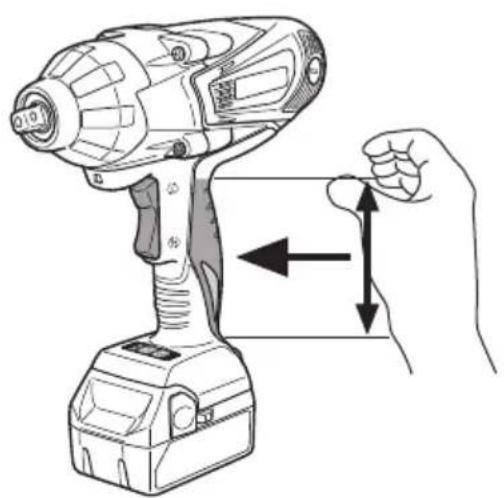
- Make sure to securely hold the tool during operation. Failure to do so can result in accidents or injuries. (Fig. 8)
- Make sure that the battery is installed firmly. If it is as all loose it could come off and cause an accident.
- Preparing and checking the work environment. Make sure that the work site meets all the conditions laid forth in the precautions.
- Do not allow foreign matter to enter the hole for connecting the rechargeable battery.
- Never disassemble the rechargeable battery and charger.
- Never short-circuit the rechargeable battery. Shortcircuiting the battery will cause a great electric current and overheat. It results in burn or damage to the battery.
- Do not dispose of the battery in fire. If the battery is burnt, it may explode.
- Bring the battery to the shop from which it was purchased as soon as the post-charging battery life becomes too short for practical use. Do not dispose of the exhausted battery.
- Do not insert object into the air ventilation slots of the charger. Inserting metal objects or inflammables into the charger air ventilation slots will result in electrical shock hazard or damaged charger.
- Check the actual tightening torque with a torque wrench.
- Be sure to turn the switch OFF and wait until the motor completely stops before changing the direction of wrench revolution. Switching while the motor is rotating will result in burning the motor.
- Never touch the turning part. Do not allow the turning part section to get near your hands or any other part of your body. You could be cut or caught in the turning part. Also, be careful not to touch the turning part after using continuously it for a long time. It gets quite hot and could burn you.
- Please use the designated attachments which are listed in the operations manual and HiKOKI's catalog. Accidents or injuries could result from not doing so.
- Make sure to firmly install the attachments in the anvil. If the attachments is not firmly installed it might come out and cause injuries.
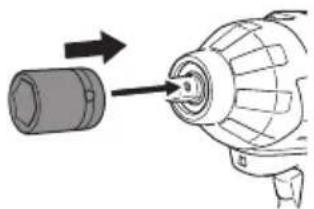
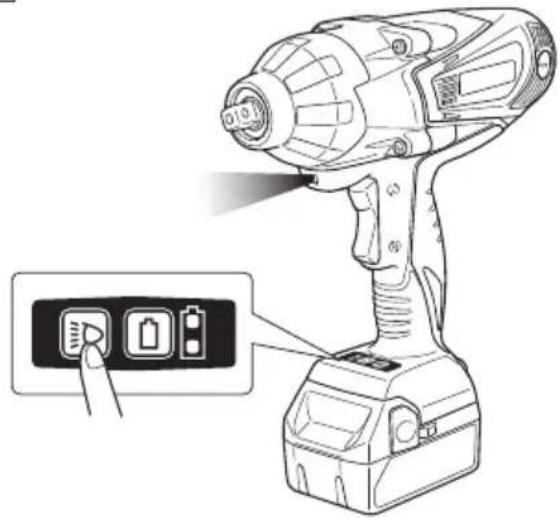
Align the plunger located in the square part of the anvil with the hole in the hex. Socket. Then push the plunger, and mount the hex. socket on the anvil. Check that the plunger is fully engaged in the holes. When removing the socket, reverse the sequence. - To prevent the battery power consumption caused by forgetting to turn off the LED light, the light goes off automatically in about 15 minutes.
- Resting the unit after continuous work.
- Do not touch the metal parts, as it gets very hot during continuous work.
- Do not look directly into the light. Such actions could result in eye injury.
- Always use the tool and battery at temperatures between -5^ and 40^ .
CAUTION ON LITHIUM-ION BATTERY
To extend the lifetime, the lithium-ion battery equips with the protection function to stop the output.
In the cases of 1 to 3 described below, when using this product, even if you are pulling the switch, the motor may stop. This is not the trouble but the result of protection function.
- When the battery power remaining runs out, the motor stops.
In such a case, charge it up immediately. - If the tool is overloaded, the motor may stop. In this case, release the switch of tool and eliminate causes of overloading. After that, you can use it again.
- If the battery is overheated under overload work, the battery power may stop.
In this case, stop using the battery and let the battery cool. After that, you can use it again.
Furthermore, please heed the following warning and caution.
WARNING
In order to prevent any battery leakage, heat generation, smoke emission, explosion and ignition beforehand, please be sure to heed the following precautions.
- Make sure that swarf and dust do not collect on the battery.
During work make sure that swarf and dust do not fall on the battery.
Make sure that any swarf and dust falling on the power tool during work do not collect on the battery. - Do not store an unused battery in a location exposed to swarm and dust.
Before storing a battery, remove any swarf and dust that may adhere to it and do not store it together with metal parts (screws, nails, etc.). - Do not pierce battery with a sharp object such as a nail, strike with a hammer, step on, throw or subject the battery to severe physical shock.
- Do not use an apparently damaged or deformed battery.
- Do not use the battery in reverse polarity.
- Do not connect directly to an electrical outlets or car cigarette lighter sockets.
- Do not use the battery for a purpose other than those specified.
- If the battery charging fails to complete even when a specified recharging time has elapsed, immediately stop further recharging.
- Do not put or subject the battery to high temperatures or high pressure such as into a microwave oven, dryer, or high pressure container.
- Keep away from fire immediately when leakage or foul odor are detected.
- Do not use in a location where strong static electricity generates.
- If there is battery leakage, foul odor, heat generated, discolored or deformed, or in any way appears abnormal during use, recharging or storage, immediately remove it from the equipment or battery charger, and stop use.
- Do not immerse the battery or allow any fluids to flow inside. Conductive liquid ingress, such as water, can cause damage resulting in fire or explosion. Store your battery in a cool, dry place, away from combustible and flammable items. Corrosive gas atmospheres must be avoided.
CAUTION
- If liquid leaking from the battery gets into your eyes, do not rub your eyes and wash them well with fresh clean water such as tap water and contact a doctor immediately.
If left untreated, the liquid may cause eye-problems.
- If liquid leaks onto your skin or clothes, wash well with clean water such as tap water immediately.
There is a possibility that this can cause skin irritation.
- If you find rust, foul odor, overheating, discolor, deformation, and/or other irregularities when using the battery for the first time, do not use and return it to your supplier or vendor.
WARNING
If a conductive foreign matter enters in the terminal of lithium ion battery, the battery may be shorted, causing fire. When storing the lithium ion battery, obey surely the rules of following contents.
- Do not place conductive debris, nail and wires such as iron wire and copper wire in the storage case.
To prevent shorting from occurring, load the battery in the tool or insert securely the battery cover for storing until the ventilator is not seen.
REGARDING LITHIUM-ION BATTERY TRANSPORTATION
When transporting a lithium-ion battery, please observe the following precautions.
WARNING
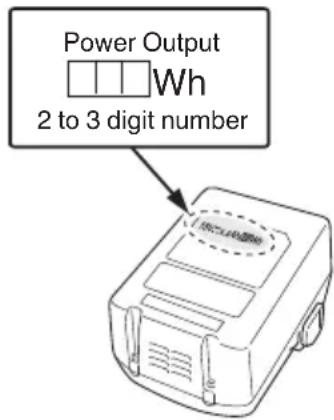
Notify the transporting company that a package contains a lithium-ion battery, inform the company of its power output and follow the instructions of the transportation company when arranging transport.
Lithium-ion batteries that exceed a power output of 100Wh are considered to be in the freight classification of Dangerous Goods and will require special application procedures.
For transportation abroad, you must comply with international law and the rules and regulations of the destination country.
SYMBOLS
WARNING
The following show symbols used for the machine. Be sure that you understand their meaning before use.
| WR18DSHL : Cordless Impact Wrench | |
| To reduce the risk of injury, user must read instruction manual. | |
| Only for EU countries Do not dispose of electric tools together with household waste material! In observance of European Directive 2012/19/EU on waste electrical and electronic equipment and its implementation in accordance with national law, electric tools that have reached the end of their life must be collected separately and returned to an environmentally compatible recycling facility. | |
| V Rated voltage | |
| n0 | No-load speed |
| Bpm Impact rate | |
| Square drive size | |
| MT Tightening torque (Maximum) | |
| kg | Weight* (According to EPTA-Procedure 01/2014) |
| Disconnect the battery | |
| Battery capacity | |
| Light switch | |
| Remaining battery indicator switch | |
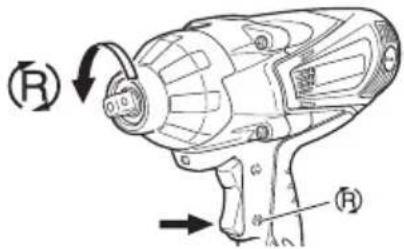
| Clockwise rotation | |
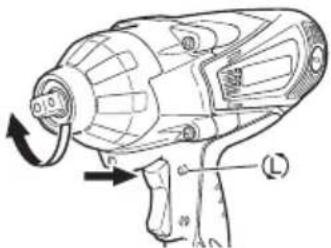
| Counterclockwise rotation | |
| The battery remaining power is nearly empty. Recharge the battery soonest possible | |
| The battery remaining power is a half. | |
| The battery remaining power is enough. | |
- Depending on attached battery. The heaviest weight is measured with BSL36B18 (sold separately).
STANDARD ACCESSORIES
In addition to the main unit (1 unit), the package contains the accessories listed on page 163. Standard accessories are subject to change without notice.
APPLICATIONS
Tightening and loosening of all types of bolts and nuts, used for securing structural items
SPECIFICATIONS
The specifications of this machine are listed in the Table on page 163.
NOTE
Due to HiKOKI's continuing program of research and development, the specific cations herein are subject to change without prior notice.
CHARGING
Before using the power tool, charge the battery as follows.
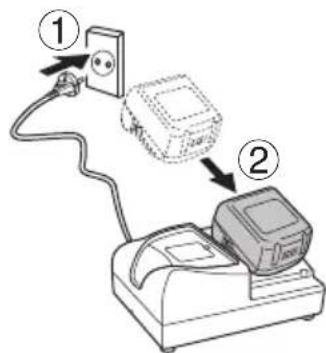
1. Connect to the power source. (Fig. 2)
When charging the battery from an AC power source
Connect the charger's power cord to the receptacle.
When connecting the plug of the charger to a receptacle, the pilot lamp will blink in red (At 1- second intervals).
CAUTION
Do not use the electrical cord if damaged. Have it repaired immediately.
When charging the battery from a DC 12V in-car power source (UC18YML2)
- Secure the battery charger in place in the car.
Use the strap supplied with the battery charger to fasten the battery charger in place and prevent it from moving inadvertently. (See Fig. 9)
CAUTION
Do not place the battery charger or battery under the driver's seat. Secure the battery charger in place to prevent it from moving inadvertently as this may lead to an accident.

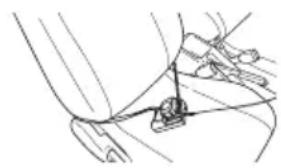
Fig. 9
- Insert the cigarette lighter connecting plug into the cigarette lighter socket.
If the plug is loose and falls out of the cigarette lighter socket, repair the socket. As the socket may be faulty, you are recommended to contact your local car dealer. Continued use of the socket may result in an accident due to overheating.
- Insert the battery into the charger. (Fig. 2)
Firmly insert the battery into the charger.
3. Charging
When inserting a battery in the charger, charging will commence and the pilot lamp will light continuously in red.
When the battery becomes fully recharged, the pilot lamp will blink in red. (At 1-second intervals) (See Table 1)
- Pilot lamp indication
The indications of the pilot lamp will be as shown in Table 1, according to the condition of the charger or the rechargeable battery.
Table 1
| Indications of the pilot lamp | ||||
| The pilot lamp lights or blinks. | Before charging | Blinks (red) | Lights for 0.5 seconds. Does not light for 0.5 seconds. (off for 0.5 seconds) | |
| While charging | Lights (red) | Lights continuously | ||
| Charging complete | Blinks (red) | Lights for 0.5 seconds. Does not light for 0.5 seconds. (off for 0.5 seconds) | ||
| Charging impossible | Flickers (red) | Lights for 0.1 seconds. Does not light for 0.1 seconds. (off for 0.1 seconds) | Malfunction in the battery or the charger | |
| Overheat standby | Lights (green) (UC18YML2) | Lights continuously | Battery overheated. Unable to charge. (Charging will commence when battery cools) | |
| Blinks (red) (UC18YFSL) | Lights for 1 second. Does not light for 0.5 seconds. (off for 0.5 seconds) | |||
| Charging with in-car power source impossible (UC18YML2) | Blinks (green) | Lights for 0.5 seconds. Does not light for 0.5 seconds. (off for 0.5 seconds) | Malfunction in the battery or the charger | |
NOTE: When standby for cooling battery, UC18YML2 / UC18YFSL cools the overheated battery by cooling fan. (However, the cooling fan does not function when charging the battery with a DC 12V in-car power source.)
- Regarding the temperatures and charging time of the battery.
The temperatures and charging time will become as shown in Table 2-a, 2-b
Table 2-a
| Charger | UC18YFSL | ||||||
| Battery | Type of battery Li-ion | ||||||
| Temperatures at which the battery can be recharged | 0°C - 50°C | ||||||
| Charging voltage V | 14.4 18 | ||||||
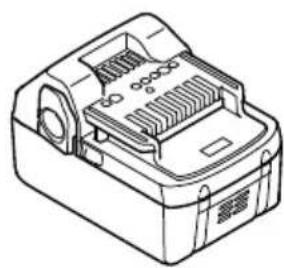
| Charging time, approx. (At 20°C) | min. | BSL1415S : 20 | BSL1430 : 45 | BSL1815S : 20 | BSL1830 : 45 | BSL36A18 : 75 | |
| BSL1415 : 22 | BSL1440 : 60 | BSL1815X : 22 | BSL1840 : 60 | BSL36B18 : 120 | |||
| BSL1415X : 22 | BSL1450 : 75 | BSL1820 : 30 | BSL1850 : 75 | ||||
| BSL1420 : 30 | BSL1460 : 90 | BSL1825 : 35 | BSL1860 : 90 | ||||
| BSL1425 : 35 | BSL1460 : 90 | BSL1830C : 45 | |||||
Table 2-b
| Charger | UC18YML2 (AC/DC)*1 | ||||||
| Battery | Type of battery Li-ion | ||||||
| Temperatures at which the battery can be recharged | 0°C - 50°C | ||||||
| Charging voltage V | 14.4 18 | ||||||
| Charging time, approx. (At 20°C) | min. | BSL14xx series BSL18xx series | Multi volt series | ||||
| (4 cells) (8 cells) (5 cells) (10 cells) (10 cells) | |||||||
| BSL1415S:20/50 | BSL1430 : 45/120 | BSL1815S:20/50 | BSL1830 : 45/120 | BSL36A18:75/200 | |||
| BSL1415 : 22/60 | BSL1440 : 60/160 | BSL1815 : 22/60 | BSL1840 : 60/160 | BSL36B18:120/320 | |||
| BSL1415X:22/80 | BSL1450 : 75/200 | BSL1820 : 30/100 | BSL1850 : 75/200 | ||||
| BSL1420 : 30/100 | BSL1460 : 90/240 | BSL1825 : 35/100 | BSL1860 : 90/240 | ||||
| BSL1425 : 35/100 | BSL1830C: 45/120 | ||||||
| BSL1430C: 45/120 | |||||||
*1 AC power supply / DC 12V (in-car) power supply
NOTE
The recharging time may vary according to the ambient temperature and power source voltage.
Especially, using a DC 12V in-car power source may require longer recharging time at high temperatures.
CAUTION
When the battery charger has been continuously used, the battery charger will be heated, thus constituting the cause of the failures. Once the charging has been completed, give 15 minutes rest until the next charging.
-
Disconnect the charger's power cord from the receptacle or cigarette lighter socket.
-
Hold the charger firmly and pull out the battery.
NOTE
Be sure to pull out the battery from the charger after use, and then keep it.
CAUTION
If the battery is charged while it is heated because it has been left for a long time in a location subject to direct sunlight or because the battery has just been used, the pilot lamp of the charger lights up green or lights for 1 second, does not light for 0.5 seconds (off for 0.5 seconds). In such a case, first let the battery cool, then start charging.
- When the pilot lamp flickers in red (at 0.2-seconds intervals), check for and take out any foreign objects in the charger's battery connector. If there are no foreign objects, it is probable that the battery or charger is malfunctioning. Take it to your authorized Service Center.
Since the built-in micro computer takes about 3 seconds to confirm that the battery being charged with UC18YML2 / UC18YFSL is taken out, wait for a minimum of 3 seconds before reinserting it to continue charging. If the battery is reinserted within 3 seconds, the battery may not be properly charged.
Check the voltage of the in-car power source when the pilot lamp flickers in green (every 0.2 seconds) continuously. (UC18YML2)
If the voltage is 12V or lower, it indicates that the car battery has weakened and cannot be charged.
- If the pilot lamp does not blink in red (every second) even though the charger cord or cigarette lighter connecting plug is connected to the power, it indicates that the protection circuit of the charger may be activated. Remove the cord or plug from the power and then connect it again after 30 seconds or so. If this does not cause the pilot lamp to blink in red (every second), please take the charger to the HiKOKI Authorized Service Center.
MOUNTING AND OPERATION
| Action | Figure | Page |
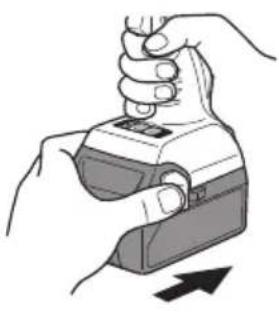
| Removing and inserting the battery | 1 164 | |
| Charging | 2 164 | |
| Mounting the socket | 3 164 | |
| Switch operation | 4 164 | |
| Remaining battery indicator | 5 164 | |
| How to use the LED light | 6 164 | |
| Check and replacing the carbon brush | 7 165 | |
| Selecting accessories | — | 166 |
MAINTENANCE AND INSPECTION
1. Inspecting the socket
A worn or deformed hex. or a square-holed socket will not give an adequate tightness to the fitting between the nut or anvil, consequently resulting in loss of tightening torque. Pay attention to wear of a socket holes periodically, and replace with a new one if needed.
2. Inspecting the mounting screws
Regularly inspect all mounting screws and ensure that they are properly tightened. Should any of the screws be loose, retighten them immediately. Failure to do so could result in serious hazard.
3. Maintenance of the motor
The motor unit winding is the very "heart" of the power tool. Exercise due care to ensure the winding does not become damaged and/or wet with oil or water.
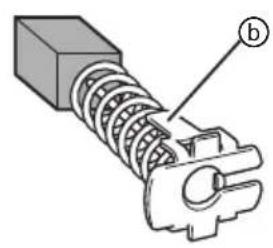
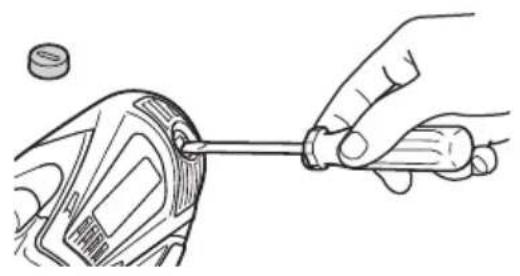
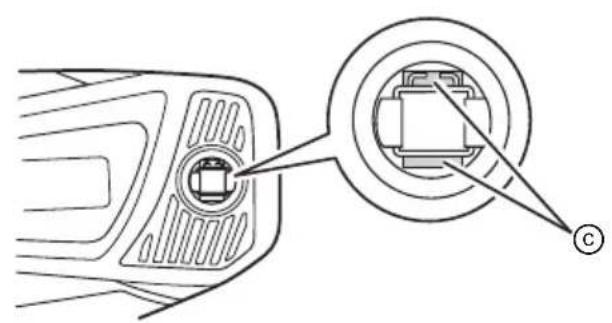
4. Inspecting the carbon brushes (Fig. 7)
The motor employs carbon brushes which are consumable parts. Since and excessively worn carbon brush with new ones when it becomes worn to or near the "wear limit" ③. In addition, always keep carbon brushes clean and ensure that they slide freely within the brush holders.
NOTE
When replacing the carbon brush with a new one, be sure to use the HiKOKI Carbon Brush Code No. 999100.
5. Replacing carbon brushes (Fig. 7)
Take out the carbon brush by first removing the brush cap and then hooking the protrusion of the carbon brush with a flat head screw driver, etc.
English
When installing the carbon brush, choose the direction so that the nail ⑥ of the carbon brush agrees with the contact portion ⑤ outside the brush tube. Then push it in with a finger. Lastly, install the brush cap.
CAUTION
Be absolutely sure to insert the nail of the carbon brush into the contact portion outside the brush tube. (You can insert whichever one of the two nails provided).
Caution must be exercised since any error in this operation can result in the deformed nail of the carbon brush and may cause motor trouble at an early stage.
6. Cleaning on the outside
When the tool is stained, wipe with a soft dry cloth or a cloth moistened with soapy water. Do not use chloric solvents, gasoline or paint thinner, for they melt plastics.
7. Storage
Store the power tool in a place in which the temperature is less than 40^ and out of reach of children.
NOTE
Storing lithium-ion batteries.
Make sure the lithium-ion batteries have been fully charged before storing them.
Prolonged storage (3 months or more) of batteries with a low charge may result in performance deterioration, signifi cantly reducing battery usage time or rendering the batteries incapable of holding a charge. However, signifi cantly reduced battery usage time m be recovered by repeatedly charging and using the batteries two to five times.
If the battery usage time is extremely short despite repeated charging and use, consider the batteries dead and purchase new batteries.
CAUTION
In the operation and maintenance of power tools, the safety regulations and standards prescribed in each country must be observed.
Important notice on the batteries for the HiKOKI cordless power tools
Please always use one of our designated genuine batteries. We cannot guarantee the safety and performance of our cordless power tool when used with batteries other than these designated by us, or when the battery is disassembled and modified (such as disassembly and replacement of cells or other internal parts).
GUARANTEE
We guarantee HiKOKI Power Tools in accordance with statutory/country specific regulation. This guarantee does not cover defects or damage due to misuse, abuse, or normal wear and tear. In case of complaint, please send the Power Tool, undismantled, with the GUARANTEE CERTIFICATE found at the end of this Handling instruction, to a HiKOKI Authorized Service Center.
Information concerning airborne noise and vibration
The measured values were determined according to EN62841 and declared in accordance with ISO 4871.
Measured A-weighted sound power level: 105 dB (A)
Measured A-weighted sound pressure level: 94 dB (A)
Uncertainty K: 3 dB (A).
Wear hearing protection.
Vibration total values (triax vector sum) determined according to EN62841.
Impact tightening of fasteners of the maximum capacity of the tool:
Vibration emission value a_h = 12.0 m/s^2
Uncertainty K = 1.5m / s^2
The declared vibration total value has been measured in accordance with a standard test method and may be used for comparing one tool with another.
It may also be used in a preliminary assessment of exposure.
WARNING
The vibration emission during actual use of the power may tool can differ from the declared total value depending in the ways in which the tool is used.
- Identify safety measures to protect the operator that are based on an estimation of exposure in the actual conditions of use (taking account of all parts of the operating cycle such as the times when the tool is switched off and when it is running idle in addition to the trigger time).
NOTE
Due to HiKOKI's continuing program of research and development, the specifi cations herein are subject to change without prior notice.
VOORZORGSGMAATREGELEN
VEILIGHEIDSWAARSCHUWINGENSNOERLOZE
SLAGMOERAANZETTER
VEILIGHEIDSWAARSCHUWINGEN
TENIKE Σ ΠPOEIΔΟΙHΣΕΙΣ AΣΦΑΛΕΙAΣ TOY HΑEKΤΡΙΚΟΥ EΡΑΛΕΙΟΥ

IPOSOXH
AiaBaTe oLeT TnpoEiDOnoiEic aOaAeiac, Tc obnyie, Tc EIOVEc KAI Tc npoBiaypaFec Nou napexovtai eTo nEeKtpko epyaIio.
H m npon twv odnyiw npoei va npokaaleoi nEktpoanxi, npkaia kai/ noepap oapatio.
5. Vymena uhlíkovych kief (Obr. 7)
LcENCEH, NO KONTO He ca npaBeHN MoHnKauCN H CbOTBETCTBaT Ha KOHTAHTte HAmaJIraBt PnCKa OT eJeKTPnueeKn ydap.
b) Pn pa6oTa c eIeHTpHuecH NHCtpyMeHTn H36rBaHTe KOHTaKT Ha TAnOTO Cbc 3a3EmHN NOBbpxHOCTN KATO Tpb6n, paDnaTOpn XlaanlHHu.
CbueCTByBa NOBnWeH pNCH OT eNeKTPnueckn ydap, aKO TAnoto Bu cTaHe qAcT OT 3a3eMTeJIHHa KOHTyp.
c) He n3laarTe eIeKtpnuechNte HnCTpyMeHTn Ha BJIaHHeTo Ha BJa r NIN DbHd.
IOnaJaHeTo Ha BlaRa B eJEnKTpNueCHTe INHCTpyMeHTn NOBnShaBa pNcKa OT eJEnKTpNueCHTuYdap.
d) He HapyuabaTe 9eIoCTTa Ha Ka6eJIHTe. HnKora He n3HnIOUbaTe eIeHTpHuYeCKHTe ypeDN, KATO N3DbPbBAte OT Ka6eJa.
Ia3ete Ka6eJIte OT n3TOUHNu Ha TOnnHa, OT Cm3OCHN MaTePnaJn, OcTpN Pb6ObE N NOBUNHH KOMNOHEHTN.
HapaHeHn nn npenIeTeHn Ka6eHn nobuBaBAT pncKa oT eJeKtpnueckn ydap.
e) Horato n3noJ3BaTe eJenTpueechn ypeJ Ha OTHpnto, n3noJ3BaIte YdbJIHHTeJ, NOxOJa3a BbHUnn ycIOBna Ha pa6ota.
H3noJ3BaIte Ka6eI, NOxOJaI 3a BbHJH yCIOBn, KOITo HAMJIba pNcKa OT eJIeKTpUyeCKn yIap.
f) Ako e HaIOHNTeJIHO H3NOJ3BaHeTo Ha eIeHTpueeCNn HNCTpyMeHT BBB BnaHH yCIOBn, H3NOJ3BaIte ypeDn C dHepenuaHa 3aunTa (RCD) cpeuyyTeuHa. H3noJ3BaHeTO Ha nnFepenuaHa 3aunTa Haamalra pncKa OT eJeHTpueeCNuYdap.
3)JInuHa6e3oNaCHOCT
a)БbTe 6dTeJIHH, BHMMaBaIte B deIcTBnIa cn n H3NoJ3BaIte pa3yMHO eIeHTpNueChIte HHCTpyMeHTn.
He n3noI3BaIte eIeKtpnueeCKn HNCTpyMeHT, KOrato cTe n3MopeHn, IIN NOB BnIaHHeTo Ha JeHaPcTBeHH CpeDCTBa, anHOxOJ IIN ONHaTn.
BcraKo HeBHMaHne np np paOta c eIeKtpnueckn INHCTpyMeHTN MOHe da IOBeJe DO CepNo3HN HapaHbAHn.
b) H3noJ3BaIte JnHn npEpa3Hn cpeCTBa. BnHaHn Hocete 3aunTHn OuHa n macka.
3aunTHnTe cpeCTBa, kaTO npaxo3aunTHa MaCKa, 3aunTHN OByBn C yCTOuYBa Ha NtB3raHe NOmETKa, KACKa, Hn aHTNOHn, H3NoI3BaHn CnopeJ yCIOBnTa Ha pa60ta , Ue HAMJIr TOnaCHOCTTA OT HapaHBAHe.
c) PpeoTbpaTBAhe Ha clyuayHO BkHIOUbaHe. YBepete ce, ye 6yToHbT 3a CTapr Ha ypeJa e B n3KlIOUeHO NIOJOKeHne, npEn Da CBbpKeTe eJekTpueeCNn HNCTpyMeHT KbM N3TOOHn HA 3axpaHbAhe n/nn 6aTeprn, KaHTo n npEn da ro B3emTe nn ppeHacrTe.
IpehaHTo Ha HnctpyMeHTn C npbCT Ha CTapT 6yToHa, Hn Ha npEbnIOuBaTeJI Ha 3axpaHbaHeTO, HOCn ONaCHOCT OT INUdENTn.
d) OTePaHete BCnHn pa6oTHn npcTaBn, npedn da BHLIOHTe ypea KbM 3axpaHbaHeTo.
Fauehen KIOU HIN INHCTpymeHT, 3a6paBEN B potaUNOHNI KOMNHOENT Ha eJekTPnueckn INHCTpymeHT, MoKe Da DOBeDe Do HapaHBAHe.
e) He ce npecaraTe. Ppe3 cyaIoto Bpeme Tpa6Ba Da HMaTe Cta6nHa onopa Ha da NODbPkaTe BaJahc Ha TaJIOTO.
Toba OCHyprBa NO-IO6bP KOHTpOIN Bbpxy eNEKtpnuecknte INHCTpyMeHTN npn HeoayKaBHu CNTuayuH.
f) Hocete noxdxoadno 06leHNo. He hocete npekaheHO shpoHN dpexn nn 6nkyta. Dpbhte Kocata n dpexnte cn daJeu OT dBnHeunte ce qactn.
Unpoknte npexn, bnyta n Iblra koca mora Tda 6bdat 3axbaHATN OT NOBNNHHTe KOMNOHEHTN.
g) Ako ca ochrypeHH yctpoHCTBa 3a npncbdeHHBaHe KbM npaxoyIOBHTeHH HHcTaHaun, yBepTe ce, ye ca npabHnHO npncbdeHHeHH.
H3noJ3BaHeTo Ha npaxoyIOBHTeN u cHIOHN MOHe Da HamaJIu Cbbp3aHHTe Cbc 3AmbpCRABaHETO pNCKOBE.
h) He no3BOLIBAHte ONHTHOCTTa BN, npnIO6bNTa OT YecTOTO H3NOJ3BaHe Ha HHCTpyMeHTN, da BN Cb3dae cAmOyBcTBHe, 3apaDN KoETO da HrHopnPate npnHcHnnte Ha 6e3oNaCHOCT npn pa6ota c HHCTpyMeHTN.
HeBHMaTeHNO DeIcTBnE MoKe Da DoBePe Do TeKHN HapaHbAHn B paMKeTe Ha Yaactn OT CekyHdata.
4) EKcNloataaHn npdPbHHHa Ha eJeHTpHueckn HHCTpyMeHTn
a) He hacnBaIte eIeHTpueeCKHTE HcHTpyMeHTN. 3noJ3BaIte NOxOJaE eIeHTpueeCHN HHCTpyMENT 3a CbOTBETHTE cJI.
NoxodnayeNeKtpueckn Hcyment Ocnpyra 6e0nacHOTo nno-dObpo N3BbPwBaHe Ha paobHTne DeHOCn npn npedBuDeHnte HOMHaHnnpaMeTpnu.
b) He n3noJ3BaIte eJeKtpnueckn HNCTpyMeHT, aHO He MoJHe da6bde BKNIOUeH NIN N3NIOUeHOT cbOTBeTHnCtApT 6yToH NIN PpeBHLIOUBATeI.
BceKn eIeKtpnueckn INHCTpymEnT, KOHTo He MoKeJa ce KOHTpOInpa OT npEBKIIIOvBaTeJra, e OnaceH NnoJeKN Ha peMOHT.
c) N3KIOUeTe ⅢeNCEHa HnHCTpyMeHTa OT n3TOuHNka Ha 3axpaHbAHe n/INn IN3BaTe6BATEpHnHnaKet OT nHCTpyMeHTa, aHO ToI NO3BOJRA BaJIaHE, ppeDn Da IN3BbPbBaTe HAcTPOHKn, npn CmHa Ha npNCtABn INn npn CbXpaHeHne.
Te3n npedna3Hm MepKn HamaJbAT pNcKa OT ClyuayHo N HeKeJaHO BKNIOUbaHe Ha eJeHTpnueChn HhCTpyMeHt.
d) CbxpahraBaIte HeH3noJ3BaHHTe eJeHTpuYeCHn HNCTpyMeHTn DaJIeOT DOCTbn Ha DeuHa He N03BOJRABaTe Ha JInca, He3aNo3HaTHn C NaHHa Ha pa6Ota C NHCTpyMeHTne H Te3n HNCTpyKcHn, Da pa6OTrT c Tax.
EneKtpnuecknte HNCTpyMeHTn npedctablaBaT onaCHOCT B pBcTe Ha HeONTHN Iuca.
e) NpOdIbPkaHte eJeHTpOHcTpymeHTnTe n aHcecoapHe. PpOBepBaHte ueHTPOBkata H 3aKpenBaHTo Ha NOdBHNHe TcAChn, npOBepBaHte 3a NOBpeHn YAcTH, HOnTO Morat Da ce OTPa3rT Ha pa6oTaHa eJeHTpUeCHnTe HHCTpyMeHTn.AKO yCTaHOBnTe NOBpeHn,OTcPaHete rN ppeHn Da n3NoJ3BaTe eJeHTpUeCHnTe HHCTpyMeHTn.
MHoro 3IIOIOnyKu Ce IbJNkA T Ha Iooa nOdpBxKa Ha eJIeKTPnueckHte HnCTpyMeHTN.
f) IopdIbpaHaepeKeIeHTe HcTpymEnTH 3aTOyeHN uHCTN.
PpaBnHO NOIdbpKaHnte peKeuINHCTpyMeHTN, C HatoyeHN peKeuIN eIeMeHTN, ce ynpablaBaT N KOHTPOIIpaT No-JeCHO.
g) H3noI3BaIte eIeHTpUeCn HNCTpyMeHTn, npHcTaBHN n aHceCoapn, n T.H., cbrIaCHO Te3n HNCTpyKUnn, Hato B3eMeTe NpeBnD pa60THTE yCIOBnN n BnDa pa6OTn, KOnTO ue ce H3BbPWBat.
H3noI3BaHe Ha eIeKTpPnueckHTe HNCTpyMeHTn 3a pa60TH, pa3NIuHN OT Te3N, 3a KOITo Ca npEbnDeneHH, MOKe Da IIOBeDe DO NOBnWeH pNCH N ONaCHN CNTyaUN.
h) Na3eTe p'hoXbaTHnTe n NOBbpxHocHTne 3a 3axBaUaHe cyxN, uCTn, 6e3 MacNo rpec.
Xlb3raBHTpe pbKoXBaTKn IN NOBbpxHOCTN 3a 3axBa7aHe He N03BOJRABat 6e3OnacHata pa6ota n npabIeHne Ha HnCTpyMeHtA B HeOyakBaHN cnTyauu.
5) EKcNloaTaunn H NODpBbHHa Ha eJeHTpnuechn HHCTpyMeHTn 3axpaHBaHn OT 6aTePN
a) 3apeHdaTe ypeDnte cMo cbc 3apAHNTE yCTpOInCTBa, NOCOeHN OT pON3BOUNTEJ.
3apAnHO yCTPOINCTBO, NOxOJaIO 3a eINH TnN Batepnn, MOHe da cb3daJe pnc OT NOpHAp npn n3noJ3BaHe 3a dpyr TnN Batepnn.
b) H3noJ3BaIte eJeHTpHuecHtE NHCTpyMeHTn camo c onpeJeHn 3a Tx Tn 6aTePN.
H3noJ3BaHeTo Ha npyr TnB 6aTepn Cb3daBa pnc OT HapaHbaHe n noKap.
c) Horato He n3noJI3BaTe 6atepHnTe, Te Tpa6Ba Da ce CbXpaHbAT daley OT dpyrn MeTaJIHN npedMeTH HATO KlaMepH, MOHeT, KIOUOBe, RBO3dEIN, BnHTOBe HnN dpyrn MaJKN MeTAJIHN npedMeTH, KOHTO MORaT Da OcbIeCTBRT HOHTAHT MeKdy HJIeMHTe IM.
HOHTAKMeHdyKHeMHTeHa6aTePNHTeMOKe da DOBeDeOTNCHPNINIOKap.
d) Ipn HeNoDxOJaun ycNoBna Ha cbXpaHeHne, 6aTePnHTe Morat Da n3TeHaT; n36RaBnTe KOHTaNT. AHO cIyuaHNO BJe3eTe B KOHTaKT C eJEnKTPoJIHTnTHaTe TeyHOCT, n3NlaHHeTe O6NJHO C BOda. AHO nonaADHe eJEnKTPoIHT B OUYte, n3NlaHHeTe O6NJHO H NOTbpcTe MeiNCHcH a NOMOu.
EeKPToJIITbT Ha 6aTePNITE MoHe Da npHnH Bb3naJeHne HnN n3rapHn.
e) He n3noJ3BaIte 6aTePnI HnHnCTpyMeHT, KOHTO ca NOBpeHn IIN MoNΦnUpaHn.
IobpehenTe nn MoDnΦuHpaHbatepnn MORa Da HmAT HeNpeBnIMo NOBeHHe, KOeTo Da DOBeJe Do NOKap, EKcNIO3n Nn PnCK OT HapaHBAhe.
f) He n3laraTe 6atepnaTn nn HnctpyMeHa Ha orbH nn Ha npekaHeo BncoKa TemnepaTypa.
N3naraHTo Ha orbH nnHa TemnepaTypa Hd 130°C MoHe Da npEdu3BnHa ekCnIIO3n.
g) CneBaIe BCnHn HNCTpyKcHn 3a 3apeHdaHe H He 3apeHdaTe 6aTepeHra Nn INHCTpyMeHTa H3BbH TemnepaTypHn DnHaNa3OH, yHa3aH B INHCTpyKcHnTe.
HenpaBnHTo 3apeKdaHe nn 3apeKdaHe npu Tempeatypn n3BbN onpeJeHn dVaNa3OH MoKe Da nobpei 6aTePnra Ta da yBeJIuH pNcKa ot nokap.
6) 06cnyHbAe
a) 06cIyHbAHeTo Ha eIeHTpHueCKHtE HhCTpyMeHTn Tpr6Ba Da ce N3BbPwBA cAmO OT KBaJIHΦHcHpaHn cepBn3HN pa6OTHcN, npn H3No13BaHe HaOpHnHaJIHn pe3epBHN qAcTn. ToBa Ie rapaHTnpaBe3oNaChocTTa npn pa6ota c eIeKTPuYeCKHTe IHCTpyMeHTn.
b) HnHora He 06cIyKBaIte NOBpeDeHs 6aTePN. O6cIyKbaHTo Ha 6aTePnIte Tpr6Ba da ce n3BbPwBa cAmO OT npOn3BOJnteJI nn OT oTOpN3nPaHtE DoCTaBHyuHa yClyr.
BHIMAHNE
He onychaIte B 3oHaTa Ha pa6Ota deca N Bb3paCTHn Xopa.
Horato He n3non3BaTe eJeHTpueChnTe HNCTpyMeHTn, cbxpanhaBate rnaJeeuOT DocTbn Ha deua N Bb3paCTHn Xopa.
БЕЗПАСНСТ ПИ PAБOTA C БЕЗКИЧЕН УДAPEH ГИКOBЕТ
Pp np pa6ota,dpbHTe ypea 3a H3OlnpaHnTe pBHOXBaTHN, aKo KpeENHHHT eIeMeHT hMa ONaCHOCT Da BLe3E B KOHTAKT CbC CKPTN IPOBOHDHNI. KoHTaKT Ha IIpNCtABKHTE N KpeENHHTE eJIeMeHTN C IPOBOHDHNI NOI HalpeKeHne, MoKe Da DOBeDe IO IpOTNuHa He TOK Ipe3 eIeKTPnuecHry INCHTpymEt NT TOKOB yap.
ДОПьЛНITEЛНМЕРКИЗАБЕЗПАСХОТ
- Toba e npehocm HnctpymeHT 3a 3aTgAre n pa3BnBaHe Ha 6oJIToBe n raiKn. N3noJ3BaIte ro cAmO 3a Te3n ZeJIi.
- YbepeTe ce, Ye HMaTe Cta6nIeH 3aXBaT Bbpye eJETpNueckn HcTpymENT NO BpeMe Ha pa6Ota. HecTa6nIHnT 3axBaT Kpne pncOBe OT 3IOnoIyKn n HapaHaBaHe. (Φnr.8)
- YBepeTe ce, Ye 6aTepeYraTa e Do6pe n 3dpaBO nocTaBeHa.B npOTnBEH CnyaM MoKe da NaDHe N da pNCHN INHCnDEHT.
4.Под�тOBkaипpoверkaHa pa6OTHOTMЯCTO.YBepete ce,Ye pa6OTHOTOMЯCTO OTROBApHa BCNUHyCIOBnI, NOCOUHEN B MEPKInTe 3a 6e30NaCHOCT.
5. He donychai Te npOHKBaHTo Ha yJxN TeIa B OTbopa 3a Cbbp3BaHe Ha batepnaTa.
6. Hnkora He pa3rno6aBte npe3apeKdaunTe ce akyMylatopHn 6aTePNn 3apdHOTO yCTPOCTBO.
7. Hikora He daBaHTe Ha Kbco akymylaTOpHnTe 6aTePNi. Kbco CbeDnHeHne MoKe Da npuHNn IpenaPpeKeHne n IperpaBe. Toba MoKe Da DOBede Do NobpeDa nnN 3rapHe Ha 6aTePNrTa.
8. Otpa6oteHnte 6aTepeHn He Tp86Ba Da ce n3rapT. ToBa MoKe Da IOBeDe Do EKcPi03NIA.
9. Bbphete 6aTeepnnte B mara3nHa, OT KOHTO ca 6uHn 3aKnyeHn, BeDhara cIeJ KaTO uKbJa Ha JINBOT Ha npesapeJeHte 6aTeepn cTaHe ppeKaJIeHO KbC, 3a Da 6bDat n3noJ3BaHn. Otpa6oTeHnte 6aTeepn He Tp8Ba da Ce n3XBbPnT.
10.He nocTabraIte npedMeTH Bbpxy OTBOpHTe 3a oxlaKaDaHe Ha 3apAHOTo ycTPOHCTBO.BkapBaHTo Ha MeTaIHn HIN3anaJIMN IpemTeNB BBeHTNJaUIOHHNTe CLOTOb e IOBeDe DO ONaCHOCTOT EJeKTPuYeCN YdAp IIN Ue NOBpeJr 3apAHOTo ycTPOHCTBO.
11.Поберете ДейстВиелнгТ ВьртуМОмЕТ CДИНHamMometpruЧEN KlnOч.
12.3aIbJIHNTeHNO 3KIOUOte UpeDa n 3uKaHToMOTOpBT Da cnpe HAnbIHO, npEn d CMeHHTeNocOKata Ha BbPTeHe. IpeBKnIOUcBaHTo npn pa6oTeu, MOTOp ige DOBeDe Do HeROBO To N3rapAHe.
13. HnKora He DoKocBaTe BbptTnCe cactn. He doBnKabAte pBeTe CN, nH npyra Yact OT TAnTo Cn, Do BbptTnCe KOMNoHEHTn Ha ypea. IMa onaChOCT ot cPra3BaHe nH 3axBaUaHe. OcBeH ToBa, BHIMaBaTe Da He DOKoCHe T BbptTn Ce KOMnoHEHT Ha ypeDa CneI npOdbLnHtEnHO n3NoJ3BaHe. BbptTnCe CE KOMNoHEHTn Ce 3arpaBAT CNHIO nMOrat Da Bu n3rOpRt.
14. MoI, n3noJ3BaIe CBOTBETHITe npIOHeHH, nocOeHN B PbKOBoIDCTBOTo 3a eKcnIooatauN HkTalora Ha HiKOKI. HeCnA3BaHe Ha HnCTpyKUnTe MOHe Da IOBeDe To HapaHABAHIN INn INHcIeHTN.
15. YBepete ce, ye cte nocTabnIn npncTaBkata 3npaBO B Dbpykaa. B npotnbHcnya npctabKaT a MoKe da H3le3e n da npuHHn HapaHbAHn. NopapBheTe pnyhkepa, pa3noJIOHeB KBaIpaTHOTo ceHHe Ha Dbpykaa C OTbopa Ha IeeCTOCTEHOT O rHe3do. Cne TOBa n36yTaTne pnyhkepa I NoCTaBeTe IeCTOCTEHOT O rHe3do B Dbpykaa. IpOBepete daJIIN PnyHKePbTa n34yIoo 3axBaHaT B OTbOpnte. 3a Da n3BaINTe rHe3dOTO, n3PiHHeTe DeIcTBnTA B o6pateH peI.
16.3a da npedotbpatnte pa3pnd Ha 6atepnrta, npadn 3abpaBEN CBeteu LED HndkaTOp, CbunrA bTOMATNUHO h3raCBA cJeD OKOLO 15 MNHyTN.
17. CneI npOdbJnxHteJIHa pa60Ta, ypeDbT cJeBb Da 6bDe OCTaBnB I NOKo 3a 13BeCTHO Bpeme.
18.HeDOKoBaIteMeTaIHnTe YaCTN,TBKaTOce3aarpBaT 3KIOUHTeJIHO MHOrO ppi npOdbJHnTeJIHa pa6Ota.
19.HeIeJaTe DnpeKTHo B CBeTInHaTa.ToBa MoHe da DOBeDe Do yBpeKDaHe Ha OHTe.
20. BinaHn n3noI3BaIte HnCTpyMeHa t aTeepraT npi Tempeatypm MeJdy-5°C n 40°C.
ГРИKH3AЛNTHEBO-иOHHATA BATEPINA
3a da ydbnHHTe HINBOTa Ha IHTneBO-IOHHaTa 6aTePN, TnIMa 3aunTHa FyHKuJra 3a npekbcBaHe Ha NODabaHETo Ha 3apJd.
B clyuante 1 do 3, onncanH no-dony, korato n3noI3BaTe TOBA u3dJIne, dOpn npn HATNCKaHe Ha cnycbHa, MOTOPbT MOKe da cnpe. TOBa He e B cJeDCTBHe Ha NOBpeDa, a Ha 3aunTHa fYHKqJy.
- Korato pa3pIbT Ha 6aTePnTa HamaIee 3HaUHTeJIHO, MOTOpBT cInpa.
B TaKbB Cnyuay, 3apeTe 6aTepeHraTa He3a6abHo. - Ako INHCTpyMeHTe 6nI npeTOBaPeH, MOTOpbT MOKe Da cnpE. B To3n CnyaH, OCBO6OTe CnycbKa N OTcPaHeTe npuHaTa 3a npeTOBaPbAbe. CneT TOBA MOKe Da H3NOJ3BaTe ypeDa OTHOBO.
3.Ako 6atepnaTe npepraI npn npetobapbaHe, TMOJKe Da OTKaKe Da pa6oTn.
BTo3nCnya, CnpTe n3noJ3BaHeto, n octaBeTe da ce oxlaeni. Cled TOBa MoHe da n3noJ3BaTe ypeDa OTHOBO.
OcBeHToBa,MOJI, cna3BaIte CJIeHNITe npeDynpexKdEHHa. IPEDyPENDEHNE
3a da npedotbpatnte pa3pekdahe Ha 6aTeepnraTa, 3aqrbaHe, nOBa Ha dHM, 3aPaIbAHe N EKcPi03n, yBepTe ce, ye cna3BaTe yKa3aHnraTa 3a 6e3onacHOCT.
- YBepete ce, ye no 6aTepeYraTa He ce HaTpynBaT npax n CTpyKKn.
O YbepTe ce, Ye no 6aTePnTa He ce HaTpynBt npax nCTpyKn IIO BpeMe Ha pa6ota.
O Ybepete ce, ye npax n ctpyHKn He ce HaTpyNBaT Bbpxy 6aTepeYrTa no Bpeme Ha pa6oTa.
He cbxpanraBte HeaIbIbAHnTe 6aTePN B MeTa, KbTeO Ca HIOKeHn Ha B3JeCTBnETo HA npax nCTpyHH.
OПисьханене Ha 6aTePnI,OTcTaPHeTe eBENTyaHOnHaTpynaHn CTpyKKn I npax,KaTO He Tpr6Ba Da ceCbxpaHra 3aeJHo C MeTaJIHn PpeDMeTn (6oJToBe, rBOzDeHn np.). - PaseTe 6aTePnTa OT npObBaHe C octTp npeMeTn KaTo rB03Den,OT yDap C uYK,HaCTbIbAHe,INOT cIneH fN3uYeCKn yDap.
3.He n3noJI3BaIteBnIMo noBpeDeHa nn deΦopMnpaHa 6aTePnIy. - He n3noJ3BaIte 6aTepeTc o6paTeH noJaPHTeT.
5.He cBp3BaIe 6aTepeRnTa DnpeKTHO KbMeJeKtpueckn H3TOHNI,IN KbM KynJyHra Ha 3anaJIkata B Jeka KOJa.
6.He n3noI3BaIte 6aTepeHra 3a ceJI, pa3nUHn ot npedHa3HaueHHeTo H. - Ako 6atepna He MoKe Da ce 3apeHnBnHO, DOpN CneI KaTO n3Teue IpeNOpbUbaHn IepNoD OT BpeMe, He3a6aBHo IpeKpaTeTe NocJeBaun ONHTn 3a 3apeXdaHe.
- He n3JIaIaIe 6aTeepnIa Ha BnCOH TemnepaTpy nII HAJIraHe, He NOCTaBMyTE B MmKpOBbIHOBa yPHa, CyuINIH NIKoHTeHepn IOD BnCOKO HAJIraHe.
- Pn yCTaHOBBaHe Ha Teu HIN HenpNTHa MmPn3Ma OT 6aTePnTa, He n3JaRaTe Ha Bb3JeCTBnETo Ha CnHa TOnnHa HIN OTKpNTn NlaMbU.
10.He n3noJ3BaIte 6aTepeyTa B MeTa, KbTeTo ce reHepipa CnIHo CTaTHHO eJeKtpnueCTBO.
11.Ako 6atepnaTeue, HMa HnnpnTHa Mnpn3Ma, 3aqrba nn Ce oBe3cBETn n DeΦopmnpa nn aKo Ce NOBt HeObuaHn npn3Hae nn pny ynoTpe6a, Ppe3apeJdaHe n CbXpaHHeHne, He3a6abHO r OTCTpaHE Te OT O6OpyDbaHTo nn 3apdHOTo n He r N3IOJI3BaIte.
12.He notanrnte 6aTepeyra n He no3BOJIbaIte HABIN3aHTo Ha TeuHOCTn B HeJ. IpoHNKBAHeTo Ha npOBoIMN TeUHOCTn KaTO HApnpMeR BOJa, MOKe Da DOBeDe Do NOBpeDen i Da npuynHn NOKap nn EKcnlo3na. CbXpaHraBaIte 6aTepeyra Ha XlaHOn cyxo MRCTo, daJeY OT rOpMn JleCHO3anaJIMMaTepeHaJI. N36RaBte aTMocfepn c Kopo3NBn ra3OBe.
BHIMAHNE
- Ako eIeKToPIOT 6aTepeNtA nonaHne B OcHTe, He rN TbpKaHte, a n3nlaKHeTe 0bUInHO C uHCTa, HApP. YeSImHa, BOa H nOITbpcTe He3a6abHo Jekapcka NOMOu.
Ako He ce B3emat Mepn, eIeKtpoHITbT MoHe da npuHH OCHN pO6JIemn.
Блгарский
- Ako eIeKToIOT 6aTepeRrTa IOnaHHe Bbpxy KOKaTa HIN dpexnte, He3a6abHO N3MnIte C YnCTa, HAnp. YeUHMHa, BOda.
Bb3MOxHo e eJeKtpoIITbT Da npuHn KOxHO Bb3pAleneHne.
3.Ako npn nbpBOTO n3noJ3BaHe Ha 6aTePnraTa 3a6eJIeKHTe pBJka, HENpNrTeH MnpC, NPERpaHe, OBe3cBETBAHe, DeOpMnpaHe /nIIN DpyrH HepeDHOCTn, He a N3NoJ3BaIte I R BbPHeTe Ha DOCTaBvNkA nn TbpRoBeua, OT KOIT OTE Ra3aHynnl.
PNEyPENKDEHNE
Ako yuHdo TnIO, KOTo e npoBODnK, nonaDHe Bbpxy KJIeMHTe Ha IINTneBO-NOHHata 6aTePnra, TRe MoKe Da daDe Ha Kbco nDa npuHHn noJap. Korato cxbpaHnBaTe IINTneBO-NOHHata 6aTePnra Cna3BaIte CneHnTe npabnla 3a 6e30nacHOCT.
Bkytna 3a cxbpaHbAHe He nocTaBnTe npoBdoI npedMeTH KaTO rBO3dE,napeTa npoBODHnI MeHa TeI.
O 3a da npedotbpaTne Kbco cbeHHeHne, cneBkapBaHe Ha baTepeRnTa B eJeKtpnueckn HnCTpyMeHT nocTabrTe KaNaka N TaKa, Ye BeHTnlaTopbT da He ce BnJa.
OTHOCHO TPAHCIOPTA HA JINTHEBO-NOHHA BATEPNA
Pn TpaHcnpTnpaHe Ha JInTHeBO-IOHHa 6aTepeRn, MoJcna3BaIte CJIeHNITpePeDn3Hm MepKn.
PDEyPENKDEHNE
YBeDomete TpaHCnOpTHata KOMnHa, Ye npaTkata CbIbPka IITHeBO-IOHHa 6aTeprna, INHOpMnpaIte KOMnHaNrTa 3a HeHATA HxOHa MoHocT n CnA3BaIte IHCTpyKuNTe Ha TpaHCnOpTHata KOMnHa, KOrato YpeJdATE TpaHCnOpTa.
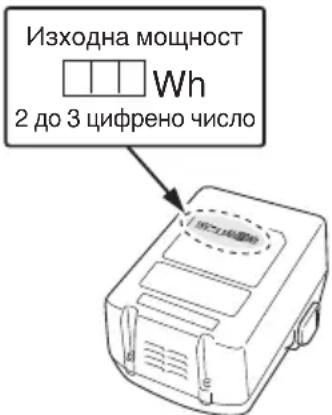
O JIHTHeBO-IOHHHTe 6aTePN, KOHTO HaDBNuaBaT H3XoHa MoUHOCrOT 100 Wh, ce CHTat 3a TpaHCnOpTHa KaTeOpn ONaChn CTOKn H3NcKBaT pPnlaRaHTo Ha CneuHaHNn PPOeDpyn.
3a TpaHcnpOpTnpe B yJx6bHa Tpr6Ba Da cna3nte MeJyHapOndHte 3aKOHn I npAByIa N pa3nope6n Ha CTpaHATA,do KOrTo Ce TpaHCnpOpTnpat.
CHMBOJN
NPEADYNPENKDEHNE
H3noJ3BaHn ca CJIeHNTE CNMBOJN. YBepeTe ce,Ye pa36npaTe 3HaueHHeTo Hm, PpeHn H3noJ3BaHe Ha ypeJa.

WR18DSHL
:Be3KyuH ydapeH raeuen KIOU
3A6EJIeHHA:BpeHIM roTOBHOCT 3a OxlaJdahe Ha 6aTeepnra,UC18YML2/UC18YFSL cbuaTa ce oxlaJda ot BEHTIaTOP.
(Bbnpekn ToBa, OxlaKaaunr BeHTnIaTOp He pa6oTn npn 3apeKdaHe Ha 6aTepeRtA oT n3ToHnK DC 12 V ha Jek aBtOMO6nJ).
Былгарский
OTHTaHe Ha TemnepaTypaHa BpeMeTo 3a 3apeXdaHe Ha 6aTePnraTa.
TemnepaTpyata n BpeMeTo 3a 3apeHdaHe 9e 6bTaTe3N, NOKa3AHn B Ta6nua 2-a, 2-b
Ta6nua 2-a
| Зареньо | UC18YFSL | |||||
| Бастен | Напpeжение рпзареньданe | Li-ion | ||||
| Температури, рп сочтобастеная може дaбъдe зарededнa | 0°C - 50°C | |||||
| Вид састен V 14,4 18 | ||||||
| Пробл transitelноВраиме заразешende (пriи 20°C) | Серия BSL14xx Серия | BSL18xx | МуливOLTOBи Серия | |||
| (4 келейки) | (8 келейки) | (5 келейки) | (10 келейки) | (10 келейки) | ||
| MSN. | BSL1415S:20BSL1415:22BSL1415X:22BSL1420:30BSL1425:35BSL1430C:45 | BSL1430:45BSL1440:60BSL1450:75BSL1460:90BSL1830C:45 | BSL1815S:20BSL1815:22BSL1815X:22BSL1820:30BSL1825:35BSL1830C:45 | BSL36A18:75BSL36B18:120 | ||
Ta6nua 2-b
| Зарадно | UC18YML2 (AC/DC)*1 | ||||||
| Бастория | Напpeхенье рри зAPEнданe | Li-ion | |||||
| Температури, рри конто бастория може за бъдze зAPEдени | 0°C - 50°C | ||||||
| Вид састория V 14,4 18 | |||||||
| Пробл transitno вreme за зAPEнданe (priu 20°C) | Серия BSL14xx Серия | BSL18xx | МуливOLTOBN серия | ||||
| (4 кletки) | (8 кletки) | (5 кletки) | (10 кletки) | (10 кletки) | |||
| MSN. | BSL1415S: 20/50 BSL1415: 22/60 BSL1415X: 22/80 BSL1420: 30/100 BSL1425: 35/100 BSL1430C: 45/120 | BSL1430: 45/120 BSL1440: 60/160 BSL1450: 75/200 BSL1460: 90/240 | BSL1815S: 20/50 BSL1815: 22/60 BSL1815X: 22/80 BSL1820: 30/100 BSL1825: 35/100 BSL1830C: 45/120 | BSL1830: 45/120 BSL1840: 60/160 BSL1850: 75/200 BSL1860: 90/240 | BSL36A18: 75/200 BSL36B18:120/320 | ||
*1 AC 3axpaHbaHe / DC 12 V (aBTOMo6nHo) 3axpaHbaHe
3A6EJIeHHKA
BpemeTo 3a 3apeHdaHe MoHe da Bapnpa cnopeD OKoJHaTa TemnepaTypa N H3TOUHnKa Ha HanpeKeHne.
Oco6eHn npn n3noJ3BaHe Ha aBTOMo6nJIeH n3TOUHnK Ha 3axpaHbAe DC 12 V, BpeMeTo 3a 3apeKdAne MoKe Da 6bJe No-npOdbNkHTeIHo npn BnCOHN TeMnePaTpyn.
BHIMAHNE
Horato 3aprdHoto yctpoNCTBO ce n3noJ3Ba HepeKbchato,MOKe da 3arpee N da CtaHe npuHa 3a OTka3nIOBpeJa.CleKaTo 3abpwn 3apeKaDaHeTo, OCTabeTBe B NOOH 3aprdHoto yctpoNCTBO 3a 15 MNHyTN.
4.ИЗкlioуete ro OT mpeхьOTO 3axpaHbaHe Илг ATBtOMO6nIHnT n3TOUHN Ha 3axpaHbaHe.
5.ДрьнTe 3apHnTo yCTpoNCTBO 3dpaBO n 3dbpnaTe 6aTePnTa.
3ABEJIEXKHA
YBepete Ce,Ye HMa ONaCHOCT da rO n3TbPBeTe CneI KaTO n3DbpNaTe 6aTePnra.
BHIMAHNE
O Ako 6atepyTa ce 3apeHda B 3aqrto CbctoHne, nopadn n3laIaHe Ha npka CbHueBa CBetTlnHa, nn nopadn HEnocpeDCTBeHO n3NoI3BaHe, CNHaJIHaTa lamna Ha 3apdHoto ue CBeTHE B 3eJeHO nn Ie CEtthe 3a 1 cekyHa n Ie n3rache 3a 0,5 cekyHn (n3Kn. 3a 0,5 cek.).B TaKbB cnUaH, nbpBO OCTaBeTe 6atepyTa da ce oxlaDi n cIed TOBA 3anoHete 3apeXdaHe.
O Korato INHnKaTopHaTa JAmna Mmra B UepBeHo (Ha HInTePbAn O T 0,2 cek.), npOBepTe 3a yHn TeNa B 3aprHTo yCTpoNCTBO N KOHeTOpA. AHO HMa yHn TeNa, BEPOrTHo 6aTepeNtA HIN 3aprHTo yCTpoNCTBO Ca IOBpeDeH. 3aHeceTe rN B OToPiapan CepBn3eH ceHTbp.
O TbI KaTo ca Heo6xOdHMn OKOIo 3 ceHyHn Ha BrpaedHn MHKPOKOMNHTbP 3a Da NTBbPn, Ye 6aTepeHraTa 3apeJdaHaTa c UC18YML2 / UC18YFSL e N3BaDeHa, N3yakaKe Te NoHe 3 ceHyHn npeDn da J
NCTABNTE OTHOBO N da npoDbLnHnTe 3apeKdaHeTo. Ako 6aTePnraTa 6bDe nocTabeHa npedn da MNHat 3 ceHyHn,MOKe Da He 6bDe npabuHno 3apeHena.
O PnpoBepeHa nppeKeHHeTo Ha aBtOMo6HnHn H3TOHnK Ha 3axpaHbAHe, KOraTo INHnKaTOpHaTa IaMna MnRa B 3eJeHO (Ha BceKn O,2 ceK.) npoDbJIknTeJIHo. (UC18YML2)
Ako HanpeKeHHeTo e 12V nn No-HnCHo, TOBa noka3Ba, Ye akymyIaTopa Ha KolaTa e Cna6 H He MoKe da Ce 3apeN.
Ako HnDnKaTopHaTa lamna He mra B cepBeHo (Ha eHa cekyHda), DOpn Cnei Cbbp3BaHe KbM MpeHata nnr Hte3DoTo Ha 3anaJkata B KOJaTa, TOBa noka3Ba, Ye 3aunTHnKoHTyp Ha 3apdHOTe aKTINBcap.
OctpaheTe Ka6eJa HnIeNceLa OTo 3axpaHbHeTo n CneI ToBa CBpKHe OTHOBo, CneI OKoLo 30 cekyHn. Ako n CneI ToBa INDkaTopHaT aamna He mra B YepBeHo (Ha eHa cekyHda), MoJr 3aHeCeTe 3aprHoto yCTpoiCTBO B OTOpH3npaH cepBn3eH ueHTbp Ha HiKOKl.
MOHTAXI EKCIIOATAU
Korato CMeHrTe Kap6oHOBnTe YeTKn C HOBn, yBepeTe ce, Ye n3NoJ3BaTe Kap6oHOBn YeTKn HiKOKI c KaTaNKeH No. 999100.
5.CMaHa Ha Kap6oHOBu YeTHn (Φnrg.7)
N3BaTeKap6oHOBnTeYeTKn, KaTO pBP0OTcTpaHnTe KanaTeO nCleD TOBA KyKaTa Ha Kap6oHOBaTa YeTKa, KaTO N3NoJ3BaTe PLOCKa OTBePTKa N Dp.
Korato n3noI3BaTe Kap6oHOba YeTHa, n3bnpaTe NocOKata Taka, Ye npyKnHHNRT KOHTKT ⑥ Ha YeTKata Da CbBnada C KOHTAHTHO TNOIOKeHne ⑥ OTbH Ha Tpb6ata Ha YeTKata. CneT TOBA HATNCHeTe C npbCT. HaKpa, MOnTIpaTe O6pAto HO KaauKaTa HA YeTKata.
BHIMAHNE
YBepete Ce,Ye CTe NOCTABNIN KOHTAHTHa TpyKInHa Ha Kap6oHOBaTa YETKa B KOHTAHTHa TPO3nU, O3HayeHa OTbHN Ha Tpb6aTa Ha YETKaTa. (MoKeTe Da n3No13BaTe KOITOn I da e OT DBaTa npyHHN KOHTA).
BbDeTe BHNMaTeJIHn, TbN KaTO rpeUHO NOCTaBHe MOKe Da DOBeDe Do DeΦOpMaun Ha npyHHNHO KOHTaHT Ha Kap6oHoBata YetKa n da ce NOBpeDN MOTopa npexdEBpemEHNO.
6. BbHnHO nouCTBaHe
Korato nHCTpymEnTb e 3ambpceH, 3a6bpweTe c MeHa, cyxa Kbpna nn C Kbpna, HABnJaXHeHa Cbc CaNyHeHa Boda. He n3noJ3BaIe Pa3TBOpHTeIN Ha aJIKOxOJHa, 6eHNHOBA OCHOBA, nn pa3peDInTeIN 3a 60N, Tb KaTo Te ue pa3raDat PIACTMacOBIne NOBpxHOCTn.
7. CbXpaHeHne
CbxpaHraBaTe eIeKtpnueckn ypei Ha MrcTo, KbdeTo TemnepaTypata e no4 40^ , n daJeu ot doctbn Ha neua
3ABEJIEXHA
CbxpaheHHe Ha JInTHeBO-IOHHb6aTePNH.
YBepeTe ce, Ye JInTHeBO-IOHHnTe 6aTePNu Ca HAnbHNO 3apeHEni, PpeN Da rO OCTaBnTe 3a CbXpaHeHne.
PpOdbJIHnTeJIHO cbXpaHeHne (3 Meceua nn noBce) Ha HEnbJIHO 3apeDeHN bATEPN MoKe Da IOBePe Do lowa pa6oTa, 3HaunTeJIHO cKbcraBaHe Ha HINBOta Ha 6aTePNTE nn da n HanpaBN HeOrDNn 3a yNtpe6a.
Bbnpekn TOBa, 6aTePN CbC 3HaHTeJIHO CKbcEN HINBOT MOrat Da 6bDaT Bb3CTaHOBeHIn, Ype3 HAKOLKOKpaTHO 3apeKaHe N PbJHOTo NM pa3peKaHe OT Dba Do NET TbTH.
AkoNoJIe3HnTJXnBOTHa6aTePnTa e 3NaUHTeHOBcKpaTeH,He3aBNCmOOTMHorokpArTO3apeKaHeH N3IOJI3BaHe,CHTaIe 6aTePnTa 3aN3HOceHa N CMeHETe C HOBA.
BHIMAHNE
IIO Bpeme Ha pa6oTa H NOIDpbKHa Ha eJIeKTpueChn Upei Tp8Ba Da ce Cna3Bat pa3npoe6nte n CTaHapTHTe 3a 6e30NaCHOCT 3a BCra HA cTpaHa.
BaHnHa HhOpMaun 3a 6aTeepnn 3a 6e3HHNn HHCTpyMeHTn HiKOKI
MoIy, BnHaNn 3nOJ3BaIte HaIITe opuHaJIHb6aTePN. He rapaHTnpame 6e3oNaChocTt a pa6oTaTaHa ypeDa, KOrato Ce n3nOJ3BAt 6aTePN, pa3JInHn OT NocOueHNTe OT HAc, INI KOrato Ca npabeHN npOMEHN NO 6aTePNTE (KATO pa3rIo6BaHe n noDMHa Ha KJIeTKnte INI dpyr BbTpewHn KOMNOHEHTN).
TAPAHLIM
Ipeoctabme rapaunna 3a EeHTpueckn HhctpymEnHiKOKI cblacno CneuHnTe MeCTeHN 3aHOdaTeJCTBa Ha cBoTBeTHNe IbpaBn. HactOuaTata rapaun He NOKPnBA DeeEKNu NIN NOBpeN, npuHHeNOT He npaBnHO NIn He6peHHo N3NoJ3BaHe, KaKTo N dJaAci Ce Ha ObUaHIO N3HOCBaHe Ha KOMNoHEtnte.B CnyaHa Ha peKaMaun, MoJI, N3PpATE EeHTpuecknTt HcTpMeH, B Hepa3rIo6eBn Bn, C TAPAHLIOHHATA KAPTA, npoDobOJcTBeHa B KpaHa INcHTpyKUnTe, Ha oTopn3npan cepBn3eH ueTbp Ha HiKOKI.
HhOpmaqna 3a WymoBO 3ambpcBaHe n Bn6paunn
I3MepeHnTe cToHocTHn OTROBaprHa n3nCKBaHnTa Ha EN62841 n cbOTBeTcTBaT Ha ISO 4871.
I3mepeHO A-npTeTneHO uymoBO HnBO: 105 dB (A) I3mepeHO A-npTeTneHa cnla Ha 3Byka: 94 dB (A) HeToHoc K: 3 dB (A).
HocTe aHTnΦoHn.
O6u n cToHocTn Ha Bn6paun (BeKTopHa cyMa) onpeJeHencBrlacHo EN62841.
YdapHO 3aTgAHe Ha KpeIeXHn ElemEHTn DO MaKcImaJIHHa KanaUITet Ha ypeDa:
CTOHOCT Ha emncn Ha Bn6paunn a=12,0 m/s² HeTOHOC T K = 1,5 M/ceK
DeHApHaHte 6h CToHocTn Ha Bn6paunn ca
H3MpeHN CbIaCHO CTaHapTHHe MeTOHn HA H3NITBaHe
H MoRat Da 6bDat N3NOJ3BaHn 3a CpabHeHne MeKdy
pa3InuHHe IHCTpyMeHTn.
OcbEN TOBa CToHocHTe MORat Da ce H3NoJ3BaT 3a
npedBapHTeJIHa OceHka.
PNEpyPENKDEHNE
O Bn6paunnte no BpeMe Ha DeIcTBnteHa ynotpeba Ha IHCTpyMeHTa Moat Da ce pa3InuBaT OT DeHJIapnpaHITe 06U n CTOnHOCTn, B 3aBNCIMoCT OT HaUNHa HA N3NOJ3BaHe Ha IHCTpyMeHTa.
O NdeHTnHnIpaHe Ha MepKHe 3a 6e3OnacHocT 3a OnepaTopa, Bb3 OCHOBa OceHka Ha Bb3dEiCTBnETo npn DeICTBnTEJHn YcIOBnHa H3N0JI3BaHe (KaTO ce B3EmAT PpeDBnD BCNU K eIeMeHTn OT pa6OTn Hkbl, KaTO nepNoHn HA BHKUoyBaH n3KIIIOuBaHe, KaKTo n pa6oTa Ha Ipa3Hn O6OpOTn HENOCpeCTBeHO npedn Cled MOMeTA Ha N3N0JI3BaHe).
3A6EJIEXHA
Iopadn HnpekbchaTOp pa3BNTHe Ha HayHO-pa3BOHata nporpama Ha HiKOKI, daJeHnte Tk CneuΦkaun ca npedMeHa npomraHa 6e3 yBeDOMLeHne.
(Prevod originalnog uputstva)
OPŠTA BEZBEDNOSNA UPOZORENJA ZA ELEKTRICNI ALAT
UPOZORENJE
ODRžAVANJE I PROVERA
1. Proveragrla
Istrošeno ili deformisano šestougaono ili Četvrtasto grlo nece dati odgovarajuću Čvstinu za umetanje izmedu navrtke ili ležista i izazvace gubitak momenta zatezanja. Povremeno proverite istrošenost grlu i zamenite ga novim ak je potrebno.
2. Provera montaznih zavrtnjeva
Redovno proveravajte sve montažne zavrtnje i postarajte se da budu dobro zategnuti. Ako bilo koji od ovih zavrtnjeva popusti, odmah g a pritegnite. Propust da to uradite moze da izazove ozbiljnu opasnost.
3. Održavanje motora
Namotaji motora su samo „srcé“ elektricnog alata. Poklanjaje odgovarajuću pažnju da se namotaji ne bi ostetili i/iliPokvasili uljem ili vodom.
4. Provera grafitnih cetkica (sl.7)
Motor ima grafitne cetkice koje su potrošni delovi. Buduci da prevalije istrosene grafitne cetkice mogu stvoriti probleme u radu motora, zamenite ih novima kada se istroše do ili blizu „granice pohabanosti" ③. Osim toga, starajte se da grafitne cetkice uvek budu Čiste i da klize bez problema u svojim nosacima.
NAPOMENA
Kada menjate grafitnu Četkicu novom, obavezno koristite HiKOKI grafitnu Četkicu sa šifrom br. 999100.
5. Zamena grafitnih cetkica (sl.7)
Izvadite grafitnu Četkicu taksto sto cete prvo skunitiPoklopac Četkice i zatim pomocu odvijača s pljosnatom glavom zakačite izbočinu na grafitnoj Četkici.
Kada stavljate grafitnu Četkicu, postavite je takdo klin bude u ravni sa kontaktnim delom koji se nalazi van cevi u kooj je Četkica. Zatim je gurnite prstom. Na kraju stavitePoklopac Četkice.
OPREZ
Budite apsolutno sigurni da ste stavili klin grafitne cetkice ukontaktni deo koji se nalazi van cevi u kojoj je cetcika. (Mozte umetnuti bilo koji od dva klna).
Morate biti pažljivi jer svaka greška u ovom postupku moze da dovede do deformisanja klna grafitne Četkice i moze da izazove probleme s motorom u ranoj fazi.
| WR18DSHL 1211 | ||||
| WR18DSHL (NN) - | - | - | - | - |

1
2

UC18YML2 UC18YFSL
3

4
L

5
6

7
8
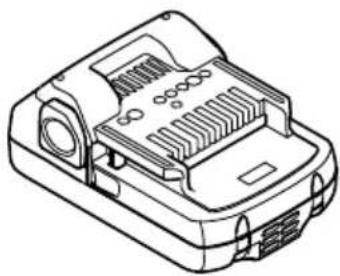
BSL18...

BSL36..18

UC18YML2 (14.4V - 18V)
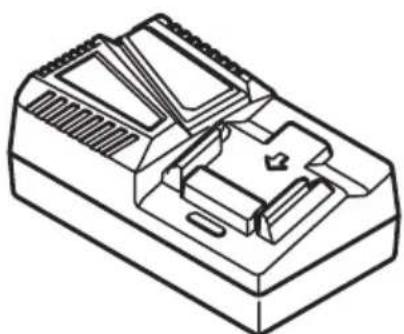
UC18YFSL (14.4V - 18V)
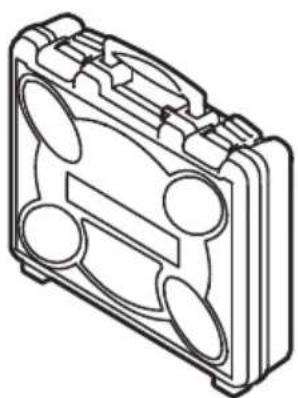
337138
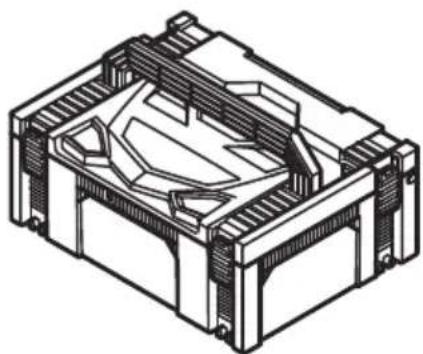
337108
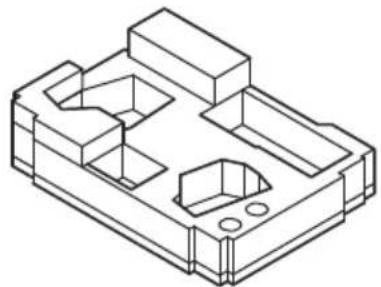
337109

999100
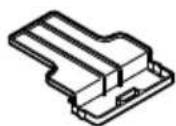
329897
| English Dansk Română | |||
| GUARANTEE CERTIFICATE 1 Model No. 2 Serial No. 3 Date of Purchase 4 Customer Name and Address 5 Dealer Name and Address (Please stamp dealer name and address) | GARANTIBEVIS 1 Modelnummer 2 Serienummer 3 Kebdsdato 4 Kundes navn og adrasse 5 Forhandlers navn og adrasse (Indsæt stempel med forhandlers navn og adrasse) | CERTIFICAT DE GARANTIE 1 Model nr. 2 Nr. de série 3 Data cumpärarii 4 Numele și adresa clientuili 5 Numele și adresa distributorulii (Va rugăm aplicatița stampila cu numele și adresa distributorulii) | |
| Deutsch Norsk Slovenžina | |||
| GARANTIESCHEIN 1 Modell-Nr. 2 Serien-Nr. 3 Kaufdatum 4 Name und Anschrift des Kunden 5 Name und Anschrift des Handlorders (Bitte mit Namen und Anschrift des Handler abstempelin) | GARANTISERTIFIKAT 1 Modelln. 2 Serienr. 3 Kjepsdato 4 Kundens navn og adrasse 5 Forhandlers navn og adrasse (Vennligst stemple forhandlers navn og adrasse) | GARANCUSKO POTRDILO 1 Št. modela 2 Serijka št. 3 Datum nakupa 4 Ime in naslov kupca 5 Ime in naslov prodajalca (Prosimo vitsinite zig z imenom in naslovom prodajalca) | |
| Français Suomi Slovenžina | |||
| CERTIFICATE DE GARANTIE 1 No. de modulo 2 No de série 3 Date d'achat 4 Nom et adresse du client 5 Nom et adresse du revendeur (Cachet portant le nom et l'adresse du revendeur) | TAKUUTODISTUS 1 Malli nro 2 Sarja nro 3 Ostopävamārā 4 Asiakkaan nimj a osoite 5 Myjiān nimj a osoite (Leimaa myjiān nimj a osoite) | ZÁRUÇNÑ LISTA 1 Šć. modelu 2 Sérióveć. 3 Datum zakupenia 4 Meno a adressa zákaznika 5 Názov a adressa predajcu (Pečiatka s názvom a adressou predajcu) | |
| Italiano Elλινικά Βυμρακη | |||
| CERTIFICATE DI GARANZIA 1 Modelo 2 N"di série 3 Data di acquirevo 4 Nome e indirizzo dell'acquirente 5 Nome e indirizzo del rivenditore (Si prega di apporre il timbro con quosti dati) | ΠΙΤΟΙΟΙHTΙΚΟ ΕΥΓΗΞH 1 Ap. Movτέλου 2 Θεμεν Αρ. 3 Hερομηνία γορός 4 Θονμα κα δειδύνωνη πελάτη 5 Θονμα κα δειδύνωνη μετατιλήτη (Πρακαλούμεν α χρησμοτοιηθει σφραγιδα) | ΓAPAHIZNOHEN CEPTIΦHAT 1 Modem № 2 Cepenh № 3 Дата за takунване 4 Имe и.adres na Клиента 5 Имe и.adres na Тьróвец (Mолу,otneцатайеимето и.adres na дíttba) | |
| Nederland Polski Srpski | |||
| GARANTIEBEWIJS 1 Modelnumber 2 Serienummer 3 Datum van aankoop 4 Naam en adres van de gebruiker 5 Naam en adres van de handelaar (Stempel a.u.b. naam en adres vande de handelaar) | GWARANCJA 1 Model 2 Numer seryjny 3 Data zakupu 4 Nazwaclienta i adres 5 Nazwa dealeri a adres (Pieczęc punktu sprozdazy) | GARANTNI SERTIFIKAT 1 Br. modela. 2 Serijski br. 3 Datum kupovine 4 Ime i adresa kupca 5 Ime i adresa prodavca (Molimo da stavite pečat na ime i adresu trgovca) | |
| Espanol Magyar Hrvatski | |||
| CERTIFICADO DE GARANTÍA 1Número do Modelo 2Número do série 3 Fecha de adquisión 4 Nombre y direccion del cliente 5 Nombre y direccion del distribuidor (Se ruega poner el sello del distribuidor con su nombre y direccion) | GARANCIA BIZONYLAT 1 Tipusszám 2 Sorozatszám 3 A vásárfás ádútuma 4 A Vásárfó neve és cime 5 A Kereskedő neve és cime (Kárjúde ide olhelyezni a Keroskedő nevēnek és címenek pecsétjét) | JAMSTVENI CERTIFIKAT 1 Br. modela. 2 Serijski br. 3 Datum kupnej 4 Ime i adresa kupca 5 Ime i adresa trgovca (Molimo stavite pečat na ime i adresu trgovca) | |
| Portugues Česina | |||
| CERTIFICADO DE GARANTIA 1Número do Modelo 2Número do série 3 Data de compra 4 Nombre e morada do cliente 5 Nombre e morada do distribuidor (Per favor, carimbe o nome e morada do distribuidor) | ZÁRUČNÍ LIST 1 Model ď. 2 Série ď. 3 Datum nákupu 4 Mýnéo a adressa zákaznika 5 Mýnéo a adressa prodejece (Prosime o razitko se jmídem a adressou prodejce) | ||
| Svenska Türke | |||
| GARANTICERTIFIKAT 1 Modellnr 2 Seriern 3 Inköpsdatum 4 Kundens namn och adress 5 Försäljarens namn och adress (Stámpla försäljarens namn och adress) | GARANTI SERTIFIKASI 1 Model No. 2 Seri No. 3 Satun Alma Tarihi 4 Müşteri Adi ve Adresi 5 Bayi Adi ve Adresi (Lüften bayi adini ve adresini kaçé olarak basin) | ||
HiKOKI
| ① | |
| ② | |
| ③ | |
| ④ | |
| ⑤ |
Siemensring 34, 47877 willich, Germany
Tel: +49 2154 49930
Fax: +49 2154 499350
URL: http://www.hikoki-powertools.de
Hikoki Power Tools Norway AS
Kjeller Vest 7, N-2007 Kjeller, Norway
Tel: (+47) 6692 6600
Fax: (+47) 6692 6650
URL: http://www.hikoki-powertools.no
Hikoki Power Tools Netherlands B.V.
Brabanthaven 11, 3433 PJ Nieuwegein, The Netherlands
Tel: +31 30 6084040
Fax: +31 30 6067266
URL: http://www.hikoki-powertools.nl
Hikoki Power Tools Sweden AB
Rotebergsvagen 2B SE-192 78 Sollentuna, Sweden
Tel: (+46) 859899900
Fax: (+46) 859899940
URL: http://www.hikoki-powertools.se
Hikoki Power Tools (U.K.) Ltd.
Precedent Drive, Rooksley, Milton Keynes, MK 13, 8PJ,
United Kingdom
Tel: +44 1908 660663
Fax: +44 1908 606642
URL: http://www.hikoki-powertools.uk
Hikoki Power Tools Denmark A/S
Lillebaeltsvej 90, 6715 Esbjerg N, Denmark
Tel: (+45) 75 14 32 00
Fax: (+45) 75 14 36 66
URL: http://www.hikoki-powertools.dk
Hikoki Power Tools France S.A.S.
Parc de I'Eglantier 22, rue des Cerisiers, Lisses-C.E. 1541,
91015 EVRY CEDEX, France
Tel: +33 169474949
Fax: +33 1 60861416
URL: http://www.hikoki-powertools.fr
Hikoki Power Tools Belgium N.V./S.A.
Koningin Astridlaan 51, B-1780 Wemmel, Belgium
Tel: +32 2 460 1720
Fax: +32 2 460 2542
URL http://www.hikoki-powertools.be
Hikoki Power Tools Italia S.p.A
Via Piave 35, 36077, Altavilla Vicentina (VI), Italy
Tel: +39 0444 548111
Fax: +39 0444 548110
URL: http://www.hikoki-powertools.it
Hikoki Power Tools Ibérica, S.A.
C/ Puigbarral, 26-28, Pol. Ind. Can Petit, 08227 Terrassa
(Barcelona), Spain
Tel: +34 93 735 6722
Fax: +34 93 735 7442
URL: http://www.hikoki-powertools.es
Hikoki Power Tools Romania S.R.L.
Ring Road, No. 66, Mustang Traco Warehouses, Warehouse No.1, Pantelimon City, 077145, Ilfov County, Romania

- (Original instructions)
- GENERAL POWER TOOL SAFETY WARNINGS
- WARNING
- 1) Work area safety
- 2) Electrical safety
- 3) Personal safety
- 4) Power tool use and care
- PRECAUTION
- CORDLESS IMPACT WRENCH SAFETY WARNINGS
- ADDITIONAL SAFETY WARNINGS
- CAUTION ON LITHIUM-ION BATTERY
- CAUTION
- REGARDING LITHIUM-ION BATTERY TRANSPORTATION
- SYMBOLS
- STANDARD ACCESSORIES
- APPLICATIONS
- SPECIFICATIONS
- NOTE
- CHARGING
- Connect to the power source. (Fig. 2)
- Charging
- MAINTENANCE AND INSPECTION
- Inspecting the socket
- Inspecting the mounting screws
- Maintenance of the motor
- Inspecting the carbon brushes (Fig. 7)
- Replacing carbon brushes (Fig. 7)
- English
- Cleaning on the outside
- Storage
- Important notice on the batteries for the HiKOKI cordless power tools
- GUARANTEE
- Information concerning airborne noise and vibration
- VOORZORGSGMAATREGELEN
- VEILIGHEIDSWAARSCHUWINGENSNOERLOZE
- SLAGMOERAANZETTER
- VEILIGHEIDSWAARSCHUWINGEN
- TENIKE Σ ΠPOEIΔΟΙHΣΕΙΣ AΣΦΑΛΕΙAΣ TOY HΑEKΤΡΙΚΟΥ EΡΑΛΕΙΟΥ
- IPOSOXH
- Vymena uhlíkovych kief (Obr. 7)
- 3)JInuHa6e3oNaCHOCT
- BHIMAHNE
- БЕЗПАСНСТ ПИ PAБOTA C БЕЗКИЧЕН УДAPEH ГИКOBЕТ
- ДОПьЛНITEЛНМЕРКИЗАБЕЗПАСХОТ
- ГРИKH3AЛNTHEBO-иOHHATA BATEPINA
- Блгарский
- PNEyPENKDEHNE
- OTHOCHO TPAHCIOPTA HA JINTHEBO-NOHHA BATEPNA
- PDEyPENKDEHNE
- CHMBOJN
- NPEADYNPENKDEHNE
- Былгарский
- 3A6EJIeHHKA
- 3ABEJIEXKHA
- 5.CMaHa Ha Kap6oHOBu YeTHn (Φnrg.7)
- BbHnHO nouCTBaHe
- CbXpaHeHne
- 3ABEJIEXHA
- BaHnHa HhOpMaun 3a 6aTeepnn 3a 6e3HHNn HHCTpyMeHTn HiKOKI
- TAPAHLIM
- PNEpyPENKDEHNE
- 3A6EJIEXHA
- (Prevod originalnog uputstva)
- OPŠTA BEZBEDNOSNA UPOZORENJA ZA ELEKTRICNI ALAT
- UPOZORENJE
- ODRžAVANJE I PROVERA
- Proveragrla
- Provera montaznih zavrtnjeva
- Održavanje motora
- Provera grafitnih cetkica (sl.7)
- NAPOMENA
- Zamena grafitnih cetkica (sl.7)
- OPREZ
- HiKOKI
- Hikoki Power Tools Norway AS
- Hikoki Power Tools Netherlands B.V.
- Hikoki Power Tools Sweden AB
- Hikoki Power Tools (U.K.) Ltd.
- Hikoki Power Tools Denmark A/S
- Hikoki Power Tools France S.A.S.
- Hikoki Power Tools Belgium N.V./S.A.
- Hikoki Power Tools Italia S.p.A
- Hikoki Power Tools Ibérica, S.A.
- Hikoki Power Tools Romania S.R.L.
Brand : HITACHI
Model : WR 18DSHL
Category : Screwdriver