Chef KM334 - Food Processor KENWOOD - Free user manual and instructions
Find the device manual for free Chef KM334 KENWOOD in PDF.



| Product Type | Food Processor |
| Brand | Kenwood |
| Model | Chef KM334 |
| Serial Number | KM334 |
| Power Supply | 220-240 V ~ 50/60 Hz |
| Power | 1000 W |
| Number of Speeds | 4 speeds + pulse mode |
| Bowl Capacity | 4.6 L |
| Bowl Material | Plastic (stainless steel optional) |
| Included Accessories | K-beater, whisk, dough hook, spatula, tightening key, splash cover |
| Accessory Outlets | Planetary outlet, slow outlet, ultra-fast outlet |
| Main Functions | Beat, whisk, knead, mix, chop, grate, slice, press, grind |
| Maximum Yeast Dough Capacity | 1.5 kg of flour (KM330 series) |
| Maximum Egg Whites Capacity | 12 whites |
| Safety | Overload protection, automatic stop, head lock |
| Maintenance and Cleaning | Bowl and accessories dishwasher safe (plastic bowl: avoid deformation), motor unit wiped with a damp cloth |
| Spare Parts and Repairability | Additional accessories available (code AT...), repair by Kenwood or authorized repairer |
| Dimensions (W x D x H) | 41 x 27 x 34 cm |
| Weight | 9.5 kg |
| Color | Silver / Black |
| Warranty | 2 years |
| Country of Manufacture | China |
| Compliance | Directive 2004/108/EC, Regulation 1935/2004 |
Frequently Asked Questions - Chef KM334 KENWOOD
User questions about Chef KM334 KENWOOD
0 question about this device. Answer the ones you know or ask your own.
Ask a new question about this device
Download the instructions for your Food Processor in PDF format for free! Find your manual Chef KM334 - KENWOOD and take your electronic device back in hand. On this page are published all the documents necessary for the use of your device. Chef KM334 by KENWOOD.
USER MANUAL Chef KM334 KENWOOD
Chef KM330/KM350 series Major KM630/KM650 series
Congratulations on buying a Kenwood. With such a wide range of attachments available, it's more than just a mixer. It's a state-of-the-art kitchen machine. We hope you'll enjoy it. Robust. Reliable. Versatile. Kenwood.
Français
know your Kenwood kitchen machine
safety
- Switch off and unplug before fitting or removing tools/attachments, after use and before cleaning.
- Keep your fingers away from moving parts and fitted attachments.
- Never leave the machine on unattended.
- Never use a damaged machine. Get it checked or repaired: see 'service and customer care'.
- Never operate the mixer with the head in the raised position.
- Never let the cord hang down where a child could grab it.
- Never let the power unit, cord or plug get wet.
- Never use an unauthorised attachment or more than one attachment at once.
- Never exceed the maximum capacities.
- When using an attachment, read the safety instructions that come with it.
- Take care when lifting this appliance as it is heavy. Ensure the head is locked and that the bowl, tools, outlet covers and cord are secure before lifting.
- This appliance is not intended for use by persons (including children) with reduced physical, sensory or mental capabilities, or lack of experience and knowledge, unless they have been given supervision or instruction concerning use of the appliance by a person responsible for their safety.
- Children should be supervised to ensure that they do not play with the appliance.
- Only use the appliance for its intended domestic use. Kenwood will not accept any liability if the appliance is subject to improper use, or failure to comply with these instructions.
before plugging in
- Make sure your electricity supply is the same as the one shown on the underside of your machine.
- This appliance conforms to EC directive 2004/108/EC on Electromagnetic Compatibility and EC regulation no. 1935/2004 of 27/10/2004 on materials intended for contact with food.
before using for the first time
1 Read these instructions carefully and retain for future reference.
2 Remove all packaging and any labels.
3 Wash the parts: see 'care and cleaning'.
know your Kenwood kitchen machine
know your Kenwood kitchen machine
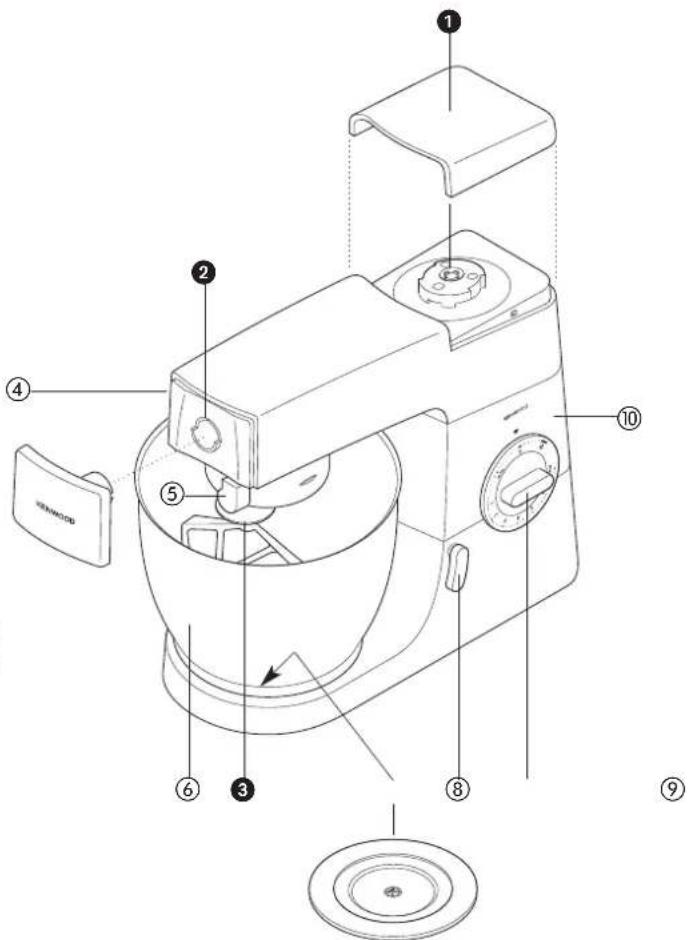
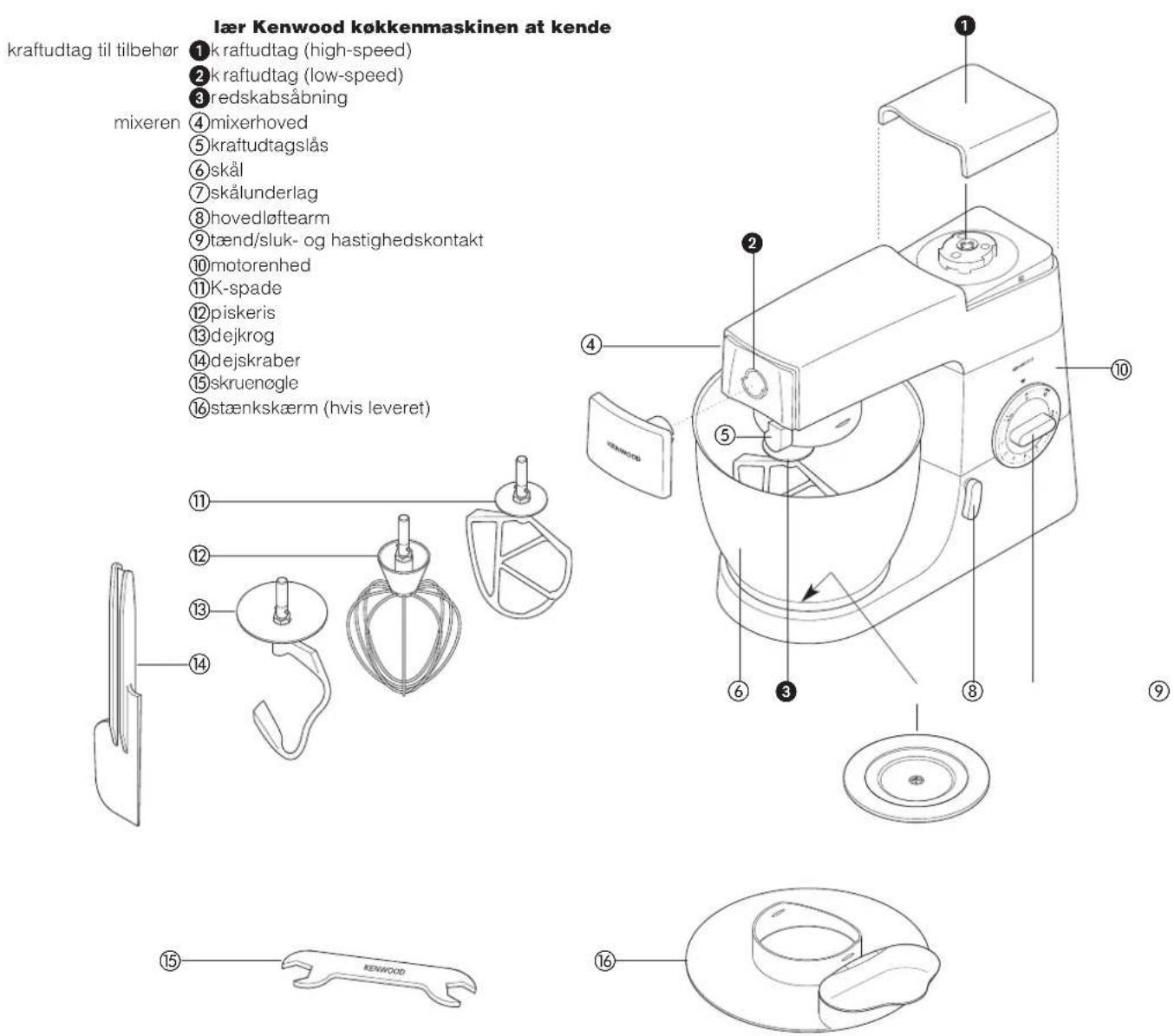
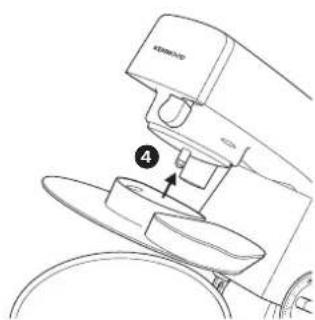
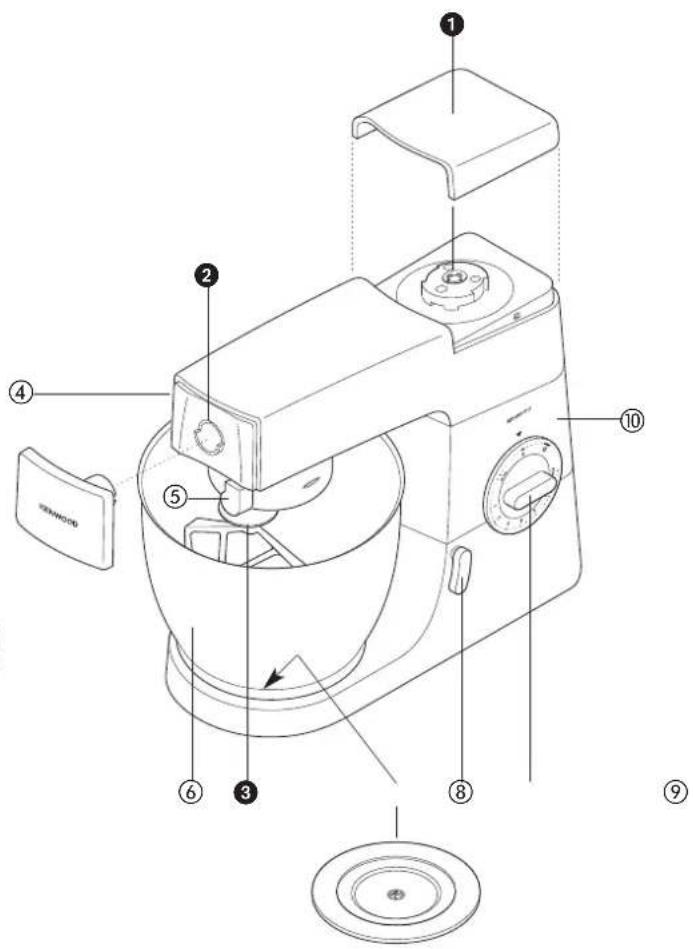
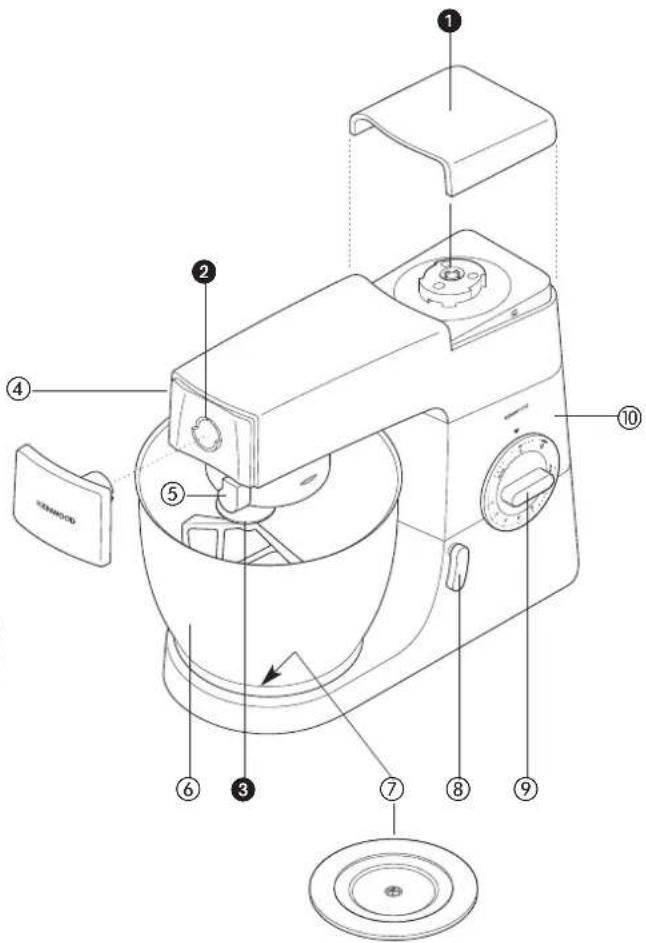
attachment outlets 1 high-speed outlet
② slow-speed outlet
3 tool socket
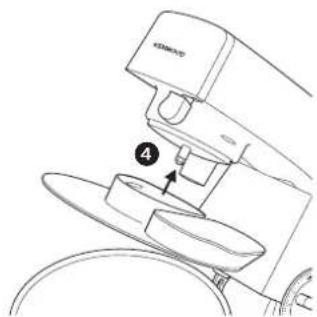
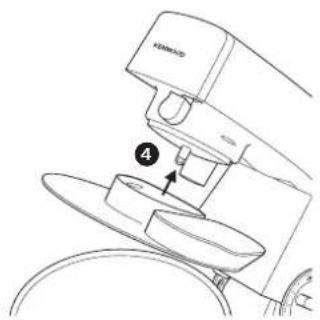
the mixer ④mixer head
⑤outlet catch
⑥bowl
⑦bowl seating pad
⑧head-lift lever
⑨on/off and speed switch
⑩power unit
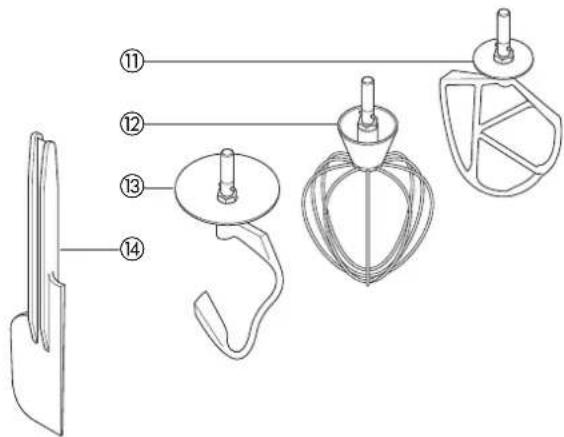
⑪K-beater
⑫whisk
⑬dough hook
⑭spatula
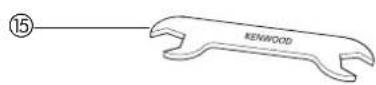
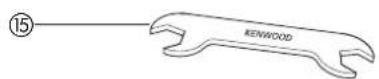
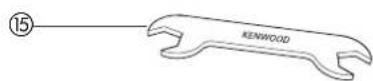
⑮spanner
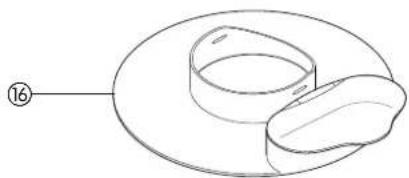
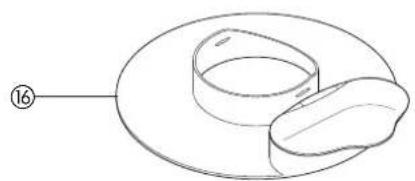
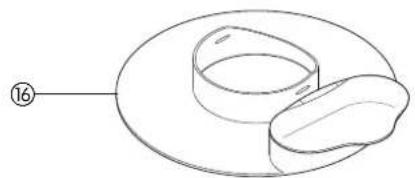
⑯ splashguard (if supplied)
natural_image
Simple line drawing of a ring and lid on a circular base, with no text or symbols present.the mixer
the mixing tools and some of their uses
K-beater • For making cakes, biscuits, pastry, icing, fillings, éclairs and mashed potato.
whisk • For eggs, cream, batters, fatless sponges, meringues, cheesecakes, mousses, soufflés. Don't use the whisk for heavy mixtures (eg creaming fat and sugar) - you could damage it.
dough hook • For yeast mixtures.
to use your mixer
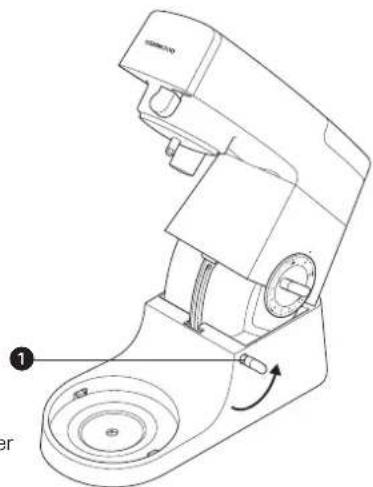
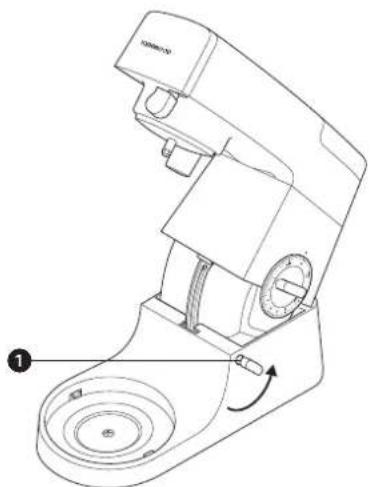
1 Turn the head-lift lever clockwise ① and raise the mixer head till it locks. Ensure the bowl seating pad is correctly fitted with the symbol uppermost.
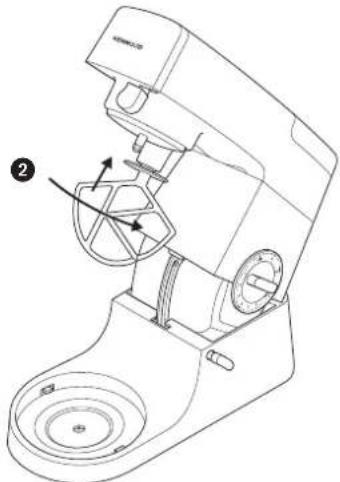
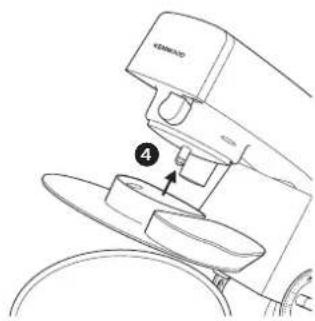
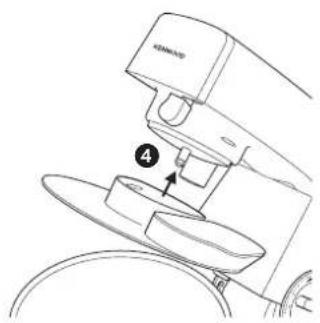
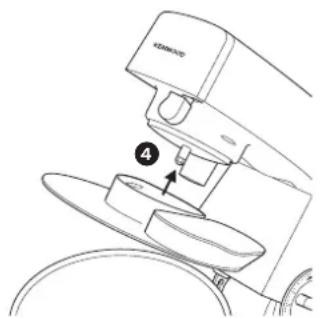
to insert a tool 2 Push up till it stops ②t hen turn.
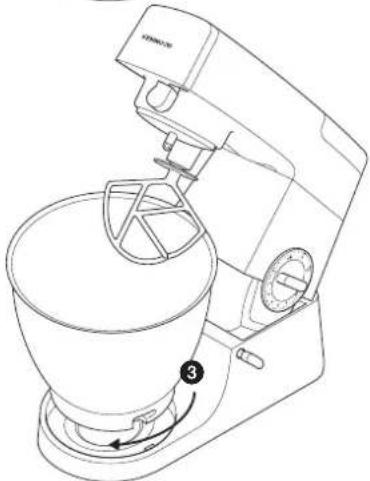
3 Fit the bowl onto the base - press down and turn clockwise ③
4 Lift the mixer head slightly then turn the head-lift lever anti-clockwise and lower the mixer head till it locks.
5 S witch on by turning the speed switch to the desired setting.
- Switch to pulse (P) short bursts.
6 Switch off and unplug after use.
to remove a tool 7 Turn and remove.
hints • Switch off and scrape the bowl with the spatula frequently.
• Eggs at room temperature are best for whisking.
- Before whisking egg whites, make sure there's no grease or egg yolk on the whisk or bowl.
- Use cold ingredients for pastry unless your recipe says otherwise.
points for bread making
important • Never exceed the maximum capacities below - you'll overload the machine.
- If you hear the machine labouring, switch off, remove half the dough and do each half separately.
• The ingredients mix best if you put the liquid in first.
maximum capacities
CHEF MAJOR
shortcrust pastry • Flour weight: 680g - 1lb 8oz Flour weight: 910g - 2lb
stiff yeast dough • Flour weight: 1.36kg - 3lb Flour weight: 1.5kg - 3lb 5oz
• Total weight: 2.18kg - 4lb 13oz Total weight: 2.4kg - 5lb 5oz
soft yeast dough • Flour weight: 1.3kg - 2lb 14oz Flour weight: 2.6kg - 5lb 12oz
• Total weight: 2.5kg - 5lb 8oz Total weight: 5kg - 11lb
fruit cake mix • Total weight: 2.72kg - 6lb Total weight: 4.55kg - 10lb
egg whites • 12 16
speed switch 4
K-beater • creaming fat and sugar start on min, gradually increasing to 'max'.
- beating eggs into creamed mixtures 4 - 'max'.
- folding in flour, fruit etc Min - 1
- all in one cakes start on min speed, gradually increase to max.
• rubbing fat into flour min - 2.
whisk • Gradually increase to 'max'.
dough hook • Start on 'min', gradually increasing to 1.
important
Ensure that no bowl tool is fitted or stored in the bowl when using other outlets.
natural_image
Technical line drawing of a kitchen grater with labeled component (no text or symbols)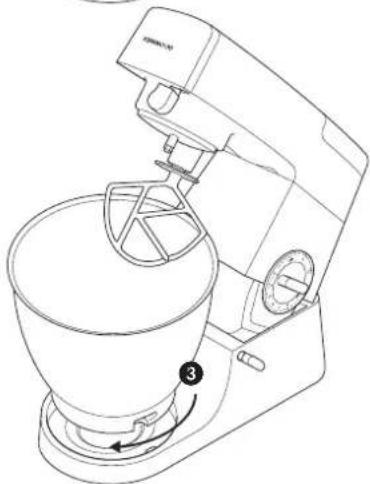
natural_image
Line drawing of a kitchen mixer with control panel and fan (no text or symbols)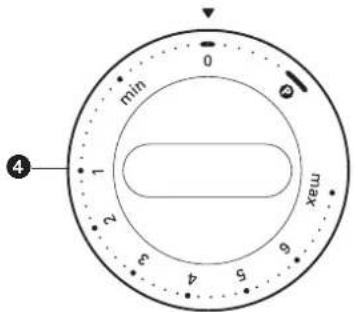
troubleshooting
problem
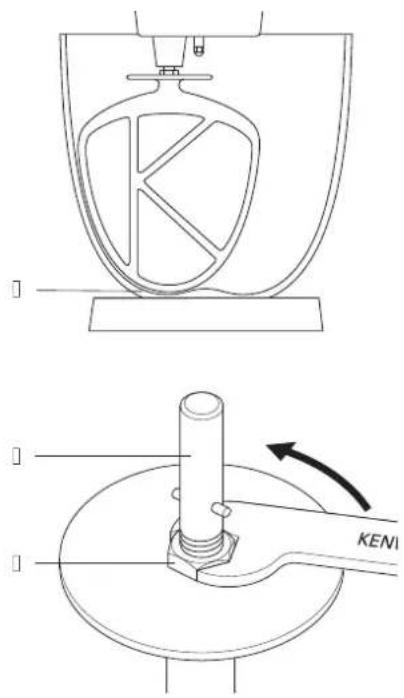
- The whisk or K-beater knocks against the bottom of the bowl or isn't reaching the ingredients in the bottom of the bowl.
solution • Adjust the height using the spanner provided. Here's how:
1 Unplug the appliance.
2 Raise the mixer head and insert the whisk or beater.
3 Lower the mixer head. If the clearance needs to be adjusted, raise the mixer head and remove the tool. Ideally the whisk and K-beater should be almost touching the bottom of the bowl.
4 Using the spanner provided loosen the nut □ sufficiently to allow adjustment of the shaft □. To lower the tool closer to the bottom of the bowl, turn the shaft anti-clockwise. To raise the tool away from the bottom of the bowl turn the shaft clockwise.
5 Re-tighten the nut.
6 Fit the tool to the mixer and lower the mixer head. (Check its position see points above).
7 R repeat the above steps as necessary until the tool is set correctly. Once this is achieved tighten the nut securely.
dough hook - this tool is set at the factory and should require no adjustment.
problem
• The mixer stops during operation.
solution • Your mixer is fitted with an overload protection device and will stop if overloaded to protect the machine. If this happens, switch off and unplug the mixer. Remove some of the ingredients to reduce the load, and allow the mixer to stand for a few minutes. Plug in and reselect the speed. If the mixer does not restart immediately allow to stand for additional time.
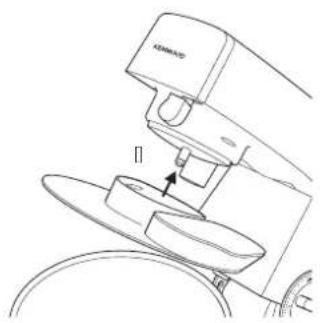
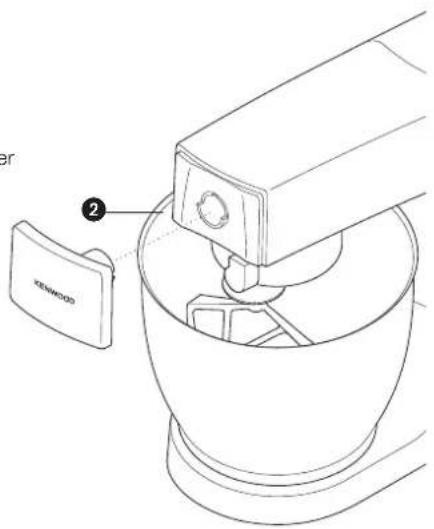
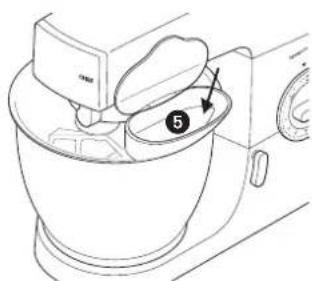
to fit and use your splashguard (if supplied)
1 Raise the mixer head until it locks.
2 Fit the bowl onto the base.
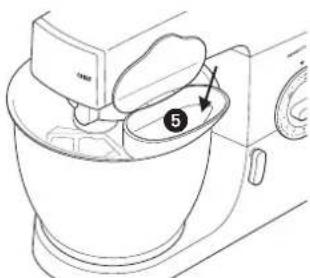
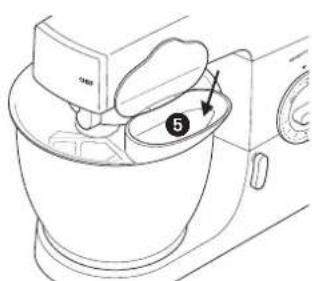
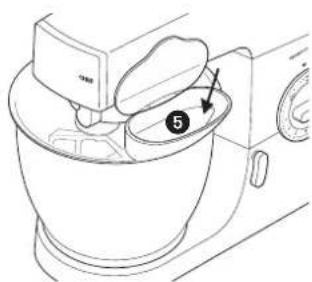
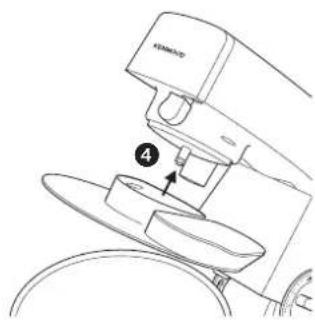
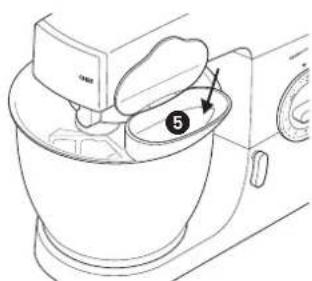
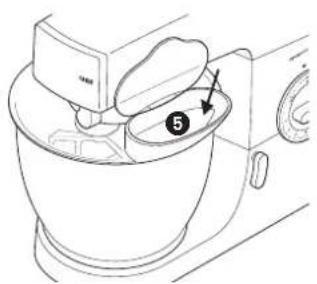
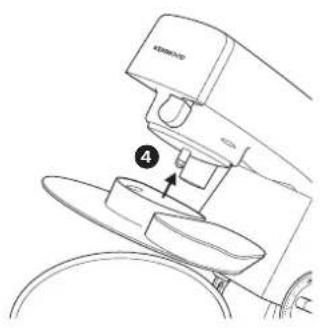
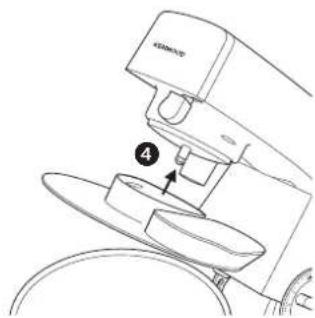
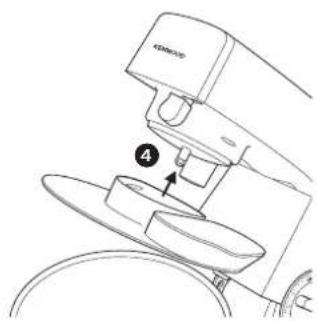
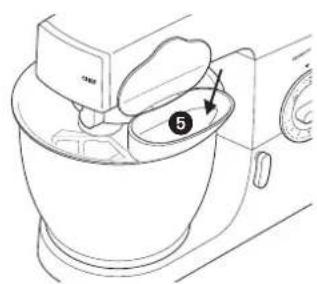
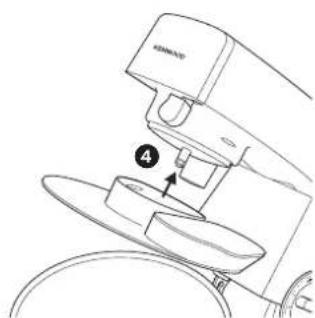
3 Push the splashguard onto the underside of the mixer head □ until fully located. The hinged section should be positioned as shown.
4 Insert required tool.
5 Lower the mixer head.
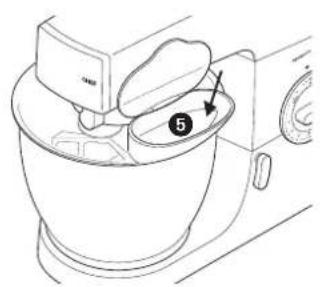
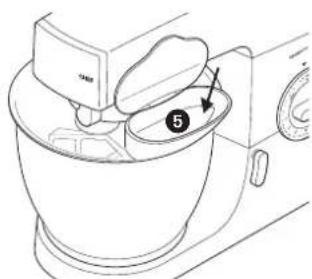
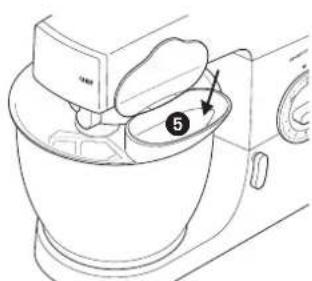
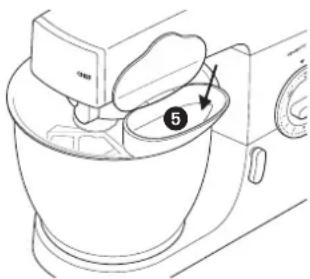
- During mixing, ingredients can be added directly to the bowl via the hinged section of the splashguard.
- You do not need to remove the splashguard to change tools.
6 Remove the splashguard by raising the mixer head and sliding it down.
natural_image
Technical line drawing of a sewing machine component (no text or symbols visible)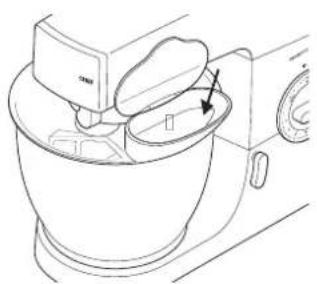
natural_image
Line drawing of a kitchen mixer with a hand operating the lid (no text or symbols)the attachments available
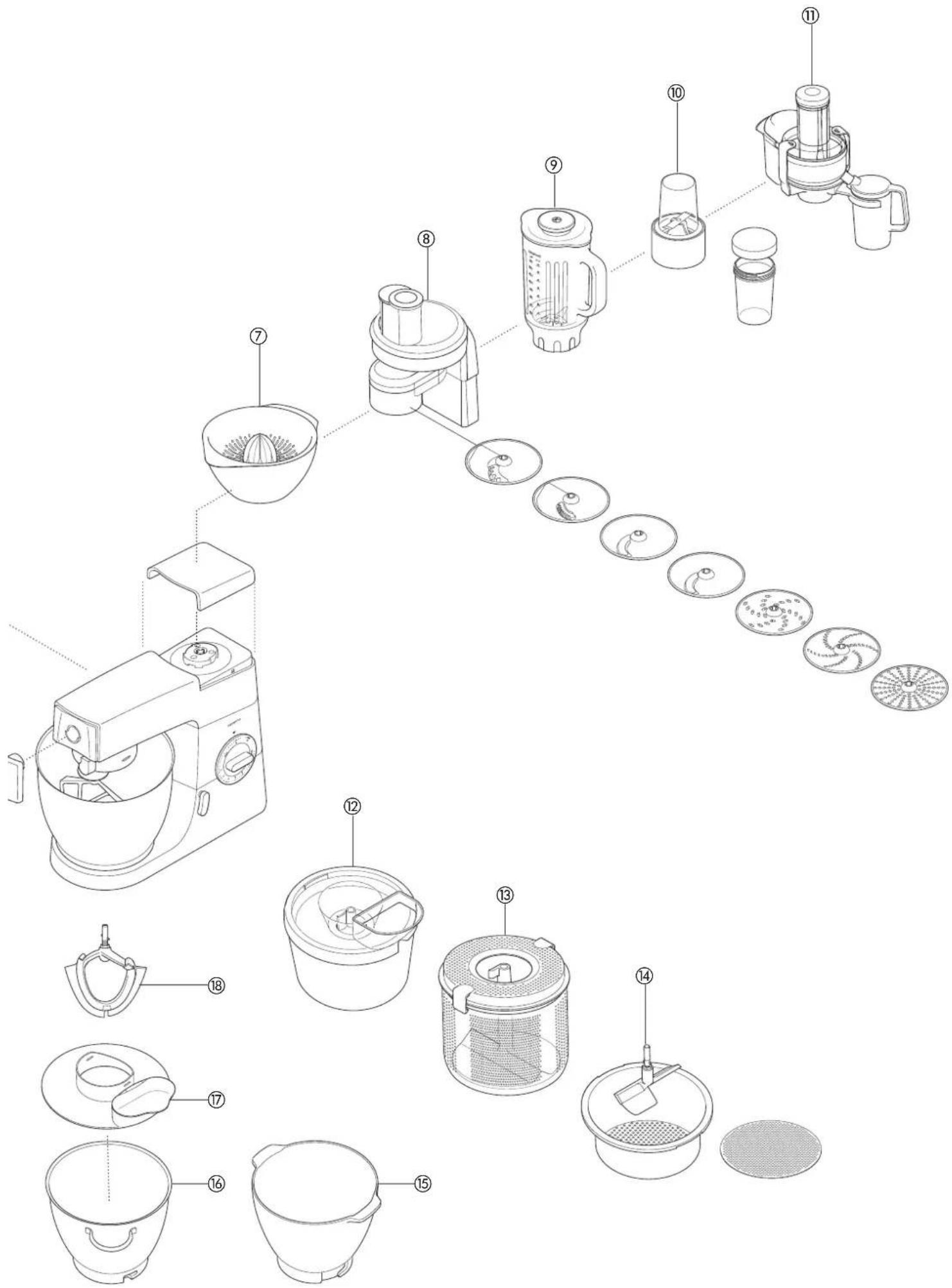
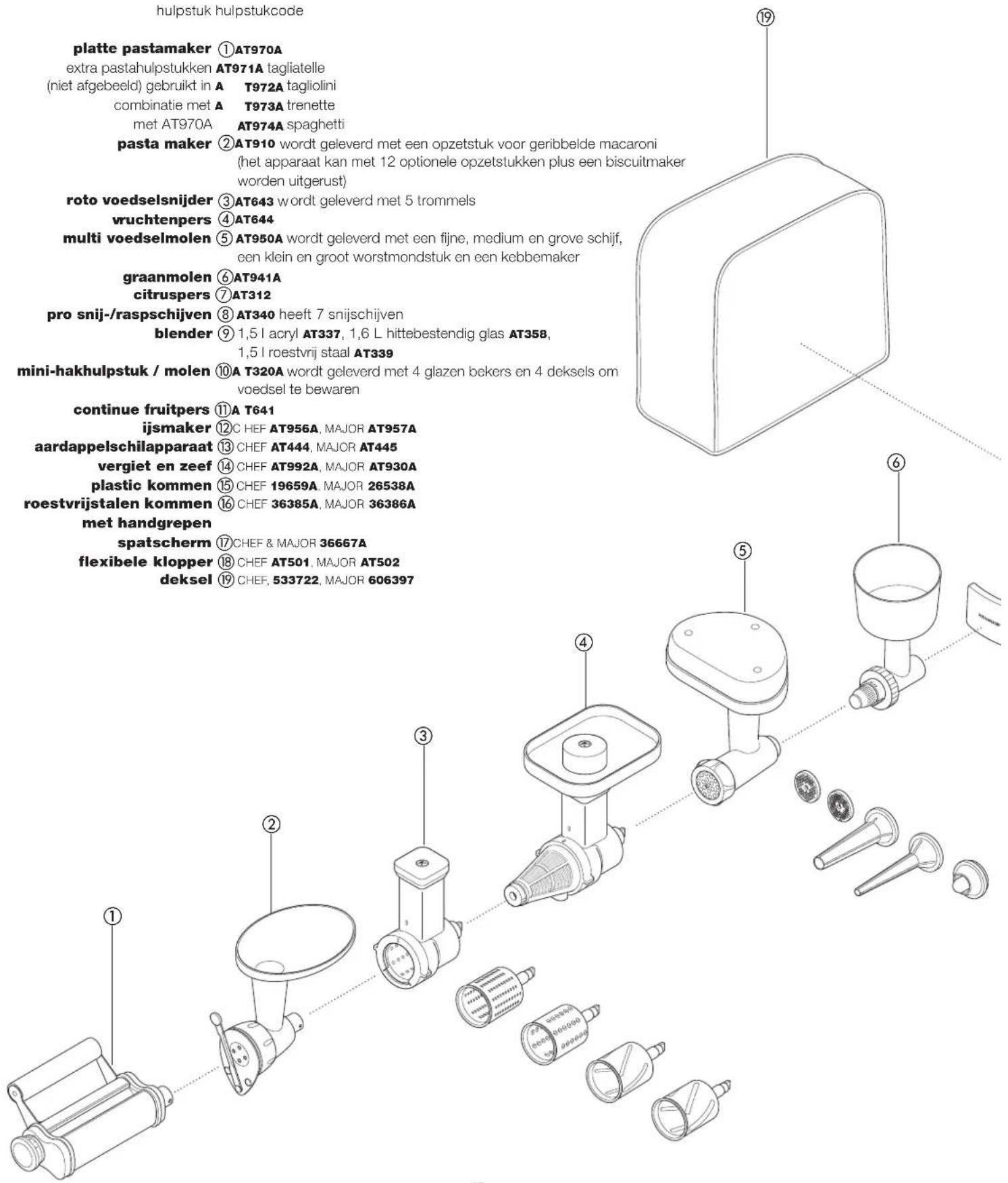
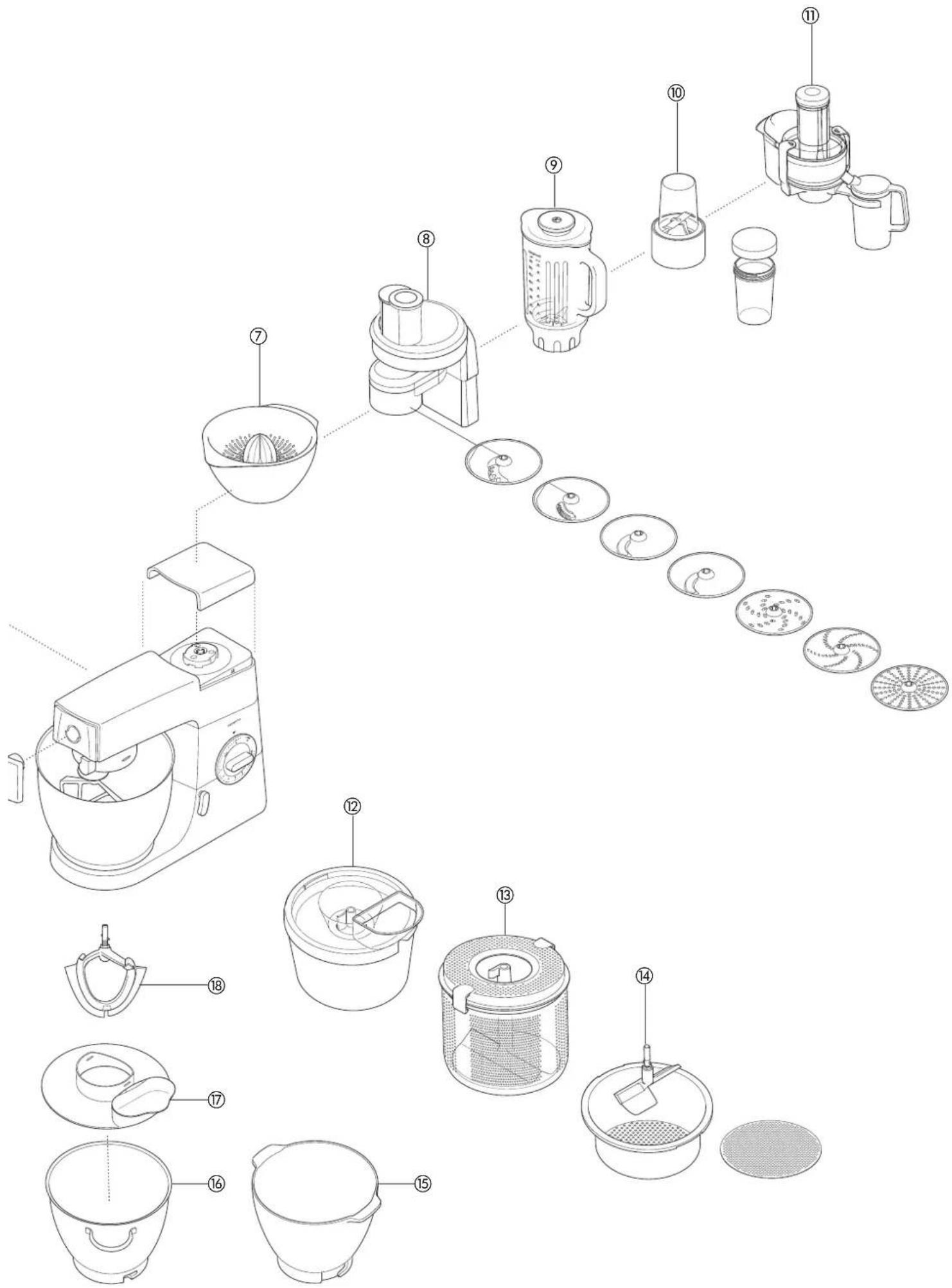
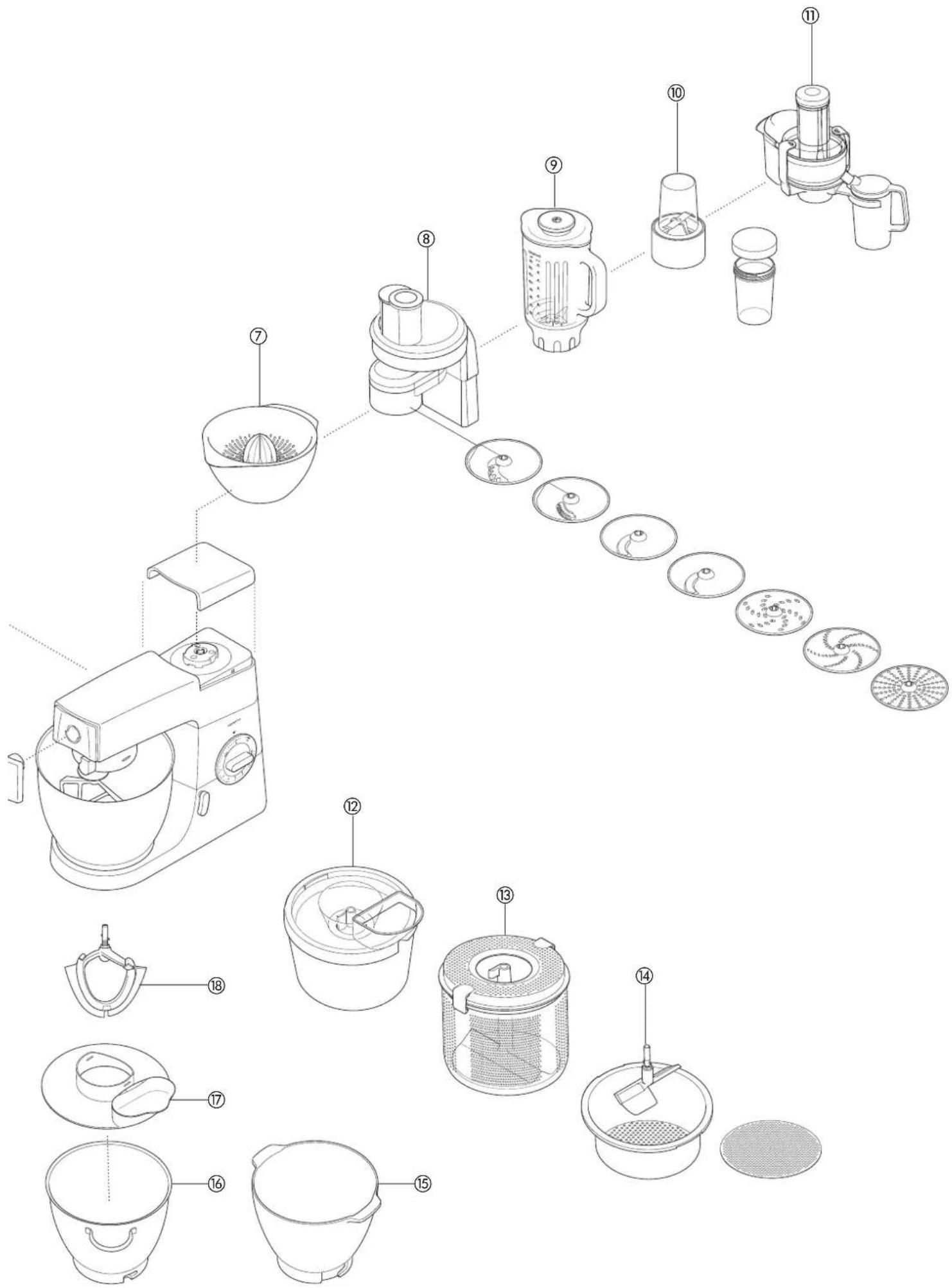
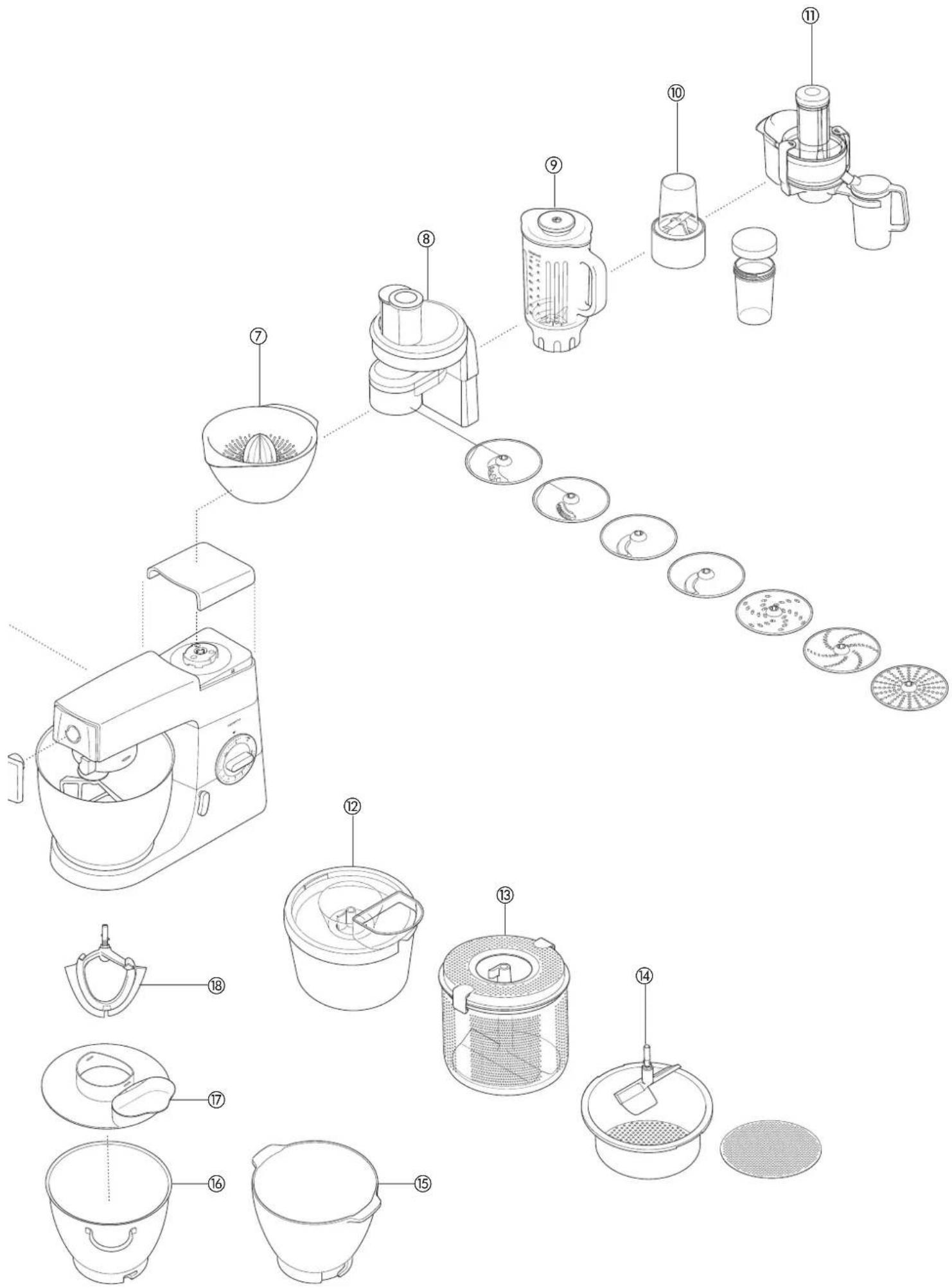
To buy an attachment not included in your pack, see service and customer care.
attachment attachment code
flat pasta maker ①A T970A
additional pasta attachments
AT971A tagliatelle
(not shown) used in conjunction
AT972A tagliolini
with AT970A AT973A trenette
AT974A spaghetti
pasta maker ②AT910 comes with maccheroni rigati die
(12 optional dies plus biscuit maker can be fitted)
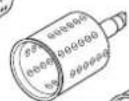
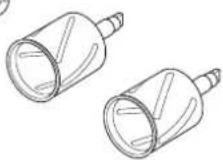
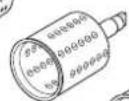
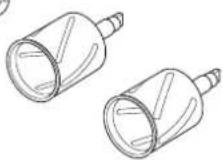
roto food cutter ③ AT643 comes with 5 drums
fruit press ④A T644
multi food grinder ⑤A T950A comes with a fine, medium and coarse screen, a small and large sausage nozzle and a kebbe maker
grain mill ⑥A T941A
citrus press ⑦A T312
pro slicer/grater ⑧A T340 includes 7 cutting plates
blender ⑨ 1.5 | acrylic AT337, 1.6 | thermo resist glass AT358,
1.5 | stainless steel AT339
mini chopper/mill ⑩ AT320A comes with 4 glass jars and 4 lids for storage
continuous juicer ⑪AT641
ice-cream maker ⑫ CHEF AT956A, MAJOR AT957A
potato peeler ⑬ CHEF AT444, MAJOR AT445
colander and sieve ⑭ CHEF AT992A, MAJOR AT930A
plastic bowls ⑮ CHEF 19659A, MAJOR 26538A
stainless steel bowls ⑯ CHEF 36385A, MAJOR 36386A
with handles
splashguard ⑰CHEF & MAJOR 36667A
flexible beater ⑱ CHEF AT501, MAJOR AT502
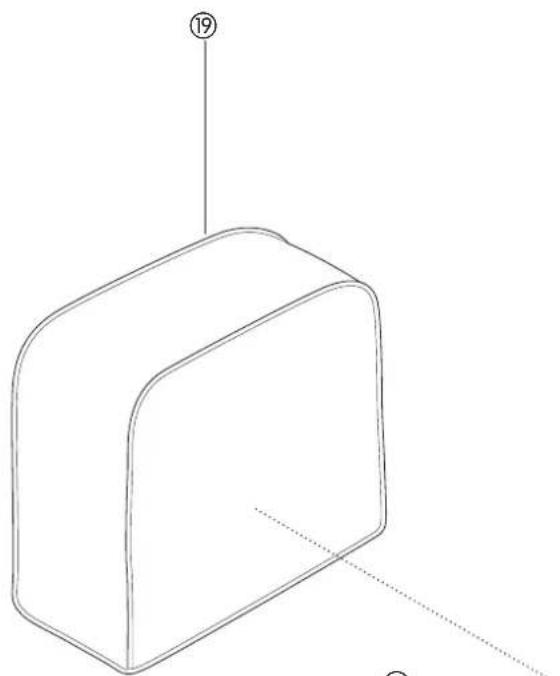
cover ⑲ CHEF, 533722, MAJOR 606397
flexible beater ⑱ CHEF AT501, MAJOR AT502
natural_image
Simple line drawing of a 3D rectangular block with an upward arrow and dotted line, no text or symbols present.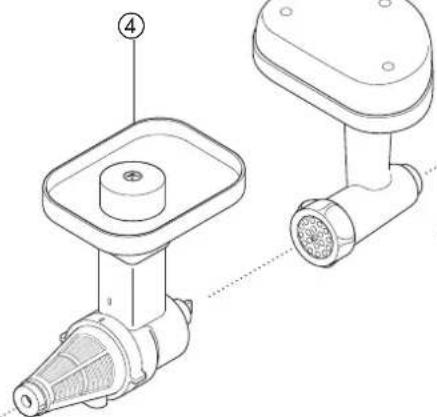
natural_image
Technical line drawing of a mechanical component with labeled parts (no text or symbols present)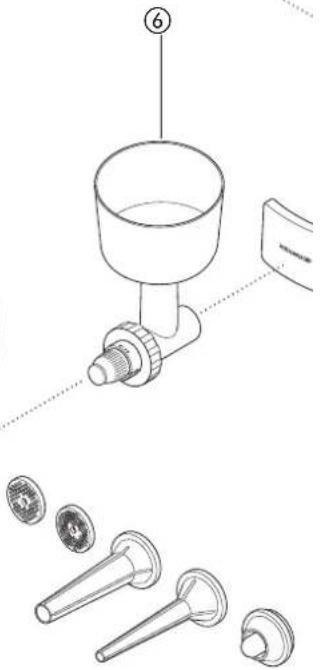
natural_image
Technical line drawing of a mechanical component with exploded view (no text or symbols)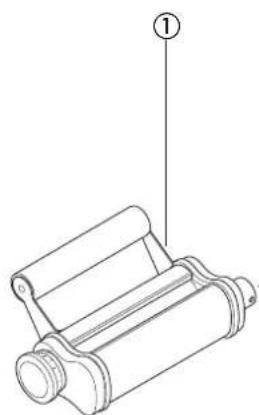
natural_image
Technical line drawing of a mechanical roller or spring component with no visible text or symbols
natural_image
Technical line drawing of a mechanical component with labeled parts (no text or symbols present)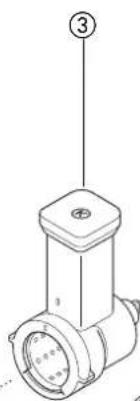
natural_image
Technical line drawing of a mechanical component with no visible text or symbols
cleaning and service
care and cleaning
• Always switch off and unplug before cleaning.
- A little grease may appear at outlet ② when you first use it. This is normal - just wipe it off.
power unit, outlet covers
- Wipe with a damp cloth, then dry.
- Never use abrasives or immerse in water.
- Wash by hand, then dry thoroughly or wash in the dishwasher. Always ensure that plastic bowls are loosely packed in the dishwasher to prevent distortion.
- If you have a stainless steel bowl never use a wire brush, steel wool or bleach to clean it. Use vinegar to remove limescale.
- Keep away from heat (cooker tops, ovens, microwaves).
- Wash by hand, then dry thoroughly or wash in the dishwasher.
- Wash by hand, then dry thoroughly.
bowls
tools splashguard
service and customer care
- If the cord is damaged it must, for safety reasons, be replaced by KENWOOD or an authorised KENWOOD repairer.
If you need help with:
• using your machine
• servicing or repairs (in or out of guarantee)
- Contact the shop where you bought your machine.
- Designed and engineered by Kenwood in the UK.
- Made in China.
IMPORTANT INFORMATION FOR CORRECT DISPOSAL OF THE PRODUCT IN ACCORDANCE WITH EC DIRECTIVE 2002/96/EC.
At the end of its working life, the product must not be disposed of as urban waste.
It must be taken to a special local authority differentiated waste collection centre or to a dealer providing this service.
Disposing of a household appliance separately avoids possible negative consequences for the environment and health deriving from inappropriate disposal and enables the constituent materials to be recovered to obtain significant savings in energy and resources. As a reminder of the need to dispose of household appliances separately, the product is marked with a crossed-out wheeled dustbin.
recipes
See important points for bread making on page 6.
white bread stiff yeast dough
ingredients
• 1.36kg (3lb) strong plain flour
• 15ml (3tsp) salt
- 25g (1oz) fresh yeast; or 15g/20ml (½oz) dried yeast + 5ml (1tsp) sugar
- 750ml (1½pts) warm water: 43°C (110°F). Use a thermometer or add 250ml (9fl oz) boiling water to 500ml (18fl oz) cold water
• 25g (1oz) lard
method
1 dried yeast (the type that needs reconstituting): pour the warm water into the bowl. Then add the yeast and the sugar and leave to stand for about 10 minutes until frothy.
fresh yeast: crumble into the flour.
other types of yeast: follow the manufacturer's instructions.
2 Pour the liquid into the bowl. Then add the flour (with fresh yeast if used), salt and lard.
3 Knead at minimum speed for 45 - 60 seconds. Then increase to speed 1, adding more flour if necessary, until a dough has formed.
4 Knead for 3 - 4 more minutes at speed 1 until the dough is smooth, elastic and leaves the sides of the bowl clean.
5 Put the dough into a greased polythene bag or a bowl covered with a tea towel. Then leave somewhere warm until doubled in size.
6 Re-knead for 2 minutes at speed 1.
7 Half fill four 450g (1lb) greased tins with the dough, or shape it into rolls. Then cover with a tea towel and leave somewhere warm until doubled in size.
8 Bake at 230°C/450°F/Gas Mark 8 for 30 - 35 minutes for loaves or 10 - 15 minutes for rolls.
- When ready, the bread should sound hollow when tapped on the base.
white bread soft yeast dough
ingredients
• 2.6kg (5lb 12oz) ordinary plain flour
This quantity is for KM630/KM6503 litre (2½pts) milk
series. For KM330/KM350 series, 300g (10oz) sugar
halve the quantities and add all the 0g (1lb) margarine
flour in one go 100g (4oz) fresh yeast or 50g (2oz) dried yeast
- 6 eggs, beaten
- 5 pinches salt
method 1 Melt the margarine in the milk and bring to 43°C (110°F).
2 dried yeast (the type that needs reconstituting): add the yeast and sugar to the milk and leave to stand for about 10 minutes until frothy.
fresh yeast: crumble into the flour and add the sugar.
other types of yeast: follow the manufacturer's instructions.
3 Pour the milk into the bowl. Add the beaten eggs and 2kg (4lb 6oz) flour.
4 Mix at minimum speed for 1 minute, then at speed 1 for a further minute. Scrape down.
5 Add the remaining flour and mix at minimum speed for 1 minute, then at speed 1 for 2 - 3 minutes until smooth and evenly mixed.
6 Half fill some 450g (1lb) greased tins with the dough, or shape it into rolls. Then cover with a tea towel and leave somewhere warm until doubled in size.
7 Bake at 200°C/400°F/Gas Mark 6 for 20 - 25 minutes for loaves or 15 minutes for rolls.
8 When ready, the bread should sound hollow when tapped on the base.
- Makes about 10 loaves.
recipes continued
strawberry and apricot gâteau
ingredients: sponge
- 3 eggs
- 75g (3oz) caster sugar
- 75g (3oz) plain flour
• 150ml (74pt) double cream - Sugar to taste
• 225g (8oz) strawberries
• 225g (8oz) apricots
filling and decoration
method 1 Halve the apricots and remove the stones. Cook gently in very little water, adding sugar to taste, until soft.
2 Wash and halve the strawberries.
3 To make the sponge, whisk the eggs and sugar at maximum speed until very pale and thick.
4 Remove the bowl and the whisk. Fold in the flour by hand using a large metal spoon - do this carefully to keep the sponge light.
5 Put the mixture into two 18cm (7") greased and lined sandwich tins.
6 Bake at 180°C/350°F/Gas Mark 4 for about 20 minutes until the cake springs back when lightly touched.
7 Turn out onto a wire rack.
8 Whisk the cream at maximum speed until stiff. Add sugar to taste.
9 Roughly chop the apricots and a third of the strawberries. Fold them into half the cream.
10 Spread this over one of the sponges, then put the other sponge on top.
11 Spread the remaining cream on top and decorate with the remaining strawberries.
meringues
ingredients
- 4 egg whites
• 250g (9oz) icing sugar, sieved
method 1 Line your baking tray with non-stick baking parchment.
2 Whisk the egg whites and sugar at maximum speed for about 10 minutes until it stands in peaks.
3 Spoon the mixture onto the baking tray (or use a piping bag with a 2.5cm (1") star nozzle).
4 Bake at 110°C/225°F/Gas Mark ¼ for about 4 - 5 hours until firm and crisp. If they start to brown, leave the oven door slightly ajar.
- Store meringues in an airtight tin.
shortcrust pastry
ingredients
• 450g (1lb) flour, sieved with the salt
- 5ml (1tsp) salt
- 225g (8oz) fat (mix lard and margarine straight from the fridge)
- About 80ml (4tbsp) water
hint • Don't overmix
method 1 Put the flour into the bowl. Chop the fat up roughly and add to the flour.
2 Mix at speed 1 until it resembles breadcrumbs. Stop before it looks greasy.
3 Add the water and mix at minimum speed. Stop as soon as the water is incorporated.
4 Cook at around 200°C/400°F/Gas Mark 6, depending on the filling.
carrot and coriander soup
ingredients
- 25g (1oz) butter
- 1 onion chopped
• 1 clove garlic crushed - 480g (1lb 1oz) carrot cut into 1.5cm cubes for a 1.2 l goblet
- 600g (1lb 6oz) carrot cut into 1.5cm cubes for a 1.5 l goblet
- cold chicken stock
• 10-15ml (2-3tsp) ground coriander - salt and pepper
method 1 Melt the butter in a pan, add the onion and garlic and fry until soft.
2 Place the carrot into the liquidiser, add the onion and garlic. Add sufficient stock to reach the maximum 1.2 level or 1.5 level marked on the goblet. Fit the lid and filler cap.
3 Blend on maximum speed for 5 seconds for a coarse soup or longer for a finer result.
4 Transfer the mixture to a saucepan, add the coriander and seasoning and simmer the soup for 30 to 35 minutes or until cooked.
5 Adjust the seasoning as necessary and add extra liquid if required.
Français
natural_image
Technical line drawing of a mechanical device with no visible text or symbols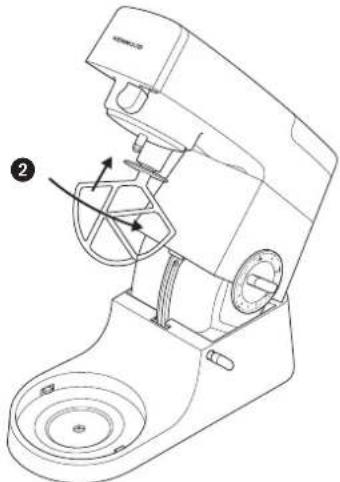
natural_image
Technical line drawing of a mechanical device with no visible text or symbols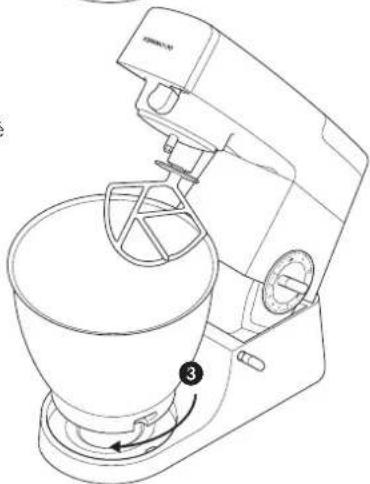
natural_image
Line drawing of a kitchen mixer with control panel and fan (no text or symbols)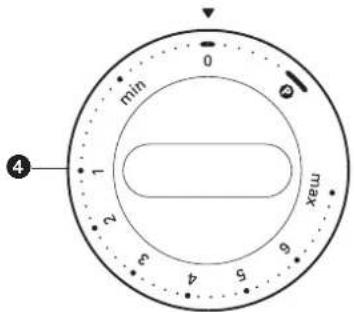
natural_image
Technical line drawing of a mechanical device with no visible text or symbols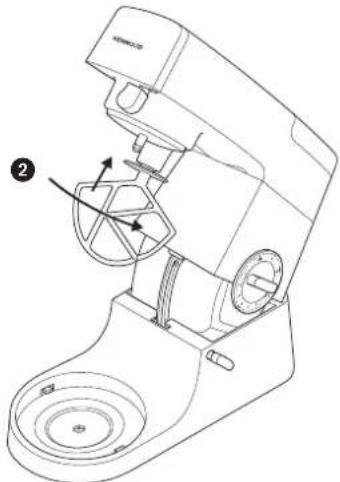
natural_image
Technical line drawing of a mechanical device with no visible text or symbols
natural_image
Line drawing of a kitchen mixer with control panel and fan (no text or symbols)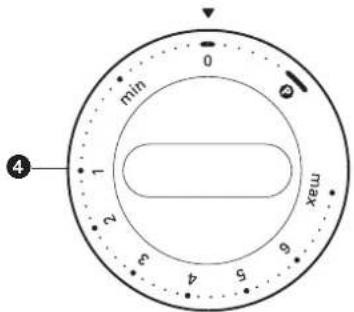
Fehlersuche
Problem
Rezepte
natural_image
Technical line drawing of a mechanical device with no visible text or symbols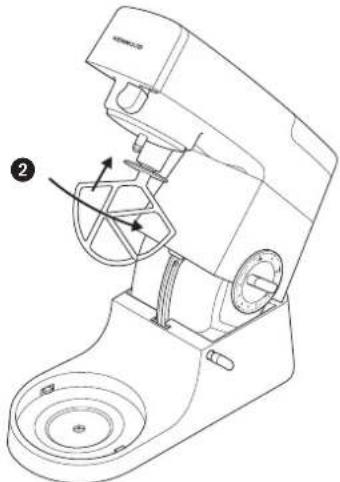
natural_image
Technical line drawing of a mechanical device with labeled parts (no text or symbols present)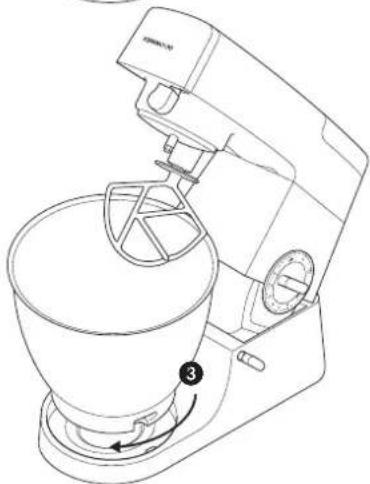
natural_image
Line drawing of a kitchen mixer with control panel and fan (no text or symbols)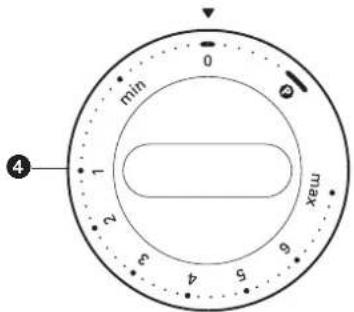
deeghaak • Voor gistmengsels.
natural_image
Technical line drawing of a mechanical device with no visible text or symbols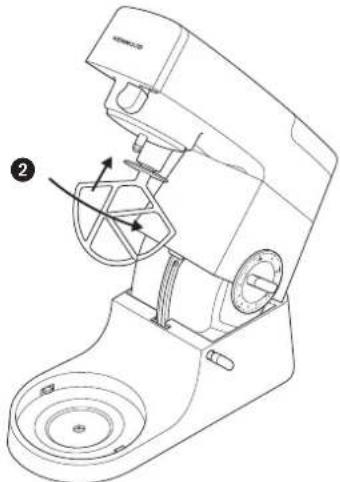
natural_image
Technical line drawing of a mechanical device with no visible text or symbols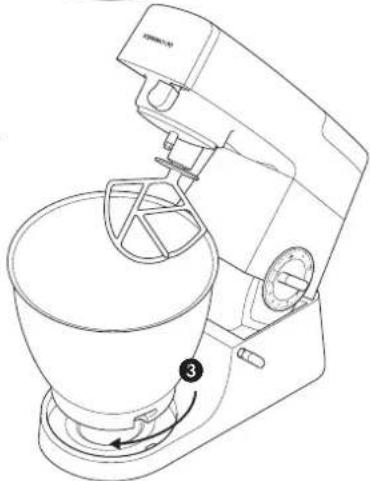
natural_image
Line drawing of a kitchen mixer with control panel and fan (no text or symbols)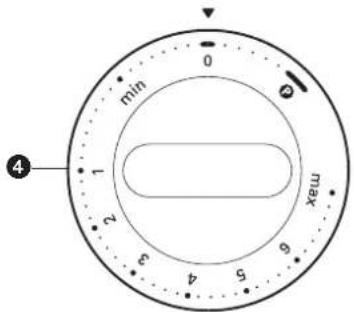
continue fruitpers ⑪A T641
ijsmaker ⑫C HEF AT956A, MAJOR AT957A
aardappelschilapparaat ⑬ CHEF AT444, MAJOR AT445
vergiet en zeef ⑭ CHEF AT992A, MAJOR AT930A
plastic kommen ⑮ CHEF 19659A. MAJOR 26538A
roestvrijstalen kommen ⑯ CHEF 36385A, MAJOR 36386A
met handgrepen
spatscherm ⑰CHEF & MAJOR 36667A
flexibele klopper ⑱ CHEF AT501, MAJOR AT502
deksel ⑲ CHEF, 533722, MAJOR 606397
reiniging en service
- Ongeveer 80ml water
- Peso total: 2,5kg Peso total: 5kg
- Peso total: 2,72kg Peso total: 4,55kg
• 12 16
velocidades 4
batidor K
natural_image
Technical line drawing of a mechanical device with no visible text or symbols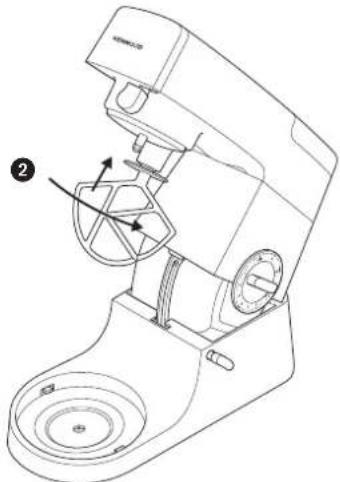
natural_image
Technical line drawing of a mechanical device with labeled parts (no text or symbols present)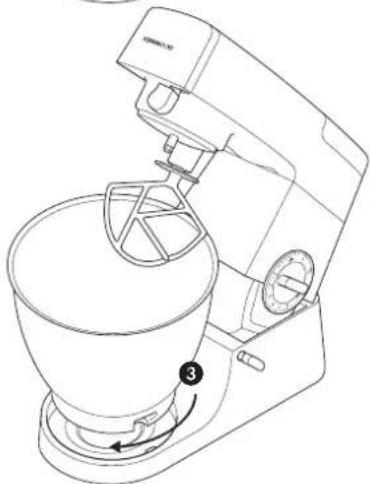
natural_image
Line drawing of a kitchen mixer with control panel and fan (no text or symbols)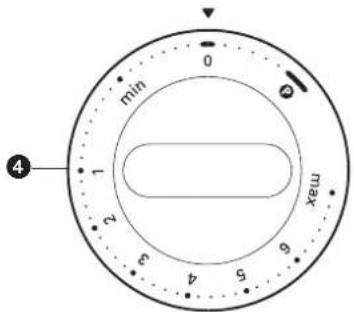
natural_image
Simple line drawing of a 3D rectangular block with an upward arrow and dotted line, no text or symbols present.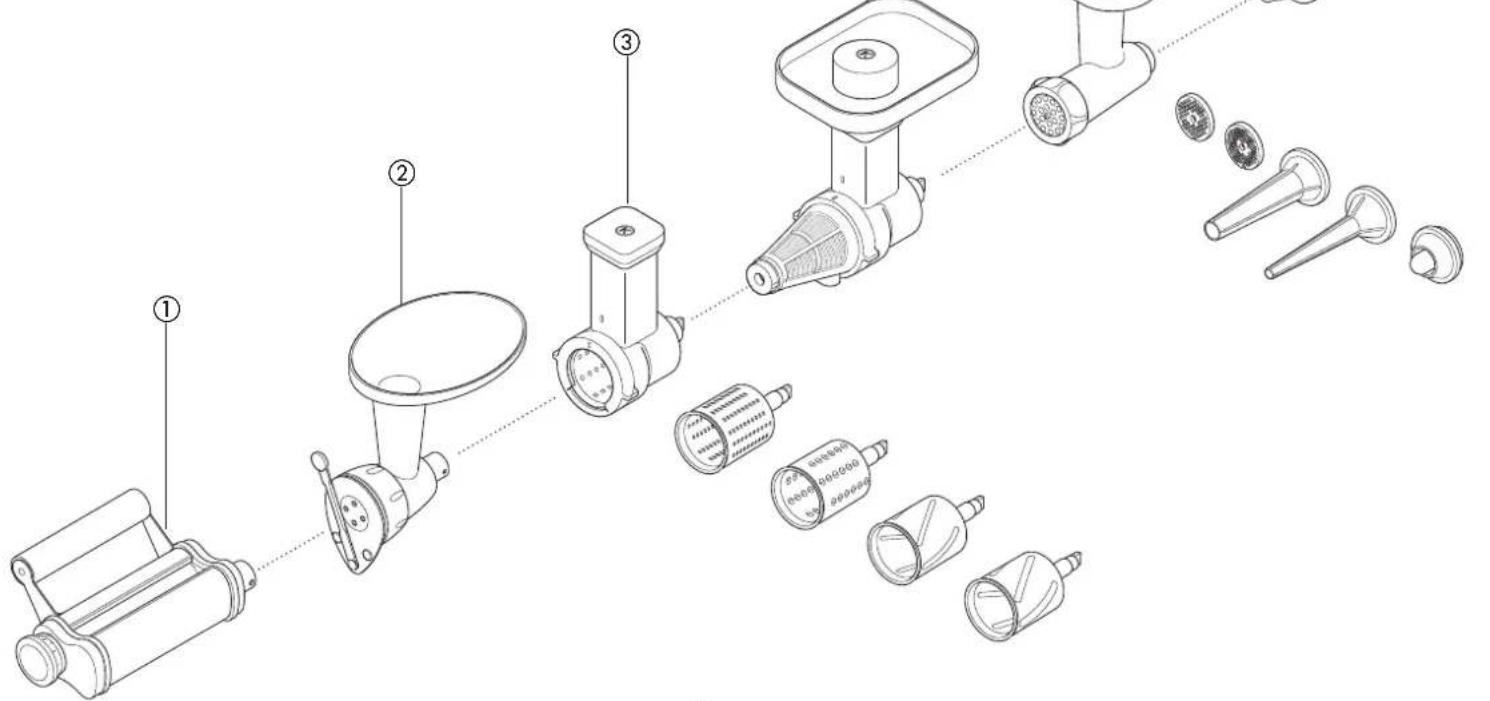
natural_image
Technical line drawing of a mechanical device with no visible text or symbols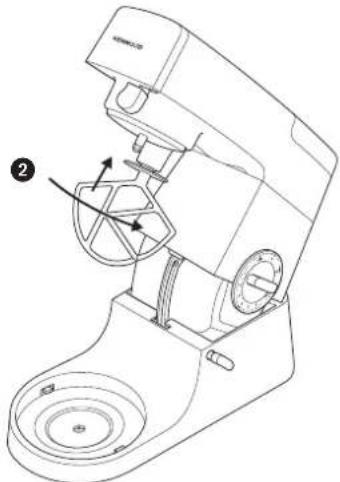
natural_image
Technical line drawing of a mechanical device with labeled parts (no text or symbols present)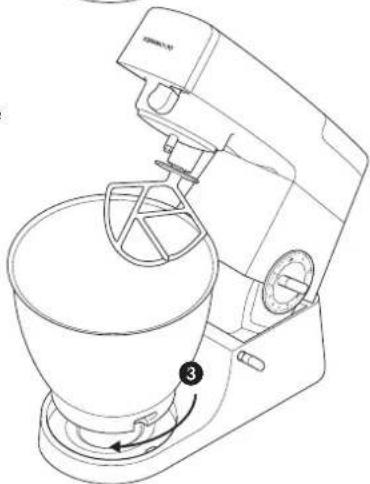
natural_image
Line drawing of a kitchen mixer with control panel and fan (no text or symbols)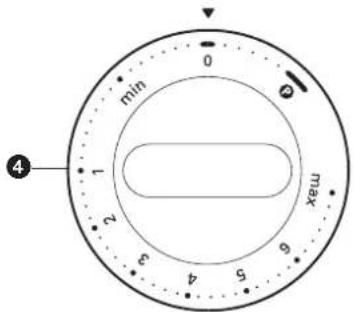
natural_image
Simple line drawing of a 3D rectangular block with an upward arrow and dotted line, no text or symbols present.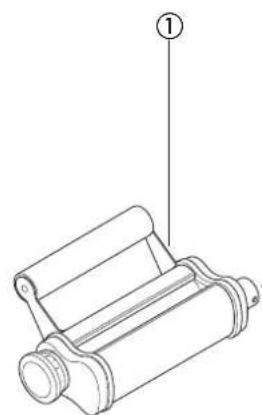
natural_image
Technical line drawing of a mechanical component with no visible text or symbols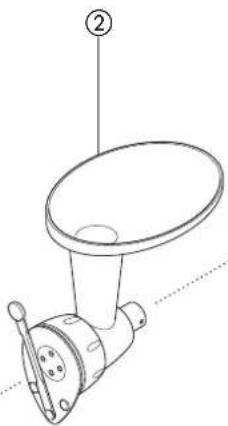
natural_image
Technical line drawing of a mechanical device with labeled component (no text or symbols present)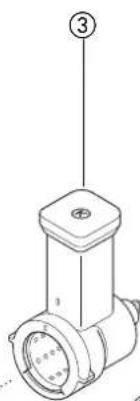
natural_image
Technical line drawing of a mechanical component with no visible text or symbols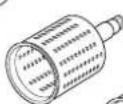
know your Kenwood kitchen machine
natural_image
Technical line drawing of a mechanical device with no visible text or symbols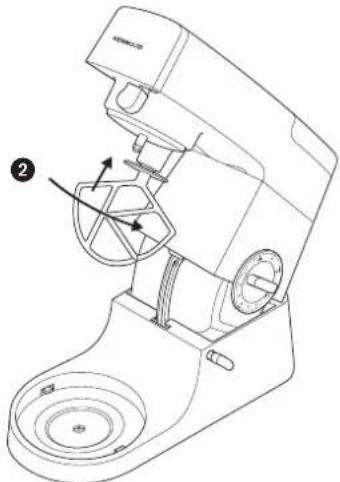
natural_image
Technical line drawing of a mechanical device with no visible text or symbols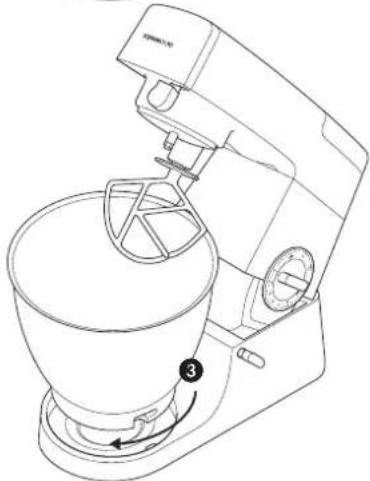
natural_image
Line drawing of a kitchen mixer with control panel and fan (no text or symbols)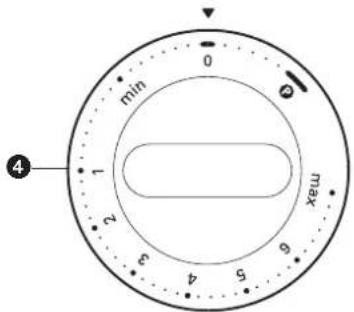
fejlfinding
problem:

opskrifter
natural_image
Technical line drawing of a mechanical device with labeled component (no text or symbols)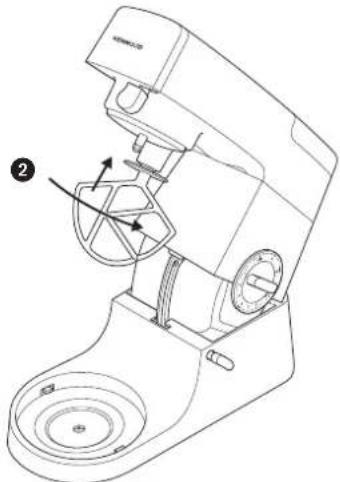
natural_image
Technical line drawing of a mechanical device with labeled parts (no text or symbols present)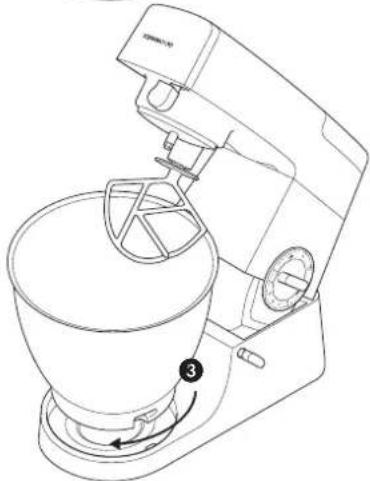
natural_image
Line drawing of a kitchen mixer with control panel and fan (no text or symbols)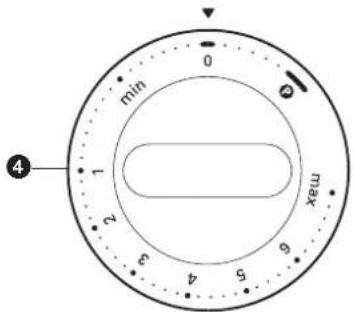
felsökning
problem
natural_image
Technical line drawing of a mechanical device with no visible text or symbols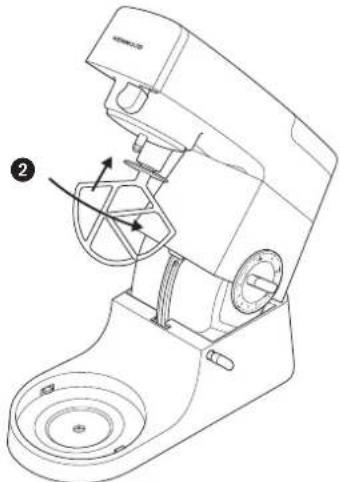
natural_image
Technical line drawing of a mechanical device with no visible text or symbols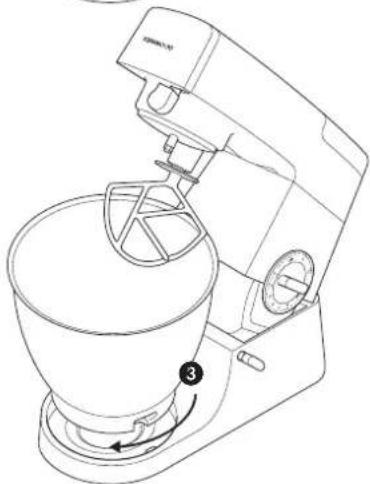
natural_image
Line drawing of a kitchen mixer with control panel and fan (no text or symbols)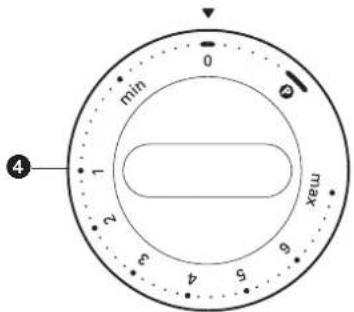
Ekstra tilbehør
Oppskrifter
Se huskeregler for brøddeig på side 96.
hveteloff myk gjærdeig
ingredienser
Denne mengden er for KM630/KM650-serien. For KM330/KM350-serien halveres mengdene og alt melet has i på én gang
• 2,6kg hvetemel
• 1,3 | melk
• 300g sukker
• 450g margarin
• 100g fersk gjær eller 50g tørrgjær
- 6 vispede egg
- 5 klyper salt
fremgangsmåte
1 S melt margarinen i melken og varm det opp til 43°C.
natural_image
Technical line drawing of a mechanical device with no visible text or symbols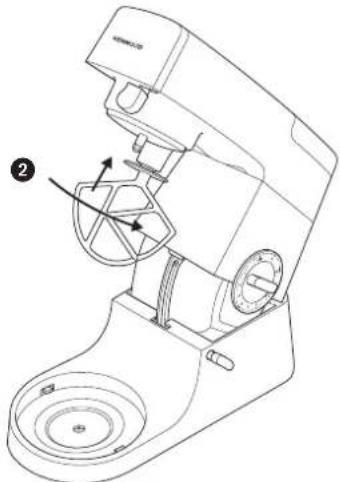
natural_image
Technical line drawing of a mechanical device with no visible text or symbols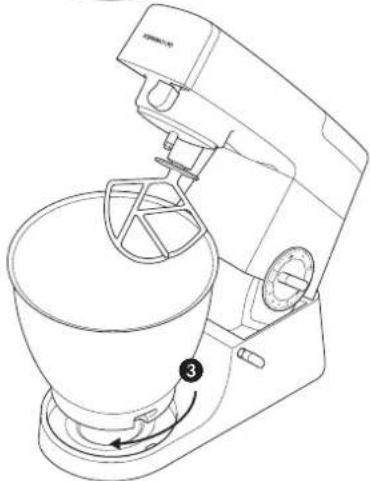
natural_image
Line drawing of a kitchen mixer with control panel and fan (no text or symbols)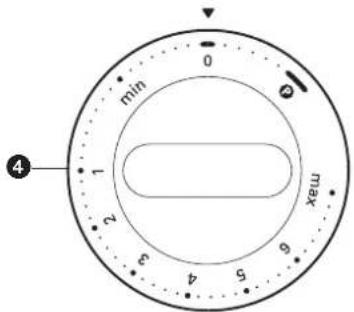
lisälaitteet
puhdistus ja huolto
puhdistus
natural_image
Technical line drawing of a mechanical device with labeled component (no text or symbols)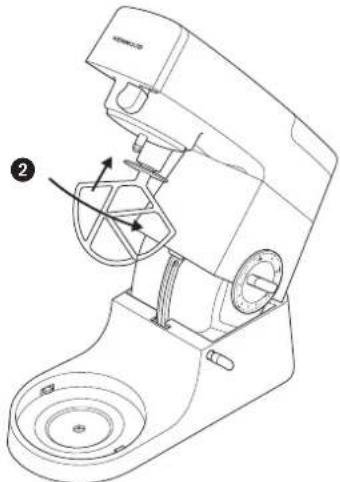
natural_image
Technical line drawing of a mechanical device with labeled parts (no text or symbols present)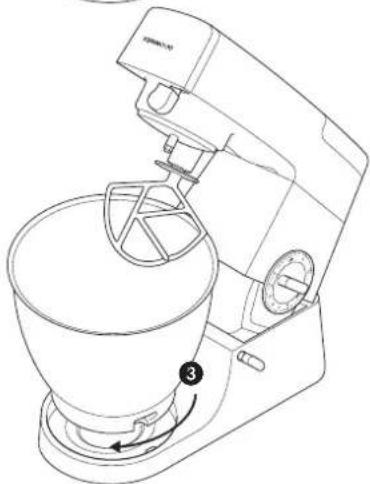
natural_image
Line drawing of a kitchen mixer with control panel and fan (no text or symbols)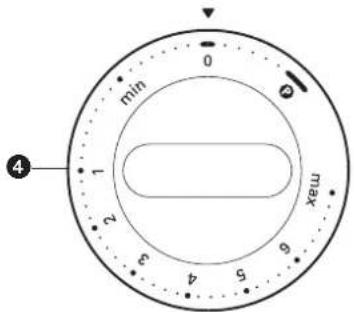
sorun giderme
sorun
ek parçalar
temizlik ve bakım
temizlik ve bakım
natural_image
Technical line drawing of a mechanical device with no visible text or symbols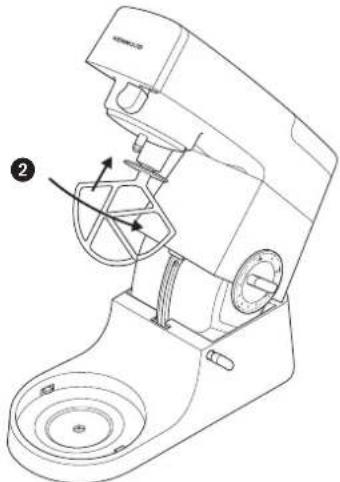
natural_image
Technical line drawing of a mechanical device with labeled parts (no text or symbols present)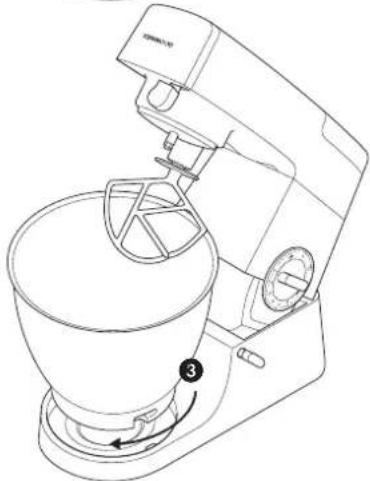
natural_image
Line drawing of a kitchen mixer with control panel and fan (no text or symbols)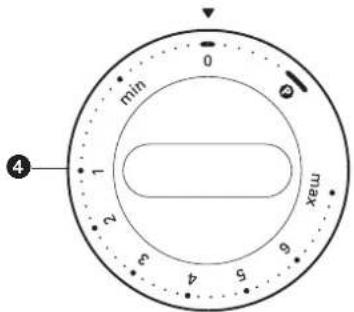
čištění a servis
natural_image
Technical line drawing of a mechanical device with no visible text or symbols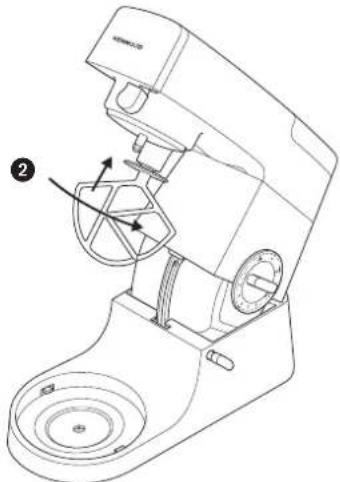
natural_image
Technical line drawing of a mechanical device with no visible text or symbols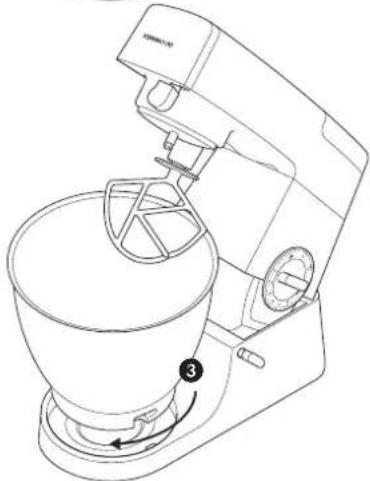
natural_image
Line drawing of a kitchen mixer with control panel and fan (no text or symbols)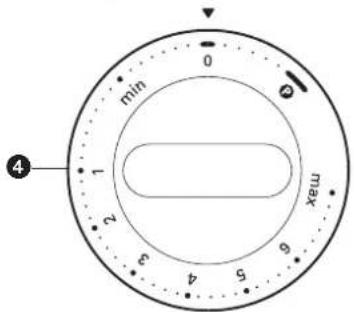
hibakeresés
a hiba
natural_image
Technical line drawing of a mechanical device with no visible text or symbols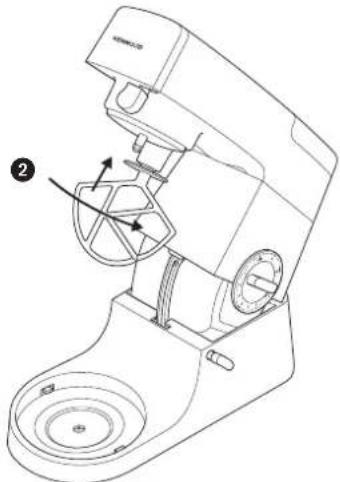
natural_image
Technical line drawing of a mechanical device with labeled parts (no text or symbols present)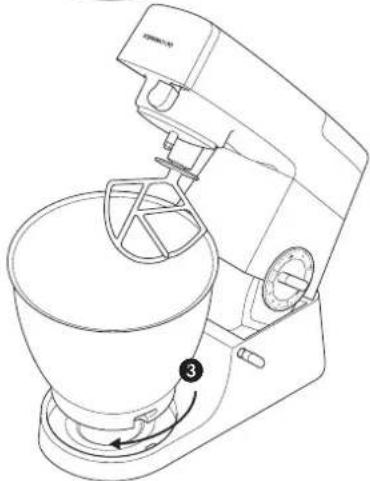
natural_image
Line drawing of a kitchen mixer with control panel and fan (no text or symbols)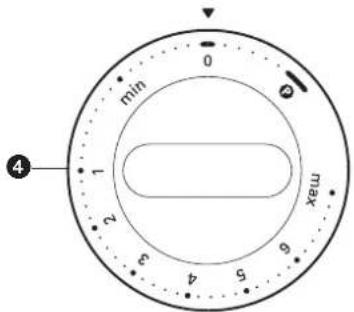
dostępne nasadki
natural_image
Simple line drawing of a ring and lid on a circular base, with a numbered label (16) pointing to the top-left corner.МИКСЕР
natural_image
Technical line drawing of a mechanical device with no visible text or symbols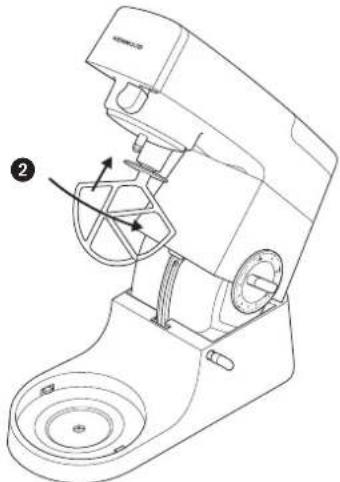
natural_image
Technical line drawing of a mechanical device with no visible text or symbols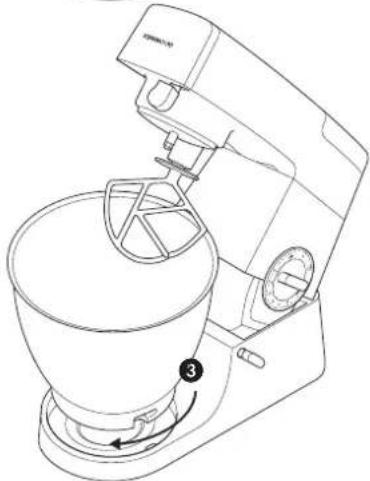
natural_image
Line drawing of a kitchen mixer with control panel and fan (no text or symbols)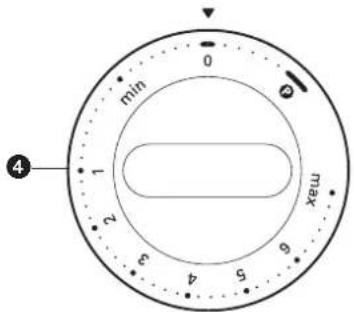
ОЧИСТКА И УХОД
Уход и очистка
natural_image
Simple line drawing of a ring and lid on a circular base, with no text or symbols present.TO μίξερ
natural_image
Technical line drawing of a mechanical device with no visible text or symbols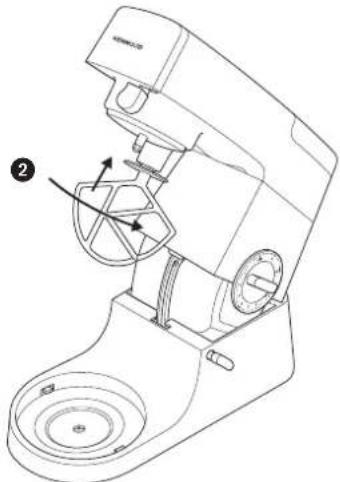
natural_image
Technical line drawing of a mechanical device with no visible text or symbols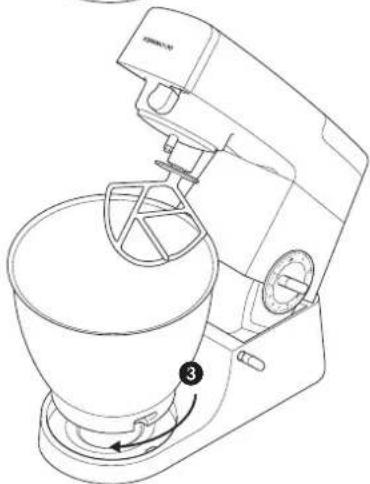
natural_image
Line drawing of a kitchen mixer with control panel and fan (no text or symbols)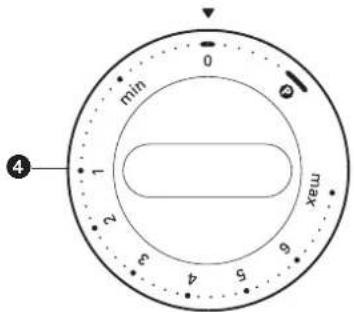
KENWOOD APPLIANCES HELLAS M.E.Π.E.
AT445 MAJOR.AT444 CHEF
⑬ قشارة البطاطس
AT930A MAJOR .AT992A CHEF
⑭ مصفاة ومنخل
26538A MAJOR,19659A CHEF
natural_image
Simple line drawing of a laboratory apparatus with a central chamber and a side arm, no text or symbols present.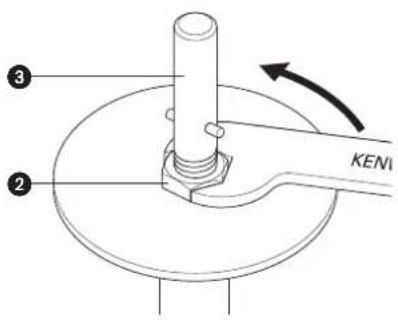
المشكلة
الخلاط
natural_image
Technical line drawing of a mechanical device with no visible text or symbols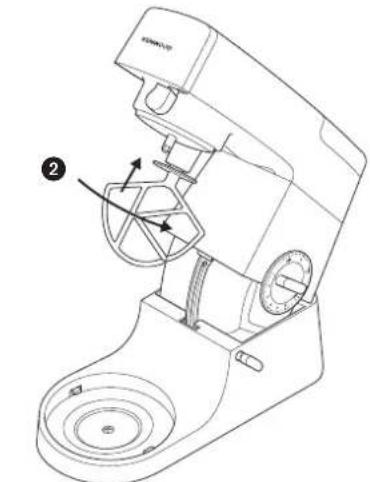
natural_image
Line drawing of a kitchen mixer with control panel and fan (no text or symbols)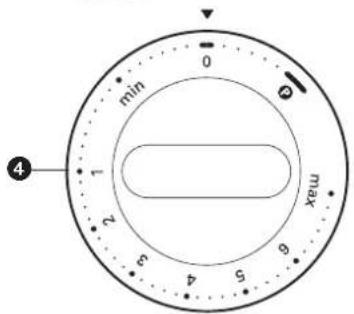
•eners konki: 2.18 kjpm own konki: 3.5 kjpm

natural_image
Line drawing of a ring and handle on a circular base, no text or symbols presentHEAD OFFICE: Kenwood Limited, 1-3 Kenwood Business Park, New Lane, Havant, Hampshire PO9 2NH
kenwoodworld.com

- Chef KM330/KM350 series Major KM630/KM650 series
- Français
- know your Kenwood kitchen machine
- safety
- before plugging in
- before using for the first time
- the mixer
- the mixing tools and some of their uses
- to use your mixer
- points for bread making
- maximum capacities
- speed switch 4
- important
- troubleshooting
- problem
- to fit and use your splashguard (if supplied)
- the attachments available
- flat pasta maker ①A T970A
- cleaning and service
- care and cleaning
- service and customer care
- IMPORTANT INFORMATION FOR CORRECT DISPOSAL OF THE PRODUCT IN ACCORDANCE WITH EC DIRECTIVE 2002/96/EC.
- recipes
- white bread stiff yeast dough
- ingredients
- method
- fresh yeast: crumble into the flour.
- white bread soft yeast dough
- fresh yeast: crumble into the flour and add the sugar.
- recipes continued
- strawberry and apricot gâteau
- ingredients: sponge
- filling and decoration
- meringues
- shortcrust pastry
- carrot and coriander soup
- Fehlersuche
- Rezepte
- reiniging en service
- velocidades 4
- fejlfinding
- problem:
- opskrifter
- felsökning
- Ekstra tilbehør
- Oppskrifter
- hveteloff myk gjærdeig
- Denne mengden er for KM630/KM650-serien. For KM330/KM350-serien halveres mengdene og alt melet has i på én gang
- lisälaitteet
- puhdistus ja huolto
- puhdistus
- sorun giderme
- sorun
- ek parçalar
- temizlik ve bakım
- čištění a servis
- hibakeresés
- a hiba
- dostępne nasadki
- МИКСЕР
- ОЧИСТКА И УХОД
- Уход и очистка
- TO μίξερ
- المشكلة
- الخلاط
Brand : KENWOOD
Model : Chef KM334
Category : Food Processor