
RCS3840T - Electric saw RYOBI - Free user manual and instructions
Find the device manual for free RCS3840T RYOBI in PDF.



| Product type | Gasoline chainsaw |
| Brand | RYOBI |
| Model | RCS3840T |
| Engine | 2-stroke, unleaded gasoline (octane rating 91+) |
| Fuel mixture | Gasoline and 2-stroke oil (ratio 50:1, 2%) |
| Fuel tank capacity | Not specified in the manual |
| Chain oil tank capacity | Approximately 20-40 minutes of operation |
| Guide bar length | Not specified in the manual |
| Weight (approx.) | Approximately 5-6 kg |
| Guaranteed sound power level | 112 dB |
| Intended use | Cutting wood (branches, trunks, logs, beams) |
| Safety devices | Chain brake, chain catcher, front and rear hand guards |
| Chain | Low kickback chain |
| Guide bar | With felling spike |
| Recommended personal protective equipment | Helmet, hearing protection, eye protection, gloves, chaps, boots |
| Routine maintenance | Checking chain tension, cleaning air filter, lubricating chain |
| Warranty | Not specified in the manual |
| Standards | Compliant with EU regulatory standards |
Frequently Asked Questions - RCS3840T RYOBI
User questions about RCS3840T RYOBI
0 question about this device. Answer the ones you know or ask your own.
Ask a new question about this device
Download the instructions for your Electric saw in PDF format for free! Find your manual RCS3840T - RYOBI and take your electronic device back in hand. On this page are published all the documents necessary for the use of your device. RCS3840T by RYOBI.
USER MANUAL RCS3840T RYOBI
Important! It is essential that you read the instructions in this manual before assembling, maintaining and operating the product.
Safety, performance, and dependability have been given top priority in the design of your petrol chainsaw.
INTENDED USE
The petrol chainsaw is only intended for use outdoors in a well-ventilated area. For safety reasons, the product must be adequately controlled by using two-handed operation at all times.
The product is designed for cutting branches, trunks, logs, and beams of a diameter determined by the cutting length of the guide bar. It is only designed to cut wood. It is only to be used in domestic application by adults who have received adequate training on the hazards and preventative measures/actions to be taken while using the product.
The product is not to be used by children or by persons not wearing adequate personal protective equipment and clothing. It is also not to be used for professional tree services.
Do not use the product for any other purpose.
WARNING
When using the product, the safety rules must be followed. For your own safety and that of bystanders, you must read and fully understand these instructions before operating the product. You should attend a professionally organised course on the use and maintenance of chainsaws, preventative actions, and first aid. Please keep these instructions safe for later use.
WARNING
Chainsaws are potentially dangerous tools. Accidents involving the use of chainsaws often result in loss of limbs or death. It is not just the product that is the hazard. Falling branches, toppling trees, rolling logs can all kill. Diseased or rotting timber poses additional hazards. You should assess your capability of completing the task safely. If there is any doubt, leave it to a professional tree surgeon.
GENERAL SAFETY WARNINGS
Some regions have regulations that restrict the use of the product. Check with your local authority for advice.
- Never allow children or people unfamiliar with the instructions to use the product. Local regulations may restrict the age of the operator.
- Ensure before each use that all controls and safety devices function correctly. Do not use the product if the "off" switch does not stop the engine.
- Never start or run the engine in a closed or poorly ventilated area, breathing exhaust fumes can kill.
- Clear the work area before each use, a cluttered and untidy work area leads to accidents.
- Wear full eye and hearing protection, strong sturdy gloves, safety boots with non-slip soles as well as head protection while using the product. Use a face mask if operation is dusty.
- Do not wear loose fitting clothing, short trousers, or jewellery of any kind.
- Secure long hair so it is above shoulder level to prevent entanglement in moving parts.
Beware of thrown, flying or falling objects. Keep all bystanders, children, and animals at least 15m away from the work area. - Never use the product in an explosive or flammable atmosphere.
- Maintain a firm grip on both handles while using the product.
- Stay alert, watch what you are doing, and use common sense when using the product. Do not use the product while tired, ill, or under the influence of drugs, alcohol, or medication. A lapse in concentration while using the product may result in severe personal injury.
- Do not use in poor lighting. The operator requires a clear view of the work area to identify potential hazards.
Use of hearing protection reduces the ability to hear warnings (shouts or alarms). The operator must pay extra attention to what is going on in the working area. - Operating similar tools nearby increases both the risk of hearing injury and the potential for other persons to enter your working area.
- Keep firm footing and balance. Do not overreach. Overreaching can result in loss of balance or exposure to hot surfaces and can increase the risk of kickback.
- Keep all parts of your body away from any moving part.
- Do not touch the area around the silencer or engine of the product; these parts get very hot during operation.
Inspect the product before each use. Check for correct operation of all controls, including the chain brake. Check for loose fasteners and fuel leaks. Make sure all guards and handles are properly and securely attached. Replace any damaged parts before use. - Do not modify the product in any way or use parts and accessories that are not recommended by the manufacturer.
WARNING
If the product is dropped, suffers heavy impact, or begins to vibrate abnormally, immediately stop the product and inspect for damage or identify the cause of the vibration. Any damage should be properly repaired or replaced by an authorised service centre.
- When mixing fuel or filling fuel tank, do not smoke and keep 10m away from any source of ignition.
Mix and store fuel only in a container approved for fuel. - Mix fuel outdoors where there are no sparks or flames. Wipe up any fuel spillage. Move 10m away from refueling site before starting engine.
- Stop the engine and allow it to cool down before refuelling, storing, or transporting the product.
Remember to properly close all fuel tank/container caps after refuelling or mixing.
CHAINSAW SAFETY WARNINGS
Always fit the guide bar cover when the product is not in use or being carried or transported. This will help reduce the risk of accidental contact with the sharp blades on the chain. Carry the product by the top handle with the guide bar facing away from your body.
- You should get used to your new product by making simple cuts on securely supported wood. Do this whenever you have not operated the product for some time.
Cut logs on a saw-horse or cradle when operating the product for the first time.
- Ensure all the guards, handles, and spiked bumper are properly fitted and are in good condition.
Persons using the product should be in good health. The product is heavy, so the operator must be physically fit. The operator should be alert, have good vision, mobility, balance, and manual dexterity. If there is any doubt, do not operate the product.
- Do not stand on any unstable surface while using the product. This could include, but is not limited, to ladders, scaffolds, and trees. Keep both hands on the handles of the product at all times.
- Do not start using the product until you have a clear work area, secure footing, and a planned retreat path away from the falling tree.
Use extreme caution when cutting small-size branches and sapling because slender material may catch the saw chain and be whipped toward you or pull you off balance.
- When cutting a limb under tension, be alert for spring back so that you will not be struck when the tension in the wood fibres is released.
Beware of the emission of exhaust gases, lubricant mist, and saw dust. Wear a mask or respirator, if required.
- Do not cut vines and/or small undergrowth (less than 75mm in diameter).
Always hold the product with both hands during operation. Use a firm grip with thumbs and fingers encircling the handles of the product. Right hand must be on the rear handle and left hand on the front handle.
Before starting the engine, make sure the saw chain is not contacting any object. Always start the product with the chain brake applied (pushed fully forward).
- Do not modify the product in any way or use it to power any attachments or devices not recommended by the manufacturer of the product.
There should be a first-aid kit containing large wound dressings and a means to summon attention (e.g., whistle) close to the operator. A larger and more comprehensive kit should be reasonably nearby.
The operator may be tempted to remove the helmet if there is no danger of falling objects in the work area, but the helmet, particularly with the mesh visor, can help reduce the potential for injury to the face and head if kickback occurs.
Wear a helmet at all times when operating the product. A helmet, equipped with mesh visor, can help reduce
the risk of injury to the face and the head if kickback occurs.
An incorrectly tensioned chain can jump off the guide bar and could result in serious injury or fatality. The length of the chain depends on the temperature of the chain and chain wear. Check the tension frequently.
- Keep handles dry, clean, and free from oil and grease. Greasy and oily handles are slippery, causing loss of control.
To reduce the risk of injury associated with contacting moving parts, always stop the engine, apply chain brake, and remove the spark plug wire. Make sure all moving parts have come to a complete stop:
- before leaving the product unattended
- before cleaning or clearing a blockage
- before installing or removing attachments
- before checking, conducting maintenance, or working on the product
The size of the work area depends on the job being performed as well as the size of the tree or work piece involved. For example, felling a tree requires a larger work area than making other cuts, i.e., bucking cuts. The operator needs to be aware and in control of everything happening in the work area.
- Do not cut with your body in line with the guide bar and chain. If you experience kickback, this will help prevent the chain from coming into contact with your head or body.
- Do not use a back-and-forward sawing motion; let the chain do the work. Keep the chain sharp and do not try to push the chain through the cut.
- Do not put pressure on the saw at the end of the cut. Be ready to take on the weight of the saw as it cuts free from the wood. Failure to do so could result in possible serious personal injury.
- Do not stop the saw in the middle of a cutting operation. Keep the saw running until it is already removed from the cut.
Personal protective equipment
Good quality personal protective equipment, as used by professionals, will help reduce the risk of injury to the operator. The following items should be used when operating the product:
Safety helmet
- should comply with EN 397 and be CE marked
Hearing protection
- should comply with EN 352-1 and be CE marked
Eye and face protection
- should be CE marked and comply with EN 166 (for safety glasses) or EN 1731 (for mesh visors)
Gloves
- should comply with EN381-7 and be CE marked
Leg protection (chaps)
- should comply with EN381-5, be CE marked and provide all-round protection.
Chainsaw safety boots
- should comply with EN ISO 20345:2004 and be
2 | English
marked with a shield depicting a chainsaw to show compliance with EN 381-3. (Occasional users may use steel toe-cap safety boots with protective gaiters which conform to EN 381-9 if the ground is even and there is little risk of tripping or catching on undergrowth)
Chainsaw jackets for upper body protection
- should comply with EN 381-11 and be CE marked
ASSEMBLY
WARNING
If any parts are damaged or missing do not operate the product until the parts are replaced. Failure to heed this warning could result in serious personal injury.
ASSEMBLING SAW CHAIN AND GUIDE BAR
See page 343, Fig. 5-8.
- Stop the product. Wear protective gloves.
- Disengage the chain brake.
- Unscrew the guide bar locking knob and remove the sprocket cover.
- Attach the guide bar and chain tension assembly to the chain saw. Lower the guide bar so that the bolt goes through the hole in the bar and chain tension assembly.
- The saw chain should face in the direction of chain rotation. If they face backwards, turn the loop over.
- Place the loop around the drive sprocket. Then place the chain drive links into the bar groove. If needed, rotate the chain tension assembly to apply some tension to the chain which will help keep it in place.
- Replace the sprocket cover.
- Adjust the chain tension. Refer to the "Adjusting the chain tension" section.
ADJUSTING THE CHAIN TENSION
See page 356
- Loosen the guide bar locking knob slightly by turning it counterclockwise.
- To increase the chain tension, turn the chain tensioner adjustment ring clockwise and check the chain tension frequently. To reduce the chain tension, turn the chain tensioner adjustment ring counterclockwise and check the chain tension frequently.
- The chain tension is correct when the gap between the cutter in the chain and the bar is between 3mm - 4 mm.Pull the chain in the middle of the lower side of the bar downwards away from the bar) and measure the distance between the bar and the chain cutters.
- Tighten the guide bar locking knob by turning it clockwise.
NOTE: The temperature of the chain increases during normal operation causing the chain to stretch. Check the chain tension frequently and adjust as required. A chain tensioned while warm may be too tight upon cooling. Make sure that the chain tension is correctly adjusted as specified in these instructions.
OPERATING THE PRODUCT
FUEL AND REFUELLING
Handling the fuel safely
WARNING
Always shut off engine before fuelling. Never add fuel to a machine with a running or hot engine. Move at least 10 metres from refuelling site before starting the engine. Do not smoke! Failure to heed this warning can result in possible personal injury.
WARNING
Check for fuel leaks. If any are found, correct them before using the product to prevent fire or burn injury.
Always handle fuel with care; it is highly flammable.
Always refuel outdoors away from potential sources of ignition, do not inhale fuel vapours.
- Do not let petrol or lubricant come in contact with skin. If contact does occur, wash immediately with soap and plenty of water.
- Keep petrol and lubricant away from the eyes. If petrol or lubricant comes in contact with the eyes, wash them immediately with clean water. If irritation is still present, see a physician immediately.
Mixing the fuel
The product is powered by a 2-cycle engine and requires pre-mixing petrol and 2-cycle lubricant. Premix unleaded petrol and 2-cycle engine lubricant in a clean container approved for petrol.
This engine is certified to operate on unleaded petrol intended for automotive use with an octane rating of 91 or higher.
- Do not use any type of pre-mixed petrol/lubricant from fuel service stations; this includes the pre-mixed petrol/ lubricant intended for use in mopeds and motorcycles.
Use a high quality 2-cycle self-mixing lubricant for air-cooled engines. Do not use automotive lubricant or 2-cycle outboard lubricant.
Mix 2% lubricant into the petrol. This is a 50:1 ratio.
Mix the fuel thoroughly and each time before fuelling.
Mix in small quantities. Do not mix quantities larger than usable in a 30-day period. A 2-cycle lubricant containing a fuel stabiliser is recommended.
NOTE: Fuel system damage or performance problems resulting from the use of an oxygenated fuel containing more than the percentages of oxygenates stated previously are not covered under warranty.
Filling the fuel tank
See page 343.
Clean the surface around the fuel cap to prevent contamination.
Loosen the fuel cap slowly.
Carefully pour the fuel mixture into the tank. Avoid spillage.
Prior to replacing the fuel cap, clean and inspect the gasket.
- Immediately replace the fuel cap and hand tighten it. Wipe away any fuel spillage.
NOTE: It is normal for the engine to emit smoke during and after the first use.
ADDING CHAIN LUBRICATING OIL
See page 343.
WARNING
Never work without chain lubricant. If the saw chain is running without lubricant, guide bar and saw chain can be damaged. It is therefore essential to check the oil level frequently and every time before starting to use the product.
- Clear surface around the oil cap to prevent contamination.
- Unscrew and remove the cap from the oil tank.
- Pour the oil into the oil tank and monitor the oil level gauge. Ensure that no dirt enters the oil tank while filling.
- Put the oil cap back on and tighten. Wipe away any spillage.
- One full oil tank will enable you to use the product for 20-40 min.
NOTE: A properly functioning chain and bar lubricating system will normally discharge oil from the chain during use. To check the functionality of the chain and bar lubricating system, point the tip of the chain at a light coloured surface, such as a newspaper. A distinct line of oil splatter should be observed after a short time.
Recommended chain lubricating oil
The manufacturer recommends you use only Ryobi chainsaw lubricating oil. (Available from your authorised service centre)
STARTING THE PRODUCT
Starting the product differs depending on whether the engine is cold or warm.
WARNING
Keep your body to the left of the chain line. Never straddle the saw or chain, or lean over past the chain line.
- Place the product on level ground and ensure that no objects or obstructions are in the immediate vicinity that could come in contact with the bar and chain.
Hold the front handle firmly with your left hand and put your right foot onto the base of the rear handle.
NOTE: In the following starting instruction, when the choke lever is pulled all the way out to the "start position, the throttle is set for starting. To reset the throttle to the "run"
position, squeeze and then release the throttle trigger.
To start a cold engine:
See page 342-343.
- Turn ignition switch to the "on" position.
- Make sure the chain brake is in the brake position by pushing forward on the lever/hand guard.
- Fully press and release the primer bulb at least 10 times.
- Pull choke lever all the way out to the "start" position.
- When the temperature is above 10^ , pull the starter grip until the engine attempts to start, but no more than 3 times. When the temperature is below 10^ , pull the starter grip until the engine attempts to start, but no more than 5 times.
- Push choke lever to the "half" position. Pull starter grip until engine starts.
- Depress the trigger release and squeeze the throttle trigger, then release the throttle trigger to return the engine to idle.
- Allow the product to run idle for 15 - 30 seconds.
- Before accelerating the engine or cutting wood, make sure the chain brake is in the "run" position by pulling back on the brake lever/hand guard.
CAUTION
Failure to fully release the throttle when chain brake lever is in the brake position will result in serious damage to the product. Never squeeze and hold the throttle trigger while the chain brake is in the brake position.
To start a warm engine:
See page 351.
- Turn ignition switch to the "on" position.
- Make sure the chain brake is in the brake position by pushing forward on the lever/hand guard.
- Press the primer bulb 10 times.
- Pull choke lever all the way out to the "start" position and then push it back in the "run" position.
- Pull starter grip until engine runs, but no more than 5 times. Depress the trigger release and squeeze the throttle trigger, then release the throttle trigger to return the engine to idle. If engine does not start after 5 pulls, use cold engine starting procedure.
- Before accelerating the engine or cutting wood, make sure the chain brake is in the "run" position by pulling back on the brake lever/hand guard.
The product features an anti-freeze mode that prevents ice from forming inside the carburettor during operation in temperatures of ≤ 5^ .
A ventilation hatch on the right side of the air cleaner cover can be re-positioned to allow warm air to be supplied to the engine and prevents ice from forming inside the carburettor.
4 | English
WARNING
Failure to switch from normal mode to anti-freeze mode in temperatures of ≤ 5^ will reduce the output power of the engine or lead to engine failure.
Always remember to return the product to the normal operating mode when there is no risk of ice forming inside the carburettor. Failure to switch from anti-freeze mode to normal mode at normal temperatures may result in engine failure.
STOPPING THE ENGINE
Release the throttle trigger and let the engine return to idle. To stop the engine, move the ignition switch to the stop (0) position. Do not put the product on the ground when the chain is still moving. For additional safety, set the chain brake when the product is not in use.
In the event that the ignition switch will not stop the product, pull the choke lever out to the fully extended position (Full Choke) and engage the chain brake to stop the engine. If the ignition switch will not stop the product when set to the stop position, have the ignition switch repaired before using the product again to prevent unsafe conditions or serious injury.
NOTE: When you are finished using the product, always relieve tank pressure by loosening, then retightening, the chain lubricant and fuel caps. Allow the engine to cool down before storing.
HOLDING THE PRODUCT
See page 343.
Always hold the product with your right hand at the rear handle and your left hand at the front handle. Grip both handles with the thumbs and fingers encircling the handles. Ensure that your left hand is holding the front handle so that your thumb is underneath.
- Engage the chain brake by rotating your left hand around the front handle. Allow the back of your hand to push the chain brake lever/hand guard toward the bar while the chain is rotating rapidly. Be sure to maintain both hands on the handles of the product at all times.
- Reset the chain brake back into the Run position by grasping the top of the chain brake lever/hand guard and pulling toward the front handle until you hear a click.
WARNING
If the chain brake does not stop the chain immediately, or if the chain brake will not stay in the run position without assistance, take the product to an authorised service centre for repair prior to use.
WARNING
When the throttle trigger is released and the engine is running at idle speed, the saw chain must not move. If it does continue to move there is risk of severe injury to the operator. Do not use the product, return it to an authorised service centre for professional adjustment.
CHECKING THE CLUTCH
- Disengage the chain brake by pulling the chain brake lever/hand guard towards the front handle until a click is heard.
- Allow the engine to run idle. Ensure that the saw chain is not rotating. If the saw chain rotates while running at idle speed, the clutch may be damaged. Do not use the product. Return it to an authorised service centre for professional adjustment.
- Depress the throttle trigger half-way and run the product at mid speed. The saw chain should rotate smoothly if the clutch is in good working condition.
RESTARTING AFTER EXTENDED PERIODS OF HEAVY USE
After using the chain saw for extended periods of time, please let the unit run in idle, with the chain brake engaged for 3 to 5 minutes, allowing accumulated heat of the engine to dissipate through the forced-air cooling system.
This helps prevent a potential heat soak and thus potential high stress of certain engine components (i.e. ignition system and carburettor).
After complete shut-off of the engine, you may experience diffi culties restarting the chain saw due to this condition, which is completely normal. Thus, please allow the unit to cool down before restarting.
Causes and operator prevention of kickback:
Kickback may occur when the nose or tip of the guide bar touches an object, or when the wood closes in and pinches the saw chain in the cut.
Tip contact in some cases may cause a sudden reverse reaction, kicking the guide bar up and back towards the operator.
Pinching the saw chain along the top of the guide bar may push the guide bar rapidly back towards the operator.
Either of these reactions may cause you to lose control of the saw which could result in serious personal injury. Do not rely exclusively upon the safety devices built into your saw. As a chainsaw user, you should take several steps to keep your cutting jobs free from accident or injury.
Kickback is the result of tool misuse and/or incorrect operating procedures or conditions and can be avoided by taking proper precautions as given below:
- Maintain a firm grip, with thumbs and fingers encircling the chainsaw handles, with both hands on the saw and position your body and arm to allow you to resist kickback forces. Kickback forces can be controlled by the operator, if proper precautions are taken. Do not let go of the chainsaw.
- Do not overreach and do not cut above shoulder height. This helps prevent unintended tip contact and
enables better control of the chainsaw in unexpected situations.
Only use replacement bars and chains specified by the manufacturer. Incorrect replacement bars and chains may cause chain breakage and/or kickback.
Follow the manufacturer's maintenance instructions for the saw chain. Decreasing the depth gauge height can lead to increased kickback.
INSTRUCTIONS CONCERNING THE PROPER TECHNIQUES FOR BASIC FELLING, LIMBING, AND CROSS-CUTTING
Understanding the forces within the wood
When you understand the directional pressures and stresses inside the wood, you can reduce the "pinches" or at least expect them during your cutting. Tension in the wood means the fi bers are being pulled apart and if you cut in this area the "kerf" or cut will tend to open as the product goes through. If a log is being supported on a saw horse and the end is hanging unsupported over the end, then tension is created on the upper surface due to the weight of the overhanging log stretching the fi bers. Likewise, the underside of the log will be in compression and the fi bers are being pushed together. If a cut is made in this area, the kerf will have the tendency to close up during the cut. This would pinch the blade.
Felling a tree
See page 347-348.
When bucking and felling operations are being performed by two or more persons at the same time, the felling operations should be separated from the bucking operation by a distance of at least twice the height of the tree being felled. Trees should not be felled in a manner that would endanger any person, strike any utility line, or cause any property damage. If the tree does make contact with any utility line, the company should be notified immediately.
The chainsaw operator should keep on the uphill side of the terrain as the tree is likely to roll or slide downhill after it is felled.
An escape path should be planned and cleared as necessary before cuts are started. The escape path should extend back and diagonally to the rear of the expected line of fall.
Before felling is started, consider the natural lean of the tree, the location of larger branches and the wind direction to judge which way the tree will fall.
Remove dirt, stones, loose bark, nails, staples and wire from the tree.
Do not attempt to fell trees which are rotten or have been damaged by wind, fire, lightning, etc. This is extremely dangerous and should only be completed by professional tree surgeons.
Notching undercut
See page 347-348.
Make the notch 1/3 the diameter of the tree, perpendicular to the direction of falls. Make the lower horizontal notching cut first. This will help to avoid pinching either the saw chain or the guide bar when the second notch is being made.
Felling back cut
See page 347 - 348.
Make the felling back cut at least 50~mm / 2 in higher than the horizontal notching cut. Keep the felling back cut parallel to the horizontal notching cut. Make the felling back cut so enough wood is left to act as a hinge. The hinge wood keeps the tree from twisting and falling in the wrong direction. Do not cut through the hinge.
As the felling gets close to the hinge, the tree should begin to fall. If there is any chance that the tree may not fall in the desired direction or it may rock back and bind the saw chain, stop cutting before the felling back cut is complete and use wedges of wood, plastic or aluminium to open the cut and drop the tree along the desired line of fall.
When the tree begins to fall remove the product from the cut, stop the engine, put the product down, then use the retreat path planned. Be alert for overhead limbs falling and watch your footing.
Removing buttress roots
See page 348.
A buttress root is a large root extending from the trunk of the tree above the ground. Remove large buttress roots prior to felling. Make the horizontal cut into the buttress fi rst, followed by the vertical cut. Remove the resulting loose section from the work area. Follow the correct tree felling procedure after you have removed the large buttress roots.
Push and pull
See page 349.
The reaction force is always opposite to the direction the chain is moving. Thus, the operator must be ready to control the tendency for the product to pull away (forward motion) when cutting on the bottom edge of the bar. Engage always firmly the bumper spike to avoid such movement. The product can be pushed backwards (towards the operator) when cutting along the top edge. To avoid this make sure the chain is not jammed when cutting along the top edge.
Saw jammed in the cut
Stop the product and make it safe. Do not try to force the chain and bar out of the cut as this is likely to break the chain which may swing back and strike the operator. This situation normally occurs because the wood is incorrectly supported and forcing the cut to close under compression, thereby pinching the blade. If adjusting the support does not release the bar and chain, use wooden wedges or a lever to open the cut and release the product. Never try to start the product when the guide bar is already in a cut or kerf.
Skating / Bouncing
When the chainsaw fails to dig in during a cut, the guide bar can begin hopping or dangerously skidding along the surface of the log or branch, possibly resulting in the loss of control of the chainsaw. To prevent or reduce skating or bouncing, always use the saw with both hands. Make sure the saw chain establishes a groove for cutting.
Never cut small, fl exible branches or brushes with your
chainsaw. Their size and fl exibility can easily cause the saw to bounce towards you or bind up with enough force to cause a kickback. The best tool for that kind of work is a hand saw, pruning shears, an axe or other hand tools.
Bucking a log
See page 349.
Bucking is cutting a log into lengths. It is important to make sure your footing is firm and your weight is evenly distributed on both feet. When possible, the log should be raised and supported by the use of limbs, logs or chocks. Follow the simple directions for easy cutting. When the log is supported along its entire length, it is cut from the top (overbuck).
When the log is supported on one end, cut 1/3 the diameter from the underside (underbuck). Then make the finished cut by overbucking to meet the first cut.
When the log is supported on both ends, cut 1/3 the diameter from the top (overbuck). Then make the fi nished cut by underbucking the lower 2/3 to meet the fi rst cut.
When bucking on a slope, always stand on the uphill side of the log. When "cutting through", to maintain complete control release the cutting pressure near the end of the cut without relaxing your grip on the handles of the product. Don't let the chain contact the ground. After completing the cut, wait for the saw chain to stop before you move the product. Always stop the engine before moving from tree to tree.
Limbing a tree
See page 350.
Limbing is removing the branches from a fallen tree. When limbs, leave larger lower limbs to support the log off the ground. Remove the small limbs in one cut. Branches under tension should be cut from the bottom up to avoid binding the product.
Springpoles
See page 350.
A springpole is any log, branch, rooted stump, or sapling which is bent under tension by other wood so that it springs back if the wood holding it is cut or removed.
On a fallen tree, a rooted stump has a high potential of springing back to the upright position during the bucking cut to separate the log from the stump. Watch out for springpoles—they are dangerous. Do not attempt to cut bent branches or stumps which are under tension unless you are professionally trained and competent to do so.
TRANSPORTATION AND STORAGE
- Stop the engine, engage the chain brake, and disconnect the spark plug wire from the spark plug. Allow the product to cool down before storing or transporting.
Clean all foreign material from the product. - Drain all fuel from tank into a container approved for petrol. Remember to properly replace and tighten the fuel mix cap.
Run the engine until it stops. This will remove all fuel-lubricant mix that could become stale and leave varnish
and gum in the fuel system.
Drain all bar and chain lubricant from tank into a container approved for lubricant. Remember to properly replace and tighten the chain lubricant cap.
Always fit guide bar cover before storing the product, or during transportation.
- Store the product in a cool, dry, and well-ventilated place that is inaccessible to children. Keep away from corrosive agents such as garden chemicals and de-icing salts. Do not store outdoors.
- When carrying the product for short distance (from one working area to the next), always apply the chain brake so that the saw chain is restricted from movement.
- When transporting the product, secure it against movement or falling to prevent injury to persons or damage to the product.
- Never carry or transport the product while the engine is running.
- Abide by all government and local regulations for the safe storage and handling of petrol. Excess fuel should be used in other 2-cycle engine powered equipment.
MAINTENANCE
Always keep the product in good working condition.
WARNING
Use only original manufacturer's replacement parts, accessories, and attachments. Failure to do so can cause possible injury, can contribute to poor performance, and may void your warranty.
WARNING
Servicing requires extreme care and knowledge and should be performed only by a qualified service technician. For servicing and repairs, have the product serviced by an authorised service centre only. When servicing, use only original replacement parts.
WARNING
Before inspecting, cleaning, or servicing the product, stop the engine, engage the chain brake, and disconnect the spark plug wire from the spark plug. Failure to follow these instructions can result in serious personal injury or property damage.
- You may only make adjustments or repairs described in this manual. For other repairs, contact the authorised service centre.
Consequences of improper maintenance, removal, or modification of safety features like the chain brake, ignition switch, hand guard (front and back), spiked bumper, chain catcher, guide bar, low-kickback saw chain may cause the safety features to not function correctly, thus increasing the potential for serious injury. Keep the product professionally maintained and safe. - Sharpening the chain safely is a skilled task. Therefore, the manufacturer strongly recommends that a worn or
dull chain is replaced with a new one, available at your authorised service centre. The part number is available in the product specification table in this manual.
Follow instructions for lubricating and chain tension checking and adjustment.
After each use, clean the product with a soft dry cloth.
- Check all nuts, bolts, and screws at frequent intervals for security to ensure the product is in safe working condition. Any part that is damaged should be properly repaired or replaced by an authorised service centre.
REPLACING GUIDE BAR AND SAW CHAIN
See page 352-355.
- Stop the product. Wear protective gloves.
- Disengage the chain brake.
- Unscrew the guide bar locking knob and remove the sprocket cover.
- Remove the bar and saw chain from the product.
- Clean the underside of the sprocket.
- To replace the bar with a new one, loosen the screw of the chain tension assembly. Mount the chain tension assembly on to the new bar and tighten the screw.
- Attach the guide bar and chain tension assembly to the chain saw. Lower the guide bar so that the bolt goes through the hole in the bar and chain tension assembly.
- The saw chain should face in the direction of chain rotation. If they face backwards, turn the loop over.
- Place the loop around the drive sprocket. Then place the chain drive links into the bar groove. If needed, rotate the chain tension assembly to apply some tension to the chain which will help keep it in place.
- Replace the sprocket cover.
- Adjust the chain tension. Refer to the "Adjusting the chain tension" section.
CLEANING THE AIR FILTER
See page 360.
- Stop the product. Make sure the chain brake is in the brake position.
- Unscrew the locking knob on the air filter cover and remove it from the product.
- Remove the air filter.
- Remove the dust and dirt on the air filter with a brush. If necessary, split the air filter with a flat blade screw driver and clean the inside.
- Replace the air filter cover and tighten the locking knob.
INSPECTING AND CLEANING THE CHAIN BRAKE
See page 363.
Always keep the chain brake mechanism clean by lightly brushing the linkage free from dirt.
Always test the chain brake performance after cleaning.
Refer to "Operation - Checking and Operating Chain Brake" earlier in this manual for additional information.
ENGINE SPEED AND CARBURETTOR ADJUSTMENT
WARNING
Incorrect carburettor adjustment may increase the risk of injuries, fatal accidents, or product damage. For carburettor adjustment, bring the product to an authorised service centre.
MAINTENANCE SCHEDULE
| Daily check | |
| Fuel mixture Before each use | |
| Bar lubrication Before each use | |
| Chain tension Before each use | use and frequently |
| Clutch engagement (no chain movement at idling speed) | Before each use |
| Chain sharpness | Before each use, visual check |
| For damaged parts | Before each use |
| For loose fasteners | Before each use |
| For loose parts | Before each use |
| Chain brake function | Before each use |
| For fuel leaks | Before each use |
INSPECT AND CLEAN:
| Bar | Before each use |
| Complete saw | After each use |
| Air filter | Every 5 hours* |
| Chain brake | Every 5 hours* |
| Replace spark plug | Yearly |
| Replace fuel filter | Yearly |
- Hours of Operation
RESIDUAL RISKS
Even when the product is used as prescribed, it is still impossible to completely eliminate certain residual risk factors. The following hazards may arise during use, and the operator should pay special attention to avoid the following:
Injury caused by vibration
Always use the right tool for the job. Use designated handles. Restrict working time and exposure.
Exposure to noise can cause hearing injury.
- Wear hearing protection and limit exposure.
- Contact with exposed saw teeth of the chain (cutting hazards).
Unforeseen, abrupt movement or kickback of the guide bar (cutting hazards).
Parts ejected from the saw chain (cutting/injection hazards).
- Thrown out pieces of the work piece (wood chips, splinters).
Inhalation of saw dust and particles or emission from the petrol engine.
Skin contact with petrol/oil.
RISK REDUCTION
It has been reported that vibrations from handheld tools may contribute to a condition called Raynaud's Syndrome in certain individuals. Symptoms may include tingling, numbness, and blanching of the fingers, usually apparent upon exposure to cold. Hereditary factors, exposure to cold and dampness, diet, smoking and work practices are all thought to contribute to the development of these symptoms. There are measures that can be taken by the operator to possibly reduce the effects of vibration:
- Keep your body warm in cold weather. When operating the product, wear gloves to keep the hands and wrists warm. It is reported that cold weather is a major factor contributing to Raynaud's Syndrome.
After each period of operation, exercise to increase blood circulation.
Take frequent work breaks. Limit the amount of exposure per day. - Protective gloves available from professional chainsaw retailers are designed specifically for chainsaw use and give protection and good grip. Gloves also reduce the effect of handle vibration. These gloves should comply with EN381-7 and must be CE marked.
If you experience any of the symptoms of this condition, immediately discontinue use and see your physician.
WARNING
Injuries may be caused, or aggravated, by prolonged use of a tool. When using any tool for prolonged periods, ensure you take regular breaks.
KNOW YOUR PRODUCT
See page 341.
PARTS
- Chain
- Guide bar
- Front hand guard/Chain brake
- Front handle
- Air cleaner cover
- Starter grip
- Rear handle
- Spiked bumper
- Silencer cover
- Fuel mix cap
- Chain lubricant cap
- Ignition switch
- Trigger release
- Throttle trigger
-
Primer bulb
-
Choke lever
- Combination wrench
- Sprocket cover
- Chain catcher
- Chain tensioner adjustment ring
- Guide bar locking knob
- Guide bar cover
SAFETY DEVICES
LOW-KICKBACK SAW CHAIN
A low-kickback saw chain helps to reduce the possibility of a kickback event.
The rakers (depth gauges) ahead of each cutter can minimize the force of a kickback reaction by preventing the cutters from digging in too deeply. Only use replacement guide bar and chain combinations recommended by the manufacturer.
As saw chains are sharpened, they lose some of the low kickback qualities and extra caution is required. For your safety, replace saw chains when cutting performance decreases.
SPIKED BUMPER
The integral bumper spike may be used as a pivot when making a cut. It helps to keep the body of the chainsaw steady while cutting. When cutting, push the product forward until the spikes dig into the edge of the wood, then by moving the rear handle up or down in the direction of the cutting line, it can help ease the physical strain of cutting.
GUIDEBARS
Generally, guide bars with small radius tips have somewhat lower potential for kickback. You should use a guide bar and matching chain, which is just long enough for the job. Longer bars increase the risk of loss of control during sawing. Regularly check the chain tension. When cutting smaller branches (less than the full length of the guide bar) the chain is more likely to be thrown off if the tension is not correct.
CHAIN BRAKE
Chain brakes are designed to quickly stop the chain from rotating. When the chain brake lever/hand guard is pushed towards the bar, the chain should stop immediately. A chain brake does not prevent kickback. It only lowers the risk of injury should the chain bar contact the operator's body during a kickback event. The chain brake should be tested before each use for correct operation in both the run and brake positions.
CHAIN CATCHER
A chain catcher prevents the saw chain from being thrown back towards the operator if the saw chain comes loose or breaks.
SYMBOLS ON THE PRODUCT

Safety alert


Read and understand all instructions before operating the product, follow all warnings and safety instructions.
Wear eye, ear and head protection.
Wear non-slip safety footwear when using the product.
Wear non-slip, heavy duty gloves.
Beware of chain saw kickback and avoid contact with bar tip.
Hold and operate the product properly with both hands.
Do not operate the product using only one hand.
Ukrainian mark of conformity
Conforms to all regulatory standards in the country in the EU where the product is purchased.
Use unleaded petrol intended for motor vehicle use with an octane rating of 91 ( + ) / 2 or higher.
Use 2-stroke oil for air cooled engines.
Mix the fuel mix thoroughly and also each time before refueling.
Add bar and chain oil every time you add fuel to the product.
Set the chain brake to the RUN position.
Set the chain brake to the BRAKE position.
Turn ignition switch to the ON position.
Fully press and release the primer bulb at least 10 times.






Set the choke lever to the full choke position.
Pull the starter rope until the first firing of the engine is heard (no more than five pulls).
Set the choke lever to the half position.
Pull starter grip until the engine starts.
Depress the trigger release and throttle trigger.
EurAsian Conformity Mark
The guaranteed sound power level is 112 dB
Bar and chain lubricant
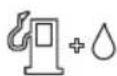
Unleaded petrol and 2 stroke oil.
Run position
Half choke position
Full choke position
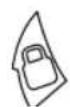
Lock
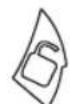
Unlock
Rotate to adjust chain tension
-
= Tighten the chain
-
= Loosen the chain
Moving direction of the chain. (Marked under the sprocket cover)
Normal mode


Anti-freeze mode
T Idle speed adjustment
H High Speed adjustment needle
L Low Speed adjustment needle
SYMBOLS IN THIS MANUAL

Mix fuel outdoors where there are no sparks or flames.

Do not smoke when mixing fuel or fliling fuel tank.

Parts or accessories sold separately

Note

Warning

Wear eye and face protection.

Wear upper body protection.

Wear leg protection.

Stop the product.

Lock the fi tter access cover.

Unlock the fi iter access cover.
The following signal words and meanings are intended to explain the levels of risk associated with the product.
DANGER
Indicates an imminently hazardous situation, which, if not avoided, will result in death or serious injury.
WARNING
Indicates a potentially hazardous situation, which, if not avoided, could result in death or serious injury.

CAUTION
Indicates a potentially hazardous situation, which, if not avoided, may result in minor or moderate injury.
CAUTION
Without safety alert symbol
Indicates a situation that may result in property damage.
TROUBLESHOOTING
Problem Possible cause Solution
Engine will not start (Make sure ignition switch is in start position "l").
No spark. The spark plug could be cracked or damaged.
Replace the old spark plug with a new one and try to start again. If engine will still not start, return the product to an authorised service centre for further checking.
Flooded engine. With the ignition switch off, remove spark plug.
Move choke lever to run position (pushed in completely) and pull starter grip 15 to 20 times.
This will clear excess fuel from engine. Clean and reinstall spark plug. Set ignition switch to run (I) position. Push and fully release primer bulb 10 times. Pull starter grip three times with choke lever at run. If engine does not start, move choke lever to choke and repeat normal starting procedure. If engine still fails to start, repeat procedure with a new spark plug.
Engine starts but will not accelerate properly.
Carburettor requires "L" (Low jet) adjustment.
Contact an authorised service centre for carburettor adjustment.
Engine starts but will not run properly at high speed.
Carburettor requires "H" (High jet) adjustment.
Contact an authorised service centre for carburettor adjustment.
Engine does not reach full speed and/or emits excessive smoke.
Check lubricant fuel mixture. Use fresh fuel and the correct 2-stroke lubricant mix ratio.
Air filter dirty.
Clean the air filter.
Engine starts, runs, and accelerates but will not idle.
Spark arrester screen dirty. Contact an authorised service centre for service or replacement.
Carburettor requires "H" (High jet) adjustment.
Contact an authorised service centre for carburettor adjustment.
Engine starts and runs, but chain is not rotating.
Carburettor requires adjustment. Contact an authorised service centre for carburettor adjustment.
Chain lubricant tank empty.
Lubricant tank should be filled every time.
Bar and chain running hot and smoking.
Check chain tension for overtight condition.
Tension the chain.
Check for lubricating function. Run at half throttle 30 to 45 seconds. Stop saw and check for lubricant dripping from guide bar. If lubricant is present, the chain may be dull or bar may be damaged. If no lubricant is on the guide bar, contact an authorised service centre.
Chain brake engaged. Release the chain brake.
Chain tension too tight. Tension the chain.
Engine dies during normal operation and will not restart.
Check guide bar and chain for damage.
Inspect the guide bar and chain for damage.
Product set to anti-freeze mode at normal temperatures.
Set the product to normal operating mode. Allow the engine to cool down before restarting.
Engine will not start or does not reach full speed.
Product set to anti-freeze mode at normal temperatures.
Set the product to normal operating mode.
Engine does not reach full speed at low temperatures.
Product set to normal mode at low temperatures.
Set the product to anti-freeze mode.
DÉMARRAGE DU PRODUIT
APPRENEZ A CONNAITRE VOTRE PRODUIT
Voir page 341.
PIECES
SYMBOLES APLIQUES SUR LE PRODUIT

Avertissement

MACHEN SIE SICH MIT IHREM PRODUKT VERTRAUT
SieheSeite341.
TEILE
SYMBOLE AUF DEM PRODUKT

Sicherheitswannung

COMBUSTIBLE REPOSTAJE
PROGRAMMA DIMANUTENZIONE
PROBLEMA CAUSA SOLUZIONE
ALGEMENE VEILIGHEIDSWAARSCHUWINGEN
VEILIGHEIDSWAARSCHUWINGEN KETTINGZAAG
PROBLEMA POSSIVEL CAUSA SOLUCAO
BRANDSTOF OG OPTANKING
FASTHOLDNING AF PRODUKTET
Se side 343.
ALLMÄNNSA KERHETSFORESKRIFTER
TRANSPORT OCH FÖRVARING
SYMBOLER PÅ PRODUKTEN


Sakerhetsvarning
HOLDING AV PRODUKTET
Se side 343.
Hold alltid i sagen med hoyre hand pa det bakre handtaket og venstre hand pa det fremre handtaket. Ta tak i begge handtak sik at du griper rundt med tommel og fi agre. Pase at din venstre hand holder fronthandtaket sik at tommelen er under.
SJEKK OG BRUK AV KJEDEBREMS
- Utløs kjedebremsen ved Å rotere din venstre hand rundt fronthandtaket. Med handbaken dytt er du kjedebremsspaken/ handvernet mot sverdet mens kjeede roterer raskt. Hold til enhver tid begge hendene på produktets handtak.
- Sett kjedebremsen tilbake til fri ved a ta tak i kjedebremsspaken / handvernet og dra fronthandtaket inntil du hører et klikk.
ADVARSEL
SLIK STARTES PRODUKTET P A NYTT ETTER PERIOD DER HVOR DET HAR BLITT MYE BRUKT
KJENN PRODUKTET DITT
Se side 341.
DELER
- Kjede
- Sverd
- Handvern/kjedebrems
- Fremre handtak
- Luftfilterdeksel
- Starthandtak
- Bakre handtak
- Fenderlist
- Stoydemperverdeksel
- Lokk for brennstofftank
- Lokk for oljetank
- Startbryter
- Utløser for gasshandtak
- Gasshendel
- Pumpeblase
- Chokehendel
- Kombinasjonsnokkel
- Tanneke Sel
- Kjedefanger
- Justeringsring kjedespenning
- Laseknott for sverdet
- Sagsverddeksel
SIKKERHETSANORDNINGER
SAGKJEDE MED LAV RISIKO FOR TILBAKESLAG
SYMBOLER PÅ PRODUKTET

Sikkerhetsalarm
NEPEKJIIOUeyHE MEXy PABOOUMM PEXIMAMM
CM. ctp. 357.
B n3dJIINn NmeeTcpeXIMnOIOrpeBa, KOToPbI npEdoTbPaUaet O6pa3OBAHHe JbDa BHyTpN KAp6IoPaTopa BO Bpemra p6oTbI npu Tempeatype ≤ 5^
BeHTnJIaIIOHHbI NOK Ha npaBoI CTopoHe KpbIuKIN BO3DyUHOrO fNtpa MoKeT 6bITb CMeUeH, YTO6bl TEnIbI BO3DyX MOr NoCTyNaTb B DnRatEn, He DOnyckar O6pa3OBaHnI bDa BHyTpN Kap6OpaTopa.
STOPOXHO
Ecn He nepeKJIOHTbCn HOpMaJIbHOro peKIma BpeKIM NOORpeBa npN TeMnepaType ≤ 5^ TO pON3OienET CHNXeHHe BbIXODHO MOUHOCTN DBIRATeJI NIN OTKa3 DBrarTeJI.
He 3abbaIte nepeKIOUcTaBc B obbHbI paOchn peKIM, KOrda Het PnCKa OboaBaHn IbDa BHTpN Kap6Opatopa. Ecn He nepeKIOUHTbcra N3 peKIMa NoDorpeBa HopMaJIbHbI peKIM npH HopMaJIbHOI Temnepatype, To MOKeT npOn3OHTn OTKa DnIRaTeJr.
OCTAHOBKA MOTOPA
OTnycnte Kypok akcepepatopa n daite MOTopy c6aBntb 06opotbl. Ytob3arnyuhtb Dnuratel, nepeBeinte BblKnHouateIb 3axnraHnB NOLOXKeHne "CTon" (0). 3anpeaaetcOnyckaTbN3dEne Ha 3emJIO,ecnI cenb BCE eue dBrKcTe.B CEJAX DOONHInTehHO B63oNaChOCTn, ecn H3dEne He NcNOJIb3yETcA,AKTNBpyTe cENHOI TOPMO3
B cnyae, ecn BbIKIOyateIb 3aXIRAHnHe octaHabINBaET n3dJIe, 3aNHyWITE DBNrAteIb, MAKcIMaJIbHO BbITAYB pIyar IPOCCeINPObAHn IIN NOIHoro 3akpBTnIg PocceIg N AKTNBIPOBAB CEHNOTropMO3 Ecn BbIKIOyateIb 3aXIRAHn npn nepeBOde B NOIOxKeHne "CTon" He OCTaHaBJIbNAET n3dJIe, nepe DaIbHeuWe 3KcNpyataUe N3dJIe N BbIKIOyateIb 3aXIRAHn CNe dyET OTpeMOHTIpOBaTb BO n36ExKaHne Hebe3OAnchOH paBoTI u NoIyehnCepe3HO TpaBMbl.
IPIMEAHHE:IOOKOHuaHnNcNoIb3OBaHnN3dJIINB CERda c6paCbIbAaTe daBHeHne B 6aKe,OTKpyTnB, a 3aTeM BHOb 3aTMyB KpbluKb 6aka Cma3Kn UeHN I TOIINBHorO 6aka. Pepey knaDko 6eH3oNlbl Ha xpaHeHne daTe MOTOpY ocTbTb.
OBPAUENHE C N3DEIINEM
CM. cTp. 343.
Bcerda ydepknBaIte nHcTpymeHT npaBoN pyKo 3a 3aHIOpykoTb, a neBoN pyKO - 3a nepeDnHO. OxbBatnte o6e pykOaTK, nCNoB3y8 60nbOoi N ocTaNbHbIe naBcbl pyK. Bolbwo naneu neBoN pyK, ydepknBaIOSe npeDnHOpykOaTKy, dOnKeH pacnonaraTbcra ChN3y.
PPOBEPKA IN NCIONb3OBAHNE TOPMO3A LENI
- BkIIOHnTe TOpMO3 NIIbHOJ cEN, BpaaJaeByo pyky BOKpyr npeedne pyKoTKn. Ppi 6bICTpOM BpaueHNu cEN TblbHOJ CTopoHOJ KcCTN TOJIKNHe pBuHaT TopMO3a NIIbHOJ cEN/ycTpoiCTBO 3aunTbI pyK K WInHe. IocToHHO depXnTe n3dEJIne oBeMN pyKaMn 3a pyuKn.
- BepHTe TOpMO3 NIIbHOI cENB pa6Ooee NOLOKeHne, B3aBbUc b3a Bepx pbUyara TOpMO3a NIIbHOI cENN/ yCTPOiCTBa 3aUNTbI pyK I NOTAHyB erO K nepeDHeI pyKoAITke Do UeJIuKa.
A OCTOPOXHO
Ecnn cenHnT TOPMO3 octaHaBnBaET cenb He cpa3y HnHe ydepKnBaETcB pa6oYem noIOXeHN, nepe DaIbHeNe WkCnPyatauNe O6paNTecb B ABTOPIN0BaHHbI CepBnchbI CEHT pIPOBeEHn peMOHTa.
A OCTOPOXHO
Korda Khonka 3anycka otnyceHa, n DBurataJIb pa6oTaET Ha xONoCTOM XoHy, nIbHna ZeNB dOnXHa 6blb HeNODBnXHa.Ecnn OHa npOJNaet DBuratbcra, 3TO MoKET pINBeCTn K TjKeNoT TpaBMe OepaTopa. He NcNoJIb3yTe I3dEInne, o6paTntecb dIpa peMOHTa B ABTOPn3OBaHHb CEpBnCHbI cEHTp.
IPOBEPKA MYΦTbI
- OTKIIOHTe TOPMOIINbHOI cENI, NOITHyB pbUHARa TOPMO3a INlbHOI cENI/YcTPOIcTBa 3aUNtby pyK K nepedHepyKe do IeJyKa.
2.ДаiteDbirateIIO npa60TaB Ha xOIOCTbIX o6opotax.YBeIInTeCb B TOM,уTo ueN pINJIbI He BpaiaeTc.BpaueHne ceHN Ha xOIOCTOM XoY MoKET npIBeCTn K NOIOMKe MyfTb.IcNoIb3OBaHne N3dEInna He dOnyckaetc.O6paTInTeCb dIpeMOHTa B
aBTOpH3OBaHHbI CepBnChbI ΚeHTp.
- Haxmnte pbyaok ra3a hanoIobHy n 3anyctnte n3dene Ha cpeHne ckopocTn. Nlbnae TcBdoJxHa BpaatabCnIabHO,ecn MyoTa haoDntcB xopoWem pa6ooyem coCTOHN.
NOBTOPHbI 3ANYCK NOCJI EINTEJIbHORO INTEHCUNBHOI NCIOJIb3OBAHIN
Iocne dINTeBHO rHTeHcBHO rCNOJb3OBAHnueHONIJIb DaTe N3deNIO npa6oTaTb Ha XoIOCTOMXOy C BkIIOUeHHBM cENHbIM TOPMO3OM B TeueHne 3-5 MHyT DnOxnaJdEHNr DBiratEJIy Upe3 CnCTemynpHHyNTeBHO BO3DyUHoro OXNaXKeHn.
3TO NMOXeT npedOTbpaTntb nepepeB n 3NIMHIOH Harpy3ky Ha OTdeJIbHbIe KOMNoHEHTbl DBrAteJra (CNCTeMy 3aKunraHnna n Kap6upatop).
BcneDCTBnE 3TORO nocJe noJHOro BbIKNoueHnI dBVaTeNBAO3MOXhbl CNOxHOCTn C 3aNyCKOM cENHOI NINbI, YTO ABJIETc HOpMoI. PoTOMy daIte yCtpoiCTBy OCTbITb nepeI nepe3anyckom.
PnHbOTCKOBoMepb3aunTbIonepatopaOT Hx
EcnHOCK HnHbHaTOJKNHTcHa npenrTCTBne nn nIINbHae 9eB 3aXMeTcB DpeBe BO Bpempa6oTb, 6eH30nnla MoKeT OTCKOHTb.
KoHTaKT C BepuHHOB H EKOTOpbIX CnyuaX MOKeT BbI3BaTb BHe3aHHyO OTDaY, KOTOPa OTo6paCbIbae TINbHyIO WInHy BBepx Ha3ad B HnPaBneHn OnepaTopa.
3aKlnHbAHne 1eHnO nnB B BepxHe yactn HaprabIooe moKeT npVBecTu KOTCKOKy B HaprabJIeHIn onepaTopa.
I B nepBOM I BO BTOPOM Cnyuae MOXHO NOTepaTb KOHTPOJIb 3a 6eH3OINIOI IN NOJYUHTB TRAKeJIbe TpaBMbl. He HadeInTeCb ToJIbKO Ha CpeDCTBa 6e3OnacHocTn camoB 6eH3OINJIb. Bo n36ExKaHne HeCuaCThIX CnyuaeB IN TpaBM, Heo6xOIMO pUnHMaTb pa3NJuHbIe Mepbl npedocTopoKHOCTN.
OTCKOK ABJETcpe3yIbTaTOM HnnpabunbHorO nCNoIb3OBaHnN INCTpyMeHTa N/INn HApyuEHN npabnn nIn yCIOBn erO 3KnpyatauNN. 3TORo cJeDyET n36eRaTb, co6JIoudaYka3aHHbe HNKe MepbI npedocToPOXHOCTn.
I OndepKnBaIte HaeKbI 3axBAt TaK, 4To6bl 6oIbIe nIbIcI (C OdHOn CTOpOH) N octaIbHbIe nIbIcI (C pyroT CTOPOHbI) KpeNKOxBaTbIBaIIpyKoRTKn cENHO nnbl, depXHTe Nny oBeIMn pykAmn, pacnonaraiTe Teno n pykntakm 6Opa3OM, 4To6bl npOTNBOCToRb YcUNIOOTCKoka. Onepatop MOKeT cnpabITbcr C yCNImem OTCKoka, ecnn npEepnHHaTI HaJNeKsAunme Mepbl npedocTopoKHOCTn. He BbInyckaJIte Nnly n3 pyk.
He nepenapraaTecbn He nInnte BbIwe ypoBna ney.3TO NOMOKeTn36ExaTb HENpeHAMEpeHHoro KaCAnrNnINblnIO3BOINr LyuWe ynpabTb cENHO nnONB HENpeBnDEHHbx CNTyaunx.
Icnoj3ynte 3anachbIe uHHbI n cenn, TOnbko yka3aHHbI npOn3BODnTeJem. HeadneKaunie 3anachbIe uHHbI n cenn MOrYT npNBecrN K o6pbIBy cenn N/INOTCKOKY.
CleyuTe HNCTpyKunm npON3BOOnTeJn NO TexHnueckomy 06cIyKnBaHNIO NINbHOI cEN. YMeHbWeHne BblCOtbl ORpaHnHTeJI NOaH MoKeT
PnBecT K yBeJIuHEnHIO OToaH.
HNCPTPYKUINIPOIPIABUNbHBIMCNOOCOBAMOCHOBBOHBAJIKN,OBPE3AHNCAUYBEINIOPEPUHORO NIIJEHNA
OnncHne cn, dIeCTbYIOxN B DpeBecnHe
Korda Bbl npedctabnreTe Ce6e HaprabHeHne daBHeHn H anpJxHeH N DpeBeCInHe, MoXHO yCTpaHHTb BO3NtKHOBeHne 3aUemHeHn IIN, NO KpaHHe Mepe, OxNDaTB N B PPOecce PIIeHn. PnB O3NtKHOBeHn H anpJxHeH N DpeBeCInHe npOxC0dNT pactTgHBAnHe BOLOKOH, IN NO MEpe PNOdBxKeHn I3DeJIIN B PPOecce pacnIbA B 3TOM MeCTe "npoIN"packpbBaetcE cIIN 6peBHO JExknt Ha KO3Jax IJnIKn IpoB, a KOHeC CBuCAET 6e3 OnOpbl, TO HapraKeHne CO3DaETcHa BePxHeN IOBepXHOCTn I3-3a BEca CBuCaIOUeRO KOua 6peBHa, pactrNBauOJcero COnI DpeBecnHb. AhanOrNuHO, HNKHra CTopoHa 6peBHa 6yDet nOd DaBHeHm, IN COnI dpeBecnHb CxMMAOTc. EcNI npoIN 6yDet DeNaTbcR B 3ToI OblaCTn, TO OH 6yDet CTpeMntBCr 3AMKHyTcB BO BPEMa IIeHn. 3TO npiBODnK 3aUeMeHn 3y6beB INJIbl.
BankaepeBbeB
CM.Ctp.347-348
Ecni pa6oTbI NO packpXeBKe I BaJIke BbINOJIHHOCTc
HeCKOJIbKIMM LIuAMn OJHOBpeMeHHO, pa6oTb I NO BaJIke
DOJXHbI 6bl T ydaJIeHbI OT pa6OT IO packpXeBKe Ha
pacCToHne He MeHee Yem DBe BBICOTb I BaIIIMORo DepeBa.
BaIka DepeBbe H DoJXHa IPOIN3BOIDtbcr CnOCOBom,
IpeCTabJIaIOUIM ONaCHocTb IJIa IIOBOrO LIuCa, a TaKKe
BblIBaIOUIM NOBpeXeHne IINHNI 3JIeKTPonepeDaun
HIn HAHOCAUM MATEPnAJBHy Uyep6.EcNI
IpoIN3OIeT KOHTaKT DepeBa C KAKoJ-NIO BO JInHNei
3JIeKTPonepeDaun, CNeDeYET HEmdNehHO IN3BecNTb 06
3TOM COOTBEcTByIOUyIO 3HEpreTNUeCKyIO KOMnAHIO.
PnBaIkeHaKocorope cToIe BcerTa BbIeJepeBa,T.K. NocIe naDeHnO OHO MoKET NOKaTITbcBHN3.
Ipyb OTXoDa DOJKeH 6bITb npOdyMaH n, npn Heo6xOAnMoCTn, pacuNueH do Haaya NIneHn. Pyt b OTXoDa DOJKeH nDTn Ha3aN B6OK OTHOCHTbHO OxHaemOrO HanpaBHeHn NaDeHn.
PepdHaayanom BaNK OnpeJeNTe eCTeBHeHb HaKNoH DepeBa, pacnoJIOKeHne KpyNHbIX BTeBn HAnpaBHeHne BeTpa, YTObI OcEHnTB PpeNIOXHTeNbHbN PyTb naDeHn DapeBa.
YdaJInte C depeBa rpa3b, KaMHn, OTCaBswyIO Kopy, rBO3n, ckobI npoBoJa.
He npo3B0DInTe BaIky rHnIbIX DepeBbeB, DepeBBeB, NOBpeJxDeHHbIX BETPOM, OHTHEM, MOHnei T.I. 3To Upe3BbUaHIO ONaCHO IOnKHO BbINONHATbCRA TOJIbKO npocceccnoHaNbHbIMn pa6OuHMn No yXoYd 3a DepeBBaMn.
BanoHbI npoHn
CM.Ctp.347-348
CdaaTe TaKaHa3bBaembl 6paThbI npOnnHa 1/3 ot dnaMeTp a DepeBa nepneHdkyJpyno Ka HapabLeHnIO naeHnI c Toi Kc TcPOhJI. ChauJa CdeJaTe HxHn Iropn3OHTaJbHbI 6paTHbI npOnn. 3TO nOMoKeT pepoTbPaTb 3aueMHe HnJbHoU CEIN INN WInHbI pN BbINOHNH BTOPOrnpOnnla.
Balochni npoann
CM.Ctp.347-348
CdeNaIte BanoHbI npOnnB BIIe roPn3oHTaJIbHOrO
obpaTHOrO npOnnHa MNHMym Ha 50 MM.
PiDepKINBaIte BanoHbI npOnn napAnneJIbHbIM
ropn3oHTaJIbHOMy obpaTHOMy npOnnY. CdeNaIte
BaJOnHbI npOnn TAKm Obpa3OM, YTo6bl OctaIOcb
doCTaTOHO dpeBecnbl Ira nepeMbUKN. NepeMbUka
Ha depeBe npedOTbpaAaeT BpaueHHe nepeBa n
ObecneuBaET naDeHHe B HxHOM HanpaBNeHN. He
nepeNInBaIte nepeMbUky.
Kak TOLbKO BAlOChHb IpONnI DoJET Do nepembyKn, DepeBO DOnIKHO HaaTb NaadaTb. EcIn cyUeCTByET BO3MOxHOCtB TOrO, YTO DepeBO He yNaTe B HuxHOM HanpaBHeHN INI OTKIOHITc HaaN 3aXMeT INIbHyO UeB, PneKpATte NIIeHHe Do 3aBePseHn BAIOuHOro IpnINJa INCNOb3yIte DepeBAAHbIe, PnaCTIKOBbIe INI aIOMHHeBbIE KInHbY, YTObl pa3KaTb IpONnI HaKIOHnTb DepeBO B HuxHyO CTOpOHy NaDeHnI.
Korda depeBo NaunHaet naatb, n3BneKeNTe n3dene n3 nponna, 3arnyuTe DBnraTeNb, onyCTne n3dene n oToiDte no 3apaHe HameHHeHn TpaekTopnn. OcteperaTecb naedn BeteBcBepxu n CneDnte 3a cBoe onopoi.
06pe3aHne Hecyux KOpHei
CM. cTp. 348.
Hecyune Kopn - 3TO KpynhbIe KopH, OTXODaune OCTB0NA K 3emJe. Obpe3aIte 3TN Kopn nepeD BaIKoJ DepeBa.CdeJaIte Chayana ropn3OHTaJIbHbI pa3pe3 (A) B KopHe, 3aTeM BepTKaJIbHbI (B). YdaJInte Bblpe3aHHyo qactb (C) n3 pa6Oey 3OHbI. YdaJIINB Hecyune KopH, npICTynaiTe K BAIne DepeBa.
Bo3BpaTHo-noCTynatEnbHaTgA
CM. cTp. 349.
Pa6o7a TaRa BcERda npOTbONOJIOXHa HappaBHeHHIO DBHXKeHnI NIIbHOI cEN. TaKIM O6pa3OM, ONEpATOp DOJIxHc 6bITb TOTOB KOHTPOINPOBaTb TEHDeHcNIO H3dEJIIN K Haayy DBHXKeHnI (NoCTynateIbHOe DnIXKeHne) pni pe3Ke HIXKeH KePOMKoi WInbI. Bcerda kak CneDyET 3aKpeIJIyTe ynp CEHNO IINbI BO I36ExKaHne TaKOrO DBHXKeHnI. INdeJIne MoKeT cDBHyTbcra Ha3ad (no HAnpaBNeHHIO K ONepaTOpy) pni pe3Ke BepxHe KpOMKoi. UTo6bI 3TO nppeDfBpaTb, He dOnyckaIte 3aCtpeBaHnI cENPi pe3Ke BepxHe KpOMKoi.
Njy 3aknnHnO B nponne
OctaHOBInTeu3dEne HnPIMTeMeBpIpeoCTOpOXHOCTn. He nbTaIteCb Cn3nUHINM YcNnEM BbvHTb cEnb N uHNy n3 npOnnla, TAK KAK pN 3TOM cENb MOKeT NOPBaTcB, OTJeTeb Ha3ad N yDapNTb OepaTopa. TaKaar CnTyauZn OBbHuO Bo3HnKaeT n3-3a TORO, YTO DepeBO HnPaBnBHo NOdEpxkBaETcN i CdaBnBAET npOnn, 3actabJra er0 3Akpytcb, TAKIM Obpa3OM 3aueMJIg 3y6bYnbl. Ecnn perynipOBKO nnOpnbHe ydaetcOcBooDntb WnHy n ceNB, nCNoB3yIte Dn paCunpeHnNpOnnla n OCbo6oxDeHn I3deHn DepeBHHbIe KInhBy nII npHuAr. He nbTaIteCb 3anyckatb N3dEne, ecnn HnPaBnIOuay Uxhe HaxoDntcB HyTpN npOnnla.
CockaJIb3bIbAHne /NoInpbIbAHne
B TOM cIyuae, ecIIN He ydaetc BOH3ntb CEHNHyIO NnIpy npN BbINOJIHeHHn pa3pe3a, HAnpaBIAJIOUa M0KET NaATb NOIINpbIBINBaT bNN ONAChbIM O6pa3OM CKOJIb3NTb NO IOBepXHOCTN 6peBHa NN BcTK N, BO3MOXHO, pNBecTI npN 3TOM K IOTepe KOHTpON HAd CEHNOH NIIIO. dNra TORO YTO6bI npeoITb Nnn yMeHbUNTB pNCK COCKaJIb3bIBAHN NIN NODPbIBINBAHNA, BCERda ydePKINBaTe NIIy DByM pykAMN. dNra BblNOJIHeHH na pa3pe3a Heo6xOIMO npoJeJaTb NIIIO JKeNo6ok.
Hnkorga He ope3aTe cenHoi nIIOI He6oJIbUne rIbKne BcTKn KcyTAPNIK. IVx pa3Mep I rIbKOCTb MOrYT JeKIO npBecTN KOTCKOky nIIbI IO HApaBJeHIO K OePaTOpy INI OHMOrT COrHyTcR N C 60nbSOn CINIO PA3OrHyTbcra 6bpaTHo. DnI noDobHO npabOtI NyUWe BCero nOdoJedet pyHna HIIa, caOobIe HOXHNUbl, TOpN I dpyroI pyHNO IHCTpymENT.
PackpKaEbKa 6peBcN
CM. cTp. 349.
PacpKBeKa -3To pacnIIOBka 6peBHa no dInHe. HeoXoIMO o6ecneHt b yToOnHyBu O npOpy n paBHomepHoe pacnpedeJeHne Beca Ha o6e HOrn. I0 Bo3MOxHocTn, 6peBHO HyXHO NODHbN I NOpeptb c NOMOsbIO BetBcN, 6peBEN nn DepeBraHHbIX Upyok. CoBIOdaTe npocTbe IpabNla DnA ObnErHnna NNEnHn. Ecn 6peBHO NoDnepTo No BCen dInHe, OHO nnNTcBcEpx (HaDnnl).
Ecnn 6peBHO noDnepTo C odHoro KOHua, npOnnInTe 1/3 dnaMeTpca ChN3y (noDnIn). 3aTeM 3aBepuIne nnHeHe, cdeJab HaDnIn DO BCTpeu C nepBbIM npOnnIOM.
Ecnn 6peBHO NOIDepKnBaTcC o6oNx KOHcOB, npOnnIte 1/3 dnaMetpa cBepxy (HaDnIn). 3aTeM 3aBepWnte nHHe, cDenab noDnIn Ha 2/3 Chn3y Do BCTpeu C nepBbIM npOnnIOM.
EcnnpackpkrkBbBbINOHNrTcH aCKIOHe, cNeDyET Bcerda HaxoDbcRa Ha BepxHne no CKNOHy CTOpOHe 6peBHa. Pn CKB03Hom npOnuINBaHn, YTObI coXpaHtB NOHbKOHTPObI Do KOHca, Ocna6bTe DaBHeHne Ha NNly Pnp np6bnKeHn K KOHcy npOnnA, He Ocna6bnra 3aXbAT pyKoRrOK ceHNo Nnbl. He DonyckaTe KOHTa TcEeN C 3emne. Iocne 3abepweHn paCnla DOxKdntecb OCTaHOBN Ho CEEN, Nocne Yero MOxHO nepeMeuaTb n3deHne. Bcerda octaHabInBaNTe DBNRatEn, npexJe CEm nepenTn OT DepeBa K DepeBy.
CyuKOBaHne depeBa
CM. cTp. 350.
Cyckobahne - 30удалгсучьeB c nobaileHHoro DepeBa.Пи cyckobAHn, He obpe3aIte nepBbIMn KpyNHbIe HxKHne BetBn, YTO6bl OHI NOIDepKuBAJIIn DepeBO HaI ZemIeN. Cpe3aIte He6oJbUWe BETKn 3a OIN npoxOd. BetKn cJeDyET cinnNBaTb CHN3y BBepx BO n36ekaHne 3aIeMNeHn I3deJIy.
PpyxHnHae cTe6n
CM. cTp. 350.
XnbCT (A) -3TO BeTka, BbIKOPueBaHHb KopeHb NIN KyCT, HATyHbI NOd DaBHeHem DpyrIM DepeBOM. XNbICT MOKeT pe3KO BblprrnMbC8, ecNt OTpe3aTb DePkaUee erO depeBO.
NobaleHHoro DepeBa Yacto Bo3Bpaaetc B BeptnkaIbHoe nIOXeHne, KOrDa CTBOI OTpe3aOT OT Hero do KOHua. BydbTe octopokHb! XlbicTb onacbl. He nbTaTecb Cpe3aTb N30rHytbe Betkn nn HN, KOTOpbl HaxOJaTcnoHapJxHeM, ecn Bb He ImMeTe npocceccnHaJIbHO nOgrotOBKn HaBbIKOB.
TPAHCNOPTNPOBKA IN XPAHEHNE
BbIKHOnHTe Dnuratib, akTNBpynte cenHOI TopMO3 nOTcoEHNHTe npoBOO tCbeu 3aKunraHn. Pepepa3MeueHnem H3dennna Ha xpaHeHne nn nepeBO3KoB T pHaHCnOpTHOM CpeCTBe DOxNITec b er OCTbIBaHn.
OuHCTnTe yCTPOINCTBO OT BCEx NOcTOPOHNX MaTePnaNoB.
CneITe BCE TOONNBO 36aKa B KaHnCTpy dJa 6eH3nHa. HaJIeXaUIM O6pa3OM yCTaHOBnTe n 3aTHeNTe KpbIuKy KOHTeHepa CMeUNBaHnToTOnnBa.
JaTe MOTopy npa6oTaTb, noka OH cam He octahOBnTCr. 3TO N03BOJRe TNOHOCTbIO BblHaTb OCTabWeecr TOIINBO, YTO6BI OHO HE OCTaBnIO IINKORO OcAdka B CnCTeme.
CneIe BCE MacNo DNn WInbI n cenn B KaHnCTpy dna Macna. Hndexaunm o6pa3om yctahOBte n 3aTHNTE KpbIuKy MacnHoro 6aka cenn.
Ipeed xpaHeHem IIN TpaHCnOpTnpOBKo N3dEInna HadeBaIte KpbIuKy Ha NIIbHyO uNHy.
XpaHnTe ero B npoxnaHOM, cyxom, xopoio npoBeTpNaBaEMOM n HeDocTyHOM dIa DeTeMecTe. He depKnTe 6eH30nHy prdOM c Koppo3nHbIMn BeueCTBaMn, TaKmN KaK caObblc XmMKaTbI nn pa3MopaxnBaIOUa corb. He xpaHnTe ha OTkpblom BO3dyxe.
PnpeHocke n3dennna Ha KopoTKe pacctOaHnna (OT OHOI paBOoey 30hbl KdpYrO) Bcerda BkIOuHaTe TOpMO3 cENn TaK, YTObI pINbHaer cenb He MOrla nepemeauTaBCra.
Ipn TpaHcnpTnpoBKe 3akpennte n3deJne TaK, yTO6bl OHO He MOrNo nepemEuaTbcra NIn yNactb BO n36exKaHne TpaBMnPoBaHna nepcoHaJa nnIO nobpeXdHn I3DeJIy.
He nepehocnte n He ocyueCTbnaIte TpaHcnopTnpOBky HnctpyMeHTa np paobtaoucem Dbratene.
CobIoudaIte rocydapCTBeHHbIe IMecTHbIe HOpMbIXpaHeHnTOnJIbBa.CInTOe TOnJIINBO MOKHOICN0JIb3OBAbTB BdpYnx INcHTpyMeHTax CDbYXTaKTThbIMOTOpOM.
O5CJyXINBAHNE
Bcerda depknte n3dennb Bxopoem pa6ooym coctoHn.
OCTOPOXHO
IcnoJb3yUte TOnbKO OpnHaJIbHbIe 3aNactn, akceccyapbl HacaDNOT npoIN3BODInTeJI. HeBbInonHeHne 3TOrO Tpe6oBaHnMoKet pInBeCTn K TpaBMe, K CHNXeHNIO npoIN3BODInTeJIbHOCTn I K aHHyInpOBAHnIO rapaHTn.
QTOPOXHO
06cnykBaHnE Tpe6yeT ue3bUaHNo 3a6Otbl n 3HaHnI N DOJXHO 6bITb BblONHeHToNbKO KBaINΦuInpOBaHHbIM TEXHnKOM 06cnykBaHHa. TexHnueCKOE 06cnykBaHnE n peMOHT DOJXHbI OCyUeCTBnTbCra TOJbKO B ABTOPIN3OBaHHOM CepBnCHOM ceHTpe. Pn BblOnHeHn TExHnueCKOrO 06cnykBaHHn IcNOJb3yIte ToJbKO OpunHaJIbHbIe 3aNactn OT npOn3BOdnteJI.
CTOPOXHO
Ipeed OcmoTpOM, OChTko nn ObCnyKbAHem
n3denny BBykNIOUHTe DmraTeNb, AKTNBnpyuTe CENHO
TopMO3 n OTcoeHNHtPe npOBoD OT CBeu 3axnHaHn.
Heco6JIIODeHne HactOaXn PpaBn TexHnKn
6e3OnaNoCTn Beet K TjXeNbIM TpaBMam N KpynHOMy
MaTePnaJbHOMy yuep6y.
Bb MoKTe BbINHHTb pa60Tb I no peryI npOBKe n 06cIyKmbAHIO, KOToPbIE OINCAHb I DaHHOM pyKOBoIDCTBE. IIO BONPOcy peMOHa TcB B ABTOp3nPOBaHHbI cepBnCHbI CEHTp.
IocneCTBnHnPaBnBHOO6cnykBaHn,CHTIN MMOINΦKACUNPepoXpAHNTbHbIXyCTPOINCTB, TAKNXKAKENHOITOPMO3,BBKKIOUaTeJI3aKIRAHnpykoOrpaNTeJI(pepeHHN 3aHN),3y6uATbYnOp, ORpaHnHTeJIcENH,HaNPabJIooA,NIbHAraCENb C Hn3KOOTDAeH,MORYnpNBecTN K HnPaBnBHOMy FyHKIOHNOHPoBAHIO 3TNX yCTPOINCTB,TEM CAMbl YBeJIuHB PNC NOnyehnCEpbE3HOITpaBMbl. ObecneByTe CBOEBPemEHoe IpOpeccnHOHaNbHoE 0cLykBaHHe n6e3OnacHOCTb n3dJIIN.
Be30nacna OTTOka cenn - 3aada, Tpe6yUOaHaBbika. B cnyae n3Hoca nn pacTjXeHna cenn npOn3BOdntelb HAcToTReIbHO peKOMeHdyET BblONHrTa ee 3ameHy Ha HObyo B 6mJkaJsem ABTopu3OBaHHom cepBnCHOM eHTpe. Homep dTean DoCTyneH Ta5nue cneunФnKaun N3DeJIIN B pyKOBoDCTBE.
CobnoaHn HCTpyKuIN No CMa3Ke, npOBepKe HataKeHHue nn nperynnpOBke.
IocneKaKdOroNCnONb3OBAHnnpOTnpaTeN3dEJIe MrgkO CyXoTKaHbO.
IpoBepntb BCE 60NTb,3aDbNkNN,N BnHTb,uepe3 KOPOTKNE INTEPBAJIb,Ha HAnEkaUHIOITHOCTb, YTObbly6eINTCBc,HTO O6OpdyOBaHne HaxoHNTcB B6e3Onachom,paboyem coCTOHN.B Cnyuae NOBpeXDeHNA KAKOI-Ni6o DeTaN Heo6xOmo ObpaNTbCBAbTOPIN3OBAHHbCEPBCHbI CEHTp DJI BblONHeHNA HAnEkaUero pEmOHTaNI 3aMeHbI.
3AMEHA NINbHOI UINHbI UENI
CM.Ctp.352-355
- OctaHOBNTe yCTpoIcTBO. HadeBaIte 3auHTbIe nepuATKn.
- OTKJIIOHTe TOpMO3 NINbHOH cENI.
- OTBepHnTe pykF qKcaun nIbHO HINbHn CHIMnTe KpbIuKy IeHOro KOleca.
-
CHIMMITE uHHy u cye b cyctpoiCTBa.
-
OuHCTHTe HxHHIOU qACTb 3Be3DOuKN.
- 4To6bl3aMeHnTB uHy Ha HObyo, Ocna6bTe BnHT y3Na HATJKeHnA CEIN. YCTaHOBnTE 6NOK HA7KInTeJIa CEIN Ha HOByo uHHy n 3akpyTnTE BnHT.
- PnKpEnIte NInbHyO uNHy n y3eH hTaJxHeHg cenN K cENHO nne. OnyCTnte NInbHyO uNHy, YTObbl 6oNT npoxOJIu chepe3 OTBepCTNe B NInbHO H uNHe n y3e HaTjKeHg cenN.
8.Пиьная сeньdoлжнабытБобрашeHaВНарвангИВрашeня сeп.ЕсиOnHсМоТрВДpyryO cTopoHy,пepeВернite Пиьныну сeнь. - HadehTe neTnHa BeDyUO 3BeaOchky. IomeCTte 3BeHpa npBODa ceNn B na3 WnHbI. Pnp Heo6xOJIMOCNT NOBepHnTe y3eJ HAtJXeHNr cENn HecKOJIbKO HATAHHTe ueNb, YTObI OHa DEpXaIacb Ha MecTe.
- YctaHOBnTe Ha MeCTO KpbIuKy LeHOrO KOneca.
- Perynnpobka HataxkeHna Cen. Cm. pa3dEe «Perynpobka HataxkeHna cenN»
甲CTKA BO3DyUHOrO FOJIbTPA
CM. ctp. 360.
- OctaHOBInTe yCTpoNcTBo. Y6eINTEcB TOM, YTO TOPMO3 NINbHOI XINHb HAXOINTCB NOJIOKeHHN TOPMOKeHHN.
- OTKpyTnte pyky fNkcaHn Ha KpbIuKe BO3duHoro fNJIbTpau CHIMITE ee C n3dennr.
- CHIMITE BO3dyuHbI ΦnIbTp.
- YdaInte 电Tko nbln n rpa3b C Bo3dyuHoro fNltpa. Ecnn Heo6xOIMO, pa3dennrte BO3dyuHbI FmNbTp Pnlocko OTBepTKo n NOUcHTne erO BHyTpI.
- YctaHOBNTe KpbIuKy BO3DyUHOrO funbTp a 3aTHeTpky fncCaun.
OCMOTP IN OYNCTKA TOPMO3A INJIbHOI CEIN
CM. cTp. 363.
Bcerda coepknte B uHCTote MexaHn3M TOpMo3a nIbHo IeN, 6epxHO OuHua CoeINHeHn OT rpa3n UeTKoI.
Iocne ouncTk Bcerda npoBepaTe pa6Ory TopMo3a nnbHOu ceni.
CM. BbIe pa3dEn «3Knnyataun - PpOBepka n NcNoIb3ObaHne TopMo3a NnIbHOJ uINbI» dJIa NOlyeHn DaONJHNTelbHOJ HOpMaun.
PEYINPOBKA YNCSNA OBOPOTOB IBNIATEJI N KAPBIOPATOPA
CTOPOXHO
HenpaBnIbHna perynnpOBka Kap6opatopa MoKeT yBeJIuHTb PNCK TpaBM, HeCuaCThIx CnyaEB nIN NOBpeXdEHHy ycTpoiCTBa. ObpaNTeCB B aBtOpN3OBAHHb CEpbNCbI YeHTp DnpeYnnpOBKn Kap6opatopa.
CINCOK OBCJIYXKNBAHNA
| Ежедnevна роверka | |
| Торпевая смесь | Пereşkanдьим Искобзовенияm |
| Смацka Шины Пераим кождь | Историяпосл Историяпосл Историяпосл Историяпосл Историяпосл Историяпосл Историяпосл Историяпосл Историяпосл Историяпосл Историяпосл Историяпосл Историяпосл Исторially Исторically Исторically Исторically Исторically Исторically Исторically Исторically Исторically Исторically Исторically Исторically Исторically Исторically Исторically Исторically Исторically Исторically Исторically Исторically Исторically Исторicial Исторicial Исторicial Исторicial Исторicial Исторicial Исторicial Исторicial Исторicial Исторicial Исторicial Исторicial Исторicial Исторicial Исторicial Исторicial Исторicial Исторicial Исторicial Исторicial ИсторICAL ИсторICAL ИсторICAL ИсторICAL ИсторICAL ИсторICAL ИсторICAL ИсторICAL ИсторICAL ИсторICAL ИсторICAL ИсторICAL ИсторICAL ИсторICAL ИсторICAL ИсторICAL ИсторICAL ИсторICAL ИсторICAL ИсторICAL Исторical ИсторICAL ИсторICAL ИсторICAL ИсторICAL ИсторICAL ИсторICAL ИсторICAL ИсторICAL ИсторICAL ИсторICAL ИсторICAL ИсторICAL ИсторICAL ИсторICAL ИсторICAL ИсторICAL ИсторICAL ИсторICAL ИсторICAL Исторicals Исторicals Исторicals Исторicals Исторicals Исторicals Исторicals Исторicals Исторicals Исторicals Исторicals Исторicals Исторicals Исторicals Исторicals Исторicals Исторicals Исторicals Исторicals Исторicals ИсторICAL ИсторICAL ИсторICAL ИсторICAL ИсторICAL ИсторICAL ИсторICAL ИсторICAL ИсторICAL ИсторICAL ИсторICAL ИсторICAL ИсторICAL ИсторICAL ИсторICAL ИсторICAL ИсторICAL ИсторICAL ИсторICAL Исторically Исторically Исторically Исторically Исторically Исторically Исторically Исторically Исторically Исторically Исторically Исторically Исторically Исторically Исторically Исторically Исторically Исторically Исторically ИсторICAL ИсторICAL ИсторICAL ИсторICAL ИсторICAL ИсторICAL ИсторICAL ИсторICAL ИсторICAL ИсторICAL ИсторICAL ИсторICAL ИсторICAL ИсторICAL ИсторICAL ИсторICAL ИсторICAL ИсторICAL ИсторICAL Исторicial ИсторICAL ИсторICAL ИсторICAL ИсторICAL ИсторICAL ИсторICAL ИсторICAL ИсторICAL ИсторICAL ИсторICAL ИсторICAL ИсторICAL ИсторICAL ИсторICAL ИсторICAL ИсторICAL ИсторICAL ИсторICAL Исторical Исторical ИсторICAL ИсторICAL ИсторICAL ИсторICAL ИсторICAL ИсторICAL ИсторICAL ИсторICAL ИсторICAL ИсторICAL ИсторICAL ИсторICAL ИсторICAL ИсторICAL ИсторICAL ИсторICAL ИсторICAL ИсторICAL Исторical Исторicals Исторicals Исторicals Исторicals Исторicals Исторicals Исторicals Исторicals Исторicals Исторicals Исторicals Исторicals Исторicals Исторicals Исторicals Исторicals Исторicals Исторicals Исторicals Исторical Исторical Исторical Исторical Исторical Исторical Исторical Исторical Исторical Исторical Исторical Исторical Исторical Исторical Исторical Исторical Исторical Исторical Исторical Исторical ИсторICAL ИсторICAL ИсторICAL ИсторICAL ИсторICAL ИсторICAL ИсторICAL ИсторICAL ИсторICAL ИсторICAL ИсторICAL ИсторICAL ИсторICAL ИсторICAL ИсторICAL ИсторICAL ИсторICAL Исторical ИсторICAL Исторical ИсторICAL ИсторICAL ИсторICAL ИсторICAL ИсторICAL ИсторICAL ИсторICAL ИсторICAL ИсторICAL ИсторICAL ИсторICAL ИсторICAL ИсторICAL ИсторICAL ИсторICAL ИсторICAL ИсторICAL Исторical Исторical Исторical ИсторICAL ИсторICAL ИсторICAL ИсторICAL ИсторICAL ИсторICAL ИсторICAL ИсторICAL ИсторICAL ИсторICAL ИсторICAL ИсторICAL ИсторICAL ИсторICAL ИсторICAL ИсторICAL Исторical ИсторICAL ИсторICAL Исторical ИсторICAL ИсторICAL ИсторICAL ИсторICAL ИсторICAL ИсторICAL ИсторICAL ИсторICAL ИсторICAL ИсторICAL ИсторICAL ИсторICAL ИсторICAL ИсторICAL ИсторICAL ИсторICAL Исторical ИсторICAL Исторical Исторical ИсторICAL ИсторICAL ИсторICAL ИсторICAL ИсторICAL ИсторICAL ИсторICAL ИсторICAL ИсторICAL ИсторICAL ИсторICAL ИсторICAL ИсторICAL ИсторICAL ИсторICAL ИсторICAL Исторical Исторical ИсторICAL Исторical ИсторICAL ИсторICAL ИсторICAL ИсторICAL ИсторICAL ИсторICAL ИсторICAL ИсторICAL ИсторICAL ИсторICAL ИсторICAL ИсторICAL ИсторICAL ИсторICAL ИсторICAL ИсторICAL Исторical Исторical Исторical Исторical ИсторICAL ИсторICAL ИсторICAL ИсторICAL ИсторICAL ИсторICAL ИсторICAL ИсторICAL ИсторICAL ИсторICAL ИсторICAL ИсторICAL ИсторICAL ИсторICAL ИсторICAL Исторical ИсторICAL ИсторICAL ИсторICAL Исторical ИсторICAL ИсторICAL ИсторICAL ИсторICAL ИсторICAL ИсторICAL ИсторICAL ИсторICAL ИсторICAL ИсторICAL ИсторICAL ИсторICAL ИсторICAL ИсторICAL ИсторICAL Исторical ИсторICAL ИсторICAL Исторical Исторical ИсторICAL ИсторICAL ИсторICAL ИсторICAL ИсторICAL ИсторICAL ИсторICAL ИсторICAL ИсторICAL ИсторICAL ИсторICAL ИсторICAL ИсторICAL ИсторICAL ИсторICAL Исторical ИсторICAL Исторical ИсторICAL Исторical ИсторICAL ИсторICAL ИсторICAL ИсторICAL ИсторICAL ИсторICAL ИсторICAL ИсторICAL ИсторICAL ИсторICAL ИсторICAL ИсторICAL ИсторICAL ИсторICAL ИсторICAL Исторical ИсторICAL Исторical Исторical Исторical ИсторICAL ИсторICAL ИсторICAL ИсторICAL ИсторICAL ИсторICAL ИсторICAL ИсторICAL ИсторICAL ИсторICAL ИсторICAL ИсторICAL ИсторICAL ИсторICAL ИсторICAL Исторical Исторical ИсторICAL ИсторICAL Исторical ИсторICAL ИсторICAL ИсторICAL ИсторICAL ИсторICAL ИсторICAL ИсторICAL ИсторICAL ИсторICAL ИсторICAL ИсторICAL ИсторICAL ИсторICAL ИсторICAL ИсторICAL Исторical Исторical ИсторICAL Исторical Исторical ИсторICAL ИсторICAL ИсторICAL ИсторICAL ИсторICAL ИсторICAL ИсторICAL ИсторICAL ИсторICAL ИсторICAL ИсторICAL ИсторICAL ИсторICAL ИсторICAL ИсторICAL Исторical Исторical Исторical ИсторICAL Исторical ИсторICAL ИсторICAL ИсторICAL ИсторICAL ИсторICAL ИсторICAL ИсторICAL ИсторICAL ИсторICAL ИсторICAL ИсторICAL ИсторICAL ИсторICAL ИсторICAL ИсторICAL Исторical Исторical Исторical Исторical Исторical ИсторICAL ИсторICAL ИсторICAL ИсторICAL ИсторICAL ИсторICAL ИсторICAL ИсторICAL ИсторICAL ИсторICAL ИсторICAL ИсторICAL ИсторICAL ИсторICAL Исторical ИсторICAL ИсторICAL ИсторICAL ИсторICAL Исторical ИсторICAL ИсторICAL ИсторICAL ИсторICAL ИсторICAL ИсторICAL ИсторICAL ИсторICAL ИсторICAL ИсторICAL ИсторICAL ИсторICAL ИсторICAL ИсторICAL Исторical ИсторICAL ИсторICAL ИсторICAL Исторical Исторical ИсторICAL ИсторICAL ИсторICAL ИсторICAL ИсторICAL ИсторICAL ИсторICAL ИсторICAL ИсторICAL ИсторICAL ИсторICAL ИсторICAL ИсторICAL ИсторICAL Исторical ИсторICAL ИсторICAL Исторical ИсторICAL Исторical ИсторICAL ИсторICAL ИсторICAL ИсторICAL ИсторICAL ИсторICAL ИсторICAL ИсторICAL ИсторICAL ИсторICAL ИсторICAL ИсторICAL ИсторICAL ИсторICAL Исторical ИсторICAL ИсторICAL Исторical Исторical Исторical ИсторICAL ИсторICAL ИсторICAL ИсторICAL ИсторICAL ИсторICAL ИсторICAL ИсторICAL ИсторICAL ИсторICAL ИсторICAL ИсторICAL ИсторICAL ИсторICAL Исторical ИсторICAL Исторical ИсторICAL ИсторICAL Исторical ИсторICAL ИсторICAL ИсторICAL ИсторICAL ИсторICAL ИсторICAL ИсторICAL ИсторICAL ИсторICAL ИсторICAL ИсторICAL ИсторICAL ИсторICAL ИсторICAL Исторical ИсторICAL Исторical ИсторICAL Исторical Исторical ИсторICAL ИсторICAL ИсторICAL ИсторICAL ИсторICAL ИсторICAL ИсторICAL ИсторICAL ИсторICAL ИсторICAL ИсторICAL ИсторICAL ИсторICAL ИсторICAL Исторical ИсторICAL Исторical Исторical ИсторICAL Исторical ИсторICAL ИсторICAL ИсторICAL ИсторICAL ИсторICAL ИсторICAL ИсторICAL ИсторICAL ИсторICAL ИсторICAL ИсторICAL ИсторICAL ИсторICAL ИсторICAL Исторical ИсторICAL Исторical Исторical Исторical Исторical ИсторICAL ИсторICAL ИсторICAL ИсторICAL ИсторICAL ИсторICAL ИсторICAL ИсторICAL ИсторICAL ИсторICAL ИсторICAL ИсторICAL ИсторICAL ИсторICAL Исторical Исторical ИсторICAL ИсторICAL ИсторICAL Исторical ИсторICAL ИсторICAL ИсторICAL ИсторICAL ИсторICAL ИсторICAL ИсторICAL ИсторICAL ИсторICAL ИсторICAL ИсторICAL ИсторICAL ИсторICAL ИсторICAL Исторical Исторical ИсторICAL ИсторICAL Исторical Исторical ИсторICAL ИсторICAL ИсторICAL ИсторICAL ИсторICAL ИсторICAL ИсторICAL ИсторICAL ИсторICAL ИсторICAL ИсторICAL ИсторICAL ИсторICAL ИсторICAL Исторical Исторical ИсторICAL Исторical ИсторICAL Исторical ИсторICAL ИсторICAL ИсторICAL ИсторICAL ИсторICAL ИсторICAL ИсторICAL ИсторICAL ИсторICAL ИсторICAL ИсторICAL ИсторICAL ИсторICAL ИсторICAL Исторical Исторical ИсторICAL Исторical Исторical Исторical ИсторICAL ИсторICAL ИсторICAL ИсторICAL ИсторICAL ИсторICAL ИсторICAL ИсторICAL ИсторICAL ИсторICAL ИсторICAL ИсторICAL ИсторICAL ИсторICAL Исторical Исторical Исторical ИсторICAL ИсторICAL Исторical ИсторICAL ИсторICAL ИсторICAL ИсторICAL ИсторICAL ИсторICAL ИсторICAL ИсторICAL ИсторICAL ИсторICAL ИсторICAL ИсторICAL ИсторICAL ИсторICAL Исторical Исторical Исторical ИсторICAL Исторical Исторical ИсторICAL ИсторICAL ИсторICAL ИсторICAL ИсторICAL ИсторICAL ИсторICAL ИсторICAL ИсторICAL ИсторICAL ИсторICAL ИсторICAL ИсторICAL ИсторICAL Исторical Исторical Исторical Исторical Исторical Исторical Исторical Исторical Исторical Исторical Исторical Исторical Исторical Исторical Исторical Исторical Исторical Исторical Исторical Исторicals Исторicals Исторicals Исторicals Исторicals Исторicals Исторicals Исторicals Исторicals Исторicals Исторicals Исторicals Исторicals Исторicals Исторicals Исторicals Исторicals Исторicals ИсторICAL Исторical Исторical Исторical Исторical Исторical Исторical Исторical Исторical Исторical Исторical Исторical Исторical Исторical Исторical Исторical Исторical Исторical Исторical ИсторICAL Исторical Исторical Исторical Исторical Исторical Исторical Исторical Исторical Исторical Исторical Исторical Исторical Исторical Исторical Исторical Исторical Исторical Исторical Исторicals Исторical Исторicals Исторicals Исторicals Исторicals Исторicals Исторicals Исторicals Исторicals Исторicals Исторicals Исторicals Исторicals Исторicals Исторicals Исторicals Исторicals Исторicals Исторicals Исторical Исторicals Исторicals Исторicals Исторicals Исторicals Исторicals Исторicals Исторicals Исторicals Исторicals Исторicals Исторicals Исторicals Исторicals Исторicals Исторicals Исторicals ИсторICAL ИсторICAL Исторical Исторical Исторical Исторical Исторical Исторical Исторical Исторical Исторical Исторical Исторical Исторicals Исторicals Исторicals Исторicals Исторicals Исторicals Исторicals Исторicals ИсторICAL ИсторICAL ИсторICAL ИсторICAL ИсторICAL ИсторICAL ИсторICAL ИсторICAL ИсторICAL ИсторICAL ИсторICAL Исторical ИсторICAL ИсторICAL ИсторICAL ИсторICAL ИсторICAL ИсторICAL ИсторICAL Исторical ИсторICAL ИсторICAL ИсторICAL ИсторICAL ИсторICAL ИсторICAL ИсторICAL ИсторICAL ИсторICAL ИсторICAL ИсторICAL Исторical ИсторICAL ИсторICAL ИсторICAL ИсторICAL ИсторICAL ИсторICAL ИсторICAL Исторicals Исторicals Исторicals Исторicals Исторicals Исторicals Исторicals Исторicals Исторicals Исторicals Исторicals Исторicals ИсторICAL ИсторICAL ИсторICAL ИсторICAL ИсторICAL ИсторICAL ИсторICAL Исторical ИсторICAL ИсторICAL ИсторICAL ИсторICAL ИсторICAL ИсторICAL ИсторICAL ИсторICAL ИсторICAL ИсторICAL ИсторICAL Исторicals Исторicals Исторicals Исторicals Исторicals Исторicals Исторicals Исторicals ИсторICAL ИсторICAL ИсторICAL ИсторICAL ИсторICAL ИсторICAL ИсторICAL ИсторICAL ИсторICAL ИсторICAL ИсторICAL Исторicals Исторicals Исторicals Исторicals Исторicals Исторicals Исторicals Исторicals Исторical Исторicals Исторicals Исторicals Исторicals Исторicals Исторicals Исторicals Исторicals Исторicals Исторicals ИсторICAL ИсторICAL ИсторICAL ИсторICAL ИсторICAL ИсторICAL ИсторICAL ИсторICAL ИсторICAL Исторical Исторical Исторical Исторical Исторical Исторical Исторical Исторical Исторical Исторical Исторicals Исторicals Исторicals Исторicals Исторicals Исторicals Исторicals Исторicals Исторicals ИсторICAL ИсторICAL ИсторICAL ИсторICAL ИсторICAL ИсторICAL ИсторICAL ИсторICAL ИсторICAL ИсторICAL Исторical ИсторICAL ИсторICAL ИсторICAL ИсторICAL ИсторICAL ИсторICAL ИсторICAL ИсторICAL Исторical ИсторICAL ИсторICAL ИсторICAL ИсторICAL ИсторICAL ИсторICAL ИсторICAL ИсторICAL ИсторICAL ИсторICAL Исторical ИсторICAL ИсторICAL ИсторICAL ИсторICAL ИсторICAL ИсторICAL ИсторICAL ИсторICAL Исторicals Исторicals Исторicals Исторicals Исторicals Исторicals Исторicals Исторicals Исторicals Исторicals Исторicals ИсторICAL ИсторICAL ИсторICAL ИсторICAL ИсторICAL ИсторICAL ИсторICAL ИсторICAL Исторical ИсторICAL ИсторICAL ИсторICAL ИсторICAL ИсторICAL ИсторICAL ИсторICAL ИсторICAL ИсторICAL ИсторICAL Исторicals Исторicals Исторicals Исторicals Исторicals Исторicals Исторicals Исторicals Исторicals ИсторICAL ИсторICAL ИсторICAL ИсторICAL ИсторICAL ИсторICAL ИсторICAL ИсторICAL ИсторICAL ИсторICAL Исторicals Исторicals Исторicals Исторicals Исторicals Исторicals Исторicals Исторicals Исторicals Исторical |
OCMOTP UNHCTKA
BvDbTE BCEFDA OCTOPOXHbI
JaKe KOrda n3dJeHne NcNoIb3yIOT COrnaCHO INHCTpyKUaM, HeBO3MOxHO NOINHOCTbO YcTpaHnB PaKTOpbl PnCKa. CNeDyUoJne ONaCHbIe PaKTOpbl MOrY T Bo3NHNHyTB B XODe IcNOJIb3OBaHnI, I OpeAToP DOnJKe Oh OpaTaB OcO6oe BHIMAHHe, YTObI N36ExKaTcNeDyUOUnx OAnCHOtei:
TpaMbbl, BblbBAemble Bn6paunei
- PpIMHeHTe INCTpyMeHT TOJIbKO NO CBOemy Ha3HaueHNO. IOnb3yTEcB CNeUaJIbHbIMn pyKoTAMN. OrpaHnuBte Bpem pa60Tbl.
Bo3dEiCTBnE yMa MoKeT npNBecTn K NOBpeKDeHIO cnyxa.
Hocnte yctpoCTBa 3aunTbI Cnyxn orpaHnUBAuTe npoJOnKHTelbHOCTb WymOBORO BO3DeiCTBn
COnpknKochoBHeHne c OTKpbItbIMN 3y6bMaM N (ypr03a TpaBMbl).
Bhe3aHoe pe3Koe DnHexHe HIN OTCKOK NJIbHOI
HHbI (OnachOCTb Nope3OB).
Yactn, BbIbpoWeHHBie n3 pINbHOH cENn (OaCHOCb npoe3OB n npOHnKaIOUx TpaBM).
O76paCbIbAeMbIe qactn O6pa6aTbIbAeMoN dpeBecHbI (dpeBecHa cTpykKa, uena n T.n.).
BbIXaHne nbIIN ONNIOK NII IN BbIXONHbIX ra3OB 6eH3nHOBOrO dBirataJIe.
IonoandaHne 6eH3nHa nJIM macna Ha KoxHbIe NOKPOBbl.
CHNXEHME PNCKA
CHTaETc, yTO Bn6paun pyHOrO HCTpyMeHa MoKET npNBECTN K npoRbEnHIO y OTdEhBbIX NtU TAK Ha3bIbAemOn 60ne3HN PeHNO (Raynaud's Syndrome). K CmNTOMAM MOrYT OTHOCITbCR NOKaIbBaHHe, OHEmHe H No6eJIeHHe NaIbueB (KaK pN nepeoxJaxKeHn).
CHTAOT, YTO HACNeDCtBeHHbIe PaKTOpbl, OXnJaXdHHeN E BnaxKHOCTb, Dneta, KypeHne N npaKTUWeCKn ONbIT CnOCo6CTByIOT pa3BNTNUO 3TNX CNMTOMOB. HnKe PnINBOJATcR MePbl, KOtOpblE MoXET npnHrTb ONepaTOP DnA CHNXeHNA BO3DeIcTBnBnB6paunn:
OdeBaItecB tennee B xoNoDHyIO norOdy. Ppn 3KcnIpyaTunn N3dEINr Hocnte nepyATKn, TTO6bI coxpaHtB pykn n 3anrCTbB tenne.CuHTaETcA, TTO xoNoDHaN NorOda ABnreTcA OCHOBhIM paKTOpM, cnOCo6CTByUOnm Bo3HNKHOBeHnO 60Je3Hn PeHHo (Raynaud's Syndrome).
Iocne kaxdo 3Tana pa6oTBbInonHnTe ynpaxHeHHa DnYyCnEHHKpOBo0bpaueHH.
Haune denaute nepepbblb pa6oTe. Cokpatnte DnITeNbHocTbe ExeHHeBHoropne6bBaHna HAOKpbITOM BO3dyxe.
3aunTHbIe nepaTKn TAKKe yMehbaIOT Bo3deIcTBnBn6paunnyKn. 3aunTHbIe nepaTKn TaKKe yMehbaIOT BO3deIcTBn Bn6paunnyKn. 3TN nepaTK D0JIKNbI COOTBeTCTBOBaTb EN381-7 nIMTeB mapknpoBky CE.
Pn noBHeHH KaKx-Jn6o n3 yKa3aHHbIX CmNTOMOB cpa3y Je PpeKpatnte pa60Tu o6patntecb nN NOBOdy K BpaCy.

OCTOPOXHO
CnIHKOM npoJIKTeHObHe nCNoJIb3OBaHHe
HnCTpyMeHTa MoKET npNBecTn K TpaBMe. PpN
NCNoJIb3OBaHmN HnCTpyMeHTa B TeeHne DnITeJIbHO
BpeMeHN DeaIte peryIaRPhIe nepepbIBbl.
I3yUHTE YCTPOINCTBO
CM. cTp. 341.
DETAJIIN
1.Пиьногць
2. 申Ha
3. NpeHn 3aunTHbI uTOK TOpMo3 nIbHOu CEIN
4.передна ручka
5.KpbuIka BO3DyUHoroΦnBtpa
6. Puyka 3anycka
7. 3aHpaYka
8. 小尼Бампера
-
Kpbiuka rnyuunTeia
-
Kpbilka TOnJIbHOro 6aka
- KpbIka macJHoro 6aka
- BbiknouateB 3ana
- Khonka pa36noknpobkn Kypka
- Kypok akcepepatopa
- Pódcoc
16.Дроссевскийpbuhar - Kom6HnHPOBaHHbI raeHbI KJIIOU
18.KpbIiKa 3Be3DoUKN - YIobuTeJIe ceni
- KoIbUo peryJyTOpa hataKeHnA zenn
21.PykaФИКСАЦNПЛьНоIинbl
22.3aunthoe npncocobene nJbHou HnHbI
YCTPOICTBABE3ONACHOCTN
POTNBOOTCKOKOBAR NINJBHAR ZENb
UCIOBHBIE OBO3HAUEN HA IPODYKTE

BHHMaHHe

BHHMaTeJIbHO npOHTaIe BCE IHCTpyKuHnpeepHaayanom pa6oTbC pOdyKTOM,co5KnDaIte BCE npEduPexKeHnHcTpyKuHnNo 6e3OnacHoCTn.

Hocnte yctpoCTBa 3aunTb 3peHnN n cnlyxa, a TAKKe 3aunTHyO KACKy.

Ppi pa6oTe c daHHbIM n3dJIeNEM HaedeBaIte HeCKOJIb3aUyIO 3aUHTHyIO 06yBb.

HaedeBaIte HeckoB3aIne nepuAtkn Dnpa60bT B TKeJIbIX ycNoBnx.

He 3a6bIbaIte O BO3MOXHOCTN OTCKOKA nIIbHOU CEIN Hne npKacaiTecb K KOHcy NIIbHOH IHHbl.

YdepKnBaTne HnapabJrTe n3deNne npaBnBHO 06eMn pykam.

IcnoJIb3OBAHne n3dEINa OndHOpyKoNe DOnyckaetc.

YkpanHckn 3HaK cTaHdapTn3aun

Hactoui HnCTpymeT OBeaet Bcem OunnaBbIM CtaHapTam cTaPbI EC, B KOTOpO NH 6bl npNo6peTeH.

IOnb3yntecb ABOTMO6nHbHbIM He3TINNPOBAHHbIM 6eH3INOM C OKTaHOBBIM YNCNOM 91 ( + ) / 2) nnn BBWe.

ДЯ DBrataTeNe C Bo3dUshbIM OXJAAHHeHMe NcNoJIb3yIeMaCNO DЯ 2-TaKTHbIX DBrataTeNe.

PepaKaKdo3anpaBkoTuaTeNbHO nepemwaiTe TOINMBHyO CMEcb.

BbInonHnIe Cm3ky nIbHOBn HbI n cen KacKdbI pa3, KOrDa Bbl 3aIpaBnreTe n3dJIne TOnJINBOM.

YcTaHOBnTe TOpMO3 NmMbHOI cENI B noJoxeHne PABOTA.
YcTaHOBnTe TOPMO3 NmIbHOJ LcEN B noJIOKeHne TOPMO3.

ПовернITEКЛЮЧЗAKИГАНь ПОЛJOXKEHNE《ВКЛIOUYEHO》.

IIOHIOHOHXMITEOTNCTNECKHMHO HACOC KAK MNHMym 10 pa3.

YcTaHOBnTe pIyIar dPoCCeInpoBaHnB BNoIOXKeHne NoIHoro 3aKpbITnA DPOCCeJI.

DieprTe 3a pyky 3anycka (He 6onee pTn pa3), noka MOTOp He 3abeTeCra.

YcTaHOBInTe pIbIar IpOcCenIpOBaHn B CpeDHee noIOKeHne.

DepraTe 3a pyky cTape, noka DnurateJIb He 3anyCTNTcR.

HaKMnte pa36JoknpoBky KhoNk 3anycka, a 3aTe m HaKMnte pbuAkoK ra3a.

3Hak EbpaaNckoro COOTBETCTBnA CeTnФNKaT COOTBETCTBnA No TC RU C-DE.AE11.B.04151
Cpok DeiCTBn CeptnФnkata CoOTBetCTBn I0 10.08.2020 HeKOMMepueckar opraH3aunr
UypeKdHHeceptnФkaCmN 3Kcneptn3bl «CepTOKC» 109044 PΦ, ropoJ MockBa, 3-н Kpytncn nepeynok, dom 11

TapaHTnpoBaHHbI ypoBeHb 3ByKOBO MoUHOCTn 112d5

Cma3ka nIbHOHnHbI nZeH
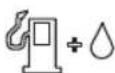
He3nnpoBaHHb6eH3nH MToTOPHOe MacNoIg2-TaKTHbIX DBrataleJ.

NoJIOKeHHe BKN

HanoIOBHy 3aKpbIToe noJoxKeHne npoccen

Плобжени "FULL" (Плнье o6opotbl)
CzenntB

Pacenntb

IopBnTe dnypeynpOBKn HataKeHnU cenn +=3aTaNHe cenb -=Ocna6bTe cenb
HanpaBHeHne nepemEeHnA cenn. (OTmeyeho nOu cenHO wecTepeHne)

ObHbI pExm
Pekim noorpeba
T
Perynpobka ckopoctn xonoctoro xoda
H
BbICOKOcKOpocTHa perynnpoBOuHna
L
Hn3KocKOpocTHa perynpoBouHa nrrna
YCIOBHBIE OBO3HAUHENBAHHOM PYKOBODCTBE

CmeuBaTe npeJnBaTe TOnnBO Ha BO3dyxe, BdaIOT NcKp OOrH.

He Kypnte npnpnroTOBJIeHHN TOONBHHO CMECN Nn 3anpaBKe TOONBHORO 6aka.

TeaHn npHaNExKHO npNo6peTaemble OTeJIbHO

PpimmeuHne

OctopoxHO

HaeneBaIe CpeDCTBa 3aunTbI rna3 nIuca.

HaedeBaIte 3aunTHyIO OeKdy DnBepxHey qactn TeJa.

HaedeBaIte 3aunTHyO oByb.

OCTAHOBInTe yCtpoNCTBO.

3anpnte kpbikky doctyna K pfniltpy.

OTonpnte KpbIuKy Doctyna K cnIbTpY.
Cneyuounie cnHnBhbe cnoBa n 3haeHH npedHa3HaueHbI DnToro, yTo6blObjCHHTb ypoBeHb pUCKa,C8raHHORO C 3TNM N3deJIeM:

ONACHO
Yka3bIbaeHT HeN36ExKHO onaChyO cnTyauHIO, KOTopar, ecn He N36ExKaTb, KOHNCTcA CMePTeNbHbIM ININ cepbe3HbIM yuep6om.

OCTOPOXHO
Yka3bIbAe TneHcuaJIbHO OAnchHyo CnTyauNIO, KOtOpa, ecn He N36ExKaTb, MoKTe KOHcyTbCra CmepTeNbHbIM INI cepBe3HbIM yUep6OM.

IPDEOCTEPEXEHNE
Yka3bIbae NOTeHuaJIbHO onaChyIO cHTyaUHO, KOTopA, ecJIH He n36ExKaTb, MOKeT KOHaTbCRA MaJIbIM INJyMehbWeHHbIM yUep6om.
IPEDOCTEPEXEHNE
YnOtpe6IaTeTc6e3 npEduynpeKdaHooero 3HaKa Yka3bIbAeT Ha cTuTaUIO, KOtopa MoKeT npuBeCTN K IOBpeKDeHIno HmUeCTBa.

TpaHcnpToPbOBka:
Kateropueckn He donyckaetcnae Hne n IIObIe MexaHueckne BO3deJCTBna Ha ynakOBky npu TpaHCnpTupOBke.
Ppi pa3rpy3ke/norpy3ke He donyckaetcncnoIb3oBaHne IIO6O Bua TexnKn,pa6ToaUeJe No npHHuNy 3axmaynaKOBKn.
Xpahnne:
Heo6xOIMO xpaHHTb B cyXOM MeCTe.
Heo6xOIMO XpaHnTB BdaJIN OT NCTOCHNKOB NOBblueHHbIX TEMpepatyp BO3dEInCTBnC OJIHeuHbIX Jyuei.
Прихаени Heo6xOДIMо n36eRaTb pe3KOrO nepenada TeMnepeatyp.
XpaHHeHbe3 yIpaKOBKn He IOnyCkAeTcra.
Cpok cnkyk6bln3dennia:
Cpok cnyyk6bni3dennncoCTabJrE 5 net.
He peKOMeHnyeTc K 3KcNpyatauIN NO nCTeueHn 5 neT XpaHEnH N DaTbI N3rTOBNeHn 6e3 npeDbapntelbHO npOBepKn.
Data n3rotobnHn (KoI DaTb) OTWtAMNOBAn Ha NOBepxHOCTN KOpnyCa 3dEInr.
Pnmupe:
W17 Y2015, rnde Y2015 - roD n3roTOBJIeHn
W17-HeJeIur3rTOBJIeHnI
OnpeDenTb Mecau n3roTOBnHn MOKHO corIaCHO npBeHHo Hxke Ta5nue, Ha npImepe 2015 rOda.
06paTne BnMaHHe! KOnuYeCTBO HeJeB B MeCaue pa3NuaeTcA OT rOda B rOd.
| Месац | ЯHBAPь | ФEBРДь | МAPТ | Апель | Май | Июнь | Июль | Агтуct | СЕТЯБь | ОКТЯБь | НаяБь | ДЕКАБь | Гов |
| Нedingу | 01 | 05 | 09 | 14 | 18 | 22 | 27 | 31 | 36 | 40 | 44 | 49 | 2015 |
| 02 | 06 | 10 | 15 | 19 | 23 | 28 | 32 | 37 | 41 | 45 | 50 | ||
| 03 | 07 | 11 | 16 | 20 | 24 | 29 | 33 | 38 | 42 | 46 | 51 | ||
| 04 | 08 | 12 | 17 | 21 | 25 | 30 | 34 | 39 | 43 | 47 | 52 | ||
| 05 | 09 | 13 | 18 | 22 | 26 | 31 | 35 | 40 | 44 | 48 | 53 | ||
| 14 | 27 |
PONCK HENCPABHOCTE
PpO6Jema Bo3MOXHbI npuHbI PeueHne
MToP He 3anyckaetc (PpOBepbTe, yTO6bl BbIKJIOUaTeIb CT0rN B nIOJOKeHn "I").
Het nckpb. Cbeya 3aXnraHHMOKET 6bITb TpeCHyTa nn
NOBpexHa.3aMeHnTe CBeuy 3axnraHna HOByIOI NonbTaTaeTcB 3anyCTntb BHOB.EcIN DnRaTeB BCE JHe 3anyCkAeTcO6paNTeCb B rapaHTnHoe 06cnyKBAHne dJaNbHeHwe npOBepKn.
Motop "3axne6hynca". NocTabte BbIKnOaTeB b noJoxeHne "O"
N BBBepHnTe CBeyu. IpeBedeTe pbyar
DPOCCENPOBAHNA B pa6ooye NOJoxKeHne
(HaxMnTE Do KOHua) N TOYHnTE pyuHOI CTapTep
15-20 pa3. 3TO OCBO6OHT MOTOP OT NUIHero
TONNBa. IpOyNCNTe CBeyu y UcTAHOBnTE ee Ha
MeCTo. NOCTaBBte BbIKIOUaTeHB NOJoxKeHne
(I). POnKaayte NoDCoc 10 pa3. POnTnHEpyHOI
CTAPTe TpN pa3c pbUaROM DPOCCENPOBAHNA B
pa6ooyem NOJoxKeHIn. EcIn MOTOp He 3aBOIDTCs,
NOCTaBBte pbyar 3anyckaB NOLHOCTbIO
OTKpbIToe NOJoxKeHne H3anyckaJIeT MEOTOp KaK
OBbHuO. EcIn N Oncne 3TOrO MOTOp He 3aBeINcR,
NOBTOpNE BCE 3TN ONEPAuIN C HOBO CBeyoi.
Motop 3aBODITcH He pa3roHReTc.
BnHT "L" (MaJIbe oOpoTbI) Tpe6yET perynipOBKn.
IoyuHTe perynpOBky cneuaJIncTy n3 LcHTpaTexHnueckoRo 06CnyKnBaHHa.
MOTOP 3aBODITcH NOIIOX pa6oTaET Ha noHoi CKOPOCTN.
BnHT "H" (6oIbIwne o6opoTbI) Tpe6yeT perynnpOBKn.
IoyuHTe perynpOBky cneuaJIncTy n3 LcHTpaTexHnueckoro 06cnyKbAHna.
MToP He pa3roHЯETcI Do IOnHOckOpOCTn, n 13 Hero NDet MHOrO Dbima.
Поберп Te KaueCTBO TOnJIINBHOI CMEcN.
IcnoJb3yIte HOByO CMEbc C npaBnIbHOI nponopuieM Macna DJIa DByXTaKTbIX DBratene.
Bo3dyhblФnIbTp 3acopnncy. HcTntb Bo3dyhblФnIbTp.
Cetka nckpooTPaKaTeJIa3acopnilacb.
Дя BBINONHeHЯ peMOHTa NIN 3aMeHbI O6paNTecb B yNOLHOMOeHHbI cepBnCHbI ueHtp.
Motop 3aBODITcN pa3roHaeTc,HO He DePKeNT peKIM MaIbIX o6OpOTOB.
BnHT "H" (6oIbIwne o6opoTbI) Tpe6yeT perynnpOBKn.
IoyuHTe perynpOBky cneuaNtCy n3 LcHTpaTexHueCKOrO 6cbnyBaHnA.
MOTOP 3aBODNTcN pa60TaET Ha MaJIbIX o6OpOtax, Ho cIeNb He Bpa7aetc.
Heo6xoIIMO OTopeRyInpOBAbKap6IopaTOp.
IoyuHTe perynpOBky cneuaNtCy n3 LcHtpaTexHHueCKOrO 6cbnyKbAHn.
MacJHbI 6ak dJa ceni npCT. 3aipabTne MacJHbI 6ak OndHOpeMeHHO C TOJIINBHbIM.
CnHcNtBHO HATHyTa. HATHTe Cenb.
IpoBepbTe pa60Tu MacJeHKn. DaTe MOTOpy npa60TaTb Ha cpeHnei
ckopoctn 30-45 ckynd. OctaHOBnTe nny
n npOBepbTe CTeKaHne Macna C uINhbl. Ecnn
Ha Hei ecTb MaCNO, Zenb MoKET 3aTyNTbcra,
a WnHa NoBpeDnTbcra. Ecnn Ha WnHe HET
MaCna, o6paTntecb LcHTp TexHueCKoro
OcbNyXKBaHnryoBi. B cnyae OTCyTCTBn
CMA3Kn Ha HanpaBnIooJe o6paTntecb B
ABTOPN3OBaHHb cepBnCHb ceHTp.
Topmo3 cen3a6loKIpObaH.
OTnyCTHTOPM03eHn.OTnyCTHTe cHnHOI TopMO3.
CnHcNtBnHbHaHTa. HATHTe nB
BniratEnb IIOxHET B 06bIyHom pexmE H He 3anyckaetc.
PpOBepbTe paOBeToCocTOrHne HnHbI n cen.
PpOBepe pa6ooye coCToHne uHHn u ceni.
Ha n3denn Bb6paH peKIM noDorpeBa npn HopMaJIbHOI TEMnepaType.
Bb6epnte HopmaIbHb pa6oynpeKIM n3dnn. DaTe DnIgatEnIO oCTbITb nepei NOBTOHPbIM 3aNyckOM.
Dbratelb He 3anyctntc HJH He DOCTnHET NOJHO MOUHOCTN.
Ha n3dienn Bb6paH peKIM NODORpeBa npH HopMaJIbHOI TEMNepaType.
Bb6epnte HopMaIbHbI pa6oHn peKIM n3dennr.
BnraTeIb He DoCTnraeT NOJIHOI MOUHOCTN pN Hn3Knx TEMpepatypax.
Ha n3deJINBbIbpaH HopMaJIbHbI pa6OuH peKIM npn Hn3kX TempePaTypax.
Bb6epTepeKIM noDorpeBa.
EN
FR
DE
ES
IT
NL
PT
DA
SV
FI
NO
RU
PL
CS
HU
RO
LV
LT
ET
HR
SL
SK
BG
UK
TR


Rezani korenovych nabehu
Viz strana 348.
KoRenov y nabeh je koRen vedouci z kmene az k zemi. Nez zacnete kacet strom, odrezte koRenove nabehy. Provedte nejdrive vodorovny zarez do koRenoveho nabehu a potesvisly zarez . Odstrahte odrezane casti z pracovni zony. Po odstraneni nabehovych koenu muzete zacit s kacenim.
Tlak a tah
Viz strana 349.
MUKÖDESI MODYK KOZÖTTI VALTAS
Lásd 357. oldal.