Secure 5 P2500732 - Saucepan TEFAL - Free user manual and instructions
Find the device manual for free Secure 5 P2500732 TEFAL in PDF.



| Brand | Tefal |
| Model | Secure 5 P2500732 |
| Product type | Pressure cooker |
| Capacity | 6 L (also available in 4 L and 7 L) |
| Pot diameter | 22 cm |
| Bottom diameter | 19 cm |
| Material | Stainless steel |
| Compatible heat sources | Gas, electric, vitroceramic, halogen, radiant, induction |
| Working pressure | 80 kPa |
| Maximum safety pressure | 170 kPa |
| Closing safety | Prevents pressurization if incorrectly closed |
| Opening safety | Button locked until pressure has dropped |
| Safety valves | Safety valve and sealing ring |
| Pressure indicator | Visual (rises/falls) |
| Included accessories | Steamer basket and support |
| Sealing ring (reference) | X2010003 |
| Pot cleaning | Dishwasher safe |
| Lid cleaning | Hand wash (not dishwasher) |
| Pot warranty | 10 years |
| Other parts warranty | 1 year |
Frequently Asked Questions - Secure 5 P2500732 TEFAL
User questions about Secure 5 P2500732 TEFAL
0 question about this device. Answer the ones you know or ask your own.
Ask a new question about this device
Download the instructions for your Saucepan in PDF format for free! Find your manual Secure 5 P2500732 - TEFAL and take your electronic device back in hand. On this page are published all the documents necessary for the use of your device. Secure 5 P2500732 by TEFAL.
USER MANUAL Secure 5 P2500732 TEFAL
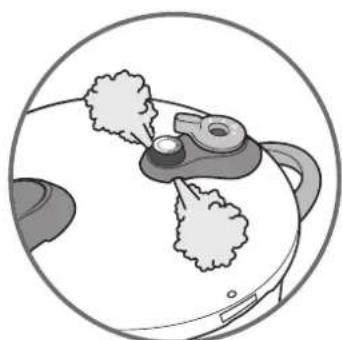
Fig 10 Fig 11 Fig 12
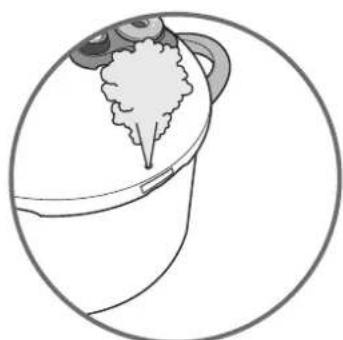
Fig 13 Fig 14
Précautions importantes
Important safety information
For your safety, this appliance complies with applicable standards and regulations:
- Pressure vessel directive
- Materials in contact with food
- This appliance is designed for domestic use.
Take time to read all of the instructions and always refer back to the "User's Guid - Just like for any other cooking appliance, always pay close attention to it, especially use in the presence of children.
- Never place your pressure cooker in a hot oven.
- Always be very careful when moving your pressurecooker under pressure. Never touch faces. Use the handles and knobs. Use gloves where necessary.
- Never use your pressure cooker for any purpose other than the one it was designed
- Your pressure cooker cooks under pressure. Scalding injuries may result from unsuitable Always make sure that the pressure cooker is properly closed before starting to use to the "Closing" heading.
- Always make sure that the operating valve is in the open (pressure released) position attempting to open your pressure cooker.
- Never force your pressure cooker open. Always make sure that the pressure inside it has been ped. Refer to the "Safety" heading.
- Never use your pressure cooker without any liquid in it for this willseriously damage it, make sure that there is enough liquid in it during cooking.
- Use heat source(s) that are compatible with your pressure cooker, in line with the i tions for use.
- Never fill your pressure cooker more than two-thirds full (the maximum mark).
- For food that expands during cooking, like rice or dried vegetables or fruit sauces, . your pressure cooker more than half full.
- After cooking meat with a superficial outer skin (e.g. tongue...) that may expand with pressure, never stab themeat while the skin looks swollen under pressure for you made. We recommend that you pierce the meat before cooking.
- For paste-like food (e.g. split peas, rhubarb...), the pressure cooker should be slightly prior to opening to ensure that these foods do not spray out.
- Always make sure that the operating and safety valves are not blocked before use. the "Before cooking" heading.
- Never use your pressure cooker to deep fry using oil under pressure.
- Never take any action on the safety systems other than that which is described in tructions for cleaning and maintenance.
- Only use TEFAL genuine spares designed for your model of appliance. This especially only using sendcodeR65ker body and lid.
- Alcohol vapour is inflammable. Bring alcohol to the boil some two minutes before you lid on. Watch over your appliance when making alcohol based recipes.
- Never use your pressure cooker to store acid or salty foods prior to and after cook, may damage your pressure cooker body.
Keep these instructions
Description diagram
A - Operating valve
B - Operating valve seat
C - Safety valve
D - Pressure indicator
E - Opening button
F - Long lid handle
G - Lid positioning mark
H - Operating valve positioning mark
I - Lid seal
J - Steaming basket
K - Steaming basket support
L - Long pressure cooker body handle
M- Pressure cooker body
N - Short pressure cooker handle
0 - Maximum filling mark
Characteristics
Pressure cooker base diameter - model references
| Capacity | Cooker diameter | Base diameter | Stainless steel model |
| 4 L | 22 cm | 19 cm | P25042 |
| 6 L | 22 cm | 19 cm | P25007 |
| 7 L | 22 cm | 19 cm | P25008 |
Standards information:
Upper operating pressure limit: 80kPa (12 psi).
Maximum safety pressure limit: 170kPa (25 psi).
Compatible heat sources
GAS
SOLID
HOTPLATE
CERAMIC
OR HALOGEN
INDUCTION
ELECTRIC


- The SECURE pressure cooker can be used on all heat sources, except on Aga cookers.
- When using an electric hob or induction, make sure that the size of the hot plate does not exceed the size of the pressure cooker base.
- On a ceramic or halogen hob, always make sure that the pressure cooker base is clean and dry.
- On a gas hob, the flame should not lick past the diameter of the pressure cooker base.
TEFAL accessories
- The following https://koker.accessories are available from shops:
| Accessory | Reference number |
| Seal | X2010003 |
- To replace other parts or have repairs performed, please call on your local TEFAL Approved Service Centre.
- Only use TEFAL genuine parts designed for your product model.
Use
Opening
- Using your thumb, pull on the opening knob (E) and move it back to the Fig 1 Hold the long pressure cooker handle (L) with your left hand, while turning the long lid handle (F) anticlockwise with your right hand, until it opens
- Then lift the lid off.
Closing
- Place the lid down flat on the pressure cooker taking care to line up the triangles on the lid and the pressure cooker handle - Fig 3
- Turn the lid to the left until it stops - Fig 3
- Push the opening knob (E) to move it to the position - Fig 4
Minimum filling
- Always pour a minimum amount of liquid of at least 250ml (two glasses) into the pressure cooker.
For steaming
- At least 750 ml (6 glasses) of water must be poured in. Food placed in the
-
Place the basket (J) onto the support (K) provided for this steaming basket must purpose - Fig 5 not touch the pres
-
Never fill your pressure cooker more than two-thirds full (maximum mark) Fig 6
For some food
- For food that expands during cooking, like rice or dried vegetables or stewed fruit...never fill your pressure cooker more than half full Fig 6
Using the operating valve (A)
To cook delicate food and vegetables
- Move the 1 on the valve (A) opposite the mark (H).
Pressure 1operates at 7lb (7 psi).
To cook meat and frozen foods
- Move the 2 on the valve (A) opposite the mark (H).
Pressure 2operates at 12 lb (12 psi)
To release steam
- Move the iron the valve (A) opposite the mark (H).
To remove the operating valve
- Let the appliance cool down before removing the valve (A).
- Press down on the valve and turn it to align its position
with the mark (H) Fig 7
- Remove the valve.
To refit the operating valve
- Place the operating valve in place taking care to align it
with the mark (H). - Press the valve then turn it until the desired position is reached.
Using for the first time
- Fill the pressure cooker to the two-thirds mark (the maximum mark) with water.
- Place the basket support (K) in the bottom of the pressure cooker and place the basket (J) on top of it.
- Close the pressure cooker.
- Move the operating valve (A) to position
- Place the pressure cooker on a heat source set to maximum power.
- Once steam starts to escape from the valve, turn the heat down and set a timer for 20 minutes.
Once the 20 minutes are up, turn off the heat.
- Turn the operating valve (A) to position
- Once the pressure indicator (D) drops back: your pressure controller is no longer under pressure.
- Open the pressure cooker.
- Rinse the pressure cooker with water and dry it.
- Note: The presence of stains on the inside of the pressure cooker base has no effect on the quality of the metal. This is simply a scale deposit. To remove these deposits, you can use a scouring pad and some diluted vinegar.
Before cooking
- Before each use of the pressure cooker, always remove the valve (A) (Refer to the "Using the operating valve" heading) and visually check that the operating valve seat (B) is not blocked. If necessary, clean it with a toothpfdg 8
- Check that the safety valve (C) can move: Refer to the "Cleaning and maintenance" heading.
- Fit the operating valve (A) and select the position or 2.
Always make sure that the pressure cooker is properly closed before starting to heat it. The opening button (E) must be in the position. - Place the pressure cooker on a heat source set to maximum power.
During cooking
- Once the operating valve (A) starts to continually release steam and a regular hissing sound can be heard, cooking h started. Reduce the heat setting.
- Set a timer for the cooking time stated in your recipe.
- Once the cooking time is up, turn off the heat.
Finishing cooking
To release the steam
- Once the heat is turned off, you have two options: If food or liquid starts to
- Slow pressure release: gradually turn the operating valve spray out from the (A) to the position. Make sure that the cooker is positioned so that the steam is directed away from you. Once the pressure indicator (D) drops down: your pressure cooker is no longer under pressure. This is used for stews, back to position and getables, meat joints and fish dishes. switch off the heat, wait
- Fast pressure release: place your pressure cooker under a few minutes and then cold running water, directing the flow onto the metal part of the lid. Once the pressure indicator (D) drops down, gradually turn the operat your pressure cooker is no longer under pressure. Turn the valve to the pooperating valve (A) to the position. This is used for sition, making sure soups, rice, pasta, milk puddings, egg custards, cake and nothing else spurts out. pudding mixes, recipes containing rice or pasta and recipes with a high liquid content. If in doubt, use the fast pressure release method.
Now you can open it.
Cleaning and maintenance
Cleaning the pressure cooker
Browning and scratching that may appear following long periods of use are normal and will not affect the performance of the pressure cooker
You can wash the pressure cooker body and the basket in a dishwasher.
Never wash the lid in a dishwasher.
For a longer pressure cooker life: do not overheat your pressure cooker pan when it is empty.
- For best appliance operation, be sure to follow these cleaning and maintenance recommendations every time the pressure cooker is used.
- Always wash the pressure cooker after use with warm water with a little washing up liquid added. Do the same for the basket.
- Never use bleach or chlorine products.
- Never overheat the pressure cooker body when it is empty.
To clean the inside of the pressure cooker
- Clean it with a scouring pad and washing up liquid.
- If the inside of the stainless steel cooker shows iridescent reflections, clean it with vinegar.
To clean the outside of the pressure cooker
- Clean it with a sponge and washing up liquid.
To clean the lid
- Wash the lid under a gentle stream of running warm water using a sponge and washing up liquid.
To clean the lid seal
- After using the pressure cooker, always clean the seal (I) and its groove.
To refit the seal, refer to the drawfiigs 9 - 10
To clean the operating valve (A)
- Remove the operating valve (A): Refer to the "Using the operating valve" heading.
- Clean the operating valve (A) under running tap water Fig 11
To clean the operating valve seat located in the lid
- Remove the valve (A).
- Visually inspect the seat and the steam release pipe in daylight to make sure that it is round and clear. If necessary, clean it with a ToothpiEg-8
Never use a cutting or pointed object to do this, you can use a cotton bud.
To clean the safety valve (C)
- Clean the part of the safety valve located inside the lid by placing it under running water.
- Check that it works properly by lightly pressing on the plunger which should move without difficulty. Fig 12
To replace your pressure cooker seal
- Replace your pressure cooker seal every year.
- Replace your pressure cooker seal if it shows any signs of splitting or damage.
- Always use a TEFAL genuine seal that matches your model of pressure cooker.
To store your pressure cooker
- Turn the lid over and place it on the pressure cooker body
Always have your pressure cooker checked by a TEFAL Approved Service Centre after ten years of use.
Safety
Your pressure cooker is provided with a number of safety mechanisms:
-
Closure safety:
-
If the appliance is not properly closed, the pressure indicator cannot rise and therefore the pressure cooker will never come up to pressure.
-
Opening safety:
-
While the pressure cooker is under pressure, the opening knob cannot be activated. Never force the pressure cooker open. Never tamper with the pressure indicator. Always make sure that the pressure inside the pressure cooker has been released.
-
Two excess pressure safety features:
-
First feature: the safety valve (C) releases pressure and the steam will escape horizontally from the top of the lid - Fig 13
- Second feature: the seal (I) lets steam escape vertically from the side of the-lig 14
If one of the two excess pressure safety systems is triggered:
- Turn off the heat.
- Allow the pressure cooker to cool down completely.
- Open it.
- Check and clean the operating valve (A), the operating valve seat and pipe (B), the safety valve (C) and the seal (I).
Recommendations for use
1 - The steam is very hot when it leaves the operating valve
2 - As soon as the pressure indicator rises, you can no longer open your pressure cooker.
3 - Just like for any other cooking appliance, always pay clos attention to it, especially during use in the presence of children. Never leave unattended whilst in use.
4 - Beware of the horizontal steam jet.
5 - To move the pressure cooker, always use both of the handles.
6 - Never leave food in your pressure cooker.
7 - Never use bleach or chlorine products for they could affe the quality of the stainless steel.
8 - Never wash the lid in the dishwasher. Never leave the lid soak in water.
9 - Replace the seal every year.
10 - A pressure cooker may only be cleaned when cold and when empty.
11 - Always have your pressure cooker checked by a TEFAL Approved Service Centre after ten years of use.
Guarantee
- Your new TEFAL pressure cooker comes with a ten-year guarantee for use under the conditions set out in these instructions. This guarantee covers:
- Any defects relating to the metal structure of the pressure cooker body,
- Any premature deterioration of the metal base.
- For other parts, a one year parts and labour guarantee is provided (except where applicable law in your own country states otherwise). This guarantee covers any defects or manufacturing faults.
- The contractual guarantee cover is provided only on presentation of a valid proof of purchase which shows the date of purchase.
The guarantee cover excludes: - The normal life of the seal, pressure control valve or lockin indicator seal is limited. These parts are excluded from the guarantee and will require periodic renewal.
-
Any damage consecutive to a failure to follow the major recommendations made or due to negligent use, especially:
-
Dropping, falls, bangs or knocks, placing in an oven...
-
Washing the lid in the dishwasher.
-
Only TEFAL Approved Service Centres are authorised to provide service under guarantee.
- Please call the Helpline number below for the address of your nearest TEFAL Approved Service Centre.
Helpline: 0845 602 1454 - UK
(01) 677 4003 - Ireland
Or consult our web site: www.tefal.co.uk
TEFAL and your Frequently Asked Questions
| Problems Recommendations | |
| If the pressure cooker has Have your pressure cooker inspected by a TEFAL heated up under pressure Approved Service Centre with no liquid inside: | |
| If the pressure indicator did not rise and nothing escapes from the valve during cooking: | This is normal for the first few minutes.If the problem persists, check that:- There is enough heat, if not, turn up the heat.- The amount of liquid in the pressure cooker is adequate.- The operating valve is set to - The pressure cooker is properly closed and the opening button is in the position.- The lid seal has not perished. |
| If the pressure indicator has risen but still nothing escapes from the valve during cooking: | This is normal for the first few minutes.If the problem persists, place your appliance under water. Then open it.- Clean the operating valve and the valve set to 8 and check that the safety valve can be pushed in without difficulty - Fig 12. |
| If steam escapes from around the lid, check: | That the lid is properly closed and the opening b in the position.The seal is correctly fitted into the lid.That the seal is in good condition, and if necessary place it.That the lid, the seal, its seat in the lid, the safe and the operating valve are clean.That the rim of the pressure cooker body is in go condition and not damaged. |
| If food has burnt on the bottom of the pressure cooker: | Leave the pressure cooker to soak for a while bef washing.Never use bleach or chlorine products. |
| If you cannot open the lid: | Check that the pressure indicator is down.If not: release pressure and if necessary cool the pressure cooker under a stream of cold water. |
| If food is not cooked or has burnt, check: | The cooking time.The heat level.Whether the operating valve was in the right pos The amount of liquid. |
Regulation markings
| Marking Location | |
| Manufacturer's identification or trademark | Lid handle |
| Year and batch of manufacture Inside the | lid |
| Model reference Operating pressure (PF) Max. safety pressure (PS) Capacity | On the outside of the pressure cooker body |
Table of cooking times
These cookingtimesareapproximate and mayneed slightadjustmentaccordig topersonalta
Vegetables
| Preparation | Cooking | FRESH PRODUCE Valve position 1 | FROZEN PRODUCE Valve position 2 | |
| Artichoke Whole | - steam | 18 min. | ||
| - immersion | 15 min. | |||
| Asparagus - immersion | 5 min. | |||
| Beetroot, red Peel after cooking - steam | 20-30 mindependingon size | |||
| Broccoli Florets - steam | 3 min. 3 min. | |||
| Brussels sprouts | - steam | 7 min. | 5 min. - immersion | |
| Cabbage, green | sliced | - steam | 6 min. | |
| leaves | - steam | 7 min. | ||
| Carrots | sliced | - steam | 7 min. 5 min. | |
| Cauliflower | Florets - immersion | 3 min. 4 min. | ||
| Celery | 5-cm pieces | - steam | 6 min. | |
| - immersion | 10 min. | |||
| Courgettes | 2.5-cm slices | - steam | 6 1/2 min. | 9 min |
| - immersion | 2 min. | |||
| Endives | - steam | 12 min. | ||
| Green beans | Whole or sliced | - steam | 8 min. 9 min. | |
| Green lentils(dried pulses) | - immersion | 10 min. | ||
| Leek | 5-cm slices | - steam | 2 1/2 min. | |
| Mushrooms | sliced | - steam | 1 min. 5 min. | |
| whole | - immersion | 1 1/2 min. | ||
| Peas | - steam | 1 1/2 min. | 4 min. | |
| Potatoes (such as King Edwards) | quartered | - steam | 12 min. | |
| - immersion | 6 min. | |||
| Pumpkin (mashed) | pieces | - immersion | 8 min. | |
| Rice (Long grain white) | see note below | - immersion | 7 min. | |
| Spinach | - steam | 5 min. 8 min. | ||
| - immersion | 3 min. | |||
| Split peas(dried pulses) | - immersion | 14 min. | ||
| Turnips | 2.5-cm cubes | - steam | 7 min. | |
| - immersion | 6 min. | |||
Steam = cooked in the steam basket
Immersion = cooked directly in water
RICE : never fill more than half full including liquid as rice froths and boils up cooking. Use 225 g rice and 1.75 litre water from a boiling kettle.
Meat - Fish
| Weight | FRESH PRODUCE Valve position 2 | FROZEN PRODUCE Valve position 2 | |
| Beef | 1 kg (topside) | 40 min (medium)* | 1 hr (medium)* |
| Chicken | 1.2 kg (whole) | 27 min Do not | cook from frozen |
| Lamb | 1.3 kg (half leg) | 50 min (medium)* | 1hr 10 min (1 kg half leg - medium)* |
| Monkfish | 0.6 kg (fillets) | 4 min | 6 min |
| Pork | 1 kg (leg joint) | 35 min Do not | cook from frozen |
| Salmon | 0.6 kg (4 steaks) | 6 min | 8 min |
| Tuna | 0.6 kg (4 steaks) | 7 min | 9 min |
- Cook for an additional 5 minutes for well done meat.
Golden rules when pressure cooking (for UK Consumers)
- The minimum quantity of liquid required for normal cooking is 250ml ( 12 pint) for first 14 hour cooking. For each additional 14 hour, or part of 14 hour, add a further ml ( 14 pint) of liquid. For example, 45 minutes cooking requires 600ml (1 pint) of quid. Note: This is only a general guide. Certain foods, such as rice, pulses, steamed puddings and Christmas puddings may require extra water (see text below).
- When steaming foods in the basket use a minimum of 750 ml (1½ pint) water in cooker.
- Always use a liquid that gives off steam when boiled e.g. water stock, wine, beer, or milk. Never use oil or fat. All pressure cooking requires some liquid.
- Whatever the size of pressure cooker, the maximum filling level when all the ingredients and liquid have been added are:
Solid foods e.g. vegetables, meat joints: no more than two-thirds full Liquids and cereals e.g. soups, stews, rice, cereal and pasta: no more than Pulses e.g. dried beans and dried peas: no more than one-third full
- When cooking pulses they swell up and tend to froth up. Use 1.2 litres (2 pints) w for every 450g (1 lb) pre-soaked weight of pulses. Remember all dried peas and dr beans, must be soaked in boiling water for 1 hour before cooking. Drain, rinse thoroughly and cook in fresh water. Never eat uncooked beans or peas. Soaking is not necessary for red lentils. The high temperatures achieved in the pressure cooker ensure that any natural toxins in the pulses are destroyed. Canned beans and pulses can simply be drained and rinsed before adding to the pressure cooker.
- For steamed suet puddings, sponge puddings or Christmas puddings, a short pre-stemming time is best to enable the raising agent to activate and prevent a heavy, clogging ture. Extra liquid is required so use a minimum of 112 pint/900 ml of boiling water in a combined steaming and cooking time of up to 1 hour. For each additional 1/4 hour of cooking, or part of 1/4 hour, add a further 1/4 pint/150 ml of boiling water. Pre-stemming is done with the operating valve in the steam release position on a low heat the required time. Then turn the operating valve to either 1 or 2, and increase the time to bring to full pressure. Lower the heat and pressure cook for the required time. Pressure 1 operates at 7 lb (7 psi) and pressure 2 at 12 lb (12 psi)
- Never cook dumplings with the lid tightly closed, as they could rise up and block the fety devices. Cook the stew and at the end of cooking, release the steam and cool gently for about 10 - 15 minutes without the lid on.
- Pressure cooking times vary according to the size of individual pieces or thickness of the food, not the weight.
- To prevent discoloration of the interior, caused by mineral deposits in hard water areas, add a tablespoon of lemon juice or vinegar.
- Cooking containers must withstand temperatures of 130^ ( 250^ ). Any covering on containers, e.g. foil, greaseproof paper or cling film, must be securely tied otherwise they could block the safety devices. Do not use plastic lids as they prevent steam from being in contact with the food. Also, they could distort and come off during cooking which could block the safety outlets.
- Accurate timing is essential when pressure cooking to prevent overcooking, especially with vegetables, fruit and fish.
For at slippe damp ud
For at rengore laget
For at rengore driftsventilen (A)
KERAMISK HALOGEN STRALINNGSVARME

INDUKTION

ELEKTRISK
SPIRAL

He nblheTe TeHxepaTnOHaIraHe nobuee ot 2/3 (MaKcImaHNo HnBO Ha HnBlaHe).
-При приrostяпс Ha xpaHnteHn npOdyKtN, KOnTo yBelenuHaBt obema cn, KaTo opn3, cyseH 3elenchuyu nIIN pIoDoBe, He nbInHeTe TendxepaT naHnaRe HneBce ot noNoBuHaTa.
Cne npuroTbHe Ha Meca, yraTo NOBbpxHocTe e NOKpTa C KOxa (HaNP. rOBexKn e3NK n KoATo 6n MoRna Da ce Hndye NOD BnNHNeTo Ha HnAraHcTo, He 6oDeTe MecOTO DOKaTO Kn HAdyTa, 3aOTo pncKyBaTe Da ce n3rOpnte. IpenopbUbaMe BN da Na hAbOte MeCOTc CNnn npden Da ro rotBNTe.
-При пригова He Ha xpaHHTeHNn npOdyKTn, KOnTO CTaBaT Ha Ka7a (cMaUKaHn rpaXOBn 3bPnpeBEN n dp.) IeKo pa3TbpcTe TeHxJepata, ppeN daЯ OTbOpnte, 3a da npeDOTbpaTnTe n3npbCKBaHe.
- Ппдь BCяka уnotpe6a npOBepraBaiTe dani KnaPahnTe He ca 3anyuSeHn. BuxTe pa3dien,ПргOTBeHe".
He n3no3BaIte TeHxKePaTa 3a NpXeHe NOd HJIraHe C Ma3HHHa.
- N3BbPwBaIte camo obuayHa noDpXka n NoouCTBaHe Ha 3aunTHnte cNCTeMn.
-Изпольайт eднстveho opигиналн pezeрви чаNTEFAL, cBOTBeTcBaun Ha Baшma moДe.Изпольайт сбд n KaECURE5
-
AnkoxonHnTe nap ca Bb3PnaMeHm. OcTaBeTe da BpN OKoNo 2 MNHyTN, npeIN da nocTabaKaIaka. Ha6IoudaBaiTe ypeA, Korato npuROTBaTe peCenT, CbDbpXaUn anKoxon.
-
He u3noI3BaIe TeHJKePaTa noi HaJIraHe 3a cbXpaHHe H a KIncEn iNn coJeHn npOdyKT npEiN cIeI npIroTbIHe, 3aIoTo MoKTe da NobpeDnte TeHJKePaTa.
3ana3eTe HactoIte NHcTpyKcnn
A-Pa60TeH KJanaH
B-BeHTnHa pa6OTnKaIaHa
C-Klanah 3a6e3onacHOCT
D-Инданкаторзанлгаге
E - Bytoh 3a OTBaPaHrHe
F-ⅡbIra npbXka Ha KaNaKa
G-O3haeHne 3a npabnHNO nocTaBHe Ha KaNaKa
H-O3haueHne 3a npabunHO nocTabaHe Ha pa60THnKlaan
- YnIbTHHeHne Ha kanaKa
J-KoHnua 3a roTbeHe Ha npaa
K-HocauHaKoUHnuaTa3a rotBeHe Ha napa
L-ДылгадрьжkaHaCbda
M-CbA
N-Kbca npbxxka Ha cbda
O-O3haeHne 3a MaKcImaHNO HnBO Ha HanbIbAHe

XapakTepnCTnKn
3a npnroTbHe Ha MeCo N 3aMpa3eHn XpaHn
-ПикTORpamata 2HaКлanaHa(A)ТрЯБаДaбБдeСршу 3нaka(H).
3a ocbo6oxkaBaHe Ha napaTa
- Пиктогама Na КлanaHa (A)ТрЯбва Дa 6bde cpeу 3HaKa (H).
3a oTcTaHЯBaHe Ha pa6oTHnKaIanaH
- OctaBeTe ypeDa Da n3CTnHe, npedn Da maxHeTe KlaNaHa (A).
HaTnchHeTe KlaNaHa N 3aBbPTe TaKa, Ye da cbOTBeTCTBa Ha (H) -DnI.7
MaxHeTe KlaNaHa.
3a noctabrHe Ha macto Ha pa60THnKlaanaH
- Пoctabete pa6OTHnKlaNaH, KaToT py6Ba da 6bnde cpeuy 3HaK (H).
- HaTnuchete knaanaHa n 3aBbptete Do XeNaHOT ONoJXeHne.
Пьрва уnotpe6a
Cunete Boda do 2/3 Ha cbda. (MaKcImaJIHo HnBO Ha HanbIbAHe)
- NocTabete Hocaya Ha KowHnuaTa (K) HaDbHOTo Ha Cbda n Noctabete KoWnuaTa (J) OTrope.
3aTbopeTe TeHxepaTa noHaIraHe.
- Пoctabete pa6OTHЯ Кларан (A) Ha 2.
Cnoxete TeHkepaTnOHa HalaRe He Bbpy ToIInHe n3TOuHK, BKIOueH Ha MaKcImaHa MoHOCr.

Korato 3aNoUHe da n3n3a npa npe3 KlaNaHa, HAmaneMoHocTt a 3aceye 20 mH.
Korato 20 MInHyTN n3TeKaT, n3KJIIOUeTe TOnJIINHHNn N3TOUHnK
3aBbptete pa6oTHnKaIaan (A)Ha nOIOKeHn
Korato nHdkaTopbT 3a HaIraHe (D) cnaIHe: TeHdxepaTa Beue He e eoH aHaIraHe.
- OTbopete TeHdxepaTa noHaIraHe.
- Изплakне TeнджepаТа пон haягHe C BODa nЯ noDCyweTe.
3a6eJekka: NOBbTa Ha NtHa Bbpxv BbTpewHOTo DbHO Ha Cbda No HnKaKbB NaHn He Ce OTPa3Ra Ha KaueCTBOTO Ha Metana. TOba ce IbJnx Ha OTIraHe Ha KOTJeH KaMbK. 3a Da NOUcHTte NtHaTa, MoKeTe Da n3NoJ3BaTe TeJ 3a CbdoBe IN MaIKO pa3TBOpEn BbB BOJa OceT.
Ppei roTbeHe
- Ппени BCяку уnotpe6a maxaTe klnanHa (A) (BnxTe pa3dien,ИЗнOL3BaHe Ha pa6OTnIg KlnanH") ИnorJIeDHeTe Ha CBETJINHaTа ДдИ BENTINbT Ha pa6OTnIg KlnanH (B) He e 3anyuWeH. Ako e Heo6xOДmO ro noUcTeTe c KneUka 3a 3b6n -ФИr.8
- Пювереталл Клаланьт 3a 6e3oNaCHocT (C) e NOДВИЖЕн: ВIXTe pa3delen'Почиствае И подрьжka".
- Пoctabepe pa6oTHnKlaan (A)Ha MrcToTo My n 36epTe noJoxKeHne1nn2.
- Ybepete ce, Ye TeHJKePaTa noi HaIraHe e npaBnH0 3aTBopeHa, npei Da a BKnIOuHTe.
- CnojKeTe TeHJKePaTa NOd HaNraHe Bbpy ToNInHe N3TOuHnK, BKIOUeH Ha MaKcImaJIHa MOsHOCT.
Пов
Korato pa60THnT Knaan (A) 3anoHne HnpeKbchato da n3nycka npa n ce yBa noCToHEn CBnCTa 3Byk (OUYy), TOBa O3HaayBa, ye rotBeHTo e 3aNoHAno I MoXe Ta HaMaIITe TOnnnHHn I3TOUHNK.
3aceyeTe nocoueHTo B peeTata Heo6xOIMo BpeMe 3a npiroTBHe.
CneI KaTo BpeMeTo 3a npuROTBaHe N3Teue, N3KIOUcTe TOJIINHHN U3TOUHNIK.
Kpaɪ Na rotbeheTo.
3a ocbo6oxkaBaHe Ha npaTa
- CnéД kaTo ИЗКЛЮЧИТЕ TOПЛINHHЯ ИЗTOUHнK, ИмTe ДБeВь3MOЖHOCTи :
-БаВно NOHЖаBaHe Ha HailraHaTeO:3aBbptepeap60THnKlaPAn (A)Ha nOLOXKeHne.KoratoMHdNKaTOpbT 3a HailraHe (D)cnaHHe:TeHdXepaTa BeYe eNoI HaJIraHe.
-Бьрзо NOHЖаBaHe Ha HailraHaTeO: NocTaBete TeHdXepaTa ПОД HailraHe ПОД CTydeHa Teuza BODa.
Ako no Bpeme Ha noHnKaBaHeTo Ha HanaRa-HeTo 3a6eJeknte
Heoohn npckn: BbPhepeyntopa He
Ha npeDnHHTO My noIIOxKeHne 1 n cIeD
TOBa NOHnKeTe HaIra
HeTo 6aBHO, KaTo BHNMaBaTe Da He ceNoBBArT npbCKn.
- Moxete Да я OTBOPITE.
Почистваши рыжka Почистваши на тенике ра повсят
IOTbMHaBaHeTo NIN DpaCKOTnHITe, KOUTo MORaT Da Ce NOBRT Cnei Dblro n3non-3BaHe He npedctabnaBbAT npo6nem.
MoxTe Da NouCTBaTe Cbda N KOHNaTa B MnaHa MaunHa.
He nouchBaIte Ka- naka B MnaJaHa Ma- shHa.
3a da 3ana3nTe no-DbIro BpeMe KayeCTBaTa Ha BaWata TeHJKepa NOD HAnraHe: He HarpBaTcBda, KOrato e npa3eH.
3a da pa60n ypeBbT Bn npabuHNO, cna3BaTe Te3n npeopbKn 3a nouchBaHe n noDpBXka CneB BcKa ynoTpe6a.
- I3MnBaIte TeHJxepaTa NOd HaNJaHe CJIeD BCa yNoTpe6a C xJaKa BOna N npenapat 3a cbdoBe. PpaBete CbIoTO N C KOHNuTa.
He n3noJ3BaIte 6eInHa nnXloPn npenapaTn.
He harpaBaiTe cBda, KOraTo e npa3eH.
3a nouICTBaHe Ha BbTpewHaTa Yact Ha Cbda
-Измийт ec Tei npenapat 3a cbdoBe.
- Ako BbB BbTpewHaTa Yact Ha INHOKOBnCbД nMa OcBeTeHn yuctbU, NOuchTeTe rN Couet.
3a nouICTBaHe Ha BbHsHaTa YacT Ha Cbda
- I3mniTe c r6a n npenapat 3a CbIOBe.
3a nouICTBaHe Ha KanaKa
- Изменеkanaka поструяхладka Boda c r6a n npenapat 3aCbdoBe.
3a nouICTBaHe Ha ynIbTHHeHneTo Ha KaNaKa
- Cnéi BCaKO rOtBeHe NOUcTBAuTe yNlBTHHeHnETo (I) n XJIe6a My.
3a NOCTABRHe Ha yNtBTHHeHnETo Ha MAcTOTO My BuxTe cxemata- n.r.9-10
3a nouictBaHe Ha pa6oTHnKlaanA (A)
Maxhepepa60THnKaIaHa(A):BnXTe pa3dEn,Un3noI3BaHe Ha pa60THnKaIaHa.
-Почисте павOTня Кланн (A) посту Тechаши Вда -Фиг.11
3a nouictBaHe Ha BeHTnla Ha pa6oTHna Klanah, pa3noIoxKeH BbTpe B Kanaka
MaxheTe KlaNaHa (A).
-ПровереTe Ha CBeTлнHa ДдИ ВeHTиЛьТ 3a ИЗпскаHe Ha napa e OTnyшEN I C OВалHa φОмA.АК e HeO6xOДИМо rо почтete c KLEUka 3a 3b6nФИr.8
Hnkora He n3non- 3BaITe OCTbp nn nppeMeT, 3a da HappaBnTe TOBa.
3a nouictbaHe Ha Klaanah 3a 6e3onachoct (C)
- Почисте ча сда на Ha КлanaHa 3a 6e3OnaCHOCT, pa3noLoXeHa
Вьтpe B Kanaka, KaTO ro ИЗМиTe NOД Teuaanza BODa.
- Поберете правинда My pa6ota, КATO Леко Натиchede Клара, Кая Тразьda Да Влес Навытpe 6e3 3aTpPydHeHn -Фиг.12
HaonKeHNO e da 3a-heceTe TeHKepaTaNOD HanaRaHe 3a npo-phiNaKTnKa B ODo6peHOT ETEFAL cepBn3eHcHTbp, CneI KaTO cTeY n3NoJ3BaJI N 10 roDHN.
3a cMaHa Ha yNtBHeHneTo Ha BaSha Ta TeHxepa noHaJaRaHe
CmeHnTe yIbTHHeHneTo Ha BaWata TeHJKepa nOHaHaRaHe BcKa rOuHa.
CmeHete ynTHeHneTo Ha BaWata TeHKepa noHaIraHe, aKO e cUeNeHO.
B3mMaTe BnHaRn opuHnHaHNo yIbTHHeHne Ha TEFAL, NOxOJa0 3a Baunr MoJeI.
3a npn6npaHe Ha TeHJxepaTa nOd HalaRaHe
- 06bpeKaNaKa BbpxCy cbDa.
Be30nacchoCT
BaWata TeHJKepa noi HaJIraHe e cHa6DeHa c HAKoJIko cnCTemn 3a 6e3OnaCHOCT:
- Be3onacHocT Ha 3aTBaprHeTo:
- Ako ypeDbT He e npaBnHNo 3aTBopeH, INnKaTOpbT 3a HaIraHe He OTuHa TIOBnShaBaHe Ha HAnraHeTo n HaIraHeTO B TeHxKePaTa He Ce NOBnShaBa.
- Be3onacHOCT Ha OTbapAHeTo:
-Ako TeHxepaTa e noHaIraHe, 6yToHbT 3a OTbapnHe He MoKe Da 6bDe 3aJeCTBaH. Hnkora He OTbapnTe TeHxepaTa noHaIraHe cbc Cnla. He npabete HnIo, aKO INnKaTopbT OTHTa NOBnSeHo HaIraHe. YbepeCe, ye BbTpewHOTo HaIraHe e cnaHaNo.
- Две систем за 6eэzonachoct за CBрхнаягаhe:
-Пьрва систema:Клаланьт 3a 6e30anacnoct (C)ocBO-6oxДаВа hablaraHTo n XOpn3OHTaIIHO nAд KaNaKa n3-Ⅱn3a npaФИr.13
- Btopa cncTeMa: YnIbTHeHneTo (I) n3nycka npapa BeptnKaJIHo ot pb6a Ha kaNakaФИr. 14
Pn 3aDenCTBaHe Ha eHa OT cNCTeMTe 3a 6e3oNaCHOCT 3a
PpeDoTbPaTaBaHe Ha CBpbXHaIraHaTeO:
- N3KIOUeTe TOIINHHNn I3TOUHNK.
- OctaBeTe TeHdxepaTa NOI HaJIraHe Ia N3CTnHE HAnbJIHO.
- OTBOPeTe.
- Пюверете и поочтete pa6OTня Кlaпан (A), BeHTиla 3a ИЗпскан На па (B), КlaпаHa 3a 6e3ОпаСHOCr (C) И улбТHeHNeTo (I).
Пpenopьки за ползванe
1 - Napata e Mhoro ropesea, Korato n3n3a ot pa60THN Klaana
2 - Korato ИнданkaTopbT nokaxe, Que haIraHeto ce e NOBUNBEue He MoXeTe Da OTBOpITe TeHIXePaTa NOD HaIraHe.
3 - KaKTo npn BCnUKN KxHHeNcKn ypeu, He octaBnTe TeHJKePaTa nOd HaNraHe 6e3 HaD3Op B npncbCTBneTo Deua.
4 - Na3ete ce ot napata.
5 - ПемecТВаite TeHДжЕрata noД haJIraHe, KaTO xBaUaTe DBeTe npbЖКn Ha CbДa.
6 - Hnkora He octabrte npodyktn da cTOrT bIro BpeMe B TeHxepaTa NOHnraHe.
7 - Hukora He n3no3BaIte 6eHnHa nn XnOpHn npenapaTn, 3aTO MoKeTe da BNoHTe KaueCTBOTo Ha HepbXdaEmaTa CTOMHa.
8 - He постваite kana Ka MnaHa MaunHa. He octabraye Ka naka HaKnCHaT BbB Boda.
9-CmeHnTe ynpbTHeHneTO BcKa rOuHa.
10 - Почистваши.To Na BaшаТ Teнджepa noД HaJIraHe 3aДьлЖИтELHо Tpr6Ba Da ce N3BbPwBa eDBA cIeД KaTO e npa3Ha И n3CTnHaJa.
11-HanoXHTeHoe da 3aHece TeHJKePaTa NOd HAIraHe 3a npoΦnIaKtIka B Odo6peHOT TEFAL cepBn3eH ueHTbp, cIeI KaTO CTe Ra n3NoI3BaII 10 roDHH.
TapaHcna
- Пи паBNHо n3noJ3BaHe cbo6pa3Ho nHcTpkyuNTe 3a
ynotpe6a CbT Ha HOBata BN TeHjKepa NOd HAnraHe Ha
TEFALec DecetroMHa rapaHcna Cpeuy:
- BcKaKBN DeΦeKTN, CBbp3aHn C MeTaJHaT a CTpykTypa HaCbda,
- BcKaKbI npexKeBpeMeHHa NOBpeHa MeTana Ha OCHOBaTa.
- ПО OTHOWENHe Ha dpyrnte qactn, rapaHcIyra 3a qact n Tpyd e 1 roDHa (ocBeH aKO nMa dpyr n pa3npoe6b N B 3aKoHOdaTeJICTBOTO Ha BaWata CTpaHa) 3a BCaKaKBn fapuHn DeΦeKtN.
- Moxete da ce Bb3noJ3BaTe OT Ta3n rapaHcIpy npu npedctabHe Ha kacob 60n mN fakTypa c daTata Ha 3aKynyBaHe.
-「RapaHcIyTa HeNoKpNbA:
- Повреи, причиненьо.T HeCna3BaHe Ha BaxHn yKa3aHnЯ nIi HeBHMaTeJIHa yNtpe6a, a ImeHHO:
-yaap,naaHe,IN3nOJ3BaHeBbBfypHaNIp.
- NocntBaHe Ha KaNaKa B MnaHa MaHnHa.
- Camo odo6peHn ot TEFAL cepBn3Hn uehtpOBe ca oToPn3npaHn da Bn npedocTaBrt HactoJcaTa rapaHcNIA.
- 06aTe ce Ha 6e3nlaTHnA TelefoHeH Homep 3a aDpeCa Ha Hau-6n3KnOdo6peH OT TEFAL cepBn3eH ueHTbp.

TEFAL ige otrobopn Ha Bbnpocnte Bn
Hem3npabhoctn Прорьк Ако тенджерата пон haлгаге e 6иla OCTавенда се заюплиь teчноct: •Заhecete тенджерата под haлгаге за пroф��akтука в TOBA Ако ундikatopьт 3a haлгаге не се e noвишими и праз ьentILA he nizlinza пара по Всpeм на rotbeHETo: •Тoba e hopmalno праз ьрвITE Няковko минут. •Ако тoba п探测ьжаба, п探测ete дали: -Торліннгийизточник e достын о сileн, a akо не e taká, ro увениte. -Колочевто ТЕСНСТВ СБДЕДОCTAын. -Рабовейт клалан e завретан на поожелные . -Тенджерата под haлгаге edoбpe 3atbopeda. -Улътэнcopeюпли рьбьт на сбда не са поbewedeп. Ако ундikatopьт 3a haлгаге се e noвишими, HO праз ьentILA he nizlinza пара по Всpeм на rotbeHeTo: •Тoba e hopmalno праз ьрвITE Няковko минут. •Ако тoba п探测ьж�ы: -Пос tabete урда под сTuDEна ВODа. След тoba по OTBOPete. -Почистete пботни Клалан и вентILA на пботни Клалан -ФИг. 84 ce уberete, че клалata на Клалана 3a 6ezopachocst ce DBIXN 6e3 3atpydneHЯФиг. 12 Ако ундikatopьт 3a haлгаге се e noвишими, HO праз ьentILA he nizlinza пара по Всpeм на rotbeHeTo: •Далу калakьт e do6pe 3atboperн. •Далу улътэнcopeюпостаBEH. •Далу улътэнcopeю e Bdo6po sbctOЯнe и при HeobxodimocT ro cmeHete. •Далу калakьt, улътэнcopeю и жлесьт Му, Клаланьт 3a 6ezopachocst и пботни Клалан са чИСТ. •Далу рьбьт на сбда e Bdo6po sbctOЯнe. Ако п探测ьтite са nizropeл n TeHxkepata по HaIraHaNe: •Нakисhte Тьда 3a ИЗБecTHО Врeme, праз Дду ro ИЗМиTe. •Hnkora He niznoL3BaIte 6elenha плихорни пpenapatni. Ако не можete дa otворite kaPaka: •П探测ete далу Индikatopьт 3a haлгаге e саддал: •В пotивен счuaу: понжete Налганeto и пriп HeobxodimocT oxlaadeTe Tendkepata по счтуя сTuDEнa BOda. Ако п探测ьтite He ca сварени и лу akо са nizropeл, п探测ete: •Времeto 3a приrotянe. •Мошиста на ТOTПINHHY ИЗTOUHIV. •Далу пботнит клалан e на правлIHOTO поLOЖЕпe. •Колочевто ТEVHOCT.
PergamentupaHa MapKnpOBka
Mapкировka Място Идентиф尼克адия на позивodпелегилл.Tьрювскату марka Дръжka на калaka. Голина на позивodстvo и пapтuida на вьторешина за сда на калaka. Каталожен Homeр на моретаРавOTно налаяганe (PH)Мakсимално 6ебонасно налаяганe (MH)Вмостимост На вьншату сда на дьнотунсбда.

Ta6nua c BpemeHa Ha npiroTBaHe 3eHcyu
Готвае ПЕСИ
Положения
На Клара1 ЗAMPA3EHN
Положения
На Клара2 Артышok - па* 18 мIN - ВьВ Вда** 15 мIN Аспэржи - ВьВ Вда 5 мIN Черваноцевко - па 20 - 30 мIN Жито (сухи зеленчци) - ВьВ Вда 15 мIN Броколи - па 3 мIN 3 мIN Моркови Нakръчета - па 7 мIN 5 мIN Цени - па 6 мIN - ВьВ Вда 10 мIN Гьби На сitsно - па 1 мIN 5 мIN Цени - ВьВ Вда - па 1 мIN 30 Зелe На сitsно - па 6 мIN На листа - па 7 мIN БрикSELSCKO зелe - па 7 мIN 5 мIN - ВьВ Вда Карфioл - ВьВ Вда 3 мIN 4 мIN Тиквочи - па 6 мIN 30 9 min - ВьВ Вда 2 мIN Цирия - па 12 мIN Спанak - па 5 мIN 8 мIN - ВьВ Вда 3 мIN Зелен phасул - па 8 мIN 9 мIN Зрал phасуl - ВьВ Вда 20 мIN Зеленалеса (сухи Зеленчци) - ВьВ Вда 10 мIN Рая - па 7 мIN - ВьВ Вда 6 мIN Грах - па 1 мIN 30 4 мIN Нарязаннада кръчetedа празлuk - па 2 мIN 30 Тиква (пюpe) - ВьВ Вда 8 мIN Нарязани на чевыртейки karтофи - па 12 мIN - ВьВ Вда 6 мIN Смачkanграх (сухи Зеленчци) - ВьВ Вда 14 мIN Оригз (сухи Зеленчци) - ВьВ Вда 7 мIN
\* PpOdyKTN B KooHnHaTa 3a roTBeHe Ha npa
** PódykTN BbB BOdTa
Meco - Pn6a
ПЕСН
Положения на клалана 2 ЗAMPA3EHN
Положения на клалана 2 Агнeshko месо (6ут 1,3 кг) 25MH 35 МИH Товжdo месо (1 кг) 10MH 28 МИH Михалца (фи LE 0,6 кг) 4MH 6 МИH Свинско месо (1 кг) 25MH 45 МИH Пиile (цяло 1,2 кг) 20MH 45 МИH Сьомга (4 Фильета по 0,6 кг) 6MH 8 МИH Тон (4 Фильета по 0,6 кг) 7MH 9 МИH
Duležita bezpečnostní opatřeni
V zajmu vaši bezpečnosti je tento pristroj ve shoděs použitelnými normami a predpisy:
- Směrnice o tlakovém zařizení
- Materiały v kontaktu s potravinami
Tento pristroj je urcen pro pouziti v domacnosti.
- Pozorné si préctete vsechnyPokyny a vzdy se ridte,Uzivatelskou priruckou".
- Pri použiti vsech pristrojū určenych k tepelné upravě potravin věnujte pozornost pečlivé kontrole, a to zejměna tehdy, když tlakový hrnec používáte v pritomnosti detí.
Tento tlakovy hrnc nedavejte do zahráté trouby.
- Pri prenášeni tlakového hrnce pod tlakem si počínejte velice opatrné. Nedotykejte se jeho horkych cásti. Používejte rukojeti a tlacítka. V pripadě potřeby používejte kuchynské rukavice.
Tento tlakovy hrnc pouzivejte pouze k tem ucelum, pro nez je urcen.
V toto hrnci se potraviny tepelné upravuji pod tlakem. Pri nespravné manipulaci muze dojit k oparení. Pred zahajenim pouzivani tlakového hrnce zkontrolujte jeho spravné uzavrení. Viz ěst,Uzavrení".
- Pred otevienim tlakoveho hrnce zkontrolujte, zda je ventil v poloze dekomprese.
- Pri otevirani tlakového hrnce nikdy nepoužívejte nasilí. Ujistěte se, ze vnitrní tlak klesl. Viz Čast,_Bezpečnost".
- Tento tlakový hrnec nikdy nepoužívejte bez tekutiny, doslo by k jeho váznému poskozer V průbehu tepelné upravy kontrolujte, zda je v něm dostatečné množstvi tekutiny.
- Používejte správný (é) tepelný (é) zdroj (e), podle námodu k použiti.
Tento tlakovy hrnec plnte maximalne do 2/3 (značka maximánlho plnéni).
- Pri tepelné upravě potravin, které pri vařeni zvětsuji svůj objem, jako například rýze, sušená zelenina nebo kompoty..., tlakový hrnec plně maxírně do poloviny.
- Po vařeni masa s kúží (například hoveží jazyk,...) můze vlivem tlaku dojít k nafouknutí kúže, a proto do masa nepichejte, dokud je kúže napjátá; mohli bye ste se opařit. Doporučujeme maso propichat jestě pred vařením.
- Pri vařeni těstovitych nebo mazlavych potravin (pūleny hrach, rebarbora,...), je třeba s tl. kovým hrncem prěd otevřením lehce zatrást, aby tyto potraviny nevystříkly.
- Pred použitím vždy zkontrolujte, zda ventily nejsou ucpané. Viz Čast"Před vařením".
Tento tlakovy hrnec nepouzivejte ke smazeni na oleji pod tlakem.
- Nezasahujte do bezpečnostnich systémů nad ramecPokynů pro Čišěné i udržbu.
- Používejte pouze originálni díly TEFAL určené pro vás model. Zejměna používejte ná-dobu a víkoSECURES
- Alkoholove vypary jsou hořlavé. Tyto potraviny pred uzavrením víkem 2 minuty pováte.
Při pripravě potravin podle receptu na bázi alkoholu prístroj kontrolujte.
- Pred nebo po vareni do tohoto tlakového hrnce nedávejte kyselé nebo alané potraviny, které by mohly poskodit nadobu.
TytoPokyny uložte
Popisné schéma
A - Provozní ventil
B - Vedení provozniho ventilu
C - Bezpečnostní ventil
D - Ukazatel tlaku
E - Tlačitko pro otevřeni
F - Dlouha rukojet vika
G-Znacka polohy vika
H - Značka polohy provozniho ventilu
Tesneni vika
J - Parní kos
K - Držák parniho koše
L - Dlouhá rukojet nádoby
M-Nadoba
N - Krátká rukojet námoby
O-Značka maximálniho plnéni
Charakteristiky
Prümér dna tlakového hrnce - reference
Objem Ø Nádoby Ø Dna Nerezový model 4 L 22 cm 19 cm P25042 6 L 22 cm 19 cm P25007 7 L 22 cm 19 cm P25008
Normativni informace:
Nejvyší provozní tlak: 80 kPa.
Maximálni bezpečnostní tlak: 170 kPa.
Použitelné tepelné zdroje
PLYN

ELEKTRICKA DESKA

SKLOKERAMICKA HALOGENOVSA SAI AYA

INDUKCNI

ELEKTRICKÁ SPIRALA

- Tlakový hrnecépučeš vsemi zpúsoby ohrevu, včetné indukce.
- Pri ohrevu na elektrické a indukcni desce pouzijte desku, jejiz prumer se rovná nebo je mensí nez prumer dna tlakového hrnce.
- Pri ohrevu na sklokeramické desce zkontrolujte, zda jegno nádoby bezvadné a Čisté.
- Pri ohrevu na plynu nesmi plamen presahovat prs prumér nadoby.
Příslušenstvī TEFAL
- Príslušenstvi tlakového hrncskečečskat v obchodě
Příslušenství Reference Těsněné X2010003
- Pri vymene jinych dlu nebo pri oprave se obratte na autorizované servisni stredisko TEFAL.
- Používejte pouze originálni dílyTEFAL, které jsou určeny pro váš model.
Použití
Otevřeni
- Palcem poyytáhněte tlacitko pro otevřeni (E) a zatlačte jej do polohy - Obr. 1 Levou rukou pridržujte dlouhou rukojet nadoby (L), pravou rukou pootočte dlouhou rukojet vika (F) proti směru pohybu hodinovych ručíček, až dojde k otevřeni - Obr. .2Potom nadzvedněte víko.
Zavrení
- Položte viko naplocho na nadobu, aby trojúhelníky vika a rukojeti nádoby miřily k sobě Obr. 3
- Pootočte víkem doleva až po zarážkuObr. 3
- Zatlache tlacitko pro otevreni (E) do polny - Obr. 4
Minimálni plnéni
Vždy použijte minimálne 25 cl tekutiny (2 sklenice). Pri vařeni na páře
- Požijte minimálne 75 cl (6 sklenic).
Postavte kos (J) na drzak (K), ktery je k tomu urcen Obr. 5
Potraviny v parnim kosi se nesmi dotykat vika tlakoveho hrnce.
Maximánlí plnéni
- Tento tlakový hrnec plinte maximálne do 2/3 vyšky nádoby (značka maximálniho plnéni) Obr. 6
Pri va'rení některych potravin
- Pri tepelné uprave potravin, ktere pri vareteni zvetsuju svuj objem, jako je napriklad rye, sušena zelenina nebo kom-poty..., tlakový hrnec plnte maximálne do poleviñor. 6
Použití provozniho ventilu (A)
Pro vařeni choulostivych potravin a zeleniny
- Nastavte piktogram 1ventilu (A) na značku (H).
Pro vařeni masa azmraženych potravin
- Nastavte piktogram 2entilu (A) na značku (H).
Pro vypusteni páry
- Nastavte piktogram ventilu (A) na značku (H).
Pro zvednuti provozniho ventilu
- Pred sejmutim ventilu (A) nechte pristroj vychladnout.
- Stlacte ventil a otocte jej, aby polo a mirila na znacku (H) - Obr. 7
Sejměteventil.
Pro nasazení provoznéo ventilu
- Umistete provozni ventil, aby poloh● mirila na značku (H).
- Stlache ventil a otocte jej do pozadované polohy.
První použití
- Naplnte vodu do 2/3 vyšky nádoby (značka maximálniho plnéni).
- Na dno nádoby dejte držák koš (K) a na nej postavte kos (J).
Zavretetlakovyhrnec.
- Provozní ventil (A) nastavte na2
- Tlakový hrnec postavte na tepelný zdroj s nastaveným maximínim vykonem.
- Až ventilem začneunikat pára, snižte vykon tepelného zdroje a odpočitejte 20 min.
- Po 20 min tepelný zdroj vypněte.
- Provozní ventil (A) otočte do polohy
- Až ukazatel tlaku (D) klesne: tlakový hrnec již není pod tlakem.
- Otevřete tlakový hrnec.
- Proplachněte tlakový hrnec vodou a osuste jej.
- Poznámka: skvrny na vnitří strane dna nadoby nejsou známkou zhorseni kvality kovu. Jedné se o usazeniny vapna. Odstranité je pomocižinky a mensiho množstvi zreděného octu.
Pred vareten
- Pred kaczdym použitím sejměte ventil (A) (viz Čast "Použití provozniho ventilu") a pri Denním světle vizualné zkontrolujte, zda vedení provozniho ventilu (B) není uçpane. V prípadě potřeby jej vyčistěte pomoci páratkaObr. 8
- Zkontrolujte, zda se bezpećnostné ventil (C) volné pohybuje: viz Čast "Čistěné a údržba".
Vlozte provozni ventil (A) a zvolte polohu nebo2.
- Pred použitím tlakového hrnce se ujistěte, zda je správně uzavřeny.
- Tlakový hrnec postavte na tepelný zdroj s nastaveným maximálnim vykonem.
Během vařeni
- Až z provozniho ventilu (A) stale uníka pára a ozyva se pritom pravidelný zvuk (PŠŠŠŠ), natal var, a proto snižte vykon tepelného zdroje.
- Nastavte Čas vařeni podle použitého receptu.
- Po uplynuti casu vareteny vypnete tepelny zdroj.
Konec vařeni
Pro vypustěné páry
- Po vypnuti tepelného zdroje mace dvě moznosti:
- Pomalá dekomprése: pootočte provozní ventil (A) do po-lohy Čž ukazatel tlaku (D) klesne: tlakový hrnec již není pod tlakem.
- Rychlá dekomprése: deje tlakový hrnec pod proud stu-
dené vody. Až ukazatel tlaku (D) klesne: tlakový hrnec jiz
pod tlakem. Pootočte provozní ventil (A) do polovy.
- Mûžete jej otevřit.
Kdyz beshem snizovani tlaku dochazi k abnormalnimu Rozstrikovani: nastavte volic do polohy 1 potom opet pomalu snizujte tlak a renirolujte, zda uz nedochazikrozstrikovani.
Čistění a udržba
Čistěné tlakového hrnce
Zhnédnuti a pruhy,
které se po delsim
použiti mahou objevt,
nejsou známkou poškození.
Nadobu a kos muzete myt v myce nadobi.
Viko nedávejte do mycky nádobi.
V zajmu dlouhodobého
uchovani vlastnosti tohoto tlakového hrnce:
neprehrivejte prazdnou
nadobu.
V zajmu správného fungování tohoto pristroje dodržujte po kazdem použiti tato doporučena pravidla pro Čištěné a udřžbu.
- Po kaźdem použití umyjte tlakový hrnec vlažnouvodou prostředkem na myti nadobí. Podobnám zpúsobem pečuj také o kos.
Nepouživejte bělicí pripravky nebo chlórové vyrobky.
- Nepřěhřívejte prázdnou námobu.
Vycisteni vnitri nci nadoby
- Vnitní Čast nádoby umyjte zinkou a prostředkem na mytí nádobi.
- Vestlizhe se uvnitr nerezové nadoby objevují duhove odlesky, vycistete ji pomoci octu.
Vycisteni vn'ejsi casti nadoby
Vnejsi ccast nadoby umyje zinkou a prostredkem na myt i nadobi.
Vycisteni vika
- Viko umyjte pod tenkym proudem vlažné vody mycí houbou a prostředkem na mytí nadobí.
Vycisteni tesei nvi k
- Po kaczdem vareteni yvciistete tsesneni (I) a prostor pro jeho usazenji.
- Pri vlozeni těsněni na původní mistro se ridte pokyny uvedenymi na schématech Obr. 9 - 10
Vycisteni provozniho ventilu (A)
- Vyjměte provozní ventil (A): viz Čast "Použití provozníhoventilu".
Vycistete provozni ventil (A) pod proudem vody z kohoutku -Obr.11
Vycisténí vedení provozniho ventilu ve vnitří (£sti vika
- Vyjměte ventil (A).
- Za Denniho světla provedte vizuální kontrolu, zda je vedení odvodu páru průchoží a kruhové. V pripadě potřeby jej vycistěte parátkem– Obr. 8
Nikdy pritom nepoužívejte ostrýpredmet nebo hrot.
Vycisteni bezpečnostniho ventilu (C)
- Vycistete pod vodou ccast bezpecnostniho ventilu ve vnitričasti vika.
Zkontrolujte jeho správnou funkčnost mirnám stisknutím záklopyk, ktera se musí snadno zarazitObr. 12
Provedení vyměny těsněni tlakového hrnce
- Těsněné tlakového hrnce mente kázdy rok.
- Těsněni tlakového hrnce vyměnte, jestlže je prasklé.
- Používejte pouze originálni dily TEFAL určené pro vás model.
Po 10 letech používáni je nutné tento tlakový hrnec nechat zkontrolovát v autorizovaném servisiním stredisku TEFAL.
Ulození tlakového hrnce
- Na nadobu dejte víko.
Bezpečnost
Tento tlakový hrnec je vybaven několika bezpečnostními systémy:
- Bezpečnost uzavřeni:
- Vestige hrnec neni spravné uzavreny, ukazatel tlaku se nemeuze zvednout, a proto v tlakovém hrnci nemuzej vrust tlak.
- Bezpečnost otevřeni:
- Vestige je tlakovy hrnec pod tlakem, tlacitko otevreni nelze pouzit. Pri otevirani tlakového hrnce nikdy nepouživejte silu. Rozhodné nijak nezasahujte do ukazatele tlaku. Zkontrolujte, ze tlak uvnitr naboby klesl.
Dve bezpecnosti pretlaku:
- První systém: bezpečnostní ventil (C) uvolné tlak a pára unika vodorovný směrem nad víkem Obr. 13
- Druhy systém: těsněni (I) umožné unik páry svislym směrem na okrají vika Obr. 14
Jestlze dojde ke spusteni nektereho z bezpecnostnich systému pretlaku:
Vypněte tepelný zdroj.
- Nechte tlakový hrnec zcela vychladnout.
- Otevřete jej.
- Zkontrolujte a vycistete provozni ventil (A), vedeni odvodu pary (B), bezpečnostni ventil (C) a těsněni (I).
Doporučene používány
1 - Pára unikajíz provozniho ventilu je velice horká.
2 - Po zvednutí ukazatele tlaku již tento tlakový hrnec nemüzete otevřit.
3 - Pri použití všech pristrojū určenych k tepelné upravě potravin věnujte požornost pečlivé kontrole, a to zejměna tehdy, když tlakový hrnc použivate v pritomnosti detí.
4 - Pozor na unikajíć páru.
5 - Pri prénásení tlakového hrnce používejte obě rukojeti na nádobě.
6 - V tlakovém hrnci nenechávejte potraviny.
7 - Nikdy nepoužívejte bělicí pripravky nebo chlórové výrobky, které by mohly nepřízníve ovlivnit nerezovou ocel.
8 - Viko nemyjte v mycce nadobi. Viko nenechavejte pono'rene ve vode.
9 - Kaźdy rokmentalte tésněni.
10 - Tento tlakový hrnec musí byt pri Čistěné rozhodné vychladly a prázdné.
11 - Po 10 letech používání je nutné tento tlakový hrnec nechat zkontrolovat v autorizovaném servisním středisku TEFAL.
Záruka
- Pri používáni v souladu s námodem se na nádobu vaseho nového tlakového hrnce TEFAL vztahuje záruka v trvání 10 let, ktera se vztahuje:
- Na jakoukoliv vadu kovové struktury vaší nádoby,
- Na jakékoliv prěděcasné znehodnocéní základního kovu.
- Na dalí díly a práci se vztahuje záruka v trvání 1 roku (s yvjimkou zvlástné zákonné upravy platné ve vaśi zemi) a vztahuje se na jakoukoliv vyrobní vadu nebo chybu.
- Tato záruka se uplatní na základě prědloženíPokladního dokladu nebo faktury s datem námumu.
Záruka se nevztahuje:
- Na poskozeni vzniklé v dusledku nedodrženi duležitych po-kynü nebo v dusledku nasprávného použiti, zejměna:
- Nárazy, pády, vložení do trouby, ...
- Myti vika v myce nadobí.
- Tuto záruku lze uplatnit pouze v autorizovanych servisnich střediscích TEFAL.
- Pro zjišěnéřnejblížsího autorizovaného servisného střediska TEFAL zavolejte na zelenou linku.
TEFAL odpovída na văse dotazy
Problémy Dopurocní Jestliže došlo k zahrátí hrncce pod tlakem bez tekutiny: • Nechte svůj tlakový hrnc prohlédnout v autorizovaném servisním středisku TEFAL. Jestliže se ukazatel tlaku nezvedl a prí varu z ventil nevycházi zhádná pára: • V několika prvních minutách je to normálné projev. • Jestliže tento stav prětrévá, zkontrolujte:
- Zda je tepelný zdroj dostatečné silné, není-li tomu zvyě ste jej.
- Zda je v nádobě dostatečné množství tekutiny.
- Zda je provozné ventil v položne nebo2.
- Zda je tlakový hrnc správně uzavěrný.
- Zda není poskozené těsněné nebo okraj nádoby. Jestliže se ukazatel tlaku zvedl a prí varu z ventil nevycházi zhádná pára: • V několika prvních minutách je to normálné projev.
• Jestliže tento stav prětrévá,
• Dejte prístroi pod studenou vodu. Potom jej otevětě.
• Vyčistěte provozné ventil a vedení provozného ventilu Obr. 8a zkontrolujte jeho správnou funkčnost mírnám stisknutím záklopky, ktera se musí snadno zarazitObr. 12 Jestliže v okolí vika uniká pára, zkontrolujte: • Správné uzavěné vika.
• Polohu těsněné vika.
• Dobrý stav těsněné, které v prípadě potřěby vyměné.
• Čistotu vika, těsněné a prostoru pro jeho uložnéve bezpečnostného ventilu a provozného ventilu.
• Dobrý stav okrajě nádoby. Jestliže v tlakovém hrnci došlo k prípálení potravin: • Nechte nádobu prěd umytím odmočit.
• Nikdy nepoužívejte bělicí prostředky nebo chlórové vyrobky. Jestliže nemůžete otevřít víko: • Zkontrolujte, zda je ukazatel tlaku ve spodné poloze.
• V opaćném prípadě: uvolněte tlak, v prípadě potřěby ochladte tlakový hrnc pod proudem studené vody. Jestliže potraviny nejsou dvořěné nebo jsou prípálené, zkontrolujte: • Dobu vaěné.
• Vykon tepelného zdroje.
• Správnou polohu provozného ventilu.
• Množství použité tekutiny.
Předepsané označeni
Označení Umistěné Identifikace výrobcne nebo obchodné známky Rukojet víka. Rok výroby a výrobní šarů Na vnitřné straně víka. Reference modelu
Provozní tlak (PF)
Maximálné bezpečné tlak (PS)
Objem Na vnějsí straně dna nádoby.
Přehled šću vařeni Zelenina
Vařeni ČERSTVÁ
Polohaventilu
1 ZMRAŽENÁ
Polohaventilu
2 Artyčoky -pára* 18 min. -ponořeni** 15 min. Chřesty -ponořeni 5 min. Červená šepa -pára 20 - 30 min. Pšenice (suchá) -ponořeni 15 min. Brokolice -pára 3 min. 3 min. Mrkev Kolečka - pára 7 min. 5 min. Celer -pára 6 min. -ponořeni 10 min. Houby plátky - pára 1 min. 5 min. celé - ponořeni 1 min. 30 Brukev zelná plátky - pára 6 min. zbavená listí -pára 7 min. Rüžicková kapusta -pára 7 min. 5 min. - ponořeni Květák -ponořeni 3 min. 4 min. Tykvicky -pára 6 min. 30 9 min -ponořeni 2 min. Čekankové puky -pára 12 min. Špenát -pára 5 min. 8 min. -ponořeni 3 min. Zelené fazolové lusky -pára 8 min. 9 min. Polosuché fazole -ponořeni 20 min. Zelenáčočka(suchá) -ponořeni 10 min. Tuřín -pára 7 min. -ponořeni 6 min. Hrášek -pára 1 min. 30 4 min Pórek na kolečka -pára 2 min. 30 Obrovská tykev (protlak) -ponořeni 8 min. Brambory na Čtvrtky -pára 12 min. -ponořeni 6 min. Pūlený hrášek (suchý) -ponořeni 14 min. Rýže (suchá) -ponořeni 7 min.
* Potraviny v parním kosi
** Potraviny ve vode
Maso - Ryby
ČERSTVÁ
Poloha ventilu 2 ZMRAŽENÁ
Poloha ventilu 2 Jehněčí (kyta 1,3 Kg) 25 min 35 min Hoveží (pečeně 1 Kg) 10 min 28 min Mnik (filety 0,6 Kg) 4 min 6 min. Vepřové (pečeně 1 Kg) 25 min 45 min Kuře (celé 1,2 Kg) 20 min 45 min. Losos (4 plátky 0,6 Kg) 6 min 8 min. Tužák (4 steaky 0,6 Kg) 7 min 9 min.
Σημαντικές προφυλάξεις
Iatnyvaopaléoac,napoouoauokéunéxikataokkuaotεiμwvaetaepapooTea npotuanaikavovioouc:
-Oδnyianεpiεξοπλισμουυπόη
-Yaikaoeennapnμetpoepc
- Hnapouoagoukeunnpoopiεtaiyiaokiaikxρnən.
- Aφερωτε χρόνο γιαν δίαβάσετε ὅλες τις Μθηγίες καινανατρέχετε πάντα στόν "Oδηγό χρήσης".
Oπωcioyéiyiaolεcticoukeuecayepμatoc,βεbaiwθeiteotiunapxietevnεπiλεηkata tynpohontncxutpac,ldiwceavβpiokovtaioTVXwpoaia.
Mnvtono0eTeiTeynxUtpaueoaoεeotopov.
- Naμετακινείτηχύτραυπόπεοημετημέγιοιπροοχή.Mnναγγίετετιςεοτεεπιφάνειες. Naρησιμοποίειτιςλαβέκαιṭakouμπία.Xρησιμοποίοιτεγάντιακουζίναςενχρειαοτεί.
- NaXPoIPOIOIEITnXUTpaanokkiaotikayiatovokononounpooipεtaI.
H xutpa ynvei uno n. H akataaan anx npon mnpoei va npokaleoipraupatioo ano Zemuia.Beaaiwthetaotinyutpaeivakaakleioevnpivtnoetoeelitoupyia.△iteTny npaypafo"Klaioo".
Bεβaiωθειτεότηβαλβiδaείνασεθεσηαπομιεσηροτουαοίετετηχύτρα.
Mnvaovietenotetnxutpaeia.Bebetaiowteoteneoewepikniéonexiwnoxnpoei.△ite tnnapaypao"Aoopaia
- NotéunxρnóiμoioεitetnxútpaxwpićuypóδiótiKaTiTeIoμnOpéivatncnpokaλeσεioβapεc βλáβεc.NaφροντιζεπávToEvauπápyεiαρκεtóuþρokatataouyεipεμa.
- Na xρηοιμοποείτε μία ἡ περισότερες Συμβατές πηγές θερμότητας, σύμφωνα μέ τις ὅηγες xρήσες.
MnyeuiZETeTnxUtpaepioootepoanota2/3tncxwpntikotntactnc(evdeInemuéviotnc πλnpomega).
- Iatpóφμaπouδiaστελοντaikataoμayεipεμa,σπωctopuζ,taαψubatωμévaλayavikántic KOpnoTeC,μnyεμiζετeynxutpaataxutntauçnawanotnμouutncxwpntikótntacntc.
- Metaanotouayeipεμakpeatwνnouéxouveπiapaveiaokóδepμa(π.x.βodivnyλωσα...),tooioεvδexetaivadioykwθεiunπieon,μnvtpuñσetetokpeacéavtobépμapaivetaiodiykωμévo.Ynapxikivduvoçnpokλnɔncεykaúμatoç,Σacovviotouμevatpuataetokpeacπpivano to μayεipεμa.
- Iα πηχτα τρόφιμα (φάβα, ραβέντι...), πρεπειν ακουνήσετε ελαφρώς τη χύτρα πρίν από το ἀνογμαγιαναμηνπεταχτείπτροφήπροσταέξω.
Bεβaiωθείτοιδενπαρεμποδιζονταιοιβαλβεδεπριναπόκαθεχρήση.Δείτηνπαράγραφο "Πριναπότομαγερεμ".
MnxpnnooioeitexuTpayiavatnyavioetenuonieonuea
Mnvnapεβaivετσοιμημataασραλείαπεραποιcδηγεκαθαριοúkaiouvtnpnonc.
- NaXPoIPOIOIEtAaTOKkEIOtIKayvnoiaavtaaakTcTEFALnoueivkaataaayaiato movTeLooc.Ei6KOTepa,vaxPoiOIOIEtEKadokkaanaki SECURE5
Oiatuoiaoivovvuaotadivauektoi.ApnoTeynutpavaaosepaouyia nepinou2eannpivtoonetnoetokanaki.NaenipAenettnouokukatatnynpoeioa aiaouvtaywvnounepiexouvakoλ.
MnxpnoiopoieitnyuTpayiaanoKkeetcivanaalatouevatpovipapivkaiaetao toayepa,unapxikivduvoocpknonqopacotovkado.
Φuλαετε τις παρούσες ὅδηγίες
περιγραφίκό δίαγραμα
A-Baβiδαλειούργία
B -Σωλήναςβαλβίδαςλειτουργίας
C-Baβiδαασφαεiα
D-Evδειξηπαρουσίαςπεος
E-KoumiavoyuatoC
F-Makpiαλαβηκαπαιού
G -EvdeltaToOnoTheonKaanakou
H-Ev8eIeNTooOeTnOncβaβiδacλεi- toupyia
I -Σύνδεσμοςτεγανοποήσκαπακίου
J-Kaλαθιατμού
K-Baonkaλaθiouatou
L -MaKpiaaβnKaδou
M-Kaδoc
N-KovtnλaβnKáδou
0 -Evδειξημέγιστηπλήρωσης
XapaktnpioTiká
Aiaepoc tou nUthetava tnc xutpac -napanopnec
Xwpnti-kótna Δίαμετρος κάδου Δίαμετρος πιθμένα Avoξείδωτο μοντέλο 4λ.22εκατ. 19cm P25042 6λ.22εκατ. 19cm P25007 7λ.22εκατ. 19cm P25008
Kavoviotke npopopiec:
Avotatnienonlaitoupyic:80kPa.
Méviotπiεσασραλεις:170kPa.
Σuβατές πηγές θερμότητας
AEPIO
HAEKTPIKHESTIA
YAAOKEPAMIKH
AANTONOY
AKTINOBOAIA


ENAFQIKH

HAEKTPIKH
EETIA ZIIPAP

Hyutpaxa oalouctouc tponoucεotámuocouπεpiαμβavouévnctncπaywync.
EavTeevaxpnooioeTeenkpiKnneaywyiknctia, povtiotendiaeptocncvaevialionnkpotepnaautv touuhevatncxutpac.
- 'Otavxρησιμοποειτηχύτραπάνωσευαλοκεραμικήσια, βεβαιωθειεότιοιuθμέναctoukáδouεívaikatáλληλοçkaɪ kaθαρός.
- Eπavirusesotiaaykaiou,ηφλoγaδενπρεπεivauπερβaiveiŋ διμετροτoukáδou.
Eεαρτήματa TEFAL
TaεapntμatayiatnyxutpaoNEE 5 OtaεπopikakataoTnμataεivaitaεξnc:
Εξάρτημα Κωδικός Σύνδεσμος στέγανοποήσης X2010003
- Tia tvnav avtikataoataon aaawv aptmaatwv n ENIOKeuec, ENIKOIVWVNOTEMEVAEVOIO8OtnMeVOKeVTPOEpbetaTcTEFAL.
- NaxρηοιμοιείεαποκλειστικάγνόσιαανταλακτικάτηςTEFAL Πουείναικατάληλαγίατομοντέλοσας.
Xpón Avoiγμα
- Ωθησεπροσταπίωτοκουμιανοίγματος (E) μετον αντίερασεώςηθέση - οΕικ1 Kpatησεμετοαρισερόσαχέριημακρίαλαβήτου κάδου (L) καπερισρέψετεμετοδξίσαχέριημακρία λαβήτουκαπακίου (F) αρισερόστροφαεωότουανοίξι - Eικ2.Στησυνέχεια,αφαρέστετοκαπάκι.
Kλείσιμο
TooTheTne To kaaki OE e nie6n then navw otov kado Euvpaumicovtac ta tpiywa tou kaakou Tn labn Tou kaou -Eik3
- Περιστρέψτετοκαπίκηροςταρίστεράεωτοτέλος -Eικ3
- Πιεστετοκουμπίανοίγματός (E) στηθέση ↑ -Εικ4
Eλáχιστη πλήρωση
- Natonoθετειπανταμιαλάχιοτηποσότηταυγρούτουλαίχισονισμε25cl(2ποτήρια)
Tia maayepepa oToV aTuO
Hπληρωσηπρέπειναειναιούλαχιοτονίημε75cl(6ποτήρια).
ToioeTeToKaaα( J) navwoTn baon (K) npnpo3E-πetaiatoVokotóautov -Eik 5
Ta TpOPIa Pnou ToOnoETouVTa MEOa OTo KaAaI aToudelta NpEeIvaayiQouv To KaTAKITcXUTpac.
- Notéμηγεμιζετεπχútpaánavwaπóta2/3touuψouctou káδou(ενδειξημέγiστηçπλήρωσç) -Eik6
Tia opioévec tpoqec
- Γιαρόφιμαπουδίαστέλονταικατάτομαγείρεμα,όπωςτούς, τααφύδατωμέναλαγανικαήοικομησότες...μηγεμίζετη
- Χύταρανωαπότοῦσικχωρπικότης -Εικ6
Xpólση της βαλβίδας λειτουργίας (A)
Tia mayeipεμa εunαθων tpoφwv kai λaxavikwv
ToioeTnOTeIOEIKovoypaumatnaIaIia (A)avtkpu OtvEvdeltaH (H).
Tia maayieipema kpeatoc Kai katepsiuymuov Tpoow
ToioeTnOTeoEikovoypaumataaBiaibac (A)avtkpu otnevEv8iEh (H).
Tia aenEeuOepwn tou atou
ToioeTnOTeoEIOKovoypaumataaIaIdeltaac (A)avtkpu OtnvEv8iEh (H).
Tia aphaipoeon tnc baalidac leitoupyiac
- Aφησετησουκευύνακριωοειπροτουαφαρεοετετηβαλ-βίδα (A).
- PatnoTeTnβaIβiδakaiπepiotpéψTeTnyiavaεuθuypaμioTein Θeonμηνεvδειξη (H)-Eik7
ApaipéoTeπβaλβiδa.
Tia ek véou tonoθεtnon tnc βαλβiδac λειtoupyiac
ToioeTnOTeTnβaIδaIεIoupyiaεuθuypaμiOvTaCTn ΘeonμtnvEvδεIεN (H).
PiotetnbaiaioupyiaackaikatonivnepiotpepyTeTneWc TnvEtiuunntoEon.
Ppωtn xpólσn
- Γεμίστε με vερό ἐως τα 2/3 του κάδου. (ένδειξη μέγιστης πλήρωσης)
TooTeTnToTn BaoNToukaaAiou (K) OToVnuOeVaTuKaabou KaEvanoTeOTetokaAaO (J) navwotnbaon.
Kλειοτεπχύτρα.
TooTheTnOeTnβaβiδaλεitoupyiac (A)σto 2.
TooThehote tn xutpa naw o e mia npnyn 0epuotntactnvonoia exeepuioeioiotneiyiotnevtan.
- 'Otau apxioe i va diaapeuyei o atmuoc ano tn a i a ,muwotetnv evtaon tnc nync 0epuotntac kai apnoTe va npaoov 20 LNTa.
- Metá ano 20 λεπα, anévεργοποιστε tny πηγ θερμότητac.
- Περιοτρέψετη βαλβίδα λειτουργία) εως τη Θεόπ.
- 'Otau πεοι η ενδειξη napouoiac πiDcn xutpa δεν εival πλεov uno πεση.
AvoiEte tn xutpa.
- Επλύνετη xútpa με vερο kal στέγωτε tnv.
- Σημειωη: η εμράνιοι κηλίδων στόν εσωτεριό πιθμένα του κάδου δεν αλλοίωνουν σε καμία περίπτων ην ποίτητα του μεταλλου. Αποτελουν κατάλοίηα αλάτων. Γία να τα απομα-EL κρύνετε, μπορείτεν αχρησιμοποίησετε ενα σύρμα κουζίνα-çε λίγο apaiωμένο ἐύδι.
πριν από το μαγεύρεμα
- Pniv ano kaθε μayεipεμa, va αραipειτη Σβαβειτε Σην πapáγρο "Xpónon tnc βαλβiδac λειουργiac") kai va βεβαiwvσe ontiKa kai takTiKa oTI Oωλlvac tnc βαλβiδac λειουργiac(B) δεν εχει φραδει. Av xpeiaσει, kaθapiσετov με μia oδovtóβouptoa-Eik 8
Bεβaiωθειτε οι δεν εμποδιζειαι η κίνηση τής βαλβίδας λειουργίας (C): δειτε τήν παράραφο “Kaθαρισμός, καὶ συντήρηση”.
TooTheTne Otn θeon TnC Tn βaβiδa λεitoupyiac (A) kai επλεξτe Tn θeon 1 n 2.
Bεβαιωθείτε οτι η χύτρα εῖαι καλά κλειομένη πριν τη θέοετε σελειουργία
ToioeItoTe Tn xutpa navw oE mia nnyn Oepuotntac tnV onoia exte puOmuoi stn meyiot eVtaon.
Kata to ayepma
Otau n 8aBia aetoupyAeipeneitn diaquyn tou aou uevexo ev av ouvexn xo (N22T), apxiei to ayiepeua, eioote tnvetaon tnc npnync oepuotntac.
- ApxioTe va eTpate avTioTpopa tov xpOvo noiMaTOC nou uno6ekvueTa otn ouvtayn oc.
- Otav npéλθει o xpóvoc, ψnoíμatoc, anEvEpyoioiOte Tnv πηn θερμóTηTac.
Téloç μayεipéμαtoç
Tia aπελευθέρωση tou ατμού
MolcaevepyooioeTeTnVnynθepmuotntac,exeteduoenti loyec:
- Apyn anouumieonnepiotpeptetnbaiaadaleioupyiac (A) ctntheo.0vneoeinevdeltaenapouoiacnioc (D): n xutpaedveivainovunion.
- Frnyopn anooumuieon: tonoeTneTnxutpakatwaio kpuovepoBpuoc. Otavneosinvedeltaanapouoiacnioc (D): nxtpaedevivaianovunion. Nepiotpeyetnaia 1aipyia (A) ewtnEon.
Twpaunopεitεvatnvaovoiετε
EavkataTnvaOnoumuieo n npnoe T apuOikec kivacei;yupioTeaIotov 1 kai katoniv afoTE va eTaeoi Taia npuaepa oya diaopalizovtac otdelta yivovtaiaektivaEc.
Kaθαρισμός και συντήρηση Kaθαρισμός της χύτρας
To maupiouka oI
Xapakiecnounpoeiva
EmuavioTuV mTa ano
maKpa XpOg 8ev
aOnTeAouvnpoBlaeta.
Mnpoeitevaaaleteov kaokaikotaalto oTo oTawv.
Mny nEvTe To kanaKl oToauvntpioniAtwv.
Iia va δiatnpnoετe yia μεγaλιτερoxpovikó δiασημataxapaktnpiotiká tncχινρac;μνυπερθεραίνετονkáδoʊṭav εivalαδεioc.
- Iatnykaanleitoupyiaatncouokekuncoac,pipeivata npetietic napouoeouotaoickaaapioukaiouvtnponcmuetanaokxpnon.
- NaIéVETeTnXutpaetáanókaθεxρnσηελiapovépóonou éxETePooθεoεiaoppuavtikɔiatawv.KavTeToiδiokaiyia to Kaλaθι.
Mnxpnoonoiieiteunox piowdcvataipionxawpiwhevanpoioivota.
Munepepaivetovkadootaveivaiaδεioc.
Tia kaθapiσο του εωτερικό του κάδου
- Πλύνετέτομεσύρμακουζίναςαπορμιαντικόπιατων.
- AvtoeowtepiokotouavoEiδwtoukáδounapouoiáεiipidiζouoecavakλaεic,kaθapioTeoμεúdi.
Tia kaθapiσó tou εξωτερικού tou káδou
- Πλύνετέομεένασφουγγαράκιαπορμιαντικόπιατων.
Tia kaθapiσó tou kaπakloú
- Πλύνετετοκαπακικατωαπότρεχούμενοχλιαρόνερόμεένα σφουγγαρακικαλιαπρρυπαντικόπιατων.
Tia kaθapiσó tou συνδεμου στεγανοηoinoc tou kanaikloú
- Metáanókáθεμayεipεμa,kaθapiστεtovouvδεμoσteγavopoinoc (I) kαtnvunodoxntou.
- IatnvTeNavatoOnoTnontouovvδσouoTeyavOInonc,avaTpεετεσaoyδia - Eik.9-10
Tia kaθαρισό της βαλβίδας λειτουργίας (A)
- Aφαipεοτεπ βαλβίδα λειούργίας (A): δείτε την παράγραφο "Xρήσητηςβαλβίδαςλειούργίας".
Kaθapiotε tn βaβiδα λειοργίας (A) κατω από vερό της βρύσης-Eικ11
Tia kaθapiσοτou ωλήνa Tnc βαλβίδac λειουργίας nou βρισκεται στο εωτερικό Tou kαπακίου
- Aφαρεστετηβαλβiδα (A).
MnxpnooioieitenoiaxnponkoepoavtikeiEvoyiatovxepi0u autov.
Ppenei onwooohnote va
muetapepeetetnyutpaac
pioc eEyxO eva
eouoiodotnuevokevtroo
oepic tnc TEFAL meta
anoka0e 10 xpvia
xponc.
NaéEyxTeONtikakaitaTikáotiooawhvaçekkεwongc atmuovdvexieppaEikaiotieivaiotpoyuλoc.AvxpiaoTei, kaapiotetovμeiaodovtobouptoa -Eik8
Tia kaθαρισό της βαλβίδας ασφαλείας (C)
Kaθapiστετομεροctncβαλβδαcaσφαλείαιουβρισκεται ΟTOεδωτερικόToukaπaKIOUμετρεχούμενονερο.
- Eπaŋθεύσε ηην καλή λειουργία Σης πατώντας ελαφρως το κλαπέτο,τοῦποθαπρέπειναυοχωρήσειχωpićδυοκόλia -Eik12
Tiaavtikataoantouovbεμouoteyavonoinctnc xutpac
- AvtikataoTnoTetovouvOeOoTeyavonoinontcxutpaucia
- opavaétoC.
AvtikataoTnOTeovouvdsOmuOteyavonoinontcxutpac avexikoTI.
NaayopacTeTnavTayvnoouocouvdsououcoTeyavoinonCTEFALnouivaikaTalnloiyiaToovTeoac.
Tia a Tnc xutpac oac
- Περιοτρέψτετοκαπάκιπανωσονκάδo.
Aσφάλεια
Hxutpataxutntacocdeltaiaoteinolaaanlecdiataeiccaqaaieac:
Aopáλειστο κλείσμο:
-Eavnouokeuunδevexikλεioεiωotα,névδεiηnapouoiaac πεοncδevμnpoeivaaevβεikaiautodεveπtpeneitny auξonntncπεoncotoxutpa.
- Aσφάλεια στο ἀνογμα:
-Eavnxutpaipoketaiunonieon,tokoumuiaavoiymuatoceev
mnpoeivaevepyonointheta.Mnvaovieteotentxutpaeia.
MnnpoiaiveteoenoiaodnteevepyiaevnevdEiN
napouoiacniocdeixvioiTupxien.BoaiwTeoti
nOwTepiKniEcxuOnxwpnoEI.
- Δuo aσφαλειες για την unερπίεοη:
- IpnT i atae n aopaaieiac: n baalbiα aopaaiaac (C) anEeuOepovveitnvniEonkaiaDIAaepuyvietauocopiOvtiwc npawotokanaki-EIK13
- Δειερη δίαταξη ασφαλείας: o σύνδεσμος Στεγανοποίης (I) επιρέπειοτονατόναδιαφύγεικαθέτωςαπότοχείλοςου καπακίου-Eικ14
Eavévaanótaouoŋμataaσφαλείacyiataηνuπερπieθ εvεpyoioηθεi:
- Anεvεργοποιστετηνπηγθερμότητac.
- ApnoTeTnxUtpavakpuwoeievtalew.
AvoiTeTnxUtpa.
- Eλέγεικαικαθαρίστηβαλβίδαλειουργίας (A),τονωλήνα εκκένωàngς ατμόύ (B), τη βαλβίδα ασφαλείας (C) και τον σύνδεσμοστεγavοποίŋός (I).
Σuμβouλέç χρήσός
1-OatmuoceviaunepoikacεotocotavyaiveiaanotnβaIδa λειοργiac.
2-OTavapxioeivaaevbaiveinevdeltai npauoiaacieonc,8ev μnpεitπλeovvaaovoiετηxutpa.
3-OwnocxueiyiaolcscovokevecmuayepaatoC,βebaowte 0tiunapxieotevnieniAeyskataatxnponntncxutpaceav piokovtaiotovxwpoanaia.
4-NaioTe npooektoikatatiektivaEicatmuou.
5-1aavatakivnoetentnyutpa,kpatntotetnaoticduoalaec Toukáδou.
6-MnvaqnvETeTicpOoEcyiaueyaloxpovikóδiaotnuaeσa otnyuTpa.
7-NotemxnpoiooiTeuOnXwpiowdeltaVATPionxawpuEv apoivta,yiatiunopeivaaIomegaeinnoiotntatou avoEisWtouxa.
8-Mnvnλevetetokanakiotonluvtnpioniatawv.Mnvaqnveteto kanakivaumaiαeioevepo.
9-AvtikataoTnOteovouvOeouoTeyavoinoncuaqopava etoc.
10-OkaθapiouoctncxutpacyivetaTIOKλeioTKaαpoéxykpuωεikaiéivaiaδεia.
11-Péπeioonwoδnnotevaetaepetetnxtuapaaacnpocεyxo e eva eouoiootnevo kεvtpo oεpβic tnc TEFAL μετa ano kaθε10xpoviaxρnɔnc.
Eyyúnən
- Oonoioδnnoteσφáμααρopatη μεταλικόδμntou káδou,
- Oonoiaδηποτηρόωρηφθορατουμεταλλοι τηςβασης.
- uφwvaetnvnpoipóεvnxρónoπwcautπpopoβλεπεtaI OTOEYXεipidioxρónc,okáδoctncvéacacxútpactaxúntac TEFAL kaunτεaμεyyúnon10εtwvγiataεξnc:
_C npoc ta aaaa aepn, n eyyunon yia ta avtaaakka kai tokooct epyaociaocxuei yia 1 eaoctocavioxueieidikn vouofoiaotnxwpaoc),oxetikakekαeβaβnneλattwa kataokcuc.
Houbetaikn autyunon anoktatai katomv napouciaoc tnc taueiaacn anoedienc n tiolooyiou nou anodekvuei tvn npepounvia ayopac.
- OI napouoe cyyunoeic neipaaubavouv:
Ticφθopéçπouéxovvnpokλnθεiaσntμnntρnσonμavtikwv προφuλáεωνηαoakatáλnλεcxρnoεic,óπωc;
-Xtunmuata,piwoeic,tootheonotovpoupvo,..
-πuoiotoukanakiooTo nuvtnpioniatawv.
Mtopeite va xpoiooioeTe Tnv eyyunon mvo oTa Eouio- 8otnuevakevtpaoepbetaTcTEFAL.
Mnpoeivakaaleoetovapio+30210-6371000iavama- 8eTnDieuovontouanoiotepoueOouoioootnevoukvtpu oepicntcTEFAL.
H TEFAL aanavtá oTic ερωτήσεις oac
Προβλήματa, Συοτάσει Avηχύτραζεσταθείπουπειηχωριεύτοτεωτερικότης: ΠραδώτετηχύτραγίαλεγχωεέναεξουοιδοημένοκέντροερβίζετηςTEFAL. Εάνδενανεβαίνειηνδείηπαρουσίαςησεκαίδεν διαφεύγειπιοτεαιόπη βαλβεδακατάτηδιαρκεία touμαγερέματος: Αυτόείναμιροιλογικόκατάπρωταλεπία.Εάντοραίνόμενοεπμένει,βεβαιωθείτεότι: -Ηντασητησηκηγόςθερμότηταςίαρκετάοχυρή,εάν όχιαμεύστητην. -Ησοστηταυρουμέσασονκάδείναεπαρκής. -Ηβαβεδαλειούργιαείανιοηθέση 1 2. -Ηχύτραείναικαλακλεισμένη. -Ούνδεσομόσετηγανοποιησήθοτείλοσιούδεν ἀχουνφαρεί. Εάνανεβαίνειηνδείηπαρουσίαςησεκαίδεν διαφεύγειπιοτεαιόπη βαλβεδακατάτηδιαρκεία touμαγερέματος: Αυτόείναμιροιολογικόκατάπρωταλεπία.Αντοραίνόμενοεπμένει: Bρέξετηχύτραμεκρύονερό.Κατόπιν,avoιξετην. Kaθαρίσετηβαβεδαλειούργιαείακαιτονωλήναντηςβαβίδαειούργιας -Εικ.8 καβεβαιωθείτεότιοκλαπέτοτης βαβεδακασαφαλείαucŋωρείχωριçδιοκολία -Εικ.12 Eávoatμόςδιαφεύγειγύρω anótokαπάκι,ελέγξετεάν: Τοκαπάκιέχεικλείσεικαλά.Ούνδεσμοσετηγανοποιησένιαιωτάτοπθετημένος στοκαπάκι. Οουνδεσμοσετηγανοποιησένιαιωτάτοπθετημένος στοκαπάκι. Πουνδεσμοσετηγανοποιησένιαιωτάτοπθετηκαλήκατάστηκα, kai εάνχρείατει,avικataστήστετον.Τοκαπάκι,ούνδεσμοσετηγανοποιησένιαιωτάτοπθετημένος μέσαστοκαπάκι,ηβαβεδαασφαλείακαιβαβλβεδαειούργiaείνακαθρά.Τοχειοςουκβρίσεισισκαλήκατάστασ. Eávoiτροφέcksκαŋκανμέσα στηχύτρα: Αφήστετονκάδοναμουλίασειγιλίγιραπροú'tov πλύνετ. Ποτέμηχρηρημοισείτευιοχλωριώδενίαριηχλωριμέναπονι Eáνδεμπορείτενa avoiξετετοκαπάκι: Ελέγξετεάνηνδείηπηραουσίαςπείσεισείναεσχαμηλήθέση. Aνόχι:αποσμιπίσετε,kaiaνχρείαστεί,αρήστετηχύτρανa κριωσεικρατωνταίctηνkátawπατόκρύνερό. Προβλήματa, Συστάσεις Avηχύτραζεσταθείπό πίεσηχωρίζουρόστο εσωτερικότης: Παραδώτετηχύτραγίαέλεγχοσέναεξουσιδοτημένο κέντροσερβίζιςTEFAL.
Eάνδενανεβαίνειηένδειξηραουσίαςπεσηκαίδεν δίαφεύγειπιοτεαπότηβαλβίδακατάτηδιάρκειατου μαγειρέματος:
Αυτόειναιφύσιολογικόκατάταρωταλεπτά.
Εάντοφαινόμενοεπιμένει,βεβαιωθείπεότι:
KavovioTikéç onμávoεiç
Σήμavονθέση Αγανωριστικόκατataασκευαστήεμπορικήσονμα-σίας Λαβήκαπακίου. 'ΕτοχαπαρτίδακατataασκευήςΣτοεσωτερικότουκαπακίου. Κωδικόςμοντέλου
Πέσηλειουργίας(ΠΑ)
Μέγισηπίεσηασφαλείας(ΠΑ)
Xωρητικότητα Στονεξωτερικόπιθμένατουκάδου.
Πίνακας χρόνων μαγειρέματος Λαχανικά
Mayείρεμα ΦPEΣΚΑ Θέσητηςβαλβίδα 1 KATEψΥΓΜΕΝΑ Θέση τηςβαλβίδα 2 Αγκινάρες -ατμός* 18λεπία -βύθιοη** 15λεπία Αντίδια -ατμός 12λεπία Αρακάς -ατμός 1½λεπίο 4λεπία Γογύλία -ατμός 7λεπία -βύθιοη 6λεπία Καρότα ροδέλες -ατμός 7λεπία 5λεπία Κόκκιναπαντήρία -ατμός 20-30λεπία Κολοκυθάκia -ατμός 6½λεπία 9λεπία -βύθιοη 2λεπία Κολοκύθα(πολτός) -βύθιοη 8λεπία Κουνουπίδι -βύθιοη 3λεπία 4λεπία ΛλαγανάκiaΒρυξελλών -ατμός 7λεπία 5λεπία-βύθιοη Μανιτάρία ψιλοκομμένα -ατμός 1λεπίο 5λεπία ολόκληρα -βύθιοη 1½λεπίο Μπρόκολα -ατμός 3λεπία 3λεπία Πατάτεοσετέταρτα -ατμός 12λεπία -βύθιοη 6λεπία Πράσασεροδέλες -ατμός 2½λεπία Πράσιναφαολάκia -ατμός 8λεπία 9λεπία Πράσινεςφακές(ξηράσπρία) -βύθιοη 10λεπία Πράσινολάχavo ψιλοκομμένο -ατμός 6λεπία σεφύλα -βύθιοη 7λεπία Ρύζι(ξηράσπρία) -βύθιοη 7λεπία Σέλινo -ατμός 6λεπία -βύθιοη 10λεπία Σιτάρι(ξηράσπρία) -βύθιοη 15λεπία Σπανάκι -ατμός 5λεπία 8λεπία -βύθιοη 3λεπία Σπαράγγια -βύθιοη 5λεπία Φάβα(ξηράσπρία) -βύθιοη 14λεπία Φασόλιαξηρά -βύθιοη 20λεπία
*TpOphnoToKaλaθiAtμoU
**TpoΦησονερό
Kpêac - Ψáρι
ΦPEΣΚΟ Θέοη της βαλβίδας 2 KATEΨΥΓΜΕΝΟ Θέοη της βαλβίδας 2 Apνί(πόδι1,3κιλά)25λεπτά 35λεπτά Βόδινό(ψητό1κιλό)10λεπτά 28λεπτά Κοτόπουλου(ολόκληρο1,2κιλά)20λεπτά 45λεπτά Παχύχελο(φιλέτα0,6κιλά)4λεπτά 6λεπτά Σολομός(4φέτες0,6κιλά) 6λεπτά 8λεπτά Τόνος(4φιλέτα0,6κιλά) 7λεπτά 9λεπτά Xοιρίνό(ψητό1κιλό) 25λεπτά 45λεπτά
Sigurnosne upute
Radi Vase sigurnosti, ovaj uredaj je u skladu s normama i propisima koji se primjenuju:
- Smjernica o opremi pod pritiskom
- Smjernica o materijalima u kontaktu s hranom
- Ovaj uredaj konstruiran je samo za kućnu uporabu.
- Odvojite dovoljno vremena da biste pročitali sve upute i pomoć uvijek potražite u „Uputa za uporabu".
Kao i za svaki uredaj za kuhanje, osiguraje potreban nadzor, posebno ako ekspresion rabite u blizini djece.
- Ne stavljajte ekspres Ionac u zagrijanu pecnicu.
- Najvecim oprezom premjestajte svoj ekspres lonac pod pritiskom. Nemojte dirati vruce povrsine. Koristite rucke i tipke. Ako je potrebno, upotrijebite rukavice.
- Ne rabite svoj ekspres lonac u druge svrhe osim za one za koje je namijenjen.
- Vaš ekspres lonac kuha pod pritiskom. Uslije neprimjerene uporabe moze doci do ozluje. Uvjerite se da je ekspres lonac dobro zatvoren, prije nego ga stavite na štednjak gledajte odlomak „Zatvaranje".
Uvjerite se da je ventil u položaju,dekompresija", prise Negro otvorite svoj ekspres lonado
- Nikada ne otvarajte lonac na silu. Uvjerite se da je pao pritisak u unutrasnjosti. Pogledajte odlomak „Sigurnost".
- Ne koristite lonac bez tekuciçine, jer ga možete ozbiljno ošetiti. Uvjerite se da tijekom hanja uvijek ima dovoljno tekuciçine.
- Koristite prikladne izvor(e) topline u skladu s uputama za uporabu.
Nemojte puniti vise od 2/3 lonca (maksimalna oznaka punjenja).
- Za namirnice koje se tijekom kuhanja povecavaju, kao sto je riza, dehidrirano povrce il kompoti... lonac napunite najvise do polovice njegovog kapaciteta.
- Nakon kuhanja mesa koje na povrsini sadrži kožu koja bi se pod pritiskom mogla napuhnuti (npr. govedi jezik), nemojte ga bosti sve dok koža izgleda napuhnuto, jer posto opasnost od opeklna. Preporucamo Vam da meso izbodete prije kuhanja.
- Kod skrobastih namirnica (oljušeni grašak, rabarbara), ekspres lonac treba prije otvaranja lagano protresti kako ne bi doslo do prskanja namirnica.
- Prije svake uporabe provjerite jesu li ventili slobodni. Pogledajte odlomak, Prije kuhanja
- Ne rabite ekspres Ionac za przenje u ulju pod pritiskom.
- Ne obavlajte nikakve popravke sigurnosnih sustava osim njihovog ciscenja i odrzavanja
- Rabite samo TEFAL rezervne dijelove koji odgovaraju Vašem modelu. Posebno koristite Ionac iPoklopac
- Alkoholne su pare zapaljive. Kuhajte otprilike 2 minute prise很深o stavitePoklopac. Nadzirite svoj lonac kada pripretate recepte na bazi alkohola.
- Nemojte rabiti ekspres lonac za odlaganje kiselih ili slanih namirnica prise i poslije kuhanja, jer bi mogle ostetiti lonac.
Sačuvajte ove upute

Opis
A - Radni ventil
B - Otvor za radni ventil
C - Sigurnosni ventil
D - Pokazivač pritiska
E - Tipka za otvaranje
F - Duga ručkaPoklopca
G - Oznaka polożajaPoklopca
H - Oznaka polożaja radnog ventila
I - BrtvaPoklopca
J - Košara za kuhanje na pari
K - Nosač kosare za kuhanje na pari
L - Duga ručka lonca
M-Lonac
N - Kratka ručka lonca
O - Maksimalna oznaka punjenja
Karakteristike
Promjer dna ekspresnog lonca - reference
Kapacitet Ø lonca Ø dna Inox model 4 L 22 cm 19 cm P25042 6 L 22 cm 19 cm P25007 7 L 22 cm 19 cm P25008
Normativne obavijesti:
Najveci radni pritisak: 80 kPa.
Maksimalni sigurnosni pritisak: 170 kPa.
Kompatibilni izvori topline
PLIN ELEKTRICNA

PLOCA

STAKLENO KERAMICKA HALOGENA ZRAČECAPOCA

INDUKCUSKA PLOCA

ELEKTRICNA
PLOCA NA SPIRALU

- Ekspres lonca se koristi na svim izvorim topline, uključujuci i onim indukcijskim.
- Na elektricnoj i indukcijskoj ploci koristite plocu ciji je promjer jaknaki manji od promjera lonca.
- Na staklo keramičkoj ploci pripazite da je dno lonca Čisto i suho.
- Na plinu plamen ne smije biti veci od promjera lonca
Dodatni TEFAL pribor
- Dodatni pribor lonca koji je na raspolaganju u trgovinama je :
Dodatni pribor Referenca Brtva X2010003
- Za zamjenu bijelova ili za popravke obratite se ovlastenom TEFAL-ovom servisu.
- Rabite samoTEFAL rezervne dijelove koji odgovaraju Vašem modelu.
Uporaba
Otvaranje
- Pomocu palca povucite tipku za otvaraEi vratite ga na položaj -sl.1 Drzeci lijevom rukom dugu ručku loTa desnom rukom okrenite dugu ručkuPoklopu smjeru obrutom od smjera kazaljki na satu, sve dok se ne otvori -sl. Zatim podignite Poklopac.
Zatvaranje
- PostavitePoklopac na lonac i poravnajte trokutePoklopca i ručke lonca sl. 3
- OkrenitePoklopaculijevo do uporiastasl.3
Postavite tipku za otvaranje (E) na položa j- sl. 4
Minimalno punjenje
- Uvijek stavite minimalnu količinu tekucićne koja iznosi barem 25 cl (2Čaše)
Zakuhanje na pari
- Napunite rajmanje 75 cl (6 āsā)
Postavite kosaricu (J) na za to predvideni nosa K) 5
- Namirnice stavljene u kosaricu pare ne smiju dodirivati po-klopac lonca.
Maksimalno punjenje
- Nikada ne punite vise od 2/3 visine lonca (maksimalna oznaka punjenja)- sl. 6
Za neke namirnice
- Za namirnice koje se tijekom kuhanja povecavaju, kao sto je riža, dehidrirano povrce ili kompoti... lonac napunite rajvisé do polovice njegovog kapacitetasl. 6
Uporaba radnog ventila (A)
Kuhanje osjetljivih namirnica i povrca
- Postavite piktogram ventila (A) nasuprot oznaci (H).
Kuhanje mesa i smrznutih namirnica
- Postavite piktogram ventila (A) nasuprot oznaci (H).
Oslobadanje pare
- Postavite piktogram ventila (A) nasuprot oznaci (H).
Skidanje radnog ventila
- Pustite da se lonac ohladi priseillegal skineteventil (A).
- Pritisnite ventil i okrenite ga kako biste poravnali položaj s oznakom(H) - sl. 7
- Skinite ventil.
Vračanje radnog ventila
- Postavite radni ventil takdo da poravnate s oznakor(H).
- Pritisnite ventil, zatim ga okrenite do zejenog položaja.
Prva uporaba
- Lonac napunite vodom do najvishe 2/3 njegove visine. (maksimalna oznaka punjenja).
- Postavite nosac kosarice (K) na dno lonca, a kosaricu (J) stavite na nosac.
Zatvorite Ionac.
- Stavite radni ventil (A) na.
- Stavite Ionac za izvor topline postavljen na maksimalnu jačinu.
- Kada para počne izlaziti kroz ventil, smanjite izvor topline tijekom 20 minuta.
- Nakon 20 minuta, ugase izvor topline.
- Okrenite radni ventil (A) do polożaja
- Kada sePokazivač pritiska (D) spusti :Vas lonac viseicates pod pritiskom.
- Otvorite ga.
- Isperite lonac vodom i osušite ga.
- Napomena: Pojava mrlji iznutra na dnu lonca ne smanjuju kvalitetu metala. Radi se o naslagama kamenca. Da biste ih uklonili, mozete upotrijebiti spuzvicu za ribanje ili malo razrijjedenog octa.
Prije kuhanja
- Prijë svake uporabe, skinite ventil (A) (pogledajte odlomak „Uporaba radnog ventilă") i vizualno tijekom dana provjerite da radni ventil (B):no je začepljen. Ako je potrebno, očistite ga Čačkalicom sl. 8
- Provjerite da se sigurnosni ventil (C) moze pomicati : pogledajte odlomak, Cijscenje i održavanje".
Vratite radni ventil (A) na mjesto i odaberite položaj ili .
- Uvjerite se da je ekspres lonac dobro zatvoren, prise nego qa stavite na štednjak.
- Stavite Ionac za izvor topline postavljen na maksimalnu jačinu.
Tijekom kuhanja
- Kada radni ventil (A) počne neprekidno ispustati paru uz stalni zvuk (PŠŠST), kuhanje je započelo. Smanjite izvor topline.
- Odbrojite vrijeme kuhanja navedeno u Vašem receptu.
- Po isteku vremena kuhanja, skinite Ionac s izvora topline.

Kraj kuhanja,
Oslobadanje pare
- Kada je izvor topline ugašen, na raspolaganju su Vam mogucnosti:
- Spora dekompresija: okrenite radni ventil (A) do polożaja. Kada se pokazivać pritiska (D) spusti: Vaš Ionac裾 pod pritiskom.
- Brzadekompresija: stavitesvojlonac podmlaz hladne vode.
Kada sePokazivač pritiska (D) spusti : Vaš lonac višeicates je pod pritiskom. Okrenite radni ventil (A) do položaja .
- Możete otvoriti Ionac.
Akotijekomdekompresije jimjetite neuobićajeno prskanje:Vratiteizborniku položaj ,zatimsporois-pustite pritisak pazeci da vise nema prskanja.
Čišćenje i održavanje
Čišćenje ekspres lonca
Smeda boja i izgrebana mjesta koji se mogu pojaviti nakon duze uporabe su normalna pojava.
Lonac i kosaru mozete oprati u perilici posuda.
Poklopac nemojte stavljati u perilicu posuda.
- Za dobar rad Vaseg ekspres lonca, postujte preparuke za ciscenje i odrzavanje nakon svake uporabe.
- Operite lonac nakon svake uporabe mlakom vodom u koju ste dodali proizvod za pranje posuda. Isto postupite i sto setiće kosarice.
- Ne koristite kromnu otopinu ili klorne proizvode.
- Ne zagrijavajte lonac dok je prazan.
Ciscenje unutrasnjosti lonca
- Perite ga spužvicom i tekucićinom za pranje posuda.
- Ako se unutrasnjost inox lonca prelijeva duginim bojama, očistite ga vinskim octom.
Ciscenje vanjskog lijela lonca
- Operite ga spužvom i tekucićinom za pranje posuă.
CiscenjePoklopca
- PeritePoklopac pod mlazom mlake vode spužvom i tekućinom za pranje posuda.
Ciscenje brte povklopca
Da biste sto duze zadrzali kvalitetu svog ekspres lonca: ne zagrijavajte lonac dok je prazan.
Nakon svakog kuhanja, očistite brtvu (I) i njeno ležište.
Da biste je vratili na mesto, pogledajte crtese 9 - 10
Čišćenje radnog ventila (A)
- Skinite radni ventil (A) : pogledajte odlomak, Uporaba rad-nog ventila".
- Očistite radni ventil (A) pod mlazom vode iz slaşlne11
Nikada ne koristite ostre ili siljaste predmete za tu radnju.
Nakon 10 godina uporabe ekspres lonca, obavezno trebate provjeriti njegovu ispravnost u ovlastenom TEFAL servisu.
Čišćenje otvora radnog ventila smjestenog u srediniPoklopca
- Skinite vent(A).
- Vizualno tijekom dana provjerite da je prolaz za ispustanje pare slobodan. Ako je potrebno, ochistite ga cackalico 8
Ciscenje sigurnosnog ventila (C)
- Očistite dio sigurnosnog ventilà smjestenog u unutrasnjostiPoklopca pod mlazom vode.
- Provjerite njegov dobar rad takdo da lagano pritisnete gezic koji bi se trebao lagano utisnutl. 12
Mijenjanje brte na ekspres loncu
- Svake godine promijenite brtvu na Vašem ekspres Ioncu.
- Promijenite brtvu, ako je puknuta.
- Uvjek rabite originalnu TEFAL-ovu brtvu koja odgovara Vašem modelu.
Pohrana ekspres lonca
- OkrenitePoklopac na ekspres loncu i pohranite ga.
Sigurnost
Vas ekspres Ionac opremljen je s vise sigurnosnih sustava:
- Sigurno zatvaranje:
-Ako Ionac nije ispravno zatvoren,pokazivac prisutnosti pritiska se ne penje, a pritisak u loncu se ne povecava.
- Sigurno otvaranje :
-Ako je ekspres lonac pod pritiskom, tipka za otvaranje se ne moze aktivirati. Nikada ne otvarajte lonac na silu. Posebno nemojte diratiPokazivac prisutnosti pritiska.Uvjerite se da je pao pritisak u unutrašnjosti.
Dvije sigurnosne naprave za zašituod prevelikogpritiska :
- Prva naprava: sigurnosni ventil (C) oslobada pritisak i para izlazi vodoravno na gornjem dijeluPoklepsl. 13
- Druga naprava: brtva (I) propusta paru okomito na rubuPoklopca -sl.14
Ako se jeder od sigurnosnih sustava za zašitu od prevelikog pritiska aktivira:
- Ugasite izvor topline.
- Ostavite da se lonac u potpunosti ohladi.
- Otvorite ga.
- Provjerite i očistite radni ventil (A), prolaz za ispustanje pare (B), sigurnosni ventil (C) i brtvu (I).
Savjeti za uporabu
1 - Para je veoma vruca kada izlazi kroz radni ventil.
2 - Čim sePokazivač prisutnosti pritiska počne dizati, ne možete otvoriti Vaš ekspres Ionac.
3 - Kao i za svaki uredaj za kuhanje, osigurajte potreban nadzor, posebno ako ekspres lonac koristite u blizini djece.
4 - Pripazite na mlaz pare.
5 - Za premjeşanje ekspres lonca, rabite ručke.
6 - U ekspres loncu ne ostavlajte namirnice da stoje.
7 - Ne rabite kromnu otopinu ili klorne proizvode buduci da oni mogu negativno utjecati na kvalitetu inoxa.
8 - Ne peritePoklopac u perilici posuda. Ne ostavljajePoklopac uronjen u vodi.
9 - Svake godine mistrajte brtvu.
10 - Ekspres Ionac obavezno Čistite na hladno, kada je prazan.
11 -Nakon 10 godina uporabe ekspres lonca, obaveznotrebate provjeriti njegovu ispravnost u ovlastenomTEFAL servisu.
Jamstvo
U sklopu uporabe koja je u skladu s uputama za uporabu, Vaš novi TEFAL ekspres Ionac ima jamstvo od 10 godina protiv:
- svih nepravilnosti vezanih uz metalnu strukturu lonca,
- svakog preranog ostečivanja metala na dnu.
- Na svim drugim dijelovima, jamstvo za dijelove i rukovanje iznosi 1 godinu (osim ukoliko postoji specificni zakon u Vašoj zemlji), protiv svih nepravilnosti ili pogresaka pri proizvodnji.
- Ovo ugovorno jamstvo ostvaruje se po predočenju računa s datumom kupnje.
- Ovo jamstvo isključuje :
- uzastopna ostecenja zbog nepostivanja važnih preparuka ili nemarne uporabe, posebno:
- udaraca, padova, stavljanja u pećnicu,...
- stavljanjaPoklopca u perilicu posuda.
- Jamstvo możete ostvariti samo u ovlaštenim TEFAL-ovim servisima.
- Za adresu najblizeg ovlastenog TEFAL servisa nazovite broj po lokalnoj tarifi..
TEFAL odgovara na Vaša pitanja
Problemi Preporuke Ako je ekspres lonac zagrijavan pod pritiskom bez tekućine unutra: • Odnesite svoj ekspres lonac u jegan od ovlaštenih servisa. Ako sePokazivač pritiskaimmune popeo, a kroz ventil izlazi ništa tijekom kuhanja: • To je normalno tijekom prvih nekoliko minuta. •Ako se ta pojava nastvlj, provjerite: - je li izvor topline dovoljno jak, ako:nojne, povećajte CHR - je li količina tekućine u loncu dovoljna. - je li radni ventil postavljen na ili . - je li ekspres lonac dobro zatvoren. - da brtva ili rub lonca nisu unisteni: Ako sePokazivač pritiska popeo, a kroz ventil ne izlazi ništa tijekom kuhanja: • To je normalno tijekom prvih nekoliko minuta. •Ako se ta pojava nastvlj, - Stavite svoj lonac pod hladnu vodu. Zatim ga otvorite. •Očistite radni ventil i otvor za radni vensil. & provjerite da se jezićac sigurnosnog ventilala lako utiskaje 12 Ako para izlazi okopoklopca, provjerite: • da je Poklopac dobro zatvoren. •položaj brtve povlopca. -da je brtva u dobrom stanju, ako je potrebno, zamijenite je •čistócu povlopca, brtve i njezinog ležista u povlopcu, si-gurnosnog i radnog ventila. -da je rub lonca u dobrom stanju. Ako su namirnice izgorje u ekspres loncu: • Ostavite lonac natopljen u vodi neko vrijeme prije ngosto ga operete. •Nikada ne koristite kromnu otopinu ili klorne proizvode. Ako ne možete otvoritiPoklopac: • Provjerite da jePokazivač pritiska u donjem položaju. •Ako:noj: Ispustite paru, po potrebi ohladite ekspres pod mlazom hladne vode. Ako namirnice nisukuhane ili akso su izgorje provjerite: • Vrijeme kuhanja. •Snagu izvora topline. •Dobar položaj radnog ventila. •Količinu tekućine.
Zakonske oznake
Oznaka Mjesto Identifikacija proizvodača ili komercijalna marka RučkaPoklopca Godina i serijski broj proizvodnje S unutarnje stranePoklopca. Referenca modela
Radni pritisak (PF)
Maksimalni sigurnosni pritisak (PS)
Kapacitet S vanjske strane dna lonca.
Tablica vremena kuhanja
Povrće
Kuhanje SVJEŽE
Položaj ventilal1 ZAMRZNUTO
Položaj ventilal2 Artićke - para* 18 min. - uranjanje** 15 min. Šparoge - uranjanje 5 min. Cikla - para 20 - 30 min. Žitarice (suho povrće) - uranjanje 15 min. Brokula - para 3 min. 3 min. Mrkva Kolutići - para 7 min. 5 min. Celer - para 6 min. - uranjanje 10 min. Šampinjoni usitnjeni - para 1 min. 5 min. cijeli - uranjanje 1 min. 30 Zeleno zelje nasjeckano - para 6 min. u listovima - para 7 min. Prokulica - para 7 min. 5 min. - uranjanje Čvjetača - uranjanje 3 min. 4 min. Tikvice - para 6 min. 30 9 min - uranjanje 2 min. Endivija - para 12 min. Spinat - para 5 min. 8 min. - uranjanje 3 min. Mahune - para 8 min. 9 min. Polusuhi grah - uranjanje 20 min. Zelena leca (suho povrće) - uranjanje 10 min. Repa - para 7 min. - uranjanje 6 min. Zeleni grašak - para 1 min. 30 4 min Kolutići poriluka - para 2 min. 30 Tikvica (pire) - uranjanje 8 min. Kruppir narezan na Čet-vrtine - para 12 min. - uranjanje 6 min. Oljušteni grašak (suhopovrće) - uranjanje 14 min. Riža (suho povrće) - uranjanje 7 min.
* Namirnice u kosarici za paru
** Namirnice u vodi
Meso - riba
SVJEŽE
Položaj ventila 2 ZAMRZNUTO
Položaj ventila 2 Janjetina (but od 1,3 kg) 25 min 35 min Junetina (pečenka od 1 kg) 10 min 28 min Grdobina (fileti od 0,6 kg) 4 min 6 min. Svinjetina (pečenka od 1 kg) 25 min 45 min Piletina (cijela 1,2 kg) 20 min 45 min. Losos (4 komada od 0,6 kg) 6 min 8 min. Tuna (4 odreska od 0,6 kg) 7 min 9 min.

Fontos olintézkedések
Az OnBiztonsaga erdekében a keszülék megfelel az erre a keszülékre vonatkozó szabványoknak és elöirásoknak:
- Nyomástartó berendezéskröl szoló irányelv
- Éelemiszerrel érintkezö anyagok
- Ez a termék háztartásbeli használatra alkalmas.
- Forditson idōt az összes utasítás elolvasására, és tajékoźódjon a „Használati utmutató-ból".
- Mint minded fōzōberendezs esétén, gyakoroljon szigoru felügyeletet, foképp, ha a kuk-tat gyerekek közelében használja.
- Ne tegy a kuktat meleg sutobe.
- A nyomás alatt levő kuktát a lehető legnagyobb figyelemmel mozgassa. Ne érjen a meleg felületekhez. Használjá a fogantyúkat és a gombokat. Szükség esétén használjon kesztýüt.
A kuktat ne hasznalja rendeltetésenek nem megfelelo celokra.
- A kukta nyomás alatt foz. A nem megfelelo hasznalat forrázasos seruléseket okozhat. Hasznalat elottBizonyosodjon meg arról, hogy a kuktát megfeleloen lezárta. Lásda "Zárás"részt.
- A kukta kinyitasa elott ellenorizze, hogy a szelep nyomáscsökkentō pozióban van.
- Soha ne nyissa ki a kuktat erövel. Bizonyosodjon meg arról, hogy a belso nyomás lecsök Kent Lásd a „Biztonság"részt.
- Soha ne használja a kuktát folyadék nélkül, mivel ez komoly megrongálódásokat okozhat. Bizonyosodjon meg arról, hogy a fözes idöartama alatt elegendő folyadék talalható a kuktában.
- Hasznaljon kompatibilis hoforrás(oka)t, a használatiutasításnak megfeleloen.
- Ne tölts meg a kuktat 2/3-nal nagyobb aranyban (maximalis mennyiség jelzes).
- Olyan éelmiszerek esétén, amelyek fozés során megduzzadnak, mint például a rizs, dehidratált zöldségek, kompótok stb., a kuktát maximum urtartalmának a felegi toltse meg.
- Olyan húsok fózés után, amelyeket felsö borréteg borit (pl. marhanyelv stb.), amelyek a nyomás hatására felfujódhatnak, ne szurkalja meg a húst, amíg az fel van fujódva, mert leforrázhatja magát. Jvasoljuk, hogy fozés elott szurkalja meg a húst.
- Pépes éelemiszerek esétén (sárgaborso, rebarbara stb.), kinyitás elott enyhén rázza meg a kuktát, hogy az éelemiszerek ne fröccsenjenek ki.
- Minden hasznalat elottBizonyosodjon meg arrol, hogy a szelepek nincsenek eldugulva. Lasd,A fozes elott"reszt.
- Ne használja a kuktát nyomás alatt történő olajban sütésre.
- Az eloirt tiszitásí és karbantartási müveleteken kivül ne végezzen semmilyen beavatko-zást a biztonsági rendszeren.
- Kizárólag a keszülék modelljének megfelelo, eredeti TEFAL alkatrészeket használjon. Különösképpen fontos, hogy felsalredt használjon.
- Az alkoholgözök gyülékonyak. A fedö felhelyezése elott forralja kb. 2 percig az alkoholtartalmú ételeket. Az alkohol alapú receptek elkésztítekor felüglyelje a készüléket.
- Ne használja a kuktát savas vagy sós élelmiszerek fozés elölli vagy utáni tárolára, mivel ez károsithatja a fazekat.
Orizzemegezekazutasitsokat
A - Üzemi szelep
B-Az uzemi szelep fuvonyilasa
C - Biztonsági szelep
D - Nyomásjelzö
E - Nyitógomb
F - A fedő hosszú fogantyúja
G-Fedo-popecialo jelzes
H - Üzemi szelep poziónaló jelzés
I - Fedotomités
J - Parolokosar
K - Parolókosár tartó
L - A fazék hosszú fogantúja
M-Fazek
N - A fazek rovid fogantyúja
O - Maximális mennyiség jelzés
Jellemzok
A kukta aljanak atmeroje -referenciak
Ürtarta-lom Fazék úmérõje Alj útmé-rõje Rozsdamente nasel modell 4 L 22 cm 19 cm P25042 6 L 22 cm 19 cm P25007 7 L 22 cm 19 cm P25008
Normativ informaciók:
Legmagasabb üzemi nyomás: 80 kPa.
MaximálisBiztonsági nyomás:170 kPa.
Kompatibilis hoforrások
GAZTUZHELY ELEKTROMOS FOZOL

SUGARZO
HALOGEN
UVEGKERAMIA
FOZOLAP
INDUKCIOS FOZOLAP
FUTOSPIRALO
ELEKTROMOS
FOZOLAP


- A(z) kIecharrn melegito berendezesen hasznalhato, beleertve az indukcios fozolapot is.
- Elektromos és indukciós fozolapok eseten használjon a tartály aljanak atméröjével egyenlo vagy annal kisebb atméröjú lapot.
- Üvegkerámia fozolap eséténBizonyosodjon meg arról, hogy a fazék alja tiszta.
Gáztúzhely esétén a láng nem csapódhat ki a fazék szélén.
TEFAL tartozékok
A(z) kkelemben kaphato tartozekai a kovetkezok:
Tartozék Referência Tömités X2010003
- Más alkatrészek cserejéhez vagy javitas ügyében forduljonegy Hivatalos TEFAL Szervizkoźponthoz.
- Kizarolag a keszülek modelljenek megfelelo, eredeti TEFAL alkatreszeket hasznaljon.
Használat
Nyítás
Hüvelykujával húzza hátra a nyitógombot (E) pozícioba - 1. ábra Bal kezevel fogja meg a fazék hosszú fogantyúját (L), jobb kezevel pedig forgassa a fedö hosszú fogantyúját (F) az oramutató járásával ellentêtes irányba, nyitásig - 2.ábra. Ezt követöen emelje fel a fedöt.

Záras
Fektesse a fedot a fazekra, es allitsa egy vonalba a fedon es a fazek fogantyujan talalhato haromszogeket- 3. abra
- Forgassa a fedot balra utkozésig-3. abra
- Tolja a nyitógombot (E) ↑ozícióba - 4. ábra
Minimális mennyiség
- A kuktába mindig öntson minimum 25 cl (2 pohár) folyadékot.
Párolás
- A fazekba öntson minimum 75 cl (6 pohár) folyadé-kot.
- Helyezze a kosarat (J) az erre a celra kialakitott tarta (K)- 5. abra
A párolókosárba helyezett éelmiszerek nem érhetnek a kukta fedōjéhez.
Maximális mennyiség
- Soha ne tölts meg a kuktat a fazek 2/3-anal nagyobb aranyban (maximalis mennyiség jelzes)- 6. abra
Bizonyos élemiszek esétén
- Olyan élelmiszerek esétén, amelyek fozés során megduz-zadnak, mint például a rizs, dehydratált zöldségek, kompótok stb., a kuktát maximum urtartalmának a feléig toltse meg - 6. ábra
Az üzemi szelep használata (A)
Erzekeny elelmiszerek és zöldsegek fozese
- Allitsa a szelep (A) 1 ikonjat a jelzessel (H) egy vonalba.
Húsok és fagyasztottnélemiszerek fózese
- Alítsa a szelep (A) 2 ikonját a jelzésell (H) egy vonalba.
A goz kieresztés
- Alítsa a szelep (A) ikonját a jelzésell (H) egy vonalba.
Az üzemi szelep eltávolításá
- A szelep (A) kivetele elott hagyja lehulni a keszüléket.
- Nyomja be a szelepet és forgassa el, hogy azoziótegy vonalba állitsa a jelzésell (H)- 7. ábra
Vegye ki a szelepet.
Az üzemi szelep viss Zahelyezese
- Helyezze be az üzemi szelepet úgy, hogy azlet egy vonalba állitja a jelzésell (H).
- Nyomja be a szelepet, majd forditsa el a kivist potzicioba.
Elso hasznalat
- Öntson a fazekba vizet, annak 2/3-aig. (maximális mennyi-seg jelzés).
- Tegye a kosár tartóját (K) a fazék aljába, és helyezze rá a kosarat (J).
Zárja le a kuktát.
- Állítsa az üzemi szelepet (A) 2ozícióba.
- Helyezze a kuktat egy maximalis teljesitményre állitott hóforrasra.
- Amikor a szelepen goz kezd el tavozni, allitsa kisebb teljesitmenyre a hoforrast, es varjon 20 percet.
20 perc elteletével kapcsolja ki a hoforrást.
Forditsa az uzemi szelepet (A) a poziciora.
- Amikor a nyomásjelzö (D) érteke lecsökken: a kuktában megszunt a nyomás.
Nyissa ki a kuktat.
Vizzel oblitse ki és szarítsa meg a kuktát.
- Megjegyzés: a fazek besejének aljan megjeleno foltok ninc Senek hatassal a fém minoségère. Ezek vizkölerakódás jelei. Eltavolitásukhoz használjon surolószivacsot égy kevés feloldott ecetet.
Fözes elött
- Minden hasznalat el'tt vegye ki a szelepet (A) (lásd „Az üzemi szelep hasznalata" részt), és napfenynél Ellenőrizable szemmel, hogy az üzemi szelep fuvonyilasa (B) nincs-e eltömodve. Szükség eseten tiszíttsa meg egy fogvájóval 8. ábra.
- Ellenorizze, hogy aBiztonsagi szelep (C) mozgathato-e: lásda. a_ tiszítás és karbantartás"részt.
- Helyezze be az üzemi szelepet (A), és valassza 1 vagy 2 pozi(ci)t.
- Hasznalat elottBizonyosodjon meg arrol, hogy a kuktat megfeleloen lezarta.
- Helyezze a kuktat egy maximalis teljesitményre allitott hóforrasra.
Fözés során
- Amikor egyenletes hang (fútyūlés) mellett az üzemi szelepen (A) folyamatosan goz távozik, megkezdódk a fozés. Ekkor allītsa kisebb fokozatra a hoforrást.
- Mérié a receptben meghatározott fózési idōt.
- A fózési idó letelte után kapcsolja ki a hoforrást.
A fozés vêge
A goz kieresztése
- A hóforras kikapcsolása után két lehetõseg áll rendelkezesere:
- Lassu nyomáscsökkentés: fordítsa az üzemi szelepet (A) az pozióra. Amikor a nyomásjelzo (D) érteke lecsökken: a kuktában megszünt a nyomás.
- Gyors nyomáscsökkentés: helyezze a kuktát hideg csapviz alá. Amikor a nyomásjelzó (D) éréke lecsökken: a kuktában megszünt a nyomás. Fordítsa az üzemi szelepet (A) a pozióra.
Ezt kovetoen kinyithatja a kuktat
Ha a nyomáscsökkenés alatt rendellenes frocskólést tapasztal: allitsa vissza a kivalasztót 1 pozícioba, majd lassan csökkentse le a nyomást, megbizonyosodva a frocskolés megszunterol.
Tisztítás és karbantartás
A kukta tisztitása
A hosszú hasznalat utan megjeleno fekete részeknek és karcolasoknak nincs semmilyen hatásuk.
- A keszülék megfelelo muködése erdekében tartsa be ezeket a tiszítási és karbantartási ajánlasokat minded használat után.
- Minden hasznalat utan mossa meg a kuktat mosogatoszeres langyos vizzel. A párolókosár eseten ugyanígy jarjon el.
- Tisztításhoz soha ne használjon hipót, sem pedig klórtartalmú szereket.
- Üresen ne melegítse a fazekat.
A fazek es a kosar tiszti-thato mosogatogepben.
A fazék besejének tisztlitasa
- Mossa el surolószivaccsal és mosogatózerrel.
- Ha a rozsdamentes acél fazek besejében a szivárvány színeiben jatszó visszaverodest tapasztal, tiszítsa meg ecettel.
A fedō nem tiszṭitható mosogatógepben.
A fazék külsejének tisztlítasa
- Mossa el szivaccsal és mosogatószerrel.
A fedō tiszítása
- Mossa el a fedot langyos folyó viz alatt, szivacs és mosogatószer segütségevel.
A kukta tulajdonságainak hosszú távú megörzese erdekébenne melegítse a fazekat üresen.
A fedō tòmitésének tiszṭitása
- Minden fozés után tiszititsa meg a tomitést (I) és ANNAK va-jatát.
- A tomités viss Zahelyez séhez tekintse meg a rajzokat - 9. és 10. ábra
Az üzemi szelep (A) tisztítása
- Vegye ki az üzemi szelepet (A): lásd „Az üzemi szelep használata" részt.
- Az üzemi szelepet (A) folyó csapviz alatt tisztítsa meg 11. ábra
E muvelet elvégzéséhez soha ne hasznaljon éles vagy hegyes eszköket.
10 ev hasznalat utan kotelezao kukta atvizsgaltatasa egy hivatalos TEFAL Szervizkozpontban.
A fedō besejében talalható üzemi szelep fuvonyilásanak tisztlítasa
- Vegye ki a szelepet (A).
- Napfenynél Ellenorizze szemmel, hogy a gozkieresztó fuvonyilás ne legyen eltömodve, és hogy legyen meg a kerek formaja. Szükség eseten tiszíttsa meg egy fogvájóval8. abra
Abiztonsagi szelep (C) tiszitasa
- ABiztonsagi szelep fedoben talalhato reszét tiszittsa meg viz alatt.
- Bizonyosodjon meg a megfelelo mukodésrol. Ehhez elle-norizze, hogy a szelep problema nélkül benyomható- 12. ábra
A kukta tomitésénék cseréje
Cserelje ki a kukta tomitését minded evben.
Cserelje ki a kukta tomitesét,ha szakadast eszler rajta.
- Mindig az On modelljéhez megfelelo, eredeti TEFAL tomi-test használjon.
A kukta tárolása
- Helyezze a fedelet forditva a tátra.
Biztonság
A kukta tobbBiztonsagi berendezessel rendelkezik:
ZarasiBiztonsag:
- Ha a termek nincs megfeleloen lezarva, a nyomaszelzö nem emelkedhet fel, és ennek kovetkeztében a kuktában nem alakul ki nyomás.
- Nyitási biztonság:
- Ha a kukta nyomás alatt van, a nyitógomb nem muködtethetō. Soha ne nyissa ki a kukṭat erövel. Fontos, hogyne gyakoroljon semmilyen hatást a nyomásjelzöre. Bizonyosodjon meg arról, hogy a belso nyomás lecsök-kent
- Két darab, tulnyomás elleniBiztonsági berendezés:
- Elso berendezés: aBiztonsági szelep (C) kiereszti a nyomast, a goz pedig vizszintes irányban távozik a fedofelso részen- 13.abra
- Második berendezés: a tòmités (I) lehetöve teszi a goz fuggoleges irányú távozasat a fedō szélénel 14. ábra
Ha a tulnyomás elleniBiztonsági berendezések egyike bekapcsol:
- Kapcsolja ki a hoforrast.
Hagyja teljesen lehulni a kuktat.
Nyissa ki.
- Ellenorizze és tisztítsa meg az üzemi szelepet (A), a gozkiereszto fuvonyilást (B), a biztonsági szelepet (C) és a tomi-test (I).
Használati javaslatok
1 - Az üzemi szelepen keresztül tavozo goz forro.
2 - A nyomásjelző felemelkedése után nem nyithatja ki a kuktát.
3 - Mint minded fōzōberendeź esétén, gyakoroljon szigoru felügyeletet, ha a kuktát gyerekek közelében használja.
4 - Ügyeljen a gozsugárra.
5 - A kukta MOZgatásához használja a fazék két fogantyúját.
6 - Ne hagyjon élelmiszereket a kuktában.
7 - Soha ne használjon hipól vagy klórtartalmú szereket, amelyek megrongálhatják a rozsdamentes acél minõsegét.
8 - A fedō nem tiszṭithato mosogatógepben. A fedōt ne hagyja vizben ázni.
9 - Cserelje ki a tomitést minded evben.
10 - A kuktat lehult allapotban, uresen tiszittsa.
11 - 10 év használat után kõtelező a kukta átvizsgáltatása egy hivatalos TEFAL Szervizközpontban.
Garancia
- A hasznalati utasitasban meghatarozott rendeltetesszeru hasznalat keretein belul az On uy TEFAL kuktajnak fazekara 10 ev garancia vonatkozik. Ez a garancia a kovetkezokre ter-jed ki:
- A fazek fém felépitésével kapcsolatos barmilyen hibájára,
- Az alapfém minded korai elhasznalódására.
- A tòbbi alkatrész esétén az alkotóelemre és a munkadijra 1 év garancia vonatkozik (különleges országos jogszabály hiányaban), amely kiterjed az összes gyartási hibára és meghibásodásra.
- Ez a szerzódéses garancia a vásárlás datumát felTÜntető blokk vagy számla alapján valtható be.
- A garancia nem terjed ki a következokre:
- A fontos ovintézkedesek be nem tartásaból vagy a gondat-lan hasznalataból származo meghibásodásokra:
- Üték, leesés, sutōbe helyezés stb.
-A fedo mosogatogepehelyezesere.
- A garancia beváltása kizárólag egy hivatalos TEFAL Szervízkopointban kérhető.
- A legkozelebbi hivatalos TEFAL Szervizkoczpoint cínének megismeréséhz hivja a zöld számot.
A TEFAL válaszol kerdéseire
Problémák Javaslatok Ha a kuktát nyomás alatt melegítette folyadék nélkül a besejében: • Vizsgáltassa át a kuktát egy hivatalos TEFAL Szervízköz-pontban. Ha a nyomásjelzö nem emelkedett fel, és fõzes során semmi sem távozik a szelepen: • Ez a jelenség természetes az elso percekben.
• Ha a jelenség az elso percek után is fennáll, ellenörizze, hogy:
- a hóforrás teljesitménye megfelelo-e, ha nem, akkor á lītsa nagyobbra,
- a fazékban lévő folyadék mennyisége elégséges,
- az üzemi szelep 1agy požcióban van.
- A kukta megfeleloen le van zárva.
- A fazék peremények tömít séne nem sérült meg. Ha a nyomásjelzö felemelkedett, és fõzes során semmi sem távozik a szelepen: • Ez a jelenség természetes az elso percekben.
• Ha a jelenség továbbra is fennáll,
• Tegye a készüléket hideg viz alá. Ez után nyissa ki.
• Tiszíttsa meg az üzemi szelepet és annak fúvonyilását 8. ábra -, majd ellenörizze, hogy a biztonsági szelep pro-
bléma nélkül benyomható- 12. ábra Ha a fedő körül goz pátvozik, ellenörizze: • A fedő megfelelo zárását.
• A fedő tömítésének elhelyezését.
• A tömítés megfelelo állapotát. Szükség esétén cserélje ki.
• A fedő, a tömítés, a fedőn található vajat, a biztonsági szlep és az üzemi szelep tisztaságát.
• A fazék szélénék megfelelo állapotát. Ha az élelmiszerek megégtek a kuktában: • Elmosogatás elätt hagyja a fazekat ázni.
• Tiszításhoz soha ne használjon hipól, sem pedig krótar-talmú szereket. Ha nem tudja kinyitni a fedőt: • Ellenörizze, hogy a nyomásjelzö also滓í波兰 van-e.
• Ha nem, akkor csökkentse le a nyomást, és szükség esete hideg viz alatt hütse le a kuktát. Ha az élelmiszerek nem fõttek meg vagy megégtek, ellenörizze: • A fõzési idö.
• A hóforrás teljesitményét.
• Az üzemi szelep megfelelo elhelyezkedését.
• A folyadék mennyiságét.
Törvényben megszabott jalólesek
Jelölés Elhelyezkedés A gyártó azonosítása vagy védjegy A fedö fogantúyúja. Gyártásí év és tétel A fedö belső részén. Modell referenciaszámá Üzemi nyomás (PF) Maximális biztonsági nyomás (PS) Ürtartalom A fazék aljának külşő részén.
Fözési idok tablázata Zöldségek
Fözés FRISS Szelep1-es poziúban MÉLYHÜTÖTT Szelep2-es poziúban Articsóka - párolás** 18 perc - vízzel** 15 perc Spárga - vízzel 5 perc Piros célda - párolás 20 - 30 perc Búzaszemek (száraz zöldségek) - vízzel 15 perc Brokkoli - párolás 3 perc 3 perc Sárgarépa Karikáakra vágva - párolás 7 perc 5 perc Zeller - párolás 6 perc - vízzel 10 perc Gomba darabolt - párolás 1 perc 5 perc egész - vízzel 1 perc 30 Káposzta szeletelt - párolás 6 perc levelek - párolás 7 perc Kelbimbó - párolás 7 perc 5 perc - vízzel Karfiol - vízzel 3 perc 4 perc Cukkini - párolás 6 perc 30 9 min - vízzel 2 perc Endívia - párolás 12 perc Paraj - párolás 5 perc 8 perc - vízzel 3 perc Zöldbab - párolás 8 perc 9 perc Félszáraz bab - vízzel 20 perc Zödlencse(szárazzöldségek) - vízzel 10 perc FehérRépa - párolás 7 perc - vízzel 6 perc Zöldborsó - párolás 1 perc 30 4 perc Pórehagyma karikára vágva - párolás 2 perc 30 Óriastök (püré) - vízzel 8 perc Négybe vágott burgonya - párolás 12 perc - vízzel 6 perc Sárgaborós (száraz zöldségek) - vízzel 14 perc Rizs (száraz zöldségek) - vízzel 7 perc
* Élelmiszer a párolókosárban
** Élelmiszer vizben
Húsok - Halak
FRISS
Szelep 2-es pozicióban MÉLYHÜTÖTT
Szelep 2-es pozicióban Bárány (1,3 kg comb) 25perc 35 perc Marha (1 kg-os szelet) 10perc 28 perc Menyhal (0,6 kg filé) 4perc 6 perc Sertés (1 kg-os szelet) 25perc 45 perc Cserke (1,2 kg egészben) 20perc 45 perc Lazac (4 darab 0,6 kg-os szelet) perc 8 perc Tonhal (4 darab 0,6 kg-os szelet) 7 perc 9 perc
Środki ostrożnosci
Abyzapewnicbezpieczenstwo,urzadzeniejestzgodnezodpowedniminormamiiprzejami:
-DyrektywadotyczacaUrzadzeńciSSIONiowych
-Materiałyposostajacewkontakciezproduktramispozywczymi:
- Znajdźczasnaprzejczytaniewsztkichinformacje,awrażewatpliwośćszawszekonsultuj „Podręcznikuzytkownikia".
- Takjakwprzypadkukaźdegosprzętukuchenego,postepujostrożniezwłaszcza,jeźeli uzywaszyszbkowaruwobecnoscidzieci.
- Niewkladajszybkowarudorozgrzanegopiekarnika.
- Wtrakcieprzemieszczaniaszybkowarupodcijsnieniemzachowajmaksymalnoostroznosc. Niedotykajgoracychpowierzchni.Trzymajzauchwytyiprzyciski.Wraziepotrzebyuzyj rrekawickuchennych.
- Nieuzywajszybkowarudoinnegoceluniżten, doktóregozostaprzejnzaczony.
- Szybkowargotujepodcijsnieniem. Nieprawidloweuwzytkowaniemozespowodawcpoparzenia.Przedrozpoczeciemgotowania,upewnijsieczyszbkowarjestprawidtozamkniety.Patrzrozdiazl,Zamykanie".
- Przedotworzeniemszybkowaru,upewnijsięczyawórznejdujesiegwpołoziemiudekompresji.
- Nigdynieotwierajszybkowarunasile.Upewnijsięczycijsieniewewnatrzspdlo.Patrz rozdział.bezpieczenstwo".
- Nigdynieuzywajszybkowarubezplny, moźetospowodowaćpowazneuszkidzdenia. Upewnijsieczypodczasgotowania, wszybkowarzezawszejestwystarczajacailosćplny.
- Stosujodpowiednieżródlagrzewcze, zgodniezinstrukcjąobsługi.
- Nienapelniajszybkowarupowyjej2/3objetość(oznaczeniemaksymalnegonapelnienia).
- Wprzypadkuproduktów,którepowiekięszajśwojąobjetośćpodczasgotowania,naprzykad ryź,odwodnionewarzywalubmusowocowy,nienapełniajszybkowarupowyjejpołowy jegopojemnosci.
- Pogotowaniumięspokrytychwarstwaskóry(naprzykladozorkawolwogo),istniejenie-bezpieczeNSTwospćcznieniapodwphywemciśnienia;nienalezyprzebijaćmiṣajeżelijego skórajestwzdeta-istniejeryzykopoparzenia.Zalecamyprzebijaćmiṣesoprźedgotawaniem.
- Wprzypadkuproduktowciastowatych(rozgotowygroszek,rabarbar),przedotwarciem lekkopotrzasnijszybkowarem,abyproduktniewytnyehynazewnatrz.
- Przedkaźdymużyciemsprawdźczyzaworyniesźatkane.Patrzrozdział,przedgotowaniem".
- Nieuwywajszybkowarudosmażenianiaolejupodciśnieniem.
- Nieingerujwsystembezpieczenstwa,pozawskazowkamidotyczymiczyszczeniaikonserwacci.
- StosujwęłącznieoryginalnecźesciszamienneTEFALpasujćedozakupionegomodelu.Wszȩgólność,stosujzbiornikiipokrywy
- Opanyalkoholusaatwopalne.Podgrzewajbezpokrywyprzezokołodwieminuty.Zwróczególnuwagenaurzadzeniepodczasprzygotowywaniaposiłów,doktórychuzytoalkoholu.
- Niewykorzystujszybkowarudoprzechowywaniaproduktówkwasnychlabsonychprzed ipogotowaniuzewgledunaniebezpieczeniastwouszkodzeniazbiornika.
Zachowaj podręcznik obstugi
Schemat opisowy
A - Regulatorcijsnienia
B - Kanafodprowadzeniapary
C-Zaworbezpieczentwa
D - Wskaznikcijsnienia
E - Przyciskotwierania
F - Raczkapokrywy
G - Oznaczeniepołożeniapokrywy
H - Oznaczeniepołożeniaregulatora ciśnienia
I - Uszczelkapokrywy
J - Koszdogotowanaparze
K - Podstawkakoszadogotowaniana parze
F - Raczkazbiornika
M-Zbiornik
N - Uchwytzbiornika
O - Oznaczeniemaksymalnegopoiziomu
Dane techniczne
Średnica dna szybkowaru - modele
Pojemnosć Ø Zbiornika Ø Dna Model ze stali nierdzewnej 4L22cm 19cmP25042 6L22cm 19cmP25007 7L22cm 19cmP25008
Informacje normatywne:
Gornecisnienierobocze:80kPa.
Maksymalnecińskiiebezpieczeistwa:170kPa.
Odp战略布局 grzewcze
GAS PLYTA

ELEKTRYCZNA

WITROCERAMICZNA
HALOGENOWA
PROMIENNIKOWA

INDUKCYJNA

SPIRALAL
ELEKTRYCZNA

- Szybkowarmożnastososowaćnawszyst-kichmodelachkuchenek,wtymrównieżindukcyjnych.
Naplycieelektrycznejiindukcyjnej,uzywajpflyosrednicyidentycznejlubmniejszejoddnaordla.
- Naplcyiewitroceramicznej,upewnijsięczydnozbiornika jestczysteigstädkie.
- Nagazie, plomienniemozewystawacpozasrednice zbiornika.
Dostepnenarynkuakcesoriadoszybkowaru
:
Akcesoria Symbol Uszczelka X2010003
- Abywymiencicinncęsćilubnaprawićurzadzenia,naleź skont⁺towacśiezautoryzowanymserwisemmarkiTEFAL.
- StosowacwyłucznieoryginalnecsziscizamienneTEFALodpowiedniedozakupionegomodelu.
Obstuga
Otwieranie
Kciukiempociagnijprzyciskotwierania(E) iprzesun godopofozenia -Rys.1 Przytrzymujacrzkezbiornika(L) lewarek, przytrzymujacrzkezbiornika(L) lewarek, przytrzymujacrzkezbiornika(L) lewarek, przytrzymujacrzkezbiornika(L) lewarek, przytrzymujacrzkezbiornika(L) lewarek, przytrzymujacrzkezbiornika(L) lewarek, przytrzymujacrzkezbiORNIA (L) lewarek, przytrzymujacrzkezbiornika(L) lewarek, przytrzymujacrzkezbiornika(L) lewarek, przytrzymujacrzkezbiornika(L) lewarek, przytrzymujacrzkezbiornika(L) lewarek, przytrzymujacrzkezbiornika(L) lewarek, przytrzymuijoczkoprywy(F) przechiwnie doruchuwskazowekzegara,ażdootworzenia - Rys.2 .Nastepniepodniajspokrywe.
Zamykanie
- Polóźpakrywęplaskonazbiornikudopasowujćtrójkaty napokrywiedotrójkatównarczcezbiornika -Rys.3
Przekrcpokrywemaksymalmiewlewo -Rys.3
- Popchnijprzyciskotwierania(E) ustawiajacwpofozeniu -Rys.4.
Minimalny poziom
- Zawszewlewajminimalnagilosćphynu, conajmniej250ml(2 filizanki).
Gotowanie na parze
- Doszybkowarunależynalaćconajmniej750ml(6 filizanek).
Postawkosz(J) naspecjalnymstojaku(K) -Rys.5
- Produktym uieszczone w koszu nie powinny dotykać sukrywyszybkowaru.
Maksymalny poziom
- Nigdynienapelniajszybkowarupowyjej2/3wysokosci zbiornika(oznaczeniemaksymalne) -Rys.6
Niektoré produkty
Wprzypadkuproduktow,ktorepowiekijszajsswojobjetość podczasgotowania,naprzykladryż,odwodnionewarzywa lubmusowocowy,nienapelniajrondlapowyjejpołowy jegopojemnosci -Rys.6
Uzywanie regulatora cijsnienia (A)
Gotowanie produktów delikatnych i warzyw
- Ustaw piktogram regulator (A) naprzechiwko oznaczenia(H).
Gotowanie.mięsai Produktów zamrożonych
- Ustaw piktogram regulator (A) naprzeciwo oznaczenia(H).
Odprowadzenie pary
- Ustawpiktogramregulator(A) naprzeciwkooznaczenia(H).
Zdejmowanie regulatora ciñnienia
- Przedzdjeciemregulatora(A) odstawurzadzeniedowystygniecia.
Nacijsnijregulatoriprzekreçgo,abyustawicpołozenia naprzeciwkooznaczenia(H)-Rys.7
Zdejmijregulator.
Zakladanie regulatora ciñenia
- Załóżregulatorroboczy,ustawiajacnaoznaczeniu(H).
- Naciśnij regulatójanastepnieprzekrćustawiajacwodpo-wiedniajpozycji.
Pierwsze użycie
- Napelnijwodado2/3pojemnoscizbiornika.(oznaczenia maksymalne).
- Ustawstojaknosz(K) nadniezbiornikaiumiesćnanim kosz(J).
Zamknijszybkowar.
- Ustawregulatorcijsnienia(A) wpołozeniu.
- Postawicyszbybkowarnaźródlegrzewczymustawionymnamaksymalnamoc.
Gdyparazaczniewydostawacsięprzejregulator,zmniejsz mocgrzewczairozpoczni-jodliczanie20minut.
- Pouplywie20minut,wyłaczpodgrzewanie.
- Ustawregulatorcijsnienia(A) wpołozeniai
Gdywskażnikcijsnienia(D) opadnie:w szybkowarzeniemajuźpodwyźszonegocijsnienia.
- Otwórzszybkowar.
Wyptuczyszbybkowarwodaiwysusz.
Uwaga:pojawieniesieplamnadniezbiornikanieoznacza zmniejszeniajakoscielmetalu.Jesttoosadkamenia.Abygo usanac,moznauzyczmywakakuchennegonaszaczonego Rozpuszczonymoctem.
Przed rozpoczeciem gotowania
- Przedkaźdymużyciemwyjmijregulator(A) (patrzrozdziaf „Uzywanieregulatorac)ienia")isprawdzwzrokowopod swiatlo,czykanatregulatorroboczego(B) nie jestzatkany. Wraziepotrzeby,wycyszycgowykałaczka -Rys.8
- Sprawdzczy regulator bezpieczentwa (C) jest ruchomy: patrzrozdział „czyszczenieikonserwacja".
- Ustawnamiejsceregulatorroboczy(A) iwybierzpołozenia lub.
- Przedrozpoczeciemgotowania,upewnijsieczyszbybkowar jestprawidłowozamkipty.
- Postawswzybkowarnazródlegrzewczymustawionymnamaksymalnamoc.
Podczas gotowania
Gdy regulator ciñnienia (A) zaczyna uwalniać pare w spośobciągły, wydajćprzytymregularnyźwięk(Świst), po-trawa zaczyna sągotowej - naleź yzmiejszyc moc podgrzewania.
- Zacznijodliczaćczaspodanywprzejpisie.
Gdyczasgotowaniaminie,wyłacznórdlogrzewcze.
Zakończenie gotowania
Odprowadzenie pary
- Powyłaczeniużródlagrzewczego, maszdwiemozliwość:
- Powolne obnizenie cijsenia: ustawregulatorcijsenia (A) w połozeniu .Gdy wskaźnik cijsenia (D) opadnie: w szybkowarzeniemajźpodwyźszonegocijsenia.
- Szybkie obnizenie cijsnienia: włódzyszycbawk Podkranz zimnawoda. Gdywskażnikcijsnienia(D) opadnie:wrondlu niemajuźpodwyźszonegocijsnienia.Ustawregulator cijsnienia(A) wpołozeniu.
- Możeszotworzyćpokerwę.
Ježeli podczas
obnizania ciśnienia
zauwaźysznienaturalne
pryskanie: ustaw regu-
latorwpołozeniu ,a
natestepnie powolni
obnizajcijsnieniezwra-
cajcuwageczypryskanieustalo.
Czyszczenie i konserwacja Czyszczenie rondla
Brunatneplamyorazza- rysowania,ktoremogao pojawic sie na skutek dlugotwalego uzytkowanianiestanowiaproblemu.
Zbiornik i koszdoğan mycw zmywarce donaczyn.
Wzmywarcedonaczyn niewolnomyćpokrywy.
Abyjaknajdłuzejza
chować szybkowar w
dobrym stanie, nie
naleź go przyegrzewać
gdyjestpusty.
- Abyurzadzeniedziałoprawidówo, naleźyprzestrzegaćza-lecenodotycznychczyszczeniaikonserwacjipokazdymuzyciu.
- Umyjszybkowarpokazdymgotowaniuwletnejwodziez dodatkiemphynudomycianaczyn.Postepujwtakisam sposobzkoszem.
- Nieuwyajśrodkówzawierajczychchlor.
- Nieprzegrzewajbiornikagdyjestpusty.
Czyszczenie wnetrza zbiornika
- Myjmyjkakuchennazdodatkiemśrodkadomycianaczyn.
- Jeżeliwewnatrzzbiornikazestalinierdzewnejznajdujasie plamyopalizujace, wycyszćjezapomocąoctu.
Czyszczenie zbiornika na zewnatrix
- Myjmyjkakuchennzdodatkiemśrodkadomycianaczyn.
CzyszczeniePokrywy
- Myj Pokrywę pod bierzacę letnia woda za pomocą gąbki z dodatkiemśrodkadomycianaczyń.
Czyszczenie uszczelkiPokrywy
- Pokazdymgotowaniu, wyczyszczelke(I) ijejgniazdo.
Zakladanieuszczelkipokazanejestnarysunkach -Rys.9-10
Czyszczenie regulatora ciśnienia (A)
- Zdejmowanieregulatoracisnienia(A):patrzrozdziah „Uzywanieregulatoracisnienia".
- Wyczyscregulatorcijsnienia(A) podbiezacawodzkranu - Rys.11
Czyszczenie kanalu odprowadzania pary znajdujacegosie wewnatrzPokrywy
Zdejmijregulator(A).
Sprawdzwzrokowopodswiatlo,czykanalodprowadzania paryjestdroznyiokragly.Wraziepotrzeby,wycyszcko wykałaczka-Rys.8
Nigdy nie uzywaj do tegocelu ostrychclub spiczastychprzedmio-tow.
Czyszczenie zaworu bezpieczenstein(C)
- Wyczyśćczyszczaworube bezpieczeniastwaznajdujacjasi wewnatrzpokekwy, przypełukujczywoda.
- Sprawdzjegodziałanienaciskajclekkozawór,którypowiniennentbezproblemuwcisnac -Rys.12
Po10latachuzytkowania,nalezybezwzgl.ednie zleci przyegladszybkowaruwautoryzowanym serwisiemarkiTEFAL.
Wymiana usczelki szybkowaru
Zmieniajuszczelkieszbybkowarurazwroku.
Zmieniauszczelk睹sybkowarujezielijestprzerwana.
- Zakładajwyćznieoryginalnacuszczelk@TEFALpasujacdo zakupionegomodelu.
Przechowywanie szybkowaru
Umiescodwroconapokrywenazbiornik.

Bezpieczenstwo
Twojszybkowarwyposażonyjestwkilazabezpieczen:
- Zabezpieczenia zamkniecia:
- Jeżeliurzadzenieniejestprawidłowozamkniète, wskaźnikciśnienianieipodnosisie,cooznacza,źeszybkowarniemożezwęszycciśnienia.
Zabepieczenie otwarcia:
- Jeźeliszysbkowarjestpodcijsnieniemniemoznaprzestawicprzyciskuotwierania.Nigdynieotwierajszybkowaru na sil. Wźadnym wypadku nie dziataj na wskaźnik cijsnienia.Upewnijsięczycsisnieniewewnatrzspdło.
Dwa zabezpieczenia nadcijsnienia:
- Pierwsze zabezmieczene: zawór bezpieczentwa (C), ktorzznajdujesienapokrywieuwalniacijnienieoraz parepoziomo -Rys.13
- Drugiezabepieczenie:uszczelka(I) pozwalawydosta
sieparzepionowonaobrzejachpokrywy -Rys.14
Jezelijednozzabezpieczeennadcijsnieniazostanie uruchomione:
- Wyłacznórdǒgrzewcze.
- Poczekaj,抗生素, antibiotics, antibiotics, antibiotics, antibiotics, antibiotics, antibiotics, antibiotics, antibiotics, antibiotics, antibiotics, antibiotics, antibiotics, antibiotics, antibiotics, antibiotics, antibiotics, antibiotics, antibiotics, antibiotics, antibiotics, antibiotics, antibiotics, antibiotics, antibiotics, antibiotics, antibiotics, antibiotics, antibiotics, antibiotics, antibiotics, antibiotics, antibiotics, antibiotics, antibiotics, antibiotics, antibiotics, antibiotics, antibiotics, antibiotics, antibiotics, antibiotics, antibiotics, antibiotics, antibiotics, antibiotics, antibiotics, antibiotics, antibiotics, antibiotics, antibiotics, antibiotic
- Otwórz.
- Sprawdziwyczyscregulatorcijsniania(A),kanatodprowadzania pary (B), zawor bezpieczentwa (C) oraz uszczelke (I).
Zalecenia dotyczę uzytkowania
1-Wydostajacieszregulatoracijsnieniaparajestbardzogoraca.
2-Gdytkowskażnikciśnieniapodnosisie,otwarcie szybkowarustajesieniemiоWiwe.
3-Takjakwprzypadkukażdegosprzętukuchenego, postepujostrożniejeźeliuzywaszyszbkowaruwobecnoscidzieci.
4-Uwaganastrumienpary.
5-Doprzenoszeniaszybkowaruwyajraczkiiuchwytuna zbiorniku.
6-Nieprzechowujproduktkówewnatrzyszbkowaru.
7 - Nigdy nie uzywaj srodków zawierajych chlor, które mogauszkodzićpowlokezestalinierdzewnej.
8-Niemyjpokewzmywarcedonaczyn.NiezanurzajPokrywywwodzie.
9-Zmieniajuszczelkerazwroku.
10-Przedczyszczeniemsszybkowarpowinienbyc wystudzonyioprożniony.
11-Po10latachuzytkowania,nalezybezwzgl.edniezleci przyegladszybkowaruwautoryzowanymserwisiemarki TEFAL.
Gwarancja
- W ramach uzytkowania zgodnie z instrukcja obstugi, zbiornik szybkowaru marki TEFAL jest objety 10 letnia gwarancja na:
- Jakiekolwiek uterki zwiazane z metalowa konstrukacja zbiornika,
- Jakiekolwiek przyedwczesne zużycie są metalu dna.
- Inne噤ci wykonanie objete sa jegnorocznagwarancja (zwyjatkiem przypisow prawnych w danym kraju) na wszelkie usterki lub wady produkcyjne.
- Gwarancja bedzie Rozpatrywana wyłacznie po przyedstawieniu paragonu lub faktury z data zakupu.
Gwarancja nie obejmuje:
- Uszkodzenwywołanychnieprzestrzeganiemiśrodkówostrożnosci lub niedbaḥym uzytkowaniem, w tymRCTM:
- Uderzeniami, upadtami, wiktadaniem do piekarnika,
- Myciem pokrywy w zmywarce do naczyn.
- Jedynie autoryzowane serwisy marki TEFAL moga rozpatrzychc gwarancje.
- Pod informacynjnumeremtelefonumozna otrzymać adres najbliszego autoryzowanego serwisu TEFAL.
TEFAL oddwiada na Twoje pytania
Problemy Zalecenia Ježeliszybkowarby podgrzewanybezplny wewnatrz: Sprawdźyszbcikowarwautoryzowanyserwisieremarki TEFAL. Ježeliwskażnikcijsenia niepodnióŚsie,apodczas gotowanianiewydostaje sieparazzaworu: Jesttonormalnejawiskopodczaspierwszychminutgow-towania.
Jezelisytuacctajeniezmienia,srawdźczy:
-Žródlgzechweczejestustawionenawystarczajacmoc; ježelinie,nalezyzwȩkszyjmoc.
-Ilośćpynuwzbiornikujestwystarczajca.
-Zawórboczyznajdujesiegwólądeniulub.
-Szybkowarjestdobrzezamkniety.
-Uszczelkalubbrzegzbiornikaniesąszkodzone. Ježeliwskażnikcijsenia podnióŚsie,apodczas gotowanianiewydostaje sieparazregulatora: Jesttonormalnejawiskopodczaspierwszychminutgow-towania.
Jezelisytuacctajeniezmienia,
Wystudźurzadzeniepodzimnwoda,anstepnieotworz.
Wyczyśćregulatorparyikanalodpwadzaniapary -Rys. 8 israwdźczyzwórbezpiecieństwamożnawcisin)—bez oporu-Rys.12 Ježeliparawydstajesie wokółpokrywy,srawdź: Czypokrywajestdobrzezamknieta.
Ustawienieuszczelkipokrywy.
Stanuszczelki,wymieńjawrażepotrzeby.
Czy tokrywa,uszczelka i jej gniaźdo w tokrywie, zwórbEZbepięczeniastwaorazregulatorparyszczyste.
Stanbrzegówzbiornika. Ježeliproduktyprzypalty sieszysbkowarze: Nalejdozbiornikawodyipozostawnakilkaminutprzdek jegoumyciem.
Nigdynieuzywajśrodkówzawierajacychchlor. Ježeliniemozeeszotworzyć tokrywy: Sprawdźyszwościnskieniajestwdolnympo—tozenia.
Ježelinez:zmniejszciśnienie,wraziepotrzebywólźyszbowarpodkranzimnwodź. Ježeliproduktyniesaggotowanelubprzypality sie,srawdź: Czasgotowania.
Moczȩrdlągrzewczego.
Ustawienieregulatorapary.
Ilośćpynu.
Oznaczenia przypepisowe
OznakowanieLokalizacja IdentyfikacjaproducentalubmarkihandlowejRączkapokrywy. RokprodukciinrpartiiWewnȩtrzpolkrywy. SymbolmodeluCisnienierobocze(PF)Maksymalnecińskiiebezpieczeniastwa(PS)Pojemnosć Nazewnętrznymdniezbiornika.
Tabela czasów gotowania Warzywa
Gotowanie SWIEJE
Zawórdwojożeni
1 MROZONE
Zawórdwojożeni
2 Karczochy -naparze* 18min. -wwodzie** 15 min. Szparagi -wwodzie 5 min. Burakiczerwone -naparze 20 - 30 min. Pszenica(warzywasuche) -wwodzie 15 min. Brokuły -naparze 3 min. 3 min. Marchew Talarki-naparze 7 min. 5 min. Seler -naparze 6 min. -wwodzie 10 min. Grzyby wplasterkach -naparze 1 min. 5 min. wcałosci-wwodzie 1 min. 30 Zielonakapusta Pokrojona-naparze 6 min. wliśćciach-naparze 7 min. Brukselka -naparze 7 min. 5 min. -wwodzie Kalafior -wwodzie 3 min. 4 min. Cukinie -naparze 6 min. 30 9 min -wwodzie 2 min. Endywia -naparze 12 min. Szpinak -naparze 5 min. 8 min. -wwodzie 3 min. Fasolaszparagowa -naparze 8 min. 9 min. Fasolasuszona -wwodzie 20 min. Soczewicazielona (warzywasuche) -wwodzie 10 min. Rzepa -naparze 7 min. -wwodzie 6 min. Groszek -naparze 1 min. 30 4 min Porwplasterkach -naparze 2 min. 30 Dynia(purée) -wwodzie 8 min. Ziemniakipokrojonena
ćwiartki -naparze 12 min. -wwodzie 6 min. Grochlamany(warzywasuche) -wwodzie 14 min. Ryż(warzywasuche) -wwodzie 7 min.
*Produktywkoszudogotowanianaparze
**Produktywwodzie
Mięsa - Ryby
Świeść
Zawór w połozenia 2 MROZONE
Zawór w połozenia 2 Jagnęcina(udziec1,3kg) 25min 35min Wolowina(pieczen1kg) 10min 28 min Miétrus(filety0,6kg) 4min 6 min. Wieprzowina(pieczen1kg) 25min 45 min Kurczak(caý1,2kg) 20min 45 min. Łość(4dzwonki0,6kg) 6min 8 min. Tuńczyk(4steki0,6Kg) 7min 9 min.
Baxhble pekomehdaun:
BuejxBaWe6e3OnacHCTnDaHHbI np6OpCOOTBeTCTByeTJeCTBYUOUMHOPMaMCTaHdApTaM:
-ДиpeKtNBe, KacaUeIcraannapaTobnOd dABJIeHHeM
-Hopme,kacaoeiencmaTepeNaIOB,HaxoJxNxCBAKHTaKTec NIIeBbIMn npodykTaM
- 3TOTnp6op 6bln pa3pa6oTaH TOnbKO dny 6blTOBOrOncNoB3OBaHn
BHHMaTeIbHo 03HaKOMbTecb CO BcEMN peKOMeHdaZnMn I NO BcEM BOpocam Obaa HactoJe "INCTpyKunnONnpmHeHIO".
- KaK i npn nCNoB3OBaHnn IIO6Oro npN6opa dIy BApKn, BHIMaTeNbHO npNCMaTpNBaT Oc06eHHOBtOMcLnyae,eCInBBbINoB3yeTeCbCKOpOBapKOIB6Jln3NtDeTei.
- HecTaBbTeckOpOBapKyB HarpeTyIO DyXOBky.
- PeremeeaTe cKOpOBapKy, HaxOJyUcR NOd DaBHeHEm, C MaKcMaJIbHbIMn
- ppeoctopoxkHOCTaMn. He npKacaiTecb K rOpaym IOBepxHOCTaM. POnb3yItecb pykoTt
- puKaMn.Bcnyae Heo6XoIMocTn, NoIb3yItecbKyoHHbIMn pyKaBuCaAMn.
- IcnoIb3yIteCKOpOBaPKyTolbko Nooe nprMOMy Ha3HaueHIO.
-Пюцecc пи�OTOBlenny npodyKTOB B cKOpOBapKe npocxOHT noi daBHeHem. Пи He npabNtHom npimehen cyueCTByeT pncn oJyueHn OXOROB nyTeM OwnapNBaHn. Yem Haatab nCnoIb3ObaHne cKOpOBapKn, y6eNTecb, yTO OHa npaBnIbHO 3akpyTa. Cm. "3akpbBaHne".
- Пеке чм открыт b ckopoВарky y6eДNTecb, qTO Klaнан HaxODITcB B noLoXeHn c6 daBHeHn.
- HnkOrda He npiknaIbIaIte cnly IJIy OTKpbITnckopOBapKn. Y6eNTecb, YTO BHyTpHe daBHeHne cn3nlocb.Cm.pa3dE"PpaBnla6e30NaacHocTn".
- Hukorda He noIb3yInTecb ckopoBapKoN 6e3 XnIKOCTN - 3TO MoXeT HaHeCTN eHEnOIOBpeJxHn. CneIte 3a Tem, uTo6bI BO BpeM BApKN IpoDyKTOB B CKopoBapKe 6blNO DoCTaTOUHO KNDKOCTN.
- IcnoIb3yIte COBMeCTnMbI (-bie) nCTOuHnK (-n) HArpeBaHnA, COOTBeTCTByIOUne IHCTpyKII npImeHeHnIO.
He HanoJIHnIte cKOpOBapKy 60JIbIe, yem Ha 2/3 o6beMa (He BblIe OTMeTKn MaKcImaJIbHOrO HanoJIHHeHnI).
- Дяпpoуктов,увелчиьоцхсь в объeme пи Варke (рс,cушение овоши,фруктobbie nT.n.),нанолнайTeckopOBapkyhe ьш uehem HanolOBHyee obema.
- IIO OKOHuaHn BapKn MxChbIx PPOyKTOB, IMeOuix "NOBepXHOCTHyo KOKy", (HaNPmEp, TOBxKbeRo Y3bIka), KOTOPaJ MoXeT B3DyTbCn POd DeiCTBnEM DaBHeHn, He IpOKaJIbIbAITe MRCo DO Tex NOp, NOKa KOKa OCTaETcB3DyToH, INaHe Bbl PnCKyeTe OUnnapNTbcr. Mbl COBeTyEm Bam IpOKaJIbIBaTb MRCo Do Hauana BapKn.
- Ppi nprirotoblen B3kix n rcytbix npdykTOB (npo6neHoro ropoxa,pebeHa...),nepe otKpbTnemCKopoOBAPKyCNeDeyET CnerKaBCTpaxHyTb, yTo6bl yka3aHHbIe npOdyKtBiHe 6pb3Hynn Hapxky.
- Pered Kaqdbim nCnoB3OBAHnem y6eIITecb, qTO KnaHaHbI He 3acopeHbI. Cm. pa3dien "BapKn".
- Henonb3yIeTc6 ckopoBapKoIaJxkapKuBMcIe noDaBneHHeM.
- POMMPO peKOMeHdyemOuNCTKN I TeKUeero O6cnyXnBaHnI npEdoxpaHntBHOI CNT BblIOJHnTe CHEI HnKaKnXdpyrnxMaHnNyLau.
-ПользунТecьТольКООрИнHAJIbHbIMNДeТалЯМиMapKINTEFAL,COOTBeTCTByIOUIMBaIeMOneJIN npu6opa.BuactHOCTn,NOBJ3yInTeCBemKOCTbIO-KaCTpIONe NkpbILcCURES
CnnpTOBbIe napblraJIOTcra TOpIOHMN. IObEInTe Do KUNHeHr npIMepHO 3a DBe MHyTbI Do TORO, KaK 3akpbITb KpbIshKy. Pn nprirotOBHeHn peueTTOB Ha OCHOBE aIKORJRA BHIMATEJBHO CIEINTE 3a npi6opom.
Bo n36eKaHne pncKa npCn EMKocTn-KaCTpOJI, He IOnb3yIteCb CKOpOBapKOJ dJa XpaHeHn KNC- JbIX NlncOJeHbIXnpOdyKTOBdoN OcNeXbApKN.
CoxpaHnTe 3Ty nHcTppyKciu
Cxema - onucaHne
A-Pa6oun Klaanah
B - KaHaJ pa6Oyero KlaNaHa.
C - PpeoxpaHnteHbHn KnaH
D-ИнданkaTOp Hалчуя давпеня
E-KhONKaOTKpbIBaHnA
F -ДиHHа руka Крblшк
G - OTMeTka NOJoxKeHHa KpbIuKn
H-OTmEtKa noloxeHn pa6oeryo klaanaHa
- PpoklaKa KpbIiKn
J-Kop3nHka nI npuroToBneHna napy
K - ПовстаВкдя КОрзИнКДлгпригOTOBеHЯ на napу
L -ДиHHа руka emKocN-KacTpIOJI
M-EMKOCb-KaCTpIONA
N - KopoTKa pyka emKocTN-KacTpOJIu
O - OTMETKa MaKcMaJbHOro HAnOpHeHn
XapakTepnctnkn
Диаметр Дна Кастюл - Ссыл. Homepa
Емковостb Ø Ka-стюл Ø Дна Модаль ИЗ Нержа- BeJOошей стали 4 п 2 2 cm 19 cm P25 042 6 п 2 2 cm 19 cm P25 007 7 п 2 2 cm 19 cm P25 008
HopmaTubHna HhOpMaun:
BepxHn npeJeI pa6oeryo daBleHn: 80 KPa
MaKcImaIbHoe 6e3oNaChoe daBHeHne: 170 KPa
CobmecTnMbIe NCTOCHNHarpeBa
T3 3JIKTPUHECKAR

KOHΦOPKA

CTKEIOKEPAMKKA TAIJOLEHNAKOHOPKA PAIMAHARKHOOPKA

IMDNYKUOHNAHOBEPXHOCTB

CTMPAHBAHA 3EKETPMNECKA NOBEPKHOCT

- CkopoBapKa SxEETUReEb3OBaTbCn Ha
BCEX NCTOCHNKax HArpeBa, B TOM YNCSNe - Ha INHdyKcNoHHoN IOBepxHOCTn.
Ha 3JIeKtpnuecko nHn HnyKuOHHO nnTe NOb3yntecb
KOHΦopKoI TORO Je DnAmEtpa, YTO I ΣHO CKOpOBapKn, IJIIMeHbIeRo.
- Пи Испльбовани СтЕКЛОКЕРмУЧЕСКО NOВЕРХИСТИ
y6eIITecb B TOM, yTO dHO eMKoCTn-KaCTpOJN YnCToe n POBHe.
- Пи Использоваши ra3OBОй KOHфОрКи памя He ДожнHO
BbIXOHTb 3a npedeIbl INaMeTp a Hn KaCTpOJI.

ПриhalдлжноCTN TEFAL
B Toprobo Cetn Bbl MoKeTe HaHTN CNeDyUOuNe npHaJIeXHOCTN K CKOpOBapKSEcURE5
Принадлес_Kость Ссыlingtonий Homep Прокадka X2010003
-ДяЗамныдругх DeTaleи nII npOBeHnpeMOHTa
obpaauTeCb B yNoIHomOueHHbIe cepBnchIe ueHTpbITEFAL.
- Повьтугсь Толбко opиннальнIM DeТалЯМи МарКИ TEFAL, coOTbETCTByUOuMn Baшeй мodyелnpибopa.
Исpenb30Ванne
OTKpbiBaHne
- Пиnomои 60ьшоу naьца NOTAHNTe KHONKy OTKpbIBaHnE (E) n OTOBbHbTe ee B NOLOXKe- Pnc.1
Дерха Левий рскол 3a ДиннHyIO рчКу EMKOCTN-KacTpIOnn (L), павов рскол NOBepHnte ДиннHyIO рчКу Крblsku(F)В напразБЕнN INpoTINb YacOBoi CTpeIKN Do OTKpbITnR Pnc..2aTeM
ПиноDHmITE KpbIShkY.
3aKpbiBaHne
- ПоложиTe Крьшky Ha emKocTb-KacTpOJIO poBHO, 6e3 HaKJIoHa, yCTaHOBuB Ha OJHOI JINHn TpeyroJbHKn Ha KpbIwKe n Ha pyUke KaCTpOJIuPnc.3
- NobeprHnte KpbIshky BIneBO Do ynpaPnc. 3
- IpeBnHbTe KhONky OTKpbBaH(B)B HyXHOe NOLOKeHne ↑ - Pnc. 4
Mнимальhoe haNoJIHeHne
BcerdaHaIINBaIte Heo6xOJIMoe MNHImaJIbHOe KOJIInueCTBO XnIkoCTn -He MeHbIe 250 m1 (2 cTaKaHa)
Дя пиroTOBlenha napy
- Минимальhoe наолнец долхно 6ытб He MeHBwe 750 mI (6 cTaKaHOB).
- NocTaBbTe KOp3nHky (J) Ha npedycmOTpeHHyO dIa 3Toro noctabKy (K) Pnc. 5
- Пюдуктbl,nome-
шениь KOp3инky
Для пигOTOBлени
На napу, He Должны
Ка caTbс Крblшkn
СКороварkn.
MaKcImaJIbHoe HapOnHeHne
He HanoHnHaTe cKOpOBapKy 60nbIe, yem Ha 2/3 BbICOTbl KAcTpOJN (He BBIwe OTMeTKn MaKcImaJIbHOro HAnOJIHeHn) -Pnc.6
Pn nCnoJb3ObaHn HeKoTOpbIX npoDyKTOB
-Дя npodykTOB, yBelenuBaIOxxCB B obbeMe npn BapKe (pnc cyweHbIe OBOUH, φpyKTOBbIe NIOpe n T.n.), HApONHnTeCKOpOBaPky He 6OJIbIe Yem Ha NOnOBInHy ee-ObMa 6
Исpenьзоване pa6oуero klapanaHa (A)
Дя npuroTOBlenna npodyKTOB, Tpe6yIoUnx DeIHKaTHoI o6pa6OTKn, n OBOuEi
- YcTaHOBnTe NIKTORpAMMy1KlaNaHa (A) HapotNB OTMeTKn (H).
Дя npuroTOBHeHЯ Мяcaи 6bICTpo3aMOpOxeHHbIX npodyKToB
- YCTaHOBInTe NIKTORpaMMy2KnaNaHa (A) HAnpoTnB OTMeTKn (H).
ДяТOro ЧTo6bl BbInyctNTb nap
- YctaHOBNTe NIKTORpAMMy KnaHa (A) HapotNB OTMeTKn (H).
Дя сны pa6oery KlaanaHa
- Ppéxnde yem BbHyTb Klaπ(A) daTe npnbopy octblb.
- HaxmTe Ha KlaanH n NobepHnte erO, yTo6bl yCTaHOBtB noLoXeHne a OndHou nnHn c OTMeTKoH(H)- Pnc. 7
BbHbTe KnaNaH.
Дя установки pa6oуero klaanaHa Ha MectTo
- YctaHOBnTe pa6oyn Klaan TaKIM 06pa3OM, yTObI OKa3aJacb Ha OJHoi JINHIn C OTMeH
- HaxMMte Ha Klaan, 3aTeM NOBepHnTe Do DOCTNXKeHn - KeJaemoro NOLOXeHn.
Пер boe primehenne
- HanonHnte BDOJdo 2/3 obbema ckopoBapKn. (OTMeTKa MaKcImaJIbHOrHaONHeHnA).
- ПометиTe NOДТаВКу ДЯ КОр3ИнКИ (K) Ha Дно KaCTpIOLN
- И NOCTaBbTe KОр3ИнКИ)Ha Hee.
3aKpoTe cKopoBapKy.
- YctaHOBNTe pa6oyn knanah (A) 2a

- NocTaBbTe cKOpOBapKy Ha nCTOuHnK HArpeBa, OtperynIpOBaHHbI Ha MaKcMmaIbHyIO MOUHOCTb.
Korda nap haunet BbIXoHntb uepe3 Klaan, yMeHbWnte cnny nCTouHnka HarpeBa n noDoxTe 20 MNHyT.
- NcTeueHn 20 MmHyT BbIKIOuHTe NCTOuHn KaHrpeBa.
- ПовернITE pa6очий Клар(A)do noLoxheny
Korda nHdkaTOp hAnuNya DaBneHnA(D) onyckaetcra, BaWei ckopoBapKe 6oIbwe Het daBneHnA.
- OTKpoITe ckopoBapKy.
CnoonCTeCKopoBapKy BOOn N BbCyuNTe ee.
- Ппимеуне: повлени пятей на Виутpeнец NOВерхноctи Дна emkoctи-Kactpюи НКОUM o6pa3OM He yxudwaet Ка ueCTBaMetaJna.Peub ndet 06 n3BecTKOBOM ocadke.УTO6bI n36aBNTbcr OT pTeH, Bbl MOXeTe BOCNoIb3OBaTbcr YnCTrauei ry6KoI n He6OJIbShIM KOJINUeCTBOM pa3BeDeHHORO yKcyca.
Перед началов Варки
- Пек Кждьим Испльбзованем Выньт eкларA) (cM. pa3дeн "Испльбзоване рабочero клаланa")и поверрte Bn3yaJIbHo n Ha CBet,чTO KaHал рабочero кларHaine 3acopen. Прн Heo6xODIMOCTN npoucnTe erO 3y6ochTkOJ-Pnc.8
- PpOBePbTe, yTo npEdoXpaHnteIbHbI KlaCnIOBnIXeH: Cm. pa3dEn "OuNcTKa n yxO".
- YctaHOBnte Ha MeTo pa6OuN KlaNaH (A) n BbI6epnTe noJoxKeHne 1 nn 2.
- Праздуем Haayatb Испльб3OBaHne ckopoВapKN, y6eNTecb,чTO OHa npaBnIbHO 3aKpbIta.
- Пocтавытусторунок HarpeBa, OtpereУліроваHHьін Ha MaKcIMaJIbHyI OMuIHOCTb.
Вовема Варкн
Korda chepe3 pa6oyn knanah (A) nap hauHnaeT BbIXOHTb He nppepbIBHO, n3daBaJ noCToHHbI 3Byk (PiuW), HauHaeTc npoccc BapKn I cIeNyET yMeHbWITb cnny NCTOuHNka HarpeBa.
- OtcuHTaIte Bpem npuroToBHeHn, yka3aHHoe B BaWepecente.
- ПО Истechейни Врemeи пригоровленя Быклioчпент
нсточник нарева.
OkoHuaHne BapKn
ДЯТORO yTo6bl BbInyCTnTb nap
- Nocne TORO, KaK nCTOuHnK HArpeBa BbIKNoUeH, y Bac DBe BO3MOxKHOCTN:
- Medlenhoe chnxeHne daBneHnoBepHnte pa6oyni Knaan (A) do noLoxehn a KOrda nHdkaTOp hannu Y daBneHn (D) onyckaetc, B BaWei ckopoBapKe 6oNbwe daBneHn.
-БыICTpoe ChnXKeHne DaBHeHn: NOCTaBbTe CBOIOCKOPOBaPky NOI CTpyO XoJIoHOH BoDbl. KOrda NHdNkaHaJIuYr DaBHeHn(D) OnycKaeTcR, B BaIeN cKOpOBaPKe6OJIbWe Het DaBHeHn. NObepHIne pa6OuN KnAIONoLOXKeHn
BblMOXKeTeOTKpbITbCKopoBapKy.
EcnBBO BpemcHnXeHnAaBHeHnBaHbIaTe aHOpMaJIbHbIe Bbl6pocbl: BepHnte nepeKIOuateJbB nOLOXeHne1,3aTEM CHOBaHaunTe MeJIeHNO c6paCbIBaTb DaBHeHne, 6eINBUNCB TOM, YTO e 6oJIbWe Het HnKaKnx Bbl6pocOB.
Ynctka n yxoid
Чистka emkoctn-к actpolyn
IOTemHeHnIaPAnHbI, KOToPbIe MOryT BO3HNKHyTb N3-3a DInTeJbHO npImeHEnH, HNKoM O6pa30m He BnIAIOT Ha KaueCTBO.
EMKOCb-KaCTpIOJIIO N KOP3nHKy MOxHO MbITb B NOcydOMoeuHoi Ma- uINHe.
Hnkorda He MoIte KpbIshky ckopoBapKn B NocydomoeuHOn Ma- uHHe.
ДяTORO yTO6bI COxpaHnTb KaueCTBO BaWei EMKoCTN-KaCTpIOJI, He neperpeBaIte ee,ecn OHa NyCTa.
-ДяHopmaьно pa6oы Baшero np6opa Heo6xOДmo,чTO6blocne kajdoro eropnpmeHnro co6IIOdaIncb daHHbilepeKOMeHdaIauN noYnCTKe n yXOy.
- Посл Кождого Испьзовиня мог Te KaCTPioITO TENIOB Odoi Cdo6abHneHem cpeIcTBa ДЯ МыТьЯ NOcybl. TaKIM Jke O6pa3OM MOITE N KOp3INHky ДЯ пиROTOBHeHry Ha napy.
He noIb3yIteCb kAbeneBoB BOIOu I pyrIMn cpeCTBaMn, coepXaunmXlop.
He nepepeBaIte emKocTb-KacTpOJIIO,ecn OHa npCTa.
YnCTka BHyTpENHeJ qactn KaCTpOJI
MoTe c nOMObIO qNCTaIeN r6Kn N CpeIcTBA dIyMbITbIPOcybl.
- Ecln Ha BnytpenHne nobepxhoctn KactpIOn n3 HepXaBeIOuei CTaIN NMeOTc paDyXhble 6NIKN, ONUCTInTe ee c NOMOu bYKcyca.
Ynctka HapyKHOJ qactn kactpOJIIN
MoTe c nOMoUO uNCTauei ry6Kn i CpeDCTBa IJIaMbITbIPOcybl.
UncTka KpbIuKn
- MoTe KpbIshky noi cTpye TepNoB OdbI C NOMOuTo ry6Kn n CpeDCTBa dIa MbITbI NOcybl.
UncTkApoklaKKn KpbIuKn
- Iocne KaKdOro npriROTOBHeHn npOdyKTOB OuNuaTe npoknaKy (I) n yrny6bHeHne dJa Hee.
-ДяTORO yTO6bl yCTaHOBnTb npOKJaKnHa MeCTO, CM. pncyHkn - Pnc. 9-10
Дя ounstkn pa6oeryo knanaHa (A)
- BынбTe pa6очий клanaH (A) cm. pa3delen "Использоване pa6oчero клanaHa".

OuHCTnTe pa6oyn Klaan (A) noC cTpye npToOn BODb -Pnc.11
ДяТOrO yTo6bI ouHCTnTb KaHaI pa6oYero KlaNaHa, pac- noJoxKeHHbI BHyTpN KpbIuKn,
- BbInbTe KnaHaA(A).
- Проверп Te Bn3yaJIbHo n Ha CBeT, YTO KaHaJI BbIXOJa napa
чисты n KpyrIbI. Рп Heo6xOДIMOCtN npOuHCTnTe erO
ЗубочтКоJ-PnC.8
Дл поведеня зтои операши НКогда He NOьзуNTecb peжу-шIMN ИИ OCTpbIMN npedmetam.
Дя ouinctkn npedeoxpaHnteBHoro klanana (C)
-ДяТOROчTO6bIOuHCTNtBЧаСьпpeDOxpaHnteHbHorOKlaHaHa, paCNoJoxKeHHyU BHyTpN KpbIshKn, npOMoHTe ee BOIo.
- Y6eIntecb B TOM, yTO OH pa6oTaET HopMaIbHO:ДЯТOrO CJIer HaxMITE Ha KlaH, KOToPbI JOnJKeH "yToIITbcra" 6e3 yCnII - Pnc. 12
Iocne 10 let noIb3oBaanckopOBapKoHneO6xOIMO o6raTeNbHO npOBepntb eeCOCTOHNBE yNOnHO-MoueHHOM cepBnCHOM ceHTpe TEFAL.
3ameHa npokladkn BaaweckopoBapkn
- Mehnyte npoknaKy ckopoBapKn exeroDHO.
- 3aMeHntePOKnaIckOcPOBapKn,ecn HaHeIMeTcHaIpe3.
- IcnoIb3yIte TOnbKO npoknaKy npOn3BODCTBa TEFAL, COOTBeTCTByIOUyIO BaSei MoeIN CKOpOBapKN.
XpaHeHne ckopoBapKn
- Плобхите поевернтую Кршу Ha Корпс скороварки.
ПразвILA 6e3oNaChOCTN
BaawackopobapkaochaueHa HeCKoJIbKIMMnpeOxpaHHTeJIbHbIMNyCTpoiCTBaMn.
- Be3onacHOCTb npu 3aKpbIBaHm:
- Ecn np6op 3akpyt HeHaJIeXaIIM o6pa3OM, HnDnKaTOp HaIInu Y daBHeHr He MoKet NODHrTbCry, TaKIM O6pa3OM, DaBHeHr B CKOpOBapKe TaKx He MoKet NODHrTbCry.
- Be3onacHOCTb npu OTKpbIBaHm:
- EcIn cKOpOBapKa HaxoDntCnI NaBHeHnEm, KHOJa OTKpbBaHnHaMeOxet6bItbnpBBeDeHaBdEiCTBne.HNKoRda He npKlAdbBaIte Cnly dNn OTKpbITNa cKOpOBapKn. KaTeopNuCeKn 3aPpeuaeTc npOn3BODnTb KaKne-Jn60 MaHnPyJauCn C nHdNkATOpOM HaJIuHn DaBHeHn. Y6eINTecb, yTO BHyTpEnHHee daBHeHne CHn3nIOcb.
- Дыпенихантеловье систмbl ot n36bitoHoro daBleHnra:
-Первая систema:пренихантельньй Кларан (C) BBICBO6OxJaet ЛшHee Давлиени и nap ВыхдNT roPиЗоHTaIbHo NaД КрblИКоI PИС. 13
- Btopa cncTeMa: npoknaia03BoJareT napy BbIXoNTb BeptnKaIbHO u3 6OKOBou qactn KpbuRc. 14
Ecn npca6aTbIbAeT OHa n3 npedeoxpaHITeIbHbIX cnCTem OT n36bItoUHorO daBJIeHn:
- BbIKIOUHTe NCTOHTH K HArpeBa.
-Даитpe napOBapKe NOHOCTBIO OCTbITb.
- OTPoIte ee.
- PpOBepeTe n OoHCTnTe pa6OuN Kla(A)H KaHaI BbIBOa npa(B), npEdoXpaHnTeNbHbI KlaPa(C) n npOKlaAdKy(I).
PekomeHdaaunnoocnoB3OBaHnO
1 - Korda nap BbIXoIIT n3 pa6oeryo KlaanaHa, OH ouehb rop
2 - После тoro, кадикатор наличя давеленя нашиаet noDHIMaTbCry, OTKpbITb ckopoBapky CTAHOBUTc HeBO3MOxHNo.
3 - KaK n npn nCnoB3OBaHnn IIO6Oro npnbopa dIy BapKn, BHIMaTeNbHO npncMaTpnaBte 3a Hm B TOM cIyue, ecN bNoIb3yeTecb ckOpOBapKo B6Iu3n OT deTei.
4 - BydTe octopokhbI co ctpye napa.
5 - Дя посяca ckopoоварки плььтугсь обeиMu pyuKaMu EmKoCTn-KaCTpOJI.
6 - He octablaIte npOdykTbI B cKOpOBapKe HaOJrO.
7 - HnKorda He noIb3yntecb XaBeIeBOB BOOIN npyrIMn CpeIcTBamN, CoepkaunmXLOP, KOToPbE MOrYT nCnOpTITb KaueCTBO HepKaBeIOUeI CTaII.
8 - HnKorda He MoTe KpbIshky ckopoBapKn B nocydomoeyHoi MaunHe. He 3aMaunBaIte KpbIshKy ckopoBapKn B BoJe.
9 - MeHaiTe npoklaiky ckopoBapkn exeRoIHO.
10 - OuNCTky ckopoBapKn CneDyeT npoBOaNTb npn 6bITb NcYCTbIM IN NOHOCTBIO OCTbIBWIM.
11 - После 10 Лет польбоваши скороварков Heo6xodmo
ob3aTeIbHo поверпь gee соctогне в улномоуehном
сервисом цentpe TEFAL.
TapaHTnA
B clyuae nCnoJb3OBAHnna napOBapKn C co6IoudeHnem peKoMeHdaun, coDePkauxxCra B HacToaue HNCTpyKun, EMKOCTb-KactpIOnBaawero HOBOr npnbopa MapKn TEFAL mMeet rapaHTnIO 10 neTcJeDyUoXx NOBpeKdEHN:
- JIIO6bIX DeΦeKTOB, CB3aHHbIX C MeTaNIIueCKoI CTpyKTypoI KOpNyca CKOpOBapKn,
-Любого пекдевременHoro NOBpeKdEHHa OCHOBAHn.
-ДлгocтальнбIx DeTalei rapaHTnHa camy DeTalb nHa npobedeHne pemOHTa KacaIOUaCЯJIIO6bIX N3bYHOB nIIN pON3BOJCTBeHHbIX DeΦeKTeCbCTaBJaT1roEcnN INHOeHe npeducmOTpeHO 3aKOHOdaTeNbCTBOM BaWei cTpaHbl).
- YTo6bl BOCNoIb3OBAtbcra rapaHTnei no KOHTpaKTy,doCTaTOUHO npedctaBnTb KaccOBbi Yek mN ChET C yka3aHmE MaTbI NOKyKn.
-「TapaHTnHe paCnpocTpaHareTcra Ha:
-Поврждени, Вbl3BaHHbIe Heco6JIIOJeHnEm BaXhBIX МерпpeДОCTOPOXHOCHTN, Илн He6peXHbIM OTHOWeHnEM,ВчactHOCTN:
- ydapbl, naeHnra, nCNoIb3OBaHne B dYXOBKe n T.D.
- MbyTbe KpbIshKn B NocydomoeyHOn MaunHe.
ToIbKO yNoHOMOeHHbI cePBnCHbI ueHTpbI TEFAL mMeIoT npaBO npOBoNDt b rapaHTnHoe 6cnyxNBaHne.
-Чтобу уз haTb adpec 6лжайшero K Bam yнол"HOMOueHHORO cepвис Horo ceHTpa TEFAL, npocim Bac n03BOHHTb no CneцалbHomy Homepy TelefoHa.

TEFAL OTBeuaet Ha Baun BOnpoCbl
Heincpapbnoctn Pekomehdau Ecn noKopOBapka
HarpBpAaBc noD
daBleHneM npR OTCyTCTBm
JxndKoCTN BHyTpI: • ПрOBeBte cBoU cKOpOBapKy B yPONHOMOueHOM cEpBvnc-Hom zcentpe TEFAL. Ecn noHdNKaTOp HAnuYn
daBleHneM ne noDnAaCBy
m3 KlaPAna noR BapKe
He BvIXoDIt: •ВпрБыe MInHytBi BApKn3ToA8BnAeTcRanOpMaNbHbIM YBaLHeHMe.
•Ecn no HeckOJIbKO MInHyT cIpyCTa npo6JIeMa coXpaHЯETcR, pRc
naBepbTe, qTO:
-Сиla HArpeBa DoCTaTOUHO 3NaChIeMbHa, B nPOTINHOM cIy
yae yBeJIuCyte ee.
-КoIynchecTBo JxndKoCTn B eMKoCTn-KacTpIe DoCTaTOUHO.
-РabOch no KlaPAn h UcTAHOBLeH B nOLOKHeHne 2Pm.
-СkopOBaPka XopOSo 3akPbIta.
-ПрokLadka KpbIaKn Ili KpaI eMKoCTn-KacTpIeH
BpeXJeHbI. Ecn noHdNKaTOp HAnuYn
daBleHneM noDnAaCBy, Ho
KlaPAna noR nPr BapKe nap
BvIXoDIt: •ВпрБыe MInHytBi BApKn 3TO YBaLAEcTc HOpMaNBbIM
n3HnEM.
•Ecn no HeckOJIbKO MInHyT cIpyCTa npo6JIeMa coXpaHЯETcR,
•ПоДрЖITE npIbOP noD xOLOHNo BODo. 3aTeMOTKooIeTeero.
•ОчstITE pa6OuN klaPAn h KanaL p6OчERo KlaPAna
Prc. 8 - n y6eIntecB, qTO r3bUOK npEdoxpaHntelbHoro
KlaPAna "ytaPbIaBcTcR" 6ez yCnIe Prc. 12 Ecn nap BvIXoDIt no
nepimetpy KpbIaKn,
npOBeBte cIedIyUoSee: •KpbIaKha 3akPbIta DoJxHbIM o6pa3Om.
•ПоLOXeHne npOKLadKn KpbIaKn
•XopoOe eocToA8Hne npOKLadKn, npR HeobxOdomOCTn
MeHnTe ee.
•ЧИСТOTу KpbIaKn, npOKLadKn n yIgny6IeHnЯ dIry npo-
KlaDkn, a TAKKe ChIcTOTy npEdoxpaHntelbHoro n p6Ochero
KlaPAnHob.
•XopoOe cocToA8Hne KpaI eMKoCTn-KacTpIeH. Ecn noPoukTb V
ckopOBaPke npriopelen: •ПрждучЕ symMbTb KOpNuc cKOpOBaPkn 3aMOnHTe erO ha
NeKOTOpoe Bpem.
•HnkOrda Ne noIb3yIteCb JxABeIeBOV BODo n IdrpyIIMn
cpeIcTBAMn, codePjazIIMn XIop. Ecn BvI He moXete
otKpbIb KpbIaKU: •ПрOBeBte, qTO ИнДNKaTOp HAnuYn DaBLeHnЯ HaxOITcR
B HIXHem nOLOXeHn.
•В поТВHOM cIvyae: daiTe daBleHnIO CHN3ITbCS, рprn He-
obXodIMoCTn PocSTaBbTe cKOpOBaPku PocSTpy XOLOD-
Hoi BODbl. Ecn noPoukTb He roToB
nii noDropeN,
npOBeBte: •Врмя пriROTOBlenia.
•Сиу nICTOUnKa HargBa.
•ПравлбHocTb nOLOXeHnЯ pa6OчERo KlaPAna.
•KolniyeCTBO XIDkoCTn.
06aTeIbHbIe MapKInpOBKn
Mapkenpobka Лokалиазашия Наменоване изготовпелая пли торвов
марки Чука Крышки Год Изготов lienя и Homeр падтей Bнуtrри Крышки. Ссылочné Homeр мodyел
Равочné (РД)
Мakсималhoe 6e3opachoe дavlenie (БД)
Емковстб На натужноюверхноctи дна
костриюи
Ta6nca BpeMeH npuroToBJeHna Obou
ПригOTов-
лениe СВЕЖUE
Положенкелана БbvICTPO3AMOPO-
ЖECHHbie
Положенкел Hera Артышоки - На пapy* 18 мINH - В Bodе** 15 мINH Спаржа - В Bode 5 мINH Свеклa - На пapy 20 - 30 мINH Пшеница (сухенные овочи) - В Bode 15 мINH Бр_OKоли - На пapy 3 мINH 3 MINH Морковь Кружочам - На пapy 7 мINH 5 MINH Сельдерей - На пapy 6 мINH - В Bode 10 мINH Грибы Наразанные - На пapy 1 мINH 5 MINH Целником - В Bode 1 мINH 30 Зеленая калUCTа Наразаная - На пapy 6 мINH Лостямп - На пapy 7 мINH Бриюssельская калUCTа - На пapy 7 мINH 5 MINH - B B ODE Цvetная калUCTа - В Bode 3 мINH 4 MINH Кабачки - На пapy 6 мINH 30 9 MINH - В Bode 2 мINH Эндану - На пapy 12 мINH Шпунат - На пapy 5 мINH 8 MINH - В Bode 3 мINH Сtrучковая phас olь - На пapy 8 мINH 9 MINH Полycухая phас olь - В Bode 20 мINH Зеленая чужевица (сухенные
Овоши) - В Bode 10 мINH Рара - На пapy 7 мINH - В Bode 6 мINH Зелений горозек - На пapy 1 мINH 30 4 MINH Лугк-nорей Кружочам - На пapy 2 мINH 30 Тыква (пюpe) - В Bode 8 мINH Картофаль, наразанный
На дOLTКИ - На пapy 12 мINH - В Bode 6 мINH Дroоб车联网у ratopox(cухенные
Овоши) - В Bode 14 мINH Рис (сухенные овочи) - В Bode 7 мINH
\*IpoDyKT rOToBnTcB KOp3nHKe dJa npriroTOBneHnHa napy
**Пюдукт ВарпсьВBoDE
MЯco - Pbl6a
CBEXKHE
Положения кларна БыICTPO3AMOPOXEHьIE
2
Положения кларна 2 Баранina(заднaya пожka ягнера 1,3 кг) 25 мINH 35 мINH Говаяна (чась дlya жаркоу 1 кг) 10 мINH 28 мINH Налим (ф骞le 0,6 кг) 4 мINH 6 мINH Свиниа (чась дlya жаркоу 1 Кг) 25 мINH 45 мINH Кура (цениkom 1,2 кг) 20 мINH 45 мINH Лос camb (4 куха 0,6 кг) 6 мINH 8 мINH Тунец (4 стейka 0,6 кг) 7 мINH 9 мINH
Dôležité upozornenia
Kvôli văsej bezpečnosti tento spotrebic zodpovedá platnám normám a nariadenia:
- smernici o zariadeniach pod tlakom,
- smernici o materialoch, ktoré prichádzaju do styku s potravinami.
Tento spotrebic je urceny vyhradne na domace pouzitie.
Dokladne si preciitaje vsetkyPokyny a vzy postupujte podla,Pouzivatel'skej prirucky".
- Rovnako ako pri použivaní inych varních spotrebičov, aj pri použivaní tlakového hrncá dávajte velký pozor, ak ho použivate v blízkosti detí.
- Tlakový hrniec nedávajte do vyhriatej rúry.
- Tlakový hrniec, ktorý je pod tlakom, prenášajte s maximálou opatrnostou. Nedotykajte sa teplych Častí. Používajte rukováte a tlacidlá. V pripad potreby používajte kuchynské rukavice.
- Tlakový hrniec nepoužívajte na iný učel ako na ten, na ktorý je určeny.
V tlakovom hrnci sa var pod tlakom. Pri neadekvatnom pouzivani moze dojst k poraneniam sposobenym obarenim. Pred zapnutim tlakového hrnca sa uistite, ci je spravne zatvoreny. Pozri odsek,Zatvorenie".
- Pred otvorenim tlakovo hrnca sa ubezpečte, Či je ventil v polohe, v ktorej sa tlak uvolnuje.
- Tlakový hrniec nikdy neotvarajte{nasilu. Uistite sa, ci tlak vo vnútriPoklesol. Pozri odsek „Bezpečnost'
- Tlakový hrniec nikdy nepoužívajte bez tekutiny, mohlo by dōjst' k váznemu poskodeniu hrnca. Dbajte na to, aby bolo počas varenia v hrnci vždy dostatočné množstvo tekutiny.
- Používajte iba kompatibilné zdroj tepla (zdroje tepla), uvedeny v námode na obsluhu.
- Tlakový hrniec neplněte viac ako do 2/3 (značka maximálnej povolenej hladiny). Pri po-travinách, ktoré sa počas varenia roztahujú, ako napriklad ryža, sušená zelenina alebo kompóty..., tlakový hrniec naplnéte iba do polovice nádoby.
- Po uvarení mās a s tenkou kožou (napriklad hovadzí jazyk), ktorá by sa mohla vplyvom tlaku vydut, māso neprepichujte, ke'd je koža vydutá; mohli by ste sa oparit.V danom pri pade sa māso odporúca prepichnut pred varením.
- Pri varení kašovitych potravin (lúpaný a poleny hrášok, rebarbora...) je pred otvorením potrebné tlakový hrniec trochu potriast, aby potraviny nevystriebkli von.
Pred kaźdym použitím skontrolujte, Či nie są upchané ventily. Pozri odsek „pred varením".
- Tlakový hrniec nepoužívajte na fritovanie v oleji pod tlakom.
- Bezpečnostné systémy ziadnym spôsobom nemodifikujte, vykonávajte iba pravidné cistenie a udržbu v sulade s pouynmi.
- Používajte iba originálne náhradné diely značky TEFAL, ktoré zodpovedajú vámmu modelu. Predověským používajte nádobu ajPokrievku značECURE5
- Alkoholove pary su hor'ave. Nechajte ich prevriet 2 minuty a az potom zatvorte po-krievku. Pri priprave jakal na bazze alkoholu dohliadajte na spotrebič.
- Po ukončeni varenia tlakový hrniec nepoužívajte na uskladžovanie kyslych ani slánych potravin, pretože hroží riziko poskodenia nádoby.
Tento námod si uschovajte
Popisná schéma
A - Prevádkovy ventil
B - Rúrka prevázkového ventilu
C - Bezpečnostnéventil
D - Ukazovatel' pritomnosti tlaku
E-Tlaclidlo na otvorenie
F - Dlha rukovatPokrievky
G-Znacka na umiestneniePokrievky
H-Znacka na umiestnenie prevadzkového ventilu
- TesneniePokrievky
J - Naparovacicosik
K - Držiak naparovacieho kosíka
L - Dlá rukovat nadoby
M-Nadoba
N - Krátka rukováť námody
O-Značka maximálnej povolenej hladiny
Vlastnosti
Priemer dna tlakového hrnca - referencia
Kapacita Ø Nádoby Ø Dna Model z nehrdza-vejúcej ocele 4 L 22 cm 19 cm P25042 6 L 22 cm 19 cm P25007 7 L 22 cm 19 cm P25008
Normativne informácia:
Horny prevadzkovtytlak:80 kPa.
Maximálny bezpečnostné tlak: 170 kPa.
Kompatibilné zdroje tepla
PLNYOVY
SPORAK
ELEKTRICKA
PLATNA
SKLOKERAMICKA
PLATNA
HALOGENOVA
PLATNA
VHYREVNAPLATNA
INDUKCNA
PLATNA
ELEKTRICKY
SPIRALOVY
SPORAK


- Tlakovy hrniec səržuəvat na vsetkych druhoch sporakov, vratane induknej platne.
Pri elektrickej alebo indukcnej platni pouzivajte platnu s rovnakym alebo mensim priemerom ako je priemer dna tlavkoheho hrna.
- Pri sklokeramickej platni sa ubezpečte, Č je dno nádoby Čisté a suché.
- Pri plynovom sporaku plamene nesmu presahovat priemneradoby.
Príslušenstvo TEFAL
- V obchodoch je k dispozicii nasledujuce prisluosenstvo tlakového hrncaseCURE5:
Príslušenstvo Referencné Čísló Tesnenie X2010003
- Pri vymene inych dielov sa obratte na autorizované servisné stredisko spolocnosti TEFAL.
- Používajte iba originálne náhradné diely značky TEFAL, ktoré zodpovedajú vámmu modelu
Používanie
Otvorenie
Palcom potiahnite tlacidlo na otvorenie a vytiahnite (E) ho do polohy - Obr.1 Lavou rukou uchopte dlhu rukovat nadoby (L), pravou rukou otacajte dlhu rukovatPokrievky (F) protismeru otacania hodinovych ruciiciek az dovtedy, kym sa neotvor-Obr. 2PotomPokrievku zdvihnite.
Zatvorenie
- Pokrievku položte rovno na nadobu a zarovnajte trojuholnik naPokrievke s trojuholnikom na rukovati nadob@br.3
- Pokrievku otočte dolava až na dorazObr. 3
- Tlacidlo na otvorenie (E) potlaedo polohy - Obr. A
Minimána povolená hladina
- Do nádoby vlejte vždy minimálne množstvo tekutiny, aspon 25 cl (2 poháre)
Varenie nad parou:
V nádobe musí byt minimálne 75 cl tekutiny (6 pohárov).
- Kosik (J) polożte na držiak (K) určeny na tento-ucel Obr. 5
- Potraviny, ktoré su položené v naparovacom kosiku, sa nikdy nesmú dotykat po-krievky tlakového hrnca.
Maximána povolená hladina
- Tlakový hrniec napíñajte vždy iba do 2/3 nádoby (značka maximalnej povolenej hladiny) Obr. 6.
Niektoré druhy potravin
- Pri potravinách, ktoré sa poças varenia roztahuju, ako napriklad ryza, sušena zelenina alebo kompóty..., tlakový hrniec naplnde iba do polovice nádobyObr. 6
Používanie prévádkovéhoventilu (A)
Varenie jemnych potravin a zeleniny
- Piktogram 1 ventilu (A) dajte oproti značke (H).
Varenie masa azmrazenych potravin
- Piktogram 2 ventilu (A) dajte oproti značke (H).
Uvolhenie pary
- Piktogram ventilu (A) dajte oproti značke (H).
Odmontovanie prevádkového ventilu
Pred odmontovanim ventilu (A) nechajte hrniec vychladnut.
- Ventil zatlacte a otocte tak, aby ste zarovnali polu so znackou (H)- Obr. .7
- Ventil odstrante.
Opátovné zalożenie prevádkového ventilu
- Prevádkovy ventil položte tak, aby sa zarovnala poloha
so značkou (H).
- Ventil zatlacte a otocte do pozadovanej polohy.
Prév používanie
- Nadobu naplnte do 2/3 vodou. (značka maximálnej povolenej hladiny).
- Držiak kosika (K) položte na dno nádoby a navrch položte kosík (J).
- Tlakový hrniec zatvorte.
- Prevádkový ventil (A) dajte do položy.
- Tlakový hrniec položte na zdroj tepla, ktorý je nastavený na svoj maximálny vykon.
- Ked' para začne vychádžat z ventilu,znížte vykon zdrojatepla a nechajte varit' 20 minút.
- Po uplynuti 20 minut vypnite zdroj tepla.
- Prevádkový ventil (A) otočte až do polohy.
- Ked'ukazovatel pritomnosti tlaku (D) znova klesne: tlakovy hrniec už nie je pod tlakom.
- Tlakový hrniec otvorte.
- Tlakový hrniec oplachnite pod vodou a vysuste ho.
- Poznámka: skvrny, ktoré sa objavia na dne nádoby zvnútra, vóbec nezhorsuju kvalitu kovu. Ide o nánosy vodného kameña. Możete ich odstránit spongiou na Čistenie a malým množstvom Rozriedného octu.
Pred varenim
Pred kaźdym použitim odmontujte ventil (A) (pozri odsek, Použivanie prevadzkového ventilu") a vizualne skontrolujte, ci nie je upchaná rurka prevadzkového ventilu (B). V pripline potreby ju vycistite spáradlom - Obr. 8
- Skontrolujte, cis a bezpečnostné ventil (C) pohybuje: pozri odsek, cistenie a udrzba".
- Založte prevadzkovy ventil (A) a nastavte polohu alebo 2
Pred použitim tlakového hrnca sa uistite sa, ci je správne zatvorený.
- Tlakový hrniec položte na zdroj tepla, ktorý je nastavený na svoj maximálny vykon.
Počas varenia
- Ked' para plynule vychadza z prevadzkového ventilu (A) a pritom vydáva pravidelný zvuk (PSCHHHT), varenie sa začalo,znížte vykon zdroja tepla.
Dodrzte dobu varenia uvedenu v recepte.
- Po uplynuti doby varenia, vampnite zdroj tepla.
Koniec varenia
Uvolthenie pary
- Po vypnuti zdroja tepla su k dispozicii dve moznosti:
- Pomale uvolnovanie tlaku: prevadzkovy ventil (A)
až do polohy Čed'ukazovatel pritomnosti tlaku (D)
znova klesne: tlakový hrniec už nie je pod tlakom.
- Rychle uvolnovanie tlaku: tlakový hrniec dajte pod studenú tecúcu vodu. Ked'ukazovatel'pritomnosti tlaku (D) znova klesne: tlakový hrniec uz nie je pod tlakom. Prevad kový ventil (A) otočte až do polohy.
- Hrniec możete otvorit.
V pripade, ze poças uvolnovania tlaku zba-te date abnormalne vyprskovanie: prepinač dajte znova do polohy 1, tlak pomaly uvolhite, pričom dbajte na to, a hedochádzalo k vyprskovani.
Čistenie a udržba
Čistenie tlakového hrnca
Zhnednutia a poskrabania, ktoré sa mozu objavit po dlhom použivaní neovplyvnuju prevadzku hrnca.
Nadobu a kosik mozete umyvat v umyvačke riadu.
Pokrievku neumyvajte v umyvačke riadu.
Aby sa co najdlhsie zachovala kvalita tlakového hrnca: neprehrievaje prazdnu nadobu.
- Aby sa zarucila správna prevázka hrnca, dbajte na to, aby ste po každom použiti dodržali odporúčania tykajúce sa Čistenia a udrzby.
- Po kaźdom použiti umyte tlakový hrniec v letnej vode s malým množstvo Čistaceho prostriedku na riad. Rovnakým spôsobom postupujte aj pri umývani kosíka.
- Nikdy nepoužívajte bieliaci prostriedok ani chlóvané Čistiace prostriedky.
- Neprehrievajte prazdnu nádobu.
Čistenie vnutra nádoby

- Nádobu umyte špongiou a Čistiacim prostriedkom na riad.
- V pri paste, ze vo vnuti nadoby z nehrdzavejucej ocele zbadate duhove odrazy, nadobu ochestite octom.
Čistenie vonkajšej strany nádoby
- Nadobu umyte spongiou a cistiacim prostriedkom na riad.
CisteniePokrievky
- Pokrievku umyte pod tenkým prudom vody špongiou a Čistiacim prostriedkom na riad.
Čistenie tesneniaPokrievky
- Po kazdom vareni očistite tesnenie (I) a miesto, KDE je umiestnène.
Pri opatovnom zakladani tesnenia postupujte podla nakresov-Obr.9-10
Cistenie prevadzkového ventilu (A)
- Odmontujte prevadzkovy ventil (A): pozri odsek „Použivanie prevadzkového ventilu".
- Prevadzkovy ventil (A) očistite pod prudom -vojbr. 1.1
Pri tomto ukone nikdy nepouživajteostre predmety ani predmety shrotom.
Po 10 rokoch použivania nechajte tlakový hrniec bezpodmienečne skontrolovatvautorizovanom servisnom stredisku spoločnostiTEFAL.
Čistenie rúrky prevádkového ventilu umiestnenej vo vnútriPokrievky:
- Odmontujte ventil (A).
- Vizuálné skontrolujte, Či nie je upchaná rúrka na vypustanie pary a Či je okruhla. V pripade potreby ju yvčistite šparad-lom - Obr. 8
Cistenie bezpečnostného ventilu (C)
- Cast' bezpečnostného ventilu, ktorá sa nachadza na vnútornej stranePokrievky očistite tak, zePokrievku umyjete pod vodou.
- Jemne zatlacte na klapku a skontrolujte, ci sa lahko zatlaci, aby ste overili, ci ventil spravne fungujo. 12
Výmena tesnenia tlakového hrnca
- Tesnenie tlakoveho hrnca vymieñajte kaźdy rok.
- Tesnenie tlakoveho hrnca vymente aj v pripade, ze je prasknuté.
Vždy používajte iba originalne tesnenie znáčky TEFAL, ktoré zodpovedá vámmu modelu.
Skladovanie tlakového hrnca
- Pokrievku otočte na nádobu.
Bezpečnost
Tento tlakový hrniec je vybavený niedolkymi bezpečnostnými systemdami:
- Bezpečnostné systém pri zatváraní:
-V pripe, ze hrniec nie je spravne zatvoreny, ukazovatel pritomnost tlaku nemoze stipa a v tlakovom hrnci sa nemoze vytvorit tlak.
- Bezpečnostné systém pri otváraní:
-V priade, ze je v tlakovom hrnci tlak, nie je mozné ovladat tlacdido na otvorenie. Tlakovy hrniec nikdy neotvarajte{nasilu.Nikdy sa nesnaze ovladatukazovatel pritomnosti tlaku.Uistite sa, ci tlak vo vnutriPoklesol.
Dva bezpečnostné systémy v pripline pretlaku:
- Prvy systém: bezpečnostné ventil (C) uvolnjuje tlak a para unika horizontalne naPokrievku Obr. 13
- Druhý systém: tesnenie (I) umožné vypúštat' paru vertikáne na okrajPokrievky Obr. 14
V pripe, ze sa spusti jeder z bezpečnostnych systémov pri pretlaku:
Vypnite zdroj tepla.
- Tlakový hrniec nechajte uplné vychladnút.
- Otvorte ho.
- Skontrlujte a očistite prevadzkový ventil (A), otvor na vypustanie pary (B), bezpečnostnéventil (C) a tesnenie (I).
Odporučania tykajúce sa používania
1 - Para je velmi teplá, ked' uníka z prevázkového ventilà.
2 - Ked'ukazovatel' tlaku vystúpil, tlakový hrniec sa už nesmie otvarat.
3 - Rovnako ako pri používaní inych varních spotrebicov, aj pri používaní tlakového hrnca dávajte velký pozor, ak ho používate v blízkosti detí.
4 - Dávajte pozor na vycházajúcu paru.
5 - Na prenášanie tlakového hrnca používajte rukovăte nádoby.
6 - Potraviny v tlakovom hrnci dlho nenechavajte.
7 - Nikdy nepoužívajte bieliaci prostriedok ani chlórované prostriedky, mohla by sa poskodit kvalita nehrdzavejúcej ocele.
8 - Pokrievku neumyvjte v umyvačke riadu. Pokrievku nikdy nemáčate vo vode.
9 - Tesnenie meinte každý rok.
10 - Tlakový hrniec Čistite vyhradne za studena a prázdny.
11 - Po 10 rokoch použivania nechajte tlakový hrniec bezpodmienečne skontrolovat v autorizovanom servisnom stredisku spolocnosti TEFAL.
Záruka
V pripade, ze sa tlakovy hrniec pouziva v sulade s odporucaniami uvedenymi v navode na obsluhu, na nadobutohto tlakového hrnca sa poskytuje 10-rocná záruka na: -vsetky chby tykajuce sa kovovej struktury nadoby, -akekolvek predcasne poškodenie základného kovu.
SK
- Na vsetky iné diely platí 1-ročná záruka na diely a pra (okrem pripadov, ked' vo vašom state platí speficifiká legislátiva), ktorá sa vztahuje na vsetky vyrobné chyby alebo nedostaty.
- Táto zmluvná záruka vám bude poskytnúta po predloženi dokladu o zaplateni alebo po predloženi faktúry s uvedeným dǒn nákupu.
Táto záruka neplatí na:
- Poškodenia, ku ktorým dojde v dosledku nedodrozania dôležitych odporucani alebo nedbalého používania rajma: - náraz, pád, použivanie v rúre,... - umyvaniePokrievky v umyvačke riadu.
- Tuto záruku vám možu poskytnút iba autorizované servisné strediská spolocnosti TEFAL.
- Blizsie informacia o najblizsom autorizovanom servisnom stredisku spolocnosti TEFAL ziskate na Telefonnom cislo Azur.
Spolocnost TEFAL vám odpovie na vaše otázk
Problémy Odporúčania V prípade,Že sa tlakový hrmiec zohrieval bez toho,aby bola vo vnútri tekatina: • Tlakový hrniec nechajte skontrolováť v autorizovanom visnom stredisku spoločnosti TEFAL. V prípade,Že ukazovatelprítomnosti tlaku nevystúpil a počas vareniaz ventilu nevychódzzažiadna para: • V pryh ch minútach varenia ide o normálny jav.• V prípade,Že daný jav pretrváva, skontrolujte, Či:- je vykon zdroja tepla dostatočne silné, v opačnom pade ho zvyšte;- je v nádobe dostatočné množstvo tekutiny;- je prevalžkový ventil v pološ alebo 2- je tlakový hrmiec dobre zatvorený;- nie je poškodené tesnenie alebo okraj nádoby. V prípade,Že ukazovatelprítomnosti tlaku vystúpil a počas varenia z ventilu nevychódzdažiadna para: • V pryh ch minútach varenia ide o normálny jav.• V prípade,Že daný jav pretrváva:• Hrniec dajte pod studenú vodu. Potom ho otvorte.• Očistite prevalžkový ventil a rúrku prevalžkového ventilu-Obr. 8 skontrolujte, Či sa klapka bezpečnostného ven-tilu l'ahko zatláča- Obr. 12 V prípade,Že para vychódzpa po obvodePokrievky, skontrolujte, Či: • jePokrievka správné zatvorená;• je tesneniePokrievky správné umiestnéné;• je tesnenie v dobrom stave a v prípade potreby ho vymene.• je ČistáPokrievka, tesnenie, miesto, kde je tesnenie umiest-nené vPokrievke, bezpečnostnéventil a prevalžkovýtil;• je okraj nádoby v dobrom stave. V prípade,Že potraviny vtlakovom hrnci zhoreli: • Nádobu nechajte pred umývaním istý Čas namocěné.• Nikdy nepoužívajte bieliaci prostriedok ani chlórované tiace prostriedky. V prípade,Že tlakovýhrniec nemоžěte otvorit: • Skontrolujte, Či je ukazovatel tlaku v dolnej polohe.• Ak nie je: podl' potreby znižte tlak, tlakový hrmiec ochladte pod prúdom studenej vody. V prípade,Že potraviny sú uvarené alebo ak su zhorené, skontrolujte: • dobu varenia,• vykon zdroja tepla,• správné umiestnienie prevalžkového ventilu,• množstvo tekutiny.
Predpísané označenie
Označenie Mesto Identifikácia vyrobcu alebo obchodná značka RukovátPokrievky. Rok vyroby a vyrobná série Na vnútornej strane Pokrievky Referencné Čísló modelu
Prevádkový tlak (PT)
Maximálny bezpečnostné tlak (MBT)
Kapacita Na vonkajšej strane dna námoby.
Tabula s uvedenou dobou varenia Zelenina
Varenie ČERSTVÁ
Polohaventilu
1 ZMRAZENÁ
Polohaventilu
2 Artićoky - nad parou* 18 minút - vo vode** 15 minút Špargla - vo vode 5 minút Červená repa - nad parou 20 - 30 minút Pšenica (sušená zelenina) - vo vode 15 minút Brokolica - nad parou 3 minúty 3 min. Mrkva Kolieska - nad parou 7 minút 5 minút Zeler - nad parou 6 minút - vo vode 10 minút Huby pokrájanénadrobnö - nad parou 1 minútu 5 minút celé - vo vode 1 minútu 30 Zelená kapusta pokrájanénadrobnö - nad parou 6 minút otrhané listy - nad parou 7 minút Ružickový kel - nad parou 7 minút 5 minút - vo vode Karfiol - vo vode 3 minúty 4 minúty Cukiny - nad parou 6 minút 30 9 minút - vo vode 2 minúty Čakanky - nad parou 12 minút Špenát - nad parou 5 minút 8 minút - vo vode 3 minúty Zelená fazulka - nad parou 8 minút 9 minút Polosušená fazulka - vo vode 20 minút Zelenášošovica(sušenázelenina) - vo vode 10 minút Biela repa - nad parou 7 minút - vo vode 6 minút Hrášok - nad parou 1 minútu 30 4 minúty Kolieska páru - nad parou 2 minúty 30 Tekvica (pyré) - vo vode 8 minút Zemiaky prekrojené na štrvtinky - nad parou 12 minút - vo vode 6 minút Lúpaný a polený hrášok (sušená zelenina) - vo vode 14 minút Ryza (sušená zelenina) - vo vode 7 minút
* Potraviny v naparovacom kosiku
** Potraviny vo vode
Mäso - ryby
ČERSTVÁ
Poloha ventilu 2 ZMRAZENÁ
Poloha ventilu 2 Jahťace mäso (stehno 1,3 kg) 25 minút 35 minút Hovádzie mäso (pečené 1 kg) 10 minút 28 minút Mieěn sladkovodný (filé 0,6 kg) 4 minúty 6 minút Bravčové mäso (pečené 1 kg) 25 minút 45 minút Kurča (celé 1,2 kg) 20 minút 45 minút Losos (4 podkovičky 0,6 kg) 6 minút 8 minút Tuniak (4 steaky 0,6 kg) 7 minút 9 minút
Vázni varnostni ukrepi
Za zagotavljanje varnosti ta naprava ustreza veljavnim standardom in predpisom:
- Direktiva o tlačnih napravah
- Snovi v stiku zŽivili
- Naprava je namenjena za uporabo v gospodinjstvu.
- Vzemite si Čas in skrbno preberite vsa navodila ter stalno uporabljajte «Priročnik za rabnika".
- Kot pri vsaki napravi za kuhanje poskrbite za stalen nadzor, še posebej Če uporablja lonec na pritisk v blžini其中之一.
- Lonca na pritisk ne postavljaje v ogreto pečico.
- Lonec na pritisk premikajte zelo previdno. Ne dotikajte se vročih povrsin. Uporabljaj ročaje in gumbe. Po potrebi uporabljajte rokavice.
- Lonca na pritisk ne uporabljajte za drugo uporabo razen za tisto, za katero je pred
- Lonec na pritisk je pod tlakom. Pri neprimerni uporabi lahko pride do opeklin zarad poparjenja. Pred vklopom lonca na pritisk preverite, ali je pravilno zaprt. Glejte pogla "Zapiranje".
Pred odpiranjem lonca na pritisk preverite ali je ventil v položaju za dekompresijo.
- Nikoli ne odpirajte lonca na pritisk s silo. Preverite, ali je padel notranji tlak. Glejte po-glavje o "varnosti".
- Lonca na pritisk nikoli ne uporabljajte brez tekocrine, ker bi ga to resno poškodoval Med kuhanjem preverjajte ali je v loncu na pritisk vedno dovolj tekocrine.
- Uporabljajte združljive vire toplote, v skladu z navodili za uporabo.
- Lonca na pritisk ne napolnite več kot do 2/3 (oznaka za maksimalno napoljenost).
- Lonca na pritisk na napolnite več kot do polovične zmogljivosti zŽivili, ki med kuhjem narastejo, na primer riz, dehidrirana zelenjava ali kompoti ...
- Po kuhanju mesa, ki ima povrsinskiko kozo (na primer goveji jezik ...), ki se pod vpl tlaka lahko napihne, ne prebodite mesa, dokler je koza videti napiihnjena; v nasprot-nemprimeru bi se lahko oparili. Priporocamo, da meso pretaknete pred kuhanjem.
- Če kuhate škrobnata Živila (suhi grah, rabarbara ...), morate lonec na pritisk pred o piranjem rahlo pretresti, da Živila ne brizgnejo ven.
- Pred vsako uporabo preverite, ce niso zamašeni ventili. Glejte odstavek "pred kuhan jem".
- Lonca na pritisk ne uporabljaje za cvrenje pod tlakom z oljem.
- Ne posegajte v varnostne sistemas razen v skladu z navodili za ciscenje in vzdhrzevar
- Uporabljajte samo originalne dele znamke TEFAL, ki ustrezajo vašemu modelu. Posek je pomembno, da uporabljate posodo inPokucureS
- Alkoholni hlapi so vnetljivi. Pustite, da vre okrog 2 minuti, preden lonec na pritisk krijete sPokrovom. V primeru receptov z alkoholom, nadzirajte napravo.
- Lonca na pritisk ne uporabljajte za shranjevanje kislih ali slanihŽivil pred ali po kul da se posoda ne bi poškodovala.
Shranite ta navodila
A - Delovni ventil
B - Kanal delovnega ventila
C - Varnostni ventil
D - Indikator prisotnosti tlaka
E - Gumb za odpiranje
F - Dolg ročajPokrova
G - Oznaka za namestitevPokrova
H - Oznaka za polożaj delovnega ventilata
- TesniloPokrova
J - Kosarica za kuhanje v pari
K - Opornik kosarice za kuhanje v pari
L - Dolg ročaj posode
M - Posoda
N - Kratek ročaj posode
O - Oznaka za maksimalno napoljenost
Tehnični podatki
Premer dna lonca na pritisk - oznake
Zmoglji-vost Ø Po-soda Ø Dno Modele iz nerjav-ega jekla 4 L 2 cm 19 cm P250 42 6 L 2 cm 19 cm P250 07 7 L 2 cm 19 cm P250 08
Standardne vrednosti:
Gornji tlak delovanja: 80 kPa.
Maksimalni varni tlak: 170 kPa.
Združljivi viri toplete
PLINSKA ELEKTRICNA
PLOSCA


STEKLOKERAMICNA
HALOGENSKA

INDUKCLJSKA

SPIRALNA
ELEKTRICNA

- Lonec na pritis SECURE se uporablja z vseminacini gretja, vključno z indukcijskim.
- V primeru uporabe elektricne ali indukcijske plošće nj bo premer plošće enak ali manjiši od premera dna lonca na pritisk.
- V primeru uporabe steklokeramične plošće poskrbite za Čistoco dna posode.
- V primeru uporabe plinskega kuhalnika, plamen ne sme presegati premera posode.
Pribor TEFAL
- V trgovinah je na voljo naslednji pribor za lonec na pritisk SECURE:
Pribor Oznaka Tesnilo X2010003
- Za zamenjavo drugih delov ali popravila se obrnite na enega od pooblaschenih servisnih centrov TEFAL.
- Uporabljaje samo originalne dele znamke TEFAL, ki ustre-zajo vašemu modelu.
Uporaba
Odpiranje
- S palcem potisnite gumb za odpiranje (E) in ga pomaknite v položa Sl. 1
Z levo roko držite dolgi ročaj posode (L), z desno roko obrnite dolgi ročajPokrova (F) obratno od smeri urnega kazalca, dokler se ne odšile 2Nato dvignitePokrov.
Zapiranje
- Pokrov postavite naravnost na posodo in pazite, da porav-nate trikotnike naPokrovu in na roČaju posode -Sl.3
- Pokrov obrnite v levo domostly - Sl. 3
Gumb za odpiranje (E) potisnite v položaj ↑ - Sl. 4
Minimalno polnjenje
- Vedno nalijte vsaj minimalno kolićino tekovičine 25 cl (2 ko-zarca)
Kuhanje v pari
V posodo nalijte vsaj 75 cl tekocine (6 kozarcev).
Kosarico (J) postavite na v ta namen predviden opornik (Kivila v kosarici za kuhanie v pari se ne
Zivila v kosarici za kuhanje v pari se nesmejo dotikati po-krova lonca na pri-tisk.
- Lonca na pritisk nikoli ne napolnite vec kot do 2/3 visine pcsode (oznaka za maksimalno napoljenost)Sl. 6
Pri nekaterih zivilih
V primeru uporabe zivil, ki med kuhanjem narastejo, na primer riz, dehidrirana zelenjava ali kompoti ..., lonca na pritiskne napolnite vec kot do polovicne zmogljivosti. 6
Uporaba delovnega ventila (A)
Kuhanje občutljivih Živil in zelenjave
- Simbol 1entila (A) postavite na oznako (H).
Kuhanje mesa in zmrznjenih zivil
- Simbol ventila (A) postavite na oznako (H).
Sprostitev pare
- Simbol ventila (A) postavite na oznako (H).
Odstranjevante delovnegaventila
Pred odstranjevanjem ventila (A) počakajte, da se napravohladi.
- Pritisnite ventil in ga obrnite, da se pojzaj poravna z oznako (H)- Sl. 7
- Odstranite ventil.
Ponovna namestitev delovnega ventila
- Namestite delovni ventil in poravnaj z oznako (H).
- Pritisnite ventil, nato ga obrnite v zeleni položaj.
Prva uporaba
- Napolnite z vodo do 2/3 posode (oznaka za maksimalno napoljenost).
- Opornik kosarice (K) namestite na dno posode in nanj postavite kosarico (J).
- Zaprite lonec na pritisk.
- Delovni ventil (A) postavite 2a.
- Lonec na pritisk postavite na izvor toplote, nastavljen na maksimalno moč.
- Ko začne iz ventilà uhajati para, zmanjsajte moč izvora toplote in nastavite Čas 20 min.
- Po preteku 20 minut ugasnite izvor toplate.
Delovniventil(A)obrnitevpoldj
- Po ponovnem padcu indicatorja prisotnosti tlaka (D): lonec na pritisk ni več pod tlakom.
- Odpritelonec na pritisk.
- Lonec na pritisk izplaknite z vodo in ga obrisite.
- Opomba: pojav madežev na notranjem dnu posode v nobenem primeru ne spremeni kakovosti kovine. Gre za oblogo vodnega kamna. Madeže lahko odstranite s pomocjo gobice za ciscenje, namočene v malo kisa.
Pred kuhanjem
Pred vsako uporabo odstranite ventil (A) (glejte poglavje "Uporaba delovnega ventila") in vizualno preglejte ali ni zamašen kanal delovnega ventila (B). Po potrebi ga ocistite z zobotrebcem Sl. 8
- Preverite ali je varnostni ventil (C) premičen: gleje poglavje "cišcenje in vždrževanje".
- Namestite delovni ventil (A) in izberite položaj 1 ali 2.
Pred vklopom lonca na pritisk preverite ali je pravilno zaprt.
- Lonec na pritisk postavite na izvor toplate, nastavljen na maksimalno moč.
Med kuhanjem
- Ko iz delovnega ventilà (A) stalno uhaja para, pri Čemer se slisi enakomeren zvok (PSSST), se začne kuhanje, zato zmanjsajte izvor toplote.
- Nastavite Čas kuhanja, navenen v vašem receptu.
- Po poteku Časa kuhanja ugasnite izvor toplate.
Konec kuhanja
Sprostitev pare
- Potem ko ste ugasnili izvor toplote, imate dve moznosti:
- Počasna dekompresija: delovni ventil (A) obrite v položaj
Po ponovnem padcu indicatorja prisotnosti tlaka (D) Ionec na pritisk ni vec pod tlakom.
- Hitra dekompressija: lonec na pritisk postavite pod teko mrzlo vodo. Po ponovnem padcu indicatorja prisotnosti tlaka (D): lonec na pritisk ni več pod tlakom. Delovni
(A) obrite v položa
Lonec lahko odprete.
Če med dekompresijo
Fopazite nenormalno
brizganje: ponovno postavite izbirno stikalo v položaj1, nato ponovno izvajaje pocasno dekompresijo preverite, ali ne prihaja već do brizganja.
Čišćenje in vzdřevanje
Čiščenje lonca na pritisk
Porjavitev in proge, ki se lahko pojavijo podolgotrajni uporabi, ne predstavljajo problema.
Posodi in kosarico lahkopomivate v pomival-nem stroju.
Pokrova ne pomivajte v
pomivalnem stroju.
Da bi cim dlje ohranili I kovostno delovanje lonca na pritisk, ne pregrevajte posode, medtem ko je prazna.
- Za zagotavljanje dobrega delovanja naprave upostevejte ta priporocila za ciscenje in vzdrrzevanje po vsaki uporabi.
- Po vsaki uporabi pomijte lonec na pritisk v mlačni vodi z de datkom tekocine za pomivanje posode. Enak postopek uporabite za kosarico.
- Ne uporabljaje belila ali cistilnih sredstev s klorom.
- Ne pregrevajte posode, kadar je prazna.
Ciscenje notranjosti posode
- Pomijte z gobico za ciscenje in sredstvom za pomivanje posode.
- Če se v notranjosti posode iz nerjavnega jakla pojavljamoavrični odtenki, jo očistite s kisom.
Ciscenje zunanjosti posode
- Pomijte z gobico in sredstvom za pomivanje posode.
CiscenjePokrova
- PomijtePokrov pod curkom mlačne vode z gobico in sredst vom za pomivanje posode.
Cischenje spoja naPokrovu
Po vsakem kuhanju očistite spoj (I) in njegovo ležišće.
- Za ponovno namestitev spoja glejte -slil. 9 - 10
Cischenje delovnegaventila (A)
- Odstranite delovni ventil (A): glejte poglavje "Uporaba delovnega ventila".
Ocistite delovni ventil (A) pod curkom vode iz pipe - Sl. 11
Pri tem postopku nikoli ne uporabljaje ostrega ali konicastega predmeta.
Po 10 letih uporabe
vam morajo lonec na
pritisk obvezno pregledati v enem od pooblascenih servisnih
centrov TEFAL.
Čišćenje kanala delovnega ventila, ki se nahaja v notranjostiPokrova
- Odstranite ventil (A).
S prostim ocesom preverite ali je kanal za uhajanpe pare odmašenin okrogel.Popotrebiga ocistitezzobotrebceh. 8
Cischenje varnostega ventila (C)
- Očistite tisti del varnostega ventila, ki se nahaja v notranjostiPokrova,tako da ga postavite pod vodo.
- Preverite njegovo dobro delovanje, takdo rahlo pritisnete na zaklop, ki se mora pogrezniti brez težav - Sl. 12
Menjava spoja lonca na pritisk
- Tesnilo Ionca na pritisk zamenjajte vsako leto.
- Tesnilo Ionca na pritisk zamenjajte, ce na njem opazite poškodbo.
- Vedno ga zamenjaje z originalnim spojemTEFAL, ki ustreza vašemu modelu.
Shranjevanje lonca na pritisk
- Pokrov namestite na posodo.
Varnost
Vassamodejnikuhalnik jeopremljenzvečvarnostininapravami:
- Varno zapiranje:
- Če izdelek ni pravilno zaprt, se indicator prisotnosti tlaka ne more dvigati in zato se ne more povečati tlak v loncu na pritisk.
- Varno odpiranje:
- Če je lonec na pritisk pod tlakom, ne moremo vključiti gumba za odpiranje. Lonca na pritisk nikoli ne odpirajte silo. Še posebej ne pritisnite na indicator prisotnosti tlaka. Preverite ali je padel notranji tlak.
Dve varnostni napravi v primeru nadtlaka:
- Prva naprava: varnostni ventil (C) sprosti tlak in para uhaja vodoravno nadPokrovomSl. 13
- Druga naprava: iz spoja (I) uhaja para navpićno ob robuPokrova -Sl. 14
Če se sproži eden od varnostnih systemdov vprimeru nadtlaka:
- Izkljucite izvor toplote.
- Pocakajte, da se lonec na pritisk popolnama ohladi.
- Odprit.
- Preverite in očistite delovni ventil (A), kanal za uhajanje pare (B), varnostni ventil (C) in spoj (I).
Priporočila za uporabo
1 - Para, ki uhaja iz delovnega ventila, je zelo vroca.
2-Takoj ko se dvigne indicator prisotnosti tlaka,lonca na pritisk ne morete več odpreti.
3 - Kot pri vsaki napravi za kuhanje poskrbite za stalen nadzor, ce uporabljate lonec na pritisk v blizini otrok.
4 - Pazite na brizganje pare.
5 - Lonec na pritisk premešćajte s pomoćjo obeh ročajev posode.
6 - Ne shranjujte Živil v Iloncu na pritisk.
7 - Nikoli ne uporabljaje belila ali cistilnih sredstev s klorom, ki bi lahko spremenila kakovost nerjavnegajekla.
8 - Pokrova ne pomivajte v pomivalnem stroju. Pokrova ne namakajte v vodi.
9 - Tesnilo zamenjaje vsako leto.
10 - Lonec na pritisk morate obvezno Čistiti takrat, ko je hladen in prazen.
11 - Po 10 letih uporabe vam morajo lonec na pritisk obvezno pregledati v enam od pooblaščenih servisnih centroidov TEFAL.
Garancija
- Pod pogojem upostevanja priporocil v navodilih za uporabo velja za posodo vasega novega samodejnega kuhalnika TEFAL 10-letna garancija proti:
-Vsem pomanjkljivostim v zvezi s kovinski konstrukcijo posode,
- Prezgodnjemu postaranju osnovne kovine.
- Pri drugih delih velja 1-letna garancija za dele in izde-lavo (razen v primeru posebne zakonodaje v vaši državi),za morebitne pomanjkljivosti ali napake v izdelavi.
- Pogodbena garancija se uveljavlja s predložitvijo blagajniskega računa ali fakture na dan nakupa.
- Garancije ne zajemajo:
- Okvar, ki bi nastale zaradi neupostevanja pomembnih var-nostih ukrepov ali zaradi malomarne uporabe, na primer:
- Udarci, padci, uporaba v pečici ...
- PomivanjePokrova v pomivalnem stroju.
- Garancijo lahko uveljavljate samo v pooblascenih servisnih centrih TEFAL.
- Poklčite modro stevilko za naslov najblžjega pooblašcenega servisnegа centra TEFAL.
TEFAL odgovarja na vaša vprašanja
Težave Priporočila Če se je lonec segrel po tlakom, brez tekovičine v notranjosti: Lonec na pritisk njam pregledajo v najbližjem po-
blašćenem servisem centru TEFAL. Če se indicator prisotnostlaka ni dvignil in Če nicuhaja iz ventilam med kuhanjem: To je normalno v prvih minutah kuhanja.
ne se ta pojav nadaljuje, preverite:
- Ali je izvor toplate dovolj močen
- Če ni, ga povečajte.
- Ali je v posodi dovolj tekovičine.
- Ali je delovni ventil postavljen1na 2li
- Ali je lonec na pritisk dobro zaprt.
- Ali nista poškodovana tesnilo ali rob posode. Če se je indicator prisotnosti tlaka dvignil in Če nic ne uhaja iz ventilam med kuhanjem: To je normalno v prvih minutah.
Če se ta pojav nadaljuje,
Postavite napravo pod hladno vodo. Nato odprite.
Očistite delovni ventil in kanal delovnega ventil
in preverite ali se lahko zaklop varnostega ventilapogrezne brez težav Sl. 12 Če uhaja para okrogPokrova, preverite: Ali se Pokrov dobro zapira
Položaj tesnila Pokrova.
Stanje tesnila, katerega po potrebi zamenjajte.
ČistočoPokrova, tesnila in njegovega ležišca vPokrovu,
varnostega ventila in delovnega ventila.
Dobro stanje roba posode. Če so se Živila v loncu pritisk prismodila: Pustite, da se posoda pred pomivanjem nekaj Časa maka.
Nikoli ne uporabljaje belila ali Čistilnih sredstev s klorom. Če ne morete odpretiPokrova: Preverite ali je indicator prisotnosti tlaka v spodnjem položaju.
V nasprotnem原則u: izvedite dekompresijo, po potrebi ohladite lonec na pritisk pod curkom hladne vode. Če Živila niso kuhana ali so se prismodila, preverite ČeCas kuhanja.
Moč izvora toplete.
Primeren položaj delovnega ventila.
Količino tekočine.
Predpisane oznake
Oznake Mesto Identifikacija proizvajalca ali blagovna znamka RočajPokrova Leto in serija proizvodnje ZnotrajPokrova. Oznaka modela
Tlak delovanja (PF)
Maksimalni varni tlak (PS)
Zmogljivost Na zunanjem dnu posode.
Tabela Časov kuhanja Zelenjava
Kuhanje SVEŽE
Položaj ventilal
1 ZAMRZNJENO
Položaj ventilal
2 Artićeke - para* 18 min. - potapljanje** 15 min. Beluši - potapljanje 5 min. Rdeča pesa - para 20 - 30 min. Žito (suha zel.) - potapljanje 15 min. Brokoli - para 3 min. 3 min. Korenje - para 7 min. 5 min. Zelena - para 6 min. - potapljanje 10 min. Šampinjoni tanko narezani - para 1 min. 5 min. celi - potapljanje 1 min. 30 s Zelje tanko narezano - para 6 min. v listih - para 7 min. Brsticni ohrovt - para 7 min. 5 min. - potapljanje Cvetac 3 min. 4 min. Bučke - para 6 min. 30 s 9 min. - potapljanje 2 min. Endivija - para 12 min. Špinača - para 5 min. 8 min. - potapljanje 3 min. Strožji fižol - para 8 min. 9 min. Mladi fižol - potapljanje 20 min. Zelena leča (rahlo posušena) - potapljanje 10 min. Repa - para 7 min. - potapljanje 6 min. Mlad grah - para 1 min. 30 s 4 min. Kolobarčkipora - para 2 min. 30 s Buča (pire) - potapljanje 8 min. Krompir narezan na
četrnine - para 12 min. - potapljanje 6 min. Suhi grah (suha zel.) - potapljanje 14 min. Riž (suha zel.) - potapljanje 7 min.
* Zivila v kosarici za kuhanje v pari
** Zivila v vodi
Meso - Ribe
SVEŽE
Položaj ventila 2 ZAMRZNJENO
Položaj ventila 2 Jagnjetina (krača 1,3 kg) 25 min. 35 min. Govedina (pečenka 1 kg) 10 min. 28 min. Menek (fileti 0,6 kg) 4 min. 6 min. Svinjina (pečenka 1 kg) 25 min. 45 min. Piščanec (cel 1,2 kg) 20 min. 45 min. Losos (4 rezine 0,6 kg) 6 min. 8 min. Tuna (4 zrezki 0,6 kg) 7 min. 9 min.
Saveti za bezbednost
Radi Vase bezbednosti, aparat je napravljen u skladu sa primenjenim normama i propisim.
- Direktiva za Opremu pod pritiskom
- Materijali u kontaktu sa hranom
- Aparat je predviden za upotrebu u domacinstvu.
- Pažljivo pročitajte uputstva za upotrebu i pridržavajte ih se.
Kao i pri korišćenju svakog aparata za kuvanje, pažljivo rukujte loncem kada su deca zini.
- Ne stavljajte Ionac u zagrejanu ernu.
- Lonac pod pritiskom pomerajte sa maksimalnom opreznoscu. Ne dodirujte tople povrsine. Koristite drske i dugmad. Koristite rukavice, ako je potrebno.
- Ne koristite lonac u druge svrhe osim u one za koje je namenjen.
- Lonac omogucava kuvanje pod pritiskom. Moze doci do povrede sa opekotinama prilikom nepravilnog korišćenja. Pazite da je lonac dobro zatvoren pre upotrebe. Vidite po glavlje“Zatvaranje”.
Pazite da je ventil u položaju za otpušanje pritiska pre otvaranja lonca.
- Nikada ne otvarajte lonac na silu. Pobrinite se da unutrasnji pritisak opadne. Vidite po glavlje"bezbednost".
- Nikada ne koristite lonac bez tecnosti, to bi ga tesko ostetilo. Pazite na to da uvek in voljno tecnosti za vreme kuvanja.
- Koristite izvor(e) toplate koji su kompatibilni i u skladu sa uputstvima za upotrebu.
- Nikada ne punite lonac preko 2/3 (maksimalna granica punjenja).
- Za namirnice koje nabubre tokom kuvanja, kao sto je pirinač, dehidrirano povrće ili ko poti... nemojte puniti lonac preko polovine njegove zapremine.
- Nakon kuvanja mesa sa kožicom koja pod pritiskom moze da nabubri, ne bockajte je, postoji opasnost od opekotina. Savetujemo Vam da pre kuvanja izlupate meso.
- U slučaju vlaknastih namirnica (mahunarke, rabarbara...), lonac treba lagano da se protrese pre otvaranja da se namirnice ne bi rasprsnule iznutra.
- Pre svake upotrebe, proverite da ventili nisu zapušeni. Vidite poglavlje "pre kuvanja".
- Ne koristite lonac za przenje sa uljem pod pritiskom.
- Ne dirajte sistemas za bezbednost ni za šta van uputstava za Čišćenje i održavanje.
- Koristite samo originalne TEFAL delove koji odgovaraju vašem modelu. Narociti, koristit rezervoor lonca iPoklopaSEcURES
- Alkoholna isparenja su zapaljiva. Pustite da ključa 2 minuta preNgu što stavitePoklo pac.Nadgledajte aparat kada radite sa receptima na bazi alkohola.
- Ne koristite lonac za odlaganje kiselih ili slanih namirnica pre ni posle kuvanja jer pos rizik da se ošeti posudu lonca.
Sačuvajte ova uputstva
Opis aparata
A - Funkcionalni ventil
B - Odvod funckionalnog ventila
C - Bezbednosni ventil
D - Indikator pritiska
E - Dugme za otvaranje
F - Duga drškaPoklopca
G-IndikatorpolożajaPoklopca
H - Indikator polożaja funkcionalnog ventila
- Diftung
J - Korpica za paru
K - Oslonac za korpicu za paru
L - Duga drška rezervaora lonca
M- Rezervoor lonca
N - Kratka drška rezervaora lonca
O - Maksimalna granica punjenja
Karakteristike
Prečnik dna lonca - reference
Zapre-mina Ø Rezervoor lonca Ø Dno Model od nerăjućeg Čelika 4 L 22 cm 19 cm P250 42 6 L 22 cm 19 cm P250 07 7 L 22 cm 19 cm P250 08
Normativne informacije:
Gornji pritisak pri radu: 80 kPa.
Maksimalni bezbedni pritisak: 170 kPa.
Kompatibilni izvori toplote
GAS ELEKTRICNA

PLOCA

KERAMICKA
PLOCA

INDUKCIJA

SPIRALNA
ELEKTRICNA

- Lonca sckurswim izvorima toplete ukljucuji ci indukciju.
- Na elektricnoj ringli i indukciji, upotrebite plocu jegnakog ili manjec precnika od precnika dna lonca.
- Na keramičkoj ploči pazite da je dno lonca Čisto.
- Na gasu, plamen ne sme da prelazi prečnik lonca.
Dodatni delovi TEFAL
Dodaci za loncajnzurutno dostupni:
Dodatak Referenca Dihtung X2010003
- Radi zamene drugih delova ili popravki pozovite ovlasćeni Tefal servis.
- Koristiteismo originalne TEFAL delove koji odgovaraju vašem modelu.
Upotreba
Otvaranje
- Palcem povucite dugme za otvaranje (E) i povucite ga unazad u položaj - Sl. 1
Držeci levom rukom dugu dršku lonca (L), okrenite desnom rukom dugu drškuPoklopca (F) u smeru suprotnom kretanju kazljka na satu sve dok se ne otvori - Sl. .2Zatim podignitePoklopac.
Zatvaranje
- PostavitePoklopac ravno na rezervoor lonca takodase trogloviPoklopcairdskelonca poravnajSl.3
- OkrenitePoklopaculevo do krajaSl.3
Gurnite dugme za otvaranje (1) - Sl. 4
Minimalno punjenje
- Uvek stavite minimalnu količinu tecnosti od bar 25 cl (2 case).
Zakuvanje na pari
- Ispunjenost treba da bude bar 75 cl (6 āsā).
Namirnice koje su
- Stavite korpicu (J) na oslonac (K) koji je za to SI. 5
predvidenstavljene u korpicu za paru ne smeju da dodirujuPoklopac lonca.
Maksimalno punjenje
- Ne punite nikad lonac preko 2/3 visine rezervaora (granica maksimalnog punjenja)- Sl. 6
Za odreğene namirnice
- Za namirnice koje nabubre tokom kuvanja, kao pirinač, dehidrirano povrće ili kompoti,... nemojte puniti lonac preko polovine njegove zapremine: Sl. 6
Korisćenje fungkionalnog ventila (A)
Za kuvanje delikatnih namirnica i povrca
Postavite ikonicu1 ventila (A)naspram oznake(H).
Za kuvanje mesa i zamrznutih namirnica
Postavite ikonicu 2 ventila (A) naspram oznake(H).
Da biste oslobodili paru
Postavite ikonicu ventila (A) naspram oznake(H).
Da biste skinuli funkionalni ventil
- Ostavite aparat da se ohladi preNgu sto skeinite ventil (A).
- Pritisnite ventil i okrenite ga da biste poravnali pozaj sa oznakom (H) SI. 7
- Skinite ventil.
Da biste vratili na mesto funkcionalni ventil
- Stavite funckionalni ventil poravnav sa oznakom (H).
- Pritisnite ventil zatim okrenite sve do zejenog položaja.
Prvo korišćenje
- Napunite vodom do 2/3 lonca. (granica maksimalnog punjenja).
- Stavite oslonac korpice (K) na dno lonca i stavite korpicu (J) preko.
Zatvorite Ionac.
- Stavite funckionalni ventil (A) 2a.
- Stavite Ionac na izvor toplate podesen maksimalnu snagu.
- Kada para počne da izlazi kroz ventil, smanjite snagu izvora toplote i sačekajte 20 min.
- Kada prode 20 min., iskljucite izvor toplote.
- Okrenite funcionalni ventil (A) sve do polozija
- Kada se indicator pritiska (D) spusti: lonac vise*nije pod pri-tiskom.
- Otvorite Ionac.
- Isperite lonac vodom i osušite ga.
- Naznaka: Pojava fleka na unutrasnjem dnu lonca ni u Čemu nejeta kvalitet metala. Reč je o naslagama kamenca. Da biste ga uklonili, možete da upotrebite abrazivni sunder sa malo razblaženog sirceta.
Pre kuvanja
- Pre svakog korišćenja skinite ventil (A) (vidi pasus "Korišćenje funkcionalnog ventila") i proverite pod svetlom da odvod funkcionalnog ventila (B)不同程度. Ako je po-trebno, očistite ga Čačkalicom Sl. 8
- Proverite da li je bezbednosni ventil (C)Pokretan: Vidite pasus"ci'scenje i odrzavanje".
- Stavite na mesto FUNCionalni ventil (A) izaberite polozaj ili 2
- Pazite na to da je lonac dobro zatvoren pre upotrebe.
- Stavite Ionac na izvor toplote podesen na maksimalnu snagu.
Zavreme kuvanja
- Kada fungcionalni ventil (A) ispustaparu neprekidno i proizvodi neprekinut zvuk (PSSSs), kuvanje pocinje, smanjite izvor toplote.
- Postujte vreme Čekanja navedeno u receptu.
- Cim vreme kuvanja protekne, iskljucite izvor toplote.
Kraj kuvanja
Da biste oslobodili paru
Ako tokom otpuštanja
- Kada izvor toplate bude isključen, imate dve mogucnosti;
- Sporo otpustanje pritiska: okrenite funkcionalni ventil sve do položaja Kada se indicator pritiska (D) spusti: Ionac viseicates pod pritiskom.
- Brzo otpušanje pritiska: Stavite lonac pod mlaz hladnako otpustite pritisak vode. Kada se indicator pritiska (D) spusti: lonac više njapeci da nema više pod pritiskom. Okrenite funkcionalni ventil (A) sve do prskanja. položaja
- Możete da ga otvorite.
SR
Čišćenje i održavanje
Cisćenje Ionca
Potamnjivanje i linije koje mogu da se pojave zbog duge upotrebenisu stetne.
- Da bi aparat dobro radio, postujte ove preporuke za cijscenje i odrzavanje nakon svake upotrebe.
- Operite Ionac posle svake upotrebe mlakom vodom i deterdžentom za sudove. Isto uradite i sa korpicom.
- Ne koristite izbeljivač niti hlorisane proizvode.
- Ne zagrevajte lonac kada je prazan.
Možete da stavite Ionac i korpicu u mašinu za pranje sudova.
Za unutrasnje ciscenje lonca
- Perite abrazivnim sunderom i deterdzentom za pranje sudova.
- Ako unutrasnjost lonca imaraznobojne odsjaje, ocistite ga sircetom.
Ne stavljajtePoklopac u masinu zapranje sudova.
Za spojasnje cijscenje lonca
- Operite sunderom i deterdžentom za sudove.
Za ciścenjePoklopca
- OperitePoklopac pod mlazom mlake vode sunderom I deterdzentom za sudove.
Da biste sto duze ocuvalikvalitet lonca, ne zagrevajte ga dok je prazan.
Za ciścenje spojaPoklopca
- Nakon svakog kuvanja, očistite dihtung (I) i njegovo mesto.
- Za vraçanje dihtunga na mesto, pogledajte crtez. 9 - 10
Za ciscenje funcionalnog ventila (A)
- Skinite FUNCIONalni ventil (A): Vidite pasus "Korišćenje FUNCIONalnog ventilă".
- Očistite funçionalni ventil (A) pod mlazom vode iz Česme - SL. 11
Da biste očistili odvod funkcionalnog ventila koji se nalazi sa unutrasnje stranePoklopca.
- Skinite ventil (A).
- Proverite na svetlosti da li je odvod za paru prohodan i okrai gao. Ako je potrebno, ochistige cackalieoi. 8
Nikada ne koristite ostar ili spicast predmet da biste to obavili.
Za ciscenje bezbednosnog ventila (C)
- Očistite deo ventila za bezbednost koji se nalazi sa unutrašnje stranePoklopca pod mlazom vode.
- Proverite da li dobro radi taksto sto cete pritisnuti jeziacak koji treba da se utisne bez teskoce1.12
Obavezno treba da odnesete svoj Ionac na proveru u Ovlašćeni Servis TEFAL nakon 10 godina korišćenja.
Da biste zamenili dihtung na lonca
- Zamenite dihtung na loncu svake godine.
Zamenite dihtung lonca ako je pukao.
- Uvek uzmite originalni dihtungTEFAL, koja odgovara vašem modelu.
Odložite ekspres Ionac
- OkrenitePoklopac na loncu.
Bezbednost
Espres Ionac posedije nekoliko sigurnosnih problema:
- Bezbednost pri zatvaranju:
- Ukoliko proizvodijke pravilno zatvoren,indicator pritiska nece raditi,a pritisak nece rasti.
- Bezbednost pri otvaranju:
-Ako je lonac pod pritiskom, dugme za otvaranje ne moze da se pomeri. Nikada ne otvarajte lonac na silu. Narocito ne pomerajte indicator pritiska. Pobrinite se da unutrasnji pritisak opadne.
Dvostruka bezbednost od previsokog pritiska:
- Prvi deo: Bezbednosni ventil (C) oslobada pritisak i para odlazi horizontalno sa gornje stranePokopcsl. 13
- Drugi deo: Dihtung (I) pusta paru vertikalno na ivicu po-klopca - Sl. 14
Ako se uključi neki od systemd za bezbednost od previsokog pritiska:
- Sklonite sa izvora toplate.
- Pustite da se lonac potpuno ohladi.
- Otvorite.
- Proverite i očistite funkcionalni ventil (A), odvod za paru (B), bezbednosni ventil (C) i dihtung (I).
Preporuke za upotrebu
1 - Para je a vrela kada izlazi iz FUNCIONALNOV ventila.
2 - Čim se podigne indicator pritiska, više ne možete da otvorite lonac.
3 - Kao i pri korišćenju drugih aparata za kuvanje, voditeračuna narocito kada su deca u blizini.
4 - Pazite na mlaz pare.
5 - Da biste pomerali lonac, sluzite se drskama na loncu.
6 - Ne ostavljajte namirnice da stoje u loncu.
7 - Nikada ne koristite izbeljivače niti hlorisane proizvode, koji bi mogli da izmene kvalitet nerăjućeg Čelika.
8 - Ne stavljajtePoklopac u mašinu za sudove. Ne potapPoklopac u vodu.
9 - Jednom godišnje menjaje dihtung.
10 - Čišćenje lonca obavljaje isključivo kada je hladan i prazan.
11 - Posle 10 godina korišćenja, odnesite ekspres Ionac u ovlášćeni Tefal servis na proveru.
Garancija
- U okviru upotrebe preporucene uputstvom za upotrebu, Tefal daje garanciju 10 godina na posudu lonca i odnosi se na:
-Svako ostecenje metalne struktur posude lonca,
-Svako preuranjeno ostecenje metalne baze
- Na drugim delovima, garancija za delove i rukovanje, je 1 godina (osim ako je zakon specifican u vašoj zemplji), protiv svake nepravilnosti ili greške u proizvodnji.
- Ova ugovorna garancija se ostvaruje uz podnosenje računa ili fakture sa datumom kupovine.
Ove garancije isključuju:
- Ostecenja koja su posledica nepostovanja važnih mera opreza ili nemarne upotrebe, narocito:
- Udaraca, padova, stavljanja u rernu ...
- StavljanjaPoklopcaumasinuzudove.
- Samo u Ovlasćenim Servisima TEFAL-a je dozvoljeno da koristite ovu garanciju.
- Pogledajte spisak ovlasćenih servisa u garantnom listu.
TEFAL odgovara na vaša pitanja
Problemi, Preporuke Ako se lonac zagrejao pod pritiskom bez tečnosti unutra: Odnesite lonac u ovlăšćeni Tefal servis. Ako se indicator pritiska nije podigao i ako tokom kuvanja iz ventili ništa ne izlazi: To je uobičajeno u prvim minutima.Ako se ova pojava nastavi, proverite da li je:- Izvor toplote dovoljno jak, ako*nie, pojačajte ga.- Količina tečnosti u rezervaoru dovoljna.- Funkcionalni ventil postavljen na il2.- Lonac dobro zatvoren.- Dihtung ili ivica lonca nisu oštećeni. Ako se indicator pritiska nije podigao i ako tokom kuvanja ništa ne izlazi iz ventilà: To je uobičajeno u prvim minutima.Ako se ova pojava nastavi,Stavite urežaj pod hladnu vodu. Onda otvorite.Očistite funkcionalni ventil i odvod funkcionalnog ve-Sl. 8 proverite da li se jezičak bezbednosnog veutiskuje bez potěskoća Sl. 12 Ako para izlazi okoloPoklopca, proverite: Da li je Poklopac dobro zatvoren.Položaj dihtungaPoklopca.Da li je dihtung u dobrom stanju, ako je potrebno, zarite ga.Da li su Poklopac, dihtung i njegovo ležište naPoklopezbednosni i funkcionalni ventil Čisti.Da li je ivica lonca u dobrom stanju. Ako su namirnice zagoreu loncu: Ostavite lonac potopljen neko vreme pre pranja.Nikada ne koristite izbeljivač niti hlorisane proizvode Ako ne možete da otvoritePoklopac: Proverite da li je indicator pritiska u donjem položa.Ako ne: Ispustite pritisak, po potrebti, ohladite lonacmlazom hladne vode. Ako namirnice nisu skuvane ili ako su zagoreproverite: Vreme kuvanja.Ls.nagu izvora toplote.Da li je funkcionalni ventil u dobrom položaju.Količinu tečnosti.
Zakonske oznake
Oznake Mesto Identifikacja proizvodaća ili komercijalna marka DrškaPoklopca. Godina i sektor proizvodnje U unutrašnjosti poklopca. Oznaka modela
Pritisak rada (PF)
Maksimalni bezbedni pritisak (PS)
Zapremina Na speljnjem dnu lonca.
Tabela kojaPokazuje vreme kuvanja Povrce
Kuvanje SVEŽE
Položaj ventilal
1 ZALEDENO
Položaj ventilal
2 Artićke - para* 18 min. - potapanje** 15 min. Špargle - potapanje 5 min. Cvekla - para 20 - 30 min. Žito (sušeno povrće) - potapanje 15 min. Brokoli - para 3 min. 3 min. Šargarepa Kolutovi - para 7 min. 5 min. Celer - para 6 min. - potapanje 10 min. Šampinjoni Isečeninakriške - para 1 min. 5 min. celi - potapanje 1 min. 30 Zeleni kupus Isečennakriške - para 6 min. u listovima - para 7 min. Prokelj - para 7 min. 5 min. - potapanje Karfiol - potapanje 3 min. 4 min. Tikvice - para 6 min. 30 9 min - potapanje 2 min. Endivije - para 12 min. Spanać - para 5 min. 8 min. - potapanje 3 min. Boranija - para 8 min. 9 min. Polusušena boranija - potapanje 20 min. Zeleno sočivo (sušeno povrće) - potapanje 10 min. Repa - para 7 min. - potapanje 6 min. Grašak - para 1 min. 30 4 min Praziluk u kolutićima - para 2 min. 30 Bundeva (pire) - potapanje 8 min. Krompir isecen
na Četvrt - para 12 min. - potapanje 6 min. Sušeni grašak (sušeno povrće) - potapanje 14 min. Pirinač (sušeno povrće) - potapanje 7 min.
* Namirnica u korpici za paru
** Namirnica u vodi
Meso - Riba
SVEŽE
Položaj ventila 2 ZALEDENO
Položaj ventila 2 Jagnjetina (but 1,3 Kg) 25 min 35 min Govedina (pečena 1 Kg) 10 min 28 min Riba manić (fileti 0,6 Kg) 4 min 6 min. Svinjetina (pečena 1 Kg) 25 min 45 min Piletina (celo pile 1.2kg) 20 min 45 min. Losos (4 komada 0,6 Kg) 6 min 8 min. Tuna (4 šnicle 0,6 Kg) 7 min 9 min.
Güvenliginiz 参数
Güvenliginiz icin bu urün geleçerli kural ve yönetmeliklere uygundur :
- Basinç altindaki Donanimlar Yönergesi
- Besinlerle temas eden malzemeler
- Bu urun ev icinde kullanilmak uzere tasaranmistir.
- Tüm talimatlari okumak icin zaman ayiriniz ve her zaman « Kullanim Kilavuzu »na basvu-runuz.
- Tum pişirme ürünlerinde oldugu gibi, dudüklü tencerenizi, Özellikle;cocuklarin yaninda, surekli gozlem altinda kullanıniz.
- Düduklü tencereyi isitilmı fırın koymayınüz.
- Basinç altindaki Düduklü tencerenizi bir yerden bir yere dikkatle gotürünüz. Sıçak kılımlara dokunmayınüz. Tutacak ve duğmeleri kullanınüz. Gerekirse eldiven kullanınüz.
- Düduklu tencerenizi kullanim amaci disinda bir amaça kullanmayiniz.
- Düdklü tencereniz basinç-altinda pişirmektedir. Uygunsuz kullanimdan dolayi haslanma yaralanmari meydana gelebilir. Düdklü tencerenizi kullanmadan once iyice katpildigindan emin olunuz."Kapatma" paragrafini okuyunuz.
- Düdklü tencerenizi açmadanònce, supabin basinçşiz konumda oldugundan emin olunuz.
- Düdklü tencerenizi hiçbir zaman zorla acmayiniz. lc basincin iyice azalmis oldugundan emin olunuz. Bakiniz "guvenlik" paragraph.
- Düduklü tencerenizi hiçbir zaman icinde svi olmadan kullanmayiniz, bu ciddi zarar verir. Pișme sirasinda yeterince svi oldugundan emin olunuz.
- Kullanim talimatlarina uygun isi kaynaklari kullaniniz.
- Düduklü tencerenizi 2/3'den fazla doldurmayiniz (azami doldurma isareti).
- Pirinc, kurutulmus sebzeler, veya kompostolar gibi piisirme sirasinda genlesen besinler icin, ...duduklu tencerenizin kapasitesinin yarisindan fazlasini doldurmayiniz.
- Basincin etkisi.altinda sisme riski bulunan derileri olan etleri (ornegin siigir dili) piisirdikten sonra,deri siskin gorundugu surece eti delmeyiniz ; cikabilecek buharla yanma tehlikesi vardir. Eti pisirmeden once delmenizi tavsiye ederiz.
- Hamurumsu gidalarda (kirk bezelye, ravent...), bu gadalarin iceride saqlmamasi icin ac-madan evvel duduklu tencereyi haficse sallayiniz.
- Her kullanimdan-once supaplarin tikali olmadigi ini kontrol ediniz."Pisirmeden once"paragrafini okuyunuz.
- Düduklu tencerenizi basinç-altinda yağla kizartmak icin kullanmayiniz.
- Temizlik ve bakim talimatlari disinda guvenlik systemlerine muddahalede bulunmayiniz.
- Sadece modelinize uygun TEFAL parçalarını kullanınüz. Özellikle SECURES'e uygün bir tencere ve kapak kullanınüz.
- Alkol buhari tutusur. Kapağı kapatmadan evvel yaklaşık 2 dakika kaynatınüz. Alkolü tari fler kullanırken)düduklu tencerenizi dikkatle kullanınüz.
- Tencerenizin kabini pişirmeden evvel ve sonra Düduklu tencerenizi asitli veya tuzlu besinler saklamak ilen kullanmayiniz.
Bu talimatlari saklayiniz
Açiklayüncü sema
A - Supap
B - Supap tupu
C - Emniyet supapi
D - Basinç östergesi
E -Açma mandali
F-Uzun kapak sapi
G- Kapak yerleşirme isareti
H - Supap yerleşirme isareti
- Kapak contasi
J - Buhar sepeti
K - Buhar sepeti destegi
L - Uzun tencere sapi
M-Kap
N - Kisa tencere sapi
O-Azami doldurma isareti
Özellikler
Düdülü tencere alt capi -referanslar
Kapasite Ø Kap Ø Alt Inox modeli 4 L 22 cm 19 cm P25042 6 L 22 cm 19 cm P25007 7 L 22 cm 19 cm P25008
Kural :
Ust calisma basinci : 80 kPa.
Azami emniyet basinci : 170 kPa.
Uyumlu isi kaynakları
GAZ
PLAKA ELEKTRIKLI
SERAMIKCAM HALOJEN
INDUKSIYON
SPIRAL ELEKTRIK


SECUREs Duduklu tencere induksyon dahil aagidaki tum isitma yontemleriyle kullanilir
- Elektrikli plaka ve indüksiyon üzerinde,duedül tencere altina esit veya daha kucuk bir plaka kullaniniz.
- Seramik cam ile kullanirken, tencerenin dibinin temiz ve parlak oldugundan emin olunuz.
Gaz ustunde, alev tencerenin capini asmamalidir.
TEFAL Aksesuarlari
- Düdlü tencerenin piyasada bulunan aksesuarleri sunlardir SECURE5:
Aksesuar Referans Conta X2010003
- Diger parçalarin degişirilmesi veya onarilmasi icin TEFAL Yetkili Servis Merkezlerine basvurunuz.
- Sadece modelinize uygun orijinal TEFAL parçaları kullanınüz.
Kullanim
Açma
- Basparmağınüz yarımlıyla çmamandalinçekiniz (E) ve - Resim konumuna getiriniz. Sol elinizle tencerenin(L)uzun sapini tutarken, sag elinizle (F) kapağınin uzun sapini saatin ters)yöncnde açilincaya kadar ceviriniResim 2. Daha sonra kapaşi kaldırıniz.
Kapatma
- Kapaği, kapak üçgenleri ile tencere üçgenleri ust üste gelecekek sekilde, dizgün bir sekilde yerleşirinizResim 3
Kapaigi sola dogrudayanma yerine kadar cevirimesim 3
- Açma mandalini (E) konuma itiniz ↑ - Resim 4
Asgari doldurma,
Her zaman en az 25 cl'ye esit (2 bardak) miktarda siv koyunuz.
Buharda pişirmek yüz
- En az 75 cl (6 bardak) doldurulmalidir.
- (J) sepetinizi bu amaç icin öngörulen (K) destegine yerlesti-riniz.- Resim 5
Buhar sepetine konulan besinler hi c bir zaman duduklu tencere kapa ile temas etmemelidir.
- Düdlü tencerenizi hiç bir zaman tencerenin 2/3'unden fazla doldurmayıniz (maksimum doldurma isareti) - Resim 6
TR
Bazi besinlerde
- Pişirme sirasinda genleşen besinler icin, örneçin pirinç, kurutulmş sebzeler veya kompostolar..., dudüklu tencerenizin kapasitesinin yarisindan fazlasini doldurmayiniz - Resim 6
Supapin kullanimi (A)
Hassas besinler ve sebzeleri pişirmek icin
Supap (A) piktogramini 1 (H) isaretine karsi getiriniz.
Etler ve donmus gidalaria piisirmek icin
Supap (A) piktogramini 2 (H) isaretine karsi getiriniz.
Buhari cikarmak icin
Supap (A) piktogramini (H) isaretine karsi getiriniz.
Supabi cikarmak icin
Supabi (A) cikarmadan once tencerenin sougumasini bekleyiniz.
Supap üzerine bastiriniz ve (H)iareti ayni konuma getirmek icin ceviriniz - Resim 7
Supabici cekiniz.
Supabi tekrar yerine koymak icin
Supabi (H) isareti ile ayni konuma getiriniz.
Supaba bastiriniz ve istediginiz konuma kadar ceviriniz.
ilk Kullanim
- Tencerenin 2/3'üne kadar su doldurunuz. (azami doldurma isareti)
- Sepet destegini (K)kabin dibine yerleştiirip, üzerine de sepeti (J)yerleştiniz.
- Düdklütencerenin kapağını kapatiniz
Supabi (A) uzerine yerleştinirin2
- Düduklü tencereyi azami sicutiçaayarlanmis bir isikaynagina yerleştiniz.
- Supaptan buhar Çikmaya baslayınca, isi kaynagini biraz kisiniz ve 20 dakika bekleyiniz.
- 20 dakika gezttikten sonra, isi kaynagini sondurunuz.
Supap (A)'yi konumuna kadar cevirin.
- Basinç进展情况 (D)tekrar indiğinde :\
dūdūklü tencereniz artik basinç进展情况:
Duduklu tencereyi açınüz.
- Düduklü tencereyi suyla temizleyiniz ve kurutunuz.
- Not: Kabin icten alt tarafinda olusan lekeler, metal kalitesini azaltmaz. Bunlar kirec tortusudur. Bunlari yok etmek icin, biraz sulandirilmis sirke ve bez ile ovalayiniz.
Pisirmeden once,
Her kullanimdan once (A) supabini cekiniz ("Supabin kulanilmasi" paragraphi okuyunuz), gozle ve gun isigi.altinda supap tupunun (B) tikali olmadigina emin olunuz., ihtiyaç olursa, bir kurdanca temizleyiniz Resim 8
- Emniyet supabin(C)hareketli olduguna emin olunuz : "temizlik ve bakim " paragraphi okuyunuz.
(A) supabini yerine koyunuz ve konumunu 1eçiniz2veya.
- Kullanmadan once dūdūklū tencerenin uygun bir sekilde kapatildīgindan emin olunuz.
- Düdklü tencereyi maksimuma ayarlanmigs bir isi kaynagü uzerine yerleştiniz.
Pisirme sirasinda
Supap (A) duzenli (PSCHHHT) sesyle beraber, surekli buhar cikardigianda, pisirme baslar, isi kaynagini kisiniz.
- Tarifte belirtilen pişirme suresini hesaplayiniz.
- Pişirme suresi sonunda, isi kaynagini söndürünüz.
Pişirme sonu
Buhari boşaltmak icin
- Isi kaynagi sondurulunce, iki seceneiginiz vardir:
- Yavas basinç azaltma(A) supabini konumuna kadar ceviriniz. Basinç gostergesi (D) tekrar indiginde : duduklutencereniz artik basinç.altinda degildir.
- Hizl basinç azaltma : dūdūklü tencerenizi soguk su musluğunun alta yerleştiniriz. Basinç goftergesi (D) tekrar indigiinde : dūdūklü tencereniz artik basinç altoanda degildir. (A) supabini konumuna radar ceviriniz.
Artik acabilirsiniz.
Basinçduşürme sirasinda anormalbirbuhar fisikirmasi olursa, selektoru 1,daha yavas bir sekilde basinci tekrardusürünuz.

Temizlik ve bakim
Düdül tencere
Uzun bir kullanimdan sonra olusan karama ve cizgiler normaldir, uygunsuz bir durum olusturmaz.
Tencere kabin ve sepeti bulasik makinesine koyabilirsiniz.
Kapağı bulasık makinesine koymayınüz.
Düdül tencerenizin kalitesini daha uzun surekorumak icin: tencere kabinizi bos durumda aisi isitmayiniz.
- Tencerenizin gorevini iyi yapabilmesi icin her kullanimdan sonra bu temizlik ve bakim onerilerini uygulamaya dikkat ediniz.
Her kullanimdan sonra duduklu tencereyi bulasik sabunukatilmis ilk suyla yikayiniz. Ayni sekilde sepeti de yikayiniz.
- Camaşir suyu veya klorlu ürünler kullanmayıniz.
- Tencere kabiniz boş ileken fazla isitmayıniz.
Tencere kabini temizlemek icin
- Bir ovalama bezi ve bulasik sabunuyla yikayiniz.
- Eger, paslanmaz Çelik tencere kabinizin ilende lekeler varsa, sirkeyle siliniz.
Tencere kabinin di sini temizlemek icin
- Bir sünger ve bulasik sabunu ile yikayıniz.
kapaigi temizlemek icin
- Kapaği ilik bir su, sünger ve bulasık sabunu ile yikayıniz.
Kapagin contagini temizlemek icin
Her piisirmeden sonra, conta ve yerini temizleyiniz (I).
- Contayi tekrar yerine yerleşirmek icin, Resim 9 - 10'a basvurunuz.
Supabi temizlemek icin (A)
- Supabī geri Çekiniz(A) : "Supabin kullanimi paragrafini okuyunuz".
- Musluk suyu.altinda supabi(A) temizleyiniResim 11
Kapagin ici bulunan supap tupunu temizlemek icin
Supap(A) icariniz.
- Gözle ve güncında buhar salınim tupünunalık oluguṇu kontrol ediniz. Gerekirse, kurdan ile temizleyiniz -Resim 8
Bu islemi yapmak icin hicbir zaman sivri veya kesici alet kullanmayiniz.
Emniyet supabini (C) temizlemek icin
- Emniyet supabinin kapaçın icinde bulunan kismini suyun-altinda tutarak temizleyiniz.
- Kolayca iceriye gomulmesi gereken kapaginahaficbeastirarak iy calisip, calismadigi kontrl edinsim 12
Duduklu tencerenizi 10
yil kullanimdan sonra
TEFAL Onayli Servis
Merkezi'nde denetime
tabi tutturmak zorunludur.
Düdül tencerenin contasin degistirmek icin
- Dūdūklū tencerenizin contasini senede bir kez degişiriniz.
- Düduklü tencerenizinutasinda kesik varsa, degistiriniz.
Her zaman modelinize uygun original bir TEFAL conta aliniz.
Düdülü tencerenizi kaldirmak icin
- Kapaği kabin ilcine ters ceviriniz.
Emniyet
Düdül tencerenizdeçoksayida emniyet tertibati yardir:
- Kapatma emniyeti :
- Eger urun dizgün kapatilmazsa, basinc gostergesi yükselmez ve boylece duduklu tencere basinci yükselmez.
- Açma emniyeti :
- Düdklü tencere basinç-altinda ise, açma mandali hareketeGPCirilemez.Duduklu tencereyi asla zorla acmayiniz.Ozellikle basinç gÖstergesi ile oynamayiniz. lcsbasincn duşugunden emin olunuz.
- Asiri basincta iki emniyet :
- Birinci tertibat : emniyet supabi (C) basinci serbest birakir ve buhar kapağın üzerinden yatay olarak çiçar Resim 13
- Ikinci tertibat : conta buhari (I)kapağın kenarindan dikey olarak salmaktadir - Resim 14
Fazla basinç emniyet systemerinden biri harekete gelese :
- Isi kaynagini durdurunuz.
- Dūdūklü tencerenin tamamen sogumasini bekleyiniz.
- Açınüz.
- Supap (A)'yi, buhar salinim tupunü (B), emniyet supabini (C) ve contayi (I) kontrol edip, temizleyiniz.
Kullanim Önerileri
1 - Supaptan ciktiginda buhar cok sicaktir.
2 - Basinç进展情况 yükselince, artik Düduklü tencereyi açamazsiniz.
3 - Butün pişirme aletlerinde oldugu gibi, eger dudüklü tencereyi;cocuklarin bulundugu yerde kullaniyorsaniz, siki bir denetim uygulayıniz.
4 - Buhar fiskirmasina dikkat ediniz.
5 - Düdlü tencereyi hareket etirmek icin, kabin iki tutacagini kullaniniz.
6 - Düduklü tencerenizde gida birakmayiniz.
7 - Paslanmaz Çelik kalitesinidehyşistirebilecek,Çamaşir suyu veya klorlu ürünleri hiçbir zaman kullanmayıniz.
8 - Kapağı bulasık makinesindeyikamayınüz. Karaçı,suda birakmayınüz.
9 - Contayı yilda bir kez degişiriniz.
10 - Duduklu tencereniz soğuk ve boşken temizlenmelidir.
11 - Düdklü tencerenizi 10 yī kullandiktan sonra bir TEFAL Onayli Servis Merkezi'nde kontrol ettirmeniz zorunludur.
Garanti
- Kullanim kılıvuzunda öngörulen kullanim Çerçevinde, yeni TEFAL dūdūklu tencerenizin kabī 10 yīl boyunca asaqidakilere karsi garantilidir:
- Tencere kabinizin metal yapisina®, hertürlü kusur,
- Temeldeki metalin vaktinden once her turlu bozulmasi,
- Diger parçalarda, parça ve,isçilik garantisi, her turlu imalat hata ve ayibina karşı 1 yildir (ülkenize Özgü mevzuhatari).
- Isbu sözlesmesel garanti alis tarihini taşiyan kasa fişi veya fatura ibrazile geleçerli olacaktir.
- Bu garantilere sunlar dahil degildir :
- Onemli onlemlere uyulmaması veya Özensiz kullanim sonucunda olusan bozulmalar, Özellikle :
- Darbeler, duismeler, firina koymalar, ...
- Kapaçın bulasık makinesine konulması.
- Isbu garanti sadece TEFAL Onayli Servis Merkezleri'nde kulanilir.
- Size en yakin TEFAL Onayli Servis Merkezi'nin numarasini aramanizi rica ederiz.
TEFAL sorularinizi cevapliyor
Sorunlar, Öneriler Eşer)düdklü tencere icinde svi yokden basınçtrol ettiniriz. Düdklü tencereni TEFAL Onaylı Servis Merkezi'nde kon- Eşer basınç,göstergesi yükselmemişe ve pişirmı sirasinda supaptan hiçbir salınim yoksa: Bu ilk dokalarda normaldir.Eşer bu durum devam ederse, sunlari kontrol ediniz: - Isi kaynaya yeterince gücludür, aktı takdirde artıriniz.- Tenceredekı svi miktarı yeterlidir.- Supap üzerindı vey2yerleştilmişir.- Düdklü tencere yüzgün kapatilmalık. - Kabin contası veya kenari bozulmamişir. Eşer basınç,göstergesi yükselmesse ve pişirme sirasinda supaptan hiçbir salınim yoksa: Bu ilk dokalarda normaldir.Eşer bu durum devam ederse,Aleti soğuk su altına koyunuz. Sonra,açıniz.Supap ve tupünü temizlemaz-.8 ve emniyetkapacınin kolaykıla daldırildığın kontrol ediniz Kapak etrafinda buhar saliniyorsa, sunlari kontrol ediniz: Kapak iyi kapatilmalık. Kapak contasin n konumu.Contanın durumu. Gerekirse degişiriniz.Kapak, conta ve kapak,içindeki conta barıaşın, em-niyet supabınin ve supabin temizligi.Tencere kelnarin durumu. Düdklü tenceredeki besinler yanışa Yikamadan.Once tencereyi birkaç zaman,suda birakiniz.Hiçbir zaman,...suyu veya klorlu urün kullan-mayıniz. Kapaşi,açamıorsaniz: Basınç,göstergesinin Dennis kumda olugu.unu kontrol ediniz.Aksi takdirde: basınci Dennis,, gerekirse Dennis,tencereyi ),akan soğuk su ile soğutunuz. Eşer besinler pişmemeşveya yanışa, sunlari kontrol ediniz: Pişirme,...suresi.Isi kaynaya,...gucu.Supabin,iyislev,görmesi.Sivi,miktari
Yazı Yerin belirtilmesi İmalatkı veya ticari marka kimligi Kapak tutalık|. İmalat:yı ve partisi Kapağın icinde. Model
Çalıhma bas中国特色 (PF)
Azami emniyet bas中国特色 (PS)
Kapasite Kabin Türkiye taraftanALTHinda
Pisirme sureleri tablosu Sebzeler
Pișirme TAZE Supap konumu 1 DONMUSupap konumu2 Enginar - buhar* 18 dak. - sivile** 15 dak. Kuskonmaz - sivile 5 dak. Kirmizi pancar - buhar 20 - 30 dak. Buğday (kuru sebze) - sivile 15 dak. Brokoli - buhar 3 dak. 3 dak. Havuc dilim - buhar 7 dak. 5 dak. Kereviz - buhar 6 dak. - sivile 10 dak. Mantar doğanş - buhar 1 dak. 5 dak. tüm - sivile 1 dak. 30 Yeşil lahana doğanş - buhar 6 dak. soyulmûş - buhar 7 dak. Brüksel lahanasi - buhar 7 dak. 5 dak. - sivile bati Karnabahar - sivile 3 dak. 4 dak. Kabak - buhar 6 dak. 30 9 dak - sivile 2 dak. Hindiba - buhar 12 dak. Ispanak - buhar 5 dak. 8 dak. - sivile 3 dak. Yeşil fasulye - buhar 8 dak. 9 dak. Kuru fasulye - sivile 20 dak. Yeşil mercimek(kuru sebze) - sivile 10 dak. Şalgam - buhar 7 dak. - sivile 6 dak. Bezelye - buhar 1 dak. 30 4 dak Pirasa dilim - buhar 2 dak. 30 Balkabağlu (püre) - sivile 8 dak. Patates parçaları (4'e bö-lünmüş) - buhar 12 dak. - sivile 6 dak. Kırık bezelye(kuru sebze) - sivile 1 4 dak. Pirinç (kuru sebze) - sivile 7 dak.
* Buhar seperindeki besoin
** Suki besin
Etler - Baliklar
TAZE
Supap konumu 2 DONMUS
Supap konumu 2 Kuzu (but 1,3 Kg) 25 dak. 35 dak. Sı.Gray(kizarmış 1 Kg) 10 dak. 28 dak. Lota BALIÇI (fileto 0,6 Kg) 4 dak. 6 dak. Domuz (kizarmış 1 Kg) 25 dak. 45 dak. Piliç (tüm 1,2 Kg) 20 dak. 45 dak. Somon (4 dilim 0,6 Kg) 6 dak. 8 dak. Ton (4 dilim 0,6 Kg) 7 dak. 9 dak.
Baxklnbi pekomehdaui:
U zijx Bawoi 6e3neKu ue npuiad Biinobidae iIOUHM HopMaT Ta cTaHdApTaM:
-ДиpeKtBi,иO CTocyETbca anapaTIB nID TnCKOM
- Hopmi, ξο CTocCyεTbca MaTepiAniB, ἀκι KOHTaKTyIOTb 3 xApUOBUMn npOdyKTamN
- Κει πρυπαδ 6yB ροροδηνιν Bνκλίουγο ἔπαιν Bνκόρισταῦν y no6yTi
- YbaXHO O3HaHOMTecb 3 ycima peKomeHdaIaIaMn; 3 ycix nHTaHb 3BepTaItecra do ciEi "IHCTpyKciI 3 ekCnIyatauii".
- RaK npR BnKOpNCTaHHi 6yDb JaKOrO npNlaDy DnBapeHNa, yBaXHO dOrJaAaTe3a Hm, Oc06nBOy BnnaDky, JaKIO KOpNCTyETecb CkOpOBapKOIO no6n3y BiD diTei.
He ctabte ckopoBapky y po3irpity dyxOBky.
- Iepemiuye Te cKOpOBapKy, kka 3NaXoHtbcra NiD TnCKOM, 3 MaKcImaJIbHOIO O6epeXHicTIO. He TopKaIteCra rapaunx NOBepxOHB. KopncTyIeCra pyKOaTKamN Ta pyuKaMn. 3a Heo6XiIDHOCTI BIKOPNCToByTe KxOHHi pyKaBuNci.
BnKOpncToBynte cKOpOBapKy BnKlOuHO 3a npAmm npn3HaueHHM.
- Ipoce npnroTyBaHHy iKi y ckopOBapci 3diinCHIOETbCn iid TnCKOM. Y pa3i HeBipHoro 3actocyBaHH icHye pn3NK OTpMaHH onikib wJnxOM ownapoBaHH. NepH hIX po3noatu KOpNCtSyBaHH cKOpOBapKOIO,nepeKohaiTeCra,ioBOHa3aKpuTahaleXHMunHom.DnB.p03dIn "3akpNBaHH".
- Перш 키вдкрптс ckopoВарКу, по Кларан 3нхODNTбсу y пожehни скиданг ТИСКУ.
HikonHe doknadaaTe HaMipHnx3ycnIb Ira toro,io6BikpntncKopOBapky.IpekoHaTecra, 0BHytpiun TnCK 3Hn3nBCa. DnB. po3dIn "Ppabuna 6e3neKn".
Hikon He KopnCTyIeCra CKOpOBaPkoIO 6e piINH - ce MoKe npN3BeCTn Do HENOppaHNx PoiKoJXeHb. CTeKTe 3a TIm, 06 PiJ Yac roTyBaHH nPoDyKTIB y cKOpOBapci 6yNo DoCTaTHbo piINH.
BnKOpncTaTe cymiche (-i) dxepeNo (-a) HarpibaHna KbiNobiaIoTB IHCTpyku3 ekcnnyataui.
He 3aNoBnIOte cKOpOBapKy 6ilbH HIX Ha 2/3 o6'emy (He BnIe 3a No3HaUky MaKcImaJIbHorO 3aNoBHeHH).
-ДяnpodyktiB,які пиВаренHi 36iNbIbIyIbTcB B O6'Emi (pnc, cyuheHIOBOUi, ФpyKTOBi NIOpe Ta iH.), 3aNoBHIouTe cKOpOBaPky He 6iNbH HIX Ha nOIOBHy ii O6'Emy.
- IicIaKHeHrToYBaHHMaCHnx npOdykTIB, 0o MaIOb "NOBepxHeBy Wkipy" (HaPnKlaI, JIOBnIyraIK), RaMoKe 3dUTcR NiD BnINBOM TcCKy, He npOTnKaIe M'ACo Do Tux nip, DOKn WkIPA 3aIIuHaETBCr 3dTyTO, iHaKWe BN pU3nKyTe OTpIMaTIOniKn. PaIMo Bam npOTnKaTI M'ACo Do NoaATKy npIROTyBaHHr.
- Y pa3i roTyBaHnB B'3Knx Ta rCyCTnx npOdyKTIB (dpo6IeHn Iropix, peBih... ) nepu HIX BiDkpTn CKOpOBaPky, ii CnID TPOXn CTpyCOHyTN, 06 Bka3aHi npOdyKTN He 6pn3HyIn Ha3OBHI.
- Пецд Кожим ВИКОПИСТАНЯМ ПЕKEОHAΙTEСА, со Кларани He 3açmιчени. ДИВ. роздд "До поатку ппгOTУВаHH".
He BnKOpncTaTcCKOpOBApKy IJy JapeHHB OJIiPiD TnCKOM.
- Okpim pekomehnoBaHOrO ouuueHHra Tn oTOUHOroOByBaHHra 3aNO6iXHOcCTeMn, He BnKOHyTe BiHOCHO He HIXx IHxMaHiNyIaui.
- KopncTyIeScb IiWe opnIHalbHmN DeTaNMy MapKn TEFAL, 0o BiINOBiaIoTB BaWooi MoJei npnnaNy.3okpema, KaCTpyNeIO Ta KpnUkoI SECURE5.
CnnpToBI napu eropouHM. IOBeDiTb DO KINiHn npu6n3HO 3a DBi XBUNHn Do TORO,AK 3aKpNTN KpnUky. Pid qac npuroTyBaHH na Ctpab 3a peeTTamn Ha OCHOBi aIKORoIIO yBaXHo CTexTe 3a npuaDom.
-Дязлбоганн риЗИКOB NOшКоДжЕнн Кастуи He KОпСТУМТЕССКОВAPKOIO y zuJAX 36ePirAHн КИСЛnx abO COLOHx npOdyKtIb Do i nICЯ IX npUROTuBaHHa.
36epexitb 10 iHctpyKciio
A-Po6oun Klaanah
B-KaHaIpo6oOroKlaNaHy.
C-3anobixkHnKlanaH
D- lHdNkatop HaBbHOCTi TnCKy
E-KHONKa BiDkPnBaHHa
F -Довра ручka Кршки
G-No3HaUka noJoxKeHHKpUShKn
H - Позначka положеня робочу Кларану
- PpoknaKa KpnuKn
J-Kop3nHkaIJIraIroTyBaHHa napi
K -ПидстаВкадя КорзИнкдя roTyBaHHЯHa napi
L -Довра ручka kactpулi
M-KactpyIa
L - KopoTka pyuKa kactpyni
O-ПОЗнayaКаMaKcIMaJIbHOrO 3aNoBHeHHa
XapakTepnctnkn
Дiametр Дна кастул - Homep noCnJ.
ЕмнICTь Ø каструли Ø Днa Модаль 3 Нерха
Виочоï стani 4л 22 cm 19 cm P25042 6л 22 cm 19 cm P25007 7л 22 cm 19 cm P25008
Hopmatubha iHopmaucia:
Bepxhi limit po6ofo Tncky: 80 kPa
MaKcImaJIbHn 6e3neuHn TnCK:170 KPa
Cymichi Jxkepea
HarpiBy
A3

ENEKTPN4HA KOHΦOPKA

CKJIOKEPAMIKA JAFOTEHKA KOHOPKAKA PAJDIAHTHA KOHOPKFA

INDAKUHNA NOBEPXHA

CINPAJbHA EJEKTPNCHANIOBEPXH

- CkopoBapka BcBukBbTOByBaTnCra Ha ycix dkepeIax HarpiBy, y TOMy uncni -Ha iHnykuinHi noBepxHi.
Ha eIeKtpnHi a6o iNdyKciHi nnTi KopncTyTecb KOHΦOpKOIO TORO Jx DiAmETpy, 10 NHO CKOpOBapKn, a6o MeHoro.
- Y pa3i BnKOpNCtAHHc CKNokepaMiyHOi NOBepxHi nepeKoHa'TeCay y TOMy, 00 dHO KAcTpyIi YnCTe Ta pIBHe.
- Y pa3i BnKOpNCTaHHra3OBOI KOHΦOpKN NOyM'He NOBuHHe BHXoDHTn 3a MeKi DiAmETpy DnHa KAcTpyNi.
Приладя TEFAL
- Y Toprobi Mepexi Bn MojkeTe 3HaItn HaCTynHi npuJaDja Do CKOpOBapKn SECURE5
Пробадя Homep поларни Прokладka X2010003
-ДяЗamи iHux DeTanei a6o npOBeHnpeMOHTy 3BepTaITeCJdo yNOBHOBaXeHnx cepBicHx ueHTpiB TEFAL.
KopncTyIeCb Inue opnirHaBnMn DeTaJMaMn MapKn TEFAL, kki BiDnOBiAdoTb Bawii Moeni npnaady.
BukopncTaHn
BidkpnbHn
3a donomoroBENKORO naIbIIO NOTARHITb KHOKNy BiKpNBaHHraE)Ta nepecyhBe ii y noJoxeHHa - Man.1 Tpmaoun IIOIO pykoIO DOBry puKy KaCTpyb), npabOIO NOBepHIb DOBry puKy KpnuH (H) y HaprMky npOTn rOdnHHKOBOi CTPIIKN Do BiKpNBaHHMaI.2 Notim nIDHIMtB KpnkY.
3aKpmbaHHa
- Покладитб кршky Ha kactpyю pibno, 6e3 haxiny -Таим chINHom, ΜΟБ TrNKyTHNKn Ha KpNiц ta Ha pyuCi kactpyni 3haxOДИNCSHa OdHi NiiHII -MaI.3
- Nobephitb kpiuky Bnibo do ynopy - Man. 3
- IepecyHbTe KhoNky BiDkPnBaHHa (E) y noTpi6He noloxehn -MaI.4
MihimalbHe 3aIOBHeHnA
3aBxHn HauBaIte Heo6xIDHy mHimaIbHy KInbKiCTb piINHn - He MeHs HIX 250 mI (2 ctaKaHn).
Для пиrotуванha napi
MimimalbHe 3aIOBHeHHMaE 6yTu He MeHx HIX 750 Mn (6 cTaKaHiB)
- ПocтавTe коринку (J) на поpeДбачену дя цboro ngiДставКу (K)-MaI.5
- PpOdykTn, po3Mi- ueni y KoUnky dI rOtYBaHHa napi, He NOBUNHi TOPKa-TnCk KpuuKn CKO- pOBapKn.
MaKcImaJIbHe 3aIOBHeHnA
He 3anOBHIOte ckopoBapky 6ilbH hIX Ha 2/3 o6'Emy (He Bnue 3a n03HaKy MaKcImaIbHOro 3anOBHeHHra).-MaI.6
Pn BnkOpncTaHHi DeaKnx npoaykTIB
- Дя подуктів, які пи rotybaHHi 36iNbшуюьсьВ 06'emi (pnc, cysehi oBOci, Фруktobi nIOpe ta iH.), 3anOBHIOte ckopOBapKy He 6iNbH iIX Ha noNoBHy ii 06'Emy. - Man. 6
BukopncTaHn po60yoro klaanhy (A)
Дя nprirotybaHH npodykTIB, kki notpe6yioTB deiKaTHoi 6b06Kn, Ta Obouib
BCTaHOBnTb nIKTORpamy KnaHny (A) HABnpOTn no3HaKn (H).
Дя пи涩туваня мяca ташвдкозаморожецнх npoduktiB
BcTaHOBnTb NiKToPamy KaNaHy (A)HaBnpOTn no3HaQKn (H).
Дя toro, 606 Bnynctntn napy
BcTaHOBnTb NiKToRpaMy KnaNaHy (A)HaBnpOTn No3HaUKN (H).
ДяЗнайpo6оуо КлanaHy
- Persh Hix BnHrTn KlaHaN (A), daTe npuNaDy OxonoHyTu.
- HaTnucHtB KJanaH Ta NOBepHItb IORO TAKIM YINHOM, 0o6 BCTaHOBHTN NIOJXeHHa Ha OdHiEi JIHII 3 N03HaQKOIO (H)-MaI.7
BnIMtB klaanH.
Дя BCTaHOBJIeHHЯ po6oYoro KlaNaHy Ha Micze
BctaHObitbpo6OuN KlaPAn TaKIM YINHOM,IO6 OINHnlaCb Ha ODHIi LiHH3 NO3HaUKOIO (H).
- Hatncitb knanah, notim nobephitb nooro do 6axaHORO noloxehn.
Першевскорецьня
- 3anobHitb BOIOIO Do 2/3 o6'Emy ckopOBapKn (no3HaUka MaKcImaJIbHOrO 3anOBHeHHa)
- Покладитб пдставку дя кошнka (К) на дно каступ я поставке Кошнк (J) на Hei.
3akpnTe cKOpOBapKy.
BctaHObitbpo6oynKlaanA(A)Ha2.
- Пocтав tradeckopobapky HaДжерениharpiBy, BiDperyIbOBAHeHa MaKcIMMaJIbHy NOTYJXHICTb.
KoHn npa noUHe BHXOHTn Upe3 KlaNaH, 3MeHsiTb notyHKHicTb HarpIBy Ta 3aueKaIte 20 XBUNH.
- Upeez 20 xBnH BmKHiTb Jxepeno HarpiBy.
- Поверніт b робочи Кларан (A) y пооженна
- Koln iHdikatop haBHOCTi TnCKy (D) onyckaetbcry, y BaWi icKOpOBapci 6ilbW HemaC TnCKy.
BiDkprnte cKopOBapKy.
- CnoJocHiB ckOpOBaPky BDOIO Ta BnCyuIb II.
- Птугынам Ha BHytrpiuHiи NOBepxHi Дha KaCTpyIi HiaKIM YINOM He noripSyEЯKoCTi MeTany. MoBa Ipe npo BaHnHn OcaI.ДЯ TOrO,Io6No36aBnTnCra NIAm, Bn MOXeTe cKOpNCTaTnCra ry6KOIO Ta HeBeJIuKOIO KInbKiCtIO pO3UHeHO OcTu.
Перед поаTkOM roTyBaHHЯ
- Pered KoxHm BnKOpNCTaHHaM BuMItb KlaHaH (A) (iB. po3diJ "BnKOpNCTaHHaPo6Ouro KlaNaHy") Ta nepeKoHaItecraB3yAlbHo Ta Ha npocBiT, 00 KaHaIpo6Ouro KlaNaHy (B) He e 3acMueHm. PpHne6xIdNocti npouncITb Ioro 3y6OuNCTkoI - MaI.8
- PepekoHaITeCra, 3aNo6ixHn Klaan (C) nepemiuetybca: DnB. po3di "OuHcHnTa dOrJyD".
BCTaHOBITbHaMicpepo6oynKlaanah (A) Ta Bn6epiTb noJoxeHHa 1 a6o 2.
- Perшник лорись соковарков, по boha за крпта налжним уном.
- IocTaBte ckopoBapKy Ha Jxepeno HarpiBy, BiDperyIbOBaHe Ha MaKcImaJIbHy NOTyxKHiCTb.
Пд час пиrotуваня
KoHn npa po3noyHe 6e3nepepBHO BHXoHTn Chepe3 po6oyn Klaan (A), Bndaioyn noctiHn 3Byk (PiWl) pO3noHnaetbcra npoec roTyBaHH, n cniD 3MeHunTn notyxNHiCTb Dxepena HarpiBy.
- Biþaþyɪte āac πριròtúBaHŋc CTpaBn, ᵘκην Bka3aHo y Baʊməy peçenTi.
- Yepez 20 xBnH BmKHiTb DkepeNo HarpiBy.
3aikyuHnraTsyBaHHa
ДяТOrO,цo6BunycTuTnnapy
- πίζητοτο, ἀκ οχερεῖο ὄρριBy BιμκHeHo, y Bac ε ἀβi MOχλινθόCTi:
- Nobilbhe 3HnXeHHa TnCKyOBepHiTb po6OuN KlaNaH (A) y noLoXeHHa .KoIiHdNKaTOP hArBHOCTi TnCKy (D) onyckaTeBcA, y BaWi cKOpOBapci 6iNbH HemaTnCKy.
WBnKe 3HnKeHH TnCKy: NOCTaBTe cKOpOBapKy niD CTpymIHb XoJIoHOI BOi. KOni iHnKaTOp HArBHOCTi TnCKy (D) onyckaETbcra, y BaWi nCKopOBapci 6ilbH HeMaE TnCKy. NobepHiB po6OuN KlaNaH (A) y noLoXeHHa
- Bn moXkeTe BiDkpuTn ckopoBapKy.
Kuo nIac 3HxKeHHaONbHI Bn CnoctepiraTe aHomalbHi BnKnDn: NOBepHtB nepemkauy noLoXeHHa1,notIM 3HOBy p03NoCHtB NOBilbHo cKnDaTn TnCK niCnaToro,AK nepekoHaTeecb,IO BnKnDiB 6InbHema.
Чишиеня Та Доглад_Чишиеня Кастули
IOTemHHa Ta NopraHn,AKIMOxyTB BHNKHyTu Chepe3 TpNBaNE BHKOPNCaHHa,HIKM UHHOM He BnNBAIOb Ha KICTb npnaNy.
KactpyIIO Ta KOUHK MOxHa MHTN y NocyO-MnHi MaunHi.
Hikon He MInTe Kpnkky ckopoBapKn B NocydomnHiMaunHi.
Дя toro, zuo6 36epeRTn
Якість Baооi kactpyni,
He neperpibaiTe ii, konu BOHa npOxHry.
-ДяHopmaJIbHOIpo6OTnBaUoro npuJaHy Heo6xIDNo nICn KaKHO BnKOpNCtAHNЯdoepKyBaTncr peKOMeHdaCiI UOIO NOrO OUnSeHHra Ta DoJLy.
-Пися Кожного ВИКОпостангЯ МИТe КаструлTO TeNIOBOdoIO 3doJaBaHHaM 3acO6yДЯ MHTTЯ Nocdy.TaKIM JezHOM MInTe Y KOWIK ДЯ пИrOToYBaHHa Ha napi.
He Kopnctyntecb KaBeJeBOIO BOIO TO iHsIMN 3acO6aMNI, kI MICTaXloP.
He neperpibaTe kactpyIIO, KOJI BOHa npOxHJ.
OuHHeHH BHyTpIiHbOi YactnH KactpyIi
- MnIte 3a dONOMOIO r6Kn Ta 3ac06y dJa MNTTg Nocdy.
- YKsqo Ha Bnytpiunni nobepxhi kactpyni 3 hepXabiooi cani 3'YBnncpaayxhi pnaM, BiDnCTtB ix 3a DOnOMOIO Otu.
Ouichienna BHyTpihhboiYactnHn Kactpyni
- MnTe 3a οπομΟι Υγδκη Αταςθύν Ανλη MιTTA NOcyd.
OuHcHnKpNkN
Mnnte Kpnkny nid ctpymehem Tenoio BOn 3a Donomoro ng6kn Ta 3acoby dny MNTTg Nocdy.
OuHueHH npokladkn KpHsKn
-Пися кожного пиготуваимя嘉兴очниerte npokladky (I) ta 3arln6bneHЯ дЯ Hei.
-ДяТOrO,цOBвNTи npOKlaKу Ha Micue, nVB. ManIOHKn - Man.9-10
Дя ouишени робочу (A)
BnIMtbp6oynKnaan (A) nB. po3in "BnkOpncTaanH np6oOro KnaanHy".
Ouictbpo6oun Klaan (A) nID cTpyMeHem npoToHoi Boi - Man. 11
Дя toro, o6 ounctntn kaHan po6oyoro knanaHy, po3TaOBoHaoro y cepeuHi KpUshKn,
- BnIMtB KlaNaH (A).
- PepekoHaTeCb Bi3yaIbHo Ta Ha npocBt, 10 KaHaJ BuxOdy napu YnCTn Ta KpyrIi. 3a Heo6xIDHocti npoucTITb Ioro 3y6OuNCTKOIO - Man. 8
Дл npobedeHЯ ziiei onepaui HIKON He KOpnctyntecb pKyuMn a6o roCTpIMn npedMeTAMN.
Iicra 10 pokiv KopncTyBaHHcKOpOBaPko Heo6xIDHO O6OB'3KOBOnepeBipTu i CTah BynoBHObaxKeHomy cepBichomuyeHTpi TEFAL.
Дя очицени занобixнoro klanahy (C)
- Дя того, ооб оочиту actиу заобіного кларану, розшовану у сеpeдини Кршки, помпт e II BODOI.
- Ipekeohntecb y TOMy, 00 Bin npaioe HopmaIbHO: Jnla TpOxHn HATNCHITb KlaNaH, AKN NOBInHeN "BTONNTcra" 6e3 3ycnbl - Man. 12
3amHa npoknadkn Bawoi ckopoBapkn
- 3amHIOIte npOKnaIky cKOpOBapKn IOpiuHo.
- 3aminiHt npoknaKy ckopOBapKn, kso BOHa Mae Hapi3.
BukopncToByte Inwe npoknaKy Bnpo6HntBa TEFAL,ka BiIOBidae Moeni BaWoCKOpOBapKn.
36epiraHHK CKOpOBapKn
- Покадыпегеверу Кшику на Корунс Короварки.
ПравILA 6e3пекn
Baisha ckopOBapka 6bHaHa DeKInbKOMa 3aNo6iXHnMI npIcTPOAM.
- Be3neka原则上3akpmbaHHi:
-Якwo npnilad 3akpnTn HaJIeXHm YInHom, iHdNkATOp HABHOCTI TCKy He MoKe NiIDHrTNC; BiINOBiDHO, TaKoKHe MoKe NiIDBnUHTNCa N TCKy CKOPOBapci.
- Bezneka npu BiDkpBauHHi:
-Якшо ckopoварka 3нхODиТбяпд ТИСКOM, KHONKa BiДКрИВанн He може 6ут n 3адян. HikОн He ДOKладаITE HaMIPnX 3ucINь ДЯТOrO, 9o6 BiДКрИТn ckopoварky. KaTEROpNUH O3a6OPOHeNo 3dIChIOBaTn 6yd-b-як MaHInylaqii 3 iHДNKaTOpOM HЯВHOCtI TИСКУ. ПepekoHaITeCb, 9O BHyTpIshni TnCK 3HN3NBCr.
-Дbi зanobixhi cnCTemn BiД haMipHorO TnCKy:
-Першacntema:ЗанобixниКлалан (C)ВИВиьнюe 3aIBN TnCK,иnapa BuxOДNTb Tropn3OHTaIbHo HaJ KpNiKoIO-MaI.13
-Дугacnctema: npoklaJaKa (I)do3BolЯ napi BuxOaHTN BeptkaJIbHo 36iHoiчaCTHHKpUskn-MaI.14
JaKIO cnpaOboBye OJHa i3 3anO6ixHnx CnCTem BiJ HaMipHO TnCKy:
Bumkhitb Jxepeno HarpiBy.
-ДайтеларовациовсICTO OXOLOHyTN.
BidkpiTe ii.
- IpebeipTe Ta ouHCTiTb po6oHn KlaHn (A), KaHn BnBOy npu (B), 3aNo6iXn Hn KlaHn (C) Ta npoknaKy (I).
Pekomehdaaii
3 BnKOpuctaHHa
1-KoI npa BuxOuNTb 3 po6Ooro KnaNaHy,BiH dyKe rapAun.
2-Пия toro,як iндиkaTop haЯВноCTi TUCky po3nouHae niДIMatncra, BiДКрntu CKOpOBapKy HEMoxKnIBO.
3-Які пи ВИКОпстанні 6удь-яКОТо пиладу ДЯ Варкі, yвачно сідкУйTe 3a НМ, особлноу випадКу, якso KОпстустecb ckopoВapКою NOБлзу BiД DiTeи.
4-БудьTe o6epeKhi 3i CTpyMeHem napn.
5 - Дя посясня скороварки КориТecь DBOMa pyчамп каструл.
6-He 3aIIwaI Te npOdyKtn y ckOpOBapci Ha TpNbAIni TepMiH.
7 - Hikon He KopnCTyTecb XaBeNeBOIO BDOIO a6o iHsIMN 3ac06amN, 1O MiCTaB XLoP Ta MoKyTb NOWKoDNTn HepXaBIIOUc TcJIb.
8-HikonHe MmTe KpnKy cKOpOBapKn B nocydomnHi MaunHi.He 3amOuyte KpnKy cKOpOBapKn y Bodi.
9-3amHIOIte npoknaKy ckopoBapKn 0opiuHo.
10 - OuHueHHaCKOpOBapKn CnIg npOBoNTn 3 06OB'3KOBUM DOTpMaHHaM DBOX yMOB: npUaad Ma€ 6yTu nopoXHIM Ta NOBHICTIO OCTnTlNM.
11 -ПсЯ 10 рokiv Користуваши СКОВAPKOIO Heo6xidno
ob'язkoBO nepeBipuTN II CTaH B yNOBHOBAxeHOMy
cepBicHOMy ueHTpi TEFAL.
TapaHTiA
- Y BUNaIky BnKOpIcTaHnI NaPOBaPkn 3 DoTPMaHHaM peKOMeHdaIi, IIO MICTNb DaHa IHCTpyKci, KAcTpyJbAwoHO HOBOrO npuIaNy MapKn TEFAL MaR rapaHTio 10 pOKIBiD HAcTyNHx NOsKOJKeHb:
-Будь-якnx DeфektiB, NOB'3aHnx 3 MeTaJIeBOIO CTpyKTypoIO KOpNycy CKOpOBapKn,
-Будь-якого посячаного пошкоДжениmetаю ochobn.
-Дя iHux DeTalei rapaHTi Ha camy DeTalb Ta Ha npoBeHeHЯ pemOHTuO CTOCyETbcra 6yIb-IAKnx BaI a6o BInpo6HuNX DeΦeKTIB, CklaJaAe 1 pIK (aKIO iHwe He nepeIb6aueHo 3aKOHOaBCTBOM BaIoI KpaIHn).
-ДяТOrO,ибСКОпСТаTиСЯ rapaHTiEIO 3a KOHTpaKToM,doCTaTHbO HaIaTN KAcOBn Yek a6o paxyHOK,HaЯKOMByBka3aHa DaTa KyniBni.
- FapaHTi He nowpOeTbcra Ha:
-ПошКоДжЕнг,иОВИнКЛВHACIДOK HeDOTpIMaHHBaxKINBIX 3aCTepeXKNHX 3axOДIB a6O HeIbIoro BiHOnWeHHa,3OKpeMa:
- Ydapn, naHnBnKOpncTaHH B dyXOBci Ta iH.
-MntTkPnKuBnocydomnHiMaunHi.
Tibkn ynoBHOaKeHi cepBicHi ceHtpn TEFAL maotb npaBO npoBoNTn rapaHTiNe 06cnyroByBaHHra.
-ДяТо,ибDi3HaTncaaIpeCy HaI6JnxKOrO Do Bac yNOBHOBaxKeHOro cepBicHoro ceHTpy TEFAL,ДЗBOHITb 3a cneuaJIbHIM HOMEpOM TelefoHy.
TEFAL BiДnobiДаС Ha Bawi 3aПТання
Hecnpabncti Pekomendaqui Як soo skороварka
harpiВалася пд тиСКOM 3a
BIDcTyHocSti piДини в
cepeDniH: • Перавиротс сбою skorobapku в уловнохжелусячу ceрвichomу
цentriTEFAL. Як soo iндikatop
наявностп ТИСКУ He
пдняВСя 3 Кланathy пд
чac priroTOyBaHня He яde
napa: • Y пошixxBVINHN roTuBaHня сe é HOPMaJIbHIMЯВишем.
•Як soo chereze DekiIbKa XBlinn npo6IeMa 3aIIIsha€Tbcry,
pekehONaIteCb, sio:
-ПOTyxKHeCTb HarpIBv DoCTaTHbO 3NaUHa, B iHShOMu BUnad
trpe6a 36IbIshITN.
- KInbKicIcTb pIdiHn y KaCTpyLi DoCTaTHry.
-Робочи Кланан BCTaHOBLeHni y noLoXeHnA abo . 2
-Сkopobarpa 3akPitA NaLexHm MUnHom.
-ПрoklaJdka кршки abo краi KaCTpyLi He noшcodжeni. Як soo iндikatop
наявнostс TИСКУ пдяВСя,
аile 3 Кланathy пд чac
priroToYBaHnя napa He
иde: • Y пошixxBVINHN roTuBaHня сe é HOPMaJIbHmЯВишем.
•Як soo chereze DekiIbKa XBlinn npo6IeMa 3aIIIsha€Tcry,
•ПOTrimaIte пriJaln pId xOJIoDHO BOIO. ПOTIM BIDKprInTe
иого.
•ОчstITb prioboy KIlananHTaKaHApObo6OroKlanaHMyMaI.
8 - ta nepekoHaiTeCb, сioяязчok zanobixHoro KIlanahy
"BtOnJIIOCTbC" 6ez 3ucINb MaI. 12 Як soo napa ВиХODNTb no
периметру кршки,
pepeBirte NaCTynHe: • Кршka zaKpIta NaIexKHMЧINOM.
•Полoxженna IprOKlaJdKn KpIshKu
•Добри StAN npoklaJdKn; 3a HeobxIdHocTi 3amHITb II.
•ЧИSTOTу Кршки, пoKlaJdKn Ta 3aIJIbIbENHЯ ДЯ Hei, a TAKOX
ЧИSTOTу 3anobixHoro i proboyoro KIlananH.
•Гарни StAN KpaIQU KAcTpUli. Як soo prooduktu y
ckorobarpu zi priroPitn: • Перш nIXMnIkpNys cropobarKni, 3amOuyIb IyoRo Ha dey
quac.
•Hikoli Ne kopinCTuyTeCb JavBeneBOU BoIOU Ta iHShIMN
3ac0bAmn, якMiCTaB XIlop. Як soo Bn He moxete
BidKpRITN KpIshKу: • ПepeKOHaiTeCb, сio iHdikatop NaIeBHOCTi TnCKU 3HaxOoiTbcry y
HIXhbOMy noLOXeHnI.
•Y iHShOMy BInaJdKу; дайу ТИСКU 3Hn3IITcB; за HeobxIdHoc
noCTaBe SKOROBAPKu piD CTpyMInb XOJODHOI BODI. Як soo prooduktu He rotobi
a60 niDrropiHn, pepeBirte: •Чac priroToYBaHnY.
•ПOTyxKHeIcTb dIXepeLa NaRpyB.
•ПравиьнICTb noLOXeHnRy po6Ouro KIlanaHy.
•KilbkicTb piDiHn.
06OB'ЯЗкови Маркуванна
Mapkyваня Лokалізачи Найменваня Виробниka a60 TOPROBOİ MAPКI Чука кршки РіК Виробництва та Homep napтii В сеpeдини кршци. Homep посяпня на мodySEL
Робочий{TSC(PT)
Мakсималын 6e3peчни{TSC(BT)
Емність Ha зовний поерхни дна
кasts рули
Ta6nca yacy npuroTyBaHHa Oboyi
ПригOTу-
Ванья СВИЖI
Положеняклалану ШВИДКОЗAMОРо-
ЖЕHI
Положеняклалану2 Артышokи - на пapi* 18хВ -у ворд** 15хВ Спаржа -у ворд 5хВ Беряк - на пapi 20-30хВ Пшениц (сухши овочi) -у ворд 15хВ Бportоки - на пapi 3хВ 3хВ Морква Крөхалъцам - на пapi 7хВ 5хВ Селera - на пapi 6хВ -у ворд 10хВ Гриби Нарizанi - на
цilkom - у ворд пapi 1хВ 5хВ 1хВ 30 Зелега калystsa Нарizанa - на
цileam - у пapi пapi 6хВ 7хВ Брюстьсыка калystsa - на пapi 7хВ 5хВ - у ворд Цbritва калystsa -у ворд 3хВ 4хВ Кабачки - на пapi 6хВ 309хВ -у ворд 2хВ Ендівій - на пapi 12хВ Шпинат - на пapi 5хВ 8хВ -у ворд 3хВ Сtrүчкова Квасола - на пapi 8хВ 9хВ Налівсuya квасола -у ворд 20хВ Зелега сочи (сухши овочi) -у ворд 10хВ Рina - на пapi 7хВ -у ворд 6хВ Зелеги торішok - на пapi 1хВ 304хВ Цебuya-nорец Крөжалъцамi - на пapi 2хВ 30 Тарбуз (пюpe) -у ворд 8хВ Картол, на一口气 на чa-
сточи - на пapi 12хВ -у ворд 6хВ Порібнений торox
(sухши овочi) -у ворд 14хВ Рис (сухши овочi) -у ворд 7хВ
\*PpOdyKT roTyEtbc8y KoWnky dIJI npNroTyBaHHa Na pI
**ПюдуктВарпьсу BOДI
M'aco - Pn6a
СВИКI
Положения Клиану 2 ШВИДКОЗAMОPOЖЕHI
Положения Клиану 2 Баранина(задня пожаягни1,3кг) 25хВ 35хВ Яковина(чаша ддмалженин1кг) 10хВ 28хВ Минь (фіпe 0,6 кг) 4хВ 6хВ Свинина (чаша ддмалженин 1 кг) 25хВ 45хВ Курця (цілkom 1,2 кг) 20хВ 45хВ Лосcbc (4шматки 0,6 кг) 6хВ 8хВ Туnevс (4стейки 0,6 кг) 7хВ 9хВ
Kpaɪ Na rotbeheTo.
3a ocbo6oxkaBaHe Ha npaTa
- CnéД kaTo ИЗКЛЮЧИТЕ TOПЛINHHЯ ИЗTOUHнK, ИмTe ДБeВь3MOЖHOCTи : -БаВно NOHЖаBaHe Ha HailraHaTeO:3aBbptepeap60THnKlaPAn (A)Ha nOLOXKeHne.KoratoMHdNKaTOpbT 3a HailraHe (D)cnaHHe:TeHdXepaTa BeYe eNoI HaJIraHe. -Бьрзо NOHЖаBaHe Ha HailraHaTeO: NocTaBete TeHdXepaTa ПОД HailraHe ПОД CTydeHa Teuza BODa. Ako no Bpeme Ha noHnKaBaHeTo Ha HanaRa-HeTo 3a6eJeknte Heoohn npckn: BbPhepeyntopa He Ha npeDnHHTO My noIIOxKeHne 1 n cIeD TOBa NOHnKeTe HaIra HeTo 6aBHO, KaTo BHNMaBaTe Da He ceNoBBArT npbCKn. - Moxete Да я OTBOPITE.Почистваши рыжka Почистваши на тенике ра повсят
IOTbMHaBaHeTo NIN DpaCKOTnHITe, KOUTo MORaT Da Ce NOBRT Cnei Dblro n3non-3BaHe He npedctabnaBbAT npo6nem. MoxTe Da NouCTBaTe Cbda N KOHNaTa B MnaHa MaunHa. He nouchBaIte Ka- naka B MnaJaHa Ma- shHa. 3a da 3ana3nTe no-DbIro BpeMe KayeCTBaTa Ha BaWata TeHJKepa NOD HAnraHe: He HarpBaTcBda, KOrato e npa3eH. 3a da pa60n ypeBbT Bn npabuHNO, cna3BaTe Te3n npeopbKn 3a nouchBaHe n noDpBXka CneB BcKa ynoTpe6a. - I3MnBaIte TeHJxepaTa NOd HaNJaHe CJIeD BCa yNoTpe6a C xJaKa BOna N npenapat 3a cbdoBe. PpaBete CbIoTO N C KOHNuTa. He n3noJ3BaIte 6eInHa nnXloPn npenapaTn. He harpaBaiTe cBda, KOraTo e npa3eH.3a nouICTBaHe Ha BbTpewHaTa Yact Ha Cbda
-Измийт ec Tei npenapat 3a cbdoBe. - Ako BbB BbTpewHaTa Yact Ha INHOKOBnCbД nMa OcBeTeHn yuctbU, NOuchTeTe rN Couet.3a nouICTBaHe Ha BbHsHaTa YacT Ha Cbda
- I3mniTe c r6a n npenapat 3a CbIOBe.3a nouICTBaHe Ha KanaKa
- Изменеkanaka поструяхладka Boda c r6a n npenapat 3aCbdoBe.3a nouICTBaHe Ha ynIbTHHeHneTo Ha KaNaKa
- Cnéi BCaKO rOtBeHe NOUcTBAuTe yNlBTHHeHnETo (I) n XJIe6a My. 3a NOCTABRHe Ha yNtBTHHeHnETo Ha MAcTOTO My BuxTe cxemata- n.r.9-103a nouictBaHe Ha pa6oTHnKlaanA (A)
Maxhepepa60THnKaIaHa(A):BnXTe pa3dEn,Un3noI3BaHe Ha pa60THnKaIaHa. -Почисте павOTня Кланн (A) посту Тechаши Вда -Фиг.113a nouictBaHe Ha BeHTnla Ha pa6oTHna Klanah, pa3noIoxKeH BbTpe B Kanaka
MaxheTe KlaNaHa (A). -ПровереTe Ha CBeTлнHa ДдИ ВeHTиЛьТ 3a ИЗпскаHe Ha napa e OTnyшEN I C OВалHa φОмA.АК e HeO6xOДИМо rо почтete c KLEUka 3a 3b6nФИr.8 Hnkora He n3non- 3BaITe OCTbp nn nppeMeT, 3a da HappaBnTe TOBa.3a nouictbaHe Ha Klaanah 3a 6e3onachoct (C)
- Почисте ча сда на Ha КлanaHa 3a 6e3OnaCHOCT, pa3noLoXeHa Вьтpe B Kanaka, KaTO ro ИЗМиTe NOД Teuaanza BODa. - Поберете правинда My pa6ota, КATO Леко Натиchede Клара, Кая Тразьda Да Влес Навытpe 6e3 3aTpPydHeHn -Фиг.12 HaonKeHNO e da 3a-heceTe TeHKepaTaNOD HanaRaHe 3a npo-phiNaKTnKa B ODo6peHOT ETEFAL cepBn3eHcHTbp, CneI KaTO cTeY n3NoJ3BaJI N 10 roDHN.3a cMaHa Ha yNtBHeHneTo Ha BaSha Ta TeHxepa noHaJaRaHe
CmeHnTe yIbTHHeHneTo Ha BaWata TeHJKepa nOHaHaRaHe BcKa rOuHa. CmeHete ynTHeHneTo Ha BaWata TeHKepa noHaIraHe, aKO e cUeNeHO. B3mMaTe BnHaRn opuHnHaHNo yIbTHHeHne Ha TEFAL, NOxOJa0 3a Baunr MoJeI. 3a npn6npaHe Ha TeHJxepaTa nOd HalaRaHe - 06bpeKaNaKa BbpxCy cbDa.Be30nacchoCT
BaWata TeHJKepa noi HaJIraHe e cHa6DeHa c HAKoJIko cnCTemn 3a 6e3OnaCHOCT: - Be3onacHocT Ha 3aTBaprHeTo: - Ako ypeDbT He e npaBnHNo 3aTBopeH, INnKaTOpbT 3a HaIraHe He OTuHa TIOBnShaBaHe Ha HAnraHeTo n HaIraHeTO B TeHxKePaTa He Ce NOBnShaBa. - Be3onacHOCT Ha OTbapAHeTo: -Ako TeHxepaTa e noHaIraHe, 6yToHbT 3a OTbapnHe He MoKe Da 6bDe 3aJeCTBaH. Hnkora He OTbapnTe TeHxepaTa noHaIraHe cbc Cnla. He npabete HnIo, aKO INnKaTopbT OTHTa NOBnSeHo HaIraHe. YbepeCe, ye BbTpewHOTo HaIraHe e cnaHaNo. - Две систем за 6eэzonachoct за CBрхнаягаhe: -Пьрва систema:Клаланьт 3a 6e30anacnoct (C)ocBO-6oxДаВа hablaraHTo n XOpn3OHTaIIHO nAд KaNaKa n3-Ⅱn3a npaФИr.13 - Btopa cncTeMa: YnIbTHeHneTo (I) n3nycka npapa BeptnKaJIHo ot pb6a Ha kaNakaФИr. 14 Pn 3aDenCTBaHe Ha eHa OT cNCTeMTe 3a 6e3oNaCHOCT 3a PpeDoTbPaTaBaHe Ha CBpbXHaIraHaTeO: - N3KIOUeTe TOIINHHNn I3TOUHNK. - OctaBeTe TeHdxepaTa NOI HaJIraHe Ia N3CTnHE HAnbJIHO. - OTBOPeTe. - Пюверете и поочтete pa6OTня Кlaпан (A), BeHTиla 3a ИЗпскан На па (B), КlaпаHa 3a 6e3ОпаСHOCr (C) И улбТHeHNeTo (I).Пpenopьки за ползванe
1 - Napata e Mhoro ropesea, Korato n3n3a ot pa60THN Klaana 2 - Korato ИнданkaTopbT nokaxe, Que haIraHeto ce e NOBUNBEue He MoXeTe Da OTBOpITe TeHIXePaTa NOD HaIraHe. 3 - KaKTo npn BCnUKN KxHHeNcKn ypeu, He octaBnTe TeHJKePaTa nOd HaNraHe 6e3 HaD3Op B npncbCTBneTo Deua. 4 - Na3ete ce ot napata. 5 - ПемecТВаite TeHДжЕрata noД haJIraHe, KaTO xBaUaTe DBeTe npbЖКn Ha CbДa. 6 - Hnkora He octabrte npodyktn da cTOrT bIro BpeMe B TeHxepaTa NOHnraHe. 7 - Hukora He n3no3BaIte 6eHnHa nn XnOpHn npenapaTn, 3aTO MoKeTe da BNoHTe KaueCTBOTo Ha HepbXdaEmaTa CTOMHa. 8 - He постваite kana Ka MnaHa MaunHa. He octabraye Ka naka HaKnCHaT BbB Boda. 9-CmeHnTe ynpbTHeHneTO BcKa rOuHa. 10 - Почистваши.To Na BaшаТ Teнджepa noД HaJIraHe 3aДьлЖИтELHо Tpr6Ba Da ce N3BbPwBa eDBA cIeД KaTO e npa3Ha И n3CTnHaJa. 11-HanoXHTeHoe da 3aHece TeHJKePaTa NOd HAIraHe 3a npoΦnIaKtIka B Odo6peHOT TEFAL cepBn3eH ueHTbp, cIeI KaTO CTe Ra n3NoI3BaII 10 roDHH.TapaHcna
- Пи паBNHо n3noJ3BaHe cbo6pa3Ho nHcTpkyuNTe 3a ynotpe6a CbT Ha HOBata BN TeHjKepa NOd HAnraHe Ha TEFALec DecetroMHa rapaHcna Cpeuy: - BcKaKBN DeΦeKTN, CBbp3aHn C MeTaJHaT a CTpykTypa HaCbda, - BcKaKbI npexKeBpeMeHHa NOBpeHa MeTana Ha OCHOBaTa. - ПО OTHOWENHe Ha dpyrnte qactn, rapaHcIyra 3a qact n Tpyd e 1 roDHa (ocBeH aKO nMa dpyr n pa3npoe6b N B 3aKoHOdaTeJICTBOTO Ha BaWata CTpaHa) 3a BCaKaKBn fapuHn DeΦeKtN. - Moxete da ce Bb3noJ3BaTe OT Ta3n rapaHcIpy npu npedctabHe Ha kacob 60n mN fakTypa c daTata Ha 3aKynyBaHe. -「RapaHcIyTa HeNoKpNbA: - Повреи, причиненьо.T HeCna3BaHe Ha BaxHn yKa3aHnЯ nIi HeBHMaTeJIHa yNtpe6a, a ImeHHO: -yaap,naaHe,IN3nOJ3BaHeBbBfypHaNIp. - NocntBaHe Ha KaNaKa B MnaHa MaHnHa. - Camo odo6peHn ot TEFAL cepBn3Hn uehtpOBe ca oToPn3npaHn da Bn npedocTaBrt HactoJcaTa rapaHcNIA. - 06aTe ce Ha 6e3nlaTHnA TelefoHeH Homep 3a aDpeCa Ha Hau-6n3KnOdo6peH OT TEFAL cepBn3eH ueHTbp.  TEFAL ige otrobopn Ha Bbnpocnte Bn| Hem3npabhoctn Прорьк | |
| Ако тенджерата пон haлгаге e 6иla OCTавенда се заюплиь teчноct: | •Заhecete тенджерата под haлгаге за пroф��akтука в TOBA |
| Ако ундikatopьт 3a haлгаге не се e noвишими и праз ьentILA he nizlinza пара по Всpeм на rotbeHETo: | •Тoba e hopmalno праз ьрвITE Няковko минут. •Ако тoba п探测ьжаба, п探测ete дали: -Торліннгийизточник e достын о сileн, a akо не e taká, ro увениte. -Колочевто ТЕСНСТВ СБДЕДОCTAын. -Рабовейт клалан e завретан на поожелные . -Тенджерата под haлгаге edoбpe 3atbopeda. -Улътэнcopeюпли рьбьт на сбда не са поbewedeп. |
| Ако ундikatopьт 3a haлгаге се e noвишими, HO праз ьentILA he nizlinza пара по Всpeм на rotbeHeTo: | •Тoba e hopmalno праз ьрвITE Няковko минут. •Ако тoba п探测ьж�ы: -Пос tabete урда под сTuDEна ВODа. След тoba по OTBOPete. -Почистete пботни Клалан и вентILA на пботни Клалан -ФИг. 84 ce уberete, че клалata на Клалана 3a 6ezopachocst ce DBIXN 6e3 3atpydneHЯФиг. 12 |
| Ако ундikatopьт 3a haлгаге се e noвишими, HO праз ьentILA he nizlinza пара по Всpeм на rotbeHeTo: | •Далу калakьт e do6pe 3atboperн. •Далу улътэнcopeюпостаBEH. •Далу улътэнcopeю e Bdo6po sbctOЯнe и при HeobxodimocT ro cmeHete. •Далу калakьt, улътэнcopeю и жлесьт Му, Клаланьт 3a 6ezopachocst и пботни Клалан са чИСТ. •Далу рьбьт на сбда e Bdo6po sbctOЯнe. |
| Ако п探测ьтite са nizropeл n TeHxkepata по HaIraHaNe: | •Нakисhte Тьда 3a ИЗБecTHО Врeme, праз Дду ro ИЗМиTe. •Hnkora He niznoL3BaIte 6elenha плихорни пpenapatni. |
| Ако не можete дa otворite kaPaka: | •П探测ete далу Индikatopьт 3a haлгаге e саддал: •В пotивен счuaу: понжete Налганeto и пriп HeobxodimocT oxlaadeTe Tendkepata по счтуя сTuDEнa BOda. |
| Ако п探测ьтite He ca сварени и лу akо са nizropeл, п探测ete: | •Времeto 3a приrotянe. •Мошиста на ТOTПINHHY ИЗTOUHIV. •Далу пботнит клалан e на правлIHOTO поLOЖЕпe. •Колочевто ТEVHOCT. |
PergamentupaHa MapKnpOBka
| Mapкировka Място | |
| Идентиф尼克адия на позивodпелегилл.Tьрювскату марka | Дръжka на калaka. |
| Голина на позивodстvo и пapтuida на вьторешина за сда на калaka. | |
| Каталожен Homeр на моретаРавOTно налаяганe (PH)Мakсимално 6ебонасно налаяганe (MH)Вмостимост | На вьншату сда на дьнотунсбда. |
| Готвае | ПЕСИ Положения На Клара1 | ЗAMPA3EHN Положения На Клара2 | ||
| Артышok | - па* | 18 мIN | ||
| - ВьВ Вда** | 15 мIN | |||
| Аспэржи | - ВьВ Вда | 5 мIN | ||
| Черваноцевко | - па | 20 - 30 мIN | ||
| Жито (сухи зеленчци) | - ВьВ Вда | 15 мIN | ||
| Броколи | - па | 3 мIN 3 мIN | ||
| Моркови | Нakръчета | - па | 7 мIN 5 мIN | |
| Цени | - па | 6 мIN | ||
| - ВьВ Вда | 10 мIN | |||
| Гьби | На сitsно | - па | 1 мIN 5 мIN | |
| Цени - ВьВ Вда | - па | 1 мIN 30 | ||
| Зелe | На сitsно | - па | 6 мIN | |
| На листа | - па | 7 мIN | ||
| БрикSELSCKO зелe | - па | 7 мIN 5 мIN | - ВьВ Вда | |
| Карфioл | - ВьВ Вда | 3 мIN 4 мIN | ||
| Тиквочи | - па | 6 мIN 30 | 9 min | |
| - ВьВ Вда | 2 мIN | |||
| Цирия | - па | 12 мIN | ||
| Спанak | - па | 5 мIN 8 мIN | ||
| - ВьВ Вда | 3 мIN | |||
| Зелен phасул | - па | 8 мIN 9 мIN | ||
| Зрал phасуl | - ВьВ Вда | 20 мIN | ||
| Зеленалеса (сухи Зеленчци) | - ВьВ Вда | 10 мIN | ||
| Рая | - па | 7 мIN | ||
| - ВьВ Вда | 6 мIN | |||
| Грах | - па | 1 мIN 30 | 4 мIN | |
| Нарязаннада кръчetedа празлuk | - па | 2 мIN 30 | ||
| Тиква (пюpe) | - ВьВ Вда | 8 мIN | ||
| Нарязани на чевыртейки karтофи | - па | 12 мIN | ||
| - ВьВ Вда | 6 мIN | |||
| Смачkanграх (сухи Зеленчци) | - ВьВ Вда | 14 мIN | ||
| Оригз (сухи Зеленчци) | - ВьВ Вда | 7 мIN |
| ПЕСН Положения на клалана 2 | ЗAMPA3EHN Положения на клалана 2 | |
| Агнeshko месо (6ут 1,3 кг) | 25MH | 35 МИH |
| Товжdo месо (1 кг) | 10MH | 28 МИH |
| Михалца (фи LE 0,6 кг) | 4MH | 6 МИH |
| Свинско месо (1 кг) | 25MH | 45 МИH |
| Пиile (цяло 1,2 кг) | 20MH | 45 МИH |
| Сьомга (4 Фильета по 0,6 кг) | 6MH | 8 МИH |
| Тон (4 Фильета по 0,6 кг) | 7MH | 9 МИH |
Duležita bezpečnostní opatřeni
V zajmu vaši bezpečnosti je tento pristroj ve shoděs použitelnými normami a predpisy: - Směrnice o tlakovém zařizení - Materiały v kontaktu s potravinami Tento pristroj je urcen pro pouziti v domacnosti. - Pozorné si préctete vsechnyPokyny a vzdy se ridte,Uzivatelskou priruckou". - Pri použiti vsech pristrojū určenych k tepelné upravě potravin věnujte pozornost pečlivé kontrole, a to zejměna tehdy, když tlakový hrnec používáte v pritomnosti detí. Tento tlakovy hrnc nedavejte do zahráté trouby. - Pri prenášeni tlakového hrnce pod tlakem si počínejte velice opatrné. Nedotykejte se jeho horkych cásti. Používejte rukojeti a tlacítka. V pripadě potřeby používejte kuchynské rukavice. Tento tlakovy hrnc pouzivejte pouze k tem ucelum, pro nez je urcen. V toto hrnci se potraviny tepelné upravuji pod tlakem. Pri nespravné manipulaci muze dojit k oparení. Pred zahajenim pouzivani tlakového hrnce zkontrolujte jeho spravné uzavrení. Viz ěst,Uzavrení". - Pred otevienim tlakoveho hrnce zkontrolujte, zda je ventil v poloze dekomprese. - Pri otevirani tlakového hrnce nikdy nepoužívejte nasilí. Ujistěte se, ze vnitrní tlak klesl. Viz Čast,_Bezpečnost". - Tento tlakový hrnec nikdy nepoužívejte bez tekutiny, doslo by k jeho váznému poskozer V průbehu tepelné upravy kontrolujte, zda je v něm dostatečné množstvi tekutiny. - Používejte správný (é) tepelný (é) zdroj (e), podle námodu k použiti. Tento tlakovy hrnec plnte maximalne do 2/3 (značka maximánlho plnéni). - Pri tepelné upravě potravin, které pri vařeni zvětsuji svůj objem, jako například rýze, sušená zelenina nebo kompoty..., tlakový hrnec plně maxírně do poloviny. - Po vařeni masa s kúží (například hoveží jazyk,...) můze vlivem tlaku dojít k nafouknutí kúže, a proto do masa nepichejte, dokud je kúže napjátá; mohli bye ste se opařit. Doporučujeme maso propichat jestě pred vařením. - Pri vařeni těstovitych nebo mazlavych potravin (pūleny hrach, rebarbora,...), je třeba s tl. kovým hrncem prěd otevřením lehce zatrást, aby tyto potraviny nevystříkly. - Pred použitím vždy zkontrolujte, zda ventily nejsou ucpané. Viz Čast"Před vařením". Tento tlakovy hrnec nepouzivejte ke smazeni na oleji pod tlakem. - Nezasahujte do bezpečnostnich systémů nad ramecPokynů pro Čišěné i udržbu. - Používejte pouze originálni díly TEFAL určené pro vás model. Zejměna používejte ná-dobu a víkoSECURES - Alkoholove vypary jsou hořlavé. Tyto potraviny pred uzavrením víkem 2 minuty pováte. Při pripravě potravin podle receptu na bázi alkoholu prístroj kontrolujte. - Pred nebo po vareni do tohoto tlakového hrnce nedávejte kyselé nebo alané potraviny, které by mohly poskodit nadobu.TytoPokyny uložte
Popisné schéma
A - Provozní ventil B - Vedení provozniho ventilu C - Bezpečnostní ventil D - Ukazatel tlaku E - Tlačitko pro otevřeni F - Dlouha rukojet vika G-Znacka polohy vika H - Značka polohy provozniho ventilu Tesneni vika J - Parní kos K - Držák parniho koše L - Dlouhá rukojet nádoby M-Nadoba N - Krátká rukojet námoby O-Značka maximálniho plnéniCharakteristiky
Prümér dna tlakového hrnce - reference
| Objem Ø | Nádoby Ø | Dna Nerezový model |
| 4 L 22 | cm 19 cm | P25042 |
| 6 L 22 | cm 19 cm | P25007 |
| 7 L 22 | cm 19 cm | P25008 |
Normativni informace:
Nejvyší provozní tlak: 80 kPa. Maximálni bezpečnostní tlak: 170 kPa.Použitelné tepelné zdroje
PLYN  ELEKTRICKA DESKA  SKLOKERAMICKA HALOGENOVSA SAI AYA  INDUKCNI  ELEKTRICKÁ SPIRALA  - Tlakový hrnecépučeš vsemi zpúsoby ohrevu, včetné indukce. - Pri ohrevu na elektrické a indukcni desce pouzijte desku, jejiz prumer se rovná nebo je mensí nez prumer dna tlakového hrnce. - Pri ohrevu na sklokeramické desce zkontrolujte, zda jegno nádoby bezvadné a Čisté. - Pri ohrevu na plynu nesmi plamen presahovat prs prumér nadoby.Příslušenstvī TEFAL
- Príslušenstvi tlakového hrncskečečskat v obchodě| Příslušenství Reference |
| Těsněné X2010003 |
Použití
Otevřeni
- Palcem poyytáhněte tlacitko pro otevřeni (E) a zatlačte jej do polohy - Obr. 1 Levou rukou pridržujte dlouhou rukojet nadoby (L), pravou rukou pootočte dlouhou rukojet vika (F) proti směru pohybu hodinovych ručíček, až dojde k otevřeni - Obr. .2Potom nadzvedněte víko.Zavrení
- Položte viko naplocho na nadobu, aby trojúhelníky vika a rukojeti nádoby miřily k sobě Obr. 3 - Pootočte víkem doleva až po zarážkuObr. 3 - Zatlache tlacitko pro otevreni (E) do polny - Obr. 4Minimálni plnéni
Vždy použijte minimálne 25 cl tekutiny (2 sklenice). Pri vařeni na páře - Požijte minimálne 75 cl (6 sklenic). Postavte kos (J) na drzak (K), ktery je k tomu urcen Obr. 5 Potraviny v parnim kosi se nesmi dotykat vika tlakoveho hrnce.Maximánlí plnéni
- Tento tlakový hrnec plinte maximálne do 2/3 vyšky nádoby (značka maximálniho plnéni) Obr. 6Pri va'rení některych potravin
- Pri tepelné uprave potravin, ktere pri vareteni zvetsuju svuj objem, jako je napriklad rye, sušena zelenina nebo kom-poty..., tlakový hrnec plnte maximálne do poleviñor. 6Použití provozniho ventilu (A)
Pro vařeni choulostivych potravin a zeleniny
- Nastavte piktogram 1ventilu (A) na značku (H).Pro vařeni masa azmraženych potravin
- Nastavte piktogram 2entilu (A) na značku (H).Pro vypusteni páry
- Nastavte piktogram ventilu (A) na značku (H).Pro zvednuti provozniho ventilu
- Pred sejmutim ventilu (A) nechte pristroj vychladnout. - Stlacte ventil a otocte jej, aby polo a mirila na znacku (H) - Obr. 7 Sejměteventil.Pro nasazení provoznéo ventilu
- Umistete provozni ventil, aby poloh● mirila na značku (H). - Stlache ventil a otocte jej do pozadované polohy.První použití
- Naplnte vodu do 2/3 vyšky nádoby (značka maximálniho plnéni). - Na dno nádoby dejte držák koš (K) a na nej postavte kos (J). Zavretetlakovyhrnec. - Provozní ventil (A) nastavte na2 - Tlakový hrnec postavte na tepelný zdroj s nastaveným maximínim vykonem. - Až ventilem začneunikat pára, snižte vykon tepelného zdroje a odpočitejte 20 min. - Po 20 min tepelný zdroj vypněte. - Provozní ventil (A) otočte do polohy - Až ukazatel tlaku (D) klesne: tlakový hrnec již není pod tlakem. - Otevřete tlakový hrnec. - Proplachněte tlakový hrnec vodou a osuste jej. - Poznámka: skvrny na vnitří strane dna nadoby nejsou známkou zhorseni kvality kovu. Jedné se o usazeniny vapna. Odstranité je pomocižinky a mensiho množstvi zreděného octu.Pred vareten
- Pred kaczdym použitím sejměte ventil (A) (viz Čast "Použití provozniho ventilu") a pri Denním světle vizualné zkontrolujte, zda vedení provozniho ventilu (B) není uçpane. V prípadě potřeby jej vyčistěte pomoci páratkaObr. 8 - Zkontrolujte, zda se bezpećnostné ventil (C) volné pohybuje: viz Čast "Čistěné a údržba". Vlozte provozni ventil (A) a zvolte polohu nebo2. - Pred použitím tlakového hrnce se ujistěte, zda je správně uzavřeny. - Tlakový hrnec postavte na tepelný zdroj s nastaveným maximálnim vykonem.Během vařeni
- Až z provozniho ventilu (A) stale uníka pára a ozyva se pritom pravidelný zvuk (PŠŠŠŠ), natal var, a proto snižte vykon tepelného zdroje. - Nastavte Čas vařeni podle použitého receptu. - Po uplynuti casu vareteny vypnete tepelny zdroj.Konec vařeni
Pro vypustěné páry
- Po vypnuti tepelného zdroje mace dvě moznosti: - Pomalá dekomprése: pootočte provozní ventil (A) do po-lohy Čž ukazatel tlaku (D) klesne: tlakový hrnec již není pod tlakem. - Rychlá dekomprése: deje tlakový hrnec pod proud stu- dené vody. Až ukazatel tlaku (D) klesne: tlakový hrnec jiz pod tlakem. Pootočte provozní ventil (A) do polovy. - Mûžete jej otevřit. Kdyz beshem snizovani tlaku dochazi k abnormalnimu Rozstrikovani: nastavte volic do polohy 1 potom opet pomalu snizujte tlak a renirolujte, zda uz nedochazikrozstrikovani.Čistění a udržba
Čistěné tlakového hrnce
Zhnédnuti a pruhy, které se po delsim použiti mahou objevt, nejsou známkou poškození. Nadobu a kos muzete myt v myce nadobi. Viko nedávejte do mycky nádobi. V zajmu dlouhodobého uchovani vlastnosti tohoto tlakového hrnce: neprehrivejte prazdnou nadobu. V zajmu správného fungování tohoto pristroje dodržujte po kazdem použiti tato doporučena pravidla pro Čištěné a udřžbu. - Po kaźdem použití umyjte tlakový hrnec vlažnouvodou prostředkem na myti nadobí. Podobnám zpúsobem pečuj také o kos. Nepouživejte bělicí pripravky nebo chlórové vyrobky. - Nepřěhřívejte prázdnou námobu.Vycisteni vnitri nci nadoby
- Vnitní Čast nádoby umyjte zinkou a prostředkem na mytí nádobi. - Vestlizhe se uvnitr nerezové nadoby objevují duhove odlesky, vycistete ji pomoci octu.Vycisteni vn'ejsi casti nadoby
Vnejsi ccast nadoby umyje zinkou a prostredkem na myt i nadobi.Vycisteni vika
- Viko umyjte pod tenkym proudem vlažné vody mycí houbou a prostředkem na mytí nadobí.Vycisteni tesei nvi k
- Po kaczdem vareteni yvciistete tsesneni (I) a prostor pro jeho usazenji. - Pri vlozeni těsněni na původní mistro se ridte pokyny uvedenymi na schématech Obr. 9 - 10Vycisteni provozniho ventilu (A)
- Vyjměte provozní ventil (A): viz Čast "Použití provozníhoventilu". Vycistete provozni ventil (A) pod proudem vody z kohoutku -Obr.11Vycisténí vedení provozniho ventilu ve vnitří (£sti vika
- Vyjměte ventil (A). - Za Denniho světla provedte vizuální kontrolu, zda je vedení odvodu páru průchoží a kruhové. V pripadě potřeby jej vycistěte parátkem– Obr. 8 Nikdy pritom nepoužívejte ostrýpredmet nebo hrot.Vycisteni bezpečnostniho ventilu (C)
- Vycistete pod vodou ccast bezpecnostniho ventilu ve vnitričasti vika. Zkontrolujte jeho správnou funkčnost mirnám stisknutím záklopyk, ktera se musí snadno zarazitObr. 12Provedení vyměny těsněni tlakového hrnce
- Těsněné tlakového hrnce mente kázdy rok. - Těsněni tlakového hrnce vyměnte, jestlže je prasklé. - Používejte pouze originálni dily TEFAL určené pro vás model. Po 10 letech používáni je nutné tento tlakový hrnec nechat zkontrolovát v autorizovaném servisiním stredisku TEFAL.Ulození tlakového hrnce
- Na nadobu dejte víko.Bezpečnost
Tento tlakový hrnec je vybaven několika bezpečnostními systémy: - Bezpečnost uzavřeni: - Vestige hrnec neni spravné uzavreny, ukazatel tlaku se nemeuze zvednout, a proto v tlakovém hrnci nemuzej vrust tlak. - Bezpečnost otevřeni: - Vestige je tlakovy hrnec pod tlakem, tlacitko otevreni nelze pouzit. Pri otevirani tlakového hrnce nikdy nepouživejte silu. Rozhodné nijak nezasahujte do ukazatele tlaku. Zkontrolujte, ze tlak uvnitr naboby klesl. Dve bezpecnosti pretlaku: - První systém: bezpečnostní ventil (C) uvolné tlak a pára unika vodorovný směrem nad víkem Obr. 13 - Druhy systém: těsněni (I) umožné unik páry svislym směrem na okrají vika Obr. 14 Jestlze dojde ke spusteni nektereho z bezpecnostnich systému pretlaku: Vypněte tepelný zdroj. - Nechte tlakový hrnec zcela vychladnout. - Otevřete jej. - Zkontrolujte a vycistete provozni ventil (A), vedeni odvodu pary (B), bezpečnostni ventil (C) a těsněni (I).Doporučene používány
1 - Pára unikajíz provozniho ventilu je velice horká. 2 - Po zvednutí ukazatele tlaku již tento tlakový hrnec nemüzete otevřit. 3 - Pri použití všech pristrojū určenych k tepelné upravě potravin věnujte požornost pečlivé kontrole, a to zejměna tehdy, když tlakový hrnc použivate v pritomnosti detí. 4 - Pozor na unikajíć páru. 5 - Pri prénásení tlakového hrnce používejte obě rukojeti na nádobě. 6 - V tlakovém hrnci nenechávejte potraviny. 7 - Nikdy nepoužívejte bělicí pripravky nebo chlórové výrobky, které by mohly nepřízníve ovlivnit nerezovou ocel. 8 - Viko nemyjte v mycce nadobi. Viko nenechavejte pono'rene ve vode. 9 - Kaźdy rokmentalte tésněni. 10 - Tento tlakový hrnec musí byt pri Čistěné rozhodné vychladly a prázdné. 11 - Po 10 letech používání je nutné tento tlakový hrnec nechat zkontrolovat v autorizovaném servisním středisku TEFAL.Záruka
- Pri používáni v souladu s námodem se na nádobu vaseho nového tlakového hrnce TEFAL vztahuje záruka v trvání 10 let, ktera se vztahuje: - Na jakoukoliv vadu kovové struktury vaší nádoby, - Na jakékoliv prěděcasné znehodnocéní základního kovu. - Na dalí díly a práci se vztahuje záruka v trvání 1 roku (s yvjimkou zvlástné zákonné upravy platné ve vaśi zemi) a vztahuje se na jakoukoliv vyrobní vadu nebo chybu. - Tato záruka se uplatní na základě prědloženíPokladního dokladu nebo faktury s datem námumu. Záruka se nevztahuje: - Na poskozeni vzniklé v dusledku nedodrženi duležitych po-kynü nebo v dusledku nasprávného použiti, zejměna: - Nárazy, pády, vložení do trouby, ... - Myti vika v myce nadobí. - Tuto záruku lze uplatnit pouze v autorizovanych servisnich střediscích TEFAL. - Pro zjišěnéřnejblížsího autorizovaného servisného střediska TEFAL zavolejte na zelenou linku. TEFAL odpovída na văse dotazy| Problémy Dopurocní | |
| Jestliže došlo k zahrátí hrncce pod tlakem bez tekutiny: | • Nechte svůj tlakový hrnc prohlédnout v autorizovaném servisním středisku TEFAL. |
| Jestliže se ukazatel tlaku nezvedl a prí varu z ventil nevycházi zhádná pára: | • V několika prvních minutách je to normálné projev. • Jestliže tento stav prětrévá, zkontrolujte: - Zda je tepelný zdroj dostatečné silné, není-li tomu zvyě ste jej. - Zda je v nádobě dostatečné množství tekutiny. - Zda je provozné ventil v položne nebo2. - Zda je tlakový hrnc správně uzavěrný. - Zda není poskozené těsněné nebo okraj nádoby. |
| Jestliže se ukazatel tlaku zvedl a prí varu z ventil nevycházi zhádná pára: | • V několika prvních minutách je to normálné projev. • Jestliže tento stav prětrévá, • Dejte prístroi pod studenou vodu. Potom jej otevětě. • Vyčistěte provozné ventil a vedení provozného ventilu Obr. 8a zkontrolujte jeho správnou funkčnost mírnám stisknutím záklopky, ktera se musí snadno zarazitObr. 12 |
| Jestliže v okolí vika uniká pára, zkontrolujte: | • Správné uzavěné vika. • Polohu těsněné vika. • Dobrý stav těsněné, které v prípadě potřěby vyměné. • Čistotu vika, těsněné a prostoru pro jeho uložnéve bezpečnostného ventilu a provozného ventilu. • Dobrý stav okrajě nádoby. |
| Jestliže v tlakovém hrnci došlo k prípálení potravin: | • Nechte nádobu prěd umytím odmočit. • Nikdy nepoužívejte bělicí prostředky nebo chlórové vyrobky. |
| Jestliže nemůžete otevřít víko: | • Zkontrolujte, zda je ukazatel tlaku ve spodné poloze. • V opaćném prípadě: uvolněte tlak, v prípadě potřěby ochladte tlakový hrnc pod proudem studené vody. |
| Jestliže potraviny nejsou dvořěné nebo jsou prípálené, zkontrolujte: | • Dobu vaěné. • Vykon tepelného zdroje. • Správnou polohu provozného ventilu. • Množství použité tekutiny. |
Předepsané označeni
| Označení Umistěné | |
| Identifikace výrobcne nebo obchodné známky Rukojet víka. | |
| Rok výroby a výrobní šarů Na vnitřné straně | víka. |
| Reference modelu Provozní tlak (PF) Maximálné bezpečné tlak (PS) Objem | Na vnějsí straně dna nádoby. |
Přehled šću vařeni Zelenina
| Vařeni | ČERSTVÁ Polohaventilu 1 | ZMRAŽENÁ Polohaventilu 2 | ||
| Artyčoky | -pára* | 18 min. | ||
| -ponořeni** | 15 min. | |||
| Chřesty | -ponořeni | 5 min. | ||
| Červená šepa | -pára | 20 - 30 min. | ||
| Pšenice (suchá) | -ponořeni | 15 min. | ||
| Brokolice | -pára | 3 min. 3 min. | ||
| Mrkev | Kolečka - pára | 7 min. 5 min. | ||
| Celer | -pára | 6 min. | ||
| -ponořeni | 10 min. | |||
| Houby | plátky - pára | 1 min. 5 min. | ||
| celé - ponořeni | 1 min. 30 | |||
| Brukev zelná | plátky - pára | 6 min. | ||
| zbavená listí | -pára | 7 min. | ||
| Rüžicková kapusta | -pára | 7 min. | 5 min. - ponořeni | |
| Květák | -ponořeni | 3 min. 4 min. | ||
| Tykvicky | -pára | 6 min. 30 9 min | ||
| -ponořeni | 2 min. | |||
| Čekankové puky | -pára | 12 min. | ||
| Špenát | -pára | 5 min. 8 min. | ||
| -ponořeni | 3 min. | |||
| Zelené fazolové lusky | -pára | 8 min. 9 min. | ||
| Polosuché fazole | -ponořeni | 20 min. | ||
| Zelenáčočka(suchá) | -ponořeni | 10 min. | ||
| Tuřín | -pára | 7 min. | ||
| -ponořeni | 6 min. | |||
| Hrášek | -pára | 1 min. 30 4 min | ||
| Pórek na kolečka | -pára | 2 min. 30 | ||
| Obrovská tykev (protlak) | -ponořeni | 8 min. | ||
| Brambory na Čtvrtky | -pára | 12 min. | ||
| -ponořeni | 6 min. | |||
| Pūlený hrášek (suchý) | -ponořeni | 14 min. | ||
| Rýže (suchá) | -ponořeni | 7 min. | ||
| ČERSTVÁ Poloha ventilu 2 | ZMRAŽENÁ Poloha ventilu 2 | |
| Jehněčí (kyta 1,3 Kg) 25 min | 35 min | |
| Hoveží (pečeně 1 Kg) | 10 min | 28 min |
| Mnik (filety 0,6 Kg) | 4 min | 6 min. |
| Vepřové (pečeně 1 Kg) | 25 min | 45 min |
| Kuře (celé 1,2 Kg) | 20 min | 45 min. |
| Losos (4 plátky 0,6 Kg) | 6 min | 8 min. |
| Tužák (4 steaky 0,6 Kg) | 7 min | 9 min. |
Σημαντικές προφυλάξεις
Iatnyvaopaléoac,napoouoauokéunéxikataokkuaotεiμwvaetaepapooTea npotuanaikavovioouc: -Oδnyianεpiεξοπλισμουυπόη -Yaikaoeennapnμetpoepc - Hnapouoagoukeunnpoopiεtaiyiaokiaikxρnən. - Aφερωτε χρόνο γιαν δίαβάσετε ὅλες τις Μθηγίες καινανατρέχετε πάντα στόν "Oδηγό χρήσης". Oπωcioyéiyiaolεcticoukeuecayepμatoc,βεbaiwθeiteotiunapxietevnεπiλεηkata tynpohontncxutpac,ldiwceavβpiokovtaioTVXwpoaia. Mnvtono0eTeiTeynxUtpaueoaoεeotopov. - Naμετακινείτηχύτραυπόπεοημετημέγιοιπροοχή.Mnναγγίετετιςεοτεεπιφάνειες. Naρησιμοποίειτιςλαβέκαιṭakouμπία.Xρησιμοποίοιτεγάντιακουζίναςενχρειαοτεί. - NaXPoIPOIOIEITnXUTpaanokkiaotikayiatovokononounpooipεtaI. H xutpa ynvei uno n. H akataaan anx npon mnpoei va npokaleoipraupatioo ano Zemuia.Beaaiwthetaotinyutpaeivakaakleioevnpivtnoetoeelitoupyia.△iteTny npaypafo"Klaioo". Bεβaiωθειτεότηβαλβiδaείνασεθεσηαπομιεσηροτουαοίετετηχύτρα. Mnvaovietenotetnxutpaeia.Bebetaiowteoteneoewepikniéonexiwnoxnpoei.△ite tnnapaypao"Aoopaia - NotéunxρnóiμoioεitetnxútpaxwpićuypóδiótiKaTiTeIoμnOpéivatncnpokaλeσεioβapεc βλáβεc.NaφροντιζεπávToEvauπápyεiαρκεtóuþρokatataouyεipεμa. - Na xρηοιμοποείτε μία ἡ περισότερες Συμβατές πηγές θερμότητας, σύμφωνα μέ τις ὅηγες xρήσες. MnyeuiZETeTnxUtpaepioootepoanota2/3tncxwpntikotntactnc(evdeInemuéviotnc πλnpomega). - Iatpóφμaπouδiaστελοντaikataoμayεipεμa,σπωctopuζ,taαψubatωμévaλayavikántic KOpnoTeC,μnyεμiζετeynxutpaataxutntauçnawanotnμouutncxwpntikótntacntc. - Metaanotouayeipεμakpeatwνnouéxouveπiapaveiaokóδepμa(π.x.βodivnyλωσα...),tooioεvδexetaivadioykwθεiunπieon,μnvtpuñσetetokpeacéavtobépμapaivetaiodiykωμévo.Ynapxikivduvoçnpokλnɔncεykaúμatoç,Σacovviotouμevatpuataetokpeacπpivano to μayεipεμa. - Iα πηχτα τρόφιμα (φάβα, ραβέντι...), πρεπειν ακουνήσετε ελαφρώς τη χύτρα πρίν από το ἀνογμαγιαναμηνπεταχτείπτροφήπροσταέξω. Bεβaiωθείτοιδενπαρεμποδιζονταιοιβαλβεδεπριναπόκαθεχρήση.Δείτηνπαράγραφο "Πριναπότομαγερεμ". MnxpnnooioeitexuTpayiavatnyavioetenuonieonuea Mnvnapεβaivετσοιμημataασραλείαπεραποιcδηγεκαθαριοúkaiouvtnpnonc. - NaXPoIPOIOIEtAaTOKkEIOtIKayvnoiaavtaaakTcTEFALnoueivkaataaayaiato movTeLooc.Ei6KOTepa,vaxPoiOIOIEtEKadokkaanaki SECURE5 Oiatuoiaoivovvuaotadivauektoi.ApnoTeynutpavaaosepaouyia nepinou2eannpivtoonetnoetokanaki.NaenipAenettnouokukatatnynpoeioa aiaouvtaywvnounepiexouvakoλ. MnxpnoiopoieitnyuTpayiaanoKkeetcivanaalatouevatpovipapivkaiaetao toayepa,unapxikivduvoocpknonqopacotovkado.Φuλαετε τις παρούσες ὅδηγίες
περιγραφίκό δίαγραμα
A-Baβiδαλειούργία B -Σωλήναςβαλβίδαςλειτουργίας C-Baβiδαασφαεiα D-Evδειξηπαρουσίαςπεος E-KoumiavoyuatoC F-Makpiαλαβηκαπαιού G -EvdeltaToOnoTheonKaanakou H-Ev8eIeNTooOeTnOncβaβiδacλεi- toupyia I -Σύνδεσμοςτεγανοποήσκαπακίου J-Kaλαθιατμού K-Baonkaλaθiouatou L -MaKpiaaβnKaδou M-Kaδoc N-KovtnλaβnKáδou 0 -EvδειξημέγιστηπλήρωσηςXapaktnpioTiká
Aiaepoc tou nUthetava tnc xutpac -napanopnec| Xwpnti-kótna | Δίαμετρος κάδου | Δίαμετρος πιθμένα | Avoξείδωτο μοντέλο |
| 4λ.22εκατ. | 19cm | P25042 | |
| 6λ.22εκατ. | 19cm | P25007 | |
| 7λ.22εκατ. | 19cm | P25008 |
Σuβατές πηγές θερμότητας
AEPIO HAEKTPIKHESTIA YAAOKEPAMIKH AANTONOY AKTINOBOAIA    ENAFQIKH  HAEKTPIKH EETIA ZIIPAP  Hyutpaxa oalouctouc tponoucεotámuocouπεpiαμβavouévnctncπaywync. EavTeevaxpnooioeTeenkpiKnneaywyiknctia, povtiotendiaeptocncvaevialionnkpotepnaautv touuhevatncxutpac. - 'Otavxρησιμοποειτηχύτραπάνωσευαλοκεραμικήσια, βεβαιωθειεότιοιuθμέναctoukáδouεívaikatáλληλοçkaɪ kaθαρός. - Eπavirusesotiaaykaiou,ηφλoγaδενπρεπεivauπερβaiveiŋ διμετροτoukáδou.Eεαρτήματa TEFAL
TaεapntμatayiatnyxutpaoNEE 5 OtaεπopikakataoTnμataεivaitaεξnc:| Εξάρτημα | Κωδικός |
| Σύνδεσμος στέγανοποήσης | X2010003 |
Xpón Avoiγμα
- Ωθησεπροσταπίωτοκουμιανοίγματος (E) μετον αντίερασεώςηθέση - οΕικ1 Kpatησεμετοαρισερόσαχέριημακρίαλαβήτου κάδου (L) καπερισρέψετεμετοδξίσαχέριημακρία λαβήτουκαπακίου (F) αρισερόστροφαεωότουανοίξι - Eικ2.Στησυνέχεια,αφαρέστετοκαπάκι.Kλείσιμο
TooTheTne To kaaki OE e nie6n then navw otov kado Euvpaumicovtac ta tpiywa tou kaakou Tn labn Tou kaou -Eik3 - Περιστρέψτετοκαπίκηροςταρίστεράεωτοτέλος -Eικ3 - Πιεστετοκουμπίανοίγματός (E) στηθέση ↑ -Εικ4Eλáχιστη πλήρωση
- Natonoθετειπανταμιαλάχιοτηποσότηταυγρούτουλαίχισονισμε25cl(2ποτήρια)Tia maayepepa oToV aTuO
Hπληρωσηπρέπειναειναιούλαχιοτονίημε75cl(6ποτήρια). ToioeTeToKaaα( J) navwoTn baon (K) npnpo3E-πetaiatoVokotóautov -Eik 5 Ta TpOPIa Pnou ToOnoETouVTa MEOa OTo KaAaI aToudelta NpEeIvaayiQouv To KaTAKITcXUTpac. - Notéμηγεμιζετεπχútpaánavwaπóta2/3touuψouctou káδou(ενδειξημέγiστηçπλήρωσç) -Eik6Tia opioévec tpoqec
- Γιαρόφιμαπουδίαστέλονταικατάτομαγείρεμα,όπωςτούς, τααφύδατωμέναλαγανικαήοικομησότες...μηγεμίζετη - Χύταρανωαπότοῦσικχωρπικότης -Εικ6Xpólση της βαλβίδας λειτουργίας (A)
Tia mayeipεμa εunαθων tpoφwv kai λaxavikwv
ToioeTnOTeIOEIKovoypaumatnaIaIia (A)avtkpu OtvEvdeltaH (H).Tia maayieipema kpeatoc Kai katepsiuymuov Tpoow
ToioeTnOTeoEikovoypaumataaBiaibac (A)avtkpu otnevEv8iEh (H).Tia aenEeuOepwn tou atou
ToioeTnOTeoEIOKovoypaumataaIaIdeltaac (A)avtkpu OtnvEv8iEh (H).Tia aphaipoeon tnc baalidac leitoupyiac
- Aφησετησουκευύνακριωοειπροτουαφαρεοετετηβαλ-βίδα (A). - PatnoTeTnβaIβiδakaiπepiotpéψTeTnyiavaεuθuypaμioTein Θeonμηνεvδειξη (H)-Eik7 ApaipéoTeπβaλβiδa.Tia ek véou tonoθεtnon tnc βαλβiδac λειtoupyiac
ToioeTnOTeTnβaIδaIεIoupyiaεuθuypaμiOvTaCTn ΘeonμtnvEvδεIεN (H). PiotetnbaiaioupyiaackaikatonivnepiotpepyTeTneWc TnvEtiuunntoEon.Ppωtn xpólσn
- Γεμίστε με vερό ἐως τα 2/3 του κάδου. (ένδειξη μέγιστης πλήρωσης) TooTeTnToTn BaoNToukaaAiou (K) OToVnuOeVaTuKaabou KaEvanoTeOTetokaAaO (J) navwotnbaon. Kλειοτεπχύτρα. TooTheTnOeTnβaβiδaλεitoupyiac (A)σto 2. TooThehote tn xutpa naw o e mia npnyn 0epuotntactnvonoia exeepuioeioiotneiyiotnevtan. - 'Otau apxioe i va diaapeuyei o atmuoc ano tn a i a ,muwotetnv evtaon tnc nync 0epuotntac kai apnoTe va npaoov 20 LNTa. - Metá ano 20 λεπα, anévεργοποιστε tny πηγ θερμότητac. - Περιοτρέψετη βαλβίδα λειτουργία) εως τη Θεόπ. - 'Otau πεοι η ενδειξη napouoiac πiDcn xutpa δεν εival πλεov uno πεση. AvoiEte tn xutpa. - Επλύνετη xútpa με vερο kal στέγωτε tnv. - Σημειωη: η εμράνιοι κηλίδων στόν εσωτεριό πιθμένα του κάδου δεν αλλοίωνουν σε καμία περίπτων ην ποίτητα του μεταλλου. Αποτελουν κατάλοίηα αλάτων. Γία να τα απομα-EL κρύνετε, μπορείτεν αχρησιμοποίησετε ενα σύρμα κουζίνα-çε λίγο apaiωμένο ἐύδι.πριν από το μαγεύρεμα
- Pniv ano kaθε μayεipεμa, va αραipειτη Σβαβειτε Σην πapáγρο "Xpónon tnc βαλβiδac λειουργiac") kai va βεβαiwvσe ontiKa kai takTiKa oTI Oωλlvac tnc βαλβiδac λειουργiac(B) δεν εχει φραδει. Av xpeiaσει, kaθapiσετov με μia oδovtóβouptoa-Eik 8 Bεβaiωθειτε οι δεν εμποδιζειαι η κίνηση τής βαλβίδας λειουργίας (C): δειτε τήν παράραφο “Kaθαρισμός, καὶ συντήρηση”. TooTheTne Otn θeon TnC Tn βaβiδa λεitoupyiac (A) kai επλεξτe Tn θeon 1 n 2. Bεβαιωθείτε οτι η χύτρα εῖαι καλά κλειομένη πριν τη θέοετε σελειουργία ToioeItoTe Tn xutpa navw oE mia nnyn Oepuotntac tnV onoia exte puOmuoi stn meyiot eVtaon.Kata to ayepma
Otau n 8aBia aetoupyAeipeneitn diaquyn tou aou uevexo ev av ouvexn xo (N22T), apxiei to ayiepeua, eioote tnvetaon tnc npnync oepuotntac. - ApxioTe va eTpate avTioTpopa tov xpOvo noiMaTOC nou uno6ekvueTa otn ouvtayn oc. - Otav npéλθει o xpóvoc, ψnoíμatoc, anEvEpyoioiOte Tnv πηn θερμóTηTac.Téloç μayεipéμαtoç
Tia aπελευθέρωση tou ατμού
MolcaevepyooioeTeTnVnynθepmuotntac,exeteduoenti loyec: - Apyn anouumieonnepiotpeptetnbaiaadaleioupyiac (A) ctntheo.0vneoeinevdeltaenapouoiacnioc (D): n xutpaedveivainovunion. - Frnyopn anooumuieon: tonoeTneTnxutpakatwaio kpuovepoBpuoc. Otavneosinvedeltaanapouoiacnioc (D): nxtpaedevivaianovunion. Nepiotpeyetnaia 1aipyia (A) ewtnEon. Twpaunopεitεvatnvaovoiετε EavkataTnvaOnoumuieo n npnoe T apuOikec kivacei;yupioTeaIotov 1 kai katoniv afoTE va eTaeoi Taia npuaepa oya diaopalizovtac otdelta yivovtaiaektivaEc.Kaθαρισμός και συντήρηση Kaθαρισμός της χύτρας
To maupiouka oI Xapakiecnounpoeiva EmuavioTuV mTa ano maKpa XpOg 8ev aOnTeAouvnpoBlaeta. Mnpoeitevaaaleteov kaokaikotaalto oTo oTawv. Mny nEvTe To kanaKl oToauvntpioniAtwv. Iia va δiatnpnoετe yia μεγaλιτερoxpovikó δiασημataxapaktnpiotiká tncχινρac;μνυπερθεραίνετονkáδoʊṭav εivalαδεioc. - Iatnykaanleitoupyiaatncouokekuncoac,pipeivata npetietic napouoeouotaoickaaapioukaiouvtnponcmuetanaokxpnon. - NaIéVETeTnXutpaetáanókaθεxρnσηελiapovépóonou éxETePooθεoεiaoppuavtikɔiatawv.KavTeToiδiokaiyia to Kaλaθι. Mnxpnoonoiieiteunox piowdcvataipionxawpiwhevanpoioivota. Munepepaivetovkadootaveivaiaδεioc.Tia kaθapiσο του εωτερικό του κάδου
- Πλύνετέτομεσύρμακουζίναςαπορμιαντικόπιατων. - AvtoeowtepiokotouavoEiδwtoukáδounapouoiáεiipidiζouoecavakλaεic,kaθapioTeoμεúdi.Tia kaθapiσó tou εξωτερικού tou káδou
- Πλύνετέομεένασφουγγαράκιαπορμιαντικόπιατων.Tia kaθapiσó tou kaπakloú
- Πλύνετετοκαπακικατωαπότρεχούμενοχλιαρόνερόμεένα σφουγγαρακικαλιαπρρυπαντικόπιατων.Tia kaθapiσó tou συνδεμου στεγανοηoinoc tou kanaikloú
- Metáanókáθεμayεipεμa,kaθapiστεtovouvδεμoσteγavopoinoc (I) kαtnvunodoxntou. - IatnvTeNavatoOnoTnontouovvδσouoTeyavOInonc,avaTpεετεσaoyδia - Eik.9-10Tia kaθαρισό της βαλβίδας λειτουργίας (A)
- Aφαipεοτεπ βαλβίδα λειούργίας (A): δείτε την παράγραφο "Xρήσητηςβαλβίδαςλειούργίας". Kaθapiotε tn βaβiδα λειοργίας (A) κατω από vερό της βρύσης-Eικ11Tia kaθapiσοτou ωλήνa Tnc βαλβίδac λειουργίας nou βρισκεται στο εωτερικό Tou kαπακίου
- Aφαρεστετηβαλβiδα (A). MnxpnooioieitenoiaxnponkoepoavtikeiEvoyiatovxepi0u autov. Ppenei onwooohnote va muetapepeetetnyutpaac pioc eEyxO eva eouoiodotnuevokevtroo oepic tnc TEFAL meta anoka0e 10 xpvia xponc. NaéEyxTeONtikakaitaTikáotiooawhvaçekkεwongc atmuovdvexieppaEikaiotieivaiotpoyuλoc.AvxpiaoTei, kaapiotetovμeiaodovtobouptoa -Eik8Tia kaθαρισό της βαλβίδας ασφαλείας (C)
Kaθapiστετομεροctncβαλβδαcaσφαλείαιουβρισκεται ΟTOεδωτερικόToukaπaKIOUμετρεχούμενονερο. - Eπaŋθεύσε ηην καλή λειουργία Σης πατώντας ελαφρως το κλαπέτο,τοῦποθαπρέπειναυοχωρήσειχωpićδυοκόλia -Eik12Tiaavtikataoantouovbεμouoteyavonoinctnc xutpac
- AvtikataoTnoTetovouvOeOoTeyavonoinontcxutpaucia - opavaétoC. AvtikataoTnOTeovouvdsOmuOteyavonoinontcxutpac avexikoTI. NaayopacTeTnavTayvnoouocouvdsououcoTeyavoinonCTEFALnouivaikaTalnloiyiaToovTeoac.Tia a Tnc xutpac oac
- Περιοτρέψτετοκαπάκιπανωσονκάδo.Aσφάλεια
Hxutpataxutntacocdeltaiaoteinolaaanlecdiataeiccaqaaieac: Aopáλειστο κλείσμο: -Eavnouokeuunδevexikλεioεiωotα,névδεiηnapouoiaac πεοncδevμnpoeivaaevβεikaiautodεveπtpeneitny auξonntncπεoncotoxutpa. - Aσφάλεια στο ἀνογμα: -Eavnxutpaipoketaiunonieon,tokoumuiaavoiymuatoceev mnpoeivaevepyonointheta.Mnvaovieteotentxutpaeia. MnnpoiaiveteoenoiaodnteevepyiaevnevdEiN napouoiacniocdeixvioiTupxien.BoaiwTeoti nOwTepiKniEcxuOnxwpnoEI. - Δuo aσφαλειες για την unερπίεοη: - IpnT i atae n aopaaieiac: n baalbiα aopaaiaac (C) anEeuOepovveitnvniEonkaiaDIAaepuyvietauocopiOvtiwc npawotokanaki-EIK13 - Δειερη δίαταξη ασφαλείας: o σύνδεσμος Στεγανοποίης (I) επιρέπειοτονατόναδιαφύγεικαθέτωςαπότοχείλοςου καπακίου-Eικ14 Eavévaanótaouoŋμataaσφαλείacyiataηνuπερπieθ εvεpyoioηθεi: - Anεvεργοποιστετηνπηγθερμότητac. - ApnoTeTnxUtpavakpuwoeievtalew. AvoiTeTnxUtpa. - Eλέγεικαικαθαρίστηβαλβίδαλειουργίας (A),τονωλήνα εκκένωàngς ατμόύ (B), τη βαλβίδα ασφαλείας (C) και τον σύνδεσμοστεγavοποίŋός (I).Σuμβouλέç χρήσός
1-OatmuoceviaunepoikacεotocotavyaiveiaanotnβaIδa λειοργiac. 2-OTavapxioeivaaevbaiveinevdeltai npauoiaacieonc,8ev μnpεitπλeovvaaovoiετηxutpa. 3-OwnocxueiyiaolcscovokevecmuayepaatoC,βebaowte 0tiunapxieotevnieniAeyskataatxnponntncxutpaceav piokovtaiotovxwpoanaia. 4-NaioTe npooektoikatatiektivaEicatmuou. 5-1aavatakivnoetentnyutpa,kpatntotetnaoticduoalaec Toukáδou. 6-MnvaqnvETeTicpOoEcyiaueyaloxpovikóδiaotnuaeσa otnyuTpa. 7-NotemxnpoiooiTeuOnXwpiowdeltaVATPionxawpuEv apoivta,yiatiunopeivaaIomegaeinnoiotntatou avoEisWtouxa. 8-Mnvnλevetetokanakiotonluvtnpioniatawv.Mnvaqnveteto kanakivaumaiαeioevepo. 9-AvtikataoTnOteovouvOeouoTeyavoinoncuaqopava etoc. 10-OkaθapiouoctncxutpacyivetaTIOKλeioTKaαpoéxykpuωεikaiéivaiaδεia. 11-Péπeioonwoδnnotevaetaepetetnxtuapaaacnpocεyxo e eva eouoiootnevo kεvtpo oεpβic tnc TEFAL μετa ano kaθε10xpoviaxρnɔnc.Eyyúnən
- Oonoioδnnoteσφáμααρopatη μεταλικόδμntou káδou, - Oonoiaδηποτηρόωρηφθορατουμεταλλοι τηςβασης. - uφwvaetnvnpoipóεvnxρónoπwcautπpopoβλεπεtaI OTOEYXεipidioxρónc,okáδoctncvéacacxútpactaxúntac TEFAL kaunτεaμεyyúnon10εtwvγiataεξnc: _C npoc ta aaaa aepn, n eyyunon yia ta avtaaakka kai tokooct epyaociaocxuei yia 1 eaoctocavioxueieidikn vouofoiaotnxwpaoc),oxetikakekαeβaβnneλattwa kataokcuc. Houbetaikn autyunon anoktatai katomv napouciaoc tnc taueiaacn anoedienc n tiolooyiou nou anodekvuei tvn npepounvia ayopac. - OI napouoe cyyunoeic neipaaubavouv: Ticφθopéçπouéxovvnpokλnθεiaσntμnntρnσonμavtikwv προφuλáεωνηαoakatáλnλεcxρnoεic,óπωc; -Xtunmuata,piwoeic,tootheonotovpoupvo,.. -πuoiotoukanakiooTo nuvtnpioniatawv. Mtopeite va xpoiooioeTe Tnv eyyunon mvo oTa Eouio- 8otnuevakevtpaoepbetaTcTEFAL. Mnpoeivakaaleoetovapio+30210-6371000iavama- 8eTnDieuovontouanoiotepoueOouoioootnevoukvtpu oepicntcTEFAL. H TEFAL aanavtá oTic ερωτήσεις oac| Προβλήματa, Συοτάσει | |
| Avηχύτραζεσταθείπουπειηχωριεύτοτεωτερικότης: | ΠραδώτετηχύτραγίαλεγχωεέναεξουοιδοημένοκέντροερβίζετηςTEFAL. |
| Εάνδενανεβαίνειηνδείηπαρουσίαςησεκαίδεν διαφεύγειπιοτεαιόπη βαλβεδακατάτηδιαρκεία touμαγερέματος: | Αυτόείναμιροιλογικόκατάπρωταλεπία.Εάντοραίνόμενοεπμένει,βεβαιωθείτεότι: -Ηντασητησηκηγόςθερμότηταςίαρκετάοχυρή,εάν όχιαμεύστητην. -Ησοστηταυρουμέσασονκάδείναεπαρκής. -Ηβαβεδαλειούργιαείανιοηθέση 1 2. -Ηχύτραείναικαλακλεισμένη. -Ούνδεσομόσετηγανοποιησήθοτείλοσιούδεν ἀχουνφαρεί. |
| Εάνανεβαίνειηνδείηπαρουσίαςησεκαίδεν διαφεύγειπιοτεαιόπη βαλβεδακατάτηδιαρκεία touμαγερέματος: | Αυτόείναμιροιολογικόκατάπρωταλεπία.Αντοραίνόμενοεπμένει: Bρέξετηχύτραμεκρύονερό.Κατόπιν,avoιξετην. Kaθαρίσετηβαβεδαλειούργιαείακαιτονωλήναντηςβαβίδαειούργιας -Εικ.8 καβεβαιωθείτεότιοκλαπέτοτης βαβεδακασαφαλείαucŋωρείχωριçδιοκολία -Εικ.12 |
| Eávoatμόςδιαφεύγειγύρω anótokαπάκι,ελέγξετεάν: | Τοκαπάκιέχεικλείσεικαλά.Ούνδεσμοσετηγανοποιησένιαιωτάτοπθετημένος στοκαπάκι. Οουνδεσμοσετηγανοποιησένιαιωτάτοπθετημένος στοκαπάκι. Πουνδεσμοσετηγανοποιησένιαιωτάτοπθετηκαλήκατάστηκα, kai εάνχρείατει,avικataστήστετον.Τοκαπάκι,ούνδεσμοσετηγανοποιησένιαιωτάτοπθετημένος μέσαστοκαπάκι,ηβαβεδαασφαλείακαιβαβλβεδαειούργiaείνακαθρά.Τοχειοςουκβρίσεισισκαλήκατάστασ. |
| Eávoiτροφέcksκαŋκανμέσα στηχύτρα: | Αφήστετονκάδοναμουλίασειγιλίγιραπροú'tov πλύνετ. Ποτέμηχρηρημοισείτευιοχλωριώδενίαριηχλωριμέναπονι |
| Eáνδεμπορείτενa avoiξετετοκαπάκι: | Ελέγξετεάνηνδείηπηραουσίαςπείσεισείναεσχαμηλήθέση. Aνόχι:αποσμιπίσετε,kaiaνχρείαστεί,αρήστετηχύτρανa κριωσεικρατωνταίctηνkátawπατόκρύνερό. |
| Προβλήματa, Συστάσεις | |
| Avηχύτραζεσταθείπό πίεσηχωρίζουρόστο εσωτερικότης: | Παραδώτετηχύτραγίαέλεγχοσέναεξουσιδοτημένο κέντροσερβίζιςTEFAL. Eάνδενανεβαίνειηένδειξηραουσίαςπεσηκαίδεν δίαφεύγειπιοτεαπότηβαλβίδακατάτηδιάρκειατου μαγειρέματος: Αυτόειναιφύσιολογικόκατάταρωταλεπτά. Εάντοφαινόμενοεπιμένει,βεβαιωθείπεότι: |
| Σήμavονθέση | |
| Αγανωριστικόκατataασκευαστήεμπορικήσονμα-σίας | Λαβήκαπακίου. |
| 'ΕτοχαπαρτίδακατataασκευήςΣτοεσωτερικότουκαπακίου. | |
| Κωδικόςμοντέλου Πέσηλειουργίας(ΠΑ) Μέγισηπίεσηασφαλείας(ΠΑ) Xωρητικότητα | Στονεξωτερικόπιθμένατουκάδου. |
Πίνακας χρόνων μαγειρέματος Λαχανικά
| Mayείρεμα | ΦPEΣΚΑ Θέσητηςβαλβίδα 1 | KATEψΥΓΜΕΝΑ Θέση τηςβαλβίδα 2 | ||
| Αγκινάρες | -ατμός* | 18λεπία | ||
| -βύθιοη** | 15λεπία | |||
| Αντίδια | -ατμός | 12λεπία | ||
| Αρακάς | -ατμός | 1½λεπίο | 4λεπία | |
| Γογύλία | -ατμός | 7λεπία | ||
| -βύθιοη | 6λεπία | |||
| Καρότα | ροδέλες | -ατμός | 7λεπία | 5λεπία |
| Κόκκιναπαντήρία | -ατμός | 20-30λεπία | ||
| Κολοκυθάκia | -ατμός | 6½λεπία | 9λεπία | |
| -βύθιοη | 2λεπία | |||
| Κολοκύθα(πολτός) | -βύθιοη | 8λεπία | ||
| Κουνουπίδι | -βύθιοη | 3λεπία | 4λεπία | |
| ΛλαγανάκiaΒρυξελλών | -ατμός | 7λεπία | 5λεπία-βύθιοη | |
| Μανιτάρία | ψιλοκομμένα | -ατμός | 1λεπίο | 5λεπία |
| ολόκληρα | -βύθιοη | 1½λεπίο | ||
| Μπρόκολα | -ατμός | 3λεπία | 3λεπία | |
| Πατάτεοσετέταρτα | -ατμός | 12λεπία | ||
| -βύθιοη | 6λεπία | |||
| Πράσασεροδέλες | -ατμός | 2½λεπία | ||
| Πράσιναφαολάκia | -ατμός | 8λεπία | 9λεπία | |
| Πράσινεςφακές(ξηράσπρία) | -βύθιοη | 10λεπία | ||
| Πράσινολάχavo | ψιλοκομμένο | -ατμός | 6λεπία | |
| σεφύλα | -βύθιοη | 7λεπία | ||
| Ρύζι(ξηράσπρία) | -βύθιοη | 7λεπία | ||
| Σέλινo | -ατμός | 6λεπία | ||
| -βύθιοη | 10λεπία | |||
| Σιτάρι(ξηράσπρία) | -βύθιοη | 15λεπία | ||
| Σπανάκι | -ατμός | 5λεπία | 8λεπία | |
| -βύθιοη | 3λεπία | |||
| Σπαράγγια | -βύθιοη | 5λεπία | ||
| Φάβα(ξηράσπρία) | -βύθιοη | 14λεπία | ||
| Φασόλιαξηρά | -βύθιοη | 20λεπία |
| ΦPEΣΚΟ Θέοη της βαλβίδας 2 | KATEΨΥΓΜΕΝΟ Θέοη της βαλβίδας 2 | |
| Apνί(πόδι1,3κιλά)25λεπτά | 35λεπτά | |
| Βόδινό(ψητό1κιλό)10λεπτά | 28λεπτά | |
| Κοτόπουλου(ολόκληρο1,2κιλά)20λεπτά | 45λεπτά | |
| Παχύχελο(φιλέτα0,6κιλά)4λεπτά | 6λεπτά | |
| Σολομός(4φέτες0,6κιλά) | 6λεπτά | 8λεπτά |
| Τόνος(4φιλέτα0,6κιλά) | 7λεπτά | 9λεπτά |
| Xοιρίνό(ψητό1κιλό) | 25λεπτά | 45λεπτά |
Sigurnosne upute
Radi Vase sigurnosti, ovaj uredaj je u skladu s normama i propisima koji se primjenuju: - Smjernica o opremi pod pritiskom - Smjernica o materijalima u kontaktu s hranom - Ovaj uredaj konstruiran je samo za kućnu uporabu. - Odvojite dovoljno vremena da biste pročitali sve upute i pomoć uvijek potražite u „Uputa za uporabu". Kao i za svaki uredaj za kuhanje, osiguraje potreban nadzor, posebno ako ekspresion rabite u blizini djece. - Ne stavljajte ekspres Ionac u zagrijanu pecnicu. - Najvecim oprezom premjestajte svoj ekspres lonac pod pritiskom. Nemojte dirati vruce povrsine. Koristite rucke i tipke. Ako je potrebno, upotrijebite rukavice. - Ne rabite svoj ekspres lonac u druge svrhe osim za one za koje je namijenjen. - Vaš ekspres lonac kuha pod pritiskom. Uslije neprimjerene uporabe moze doci do ozluje. Uvjerite se da je ekspres lonac dobro zatvoren, prije nego ga stavite na štednjak gledajte odlomak „Zatvaranje". Uvjerite se da je ventil u položaju,dekompresija", prise Negro otvorite svoj ekspres lonado - Nikada ne otvarajte lonac na silu. Uvjerite se da je pao pritisak u unutrasnjosti. Pogledajte odlomak „Sigurnost". - Ne koristite lonac bez tekuciçine, jer ga možete ozbiljno ošetiti. Uvjerite se da tijekom hanja uvijek ima dovoljno tekuciçine. - Koristite prikladne izvor(e) topline u skladu s uputama za uporabu. Nemojte puniti vise od 2/3 lonca (maksimalna oznaka punjenja). - Za namirnice koje se tijekom kuhanja povecavaju, kao sto je riza, dehidrirano povrce il kompoti... lonac napunite najvise do polovice njegovog kapaciteta. - Nakon kuhanja mesa koje na povrsini sadrži kožu koja bi se pod pritiskom mogla napuhnuti (npr. govedi jezik), nemojte ga bosti sve dok koža izgleda napuhnuto, jer posto opasnost od opeklna. Preporucamo Vam da meso izbodete prije kuhanja. - Kod skrobastih namirnica (oljušeni grašak, rabarbara), ekspres lonac treba prije otvaranja lagano protresti kako ne bi doslo do prskanja namirnica. - Prije svake uporabe provjerite jesu li ventili slobodni. Pogledajte odlomak, Prije kuhanja - Ne rabite ekspres Ionac za przenje u ulju pod pritiskom. - Ne obavlajte nikakve popravke sigurnosnih sustava osim njihovog ciscenja i odrzavanja - Rabite samo TEFAL rezervne dijelove koji odgovaraju Vašem modelu. Posebno koristite Ionac iPoklopac - Alkoholne su pare zapaljive. Kuhajte otprilike 2 minute prise很深o stavitePoklopac. Nadzirite svoj lonac kada pripretate recepte na bazi alkohola. - Nemojte rabiti ekspres lonac za odlaganje kiselih ili slanih namirnica prise i poslije kuhanja, jer bi mogle ostetiti lonac.Sačuvajte ove upute
Opis
A - Radni ventil B - Otvor za radni ventil C - Sigurnosni ventil D - Pokazivač pritiska E - Tipka za otvaranje F - Duga ručkaPoklopca G - Oznaka polożajaPoklopca H - Oznaka polożaja radnog ventila I - BrtvaPoklopca J - Košara za kuhanje na pari K - Nosač kosare za kuhanje na pari L - Duga ručka lonca M-Lonac N - Kratka ručka lonca O - Maksimalna oznaka punjenjaKarakteristike
Promjer dna ekspresnog lonca - reference
| Kapacitet | Ø lonca | Ø dna Inox | model |
| 4 L 22 | cm 19 | cm P25042 | |
| 6 L 22 | cm 19 | cm P25007 | |
| 7 L 22 | cm 19 | cm P25008 |
Normativne obavijesti:
Najveci radni pritisak: 80 kPa. Maksimalni sigurnosni pritisak: 170 kPa.Kompatibilni izvori topline
PLIN ELEKTRICNA  PLOCA  STAKLENO KERAMICKA HALOGENA ZRAČECAPOCA  INDUKCUSKA PLOCA  ELEKTRICNA PLOCA NA SPIRALU  - Ekspres lonca se koristi na svim izvorim topline, uključujuci i onim indukcijskim. - Na elektricnoj i indukcijskoj ploci koristite plocu ciji je promjer jaknaki manji od promjera lonca. - Na staklo keramičkoj ploci pripazite da je dno lonca Čisto i suho. - Na plinu plamen ne smije biti veci od promjera loncaDodatni TEFAL pribor
- Dodatni pribor lonca koji je na raspolaganju u trgovinama je :| Dodatni pribor Referenca | |
| Brtva | X2010003 |
Uporaba
Otvaranje
- Pomocu palca povucite tipku za otvaraEi vratite ga na položaj -sl.1 Drzeci lijevom rukom dugu ručku loTa desnom rukom okrenite dugu ručkuPoklopu smjeru obrutom od smjera kazaljki na satu, sve dok se ne otvori -sl. Zatim podignite Poklopac.Zatvaranje
- PostavitePoklopac na lonac i poravnajte trokutePoklopca i ručke lonca sl. 3 - OkrenitePoklopaculijevo do uporiastasl.3 Postavite tipku za otvaranje (E) na položa j- sl. 4Minimalno punjenje
- Uvijek stavite minimalnu količinu tekucićne koja iznosi barem 25 cl (2Čaše)Zakuhanje na pari
- Napunite rajmanje 75 cl (6 āsā) Postavite kosaricu (J) na za to predvideni nosa K) 5 - Namirnice stavljene u kosaricu pare ne smiju dodirivati po-klopac lonca.Maksimalno punjenje
- Nikada ne punite vise od 2/3 visine lonca (maksimalna oznaka punjenja)- sl. 6Za neke namirnice
- Za namirnice koje se tijekom kuhanja povecavaju, kao sto je riža, dehidrirano povrce ili kompoti... lonac napunite rajvisé do polovice njegovog kapacitetasl. 6Uporaba radnog ventila (A)
Kuhanje osjetljivih namirnica i povrca
- Postavite piktogram ventila (A) nasuprot oznaci (H).Kuhanje mesa i smrznutih namirnica
- Postavite piktogram ventila (A) nasuprot oznaci (H).Oslobadanje pare
- Postavite piktogram ventila (A) nasuprot oznaci (H).Skidanje radnog ventila
- Pustite da se lonac ohladi priseillegal skineteventil (A). - Pritisnite ventil i okrenite ga kako biste poravnali položaj s oznakom(H) - sl. 7 - Skinite ventil.Vračanje radnog ventila
- Postavite radni ventil takdo da poravnate s oznakor(H). - Pritisnite ventil, zatim ga okrenite do zejenog položaja.Prva uporaba
- Lonac napunite vodom do najvishe 2/3 njegove visine. (maksimalna oznaka punjenja). - Postavite nosac kosarice (K) na dno lonca, a kosaricu (J) stavite na nosac. Zatvorite Ionac. - Stavite radni ventil (A) na. - Stavite Ionac za izvor topline postavljen na maksimalnu jačinu. - Kada para počne izlaziti kroz ventil, smanjite izvor topline tijekom 20 minuta. - Nakon 20 minuta, ugase izvor topline. - Okrenite radni ventil (A) do polożaja - Kada sePokazivač pritiska (D) spusti :Vas lonac viseicates pod pritiskom. - Otvorite ga. - Isperite lonac vodom i osušite ga. - Napomena: Pojava mrlji iznutra na dnu lonca ne smanjuju kvalitetu metala. Radi se o naslagama kamenca. Da biste ih uklonili, mozete upotrijebiti spuzvicu za ribanje ili malo razrijjedenog octa.Prije kuhanja
- Prijë svake uporabe, skinite ventil (A) (pogledajte odlomak „Uporaba radnog ventilă") i vizualno tijekom dana provjerite da radni ventil (B):no je začepljen. Ako je potrebno, očistite ga Čačkalicom sl. 8 - Provjerite da se sigurnosni ventil (C) moze pomicati : pogledajte odlomak, Cijscenje i održavanje". Vratite radni ventil (A) na mjesto i odaberite položaj ili . - Uvjerite se da je ekspres lonac dobro zatvoren, prise nego qa stavite na štednjak. - Stavite Ionac za izvor topline postavljen na maksimalnu jačinu.Tijekom kuhanja
- Kada radni ventil (A) počne neprekidno ispustati paru uz stalni zvuk (PŠŠST), kuhanje je započelo. Smanjite izvor topline. - Odbrojite vrijeme kuhanja navedeno u Vašem receptu. - Po isteku vremena kuhanja, skinite Ionac s izvora topline. Kraj kuhanja,
Oslobadanje pare
- Kada je izvor topline ugašen, na raspolaganju su Vam mogucnosti: - Spora dekompresija: okrenite radni ventil (A) do polożaja. Kada se pokazivać pritiska (D) spusti: Vaš Ionac裾 pod pritiskom. - Brzadekompresija: stavitesvojlonac podmlaz hladne vode. Kada sePokazivač pritiska (D) spusti : Vaš lonac višeicates je pod pritiskom. Okrenite radni ventil (A) do položaja . - Możete otvoriti Ionac. Akotijekomdekompresije jimjetite neuobićajeno prskanje:Vratiteizborniku položaj ,zatimsporois-pustite pritisak pazeci da vise nema prskanja.Čišćenje i održavanje
Čišćenje ekspres lonca
Smeda boja i izgrebana mjesta koji se mogu pojaviti nakon duze uporabe su normalna pojava. Lonac i kosaru mozete oprati u perilici posuda. Poklopac nemojte stavljati u perilicu posuda. - Za dobar rad Vaseg ekspres lonca, postujte preparuke za ciscenje i odrzavanje nakon svake uporabe. - Operite lonac nakon svake uporabe mlakom vodom u koju ste dodali proizvod za pranje posuda. Isto postupite i sto setiće kosarice. - Ne koristite kromnu otopinu ili klorne proizvode. - Ne zagrijavajte lonac dok je prazan.Ciscenje unutrasnjosti lonca
- Perite ga spužvicom i tekucićinom za pranje posuda. - Ako se unutrasnjost inox lonca prelijeva duginim bojama, očistite ga vinskim octom.Ciscenje vanjskog lijela lonca
- Operite ga spužvom i tekucićinom za pranje posuă.CiscenjePoklopca
- PeritePoklopac pod mlazom mlake vode spužvom i tekućinom za pranje posuda.Ciscenje brte povklopca
Da biste sto duze zadrzali kvalitetu svog ekspres lonca: ne zagrijavajte lonac dok je prazan. Nakon svakog kuhanja, očistite brtvu (I) i njeno ležište. Da biste je vratili na mesto, pogledajte crtese 9 - 10Čišćenje radnog ventila (A)
- Skinite radni ventil (A) : pogledajte odlomak, Uporaba rad-nog ventila". - Očistite radni ventil (A) pod mlazom vode iz slaşlne11 Nikada ne koristite ostre ili siljaste predmete za tu radnju. Nakon 10 godina uporabe ekspres lonca, obavezno trebate provjeriti njegovu ispravnost u ovlastenom TEFAL servisu.Čišćenje otvora radnog ventila smjestenog u srediniPoklopca
- Skinite vent(A). - Vizualno tijekom dana provjerite da je prolaz za ispustanje pare slobodan. Ako je potrebno, ochistite ga cackalico 8Ciscenje sigurnosnog ventila (C)
- Očistite dio sigurnosnog ventilà smjestenog u unutrasnjostiPoklopca pod mlazom vode. - Provjerite njegov dobar rad takdo da lagano pritisnete gezic koji bi se trebao lagano utisnutl. 12Mijenjanje brte na ekspres loncu
- Svake godine promijenite brtvu na Vašem ekspres Ioncu. - Promijenite brtvu, ako je puknuta. - Uvjek rabite originalnu TEFAL-ovu brtvu koja odgovara Vašem modelu.Pohrana ekspres lonca
- OkrenitePoklopac na ekspres loncu i pohranite ga.Sigurnost
Vas ekspres Ionac opremljen je s vise sigurnosnih sustava: - Sigurno zatvaranje: -Ako Ionac nije ispravno zatvoren,pokazivac prisutnosti pritiska se ne penje, a pritisak u loncu se ne povecava. - Sigurno otvaranje : -Ako je ekspres lonac pod pritiskom, tipka za otvaranje se ne moze aktivirati. Nikada ne otvarajte lonac na silu. Posebno nemojte diratiPokazivac prisutnosti pritiska.Uvjerite se da je pao pritisak u unutrašnjosti. Dvije sigurnosne naprave za zašituod prevelikogpritiska : - Prva naprava: sigurnosni ventil (C) oslobada pritisak i para izlazi vodoravno na gornjem dijeluPoklepsl. 13 - Druga naprava: brtva (I) propusta paru okomito na rubuPoklopca -sl.14 Ako se jeder od sigurnosnih sustava za zašitu od prevelikog pritiska aktivira: - Ugasite izvor topline. - Ostavite da se lonac u potpunosti ohladi. - Otvorite ga. - Provjerite i očistite radni ventil (A), prolaz za ispustanje pare (B), sigurnosni ventil (C) i brtvu (I).Savjeti za uporabu
1 - Para je veoma vruca kada izlazi kroz radni ventil. 2 - Čim sePokazivač prisutnosti pritiska počne dizati, ne možete otvoriti Vaš ekspres Ionac. 3 - Kao i za svaki uredaj za kuhanje, osigurajte potreban nadzor, posebno ako ekspres lonac koristite u blizini djece. 4 - Pripazite na mlaz pare. 5 - Za premjeşanje ekspres lonca, rabite ručke. 6 - U ekspres loncu ne ostavlajte namirnice da stoje. 7 - Ne rabite kromnu otopinu ili klorne proizvode buduci da oni mogu negativno utjecati na kvalitetu inoxa. 8 - Ne peritePoklopac u perilici posuda. Ne ostavljajePoklopac uronjen u vodi. 9 - Svake godine mistrajte brtvu. 10 - Ekspres Ionac obavezno Čistite na hladno, kada je prazan. 11 -Nakon 10 godina uporabe ekspres lonca, obaveznotrebate provjeriti njegovu ispravnost u ovlastenomTEFAL servisu.Jamstvo
U sklopu uporabe koja je u skladu s uputama za uporabu, Vaš novi TEFAL ekspres Ionac ima jamstvo od 10 godina protiv: - svih nepravilnosti vezanih uz metalnu strukturu lonca, - svakog preranog ostečivanja metala na dnu. - Na svim drugim dijelovima, jamstvo za dijelove i rukovanje iznosi 1 godinu (osim ukoliko postoji specificni zakon u Vašoj zemlji), protiv svih nepravilnosti ili pogresaka pri proizvodnji. - Ovo ugovorno jamstvo ostvaruje se po predočenju računa s datumom kupnje. - Ovo jamstvo isključuje : - uzastopna ostecenja zbog nepostivanja važnih preparuka ili nemarne uporabe, posebno: - udaraca, padova, stavljanja u pećnicu,... - stavljanjaPoklopca u perilicu posuda. - Jamstvo możete ostvariti samo u ovlaštenim TEFAL-ovim servisima. - Za adresu najblizeg ovlastenog TEFAL servisa nazovite broj po lokalnoj tarifi..TEFAL odgovara na Vaša pitanja
| Problemi Preporuke | |
| Ako je ekspres lonac zagrijavan pod pritiskom bez tekućine unutra: | • Odnesite svoj ekspres lonac u jegan od ovlaštenih servisa. |
| Ako sePokazivač pritiskaimmune popeo, a kroz ventil izlazi ništa tijekom kuhanja: | • To je normalno tijekom prvih nekoliko minuta. •Ako se ta pojava nastvlj, provjerite: - je li izvor topline dovoljno jak, ako:nojne, povećajte CHR - je li količina tekućine u loncu dovoljna. - je li radni ventil postavljen na ili . - je li ekspres lonac dobro zatvoren. - da brtva ili rub lonca nisu unisteni: |
| Ako sePokazivač pritiska popeo, a kroz ventil ne izlazi ništa tijekom kuhanja: | • To je normalno tijekom prvih nekoliko minuta. •Ako se ta pojava nastvlj, - Stavite svoj lonac pod hladnu vodu. Zatim ga otvorite. •Očistite radni ventil i otvor za radni vensil. & provjerite da se jezićac sigurnosnog ventilala lako utiskaje 12 |
| Ako para izlazi okopoklopca, provjerite: | • da je Poklopac dobro zatvoren. •položaj brtve povlopca. -da je brtva u dobrom stanju, ako je potrebno, zamijenite je •čistócu povlopca, brtve i njezinog ležista u povlopcu, si-gurnosnog i radnog ventila. -da je rub lonca u dobrom stanju. |
| Ako su namirnice izgorje u ekspres loncu: | • Ostavite lonac natopljen u vodi neko vrijeme prije ngosto ga operete. •Nikada ne koristite kromnu otopinu ili klorne proizvode. |
| Ako ne možete otvoritiPoklopac: | • Provjerite da jePokazivač pritiska u donjem položaju. •Ako:noj: Ispustite paru, po potrebi ohladite ekspres pod mlazom hladne vode. |
| Ako namirnice nisukuhane ili akso su izgorje provjerite: | • Vrijeme kuhanja. •Snagu izvora topline. •Dobar položaj radnog ventila. •Količinu tekućine. |
Zakonske oznake
| Oznaka Mjesto | |
| Identifikacija proizvodača ili komercijalna marka RučkaPoklopca | |
| Godina i serijski broj proizvodnje S unutarnje stranePoklopca. | |
| Referenca modela Radni pritisak (PF) Maksimalni sigurnosni pritisak (PS) Kapacitet | S vanjske strane dna lonca. |
| Kuhanje | SVJEŽE Položaj ventilal1 | ZAMRZNUTO Položaj ventilal2 | ||
| Artićke - para* | 18 min. | |||
| - uranjanje** | 15 min. | |||
| Šparoge - uranjanje | 5 min. | |||
| Cikla - para | 20 - 30 min. | |||
| Žitarice (suho povrće) - uranjanje | 15 min. | |||
| Brokula - para | 3 min. 3 min. | |||
| Mrkva Kolutići - para | 7 min. 5 min. | |||
| Celer | - para | 6 min. | ||
| - uranjanje | 10 min. | |||
| Šampinjoni | usitnjeni | - para | 1 min. 5 min. | |
| cijeli | - uranjanje | 1 min. 30 | ||
| Zeleno zelje | nasjeckano | - para | 6 min. | |
| u listovima | - para | 7 min. | ||
| Prokulica | - para | 7 min. | 5 min. - uranjanje | |
| Čvjetača | - uranjanje | 3 min. 4 min. | ||
| Tikvice | - para | 6 min. 30 | 9 min | |
| - uranjanje | 2 min. | |||
| Endivija | - para | 12 min. | ||
| Spinat | - para | 5 min. 8 min. | ||
| - uranjanje | 3 min. | |||
| Mahune | - para | 8 min. 9 min. | ||
| Polusuhi grah | - uranjanje | 20 min. | ||
| Zelena leca (suho povrće) | - uranjanje | 10 min. | ||
| Repa | - para | 7 min. | ||
| - uranjanje | 6 min. | |||
| Zeleni grašak | - para | 1 min. 30 | 4 min | |
| Kolutići poriluka | - para | 2 min. 30 | ||
| Tikvica (pire) | - uranjanje | 8 min. | ||
| Kruppir narezan na Čet-vrtine | - para | 12 min. | ||
| - uranjanje | 6 min. | |||
| Oljušteni grašak (suhopovrće) | - uranjanje | 14 min. | ||
| Riža (suho povrće) | - uranjanje | 7 min. |
| SVJEŽE Položaj ventila 2 | ZAMRZNUTO Položaj ventila 2 | |
| Janjetina (but od 1,3 kg) | 25 min | 35 min |
| Junetina (pečenka od 1 kg) | 10 min | 28 min |
| Grdobina (fileti od 0,6 kg) | 4 min | 6 min. |
| Svinjetina (pečenka od 1 kg) | 25 min | 45 min |
| Piletina (cijela 1,2 kg) | 20 min | 45 min. |
| Losos (4 komada od 0,6 kg) | 6 min | 8 min. |
| Tuna (4 odreska od 0,6 kg) | 7 min | 9 min. |
Fontos olintézkedések
Az OnBiztonsaga erdekében a keszülék megfelel az erre a keszülékre vonatkozó szabványoknak és elöirásoknak: - Nyomástartó berendezéskröl szoló irányelv - Éelemiszerrel érintkezö anyagok - Ez a termék háztartásbeli használatra alkalmas. - Forditson idōt az összes utasítás elolvasására, és tajékoźódjon a „Használati utmutató-ból". - Mint minded fōzōberendezs esétén, gyakoroljon szigoru felügyeletet, foképp, ha a kuk-tat gyerekek közelében használja. - Ne tegy a kuktat meleg sutobe. - A nyomás alatt levő kuktát a lehető legnagyobb figyelemmel mozgassa. Ne érjen a meleg felületekhez. Használjá a fogantyúkat és a gombokat. Szükség esétén használjon kesztýüt. A kuktat ne hasznalja rendeltetésenek nem megfelelo celokra. - A kukta nyomás alatt foz. A nem megfelelo hasznalat forrázasos seruléseket okozhat. Hasznalat elottBizonyosodjon meg arról, hogy a kuktát megfeleloen lezárta. Lásda "Zárás"részt. - A kukta kinyitasa elott ellenorizze, hogy a szelep nyomáscsökkentō pozióban van. - Soha ne nyissa ki a kuktat erövel. Bizonyosodjon meg arról, hogy a belso nyomás lecsök Kent Lásd a „Biztonság"részt. - Soha ne használja a kuktát folyadék nélkül, mivel ez komoly megrongálódásokat okozhat. Bizonyosodjon meg arról, hogy a fözes idöartama alatt elegendő folyadék talalható a kuktában. - Hasznaljon kompatibilis hoforrás(oka)t, a használatiutasításnak megfeleloen. - Ne tölts meg a kuktat 2/3-nal nagyobb aranyban (maximalis mennyiség jelzes). - Olyan éelmiszerek esétén, amelyek fozés során megduzzadnak, mint például a rizs, dehidratált zöldségek, kompótok stb., a kuktát maximum urtartalmának a felegi toltse meg. - Olyan húsok fózés után, amelyeket felsö borréteg borit (pl. marhanyelv stb.), amelyek a nyomás hatására felfujódhatnak, ne szurkalja meg a húst, amíg az fel van fujódva, mert leforrázhatja magát. Jvasoljuk, hogy fozés elott szurkalja meg a húst. - Pépes éelemiszerek esétén (sárgaborso, rebarbara stb.), kinyitás elott enyhén rázza meg a kuktát, hogy az éelemiszerek ne fröccsenjenek ki. - Minden hasznalat elottBizonyosodjon meg arrol, hogy a szelepek nincsenek eldugulva. Lasd,A fozes elott"reszt. - Ne használja a kuktát nyomás alatt történő olajban sütésre. - Az eloirt tiszitásí és karbantartási müveleteken kivül ne végezzen semmilyen beavatko-zást a biztonsági rendszeren. - Kizárólag a keszülék modelljének megfelelo, eredeti TEFAL alkatrészeket használjon. Különösképpen fontos, hogy felsalredt használjon. - Az alkoholgözök gyülékonyak. A fedö felhelyezése elott forralja kb. 2 percig az alkoholtartalmú ételeket. Az alkohol alapú receptek elkésztítekor felüglyelje a készüléket. - Ne használja a kuktát savas vagy sós élelmiszerek fozés elölli vagy utáni tárolára, mivel ez károsithatja a fazekat.Orizzemegezekazutasitsokat
A - Üzemi szelep B-Az uzemi szelep fuvonyilasa C - Biztonsági szelep D - Nyomásjelzö E - Nyitógomb F - A fedő hosszú fogantyúja G-Fedo-popecialo jelzes H - Üzemi szelep poziónaló jelzés I - Fedotomités J - Parolokosar K - Parolókosár tartó L - A fazék hosszú fogantúja M-Fazek N - A fazek rovid fogantyúja O - Maximális mennyiség jelzésJellemzok
A kukta aljanak atmeroje -referenciak
| Ürtarta-lom | Fazék úmérõje | Alj útmé-rõje | Rozsdamente nasel modell |
| 4 L 22 | cm 19 cm | P25042 | |
| 6 L 22 | cm 19 cm | P25007 | |
| 7 L 22 | cm 19 cm | P25008 |
Normativ informaciók:
Legmagasabb üzemi nyomás: 80 kPa. MaximálisBiztonsági nyomás:170 kPa.Kompatibilis hoforrások
GAZTUZHELY ELEKTROMOS FOZOL  SUGARZO HALOGEN UVEGKERAMIA FOZOLAP INDUKCIOS FOZOLAP FUTOSPIRALO ELEKTROMOS FOZOLAP     - A(z) kIecharrn melegito berendezesen hasznalhato, beleertve az indukcios fozolapot is. - Elektromos és indukciós fozolapok eseten használjon a tartály aljanak atméröjével egyenlo vagy annal kisebb atméröjú lapot. - Üvegkerámia fozolap eséténBizonyosodjon meg arról, hogy a fazék alja tiszta. Gáztúzhely esétén a láng nem csapódhat ki a fazék szélén.TEFAL tartozékok
A(z) kkelemben kaphato tartozekai a kovetkezok:| Tartozék Referência | |
| Tömités X2010003 |
Használat
Nyítás
Hüvelykujával húzza hátra a nyitógombot (E) pozícioba - 1. ábra Bal kezevel fogja meg a fazék hosszú fogantyúját (L), jobb kezevel pedig forgassa a fedö hosszú fogantyúját (F) az oramutató járásával ellentêtes irányba, nyitásig - 2.ábra. Ezt követöen emelje fel a fedöt. Záras
Fektesse a fedot a fazekra, es allitsa egy vonalba a fedon es a fazek fogantyujan talalhato haromszogeket- 3. abra - Forgassa a fedot balra utkozésig-3. abra - Tolja a nyitógombot (E) ↑ozícióba - 4. ábraMinimális mennyiség
- A kuktába mindig öntson minimum 25 cl (2 pohár) folyadékot.Párolás
- A fazekba öntson minimum 75 cl (6 pohár) folyadé-kot. - Helyezze a kosarat (J) az erre a celra kialakitott tarta (K)- 5. abra A párolókosárba helyezett éelmiszerek nem érhetnek a kukta fedōjéhez.Maximális mennyiség
- Soha ne tölts meg a kuktat a fazek 2/3-anal nagyobb aranyban (maximalis mennyiség jelzes)- 6. abraBizonyos élemiszek esétén
- Olyan élelmiszerek esétén, amelyek fozés során megduz-zadnak, mint például a rizs, dehydratált zöldségek, kompótok stb., a kuktát maximum urtartalmának a feléig toltse meg - 6. ábraAz üzemi szelep használata (A)
Erzekeny elelmiszerek és zöldsegek fozese
- Allitsa a szelep (A) 1 ikonjat a jelzessel (H) egy vonalba.Húsok és fagyasztottnélemiszerek fózese
- Alítsa a szelep (A) 2 ikonját a jelzésell (H) egy vonalba.A goz kieresztés
- Alítsa a szelep (A) ikonját a jelzésell (H) egy vonalba.Az üzemi szelep eltávolításá
- A szelep (A) kivetele elott hagyja lehulni a keszüléket. - Nyomja be a szelepet és forgassa el, hogy azoziótegy vonalba állitsa a jelzésell (H)- 7. ábra Vegye ki a szelepet.Az üzemi szelep viss Zahelyezese
- Helyezze be az üzemi szelepet úgy, hogy azlet egy vonalba állitja a jelzésell (H). - Nyomja be a szelepet, majd forditsa el a kivist potzicioba.Elso hasznalat
- Öntson a fazekba vizet, annak 2/3-aig. (maximális mennyi-seg jelzés). - Tegye a kosár tartóját (K) a fazék aljába, és helyezze rá a kosarat (J). Zárja le a kuktát. - Állítsa az üzemi szelepet (A) 2ozícióba. - Helyezze a kuktat egy maximalis teljesitményre állitott hóforrasra. - Amikor a szelepen goz kezd el tavozni, allitsa kisebb teljesitmenyre a hoforrast, es varjon 20 percet. 20 perc elteletével kapcsolja ki a hoforrást. Forditsa az uzemi szelepet (A) a poziciora. - Amikor a nyomásjelzö (D) érteke lecsökken: a kuktában megszunt a nyomás. Nyissa ki a kuktat. Vizzel oblitse ki és szarítsa meg a kuktát. - Megjegyzés: a fazek besejének aljan megjeleno foltok ninc Senek hatassal a fém minoségère. Ezek vizkölerakódás jelei. Eltavolitásukhoz használjon surolószivacsot égy kevés feloldott ecetet.Fözes elött
- Minden hasznalat el'tt vegye ki a szelepet (A) (lásd „Az üzemi szelep hasznalata" részt), és napfenynél Ellenőrizable szemmel, hogy az üzemi szelep fuvonyilasa (B) nincs-e eltömodve. Szükség eseten tiszíttsa meg egy fogvájóval 8. ábra. - Ellenorizze, hogy aBiztonsagi szelep (C) mozgathato-e: lásda. a_ tiszítás és karbantartás"részt. - Helyezze be az üzemi szelepet (A), és valassza 1 vagy 2 pozi(ci)t. - Hasznalat elottBizonyosodjon meg arrol, hogy a kuktat megfeleloen lezarta. - Helyezze a kuktat egy maximalis teljesitményre allitott hóforrasra.Fözés során
- Amikor egyenletes hang (fútyūlés) mellett az üzemi szelepen (A) folyamatosan goz távozik, megkezdódk a fozés. Ekkor allītsa kisebb fokozatra a hoforrást. - Mérié a receptben meghatározott fózési idōt. - A fózési idó letelte után kapcsolja ki a hoforrást.A fozés vêge
A goz kieresztése
- A hóforras kikapcsolása után két lehetõseg áll rendelkezesere: - Lassu nyomáscsökkentés: fordítsa az üzemi szelepet (A) az pozióra. Amikor a nyomásjelzo (D) érteke lecsökken: a kuktában megszünt a nyomás. - Gyors nyomáscsökkentés: helyezze a kuktát hideg csapviz alá. Amikor a nyomásjelzó (D) éréke lecsökken: a kuktában megszünt a nyomás. Fordítsa az üzemi szelepet (A) a pozióra. Ezt kovetoen kinyithatja a kuktat Ha a nyomáscsökkenés alatt rendellenes frocskólést tapasztal: allitsa vissza a kivalasztót 1 pozícioba, majd lassan csökkentse le a nyomást, megbizonyosodva a frocskolés megszunterol.Tisztítás és karbantartás
A kukta tisztitása
A hosszú hasznalat utan megjeleno fekete részeknek és karcolasoknak nincs semmilyen hatásuk. - A keszülék megfelelo muködése erdekében tartsa be ezeket a tiszítási és karbantartási ajánlasokat minded használat után. - Minden hasznalat utan mossa meg a kuktat mosogatoszeres langyos vizzel. A párolókosár eseten ugyanígy jarjon el. - Tisztításhoz soha ne használjon hipót, sem pedig klórtartalmú szereket. - Üresen ne melegítse a fazekat. A fazek es a kosar tiszti-thato mosogatogepben.A fazék besejének tisztlitasa
- Mossa el surolószivaccsal és mosogatózerrel. - Ha a rozsdamentes acél fazek besejében a szivárvány színeiben jatszó visszaverodest tapasztal, tiszítsa meg ecettel. A fedō nem tiszṭitható mosogatógepben.A fazék külsejének tisztlítasa
- Mossa el szivaccsal és mosogatószerrel.A fedō tiszítása
- Mossa el a fedot langyos folyó viz alatt, szivacs és mosogatószer segütségevel. A kukta tulajdonságainak hosszú távú megörzese erdekébenne melegítse a fazekat üresen.A fedō tòmitésének tiszṭitása
- Minden fozés után tiszititsa meg a tomitést (I) és ANNAK va-jatát. - A tomités viss Zahelyez séhez tekintse meg a rajzokat - 9. és 10. ábraAz üzemi szelep (A) tisztítása
- Vegye ki az üzemi szelepet (A): lásd „Az üzemi szelep használata" részt. - Az üzemi szelepet (A) folyó csapviz alatt tisztítsa meg 11. ábra E muvelet elvégzéséhez soha ne hasznaljon éles vagy hegyes eszköket. 10 ev hasznalat utan kotelezao kukta atvizsgaltatasa egy hivatalos TEFAL Szervizkozpontban.A fedō besejében talalható üzemi szelep fuvonyilásanak tisztlítasa
- Vegye ki a szelepet (A). - Napfenynél Ellenorizze szemmel, hogy a gozkieresztó fuvonyilás ne legyen eltömodve, és hogy legyen meg a kerek formaja. Szükség eseten tiszíttsa meg egy fogvájóval8. abraAbiztonsagi szelep (C) tiszitasa
- ABiztonsagi szelep fedoben talalhato reszét tiszittsa meg viz alatt. - Bizonyosodjon meg a megfelelo mukodésrol. Ehhez elle-norizze, hogy a szelep problema nélkül benyomható- 12. ábraA kukta tomitésénék cseréje
Cserelje ki a kukta tomitését minded evben. Cserelje ki a kukta tomitesét,ha szakadast eszler rajta. - Mindig az On modelljéhez megfelelo, eredeti TEFAL tomi-test használjon.A kukta tárolása
- Helyezze a fedelet forditva a tátra.Biztonság
A kukta tobbBiztonsagi berendezessel rendelkezik: ZarasiBiztonsag: - Ha a termek nincs megfeleloen lezarva, a nyomaszelzö nem emelkedhet fel, és ennek kovetkeztében a kuktában nem alakul ki nyomás. - Nyitási biztonság: - Ha a kukta nyomás alatt van, a nyitógomb nem muködtethetō. Soha ne nyissa ki a kukṭat erövel. Fontos, hogyne gyakoroljon semmilyen hatást a nyomásjelzöre. Bizonyosodjon meg arról, hogy a belso nyomás lecsök-kent - Két darab, tulnyomás elleniBiztonsági berendezés: - Elso berendezés: aBiztonsági szelep (C) kiereszti a nyomast, a goz pedig vizszintes irányban távozik a fedofelso részen- 13.abra - Második berendezés: a tòmités (I) lehetöve teszi a goz fuggoleges irányú távozasat a fedō szélénel 14. ábra Ha a tulnyomás elleniBiztonsági berendezések egyike bekapcsol: - Kapcsolja ki a hoforrast. Hagyja teljesen lehulni a kuktat. Nyissa ki. - Ellenorizze és tisztítsa meg az üzemi szelepet (A), a gozkiereszto fuvonyilást (B), a biztonsági szelepet (C) és a tomi-test (I).Használati javaslatok
1 - Az üzemi szelepen keresztül tavozo goz forro. 2 - A nyomásjelző felemelkedése után nem nyithatja ki a kuktát. 3 - Mint minded fōzōberendeź esétén, gyakoroljon szigoru felügyeletet, ha a kuktát gyerekek közelében használja. 4 - Ügyeljen a gozsugárra. 5 - A kukta MOZgatásához használja a fazék két fogantyúját. 6 - Ne hagyjon élelmiszereket a kuktában. 7 - Soha ne használjon hipól vagy klórtartalmú szereket, amelyek megrongálhatják a rozsdamentes acél minõsegét. 8 - A fedō nem tiszṭithato mosogatógepben. A fedōt ne hagyja vizben ázni. 9 - Cserelje ki a tomitést minded evben. 10 - A kuktat lehult allapotban, uresen tiszittsa. 11 - 10 év használat után kõtelező a kukta átvizsgáltatása egy hivatalos TEFAL Szervizközpontban.Garancia
- A hasznalati utasitasban meghatarozott rendeltetesszeru hasznalat keretein belul az On uy TEFAL kuktajnak fazekara 10 ev garancia vonatkozik. Ez a garancia a kovetkezokre ter-jed ki: - A fazek fém felépitésével kapcsolatos barmilyen hibájára, - Az alapfém minded korai elhasznalódására. - A tòbbi alkatrész esétén az alkotóelemre és a munkadijra 1 év garancia vonatkozik (különleges országos jogszabály hiányaban), amely kiterjed az összes gyartási hibára és meghibásodásra. - Ez a szerzódéses garancia a vásárlás datumát felTÜntető blokk vagy számla alapján valtható be. - A garancia nem terjed ki a következokre: - A fontos ovintézkedesek be nem tartásaból vagy a gondat-lan hasznalataból származo meghibásodásokra: - Üték, leesés, sutōbe helyezés stb. -A fedo mosogatogepehelyezesere. - A garancia beváltása kizárólag egy hivatalos TEFAL Szervízkopointban kérhető. - A legkozelebbi hivatalos TEFAL Szervizkoczpoint cínének megismeréséhz hivja a zöld számot.A TEFAL válaszol kerdéseire
| Problémák Javaslatok | |
| Ha a kuktát nyomás alatt melegítette folyadék nélkül a besejében: | • Vizsgáltassa át a kuktát egy hivatalos TEFAL Szervízköz-pontban. |
| Ha a nyomásjelzö nem emelkedett fel, és fõzes során semmi sem távozik a szelepen: | • Ez a jelenség természetes az elso percekben. • Ha a jelenség az elso percek után is fennáll, ellenörizze, hogy: - a hóforrás teljesitménye megfelelo-e, ha nem, akkor á lītsa nagyobbra, - a fazékban lévő folyadék mennyisége elégséges, - az üzemi szelep 1agy požcióban van. - A kukta megfeleloen le van zárva. - A fazék peremények tömít séne nem sérült meg. |
| Ha a nyomásjelzö felemelkedett, és fõzes során semmi sem távozik a szelepen: | • Ez a jelenség természetes az elso percekben. • Ha a jelenség továbbra is fennáll, • Tegye a készüléket hideg viz alá. Ez után nyissa ki. • Tiszíttsa meg az üzemi szelepet és annak fúvonyilását 8. ábra -, majd ellenörizze, hogy a biztonsági szelep pro- bléma nélkül benyomható- 12. ábra |
| Ha a fedő körül goz pátvozik, ellenörizze: | • A fedő megfelelo zárását. • A fedő tömítésének elhelyezését. • A tömítés megfelelo állapotát. Szükség esétén cserélje ki. • A fedő, a tömítés, a fedőn található vajat, a biztonsági szlep és az üzemi szelep tisztaságát. • A fazék szélénék megfelelo állapotát. |
| Ha az élelmiszerek megégtek a kuktában: | • Elmosogatás elätt hagyja a fazekat ázni. • Tiszításhoz soha ne használjon hipól, sem pedig krótar-talmú szereket. |
| Ha nem tudja kinyitni a fedőt: | • Ellenörizze, hogy a nyomásjelzö also滓í波兰 van-e. • Ha nem, akkor csökkentse le a nyomást, és szükség esete hideg viz alatt hütse le a kuktát. |
| Ha az élelmiszerek nem fõttek meg vagy megégtek, ellenörizze: | • A fõzési idö. • A hóforrás teljesitményét. • Az üzemi szelep megfelelo elhelyezkedését. • A folyadék mennyiságét. |
Törvényben megszabott jalólesek
| Jelölés Elhelyezkedés | |
| A gyártó azonosítása vagy védjegy A fedö fogantúyúja. | |
| Gyártásí év és tétel A fedö belső részén. | |
| Modell referenciaszámá Üzemi nyomás (PF) Maximális biztonsági nyomás (PS) Ürtartalom | A fazék aljának külşő részén. |
Fözési idok tablázata Zöldségek
| Fözés | FRISS Szelep1-es poziúban | MÉLYHÜTÖTT Szelep2-es poziúban | ||
| Articsóka | - párolás** | 18 perc | ||
| - vízzel** | 15 perc | |||
| Spárga | - vízzel | 5 perc | ||
| Piros célda | - párolás | 20 - 30 perc | ||
| Búzaszemek (száraz zöldségek) | - vízzel | 15 perc | ||
| Brokkoli | - párolás | 3 perc 3 perc | ||
| Sárgarépa | Karikáakra vágva | - párolás | 7 perc 5 perc | |
| Zeller | - párolás | 6 perc | ||
| - vízzel | 10 perc | |||
| Gomba | darabolt - párolás | 1 perc 5 perc | ||
| egész - vízzel | 1 perc 30 | |||
| Káposzta | szeletelt | - párolás | 6 perc | |
| levelek | - párolás | 7 perc | ||
| Kelbimbó | - párolás | 7 perc | 5 perc - vízzel | |
| Karfiol | - vízzel | 3 perc 4 perc | ||
| Cukkini | - párolás | 6 perc 30 | 9 min | |
| - vízzel | 2 perc | |||
| Endívia | - párolás | 12 perc | ||
| Paraj | - párolás | 5 perc 8 perc | ||
| - vízzel | 3 perc | |||
| Zöldbab | - párolás | 8 perc 9 perc | ||
| Félszáraz bab | - vízzel | 20 perc | ||
| Zödlencse(szárazzöldségek) | - vízzel | 10 perc | ||
| FehérRépa | - párolás | 7 perc | ||
| - vízzel | 6 perc | |||
| Zöldborsó | - párolás | 1 perc 30 | 4 perc | |
| Pórehagyma karikára vágva | - párolás | 2 perc 30 | ||
| Óriastök (püré) | - vízzel | 8 perc | ||
| Négybe vágott burgonya | - párolás | 12 perc | ||
| - vízzel | 6 perc | |||
| Sárgaborós (száraz zöldségek) | - vízzel | 14 perc | ||
| Rizs (száraz zöldségek) | - vízzel | 7 perc | ||
| FRISS Szelep 2-es pozicióban | MÉLYHÜTÖTT Szelep 2-es pozicióban | |
| Bárány (1,3 kg comb) | 25perc | 35 perc |
| Marha (1 kg-os szelet) | 10perc | 28 perc |
| Menyhal (0,6 kg filé) | 4perc | 6 perc |
| Sertés (1 kg-os szelet) | 25perc | 45 perc |
| Cserke (1,2 kg egészben) | 20perc | 45 perc |
| Lazac (4 darab 0,6 kg-os szelet) | perc | 8 perc |
| Tonhal (4 darab 0,6 kg-os szelet) | 7 perc | 9 perc |
Środki ostrożnosci
Abyzapewnicbezpieczenstwo,urzadzeniejestzgodnezodpowedniminormamiiprzejami: -DyrektywadotyczacaUrzadzeńciSSIONiowych -Materiałyposostajacewkontakciezproduktramispozywczymi: - Znajdźczasnaprzejczytaniewsztkichinformacje,awrażewatpliwośćszawszekonsultuj „Podręcznikuzytkownikia". - Takjakwprzypadkukaźdegosprzętukuchenego,postepujostrożniezwłaszcza,jeźeli uzywaszyszbkowaruwobecnoscidzieci. - Niewkladajszybkowarudorozgrzanegopiekarnika. - Wtrakcieprzemieszczaniaszybkowarupodcijsnieniemzachowajmaksymalnoostroznosc. Niedotykajgoracychpowierzchni.Trzymajzauchwytyiprzyciski.Wraziepotrzebyuzyj rrekawickuchennych. - Nieuzywajszybkowarudoinnegoceluniżten, doktóregozostaprzejnzaczony. - Szybkowargotujepodcijsnieniem. Nieprawidloweuwzytkowaniemozespowodawcpoparzenia.Przedrozpoczeciemgotowania,upewnijsieczyszbkowarjestprawidtozamkniety.Patrzrozdiazl,Zamykanie". - Przedotworzeniemszybkowaru,upewnijsięczyawórznejdujesiegwpołoziemiudekompresji. - Nigdynieotwierajszybkowarunasile.Upewnijsięczycijsieniewewnatrzspdlo.Patrz rozdział.bezpieczenstwo". - Nigdynieuzywajszybkowarubezplny, moźetospowodowaćpowazneuszkidzdenia. Upewnijsieczypodczasgotowania, wszybkowarzezawszejestwystarczajacailosćplny. - Stosujodpowiednieżródlagrzewcze, zgodniezinstrukcjąobsługi. - Nienapelniajszybkowarupowyjej2/3objetość(oznaczeniemaksymalnegonapelnienia). - Wprzypadkuproduktów,którepowiekięszajśwojąobjetośćpodczasgotowania,naprzykad ryź,odwodnionewarzywalubmusowocowy,nienapełniajszybkowarupowyjejpołowy jegopojemnosci. - Pogotowaniumięspokrytychwarstwaskóry(naprzykladozorkawolwogo),istniejenie-bezpieczeNSTwospćcznieniapodwphywemciśnienia;nienalezyprzebijaćmiṣajeżelijego skórajestwzdeta-istniejeryzykopoparzenia.Zalecamyprzebijaćmiṣesoprźedgotawaniem. - Wprzypadkuproduktowciastowatych(rozgotowygroszek,rabarbar),przedotwarciem lekkopotrzasnijszybkowarem,abyproduktniewytnyehynazewnatrz. - Przedkaźdymużyciemsprawdźczyzaworyniesźatkane.Patrzrozdział,przedgotowaniem". - Nieuwywajszybkowarudosmażenianiaolejupodciśnieniem. - Nieingerujwsystembezpieczenstwa,pozawskazowkamidotyczymiczyszczeniaikonserwacci. - StosujwęłącznieoryginalnecźesciszamienneTEFALpasujćedozakupionegomodelu.Wszȩgólność,stosujzbiornikiipokrywy - Opanyalkoholusaatwopalne.Podgrzewajbezpokrywyprzezokołodwieminuty.Zwróczególnuwagenaurzadzeniepodczasprzygotowywaniaposiłów,doktórychuzytoalkoholu. - Niewykorzystujszybkowarudoprzechowywaniaproduktówkwasnychlabsonychprzed ipogotowaniuzewgledunaniebezpieczeniastwouszkodzeniazbiornika.Zachowaj podręcznik obstugi
Schemat opisowy
A - Regulatorcijsnienia B - Kanafodprowadzeniapary C-Zaworbezpieczentwa D - Wskaznikcijsnienia E - Przyciskotwierania F - Raczkapokrywy G - Oznaczeniepołożeniapokrywy H - Oznaczeniepołożeniaregulatora ciśnienia I - Uszczelkapokrywy J - Koszdogotowanaparze K - Podstawkakoszadogotowaniana parze F - Raczkazbiornika M-Zbiornik N - Uchwytzbiornika O - OznaczeniemaksymalnegopoiziomuDane techniczne
Średnica dna szybkowaru - modele| Pojemnosć | Ø Zbiornika | Ø Dna | Model ze stali nierdzewnej |
| 4L22cm | 19cmP25042 | ||
| 6L22cm | 19cmP25007 | ||
| 7L22cm | 19cmP25008 |
Informacje normatywne:
Gornecisnienierobocze:80kPa. Maksymalnecińskiiebezpieczeistwa:170kPa.Odp战略布局 grzewcze
GAS PLYTA  ELEKTRYCZNA  WITROCERAMICZNA HALOGENOWA PROMIENNIKOWA  INDUKCYJNA  SPIRALAL ELEKTRYCZNA  - Szybkowarmożnastososowaćnawszyst-kichmodelachkuchenek,wtymrównieżindukcyjnych. Naplycieelektrycznejiindukcyjnej,uzywajpflyosrednicyidentycznejlubmniejszejoddnaordla. - Naplcyiewitroceramicznej,upewnijsięczydnozbiornika jestczysteigstädkie. - Nagazie, plomienniemozewystawacpozasrednice zbiornika. Dostepnenarynkuakcesoriadoszybkowaru :| Akcesoria Symbol | |
| Uszczelka | X2010003 |
Obstuga
Otwieranie
Kciukiempociagnijprzyciskotwierania(E) iprzesun godopofozenia -Rys.1 Przytrzymujacrzkezbiornika(L) lewarek, przytrzymujacrzkezbiornika(L) lewarek, przytrzymujacrzkezbiornika(L) lewarek, przytrzymujacrzkezbiornika(L) lewarek, przytrzymujacrzkezbiornika(L) lewarek, przytrzymujacrzkezbiornika(L) lewarek, przytrzymujacrzkezbiORNIA (L) lewarek, przytrzymujacrzkezbiornika(L) lewarek, przytrzymujacrzkezbiornika(L) lewarek, przytrzymujacrzkezbiornika(L) lewarek, przytrzymujacrzkezbiornika(L) lewarek, przytrzymujacrzkezbiornika(L) lewarek, przytrzymuijoczkoprywy(F) przechiwnie doruchuwskazowekzegara,ażdootworzenia - Rys.2 .Nastepniepodniajspokrywe.Zamykanie
- Polóźpakrywęplaskonazbiornikudopasowujćtrójkaty napokrywiedotrójkatównarczcezbiornika -Rys.3 Przekrcpokrywemaksymalmiewlewo -Rys.3 - Popchnijprzyciskotwierania(E) ustawiajacwpofozeniu -Rys.4.Minimalny poziom
- Zawszewlewajminimalnagilosćphynu, conajmniej250ml(2 filizanki).Gotowanie na parze
- Doszybkowarunależynalaćconajmniej750ml(6 filizanek). Postawkosz(J) naspecjalnymstojaku(K) -Rys.5 - Produktym uieszczone w koszu nie powinny dotykać sukrywyszybkowaru.Maksymalny poziom
- Nigdynienapelniajszybkowarupowyjej2/3wysokosci zbiornika(oznaczeniemaksymalne) -Rys.6Niektoré produkty
Wprzypadkuproduktow,ktorepowiekijszajsswojobjetość podczasgotowania,naprzykladryż,odwodnionewarzywa lubmusowocowy,nienapelniajrondlapowyjejpołowy jegopojemnosci -Rys.6Uzywanie regulatora cijsnienia (A)
Gotowanie produktów delikatnych i warzyw
- Ustaw piktogram regulator (A) naprzechiwko oznaczenia(H).Gotowanie.mięsai Produktów zamrożonych
- Ustaw piktogram regulator (A) naprzeciwo oznaczenia(H).Odprowadzenie pary
- Ustawpiktogramregulator(A) naprzeciwkooznaczenia(H).Zdejmowanie regulatora ciñnienia
- Przedzdjeciemregulatora(A) odstawurzadzeniedowystygniecia. Nacijsnijregulatoriprzekreçgo,abyustawicpołozenia naprzeciwkooznaczenia(H)-Rys.7 Zdejmijregulator.Zakladanie regulatora ciñenia
- Załóżregulatorroboczy,ustawiajacnaoznaczeniu(H). - Naciśnij regulatójanastepnieprzekrćustawiajacwodpo-wiedniajpozycji.Pierwsze użycie
- Napelnijwodado2/3pojemnoscizbiornika.(oznaczenia maksymalne). - Ustawstojaknosz(K) nadniezbiornikaiumiesćnanim kosz(J). Zamknijszybkowar. - Ustawregulatorcijsnienia(A) wpołozeniu. - Postawicyszbybkowarnaźródlegrzewczymustawionymnamaksymalnamoc. Gdyparazaczniewydostawacsięprzejregulator,zmniejsz mocgrzewczairozpoczni-jodliczanie20minut. - Pouplywie20minut,wyłaczpodgrzewanie. - Ustawregulatorcijsnienia(A) wpołozeniai Gdywskażnikcijsnienia(D) opadnie:w szybkowarzeniemajuźpodwyźszonegocijsnienia. - Otwórzszybkowar. Wyptuczyszbybkowarwodaiwysusz. Uwaga:pojawieniesieplamnadniezbiornikanieoznacza zmniejszeniajakoscielmetalu.Jesttoosadkamenia.Abygo usanac,moznauzyczmywakakuchennegonaszaczonego Rozpuszczonymoctem.Przed rozpoczeciem gotowania
- Przedkaźdymużyciemwyjmijregulator(A) (patrzrozdziaf „Uzywanieregulatorac)ienia")isprawdzwzrokowopod swiatlo,czykanatregulatorroboczego(B) nie jestzatkany. Wraziepotrzeby,wycyszycgowykałaczka -Rys.8 - Sprawdzczy regulator bezpieczentwa (C) jest ruchomy: patrzrozdział „czyszczenieikonserwacja". - Ustawnamiejsceregulatorroboczy(A) iwybierzpołozenia lub. - Przedrozpoczeciemgotowania,upewnijsieczyszbybkowar jestprawidłowozamkipty. - Postawswzybkowarnazródlegrzewczymustawionymnamaksymalnamoc.Podczas gotowania
Gdy regulator ciñnienia (A) zaczyna uwalniać pare w spośobciągły, wydajćprzytymregularnyźwięk(Świst), po-trawa zaczyna sągotowej - naleź yzmiejszyc moc podgrzewania. - Zacznijodliczaćczaspodanywprzejpisie. Gdyczasgotowaniaminie,wyłacznórdlogrzewcze.Zakończenie gotowania
Odprowadzenie pary
- Powyłaczeniużródlagrzewczego, maszdwiemozliwość: - Powolne obnizenie cijsenia: ustawregulatorcijsenia (A) w połozeniu .Gdy wskaźnik cijsenia (D) opadnie: w szybkowarzeniemajźpodwyźszonegocijsenia. - Szybkie obnizenie cijsnienia: włódzyszycbawk Podkranz zimnawoda. Gdywskażnikcijsnienia(D) opadnie:wrondlu niemajuźpodwyźszonegocijsnienia.Ustawregulator cijsnienia(A) wpołozeniu. - Możeszotworzyćpokerwę. Ježeli podczas obnizania ciśnienia zauwaźysznienaturalne pryskanie: ustaw regu- latorwpołozeniu ,a natestepnie powolni obnizajcijsnieniezwra- cajcuwageczypryskanieustalo.Czyszczenie i konserwacja Czyszczenie rondla
Brunatneplamyorazza- rysowania,ktoremogao pojawic sie na skutek dlugotwalego uzytkowanianiestanowiaproblemu. Zbiornik i koszdoğan mycw zmywarce donaczyn. Wzmywarcedonaczyn niewolnomyćpokrywy. Abyjaknajdłuzejza chować szybkowar w dobrym stanie, nie naleź go przyegrzewać gdyjestpusty. - Abyurzadzeniedziałoprawidówo, naleźyprzestrzegaćza-lecenodotycznychczyszczeniaikonserwacjipokazdymuzyciu. - Umyjszybkowarpokazdymgotowaniuwletnejwodziez dodatkiemphynudomycianaczyn.Postepujwtakisam sposobzkoszem. - Nieuwyajśrodkówzawierajczychchlor. - Nieprzegrzewajbiornikagdyjestpusty.Czyszczenie wnetrza zbiornika
- Myjmyjkakuchennazdodatkiemśrodkadomycianaczyn. - Jeżeliwewnatrzzbiornikazestalinierdzewnejznajdujasie plamyopalizujace, wycyszćjezapomocąoctu.Czyszczenie zbiornika na zewnatrix
- Myjmyjkakuchennzdodatkiemśrodkadomycianaczyn.CzyszczeniePokrywy
- Myj Pokrywę pod bierzacę letnia woda za pomocą gąbki z dodatkiemśrodkadomycianaczyń.Czyszczenie uszczelkiPokrywy
- Pokazdymgotowaniu, wyczyszczelke(I) ijejgniazdo. Zakladanieuszczelkipokazanejestnarysunkach -Rys.9-10Czyszczenie regulatora ciśnienia (A)
- Zdejmowanieregulatoracisnienia(A):patrzrozdziah „Uzywanieregulatoracisnienia". - Wyczyscregulatorcijsnienia(A) podbiezacawodzkranu - Rys.11Czyszczenie kanalu odprowadzania pary znajdujacegosie wewnatrzPokrywy
Zdejmijregulator(A). Sprawdzwzrokowopodswiatlo,czykanalodprowadzania paryjestdroznyiokragly.Wraziepotrzeby,wycyszcko wykałaczka-Rys.8 Nigdy nie uzywaj do tegocelu ostrychclub spiczastychprzedmio-tow.Czyszczenie zaworu bezpieczenstein(C)
- Wyczyśćczyszczaworube bezpieczeniastwaznajdujacjasi wewnatrzpokekwy, przypełukujczywoda. - Sprawdzjegodziałanienaciskajclekkozawór,którypowiniennentbezproblemuwcisnac -Rys.12 Po10latachuzytkowania,nalezybezwzgl.ednie zleci przyegladszybkowaruwautoryzowanym serwisiemarkiTEFAL.Wymiana usczelki szybkowaru
Zmieniajuszczelkieszbybkowarurazwroku. Zmieniauszczelk睹sybkowarujezielijestprzerwana. - Zakładajwyćznieoryginalnacuszczelk@TEFALpasujacdo zakupionegomodelu.Przechowywanie szybkowaru
Umiescodwroconapokrywenazbiornik. Bezpieczenstwo
Twojszybkowarwyposażonyjestwkilazabezpieczen: - Zabezpieczenia zamkniecia: - Jeżeliurzadzenieniejestprawidłowozamkniète, wskaźnikciśnienianieipodnosisie,cooznacza,źeszybkowarniemożezwęszycciśnienia. Zabepieczenie otwarcia: - Jeźeliszysbkowarjestpodcijsnieniemniemoznaprzestawicprzyciskuotwierania.Nigdynieotwierajszybkowaru na sil. Wźadnym wypadku nie dziataj na wskaźnik cijsnienia.Upewnijsięczycsisnieniewewnatrzspdło. Dwa zabezpieczenia nadcijsnienia: - Pierwsze zabezmieczene: zawór bezpieczentwa (C), ktorzznajdujesienapokrywieuwalniacijnienieoraz parepoziomo -Rys.13 - Drugiezabepieczenie:uszczelka(I) pozwalawydosta sieparzepionowonaobrzejachpokrywy -Rys.14 Jezelijednozzabezpieczeennadcijsnieniazostanie uruchomione: - Wyłacznórdǒgrzewcze. - Poczekaj,抗生素, antibiotics, antibiotics, antibiotics, antibiotics, antibiotics, antibiotics, antibiotics, antibiotics, antibiotics, antibiotics, antibiotics, antibiotics, antibiotics, antibiotics, antibiotics, antibiotics, antibiotics, antibiotics, antibiotics, antibiotics, antibiotics, antibiotics, antibiotics, antibiotics, antibiotics, antibiotics, antibiotics, antibiotics, antibiotics, antibiotics, antibiotics, antibiotics, antibiotics, antibiotics, antibiotics, antibiotics, antibiotics, antibiotics, antibiotics, antibiotics, antibiotics, antibiotics, antibiotics, antibiotics, antibiotics, antibiotics, antibiotics, antibiotics, antibiotics, antibiotics, antibiotic - Otwórz. - Sprawdziwyczyscregulatorcijsniania(A),kanatodprowadzania pary (B), zawor bezpieczentwa (C) oraz uszczelke (I).Zalecenia dotyczę uzytkowania
1-Wydostajacieszregulatoracijsnieniaparajestbardzogoraca. 2-Gdytkowskażnikciśnieniapodnosisie,otwarcie szybkowarustajesieniemiоWiwe. 3-Takjakwprzypadkukażdegosprzętukuchenego, postepujostrożniejeźeliuzywaszyszbkowaruwobecnoscidzieci. 4-Uwaganastrumienpary. 5-Doprzenoszeniaszybkowaruwyajraczkiiuchwytuna zbiorniku. 6-Nieprzechowujproduktkówewnatrzyszbkowaru. 7 - Nigdy nie uzywaj srodków zawierajych chlor, które mogauszkodzićpowlokezestalinierdzewnej. 8-Niemyjpokewzmywarcedonaczyn.NiezanurzajPokrywywwodzie. 9-Zmieniajuszczelkerazwroku. 10-Przedczyszczeniemsszybkowarpowinienbyc wystudzonyioprożniony. 11-Po10latachuzytkowania,nalezybezwzgl.edniezleci przyegladszybkowaruwautoryzowanymserwisiemarki TEFAL.Gwarancja
- W ramach uzytkowania zgodnie z instrukcja obstugi, zbiornik szybkowaru marki TEFAL jest objety 10 letnia gwarancja na: - Jakiekolwiek uterki zwiazane z metalowa konstrukacja zbiornika, - Jakiekolwiek przyedwczesne zużycie są metalu dna. - Inne噤ci wykonanie objete sa jegnorocznagwarancja (zwyjatkiem przypisow prawnych w danym kraju) na wszelkie usterki lub wady produkcyjne. - Gwarancja bedzie Rozpatrywana wyłacznie po przyedstawieniu paragonu lub faktury z data zakupu. Gwarancja nie obejmuje: - Uszkodzenwywołanychnieprzestrzeganiemiśrodkówostrożnosci lub niedbaḥym uzytkowaniem, w tymRCTM: - Uderzeniami, upadtami, wiktadaniem do piekarnika, - Myciem pokrywy w zmywarce do naczyn. - Jedynie autoryzowane serwisy marki TEFAL moga rozpatrzychc gwarancje. - Pod informacynjnumeremtelefonumozna otrzymać adres najbliszego autoryzowanego serwisu TEFAL. TEFAL oddwiada na Twoje pytania| Problemy Zalecenia | |
| Ježeliszybkowarby podgrzewanybezplny wewnatrz: | Sprawdźyszbcikowarwautoryzowanyserwisieremarki TEFAL. |
| Ježeliwskażnikcijsenia niepodnióŚsie,apodczas gotowanianiewydostaje sieparazzaworu: | Jesttonormalnejawiskopodczaspierwszychminutgow-towania. Jezelisytuacctajeniezmienia,srawdźczy: -Žródlgzechweczejestustawionenawystarczajacmoc; ježelinie,nalezyzwȩkszyjmoc. -Ilośćpynuwzbiornikujestwystarczajca. -Zawórboczyznajdujesiegwólądeniulub. -Szybkowarjestdobrzezamkniety. -Uszczelkalubbrzegzbiornikaniesąszkodzone. |
| Ježeliwskażnikcijsenia podnióŚsie,apodczas gotowanianiewydostaje sieparazregulatora: | Jesttonormalnejawiskopodczaspierwszychminutgow-towania. Jezelisytuacctajeniezmienia, Wystudźurzadzeniepodzimnwoda,anstepnieotworz. Wyczyśćregulatorparyikanalodpwadzaniapary -Rys. 8 israwdźczyzwórbezpiecieństwamożnawcisin)—bez oporu-Rys.12 |
| Ježeliparawydstajesie wokółpokrywy,srawdź: | Czypokrywajestdobrzezamknieta. Ustawienieuszczelkipokrywy. Stanuszczelki,wymieńjawrażepotrzeby. Czy tokrywa,uszczelka i jej gniaźdo w tokrywie, zwórbEZbepięczeniastwaorazregulatorparyszczyste. Stanbrzegówzbiornika. |
| Ježeliproduktyprzypalty sieszysbkowarze: | Nalejdozbiornikawodyipozostawnakilkaminutprzdek jegoumyciem. Nigdynieuzywajśrodkówzawierajacychchlor. |
| Ježeliniemozeeszotworzyć tokrywy: | Sprawdźyszwościnskieniajestwdolnympo—tozenia. Ježelinez:zmniejszciśnienie,wraziepotrzebywólźyszbowarpodkranzimnwodź. |
| Ježeliproduktyniesaggotowanelubprzypality sie,srawdź: | Czasgotowania. Moczȩrdlągrzewczego. Ustawienieregulatorapary. Ilośćpynu. |
| OznakowanieLokalizacja | |
| IdentyfikacjaproducentalubmarkihandlowejRączkapokrywy. | |
| RokprodukciinrpartiiWewnȩtrzpolkrywy. | |
| SymbolmodeluCisnienierobocze(PF)Maksymalnecińskiiebezpieczeniastwa(PS)Pojemnosć | Nazewnętrznymdniezbiornika. |
| Gotowanie | SWIEJE Zawórdwojożeni 1 | MROZONE Zawórdwojożeni 2 | ||
| Karczochy | -naparze* | 18min. | ||
| -wwodzie** | 15 min. | |||
| Szparagi | -wwodzie | 5 min. | ||
| Burakiczerwone | -naparze | 20 - 30 min. | ||
| Pszenica(warzywasuche) | -wwodzie | 15 min. | ||
| Brokuły | -naparze | 3 min. 3 min. | ||
| Marchew | Talarki-naparze | 7 min. 5 min. | ||
| Seler | -naparze | 6 min. | ||
| -wwodzie | 10 min. | |||
| Grzyby | wplasterkach | -naparze | 1 min. 5 min. | |
| wcałosci-wwodzie | 1 min. 30 | |||
| Zielonakapusta | Pokrojona-naparze | 6 min. | ||
| wliśćciach-naparze | 7 min. | |||
| Brukselka | -naparze | 7 min. | 5 min. -wwodzie | |
| Kalafior | -wwodzie | 3 min. 4 min. | ||
| Cukinie | -naparze | 6 min. 30 | 9 min | |
| -wwodzie | 2 min. | |||
| Endywia | -naparze | 12 min. | ||
| Szpinak | -naparze | 5 min. 8 min. | ||
| -wwodzie | 3 min. | |||
| Fasolaszparagowa | -naparze | 8 min. 9 min. | ||
| Fasolasuszona | -wwodzie | 20 min. | ||
| Soczewicazielona (warzywasuche) | -wwodzie | 10 min. | ||
| Rzepa | -naparze | 7 min. | ||
| -wwodzie | 6 min. | |||
| Groszek | -naparze | 1 min. 30 | 4 min | |
| Porwplasterkach | -naparze | 2 min. 30 | ||
| Dynia(purée) | -wwodzie | 8 min. | ||
| Ziemniakipokrojonena ćwiartki | -naparze | 12 min. | ||
| -wwodzie | 6 min. | |||
| Grochlamany(warzywasuche) | -wwodzie | 14 min. | ||
| Ryż(warzywasuche) | -wwodzie | 7 min. | ||
| Świeść Zawór w połozenia 2 | MROZONE Zawór w połozenia 2 | |
| Jagnęcina(udziec1,3kg) | 25min | 35min |
| Wolowina(pieczen1kg) | 10min | 28 min |
| Miétrus(filety0,6kg) | 4min | 6 min. |
| Wieprzowina(pieczen1kg) | 25min | 45 min |
| Kurczak(caý1,2kg) | 20min | 45 min. |
| Łość(4dzwonki0,6kg) | 6min | 8 min. |
| Tuńczyk(4steki0,6Kg) | 7min | 9 min. |
Baxhble pekomehdaun:
BuejxBaWe6e3OnacHCTnDaHHbI np6OpCOOTBeTCTByeTJeCTBYUOUMHOPMaMCTaHdApTaM: -ДиpeKtNBe, KacaUeIcraannapaTobnOd dABJIeHHeM -Hopme,kacaoeiencmaTepeNaIOB,HaxoJxNxCBAKHTaKTec NIIeBbIMn npodykTaM - 3TOTnp6op 6bln pa3pa6oTaH TOnbKO dny 6blTOBOrOncNoB3OBaHn BHHMaTeIbHo 03HaKOMbTecb CO BcEMN peKOMeHdaZnMn I NO BcEM BOpocam Obaa HactoJe "INCTpyKunnONnpmHeHIO". - KaK i npn nCNoB3OBaHnn IIO6Oro npN6opa dIy BApKn, BHIMaTeNbHO npNCMaTpNBaT Oc06eHHOBtOMcLnyae,eCInBBbINoB3yeTeCbCKOpOBapKOIB6Jln3NtDeTei. - HecTaBbTeckOpOBapKyB HarpeTyIO DyXOBky. - PeremeeaTe cKOpOBapKy, HaxOJyUcR NOd DaBHeHEm, C MaKcMaJIbHbIMn - ppeoctopoxkHOCTaMn. He npKacaiTecb K rOpaym IOBepxHOCTaM. POnb3yItecb pykoTt - puKaMn.Bcnyae Heo6XoIMocTn, NoIb3yItecbKyoHHbIMn pyKaBuCaAMn. - IcnoIb3yIteCKOpOBaPKyTolbko Nooe nprMOMy Ha3HaueHIO. -Пюцecc пи�OTOBlenny npodyKTOB B cKOpOBapKe npocxOHT noi daBHeHem. Пи He npabNtHom npimehen cyueCTByeT pncn oJyueHn OXOROB nyTeM OwnapNBaHn. Yem Haatab nCnoIb3ObaHne cKOpOBapKn, y6eNTecb, yTO OHa npaBnIbHO 3akpyTa. Cm. "3akpbBaHne". - Пеке чм открыт b ckopoВарky y6eДNTecb, qTO Klaнан HaxODITcB B noLoXeHn c6 daBHeHn. - HnkOrda He npiknaIbIaIte cnly IJIy OTKpbITnckopOBapKn. Y6eNTecb, YTO BHyTpHe daBHeHne cn3nlocb.Cm.pa3dE"PpaBnla6e30NaacHocTn". - Hukorda He noIb3yInTecb ckopoBapKoN 6e3 XnIKOCTN - 3TO MoXeT HaHeCTN eHEnOIOBpeJxHn. CneIte 3a Tem, uTo6bI BO BpeM BApKN IpoDyKTOB B CKopoBapKe 6blNO DoCTaTOUHO KNDKOCTN. - IcnoIb3yIte COBMeCTnMbI (-bie) nCTOuHnK (-n) HArpeBaHnA, COOTBeTCTByIOUne IHCTpyKII npImeHeHnIO. He HanoJIHnIte cKOpOBapKy 60JIbIe, yem Ha 2/3 o6beMa (He BblIe OTMeTKn MaKcImaJIbHOrO HanoJIHHeHnI). - Дяпpoуктов,увелчиьоцхсь в объeme пи Варke (рс,cушение овоши,фруктobbie nT.n.),нанолнайTeckopOBapkyhe ьш uehem HanolOBHyee obema. - IIO OKOHuaHn BapKn MxChbIx PPOyKTOB, IMeOuix "NOBepXHOCTHyo KOKy", (HaNPmEp, TOBxKbeRo Y3bIka), KOTOPaJ MoXeT B3DyTbCn POd DeiCTBnEM DaBHeHn, He IpOKaJIbIbAITe MRCo DO Tex NOp, NOKa KOKa OCTaETcB3DyToH, INaHe Bbl PnCKyeTe OUnnapNTbcr. Mbl COBeTyEm Bam IpOKaJIbIBaTb MRCo Do Hauana BapKn. - Ppi nprirotoblen B3kix n rcytbix npdykTOB (npo6neHoro ropoxa,pebeHa...),nepe otKpbTnemCKopoOBAPKyCNeDeyET CnerKaBCTpaxHyTb, yTo6bl yka3aHHbIe npOdyKtBiHe 6pb3Hynn Hapxky. - Pered Kaqdbim nCnoB3OBAHnem y6eIITecb, qTO KnaHaHbI He 3acopeHbI. Cm. pa3dien "BapKn". - Henonb3yIeTc6 ckopoBapKoIaJxkapKuBMcIe noDaBneHHeM. - POMMPO peKOMeHdyemOuNCTKN I TeKUeero O6cnyXnBaHnI npEdoxpaHntBHOI CNT BblIOJHnTe CHEI HnKaKnXdpyrnxMaHnNyLau. -ПользунТecьТольКООрИнHAJIbHbIMNДeТалЯМиMapKINTEFAL,COOTBeTCTByIOUIMBaIeMOneJIN npu6opa.BuactHOCTn,NOBJ3yInTeCBemKOCTbIO-KaCTpIONe NkpbILcCURES CnnpTOBbIe napblraJIOTcra TOpIOHMN. IObEInTe Do KUNHeHr npIMepHO 3a DBe MHyTbI Do TORO, KaK 3akpbITb KpbIshKy. Pn nprirotOBHeHn peueTTOB Ha OCHOBE aIKORJRA BHIMATEJBHO CIEINTE 3a npi6opom. Bo n36eKaHne pncKa npCn EMKocTn-KaCTpOJI, He IOnb3yIteCb CKOpOBapKOJ dJa XpaHeHn KNC- JbIX NlncOJeHbIXnpOdyKTOBdoN OcNeXbApKN.CoxpaHnTe 3Ty nHcTppyKciu
Cxema - onucaHne
A-Pa6oun Klaanah B - KaHaJ pa6Oyero KlaNaHa. C - PpeoxpaHnteHbHn KnaH D-ИнданkaTOp Hалчуя давпеня E-KhONKaOTKpbIBaHnA F -ДиHHа руka Крblшк G - OTMeTka NOJoxKeHHa KpbIuKn H-OTmEtKa noloxeHn pa6oeryo klaanaHa - PpoklaKa KpbIiKn J-Kop3nHka nI npuroToBneHna napy K - ПовстаВкдя КОрзИнКДлгпригOTOBеHЯ на napу L -ДиHHа руka emKocN-KacTpIOJI M-EMKOCb-KaCTpIONA N - KopoTKa pyka emKocTN-KacTpOJIu O - OTMETKa MaKcMaJbHOro HAnOpHeHnXapakTepnctnkn
Диаметр Дна Кастюл - Ссыл. Homepa| Емковостb | Ø Ka-стюл | Ø Дна | Модаль ИЗ Нержа- BeJOошей стали |
| 4 п 2 | 2 cm 19 | cm P25 | 042 |
| 6 п 2 | 2 cm 19 | cm P25 | 007 |
| 7 п 2 | 2 cm 19 | cm P25 | 008 |
HopmaTubHna HhOpMaun:
BepxHn npeJeI pa6oeryo daBleHn: 80 KPa MaKcImaIbHoe 6e3oNaChoe daBHeHne: 170 KPaCobmecTnMbIe NCTOCHNHarpeBa
T3 3JIKTPUHECKAR  KOHΦOPKA  CTKEIOKEPAMKKA TAIJOLEHNAKOHOPKA PAIMAHARKHOOPKA  IMDNYKUOHNAHOBEPXHOCTB  CTMPAHBAHA 3EKETPMNECKA NOBEPKHOCT  - CkopoBapKa SxEETUReEb3OBaTbCn Ha BCEX NCTOCHNKax HArpeBa, B TOM YNCSNe - Ha INHdyKcNoHHoN IOBepxHOCTn. Ha 3JIeKtpnuecko nHn HnyKuOHHO nnTe NOb3yntecb KOHΦopKoI TORO Je DnAmEtpa, YTO I ΣHO CKOpOBapKn, IJIIMeHbIeRo. - Пи Испльбовани СтЕКЛОКЕРмУЧЕСКО NOВЕРХИСТИ y6eIITecb B TOM, yTO dHO eMKoCTn-KaCTpOJN YnCToe n POBHe. - Пи Использоваши ra3OBОй KOHфОрКи памя He ДожнHO BbIXOHTb 3a npedeIbl INaMeTp a Hn KaCTpOJI. ПриhalдлжноCTN TEFAL
B Toprobo Cetn Bbl MoKeTe HaHTN CNeDyUOuNe npHaJIeXHOCTN K CKOpOBapKSEcURE5| Принадлес_Kость | Ссыlingtonий Homep |
| Прокадka | X2010003 |
Исpenb30Ванne
OTKpbiBaHne
- Пиnomои 60ьшоу naьца NOTAHNTe KHONKy OTKpbIBaHnE (E) n OTOBbHbTe ee B NOLOXKe- Pnc.1 Дерха Левий рскол 3a ДиннHyIO рчКу EMKOCTN-KacTpIOnn (L), павов рскол NOBepHnte ДиннHyIO рчКу Крblsku(F)В напразБЕнN INpoTINb YacOBoi CTpeIKN Do OTKpbITnR Pnc..2aTeM ПиноDHmITE KpbIShkY.3aKpbiBaHne
- ПоложиTe Крьшky Ha emKocTb-KacTpOJIO poBHO, 6e3 HaKJIoHa, yCTaHOBuB Ha OJHOI JINHn TpeyroJbHKn Ha KpbIwKe n Ha pyUke KaCTpOJIuPnc.3 - NobeprHnte KpbIshky BIneBO Do ynpaPnc. 3 - IpeBnHbTe KhONky OTKpbBaH(B)B HyXHOe NOLOKeHne ↑ - Pnc. 4Mнимальhoe haNoJIHeHne
BcerdaHaIINBaIte Heo6xOJIMoe MNHImaJIbHOe KOJIInueCTBO XnIkoCTn -He MeHbIe 250 m1 (2 cTaKaHa)Дя пиroTOBlenha napy
- Минимальhoe наолнец долхно 6ытб He MeHBwe 750 mI (6 cTaKaHOB). - NocTaBbTe KOp3nHky (J) Ha npedycmOTpeHHyO dIa 3Toro noctabKy (K) Pnc. 5 - Пюдуктbl,nome- шениь KOp3инky Для пигOTOBлени На napу, He Должны Ка caTbс Крblшkn СКороварkn.MaKcImaJIbHoe HapOnHeHne
He HanoHnHaTe cKOpOBapKy 60nbIe, yem Ha 2/3 BbICOTbl KAcTpOJN (He BBIwe OTMeTKn MaKcImaJIbHOro HAnOJIHeHn) -Pnc.6Pn nCnoJb3ObaHn HeKoTOpbIX npoDyKTOB
-Дя npodykTOB, yBelenuBaIOxxCB B obbeMe npn BapKe (pnc cyweHbIe OBOUH, φpyKTOBbIe NIOpe n T.n.), HApONHnTeCKOpOBaPky He 6OJIbIe Yem Ha NOnOBInHy ee-ObMa 6Исpenьзоване pa6oуero klapanaHa (A)
Дя npuroTOBlenna npodyKTOB, Tpe6yIoUnx DeIHKaTHoI o6pa6OTKn, n OBOuEi
- YcTaHOBnTe NIKTORpAMMy1KlaNaHa (A) HapotNB OTMeTKn (H).Дя npuroTOBHeHЯ Мяcaи 6bICTpo3aMOpOxeHHbIX npodyKToB
- YCTaHOBInTe NIKTORpaMMy2KnaNaHa (A) HAnpoTnB OTMeTKn (H).ДяТOro ЧTo6bl BbInyctNTb nap
- YctaHOBNTe NIKTORpAMMy KnaHa (A) HapotNB OTMeTKn (H).Дя сны pa6oery KlaanaHa
- Ppéxnde yem BbHyTb Klaπ(A) daTe npnbopy octblb. - HaxmTe Ha KlaanH n NobepHnte erO, yTo6bl yCTaHOBtB noLoXeHne a OndHou nnHn c OTMeTKoH(H)- Pnc. 7 BbHbTe KnaNaH.Дя установки pa6oуero klaanaHa Ha MectTo
- YctaHOBnTe pa6oyn Klaan TaKIM 06pa3OM, yTObI OKa3aJacb Ha OJHoi JINHIn C OTMeH - HaxMMte Ha Klaan, 3aTeM NOBepHnTe Do DOCTNXKeHn - KeJaemoro NOLOXeHn.Пер boe primehenne
- HanonHnte BDOJdo 2/3 obbema ckopoBapKn. (OTMeTKa MaKcImaJIbHOrHaONHeHnA). - ПометиTe NOДТаВКу ДЯ КОр3ИнКИ (K) Ha Дно KaCTpIOLN - И NOCTaBbTe KОр3ИнКИ)Ha Hee. 3aKpoTe cKopoBapKy. - YctaHOBNTe pa6oyn knanah (A) 2a  - NocTaBbTe cKOpOBapKy Ha nCTOuHnK HArpeBa, OtperynIpOBaHHbI Ha MaKcMmaIbHyIO MOUHOCTb. Korda nap haunet BbIXoHntb uepe3 Klaan, yMeHbWnte cnny nCTouHnka HarpeBa n noDoxTe 20 MNHyT. - NcTeueHn 20 MmHyT BbIKIOuHTe NCTOuHn KaHrpeBa. - ПовернITE pa6очий Клар(A)do noLoxheny Korda nHdkaTOp hAnuNya DaBneHnA(D) onyckaetcra, BaWei ckopoBapKe 6oIbwe Het daBneHnA. - OTKpoITe ckopoBapKy. CnoonCTeCKopoBapKy BOOn N BbCyuNTe ee. - Ппимеуне: повлени пятей на Виутpeнец NOВерхноctи Дна emkoctи-Kactpюи НКОUM o6pa3OM He yxudwaet Ка ueCTBaMetaJna.Peub ndet 06 n3BecTKOBOM ocadke.УTO6bI n36aBNTbcr OT pTeH, Bbl MOXeTe BOCNoIb3OBaTbcr YnCTrauei ry6KoI n He6OJIbShIM KOJINUeCTBOM pa3BeDeHHORO yKcyca.Перед началов Варки
- Пек Кждьим Испльбзованем Выньт eкларA) (cM. pa3дeн "Испльбзоване рабочero клаланa")и поверрte Bn3yaJIbHo n Ha CBet,чTO KaHал рабочero кларHaine 3acopen. Прн Heo6xODIMOCTN npoucnTe erO 3y6ochTkOJ-Pnc.8 - PpOBePbTe, yTo npEdoXpaHnteIbHbI KlaCnIOBnIXeH: Cm. pa3dEn "OuNcTKa n yxO". - YctaHOBnte Ha MeTo pa6OuN KlaNaH (A) n BbI6epnTe noJoxKeHne 1 nn 2. - Праздуем Haayatb Испльб3OBaHne ckopoВapKN, y6eNTecb,чTO OHa npaBnIbHO 3aKpbIta. - Пocтавытусторунок HarpeBa, OtpereУліроваHHьін Ha MaKcIMaJIbHyI OMuIHOCTb.Вовема Варкн
Korda chepe3 pa6oyn knanah (A) nap hauHnaeT BbIXOHTb He nppepbIBHO, n3daBaJ noCToHHbI 3Byk (PiuW), HauHaeTc npoccc BapKn I cIeNyET yMeHbWITb cnny NCTOuHNka HarpeBa. - OtcuHTaIte Bpem npuroToBHeHn, yka3aHHoe B BaWepecente. - ПО Истechейни Врemeи пригоровленя Быклioчпент нсточник нарева.OkoHuaHne BapKn
ДЯТORO yTo6bl BbInyCTnTb nap
- Nocne TORO, KaK nCTOuHnK HArpeBa BbIKNoUeH, y Bac DBe BO3MOxKHOCTN: - Medlenhoe chnxeHne daBneHnoBepHnte pa6oyni Knaan (A) do noLoxehn a KOrda nHdkaTOp hannu Y daBneHn (D) onyckaetc, B BaWei ckopoBapKe 6oNbwe daBneHn. -БыICTpoe ChnXKeHne DaBHeHn: NOCTaBbTe CBOIOCKOPOBaPky NOI CTpyO XoJIoHOH BoDbl. KOrda NHdNkaHaJIuYr DaBHeHn(D) OnycKaeTcR, B BaIeN cKOpOBaPKe6OJIbWe Het DaBHeHn. NObepHIne pa6OuN KnAIONoLOXKeHn BblMOXKeTeOTKpbITbCKopoBapKy. EcnBBO BpemcHnXeHnAaBHeHnBaHbIaTe aHOpMaJIbHbIe Bbl6pocbl: BepHnte nepeKIOuateJbB nOLOXeHne1,3aTEM CHOBaHaunTe MeJIeHNO c6paCbIBaTb DaBHeHne, 6eINBUNCB TOM, YTO e 6oJIbWe Het HnKaKnx Bbl6pocOB.Ynctka n yxoid
Чистka emkoctn-к actpolyn
IOTemHeHnIaPAnHbI, KOToPbIe MOryT BO3HNKHyTb N3-3a DInTeJbHO npImeHEnH, HNKoM O6pa30m He BnIAIOT Ha KaueCTBO. EMKOCb-KaCTpIOJIIO N KOP3nHKy MOxHO MbITb B NOcydOMoeuHoi Ma- uINHe. Hnkorda He MoIte KpbIshky ckopoBapKn B NocydomoeuHOn Ma- uHHe. ДяTORO yTO6bI COxpaHnTb KaueCTBO BaWei EMKoCTN-KaCTpIOJI, He neperpeBaIte ee,ecn OHa NyCTa. -ДяHopmaьно pa6oы Baшero np6opa Heo6xOДmo,чTO6blocne kajdoro eropnpmeHnro co6IIOdaIncb daHHbilepeKOMeHdaIauN noYnCTKe n yXOy. - Посл Кождого Испьзовиня мог Te KaCTPioITO TENIOB Odoi Cdo6abHneHem cpeIcTBa ДЯ МыТьЯ NOcybl. TaKIM Jke O6pa3OM MOITE N KOp3INHky ДЯ пиROTOBHeHry Ha napy. He noIb3yIteCb kAbeneBoB BOIOu I pyrIMn cpeCTBaMn, coepXaunmXlop. He nepepeBaIte emKocTb-KacTpOJIIO,ecn OHa npCTa.YnCTka BHyTpENHeJ qactn KaCTpOJI
MoTe c nOMObIO qNCTaIeN r6Kn N CpeIcTBA dIyMbITbIPOcybl. - Ecln Ha BnytpenHne nobepxhoctn KactpIOn n3 HepXaBeIOuei CTaIN NMeOTc paDyXhble 6NIKN, ONUCTInTe ee c NOMOu bYKcyca.Ynctka HapyKHOJ qactn kactpOJIIN
MoTe c nOMoUO uNCTauei ry6Kn i CpeDCTBa IJIaMbITbIPOcybl.UncTka KpbIuKn
- MoTe KpbIshky noi cTpye TepNoB OdbI C NOMOuTo ry6Kn n CpeDCTBa dIa MbITbI NOcybl.UncTkApoklaKKn KpbIuKn
- Iocne KaKdOro npriROTOBHeHn npOdyKTOB OuNuaTe npoknaKy (I) n yrny6bHeHne dJa Hee. -ДяTORO yTO6bl yCTaHOBnTb npOKJaKnHa MeCTO, CM. pncyHkn - Pnc. 9-10Дя ounstkn pa6oeryo knanaHa (A)
- BынбTe pa6очий клanaH (A) cm. pa3delen "Использоване pa6oчero клanaHa".  OuHCTnTe pa6oyn Klaan (A) noC cTpye npToOn BODb -Pnc.11 ДяТOrO yTo6bI ouHCTnTb KaHaI pa6oYero KlaNaHa, pac- noJoxKeHHbI BHyTpN KpbIuKn, - BbInbTe KnaHaA(A). - Проверп Te Bn3yaJIbHo n Ha CBeT, YTO KaHaJI BbIXOJa napa чисты n KpyrIbI. Рп Heo6xOДIMOCtN npOuHCTnTe erO ЗубочтКоJ-PnC.8 Дл поведеня зтои операши НКогда He NOьзуNTecb peжу-шIMN ИИ OCTpbIMN npedmetam.Дя ouinctkn npedeoxpaHnteBHoro klanana (C)
-ДяТOROчTO6bIOuHCTNtBЧаСьпpeDOxpaHnteHbHorOKlaHaHa, paCNoJoxKeHHyU BHyTpN KpbIshKn, npOMoHTe ee BOIo. - Y6eIntecb B TOM, yTO OH pa6oTaET HopMaIbHO:ДЯТOrO CJIer HaxMITE Ha KlaH, KOToPbI JOnJKeH "yToIITbcra" 6e3 yCnII - Pnc. 12 Iocne 10 let noIb3oBaanckopOBapKoHneO6xOIMO o6raTeNbHO npOBepntb eeCOCTOHNBE yNOnHO-MoueHHOM cepBnCHOM ceHTpe TEFAL.3ameHa npokladkn BaaweckopoBapkn
- Mehnyte npoknaKy ckopoBapKn exeroDHO. - 3aMeHntePOKnaIckOcPOBapKn,ecn HaHeIMeTcHaIpe3. - IcnoIb3yIte TOnbKO npoknaKy npOn3BODCTBa TEFAL, COOTBeTCTByIOUyIO BaSei MoeIN CKOpOBapKN.XpaHeHne ckopoBapKn
- Плобхите поевернтую Кршу Ha Корпс скороварки.ПразвILA 6e3oNaChOCTN
BaawackopobapkaochaueHa HeCKoJIbKIMMnpeOxpaHHTeJIbHbIMNyCTpoiCTBaMn. - Be3onacHOCTb npu 3aKpbIBaHm: - Ecn np6op 3akpyt HeHaJIeXaIIM o6pa3OM, HnDnKaTOp HaIInu Y daBHeHr He MoKet NODHrTbCry, TaKIM O6pa3OM, DaBHeHr B CKOpOBapKe TaKx He MoKet NODHrTbCry. - Be3onacHOCTb npu OTKpbIBaHm: - EcIn cKOpOBapKa HaxoDntCnI NaBHeHnEm, KHOJa OTKpbBaHnHaMeOxet6bItbnpBBeDeHaBdEiCTBne.HNKoRda He npKlAdbBaIte Cnly dNn OTKpbITNa cKOpOBapKn. KaTeopNuCeKn 3aPpeuaeTc npOn3BODnTb KaKne-Jn60 MaHnPyJauCn C nHdNkATOpOM HaJIuHn DaBHeHn. Y6eINTecb, yTO BHyTpEnHHee daBHeHne CHn3nIOcb. - Дыпенихантеловье систмbl ot n36bitoHoro daBleHnra: -Первая систema:пренихантельньй Кларан (C) BBICBO6OxJaet ЛшHee Давлиени и nap ВыхдNT roPиЗоHTaIbHo NaД КрblИКоI PИС. 13 - Btopa cncTeMa: npoknaia03BoJareT napy BbIXoNTb BeptnKaIbHO u3 6OKOBou qactn KpbuRc. 14 Ecn npca6aTbIbAeT OHa n3 npedeoxpaHITeIbHbIX cnCTem OT n36bItoUHorO daBJIeHn: - BbIKIOUHTe NCTOHTH K HArpeBa. -Даитpe napOBapKe NOHOCTBIO OCTbITb. - OTPoIte ee. - PpOBepeTe n OoHCTnTe pa6OuN Kla(A)H KaHaI BbIBOa npa(B), npEdoXpaHnTeNbHbI KlaPa(C) n npOKlaAdKy(I).PekomeHdaaunnoocnoB3OBaHnO
1 - Korda nap BbIXoIIT n3 pa6oeryo KlaanaHa, OH ouehb rop 2 - После тoro, кадикатор наличя давеленя нашиаet noDHIMaTbCry, OTKpbITb ckopoBapky CTAHOBUTc HeBO3MOxHNo. 3 - KaK n npn nCnoB3OBaHnn IIO6Oro npnbopa dIy BapKn, BHIMaTeNbHO npncMaTpnaBte 3a Hm B TOM cIyue, ecN bNoIb3yeTecb ckOpOBapKo B6Iu3n OT deTei. 4 - BydTe octopokhbI co ctpye napa. 5 - Дя посяca ckopoоварки плььтугсь обeиMu pyuKaMu EmKoCTn-KaCTpOJI. 6 - He octablaIte npOdykTbI B cKOpOBapKe HaOJrO. 7 - HnKorda He noIb3yntecb XaBeIeBOB BOOIN npyrIMn CpeIcTBamN, CoepkaunmXLOP, KOToPbE MOrYT nCnOpTITb KaueCTBO HepKaBeIOUeI CTaII. 8 - HnKorda He MoTe KpbIshky ckopoBapKn B nocydomoeyHoi MaunHe. He 3aMaunBaIte KpbIshKy ckopoBapKn B BoJe. 9 - MeHaiTe npoklaiky ckopoBapkn exeRoIHO. 10 - OuNCTky ckopoBapKn CneDyeT npoBOaNTb npn 6bITb NcYCTbIM IN NOHOCTBIO OCTbIBWIM. 11 - После 10 Лет польбоваши скороварков Heo6xodmo ob3aTeIbHo поверпь gee соctогне в улномоуehном сервисом цentpe TEFAL.TapaHTnA
B clyuae nCnoJb3OBAHnna napOBapKn C co6IoudeHnem peKoMeHdaun, coDePkauxxCra B HacToaue HNCTpyKun, EMKOCTb-KactpIOnBaawero HOBOr npnbopa MapKn TEFAL mMeet rapaHTnIO 10 neTcJeDyUoXx NOBpeKdEHN: - JIIO6bIX DeΦeKTOB, CB3aHHbIX C MeTaNIIueCKoI CTpyKTypoI KOpNyca CKOpOBapKn, -Любого пекдевременHoro NOBpeKdEHHa OCHOBAHn. -ДлгocтальнбIx DeTalei rapaHTnHa camy DeTalb nHa npobedeHne pemOHTa KacaIOUaCЯJIIO6bIX N3bYHOB nIIN pON3BOJCTBeHHbIX DeΦeKTeCbCTaBJaT1roEcnN INHOeHe npeducmOTpeHO 3aKOHOdaTeNbCTBOM BaWei cTpaHbl). - YTo6bl BOCNoIb3OBAtbcra rapaHTnei no KOHTpaKTy,doCTaTOUHO npedctaBnTb KaccOBbi Yek mN ChET C yka3aHmE MaTbI NOKyKn. -「TapaHTnHe paCnpocTpaHareTcra Ha: -Поврждени, Вbl3BaHHbIe Heco6JIIOJeHnEm BaXhBIX МерпpeДОCTOPOXHOCHTN, Илн He6peXHbIM OTHOWeHnEM,ВчactHOCTN: - ydapbl, naeHnra, nCNoIb3OBaHne B dYXOBKe n T.D. - MbyTbe KpbIshKn B NocydomoeyHOn MaunHe. ToIbKO yNoHOMOeHHbI cePBnCHbI ueHTpbI TEFAL mMeIoT npaBO npOBoNDt b rapaHTnHoe 6cnyxNBaHne. -Чтобу уз haTb adpec 6лжайшero K Bam yнол"HOMOueHHORO cepвис Horo ceHTpa TEFAL, npocim Bac n03BOHHTb no CneцалbHomy Homepy TelefoHa.  TEFAL OTBeuaet Ha Baun BOnpoCbl| Heincpapbnoctn Pekomehdau | |
| Ecn noKopOBapka HarpBpAaBc noD daBleHneM npR OTCyTCTBm JxndKoCTN BHyTpI: | • ПрOBeBte cBoU cKOpOBapKy B yPONHOMOueHOM cEpBvnc-Hom zcentpe TEFAL. |
| Ecn noHdNKaTOp HAnuYn daBleHneM ne noDnAaCBy m3 KlaPAna noR BapKe He BvIXoDIt: | •ВпрБыe MInHytBi BApKn3ToA8BnAeTcRanOpMaNbHbIM YBaLHeHMe. •Ecn no HeckOJIbKO MInHyT cIpyCTa npo6JIeMa coXpaHЯETcR, pRc naBepbTe, qTO: -Сиla HArpeBa DoCTaTOUHO 3NaChIeMbHa, B nPOTINHOM cIy yae yBeJIuCyte ee. -КoIynchecTBo JxndKoCTn B eMKoCTn-KacTpIe DoCTaTOUHO. -РabOch no KlaPAn h UcTAHOBLeH B nOLOKHeHne 2Pm. -СkopOBaPka XopOSo 3akPbIta. -ПрokLadka KpbIaKn Ili KpaI eMKoCTn-KacTpIeH BpeXJeHbI. |
| Ecn noHdNKaTOp HAnuYn daBleHneM noDnAaCBy, Ho KlaPAna noR nPr BapKe nap BvIXoDIt: | •ВпрБыe MInHytBi BApKn 3TO YBaLAEcTc HOpMaNBbIM n3HnEM. •Ecn no HeckOJIbKO MInHyT cIpyCTa npo6JIeMa coXpaHЯETcR, •ПоДрЖITE npIbOP noD xOLOHNo BODo. 3aTeMOTKooIeTeero. •ОчstITE pa6OuN klaPAn h KanaL p6OчERo KlaPAna Prc. 8 - n y6eIntecB, qTO r3bUOK npEdoxpaHntelbHoro KlaPAna "ytaPbIaBcTcR" 6ez yCnIe Prc. 12 |
| Ecn nap BvIXoDIt no nepimetpy KpbIaKn, npOBeBte cIedIyUoSee: | •KpbIaKha 3akPbIta DoJxHbIM o6pa3Om. •ПоLOXeHne npOKLadKn KpbIaKn •XopoOe eocToA8Hne npOKLadKn, npR HeobxOdomOCTn MeHnTe ee. •ЧИСТOTу KpbIaKn, npOKLadKn n yIgny6IeHnЯ dIry npo- KlaDkn, a TAKKe ChIcTOTy npEdoxpaHntelbHoro n p6Ochero KlaPAnHob. •XopoOe cocToA8Hne KpaI eMKoCTn-KacTpIeH. |
| Ecn noPoukTb V ckopOBaPke npriopelen: | •ПрждучЕ symMbTb KOpNuc cKOpOBaPkn 3aMOnHTe erO ha NeKOTOpoe Bpem. •HnkOrda Ne noIb3yIteCb JxABeIeBOV BODo n IdrpyIIMn cpeIcTBAMn, codePjazIIMn XIop. |
| Ecn BvI He moXete otKpbIb KpbIaKU: | •ПрOBeBte, qTO ИнДNKaTOp HAnuYn DaBLeHnЯ HaxOITcR B HIXHem nOLOXeHn. •В поТВHOM cIvyae: daiTe daBleHnIO CHN3ITbCS, рprn He- obXodIMoCTn PocSTaBbTe cKOpOBaPku PocSTpy XOLOD- Hoi BODbl. |
| Ecn noPoukTb He roToB nii noDropeN, npOBeBte: | •Врмя пriROTOBlenia. •Сиу nICTOUnKa HargBa. •ПравлбHocTb nOLOXeHnЯ pa6OчERo KlaPAna. •KolniyeCTBO XIDkoCTn. |
06aTeIbHbIe MapKInpOBKn
| Mapkenpobka Лokалиазашия | |
| Наменоване изготовпелая пли торвов марки | Чука Крышки |
| Год Изготов lienя и Homeр падтей Bнуtrри | Крышки. |
| Ссылочné Homeр мodyел Равочné (РД) Мakсималhoe 6e3opachoe дavlenie (БД) Емковстб | На натужноюверхноctи дна костриюи |
Ta6nca BpeMeH npuroToBJeHna Obou
| ПригOTов- лениe | СВЕЖUE Положенкелана | БbvICTPO3AMOPO- ЖECHHbie Положенкел Hera | ||
| Артышоки | - На пapy* | 18 мINH | ||
| - В Bodе** | 15 мINH | |||
| Спаржа | - В Bode | 5 мINH | ||
| Свеклa | - На пapy | 20 - 30 мINH | ||
| Пшеница (сухенные овочи) | - В Bode | 15 мINH | ||
| Бр_OKоли | - На пapy | 3 мINH 3 | MINH | |
| Морковь | Кружочам | - На пapy | 7 мINH 5 | MINH |
| Сельдерей | - На пapy | 6 мINH | ||
| - В Bode | 10 мINH | |||
| Грибы | Наразанные | - На пapy | 1 мINH 5 | MINH |
| Целником - | В Bode | 1 мINH 30 | ||
| Зеленая калUCTа | Наразаная | - На пapy | 6 мINH | |
| Лостямп - | На пapy | 7 мINH | ||
| Бриюssельская калUCTа | - На пapy | 7 мINH | 5 MINH - B B ODE | |
| Цvetная калUCTа | - В Bode | 3 мINH 4 | MINH | |
| Кабачки | - На пapy | 6 мINH 30 | 9 MINH | |
| - В Bode | 2 мINH | |||
| Эндану | - На пapy | 12 мINH | ||
| Шпунат | - На пapy | 5 мINH 8 | MINH | |
| - В Bode | 3 мINH | |||
| Сtrучковая phас olь | - На пapy | 8 мINH 9 | MINH | |
| Полycухая phас olь | - В Bode | 20 мINH | ||
| Зеленая чужевица (сухенные Овоши) | - В Bode | 10 мINH | ||
| Рара | - На пapy | 7 мINH | ||
| - В Bode | 6 мINH | |||
| Зелений горозек | - На пapy | 1 мINH 30 | 4 MINH | |
| Лугк-nорей Кружочам | - На пapy | 2 мINH 30 | ||
| Тыква (пюpe) | - В Bode | 8 мINH | ||
| Картофаль, наразанный На дOLTКИ | - На пapy | 12 мINH | ||
| - В Bode | 6 мINH | |||
| Дroоб车联网у ratopox(cухенные Овоши) | - В Bode | 14 мINH | ||
| Рис (сухенные овочи) | - В Bode | 7 мINH |
| CBEXKHE Положения кларна | БыICTPO3AMOPOXEHьIE 2 Положения кларна 2 | |
| Баранina(заднaya пожka ягнера 1,3 кг) | 25 мINH | 35 мINH |
| Говаяна (чась дlya жаркоу | 1 кг) 10 мINH | 28 мINH |
| Налим (ф骞le 0,6 кг) | 4 мINH | 6 мINH |
| Свиниа (чась дlya жаркоу 1 | Кг) 25 мINH | 45 мINH |
| Кура (цениkom 1,2 кг) | 20 мINH | 45 мINH |
| Лос camb (4 куха 0,6 кг) | 6 мINH | 8 мINH |
| Тунец (4 стейka 0,6 кг) | 7 мINH | 9 мINH |
Dôležité upozornenia
Kvôli văsej bezpečnosti tento spotrebic zodpovedá platnám normám a nariadenia: - smernici o zariadeniach pod tlakom, - smernici o materialoch, ktoré prichádzaju do styku s potravinami. Tento spotrebic je urceny vyhradne na domace pouzitie. Dokladne si preciitaje vsetkyPokyny a vzy postupujte podla,Pouzivatel'skej prirucky". - Rovnako ako pri použivaní inych varních spotrebičov, aj pri použivaní tlakového hrncá dávajte velký pozor, ak ho použivate v blízkosti detí. - Tlakový hrniec nedávajte do vyhriatej rúry. - Tlakový hrniec, ktorý je pod tlakom, prenášajte s maximálou opatrnostou. Nedotykajte sa teplych Častí. Používajte rukováte a tlacidlá. V pripad potreby používajte kuchynské rukavice. - Tlakový hrniec nepoužívajte na iný učel ako na ten, na ktorý je určeny. V tlakovom hrnci sa var pod tlakom. Pri neadekvatnom pouzivani moze dojst k poraneniam sposobenym obarenim. Pred zapnutim tlakového hrnca sa uistite, ci je spravne zatvoreny. Pozri odsek,Zatvorenie". - Pred otvorenim tlakovo hrnca sa ubezpečte, Či je ventil v polohe, v ktorej sa tlak uvolnuje. - Tlakový hrniec nikdy neotvarajte{nasilu. Uistite sa, ci tlak vo vnútriPoklesol. Pozri odsek „Bezpečnost' - Tlakový hrniec nikdy nepoužívajte bez tekutiny, mohlo by dōjst' k váznemu poskodeniu hrnca. Dbajte na to, aby bolo počas varenia v hrnci vždy dostatočné množstvo tekutiny. - Používajte iba kompatibilné zdroj tepla (zdroje tepla), uvedeny v námode na obsluhu. - Tlakový hrniec neplněte viac ako do 2/3 (značka maximálnej povolenej hladiny). Pri po-travinách, ktoré sa počas varenia roztahujú, ako napriklad ryža, sušená zelenina alebo kompóty..., tlakový hrniec naplnéte iba do polovice nádoby. - Po uvarení mās a s tenkou kožou (napriklad hovadzí jazyk), ktorá by sa mohla vplyvom tlaku vydut, māso neprepichujte, ke'd je koža vydutá; mohli by ste sa oparit.V danom pri pade sa māso odporúca prepichnut pred varením. - Pri varení kašovitych potravin (lúpaný a poleny hrášok, rebarbora...) je pred otvorením potrebné tlakový hrniec trochu potriast, aby potraviny nevystriebkli von. Pred kaźdym použitím skontrolujte, Či nie są upchané ventily. Pozri odsek „pred varením". - Tlakový hrniec nepoužívajte na fritovanie v oleji pod tlakom. - Bezpečnostné systémy ziadnym spôsobom nemodifikujte, vykonávajte iba pravidné cistenie a udržbu v sulade s pouynmi. - Používajte iba originálne náhradné diely značky TEFAL, ktoré zodpovedajú vámmu modelu. Predověským používajte nádobu ajPokrievku značECURE5 - Alkoholove pary su hor'ave. Nechajte ich prevriet 2 minuty a az potom zatvorte po-krievku. Pri priprave jakal na bazze alkoholu dohliadajte na spotrebič. - Po ukončeni varenia tlakový hrniec nepoužívajte na uskladžovanie kyslych ani slánych potravin, pretože hroží riziko poskodenia nádoby.Tento námod si uschovajte
Popisná schéma
A - Prevádkovy ventil B - Rúrka prevázkového ventilu C - Bezpečnostnéventil D - Ukazovatel' pritomnosti tlaku E-Tlaclidlo na otvorenie F - Dlha rukovatPokrievky G-Znacka na umiestneniePokrievky H-Znacka na umiestnenie prevadzkového ventilu - TesneniePokrievky J - Naparovacicosik K - Držiak naparovacieho kosíka L - Dlá rukovat nadoby M-Nadoba N - Krátka rukováť námody O-Značka maximálnej povolenej hladinyVlastnosti
Priemer dna tlakového hrnca - referencia| Kapacita | Ø Nádoby | Ø Dna | Model z nehrdza-vejúcej ocele |
| 4 L 22 | cm 19 cm | P25042 | |
| 6 L 22 | cm 19 cm | P25007 | |
| 7 L 22 | cm 19 cm | P25008 |
Normativne informácia:
Horny prevadzkovtytlak:80 kPa. Maximálny bezpečnostné tlak: 170 kPa.Kompatibilné zdroje tepla
PLNYOVY SPORAK ELEKTRICKA PLATNA SKLOKERAMICKA PLATNA HALOGENOVA PLATNA VHYREVNAPLATNA INDUKCNA PLATNA ELEKTRICKY SPIRALOVY SPORAK      - Tlakovy hrniec səržuəvat na vsetkych druhoch sporakov, vratane induknej platne. Pri elektrickej alebo indukcnej platni pouzivajte platnu s rovnakym alebo mensim priemerom ako je priemer dna tlavkoheho hrna. - Pri sklokeramickej platni sa ubezpečte, Č je dno nádoby Čisté a suché. - Pri plynovom sporaku plamene nesmu presahovat priemneradoby.Príslušenstvo TEFAL
- V obchodoch je k dispozicii nasledujuce prisluosenstvo tlakového hrncaseCURE5:| Príslušenstvo Referencné Čísló | |
| Tesnenie X2010003 |
Používanie
Otvorenie
Palcom potiahnite tlacidlo na otvorenie a vytiahnite (E) ho do polohy - Obr.1 Lavou rukou uchopte dlhu rukovat nadoby (L), pravou rukou otacajte dlhu rukovatPokrievky (F) protismeru otacania hodinovych ruciiciek az dovtedy, kym sa neotvor-Obr. 2PotomPokrievku zdvihnite.Zatvorenie
- Pokrievku položte rovno na nadobu a zarovnajte trojuholnik naPokrievke s trojuholnikom na rukovati nadob@br.3 - Pokrievku otočte dolava až na dorazObr. 3 - Tlacidlo na otvorenie (E) potlaedo polohy - Obr. AMinimána povolená hladina
- Do nádoby vlejte vždy minimálne množstvo tekutiny, aspon 25 cl (2 poháre)Varenie nad parou:
V nádobe musí byt minimálne 75 cl tekutiny (6 pohárov). - Kosik (J) polożte na držiak (K) určeny na tento-ucel Obr. 5 - Potraviny, ktoré su položené v naparovacom kosiku, sa nikdy nesmú dotykat po-krievky tlakového hrnca.Maximána povolená hladina
- Tlakový hrniec napíñajte vždy iba do 2/3 nádoby (značka maximalnej povolenej hladiny) Obr. 6.Niektoré druhy potravin
- Pri potravinách, ktoré sa poças varenia roztahuju, ako napriklad ryza, sušena zelenina alebo kompóty..., tlakový hrniec naplnde iba do polovice nádobyObr. 6Používanie prévádkovéhoventilu (A)
Varenie jemnych potravin a zeleniny - Piktogram 1 ventilu (A) dajte oproti značke (H). Varenie masa azmrazenych potravin - Piktogram 2 ventilu (A) dajte oproti značke (H). Uvolhenie pary - Piktogram ventilu (A) dajte oproti značke (H). Odmontovanie prevádkového ventilu Pred odmontovanim ventilu (A) nechajte hrniec vychladnut. - Ventil zatlacte a otocte tak, aby ste zarovnali polu so znackou (H)- Obr. .7 - Ventil odstrante. Opátovné zalożenie prevádkového ventilu - Prevádkovy ventil položte tak, aby sa zarovnala poloha so značkou (H). - Ventil zatlacte a otocte do pozadovanej polohy.Prév používanie
- Nadobu naplnte do 2/3 vodou. (značka maximálnej povolenej hladiny). - Držiak kosika (K) položte na dno nádoby a navrch položte kosík (J). - Tlakový hrniec zatvorte. - Prevádkový ventil (A) dajte do položy. - Tlakový hrniec položte na zdroj tepla, ktorý je nastavený na svoj maximálny vykon. - Ked' para začne vychádžat z ventilu,znížte vykon zdrojatepla a nechajte varit' 20 minút. - Po uplynuti 20 minut vypnite zdroj tepla. - Prevádkový ventil (A) otočte až do polohy. - Ked'ukazovatel pritomnosti tlaku (D) znova klesne: tlakovy hrniec už nie je pod tlakom. - Tlakový hrniec otvorte. - Tlakový hrniec oplachnite pod vodou a vysuste ho. - Poznámka: skvrny, ktoré sa objavia na dne nádoby zvnútra, vóbec nezhorsuju kvalitu kovu. Ide o nánosy vodného kameña. Możete ich odstránit spongiou na Čistenie a malým množstvom Rozriedného octu.Pred varenim
Pred kaźdym použitim odmontujte ventil (A) (pozri odsek, Použivanie prevadzkového ventilu") a vizualne skontrolujte, ci nie je upchaná rurka prevadzkového ventilu (B). V pripline potreby ju vycistite spáradlom - Obr. 8 - Skontrolujte, cis a bezpečnostné ventil (C) pohybuje: pozri odsek, cistenie a udrzba". - Založte prevadzkovy ventil (A) a nastavte polohu alebo 2 Pred použitim tlakového hrnca sa uistite sa, ci je správne zatvorený. - Tlakový hrniec položte na zdroj tepla, ktorý je nastavený na svoj maximálny vykon.Počas varenia
- Ked' para plynule vychadza z prevadzkového ventilu (A) a pritom vydáva pravidelný zvuk (PSCHHHT), varenie sa začalo,znížte vykon zdroja tepla. Dodrzte dobu varenia uvedenu v recepte. - Po uplynuti doby varenia, vampnite zdroj tepla.Koniec varenia
Uvolthenie pary
- Po vypnuti zdroja tepla su k dispozicii dve moznosti: - Pomale uvolnovanie tlaku: prevadzkovy ventil (A) až do polohy Čed'ukazovatel pritomnosti tlaku (D) znova klesne: tlakový hrniec už nie je pod tlakom. - Rychle uvolnovanie tlaku: tlakový hrniec dajte pod studenú tecúcu vodu. Ked'ukazovatel'pritomnosti tlaku (D) znova klesne: tlakový hrniec uz nie je pod tlakom. Prevad kový ventil (A) otočte až do polohy. - Hrniec możete otvorit. V pripade, ze poças uvolnovania tlaku zba-te date abnormalne vyprskovanie: prepinač dajte znova do polohy 1, tlak pomaly uvolhite, pričom dbajte na to, a hedochádzalo k vyprskovani.Čistenie a udržba
Čistenie tlakového hrnca
Zhnednutia a poskrabania, ktoré sa mozu objavit po dlhom použivaní neovplyvnuju prevadzku hrnca. Nadobu a kosik mozete umyvat v umyvačke riadu. Pokrievku neumyvajte v umyvačke riadu. Aby sa co najdlhsie zachovala kvalita tlakového hrnca: neprehrievaje prazdnu nadobu. - Aby sa zarucila správna prevázka hrnca, dbajte na to, aby ste po každom použiti dodržali odporúčania tykajúce sa Čistenia a udrzby. - Po kaźdom použiti umyte tlakový hrniec v letnej vode s malým množstvo Čistaceho prostriedku na riad. Rovnakým spôsobom postupujte aj pri umývani kosíka. - Nikdy nepoužívajte bieliaci prostriedok ani chlóvané Čistiace prostriedky. - Neprehrievajte prazdnu nádobu.Čistenie vnutra nádoby
 - Nádobu umyte špongiou a Čistiacim prostriedkom na riad. - V pri paste, ze vo vnuti nadoby z nehrdzavejucej ocele zbadate duhove odrazy, nadobu ochestite octom.Čistenie vonkajšej strany nádoby
- Nadobu umyte spongiou a cistiacim prostriedkom na riad.CisteniePokrievky
- Pokrievku umyte pod tenkým prudom vody špongiou a Čistiacim prostriedkom na riad.Čistenie tesneniaPokrievky
- Po kazdom vareni očistite tesnenie (I) a miesto, KDE je umiestnène. Pri opatovnom zakladani tesnenia postupujte podla nakresov-Obr.9-10Cistenie prevadzkového ventilu (A)
- Odmontujte prevadzkovy ventil (A): pozri odsek „Použivanie prevadzkového ventilu". - Prevadzkovy ventil (A) očistite pod prudom -vojbr. 1.1 Pri tomto ukone nikdy nepouživajteostre predmety ani predmety shrotom. Po 10 rokoch použivania nechajte tlakový hrniec bezpodmienečne skontrolovatvautorizovanom servisnom stredisku spoločnostiTEFAL.Čistenie rúrky prevádkového ventilu umiestnenej vo vnútriPokrievky:
- Odmontujte ventil (A). - Vizuálné skontrolujte, Či nie je upchaná rúrka na vypustanie pary a Či je okruhla. V pripade potreby ju yvčistite šparad-lom - Obr. 8Cistenie bezpečnostného ventilu (C)
- Cast' bezpečnostného ventilu, ktorá sa nachadza na vnútornej stranePokrievky očistite tak, zePokrievku umyjete pod vodou. - Jemne zatlacte na klapku a skontrolujte, ci sa lahko zatlaci, aby ste overili, ci ventil spravne fungujo. 12Výmena tesnenia tlakového hrnca
- Tesnenie tlakoveho hrnca vymieñajte kaźdy rok. - Tesnenie tlakoveho hrnca vymente aj v pripade, ze je prasknuté. Vždy používajte iba originalne tesnenie znáčky TEFAL, ktoré zodpovedá vámmu modelu.Skladovanie tlakového hrnca
- Pokrievku otočte na nádobu.Bezpečnost
Tento tlakový hrniec je vybavený niedolkymi bezpečnostnými systemdami: - Bezpečnostné systém pri zatváraní: -V pripe, ze hrniec nie je spravne zatvoreny, ukazovatel pritomnost tlaku nemoze stipa a v tlakovom hrnci sa nemoze vytvorit tlak. - Bezpečnostné systém pri otváraní: -V priade, ze je v tlakovom hrnci tlak, nie je mozné ovladat tlacdido na otvorenie. Tlakovy hrniec nikdy neotvarajte{nasilu.Nikdy sa nesnaze ovladatukazovatel pritomnosti tlaku.Uistite sa, ci tlak vo vnutriPoklesol. Dva bezpečnostné systémy v pripline pretlaku: - Prvy systém: bezpečnostné ventil (C) uvolnjuje tlak a para unika horizontalne naPokrievku Obr. 13 - Druhý systém: tesnenie (I) umožné vypúštat' paru vertikáne na okrajPokrievky Obr. 14 V pripe, ze sa spusti jeder z bezpečnostnych systémov pri pretlaku: Vypnite zdroj tepla. - Tlakový hrniec nechajte uplné vychladnút. - Otvorte ho. - Skontrlujte a očistite prevadzkový ventil (A), otvor na vypustanie pary (B), bezpečnostnéventil (C) a tesnenie (I).Odporučania tykajúce sa používania
1 - Para je velmi teplá, ked' uníka z prevázkového ventilà. 2 - Ked'ukazovatel' tlaku vystúpil, tlakový hrniec sa už nesmie otvarat. 3 - Rovnako ako pri používaní inych varních spotrebicov, aj pri používaní tlakového hrnca dávajte velký pozor, ak ho používate v blízkosti detí. 4 - Dávajte pozor na vycházajúcu paru. 5 - Na prenášanie tlakového hrnca používajte rukovăte nádoby. 6 - Potraviny v tlakovom hrnci dlho nenechavajte. 7 - Nikdy nepoužívajte bieliaci prostriedok ani chlórované prostriedky, mohla by sa poskodit kvalita nehrdzavejúcej ocele. 8 - Pokrievku neumyvjte v umyvačke riadu. Pokrievku nikdy nemáčate vo vode. 9 - Tesnenie meinte každý rok. 10 - Tlakový hrniec Čistite vyhradne za studena a prázdny. 11 - Po 10 rokoch použivania nechajte tlakový hrniec bezpodmienečne skontrolovat v autorizovanom servisnom stredisku spolocnosti TEFAL.Záruka
V pripade, ze sa tlakovy hrniec pouziva v sulade s odporucaniami uvedenymi v navode na obsluhu, na nadobutohto tlakového hrnca sa poskytuje 10-rocná záruka na: -vsetky chby tykajuce sa kovovej struktury nadoby, -akekolvek predcasne poškodenie základného kovu. SK - Na vsetky iné diely platí 1-ročná záruka na diely a pra (okrem pripadov, ked' vo vašom state platí speficifiká legislátiva), ktorá sa vztahuje na vsetky vyrobné chyby alebo nedostaty. - Táto zmluvná záruka vám bude poskytnúta po predloženi dokladu o zaplateni alebo po predloženi faktúry s uvedeným dǒn nákupu. Táto záruka neplatí na: - Poškodenia, ku ktorým dojde v dosledku nedodrozania dôležitych odporucani alebo nedbalého používania rajma: - náraz, pád, použivanie v rúre,... - umyvaniePokrievky v umyvačke riadu. - Tuto záruku vám možu poskytnút iba autorizované servisné strediská spolocnosti TEFAL. - Blizsie informacia o najblizsom autorizovanom servisnom stredisku spolocnosti TEFAL ziskate na Telefonnom cislo Azur.Spolocnost TEFAL vám odpovie na vaše otázk
| Problémy Odporúčania | |
| V prípade,Že sa tlakový hrmiec zohrieval bez toho,aby bola vo vnútri tekatina: | • Tlakový hrniec nechajte skontrolováť v autorizovanom visnom stredisku spoločnosti TEFAL. |
| V prípade,Že ukazovatelprítomnosti tlaku nevystúpil a počas vareniaz ventilu nevychódzzažiadna para: | • V pryh ch minútach varenia ide o normálny jav.• V prípade,Že daný jav pretrváva, skontrolujte, Či:- je vykon zdroja tepla dostatočne silné, v opačnom pade ho zvyšte;- je v nádobe dostatočné množstvo tekutiny;- je prevalžkový ventil v pološ alebo 2- je tlakový hrmiec dobre zatvorený;- nie je poškodené tesnenie alebo okraj nádoby. |
| V prípade,Že ukazovatelprítomnosti tlaku vystúpil a počas varenia z ventilu nevychódzdažiadna para: | • V pryh ch minútach varenia ide o normálny jav.• V prípade,Že daný jav pretrváva:• Hrniec dajte pod studenú vodu. Potom ho otvorte.• Očistite prevalžkový ventil a rúrku prevalžkového ventilu-Obr. 8 skontrolujte, Či sa klapka bezpečnostného ven-tilu l'ahko zatláča- Obr. 12 |
| V prípade,Že para vychódzpa po obvodePokrievky, skontrolujte, Či: | • jePokrievka správné zatvorená;• je tesneniePokrievky správné umiestnéné;• je tesnenie v dobrom stave a v prípade potreby ho vymene.• je ČistáPokrievka, tesnenie, miesto, kde je tesnenie umiest-nené vPokrievke, bezpečnostnéventil a prevalžkovýtil;• je okraj nádoby v dobrom stave. |
| V prípade,Že potraviny vtlakovom hrnci zhoreli: | • Nádobu nechajte pred umývaním istý Čas namocěné.• Nikdy nepoužívajte bieliaci prostriedok ani chlórované tiace prostriedky. |
| V prípade,Že tlakovýhrniec nemоžěte otvorit: | • Skontrolujte, Či je ukazovatel tlaku v dolnej polohe.• Ak nie je: podl' potreby znižte tlak, tlakový hrmiec ochladte pod prúdom studenej vody. |
| V prípade,Že potraviny sú uvarené alebo ak su zhorené, skontrolujte: | • dobu varenia,• vykon zdroja tepla,• správné umiestnienie prevalžkového ventilu,• množstvo tekutiny. |
Predpísané označenie
| Označenie Mesto | |
| Identifikácia vyrobcu alebo obchodná značka | RukovátPokrievky. |
| Rok vyroby a vyrobná série Na vnútornej strane | Pokrievky |
| Referencné Čísló modelu Prevádkový tlak (PT) Maximálny bezpečnostné tlak (MBT) Kapacita | Na vonkajšej strane dna námoby. |
| Varenie | ČERSTVÁ Polohaventilu 1 | ZMRAZENÁ Polohaventilu 2 | ||
| Artićoky | - nad parou* | 18 minút | ||
| - vo vode** | 15 minút | |||
| Špargla | - vo vode | 5 minút | ||
| Červená repa | - nad parou | 20 - 30 minút | ||
| Pšenica (sušená zelenina) | - vo vode | 15 minút | ||
| Brokolica | - nad parou | 3 minúty 3 min. | ||
| Mrkva | Kolieska - nad parou | 7 minút 5 minút | ||
| Zeler | - nad parou | 6 minút | ||
| - vo vode | 10 minút | |||
| Huby | pokrájanénadrobnö - nad parou | 1 minútu 5 minút | ||
| celé - vo vode | 1 minútu 30 | |||
| Zelená kapusta | pokrájanénadrobnö - nad parou | 6 minút | ||
| otrhané listy | - nad parou | 7 minút | ||
| Ružickový kel | - nad parou | 7 minút | 5 minút - vo vode | |
| Karfiol | - vo vode | 3 minúty | 4 minúty | |
| Cukiny | - nad parou | 6 minút 30 | 9 minút | |
| - vo vode | 2 minúty | |||
| Čakanky | - nad parou | 12 minút | ||
| Špenát | - nad parou | 5 minút 8 minút | ||
| - vo vode | 3 minúty | |||
| Zelená fazulka | - nad parou | 8 minút 9 minút | ||
| Polosušená fazulka | - vo vode | 20 minút | ||
| Zelenášošovica(sušenázelenina) | - vo vode | 10 minút | ||
| Biela repa | - nad parou | 7 minút | ||
| - vo vode | 6 minút | |||
| Hrášok | - nad parou | 1 minútu 30 | 4 minúty | |
| Kolieska páru | - nad parou | 2 minúty 30 | ||
| Tekvica (pyré) | - vo vode | 8 minút | ||
| Zemiaky prekrojené na štrvtinky | - nad parou | 12 minút | ||
| - vo vode | 6 minút | |||
| Lúpaný a polený hrášok (sušená zelenina) | - vo vode | 14 minút | ||
| Ryza (sušená zelenina) | - vo vode | 7 minút | ||
| ČERSTVÁ Poloha ventilu 2 | ZMRAZENÁ Poloha ventilu 2 | |
| Jahťace mäso (stehno 1,3 kg) | 25 minút | 35 minút |
| Hovádzie mäso (pečené 1 kg) | 10 minút | 28 minút |
| Mieěn sladkovodný (filé 0,6 kg) | 4 minúty | 6 minút |
| Bravčové mäso (pečené 1 kg) | 25 minút | 45 minút |
| Kurča (celé 1,2 kg) | 20 minút | 45 minút |
| Losos (4 podkovičky 0,6 kg) | 6 minút | 8 minút |
| Tuniak (4 steaky 0,6 kg) | 7 minút | 9 minút |
Vázni varnostni ukrepi
Za zagotavljanje varnosti ta naprava ustreza veljavnim standardom in predpisom: - Direktiva o tlačnih napravah - Snovi v stiku zŽivili - Naprava je namenjena za uporabo v gospodinjstvu. - Vzemite si Čas in skrbno preberite vsa navodila ter stalno uporabljajte «Priročnik za rabnika". - Kot pri vsaki napravi za kuhanje poskrbite za stalen nadzor, še posebej Če uporablja lonec na pritisk v blžini其中之一. - Lonca na pritisk ne postavljaje v ogreto pečico. - Lonec na pritisk premikajte zelo previdno. Ne dotikajte se vročih povrsin. Uporabljaj ročaje in gumbe. Po potrebi uporabljajte rokavice. - Lonca na pritisk ne uporabljajte za drugo uporabo razen za tisto, za katero je pred - Lonec na pritisk je pod tlakom. Pri neprimerni uporabi lahko pride do opeklin zarad poparjenja. Pred vklopom lonca na pritisk preverite, ali je pravilno zaprt. Glejte pogla "Zapiranje". Pred odpiranjem lonca na pritisk preverite ali je ventil v položaju za dekompresijo. - Nikoli ne odpirajte lonca na pritisk s silo. Preverite, ali je padel notranji tlak. Glejte po-glavje o "varnosti". - Lonca na pritisk nikoli ne uporabljajte brez tekocrine, ker bi ga to resno poškodoval Med kuhanjem preverjajte ali je v loncu na pritisk vedno dovolj tekocrine. - Uporabljajte združljive vire toplote, v skladu z navodili za uporabo. - Lonca na pritisk ne napolnite več kot do 2/3 (oznaka za maksimalno napoljenost). - Lonca na pritisk na napolnite več kot do polovične zmogljivosti zŽivili, ki med kuhjem narastejo, na primer riz, dehidrirana zelenjava ali kompoti ... - Po kuhanju mesa, ki ima povrsinskiko kozo (na primer goveji jezik ...), ki se pod vpl tlaka lahko napihne, ne prebodite mesa, dokler je koza videti napiihnjena; v nasprot-nemprimeru bi se lahko oparili. Priporocamo, da meso pretaknete pred kuhanjem. - Če kuhate škrobnata Živila (suhi grah, rabarbara ...), morate lonec na pritisk pred o piranjem rahlo pretresti, da Živila ne brizgnejo ven. - Pred vsako uporabo preverite, ce niso zamašeni ventili. Glejte odstavek "pred kuhan jem". - Lonca na pritisk ne uporabljaje za cvrenje pod tlakom z oljem. - Ne posegajte v varnostne sistemas razen v skladu z navodili za ciscenje in vzdhrzevar - Uporabljajte samo originalne dele znamke TEFAL, ki ustrezajo vašemu modelu. Posek je pomembno, da uporabljate posodo inPokucureS - Alkoholni hlapi so vnetljivi. Pustite, da vre okrog 2 minuti, preden lonec na pritisk krijete sPokrovom. V primeru receptov z alkoholom, nadzirajte napravo. - Lonca na pritisk ne uporabljajte za shranjevanje kislih ali slanihŽivil pred ali po kul da se posoda ne bi poškodovala.Shranite ta navodila
A - Delovni ventil B - Kanal delovnega ventila C - Varnostni ventil D - Indikator prisotnosti tlaka E - Gumb za odpiranje F - Dolg ročajPokrova G - Oznaka za namestitevPokrova H - Oznaka za polożaj delovnega ventilata - TesniloPokrova J - Kosarica za kuhanje v pari K - Opornik kosarice za kuhanje v pari L - Dolg ročaj posode M - Posoda N - Kratek ročaj posode O - Oznaka za maksimalno napoljenostTehnični podatki
Premer dna lonca na pritisk - oznake| Zmoglji-vost | Ø Po-soda | Ø Dno | Modele iz nerjav-ega jekla |
| 4 L 2 | cm 19 | cm P250 | 42 |
| 6 L 2 | cm 19 | cm P250 | 07 |
| 7 L 2 | cm 19 | cm P250 | 08 |
Standardne vrednosti:
Gornji tlak delovanja: 80 kPa. Maksimalni varni tlak: 170 kPa.Združljivi viri toplete
PLINSKA ELEKTRICNA PLOSCA   STEKLOKERAMICNA HALOGENSKA  INDUKCLJSKA  SPIRALNA ELEKTRICNA  - Lonec na pritis SECURE se uporablja z vseminacini gretja, vključno z indukcijskim. - V primeru uporabe elektricne ali indukcijske plošće nj bo premer plošće enak ali manjiši od premera dna lonca na pritisk. - V primeru uporabe steklokeramične plošće poskrbite za Čistoco dna posode. - V primeru uporabe plinskega kuhalnika, plamen ne sme presegati premera posode.Pribor TEFAL
- V trgovinah je na voljo naslednji pribor za lonec na pritisk SECURE:| Pribor Oznaka | |
| Tesnilo | X2010003 |
Uporaba
Odpiranje
- S palcem potisnite gumb za odpiranje (E) in ga pomaknite v položa Sl. 1 Z levo roko držite dolgi ročaj posode (L), z desno roko obrnite dolgi ročajPokrova (F) obratno od smeri urnega kazalca, dokler se ne odšile 2Nato dvignitePokrov.Zapiranje
- Pokrov postavite naravnost na posodo in pazite, da porav-nate trikotnike naPokrovu in na roČaju posode -Sl.3 - Pokrov obrnite v levo domostly - Sl. 3 Gumb za odpiranje (E) potisnite v položaj ↑ - Sl. 4Minimalno polnjenje
- Vedno nalijte vsaj minimalno kolićino tekovičine 25 cl (2 ko-zarca)Kuhanje v pari
V posodo nalijte vsaj 75 cl tekocine (6 kozarcev). Kosarico (J) postavite na v ta namen predviden opornik (Kivila v kosarici za kuhanie v pari se ne Zivila v kosarici za kuhanje v pari se nesmejo dotikati po-krova lonca na pri-tisk. - Lonca na pritisk nikoli ne napolnite vec kot do 2/3 visine pcsode (oznaka za maksimalno napoljenost)Sl. 6Pri nekaterih zivilih
V primeru uporabe zivil, ki med kuhanjem narastejo, na primer riz, dehidrirana zelenjava ali kompoti ..., lonca na pritiskne napolnite vec kot do polovicne zmogljivosti. 6Uporaba delovnega ventila (A)
Kuhanje občutljivih Živil in zelenjave
- Simbol 1entila (A) postavite na oznako (H).Kuhanje mesa in zmrznjenih zivil
- Simbol ventila (A) postavite na oznako (H).Sprostitev pare
- Simbol ventila (A) postavite na oznako (H).Odstranjevante delovnegaventila
Pred odstranjevanjem ventila (A) počakajte, da se napravohladi. - Pritisnite ventil in ga obrnite, da se pojzaj poravna z oznako (H)- Sl. 7 - Odstranite ventil.Ponovna namestitev delovnega ventila
- Namestite delovni ventil in poravnaj z oznako (H). - Pritisnite ventil, nato ga obrnite v zeleni položaj.Prva uporaba
- Napolnite z vodo do 2/3 posode (oznaka za maksimalno napoljenost). - Opornik kosarice (K) namestite na dno posode in nanj postavite kosarico (J). - Zaprite lonec na pritisk. - Delovni ventil (A) postavite 2a. - Lonec na pritisk postavite na izvor toplote, nastavljen na maksimalno moč. - Ko začne iz ventilà uhajati para, zmanjsajte moč izvora toplote in nastavite Čas 20 min. - Po preteku 20 minut ugasnite izvor toplate. Delovniventil(A)obrnitevpoldj - Po ponovnem padcu indicatorja prisotnosti tlaka (D): lonec na pritisk ni več pod tlakom. - Odpritelonec na pritisk. - Lonec na pritisk izplaknite z vodo in ga obrisite. - Opomba: pojav madežev na notranjem dnu posode v nobenem primeru ne spremeni kakovosti kovine. Gre za oblogo vodnega kamna. Madeže lahko odstranite s pomocjo gobice za ciscenje, namočene v malo kisa.Pred kuhanjem
Pred vsako uporabo odstranite ventil (A) (glejte poglavje "Uporaba delovnega ventila") in vizualno preglejte ali ni zamašen kanal delovnega ventila (B). Po potrebi ga ocistite z zobotrebcem Sl. 8 - Preverite ali je varnostni ventil (C) premičen: gleje poglavje "cišcenje in vždrževanje". - Namestite delovni ventil (A) in izberite položaj 1 ali 2. Pred vklopom lonca na pritisk preverite ali je pravilno zaprt. - Lonec na pritisk postavite na izvor toplate, nastavljen na maksimalno moč.Med kuhanjem
- Ko iz delovnega ventilà (A) stalno uhaja para, pri Čemer se slisi enakomeren zvok (PSSST), se začne kuhanje, zato zmanjsajte izvor toplote. - Nastavite Čas kuhanja, navenen v vašem receptu. - Po poteku Časa kuhanja ugasnite izvor toplate.Konec kuhanja
Sprostitev pare
- Potem ko ste ugasnili izvor toplote, imate dve moznosti: - Počasna dekompresija: delovni ventil (A) obrite v položaj Po ponovnem padcu indicatorja prisotnosti tlaka (D) Ionec na pritisk ni vec pod tlakom. - Hitra dekompressija: lonec na pritisk postavite pod teko mrzlo vodo. Po ponovnem padcu indicatorja prisotnosti tlaka (D): lonec na pritisk ni več pod tlakom. Delovni (A) obrite v položa Lonec lahko odprete. Če med dekompresijo Fopazite nenormalno brizganje: ponovno postavite izbirno stikalo v položaj1, nato ponovno izvajaje pocasno dekompresijo preverite, ali ne prihaja već do brizganja.Čišćenje in vzdřevanje
Čiščenje lonca na pritisk
Porjavitev in proge, ki se lahko pojavijo podolgotrajni uporabi, ne predstavljajo problema. Posodi in kosarico lahkopomivate v pomival-nem stroju. Pokrova ne pomivajte v pomivalnem stroju. Da bi cim dlje ohranili I kovostno delovanje lonca na pritisk, ne pregrevajte posode, medtem ko je prazna. - Za zagotavljanje dobrega delovanja naprave upostevejte ta priporocila za ciscenje in vzdrrzevanje po vsaki uporabi. - Po vsaki uporabi pomijte lonec na pritisk v mlačni vodi z de datkom tekocine za pomivanje posode. Enak postopek uporabite za kosarico. - Ne uporabljaje belila ali cistilnih sredstev s klorom. - Ne pregrevajte posode, kadar je prazna.Ciscenje notranjosti posode
- Pomijte z gobico za ciscenje in sredstvom za pomivanje posode. - Če se v notranjosti posode iz nerjavnega jakla pojavljamoavrični odtenki, jo očistite s kisom.Ciscenje zunanjosti posode
- Pomijte z gobico in sredstvom za pomivanje posode.CiscenjePokrova
- PomijtePokrov pod curkom mlačne vode z gobico in sredst vom za pomivanje posode.Cischenje spoja naPokrovu
Po vsakem kuhanju očistite spoj (I) in njegovo ležišće. - Za ponovno namestitev spoja glejte -slil. 9 - 10Cischenje delovnegaventila (A)
- Odstranite delovni ventil (A): glejte poglavje "Uporaba delovnega ventila". Ocistite delovni ventil (A) pod curkom vode iz pipe - Sl. 11 Pri tem postopku nikoli ne uporabljaje ostrega ali konicastega predmeta. Po 10 letih uporabe vam morajo lonec na pritisk obvezno pregledati v enem od pooblascenih servisnih centrov TEFAL.Čišćenje kanala delovnega ventila, ki se nahaja v notranjostiPokrova
- Odstranite ventil (A). S prostim ocesom preverite ali je kanal za uhajanpe pare odmašenin okrogel.Popotrebiga ocistitezzobotrebceh. 8Cischenje varnostega ventila (C)
- Očistite tisti del varnostega ventila, ki se nahaja v notranjostiPokrova,tako da ga postavite pod vodo. - Preverite njegovo dobro delovanje, takdo rahlo pritisnete na zaklop, ki se mora pogrezniti brez težav - Sl. 12Menjava spoja lonca na pritisk
- Tesnilo Ionca na pritisk zamenjajte vsako leto. - Tesnilo Ionca na pritisk zamenjajte, ce na njem opazite poškodbo. - Vedno ga zamenjaje z originalnim spojemTEFAL, ki ustreza vašemu modelu.Shranjevanje lonca na pritisk
- Pokrov namestite na posodo.Varnost
Vassamodejnikuhalnik jeopremljenzvečvarnostininapravami: - Varno zapiranje: - Če izdelek ni pravilno zaprt, se indicator prisotnosti tlaka ne more dvigati in zato se ne more povečati tlak v loncu na pritisk. - Varno odpiranje: - Če je lonec na pritisk pod tlakom, ne moremo vključiti gumba za odpiranje. Lonca na pritisk nikoli ne odpirajte silo. Še posebej ne pritisnite na indicator prisotnosti tlaka. Preverite ali je padel notranji tlak. Dve varnostni napravi v primeru nadtlaka: - Prva naprava: varnostni ventil (C) sprosti tlak in para uhaja vodoravno nadPokrovomSl. 13 - Druga naprava: iz spoja (I) uhaja para navpićno ob robuPokrova -Sl. 14 Če se sproži eden od varnostnih systemdov vprimeru nadtlaka: - Izkljucite izvor toplote. - Pocakajte, da se lonec na pritisk popolnama ohladi. - Odprit. - Preverite in očistite delovni ventil (A), kanal za uhajanje pare (B), varnostni ventil (C) in spoj (I).Priporočila za uporabo
1 - Para, ki uhaja iz delovnega ventila, je zelo vroca. 2-Takoj ko se dvigne indicator prisotnosti tlaka,lonca na pritisk ne morete več odpreti. 3 - Kot pri vsaki napravi za kuhanje poskrbite za stalen nadzor, ce uporabljate lonec na pritisk v blizini otrok. 4 - Pazite na brizganje pare. 5 - Lonec na pritisk premešćajte s pomoćjo obeh ročajev posode. 6 - Ne shranjujte Živil v Iloncu na pritisk. 7 - Nikoli ne uporabljaje belila ali cistilnih sredstev s klorom, ki bi lahko spremenila kakovost nerjavnegajekla. 8 - Pokrova ne pomivajte v pomivalnem stroju. Pokrova ne namakajte v vodi. 9 - Tesnilo zamenjaje vsako leto. 10 - Lonec na pritisk morate obvezno Čistiti takrat, ko je hladen in prazen. 11 - Po 10 letih uporabe vam morajo lonec na pritisk obvezno pregledati v enam od pooblaščenih servisnih centroidov TEFAL.Garancija
- Pod pogojem upostevanja priporocil v navodilih za uporabo velja za posodo vasega novega samodejnega kuhalnika TEFAL 10-letna garancija proti: -Vsem pomanjkljivostim v zvezi s kovinski konstrukcijo posode, - Prezgodnjemu postaranju osnovne kovine. - Pri drugih delih velja 1-letna garancija za dele in izde-lavo (razen v primeru posebne zakonodaje v vaši državi),za morebitne pomanjkljivosti ali napake v izdelavi. - Pogodbena garancija se uveljavlja s predložitvijo blagajniskega računa ali fakture na dan nakupa. - Garancije ne zajemajo: - Okvar, ki bi nastale zaradi neupostevanja pomembnih var-nostih ukrepov ali zaradi malomarne uporabe, na primer: - Udarci, padci, uporaba v pečici ... - PomivanjePokrova v pomivalnem stroju. - Garancijo lahko uveljavljate samo v pooblascenih servisnih centrih TEFAL. - Poklčite modro stevilko za naslov najblžjega pooblašcenega servisnegа centra TEFAL. TEFAL odgovarja na vaša vprašanja| Težave Priporočila | |
| Če se je lonec segrel po tlakom, brez tekovičine v notranjosti: | Lonec na pritisk njam pregledajo v najbližjem po- blašćenem servisem centru TEFAL. |
| Če se indicator prisotnostlaka ni dvignil in Če nicuhaja iz ventilam med kuhanjem: | To je normalno v prvih minutah kuhanja. ne se ta pojav nadaljuje, preverite: - Ali je izvor toplate dovolj močen - Če ni, ga povečajte. - Ali je v posodi dovolj tekovičine. - Ali je delovni ventil postavljen1na 2li - Ali je lonec na pritisk dobro zaprt. - Ali nista poškodovana tesnilo ali rob posode. |
| Če se je indicator prisotnosti tlaka dvignil in Če nic ne uhaja iz ventilam med kuhanjem: | To je normalno v prvih minutah. Če se ta pojav nadaljuje, Postavite napravo pod hladno vodo. Nato odprite. Očistite delovni ventil in kanal delovnega ventil in preverite ali se lahko zaklop varnostega ventilapogrezne brez težav Sl. 12 |
| Če uhaja para okrogPokrova, preverite: | Ali se Pokrov dobro zapira Položaj tesnila Pokrova. Stanje tesnila, katerega po potrebi zamenjajte. ČistočoPokrova, tesnila in njegovega ležišca vPokrovu, varnostega ventila in delovnega ventila. Dobro stanje roba posode. |
| Če so se Živila v loncu pritisk prismodila: | Pustite, da se posoda pred pomivanjem nekaj Časa maka. Nikoli ne uporabljaje belila ali Čistilnih sredstev s klorom. |
| Če ne morete odpretiPokrova: | Preverite ali je indicator prisotnosti tlaka v spodnjem položaju. V nasprotnem原則u: izvedite dekompresijo, po potrebi ohladite lonec na pritisk pod curkom hladne vode. |
| Če Živila niso kuhana ali so se prismodila, preverite | ČeCas kuhanja. Moč izvora toplete. Primeren položaj delovnega ventila. Količino tekočine. |
Predpisane oznake
| Oznake Mesto | |
| Identifikacija proizvajalca ali blagovna znamka | RočajPokrova |
| Leto in serija proizvodnje ZnotrajPokrova. | |
| Oznaka modela Tlak delovanja (PF) Maksimalni varni tlak (PS) Zmogljivost | Na zunanjem dnu posode. |
| Kuhanje | SVEŽE Položaj ventilal 1 | ZAMRZNJENO Položaj ventilal 2 | ||
| Artićeke | - para* 18 min. | |||
| - potapljanje** | 15 min. | |||
| Beluši | - potapljanje | 5 min. | ||
| Rdeča pesa | - para | 20 - 30 min. | ||
| Žito (suha zel.) | - potapljanje | 15 min. | ||
| Brokoli | - para | 3 min. | 3 min. | |
| Korenje | - para | 7 min. | 5 min. | |
| Zelena | - para | 6 min. | ||
| - potapljanje | 10 min. | |||
| Šampinjoni | tanko narezani | - para | 1 min. | 5 min. |
| celi | - potapljanje | 1 min. 30 s | ||
| Zelje | tanko narezano | - para | 6 min. | |
| v listih | - para | 7 min. | ||
| Brsticni ohrovt | - para | 7 min. | 5 min. - potapljanje | |
| Cvetac | 3 min. | 4 min. | ||
| Bučke | - para | 6 min. 30 s | 9 min. | |
| - potapljanje | 2 min. | |||
| Endivija | - para | 12 min. | ||
| Špinača | - para | 5 min. | 8 min. | |
| - potapljanje | 3 min. | |||
| Strožji fižol | - para | 8 min. | 9 min. | |
| Mladi fižol | - potapljanje | 20 min. | ||
| Zelena leča (rahlo posušena) | - potapljanje | 10 min. | ||
| Repa | - para | 7 min. | ||
| - potapljanje | 6 min. | |||
| Mlad grah | - para | 1 min. 30 s | 4 min. | |
| Kolobarčkipora | - para | 2 min. 30 s | ||
| Buča (pire) | - potapljanje | 8 min. | ||
| Krompir narezan na četrnine | - para | 12 min. | ||
| - potapljanje | 6 min. | |||
| Suhi grah (suha zel.) | - potapljanje | 14 min. | ||
| Riž (suha zel.) | - potapljanje | 7 min. | ||
| SVEŽE Položaj ventila 2 | ZAMRZNJENO Položaj ventila 2 | |
| Jagnjetina (krača 1,3 kg) 25 | min. | 35 min. |
| Govedina (pečenka 1 kg) 10 | min. | 28 min. |
| Menek (fileti 0,6 kg) 4 min. | 6 min. | |
| Svinjina (pečenka 1 kg) 25 | min. | 45 min. |
| Piščanec (cel 1,2 kg) 20 min. | 45 min. | |
| Losos (4 rezine 0,6 kg) 6 min. | 8 min. | |
| Tuna (4 zrezki 0,6 kg) 7 min. | 9 min. |
Saveti za bezbednost
Radi Vase bezbednosti, aparat je napravljen u skladu sa primenjenim normama i propisim. - Direktiva za Opremu pod pritiskom - Materijali u kontaktu sa hranom - Aparat je predviden za upotrebu u domacinstvu. - Pažljivo pročitajte uputstva za upotrebu i pridržavajte ih se. Kao i pri korišćenju svakog aparata za kuvanje, pažljivo rukujte loncem kada su deca zini. - Ne stavljajte Ionac u zagrejanu ernu. - Lonac pod pritiskom pomerajte sa maksimalnom opreznoscu. Ne dodirujte tople povrsine. Koristite drske i dugmad. Koristite rukavice, ako je potrebno. - Ne koristite lonac u druge svrhe osim u one za koje je namenjen. - Lonac omogucava kuvanje pod pritiskom. Moze doci do povrede sa opekotinama prilikom nepravilnog korišćenja. Pazite da je lonac dobro zatvoren pre upotrebe. Vidite po glavlje“Zatvaranje”. Pazite da je ventil u položaju za otpušanje pritiska pre otvaranja lonca. - Nikada ne otvarajte lonac na silu. Pobrinite se da unutrasnji pritisak opadne. Vidite po glavlje"bezbednost". - Nikada ne koristite lonac bez tecnosti, to bi ga tesko ostetilo. Pazite na to da uvek in voljno tecnosti za vreme kuvanja. - Koristite izvor(e) toplate koji su kompatibilni i u skladu sa uputstvima za upotrebu. - Nikada ne punite lonac preko 2/3 (maksimalna granica punjenja). - Za namirnice koje nabubre tokom kuvanja, kao sto je pirinač, dehidrirano povrće ili ko poti... nemojte puniti lonac preko polovine njegove zapremine. - Nakon kuvanja mesa sa kožicom koja pod pritiskom moze da nabubri, ne bockajte je, postoji opasnost od opekotina. Savetujemo Vam da pre kuvanja izlupate meso. - U slučaju vlaknastih namirnica (mahunarke, rabarbara...), lonac treba lagano da se protrese pre otvaranja da se namirnice ne bi rasprsnule iznutra. - Pre svake upotrebe, proverite da ventili nisu zapušeni. Vidite poglavlje "pre kuvanja". - Ne koristite lonac za przenje sa uljem pod pritiskom. - Ne dirajte sistemas za bezbednost ni za šta van uputstava za Čišćenje i održavanje. - Koristite samo originalne TEFAL delove koji odgovaraju vašem modelu. Narociti, koristit rezervoor lonca iPoklopaSEcURES - Alkoholna isparenja su zapaljiva. Pustite da ključa 2 minuta preNgu što stavitePoklo pac.Nadgledajte aparat kada radite sa receptima na bazi alkohola. - Ne koristite lonac za odlaganje kiselih ili slanih namirnica pre ni posle kuvanja jer pos rizik da se ošeti posudu lonca.Sačuvajte ova uputstva
Opis aparata
A - Funkcionalni ventil B - Odvod funckionalnog ventila C - Bezbednosni ventil D - Indikator pritiska E - Dugme za otvaranje F - Duga drškaPoklopca G-IndikatorpolożajaPoklopca H - Indikator polożaja funkcionalnog ventila - Diftung J - Korpica za paru K - Oslonac za korpicu za paru L - Duga drška rezervaora lonca M- Rezervoor lonca N - Kratka drška rezervaora lonca O - Maksimalna granica punjenjaKarakteristike
Prečnik dna lonca - reference| Zapre-mina | Ø Rezervoor lonca | Ø Dno | Model od nerăjućeg Čelika |
| 4 L 22 cm 19 cm P250 42 | |||
| 6 L 22 cm 19 cm P250 07 | |||
| 7 L 22 cm 19 cm P250 08 | |||
Normativne informacije:
Gornji pritisak pri radu: 80 kPa. Maksimalni bezbedni pritisak: 170 kPa.Kompatibilni izvori toplote
GAS ELEKTRICNA  PLOCA  KERAMICKA PLOCA  INDUKCIJA  SPIRALNA ELEKTRICNA  - Lonca sckurswim izvorima toplete ukljucuji ci indukciju. - Na elektricnoj ringli i indukciji, upotrebite plocu jegnakog ili manjec precnika od precnika dna lonca. - Na keramičkoj ploči pazite da je dno lonca Čisto. - Na gasu, plamen ne sme da prelazi prečnik lonca.Dodatni delovi TEFAL
Dodaci za loncajnzurutno dostupni:| Dodatak Referenca | |
| Dihtung X2010003 |
Upotreba
Otvaranje
- Palcem povucite dugme za otvaranje (E) i povucite ga unazad u položaj - Sl. 1 Držeci levom rukom dugu dršku lonca (L), okrenite desnom rukom dugu drškuPoklopca (F) u smeru suprotnom kretanju kazljka na satu sve dok se ne otvori - Sl. .2Zatim podignitePoklopac.Zatvaranje
- PostavitePoklopac ravno na rezervoor lonca takodase trogloviPoklopcairdskelonca poravnajSl.3 - OkrenitePoklopaculevo do krajaSl.3 Gurnite dugme za otvaranje (1) - Sl. 4Minimalno punjenje
- Uvek stavite minimalnu količinu tecnosti od bar 25 cl (2 case).Zakuvanje na pari
- Ispunjenost treba da bude bar 75 cl (6 āsā). Namirnice koje su - Stavite korpicu (J) na oslonac (K) koji je za to SI. 5 predvidenstavljene u korpicu za paru ne smeju da dodirujuPoklopac lonca.Maksimalno punjenje
- Ne punite nikad lonac preko 2/3 visine rezervaora (granica maksimalnog punjenja)- Sl. 6Za odreğene namirnice
- Za namirnice koje nabubre tokom kuvanja, kao pirinač, dehidrirano povrće ili kompoti,... nemojte puniti lonac preko polovine njegove zapremine: Sl. 6Korisćenje fungkionalnog ventila (A)
Za kuvanje delikatnih namirnica i povrca Postavite ikonicu1 ventila (A)naspram oznake(H). Za kuvanje mesa i zamrznutih namirnica Postavite ikonicu 2 ventila (A) naspram oznake(H). Da biste oslobodili paru Postavite ikonicu ventila (A) naspram oznake(H). Da biste skinuli funkionalni ventil - Ostavite aparat da se ohladi preNgu sto skeinite ventil (A). - Pritisnite ventil i okrenite ga da biste poravnali pozaj sa oznakom (H) SI. 7 - Skinite ventil. Da biste vratili na mesto funkcionalni ventil - Stavite funckionalni ventil poravnav sa oznakom (H). - Pritisnite ventil zatim okrenite sve do zejenog položaja.Prvo korišćenje
- Napunite vodom do 2/3 lonca. (granica maksimalnog punjenja). - Stavite oslonac korpice (K) na dno lonca i stavite korpicu (J) preko. Zatvorite Ionac. - Stavite funckionalni ventil (A) 2a. - Stavite Ionac na izvor toplate podesen maksimalnu snagu. - Kada para počne da izlazi kroz ventil, smanjite snagu izvora toplote i sačekajte 20 min. - Kada prode 20 min., iskljucite izvor toplote. - Okrenite funcionalni ventil (A) sve do polozija - Kada se indicator pritiska (D) spusti: lonac vise*nije pod pri-tiskom. - Otvorite Ionac. - Isperite lonac vodom i osušite ga. - Naznaka: Pojava fleka na unutrasnjem dnu lonca ni u Čemu nejeta kvalitet metala. Reč je o naslagama kamenca. Da biste ga uklonili, možete da upotrebite abrazivni sunder sa malo razblaženog sirceta.Pre kuvanja
- Pre svakog korišćenja skinite ventil (A) (vidi pasus "Korišćenje funkcionalnog ventila") i proverite pod svetlom da odvod funkcionalnog ventila (B)不同程度. Ako je po-trebno, očistite ga Čačkalicom Sl. 8 - Proverite da li je bezbednosni ventil (C)Pokretan: Vidite pasus"ci'scenje i odrzavanje". - Stavite na mesto FUNCionalni ventil (A) izaberite polozaj ili 2 - Pazite na to da je lonac dobro zatvoren pre upotrebe. - Stavite Ionac na izvor toplote podesen na maksimalnu snagu.Zavreme kuvanja
- Kada fungcionalni ventil (A) ispustaparu neprekidno i proizvodi neprekinut zvuk (PSSSs), kuvanje pocinje, smanjite izvor toplote. - Postujte vreme Čekanja navedeno u receptu. - Cim vreme kuvanja protekne, iskljucite izvor toplote.Kraj kuvanja
Da biste oslobodili paru
Ako tokom otpuštanja - Kada izvor toplate bude isključen, imate dve mogucnosti; - Sporo otpustanje pritiska: okrenite funkcionalni ventil sve do položaja Kada se indicator pritiska (D) spusti: Ionac viseicates pod pritiskom. - Brzo otpušanje pritiska: Stavite lonac pod mlaz hladnako otpustite pritisak vode. Kada se indicator pritiska (D) spusti: lonac više njapeci da nema više pod pritiskom. Okrenite funkcionalni ventil (A) sve do prskanja. položaja - Możete da ga otvorite. SRČišćenje i održavanje
Cisćenje Ionca
Potamnjivanje i linije koje mogu da se pojave zbog duge upotrebenisu stetne. - Da bi aparat dobro radio, postujte ove preporuke za cijscenje i odrzavanje nakon svake upotrebe. - Operite Ionac posle svake upotrebe mlakom vodom i deterdžentom za sudove. Isto uradite i sa korpicom. - Ne koristite izbeljivač niti hlorisane proizvode. - Ne zagrevajte lonac kada je prazan. Možete da stavite Ionac i korpicu u mašinu za pranje sudova.Za unutrasnje ciscenje lonca
- Perite abrazivnim sunderom i deterdzentom za pranje sudova. - Ako unutrasnjost lonca imaraznobojne odsjaje, ocistite ga sircetom. Ne stavljajtePoklopac u masinu zapranje sudova.Za spojasnje cijscenje lonca
- Operite sunderom i deterdžentom za sudove.Za ciścenjePoklopca
- OperitePoklopac pod mlazom mlake vode sunderom I deterdzentom za sudove. Da biste sto duze ocuvalikvalitet lonca, ne zagrevajte ga dok je prazan.Za ciścenje spojaPoklopca
- Nakon svakog kuvanja, očistite dihtung (I) i njegovo mesto. - Za vraçanje dihtunga na mesto, pogledajte crtez. 9 - 10Za ciscenje funcionalnog ventila (A)
- Skinite FUNCIONalni ventil (A): Vidite pasus "Korišćenje FUNCIONalnog ventilă". - Očistite funçionalni ventil (A) pod mlazom vode iz Česme - SL. 11Da biste očistili odvod funkcionalnog ventila koji se nalazi sa unutrasnje stranePoklopca.
- Skinite ventil (A). - Proverite na svetlosti da li je odvod za paru prohodan i okrai gao. Ako je potrebno, ochistige cackalieoi. 8 Nikada ne koristite ostar ili spicast predmet da biste to obavili.Za ciscenje bezbednosnog ventila (C)
- Očistite deo ventila za bezbednost koji se nalazi sa unutrašnje stranePoklopca pod mlazom vode. - Proverite da li dobro radi taksto sto cete pritisnuti jeziacak koji treba da se utisne bez teskoce1.12 Obavezno treba da odnesete svoj Ionac na proveru u Ovlašćeni Servis TEFAL nakon 10 godina korišćenja.Da biste zamenili dihtung na lonca
- Zamenite dihtung na loncu svake godine. Zamenite dihtung lonca ako je pukao. - Uvek uzmite originalni dihtungTEFAL, koja odgovara vašem modelu.Odložite ekspres Ionac
- OkrenitePoklopac na loncu.Bezbednost
Espres Ionac posedije nekoliko sigurnosnih problema: - Bezbednost pri zatvaranju: - Ukoliko proizvodijke pravilno zatvoren,indicator pritiska nece raditi,a pritisak nece rasti. - Bezbednost pri otvaranju: -Ako je lonac pod pritiskom, dugme za otvaranje ne moze da se pomeri. Nikada ne otvarajte lonac na silu. Narocito ne pomerajte indicator pritiska. Pobrinite se da unutrasnji pritisak opadne. Dvostruka bezbednost od previsokog pritiska: - Prvi deo: Bezbednosni ventil (C) oslobada pritisak i para odlazi horizontalno sa gornje stranePokopcsl. 13 - Drugi deo: Dihtung (I) pusta paru vertikalno na ivicu po-klopca - Sl. 14 Ako se uključi neki od systemd za bezbednost od previsokog pritiska: - Sklonite sa izvora toplate. - Pustite da se lonac potpuno ohladi. - Otvorite. - Proverite i očistite funkcionalni ventil (A), odvod za paru (B), bezbednosni ventil (C) i dihtung (I).Preporuke za upotrebu
1 - Para je a vrela kada izlazi iz FUNCIONALNOV ventila. 2 - Čim se podigne indicator pritiska, više ne možete da otvorite lonac. 3 - Kao i pri korišćenju drugih aparata za kuvanje, voditeračuna narocito kada su deca u blizini. 4 - Pazite na mlaz pare. 5 - Da biste pomerali lonac, sluzite se drskama na loncu. 6 - Ne ostavljajte namirnice da stoje u loncu. 7 - Nikada ne koristite izbeljivače niti hlorisane proizvode, koji bi mogli da izmene kvalitet nerăjućeg Čelika. 8 - Ne stavljajtePoklopac u mašinu za sudove. Ne potapPoklopac u vodu. 9 - Jednom godišnje menjaje dihtung. 10 - Čišćenje lonca obavljaje isključivo kada je hladan i prazan. 11 - Posle 10 godina korišćenja, odnesite ekspres Ionac u ovlášćeni Tefal servis na proveru.Garancija
- U okviru upotrebe preporucene uputstvom za upotrebu, Tefal daje garanciju 10 godina na posudu lonca i odnosi se na: -Svako ostecenje metalne struktur posude lonca, -Svako preuranjeno ostecenje metalne baze - Na drugim delovima, garancija za delove i rukovanje, je 1 godina (osim ako je zakon specifican u vašoj zemplji), protiv svake nepravilnosti ili greške u proizvodnji. - Ova ugovorna garancija se ostvaruje uz podnosenje računa ili fakture sa datumom kupovine. Ove garancije isključuju: - Ostecenja koja su posledica nepostovanja važnih mera opreza ili nemarne upotrebe, narocito: - Udaraca, padova, stavljanja u rernu ... - StavljanjaPoklopcaumasinuzudove. - Samo u Ovlasćenim Servisima TEFAL-a je dozvoljeno da koristite ovu garanciju. - Pogledajte spisak ovlasćenih servisa u garantnom listu. TEFAL odgovara na vaša pitanja| Problemi, Preporuke | |
| Ako se lonac zagrejao pod pritiskom bez tečnosti unutra: | Odnesite lonac u ovlăšćeni Tefal servis. |
| Ako se indicator pritiska nije podigao i ako tokom kuvanja iz ventili ništa ne izlazi: | To je uobičajeno u prvim minutima.Ako se ova pojava nastavi, proverite da li je:- Izvor toplote dovoljno jak, ako*nie, pojačajte ga.- Količina tečnosti u rezervaoru dovoljna.- Funkcionalni ventil postavljen na il2.- Lonac dobro zatvoren.- Dihtung ili ivica lonca nisu oštećeni. |
| Ako se indicator pritiska nije podigao i ako tokom kuvanja ništa ne izlazi iz ventilà: | To je uobičajeno u prvim minutima.Ako se ova pojava nastavi,Stavite urežaj pod hladnu vodu. Onda otvorite.Očistite funkcionalni ventil i odvod funkcionalnog ve-Sl. 8 proverite da li se jezičak bezbednosnog veutiskuje bez potěskoća Sl. 12 |
| Ako para izlazi okoloPoklopca, proverite: | Da li je Poklopac dobro zatvoren.Položaj dihtungaPoklopca.Da li je dihtung u dobrom stanju, ako je potrebno, zarite ga.Da li su Poklopac, dihtung i njegovo ležište naPoklopezbednosni i funkcionalni ventil Čisti.Da li je ivica lonca u dobrom stanju. |
| Ako su namirnice zagoreu loncu: | Ostavite lonac potopljen neko vreme pre pranja.Nikada ne koristite izbeljivač niti hlorisane proizvode |
| Ako ne možete da otvoritePoklopac: | Proverite da li je indicator pritiska u donjem položa.Ako ne: Ispustite pritisak, po potrebti, ohladite lonacmlazom hladne vode. |
| Ako namirnice nisu skuvane ili ako su zagoreproverite: | Vreme kuvanja.Ls.nagu izvora toplote.Da li je funkcionalni ventil u dobrom položaju.Količinu tečnosti. |
Zakonske oznake
| Oznake Mesto | |
| Identifikacja proizvodaća ili komercijalna marka DrškaPoklopca. | |
| Godina i sektor proizvodnje U unutrašnjosti | poklopca. |
| Oznaka modela Pritisak rada (PF) Maksimalni bezbedni pritisak (PS) Zapremina | Na speljnjem dnu lonca. |
| Kuvanje | SVEŽE Položaj ventilal 1 | ZALEDENO Položaj ventilal 2 | ||
| Artićke | - para* | 18 min. | ||
| - potapanje** | 15 min. | |||
| Špargle | - potapanje | 5 min. | ||
| Cvekla | - para | 20 - 30 min. | ||
| Žito (sušeno povrće) | - potapanje | 15 min. | ||
| Brokoli | - para | 3 min. 3 min. | ||
| Šargarepa | Kolutovi - para | 7 min. 5 min. | ||
| Celer | - para | 6 min. | ||
| - potapanje | 10 min. | |||
| Šampinjoni | Isečeninakriške | - para | 1 min. 5 min. | |
| celi - potapanje | 1 min. 30 | |||
| Zeleni kupus | Isečennakriške | - para | 6 min. | |
| u listovima - para | 7 min. | |||
| Prokelj | - para | 7 min. | 5 min. - potapanje | |
| Karfiol | - potapanje | 3 min. 4 min. | ||
| Tikvice | - para | 6 min. 30 | 9 min | |
| - potapanje | 2 min. | |||
| Endivije | - para | 12 min. | ||
| Spanać | - para | 5 min. 8 min. | ||
| - potapanje | 3 min. | |||
| Boranija | - para | 8 min. 9 min. | ||
| Polusušena boranija | - potapanje | 20 min. | ||
| Zeleno sočivo (sušeno povrće) | - potapanje | 10 min. | ||
| Repa | - para | 7 min. | ||
| - potapanje | 6 min. | |||
| Grašak | - para | 1 min. 30 | 4 min | |
| Praziluk u kolutićima | - para | 2 min. 30 | ||
| Bundeva (pire) | - potapanje | 8 min. | ||
| Krompir isecen na Četvrt | - para | 12 min. | ||
| - potapanje | 6 min. | |||
| Sušeni grašak (sušeno povrće) | - potapanje | 14 min. | ||
| Pirinač (sušeno povrće) | - potapanje | 7 min. | ||
| SVEŽE Položaj ventila 2 | ZALEDENO Položaj ventila 2 | |
| Jagnjetina (but 1,3 Kg) | 25 min | 35 min |
| Govedina (pečena 1 Kg) | 10 min | 28 min |
| Riba manić (fileti 0,6 Kg) | 4 min | 6 min. |
| Svinjetina (pečena 1 Kg) | 25 min | 45 min |
| Piletina (celo pile 1.2kg) | 20 min | 45 min. |
| Losos (4 komada 0,6 Kg) | 6 min | 8 min. |
| Tuna (4 šnicle 0,6 Kg) | 7 min | 9 min. |
Güvenliginiz 参数
Güvenliginiz icin bu urün geleçerli kural ve yönetmeliklere uygundur : - Basinç altindaki Donanimlar Yönergesi - Besinlerle temas eden malzemeler - Bu urun ev icinde kullanilmak uzere tasaranmistir. - Tüm talimatlari okumak icin zaman ayiriniz ve her zaman « Kullanim Kilavuzu »na basvu-runuz. - Tum pişirme ürünlerinde oldugu gibi, dudüklü tencerenizi, Özellikle;cocuklarin yaninda, surekli gozlem altinda kullanıniz. - Düduklü tencereyi isitilmı fırın koymayınüz. - Basinç altindaki Düduklü tencerenizi bir yerden bir yere dikkatle gotürünüz. Sıçak kılımlara dokunmayınüz. Tutacak ve duğmeleri kullanınüz. Gerekirse eldiven kullanınüz. - Düduklu tencerenizi kullanim amaci disinda bir amaça kullanmayiniz. - Düdklü tencereniz basinç-altinda pişirmektedir. Uygunsuz kullanimdan dolayi haslanma yaralanmari meydana gelebilir. Düdklü tencerenizi kullanmadan once iyice katpildigindan emin olunuz."Kapatma" paragrafini okuyunuz. - Düdklü tencerenizi açmadanònce, supabin basinçşiz konumda oldugundan emin olunuz. - Düdklü tencerenizi hiçbir zaman zorla acmayiniz. lc basincin iyice azalmis oldugundan emin olunuz. Bakiniz "guvenlik" paragraph. - Düduklü tencerenizi hiçbir zaman icinde svi olmadan kullanmayiniz, bu ciddi zarar verir. Pișme sirasinda yeterince svi oldugundan emin olunuz. - Kullanim talimatlarina uygun isi kaynaklari kullaniniz. - Düduklü tencerenizi 2/3'den fazla doldurmayiniz (azami doldurma isareti). - Pirinc, kurutulmus sebzeler, veya kompostolar gibi piisirme sirasinda genlesen besinler icin, ...duduklu tencerenizin kapasitesinin yarisindan fazlasini doldurmayiniz. - Basincin etkisi.altinda sisme riski bulunan derileri olan etleri (ornegin siigir dili) piisirdikten sonra,deri siskin gorundugu surece eti delmeyiniz ; cikabilecek buharla yanma tehlikesi vardir. Eti pisirmeden once delmenizi tavsiye ederiz. - Hamurumsu gidalarda (kirk bezelye, ravent...), bu gadalarin iceride saqlmamasi icin ac-madan evvel duduklu tencereyi haficse sallayiniz. - Her kullanimdan-once supaplarin tikali olmadigi ini kontrol ediniz."Pisirmeden once"paragrafini okuyunuz. - Düduklu tencerenizi basinç-altinda yağla kizartmak icin kullanmayiniz. - Temizlik ve bakim talimatlari disinda guvenlik systemlerine muddahalede bulunmayiniz. - Sadece modelinize uygun TEFAL parçalarını kullanınüz. Özellikle SECURES'e uygün bir tencere ve kapak kullanınüz. - Alkol buhari tutusur. Kapağı kapatmadan evvel yaklaşık 2 dakika kaynatınüz. Alkolü tari fler kullanırken)düduklu tencerenizi dikkatle kullanınüz. - Tencerenizin kabini pişirmeden evvel ve sonra Düduklu tencerenizi asitli veya tuzlu besinler saklamak ilen kullanmayiniz.Bu talimatlari saklayiniz
Açiklayüncü sema
A - Supap B - Supap tupu C - Emniyet supapi D - Basinç östergesi E -Açma mandali F-Uzun kapak sapi G- Kapak yerleşirme isareti H - Supap yerleşirme isareti - Kapak contasi J - Buhar sepeti K - Buhar sepeti destegi L - Uzun tencere sapi M-Kap N - Kisa tencere sapi O-Azami doldurma isaretiÖzellikler
Düdülü tencere alt capi -referanslar| Kapasite | Ø Kap Ø | Alt Inox | modeli |
| 4 L 22 | cm 19 cm | P25042 | |
| 6 L 22 | cm 19 cm | P25007 | |
| 7 L 22 | cm 19 cm | P25008 |
Uyumlu isi kaynakları
GAZ PLAKA ELEKTRIKLI SERAMIKCAM HALOJEN INDUKSIYON SPIRAL ELEKTRIK      SECUREs Duduklu tencere induksyon dahil aagidaki tum isitma yontemleriyle kullanilir - Elektrikli plaka ve indüksiyon üzerinde,duedül tencere altina esit veya daha kucuk bir plaka kullaniniz. - Seramik cam ile kullanirken, tencerenin dibinin temiz ve parlak oldugundan emin olunuz. Gaz ustunde, alev tencerenin capini asmamalidir.TEFAL Aksesuarlari
- Düdlü tencerenin piyasada bulunan aksesuarleri sunlardir SECURE5:| Aksesuar | Referans |
| Conta | X2010003 |
Kullanim
Açma
- Basparmağınüz yarımlıyla çmamandalinçekiniz (E) ve - Resim konumuna getiriniz. Sol elinizle tencerenin(L)uzun sapini tutarken, sag elinizle (F) kapağınin uzun sapini saatin ters)yöncnde açilincaya kadar ceviriniResim 2. Daha sonra kapaşi kaldırıniz.Kapatma
- Kapaği, kapak üçgenleri ile tencere üçgenleri ust üste gelecekek sekilde, dizgün bir sekilde yerleşirinizResim 3 Kapaigi sola dogrudayanma yerine kadar cevirimesim 3 - Açma mandalini (E) konuma itiniz ↑ - Resim 4Asgari doldurma,
Her zaman en az 25 cl'ye esit (2 bardak) miktarda siv koyunuz.Buharda pişirmek yüz
- En az 75 cl (6 bardak) doldurulmalidir. - (J) sepetinizi bu amaç icin öngörulen (K) destegine yerlesti-riniz.- Resim 5 Buhar sepetine konulan besinler hi c bir zaman duduklu tencere kapa ile temas etmemelidir. - Düdlü tencerenizi hiç bir zaman tencerenin 2/3'unden fazla doldurmayıniz (maksimum doldurma isareti) - Resim 6 TRBazi besinlerde
- Pişirme sirasinda genleşen besinler icin, örneçin pirinç, kurutulmş sebzeler veya kompostolar..., dudüklu tencerenizin kapasitesinin yarisindan fazlasini doldurmayiniz - Resim 6Supapin kullanimi (A)
Hassas besinler ve sebzeleri pişirmek icin
Supap (A) piktogramini 1 (H) isaretine karsi getiriniz.Etler ve donmus gidalaria piisirmek icin
Supap (A) piktogramini 2 (H) isaretine karsi getiriniz.Buhari cikarmak icin
Supap (A) piktogramini (H) isaretine karsi getiriniz.Supabi cikarmak icin
Supabi (A) cikarmadan once tencerenin sougumasini bekleyiniz. Supap üzerine bastiriniz ve (H)iareti ayni konuma getirmek icin ceviriniz - Resim 7 Supabici cekiniz.Supabi tekrar yerine koymak icin
Supabi (H) isareti ile ayni konuma getiriniz. Supaba bastiriniz ve istediginiz konuma kadar ceviriniz.ilk Kullanim
- Tencerenin 2/3'üne kadar su doldurunuz. (azami doldurma isareti) - Sepet destegini (K)kabin dibine yerleştiirip, üzerine de sepeti (J)yerleştiniz. - Düdklütencerenin kapağını kapatiniz Supabi (A) uzerine yerleştinirin2 - Düduklü tencereyi azami sicutiçaayarlanmis bir isikaynagina yerleştiniz. - Supaptan buhar Çikmaya baslayınca, isi kaynagini biraz kisiniz ve 20 dakika bekleyiniz. - 20 dakika gezttikten sonra, isi kaynagini sondurunuz. Supap (A)'yi konumuna kadar cevirin. - Basinç进展情况 (D)tekrar indiğinde :\ dūdūklü tencereniz artik basinç进展情况: Duduklu tencereyi açınüz. - Düduklü tencereyi suyla temizleyiniz ve kurutunuz. - Not: Kabin icten alt tarafinda olusan lekeler, metal kalitesini azaltmaz. Bunlar kirec tortusudur. Bunlari yok etmek icin, biraz sulandirilmis sirke ve bez ile ovalayiniz.Pisirmeden once,
Her kullanimdan once (A) supabini cekiniz ("Supabin kulanilmasi" paragraphi okuyunuz), gozle ve gun isigi.altinda supap tupunun (B) tikali olmadigina emin olunuz., ihtiyaç olursa, bir kurdanca temizleyiniz Resim 8 - Emniyet supabin(C)hareketli olduguna emin olunuz : "temizlik ve bakim " paragraphi okuyunuz. (A) supabini yerine koyunuz ve konumunu 1eçiniz2veya. - Kullanmadan once dūdūklū tencerenin uygun bir sekilde kapatildīgindan emin olunuz. - Düdklü tencereyi maksimuma ayarlanmigs bir isi kaynagü uzerine yerleştiniz.Pisirme sirasinda
Supap (A) duzenli (PSCHHHT) sesyle beraber, surekli buhar cikardigianda, pisirme baslar, isi kaynagini kisiniz. - Tarifte belirtilen pişirme suresini hesaplayiniz. - Pişirme suresi sonunda, isi kaynagini söndürünüz.Pişirme sonu
Buhari boşaltmak icin
- Isi kaynagi sondurulunce, iki seceneiginiz vardir: - Yavas basinç azaltma(A) supabini konumuna kadar ceviriniz. Basinç gostergesi (D) tekrar indiginde : duduklutencereniz artik basinç.altinda degildir. - Hizl basinç azaltma : dūdūklü tencerenizi soguk su musluğunun alta yerleştiniriz. Basinç goftergesi (D) tekrar indigiinde : dūdūklü tencereniz artik basinç altoanda degildir. (A) supabini konumuna radar ceviriniz. Artik acabilirsiniz. Basinçduşürme sirasinda anormalbirbuhar fisikirmasi olursa, selektoru 1,daha yavas bir sekilde basinci tekrardusürünuz. Temizlik ve bakim
Düdül tencere
Uzun bir kullanimdan sonra olusan karama ve cizgiler normaldir, uygunsuz bir durum olusturmaz. Tencere kabin ve sepeti bulasik makinesine koyabilirsiniz. Kapağı bulasık makinesine koymayınüz. Düdül tencerenizin kalitesini daha uzun surekorumak icin: tencere kabinizi bos durumda aisi isitmayiniz. - Tencerenizin gorevini iyi yapabilmesi icin her kullanimdan sonra bu temizlik ve bakim onerilerini uygulamaya dikkat ediniz. Her kullanimdan sonra duduklu tencereyi bulasik sabunukatilmis ilk suyla yikayiniz. Ayni sekilde sepeti de yikayiniz. - Camaşir suyu veya klorlu ürünler kullanmayıniz. - Tencere kabiniz boş ileken fazla isitmayıniz.Tencere kabini temizlemek icin
- Bir ovalama bezi ve bulasik sabunuyla yikayiniz. - Eger, paslanmaz Çelik tencere kabinizin ilende lekeler varsa, sirkeyle siliniz.Tencere kabinin di sini temizlemek icin
- Bir sünger ve bulasik sabunu ile yikayıniz.kapaigi temizlemek icin
- Kapaği ilik bir su, sünger ve bulasık sabunu ile yikayıniz.Kapagin contagini temizlemek icin
Her piisirmeden sonra, conta ve yerini temizleyiniz (I). - Contayi tekrar yerine yerleşirmek icin, Resim 9 - 10'a basvurunuz.Supabi temizlemek icin (A)
- Supabī geri Çekiniz(A) : "Supabin kullanimi paragrafini okuyunuz". - Musluk suyu.altinda supabi(A) temizleyiniResim 11Kapagin ici bulunan supap tupunu temizlemek icin
Supap(A) icariniz. - Gözle ve güncında buhar salınim tupünunalık oluguṇu kontrol ediniz. Gerekirse, kurdan ile temizleyiniz -Resim 8 Bu islemi yapmak icin hicbir zaman sivri veya kesici alet kullanmayiniz.Emniyet supabini (C) temizlemek icin
- Emniyet supabinin kapaçın icinde bulunan kismini suyun-altinda tutarak temizleyiniz. - Kolayca iceriye gomulmesi gereken kapaginahaficbeastirarak iy calisip, calismadigi kontrl edinsim 12 Duduklu tencerenizi 10 yil kullanimdan sonra TEFAL Onayli Servis Merkezi'nde denetime tabi tutturmak zorunludur.Düdül tencerenin contasin degistirmek icin
- Dūdūklū tencerenizin contasini senede bir kez degişiriniz. - Düduklü tencerenizinutasinda kesik varsa, degistiriniz. Her zaman modelinize uygun original bir TEFAL conta aliniz.Düdülü tencerenizi kaldirmak icin
- Kapaği kabin ilcine ters ceviriniz.Emniyet
Düdül tencerenizdeçoksayida emniyet tertibati yardir: - Kapatma emniyeti : - Eger urun dizgün kapatilmazsa, basinc gostergesi yükselmez ve boylece duduklu tencere basinci yükselmez. - Açma emniyeti : - Düdklü tencere basinç-altinda ise, açma mandali hareketeGPCirilemez.Duduklu tencereyi asla zorla acmayiniz.Ozellikle basinç gÖstergesi ile oynamayiniz. lcsbasincn duşugunden emin olunuz. - Asiri basincta iki emniyet : - Birinci tertibat : emniyet supabi (C) basinci serbest birakir ve buhar kapağın üzerinden yatay olarak çiçar Resim 13 - Ikinci tertibat : conta buhari (I)kapağın kenarindan dikey olarak salmaktadir - Resim 14 Fazla basinç emniyet systemerinden biri harekete gelese : - Isi kaynagini durdurunuz. - Dūdūklü tencerenin tamamen sogumasini bekleyiniz. - Açınüz. - Supap (A)'yi, buhar salinim tupunü (B), emniyet supabini (C) ve contayi (I) kontrol edip, temizleyiniz.Kullanim Önerileri
1 - Supaptan ciktiginda buhar cok sicaktir. 2 - Basinç进展情况 yükselince, artik Düduklü tencereyi açamazsiniz. 3 - Butün pişirme aletlerinde oldugu gibi, eger dudüklü tencereyi;cocuklarin bulundugu yerde kullaniyorsaniz, siki bir denetim uygulayıniz. 4 - Buhar fiskirmasina dikkat ediniz. 5 - Düdlü tencereyi hareket etirmek icin, kabin iki tutacagini kullaniniz. 6 - Düduklü tencerenizde gida birakmayiniz. 7 - Paslanmaz Çelik kalitesinidehyşistirebilecek,Çamaşir suyu veya klorlu ürünleri hiçbir zaman kullanmayıniz. 8 - Kapağı bulasık makinesindeyikamayınüz. Karaçı,suda birakmayınüz. 9 - Contayı yilda bir kez degişiriniz. 10 - Duduklu tencereniz soğuk ve boşken temizlenmelidir. 11 - Düdklü tencerenizi 10 yī kullandiktan sonra bir TEFAL Onayli Servis Merkezi'nde kontrol ettirmeniz zorunludur.Garanti
- Kullanim kılıvuzunda öngörulen kullanim Çerçevinde, yeni TEFAL dūdūklu tencerenizin kabī 10 yīl boyunca asaqidakilere karsi garantilidir: - Tencere kabinizin metal yapisina®, hertürlü kusur, - Temeldeki metalin vaktinden once her turlu bozulmasi, - Diger parçalarda, parça ve,isçilik garantisi, her turlu imalat hata ve ayibina karşı 1 yildir (ülkenize Özgü mevzuhatari). - Isbu sözlesmesel garanti alis tarihini taşiyan kasa fişi veya fatura ibrazile geleçerli olacaktir. - Bu garantilere sunlar dahil degildir : - Onemli onlemlere uyulmaması veya Özensiz kullanim sonucunda olusan bozulmalar, Özellikle : - Darbeler, duismeler, firina koymalar, ... - Kapaçın bulasık makinesine konulması. - Isbu garanti sadece TEFAL Onayli Servis Merkezleri'nde kulanilir. - Size en yakin TEFAL Onayli Servis Merkezi'nin numarasini aramanizi rica ederiz. TEFAL sorularinizi cevapliyor| Sorunlar, Öneriler | |
| Eşer)düdklü tencere icinde svi yokden basınçtrol ettiniriz. | Düdklü tencereni TEFAL Onaylı Servis Merkezi'nde kon- |
| Eşer basınç,göstergesi yükselmemişe ve pişirmı sirasinda supaptan hiçbir salınim yoksa: | Bu ilk dokalarda normaldir.Eşer bu durum devam ederse, sunlari kontrol ediniz: - Isi kaynaya yeterince gücludür, aktı takdirde artıriniz.- Tenceredekı svi miktarı yeterlidir.- Supap üzerindı vey2yerleştilmişir.- Düdklü tencere yüzgün kapatilmalık. - Kabin contası veya kenari bozulmamişir. |
| Eşer basınç,göstergesi yükselmesse ve pişirme sirasinda supaptan hiçbir salınim yoksa: | Bu ilk dokalarda normaldir.Eşer bu durum devam ederse,Aleti soğuk su altına koyunuz. Sonra,açıniz.Supap ve tupünü temizlemaz-.8 ve emniyetkapacınin kolaykıla daldırildığın kontrol ediniz |
| Kapak etrafinda buhar saliniyorsa, sunlari kontrol ediniz: | Kapak iyi kapatilmalık. Kapak contasin n konumu.Contanın durumu. Gerekirse degişiriniz.Kapak, conta ve kapak,içindeki conta barıaşın, em-niyet supabınin ve supabin temizligi.Tencere kelnarin durumu. |
| Düdklü tenceredeki besinler yanışa | Yikamadan.Once tencereyi birkaç zaman,suda birakiniz.Hiçbir zaman,...suyu veya klorlu urün kullan-mayıniz. |
| Kapaşi,açamıorsaniz: | Basınç,göstergesinin Dennis kumda olugu.unu kontrol ediniz.Aksi takdirde: basınci Dennis,, gerekirse Dennis,tencereyi ),akan soğuk su ile soğutunuz. |
| Eşer besinler pişmemeşveya yanışa, sunlari kontrol ediniz: | Pişirme,...suresi.Isi kaynaya,...gucu.Supabin,iyislev,görmesi.Sivi,miktari |
| Yazı Yerin belirtilmesi | |
| İmalatkı veya ticari marka kimligi Kapak tutalık|. | |
| İmalat:yı ve partisi Kapağın icinde. | |
| Model Çalıhma bas中国特色 (PF) Azami emniyet bas中国特色 (PS) Kapasite | Kabin Türkiye taraftanALTHinda |
Pisirme sureleri tablosu Sebzeler
| Pișirme | TAZE Supap konumu 1 | DONMUSupap konumu2 | ||
| Enginar | - buhar* 18 dak. | |||
| - sivile** 15 dak. | ||||
| Kuskonmaz | - sivile | 5 dak. | ||
| Kirmizi pancar | - buhar 20 - | 30 dak. | ||
| Buğday (kuru sebze) | - sivile | 15 dak. | ||
| Brokoli | - buhar | 3 dak. | 3 dak. | |
| Havuc | dilim | - buhar | 7 dak. | 5 dak. |
| Kereviz | - buhar | 6 dak. | ||
| - sivile | 10 dak. | |||
| Mantar | doğanş | - buhar | 1 dak. | 5 dak. |
| tüm | - sivile 1 dak. 30 | |||
| Yeşil lahana | doğanş | - buhar | 6 dak. | |
| soyulmûş | - buhar | 7 dak. | ||
| Brüksel lahanasi | - buhar | 7 dak. | 5 dak. - sivile bati | |
| Karnabahar | - sivile | 3 dak. | 4 dak. | |
| Kabak | - buhar | 6 dak. 30 | 9 dak | |
| - sivile | 2 dak. | |||
| Hindiba | - buhar | 12 dak. | ||
| Ispanak | - buhar | 5 dak. | 8 dak. | |
| - sivile | 3 dak. | |||
| Yeşil fasulye | - buhar | 8 dak. | 9 dak. | |
| Kuru fasulye | - sivile | 20 dak. | ||
| Yeşil mercimek(kuru sebze) | - sivile | 10 dak. | ||
| Şalgam | - buhar | 7 dak. | ||
| - sivile | 6 dak. | |||
| Bezelye | - buhar | 1 dak. 30 | 4 dak | |
| Pirasa dilim | - buhar | 2 dak. 30 | ||
| Balkabağlu (püre) | - sivile | 8 dak. | ||
| Patates parçaları (4'e bö-lünmüş) | - buhar | 12 dak. | ||
| - sivile | 6 dak. | |||
| Kırık bezelye(kuru sebze) | - sivile | 1 4 dak. | ||
| Pirinç (kuru sebze) | - sivile | 7 dak. | ||
| TAZE Supap konumu 2 | DONMUS Supap konumu 2 | |
| Kuzu (but 1,3 Kg) 25 dak. | 35 dak. | |
| Sı.Gray(kizarmış 1 Kg) 10 dak. | 28 dak. | |
| Lota BALIÇI (fileto 0,6 Kg) 4 dak. | 6 dak. | |
| Domuz (kizarmış 1 Kg) 25 dak. | 45 dak. | |
| Piliç (tüm 1,2 Kg) 20 dak. | 45 dak. | |
| Somon (4 dilim 0,6 Kg) 6 dak. | 8 dak. | |
| Ton (4 dilim 0,6 Kg) 7 dak. | 9 dak. |
Baxklnbi pekomehdaui:
U zijx Bawoi 6e3neKu ue npuiad Biinobidae iIOUHM HopMaT Ta cTaHdApTaM: -ДиpeKtBi,иO CTocyETbca anapaTIB nID TnCKOM - Hopmi, ξο CTocCyεTbca MaTepiAniB, ἀκι KOHTaKTyIOTb 3 xApUOBUMn npOdyKTamN - Κει πρυπαδ 6yB ροροδηνιν Bνκλίουγο ἔπαιν Bνκόρισταῦν y no6yTi - YbaXHO O3HaHOMTecb 3 ycima peKomeHdaIaIaMn; 3 ycix nHTaHb 3BepTaItecra do ciEi "IHCTpyKciI 3 ekCnIyatauii". - RaK npR BnKOpNCTaHHi 6yDb JaKOrO npNlaDy DnBapeHNa, yBaXHO dOrJaAaTe3a Hm, Oc06nBOy BnnaDky, JaKIO KOpNCTyETecb CkOpOBapKOIO no6n3y BiD diTei. He ctabte ckopoBapky y po3irpity dyxOBky. - Iepemiuye Te cKOpOBapKy, kka 3NaXoHtbcra NiD TnCKOM, 3 MaKcImaJIbHOIO O6epeXHicTIO. He TopKaIteCra rapaunx NOBepxOHB. KopncTyIeCra pyKOaTKamN Ta pyuKaMn. 3a Heo6XiIDHOCTI BIKOPNCToByTe KxOHHi pyKaBuNci. BnKOpncToBynte cKOpOBapKy BnKlOuHO 3a npAmm npn3HaueHHM. - Ipoce npnroTyBaHHy iKi y ckopOBapci 3diinCHIOETbCn iid TnCKOM. Y pa3i HeBipHoro 3actocyBaHH icHye pn3NK OTpMaHH onikib wJnxOM ownapoBaHH. NepH hIX po3noatu KOpNCtSyBaHH cKOpOBapKOIO,nepeKohaiTeCra,ioBOHa3aKpuTahaleXHMunHom.DnB.p03dIn "3akpNBaHH". - Перш 키вдкрптс ckopoВарКу, по Кларан 3нхODNTбсу y пожehни скиданг ТИСКУ. HikonHe doknadaaTe HaMipHnx3ycnIb Ira toro,io6BikpntncKopOBapky.IpekoHaTecra, 0BHytpiun TnCK 3Hn3nBCa. DnB. po3dIn "Ppabuna 6e3neKn". Hikon He KopnCTyIeCra CKOpOBaPkoIO 6e piINH - ce MoKe npN3BeCTn Do HENOppaHNx PoiKoJXeHb. CTeKTe 3a TIm, 06 PiJ Yac roTyBaHH nPoDyKTIB y cKOpOBapci 6yNo DoCTaTHbo piINH. BnKOpncTaTe cymiche (-i) dxepeNo (-a) HarpibaHna KbiNobiaIoTB IHCTpyku3 ekcnnyataui. He 3aNoBnIOte cKOpOBapKy 6ilbH HIX Ha 2/3 o6'emy (He BnIe 3a No3HaUky MaKcImaJIbHorO 3aNoBHeHH). -ДяnpodyktiB,які пиВаренHi 36iNbIbIyIbTcB B O6'Emi (pnc, cyuheHIOBOUi, ФpyKTOBi NIOpe Ta iH.), 3aNoBHIouTe cKOpOBaPky He 6iNbH HIX Ha nOIOBHy ii O6'Emy. - IicIaKHeHrToYBaHHMaCHnx npOdykTIB, 0o MaIOb "NOBepxHeBy Wkipy" (HaPnKlaI, JIOBnIyraIK), RaMoKe 3dUTcR NiD BnINBOM TcCKy, He npOTnKaIe M'ACo Do Tux nip, DOKn WkIPA 3aIIuHaETBCr 3dTyTO, iHaKWe BN pU3nKyTe OTpIMaTIOniKn. PaIMo Bam npOTnKaTI M'ACo Do NoaATKy npIROTyBaHHr. - Y pa3i roTyBaHnB B'3Knx Ta rCyCTnx npOdyKTIB (dpo6IeHn Iropix, peBih... ) nepu HIX BiDkpTn CKOpOBaPky, ii CnID TPOXn CTpyCOHyTN, 06 Bka3aHi npOdyKTN He 6pn3HyIn Ha3OBHI. - Пецд Кожим ВИКОПИСТАНЯМ ПЕKEОHAΙTEСА, со Кларани He 3açmιчени. ДИВ. роздд "До поатку ппгOTУВаHH". He BnKOpncTaTcCKOpOBApKy IJy JapeHHB OJIiPiD TnCKOM. - Okpim pekomehnoBaHOrO ouuueHHra Tn oTOUHOroOByBaHHra 3aNO6iXHOcCTeMn, He BnKOHyTe BiHOCHO He HIXx IHxMaHiNyIaui. - KopncTyIeScb IiWe opnIHalbHmN DeTaNMy MapKn TEFAL, 0o BiINOBiaIoTB BaWooi MoJei npnnaNy.3okpema, KaCTpyNeIO Ta KpnUkoI SECURE5. CnnpToBI napu eropouHM. IOBeDiTb DO KINiHn npu6n3HO 3a DBi XBUNHn Do TORO,AK 3aKpNTN KpnUky. Pid qac npuroTyBaHH na Ctpab 3a peeTTamn Ha OCHOBi aIKORoIIO yBaXHo CTexTe 3a npuaDom. -Дязлбоганн риЗИКOB NOшКоДжЕнн Кастуи He KОпСТУМТЕССКОВAPKOIO y zuJAX 36ePirAHн КИСЛnx abO COLOHx npOdyKtIb Do i nICЯ IX npUROTuBaHHa.36epexitb 10 iHctpyKciio
A-Po6oun Klaanah B-KaHaIpo6oOroKlaNaHy. C-3anobixkHnKlanaH D- lHdNkatop HaBbHOCTi TnCKy E-KHONKa BiDkPnBaHHa F -Довра ручka Кршки G-No3HaUka noJoxKeHHKpUShKn H - Позначka положеня робочу Кларану - PpoknaKa KpnuKn J-Kop3nHkaIJIraIroTyBaHHa napi K -ПидстаВкадя КорзИнкдя roTyBaHHЯHa napi L -Довра ручka kactpулi M-KactpyIa L - KopoTka pyuKa kactpyni O-ПОЗнayaКаMaKcIMaJIbHOrO 3aNoBHeHHaXapakTepnctnkn
Дiametр Дна кастул - Homep noCnJ.| ЕмнICTь | Ø каструли | Ø Днa | Модаль 3 Нерха Виочоï стani |
| 4л | 22 cm | 19 cm | P25042 |
| 6л | 22 cm | 19 cm | P25007 |
| 7л | 22 cm | 19 cm | P25008 |
Hopmatubha iHopmaucia:
Bepxhi limit po6ofo Tncky: 80 kPa MaKcImaJIbHn 6e3neuHn TnCK:170 KPaCymichi Jxkepea
HarpiBy
A3  ENEKTPN4HA KOHΦOPKA  CKJIOKEPAMIKA JAFOTEHKA KOHOPKAKA PAJDIAHTHA KOHOPKFA  INDAKUHNA NOBEPXHA  CINPAJbHA EJEKTPNCHANIOBEPXH  - CkopoBapka BcBukBbTOByBaTnCra Ha ycix dkepeIax HarpiBy, y TOMy uncni -Ha iHnykuinHi noBepxHi. Ha eIeKtpnHi a6o iNdyKciHi nnTi KopncTyTecb KOHΦOpKOIO TORO Jx DiAmETpy, 10 NHO CKOpOBapKn, a6o MeHoro. - Y pa3i BnKOpNCtAHHc CKNokepaMiyHOi NOBepxHi nepeKoHa'TeCay y TOMy, 00 dHO KAcTpyIi YnCTe Ta pIBHe. - Y pa3i BnKOpNCTaHHra3OBOI KOHΦOpKN NOyM'He NOBuHHe BHXoDHTn 3a MeKi DiAmETpy DnHa KAcTpyNi.Приладя TEFAL
- Y Toprobi Mepexi Bn MojkeTe 3HaItn HaCTynHi npuJaDja Do CKOpOBapKn SECURE5| Пробадя | Homep поларни |
| Прokладka | X2010003 |
BukopncTaHn
BidkpnbHn
3a donomoroBENKORO naIbIIO NOTARHITb KHOKNy BiKpNBaHHraE)Ta nepecyhBe ii y noJoxeHHa - Man.1 Tpmaoun IIOIO pykoIO DOBry puKy KaCTpyb), npabOIO NOBepHIb DOBry puKy KpnuH (H) y HaprMky npOTn rOdnHHKOBOi CTPIIKN Do BiKpNBaHHMaI.2 Notim nIDHIMtB KpnkY.3aKpmbaHHa
- Покладитб кршky Ha kactpyю pibno, 6e3 haxiny -Таим chINHom, ΜΟБ TrNKyTHNKn Ha KpNiц ta Ha pyuCi kactpyni 3haxOДИNCSHa OdHi NiiHII -MaI.3 - Nobephitb kpiuky Bnibo do ynopy - Man. 3 - IepecyHbTe KhoNky BiDkPnBaHHa (E) y noTpi6He noloxehn -MaI.4MihimalbHe 3aIOBHeHnA
3aBxHn HauBaIte Heo6xIDHy mHimaIbHy KInbKiCTb piINHn - He MeHs HIX 250 mI (2 ctaKaHn).Для пиrotуванha napi
MimimalbHe 3aIOBHeHHMaE 6yTu He MeHx HIX 750 Mn (6 cTaKaHiB) - ПocтавTe коринку (J) на поpeДбачену дя цboro ngiДставКу (K)-MaI.5 - PpOdykTn, po3Mi- ueni y KoUnky dI rOtYBaHHa napi, He NOBUNHi TOPKa-TnCk KpuuKn CKO- pOBapKn.MaKcImaJIbHe 3aIOBHeHnA
He 3anOBHIOte ckopoBapky 6ilbH hIX Ha 2/3 o6'Emy (He Bnue 3a n03HaKy MaKcImaIbHOro 3anOBHeHHra).-MaI.6Pn BnkOpncTaHHi DeaKnx npoaykTIB
- Дя подуктів, які пи rotybaHHi 36iNbшуюьсьВ 06'emi (pnc, cysehi oBOci, Фруktobi nIOpe ta iH.), 3anOBHIOte ckopOBapKy He 6iNbH iIX Ha noNoBHy ii 06'Emy. - Man. 6BukopncTaHn po60yoro klaanhy (A)
Дя nprirotybaHH npodykTIB, kki notpe6yioTB deiKaTHoi 6b06Kn, Ta Obouib
BCTaHOBnTb nIKTORpamy KnaHny (A) HABnpOTn no3HaKn (H).Дя пи涩туваня мяca ташвдкозаморожецнх npoduktiB
BcTaHOBnTb NiKToPamy KaNaHy (A)HaBnpOTn no3HaQKn (H).Дя toro, 606 Bnynctntn napy
BcTaHOBnTb NiKToRpaMy KnaNaHy (A)HaBnpOTn No3HaUKN (H).ДяЗнайpo6оуо КлanaHy
- Persh Hix BnHrTn KlaHaN (A), daTe npuNaDy OxonoHyTu. - HaTnucHtB KJanaH Ta NOBepHItb IORO TAKIM YINHOM, 0o6 BCTaHOBHTN NIOJXeHHa Ha OdHiEi JIHII 3 N03HaQKOIO (H)-MaI.7 BnIMtB klaanH.Дя BCTaHOBJIeHHЯ po6oYoro KlaNaHy Ha Micze
BctaHObitbpo6OuN KlaPAn TaKIM YINHOM,IO6 OINHnlaCb Ha ODHIi LiHH3 NO3HaUKOIO (H). - Hatncitb knanah, notim nobephitb nooro do 6axaHORO noloxehn.Першевскорецьня
- 3anobHitb BOIOIO Do 2/3 o6'Emy ckopOBapKn (no3HaUka MaKcImaJIbHOrO 3anOBHeHHa) - Покладитб пдставку дя кошнka (К) на дно каступ я поставке Кошнк (J) на Hei. 3akpnTe cKOpOBapKy. BctaHObitbpo6oynKlaanA(A)Ha2. - Пocтав tradeckopobapky HaДжерениharpiBy, BiDperyIbOBAHeHa MaKcIMMaJIbHy NOTYJXHICTb. KoHn npa noUHe BHXOHTn Upe3 KlaNaH, 3MeHsiTb notyHKHicTb HarpIBy Ta 3aueKaIte 20 XBUNH. - Upeez 20 xBnH BmKHiTb Jxepeno HarpiBy. - Поверніт b робочи Кларан (A) y пооженна - Koln iHdikatop haBHOCTi TnCKy (D) onyckaetbcry, y BaWi icKOpOBapci 6ilbW HemaC TnCKy. BiDkprnte cKopOBapKy. - CnoJocHiB ckOpOBaPky BDOIO Ta BnCyuIb II. - Птугынам Ha BHytrpiuHiи NOBepxHi Дha KaCTpyIi HiaKIM YINOM He noripSyEЯKoCTi MeTany. MoBa Ipe npo BaHnHn OcaI.ДЯ TOrO,Io6No36aBnTnCra NIAm, Bn MOXeTe cKOpNCTaTnCra ry6KOIO Ta HeBeJIuKOIO KInbKiCtIO pO3UHeHO OcTu.Перед поаTkOM roTyBaHHЯ
- Pered KoxHm BnKOpNCTaHHaM BuMItb KlaHaH (A) (iB. po3diJ "BnKOpNCTaHHaPo6Ouro KlaNaHy") Ta nepeKoHaItecraB3yAlbHo Ta Ha npocBiT, 00 KaHaIpo6Ouro KlaNaHy (B) He e 3acMueHm. PpHne6xIdNocti npouncITb Ioro 3y6OuNCTkoI - MaI.8 - PepekoHaITeCra, 3aNo6ixHn Klaan (C) nepemiuetybca: DnB. po3di "OuHcHnTa dOrJyD". BCTaHOBITbHaMicpepo6oynKlaanah (A) Ta Bn6epiTb noJoxeHHa 1 a6o 2. - Perшник лорись соковарков, по boha за крпта налжним уном. - IocTaBte ckopoBapKy Ha Jxepeno HarpiBy, BiDperyIbOBaHe Ha MaKcImaJIbHy NOTyxKHiCTb.Пд час пиrotуваня
KoHn npa po3noyHe 6e3nepepBHO BHXoHTn Chepe3 po6oyn Klaan (A), Bndaioyn noctiHn 3Byk (PiWl) pO3noHnaetbcra npoec roTyBaHH, n cniD 3MeHunTn notyxNHiCTb Dxepena HarpiBy. - Biþaþyɪte āac πριròtúBaHŋc CTpaBn, ᵘκην Bka3aHo y Baʊməy peçenTi. - Yepez 20 xBnH BmKHiTb DkepeNo HarpiBy.3aikyuHnraTsyBaHHa
ДяТOrO,цo6BunycTuTnnapy
- πίζητοτο, ἀκ οχερεῖο ὄρριBy BιμκHeHo, y Bac ε ἀβi MOχλινθόCTi: - Nobilbhe 3HnXeHHa TnCKyOBepHiTb po6OuN KlaNaH (A) y noLoXeHHa .KoIiHdNKaTOP hArBHOCTi TnCKy (D) onyckaTeBcA, y BaWi cKOpOBapci 6iNbH HemaTnCKy. WBnKe 3HnKeHH TnCKy: NOCTaBTe cKOpOBapKy niD CTpymIHb XoJIoHOI BOi. KOni iHnKaTOp HArBHOCTi TnCKy (D) onyckaETbcra, y BaWi nCKopOBapci 6ilbH HeMaE TnCKy. NobepHiB po6OuN KlaNaH (A) y noLoXeHHa - Bn moXkeTe BiDkpuTn ckopoBapKy. Kuo nIac 3HxKeHHaONbHI Bn CnoctepiraTe aHomalbHi BnKnDn: NOBepHtB nepemkauy noLoXeHHa1,notIM 3HOBy p03NoCHtB NOBilbHo cKnDaTn TnCK niCnaToro,AK nepekoHaTeecb,IO BnKnDiB 6InbHema.Чишиеня Та Доглад_Чишиеня Кастули
IOTemHHa Ta NopraHn,AKIMOxyTB BHNKHyTu Chepe3 TpNBaNE BHKOPNCaHHa,HIKM UHHOM He BnNBAIOb Ha KICTb npnaNy. KactpyIIO Ta KOUHK MOxHa MHTN y NocyO-MnHi MaunHi. Hikon He MInTe Kpnkky ckopoBapKn B NocydomnHiMaunHi. Дя toro, zuo6 36epeRTn Якість Baооi kactpyni, He neperpibaiTe ii, konu BOHa npOxHry. -ДяHopmaJIbHOIpo6OTnBaUoro npuJaHy Heo6xIDNo nICn KaKHO BnKOpNCtAHNЯdoepKyBaTncr peKOMeHdaCiI UOIO NOrO OUnSeHHra Ta DoJLy. -Пися Кожного ВИКОпостангЯ МИТe КаструлTO TeNIOBOdoIO 3doJaBaHHaM 3acO6yДЯ MHTTЯ Nocdy.TaKIM JezHOM MInTe Y KOWIK ДЯ пИrOToYBaHHa Ha napi. He Kopnctyntecb KaBeJeBOIO BOIO TO iHsIMN 3acO6aMNI, kI MICTaXloP. He neperpibaTe kactpyIIO, KOJI BOHa npOxHJ.OuHHeHH BHyTpIiHbOi YactnH KactpyIi
- MnIte 3a dONOMOIO r6Kn Ta 3ac06y dJa MNTTg Nocdy. - YKsqo Ha Bnytpiunni nobepxhi kactpyni 3 hepXabiooi cani 3'YBnncpaayxhi pnaM, BiDnCTtB ix 3a DOnOMOIO Otu.Ouichienna BHyTpihhboiYactnHn Kactpyni
- MnTe 3a οπομΟι Υγδκη Αταςθύν Ανλη MιTTA NOcyd.OuHcHnKpNkN
Mnnte Kpnkny nid ctpymehem Tenoio BOn 3a Donomoro ng6kn Ta 3acoby dny MNTTg Nocdy.OuHueHH npokladkn KpHsKn
-Пися кожного пиготуваимя嘉兴очниerte npokladky (I) ta 3arln6bneHЯ дЯ Hei. -ДяТOrO,цOBвNTи npOKlaKу Ha Micue, nVB. ManIOHKn - Man.9-10Дя ouишени робочу (A)
BnIMtbp6oynKnaan (A) nB. po3in "BnkOpncTaanH np6oOro KnaanHy". Ouictbpo6oun Klaan (A) nID cTpyMeHem npoToHoi Boi - Man. 11Дя toro, o6 ounctntn kaHan po6oyoro knanaHy, po3TaOBoHaoro y cepeuHi KpUshKn,
- BnIMtB KlaNaH (A). - PepekoHaTeCb Bi3yaIbHo Ta Ha npocBt, 10 KaHaJ BuxOdy napu YnCTn Ta KpyrIi. 3a Heo6xIDHocti npoucTITb Ioro 3y6OuNCTKOIO - Man. 8 Дл npobedeHЯ ziiei onepaui HIKON He KOpnctyntecb pKyuMn a6o roCTpIMn npedMeTAMN. Iicra 10 pokiv KopncTyBaHHcKOpOBaPko Heo6xIDHO O6OB'3KOBOnepeBipTu i CTah BynoBHObaxKeHomy cepBichomuyeHTpi TEFAL.Дя очицени занобixнoro klanahy (C)
- Дя того, ооб оочиту actиу заобіного кларану, розшовану у сеpeдини Кршки, помпт e II BODOI. - Ipekeohntecb y TOMy, 00 Bin npaioe HopmaIbHO: Jnla TpOxHn HATNCHITb KlaNaH, AKN NOBInHeN "BTONNTcra" 6e3 3ycnbl - Man. 123amHa npoknadkn Bawoi ckopoBapkn
- 3amHIOIte npOKnaIky cKOpOBapKn IOpiuHo. - 3aminiHt npoknaKy ckopOBapKn, kso BOHa Mae Hapi3. BukopncToByte Inwe npoknaKy Bnpo6HntBa TEFAL,ka BiIOBidae Moeni BaWoCKOpOBapKn.36epiraHHK CKOpOBapKn
- Покадыпегеверу Кшику на Корунс Короварки.ПравILA 6e3пекn
Baisha ckopOBapka 6bHaHa DeKInbKOMa 3aNo6iXHnMI npIcTPOAM. - Be3neka原则上3akpmbaHHi: -Якwo npnilad 3akpnTn HaJIeXHm YInHom, iHdNkATOp HABHOCTI TCKy He MoKe NiIDHrTNC; BiINOBiDHO, TaKoKHe MoKe NiIDBnUHTNCa N TCKy CKOPOBapci. - Bezneka npu BiDkpBauHHi: -Якшо ckopoварka 3нхODиТбяпд ТИСКOM, KHONKa BiДКрИВанн He може 6ут n 3адян. HikОн He ДOKладаITE HaMIPnX 3ucINь ДЯТOrO, 9o6 BiДКрИТn ckopoварky. KaTEROpNUH O3a6OPOHeNo 3dIChIOBaTn 6yd-b-як MaHInylaqii 3 iHДNKaTOpOM HЯВHOCtI TИСКУ. ПepekoHaITeCb, 9O BHyTpIshni TnCK 3HN3NBCr. -Дbi зanobixhi cnCTemn BiД haMipHorO TnCKy: -Першacntema:ЗанобixниКлалан (C)ВИВиьнюe 3aIBN TnCK,иnapa BuxOДNTb Tropn3OHTaIbHo HaJ KpNiKoIO-MaI.13 -Дугacnctema: npoklaJaKa (I)do3BolЯ napi BuxOaHTN BeptkaJIbHo 36iHoiчaCTHHKpUskn-MaI.14 JaKIO cnpaOboBye OJHa i3 3anO6ixHnx CnCTem BiJ HaMipHO TnCKy: Bumkhitb Jxepeno HarpiBy. -ДайтеларовациовсICTO OXOLOHyTN. BidkpiTe ii. - IpebeipTe Ta ouHCTiTb po6oHn KlaHn (A), KaHn BnBOy npu (B), 3aNo6iXn Hn KlaHn (C) Ta npoknaKy (I).Pekomehdaaii
3 BnKOpuctaHHa
1-KoI npa BuxOuNTb 3 po6Ooro KnaNaHy,BiH dyKe rapAun. 2-Пия toro,як iндиkaTop haЯВноCTi TUCky po3nouHae niДIMatncra, BiДКрntu CKOpOBapKy HEMoxKnIBO. 3-Які пи ВИКОпстанні 6удь-яКОТо пиладу ДЯ Варкі, yвачно сідкУйTe 3a НМ, особлноу випадКу, якso KОпстустecb ckopoВapКою NOБлзу BiД DiTeи. 4-БудьTe o6epeKhi 3i CTpyMeHem napn. 5 - Дя посясня скороварки КориТecь DBOMa pyчамп каструл. 6-He 3aIIwaI Te npOdyKtn y ckOpOBapci Ha TpNbAIni TepMiH. 7 - Hikon He KopnCTyTecb XaBeNeBOIO BDOIO a6o iHsIMN 3ac06amN, 1O MiCTaB XLoP Ta MoKyTb NOWKoDNTn HepXaBIIOUc TcJIb. 8-HikonHe MmTe KpnKy cKOpOBapKn B nocydomnHi MaunHi.He 3amOuyte KpnKy cKOpOBapKn y Bodi. 9-3amHIOIte npoknaKy ckopoBapKn 0opiuHo. 10 - OuHueHHaCKOpOBapKn CnIg npOBoNTn 3 06OB'3KOBUM DOTpMaHHaM DBOX yMOB: npUaad Ma€ 6yTu nopoXHIM Ta NOBHICTIO OCTnTlNM. 11 -ПсЯ 10 рokiv Користуваши СКОВAPKOIO Heo6xidno ob'язkoBO nepeBipuTN II CTaH B yNOBHOBAxeHOMy cepBicHOMy ueHTpi TEFAL.TapaHTiA
- Y BUNaIky BnKOpIcTaHnI NaPOBaPkn 3 DoTPMaHHaM peKOMeHdaIi, IIO MICTNb DaHa IHCTpyKci, KAcTpyJbAwoHO HOBOrO npuIaNy MapKn TEFAL MaR rapaHTio 10 pOKIBiD HAcTyNHx NOsKOJKeHb: -Будь-якnx DeфektiB, NOB'3aHnx 3 MeTaJIeBOIO CTpyKTypoIO KOpNycy CKOpOBapKn, -Будь-якого посячаного пошкоДжениmetаю ochobn. -Дя iHux DeTalei rapaHTi Ha camy DeTalb Ta Ha npoBeHeHЯ pemOHTuO CTOCyETbcra 6yIb-IAKnx BaI a6o BInpo6HuNX DeΦeKTIB, CklaJaAe 1 pIK (aKIO iHwe He nepeIb6aueHo 3aKOHOaBCTBOM BaIoI KpaIHn). -ДяТOrO,ибСКОпСТаTиСЯ rapaHTiEIO 3a KOHTpaKToM,doCTaTHbO HaIaTN KAcOBn Yek a6o paxyHOK,HaЯKOMByBka3aHa DaTa KyniBni. - FapaHTi He nowpOeTbcra Ha: -ПошКоДжЕнг,иОВИнКЛВHACIДOK HeDOTpIMaHHBaxKINBIX 3aCTepeXKNHX 3axOДIB a6O HeIbIoro BiHOnWeHHa,3OKpeMa: - Ydapn, naHnBnKOpncTaHH B dyXOBci Ta iH. -MntTkPnKuBnocydomnHiMaunHi. Tibkn ynoBHOaKeHi cepBicHi ceHtpn TEFAL maotb npaBO npoBoNTn rapaHTiNe 06cnyroByBaHHra. -ДяТо,ибDi3HaTncaaIpeCy HaI6JnxKOrO Do Bac yNOBHOBaxKeHOro cepBicHoro ceHTpy TEFAL,ДЗBOHITb 3a cneuaJIbHIM HOMEpOM TelefoHy.TEFAL BiДnobiДаС Ha Bawi 3aПТання
| Hecnpabncti Pekomendaqui | |
| Як soo skороварka harpiВалася пд тиСКOM 3a BIDcTyHocSti piДини в cepeDniH: | • Перавиротс сбою skorobapku в уловнохжелусячу ceрвichomу цentriTEFAL. |
| Як soo iндikatop наявностп ТИСКУ He пдняВСя 3 Кланathy пд чac priroTOyBaHня He яde napa: | • Y пошixxBVINHN roTuBaHня сe é HOPMaJIbHIMЯВишем. •Як soo chereze DekiIbKa XBlinn npo6IeMa 3aIIIsha€Tbcry, pekehONaIteCb, sio: -ПOTyxKHeCTb HarpIBv DoCTaTHbO 3NaUHa, B iHShOMu BUnad trpe6a 36IbIshITN. - KInbKicIcTb pIdiHn y KaCTpyLi DoCTaTHry. -Робочи Кланан BCTaHOBLeHni y noLoXeHnA abo . 2 -Сkopobarpa 3akPitA NaLexHm MUnHom. -ПрoklaJdka кршки abo краi KaCTpyLi He noшcodжeni. |
| Як soo iндikatop наявнostс TИСКУ пдяВСя, аile 3 Кланathy пд чac priroToYBaHnя napa He иde: | • Y пошixxBVINHN roTuBaHня сe é HOPMaJIbHmЯВишем. •Як soo chereze DekiIbKa XBlinn npo6IeMa 3aIIIsha€Tcry, •ПOTrimaIte пriJaln pId xOJIoDHO BOIO. ПOTIM BIDKprInTe иого. •ОчstITb prioboy KIlananHTaKaHApObo6OroKlanaHMyMaI. 8 - ta nepekoHaiTeCb, сioяязчok zanobixHoro KIlanahy "BtOnJIIOCTbC" 6ez 3ucINb MaI. 12 |
| Як soo napa ВиХODNTb no периметру кршки, pepeBirte NaCTynHe: | • Кршka zaKpIta NaIexKHMЧINOM. •Полoxженna IprOKlaJdKn KpIshKu •Добри StAN npoklaJdKn; 3a HeobxIdHocTi 3amHITb II. •ЧИSTOTу Кршки, пoKlaJdKn Ta 3aIJIbIbENHЯ ДЯ Hei, a TAKOX ЧИSTOTу 3anobixHoro i proboyoro KIlananH. •Гарни StAN KpaIQU KAcTpUli. |
| Як soo prooduktu y ckorobarpu zi priroPitn: | • Перш nIXMnIkpNys cropobarKni, 3amOuyIb IyoRo Ha dey quac. •Hikoli Ne kopinCTuyTeCb JavBeneBOU BoIOU Ta iHShIMN 3ac0bAmn, якMiCTaB XIlop. |
| Як soo Bn He moxete BidKpRITN KpIshKу: | • ПepeKOHaiTeCb, сio iHdikatop NaIeBHOCTi TnCKU 3HaxOoiTbcry y HIXhbOMy noLOXeHnI. •Y iHShOMy BInaJdKу; дайу ТИСКU 3Hn3IITcB; за HeobxIdHoc noCTaBe SKOROBAPKu piD CTpyMInb XOJODHOI BODI. |
| Як soo prooduktu He rotobi a60 niDrropiHn, pepeBirte: | •Чac priroToYBaHnY. •ПOTyxKHeIcTb dIXepeLa NaRpyB. •ПравиьнICTb noLOXeHnRy po6Ouro KIlanaHy. •KilbkicTb piDiHn. |
06OB'ЯЗкови Маркуванна
| Mapkyваня Лokалізачи | |
| Найменваня Виробниka a60 TOPROBOİ MAPКI | Чука кршки |
| РіК Виробництва та Homep napтii | В сеpeдини кршци. |
| Homep посяпня на мodySEL Робочий{TSC(PT) Мakсималын 6e3peчни{TSC(BT) Емність | Ha зовний поерхни дна кasts рули |
Ta6nca yacy npuroTyBaHHa Oboyi
| ПригOTу- Ванья | СВИЖI Положеняклалану | ШВИДКОЗAMОРо- ЖЕHI Положеняклалану2 | ||
| Артышokи | - на пapi* | 18хВ | ||
| -у ворд** | 15хВ | |||
| Спаржа | -у ворд | 5хВ | ||
| Беряк | - на пapi | 20-30хВ | ||
| Пшениц (сухши овочi) | -у ворд | 15хВ | ||
| Бportоки | - на пapi | 3хВ 3хВ | ||
| Морква | Крөхалъцам | - на пapi | 7хВ 5хВ | |
| Селera | - на пapi | 6хВ | ||
| -у ворд | 10хВ | |||
| Гриби | Нарizанi - на цilkom - у ворд | пapi | 1хВ 5хВ | |
| 1хВ 30 | ||||
| Зелега калystsa | Нарizанa - на цileam - у пapi | пapi | 6хВ | |
| 7хВ | ||||
| Брюстьсыка калystsa | - на пapi | 7хВ | 5хВ - у ворд | |
| Цbritва калystsa | -у ворд | 3хВ 4хВ | ||
| Кабачки | - на пapi | 6хВ 309хВ | ||
| -у ворд | 2хВ | |||
| Ендівій | - на пapi | 12хВ | ||
| Шпинат | - на пapi | 5хВ 8хВ | ||
| -у ворд | 3хВ | |||
| Сtrүчкова Квасола | - на пapi | 8хВ 9хВ | ||
| Налівсuya квасола | -у ворд | 20хВ | ||
| Зелега сочи (сухши овочi) | -у ворд | 10хВ | ||
| Рina | - на пapi | 7хВ | ||
| -у ворд | 6хВ | |||
| Зелеги торішok | - на пapi | 1хВ 304хВ | ||
| Цебuya-nорец Крөжалъцамi | - на пapi | 2хВ 30 | ||
| Тарбуз (пюpe) | -у ворд | 8хВ | ||
| Картол, на一口气 на чa- сточи | - на пapi | 12хВ | ||
| -у ворд | 6хВ | |||
| Порібнений торox (sухши овочi) | -у ворд | 14хВ | ||
| Рис (сухши овочi) | -у ворд | 7хВ |
| СВИКI Положения Клиану 2 | ШВИДКОЗAMОPOЖЕHI Положения Клиану 2 | |
| Баранина(задня пожаягни1,3кг) | 25хВ | 35хВ |
| Яковина(чаша ддмалженин1кг) | 10хВ | 28хВ |
| Минь (фіпe 0,6 кг) | 4хВ | 6хВ |
| Свинина (чаша ддмалженин 1 кг) | 25хВ | 45хВ |
| Курця (цілkom 1,2 кг) | 20хВ | 45хВ |
| Лосcbc (4шматки 0,6 кг) | 6хВ | 8хВ |
| Туnevс (4стейки 0,6 кг) | 7хВ | 9хВ |



- Précautions importantes
- Important safety information
- Keep these instructions
- Description diagram
- Characteristics
- Standards information:
- Compatible heat sources
- TEFAL accessories
- Use
- Opening
- Closing
- Minimum filling
- For steaming
- For some food
- Using the operating valve (A)
- To cook delicate food and vegetables
- To cook meat and frozen foods
- To release steam
- To remove the operating valve
- To refit the operating valve
- Using for the first time
- Before cooking
- During cooking
- Finishing cooking
- To release the steam
- Cleaning and maintenance
- Cleaning the pressure cooker
- To clean the inside of the pressure cooker
- To clean the outside of the pressure cooker
- To clean the lid
- To clean the lid seal
- To clean the operating valve (A)
- To clean the operating valve seat located in the lid
- To clean the safety valve (C)
- To replace your pressure cooker seal
- To store your pressure cooker
- Safety
- Recommendations for use
- Guarantee
- TEFAL and your Frequently Asked Questions
- Regulation markings
- Table of cooking times
- Vegetables
- Golden rules when pressure cooking (for UK Consumers)
- For at rengore laget
- For at rengore driftsventilen (A)
- 3ana3eTe HactoIte NHcTpyKcnn
- XapakTepnCTnKn
- 3a npnroTbHe Ha MeCo N 3aMpa3eHn XpaHn
- 3a ocbo6oxkaBaHe Ha napaTa
- 3a oTcTaHЯBaHe Ha pa6oTHnKaIanaH
- 3a noctabrHe Ha macto Ha pa60THnKlaanaH
- Пьрва уnotpe6a
- Ppei roTbeHe
- Пов
- 3a ocbo6oxkaBaHe Ha npaTa
- Почистваши рыжka Почистваши на тенике ра повсят
- 3a nouICTBaHe Ha BbTpewHaTa Yact Ha Cbda
- 3a nouICTBaHe Ha BbHsHaTa YacT Ha Cbda
- 3a nouICTBaHe Ha KanaKa
- 3a nouICTBaHe Ha ynIbTHHeHneTo Ha KaNaKa
- 3a nouictBaHe Ha pa6oTHnKlaanA (A)
- 3a nouictBaHe Ha BeHTnla Ha pa6oTHna Klanah, pa3noIoxKeH BbTpe B Kanaka
- 3a nouictbaHe Ha Klaanah 3a 6e3onachoct (C)
- 3a cMaHa Ha yNtBHeHneTo Ha BaSha Ta TeHxepa noHaJaRaHe
- Be30nacchoCT
- Пpenopьки за ползванe
- TapaHcna
- PergamentupaHa MapKnpOBka
- Duležita bezpečnostní opatřeni
- TytoPokyny uložte
- Popisné schéma
- Charakteristiky
- Prümér dna tlakového hrnce - reference
- Normativni informace:
- Použitelné tepelné zdroje
- Příslušenstvī TEFAL
- Použití
- Otevřeni
- Zavrení
- Minimálni plnéni
- Maximánlí plnéni
- Pri va'rení některych potravin
- Použití provozniho ventilu (A)
- Pro vařeni choulostivych potravin a zeleniny
- Pro vařeni masa azmraženych potravin
- Pro vypusteni páry
- Pro zvednuti provozniho ventilu
- Pro nasazení provoznéo ventilu
- První použití
- Pred vareten
- Během vařeni
- Konec vařeni
- Pro vypustěné páry
- Čistění a udržba
- Čistěné tlakového hrnce
- Vycisteni vnitri nci nadoby
- Vycisteni vn'ejsi casti nadoby
- Vycisteni vika
- Vycisteni tesei nvi k
- Vycisteni provozniho ventilu (A)
- Vycisténí vedení provozniho ventilu ve vnitří (£sti vika
- Vycisteni bezpečnostniho ventilu (C)
- Provedení vyměny těsněni tlakového hrnce
- Ulození tlakového hrnce
- Bezpečnost
- Doporučene používány
- Záruka
- Předepsané označeni
- Přehled šću vařeni Zelenina
- Σημαντικές προφυλάξεις
- Φuλαετε τις παρούσες ὅδηγίες
- περιγραφίκό δίαγραμα
- XapaktnpioTiká
- Σuβατές πηγές θερμότητας
- Eεαρτήματa TEFAL
- Xpón Avoiγμα
- Kλείσιμο
- Eλáχιστη πλήρωση
- Tia maayepepa oToV aTuO
- Tia opioévec tpoqec
- Xpólση της βαλβίδας λειτουργίας (A)
- Tia mayeipεμa εunαθων tpoφwv kai λaxavikwv
- Tia maayieipema kpeatoc Kai katepsiuymuov Tpoow
- Tia aenEeuOepwn tou atou
- Tia aphaipoeon tnc baalidac leitoupyiac
- Tia ek véou tonoθεtnon tnc βαλβiδac λειtoupyiac
- Ppωtn xpólσn
- πριν από το μαγεύρεμα
- Kata to ayepma
- Téloç μayεipéμαtoç
- Tia aπελευθέρωση tou ατμού
- Kaθαρισμός και συντήρηση Kaθαρισμός της χύτρας
- Tia kaθapiσο του εωτερικό του κάδου
- Tia kaθapiσó tou εξωτερικού tou káδou
- Tia kaθapiσó tou kaπakloú
- Tia kaθapiσó tou συνδεμου στεγανοηoinoc tou kanaikloú
- Tia kaθαρισό της βαλβίδας λειτουργίας (A)
- Tia kaθapiσοτou ωλήνa Tnc βαλβίδac λειουργίας nou βρισκεται στο εωτερικό Tou kαπακίου
- Tia kaθαρισό της βαλβίδας ασφαλείας (C)
- Tiaavtikataoantouovbεμouoteyavonoinctnc xutpac
- Tia a Tnc xutpac oac
- Aσφάλεια
- Σuμβouλέç χρήσός
- Eyyúnən
- Πίνακας χρόνων μαγειρέματος Λαχανικά
- Sigurnosne upute
- Sačuvajte ove upute
- Opis
- Karakteristike
- Promjer dna ekspresnog lonca - reference
- Normativne obavijesti:
- Kompatibilni izvori topline
- Dodatni TEFAL pribor
- Uporaba
- Otvaranje
- Zatvaranje
- Minimalno punjenje
- Zakuhanje na pari
- Maksimalno punjenje
- Za neke namirnice
- Uporaba radnog ventila (A)
- Kuhanje osjetljivih namirnica i povrca
- Kuhanje mesa i smrznutih namirnica
- Oslobadanje pare
- Skidanje radnog ventila
- Vračanje radnog ventila
- Prva uporaba
- Prije kuhanja
- Tijekom kuhanja
- Kraj kuhanja,
- Čišćenje i održavanje
- Čišćenje ekspres lonca
- Ciscenje unutrasnjosti lonca
- Ciscenje vanjskog lijela lonca
- CiscenjePoklopca
- Ciscenje brte povklopca
- Čišćenje radnog ventila (A)
- Čišćenje otvora radnog ventila smjestenog u srediniPoklopca
- Ciscenje sigurnosnog ventila (C)
- Mijenjanje brte na ekspres loncu
- Pohrana ekspres lonca
- Sigurnost
- Savjeti za uporabu
- Jamstvo
- TEFAL odgovara na Vaša pitanja
- Zakonske oznake
- Fontos olintézkedések
- Orizzemegezekazutasitsokat
- Jellemzok
- A kukta aljanak atmeroje -referenciak
- Normativ informaciók:
- Kompatibilis hoforrások
- TEFAL tartozékok
- Használat
- Nyítás
- Záras
- Minimális mennyiség
- Párolás
- Maximális mennyiség
- Bizonyos élemiszek esétén
- Az üzemi szelep használata (A)
- Erzekeny elelmiszerek és zöldsegek fozese
- Húsok és fagyasztottnélemiszerek fózese
- A goz kieresztés
- Az üzemi szelep eltávolításá
- Az üzemi szelep viss Zahelyezese
- Elso hasznalat
- Fözes elött
- Fözés során
- A fozés vêge
- A goz kieresztése
- Tisztítás és karbantartás
- A kukta tisztitása
- A fazék besejének tisztlitasa
- A fazék külsejének tisztlítasa
- A fedō tiszítása
- A fedō tòmitésének tiszṭitása
- Az üzemi szelep (A) tisztítása
- A fedō besejében talalható üzemi szelep fuvonyilásanak tisztlítasa
- Abiztonsagi szelep (C) tiszitasa
- A kukta tomitésénék cseréje
- A kukta tárolása
- Biztonság
- Használati javaslatok
- Garancia
- A TEFAL válaszol kerdéseire
- Törvényben megszabott jalólesek
- Fözési idok tablázata Zöldségek
- Środki ostrożnosci
- Zachowaj podręcznik obstugi
- Schemat opisowy
- Dane techniczne
- Informacje normatywne:
- Odp战略布局 grzewcze
- Obstuga
- Otwieranie
- Zamykanie
- Minimalny poziom
- Gotowanie na parze
- Maksymalny poziom
- Niektoré produkty
- Uzywanie regulatora cijsnienia (A)
- Gotowanie produktów delikatnych i warzyw
- Gotowanie.mięsai Produktów zamrożonych
- Odprowadzenie pary
- Zdejmowanie regulatora ciñnienia
- Zakladanie regulatora ciñenia
- Pierwsze użycie
- Przed rozpoczeciem gotowania
- Podczas gotowania
- Zakończenie gotowania
- Czyszczenie i konserwacja Czyszczenie rondla
- Czyszczenie wnetrza zbiornika
- Czyszczenie zbiornika na zewnatrix
- CzyszczeniePokrywy
- Czyszczenie uszczelkiPokrywy
- Czyszczenie regulatora ciśnienia (A)
- Czyszczenie kanalu odprowadzania pary znajdujacegosie wewnatrzPokrywy
- Czyszczenie zaworu bezpieczenstein(C)
- Wymiana usczelki szybkowaru
- Przechowywanie szybkowaru
- Bezpieczenstwo
- Zalecenia dotyczę uzytkowania
- Gwarancja
- Baxhble pekomehdaun:
- CoxpaHnTe 3Ty nHcTppyKciu
- Cxema - onucaHne
- HopmaTubHna HhOpMaun:
- CobmecTnMbIe NCTOCHNHarpeBa
- ПриhalдлжноCTN TEFAL
- Исpenb30Ванne
- OTKpbiBaHne
- 3aKpbiBaHne
- Mнимальhoe haNoJIHeHne
- Дя пиroTOBlenha napy
- MaKcImaJIbHoe HapOnHeHne
- Pn nCnoJb3ObaHn HeKoTOpbIX npoDyKTOB
- Исpenьзоване pa6oуero klapanaHa (A)
- Дя npuroTOBlenna npodyKTOB, Tpe6yIoUnx DeIHKaTHoI o6pa6OTKn, n OBOuEi
- Дя npuroTOBHeHЯ Мяcaи 6bICTpo3aMOpOxeHHbIX npodyKToB
- ДяТOro ЧTo6bl BbInyctNTb nap
- Дя сны pa6oery KlaanaHa
- Дя установки pa6oуero klaanaHa Ha MectTo
- Пер boe primehenne
- Перед началов Варки
- Вовема Варкн
- OkoHuaHne BapKn
- ДЯТORO yTo6bl BbInyCTnTb nap
- Ynctka n yxoid
- Чистka emkoctn-к actpolyn
- YnCTka BHyTpENHeJ qactn KaCTpOJI
- Ynctka HapyKHOJ qactn kactpOJIIN
- UncTka KpbIuKn
- UncTkApoklaKKn KpbIuKn
- Дя ounstkn pa6oeryo knanaHa (A)
- Дя ouinctkn npedeoxpaHnteBHoro klanana (C)
- 3ameHa npokladkn BaaweckopoBapkn
- XpaHeHne ckopoBapKn
- ПразвILA 6e3oNaChOCTN
- PekomeHdaaunnoocnoB3OBaHnO
- TapaHTnA
- 06aTeIbHbIe MapKInpOBKn
- Ta6nca BpeMeH npuroToBJeHna Obou
- Dôležité upozornenia
- Tento námod si uschovajte
- Popisná schéma
- Vlastnosti
- Normativne informácia:
- Kompatibilné zdroje tepla
- Príslušenstvo TEFAL
- Používanie
- Otvorenie
- Zatvorenie
- Minimána povolená hladina
- Varenie nad parou:
- Maximána povolená hladina
- Niektoré druhy potravin
- Používanie prévádkovéhoventilu (A)
- Prév používanie
- Pred varenim
- Počas varenia
- Koniec varenia
- Uvolthenie pary
- Čistenie a udržba
- Čistenie tlakového hrnca
- Čistenie vnutra nádoby
- Čistenie vonkajšej strany nádoby
- CisteniePokrievky
- Čistenie tesneniaPokrievky
- Cistenie prevadzkového ventilu (A)
- Čistenie rúrky prevádkového ventilu umiestnenej vo vnútriPokrievky:
- Cistenie bezpečnostného ventilu (C)
- Výmena tesnenia tlakového hrnca
- Skladovanie tlakového hrnca
- Odporučania tykajúce sa používania
- Spolocnost TEFAL vám odpovie na vaše otázk
- Predpísané označenie
- Vázni varnostni ukrepi
- Shranite ta navodila
- Tehnični podatki
- Standardne vrednosti:
- Združljivi viri toplete
- Pribor TEFAL
- Odpiranje
- Zapiranje
- Minimalno polnjenje
- Kuhanje v pari
- Pri nekaterih zivilih
- Uporaba delovnega ventila (A)
- Kuhanje občutljivih Živil in zelenjave
- Kuhanje mesa in zmrznjenih zivil
- Sprostitev pare
- Odstranjevante delovnegaventila
- Ponovna namestitev delovnega ventila
- Pred kuhanjem
- Med kuhanjem
- Konec kuhanja
- Čišćenje in vzdřevanje
- Čiščenje lonca na pritisk
- Ciscenje notranjosti posode
- Ciscenje zunanjosti posode
- CiscenjePokrova
- Cischenje spoja naPokrovu
- Cischenje delovnegaventila (A)
- Čišćenje kanala delovnega ventila, ki se nahaja v notranjostiPokrova
- Cischenje varnostega ventila (C)
- Menjava spoja lonca na pritisk
- Shranjevanje lonca na pritisk
- Varnost
- Priporočila za uporabo
- Garancija
- Predpisane oznake
- Saveti za bezbednost
- Sačuvajte ova uputstva
- Opis aparata
- Normativne informacije:
- Kompatibilni izvori toplote
- Dodatni delovi TEFAL
- Upotreba
- Zakuvanje na pari
- Za odreğene namirnice
- Korisćenje fungkionalnog ventila (A)
- Prvo korišćenje
- Pre kuvanja
- Zavreme kuvanja
- Kraj kuvanja
- Da biste oslobodili paru
- Cisćenje Ionca
- Za unutrasnje ciscenje lonca
- Za spojasnje cijscenje lonca
- Za ciścenjePoklopca
- Za ciścenje spojaPoklopca
- Za ciscenje funcionalnog ventila (A)
- Da biste očistili odvod funkcionalnog ventila koji se nalazi sa unutrasnje stranePoklopca.
- Za ciscenje bezbednosnog ventila (C)
- Da biste zamenili dihtung na lonca
- Odložite ekspres Ionac
- Bezbednost
- Preporuke za upotrebu
- Güvenliginiz 参数
- Bu talimatlari saklayiniz
- Açiklayüncü sema
- Özellikler
- Uyumlu isi kaynakları
- TEFAL Aksesuarlari
- Kullanim
- Açma
- Kapatma
- Asgari doldurma,
- Buharda pişirmek yüz
- Bazi besinlerde
- Supapin kullanimi (A)
- Hassas besinler ve sebzeleri pişirmek icin
- Etler ve donmus gidalaria piisirmek icin
- Buhari cikarmak icin
- Supabi cikarmak icin
- Supabi tekrar yerine koymak icin
- ilk Kullanim
- Pisirmeden once,
- Pisirme sirasinda
- Pişirme sonu
- Buhari boşaltmak icin
- Temizlik ve bakim
- Düdül tencere
- Tencere kabini temizlemek icin
- Tencere kabinin di sini temizlemek icin
- kapaigi temizlemek icin
- Kapagin contagini temizlemek icin
- Supabi temizlemek icin (A)
- Kapagin ici bulunan supap tupunu temizlemek icin
- Emniyet supabini (C) temizlemek icin
- Düdül tencerenin contasin degistirmek icin
- Düdülü tencerenizi kaldirmak icin
- Emniyet
- Kullanim Önerileri
- Garanti
- Pisirme sureleri tablosu Sebzeler
- Baxklnbi pekomehdaui:
- 36epexitb 10 iHctpyKciio
- Hopmatubha iHopmaucia:
- Cymichi Jxkepea
- HarpiBy
- Приладя TEFAL
- BukopncTaHn
- BidkpnbHn
- 3aKpmbaHHa
- MihimalbHe 3aIOBHeHnA
- Для пиrotуванha napi
- MaKcImaJIbHe 3aIOBHeHnA
- Pn BnkOpncTaHHi DeaKnx npoaykTIB
- BukopncTaHn po60yoro klaanhy (A)
- Дя nprirotybaHH npodykTIB, kki notpe6yioTB deiKaTHoi 6b06Kn, Ta Obouib
- Дя пи涩туваня мяca ташвдкозаморожецнх npoduktiB
- Дя toro, 606 Bnynctntn napy
- ДяЗнайpo6оуо КлanaHy
- Дя BCTaHOBJIeHHЯ po6oYoro KlaNaHy Ha Micze
- Першевскорецьня
- Перед поаTkOM roTyBaHHЯ
- Пд час пиrotуваня
- 3aikyuHnraTsyBaHHa
- ДяТOrO,цo6BunycTuTnnapy
- Чишиеня Та Доглад_Чишиеня Кастули
- OuHHeHH BHyTpIiHbOi YactnH KactpyIi
- Ouichienna BHyTpihhboiYactnHn Kactpyni
- OuHcHnKpNkN
- OuHueHH npokladkn KpHsKn
- Дя ouишени робочу (A)
- Дя toro, o6 ounctntn kaHan po6oyoro knanaHy, po3TaOBoHaoro y cepeuHi KpUshKn,
- Дя очицени занобixнoro klanahy (C)
- 3amHa npoknadkn Bawoi ckopoBapkn
- 36epiraHHK CKOpOBapKn
- ПравILA 6e3пекn
- Pekomehdaaii
- BnKOpuctaHHa
- TapaHTiA
- TEFAL BiДnobiДаС Ha Bawi 3aПТання
- 06OB'ЯЗкови Маркуванна
- Ta6nca yacy npuroTyBaHHa Oboyi
Brand : TEFAL
Model : Secure 5 P2500732
Category : Saucepan