
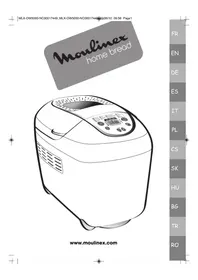
PAIN DORA - Bread maker MOULINEX - Free user manual and instructions
Find the device manual for free PAIN DORA MOULINEX in PDF.

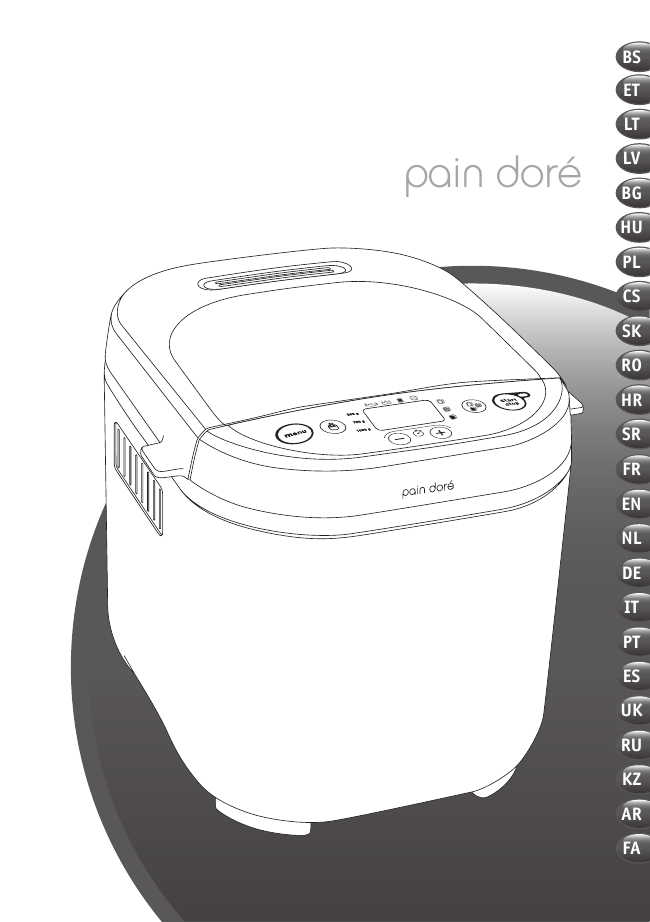


| Product Type | Bread Maker |
| Brand | Moulinex |
| Model | PAIN DORA |
| Cooking Programs | 12 programs: Basic, French, Sweet, Quick, Wholemeal, Gluten-free, Rye, Bake Only, Dough, Cake, Porridge, Jam |
| Bread Weight | 500 g, 750 g, 1000 g depending on program |
| Browning Levels | Light, Medium, Dark |
| Delay Timer | Up to 15 hours in advance (except programs 4, 8, 9, 10, 11, 12) |
| Keep Warm | 1 hour after baking ends |
| Display | Digital display with program, weight, browning and timer indicators |
| Accessories Included | Bread pan, kneading paddle, measuring cup, double spoon (tea/soup), hook for paddle |
| Noise Level | 66 dB |
| Cleaning and Maintenance | Pan and paddle hand wash with soapy water; body and lid wiped with a damp cloth; do not put in dishwasher |
| Safety | Automatic stop at end of cycle; overheat protection (code E01) and too low temperature (code E00) |
| Repairability | In case of malfunction (display HHH or EEE), have it repaired by an authorized service |
| Power Supply | Mains connection (grounded outlet) |
Frequently Asked Questions - PAIN DORA MOULINEX
User questions about PAIN DORA MOULINEX
0 question about this device. Answer the ones you know or ask your own.
Ask a new question about this device
Download the instructions for your Bread maker in PDF format for free! Find your manual PAIN DORA - MOULINEX and take your electronic device back in hand. On this page are published all the documents necessary for the use of your device. PAIN DORA by MOULINEX.
USER MANUAL PAIN DORA MOULINEX
DELAYED START PROGRAM
To ensure that the food is ready at the desired time, the appliance can be programmed up to 15 hours in advance. This program cannot be used with programs 4, 8, 9, 10, 11, and 12.
This step can be performed after a program, crust color, and weight have been selected. The program time is displayed. Calculate the time difference between the moment you start the program and the time you want the food to be ready. The appliance automatically includes the duration of the program cycle. To set the delayed start, press the ♣ button, and the ♣ symbol will appear on the display with the default time (15:00). To set the time, press the ♣ button. It lights up. Press ♣ to start the delayed start program.
If you wish to change the time setting, press and hold the button until a sound signal is heard. The default time is displayed. Start the operation again.
INFORMATION ABOUT INGREDIENTS
Flour: Bread can be made from flour. There are various types and forms: small cubes from compressed flour, active dry flour, which must be rehydrated, and instant dry flour. Flour is sold in supermarkets (the ones with leavening for bread), but you can also buy fresh flour from your bakery. The flour must be mixed directly with the other ingredients in the machine. Before that, you should store it in the refrigerator to prevent it from spoiling.
Follow the recommended quantities (see the full table of equivalents).
Equivalent quantities/measurements between dry flour and compressed flour: Dry flour (8 oz.) 1 1.5 2 2.5 3 3.5 4 4.5 5 Compressed flour (8 oz.) 9 13 18 22 25 31 36 40 45
Flour: The use of flour type T55 is recommended unless otherwise specified in the recipe. When using a mixture of special flours for bread, bran, or whole wheat bread, do not exceed 750 g total. Dough (flour + water).
Depending on the quality of the flour, the result of the bread baking may vary.
- Keep the flour in an airtight container, as flour reacts to environmental changes (humidity). Adding bran, rye, wheat germ, or whole wheat flour to the bread dough will result in a denser, smaller loaf. - The more flour is based on whole grains, such as those containing parts of the outer layers of the wheat grain (T>55), the less the dough will rise and the denser the bread will be. You can also find ready-to-use bread mixes in the market. You can follow the manufacturer's instructions for using these mixes.
Gluten-free flour: Using large quantities of one type of gluten-free flour to make bread is not recommended for the gluten-free bread program. There are many types of flour that do not contain gluten. The most common are rice flour, oat flour (whether whole grain or not), corn flour, barley flour, rye flour, millet flour, and sorghum flour.
For gluten-free bread, it is essential to ensure the safety of the journey and to avoid any risk of contamination with substances that are not used in the preparation of the bread and its ingredients.
Ingredients for gluten-free bread: To achieve the desired consistency and to maintain the safety of the journey, you may add xanthan gum and guar gum to the dough.
Ready-to-use gluten-free mixes: They make the preparation of gluten-free bread easier, as they contain the necessary ingredients, ensuring that the final product is guaranteed gluten-free if used correctly and according to the instructions.
All brands of ready-to-use gluten-free mixes do not give the same result.
Sugar: Do not use sugar cubes. Sugar improves the texture, gives a good taste to the bread, and improves the color of the crust.
Salt: Regulates the activity of the yeast and gives flavor to the bread.
It should not come into contact with the yeast before the preparation of the dough.
It also improves the structure of the dough.
Water: Water hydrates and activates the yeast. It also hydrates the ingredients in the dough, allowing the bread to form. Water can be replaced only partially by milk or other liquids.
Use liquids at room temperature, except for gluten-free breads that require the use of warm water (approximately 35°C).
Fats: Fats make the bread softer. They also preserve it better in quality and for longer. Too much fat slows down the rising of the dough. If you use oil, add it in small portions or brush it on. Do not add melted fat. Avoid letting the fat come into contact with the yeast, as the fat can hinder the rising of the dough.
Eggs: They improve the color of the bread and contribute to the quality formation of the crust. If you use them, adjust the amount of liquid accordingly. Beat the eggs and add the necessary liquid until you obtain the amount of liquid specified in the recipe.
Recipes are designed for a medium-sized loaf of 50 g; if the loaves are larger, add a little more flour; if the loaves are smaller, add a little less flour.
Milk: Milk has an emulsifying effect, which helps in the formation of a more regular crumb and a more attractive crust. You can use fresh milk or powdered milk. If you use powdered milk, add the amount of water that is previously specified for milk. The total volume should be equal to the volume specified in the recipe.
SURFACE CLEANING
- Place the yeast and the ingredients in the container to cool them down gradually.
- Replace the ingredients with the ones specified in the recipe. If the recipe is not available, use 5 to 10 minutes.
- Rinse the other components with a damp cloth. Dry them carefully.
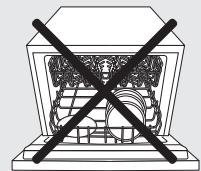
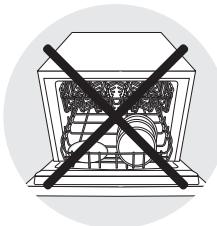
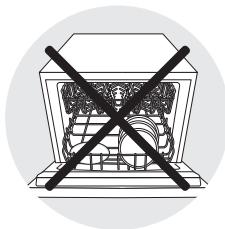
- Absolutely no part can be washed in the dishwasher.
- Do not use abrasive cleaners or alcohol. Use a mild, damp cloth.
- Never immerse the body of the device in water.
TROUBLESHOOTING GUIDE FOR YOUR RECIPES
| He pol'yabate очakbanite pezylatni? Таим tabluya ице в пооче. | Хлбьт се повдига празално MHOrO | Хлбьт спада сnéд повдиган- ETO праз- лно MHOrO | Хлбьт се повдига dóctaMbHо | Корате сe dóctaMbHо Злathа | СtrpanITE сa kaфяBN, ho хлбьт сe намынho Изпechen | СtrpanITE и врха сaВ бразно |
| Бутоль't e натиChat no В徕м на песене. | ● | |||||
| He dostatabucho бразно. | ● | |||||
| Прекално MHOrO bразно. | ● | ● | ||||
| He dostatabucho MЯ. | ● | |||||
| Прекално MHOrO МЯ. | ● | ● | ||||
| He dostatabucho Вoda. | ● | ● | ||||
| Прекално MHOrO Вoda. | ● | ● | ||||
| He dostatabucho Зхар. | ● | |||||
| Лобно качебто на бразно. | ● | ● | ||||
| Греши пponорця наб сьставкіte (npezakалno MHOrO). | ● | |||||
| ВODATA e ТВьрд copeцă. | ● | |||||
| ВODATA e ТВьрд стеда. | ● | |||||
| Греши пPORРама. | ● | ● |
TECHNICAL TROUBLESHOOTING GUIDE
| ПОНБЛЕМИ | ПРИЧИН - REШЕНИЯ |
| ГреблOTO за бърkanе e Заседно в tabа特产. | • Octabete го ду снысесе п体现在да го изваши. • На ekponа се извекдд и с Bretп EO1, уретьт издана звухов сигнал: уретьт e ТВьрде рорец, Изчakайte 1 чад мени два сикьл. • На ekponа се извекдд и с Bretп EO0, уретьт издана звухов сигнал: уретьт e ТВьрдe Stуden. Изчakайte дokato достигне стуна Temnéратура. • На ekponа се извекдд и с Bretп HHH по СССУСЕА оТ Машината травьда ду sbдд ecсы лужега оТ OTOPUSIPAN nepcohand. • Бли eПрогамиран OTLOЖEN CTAP.T. |
| С这样的话 нащиму нада, поportь се ВКПОЧВа Рима мecен. • Дава не有很大 пооченье рove, сpendе урета рьчно, уретдьлro нахсяне на? Стартуарейу STО В�а STО • Маята сизун noocurenho рove, сpendе урета рьчно, уретдьлro нахсяне на? • Лincba гөрблOTO за месен. • Миршие на изторял. • Плелл: • Миршие на изторял. • Миршие на изторял. • Миршие на изторял. • Миршие на изторял. • Миршие на изторял. • Миршие на изторял. • Миршие на изторял. • Миршие на изторял. • Миршие на иЗторял. • Миршие на иЗторял. • Миршие на иЗторял. • Миршие на иЗторял. • Миршие на иЗторял. • Миршие на иЗторял. • Миршие на иЗторял. • Миршие на иЗторял. • Миршиe на иЗторял. • Миршиe на иЗторял. • Миршиe на иЗторял. • Миршиe на иЗторял. • Миршиe на иЗторял. • Миршиe на иЗторял. • Миршиe на иЗторял. • Миршиe на иЗторял. * 3aotobrkata e пrelял; • Плелл: • Миршие на изторял. • Миршиe на изторял. • Миршиe на изторял. • Миршиe на изторял. • Миршиe на изторял. • Миршиe на изторял. • Миршиe на изторял. • Миршиe на изторял. • Миршиe на изторял. * 3aotobrkata e пrelял; • Плелл: • Миршиe на изторял. • Миршиe на изторял. • Миршиe на изторял. • Миршиe на изторял. • Миршиe на изторял. • Миршиe на изторял. • Миршиe на изторял. • Миршиe на иЗторял. • Миршиe на иЗторял. • Миршиe на иЗторял. • Миршиe на иЗторял. • Миршиe на иЗторял. • Миршиe на иЗторял. • Миршиe на иЗторял. • Миршие на иЗторял. • Миршиe на иЗторял. • Миршиe на иЗторял. • Миршиe на иЗторял. • Миршиe на иЗторял. • Миршиe на иЗторял. • Миршиe на иЗторял. * 3aotobrkata e пrelял: • Миршиe на изторял. • Миршиe на изторял. • Миршиe на изторял. • Миршиe на иЗторял. • Миршиe на иЗторял. • Миршиe на иЗторял. • Миршиe на иЗторял. • Миршиe на изторял. • Миршиe на иЗторял. • Миршиe на иЗторял. • Миршиe на иЗторял. • Миршиe на иЗторял. • Миршиe на иЗторял. • Миршиe на иЗторял. • Миршие на иЗторял. • Миршие на иЗторял. • Миршиe на иЗторял. • Миршиe на иЗторял. • Миршиe на иЗторял. • Миршиe на иЗторял. • Миршиe на иЗторял. * 3aotobrkata e пrelял: • Миршиe на изторял; • Миршиe на изторял. • Миршиe на иЗторял. • Миршиe на иЗторял. • Миршиe на иЗторял. • Миршиe на иЗторял. • Миршиe на иЗторял. • Миршиe на иЗторял. • Миршиe на изторял. • Миршиe на иЗторял. • Миршиe на иЗторял. • Миршие на иЗторял. • Миршиe на иЗторял. • Миршиe на иЗторял. • Миршиe на иЗторял. • Миршиe на иЗторял. • Миршие на иЗторял. • Миршиe на иЗторял. • Миршиe на иЗторял. * 3aotobrkata e пrelял: • Миршиe на изторял; • Миршиe на изторял. • Миршиe на иЗторял. • Миршиe на иЗторял • Миршиe на иЗторял. • Миршиe на иЗторял. • Миршиe на иЗторял. • Миршиe на иЗторял. • Миршиe на иЗторял. • Миршиe на иЗторял. • Миршиe на иЗторял. • Миршиe на иZTGТТТТТТТТТТТТТТТТТТТТТТТТТТТТТТТТТТТТТТТТТТТТТТТТТТТТТТТТТТТТТТТТТТТТТТТТТТТТТТТТТТТТТТТТТТТТТТТТТТТТAT. • Миршие на иЗторял. • Миршиe на иЗторял. • Миршиe на иЗторял. • Миршиe на иЗторял. • Миршиe на иЗторял. • Миршиe на иЗторял. • Миршиe на иЗторял. • Миршиe на 尼Зторял. • Миршиe на 尼Зторял. • Миршиe на 尼Зторял. • Миршиe на 尼Зторял. • Миршиe на 尼Зторял. • Миршиe на 尼Зторял. • Миршиe на 尼Зторял. • Миршиe на 尼Зторял. • Мирmissive на 尼Зторял. • Мирmissive на 尼Зторял. • Мирmissive на 尼Зторял. • Мирmissive на 尼Зторял. • Мирmissive на 尼Зторял. • Мирmissive на 尼Зторял. • Мирmissive на 尼Зторял. • Мирmissive на 尼Зторял. • Мирmissive на 尼ZTGТТТТТТТТТТТТТТТТТТТТТТТТТТТТТТТТТТТТТТТТТТТТТТТТТТТТТТТТТТТТТТТТТТТТТТТТТТТТТТТТТТТТТТТТТТТТТТТТТAT. * 3aotobrkata e пrelял: • Миршиe на изторял; • Миршиe на 尼З时报 • Миршиe на 尼З时报 • Миршиe на 尼ZTG时 • Миршиe на 尼ZTG时 • Миршиe на 尼ZTG时 • Миршиe на 尼ZTG时 • Миршиe на 尼ZTG时 • Миршиe на 尼ZTG时 • Миршиe на 尼ZTG时 • Миршиe на 尼ZTG时 • Миршиe на 尼ZTG时 • М四种) • М四种) • M四种) • M四种) • M四种) • M四种) • M四种) • M四种) • M四种) • M四种) • M四种) • M四种) • M四种) • M四种) • M四种) • M四种) • M四种) • M四种) • M四种) • M四种) • M四种) • M四种) • M四种) • M四种) • M四种) • M四种) • M四种) •M四种) • M四种) • M四种) • M四种) • M四种) • M四种) • M四种) • M四种) • M四种) • M四种) • M四种) • M四种) • M四种) • M四种) • M四种) • M四种) • M四种) • M四种) • M四种) • M四种) • M四种) • M四种) • M四种) • M四种) • M四种) • N四种) • N四种) • N四种) • N四种) • N四种) • N四种) • N四种) • N四种) • N四种) • N四种) • N四种) • N四种) • N四种) • N四种) • N四种) • N四种) • N四种) • N四种) • N四种) • N四种) • N四种) • N四种) • N四种) • N四种) • N四种) • M四种) • M四种) • M四种) • M四种) • M四种) • M四种) • M四种) • M四种) • M四种) • M四种) • M四种) • M四种) • M四种) • M四种) • M四种) • M四种) • M四种) • M四种) • M四种) • M四种) • M四种) • M四种) • M四种) • M四种) • М四种) • M四种) • M四种) • M四种) • M四种) • M四种) • M四种) • M四种) • M四种) • M四种) • M四种) • M四种) • M四种) • M四种) • M四种) • M四种) • M四种) • M四种) • M四种) • M四种) • M四种) • M四种) • M四种) • M四种) • N四种) • M四种) • M四种) • M四种) • M四种) • M四种) • M四种) • M四种) • M四种) • M四种) • M四种) • M四种) • M四种) • M四种) • M四种) • M四种) • M四种) • M四种) • M四种) • M四种) • M四种) • M四种) • M四种) • M四种) • N四种) •N四种) • N四种) • N四种) • N四种) • N四种) • N四种) • N四种) • N四种) • N四种) • N四种) • N四种) • N四种) • N四种) • N四种) • N四种) • N四种) • N四种) • N四种) • N四种) • N四种) • N四种) • N四种) • N四种) • N四种) • N四种) •N四种) • N四种) • N四种) • N四种) • N四种) • N四种) • N四种) • N四种) • N四种) • N四种) • N四种) • N四种) • N四种) • N四种) • N四种) • N四种) • N四种) • N四种) • N四种) • N四种) • N四种) • N四种) • N四种) •N四种) • N四种) •N四种) • N四种) • N四种) • N四种) • N四种) • N四种) • N四种) • N四种) • N四种) • N四种) • N四种) • N四种) • N四种) • N四种) • N四种) • N四种) • N四种) • N四种) • N四种) • N四种) • N四种) • N四种) • N四种) • M四种) • M四种) • N四种) • N四种) • N四种) • N四种) • N四种) • N四种) • N四种) • N四种) • N四种) • N四种) • N四种) • N四种) • N四种) • N四种) • N四种) • N四种) • N四种) • N四种) • N四种) • N四种) • N四种) • N四种) • M四种) • M四种) •M四种) • M四种) • M四种) • M四种) • M四种) • M四种) • M四种) • M四种) • M四种) • M四种) • M四种) • M四种) • M四种) • M四种) • M四种) • M四种) • M四种) • M四种) • M四种) • M四种) • M四种) • M四种) • N四种) • N四种) • N四种) • M四种) • M四种) • M四种) • M四种) • M四种) • M四种) • M四种) • M四种) • M四种) • M四种) • M四种) • M四种) • M四种) • M四种) • M四种) • M四种) • M四种) • M四种) • M四种) • M四种) • M四种) • N四种) • N四种) • N四种) •N四种) • N四种) • N四种) • N四种) • N四种) • N四种) • N四种) • N四种) • N四种) • N四种) • N四种) • N四种) • N四种) • N四种) • N四种) • N四种) • N四种) • N四种) • N四种) • N四种) • N四种) • M四种) • M四种) • M四种) • M四种) • N四种) • N四种) • N四种) • N四种) • N四种) • N四种) • N四种) • N四种) • N四种) • N四种) • N四种) • N四种) • N四种) • N四种) • N四种) • N四种) • N四种) • N四种) • N四种) • N四种) • M四种) • M四种) • M四种) • M四种) •M四种) • M四种) • M四种) • M四种) • M四种) • M四种) • M四种) • M四种) • M四种) • M四种) • M四种) • M四种) • M四种) • M四种) • M四种) • M四种) • M四种) • M四种) • M四种) • M四种) •M四种) • M四种) • M四种) • M四种) • M四种) •M四种) • M四种) • M四种) • M四种) • M四种) • M四种) • M四种) • M四种) • M四种) • M四种) • M四种) • M四种) • M四种) • M四种) • M四种) • M四种) • M四种) • M四种) • M四种) • M四种) • N四种) • N四种) • N四种) • N四种) • N四种) • M四种) • M四种) • M四种) • M四种) • M四种) • M四种) • M四种) • M四种) • M四种) • M四种) • M四种) • M四种) • M四种) • M四种) • M四种) • M四种) • M四种) • M四种) • M四种) • N四种) • N四种) • N四种) • N四种) • N四种) •N四种) • N四种) • N四种) • N四种) • N四种) • N四种) • N四种) • N四种) • N四种) • N四种) • N四种) • N四种) • N四种) • N四种) • N四种) • N四种) • N四种) • N四种) • N四种) •N四种) • N四种) • N四种) • N四种) • N四种) • N四种) •N四种) • N四种) • N四种) • N四种) • N四种) • N四种) • N四种) • N四种) • N四种) • N四种) • N四种) • N四种) • N四种) • N四种) • N四种) • N四种) • N四种) • N四种) • N四种) • M四种) • M四种) • M四种) • M四种) • M四种) • M四种) • N四种) • N四种) • N四种) • N四种) • N四种) • N四种) • N四种) • N四种) • N四种) • N四种) • N四种) • N四种) • N四种) • N四种) • N四种) • N四种) • N四种) • N四种) •N四种) • N四种) • N四种) • N四种) • N四种) • N四种) • M四种) • M四种) • M四种) • M四种) • M四种) • M四种) • M四种) • M四种) • M四种) • M四种) • M四种) • M四种) • M四种) • M四种) • M四种) • M四种) • M四种) • M四种) • M四种) •M四种) •M四种) •M四种) •M四种) •M四种) •M四种) •M四种) •M四种) •M四种) •M四种) •M四种) •M四种) •M四种) •M四种) •M四种) •M四种) •M四种) •M四种) •M四种) •M四种) •M四种) •M四种) •M四种) •M四种) •M四种) • M四种) •M四种) •M四种) •M四种) •M四种) •M四种) •M四种) •M四种) •M四种) •M四种) •M四种) •M四种) •M四种) •M四种) •M四种) •M四种) •M四种) •M四种) •M四种) •M四种) •M四种) •M四种) •M四种) •M四种) • M四种) • M四种) • M四种) • M四种) • M四种) • M四种) • M四种) • M四种) • M四种) • M四种) • M四种) • M四种) • M四种) • M四种) • M四种) • M四种) • M四种) • M四种) • M四种) • M四种) • M四种) • M四种) • M四种) •M四种) •M四种) •M四种) •M四种) •M四种) • M四种) • M四种) • M四种) • M四种) • M四种) • M四种) • M四种) • M四种) • M四种) • M四种) • M四种) • M四种) • M四种) • M四种) • M四种) • M四种) • M四种) • M四种) • M四种) •M四种) •M四种) •M四种) •M四种) •M四种) •N四种) •N四种) •N四种) •N四种) •N四种) •N四种) •N四种) •N四种) •N四种) •N四种) •N四种) •N四种) •N四种) •N四种) •N四种) •N四种) •N四种) •N四种) •N四种) •N四种) •N四种) •N四种) •N四种) •N四种) •N四种) • N四种) • N四种) • N四种) • N四种) • N四种) • N四种) • N四种) • N四种) • N四种) • N四种) • N四种) • N四种) • N四种) • N四种) • N四种) • N四种) • N四种) • N四种) • N四种) • N四种) • N四种) • N四种) • N四种) •N四种) •N四种) •N四种) • N四种) • N四种) • N四种) • N四种) • N四种) • N四种) • N四种) • N四种) • N四种) • N四种) • N四种) • N四种) • N四种) • N四种) • N四种) • N四种) • N四种) • N四种) • N四种) • N四种) • N四种) •N四种) •N四种) •N四种) •N四种) •N四种) •N四种) •N四种) •N四种) •N四种) •N四种) •N四种) •N四种) •N四种) •N四种) •N四种) •N四种) •N四种) •N四种) •N四种) •N四种) •N四种) •N四种) •N四种) •N四种) •M四种) •M四种) •M四种) •M四种) •M四种) •M四种) •M四种) •M四种) •M四种) •M四种) •M四种) •M四种) •M四种) •M四种) •M四种) •M四种) •M四种) •M四种) •M四种) •M四种) •M四种) •M四种) •M四种) •M四种) •N四种) •N四种) •N四种) •N四种) •N四种) •N四种) •N四种) •N四种) •N四种) •N四种) •N四种) •N四种) •N四种) •N四种) •N四种) •N四种) •N四种) •N四种) •N四种) • N四种) •N四种) •N四种)- ●N四种) ●N四种)- ●N四种)- ●N四种)- ●N四种)- ●N四种)- ●N四种)- ●N四种)- ●N四种)- ●N四种)- ●N四种)- ●N四种)- ●N四种)- ●N四种)- ●N四种)- ●N四种)- ●N四种)- ●N四种)- ●N四种)- ●N四种)- ●N四种)- ●N四种) - ●N四种)- ●N四种)- ●N四种)- ●N四种)- ●N四种)- ●N四种)- ●N四种)- ●N四种)- ●N四种)- ●N四种)- ●N四种)- ●N四种)- ●N四种)- ●N四种)- ●N四种)- ●N四种)- ●N四种)- ●N四种)- ●N四种)- ●N四种) ●N四种)- ●N四种)- ●N四种)- ●N四种)- ●N四种)- ●N四种)- ●N四种)- ●N四种)- ●N四种)- ●N四种)- ●N四种)- ●N四种)- ●N四种)- ●N四种)- ●N四种)- ●N四种)- ●N四种)- ●N四种)- ●N四种)- ●N四种) - |
DESCRIPTION
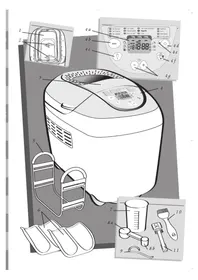
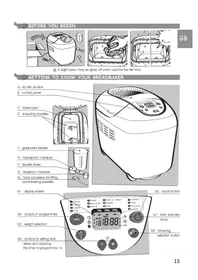
1 Lid
2 Control panel
a Display screen b Choice of programs c Weight selection d Buttons for setting delayed start and adjusting the time for programs 11 e Select crust colour f On/off button g Operating indicator light
3 Bread pan 4 Kneading paddle 5 Graduated beaker 6 Teaspoon measure/ tablespoon measure 7 Hook accessory for lifting out kneading paddle
The noise level measured for this product is 66 dBa.
PRIOR TO FIRST USE
- Please read the instructions for use carefully before using your appliance for the first time and keep them in a safe place for future reference.
- Remove all packaging, stickers and various accessories both inside and outside the appliance - A.
- Clean all components and the appliance using a damp cloth and dry thoroughly.
QUICK START-UP
- Place your appliance on a flat, stable, heat-resistant work surface away from water splashes.
- Unwind the cord and plug it into an earthed electrical power outlet. After the audio signal plays, program 1 is displayed by default - 6.
- A slight odour may be given off when the appliance is first used.
- Remove the bread pan by lifting the handle. Next install the kneading paddle - B - C.
- Add the ingredients in the pan in the recommended order (see the paragraph PRACTICAL ADVICE). Make sure that all ingredients are weighed accurately - D - E.
- Insert the bread pan - F.
- Close the lid.
- Select the desired program using the key.
- Press the key. The 2 points of the timer flash. The operating indicator light lights up - H - I.
- At the end of the cooking cycle, press and unplug the bread maker. Remove the bread pan. Always use oven mitts, because both the pan's handle and the inside of the lid are hot. Turn out the bread while hot and place it on a rack for 1 hr. to allow it to cool -
To get acquainted with the operation of your bread maker, we suggest trying the FRENCH BREAD recipe as your first bread.
| FRENCH BREAD (program 2) | INGREDIENTS - tsp = teaspoon - tbsp = tablespoon | |
| CRUST COLOUR = MEDIUM | 1. WATER = 365 ml | 3. FLOUR = 620 g |
| 2. SALT = 2 tsp | 4. YEAST = 1½ tsp | |
| WEIGHT = 1000 g | ||
USING YOUR BREAD MAKER
Selection of a program

Use the menu key to select the desired program. Each time that you press the key, the number on the display screen goes to the next program.

- Basic Bread. Use this program to make a sandwich loaf type white bread recipe.

- French Bread. Use this program to make a traditional French white bread recipe with a thicker crust.

- Sweet Bread. This program is suitable for brioche type recipes that contain more fat and sugar. If you use ready-to-use preparations, do not exceed 750 g of dough in total.

- Quick Bread. Use this program for the most quickly baked white breads. Breads made using this program have a denser texture than breads made using other programs.

- Whole grain bread. Select this program when using whole grain flour.

- Gluten-free bread. We recommend using a ready-to-use mix. For this program, only the 1000 g setting is accessible (see warnings for the use of the gluten-free programs).

- Rye bread. Select this program when using a large quantity of rye flour or other cereals of this type (e.g. buckwheat, spelt).

- Cooking only. Use this program to cook for 10 to 70 min. It can be selected on its own and be used:
a) after completion of the Leavened Dough program, b) to reheat or crisp the surface of already cooked breads that have cooled, c) to finish cooking in the event of a prolonged power outage during a bread cycle.

- Leavened Dough. Use this program to make recipes for pizza dough, bread dough and waffle dough. This program does not cook food.

- Cake. Use this program to make cakes using baking powder. Only the 1000 g setting is accessible for this program.

- Porridge. Use this program to make porridge and rice pudding recipes.

- Jam. Use this program to make home-made jams. When using programs 11 and 12, be careful of steam jets and the release of hot air when opening the lid.
Selecting the bread weight
Press the key to set the weight selected - 500 g, 750 g or 1000 g. The indicator light lights up opposite the selected setting. The weight is provided for information purposes only. For some programs, it is not possible to select the weight. Please refer to the cycle chart at the end of the instruction manual.
Selecting the crust colour
Three choices are available: light / medium / dark. If you wish to modify the default setting, press the key until the indicator light lights up opposite the selected setting. For some programs, it is not possible to select the crust colour. Please refer to the cycle chart at the end of the instruction manual.
Start/Stop
Press the key to turn on the appliance. The countdown starts. To stop the program or cancel the programmed delayed start, press the key for 3 seconds.
The cycle chart (see the end of the instruction manual) indicates the breakdown of the various steps, according to the selected program. An indicator light indicates which step is currently under way.
1. Kneading

Use this program to form the structure of the dough and its ability to rise properly.
During this cycle, you may add ingredients: dried fruits, olives, etc. An audio signal indicates when to do so.
Please refer to the cycle chart (see the end of the instruction manual) and to the "extra" column. This column indicates the time that will be displayed on your appliance's screen when the audio signal is emitted.
2. Rest
Allows the dough to expand to improve the quality of the kneading.
3. Rise
Time during which the yeast works to leaven the bread and develop its aroma.
4. Cooking
Transforms the dough into a loaf and ensures the desired crust colour and crispness level.
5. Keep warm
Keeps the bread warm for 1 hour after cooking. It is nonetheless recommended to turn out the bread once cooking is done.
The display screen continues to display "0:00" during the hour-long "Keep warm" cycle. At the end of the cycle, the appliance stops automatically after producing several audio signals.
DELAYED START PROGRAM
You may program the appliance to ensure that your preparation is ready at the time of your choice, up to 15 hrs. in advance. The delayed start program is not available for programs 4, 8, 9, 10, 11 and 12.
This step occurs after having selected the program, the crust colour and the weight. The program time is displayed. Calculate the time difference between the moment you start the programme and the time at which you want your recipe to be ready. The machine automatically includes the programme cycle duration. To access the delayed start, press the button and the image will appear on the display as well as the default time (15:00). To set the time, press the button. The lights up. Press to launch the delayed start program.
If you make a mistake or wish to modify the time setting, hold down the key until it emits an audio signal. The default time is displayed. Start the operation again.
Some ingredients are perishable. Don't use the delayed start program for recipes containing: raw milk, eggs, yoghurt, cheese, fresh fruit.
PRACTICAL ADVICE
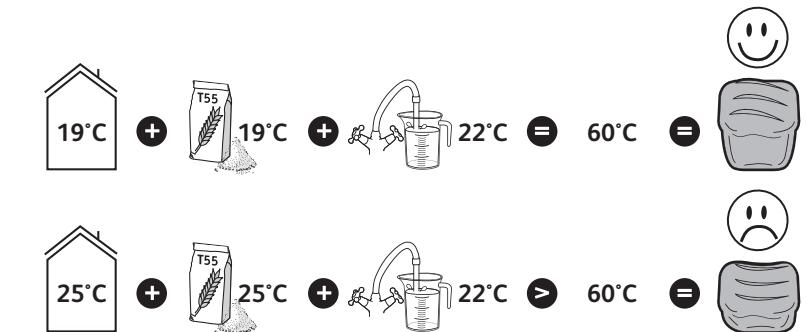
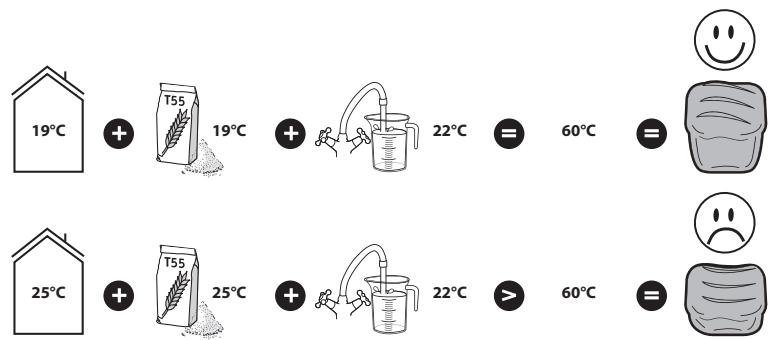
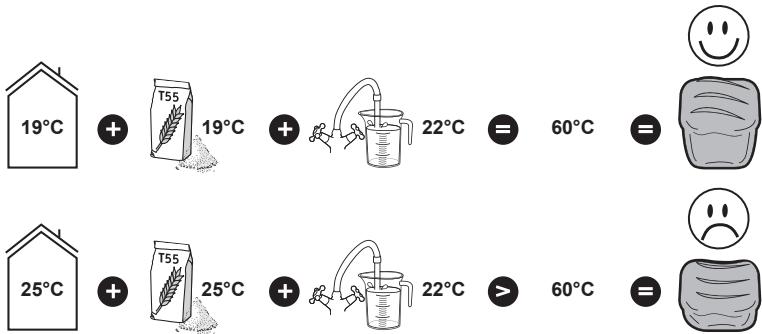
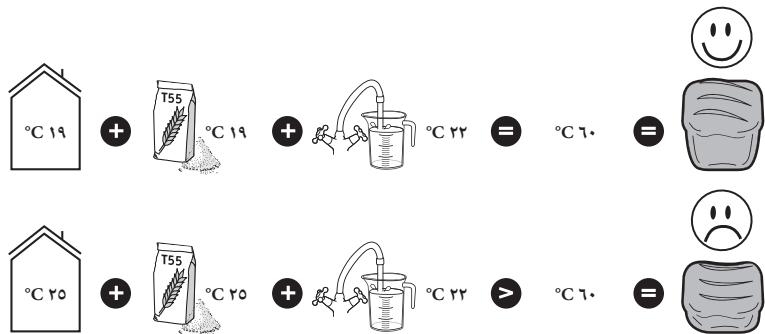
- All ingredients used must be at room temperature (unless otherwise indicated), and must be weighed accurately. Measure the liquids using the graduated cup provided. Use the spoon provided to measure tablespoons on one side and teaspoons on the other. Inaccurate measurements will yield bad results. Bread preparation is very sensitive to temperature and humidity conditions. During hot weather, it is recommended to use cooler liquids than usual. Likewise, during cold weather, it may be necessary to warm the water or milk (never exceed 35°C).
- Use ingredients prior to their best-before date and keep them in a cool, dry place.
- The flour must be weighed accurately using a kitchen scale. Use active dry baker's yeast (in pouches).
- Avoid opening the lid during use (unless otherwise indicated).
- Follow the exact order of the ingredients and the quantities indicated in the recipes. First the liquids, and then the solids. The yeast must not come into contact with the liquids or with the salt. Too much yeast weakens the dough structure, which will rise a lot and will subsequently sag during cooking.
General order to follow:
-Liquids (softened butter, oil, eggs, water, milk) -Salt -Sugar -First half of the flour - Powdered milk - Specific solid ingredients Second half of the flour - Yeast
- During a power outage under 7 minutes, the machine will save its status and will resume its operation once the power comes online.
- If you wish to have one bread cycle directly follow another, wait for approximately 1 hr. between both cycles to allow the machine to cool and prevent any potential impact on bread making.
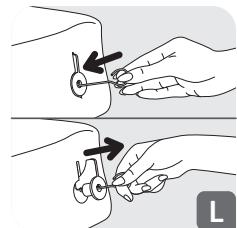
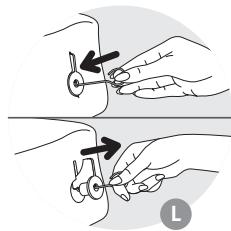
- When turning out your bread, the kneading paddle may remain stuck inside it. In this case, use the hook to gently remove it. To do so, insert the hook in the kneading paddle's shaft, and then lift to remove it.
Warnings for the use of gluten-free programs
- Blends of flour types must be sifted with the yeast to prevent lumps.
- When the program is launched, it is necessary to assist the kneading process: scrape down any unmixed ingredients on the sides towards the centre of the pan using a non-metallic spatula.
- Gluten-free bread cannot rise as much as a traditional bread. It will be of a denser consistency and lighter colour than normal bread.
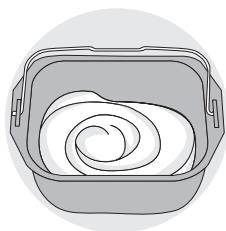
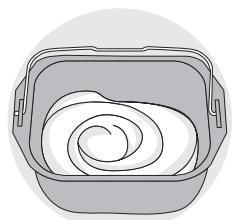
- All premix brands do not yield the same results: the recipes may have to be adjusted. It is therefore recommended to conduct some tests (see example below).
Example: adjust the quantity of liquid.
Too liquid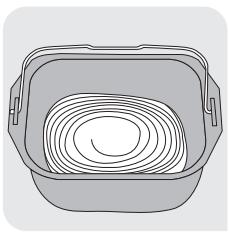
OK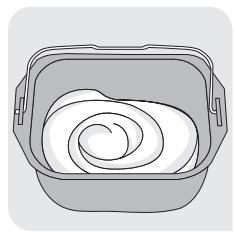
Too dry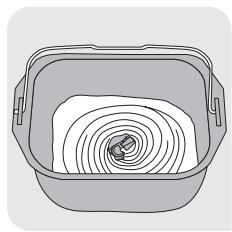
Exception: cake batter must remain quite liquid.
INFORMATION ON THE INGREDIENTS
Yeast: Bread is made using baker's yeast. This type of yeast is sold in several forms: small cubes of compressed yeast, active dry yeast to be rehydrated or instant dry yeast. Yeast is sold in supermarkets (bakery or fresh foods departments), but you can also buy compressed yeast from your baker.
The yeast must be directly incorporated in your machine's pan with the other ingredients. Nonetheless consider thoroughly crumbling the compressed yeast between your fingers to facilitate its dispersion.
Follow the recommended amounts (see the equivalences chart below).
Quantity/weight equivalences between dry yeast and compressed yeast:
Dry yeast (in tsp) 1 1.5 2 2.5 3 3.5 4 4.5 5
Compressed yeast (ing) 9 13 18 22 25 31 36 40 45
Flours: Using T55 flour is recommended, unless otherwise indicated in the recipes. When using mixes of special flour types for bread, brioche or milk bread, do not exceed 750 g of dough in total (flour + water).
Depending on the quality of the flour, the bread making results may also vary.
- Keep flour in a hermetically sealed container, since flour reacts to fluctuations in climate conditions (humidity). Adding oats, bran, wheat germ, rye or whole grains to the bread dough, will produce a bread that is denser and less fluffy.
- The more a flour is based on whole grains, that is, containing a part of the outer layers of a wheat grain (T>55), the less the dough will rise and the denser the bread will be.
- You will also find commercially available ready-to-use preparations for breads. Please refer to the manufacturer's recommendations for the use of these preparations.
Gluten-free flour: Using large quantities of these flour types to make bread calls for the use of the gluten-free bread program. There is a large number of flour types that do not contain any gluten. The best known are buckwheat flour, rice flour (either white or whole grain), quinoa flour, corn flour, chestnut flour, millet flour and sorghum flour.
For gluten-free breads, in order to try to recreate the elasticity of gluten, it is essential to mix several types of non bread making flours and to add thickening agents.
Thickening agents for gluten-free breads: To obtain a proper consistency and to attempt to imitate the elasticity of gluten, you may add some xanthan gum and/or guar gum to your preparations.
Ready-to-use gluten-free preparations: They make it easier to make gluten-free bread since they contain thickeners and have the advantage of being completely guaranteed to be gluten-free — some are also organic.
All brands of ready-to-use gluten-free preparations do not yield the same results.
Sugar: Don't use sugar lumps. Sugar feeds the yeast, gives a good flavour to the bread and improves the crust colour.
Salt: It regulates the activity of the yeast and gives flavour to bread.
It must not come into contact with the yeast prior to the start of the preparation.
It also improve the structure of the dough.
Water: Water rehydrates and activates the yeast. It also hydrates the flour's starch and enables the loaf to be formed. Water may be replaced, in whole or in part, by milk or other liquids. Use liquids at room temperature, except for gluten-free breads, which require the use of warm water (approximately 35°C ).
Fats and oils: Fats make the bread fluffier. It will also keep better and longer. Too much fat slows the rise of the dough. If you use butter, crumble it into small pieces or soften it. Do not incorporate melted butter. Prevent the fat from coming into contact with the yeast, since the fat could prevent the yeast from rehydrating.
Eggs: They improve the bread's colour and favour good development of the loaf. If you use eggs, reduce the quantity of liquid accordingly. Break the egg and add the necessary liquid until you obtain the quantity of liquid indicated in the recipe.
The recipes have been designed for a medium-sized egg of 50g , if the eggs are larger, add some flour; if the eggs are smaller, add a little less flour.
Milk: Milk has an emulsifying effect that leads to the creation of more regular cells, and therefore an attractive loaf appearance. You may use fresh milk or powdered milk. If you use powdered milk, add the quantity of water initially reserved for milk: the total volume must be equal to the volume indicated in the recipe.
CLEANING AND MAINTENANCE
- Unplug the appliance and wait for it to cool down completely.
- Wash the pan and the kneading paddle using hot soapy water. If the kneading paddle stays in the pan, soak it for 5 to 10 min.
- Clean the body of the appliance with a damp cloth sponge. Dry thoroughly.
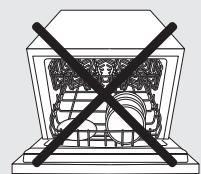
- The appliance and removable parts are unsuitable for dishwasher use.
- Don't use any household cleanser, abrasive pads or alcohol. Use a soft, damp cloth.
- Never submerge the appliance's body or the lid in water or any other liquid.
TROUBLESHOOTING GUIDE TO IMPROVE YOUR RECIPES
| Not getting the expected results? This table will help you. | Bread rises too much | Bread falls after rising too much | Bread does not rise enough | Crust not golden enough | Sides brown but bread not fully cooked | Top and sides floury |
| The button was pressed during baking. | ● | |||||
| Not enough flour. | ● | |||||
| Too much flour. | ● | ● | ||||
| Not enough yeast. | ● | |||||
| Too much yeast. | ● | ● | ||||
| Not enough water. | ● | ● | ||||
| Too much water. | ● | ● | ||||
| Not enough sugar. | ● | |||||
| Poor quality flour. | ● | ● | ||||
| Wrong proportions of ingredients (too much). | ● | |||||
| Water too hot. | ● | |||||
| Water too cold. | ● | |||||
| Wrong programme. | ● | ● |
TECHNICAL TROUBLESHOOTING GUIDE
| PROBLEMS | CAUSES - SOLUTIONS |
| The kneading paddle is stuck in the pan. | • Let it soak before removing it. |
| After pressing on Ⓞ, nothing happens. | • EO1 is displayed and flashes on the screen, the appliance beeps: the appliance is too hot. Wait 1 hour between 2 cycles. • EOO is displayed and flashes on the screen, the appliance beeps: the appliance is too cold. Wait for it to reach room temperature. • HHH or EEE is displayed and flashes on the screen, the appliance beeps: malfunction. The machine must be serviced by authorised personnel. • A delayed start has been programmed. |
| After pressing on Ⓞ, the motor is on but no kneading takes place. | • The pan has not been correctly inserted. • Kneading paddle missing or not installed properly. In the two cases cited above, stop the appliance manually with a long press on the Ⓞ button. Start the recipe again from the beginning. |
| After a delayed start, the bread has not risen enough or nothing happens. | • You forgot to press on Ⓞ after programming the delayed start programme. • The yeast has come into contact with salt and/or water. • Kneading paddle missing. |
| Burnt smell. | • Some of the ingredients have fallen outside the pan: unplug the appliance, let it cool down, then clean the inside with a damp sponge and without any cleaning product. • The preparation has overflowed: the quantity of ingredients used is too great, notably liquid. Follow the proportions given in the recipe. |
DESCRIPTION
1 Lid
3 Baking pan
2 Control panel
4 Kneading paddle
a Display
5 Measuring cup
6 teaspoons/tablespoons
c Weight selection
Press the button to set the weight to 500, 750, or 1000 g. The indicator light will illuminate opposite the selected value. The weight is provided for reference only. Some programs do not
allow weight selection. See the table of cycles in the operating instructions.
Selecting the degree of preheating
There are three preheating options: Light/Medium/Strong. If you want to change the default setting, press the button until the indicator light illuminates opposite the selected value. Some programs do not allow selection of the preheating degree. See the table of cycles in the operating instructions.
Switching on
Press the button to switch on the appliance. The operating time is displayed. To stop the program or to start the program with a delayed start, press and hold the button for 3 seconds.
OPERATION
The table of cycles (see the operating instructions) describes all stages of the cooking process depending on the selected program. The indicator light shows the stage in progress.
1. Locking
Allows you to form the correct dough texture and, accordingly, ensures good adhesion to the lid.
During the double kneading, you can add various ingredients: dried fruits, nuts, etc. An audible signal indicates when your intervention is needed.
See the table of cycles (at the end of the operating instructions) and the "Additives" column. This column shows what will appear on the display of the appliance after the audible signal.
2. Baking
O3B0J8e po3c0IOBaTu Ticto dny noninweHHxapaKtepncnK 3amiuYbaHH.
3.Пднггг
Yac, npotraom koro dpiikdxi do3BolnIOTb TICTy nIDHATNc Ta ha6ytu xapaKtepHoro 3anaxy.
4. Bvnikanhn
Ipeptbopoe Ticto B xni6 i 3a6e3neyu e noro niipym'raHOBAHn Ta xpyctkictb ckOpuHNKn.
5.ПiDirpIb 1
36epirae xni6 tenn m npotrom 1 roHNn nicn BUNiKaHn. y 6ydb-akomy BUNaKy, peKomeHdyEmo BnHrtn Xli6 3 oPm nicn 3aBepweHH BUNiKaHn.
IpoTgrom HacTyHNOI rOAnH B pexkmi niripBy Ha nncnnei 3aIIuHaetbcN oka3aHnH 0:00. HanpiKInci kNky niripBy npnaad KInbKa pa3IB noaE 3ByKOBni CnHaJI aBTOMaTUHO BMnKaETcbcA.
ПОТРAMAВДКЛАDEHОТCTAPTY
Bm moxete 3anporpamybat npuiaad 3a3daneridb (3 BiKnaedeHm cnapomdo 15 roDn), o6 otprmatn BiinobiHn npoaykT y 6axaHn vac. PporpaMn 4,8,9,10,11 i 12 He maotb BiKnaedeHoro cnapy.
BidiK nouHaetbCn iicna Bn6bpy nporpamn, ctyneHnpiDpym'HNOBaHH Ta Barn. Yac po6oTn nporpaMn BiO6paXaETbCn Ha dncnnei. Po3paxyTe npomixok yacy mix MOMENTOM, KOIN Bu 3anyCKaete nporpaMy, i acom, KOIN Bu 6axaTe, 06 npiroTyBaHH 6byo 3abepweHo. PnPnlaad ABTomTuHO DoaE TpuBanicIb cikNIB nporpaMn. 06 nepeiTu DO BiKNaDeHOrO CTapTy, HATNCiThb KONky NIKTORpama 3'ABL'ETbCn Ha ekpani I BiO6paXaETbCn cac 3a 3amOBuyBaHHm (15 roD 00 XB). 06 ycTaHOBtTu cac, HATNCiThb KONky IHINKATOP BMNKaETbcr. HATNCiThb Ha 06 3anyCTtu nporpaMy BiKNaDeHOrO CTapTy.
YKIO BV 3pO6nIIN NOMUkky a60 XoYe 3MiHITN HalaHTyBaHHa cacy, HATNCiTB Ta yTPmMyTe KHOKNy Do 3ByKOBOrO CnHany. Ha DnCnnei 3'ABNTbCA Yac 3a 3AmOBuyBaHHaM. NobTopiTb Opepaio.
DeihiHpeiEHTN WbIaIO NcyIbC. He cnid roTyBaTn 3 nporpaMOB BIKNaedeHoro cTapTy Bnpo6n 3a peceentamn Ha oChOBi Cnporo MOnoka, RaCb, noyptTIB, cypy a60 cbixnx fpykTIB.
PNAKTNUHINOPADN
- Yci iHrpediHTn NOBHHi 6yt N KIMHaTHOi TEMpepatny (Akuo iHwe He 3a3NaueHO OkpemO) I TOUHO 3BaXaeHIMN. BiDmipraTe pidy H 3a DOnOMorOo MIPHO CTakana 3 KOMPNeKTy. BnKOpNCTOByte NoDBiHy MIPHy loKKy, 06 BiDmiprTa BIDNOBIDHn 06'Em, 3a3NaueHn B KInbKOcTI qAHmX a60 CTOnOBHX loKOk. HeBipHe BiDmipraHH MoKe CTaTI pPruHIOU He3aODIBHoi JAKCtI BnPo6IB. Ticto DnBnIKAnH XJI6a DyJce UyTNBE DO TEMpepatyn Ta BOJorocTi. y BnPaJky BnCOKOiT TEMpepatyn B TICTo BAPTo DoDaBaTn 6Ibsh OxONJKeHi pKi iHrpdiEHTn, HIX 3a3BvuaH. AHaONiHo, B yMOBax 6Ibsh Hn3bKoi TEMpepatyn KpaSe harpITN BDO a6O MONOKO (Ane He Bnue 35°C
- Store the ingredients in a dry place and keep them in their original packaging.
- It is probably necessary to pay attention to precise culinary scales. Use dry active yeast in packets.
- Do not open the lid during baking (unless otherwise specified).
- Strictly follow the order of adding ingredients and their quantities as specified in the recipe. Add liquid ingredients first, then dry ones. Yeast should not come into contact with salt or sugar. Reducing the amount of yeast makes the bread structure more porous: the dough rises very high and then collapses strongly during baking.
General order, if necessary to follow:
- Liquid ingredients (soft butter, oil, eggs, water, milk) - Salt - Sugar - First half of flour - Dry milk - Other dry ingredients - Second half of flour - Yeast
- During a short power outage (up to 7 minutes), the device maintains the exact mode and continues working after power is restored. 7. If you want to start 2 bread baking cycles, you need to wait 1 hour between cycles to let the device cool down. Incorrect settings can negatively affect the quality of the baked bread.
- When removing the bread from the mold, some may remain in the bread pan. In this case, use a hook to remove it. To do this, insert the hook into the bread pan and pull it towards you.
Preliminary before using programs for gluten-free products
- To avoid the formation of lumps, it is necessary to thoroughly sift
the flour with the yeast.
After the program starts, it is necessary to ensure better mixing: scrape the unmixed ingredients from the walls of the mold, mixing them towards the center with a non-metallic spatula. - Gluten-free bread does not rise as much. It has a denser structure and a lighter color compared to regular bread. - The final result may vary depending on the brand of the ready mix: possibly, you will need to slightly change the recipe. Therefore, we recommend starting with a test bake (see example below).
Example: Reduce the amount of liquid.
Increase the amount of flour
Normal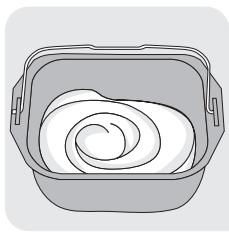
Screw: the thread must be tightened by hand.
Instructions for troubleshooting
Exception: the heating element must remain sufficiently flexible.
Information on ingredients
Yeast: To make bread, you need baker's yeast. It is available in different forms: fresh in small cubes, active dry yeast that needs to be mixed with water, and instant dry yeast. Yeast is sold in large sections (bread and pastry sections), but you can also buy fresh yeast from your baker.
Add the yeast directly to the bread maker container with the other ingredients. Crumble the fresh yeast between your fingers to help it distribute better in the dough.
Follow the prescribed dosage (see the equivalence table below).
Equivalence ratio of quantity/weight of dry and fresh yeast:
Salt: allows you to regulate the activity of the yeast and gives the bread flavor.
At the beginning of the bread-making process, the salt must not come into contact with the yeast.
Salt also improves the structure of the dough.
Water: Water moistens and activates the yeast. It also moistens the starch contained in the flour and helps form the bread crumb. Water can be completely or partially replaced by milk or other liquids. Use liquids at room temperature, except for gluten-free bread, for which warm water (about 35°C) is needed.
Fats and vegetable oils: Fats make the bread softer. Thanks to them, the bread also keeps better. Too much fat slows down the dough's rise. When using butter, cut it into small pieces or melt it. Do not add melted butter. Do not let fats come into contact with the yeast, as fat can hinder the yeast's hydration.
Flour: Flour gives the bread its color and helps form the bread crumb. When using flour, adjust the amount of liquid accordingly. Divide the liquid into portions until the amount specified in the recipe is reached.
Developed taking into account the average weight of the dough for 50 g. If the dough is larger, add a little flour; if the dough is smaller, add a little less flour.
Milk: Milk has an emulsifying effect on the dough, making it smoother and giving it a lighter color. You can use fresh or dry milk. If you use dry milk, add water in the amount that would have been added as milk: the total should correspond to the amount indicated in the recipe.
CLEANING AND MAINTENANCE
- Turn off the device and wait until it has completely cooled.
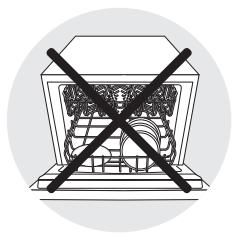
- Fill the container and the blade with warm soapy water. If the blade remains in the container, soak it for 5 to 10 minutes. Clean the other elements with a damp sponge. Dry thoroughly. Do not put any parts in the dishwasher - K.
- Do not use household products, abrasive sponges or sprays. Use only a soft damp cloth.
- Never immerse the device body or lid in water.
TROUBLESHOOTING GUIDE AND IMPROVING YOUR RECIPES
Dough for samsa
Transfer the samsa dough: 500g, 750g, 1000g. Dough parameters: adjust the parameters according to the dough. The samsa is ready when it is golden. For sourdough, use the samsa dough. For a crispy crust, increase the temperature.
Dough for kyzart
There are parameters: yeast, flour, water. If the parameters are not suitable, adjust the parameters according to the dough. For sourdough, use the kyzart dough. For a crispy crust, increase the temperature.
Kneading and proofing
For kneading, transfer the dough. The process starts. For proofing, after kneading, transfer the dough for 3 seconds.
OUR TIPS
The device is designed to be used with the specified types of cables. The indicator lamp indicates the cable connection status.
1. Cable connection

Use this program to connect and disconnect the cable.
This program allows you to check the electrical, sealing, etc. properties of the cable. If necessary, the test signal is applied.
The cable section (at the device end) and the connection are connected. In this connection, the test signal is applied and the result is displayed on the screen.
2. Cable disconnection
Disconnect the cable from the device.
3. Connection

Excess cable length is wound, and the end is secured.
4. Testing
After connecting the cable, the test is performed automatically and the result is displayed.
5. Storage 155
After switching on, the device is ready for operation within 1 second. After switching off, the device is ready for operation within 1 second.
Within one second, the device displays 0.00 on the screen. When this time has elapsed, the device emits a signal and is ready for operation.
CABLE CONNECTION PROGRAM
15 minutes before the end of cooking, add the tobacco leaves. For the preparation of the first course, the ingredients for portions 4, 8, 9, 10, 11, and 12 are combined.
This portion, when heated, should be stirred and salted to taste. The portion is ready. You should have the portion with the step and recipe number between the arrows. The machine portion is inserted into the automatic tube. For participation in the first course, the tube is needed. The dish is cut, and the portion is served hot (15:00). The tube is for the user. It is disposable. For the second course portion and the first course, the tube is needed.
When the portion is hot, add the sauce and eggs, stir quickly, and serve immediately. The portion is served hot. The base is ready.
There are various spices. For the recipe, use the second course portion with cumin, pepper, salt, and herbs.
PADDLES AND SPOONS
- The spices should be stored at a temperature below 25°C (if not specified otherwise) and in a dry place. The dry ingredients should be kept in a sealed container. The container should be closed tightly, and the contents should be used within a certain time. If the temperature is higher, the dry ingredients may spoil. It is possible to store them in the refrigerator, but not below 35°C.
- The spices should be kept in a sealed container and stored in a dry place.
- The product should be used with the measuring spoon. The dry ingredients should be poured (into the package).
- The tube should be opened at the indicated point (if not already open). 5. The spices should be added according to the recipe and mixed well. Add water and other ingredients. The water should be hot.
Or it should be heated in a pan. If the water is too hot, it is possible to cool it down by adding cold water.
To prepare the spices:
- Dry ingredients (such as flour, salt, pepper, water, milk) - Salt - Sugar - One sign of the product - Milk - The second sign of the spices - The lid
6. The electric kettle should be turned off after 7 minutes, and the lid should be closed. 7. After the first portion is taken, the second one should be left for 1 minute. To get the foam, the portion should be stirred. 8. In the microwave, the lid may pop open. It should be removed carefully.
For this, insert the tube into the opening and pull it out.
The safety of the food products is guaranteed.
Kambpda kecekep 60maybI yuH, apalackaH yHnbI aMbITkbImeH bipre eKeTeh etki3y Kepek. BaIapnama KocbIrfaHa, Temip eMec KacbIKneH WeTte TypbIn KaIraH 3aTApdbI TabahBnOpTacbHa Kapai Ntepin Xj6epy KepeK. - TnIOTehci3 Hau NCTypni Hau CNKtBi KaTbI KeTepiMeiDi. KdImri HauHaKaPARaHaTaBfB1 epi akwbl 6oanaBl. Tpyni daibin kamblnpapdbn Hetnxkepi de ap typi boliabpeuenteinepdi beimdeye kepe. CoNbIbIKtah anDbImen cbHAn Kepren dypic (TeMeHderi MbicanbIkapaH3).
Mbican: cynbiktbmJeepin 6eIMdey.
TbIM Cynblk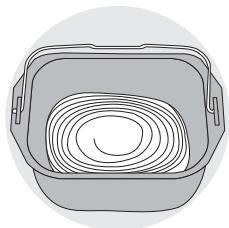
Дурбic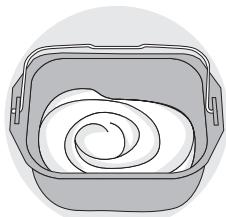
TbIM KOHO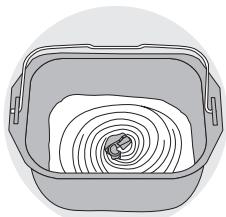
EpeKwEniK: 6aJIiTp/KeKCTepHIN KambIpy KaIdmriJe cybIK 6oNybl KepeK.
A3bIK-TYJIIKTEP TYPALJI BAKIAPAT
AusbTkbl: Han aphaib aubitkbimen daibihdanaDb. Ohdaa bultkbiHbH MbHaadai Tynepi 0anba: cbfBifraH aafBih KeceKtep, cyBnItbIaTbH bencEndi Kprak ausbtkbl XHe ne3dk Kprak aubtkb. Aubtkb dyKeHNepDe catbJaDb (Haybaixhada HeMece a3bik-TyNik dyKeHHde), bipak haybaaBldah cbfBIFraH aubtkbIa nca da 0anba. AusbtktkbHb Baca b3aik-TyNlKTEpMH bipre bipden KpyBilfnbH niWHihe cany Kepek. Bipkeni Taapanbyu yuiH, cbfBIFraH aubtktkbHb KOImEH yritin caHan faDbyc.
Mennep TaanTapbHcKaTaHb3 (TeMeHderi cAnbIcTbIpMa KeCTeHi KapaHb3).
KypraK XaHe CbIfBnraH aWbIMKbMNeUepi MeH cAnMarbHbIH cNbICMbipMacbl:
| Kyprakawbimkbl(w.k.) | 1 | 1,5 | 2 | 2,5 | 3 | 3,5 | 4 | 4,5 | 5 |
| CbifblraHawbimkbl(a) | 9 | 13 | 18 | 22 | 25 | 31 | 36 | 40 | 45 |
YH:Peuentide 6ackaawa Kepcetinmece,6nainyHBIN kondaHAn dyblic 6oanaBt. Tokaa (6pnoob) Hemece 6acka da HAN TYPnePi nicipyre aphanraT ynpi Yndap Kocnacbi NauananaHaHa, KaMbpDIn Xannbl CanmaBf (yH + cy) 750 rpaMaHaacnafbHxKeH
YHHbIH canacbHa 6aIbnbICTbl ncken HnH da epkanaB oJala.
Kopwaah optara (bInralfbnBik) 6aIaNbICTb kacneTepi e3repi typaTbHbTkTaH, yNDbIya etneintin KOHTeHepde caKTAFAH dypbc. KaMbpFra cybl, ke6ek, 6ndaenckHH, aKaabDnA hEmec6 oyTIN dAndepdi KocBn Xk6epce, HAnhBt HbTfB3dbfBapTbIn, ynnlndek BoImaJn - YHbH KpyaMbHaBf6 ByTH DAnHeP MOnIepi HerypbIM KcN 60ncA, FHN 6dai dHepinH cbTpKb KaBbIFH HeRybpim Ke6ipek KamTbica (T>55), Kambip a3bpak Keetepin1, TbyB3dbIfbAp tya Tycdi. - DykeHe caTbIaNtBn daBn KAmbipbl naDanaHfyda 60anaB. Ohdai KaMbipbl naDanaHaHa, Kybpflb EhDipyuicin HKeHecepHn Haapfa anbH3.
TnIOTehci3 yH: Hah nicipy uWih Myndai yH Typneipi Kenten naJdaNHaFaHda, nIIOTECHi3 Hah Nicipy 6aIapamacbIn KondayepeK. TnIOTEHi KOK YHdpabH ayanay Tnpnic biObaIbi. OnapabH en xhi KezdeetinHepi: Kapakymblk yHbI, kpyiW hbl (aK hemec 6yTH dHdi), KINHOA yHbI, XyTrepi yHbI, TaunbH yHbI, TaBP bYhbl, BaN xyTrepi yHbI.
TnIeHc3 Hn nicipreHne, TIOTeH bepeTIN mInrIiTikTi KaMTaMaCb3 ety yuH eP Typni YHapbl apanaactbIpBn, KOIOHaNbIpBfBt KOCy kXkET.
TIOHTeHcIHaHFa aPbHraH KOHOHaHbIbPrIbIaTp: KOHCINCTeHuNcB1 dybIc 6oIybl KHe IIOTe HnIiIiTiRiH 6epy UsiH, KaMbIprFa KCAHTan JxHe/HemeCryap ShaIbpyH KocSyfaObaJa.
DaihIn rHnToHeC3 kAmbIpap: KypambHa KOHOnaHbIpyBtIuTAP KcObIaNbIbIKTAH XKe He rIOTeH JOK EKEHHe cEHmDi 60a anAteblbIKTaH (Kei6ipeynepiHne TeK TaBn3aTTap KONaDaNbIFraH), MyHdAn KaMbIpDn naDanaHnF anEte bHfAhlbI.
Даын rttteci3 kambipnap ap typi bonatbHbIKtaH, nickeHde de apkanaa WbIfabl.
KANT: KaHT KeceKTePIH caImaHbI3. KaHTTah aUbITKbI eCIn, HAnHHbIH dAmi JkaKcapaIbI, CbIPbI KbI3apbln niceJI.
Ty3: AaBtKbHbH 6eIceHdInirH petTe, HHaFa dAm 6epei.
Kamby npnyiH andbIHd aTy3 aWbITkbifa Tmeyi Kepek.
HaHHbIh KypbJIbIMbIH KaKcapTaJIbI.
Cy: Aushkblhcyanahbipin, 6cnceHdipei. CohIme bipre yHa da kpaXmaIdbi BcncEHdpin, KamblpBnB 6bnke niiuHIn anyiba Kaafdian xacainbl. Cybl ToIbIKTn Hemece XapTbJnay CYtnen Hemece baca cykbTkIneH anMaCTbIpYra 60nda. CykbKtBkTAP 6bnme Temnepatypacihda 6onybl Kepek, TRe rHIOteHc3 Hn YwIH raHa XblbCy (WamamEn 35°C )KaKeT.
Mainap: Maihan hah yinnindek bona dbi. Y3afbipak caKaTanaDbi. Mai Tbim Ken 60nca, KaMbip 6aay Keptepinei. Capbi Maidbi KeceKtepre Typan Hemece JxMCapTbn cany kepek. Epiitin canImarafan XeH. AUsItkbHIn cyNaHybHa Keepri KeNTipeTihdkTeh, Mai aBtkbFa ticenei TmMeyi kepek.
Kymbtpka:HaHbH TycIH XeHE NcIH KAKcapTadbl, KaMbpH bH bH KaHbIpabbl. KymbtpkCa ranHaJa, CyBbTkB MmIupepi AaHTy Kepek. KymbtpKaHb Japbl, peueTIte KepcETINrHe MnIupre XeKTKeHJIe, CyBbTkB KOCbHb3.
Peuenteip 50 r optawa Kymbiptkana paphra, oan yken bocna, yndi Kebipeke KocbHb3, oan hkiIb cOnca, yhdIa3bpak calbHb3.
Cyt: CytTIn 3MynbraunnBk acepi 6ap, coNdbkTAn TpyaKbI kacywanaPkebipeK ty3inn, BokKeHH Typi jakcapa TycedI. CybIK Hemece yTAK CYKocyra 6oJadI. YHTAK CY KOnDaHblnca, TiCiTc cy MmUepiIN KocbHb3: XaJIbblMeIe peuTeTIke KpcetirTreHMeh 6bpIe 60bnbl Kepek.
TA3AJAY XOHE KYTIM
KypblfblbTOK Ke3iHeH axbipaTbIn, TOnbIK cybifaHla KyTHi3. bICTbKcbHbIcymeNIIiHiJxHe apanaactbIpaTbIH kaiakTbI Jybl3. Kaan Tabada KaIca, 5-10 MInHT Xi6ITIN KOIBHbI3. Backa 6eniktepiH DbIMKbI ry6kamen Ta3aNaHbI3. KaKcblan KeTIPiH3. - Ewkaenin bldc xybfMaunHa canyfa 60nmaNb( TpymbIcTBk XHMn, KblprBll XeKEnepdi XeHene CnPiPTTI naanadhya 60nMaNbIb. KymcaK, DblmKbI y6pekePneH cyptiHa3. KypbInfbHbH e3i Hemece KaKaNpaBHy cyFa Manyra 60MaJdbI.
AKAYIbIKTAPDbI XOIO HYCKAYIbIFbl
| Кутken нэтуке алынган жж. na? Мына Кесе сizre Көмek ушin берлген. | Нан Тым Каты Көтepinedi | Нан коты Көтepinir- Буннен кени Тусin кетedi | Нан Дурьс Көтepin- Мeйdi | Сырты Дурьс Кызар- Мaйды | Бүлрхагы Коньлрх- Ганымен iwi Дурьс nicпeйdi | Бүлріmen Жогары Жаç Бетtersп徴 Унkanады |
| Пис Жатдан, Тулмeci Оасылган. | ● | |||||
| Чы a3. | ● | |||||
| Чы кeн. | ● | ● | ||||
| Ашытсысы a3. | ● | |||||
| Ашытсысы Кeн. | ● | ● | ||||
| Сы a3. | ● | ● | ||||
| Сы Кeн. | ● | ● | ||||
| КаHTы a3. | ● | |||||
| Yнын саласы нашар. | ● | ● | ||||
| Косылган Затарын .apakakсысы Дурьс emec (Tыm кeн). | ● | |||||
| Сы Тым ыICTыk. | ● | |||||
| Сы Тыm сувik. | ● | |||||
| Баğдаглама дурьс тандаимаган. | ● | ● |
Therefore, a3 = a1 + 3 = 70
A. With ξ = μ, β = γ, ξ = μ, β = γ
C. O2 reacts with acid to form salt H2S
100 100 100 100 100 100 100 100
AR
.
(olill)
Jz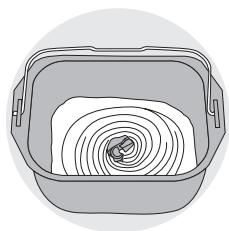
a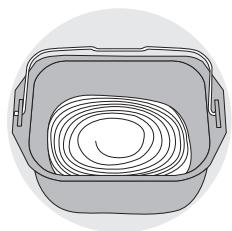
aJ 1 aJ aJ aJ aJ aJ aJ aJ a
Jus 1 Jus 1 Jus 1 Jus 1 Jus 1 Jus 1 Jus 1 Jus 1 Jus 1 Jus 1 Jus 1 Jus 1 Jus 1 Jus 1 Jus 1 Jus 1 Jus 1 Jus 1 Jus 1 Jus 1 Jus 1 Jus 1 Jus 1 Jus 1 Jus 1 Jus 1
01jwU.2
yall
2.3
aolll aolll aolll jolll jolll ool lol ool ool
GabJ.4
Therefore, pb = 17.
ju · l 0 r^2 t 0 = s_0 - 1
tsp V = L O → V
- ω · sin α = ω · cos α + sin α
0 0 5 ÷ 0 0 5 = 0. 5 0 -
2 j d a _ i j u _ i g o g -
y ȧ ö ü -

Therefore, 2000 - 1000 = 1
jIgblJlajgssuJ1.4aJgolgolgog (JosllglssglaljL) a
jLl0s0s00g00
.100

oljw1.2
.000000000000000000000000000000000000000000

jwJg.3
a aaaagj jaj gge gge gge gge gge gge gge gge gge gge gge gge gge gge gge gge gge gge gge gge gge gge gge gge gge gge gge gge gge gge gge gge gge gge gge gge gge gge gge gge

j g 4
a 1 j0g jz baw g aog yglba g g g g g g g

jds45p3.5
pI pI 1 JLi dSg aog o g jy! L .Jy a4y j y cLw 1 glj n Li
.
05i 12jLj jLai jai a ai ci Lw ygb J"00" jLigao jyle

Therefore, the area of triangle OBC is 1/2 * OB * BC = 1/2 * CD * 5.
Therefore, SFR = 301 - r
tsp 1, Δ = y0 Δz - F
j ∪ j = 190 = 1.1 - 1
tsp Y = S Ṡ - Y
(2 alj) gssj
I2 wg10 = I2 wg10 S10
BS p. 4 - 12 ET p. 13 - 21 LT p. 22 - 30 LV p. 31 - 39 BG p. 40 - 51 HU p. 52 - 62 PL p. 63 - 74 CS p. 75 - 85 SK p. 86 - 96 RO p. 97 - 108 HR p. 109 - 119 SR p. 120 - 130 FR p.131 - 139 EN p. 140 - 150 p. 151 - 161 DE p.162 - 173 p. 174 - 182 PT p.183 - 191 ES p.192 - 202 UK p.203 - 215 RU p.216 - 224 KZ p.225 - 233 AR p.234 - 242 FA p.243 - 251
- DELAYED START PROGRAM
- INFORMATION ABOUT INGREDIENTS
- SURFACE CLEANING
- DESCRIPTION
- PRIOR TO FIRST USE
- QUICK START-UP
- USING YOUR BREAD MAKER
- SELECTION OF A PROGRAM
- SELECTING THE BREAD WEIGHT
- SELECTING THE CRUST COLOUR
- START/STOP
- KNEADING
- REST
- RISE
- COOKING
- KEEP WARM
- PRACTICAL ADVICE
- GENERAL ORDER TO FOLLOW
- WARNINGS FOR THE USE OF GLUTEN-FREE PROGRAMS
- INFORMATION ON THE INGREDIENTS
- CLEANING AND MAINTENANCE
- TECHNICAL TROUBLESHOOTING GUIDE
- SELECTING THE DEGREE OF PREHEATING
- SWITCHING ON
- OPERATION
- LOCKING
- BAKING
- ПДНГГГ
- BVNIKANHN
- ПIDIRPIB
- ПОТРAMAВДКЛАDEHОТCTAPTY
- PNAKTNUHINOPADN
- GENERAL ORDER, IF NECESSARY TO FOLLOW
- PRELIMINARY BEFORE USING PROGRAMS FOR GLUTEN-FREE PRODUCTS
- INSTRUCTIONS FOR TROUBLESHOOTING
- INFORMATION ON INGREDIENTS
- TROUBLESHOOTING GUIDE AND IMPROVING YOUR RECIPES
- DOUGH FOR SAMSA
- DOUGH FOR KYZART
- KNEADING AND PROOFING
- OUR TIPS
- CABLE CONNECTION
- CABLE DISCONNECTION
- CONNECTION
- TESTING
- STORAGE
- CABLE CONNECTION PROGRAM
- PADDLES AND SPOONS
- THE SAFETY OF THE FOOD PRODUCTS IS GUARANTEED
- A3BIK-TYJIIKTEP TYPALJI BAKIAPAT
- TA3AJAY XOHE KYTIM
- JWU
- GABJ
- (2 ALJ) GSSJ
Brand : MOULINEX
Model : PAIN DORA
Category : Bread maker