
398 HIGH SPEED ROTARY TOOL - Rotary tool DREMEL - Free user manual and instructions
Find the device manual for free 398 HIGH SPEED ROTARY TOOL DREMEL in PDF.



| Product type | High-speed rotary tool |
| Brand | DREMEL |
| Model | 398 HIGH SPEED ROTARY TOOL |
| Rotational speed | 5,000 to 33,000 rpm, adjustable in increments of 1,000 rpm |
| Speed display | Digital LCD screen |
| Electronic feedback | Yes (EFC) for maintaining speed under load |
| Soft start | Yes, "soft start" |
| Power supply | Mains isolator (voltage to check on nameplate) |
| Collet | 2.4 mm and 3.2 mm collets supplied |
| Included accessories | Wire brushes, grinding wheels, cutting discs, sanding drums, abrasive bands, polishing felt, etc. (see detailed list in manual) |
| Shaft lock | Lock button for accessory change |
| Noise level | Sound pressure 77 dB(A) according to EN 50 144 |
| Vibration | 7.6 m/s² (hand-arm method) |
| Safety | Safety glasses, gloves, dust mask, ear protection recommended; do not use discs >32 mm dia. nor drills >3.2 mm dia. |
| Maintenance | Clean the tool and cable regularly; replace brushes if excessive sparking; repairs by authorized DREMEL service center |
| Warranty | 2 years (BASIC: 1 year) from purchase date |
| Storage temperature | Do not exceed 50 °C |
Frequently Asked Questions - 398 HIGH SPEED ROTARY TOOL DREMEL
User questions about 398 HIGH SPEED ROTARY TOOL DREMEL
0 question about this device. Answer the ones you know or ask your own.
Ask a new question about this device
Download the instructions for your Rotary tool in PDF format for free! Find your manual 398 HIGH SPEED ROTARY TOOL - DREMEL and take your electronic device back in hand. On this page are published all the documents necessary for the use of your device. 398 HIGH SPEED ROTARY TOOL by DREMEL.
USER MANUAL 398 HIGH SPEED ROTARY TOOL DREMEL
Dremel European Sales Office - The Netherlands
7/00 2615302571
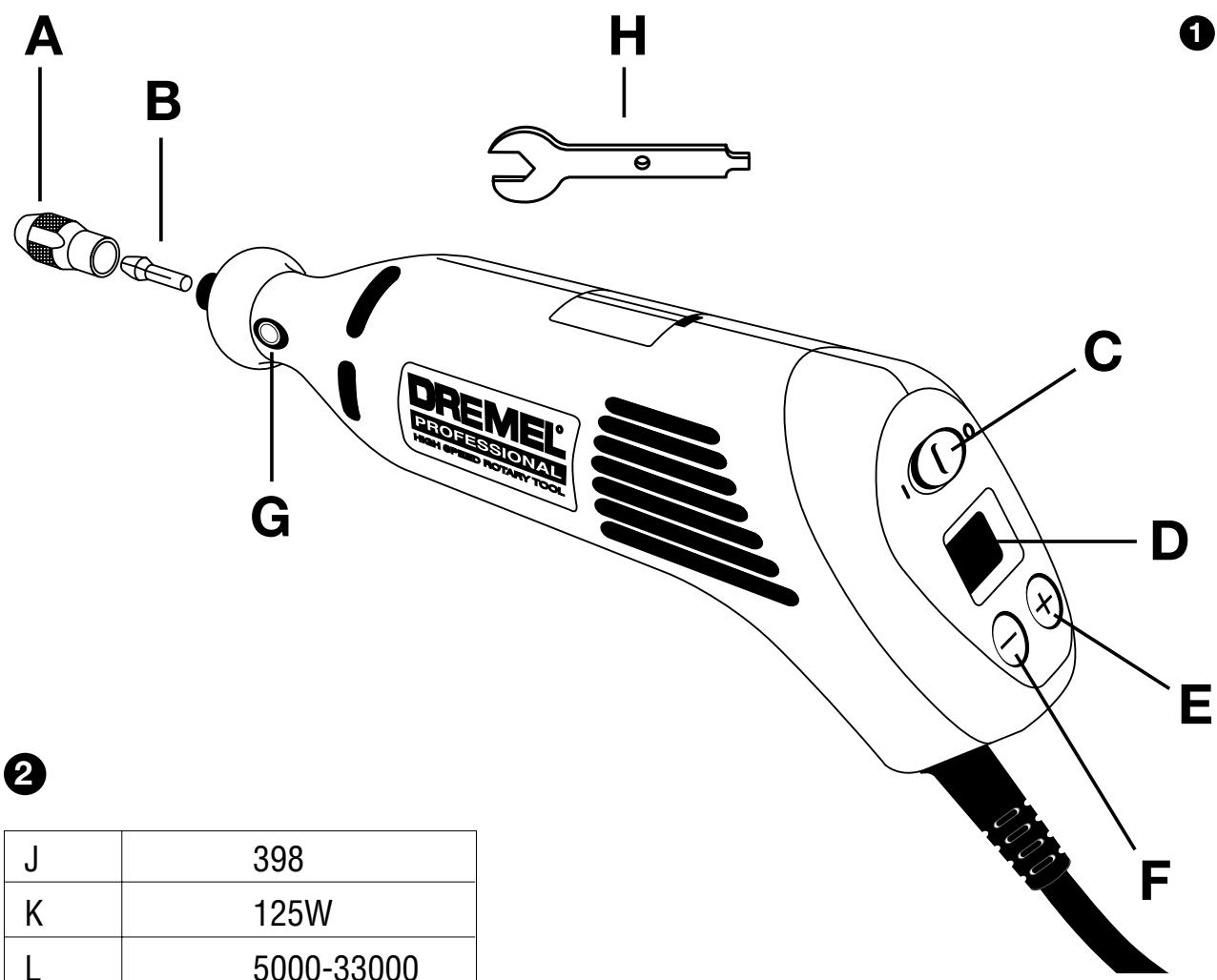
| J | 398 |
| K | 125W |
| L | 5000-33000 |
| M | 3,2 mm |
| N | 0,59 Kg |
| J | K | L | M | N | |
| GB | Model | Input | No Load Speed R.P.M. | Collet Capacity | Weight |
| D | Modell | Leistungsaufnahme | Drehzahl unbelastet U/Min. | Spannkapazität | Gewicht |
| F | Type | Puisance absorbée | Vitesse à vide tr./min | Capacité pince | Poids |
| NL | Model | Opgenomen vermogen | Toerental onbelast o.p.min. | Kapaciteit spontang | Gewicht |
| S | Modell | Ingängseffekt | Hastigeh obelastad varv/min. | Kapacitet spännhylsa | Vikt |
| N | Modell | Watt | Tomgangshastigeh o./min. | Kapasitet chuck | Vekt |
| FIN | Malli | Teho | Kuormittamaton nopeus r/min | Hylsyn koko | Paino |
| DK | Model | Effekt | Hastighed ubels/min. | Kapacitet tang | Vægt |
| I | Modello | Potenza assorbita | Velocità a vuoto giri/min. | Capacità pinza | Peso |
| E | Modelo | Potencia | Velocidad en vacío r.p.min. | Capacidad de la boquilla de sujeción | Peso |
| P | Modelo | Potência | Velocidade RPM | Capacidade da pinça | Peso |
| GR | Movélo | Ioçúnç kivητήρα | Táχútnητα χωρις φορτίου/στρ. avá λεπτό | Yποδoχή σφιγκτήρα | Báρος |
| H | Modell | Telijesítményfeluveltel | Terheletlen fordulatszám/perc | Feszítési métret | Súly |
| CZ | Typ | Přikon | Otáčky naprázdno ot./min. | Max. prùměr pro upnutí | Hmotnost |
| PL | Model | Pobór mocy | Prędkość obrotowa w biegu luzem | Średnica mocowania uchwytu | Ciezar |
| TR | Model | Giris güüü | Boştaki devir sayısi, dev/dak | Germe kapasitesi | Ağırkıngl |
| RU | Modélb | Повtrightные мошноctь | Скорочь вразUILЕни бezи nagрузkin, об/Mин | Диаметр патона | Maccà |
3
GB Mounting Accessories (text page 22)
D MontierendesZubehors(Textsuite25)
F Montage des accessoires (page texte 28)
NL Aanbrengen van accessoires (tekstagina 31)
S Montering av tillbehör (se sidan 34)
N Montering av utstyr (tekst side 37)
FIN Tarvikkeiden asennus (tekstisivu 40)
DK Pasaetning af tilbehør (tekst side 43)
1 Montaggio degli accessori (pagina di testo 46)
E Montaje de los accesos (texto en la page 49)
P Montagem de acessórios (頁目52)
GnCvaTOnToeTeoTeTaEApTmuata(OeLiδKaεμEvou55)
A tortozekofelszerelése (szöve oldal 58)
CZ Upinac pi'sluosenstvi (text na strane 61)
PL Mocowanie narzedzi roboczych w uchwycie (tekst, strona 64)
Aksesuarin takilmasi (metin sayfasi 67)
RU YcTaHOBa akCEccyapOB (CM. TeKCT Ha Ctp. 70)
4
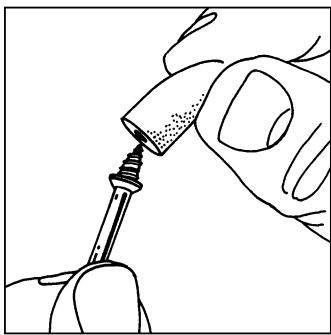
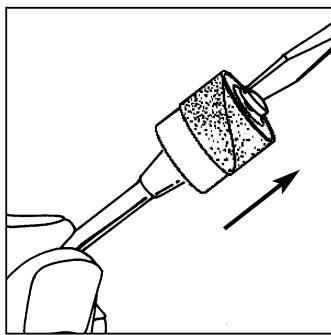
GB Mandrel assembly
Dorn
F Ensemble mandrin
NL Montage opspandoorn
S Satta fast spindeln
N Montering av spindel
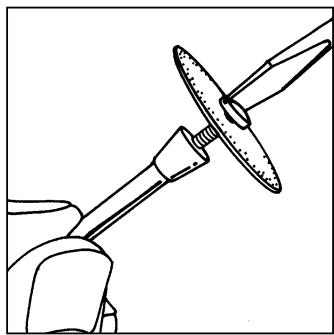
FIN Karan kokoaminen
DK Tilbehør til spindler
1 Gruppo perno
E Conjunto del mandril
Conjunto de mandris
GR uvaipmoIoynon tou biDwTOU 0TeAEXOUC
CE DECLARATION OF CONFORMITY
We declare under our sole responsibility that this product is in conformity with the following standards or standardized documents:
EN 50 144, EN 55 014, in accordance with the regulations 73/23/EEC, 89/336/EEC, 98/37/EEC.

00 DREMELE Europe J.P. Houben

CE TODISTUS STANDARDIMUKAISUUDESTA
00 DREMELE Europe J.P.Houben
INFORMATION ON NOISE/VIBRATION
The noise level when working can exceed 85 dB(A). Wear ear protection!
Measured in accordance with EN 50 144 the sound pressure level of this tool is 77dB(A) and the vibration 7.6~m / s^2 (hand-arm method).
MELU-/TARINATIETO
00 DREMELE Europe J.P.Houben

ZAJ- ES REZGESINFORMÁCIÖK
00 DREMELE Europe J.P.Houben

CE KONFORMITSETKLERING
00 DREMELE Europe J.P.Houben

GERÄUSCH-/VIBRATIONSINFORMATION
00 DREMELE Europe J.P.Houben
STØJ-/VIBRATIONSINFORMATION
00 DREMELE Europe J.P.Houben
INFORMATIE OVER GELUID/VIBRATIE
- DREMELE Europe J.P.Houben
POZIOM HALASU/WIBRACJE
00 DREMELE Europe J.P.Houben

GÜRULTÜ VE TITRESIM ONLEME HAKKINDA BILGI
Calma esnasinda ses emisyonu 85 dB(A)'n izerine cikabilir Koruvucu kulakih kullan!
Ölçünen EN 50 144iques ses binci bu makinnan seviyese 77 dB(A), v titresm 7,6 m/s2 (el-kol metodu).

CE KONFORMITESFÖRKLARING
00 DREMELE Europe J.P.Houben

CE DECLARACHO DE CONFIRMIDADE
Declaramos sob)nossa exclusiva responsabildade que este produits cmpre as seguitemas normas ou documents normativos: EN 50 144, EN 55 014, conforme as dispositions das directivas 73/23/CEE, 89/336/CEE, 98/37/CEE.

00
DREMEL Europe
J.P. Houben
LJUD-/VIBRATIONSDATA
00 DREMELE Europe J.P.Houben

INFORMACOES SOBRE RUIDO E VIBRAOES
3AABJIEHNE O COOTBETCTBNI
| Contents of Kit | 3981 |
| Collet | + |
| Chuck | + |
| Wrench | + |
| Literature Pack | + |
| Carrying Case | + |
| Accessories (diagram⑦) | 65 |
General Operating Tips:
SAFETY INSTRUCTIONS
When using electric tools, the following basic safety precautions should always be followed to reduce the risk of fire, electric shock, and personal injury. Read all these instructions before attempting to operate this product. Save these instructions.
- Check voltage indicated on nameplate
- Keep work area clean. Cluttered areas and benches invite injuries
- Consider work area environment. Do not expose power tools to rain. Do not use power tools in damp or wet locations. Keep work area well lit. Do not use power tools in presence of flammable liquids or gasses.
- Guard against electric shock. Avoid body contact with earthed surfaces (e.g. pipes, radiators, ranges, refrigerators).
- Keep children away. Do not let visitors contact tool or cord; they should be kept away from work area.
- Store idle tools. When not in use, tools should be stored in a dry and locked-up place, out of the reach of children.
- Do not force the tool. It will do the job better and safer at the rate for which it was intended.
- Use the right tool. Do not force small tools or attachments to do the job of a heavy-duty tool. Do not use tools for purposes not intended (e.g. do not use a circular saw for cutting tree limbs or logs).
- Dress properly. Do not wear loose clothing or jewelry; they can be caught in moving parts. Rubber gloves and non-skid footwear are recommended when working outdoors. Wear protective hair covering to contain long hair.
- Use safety glasses. Also use face or dust mask, if cutting operation is dusty.
- Connect dust extraction equipment. If devices are provided for the connection of dust extraction and collection facilities, ensure these are connected and properly used.
- Do not abuse the cord. Never carry the tool by the cord, never yank the cord to disconnect it from the socket, and keep the cord away from heat, oil and sharp edges.
- Secure work. Use clamps or a vise to hold the work; it is safer than using your hand and it frees both hands to operate the tool.
- Do not overreach. Keep proper footing and balance at all times.
- Maintain tools with care. Keep tools sharp and clean for better and safer performance. Follow instructions for maintenance and changing accessories. Inspect tool cords and plugs periodically and if damaged, have them repaired by a qualified person. Inspect extension cords periodically and replace them, if damaged. Keep handles dry, clean and free from oil and grease.
- Disconnect tools. Disconnect tool when not in use, before servicing or when changing accessories such as blades, bits and cutters.
- Remove tool keys. Form the habit of checking to see that keys and adjusting wrenched are removed from the tool before turning it on.
- Avoid unintentional starting. Do not carry a plugged-in tool with a finger on the switch. Be sure the switch is off when plugging it in.
- Outdoor use extension cords. When tool is used outdoors, use only extension cords intended for use outdoors and so marked.
- Stay alert. Watch what you are doing, use common sense and do not operate tool when you are tired.
- Check damaged parts. Before you use the tool, always carefully check the guarding and other parts to determine that they will operate properly and perform their intended functions. Check for alignment of moving parts, binding of moving parts and breakage of parts. Check for proper mounting of all parts and any other conditions that may affect their operation. A guard, switch, or other part that is damaged or defective should be properly repaired or replaced by a qualified person. Do not use tool, if switch does not turn it on and off.
- Warning! Use the tool and its accessories in accordance with these safety instructions and in the manner
intended for the particular tool, taking into account the working conditions and the work to be performed. Use of the tool for operations, different from those normally expected to be performed by the particular tool, could result in a hazardous situation.
- Have the tool repaired by a qualified person. This electric tool is in accordance with the relevant safety rules. Repairs should only be carried out by qualified persons using original spare parts, otherwise this may result in considerable danger for the user.
DREMEL TOOL SAFETY

Read and save this instruction manual and the enclosed safety instructions
Always keep the cord away from moving parts of the tool
- When you put away the tool, switch off the motor and ensure that all moving parts have come to a complete standstill
In case of electrical or mechanical malfunction, immediately switch off the tool and disconnect the plug
Use completely unrolled and safe extension cords with a capacity of 16 Amps (U.K. 13 Amps)
Only use the original DREMEL accessories which can be obtained from your DREMEL dealer.
Before using accessories always compare the maximum allowed r.p.m. of that specific accessory with the r.p.m. of the tool
This tool should not be used by people under the age of 16 years
- Never use grinding wheels over 1 14 ” (32 mm) 0
- Never use drill bits over 1 / 8" (3.2 mm)
- Never use shaft lock while tool is running
- Store tool in locations where temperature will not exceed 50^ C
- Ensure that the collet size corresponds with the shaft size of the accessory
- Keep the air vent openings clean and uncovered
- Handle and store grinding/cutting discs carefully to avoid chipping and cracking
- Do not use damaged, deformed or vibrating grinding/cutting discs
- For mounting/using non-Dremel accessories observe the instructions of the manufacturer concerned
Before using the tool
- ensure that accessory is correctly mounted and firmly tightened
- check if accessory runs freely by turning it by hand
- test-run tool for at least 30 seconds at highest no-load speed in a safe position
- stop immediately in case of considerable vibration or other defects and check tool to determine the cause
! Never use a cutting disc for side grinding
- When grinding metal, sparks are generated; keep other persons and combustible material from work area
- Wear protective glasses and gloves, hearing protection, a dust mask, and sturdy shoes; when necessary also wear an apron
- ! The accessory continues to rotate for a short time after the tool has been switched off
When connecting new 3-pin plug (U.K. only):
- Do not connect blue (=neutral) or brown (=live) wire in the cable of this tool to the earth terminal of the plug
If for any reason the old plug is cut off the cable of this tool, it must de disposed of safely and not left unattended
USE
-
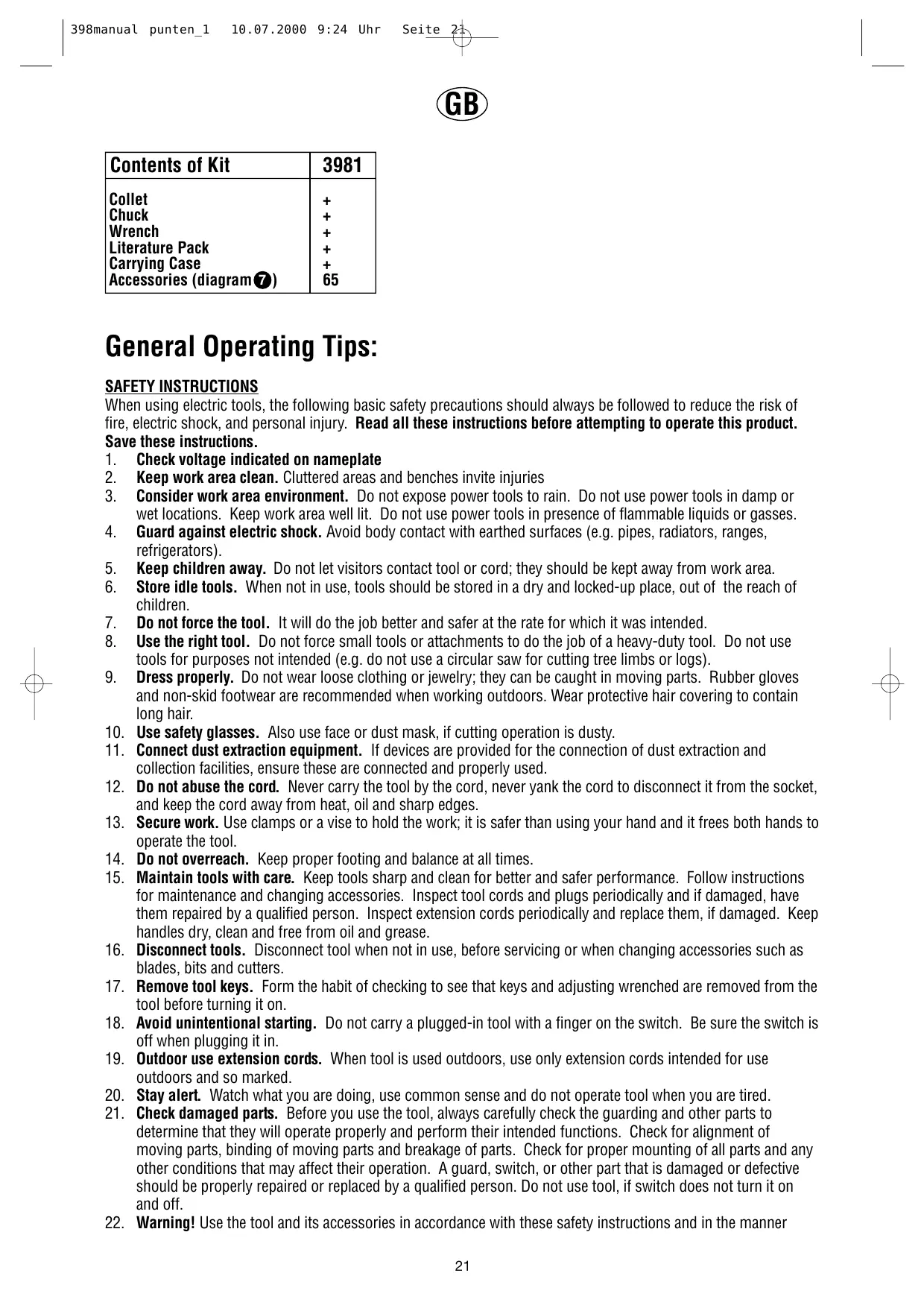
Separate On/Off Button "C" (diagram ①)
-
Switch on the tool and select speed by pushing buttons "E" & "F" to desired speed
-
Speed from 5,000 - 33,000 R.P.M.'s
-
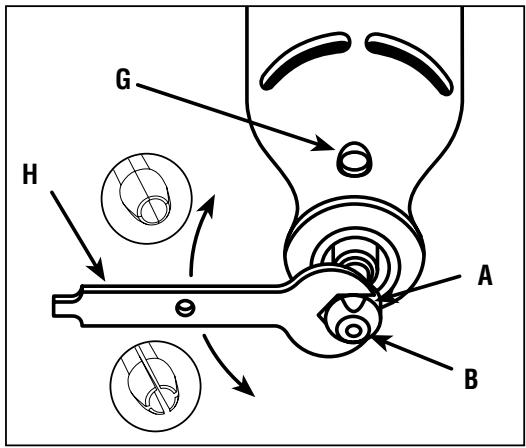
Mounting Accessories (diagram 3)
-
Push Shaft Lock button "G", and hold it, while turning the Collet Nut "A" or chuck by hand or with the wrench "H" until the shaft locks preventing further rotation
(if working with the Collet Nut "A", open collet "B" by loosening collet nut "A" with the wrench "H")
- Insert accessory into the Collet "B" or chuck as far possible to minimize run out and unbalance
-
With Shaft Lock button "G" engaged, close collet "B" by tightening collet nut "A" / Chuck by hand or with the wrench "H" until it is a tight and secure
-
Holding and guiding the tool (see diagram 5)
-
pencil grip for precision work (engraving)
-
sparing knife hand grip for rough work (grinding)
- 2 hand golf grip ideal for when you need to keep the tool parallel to the work surface, i.e. using a cut-off wheel
APPLICATION ADVICE
- Always practice on a piece of scrap material first to choose the right accessory and determine the optimum working speed
- Do not apply to much pressure on the tool; let the speed do the work for you
- Use only accessories that are recommended by the manufacturer for your model.
SPEED
Electronic Feedback Circuitry (EFC)
Your tool is equipped with a internal electronic feedback system that provides a "soft start", which will reduce the stresses that occur from a high torque start. The system also helps to keep the pre-selected rotating speed virtually constant between no-load and load conditions.
- Digital Speed Selector Switch
Your rotary tool features a digital speed selector switch which displays an L.C.D. reading of the tool's RPM. The speed can be selected from 5,000 RPM to 30,000 RPM in 1,000 RPM increments by simply depressing the positive or negative buttons on the switch.
TO TURN TOOL "ON": slide ON/OFF switch "C" to the "ON" position.
TO TURN TOOL "OFF": slide ON/OFF switch "C" to the "OFF" position.
TO INCREASE SPEED: depress button "E" with + sign.
TO DECREASE SPEED: depress button "F" with - sign.
Some rules of thumb in regard to speed:
- Plastic and materials that melt at low temperatures should be cut at low speeds.
- Polishing, buffing, and cleaning with a wire brush must be done at speeds below 15,000 RPM to prevent damage to the brush.
- Wood should be cut at high speed.
- Iron or steel should be cut at top speed if using tungsten carbide accessory, but at lower speeds if using high speed steel cutters. If a high speed steel cutter starts to chatter this normally means it is running to slow.
- Aluminum, copper alloys, lead alloys, zinc alloys and tin may be cut at various speeds, depending on the type of cutting being done. Use paraffin or other suitable lubricant on the cutter to prevent the cut material from adhering to the cutter teeth.
To aid you in determining the optimum operational speed for different materials and different accessories, we have constructed a series of tables that appear on diagram 6. By referring to these tables, you can discover the recommended speeds for each type of accessory. Look these tables over and become familiar with them.
Ultimately, the best way to determine the correct speed for work on any material is to practice for a few minutes on a piece of scrap, even after referring to the chart. You can quickly learn that a slower or faster speed is more effective just by observing what happens as you make a pass or two at different speeds. When working with plastic, for example, start at a slow rate of speed and increase the speed until you observe that the plastic is melting at the point of contact. Then reduce the speed slightly to get the optimum working speed.
Increasing the pressure on the tool is not the answer when it is not cutting as you think it should. Perhaps you should be using a different cutter, and perhaps an adjustment in speed would solve the problem. But leaning on the tool seldom helps.
MAINTENANCE AND REPAIR
- Keep tool and cord clean (some household cleaning products and solvents can damage plastic parts; these products include among others benzine, trichloroethelene, chloride, ammonium
- Excessive sparking mostly indicates worn-out carbon brushes
- In case of an electrical or mechanical defect, hand in tool at one the DREMEL Service Stations for repair (addresses are listed on the service diagram supplied with the tool)
VEDLIKEHOLD/REPARASJON
MANUTENÇÃO/REPARACAO
- OTdienbHaN KhoNka BKn/BbIKn "C" (pnc. 1)
BkIIOHTb IHCTpymeHt N Bbl6paTb XeJaemyIO CKOpocTb, Haxmam Ha KhoNkn "E" n "F"
- CkopoocTb ot 5.000 do 33.000 o6/MnH
- YctaHObKa akceccyapOB (pnc.3)
HaxaTb Ha KhoNky 6bokpOBKn Bana "G", n ydepxNbBaTb ee haxaToi, npobopauNbraIky "A" ZaHn nn 3aXIMHO nATPOH pyKoI nn pOKKOBbIM KInOyom H" Do tex nop, noka BaI He 3abloKpyetc O T daJIbHeIWeO BrApueHn
(πρι παβοτες αγκόθου “A” Αζανης παλχατής γόν “B”, σολαδύνιν τημάκην τηρόν Αγκόθους ροχκόθους κλίουσης “H”)
BCTaBtI pIncnO6bIeHne B ZaHry "B" nIi 3axmHoi NaTPOH KaK MoXHO rIy6Ke, YTO6bl MInHMn3nPoBaTb BbIeR n Dc6bIaIaHc
- YdepknBaHnKaToH KNoIky 6bNoKpOBKn Bana "G", 3aKaTb cAnHy "B", 3aTnBa rAky "A" cAnHn IJIN 3aXmHOn NaTPOH pyKoN pOxKOBbIM KInOyom "H" Do Tc np, POKa OHN IpOuH No HaNExKHO He 3aOpNKcPiyOTc
- YdepxnBaHne n HappaBHeHne nHCTpyMeHTa (CM.pnc.5)
LahroBbI 3axBaT dIa pa6oT, Tpebyuixx BbICOKo ToHocn (rpabnpOBka)
- Pунов зaxbat сбобелдя pa6ot, He tpe6yUoIxвсokоToHocTи (шлфobанe)
-Дувсторонний сферческий 3axBaT ИддьНо NOДхОДNT,ЕСИн HeOБxODIMO yIePKNBaTиHCTpyMeHT npaJIpeMbHO pa6oey IOBepXHOCTn,HaIpIMeP,priN IcNoJb3OBaHN OTe3HOrO nICsKa
COBETbI IO INCIOJIb3OBAHNIU
C ueIbIO IOJ60pa COOTBETCTBYUeH HacaIKN OIpedeJIeHn OITMmaJIbHO paOoey cKOpocTINpeDbapntJIbHO ONpApKTkyIteCb Ha np6Hom MaTePnaJe
- Bo Bpemra pa60tI He npilaraIte n3nuiHnx ycIIIN; NyCTb 3a Bac pa6oTaET BaI BbICOKOcPOcTHOH INHCTpymeHT
-ПовьзоватсгТольк TeMпрспосблелм,КOTopье peKOMeHДОВаНы ПпОИЗБОДТЕЛЕМоDEЛ.
CKOPOCTb
This DREML product has been carefully inspected before leaving the factory and carries a guarantee of 2 years ("BASIC": 1 year) from the date of purchase during which period any defect caused by faulty material or manufacture will be corrected without charge. Damage due to normal wear and tear, overload or improper handling will be excluded from the guarantee. In case of a complaint, please, send the tool undismantled together with proof of purchase to the nearest DREML Service Station, postal charges prepaid. DREML reserves the right to decline responsibility in case of repairs made by persons other than DREML service staff. In no event compensation can be claimed in case of damage to the workpiece or injury to the tool user. This guarantee does not affect your statutory rights (UK only). Information on guarantee in instruction manual herewith expires.

GARANTIE
- CE DECLARATION OF CONFORMITY
- CE TODISTUS STANDARDIMUKAISUUDESTA
- INFORMATION ON NOISE/VIBRATION
- MELU-/TARINATIETO
- ZAJ- ES REZGESINFORMÁCIÖK
- CE KONFORMITSETKLERING
- GERÄUSCH-/VIBRATIONSINFORMATION
- STØJ-/VIBRATIONSINFORMATION
- INFORMATIE OVER GELUID/VIBRATIE
- POZIOM HALASU/WIBRACJE
- GÜRULTÜ VE TITRESIM ONLEME HAKKINDA BILGI
- CE KONFORMITESFÖRKLARING
- CE DECLARACHO DE CONFIRMIDADE
- LJUD-/VIBRATIONSDATA
- INFORMACOES SOBRE RUIDO E VIBRAOES
- 3AABJIEHNE O COOTBETCTBNI
- General Operating Tips:
- SAFETY INSTRUCTIONS
- DREMEL TOOL SAFETY
- USE
- APPLICATION ADVICE
- SPEED
- Electronic Feedback Circuitry (EFC)
- - Digital Speed Selector Switch
- Some rules of thumb in regard to speed:
- MAINTENANCE AND REPAIR
- VEDLIKEHOLD/REPARASJON
- MANUTENÇÃO/REPARACAO
- COBETbI IO INCIOJIb3OBAHNIU
- CKOPOCTb
- GARANTIE
Brand : DREMEL
Model : 398 HIGH SPEED ROTARY TOOL
Category : Rotary tool