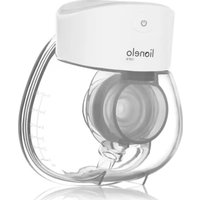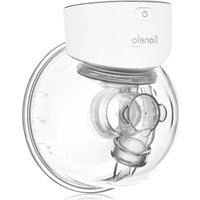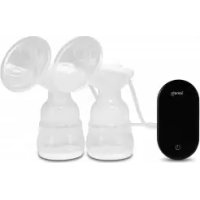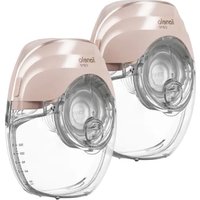
Fidi Free Slim Duo - Breast pump Lionelo - Free user manual and instructions
Find the device manual for free Fidi Free Slim Duo Lionelo in PDF.


| Product type | Portable double electric breast pump |
| Brand | Lionelo |
| Model | Fidi Free Slim Duo |
| Power supply | Built-in rechargeable battery, charges via USB-C (5V DC 1A, SELV charger required) |
| Battery life | Approximately 20 minutes of continuous operation before automatic shutdown |
| Operating modes | Massage mode (8 levels), expression mode (8 levels), mixed mode (combination of both) |
| Suction power adjustment | 8 levels per mode, adjustable via + and - buttons |
| Available tunnel sizes | 17 mm, 19 mm, 21 mm, 24 mm |
| Materials of parts in contact with milk | Silicone, BPA-free plastic (according to EU standards) |
| Memory function | Remembers the last intensity level used for each mode |
| Automatic shutdown | After 20 minutes of inactivity or 5 minutes in pause mode |
| Display | LED with intensity level indicator, usage time and battery |
| Cleaning and maintenance | Parts in contact with milk: wash with warm soapy water and sterilize in boiling water (10 min). Main unit: wipe with a damp cloth. Do not put in dishwasher. |
| Safety | Immediate stop in case of pain; do not use during pregnancy; keep out of reach of children; do not immerse main unit. |
| Recommended spare parts | Silicone diaphragm, suction valve, tunnels of different sizes (replace every 3-6 months depending on use) |
| Warranty | Detailed conditions on the manufacturer's website (help@lionelo.com) |
| Country of origin | Compliant with European Union directives |
| Approximate dimensions | Not specified in the manual |
| Approximate weight | Not specified in the manual |
Frequently Asked Questions - Fidi Free Slim Duo Lionelo
User questions about Fidi Free Slim Duo Lionelo
0 question about this device. Answer the ones you know or ask your own.
Ask a new question about this device
Download the instructions for your Breast pump in PDF format for free! Find your manual Fidi Free Slim Duo - Lionelo and take your electronic device back in hand. On this page are published all the documents necessary for the use of your device. Fidi Free Slim Duo by Lionelo.
USER MANUAL Fidi Free Slim Duo Lionelo
natural_image
Line drawing of a lionelo washing machine with concentric rings and buttons (no text or symbols)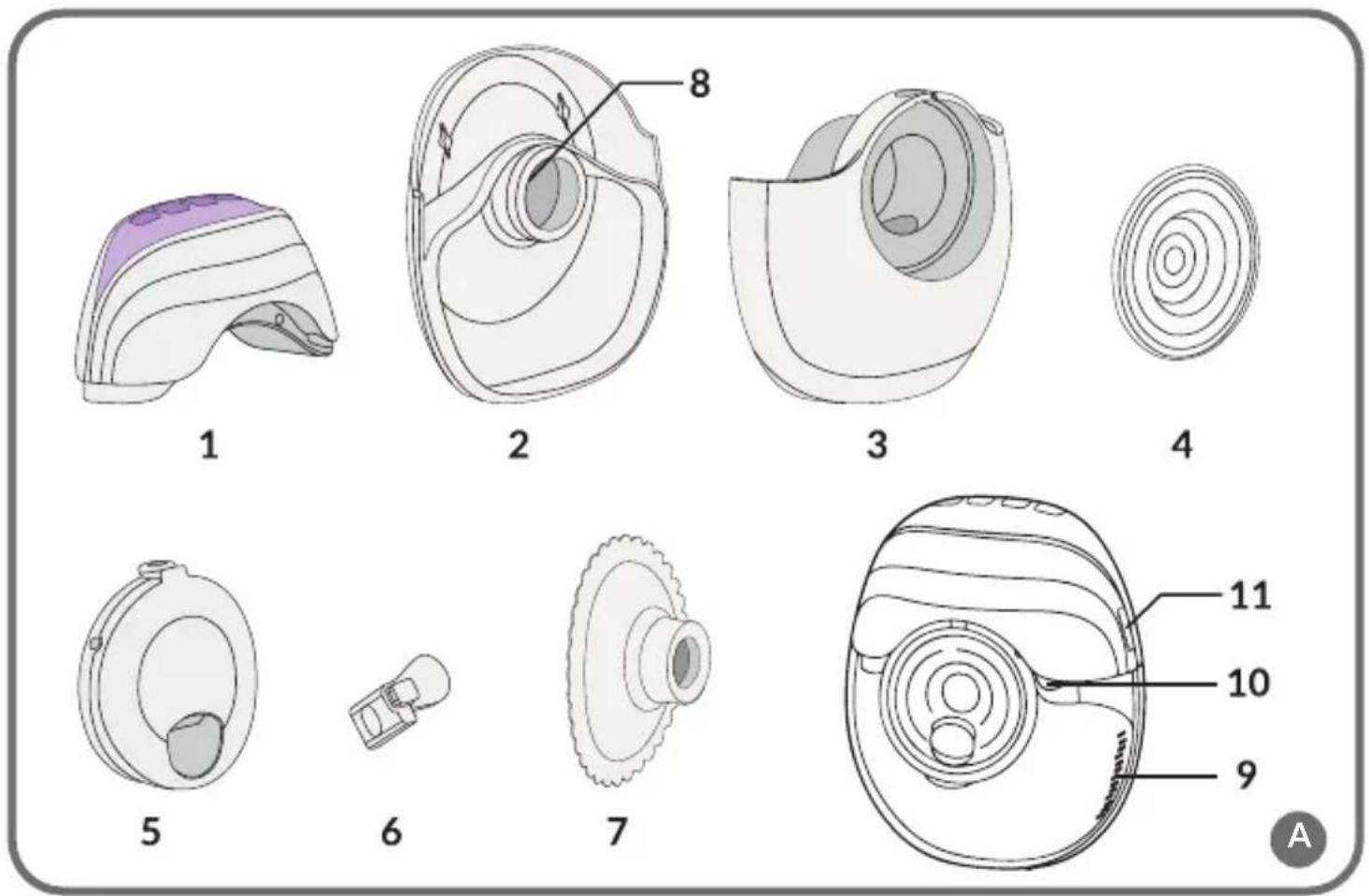
natural_image
Diagram of a mechanical component with a curved arrow indicating motion, no text or symbols present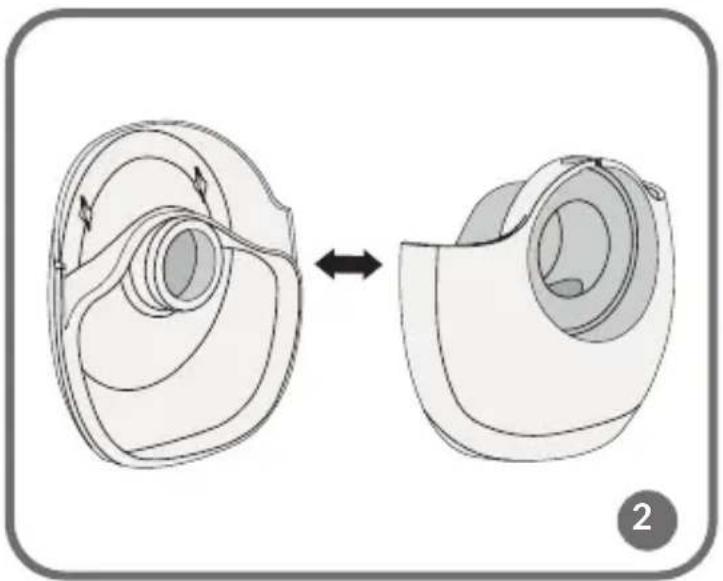
natural_image
Diagram showing a mechanical component before and after assembly, with no visible text or symbols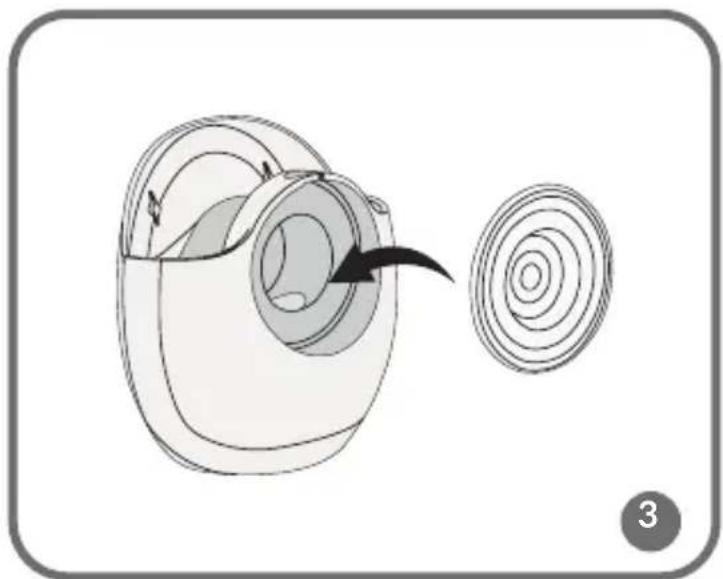
natural_image
Diagram of a mechanical device with a circular component and directional arrows, no text or symbols present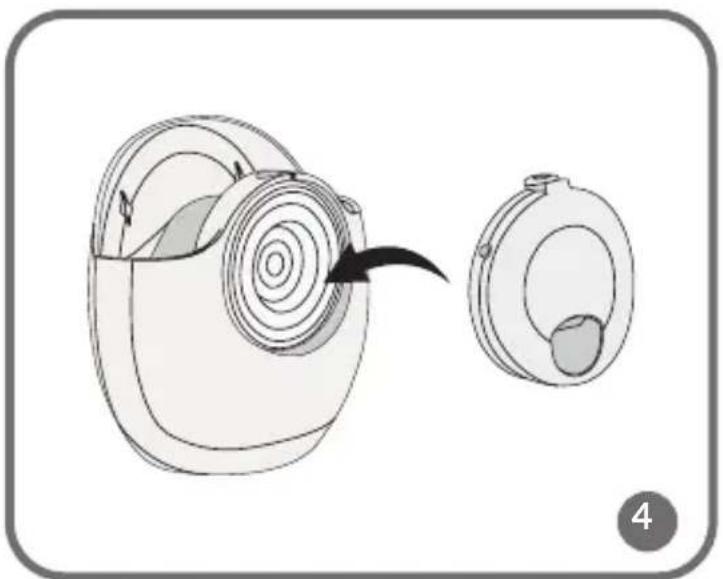
natural_image
Diagram showing a device with a spiral-patterned lid being opened into a closed lid, with no visible text or symbols.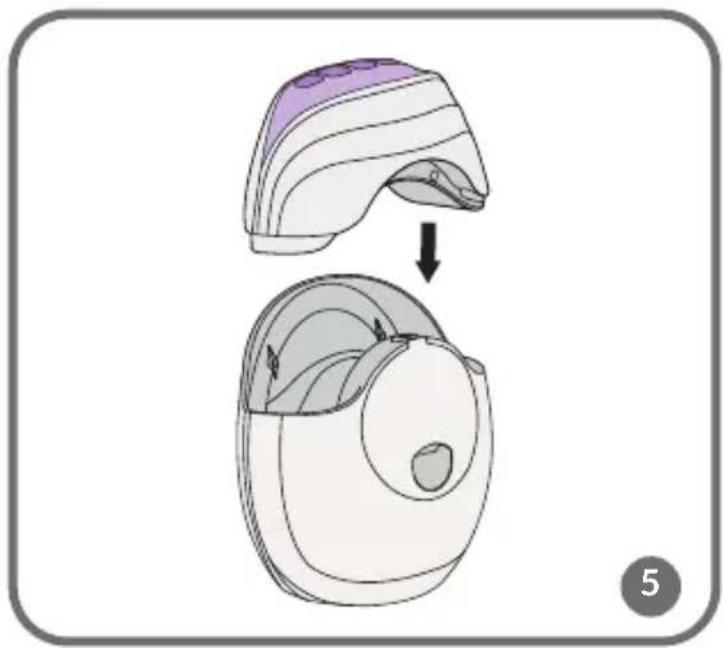
natural_image
Diagram showing a device being processed into a circular housing, with an arrow indicating the process (no text or symbols present)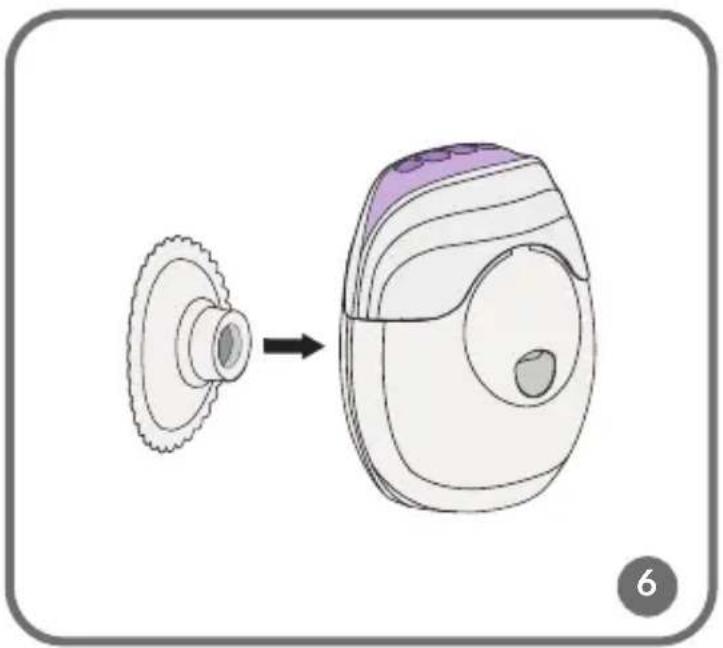
natural_image
Diagram showing a gear shift from a small circular component to a device with a purple top (no text or symbols)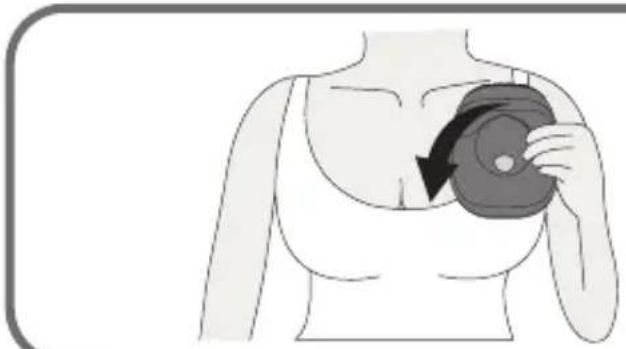
natural_image
Illustration of a person's chest with a circular object inserted, showing a black arrow indicating direction (no text or symbols)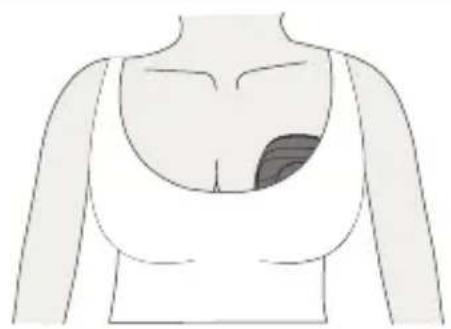
natural_image
Illustration of a human torso with a shaded area on the chest (no text or symbols)7
natural_image
Illustration of a person's chest with a circular device inserted, no text or symbols present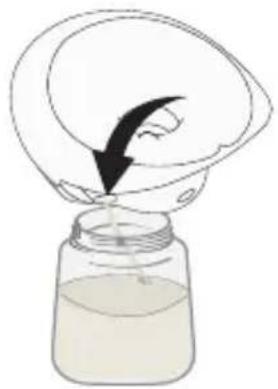
natural_image
Simple line drawing of a person pouring liquid from a jar into a container (no text or symbols)8
natural_image
Diagram of a device with two views showing internal components, one open and one closed, with an arrow indicating transformation (no text or symbols)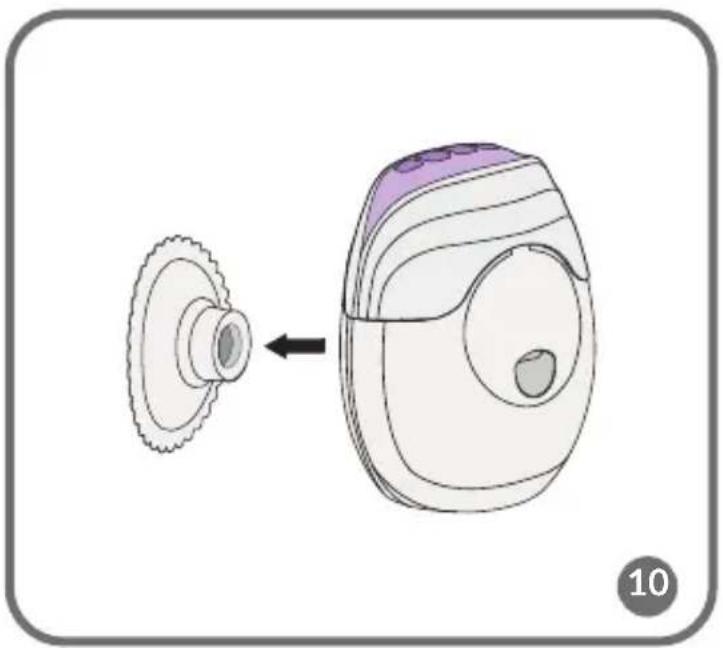
natural_image
Diagram showing a mechanical device with a gear-like shaft and a circular housing, connected by an arrow indicating rotation (no text or symbols)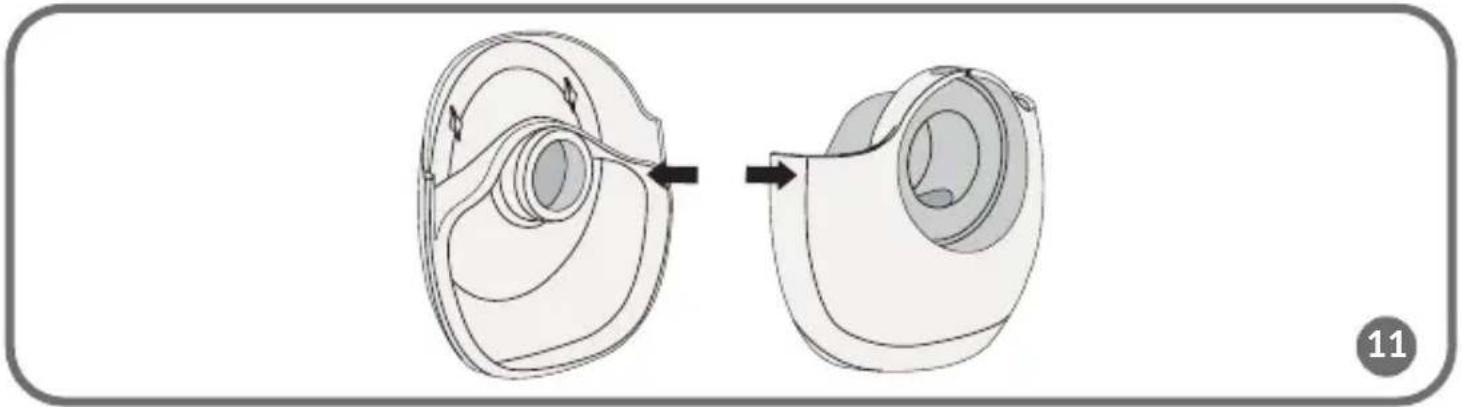
natural_image
Diagram showing a mechanical component before and after assembly, with no visible text or symbols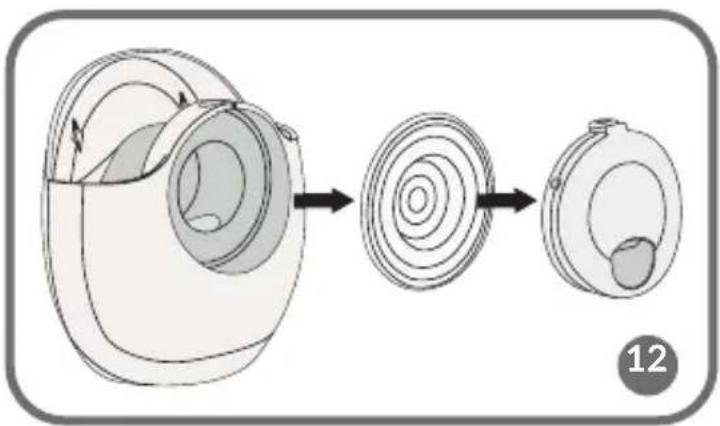
flowchart
graph LR
    A["Initial Component"] --> B["Intermediate Component"]
    B --> C["Final Assembly"]
    style A fill:#f9f,stroke:#333
    style B fill:#ccf,stroke:#333
    style C fill:#cfc,stroke:#333
natural_image
Technical diagram of a mechanical component with a tool and arrow indicating motion (no text or symbols)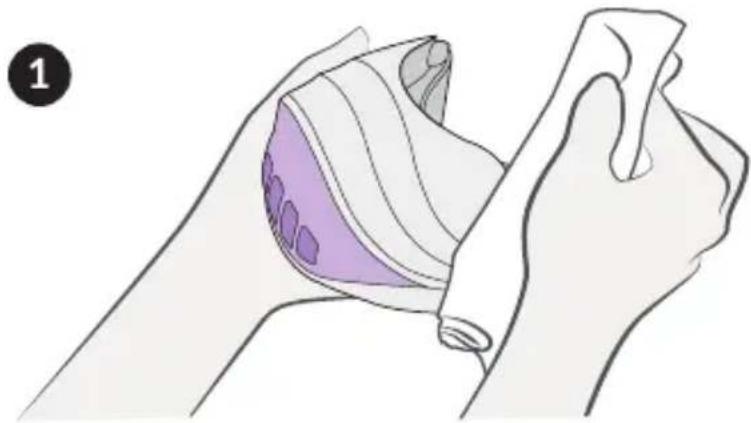
natural_image
Illustration of a hand holding a medical device with purple overlay (no text or symbols)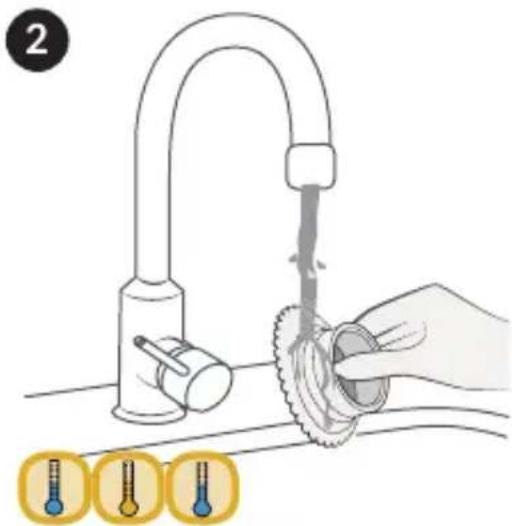
natural_image
Illustration of a hand washing a kitchen sink with a tool, accompanied by three small droppers below (no text or symbols)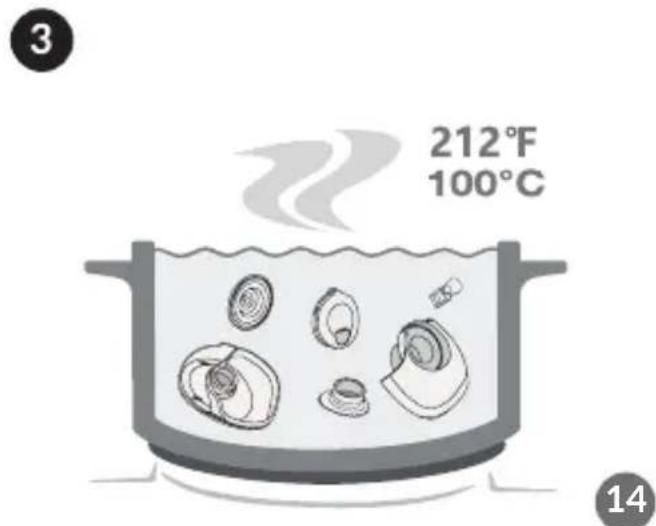
Dear Customer!
In case of any questions or comments on the purchased product, please contact us: help@lionelo.com
Manufacturer:
BrandLine Group Sp. z o. o.
Please read these instructions before operating the product to familiarise yourself with its functions and use it as intended.
Failure to observe safety instructions or using the product improperly may pose a risk to your health.
Keep these operating instructions for future reference.
- This device may be used by children aged 8 or older and persons with reduced physical, sensory or mental abilities, as
well as by persons without relevant knowledge and experience in the use of the device if they are supervised or have been previously instructed in the safe use of the device and the risks involved. - This device is not a toy. Do not allow children to play with it. Keep the device out of the reach of children. Cleaning and maintenance must not be performed by children without adult supervision.
- Do not repair or modify the device. These actions may only be undertaken by an authorised service centre. Use only original spare parts.
- Do not operate the device if you have noticed any damage. This applies to both the device itself and its accessories, e.g. the USB cable.
- Do not use the device if it begins to malfunction, has been dropped or submerged in water, becomes excessively hot, or if discolouration, bulging or other abnormal phenomena occur. Contact the manufacturer's authorised service centre.
- Never leave the device unattended while connected to a power socket.
- The device is not resistant to high temperatures. Use the device away from heat sources, high temperatures, hot surfaces, direct sunlight, sources of sparks, open flames, oils, and sharp edges.
- Do not use chemicals to clean the device. Do not wash the main motor unit with water.
- Switch off the device after each use.
- Do not immerse the entire device in water or other liquids. Do not use near water.
- Do not use the device for purposes other than its intended use.
- Never handle the device or touch the plug with wet or damp hands. Make sure all breast pump parts are dry before assembly.
- Before cleaning or moving the device, switch it off and disconnect it from the power source.
- Before and after each use, wash and disinfect all parts that will come into contact with the body and breast milk.
- Thoroughly dry each component before use and storage.
- For hygienic reasons, the device should be used by one person.
- If using the breast pump causes discomfort or pain, stop using it immediately.
- Do not use the device throughout your pregnancy.
-
Do not use the device when tired or while sleeping.
-
Special care is required when using the device near children.
- Do not use the device while lying down or during strenuous exercise or activities that may cause injury.
- If breast milk does not appear for more than 5 minutes while using the device, stop using the breast pump and consult your doctor.
- If you have an implanted pacemaker or other electrical device, it is recommended that you consult your doctor before using the device.
- If the device is used at the maximum permissible ambient temperature of 30^ C for 30 minutes, the silicone insert may reach a temperature of 45^ C.
- It is recommended to replace the components that come into contact with breast milk approximately every 3 to 6 months, depending on usage frequency, and whenever the device has not been used for an extended period.
- Do not expose the device and its batteries to extreme temperatures. The permissible temperature range in which the battery can be charged is 5^ C to 35^ C.
- Once the battery is fully charged, disconnect the device from the power socket immediately.
- Do not use breast milk from bottles or containers that have signs of damage on them.
- The batteries in this device are not replaceable.
- The device may only be charged using a SELV charger with an output rating of 5V DC 1A.
DIAGRAM OF THE DEVICE (FIG. A)
- Main body
- Milk container - rear cover
- Milk container - front cover
- Silicone diaphragm
- Pin
- Suction valve
- Flange
- Nipple tunnel
- Indicator
- Funnel
- USB port
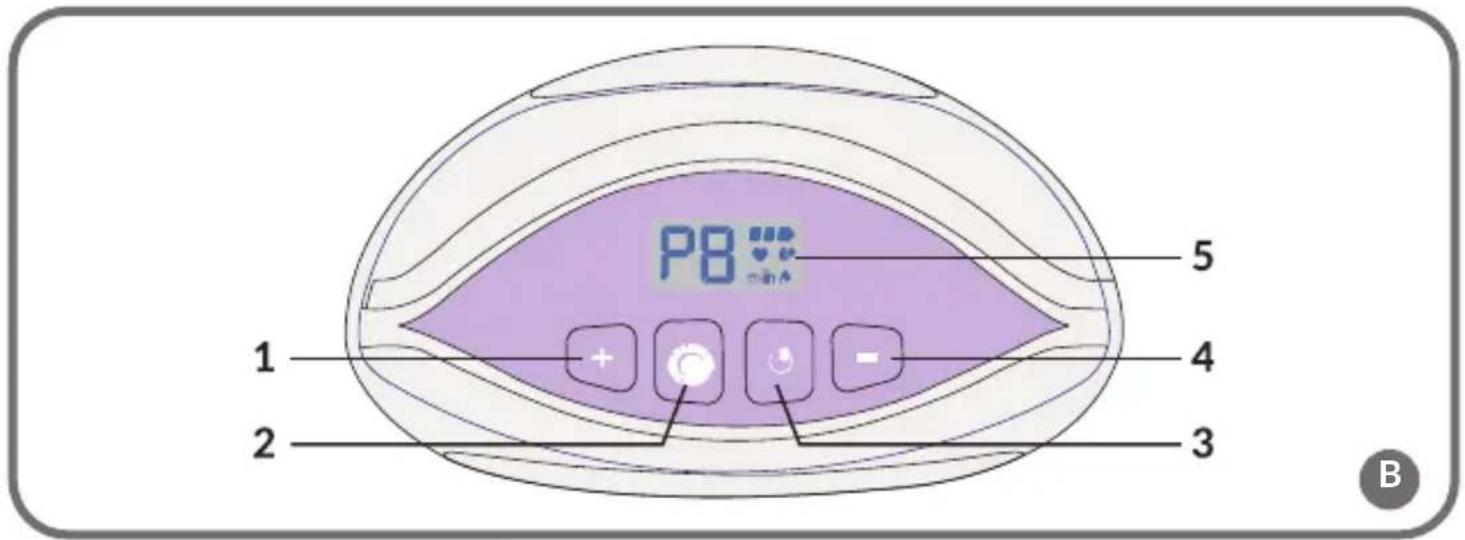
CONTROL PANEL DIAGRAM (FIG. B)
-
Increase suction power
-
Mode switch button
-
ON/OFF button
-
Decrease suction power
-
LED display
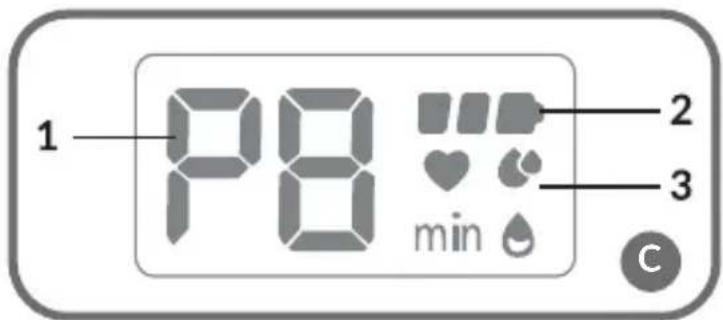
DISPLAY DIAGRAM (FIG. C)
- Mode intensity level indicator / timer indicator
- Battery level indicator
- Operating mode indicator
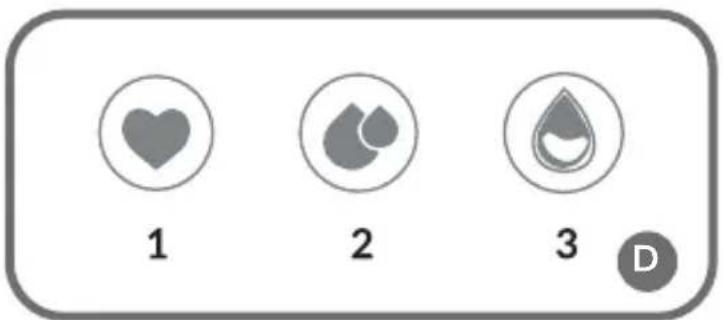
BREAST PUMP MODES (FIG. D)
- Massage mode - 8 levels. The massage mimics the baby's initial sucking phase during breastfeeding.
-
Milk expression mode - 8 levels. This mode mimics the deeper sucking phase that occurs during breastfeeding.
-
Mixed mode - combination of massage mode and milk expression mode.
BREAST PUMP ASSEMBLY
IMPORTANT!
Ensure that all parts of the device that come into contact with breast milk are thoroughly washed and disinfected. To prevent damage to the device, ensure that all parts are completely dry.
Wash your hands before assembling the device. Avoid direct contact with the inner surfaces and parts of the device that come into contact with breast milk or the body.
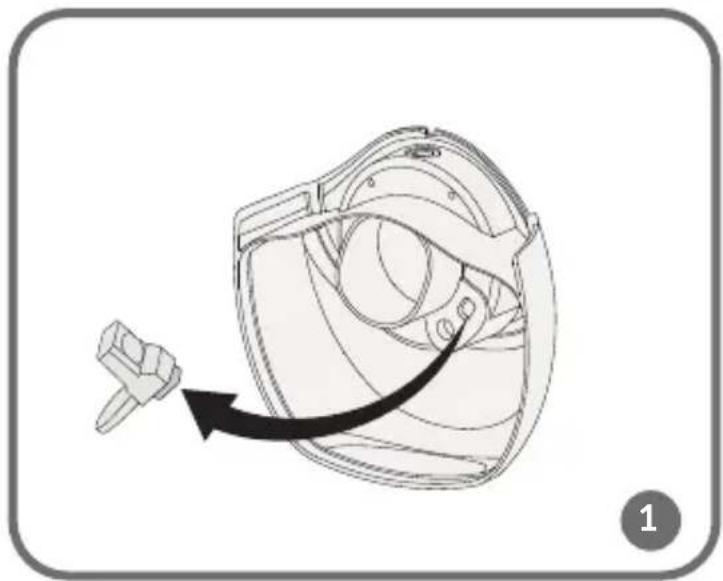
- Insert the suction valve into the opening on the front cover of the breast pump (Fig. 1).
- Connect the front and rear covers of the milk container (Fig. 2).
- Insert the silicone diaphragm with the convex side facing forward into the opening on the front cover of the milk container (Fig. 3).
- Insert the pin into the opening on the front cover of the milk container (Fig. 4).
- Attach the control panel to the container. You will hear a distinct click (Fig. 5).
- Place the flange onto the nipple tunnel (Fig. 6). The attachment should fit smoothly and not move during use.
DEVICE FITTING
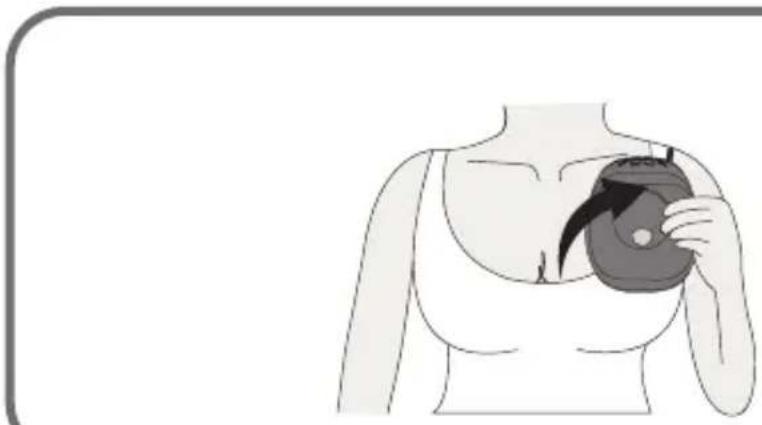
- Make sure the selected funnel fits properly, with the nipple centred within the nipple tunnel (8, Fig. A). Position the breast pump in the bra (Fig. 7). Milk expression should not be painful. If the breast pump causes discomfort or pain, stop using it immediately.
- Ensure that the device fits snugly against the breast, with no gaps between the breast and the silicone funnel. An improper fit will affect the volume of breast milk expressed.
The device can be used with a standard nursing bra and can be worn while sitting or standing. Ensure the device remains securely in place throughout its operation. Otherwise, the operation of the device may be disrupted. Do not lean while using the device.
INSTRUCTIONS FOR USE
Wash your hands before use. Ensure that all parts of the breast pump are assembled according to the instructions and that the device is properly fitted to your body.
Avoid using an intensity level that causes discomfort or pain.
- To turn on the device, press the ON/OFF button (3, Fig. B). The device will power on in the last mode used during the previous session.
- To change operating modes when the device is in use, press the mode switch button (2, Fig. B).
- Press the ON/OFF button to pause the device. Press it again to resume operation (3, Fig. B). If the operation is paused for an extended period, the device will automatically turn off after 5 minutes.
- To adjust the suction power, use the power adjustment buttons to select a level between 1 and 8 (1, 4, Fig. B).
- During pumping, the display will automatically turn off after 20 seconds. To turn it back on, press any button.
- To turn off the device, press and hold the ON/OFF button for approximately 3 seconds.
The device will turn off automatically after 20 minutes of operation and lack of activity.
The device has a memory function. When an operating mode is turned off or changed, the device automatically retains the intensity level from the previous use.
When the device is in pause mode, the current use time will remain displayed until operation resumes or the device is turned off. If you want to start a new milk expression session, quickly press the ON/OFF button.
To find the suitable intensity level for a specific mode, gradually increase it until you feel mild discomfort (not pain!), then reduce the level by one.
MILK TRANSFER (FIG. 8)
Important! Turn off the device before transferring the milk.
-
Gently remove the device from the bra and disconnect the main body (1, Fig. A).
-
Position the milk container so that the rounded part is facing downwards. Then, using the spout (10, Fig. A), pour the milk into the bottle or container where it will be stored (Fig. 8).
IMPORTANT! Do not use the device to store breast milk. Do not store the device in the refrigerator.
DEFROSTING AND REHEATING
- Freeze milk in food-grade plastic bottles or milk storage bags.
- To freeze milk, fill the container 34 full, as milk expands in volume when frozen.
- To preserve the nutritional value of breast milk, defrost it naturally in the fridge (up to 24 hours) or at room temperature (up to 2 hours). You can also defrost breast milk under warm running water at a maximum temperature of 37^ C. Breast milk should then be used immediately after defrosting.
- Before feeding the baby, shake the container with the milk gently to mix it evenly.
Important! Always check the temperature of breast milk before feeding. Do not defrost frozen milk in the microwave or boiling water to avoid nutritional loss and scalding your baby. Never re-freeze milk that has already been defrosted, and do not store it either at room temperature or in the refrigerator.
CHARGING
- When the battery is running low, the battery indicator will start flashing, and the device will automatically turn off after 10 seconds.
- Plug the USB-C cable into the device's power port located on the side of the main body (11, Fig. A), and connect the other end with the USB plug to the USB adapter.
- During charging, the battery level indicator flashes (2, Fig. C). When the flashing stops, it indicates that the device is fully charged.
Important! Before first use, make sure the device is fully charged.
To ensure the battery's longevity, store the device in a cool location, charge it before the battery fully depletes, and make sure to fully charge it prior to storage.
The device may only be charged using a SELV charger with an output rating of 5V DC 1A.
DEVICE DISASSEMBLY
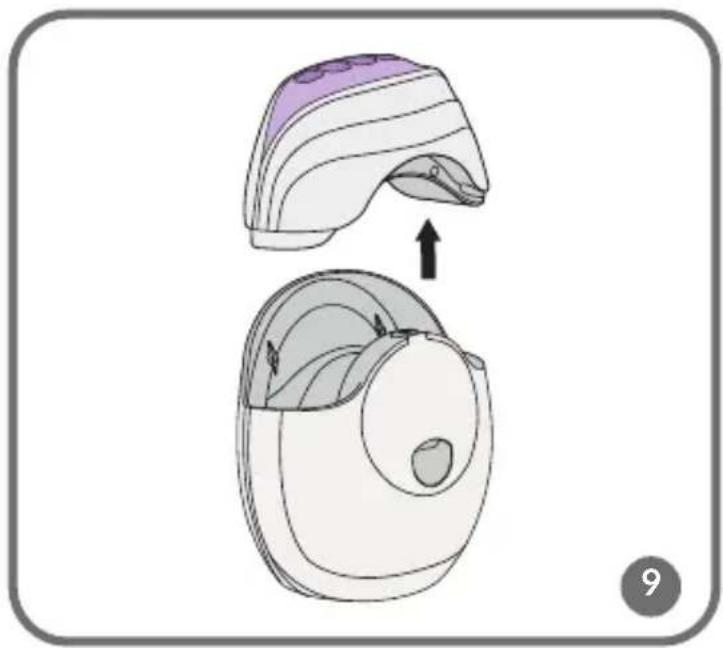
- Disassemble the main body from the device by gently pulling it upwards (Fig. 9).
- Remove the flange from the nipple tunnel (Fig. 10).
- Separate the front and rear parts of the milk container (Fig. 11).
- Remove the pin from the front cover of the milk container by gently pulling it upwards.
- Remove the silicone diaphragm (Fig. 12).
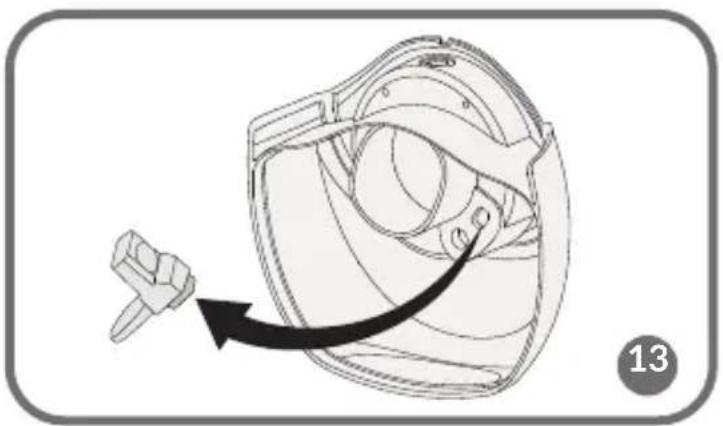
- Remove the suction valve by gently prying it upwards (Fig. 13).
CLEANING AND DISINFECTION OF THE BREAST PUMP
IMPORTANT!
Do not clean or disinfect the main body or the power cord of the device. These parts do not come into contact with breast milk. Immediately after use, wash all parts that come into contact with the body and breast milk separately to prevent milk residues from drying out and to prevent bacterial growth. Do not wash any parts of the device in the dishwasher.
Before first use
Before using the device for the first time, wash with detergent and then sterilise with boiling water all its parts that will come into contact with milk (milk container, tee, valve, diaphragm, and funnels), except the main body. Follow the cleaning and disinfection instructions below.
After each use
- After use, disassemble the main body and wipe it clean with a soft, dry cloth (1, Fig. 14).
- After each use, disassemble the device into its individual parts and rinse with cool water all separated parts in contact with the body and with the milk to remove food residues.
- Wash all separated parts in warm water with a mild detergent and then rinse thoroughly under clean running water (2, Fig. 14).
- To disinfect, place all parts in boiling water for at least 10 minutes. Ensure all parts are fully submerged in the water and not in direct contact with the bottom of the pot (3, Fig. 14).
- Leave all device parts to dry on a clean towel or paper towel.
- Store the device parts in a clean bag, container, or other clean location until the next use. If the parts are still wet, do not store them in a sealed container.
NOTE
Clean parts that have been in contact with the body once a day and after each use. Be careful not to damage the device when cleaning it.
Do not use sharp tools to clean the silicone parts, as this may result in damage.
Take care not to damage the suction valve and the silicone diaphragm when cleaning. If these are damaged, the device will not function properly.
Remove the suction valve from the device carefully. When cleaning it, rinse it in clean water without inserting your finger or any objects into it, as this may result in damage.
Do not use disinfectants to clean the device.
If, after sterilisation in water, you notice a white deposit on parts of the device, this may indicate that the water used is hard. Wipe off the residue using a clean towel and leave the parts to dry on their own.
TROUBLESHOOTING
| Problem Solution | |
| Breast pump doesn't fit. • Try a different flange size (17/19/21/24 mm). | |
| Suction is weak or there's no suction. | Inspect the device for any cracks or cavities in its components.Make sure all parts are clean and properly assembled.Ensure the valve and diaphragm are correctly installed.Make sure your breast is securely positioned against the breast pump.If the suction power does not improve, contact an authorised service centre. |
| Breast pump doesn't work. • Make sure the pump is charged or connected to a power sourceIf using the pump for the first time or after extended storage, plug it in to charge before operating. | |
| The pump was exposed to water/submerged. | Unplug and switch off the device, and let it dry completely.Store it in a warm, dry place for 24 hours. Avoid direct sunlight and heat sources. |
| Poor suction or pump not working. | Make sure all parts of the breast pump are properly assembled.Install the device according to the instructions for use, ensuring the flange fits correctly. |
| Milk has leaked from the breast pump. | Switch off the pump, disassemble it, and wipe it down with a cloth.Leave to dry.Reassemble the breast pump once it is dry. |
| Milk is not being expressed. • Make sure the breast pump is assembled correctly.Make sure you feel the suction power after putting on and turning on the breast pump.If milk still isn't being expressed, try to relax and take a short break. If needed, consult your doctor or a lactation specialist. | |
The photos are for reference only; the actual appearance of products may differ from the photos.
Drogi Kliencie!
MILCHPUMPENMODI (ABB. D)
SCHEMA DEL DISPLAY (FIG. C)
TRANSFERT DE LAIT (FIG. 8)
APPARAATSCHETS (AFB. A)
DISPLAYSCHETS (AFB. C)
MELK OVERGOTEN (AFB. 8)
DEMONTEREN VAN HET APPARAAT
PIENTRAUKIO REŽIMAI (D PAV.)
SCHEMA ECRANULUI (FIG. C)
MELKEOVERF∅RING (FIG. 8)
EN: The product complies with the requirements of European Union directives.
In accordance with Directive 2012/19/EU, this product is subject to separate collection. The product should not be disposed of with municipal waste as it may pose a risk to the environment and human health. Return the used product to the recycling centre for electrical and electronic equipment.
EN: The symbol placed on the product indicates that the batteries or accumulators used in it should not be disposed of with household waste. Such waste must be properly sorted in accordance with applicable regulations. Used batteries and accumulators must not be discarded in unsorted waste, as they may pose a risk to the environment and human health. Users should utilize available selective collection points, which enable their return, recycling, and safe disposal. For detailed information on local battery and accumulator recycling regulations, please contact your municipal office, local waste management facility, or landfill.
Note: Lithium batteries may pose a fire or explosion hazard, especially if damaged, overheated, or improperly disposed of. The chemicals contained within them may also be harmful to health and the environment.
Detailed warranty conditions are available on the website: