
YT-82157 - Saw Yato - Free user manual and instructions
Find the device manual for free YT-82157 Yato in PDF.


User questions about YT-82157 Yato
0 question about this device. Answer the ones you know or ask your own.
Ask a new question about this device
Download the instructions for your Saw in PDF format for free! Find your manual YT-82157 - Yato and take your electronic device back in hand. On this page are published all the documents necessary for the use of your device. YT-82157 by Yato.
USER MANUAL YT-82157 Yato
cz ELEKTRICKÁ PILA NA DUTÉ CIHLY
SK ELEKTRICKÁ PÍLA NA DUTÉ TEHLY
HU ELEKTROMOS TÉGLAFÜRÉSZ
RO FIERĂSTRĂU ELECTRIC PT. CĂRĂMIZI TUBULARE
ES SERRUCHO ELECTRICO PARA LADRILLO HUECO
FR SCIE A BRIQUE ELECTRIQUE
IT SEGA ELETTRICA PER GASBETON
natural_image
YATO 12-inch chain-link robotic device (no visible text or symbols on the device body)CE
natural_image
Mechanical gear assembly with chain link and mounting bracket (no visible text or symbols)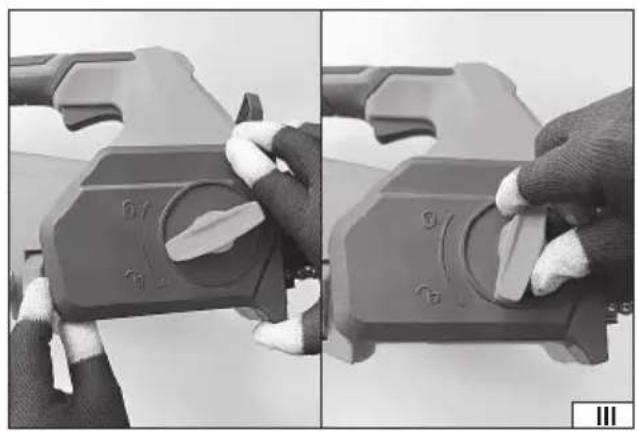
natural_image
Two-panel black-and-white photo showing hands holding a mechanical device with control knob (no visible text or symbols)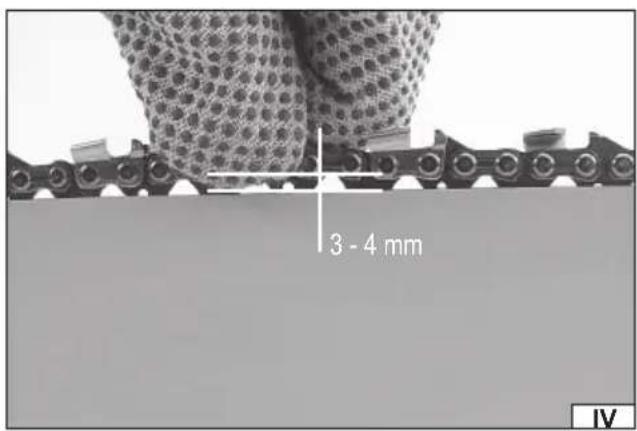
natural_image
Mechanical assembly diagram showing two views of a device with internal components and a numbered label (13), no readable text or symbols present.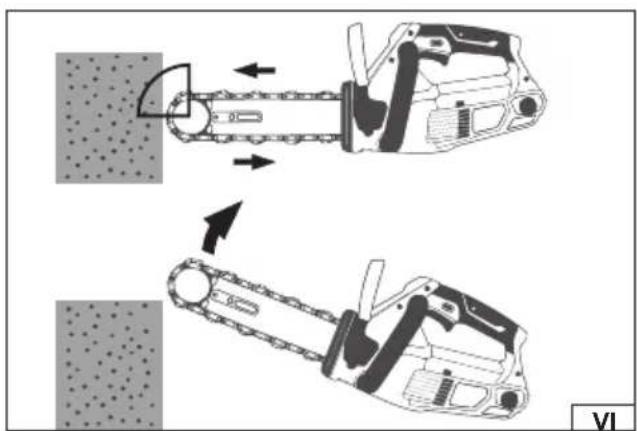
natural_image
Two mechanical chains with arrows indicating process flow, showing material deformation (no text or symbols)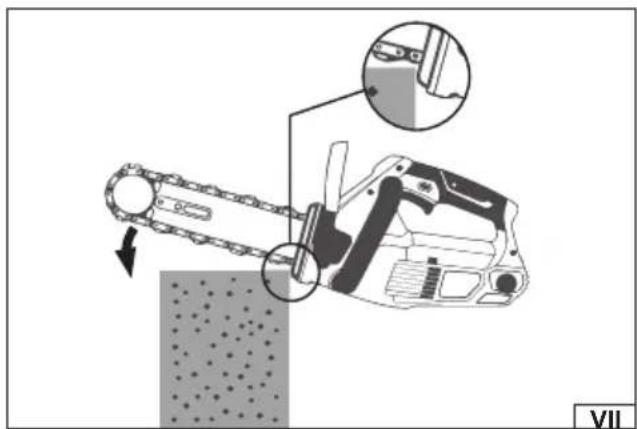
natural_image
Mechanical assembly diagram of a chain drive with gear and mounting bracket (no text or symbols)PL
- engine housing
- side panel
- locking knob
- chain tension knob
- electric switch
6.electric switch lock - kickback brake
- rear handle
- front handle
- guide
- chain
- chain drive sprocket
- dust extraction connection
- power cable
DE
Read the operating instruction
Wear protective goggles
Wear hearing protectors
Wear protective shoes
Do not expose to precipitation
Beware of the power saw kickback towards the operator and avoid contact with the tip of the guide bar
Unplug from the power outlet before adjustment or cleaning
Always hold the chain saw with both hands
This symbol indicates that waste electrical and electronic equipment (including batteries and storage cells) cannot be disposed of with other types of waste. Waste equipment should be collected and handed over separately to a collection point for recycling and recovery, in order to reduce the amount of waste and the use of natural resources. Uncontrolled release of hazardous components contained in electrical and electronic equipment may pose a risk to human health and have adverse effects for the environment. The household plays an important role in contributing to reuse and recovery, including recycling of waste equipment. For more information about the appropriate recycling methods, contact your local authority or retailer.
WYPOSAŻENIE PRODUKTU
PRODUCT CHARACTERISTICS
The chainsaw is used exclusively for cutting single hollow bricks, ceramic elements and aerated concrete blocks. Due to the electric drive of the saw, it can be used indoors or near buildings. The saw is designed for cutting elements before they are laid in the wall and requires special care and appropriate experience during work. The correct, reliable and safe operation of the device depends on proper use, therefore:
Before using the tool, read the entire manual and keep it.
The supplier is not liable for any damage or injury resulting from use of the tool for purposes other than its intended use, failure to comply with safety regulations and recommendations in this manual. Using the tool for purposes other than its intended use also results in loss of the user's rights to warranty and guarantee.
PRODUCT EQUIPMENT
The saw is supplied complete, but requires assembly before first use.
The saw is supplied with:
- chain guide
- cutting chain
- guide cover
- dust extraction adapter
TECHNICAL DATA
| Parameter Unit of measurement Value | ||
| Catalogue number YT-82157 | ||
| Nominal voltage [V~] 220-240 | ||
| Nominal frequency [Hz] 50-60 | ||
| Rated power [W] 1200 | ||
| Guide length [mm / " ] 300 / 12 | ||
| Chain pitch [mm / " ] | 9.52 / 3/8 | |
| Chain spacing | [mm] | 19 |
| Lead Link Width | [mm / " ] | 1.27 / 0.05 |
| Maximum cutting depth | [mm] | 250 |
| Electrical protection class | II | |
| Degree of protection | IPX0 | |
| Noise level | ||
| - L_pA (pressure) | [dB] (A) 94 ± 3.0 | |
| - L_wA (power) | [dB] (A) | 102 ± 3.0 |
| Vibrations (main handle/auxiliary handle) | [m/s2] | 8.34 ± 1.5 / 7.35 ± 1.5 |
| Weight (without bar and chain) | [kg] | 4.27 |
The declared noise emission value has been measured using a standard test method and can be used to compare one tool with another. The declared noise emission value can be used in a preliminary exposure assessment.
The declared vibration total value has been measured using a standard test method and can be used to compare one tool with another. The declared vibration total value can be used in a preliminary assessment of exposure.
Note! Vibration emission during tool operation may differ from the declared value depending on how the tool is used.
Note! Safety measures to protect the operator must be defined that are based on an assessment of exposure in the actual conditions of use (including all parts of the operating cycle, such as times when the tool is switched off or idle and activation time).
GENERAL POWER TOOL SAFETY WARNINGS
Warning! Please read all safety warnings, illustrations and specifications provided with this power tool. Failure to follow them may result in electric shock, fire or serious injury.
Save all warnings and instructions for future reference.
The term “power tool” used in the warnings refers to all corded and cordless electric power tools.
EN
Workplace safety
Keep your work area clean and well lit. Clutter and poor lighting can cause accidents.
Do not operate power tools in explosive atmospheres, such as in the presence of flammable liquids, gases or fumes.
Power tools create sparks which may ignite the dust or fumes.
Do not allow children or bystanders into the work area. Loss of concentration can cause loss of control.
Electrical safety
The plug on the electric cord must match the outlet. Do not modify the plug in any way. Do not use any plug adapters with grounded power tools. An unmodified plug that matches the outlet reduces the risk of electric shock.
Avoid body contact with grounded surfaces such as pipes, radiators, and refrigerators. Grounding your body increases the risk of electric shock.
Do not expose power tools to precipitation or moisture. Water or moisture entering a power tool will increase the risk of electric shock.
Do not overload the power cord. Do not use the power cord to carry, pull, or disconnect the plug from the wall outlet.
Keep the power cord away from heat, oil, sharp edges, and moving parts. A damaged or entangled power cord increases the risk of electric shock.
When working outdoors, use extension cords designed for outdoor use. Using an extension cord designed for outdoor use reduces the risk of electric shock.
If using a power tool in a damp environment is unavoidable, a residual current device (RCD) should be used as protection against supply voltage. The use of an RCD reduces the risk of electric shock.
Personal safety
Stay alert, watch what you are doing and use common sense when operating a power tool. Do not use a power tool while tired or under the influence of drugs, alcohol or medication. Even a moment of inattention while operating a power tool can result in serious personal injury.
Use personal protective equipment. Always wear eye protection. The use of personal protective equipment such as dust masks, non-skid safety shoes, hard hats, and hearing protection reduces the risk of serious personal injury.
Prevent accidental starting. Ensure that the power switch is in the “off” position before connecting to power source and/or battery pack, picking up or carrying the power tool. Carrying a power tool with your finger on the switch or energizing a power tool that has the switch in the “on” position can result in serious injury.
Remove any wrench or key that is used to adjust the power tool before turning it on. A wrench or key left attached to a rotating part of the power tool may result in serious injury.
Do not overreach or overextend. Maintain proper posture and balance at all times. This will make it easier to control the power tool in the event of unexpected situations while working.
Dress appropriately. Do not wear loose clothing or jewelry. Keep hair and clothing away from moving parts of the power tool. Loose clothing, jewelry, or long hair can be caught in moving parts.
If devices are provided for the connection of dust extraction or dust collection facilities, ensure that these are connected and used correctly. The use of dust extraction reduces the risk of dust-related hazards.
Don't let the experience gained from frequent use of the tool cause you to become careless and ignore safety rules.
Careless action can cause serious injuries in a split second.
Use and care of power tools
Do not overload the power tool. Use the correct power tool for the selected application. The correct power tool will provide better and safer work when used for the designed load.
Do not use a power tool if the power switch does not turn it on and off. A tool that cannot be controlled with the power switch is dangerous and must be repaired.
Disconnect the plug from the power outlet and/or remove the battery pack if detachable from the power tool before making any adjustments, changing accessories, or storing the tool. Such precautions will prevent the power tool from being switched on accidentally.
Store the tool out of the reach of children, do not allow persons unfamiliar with the power tool or these instructions to use the power tool. Power tools are dangerous in the hands of untrained users.
Maintain power tools and accessories. Check the tool for misalignment or binding of moving parts, breakage of parts and any other condition that may affect the power tool's operation. Any damage should be repaired before using the power tool. Many accidents are caused by poorly maintained tools.
Cutting tools should be kept clean and sharp. Properly maintained cutting tools with sharp edges are less likely to bind and are easier to control during operation.
Use power tools, accessories and attachments etc. in accordance with these instructions, taking into account the type and conditions of work. Use of tools for work other than those designed may result in a hazardous situation.
Keep handles and gripping surfaces dry, clean and free from oil and grease. Slippery handles and gripping surfaces do not allow safe operation and control of the tool in hazardous situations.
EN
Repairs
Have your power tool repaired only by authorized service centers, using only original spare parts. This will ensure proper safety of your power tool.
SAFETY INSTRUCTIONS FOR CHAIN SAWS FOR CUTTING AERATED CONCRETE BLOCKS
When operating a chain saw, keep all parts of your body away from the chain. Before starting the saw, make sure that the chain is not in contact with anything. A moment of inattention while operating a chain saw can cause clothing or body parts to become entangled in the saw chain.
Always hold the saw with your right hand on the rear handle and your left hand on the front handle. Holding the saw the other way around should never be done, as it increases the risk of injury.
Hold the saw only by grips with insulated surfaces, because the chain may contact hidden wiring or its own power cord.
Chain contact with a live wire may cause metal parts to become live, which could give the operator an electric shock.
Wear eye protection. Ear, head, hand, leg and foot protection is also recommended. Proper protective equipment reduces the risk of injury from debris or accidental contact with the chain.
Do not operate a chainsaw on a ladder, from a roof, or on any unstable support. Operating a chainsaw while in a tree may result in injury.
Always maintain proper posture and operate the chainsaw from a stationary, secure and level surface. A slippery or unstable surface, such as a ladder, can cause loss of balance or loss of control of the chainsaw.
Carry the chain saw by the front handle, switched off and away from your body. Always fit the chain guard when transporting or storing the saw. Holding the saw correctly reduces the likelihood of accidental contact with moving parts of the saw.
Follow the instructions for chain tensioning and accessory replacement. An incorrectly tensioned chain can both break and increase the chance of kickback toward the operator.
The saw is designed exclusively for cutting aerated concrete blocks. It should not be used for other materials. For example: do not use for cutting metal, plastic, masonry, earth, ice or wood. Using the saw for purposes other than its intended use can lead to dangerous situations.
Always follow the instructions when removing material build-up, storing the saw or performing maintenance. Be sure the power switch is off and the plug is disconnected from the outlet. Accidentally switching the saw on during cleaning or maintenance can result in serious injury.
Causes and prevention of the operator kickback phenomenon.
Kickback can occur when the end of the guide bar contacts an object. In some cases, contact between the end of the guide bar and an object can cause a violent reaction, pushing the guide bar up and toward the operator. Pinching the top edge of the guide bar in the kerf can force the guide bar toward the operator.
Any of these reactions could cause you to lose control of the saw, which could result in serious injury. Do not rely solely on the safety features built into the saw. The saw operator should take several steps to prevent accidents and injuries while working.
Kickback is the result of misuse and/or incorrect operating procedures or conditions and can be avoided by taking proper precautions as given below:
Maintain a firm grip with both hands, with thumbs and fingers closing around the chainsaw handles, and position your body and arms to allow you to resist kickback forces. Kickback forces can be controlled by the operator if proper precautions are taken. Do not allow the saw to move freely.
Avoid overreaching or cutting above shoulder height. This will help prevent accidental contact with the end of the guide bar and will allow for better control of the saw in unexpected situations.
Only use replacement bar and chain specified by the manufacturer. An incorrect replacement bar and chain may cause chain breakage and/or kickback.
Follow the manufacturer's instructions for sharpening and maintaining the chain. Reducing the depth of the chain guide groove can lead to an increased likelihood of kickback.
Other safety instructions
It is forbidden to expose the saw to precipitation or use it in an atmosphere of increased humidity. It is also forbidden to use the saw in an atmosphere with an increased risk of fire or explosion.
While working, avoid contact with grounded, conductive and non-insulated objects such as pipes,
heaters or refrigerators. When the saw is not in use, it should be stored in a dry, locked place, inaccessible to unauthorized persons.
A saw chain that is rated for the load must be used. Do not use saw chains designed for light work, for heavy work.
Always wear protective gloves when replacing, repairing or adjusting the saw chain.
When transporting a chainsaw, make sure it is disconnected from the power source. Mains-powered chainsaws should be disconnected from the power supply, and battery-powered chainsaws should have the battery disconnected. The chainsaw should be carried with the guide bar facing backwards.
Do not carry a mains-powered saw by the power cord. Do not disconnect the plug from the socket by pulling on the power cord.
Avoid accidentally switching the saw on. When carrying the saw while it is plugged in or with the battery connected, keep your
EN
fingers away from the power switch.
Always wear appropriate, close-fitting protective clothing.
Always use both hands to operate the saw. Before starting to cut, secure the workpiece in a way that prevents it from moving or tipping over, for example by placing it on a stable stand or in a guide. Avoid cutting workpieces that lie directly on the ground. Avoid working on workpieces that are not secured against movement during cutting.
Do not hold the saw above your shoulders when working. Do not operate the saw while standing on a ladder. Adopt a working posture that does not require you to extend your arms to their full length.
Keep the chain clean. The chain must be sharpened. This will ensure more efficient and safer work. The chain can be sharpened at a specialist service. Before each use, check the condition of the chain. If you notice cracks, broken teeth or any other damage, replace the chain with a new one before starting work.
If you notice any damaged or broken parts of the saw. Stop or do not attempt to work. Damaged parts must be replaced before starting work.
The saw should be used for its intended purpose - the saw is intended only for cutting hollow bricks, ceramic elements and aerated concrete blocks. When working, watch out for metal elements or dirt hidden in the material, which can damage the saw chain or increase the risk of kickback.
Only original spare parts should be used. Failure to use original spare parts can increase the risk of failure and lead to personal injury.
The saw should only be repaired in service centers authorized by the manufacturer. Using original spare parts. This will minimize the risk of accidents and equipment damage.
PRODUCT SERVICE
Preparing the saw for work
Attention! Before all assembly and adjustment work, disconnect the saw from the power supply. Mains-powered saws must be disconnected from the socket, and the battery must be disconnected from battery-powered saws.
Before first use, the guide bar and saw chain must be fitted.
Due to the sharp edges of the chain, assembly should be carried out using protective gloves.
Unscrew the locking knob so that the entire side panel can be removed.
Turn the chain tension knob so that the guide bar is in the rearmost position, this will make it easier to fit the chain.
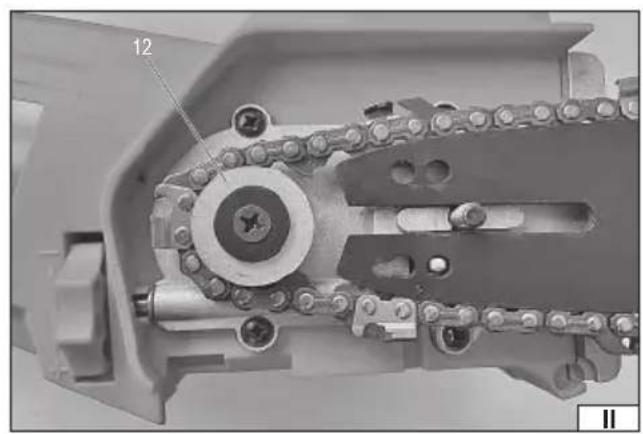
Install the guide bar and chain as shown in photo (II).
Make sure that the chain and guide bar are installed in the correct direction. The shape and direction of the links visible on the saw housing and on the guide bar should correspond to the shape and direction of the chain. If there is a mark on the chain links indicating the direction of chain movement, it should be in the same direction as the mark on the housing and guide bar.
The chain should not be tensioned yet, but it should be ensured that the chain is in the guide bar slot and in the teeth on the drive wheel. Install the side panel and tighten the locking knob in the direction indicated by the arrow marked with the closed padlock symbol (III). However, do not block the guide bar from moving. Adjust the chain tension by turning the chain tension knob. Tighten the locking knob. Check the chain tension. To do this, lay the saw down and lift it by holding the middle part of the chain (IV). During this test, the chain at the holding point should rise above the guide bar by 3 to 4 mm. If the chain is too tight or too loose, loosen the locking knob slightly and readjust the chain tension. The chain tension should also be checked every 10 minutes of operation.
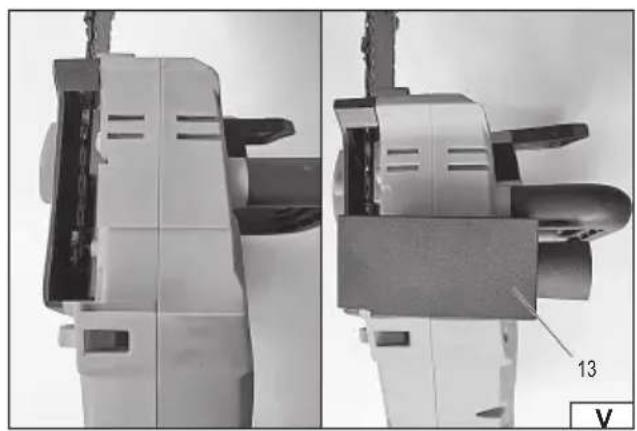
Dust generated during cutting can be harmful to health. Touching or inhaling this dust can cause allergic reactions or respiratory diseases in the user or bystanders. Some types of dust are classified as carcinogenic. Therefore, always use a dust extraction system suitable for the material being processed and ensure good ventilation in the work area. It is also recommended to use a respirator with a P2 class filter. Avoid the accumulation of dust in the work area, as it can easily ignite. To connect to an external dust extraction system, fit the adapter into the socket located on the bottom of the saw (VI), making sure that all its edges are firmly in contact with the housing. Then, slide the hose of the external dust extraction system onto the adapter connector. Industrial vacuum cleaners designed for this purpose should be used to extract dust generated during cutting. Do not use ordinary household vacuum cleaners for this purpose, as they may be damaged.
Before connecting the saw to the power supply, check its technical condition. If any damage is detected, it is forbidden to connect it to the power supply before the damage has been repaired.
If the saw is powered by single-phase 220-240 V AC, 50-60 Hz, the mains socket supplying the saw should be protected by a differential circuit breaker with a tripping current of 30 mA or less.
Preparing the workplace
Before starting to cut with a chainsaw, the work area must be prepared in order to minimize the risk of hazards associated with operating a chainsaw. Make sure that only authorized persons are in the work area.
The work area should be stable, level and dry. Good visibility and a stable position should be ensured, especially when working in difficult terrain or on slopes. It is not permissible to work during precipitation or in high humidity conditions, such as fog.
Protective clothing and personal protective equipment should be worn: safety glasses, a dust mask of at least class P2, hearing
EN
protection and recommended additional equipment to protect the head, hands, legs and feet.
The elements to be cut should be immobilized and positioned in such a way as to prevent the cutting gap from closing and the chain from jamming. Do not start work if the material being processed is unstable or inadequately supported. It is not permissible to cut elements lying on the ground or standing on them.
Security mechanisms
The saw is equipped with two safety mechanisms:
The run-out brake slows the chain when the on/off switch is released.
The kickback brake is a safety mechanism that is automatically activated by the lever in the event of a kickback or failure of the on/off switch. The chain stops immediately.
It is recommended that you periodically test the kickback brake for proper operation. To do this, move the kickback brake lever forward and briefly run the saw. The chain should not turn. To unlock the kickback brake, move the lever back so that it is in the rear position.
Do not carry the saw by the kickback brake lever.
Starting the saw
Make sure the kickback brake is in the rear position.
Remove the cover from the bar and chain.
Grasp the front handle with your left hand and the rear handle with your right hand.
Make sure that the guide bar and chain are not in contact with any object or surface.
Press the switch lock button on the handle with your thumb.
Press the switch and hold it in this position. The lock button can be released.
Before starting to cut, wait until the engine reaches full speed and make sure that the chain moves smoothly along the guide bar.
If you hear any suspicious sounds or feel vibrations, immediately turn the saw off by releasing the switch.
To turn the saw off, release the pressure on the switch.
It is prohibited to switch off the saw by activating the kickback brake.
Once the chain has stopped, the saw must be disconnected from the mains and serviced.
Working with a chainsaw
First-time users should consult a qualified operator on operating and safety rules before starting work. Initial cuts should be made on individual pieces set in a stable stand or guide.
During work, basic safety rules must be followed. The possibility of the saw kicking back towards the operator must also be taken into account. The saw may kick back towards the operator if the cutting chain meets resistance.
To minimize this risk you should:
Pay attention to the position of the top of the guide bar when cutting. Do not cut with the upper quarter of the top of the guide bar (VI).
Only cut with the chain that runs along the lower part of the guide bar. When cutting, you can use the lower tooth of the stop as a catch for the saw's rotation axis (VII).
Only apply a running saw to the material. Do not start the saw when the guide bar is already touching the material.
Do not cut above shoulder height.
Do not stand in the cutting plane. This will reduce the risk of injury in the event of a kickback (VIII).
Always hold the saw with both hands.
Make sure the chain is always sharp and properly tensioned.
Only use chains designed for cutting hollow or aerated concrete blocks.
USEFUL TIPS WHEN WORKING WITH A SAW
While working, you should adopt a comfortable and stable position, ensuring full freedom of movement.
The cut pieces should be supported in a stable way to avoid them shifting or tipping over during cutting. It is not permissible to cut pieces without proper support or pieces that contain metal elements, stones or dirt that could damage the chain and cause injuries.
Do not place the saw near the ground, wire mesh or other elements that may damage the chain.
Avoid putting excessive pressure on the chain; allow it to move freely by maintaining light pressure through the support foot.
The best cutting results are achieved when the chain speed does not decrease due to overload.
When cutting longer or heavier workpieces, move the support shoe to a lower position to gradually continue cutting. Do not remove the saw from the cut while the chain is moving.
Special care must be taken at the end of the cut as the change in the direction of gravity may occur suddenly and cause injury to the legs or feet.
PRODUCT MAINTENANCE AND STORAGE
Warning! Before starting any of the tasks described below, disconnect the saw from the power supply. Mains-powered saws must be disconnected from the socket, and the battery must be disconnected from battery-powered saws.
EN
After each use, the condition of the saw should be inspected, with particular attention paid to the patency of the ventilation holes. Check the positioning of all the saw elements. Tighten any loose screw connections. Check the chain tension and condition. If any damage is found to the chain or guide bar, these elements should be replaced with new ones, free from defects. You can use (available separately) – YATO YT-821571 chain and YATO YT-821572 guide bar.
It is forbidden to use a saw with a damaged chain or guide bar! A chain that is too loose can fall off the guide bar, which can cause injury to the person operating the saw. The chain must also be properly sharpened, because this requires appropriate experience and tools, it is recommended to have the sharpening carried out in a specialist service.
The saw housing should be cleaned with a soft, dry cloth. The housing should be cleaned of wood residue, oil, grease and other dirt. The saw should be stored in a dry, closed room, disconnected from the mains.
Store the saw in a shaded, dry place with adequate ventilation to prevent condensation. The place should be inaccessible to unauthorized persons, especially children. During storage, the guide bar and chain should always be protected with a cover.
PRODUKTMERKMALE
PRODUKTA RAKSTUROJUMS
CARACTÉRISTIQUES DU PRODUIT
DEKLARACJA ZGODNOŚCI DECLARATION OF CONFORMITY DECLARATIE DE CONFORMITATE
0725/YT-82157/EC/2025
We declare and guarantee with full responsibility that the following products:
meet requirements of the following European Standards / Technical Specifications:
and fulfil requirements of the following European Directives:
Serial number: concern all serials numbers of item(s) mentioned in this declaration
The person authorized to compile the technical file:
DEKLARACJA ZGODNOŚCI DECLARATION OF CONFORMITY DECLARATIE DE CONFORMITATE
0725/YT-82157/EC/2025
We declare and guarantee with full responsibility that the following products:
meet requirements of the following European Directive: 2000/14/EC
Measured sound power level on an equipment representative for this type:
Guaranteed sound power level for this equipment:
conformity and references of the other Community Directives applied: