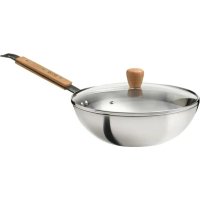
VARDAGEN 706.048.41 - Saucepan IKEA - Free user manual and instructions
Find the device manual for free VARDAGEN 706.048.41 IKEA in PDF.



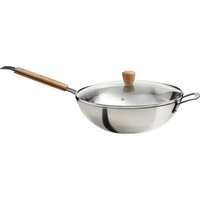
| Product type | Saucepan |
| Brand | IKEA |
| Model | VARDAGEN 706.048.41 |
| Pan material | Carbon steel |
| Handle material | Varnished wood |
| Diameter | 20 cm |
| Height | 10 cm |
| Capacity | 2.5 L |
| Weight | 1 kg |
| Hob compatibility | All hobs, including induction |
| Pretreatment | Food-grade oil to prevent corrosion |
| Seasoning required | Yes, before first use |
| Recommended use | Cooking with fat, avoid acidic foods |
| Maintenance | Hand wash, immediate drying, regular oiling |
| Cleaning burnt residues | Salt and scrubbing, steel wool if necessary |
| Dishwasher compatibility | No, hand wash only |
| Safety precautions | Use oven mitts, do not expose to thermal shock, lift to move |
| Wood part maintenance | Do not soak, oil regularly |
| Color | Black (after seasoning) |
Frequently Asked Questions - VARDAGEN 706.048.41 IKEA
User questions about VARDAGEN 706.048.41 IKEA
0 question about this device. Answer the ones you know or ask your own.
Ask a new question about this device
Download the instructions for your Saucepan in PDF format for free! Find your manual VARDAGEN 706.048.41 - IKEA and take your electronic device back in hand. On this page are published all the documents necessary for the use of your device. VARDAGEN 706.048.41 by IKEA.
USER MANUAL VARDAGEN 706.048.41 IKEA
- Before first use, traces of oil may appear on the product. This is because IKEA carbon steel pans have been pre-treated with food-grade oil to prevent corrosion during transport.
- In some cases, you might also notice small spots of rust on your pan. This may be caused by exposure to moisture during transport and is normal for new carbon steel cookware.
- Any visible traces of oil or any potential spots of rust are harmless and do not affect the functionality of the pan. They will disappear after seasoning the cookware, which should be done before you use the product for the first time. For seasoning your cookware, please follow the instructions below.
Before first use
- Before you use this product for the first time, wash it by hand and dry thoroughly. Any leftover pre-treated food-grade oil will aid in the seasoning process.
- In order for the product to resist corrosion and to keep food from sticking, this cookware needs to go through a seasoning process. By seasoning, the pores of the pan are filled with oil that forms a protective coating. You can season a carbon steel pan on any cooking zone. Follow the instructions below, or you can follow an instruction video on www.ikea.com.
Seasoning: Tips and recommendations
- Use a vegetable oil with a high smoke point and neutral taste, for example grapeseed oil or sunflower oil.
- When seasoning, only the cooking surface and the interior sides of the frying pan need to be rubbed with oil. The exterior of the pan just needs a thin layer of oil every now and then to make it corrosion resistant. The handle has been lacquered and does not need to be oiled.
- For best results when seasoning a frying pan on a cooking zone, you should match the size of the cooking zone with the size of the pan. This ensures the heat is evenly distributed during continued use and results in an even seasoning layer for better non-stick performance.
- Be careful not to burn your hands since the frying pan becomes very hot when seasoning. We recommend using a kitchen tong to hold a paper towel when rubbing oil on a hot pan.
- When you have completed the seasoning instructions, add a tiny bit of fresh oil and give the pan a thorough shine. You can now start cooking with it. The seasoning and its non-stick performance will continue to gradually build up as the pan becomes even darker in colour after usage, and eventually it will be totally black. Note that cooking fat in a carbon steel pan is still a must, although very little is needed compared to for example a stainless-steel pan.
Seasoning on a cooking zone
- Pour a generous amount of vegetable oil into the frying pan and rub it all over the entire interior surface by using a piece of paper towel. When done rubbing, there should be enough oil absorbed by the towel for it to drip off the paper. Save the oily paper for later use.
- Put the frying pan on a cooking zone that matches the size of the pan. Use medium-high heat (6 out of 10) and the frying pan will now slowly heat up and eventually start to smoke a little and to darken in colour, which is normal and part of the process.
- Continue the seasoning process for approximately 10 minutes. To ensure that all parts of the surface are covered with oil and to build up an even seasoning layer, the surface should be rubbed with oil every two minutes; use a kitchen tong - to not burn yourself on the hot pan - and hold the oily paper while rubbing. Also, to ensure even heating, try rotating the pan around every now and then. You will notice the oil thickening slightly and being absorbed by the pan.
- Take the pan off the heat, wipe off the excess oil with a dry paper towel and let it cool to room temperature.
- Repeat the seasoning process for another 10 minutes, but this time only apply just a thin layer of oil using a fresh paper towel. The pan might be slightly drier, and the paper might want to stick; in this case, just add a little more oil so you can smoothly rub the pan every 2 minutes.
- Take the pan off the heat, wipe off the excess oil with a dry paper towel and let it cool to room temperature. This time, try to really polish it until the surface gets a dry look.
- Repeat the seasoning process one last time using only a thin layer of oil, but reduce the time to approximately 6 minutes.
- Take the pan off the heat, wipe off the excess oil with a dry paper towel and let it cool to room temperature.
Care and cleaning
- Clean the pan after use by washing it by hand in water with a brush. If you wash the cookware while it is still warm, it will be easier to clean. If you like, you can carefully add a small drop of washing-up liquid. Note that too much washing-up liquid might dry out the material and remove the necessary layer of fat that is needed for carbon steel surfaces.
- Stains from cooked food can be removed by sprinkling some salt in the pan and then wiping it clean. Salt absorbs excess fat but leaves just enough fat to prevent the pan from drying out.
- If corrosion or food stains occur, or if the food burns and sticks, it can be cleaned with steel wool or an abrasive sponge and then re-seasoned.
- Untreated carbon steel can corrode if it is not treated properly. It is therefore important to wipe the cookware dry directly after washing-up and to oil it regularly.
Taking care of the wooden parts
- Do not allow wooden parts like handle or knob to be in contact with water for a prolonged period of time, to soak or be moist. This can cause the wood to split.
- To protect against grease and to increase its natural resistance to moisture, the wood should be treated with oil approved for contact with food, for instance vegetable oil. Oil once, wipe off any surplus oil and then repeat the treatment 24 hours later.
How to use
- This cookware is suitable for use on all types of hobs, including induction hob.
- When food is cooked in a carbon steel pan, the frying fat collects in the small pores in the carbon steel surface. This means that the food to be fried or browned is not directly in contact with the carbon steel, but rather with a layer of fat, which adds a nice, brown surface to what you're cooking. This also prevents the food from burning easily.
- Please note that the material for carbon steel pans is reactive and not suitable to be in contact with strong acidic foodstuffs (e.g. lemons and tomatoes) as the food can become discoloured or end up with a slight taste of metal. The pan itself can also become discoloured by salts and acidic foodstuffs.
- Iron which flakes off from the pan during cooking is harmless since it is the same kind of iron that is normally, and should be, found in the human body.
- By placing the cookware on a cooking zone with the same or a smaller diameter as the cookware, you can save energy.
- Bear in mind that the cookware gets hot during use. Always handle with potholders.
- Always lift the cookware when moving it on a glass ceramic hob to avoid the risk of scratching the hob.
- Do not expose the pan to great and sudden temperature changes, e.g. by pouring cold water into the hot pan, the bottom of the pan might deform.
- If you have any problems with the product, contact your nearest IKEA store/Customer Service or visit www.ikea.com.
Deutsch
Achtung!
Tpetahe Bbpxy 30Ha 3a roTbeHe
1.ИЗсипетe ДocTaTbUHOKOLnueCTBOOTpactHTeHOTOMacIO B TITaHa nTO BTPnIte NOцlaTaNOBbpxHOCT OTBbTpE KaTo N3PON3BaTe KuxHeHcKa xapTna.Korato cTe rOToBn, xapTnraTAp6Ba Da e POnIIa DOCTaTbUHOMacIO,KoETOda KaNe OTH Hea.3ana3e HanoeHaTa xapTna 3a NocleDbAua yNtpe6a.
2. Пocstabete TuraHa Bbpy 30Ha 3a rotBeHe, KOrTo CbBnAda c pa3mepa My. 3aJaIte cpeHa nO cnla TOnnHa (6 ot 10). TuraHbT Iue ce HarpBa 6aBHo n e VB3MoXHo Da 3aNoUHe da NyuN leko I da NotbMnRa Ha UcBrt, KoETo e o6NuayauHo n e uact OT npoceca.
3. Прдьлжeteс поцета на Тгетирае Okоло 10 Mнутп. 3a Да се уверпite, Que BCNчкч actn OT NOBbpxHocTTa ca nOKpNTc MacNo И IMaT paBHomepeHo o6pa6OteH cNoI, MacIoTO Tpr6Ba Да се ВТрИВ B NOBbpxHOCCTTa Ha BCEkn 2 MInHyTu; N3ПОЛЗВаITE KUxHEnHCKN UINPKN - Taka Que Дa He ce I3rOpHTe Ha ToreuЯ TURAH - IdpbXTe HAnoeHaTA C MacLo XapTna,ДOKATO BTPNBATE. CbIoTo Taka,3a Дa OcNrypnte paBHomepeHo HargPBAHe,ОпNTaITE Дa 3aBbPtate TIRaHa OT BpeMe Ha BpeMe. Lze 3a6eJIeKHTe, Que MacIoTO Jleko ce CfBCTRAИСа e a6cop6npa ot TURAHa.
4. Cbane TuraHa OT HaropeeHata NOBbpxHocT, nonnTe OCTaTbHOTo MaCNo CbC cyXa KxHcKs XapTnI N 0 OctaBeTe Da ce OxJaN Do CTaHa TemnepaTypa.
- Повторе поцета на Третиране за оше 10 минут,在 HOТОЗп.TьТ HaHeсе само ТьНьК слОЯ MacLO KaTO ИЗПОЛЗВATE HOBA KyxHHeHСka xapTЯ. ТИraньТ може дe e Малко NO-cyx И xapTЯТа може дa заленBa;В ТаКьВ слУчай, Добавete Малко NOвechе macLo, Тaka Que дa можete дa Г ВТРИВATEВТИгАHA HabCEKEN2 mInHyTu.
- Cbane TuraHa OT HaropeeHaTa NOBbpxHocT, NOIte OCTaTbHOTo MaCNo CbC cyXa KyxHeHcKa XapTnI rO OCTaBeTe Da ce OxlaDIO cTaNHa TemnepaTypa. To3N nT ce ONNTaIte Da ro NOpIpaTe, TaKa Ye NOBbPxHOCTTa My da N3rLeKda cyXa.
- Повторе поцета на Третиран за постеден nbт kaTo n3ПОЛЗВATE Tьньк слй МасLO, HO HaMaJIeTe BpeMeTOdo OKOЛ6 MInHyTN.
- Cbane TuraHa OT HaOpeeHata NOBbpxHOCT, nonnTe OCTaTbHOTo MacNo Cbc Cyxa KxHcKs XapTnI n ro OCTaBeTe Da ce OxlaN Do CTaHn TeMnpaTypa.
Hnctpykun 3a nodpbxxka n nouchTahe
-Почистовпей тига на слд уnotpe6а като Г митеша рькаввбдспомошт ha cheka. lse bne n no-lecho da n3uuctte cbdoBeTe 3a rotBeHe, ako rMnTe,doKaTo ca TOpIi. Po JekalHne MokTe da do6abnte MaKka KaKka nOuNTBaU npenapat. He n3noJ3BaIte npenapat 3a MNeHe, Tb' KATO TOI n3CyUwBa MaTePnAna I npemaxBa CIOJ Ma3HNH, KOIT O HEO6XODm 3a NOBbpxHOCTHTe OT BByIepoHa CTOMHa.
-ПeТнaТа OTхpaHa MOraTдa ce npeMaxBaT KaTo nopbCBAte TnraHa cbc coI n ro n36bpcBaTe. CoIta a6cop6upa N3JIuShHaTa Ma3HnHa n OCTaBra TOnKOBa Ma3HnHa, KOKOTO TnRaHbT dA He N3CbxHe.
- Ako ce noBn pbJda, neTHa OT xpaHa nIaKO xpaHaTa 3aIapra n 3aJIeNBA, TnRaHbT MoKe Da ce noUcHt N C TeIeHa ueTKa IIN DAOMaKInHcKa r6Ba c a6pa3NBHO NOKpNTne n CneI TOBa Da ce TpeTnpa C MacNo OTHOBO.
Heo6pa6oTeHaTa BbIePoJa CTomaHa MoKe Da Kopo3npa, aKo He e 6pa6oTeHa npaBnHNo. IopaN Ta3n npuHa e BaXHo Da IOpCyuBaAte CbIOBeTe 3a rOTBeHe CJeI N3MnBaHe I da TpeTnpaTe peDOBHO.
Гржka 3a ДьрBehNTeЧастN
He no3B0JaBaIte DbPBeHITe qaCTn, HApnPMepeBxKNTe, Da ca B KOHTaKT C BoDa 3a npOdblXkTEnH nepNoD OT BpeMe, da ce HaKcBaT nIn da ca BnaXKn. Taka DbpBOTo MOKe Da Ce HanyKa.
3a da npedna3nTe DbPBOTo OT OMa3HBAHe N da NOBUNITE eCTeBHeTAt My yctOuHBOcK bM BlaRa,TO Tp6Ba Da ce o6pa6OTn C MaCNo, Odo6peHo 3a KOHTaKT C xpaHa, HapnpMeP c pactIteJHO MaCNo. HaHeCeTe BeHNbX, IONNIte n3JIiHHTO MaCNo N CLeD TOBa IOBTOpe TpoUepyPaTa CneD 24 Yaca.
Hnctpykun 3a ynoTpe6a:
CbdoBeTe ce noDxOJaUN 3a BCaKBN BIOBE KOTNOHN, BKJIOHTeJIHO IN HdYKcNHOHN.
Korato xpaHaTa ce rotBn B TnraH OT BbIpeoHa CTomHa,
Ma3HnHaTa Ce Cb6npa B MaKnTe NOpn Ha NOBbpxHOCTTa. Toba O3NaUaBa, Ye xpaHaTa, KOrTO Ce 3aNbPjXBa NIn 3aNpu, He e B npRk KOtAKT C BbIePoDHaTa CTOMaHa, a BCbUHOC TcC cIoM Ma3HnHa, KOrTO Do6aBn PpNrTeH KaΦyB 3aRap Ha XpaHaTa. ToBa CbUo Taka npeDoTbPaTBA 6bP3OTo 3aRaPAnHe Ha XpaHaTa.
Moln, mMaTe npedBnD, ye MaTePnaJIbT 3a TuraHn OT BByIepoHa CTOMHa e peakTBeH n He e NODxOJaU 3a KOHTaKT CbC CNlHO KncElnHHN XpaHn (HaNP. JIMOHn I DOMaTH), TbN KaTO Te MoRat Da 3ary6yTcBETA cN nn da npuio6nT MeTaIe H BKyc. TuraHbT CbIoo TaKa MoKe da 3ary6n ZBeTa cN OT CoIN N KncEInHHN XpaHn.
XeJ3OTo, KOEt Ce OTdJIaOT TnraHa N0 BpeMe Ha rOTBeHe, e6e3BpeIHO, TbN KaTO e CbUaT BnJ XeJIa3O, KOEt e ecteBHeNCe CpeuBa YOBeWKOTO TAnO.
3a da cneCTnTe eJeKtpnueCTBO, NOCTaBnTe cbdoBeTe Bbpy 30Ha 3a rotBeHe Cbc CbUIN NnC No-MaNk DnAmEtbp.
He 3a6paBraIte, ye cBdlt Ce HaropeuBa npn roTBeHe. BuHaRn no3BaIte pkoXBaTKn.
Bunaru noBnraTe cbda, koraTo ro MeCTnte Bbpxy CTbklokepaMneH Nnot, 3a da n36eHHeTe onacHOCTTa OT HaapackBaHe Ha nIOTA.
He n3laarTe TtraHa Ha pe3Kn N Bhe3aHn TeMnpaTyprHn npomeHn, HapnpMeR KaTo n3CnPeTe CtydeHa BoDa Bbpxy Hero, DOKato e ropeu, TbN KaTO DbHOTo My MoKe da Ce DeΦopMnpa.
BcnyaHa npo6nem c apTkyna,ce CBbpxKeTe c haN- 6n3knA IKEA mara3nH/otdEe "O6cnyXbaHe Ha KIneHTn" nIIN nocTeTe www.ikea.bg.
Hrvatski
Vazno!
IpeepnepuM BnKOpncTaHnHaM
-перд першим викорисаннял ромитеши Вичрпь насух. Дя образки поворхи пдійдунь залшкі 6ydь-яков образilehoixapuroBoi onii.
- 3ao6irtn Kopo3ii Ta npnilnauHHIO ix, cei nocyd noTpi6Ho o6p6ntn. Pid yac o6p6kn nopn cKOBopOnn HAnOBHIOb8c OJIeIO, 0o yTBOPIOE 3axnche NOKpTTTc KOBOpOy 3 ByrIeueBoi cTani MoXHa o6p6JrTn Ha 6yDb
rki 30hi HarpiBaHHa. DToPmMyTecb iHCTpyKci, HabeDeHX Hxue, a6o dNtbcra BideoiHCTpyKciHO Ha caTI www,ikea. com.
06po6ka: Nopadn Ta peKoMeHdaucii
BnKOpncToByIe pocInHHy oIIO 3 BnCOKoIO TempepaTpoIO dIMLeHHra Ta HeITpAlbHm CMAkOM, HApNklaD, i3 BuHorpaADHX KICTOcK a60 COHrShNKOBy.
-Пд ус обрбкиnotpi6н Ho HatираТи OJIeNo Лше NOВерхню
пригOTуВаHHЯ Та BHyTpIшИ 6OKN cKOBОрDN. 3OBHIshIO
nobepxHIO cKOBOPOn NoTpi6HNo Лшe уac BiДчacy
ЗmaшуВати TOHКIM ШapOM олл, сOБ BOHA 6Bya CTiNKою do
ipжI. РУЧА ПOKРNTA ЛakOM i He Notpe6yE 3maшуВання.
-ДяНайкрашоRo pe3yЛьтату пд часобрбксckOBopoДи
Ha 30нi HapriBaHHЯ рОзмір zuicii 30ни NOВи�н BiДпОВiДATи
pOЗміру сКOBОpoДи — Ze 3a6e3neчу€ piBHomipHni
pOЗпоДл TeNla пд час ТрИвало РВИКОпСТаннЯ т
CTВОРЮЕ OДнорIDишар ДЯ Краших aHTINnрURAphNX
ВlaactNBOCTei.
- Bydte o6epeKHi, 06 He 6nKeTncs, OckIbKn i4 vac 6pO6Kn cKOBopoJa yJke Harpiaetbc. PekomeHnyEmo BtnpaTn OIIHO Ha rapayi cKOBopoDi, TpImaIOu napanepobn pyuHK KxOHHMn uINPAMN.
Bukohabuin iHCTpykuii 0do 06pO6Kn,doaIte TPOXn CBIXOI oIIi peTeIbHO HaTpiTB cKOBOpOdy do 6bncky. Teep MoxHa noUHaTu roTyBaTu. O6pO6Ka ta ii antUnprarhi BlaactNBOcTI 6byTyNoCTynoBO nocnIOBAtncra, KOIN cKOBopiJa cTaBaTmE ige TemHiIoIO nICRA BUKOPNCtAHNa, I BpeTti-peWt BOHa cTaHe NOBHCIO YOpHO. 3BepHITyBarry, 10 Ni d uac rOtYBaHHa Ha cKOBOpOdi 3 ByrIeueBoi cTani BCE ODHO cnID BUKOPNCTOBVaTu Jxnp, XOa NOro nOTpi6Ho 3OBcIM He6araTo, nopIBHIOUOn, HApNKlaD, i3 cKOBOpODo 3 HepXaBIIOOi cTani.
06po6ka Ha 30Hi HarpiBaHHa
- Hanne Ta Kaobopdy Bnky Kibkictb pocnnHoi oii Ta HatpiB II NO BCIN BHytpiHni NobepxHi 3a donomorO npanepoBoro pyuHnka. Picna HATnpaHnra onii nobHHo 6ytN doCTaTHbO, 06 BOHa CTikana 3 pyuHnka. 36epexiTb npocayKHTn npanepOBn pyuHnk dIy noDaIbWooro BnKOpNCtAHnY.
- ПocтавTe ckOBopoDу Ha 30Hy HarpiBaHnHa,ЯKa BiДnoВiДaE po3mipy ckOBopoDи. HalaWtYIte cepeDiHi pIBeHb TeNla (6 3 10), i ckOBopoDa nobIbHo HarpiBaTmEtbcr, a 3roDOM NOUHe TPOxI dIMiT Ta TemHiITN, lo E HopMaJIbHm RaBnIeM i ChAtnHOIO npOecy.
-
Пюдькупгоюпсбкпроггмпиблнho 10 xBИlnH. lo6 nokpntn nobHicTIO BCIO nobepxHIO OIIEO pIBHomipHm shapom, II cIiD hATnpaTn OIIEO zu DBi xBIIHH; Trpmaite npocayKHTN OIIEO napip nid yapc HATnpaHHa 3a DOnomoTO KxOHnX uINuCIB, lo6 He obneKTncs o6 rapauy cKOBOpody. TakoJ dny pIBHomipHoro nporpiBaHH cnp6yTe yac BiD yacy o6eptaTn cKOBOpody. Bn nomitte,яКОIЯ 3JIerKa 3aRycHe i NOUHe B6npatncB cKOBOpody.
-
Пиберпь сковорody 3 пintи, Витриншколii cyхим палеровим ршноком i дайт oxolohуtndo KIMHaTHoi TempepaTyPn.
- Повторь поцес образбки щe 10xbuINH, ane zuoro pa3y HaHecitb liuwe ToHKn shap oii 3a doNOMoroHO HOBoro npanepoBOro pyuHnka. CkoBopoJa MoKe 6ytu Tpoxu cyxioo, i npip moKe npuINnATn; B TaKomy BuNaJky npocTodoaIte ue Tpoxn oii, uo6JeRKOHaTnpaTN CkoBopoDy uo 2xbuINHn.
- Пиберпсковорody 3 пintи, вntpiь Надшколii cyхим палеровim ршнkom i дайу oxolohутdo KIMhaTHoi Tempepatypn. Lboro pa3y cnpo6yte peTeIbHo BiDNoIpyBaTu II, nOKn NOBepxHЯ He BnIgIaTmE cyxoIO.
- Повторы поз ec 6рбкь BOCtaHHe, BnKOpNCTOBYUOu nIWe ToHKn Iap OJIi, aIe ckopoITb Yac np6JIn3Ho Do 6 XBNINH.
- Пиберовский pyшникoi daite oxolohytn do KIMHaTHoi TempepaTpi.
Dorla Ta ouuueHHa
-Пись ВИКОРиСТАНгь ВIMиTe CБОВОпIу BPyHy y BOdi 3a DoNOMOrOTo UITKn. Пocyd IerWe BiДMnTn, NOKn BiH iUe TeNII. 3a 6axaHnM MoxHa AkypaTHo DoJAtN KpaJIInHy MmHOrO 3acO6y. 3ayBaXkTe, 70 3a6arato pIKoro MnHoro 3acO6y moKe cyuHTn MaTePiaI i npi6paTn wap Jnpy, Notpi6Hn DЯ NOBepxoHb i3 ByrIeueBooi CTani.
- Пями嘉兴а NOBepxHICKOBOPOIMoXHa BnBeCTN3a DOnOMorOcoJI.CiIbB6npaEHaJINuOKKInpy,ODHaK 3aIIuMaEOCTaTHIO KJIbKicTb,UO6 NOBepxHrCKOBOpIDKN He nepecuxana.
- YKUO 3'YBnIacr ipka a60 3aIIuIInIc bIiN BiD iKi, CTPaBNPiIgropaIOb a60 npuINpaIOb, cKOBOpOy cIiD noHCTITMeTaJIeBIM CKpe6kOM a60 r6KOIO 3 a6pa3NBHMNelemEHTAMn Ta IpOBecTn NOBTOpy O6po6Ky.
Heo6po6leHa ByrIeueBa CtaIb MoKe pKaBiTu, RaKIo He OOrIaTn 3a HeO HaIeXHm YHOM. BaxInBo BHTnpaTn NocyD HAcYxo NiCJ MTT Ta peRyIaRpHo 3MaUyBaTn Ioro OJIeIO.
Dorla3a depeB'raHmN DeTaIaMn
He 3amoyuTe He 3aIIuAaTe DepeB'raHi DeTani, k-OT pyuKa, y KOHTaKTI 3 BOIO npOTrO m TpNBaIoro Yacy. Lc MoXe npN3BeCTn DO NOBn TpiUny DepeBnHi.
- Ⅲo6 kpaue 3axnCTnTn DepeBHy BiJ Xnpy Ta nocnntn II npnpOAnHy CTiKicTB Do BOIOn, DepeBHy cIiD o6pObTu OJIeIO, Jka NiXoAnTB dIy KOHTaKTy 3 xapObIMN npOdyKTAMn, HApPknla, PoCInHHO OJIeIO. O6pO6ITb NOBepxHIO OJIeIO ODNH pa3, BnDaJIITb HaDnWok i NOBTOpiTb o6pO6Ky uepe3 do6y.
K KopncTyBaTnca
- Lcenocydcymichn3ycima Tnpamn PNT, BKIOUHO 3 iHdyKciHmN.
KoI rOrye B cKObOpoi 3 ByrJIeueBoi cTani, Jnnp 36npaEcB a HBeBENKI nOpn Ha nobepxHi MaTepiany. Ce
O3Haaye, 00 iKa, kky roTyIb a6o CmaKaTb, 6e3nocepedHbo KOHTaKtye He 3 ByrIeueBOIO cTaNIO, a 3 Wapom Knpy, 10 DoJaepnBa6nBOrO KopnueBoRo KoJbOpy KoxHi BaWi CTpaBi, a TAKoX 3axNuae II BiD niDropaHHra.
3ayBaXTe, 0BByrIeSeBa CTAJIb, 3KoBnToOBHei cKOBOpIaKN peakTnBnM MaTepiA,Io He NoBnHeH KOHTaKtYBaTN 3 KcCImN npOdyKTamN (HaPnKlaD, IIMOHAM Ta NOMIDopAm), ockIbKn Ika MoKe BTPaTNTu CBII KOJIp Ta Ha6yTu npncMaKy MeTaly. cKOBOpIaKa TakoK MoKe 3He6apBnTncb uepe3 coJI ta KcCNI xapQoBI npOdyKTn.
3a1i3o, ike BiDwaOpBycBcra 3i cKOBopikn iid yac nprirotyBaHHia, a6coHOTHO HeWKIDnBE, aJKe TaKe J 3a1i3o 3HaXODITbCBAIUDcbKOMy oprAh3Mi.
-ДяЗошаджehняектpoeheprii BnKOpNCTOByTe nocydHa 30Hi HarpiBaHHraTakoro camoro abo MeHoro diaMeTpTa.
- Nocyd HarpiBaetbCn iD yac BnKOpncTaHHa. 3aBXKn 6epitb Nocyd npNXBaTKamn.
3aBxDnPiIMMaIteNoCyd,KOINpepcTabIeTeNoroHaCKloKepaMiuHiPiNTi,06He3aIIuWAtNIOdpPnHHaNOBepxHi.
He nidaabaTe cKOBopiky pi3kM i 3Haunm nepenadaTempepatyn, HApnKlaD, HAnBUn XoIoHy BDoY B rapaCyCKOBOpOy, OCKIbKn dHO MoKe DeΦOpMyBaTncr.
- YKUO y BAC BUNHKN CKNADHOU3 BNPo6OM, 3BepHITbC4do Hau6JHXQOro Mara3nHy/LeHTpy NiItpmKn KJIeHTiB IKA a60 3abitaTe Ha www.ikea.ua.
Srpski
Vazno!
- Pre prve upotrebe, na proizvodu se mogu pojaviti tragovi ulja. Razlog je taj što su IKEA tiganji od ugljeničnog Čelika prethodno tretirani uljem za hranu kako bi se sprećila korozija tokom prevoza.
- U nekim slučajevima, možeš takode primetiti male tacke sa rdom na tiganju. Do toga moze da dode zbog izlaganja vlazi tokom transporte i normalno je za novo posude od ugljenicnog Čelika.
- Vidljivi tragovi ulja ili potencijalne fleke su bezopasni i ne uticu na funkcionalnost tiganja. To ce nestati nakon premazivanja posuda, sto treba da uradiš preNgu sto prvi put upotrebiš proizvod. Da premažeš posude, prati uputstva u nastavku.
Pre prve upotrebe
- Pre Ngo što prvi put upotrebiš ovaj proizvod, operi ga ručno i dobro osusi. Sve što je preostalo od jestivog ulja za prethodno tretiranje pomociće u procesu premazivanja.
- Da bi proizvod bio otporan na koroziju i da bi sprećio lepljenje hrane, ovo posude treba da prode kroz proces premazivanja. Premazivanjem se pore tiganja pune uljem koje formira
zastitni premaz. Tiganj od ugljenicnog celika mozeš da premažeš na bilo kojoj zoni za kuvanje. Prati uputstva u nastavku ili mozeš da pratiš uputstva iz videa na www.IKEA.rs.
Jr Jn Jn Jn Jn Jn Jn Jn Jn Jn Jn Jn Jn Jn Jn Jn Jn Jn Jn Jn Jn Jn Jn Jn Jn Jn Jn Jn Jn Jn Jn Jn Jn Jn Jn Jn Jn Jn Jn Jn Jn Jn Jn Jn Jn Jn Jn Jn Jn Jn Jn J n J n J n J n J n J n J n J n J n J n J n J n J n J n J n J n J n J n J n J n J n J n J n J n J n J n J n J n J n J n J n J n J n J n J n J n J n J n
.2
3
.4
.5
.6
.7
.8
.7
.8
J 10 10 10 10 10 10 10 10 10 10 10 10 10 10 10 10 10 10 10 10 10 10 10 10 10 10 10 10 10 10 10 10 10 10


- Before first use
- Seasoning: Tips and recommendations
- Seasoning on a cooking zone
- Care and cleaning
- Taking care of the wooden parts
- How to use
- Deutsch
- Achtung!
- Tpetahe Bbpxy 30Ha 3a roTbeHe
- Hnctpykun 3a nodpbxxka n nouchTahe
- Гржka 3a ДьрBehNTeЧастN
- Hnctpykun 3a ynoTpe6a:
- Hrvatski
- Vazno!
- IpeepnepuM BnKOpncTaHnHaM
- 06po6ka: Nopadn Ta peKoMeHdaucii
- 06po6ka Ha 30Hi HarpiBaHHa
- Dorla Ta ouuueHHa
- Dorla3a depeB'raHmN DeTaIaMn
- K KopncTyBaTnca
- Srpski
- Pre prve upotrebe
Brand : IKEA
Model : VARDAGEN 706.048.41
Category : Saucepan