
GEX 12V125 Professional - Sander BOSCH - Free user manual and instructions
Find the device manual for free GEX 12V125 Professional BOSCH in PDF.
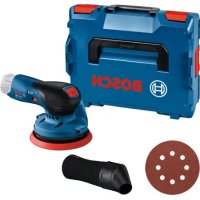
 FR
FR
 BG
BG
 CS
CS
 DA
DA
 DE
DE
 EL
EL
 EN
EN
 ES
ES
 ET
ET
 FI
FI
 HU
HU
 IT
IT
 KK
KK
 KO
KO
 LT
LT
 LV
LV
 MK
MK
 NL
NL
 NO
NO
 PL
PL
 PT
PT
 RO
RO
 RU
RU
 SK
SK
 SL
SL
 SV
SV
 TR
TR
 UK
UK
| Product type | Cordless random orbital sander |
| Brand | Bosch |
| Model | GEX 12V-125 Professional |
| Rated voltage | 12 V |
| No-load speed | 6,000 – 10,000 rpm |
| No-load oscillation frequency | 12,000 – 20,000 min⁻¹ |
| Orbit diameter | 2.5 mm |
| Sanding plate diameter | 125 mm |
| Weight (without battery) | 1.0 – 1.2 kg |
| Recommended batteries | GBA 12V… |
| Recommended chargers | GAL 12…, GAX 18… |
| Recommended charging temperature | 0 … +35 °C |
| Operating and storage temperature | -15 … +50 °C |
| Sound pressure level | < 70 dB(A) |
| Vibration level (a_n) | < 2.5 m/s², K=1.5 m/s² |
| Intended use | Sanding dry wood, filler, plastics and painted surfaces |
| Oscillation speed preselection | Yes, via thumbwheel (6 positions) |
| Dust extraction | Integrated dust bag or external vacuum cleaner |
| Abrasive attachment | Hook-and-loop (Velcro) |
| Included accessories | Complete dust bag, sanding plate |
Frequently Asked Questions - GEX 12V125 Professional BOSCH
User questions about GEX 12V125 Professional BOSCH
0 question about this device. Answer the ones you know or ask your own.
Ask a new question about this device
Download the instructions for your Sander in PDF format for free! Find your manual GEX 12V125 Professional - BOSCH and take your electronic device back in hand. On this page are published all the documents necessary for the use of your device. GEX 12V125 Professional by BOSCH.
USER MANUAL GEX 12V125 Professional BOSCH
Ukrainian ......... Page 118
Kazakh ......... Page 125
Romanian ......... Page 133
Macedonian ......... Page 146
Serbian ......... Page 153
Slovenian ......... Page 159
www.bosch-pt.com/serviceaddresses
Transport
General Power Tool Safety Warnings
WARNING
Read all safety warnings, instructions, illustrations and specifications.
tions provided with this power tool. Failure to follow all instructions listed below may result in electric shock, fire and/or serious injury.
Save all warnings and instructions for future reference.
The term "power tool" in the warnings refers to your mains-operated (corded) power tool or battery-operated (cordless) power tool.
Work area safety
- Keep work area clean and well lit. Cluttered or dark areas invite accidents. Do not operate power tools in explosive atmospheres, such as in the presence of flammable liquids, gases or dust. Power tools create sparks which may ignite the dust or fumes.
- Keep children and bystanders away while operating a power tool. Distractions can cause you to lose control.
Electrical safety
Power tool plugs must match the outlet. Never modify the plug in any way. Do not use any adapter plugs with earthed (grounded) power tools. Unmodified plugs and matching outlets will reduce risk of electric shock. - Avoid body contact with earthed or grounded surfaces, such as pipes, radiators, ranges and refrigerators. There is an increased risk of electric shock if your body is earthed or grounded. Do not expose power tools to rain or wet conditions. Water entering a power tool will increase the risk of electric shock. Do not abuse the cord. Never use the cord for carrying, pulling or unplugging the power tool. Keep cord away from heat, oil, sharp edges or moving parts. Damaged or entangled cords increase the risk of electric shock. When operating a power tool outdoors, use an extension cord suitable for outdoor use. Use of a cord suitable for outdoor use reduces the risk of electric shock. If operating a power tool in a damp location is unavoidable, use a residual current device (RCD) protec
ted supply. Use of an RCD reduces the risk of electric shock.
Personal safety
Stay alert, watch what you are doing and use common sense when operating a power tool. Do not use a power tool while you are tired or under the influence of drugs, alcohol or medication. A moment of inattention while operating power tools may result in serious personal injury. Use personal protective equipment. Always wear eye protection. Protective equipment such as a dust mask, non-skid safety shoes, hard hat or hearing protection used for appropriate conditions will reduce personal injuries. Prevent unintentional starting. Ensure the switch is in the off-position before connecting to power source and/or battery pack, picking up or carrying the tool. Carrying power tools with your finger on the switch or energising power tools that have the switch on invites accidents. Remove any adjusting key or wrench before turning the power tool on. A wrench or a key left attached to a rotating part of the power tool may result in personal injury. Do not overreach. Keep proper footing and balance at all times. This enables better control of the power tool in unexpected situations. Dress properly. Do not wear loose clothing or jewellery. Keep your hair and clothing away from moving parts. Loose clothes, jewellery or long hair can be caught in moving parts. If devices are provided for the connection of dust extraction and collection facilities, ensure these are connected and properly used. Use of dust collection can reduce dust-related hazards. Do not let familiarity gained from frequent use of tools allow you to become complacent and ignore tool safety principles. A careless action can cause severe injury within a fraction of a second.
Power tool use and care
Do not force the power tool. Use the correct power tool for your application. The correct power tool will do the job better and safer at the rate for which it was designed. Do not use the power tool if the switch does not turn it on and off. Any power tool that cannot be controlled with the switch is dangerous and must be repaired. Disconnect the plug from the power source and/or remove the battery pack, if detachable, from the power tool before making any adjustments, changing accessories, or storing power tools. Such preventive safety measures reduce the risk of starting the power tool accidentally. Store idle power tools out of the reach of children and do not allow persons unfamiliar with the power tool or
these instructions to operate the power tool. Power tools are dangerous in the hands of untrained users.
- Maintain power tools and accessories. Check for misalignment or binding of moving parts, breakage of parts and any other condition that may affect the power tool's operation. If damaged, have the power tool repaired before use. Many accidents are caused by poorly maintained power tools.
- Keep cutting tools sharp and clean. Properly maintained cutting tools with sharp cutting edges are less likely to bind and are easier to control. Use the power tool, accessories and tool bits etc. in accordance with these instructions, taking into account the working conditions and the work to be performed. Use of the power tool for operations different from those intended could result in a hazardous situation.
- Keep handles and grasping surfaces dry, clean and free from oil and grease. Slippery handles and grasping surfaces do not allow for safe handling and control of the tool in unexpected situations.
Battery tool use and care
- Recharge only with the charger specified by the manufacturer. A charger that is suitable for one type of battery pack may create a risk of fire when used with another battery pack. Use power tools only with specifically designated battery packs. Use of any other battery packs may create a risk of injury and fire. When battery pack is not in use, keep it away from other metal objects, like paper clips, coins, keys, nails, screws or other small metal objects, that can make a connection from one terminal to another. Shorting the battery terminals together may cause burns or a fire. Under abusive conditions, liquid may be ejected from the battery; avoid contact. If contact accidentally occurs, flush with water. If liquid contacts eyes, additionally seek medical help. Liquid ejected from the battery may cause irritation or burns.
- Do not use a battery pack or tool that is damaged or modified. Damaged or modified batteries may exhibit unpredictable behaviour resulting in fire, explosion or risk of injury. Do not expose a battery pack or tool to fire or excessive temperature. Exposure to fire or temperature above 130°C may cause explosion. Follow all charging instructions and do not charge the battery pack or tool outside the temperature range specified in the instructions. Charging improperly or at temperatures outside the specified range may damage the battery and increase the risk of fire.
Service
Have your power tool serviced by a qualified repair person using only identical replacement parts. This will ensure that the safety of the power tool is maintained.
- Never service damaged battery packs. Service of battery packs should only be performed by the manufacturer or authorized service providers.
Safety Warnings for Sander
Only use the power tool for dry sanding. Water entering a power tool will increase the risk of electric shock. Warning: Danger of fire! Avoid overheating the workpiece and the sander. Always empty the dust container before taking a break from work. Sanding dust in the dust bag, microfilter, paper bag (or in the filter bag or vacuum cleaner filter) can spontaneously ignite under unfavourable conditions. This risk is increased if the sanding dust is mixed with paint or polyurethane residue or with other chemical substances and if the workpiece is hot as a result of prolonged work. In case of damage and improper use of the battery, vapours may be emitted. The battery can set alight or explode. Ensure the area is well ventilated and seek medical attention should you experience any adverse effects. The vapours may irritate the respiratory system. Do not modify or open the battery. There is a risk of short-circuiting. The battery can be damaged by pointed objects such as nails or screwdrivers or by force applied externally. An internal short circuit may occur, causing the battery to burn, smoke, explode or overheat. Only use the battery in the manufacturer's products. This is the only way in which you can protect the battery against dangerous overload.

Protect the battery against heat, e.g. against continuous intense sunlight, fire, dirt, water and moisture. There is a risk of explosion and short-circuiting.
Always wait until the power tool has come to a complete stop before placing it down. - Secure the workpiece. A workpiece clamped with clamping devices or in a vice is held more secure than by hand.
Product Description and Specifications

Read all the safety and general instructions. Failure to observe the safety and general instructions may result in electric shock, fire and/or serious injury.
Please observe the illustrations at the beginning of this operating manual.
Intended Use
The power tool is intended for dry sanding of wood, plastic, filler and coated surfaces.
Product Features
The numbering of the product features refers to the diagram of the power tool on the graphics page.
(1) On/off switch (2) Complete dust bag (3) Rechargeable battery (4) Battery release button (5) Rechargeable battery charge indicatora) (6) Orbital stroke rate preselection thumbwheel (7) Sanding disc (8) Handle (insulated gripping surface) (9) Sanding sheet (10) Screws for sanding disc (11) Sanding disc holder (12) Extraction outlet (13) Dust bag (14) Adapter for dust bag (15) Extraction hose
a) This accessory is not part of the standard scope of delivery.
Technical Data
Random orbit sander GEX 12V-125
| Article number | 3601 C72 1.. | |
| Rated voltage V 12 | mV | |
| Orbital stroke rate preselection | ● | |
| No-load speed n0A) | min-1 | 6000-10000 |
| No-load orbital stroke rateA) | min-1 | 12000-20000 |
| Orbit diameter mm 2.5 | ||
| Sanding pad diameter mm 125 | ||
| WeightA) | kg | 1.0-1.2 |
| Recommended ambient temperature during charging | °C | 0 to +35 |
| Permitted ambient temperature during operationB) and during storage | °C | -15 to +50 |
| Recommended rechargeable batteries | GBA 12V... | |
| Recommended battery chargers | GAL 12... | |
| GAX 18... |
A) Depending on battery in use B) Limited performance at temperatures < 0°C
Values can vary depending on the product, scope of application and environmental conditions. To find out more, visit www.bosch-professional.com/wac.
Noise/Vibration Information
Noise emission values determined according to EN 62841-2-4.
Typically, the A-weighted sound pressure level of the power tool is less than 70 dB(A). The noise level when working can exceed the volume stated. Wear hearing protection!
Vibration total values at (triax vector sum) and uncertainty K determined according to EN 62841-2-4:
a _ h lt; 2. 5 m / s ^ 2, K = 1. 5 m / s ^ 2,
The vibration level and noise emission value given in these instructions have been measured in accordance with a standardised measuring procedure and may be used to compare power tools. They may also be used for a preliminary estimation of vibration and noise emissions.
The stated vibration level and noise emission value represent the main applications of the power tool. However, if the power tool is used for other applications, with different accessories or is poorly maintained, the vibration level and noise emission value may differ. This may significantly increase the vibration and noise emissions over the total working period.
To estimate vibration and noise emissions accurately, the times when the tool is switched off or when it is running but not actually being used should also be taken into account. This may significantly reduce vibration and noise emissions over the total working period.
Implement additional safety measures to protect the operator from the effects of vibration, such as servicing the power tool and accessories, keeping their hands warm, and organising workflows correctly.
Rechargeable battery
Bosch sells some cordless power tools without a rechargeable battery. You can tell whether a rechargeable battery is included with the power tool by looking at the packaging.
Charging the battery
Use only the chargers listed in the technical data. Only these chargers are matched to the lithium-ion battery of your power tool.
Note: Lithium-ion rechargeable batteries are supplied partially charged according to international transport regulations. To ensure full rechargeable battery capacity, fully charge the rechargeable battery before using your tool for the first time.
Inserting the Battery
Push the charged battery into the battery holder until it clicks into place.
Removing the Battery
To remove the rechargeable battery, press the battery release buttons and pull the battery out. Do not use force to do this.
Battery charge indicator
The battery charge indicator (5) on the power tool consists of three green LEDs. It indicates the battery's state of charge for a few seconds after the power tool is switched on and off.
LED Capacity
| Continuous lighting 3 x green 60-100% |
| Continuous lighting 2 x green 30-60% |
| Continuous lighting 1 x green 10-30% |
| Slowly flashing light 1 x green 0-10% |
The three LEDs in the battery charge indicator flash quickly when the temperature of the battery is outside the operating temperature range of -30 to +70°C and/or the overload protection has been triggered.
Recommendations for Optimal Handling of the Battery
Protect the battery against moisture and water.
Only store the battery within a temperature range of -20 to 50°C. Do not leave the battery in your car in the summer, for example.
Occasionally clean the ventilation slots on the battery using a soft brush that is clean and dry.
A significantly reduced operating time after charging indicates that the battery has deteriorated and must be replaced.
Follow the instructions on correct disposal.
Assembly
Before carrying out any work on the power tool (e.g. maintenance, tool change etc.), remove the battery from the power tool. There is risk of injury from unintentionally pressing the on/off switch.
Changing the Sanding Sheet (see figure B)
To remove the sanding sheet (9), lift it from the side and pull it from the sanding pad (7).
Remove dirt and dust from the sanding pad (7), e.g. with a paintbrush, before attaching a new sanding sheet.
The surface of the sanding pad (7) is fitted with a hook-and-loop fastening, allowing sanding sheets with a hook-and-loop backing to be secured quickly and easily.
Press the sanding sheet (9) firmly onto the underside of the sanding pad (7).
To ensure optimum dust extraction, make sure that the punched holes in the sanding sheet (9) are aligned with the drilled holes in the sanding pad (7).
To increase the sanding pad's service life, in particular when using net abrasives (e.g. Bosch M480), apply the Pad Saver (accessory) between the sanding pad and abrasive.
Selection of the Sanding Plate
The power tool can be fitted with sanding discs of various hardnesses, depending on the application:
- Soft sanding disc: Suitable for sensitive sanding even on curved surfaces. Medium-hard sanding disc: Suitable for all sanding work, universal application.
- Hard sanding disc: Suitable for heavy sanding on flat surfaces.
Changing the sanding pad (see figure C)
Note: Replace damaged sanding pads (7) immediately. Pull off the sanding sheet. Unscrew the 4 screws (10) completely (using a T20 screwdriver) and remove the sanding pad (7). Attach the new sanding pad (7) and retighten the screws.
Note: When attaching the sanding pad, make sure that the teeth of the catch mate with the recesses in the sanding pad.
Note: Damaged sanding disc holders (11) must only be replaced by an after-sales service centre authorised to work with Bosch power tools.
Dust/Chip Extraction
The dust from materials such as lead paint, certain types of wood and minerals can be harmful to human health. Touching or breathing in this dust can trigger allergic reactions and/or cause respiratory illnesses in the user or in people in the near vicinity.
Certain dusts, such as oak or beech dust, are classified as carcinogenic, especially in conjunction with wood treatment additives (chromate, wood preservative). Materials containing asbestos may only be machined by specialists.
- Use a dust extraction system that is suitable for the material wherever possible.
- Provide good ventilation at the workplace.
- It is advisable to wear a P2 filter class breathing mask. The regulations on the material being machined that apply in the country of use must be observed.
- Avoid dust accumulation at the workplace. Dust can easily ignite.
Self-generated dust extraction with dust bag (see figures D-F)
Place and move the complete dust bag (2) onto the extraction outlet (12) until it lines up precisely with the power tool. To empty the dust bag (13), pull the complete dust bag (2) away from the extraction outlet (12). Unscrew the adapter (14) from the dust bag (13) and empty the dust bag.
Note: Empty the dust bag (13) in good time to ensure optimum dust extraction.
When working vertical surfaces, hold the power tool in such a manner that the dust bag (2) faces downward.
External dust extraction (see figure G)
Fit a dust extraction hose (15) onto the extraction outlet (12).
Connect the dust extraction hose (15) to an extractor. You will find an overview of connecting to various dust extractors at the end of these operating instructions.
The dust extractor must be suitable for the material being worked.
When extracting dry dust that is especially detrimental to health or carcinogenic, use a special dust extractor. When working on vertical surfaces, hold the power tool with the dust extraction hose facing downwards.
Operation
Starting Operation
Switching On/Off
Make sure that you are able to press the On/Off switch without releasing the handle.
To switch on the power tool, press the on/off switch (1). To switch off the power tool, press the on/off switch (1) again.
Preselecting the orbital stroke rate
You can even preselect the orbital stroke rate during operation using the necessary orbital stroke rate preselection thumbwheel (6).
1-2 Low orbital stroke rate
3-4 Medium orbital stroke rate
5-6 High orbital stroke rate
The required orbital stroke rate is dependent on the material and the work conditions and can be determined using practical tests.
The Constant Electronic keeps the oscillation speed at no load and under load virtually consistent, guaranteeing uniform performance.
After working at a low orbital stroke rate for an extended period, you should operate the power tool at the maximum orbital stroke rate for approximately three minutes without load to cool it down.
Application Overview
| Application/Material Abrasive Speed setting | ||
| Removing | - Removing old paint and varnish | P60-P100 4-6 |
| - Sanding wood | ||
| - Sanding thermoplastic synthetic materials P60-P100 1-3 | ||
| Preparing | - Sanding wood and veneer prior to painting P120-P180 4-6 | |
1609 92A A22| (11.11.2024) Bosch Power Tools
| Application/Material Abrasive Speed setting | ||
| - Edge chamfering on wooden materials- Smoothing wooden surfaces before staining | ||
| - Intermediate lacquer sanding and sanding undercoats- Intermediate lacquer sanding on edges | P220-P280 1-3 | |
| Finishing | - Sanding wood- Sanding solid wood edges and veneer edges | P150-P180 4-6 |
| - Lacquer sanding on stained surfaces and edges P240-P320 1-3 | ||
Working Advice
Before carrying out any work on the power tool (e.g. maintenance, tool change etc.), remove the battery from the power tool. There is risk of injury from unintentionally pressing the on/off switch. Always wait until the power tool has come to a complete stop before placing it down. This power tool is not suitable for bench-mounted use. It must not be clamped into a vice or fastened to a workbench, for example.
For fatigue-free work, you can hold the power tool from above, from the side or from the front, depending on the application (see figure H).
Sanding Surfaces
Switch the power tool on, place the entire sanding surface against the surface of the workpiece and apply moderate pressure as you move the sander over the workpiece.
The material removal rate and sanding finish are primarily determined by the choice of sanding sheet, the preselected orbital stroke rate level and the contact pressure.
Only immaculate sanding sheets achieve good sanding performance and make the power tool last longer.
Be sure to apply consistent contact pressure in order to increase the lifetime of the sanding sheets.
Excessively increasing the contact pressure will not lead to increased sanding performance; rather, it will cause more severe wear of the power tool and premature failure of the sanding plate.
Use only original Bosch-sanding accessories.
Rough Sanding
Attach a coarse grit sanding sheet.
Apply only light pressure to the power tool so that it runs at a higher orbital stroke rate and a higher material removal rate is achieved.
Fine Sanding
Attach a fine grit sanding sheet.
You can reduce the sanding plate orbital stroke rate by lightly varying the contact pressure or changing the orbital stroke rate level; the random orbit motion will be retained.
Move the power tool with moderate pressure flat on the workpiece in a circular motion or alternately along and across it. Do not tilt the power tool in order to avoid sanding through the workpiece, e.g. veneers.
Switch the power tool off after completing operation.
Maintenance and Service
Maintenance and Cleaning
Before carrying out any work on the power tool (e.g. maintenance, tool change etc.), remove the battery from the power tool. There is risk of injury from unintentionally pressing the on/off switch. To ensure safe and efficient operation, always keep the power tool and the ventilation slots clean.
After-Sales Service and Application Service
Our after-sales service responds to your questions concerning maintenance and repair of your product as well as spare parts. You can find explosion drawings and information on spare parts at: www.bosch-pt.com
The Bosch product use advice team will be happy to help you with any questions about our products and their accessories.
In all correspondence and spare parts orders, please always include the 10-digit article number given on the nameplate of the product.
Great Britain
Robert Bosch Ltd. (B.S.C.)
P.O. Box 98
Broadwater Park
North Orbital Road
Denham, Uxbridge
UB9 5HJ
At www.bosch-pt.co.uk you can order spare parts or arrange the collection of a product in need of servicing or repair.
Tel. Service: (0344) 7360109
E-Mail: boschservicecentre@bosch.com
You can find further service addresses at:
www.bosch-pt.com/serviceaddresses
Transport
The recommended lithium-ion batteries are subject to legislation on the transport of dangerous goods. The user can transport the batteries by road without further requirements.
When the batteries are shipped by third parties (e.g. air transport or forwarding agency), special requirements on packaging and labelling (e.g. ADR regulations) must be met. A dangerous goods expert must be consulted when preparing the items for shipping.
Dispatch battery packs only when the housing is undamaged. Tape or mask off open contacts and pack up the battery in such a manner that it cannot move around in the packaging. Please also observe the possibility of more detailed national regulations.
Disposal

Power tools, rechargeable batteries, accessories and packaging should be sorted for environmental-friendly recycling.
Do not dispose of power tools and batteries/re-chargeable batteries into household waste!
Only for EU countries:
Power tools that are no longer suitable for use and defective or used batteries must be disposed of separately. Use the designated collection systems.
If disposed incorrectly, waste electrical and electronic equipment may have harmful effects on the environment and human health, due to the potential presence of hazardous substances.
Only for United Kingdom:
According to The Waste Electrical and Electronic Equipment Regulations 2013 (SI 2013/3113) (as amended) and the Waste Batteries and Accumulators Regulations 2009 (SI 2009/890) (as amended), products that are no longer usable must be collected separately and disposed of in an environmentally friendly manner.
Battery packs/batteries:
Li-ion:
Please observe the notes in the section on transport (see "Transport", page 17).
Transport
Robert Bosch Street No. 405
P.O. Box 50071 Industrial Zone, Toluca - State of Mexico
Phone: (52) 55 528430-62
Phone: 800 6271286
www.bosch-pt.com/serviceaddresses
Transport
www.bosch-pt.com/serviceaddresses
Transport
www.bosch-pt.com/serviceaddresses
Transport
www.bosch-pt.com/serviceaddresses
Transport
Bosch Service Center
Telegrafvej 3
2750 Ballerup
Spare parts can be ordered online or a repair order can be created at www.bosch-pt.dk.
Tel. Service Center: 44898855
Fax: 44898755
E-Mail: vaerktoej@dk.bosch.com
Further service addresses can be found at:
www.bosch-pt.com/serviceaddresses
Transport
Bosch Service Center
Telegrafvej 3
2750 Ballerup
Denmark
Tel.: (08) 7501820 (within Sweden)
Fax: (011) 187691
Further service addresses can be found at:
www.bosch-pt.com/serviceaddresses
Transport
www.bosch-pt.com/serviceaddresses
Transport
www.bosch-pt.com/serviceaddresses
72|EAAynikd
Transport
The product must be transported in the original packaging.
With the original packaging, you can protect the product from damage during transport.
1-2xamnloacip0oocmaivdpounoew
EumptnneAatowkououeepaoyic
The service department will answer your questions regarding the product and its spare parts, as well as for spare parts. Detailed drawings and information about the spare parts can be found in the electronic version:
www.bosch-pt.com
The Bosch service department will be happy to answer your questions about our products and their accessories.
For all questions and spare parts orders, please always specify the 10-digit article number on the type plate of the product.
Greek
Robert Bosch A.E.
Epxiaac 37
19400Kopwni-Athya
Tnλ:2105701258
Φaξ:2105701283
Email: pt@gr.bosch.com
www.bosch.com
www.bosch-pt.gr
For further details on service addresses, please refer to:
www.bosch-pt.com/serviceaddresses
Transport
The contained lithium-ion batteries are subject to the Dangerous Goods Act requirements. The batteries can be transported by the user on the road without further requirements.
When shipping by third parties (e.g. by air transport or forwarding agency), special requirements on packaging and labelling must be observed. For preparation of the item being sent, consulting an expert for hazardous material is required.
Only dispatch the battery if the housing is undamaged. Tape over open contacts and pack up the battery such that it does not move around in the packaging.
Please also observe the possibly more detailed national regulations.
Anoupon

The electrical tools, batteries, accessories and packaging should be recycled in an environmentally friendly way.
Do not dispose of electrical tools and batteries in household waste!
Only for EU countries:
Unused electrical tools and worn-out or used batteries must be disposed of separately. Use the designated collection points.
If the old electrical and electronic devices are disposed of improperly, they can have harmful effects on the environment and human health due to potentially hazardous substances.
Batteries/Rechargeable batteries:
Li-Ion:
Please note the notes in the section on transport (see "Transport", page 78).
Türkçe
Güvenlik talimatı
www.bosch-pt.com/serviceaddresses
Taşıma
Robert Bosch Sp. z o.o.
www.bosch-pt.com/serviceaddresses
Transport
Bosch Service Center PT
K Vapence 1621/16
692 01 Mikulov
On www.bosch-pt.cz you can order the repair of your machine or spare parts online.
www.bosch-pt.com/serviceaddresses
Transport
www.bosch-pt.com/serviceaddresses
Transport
www.bosch-pt.com/serviceaddresses
Shipping
Extreme conditions
- Damage to the electrical cable
- Damage to the housing
Type of maintenance service
- It is recommended to clean the instrument after each use.
Storage
It is necessary to store in a dry place. It is necessary to avoid exposure to sources of elevated temperatures and direct sunlight. During storage, avoid sharp temperature changes. Storage without packaging is not allowed. For detailed storage requirements, see GOST 15150-69 (Condition 1). Store in the manufacturer's packaging in warehouse premises at an ambient temperature of +5°C to +40°C. Relative air humidity should not exceed 80%.
Transportation
- It is strictly forbidden to drop or subject the packaging to any mechanical impact during transportation.
- During unloading/loading, it is not allowed to use any type of equipment operating on the principle of gripping the packaging.
- For detailed requirements for transportation conditions, see GOST 15150-69 (Condition 5).
- Transport at an ambient temperature of -50°C to +50°C. Relative air humidity should not exceed 100%.
Safety Instructions
General safety instructions for power tools
WARNING
Read all safety instructions, instructions, illustrations, and specifications,
provided with this power tool. Failure to follow any of the instructions listed below may result in electric shock, fire, and/or serious injury.
Save these instructions for future reference.
The term "power tool" used in these instructions and warnings refers to power tools operated from the mains (with a power cord) and battery-operated power tools (without a power cord).
Workplace safety
Keep your workplace clean and well lit. Cluttered or dark areas can lead to accidents. Do not operate power tools in explosive atmospheres, such as in the presence of flammable liquids, gases, or dust. Power tools create sparks, which may ignite dust or fumes. While operating a power tool, keep bystanders away from your work area. Distractions can cause you to lose control of the tool. The equipment is intended for use in household, commercial, and public areas, as well as in industrial areas with low power consumption, without exposure to harmful or dangerous industrial factors. The equipment is intended for operation without constant presence of operating personnel.
Electrical safety
The power tool plug must match the outlet. Never modify the plug in any way. Do not use adapter plugs with earthed (grounded) power tools. Unmodified plugs and matching outlets will reduce risk of electric shock. Avoid body contact with earthed surfaces such as pipes, radiators, ranges, and refrigerators. There is an increased risk of electric shock if your body is earthed or grounded. Protect the power tool from moisture. If water enters the power tool, it increases the risk of electric shock. Do not use the cord for purposes other than its intended use. Never use the cord for carrying, pulling, or unplugging the power tool. Keep the cord away from heat, oil, sharp edges, or moving parts of the power tool. Damaged or entangled cords increase the risk of electric shock. When operating a power tool outdoors, use an extension cord suitable for outdoor use. Use of a cord suitable for outdoor use reduces the risk of electric shock.
If operating a power tool in a damp location is unavoidable, use a residual current device (RCD) protected supply. Use of an RCD reduces the risk of electric shock.
If it is impossible to avoid using a power tool in a damp location, plug the power tool into an outlet protected by a residual current device. Use of a residual current device reduces the risk of electric shock.
Personal safety
Be careful, watch what you are doing, and use common sense when working with a power tool. Do not use a power tool while you are tired or under the influence of drugs, alcohol, or medication. A moment of inattention while operating a power tool may result in serious personal injury. Use personal protective equipment. Always wear eye protection. Protective equipment such as a dust mask, non-skid safety shoes, hard hat, or hearing protection used for appropriate conditions will reduce personal injuries. Prevent unintentional starting. Ensure the switch is in the off-position before connecting to a power source and/or battery pack, picking up or carrying the tool. Carrying power tools with your finger on the switch or energizing power tools that have the switch on invites accidents. Remove any adjusting key or wrench before turning the power tool on. A wrench or a key left attached to a rotating part of the power tool may result in personal injury. Do not overreach. Keep proper footing and balance at all times. This enables better control of the power tool in unexpected situations. Dress properly. Do not wear loose clothing or jewelry. Keep your hair, clothing and gloves away from moving parts. Loose clothes, jewelry or long hair can be caught in moving parts. If devices are provided for the connection of dust extraction and collection facilities, ensure these are connected and properly used. Use of dust collection can reduce dust-related hazards. Do not let familiarity gained from frequent use of tools allow you to become complacent and ignore tool safety principles. A careless action can cause severe injury within a fraction of a second.
112|Russian
WARNING! In case of interruption of the power tool operation due to a full or partial power failure or damage to the control cable, set the switch to the off position and make sure it is not locked (if available). Disconnect the mains plug from the socket or disconnect the battery pack. This prevents uncontrolled restart. Qualified personnel in accordance with this manual means persons who are familiar with the setup, assembly, commissioning, and maintenance of the power tool. Persons under 18 years of age are allowed to work with the power tool only after studying the technical description, operating instructions, and safety rules. The product is not intended for use by persons (including children) with reduced physical, sensory, or mental capabilities, or lack of experience and knowledge, unless they have been given supervision or instruction concerning use of the power tool by a person responsible for their safety.
Safety instructions for the power tool and how to handle it
Do not overload the power tool. Use the correct power tool for your application. The correct power tool will do the job better and safer at the rate for which it was designed. Do not use the power tool if the switch does not turn it on and off. Any power tool that cannot be controlled with the switch is dangerous and must be repaired. Disconnect the plug from the power source and/or remove the battery pack, if detachable, from the power tool before making any adjustments, changing accessories, or storing power tools. Such preventive safety measures reduce the risk of starting the power tool accidentally. Store idle power tools out of the reach of children and do not allow persons unfamiliar with the power tool or these instructions to operate the power tool. Power tools are dangerous in the hands of untrained users. Maintain power tools and accessories. Check for misalignment or binding of moving parts, breakage of parts and any other condition that may affect the power tool's operation. If damaged, have the power tool repaired before use. Many accidents are caused by poorly maintained power tools. Keep cutting tools sharp and clean. Properly maintained cutting tools with sharp cutting edges are less likely to bind and are easier to control.
Use the power tool, accessories and tool bits etc., in accordance with these instructions, taking into account the working conditions and the work to be performed. Use of the power tool for operations different from those intended could result in a hazardous situation. Keep handles and grasping surfaces dry, clean and free from oil or grease. Slippery handles and grasping surfaces do not allow for safe handling and control of the tool in unexpected situations.
Use the power tool, accessories, and tool bits etc., in accordance with these instructions, taking into account the working conditions and the work to be performed. Use of the power tool for operations different from those intended could result in a hazardous situation. Keep handles and grasping surfaces dry, clean and free from oil or grease. Slippery handles and grasping surfaces do not allow for safe handling and control of the tool in unexpected situations.
Use and care of the battery tool
Keep battery-operated devices away from the recommended batteries. A battery charger designed for a particular type of battery may create a risk of fire when used with other batteries. Use only the batteries specified for this power tool. Using other types of batteries may result in injury or fire hazard. Protect the unused battery from paper clips, coins, keys, nails, screws, and other small metal objects that could short the terminals. Shorting the battery terminals may cause burns or fire. If the battery is used improperly, liquid may leak. Avoid contact with it. If contact occurs accidentally, flush with water. If the liquid gets into eyes, seek medical help immediately. Leaking battery liquid may cause skin irritation or burns. Do not use damaged or modified batteries or tools. Damaged or modified batteries may behave unpredictably, leading to fire, explosion, or risk of injury. Do not expose batteries or tools to fire or excessive temperatures. Fire or temperatures above 130°C may cause explosion. Follow all charging instructions and do not charge the battery or tool outside the temperature range specified in the instructions. Charging improperly or at temperatures outside the specified range may damage the battery and increase the risk of fire.
Service
Power tool service must be performed only by qualified repair personnel using only identical replacement parts. This will ensure that the safety of the power tool is maintained. Never service damaged batteries. Service of batteries should only be carried out by the manufacturer or an authorized service provider.
Safety instructions for the user
The power tool is intended only for dry sanding. Water entering the power tool increases the risk of electric shock. Warning: risk of fire! Avoid overheating the workpiece and the sander. Always empty the container before breaks in work. Dust from sanding, accumulating in the dust bag, microfilter, paper bag (or in the bag filter / vacuum cleaner filter) may self-ignite under unfavorable conditions. Particular danger arises when dust from sanding is mixed with residues of varnish, polyurethane or other chemicals, and the sanding surface is heated by prolonged work. Improper use of the battery may cause liquid to leak. The battery may ignite or explode. Ensure fresh air supply and consult a doctor in case of complaints. Gas can irritate the respiratory tract. Do not make any modifications to the battery and do not open it. There is a risk of short circuit. Sharp objects, such as nails or screwdrivers, or external force can damage the battery. This can lead to internal short circuit, fire with smoke, explosion, or overheating of the battery. Use the battery only in products from the manufacturer. Only then is the battery protected against dangerous overload.

Protect the battery from high temperatures, e.g., from prolonged exposure to sunlight, fire, dirt, water, and moisture. There is a risk of explosion and short circuit.
Switch off the power tool completely and only then put it down. Secure the workpiece. A workpiece clamped in a clamping device or in a vise is held more securely than in your hand.
Product description and services

Read all safety instructions and instructions. Failure to follow the safety instructions and instructions may result in electric shock, fire, and/or serious injury.
Please observe the instructions at the beginning of the operating manual.
Intended use
The power tool is intended for dry sanding of wood, synthetic materials, varnish, and coated surfaces.
Illustrated components
The numbering of the components refers to the illustration of the power tool on the graphics page.
(1) On/off switch (2) Dust bag (3) Battery (4) Battery release button (5) Battery charge indicator (6) Oscillation frequency setting wheel (7) Sanding plate (8) Handle (insulated gripping surface) (9) Sanding sheet (10) Screws for sanding plate (11) Fastening for sanding plate (12) Exhaust nozzle (13) Dust bag (14) Filter element (15) Dust extraction hose
a) These accessories are not included in the standard delivery.
Technical data
a_h < 2.5 m/s², K = 1.5 m/s²,
The vibration and noise emission levels given in these instructions are selected in accordance with the measurement method described in the standard and can be used for comparison of power tools. They are also suitable for a preliminary assessment of vibration and noise emission levels.
The vibration and noise emission levels are specified for the main types of work with the power tool. However, if the power tool is used for other types of work with the use of accessories not provided for by the manufacturer or if maintenance is not carried out as prescribed, the vibration and noise emission levels may be different. This can significantly increase the vibration and noise emission levels over the entire working period.
For a correct assessment of the vibration and noise emission levels during a certain time interval, it is also necessary to take into account the time when the tool is switched off or, although switched on, is not in operation. This can significantly reduce the vibration and noise emission levels over the total working time.
Provide additional safety measures to protect the operator from the effects of vibration, for example:
Maintenance of the power tool and working tools, measures for keeping the handles warm, organization of technological processes.
Battery
You can purchase battery-powered power tools from Bosch even without a battery. The packaging indicates whether the battery is included in the delivery scope of your power tool.
Charging the battery
Use only the chargers specified in the technical data. Only these chargers are suitable for the lithium-ion battery of your power tool.
Note: In accordance with international transport regulations, lithium-ion batteries are supplied partially charged. To ensure maximum battery power, charge it fully before first use.
Inserting the battery
Insert the charged battery into the battery compartment until it clicks into place.
Removing the battery
To remove the battery, press the battery release button and pull it out. Do not use force.
Battery charge indicator
The battery charge indicator (5) on the power tool consists of three green LEDs. It shows the state of charge of the battery for a few seconds after switching on and off.
| СbvToDnOД EmKoCTb | |
| HenpepbIbNbI CbvT 3zeleNoBIX CbvTo- dnoOB | 60 - 100% |
| HenpepbIbNbI CbvT 2zeleNoBIX CbvTo- dnoOB | 30 - 60% |
| HenpepbIbNbI CbvT 1zeleNoRo CbvTo- dnoDa | 10 - 30% |
| MeДиЕнHO MrigaIoUm CbvT 1zeleNoRo mHdNKaTopa | 0 - 10% |
The three LEDs of the battery charge indicator flash quickly if the battery temperature is outside the permissible operating range of -30 to +70 °C or if the overload protection has been triggered.
Instructions for optimal handling of the battery
Protect the battery from moisture and water.
Store the battery only in the temperature range from -20 °C to 50 °C. Do not leave the battery in the car in summer.
Clean the ventilation slots of the battery occasionally with a soft, dry and clean brush.
A significant reduction in operating time after charging indicates that the battery is aging and that it needs to be replaced.
Follow the disposal instructions.
Assembly
Before performing any work on the power tool (e.g., maintenance, changing the tool, etc.), remove the battery from the power tool. If the switch is accidentally pressed, there is a risk of injury.
Changing the sanding sheet (see figure B)
To remove the sanding sheet (9), pull it off from the side and remove it from the sanding plate (7).
Before installing a new sanding sheet, remove dirt and dust from the sanding plate (7), e.g., with a brush.
The surface of the sanding plate (7) consists of a hook-and-loop fastener, with which sanding sheets can be quickly and easily attached with the corresponding backing.
The productivity of work and the character of the sanded surface depend mainly on the selected abrasive material, the set oscillation frequency and the sanding pressure.
Only flawless abrasive materials ensure good performance of the power tool.
Apply even pressure to achieve high removal rate of the abrasive material.
Excessive pressure does not lead to increased grinding performance, but to severe wear of the power tool and failure of the support flange.
Use only original Bosch accessories.
Coarse grinding
Use abrasive material with coarser grit.
Apply light pressure to the power tool so that it operates at high oscillation frequency and achieves high material removal.
Fine grinding
Use abrasive material with fine grit.
To reduce the oscillation frequency, you can reduce the number of oscillations of the grinding plate while maintaining the eccentric motion.
Move the power tool with moderate pressure over the entire surface with circular motions or alternately in longitudinal and transverse directions over the workpiece. Do not tilt the power tool, otherwise this may lead to cutting into the workpiece, e.g., scoring.
After finishing the work process, switch off the power tool.
Maintenance and service
Maintenance and cleaning
Before performing any work on the power tool (e.g., maintenance, changing the tool, etc.), remove the battery from the power tool. If the switch is accidentally pressed, there is a risk of injury. To ensure safe and proper operation, keep the power tool and its ventilation slots clean.
The product is allowed to be used in dry rooms, rooms (sections), and on balconies that ensure the safety of the product, excluding the ingress of atmospheric precipitation and the influence of heat sources (sharp temperature changes), as well as direct sunlight.
The seller (manufacturer) must provide the buyer with the necessary reliable information about the product, ensuring the possibility of correct selection. Information about the product in the mandatory appendix
must be presented in the form of a list that meets the requirements of the legislation of the Russian Federation.
If, when purchasing the product by the consumer, a deficiency (shortage) was discovered, the consumer must be provided with information about this.
During the sale of the product, the following safety requirements must be met:
- The seller is obliged to bring to the attention of the buyer the company name of his organization, location (address) and operating hours; - Product samples in retail premises must provide the opportunity for the buyer to familiarize themselves with the inscriptions on the products and exclude independent actions of the buyer with the products that could lead to damage to the products, except for visual inspection; - The seller is obliged to provide the buyer with information confirming the compliance of these products with the established requirements, including the certificate of conformity or declaration of conformity; - The sale of products is prohibited in the absence of (loss of) identification features, with an expired expiration date, traces of damage to the instruction (manual) for operation, mandatory certificate of conformity or mark of conformity.
Service and consultation on application issues
The service department will answer all your questions regarding the repair and maintenance of your product, as well as spare parts. Assembly drawings and information about spare parts are available at: www.bosch-pt.com
Consultants on application issues Bosch will be happy to help you with questions regarding our products and their accessories.
Please, in all requests and orders for spare parts, be sure to indicate the 10-digit product number from the product nameplate.
For the region: Russia, Belarus, Kazakhstan
Warranty service and repair of power tools, in compliance with the requirements of the manufacturing standards, is carried out on the territory of all countries only in authorized or certified service centers of "Robert Bosch". WARNING! The use of counterfeit products is dangerous in operation and can lead to harm to your health. The manufacture and distribution of counterfeit products is prosecuted by law in administrative and criminal proceedings.
Russia
Authorized manufacturer's organization: LLC "Robert Bosch" Varshavskoe Shosse, bld. 24 141400, Khimki, Moscow region.
Tel: +7 800 100 8007
E-Mail: info.powertools@ru.bosch.com
www.bosch-pt.ru
Service addresses are indicated at:
www.bosch-pt.com/serviceaddresses
118|Ukraine
If the power tool fails within the warranty period, the manufacturer has the right to free warranty repair, subject to the following conditions:
No mechanical damage; -No signs of violation of the operating instructions; -Presence in the operating instructions of the seller's mark of sale and the buyer's signature; -Conformity of the serial number of the power tool with the serial number in the warranty card; -No traces of unqualified repair.
The warranty does not cover:
Damage caused by force majeure; -Normal wear of the power tool, as well as all electrical.
The warranty does not cover repairs, the need for which arises due to normal wear, reducing the service life of such parts of the tool as contact brushes, wires, brushes, etc.:
-Natural wear (full exhaustion of resource); -Equipment and parts that fail due to incorrect installation, unskilled modification, incorrect use or violation of operating and storage rules; -Malfunctions arising as a result of overload of the power tool. (Unconditional signs of overload of the tool include: increased sparking, deformation or melting of parts and components of the power tool, darkening or charring of the insulation of the power tool wires due to high temperature.)
Transportation
The built-in lithium-ion batteries are subject to the requirements for the transportation of dangerous goods. The batteries can be transported by the user by road without the need to comply with additional norms.
When transported by third parties (e.g., by air or by a forwarding agent), it is necessary to comply with special requirements for packaging and labeling. In this case, the participation of an expert on dangerous goods is required when preparing the cargo for shipment.
Send the battery only if the housing is not damaged. Tape off open contacts and pack the battery so that it does not move in the packaging. Please also observe possible additional national regulations.

Power tools, rechargeable batteries, and their packaging must be disposed of at an ecological recycling point.
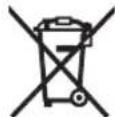
Do not dispose of power tools or rechargeable batteries/battery packs in household waste!
Only for EU countries:
Remove power tools from use; defective or expired batteries/battery packs must be disposed of separately. Use the collection systems provided for this purpose.
Improper disposal of electrical and electronic equipment can have harmful effects on the environment and human health due to the possible presence of hazardous substances.
Batteries/battery packs:
Lithium-ion:
Please observe the note in the Transport section (see "Transport", page 118).
Ukraine
Safety instructions
General safety instructions for power tools
WARNING
Read all safety instructions, instructions, illustrations, and specifications provided with this power tool. Failure to follow the instructions listed below may result in electric shock, fire, and/or serious injury.
Power tool.
Keep the tool away from rain and moisture. If water gets inside the power tool, it increases the risk of electric shock.
Understood (power tool) in their enclosures must be considered: power tool, which works from the mains (with electric cable) or from a rechargeable battery (without electric cable).
Workplace safety
Keep your workplace clean and ensure good lighting of the workplace. Cluttered or poorly lit workplaces can lead to accidents. Do not work with the power tool in environments where there is a risk of explosion due to the presence of flammable liquids, gases, or dust. Power tools
can produce sparks that may ignite dust or fumes. Do not allow bystanders or other people to come near the workplace while working with the power tool. You may lose control of the power tool if you are not focused on the task.
Electrical safety
The plug of the power tool must fit into the socket. Do not modify the plug in any way. For work with power tools that have protective grounding, do not use adapters. Using the original plug and a suitable socket reduces the risk of electric shock. Avoid contact of your body with grounded surfaces, e.g., pipes, radiators, stoves, and refrigerators. If your body is grounded, there is an increased risk of electric shock. Protect the power tool from rain and moisture. Water entering the power tool increases the risk of electric shock. Do not misuse the power cord. Never use the power cord for carrying or pulling the power tool or for unplugging it from the socket. Keep the cord away from heat, oil, sharp edges, and moving parts of the power tool. Damaged or tangled cords increase the risk of electric shock. For outdoor work, use only extension cords that are approved for outdoor use. Using an extension cord designed for outdoor use reduces the risk of electric shock. If it is impossible to avoid using the power tool in a damp environment, use a residual current device (RCD) protected supply. Using an RCD reduces the risk of electric shock.
Personal safety
Be attentive, watch what you are doing, and use common sense when working with the power tool. Do not use the power tool if you are tired or under the influence of drugs, alcohol, or medication. A moment of inattention while using the power tool can lead to serious injuries. Use personal protective equipment. Always wear protective goggles. Using protective equipment such as a dust mask, non-slip safety shoes, a hard hat, or hearing protection in appropriate conditions reduces the risk of injuries.
When using an electric tool, before plugging it into a power outlet or inserting a battery pack, take it in your hands or carry it, making sure the electric tool is switched off. Holding your finger on the switch when carrying the electric tool or plugging it in can lead to accidents. Before turning on the electric tool, check the adjusting tools or wrenches. Leaving an adjusting tool or wrench in a rotating part of the electric tool can lead to accidents. Avoid improper body position. Keep proper footing and maintain balance at all times. This allows you to better control the electric tool in unexpected situations. Wear appropriate clothing. Do not wear loose clothing or jewelry. Keep your hair, clothing, and jewelry away from moving parts. Loose clothing, jewelry, or long hair can get caught in moving parts. If dust extraction and collection equipment can be installed, make sure it is properly attached and correctly used. Using dust collection equipment can reduce hazards caused by dust. Good knowledge of electric tools, gained through frequent use, should not lead to complacency and ignoring safety principles. Careless use can cause serious injury in an instant.
Proper handling and use of electric tools
Do not overload the electric tool. Use the electric tool that is specifically designed for the corresponding work. With the appropriate electric tool, you will achieve better results with less risk, if you work within the specified power range. Do not use an electric tool with a damaged switch. An electric tool that cannot be turned on or off is dangerous and must be repaired. Before adjusting anything in the electric tool, changing accessories, or storing the electric tool, unplug it from the outlet and/or remove the battery pack. These preventive safety measures reduce the risk of accidental starting of the electric tool. Store electric tools that you are not using out of reach of children. Do not allow people who are not familiar with the tool or have not read the instructions to use it.
120|Ukrainian
Using electric tools by untrained persons can be dangerous.
Keep power tools away from children and untrained persons. Ensure that the moving parts of the power tool are properly aligned and not jammed or in any other condition that could affect the operation of the power tool. Damaged power tools must be repaired before using them again. Many accidents are caused by poorly maintained power tools. Keep cutting tools sharp and clean. Properly maintained cutting tools with sharp cutting edges are less likely to bind and are easier to control. Use the power tool, accessories and tool bits, etc., in accordance with these instructions, taking into account the working conditions and the work to be performed. Use of the power tool for operations different from those intended could result in a hazardous situation. Keep handles and grasping surfaces dry, clean and free from oil or grease. Slippery handles and grasping surfaces do not allow for safe handling and control of the tool in unexpected situations.
Proper handling and use of power tools with rechargeable batteries
Charge the battery packs only in chargers recommended by the manufacturer. Using a charger with a battery pack that it was not designed for may result in damage. Use only the recommended battery packs with your power tool. Use of other battery packs may result in injury and damage. Do not store a battery pack that you are not using near paper clips, keys, nails, screws or other small metal objects that could bridge the contacts. Shorting the battery contacts together may cause burns or damage. If the battery pack is used improperly, liquid may leak from it. Avoid contact with the liquid. If contact occurs accidentally, flush with water. If liquid contacts your eyes, seek medical help. Battery liquid may cause irritation or burns.
Do not use damaged or modified batteries or power tools. Damaged or modified batteries may behave unpredictably, which could lead to damage, fire or risk of injury. Do not expose batteries or power tools to fire or excessive temperatures. Fire or temperatures above 130°C may cause explosion. Follow all charging instructions and do not charge the battery or power tool outside the temperature range specified in the instructions. Charging improperly or at temperatures outside the specified range may damage the battery and increase the risk of fire.
Service
Have your power tool serviced by a qualified repair person using only identical replacement parts. This will ensure that the safety of the power tool is maintained. Never service damaged battery packs. Service of battery packs should only be performed by the manufacturer or authorized service providers.
Safety instructions for grinders
Electrical power tools are designed for dry sanding. Accidental contact with electrical wiring can cause electric shock. Warning: Danger! Keep the sanding surface and the sanding machine away from electrical wiring. Before starting work, empty the dust container. During sanding, dust collected in the dust box, micro filters, or the paper bag (or in the filter bag/filter of the vacuum cleaner) may self-ignite under unfavorable conditions. Particular danger arises when sanding varnished or painted surfaces, or surfaces treated with other chemical substances, and the sanding surface heats up during prolonged operation. If the battery is damaged or incorrectly used, gas may escape. The battery may catch fire or explode. Ventilate the area and seek medical help if necessary. Gas can irritate the respiratory tract. Do not make any structural changes to the battery and do not open it. There is a risk of short circuit. Touching the battery terminals with conductive objects, e.g., keys or screwdrivers, or with external force can damage the battery. Possible
consequences include short circuit, fire, or explosion. Therefore, avoid short circuits and do not damage the battery.
Use the battery only in products from the manufacturer. Only under these conditions is the battery protected from dangerous overload.


Protect the battery from heat, e.g., from intense sunlight, fire, dirt, water, and moisture. There is a risk of explosion and short circuit.
Before switching on the power tool, make sure you have stopped. Close the sanding surface with the sanding sheet before switching on. The sanding material must be attached before turning on the tool.
The numbering of the illustrated components refers to the illustration of the power tool on the page with the figure.
(1) On/off switch (2) Dust box (included) (3) Battery (4) Battery release button (5) Battery charge indicator (6) Speed selector switch (7) Sanding plate (8) Handle (insulated gripping surface) (9) Sanding sheet (10) Screw for sanding plate (11) Sanding plate holder (12) Exhaust hose (13) Dust box (14) Dust box cover (15) Drying plate a) This accessory is not included in the standard delivery.
Technical data
Inserting the battery
Insert the charged battery into the battery compartment until it clicks into place.
Removing the battery
To remove the battery, press the battery release button and pull the battery out. Do not use force.
Battery charge indicator
The battery charge indicator (5) on the power tool consists of three green LEDs. It indicates the charge status of the battery after switching on and off for a few seconds.
| Cbitnoioe EMHICTb | |
| Сbvουнна 3-x зелених 60 - 100% | |
| Сbvουнна 2-x зелених 30 - 60% | |
| Сbvουнна 1-у зеленио 10 - 30% | |
LED lights
With a fully charged battery, the battery temperature must be within the operating temperature range of -30°C to +70°C, or the battery may be damaged due to overcharging.
Recommendations for optimal battery storage
Battery storage
Store the battery at temperatures between -20°C and +50°C. In particular, do not leave the battery in the car.
Occasionally clean the battery ventilation openings with a dry, clean cloth.
A short circuit after charging indicates that the battery is defective and needs to be replaced.
Follow the instructions for use.
Installation
Before working with power tools (e.g., during maintenance, replacing parts, etc.), remove the battery from the power tool. Accidental activation poses a risk of injury.
Replacing the grinding disc (see Fig. B)
Remove the grinding disc (9) by turning it counterclockwise and pulling it off the grinding spindle (7).
Before attaching a new grinding disc, clean the grinding spindle (7) with a brush or cloth.
The surface of the grinding spindle (7) is coated with a layer that allows the grinding disc to be attached easily and without effort.
Press the grinding disc (9) firmly onto the bottom side of the grinding spindle (7).
Always optimally adjust the sanding belt so that the openings in the abrasive belt (9) align with the holes in the sanding pad (7).
For any intensive use of the sanding pad, especially when using abrasive materials with a hook-and-loop backing (e.g., Bosch M480), you can use the Pad Saver (accessory) between the sanding pad and the abrasive material.
Selecting the sanding pad
Depending on the application, the power tool can be operated with sanding pads of different hardness:
- Soft sanding pad: suitable for fine sanding, including on convex surfaces. – Medium-hard sanding pad: used universally for various sanding tasks. – Hard sanding pad: high removal rate for flat surfaces.
Replacing the sanding pad (see figure C)
Note: Do not use a damaged sanding pad (7).
Remove the abrasive sheet. Fully unscrew the 4 screws (10) (Torx T20) and remove the sanding pad (7). Place the new sanding pad (7) and retighten all screws.
Note: When mounting the sanding pad, ensure that the teeth of the pad engage in the grooves of the sanding pad.
Note: The wear of the sanding pad can be checked in the Bosch service center for power tools.
Dust/Chip Extraction
Materials such as lead-containing paints, some types of wood, minerals, and metals can produce dust that is hazardous to health. Touching or inhaling this dust can cause allergic reactions and/or respiratory diseases in you or people nearby.
Wood dust, oak or beech dust are considered carcinogenic, especially when combined with additives for wood treatment (chromate, wood preservatives). Materials containing asbestos may only be processed by specialists. – Use a dust extraction system whenever possible. Ensure good ventilation at the workplace. – It is recommended to wear a respirator with a P2 filter.
Follow the regulations regarding the materials to be processed, which apply in your country.
Avoid accumulation of dust at the workplace. Dust can easily ignite.
The suction system with a dust collector (INB.MAN.D-F)
Insert the assembled dust collector (2) onto the outlet pipe (12) until it is level with the tool.
To remove the dust collector (13), remove the assembled dust collector (2) from the outlet pipe (12). Turn the lock (14) on the dust collector (13) and pull off the dust collector.
Note: Ensure that the dust collector (13) is securely attached.
Hold the electric tool vertically with the dust collector (2) pointing downwards.
External suction (INB.MAN.G)
Attach the suction hose (15) to the outlet pipe (12).
Connect the suction hose (15) to the vacuum cleaner. The vacuum cleaner must be suitable for the material being worked on.
The vacuum cleaner must be suitable for working with the material being processed.
For suction of particularly fine dust, a special vacuum cleaner is required.
Hold the electric tool vertically so that the suction hose is pointing downwards.
Operation
Starting Operation
Switching On and Off
Make sure that you can switch the tool on and off without releasing the handle.
106 yBIMKHyTH eneKTpoinHCTpyMeHT,HaTNCiHb Ha BMMKaq (1).
Uo6BnMKHytneneKtpoiHCTpyMeHT,ue pa3 HATNCHTbHa BnMKaU (1).
BcTaHOBHeHHHaCTOTKoHbAhb
3a donomoroIO KOniuaTka DnBCTaHOBHeHH aCTOTN KOINBaHb (6) MOXHa BCTaHOBNIoBAtuactOTy KOINBaHb TaKoi i n.iac po60tN.
1-2 Hn3bKa Yaactota KOINBaHb 3-4 cepeHna Yactota KOniBaHb 5-6 BnCOKa YaCTOta KOnBaHb
Heo6xHa qactota KOJIINBaHb 3aIeKHTb BiD MaTepiany i yMOB pOBoTn, II MOXHa Bn3HaunPi paKTnuHM CnOCOBom.
EneKtpoHnHa CnCTema Cta6inl3auii 3a6e3neyu Mauke OndaKOBy yactOty KOINBaHb Ha XONOCOTMy XoDi i nHaBaHTaKeHHM; ue 3a6e3neyu cPiBHomipHy npOdyKTNBHcTb.
PnBaoi oboTH Ha H3bki uactoTI KOINBaHb daTe eneKToPonpnaDy nonpaOobatn DnE OxonoJKeHH np6bl.
3 XBn. 3 MaKcMaJIbHOIO qACTOTOIO KOJIINBaHb Ha XONOCTOMY XOy.
124|YkpaiHcbka
BnnaKn3aTocyBaHH
| 3actocybaHHa/Materiian A6pa3uBHH | Materiian | Ctynihk kInbKocti oBeptiB | |
| 3nimiHnH | - 3nimiHnH cTarooi φap6n ta naKy - ΜιφγBaHH depeBHH | P60-P100 4-6 | |
| - ΜιφγBaHH termOpIaCTnUHX nlaCTMac P60-P100 1-3 | |||
| ΠρomIXHe υπiΦγBaHH | - ΜιφγBaHH depeBHH ta φaHepn nepeJ naCyBaHHam - Φe3epγBaHH KpaIok DepeB'YnHex qacTHN - ΠοπiPyBaHH depeB'YnOi nobepxHi nepeJ npotpabLeHHAM | P120-P180 4-6 | |
| - ΠρomIXHe υπiΦγBaHH naKOBOro pOKpTTa ta υπiΦγBaHH rpyHTOBOro naKy - ΠρomIXHe υπiΦγBaHH naKOBOro pOKpTTa ha KpaIkaX | P220-P280 1-3 | ||
| ToHke υπiΦγBaHH | - ΜιφγBaHH depeBHH - ΜιφγBaHH KpaIok zuIbHoI depeBHH ta φaHepn | P150-P180 4-6 | |
| - ΜιφγBaHH naKom Ha φap6obAHH nobepxHnx i KpaIkaX | P240-P320 1-3 |
Bkaizbkn zo do p60tN
Ipeep BnKoHaHHM 6yNb-AXHx po6it3 eNeKTpoiHcTpymeHOM (HapnKnad, npu TexHiCyHOMy 06cnyroByaHHi, 3amhi Detanei TooTo) BnIMtB aKyMyJrTop 3 eNeKTpoiHcTpymeHT. Pnp BnnaIKOBomY bIMKHeHHI BmHKaayichye He6e3neKa IopaHeHH. PpeTm,IK NOKnactH eneKtpoiHcTpymENT 3aueKaTe,POKN BIN He 3ynnnHtbcra. Ee enektpoinctpymEn He npn3naeHnn Dnra Ctaiohaphoro BHKOPnCTaHH. He MoKHa, HAp., 3aTHCKaTH NOro B Neuata a60 3akpinIOBATH NOHO BepCTati.
Ioo3aonobirnBTomi nicvacp0oTH,3a Heo6xinhocti eneKToPiHcTpymeHT MoXHa TpMaTH 3Bepxy,36Oky i cpepy (INB.MAL.H).
UliybaHH noBepxohb
The grinding wheel must be installed with the entire working surface of the base and the lower part of the wheel in contact with the workpiece.
The productivity of grinding depends on the correct selection of the abrasive wheel, its grain size, and the speed of rotation.
High-quality grinding wheels ensure high productivity and safe operation of the electric tool.
To install the grinding wheel correctly, press it evenly.
Excessive contact pressure does not increase grinding productivity but leads to rapid wear of the electric tool and premature failure of the grinding platform. Use only original grinding accessories.
Rough grinding
Use an abrasive wheel with coarse grain.
Press the electric tool lightly so that it operates at high speed and removes a lot of material.
Fine grinding
Use an abrasive wheel with fine grain.
By varying the pressure or the oscillation frequency, you can change the amount of material removed while maintaining the eccentric motion.
Guide the electric tool in flat circles or alternately in different directions over the entire surface being processed, pressing it evenly. Do not tilt the electric tool to avoid cutting through the workpiece, e.g., a board.
After finishing the operation, turn off the electric tool.
Maintenance and care
Maintenance and cleaning
Before carrying out any work on the power tool (e.g. maintenance, changing tools, etc.), pull the plug out of the socket. There is a risk of injury if the power tool is switched on accidentally. For safe operation, keep the power tool clean and free of dust.
Service and consultation on usage
The service department will answer your questions regarding repairs and maintenance of your product. Exploded drawings and information on spare parts
can also be found at: www.bosch-pt.com
The Bosch team will be happy to answer any questions regarding our products and their accessories.
In case of any questions or spare parts orders, please always quote the 10-digit order number given on the type plate of the product.
Warranty service and repair of power tools are carried out in accordance with the requirements and standards of the territory of all countries of the European Union, as well as in authorized service centers of Robert Bosch. WARNING! Use of counterfeit products is unsafe and may have negative consequences for health. Manufacturing and distribution of counterfeit products is prosecuted by law in administrative and criminal proceedings.
Ukraine
Bosch Service Center for power tools, vul. Krainya 02660, Kyiv 60
Tel.: +380 44 490 2407
Fax: +380 44 512 0591
E-Mail: pt-service@ua.bosch.com
www.bosch-professional.com/ua/uk
The addresses of regional warranty service centers are indicated in the enclosed warranty card.
Regional service addresses:
www.bosch-pt.com/serviceaddresses
Transport
The recommended lithium-ion batteries are subject to legislation on the transport of dangerous goods. The battery packs can be transported by the user by road without further requirements.
When shipping by third parties (e.g.: air transport or forwarding agency), special requirements on packaging and labelling must be observed. In this case, when preparing the item for shipping, consulting an expert for hazardous material is required.
Dispatch the battery pack only when the housing is undamaged. Tape or mask off open contacts and pack up the battery such that it cannot move around in the packaging. Please also observe the possibility of more stringent national regulations.
Disposal

Electric tools, battery packs, accessories and packaging should be sorted for environmental-friendly recycling.

Do not dispose of electric tools and battery packs/batteries into household waste!
Only for EC countries:
According to the European Directive 2012/19/EU, electric tools that are no longer usable, and according to the European Directive 2006/66/EC, defective or used battery packs/batteries, must be collected separately and disposed of in an environmentally correct manner.
In case of incorrect disposal, waste electrical and electronic equipment may have harmful effects on the environment and human health due to potentially hazardous substances.
Battery packs/batteries:
Li-ion:
Please observe the notes in section “Transport” (see “Transport”, page 125).
Kazakh
The economic operator (the operator) is responsible for the use of the equipment in accordance with the requirements of the legislation of the member states of the Eurasian Economic Union.
The equipment is designed for use in accordance with the requirements of the technical regulations of the Customs Union. It is possible to use the equipment together with additional devices. Additional devices must be installed in accordance with the requirements of the technical regulations of the Customs Union. They must be installed in accordance with the requirements of the technical regulations of the Customs Union. The list of additional devices is given in the technical passport of the equipment.
The procedure for using the equipment
The service life of the equipment. The service life is calculated from the date of manufacture (indicated on the nameplate) until the equipment is decommissioned (written off).
The specified service life is valid provided that the equipment is operated in accordance with the requirements of the technical documentation.
The procedure for disposal
Do not dispose of the equipment together with household waste. It must be handed over to specialized collection points for recycling.
126|Kazakh
-the equipment must be handed over to specialized collection points
The procedure for disposal
-if the equipment is damaged, do not use it -do not dispose of it in the trash -do not allow water to enter the equipment
The main technical characteristics
- The current strength or power consumption -the power consumption of the equipment
The service life
The safety requirements
The electrical safety instructions and warnings
SAFETY
This electrical appliance's safety instructions and
warnings must be read. All technical safety
instructions must be followed to avoid danger of fire, electric shock, or injury to persons.
Keep these safety instructions and warnings for future reference.
The electrical appliance is intended for use with alternating current (AC) and direct current (DC) power sources (with or without a battery).
Workplace safety
Keep your workplace clean and well lit. Cluttered or dark areas can lead to accidents.
Do not operate the electrical appliance in explosive atmospheres, such as in the presence of flammable liquids, gases, or dust. Electrical appliances create sparks which may ignite the dust or fumes. Keep children and bystanders away while operating the electrical appliance. Distractions can cause you to lose control. In commercial, industrial, or household settings, the electrical appliance is intended for use by qualified persons only.
Electrical safety
Electrical plugs must match the outlet. Never modify the plug in any way. Do not use any adapter plugs with earthed (grounded) electrical appliances. Unmodified plugs and matching outlets will reduce risk of electric shock. Avoid body contact with earthed or grounded surfaces, such as pipes, radiators, ranges and refrigerators. There is an increased risk of electric shock if your body is earthed or grounded. Do not expose electrical appliances to rain or wet conditions. Water entering an electrical appliance will increase the risk of electric shock. Do not abuse the cord. Never use the cord for carrying, pulling or unplugging the electrical appliance. Keep cord away from heat, oil, sharp edges or moving parts. Damaged or entangled cords increase the risk of electric shock. When operating an electrical appliance outdoors, use an extension cord suitable for outdoor use. Use of a cord suitable for outdoor use reduces the risk of electric shock. If operating an electrical appliance in a damp location is unavoidable, use a residual current device (RCD) protected supply. Use of an RCD reduces the risk of electric shock.
Personal safety
Stay alert, watch what you are doing and use common sense when operating an electrical appliance. Do not use an electrical appliance while you are tired or under the influence of drugs, alcohol or medication. A moment of inattention while operating electrical appliances may result in serious personal injury. Use personal protective equipment. Always wear eye protection. Protective equipment such as dust mask, non-skid safety shoes, hard hat, or hearing protection used for appropriate conditions will reduce personal injuries.
Prevent unintentional starting. Ensure the switch is in the off-position before connecting to power source, picking up or carrying the appliance.
KeaeKcicKe KocbinybH anbH any. ToK Ke3iHe XaHe/Hemec6atapennap KnaHaBbHa KocydaH anbH, KypanblkTepey Hemece TacydAnbH eipriuewik Kyide bonybHa Ke3Ketki3iH3. 3neKtp KypaBH CaycaTbEwipriuKE KoBnT Acy Hemece KockblbKocybl3NeKTP KypaBH TOKKa KOCy cTci3 OKFaFa anbln KeIyIMMkh.
3NeKtp KypanbH Kocyad andbH KeRhenpeTey cbHaCbH HeMece KINTI anBn KOJIbHbI3.3NeKtp KypanbHbH aHnAaTBH 6enirHne Kanfah KINT HeMece cbHa JKeke JapaKaTTaHyFa anbN Kenyi MymKIn.
Ken kyw icteTneH3. OpaBIM Tnicti TaHHbI Wn HTe, canMaKaBtBnIKTb CaTaHb3. By Kytinmeren KaFdaanapda 3eKtp KypaDblh SaBbnaHybH CaTaNdbI.
Thicti KIM KINi3. Boc KIM MeH aWekeIepdi KIMMeH3. WAsbHb3 6en KIMdepdi XbInXbImaBb 6eWKeTepDeH anbc yCTahB3. Boc KIMdep, aWekeIep Hemece Y3bH WAsbXbInXbImaBb 6eWKeTep apKbbl TaTpbl Nybl MymkH.
ErepwahwifapbinxHayka6dbiktapbinaKocy Kpybnfbnapbi6epnireh 60nca,Onda onap Kocynb6onybinaXHEtictpeTTEKoNDaHybHaKe3 Xetki3iH.7aHxHHaybl naDanahywaFa 6aIaNbIcTb3HnHapDbkeMeTei.
Acanantrapbji Kni nai danahbnj kakcb6inreHHcH coM macaipan KeTneKayinc3dk npnHunntepiH enemOtbipMaHbI. A6aCb3 apeket ckyHd iwiHde aybp JkapakaTaHyf aBnB KenyIMyMKH.
HA3AP AYdAPbIbI3! 3heprnmeH x6dbkTaydbH TOblkTae He XeKeene ToKtaTbIybe HEmce 3heprnmeH x6dbkTaydbI 6ackapy ti6berinH akaynahybI caIaPbIHah 3neKtp KypaNbIHbH jxmbcibHa kipic naHa 6onHan KaFdaHa, 6yattanMaFAHbIFbHa Ke3XeTKiIN (6onHan KaFdaHa) 6apBn, axbpatkbuTb BbIK. (Owipy) KaNbHa KentipiH. XeniniK awabH po3ekadaH 6bIfapbH3 Hemece anbin - canManbl aKKymntopDbAxxbpatbHb. Ocbpeket apBbI b6akbnAbTuBn KaTa icke Kocbydbn anDbH anacb3.
AtanmbiHnaiDanaHyKeHHderi HcckaynbkaCnkeC 6iniKti Kbi3MeTKePnep KypaMbHa 3neKtp KypaBbH pettey, MOHTaXday, KOJaDaHbICKa eHri3y XHe OFaH Kb3MeT KepCETy apeKeTTepIm TaHbTCyFaJap KaTaBl.
3NeKtp KypaIbIme HxMycicteyre 18 Xacka TonFaH, TexHKaIbIK CnNATaMaHbI, NaDanaHy KeHInderi HcKayIbIKTb XHe Kayinci3dk epexenepiH Okbin WbIKKaH TynFanapfa pyKcat etinei.
DeHe, ce3im Hemece akbn-0kabineTepi weKteyni Hemece Taxipn6eci MeH 6inimi XetKiniKci3 aamap onapdbH KAYINC3diY WIH KAYaNTbI TYFaHBH 6akblaybHa 6oImaca Hemece 3neKtp KpaBn H naDanahy 6oBihha Hyckay aImaFAH 6oJcA, 6yIMDb naiDanaH6aybTnic.
KypanbI aca KEN kYkTeMeH3. XyMbICbHb3 yWJH Kapambl 3NeKTP KypabHn naHaanbHb3. Kapambl 3NeKTP KypabHm He KepeKTI kYMbIC aHaMaFbHda dYpbic api ceHIMdi kYmbic icTeci3.
Axbipatkbbldypbicemec3neKtp KypanbnaDanaH6aHbI. Kocyfa HEmce 8uipyre 60nMaHTbH3neKtp Kypabkayinti 60bn, OHj XeHdey Kaket 60anaB.
Ka6dbkTapbpeTey,6nIeKTePiH anMactbipy Hemece 3neKtp KypanDapbH KOIMaFA KOO anDbIHda, aHaHb Kyat Ke3IHeh axbipaTbHb3 XHe/Hemece aKKyMyIaTOpbl anMaNbCaIaMaNb6oNca, OHb3NeKtp KypaBHaH anbIn TactaHb3. Byn caKtbK epeKeTI 3neKtp KypaDbH bAikaycbI3 KocbIyBaH KaON 6epMeNi.
PnndanbHmMaTbH 3neKtp Kypanapdb6anapan KOnbXeTneTIn XaHa KaobHbI3.Ocbnapdb6iMeTH Hemece ocbl eCepTnepeDIOkbIMafah aamdapa6yn KypanbI naDanahyra Kon6epMeH3. Taxipi6eci3 aamdap KOnbHa 3neKtp KypanapdbKayinB 6onabI.
3NeKtp KypanapbHm Hen Kepek-JkapaTapbH ykbntbl KyTHi3. Ko3FaImaIb 6eIweKTePdiN Keeprici3 icteyine KHe NKeTIen I KanMabyHa, 6eIweKTePdiN akaycbI3 HEmec 3aKbIMdaImaFah 6onyiba, 3NeKtp KypaBbHn 3aKbIMdaImaFahBaHa Ka3XeTKi3iH3. 3aKbIMdaIraH 6neWeKTepi 6ap Kypanab naDanaHydAn aDbH XeHDeH3. 3NeKtp KypanapbHn DpybIC KytINMeY iXa3ataBbIM OKrFaIapfa ce6en 6Obn JxTaDbI.
Keckiw acnantapdb otKip KHe Ta3a Kyide caTahb3. Dypbc kYtinreH XHe Keckiw KneKTepi otKip Keckiw acnantap a3 KeNTen, KecinTei 6eTke Ohaia 6afttaJabl.
3NeKtp KypaIbH, Xa6blkTapbl, anMaIbIcAmanbl acnantapblXeHeT.6.0cbHyckaynapra ca naJaIaHaBhlB3. CohImeH Kymbic WapTTapbIme H opbHaTbH apeketepre HaapaydpbH3.3NeKtp KypaIaPbH apHaImaFAn KymbCTapda naIaHaKyaiinti.
KontyTkanap MeH KapMay 6etTepi KypfKa, Ta3a XKeHe MaH MeH nactaHaTa3a YctaHbI3. CbipFaHaK KonTyTkanap MeH KapMay 6etepi Kyinmereh XaFdaanapda ceHIMDi KOndaHy MeH 6akblayfa KOn 6epMeNi.
The battery can be charged using the charger supplied with the device. It is possible to charge the battery using a charger with a different output current. The battery must only be charged using the specified charger. If the battery is not used for a long time, it should be stored in a dry, cool place, away from heat, fire, water, or other metal objects.
128|Kazakh
It is possible to connect the battery terminals to the device. The battery terminals can be connected to the device using the appropriate connector.
Do not use the battery if it is damaged or leaking. If the battery is leaking, avoid contact with the skin. If the battery comes into contact with the skin, wash the affected area with water. Do not use a damaged or leaking battery. Do not expose the battery to high temperatures or direct sunlight. At temperatures above 130°C, there is a risk of fire. Do not charge the battery at temperatures outside the specified range. Do not charge the battery at temperatures below 0°C or above 45°C.
Service
Service should only be performed by qualified personnel. This will ensure that the safety of the device is maintained. Do not use the battery if it is damaged. The battery should only be used for its intended purpose or by qualified service personnel.
Safety instructions for the device
The device is only intended for dry use. If water enters the device, it can cause an electric shock. Do not use the device near flammable materials or liquids. Do not use the device in areas where there is a risk of explosion, such as in the presence of flammable gases, dust, or vapors. Do not use the device in wet or damp conditions. Do not use the device if it has been dropped or damaged. If the device is damaged, contact the manufacturer. Do not attempt to repair the device yourself. Do not expose the battery to heat or fire. Do not short-circuit the battery.
Do not expose the battery to water or moisture. Do not use the battery if it is damaged. Do not dispose of the battery in fire.
The battery should be disposed of properly. Do not dispose of the battery in household waste.

Do not expose the battery to high temperatures, such as in direct sunlight, near a fire, or in a hot car. Do not store the battery in a humid environment.
Do not use the device if it is damaged. Do not use the device if the power cord or plug is damaged. Do not use the device if it has been dropped or damaged.
Safety instructions for the device

Read all safety instructions. Keep the safety instructions for future reference. Do not use the device in a way that is not specified in the instructions.
Follow the instructions in the manual.
Follow the instructions.
The cutting tool must be replaced if it shows signs of wear or damage.
Cordless screwdriver
The cordless screwdriver is intended for driving and removing screws.
(1) Bit holder (2) Forward/reverse switch (3) Battery pack (4) Battery release button (5) Battery charge indicator (6) Screwdriver bit (7) Belt clip (8) Screw (9) Belt clip screw (10) Screw for belt clip (11) Belt clip screw (12) Torque setting ring (13) Keyless chuck (14) Keyless chuck sleeve
(15) Depth stop
a) Before first use, read the operating instructions.
Bosch cordless screwdrivers are supplied with a battery pack. Before using the screwdriver for the first time, charge the battery pack fully.
Charging the battery pack
Use only the chargers listed in the technical specifications. Only these chargers are matched to the lithium-ion battery of your cordless screwdriver.
Note: The battery pack is supplied partially charged. To ensure full battery capacity, fully charge the battery pack before first use.
Inserting the battery pack
Push the charged battery pack into the base of the handle until it clicks into place.
Removing the battery pack
To remove the battery pack, press the battery release button and pull the battery pack out of the cordless screwdriver. Do not use force.
Battery charge indicator
Connect the vacuum cleaner hose to the dust extraction outlet (5) or to the exhaust hose. When connecting to the exhaust hose, the dust extraction outlet must be closed.
1-2 for cleaning
3-4 for fine dust
5-6 for coarse dust
The cleaning level can be adjusted by turning the knob on the material hose.
The electronic control unit and the cleaning level are described in detail in the operating instructions and safety notes.
When using the electric tool with the cleaning hose, the cleaning level must be set to 3 minutes before starting work.
Operation
Starting operation
Switching on/off
The suction hose can be connected to the tool's dust extraction port.
Maintenance and service
www.bosch-pt.com/serviceaddresses
If the electric tool's dust extraction performance decreases, check the following points and clean or replace the parts if necessary:
- Clean the mechanical filters; - Check the dust bag for tears and replace if damaged; - Check the dust bag for blockages and clean the suction hose; - Check the electrical connections and replace the power cord if damaged; - Check the seals for damage.
General safety instructions:
- Do not use the device for purposes other than its intended use; - Do not short-circuit the battery terminals.
To prevent the risk of electric shock, short circuit, or damage to the device, do not expose the battery to moisture or liquids:
- Do not immerse the battery in water or other liquids; do not place it near heat sources, do not disassemble, do not puncture, do not crush, and do not short-circuit the terminals. If the battery is damaged or shows signs of swelling, deformation, or corrosion, stop using it immediately and contact the manufacturer or a qualified service center.
Disposal
Used batteries must be disposed of in accordance with local regulations. Do not dispose of batteries with household waste.
For proper disposal, contact your local waste management authority or follow the instructions provided by the battery manufacturer. When disposing of batteries, do not incinerate them.
Do not dispose of batteries in fire. Do not expose batteries to high temperatures. If the battery is damaged, do not use it.
Maintenance

Electrical devices, batteries, and accessories must be disposed of in an environmentally friendly manner.
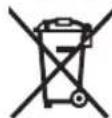
Do not dispose of electrical devices and batteries in household waste!
For users:
This device contains a built-in battery that cannot be removed or replaced by the user. Do not attempt to remove the battery.
If the device is damaged, electrical and electronic devices may contain hazardous substances that can harm the environment and human health if not disposed of properly.
Batteries:
Romanian
Safety instructions
Power tool service
Horia Macelariu Street No. 30-34, sector 1
013937 Bucharest
www.bosch-pt.com/serviceaddresses
Transport
The recommended Li-ion accumulators comply with the requirements of the legislation on the transport of dangerous goods. The accumulators can be transported by road by the user without restrictions.
Safety instructions for battery-powered power tools
For charging the battery packs, use only the chargers recommended by the manufacturer. When using a charger for a different battery pack, there is a risk of fire. To protect the power tool, use only the charger intended for the corresponding battery pack. Using different battery packs may cause injury and/or fire. Keep unused battery packs away from contact with paper clips, coins, keys, nails, screws or other small metal objects that could bridge the contacts. A short circuit between the battery contacts can cause burns or fire. If the battery pack is used improperly, liquid may leak from the battery. Avoid contact with this liquid. If you accidentally come into contact with it, rinse the affected area with water. If the liquid gets into your eyes, seek medical help immediately. The liquid can cause skin irritation. Do not use battery packs or power tools that are damaged or modified. Damaged or modified battery packs may behave unpredictably and cause fire, explosion or injury. Do not expose battery packs to high temperatures or fire. Exposure to fire or temperatures above 130°C may cause explosion. Follow all charging instructions; do not charge the battery pack outside the temperature range specified in the instructions. Charging improperly or at temperatures outside the specified range may damage the battery and increase the risk of fire.
Maintenance
Have your power tool serviced only by qualified personnel using only original spare parts. This will ensure that the safety of the power tool is maintained. Never attempt to repair damaged battery packs. Battery pack repair should only be carried out by the manufacturer or an authorized service center.
Safety instructions for planers
The power tool is intended for dry sanding. Penetration of water into the power tool increases the risk of electric shock. Caution, risk of fire! Avoid overheating the sanded material and the sander. Empty the dust container frequently when working. Dust from sanding materials, such as lead-based paint, mineral dust, and metal dust (or dust from sanding machines) can be self-igniting under unfavorable conditions. There is a special danger if the sanding dust mixes with paint residues, polyurethane, or other chemical substances, or with hot products from previous work. If the battery is damaged or incorrectly used, vapors may be emitted. The battery can ignite or explode. Seek medical attention if you feel unwell. Vapors can irritate the respiratory tract. Do not modify or open the battery. There is a risk of short-circuiting. The battery can be damaged by sharp objects, e.g., nails or screwdrivers, or by impact. The internal short circuit can be bridged and the battery can ignite, explode, or overheat. Use the battery only in the product from the manufacturer. Only then is it protected against overload.

Protect the battery from high temperatures, e.g., from prolonged exposure to sunlight, fire, dirt, water, and moisture. There is a risk of explosion and short-circuiting.
Before leaving the power tool, switch it off and allow it to come to a standstill. Secure the working part. The working part, if clamped with suitable accessories or clamps, is securely held and does not slip when you grip it.
Product description and specifications

Read all safety instructions and instructions for use carefully. Non-observance of the safety instructions and instructions for use can result in electric shock, fire, and/or serious injuries.
The figures in the operating instructions are shown at the beginning of the manual.
Intended use of the power tool
The power tool is intended for dry sanding of surfaces, materials, paint, and varnish coatings.
Illustrated components
The numbering of the illustrated components refers to the illustration of the power tool on the graphics page.
(1) Dust box (2) Dust bag (3) Battery (4) Battery release button (5) Battery charge indicator (6) Speed control wheel (7) Sanding plate (8) Handle (insulated gripping surface) (9) Sanding sheet (10) Screws for sanding plate (11) Base plate for sanding plate (12) Air outlet nozzle (13) Dust extraction hose (14) Dust extraction adapter (15) Extraction hose
a) Accessories shown are included in the standard scope of delivery.
Technical data
| Ек sce ntрноашнифова- ша машина | GEX 12V-125 |
| Каталожен Home | 3601 C72 1.. |
| Номинално наразжение V 12 | - |
| Рergулиpane на чесстота на вибрацение | ● |
| Овороти на празених од n° | min-1 6000-10000 |
| Чecтоа на вибрацение на празених oodium | min-1 12000-20000 |
| Диаметер на вибрацений Кръг | mm 2,5 |
| Ekceentprinkova shnΦoBa- ца Maшина | GEX 12V-125 |
| Диаметр ha shnΦoBaцья дNick | mm 125 |
| TernopA) | kg 1,0-1,2 |
| П repовчтелна temпера- тура на okолнатa creda при заржданe | °C 0 ... +35 |
| Разрешина temпература на okолнатa creda пriп рабо- taB) и при сбхpenhoe | °C -15 ... +50 |
| П repовчтелны akymул- topни бatepin | GBA 12V... |
| П repовчтелны заюн устюкты | GAL 12... |
| GAX 18... |
A) Battery operation
B) Reduced performance at temperatures below 0°C
The vibration level and noise emission values given in these instructions have been measured in accordance with a standardized test procedure and may be used to compare one power tool with another. They may be used for a preliminary assessment of exposure. The declared vibration and noise emission values represent the main applications of the power tool. However, if the power tool is used for different applications, with different accessories, or is poorly maintained, the vibration and noise emission may differ. This may significantly increase the exposure level over the total working period. For an accurate estimation of the vibration and noise exposure during a particular working period, the periods when the tool is switched off or when it is running but not actually doing the job, should also be taken into account. This may significantly reduce the exposure level over the total working period. Identify additional safety measures to protect the operator from the effects of vibration and noise, such as: maintaining the power tool and the accessories, keeping the hands warm, and organizing work patterns.
Information on noise and vibration
The noise and vibration values have been determined in accordance with EN 62841-2-4.
The A-weighted noise level of the power tool is typically below 70 dB(A). The noise level at the workplace may exceed the specified values. Wear hearing protection!
The vibration total value (tri-axial vector sum) has been determined in accordance with EN 62841-2-4:
ah < 2.5 m/s2, K = 1.5 m/s2,
The vibration emission level given in this information sheet has been measured in accordance with a standardised test and may be used to compare one tool with another. It may be used for a preliminary assessment of exposure. The declared vibration emission value represents the main applications of the tool. However, if the tool is used for different applications, with different accessories, or is poorly maintained, the vibration emission may differ. This may significantly increase the exposure level over the total working period.
The vibration and noise emission values given in this information sheet have been measured in accordance with a standardised test and may be used to compare one power tool with another. They may be used for a preliminary assessment of exposure. The declared vibration and noise emission values represent the main applications of the power tool. However, if the power tool is used for different applications, with different accessories, or is poorly maintained, the vibration and noise emission may differ. This may significantly increase the exposure level over the total working period.
For an accurate estimation of the vibration and noise exposure during a particular working period, the periods when the tool is switched off or when it is running but not actually doing the job, should also be taken into account. This may significantly reduce the exposure level over the total working period.
Identify additional safety measures to protect the operator from the effects of vibration and noise, such as: maintaining the power tool and the accessories, keeping the hands warm, and organizing work patterns.
Keep the cutting tools sharp, and organize work patterns.
Battery
Bosch power tools are supplied without a battery. For the scope of delivery of your power tool, please refer to the packaging.
Charging the battery
Use only the chargers listed in the technical data section. Only these chargers are suitable for the lithium-ion battery used in your power tool.
Note: The lithium-ion battery packs are delivered partially charged according to international transport regulations. To guarantee the power of the battery pack, charge it fully before first use.
Inserting the battery pack
Insert the charged battery pack into the battery pack slot until it clicks into place.
Removing the battery pack
To remove the battery pack, press the release buttons and pull out the battery pack. Do not apply force.
Battery pack indicator
The battery status indicator (5) on the power tool consists of three green LEDs. After switching on and off, it shows the charge level of the battery pack for a few seconds.
Light indicators
Depending on the specific application of the power tool, different grinding discs can be mounted with varying hardness:
- Grinding disc, soft: for careful grinding, suitable for curved surfaces - Grinding disc, medium hardness: for general grinding, universal application - Grinding disc, hard: for high-performance grinding on flat surfaces
Changing the grinding disc (see fig. C)
Note: The grinding disc is damaged.
Pull out the mains plug. Unscrew the 4 screws (10) (using a T20 screwdriver) and then remove the grinding disc (7). Insert a new grinding disc (7) and then retighten the screws.
Note: When inserting the grinding disc, make sure that the teeth engage in the disc's grooves.
Note: A damaged support plate for the grinding disc (11) may only be replaced by an authorized service center for power tools.
Dust extraction
Dusts released when processing materials such as lead-containing paints can be hazardous to health. Contact with the skin or inhalation of such dusts may cause allergic reactions and/or respiratory diseases in the operator. Use a dust mask or work in a well-ventilated area.
Certain dusts, e.g. from beech or oak, are considered carcinogenic, especially in combination with additives for wood treatment (chromate, wood preservatives, etc.). Only work with asbestos-containing materials if the appropriate dust extraction system is used.
- Use a dust extraction system suitable for the material being processed. - Ensure good ventilation of the work area. - It is recommended to use a breathing mask with filter class P2.
Observe the relevant regulations in your country for the materials being processed.
Avoid dust accumulation at the work area. Dust can easily ignite.
Integrated dust extraction system with dust bag (see Fig. D-F)
Insert and secure the dust bag (2) onto the extraction outlet (12) until it engages.
To empty the dust bag (13), remove the dust bag (2) from the extraction outlet (12). Open the clamp (14) and empty the dust bag.
Note: For optimal dust extraction, empty the dust bag (13) in a timely manner.
Always keep the extraction openings on the power tool clean so that the dust bag (2) can be filled properly.
External dust extraction (see Fig. G)
Insert the dust extraction hose (15) into the outlet (12). Connect the hose (15) to the dust extractor. The required connection method for different dust extractors is described at the end of this operating manual.
The dust extractor used must be suitable for the material being processed.
If dry dust that is particularly harmful to health or carcinogenic is produced, use a specialized dust extractor.
The surface of the electric power tool is kept clean and free of dust.
Working with the electric tool
Starting operation
Switching on and off
Make sure you can operate the switch without releasing the handle.
To switch on the electric tool, press the switch (1). To switch off the electric tool, release the switch (1).
Adjusting the vibration frequency
With the help of the potentiometer (6) you can change the vibration frequency during operation.
1-2 low vibration frequency 3-4 medium vibration frequency 5-6 high vibration frequency
The optimal vibration frequency depends on the material being worked and the working conditions and is determined by testing.
The electronic control keeps the vibration frequency constant even under load, which ensures consistent productivity.
After working with a low vibration frequency, the electric tool must cool down, so let it run at idle for approx. 3 minutes at maximum vibration frequency.
Adjusting the attachment
| Прилaxesнения/Мaterиailshлфобунho | Сразстvo | Стоен ha ско- posпа ha вьртуе | |
| Ошлховае | - Ошлховае на старыбουи лakовe - Шлховае на дьрво | P60-P100 4-6 | |
| - Шлховае на термоilactуни пл actмаси P60-P100 1-3 | |||
| Менихошлховае | - Шлховае на дьрво и Фчирпр лakирае - Улесу на рьбове по дьрвени лименти - Заглaxдаме на дьрвени поьрхост пrelд nbайцвае | P120-P180 4-6 | |
| - Менихошлховае на лak и Шлайфане на дolye P220-P280 1-3 сюл яak | |||
| - Менихошлховае на рьбове на лakobи пokр- tnя | |||
| Финушховае | - Шлховае на дьрво - Шлховае на рьбове с пьтындаьресиha и Фчирпр | P150-P180 4-6 | |
| - Шлховае на лak вьрух садцваи повьхости ha P240-P320 1-3 рьбовe |
Working instructions
Remove the electric tool from the battery before any adjustments, cleaning, or maintenance. (See the instructions in the manual.) Existing safety regulations and the switch must be observed. Before leaving the electric tool, remove the battery. Electric tools can be used for stationary work. For example, they can be clamped in a vice or mounted on a workbench.
Depending on the specific conditions of the electric tool, you can work, rest, or stop (e.g., turn off, unplug, or switch off).
Surface sanding
Turn on the electric tool, place the sanding sheet on the sanding surface, place it on the machined base, and apply moderate pressure to the workpiece.
The intensity of sanding and the quality of the surface are determined mainly by the choice of sandpaper, the set oscillation frequency, and the applied pressure. Only sandpaper in good condition ensures good productivity and protects the electric tool from premature wear. During work, apply pressure evenly to increase the service life of the sandpaper. Excessive increase of the applied pressure does not lead to an increase in the intensity of sanding, but to faster wear of the sandpaper on the electric tool. Use only original sandpaper from Bosch.
Pipe sanding
Place the sanding sheet with coarser grit.
Apply the electric tool with light pressure so that it works with a higher oscillation frequency, which ensures intensive removal of material.
Fine sanding
Place the sanding sheet with finer grit.
By reducing the applied pressure, respectively by reducing the selected degree of oscillation, you can limit the oscillation speed, while the amplitude remains constant.
Apply the electric tool to the machined surface in a constant plane, moving it in circles or back and forth. Be careful not to tilt it, so as not to damage the machined surface, e.g., with the edge.
After finishing work, switch off the electric tool.
Maintenance and service
Maintenance and cleaning
Remove the battery from the electric tool before any work on the electric tool (e.g., adjustment, changing tools, etc.). There is a risk of injury from accidental activation of the switch. To work well and safely, keep the electric tool and ventilation openings clean.
Customer service and advice on use
Our after-sales service responds to your questions concerning the repair and maintenance of your product, as well as spare parts. Exploded views and information on spare parts can be found at: www.bosch-pt.com
The Bosch advice team will be happy to help you if you have any questions about our products and their accessories.
Please state the product type and the spare part number in all correspondence, if possible, and do not hesitate to contact us directly. The spare parts list is included with the product.
Bulgaria
Robert Bosch SRL
Service scule electrice
Strada Horia Macelariu Nr. 30-34, sector 1
013937 Bucuresti, Romania
Tel.: +359(0)700 13 667 (Bulgarian)
Fax: +40 212 331 313
Email: BoschServiceCenterBG@ro.bosch.com
www.bosch-pt.com/bg/bg/
You can find further service addresses at:
www.bosch-pt.com/serviceaddresses
For goods. Please read the instructions for transporting the battery before shipping under the conditions.
For transport by third parties (e.g., air transport or special transport), special attention must be paid to the packaging and labeling. For this, when preparing the package, consult an expert in the relevant field.
Remove the battery only if the housing is not damaged. Insulate the contacts with insulating tape so that the battery cannot short-circuit in the packaging. Then, follow the requirements of local legislation.
Discarded

Dispose of the batteries, the chargers, and the accessories in accordance with the regulations for recycling of the materials.
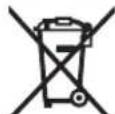
Do not throw electrical tools, batteries, or ordinary batteries into household waste!
Only for EU countries:
Used electrical tools and defective or exhausted batteries/ordinary batteries must be collected separately. Use the existing collection systems.
Correct disposal of used electrical and electronic equipment may have effects on the environment and human health due to the potential presence of hazardous substances.
Batteries and ordinary batteries:
Lithium-ion:
Then, follow the instructions in the transport section (see "Transport", page 146).
Macedonian
Without endangering
Safety warnings for electrical appliances
#
WARNING
Read all safety warnings
and instructions provided with
this electrical appliance. Failure to follow the instructions may result in electric shock, fire, and/or serious injury.
Keep all safety warnings and instructions for future reference.
Electrical appliance safety
This appliance is intended for
use with a cord (cable) or battery-powered (rechargeable) appliances.
Work area safety
Keep the work area clean and well lit. Cluttered or dark areas can lead to accidents. Do not operate electrical appliances in explosive atmospheres, such as in the presence of flammable liquids, gases, or dust. Electrical appliances create sparks that may ignite the dust or fumes. Keep children and bystanders away while operating an electrical appliance. Distractions can cause you to lose control.
Electrical safety
The plug of the electrical appliance must match the outlet. Never modify the plug. Do not use adapter plugs with earthed (grounded) electrical appliances. Unmodified plugs and matching outlets will reduce the risk of electric shock. Avoid body contact with earthed surfaces, such as pipes, radiators, metal cabinets, and refrigerators. There is an increased risk of electric shock if your body is earthed. Do not expose electrical appliances to rain or wet conditions. If water enters an electrical appliance, it will increase the risk of electric shock. Do not abuse the cord. Never use the cord for carrying, pulling, or unplugging the electrical appliance. Keep the cord away from heat, oil, sharp edges, or moving parts. Damaged or entangled cords increase the risk of electric shock. When operating an electrical appliance outdoors, use an extension cord suitable for outdoor use. Use of a cord suitable for outdoor use reduces the risk of electric shock. If operating an electrical appliance in a damp location is unavoidable, use a residual current device (RCD) protected supply. Use of an RCD reduces the risk of electric shock.
Pay attention, be careful how you work with the electric tool. Do not use the electric tool if you are tired or under the influence of drugs, alcohol, or medication. A moment of inattention while working with the electric tool can lead to serious personal injury. Use personal protective equipment. Always wear eye protection. Protective equipment such as a dust mask, non-slip safety shoes, hard hat, or hearing protection used under appropriate conditions will reduce personal injuries.
Under certain conditions, they can lead to minor injuries.
Avoid accidental starting. Ensure the switch is in the off position before plugging in or connecting to a battery pack, picking up or carrying the tool. Carrying power tools with your finger on the switch or energizing power tools that have the switch on invites accidents. Remove any adjusting key or wrench before turning the power tool on. A wrench or a key left attached to a rotating part of the power tool may result in personal injury. Do not overreach. Keep proper footing and balance at all times. This enables better control of the power tool in unexpected situations. Dress properly. Do not wear loose clothing or jewelry. Keep your hair and clothing away from moving parts. Loose clothes, jewelry or long hair can be caught in moving parts. If devices are provided for the connection of dust extraction and collection facilities, ensure these are connected and properly used. Use of dust collection can reduce dust-related hazards. Do not let familiarity gained from frequent use of the tool allow you to become complacent and ignore tool safety principles. A careless action can cause severe injury within a fraction of a second.
Use and care of electric tools
Do not force the electric tool. Use the correct electric tool for your application. The correct electric tool will do the job better and safer at the rate for which it was designed. Do not use the electric tool if the switch does not turn it on and off. Any electric tool that cannot be controlled with the switch is dangerous and must be repaired. Disconnect the plug from the power source and/or remove the battery pack, if detachable, from the electric tool before making any adjustments, changing accessories, or storing electric tools. Such preventive safety measures reduce the risk of starting the electric tool accidentally. Store idle electric tools out of the reach of children and do not allow persons unfamiliar with the electric tool or these instructions to operate the electric tool. Electric tools are dangerous in the hands of untrained users.
Operation of the electric drill and additional equipment. Check the correct tightening and attachment of the working tools, the connection of the tools and all other conditions that may negatively affect the functioning of the electric drill. If it is damaged, take the electric drill for repair before using it. Many accidents are caused by improperly maintained electric drills. Sharp tools or tools for cutting are properly maintained. Properly maintained tools for cutting are easier to control and are less likely to jam. The electric drill, additional equipment, tools, etc., use them in accordance with this section, paying attention to the working conditions of the work you are performing. Using the electric drill for purposes other than intended may lead to dangerous situations. Keep handles and gripping surfaces dry, clean, and free of oil and grease. Keep handles and gripping surfaces so that they do not allow unsafe handling and control of the drill in unexpected situations.
Use and care of the battery drill
Charge the battery only with the charger specified by the manufacturer. A charger suitable for one type of battery may create a risk of fire when used with another type of battery. Use the electric drills only with specifically designated battery packs. Use of any other battery packs may create a risk of injury or fire. When you use the battery pack, keep it away from other metal objects, such as paper clips, coins, keys, nails, screws, or other small metal objects that can make a connection from one terminal to another. Shorting the battery terminals together may cause burns or a fire. Under abusive conditions, liquid may leak from the battery; avoid contact. In case of accidental contact, flush with water. If liquid enters the eyes, seek additional medical help. Liquid ejected from the battery may cause irritation or burns. Do not use the battery pack or the drill if it is damaged or modified. Damaged or modified batteries may behave unpredictably and may cause fire, explosion, or risk of injury. Do not expose the battery pack or the drill to fire or excessive temperature. Exposure to fire or temperature above 130°C may cause explosion. Follow the instructions in this section for charging and do not charge the battery pack or the drill outdoors.
The temperature range is specified in the sections.
Incorrect charging or temperature outside the specified range may damage the battery and increase the risk of fire.
Service
Have the electric drill serviced by a qualified repair person using only identical replacement parts. This ensures that the safety of the electric drill is maintained. Never repair damaged battery packs. The repair of battery packs should only be carried out by the manufacturer or an authorized service.
Safety warnings for grinders
Check the electrical tool for dry grinding. Water entering the electrical tool increases the risk of electric shock. Warning: Fire hazard! Avoid overheating the workpiece being ground. Before returning it to operation, empty the water reservoir. When grinding into the water tank, the microswitch, the water tank (or the water pump) may become clogged with dirt. There is a particular danger while the grinding tool is being changed with residual oil, lubricants or other chemical materials, and while the workpiece being ground is being used for prolonged work. When cleaning and using the battery improperly, gas may escape. The battery may become clogged and explode. Always ventilate the room while there is a damaged battery. The battery may leak and damage the device. Do not open the battery. There is a risk of short circuit. The battery may be damaged by sharp objects such as nails or by external impact. This can lead to an internal short circuit. The battery may catch fire, leak, explode, or overheat. Use the battery only in the manufacturer's product. Only in this way is the battery protected from dangerous overload.

Protect the battery from heat, e.g., from prolonged exposure to sunlight, fire, dirt, water, and moisture. There is a risk of explosion and short circuit.
Wait until the electrical tool has come to a complete stop before putting it down. Secure the workpiece being processed. If you secure it with a clamping device, the workpiece being processed will be held firmly with both hands.
Description of the product and specifications

Read all safety warnings and instructions. Failure to follow the safety warnings and instructions may result in electric shock, fire, and/or serious injury.
Pay attention to the figures in the operating instructions for use.
Intended use
The electrical tool is intended for dry grinding of wood, plastic, plaster, and similar materials.
Component illustration
The numbering of the illustrated components refers to the electrical tool shown on the graphics page.
(1) On/off switch (2) Water tank (3) Battery (4) Battery release button (5) Battery charge indicator (6) Speed control wheel (7) Grinding disc (8) Handle (insulated gripping surface) (9) Screw (10) Grinding disc screws (11) Grinding disc holder (12) Dust extraction nozzle (13) Water tank (14) Water tank adapter (15) Dust extraction hose a) The accessories shown in the figures are not included in the standard scope of delivery.
Technical data
| Бpoj наakening | 3601C721.. |
| Hominahen Hanon V 12 | - |
| ПретхODEн ИЗбор на БpoJOТ На осцILAци | ● |
| Бpoj на Вrtжи-bo пазен OD n0A) | min-16000-10000 |
| Бpoj на осцILAци bo празен ODA) | min-112000-20000 |
| ДиJaMetap Ha ОсцILAтOPHIOT Kpyr | mm 2,5 |
Eccentric grinder GEX 12V-125
| Диеметах на брасно доск мm 125 | |
| Текин备案 | kg 1,0-1,2 |
| Прелорачана okолна temпература при польны | °C 0 ... +35 |
| Дозвoleна okолна temпература пri разoteюь и при складрасы | °C -15 ... +50 |
| Прелорачани akумалatorский batери | GBA 12V... |
| Прелорачани поначни GAL 12... | GAX 18... |
A) Depending on the battery used B) limited power at temperatures < 0°C
The vibration level may vary depending on the use and may differ from the specified values depending on the application and the conditions of the working environment. You can find more information at www.bosch-professional.com/wac.
Information on noise and vibration
The noise emission values are determined according to EN 62841-2-4.
The sound pressure level of the device, measured with the A weighting, is typically below 70 dB(A). The sound level during operation may exceed the specified values.
Wear hearing protection!
The total vibration value a(h, vector sum of three directions) and the uncertainty K are given in accordance with EN 62841-2-4:
a1 < 2.5m / s2,K = 1.5m / s2
The vibration level and the noise emission value given in these two sections are measured according to standard measurement procedures and can be used for comparison between electric tools. They can also be used for a preliminary assessment of the vibration level and noise emission.
The stated vibration level and noise emission value represent the main applications of the electric tool. If the electric tool is used for other applications, with different accessories, or is not properly maintained, the vibration level and noise emission value may deviate from the specified values. This can significantly increase the vibration level and noise emission over the entire working period.
For an accurate determination of the vibration level and noise emission, the periods when the tool is switched off or running idle, and not in use, should also be taken into account. This can significantly reduce the vibration level and noise emission over the entire working period.
Take additional safety measures to protect the operator from the effects of vibration, such as: maintaining the electric tool and its accessories.
150|Macedonian
Note, maintenance of the device, organization of the work process.
Battery
Bosch sells electric tools without a battery. If the battery is included in the scope of delivery, you can see it on the packaging.
Lithium batteries
Use only the batteries specified in the technical data. Only these are intended for the lithium battery for the cordless tool.
Note: Lithium-ion batteries are delivered partially charged. To ensure full battery capacity, fully charge the battery before first use.
Charging for optimal battery use
Replacing the brush disc (see figure C)
Note: Only replace the brush discs (7) in pairs.
Remove the brush disc. Turn the two screws (10) counterclockwise and remove the brush disc (using a screwdriver) (7). Place the new brush disc (7) and retighten the screws.
Note: When installing the brush disc, make sure that the lugs engage in the openings of the brush disc.
Note: The brush disc holder (11) may only be replaced by an authorized service center for Bosch electric tools.
Disposal of the device
Dust from materials such as lead-based paint, some types of wood, and minerals can be harmful to health. Contact with or inhalation of such dust can trigger allergic reactions and/or
respiratory diseases in the user or bystanders.
Certain dusts, such as oak or beech dust, are classified as carcinogenic, especially when combined with additional substances (chrome, wood preservatives). Materials containing asbestos may only be processed by specialists.
- Therefore, as far as possible, use a suitable dust extraction system for the material being processed. - Ensure good ventilation of the workplace. - It is recommended to wear a dust mask with filter class P2 when working with wood.
Observe the relevant regulations in your country for the materials you are processing.
36erhybajeco6hpabe npabHa pa60hTo MecTo. PpaTaechoMoKe da ce 3anaHn.
ConCTBeHo BcHcyBaBe co Keca 3a npab (BnDn CnHKn D-F)
CTabete ja npntnche ja ueochata keca 3a npab (2)Ha Mna3Hnnte 3a ndyBaBhe (12)doKe Ha dojHe HA hTO HNO CO aJATOT.
3a da ja Hcnpa3HnTe Kecata 3a npab (13) cenocho nBaTe ja (2) od Mna3HNuTe Ha N3yByBaBe (12). ODbptete ro anaTepot (14) od Kecata 3a npab (13) mcnpa3HnTe ja.
HAnomeHa:3aJa 06e6eIte ONTImaIIHO BCNCyBaHe Ha npab, HABPemeHo NCppa3Hete ja Kecata 3a npab (13).
Pn pa60Ta Ha BepTKaHn NOBpHHN,dpKTe ro eneKtpuHnO t anat kaka 7to Kecata 3a npab (2) Ke 6nde Hacoueha HADONY.
HaBOpewho BCncyBaHbe (BnHc nIka G)
CTaBeTe UpeBO 3a BCnCyBaHbe (15) Ha Mna3HnUHTe 3a H3nyByBaHbe (12).
UpeBTo 3a BCncyBaHBe (15) NOBp3eTe rO CO BCncyBaU 3a npab. IperIeJTo 3a npKlnyBaHc Ha pa3JIuHHTe BnOBuHa BCncyBaHc 3a npab Ke ro HajdTe Ha KpaJOT oD Oba yNATCTBO.
Bcncybaot 3a npaaHMAmpa da e cooDBeTeH MaTepnjanoHa npaeTo 10to ce o6pa6Obya.
PnBcncyBaHe HaYeCTuKn PpaB KOe oObeHo onaChn no 3dpabJe, KaHcepoReHN Hn CyBn, KopncTe Cneunjaneh BCncyBaq.
Pn pa6oHa HBeptkaknnnoBpHnn,dpKeTe ro eNektpHnot anat taka uTo UpeBoto 3a BCncyBaIbe Ke nokayyBa HADony.
Ynortpe6a
CtabaheBoynotpe6a
BknyyBaBe/ncknyyBaBe
The device may be switched on/off by pressing the switch.
To switch on the electric device, press the switch for on/off (1).
To switch off the electric device, press the switch for on/off (1) again.
Selecting the number of oscillations
Using the button for selecting the number of oscillations (6), you can select the required number of revolutions during operation of the device.
1-2 low number of oscillations 3-4 medium number of oscillations 5-6 high number of oscillations
The required number of oscillations depends on the material and working conditions and can be determined in practical application.
Constant electronics maintains the existing number of oscillations even under load and enables constant speed during operation.
After prolonged work with a low number of oscillations, to cool the electric device, let it run idle at maximum speed for about 3 minutes.
Intended use
| Приимена/Материй Абраизов Стени наiproл на В配电и | ||
| Брusesьe | - Брusesьe настуся сoton и лakови - Брusesьe на драво | P60-P100 4-6 |
| - Брusesьe на тergmonл actяka P60-P100 1-3 | ||
| Мерубрсьe | - Брusesьe на драво и Фчирп ресл лak�рабe - Кршьe на павOT на дравли дени | P120-P180 4-6 |
| - Изmaэнваьe на дравли повшина ресл бajцуваьe | ||
| - Мерубрсьe на лak�рани повшини и брusesье на празхodedлak | P220-P280 1-3 | |
| - Мерубрсьe на лak�рани повшини на павочite | ||
Application/Material Speed level Number of
Pre-grinding with coarse grit on the surface, then fine grinding with fine grit, then polishing with the electric device and finally polishing the brush.
Use only original Bosch brushes and accessories.
Wire brushes
Place the brush on the tool holder.
Read the operating instructions before using the pneumatic tool to work with the flow of air and to achieve the maximum capacity of the tool for processing the material.
Assembly
Install the tool and the safety guard.
With a small variation in the air pressure, the change in the number of oscillations can affect the number of oscillations of the brush disc, which locks the eccentric disc.
Press the electric tool with uniform pressure on the surface or with variable pressure along the length or width of the workpiece. Do not tilt it.
Do not press the electric tool to avoid burning the workpiece, e.g., synthetic material.
After finishing the work process, switch off the electric tool.
Maintenance and Service
Maintenance and Cleaning
Before any work on the electric tool (e.g., maintenance, changing the tool, etc.), remove the battery from the electric tool. There is a risk of injury if the switch is accidentally pressed. Keep the electric tool clean and the ventilation openings open to work well and safely.
After-sales Service and Application Service
The after-sales service will answer your questions about the repair and maintenance of your product as well as spare parts. Exploded views and information on spare parts can be found at: www.bosch-pt.com
The Bosch application service team will help you with any questions you have about your products and their accessories.
For all rights and warranty claims, please refer to the 10-digit number from the specification plate of the product.
North Macedonia
1000 Skopje
E-mail: dimce.dimcev@servis-bosch.mk
Internet: www.servis-bosch.mk
Tel./Fax: 02/2467610
Mob.: 070595888
D.P.T.U "ROJKA"
Jane Lukrovski 66; T.I. Avtokomana, Lokal 69, 1000 Skopje
E-mail: servisrojka@yahoo.com
Tel: +3892 3174-303
Mob: +389 70 388-520, -530
Additional addresses for service can be found at:
www.bosch-pt.com/serviceaddresses
The lithium-ion batteries are subject to the dangerous goods legislation. The batteries can be transported only by the customer, without the need for additional qualification.
When transporting by third parties (e.g., by air transport or forwarding agency), special requirements on packaging and labeling must be observed. In this case, when preparing the item, consultation with a dangerous goods expert is required.
Transport the batteries only when the housing is undamaged. Tape off open contacts and pack up the battery so that it cannot move around in the packaging. Please also observe the possibly more detailed national regulations.
Disposal

Electric devices, batteries, accessories, and packaging should be disposed of in an environmentally friendly manner.
Do not dispose of electric devices and batteries in household waste!
Only for EU countries:
Electric devices that are no longer used, and defective or used battery packs/batteries must be collected separately. Use the return and collection systems.
If disposed of incorrectly, electrical and electronic equipment may have harmful effects on the environment and human health due to the potential presence of hazardous substances.
Batteries:
Lithium-ion:
Please observe the notes in the transport section (see Transport, page 153).
www.bosch-pt.com/serviceaddresses
Transport
The lithium-ion batteries contained are subject to the requirements of the law on dangerous goods. The user can transport the batteries by land without additional conditions.
When shipping via intermediaries (e.g., air transport or freight), special requirements regarding packaging and labeling must be observed. In this case, a dangerous goods specialist must be engaged when preparing the shipment.
Only ship batteries if the housing is undamaged.
Tape off open contacts and pack the battery so that it cannot move in the packaging. Please also note any additional national regulations.
Disposal

Power tools, rechargeable batteries, accessories, and packaging should be handed in for recycling in an environmentally friendly manner.
Do not dispose of power tools and rechargeable batteries/batteries in household waste!
Only for EU countries:
www.bosch-pt.com/serviceaddresses
Transport
www.bosch-pt.com/serviceaddresses
Transport
The recommended lithium-ion batteries are subject to the requirements of the law on dangerous goods. The user can transport the batteries by land without additional conditions.
When shipping via intermediaries (e.g., air transport or freight), special requirements for packaging and labeling must be observed. In this case, a dangerous goods specialist must be engaged when preparing the shipment.
Only ship batteries if the housing is undamaged. Tape off open contacts and pack the battery so that it cannot move in the packaging.
so that it does not move in the packaging. Please also observe any additional national regulations.
Disposal

Electric tools, rechargeable batteries, accessories and packaging should be taken to an environmentally friendly recycling facility.
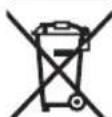
Do not dispose of electric tools and rechargeable batteries/batteries in household waste!
Only for EU countries:
Unusable electric tools and defective or exhausted rechargeable batteries/batteries must be disposed of separately. Use the designated collection systems for waste.
If waste electrical and electronic equipment is disposed of improperly, it can have harmful effects on the environment and human health due to the possible presence of hazardous substances.
www.bosch-pt.com/serviceaddresses
Transport
www.bosch-pt.com/serviceaddresses
Transport
The lithium-ion rechargeable batteries supplied with the product are subject to the regulations for the transport of dangerous goods. The user can transport the batteries by road without additional conditions.
If the batteries are sent by a third party (e.g., via an air transport company or other logistics agency), special requirements for packaging and labeling of the shipment must be observed. Therefore, a dangerous goods specialist should be consulted during shipment preparation.
Only send the battery if its housing is not damaged. Cover the open battery contacts and pack the battery so that it cannot move in the packaging. Also observe any national regulations related to battery transport, if they exist.
Disposal of used products

Used power tools, batteries, accessories, and packaging must be recycled in an environmentally friendly manner.
Do not dispose of used power tools, accumulators, and batteries in household waste!
Only for EU countries.
Unusable power tools and defective or used accumulators/batteries must be disposed of separately. Use the designated collection systems.
Improper disposal of waste electrical and electronic equipment may, due to potentially hazardous substances contained in them, cause harm to the environment and human health.
Batteries:
Lithium-ion:
Please observe the instructions provided in the "Transport" section (see "Transport", page 182).
Lithuanian.
Safety instructions
www.bosch-pt.com/serviceaddresses
Transport
The recommended lithium-ion batteries are subject to the regulations for the transport of dangerous goods. The user may transport the batteries by road without any further requirements.
If shipping is carried out by third parties (e.g., air transport or forwarding company), special requirements for packaging and labeling must be observed. A dangerous goods specialist must be involved in preparing the shipment.
| 원형�新潟 | GEX 12V-125 |
| 체류번호 | 3601C721.. |
| 성角逐 전쟁 | V~ 12 |
| 진동수선단 | |
| 무복 하수도 n0^A) | min-1 6,000-10,000 |
| 무복 하지동수A) | min-1 12,000-20,000 |
| 진동 직责任心 | mm 2.5 |
| 상품회 직责任心 | mm 125 |
| 종류A) | kg 1.0-1.2 |
| zhou 相 事 空格장을 흐绝운 오로 운 于 | °C 0...+35 |
| 사증腑 社 B) & 기재사 용을 흐绝운 수绝운 운 于 | °C -15...+50 |
| qxng조해 qxng조해 qxng조해 qxng조해 qxng조해 qxng조해 qxng조해 qxng조해 qxng조해 qxng조해 qxng조해 qxng조해 qxng조해 qxng조해 qxng조해 qxng조해 qxng조해 qxng조해 qxng조해 qxng조해 qxng조해 qxng조해 qxng조해 qxng조해 qxng조해 qxng조해 qxng조해 qxng조해 qxng조해 qxng조해 qxng조해 qxng조해 qxng조해 qxng조해 qxng조해 qxng조해 qxng조해 qxng조해 qxng조해 qxng조해 qxng조해。 qxng조해 qxng조해 qxng조해 qxng조해 qxng조해 qxng조해 qxng조해 qxng조해 qxng조해 qxng조해 qxng조해 qxng조해 qxng조해 qxng조해 qxng조해 qxng조해 qxng조해 qxng조해 qxng조해 qxng조해; qxng조해 qxng조해 qxng조해 qxng조해 qxng조해 qxng조해 qxng조해 qxng조해 qxng조해 qxng조해 qxng조해 qxng조해 qxng조해 qxng조해 qxng조해 qxng조해 qxng조해 qxng조해 qxng조해 qxng조해; qxng조해 qxng조해 qxng조해 qxng조해 qxng조해 qxng조해 qxng조해 qxng조해 qxng조해 qxng조해 qxng조해 qxng조해 qxng조해 qxng조해 qxng조해 qxng조해 qxng조해 qxng조해 qxng조해 qxng조해 qxng조해 qxng조해 qxng조해 qxng조해 qxng조해 qxng조해 qxng조해 qxng조해 qxng조해 qxng조해 qxng조해 qxng조해 qxng조해 qxng조해 qxng조해 qxng조해 qxng조해 qxng조해 qxng조해 qxng조해 qxng조해 qxng조해 qxng조해 qxng조해 qxng조해 qxng조해 qxng조해 qxng조해 qxng조해 qxng조해 qxng조해 qxng조해 qxng조해 qxng조해 qxng조해 qxng조해 qxng조해 qxng조해 qxng조해 qxng조해. qxng조해 qxng조해 qxng조해 qxng조해 qxng조해 qxng조해 qxng조해 qxng조해 qxng조해 qxng조해 qxng조해 qxng조해 qxng조해 qxng조해 qxng조해 qxng조해 qxng조해 qxng조해 qxng조해 qxng조해, qxng조해 qxng조해 qxng조해 qxng조해 qxng조해 qxng조해 qxng조해 qxng조해 qxng조해 qxng조해 qxng조해 qxng조해 qxng조해 qxng조해 qxng조해 qxng조해 qxng조해 qxng조해 qxng조해 qxng조해, qxng조해 qxng조해 qxng조해 qxng조해 qxng조해 qxng조해 qxng조해 qxng조해 qxng조해 qxng조해 qxng조해 qxng조해 qxng조해 qxng조해 qxng조해 qxng조해 qxng조해 qxng조해 qxng조해 qxng조해- qxng조해 qxng조해 qxng조해 qxng조해 qxng조해 qxng조해 qxng조해 qxng조해 qxng조해 qxng조해 qxng조해 qxng조해 qxng조해 qxng조해 qxng조해 qxng조해 qxng조해 qxng조해 qxng조해 qxng조해: qxng조해 qxng조해 qxng조해 qxng조해 qxng조해 qxng조해 qxng조해 qxng조해 qxng조해 qxng조해 qxng조해 qxng조해 qxng조해 qxng조해 qxng조해 qxng조해 qxng조해 qxng조해 qxng조해 qxng조해。 qxng조해 qxng조해 qxng조해 qxng조해 qxng조해 qxng조해 qxng조해 qxng조해 qxng조해 qxng조해 qxng조해 qxng조해 qxng조해 qxng조해 qxng조해 qxng조해 qxng조해 qxng조해 qxng조해 qxng조해 qxng조해 qxng조해 qxng조해 qxng조해 qxng조해 qxng조해 qxng조해 qxng조해 qxng조해 qxng조해 qxng조해 qxng조해 qxng조해 qxng조해 qxng조해 qxng조해 qxng조해 qxng조해 qxng조해 qxng조해 . qxng조해 qxng조해 qxng조해 qxng조해 qxng조해 qxng조해 qxng조해 qxng조해 qxng조해 qxng조해 qxng조해 qxng조해 qxng조해 qxng조해 qxng조해 qxng조해 qxng조해 qxng조해 qxng조해 qxng조해 qxng조해 qxng조해 qxng조해 qxng조해 qxng조해 qxng조해 qxng조해 qxng조해 qxng조해 qxng조해 qxng조해 qxng조해 qxng조해 qxng조해 qxng조해 qxng조해 qxng조해 qxng조해 qxng조해 qxng조해 qxng조해 qxng조해 qxng조해 qxng조해 qxng조해 qxng조해 qxng조해 qxng조해 qxng조해 qxng조해 qxng조해 qxng조해 qxng조해 qxng조해 qxng조해 qxng조해 qxng조해 qxng조해 qxng조해 qxng조해 qxng조해 qxng조해 qxng조해 qxng조해 qxng조해 qxng조해 qxng조해 qxng조해 qxng조해 qxng조해 qxng조해 qxng조해 qxng조해 qxng조해 qxng조해 qxng조해 qxng조해 qxng조해 qxng조해 qxng조해 qxng조해 qxng조해 qxng조해 qxng조해 qxng조해 qxng조해 qxng조해 qxng조해 qxng조해 qxng조해 qxng조해 qxng조해 qxng조해 qxng조해 qxng조해 qxng조해 qxng조해 qxng조해 qxng조해 qxng조해 qxng조해 qxng조해 qxng조해 qxng조해 qxng조해 qxng조해 qxng조해 qxng조해 qxng조해 qxng조해 qxng조해 qxng조해 qxng조해 qxng조해 qxng조해 qxng조해 qxng조해 qxng조해 qxng조해 qxng조해 qxng조해 qxng조해 qxng조해 qxng조해 qxng조해 qxng조해 qxng조해 qxng조해 qxng조해 qxng조해 qxng조해 qxng조해 qxng조해 qxng조해 qxng조해 qxng조해 qxng조해 qxng조해 qxng조해 qxng조해 qxng조해 qxng조해 qxng조해 qxng조해 qxng조해 qxng조해 qxng조해 qxng조해 qxng조해 qxng조해 qxng조해 qxng조해 qxng조해 qxng조해 qxng조해 qxng조해 qxng조해 qxng조해 qxng조해 qxng조해 qxng조해 qxng조해 qxng조해 qxng조해 qxng조해 qxng조해 qxng조해 qxng조해 qxng조해 qxng조해 qxng조해 qxng조해 qxng조해 qxng조해 qxng조해 qxng조해 qxng조해 qxng조해 qxng조해 qxng조해 qxng조해 qxng—one qxng—one qxng—one qxng—one qxng—one qxng—one qxng—one qxng—one qxng—one qxng—one qxng—one qxng—one qxng—one qxng—one qxng—one qxng—one qxng—one qxng—one qxng—one qxng—one qxng—one qxng—one qxng—one qxng—one qxng—one qxng—one qxng—one qxng—one qxng—one qxng—one qxng—one qxng—one qxng—one qxng—one qxng—one qxng—one qxng—one qxng—one qxng—one qxng—one qxng—one qxng—one qxng—one qxng—one qxng—one qxng—one qxng—one qxng—one qxng—one qxng—one qxng)— qxng—one qxng—one qxng—one qxng—one qxng—one qxng—one qxng—one qxng—one qxng—one qxng—one qxng—one qxng—one qxng—one qxng—one qxng—one qxng—one qxng—one qxng—one qxng—one qxng—one qxng—one qxng—one qxng—one qxng—one qxng”— qxng—one qxng—one qxng—one qxng—one qxng—one qxng—one qxng—one qxng—one qxng—one qxng—one qxng—one qxng—one qxng—one qxng—one qxng—one qxng—one qxng—one qxng—one qxng—one qxng—one qxng—one qxng—one qxng—one qxng—one qxng.— qxng—one qxng—one qxng—one qxng—one qxng—one qxng—one qxng—one qxng—one qxng—one qxng—one qxng—one qxng—one qxng—one qxng—one qxng—one qxng—one qxng—one qxng—one qxng—one qxng—one qxng—one qxng—one qxng—one qxng—one qxng.One qxng—one qxng—one qxng—one qxng—one qxng—one qxng—one qxng—one qxng—one qxng—one qxng—one qxng—one qxng—one qxng—one qxng—one qxng—one qxng—one qxng—one qxng—one qxng—one qxng—one qxng—one qxng—one qxng—one qxng—one qxng—I qxng—I qxng—I qxng—I qxng—I qxng—I qxng—I qxng—I qxng—I qxng—I qxng—I qxng—I qxng—I qxng—I qxng—I qxng—I qxng—I qxng—I qxng—I qxng—I qxng—I qxng—I qxng—I qxng—I qxng—I qxng—I qxng—I qxng—I qxng—I qxng—I qxng—I qxng—I qxng—I qxng—I qxng—I qxng—I qxng—I qxng—I qxng—I qxng—I qxng—I qxng—I qxng—I qxng—I qxng—I qxng—I qxng—I qxng—I qxng—I qxng—I qxng:I qxng—I qxng—I qxng—I qxng—I qxng—I qxng—I qxng—I qxng—I qxng—I qxng—I qxng—I qxng—I qxng—I qxng—I qxng—I qxng—I qxng—I qxng—I qxng—I qxng—I qxng—I qxng—I qxng—I qxng—I qxng-I qxng—I qxng—I qxng—I qxng—I qxng—I qxng—I qxng—I qx. qx. qx. qx. qx. qx. qx. qx. qx. qx. qx. qx. qx. qx. qx. qx. qx. qx. qx. qx. qx. qx. qx. qx. qx. qx. qx. qx. qx. qx. qx. qx. qx. qx. qx. qx. qx. qx. qx. qx. qx. qx. qx. qx. qx. qx. qx. qx. qx. qx. qx qx. qx. qx. qx. qx. qx. qx. qx. qx. qx. qx. qx. qx. qx. qx. qx. qx. qx. qx. qx. qx. qx. qx. qx. qx. qx. qx. qx. qx. qx. qx. qx. qx. qx. qx. qx. qx. qx. qx. qx. qx. qx. qx. qx. qx. qx. qx. qx. qx. qx. qx. qx. qx. qx. qx. qx. qx. qx. qx. qx. qx. qx. qx. qx. qx. qx. qx. qx. qx. qx. qx. qx. qx. qx. qx. qx. qx. qx. qx. qx. qx. qx. qx. qx. qx. qx. qx. qx. qx. qx. qx. qx. qx. qx. qx. qx. qx. qx. qx. qx qx. qx. qx. qx. qx. qx. qx. qx. qx. qx. qx. qx. qx. qx. qx. qx. qx. qx. qx. qx. qx. qx. qx. qx. qx. qx. qx. qx. qx. qx. qx. qx. qx. qx. qx. qx. qx. qx. qx. qx. qx. qx. qx. qx. qx. qx. qx. qx. qx. nx. nx nx nx nx nx nx nx nx nx nx nx nx nx nx nx nx nx nx nx nx nx nx nx nx nx nx nx nx nx nx nx nx nx nx nx nx nx nx nx nx nx nx nx nx nx nx nx nx nx nx nx | |
| 원형�新锐 | GEX 12V-125 |
| Kunststätte 満�足感能 | GAL 12... |
| GAX 18... |
www.bosch-pt.com/serviceaddresses
10
g 1
(g) Pad Saver uJ lios Bosch M480
100 -100 100

Robert Bosch Morocco SARL
+212529314327:
sav.outillage@ma.bosch.com
clloaalglaugie
www.bosch-pt.com/serviceaddresses
Jai
psaIgaiiaol gaiu! pao aai laai jpaaiiial kay. jbail slgai jilg aai Ibgw 1 ugs aolll eJglw lgc gaii (s) aill abwlg jall sic aaia baw wagy (jaw asggi slgai jai yai ayu yaleil gaeil all o sblnssic oyabll paw lgkui n biag psjall po ai jbiy pksall agg gwsall Uw
00 pS 1 sio jg jb jbuoo slu wlio
jbls j1 jdy uogj slo1 ois gbs joi jui g lus jy jolaiw .si oslaui (joj u jaii g jn joi g lus jy jilabasu .
jol
Jlgl JgLg g 5g g g s Gs Jg g Suaa oog j. ais jL q o laaw glg g Lg. aao slgo d Gg u abu k. aisi jLg yjIy Iy Culg u, g yjIy lgs pG .duu duu oljau dy ss
Jai o lai jia i jolgaw g s wlo siio jai lj qai j 0laai g jai oks, jai jai slqns, jic jui jLgji u wliu agao
aLwgsJgJl 1s Jy 1y 1y 1y 1y 1y 1y 1y 1y 1y 1y 1y 1y 1y 1y 1y 1y 1y 1y 1y 1y 1y 1y 1y 1y 1y 1y 1y 1y 1y 1y 1y 1y 1y 1 y
sss s g j1 l 10jg o ss paa i Ss u y s (Sg) d s u y jai g jui Jy Jy Jy Ccy siilguo,sijs jg o kss sia jg w cal
sIg 1 sIg 1 sIg 1 sIg 1 sIg 1 sIg 1 sIg 1 sIg 1 sIg 1 sIg 1 sIg 1 sIg 1 sIg 1 sIg 1 sIg 1 sIg 1 sIg 1 sIg 1 sIg 1 sIg 1 sIg 1
. 15151515151515151515151515151515151515151515151515151515151515151515151515151515151515151515151515151
(13) The device is used for measuring and recording data. (14) The device is equipped with (s) a sensor and (s) a battery.
(a) The sensor is placed (15) on the surface of the object to be measured (for example, the skin of the patient).
The device is turned on.
The device is ready.
The device is turned off.
The device is used for measuring and recording data. The device is equipped with a sensor and a battery. The sensor is placed on the surface of the object to be measured. The device is turned on and off.
39-50 63mm 100mm 120mm 140mm 160mm 180mm 200mm 220mm 240mm 260mm 280mm 300mm 320mm 340mm 360mm 380mm 400mm 420mm 440mm 460mm 480mm 500mm 520mm 540mm 560mm 580mm 600mm 620mm 640mm 660mm 680mm 700mm 720mm 740mm 760mm 780mm 800mm 820mm 840mm 860mm 880mm 900mm 920mm 940mm 960mm 980mm
www.bosch-pt.com/serviceaddresses

Declaration of Conformity
Random orbit sander Article number
GEX 12V-1253601C72100
We declare under our sole responsibility that the stated products comply with all applicable provisions of the regulations listed below and are in conformity with the following standards.
Technical file at: Robert Bosch Ltd. (PT/SOP-GB), Broadwater Park, North Orbital Road, Uxbridge UB9 5HJ, United Kingdom
The Supply of Machinery (Safety) Regulations 2008
The Electromagnetic Compatibility Regulations 2016
The Restriction of the Use of Certain Hazardous Substances in
Electrical and Electronic Equipment Regulations 2012
EN62841-1:2015+A11:2022
EN62841-2-4:2014
ENIEC 55014-1:2021
EN IEC 55014-2:2021
ENIEC 63000:2018

BOSCH
Vonjy Rajakoba
Managing Director - Bosch UK
Robert Bosch Power Tools GmbH, 70538 Stuttgart, Germany represented (in terms of the above regulations) by
Robert Bosch Limited, Broadwater Park, North Orbital Road, Uxbridge UB9 5HJ, United Kingdom
Martin Sibley
Business Operations and Aftersales Director
Robert Bosch Ltd. Broadwater Park, North Orbital Road, Uxbridge UB9 5HJ, United Kingdom, as authorised representative acting on behalf of Robert Bosch Power Tools GmbH, 70538 Stuttgart, Germany
Place of issue: Uxbridge Date of issue: 15/10/2024


- TRANSPORT
- GENERAL POWER TOOL SAFETY WARNINGS
- WARNING
- SAVE ALL WARNINGS AND INSTRUCTIONS FOR FUTURE REFERENCE
- WORK AREA SAFETY
- ELECTRICAL SAFETY
- PERSONAL SAFETY
- POWER TOOL USE AND CARE
- BATTERY TOOL USE AND CARE
- SERVICE
- SAFETY WARNINGS FOR SANDER
- PRODUCT DESCRIPTION AND SPECIFICATIONS
- INTENDED USE
- PRODUCT FEATURES
- TECHNICAL DATA
- NOISE/VIBRATION INFORMATION
- RECHARGEABLE BATTERY
- CHARGING THE BATTERY
- INSERTING THE BATTERY
- REMOVING THE BATTERY
- BATTERY CHARGE INDICATOR
- RECOMMENDATIONS FOR OPTIMAL HANDLING OF THE BATTERY
- ASSEMBLY
- CHANGING THE SANDING SHEET (SEE FIGURE B)
- SELECTION OF THE SANDING PLATE
- CHANGING THE SANDING PAD (SEE FIGURE C)
- DUST/CHIP EXTRACTION
- SELF-GENERATED DUST EXTRACTION WITH DUST BAG (SEE FIGURES D-F)
- EXTERNAL DUST EXTRACTION (SEE FIGURE G)
- OPERATION
- STARTING OPERATION
- SWITCHING ON/OFF
- PRESELECTING THE ORBITAL STROKE RATE
- WORKING ADVICE
- SANDING SURFACES
- ROUGH SANDING
- FINE SANDING
- MAINTENANCE AND SERVICE
- MAINTENANCE AND CLEANING
- AFTER-SALES SERVICE AND APPLICATION SERVICE
- GREAT BRITAIN
- YOU CAN FIND FURTHER SERVICE ADDRESSES AT
- DISPOSAL
- ONLY FOR EU COUNTRIES
- ONLY FOR UNITED KINGDOM
- BATTERY PACKS/BATTERIES
- LI-ION
- FURTHER SERVICE ADDRESSES CAN BE FOUND AT
- EAAYNIKD
- THE PRODUCT MUST BE TRANSPORTED IN THE ORIGINAL PACKAGING
- EUMPTNNEAATOWKOUOUEEPAOYIC
- WWW.BOSCH-PT.COM
- GREEK
- ANOUPON
- BATTERIES/RECHARGEABLE BATTERIES
- TÜRKÇE
- GÜVENLIK TALIMATI
- TAŞIMA
- SHIPPING
- EXTREME CONDITIONS
- TYPE OF MAINTENANCE SERVICE
- STORAGE
- TRANSPORTATION
- SAFETY INSTRUCTIONS
- GENERAL SAFETY INSTRUCTIONS FOR POWER TOOLS
- SAVE THESE INSTRUCTIONS FOR FUTURE REFERENCE
- WORKPLACE SAFETY
- RUSSIAN
- SAFETY INSTRUCTIONS FOR THE POWER TOOL AND HOW TO HANDLE IT
- USE AND CARE OF THE BATTERY TOOL
- SAFETY INSTRUCTIONS FOR THE USER
- PRODUCT DESCRIPTION AND SERVICES
- ILLUSTRATED COMPONENTS
- BATTERY
- INSTRUCTIONS FOR OPTIMAL HANDLING OF THE BATTERY
- COARSE GRINDING
- FINE GRINDING
- SERVICE AND CONSULTATION ON APPLICATION ISSUES
- FOR THE REGION: RUSSIA, BELARUS, KAZAKHSTAN
- RUSSIA
- UKRAINE
- BATTERIES/BATTERY PACKS
- LITHIUM-ION
- KEEP THE TOOL AWAY FROM RAIN AND MOISTURE. IF WATER GETS INSIDE THE POWER TOOL, IT INCREASES THE RISK OF ELECTRIC SHOCK
- PROPER HANDLING AND USE OF ELECTRIC TOOLS
- UKRAINIAN
- PROPER HANDLING AND USE OF POWER TOOLS WITH RECHARGEABLE BATTERIES
- SAFETY INSTRUCTIONS FOR GRINDERS
- LED LIGHTS
- RECOMMENDATIONS FOR OPTIMAL BATTERY STORAGE
- INSTALLATION
- REPLACING THE GRINDING DISC (SEE FIG. B)
- SELECTING THE SANDING PAD
- REPLACING THE SANDING PAD (SEE FIGURE C)
- THE SUCTION SYSTEM WITH A DUST COLLECTOR (INB.MAN.D-F)
- EXTERNAL SUCTION (INB.MAN.G)
- SWITCHING ON AND OFF
- BCTAHOBHEHHHACTOTKOHBAHB
- BKAIZBKN ZO DO P60TN
- ULIYBAHH NOBEPXOHB
- ROUGH GRINDING
- MAINTENANCE AND CARE
- SERVICE AND CONSULTATION ON USAGE
- CAN ALSO BE FOUND AT: WWW.BOSCH-PT.COM
- REGIONAL SERVICE ADDRESSES
- ONLY FOR EC COUNTRIES
- KAZAKH
- THE ECONOMIC OPERATOR (THE OPERATOR) IS RESPONSIBLE FOR THE USE OF THE EQUIPMENT IN ACCORDANCE WITH THE REQUIREMENTS OF THE LEGISLATION OF THE MEMBER STATES OF THE EURASIAN ECONOMIC UNION
- THE PROCEDURE FOR USING THE EQUIPMENT
- THE PROCEDURE FOR DISPOSAL
- THE MAIN TECHNICAL CHARACTERISTICS
- THE SERVICE LIFE
- THE SAFETY REQUIREMENTS
- THE ELECTRICAL SAFETY INSTRUCTIONS AND WARNINGS
- SAFETY
- KEEP THESE SAFETY INSTRUCTIONS AND WARNINGS FOR FUTURE REFERENCE
- SAFETY INSTRUCTIONS FOR THE DEVICE
- FOLLOW THE INSTRUCTIONS
- CORDLESS SCREWDRIVER
- CHARGING THE BATTERY PACK
- INSERTING THE BATTERY PACK
- REMOVING THE BATTERY PACK
- MAINTENANCE
- FOR USERS
- BATTERIES
- ROMANIAN
- SAFETY INSTRUCTIONS FOR BATTERY-POWERED POWER TOOLS
- SAFETY INSTRUCTIONS FOR PLANERS
- INTENDED USE OF THE POWER TOOL
- INFORMATION ON NOISE AND VIBRATION
- BATTERY PACK INDICATOR
- LIGHT INDICATORS
- CHANGING THE GRINDING DISC (SEE FIG. C)
- DUST EXTRACTION
- INTEGRATED DUST EXTRACTION SYSTEM WITH DUST BAG (SEE FIG. D-F)
- EXTERNAL DUST EXTRACTION (SEE FIG. G)
- WORKING WITH THE ELECTRIC TOOL
- ADJUSTING THE VIBRATION FREQUENCY
- ADJUSTING THE ATTACHMENT
- WORKING INSTRUCTIONS
- SURFACE SANDING
- PIPE SANDING
- CUSTOMER SERVICE AND ADVICE ON USE
- BULGARIA
- DISCARDED
- BATTERIES AND ORDINARY BATTERIES
- MACEDONIAN
- WITHOUT ENDANGERING
- SAFETY WARNINGS FOR ELECTRICAL APPLIANCES
- KEEP ALL SAFETY WARNINGS AND INSTRUCTIONS FOR FUTURE REFERENCE
- USE AND CARE OF ELECTRIC TOOLS
- USE AND CARE OF THE BATTERY DRILL
- SAFETY WARNINGS FOR GRINDERS
- DESCRIPTION OF THE PRODUCT AND SPECIFICATIONS
- COMPONENT ILLUSTRATION
- WEAR HEARING PROTECTION
- LITHIUM BATTERIES
- CHARGING FOR OPTIMAL BATTERY USE
- REPLACING THE BRUSH DISC (SEE FIGURE C)
- DISPOSAL OF THE DEVICE
- CONCTBEHO BCHCYBABE CO KECA 3A NPAB (BNDN CNHKN D-F)
- HABOPEWHO BCNCYBAHBE (BNHC NIKA G)
- YNORTPE6A
- CTABAHEBOYNOTPE6A
- BKNYYBABE/NCKNYYBABE
- SELECTING THE NUMBER OF OSCILLATIONS
- WIRE BRUSHES
- NORTH MACEDONIA
- ADDITIONAL ADDRESSES FOR SERVICE CAN BE FOUND AT
- DISPOSAL OF USED PRODUCTS
- LITHUANIAN
- JAI
- DECLARATION OF CONFORMITY
- BOSCH
Brand : BOSCH
Model : GEX 12V125 Professional
Category : Sander