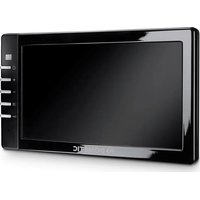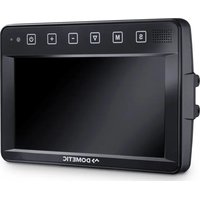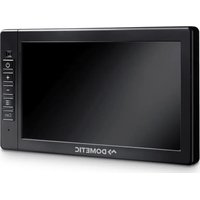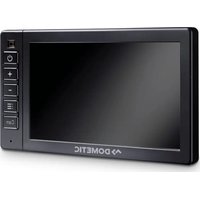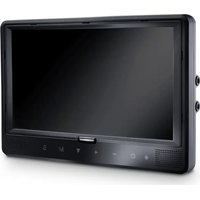
PerfectView M 9LQ - Monitor DOMETIC - Free user manual and instructions
Find the device manual for free PerfectView M 9LQ DOMETIC in PDF.


| Product type | 9-inch TFT color LCD monitor |
| Brand | Dometic |
| Model | PerfectView M 9LQ |
| Screen size | 9 inches (22.7 cm) |
| Resolution | 800 x 480 pixels |
| Brightness | Approx. 350 cd/m² |
| TV standard | PAL/NTSC (auto switching) |
| Operating voltage | 10–32 V |
| Max power consumption | 16 W |
| Operating temperature | -20 °C to +70 °C |
| Storage temperature | -25 °C to +80 °C |
| Dimensions (W x H x D) | 234 x 158 x 40 mm |
| Weight | 800 g |
| Main features | Touch screen, inputs for 4 cameras, distance display, Quad mode (4 simultaneous images), touch-sensitive controls, removable sun visor, automatic camera detection, video and audio output |
| Connections | 4 video inputs (CAMERA BACK, RIGHT, LEFT, FRONT), 1 video output, 1 audio output, 1 audio input 3.5 mm, TRIGGER and SPLIT control cables |
| Supplied accessories | Monitor, knurled screws, mounting bracket, connection cable, sun visor, monitor support, fastening material, manual |
| Optional accessories | IR remote control (ref. 9102200199) |
| Maintenance and cleaning | Clean with a damp cloth; do not use sharp objects; disconnect before cleaning |
| Safety | Do not open, do not immerse in water, do not obstruct driver's view, secure mounting outside airbag zone, observe polarity when connecting |
| Warranty | Legal warranty; in case of defect, contact the manufacturer or dealer with invoice and description of the problem |
| Certifications | CE compliance |
Frequently Asked Questions - PerfectView M 9LQ DOMETIC
User questions about PerfectView M 9LQ DOMETIC
0 question about this device. Answer the ones you know or ask your own.
Ask a new question about this device
Download the instructions for your Monitor in PDF format for free! Find your manual PerfectView M 9LQ - DOMETIC and take your electronic device back in hand. On this page are published all the documents necessary for the use of your device. PerfectView M 9LQ by DOMETIC.
USER MANUAL PerfectView M 9LQ DOMETIC
natural_image
Line drawing of a rectangular electronic device with a flat screen and side connectors (no text or symbols)M9LQ
EN
LCD Monitor
Installation and Operating Manual ..... 9
DE
LCD-Monitor
natural_image
Technical line drawing of a mechanical tool or connector with no visible text or symbols2
natural_image
Line drawing of a digital multimeter with attached probe and terminal ports (no text or symbols)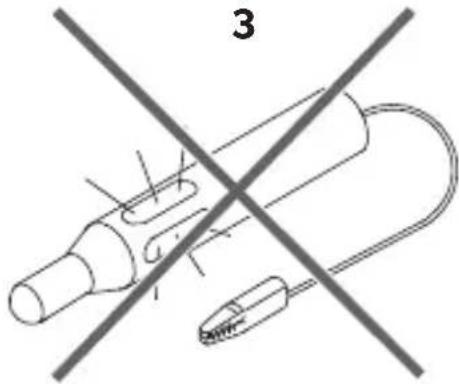
natural_image
Diagram of a medical or laboratory device with two crossed lines and a labeled number 3 (no text or symbols on the diagram itself)4
natural_image
Technical line drawing of a mechanical component with evenly spaced slots and a central circular end (no text or symbols)5
6
natural_image
Line drawing of a hammer with a triangular head and handle (no text or symbols)7
natural_image
Three cylindrical objects with diagonal hatching, no text or symbols present8
natural_image
Line drawing of a handheld electric tool with no text or symbols9
natural_image
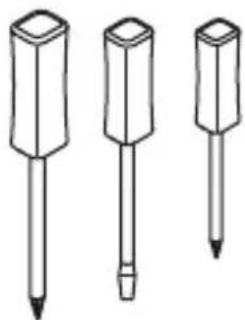
Three different types of screwdrivers shown in line drawings (no text or symbols)10
natural_image
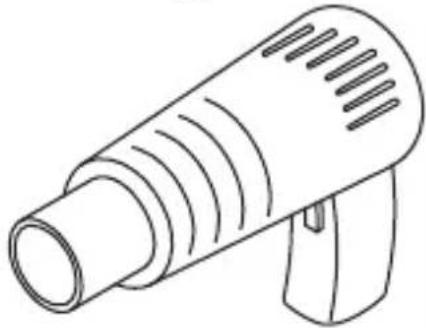
Line drawing of a handheld electric shaver with ventilation slots (no text or symbols)11 12 13 14
natural_image
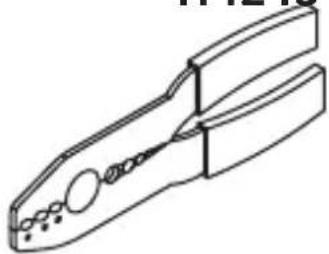
Line drawing of a pliers with metal clamps and a looped handle (no text or symbols)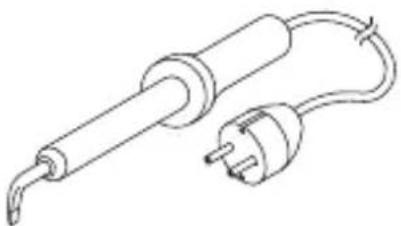
natural_image
Line drawing of a soldering iron with a terminal plug and power outlet (no text or symbols)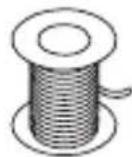

natural_image
Technical diagram showing a mechanical assembly with intersecting lines and arrows indicating motion (no text or symbols)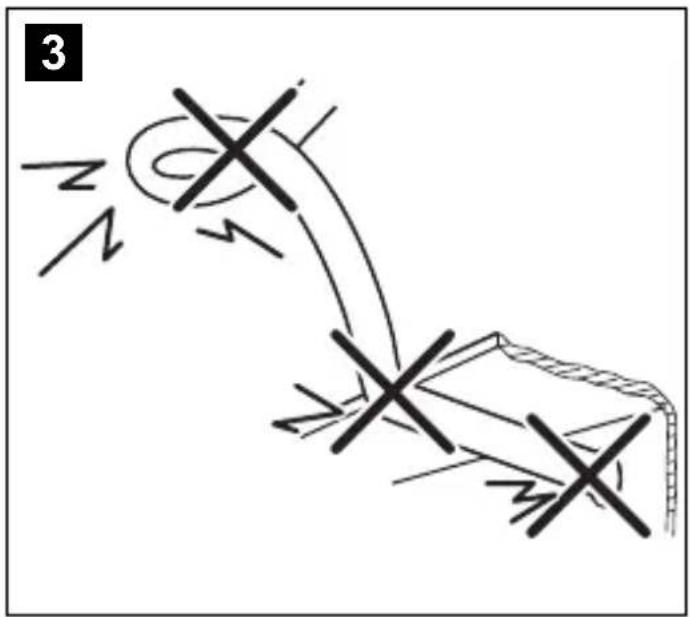
natural_image
Illustration of hands reaching toward a device in water with bubbles rising (no text or symbols)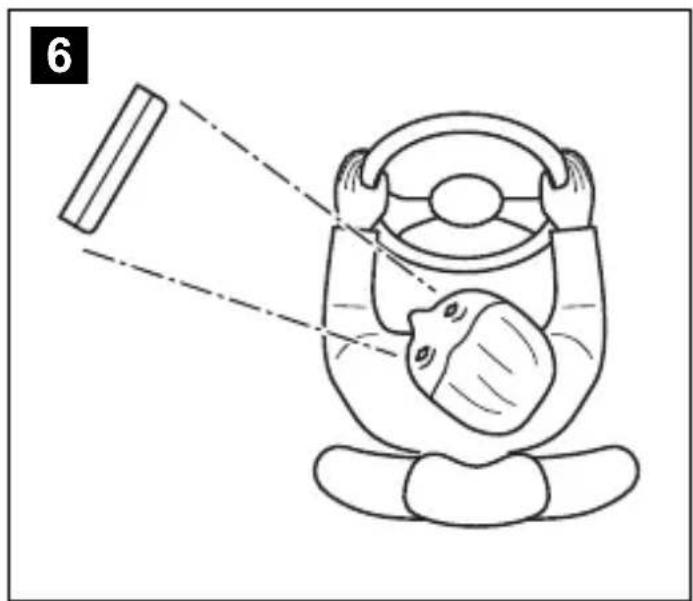
natural_image
Line drawing of a person sitting in a car with a steering wheel and a light bulb, no text or symbols present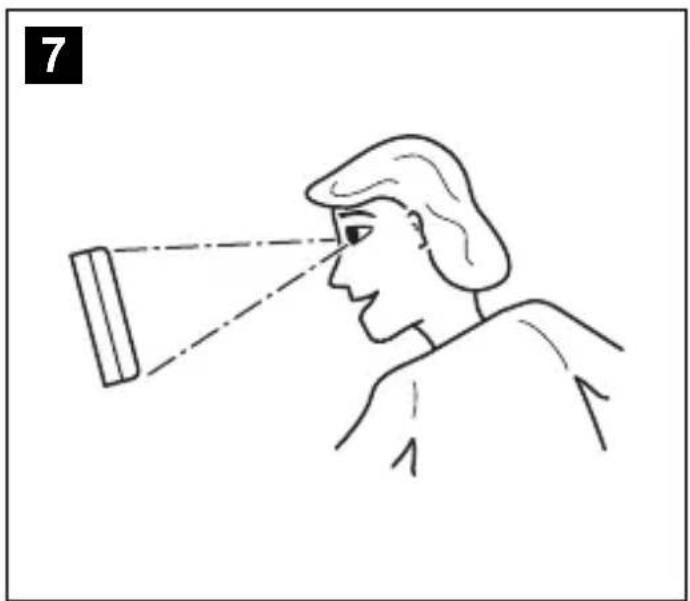
natural_image
Line drawing of a person observing through a projector (no text or symbols)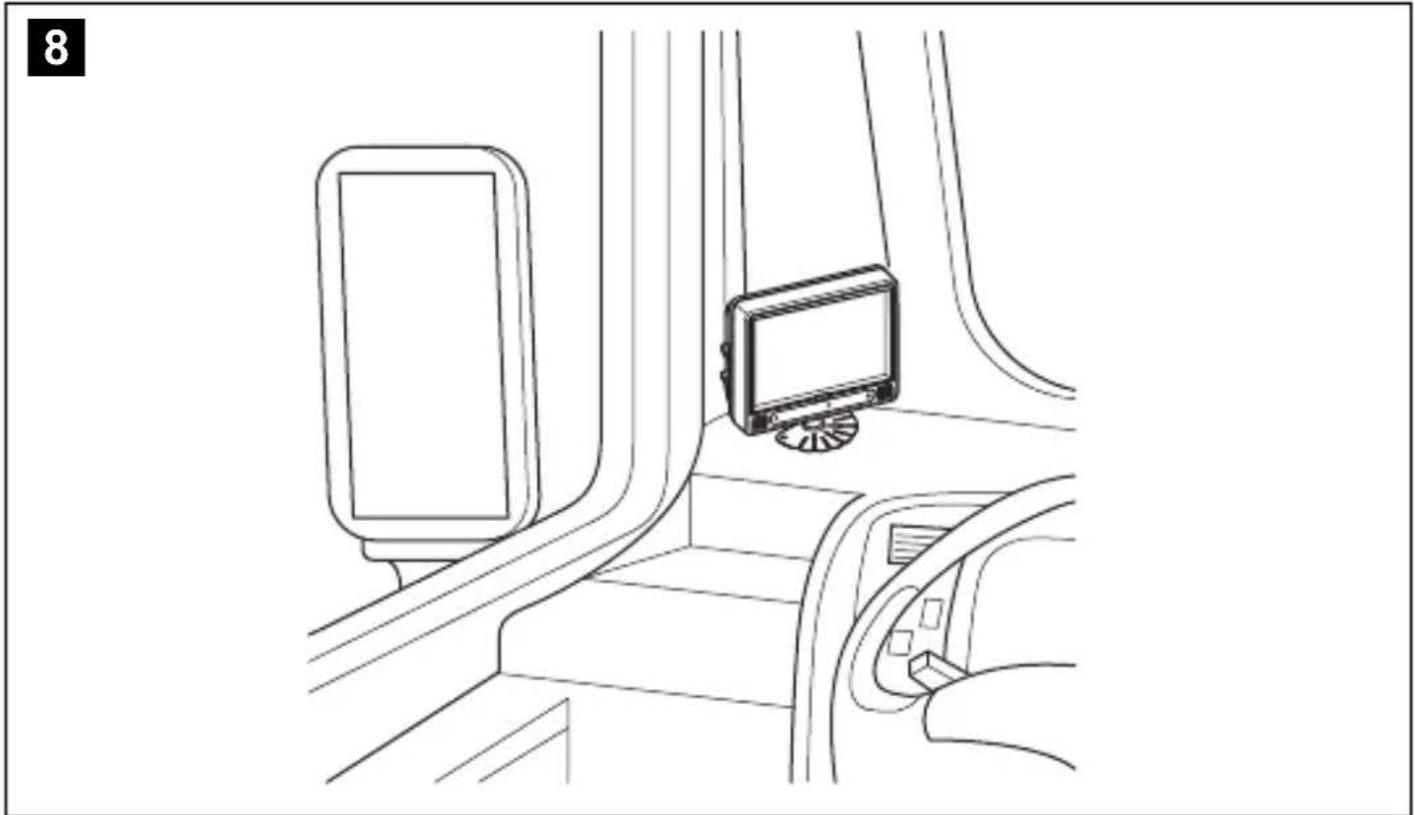
natural_image
Line drawing of a car interior showing the front wheel, side mirror, and dashboard (no text or symbols)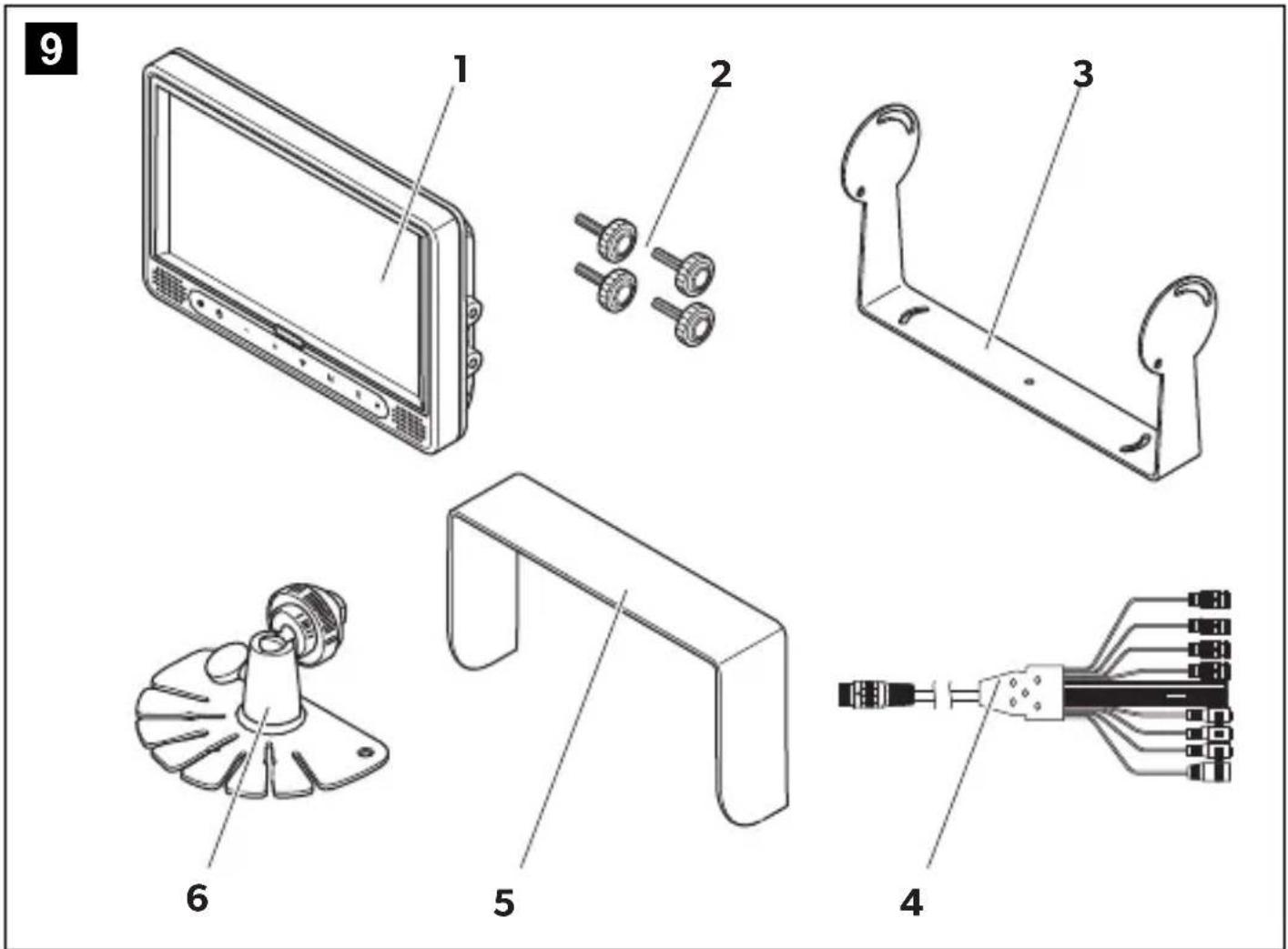
10
flowchart
graph TD
    A["M9LQ"] --> B["AMP100"]
    B --> C["CAM60"]
    B --> D["CAM80"]
    B --> E["CAM80"]
    C --> F["✓"]
    D --> G["✓"]
    E --> H["✓"]
    style B fill:#f9f,stroke:#333
    style C fill:#ccf,stroke:#333
    style D fill:#ccf,stroke:#333
    style E fill:#ccf,stroke:#333
14
Please read this instruction manual carefully before installation and first use, and store it in a safe place. If you pass on the product to another person, hand over this instruction manual along with it.
You can find more details on the operation in the operating manual on our website at www.dometic.com.
Table of contents
1 Explanation of symbols....9
2 Safety and installation instructions....10
3 Scope of delivery 12
4 Accessories....12
5 Intended use....13
6 Technical description....13
7 Installing the LCD monitor 15
8 Using the LCD monitor 21
9 Cleaning and maintaining the LCD monitor 23
10 Warranty 23
11 Disposal....23
12 Technical data....24
1 Explanation of symbols

CAUTION!
Safety instruction: Failure to observe this instruction can lead to injury.

NOTICE!
Failure to observe this instruction can cause material damage and impair the function of the product.

NOTE
Supplementary information for operating the product.
2 Safety and installation instructions
Please observe the recommended safety instructions and stipulations from the vehicle manufacturer and service workshops.
The manufacturer accepts no liability for damage in the following cases:
• Faulty assembly or connection
- Damage to the product resulting from mechanical influences and excess voltage
• Alterations to the product without express permission from the manufacturer
- Use for purposes other than those described in the operating manual

NOTICE! Beware of damage
- To prevent the risk of short circuits, always disconnect the negative terminal of the vehicle's electrical system before working on it. If the vehicle has an additional battery, its negative terminal should also be disconnected.
-
Inadequate supply cable connections could result in short circuits, causing:
-
Cable fires
– The airbag being triggered
– Damage to electronic control equipment
– Electrical malfunctions (indicators, brake light, horn, ignition, lights)
Therefore, please observe the following instructions:
- When working on the following cables, only use insulated cable terminals, plugs and flat sockets:
- 30 (direct supply from positive battery terminal)
- 1 5 ( connected positive terminal, behind the battery)
- 31 (return cable from the battery, earth)
- Reversing light
Do not use porcelain wire connectors.
- Use a crimping tool (fig. 1 12, page 3) to connect the cables.
- Screw the cable when connecting cable 31 (earth)
- Screw on the cable using a cable terminal and serrated washer to one of the vehicle's earth bolts or
- Screw the cable to the bodywork using a cable terminal and a self-tapping screw
Make sure there is a good earth connection.
If you disconnect the negative terminal of the battery, all data stored in the volatile memories will be lost.
- The following data must be reset, depending on the vehicle equipment options:
- Radio code
- Vehicle clock
- Timer
- On-board computer
- Seat position
You can find instructions for making these settings in the operating manual.
Observe the following installation instructions:

CAUTION!
- Secure the monitor in such a way that it cannot become loose under any circumstances (sudden braking, accidents) and cause injuries to the occupants of the vehicle.
- Do not attach the monitor in the air bag deployment path, as this could cause injury if the airbags are triggered.
Observe the following instructions when working with electrical parts:
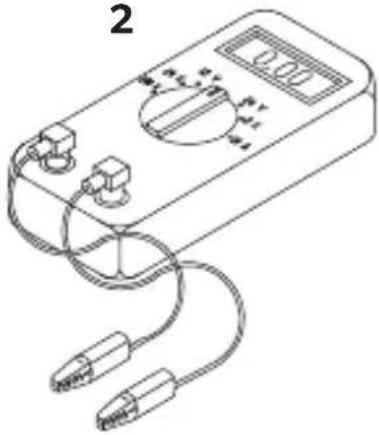
- When testing the voltage in electrical cables, only use a diode test lamp (fig. 1 1, page 3) or a voltmeter (fig. 1 2, page 3).
Test lamps with a bulb (fig. 1 3, page 3) consume excessive current which can damage the vehicle's electronic system. - When making electrical connections, ensure that:
– they are not kinked or twisted
– they do not rub on edges
- they are not laid in sharp-edged ducts without protection (fig. 3, page 4).
• Insulate all connections.
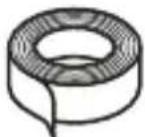
- Secure the cables against mechanical wear by using cable binders or insulating tape, for example on existing cables.
Observe the following instructions when handling the LCD monitor:

CAUTION!
- People (including children) whose physical, sensory or mental capacities or lack of experience or knowledge prevent them from using this product safely should not use it without the supervision or instruction of a responsible person.
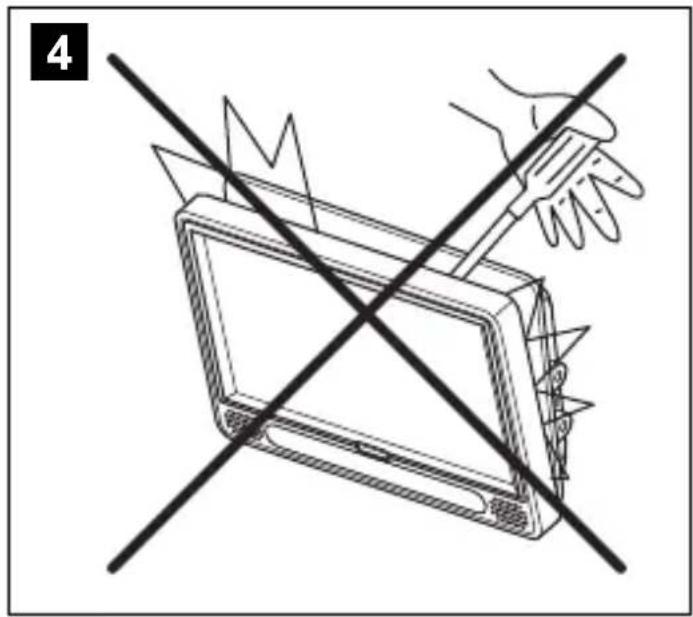
- Do not open the monitor (fig. 4, page 4).
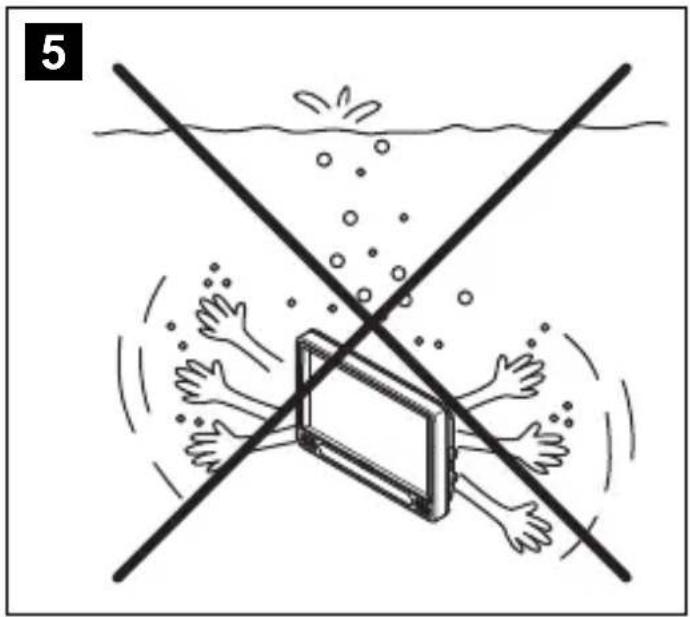
- Do not immerse the monitor in water (fig. 5, page 4); the monitor is not waterproof.
- The monitor must not impair your vision when driving (fig. 8, page 5).
- Do not operate the monitor with wet hands.
- Do not operate the monitor if the housing has been damaged.

NOTICE!
- Connect it to the correct voltage. - Do not use the monitor in areas which
– Are subjected to direct sunlight,
– Are subject to strong temperature fluctuations,
– Have high levels of humidity,
- Are poorly ventilated,
- Are dusty or oily.
- Do not press against the LCD display.
- Do not drop the monitor.
- If you use the monitor in vehicles, the vehicle should be running during operation to prevent the vehicle battery from discharging.
- The picture quality can be impaired in the vicinity of electromagnetic fields. For this reason do not mount the monitor near loudspeakers.
3 S c o p e o f d e l
| No. in fig. 9, page 5 | Quantity Description | |||||
| 1 | 1 | M | o | n | i | t |
| 2 | 4 | K | n | u | r | l |
| 3 1 Retaining bracket | ||||||
| 4 | 1 | Connection cable | ||||
| 5 | 1 | Sun guard | ||||
| 6 | 1 | Monitor bracket | ||||
| - | - | Fastening material | ||||
| - | 1 Installation and operating manual | |||||
You can find a detailed operating manual on our website at www.dometic.com.
4 Accessories
Available as accessories (not included in the scope of delivery):
| Description | Ref. no. |
| IR remote control | 9102200199 |
5 l n t e n d e d u s
The PerfectView M9LQ LCD monitor (ref. no. 9600000060) is primarily intended for use in vehicles. It can be used to connect cameras (e.g. a reversing video system) or other video sources.
The LCD monitor is designed for use in all vehicles.
The LCD monitor has been designed for commercial use.
6 Technical description
6.1 Function description
The LCD monitor can be connected to up to four cameras (e.g. reversing video systems) or other video sources (e.g. DVD players). It is possible to switch back and forth between video sources. The integrated quad module can display all four camera images at the same time.
The monitor can be operated using sensor buttons or using the touchscreen.
The monitor features control cables which allow the cameras to be activated automatically.
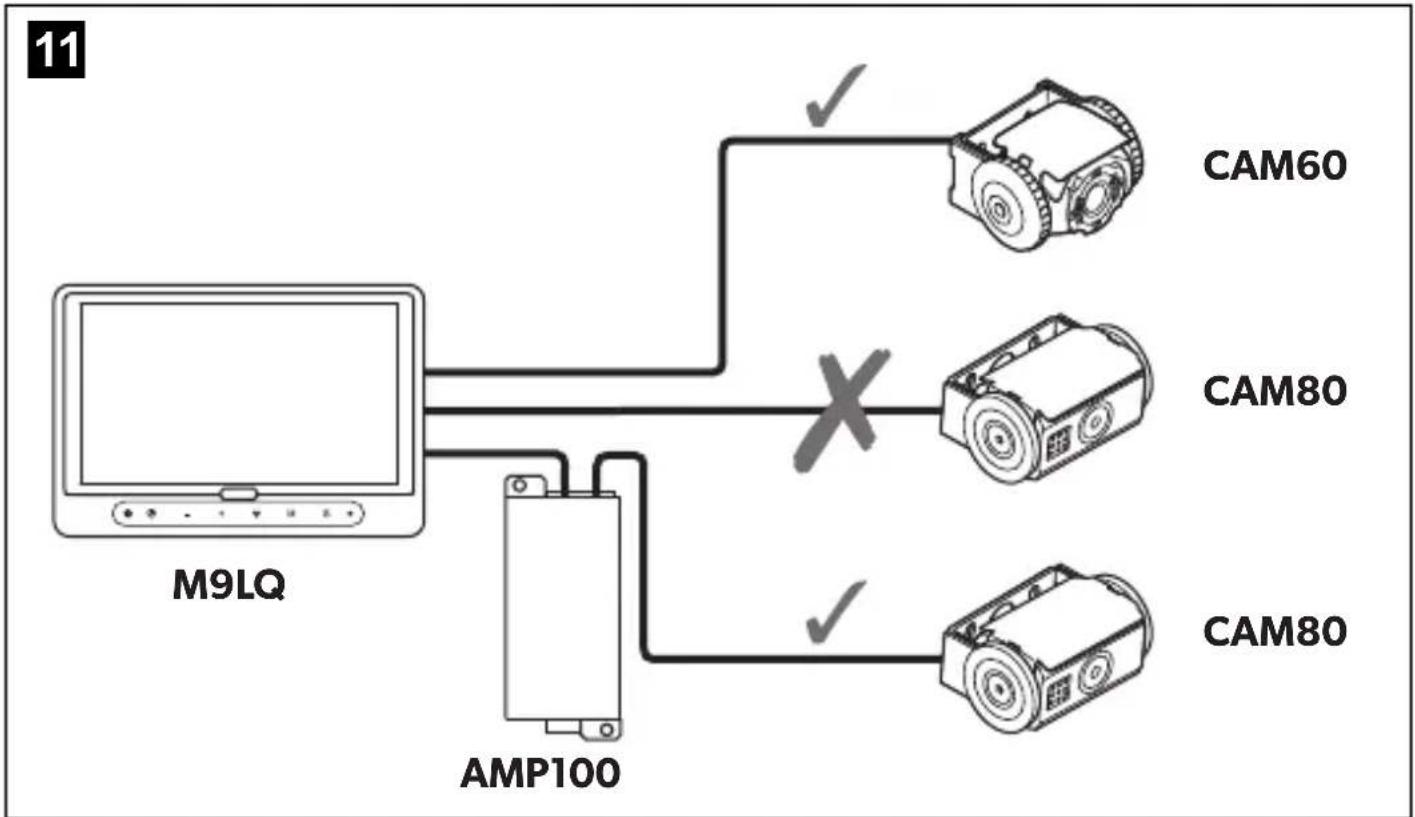
Up to four cameras can be connected to the monitor. The following cameras can be used (fig. 11, page 7):
- PerfectView CAM60
- PerfectView CAM80 may only be connected using the PerfectView AMP100 connection box.
This monitor also features an adjustable distance indicator in the display which is activated automatically when the reverse gear (CAMERA BACK) is engaged.
The monitor display is protected from glare by the detachable sun visor.
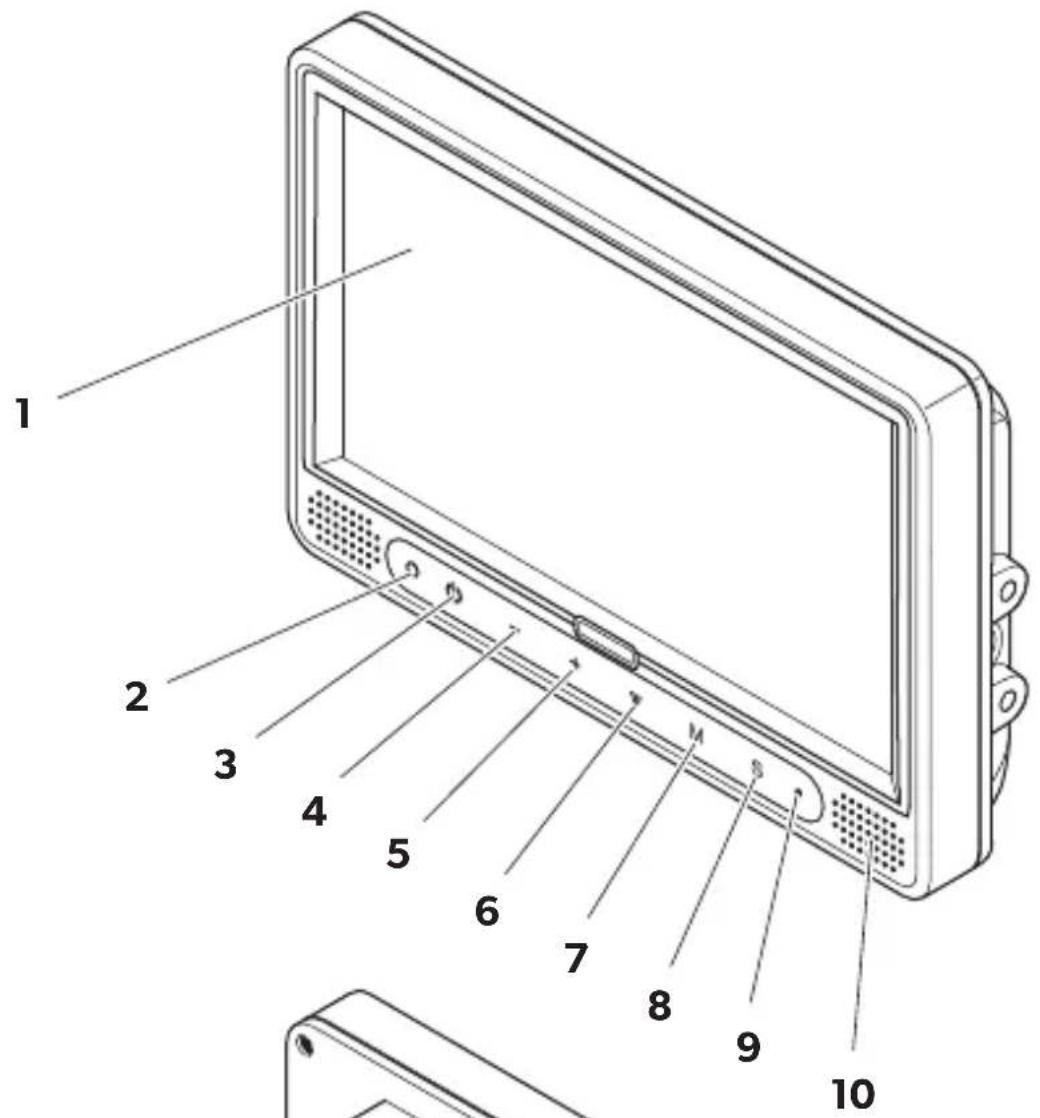
6.2 Control elements
The following control elements are located on the monitor:
No. in
fig. 10,
page 6
Description
1 Touchscreen for displaying images and operating the monitor
2 Sensor for IR remote control (accessory)
3 ⏻ Switches the monitor on and off.
The button lights up red when the monitor is in standby. It lights up green when the monitor is switched on.
4 - 1 . R e d u c e s
-
Calls up the parameters for setting.
-
Reduces the value of the selected parameter if a menu is opened.
5 + 1 . l n c r e a s
-
Calls up the parameters for setting.
-
Increases the value of the selected parameter if a menu is opened.
-
In normal mode, switches through all the available video sources.
-
In the "Camera name" menu, skips through the positions of the respective camera name. The marked point is highlighted in green and can be edited.
7 M 1. Displays or hides the main menu.
- Returns to the higher menu level.
8 S 1. In normal mode, switches back to quick selection.
- Scrolls through the menu items in the menu.
9 Sensor window for the dimmer function.
The brightness of the display is automatically adapted to the ambient light.
10 Loudspeaker
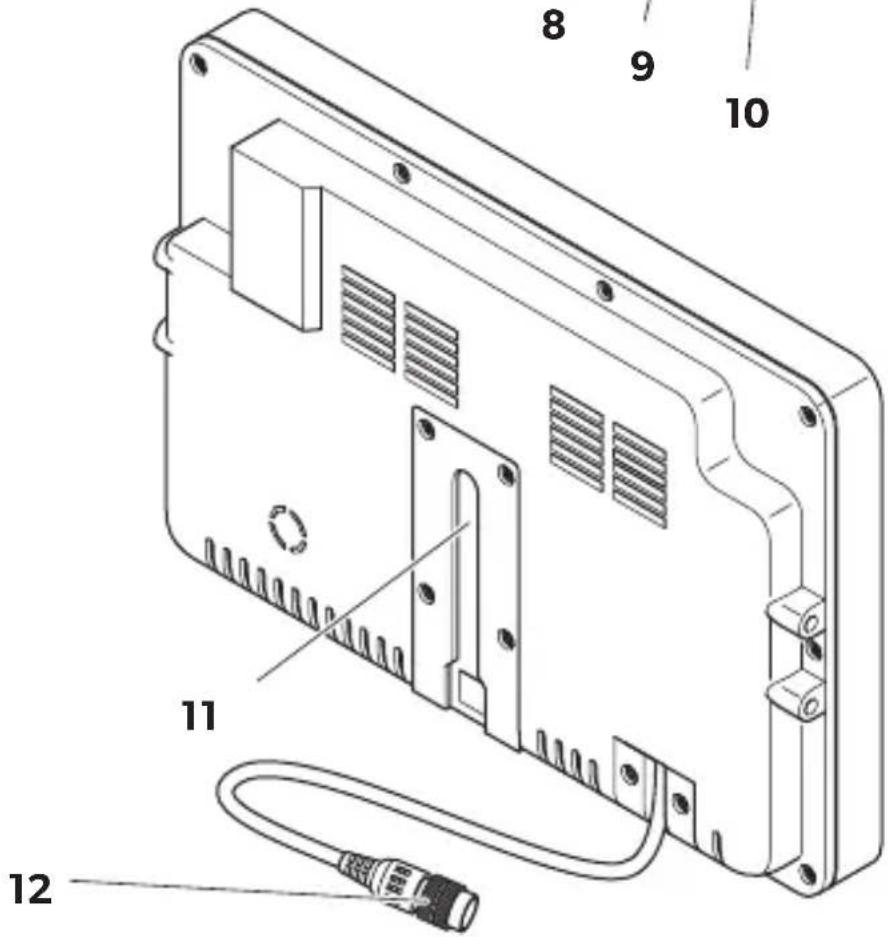
11 Groove for monitor bracket
12 Monitor cable plug
6.3 Main menu
In the main menu, the following sub-menus are displayed:
Sub-menu Description
Camera setup The menu for making camera settings.
Camera name The list of cameras and their display names in normal mode.
OSD setup The menu for making screen display settings.
System setup The menu for making monitor settings.
Trigger setup The menu for making trigger function settings.
Trigger priority The priority list for the trigger function.
Reset all Restores the device to the default settings.
7 Installing the LCD monitor
7.1 Tools required (fig. 1, page 3)
For installation and assembly you will need the following tools:
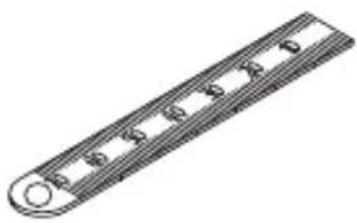
- Measuring ruler (4)
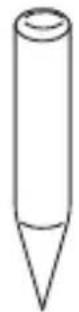
- Centre punch (5)
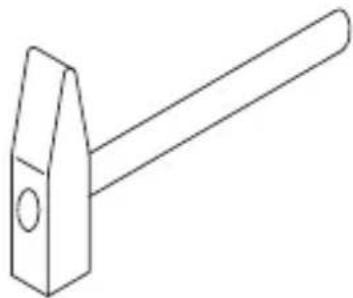
- Hammer (6)
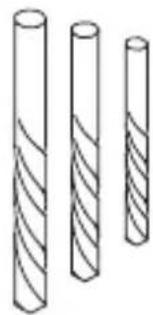
- Drill head set (7)
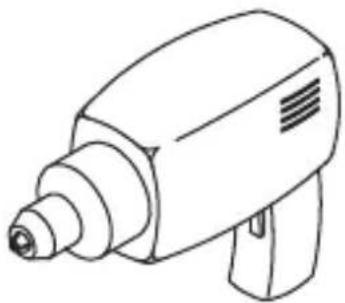
- Drill (8)
- Screwdriver (9)
To establish and test the electrical connection, the following tools are required:
• Diode test lamp (1) or voltmeter (2)
- Heat shrinking sleeve
- Hot air blower (10)
- Crimping tool (11)
• Soldering iron (optional) (12)
- Solder (optional) (13)
• Insulating tape (14)
• Cable bushing sleeves (optional)
To fasten the cables, you may require additional cable binders.
7.2 Installing the monitor

CAUTION! Beware of injury
Select the location of the monitor so that it cannot injure the passengers in the vehicle under any circumstances (e.g. sudden braking, road traffic accidents).
Observe the following installation instructions:
- Select an installation location that provides an unobstructed view of the monitor (fig. 6 and fig. 7, page 4).
- Never install the monitor in areas where your head could hit it or in the airbag deployment path. This could cause injury if the airbag opens.
- The monitor must not impair your vision when driving (fig. 8, page 5).
- The installation location should be flat.
- Check that there is sufficient space underneath the installation location to attach the washers and nuts.
- Check beforehand that there is sufficient space on the other side for the drill head to come out (fig. 2, page 4).
- Bear in mind the weight of the monitor. Provide reinforcement if necessary (larger washers or plates).
- Make sure you can lay the connection cable to the monitor.
- If possible, use original ducts for laying the connection cable or other suitable options, such as ventilation grilles. If there are no existing ducts, you must drill a hole of ∅ 17 mm. Check beforehand that there is sufficient space on the other side for the drill head to emerge (fig. 2, page 4).
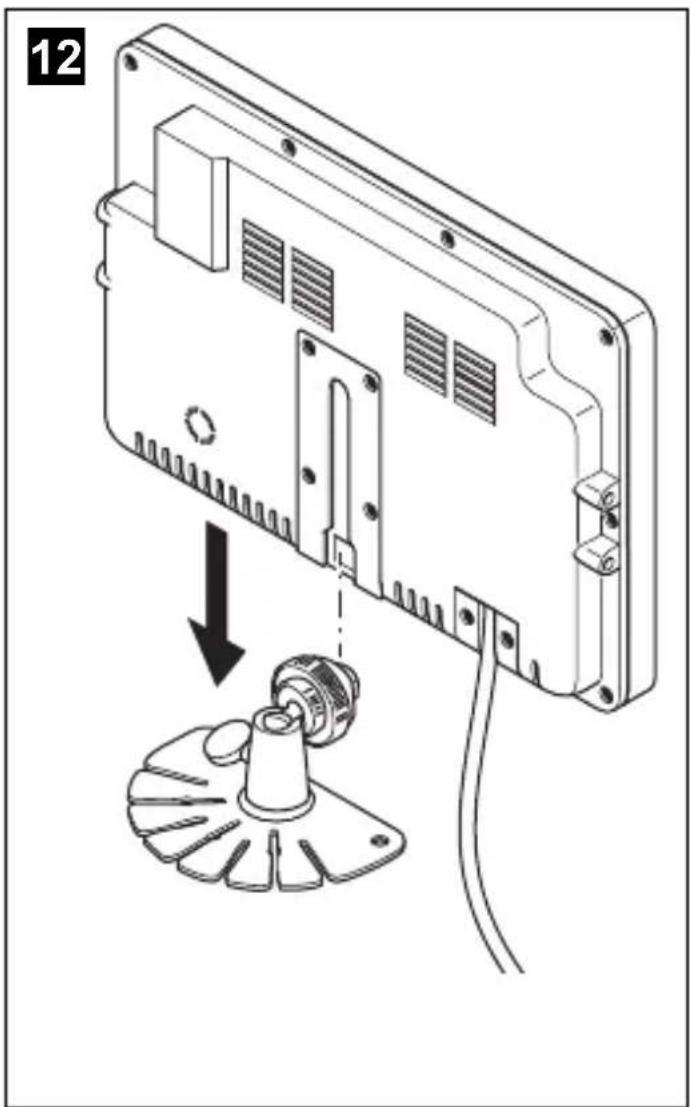
Choosing the installation location (fig. 12, page 7)
▶Set the monitor on the monitor bracket and secure it with the knurled nut.
▶Position the monitor with the attached monitor bracket provisionally.
▶Mark the outlines of the monitor bracket on the dashboard.
▶Take the monitor off the monitor bracket.
Laying the monitor cable
▶If there are no suitable options available for laying the monitor cable:
Drill a hole with a diameter of ∅ 17 mm in the position marked.
▶Pull the monitor cable through the drill hole.

NOTE
You can fasten the monitor bracket using adhesive or screws.
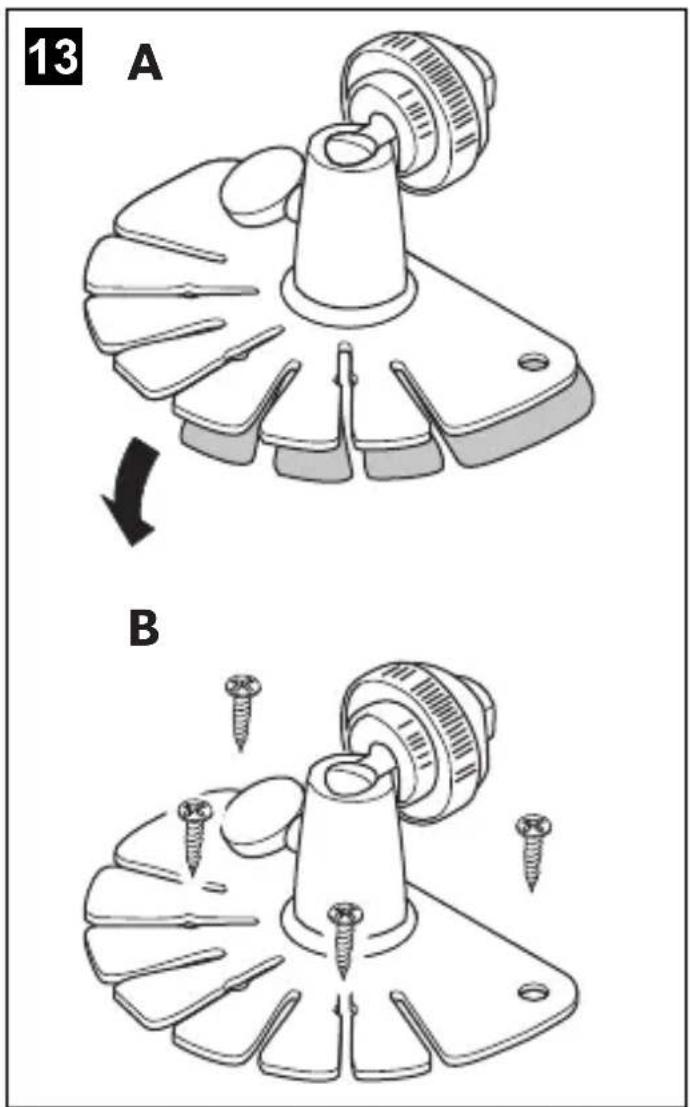
Sticking the monitor bracket onto the dashboard (fig. 13 A, page 7)
▶Remove the film from under the monitor bracket.
▶Stick the monitor bracket to the position of your choice.
Screwing the monitor bracket onto the dashboard (fig. 13 B, page 7)
▶Hold the monitor bracket within the outlines marked beforehand.
▶Mark drilling points.
▶ Drill the holes, with ∅ 2 mm, at each of the markings.
▶ Screw the monitor holder on using 4 x 20 mm self-tapping screws.
Fastening the monitor
▶ Set the monitor on the monitor bracket and secure it with the knurled nut (fig. 12, page 7).
7.3 Connecting the monitor electrically
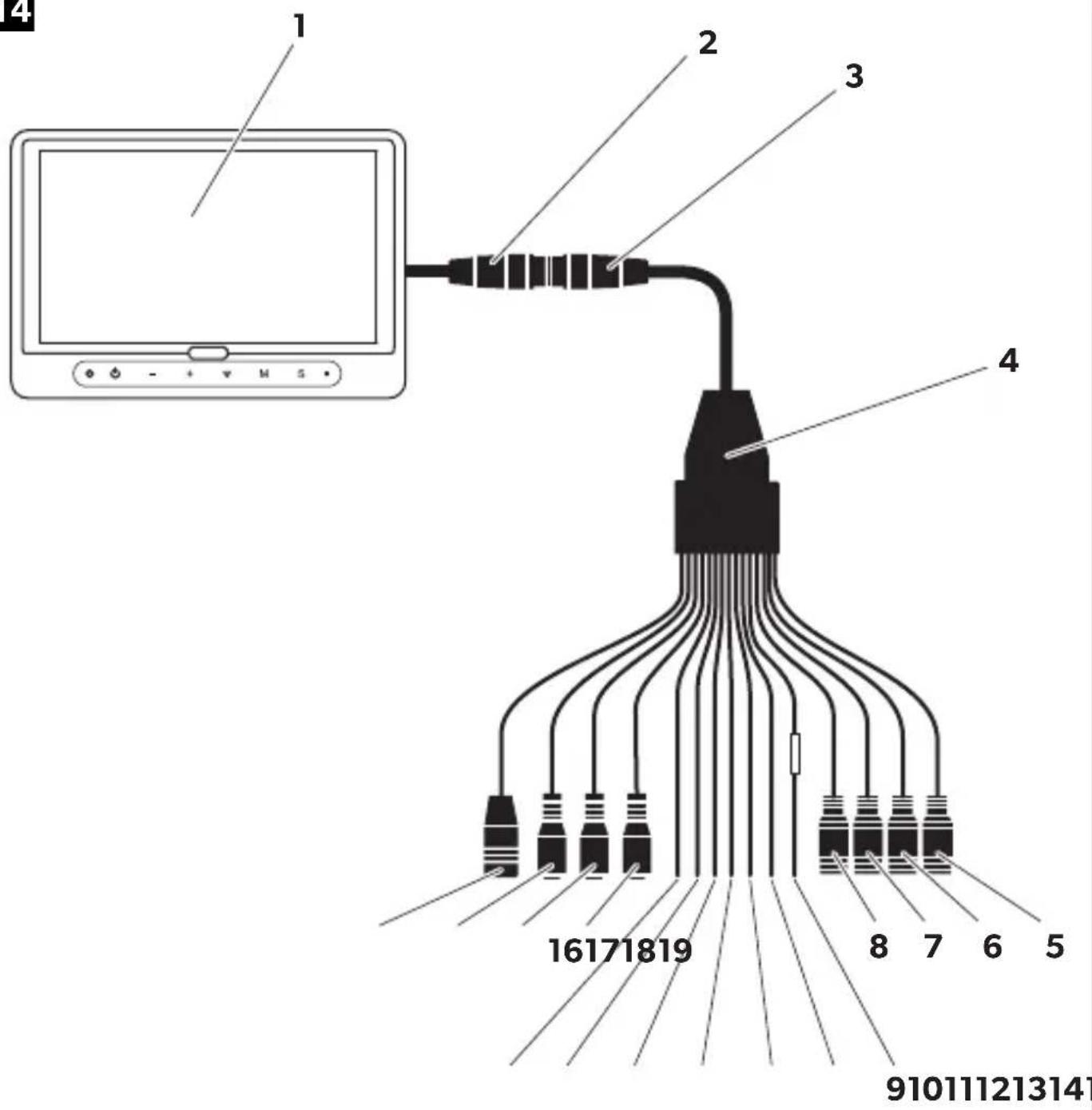
The circuit diagram for the LCD monitor can be found in fig. 14, page 8:
No. Description
| 1 | M o n i t o r |
| 2 | Monitor cable plug |
| 3 | Socket for connection cable |
| 4 | C o n n e c t i o n c a b l |
| 5 | CAMERA BACK socket: Connection to BACK video source, e.g. reversing camera |
| 6 | CAMERA RIGHT socket: Connection to RIGHT video source, e.g. side camera |
| 7 | CAMERA LEFT socket: Connection to LEFT video source with video signal detection, e.g. side camera |
| 8 | CAMERA FRONT socket: Connection to FRONT video source with video signal detection, e.g. front camera |
| 9 | Cable (red): Connection to 10–32 V, e.g. to the positive pole of the ignition (connected positive, terminal 15) or the positive pole of the battery (terminal 30) |
| 10 | Cable (brown): CAMERA B TRIGGER control cable for CAMERA BACK video input, such as for connecting the reversing light |
| 11 | Earth cable (black): Connection to earth |
| 12 | Cable (blue): CAMERA R TRIGGER control cable for CAMERA RIGHT video input, e.g. side camera |
| 13 | Cable (white): CAMERA L TRIGGER control cable for CAMERA LEFT video input, e.g. side camera |
| 14 | Cable (green): CAMERA F TRIGGER control cable for CAMERA FRONT video input, e.g. front camera |
| 15 | Cable (yellow): SPLIT control cable for activating the split-screen (screen is divided into two parts with any two cameras, e.g. side cameras on one transport belt) |
| 16 | Socket (yellow): LIVE VIDEO OUTPUT, video output |
| 17 | Socket (white): AUDIO OUT, audio output |
| 18 | Socket (green): REC V OUT, video recorder output |
| 19 | Socket (black): AUX AUDIO INPUT, audio input 3.5 mm clip socket |

NOTICE!
Cables and connections that are not properly installed will cause malfunctions or damage to components.
Correct installation of cables and connections ensures lasting and trouble-free operation of the retrofitted components.
Observe the following instructions when laying the connection cable:
- To prevent damage to the cables, when laying them ensure that there is always a sufficient interval to vehicle components which can become hot (lights, heaters, ventilators etc.).
• Make sure when laying the cable (fig. 3, page 4), that
– they are not kinked or twisted
– they do not rub on edges
– they are not laid in sharp-edged ducts without protection.
Connecting the monitor as a reversing video system (fig. 14, page 8)
▶Lay the monitor cable on the dashboard.
▶ Insert the plug (2) of the monitor cable in the socket (3) of the connection cable (4) and secure them both.

NOTICE! Beware of damage
Make sure the polarity is correct when connecting to a voltage source.
▶ Connect the red and black cables of the connection cable to a suitable voltage supply:
- Connect the red cable (9) to terminal 15 (ignition).
- Connect the black cable (11) to terminal 31 (earth).
If the monitor is to be activated when reverse gear is selected, connect the brown cable (10) to the positive cable of the reversing light.

NOTE
If voltage is present in the brown cable (10), the reversing camera will be activated automatically. The reversing camera has priority.
Connecting control cables for additional cameras
The control cables are used as a signal cable for the activation of a side camera when the indicator is flashing, for example.
If the monitor is to be activated e.g. when the indicator is flashing, connect the following control cable to a positive cable of the indicator:
- blue cable (12) for CAMERA RIGHT (RIGHT video source) e.g. to the right indicator cable
- white cable (13) for CAMERA LEFT (LEFT video source) e.g. to the left indicator cable

NOTE
If voltage is present in the control cable, the respective CAMERA RIGHT video input or CAMERA LEFT video input is activated.
Up to fours cameras can be connected. These can be displayed individually through the control cable. For example, the monitor can display a four split screen by default and individual screens with control signal.
Connecting the cameras
▶ Connect the CAMERA BACK socket (5) of the connection cable with the plug of the BACK video source (e.g. reversing camera).
▶ Connect the CAMERA RIGHT socket (6) of the connection cable with the plug of the RIGHT video source (e.g. side camera).
▶ Connect the CAMERA LEFT socket (7) of the connection cable with the plug of the LEFT video source (e.g. side camera).
▶ Connect the CAMERA FRONT socket (8) of the connection cable with the plug of the FRONT video source (e.g. front camera).

NOTE
Observe the power consumption of the video system. The cameras are equipped with heaters. A maximum current of 3 A can flow (cameras in heating mode). Use a disconnector switch for direct connection to the battery. This allows you to disconnect the video system from the battery easily if you are no longer using the vehicle.
Connecting the split screen control cable
Connect the SPLIT control cable to a 10 – 32 V voltage signal which will activate the split screen.
The split screen shows two cameras, which can be set in the "Trigger setup" menu at "Split screen".
8 Using the LCD monitor

NOTE
You can find a detailed operating manual on our website at www.dometic.com.
8.1 Switching on the monitor
▶ If the monitor is switched off, press the ⏻ button (fig. 10 3, page 6) to switch the monitor on.
√The button lights up green.
√Depending on how the monitor is connected, the image appears:
– directly connected to the battery: the previous screen configuration selected
- connected to the ignition: the screen configuration set in the "System setup" sub-menu, "Power on" parameter.
8.2 Switching off the monitor
▶ Press the ⏻ button (fig. 10 3, page 6) to switch off the monitor.
√The button lights up red.
√The picture disappears.
8.3 Set the language
The language in the menu is English by default. You can set the menu language as follows (fig. 10, page 6):
▶ Press the "M" button (7) to open the main menu.
▶ Press the "S" button (8) until "OSD setup" is highlighted in green.
▶ Press the “−” button (4) or the “+” button (5) to open the sub-menu.
▶ Press the "S" button (8) until "Language" is highlighted in green.
▶ Press the “−” button (4) or the “+” (5) until the menu in the required language appears.
8.4 Using menus
To set the monitor with a menu to suit your requirements, proceed as follows (fig. 10, page 6):
Selecting menu items
▶ Press the "M" button (7) to open the main menu.
√ The sub-menus to be set are displayed (chapter "Main menu" on page 15).
▶ Press the "S" button (8) to select the individual sub-menus.
▶ Press the “−” button (4) or the “+” button (5) to open the required sub-menu.
√The parameters to be set appear.
Changing parameters
▶ Press the "S" button (8) to call up the required parameter.
▶ Press the “-” button (4) to reduce the value of the selected parameter.
▶ Press the "+" button (5) to increase the value of the selected parameter.
8.5 Setting the display mode
To set the display mode, proceed as follows (fig. 10, page 6):
▶ If you would like to switch to a display mode, press the "▽" button (6).
√The monitor runs through the different display modes.

NOTE
If you want the cameras to run automatically: see chapter "Setting the automatic search" on page 22.
8.6 Setting the automatic search
Proceed as follows to set the automatic search (fig. 10, page 6):
▶ Select the "System setup" sub-menu, "Autoscan" parameter.
▶ Press the “−” button (4) or the “+” button (5) to open the automatic search.
▶ Press the "M" button (7) until the menu closes.
√ The monitor starts the cameras in the order "Camera 1 – Camera 2 – Camera 3 – Camera 4" automatically in the preset time.
After the first run through, only the inputs with connected cameras are shown.
No sound is available in this operating mode.
Setting the display time
You can set the display time from 1 to 60 s.
▶ Select the "System setup" sub-menu, "Scan delay" parameter.
▶ Press the “-” button (4) to reduce the camera display time.
▶ Press the “+” button (5) to increase the camera display time.
Quitting the automatic search
▶ Select the "System setup" sub-menu, "Autoscan" parameter.
▶ Press the “−” button (4) or the “+” button (5) to switch off the automatic search.
9 Cleaning and maintaining the LCD monitor

NOTICE! Beware of damage
- Do not use sharp or hard objects for cleaning, as these may damage the monitor.
- Remove the cable before cleaning the monitor to prevent short circuiting.
▶Clean the monitor with a soft, damp cloth from time to time.
10 Warranty
The statutory warranty period applies. If the product is defective, please contact the manufacturer's branch in your country (see the back of the instruction manual for the addresses) or your retailer.
For repair and guarantee processing, please send the following items:
- Defect components
• A copy of the receipt with purchasing date - A reason for the claim or description of the fault
11 Disposal
Place the packaging material in the appropriate recycling waste bins wherever possible.

If you wish to finally dispose of the product, ask your local recycling centre or specialist dealer for details about how to do this in accordance with the applicable disposal regulations.
12 Technical data
| M9LQ | |
| Item no.: 9600000060 | |
| Type: Colour TFT LCD | |
| Display size: 9" (22.7 cm) | |
| Brightness: Approx. 350 cd/m2 | |
| Display resolution, H x V: 800 x 480 pixels | |
| Video standard: PAL/NTSC (automatic switching) | |
| Operating voltage: 10 - 32 V--- | |
| Power: Max. 16 W | |
| Operating temperature: -20 °C to +70 °C | |
| Storage temperature: | -25 °C to +80 °C |
| Relative humidity: | Max. 85 % |
| Vibration resistance: | 5 g |
| Dimensions (W x H x D): | 234 x 158 x 40 mm |
| Weight: | 800 g |
| Certifications: |  |
6 Description technique
dometic.com/sales-offices