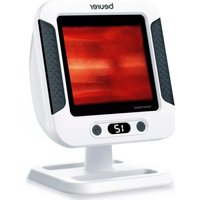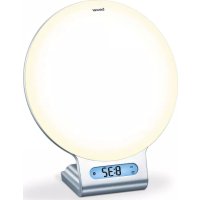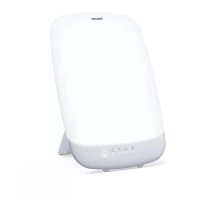
TL 85 - Light therapy BEURER - Free user manual and instructions
Find the device manual for free TL 85 BEURER in PDF.



| Technical specifications | Light therapy lamp with a light intensity of 10,000 lux |
|---|---|
| Type of light | White light |
| Dimensions | Compact dimensions for home use |
| Weight | Lightweight for easy portability |
| Usage | Recommended for light therapy sessions of 20 to 30 minutes per day |
| Instructions for use | Position the lamp about 30-60 cm from the face |
| Maintenance | Clean the screen with a soft, dry cloth |
| Repair | Consult customer service in case of malfunction |
| Safety | Do not look directly at the light source |
| Energy consumption | Energy-saving, low consumption |
| General information | Ideal for combating winter blues and seasonal affective disorders |
Frequently Asked Questions - TL 85 BEURER
User questions about TL 85 BEURER
0 question about this device. Answer the ones you know or ask your own.
Ask a new question about this device
Download the instructions for your Light therapy in PDF format for free! Find your manual TL 85 - BEURER and take your electronic device back in hand. On this page are published all the documents necessary for the use of your device. TL 85 by BEURER.
USER MANUAL TL 85 BEURER
natural_image
White beige electronic device labeled 'beurer' with no visible text or symbols on its bodyEN Daylight therapy lamp Instructions for use......15
natural_image
Illustration of an open book with a geometric window and horizontal lines, no text or symbols presentEN Unfold page 3 before reading the instructions for use.
Read these instructions for use carefully. Observe the warnings and safety notes. Keep these instructions for use for future reference. Make the instructions for use accessible to other users. If the device is passed on, provide the instructions for use to the next user as well.
Contents
- Signs and symbols....16
- Intended purpose....17
- Warnings and safety notes....17
- Included in delivery .....19
- Device description....19
- Initial use ....19
-
Usage 20
-
Cleaning and maintenance.....21
- Accessories and replacement parts.....21
- What if there are problems?......21
- Disposal....22
- Technical specifications ......23
- Warranty 24
Why use a daylight therapy lamp?
When the hours of daylight are noticeably shorter in autumn and people increasingly stay inside in winter, the effects of a lack of light may become apparent. This is often described as “winter depression”. The symptoms can present themselves in a number of ways:
- Imbalance
- Need for more sleep
- Subdued mood • Loss of appetite
- Lack of energy and listlessness • Difficulty concentrating
- Generally feeling under the weather
The cause of these symptoms is the fact that light – particularly sunlight – is essential for life and has a direct effect upon the human body. Sunlight indirectly controls the production of melatonin, which is only passed to the blood in darkness. This hormone shows your body that it’s time to sleep. That’s why more melatonin is produced in months with less sunshine, making it difficult to get up in the mornings because your body functions are powered down. Use the daylight therapy lamp immediately after waking up (i.e. as early as possible) to end the production of melatonin and to brighten your mood.
Lack of light also prevents the production of the happy hormone serotonin, which is said to significantly influence our well-being. The application of light thus yields quantitative changes to hormones and neurotransmitters in the brain that have an effect on our activity levels, our feelings and our well-being. To compensate for such a hormonal imbalance, daylight therapy lamps can create a suitable replacement for natural sunlight.
In the medical field, daylight therapy lamps are used to combat the effects of a lack of light. Daylight therapy lamps simulate daylight over 10,000 lux. This light can influence the human body and be used as a treatment or as a preventative measure. Normal electric light, however, is not sufficient to influence the hormonal balance. This is because in a well-lit office, the light intensity is just 500 lux, for example.
1. SIGNS AND SYMBOLS
The following symbols are used on the device, in these instructions for use, on the packaging and on the type plate for the device:
 | WARNINGWarning notice indicating a risk of injury or damage to health |  | CE labellingThis product satisfies the requirements of the applicable European and national directives. |
| IMPORTANTSafety note indicating possible damage to the device/accessory |  | Permissible storage temperature and humidity | |
| Product informationNote on important information | 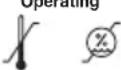 | Permissible operating temperature and humidity | |
 | Observe the instructionsRead the instructions before starting work and/or operating devices or machines | IP21 | Protected against solid foreign objects 12.5 mm in diameter and larger, and against vertically falling drops of water |
| IP24 | Protection against solid objects greater than 12,5mm and agains splashes of water from all directions. | ||
| [XSA3] | Manufacturer Serial number |  | |
 | Protection class II deviceThe device is double-insulated and is, therefore, in protection class 2 |  | Dispose of packaging in an environmen-tally friendly manner |
 | ON/OFF |  | Marking to identify the packaging material.A = Material code, B = Material number:1-7 = Plastics,20-22 = Paper and cardboard |
 | Medical device For indoor use only |  | |
 | Item number | EC REP | Authorised representative in the European Community |
 | Date of manufacture Importer symbol |  | |
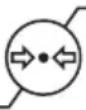 | atmospheric pressure limitation | UDI | Unique Device Identifier (UDI) for unique product identification |
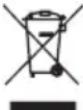 | Disposal in accordance with the Waste Electrical and Electronic Equipment EC Directive - WEEE | --- | Direct currentThe device is suitable for use with direct current only |
 | Batch Code Type | # | |
 | Separate the product and packaging elements and dispose of them in accordance with local regulations. | HSwiss authorised representative |
2. INTENDED PURPOSE
Purpose
The Bright Light Therapy lamp is intended to compensate the effects of lack of light, particularly sunlight, and provide relief from winter seasonal affective disorders, mood disorders and circadian phase sleep disorders.
Patient population
Adult and child over 3 years old.
Intended users
The use of the device does not require a specific knowledge or professional ability. The patient is the intended operator except in case patient that required special assistance.
Indication
The device simulates daylight to provide relief from seasonal or mood disorders.
3. WARNINGS AND SAFETY NOTES

WARNING
- The daylight therapy lamp is intended for radiation on human bodies only.
- Before use, ensure that there is no visible damage to the device or accessories and that all packaging material has been removed. If you have any doubts, do not use the device and contact your retailer or the specified Customer Services address.
- Ensure that the daylight therapy lamp is positioned on a stable base.
- The device must only be connected to the mains voltage that is specified on the type plate.
- Never submerge the device in water and do not use it in the bathroom.
- Do not use the daylight therapy lamp on animals!
- Do not use device on patient is taking a photosensitizing medication or herb.
-
Do not use device on:
-
children under age 3
- people insensitive to heat
- people with skin lesions due to illness
- people that has a condition that might render his or her eyes more vulnerable to phototoxicity
-
people that has a photosensitive skin condi
-
Keep packaging material away from children (risk of suffocation).
- If the device is warm, do not cover it or pack and store it.
• Always unplug the mains adapter and allow the device to cool down before touching it. - Do not touch the device with wet hands when it is plugged in and do not allow water to spray on the device. Only operate the device if it is completely dry.
- Ensure that you only insert and remove the mains adapter with dry hands and that you only press the On/Off button with dry hands.
- Keep the mains cable away from hot objects and naked flames.
- Protect the device from heavy impacts.
- Do not pull the mains adapter out of the socket using the mains cable.
- Do not use the device if it shows signs of damage or does not function properly. In such cases, contact Customer Services.
- In the event of damage to the mains connection cable for this device, the cable must be disposed of. If it is not a removable cable, the device must be disposed of.
-
Disconnection from the power supply network is only guaranteed when the mains adapter is unplugged.
-
Do not use the device in the presence of flammable anaesthetic gas connections with air, oxygen or nitrogen oxide.
- Do not leave the equipment unattended when it is switched on to avoid the risk of fire or burns.
- This equipment is not intended for use by children under three years. Children under three years should be supervised to ensure that they do not play with the equipment to avoid the risk of fire and burns.
- If the wall socket used to power the equipment has poor connections, the plug of the equipment becomes hot. Make sure you plug the equipment into a properly installed wall socket to avoid the risk of fire and burns.
- Do not subject the equipment to heavy shocks to avoid risk of damage to the lamp.
- No calibration and no preventive checks or maintenance need to be carried out on this device.
- You cannot repair the device. The device contains no parts that you can repair.
- Do not make any changes to the device without the manufacturer's permission.
- If the device has been changed, thorough tests and checks must be carried out to ensure the continued safety of the device for any future use.
- To avoid strangulation and entanglement, keep cable out of reach of young children.
- The device is intended for use by the patient themselves. The device and accessories must be used in accordance with these instructions for use.
General notes

WARNING
- This device must not be used by people with severe depression or with reduced physical, sensory or mental skills or a lack of experience or knowledge.
- Diabetics and people who suffer from retinal diseases must be examined by an optician before using the daylight therapy lamp.
- Please do not use the device if you suffer from an eye disease such as cataracts, glaucoma, diseases of the optic nerve or inflammation of the vitreous body.
- Please do not use in case of a recent eye surgery or a diagnosed eye condition whereby doctor has advised you to avoid bright light.
- It must not be used on people with disabilities, children under 3 years of age or people with reduced sensitivity to heat (people with skin alterations due to illness).
- Severe cases of SAD should, in any case, be closely supervised by a clinician.
- Always consult a doctor before using the daylight therapy lamp if you are taking medication such as pain relief medication, medication to reduce high blood pressure or antidepressant medication.
- If you have health concerns of any kind, consult your general practitioner!
- Remove all packaging material before using the device.
• Light sources are excluded from the warranty. - If the device has been in storage or recently transported, keep it for at least two hours at room temperature before using it.
- Power adapter is part of the ME equipment.
- Power-on check item: please check whether light flashes, dark areas/shadows and other abnormalities occur after power-on. If there is any abnormality, please contact the after-sales hotline.
- The patient cannot undergo MRI scan while using this device.
- Please report any serious incident that has occurred in relation to the device injury or adverse event to the local competent authority and to the Manufacturer or to the European Authorised Representative (EC REP) Vigilance contact point: https://ec.europa.eu/growth/sectors/medical-devices/contacts/
- PRC is the abbreviation of the People's Republic of China.
Instruction for repairs

IMPORTANT
- Do not open the device. Do not attempt to repair the device yourself. This could result in serious injury. Failure to comply with this instruction will void the warranty.
- For repairs, please contact Customer Services or an authorised retailer.
4. INCLUDED IN DELIVERY
Check that the exterior of the cardboard delivery packaging is intact and make sure that all contents are present. Before use, ensure that there is no visible damage to the device or accessories and that all packaging material has been removed. If you have any doubts, do not use the device and contact your retailer or the specified Customer Services address.
• 1 daylight therapy lamp
- 1 stand
• 1 set of instructions for use
- 1 mains adapter
5. DEVICE DESCRIPTION
The corresponding drawings are shown on page 3.
1 Fluorescent screen
4 Mains adapter connector
2 Rear of the device housing
5 On/Off button
3 Stand
6 Timer setting
6. INITIAL USE
Take the device out of the plastic wrapping. Check the device for damage or faults. If you notice any damage or faults on the device, do not use it and contact Customer Services or your supplier.
Attach stand
Attach the stand 3 to the device on the rear of the device housing.
Setting up the device
Place the device on a level surface. The position should be chosen to ensure a distance of between 25 cm and 45 cm between the user and the device. The lamp is most effective at this distance.
Mains connection
- To prevent possible damage to the device, the daylight therapy lamp must only be used with the mains adapter described here.
- Insert the mains adapter into the connector provided for this purpose on the rear of the daylight therapy lamp. The mains adapter must only be connected to the mains voltage that is specified on the type plate.
- After using the daylight therapy lamp, unplug the mains adapter from the mains socket first and then disconnect it from the daylight therapy lamp.
i Note
Ensure that there is a mains socket close to the set-up area.
Arrange the mains cable in such a way that no-one will trip over it.
7. USAGE
| 1 | Insert the mains adapter into the connector. | |
| 2 Switching on the lampPress and hold the On/Off button5for 2 seconds. When the device is next switched on, it will start with the saved brightness level and treatment time. | ||
| 3 LED display/timerThe TL 85 Daylight therapy lamp indicates your current treatment time using 4 LEDs. The treatment time can be set at the following 4 levels.The timer function will not be active when the lamp is switched on for the first time. The lamp now runs until it is switched off again or a treatment time is set (timer = 0 min). In order to use the timer, set the desired level from 1 to 4 by pressing briefly the On/Off button5. Level 1 sets a treatment time of 30 minutes. The other levels are as follows:Treatment time Level (Number of lit LEDs)30 minutes 160 minutes 290 minutes 3120 minutes 4The lamp switches off automatically after this treatment time and steadily becomes darker. To deactivate the timer function, briefly touch the On/Off button5until the LEDs go out. | ||
| 4 Enjoying the lightPosition yourself as close as possible to the lamp, at a distance of between 25 cm and 45 cm.You can continue to go about your day-to-day activities during the treatment, including reading, writing, making telephone calls, etc.Keep looking directly into the light for a short period of time, as it is absorbed and shows an effect via the eyes/retina.Use the daylight therapy lamp as often as you want. However, the treatment is most effective if you carry out the light therapy for at least 7 successive days according to the prescribed times.The most effective time of day for the treatment is between 6 am and 8 pm, and we recommend that you use the device for 2 hours per day.However, do not look directly into the light for the entire treatment time, as this may cause over-stimulation of the retina.Start with a brief treatment time and gradually increase the time over the course of a week.iNoteYou may experience pain in the eyes and headaches after the first few applications. This pain should disappear in further sessions as the nervous system becomes accustomed to the new stimuli. | ||
| 5 Things to considerWe recommend a distance of between 25 and 45 cm from the face to the lamp during treatment.The treatment time depends on the distance:Lux Distance Treatment time10,000 approx. 25 cm 0.5 hours5,000 approx. 35 cm 1 hour2,500 approx. 45 cm 2 hoursIn principle:The closer you are to the light source, the shorter the treatment time. | ||
| 6 Extra brightThis daylight therapy lamp is particularly bright (14,000 lux at a distance of approx. 20 cm). | ||
| 7Enjoying the light over longer periodsRepeat the treatment on at least 7 consecutive days during darker periods of the year, or for longer depending on your individual needs. The treatment should take place during the mornings where possible. | ||
8 Switching off the lampPress and hold the On/Off button5for 2 seconds. The LEDs switch off. Unplug the mains adapter from the mains socket. IMPORTANTThe lamp remains hot after use. Allow the lamp to cool down sufficiently before putting it away and/or packing it away. IMPORTANTThe lamp remains hot after use. Allow the lamp to cool down sufficiently before putting it away and/or packing it away. | ||
8. CLEANING AND MAINTENANCE
The device should be cleaned from time to time.

IMPORTANT
- Ensure that no water gets inside the device!
The device must be switched off, disconnected from the mains and allowed to cool down each time before cleaning. - Do not clean the device in the dishwasher. Use a slightly damp cloth to clean the device.
- Do not use any abrasive cleaning products and never submerge the device in water.
Do not touch the device with wet hands when it is plugged in and do not allow water to spray on the device. Only operate the device if it is completely dry.
Storage
If you are not going to use the device for an extended period of time, disconnect it and store it in a dry place, out of the reach of children.
Follow the storage instructions provided in the “Technical specifications” chapter.
9. ACCESSORIES AND REPLACEMENT PARTS
To purchase accessories and replacement parts, please visit www.beurer.com or contact the service address for your country (see the service address list). Accessories and replacement parts are also available from retailers.
10. WHAT IF THERE ARE PROBLEMS?
| Problem Possible cause Solution | ||
| Device does not light up | On/Off button5 switched off | Switch on the On/Off button. |
| No power Connect the mains adapter | correctly. | |
| No power | The mains adapter is faulty. Contact Customer Services or your retailer. | |
| LEDs have reached the end of their service life. LEDs faulty | For repairs, please contact Customer Services or an authorised retailer. | |
11. DISPOSAL
For environmental reasons, do not dispose of the device in household waste at the end of its service life. Dispose of the device at a suitable local collection or recycling point in your country. Observe the local regulations for material disposal. Dispose of the device in accordance with EC Directive – WEEE (Waste Electrical and Electronic Equipment). If you have any questions, please contact the local authorities responsible for waste disposal. You can obtain the location of collection points for old devices from the local or municipal authorities, local waste disposal company or your retailer, for example.
| Component | Disposal Description | Photo |
| Device The component mainly is PC and ABS. All comply with RoHS and REACH, and all could be safety disposal. | 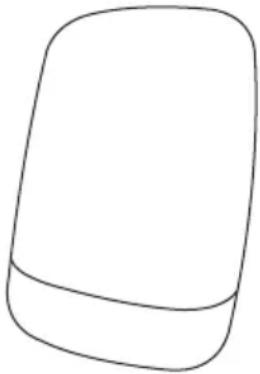 | |
| Power adapter The adapter mainly includes plastic and electronic components, All comply with RoHS and REACH, and all could be safety disposal. | 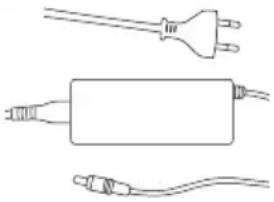 | |
| Accessories All comply with RoHS and REACH, and all could be safety disposal. All comply with RoHS and REACH, and all could be safety disposal. |  | |
- TECHNICAL SPECIFICATIONS
| Type GCE504 | |
| Model no. TL 85 | |
| Dimensions (L x W x H) 30 x 23.5 x | 45.2 cm |
| Weight approx. 1340 g | |
| Light LEDs | |
| Power output max. 60 watts | |
| CRI min. 90 | |
| Light intensity 10.000 lux (at a distance of approx. 25 cm) | |
| Radiation Radiance output outside of the visible range (infrared and UV) is low enough that no eye or skin damage is anticipated. | |
| Operating conditions 0°C to +35°C, | 15 - 90% relative humidity,700 – 1060 hPa ambient pressure |
| Transport and storage conditions -20°C to +60°C, 15 - 90% relative humidity,700 – 1060 hPa ambient pressure | |
| Product classification Protection class II, IP21 | |
| Accessories Mains adapter, instructions for use, stand | |
| Colour temperature of the LEDs | 6500K +/-400 Kelvin |
| Threshold of short wavelength | 460 - 670 nm |
| Maximum light output | 52.27 W / m2 |
| Expected service life of the device | 10.000 hours |
Maximum radiance output of the TL 85
| Radiance output | Risk group classified in accordance with IEC 62471 | Maximum value |
| E _UVA : Eye UV-A | Exempt Group | 4.393e-5 |
| ES: Actinic UV skin & eye | Exempt Group | 2.794e-6 |
| EIR: Infrared radiation hazard exposure limits for the eye | Exempt Group | 4.631e-1 |
| LIR: Retinal thermal (mild visual irritation) | Exempt Group | 1.491e-1 |
| LB: Blue light | Exempt Group | 7.057e0 |
| LR: Retinal thermal | Exempt Group | 9.327e1 |
Subject to technical changes.
The serial number is located on the device or in the battery compartment.
Brightness: 10,000 lux (this point about the light intensity is merely for information purposes. With regard to the standard IEC 60601-2-83, this light source is classified as an Exempt Group).
Notes on electromagnetic compatibility
The device complies with Regulation (EU) 2017/745 of the European Parliament and of the Council on medical devices and the respective national regulations and the European standard EN 60601-1-2 (in accordance with CISPR 11, IEC61000-3-2, IEC61000-3-3, IEC 61000-4-2, IEC 61000-4-3, IEC 61000-4-4, IEC 61000-4-5, IEC 61000-4-6, IEC 61000-4-11, IEC 61000-4-8) and is subject to particular precautions with regard to electromagnetic compatibility.
- The device is suitable for use in all environments listed in these instructions for use, including domestic environments.
- The use of the device may be limited in the presence of electromagnetic disturbances. This could result in issues such as error messages or the failure of the display/device.
- Avoid using this device directly next to other devices or stacked on top of other devices, as this could lead to faulty operation. If, however, it is necessary to use the device in the manner stated, this device as well as the other devices must be monitored to ensure they are working properly.
- The use of accessories other than those specified or provided by the manufacturer of this device can lead to an increase in electromagnetic emissions or a decrease in the device's electromagnetic immunity; this can result in faulty operation.
- Failure to comply with the above can impair the performance of the device.
Mains adapter
| Model no. LXCP62 (II)-240 | |
| Input 100–240 V ~ 50/60 Hz, 1.5 A max. | |
| Output 24 V DC, 2.5 A | |
| Protection The device is double-protected. | |
| ◇◇◇ | Polarity of the DC voltage connection |
| Classification IP24, protection class II | |
13. WARRANTY
Further information on the warranty and warranty conditions can be found in the warranty leaflet supplied.
Notification of incidents
For users/patients in the European Union and identical regulation systems (EU Medical Device Regulation (MDR) 2017/745), the following applies: If during or through use of the product a major incident occurs, notify the manufacturer and/or their representative of this as well as the respective national authority of the member state in which the user/patient is located.
FRANÇAIS

9. ACCESSORI E RICAMBI
3. WAARSCHUWINGEN EN VEILIGHEIDSOPMERKINGEN

RSCHUWING
5. BESCHRIJVING VAN HET APPARAAT
Electromagnetic compatibility
Table 1:
| Guidance and manufacturer's declaration - electromagnetic emissions | ||
| The Device is intended for use in the electromagnetic environment specified below. The customer or the user of the Device should assure that it is used in such an environment | ||
| Emissions test Compliance Electromagnetic environment – guidance | ||
| RF emissionsCISPR 11 | Group 1 The Device uses RF | energy only for its internal function. Therefore, its RF emissions are very low and are not likely to cause any interference in nearby electronic equipment. |
| RF emissionsCISPR 11 | Class B The Device is suitable | for use in all establishments including domestic and those directly connected to the public low-voltage power supply network that supplies buildings used for domestic purposes. |
| Harmonic emissionsIEC 61000-3-2 | Class A | |
| Voltage fluctuations/flicker emissionsIEC 61000-3-3 | Complies | |
Table 2:
| Guidance and manufacturer's declaration - electromagnetic immunity | |||
| The Device is intended for use in the electromagnetic environment specified below. The customer or the user of the Device should assure that it is used in such an environment | |||
| Immunity test IEC 60601test level | Compliance level | Electromagnetic environment - guidance | |
| Electrostatic discharge (ESD)IEC 61000-4-2 | ±2kV ±4kV ±6kV ±8kV±15kV | ±8 kV contact±2kV ±4kV ±8kV ±15kVair | Floors should be wood, concrete or ceramic tile. If floors are covered with synthetic material, the relative humidity should be at least 30 % |
| Electrical fast transient/burstIEC 61000-4-4 | ±1kV, ±2kV, 100 kHz repetition frequency | Power supply lines ±2 kVM | Mains power quality should be that of a typical commercial or hospital environ-ment. |
| SurgeIEC 61000-4-5 | ±0.5kV, ±1kV (Line to line)±0.5kV, ±1kV, ±2kV(Line to Ground) | Line to line: ±0.5kV, ±1kVLine to Ground: ±0.5kV, ±1kV, ±2kV | Mains power quality should be that of a typical commercial or hospital environ-ment. |
| Voltage dips, short interrupti-ons and voltage variations on power supply input lines | 0% UTfor 0.5 cycle0% UTfor 1 cycle70% UT | 0% UTfor 0.5 cycle0% UTfor 1 cycle70% UT | Mains power quality should be that of a typical commercial or hospital environ-ment. |
| Voltage dips, short interrupti-ons and voltage variations on power supply input linesIEC 61000-4-11 | for 25/30 cycles0% UTfor 250/300 cycles | for 25/30 cycles0% UTfor 250/300 cycles | Mains power quality should be that of a typical commercial or hospital environ-ment. If the user of the model TL55 re-quire continued operation during power mains interruptions, it is recommended that the model 168 DAYLUX daylight therapy lamp be powered from an unin-terruptible power supply or a battery. |
| Power frequency (50/60 Hz) magnetic field IEC 61000-4-8 | 30 A/m50Hz/60Hz | 30 A/m50Hz/60Hz | Power frequency magnetic fields should be at levels characteristic of a typical location in a typical commercial or hospital environment. |
| NOTE U_T is the a.c. mains voltage prior to application of the test level. | |||
Table 3:
| Guidance and manufacturer's declaration - electromagnetic immunity | ||||
| The Device is intended for use in the electromagnetic environment specified below. The customer or the user of the Device should assure that it is used in such an environment | ||||
| Immunity test IEC 60601test level | Compliancelevel | Electromagnetic environment -guidance | ||
| Conduced RFIEC61000-4-6 | 150KHz to 80MHz _T 3Vrms6Vrms (in ISMand amateur radiobands)80% Am at 1kHz | 150KHz to 80MHz _T 3Vrms6Vrms (in ISMand amateur radiobands)80% Am at 1kHz | Portable and mobile RF communications equipment should be used no closer to any part of the Device ,including cables, than the recommended separation distance calculated from the equation appropriate for the frequency of the transmitter.Recommended separation distances: d=1.2 ; d=2 | |
| Radiated RFIEC61000-4-3 | 10V/m 10V/m 80MHz to 800MHz | d=1.2 ^T 800MHz to 2.7GHz _T d=2.3 | Where P is the maximum output power rating of the transmitter in watts (W) according to the transmitter manufacturer, d is the recommended separation distance in meters (m) Field strengths from fixed RF transmitters, as determined by an electromagnetic site surveya ,should be less than the compliance level in each frequency range bInterference may occur in the vicinity of equipment marked with the following symbol: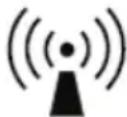 | |
| NOTE 1 At 80 MHz and 800 MHz, the higher frequency range applies.NOTE 2 These guidelines may not apply in all situations. Electromagnetic propagation is affected by absorption and reflection from structures, objects and people. | ||||
| a Field strengths from fixed transmitters, such as base stations for radio (cellular/cordless) telephones and land mobile radios, amateur radio, AM and FM radio broadcast and TV broadcast cannot be predicted theoretically with accuracy. To assess the electromagnetic environment due to fixed RF transmitters, an electromagnetic site survey should be considered. If the measured field strength in the location in which the [XXXXX] is used exceeds the applicable RF compliance level above, the [XXXXX] should be observed to verify normal operation. If abnormal performance is observed, additional measures may be necessary, such as re-orienting or relocating the [XXXXX].b Over the frequency range 150 kHz to 80 MHz, field strengths should be less than 3 V/m. | ||||
Table 4:
| Recommended separation distances between portable and mobile RF communications equipment and the [] | ||||
| The Device is intended for use in an electromagnetic environment in which radiated RF disturbances are controlled. The customer or the user of the Device can help prevent electromagnetic interference by maintaining a minimum distance between portable and mobile RF communications equipment (transmitters) and the Device as recommended below, according to the maximum output power of the communications equipment. | ||||
| Rated maximum output power of transmitter W | Separation distance according to frequency of transmitter m | |||
| 150 kHz to 80 MHz (out ISM and ama- teur radio bands) d=1.2 | 150 kHz to 80 MHz (in ISM and ama- teur radio bands) d=2 | 80MHz to 800MHz d=1.2 | 800MHz to 2.7GHz d=2.3 | |
| 0.01 0.12 0.2 | 0.12 0.23 | |||
| 0.1 0.38 0.6 | 32 0.38 0.73 | |||
| 1 1.2 2 1.2 | 2.3 | |||
| 10 3.8 6.32 | 3.8 7.3 | |||
| 100 12 20 12 | 23 | |||
| For transmitters rated at a maximum output power not listed above, the recommended separation distance d in meters (m) can be estimated using the equation applicable to the frequency of the transmitter, where P is the maximum output power rating of the transmitter in watts (W) accordable to the transmitter manufacturer.NOTE 1 At 80 MHz and 800 MHz. the separation distance for the higher frequency range applies.NOTE 2 These guidelines may not apply in all situations. Electromagnetic propagation is affected by absorption and reflection from structures, objects and people. | ||||
Table 5:
| Guidance and manufacturer's declaration - electromagnetic immunity | ||||||||||
| The Device is intended for use in the electromagnetic environment specified below. The customer or the user of the Device should assure that it is used in such an environment | ||||||||||
| Radiated RF IEC61000-4-3 (Test specifications for ENCLOSURE PORT IMMU-NITY to RF wireless communications equipment) | Test Frequen-cy (MHz) | Band a) (MHz) | Service a) Modulation b) Modulation b) Modulation b) Modulation b) Modulation b) Modulation b) Modulation b) Modulation b) Modulation b) Modulation b) Modulation b) Modulation b) Modulation b) Modulation b) Modulation b) Modulation b) Modulation b) Modulation b) Modulation b) Modulation b) Modulation b) Modulation b) Modulation b) Modulation b) Modulation b) Modulationb) Modulation b) Modulation b) Modulation b) Modulation b) Modulation b) Modulation b) Modulation b) Modulation b) Modulation b) Modulation b) Modulation b) Modulation b) Modulation b) Modulation b) Modulation b) Modulation b) Modulation b) Modulation b) Modulation b) Modulation b) Modulation b) Modulation b) Modulation b) Modulation b) Modulation c) Modulation b) Modulation b) Modulation b) Modulation b) Modulation b) Modulation b) Modulation b) Modulation b) Modulation b) Modulation b) Modulation b) Modulation b) Modulation b) Modulation b) Modulation b) Modulation b) Modulation b) Modulation b) Modulation b) Modulation b) Modulation b) Modulation b) Modulation b) Modulation b) Modulation d) Modulation b) Modulation b) Modulation b) Modulation b) Modulation b) Modulation b) Modulation b) Modulation b) Modulation b) Modulation b) Modulation b) Modulation b) Modulation b) Modulation b) Modulation b) Modulation b) Modulation b) Modulation b) Modulation b) Modulation b) Modulation b) Modulation b) Modulation b) Modulation b) Modulation n) Modulation b) Modulation b) Modulation b) Modulation b) Modulation b) Modulation b) Modulation b) Modulation b) Modulation b) Modulation b) Modulation b) Modulation b) Modulation b) Modulation b) Modulation b) Modulation b) Modulation b) Modulation b) Modulation b) Modulation b) Modulation b) Modulation b) Modulation b) Modulation b) Modulation m) Modulation b) Modulation b) Modulation b) Modulation b) Modulation b) Modulation b) Modulation b) Modulation b) Modulation b) Modulation b) Modulation b) Modulation b) Modulation b) Modulation b) Modulation b) Modulation b) Modulation b) Modulation b) Modulation b) Modulation b) Modulation b) Modulation b) Modulation b) Modulation b) Modulation l) Modulation b) Modulation b) Modulation b) Modulation b) Modulation b) Modulation b) Modulation b) Modulation b) Modulation b) Modulation b) Modulation b) Modulation b) Modulation b) Modulation b) Modulation b) Modulation b) Modulation b) Modulation b) Modulation b) Modulation b) Modulation b) Modulation b) Modulation b) Modulation b) Modulation t) Modulation b) Modulation b) Modulation b) Modulation b) Modulation b) Modulation b) Modulation b) Modulation b) Modulation b) Modulation b) Modulation b) Modulation b) Modulation b) Modulation b) Modulation b) Modulation b) Modulation b) Modulation b) Modulation b) Modulation b) Modulation b) Modulation b) Modulation b) Modulation b) Modulation s) Modulation b) Modulation b) Modulation b) Modulation b) Modulation b) Modulation b) Modulation b) Modulation b) Modulation b) Modulation b) Modulation b) Modulation b) Modulation b) Modulation b) Modulation b) Modulation b) Modulation b) Modulation b) Modulation b) Modulation b) Modulation b) Modulation b) Modulation b) Modulation b) Modulation k) Modulation b) Modulation b) Modulation b) Modulation b) Modulation b) Modulation b) Modulation b) Modulation b) Modulation b) Modulation b) Modulation b) Modulation b) Modulation b) Modulation b) Modulation b) Modulation b) Modulation b) Modulation b) Modulation b) Modulation b) Modulation b) Modulation b) Modulation b) Modulation b) Modulation h) Modulation b) Modulation b) Modulation b) Modulation b) Modulation b) Modulation b) Modulation b) Modulation b) Modulation b) Modulation b) Modulation b) Modulation b) Modulation b) Modulation b) Modulation b) Modulation b) Modulation b) Modulation b) Modulation b) Modulation b) Modulation b) Modulation b) Modulation b) Modulation b) Modulation g) Modulation b) Modulation b) Modulation b) Modulation b) Modulation b) Modulation b) Modulation b) Modulation b) Modulation b) Modulation b) Modulation b) Modulation b) Modulation b) Modulation b) Modulation b) Modulation b) Modulation b) Modulation b) Modulation b) Modulation b) Modulation b) Modulation b) Modulation b) Modulation b) Modulation f) Modulation b) Modulation b) Modulation b) Modulation b) Modulation b) Modulation b) Modulation b) Modulation b) Modulation b) Modulation b) Modulation b) Modulation b) Modulation b) Modulation b) Modulation b) Modulation b) Modulation b) Modulation b) Modulation b) Modulation b) Modulation b) Modulation b) Modulation b) Modulation b) Modulation B) Modulation B) Modulation B) Modulation B) Modulation B) Modulation B) Modulation B) Modulation B) Modulation B) Modulation B) Modulation B) Modulation B) Modulation B) Modulation B) Modulation B) Modulation B) Modulation B) Modulation B) Modulation B) Modulation B) Modulation B) Modulation B) Modulation B) Modulation B) Modulation B) Modulation C) Modulation B) Modulation B) Modulation B) Modulation B) Modulation B) Modulation B) Modulation B) Modulation B) Modulation B) Modulation B) Modulation B) Modulation B) Modulation B) Modulation B) Modulation B) Modulation B) Modulation B) Modulation B) Modulation B) Modulation B) Modulation B) Modulation B) Modulation B) Modulation B) Modulation D) Modulation B) Modulation B) Modulation B) Modulation B) Modulation B) Modulation B) Modulation B) Modulation B) Modulation B) Modulation B) Modulation B) Modulation B) Modulation B) Modulation B) Modulation B) Modulation B) Modulation B) Modulation B) Modulation B) Modulation B) Modulation B) Modulation B) Modulation B) Modulation B) ModulationB) Modulation B) Modulation B) Modulation B) Modulation B) Modulation B) Modulation B) Modulation B) Modulation B) Modulation B) Modulation B) Modulation B) Modulation B) Modulation B) Modulation B) Modulation B) Modulation B) Modulation B) Modulation B) Modulation B) Modulation B) Modulation B) Modulation B) Modulation B) Modulation B) Modulation G) Modulation B) Modulation B) Modulation B) Modulation B) Modulation B) Modulation B) Modulation B) Modulation B) Modulation B) Modulation B) Modulation B) Modulation B) Modulation B) Modulation B) Modulation B) Modulation B) Modulation B) Modulation B) Modulation B) Modulation B) Modulation B) Modulation B) Modulation B) Modulation B) Modulation N) Modulation B) Modulation B) Modulation B) Modulation B) Modulation B) Modulation B) Modulation B) Modulation B) Modulation B) Modulation B) Modulation B) Modulation B) Modulation B) Modulation B) Modulation B) Modulation B) Modulation B) Modulation B) Modulation B) Modulation B) Modulation B) Modulation B) Modulation B) Modulation B) Modulation n) Modulation B) Modulation B) Modulation B) Modulation B) Modulation B) Modulation B) Modulation B) Modulation B) Modulation B) Modulation B) Modulation B) Modulation B) Modulation B) Modulation B) Modulation B) Modulation B) Modulation B) Modulation B) Modulation B) Modulation B) Modulation B) Modulation B) Modulation B) Modulation B) Modulation L) Modulation B) Modulation B) Modulation B) Modulation B) Modulation B) Modulation B) Modulation B) Modulation B) Modulation B) Modulation B) Modulation B) Modulation B) Modulation B) Modulation B) Modulation B) Modulation B) Modulation B) Modulation B) Modulation B) Modulation B) Modulation B) Modulation B) Modulation B) Modulation B) Modulation R) Modulation B) Modulation B) Modulation B) Modulation B) Modulation B) Modulation B) Modulation B) Modulation B) Modulation B) Modulation B) Modulation B) Modulation B) Modulation B) Modulation B) Modulation B) Modulation B) Modulation B) Modulation B) Modulation B) Modulation B) Modulation B) Modulation B) Modulation B) Modulation B) Modulation S) Modulation B) Modulation B) Modulation B) Modulation B) Modulation B) Modulation B) Modulation B) Modulation B) Modulation B) Modulation B) Modulation B) Modulation B) Modulation B) Modulation B) Modulation B) Modulation B) Modulation B) Modulation B) Modulation B) Modulation B) Modulation B) Modulation B) Modulation B) Modulation B) Modulation A) Modulation B) Modulation B) Modulation B) Modulation B) Modulation B) Modulation B) Modulation B) Modulation B) Modulation B) Modulation B) Modulation B) Modulation B) Modulation B) Modulation B) Modulation B) Modulation B) Modulation B) Modulation B) Modulation B) Modulation B) Modulation B) Modulation B) Modulation B) Modulation B) Modulation 2) Modulation 3) Modulation 4) Modulation 5) Modulation 6) Modulation 7) Modulation 8) Modulation 9) Modulation 10) Modulation 11) Modulation 12) Modulation 13) Modulation 14) Modulation 15) Modulation 16) Modulation 17) Modulation 18) Modulation 19) Modulation 20) Modulation 21) Modulation 22) Modulation 23) Modulation 24) Modulation 25) Modulation 26) Modulation 27) Modulation 28) Modulation 29) Modulation 30) Modulation 31) Modulation 32) Modulation 33) Modulation 34) Modulation 35) Modulation 36) Modulation 37) Modulation 38) Modulation 39) Modulation 40) Modulation 41) Modulation 42) Modulation 43) Modulation 44) Modulation 45) Modulation 46) Modulation 47) Modulation 48) Modulation 49) Modulation 50) Modulation 51) Modulation 52) Modulation 53) Modulation 54) Modulation 55) Modulation 56) Modulation 57) Modulation 58) Modulation 59) Modulation 60) Modulation 61) Modulation 62) Modulation 63) Modulation 64) Modulation 65) Modulation 66) Modulation 67) Modulation 68) Modulation 69) Modulation 70) Modulation 71) Modulation 72) Modulation 73) Modulation 74) Modulation 75) Modulation 76) Modulation 77) Modulation 78) Modulation 79) Modulation 80) Modulation 81) Modulation 82) Modulation 83) Modulation 84) Modulation 85) Modulation 86) Modulation 87) Modulation 88) Modulation 89) Modulation 90) Modulation 91) Modulation 92) Modulation 93) Modulation 94) Modulation 95) Modulation 96) Modulation 97) Modulation 98) Modulation 99) Modulation 100) Modulation 101) Modulation 102) Modulation 103) Modulation 104) Modulation 105) Modulation 106) Modulation 107) Modulation 108) Modulation 109) Modulation 110) Modulation 111) Modulation 112) Modulation 113) Modulation 114) Modulation 115) Modulation 116) Modulation 117) Modulation 118) Modulation 119) Modulation 120) Modulation 121) Modulation 122) Modulation 123) Modulation 124) Modulation 125) Modulation 126) Modulation 127) Modulation 128) Modulation 129) Modulation 130) Modulation 131) Modulation 132) Modulation 133) Modulation 134) Modulation 135) Modulation 136) Modulation 137) Modulation 138) Modulation 139) Modulation 140) Modulation 141) Modulation 142) Modulation 143) Modulation 144) Modulation 145) Modulation 146) Modulation 147) Modulation 148) Modulation 149) Modulation 150) Modulation 151) Modulation 152) Modulation 153) Modulation 154) Modulation 155) Modulation 156) Modulation 157) Modulation 158) Modulation 159) Modulation 160) Modulation 161) Modulation 162) Modulation 163) Modulation 164) Modulation 165) Modulation 166) Modulation 167) Modulation 168) Modulation 169) Modulation 170) Modulation 171) Modulation 172) Modulation 173) Modulation 174) Modulation 175) Modulation 176) Modulation 177) Modulation 178) Modulation 179) Modulation 180) Modulation 181) Modulation 182) Modulation 183) Modulation 184) Modulation 185) Modulation 186) Modulation 187) Modulation 188) Modulation 189) Modulation 190) Modulation 191) Modulation 192) Modulation 193) Modulation 194) Modulation 195) Modulation 196) Modulation 197) Modulation 198) Modulation 199) Modulation 200) Modulation 201) Modulation 202) Modulation 203) Modulation 204) Modulation 205) Modulation 206) Modulation 207) Modulation 208) Modulation 209) Modulation 210) Modulation 211) Modulation 212) Modulation 213) Modulation 214) Modulation 215) Modulation 216) Modulation 217) Modulation 218) Modulation 219) Modulation 220) Modulation 221) Modulation 222) Modulation 223) Modulation 224) Modulation 225) Modulation 226) Modulation 227) Modulation 228) Modulation 229) Modulation 230) Modulation 231) Modulation 232) Modulation 233) Modulation 234) Modulation 235) Modulation 236) Modulation 237) Modulation 238) Modulation 239) Modulation 240) Modulation 241) Modulation 242) Modulation 243) Modulation 244) Modulation 245) Modulation 246) Modulation 247) Modulation 248) Modulation 249) Modulation 250) Modulation 251) Modulation 252) Modulation 253) Modulation 254) Modulation 255) Modulation 256) Modulation 257) Modulation 258) Modulation 259) Modulation 260) Modulation 261) Modulation 262) Modulation 263) Modulation 264) Modulation 265) Modulation 266) Modulation 267) Modulation 268) Modulation 269) Modulation 270) Modulation 271) Modulation 272) Modulation 273) Modulation 274) Modulation 275) Modulation 276) Modulation 277) Modulation 278) Modulation 279) Modulation 280) Modulation 281) Modulation 282) Modulation 283) Modulation 284) Modulation 285) Modulation 286) Modulation 287) Modulation 288) Modulation 289) Modulation 290) Modulation 291) Modulation 292) Modulation 293) Modulation 294) Modulation 295) Modulation 296) Modulation 297) Modulation 298) Modulation 299) Modulation 300) Modulation 301) Modulation 302) Modulation 303) Modulation 304) Modulation 305) Modulation 306) Modulation 307) Modulation 308) Modulation 309) Modulation 310) Modulation 311) Modulation 312) Modulation 313) Modulation 314) Modulation 315) Modulation 316) Modulation 317) Modulation 318) Modulation 319) Modulation 320) Modulation 321) Modulation 322) Modulation 323) Modulation 324) Modulation 325) Modulation 326) Modulation 327) Modulation 328) Modulation 329) Modulation 330) Modulation 331) Modulation 332) Modulation 333) Modulation 334) Modulation 335) Modulation 336) Modulation 337) Modulation 338) Modulation 339) Modulation 340) Modulation 341) Modulation 342) Modulation 343) Modulation 344) Modulation 345) Modulation 346) Modulation 347) Modulation 348) Modulation 349) Modulation 350) Modulation 351) Modulation 352) Modulation 353) Modulation 354) Modulation 355) Modulation 356) Modulation 357) Modulation 358) Modulation 359) Modulation 360) Modulation 361) Modulation 362) Modulation 363) Modulation 364) Modulation 365) Modulation 366) Modulation 367) Modulation 368) Modulation 369) Modulation 370) Modulation 371) Modulation 372) Modulation 373) Modulation 374) Modulation 375) Modulation 376) Modulation 377) Modulation 378) Modulation 379) Modulation 380) Modulation 381) Modulation 382) Modulation 383) Modulation 384) Modulation 385) Modulation 386) Modulation 387) Modulation 388) Modulation 389) Modulation 390) Modulation 391) Modulation 392) Modulation 393) Modulation 394) Modulation 395) Modulation 396) Modulation 397) Modulation 398) Modulation 399) Modulation 400) Modulation 401) Modulation 402) Modulation 403) Modulation 404) Modulation 405) Modulation 406) Modulation 407) Modulation 408) Modulation 409) Modulation 410) Modulation 411) Modulation 412) Modulation 413) Modulation 414) Modulation 415) Modulation 416) Modulation 417) Modulation 418) Modulation 419) Modulation 420) Modulation 421) Modulation 422) Modulation 423) Modulation 424) Modulation 425) Modulation 426) Modulation 427) Modulation 428) Modulation 429) Modulation 430) Modulation 431) Modulation 432) Modulation 433) Modulation 434) Modulation 435) Modulation 436) Modulation 437) Modulation 438) Modulation 439) Modulation 440) Modulation 441) Modulation 442) Modulation 443) Modulation 444) Modulation 445) Modulation 446) Modulation 447) Modulation 448) Modulation 449) Modulation 450) Modulation 451) Modulation 452) Modulation 453) Modulation 454) Modulation 455) Modulation 456) Modulation 457) Modulation 458) Modulation 459) Modulation 460) Modulation 461) Modulation 462) Modulation 463) Modulation 464) Modulation 465) Modulation 466) Modulation 467) Modulation 468) Modulation 469) Modulation 470) Modulation 471) Modulation 472) Modulation 473) Modulation 474) Modulation 475) Modulation 476) Modulation 477) Modulation 478) Modulation 479) Modulation 480) Modulation 481) Modulation 482) Modulation 483) Modulation 484) Modulation 485) Modulation 486) Modulation 487) Modulation 488) Modulation 489) Modulation 490) Modulation 491) Modulation 492) Modulation 493) Modulation 494) Modulation 495) Modulation 496) Modulation 497) Modulation 498) Modulation 499) Modulatiora (Test specifications for wireless communications equipment). | |||||||
a) For some services, only the uplink frequencies are included.
b) The carrier shall be modulated using a 50% duty cycle square wave signal.
c) As an alternative to FM modulation, 50% pulse modulation at 18Hz may be used because while it does not represent actual modulation, it would be worst case.
The MANUFACTURER should consider reducing the minimum separation distance, based on RISK MANAGEMENT, and using higher IMMUNITY TEST LEVELS that are appropriate for the reduced minimum separation distance. Minimum separation distances for higher IMMUNITY TEST LEVELS shall be calculated using the following equation:
$$ E = 6 / d \sqrt {P} $$
Where P is the maximum power in W, d is the minimum separation distance in m, and E is the IMMUNITY TEST LEVEL in V/m.
For transmitters rated at a maximum output power not listed above, the recommended separation distance d in metres (m) can be estimated using the equation applicable to the frequency of the transmitter, where P is the maximum output power rating of the transmitter in watts (W) according to the transmitter manufacturer.
NOTE 1 At 80 MHz and 800 MHz, the separation distance for the higher frequency range applies.
NOTE 2 These guidelines may not apply in all situations. Electromagnetic propagation is affected by absorption and reflection from structures, objects and people.

Globalcare Medical Technology Co., Ltd.
7th Building, 39 Middle Industrial Main Road, European Industrial Zone, Xiaolan Town, 528415
Zhongshan City, Guangdong Province, P.R. China
Phone : +86 760 22589901
CE _0123
BEURER GmbH • Söflinger Str. 218 • 89077 Ulm (Germany)
Donawa Brefscience, Piazza Albania, 10, 00153 Rome, Italy https://www.donawa.com/wli/main/contatti.index
Camachl 850 Partners Sàrl, Route de St Cergue 14, 1260 Nyon, Switzerland
Tel: +41 22 362 48 13