KS 2002/40 - Saw ATIKA - Free user manual and instructions
Find the device manual for free KS 2002/40 ATIKA in PDF.


User questions about KS 2002/40 ATIKA
0 question about this device. Answer the ones you know or ask your own.
Ask a new question about this device
Download the instructions for your Saw in PDF format for free! Find your manual KS 2002/40 - ATIKA and take your electronic device back in hand. On this page are published all the documents necessary for the use of your device. KS 2002/40 by ATIKA.
USER MANUAL KS 2002/40 ATIKA
Original instructions - Safety instructions - Spare parts
Tronconneuse
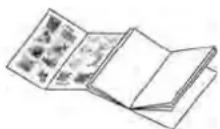
Do not operate machine before having read the operating instructions, understood all the notes and assembly the machine as described here.
Keep the instructions in a safe place for future use.
F
Extent of delivery 19
EC-Declaration of conformity 19
Operating times 19
Symbols on the chain saw 20
Symbols Operating instructions 20
Normal intended use 20
Residual risks 20
Security instructions 20
General safety instructions 20
-Work area safety 21
- Electrical safety 21
Safety of persons 21
- Power tool use and care 21
-Service 21
-Chain saw safety warnings 21
- Causes and operator prevention of kickback 22
Vibrations 23
Assembly 24
Before the first commissioning 24
-Chain lubrication 24
- Charging the oil tank 24
Commissioning 24
Before sawing 24
- Mains connection 24
Mounting of the extension cable 24
- Switching On/Off 25
-Chain brake 25
- Checking of chain brake 25
- Clamping of saw chain 25
Working with the chain saw 25
-Operating 25
- Additional advices for sawing trunks 26
Additional advices for sawing timber under tension/release
- Additional advices for chopping down trees 26
Maintenance and cleaning 27
- Maintenance 27
- Sharpening of saw chain 27
- Exchanging saw chain and guide bar 27
-Chain wheel 28 - Checking of the oil automatic 28
- Cleaning 28
Transport 28
Storage 28
Possible faults 29
Technical data 29
Discription of chain saw / Spare parts 30
Guarantee 30
Extent of delivery
After unpacking, check the contents of the box
That it is complete
Check for possible transport damage
Report any damage or missing items to your dealer, supplier or the manufacturer immediately. Complaints made at a later date will not be acknowledged.
1 chain saw
1 guide bar
1 saw chain
1 chain protection
1 operating instructions
EC Declaration of Conformity
No. (S-No.): 16710
according to EC directive:
2006/42/EC
We,
ATIKA GmbH
Josef-Drexler-Str. 8, 89331 Burgau - Germany
herewith declare under our sole responsibility that the product
Kettensäge (chain saw) type KS 2002/40
Serial number: 000001 - 020000
is conform with the above mentioned EC directives as well as with the provisions of the guidelines below:
2000/14/EC, 2014/30/EC and 2011/65/CE.
Conformity assessment procedure:
2000/14/EC - Appendix V
Measured sound power level L_WA107dB (A).
Guaranteed sound power level L_WA109 dB (A).
Following harmonized standards have been applied:
EN 60745-1:2009+A11, EN 60745-2-13:2009+A1
EN 55014-1:2006+A1, EN 55014-2:1997+A1+A2
EN 61000-3-2:2006+A1+A2, EN 61000-3-11:2000
Keeping of technical documents at:
ATIKA GmbH - technical department
Josef-Drexler-Str. 8, 89331 Burgau - Germany
EC type examination carried out by:
TUV Rheinland Product Safety GmbH
Certificate no.: BM 50260834
Burgau, 18.05.2016
i.A. G. Koppenstein
Engineering design management
Operating times
Before initiating the device please observe the provisions pertaining to corresponding laws (regional provisions) for the noise control.
Symbols on the chain saw

Read and follow the operating instructions and safety advices before starting up the machine.
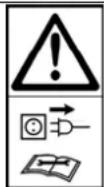
Switch off the motor and disconnect the mains plug before performing cleaning, maintenance or repair work.
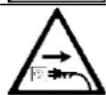
When connecting cable is damaged or cut through immediately pull out the power plug.

Wear hardhat, eye and ear protection.

Wear protective gloves.

Do not expose to rain. Protect against humidity.
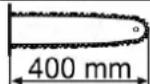
Guide bar length (cutting length) 400 mm

Machine of the protection class II (double insulated)
This product complies with European regulations specifically applicable to it.
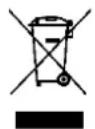
Electrical devices do not go into the domestic rubbish. Give devices, accessories and packaging to an ecofriendly recycling.
According to the European Directive 2002/96/EC on electrical and electronic scrap, electrical devices that are no longer serviceable must be separately collected and brought to a facility for an environmentally compatible recycling.
Symbols Operating instructions
| Threatened hazard or hazardous situation. Not observing this instruction can lead to injuries or cause damage to property. | |
| Important information on proper handling of the saw. Not observing this instruction can lead to faults in the chain saw. | |
| User information. This information helps you to use all the functions of the chain saw optimally. | |
| Assembly, operation and servicing the chain saw. Here you are explained exactly what to do. | |
| Important notes for environmentally compatible conduct. Failure to observe these instructions may lead to environmental damage. | |
| The numbers refer to the figures on the pages 2 through 5. |
Normal intended use
The chain saw is suitable for
-
sawing of trunks, perches, wood trusses, boards etc. and can be used for transverse or longitudinal cuts.
-
Chopping down of trees.
-
Do not use the chain saw for sawing of building materials and synthetic materials.
The chain saw is only suitable for the private use in the house and hobby garden.
The chain saw is not suitable for forestry works (chopping and cutting off of perches in the forest). The necessary safety of the operator is not guaranteed by the cable joint.
The intended usage also includes compliance with the operating, servicing and repair conditions prescribed by the manufacturer and following the safety instructions included in the instructions.
The relevant accident prevention regulations for the operation as well as the other generally acknowledged occupational medicine and safety rules must be complied with.
Residual risks
Even if used properly, residual risks can exist even if the relevant safety regulations are complied with due to the design determined by the intended purpose.
Residual risks can be minimised if the "Safety information" and the "Intended usage" as well as the whole of the operating instructions are observed.
Observing these instructions, and taking proper care, will reduce the risk of personal injury or damage to the equipment.
■ Risk of backstrokes when touching the guide bar tip with a hard object.
■ Risk of injuries of fingers and hands by the tool (saw chain).
Injury by catapulted workpiece parts.
Electric shock.
■ Risk from electricity, by using non-standard electrical connections.
Touching live parts of opened electrical components.
Impairment of hearing when working on the machine for longer periods of time without ear protection.
Fire danger.
In addition, in spite of all the precautionary measures taken, non-obvious residual risks can still exist.
Safety instructions
General Power Tool SafetyWarnings
WARNING
Read all safety warnings and all instructions. Failure to follow the warnings and instructions may result in electric shock, fire and/or serious injury.
Save all warnings and instructions for future reference.
The term "power tool" in the warnings refers to your mains-operated (corded) power tool or battery-operated (cordless) power tool.
1) Work area safety
a) Keep the work area clean and well lit. Cluttered or dark areas invite accidents.
b) Do not operate power tools in explosive atmospheres, such as in the presence of flammable liquids, gases or dust. Power tools create sparks which may ignite the dust or fumes.
c) Keep children and bystanders away while operating a power tool. Distractions can cause you to lose control.
2) Electrical safety
a) Power tool plugs must match the outlet. Never modify the plug in way. Do nut use any adapter plugs with earthed (grounded) power tools. Unmodified plugs and matching outlets will reduce risk of electric shock.
b) Avoid body contact with earthed or grounded surfaces, such as pipes, radiators, ranges and refrigerators. There is an increased risk of electric shock if your body is earthed or grounded.
c) Do not expose power tools to rain or wet conditions. Water entering a power tool will increase the risk of electric shock.
d) Do not abuse the cord. Never use the cord for carrying, pulling or unplugging the power tool. Keep cord away from heat, oil, sharp edges or moving parts. Damaged or entangled cords increase the risk of electric shock.
e) When operating a power tool outdoors, use an extension cord suitable for outdoor use. Use of cord suitable for outdoor use reduces the risk of electric shocks.
f) If operating a power tool in a damp location is unavoidable, use a residual current device (RCD) protected supply. Use of an RCD reduces the risk of electric shocks.
3) Personal safety
a) Stay alert, watch what you are doing and use common sense when operating a power tool. Do not use a power tool while you are tired or under the influence of drugs, alcohol or medication. A moment of inattention while operating power tools may result in serious personal injury.
b) Use personal protective equipment. Always wear eye protection. Protective equipment such as dust mask, nonskid safety shoes, hard hat or hearing protection used for appropriate conditions will reduce personal injuries.
c) Prevent unintentional starting. Ensure the switch is in the off-position before connecting to power source and/or battery pack, picking up or carrying the tool. Carrying power tools with your finger on the switch or energising power tools that have the switch on invites accidents.
d) Remove any adjusting key or wrench before turning power tool on. A wrench or a key left attached to a rotating part of the power tool may result in personal injury.
e) Do not overreach. Keep proper footing and balance at all times. This enables better control of the power tool in unexpected situations.
f) Dress properly. Do not wear loose clothing or jewellery. Keep your hairs, clothing and gloves away from moving parts. Loose clothes, jewellery or long hair can be caught in moving parts.
g) If devices are provided for the connection of dust extraction and collection facilities, ensure these are connected and properly used. Use of dust collection can reduce dustrelated hazards.
4) Power tool use and care
a) Do not force the power tool. Use the correct power tool for your application. The correct power tool will do the job better and safer at the rate for which it was designed.
b) Do not use the power tool if the switch does not turn it on and off. Any power tool that cannot be controlled with the switch is dangerous and must be repaired. Power tool that cannot be controlled with the switch is dangerous and must be repaired.
c) Disconnect the plug from the power source and/or the battery pack from the power tool before making any adjustments, changing accessories, or storing power tool. Such preventive safety measures reduce the risk of starting the power tool accidentally.
d) Store idle power tools out of the reach of children and do not allow persons unfamiliar with the poser tool or these instructions to operate the power tool. Power tools are dangerous in the hands of untrained users.
e) Maintain power tools. Ceck for misalignment or binding of moving parts, breakage of parts and any other condition that may affect the power tools operation. If damaged, have the power tool repaired before use. Many accidents are caused by poorly maintained power tools.
f) Keep cutting tools sharp and clean. Properly maintained cutting tools with sharp cutting edges are less likely to bind and are easier to control.
g) Use the power tool, accessories and tool bits etc. in accordance with these instructions, baing into account the working conditions and the work to be performed. Use of the power tool for operations different from those intended could result in a hazardous situation.
5) Service
a) Have your power tool serviced by a qualified repair person using only identical replacement parts. This will ensure that the safety of the power tool is maintained.
Chain saw safety warnings:
- Keep all parts of the body away from the saw chain when the chain saw is operating. Before you start the chain saw, make sure the saw chain is not contacting anything. A moment of inattention while operating chain saws may cause entanglement of your clothing or body with the saw chain.
- Always hold the chain saw with your right hand on the rear handle and your left hand on the front handle. Holding the chain saw with a reversed hand configuration increases the risk of personal injury and should never be done.
-
Hold the power tool on the insulated handle surfaces as the saw chain may come into contact with the unit's mains supply cable. A contact of the saw chain with a live conductor may apply hazardous voltage to metallic parts of the unit and cause electric shock.
-
Wear safety glasses and hearing protection. Further protective equipment for head, hands, legs and feet is recommended. Adequate protective clothing will reduce personal injury by flying debris or accidental contact with the saw chain.
- Do not operate a chain saw in a tree. Operation of a chain saw while up in a tree may result in personal injury.
- Always keep proper footing and operate the chain saw only when standing on fixed, secure and level surface. Slippery or unstable surfaces such as ladders may cause a loss of balance or control of the chain saw.
- When cutting a limb that is under tension be alert for spring back. When the tension in the wood fibres is released the spring loaded limb may strike the operator and/or throw the chain saw out of control.
- Use extreme caution when cutting brush and saplings. The slender material may catch the saw chain and be whipped toward you or pull you off balance.
- Carry the chain saw by the front handle with the chain saw switched off and away from your body. When transporting or storing the chain saw always fit the guide bar cover. Proper handling of the chain saw will reduce the likelihood of accidental contact with the moving saw chain.
- Follow instructions for lubricating, chain tensioning and changing accessories. Improperly tensioned or lubricated chain may either break or increase the chance for kickback.
- Keep handles dry, clean and free from oil and grease. Greasy, oily handles are slippery causing loss of control.
- Cut wood only. Do not use chain saw for purposes not intended. For example: do not use chain saw for cutting plastic, masonry or non-wood building materials. Use of the chain saw for operations different than intended could result in a hazardous situation.
Causes and operator prevention of kickback:
Kickback may occur when the nose or tip of the guide bar touches an object, or when the wood closes in and prinches the saw chain in the cut.
Tip contact in some cases may cause a sudden reverse reaction, kicking the guide bar up and back towards the operator.
Pinching the saw chain along the top of the guide bar may push the guide bar rapidly back towards the operator.
Either of these reactions may cause you to lose control of the saw which could result in serious personal injury. Do not rely exclusively upon the safety devices built into your saw. As a chain saw user, you should take several steps to keep your cutting jobs free from accident of injury.
Kickback is the result of tool misuse and/or incorrect operating procedures or conditions and can be avoided by taking porper precautions as given below:
- Maintain a firm grip, with thumbs and fingers encircling the chain saw handles, with both hands on the saw and position your body and arm to allow you to resist kickback forces. Kickback forces can be controlled by the operator, if proper precautions are taken. Do not let go of the chain saw.
-
Do not overreach and do not cut above shoulder height. This helps prevent unintended tip contact and enables better control of the chain saw in unexpected situations.
-
Only use replacement bars and chains specified by the manufacturer. Incorrect replacement bars and chanis may cause chain breakage and/or kickback.
- Follow the manufacturer's sharpening and maintenance instructions for the saw chain. Decreasing the depth gauge height can lead to increased kickback.
more safety warnings
"Electrical safety"
Design of the connection cable according to IEC 60245 (H 07 RN-F) with a core cross-section of at least 1.5mm^2 for cable lengths up to 25m 2.5mm^2 for cable lengths over 25m
- Long and thin connection lines result in a voltage drop. The motor does not reach any longer its maximal power; the function of the device is reduced.
Plugs and coupler outlets on connection cables must be made of rubber, non-rigid PVC or other thermoplastic material of same mechanical stability or be covered with this material.
The connector of the connection cable must be splashproof.
- When running the connection line observe that it does not interfere, is not squeezed, bended and the plug connection does not get wet.
During the cutting operation, the supply cord must be securely positioned to prevent the cord from snagged on branches and the like.
- Do not use the cable for purposes for which it is not meant. Protect the cable against heat, oil and sharp edges.
Wind off completely the cable when using a cable drum.
Regularly check the cables and replace them if they are damaged.
- Do not use any defective connection cables.
- Do not set up any provisional electrical connections.
- Do not hose down the device with water. (origin of danger electric current).
- Never bypass protective devices or deactivate them.
Only hook up the machine by means of a fault-current circuit breaker (30mA)
The electrical connection or repairs to electrical parts of the machine must be carried out by a certified electrician or one of our customer service points. Local regulations - especially regarding protective measures - must be observed.
more safety warnings
"Personal safety"
The chain saw shall only be operated by persons with sufficient experience.
- Give or lend the chain saw only to persons who are familiar with the chain saw and its operation. Give always the operating instruction to take with them.
The operator is responsible for accidents or risks which occur to other persons or their properties.
Wear suitable protective equipment when working:
Hairnet in case of long hair
-Visor
Cut-proof trousers and gloves
more safety warnings „Power tool use and care“
-
Switch off machine and pull out power plug out of the power outlet in case of:
-
Contact of chain saw with soil, stones, nails or other foreign substances Check immediately chain and guide bar.
- Carrying out repair work.
Performing maintenance and cleaning work. - Eliminating faults.
Transport. - Clamping again the chain.
- Chain change.
- Leaving of machine (also for short-term interruption).
Check the machine for possible damage:
- Before further use of the machine the safety devices must be checked carefully for their proper and intended function. Only operate the machine with complete and correctly attached safety equipment and do not alter anything on the machine that could impair the safety.
- Check whether movable parts function perfectly and do not stick or whether parts are damaged. All parts must be correctly installed and fulfil all conditions to ensure perfect operation of the machine.
- Damaged safety devices and parts must be properly repaired or exchanged by a recognized, specialist workshop; insofar as nothing else is stated in the instructions for use.
Damaged or illegible safety labels have to be replaced.
Store unused devices in a dry, locked place.
more safety warnings, Service
- Do not carry out repair operations on the machine other than those described in section "Maintenance" but contact the manufacturer or authorized customer service centres.
Use only original spare. Accidents can arise for the user through the use of other spare parts. The manufacturer is not liable for any damage or injury resulting from such action.
more safety warnings „Chain saw safety warnings“
Primary users
Persons working for the first time with the chain saw must obtain a practical instruction on the use of the chain saw and the operator protection equipment by an experienced operating person. Primary users shall first of all practice cutting of round timber on a sawhorse or a rack.
- Minors are not allowed to work with the chain saw.
- This device is not intended to be used by persons (including children) with restricted physical, sensory or mental abilities or a lack of experience and/or know-how unless they are supervised by a person responsible for their safety or they have been instructed by such a person on the use of the device.
- Children must be supervised to make sure that they do not play with the device.
more safety warnings
Causes and operator prevention of kickback
Kickback
Carry out lateral cuts, diagonal cuts and longitudinal cuts with increased attention because here the claw stopper is not put on.
How to avoid saw backstroke?
- 14 Always hold the chain saw firmly with both hands.
For better control saw with the lower edge of the guide bar. Hold the chain saw as close as possible to the horizontal position when contacting wood. - 11 Never saw with the guide bar tip.
Sawing with the upper guide bar edge may cause a saw backstroke if the saw gets jammed or hits a hard object in the wood. - Start cutting only with running saw chain.
- Only work with correctly sharpened and clamped saw chain.
15 Use claw stopper (16) as lever. - Never work above height of shoulders.
- Never cut through several perches at the same time. When releasing make sure that no other perch is touched.
If possible use a sawhorse when cutting to length. - Stab cuts shall only be carried out by instructed personal.
Vibrations
Hand arm vibration a_h = 4.886 m/s^2
Measuring uncertainty K_hd = 1.5 m/s^2
The indicated vibration emission level has been measured according to a standardised test method and can be used to compare power tools.
It can also be used for an initial estimate of the vibration exposure.
The actual vibration emission level during the use of the machine may differ from that indicated in the operating instructions or indicated by the manufacturer.
This may be caused by the following factors to be minded before and during the use:
- Proper use of the machine
- Correct cutting or machining of material
- Proper condition of the machine for use
- Use of the correct and sharp cutting tool
- Handles and optional anti-vibration handles properly mounted on the machine body
When you feel uncomfortable or notice discoloration of skin on your hands during the use of the machine, stop working immediately. Observe sufficient break times to rest. Failure to have sufficient break times may result in a hand-arm vibration syndrome.
The extent of exposure depending on the type of work or machine use should be estimated and appropriate breaks taken. In this way, the extent of exposure can be considerably reduced over the entire work time. Minimise the risk caused by vibrations. Maintain this machine according to the instructions in the manual. If you intend to use this machine frequently, contact your local authorised dealer and purchase anti-vibration accessories if required. Avoid the use of this machine at temperatures under 10^ . Create a work schedule in order to minimise vibration exposure.
Assembly
Connect chain saw to power supply system only after having finished the complete assembly.
Risk of jury! Wear protective gloves when assembling.
Put the chain saw on an even face.
- Remove the cover (10) by loosening the fastening screw (11).
Put on the guide bar.
- Insert the saw chains into the circular guide slot of the guide bar.
Attend to the correct running direction of the chain links.
- 3 When assembling, pay attention that the chain links are lying correctly within the guide slot and on the chain wheel (13).
Saw chain can hardly be put around the chain wheel? Turn the chain clamp (21) anti-clockwise until the saw chain can easily be put around the chain wheel. Turn the chain clamp (21) clockwise until the saw chain is firmly clamped.
Now, refasten the cover (10).
- Clamp the saw chain as described in paragraph „Clamping of saw chain".
Before the first commissioning
Chain lubrication
The chain saw is not delivered filled with saw chain adhering oil.
Never operate the chain saw without lubrication. Any use without chain saw oil may result in damage of the chain saw and guide bar.
The durability and cutting power of the chain depends on the optimal lubrication. During operation the saw chain is automatically wetted with oil.
Charging the oil tank
Put the chain saw on a suitable base.
- 4 Unscrew the oil tank lock (9).
Fill the oil tank with bio-degradable chain saw adhering oil (app. 200 ml). The fill level can be seen on the inspection window (17). For easier filling use a funnel.
When filling observe that no dirt reaches the oil tank.
Screw on the oil tank lock again.
Never use recycled oil or used oil. The guarantee expires when using oil which is not allowed for chain saws.
Commissioning
Before sawing
Carry out the following checks before the initiation and regularly during the working process. Observe the relevant sections in the operating instruction manual:
Ist he chain saw assembled completely and properly?
Is the chain saw in good and safe condition?
Only use a suited guide bar/saw chain combination as described under "Technical data". Incorrect combinations increase the risk of kickbacks.
Is the oil tank filled (chain lubrication)?
Check the oil level on a regular basis. Top up saw chain oil without delay to prevent the saw chain from running dry.
Is saw chain clamped correctly?
Observe the points in paragraph "Clamping saw chain".
Is saw chain sharpened correctly?
Use only well sharpened saw chains as edgeless saw chains increase not only the risk of backstrokes but also charge the motor.
Is chain brake released and works properly?
Observe the points in paragraph "Checking the chain brake".
Are the handles clean and dry - free of oil and resin?
Before starting your work make sure that:
- no other persons, children or animals stay within the working area,
you can always step back without any barriers, - your standing area is free from foreign objects, brushwood and branches,
you have always a secure standing position.
Take environmental influences into consideration:
- Do not work on snow, ice or recently peeled wood - slip hazard.
- Do not work under insufficient light conditions (e.g. fog, rain, snow flurry or twilight). You can not see anymore details within the falling area - risk of accident.
- Do not use the chain saw near inflammable liquids or gases - Risk of fire.
Mains connection
Compare the voltage given on the machine model plate e.g. 230V with the mains voltage and connect the saw to the relevant and properly earthed plug.
① Use a shockproof plug, mains voltage 230 V with residual current circuit breaker (FI switch 30 mA).
Only use connection cables with sufficient diameters.
In case of disadvantageous power system conditions shortterm voltage reductions can occur during the starting process of the device which can influence other devices (e.g. jittering of a lamp). No failures are expected when the house service connection has a continuous correct-carrying capacity greater than 100 A per phase.
i Main fuse: 16 A
Mounting of the extension cable
In order to prevent an unintended loosening of the connection assembly put the extension cable as noose through the opening on the rear handhold (17) and put it over the cable mounting (22).
Switching On / Off
Do not use a device where
the contactor can not be switched on and off.
the chain and motor brake does not work properly
Damaged switches must be repaired or replaced immediately by the customer service.
When switching on the chain saw must be supported and held safely. Chain and guide bar must stand free.
- 5 Release the chain brake. Push the front hand guard (3) towards the front handle (Pos. 1). The chain saw is ready for operation.
Switch on
Push and hold automatic trip switch (5). Then operate the On/Off switch (6). Release now automatic trip switch. The green LED is on.
The red LED comes on when the saw chain is jammed or overloading occurs.
Reduce the power or immediately cut off the chain saw.
- Remove the guide bar from the cut.
- Check the chain saw and the chain tension before restarting.
Switching off
- Release On/Off switch (6).
Chain brake
The chain brake is a protective mechanism which in case of a stroke back chain saw is initiated via the front hand protection or after releasing the on/off switch. The saw chain stops immediately (< 0,1 sec.).
Checking of chain brake
Check the chain brake's proper function before each work start.
- Start the engine.
- Hold the chain saw with both hands and allow the engine to run.
6 Use the back of your hand to press against the front hand guard.
The chain saw must stop immediately.

It is not allowed to use this chain saw without properly working chain brake. Please contact the manufacturer or the customer service point.
Clamping of saw chain
- Before setting or checking the saw chain tension pull out power plug.
In order to avoid injuries wear protective gloves.
Check the saw chain tension before
start of work
after the first steps
during sawing regularly all 10 minutes
Only with a correct clamped saw chain and a sufficient lubrication you can influence the durability.
(i) Please observe the following:
a new saw chain must be reclamped more often until it has elongated.
in case of heating of chain to operating temperature it expands and needs to be reclamped.
After finishing the sawing works release tension of saw chain as in case of cooling too high tensions would emerge in the saw chain.
if chain flackers or comes out of the guide clamp it again immediately.
Clamping of saw chain:
- Loosen the fastening screw (11) 1 - 2 revolutions anti-clockwise.
- Turn the chain tension ring (12) stepwise clockwise until the correct chain tension is reached. The engaging effect prevents that the chain tension loosens.
The fastening screw (11) turns with it; possibly it must be released again during the clamping process.
- 10 The saw chain is correctly clamped when it can be lifted in the centre of the guide bar by appr. 3 - 4mm
- Turn the chain tension ring (12) anti-clockwise when the saw chain is clamped to much.
- Refasten the fastening screw with the hand.
- Check wether the chain links are positioned correctly in the guide slot of the guide bar.
Working with the chain saw
Operating
- Never saw with only one hand. Hold the chain saw always firmly with both hands, left hand on the front handhold (4) and right hand on the rear handhold (17).
Hold the chain saw slightly on the right of the own body. - Avoid abnormal posture. Provide a safe standing position and keep at any time the balance.
- When switching on the chain saw must be supported and held safely. Chain and guide bar must stand free.
Start cutting only when the saw chain has reached the full number of revolutions.
Never work
with stretched arms
on hardly accessible places
above shoulder height
- standing on a ladder, a staging or a tree.
Activate the chain brake when moving to a tree.
Before leaving the chain saw (work break) bring it in a safe condition (cover the guide bar, apply the chain brake) and put it on a place where nobody is endangered. Secure the chain saw against unauthorized access.
Additional advices for sawing trunks
- Never work alone. Keep acoustic and visual contact to other persons at all times to allow immediate first aid in emergency cases.
- Immediately stop the engine at imminent danger or in emergency cases.
Never leave the saw running unattended. - Immediately stop working when you feel unwell (e.g. headache, dizziness, nausea, etc.). Otherwise there is an increased risk of accidents.
Make breaks when sawing so that the engine can cool down. - Do not place a hot chain saw in dry grass or onto inflammable objects.
- Never get in contact with the running saw with metallic fences or the ground.
Make sure that the wood is free of foreign object (stones, nails etc).
Make sure that the wood can not turn when sawing. - Saw splintered wood with care. There is risk of injury by wood pieces carried away.
Avoid saw backstroke by a correct guiding of the saw. Note: Causes and operator prevention of kickback
Use the claw stopper (16) for fixing the chain saw on the wood. Use the claw stopper when sawing as lever. - Do not use the chain saw for lifting or moving of wood.
- Let the chain saw work by producing a light leverage pressure over the claw stopper. When sawing do not press with strength.
- When sawing thicker perches or trunks set back the claw stopper (16) on a deeper point. For setting back release the claw stopper from the wood and place it again in a deeper position. Do not remove the saw here out of the cut.
■ Be careful at the end of a sawing cut. As far as the saw leaves the wood the force of weight changes. There is risk of accident for legs and feet. - Remove the chain saw only with running saw chain out of the cut.
If the saw chain gets jammed in the wood, stop it immediately. Use a wedge to free the guide bar. - Never put the trunk for sawing on the ground. Support the trunk in such manner that the cut does not close and the saw chain jams. Use a safe base (e.g. sawhorse). Avoid contact to ground with the guide bar tip or saw chain.
Adapt shorter trunks before sawing and clamp them firmly. - Avoid cutting of thin bosk and lumber. The chain saw is not suitable for those works.
- Carry out longitudinal cuts with special care as the claw stopper is not used. Avoid saw backstroke by guiding the saw with a small angle.
- When working at a slope take always the position above or on the side of the trunk or the lying sawing material respectively. Pay attention to rolling trunks.
Additional advices for sawing timber under tension/release
If perches, trees or wood under tension become free of tension by sawing extreme caution is demanded. The sawing material can react completely uncontrolled and result in heavy injuries or death.
Such works shall only be carried out by instructed specialists.
$$ \bullet 1 7 / \bullet 1 8 / \bullet 1 9 / \bullet 2 0 $$
For all works set always first of all on the pressure side 1
the releasing cut and then the dividing cut 2 - otherwise the chain saw can jam or strike back.
Upper side of wood under tensile stress
1 Place one cut (one third of the diameter of the trunk) from the bottom up.
Then place a second cut on the same point from top which cuts through the trunk.
18 Underside of wood under tensile stress
1 Place one cut (one third of the diameter of the trunk) from top to bottom.
Then place a second cut on the same point from bottom which cuts through the trunk.
19 Strong trunks and strong tension
1 Place one cut (one third of the diameter of the trunk) from buttom up.
Then place a second cut with distance to the first cut from top which cuts through the trunk.
Cutting off of perches
For horizontal branches without being top heavy The branch section falls down in a controlled manner without tipping over.
1 Set the first cut from below, approx. one third of the branch diameter.
The second cut is made on the same level as the first cut or moved further toward the inside (negative breaking step).
3 Remove the remaining branch section.
Additional advices for chopping down trees
Such works shall only be carried out by instructed specialists.
Pay attention to the length of the guide bar. Only those trees are allowed to be cut which have a trunk diameter which is smaller than the length of the guide bar.
GB
21 Safeguard the dangerous zone (D) before cutting. Make sure that there are no persons or animals in the fall area. Danger to life!
Make sure that the working area around the trunk is free of risk to stumble and that you have an escape route (F) which is free of obstacles.
Before cutting the tree down decide on the felling direction (C). Before chopping the tree decide on the chopping direction. Consider in this case the balance point of the treetop, neighbour trees, slope direction, state of health of the tree and the wind direction. On this side the kerf is cut in.
- Remove interfering branches, scrub and obstacles from the working area at the trunk and make sure that you have a safe standing position.
Thoroughly clean the trunk foot - sand, stones and other foreign objects make the saw chain edgeless or may damage it.
Consider the state of health of the tree - be careful with trunks with damages or deadwood (droughty, rotten or dead wood).
- Chopping a tree:
Cut a kerf with the saw of approximately one third of the tree diameter into the trunk. First of all place the horizontal cut and then as secondly a cut from top in an angle of 45^ .
Shout the warning "Caution" or "Tree is falling" before starting the fell cut.
Now saw on the opposite side of the trunk a horizontal chopping cut. This cut should be placed a bit higher (appr. 4 cm) than the horizontal cut of the kerf.
By no means cut through the trunk. Appr. 1/10 of the trunk diameter must remain. If the tree starts falling ahead of time pull out the chain saw immediately out of the cut and step back or to the side.
Push a key into the horizontal chopping cut in order to make the tree falling.
Pay attention, when tree starts falling, to perches or twigs falling down.
Maintenance and cleaning
Before each maintenance and cleaning work
switch off device
- wait for stop of chain saw
- pull out main plug
Further maintenance and cleaning works than described in this chapter shall only be carried out by the manufacturer or companies named by the manufacturer.
For maintaining and cleaning, removed security devices must unconditionally be mounted properly and proved again.
Use only original parts. Other parts can result in unexpected damages and injuries.
Maintenance
In order to avoid possible injuries wear gloves.
To guarantee a long and reliable usage of the chain saws carry out the following maintenance works regularly.
Check the chain saw for obvious defects such as
- loose, hung out or damaged saw chain
- loose fastenings
- worn or damaged components
Check the chain saw after each application for
- wear, especially chain, guide bar and chain wheel.
- correctly assembled and faultless covers and protective devices.
Necessary repair works or maintenance works have to be carried out before the usage of the chain saw.
Sharpening of saw chain

You can only work safely and well with a sharp and clean saw chain. Damaged or incorrectly sharpened saw chains increase the risk of kickbacks.
The saw chain has to be sharpened if
only wood dust is thrown out instead of shavings
you have to press the chain saw through the wood during cutting
Inexperienced users: Have the saw chain sharpened by a specialist/service workshop.
You can also sharpen your saw chain yourself by using our electric sharpener KSG 220 (article-no.: 302360).
| Saw chain type Oregon 91 PJ | 057X |
| Depth gauge distance T 0,64 mm (.025") | |
| Sharpening angle α | 30° |
| Breast angle β | 85° |
| Planing tooth length a min. 3 mm | |
Exchanging saw chain and guide bar
Saw chain and guide bar are exposed to great wearing demands. Immediately exchange saw chain and guide bar when the faultless function is not guaranteed.
Put the chain saw on an even face.
- Remove the cover (10) by loosening the fastening screw (11).
- 3 Turn the chain clampper (21) anti-clockwise in order to release the saw chain a bit.
Take off the guide bar with saw chain.
- Clean the guide slot thoroughly when only the saw chain is exchanged.
- 3 When assembling, pay attention that the chain links are lying correctly within the guide slot and on the chain wheel (13).
- Turn the chain clamp (21) clockwise until the saw chain is clamped.
Now, refasten the cover (10).
- Clamp the saw chain as described in paragraph „Clamping of saw chain".
Chain wheel
The demand of the chain wheel (13) is particularly great. Check regularly the teeth of the chain wheel for wear or damages.

A worn or damaged chain wheel reduces the durability of the saw chain and should therefore immediately be exchanged by the customer service.
Checking of the oil automatic
Check the function of the automatic chain lubrication by switching on the chain saw and holding it with the pike in direction of a carton or paper on the ground.
Do not get in contact with the ground with the chain. Keep a safe distance of 20~cm
If an increasing oil track is caused when checking it the oil automatic works faultless.
If there is no oil track despite full oil tank
- 16 clean the oil flow canal (14) and the upper chain clamping boring (15).
- If this is not successful please contact the customer service.
Cleaning
Clean the chain saw thoroughly after each application so that the faultless function is kept.
Clean the case with a soft brush or a dry cloth.
Water, solvents and polishing agents shall not be applied.
Pay attention to that the ventilation slots for the motor cooling are free (risk of overheating).
In case of harder pollution or resins put the chain for some hours in a container with chain cleaner. Afterwards wash up the chain with clear water.
Remove all adhering substances with a brush from the chain wheel (13) and the guide bar fastening.
Clean the oil flow canal (14) with a clean cloth.
Transport


Remove mains plug before each transport.
Transport the chain only with the chain protection put on.
When transporting the product within a car put it in the boot or on a separate loading area. Secure the chain saw against tipping over.
Storage
- Store unused equipment in a dry, locked place out of the reach of children.
To extend the service life of the saw and guarantee smooth operation, before storing for a longer period
thoroughly clean the chain saw
Remove the oil from the oil tank.
Hint:
Some chain oils tend to encrustations after a longer period. For this reason the oil system should be flushed before a longer storing with a chain saw cleaner. Fill the cleaner up to the middle (appr. 50 ml) into the oil tank. Close the tank. Switch on the chain saw without assembled guide bar and chain until the complete cleaner has left the oil opening of the chain saw.
Put the saw chain for a short time into an oil bath and enwrap it afterwards in an oil paper.
Possible faults
Before each maintenance and cleaning work
- switch off device
- wait for stop of chain saw
- pull out main plug
After each fault clearance, put into operation and recheck all security installations.
| Fault Possible cause | Removal | |
| Chain saw does not initiate after switching on | Chain brakeno powerExtension cable damagedMain plug, motor or switch defect | Release chain brakeCheck power supply, power outlet, fuse protectionCheck extension cable, exchange defect cable immediatelyHave motor or switch checked by an approved electrician or replaced by original spare parts. |
| Chain saw works with interruptions | external loose connectioninternal loose connectionCircuit closer/breaker defect | Check power supply, power outlet, fuse protectionCheck extension cable, exchange defect cable immediatelyPlease contact the after sales service.Please contact the after sales service. |
| Chain saw picks, vibrates or does not saw correctly | Chain edgelessChain wornChain tensionChain not assembled correctly (teeth face to wrong direction) | Chain must be regrinded or exchangedExchange chainCheck and adjust chain tensionAssemble chain again |
| Chain saw does not work with full power | Extension cable too long or diameter too smallPower outlet to far away from main connection | Use extension cable with sufficient diameterUse power outlet which is nearer within the working area |
| Saw chain gets hot | no oil in the tankoil flow canal blockedchain tension too highChain edgeless | Refill oilClean oil flow canalAdjust chain tensionChain must be regrinded or exchanged |
| no saw chain lubrication | no oil in the tankoil flow canal blocked | Refill oilClean oil flow canal |
Technical data
| Typ KS 2002/40 | |
| Year of construction see last page | |
| Motor rating P1 2000 W | |
| Mains voltage / Mains frequency | 230 V~ / 50 Hz |
| No-load speed no 8463 min | -1 |
| Chain wheel (number of teeth/pitch) 7 x 9.525 mm (3/8") | |
| max. guide bar length (length of sword) | 400 mm |
| Saw chain speed | 13.5 m/s |
| Oil tank volume max. | 200 ml |
| Protection class | II / ☑ |
| Sound power level LPA** 92.55 dB (A) | |
| measured sound power level LWA* | 103.55 dB (A) |
| guaranteed sound power level LWA** 109 dB (A) | |
| Uncertainty KPA / KWA | 2.5 dB (A) |
| Hand-Arm-Vibration | ahd = 4.886 m/s² |
| Uncertainty Knd | 1.5 m/s² |
| Weight | ca. 5.7 kg |
| Saw chain type | 91 PJ 057X (Oregon) |
| Pitch / drive link thickness | 9.525 mm (3/8") / 1.3 mm (.050") |
| * (according to EN ISO 3744) | |
| ** (according to directive 2000/14/EC) |
Description of device / Spare parts
| Position | Order number | Denomination |
| 1 | 364626 | Guide bar |
| 2 362926 Saw chain - | 91PJ057X | |
| 3 364627 Chain brake release | ||
| 4 | 364628 | Front handhold |
| 5 | Trip switch | |
| 6 | Circuit closer/breaker | |
| 7 Ventilation slots - motor | ||
| 8 Apparatus cable with plug | ||
| 9 364621 Oil tank lock | ||
| 10 | 364623 | Cover |
| 11 | Fastening screw | |
| 12 | Chain tension ring | |
| Position | Order number | Denomination |
| 13 | 362923 | Chain wheel |
| 14 Oil flow canal | ||
| 15 Upper chain clamping boring | ||
| 16 | 364625 | Claw stopper |
| 17 | Rear handhold | |
| 18 | 362921 | Chain protection |
| 19 | 364633 | Safety label |
| 20 Carbon brush set (without pict.) | ||
| 21 Chain clamp (without pic.) | ||
| 22 Cable strain relief | ||
| 400144 | Saw chain oil 1 l (without pic.) | |
Guarantee
Please observe the enclosed terms of guarantee.
Table des matieres
Furniture 31
OcbEN TOBA BbIpeKIN BCNUKN B3ETN IpeIa3HN MEpKn MOKe Da CbIeCTByBaT OCTaTbUH NpuCKOB, KOnTO He Ca OueBnHn.
Hnctpykun 3a 6e3oNaCHOCT
06uHctpyKu 3a 6e3oNaChocT 3a eNeKtpnueckn HhctpyMeHTN
IpeDynpexKdHne
Ipooyete BCnUKN HNCTpyKuNN 3a 6e30NaChOCT u Ka3aHn. IpnYcKNTe npn cna3BaHeTo Ha INHCTpyKuNTe 3a 6e30NaChOCT u Ks3aHaHnTa Moar Ta npedn3BnKaT TOKOB ydap, noxap n/nn TeKKn HapaHbAHn.
PaaTe BCnKn HnctpyKcnn 3a 6e3onacHocT n yka3aHna 3a B 6bdeune.
HHTnoTo eJektpnueeckn HNCTpyment", n3NOJ3BaHO B HNCTpyKUInTe 3a 6e30nacHOCT, ce OTHACr 3a eJektpnueecknte INHCTpymENT, KOnTO Ce BKJIIOuYBaT B eJekTPnueeCKaTa MPexa (cBc 3axpaHbAa Ka6en) n 3a akymyataOpHnTe eJekTPnueeCKn INHCTpymENT (6e3 qact 3a BkNIIOvBaHe B MPexaTa).
1)Be3onacHocHa pa6oTHoMЯcTo
a) PndbpxaTe pa60THo Cn Macto YnCTO n Do6pe oCBeTeHO! IIncata Ha pei NHeOCBeteHte pa60THu yAcTbMORat Da npEIN3BVKAT 3NONOlyKN.
b) He pa6oTeTe c eIeKtpnueckn HNCTpyMeHTN BbB B3pHBOONaCha CpeDa, B KOrTO NMa ROpMn TeuHOCTN, ra3OBe nn npax. EJIeKtpnuecknTe HNCTpyMeHTN npedn3BnKBat NCKpn, KOnTO MoTg Da 3anaJr Tpaxa nn napnte.
c) He pa3pewaabaTe DocTbHa Deca HnIpyrXopa, DOKATO 3N013BaTe eJektpnueckn NHCtpymeHTn. Pn OTKNOHBAHe Ha BHIMaHMeTO MOKeTe Da 3ary6nte KOHTpon Hnd ypeda.
2) EneKtpuuecka 6e3oNaCHOCT
a) 3a CBbp3BaHe Ha eNEKtpnueckna HNCTpyMeHT Tp6Ba Da CbOTBeTc7Ba TOHHO KaHTaKa. 10 No HkaKB BaHn He 6NaDa ce npomeHa He n3non3BaTe ukepn c aanTpep 3aeHOb CbC 3a3Emn ENEKtpnueckn HNCTpyMeHTn. HenpomeHenTe uencei N IOxOJaUte KOHTaKN HAmaJIraBAT PnCKa OT KOKOB Ynap.
b) 1368BaTe DOnnpa Ha TAnoto Do 3a3EmHn NOBbpXHOCTN KATO Tpb6n, paDnatOpn, neyKn XJaIINHnC. IMa NOBuWeH pNCK OT TOKOB yAp, aKO TAnOTO Bn e 3a3EMHo.
c) Na3ete eNeKtpnuecknTe HNCTpyMeHTOn OIbXd NINBlaRa. IPOHnKBaHeTo Ha BOda B eNeKtpnuecknInHCTpyMeHT NOBnBaBA pNCKa OT TOKOB yDap.
d) He npomeHnTe npedHa3HauHne Ha Ka6eNa, KaTo HAnpImep 3a Da HocHTe, Da OkayBaTe 3a Hero eIeKtpnueckn HnCTpyMeHr Nn Da IbPnate UenCeNa ot KOnTa. Pzete Ka6eNa OT HaropeuBaHe, OMa3HBAHe, OcTp n Pb6oBe Nn DnBKeUc Ce YaCTn Ha ypeDa. POBpeHnTe Nn YcyKaHN Ka6eN NOBnBaBat pNCKa OT TOKOB yDap.
e) Ako pa60NTe c eJektpnueckn HNCTpymEnr Ha OTKpHTo, n3no13BaIte ydbJnxTei, NOxOa 3a HaBbH. Ynotpe6ata Ha noXoJMy 3a yNoTpe6a Ha OTKpTO yDbJnxTeI HamaJIraBa pncKa O TOKOB yap.
f) Ako ynoptpe6ata Ha eNeKtpnueckn HnHcTpymeHT BbB BnaJxHa cpea e Hen36exHa, n3NoJ3BaIte 3aunTe
N3KJIIOUBATeI 3a yTeueH TOK. Ynotpe6ata Ha 3aunTeH N3KJIIOUBATeI 3a yTeueH TOK HamaJIraBa pNcKa OT TOKOB ynap.
3) Be3onachocT ha xopata
a)БbTe BnMaTeJIHn. BnMaBaIte KaKBO npaBHe. IopXoJdaIe pa3ymHO KbM pa6OtaT. He n3NoI3BaIte ypeJa, aKo cTe ymOpEn Hn CTe NOB BnHHeTo Ha HApKOTnCn, anKOxON Hn MeDnKaMeHTN. MomeHTOto HeBnHaHne npn n3NoI3BaHe Ha ypeDa MoKe da DoBeDe Do cepNo3Hn HapaHbAHn.
b) Hocete NnHNO 3aunTHO o6OpyDbaHe n BnHaN 3aunTHNo ouIna. HocehTo Ha NnHNO 3aunTHO o6OpyDbaHe kaTo npOTNBONpaxoBA macka, HeINb3rauCe 3aunTHNo obvKn, 3aunTHa kacka nn 3aunTa 3a Cnyxa Cnped Bnda n ynoTpeBaTa Ha ypeDa HamaJbRa PnCKa OT HapaHbAHn.
c) N368BaIe HeKeJAHnI nyck. YBepTe ce, ye eJIeKtpUeCKnT HNCTpyMeHT e N3KnIOueH npdeI da ro CbbpKte KbM eJIeKtpO3axpaHBAHeTo I/III da ro CbbpKte KbM akymyIaTOp, da ro MOHTnpate IIN Hocnte. Ako npi HocHe Ha eJIeKtpUeCKnI HNCTpyMeHT DbpKte npbcta cn Ha KNIOua IIN CBbpKte YepeI KaM eJIeKtpO3axpaHBAHeTO BKNIOueH, TOBa MoKe Da IpeDn3BnKa 3IOnoJyKn.
d) Maxhete perylnpaunTe HnctpymEnu nnraeHn KIOOBe npen Da BKNoHTe eNektpueckn HnCTpymEn. HnCTpymENTte nIN KIOUOBETe, KOITO ce HAMnPa BvB BbPraa Ce yact Ha ypea, MORa da npedn3BnKaT HapaHBAHH.
e) N368BaTe HeHOpMaHNO NOJoxHe Ha TAnOTO. DpBxTe TAnOTo CN B Cta6nHNo NOJoxHe N BB BCEKN MOMENT Na3eTe paHBObecne. Taka MoKTe Da KOHTponpaTe enektpueckn INHCTpyMeHT No-Dobpe B HEOUaKBaHN CNTyaLIMN.
f) Hocete noxdxogno 6nEknNo. He hocete shnpokn npexn nn 6nKyta. Na3eTe Kocata, dpexnte n pBkabnnte cn ot Bbptra ci actn. Wnpoknte dpexn, 6nKyta nn Dblnn KcN Moat da 6bDat 3axBaHaTn OT Bbptaunte ce qactn.
g) Ako Morat da 6bdaT MOHTnpaHn yctpoicTba 3a n3cMyKBaHe uynaBHe Ha npax, ce yBepTe, ye Te ca Cbbp3aHn Ce n3NoJ3Ba TnpaBnH. Ynotpe6ata Ha yctpoiCTBa 3a n3cMyKBaHe Ha npaxa MoKe da HamaHn ONaCHOCTte OT npaxa.
4) YnoTpe6a n TpeTnpaHe Ha eNeKtpnuecknte HHCTpyMeHTN
a) He npetobapbaTe ypea. N3non3BaTe 3a Baata pa6ota cmo npedHa3NaeHn 3a ceTt eNektpueckn HnCTpyMeHTN. C noDxOJaUypeJe pa6oTNe no- do6pe nno-CnrypHO B cbOTBETHata pa6oTHa oBnaCT.
b) He n3noJ3BaIte eJekTpueeCKn HhCTpyMeHTN c defeKTHn n3KnIOyBaTeNN. EJekTpueeCKnTn HhCTpyMeHT, KOITo HE MoKe NOBeYe Da ce BkIOUyBa NIN n3KnIOUyBa, e ONaCeH n Tpr6Ba Da ce peMOHTnpa.
c)Дрьн electe ueceja ot KOHTaKa n/NJn MaxheTe aKymyIaTopa npedn da 3anoHHeTe da perynpaTe ypeDa,da CMeHrTe npHaadJeXHoCTn nN da ocTaBnte ypeDa.Ta3n 3aunTHa Mnpka npedOTbPaTBA HeKeJIaHnCTapT ha eNeKTpUWeCKn IHCTpyMeHT.
d) CbXpaHraBaTe eNeKtpnuecknte HNCTpyMeHTn, KOTo He n3NoJ3BaTe, HeDocTbIHH 3a Deua. He no3BOJBAte Ha xopa, KOnTo He ca 3an03HaTH c ypeDa nn He ca Yenn Te3n yka3aHnna, Da n3NoJ3Bat ypeDa. EneKtpnuecknte NHCPTpyMeHTn MORaT da 6bDaT onaCHn, aKO ce n3NoJ3BaT OT HeONITHN JIMca.
e) PnDlbPkaIte rpnKlnBO eNEKtpnuecknte HNCTpyMeHTn. IpOBepBaIte, daIIOpBNXHNTe qactn cyHKUHOHPaT 63ynpueHo nnn 3aJxkdT, daIIN mHa qactn, KOnTO ca CUYneHn IIN NOBpeHn, Taka Ye da 3aCtpaWbAT paOtaHa eNEKtpnueckn INCTpyMeHT. PpeN yNoTpe6a Ha ypeDa nonpaBeTe NOBpeHnTE qactn. PeNuza 3IonoNyKn ce DblkKat Ha HEnpabunHaTa PNODbpbKKa Ha eNEKtpnuecknte INCTpyMeHTn.
f) PnDlbpxaTe pexeunTe HNCTpyMeHTN OCTPN NCHCTN. PrnKnBO PnDlbpkaHNTe pexeu INCHPTpyMeHTN C OCTPN pexeu np6oBe 3aJkDat IIO-MaIKO n Ce BOJr TIO-JIeCHO.
g) N3noJ3BaIe eJektpnueckn HNcTpymEnTn, npHnAdJnxKHOCTn, pa6OTHn HNcTpymEnTn n Dp. cNopeyka3aHnra. Ipn TOBa B3EmTe NOBnHaHmHaYeCIOBnTa Ha pa6Ota n DeHocCTTa, KOHTpRbDa da Ce N3BbPbBa. YnOTpe6bTa Ha eJektpnueckn HNcTpymEnTn 3a ZeEN N3BbH npeDnDeHnTe MOKe Da npeDn3BnKa ONaCHn CNTyaUIN.
5) CepBn3
a) DabaTe BaWHTe eJekTpueckn HNCTpyMeHTn da ce peMoHTnpat cAmO OT KBaHnΦnUrpAHn CneuHaNCTn m cAmO cOpHnHaHn pe3epBHN YactN. TaKa ce rapaHTnpa 3ana3BaHeTo Ha 6e3onacHocTt a Ha eJekTpuecknTe INHCTpyMeHTn.
HCTpykun 3a 6e3onacHOCT 3a BEPNKn TpNOH
- Пп рабotingи Вориен Трон ДрьхтЕ BCNUKЧасти OT TЯлOTO далуе OT pexeша ТерURA. Ппди CTapТа на Трноа ce уberete, Que pexeшata Bepura He onIPA nHкьд. Пп рабotingс Ворин Трон РINМOMeHT HEBHMaHne може Дд IOBede Do 3axBaшаHe Ha Dpexn ИИ NaCTN OT TЯлOTO OT pexeша ТерURA.
BHHar n dpbKTe BepnKnHa TpnoH C BaWata DaCHa pKa Ha 3aHaT a bKOXBaTKa H C BaWata JRABa pKa - Ha npedHa t pkoXbaTaKa. XBaUaHETo Ha BepnKnHa TpnoH B o6paTHa paOTha No3a NOuShaBa PnCKa OT HapaHbAHnI He 6nBa Da ce I3No13Ba.
-Дрькte eNeKtpnueckn INHCTpymEnT 3a n3OlnpaHIne NOBbpxHOCTN Ha pBkoXBaTKIne, TbN KaTo peXeUata Bepnra MoKe Da Bne3e B KOHTAKT Cbc CO6CTBeHnna 3axpanBaAa Ka6en. KoHTaKTbT Ha peXeUata Bepnra c Ka6en noD HanpeXeHne MoKe Da NoCTABn MetaJIHnTe YaCTn Ha ypeDa noD HanpeXeHne N da PpeIN3BnKa TOKOB ynap.
Hocete 3aunTHn OuNla n aHTnfoHn. IpenopbYCe ce dOnbHNHeTEnHO 3aunTHO 6OpUdbAne 3a rnaBata, KpaKaTa n cTbnanata. POnxOJaIoo 3aunTHo 6JIeKIO HamaJRABa ONaCHOCTTA OT HapaHraBaHe OT JeTAAHn HaOKoIO CTbprotHHn BHe3aneH Donnp Do pexueata Bepira.
He pa6oTeTe C BepnKnnr TpnoH, KaeyHa DbPBO. Ppu pa60Ta Bbpxy DbPBO mma OnaCHOCT O HapaHraBaHe.
BHHaHn BHMaBaTe 3a cTa6HnHTo nOIOxHne Hn3noJ3BaTe BepnxHn TpNoH, Camo aKO CTOnTe Ha 3dpaBa, CNrpyHa n paBa OCHOBA. Pb3raUata OCHOBa
HHeCTaBnHnTe NOBbpxHOCTn, KaTO HAnpIMep Bbpy CTbN6a, MoRat Da IOBeDaT Do 3aYb6a Ha paBHOBeCne NIN 3aYb6a Ha KOHTPOJ Na BepNXHn TpNOH.
- Ppi p3aHTo Ha KIOH NOJ HAnpeXeHne HMaTe npedBn, ye ToI OTcKaa. UOM ce ocBo6oNn HAppeXeHHeTO B DbPBeCHnte BJIakHa, HAnpeHnatM T KIOH MoKe Da yUeIN OBCnyKBaUTo Nlue N/Unn Da n3BaDn BePNKHNr TpNOH OT KOHTpOJ.
-Бьдete ocobeho BHMateHn npn pnae Ha nckapactntenhoT mnaDn DpBeta. TbHKnT MaTePnAIOMe da ce 3axBaHe bpeKeaTa BePura n da Bu ydapan nn Da Bu n3BaAn ot paBHObecne.
Hocete BepnKnna Tpnoh 3a npednata pkoBAtka B n3KIOyeHO CbCToHHe, C pexeua Bepra, coeua HABbH ot TaIoto Bn. Pnp TpaHCnoptnpahe nn CbXpaHHe BnHaH NoCTaBnTe 3aunTHn Kaak Ha Bepnxnna TpnoH. BHMaTeHNHata pa6ota C BepxNnna TpnoH hAmalBa BepoTHocTt aOnnp no HeBHMnne Ha DnKxueTa ce pexeua Bepra.
CneBaTe yka3aHnraTa 3a CMa3BaHe, N3NbBaHe Ha Beprata n CmHa Ha npHaJdIeXHoCTNe. HenpaBnHO N3NbHaTata nn Cma3aHa Bepura MoKe nn da ce cKbca, nn Da NOBUnn pNCKA OT OKat.
IodbpxaTe pBkoXBaTKnte cyxu, uCTn H He3ambpceHc Macno n Ipec. 3ambpceHnte C Ipec M MacNo pbKOXBaTKn Ce NtB3rAT N BODTdo 3ary6a Ha KOHTpOJ. - Pexete cmo Ibpo. He n3no3BaTe BepxHn Tpnoh 3a pa60TH, 3a KOtO ToH He e npedHa3HaueH. Ipimep: He n3no3BaIte BepxHn TpnoH 3a p3aHe Ha nnactmacn, 3ndapn Hn CTponTeHN MaTePnaHn, KOtO He ca OT Ibpo. H3no3BaHeTo Ha BepxHn TpnoH 3a pa60TH n3BbH npedHa3HaueHneTO MOKe Da DOBeDe Do ONaCHn CHTyaUIN.
Pnunnnn n36rBaHe Ha otkaT
OTkaT MoKe Da Bb3HnKHe, KOraTo BbPxbT Ha HAnpaBnIyBaUaTa
ShHa Onpe B IpeDMeT Nn Ako DbPBoTO ce OrBHe N pexeuaTa
Bepra 3aJe B pa3pe3a.
DOnpBcBbpxHa HsHnata B HnKo CnyaM MoKe da DoBede do HeouakBaHa, HacoYeHa Ha3ad peaku, np KOrTo HnPaBlaBaUata ShHa yDpy Harope n No Nocoka Ha 06cLykBaIoTO JInCe.
3aJdaheTo Ha pexeata Bepura Ha ropnna Pb6 Ha HaprablaBaata uHa MoKe Da n3Tnacka uHnata 6bp3o Ha3aB Nocoka Ha o6cnykbaoTO Niue.
BcKa OT Te3n peakmnoKe da IOBeDe Do TOBa Da 3ary6nte KOHTpOHa n EbeHTyaHNO TeKko Da ce HapaHnte. He pa3uTaNTe cAmo Ha BrpaedeHnte BbB BepNXHHr TpNOH npEJa3NHyCTpoNCTBa.KaTO non3BaTeI Ha BepNXHHr TpNOH Tp6Ba Da B3emete pa3NJHm MepKn, 3a Da MoKeTe da pa60tNe 6e3 3nONyKn n HapaHbaHn.
OTkaTbTepe3yIITaT OT He npabunHa Hn rpeHa ynoTppe6a Ha eJeKtpuYeCKn INCTpyMeH. ToM OKeJa 6bDe npeDoTbpAteH Upe3 NpOxOJaUN ppeNa3HN MepKn, ONNcH N-DONy:
-ДрбхTe TpnoHa 3dpaBO C DBe pBue,пр NOTo naneuTи npbCTbT da O6XbaUaT pbKoXBaTKnte Ha BepnXHnI TpnoH. NocTabete BaWeto TJIIO n Pbue B noLoXeHne, B KOeTO Da MoKeTe da yDbPxNte cunlne Ha OTKaT. Ako 6bDat B3ETn NOxOJaUm MEPKn, O6cNoyBaUOTo JInCe MoKe
daOBnaede CnInTe Ha otKaTa. Hnkora He otnyckaTe BepnxHn TpnoH.
- N368BaIte HeoBuaHOTo NOJIOKeHne Ha TAnOTo HpeXeTe HAD BnCOUHATA Ha pAmHeTe. Taka ce N368BaHexKeHaH DoINp C BbPxa HA WnHaTa H Ce DaBa Bb3MOxHOCT 3a No-Do6bp KOHTpOJI Ha BepNXHnTpNOH B HeoayKaBAHN CNTyaUIM.
BnHaHn 3nON3BaIte OINCAHITe OT npOn3BODHTeJIa 3a CmHa n pexeun BeprHn. HenpaBUNHtE 3nHn 3a CmHa n pexeun BeprN MoT Da IOBeTaT DO CKbCBAHe Ha Beprata N/IN OTkAT. - PnpIbpxaIte ce KbM yka3aHnraTa Ha npOn3BODnteJra 3a 3aToUbaHe n TexHnuecka NOpdpBXKa Ha peXeUata Bepura. TBbpDe HnCKnTe OprAnHnTeN Ha dJIbIoOuHaT a NOBnIaBaT CKIOHOCTTa KbM OTKaT.
dpyru HNCTpykun 3a 6e30nacHocT ,EneKtpuecka 6e30nacHocT"
1,5MM²npnDbJIKNHaHaKa6eJaDo25M
2,5MM²npnDbπKHaHaKa6eHaHa 25M.
■ N3πbJIHeHne Ha npucbeHNHTeHNHaTa JINnra CbrnaCHO IEC 60245 (H 07 RN-F) c HanpeHo ceehne Ha XnIata HauMaIKO
PpncbeHnHTeHN Ka6eHN C rOJMa DbJxHa mAnKo ceeyHne Cb3aBAt NaH a HApEKeHneTo. MoOpBT He MOXe IOBeYe Da IOCTrA CB0rTa MAKCmAlHa MOUHOCT, FyHKmraTa Ha ypeDaOTcna6Ba.
HCTaIpaHIneBnCbeHNHTHeJIHHNcENiNCbEHNHTENKoHTaKTHN KyTIN Tp6Ba Da ca N3pa6OteHOnrMa,MeK PVC nIIN OT dpYr TepmonactuHm MaTePnaIcBc CbUaTaMexAHNuHa kOcT nIIN da IMat NOKpITne OTrKaB MaTePnaI.
UeencenHTo cbeHHeHne Ha npncbEHNHTENHnKa6eT Pra6Ba Da e 3aunTeHO OT nonaDaHeTo Ha BODn npbcN.
■Пи плаган He 3axpaHbuaЯ kabeI BnHmabaiTe toI da He ce npitNcKa, npeyuNba, no Bpeme Ha pIaHeto Da He ce 3axBaUa OT KNOHnte mNpyr TaKINbI u ZekePHaTa Bpb3ka Da He ce HABJAAxHra.
He n3no3BaIte 3axpaHbAunna Ka6eI 3a ceIIN, 3a KOnTo Toi He e npedHa3NaueH. Na3eTe 3axpaHbAunna Ka6eI OT ropeuHa, macloN oOctpn pb6OBe.
■Pn ynoTpe6a Ha MaKapa 3a Ka6eIn pa3MoTaIte Ka6eHaHantbNo.
KoHTpoJInpaIte peIOBHO 3axpaHbauIte Ka6eIN n m CMeHJTE, aKO ca NOBpeHIn.
He n3no3BaIte deeKTHn npncbEeHNHTeHn Ka6eHn.
He n3noJ3BaIe BpeMeHHn eJeKtpueeCKn npncbeHNHTeHNn Bp63KN.
He npbckaTe ypea c BOda. (n3TOUHMK Ha ONaCHOCT eNEKTPnueCKn TOK).
■ HnKora He 7yHTnpaIte 3aIITHInTe yCTpOiCTBa n He rN 3BExKaIte OT DeIcTBHe.
■ПисьeДиHeteуpeDA npes3 DeФeKTHO-TOKOBaTa 3aUNTa (30mA).
Cbbp3BaHTo KbM eJekTpueckaT Mpeka, cboTBHO peMOHTHnTe pa60Tu no eJekTpuecknTe qactn Ha MaunHata Tpr6Ba Da ce n3BbpWBat OT OnpabOMoJe HJekTPocneuAnIcT NnOT HAKOIT HAWITE cepBn3n. Tpr6Ba Da ce Cna3Bat MeCTHnTe pa3nope6n Hnai-Beye Te3N, KOINT Ca CBbp3aHn Cbc 3aUNTHnTe MEPKn.
dpyru HNCTpykun 3a 6e3onacnoct "6e3onacnoct Ha xopata"
BepKnHnT TpnoH MoKe Da ce 06cnykBa cAmO ot nua CdoCTaTBueH ONIT.
Дааве Или 3аемаite Вернхнг Трон само на Лиca, Конт ca 3aно3 hemat C Вернхнг Трон и Начиha 3a pa6otac Hero. 3aEDHc HЯдавaite BnHaHn n pBkoBoDCTBOTo 3a obcnykbahe.
Iotpe6nteT e OTROBOpEn 3a 3noNoLyKn n ONaCHOCTn, KOITOBb3HnKBat CnprMo DpyuN JInca NIN CnprMo TExHa co6CTBeHOCT.
Ppi pa6oTa HocTe nOxDxOJaIoo 3aunTHo o6OpyDbaHe:
- Мрека за КOCаТа ппдьлга КОса
- npeDn3BaHe Ha JInuTeO
- NaHTaJOnH npkabuCn Cb3aunTa OT NOPa3BaHe
dpyn nHctpyKznn 3a 6e3oNaChocT „YnoTppe6a n TpeTnpaHe Ha eNeKtpnueckn yHcTpymENT"
N3KIOUeTe MaUNHaTaN3NbPNaIe UeNceNa OT KOHTaKTa npN:
KoHTaKT Ha BepnKnIy TpnoH C NoUBa, KaMbHn, NIpOHN nn Dpyn YyKdTeJa
BedHara da 6bdaT npOBepen Hepurata HaprablaBaataaHa
peMOHTn paBOTn
pa60tnno nOIOIpbXkKaTa nIOuNCTBaHTo
OTCTpaHraBaHe Ha HEN3PpABHOCTN
- TpaHcnpOpTnpaHe
- DOnbJIHHTeINHO O6TgraHe Ha BepnraTa
- CmHa Ha Bepurata
HanyckaHa Ha MaunHaTa (CbIIO npKpaTkoBpeMeHHO npeKcbAHe)
IpoBepTe MaunHaTa 3a eBeHTyaJIHn IOBpeiN:
- Ppei nO-HaTaBwHa yNoTpe6a Ha ypea cneBa Da 6bDat npOBepeHn PpeIpa3HnTe yCTpOcTba NO OTHoJHeHn Ha TxHOTo 6e3ynpeuHO DeIcTBue, Cbo6pa3Ho PpeHa3HaueHMeTo MM.
- PpOBepeTe, dAni DvNKeUnte ce qactn pa6oTart 6e3ynpeHNo Hne 3aJkDaT mN daN mMa NOBpeHn qactn. BcNqK qactn Tpr5Ba Da ca MoHTnpaHn npabuHNO n Da OTRObApT Ha BCNUyCIOBnA, 3a Da cnrypT 6e3ynpeHnata pa60Ta Ha TpnoHa.
-Пов体育场празда Бдат ремOTИрни Смehи CBflaCHO npedncaHNTA OT pIN3HATA CNEuaN3npaHa pa6OTINHua,doKoIKOTO He e 3aadaHHeIoo Dpyro By yka3aHneTo 3a ynotpe6a.
-ObpeDeHnTe Hn HcyeTnBn JIeNekn C yKa3aHn 3a 6e3oNaCHOCT Tp8Ba Da ce CMeHrT.
CbxpaHraBaTe ypeDnTe, KOITo He ce n3noI3BaT, Ha cyxo, 3aKpnto MRCTO.
dpyn HNctpyKu3a 6e3onacHoc T,CepBn3"
He npednpemMaTe pyrnn pemoHTn Ha MaunHaTa OCBeH ONiCaHNTe B rnaBata ,NoDpBxka", a ce o6bpeTe DNpeKTHO KbM PPOIN3BOIDNTeJIa, CbOTBETHO KbM KOMIETEHNc cepBN3.
A da ce n3no3BaT cAmO opnHaHn pe3epBn qactn. 13no3BaHeTo Ha dpyrn pe3epBn qactn MoKe da doBeDe Do 3NoOnyKn C No3BaTeN. 3a npOn3TuqAuTe OT ToBa UeTN npOn3BODNTeJIr T He HOCN OTROBOPHOCT:
Dpyr HNCTpyKun 3a 6e30nacHocT
Hctpykuu 3a6e3onachoct Bepxkn TpnoH
- Πbpyn no3BaTeN
To3n, KOIto ige pa60n C BepnxHn Tpnoh 3a IIbpyBn nbT, Tp6Ba Da 6bJe npakTneckn HNCTpykTnpaH 3a pa6oTa C BepnxHn TpnoH n OobpyDbaHeto 3a JInyHa 3aunTa OT ONTHO JInCe NO ObcnyKbaHeto. To3n, KoIto ige pa60n C BepnxHn TpnoH 3a IIbpyBn nbT, Tp6Ba IIbpyBO da ce ynpaxHnBa B p3aHe Ha Kpbrrna IbpbBeCnHa Bbpxy Onopa 3a Ppa3a He IN CTOnKa.
- HenbJHHeTHn nUca He MoKe da pa6oTc BepKHHa TpnoH.
- Iица c orpaHnueHn Φn3nueckn, ceH3OpHn nIy mCTBeHn cnoc6hOcTn nIe 6e3 onNT n/Inn 3HaHnre 6bBa da o6cnykBAT ypeDa, ocBEN aKo Te He ca NOKHTpOJa Ha IInCe, KOMNeTeHTHO 3a TExHata 6e3OnachOCT nIy He noJyABat OT Hero yKa3aHnR kAc Ce n3No13Ba ypeDa.
- Deuata Tp86Ba Da ca nOi HAn3Op, 3a Da ce rapaHTnpa, Ye He ngpaTc ypeda.
Dpyr HNCTpyKun 3a 6e30nacHocT
Pnunnnn n 36rahe Ha oTKaT"
11 PntaHe (OTkaT)
N3BbPbBaIte cTpaHnHn p3aHn, HAKIoHeHn HAdIbXHH pa3pe3n C NOBmEHO BHMaHne, TbJ KATO TyK He Ce N3NON3Ba NaIcOBn ORpaHnUHTeI.
Kak mora da npedotbpaT OTKaTa Ha TpnoHa?
14 DpbKTe BepKHNr TpnoH BuHa r 3DpaBO C dBe pBue.
13 3a no-do6po KOHTpOInpaHe pexeTe CdoJnHa ha HapPabNBAaTaA uHa. Ppi TOBa nocTabrTe BepKHNr TPOH BnHaTOnkOBa Nonerato, KOJIKOTo e Bb3MOxHO.
11 Hnkora He pexeTe c Bbpxa Ha HnpaBnaBaata uHa.
12 PraaheTo C roHnRA p6 MOKe Da npEiIN3BnKA OTkAT Ha TpNOHa, KOrato BepNXHNrT TpNOH Ce 3akJeuN INN KOrato nonaIHe Ha TBbpD npeMet B dPbBeCuHaTa.
3anouBaIe da pexKeTe, cmo KOraTo pexKeaTa Bepnra pa6oTu.
-Да ce pa60Tu cAmO c ocTpa N KopeKTHo HaToyeHa N onbHaTa Bepura.
15 PAnIOBnT orpaHnHTeI (16) da 6bJe n3noJ3BaH KaTO JocT.
Hnkora He pa6oTeHa Bn BncoUHaTa Ha pameHeTe.
- Da He ce Hapr3BaT HnKOra HnKIOKO KIOHa HabeHbX. Ppna3TOBapBaHe BnMabaiTe Da He DOKOCBaTe Dpyr KIOH.
- Ppi ydbjKbAbe No Bb3MOXHOCT N3NON3BaTe ONopa 3a p3aHe.
- ПобODи pa3pe3n MOrat da ce npaBt cAmO ot obyuH nepcoHaI.
Bn6paun
BbpaunIaHaN-pbkaah=4,886m/s²
HeTOUHOCTnIuN3MePBAHcKhd=1,5m/s2
IaHeHata cToHocT Ha Bn6paunTe e N3MepeHa No CTaHdapTn3npaH MeTOd Ha n3nITBaHe NMOKe Da ce N3NOJ3Ba 3a CpaBnBAHe Ha eINH eNEKTPnueCKN NHCTpyMeHT C dpyr.
IaHeHATA CToHOCHT Ha Bn6paunite MoKe Da ce H3noJ3Ba 3a NpBHOHaJaHa OueHka Ha HAtoBapBaHTo C Bn6paun.
A DeiCTBNTeJIHO HAIuHATA CToHOCHT Ha Bn6paUHOHHTe EMNCN NO BpeMe Ha yNoTpe6a Ha MaunHtE He MOKe Da ce pa3IyAba OT NocOueHaTa B YnTBaHeTO 3a ObCnyKBaHe N OT IPOUN3BOIDNTeJI.
Toba MoKe Da Ce IbIa HbNnHHeTo Ha CneHnTe PaKTopn, KOnTO Tp6Ba Da Ce B3eMaT PpeBnD NpeDn BCraKa yNoTppe6a, CbOTBeTHo No BpeMe Ha yNoTppe6a.
MaHnHaTa IpaBnHO JI CE N3NOJ3Ba
- npabuInen Jn e HaunbT Ha p3aHe Ha MaTePnAna, CboTBeTHo HaunbT Ha 06pa6OtKa Ha MaTePnAna
MaunHata Bn3pndHO cbctOHRne 3a yNtpe6a JIn e
- octpoTa Ha pexeIINHCTpyMeHT, CbOTBeTHO npaBnJIeH peKeI INHCTpyMeHT
MOHTnpaHIN JI Ca pBKOXBaTKnTe, CbOTBETHO ONLIOHOJIHNTe DpBXKINPOTNB BNOpaUN IN HENODBHXHO JN CToT HA KOPnyCa Ha MaunHaTa
Ako no BpeMe Ha ynoTpe6a Ha MaunHaTa yCTaHOBnTe HeepnraTHO uYbCTBO nn npomHa B UBeTa Ha KOxata Ha pBuTe, BeHara npeKpaTe pa6To. PpaBete DoCTaBHo NOuBKn. Pn HEOCTaBHyn NouBKn MoKe da ce NOnyHn BNoBaQnoHen CnHpOM Ha dNaHTa n PbKaTa.
Tp6Ba Da Ce Hapabn NpeeHka Ha HatoBapBaHeTo B 3aBcIMoCT OT pa6Otata N yNtpe6bata Ha MaunHata N da Ce HapabTcB0TBHTHne NOUBKn. Taka CTeneHTa Ha HatoBapBaHe MoKe CbIeCTBeHO Da CE HamajIN No Bpeme Ha UJnata pa6Otha NPOdbNXKTeHNOCT. CBeDeTe DO MNHMym PnCKa, Ha KOITOn CTE N3IOXeHN PnBn6paUN. NODbPkaJIte MaunHATA CNopeYkA3AHNA Ta BYbTBaHTo 3a OBCnyKBaHe. Ako MaunHata Ce N3IOJ3BA YecTo, Ce Cb6pxTe C BaUnr CneuAn3npaH Mara3NH N eBEHTyANHO 3akynete PrnHaJNeXHOCTHn IpOTNB Bn6paUN (pbkoXBAtKN). N36raBaanTe Da N3IOJ3BaTe MaunHata Pn Temnepatypn t=10°C nnn noHnCKn. HapabTe pa6OteH pIIaN, c KOITOn MoKe Da ce OrpanuH HatoBapBaHeTO C Bn6paUN.
MoHTax
BkIIOUeTe BepKHHn TpnoH KbM eNeKtpueckaTa MpeXa, edBa cneKaTO CTe rO CJIIObnn n3qraNo.
OnachocT ot HapaHraBaHe! Pn Crlno6raBaHTo Ha TpNoHa HocTe 3aunTHn pKaBn.
1 OToTpaHeTe kanaKa (10), KaTo pa3BnTeΦKcnpaunBnHT (11).
2 NocTabeTe HnpaBnaBaaTa Ta HnHa. NocTabeTe Bepnnte Ha TpnoHa B 06NKoJIHnHa HnpaBnaBaa KaHaJ Ha KOH3OJaT.
O6bPHeTe BHMaHne Ha npabnHaTa NOcoka Ha XoDa Ha 3BeHata Ha Beprata.
3Pn MoHTaKa BHIMaBaIte 3BeHaTa Ha Bepurata Da IerHaT npaBnHO B HApabJraBauJa KaHaJI Ha BepnxHoto KoneNo (13).
Pexeata Bepra He 3actaba do6pe Bbpxy BepnKHOto KOJeNo?
3aBbptTe BepKnHnOBtear (21) cpeuy nocokataHa yacobHKoBaTa CTePka, DOKATO pexeetaTBePraJeHe IecHO Bbpxy BepKnHOTO KOJIeNo. CneT TOBA 3aBbptTe BepKnHnOBteray (21) no nocoka Ha YacobHKoBaTa CTpeJka, DOKATO peKeuata Bepira ce OTeIHe HEnoDbNKHO.
- OTHOBO noctabete kanaka (10) n onbhe Tepura Ta Ha TpnoHa.
Kakto e onicaHO B pa3dJI "OnbBaHe Ha BepnraTa Ha TpnoHa".
IpeDi nIbPBoTo nuckaHe B eKcPiOaTaun
Cma3BaHe Ha BepnraTa
BepnKa Hc Ce DocTabHa HnHeHa C MacNo 3a cenHne Ha DpBope3Ha Bepira.
He ekcnnoatnpaIte Bepnxnna TpnoH HnKora 6e3 cMa3BaHe Ha Bepnrata. Ynotpe6ata 6e3 Macno 3a pexeun BepnBn Bodn do yBpeXdahe Ha pexeuaT a Bepnra HnHaPabNBAaata uHa.
IpoIbIInTeJIHOCTTa Ha eKcnIIOaTauN I MOUHOCTTa Ha pI3aHe Ha Beprata 3aBcN OT ONTMajHOTo CMA3BaHe. IIO BpeMe Ha eKcnIIOaTauNra TpexeUaT a BeprA aBTOMaTHO ce OMPeXBa C MacNo.
HantbIbaHe Ha MacJIeHnpe3epBoap
IocTabeBepnKHaTape3aKaHa noDxOJaHa noCTaKa.
4 Pa3BnHTeTe OTbopa 3a MacIeHna pe3epBoap (9).
HaHbIHeMacnHnpe3epBoapc6nOJorNHO pa3rpakdao ce Macno 3a no-dobpo cuenneHne Ha BepnKHaPe3aKa (okono 200 mN - ApTKyJeH No.: 400144). HbToHa 3aTbIbAHe MoKe da ce BUnn ot npO3opea Ha Na6IIODeHne (17). 3a no-JeChOTo HbIbAHe n3NoJI3BaTe FyHn.
A Ipn HantbJBAHeTOO6bPHeTe BHMaHne Ha TOBa, B MacJeHnpe3epBoap Da He nonaHa HkKaBb MbpCOTn.
Pa3BnHTeTe OTHOBO 3aTBopa Ha MacneHnpe3epBoap.
Hnkora He ynoTpe6BaIte peuKnnpaHO MacNo nnctapo macNo. Pn ynoTpe6BaHeTo Ha HeDOnyCTmO 3aBepKHNte pe3aKn MacNo ce ryb npaHcIraTa.
IyckaHe B eKcNloaTaunia
PpeDn p3aHe
Ipei nyckaheTo B eKcnnoataun I peoBHO nO BpeMe Ha p3aHTo N3BbPWBaTe CneHNTE npOBepKn. BImaTe npednD cBOTBeTHHe pa3denn C pkoBoDCTBOTo 3a ynotpe6a:
BepnKnT TpnoH MOHTnpaH JIe n3uNo N cbflaCHO npedncaHnra?
Hamupa JIc Ce BepnKnT TpnoH B Iobpo N 6e3onacho cbctoRHe?
■ N3no3BaTe eINHCTBeHO NOxOJaHa KOM6nHaun OTHaPabIbRaUa 1uHa N DpbBope3aHa BeprA, KaKTo eONncAoB,TexHueckn DaHHN. TorpeHn KOM6nHaun yBeJIuHabat pNcKa oT OKat (Kickback)!
Pe3epBoapbT C Macnoto (Cma3BaHe Ha BepnraTa) nBneH Jne e?
Поберяbaite peIDOBH HIBOTO Ha MacNTo.ДоьнНeMacNTo 3a pexeata Bepira BeHaRa, 3a Na He pa6OTnPexeata Bepira Ha cyxo.
PapBnHNo n e o6TeHaTa pexeMaTa Bepnra?
O6bphete BnMaHne Ha Tocknte B pa3dJe "ObTraHe Ha pexeata Bepira".
PnpaBnHNo Jn e 3aToueHa pexeuaTa Bepura?
N3no3BaTe eHCTBeHO Do6pe HatoeHN DbPBope3aHn Bepn, Tb KATO TbPi DbPBope3aHn Bepn He Camo yBelenuBaT ONaCHOCTTa OT OTKat, HO CbIoo TaKa n HatoBapBat DBirataJI.
Ocbo6oJHa Jn e BepnKHaTa cnpaUka n pa60Tu T8 6e3ynpeuHo?
O6bpeHe BHMaHne Ha ToKIne B pa3dEn "PpOBepBaHe Ha BepXKHata CnpaYka".
PbKoXBaTKnte cyxN uHCTn nn ca-Cbo6OHNOT MacNo n cmOJa?
■Ppeu3aonoyBaHeHa pa6oTa o6e3neyeTe ToBa,
B Oxbata Ha ekcnnoataaJa He npe6nBaBat npyn Xopa, deca nn JKNBOTHN
- da 6bde ocnpyeHO 6e3npenTCTBeHO OTKIOHBAHe 3a Bac ha3a
- 0bnaTt a OKoN OkaTata da 6bJe Cbo6OndHa OT BCNUKn YUkD TeNa, Xpactanak N KIOH.
- da 6bnde ocunpyena 6e3onacna cToika.
BHHMaaTe 3a Bb3deIcTBnTa Ha OKoHaTa CpeJa:
- He pa6oTeTe Bbpxy Chr, nei nn npraCHO o6eHa DbPBeCnHa - onaCHOCT OT NOxIb3BaHe!
- He pa6oTe Te npn HeoCTn Ha CBeTnHa (Haipmep npn MbTna, DbXd, CInen CheroBaeK nn 3pa).He MoKeTe Da pa3NpuBaTe NoDpo6HocTn B o6XBata Ha naDaHeto -OnachOCT OT 3IOnOlyka!
- He n3no3BaIte BepnKnH TpnoH B 6n3ocT do roPMTeuHOCTn nnra3OBe - onaCHOCT ot noXap!
①ПисьeДинЯВанКБм eNeEKeTpueckKaТМpeka
CpaBHeTe HAnpExeHnETo, NocOueHo Bbpxy pa6pnHaTa TaBeIka Ha ypeDa, C MPexKOBTo HAnpExeHne n CBpKeTe ypeDa CbC CbOTBeTHnA KOHTaKT CNopeI pAsnopeD6nte.
① 3a3eMH KOHTaK Tnyko, MPekBO HAnpeXHeHne 230 V CbC 3auntEn ppeKcbau cpeu yTeueH ToK (Fl-npeKcbau 30 mA).
N3non3BaTe yIbIKNITEHeh Ka6e n c DoCTaTbUHO rOJMO HanpeHcceHne.
■Ipn He6NaorponrHn npaMeTpHa MpeKaTa B npoeca Ha BKNIOUbaHe Ha ypea MoKe Da ce CTnHrE Do KpaTKOBpeMeHen CnaHn HAppeXeHneTO, KoTo MOKe Da NOBnue Ha dpyu ypei (HaNPmep MuraHc Ha Kpyuka). He Tp8Ba Da ce OuaKBat CmyuHnA, aKo 3axpaHbAte Ho crpaDATA e C yctOuHBOCT Ha MpeKaTa Ha HATOBapBaHe C NoctOraHrEH ToK≥100 A Ha pa3a.
1Ipepa3nten: 16 A

NoctabRHe Ha yDbJnxTeHnna Ka6eJ
73a da npedeotbpaTne HekeIaTeHNO pa3eINHBAHe Ha uekepHaTa Bpb3Ka, BkapaTe yDblXnTeNa NOd fOpMaTa Ha Klynppe3 OTbopa B 3aHaTa pbKoXBaTKa (17) n ro noCTaBeTe BbpxOkaUBaHeTo 3a Ka6ela (22).
BkJIIOUBaHe /N3KJIIOUBaHe
He ynoTpe6BaIte ypeI, npn KoiTo
- 6yToHbT He MoKe Da 6bDe BkJIIOUyBaH N3KJIIOUyBaH.
BepnKHaTc nnpaKa H cnpaKaTa Ha dBnraTeHn He yHKUOHpa KaKTo e peNo
IobpeHnte npekcbaun Tpr6Ba da 6bdaT He3a6abHO nonpaBeHN OT cepBn3a HIN CMeHeH C HOBn.
Pn BkIIOUbaHeTo BepKHaTa pe3aUka Tp6Ba Da 6bDe noInpraHa n 3aIbpxKaHa 6e3ONaCHO. Bepurata n HOxbl Tp6Ba da cTOrT CBO6oDHO.
5 Ocbo6oTe BepnKaTa CnpaUka. HaTncHeTe npedHaTa 3aunTa 3a pbkata (3) KbM npedHaTa pbkoXBatka. BepnKnHrT TpnoH e roTOB 3a ekcnloatauia (P03.1).
BkIIOUBaHe
8 Hatnca ce n ce 3aIbpxa nperpadaTa 3a BKNIOVAhe (5).CneT TOBa ce 3aJeNCTBa BKNIOyBaTeJ/N3KIOyBaTeJ (6).PnperaTa 3a BKNIOyBaHe ce OCBO6OJaBA OTHOBO. CBeTBA dncnne cbc 3eEN LED.
① Пи 6лokира Na Bepna Ha TpnoHa n npetobapBaHe CBETBa DnCnJIe N C cepBEN LED.
HamaTe MoUcTTa N BeHara N3KlOyete Beprata Ha TpnoHa.
A Maxhe Te BOeUaTa 1uHa oT pa3pe3a.
- Ппеди NOВTOPнЯ CTapповере ВеригаТа Ha TpnoHa И OБТЯнЕТо HA ВеригаТа Ha TpnoHa.
N3KJIIOUyBaHe
8Ocbo6oxdaBaHeHaBKnIOyBaTeJI/N3KIOyBaTeJIa.
Bepnxka cnnpaKa
BepnKHaTc nnpaKa e 3auHTeH MexaHn3bM, KOITo ce 3aJeIcTBa npu ydpra o6paTHo BepnxHa pe3aKa npe3 npedHaTa 3auHtA 3a pueTe Hn CneOcBO6oxDaBaHeTo Ha BKIOUChBaTeI / N3KIOUChBaTeJI. DpBope3HaTa Bepura cnnpa He3a6abHoumgehend (<0,1ceK.).
Bb3MOxHn Hen3npaBHOCTH
PpeINBCaKOOTcPaHbAHeHaHn3npaBHOCT
- n3KlnuBaIte ypeDa
-ИЗЧАКАТЕ ВЕРДЖНЯТ ТРОн Да спpe - da ce n3BaDiu IeIeNceJa 3a eIeKtpnueckKaTa MpeKa

CneI OTCTpaHbAhe Ha HeH3npaBHOCTte PnchTe OTHOB ynoTpeBa n npOBepe BCNUKn oBe3oNacBaun yctpoiCTBa.
| ПюбLEM | Възможна рpreciна | Остраимьанe |
| Верижната розачka след вкlioочино He 3anoчыда paBOTи. | Верижната спирачka Няма eльковсяк TOK Удьлжителенят Кабел e nobpe徳en Контактг 3a Мржата, Двигателянoi пенихлочьател садефектун | Вери ratа д a bide shlaiaфana дольнітелно nii da bide smehena Смениханe Ha bepirata Проберявае и ретулиранe Ha onlbvaheTo Ha bepirata Да ce мон��у ра NaHO BO bepirata |
| Верижната розачka paбOTи c пекьсваня | Външen pa3xлалбен контakT Вътrepoшen pa3xлалбен контakT Вьлочьател/n3Kлочьател e nobpe徳en | Смениханe Ha bepirata Проберявае и ретулиранe Ha onlbvaheTo Ha bepirata Да ce улотравя BA ydьлжителен Kaebel cdoctaыног Лямо сухеме |
| Верижната розачka дьрna, вибрира nii Ne He pexe павилно | Вери ratа e 3aТьпеса Вери ratа e ИЗносера Опьвае Ha bepirata Вери ratа He e MOн��ураha Ппавилно (Зьбцite сουот в гршны поска) | Да ce ДОпьлнi MacIoTO Да ce почісти Канальт 3a ИЗ��уранe Ha macIoTO Да ce ретулира ONlbvaHETo Ha bepirata Вери ratа д a bide shlaiaфana дольнітелно nii da bide smehena |
| Верижната розачka Ne paбOTи c пьлina мошиост | Удьлжителенят Кабел e nii пөралено Дьлг iЛIM Ima пөралено МальдИамetbp Контактг e пөралено OTdaileuehen OTЯrostOTO Ha Главно CBьрзванe | Да ce ДОпьлнi MacIoTO Да ce почісти Канальт 3a ИЗ��уранe Ha macIoTO |
| Дьрворешната bepira ce наразуba | Няма maclo B pe3eRboapa Канальт 3a ИЗ��уранe Ha macloto e 3anuшen Опьванeto Ha bepirata e пөралено Глamy Вери ratа e ИЗлпеса | Вери ratа д a bide shlaiaфana дольнітелно nii da bide smehena Сmениханe Ha bepirata Проберявае и ретулиранe Ha onlbvaHETo Ha bepirata Да ce мон��у ра NaHO BO bepirata |
| Няма смаЗвае на дьрворешната bepira | Няма maclo B pe3eRboapa Канальт 3a ИЗ��уранe Ha macloto e 3anuшen | Да ce улотравя BA ydьлжителен Kaebel cdoctaыног Лямо сухеме Да ce улотравя BA kONTAKT, КочTO ce hamipa no-блиzo до paobotнatu oblast |
TexHnueckn daHHN
| Тиново обознauthея | KS 2002/40 |
| Голина на пожибовостwo | Виж постеднастрадица |
| Мошост на дыгателя P1 2000 W | |
| Наши胶囊ения на мреката / чеб耗费 на мреката | 230 V~ / 50 Hz |
| оборота на пазенхod n0 8463 min | -1 |
| Веріжно кочуо (бpoи на зьбinte/делениe) | 7 x 9,525 mm (3/8") |
| мас. дылікіна на наразавливаца тійna (дылікіна на hoха) | 400 mm |
| Скорost на дьрворезнatable ветпra | 13,5 m/s |
| О��ем на масленя розервоар масимално | 200 ml |
| Заштейн Клас | II / 回 |
| НИВО на звука LPA** на рабOTHOTO място | 92,55 dB (A) |
| Измераю равнице на силata на звук LaWAL* | 103,55 dB (A) |
| тaramитрано равнице на силata на звук LaWAL** 109 dB (A) | |
| Неточноct KpA / KWA 2,5 dB (A) | |
| Вибрация длан-pьka | ahd = 4,886 m/s2 |
| Неточноct Knd 1,5 m/s2 | |
| тетто ca. 5,7 kg | |
| Тип на рожецата ветпira | 91 PJ 057X (Oregon) |
| разделяne / Дебелина на заudemьвац�т otherwise 3BEHO | 9,525 mm (3/8") / 1,3 mm (.050") |
* (n3mpehen no EN ISO 3744)
**n3mpeHcBrtnacho DnpeKtNaBa 2000/14/EO)
23 OnncaHne Ha ypea / pe3epBHN YacTNI
* (masure conform EN ISO 3744)
* (māsurat conform Directivei 2000/14/UE)
23 Descriereautilajului/piese de schimb