USER MANUAL HBD5A HISENSE
HBD5A
SI Navodila za uporabo ....2
HR, BIH Upute za uporabu ....12
SRB - MNE Uputstva za upotrebu .....22
GB Instruction manual ....44
RO Manual de instructiuni 54
Installation
- Close the top cover of the beer cooler.
- To turn on the beer cooler, turn the power switch to the "I" position. (Position "0" means off).
Placement
- Remove the beer cooler from its packaging. Place it on a stable, level surface and ensure it is at least 10 cm away from other appliances or walls on each side to allow proper ventilation and ensure better performance.
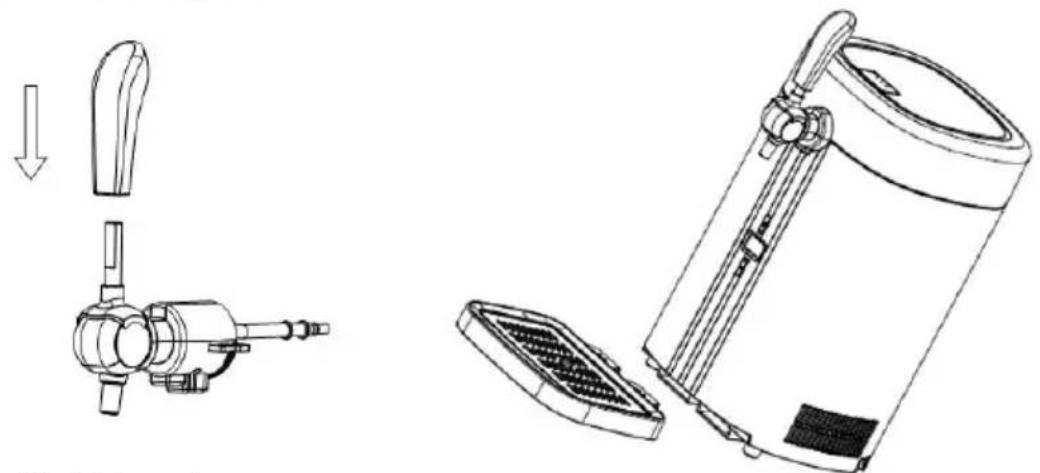
- Attach the tap handle by connecting it to the tap, making sure both ends fit perfectly.
- Tilt the main unit backward at an angle of 10–15°. Align the drip tray with the slot at the bottom of the main unit, insert and assemble the drip tray, then place the product flat on the work surface.
- Plug in the beer cooler.
Note: do not connect or disconnect the plug while your hands are wet. Before use, make sure the voltage matches the label on the plug and check that the power cord is properly connected; if not, refrain from use and call the service center.
Heineken keg
Heineken kegs are pre-filled with CO2 and do not require the use of a regulator. There is no need to install a CO2 unit.
- It will take 19–24 hours for the beer to cool to 3–6°C at an ambient temperature of 22–24°C. This temperature will then be maintained. However, we suggest initially cooling the beer keg for at least 12 hours in a refrigerator before placing it in the beer cooler, especially when the ambient temperature is above 25°C.
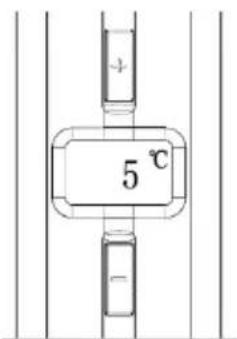
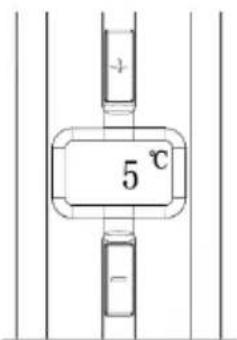
- Temperature regulation function: the starting temperature is the same as the previously set temperature. The cooling temperature can be adjusted by pressing the '+' or '-' buttons on the control panel. The temperature increases by one degree with each press of the '+' button. Press the '-' button once to lower the temperature by one degree. The display will show the current temperature of the beer in the keg. Press any button to display the set temperature; it will return to the current temperature after 3 seconds. The cooling temperature of the beer cooler can be set between 3 and 12°C. The device has a power-off memory function (factory setting is 5°C).
- Following the previous steps, you can start using the beer function.
Replacing the beer keg
- When the beer in the keg runs out, before switching to a new beer keg, open the tap and release excess gas from the keg (this may be accompanied by beer foam).
- Remove the connector from the keg.
- It is recommended to clean the tap mechanism every time you change the beer keg. See the content below regarding cleaning.
For universal 5L keg
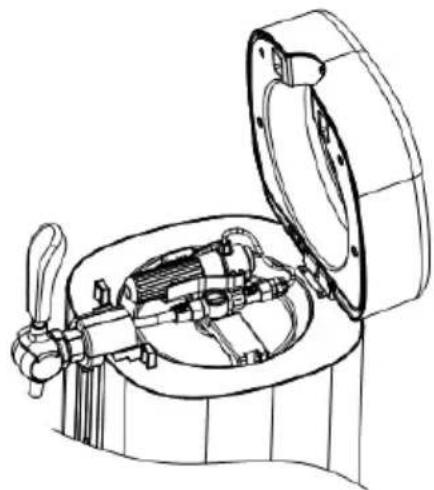
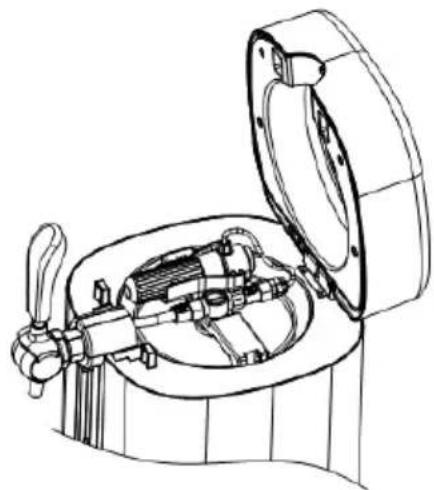
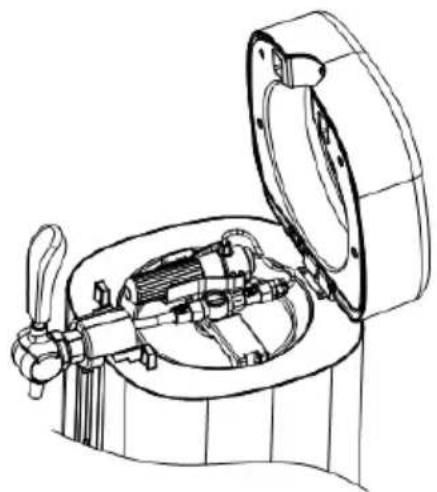
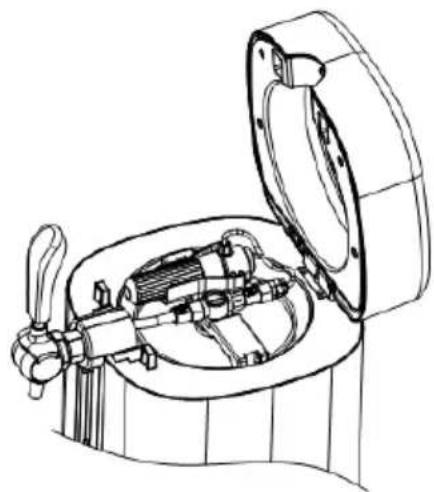
- Open the top lid of the machine, then open the tap and release excess gas from the nozzle (foam may also be released).
- Disconnect the tap connector from the beer dispensing unit and press the white button first while removing it.
- Then remove the beer dispensing unit and the beer keg from the device.
- Remove the beer dispensing unit from the empty beer keg.
- Take a new beer keg, reattach the beer dispensing unit, and place it into the appliance.
Installation
- Remove the beer cooler from the packaging. Place it on a stable, horizontal surface and ensure it is at least 10 cm away from other appliances or walls on each side to allow proper ventilation and ensure better performance.
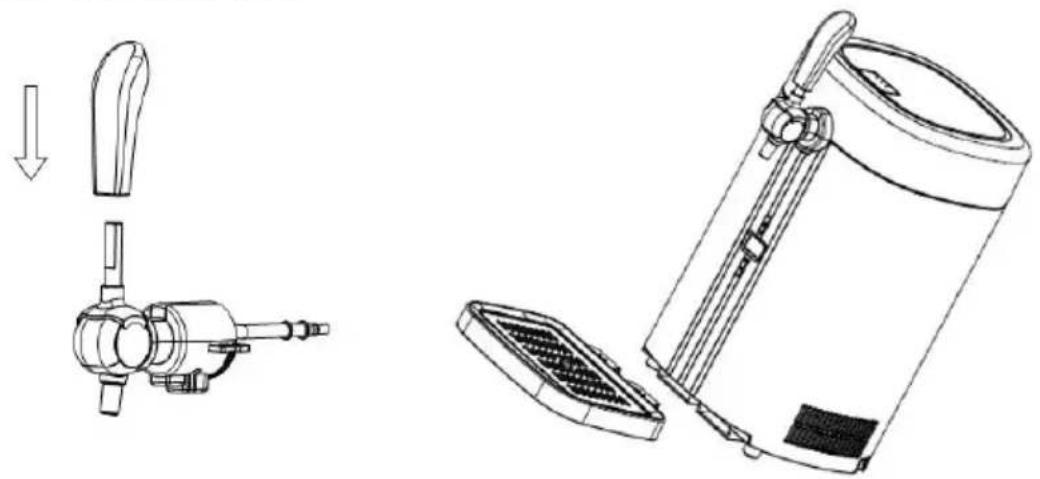
- Attach the tap handle by connecting it to the tap, making sure both ends fit completely.
- Tilt the main unit backward at an angle of 10-15°. Align the drip tray with the opening at the bottom of the main unit, insert and place the drip tray, then set the product flat on the work surface.
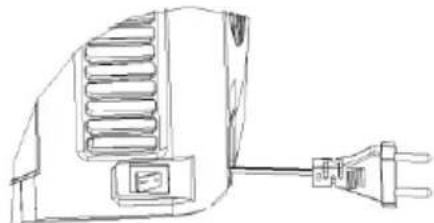
- Plug in the beer cooler.
Note: Do not plug in or unplug the plug while your hands are wet. Before use, ensure the voltage matches the label on the plug and check that the power cord is properly connected; if not, do not use the appliance, call the service center.
Heineken kegs
Heineken kegs are pre-filled with CO2 and do not require the use of a regulator. There is no need to install a CO2 unit.
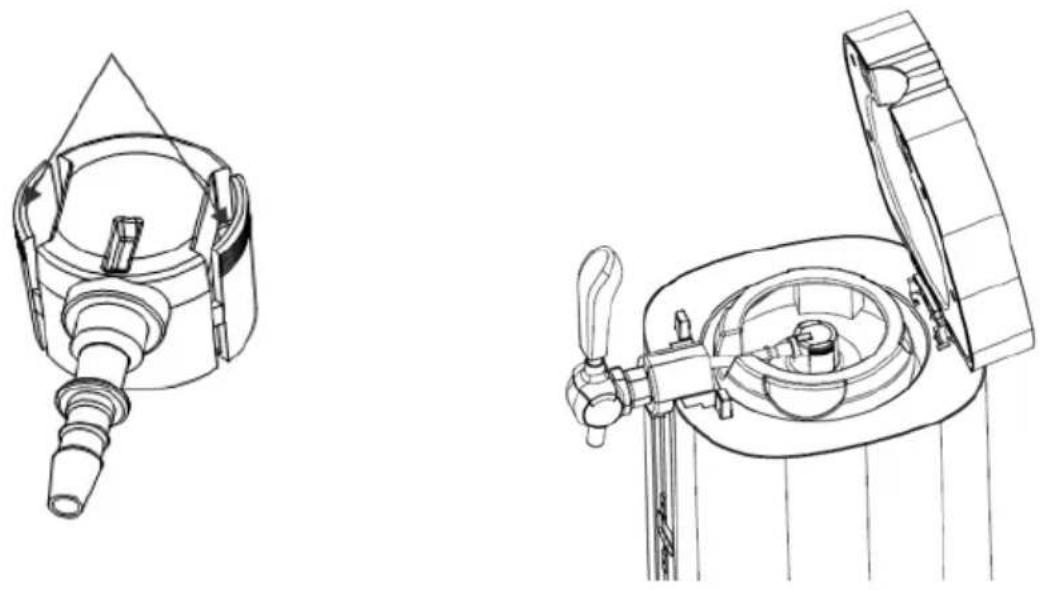
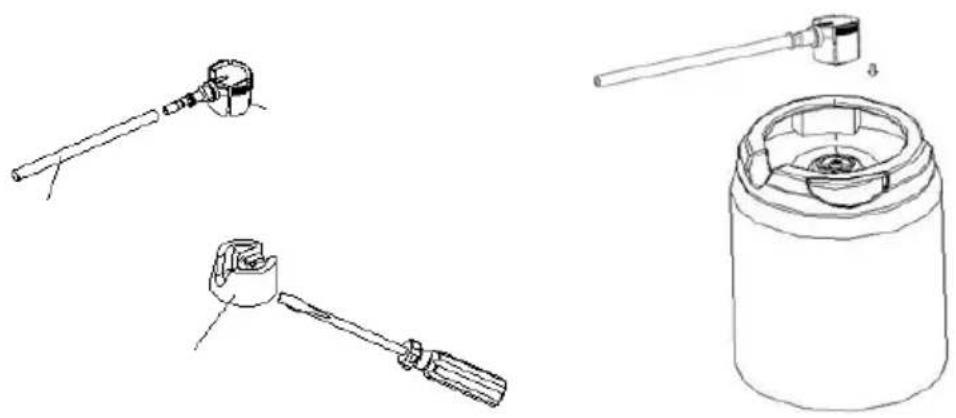
- The Heineken connector that comes with your beer cooler can work with all 5-liter Heineken kegs. However, using the flat-head screwdriver supplied with the beer cooler, you must remove the green base from the keg and install the new connector.
- Install the beer cooler adapter as described on the keg.
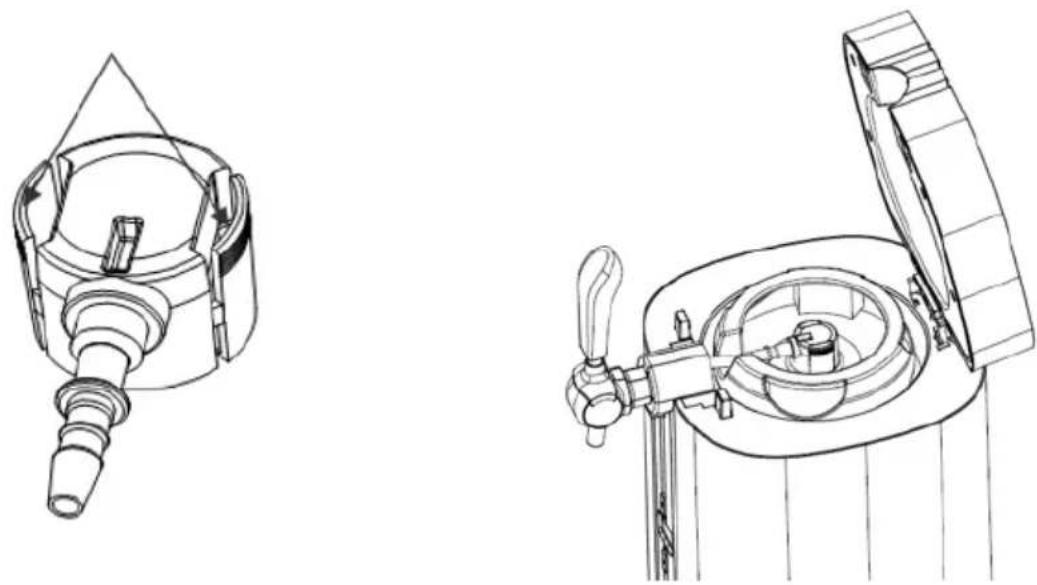
- Close the top lid of the beer cooler.
- Turn the power switch to the "l" position to turn on the beer cooler. (Position "0" - off).
NOTE: To avoid electric shock, make sure your hands are dry when handling the beer cooler.
- It will take 19-24 hours for the beer to cool to 3-6 °C at an ambient temperature of 22-24°C. This temperature will then be maintained. However, we suggest initially cooling the beer keg in a refrigerator for at least 12 hours before placing it in the beer cooler, especially when the ambient temperature is higher than 25°C.
- Temperature regulation function: the starting temperature is the same as the previously set temperature. The cooling temperature can be adjusted by pressing the "+" or "-" buttons on the control panel. The temperature increases by one degree each time you press the "+" button. Press the "-" button once to lower the temperature by one degree. The screen will display the current temperature of the beer in the keg. Press any button to see the set temperature; after 3 seconds it will return to the current temperature. The cooling temperature of the beer cooler can be set between 3 and 12 °C. The machine has a memory function during power-off (factory setting is 5 °C).
- Pour the beer by pulling the tap mechanism.
Note: Wash the glass before use; if the beer glass/mug is too tall or if the beer is not cold enough, this will result in a large amount of foam when pouring.
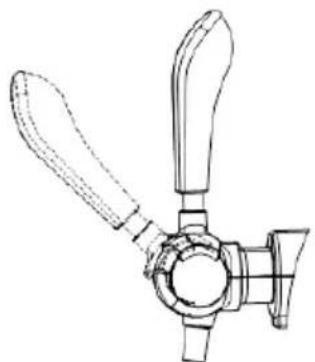
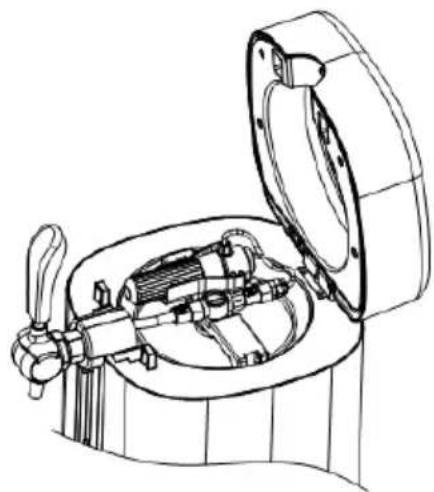
- Turn the pressure relief valve assembly from bottom to top at the appropriate angle, with a maximum angle not exceeding 90 degrees. Then unscrew the cartridge sleeve, place a 16 g CO2 cartridge (from the attached 3 CO2 cartridges) into the cartridge sleeve, and carefully and quickly screw in the cartridge sleeve (clockwise to tighten, counterclockwise to loosen) until a "click" sound is heard, indicating that the cartridge seal has been pierced and CO2 gas can flow freely. Then turn the pressure relief valve assembly back to its original position and insert it into the beer dispensing unit. To replace the gas cartridge, follow the reverse steps (make sure the gas is completely used up when replacing the gas cartridge).
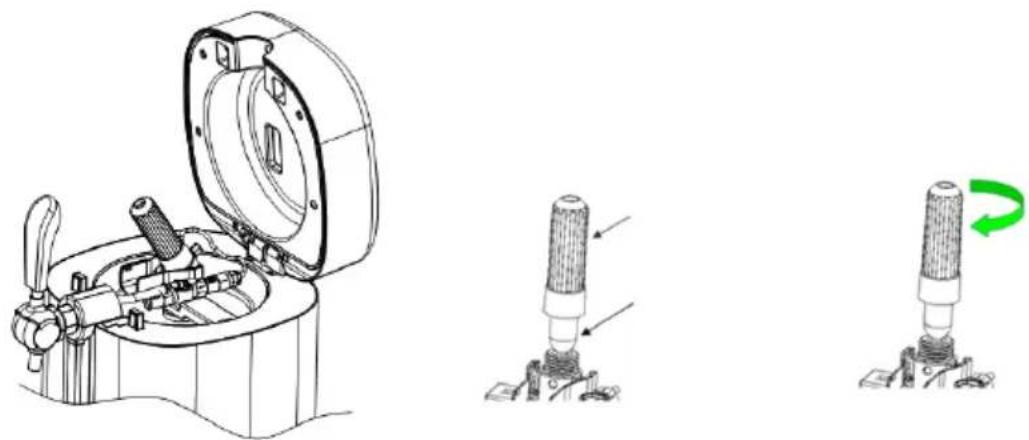
- Following the previous steps, you can start using the device.
Replacing the beer keg
- When the beer in the keg runs out, before moving on to a new keg, open the tap and release the excess gas from the keg (this may be accompanied by beer foam).
- Remove the connector from the keg.
- It is recommended to clean the tap mechanism every time you change the keg. See the content below regarding cleaning.
For universal 5L keg
- Open the top cover of the device, then open the tap and release the excess gas from the nozzle (foam may also be released).
- Disconnect the tap connector from the beer dispensing unit and press the white button first while pulling it out.
- Then remove the beer dispensing unit and the keg from the device.
- Remove the beer dispensing unit from the empty beer keg.
- Take a new beer keg, reattach the beer dispensing unit, and place it in the device.
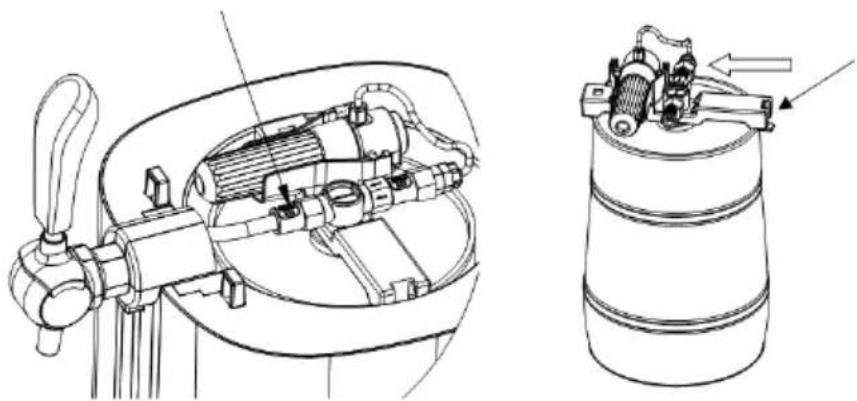
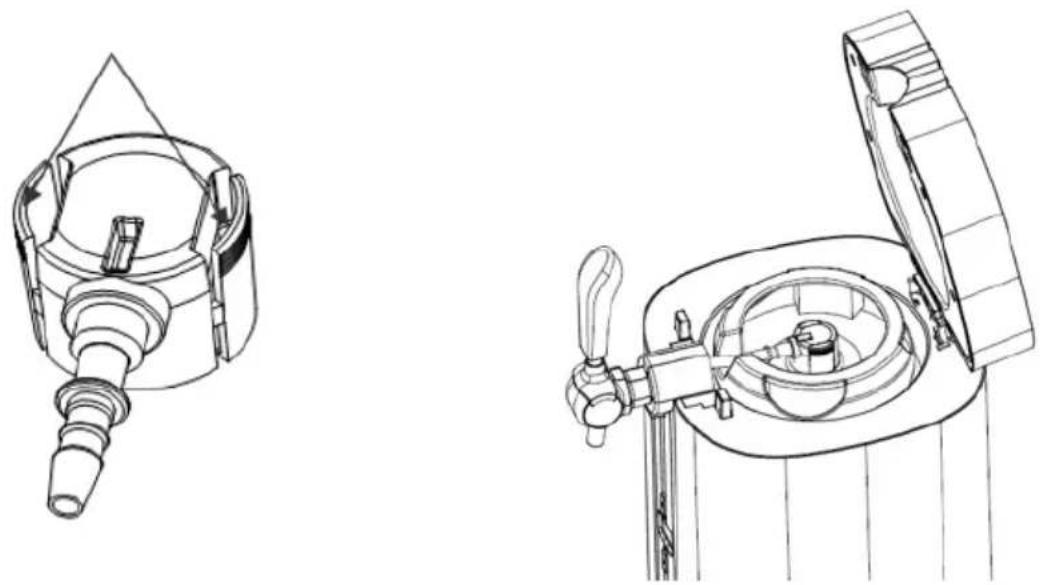
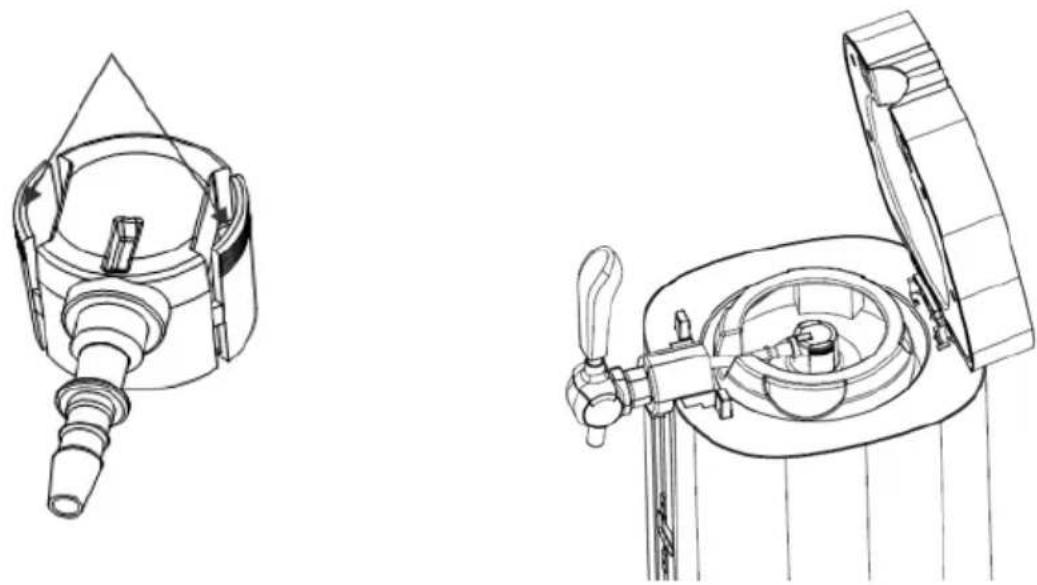
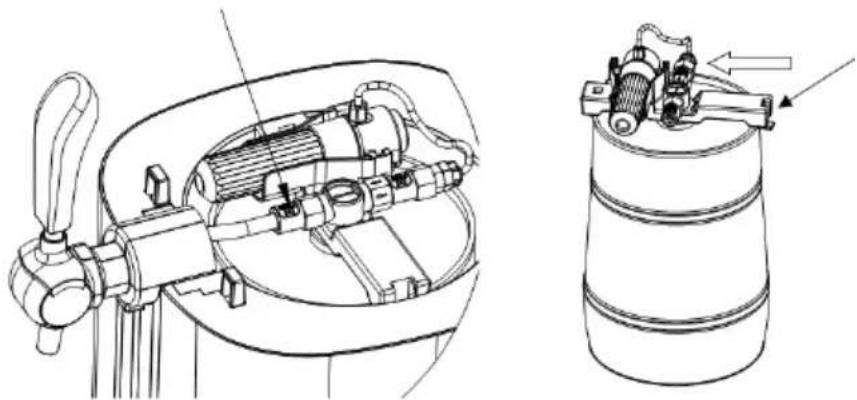
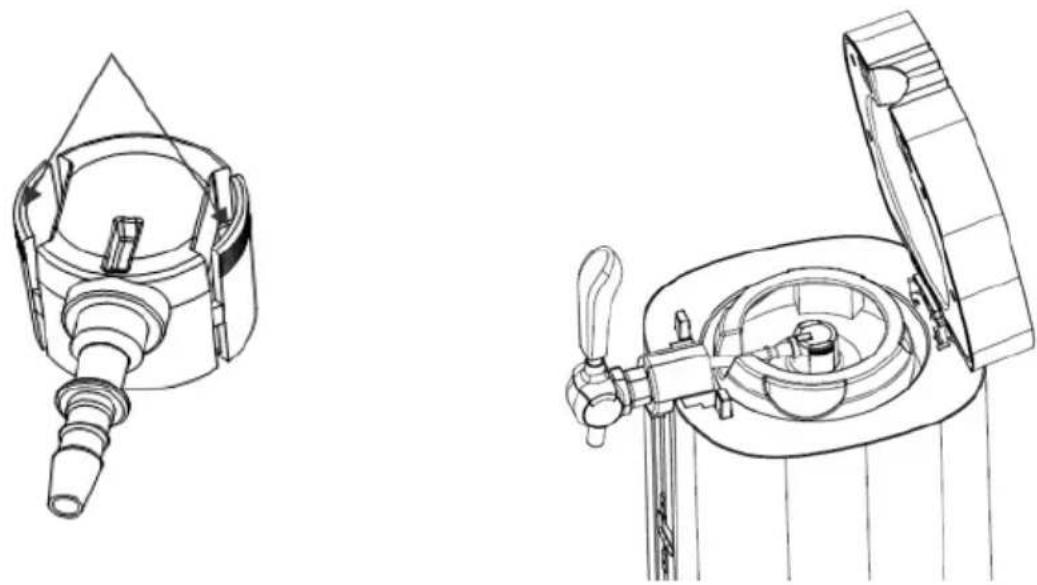
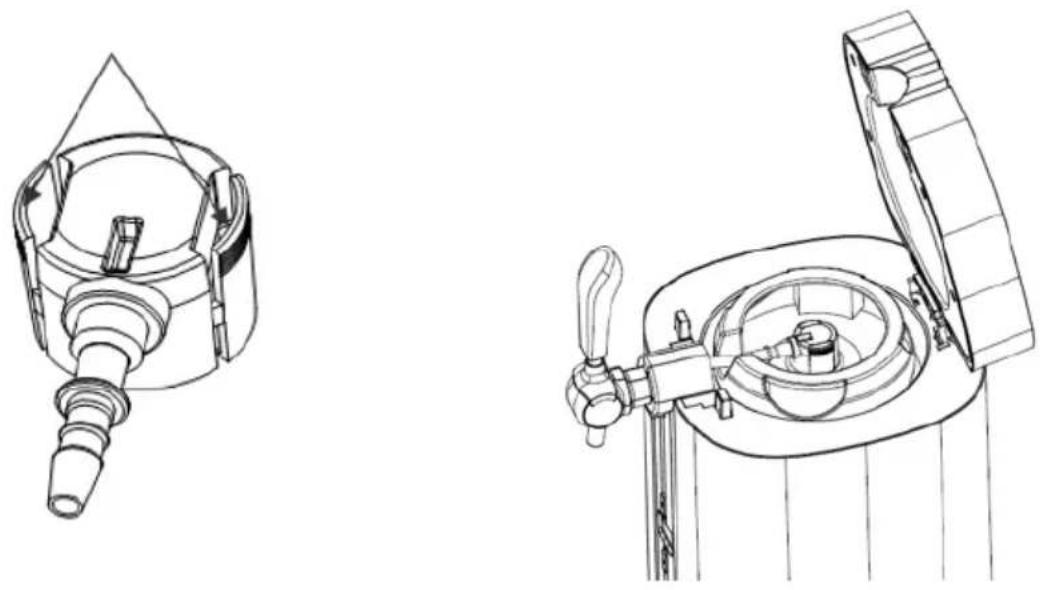
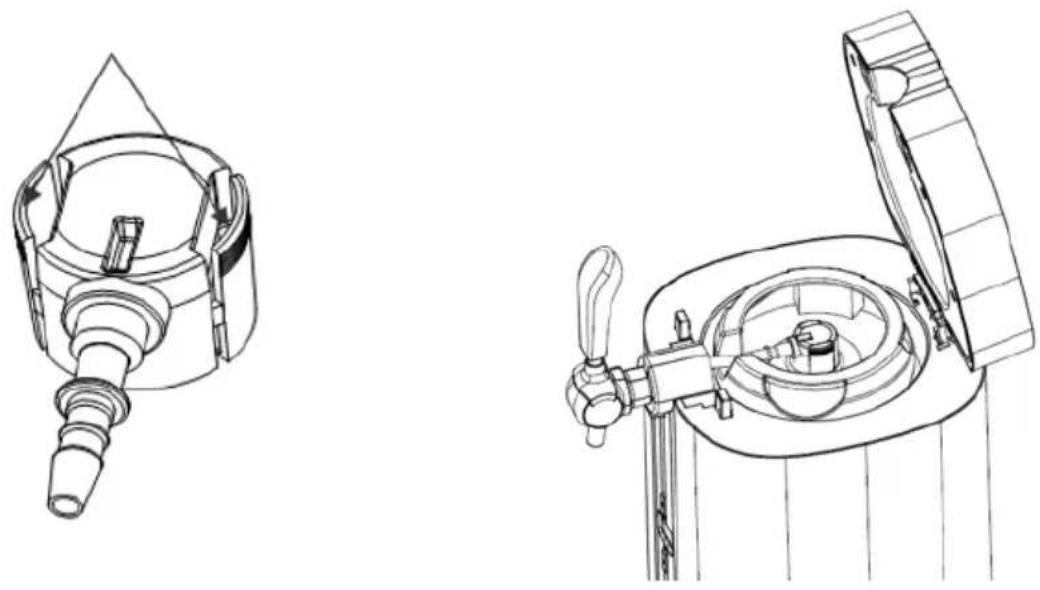
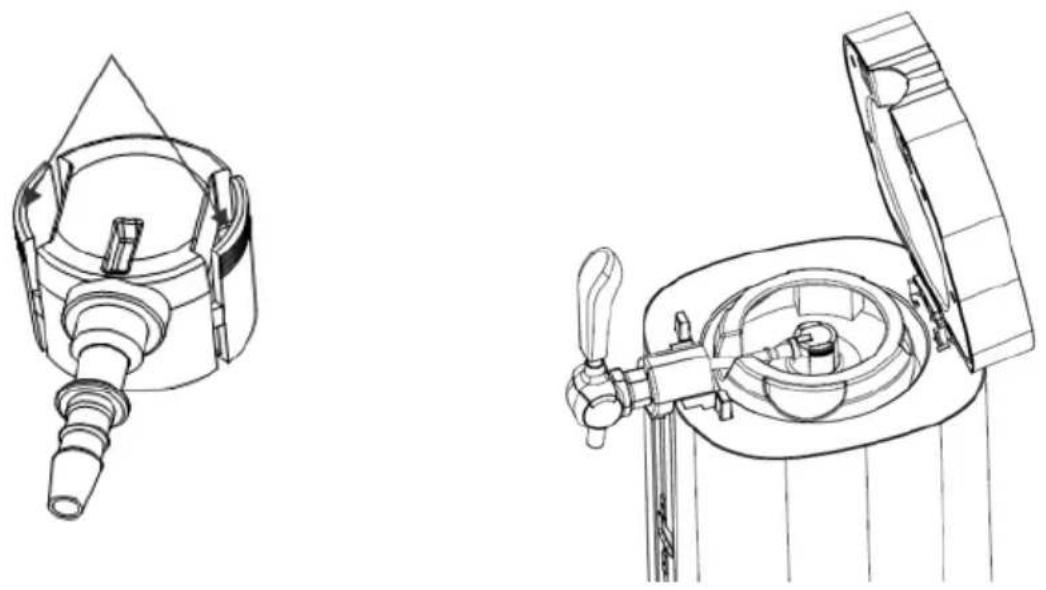
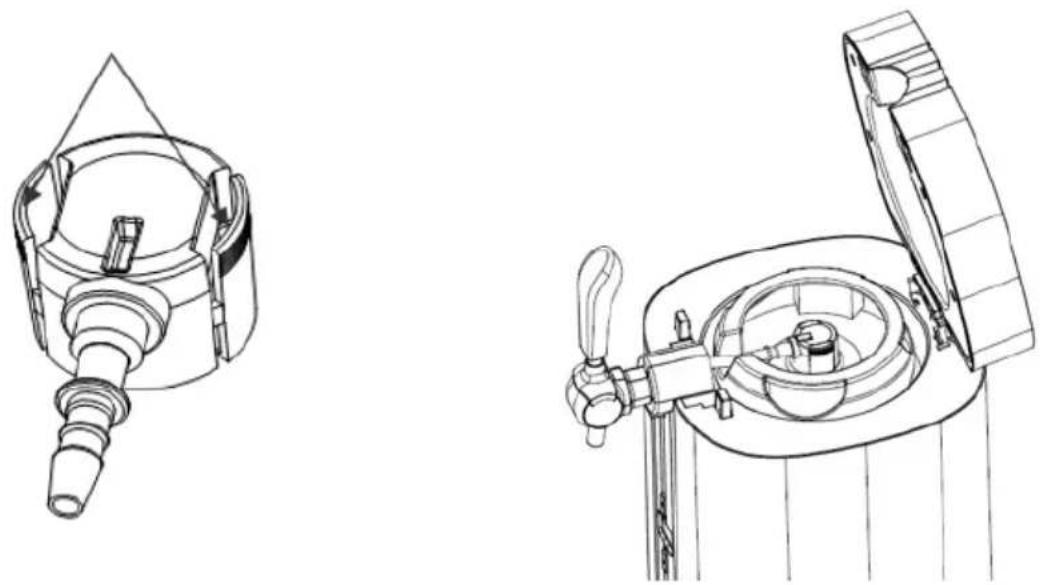
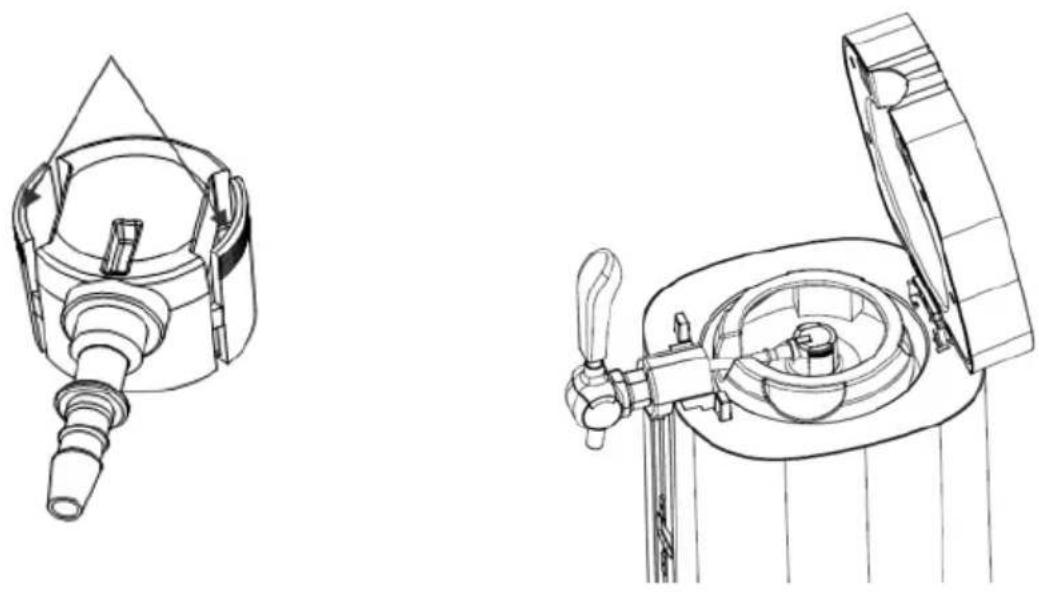
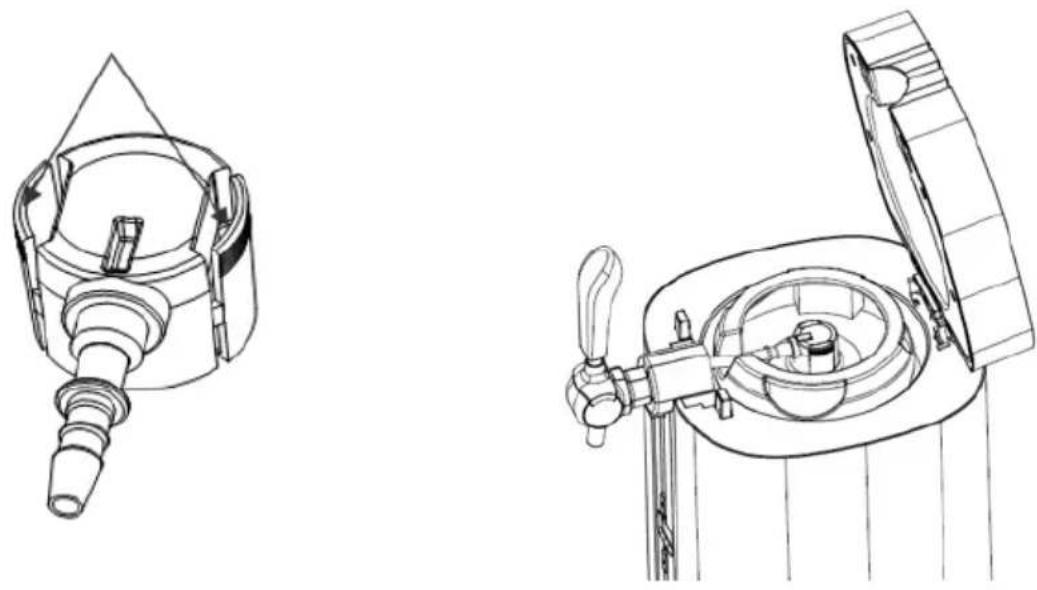
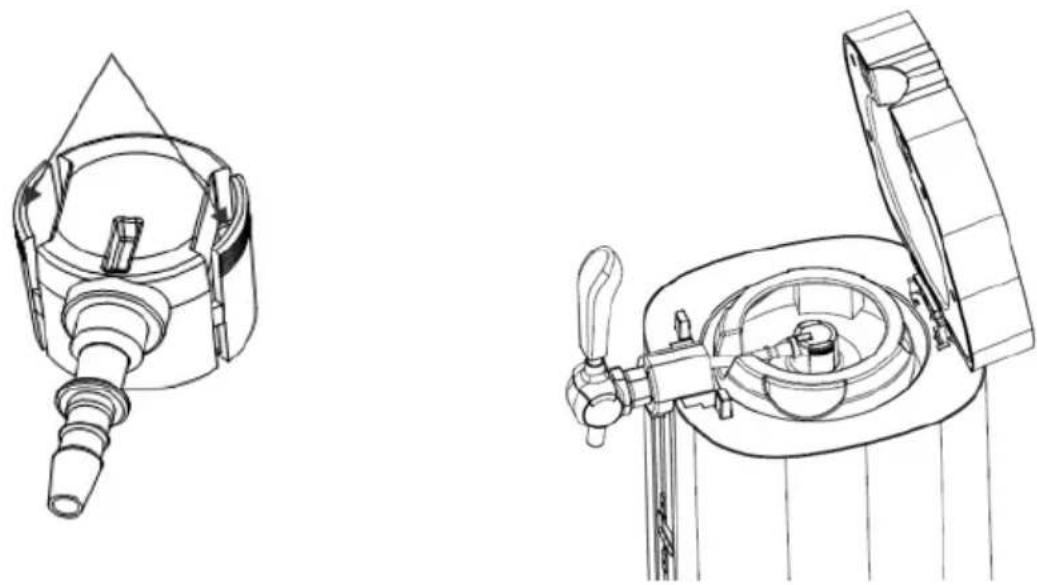
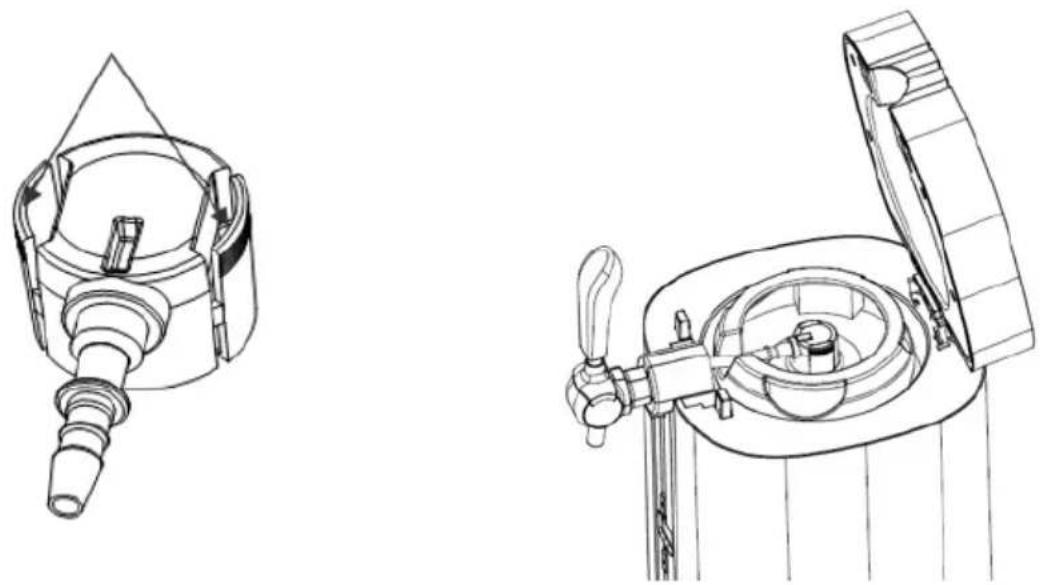
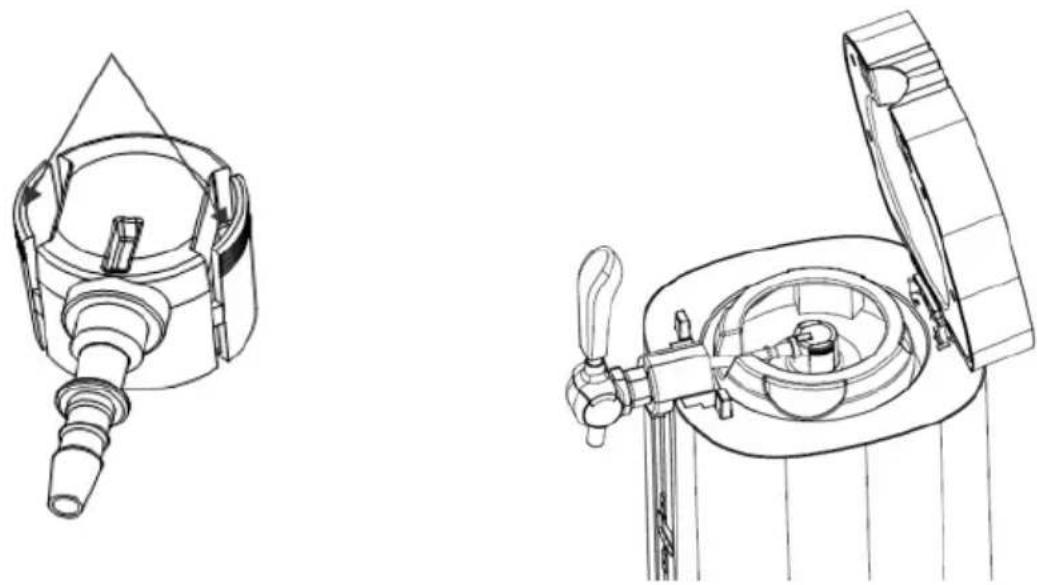
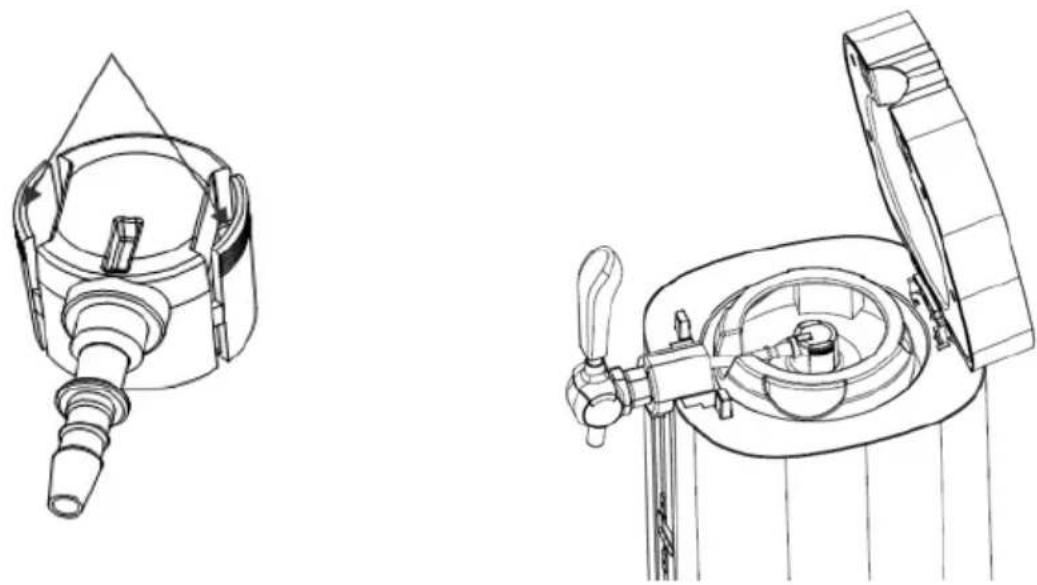
First, remove the right hook and push the left hook of the handle in the direction of the arrow. Then pull the beer dispensing unit out of the keg.
Replacing the CO2 cartridge
If beer does not come out when pressing (especially when you are sure there is beer in the keg), replace the CO2 cartridge.
Installation
This is a household beer cooler. It brings beer to the best temperature for cold storage (3 to 6°C) within 16-21 hours.
The beer cooler can keep a 5-litre keg cool for an almost indefinite period. We do, however, suggest that you initially cool your beer keg for at least 12 hours in your refrigerator before placing it into the beer cooler.
Important safety instructions
- Before use, check whether the power cord is well connected; if not, please refrain from use and call the service centre.
- If the power cord is damaged, it must be replaced by the manufacturer, its service agent or a similarly qualified person in order to avoid a hazard.
- Before use, check whether the plug conforms with the socket; if not, please refrain from use and call the service centre.
- Due to the electric current, do not connect or disconnect the plug if your hands are wet.
- Place the beer cooler on a dry, horizontal surface.
- To ensure the beer cooler is well ventilated, make sure the appliance has at least 5 inches / 10cm of space on either side.
- Never place the beer cooler under direct sunlight.
- Never cover the beer cooler with another object while it is in operation.
- The beer cooler must be installed in an area protected from the elements (i.e. wind, rain, water spray or dripping).
- Before proceeding with cleaning and maintenance, make sure the power supply of the unit is disconnected. Failure to do so can result in electric shock or death.
- Do not immerse the beer cooler or power plug in water or any other liquid.
- Do not use coarse cloths or any abrasive substances to clean the beer cooler.
- Do not take the beer keg out of the beer cooler if the beer is not completely used up.
- Do not take the Co2 cartridge out before the Co2 contents inside are used up.
- Do not use the Co2 cartridge if the room temperature is over 49°C. Failure to adhere to this can result in explosion or death.
- Never allow children to operate, play with, or crawl inside the beer cooler.
- This appliance can be used by children aged 8 and above and persons with reduced physical, sensory or mental capabilities, or lack of experience and knowledge, if they are supervised or have been given instructions concerning safe use of the appliance, and on condition that they understand the hazards
involved. Children should not play with the appliance. Cleaning and user maintenance should not be carried out by children without supervision.
- Children should be supervised to ensure that they do not play with the appliance.
- Warning: Do not store explosive substances such as aerosol cans with a flammable propellant in this appliance.
- This appliance is intended for use in households and for similar applications.
This equipment is labelled in compliance with the European Directive 2012/19/EC on waste electric and electronic equipment – WEEE. The Directive specifies the requirements for collection and management of waste electric and electronic equipment effective in the entire European Union.
How to select the keg
- Use a sealed 5-litre Heineken keg or a universal 5-litre keg.
- Pay close attention to the safety and storage messages on and around the keg.
- Check that the keg is not damaged and that the beer is not out of date before purchasing.
- Protect the top surface from any damage, as this may result in difficulties properly installing the Heineken adaptor.
- Before next use, keep the keg in a cool place for at least 12 hours. Do not keep in a very cold place such as a refrigerator.
- Never shake the keg before use.
- Never place the beer keg under direct sunlight.
General description
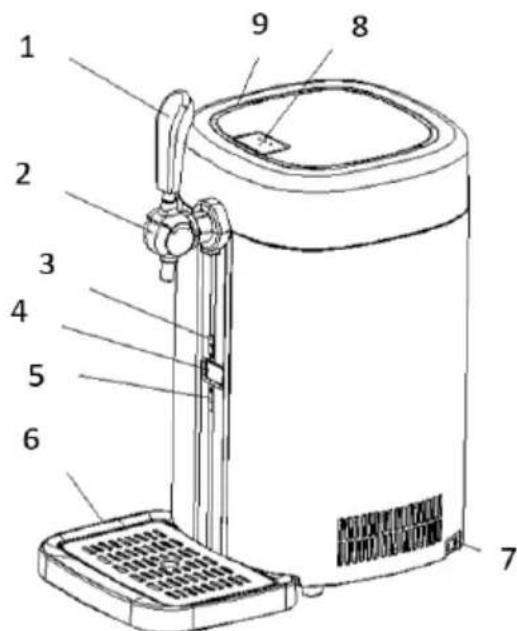
- Tap handle
- Tap
- Digital control button +
- LED display
- Digital control button –
- Drip tray
- AC power switch
- Door lock button
- Top cover
Installation
- Take the beer cooler out of its packaging. Place it on a steady, horizontal surface, and make sure it is at least 10 cm away from other appliances or the wall on each side, so as to allow correct ventilation of the appliance and ensure better performance.
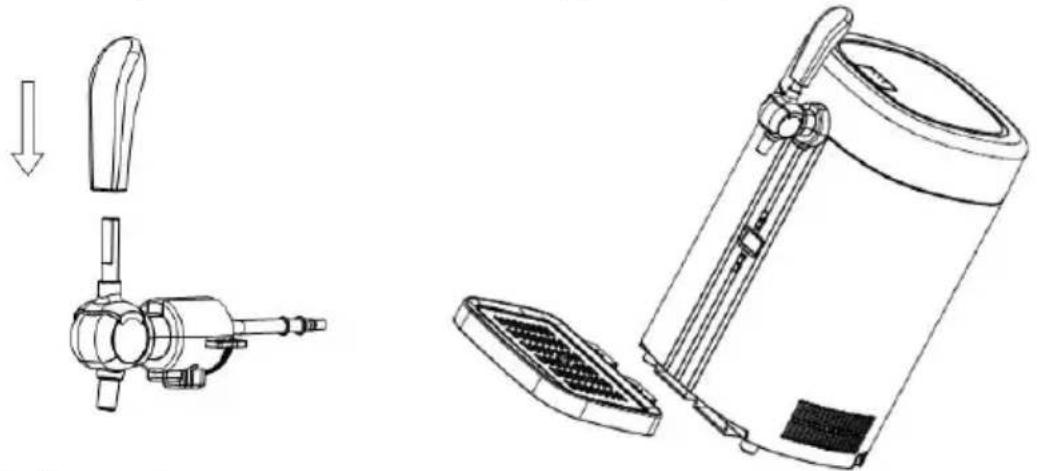
- Install the tap handle by connecting it to the tap, making sure both ends fit together perfectly.
- Lift the main machine backwards at an angle of 10-15°. Align the drip tray with the slot at the bottom of the main machine, insert and assemble the drip tray, and then place the product flat on the worktop.
- Plug in the beer cooler.
Note: Do not connect or disconnect the plug while your hands are wet. Before use, make sure the voltage conforms with the mark on the plug, and check that the power cord is well connected; if not, please refrain from use and call the service centre.
Heineken Keg
Heineken kegs are pre-loaded with CO2, and do not require the use of a regulator. There is no need to install a CO2 unit.
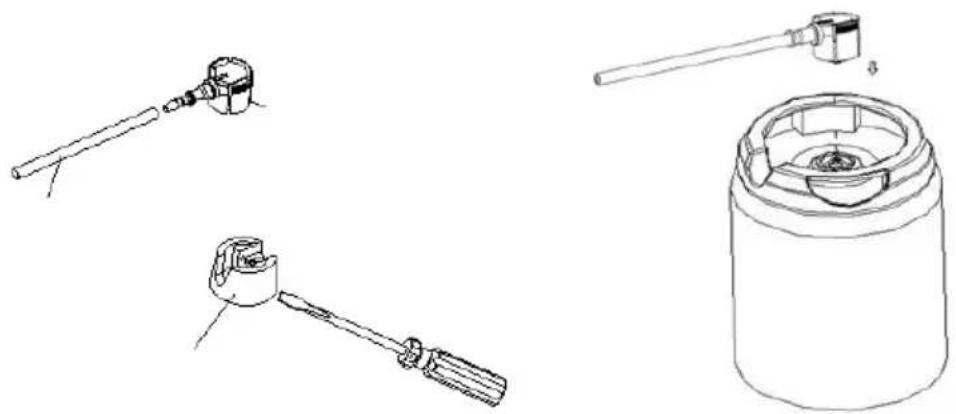
- The Heineken connector that comes with your beer cooler can work with all Heineken 5-litre kegs. However, you must use the flat-headed screwdriver provided with the beer cooler to remove the green base from the keg and install the new connector.
- Install the adapter of the beer cooler according to the method on the keg description.
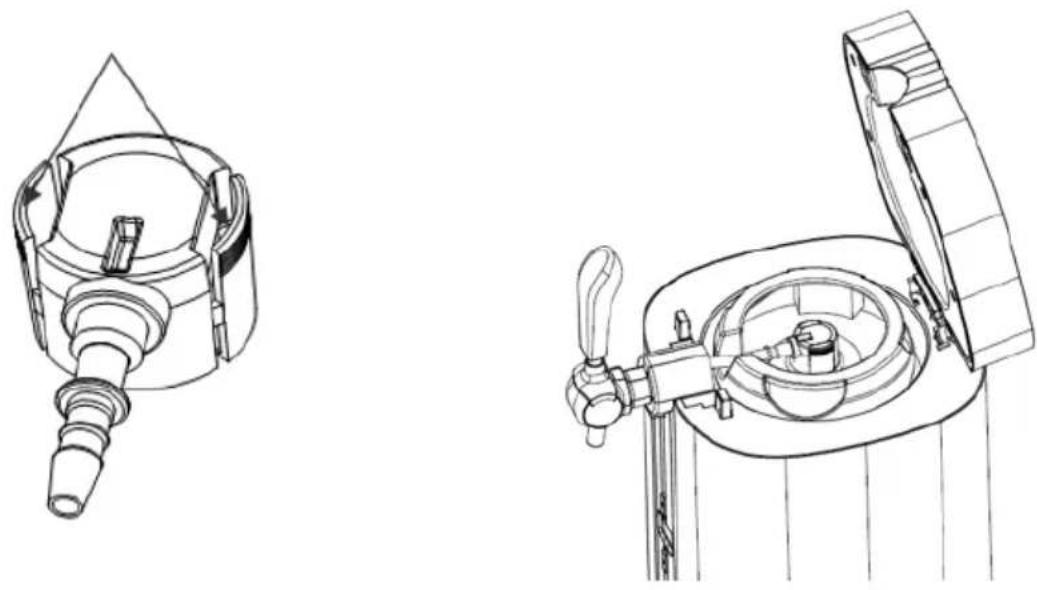
- Close the top cover of the beer cooler.
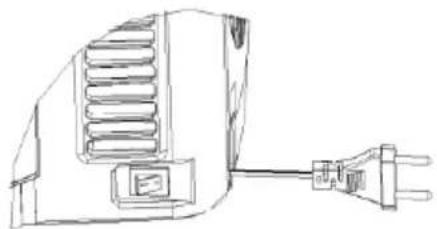
- Turn the power switch to the "I" position to power on the beer cooler. (The position "0" is off). NOTE: To avoid electric shock, make sure your hands are dry when operating the beer cooler.
- It will take 19-24 hours to cool the beer to 3-6°C at an ambient temperature of 22-24°C. This temperature will then be maintained. We do, however, suggest that you initially cool your beer keg for at least 12 hours in the refrigerator before placing it into the beer cooler, especially when the ambient temperature is higher than 25°C.
- Temperature-regulating function: the startup temperature is the same as the previous set temperature. The refrigeration temperature can be adjusted by pressing the "+" or "-" buttons on the control panel. The temperature increases by one degree each time you press the "+" button. Press the "-" button once to lower the temperature by one degree. The display will show the current temperature of the beer in the keg. Press any button to display the set temperature; it will return to the current temperature after 3 seconds. The refrigeration temperature of the beer cooler can be adjusted between 3-12°C. The machine has a power-off memory function (factory setting is 5°C).
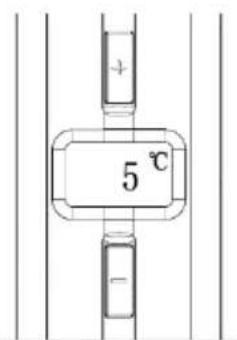
- Pour the beer by pulling down the tap mechanism.
Note: Clean your glass before use; if the beer or beer cup/glass is too high in temperature or if the beer is not cold enough, this will result in a lot of foam when pouring.
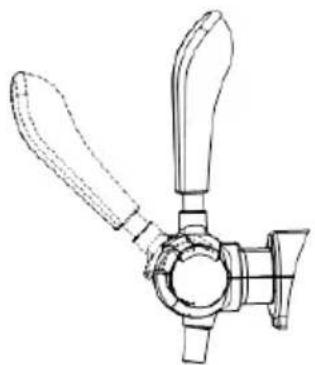
- When tapping the beer, lean your beer glass against the pouring spout and slowly straighten it up as the beer rises. Then open the tap mechanism completely to avoid excess foam. It is advisable to pour a half-glass and then take a short pause before continuing with the rest. Never immerse the pouring spout into the beer glass as this will result in excess foam. Remember to lock the tap after you finish pouring.
- It is normal to have more bubbles when pouring the first 3 glasses of beer.
- There will be a sharp, high-speed jet when pouring the last glass of beer from the keg.
Universal 5L Keg
- Deflation step for discharging 400-500ml of beer from the beer keg, according to the deflation operation instructions on the beer keg body.
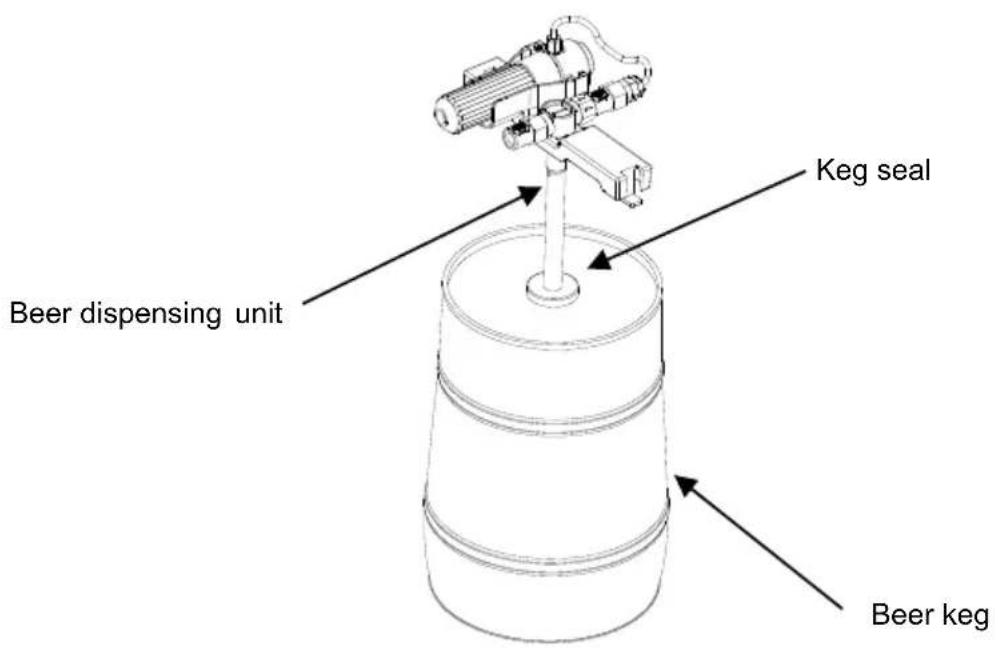
- Align the suction tube of the beer dispensing unit (pre-installed before delivery) vertically with the keg seal in the middle of the top of the keg (please check or replace the keg seal according to the sealing part of the previous keg). Press the beer dispensing unit with your hand so that the suction tube inserts the keg seal into the keg, and then quickly insert the suction tube into the keg completely. This indicates that the beer dispensing unit has been correctly fixed onto the keg.
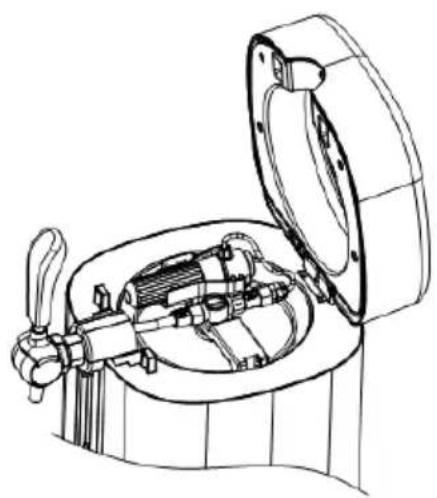
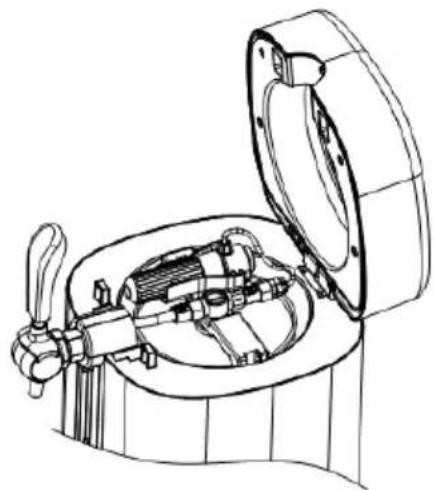
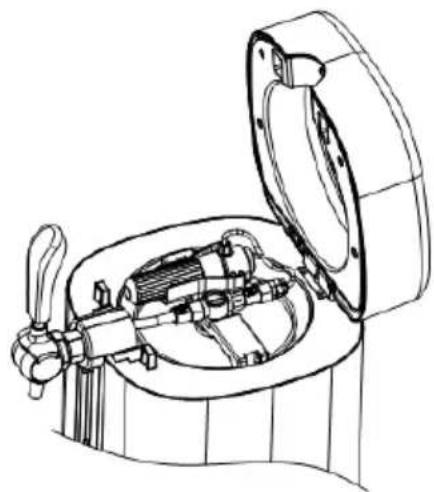
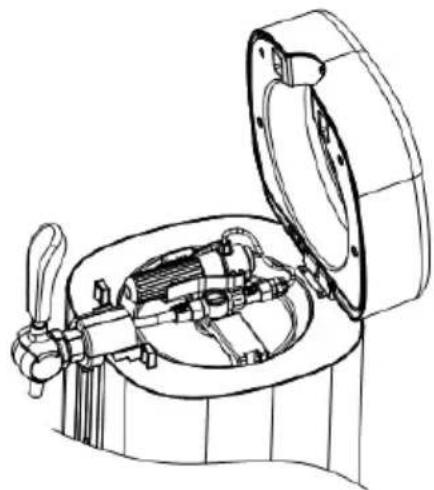
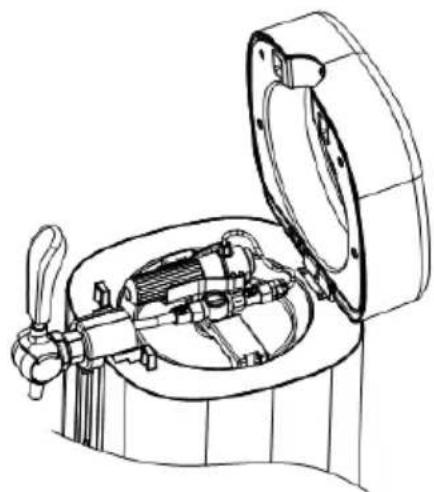
- Open the top cover of the machine by pressing the button on the top cover with a force of 60-80N. Put the keg, with the beer dispensing unit installed, into the cavity of the machine. Then connect the adaptor with the tap connector.
Note: Keep the tap closed when connecting the beer dispensing unit to the tap connector.
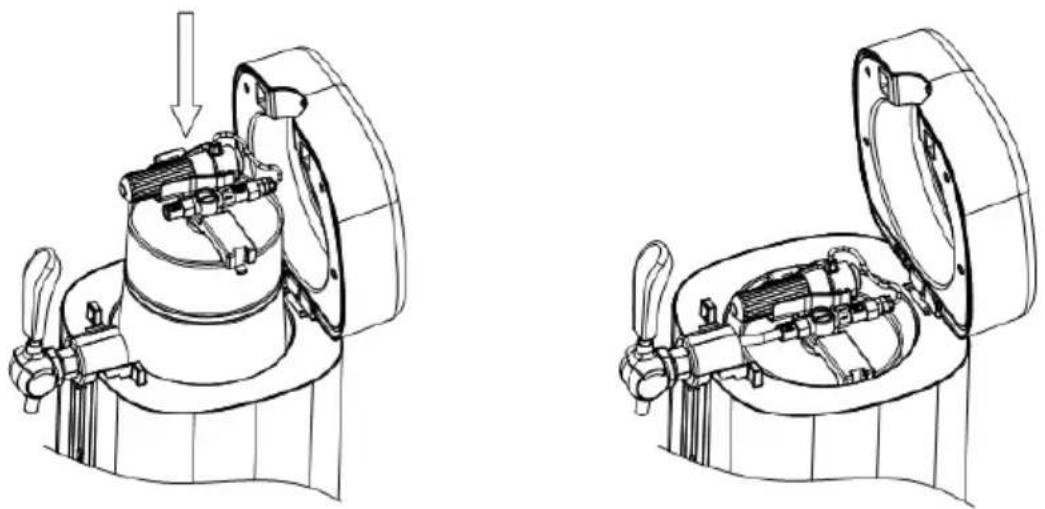
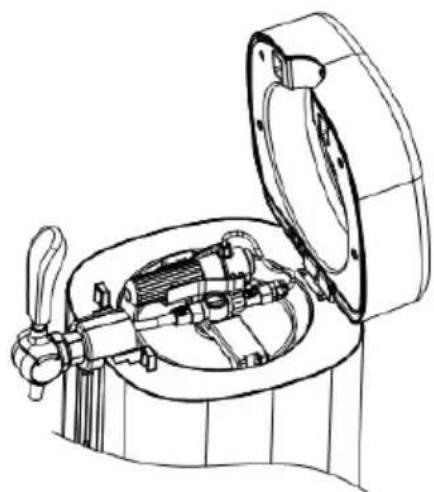
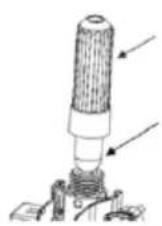
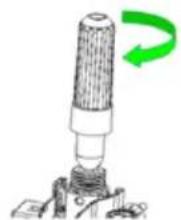
- Rotate the pressure reducing valve assembly from the bottom to the top at an appropriate angle, with a maximum angle of no more than 90 degrees. Then unscrew the cartridge sleeve, install a 16g Co2 cartridge (with 3 Co2 cartridges attached) into the cartridge sleeve, and carefully and quickly tighten the cartridge sleeve (clockwise for tightness, counterclockwise for looseness) until a "click" sound is heard, indicating that the cartridge sealant has been punctured and that Co2 gas can flow freely. Then turn the pressure reducing valve assembly to its original position and insert it into the beer dispensing unit. To replace the gas cartridge, follow the reverse steps (please ensure that the gas has been fully used up when replacing the gas cartridge).
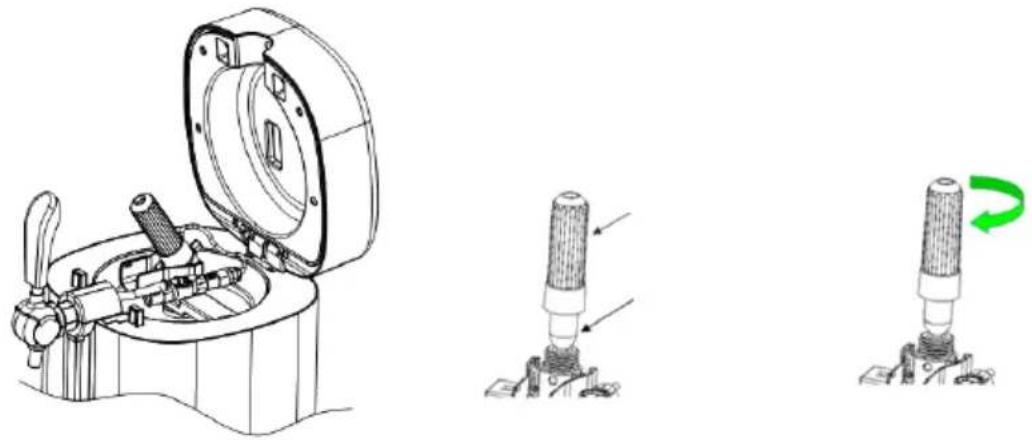
- Following the previous steps, you can start using the beer function.
Replacing the beer keg
- When the beer in the keg runs out, before changing to a new beer keg, open the tap and let the excess gas out of the keg (this may be accompanied by some beer foam).
- Take out the connector from the keg.
- It is recommended to clean the tap mechanism each time you change the beer keg. Please refer to the contents below regarding cleaning.
For the universal 5L keg
- Open the top cover of the machine, then open the tap and let the excess gas out of the nozzle (foam may also be emitted).
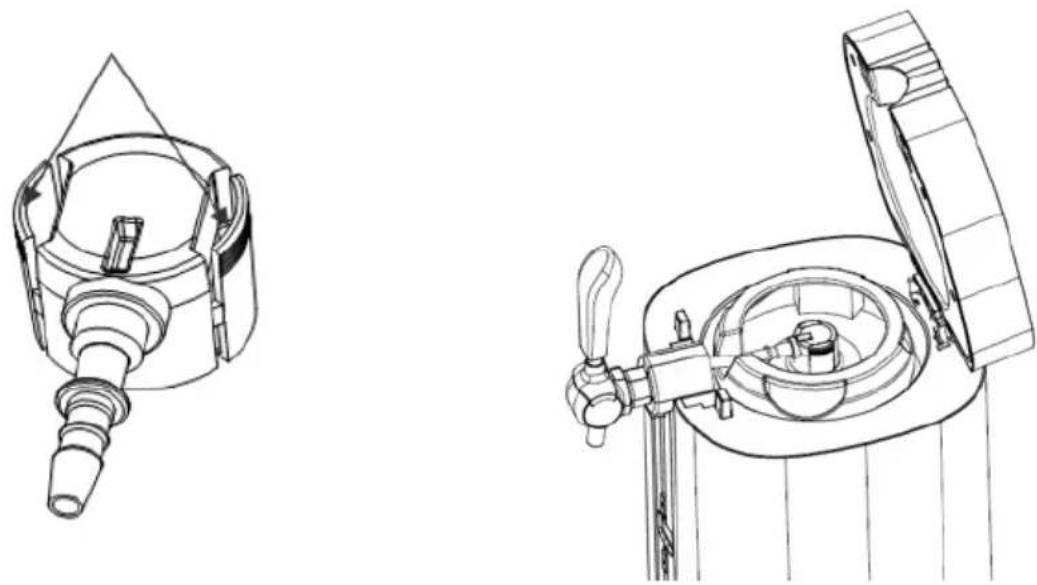
- Disconnect the tap connector from the beer dispensing unit, and press the white button first while taking it out.
- Then take out the beer dispensing unit and the beer keg from the machine.
- Remove the beer dispensing unit from the empty beer keg.
- Take a new keg of beer, reattach the beer dispensing unit and put it in the machine.
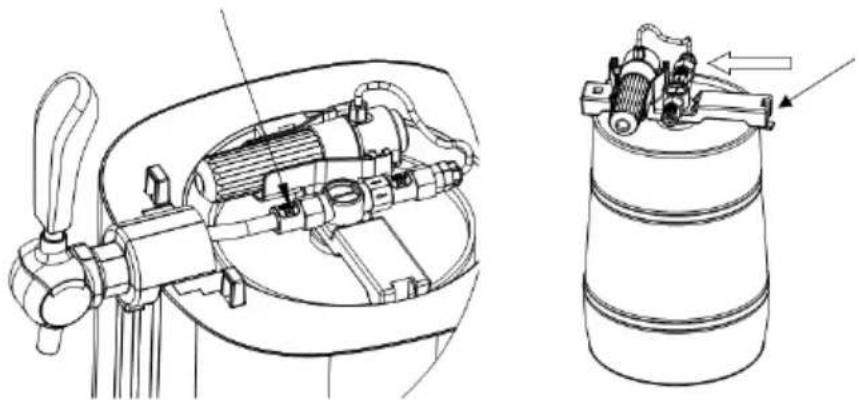
Firstly, take out the right end hook and push the left end hook of the handle to the side where the arrow is pointing. Then pull out the beer dispensing unit from the keg.
Replacing the Co2 cartridge
If there is no beer coming out when pressing (especially when you are sure there is beer in the keg), please replace the Co2 cartridge.
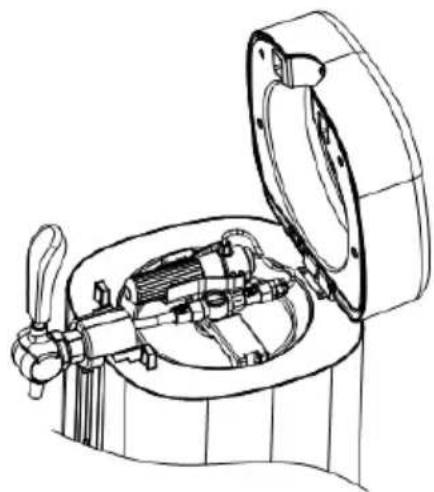
- Ensure that the tap of the machine is closed, open the top cover of the machine, unscrew the cartridge sleeve, and remove the empty Co2 cartridge from the cartridge sleeve. Insert a new Co2 cartridge into the cartridge sleeve, and then carefully and quickly tighten the cartridge sleeve (clockwise to tighten, counterclockwise to loosen) until a "click" sound is heard, indicating that the cartridge sealant has been punctured and that Co2 gas can flow freely. Then turn the pressure reducing valve assembly downwards and buckle it into the liquor outlet assembly.
- Close the top cover of the machine.
- Now you can prepare to use the tap to pour the beer.
Attention
- Please use the appropriate Co2 cartridge. The below Co2 cartridge information is for your reference. To avoid explosion, never use nitrogen gas cartridges in the beer cooler, due to their much higher pressure.
- New CO2 cartridges must be well maintained. To avoid a hazard, they should not be played with.
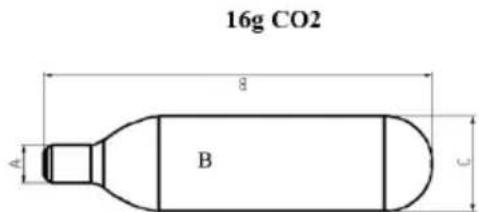
Cleaning the beer tap mechanism
The beer cooler must conform with hygiene standards, and should be cleaned before first use or after a long period without use. The whole machine should be cleaned with a dry cloth. Otherwise, two cleaning steps are recommended, as follows:
- Load warm water into the cleaning kit.
- Connect the end of the piercing pin, press the water into the pin to clean the pin tube, and push the water out from the beer tube at the other end. Repeat this until the beer tube is clean (at least 3 bottles of warm water are generally required). Clean the beer tap mechanism as shown below.
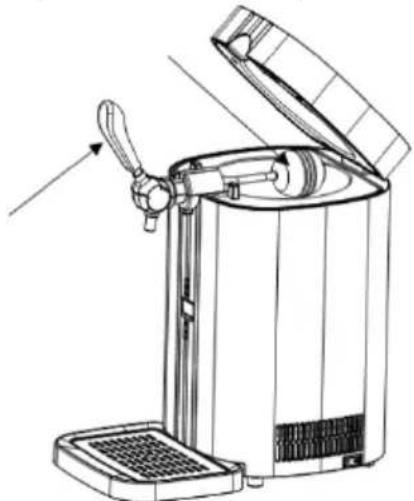
Never put tap mechanism parts in the washing machine or dishwasher.
Never use a chemical cleaning detergent to clean the parts; warm or purified water is recommended.
Accessories and spare parts
| Name | Qty | Installation | Image |
| 1 | Connector sealing ring | 3 | Pressure reducing valve | 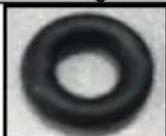 | |
| 2 | Cylinder connector | 2 | Pressure reducing valve | 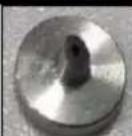 | |
| 3 | Beer outlet tube (short) | 2 | Beer outlet connector |  | |
| 4 | Beer outlet tube (long) | 2 | Beer outlet connector |  | |
| 5 | Suction tube sealing ring | 4 | Suction tube | 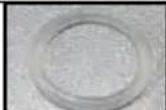 | |
| 6 | Keg seal | 2 | Standard keg | 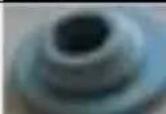 | |
| 7 | Adaptor | 2 | Heineken keg | 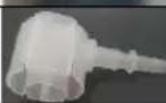 | |
| 8 | Co2 cartridge | 3 | Pressure reducing valve assembly | 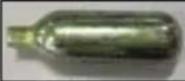 | |
| 9 | Cleaning bottle | 1 | Pressure reducing valve |  | |
How to change the beer tube
If the beer tube breaks, leading to a leakage, make sure to replace it immediately.
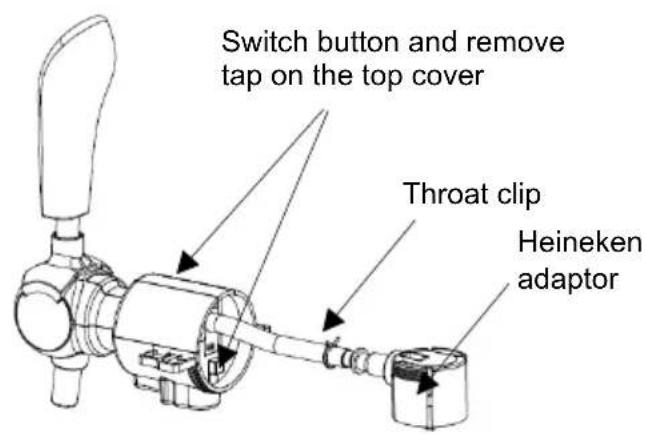
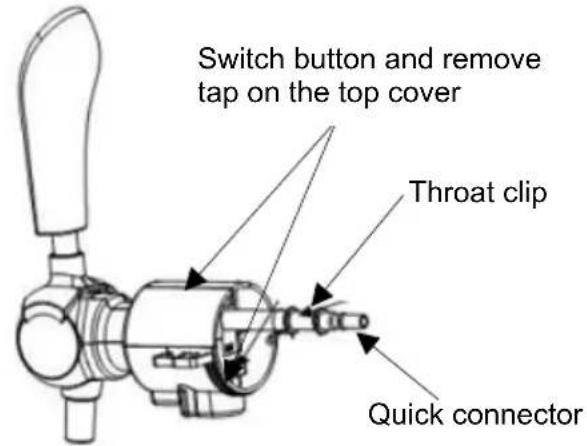
- Open the detachable tap cover, pull the tap handle in the direction of the beer, and pull out the beer tube.
- For a Heineken keg: remove the beer throat clip and pull out the Heineken adaptor.
- For a universal 5L keg: remove the beer throat clip and pull out the quick connector.
- Get a new beer tube and install it in reverse order.
Troubleshooting
| Problem | Possible cause | Solution |
| The tap does not work / beer is not coming out. | 1. The pouring tube is not properly connected.2. No keg, or no beer in the keg. | 1. Make sure the pouring tube is well connected.2. Change to a new keg. |
| Too much foam coming out | 1. The beer is not being poured correctly.2. The temperature of the beer is too high (best at 3-6°C).3. The keg was shaken before use.4. There is almost no beer left in the keg. | 1. Use the correct method to pour the beer.2. Cool the beer down to 3-6°C.3. Put the beer keg aside for a while until there is no foam remaining inside.4. Change to a new keg. |
| Beer flows out too slowly. | 1. Co2 pressure inside the keg isn't high enough.2. The connection tube or pouring tube is leaking. | 1. Change to a new keg.2. Check whether the tube is leaking; if so, replace the tube. |
ENVIRONMENT
At the end of the appliance's usable life, do not discard it with common household waste. Take it to an authorized recycling center; this will help preserve the environment.
WARRANTY AND REPAIR
For more information or in case of problems, please contact the Hisense Call Centre in your country (phone number listed in the International Warranty Sheet). If there is no such centre in your country, please contact your local Hisense dealer or the Hisense small domestic appliance department. For personal use only!
Hisense
WISHES YOU A LOT OF PLEASURE IN USING YOUR APPLIANCE.
We reserve the right to modifications.
Introduction
Installation
Installation
Installation
Installation
Installation
Installation
Installation
Montimi
Installation
Installation
Installation
- Plug in the beer cooler.
Installation

Installation