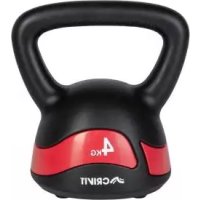
IAN 391391 - Fitness Equipment CRIVIT - Free user manual and instructions
Find the device manual for free IAN 391391 CRIVIT in PDF.


| Product type | Kettlebell (ball weight) |
| Brand | Crivit |
| Model / IAN | 391391 |
| Available weights | Approximately 4 kg (KK-11471), 6 kg (KK-11472), 8 kg (KK-11473) |
| Material | Cast iron (steel) with coating |
| Use | Strength training at home (private use) |
| Recommended age | From 14 years |
| Users | One person at a time |
| Training area | Flat, non-slip surface, clearance of 0.6 m around |
| Main functions | Strength exercises: squats, swings, bench press, etc. |
| Safety instructions | Consult a doctor before use; warm up; do not use if damaged |
| Care and cleaning | Damp cloth, no harsh products |
| Storage | Dry, clean place, room temperature, out of reach of children |
| Spare parts and repairability | Spare parts available during the warranty period |
| Warranty | 3 years (material and manufacturing defects) |
| Customer service | France: 0800 919270 / deltasport@lidl.fr; Belgium: 0800 12089 / deltasport@lidl.be |
| Package contents | 1 kettlebell, 1 instruction manual, 1 quick start guide |
| Disposal | Recyclable, follow local guidelines |
Frequently Asked Questions - IAN 391391 CRIVIT
User questions about IAN 391391 CRIVIT
0 question about this device. Answer the ones you know or ask your own.
Ask a new question about this device
Download the instructions for your Fitness Equipment in PDF format for free! Find your manual IAN 391391 - CRIVIT and take your electronic device back in hand. On this page are published all the documents necessary for the use of your device. IAN 391391 by CRIVIT.
USER MANUAL IAN 391391 CRIVIT
natural_image
Black and gray weightlifting kettlebell with visible branding (no text or symbols on body)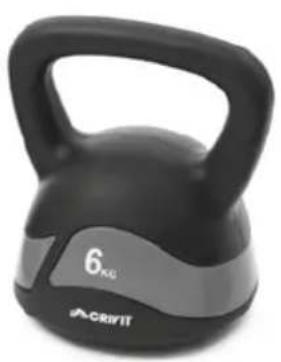
natural_image
Black CRIVIT weightlifting kettlebell with visible branding (no text or symbols on body)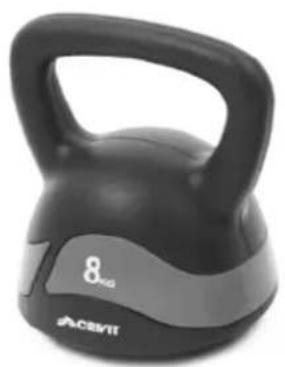
natural_image
Black and gray weightlifting kettlebell with visible branding (no text or symbols on body)
text_image
PDF ONLINE www.lidl-service.comKETTLEBELL
KETTLEBELL
KETTLEBELL
DE AT CH
KETTLEBELL
Gebrauchsanweisung
FR BE
KETTLEBELL
Instructions for use
NL BE
KETTLEBELL
Gebruiksaanwijzing
CZ
KETTLEBELL
Návod k použití
ES
PESA RUSA
natural_image
Line drawing of a person covering their face with hands behind head (no text or symbols)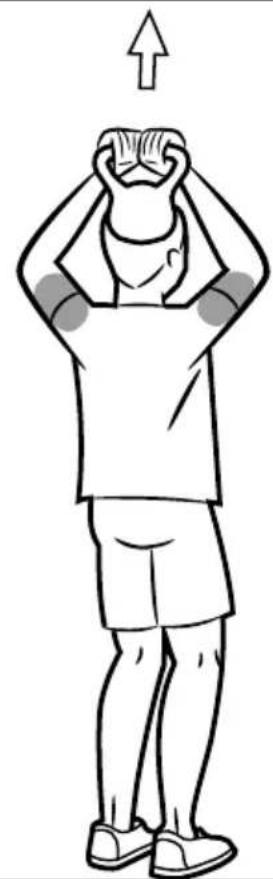
natural_image
Line drawing of a person performing a stretching exercise with arms raised (no text or symbols)B
natural_image
Line drawing of a person in athletic stance holding a wrist (no text or symbols)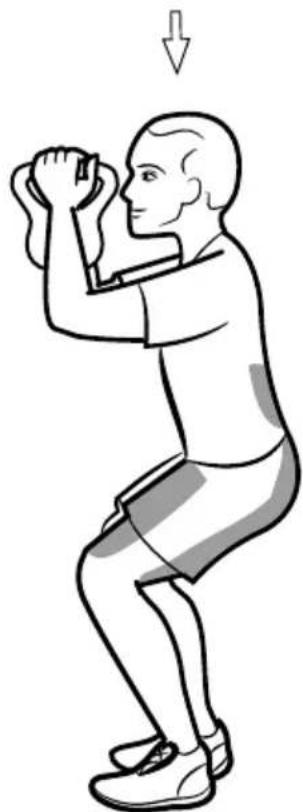
natural_image
Illustration of a person in a squatting posture with hands raised, showing posture change (no text or symbols)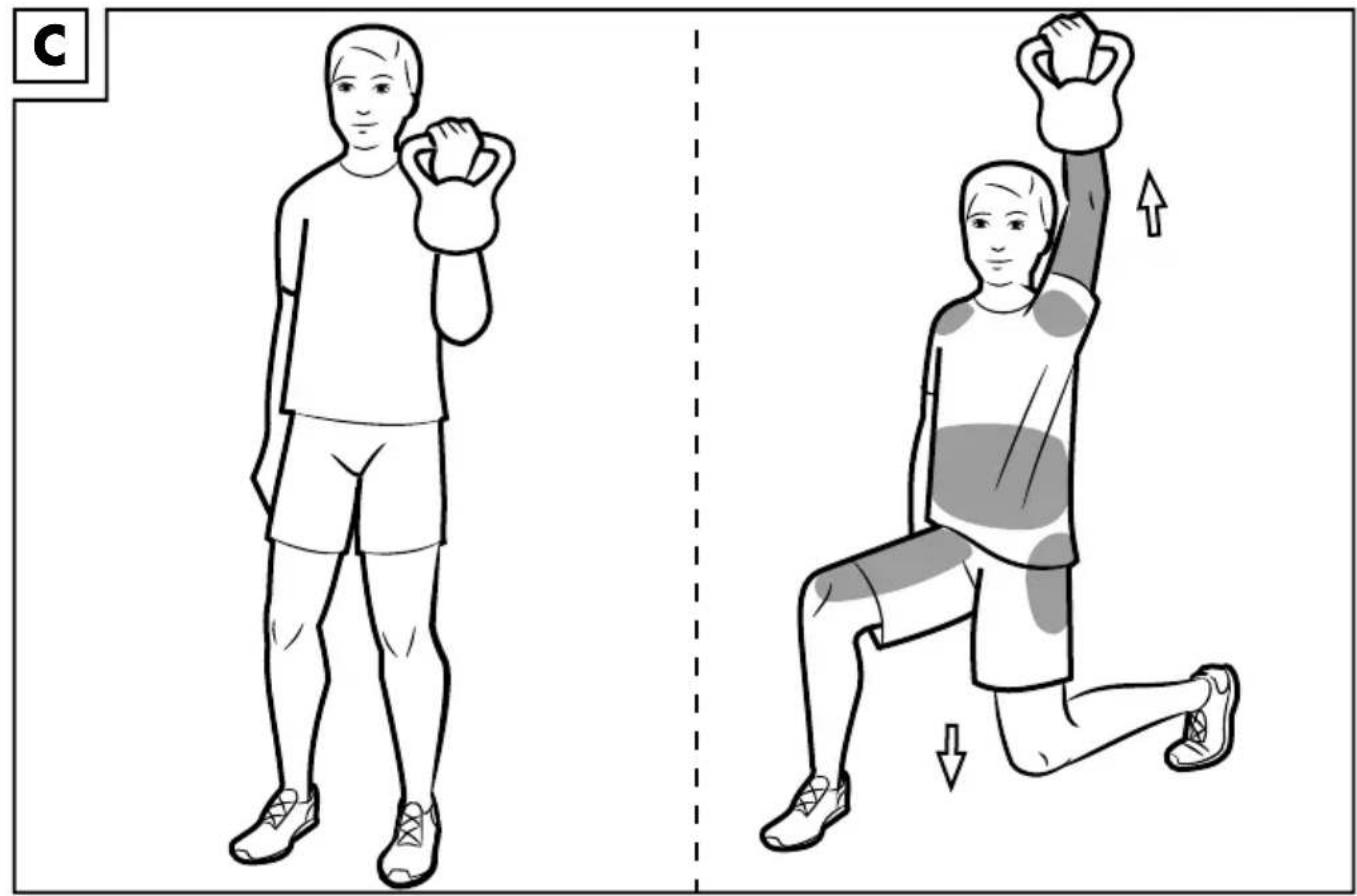
natural_image
Illustration of a person performing a stretching exercise with kettlebell (no text or symbols)
natural_image
Illustration of a person performing a sit-up exercise on a mat, showing two sequential poses with one lifting the other (no text or symbols)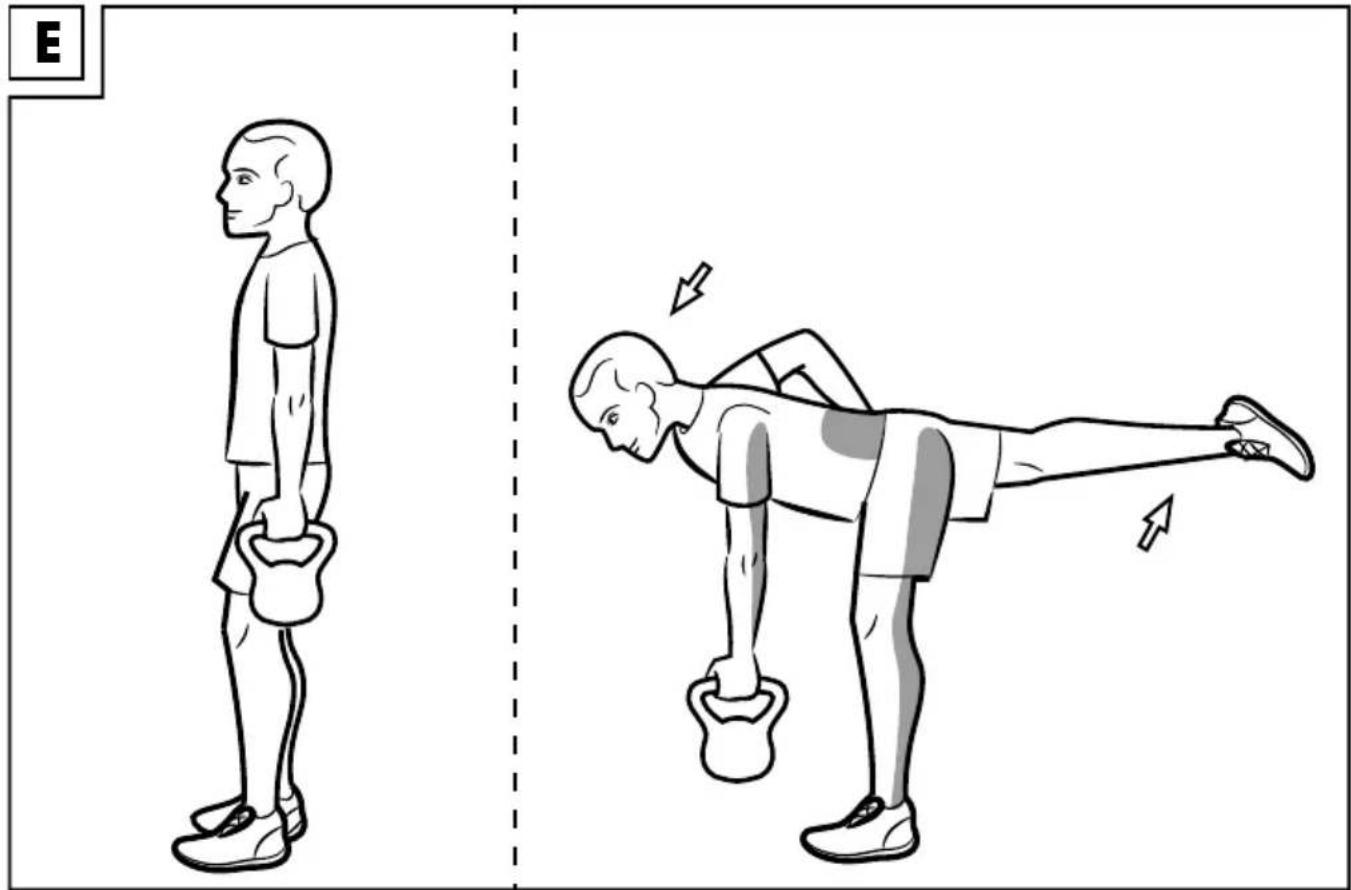
natural_image
Illustration showing two different postures of a person performing a stretching exercise, with no text or symbols present.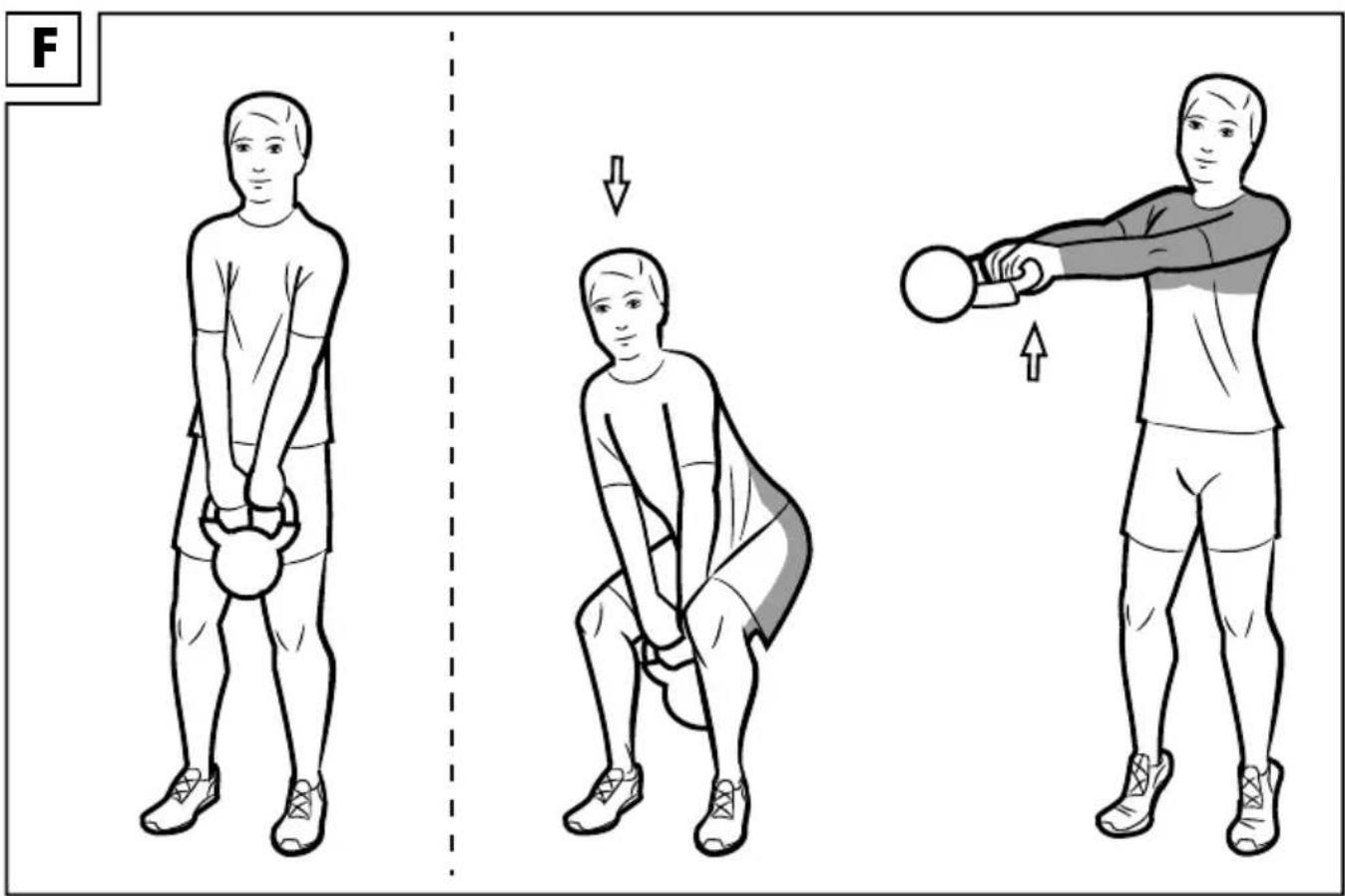
text_image
FG
natural_image
Line drawing of a person performing a kettlebell press exercise (no text or symbols)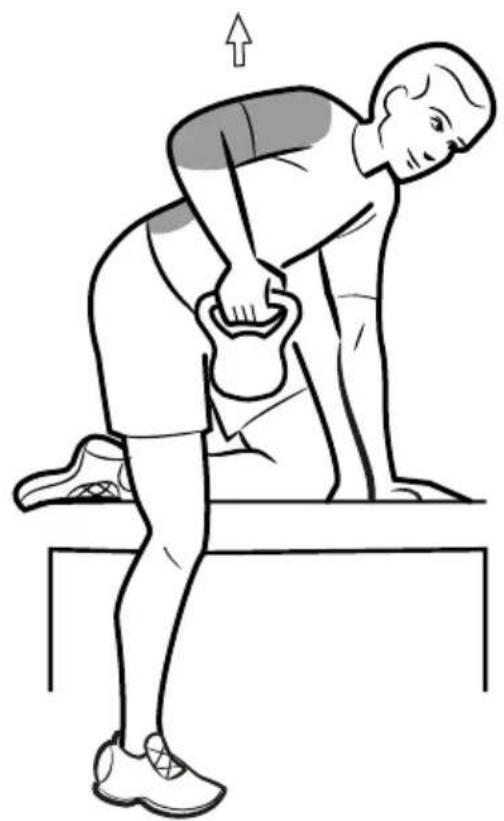
natural_image
Illustration of a person performing a kettlebell press exercise, showing posture and movement (no text or symbols)H
natural_image
Line drawing of a person standing with one arm holding a kettlebell (no text or symbols)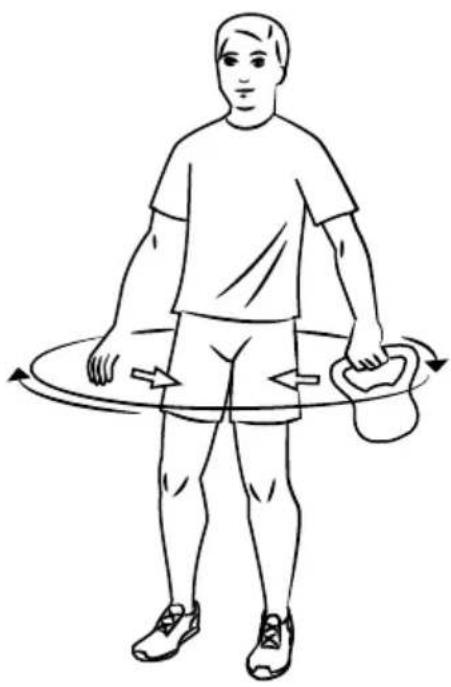
natural_image
Line drawing of a person standing with a kettlebell, showing motion arrows indicating movement (no text or symbols)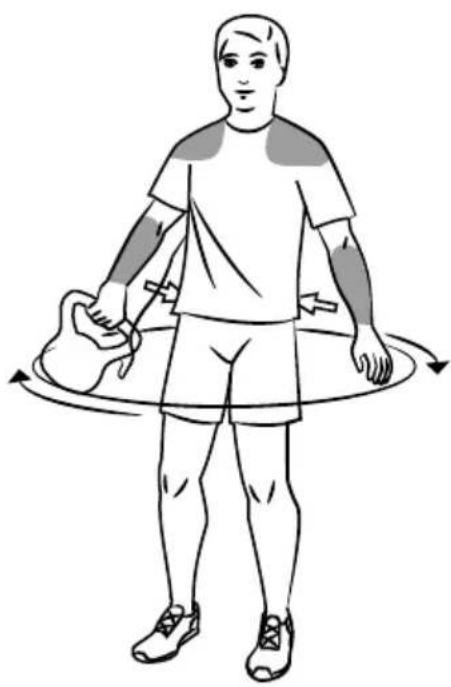
natural_image
Line drawing of a person performing a stretching exercise with arms and legs, showing motion trajectory (no text or symbols)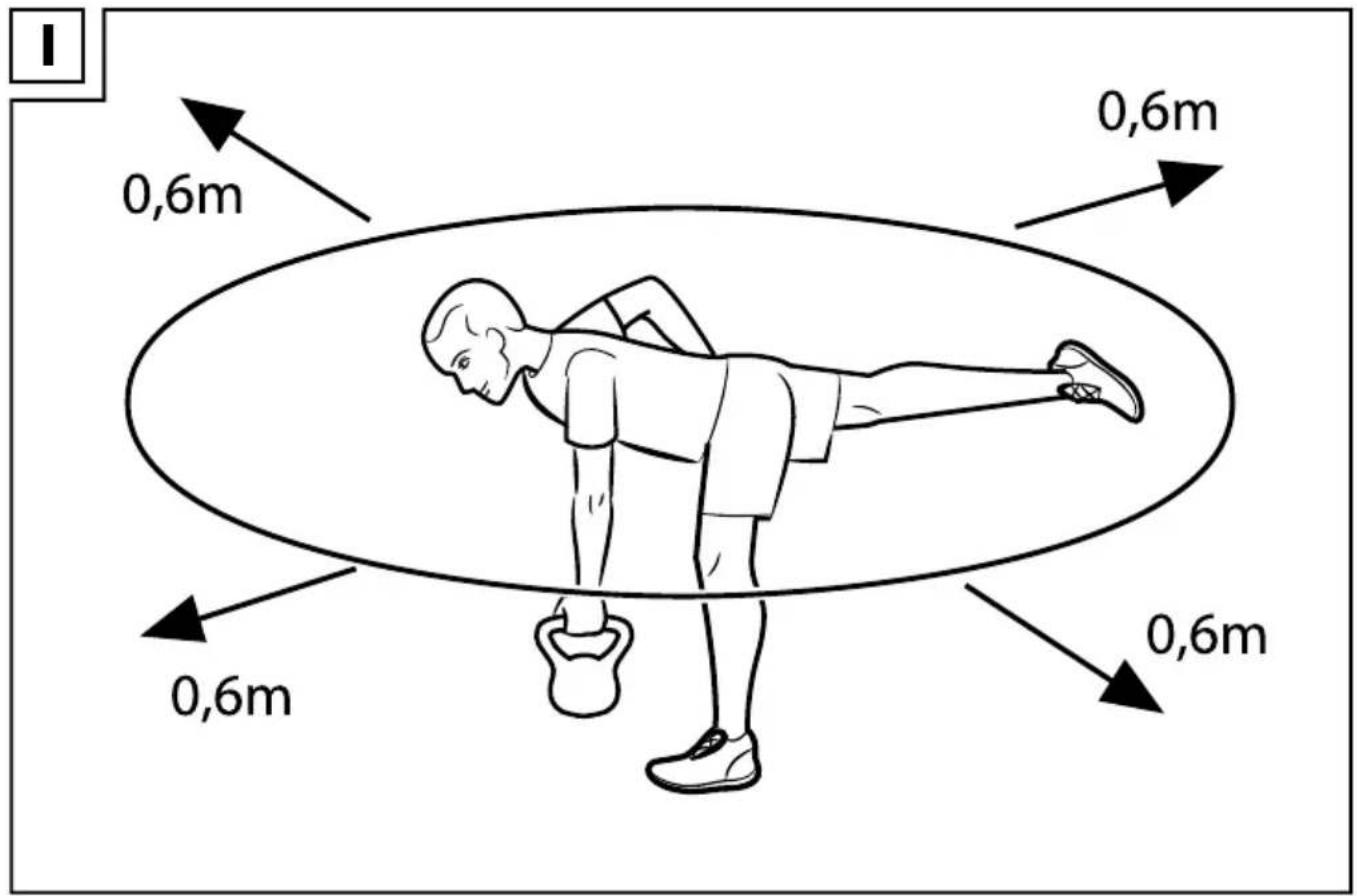
text_image
0,6m 0,6m 0,6m 0,6mDE AT CH
Lieferumfang 10
Technische Daten 10
Extra caution - risk of injury to children! .... 16
Dangers due to wear and tear 16
General exercise instructions 17
Warming up 17
Exercise suggestions 17
Stretching 19
Storage, cleaning 20
Disposal 20
Notes on the guarantee and service handling 20
FR BE
Single Leg Deadlift (Abb. E)
You have chosen to purchase a high-quality product. Familiarise yourself with the product before using it for the first time.

Read the following instructions for use carefully.
Use the product only as described and only for the given areas of application. Store these instructions for use carefully. When passing the product on to third parties, please also hand over all accompanying documents.
Package contents
1 x kettlebell
1 x instructions for use
1 x quick guide
Technical data
KK-11471: approx. 4kg
KK-11472: approx. 6kg
KK-11473: approx. 8kg

Date of manufacture (month/year): 06/2022
Intended use
This product was developed as an exercise device for exercising your entire body. The product is designed for private use and is not suitable for medical, therapeutic or commercial purposes.
Safety information

Life-threatening hazard!
- Never leave children unattended with the packaging materials. There is a risk of suffocation.

Risk of injury!
- Consult your doctor before you start exercising. Make sure you are healthy enough to exercise.
- Always keep the instructions for use with the exercise instructions readily available.
- Pregnant women should only exercise after consulting with their doctor.
• Always remember to warm up before exercising and exercise according to your current performance ability. Over-exertion and over-exercising may lead to serious injuries.
- No modifications may be made to the product!
- The product is not suitable for therapeutic purposes.
- Use the product only as specified in the 'Intended use' section.
- This product may be used by children 14 years of age and older, as well as by persons with diminished physical, sensory or mental abilities or lack of experience or knowledge, if they are supervised or instructed in the safe use of the product and understand the associated risks.
- Stop exercising immediately and contact a doctor if you experience pain, weakness or fatigue.
- The product must only be used by one person at a time.
- There must be space of approx. 0.6m around the exercise area (Fig. I).
• Exercise on a flat, non-slip surface only.
- Don't use the product near steps or landings.
- When using the product, be aware of its weight and do not underestimate this.

Extra caution – risk of injury to children!
- Do not allow children to use this product unsupervised. Instruct them in the correct use of the product and maintain supervision. Only allow the use of the product if the child's mental and physical development allows it.
- Bear in mind that children are playful and like to experiment. Avoid situations and behaviours that are not appropriate for the product.

Dangers due to wear and tear
- The product may only be used if it is in perfect condition. Check the product for damage or wear before each use. The safety of the product can only be guaranteed if it is regularly inspected for damage and wear and tear. If damaged, it must not be used anymore.
- Protect the product from extreme temperatures, sun and dampness. Improper storage or use of the product could lead to premature wear and tear, which could result in injury.
General exercise instructions
Exercise tips
- Wear comfortable sports clothing and athletic shoes.
- Warm up before each exercise session and end the session gradually.
• Take sufficient breaks between the exercises and keep yourself sufficiently hydrated. - If you are a beginner, never exercise with too much intensity. Increase the intensity of the exercise sessions slowly.
- Perform all exercises smoothly, not jerkily, and at a consistent tempo.
- Be sure to breathe steadily. Exhale during exertion and inhale upon release.
- Maintain correct body posture while exercising.
General exercise plan
Create an exercise plan that suits your needs with 6-8 sets of exercises.
Pay attention to the following fundamentals:
- A set should consist of approx. 12 repetitions of one exercise.
• Each set can be repeated 3 times. - You should take a 30-second break between each set.
- Warm up your different muscle groups well before each exercise session.
- We also recommend stretching after each exercise session.
Warming up
Take sufficient time before each exercise session to warm up. Some simple warm-up exercises are shown below.
You should repeat each exercise two to three times.
Neck muscles
- Turn your head slowly to the left and to the right. Repeat this movement four to five times.
- Rotate your head slowly, first in one direction then in the other.
Arms and shoulders
- Clasp your hands behind your back and pull them upwards slowly. If you bend your upper body forwards at the same time, all your muscles will be fully warmed up.
- Rotate both shoulders forwards at the same time and change direction after one minute.
- Pull your shoulders up to your ears and then let them drop again.
- Circle your right and left arms alternately forwards and then, after one minute, backwards.
Important: don't forget to keep breathing steadily!
Leg muscles
- Stand on one leg and lift the other leg, with the knee bent, approx. 20cm off the floor.
- Rotate your raised foot first in one direction, then change direction after a few seconds.
- Switch legs and repeat this exercise.
- Lift one leg after the other and take a few steps on the spot. Make sure you only lift your legs to a height where you are still able to maintain your balance well.
Exercise suggestions
Below are a selection of exercises.
Triceps (Fig. A)
Muscles used: arm (triceps)
Starting position
- Stand with your feet hip-width apart on the floor. Your toes are pointing forwards and your knees are slightly bent.
- Hold the product with both hands behind your head. The backs of your hands are facing backwards and your legs are slightly bent.
End position
- Tense your leg, buttock and abdominal muscles throughout.
- With your forearms only, lift the product slowly upwards behind your head. Straight-en your upper body and pull your shoulder blades towards your spine. Tense your arms. Your shoulders remain lowered throughout the exercise.
Important: make sure you do not completely straighten your elbows, and that they are pointing outwards.
- Hold this position for a moment and then slowly lower the product back to the starting position.
- Repeat the exercise 8 to 12 times in three sets.
Important: perform the movements slowly and do not completely straight-en your elbows during the stretch.
Make sure your elbows are pointing outwards when bent.
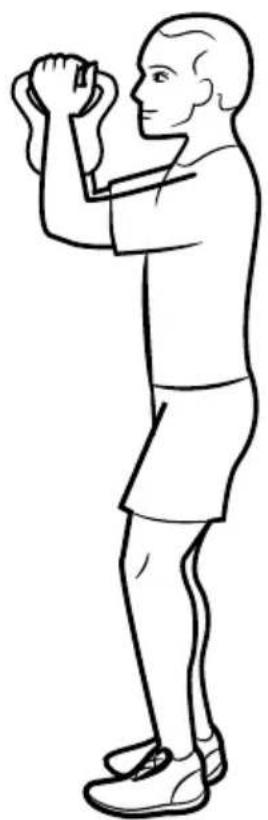
Squats (Fig. B)
Muscles used: thigh, buttock, lower back
Starting position
- Stand with your feet shoulder-width apart on the floor. Your toes are pointing forwards and your knees are slightly bent.
- Take the product in your hands and hold it in front of you at head height with your arms bent.
End position
- Tense your buttock, arm and abdominal muscles.
- Push your buttocks back and bend your knees. Make sure your upper body is slightly forward and upright.
- Hold this position briefly and then return to the starting position.
- Repeat the exercise 8 to 12 times in three sets.
Important: perform the movements slowly and hold your back straight throughout the entire exercise.
Reverse lunge (Fig. C)
Muscles used: leg, arm, shoulder and core
Starting position
- Stand with your feet shoulder-width apart on the floor. Your toes are pointing forwards and your knees are slightly bent.
- Hold the product in your left hand at shoulder height. Your palm is facing inwards.
End position
- Take a lunging step back with your left leg. Bend your left knee at a 90° angle so that it almost touches the floor.
- Push your left arm up at the same time. Keep your upper body and hips straight.
-
Remain in this position for a moment.
-
Slowly return your left leg and left arm to the starting position.
- Repeat the exercise 8 to 12 times and then switch sides.
- Complete three sets of this exercise.
Important: perform the movement slowly and hold your back and hip straight throughout the entire exercise.
Arm and chest muscles lying down (Fig. D)
Muscles used: arm (triceps) and chest
Starting position
- Lie on the floor and place your feet side by side on the floor, hip-width apart, with knees bent.
- Hold the product vertically above your abdomen with both hands. Your upper arms are close against your body.
End position
- Tense your leg, buttock and abdominal muscles. Pull your shoulder blades towards your spine. Your neck extends from your spine.
- Stretch your arms upwards towards the ceiling. Your shoulders remain on the floor and your elbows are slightly bent.
- Remain in this position for a moment.
- Slowly return your arms to the starting position.
- Repeat the exercise 8 to 12 times in three sets.
Important: perform the movements slowly. Only your arms should move, your shoulders remain lowered and your lower back stays on the floor throughout.
Single leg deadlift (Fig. E)
Muscles used: leg, arm (triceps), lower back, stomach and buttock
Starting position
- Stand with your feet hip-width apart on the floor. Your toes are pointing forwards and your knees are slightly bent.
- Hold the product in your left hand. Your palm is facing inwards.
- Tense your buttock and core muscles and hold your arm straight.
End position
- Shift your weight onto your left leg. Bend your upper body forwards and stretch your right leg out behind you. The leg you are standing on is slightly bent.
- At the same time move your left hand down towards the floor. Your back remains straight and your right arm extended.
Important: make sure you rotate your hips as little as possible.
-
Remain in this position for a moment.
-
Repeat the exercise 8 to 12 times and then switch sides.
-
Complete three sets of this exercise.
Important: perform the movements slowly. Your feet remain firmly on the floor, your shoulders remain lowered and your lower back is straight.
Swing (Fig. F)
Muscles used: shoulder, thigh, buttock
Starting position
- Stand with your feet shoulder-width apart on the floor. Your toes are pointing slightly outward and your knees are slightly bent.
- Hold the product with both hands. Your palms are facing inwards.
End position
- Tense your buttock and abdominal muscles and hold your back straight.
- Bend your knees and swing the product slowly backwards between your legs.
- Straighten your legs and swing the product up to chin height. Your shoulders remain lowered.
- When the product has reached the highest point, stop the movement briefly, then let the product swing down in a controlled way.
- Repeat the exercise 8 to 12 times in three sets.
Important: always control the movement of the weight against overly forceful swinging. Your buttocks and abdomen remain firmly tensed. Your head should be an extension of your spine.
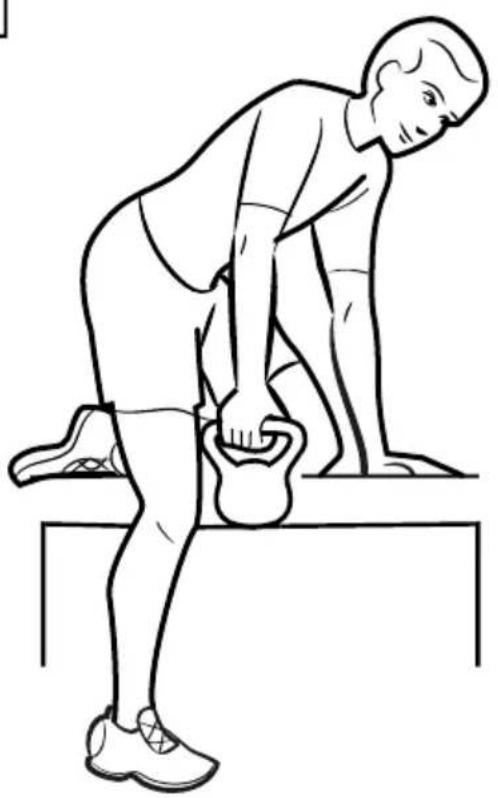
Rowing bend (Fig. G)
Muscles used: back and arm (biceps)
Starting position
-
Place your left knee on a chair or bench. Hold your core stable and your back straight.
-
Hold the product in your right hand. Your palm is facing inwards.
- Slightly bend your upper body forwards and support yourself on your left hand.
End position
- Slowly bend your arm and lift your elbow to shoulder height. Hold your back straight.
- Remain in this position for a moment.
- Slowly return your arm to the starting position.
- Repeat the exercise 8 to 12 times and then switch sides.
- Complete three sets of this exercise.
Important: perform the movements slowly and hold your back straight throughout the entire exercise.
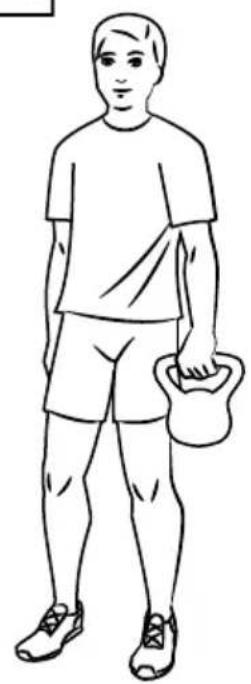
Slingshot (Fig. H)
Muscles used: shoulder and underarm
Starting position
- Stand with your feet shoulder-width apart on the floor. Your toes are pointing forwards and your knees are slightly bent.
- Hold the product in your left hand. Your palms are facing backwards.
- Tense your buttock and core muscles and hold your arm straight.
End position
- Tense your core muscles. Swing the product in a circular motion around your body. As you do so, pass the product from one hand to the other in front and behind your body.
Note: make sure that you continue to hold the product firmly.
-
Swing the product approx. 10 times around your body, and then change direction.
-
Repeat the exercise 8 to 12 times in three sets.
Important: perform the movements smoothly. Hold your back straight and tense your core muscles throughout the entire exercise.
Stretching
Take sufficient time to stretch after each exercise session. Some simple exercises to do this are shown below.
You should perform each exercise three times per side for 15-30 seconds.
Neck muscles
- Stand in a relaxed posture.
- Pull your head gently to one side with one hand, first to the left and then to the right.
This exercise stretches the sides of your neck.
Arms and shoulders
- Stand up straight with your knees slightly bent.
- Bend your right arm behind your head until your right hand is between your shoulder blades.
- Grip your right elbow with your left hand and pull it backwards.
- Change sides and repeat the exercise.
Leg muscles
- Stand upright and lift one foot off the floor.
- Rotate it slowly, first in one direction, then the other.
- Switch feet after a while.
Important: make sure your thighs remain parallel to each other. Push your pelvis forwards, keeping your upper body upright.
Storage, cleaning
When not in use, always store the product clean and dry at room temperature.
Only clean the product with a damp cloth and wipe dry afterwards.
IMPORTANT! Never clean the product with harsh cleaning agents.
Disposal
Dispose of the article and the packaging materials in accordance with current local regulations. Packaging materials such as foil bags are not suitable to be given to children. Keep the packaging materials out of the reach of children.

Dispose of the products and the packaging in an environmentally friendly manner.

The recycling code is used to identify various materials for recycling. The code consists of the recycling symbol – which
is meant to reflect the recycling cycle - and a number which identifies the material.
Notes on the guarantee and service handling
The product was produced with great care and under continuous quality control. DELTA-SPORT HANDELSKONTOR GmbH gives private end customers a three-year guarantee on this product from the date of purchase (guarantee period) in accordance with the following provisions. The guarantee is only valid for material and manufacturing defects. The guarantee does not cover parts subject to normal wear and tear that are thus considered wear parts (e.g. batteries) or fragile parts such as switches, rechargeable batteries, or parts made of glass.
Claims under this guarantee are excluded if the product has been used incorrectly, improperly, or contrary to the intended purpose, or if the provisions in the instructions for use were not observed, unless the end customer proves that a material or manufacturing defect exists that was not caused by one of the aforementioned circumstances.
Claims under the guarantee can only be made within the guarantee period by presenting the original sales receipt. Please therefore keep the original sales receipt. The guarantee period is not extended by any repairs carried out under the guarantee, under statutory guarantees, or as a gesture of goodwill. This also applies to replaced and repaired parts.
If you wish to make a claim please first contact the service hotline mentioned below or contact us by e-mail. If there is a guarantee case, then the product will be repaired or replaced free of charge to you or the purchase price will be refunded, depending on our choice.
Your legal rights, in particular guarantee claims against the respective seller, are not limited by this guarantee.
IAN: 391391_2201
GB Service Great Britain
Tel.: 0800 404 7657
E-Mail: deltasport@lidl.co.uk
IE Service Ireland
Tel.: 11800 101010
E-Mail: deltasport@lidl.ie
Félicitations!
Reverse lunge (afb. C)
Single leg deadlift (afb. E)
Single leg deadlift (fig. E)
KK-11471: pribl. 4 kg
KK-11472: pribl. 6 kg
KK-11473: pribl. 8 kg

Datum izdelave (mesec/leto): 06/2022