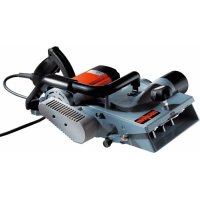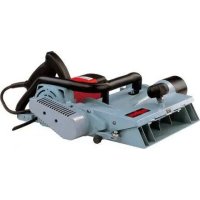
ZH 320 Ec - Plane Mafell - Free user manual and instructions
Find the device manual for free ZH 320 Ec Mafell in PDF.


User questions about ZH 320 Ec Mafell
0 question about this device. Answer the ones you know or ask your own.
Ask a new question about this device
Download the instructions for your Plane in PDF format for free! Find your manual ZH 320 Ec - Mafell and take your electronic device back in hand. On this page are published all the documents necessary for the use of your device. ZH 320 Ec by Mafell.
USER MANUAL ZH 320 Ec Mafell
Please read all safety instructions and directions. Failure to comply with the safety instructions and directions can cause electric shock, fire and/or serious injuries. Please retain all safety instructions and directions for future reference.
AVERTISSEMENT
GB - EC Declaration of Conformity
We herewith confirm that the machine ZH 320 Ec complies with the EU directives quoted. The standards listed were used for design and construction. Empowered person for the
configuration of the technical documents: Mafell AG
CZ - PROHLASENI O SHODE
Timo prohlaujeme, ze stroz ZH 320 Ec splujue Pokny uvedenych smemic EU. Pfi planovani a sestaveni byly vyuzity uvedenene normy.
Za sestaveni technickych podkladu zodpovda: Mafell AG
SLO - ES izjava o skladnosti
S tem Izavlamo, da stroj ZH 320 Ec utreza navedenim direktivam EU. Pri konstrukcji in izdelavi so uporabljeni našeti standardi.
1 Signs and symbols 15
2 Product information 15
2.1 Manufacturer's data 15
2.2 Machine identification 15
2.3 Technical data 16
2.4 Emissions 16
2.5 Scope of supply 16
2.6 Safety devices 17
2.7 Use according to intended purpose 17
2.8 Residual risks 17
3 Safety instructions 17
4 Setting/Adjustment 18
4.1 Mains connection 18
4.2 Dust extraction 19
4.3 Blade change 19
5 Operation 19
5.1 Initial operation 19
5.2 Switching on and off 19
5.3 Depth of cut adjustment 19
5.4 Work instructions 20
5.5 Chip ejection 20
6 Service and maintenance 20
6.1 Tool 20
6.2 Storage 20
7 Troubleshooting 21
8 Optional accessories 21
9 Exploded drawing and spare parts list 21
1 Signs and symbols

This symbol is found in all places where you will find information for your safety.
Non-compliance with these instructions may result in very serious injuries.
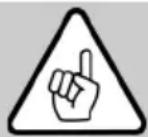
This symbol indicates a potentially hazardous situation. If this situation is not avoided, the product or objects in its vicinity may get damaged.

This symbol indicates tips for the user and other useful information.
2 Product information
for machines with product no. 924401, 924420, 924421
2.1 Manufacturer's data
MAFELL AG, Beffendorfer Straße 4, D-78727 Oberndorf / Neckar, Phone +49 (0)7423/812-0, Fax +49 (0)7423/812-218, e-mail: mafell@mafell.de
2.2 Machine identification
All details required for machine identification are available on the attached rating plate.

Protection class II

CE symbol to document compliance with the basic safety and health requirements according to Appendix I of the Machinery Directive.
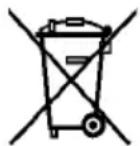
For EU countries only
Do not dispose of electric tools together with household waste material! In accordance with the European directive 2002/96/EC on waste electrical and electronic equipment and transposition into national law, obsolete electrical tools must be collected separately and recycled in an environmentally-compatible manner.

To reduce the risk of injury, please read the operating instructions.

Always wear ear protectors during work.
2.3 Technical data
| Operating voltage | 230 V AC | |
| Mains frequency | 50 Hz | |
| Input power continuous operation | 2700 W | |
| Speed of planing shaft | while idling | 8500 rpm |
| at normal load | 8500 rpm | |
| Planing width | 320 mm (12 5/8 in.) | |
| Chip removal | 0 - 3 mm (0 - 1/8 in.) | |
| Cutting speed at normal load | 32.9 m/s (108 ft/sec.) | |
| Weight without mains cable | 14 kg (30.8 lbs) | |
| Extractor connection diameter | Inside / outside | 75/80 mm (2 15/16 - 3 1/8 in.) |
2.4 Emissions
The declared noise emission values have been measured in accordance with EN 62841-1 and EN 62841-2-14 and may be used for comparing the tool with another and also in a preliminary assessment of exposure.

Danger
The noise emissions during actual use of the power tool can differ from the declared values depending on the ways in which the tool is used especially what kind of workpiece is processed.
Always wear hearing protection, even when the power tool ist running idle in addition to the trigger time!
2.4.1 Noise emission specifications
Noise emission values determined according to EN 62841-1 and EN 62841-2-14:
Sound pressure level L P_A = 102dB (A)
Uncertainty K PA = 3,0dB (A)
Sound power level L_PA = 110dB(A)
Uncertainty K PA = 3,0 dB (A)
The noise measurement is recorded using the planing shaft included in the standard equipment.
2.4.2 Vibration specifications
The typical hand-arm vibration is 2.7m / s^2
2.5 Scope of supply
Carpenter's plane ZH 320 Ec complete with:
1 set reversible blades
1 operating tool
1 operating manual
1 folder "Safety Instructions"
2.6 Safety devices

Danger
These devices are required for the machine's safe operation and may not be removed or rendered inoperative.
Before operating the machine, check the safety devices for function and possible damage. Do not use the machine with missing or ineffective safety devices.
The machine is equipped with the following safety devices:
Large base plate
- Handles
- Index mechanisms
- Hose connector
2.7 Use according to intended purpose
The carpenter's plane is exclusively intended for processing solid wood using HL-reversible blades.
Dimension and quality of the spacer blocks, blade carriers and reversible blades used must correspond to the parts listed in the spare parts list. The order numbers can be found in the spare parts list.
Any other use than described above is not permissible. The manufacturer cannot be held liable for any damage arising from such other use.
So as to use the machine as intended, comply with the operating, maintenance and repair instructions specified by Mafell.
2.8 Residual risks

Danger
Even if used in accordance with its intended purpose and despite conforming with the safety instructions, residual risks caused by the intended use that can lead to health consequences will always remain.
- Touching the running planing shaft below the base plate.
- Touching the sharp planing blades with stationary planing shaft.
- Touching the sharp planing blade edges when changing the blades.
- Touching the running planing shaft through the chip ejector.
- Ejection of incorrectly fitted planing blades.
- Breakage and ejection of parts of the planing blades.
- Machine or workpiece get flung off when planing from within the workpiece.
- Touching live parts with the housing open and the mains plug not removed.
- Hearing can be impaired when working for long periods without ear protectors.
- Emission of harmful wood dusts during longer operation without extraction.
3 Safety instructions

Danger
Always observe the following safety instructions and the safety regulations applicable in the respective country of use! Please also read the safety information in the enclosed folder 070500 "Safety instructions" (according to standard 62841-1).
General instructions:
- Children and adolescents must not operate this machine. This rule does not apply to young persons receiving training and being supervised by an expert.
- Never work without the protection devices prescribed for the respective operating sequence and do not make any changes to the machine that could impair safety.
- When operating the machine outdoors, use of an earth-leakage circuit-breaker is recommended.
-
Damaged cables or plugs must be immediately replaced. Replacement may only be carried out by Mafell or an authorised MAFELL service workshop in order to avoid safety hazards.
-
Always check before beginning work whether the protection and work devices are safely attached and not damaged. Damaged protection devices and parts must be repaired or exchanged appropriately.
- Consider environmental influences. Do not expose the machine to rain and avoid working in a damp or wet environment as well as near to combustible liquids and gases.
- Do not carry the machine by its cable and do not use the cable to pull the plug out of the socket outlet.
- Pay attention that the cable is protected against oil and heat and is not pulled across sharp edges.
- Avoid sharp bends in the cable. Especially when transporting and storing the machine, do not wind the cable around the machine.
- Only allow an electrician to carry out work on the electrical parts of the machine.
- Store the machine in a dry, locked place outside the reach of children.
Instructions on the use of personal protective equipment:
- Always wear ear protectors during work.
- Always wear protective goggles during work.
- Always where a dust mark during work.
Instructions on operation:
- Wait for the cutter top stop before setting the tool down. An exposed rotating cutter may engage the surface leading to possible loss of control and serious injury.
- Hold the power tool by insulated gripping surfaces, because the cutter may contact its own cord. Cutting a "live" wire may make exposed metal parts of the power tool "live" and could give the operator an electric shock.
- Use clamps or another practical way to secure and support the workpiece to a stable platform. Holding the workpiece by your hand or against the body leaves it unstable and may lead to loss of control.
- Provide for an unobstructed and slip-proof location with adequate lighting.
-
The power plug must be pulled before replacing tools, making adjustments and repairing malfunctions (this also comprises removing jammed chips).
-
Do not work on workpieces which are too small or too large for the capability of the machine.
- The switch may not be wedged.
- Only begin planing the workpiece when the planing shaft has achieved its full speed.
- Examine the workpiece for foreign objects. Never attempt to plane over nails or other metal objects.
- During planing, always lead the connecting cable away from the machine to the side (Fig. 1).
- An even feed during planing increases the life time of blades and machine and reduces the risk of accidents. Do not reverse plane or plunge plane!
- Planing blades must be reversed or replaced in good time, as blunt blades do not only increase the danger of backlash, but also place an unnecessary strain on the motor.
- Never reach into the planing shaft or into the chip ejector while the machine is running.
- The wood dust arising during planing impairs the necessary view and is partly injurious to health. If the machine is used for longer periods, it must therefore be connected to a chip extractor, e.g. a portable small extractor, if the work is not carried out outdoors or in a sufficiently ventilated room. The air velocity must be at least 20m / s (65.6 ft/sec.).
Instructions on service and maintenance:
- Regularly cleaning the machine, especially the adjusting devices and guides, constitutes an important safety factor.
- Only original MAFELL spare parts and accessories may be used. Otherwise the manufacturer will not accept any warranty claims and cannot be held liable.
- Use a suitable tool, e.g. a piece of wood to clean a clogged ejection nozzle. Do not reach into the ejection nozzle.
4 Setting / Adjustment
4.1 Mains connection
The carpenter's plane is equipped with protective insulation according to Class I and may therefore only be connected to socket outlets with protective earth conductor.
Prior to commissioning make sure that the mains voltage complies with the operating voltage stated on the machine's rating plate.
4.2 Dust extraction
Connect the machine to a suitable external dust extractor during all work generating a considerable amount of dust. The air velocity must be at least 20m / s (65.6 ft/sec.).
The internal diameter of hose connector is 75mm (2 15/16 in.).
4.3 Blade change

Danger
Pull the power plug during all service work.
Sharp planing blades guarantee a regular planing pattern and put less strain on the motor. Blunt planing blades must therefore be reversed or exchanged.
Prior to the blade exchange, release screws 13 (Fig. 3) at the lateral cover and tilt away the cover 14. Screw the hexagon head screws 10 (Fig. 2) approx. 1 - 2 turns into the spacer blocks 12 using the open-ended spanner (width across flats 8). Pull the spacer blocks with blade and blade carrier 9 laterally from the planing shaft.
Clean all parts and the blade chamber inside the planing shaft.
Always reverse both blades or fit new blades. Pay attention that the blades are fitted on the pins in the spacer block first and only then the blade carriers. Afterwards, insert the blades including the carrier system laterally into the planing shaft and pay attention that blade carrier and blades do not laterally protrude beyond the shaft body. First only lightly, then firmly tighten the clamping screws from the centre outwards using the open-ended spanner (width across flats 8) included in the supply (8.4Nm) . Tilt the cover back again and tighten the screws. The planing shaft has been preset at the factory. An adjustment of the fitted blades is therefore not necessary and may not be carried out, as otherwise the permissible projection of the blades beyond the shaft body may be exceeded.
5 Operation
5.1 Initial operation
Personnel entrusted to work with the machine must be made aware of the operating instructions, calling particular attention to the chapter "Safety instructions".
5.2 Switching on and off
Before switching on, pay attention that the machine's planing shaft does not rest on the support or on the workpiece. For this purpose, lift the carpenter's plane with both hands by the handles 1 and 4 (Fig. 4).
- Switching on: First unlock the switch-on lock by pressing the locking lever 15 (Fig. 4) to the front. Then actuate the control lever 2. As this is a switch without locking device, the machine will only run for as long as this switch is pressed.
The built-in electronic system provides for jerk-free acceleration when the machine is switched on and under load readjusts the speed to the fixed setting.
In addition, this electronic system adjusts the motor down in case of overload, i.e. the planing shaft will stop. The load on the machine must then be reduced until the planing shaft has reached its full speed. After that, continue to plane at reduced feed speed.
- Switching off: To switch off, release the switch trigger 2. The switch-on lock automatically takes effect again and secures the machine against accidental switch-on.
On switching off the machine, the automatic brake takes effect simultaneously. This shortens the slowing time of the machine to approx. 1 - 3 seconds.
5.3 Depth of cut adjustment
The chip removal can be set to between 0 and 3mm (0 - 1 / 8 in.). This is done with the handle 5 (Fig.4) for depth of cut adjustment. The set planing depth can be read off scale 6.
During normal operation, the chip removal should remain restricted to approx. 2mm (1/16 in.). To avoid overloading the motor, the maximum chip removal should only be used in extreme cases.
5.4 Work instructions
Thanks to its balanced weight distribution, the carpenter's plane has a good grip. It can be guided using the handles 1 and 4 (Fig. 4).
For planing, the machine's front contact area is placed onto the workpiece such that the planing shaft does not engage. After switching on and as soon as the planing shaft has reached its full speed, the carpenter's plane is guided over the timber applying an even pressure. An even feed results in a regular planing pattern and reduces the strain on the machine.
When the carpenter's plane is overloaded, the speed of the planing shaft drops. It is then necessary to wait until the planing shaft has reached its full speed again. Afterwards, it is possible to continue working with reduced feed.
When working with a full planing width, the lever with guide roller 7 is tilted downwards and tensioned with the knurled knob 8. This provides the plane with a lateral guide.
After planing, immediately switch off the machine by releasing the switch and do not put down with running planing shaft. When resetting the chip removal to 0, the plane may be put down on a flat surface without damaging the support, even if the blades are in an unfavourable position.
5.5 Chip ejection
The carpenter's plane is designed such that during planing with appropriate feed speed and fully utilised planing width, an efficient chip ejection is ensured. In the process, the chips are ejected to the side so that the view onto the workpiece is not obstructed.
6 Service and maintenance

Danger
Pull the power plug during all service work.
MAFELL machines are designed to be low in maintenance.
The ball bearings used are greased for life. When the machine has been in operation for a longer period of time, we recommend to hand the machine in at an authorised MAFELL customer service shop for inspection.
Only use our special grease, order No. 049040 (1 kg tin) for all greasing points.
6.1 Tool
The planing shaft, spacer blocks, blade carriers and blades used on the machine should be regularly deresinified as a clean tool improves the cutting quality. Deresinification is carried out by placing the spacer blocks, blade carriers and reversible blades for 24 hours in petroleum or a commercial deresinificaton agent.
Aluminium tools may only be deresinified with solvents which do not corrode the aluminium.
6.2 Storage
Clean the machine thoroughly if the machine is not used for a longer period of time. Spray blank metal parts with a rust-proofing agent.
7 Troubleshooting

Danger
Determining the causes for existing defects and eliminating these always requires increased attention and caution. Pull the mains plug beforehand!
Some of the most frequent defects and their causes are listed in the following chart. In case of other defects, contact your dealer or the Mafell customer service.
| Defect | Cause | Elimination |
| Machine cannot be switched on | No mains voltage | Check power supply |
| Mains fuse defective | Replace fuse | |
| Carbon brushes worn | Take the machine to a Mafell customer service shop | |
| Machine switches off automatically during idling or stops during planing | Mains failure | Check mains back-up fuses |
| Machine overloaded | Reduce feed speed | |
| Speed decreases during planing | Excessive chip removal | Reduce chip removal |
| Feed rate too fast | Reduce feed speed | |
| Blunt blades | Reverse or exchange blades | |
| Irregular planing pattern | Blunt blades | Reverse or exchange blades |
| Uneven feed | Plane with constant pressure and reduced feed | |
| Chip ejection blocked | Excessive chip removal | Reduce chip removal |
| Feed rate too fast | Reduce feed speed | |
| Blunt blades | Reverse or exchange blades | |
| Wood is too damp | Clean chip ejection | |
| Extended planing without extraction | Connect to an external extraction, e.g. portable dust extractor |
8 Optional accessories
- Reversible blades (1 pair) Order No. 091791
- Reversible blades (3 pairs) Order No. 091889
- Clamping jaws Order No. 202295
- Blade holder (1 pair) Order No. 091790
- Extraction adapter ZH-RS Order No. 207887
9 Exploded drawing and spare parts list
The corresponding information in respect of spare parts can be found on our homepage: www.mafell.com
Sommaire
| Geluidsniveau L | PA = 102 dB (A) |
| Onzekerheid | KPA = 3,0 dB (A) |
| Geluidsniveau L | PA = 110 dB (A) |
| Onzekerheid K | PA = 3,0 dB (A) |
4 Forbereda/stalla in
4.1 Nätanslutting
| Lydtryksniveau L | PA = 102 dB (A) |
| Usikkerhed | KPA = 3,0 dB (A) |
| Lydeffektniveau L | WA = 110 dB (A) |
| Usikkerhed K | WA = 3,0 dB (A) |
2.5 KomnneKT noCTaBKn
B komnkeT nIooTHuKoro py6aHka ZH 320 Ec BxoDHT:
1 KOMJIeKT NOBOPOTbIX HOKeI
1 INHCTpymeHTIJIyO6CnyKuBaHnIa
1 INHCTpykuiyno 3KcNlyaatau
16poHopa ,Yka3aHn no TeXnKe 6eOanchoCTn"
BHyTpEnHn DnaMeTp OTCaCbIbAIOUeRo NaTpy6Ka COCTabJraTe 75 MM.
4.3 3aMeHa HOKei

Onacho
Ipn npoBeHn IIO6bIX pa60 nToTexHnueCKOMy OBCnyKINBaHNIOBbIHMaTb BnIKy CoeINHInTeJbHOOnHypa.
OctpbIe cTporaJIbHbIe HOxI rapaHTnpyOT aKKypaTHoe CTporaHHe I CO3dAOT MeHbUyHO HaRpy3ky Ha DBnraTeIb. 3aTyINBwIeCer cTporaJIbHbIE HOxNΦ Heo6XoDmO pa3BepHyTb NII 3aMeHHTb.
Дялгпелегсмehои HOжа OTКpyTHTe BnHTbI 13 (pnc.3)Ha 6okoboi Kpbiшke N OTBepHnTe KpbiKUy 14. 3aTAHNTe BnHTbIC WeCTNIRpaHHo IToOBKOJ 10 (pnc. 2)ODHOCTOPOHNM RaeyHbIM KJIIOvOM Ha 8 npImepHo Ha 1-2O6opota B 3axmMbIX KyJaQkax 12. IV3BJIeKInTe 3axmMbIe KyaqKIN C HOxAMN HoxKeDEpKaTeJIaMn c6OKy n3 CTporaJIbHOrO BaJa.
OuHCTnTe BCE DeTaI IN KaMepy HOJa B CTrpOraJIbHOM BaIe.
Bcerda nepebopauBaTb 6oa HOxaknn yctaHaBnBaTb HOBbie HOxN.CIeNTe 3a TeM,HTO6bl Ha 7tNΦTb1 B 3aKIMhbIX KUpaKax cHaQana YCTaHaBnBaJcra HOX,a NOTOM HOxEdepKaTeNb. 3aTEM BCTaBbTe HOX BMeCTe C CNTeMOK KpeJIeHn CBOKy B CTporalbHbI BaN i CNeIte 3a TeM,HTO6bl HOxEdepKaTeNb I HOX He BbICTynn NO 6okam 3a Kopnyc BaN.A. 3aTaNTE 3aXUMhble KUaKn C cepeINHbI HApKy OJHOCTOpOHm RaeyHbIM KJIIOvOM Ha 8,BXODaYIM B KOMNKeT NocTabKn, Chayana Cnerka,NOTOM Tyro (8,4HM).CHOBa NOBepHnte Ha3ad KpbIshky n 3aTaNHE BINTbI. CTporalbHbI BaN OTpeYIpOBaH yxe Ha 3aBoDe.Io3Tomy IOCTnpOBKn BCTabJIeHHbIX HOxKHe Tpe6ByETc,N OHa He DOJXHa
PON3BOIDTBcA, TaK KaB B IpOTNBOM CJyae MOXHO PpeBbICNTb DONyCTmbl BbICTyH OXeH NaOCHOBHO YAcTbIO BaJa.
5 3Kcnnnyataua
5.1 BbOdB 3KcnpnyatauHIO
DaHnyIO INctpKuIO NO 3KcNpyataCneDyET DOBecTNO CBeDeHnBCEX NlU, KOTOpbIM NOpyuHo ynpaBHeHne MaunHO, npuem Oco6oe BHMaHne cNeDyET Obpatntb Ha pa3dEn ,PpaBnla 6e3OnacHocT".
5.2 BkIIOueHne N BbIKIOueHne
Ipeed BkIIOUeHnEM CneIte 3a TeM, YTO6bl yCTpoiCTBO He npInerano CTporaIbHbIM BaIOM K kakoi-Ni6o NOBepxHOCTN IIN K 3arOTOBKe. Ppi 3TOM IOdHMITE pIoTHnKm py6aHOK oBeHmpyKaMn 3a pyuKn 1 n4 (pnc.4).
BknOueHne: Pa36nokpyTe cHaana 6nOKPOBky npOTNB BkIIOUeHnHaXaTneM pbYara 6nOKPOBKn 15 (pnc.4) BnepeJ. 3aTe m aKTHBnpyTe pbYar BkIIOUeHn2. NocKoNbKy pey bIET O BblKnIOuAtene 6e3 CTOnopa, yCTpoiCTBO pa60Taet, noka Haxat BblKnIOuAteJIb.
BcTpoEHnA 3JIeKToPOHnKa o6ecneuHBaET npN BkIIOHeHn 6e3yIapHOe yckOpeHne n npN DeIcTBnH Harpy3Kn yCTaHaBnBaET qACTOTy BpaUeHnHa YcTaHOBLeHHoe 3HaueHne.
Kpome TOrO, 3Ta 3JIeKTPoHnKa npOn3BOJNT o6paTHyIO perynipOBky DBrIaTeIe B Cnyae nepeRpy3Kn, T.e. cTporalbHbI BAl OCTaETcH HeNoDBrNkHbIM. Torda Heo6xOdmo CHrTB HArpy3Ky C MaunHbI, YTO6bl cTporalbHbI BAl DOCTNR NOJHOuCAcTObI BpaJeHnA. 3aTeM npoJoxKaTcTporAHne C yMeHbWeHHoN CKOpocTbIO nOdaUH.
BbIKJIOUeHHe:ДЯ BbIKJIIOUeHnO TnycTInTe pblar BKIOUeHn2.Пи 3Tom aBTOMaTNUeCKn DeiCTByET 6JOKIPOBka npOTNB BKIOUeHnN 3aunuaeMaunHy OT BKIOUeHnNo OUn6ke.
При ВыIKluoyehи OДнOBpeMeHNO BKluOyaeTcA abTomatnueckn TOpMo3.БlaRoIapr 3ToMv BpeMЯ DBIXKeHNA NO INHePcIM MaUINbI yMeHbSaeTcR npIM. Na1-3 cekyHd.
5.3 PerynpoBka rny6HbI pe3aHn
ToIuHy CHImaEMO CNoA MOxHO yCTaHOBnTb B npedeJax 0-3 MM.3TO BbINOJIHReTCy PuyKo5 (Pnc. 4)ДЯ HAcTpoKn TlYbINbI pe3AHN, pR N 3TOM MOxHO BnDeTb HAcTpoEHHy TOIuHy CHImaEMO CNoA Ha Shkane 6.
B obbIyHOM pexKHe pa6oTb TOnuHy cHMaemOrcNoa CneDyeTe ORpaHnHTb npM. 2 MM.MakcImaJIbHOJ TOUHHOCHMaEMORO CNoR BO n36eKaHHe nepepy3Kn DBrIaTeJIa CneDyeTe NOIb30BaTbCra ToJIbKO B OcO6bIX Cnyaax.
5.4 Yka3aHn no pa6oTe
Благораря Свобуу равношюу pacnpedelenHBOBcA ППOTнцкIMpy6aHOKxopoшо dprKNTcBpyKe.ErO moXHO BecTn 3a pyuKn 1и4 (pnc.4).
ДлгТOrOуTO6bI OcyUeCTBnTb CTpOraHne Heo6xODIMO npINIOXnTB MaunHy nepeDHeN NOBepxHOcTBIO npINerAHnK 3aROTOBKe TaK, YTO6bI CTpOraJIbHbI BaI He BXODIN B KOHTaKT. IocNe BKNIouHEN NIIOTHNICKORO pyBaHka, KaK TOnbKO CTpOraJIbHbI BaI DOCTNR CBOE NOLHOuYAcTOTbl BpaSeHn, Heo6xODIMO BeCTN erO, paBHOMepHo DaBry, no DepeBy. PaBHOMepHaN IOdaYa obecneuBaet aKKypaTHoe CTpOraHne n 6epeKet MaunHy.
B cnyae neperpy3kn nIOTnHcKOro py6aHka yacToTa BpaueHnA CtporaIbHOrO BaJa naaet. CneyEt NdoJdaTb, NOKA CtporaIbHbI BaN CHOBa DoCTnHET NOnHO uactOtbl BpaueHnA. 3aTeM MOxHO daJeepa60TaTb C yMeHbIeHHo nOdaueH.
Pnpapbote c noHnoi npHnO CTporaHnpaHc HnnpabJIoum pOnKoM 7 OTKnDbIbaeTcBHN3 n 3aJMaetc npfneHoi KhoNko8.5naorapra Tomy y pyBaHka NoBnAETc6 BOKOBa HnnpabJIoua.
IocJIe cTporaHnHa He3aMeJInTeJbHO BbIKJIOUHTb MaunHy, OTnyCTNB nepeKJIIOuATeJb, H He KNaCTb ee npn pa6oTaIoUeM cTporaIbHOM BaJe. Pn BO3BpaTe TOJIuHbI CHImaEMOrO CNoR Ha 0 DaKe npn He6laFOnprrTHOM NIOJOxEHN HOKe py6aHOK MOXHO NOCTaBnTb Ha POBHyIO NobepxHOCtB, He NOBpeINB pni 3TOM OCHOBAHne.
5.5 BbI6poc cTpyxKn
ПлOTицкий py6aHOK cKOHcTpypuPoBaH TaKIM O6pa3OM,чTO BO BpeMЯ cTporAHnC NaIeJaUeckOPOCTbIO NOdAHy N NOJIHOCTbIO 3aDeIcTBYeMOI ShUPHOnO cTporAHnObeCneuHBaETc8 6e3yIpueHbI Bb6poc cTpyKKn. Пр n3tOM cTpyKa Bb6pacbIBaETc8 C6OKy,чTObI He MeMaTaB o630py 3aROToBKn.
6 Texnueckoe obcnyxnbHne n Tekyun peMOHT

Onacho
Ipn npoBeHn IIO6bIX pa60 nO TexHNueCKOMy OBCJyKINBaHNIO BbIHMaTb BNkY CoeINHHTeNbHO shHypa.
KoHCTpyKzmaHMAFELL Tpe6yeT MHNImaJIbHOrTexHueCKOrO 06cIyXnBaHna.
IcnoJb3yemblie 7apIKONoDunHnKn Cma3aHbI Ha BeCb cPOK 3KcnnyatauIN. Pocne dInTeBHOJ 3KcnnyatauINMbI peKOMeHNyEM nepeDaTb MaUNHy Ha TexHNueckNI OCMOTp ABTOPN3OBaHHoNΦnpMOI MAFELL MacTepcKO no 06cNjXnBAHnIO KIneHTOB.
Для СмаЗКИ BCEx TOUeK Cma3KN IcNoIb3yIte TOJbKO HaIу CneuIaNbHyIO KOHcNCTeHTHyIO Cma3Ky, №ДпЯ 3akazа 049040 (1 Kr 6aHaKa).
6.1 HhctpymehT
IcnoJIb3yEmbIe Ha MaUHHe CToPOraJIbHbIe BaJIb, 3aXIMHbIe KUJaUKN, HOKeDEpXaTeN I HOXn DOJXHbI peYJrPHo OBeCCMOINBaTbcR, TaK KaK YnCTbI INHCTpyMeHT yLyUHaET KaueCTBO pe3Kn. ObecCMOnINBaHne OcyuEcTBnAeTcR nyTem NOMEseHnI 3aXIMHbIX KUJaUKN, HOKeDEpXaTeN I NOBOpOTbIX HOKeN Ha 24 Yaca B KePOCSn IIn CTaHdAPTHoe CpeDCTBO dnn ObecCMOnINBaHnI.
ANOMHHeBbI INCTpyMeHTbl CneNyET OuNtAToT CMoJ pACTBOpNTeRIMn, HearpeccNBbIMK aHOMHHIO.
6.2 XpaHeHne
TuaTeIbHO OunchTe MaunHy,ecnHe cobnpaetecb
NCIOb3OBaTbe ee B TeueHne IITeJIbHOBpeMeHN.
PacNbIInTe aHTNKoppo3nHoe CpeDCTBO Ha
He3aUuIeHHbe MetaIIuueckne Detan.
7 YcTpaHHe HEnoJaIOK

Onacho
OnpeJeHne npuHn cyueCTbYIOx HeNoIaOK n IX ycTaPHeHne Bcerda Tpe6yOT NOBbIeHHoro BVHMaHn I OcTOPOXHOCtN. PpeBaPteNbHO BbIHbTe N3 po3ETKn BNk Ky Ka6eJI NiTaHnI!
Hnke nepeuusneHbI Han6oee yactbIe HeNoJaKn Ix npuHbI. PpN Bo3HKnHOBeHm dpynx HenoJaOK oBauaTeCb K CBOeMy nocTaBunKy IIN HEnocpeDCTBeHNO B cepBnchHy cLyXby KomnaHn MAFELL.
| Nivo zvočnega tlaka L | PA = 102 dB (A) |
| Negotovost | KPA = 3,0 dB (A) |
| Raven zvočne moči L | PA = 110 dB (A) |
| Negotovost K | PA = 3,0 dB (A) |