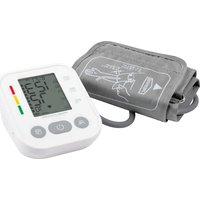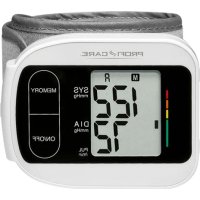
PCBMG 3018 - Blood pressure monitor ProfiCare - Free user manual and instructions
Find the device manual for free PCBMG 3018 ProfiCare in PDF.



| Product type | Electronic wrist blood pressure monitor |
| Model | PC-BMG 3018 (KD-738BR) |
| Measurement method | Oscillometric, automatic inflation and measurement |
| Dimensions (L x W x H) | Approx. 83 x 64 x 28 mm |
| Weight (without batteries) | Approx. 111 g |
| Cuff circumference | 14 – 19.5 cm |
| Power supply | 2 x 1.5 V type AAA / Micro / LR03 batteries |
| Pressure measurement range | 0 – 300 mmHg (cuff); systolic 60 – 260 mmHg; diastolic 40 – 199 mmHg |
| Pulse measurement range | 40 – 180 beats/min |
| Pressure accuracy | ± 3 mmHg |
| Pulse accuracy | ± 5% |
| Memory | 2 x 60 readings with date and time |
| Main functions | Automatic measurement, irregular heartbeat detection, WHO classification (color indicator), average of last 3 readings |
| Display | LCD display with date, time, pressure, pulse, battery indicator |
| Operating temperature | +10°C to +40°C / ≤85% RH |
| Storage temperature | -20°C to +50°C / ≤85% RH |
| Classification | Internal power supply, type BF, IP22 (fingers and splashes), continuous operation |
| Cleaning and maintenance | Clean the device with a soft dry cloth or slightly damp cloth (water, diluted alcohol or soap); disinfect the cuff with 75-90% ethyl alcohol |
| Safety | Do not use on newborns, children, pregnant women, or people allergic to plastic/rubber; do not share the cuff; stop in case of severe arrhythmia |
| Spare parts and repairability | Non-removable cuff; no user-serviceable parts; performance check recommended every 2 years |
| Package contents | Blood pressure monitor, cuff, battery, user guide |
| Standards | IEC 60601-1, IEC 60601-1-2, IEC 80601-2-30, EN 1060-1/3, ISO 81060-2 |
Frequently Asked Questions - PCBMG 3018 ProfiCare
User questions about PCBMG 3018 ProfiCare
0 question about this device. Answer the ones you know or ask your own.
Ask a new question about this device
Download the instructions for your Blood pressure monitor in PDF format for free! Find your manual PCBMG 3018 - ProfiCare and take your electronic device back in hand. On this page are published all the documents necessary for the use of your device. PCBMG 3018 by ProfiCare.
USER MANUAL PCBMG 3018 ProfiCare
text_image
PROFI CARE M A 127 SYS mEqHg DIA mEqHg Pul Hour MEM STARTnatural_image
Blank white image with a small black square and two small symbols on top (no text or labels)
text_image
Scanned document page with faint Chinese characters and a small mark at the top left corner.Abb.2-1 Abb. 2-2 Abb. 2-3
natural_image
Simple line drawing of a device with an arrow indicating bidirectional connection (no text or symbols)D
4. Die Manschette anlegen
natural_image
Illustration of three hand gestures with a tape measure, no text or symbols presentHinweise:
natural_image
Line drawing of a person sitting at a desk using a device (no text or symbols)text_image
11:04 U I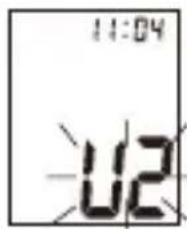
text_image
11:04 U2Abb. 6-1 Abb. 6-2 Abb. 6-3
natural_image
Simple diagram with four horizontal lines and a small square marker (no text or symbols)D
text_image
Image containing a diagram with four horizontal lines and a small square symbol, possibly indicating a section or pattern.Abb. 8
iHealthLabs Europe SAS
Andon Health Co., Ltd.
No.3 Jinping Street, YaAn Road,
Nankai District, Tianjin 300190, China
30
natural_image
Diagram showing a device connected to a rectangular box, no text or symbols presentnatural_image
Three hand gestures in a sequence: grip, wrist, and press (no text or symbols)Opmerkingen:
natural_image
Line drawing of a person sitting at a desk with hands placed on the table (no text or symbols)text_image
11:04 U I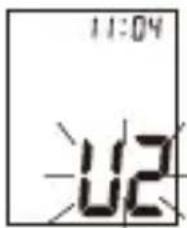
text_image
11:04 12text_image
Image containing a grid of four horizontal lines with a small square symbol above, possibly indicating a label or annotation.Abb. 8
iHealthLabs Europe SAS
Andon Health Co., Ltd.
No.3 Jinping Street, YaAn Road,
Nankai District, Tianjin 300190, China
58
Contre indication....64
text_image
12:00 L L * LFig.2-1 Fig. 2-2 Fig. 2-3
natural_image
Simple line drawing of a device with an open box and a closed lid, no text or symbols present.4. Appliquer la manchette
natural_image
Illustration of three hand gestures in a sequence (no text or symbols)Notes :
natural_image
Line drawing of a person sitting at a desk using a handheld device (no text or symbols)F
text_image
11:04 U I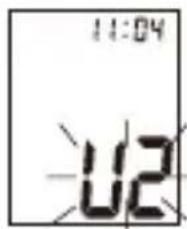
text_image
11:04 U2natural_image
Simple diagram with a square and four horizontal dashed lines, no text or symbols present.Fig. 8
F
iHealthLabs Europe SAS
Andon Health Co., Ltd.
No.3 Jinping Street, YaAn Road,
Nankai District, Tianjin 300190, China
F
natural_image
Blank white square with a small cluster of small black dots in the top-left corner (no text or symbols)
text_image
高 低Fig.2-1 Fig. 2-2 Fig. 2-3
natural_image
Diagram showing a device connected to a rectangular device, both with directional arrows indicating interaction (no text or symbols present)natural_image
Three hand-drawn diagrams showing a finger pressing down, with no text or symbols present.Notas:
natural_image
Line drawing of a person sitting at a desk using a handheld device (no text or symbols)E
text_image
38-88 1288 188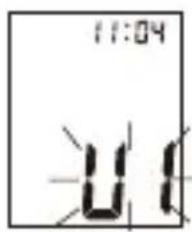
text_image
11:04 U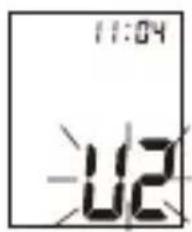
text_image
11:04 U2natural_image
Simple diagram with a square and three horizontal dashed lines, no text or symbols present.Fig. 8
iHealthLabs Europe SAS
Andon Health Co., Ltd.
No.3 Jinping Street, YaAn Road,
Nankai District, Tianjin 300190, China
114
natural_image
Blank white square with a small cluster of small black symbols at the top (no text or labels)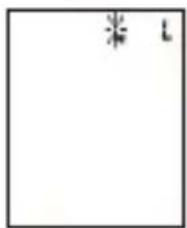
text_image
米 LFig.2-1 Fig. 2-2 Fig. 2-3
natural_image
Diagram showing a device connected to a rectangular component with internal components (no text or symbols)natural_image
Three hand gestures in a sequence: grip, wrist, and press (no text or symbols)Note:
natural_image
Line drawing of a person sitting at a desk with hands placed on the table (no text or symbols)text_image
11:04 U I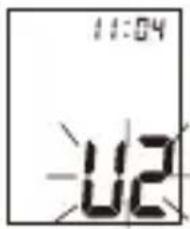
text_image
11:04 u2natural_image
Simple diagram with a square and four horizontal oval shapes, no text or symbols present.Fig.7-4 Fig. 7-5 Fig. 7-6
text_image
Image containing a grid of four horizontal dashed lines and one square marker, possibly indicating a pattern or sequence.Fig. 8
iHealthLabs Europe SAS
Andon Health Co., Ltd.
No.3 Jinping Street, YaAn Road,
Nankai District, Tianjin 300190, China
Thank you for choosing our product. We hope you will enjoy using the appliance.
Contents
Overview of the Components ....3
Important Information....146
Contents and Display Indicators....146
Intended Use....147
Contraindication 147
Product Description....147
Specifications 148
Notes 150
Setup and Operating Procedures....154
-
Inserting the Batteries....154
-
Clock and Date Adjustment....154
-
Connecting the Cuff to the Monitor 155
-
Applying the Cuff 156
-
Body Posture during Measurement 157
-
Taking Your Blood Pressure Reading 157
-
Displaying Stored Results....158
-
Deleting Measurements from the Memory......160
-
Assessing High Blood Pressure for Adults 161
-
Technical Alarm Description 162
-
Troubleshooting (1) 163
-
Troubleshooting (2) 164
Maintenance....165
Explanation of Symbols on Appliance 167
Electromagnetic Compatibility Information 169
145
Important Information
Normal Blood Pressure Fluctuation
All physical activity, excitement, stress, eating, drinking, smoking, body posture and many other activities or factors (including taking a blood pressure measurement) will influence blood pressure value. Because of this, it is mostly unusual to obtain identical multiple blood pressure readings.
Blood pressure fluctuates continually --- day and night. The highest value usually appears in the daytime and the lowest one usually at midnight. Typically, the value begins to increase at around 3:00 AM, and reaches to highest level in the daytime while most people are awake and active.
Considering the above information, it is recommended that you measure your blood pressure at approximately the same time each day.
Too frequent measurements may cause injury due to blood flow interference, please always relax a minimum of 1 to 1.5 minutes between measurements to allow the blood circulation in your arm to recover. It is rare that you obtain identical blood pressure readings each time.
Contents and Display Indicators
1 Button MEM
2 Button START
3 Cuff
4 Battery compartment
5 Colour indicator
6 LCD display
7 Memory Indicator
8 Date / Time Display (Alternating)
9 Systolic Pressure
10 Diastolic Pressure / Pulse Rate Display (Alternating)
11 Ready to inflate Indicator
12 Irregular Heartbeat Symbol
13 Blood Pressure Level Classification Indicator
14 Low Battery Indicator
Intended Use
The fully automatic electronic sphygmomanometer is for use by medical professionals or at home. It is a non-invasive blood pressure measuring system intended to measure the diastolic and systolic blood pressures and the pulse rate of an adult individual by using a non-invasive technique in which an inflatable cuff is wrapped around the wrist.
Contraindication

It is inappropriate for people with serious arrhythmia to use this electronic sphygmomanometer.
Product Description
Based on oscillometric methodology and silicon integrated pressure sensor, blood pressure and pulse rate can be measured automatically and non-invasively. The LCD display will show blood pressure and pulse rate. The most recent 2 × 60 measurements can be stored in the memory with date and time stamp. The monitor can also show the average reading of the last three measurements.
The electronic sphygmomanometers corresponds to the below standards:
IEC 60601-1 Edition 3.1 2012-08 / EN 60601-1: 2006 / A1: 2013
(Medical electrical equipment - Part 1: General requirements for basic safety and essential performance),
IEC60601-1-2: 2014 / EN 60601-1-2: 2015
(Medical electrical equipment - Part 1-2: General requirements for basic safety and essential performance - Collateral standard: Electromagnetic compatibility - Requirements and tests),
IEC 80601-2-30: 2009 + AMD1: 2013 / EN 80601-2-30: 2010 / A1: 2015
(Medical electrical equipment - Part 2-30: Particular requirements for the basic safety and essential performance of automated non-invasive sphygmomanometers),
EN 1060-1: 1995 + A2: 2009 (Non-invasive sphygmomanometers - Part 1: General requirements),
EN 1060-3: 1997 + A2: 2009 (Non-invasive sphygmomanometers -
Part 3: Supplementary requirements for electro-mechanical blood pressure measuring systems),
ISO 81060-2: 2013 (Non-invasive sphygmomanometers - Part 2:
Clinical validation of automated measurement type).
Specifications
- Product name: Blood pressure monitor
- Model: PC-BMG 3018 (KD-738BR)
-
Classification: Internally powered, Type BF applied part, IP22 (1. Safeguard against touching with a finger and penetration of foreign objects with ≥ 12.5 mm; 2. Safeguard against falling drip water when the casing is sloped at an angle of up to 15 °), No AP or APG, Continuous operation
-
Appliance size: Approx. 83 mm × 64 mm × 28 mm
- Cuff circumference: 14 cm - 19.5 cm
- Weight: Approx. 111 g (batteries excluded)
- Measuring method: Oscillometric method, automatic inflation and measurement
- Memory volume: 2 × 60 measurements with time and date stamp
-
Power source: Batteries: 2 × 1.5 V type AAA • Micro • LR03
-
Measurement range: Cuff pressure: 0 - 300 mmHg Systolic: 60 - 260 mmHg Diastolic: 40 - 199 mmHg Pulse rate: 40 - 180 beats / minute
-
Accuracy: Pressure: ± 3 mmHg Pulse rate: ± 5 %
-
Environmental temperature for operation: +10 °C to +40 °C (50 °F to 104 °F)
- Environmental humidity for operation: ≤ 85 % RH
- Environmental temperature for storage and transport: -20 °C to +50 °C (-4 ° to 122 °F)
- Environmental humidity for storage and transport: ≤ 85 % RH
- Environmental pressure: 80 kPa to 105 kPa
- Battery life: Approx. 270 measurements
- Scope of delivery: Pump, valve, LCD, cuff, sensor
- Package contents: 1 blood pressure monitor with attached wrist cuff; 1 operation guide; 1 plastic bag
Notes
- Read all of the information in the operation guide and any other literature in the box before operating the appliance.
- Stay still, calm and rest for 5 minutes before blood pressure measurement.
- The cuff should be placed at the same level as your heart.
- During measurement, neither speak nor move your body and arm.
- Measuring each time on the same wrist.
- Please always relax at least 1 or 1.5 minutes between measurements to allow the blood circulation in your arm to recover. Prolonged over-inflation (cuff pressure exceed 300 mmHg or maintained above 15 mmHg for longer than 3 minutes) of the bladder may cause ecchymoma of your arm.
- Consult your physician if you have any doubt about below cases:
1) The application of the cuff over a wound or inflammation diseases;
2) The application of the cuff on any limb where intravascular access or therapy, or an arterio-venous (A-V) shunt, is present;
3) The application of the cuff on the arm on the side of a mastectomy;
4) Simultaneously used with other monitoring medical equipments on the same limb;
5) Need to check the blood circulation of the user.
- This electronic sphygmomanometer is designed for adults and should never be used for infants or young children. Consult your physician or other health care professionals before use on older children. Pregnant women including pre-eclampsia patients
should always ask their physician whether they can use this blood pressure monitor.
- Do not use this appliance in a moving vehicle; this may result in erroneous measurement.
- Blood pressure measurements determined by this monitor are equivalent to those obtained by a trained observer using the cuff / stethoscope auscultation method, within the limits prescribed by the American National Standard Institute, Electronic or automated sphygmomanometers.
- Use of the appliance adjacent to or stacked with other equipment should be avoided because it could result in improper operation. Information regarding potential electromagnetic or other interference between the blood pressure monitor and other appliances together with advice regarding avoidance of such interference please see part "Electromagnetic Compatibility Information". It is suggested that the blood pressure monitor be kept 10 meters away from other wireless appliances, such as WLAN unit, microwave oven, etc.
- If an irregular heartbeat (IHB) from common arrhythmias is detected in the procedure of blood pressure measurement, this sign 🤊️ be displayed. Under this condition, the electronic sphygmomanometers can keep function, but the results may not be accurate, it’s suggested that you consult with your physician for accurate assessment.
There are 2 conditions under which the signal of IHB will be displayed:
$$ (I H B = I R R E G U L A R H E A R T B E A T) $$
1) The coefficient of variation (CV) of the pulses is > 25 %.
2) The deviation of the following pulse period is ≥ 0.14 s, and the number of such pulses amounts to more than 53 % of the total number of measured pulses.
- Please do not use the cuff other than supplied by the manufacturer, otherwise it may bring biocompatible hazard and might result in measurement error.
- The monitor might not meet its performance specifications or cause a safety hazard if stored or used outside the temperature and humidity ranges specified in the specifications.
- ⚠️Please do not share the cuff with other contagious persons to avoid cross-infection.
-
This equipment has been tested and found to comply with the limits for a Class B digital appliance, pursuant to part 15 of the FCC Rules. These limits are designed to provide reasonable protection against harmful interference in a residential installation. This equipment generates, uses and can radiate radio frequency energy and, if not installed and used in accordance with the instructions, may cause harmful interference to radio communications. However, there is no guarantee that interference will not occur in a particular installation. If this equipment does cause harmful interference to radio or television reception, which can be determined by turning the equipment off and on, the user is encouraged to try to correct the interference by one or more of the following measures:
-
Reorient or relocate the receiving antenna.
- Increase the distance between the equipment and the receiver.
- Connect the appliance to an outlet on a circuit different from that to which the receiver is connected.
- Consult the dealer or an experienced radio / TV technician for help.
- Measurements are not possible in patients with a high frequency of arrhythmias.
- The appliance is not intended for use on neonates, children or pregnant women. (Clinical testing has not been conducted on neonates, children or pregnant women.)
- Motion, trembling, shivering may affect the measurement reading.
- The appliance would not apply to the patients with poor peripheral circulation, noticeably low blood pressure, or low body temperature (there will be low blood flow to the measurement position).
- The appliance would not apply to the patients who use an artificial heart and lung (there will be no pulse).
- Consult your physician before using the appliance for any of the following conditions: common arrhythmias such as atrial or ventricular premature beats or atrial fibrillation, arterial sclerosis, poor perfusion, diabetes, pre-eclampsia, renal diseases.
- If you are allergic to plastic / rubber, please don't use this appliance.
- The patient can be an intended operator.
- Swallowing batteries and / or battery fluid can be extremely dangerous. Keep the batteries and the appliance out of the reach of children and disabled persons.
- This appliance complies with part 15 of the FCC Rules. Operation is subject to the following two conditions: (1) This device may not cause harmful interference, and (2) this device must accept any interference received, including interference that may cause undesired operation.
Setup and Operating Procedures
1. Inserting the Batteries
a. Open battery cover at the back of the monitor.
b. Insert 2 batteries of the type "AAA". Please pay attention to polarity.
c. Close the battery cover.
When the LCD shows the battery symbol 📄 replace all batteries with new ones.
Rechargeable batteries are not suitable for this monitor.
Remove the batteries if the monitor will not be used for a month or more to avoid relevant damage of battery leakage.
Avoid the battery fluid to get in your eyes. If it should get in your eyes, immediately rinse with plenty of clean water and contact a physician.
GB
The monitor, the batteries and the cuff, must be disposed of according to local regulations at the end of their usage.
2. Clock and Date Adjustment
a. Once you install the battery or turn off the monitor, it will enter Clock Mode, and LCD will display time and date by turns. See Fig. 2-1 & 2-2.
b. While the monitor is in Clock Mode, pressing the "START" button and the "MEM" button simultaneously; a beep is heard and the month will flash first. See Fig. 2-3. Press the button "START" repeatedly; the day, the hour and the minute will flash in turn. While a number is flashing, press the button
"MEM" to increase the number. Hold the button "MEM" depressed, the number will increase rapidly.
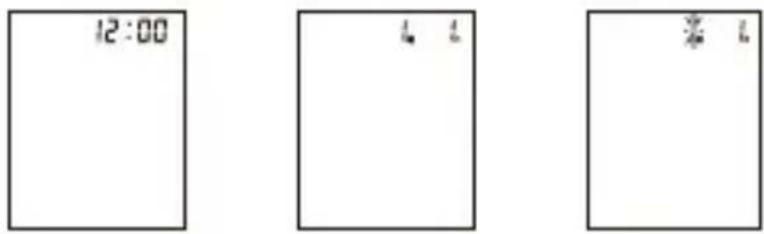
Fig.2-1 Fig. 2-2 Fig. 2-3
c. You can turn off the monitor by pressing the "START" button when the minutes are flashing, then the time and the date are confirmed.
d. The monitor will turn off automatically after 1 minute of no operation; with the time and date unchanged.
e. After replacing the batteries, you should set the time and the date again.
3. Connecting the Cuff to the Monitor
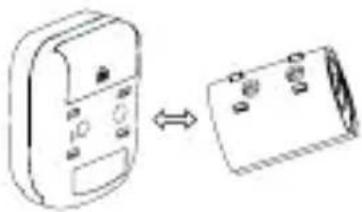
The cuff is attached to the monitor when it is packaged. Should the cuff become unattached, align the two plugs and four brack-
ets of the cuff with the plug sockets and bracket sockets of the monitor and press the cuff to the monitor until the plugs and brackets are securely attached.
natural_image
Diagram showing a device with a left-hand rule transforming into a simplified version of a rectangular device (no text or symbols present)4. Applying the Cuff
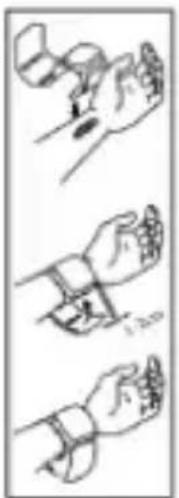
a. Place the cuff around a bare wrist 1 - 2 cm above the wrist joint on the palm side of the wrist.
b. While seated, place the arm with the cuffed wrist in front of your body on a desk or table with the palm up. If the cuff is correctly placed, you can read the LCD display.
c. The cuff must be neither too tight nor too loose.
natural_image
Illustration of four hand gestures in a sequence, showing different grip positions (no text or symbols)Notes:
- Please refer to the cuff circumference range in "Specifications" to make sure that the appropriate cuff is used.
- Measuring on same wrist each time.
- Do not move your arm, body, or the monitor during measurement.
- Stay quiet, calm for 5 minutes before blood pressure measurement.
- Please keep the cuff clean. Clean the cuff by wet soft cloth and mild detergent if the cuff becomes dirty. Do not remove the cuff from the monitor. Clean the cuff after the usage of every 200 times is recommended.
5. Body Posture during Measurement Sitting Comfortably Measurement
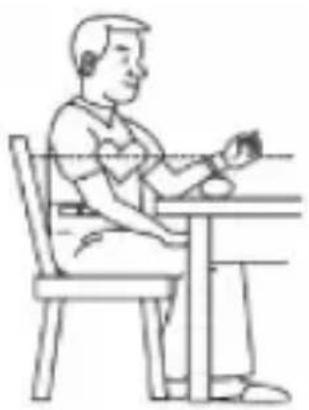
a. Be seated with your feet flat on the floor, and don't cross your legs. Support the back with the backrest of the chair.
b. Place palm upside in front of you on a flat surface such as table.
c. The middle of the cuff should be at the level of the right atrium of the heart.
natural_image
Line drawing of a person sitting at a desk using a device (no text or symbols)6. Taking Your Blood Pressure Reading
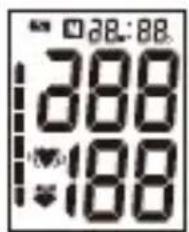
a. After applying the cuff and with your body in a comfortable position, press the "START" button. A beep is heard and all display characters are shown for self-test. See Fig. 6-1. Please contact the service centre if a segment is missing.
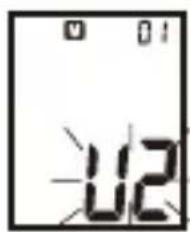
b. Then the current memory bank (U1 or U2) is flashing. See Fig. 6-2. Press the "MEM" button to change to the other bank. See Fig. 6-3. Confirm your selection by pressing the "START" button. The current bank will also be confirmed automatically after 5 seconds with no operation.
text_image
38:88 388 188 180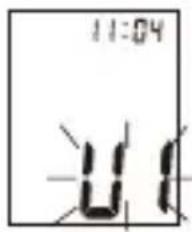
text_image
11:04 U I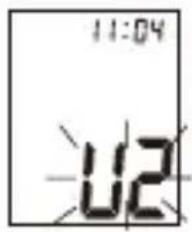
text_image
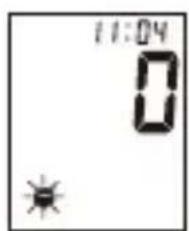
11:04 12c. After selecting the memory bank, the monitor starts to seek zero pressure. See Fig. 6-4.
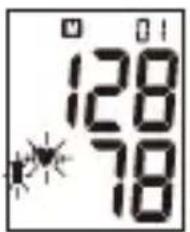
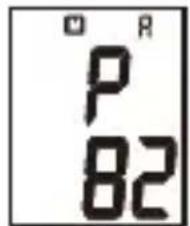
d. The monitor inflates the cuff until sufficient pressure has built up for a measurement. Then the monitor slowly releases air from the cuff and carries out the measurement. Finally the blood pressure and pulse rate will be calculated and displayed on the LCD screen separately. Irregular heartbeat symbol (if any) will blink. See Fig. 6-5 & 6-6. The result will be automatically stored in the current memory bank.
text_image
11:04 0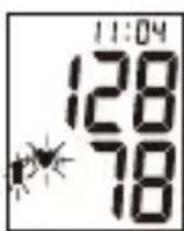
text_image
11:04 128 78 18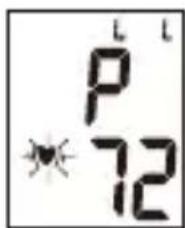
text_image
P 72Fig.6-4 Fig. 6-5 Fig. 6-6
e. After measurement, the monitor will turn off automatically after 1 minute of no operation. You can also press the "START" button to turn off the monitor manually.
f. During measurement, you can press the "START" button to turn off the monitor manually.
Note:
Please consult a health care professional for interpretation of pressure measurements.
7. Displaying Stored Results
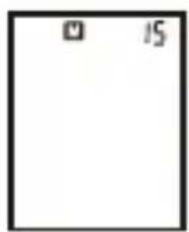
a. After the measuring, you can review the measurements in the current memory bank by pressing the button "MEM". Now the
LCD displays the amount of the results in the current bank.
See Fig. 7-1
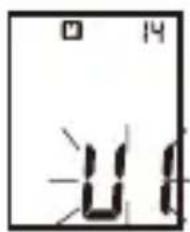
b. You can also press the "MEM" button in Clock Mode to display the stored results. The current memory bank will flash and the amount of results in this bank will be displayed. See Fig. 7-2 Press the "START" button to change to the other bank. See Fig. 7-3.
Confirm your selection by pressing the "MEM" button. The current bank will also be confirmed automatically after 5 seconds with no operation.
text_image
四 15Fig. 7-1
text_image
14 U AFig. 7-2 Fig. 7-3
text_image
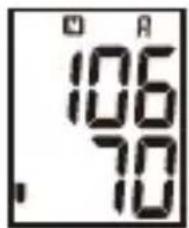
0:1 12c. After selecting the memory bank, the LCD will display the average value of the last three results in this bank. See Fig. 7-4 & 7-5. If no results are stored, the LCD will show dashes as shown in Fig. 7-6.
natural_image
Simple diagram with a square and four horizontal dashed lines, no text or symbols present.d. When the average is displayed and you press the "MEM" button, the most recent result will be displayed. See Fig. 7-7. Then the blood pressure and the pulse rate will be shown individually. Possibly the irregular heartbeat symbol may flash. See Fig. 7-8 & 7-9. Press the "MEM" button again to display the next result. See Fig. 7-10. In this way, repeatedly pressing the "MEM" button displays the respective results measured previously.
text_image
128 78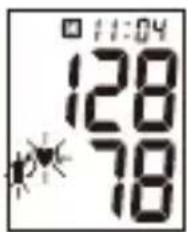
text_image
11:04 128 78 18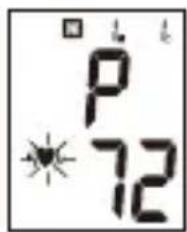
text_image
P 72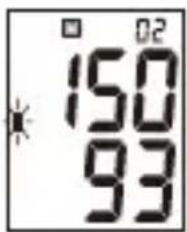
text_image
02 150 93Fig. 7-7 Fig. 7-8 Fig. 7-9 Fig. 7-10
e. When displaying the stored results, the monitor will turn off automatically after 1 minute of no operation. You can also press the "START" button to turn off the monitor manually.
8. Deleting Measurements from the Memory
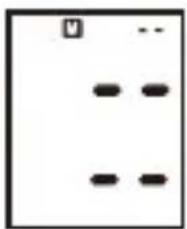
When any result (except average reading of the last three results) is displayed and you keeping pressing the "MEM" button for three seconds, all results in the current memory bank will be deleted after three "beeps". The LCD will show Fig. 8; pressing the "MEM" or the "START" button will turn off the monitor.
natural_image
Simple diagram with four horizontal lines and a square containing a small square (no text or symbols)Fig. 8
9. Assessing High Blood Pressure for Adults
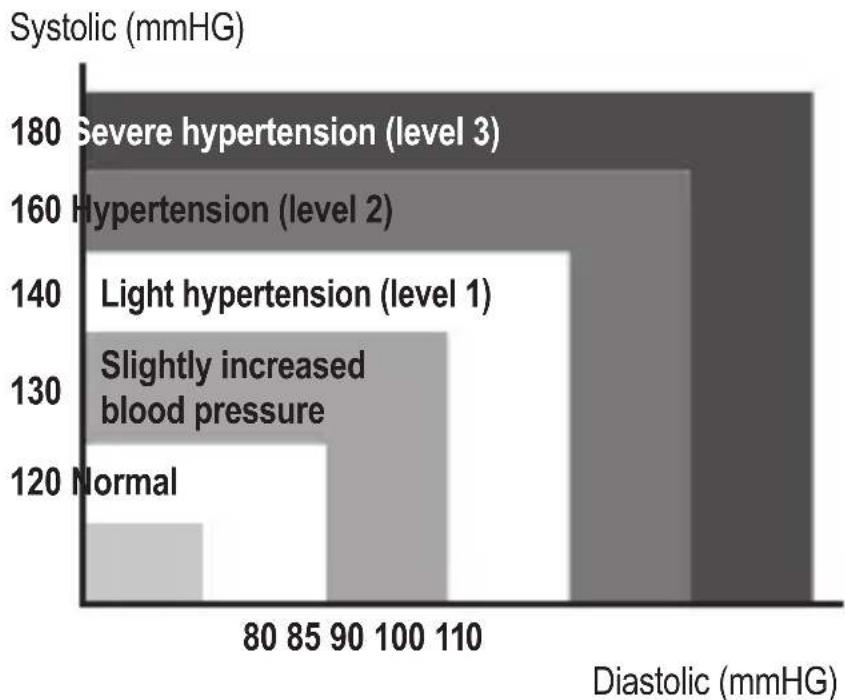
The following guidelines for assessing high blood pressure (without regard to age or gender) have been established by the World Health Organization (WHO). Please note that other factors (e.g. diabetes, obesity, smoking, etc.) also must be taken into consideration. Consult with your physician for accurate assessment, and never change your treatment by yourself.
Blood Pressure Classification for Adults
| Blood pressure classification | SYS (mmHG) | DIA (mmHG) | Colour indicator |
| Optimal < 120 < 80 Green | |||
| Normal 120 - 129 80 - 84 Green | |||
| High - normal 130 - 139 85 - 89 Green | |||
| Hypertension level 1 140 - 159 90 - 99 Yellow | |||
| Hypertension level 2 160 - 179 100 - 109 Orange | |||
| Hypertension level 3 ≥ 180 ≥ 110 Red |
Definition and classification of the blood pressure values according to WHO / ISH
bar
| Category | Diastolic (mmHG) | |---|---| | Normal | 120 | | Slightly increased blood pressure | 130 | | Light hypertension (level 1) | 140 | | Hypertension (level 2) | 160 | | Severe hypertension (level 3) | 180 |GB
Note:
It is not intended to provide a basis of any type of rush toward emergency conditions / diagnosis based on the colour scheme and that the colour scheme is meant only to discriminate between the different levels of blood pressure.
10. Technical Alarm Description
The appliance will show "HI" or "Lo" as technical alarm on LCD with no delay if the determined blood pressure (systolic or diastolic) is outside the rated range specified in part "Specifications". In this case, you should consult a physician or check if your operation violated the instructions.
The technical alarm condition (outside the rated range) is preset in the factory and cannot be adjusted or inactivated. This alarm condition is assigned as low priority according to IEC 60601-1-8. The technical alarm is non-latching and need no reset. The signal displayed on LCD will disappear automatically after about 8 seconds.
- Troubleshooting (1)
| Problem Possible cause Solution | ||
| LCD Display shows abnormal result | The cuff position was not correct or it was not properly tightened. | Apply the cuff correctly and try again. |
| Body posture was not correct during testing. | Review the section “Body posture during measurement” of the instructions and try again. | |
| Speaking, arm or body movement, angry, excited or nervous during testing. | Re-test when calm and without speaking or moving during the test. | |
| Irregular heartbeat (arrhythmia) | It is inappropriate for people with serious arrhythmia to use this electronic sphygmomanometer. | |
- Troubleshooting (2)
| Problem Possible | cause Solution | |
| LCD shows the symbol for a low battery | Low battery | Change the batteries |
| LCD shows “Er 0” | Pressure system is unstable before measurement. | Don’t move and try again.LCD show |
| Fail to detect systolic pressure. | ||
| LCD shows “Er 2” | Fail to detect diastolic pressure. | |
| LCD shows “Er 3” | Pneumatic system blocked or cuff is too tight during inflation. | Apply the cuff correctly and try again. |
| LCD shows “Er 4” | Pneumatic system leakage or cuff is too loose during inflation. | |
| LCD shows “Er 5” | Cuff pressure above 300 mm Hg | Measure again after five minutes. If the monitor is still abnormal, please contact the local distributor or the factory. |
| LCD shows “Er 6” | More than 3 minutes with cuff pressure above 15 mmHg | |
| LCD shows “Er 7” | EEPROM accessing error | |
| LCD shows “Er 8” | Appliance parameter checking error | |
| LCD shows “Er A” | Pressure sensor param-eter error | |
| No response when you press a button or load batteries. | Incorrect operation or strong electromagnetic interference. | Take out batteries for five minutes, and then reinstall all batteries. |
GB
Maintenance
- Do not drop this monitor nor subject it to strong impacts.
- Avoid high temperatures and direct sunlight. Do not immerse the monitor in water as this will result in damage to the monitor.
-
If this monitor was stored at a temperature near the freezing point, allow it to come to room temperature before use.
-
The monitor requires 6 hours to warm from the minimum storage temperature between uses until the monitor is ready for its intended use when the ambient temperature is 20 °C. The monitor requires 6 hours to cool from the maximum storage temperature between uses until the monitor is ready for its intended use when the ambient temperature is 20 °C.
- Do not attempt to disassemble this monitor.
- Not servicing / maintenance while the monitor is in use.
- If you do not use the monitor for a long time, please remove the batteries.
- It is recommended the performance should be checked every 2 years or after repair. Please contact the service centre.
- Clean the monitor with a dry, soft cloth or a soft cloth squeezed well after moistened with water, diluted disinfectant alcohol, or diluted soapsuds.
- No component in the monitor can be serviced by the user. The circuit diagrams, component part lists, descriptions, calibration instructions, or other information which will assist the user's appropriately qualified technical personnel to repair those parts of equipment which are designated repairable can be supplied.
- The monitor can maintain the safety and performance characteristics for a minimum of 10,000 measurements or three years, and the cuff integrity is maintained after 1,000 open-close cycles of the closure.
- It is recommended that the cuff should be disinfected 2 times every week if needed (for example, in a hospital or in a clinic). Wipe the inner side (the side that contacts skin) of the cuff with a soft cloth moistened with ethyl alcohol (75 - 90 %) and squeezed, then dry the cuff by airing.
Explanation of Symbols on Appliance

Symbol for "THE OPERATION GUIDE MUST BE READ" (Symbol = white with blue background)

Symbol for „WARNING“

Symbol for "TYPE BF APPLIED PARTS" (the cuff is a type BF applied part)
Symbol for "ENVIRONMENT PROTECTION" - Waste electrical products should not be disposed of with household waste. Please recycle where facilities exist. Check with your local Authority or retailer for recycling advice.

Symbol for "MANUFACTURER"
CE0197
The CE marking indicates the conformity with the essential requirements of Medical Device directive 93 / 42 / EEC.

Symbol for "DATE OF MANUFACTURE"

Symbol for "EUROPEAN REPRESENTATION"

Symbol for "SERIAL NUMBER" / "LOT NUMBER"
GB
IP22 Symbol for "Degree of protection according to IP (International Protection)"
In the event of queries, contact:
European Representation:
iHealthLabs Europe SAS
Andon Health Co., Ltd.
No.3 Jinping Street, YaAn Road,
Nankai District, Tianjin 300190, China
168
Electromagnetic Compatibility Information
Table 1 - Emission
| Phenomenon Compliance | Electromagnetic environment | |
| RF emissions | CISPR 11Group 1, Class B | Home healthcare environment |
| Harmonic distortion | IEC 61000-3-2Class A | Home healthcare environment |
| Voltage fluctuations and flicker | IEC 61000-3-3Compliance | Home healthcare environment |
GB
Table 2 - Enclosure Port
| Phenomenon | Basic EMC standard | Immunity test levels |
| Home healthcare environment | ||
| Electrostatic Discharge | IEC61000-4-2 | ± 8 kV-contact± 2 kV,± 4 kV,± 8 kV,± 15 kV air |
| Radiated RF / EM field | IEC61000-4-3 | 10 V/m80 MHz - 2,7 GHz80 % AM at 1 kHz |
| Proximity fields from RF wireless communications equipment | IEC61000-4-3Refer to table 3 | |
| Rated power frequency magnetic fields | IEC61000-4-8 | 30 A/m50 Hz or 60 Hz |
Table 3 - Proximity Fields from RF Wireless Communications Equipment
| Test frequency (MHz) | Band (MHz) | Immunity test levels |
| Professional healthcare facility environment | ||
| 385 380- | 390 Pulse modulation 18 Hz, 27 V/m | |
| 450 430- | 470 | FM, ± 5 kHz deviation, 1 kHz sine, 28 V/m |
| 710 | 704-787 Pulse modulation 217 Hz, 9 V/m745 | |
| 780 | ||
| 810 | 800-960 Pulse modulation 217 Hz, 28 V/m870 | |
| 930 | ||
| 1720 | 1700-1990 Pulse modulation 217 Hz, 28 V/m1845 | |
| 1970 | ||
| 2450 2400-2570 Pulse modulation 217 Hz, 28 V/m | ||
| 5240 | 5100-5800 Pulse modulation 217 Hz, 9 V/m5500 | |
| 5785 | ||
GB
Instrukcja obsługi
natural_image
Blank white square with a small black dot in the top-left corner (no text or symbols)
text_image
李 Lnatural_image
Diagram showing a device connected to a rectangular component with internal components (no text or symbols)natural_image
Illustration of three hand gestures with a 1 mm mark, no text or symbols presentUwagi:
natural_image
Line drawing of a person sitting at a desk using a device (no text or symbols)text_image
11:04 U I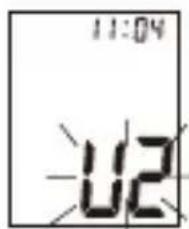
text_image
11:04 12text_image
Image containing a labeled box with a small square symbol and three horizontal oval shapes, possibly representing a diagram or pattern.Rys. 8
iHealthLabs Europe SAS
Andon Health Co., Ltd.
No.3 Jinping Street, YaAn Road,
Nankai District, Tianjin 300190, China
natural_image
Blank white square with a small cluster of small black symbols at the top (no text or labels)
text_image
米natural_image
Diagram showing a device with a left-hand rule transforming into a simplified version (no text or symbols present)natural_image
Illustration of three hand gestures with a wristband, showing different motion directions (no text or symbols)H
Megjegyzés:
natural_image
Line drawing of a person sitting at a desk using a handheld device (no text or symbols)text_image
11:04 U I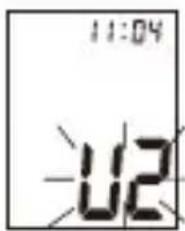
text_image
11:04 U2natural_image
Simple diagram with four horizontal lines and a square marker, no text or symbols presentnatural_image
Simple diagram with four horizontal oval shapes and a small square at the top (no text or symbols)- ábra
iHealthLabs Europe SAS
Andon Health Co., Ltd.
No.3 Jinping Street, YaAn Road,
Nankai District, Tianjin 300190, China
226
natural_image
Diagram showing a device with two components connected by an arrow, no text or symbols presentRUS
natural_image
Illustration of three hand gestures with a 1 mm mark, no text or symbols presentПримечания:
natural_image
Line drawing of a person sitting at a desk using a handheld device (no text or symbols)text_image
11:04 U I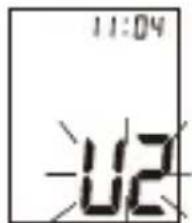
text_image
11:04 12text_image
Image containing a small square symbol and four horizontal lines with double arrowheads, possibly indicating a diagram or pattern.RUS
text_image
Image containing a labeled box with a square and three horizontal lines, possibly representing a diagram or pattern.Рис. 8
Andon Health Co., Ltd.
No.3 Jinping Street, YaAn Road,
Nankai District, Tianjin 300190, China
RUS
iHealthLabs Europe SAS
Andon Health Co., Ltd.
No.3 Jinping Street, YaAn Road,
Nankai District, Tianjin 300190, China

AR
262
natural_image
Simple diagram with a square and four horizontal oval shapes, no text or symbols present6-7. 4-7. 5-7. شكل.
text_image
P 82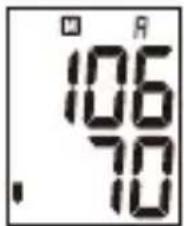
text_image
106 10text_image
11:04 U I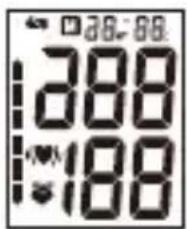
text_image
0:38:88 1288 188natural_image
Three hand gestures in a sequence: grip, wrist, and press (no text or symbols)- استخدام الكفة
natural_image
Line drawing of a person sitting at a desk with hands placed on the table (no text or symbols)natural_image
Blank white square with two small black arrows at the top (no text or symbols)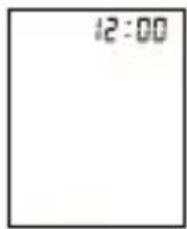
text_image
12:003-2. 1-2. شكل 2-2.
natural_image
Diagram showing a device with control panel and battery casing connected by an arrow (no text or symbols)+: Defense Defense Defense Defense Defense Defense Defense Defense Defense Defense Defense Defense Defense Defense Defense Defense Defense Defense Defense Defense Defense Defense Defense Defense Defense Defense Defense Defense Defense Defense Defense Defense Defense Defense Defense Defense Defense Defense Defense Defense Defense Defense Defense Defense Defense Defense Defense Defense Defense Defense Defense Defense Defense Defense Defense Defense Defense Defense Defense Defense Defense Defense Defense Defense Defense Defense Defense Defense Defense Defense Defense Defense Defense Defense Defense Defense Defense Defense Defense Defense Defense Defense Defense Defense Defense Defense Defense Defense Defense Defense Defense Defense Defense Defense Defense Defense Defense Defense Defense DefenseDefense Defense Defense Defense Defense Defense Defense Defense Defense Defense Defense Defense Defense Defense Defense Defense Defense Defense Defense Defense Defense Defense Defense Defense Defense Defense Defense Defense Defense Defense Defense Defense Defense Defense Defense Defense Defense Defense Defense Defense Defense Defense Defense Defense Defense DefenseDefense