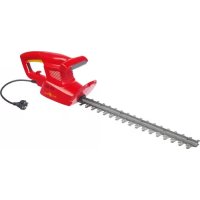
Lycos E420 H - Hedge Trimmers Wolf Garten - Free user manual and instructions
Find the device manual for free Lycos E420 H Wolf Garten in PDF.



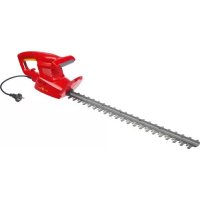
| Product type | Corded electric hedge trimmer |
| Brand | Wolf Garten |
| Model | Lycos E420 H |
| Rated power | 420 W |
| Rated voltage | 230 V~, 50 Hz |
| Protection class | II (double insulation) |
| Maximum cutting diameter | 26 mm |
| Blade type | Steel, double action |
| No-load speed | Approx. 3000 min⁻¹ |
| Weight | Approx. 3.5 kg |
| Guaranteed sound power level (LWA) | 96 dB(A) |
| Sound pressure level (LpA) | 84 dB(A) |
| Vibration level (hand-arm) | 5.0 m/s² |
| Safety devices | Protective cover, anti-shock stop, two-hand control |
| Power supply type | Corded with power cable |
| Cutting length | Approx. 50 cm |
| Maintenance and cleaning | Cleaning with dry cloth or brush, regular blade lubrication |
| Storage | In a dry place, with protective sheath on the blade |
| Included accessories | Protective sheath, power cable |
Frequently Asked Questions - Lycos E420 H Wolf Garten
User questions about Lycos E420 H Wolf Garten
0 question about this device. Answer the ones you know or ask your own.
Ask a new question about this device
Download the instructions for your Hedge Trimmers in PDF format for free! Find your manual Lycos E420 H - Wolf Garten and take your electronic device back in hand. On this page are published all the documents necessary for the use of your device. Lycos E420 H by Wolf Garten.
USER MANUAL Lycos E420 H Wolf Garten
(Original operating instructions)
FR Francais 28
(OpunHnHaBna HNcTpyKzma no 3kCnIyataa
Inhalt
Meaning of the symbols. 18
For your safety. 18
Safety information. 19
Intended use. 23
Identification plate. 23
Safety information. 23
Operating controls 24
Protective equipment. 24
Using for the first time. 24
Operation 24
Servicing 25
Transport and storage 26
Troubleshooting 26
Warranty 27
CE Declaration of Conformity 27
Environmentally-friendly disposal 27
Meaning of the symbols

WARNING!
To reduce the risk of injury, read the instruction manual!
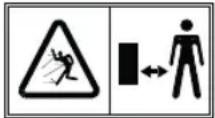
Caution!
Do not allow any other persons to enter the danger area.
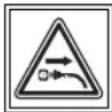
Prior to performing any work on the device or if the connection line is damaged, switch off the device and pull out the mains plug!

Wear safety goggles and ear defenders!

Wear safety gloves!

Do not leave the device in the rain!

Keep your hands away from the cutter deck!
For your safety

WARNING!
Before using your device for the first time, read this instruction manual carefully and observe the instructions.
Keep this instruction manual safe for later use or subsequent owners.
Read all safety information and instructions.
Failure to observe safety precautions and instructions may lead to electric shock, fire and/or severe injury.
Keep all information on safety precautions and instructions for future use.
Before using for the first time, you must read the safety information!
Failure to observe the instruction manual and the safety instructions can result in damage to the mower and danger for the operator and other persons.
→ All persons involved with the initial set-up, operation and servicing of the mower, must have appropriate qualifications.
The making of unauthorised changes or conversions is not permitted
Do not make any changes to the mower or convert it to make other machinery. Such changes can result in personal injury and incorrect operation.
→ Repairs to the mower must only be performed by trained persons who have been instructed to do so. When doing so always use original spare parts. This ensures that the safety of the device is maintained.
Information symbols in this manual
The signs and symbols in this manual should help you to use the manual and mower quickly and safely.

Note
Information to ensure the most effective and practical use of the device.
→ Action step
Prompts you to perform an action.
For your safety
Action result
This is the result of a sequence of action steps.
[1]Item number
Item numbers are indicated in the text by square brackets [ ]
A Illustration label
Illustrations are numbered with letters and identified in the text.
Step number
The defined sequence of action steps is numbered and identified in the text.
Danger levels of warning information
The following danger levels are used in this instruction manual, to indicate potentially dangerous situations:

DANGER!

A dangerous situation is highly likely and, if the measures are not followed, will result in severe injury and even death.

WARNING!

A dangerous situation may occur and, if the measures are not followed, will result in severe injury and even death.

A dangerous situation may occur and, if the measures are not followed, will result in slight or minor injuries.
Attention!
A possibly harmful situation may occur which if not avoided will result in property damage.
Safety information content

DANGER!

Type and source of the danger!
Consequences of non-observation
Measure for preventing the danger
Safety information
Workplace safety
a) Keep your work area clean and well lit. Messy and poorly lit work areas can lead to accidents.
b) Do not use the power tool in an explosive environment, where there are inflammable liquids, gases or dusts. Electrical power tools may create sparks, which could ignite the dust or vapours.
c) Keep children and other persons away from the power tool during use. You could lose control of the device if distracted.
Electrical safety
a) The connector plug of the power tool must fit inside the socket. Under no circumstances may the plug be modified.
b) Avoid body contact with earthed surfaces such as of pipes, heaters, cookers and refrigerators. There is an increased risk of electric shock when your body is earthed.
c) Keep power tools away from rain and water. Penetration of water into an electric power tool increases the risk of an electric shock.
d) Do not misuse the cable by using it to carry or hang up the power tool or to pull the plug from the socket. Keep the cable away from heat, oil, sharp edges and moving device components. Damaged or tangled cable increases the risk of an electric shock.
e) When using a power tool outside, only use an extension cable that is suitable for outdoor use. Use of an outdoor-approved extension cable reduces the risk of an electric shock.
f) Use a residual current device (RCD) if you cannot avoid using the power tool in damp conditions. Use of an RCD reduces the risk of an electric shock.
Safety information
g) Pull out the mains plug immediately if the cable is damaged or severed.
h) Do not use any adapter plugs together with grounded power tools. Unmodified plugs and matching sockets reduce the risk of an electric shock.
i) Keep the device clean. Dirt increases the risk of an electric shock.
Personal safety
a) Pay attention, be aware of what you are doing and go about your work with the electric power tool prudently. Do not use any power tools if you are tired or under the influence of drugs, alcohol or medication. One moment of inattention when using the power tool may lead to serious injury.
b) Wear personal protective equipment and always wear safety glasses and ear defenders. The wearing of personal protective equipment such as dust masks, non-slip safety shoes or hearing protection reduces the risk of injury depending on the type and use of the power tool.
c) Prevent unintentional start-up. Ensure that the power tool is switched off before connecting it to the power supply and/or the power pack, picking it up or carrying it. If you hold your finger on the switch when carrying the power tool or connect the device to the power supply when it is switched on, this can lead to accidents.
d) Adopt a normal posture. Ensure you are standing securely and that you maintain your balance at all times. This will ensure that you can maintain better control of the power tool if unexpected situations occur.
e) Wear suitable clothing. Do not wear any loose clothing or jewellery. Keep hair, clothing and gloves away from moving parts. Loose hair, clothing, jewellery or long hair may get caught by moving parts.
f) The device may not be used by persons with limited physical, sensory or mental abilities or lack of experience and / or knowledge, even if they are supervised or have received instructions about the safe handling of the device and understand the associated dangers.
g) Children are not allowed to play with the device.
h) Cleaning and user-maintenance must not be carried out by children.
i) Do not use the device with defective or detached safety equipment.
j) Switch the device off if the following conditions exist. Make sure that all moving parts have come to a complete standstill:
- Before you leave the device;
- Before you release a block;
- Before you conduct cleaning, maintenance and tuning tasks;
- Before you check the device for damage; e.g. after a foreign object has been encountered.
k) Always wait until the cutting tool comes to a standstill.
1) Do not run, rather walk forwards at a steady pace.
Use and handling of the power tool
a) Do not overload the device. Use the electric power tool designed for your work. Your work is performed better and safer with the appropriate power tool in the specified power range.
b) Do not use a power tool with a defective switch. An electric power tool which can no longer be switched on or off is dangerous and must be repaired.
c) Pull the plug out of the socket and/or remove the power pack before configuring any device settings, changing accessory parts or storing the device away. This precautionary measure prevents the unintended starting of the power tool.
d) Keep unused power tools out of the reach of children. Do not let people use the device who are unfamiliar with it or who have not read these instructions. Electric power tools are dangerous when used by inexperienced persons.
e) Treat power tools with care. Check that moving parts work seamlessly and do not jam; whether parts are so damaged that the function of the power tool is impaired. Have damaged parts repaired prior to using the device. Many accidents originate from poorly maintained electric power tools.
Safety information
f) Use power tools, accessories, insertion tools, etc. in accordance with these instructions.
Take the work conditions and the activity to be performed into consideration. The use of electric power tools for applications other than those intended may lead to hazardous situations
g) Pull the power plug from the mains immediately if the cable is damaged or severed.
h) Keep cutting tools sharp and clean. Cutting tools with sharp cutting edges which are treated with care become stuck less frequently and are easier to run.
Service
a) Only have your tool repaired by qualified specialist personnel and with original spare parts. This ensures that the safety of the power tool is maintained.
Device-specific safety information for hedge trimmers
Keep all body parts away from the cutting blade. Do not attempt to remove cut twigs or foliage or hold material to be cut when the cutting blade is running. Only remove jammed grass cuttings with the device switched off. One moment of inattentiveness when using the device can result in serious injuries.
Hold the hedge trimmer by the handle with the cutting blade at a standstill. Always put on the protective cover when transporting the hedge trimmer or putting it away for storage. Careful handling of the device reduces the risk of injury from the cutting blade.
Only hold the power tool by the insulated handles, because the cutting blade can come into contact with hidden power cables or its own power cable. Cutting blade contact with a live cable may pass voltage onto metallic device components and lead to electric shock.
Keep the cable away from the cutting area.
During the work process, the cable may become hidden in shrubbery and accidentally severed.
Look for hidden objects in hedges, such as wire fencing, before commencing work. This way you can avoid a collision.
Hold the hedge trimmer securely with both hands.
Protection of yourself and others
Using a residual current device (RCD) with a triggering current of 30mA or less is recommended.
This device must not be used by children or persons with reduced physical, sensory or mental capabilities or with inadequate experience and knowledge. Likewise persons must be familiar with this instruction manual before using the device. The minimum age for using the device may be specified by local or national legislation.
Do not operate the hedge trimmer when there are people (especially children) or animals in the immediate vicinity. Ensure children do not play with the hedge trimmer.
Stop using the device if persons (especially children) or animals are nearby.
Only switch the motor on if your feet and hands are at a safe distance from the cutting element.
Always disconnect the device from the power supply if you are leaving it unattended or removing a blockage.
Always wear sturdy shoes and long trousers as well as other appropriate personal protective equipment (safety glasses, ear defenders, safety gloves etc.) when working on the hedge trimmer. Wearing personal protective equipment reduces the risk of injuries.
Safety information
Before use
Before use, make sure you are familiar with the hedge trimmer, its functions and operating elements. Do not use any hedge trimmer whose switch is defective and which can no longer be switched on or off. It must be repaired by a qualified expert or workshop.
Never use a device with damaged or missing guards or covers. It must be repaired or replaced by a qualified expert or workshop.
Before making adjustments to the device or cleaning it, switch it off and pull the mains plug out of the socket.
Do not use a hedge trimmer with a defective or heavily worn cutting element. It must be repaired or replaced by a qualified expert or workshop.
Tips for use
Keep all body parts away from the cutting blade. Do not attempt to remove grass cuttings or hold material to be cut with the blade running. Only remove jammed grass cuttings with the device switched off and the mains plug pulled out. One moment of inattentiveness when using the hedge trimmer can result in serious injuries.
Only hold the power tool by the insulated handles because the cutting blade may come into contact with hidden power cables. Cutting blade contact with a live cable may pass voltage onto metallic device components and lead to electric shock.
Never leave the hedge trimmer unattended during breaks and store it in a secure location.
Check for hidden objects in the hedge, such as wire fencing, before commencing work.
Hold the hedge trimmer securely with both hands.
Hold the hedge trimmer parallel to the hedge when switching on, otherwise there is a risk of injury.
Also when working maintain a safe distance relative to the cutting tool.
Wear suitable safety goggles and ear defenders!
Take extra care if you are walking backwards. Risk of tripping!
Switch the motor off when carrying the device to or from separate working positions.
Never bypass or manipulate switching mechanisms installed on the device (e.g. by taping the switch to the handle).
When working always ensure you are standing safely, especially when using steps or a ladder.
Always be aware of your environment and possible hazards which you may not be able to hear because of the noise of the device.
Information about vibrations:
Vibrations can cause nerve damage and impair the blood circulation in the hands and arms.
When working in the cold, wear warm clothing and keep your hands warm and dry.
Take breaks.
If you notice that the skin of your fingers or hands goes numb, tingles, hurts or goes white, stop working with the machine and, if necessary, consult a doctor.
The specified vibration emission values were measured according to a standardised testing procedure. These make it possible to estimate the power tool emissions and compare these with different power tools. Dependent on the conditions of use, the state of the power tool or tools inserted for use with it, the actual vibration load may be higher or lower. When estimating the emissions, consider doing so during work pauses and phases when the tool is under reduced load. Implement protective actions, e.g. organisational measures, based on appropriate estimates.
Safety information
After use
Switch the device off, pull the mains plug out of the socket and check the device for damage. Attention, danger! Cutting tool continues running!
If you need to clean or service the device, switch it off and pull the mains plug out of the socket.
Always wait until the cutting tool comes to a standstill.
Removal of the protective equipment must only be performed with the motor stationary and the mains plug pulled out.
Ensure that ventilation slots are free from dirt.
Do not clean the hedge trimmer using water.
General safety instructions
Spare parts must meet the requirements of the manufacturer. Therefore, use only original spare parts or those spare parts authorised by the manufacturer. When replacing spare parts, always observe the supplied fitting instructions, always pull the mains plug out of the socket first.
Repairs must only be performed by a qualified expert or workshop. Specialist workshop addresses can be found on our website.
This hedge trimmer is intended for the care of hedges in private households.Due to dangers posed to the body of the user or other persons, the device must not be used for purposes other than those intended.
Even if all safety and operating instructions are heeded, there is always a residual risk of injury and property damage. Always be conscious of this!
Do not use the device if it is raining or there is a risk of storms.
Replace all worn or damaged information signs on the device.
Intended use
The hedge trimmer is intended solely for the cutting of hedges and bushes with a maximum branch thickness of 26mm
Any other use is classed as an unintended use. The user is liable for any damage arising from unintended use.
Incorrect/abnormal use
This hedge trimmer should not be used in public facilities, parks, sports grounds, roads etc. nor in agriculture or forestry.
Identification plate
Position
The identification plate is located on the casing of the hedge trimmer.

Note
The label has the status of a certificate. It must never be altered or obliterated.
Structure
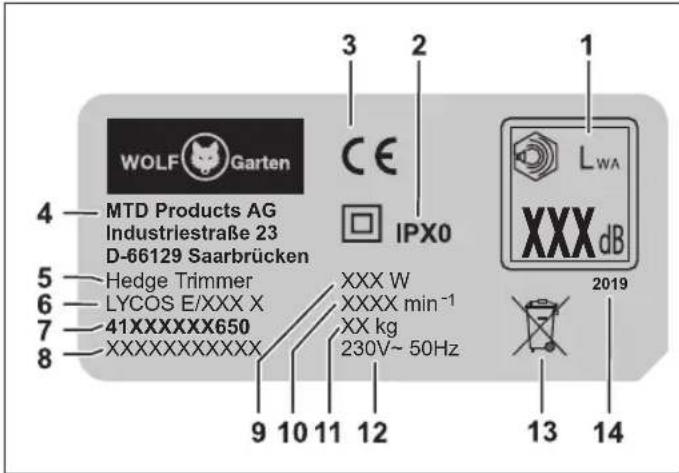
1 Guaranteed sound level
2 Protection class/IP code
3 CE label
4 Manufacturer
5 Device group
6 Model name
7 Model number
8 Serial number
9 Power
10 Engine speed in rpm
11 Weight
12 Rated voltage, kind of current, frequency
13 Disposal instruction
14 Year of manufacture
Operating controls
Operating elements
1 Handle
2 On/off switch on handle
3 Housing
4 Bow-shaped handle
5 On/off switch on bow-shaped handle
6 Shield
7 Cutting blade
8 Impact protection (depending on the model)
9 Cable with plug
10 Cable strain-relief device
11 Motor-/gearbox unit
12 Protective cover
Protective equipment
Protective equipment
Shield [6]
The shield protects your hands ensuring easy cutting with a good view of the cutting area.
Impact protection [12]
The projecting guide rail protects you against unpleasant impacts, e.g. recoil moments, if you hit a solid object (wall, floor, etc.).
Two-handed safety switch [2], [5]
Switching on and operation of the hedge trimmer requires both hands. One hand operates the on/off switch on the handle, the other hand operates the on/off switch on the bow-shaped handle. If one or other of the switches is released, the cutting blade automatically comes to a standstill.
Using for the first time
Lead the cable through the strain relief A 1
→ Lead the cable through the strain relief in accordance with the figure (prevents unintentional release of the plug connection).
Operation
Operating times
→ Check with your local authorities to determine if there are any operating time limitations.
Switching the device on

CAUTION!

Injuries or material damage.
Only use the device with the obligatory protective equipment.
-Only switch the hedge cutter on when your hands and feet are out of range of the cutting mechanism.
→ With one hand, press and hold the on/off switch on the bow-shaped handle. 1
Then, with the other hand, simultaneously press the on/off switch on the handle. 2
The device is in operation.
Cutting C D E
Cutting the top of the hedge
- To cut the hedge top, perform swinging/sweeping movements to the left and right using the hedge trimmer.
- For optimum cutting results, maintain the cutting blade in a slightly inclined position in the direction of the cutting movement.
Cutting the hedge sides D
- If the hedge sides are to be cut, start at the bottom part of the hedge and cut upwards.
- For optimum cutting results, maintain the cutting blade in a slightly inclined position in the direction of the cutting movement.
- Cut the sides of the hedge so that the hedge narrows towards the top. This ensures uniform hedge growth.
Cutting tips
- Please remember the breeding season of birds!
- The ideal shape for hedge cutting is trapezoidal, which allows enough light and air to reach all parts of the hedge E.
- To promote thick growth in young hedges new shoots should only be shortened by half.
- If the hedge has already reached your desired height, now shoots can be completely removed.
- To obtain a uniform hedge height, you can tension a guide line at the desired height and then cut along this line.
Cutting times
Deciduous hedges May/June and October (per-form pruning by about 1/3 of the total height in winter)
Evergreen hedges April and October
Conifers April and October
Switching the device off G
The device switches off as soon as you release either of the two on/off switches[2] or [5].
Servicing

WARNING!

Risk of injuries or material damage.
Only clean or service the device if the motor is stationary and the mains plug is pulled out.
Do not open the device. In case of doubt always consult a specialist workshop.
Do not grab the blades when running.
Cleaning
→ Clean the hedge trimmer after every use, especially the ventilation slots, using a dry cloth or, in the event of heavy soiling, a brush.
→ Carefully clean the cutting blade after each use.
After use, spray the cutting blade with conditioning oil to ensure a long service life for the hedge trimmer. Where possible, use an environmentally-friendly lubricant.
→ Do not oil the hedge trimmer during use.
To oil the hedge trimmer, place it on its side and apply a thin oil film to the cutting blade.
→ During extended periods of hedge cutting, interrupt your work frequently to oil the hedge trimmer cutting blade.
Attention!
Do not clean the device with water.
Transport and storage

WARNING!

Risk of injuries due to the cutting tool.
Before transport or storage, switch off the device and wait until the cutting tool comes to a standstill.
Mount the protective cover onto the cutting blade.
Storage
Only transport and store the hedge trimmer with its protective cover [12] mounted on the cutting blade.
- For optimum storage the hedge trimmer can be attached to the wall F 1.
→ Thoroughly clean your device at the end of each season.
Always store the device in a dry and safe location that is inaccessible to children.
- Keep the hedge trimmer and especially its plastic components away from brake fluids, petrol, mineral oil containing products, penetrating oils etc. They contain chemical substances that can damage, attack or destroy the plastic components of the hedge trimmer.
→ Fertilizers and other garden chemicals contain substances that may have a highly corrosive effect on the metal parts of the hedge trimmer. Therefore do not store your hedge trimmer in the vicinity of these substances.
Troubleshooting

WARNING!

Risk of injuries or material damage
In case of doubt always take your mower to a specialist workshop.
Switch the device off before any inspection or before working on the blades.
| Problem Possible cause Remedy | ||
| Motor does not run No mains supply Check the power supply and if necessary contact an electrician to arrange repair. | ||
| Cable damage:Attention! Electric shock due to cable damage A fuse/circuit breaker will not always blow/trip if the cable is cut through or damaged.Do not touch the cable before the mains plug has been pulled out of the socket. | Arrange for complete replacement of the damage cable by a workshop. Repair of the cable using insulating tape is forbidden. | |
| The cutting blade becomes hot. | The cutting blade is blunt. Consult a specialist workshop. | |
| There is a lot of friction because of a lack of oil the cutting blade. lubrication. | ||
| Uneven running, severe vibration of the hedge trimmer. | The cutting blade is damaged. Consult a specialist workshop. | |
| The cutting blade fastening has come loose. Consult a specialist workshop. | ||
Warranty
The warranty conditions of our local company or importer apply in all countries. Under the terms of the warranty we will repair faults on your device free of charge, insofar as material or manufacturing defects are the cause. To make a claim under warranty please contact your seller or your nearest branch.
CE Declaration of Conformity

Further details about the device are contained on the separately enclosed CE Declaration of Conformity, which forms part of this instruction manual.
Environmentally-friendly disposal
Electrical tools, accessories and packaging must be fed into an environmentally compatible recycling chain.
Power tools: Do not throw your power tool away with domestic waste! Take it to a disposal facility.
Table des matieres
Tia Tny aopaléia oac

NPOEIAOONIH
Piv ano tv npwn xpon nns oukeu ncs aoc, biabaoe npoeekia tic napouos odnyies xpnoa kai evpeyire baoi autwv. Puale Tis npouoec osnyies xpons yia eteneita xpnoan yia tov Etioevo katoxo.
Aiaaote oaes Ttusnoeieic aospaaiaac kai tis Oonyies. napaleiiesc otyn npnon twv utnoeieewv aoaaia cai twv onyiwu npouv va poka- aeouv nektpoanlaia, Tupkayia kai/n oapouc Tpaumatouc.
ΦuaéTe oAe TIG UTOBéIgEs aσφaIεiαs KAI TIG OdyieS yia eAAovTikxρnσ.
→Piiv aTTO nV TPOWn THEON OEIIOUPYia, DIA- BaATE OTWOWOHTOTE TIG UTODEIEEIG aQPALEIAC! TEPITTWOn mN TnpOns Twv OONYIWxPOns KAI TwV UTODEIEEeWv aQPALEIAc, EvOExETaVa TPOKUPOUV BAABEC OTN OOUKEUN KAI KIVDUVOI YIA TO XEPIOTN KAI AAAa AToua.
→ Oλa ta atoua Tnou aoxoovvtae Tn th eon oε λeitoupyia, to xeiipiofo kai tn ouvtnpnTnC uOKEuNC TTpeTTe i va evai avaloywKataptioμeva.
ATayopeuon authetawv TpOToTioeewkai µ α σ ω ν
ATayopeuovtai Tpotttoioeic otn oukeun, kaowc kai n kataaekun f autwv TPOOHTWV OoKEUwV. Teoies aalayec mTOpEi va Tpokaleouov oomegakecs Baaes kai duoeitoupyie.
→ Etiokeuec otn oukeun eTIPeIOvta mOvo aTb oioobotneva kai ekTaNDEuEva atoja. Tia TIC ETIIOKEUEc autc TpeTTVA xPnoiOpToIOUVTa TAVTA ta yVnoia avTAAkTKA. ETOI diATnpEtai n aoqaleia tnsoukeunc.
PnpoopiaKa σ µ βoλa Twv Tapouoov odnyiow
KoTtG TwV OJAtWv KAI OUBoAov OTI napouoe G odnyie civai va oac BonOnoov otn ypnyopn kai aoqaaH xPon TwV odnyiwv KAI Tns ouokeunsg.

Yπóδεiξη
PAnpoopoeC oxetikα μe tnv aontelaeoupatikoTepn kai paktikotepn xpon tns oukeunc.
→ Bnμα ενεργειας
Tpaupatiaoipunukiescnuiies.
Xpnoiopoioite TN oukeun mOvo uTov TpoBAAETOpEVO TPOoTAeUTIKo EoTTI- Omu.
Evpyoioe Tnv yalia mvo otav ta xepia kai Ta TIObia pioKovtai paKpia aTO KOTTIKO.
→ Me To Eva xepi KpatnoTE TATnuevo TOV diaKOTIN evepyotoinong/attevepyotoinong otn λαβη tou bpaxiova. 1
Tautoxpova, TIEOTe ME TO aALo XePI Tov diaKOTn EvpyoTOINOC/aNTevEpyoTOINOC Otn XepoAβN. 2
H ouokn eivai oe Aitoupyia.
KoTnC D E
KoTn Tns ETTAVW TLEUPaC Tou Ppaxtn 8auvw C
- TIA TIV KOITN TNS ETTAVW TLEUPAC TOU PPAXTN OAMV WPOCS TA apiTEpap n DEIa, KAVETE TEPIOATEFOVECS/TEPIITAAVWEVECS KIVNOEIS ME TNY PAALIDA.
-TIA IDAVIKA ANOTELEOUMATA KOITNS, KPATNOTE TNL AETIIDA KOITNCS OE ELAAPPOWS KEKLIEVN THEON TPOCS TN φOPA TNS KIVNGOS KOITNS.
KotnTwv Tlaivw Tou paxtn 0auvwv
Konifery duben a rijen
Vypnuti pristroje
UcTpaHHeH HeuCnpaBHOCTe 196
TapaHTnA 197
He npn6nnkae pykn K pejxuemy MexaHn3My
ДяВаш经6e3onacHocTn

PENDyPEXKDEHNE!
Ipeod nepbIM uCNoB3O8aHuem ycmpoUcme aHumameNbHO npoymume Hacmouue pyko0oDcmo no 3Kcnnyamauuu u deucmeyume e coomemcmuu c Hum. CoxpaHume daHoe pyko0oDcmo no 3Kcnnyamauu dno nocneyuOeO uCnNoB3O8aHua Ulu dno nocneyoOe Olaedbuca.
Ipoptyte Bce yka3aHnno TeXhKe 6e3oNaC-HocTn nHcTpKcHn. HnOpnpOBaHne yka3aHn no TexHKe 6e3oNaChOCTn n HcTpKcHm MOKeT cTaTb npuHOn nopaxeHnnaJIeKtpUeCKM TOKOM, noJkapa n/nn cepBe3HbIX TpaBM.
CoxpaHnte Bce yka3aHnno TExHnke 6e30- nachOCTn HnHcTpKuIN DnA JaNbHeIWeero NCNoJIb3OBAHn.
→Пердпервим ВВОДМВЗКПИУАТAUNO6B3ATEЛnpочтITEуka3aHЯ NOTEXHKe 6e3OanachoctN!B cIyuae Heco6bIOdeHЯpykoBOdCTBa NO3KcNlya-taUNI yka3aHn I NOTEXHKe 6e3OanachoctN BO3MOxHOBpeKDeHne YcTPOUCTBA,TaKKe MOrY TB O3HNKHyTbONaCHOCIN DnI NOb3OBaTeJI N dpynx IHOe.
BceIuca,BbINOHRAUcne BBOD B3KcNpyaTuIO, 06CnykBaHHe N TexHnueckoe 06CnykBaHne yCTpoiCTBa,doJXhbl 06JaDaTb COOTBeTCTBy- kUe KBAJIINΦKAcuNe.
3anpeT Ha cAmOBoJbHbIe N3MeHeHnI nepeo6OpyDoBaHne
3anpeuaeTcBHOCTbN3MeHeHnB KOHCTpyKUHO yCTpoiCTBa NIN N3ROTaBnBaTb N3 Hero DOnONHHTeJIbHbIe yCTpoiCTBa. TaKne N3MeHeHnMOryT npNBecTn K TpaBMam N HeNCnpaBHocTm.
→ PemontpoBaTb yCTpOuCTBO MOrTy TOnbKO Nnua, IMeIoUne COOTBeTCTByIOUne NOHOMOuNr INpoWeIUsne OByeHne. Pn 3Tom Bcerda NC-ONb3yInTe OpunHaNbHbIe 3aNaChbIe YacTn. 3To IO3BOJNT CoXpaHtB 6e3OnaNCHocTb yCTpOuCTBa.
HOpMaIOHHbIe CmBOLbl B HAcToaem pyKOBoDCTBe
3HaKn n CnMBOJbI B HAcTOraIeM pyKOBoDCTBe OdoJIHbI NOMOy Bam 6bICTpo N 6e3oNaCHO NcNoJIb-30BaTb pyKOBoDCTBO n yCTpOInCTBO.

Yka3aHue
HOpmaua O Ha6oJee 30peKmuBHom u npakmuHOM UcNoIb3OeaHuu ycmpoucmea.
→ War deicTBnA
PpeIncbIbAeT DeIcTBVe.
ДлЯВашев6e3oanacnoctn
Pe3yIbTaT DeiCTBnA
3Decyka3bIbaeTpe3yIbTaT NOcneIOBaTeIbHOCTn WaRO DeICTBn.
[1]Homep no3nui
Homepa no3nui O6o3HaueHb IB TeKCTe KBaIpaTHbIMNCKO6kAmN []
A O6o3haeHne nJIIOcTpaCn
NIIIOCTpaunn Cha6xeHbI 6yKBHeHHbIMn IeHTNΦkATopamn N 063HaueHbIB TeKCTe.
1Homep wara deNCTBna
OnpeIeHnHa nocJeIOBaTeJbHOCTb WaOB DeiCTBn IpoHymepoBaHa N O6O3HaueHa B TEKCTe.
CTeneHOnaCHOCTn npedynpexKeHn
B hactoIeM pyKOIOCTBe nO 3KcNlyaTaunn IcNoIb3yIOTCaJeNyIOUne CTeneHn ONaCHOCTn DnA o603HaueHn NOTeHuaNbHO ONaChbIX CNTyaCm:

ONACHO!

HenocpeDCTBHeHoe HAcTyIeHne OnaCHO cnTyaun, KOTopar npBeTeK TJeBIM TpaBMam IJN DaXe K CMeptn B Cnyae Heco6nODeHna COOTBeTCTByIOxMep.
I PENEYPPEXDEHNE!

Bo3moXHa onacha cnTuayu, KOTopar, B cnyae HecO6IIODeHnCooTBeTCTByIOUxMep, npBVeTeK TjKeJIbIM TpaBMam IIN daKe K CmeptN.

OCTOPOXHO!

MoKeT HAcTyNtB OnaCha CnTuaun, KOToPAI npNBeTeK NJIeKIM IIN He3HaUNTeJbHbIM TpaBMam B CInyae HecO6JIHOdeHNr COOTBeTCTByUOuX MEP.
BhumaHue!
Mooet Hactyntb NoteHuaJIbHO onaCha CNTyaun, KOTOPa npBedeT K MaTePnaJIbHomy yuepe6y, ecn He npedotBpaTb ee.
CTpykTypa yka3aHn no TexHnke 6e3onacHOCTn

ONACHO!

BvI NcTOHnK ONaCHOCTN
PocneDCTBnI rHopnpoBaHnI
Mepa no npedeTbpaueHnO nachoct
Yka3aHnno TExHnke 6e3onachOCTn
БezonaachocTb Ha pa6ooyem MecTe
a) MecTo pa6OtBi DOJXHO 6bITb YnCTbIM XopoWo OCBeueHHbIM. BeCnpaIOK IIN OTCyTCTBVe OCBeueHnHa pa6OeM MeTe MoXe TpNBecTn K HeCyactThbIM Cnyaam.
b) He nCnoJb3yIte ra3OHOKocNky BO B3pblBOonachHom OkpyKeHnn, rIe HMeOTcRtopouneXnIKoCTn, Ra3bl Nn NblB. 3NeKTponHCTpyMeHTbl O6pa3yIOT NCKpbI, KOtOpbie MOrYT BOCnnaMeHNb Nbl Nn Napbl.
c) Bo BpemnncnoB3OBAHnna 3neKtpoHnCTpyMeHTa He nOndnyckaIte K ce6e DeTeN nDpyrnxIu. OTbJIekUnCb, Bbl MoXeTe NOTepaTb KOHTPOJIb HaI yCTPOINCTBOM.
3NeKtpnuecka 6e3onacHocTh
a) ⅢTeNcEhna BnJa 3JNeKTpOHCTpyMeHTa DOnxHa NDoXoDnTb K Po3eTke. ⅢTeNceHbHyO BnIKy KaTeROpueckn 3anpeuaeTc n3MeHrTb.
b) N36eraTKe KOHTaKTa C 3a3eMJIeHHbIMN NOBepxHOCTaMn, TaKIM KAK Tpy6bl, HarpeBaTeHN, NNtA N XOJIOINbHKn. CyueCTByET NOBbIWeHHbI pNCK IopaxHeHNA 3JeKTPnueckm TOKOM, ecIn BaSe TeJIO 3a3eMneHo.
c) Bepernte 3neKtpOnHCTpyMeHTbI OTdoxJn nn cbipoctn. IonaDaHne BOdbi BHyTpB 3JeK- TPOINHCTpyMeHTa NOBbIaae ONaCHOCTb NOPaXeHHN 3JeKtpnueckm TOKOM.
d) He И снользун Te Kaбел b He no Ha3haueHnIO: He HOCHTe n He NOBBeWNBaIte 3a HeroЗЛЕКТрОнСТРУМЕNT n He N3ВNeKaIte 3a HeroWTeNCEЛьНуO BnIky n3 po3eTKn. Бергпe Ka6eJIb OT BBICOKINx TemNepaTyp, Macna, OCTpbIX KpOMOK nII NODBnKHBIX DeTaIeYcTpoIcTBa. ПOBpeJdeHbIe nII nCnyTaHHbIe Ka6eI NOBblAiaOT onaCHOCTb NOPaXeHnЯ 3JIeK-TPnueCKIM TOKOM.
e)Пи npimHeHn 3NeKtpOnHcTpymEnta BHe NOMEseHn NCNoNb3yUte ydInHnteNbHbI KabeIb, npiroDhBIN DnA 3KcnNyataun NOD OTKpbITbIM He6om. IcnoNb3ObaHne ydInHnTeNbHoro Ka6eJI, npiroDnHO dIg 3KcnNyatauCNI NOd OTKpbITbIM He6OM, CHNXaET OnaCHOCTb NOPaxHeHn 3NeKtpnueckm TOKOM.
f) Ecn npxodntc 3KcNlyaTnpoBaTb 3neKTPnueckn HnCTpyMeHT BO BnaXHO CpeDe,NCNOJb3yIte aBTOMaTHueckn BbIKIOuAteJIb DnOΦpeHuaJIbHO 3aUNTbl. NcNoIb3OBaHne aBTOMaTHueCKORo BbIKIOUaTeJIa DnΦpePeHCuIaIBHO 3aUNTbl CHNXKaET ONaCHOCTb IopaxHeHNA3NEKTPnueckm TOKOM.
Yka3aHnno TExHnke 6e3onacHOCTN
g) B cnyuae noBpeJxdeHnI nn o6pbBa npoBODa HEmeJeHHO n3BJIekNtCeTeByo BnKy n3po3eTKn.
h) He nCnoIb3yIte nepeXoNDHbIe WTeKebpI BMeCTe C 3JIeKTPoINHCTpyMeHTaMn C 3aUHTbIM 3a3EmJHHeM. He noDbEprTUnIEcR N3MeHeHnA M TTeNCEJIbHbIe BUNIK N IOxOJaUne pa3BeMbI CHNXaIOT PNC NopaxKeHra 3JIeKTPuYeCKIM TOKOM.
i) Coidepknte yctpoicTBO B uNCTOTE. 3arp3-HeHne npBODNT K BO3HNKHOBEHIO ONaCHOCTUyDapa 3NeKtpnueckm TOKOM.
БezonaachoctbIIOdei
a) BybTe BHNMaTeJbHbI, CJeDnTe 3a Tem, YTO BbI DeNaete, n NOxOAnTe pa3ymHo K pa6oTe c 3JIeKTPoHnCtPymeHToM. He HcNoJb3yIte 3JIeKTPoHnCtPymeHT, ecN Bbl yCTaII NII HaxODNTecb NOB bINrHHe M NapKOTuecknx BeSeCTB, aIKOrOJa IIIM MednKaMeHTOB. CeKHyHdHa HEBHMaTeJbHOCTb BO BpEm IcNoIb-30BaHnA 3JIeKTPoHnCtPymeHTa MOKe T npNBecTn K cepBe3HbIM TpaBMam.
b) Bcerda nCnoJb3yIte CpeDCTBa HNDNBdyaIbHOH 3aUHTbI, 3aUHTbIe OQKn I CpeDCTBa 3aUHTbI cnyxa. NcNoJIb3OBAHHe CpeDCTB INDNIBYaJIbHOH 3aUHTbI, TAKIN KAK IIJIe3aUHTHaMacka, HeCKoJIb3AuaJra 3auHTha OByB INI npOTnBOwUMHbIe HayuHnKIn, B 3aBNCIMOCTN OT TnPaN CNOC6a PrpMeHeHn ENeKTPOINHCTpyMeHTa, CHNXaET PnCK NOnUyeHn TpaBM.
c) PpIMnTe MepbI, NCKIoUaIOUne 3aNyck ycTpoNCTBaNo HeocToPoxKHOCTn. Npeed NoKJIIOHeHnEM 3JeKTPoHHCTpyMeHTa K 3JeKTPpuYeCKOcETn H/INN K aKKymJrTOpHOn 6batapee, a TaKKe nepeed ero NObEmOM npeHocKoY6eDNTecB, YTO 3JeKTPoHHCTpyMeHT BbIKJIOueH. EcnBo Bpemr peHocKn 3JeKTPoHHCTpyMeHTa DePxA Tb NaIeH Ha BbIKIOuAteNe INN OCTaBNTb erO BKIOUeHHbIM B 3JeKTPuYeCKyIO Cetb, 3TO MoKxET PPINBeCTN K HeCuaCTHbIM CInyHaM.
d) N36eraTe Heydo6hIx NoIoxKeHn TeHa. CneDnte 3a XopoWeYcToUHBOCTbIO N BcerDaNoIDepXnBaIte paBHOBeCne. 3TO IO3BOJNT Bam lyuwe KOHTpOInpOBAt bJIeKTpOnHCTpy-MeHT B HEoXnDaHHbIX CNTyaCnAx.
e) Hocnte noxoyo oexy. He hocnte npoctophyo odexny uyn ykpaewn. Depknte BOJOCbl, odexny n nepaTkn BdaJI N OT dBNxyuxxCer etanen. IOnBnKbIe DetaJIIM MOrY 3axBaNTb CBO60dHyO odexny, ykpaewn uIN DInHHbIe BOJOCbl.
f) 3anpeaaetc3kcnnyataunyyctpoctBaJN C O rpaHnueHHbIMN NCNXnueCKHM, CeH COPHBIMN NIN yMCTBeHHbIMN cNOco6HOCTaMM INI pni OTCYtCTBNI ONbITa N 3HaHn, DaXe npn HAIuNN nPncMOTpa INI daXe ecNJ OHn npoJIn HHCTpyKTKax NO 6e3Opanachomy 6pa- uehIO C yCTPOcTBOM N IO CBra3aHHbIMN C Hm fakTopamn OnaCHOCTN.
g) DeTN He DOJXHbI INrpaTb C yCTpOiCTBOM.
h) OuNCTka n TexHnueckoe 06cJyXnBaHne He DOJXHbI BbINOJHrTbcA DeTbMn.
i) He 3KcNpyaTnpyTe yCTpoiCTBO c NOBpeXKeHHbIMn IIN HeYcTaHOBJIeHHbIMn IpedeOxpaHNTeJbHbIMn yCTpoiCTBaMn.
j)ПисNeIyUOuX yCIOBnX BbIKIIOHTe yCTpoiCTBO. Y6eIITecb, YTO BCE DBNIXUne- cA DeTAN NONHOCTbIO OCTaHOBNINcB: -PpeJde Yem OCTaBnTB yCTpoiCTBO; -PpeJde Yem yCTpaHrTB 6NoKIpOBKy; -PpeJde Yem BBINOHNrTaPoTbI NO ONUCTKe, Texo6CnyKBAHnIO HnHaCTPOIKe; -PpeJde Yem IPOBepaTb yCTpoiCTBO Ha HAIInuHe IOBpeKdEHH, HAnpIMep NoCne IOnaDaHn IocToPOHnEro IpedMeta
k) Bcerda doxndaTecb ocTaHOBKn peKyuIero HnCTpyMeHTa.
1) Hn B Koem cnyuae He 6eraTe, DnBraTecb BnepeD cNOKOINHbIM WaROM.
IcnoJIb3OBAHHe 3JIeKTpOnHCTpyMeHTa n o6paueHne c HnM
a) He neperpykaTe yctpoiCTBO. IcnoIb3yIte Dnra pa6Otbl NOxOJaun 3JeKTPoHnCTpyMeHT.C nOxOJaUm 3JeKTPoHnCTpyMeHTOM Bbl MoKeTe pa6OtaB lyuwe n 6e3onacHee BVka3aHHom pa6Oyem dnaana3OHe.
b) He nCnoB3yIte 3NeKtpOnHcTpymeHT c HEnCnpaBbIM nepeKlIOuAteJIem. 3NeKtpOnHCTpyMeHT, KOTOpBI nPePcTaN BKNIOUaTBcN JINBbIKNIOuATbcR, RABnETCr ONaChbIM N HyXJaETCB peMOHTe.
c) NpeEd BbINOJIHeHnEM peYIINPOBOK yCTpOInCTBa, 3aMeHOIpNaIeJXHOCTe Hnn NpepepbIBOM pa6OTbIC HmBbIHbTe CeTEByIO BNIKyN3 PO3ETKN/IIIN CHHMITE aKKMyJITOPHyO6TaapeIO. 3TN MEpbI IO3BOJNT I36ExaTb He- npeDbNIDEHORO 3anycka 3JIeKTPoIHCTpyMeHTa.
d) XpaHnTe HeNCNoJb3yEmbIe 3JeKtpOnHcTpymEtbl B He DoCTynHom dIa DeTeMecTe. He no3BoJnIte nCnoJb3ObaTb yCTpOInCTBO Iuam, KOTOpBIE He O3HaKOMnJIncb C Hm MIIKOTOpBIE He IpouJn DaHHbIe INcHTpyKUIN. 3NeKtpOnHcTpymEtbl RaJIaOTcR ONaChbIMN, ecNI OHN ICNOJb3yIOTc HEONbITbIMN IuCaAMN.
e) TuaTeIbHo yXaxnBaIte 3a 3JeKtpOnHCTpyMeHTAm. PpOBepaIte, fYHKUHOHPyOT JIN NOBnXhIe DeTaN 6e3ynpeuHO n He 3aeJaOT JN OHN, He NMeOT JN OHN pONOMOK INOBpeXdEHN, KOtOpBie HAp7aIOT paOby 3JeKtpOnHCTpyMeHTa. NpeD npImeHeHEm NOBpeXdEHbIe DeTaN DOJXHbI 6bITb OTpeMOHTnpOBaHbI. PpUHHoM HOrNX HeCchAcTHbIX CnyaEB AByIeTcI IIOXoe TexHnueckoe O6cnyXBAHHe 3JeKtpOnHCTpyMeHTOB.
Yka3aHnnoTexHnke6e3onachOCTn
f) NcnoJb3yIte 3NeKTPoHnCTpyMeHT, npHaJdNexHOCTN, BCTaBHbIe HnCTpyMeHTbl N T. D.B COOTBETCTBUN C 3TUMN HnCTpyKUaMNI. PpN 3Tom yuHTbBaIte pa6Oue ycNoBna N BblIOJIHReMbI BnD pa6ObTI. PpIMHeHne 3NeKTPoHnCTpyMeHTOB B cIeJx, OTnUhblX OT npElyCMOTpeHHbIX, MoKet pPbEcTn K ONaChbIM CNTyaLmM.
g) Cpa3y Je n3BnKeNTe CeTeByo BnKy, ecnn npoBoD 6bl NOBpeKdEn nn nepepe3aH.
h) Pekyune nHcTpymeHTbI DOJXHBi 6bITb OCTpbIMN uHCTbIMN. YxOKeHHbIe peKyuane HnCTpyMeHTbl C OCTpbIMN peKyuImN KpOMKaMn 3aEJaOT peKe nNX JERue HaNPaBJIrTb BO BpeM pa6oTbl.
CepBnchoe 06cnykBaHne
a) NopyuayTe peMoHT BaWero nHCTpyMeHTa TOnbKO KBaJIHΦnIupoBaHHbIM CneUHaJIncTa M TOJbKO C NcONb3OBAHNem OpRrHaJIbHbIX 3anYacTe. 3TO NO3BOJNT COxpaHITb 6e3onac-HocTb 3JIeKTPoIHCTpyMeHTa.
CneunuHbIe yka3aHnNo TExHKe 6e30- nachocTn dla caOBBIX HOXHNU
ДерхиTe BCE qacTn TeJa BdaJH OT HOxa. He nbIaIteCb ydaJIaTb 6pe3aHHbIM MaTePnaI nIydepxNBaTb 6pe3aEmbl MaTePnaI BO BpeMpa6Otbl HOxa.YdaJIaNte 3aCTpRAuNIOpe3aHHbIM MaTePnaI TOJIbKO NocJe BblKIIoueHnYcTPOcTBA.CeKyHdHaReBHNMaTeJIbHOCTb BO BpeM icNoJIb3OBAHnY cTPOcTBA MOKeT npUBeCTn K cepbe3HbIM TpaBMam.
HocHTe caOBBie HOXHNbI 3a pyKoTky C HeNoDBNXHBIM HOXOM.Bo BpeMra TpaHCnOpTnPOBKn Hnn XpaHeHHaCIOBbIX HOXHNc BCERda HaDeBaIte 3aunTHbI yexON.OCTopoXHOe O6paueHne c yCTpOyCTBOM CHNkaET ONaCHOCTb TpaBMnPOBaHHaHXOM.
Держinte 3ЛЕКТПОнHCTPyMeHT TOЛько 3a ИЗОЛИРОВАнБиIe NOBepxHOCTHДЯ 3axBaTа,ТAK KaK HOX MOXET COnpNKOKCHyTBcA CO CKpbITbIM 3ЛЕКТПОпОВODamNIIJXe C CeTeBBIM Ka6eJem yctpoiCTBa.Bpe3yJIbTaTe KOtHaTka HoxKa C HAXOДЯUIMCЯ NOД HANpRJaKeHnEM IPO-BODOM MeTAnuYeCKHe DeTaNуCTpoiCTBa Nona-DAIoT NOД HANpRJaKeHnE, YTO MOXET pINBecTи K NopaxKeHnO 3ЛЕKTPuYeCKM TOKOM.
ДерхиTe Ka6eJb BdaJn OT obnaTn pe3Kn.Bo Bpempa60tki KcTapHmK MoKe T CkpblKa6eJb n Bbl no OuN6ke MoKe Te pa3pe3aTb ero.
Ppexde yem npncTynaTb K pa6oTe, o6cneynte XnByIO n3rOpOdb Ha HAnuHne cKpbITbIX npeiMetOB, TaKnx KaK, HanpHmep, npOBOnOuHbI 3a6op. 3TO n03BOJNT n36eKaTb CToJNKHOBHeHn.
Kpenko ydepknBaIte caIOBbI HoXHnCbl 06eIMn pykam.
HnBnDyajbHaJ3aunTa
PeKOMeHdyeTcNcNOJb3OBA Tb aBTOMaTHueckn BbIKNoUaTeNb dNΦΦepEHuaJIbHOJ 3aunTbI C Tokom cpa6aTbIBaHHra 30 mA nnn HNXe.
3To yctpoCTBO He doJXHO 3KcnIyatnpoBAtbCn DeTbMn N IuCaMn C OrpaHnYeHHblMNΦn3NueCKIMN, CeHCOPHbIMN HnYmCTBeHHbIMn CnOcO6HoCTaMn, a TaKxE - npnOTcyTCTBnN ONbIta N 3HaHn. TaKxe 3To yctpoCTBO He doJXHO 3KcnIyatnpoBaTbCnIuCaMn, He O3HaKOMNBUnMnC n HactOaUMpyKOBoDCTBOM NO 3KcnIyatauNi. MeCThie npednncaHnMoryT yctaHaBnBaTb OprahnueHnB03pacta NOnb3OBaTeJeN.
He 3anyckaIte caObIe HOXHnIcbl, ecN B HenocpeIcTBeHHoI 6nn30CTn HaxOJrTCa IHOu (B Oco6eHHoCTn - Detn) IIN JxNBOTHbIe. CneIte 3a TeM, YTO6bl Detn He nIrpann C caIOBBIMN HOXHnIaMn.
BbIKIOHHTe MaunHy, ecn praIOM haoJrTcJIHOI (B OOC6eHHoCTn - deTn) nIN DomaunHeXNBOTHie.
BknIouaTe Dnuratel TOnbko B Tom cnyae, ecnn Baun Horn n pykn haxoJrTaHa 6e3-onachom pacctOraHm ot pexyUero ycTpoiCTBa.
EcIn Bbl co6npaTeCb ocTaBnTb MaunHy 6e3 npncmOTpa nn ydaNTb 3a6NBwncB Hee MaTePnaI, BcerDa OTKlHouaTe MaunHy OT 3JIeKtpnueckoro NHTaHn.
Bo BpeMpa6oTbI ccaOBbIMn HOKHNaMMnn BO3ne HxN Bcerda Hocnte npOHyo 6yBb NdHHbIe Wtahbl, a TaKxe NCNOJb3yHnPOXODaIcpeCTBa HNDNBuaJbHOH3aunTbI (3aunTHbIe OUY, nPoTHBOUYMHbIE HayuHKn, pa6Oue nepTuKn T. d.). NcONlb3OBAHHe CpeCTB INDINbUdyaJIbHOH 3aunTbICNHxaET ONACHOCTb TpABM.
Yka3aHnnoTexHnke6e3onachOCTn
Peped npimmeHHem
Npeed hauanom pa60tbI 03HaKOMbTecb C caOBbIMN HOXHNzAMn, INx φ yHKUaMn IN 3JeMeHTamn ynpabNeHn. He nCNoJb3yIne CaIOBbIE HOXHNzbl, ecnn IN X BBIKHOuAtelb HEncnpaBeH npeecTaN BKNIOuATbcra INN BbIKIOuATbcra. IopyuNTe erO peMOHT KBaINΦn- cIpOBaHHOMy cneuaJIncTy INN cneuaIN3InpoBaHHoMaCTepCKoN.
He 3Kcnpnyatnpyute yctpoieCTBO c nobpeXeHHbIMN IIN OTCyTCTBYIOUImN 3aunTHbIMN yctpoieCTBAMN IIN KpbIkwamn. IopyuaiteIX pemOH T INI 3aMeHy KBaJINFuCIPoBaHHomy CneunaJIncTy IIN CNEUAnIIN3PPOBaHHOJ MaCTepCKOi.
IpepeBbINOpHeHnem HacTpoe yCTpOuCTBa nIe OUNCTK BbIKIOHTe yCTPOuCTBO N3BNEKITE CeTEByO BNky N3 po3ETKn.
He 3KcnpnyaTnpuYte caOObbIe HOxHnUcblc HEnCnpaBHBIM Nn CnJbHO N3HOweHHbIM peXyUm yCTpoiCTBOM. IopyuAte INx peMOHT Nn 3AmEH KBaJIuΦnUpOBaHHOMy CneuAnCTy Nn CneuNaHn3NpOBaHHo MaCTepCKoI.
BoBpem npimHeHHa
ДерхиTe Bce YacTu TeJa BdaJn OT HoJa. He nbIaIteCb ydaJIaTb obpe3aHbI MaTePnaI nIIydepxNBAt b Obpe3aEmbI MaTePnaI BO Bpempa6Obl HOJa. YdaJIaIe 3actPraBwn OBpe3aHHbIM MaTePnaI TOJbKO NocJe BblKIOUcEHnY UcTPOcCTBa I N3BNeueHnE CeTeBOB BNkN H3 po3eTK.N.CekyHdHa JHeBHmAteNb-HoCTb BO BpeM NcNoJIb3OBaHn CaObblx HOXHNu MOKeT npNBecTN K cepbe3HbIM TpaBMam.
Держinte 3ЛЕКТПОНСТPyMeHT TOJbKO 3a N30ЛИнpoВаHHbIe NOBepxHOCTHДЯ 3axBaT, TAK KaK HOK MOKeT COpNtKOCHYbC8CO CkpbITbIM M3JIeKTPoPBODAm. Bpe3yJIbTaTe KOHTaKaT HoxKa C HaxOДЯUIMc NOd HAnpЯKeHEm NPOBoDOM MeTaNIIuYeCKHe DeTaJIY yCTpoiCTBa NOnaJaOT NOd HAnpЯKeHne, YTO MOKeT pInBeCTN K IopaxKeHIO 3JIeKTPnueCKM TOKOM.
Bo BpemnpepebIBOBpa6oTe HN B KOem cnyuae He octaBnIte caIOBbIe HOXHNU6e3 npncmOTpa IN XpaHInTe INB HaJeXHOM MeCTe.
Прждчem npuctynatb к pa6oTe,обслдуnte kINByIO n3rOpoDb Ha HAnuNe cKpbITbIX 06bEkTOB, HanpIMep, npOBONOHoro 3a6opa.
Kpenko yndepxnBaTe caOObBle HOxHnCbl o6eIMn pykam.
Bo BpeMa BKIOUeHn CaIOBbIX HOXHNu
dePKeIte Ix npaJIneIbHO XNBOI N3rOpOIN,
B IpOTNBOM Cnyae BO3HNKaET ONaCHOCTb
TpaBM.
Bo BpeMa pa6oTbI BbldepknBaayTe 6e3onacHoe paccToaHHe KpeKyuemy HnCtpymEnty.
NcnoIb3yIte noxOJaIe 3aunTHbIe OUKn npOTnBOuMhIe HayHnKn!
BybTe oObeHNO ocTopoXhbl, Dnuracb Ha3ad. OnaCHOctb cNOTbikaHna!
Bo Bpem TpaHcnpTnpOBKn yCTpoNCTBa npn nepexode Mekdy OTdEJIbHbIMM MeCTAmn pa60tB1 BcerDa BbIKIOUaTe DBNrAteIb.
He nepembikaTe yctaHOBneHHbIe Ha ycTPOcCTBe ycTPOcTBa BkIOUcHn N BblKIOUcHn N He H3MeHnTe nx (HaNPmep, nyTem npMaTbIBAHN BblKIOuOaTeIa Ha pykoTke).
BoBpempa60tblcneinte3aXopoewyctoynBOCTbH,OC6eHHO-ppnNCnoJb30BaHNNOCTaBNNJIINJeCTHnCbl.
NocToHNO cJeIte 3a OkpykaOuSei o6ctaHOBkoN uYHTbIBaIe BO3MOXHbIe paKTopblOnachOCTn, KOtOpbIE BbI He moKeTe ycbl- WATb n3-3a Wyma OT pa6oTaIOJero yCTpONCTBa.
Ykaahna, kacaounec Bn6paun:
Bn6paun MoKeT npNBecTu K NOBpeXdeHnM HepBHO CnCTeMbI N HApUWeHIO cIpKyJIaCm NKPOBn B cocydax pyk n PpeDnpeuN.
Bo BpeMa pa6oTbI npHn3KoN TempeType HocHTe TepnyO odexy n CJeDnTe, YTO6bl Baun pyKn 6bln B TeNne n cyxImn.
ДeнайтenepepbIbbl.
Bcnyae OHemHn KOx n aIbueB nn pyK, NOABHeHn B Hnx 3yda, 6OJIeBbIX OUsyeHn IIN noBeHn PpeKpaTnte pa6Oty C Maun-HoN, B clyae Heo6XoDmocTn, o6paTntEcB K BpaUy.
Yka3aHHbIe 3NaueHnBn6paCIOHOHcMMc Cnn N3MepaTcnoTHpOBOAHHO MeToDnke NcNbITahn. OHN NO3BOJrOT oceHNBaTb yPOBeHb 3MmCCNN 3NeKTPoHnCTpyMeHTa N BblONHraTb CpABHeHne pa3JIuHbIX 3NeKTPoHnCTpyMeHTob.B 3aBNCIMOCtN OT ycNoBn npImeHnna, COCToHnna 3NeKTPoHnCTpyMeHTa Nn pa6OHeo INHCTpyMeHTa PaKTNUCeKa Harpy3Ka MoXeT 6bITb 60NbWe Nn MeHbWe. Ppi BblONHnOeHKn YUHTbIBaTe NepepbIBbIB pa6Ote n nepNOdb H3KOH Harpy3Kn. OnpeJeTI Te Mepbl 3aUNTbl, COOTBETCTByIOUne N3MepeHNbIM 3NaueHnA, HApPmeP, opraHn3aUIOHHbIe Mepbl.
Yka3aHnno TExHnke 6e3OnachOCTn
Iocne npmeHnna
BbIKIOUHTe yCTPOINCTBO, n3BNEKInTe CeTEByIO BnIKy n3 po3eTKn I npOBepbTe yCTPOINCTBO Ha npEaMeT NOBpeXdEnH. BnMaHne, onac-HocTB! Pexyun INcTpymeHT Bpauaetcno Hnepuinn!
EcnBam Heo6xOJMo BbInOnHnTb pa60TbI noTexHueckomy 06cnyXuBaHNIO OChCTKe ycToiCTBa, BBIKIOHTe ERO N3BKeKITe ceTeByIO BNkY n3 pO3eTKN.
Bcerda doxnaaTecb octaHObKn peKyuero HnCTpyMeHTa.
CHIMATb 3aunTHbIe ycTPOINCTBa MOXHO TOJbKO npn BBIKHouEHHom DBuRaTeJe N3BNeueHHo H3 po3eTKn CeTEBOB BUNke.
CneIte 3a Tem, YTO6bI BeHTnJIauNoHHbI ueHn He 6bln 3arpa3HeHbl.
He MoTe caOBBie HOXHnCbl BODoI.
06üne yka3aHnno TeXnke 6e3onacHocTn
3anyactndoJXhblcoOTBeTCTBOBaTb Tpe60BaHnM, yCTaHOBHeHHbIM npOn3BOdnteIeM.1o3tomy nCIOJIb3yIte TOJIbKO opINHaJIbHbIe 3aunactn nnODo6peHHbIe npOn3BOdnteIeM 3aunactn. Pn3ameHe BcERda co6JIouDAaTe pnIparaeMbIe INHCTpyKUIN NO yCTaHOBKe, ppeBapuTeNbHO n3BLeKaIte CeTEByU BUNKy u3 po3ETKn.
IopuyaIte npOBeHne peMOHTa NCKIOUHTeIbHO KBaIINΦnIupoBaHHOMy CneuaJIHCTUYIIN CneuaJIH3npoBAHHo MaTePcKoI. AApeca CneuHaN3npoBaHHbIX MaCTepckNX yka-3aHbI Ha HaWei Be6-CTpaHnce.
3TN caIOBbIe HOXHnCbI IpeHa3HaYeHbI yXoJa 3a XINBBIMN H3ROpOJMy BDOMaUHeM xO3YNCTBe.I3-3a ONaCHocT TpaBMIpOBaHn NOIb3OBaTeJIy INIpyrIX IIOJe YcTpoCTBO HeJIb3Y NcPONb3OBaTb B HecBOICTBeHHbIX Emy ceJIax.
Даме пи сблнodeнь Ссex уka3ани no texнke 6e3oNaChocTи ynpaBNeHIO cyueCTByeT OCTaTOUHbI PNCK TpaBM N MaTePNaIbHorO yuepe6a. Bcerda nomHnte o6 ətOM.
He 3KcnpnyatnpyTe yCTpoNCTBO BO BpeMa DOxJnI rpo3bl.
YcTaHaBnBaIte Ha ycTpoiCtBO HOBblc yKa3aTeIbHbIe Ta6JNcKIN BMeCTO N3HOWeHHbIX INI NOBpeKdEHHbIX.
PpIMMeHHeNoHa3HaueHnIO
CaOBBIE HOXHNUbI npeHa3HaueHbI NCKNHOuHTeBHO dJIa CTPnKKn JNBbIX U3ROpOeI KycTapHIOKOB C TOJUNHO BETOK He 60Jee 26 MM.
IIO6oe BbIXoJxuee 3a 3Tu paMKn NcNoJIb3OBaHne CHTaETc npIMHeHHeM He No Ha3HaYeHIO. 3a yuep6, npOn3oWeJiB v Cnyae npIMHeHn He nO Ha3HaYeHIO, OTBeuaye TNOJIb3OBaTeJIb.
PpimHeHHe He No Ha3HaueHnIO
3TN caObIe HOXHnCbI He DOJXHbI NCNoJIb3oBaTcB MecTaX O6UeIIOJIb3OBaHnI, NapKax,ObBeKTax CnpOTuBHOINHΦpAcTppyKtpybl,Ha yIuIax,a TaKKe Ha npEiPnIaTnx CeJIbCKOrO n JIeCHOrO X03rICTBa.
PacnopTna Ta6nUka
NoJoxeHne
PacnopTna Ta6nUka HaxoDntcHa KOpnyce caObBbIX HOxHnU.

yKa3aHue
Nacnpmna ma6nukka Hocum xapakmep dokymehma - ee HeIb3a U3MeHmb UUN npubodumb b Heuumaembl bud.
Ctpyktypa
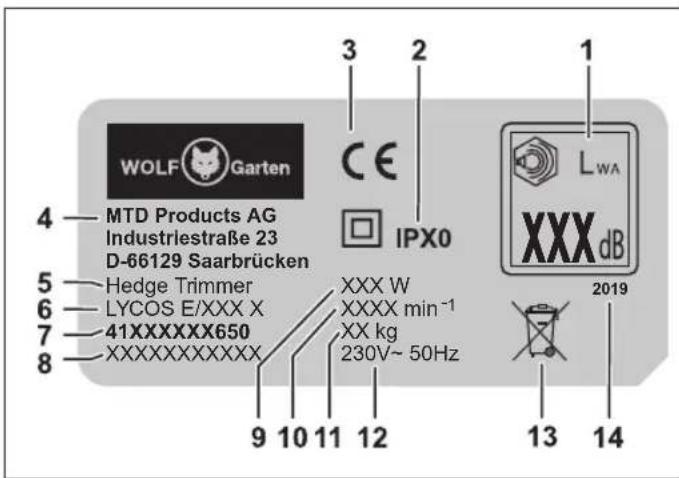
1「apaHTnIpOBaHHoe3NaueHne 3ByKOBoM OMOHOCTN
2 Knacc 3auntb/cteneHb 3auntb
3 3HaK CE
4 PpOu3BODUInTeJb
5pynnna yctpoicTB
6 Ha3BaHMe MoDeIe
7 Homep moedien
8 CepinHbI Homep
9 MoUHOCtB
10 Yactota BpaueHn DIBrataTeT, MmH
11 Bec
12 Pacyehoe HanpJKeHne /poD ToKa/ YacToTa
13 Yka3aHne no yTnIm3aun
14 Toid BbInycka
3nemEnbIynpaBHeHn
3JIeMeHTbI ynpaBneHnra
1 PykoTka
2 BbiknioateIbHa pyuke
3 Kopnyc
4 DyrOBa pyKOaTka
5 BbiknioateIb Ha dyroBo pyKoTke
6 3aunTHbI uNTOK
7 Hox
8 3aunTHbHn HakoHeHHK (B 3aBnCmOCTN OT MoJeIN)
9 Ka6eBcTEnCeIbHoB BuNKoI
10Pncnoo6nneIaunTbKa6eIOTHaTKeHn
11 Y3eI DBrIaTeJIc peDyKTopOM
123aunTHbinyeXoN
3aunTHbIe yCTpOcTBA
3aunTHbIe yCTPOcTbA G
3aunTHbI uHTOK [6]
3aunthbuiuTOK 3aunuae Taun pykn n no3BOJnre6ecnpenrTcBeHHo CneHb 3pa6ooy 30HOJ.
3aunTHbH NakoHeuHK [12]
Bbctynaoa HnpaBnaioa uHa oecneuBaet 3auNTy Bcnyae cToNKHOBeHn IHCTpyMeHTa CTBepdbIM npEdMeTOM (CTeHO, 3emNe n T. n.) OT He npraTHo OTdauH, HappMep, OT OTdaHn HOka.
BBypyHbI npHnBn BkHoueHn dIy o6ecne-yeHn 6e3oNaChocTn [2], [5]
BknIOueHne caOobbIX HOXHNu ynpaBHeHne IMN OcUyIeCTBJIeTcra ObENMpykAmn. OdHO pyKoI NOIb3OBaTeJIb HaxIMae T BbIKIOUaTeJIb Ha pyUKe, a DpyrO-BbIKIOUaTeJIb Ha dyROBO pyKOrtke.EcIn OTNyCTNTb ODNH N3 BbIKIOUaTeJIeH, HOX ABOMaTHueCKN OCTaHaBJIbNAeTcra.
BBOB B3KcNpyaTuH
BboKa6eIb npncnocO6JeHne IJIaunTbI OT HataKeHHA 1
3aBeNTe Ka6eB B npncnocobneHne dna 3a-ntbI OT HaTjKeHn, KaK NOKa3aHo Ha pncyHke (npedOTBpaaaet HepeDnEHHoe pa3beHnHeHne wTekepHoro pa3beMa).
3Kcnnyatauia
Yacbl pa60Tbl
→ Y3HaIe O pa3peWeHHbIX Yacax pa6Otbl B MeCTHOM oprahe o6UecTBeHHoro npaBOponpaKa.
BkIIOueHne yCTpoiCtBa B
OCTOPOXHO!

OnachocTb TpaBM n nobpeKdEHHa MyuceCTBa.
NcnoJb3yIte yCTpoIcTBO TOJIbKO C peKOMeHIOBaHHbIM 3aUHTbIM ChaprKeHNem.
BKnHouaTe caObBiE HOKNUcBi TOIbKO B TOM Cnyae, ecn pykn HOrn HaxoTcB He DoCraeMoCTn peKyuero MEXaHN3Ma.
OdHOn pyKoYdepKnBaIe BbIKIOuTeIb Ha DyROBOpyKOATKe B HAXaTOM NIOJOXeHN. 1
→ OndOBpeMeHNO C 3TnM HaxMMTe DpyrO pyKoB BbIKIOuHaTeJIb Ha pyKoRtKe. 2 YcTpoiCTBO pa60Taet.
CTpnKka C D E
CtpnKkBepxHei CToPOHbIXNBOI N3rOpOIN
-ДЯ CTPNKKN BepxHNe CTOPOBJ KINBOI N3rOpO-DN BOIDTE CaIOBbI HOXHNcbl BnEBO IN BnPaBO,packaunBaInx HAnoOObme MaTHNKy.
-CTapaTecb coxpaHrB ONTImaJbHbIe pe3yJIbTaTbI pa6oTb HOXa, CnerKa OTKNoHra erO B HappaBHeHN DnBKeHnpe3a.
CtpnKka 6okOBbIX CTOPOH KINBOH n3ropoDn D
- HauHaiTe CTpNkky 6OKOBbIX CTOPOH JINBOI N3rOpoiC HIXKHe ee Yactn, B HAnpaBHeHN BBepx.
-CTapaTecb coxpaHrTB ONTImaJbHbIe pe3yJIbTaTbI pa60Tb HOka, CJeRka OTKNoHra erO B HAnpaBHeHN DnBXKeHnpe3a.
-CTpunnte 6okobie cstopohj xuBOHn3rOPOn C cyxHeHem BBepx dIy oBeCneueHn paBHomepHo ro ee pocta.
CoBeTbI no cTpNxKc
-ПинмаTe BO BHIMaHne ce3Ohbl HacnKbAHnRAuNTUaMu!
-ⅡeajbHnaΦopMa cTpNkK JINBOI n3rOpOu
- Tpaneuia, oBecneuBaHouaJdoCTaToHbI IOCTyn CBeta N BO3dyxa Ko Bcem ee yactkam E
-Дя ообсенья дocTaTOHо nIIOTHOCTn poCTa XNBbIX n3ropoDe nOBer n CneDyET yKopaunBaTb TOnbKO HANOJBOHy.
-1ocne toro, kak kubar n3ropobd octnHET Tpe6yemOB BbICOTbl, no6ern MOxHO ydaNtB NOHOCTBIO.
-ⅡIЯ NOIyehnpaBHomepHOB BbICOTbIXBOIN3rOPOmMOxHOHaTMyHB Ha Tpe6yEmOB BbICOTeUHyp N BbINONHrTB CTpNkKy IIO 3TOJINHHN.
He BCKpbIBAaIte yCTpOInCTBO, B Cnyuae COMHeHnB CERda ObaaTecb BCneuaN3npOBaHHyIO MaCTepcKyoI.
He xbaataTeCb 3a pa6oTaUOuNe Je3BnA.
OuncTk
→Pocne kaxdoRo nCnoB3OBAHn OuHuaTe caDObbIE HOXNcbl,OCo6eHHO-BEHTNJrAUNHHbIEOTBepCTnCyXOBETOUsbH,aPnCNJbHOM3aRpa3HeHN-ueTKoN.
→PocneKaKdOroHcNoB3OBaHnAaKypaTHO OuN-uaHTe HOK.
→ДяобсесеняdoJROBeyHOCTN caObBIX HOXnuc O6pa6aTbIbAitc Hox nocJIpe npImeHnmaCJOM dnyxOda. NBO3MOKHOCTN NCIOJB-3yTe dЯ 3TOrO 3KOJIOTnueckn 6e3OnaChbIM CMA3OuHbMATEpHaI.
He cma3bIbaIe caIOBbie HOXHNuBI BO BpeMa pa60Tbl.
→ДЯСмAZKINIOJXNTeCaOOBbIeHOXHNUbIHa6OKn HAHeCHTe Ha HOK TOHKN CNO Macna.
→Bo Bpem npoJnKInTeHbHO nCtpnKKn KHBbIX n3ropoJe Yacto npekpaaainTe pa6Ory n Cma3blBaIte caOBblE HOHNuBl.
BhumaHue!
He ouuzaaTe yctpoiCTBO BOIOI.
TpaHcnpTnpOBka n xpaHeHne
PNEyPExEHHE!

OnachocTb TpaBMnpoBaHnapeKyuIm HhCTpyMeHToM.
Kakdbi pa3 neped TpaHcnpTnpOBkoi n NomeuHem yCTpOcTBa Ha xpaHeHne BbIKUoyaHTe ero IdoXnDaITeCb ocTa-HOBKn peKyuIero IHCTpyMeHTa.
CMOHTnpynte 3aunTHbI KOKyX Ha HOKe.
Bcerda xpaHnTe yCTPONCBO B cyXOM n HaNExKHOM MecTe, HeNOCTyNHom dIa DeTei.
→He donyckaIte nonaHa Ha caObIe HOKHnIbI,OCo6eHHO-Ha Ix pIaCTMaCCOBIe YAcTNI,Topmo3HOJ KnIKoCTN,6eH3nHa,HeTeXIMNuCKNX npOdyKTOB,IpONITouhBIX MaceJI.OniCOdePxAt XmUneCKNe BeIecTBa,KOTOpBIE MOrYTNOBpeINMb,ICNOPTNb HnPa3pyWHTb PNaCTMaCCOBIe YAcT NaCDOBbIX HOXHNU.
→ Ydo6peHnI nIpyrne arpoTeXHnueckne XUMKAtbI COepkataBeIeCTBa, KOToPbIE MOrYT OKa3bIBaTb CnIbHOe Koppo3IOHHOe BO3DeIcTBHe Ha MeTaIIuYeCKne YacTN CaIOBbIX HOxHNI. I03Tomy He XpaHNTe caIOBbIe HOxHNUbI PAnOM C 3TtMnBESeCTBaAMN.
XpahHeHne
XpaHnTe n TpaHCnOpTnpyIe CaIOBbIe HOxHNcbl TOJbKO C yCTaHOBJIeHHbIM 3aUHTbIM KOKYXOM
[12] Ha HOKe.
- Iя ONTUMaJIbHOrO XpaHeHncaIobBie HOXHNUcbl MOxHO 3aKpeINrBa HcTeHe F 1.
→ Nocne kaxdoRo ce3oHa TuaTeIbHo OuHuaTe yCTPOINCTBO.
YcTpaHHeH HeCnPaBHOCTeI
I PENEyPEXKDEHNE!

Onachoctb TpaBm N NOBpeKdEHHN MyeCTBa
Пи BO3нКНовен ComHeH Bcerda o6paaTecb B CneuaHn3IpoBaHHyO MaCTepckyIO.
Перд каддю поверков сипегд Вьлоннем pa6OT c HOKAMN BbIKIQUaHTe yCTpoNTBO.
PpO6Jema Bo3MOxHa npuHnPeUHe



- INHALT
- MEANING OF THE SYMBOLS
- WARNING
- CAUTION
- FOR YOUR SAFETY
- READ ALL SAFETY INFORMATION AND INSTRUCTIONS
- KEEP ALL INFORMATION ON SAFETY PRECAUTIONS AND INSTRUCTIONS FOR FUTURE USE
- THE MAKING OF UNAUTHORISED CHANGES OR CONVERSIONS IS NOT PERMITTED
- INFORMATION SYMBOLS IN THIS MANUAL
- NOTE
- → ACTION STEP
- ACTION RESULT
- [1]ITEM NUMBER
- A ILLUSTRATION LABEL
- STEP NUMBER
- DANGER LEVELS OF WARNING INFORMATION
- DANGER
- ATTENTION
- SAFETY INFORMATION CONTENT
- SAFETY INFORMATION
- WORKPLACE SAFETY
- ELECTRICAL SAFETY
- PERSONAL SAFETY
- USE AND HANDLING OF THE POWER TOOL
- SERVICE
- DEVICE-SPECIFIC SAFETY INFORMATION FOR HEDGE TRIMMERS
- PROTECTION OF YOURSELF AND OTHERS
- BEFORE USE
- TIPS FOR USE
- INFORMATION ABOUT VIBRATIONS
- AFTER USE
- GENERAL SAFETY INSTRUCTIONS
- INTENDED USE
- INCORRECT/ABNORMAL USE
- IDENTIFICATION PLATE
- POSITION
- STRUCTURE
- OPERATING CONTROLS
- OPERATING ELEMENTS
- PROTECTIVE EQUIPMENT
- SHIELD [6]
- IMPACT PROTECTION [12]
- TWO-HANDED SAFETY SWITCH [2], [5]
- USING FOR THE FIRST TIME
- LEAD THE CABLE THROUGH THE STRAIN RELIEF A 1
- OPERATION
- OPERATING TIMES
- SWITCHING THE DEVICE ON
- CUTTING C D E
- CUTTING THE TOP OF THE HEDGE
- CUTTING THE HEDGE SIDES D
- CUTTING TIPS
- CUTTING TIMES
- SWITCHING THE DEVICE OFF G
- SERVICING
- CLEANING
- TRANSPORT AND STORAGE
- STORAGE
- TROUBLESHOOTING
- WARRANTY
- CE DECLARATION OF CONFORMITY
- ENVIRONMENTALLY-FRIENDLY DISPOSAL
- TABLE DES MATIERES
- TIA TNY AOPALÉIA OAC
- NPOEIAOONIH
- ATAYOPEUON AUTHETAWV TPOTOTIOEEWKAI Μ Α Σ Ω Ν
- PNPOOPIAKA Σ Μ ΒOΛA TWV TAPOUOOV ODNYIOW
- YΠÓΔΕIΞΗ
- KOTNC D E
- KOTN TNS ETTAVW TLEUPAC TOU PPAXTN 8AUVW C
- KOTNTWV TLAIVW TOU PAXTN 0AUVWV
- VYPNUTI PRISTROJE
- ДЯВАШ经6E3ONACHOCTN
- PENDYPEXKDEHNE
- 3ANPET HA CAMOBOJBHBIE N3MEHEHNI NEPEO6OPYDOBAHNE
- HOPMAIOHHBIE CMBOLBL B HACTOAEM PYKOBODCTBE
- YKA3AHUE
- ДЛЯВАШЕВ6E3OANACNOCTN
- PE3YIBTAT DEICTBNA
- [1]HOMEP NO3NUI
- A O6O3HAEHNE NJIIOCTPACN
- 1HOMEP WARA DENCTBNA
- CTENEHONACHOCTN NPEDYNPEXKEHN
- ONACHO
- I PENEYPPEXDEHNE
- OCTOPOXHO
- BHUMAHUE
- CTPYKTYPA YKA3AHN NO TEXHNKE 6E3ONACHOCTN
- YKA3AHNNO TEXHNKE 6E3ONACHOCTN
- БEZONAACHOCTB HA PA6OOYEM MECTE
- 3NEKTPNUECKA 6E3ONACHOCTH
- БEZONAACHOCTBIIODEI
- ICNOJIB3OBAHHE 3JIEKTPONHCTPYMEHTA N O6PAUEHNE C HNM
- YKA3AHNNOTEXHNKE6E3ONACHOCTN
- CEPBNCHOE 06CNYKBAHNE
- CNEUNUHBIE YKA3AHNNO TEXHKE 6E30- NACHOCTN DLA CAOBBIX HOXHNU
- HNBNDYAJBHAJ3AUNTA
- PEPED NPIMMEHHEM
- BOBPEM NPIMHEHHA
- YKAAHNA, KACAOUNEC BN6PAUN
- IOCNE NPMEHNNA
- 06ÜNE YKA3AHNNO TEXNKE 6E3ONACHOCTN
- PPIMMEHHENOHA3HAUEHNIO
- PPIMHEHHE HE NO HA3HAUEHNIO
- PACNOPTNA TA6NUKA
- NOJOXEHNE
- CTPYKTYPA
- 3NEMENBIYNPABHEHN
- 3JIEMEHTBI YNPABNEHNRA
- 3AUNTHBIE YCTPOCTBA
- 3AUNTHBIE YCTPOCTBA G
- 3AUNTHBI UHTOK [6]
- 3AUNTHBH NAKOHEUHK [12]
- BBYPYHBI NPHNBN BKHOUEHN DIY O6ECNE-YEHN 6E3ONACHOCTN [2], [5]
- BBOB B3KCNPYATUH
- BBOKA6EIB NPNCNOCO6JEHNE IJIAUNTBI OT HATAKEHHA 1
- 3KCNNYATAUIA
- YACBL PA60TBL
- BKIIOUEHNE YCTPOICTBA B
- CTPNKKA C D E
- CTPNKKBEPXHEI CTOPOHBIXNBOI N3ROPOIN
- CTPNKKA 6OKOBBIX CTOPOH KINBOH N3ROPODN D
- COBETBI NO CTPNXKC
- OUNCTK
- TPAHCNPTNPOBKA N XPAHEHNE
- PNEYPEXEHHE
- XPAHHEHNE
- YCTPAHHEH HECNPABHOCTEI
- I PENEYPEXKDEHNE
Brand : Wolf Garten
Model : Lycos E420 H
Category : Hedge Trimmers