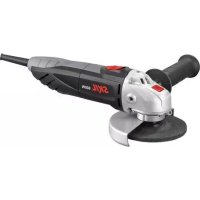
9035 AA - Grinder SKIL - Free user manual and instructions
Find the device manual for free 9035 AA SKIL in PDF.



| Product type | Angle grinder |
| Brand | Skil |
| Model | 9035 AA |
| Power supply | Mains, 230-240 V ~ 50/60 Hz |
| Max. disc thickness | 8 mm |
| Arbor diameter | 22 mm |
| Main functions | Grinding, cutting, sanding, brushing |
| Auxiliary handle | Yes, adjustable (right, left, top) |
| Hand guard | Yes, adjustable |
| Switch | On/Off with lock-on |
| Spindle lock button | Yes |
| Wrench | Yes |
| Sound pressure level (LpA) | 92 dB(A) |
| Sound power level (LWA) | 103 dB(A) |
| Vibration (grinding) | 10.5 m/s² (uncertainty K=1.5 m/s²) |
| Vibration (sanding) | 6.4 m/s² (uncertainty K=1.5 m/s²) |
| Intended use | Non-professional, from 16 years old |
| Maintenance | Clean ventilation slots with a dry cloth; do not use sharp objects |
| Repairability | Refer to a SKIL authorized service center |
| Environment | Do not dispose of with household waste; recycle according to directive 2002/96/EC |
Frequently Asked Questions - 9035 AA SKIL
User questions about 9035 AA SKIL
0 question about this device. Answer the ones you know or ask your own.
Ask a new question about this device
Download the instructions for your Grinder in PDF format for free! Find your manual 9035 AA - SKIL and take your electronic device back in hand. On this page are published all the documents necessary for the use of your device. 9035 AA by SKIL.
USER MANUAL 9035 AA SKIL
- This tool is intended for light grinding, cutting and deburring metal and stone materials without the use of water; with the appropriate accessories the tool can also be used for brushing and sanding
- This tool is not intended for professional use
- Do not apply pressure on the tool; let the speed of the cutting disc do the work
- Cutting operations with abrasive cut-off wheels are only allowed when a cut-off guard (available as optional SKIL accessory 2610Z01133/2610Z01134) is used
- Read and save this instruction manual ②
TECHNICAL SPECIFICATIONS ①
TOOLELEMENTS 4
A Spindle
B Clamping flange
C Spanner
D Spindle-lock button
E Auxiliary handle
F Protective guard
G Hex key
H Mounting flange
J On/off locking switch
K Ventilation slots
SAFETY
GENERAL SAFETY INSTRUCTIONS
WARNING! Read all safety warnings and all instructions. Failure to follow the warnings and instructions may result in electric shock, fire and/or serious injury. Save all warnings and instructions for future reference. The term "power tool" in the warnings refers to your mains-operated (corded) power tool or battery-operated (cordless) power tool.
1) WORK AREA SAFETY
a) Keep work area clean and well lit. Cluttered or dark areas invite accidents.
b) Do not operate power tools in explosive atmospheres, such as in the presence of flammable liquids, gases or dust. Power tools create sparks which may ignite the dust or fumes.
c) Keep children and bystanders away while operating a power tool. Distractions can cause you to lose control.
2) ELECTRICAL SAFETY
a) Power tool plugs must match the outlet. Never modify the plug in any way. Do not use any adapter plugs with earthed (grounded) power tools.
Unmodified plugs and matching outlets will reduce risk of electric shock.
b) Avoid body contact with earthed or grounded surfaces such as pipes, radiators, ranges and refrigerators. There is an increased risk of electric shock if your body is earthed or grounded.
c) Do not expose power tools to rain or wet conditions. Water entering a power tool will increase the risk of electric shock.
d) Do not abuse the cord. Never use the cord for carrying, pulling or unplugging the power tool. Keep cord away from heat, oil, sharp edges or moving parts. Damaged or entangled cords increase the risk of electric shock.
e) When operating a power tool outdoors, use an extension cord suitable for outdoor use. Use of a cord suitable for outdoor use reduces the risk of electric shock.
f) If operating a power tool in a damp location is unavoidable, use an earth leakage circuit breaker. Use of an earth leakage circuit breaker reduces the risk of electric shock.
3) PERSONAL SAFETY
4) POWER TOOL USE AND CARE
a) Stay alert, watch what you are doing and use common sense when operating a power tool. Do not use a power tool while you are tired or under the influence of drugs, alcohol or medication. A moment of inattention while operating power tools may result in serious personal injury.
b) Use personal protective equipment. Always wear eye protection. Protective equipment such as dust mask, non-skid safety shoes, hard hat, or hearing protection used for appropriate conditions will reduce personal injuries.
c) Prevent unintentional starting. Ensure the switch is in the off-position before connecting to power source and/or battery pack, picking up or carrying the tool. Carrying power tools with your finger on the switch or energising power tools that have the switch on invites accidents.
d) Remove any adjusting key or wrench before turning the power tool on. A wrench or a key left attached to a rotating part of the power tool may result in personal injury.
e) Do not overreach. Keep proper footing and balance at all times. This enables better control of the power tool in unexpected situations.
f) Dress properly. Do not wear loose clothing or jewellery. Keep your hair, clothing and gloves away from moving parts. Loose clothes, jewellery or long hair can be caught in moving parts.
g) If devices are provided for the connection of dust extraction and collection facilities, ensure these are connected and properly used. Use of dust collection can reduce dust-related hazards.
a) Do not force the power tool. Use the correct power tool for your application. The correct power tool will do the job better and safer at the rate for which it was designed.
b) Do not use the power tool if the switch does not turn it on and off. Any power tool that cannot be controlled with the switch is dangerous and must be repaired.
c) Disconnect the plug from the power source and/or the battery pack from the power tool before making any adjustments, changing accessories, or storing power tools. Such preventive safety measures reduce the risk of starting the power tool accidentally.
d) Store idle power tools out of the reach of children and do not allow persons unfamiliar with the power tool or these instructions to operate the power tool. Power tools are dangerous in the hands of untrained users.
e) Maintain power tools. Check for misalignment or binding of moving parts, breakage of parts and any other condition that may affect the power tool's operation. If damaged, have the power tool repaired before use. Many accidents are caused by poorly maintained power tools.
f) Keep cutting tools sharp and clean. Properly maintained cutting tools with sharp cutting edges are less likely to bind and are easier to control.
g) Use the power tool, accessories and tool bits etc., in accordance with these instructions, taking into account the working conditions and the work to be performed. Use of the power tool for operations different from those intended could result in a hazardous situation.
5) SERVICE
a) Have your power tool serviced by a qualified repair person using only identical replacement parts. This will ensure that the safety of the power tool is maintained.
SAFETY INSTRUCTIONS FOR ANGLE GRINDERS
1) SAFETY INSTRUCTIONS FOR ALL OPERATIONS
a) This power tool is intended to function as a grinder, sander, wire brush or cut-off tool. Read all safety warnings, instructions, illustrations and specifications provided with this power tool. Failure to follow all instructions listed below may result in electric shock, fire and/or serious injury.
b) This power tool is not recommended for polishing. Operations for which the power tool was not designed may create a hazard and cause personal injury.
c) Do not use accessories which are not specifically designed and recommended by the tool manufacturer. Just because the accessory can be attached to your power tool, it does not assure safe operation.
d) The rated speed of the accessory must be at least equal to the maximum speed marked on the power tool. Accessories running faster than their rated speed can fly apart.
e) The outside diameter and the thickness of your accessory must be within the capacity rating of your power tool. Incorrectly sized accessories cannot be adequately guarded or controlled.
f) The arbour size of wheels, flanges, backing pads or any other accessory must properly fit the spindle of the power tool. Accessories with arbour holes that do not match the mounting hardware of the power tool will run out of balance, vibrate excessively and may cause loss of control.
g) Do not use a damaged accessory. Before each use inspect the accessory such as abrasive wheels for chips and cracks, backing pads for cracks, tear or
excess wear, wire brushes for loose or cracked wires. If the power tool or accessory is dropped, inspect for damage or install an undamaged accessory. After inspecting and installing an accessory, position yourself and bystanders away from the plane of the rotating accessory and run the power tool at maximum no load speed for one minute. Damaged accessories will normally break apart during this test time.
h) Wear personal protective equipment ③. Depending on application, use face shield, safety goggles or safety glasses. As appropriate, wear dust mask, hearing protectors, gloves and shop apron capable of stopping small abrasive or workpiece fragments. The eye protection must be capable of stopping flying debris generated by various operations. The dust mask or respirator must be capable of filtrating particles generated by your operation. Prolonged exposure to high intensity noise may cause hearing loss.
i) Keep bystanders a safe distance away from work area. Anyone entering the work area must wear personal protective equipment. Fragments of the workpiece or of a broken accessory may fly away and cause injury beyond the immediate area of operation.
j) Hold power tool by insulated gripping surfaces only, when performing an operation where the cutting accessory may contact hidden wiring or its own cord. A cutting accessory contacting a "live" wire may make exposed metal parts of the power tool "live" and could give the operator an electric shock.
k) Position the cord clear of the spinning accessory. If you lose control, the cord may be cut or snagged and your hand or arm may be pulled into the spinning accessory.
I) Never lay the power tool down until the accessory has come to a complete stop. The spinning accessory may grab the surface and pull the power tool out of your control.
m) Do not run the power tool while carrying it at your side. Accidental contact with the spinning accessory could snag your clothing, pulling the accessory into your body.
n) Regularly clean the power tool's air vents. The motor's fan will draw the dust inside the housing and excessive accumulation of powdered metal may cause electrical hazards.
o) Do not operate the power tool near flammable materials. Sparks could ignite these materials.
p) Do not use accessories that require liquid coolants. Using water or other liquid coolants may result in electrocution or shock.
2) KICKBACK AND RELATED WARNINGS
- Kickback is a sudden reaction to a pinched or snagged rotating wheel, backing pad, brush or any other accessory. Pinching or snagging causes rapid stalling of the rotating accessory which in turn causes the uncontrolled power tool to be forced in the direction opposite of the accessory's rotation at the point of the binding.
- For example, if an abrasive wheel is snagged or pinched by the workpiece, the edge of the wheel that is entering into the pinch point can dig into the surface of the
material causing the wheel to climb out or kick out. The wheel may either jump toward or away from the operator, depending on the direction of the wheel's movement at the point of pinching. Abrasive wheels may also break under these conditions.
- Kickback is the result of power tool misuse and/or incorrect operating procedures or conditions and can be avoided by taking proper precautions as given below.
a) Maintain a firm grip on the power tool and position your body and arm to allow you to resist kickback forces. Always use auxiliary handle, if provided, for maximum control over kickback or torque reaction during start-up. The operator can control torque reactions or kickback forces, if proper precautions are taken.
b) Never place your hand near the rotating accessory. The accessory may kickback over your hand.
c) Do not position your body in the area where power tool will move if kickback occurs. Kickback will propel the tool in the direction opposite to the wheel's movement at the point of snagging.
d) Use special care when working corners, sharp edges etc. Avoid bouncing and snagging the accessory. Corners, sharp edges or bouncing have a tendency to snag the rotating accessory and cause loss of control or kickback.
e) Do not attach a saw chain woodcarving blade or toothed saw blade. Such blades create frequent kickback and loss of control.
3) SAFETY WARNINGS SPECIFIC FOR GRINDING AND CUTTING OFF OPERATIONS
a) Use only wheel types that are recommended for your power tool and the specific guard designed for the selected wheel. Wheels for which the power tool was not designed cannot be adequately guarded and are unsafe.
b) The guard must be securely attached to the power tool and positioned for maximum safety, so the least amount of wheel is exposed towards the operator. The guard helps to protect the operator from broken wheel fragments, accidental contact with wheel and sparks that could ignite clothing.
c) Wheels must be used only for recommended applications. For example: Do not grind with the side of a cut-off wheel. Abrasive cut-off wheels are intended for peripheral grinding; side forces applied to these wheels may cause them to shatter.
d) Always use undamaged wheel flanges that are of correct size and shape for your selected wheel. Proper wheel flanges support the wheel thus reducing the possibility of wheel breakage. Flanges for cut-off wheels may be different from grinding wheel flanges.
e) Do not use worn down wheels from larger power tools. A wheel intended for a larger power tool is not suitable for the higher speed of a smaller tool and may burst.
4) ADDITIONAL SAFETY WARNINGS SPECIFIC FOR CUTTING OFF OPERATIONS
a) Do not "jam" the cut-off wheel or apply excessive pressure. Do not attempt to make an excessive depth of cut. Overstressing the wheel increases the loading and susceptibility to twisting or binding of the
wheel in the cut and the possibility of kickback or wheel breakage.
b) Do not position your body in line with and behind the rotating wheel. When the wheel, at the point of operation, is moving away from your body, the possible kickback may propel the spinning wheel and the power tool directly at you.
c) When the wheel is binding or when interrupting a cut for any reason, switch off the power tool and hold the power tool motionless until the wheel comes to a complete stop. Never attempt to remove the cut-off wheel from the cut while the wheel is in motion, otherwise kickback may occur. Investigate and take corrective action to eliminate the cause of wheel binding.
d) Do not restart the cutting operation in the workpiece. Let the wheel reach full speed and carefully re-enter the cut. The wheel may bind, walk up or kickback if the power tool is restarted in the workpiece.
e) Support panels or any oversized workpiece to minimize the risk of wheel pinching and kickback. Large workpieces tend to sag under their own weight. Supports must be placed under the workpiece near the line of cut and near the edge of the workpiece on both sides of the wheel.
f) Use extra caution when making a "pocket cut" into existing walls or other blind areas. The protruding wheel may cut gas or water pipes, electrical wiring or objects that can cause kickback.
5) SAFETY WARNINGS SPECIFIC FOR SANDING OPERATIONS
a) When sanding, do not use excessively oversized sanding disc paper. Follow the manufacturers' recommendations when selecting sanding paper. Larger sanding paper extending beyond the sanding pad presents a laceration hazard and may cause snagging, tearing of the disc, or kickback.
6) SAFETY WARNINGSPRECIFIC FOR WIRE BRUSHING OPERATIONS
a) Be aware that wire bristles are thrown by the brush even during ordinary operation. Do not overstress the wires by applying excessive load to the brush. The wire bristles can easily penetrate light clothing and/ or skin.
b) If the use of a guard is recommended for wire brushing, do not allow any interference of the wire wheel or brush with the guard. Wire wheel or brush may expand in diameter due to work load and centrifugal forces.
GENERAL
- This tool is not suitable for wet grinding/cutting
- Only use the flanges which are supplied with this tool
- This tool should not be used by people under the age of 16 years
- Always disconnect plug from power source before making any adjustment or changing any accessory ACCESSORIES
- SKIL can assure flawless functioning of the tool only when original accessories are used
-
For mounting/using non-SKIL accessories observe the instructions of the manufacturer concerned
-
Use only grinding/cutting discs with a maximum thickness of 8mm and a spindle hole diameter of 22 mm
- Never use reducers or adaptors to fit large-hole grinding/ cutting discs
- Never use accessories with a "blind" threaded hole smaller than M14 x 21 mm
OUTDOOR USE
- Connect the tool via a fault current (FI) circuit breaker with a triggering current of 30mA maximum
BEFORE USE
- Before using the tool for the first time, it is recommended to receive practical information
- Always check that the supply voltage is the same as the voltage indicated on the nameplate of the tool (tools with a rating of 230V or 240V can also be connected to a 220V supply)
- Always mount auxiliary handle E (4) and protective guard F (4); never use the tool without them
- Use suitable detectors to find hidden utility lines or call the local utility company for assistance (contact with electric lines can lead to fire or electrical shock; damaging a gas line can result in an explosion; penetrating a water pipe will cause property damage or an electrical shock)
- Do not work materials containing asbestos (asbestos is considered carcinogenic)
- Dust from material such as paint containing lead, some wood species, minerals and metal may be harmful (contact with or inhalation of the dust may cause allergic reactions and/or respiratory diseases to the operator or bystanders); wear a dust mask and work with a dust extraction device when connectable
- Certain kinds of dust are classified as carcinogenic (such as oak and beech dust) especially in conjunction with additives for wood conditioning; wear a dust mask and work with a dust extraction device when connectable
- Follow the dust-related national requirements for the materials you want to work with
- Be careful when cutting grooves, especially in supporting walls (slots in supporting walls are subject to country-specific regulations; these regulations are to be observed under all circumstances)
- Secure the workpiece (a workpiece clamped with clamping devices or in a vice is held more securely than by hand)
- Do not clamp the tool in a vice
- Use completely unrolled and safe extension cords with a capacity of 16 Amps (U.K. 13 Amps)
DURING USE
- Inrush currents cause short-time voltage drops; under unfavourable power supply conditions, other equipment may be affected (if the system impedance of the power supply is lower than 0.25 Ohm, disturbances are unlikely to occur); if you need further clarification, you may contact your local power supply authority
- If the cord is damaged or cut through while working, do not touch the cord, but immediately disconnect the plug
-
Never use the tool when cord is damaged; have it replaced by a qualified person
-
In case of electrical or mechanical malfunction, immediately switch off the tool and disconnect the plug
- In case of current interruption or when the plug is accidentally pulled out, unlock the on/off switch J ④ immediately in order to prevent uncontrolled restarting
AFTER USE
- After switching off the tool, never stop the rotation of the accessory by a lateral force applied against it WHEN CONNECTING NEW 3-PIN PLUG (U.K. ONLY):
- Do not connect the blue (= neutral) or brown (= live) wire in the cord of this tool to the earth terminal of the plug
- If for any reason the old plug is cut off the cord of this tool, it must be disposed of safely and not left unattended
USE
- Mounting of accessories (4)
! disconnect the plug
- clean spindle A and all parts to be mounted
- tighten clamping flange B with spanner C while pushing spindle-lock button D
! push spindle-lock button D only when spindle A is at a standstill
- for removing accessories handle vice-versa
! grinding/cutting discs become very hot during use; do not touch them until they have cooled down
! always mount backing pad when using sanding accessories
! never use a grinding/cutting disc without the label ("blotter") which is glued onto it (if provided)
- Mounting of auxiliary handle E ⑤
! disconnect the plug
- screw auxiliary handle E on the right, the top, or the left of the tool (depending on the work to be carried out)
- Removing/mounting/adjusting of protective guard F ⑥
! disconnect the plug
! ensure that the closed side of the protective guard always points to the operator
-
Before using the tool
-
ensure that accessory is correctly mounted and firmly tightened
- check if accessory runs freely by turning it by hand
- test-run tool for at least 30 seconds at highest no-load speed in a safe position
-
stop immediately in case of considerable vibration or other defects and check tool to determine the cause
-
On/off locking switch J ⑦
-
switch on tool ⑦ a
! be aware of the sudden impact when the tool is switched on
! before the accessory reaches the workpiece, the tool should run at full speed - lock switch ⑦b
- unlock switch/switch off tool ⑦c
! before switching off the tool, you should lift it from the workpiece
! the accessory continues to rotate for a short time after the tool has been switched off
Grinding 8
- move the tool back and forth with moderate pressure
! never use a cutting disc for side grinding
Cutting ⑨
- do not tilt the tool while cutting
- always move the tool in same direction as arrow on tool head, in order to prevent the tool from being pushed out of the cut in an uncontrolled manner
- do not apply pressure on the tool; let the speed of the cutting disc do the work
- the working speed of the cutting disc depends on the material to be cut
-
do not brake cutting discs with side pressure
-
Holding and guiding the tool
-
always hold the tool firmly with both hands, so you will have full control of the tool at all times
! while working, always hold the tool at the grey-coloured grip area(s) ⑩
- provide for a secure stance
- pay attention to the direction of rotation; always hold the tool so, that sparks and grinding/cutting dust fly away from the body
- keep ventilation slots K ④ uncovered
APPLICATION ADVICE
Instead of flange B ④ the "CLIC" quick-clamping flange (SKIL accessory 2610388766) can be used; grinding/ cutting discs can then be mounted without the use of accessory keys
For more tips see www.skileurope.com
MAINTENANCE / SERVICE
- This tool is not intended for professional use
Always keep tool and cord clean (especially ventilation slots K 4)
! do not attempt to clean ventilation slots by inserting pointed objects through openings
! disconnect the plug before cleaning
-
If the tool should fail despite the care taken in manufacturing and testing procedures, repair should be carried out by an after-sales service centre for SKIL power tools
-
send the tool undismantled together with proof of purchase to your dealer or the nearest SKIL service station (addresses as well as the service diagram of the tool are listed on www.skileurope.com)
ENVIRONMENT
-
Do not dispose of electric tools, accessories and packaging together with household waste material (only for EU countries)
-
in observance of European Directive 2002/96/EC on waste of electric and electronic equipment and its implementation in accordance with national law, electric tools that have reached the end of their life must be collected separately and returned to an environmentally compatible recycling facility
- symbol ⑪ will remind you of this when the need for disposing occurs
DECLARATION OF CONFORMITY (€
- We declare under our sole responsibility that this product is in conformity with the following standards or standardized documents: EN 60745, EN 61000, EN 55014, in accordance with the provisions of the directives 2006/95/EC, 2004/108/EC, 2006/42/EC
- Technical file at: SKIL Europe BV (PT-SEU/PJE), 4825 BD Breda, NL
Arno van der Klot
Jan Trommelen
Vice President
Operations & Engineering
Approval Manager
SKIL Europe BV, 4825 BD Breda, NL
06.06.2011
NOISE/VIBRATION
- Measured in accordance with EN 60745 the sound pressure level of this tool is 92dB(A) and the sound power level 103dB(A) (standard deviation: 3dB ), and the vibration (hand-arm method; uncertainty K = 1.5m/s^2 )
- when surface grinding 10.5 m/s²
- when sanding 6.4 ~m / s^2
! other applications (such as cutting-off or wire brushing) may have different vibration values - The vibration emission level has been measured in accordance with a standardised test given in EN 60745; it may be used to compare one tool with another and as a preliminary assessment of exposure to vibration when using the tool for the applications mentioned
- using the tool for different applications, or with different or poorly maintained accessories, may significantly increase the exposure level
- the times when the tool is switched off or when it is running but not actually doing the job, may significantly reduce the exposure level
! protect yourself against the effects of vibration by maintaining the tool and its accessories, keeping your hands warm, and organizing your work patterns
F
DECLARATION DE CONFORMITE (C)
Operations & Engineering
Approval Manager

SKIL Europe BV, 4825 BD Breda, NL 06.06.2011
BRUIT/VIBRATION
Operations & Engineering
Approval Manager
SKIL Europe BV, 4825 BD Breda, NL 06.06.2011
GERÄUSCH/VIBRATION
Operations & Engineering
Jan Trommelen
Approval Manager
SKIL Europe BV, 4825 BD Breda, NL
06.06.2011
GELUID/VIBRATIE
Operations & Engineering
Approval Manager

SKIL Europe BV, 4825 BD Breda, NL
06.06.2011
LJUD/VIBRATION
On/off laseafbryder J ⑦
Operations & Engineering
Jan Trommelen
Approval Manager

SKIL Europe BV, 4825 BD Breda, NL 06.06.2011
STØJ/VIBRATION
1) SIKKERHET PÅ ARBEIDSPLASSEN
a) Hold arbeidsområdet rent og ryddig. Rotete arbeidsområder aller arbeidsområder uten lys kan före til ulykker.
b) Ikke arbeid med maskinen i eksplosjonsutsatte omgivelser - der det befinner seg brenbare vasker, gass aller stov. Elektroverktoy lager gnister som kan antennene stov aller damper.
c) Hold barn og andre personer unna nár elektroverktoyet brukes. Hvis du blir forstyrret under arbeidet, kan du miste kontrollen over maskinen.
2) ELEKTRISK SIKKERHET
VEDLIKEHOLD / SERVICE
Operations & Engineering
Approval Manager

SKIL Europe BV, 4825 BD Breda, NL
06.06.2011
STOY/VIBRASJON
-
Malt ifolge EN 60745 er lydtrykknivæt av dette verktøyet 92 dB(A) og lydstyrkenivæt 103 dB(A) (standard deviasjon: 3 dB), og vibrasjonsnivæt m / s^2 (hand-arm metode; usikkerhet K = 1,5m / s^2
-
ved sliping flater 10,5 m/s²
- ved pussing 6,4 m/s²
Operations & Engineering
Approval Manager
SKIL Europe BV, 4825 BD Breda, NL
06.06.2011
MELU/TÄRINA
Operations & Engineering
Approval Manager
SKIL Europe BV, 4825 BD Breda, NL
06.06.2011
RUIDOS/VIBRACIONES
Operations & Engineering
Approval Manager

SKIL Europe BV, 4825 BD Breda, NL
06.06.2011
RUIDO/VIBRAÇÖES
Operations & Engineering
Approval Manager

SKIL Europe BV, 4825 BD Breda, NL 06.06.2011
RUMOROSITA/VIBRAZIONE
Operations & Engineering
Approval Manager
SKIL Europe BV, 4825 BD Breda, NL
06.06.2011
ZAJ/REZGÉS
Operations & Engineering
Approval Manager
SKIL Europe BV, 4825 BD Breda, NL
06.06.2011
HLUCNOSTI/VIBRACI
-
Měreno podle EN 60745 cini tlak hlukové vlny tohoto pristroje 92 dB(A) a dávka hlucnosti 103 dB(A) (standardni odchylka: 3 dB), a vibraci m / s^2 (metoda ruka-paže; nepřesnost K = 1,5m / s^2 )
-
pri broušeni 10,5 m/s²
- pri smirkovani 6,4 m/s²
Operations & Engineering
Approval Manager

SKIL Europe BV, 4825 BD Breda, NL
06.06.2011
GÜRULTÜ/TITRESIM
Operations & Engineering
Approval Manager
SKIL Europe BV, 4825 BD Breda, NL
06.06.2011
HAŁASU/WIBRACJE
TEXHnueCKNE DAHHbIE ①
DETAJIHCHTPYMEHTA 4
A UnnHdJIb
B 3aHIMHOH ΦlaHeU
C TaeHbIM KJIIOU
D KhoHa 6JIOKINPOBKN WIMHDeJIa
E BcnoMoraTeBna pyka
F 3aunTHbIK KOHx
G KnHou-WeeCTnPaHHNK
H YcTaHOBOUHOMy ΦlaHeu
J BkHoueHne/OTKIOUeHne 6IOKnpoBOOHOro nepeKIOuataTeia
K BeHTnlaUHOHHbIe OTBepCTnA
B630NACHOCTb
OCHOBHBIE HNCTPYKcIIN NO TEXHNKE BE3ONACHOCTH
BHHMAHNE!IpoHTHe Bce yKa3aHHN
HCTpyKcHn no TexHHe 6e3oNaChocTn. UnyeHn, DonyuEHHbIe npn Co6IODeHNyka3aHn INHCTpyKcHn nO TexHKe 6e3oNaChocTn, MOrY T cTal npuHnOH 3JIeKTPnueckoro nopaeHn, NOKapa NTJKeBix TpaBM.
CoxpaHnTe 3TN HnCTpyKuHn U yHa3aHnA dIa
6yduero hcnolb3OBaHn. HcnoJb3oBaHnoe B HaCTOaXn HHCTpyKuNX uYka3aHnX NOHtne "3JeKTPoHHCTpymeHT pacnpocTpaHareTcHa 3JeKTPoHHCTpymeHT c NITaHnEM OT cETn (c KaBeIem NITaHnEOT 3JeKTPocETn) n Ha aKKyMylrTophBn 3JeKTPoHHCTpymeHT (6e3 Ka6eIa NITaHnEOT 3JeKTPocETn).
1) 6E3ONACHOCTb PABOYERO MECTA
a) Co6IIOJaTe YHCTOTy H NOIDepHHBaHTe HaJIeHaJyO OCBeUeHHocThb Ha pa6OeM MeCTe. BeCnpraOK Ha pa6OeM MeCTe IIN erO IIOXoe OCBeUeHne MOrT pNBEcTH K HeCCHaCTHbIM ClyuAaM.
NEPEI HcNoJIb3OBAHnEM
IpeedncnoB3OBAHHeMHCTpyMeHTa B nepbI pa3 peKOMeHdyETcnoLuyHTb npAHTNueChkyIO HOpMaunio
- 06a3aTeIbHo y6eIITecb, yTO HaPnJaHHeHne NITaHncooTBeTCTByeT HApnJaHHeHIO, yKa3aHHOMyHaΦnPMeHHOM WTeMNeIe NHCtpymEHTa (NHCtpymEHTbl, paccHTaHHbIe Ha HApnJaHHeHne 230 B nII 240 B, MOxHO NOdkJIIOUaTb K NITaHHIO 220 B)
Bcerda yctaHaBnBaIte 60kOByIO pyHy E 4 n 3aunTHbI KOxYF 4; HIKoRda He NcnoJb3yIte HHCTpymeHT 6e3 HIX
IcnoB3yIte NOxOaIe MeTALoTeHTOpbl IJI HAXOHDeHn CHpbITbIX npOBODK Cha6HeHn IIN HabeNTe CnpABHN B MeCTbIX PpeApnTnx KOMMyHaIbHOrO XO3AChTBa (HOHTaKT C 3JIeKTPoPBOkON MOKeT pNBecTN K IOXapY IN 3JIeKTPnueCKOMy yIapY; NOBpeJdeHne Ra3OIpBODa MOKeT pNBecTN K B3pBiBy; NOBpeJdeHne BOOpBODa MOKeT pNBecTN K IOBpeJdeHIO IMUeCTBa IIN BBi3BaTb 3JIeKTPnueckN yIap)
- He 06pa6aTbIaIte MaTePnAJIbI c codepHaHHeM ac6ecTa (ac6ecTcHTaETcKaHcEporeHOM)
Пьль OT TAKINX MaTePnaJIOB, KaK CBHnOBOcoDEpKaaJЯ Kpacka, HeKOTOpbIe NopoDbl DepeBa, MInHepaJIbI H MeTaN, MoKet 6bITb BpeDa (KOHTaHT C TaKoI PbIbIO NIIe E BDbIXaHne MOKET CTaTB IIpNHyHOB O3HNKHOBeHnY ONEpApToPA IIN HaxOJaUHXcR PdOM IuC aJIleprNueCkNx peAkuN I/IIu pecnnpaTophix 3a6OJIeBaHn); NaDeBaIte pecnPapToP npa60TaIte C nbILEydaJALIOUm yCTpoiCTBOM npn BkJIoueHn INHCTpyMeNTa
- HeKOTOpBie BnDbI nbIIN KJIaCCNΦuCyPTc KaK KaHcEporeHHbIe (HaNPIMep, Dy6OBa HII N6 ByKOBa IpbIb), OCOBeHNBO CooTeaHN C Do6aBHAMN IJI KOnDNIuHOHPOBaHNA DpeBEcINHbI; HaDeBaHTe pecnnpatop np a6oTaIte c nbIeYdaJIoUm yCTpOcTBOM npn BKNIOUeHN INHcTpymEHTa
CJeDyIe TpINHrTbIM B BaWei CTrpaHe Tpe6oBaHnM/ HOpMaTHiBAM OTHOCHTeJIbHO NblIn Dlan Tex MaTePnaJIOB, C KOTOpbIMN Bbl Co6HpaeTecb pa6OtaTb
Будьт ecobehno octopokнbl npn npope3bibaHn npoemOB b Hecyuix cTehax (Ppoembl B Hecyuix cTehax peIamentpyOTc3aKOHdaTeNbCTBOM KaHdoI OTdJIbHOI CTpaHbl; 3TN npabInla CJeDyET CO6IOHaTb B IIObom clyuae)
3aKpeHnTe 6bpa6aTbIBaEmyO deTaIb (6bpa6aTbIBaEMa JTeTaIb, 3aФИКСИрОВаHHaJI NocpeIcTBOM 3aKIMhblx yCTpOJCTB IIN TnCKOB, 3aKpeIJIeTcR JUWe, HeKeJI N pR nNOMOu pyK)
- He 3aHHMaIte INHCTpyMeHT B TtCKax
- NcnoIb3yIte NOHOCtBIO pa3MOTaHHbIe 6e3OnacHbIe ydINHHTeIN, pacCHNTaHHbIe Ha TOK He MeHee 16 A
BO BPEMЯИСПОЛьЗOBAHNY
-Пюцecсы BKЛIOUeHЯ BbI3bIbAOT KpaTkoBpeMeHHoe CHINHeHne HAnpJKeHЯ;пи He6laOanPnTHbIX YcIobNax B Cetn MoXeT BO3HKnKHyTb OTpNicaTeJIbHOe BInHHe Na dpyrHe np6Opbl (прИ NMpeJaHce cetn MeHbIe,чem 0,25Om,kaKHe-JIbO hapuWeHЯ He OHNDAIoTc);3a pa3bAcHEnHЯ mnpocmОбpaTntbCЯ K opraHn3aunM -NoCTaBUnkam 3JIeKTpO3HepRnB BaWempernoHe
- PnIOBpeKdEHNnIINpa3pe3aHnCteTeBOUShypa BO Bpemra6oTbHe npHkacaiTecb K Hemy, N HeMeJNeHHO BblbTe BNkky n3 p03eTKN
HnKoIa He nCnoJIb3yIte HnCTpymeHT,ecIIN CeTeBOI shHyp noBpeJxDey;HeO6xoJIMO,TO6bl KBaJIHΦNIpOBaHHbI CneUaJIncT 3aMeHNl CeTeBOI shHyp
Bcnyae Ih6o3eHTpueecko HmMexaHueecko HeNCpnaBHOCTnHEMeJHeHHO BbIKIOHTe IHCTpyMeNT bBlHbTe BNkY n3 p03eTKI
Bcnyae npekpaueHn 3neKtpoCna6xHn, n6o npin clyaHOM BbIaNepHn BNkN n3 po3eKn, pa36loKpyTe BbIKIOuAteJb J 4 nI npedOTbpaueHn HeOKnDaHHO BKNUeHn
NOCJI NCIOJIb3OBAHIN
- Pocne BbIKIOUeHnI INCTpyMeHTa HNKOrTa He NbITaTecb OCTaHOBNTb BpaueHHe HacaDOK npINIOKeHHem IonepeuHOn CInbl
NCHOJIb3OBAHNE
- YctaHObKa HacaJOK ④
!pa3beHNHTb WTeNceIbHbI pa3bE
- OYNCNTIe ⅢHdJIb A N BCE yCTaHaBJIbBaEmble DeTaJIH
-3aTMyTe 3aXHMHoiΦlaHeuBraeYhIM KIOUOM C npHaKaToi KHOKe 6IoKINPOBKn UINHdJIeD
!HAnMaTe KHOnKy 6LoKInpOBKn UINHdeJr D TOIbKO NocLe NOHOn OCTaHOBKn UINHdeJr A
-
CHRTHe HacaDOK pOnH3BODHTC8 B O6paTHOM NopdKe
!BOBpeMa pa6oTbI IINHΦOBaJIbHbIe/OTpe3HbIe HpyrCNbHo pa3OrpeBaIOTC; He npHacaiTecb K Hm Do INx OXLanHeHH
!npn HcnoIb3ObaHnn a6pa3NHBbIX HacaDOK Bcerda yCTaHaBnBaIte yNIOTHHTeNbHbIe npOKlaAdKn
!HnKOrda He nCnoB3yIte ⅢnΦOBaIbHbI/OTpe3HO Knpyr 6e3 npHKneeHHoN OTPbIBHOJ3TNKETKN (pnp HAIHnH) -
YctaHOBka 60KOByO pyky E ⑤
!pa3beHNHTb wTenceHbHbI pa3bE
- BBNHTNTe BCNOMORAteIbHyO pyKoTky E B HnCTpyMeHt Cnpaba, CBepxY nIcNeBa (B 3aBnCnMoCTn OT BbINOJIHReMoI pa60Tbl)
- ChTHe/yCTaHOBb/peRyIInpOBKa 3aunTHoro KOHyxa F
!pa3beHNHTb wTenceHbHbI pa3bEM
! y6eHntecb B TOM,чTO 3aKpbITaHaCTb 3aUHTHO KOKyxa HaxoHTc8 CO CTOpObI onepaTopa
- Ipeed nCnoJb3OBAHHeM INHCTpyMeHTa
-y6eHTecb,yTOpeKyuagHaHacaHa npaBnIbHO yCTaHOJIeHa HauEKeH03aKpeJIeHa
- npOBepbTe pIaBHOCTb BpaueHnpeKyuueHaCaKn, Bpauae ee pyko
- onpobynte pa60Tu HNCTpyMeHTa B TeueHne He MeHee 30 cHynd Ha MaKcMmaJIbHOH CKOpOCTn 6e3 Harpy3H N B 6e3OnacHom NOJIOKeHH
- B C Lyuae 3HaHTeIbHoi Bn6paunn IIN dpYnx DeΦeKToB HEmdJIeHHO OCTaHOte INHCTpyMeHT n npOBepbTe erJOnpeJeEHn pNCHbl deΦeKaTa
BHHIOHHe/OTKIOHcHHe 6JIOKINPOBOHOro nepeKIOUaTeJ J
-BHIOUHTe HNCTpyMeHT ⑦a
! octeperaItecb BHe3anHoro yapa npn BkIIOueHH HcTpyMeHa
!HOHTaHTaC6pa6aTbIbAembIMN NOBepxHOCTMNI CHOPoCTb BpaueHn yctpoiCTBa DOJIHHa 6bITb DOBeHeHa Do MaKcImaJIbHOH
-3a6loKnpyTe nepeKluoyateIb ⑦b
- pa36boknpyTe nepeKluoyaTeIb/OTKluoynte HNCTpymENT ⑦c
!nepeTeM KaH BbIKIIOUHTb HcTpyMeHT,ero CJeDyET NOHrTb HaO6pa6aTbIBaEmbIM H3dJIHem
! peHcyuaHa HacaHa npoDoJHae T BpaaTaBcH HeHOToPoE BpeMa NocLe OTKluOeHnHnHCTpyMeHTa
-
ⅢIINIOBAAHNE ⑧
-
npeBnraTe INCTpymeHT BnepeN Ha3aD cymepeHHbIM HaXHMOM
!HnHOrda He nCnoB3yIte OTe3HOJ Kpyr dJa 6oHOBoro wlnfoBaHn -
Pe3ka ⑨
-
He NaKIOHJaTe INHCTpyMeHT npn pe3KaToI
-ДЯпедOTБрашENBAITALKINBAHINHHCTpyMeHTa ИЗУСТКАpe3KNДВIGAЛТЕИСHTPyMeHTTOJbKO НанравлEHIN,уka3aHHOM CTpeJIKNHa TOLOBKe ИнСТPyMeHTa - He npilaraTe ycnHnHa HnHCTpyMeHT, TaK KaK CkopoCTn BpaueHnpeJxuero Kpyra DoCTaTOHO DnBbIPOJIHeHn pa6Otbl
- pa6o7a cnOPOCTb OTepe3HOrO Kpyra 3aBnCIT OT 06pa6aTbIbAeMOrO MaTePnAna
-
He ocTaHaBJIbBaIe OTe3Hoi Kpyr npInIOJHeHnEM 6OKoBOrO yCnIIa
-
YdepHnBaHne HnapBaJIeHne INHCTpyMeHTa
-ДЯобеспун�кпгянспуMeHТВСЕгдаDEржнerteEROКрпкO,ОБЕМNpyKAMN
! BO Bpempa60tbi, Bcerda depHnTe HhctpyMeHT 3a MecTa npaBnIbHoro XBaTa, KOtOpbie 06o3Hauehbl cepbIM cBeTOM 10
- BbIbepnTe 6e3oNaChoe nOIoJeHne Ira paBoTbI
- 06paaTe BnHMaHHe Ha HApBaJIeHHe BpaIeHn; Bcerda DepeKHTe INHCTpyMeHT TaK, YTObbl NCKpbI Nblb WIIINΦOBAHr/pe3KN HApBaJIINCb B CTOpOHy OT TeJa
-cOepeHnTe BeHTnIaIIOHHbIe OTBepCTnK 4 He 3aKpbItbIMN
COBETbI NO HcNoJb3OBAHHIO
BmecTo fHaCa B MOHeT NcNoIb3OBAtbc8 6bIcTp03aHnMHOJ FJIaHeU "CLIC" (no3nuiy SKIL 2610388766); WInfOBAJIbHbIe/OTpe3HbIe KpyrN B 3TOM clyuae MOrTy yCTaHabINBaTbc8 6e3 NcNoIb3OBAHnA CneuaJIbHbIX KJIIOHei
- CMdonolHHTeIbHyIO INHΦopMaUHOHa caHTe www.skileurope.com
TEXO6CJIYKINBAHNE/CEPBNC
-ДааньиИнСТPyМЕNT He NOДхОДNT ДЯ ПсOMБИшLEHHORO ИСПОЛБ3OBAHЯ
Bcerda coepKHTe HnctpyMeHT n ero Whyp B uHCTOte (ocobenHO BeHTnIaIOHHbIe OTBepCTnK
!He nbitaTeCb npOn3BODntb YnCTHy nyTem BBeDeHnA Yepe3 3TN BeHTnlaZCuHOHHbIe OTBepCTN OcTpblx IppeMeTOB
!peepuHCTHOINHCTpyMeHTa BbIHbTe BUNKy H3 po3eTHN
- EcHn HnCTpyMeHT, HecMOTpHa TuaTeNbHbIe MeToDbI N3rTOBLeHnN HcNbITaHnB, BbIeT n3 CTPoR, TO pEmOHT cIeDyET npOn3BOuNTb CINaAMn ABTOpN3OBaHHoCepBnCHoM MacTePcCHO dJa 3JIeKTPoHnCTpyMeHTOB fipMbI SKIL
-OTnpaBbTe Hepa3o6paHbI INHCTpyMeHT CO CBnDeTeJIbCTBOM NOKyNk BaWemy DInIepy IIN B 6bnKaiSyU OCTaHcNIO ObcnyHbAHnI PhpMbI SKIL (aDpeca n Cxema o6cnyHbAHnI INHCTpyMeHTa npNBedeHb I Be6caIte www.skileurope.com)
OXPAHA OKPYKAIIOUcEIN CPEbl
He BbIKnIbIbAaIte 3JIeHTpOuHCTpyMeHT, npHaIeJHHoCTn I yNaHOBHy BmecTe C 6bITOBbIM Mycopom (ToIbKO dIra cTpaH EC)
-BOHcnoJIHeHHeEBpOeNcKoI dIpeKTHBbI 2002/96/ EC o6 yTnIn3aun OTCnyHNBwero CBoi cpoK 3JIeKTPnueCKOrO n 3JIeKTPoHnO O6OpyIDOBaHnR N B COOTBeTCTBnC DeIcTBYIOUIM 3aHOODaTeJIbCTBOM, yTnIn3aun 3JIeKTPoHnHCTpyMeHTOB pOnH3BOJNTCR OTdJIbHO OT dpYnx OTXODOB Ha npEepnraTnx, COOTBeTCTByIOuNX yCIOBnM 3KOLOrueckOJ 6e3OpaCHOCTn
-3HaOK ⑪ HanOMHNT Bam 06 3TOM, KOrJa NoRbNTc HEO6XoDnMoCTb CdaTb 3JIeKTPoHHCTpyMeHT Ha yTINnI3aunIO
DEKJIAPAUЯ O COOTBETCTBUN CTAHДAPTAM(€
-
Мьс польно OTBETCTBEHOCTBIO 3aABLЯм,чTO эTO нздени COOTBECTBYET CLEДУОПМ CTaHДapТAM ИПИ Станда рТиЗОВАнБИМ ДOKуМЕТам: EN 60745, EN 61000, EN 55014, B COOTBETCYВИС C ИНСТPyКцЯМN 2006/95/EC, 2004/108/EC, 2006/42/EC
-
Texhnuechna dohymeHTaun y: SKIL Europe BV (PT-SEU/PJE), 4825 BD Breda, NL
Arno van der Kloot
Vice President
Operations & Engineering
Jan Trommelen
Approval Manager
SKIL Europe BV, 4825 BD Breda, NL 06.06.2011
- CepTHΦHKaTbI COOTBETCTBnXpaHrTcNo aDpeCy: OOO "Po6ept Boi" yI. Akad. Kopol'Ba, 13, cTp. 5 Pocn, 129515, MocBa
UYMHOCTN/BNBPALUN
-ПиИЗМерЕнь COOTBETCTBи CO CTaHdApTOM EN 60745урOBeH3ByKOBOrOДавLEнЯДЛТOrO INHcTpymEHTa COCTaBJIeT92ДБ(A)иурOBeH 3ByKOBoMоцHOCtN-103ДБ(A)(cTaHdapTHoe OTKIOHeHne:3dB),ИВибpaUN- M / c^2 (no MeToyДЛpyK; HeIOCTOBepHOCTb K=1,5M/c²)
- npn shiΦOBKe noBepxHocTn 10,5 M/c²
- pπu 3ayncTke 6,4 M/c²
! Bn6paunOHoe 3HaueHHe MoKeT OTnUaTBcR npn DpyrHX nCnoIb3ObaHHx (HanpHMeR, npn pe3aHHn IIN pa6ote c npoBOJouHOH uetHOH)
-
UpoBHeB Bn6paunn 6bIIN H3MepeH B COOTBETCTBn CO CTaHdApTn3InpOBAHHbIM NCbITaHHem, COpepKaUIMcB EN 60745; DaHHaXapaHTepNCtNa MoKeT IcNoJIb3OBaTBcA DnI CpaBHeHn OJHOrO INCTpyMeHTa C dpyHM, a TaKHe DnI PpeBapNTeJbHOJ OueHKn BO3DeIcTBnBnB6paunn pni NcNoJIb3OBaHHn DaHHORO INHCTpyMeHTa DnI Yka3aHHbIX ueJeN
-
npn HcnoJb3OBAHm INHCTpyMeHTa B dpynx ceJAXnnC dpyHMn/HeNCpBaBHbIMN BCNOMORAteJbHbIMNnpncnoc6bJeHNrMaM ypoBeHb BO3dEeCTBnB N6paunMOKeT 3HaHTeJbHO NOBblaTaBcR
B nepnoDbI, KOrda HnHCTpyMeHT OTKIOUoyeH NIN yHKuOHnpyET 6e 3 qaKTNUeCKTO BbINOJIHeHna pa60TbI, yPOBeHb BO3DeiCTBnB IN6paCm MoKeT 3HaHTeJbHO CHNkaTbC8
!3aunhaTe Ce68 OT BO3deIcTBnBn6paunn, NOdepHNBAHnHCTpyMeHT n erO BCnOMoTaJIbHbIe npncnocO6JeHHN B HcnpaBHOM COCTOAHN, NOdepHNBaB pyKN B TeJIe, a TaKHe npaBnIbHo OrpAHn3OByra CBOJ pa6oHn npouecc
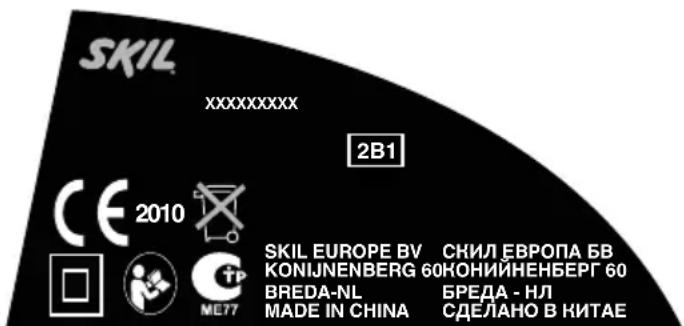
DATA INPOIN3BOIDCTBA
Ha DaTy npOn3BOcTbA Ha ⅢnIbDnKe yKa3bIBaHO TepBbIe Tpr uΦpbl cepHnHOro Homepa XXXXXX (Kak NOKa3aHo Ha pnc.-cm. Bblue)
- PnBedeHna HnKe Ta6JIuca NOMOKeT onpeJeINtB MeCaI npOn3BOIDCTBa INHCTpyMeHTa
| ГодЯн.Февр.МарТАг.Май Июнь | ||
| 2011 101 102 103 104 105 106 | ||
| 2012 201 202 203 204 205 206 | ||
| 2013 301 302 303 304 305 306 | ||
| 2014 417 418 419 420 453 454 | ||
| 2015 517 518 519 520 553 554 | ||
| 2016 617 618 619 620 653 654 | ||
| 2017 717 718 719 720 753 754 | ||
| 2018 817 818 819 820 853 854 | ||
| 2019 917 918 919 920 953 954 |
| Год Иль Аг. | Сent. Ог.Ногбр | Ден. | ||
| 2011 107 108 109 | 110 111 | 112 | ||
| 2012 207 208 209 | 210 211 | 212 | ||
| 2013 307 308 309 | 310 311 | 312 | ||
| 2014 455 456 457 | 458 459 | 460 | ||
| 2015 555 556 557 | 558 559 | 560 | ||
| 2016 655 656 657 | 658 659 | 660 | ||
| 2017 755 756 757 | 758 759 | 760 | ||
| 2018 855 856 857 | 858 859 | 860 | ||
| 2019 955 956 957 | 958 959 | 960 |

Kytoba shiΦyBaIbHa mAsnHa 9005/9030/9035
BCTYN
- IHCtpymeHT npn3HaueHm dIyJerKnx WlIiFyBaHHa, pi3Ku i 3aunCTKn MeTalIB Ta KAM'HNX MaTepiAJIb 6e3 BHKOpNCtAHN BOD; npn BVKOpNCtAHHi BiIDNOBiDNHx HacaDOK ue IHcTpymeHT MoHe BHKOpNCTOByBaTHCb dIyIitKOBoI Ta a6pa3NBHOI O6pO6Kn
Ley iHCTpymeHT He npuaTHn IJI npomncIOBOBOKOPNCtAHH
He npknlaaTe 3ycnIb Ha iHCTpymeHT, TOMy 0u WbNIOcTi 6opeTahn pyKyuO Kpyra DOCTaTHBO dna BnKoHaHH po6OTn
Pizahn 3a donomoro chneHnx abpa3HBnpxiHynx dnckib do3BolraTcra Tlbn npn BnhopctahHi o6MeHHHa pizAHn (DOnomixHe npncTOcyBaHH 2610Z01133/2610Z01134 Bi SKIL, 0o nOCTabnaTbcn Ha BN6ip)
- PpoHTaIe i 36epexiTb IHCtpyHciIO 3 eKcnlyatauii ②
TEXHIYHIDAHI ①
EJEMEHINHCTPYMEHTA ④
A WnnHdJIa
B 3aTnckHm ΦlaHeu
C TaHKOBIM KJIIOY
D KhoNka 6JIOkyBaHHa HnHdJIa
E DoaTKOba pyka
F 3axnchnohnyx
G Wectnrgpahn H Kliou
H YcTaHOBCHOMyΦnHaHeuB
J YbIMKHeHHra/BIMKHeHHra 6lokyBaIbHoro nepemnkaa
K BeHTnlauiHi OTBOpN
BE3NEKA
3AΓΑJIbHI BHA3IBKN 3 TEXHIK N 6E3NEH
YBAGI!PnoHTaTe Bci nonepdHexHH i Bha3iBn. HeoepKaHH nonepdHexH b I Bka3iBOK MoKe np3BOHTN do yapy eEeKTPnHIM CTPymOM, noXeKi Ta/ a6o cepNo3Hx TpaBM. Do6pe 36epiraTe Ha Ma6byTHe ci nonepdHexHH i Bha3iBn. NiD NOHATTM
"eIekTponpnilaB uINx nonpeJKeHHX Maetbcn Ha yBa3i eIekTponpnila, 0o npauOe BId Mepexi (3 eIekTPOka6eJem) a6o BiD aKymyJIrTOpHOi 6atapei (6e3 eIekTPOka6eJIIO).
1) B3NEKA HA POBOOYM MICLI
a) PpMaTe CBOe po6oYe Miue B YnCTOTI Ta np6npaTe Noro. Be3naD a6o norahe oCBiTJeHHHa p6OohMy Micu MoKHTb Pn3BODHTN DO HeuaCHNX BNpaKIB.
b) He npaioTe 3 npnaIam y cepeIOBnui, de icHyec He6e3neHa Bn6yxy BnacIIOk npncyTHOCTi ropounx piINH, ra3IB a6o nnly. EJeKTPoPnlaDN MOKyTB nOPOdNByBaTH iCKPN, BiD JIKX MoKe 3aMmTaNCr nnl a6o napi.
c)Пд ус пацюваньглпрладом He niignyckaite Do pooboyoro micaя diTe Ta iHux loJeB. Bn MOxte BtpaTHTI KOHTpoJIb NaI npHlaqOM,Якso Bawa ybara 6yde BiDBepyTa.
2) ELEKTPNHYA BE3NEKA
a) WTeNceIb npHnady NOBHeH nacyBaTH Do po3eTHN. He do3BOJAEtbcra 0o-He6ydb mHaTb B wTeNceJI. Ira pO6OTn 3 npHnadaMn, 0o MaIOTB 3axNChe 3a3emJIeHHa, He BHKOpNCTOByIte aanTepn. BInKOpNCTaHHaOpIRHaJIbHOro wTeNceJI Ta HaJIeHHoI po3eTKn 3MeHNupe PN3NK yIapy eJeKTpUHMM CTpyMOM.
b) YHnKaIe HOHTaHTy cAteT iJa i3 3a3EmLeHmN NOBepxHMaM, RaH HApN, Tpy6am, 6atapeMn ONaJIeHHra, neaMn Ta XoIOJNbHnHaMn. KoI BaWe TiIo 3a3emJeHe, icHyc 36iJbUeHa He6e3neKa ydApy eJIeKTPuHIM CTpyMOM.
c)3axnauTe npnaB iD douy Ta BoJorH. IonaaHHBaOIN B eJeKtpoiHCTpymeHT 36iIbWyE pN3NK ydApyeJeKTPnuHm CTpyMOM.
d) He BHKOpNCToBMyTe Ha6eIb IJI nepeHeceHn npHaIady, nIDBiWyBaHHa 6o BHTaRyBaHHa Wtencel3 pO3eTHN. 3axuaiTe Ka6eIb BiJ Hapn, oIIi, roCTpNx KpaIB Ta DeTale NpHaIady, 0pyxaOTbcra. PoIKoDKeHn a6o 3aKpyeHn Ka6eIb 36IbUye pn3NK ydApy eJeHTpNcHm CTpyMOM.
e)ДЯЗOBHIwHIXpo6IbO'B3HOBOBHKOpNCTOBYIte IINHe TaHnNoOBKBya,IO DoNYuSeHnДЯ 3OBHIwHixpo6I.ВИКОПиCTaHHЯNoOBKByaHa,Io pO3paxOBaHnHa 3OBHIwHiPo6OTn,3MeHUe pN3NK ydApy eJIeKTPnHm CTrpyMOM.
f) Anho He MoHa 3ano6irn BnHOpncTaHHIO eIeKtpoPnlaNy y BoIoromy cepedobu, BnHOpncToByte npncptpi 3axNcty BiD BtOHy B 3emLIO. BnHOpncTahHr 3pIcTpoI 3axNcty BiD BtOHy B 3emLIO 3MeHwE pN3NK yIdApY eIeKtpnHIM CTpyMOM.
3) B63NEHA JIODEI
a) Bybte yBaHHMn, cnHynte 3a Tm, 10 Bu pObTe, Ta po3cydlnBO NOOBtecr Niacpo6OtN 3 eJeKTPoPnpIaOM. He KopHCTyItecR npIaOM, HIO Bu CTomLeHi a6o 3hAxODtecr Ni d IcIO HApHOTnHIB, CnIrpTHNX HanoiB a6o liH. MItb HeyBaKaHocTI pn KOpHCTyBaHHI npIaOM MoHe npIN3BOIDHTNo cepno3HNx TpaBM.
b) BДЯгайу Te Oco6nCTe 3axnche cnopdHeHH Ta o6OB'ra3HOBO BDAraTe 3axnChi OhyIaRn. BДяRaHHO c06nCTOrO 3axnCHOrO cnopdKeHH, RaHap., -B 3aJIeHHOCti BiD BnDy po6iT - 3axnCHOI MaChN, CneU83yTTI, lo He KOB3aEtbcR, KaCkN a6o HabyuHNKIB,3MeHwye pN3NCK TpaBM.
c) YHnKaIe HeHaBMnCHOrO BMnKaHH. NepH HIX BMnHaTH eJeKTPoPnHJaB eJeKTPoMepeHy a60 BCTpOMJIaTH aHymyJIaTOpHy 6aTaapeO, 6paTH noRo BVpyH a6o nepeHocHTBneBHITbcra Tomy, 90 eJeKTPoPnHJaB BMnKHyTH. TpMaHn HaNbUHa BmHKaHi nd cac nepeHeceHHeJeKTPoPnJaDa b60 BCTpOMJIaHH B PO3ETHy yBIMKHyTO rpnlaDy MoKe npN3BOJNTn Do TpaBM.
d) Ipeed TMH, HBMHaTH npHJaD, np6epitb HalaorodHyBaIbHi iHCTpyMeHTn Ta raHOBn KIOU. 3haxoJHeHHa HalaorodHyBaIbHorO iHCTpyMeHTa a60 KIOUa B DeTAli, lo o6eptTaEcBcA, MoKe npu3BOHTn Do TpaBM.
e) He nepeoiciHoiTe ce6e. 36epiraTe ctiHne nolohnHa Ta 3aBKn 36epiraTe pIBHObary. Ldo3BOJITb Bam Kpaue 36epirAt N KOHTpOJIb NaI npIIaIOM y HecnoiBaHnx CNTyaicix.
f) BdraTe npdaTnOJr. He BdraTe npocToPi OJr Ta npKpacn. He niCTabJrte BOLOcc, OJr Ta pyHbNci 6ln3bNo Do DetanE npHaLy, 0p pyXaIObC. IpocToPi OJra, npKpaci Ta DOBRe BOLOCC MoJyTB nonJaATn B Detani, 0p pyXaIObC.
g) RaHIO icHyc MOHJIbICTh MoHTyBaTHn HNOBicMOHTyBaJIbHi a60 NnOyoNtOBIbALbHI npIcTpoI, nepeKoHaIteCra, 0o6 BOHn 6yJn Do6pe nID'EDaHI Ta npABybHO BnKOpNCTOBvBAInc. BnKOpNCaHHa NlNoBicMOHTyBaJIbHOro npIcTPOOMKe 3MeHUnTI He6e3NeKn, 3ymOBJIeHi NNLOm.
4) INPABNJIbHE NOBODJHEHHTA HOPNUCTYBAHNE EJEKHTPOINPAAMN
a) He nepeBaHTaHyIe npHJa. BnHOpncToByIte TaHn npHJa, 3o CneiaJIbHo npH3HaueHn dIy neBHOi po6OTn. 3 npHaTHm npHJaOM Bn 3 MeHsIM pN3HKOM OTPMaTe KpaI pe3yJbTaTn po6OTn, RaIcO 6yDeTe npaIOBaTn B 3a3HaueHomy diaNa3OHi notyHKHOCTi.
b) He KopnctyItec npHnaDom 3 noxhoKeHnBMnHaueM. PpHnlaJ, kN He MoXHa yBIMKHyTu a6o BmKHyTu, e He6e3neuHm i Ioro Tpe6a BiDpeMOHTyBaTu.
c) Ppeq Tm, Ra peryIIOBAtn 0o-He6ydb Ha npuIaI, MInrtn npnaIaIa a6o XOBaTn npuIa, BITarHtB Wtencelb i3 po3eTK Ta/a6o BNTarHtB ahymylatophy 6atapeIo. Li nonepedkyBaIbHi 3axOHI 3TexHk 6e3neK 3MeHsUyOt b PN3IK HeHaBMnCHOrO 3aynCHy npuIaIy.
d) 36epiraTe eIeHTponpnilaDi, AKNIM Bn Came He KopnctyTeCb, daJIeHO BiD iITEH. He Do3BOJnTe KopnCTyBaTncA eIeHTponpnilaDM Oco6am, 0o He 3Naomi 3 Noro po6OToO a6o He uHTaJIu Ci BHa3IBHN. Y pa3i 3AcTOcyBaHHN HeIOcBiDuYeHNMI Oco6Amn pInlaDN HecTyB C6bi He6e3NeKy.
e) CtapaHNO DoIraJaTe 3a nplaJalom. NpeBipTe, 06 pyxomi Detani npnaJdy 6e3dorahno npauoBaHn Ta He 3aiDaHn, He 6yIn nolamaHmN a6o HactiIbKn NowkOHeHmN, 06 ce Morlo BnHyTN Ha FynHcioHyBaHHa npnaJady. NowkOHeHi Detani Tpe6a BiDpemOHTuB aBTOPn3OBaHm MaChepHI, nepu HiK HmN MOHHa 3HOBy HopNCtBuTncsA. BeINKa KilbKiCtB HeUacHnx BnPaAdKIB CnpuHHcTBcI NOraHm DOrJIaOM 3a eJeKTPoPnlaJaMn.
f) TpmaTe pi3aIbHi IHcTpymeHTn Do6pe HaroctpeHmTu B YnCTOTi. CtapaHNO dOrJHyTi pi3aJIbHi IHcTpymeHTn 3 roCTpM p3aJIbHM KpaEM MeHwe 3actprIOb Ta ix IerWe BecTH.
g) BnHOpNcToBvIte eIeHTpOnpnlaIaI, npIaNdIdo Hnx,po6oI IHCTpyMeHTn T.i. BiIOBiIHO do uNx BHa3IBOK. Bepitb Do yBaH npu cboMy yMOBn po6OTn Ta CneuphiBy BnHOyBaHOi po6OTn. BnKOpNcTaHH eJeKTpOnpnlaIaIB dJIPO6IT, IJIraKnx BOHI He nepeIb6aehi, MoHe npu3BOIDNTn Do He6e3NeuHx cnTuauJ.
5) CEPBIC
a) BiDdabaIte cBII npHlaI Ha peMOHT IINwe KBaJIiΦIKOBAHm faxIBzM Ta IINwe 3 BHKOpNCtAHNAM OPHrHaJIbHNX 3aNCACTHH. Lc3a6e3neuTb 6e3neuHicTb npHlaIy Ha DOBRI qac.
INPABNIA TEXHIHN 6E3NEH NJI KHYTOBNX JIΦYBAJIbHNX MAUNH
1) INPABUNIA TEXHIKN B3NEHN DJIAR BCIX BNIDIB POBIT
a) LcE eIeKtpoPnlaM MoHe BnHOpncTOByBaTHcB RaHOCTi WnIΦMaunHH, DpOraHOi uTHiN i a6pa3HBHO-Bidpi3HOro Bepctata. 3BaHaIte Ha Bci nonepeDkeHH, Bha3IBH, 3o6paHeHH npHaJy i Ioro texHicHi dahi, 0o Bn ix OTPmAln pa3om 3 eIeKtpoPnlaDom. HeDoepKaHH HnKyeNoDaHH
Bha3iBOK MOKe npN3BOaNTI Do ydApy eJeKTPnHIM CTpyMOM, NOHeKi i/a6o BaHHX TiJeCHNX yHKoDKeHb.
b) He peHOMeHdyEcTbc83acTOcOByBaTH daHn eIeKtpoiHcTpymeHT dIЯNoIipyBaHHa. Oepaui, Ira JnHex ue IHCTpyMeHT He npu3HaueHn, MoKytB HapaKaTu Ha He6e3neky i cnpnuHHT TpaBMy.
c) BnKOpNCTOByTe INeIe npHaJa, lo nepeI6aueHe i peKOMeHIOBaHe BNROTOBIOBaUem CneuaJIbHO IyI cyIbO eIeKTPponpHa. CaMa IInIe MoJINiBcTb 3aKpIIneHHra npHa JaHa BaWOMy eIeKTPponpHaJI He rapaHTye NOro 6e3neUHe BnKOpNCTaHHr.
d)Доустma кьксь ообртв рбочорo
нструмента NOВИНHA ян MINIMY M BIDNOBIDA附
maKcHMaJIbHiN KJIbHOCtI oobetIB, со 3a3HaYeHa
eJeHTPonpniladi. Пиладя, со оobepTaetbcR
шВИдше HIX Doустmo, мОж eБТи 3iICOBaHe.
e) 3obhiHni diameTp i TOBunHa po6oYoro IHCTpymeHTa nobHHa BiIDNOBIdATn npaMeTpam BaWOrO eIeKTPopnlaHy. Pn HEnpaBnIbHnx po3mipax po6oYoro IHCTpymeHTa icHye He6e3neKa TORO, 10 po6oOni IHCTpymeHT 6yJe HeIOCTaTHbo npIKpNBatncra Ta Bn MoKeTe BTPaTITN KOHTpoJIb HaI HIM.
f) ⅢIiIiyBaJIbHI Kpyr,ФlaHci, TApIyacti ⅢIiIiyBaJIbHI Kpyr Ta iHwe npIaJaT NOBInHe ToUHO nacyBaTH Do ⅢIiIiyBaJIbHOrO ⅢINHdJIe Baaworo eJeHTpoIHcTpymEHTy. Po6OuH iHCTpymEHT, ⅢO He TOUHO nacye Do ⅢIiIiyBaJIbHOrO ⅢINHdJIe, 06ePTaCTbcR HepIBHomipHO, CIIbHO Bi6pye I MOKe Ipn3BOJNTn DO BTPaTH KOHTPOJIIO HaHm.
g) He BHKOpNCToByte noxHDoHei po6oHi nCTpymeHTn. NepeK KOHNMM BHKOpNCtAHNM nepeBipAte po6oHi nCTpymeHTn, 3OKPema: WlifyBaJIbHI KpyrHa BiIaMnHa TpIzHH, TapIuacti WlifyBaJIbHI KpyrHa TpIzHH, 3Hoc a6o CIIbHe npITyIeHH, dpoTAni 1tKN Ha po3XHTahi a60 3IaMaHi dpOTn. RaIO eENTponPiad a6o po6OHy nCTpymeHT BnaB, nepeBipTe, Hne NoxHOdBcBin, a6o BHKOpNCToByte HENOWKOHeHm po6OHy nCTpymeHT. PicJnepeBipHn i MOtAnHy po6OOro IHCTpymeHTa Bn cami i Inwi oc6n, 0o 3NaXoJTBcN no5In3y, NobHHi CTaN TaH, 0o6 He 3HaxoDNTncB IIloounHi po6OOrO nCTpymeHTa, 0o o6eTaTbcN, nicJyoro yBIMKnHIt bJeEhTpponPiad Ha ODHy XBNIHy Ha MaHCmMaJIbHy KIlbHiCTb O6eptIB. POnKDoHeHi po6OHy nCTpymeHTn 6JIbWiICTTO IamaIoTbc Nd Yac TaKoi nepeBipKn.
h) BdraTe oc6ncte 3axnche cnopJKeHH ③. B 3aJeKHOCTi BiD BVdy po6it BHKOpNCTOByte 3axnCHy MacHy, 3axnCT dIry ouei a6o 3axnChi OHyIapn. 3a Heo6xHicTIO BdraTe pecnipatop, HabyuHHN, 3axnChi pyNaBni a6o cneiaIbHN foaptyx, 0o6 3axnCTHTn Ce6e BiD HeBeHnHx qactnHOK, 0o yTBOPOJBcR niD acu ShliFyBaHHa Ta YactnHOK MaTepiany. Oci noBnHi 6yTu 3axnEHI BiD BiIaeTIINx yJXOpIDHx TIl, 0o yTBOPIOJBcR npi pi3Hnx Buaq xpo6it. Pecnipatop a6o macHa nobHHi BiIDpToBvBaTH nII, 0o yTBOpEOJBcR niD cac po6OTn. Ppr TpBaJIi po6Ot i npi rYHOMy uymi MoHHa BTPaTHn Cnyx.
i) CnHyTe 3a TMM, uo6 iHwO Oc06n doTpmyBaJnC8 6e3neuHOi BiDCTahi BiD BaWooi pOboOoi 3OH. HoJHeN, xTO 3axoNDtB y po6Ouy 3OHy, noBHHeH MaTH OcO6NCTe 3axNChe CnOpAHHHa. YAmKn 6bP6IOBAHO MaTePiany a6o 3IamaHnx po6OHX IHCTpyMeHTIB MOKyTB BiDiITaN Ta CNpUHNrTIN TineChi yUkoJHHeHi HABiTb 3a MeKaMn 6e3nocepEnhBoi po6Ooi 3OH.
j)Пи рбOTax,коли рбочи inhTpymeNT moHe 3aehnTn 3axOBaHy eIekTpponpoBodHy a60 BlaChn shyprHKnBleHHa,TPmaite eIektpoiHcTpymeNT nIwe 3a iOJIbOBAHi pyKoTTH. 3aehnEHHn pboDkn,io 3hAxODHTbcrNiHappyroHO, MOKe 3apJxByTaTakOHi MeTaeBi YacTHHN eIekTpoiHcTpymeHTa Ta npN3BOHTn Do ydApy eIekTpnuHm CTpymom.
k) TpmaTe uHyp HnBHeHH Ha BiDctaHi BiD pOboQOro IHcTpymeHTa, 0o o6epTaetbcr. PnBtpati KOHTpoJIHOHa npHlaOM MoHe nepepi3aTncra 6o 3axONITNCsI Hpy KnBHeHH Ta BaHa pyHa moKe nOTpaNTn NiD pOboCh IHcTpymeHT, 0o o6epTaetbcr.
I) Iepw, HIX NOKlaCTN eJeHTpOpiPnla, 3aueKaHTe, POnK pObouH nHCTpyMeH T NOBHCIO He 3yHHNTbCra. Po6oH nHCTpyMeH, 10 06ePaTeBcA, MoKe 3aYeHnT NOBepxHIO, Ha Aky Bn Horo KnaDeTe, Upe3 10 Bu MoKeTe BTPaHTn KOHTPOJIb Na d eJeKTPOpPnlaDom.
m) He 3aJIHwaIte eIeHTponpIlaq yBIMnHyTm nIac nepeHeceHHa. Baw oJr MOKe BUNaKOBo NOTpaNTu Bpo6OuH IHCTpymeH, 0o o6epTaEcTbcra, Ta po6OuH IHCTpymeH MoKe Ipo6ypabITn Bac
n) PeryIaHPO npOuNuaTe BeHTnlaCiHi IciHHn BaWoRo eJeKTPoPnlaJa. ByHTnJIaTOp eJeKTPOMOTopa 3aTarye nII y Kopnyc, cnIbHe HaKOnUeHHra MeTaJIeBOrO nIIy MoJKe npI3BeCTn Do eJeKTPnHoi He6e3neKn.
o) He Kopnctyntecrae eIeHTponpnaIaOM no6I3y BiD roIounx MaTepiIaIB. Taki MaTepiAIn MoKvTb 3aIMATncr BiI icKOp.
p) He BnHOpNCToBMyTe po6oHiHCTpyMeHTN, 0o noTpe6yIOb oxoIoJHyBaJIbHOi piINH. BnKOpNCtAnHH BOI a6o iHooI oxoIoJKyBaJIbHOi piINH MoHe npu3BeCTn Do ydApY eJeKTPnuHm cTpyMOM.
2) CINAHHA T A BIDNOBIDHI NONEPEXHEHRA
CinaHH-ue HecnodibaHa peakua npnlaHy Ha 3aHenn H a6o 3acTpaBHH po6OHO IHCTpyMeHTa, 10 o6epTaetbca, HapnKlad, WlifyBaIbHoro Kpyra, TapiNactoro wliiFyBaIbHoro Kpyra, DpOraHO iITKn Toio. 3aHenn H a6o 3acTpaBHH np3BOuNTb Do pI3KOi 3ynHHpo6OHO IHCTpyMeHTa, 10 o6epTaetbcra. B pe3yIbTaTi eJeKTPponpnuJaD noUHaE HeOHtpolboBaHO pyxatncs3 npICKopeHHm npOTn HaprrMky o6epTaHH po6OHO IHCTpyMeHTa B Micci 3aCTPpaBHH.
- RaHIO, HApnKlA,I, WlifyBaIbHn Kpyr 3aYeHntbcra a6o 3actpIe B o6po6JIbOBAHOMy MaTepiIi, KpOMka WlifyBaIbHO rKpyra, RaHO TOI 3aIWOB y 60p6JIbOBAHm MaTepiA,I, MoHe 3acTpTu i, TaHIM YHOM, WlifyBaIbHn Kpyr MoKe BnCKOHTu 3 60p6JIbOBAHOI NOBepxHi a6o cinHyTnc. B pe3yIbTaTI WlifyBaIbHn Kpyr NoOHHaE pyxAToC R HAnpMky
ocob, 0o o6cnyroBye npnaIad, a6o y npotnleKHomy HanpMky, B3aJIeHHOCTi BiH HanpMky o6epTaHH Kpyra B Micci 3acTpRaBaHH. Pnu cbyomu IliYbHm Kpyr MoKe nepeJamaTncr.
CinaHHI-ze pe3yIbTaHnPaBnIbHoI eKcnIyataa a6o nOMIOK npn pO60Ti 3 eJeKTPponpnaJadom. My MoHHa 3anobiTn 3a donomorOHO HaleHHnx 3anobiHHx 3axoDiB, zo ONCaHI HNKe.
a)MiUHO TpMaHTe eJEnKTpOponJa, TpMaHTe CBOc TIIO Ta pyuN y noLoHeHHI, B AKOmy Bn 3MOKeTe npOTnCToTn ciHaHHo. 3aBKnBn BnKOpNCToByte DOaTHOBy pyKoTHy (3a ii HaBHOCTi), 06 6TyN B cTaHi HauKpaumm YHOM CnpaBHTnc 3 ciHaHHm i peaHTNBHM MomeHTAmn PnH BnCOHI qACTOTi oBeptAHn pOboOro IHCTpyMeHa. 3 ciHaHHm Ta peaKTbHNM MOMeHTAmn MOxHa CnpaBHTnc 3a yMOBn npDAtNHx 3anObiHHnx 3axOjIB.
b) Hikoln He Tpmaite pyky no6ln3y BiD po6oYorohcTpyMeHTa, 0o o6eptacBc. Pn ciHaHpi po6OHyin HCtpyMeHT MoHe BiDCHOHTN Bam Ha pyKy.
c) YHnKaIte CBOIM Kopnycom Micb, KdyB pa3i cinaHH MoHe BiDChOHTN eJeKTPoPnla. Ppi cinaHHi eEeKTPoPnlaD BiDcKaKyE B HanpMaKy, npOTnJIeHOMy pyxu WJIΦyBaJbHoro Kpyra B Micci 3acTpRaBAHHa.
d) Ipaoute 3 oO6bNBOO 06epeHHicTIO B kyTx, Ha roctpnx kparx toso. 3an6iraTe BiDcHkyBaHHo p6o0oro IHCTpyMeHaB iD 6o6bHObaHoro mATEpiany Ta Horo 3aHnHOBaHHo. B kyTx, Ha roctpnx kparx a6o npi BiDcKaHyBaHHi po6oyni IHCTpyMeHT MoKe 3aKInHOBaTNC. Lc npn3BoNTb do BTPATN KOHTPOIIO a6o cinaHHJ.
e) He BnHOpNCToBMyTe IaHcIorOBI IIINJIbHi DnCKN Ta IIINJIbHI DnCKN 3 3y6zamn. Taki pOboHi iHCTpyMeHTN Yacto CnpuHHIOb ciHaHH a6o BtpaTy KOHTpOJIHO HaI eJeKTPoPpUJaOM.
3)OCO6JIHBI NONEPEJXHEHHI PNI IJIΦYBAHHI TA BIДPI3AHHI
a) BnHOpncToByTe Imwe IiIpyBaIbHi Kpyr, Do3BoJIeHI dIg BaIoro eJeKTPoPnPJaTy, Ta 3axnchN KoJyX, 0nepeI6aueH N DJI BIDIOBHorO 7IiIpyBaIbHorO Kpyra. 7IiIpyBaIbHi Kpyr, 00 He nepeI6aueH dIg eJeKTPoPnPJaY, He MOxHa DOCTaTHbOIO MIpOIO npIKpNTn, TOMy BOHn He6e3NeHi.
b) 3axnchno kohyMa6byNaHIO BCTaHOJIeHn Ha eJeKTPoPnpIaDi Ta BiDperylboBaHn TaHm YHHOM, 0o6 DoCgTn MaHCmMaJIbHOi 6e3neHn, TO6To 0o6 Ha OcO6y, 0o 06cLyROBy nPnHa, DnBnlaCra JHomora MeHsA YaCTnHa HEnpNHPnTOrO 7liΦyBaJbHorO Kpyra. 3axnchno KoHxMa6 3axnTaTH Oco6y, 0o 06cLyROBy nPnHa, BiD yJaMkiB, BnnaJHOBOrO KOHTaKTy i3 5niΦyBaJIbHm KpyROM, Ta IcHpaMn, 0o MoKHyTb 3aPaJIHTn OdIg.
c) ⅢIiIyBaJIbHI Kpyr MoJHa BnHOpNCTOBYBaTH IINHe dIpeKoMeHDoBAHx BnIbPo6iT. HanpiHnlaD: HikOI He ⅢIiPyIte 60koBOIO nobepxHeO BiIpi3HOrO Kpyra. BiIpi3Hi Kpyr npIshaNeI dIa 3HIMaHH MaTePiaJy KpOMHO Kpyra. BiUHe HabaHTaJHeHH MoKe 3JaMaTn ⅢIiFyBaJIbHN Kpyr.
d) 3aBHN BHKOpNCbOyTe dIe BVbpaHoro Bamn IiIyBaIbHoro Kpyra HenoWHOHeHNI 3aTnCKHHI PhaHeCb BiIOBIDHO rpo3mipy Ta oPmN. PnpdaTHN FJIaHeCb NiTpmyE WlIyBaIbHNI Kpyr i, TAKIM YIHOM, 3MeHwYe He6e3NeKy NepelOMJIeHHa WlIyBaIbHoro Kpyra.ФlaHci DnB iDpi3Hnx WlIyBaIbHnx KpyriMoHyTB BiDiPI3HrTnCg BId FlnaHcIB dIra IHx WlIyBaIbHnx KpyriB.
e) He BnKOpNCToBMyTe 3NoWeHi WlIyBaJIbHi KpyrN, 10o BxHBaJIncra Ha eJeKTpponpnaJax 6IbJnx po3MpIb. LlNiFyBaJIbHi KpyrN dJa 6IbJnx eJeKTpponpnaJiB He po3paXOBaHI Ha 6IbJy KInbKicTb 06epTiB MeHJnx eJeKTpponpnaJiB Ta MoKyTb JAmatncr.
4) IHIIOO6JIINBI IONEPEIXHEHHI IPII BIDPI3AHHI IJIIFYBAJIbHIM KPYROM
a) YHnKaIte 3actpBaHH BIDpi3HOro Kpyra a60 3aHaTc SNbHorO HATNCaHH. He po6Itb 3aHaTc Tn60HX HApri3iB. 3aHaTc SNbHe HATNCaHH Ha BIdpi3HKn Kpyr 36ilbWye HabaHTaKeHHa Hboro Ta Noro CxNlbHicTB Do nepeKocy a60 3actpBaHH i TaHm YHOM 36ilbWye MoJInBicTB cinaHHa 60 LaMaHH WliΦyBaHbHorO Kpyra.
b) YHnKaIte 30H nOpePy Ta no3aMy BiDpi3HOro Kpyra, 06o o6ePaTbcra. RaHcO Bn nepeCyBaTe BiDi3Hm KpyrB O6pO6JIIOBAHOmy MaTePiaJI B HApPMAKy BiD ce6e, npC cinAHHi eJeKTPoPnpHaJd 3 Kpyrom, 0o o6ePaTaeTbcra, MoKe BiIDCKOHTn PpMo Ha Bac.
c) Hkso Bidi3Hn Kpyr 3aKlnHntb a6o Bu 3ynHnTe p060Ty, BmHHiTb eJeHTpOpnpnaJad ta TpMaJte Noro cnoHIO, noH Knpyr He 3ynHnTbcra. HikoN He HamaraIeTcBnHnTn 3 npopi3y BiDpi3Hn Kpyr, 10 ose o6epTaεTbcR, iHaKwe eJeHTpOpnpnaJad moHe cinHytnc. 3'AcyTe Ta ycHyTe npuHny 3aKlnHenn.
d) He BMnKaIte eIeHTpOpiuJaDo THX nip, noHN BIn 3haxoHtbcB O6pO6JIIOBaHOMy MaTepiA.I. DaIte BiDiPI3HOMy Kpyr cNoaTHy DoCAtTN NOBHorO Yncla O6epTIB, nepu HIX Bu O6epeHHo npoDobHnTE p60Ty. B npoTHBOMy BnPaADKy Kpyr MOKe 3actPrtN, BnCKOHnTn 3 O6pO6JIIOBaHOro MaTepiAly a6o ciHyTnCra.
e)ПднраTe ПNTa60Вelenkiобpo6IOBaHI NOBepxHi,и63MeHunrpn3nK cinaHnaYepe3 3aklnHeHH BIDpi3Horo Kpyra.Вelenkiobpo6IOBaHI NOBepxHi moKyTB nporHaTncrNiBnAChO BarOIO. O6po6IOBaHm MaTePiaI Tpe6aПdNpaTH 3 6Ox 6OKIB:ЯкпбИЗу BiD npop3y,тak i 3 Краю.
f)Бydte oco6nBO o6epKHi npn npopi3ax B ctiHax a6o B iHxMicqAx,B hI Bn He MoHeTe 3a3npHyTN.Bidpi3Hn Kpyr,io 3aHypIOeTbcra,MOKe npi3aTu raO npOBiD a6o BOOnpOBiD, eJeKtponpoBODky a6o iHwi 06'kTn i cnpuHHHTn cinaHHJ.
5)OCOBJNBI NONEPEDHEHHI PNI IJIIFYBAHHI HAHDAKOM
a) He BnKOpNCToBMyTe 3aBeJIHHi a6pa3NBI shKpyH, DOTpHmYIteCg IHCTpyHcII BnROTOBIOBaua odo po3mipy a6pa3NBHX shypon. A6pa3NBHa shKypKa, I0 BVnCTynae 3a TapiIuactn WlIphiYBaJIbHn Kpyr, MoKe CnpuHNHTiileChi yWkoJKeHHa, a TaKoK 3aCTPraBHn, po3PNB a6pa3NBHOI shKpyHn a6o Pn3BecTn Do cinaHHa.
6)OCOBJIINBI NONEPEIXEHHI INPPOBOTI 3 DPOTRAHMN UITHAMN
a) 3BaHaIte Ha Te, 9o HABiTb nID Yac 3BnuaHoro BnHOpNCtAHN 3 dpOTHOI 9iTHM MoHYtB BiJaMyBaTnC hMaTOChn DpOTy. He CTBOpIOHe 3aHaTO CnJIbHe HABaHTaXeHHN Ha DpOTn, 3aHaTcO CnJIbHO HATNcKHyOuN Ha 9iTHy. MMaTOCHN DpOTy, 9o BiJITaIOTh, MOHcyTB dyKe JERHO BnIBaTnC R TOHN OJrTa/a60 Wkipy.
b) RaHpo peHomeHdyEcTbc 3axnCHn HOxh, 3aNo6iraTe TOMy, 0o6 3axnCHn HOxh Ta dpOTHa 1tHa TOpKaIINcOdHe OndHO. TapInuacti Ta YauKOBi DpOTHi 1tKm MOKyTB B pe3yIbTaTi npITNCKyBaHHa TaYepe3 BiIeHTpOBI cINn 36IbSyBaTH Cbi DiAmETp.
3AΓAJIbHE
Ley iHCTpymENT He nixoHTb dIy MOKpoi piKN/
BnKOpNCToByNe TiIbKn TiΦIaHci, 0o nocTabJIaHTbc3 iHCTpyMeHToM
Ley iHCTpyMeHT He MOHHa BnKOpNCTOByBaTH Oco6aM BiKOMdo16pokIB
IpeepperyIIOBaHHa 6o3amHO npuaO O6OB'3HOBO BnIMtB BNHy i3 cIbOBoi PO3eTHN HACADH
SKIL rapaHTye HaiiHy po6Oty IHCTpyMeHTa TIlbKn npn BHKOpNCtAHHi BiIDNoBIDHORo npnaIaIra
- Pn yctaHOBu/BNkOpNCtAHHi HacaOKe He BiΦipMn SKIL, DToPmMyTecb IHCTpyKuB iDIOBIDHO 3aBOda-Bnpo6HnKa
BnKOpncToByteIINeFyBaJIbHI/BiDiPI3Hi KpyrN 3 MaKcImaJIbHOIO WInpHNO8 MM Ta diaMeTpom nocadoHoro OTBOPY 22 MM
He donyckaetcbn BHKOpncTahnRnX-He6ynb nepexoHNKIB DnB CbTaHOBLeHHN WnifyBaIbHnx/ BiDpi3Hnx Kpyrib 3 OTBopom 6JbWoro diaMetpa
3aboponeHO BnKOpNCtAHNaH HacaOk 3 "IlyxM"OTBOPOM MeHm,HiX M14 x 21 MM
BHKOPNCTAHH NO3A NPMIeHHrM
Пд ус роботи на Byлицi, пдкючайе iHctpym entуpe3 3anobixHHK KOPOTKOrO 3amHaHnR (FI) 3MaKcmaJIbHIM nycOBUM cTpyMOM 30 mA
NEPEBVKOPNCTAHNM
-Перед ВИКОПИСТАннЯМ ИСТРУМЕТУВЕРSWI pa3 paДИМо OТРIMATи паKTчHy iHΦOPMaцio
- Ipeepo60toI nepeBipTe BiINOBiHicThcTpyMy B mepeKl i3 cTpyMOM, no3HaueHi Ha IHCTpyMeHTI (iHCTpyMeHTN, po3paxObaHI ha 230B a6o 240B, taKHO MOkyTB pIHJIIOUaTHscr do MepeKl 220B)
3aBxN BCTaHOBIOH Te 60KOBy pyHy E a 3axnCHn KOxy F 4; HIKOI He BHKOPNCOByIte IHCTpyMeHT 6e3 HIX
BnKOpNCbOByTe npdaTHi noUyKObi npnlaDN 3haxoJHHeHHaXOBaHNx B6ydIbTI Tpy6 Ta HabeJIb a60 3BepHiTbcra DOnomoroIO B Miccebe niDnpemCTBO eJeHTpo-, ra30-Ta BODoNocTaayHH (3auePleHHeEKeTpOPOBoHN MoKe pns3BOuNTn Do noKeHt Ta yApdy eJeKTpUHNM CTPymOM; 3auePleHHaRzBOOI Tpy6 MoKe np3BOUHTn Do BV6yxy; sauePleHHBOOnpOBOHOiT py6MoKe 3aBDAtn WKOdy MaTepiAlbHM ciHHOCrM a6o np3BOUHTn Do yapy eJeKTpUHNM CTPymOM)
He 06po6nIe MaTepiAnu, 1o MicTb ac6ect (ac6ecT BAAkaetbca KaHcepeoreHHM)
ПиьВдТанх MaTepiajIIB,ЯС CBnHcOBoYTpmyUOa
фар6a,ДягИпорODи DepeBa,МinerpaJIM MeTaN,MOKE
БуTN ShKIDINBIM (KOHTaKT i3 TaHIM ПИLOM a6o NOrO
ВdIXaHHЯ MОHe CTATN npuHNO BUNHKHeHHRA
ОпepaTopa a60 oc6,ю Nepe6bYaIOb Tnpuy,
anepriHnx peakui i/a6o pecnipaTopHnx
3axBOpIOBaHb);надягaite pecnipaTop i npauKoIte 3
ПиLOBnDJIaIouHM npncTroPoEM nId Yac yBIMKHeHHra
InctpyMeNTa
- DeaKi BnDn Nnly KlaacnphiKiyTObCra JK KaHcpeoreHHI (HaepnKlaad, Dy6obNn a6o 6yKOBn n), OcO6JIbBO CNoJyHeHHi 3 Do6aBkAmn dJa KOHNIOBaHHA DepeBnH; HndraTe pecnipatop i npauoTe 3 NnIOBnDaIauOuHM npncTpoem niq Yac yBIMHHH IHCTpymeHTa
CiiyTe iHCTpyuIam no po6oTI 3 MaTePiaIaMn, npOduyUHOUYHM NII
- Bydte Oc06JIbNO 06epeKHHMn npn npop3aHHi npopisIB y HecyuX CTIHAX (Taki npop13aHH Heo6xIDHO y3roDHTI 3 apxiteKTopOM a60 3 IHcneKTopOM No 6ydiBHNCTBy)
3aφikcyte 06po6IIOBAhy deTalb (o6p6OIOBaHa DeTaIb, 3aΦIKCOBaHa 3a DOIOMOIO 3aTHCKHIN npIcTpoIB a6o IeuaT, 3aKpinIOeTbcra Kpaue, HIX BpyHy)
- He 3aTnckaiTe iHCTpyMeHT y TnCKax
BnKOpNCToByyTe NOBHCIO po3ropHeHm shHyp IOoOBKyBaHa, AKN MOKe BHTpIMyBaTH HaBaHTaKeHHA B 16 AmneP
ПИД YAC BHKOPNCTAHN
HnndK CTpyMy BnKlnKaIOb KopoTkoaChi npepaHn Happyr; npn HeCnpnraTlNBx yMOBax eHepr03a6e3neueHHRA MoKlnBn BnIINb Ha iHwe BCTaTKyBaHHra (RkUo imNeJaHC CnCTemn HnKYe 0,25 Om, MaIoMOBipHe BnHKHeHHra HeCnpaBHOCTe); RaUO Bam notpi6Hi DoaTaKOBi po3'rcHeHHra, BN MOKeTe 3BepHyTtca B MicueBy opraHiauio eHepronoctaHaHH
- RaHpO nHyp noHKOHeHH a6o npop3aHn npn p60tI, He doTOpKaIteCn DO hBoO i HeraHOBHTb NOrO 3 po3eKn
HiKoJI He BnKOpNCToBvIe iHCTpyMeHT 3 NOJKOJDKeHm UHypOM; NOrO IOBnHeH 3aMInTH KBaJIiΦIKOBaHmФaxiBeu
- Y pa3i eIeKTpnuHoi a6o MexaHiuHoi HecnpaBHOCTi, HeraHIO BiKnHIOHTe IHCTpyMeHt I BmMKHITb 3 pO3eTHN
- Y BnnaHy npnnHeHH eNeKtpOnocTaaHnA, a6o npn BnnaADKOBOMy BnnaDaHHIO BuJKN 3 po3eTKN, po36NoKyIte BmHKaU J ④ Ira 3ano6irAHn HEOyKaBaHO BBIMKHeHH
ПИСЛВИKHOPUCTAHHA
Iicra BmKHeHHH iHcTpymeHa HikOJI He HaMaarTecb 3yHNHTn OeepTaHHH HacaDOK 3a DOnOMoTO npKlaadHHN NopeyuHOi CIN
BHKOPNCTAHH
- UCTaHOBJIeHHHaHcAdoK ④
! BnHATN BNkHy 3 PO3ETK
-BiDnCTiTb WnnHdeIb A Ta Bci DeTani, 6o 6yDyTB BCTAHOBJIeHHI
-3aTARHITb 3aTnCHN H ΦlaHeCb B rAikOBIM KIOChEM C npHaKaTI KHOIcI 6IOKyBaHHra WnnHdJIeD
!HATnchaTe HhONHy 6LOKyBaHHa WnHdEa D TlBKn NiCn NOBHOI 3ynHHN WnHdEa A
- 3HHTT HacaDOK IPOBOIDTbC y 3BOPOTHMy NopRky
!nizacpo60TuIyBaIbHi/BiDpi3Hkpyn cnIbHo po3irpiBaIOBc; He doTopHaItecbdo HNX NOKN BOHN He OCTNRHyTb
!npn BnHOpNCTaHHi a6pa3NBHx HacaON 3aBHN BCTaHOBJIIOHTe yuiIbHIOBaJIbHi npOKlaKn
!HIOH He BnKOpNCTOByIe WlifyBaIbHN/ BiDpi3HH Kpyr 6e3 MapHyBaHHra (3a II HaBBOcTi)
- YctaHOBJIeHHI 60KOBpyuKyE
! BnHATN BnIky 3 PO3eTHN
- yRbHTnTe DoONOMiXHy pyKoTky E bInCTpyMeH Tcnpaba, 3Bepxy a60 3JIba (3aJeXHo BiD pO6OTn, kNy Tpe6a BnKOHaTu)
3HHTy/YcTaHOBHeHH/peYIIOBaHHaXnCHN KOxuyxF 6
! BnHATN BnKHy 3 PO3eTHN
!népehohaiTecb B TOMy, ξo 3aKpnta CTopoHa 3axnchoro Koxyxa 3haxoHtbcra 3 60ky onepaTopa
- nepecyBaIte iHCTpyMeHT BnepeI Ta Ha3aI i3 NOMIPHM HABAHTaKeHHaM
!HikOn He BnKOpncTOBy Te BiDpi3Hn Kpyr dJa 6iHuoro uIyBaHHa
Pi3ka 9
- He haxinlaIte IHCTpymeHT npi pi3ci
-ДЯТOrO,単бNONepeДиTN BИшTOBxByBaHHI INCTpyMeHTy 3 pɪəльHoI DiŋHn,pyxaiTe HmTilbKnВ TOMу HaPrami,単O Bka3aHn CTpiIHO 占RoJIbci iNCTpyMeHTy - He npinklaadaTe 3ucnlb Ha iHcTpymeHT, TOMy I0 WBNIDKocTi o6epTaHHra pKpyo Kpyra DoCTaTHbo DnBVKOHann po6OTn
-po6o7 wBnDkICTb wBnDkICTb BiDpi3HOrO kpyra 3aJIeHNrB BiD MaTepiAny NOBepxHi, 10 o6p6BnETrbC
- He 3yynHnTe BiDpi3Hn Kpyr 3a DonOMoHO 6iHOrO 3ycuIJIa
- YtpmByaHHI pO6oTa iHCTpyMeHTOM
-ДЯЗбe3neueHня KOHTpoIHOHaI HCTpyMeHTOM 3aBxDn TpImaTe NOrO MlHo,DbOMa pyKaMn
! nɪd yac po60TH, 3aBKn TpHMaIte iHCTpyMeHT 3a YacTHHH 3axBaTy ciporo KɔNbOpy 10
- o6epiTb 6e3neueHne noJooHeHHn Iyra po6oTu
- 3BepTaIe yBary Ha Hanpam O6epTaHH; 3aBKnTpImaTe iHCTpyMeHT TaK, 106 icKpn Ta NnIOHaWliΦyBaHH/PI3KN HAnpaBnLncb B 6ik BiD Tina
- TpMaTe BeHTnlauiHi OTBOpN K ④ He3aKpnTmM
IOPaI NIO BnKOpNCTAHIO
3aMictb PhaHuaB 4MOxE BnKOpHCTOByBaTHCb WbNdko3aJHMn HnΦHaHeuB "CLIC" (akceccyap SKIL 2610388766); WlifyBaJIbHi/BiDiPi3Hi Kpyr n BuOmy BnPaIky MoHyTB BCTaHOBJIIOBaTncb 6e3 BnKOpHCTaHHcneuiabHnx KJIIOHei
-Дивdoитнову inhopmaцioHa www.skileurope.com
DOrJIAD/O6CJyTOBYAHHRA
Ley iHCTpyMeHT He npuaTHn IJI npomncIOBOB0 BHKOpNCtAHH
3aBxTn TpMaIte iHcTpMeHT Ta Ioro UHyp B UHCTOTi (OCO6JIHO BEHTNIAUHi OTBOpK 4)
! He HamaraTecb BHHOHyBaTHu NCTHy 7JIAxOM yBODy uepe3 ci BEHTnlauiHi OTBOPn roCTpNx npedmetiB
!nepeuHIO IHcTpmyHT Heo6xIDHO po3'EdHtN 7TeNCelbHn po3IM
-
RaHIO He3BaKaioHn Ha peTeIbHy TexHOJIorIO BnroTOBHeHHr i nepeBipKn IHCTpyMeHT BCE-TaKn Bnnde 3 LaNy, Ioro pemOH T03BOJHcBcR BnHOHYBaTHn LIne B aTOpN3OBAHi cepBicHi MaICTepHi dIa J eJeKTpOpnpnaIad SKIL
-
HadiiItb Hepo3i6paHn iHCTpyMeHT pa30m 3 doka3om Kynibni Do BaWoro dInepa a6o do hai6JIHHQOrO ueTpy o6cIyROByBaHHra SKIL (aDpeCn, a TaKoJ diarpama o6cIyROByBaHHra npNCTpoIO, noaIoTBcHa caTI www.skileurope.com)
OXOPOHA HABKOLINHbOI CEPEdN
He BnHuaTe eIeHTpoIHcTpymeHT, npHaadJeHHocTi Ta ynaKOBHy pa30i 3BnuaHMM cmITTM (TilbKn dJa KpaIH EC)
-BiINOBiINOdoEbPoneBcHoiDnpeKTHBn2002/96/EC ⅢOoYtNiI3auiCTapnx EJeKTPuHnx Ta eJeKTPoHHNX npUlaIDIB, B3aJIeXHoCTi 3MiCueBM 3aKHOHaBCTBOM, EJeKTPoIHCTpyMeHT, AKNI nepe6yBaB B EKcnLyatauiIOBHeH 6TyN yTNI3OBAHNOkpeMO, 6e3neuHM dJa HABKOJIINHbOrO cpeJIOBua WJxOM
- MaHHOHOK 11 HaraDae Bam npo ce
DEKJIAPAUJI INPO BIINOBIHICTb CTAHAPTAM C
Mn 3aBbEmo, zo BiNobiHicTb daHoro npOyKtY HAcTyHnHm cTaHdApTam i peryIIOUChm doKymeHTam NobHicTIO hawOIO BiNobiDaJIbHicTIO: EN 60745, EN 61000, EN 55014, BiNobiDHO IO noJIoKeHb DInpeKTHB 2006/95/EG, 2004/108/EG, 2006/42/EG
- Texhihhi Dohmeyntn B: SKIL Europe BV (PT-SEU/PJE), 4825 BD Breda, NL
Arno van der Kloot
Jan Trommelen
Vice President
Operations & Engineering
Approval Manager
SKIL Europe BV, 4825 BD Breda, NL
06.06.2011
BIM/BIBPAI
3MipHnB BiINOBiDHO EN 60745 pIBeHb TnCKy 3ByKy daHoro iNCTpyMeHTy 92 d(A)i NOTyKHiCt b 3ByKy 103 d(A) (cTaHdapTHe BiXnIeHHa: 3 d), i Bi6paiz m/c² (pyHa MeToDiHa; Nox6Ka K = 1,5 M/c²)
*wifybaHHnoBepxHi 10,5M/c²
*UJIiΦyBaHHa 6,4M/c²
!npn iHwomy 3actocyBaHHi (HanpHKlaD, 06pi3aHHa 6o 3aunueHHa DpoTIB) noka3HNHb Bi6paui MoHyTb 3MiHOBaTncb
PIBeH Bi6paqii 6ylo BmipraHo y BiINObiHocTi 3i CTaHdapTn3OBAHm BInpO6yBaHHM,IO MICTNbC8B EN 60745; daHa xapaTepcntka MoKe BnKOpNCTOByBaTncI IINoPiBHNH ODHoro IHCTpyMeHTa 3 iHWM, a TaKOH IJI INONepEdhBoI OciHKN BnINBy Bi6paqii nI d Yac 3actOCyBaHHaHOro IHCTpyMeHTa IJI BKa3aHnx ciJe
- npn BHKOpNCtAHHi IHCTpymeHTa B iHux zijax a6o 3 iHIMM/HEcnpaBHMN DOIOMiXHMn npncTOcyBaHHmpiBeHb BnInBy Bi6paui MoKe 3HaHNO iINBnCyBaTnC
-y nepioDn, KOIN HCtpyMeHT BmHKHeHn a60 4ynHKIOHyE 6e3 paKTHUHO BHKOHHaHH po6OTn, pIBeH bNnBy Biopaui MoKe 3HaHo 3HNKyBaTnca
!3axnauTece6BeBnBnHyBi6pauii, nIDTPMMyOuHInCTpyMeHTIHoroDonomixHi npNCTocyBaHHB CnpaBHOMy cTaHi, nIDTPMMyOuPyHnBTenLi, a TaHOJ npaBnIbHo orpaHn3OBYouCh CBi po6ouH npoec
GR
Operations & Engineering
Approval Manager
SKIL Europe BV, 4825 BD Breda, NL 06.06.2011
OOPYBO/KPADAEMOY
MertpnevouphivaEN60745 n otahn akouotikncpiocautou tou epyaiaou avepxetai 92dB(A)kainoanynxntukicioxuc0e103dB(A) (ovn anokian:3dB),kai o kpaadaogoc E^*m / s^2 (ueofooc xipoc/bpaxova -avaoafalia K = 1,5 m/s2
- katá ta tpo×iμa μia επiφáveia 10,5 m/s²
*kata nλeIavon 6,4m/s2
I aAeE apouyec (onwsc konn n epyaocic e oumuatoBouptoec) npoei va exouv diaopoptie c tue c kpaadouw
To eniEdo npaywync kpaabaouwv exei uertnthetai ouphiwaueiauTunonoievn dokniouavaepetai oTo npotuno EN 60745 - mnpei va xpnouoiotheiyia tn oukypiion evoc epyaieiou eva aallo, kaowc kai wC npokatapktikn aioynon tnc ekoeons otous Kpadaouc otav to epyaieio xpoiuonoietai yia tic efapauoyec nou avaepovtai
- n xphon Tou εpyaλεiou γia δiaφopetikéς φapuoyéç
- με δiaφopetika κakouvtnpηνεva Εαρτιμata
- μποειν αυξησισμavtiká to επιεδo εκθεσης
-otav to epyaaleio evai anevepyonoinuevo n doueueiaaa dev kteleynv epyaia,to einnédo ektheta nupoei va uiewse i onuavtká
I npootateute ano tic eippaesic twv kpaadaoaw ovvtnpwtaoc wotato epyaaleio kai ta eapntnata tou, diatnpwta ta xepia oac zota kai opyavovovtac tov tpono epyaiaac
RO
Polizor unghiular 9005/9030/9035
INTRODUCERE
Operations & Engineering
Approval Manager

SKIL Europe BV, 4825 BD Breda, NL
06.06.2011
ZGOMOT/VIBRATII
MoHTnpaHe Ha NMOuHaTa DpbKKa E ⑤
!n3KIOUeTe 电enceLa
- 3aBnTe cNoMaTeJIHaTa pIbKOxBaTka E OT JAcHata CTpaHa,OTrope IINOT JIABaTa CTPaHa Ha INHCTpyMeHTa (B 3aBnCmOcT OT TOBa, KaKBO Ue N3BbPwBaTe)
CbaJIaHE/MoHTnpaHe/peryIInpaHe Ha 3aunTHnKaIaN F
!n3KIOUeTe Uencela
! yBepete ce 3aTbOpEnHn KpaH Na 3auNTnHa Hanae HacOyen KbM OpePaTopa
-
PpeuynynoTpe6a
-
yBepeTe ce, Ye akcecoapnte ca npaBnIHO nocTaBeHn 3dpaBO 3aTeHaTu
- pnoBepTe daIaI aKcecoapnte ce BbptTAT CBO6oJHO KaTO rN 3aBbptNTe c pbKa
-прдварпгелно Тссьтей Инстумента, КАТЯВHLOHTe Ha-MaКо 3a 30 ceKунHa MaKcmaJIHaCHOPoCT - B CNYaH a cnHn Bn6paunn nn npyH HeN3npaBHOCTn, BeHara cnpTe HnCTpyMeHTa 3a yCTaHOBBAHe Ha NOBpeData
BnIOyTe/3KIOyTe KIOya J ⑦
- npeBKNIOUeTe HNcTpymeHTa 7a
!npn BKNIOUOBAHe Ha HNcTpymeHTa BHIMaBaIte 3aBHe3aHn ydapn nn Tlaocbui
! npeHn aKcecoapbT da DOHcHe pa6oTHaTa nnloU, HNCTpyMeHTa Tp6Ba da pa6Ou c MaHCmMaHa chOpocT
-3aknioute KIOUa7b
-OTKIOUOte KIOUa/H3KIOUOte HHCtpymeHTa 7C
! npedn da n3HIOUHTe HNCTpyMeHTa, Tp86Ba da RA BUNrHETe OT pa6oTHata NOBbpxHOCT
! aHccecoapnte npoIbJIHaBaT da ce BbPTAT H3BecTHO BpeMe cJeI N3HIOUbaHe Ha HHCTpyMeHTa
-ⅢJnΦBaHe 8
CymepenHaTnckDnHexTe HNCTpyMeHTa HanpeiHa3aI
!HnHora He H3noJ3BaIte peKeue, nIcN 3aCTpaHNUHO WlnΦOBAHe
- P3aHe ⑨
-HeHabekdaiTe HnctpyMeHaTp npri p3aHe
-3a Da N36eHHeTe HeoayKaBaHO OTChauHaHe Ha HnCTpyMeHTa BCTpaHN, BnHaRn DnBnKeTe HnCTpyMeHTa B NOCoHa Ha CTpeJHKata, KOrTO Ce HAmnpa BbpxfnaBaTa
- He npinlaarate HaTnCK Bbpxy HnCTpyMeHTa; octabeTe DnHexeHneTo Ha peKeueu n Da n3BbPwBa npoueca
-pa6oTHaTa CHOpOCT Ha peKeuIg NDCK 3aBnCn OT MaTePnAJa, KOITOPra6Ba Da ce OTepeKe
-He cnnpaTe peKeIeIgI DnC C BbHWe HATNCK
-Дырхан Н acoBaHe Ha nHCTpyMeHTa
-BINHAnDpBHTe HNCTpyMeHaTc3paBO CDbTe pBuCe, TaKaYePiEzIaIIOTo BpeMe Da CTe B CbCTOHHne Da YnpablaBaTe CNyPho
! no BpeMe Ha pa6oTa, BNHaRn DpbHKe ypeDa 3a ouBeteHaTAte) B CnBO 30Ha(n) 3a XBaUaHe 10
- cha6detece cyctoynBa ctoHa
-06bpeTe BHNMaHHe Ha NocOKaTa Ha BbPteHe; BNHaTn DpbKHe INHCTpyMeHTa TaKa,Ye NcKpIte N npaxbT OT p3aHe/WJNΦObaHe Da ce pa3npbcBat DaJIeU OT TAnOTO
-OCTabaIe BENTnlaUauHnTe OTBOpN K 4 HENOKPHTN
YKA3AHN3A PABOTA
BmecTo fnaeBa 4 MoHe da ce n3noI3Ba 6bp3o 3aTgauTce fnaHeu "CLIC" (akcecoapn SKIL 2610388766); B To3n cnyaH peKeun/wnfObaU dNCK Morat Da ce MOHTnpaT be3 nomOuTa Ha donbInHTeHN HIOHOBe
3a noBeepe noJIe3nYka3aHnBx. www.skileurope.com
IODAPbJXHA/CEPBn3
To3n INHcTpymEn He e npedHa3Naueh 3a npoepcnOHaJIHa yNtpe6a
IopDbPkaHTe BnHaHn eJeKtpOnHcTpymeHTa n 3axpaHbAun Ka6eJ YnCTn (ocO6eHO BeHTnlaUHOHHnTe oTBOpN K④)
!He ce ONTBaIte Da NOUCTBaTe HNCTpyMeHTa KaTo PbXaTe 3aoCTpeHn PpeDMeTH B BeHTNuAUHHTe OTBOpHTe
!npednnouchTaHe n3HIOUoTe uencela
Ako Bbnpekn npeun3HOTOppon3BOcTBO HBNMaTeJHO 3nNTBaHe Bb3HKnHE NOBpeJa, INHCTpyMeHTa Da ce 3aHece 3a peMOHT B OTOpN3napaH cepBn3 3a eJeKtpOnHcTpymeHTn Ha SKIL
- 3aHeCeTe INCTpyMeHTa B Hepa3rIIO6eB VID 3aeDHO C DOka3aTeJICTBO 3a NOKyIKNaTa MY B TbprOBcHn OBeHT,OTKbDETo CTe rO 3aKyniN,INI B HaIb6JIn3HcpeBn3 Ha SKIL (aJpeCtTe,KaKTo n CXeMaTa 3a cepBn3Ho 06cLyXBaHe Ha eJeKTPoIHcTpyMeHTa,MOKeTe Da HamePITe Ha aJpec www.skileurope.com)
ОПАЗВАЕ HA OKOLHATA CРEDA
He n3xBbplnTe eJeHTpoypeHnte, npncnoc6leHnra Tn OAnOBHnTe 3aeHNO C 6NTOBn OTnaDbu (cAmO 3a cTpaHnOT EC)
-cb6pa3No DnpeKtNbTaHa EC 2002/96/EG OTHOCHO H3HOCEHN eJETPnueCKN eJETPOHH ypeDN OTPa3RAHeTo N B HauNOHaJIHO TO 3aHOHOdaTeIcTBO H3HOCEHNTe eJETPOypeDN CJeDBa Da ce Cb6papOTdJIHO N da Ce npedABat 3a peuNKInpaHe cnopeD N3NCBAHnTA 3a ONa3BaHe Ha OKOHnTa CpeDa
-3aTOBa yKa3Ba CnMBOJbT ⑪TORaba KOraTo Tp6Ba Da 6bDaT yHnOxHeH
DEKJIAPAUJ3ACbOTBETCTBNE
-ДeнларпамеHa ИЗцЯLo HaWa OTOROBOPHOCT,ЧЕТОВа
ИЗделиесьобразецсследнистандapтNi
СтандартИЗрани дOKум entN:EN 60745,EN 61000,
EN 55014,B сьOTВETCTBVE c HOPMaTINBHaTa ypeIb6a Ha
2006/95/EG,2004/108/EG,2006/42/EG
-Подpo6н Тхнчecн Oпсанг npn: SKIL Europe BV (PT-SEU/PJE), 4825 BD Breda, NL
Arno van der Klot
Jan Trommelen
Vice President
Operations & Engineering
Approval Manager
SKIL Europe BV, 4825 BD Breda, NL 06.06.2011
BIM/BIBPAUH
- 13MpeHO B cBoTBcTbHe c EN 60745 HnBTo Ha 3ByKOBO HAJIraHe Ha TO3n INCTpyMeHT e 92 dB(A) a HnBTO Ha 3ByKOBa MoUHocT e 103 dB(A) (CTaHdApTHO OTHIOHEHe: 3 dB), a BN6paunTe ca m/c² (MeToI pka-pam; HeOppeJeHocT K = 1,5 m/c²)
ДOKАТошлайфATE NOВБХHOCTH10,5M/c²
DOKATo NOUHCTBaHaTe 6,4 M/c²
!npn npyn npnojKeHna(kato p3aHe HnnpnmeHnn NOUcTBaHe C TeJeHH YeTHN)MOKe da Hmatpa3nueHO HnBO Ha Bn6paun
HNBOTO Ha npedaeHNTE Bn6paunn e n3mepeHO BCBOTBECTBNE CbC CTaHdapTN3npAHn TcT, ONpeJeEN B EN 60745;TO MOKe Da ce n3noJ3Ba 3a cpaBHeHne Ha eINHnCTpyMeNT CdpYr N KaTo ppeBapNTJIHa OceHka Ha NOJaRaHETo Ha Bn6paunn PpN INoJ3BaHeTo Ha HHCTpyMeHTa NOCOueHNTe PpNIOJKeHn
- IN3NOJ3BaHeTO Ha INHCTpyMeHTa 3a pa3JIuHn OT Te3n npINIOJKeHn HIn C DpyrN, HIn NLOJO NOIDbPkaHN aKCeCoApn MoKe 3HaHTeJIHO da NobuHn HHBOTo Ha KOEt OCTe NIOJIOKeHn
- NepnoDnTe OT BpeMe, KOraTo NHCTpyMeHtA e H3KJIIOUeH ININ CBoTBETO BKJIIOUeH, HO C Hero He Ce pa60TH B MOMeHTa MORaT 3HaunTeHNO Da HamaJrT HIBOTO Ha KOeTO CTe NOIIOKeHIn
I npedna3BaHte ce ot efeKHTne OT Bn6paunHe, HATO NOdIbPHaTe NHCtpymeHTa n aHcecoapHTe My, na3HTe PbueTe cn TOniN n OprAHn3Hpate BaunTe MoDen Ha pa6ota

Uhlová brúska 9005/9030/9035
UVOD
1) BEZPECNOSTNÉ POKNY PRE VSETKY CINNOSTI
VYHLASENIE O ZHODE (C
Operations & Engineering
Approval Manager

SKIL Europe BV, 4825 BD Breda, NL
06.06.2011
HLUKU/VIBRÁCIÁCH
-
Merané podla EN 60745 je uroven akustického tlaku tohto nastroja 92 dB(A) a uroven akustického vykonu je 103 dB(A) (standardn odchylka: 3 dB), a vibracie su m/s^2 (metóda ruka - paza; nepresnost K = 1,5 m/s²)
-
pri bruseni povrchu 10,5 m/s²
- pri bruseni 6,4 m/s²
Operations & Engineering
Approval Manager
SKIL Europe BV, 4825 BD Breda, NL
06.06.2011
BUCI/VIBRACIJAMA
-
Mjereno prema EN 60745 prag zvučnog tlaka ovog elektrčnog alata iznosi 92 dB(A) a jakost zvuka 103 dB(A) (standardna devijacija: 3 dB), a vibracija * m/s² (postupkom na šaci-ruci; nesigurnost K = 1,5 m/s²)
-
prilikom brusenja 10,5 m/s²
- prilikom pjeskarenja 6,4 m/s²
OPSTAUPUTSTVA O SIGURNOSTI
PAZNJA! Citajte sva upozorenja i uputstva. Propusti kod pridržavanja upozorenja i uputstava mogu imati za posledicu elektrici udar, požar i/ili teske povrede. Cuvajte sva upozorenja i uputstva za buducnost. Pojam upotrebljen u upozorenjima "elektrici alat" odnosi se na elektrici ne alate sa radom na mrezi (sa mreznim kablon) i na elektrici ne alate sa radom na akumulator (bez mreznog kabla).
1) SIGURNOST NA RADNOM MESTU
a) Držite Vase područje rada Čisto i pospremljeno. Nered ili neosvetljena radna područja mogu voditi nasrećama.
b) Ne radite sa aparatom u okolini ugrozenoj od eksplozija u kojo se nalaze zapaljive tecnosti, gasovi ili praseine. Elektrni alati proizvode varnice, koje mogu zapaliti prasinu ili isparenja.
c) Za vreme koriścenja elektriconog alata držite podalje decu i druge osobe. Kod skretanja moźete izgubiti kontrolu nad aparatom.
2) ELEKTRICNA SIGURNOST
3) SIGURNOST OSOBA
a) Utikač za príkljucak aparata mora odgovarati utičnoj kutijici. Utikač se nesme nikako menjati. Ne upotrebljavaje adaptere utikača zajedno sa aparatima sa uzemljenom zašitom. Ne promenjeni utikači odgovarajuće uticnice smanjuju rizik od elektricnog udara.
b) Izbegavajte telesni kontakt sa uzemljenim gornjim povrsinama, kao sto su cevi, grejanja, sporeti i rashladni ormani. Postoji povecani rizik od elektricnog udara, ak je Vaše telu uzemljeno.
c) Držite aparat podalje od kise ili vlage. Prodiranje vode u elektrichi aparat povecava rizik od elektrichnog udara.
d) Ne koristite kabl da bi aparat nosili, obesili ili ga izvlacili iz uticnice. Drzite kabl dalje od vreline, ulja, oštrih ivica ili Pokretnih delova aparata. Oštećeni ili zamršeni kablovi povećavaju rizik od elektrinog udara.
e) Ako sa nekim elektricnim alatom radite u prirodi, upotrebljavaje samo produzne kablove koji su dozvoljeni za speljno podrucje. Upotreba produznog kabla pogodnog za speljno podrucje smanjije rizik od elektricnog udara.
f) Ako rad elektricnog alata ne moze da se izbegne u vlažnoj okolini, koristite prekidač strujne zašite pri kvaru. Upotreba prekidača strujne zašite pri kvaru smanjuje rizik od elektricnog udara.
a) Budite pažljivi, pazite na to, šta radite i idite razumno na posao sa elektricnim alatom. Ne upotrebljavajte aparat, kada ste umorni ili pod uticajem droga, alkohola ili lekova. Momenat nepažnje kod upotrebe aparata moze voditi do ozbiljnih povreda.
b) Nosite ličnu zašitnu opremu i uvek zašitne naočare. Nosenje lične zašitne opreme, kao maske za prasinu, sigurnosne cipele koje ne klizaju, zašitni šlem ili zašitu za sluh, zavisno od vrste i upotrebe elektrčnog alata, smanjujete rizik od povreda.
c) Izbegavaje nenamerno pušanje u rad. Uverite se da je elektrčni alat isklučen, pre nego što ga priključite na struju i/ili na akumulator, uzmete ga ili nosite. Ako prilikom nošenja elektrčnog alata držite prst na prekidaču ili aparat uklučen priključujete na struju,:noze ovo voditi nasrećama.
d) Uklonite alate za podesavanje ili kljuceve za zavrtnje, pre nego sto uključite aparat. Alat ili ključ koji se nalazi u delu aparata koji se okrece, moze voditi povredama.
e) Ne precenjute sebe. Pobrinite se da sigurno stojite i održavajte u svako doba ravnotežu. Na taj način možete bolje kontrlisati aparat u neocekivanim situacijama.
f) Nosite pogodno odelo. Ne nosite široko odelo ili nakit. Držite kosu, odelo i rukavice podalje odPokretnih delova. Opusteno odelo, nakit ili duza kosa mogu biti Zahvaceni od rotirajućih delova.
g) Ako se mogu montirati uredjaji za usisavanje prasine i uredjaji za hvatanje prasine, uverite se da li su prikljuceni i ispravno koriste. Upotreba usisavanja prasine moze smanjiti opasnosti od prasine.
4) BRIZLJIVO OPHODJENJE I KORISCENJE ELEKTRICNIH ALATA
a) Ne preopterećujte aparat. Upotrebljavajte za Vaš posao elektrčni alat odredjen za to. Sa odgovarajućim elektrčnim alatom radićete bolje i sigurnije u navenenom području rada.
Operations & Engineering
Approval Manager
SKIL Europe BV, 4825 BD Breda, NL 06.06.2011
BUKA/VIBRACJE
-
Mereno u skladu sa EN 60745 nivo pritiska zvuka ovog alata iznosi 92 dB(A) a jacina zvuka 103 dB(A) (normalno odstupanje: 3 dB), a vibracija m / s^2 (mereno metodom na šaci-ruci; nesigurnost K = 1,5m / s^2
-
tokom povrsinskog brusenja 10,5 m/s²
- tokom suvo bruşenja 6,4 m/s²
Arno van der Klot Jan Trommelen Vice President Operations & Engineering Approval Manager
SKIL Europe BV, 4825 BD Breda, NL 06.06.2011
HRUP/VIBRACija
-
Izmerjeno v skladu s predipisom EN 60745 je raven zvočnega pritiska za to orodje 92 dB(A) in jakosti zvoka 103 dB(A) (standarden odmik: 3 dB), in vibracija * m/s² (metoda dlan-roka; netočnost K = 1,5 m/s²)
-
med brusenjem povrsine 10,5 m/s²
- med brusenjem 6,4 m/s²
Operations & Engineering
Approval Manager

SKIL Europe BV, 4825 BD Breda, NL 06.06.2011
MURA/VIBRATSIOON
APKALPOŠANA / APKOPE
- Sis darbariks nav paredzets profesionai lietošanai
Uzturiet tiru instrumentu un elektrokabeli (ipasi ventilacijas atveres K 4)
! nemeginiet tirit ventilacijas atveres, ivadot tajas smailus prieksmetus
! pirms instrumenta tirisanas atvienojiet to no elektrotikla
Operations & Engineering
Approval Manager

SKIL Europe BV, 4825 BD Breda, NL
06.06.2011
TROKSNIS/VIBRACJA
Operations & Engineering Approval Manager
SKIL Europe BV, 4825 BD Breda, NL
06.06.2011
TRIUKSMINGUMAS/VIBRACJA
:SKIL Europe BV (PT-SEU/PJE),AFOBDBreda,NL
Arno van der Kloot
Jan Trommelen
Vice President
Operations & Engineering
Approval Manager

SKIL Europe BV, 4825 BD Breda, NL
06.06.2011
111
J 10000000000000000000000000000000000000000000000000
10g 5s
jgaw lgaiy jiy jayi yaiia joi aiw pae a
("blotter")
(1j
Ea
1 1
(045gL4a)yL2LcWJ Ecs
()()
①FbIaJpaJI/1JgJgJgJgJgJgJg
15 15
yjgjf Cw ay aaioo bles aiuy cwi as gij jiaho!
jololai j
a o a w g g g g g g g g g g g g g g g g g
Lg 10
Jy jn 2021 24 24
1 1
golol 1j j g jyLk L y aag J LLe LLej, Jw LwJc
S
VJogol/
aV 1
jol5 j02 a 1s ae b a caleio a i j jduy j!
w
bV yolua
0V jyS ygol/ol Lg 1
1 1
aolj a jy! n jagolj y gLg Cdo gl Lelio
j0000000000000000000000000000000000000
4y 0000000000000000000000000000000000000000000
aagjdoijLwglaoogajawlloaiwiclsy
1 1 1 1 1 1 1 1 1 1 1 1 1 1 1 1 1 1 1 1 1 1 1
aalg 2j yLg o0o1 aLs oJy
gaaa aee
j 1
5100gLo gssj 1 j 2j 2j 2j 2j 2j 2j
1j j 1s u 2u 2u 2u 2u 2u 2u 2u 2u 2u 2u 2u 2u 2u 2u 2u 2u 2u 2u 2u 2u 2u 2u 2u 2u 2u 2u 2u 2u 2u 2u 2u 2u 2u 2u
aL W SKIL Jawj 4 jalaleo jolai /
15 JLi,1,abgga aaijIw slglolgs
Aolio jis1u Juaolglgwn aanaylaololn 1
gaaalaiw jaofoff cai gagg jao
J 1 J 1 J 1 J 1 J 1 J 1 J 1 J 1 J 1 J 1 J 1 J 1 J 1 J 1 J 1 J 1 J 1 J 1 J 1 J 1 J 1 J 1 J 1 J 1 J 1 J 1 J 1 J 1 J 1 J 1 J 1 J 1 J 1 J 1 J
g 1 g 1 g 1 g 1 g 1 g 1 g 1 g 1 g 1 g 1 g 1 g 1 g 1 g 1 g 1 g 1 g 1 g 1 g 1 g 1 g 1 g 1 g 1 g 1 g 1 g 1 g 1 g 1 g 1 g 1 g
1
Jaa Jg Jg Jg Jg Jg Jg Jg Jg Jg Jg Jg Jg Jg Jg Jg Jg Jg Jg Jg Jg Jg Jg Jg Jg Jg Jg Jg Jg Jg Jg Jg Jg Jg Jg Jg Jg Jg Jg Jg Jg Jg Jg Jg Jg Jg Jg Jg Jg Jg Jg J g
:SKIL Europe BV (PT-SEU/PJE),A4BD Breda,NL
Arno van der Kloot
Jan Trommelen
Vice President
Operations & Engineering
Approval Manager

SKIL Europe BV, 4825 BD Breda, NL
06.06.2011
jIj8J1/ScLgJgJ1
golal 1000
11 1 1 1 1 1 1 1 1 1 1 1
2)÷1=1.05g,K:||j[(a]
21/1.0
i/1,2xjai jui
(aLwdujajjallj)yJlLoLcWUg
:
EN1V20 5yelljLjzIgolglUjzIgunu
paae aae ae aee eae 1aee aee
:Jo
y
y
Lg-2g 1jLlu
1521 1521 1521 1521 1521 1521
jL
glll aol jall (jblio) aiaia no ifo 1511 Lwol Jooellil
中
:Jo aolwo s31
jlll l 10000000000000000000000000000000
aodl oie, eohll ckiil jcLi
i0e ① K a gglil caiy j y
puiuui 1
LoCLIC)(aB
111 111 111 111 111 111 111
a a a a a a a a a a a a a a a a a a a a a a a a a a a a a a a a a a a a a a a a a a a a a a a a a a a a a
JaaJIaI JaaJI aJI aJI aJI aJI aJI aJI
J 1 J 1 1 1 1 1 1 1 1 1 1 1 1 1 1 1 1 1 1 1 1 1 1 1 1 1 1 1 1 1 1
a 1
0gplasuulglal 198o gai jc lgs gilol 1s38 Jnai nai
( 1,2,·s ,28)
LALAL
A jgag A gac a 12 - 12 C 12 C 12 12 B 12 D
Aagai jie !Djgai gac Jc jlc bia
L 1
yaii110o ploui iic po 100ng yj 100 100
(204 a jai gaiu (204
EeLull jaiSj·
Lai j 1s81 sgsleI gai I aIgE aIeI Jai I
1FJJI JIJI 1
J 1
Aaiaii iiaaiii jaiaiyaiaii jaiaii jaiaii jaiaii jaiaii jaiaii jaiaii jaiaii jaiaii jaiaii jaiaii jaiaii jaiaii jaiaii jaiaii jaiaii jaiaii jaiaii jaiaii jaiaii jaiaii jaiaii jaiaii jaiaii jaiaii jaiaii
1 1
Jg 1
aell aal 1 Jlll aal 2 1 Jlll aal 3 1 Jlll aal 4 1 Jlll aal 5 1 Jlll aal 6 1 Jlll aal 7 1 Jlll aal 8 1 Jlll aal 9 1
LgaiyI aollo no aeioIe. alagll eIbc plssil gannl no 15 1 ( Lgic jSjJn Jn Jn no aalng aabll yall jy Ss y
111111111111111 000
Jao oaioo yoi jy jililipaijipaii
p11 10 Jolal 100
aLac aIpaJbIaIaIaIaIaIaIaIaIaIaIaIaIaIaIaIaIaIaIaIaIaIaIaIaIaIaIaIaIaIaIaIaIaIaIaIaIaIaIaIaIaIaIaIaIaIaIaIaI
山
a a a a a a a a a a a a a a a a a a a a a a a a
g1. pssuilll gai Lai iic cuiil jy dni ydi aodn 1
Jai Jai Jai Jai Jai Jai Jai
aee aee eae ae eae ee eae eae eae eae eae eae
A
g 1
claii iaoi aieiyjyll lalil yai jai jai piai (1
y
a a a a a a a a a a a a a a a a a a
a 1
gaiiaolaij jiaicoiiei 12
golal gha: 8 jlcj1 bao bgs hahll jor sclaeiw i
gJLLJIaIgA5IgaijIJIJIJIJIJIJIJIJIJIJIJIJIJIJIJIJIJIJIJIJIJIJIJIJIJIJIJIJIJIJIJIJIJIJIJIJIJIJIJIJIJIJIJIJIJIJIJIJIJIJIJIJIJIJIJIJIJIJIJIJIJIJIJIJIJIJIJIJIJIJIJIJIJIJIJIJIJIJIJIJIJIJIJIJIJIJIJIJIJIJIJIJIJIJIJIJIJIJIJIJIJ
aal 5gai aai 10
gall yj 1 jglal gll jol oJgdl
e 1
aJ 1Jg Jg
ccllalglglljyclaiJLgagulgssll
JgJgJgJgJgJgJgJgJgJgJgJgJgJg
a
aillj! jlc Jaclg
aagjia aaiy: aoiiiaaiuui
Jgjg jaii 1
g jaiy jaiy jaiy jaiy
aLjRg jaiill gaiSg aiJgai
juiiilllillo gao ool yiy jibg Jau aJ5g a
J 1
EaIg aIySslll lloal all gJ Lli sgsd aJIILl llaLlgl
yol 1 yol yol g
JgllLqaiuJ JaaJI JIaecljx 2auiySbdoioe Lai
Lg j 11 gj 11 11
giiil I gaiy iagllnwiyyaiai jgi jgi jaiin 2 (
2aJgSJI aIJI gglJI aJIgSJI aJIJI
JoljIqoeWzI aIcS! Jus
a a a a a a a a a a a a a a a a a a a a
yjll yjll jll jll jll jll jll jll jll jll
aLgSlll aalll alllll alalal alalal
aill Jod Jlsll Jlaoi w 8 Jlsll plai iol oelip
sIgLcIaI.
aJ 1jIgIgIgIgIgIgIgIgIgIg
aLgSlll 100 aLill g aLLIySL
Lioic Lai jy Jiaiuyu adall ayil klaipip
Jus Jus Jus Jus Jus Jus Jus Jus Jus Jus
aJySJJ Lda JIJI JIJIJI
a 1
J 100000000000000000000000000000000000000000000
aillgSlllloal jbi Jssjll
Jolai jol 1
Jaei auiy 51 ooll ab wlg Jaoell pag aleo Lo aaiig liu 5 (1
1, 1, 1, 1, 1, 1, 1, 1, 1, 1, 1, 1, 1, 1, 1, 1, 1, 1, 1, 1, 1, 1, 1, 1, 1, 1, 1, 1, 1, 1, 1, 1, 1, 1, 0gS loic g oS loic a ilg s bac pss
aIgSll boll pliciwi sic aboal oolaiy piac aegsgl JgSsI g
a
Lgllslc
aIg 1gJgJgJgJgJgJgJgJgJgJgJgJgJgJgJgJgJgJgJgJgJgJgJgJgJgJgJgJgJgJgJgJgJgJgJgJgJgJgJgJgJgJgJgJgJgJgJgJgJgJg
y 1
afo 1ygs 10g5 yss 2s gao jie
= 1
gss 2. aIy gJ 100
C
LolcljlgJcBbLgJol: a aannl Jc sWtE Llog
a 1
a0b0 = 1
e 1
Lii 15
15 15
i 1
o o 1 1
a21 234567890
aJySJI JIeI pIaIwIg Iloe joo (t
aJgSlll lalai jglj 1
aLgSll aell alw gllol jisj Jus Joo
gSll 1s21 JL
aLgSlll lgl glae 10s 1 aLgSlll
aai j 8 aai gai ai
JlJgJgJbJgJgJgJgJgJgJgJgJgJgJgJgJgJgJgJgJgJgJgJgJgJgJgJgJgJgJgJgJgJgJgJgJgJgJgJgJgJgJgJgJgJgJgJgJg
aill jiai oio 121 1jg j jj g jg j
10
JlJI JIO JIgolaiy! gill y
1 1
jglslcilcsIlocgaaaJzLgulgssdally jic
1g 45,11 2a a 1000
ailll j 100 Lg a j g a J aJLi g aJg co e j Jll cs
j#1 j#i#o# 1 #
55 55
gall glls glalssac jdoaag aaij ghalld sclal 1
JcIgGgOgOgOgOgOgOgOgOgOgOgOgOgOgOgOgOgOgOgOgOgOgOgOgOgOgOgOgOgOgOgOgOgOgOgOgOgOgOgOgOgOgOgOgOgOgOgOgOgOgOg
i 1
pI 1
Lg 1a aai Jie 2
b1 = 2,b2 = - 4
距离 c_1( 0)
1
jololc alalolcl josy aololjoljoljoljoljol
AR
9·s 19.
令 g : a x_2
a020
aagglg jalw g baiy
L 1
jll jlc jgljlc jb, jwll aaai a jilg jll oell
10
1
auiygl 11 2000
aJLLIg Jgai jai gai jai jai jai jai
a. a. 100
gaii gaii iuiyjglj yiyjgl jyjgl jyjgl jyjgl jyjgl jyjgl jyjgl jyjgl jyjgl jyjgl jyjgl jyjgl jyjgl jyjgl jyjgl jyjgl jyjgl jyjgl jyjgl jyjgl jyjgl jyjgl jyjgl jyjgl jyjgl jyjgl j
gS Looic a sll clll lsl 1
aLgSll Looall Jbs aegbgl Jlae gSll eell
aJyJ 11 J 11
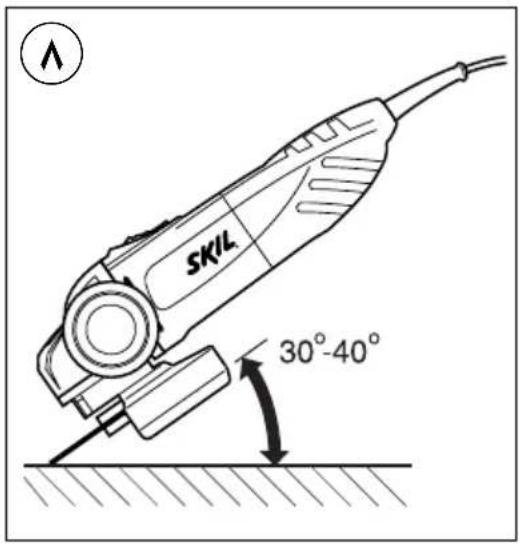
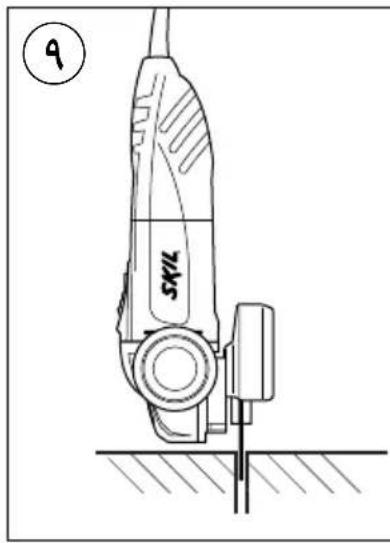
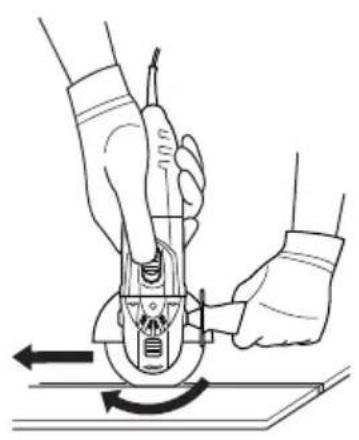
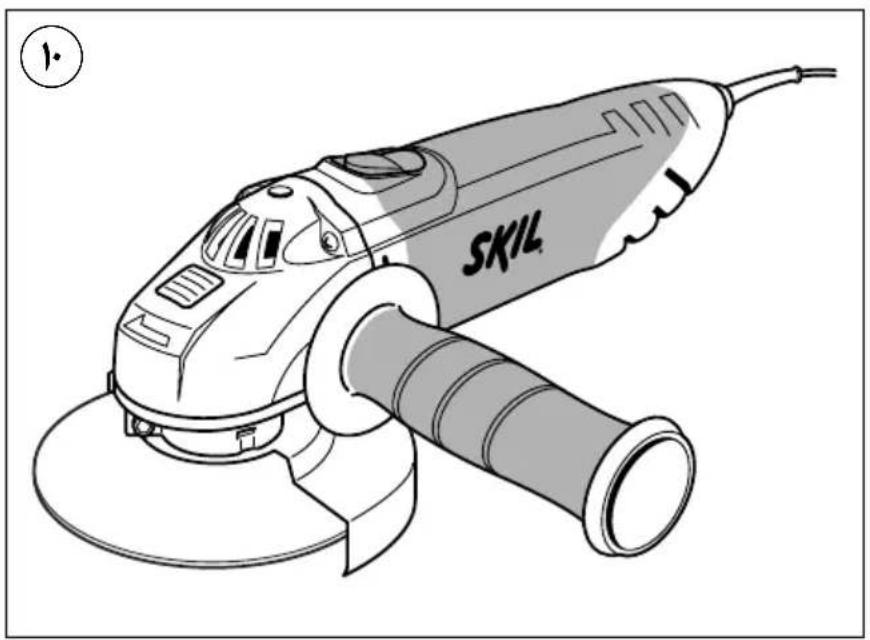
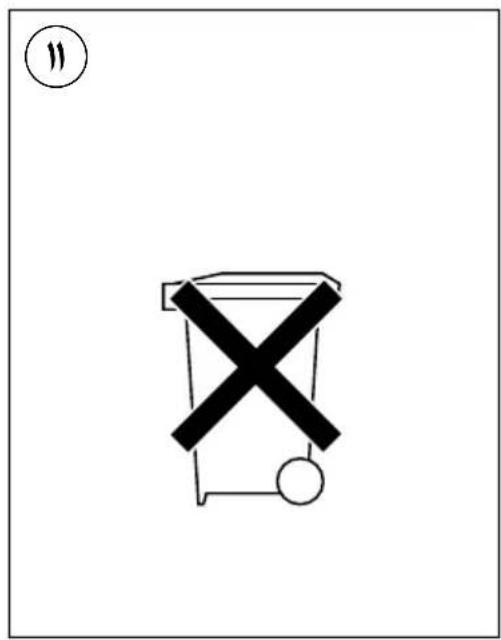
| ACCESSORIES SKIL nr. | ||
| 2610388766 | ||
| max. | 115 mm | |
| max. | 125 mm | |

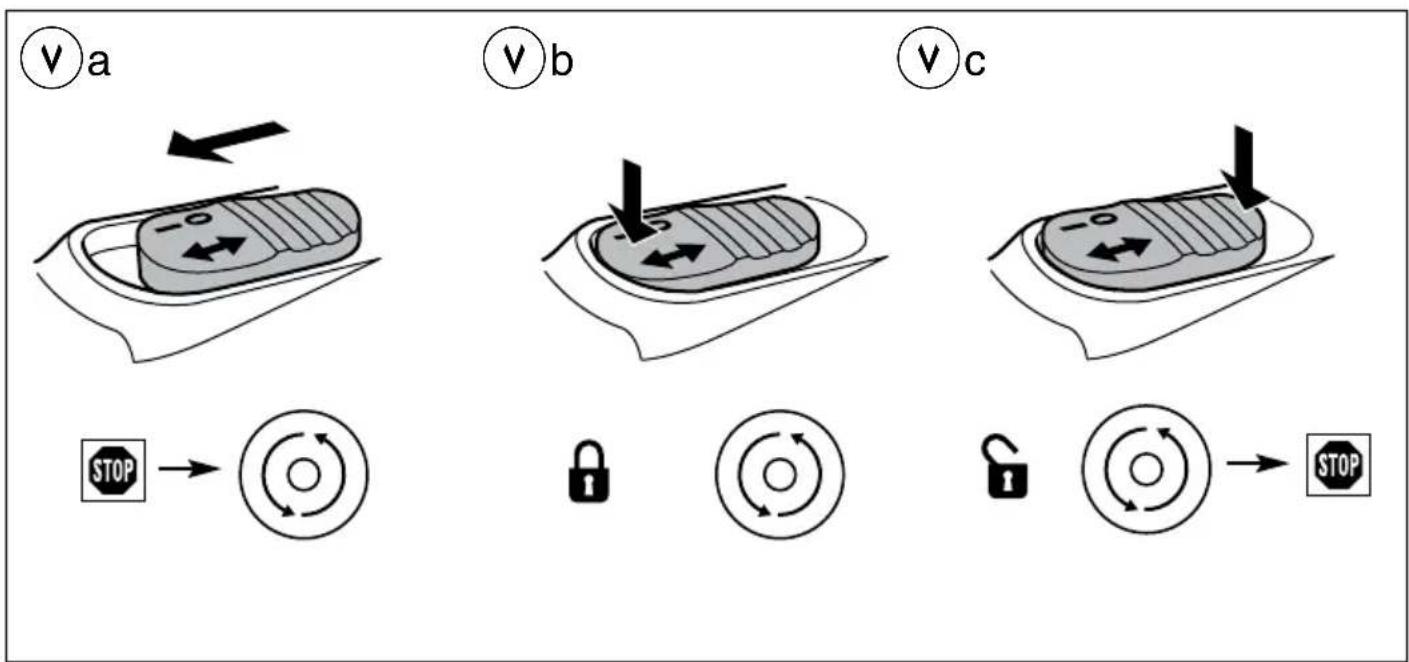
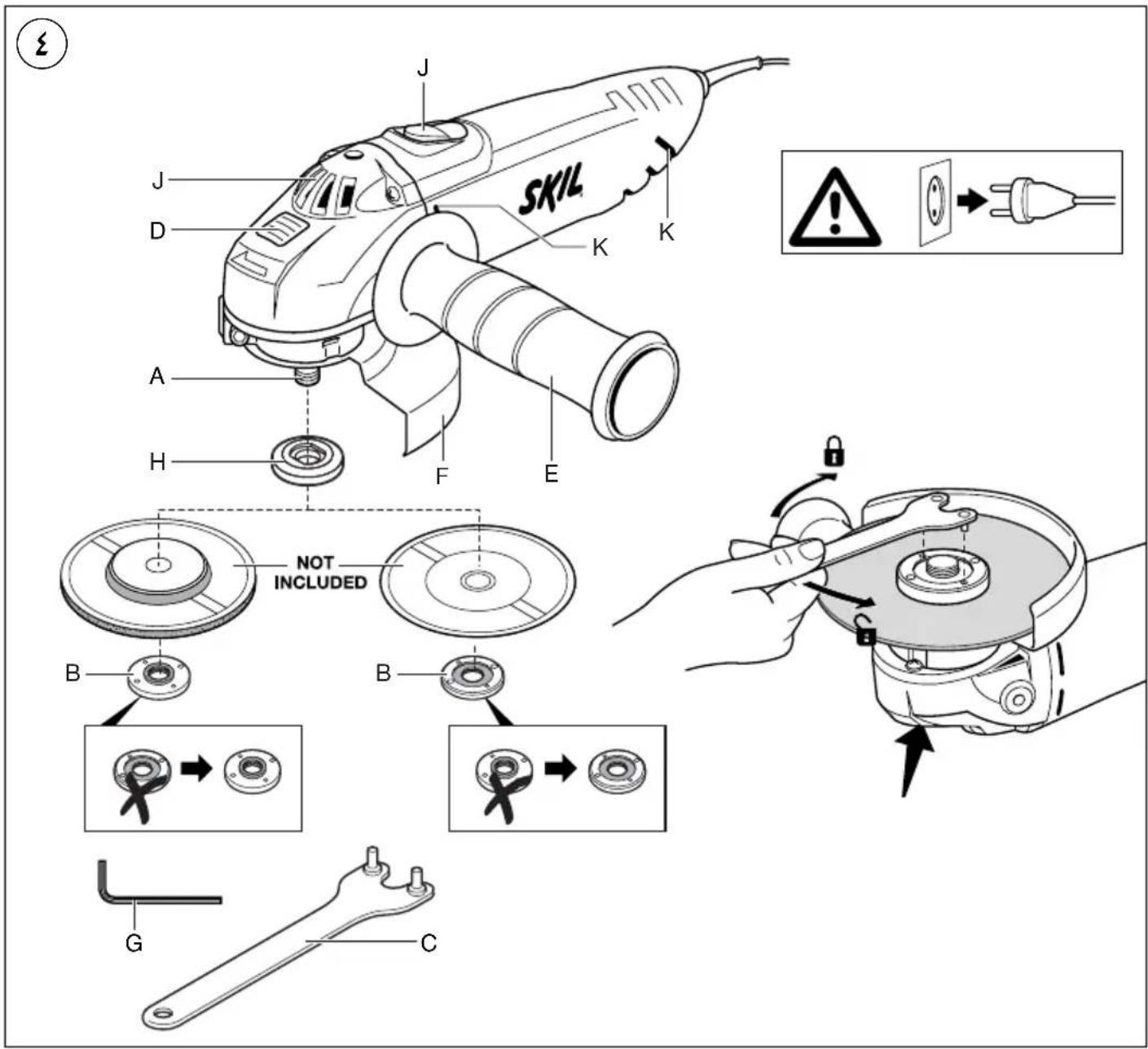
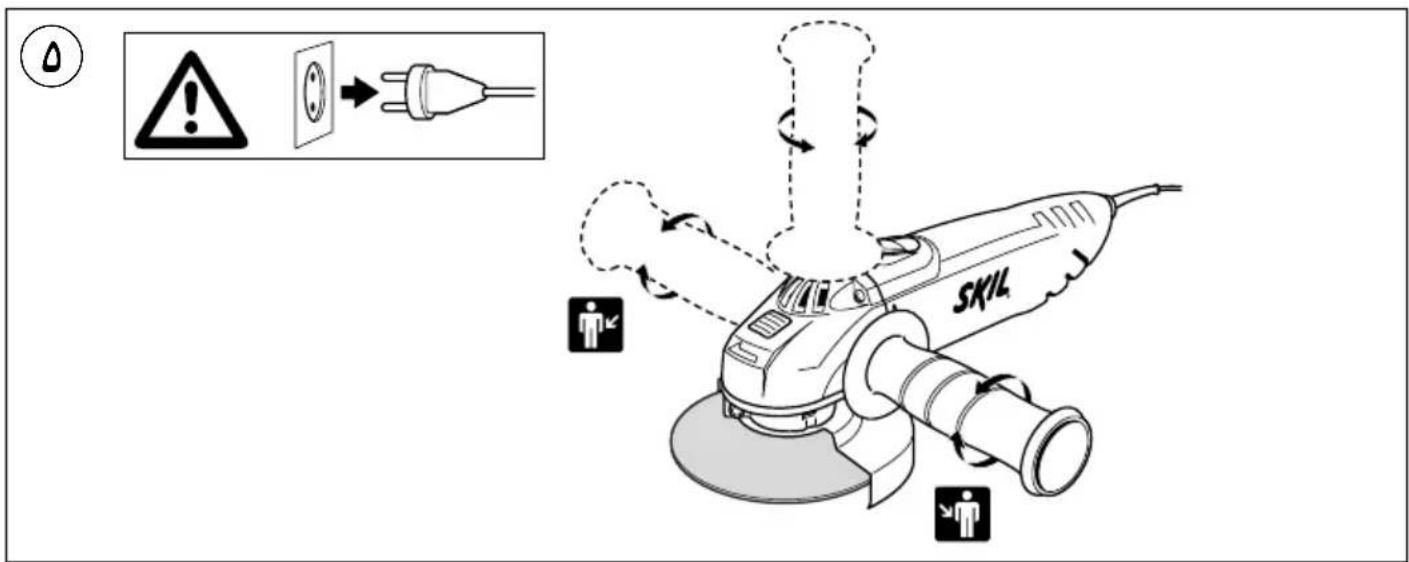
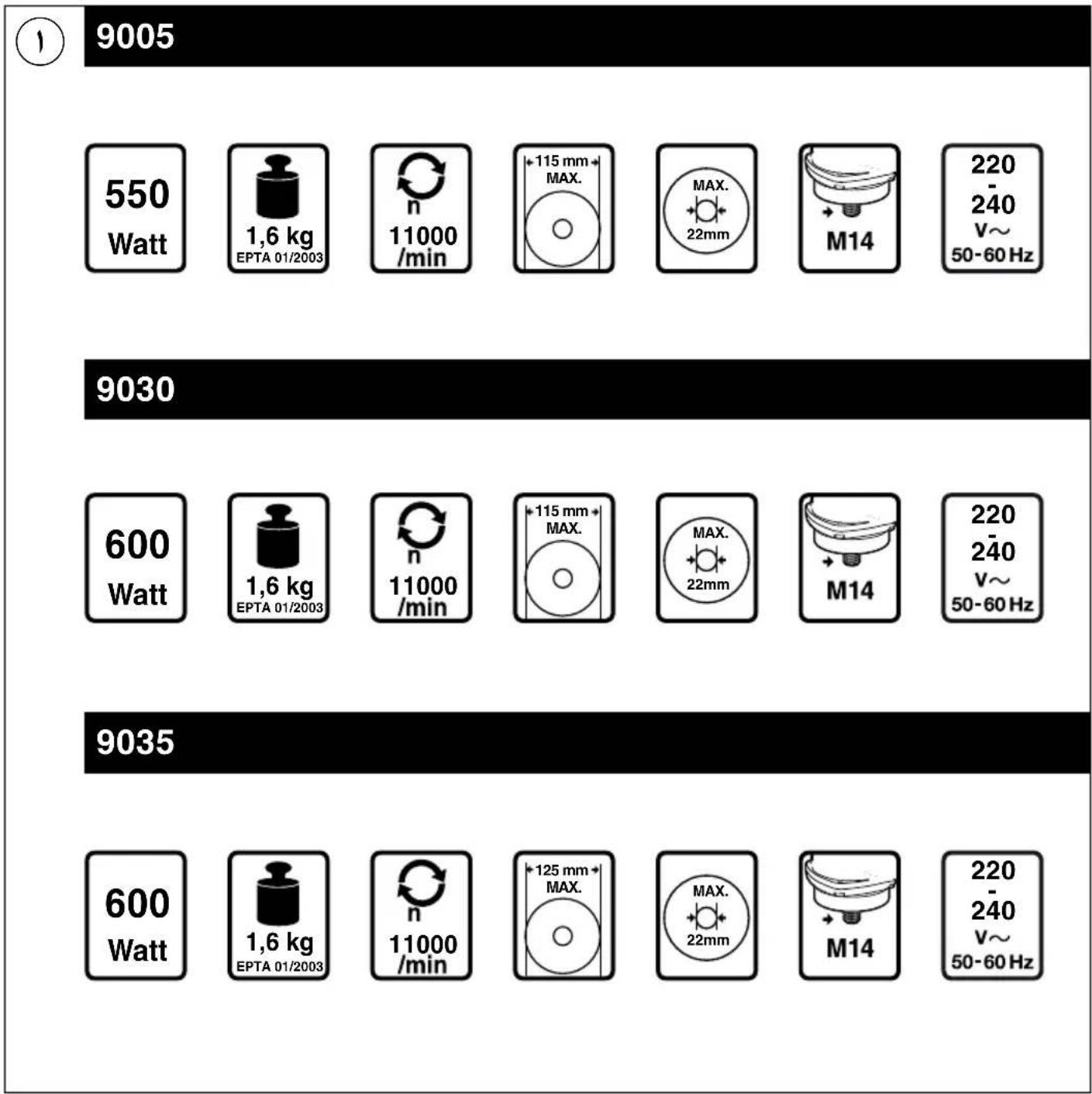
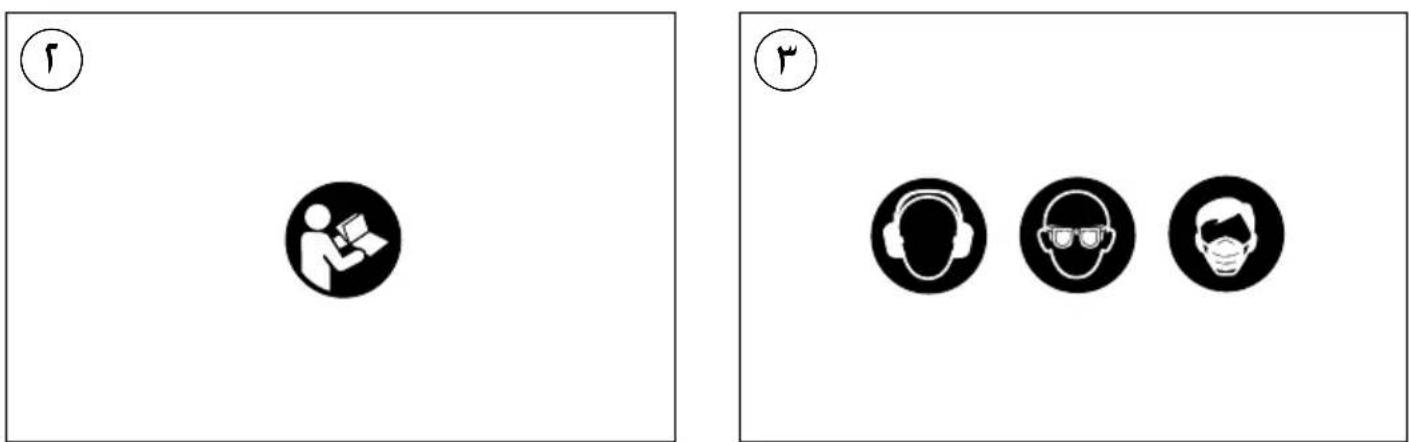
a1gj a+
9005
9030
9035

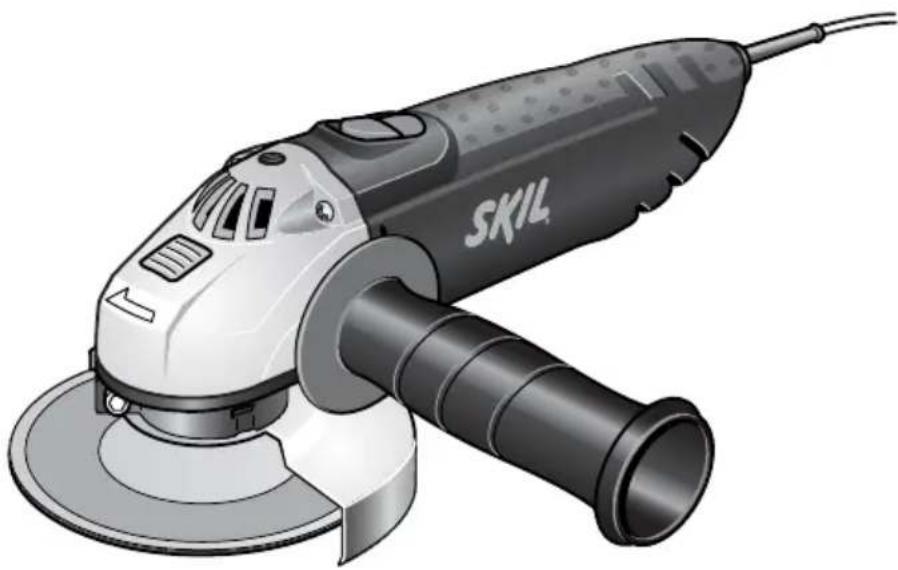
JL
FA




- TECHNICAL SPECIFICATIONS ①
- TOOLELEMENTS 4
- SAFETY
- GENERAL SAFETY INSTRUCTIONS
- 1) WORK AREA SAFETY
- 2) ELECTRICAL SAFETY
- 3) PERSONAL SAFETY
- 4) POWER TOOL USE AND CARE
- SAFETY INSTRUCTIONS FOR ANGLE GRINDERS
- 2) KICKBACK AND RELATED WARNINGS
- GENERAL
- OUTDOOR USE
- BEFORE USE
- DURING USE
- AFTER USE
- USE
- APPLICATION ADVICE
- MAINTENANCE / SERVICE
- ENVIRONMENT
- DECLARATION OF CONFORMITY (€
- NOISE/VIBRATION
- F
- DECLARATION DE CONFORMITE (C)
- BRUIT/VIBRATION
- GERÄUSCH/VIBRATION
- GELUID/VIBRATIE
- LJUD/VIBRATION
- STØJ/VIBRATION
- VEDLIKEHOLD / SERVICE
- STOY/VIBRASJON
- MELU/TÄRINA
- RUIDOS/VIBRACIONES
- RUIDO/VIBRAÇÖES
- RUMOROSITA/VIBRAZIONE
- ZAJ/REZGÉS
- HLUCNOSTI/VIBRACI
- GÜRULTÜ/TITRESIM
- HAŁASU/WIBRACJE
- TEXHnueCKNE DAHHbIE ①
- DETAJIHCHTPYMEHTA 4
- B630NACHOCTb
- OCHOBHBIE HNCTPYKcIIN NO TEXHNKE BE3ONACHOCTH
- BHHMAHNE!IpoHTHe Bce yKa3aHHN
- CoxpaHnTe 3TN HnCTpyKuHn U yHa3aHnA dIa
- 1) 6E3ONACHOCTb PABOYERO MECTA
- NEPEI HcNoJIb3OBAHnEM
- BO BPEMЯИСПОЛьЗOBAHNY
- NOCJI NCIOJIb3OBAHIN
- NCHOJIb3OBAHNE
- COBETbI NO HcNoJb3OBAHHIO
- TEXO6CJIYKINBAHNE/CEPBNC
- OXPAHA OKPYKAIIOUcEIN CPEbl
- DEKJIAPAUЯ O COOTBETCTBUN CTAHДAPTAM(€
- UYMHOCTN/BNBPALUN
- Kytoba shiΦyBaIbHa mAsnHa 9005/9030/9035
- BCTYN
- TEXHIYHIDAHI ①
- EJEMEHINHCTPYMEHTA ④
- BE3NEKA
- 3AΓΑJIbHI BHA3IBKN 3 TEXHIK N 6E3NEH
- INPABNIA TEXHIHN 6E3NEH NJI KHYTOBNX JIΦYBAJIbHNX MAUNH
- 2) CINAHHA T A BIDNOBIDHI NONEPEXHEHRA
- 3AΓAJIbHE
- BHKOPNCTAHH NO3A NPMIeHHrM
- NEPEBVKOPNCTAHNM
- ПИД YAC BHKOPNCTAHN
- ПИСЛВИKHOPUCTAHHA
- BHKOPNCTAHH
- IOPaI NIO BnKOpNCTAHIO
- DOrJIAD/O6CJyTOBYAHHRA
- OXOPOHA HABKOLINHbOI CEPEdN
- DEKJIAPAUJI INPO BIINOBIHICTb CTAHAPTAM C
- BIM/BIBPAI
- GR
- OOPYBO/KPADAEMOY
- RO
- Polizor unghiular 9005/9030/9035
- INTRODUCERE
- ZGOMOT/VIBRATII
- YKA3AHN3A PABOTA
- IODAPbJXHA/CEPBn3
- ОПАЗВАЕ HA OKOLHATA CРEDA
- DEKJIAPAUJ3ACbOTBETCTBNE
- BIM/BIBPAUH
- Uhlová brúska 9005/9030/9035
- UVOD
- 1) BEZPECNOSTNÉ POKNY PRE VSETKY CINNOSTI
- VYHLASENIE O ZHODE (C
- HLUKU/VIBRÁCIÁCH
- BUCI/VIBRACIJAMA
- OPSTAUPUTSTVA O SIGURNOSTI
- 2) ELEKTRICNA SIGURNOST
- 3) SIGURNOST OSOBA
- 4) BRIZLJIVO OPHODJENJE I KORISCENJE ELEKTRICNIH ALATA
- BUKA/VIBRACJE
- HRUP/VIBRACija
- MURA/VIBRATSIOON
- APKALPOŠANA / APKOPE
- TROKSNIS/VIBRACJA
- TRIUKSMINGUMAS/VIBRACJA
- AR
Brand : SKIL
Model : 9035 AA
Category : Grinder