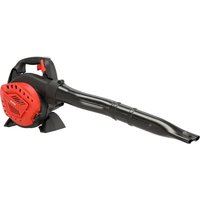
YT-85191 - Blower Yato - Free user manual and instructions
Find the device manual for free YT-85191 Yato in PDF.


User questions about YT-85191 Yato
0 question about this device. Answer the ones you know or ask your own.
Ask a new question about this device
Download the instructions for your Blower in PDF format for free! Find your manual YT-85191 - Yato and take your electronic device back in hand. On this page are published all the documents necessary for the use of your device. YT-85191 by Yato.
USER MANUAL YT-85191 Yato
natural_image
Technical line drawing of two mechanical components labeled A and B, shown from different angles (no text or symbols beyond labels)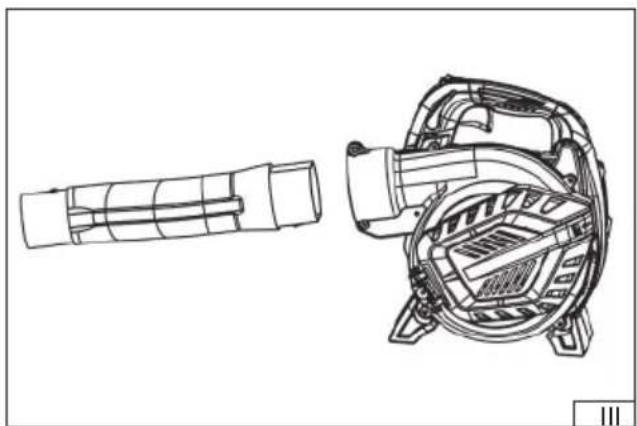
natural_image
Technical line drawing of a mechanical device with internal components (no text or symbols)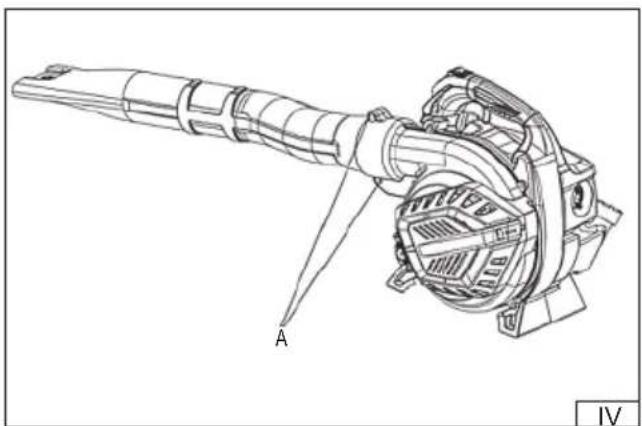
natural_image
Technical line drawing of a mechanical component with labeled section A (no text or symbols beyond labels)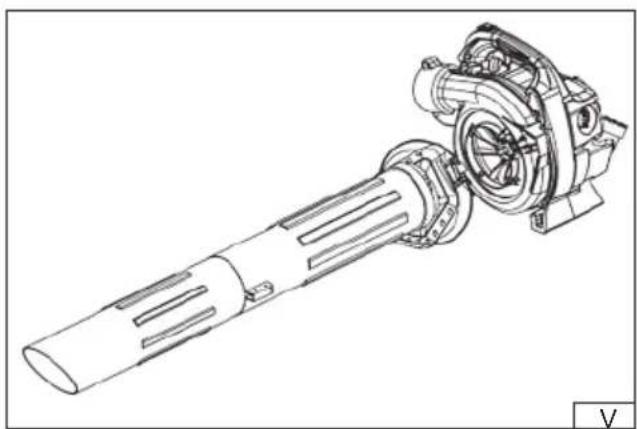
natural_image
Technical line drawing of a mechanical device with internal components (no text or symbols)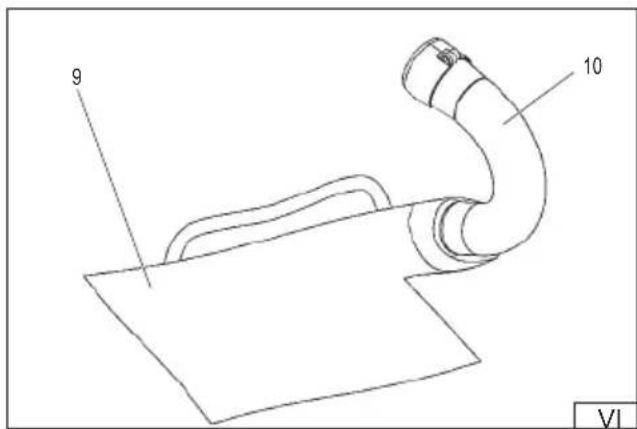
natural_image
Close-up of a mechanical component with a square button and circular symbol (no readable text or symbols)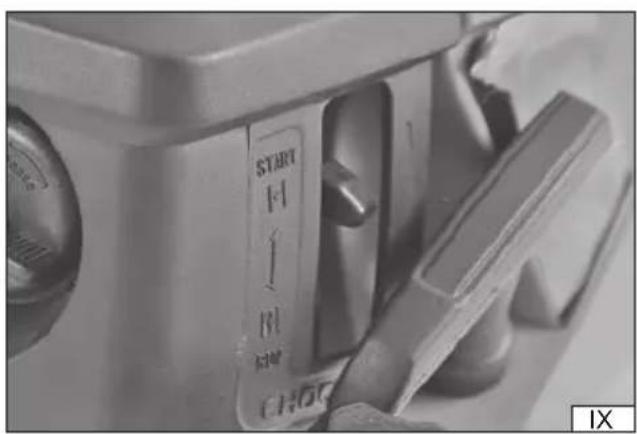
natural_image
Close-up of a hand operating a mechanical device with a tool inserted, no visible text or symbols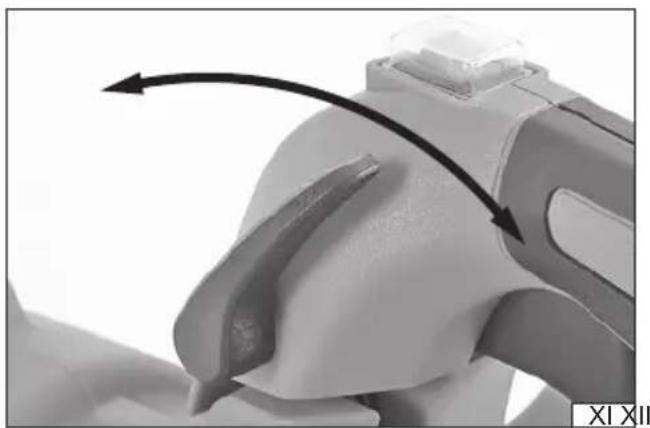
natural_image
Close-up of a robotic arm with curved arrows indicating motion or force direction (no text or symbols)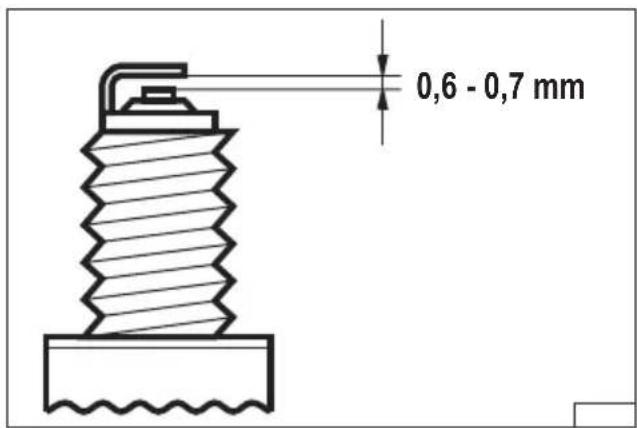
PL
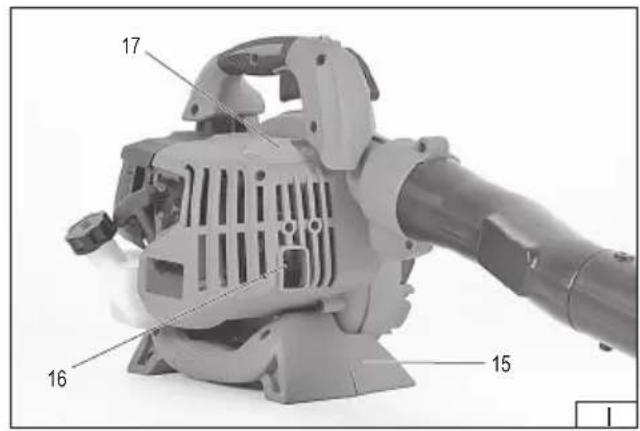
- engine housing
- air outlet
- air pipe
- handle
- switch
- throttle lever
- throttle lock
- nozzle
- waste bag
- connecting elbow
- starting rope
- choke lever
- fuel pump
- fuel filler cap
- base
- muffler and exhaust pipe
- spark plug
- air intake
- air intake cover
- air fi Iter cover
- filter cover lock
DE
Read the operating instruction
Wear protective goggles
Wear hearing protectors
Stay away from bystanders
Mix petrol with oil in a ratio of petrol to oil - 25:1
Rated rotational speed
Nenndrehzahl
Choke in "CLOSED" position
PRODUCT CHARACTERISTICS
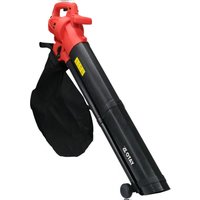
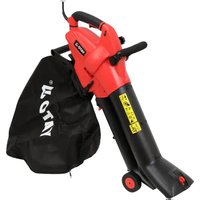
The vacuum cleaner / petrol blower is designed for outdoor cleaning work - in the garden, around the house, on driveways, parking lots and green areas. It allows for effective movement or suction of fallen leaves, cut grass and other dry, light dirt using a strong air stream. Thanks to a special rotor, the leaves are crushed during suction, which allows for a significant reduction in the volume of waste collected in the bag. It is forbidden to suck in water or other liquids, wet organic waste, flammable materials, ash, chemicals, metal, wood and any materials that may damage the machine or pose a threat. Correct, reliable and safe operation depends on the proper use of the product, therefore:
The supplier is not liable for any damage resulting from failure to comply with the safety regulations and recommendations of this manual.
EQUIPMENT
The product is supplied complete, but before use, the assembly steps described later in the manual must be performed. The product is supplied with: an air hose, a nozzle, a waste bag with a connecting elbow.
TECHNICAL DATA
| Parameter Unit of measurement Value | ||
| Catalogue number YT-85191 | ||
| Air flow speed [km/h] 252 | ||
| Blowing effi ciency [m] | ^3 /min] 540 | |
| Waste bag capacity [l] 35 | ||
| Libra [kg] | 5.7 | |
| Fuel tank capacity | [l] | 0.45 |
| Engine | ||
| number of cylinders | 1 | |
| number of bars | 2 | |
| cooling | By air | |
| Spark plug type | L7RTC | |
| Engine displacement | [cm3] | 25.4 |
| Engine power | [kW] | 0.75 |
| Maximum engine speed | [min−1] | 7000 |
| Noise | ||
| - sound pressure L_mA ± K | [dB(A)] | 94 ± 3.0 |
| - sound power L_AA ± K | [dB(A)] | 106.2 ± 3.0 |
| Vibration level ah ± K | [m/s2] | 3.132 ± 1.5 |
SAFETY INSTRUCTIONS
IMPORTANT. Read carefully before use. Keep for future reference.
A petrol blower can cause serious injury. Before use, read this manual carefully. Familiarize yourself with the correct way to hold, start, use, maintain and shut down the machine. If you pass on the blower to someone else, pass on the operating instructions as well.
The machine must only be used for its intended purpose as described in this manual. Failure to follow safety instructions may result in electric shock, fire and/or serious injury.
Refuel outdoors only, away from sources of ignition. Do not refuel when the engine is hot or running. Open the fuel cap slowly to release pressure. Wipe up any leaks after refueling. Refuel at least 3 meters away from the starting and operating area. Do not smoke while refueling or operating.
The machine must be switched off before installing or removing accessories and each time before putting it away. Make sure that all moving parts have come to a complete stop:
-before removing blockages,
-before maintenance,
-before emptying the waste bag,
-before cleaning or inspection,
-when leaving the machine unattended.
Do not tilt the machine during operation. Operate at the lowest possible speed. Do not carry the machine when it is switched on.
Carry the machine only by the handle provided for this purpose.
EN
Do not touch the engine surfaces that become hot during operation, as this may result in burns.
Ventilation inlets and outlets must not be covered. Even when the machine is not operating.
Do not use the machine without guards, safety devices and complete equipment. Do not direct the air flow towards people, animals, windows, vehicles or open windows. In dusty conditions, it is recommended to lightly mist the surfaces. Before use, you can loosen dirt with a rake or broom. Always use the full length of the blower nozzle to keep the air flow as close to the ground as possible.
Before starting work, check that all fasteners are tight and that guards and warning labels are legible and in place. Do not use the machine if it is damaged, hot or shows signs of leaks.
Never add, remove or modify any part of the machine. Do not use the machine when tired, sick or under the influence of alcohol or other drugs. Do not use near flammable substances. It is also forbidden to use the machine in an atmosphere with an increased risk of fire or explosion. Do not place a hot engine on flammable surfaces.
It is forbidden to work with a blower in closed rooms. The exhaust fumes contain toxic gases, their inhalation may pose a threat to health and life.
It is forbidden to expose the machine to precipitation or use it in an atmosphere of increased humidity.
If unusual noise, excessive vibration or blockage occurs, immediately switch off the machine, wait until it comes to a complete stop, check the technical condition and, if necessary, contact an authorized service center.
Take regular breaks during long-term use. Exposure to noise and vibration can cause serious health problems (hearing loss, hand-arm vibration disease). Always wear appropriate personal protective equipment. The machine is very noisy – hearing protection is mandatory.
Before use, always check that fuel lines, bolts, covers and other parts are not worn or damaged. Replace worn parts before starting work. Also check that bolted connections have not become loose. Tighten loose bolts.
Before starting work, the area must be properly prepared. It must be cleared of stones, pieces of wood, branches, wires, bones and other foreign objects that could be thrown out and cause damage to property or pose a threat to the safety of people.
Maintenance and storage
Before performing any service, turn off the machine and wait until it cools down completely.
Store in a dry place, out of reach of children, away from sources of ignition.
Replace damaged or worn parts regularly – use only original spare parts.
-Do not remove or disable covers and safeguards.
Residual risk
Despite all safety measures, some risks may inevitably occur. Special attention should be paid to:
-risk of injuries caused by vibrations,
-risk of hearing damage if hearing protection is not worn,
-risk of being hit by objects thrown at high speed,
-risk of contact with moving parts,
-risk of bodily injury caused by hitting hidden objects,
-risk of inhaling fi ne airborne particles,
If adverse symptoms occur (e.g. numbness in the fingers, pain, dizziness, difficulty breathing, hearing loss), stop working immediately and seek medical advice.
PRODUCT SERVICE
Preparation for assembly
The product should be unpacked and all packaging elements removed. It is recommended to keep the packaging, which may be useful during transport or storage of the product.
Check whether any part of the product has not been damaged during transport. Any damage observed, e.g. cracks or deformations, disqualifies the product from further use until the damaged parts are repaired or replaced.
It is recommended to place all parts on a flat, hard and clean surface.
Personal protective equipment such as protective gloves, eye protection and protective clothing should be worn during installation.
Assembly and preparation of the machine for work
The machine can be assembled to work as a blower or as a vacuum cleaner.
Note! It is not possible to use both functions at the same time.
Note! Always turn off the machine engine before assembly.
To prepare the product for blower operation, refer to the following illustrations:
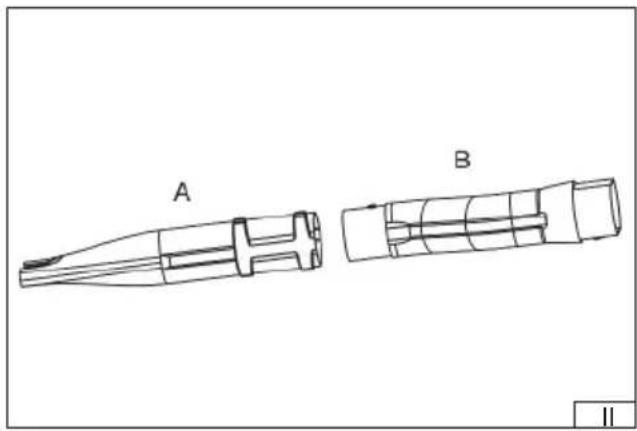
(II) – Connect the nozzle (A) and the air hose (B) together. To do this, insert the air hose into the nozzle and then turn to lock the connection. If the nozzle mount is threaded, the connection must be secured with a mounting screw.
(III) – Place the connected element into the machine's air outlet.
(IV) - Secure the air hose with the two mounting screws (A) to the machine outlet.
EN
To prepare the product for operation in vacuum cleaner mode, refer to the following illustrations:
(V) - First, insert a small flat tool into the rectangular opening of the air intake cover, then press to release the air intake cover latch.
Slide the cover to the side, then install the previously assembled air hose with nozzle into the air intake, twisting to lock it in place.
(VI) – Open the dirt bag and then place the connecting elbow in it. Insert the narrower part of the elbow through the hole in the back of the bag and then close the bag.
(VII) – Install the waste bag by inserting the end of the connecting elbow into the machine's air outlet. Tighten the screws to secure the connection.
To disconnect the bag, first turn off the machine (if it is on). Open the bag and empty its contents. Then unscrew the two fastening screws and remove the connecting elbow.
Refueling
A fuel mixture designed for two-stroke engines is used to power the blower. It is forbidden to use gasoline alone. Gasoline should be mixed with oil in the proportions of gasoline: oil - 25: 1. The mixture should be mixed before pouring into the fuel tank. Mixing and pouring fuel should be carried out away from sources of fire. Do not smoke while refueling. Refueling should be carried out at a distance of at least 3 meters from the place where the machine is started and operated.
To protect your engine, use good quality unleaded gasoline and good quality oil designed for two-stroke, air-cooled engines. Do not use oil designed for four-stroke engines. Do not use oil for liquid-cooled engines.
If fuel is spilled, carefully wipe up any remaining fuel before starting the blower.
Do not use a mixture older than 30 days.
After refueling the tank, close the filler cap firmly and securely.
Starting and stopping the blower
Place the blower on a clean, flat and hard surface.
Do not start the blower unless it is properly assembled and ready for operation!
Turn the switch to the "I - on" position (VIII).
Press the fuel pump 10 times.
Move the choke lever to the upper "CLOSED" position (IX).
Holding the blower by the handle with one hand, use the other hand to pull the starter rope briskly several times until the engine starts.
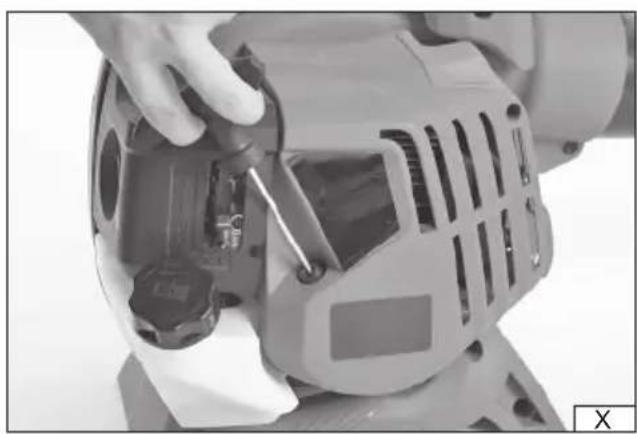
Move the choke lever to the "OPEN" position and pull the starter rope briskly until the engine starts (X).
Do not unwind the rope to its full length, as this may cause it to break. Be careful to pull the starter rope along the axis of the hole, pulling the rope at an angle will lead to premature wear of the starter rope.
After starting the blower, press the throttle button, this will increase the engine speed and therefore the blowing force. The deeper the button is pressed, the higher the engine speed and the greater the blowing force.
To stop the engine, release the throttle button, wait until the engine speed drops to idle, and then turn the switch to the "O-off" position.
If you hear any suspicious sounds or feel any vibrations, immediately turn off the blower by switching the switch to the „O - off" position.
Note! When starting a warm engine, e.g. during short breaks in work lasting up to several minutes, it is not necessary to move the choke lever to the „OPEN” position.
In case of emergency immobilization of the blower, immediately move the switch to the „O - off" position. This will stop the engine and consequently the blower impeller. However, remember that after the engine is switched off, the impeller may continue to rotate for some time.
The control handle is equipped with a lever that locks the throttle button pressed in 1/3 of the operating range (XI). To lock the throttle button in this position, move the lock lever completely to the lower position.
Note! The throttle button lockout may help to start faster if the engine is flooded with fuel or when starting the engine in cold weather. Do not use the throttle button lockout during normal starting. Use the throttle button lockout only when the engine cannot be started normally.
To release the lock, move the lock lever fully to the upper position.
Blower mode operation
The air flow rate can be adjusted continuously using the throttle button from idle to maximum speed. It is recommended to use the lowest speed at which the planned work is possible. Higher speeds cause more noise and also cause faster wear of the product.
EN
When working, position yourself away from contamination so that you can control the direction of the air flow.
If possible, direct the airflow in the same direction as the wind. This will prevent the dirt from moving to the area that has already been cleaned.
Always point the blower nozzle downwards, towards the surface to be cleaned. Do not point it towards other people or animals.
After finishing work, turn off the engine, wait for the blower wheel to come to a complete stop, wait for the machine to cool down completely, disconnect the spark plug wire, and then proceed with maintenance.
Working in vacuum cleaner mode
The suction force can be adjusted continuously using the throttle button from idle to maximum speed. It is recommended to use the lowest speed at which the planned work is possible. Higher speeds cause more noise and also cause faster wear of the product. When suction, hold the nozzle above the ground, do not immerse it in dirt.
When the bag is full, immediately turn off the engine, wait until the rotating parts of the machine stop, and then empty its contents. Note! Regularly check the level of the waste bag and empty it. Excessive accumulation of dirt in the bag can cause a decrease in work efficiency and also lead to blockage.
It is forbidden to suck in materials that may lead to clogging of the air ducts, entanglement in the rotor or its damage.
Such materials include, among others: long plant fibres (e.g. dry stalks, tufted grass), foils, plastic bags, strings, nets, wet or stuck leaves, wet organic waste (e.g. rotten fruit), large amounts of sawdust, hard objects (stones, gravel, glass fragments, bottle caps), metal elements (nails, screws), ash, embers, flammable substances and any irregularly shaped waste that may become wedged or wrapped around the rotor (e.g. sticks, large pieces of bark). Warning! Failure to follow the above recommendations may lead to serious damage to the machine or a hazard to the user.
General recommendations for product use
Before work, check the technical condition of the blower, especially the silencer, air inlets and filters. Always make sure that the holes: inlet and outlet, air duct and nozzle are clear. In the event of partial or complete blockage, the first sign will be an increase in noise and an increase in vibration. Turn off the blower, wait until the moving parts of the machine stop and then restore complete blockage. Working with a clogged product is ineffective and may cause overheating and damage to the product.
Before starting work, thoroughly inspect the work area, removing all objects that could be thrown out by the air blast or sucked into the machine, causing damage to the machine or a hazard. All objects that could move unexpectedly under the influence of the air stream, e.g. fall over and cause a hazard, should also be removed.
When working, always move around keeping your balance, do not run, jump, or overreach. Do not use the product to clean a surface that is out of your field of vision.
Due to the risk of impact from projectile material, always wear approved safety glasses with side shields or a face shield when operating the blower.
A safety zone of at least 15 m wide should be designated from the work area. The safety zone should not be accessible to unauthorized persons, especially children and animals. Persons entering the safety zone should exercise caution and use the personal protective equipment described above.
Do not use the blower on too loose a surface. The dust generated during such use does not allow for observing the work area, which does not allow for proper reaction in the event of a threat.
What to do in case of an embolism
A blockage that occurs during suction can manifest itself as a decrease in suction efficiency, uneven engine operation, increased vibrations or abnormal noise coming from the machine housing. It can also lead to a complete blockage of air flow through the system.
If you notice such symptoms, it is forbidden to continue working. You should immediately stop working, turn off the engine by moving the switch to the „O - off” position, and wait until all rotating elements have completely stopped. After the machine has cooled down, disconnect the spark plug wire to prevent accidental starting of the engine.
Then empty the waste bag by pulling it off the connecting elbow. Dismantle the elbow and check its patency. Next, dismantle the air pipe together with the nozzle and check that they are not blocked - if necessary, remove the dirt with a hand wearing a protective glove.
If the air duct is clear, check the suction-cutting rotor section located behind the air intake cover. Check the condition of the cutting knives and rotor blades. If they are damaged, further work is prohibited until the machine is repaired. To carry out this repair, contact an authorized service center of the manufacturer.
Make sure that all air passages – from the nozzle to the outlet to the bag – are completely clear. Once the blockage has been removed, all components have been reinstalled and it has been ensured that no part of the machine is damaged, the machine can be restarted according to the operating instructions.
BLOWER MAINTENANCE
Before starting any of the following procedures, turn off the blower. Make sure the engine is cool. Disconnect the spark plug wire to prevent accidental blower operation.
EN
The ventilation holes and air outlet should be cleaned with a soft brush or plastic brush. The housing, handles and controls should be cleaned with a damp, soft cloth and then dried thoroughly. Do not immerse the machine in water or any other liquid.
MPa can also be used to remove contaminants.
After dismantling the nozzle, air pipe and connecting elbow, it is permissible to clean them with water. After washing, these elements should be thoroughly dried or left to dry completely before reassembly.
Do not use sharp tools, abrasive materials, solvents or alcohol to clean any part of the machine.
Spark plug replacement and maintenance (XII)
Remove the spark plug socket cover. Remove the rubber spark plug contact cover, disconnect the cable and unscrew the spark plug with a spark plug wrench.
The condition of the spark plug electrodes should be checked. The distance between the electrodes should be between 0.6 and 0.7 mm. If contamination is observed, try cleaning the spark plug electrodes with a brass wire brush. If cleaning does not bring the expected results, replace the spark plug with a new one. The condition of the spark plug should be checked at least once a month.
Air Filter Maintenance
Air filter maintenance should be performed after each use of the blower.
Unscrew the filter cover locking knob, remove the cover.
Remove the filter and rinse it in warm, soapy water.
Dry the filter completely and reinstall it in place.
Screw on the filter cover.
Other maintenance activities
After each use, the general condition of the machine should also be checked. Loose screw connections should be tightened.
Check for fuel leaks. Check that ventilation holes are clear. Check that all covers and casings are in good technical condition, free from cracks or other damage. Before continuing work, any observed defects should be repaired.
Muffler and exhaust system maintenance
Depending on the fuel, oil and mixture ratio used, carbon or soot may build up in the muffler and exhaust system. This can cause a loss of machine performance. To restore previous performance, take the machine to an authorized manufacturer's service center.
Product storage
Proper maintenance prior to storage will ensure longer, trouble-free operation of the machine.
Before storing the blower for an extended period of time, empty the tank and fuel system.
Check the fuel system for leaks. If any are found, repair them before starting storage. To do this, take the blower to an authorized service center.
Empty the fuel from the tank, for example using a commercially available plastic fuel pump.
Start the engine and let it idle until it stops. This will clear the carburetor of any remaining fuel. Let the engine cool down.
Remove the spark plug. Pour one teaspoon of two-stroke engine oil through the hole. Pull the starter cord carefully several times to distribute the oil in the combustion chamber. Install the spark plug. Clean the blower of dirt. Store the machine in a cool, dry place with good ventilation. Away from sources of ignition. Store the machine in a dry, locked place protected from access by unauthorized persons, especially children.
PRODUKTMERKMALE
PRODUKTA RAKSTUROJUMS
CARACTÉRISTIQUES DU PRODUIT
We declare and guarantee with full responsibility that the following products:
meet requirements of the following European Standards / Technical Specifications:
and fulfill requirements of the following European Directives:
Machinery and safety elements
Emissions from non-road mobile machinery
Serial number: concern all serials numbers of item(s) mentioned in this declaration
Measured sound power level on an equipment representative for this type: 106,2 dB(A)
Guaranteed sound power level for this equipment: 110 dB(A)
The person authorized to compile the technical file: