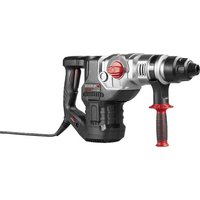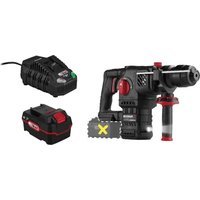
PPFBSA 12 A1 - Drill PARKSIDE - Free user manual and instructions
Find the device manual for free PPFBSA 12 A1 PARKSIDE in PDF.


User questions about PPFBSA 12 A1 PARKSIDE
0 question about this device. Answer the ones you know or ask your own.
Ask a new question about this device
Download the instructions for your Drill in PDF format for free! Find your manual PPFBSA 12 A1 - PARKSIDE and take your electronic device back in hand. On this page are published all the documents necessary for the use of your device. PPFBSA 12 A1 by PARKSIDE.
USER MANUAL PPFBSA 12 A1 PARKSIDE
Cordless Rotary Tool
Translation of the original instructions
NL BE
Accu-fi jnboor-slijpmachine
Before reading, unfold the page containing the illustrations and familiarise yourself with all functions of the device.
FR BE
Scope of delivery/accessories. 29
Overview 29
Description of functions. 30
Technical data. 30
Safety information. 31
Meaning of the safety information. 31
Pictograms and symbols. 32
General Power Tool Safety
Warnings 32
Safety warnings common for grinding, sanding, wire brushing, polishing, carving or abrasive cutting-off operations. 35
Kickback and related warnings. 36
Safety warnings specific for grinding and abrasive cutting-off operations. 37
SafetyWarningsSpecificForWire BrushingOperations. 38
Residual risks. 38
Preparation. 38
Control elements. 39
Attachment 39
Mounting an attachment. 39
Attachment tool. 40
Attaching and removing the attachment tool. 41
Charging the battery. 42
Checking the battery charge level. 42
Operation. 42
Working instructions. 42
Inserting and removing the battery. 43
Switching on and off. 43
Transport 44
Cleaning, maintenance and storage 44
Cleaning. 44
Maintenance. 44
Storage. 44
Disposal/environmental protection. 44
Troubleshooting 45
Service. 45
Guarantee. 45
Repair service. 47
Service Centre. 47
Importer. 47
Spare parts and accessories.....47
Translation of the original EC declaration of conformity. 48
Exploded view. 259
Introduction
Congratulations on purchasing your new cordless precision drilling grinder (hereafter referred to as device or power tool).
You have chosen a high-quality device. This device was quality-tested and subjected to a final inspection during production, therefore ensuring proper functioning of your device.


The instruction manual forms part of this device. It contains important information on safety, use and disposal. Read the instruction manual carefully. Familiarise yourself with the controls and how to use the device correctly. Use the device only as described and for the stated fields of application. Store the instruction manual carefully and ensure that all documents are handed over in the event that the device is passed on to another user.
Proper use
This power tool is intended to function as a grinder, sander, wire brush, polisher, carving or cut-off tool. Only operate in dry areas.
The device is intended for use by adults. Children under the age of 16 may not use the device, except under supervision.
Any other use that is not expressly permitted in this instruction manual may pose a serious hazard to the user and result in damage to the device. The operator or user of the machine is responsible for any accidents or personal injury and/or material damage to third parties or their property. The machine is intended to be used by do-it-yourselfers. It was not designed for heavy commercial use. The warranty is void in the case of commercial use. The manufacturer is not liable for damage caused by improper use or incorrect operation. The device is part of the
X 12 V TEAM series and can be operated with batteries of the X 12 V TEAM series. Batteries of the X 12 V TEAM series may only be charged using chargers of the X 12 V TEAM series.
Scope of delivery/accessories
Unpack the device and check that everything is present.
Dispose of the packaging material properly.
- Cordless Rotary Tool
- Guard cover, Sanding table, Parallel guide, Circle cutter, Milling attachment, Auxiliary handle
- Accessories 22×Cutting disc+Mandrel (cutting disc), 14×Sandpaper+Mandrel (grinding disc), 8×Grinding belt
+Mandrel (abrasive belt), 2× Milling pin, Corundum mounted point, Silicon carbide mounted point, Grinding disc, 2× Polishing sander, 3× Felt polishing disc (large), 3× Felt polishing disc (small), Mandrel (polishing disc), Plastic brush, Spiral milling pin, Milling cutter pin, HSS drill, Mounting key, Polishing compound
Storage case
Translation of the original instructions
- Rechargeable battery and charger with instruction manual
Overview
The illustrations for the device can be found on the front and back fold-out page.
1 Clamping nut
2 Collet chuck
3 Screw cap
4 Spindle lock
5 On/Off switch
6 Handle
7 Charge level indicator on the device
8 Speed display
9 Speed button
10 Suspension system
1 Direction of rotation arrow
2 Auxiliary handle
3 Milling attachment
4 Sanding table
5 Scale
6 Parallel guide
7 Guard cover
8 Battery
9 Battery release
20 Charger
21 Storage case
22 HSS drill
23 Mandrel (polishing disc)
24 Mandrel (cutting and grinding discs)
25 Milling pin
26 Milling cutter pin
27 Spiral milling pin
28 Circle cutter
29 Cutting disc
30 Plastic brush
31 Polishing sander
32 Felt polishing disc (large)
33 Felt polishing disc (small)
34 Cutting disc (small)
35 Grinding disc
36 Sandpaper
37 Corundum mounted point
38 Silicon carbide mounted point
39 Mandrel (abrasive belt)
40 Grinding belt
41 Polishing compound
42 Mounting key
Fig. B
43 Clamping screw
44 Screw
Description of functions
The device enables clean sanding/ grinding, cutting, polishing, brushing, engraving and drilling.
Please refer to the descriptions below for information on how the operating elements work.
Technical data
Cordless Rotary Tool PPFBSA 12 A1
Rated voltage U 12 V = (direct current)
Rated speed n .5000-32000 min Weight with battery (12 V, 2 Ah) ≈ 0.58kg
Tool holder .. ≤ 03,2 mm
Sound pressure level (L_pA) 73.2 dB; K=3 dB
Sound power level (L_WA)
- Measured 84.2 dB; K=3 dB Vibration (a_h) ..1.130 m/s²; K=1.5 m/s²
Battery Li-Ion Temperature ≤ 50^
- Charging 4 - 40 °C
-Operation . -20-50°C
-Storage 0-45°C
Levels of noise and vibration were determined according to the standards and regulations in the declaration of conformity.
The specified total vibration value and the stated noise emission value have been measured according to a standardised test method and can be used to compare one power tool with another. The specified total vibration value and the stated specified noise emission value can also be used for a provisional assessment of the load.
WARNING! The vibration and noise emissions may deviate from the specified values during actual use of the power tool, depending on how the power tool is being used. Try to keep the exposure to vibrations as low as possible. An example of a measure to reduce vibration exposure is limiting the working hours. All parts of the operating cycle have to be considered while doing so (for example, times when the power tool
is switched off and times when it is switched on but running without any load).
WARNING! Grinding thin metal sheet or other well vibrating structures with a large surface area can result in increased noise exposure and a much (up to 15 dB) higher overall noise emission than the specified noise emission values. Use heavy flexible damping mats or similar to prevent sound radiation from such workpieces. Take into account the increased noise emission and wear appropriate hearing protection.
Charging time
The device is part of the X 12 V TEAM series and can be operated with batteries of the X 12 V TEAM series. Batteries of
the X 12 V TEAM series may only be charged using chargers of the X 12 V TEAM series.
We recommend that you operate this appliance with the following batteries only: PAPK 12 A3, PAPK 12 A4, PAPK 12 B3, PAPK 12 B4, PAPK 12 D1
We recommend charging these batteries with the following chargers: PLGK 12 A2, PLGK 12 A3, PLGK 12 B2, PDSLG 12 A2
Rechargeable battery and charger technical data: See separate manual. The charging time is influenced by factors such as the temperature of the environment and the battery, as well as the mains voltage applied, and may therefore deviate from the specified values.
| Charging time (min.) PAPK 12 A1 | PAPK 12 A2 PAPK 12 A3 PAPK 12 A4 | PAPK 12 B2 PAPK 12 B3 PAPK 12 B4 | PAPK 12 D1 PAPK 12 D2 |
| PLGK 12 A1 PLGK 12 A2 PLGK 12 A3 PLGK 12 B2 | 60 60 120 | 150 | |
| PDSLG 12 A1 PDSLG 12 A2 | 60 45 60 | 80 |
Safety information
This section deals with the basic safety instructions for using the device.
WARNING! Injury and property damage due to improper handling of battery. Observe the safety information and notes on charging and proper use as shown in the instruction manual for your battery and charger from the series X 12 V TEAM. A detailed description of the charging process and further information can be
found in these separate operating instructions.
Meaning of the safety information
DANGER! If you do not observe this safety instruction, an accident will occur. The result of which is severe bodily injury or death.
WARNING! If you do not observe this safety instruction, an accident may occur. The result of which is likely severe bodily injury or death.
CAUTION! If you do not observe this safety instruction, an accident will occur. The result of which is likely minor or moderate bodily injury. NOTICE! If you do not observe this safety instruction, an accident will occur. The result of which is possible damage to property.
Pictograms and symbols Symbols on the device

The device is part of the X 12 V TEAM series and can be operated with batteries of the X 12 V TEAM series. Batteries of the X 12 V TEAM series may only be charged using chargers of the X 12 V TEAM series.

Read the instruction manual

Always use eye protection!

Speed button
Charge level indicator on the device
Speed display

Direction of rotation (Cutting disc)
Waste electrical and electronic equipment (WEEE) must not be disposed of with domestic waste.
General Power Tool SafetyWarnings
WARNING! Read all safety warnings, instructions, illustrations and specifications provided with this power tool. Failure to follow all instructions listed below may result in
electric shock, fire and/or serious injury. Save all warnings and instructions for future reference.
The term "power tool" in the warnings refers to your mains-operated (cored) power tool or battery-operated (cordless) power tool.
1. WORK AREA SAFETY
a) Keep work area clean and well lit. Cluttered or dark areas invite accidents.
b) Do not operate power tools in explosive atmospheres, such as in the presence of flammable liquids, gases or dust. Power tools create sparks which may ignite the dust or fumes.
c) Keep children and bystanders away while operating a power tool. Distractions can cause you to lose control.
2. ELECTRICAL SAFETY
a) Power tool plugs must match the outlet. Never modify the plug in any way. Do not use any adapter plugs with earthed (grounded) power tools. Unmodified plugs and matching outlets will reduce risk of electric shock.
b) Avoid body contact with earthed or grounded surfaces, such as pipes, radiators, ranges and refrigerators. There is an increased risk of electric shock if your body is earthed or grounded.
c) Do not expose power tools to rain or wet conditions. Water entering a power tool will increase the risk of electric shock.
d) Do not abuse the cord. Never use the cord for carrying, pulling or unplugging the power tool. Keep cord away from heat, oil, sharp edges or moving parts. Damaged or entangled cords increase the risk of electric shock.
e) When operating a power tool outdoors, use an extension cord suitable for outdoor use. Use of a cord suitable for outdoor use reduces the risk of electric shock.
f) If operating a power tool in a damp location is unavoidable, use a residual current device (RCD) protected supply. Use of an RCD reduces the risk of electric shock.
3. PERSONAL SAFETY
a) Stay alert, watch what you are doing and use common sense when operating a power tool. Do not use a power tool while you are tired or under the influence of drugs, alcohol or medication. A moment of inattention while operating power tools may result in serious personal injury.
b) Use personal protective equipment. Always wear eye protection. Protective equipment such as a dust mask, non-skid safety shoes, hard hat or hearing protection used for appropriate conditions will reduce personal injuries.
c) Prevent unintentional starting. Ensure the switch is in the off-position before connecting to power source and/or battery pack, picking up or carrying the tool. Carrying power tools with your finger on the switch or energising power tools that have the switch on invites accidents.
d) Remove any adjusting key or wrench before turning the power tool on. A wrench or a key left attached to a rotating part of the power tool may result in personal injury.
e) Do not overreach. Keep proper footing and balance at all times. This enables better control of the
power tool in unexpected situations.
4. POWER TOOL USE AND CARE
f) Dress properly. Do not wear loose clothing or jewellery. Keep your hair and clothing away from moving parts. Loose clothes, jewellery or long hair can be caught in moving parts.
g) If devices are provided for the connection of dust extraction and collection facilities, ensure these are connected and properly used. Use of dust collection can reduce dust-related hazards.
h) Do not let familiarity gained from frequent use of tools allow you to become complacent and ignore tool safety principles. A careless action can cause severe injury within a fraction of a second.
a) Do not force the power tool. Use the correct power tool for your application. The correct power tool will do the job better and safer at the rate for which it was designed.
b) Do not use the power tool if the switch does not turn it on and off. Any power tool that cannot be controlled with the switch is dangerous and must be repaired.
c) Disconnect the plug from the power source and/or remove the battery pack, if detachable, from the power tool before making any adjustments, changing accessories, or storing power tools. Such preventive safety measures reduce the risk of starting the power tool accidentally.
d) Store idle power tools out of the reach of children and do not allow persons unfamiliar with the power tool or these instructions to operate the power tool. Power
tools are dangerous in the hands of untrained users.
5. BATTERY TOOL USE AND CARE
e) Maintain power tools and accessories. Check for misalignment or binding of moving parts, breakage of parts and any other condition that may affect the power tool's operation. If damaged, have the power tool repaired before use. Many accidents are caused by poorly maintained power tools.
f) Keep cutting tools sharp and clean. Properly maintained cutting tools with sharp cutting edges are less likely to bind and are easier to control.
g) Use the power tool, accessories and tool bits etc. in accordance with these instructions, taking into account the working conditions and the work to be performed. Use of the power tool for operations different from those intended could result in a hazardous situation.
h) Keep handles and grasping surfaces dry, clean and free from oil and grease. Slippery handles and grasping surfaces do not allow for safe handling and control of the tool in unexpected situations.
a) Recharge only with the charger specified by the manufacturer. A charger that is suitable for one type of battery pack may create a risk of fire when used with another battery pack.
b) Use power tools only with specifically designated battery packs. Use of any other battery packs may create a risk of injury and fire.
c) When battery pack is not in use, keep it away from other metal
objects, like paper clips, coins, keys, nails, screws or other small metal objects, that can make a connection from one terminal to another. Shorting the battery terminals together may cause burns or a fire.
d) Under abusive conditions, liquid may be ejected from the battery; avoid contact. If contact accidentally occurs, flush with water. If liquid contacts eyes, additionally seek medical help. Liquid ejected from the battery may cause irritation or burns.
e) Do not use a battery pack or tool that is damaged or modified. Damaged or modified batteries may exhibit unpredictable behaviour resulting in fire, explosion or risk of injury.
f) Do not expose a battery pack or tool to fire or excessive temperature. Exposure to fire or temperature above 130^ may cause explosion.
g) Follow all charging instructions and do not charge the battery pack or tool outside the temperature range specified in the instructions. Charging improperly or at temperatures outside the specified range may damage the battery and increase the risk of fire.
6. SERVICE
a) Have your power tool serviced by a qualified repair person using only identical replacement parts. This will ensure that the safety of the power tool is maintained.
b) Never service damaged battery packs. Service of battery packs should only be performed by the manufacturer or authorized service providers.
Safety warnings common for grinding, sanding, wire brushing, polishing, carving or abrasive cutting-off operations
- This power tool is intended to function as a grinder, sander, wire brush, polisher, carving or cut-off tool. Read all safety warnings, instructions, illustrations and specifications provided with this power tool. Failure to follow all instructions listed below may result in electric shock, fire and/or serious injury.
- Do not use accessories which are not specifically designed and specified by the tool manufacturer. Just because the accessory can be attached to your power tool, it does not assure safe operation.
- The rated speed of the grinding accessories must be at least equal to the maximum speed marked on the power tool. Accessories running faster than their rated speed can break and fly apart.
- The outside diameter and the thickness of your accessory must be within the capacity rating of your power tool. Incorrectly sized accessories cannot be adequately guarded or controlled.
-
The arbour size of wheels, sanding drums or any other accessory must properly fit the spindle or collet of the power tool. Accessories that do not match the mounting hardware of the power tool will run out of balance, vibrate excessively and may cause loss of control.
-
Mandrel mounted wheels, sanding drums, cutters or other accessories must be fully inserted into the collet or chuck. If the mandrel is insufficiently held and/or the overhang of the wheel is too long, the mounted wheel may become loose and be ejected at high velocity.
- Do not use a damaged accessory. Before each use inspect the accessory such as abrasive wheels for chips and cracks, sanding drum for cracks, tear or excess wear, wire brush for loose or cracked wires. If power tool or accessory is dropped, inspect for damage or install an undamaged accessory. After inspecting and installing an accessory, position yourself and bystanders away from the plane of the rotating accessory and run the power tool at maximum no-load speed for one minute. Damaged accessories will normally break apart during this test time.
- Wear personal protective equipment. Depending on application, use face shield, safety goggles or safety glasses. As appropriate, wear dust mask, hearing protectors, gloves and workshop apron capable of stopping small abrasive or workpiece fragments. The eye protection must be capable of stopping flying debris generated by various applications. The dust mask or respirator must be capable of filtrating particles generated by the particular application. Prolonged exposure to high intensity noise may cause hearing loss.
- Keep bystanders a safe distance away from work area. Anyone entering the work area must
wear personal protective equipment. Fragments of workpiece or of a broken accessory may fly away and cause injury beyond immediate area of operation.
- Hold the power tool by insulated gripping surfaces only, when performing an operation where the cutting accessory may contact hidden wiring. Cutting accessories contacting a "live" wire may make exposed metal parts of the power tool "live" and could give the operator an electric shock.
- Always hold the tool firmly in your hand(s) during the start-up. The reaction torque of the motor, as it accelerates to full speed, can cause the tool to twist.
- Use clamps to support workpiece whenever practical. Never hold a small workpiece in one hand and the tool in the other hand while in use. Clamping a small workpiece allows you to use your hand(s) to control the tool. Round material such as dowel rods, pipes or tubing have a tendency to roll while being cut, and may cause the bit to bind or jump toward you.
-
Never lay the power tool down until the accessory has come to a complete stop. The spinning accessory may grab the surface and pull the power tool out of your control.
After changing the bits or making any adjustments, make sure the collet nut, chuck or any other adjustment devices are securely tightened. Loose adjustment devices can unexpectedly shift, causing loss of control, loose rotating components will be violently thrown. -
Do not run the power tool while carrying it at your side. Accidental contact with the spinning accessory could snag your clothing, pulling the accessory into your body.
- Regularly clean the power tool's air vents. The motor's fan will draw the dust inside the housing and excessive accumulation of powdered metal may cause electrical hazards.
- Do not operate the power tool near flammable materials. Sparks could ignite these materials.
- Do not use accessories that require liquid coolants. Using water or other liquid coolants may result in electrocution or shock.
Kickback and related warnings
Kickback is a sudden reaction to a pinched or snagged rotating wheel, backing pad, brush or any other accessory. Pinching or snagging causes rapid stalling of the rotating accessory which in turn causes the uncontrolled power tool to be forced in the direction opposite of the accessory's rotation at the point of the binding. For example, if an abrasive wheel is snagged or pinched by the workpiece, the edge of the wheel that is entering into the pinch point can dig into the surface of the material causing the wheel to climb out or kick out. The wheel may either jump toward or away from the operator, depending on direction of the wheel's movement at the point of pinching. Abrasive wheels may also break under these conditions.
Kickback is the result of power tool misuse and/or incorrect operating procedures or conditions and can be
avoided by taking proper precautions as given below.
- Maintain a firm grip with both hands on the power tool and position your body and arms to allow you to resist kickback forces. The operator can control torque reactions or kickback forces, if proper precautions are taken.
- Use special care when working corners, sharp edges, etc. Avoid bouncing and snagging the accessory. Corners, sharp edges or bouncing have a tendency to snag the rotating accessory and cause loss of control or kickback.
- Do not attach a toothed saw blade. Such blades create frequent kickback and loss of control.
- Always feed the bit into the material in the same direction as the cutting edge is exiting from the material (which is the same direction as the chips are thrown). Feeding the tool in the wrong direction causes the cutting edge of the bit to climb out of the work and pull the tool in the direction of this feed.
Always clamp the workpiece firmly when using rotary files, cutting discs, high-speed milling tools or carbide milling tools.
These wheels will grab if they become slightly canted in the groove, and can kickback. When a cutoff wheel grabs, the wheel itself usually breaks. When a rotary file, high-speed cutter or tungsten carbide cutter grabs, it may jump from the groove and you could lose control of the tool.
Safety warnings specific for grinding and abrasive cutting-off operations
- Use only wheel types that are recommended for your power tool and only for recommended applications. For example: do not grind with the side of a cut-off wheel. Abrasive cut-off wheels are intended for peripheral grinding, side forces applied to these wheels may cause them to shatter.
- For threaded abrasive cones and plugs use only undamaged wheel mandrels with an unreliable shoulder flange that are of correct size and length. Proper mandrels will reduce the possibility of breakage.
- Do not "jam" a cut-off wheel or apply excessive pressure. Do not attempt to make an excessive depth of cut. Overstressing the wheel increases the loading and susceptibility to twisting or snagging of the wheel in the cut and the possibility of kickback or wheel breakage.
- Do not position your hand in line with and behind the rotating wheel. When the wheel, at the point of operation, is moving away from your hand, the possible kickback may propel the spinning wheel and the power tool directly at you.
- When wheel is pinched, snagged or when interrupting a cut for any reason, switch off the power tool and hold the power tool motionless until the wheel comes to a complete stop. Never attempt to remove the cut-off wheel from the cut while the wheel is in motion otherwise kickback may occur. Investigate and take correct
ive action to eliminate the cause of wheel pinching or snagging.
- Do not restart the cutting operation in the workpiece. Let the wheel reach full speed and carefully re-enter the cut. The wheel may bind, walk up or kickback if the power tool is restarted in the workpiece.
Support panels or any oversized workpiece to minimize the risk of wheel pinching and kickback. Large workpieces tend to sag under their own weight. Supports must be placed under the workpiece near the line of cut and near the edge of the workpiece on both sides of the wheel. - Use extra caution when making a "pocket cut" into existing walls or other blind areas. The protruding wheel may cut gas or water pipes, electrical wiring or objects that can cause kickback.
SafetyWarnings Specific For Wire Brushing Operations
- Be aware that wire bristles are thrown by the brush even during ordinary operation. Do not overstress the wires by applying excessive load to the brush. The wire bristles can easily penetrate light clothing and/or skin.
- Allow brushes to run at operating speed for at least one minute before using them. During this time no one is to stand in front or in line with the brush. Loose bristles or wires will be discharged during the run-in time.
- Direct the discharge of the spinning wire brush away from you. Small particles and tiny wire fragments may be discharged at high
velocity during the use of these brushes and may become imbedded in your skin.
Residual risks
There will always be residual risks even if you operate this device according to the instructions. The following hazards may occur in connection with the type and design of this device:
- Lung damage if suitable respiratory protection is not worn.
- Hearing damage if suitable ear protection is not worn.
- Health injuries resulting from the effect of hand/arm vibration in the event that the tool is used over a longer period of time or is not used and maintained properly.
- Damage to health as a result of:
touching the area of the grinding tool which is not covered;
- ejection of parts of workpieces or damaged grinding discs.
WARNING! Danger due to electromagnetic field generated while the tool is in operation. Under certain circumstances, this field may negatively affect active or passive medical implants. In order to reduce the danger of serious or fatal injuries, we recommend that individuals who wear medical implants should consult their doctor and the manufacturer of the implant before operating the tool.
Preparation
WARNING! Risk of injury due to unintentional start-up. Only insert the battery into the device once the device is fully prepared for use.
Control elements
Familiarise yourself with the operating elements before using the device for the first time.
Spindle lock (4)
-
Locks the spindle when attaching/removing the attachment tool.
-
On/Off switch (5)
-
Switching on: Slide on/off switch (5) to the front
-
Switching off: Slide on/off switch (5) to the rear
-
Speed button (9)
-
Press: Changing the speed level
level 1: 5000min^-1
level 2: 10000min^-1
level 3: 15000min^-1
level 4: 20000 min
level 5: 25000min^-1
level 6: 32000min^-1
Attachment
Auxiliary handle (12)
- For work with greater precision and control, such as engraving.
Milling attachment (13)
- For general milling and drilling work.
Sanding table (14)
- For sanding work that requires an exact angle of 90^ or 45^ .
Scale (15)
- In combination with the parallel guide (16) or the circle cutter (28) for precise parallel or circular cuts.
Guard cover (17)
- As protection against flying sparks when cutting or grinding.
| Attachment Milling | Drilling | Cutting | Sand- ing/ Grinding | Pol- ishing | Engraving | |
| Auxiliary handle (12) | ✓ | ✓ | ||||
| Milling attachment (13) | ✓ | ✓ | ||||
| Sanding table (14) | ✓ | ✓ | ||||
| Scale (15)✓ | ✓ | |||||
| Guard cover (17) | ✓ |
Mounting an attachment
Requirements
- Battery removed.
Procedure (Fig. A)
- Unscrew the screw cap (3).
- Screw the desired attachment onto the thread.
Adjusting the height of the attachment (Fig. B)
- Loosen the clamping screw (43) on the attachment.
- Adjust the attachment to the desired height.
- Tighten the clamping screw (43) again.
Mounting accessories on the scale (15) (Fig. B)
-
Guide the desired accessory (Parallel guide (16), Circle cutter (28)) from below to the scale (15).
-
Secure the accessory with the screw (44).
Attachment tool
| Function Attachment tool | Max. per-mitted speed [min-1] | Speed level ≤ Use | Protru-sion a [mm] | |
| Drilling HSS drill (22) 32000 6 Wood working | 20 | |||
| ing | Plastic brush (30) | 15000 3 | Cleaning | on plastic or steel |
| Felt polishing disc (large) (32); Felt polishing disc (small) (33) | 20000 4 | Machining | various metals and plastics, espe-cially precious metals such as gold or silver | |
| Cleaning, Sand-ing/grinding at low pressure | Polishing sander (31) | 20000 4 | Cleaning/sand-ing on wood, plastic and soft metals such as aluminium, copper and brass | 9-15 |
| Sanding/grinding | Grinding disc (35) | 20000 4 | 12-18 | Sanding work on wood, fine work on hard materi-als such as alloy steel |
| Grinding belt (40) | 32000 6 | 10 | ||
| Sandpaper (36) 20000 4 | 12-18 | |||
| Silicon carbide mounted point (38) | 20000 4 | Grinding work on stone, glass, ceramics, porcelain and non-ferrous metals | 10 | |
| Corundum mounted point (37) | 25000 5 | Grinding work on stainless steel, aluminium, brass and copper | 10 | |
| Cutting Cutting disc (29); Cutting disc (small) (34) | 32000 6 | Machining metal, plastic and wood | 12-18 | |
| Function Attachment tool | Max. per-mitted speed [min-1] | Speed level ≤ | Use | Protru-sion a [mm] | |
| Milling | Milling pin (25) 32 | 000 6 20 | Machining wood, plastic and soft metals such as aluminium, copper and brass | ||
| Spiral milling pin (27) | 32000 6 | 20 | |||
| Milling cutter pin (26) | 32000 6 | 20 | |||
Attaching and removing the attachment tool
Notes
- The maximum diameter of assembled grinding wheels and of grinding cones and mounted points with threaded inserts must not exceed 55~mm .
The maximum diameter of sandpaper grinding accessories must not exceed 80~mm
-
Mount the following attachment tools on the corresponding mandrel before use:
-
Cutting disc (29), Cutting disc (small) (34): Mandrel (cutting disc) (24)
Grinding disc (35), Sandpaper (36): Mandrel (grinding disc) (24)
Grinding belt (40): Mandrel (abrasive belt) (39)
Felt polishing disc (large) (32), Felt polishing disc (small) (33): Mandrel (polishing disc) (23) -
The mounting key (42) serves as a spanner for the clamping nut (1) and as a screwdriver for the mandrels for cutting and grinding discs (24).
Note the protrusion a indicated for each attachment tool.
- Risk of damage! Never tighten the clamping nut if no attachment tool is inserted in the collet.
Requirements
- Battery removed.
Mounting cutting discs on the mandrel
- Loosen the screw on the mandrel for cutting discs (24).
- Guide the screw through the hole of the cutting disc (29, 34).
- Reattach the screw to the mandrel for cutting discs (24). NOTICE! Breaking the disc. Tighten the screw by hand only.
Mounting grinding discs/sandpaper on the mandrel
- Loosen the screw on the mandrel for grinding discs (24).
- Guide the screw through the hole of the desired disc (35, 36).
- Reattach the screw to the mandrel for grinding discs (24).
Mounting a grinding belt on the mandrel
- Slide the grinding belt (40) onto the mandrel (39).
- Pull a worn abrasive belt (40) back off the mandrel (39).
Mounting a polishing disc on the mandrel
- Put the centring hole of the polishing disc (32, 33) on the mandrel (23).
- Tighten the polishing disc (32, 33) on the mandrel (23).
Procedure (Fig. A)
- Press and hold the spindle lock (4).
- Loosen the clamping nut (1). You can release the spindle lock (4).
- Assembly: Insert the attachment tool into the collet chuck (2). Disassembly: Pull the attachment tool out of the collet (2).
- Tighten the clamping nut (1).
Charging the battery
See also the charger instruction manual.
Notes
- If warm, allow the battery to cool before charging.
- Do not expose the battery to direct sunlight for long periods and do not place it on a radiator (max. 50^ ).
Charging the battery
- Remove the battery (18) from the device.
- Push the battery (18) into the charging slot of the battery charger (20).
- Connect the battery charger (20) to a power outlet.
- After charging, disconnect the battery charger (20) from the mains.
- Pull the battery (18) out of the battery charger (20).
Checking the battery charge level

When the device is on, the battery status indicator (7) displays the battery charge level.
LEDs Meaning
red, orange, green Battery charged red, orange Battery partially charged
red Battery needs to be charged
Operation
Working instructions
- WARNING! Risk of injury! If possible, use clamps to hold the workpiece in place. Never hold a small workpiece in one hand and the device in the other while using the device.
- DANGER! Risk of injury! Ensure that you have sufficient space in which to work, and that you do not endanger other people.
- Adjust the guard cover such that any sparks or detached parts cannot hit either the user or any bystanders.
The guard cover must also be positioned such that the sparks cannot ignite combustible parts, including those in the surroundings.
- The power tool must not be used with a cutting stand.
- Only switch on the device when the attachment tool is not touching the workpiece.
- Excessive pressure reduces the performance of the power tool and
leads to faster wear of the attachment tool.
- Always work in the counter-direction. This ensures that the device is not pushed out of the cut through lack of control.
The direction of rotation arrow (11) symbolises the running direction of the attachment tool.
After a heavy load, let the device idle for a few minutes to cool down the attachment tool. - Do not touch the attachment tool until it has cooled down.
Cutting
Requirements
Cutting disc (diameter ≤ 38mm
NOTICE! Property damage. Never use a roughing or grinding disc for cutting!
In general, work with small scrubs.
Exert only moderate pressure on the workpiece.
Parallel and circular cuts
Permitted attachment
Scale (15)
Circle cutter (28)
- Parallel guide (16)
Permissible attachment tool
- Spiral milling pin (27)
Aids
Permanent marker, pencil
Procedure
- Pre-draw the cut. NOTICE! Consider the diameter of the attachment tool.
- Loosen the screw (44).
- Adjust the accessory to the desired distance/radius.
- Tighten the screw firmly.
- Place the parallel guide/circular cutter on the workpiece.
- Switch the device on.
WARNING! Risk of injury! Always have one hand on the parallel guide/circle cutter and the other hand on the handle (6) while working.
Inserting and removing the battery
WARNING! Risk of injury due to unintentional start-up. Only insert the battery into the device once the device is fully prepared for use.
NOTICE! Risk of damage! An incorrect battery can damage the device and battery.
Inserting the battery (Fig. C)
- Push the battery (18) along the guide into the battery holder in the handle (6).
You will hear the battery click into place.
Removing the battery (Fig. C)
- Press and hold the battery release (19) on the battery (18).
- Remove the battery from the handle (6).
Switching on and off
Requirements
- Battery inserted.
Switching on
- Push the on/off (5) switch forwards.
- Check that the attachment tool is running smoothly. If not: Replace the attachment tool.
- Wait until the tool has reached full rotational speed.
- Guide the attachment tool against the workpiece.
Switching off
-
Remove the attachment tool from the workpiece.
-
Slide the on/off switch (5) to the rear.
- Wait until the power tool has stopped before placing it down.
- Remove the rechargeable battery (18) from the device if you are leaving the device unattended or if you have finished working.
Transport
Notes
- Turn off the device.
- Make sure that all moving parts have come to a complete stop.
- Remove the rechargeable battery.
- Remove the attachment tool.
Always carry the device by the handle (6).
Cleaning, maintenance and storage
WARNING! Risk of injury due to unintentional start-up. Protect yourself when performing maintenance or cleaning work. Switch off the device and remove the battery (18).
You should have any repair and maintenance work that is not described in these instructions carried out by our Service Centre. Only use original replacement parts.
Cleaning
WARNING! Electric shock! Never spray down the device with water. NOTICE! Risk of damage. Chemical substances may attack the plastic parts of the machine. Do not use any cleaning agents or solvents.
- Keep the ventilation slits, motor housing and handles of the ma
chine clean. Use a damp cloth or brush to do this.
Maintenance
The device is maintenance free.
Storage
Always store the device and accessories:
clean
dry
- protected against dust
In the case provided (21)
out of the reach of children
The storage temperature for the rechargeable battery and the device is between 0^ and 45^ . Avoid extreme cold or heat during storage to ensure the battery output is not adversely affected.
Remove the rechargeable battery from the device before storing the device (see the separate operating instructions for the battery and charger).
Disposal/ environmental protection
Remove the battery from the device and recycle the device, battery, accessories and packaging in an environmentally-friendly manner.
Waste electrical and electronic equipment (WEEE) must not be disposed of with domestic waste.
The symbol of the crossed-out wheeled bin means that this product must not be disposed of as unsorted municipal waste at the end of its useful life.
Directive 2012/19/EU on waste electrical and electronic equipment:
Consumers are legally obliged to recycle electrical and electronic equipment in an environmentally sound manner at the end of its life. In this way, environmentally friendly and resource-saving recycling is ensured.
Depending on the implementation in national law, you may have the following options:
- Return to a shop,
- Hand over to an official collection point,
- Return to the manufacturer/distributor.
This does not affect accessories enclosed with the old devices or tools without any electrical components.
Troubleshooting
The following table will assist you in fixing faults:
| Problem Possible cause | Error correction | |
| Device does not start | Rechargeable battery (18) not inserted | Inserting the battery (Fig. C), p. 43 |
| On/Off switch (5) is broken | Contact the service centre. | |
| Rechargeable battery (18) discharged | Charging the battery, p. 42 | |
| Defective motor Contact the service centre. | ||
| Engine is slowing down and stops | Device is overloaded through workpiece | Reduce pressure on attachment tool |
| Workpiece unsuitable | ||
| Attachment tool does not rotate smoothly, abnormal noises can be heard | Attachment tool defective | Change grinding disc |
| Device works with inter-ruptions | Internal loose contact | Contact the service centre. |
| On/Off switch (5) is broken | ||
Service
Guarantee
Dear Customer,
This product is provided with a 5 year guarantee from the date of purchase. In case of defects, you have statutory rights against the seller of
the product. These statutory rights are not restricted by our guarantee presented below.
Terms of Guarantee
The guarantee period begins on the date of purchase. Please retain the original receipt. This document is required as proof of purchase. If a ma
terial or manufacturing defect occurs within five years of the date of purchase of this product, we will repair or replace - at our choice - the product for you free of charge. This guarantee requires the defective product and proof of purchase to be presented within the five-year period with a brief written description of what constitutes the defect and when it occurred. If the defect is covered by our guarantee, you will receive either the repaired product or a new product. No new guarantee period begins on repair or replacement of the product.
Guarantee Period and Statutory Claims for Defects
The guarantee period is not extended by the guarantee service. This also applies for replaced or repaired parts. Any damages and defects already present at the time of purchase must be reported immediately after unpacking. Repairs arising after expiry of the guarantee period are chargeable.
Guarantee Cover
The product has been carefully produced in accordance with strict quality guidelines and conscientiously checked prior to delivery.
The guarantee applies for all material and manufacturing defects. This guarantee does not extend to cover product parts that are subject to normal wear and may therefore be considered as wearing parts (e.g. Cutting disc) or to cover damage to breakable parts.
This guarantee shall be invalid if the product has been damaged, used incorrectly or not maintained. Precise adherence to all of the instructions specified in the operating manual is required for proper use of the product. Intended uses and actions
against which the operating manual advises or warns must be categorically avoided.
The product is designed only for private and not commercial use.
The guarantee will be invalidated in case of misuse or improper handling, use of force, or interventions not undertaken by our authorised service branch.
Processing in Case of Guarantee
To ensure efficient handling of your query, please follow the directions below:
-
Please have the receipt and product number (IAN 458715_2401) ready as proof of purchase for all enquiries.
-
Please refer for the product number to the type plate on the product, an engraving on the product, the title page of the operating instructions (bottom left) or the sticker on the back or underside of the product.
-
Should functional errors or other defects occur, please initially contact the service centre specified below by telephone or use the contact form available on parkside-diy.com in the category Service.
After consultation with our customer service, a product recorded as defective can be sent postage paid to the service address communicated to you, with the proof of purchase (receipt) and specification of what constitutes the defect and when it occurred. In order to avoid acceptance problems and additional costs, please be sure to use only the address communicated to you. Ensure that the consignment is not sent carriage forward or by bulky goods, express or oth
er special freight. Please send the appliance inc. all accessories supplied at the time of purchase and ensure adequate, safe transport packaging.

PDF ONLINE
parkside-diy.com
You can view and download these and many other manuals on parkside-diy.com. This QR code will take you directly to parkside-diy.com. Select your country and search for the operating instructions via the search mask. You can open your operating instructions by entering the article number (IAN) 458715_2401.
Repair service
For repairs that are not covered by warranty, contact the service centre. They will gladly create a cost estimate for you.
- We can only work on devices which are sent in properly packed and with postage paid.
Note: Please send your device cleaned and with an indication of the defect to the address named for the service centre.
- The following are not accepted: devices sent in without prepaid postage, sent as bulky goods, sent as an Express shipment, or devices sent as any other form of special freight.
- We will dispose of defective devices you ship to us free of charge.
Service Centre

Service Great Britain
Tel.: 0800 051 8970
Contact form on
parkside-diy.com
IAN 458715_2401

Service Malta
Tel.: 800 65168
Contact form on
parkside-diy.com
IAN 458715_2401
Importer
Please note that the address below is not a service address. Contact the service centre named above first.
Spare parts and accessories
You can get spare parts and accessories from www.grizzlytools.shop. If you have any problems with your order, contact us via our online shop. If you have any other questions, contact the Service Centre, p. 47
Pos. nr. Name Order No.
12 Auxiliary handle 91110495
13 Milling attachment 91110494
14 Sanding table 91110493
Pos. nr. Name Order No.
15+16+28 Scale+Parallel guide+Circle cutter 91110496
17 Guard cover 91110492
Accessories (66 pcs.) 91110497
Translation of the original EC declaration of conformity
Product: Cordless Rotary Tool
Model: PPFBSA 12 A1
Serial number: 000001-062500
The object of the declaration described above is in conformity with the relevant Union harmonisation legislation:
2006/42/EC · 2014/30/EU · 2011/65/EU & (EU) 2015/863
The object of the declaration described above is in conformity with Directive 2011/65/EU of the European Parliament and of the Council of 8 June 2011 on the restriction of the use of certain hazardous substances in electrical and electronic equipment.
To ensure conformity, the following harmonised standards and national standards and regulations have been applied:
EN 60745-1:2009/A11:2010 • EN 60745-2-23:2013 EN IEC 55014-1:2021 • EN IEC 55014-2:2021 • EN IEC 63000:2018
This declaration of conformity is issued under the sole responsibility of the manufacturer:

Christian Frank
Authorised representative of documentation
Sommaire
Introduction. 49
Reparatie-service. 97
Service-Center. 97
Imporateur. 97
Reserveonderdelen en
accessoires. 97