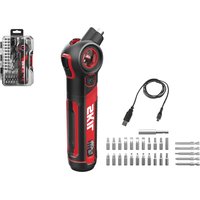
2714 GA - Screwdriver SKIL - Free user manual and instructions
Find the device manual for free 2714 GA SKIL in PDF.


User questions about 2714 GA SKIL
0 question about this device. Answer the ones you know or ask your own.
Ask a new question about this device
Download the instructions for your Screwdriver in PDF format for free! Find your manual 2714 GA - SKIL and take your electronic device back in hand. On this page are published all the documents necessary for the use of your device. 2714 GA by SKIL.
USER MANUAL 2714 GA SKIL
natural_image
Technical line drawing of a SKIL device with labeled buttons and ports (no text beyond branding)
text_image
QR code image containing encoded data, no visible human-readable textGB ORIGINAL INSTRUCTIONS 10
(F) NOTICE ORIGINALE 15
D ORIGINALBETRIEBSANLEITUNG 21
NL ORIGINELE GEBRUIKSAANWIJZING 28
S BRUKSANVISNING I ORIGINAL 34
(DK) ORIGINAL BRUGSANVISNING 39
(N) ORIGINAL BRUKSANVISNING 45
FIN ALKUPERÄISET OHJEET 50
(E) MANUAL ORIGINAL 55
(P) MANUAL ORIGINAL 62
I ISTRUZIONI ORIGINALI 68
(H) EREDETI HASZNÁLATI UTASÍTÁS 73
CZ PÜVODNÍM NÁVODEM K POUŽÍVÁNÍ 80
(TR) ORİJINAL İŞLETME TALİMATI 85
(PL) INSTRUKCJA ORYGINALNA 91
RU ПОДЛИННИК РУКОВОДСТВА ПО 97
ЭКСПЛУАТАЦИИ
| Declaration of ConformityTwist screwdriver Article number | We declare under our sole responsibility that the stated products comply with all applicable provisions of the directives and regulations listed below and are in conformity with the following standardsTechnical file at:Chervon Europe Ltd., 34 Bridge Street, Reading, RG1 2LU, United Kingdom |
| 2714 SD1*2714** | Supply of Machinery (Safety) Regulations 2008 (SI 2008/1597)Electromagnetic Compatibility Regulations 2016 (SI 2016/1091)The Restriction of the Use of Certain Hazardous Substances in Electrical and Electronic Equipment Regulations 2012 (SI 2012/3032)EN 62841-1: 2015+A11:2022EN 62841-2-2:2014EN 55014-1:2021EN 55014-2:2021EN 63000:2018 |
| SKIL Chervon Europe Ltd., 34 Bridge Street, Reading, RG1 2LU, United Kingdom, as authorized representative (in terms of above regulations) acting on behalf of Skil BV, Rithmeesterpark 22 A1, 4838GZ Breda, The Netherlands | |
| James McCrory Technical Service ManagerJames McRoryPlace of issue: ReadingDate of issue: 08/11/2023 |
1
2714
②
text_image
AEF H SKIL B J G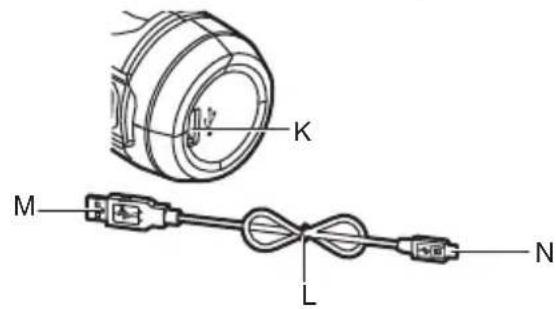
text_image
K M L N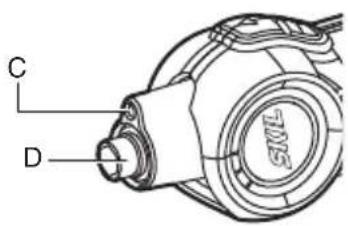
text_image
C D③

④
5
text_image
USB Power Supply (Not Included)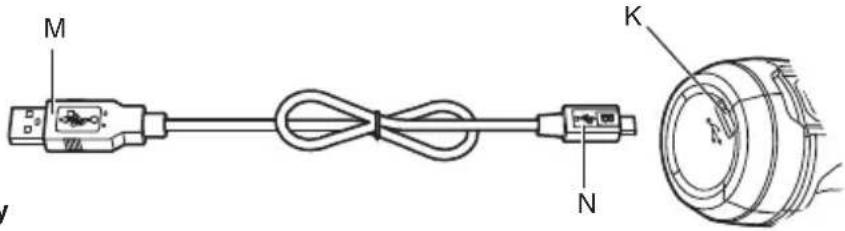
text_image
M K N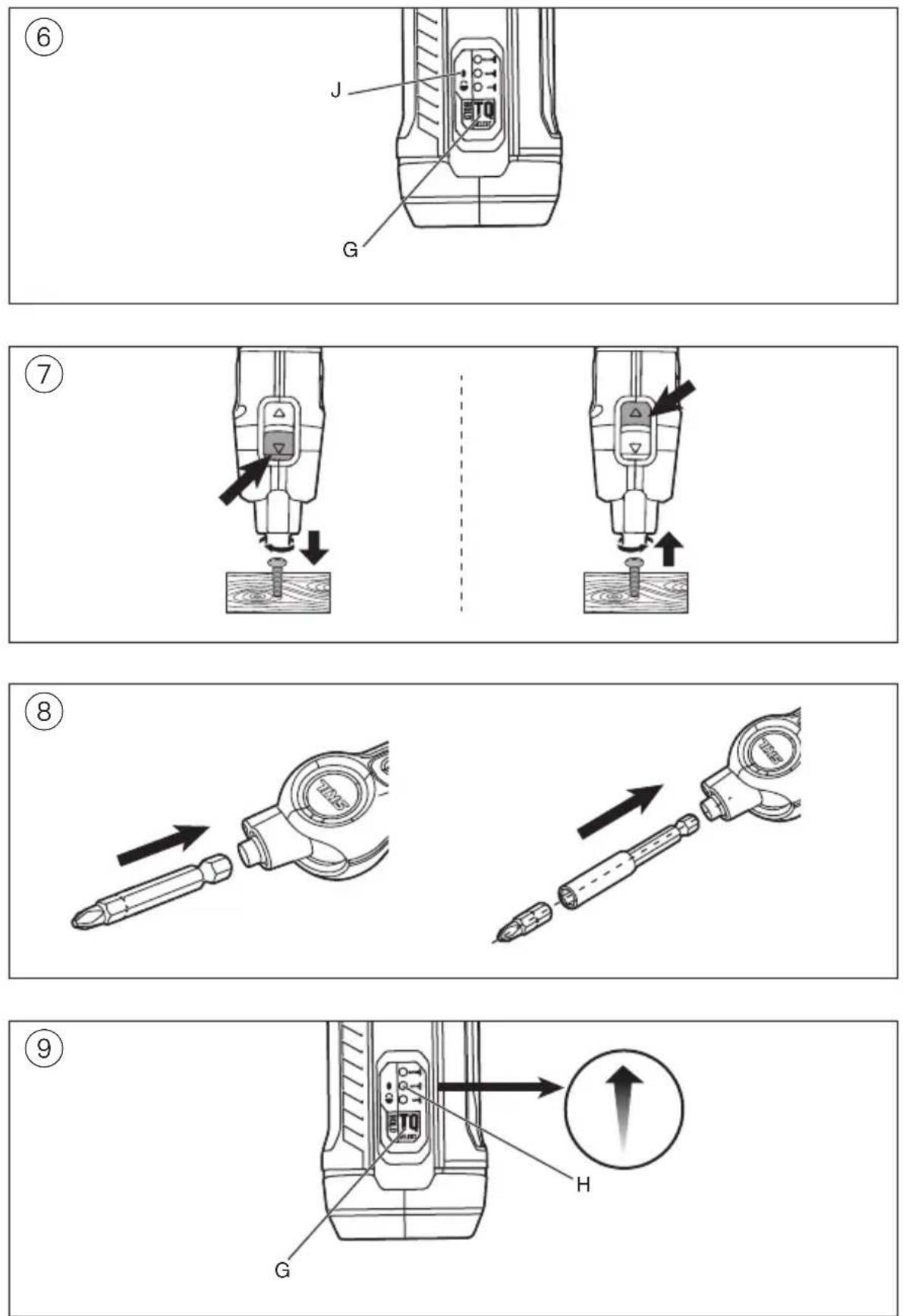
text_image
⑩ E 10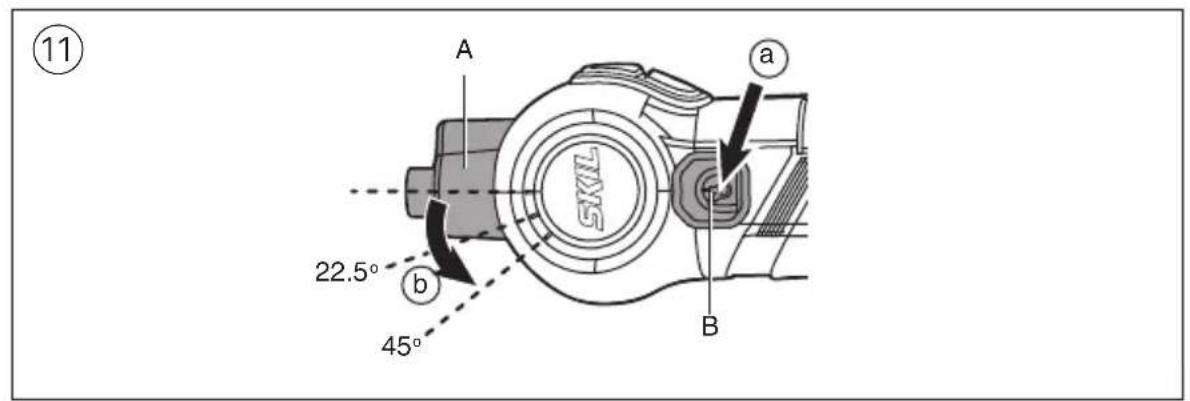
text_image
⑪ A a 22.5° b 45° B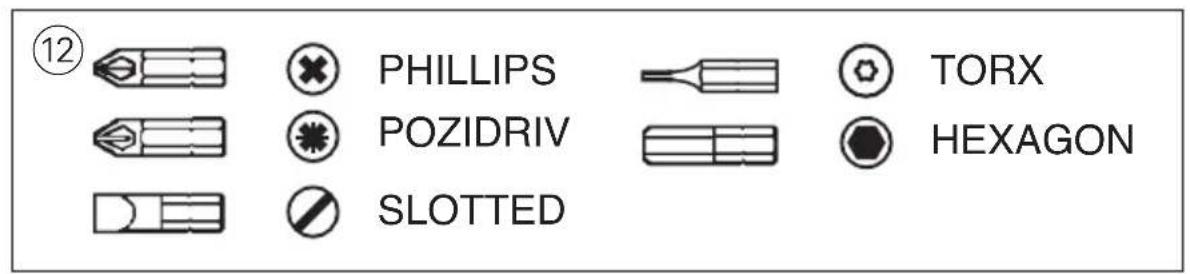
text_image
⑫ PHILLIPS POZIDRIV SLOTTED TORX HEXAGON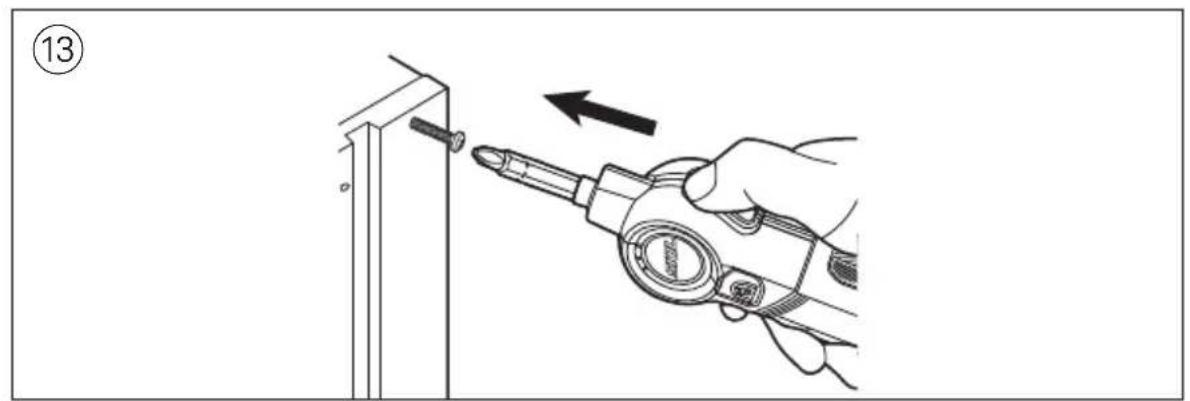
natural_image
Illustration of a hand using a tool to adjust or install a component, with no visible text or symbols.
text_image
ACCESSORIES → WWW.SKIL.COMGB
Twist Screwdriver 2714
INTRODUCTION
- This tool is intended for driving or removing screws in wood, metal, plastic and other materials.
• This tool is not intended for professional use - Read and save this instruction manual ③
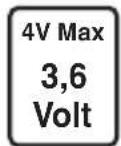
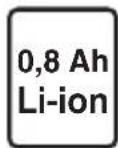
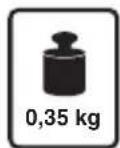
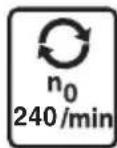
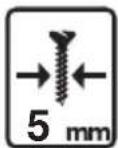
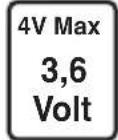
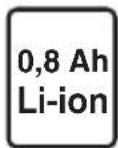
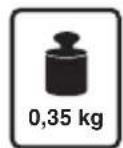
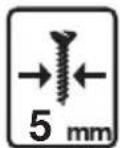
TECHNICAL DATA ①
Max. torque for hard screwdriving application according to ISO 5393: 5 Nm
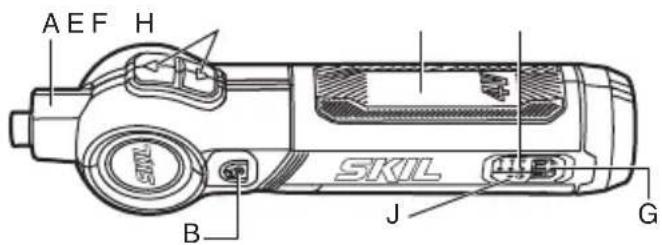
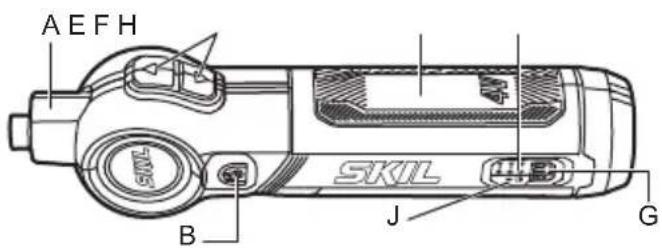
MACHINE ELEMENTS ②
A Pivot Head
B Pivot Head Release Button
C LED Work Light
D Magnetic Bit Holder
E Switch for On/Off and Forward/Reverse
F Handle
G Torque Button/Lock-off Button
H Battery Indicator/Torque Indicator
J Lock-off Indicator
K USB-C Charging Port
L USB-C Charging Cable
M USB-A Connector
N USB-C Connector
SAFETY
GENERAL POWER TOOL SAFETY WARNINGS
WARNING Read all safety warnings, instructions, illustrations and specifications provided with this power tool. Failure to follow all instructions listed below may result in electric shock, fire and/or serious injury.
Save all warnings and instructions for future reference.
The term "power tool" in the warnings refers to your mains-operated (corded) power tool or battery-operated (cordless) power tool.
1) Work area safety
a) Keep work area clean and well lit. Cluttered or dark areas invite accidents.
b) Do not operate power tools in explosive atmospheres, such as in the presence of flammable liquids, gases or dust. Power tools create sparks which may ignite the dust or fumes.
c) Keep children and bystanders away while operating a power tool. Distractions can cause you to lose control.
2) Electrical safety
a) Power tool plugs must match the outlet. Never modify the plug in any way. Do not use any adapter plugs with earthed (grounded) power tools. Unmodified plugs and matching outlets will reduce risk of electric shock.
b) Avoid body contact with earthed or grounded surfaces, such as pipes, radiators, ranges and refrigerators. There is an increased risk of electric shock if your body is earthed or grounded.
c) Do not expose power tools to rain or wet conditions. Water entering a power tool will increase the risk of electric shock.
d) Do not abuse the cord. Never use the cord for carrying, pulling or unplugging the power tool. Keep cord away from heat, oil, sharp edges or moving parts. Damaged or entangled cords increase the risk of electric shock.
e) When operating a power tool outdoors, use an extension cord suitable for outdoor use. Use of a cord suitable for outdoor use reduces the risk of electric shock.
f) If operating a power tool in a damp location is unavoidable, use a residual current device (RCD) protected supply. Use of an RCD reduces the risk of electric shock.
3) Personal safety
a) Stay alert, watch what you are doing and use common sense when operating a power tool. Do not use a power tool while you are tired or under the influence of drugs, alcohol or medication. A moment of inattention while operating power tools may result in serious personal injury.
b) Use personal protective equipment. Always wear eye protection. Protective
equipment such as a dust mask, non-skid safety shoes, hard hat or hearing protection used for appropriate conditions will reduce personal injuries.
c) Prevent unintentional starting. Ensure the switch is in the off-position before connecting to power source and/or battery pack, picking up or carrying the tool. Carrying power tools with your finger on the switch or energising power tools that have the switch on invites accidents.
d) Remove any adjusting key or wrench before turning the power tool on. A wrench or a key left attached to a rotating part of the power tool may result in personal injury.
e) Do not overreach. Keep proper footing and balance at all times. This enables better control of the power tool in unexpected situations.
f) Dress properly. Do not wear loose clothing or jewellery. Keep your hair and clothing away from moving parts. Loose clothes, jewellery or long hair can be caught in moving parts.
g) If devices are provided for the connection of dust extraction and collection facilities, ensure these are connected and properly used. Use of dust collection can reduce dust-related hazards.
h) Do not let familiarity gained from frequent use of tools allow you to become complacent and ignore tool safety principles. A careless action can cause severe injury within a fraction of a second.
4) Power tool use and care
a) Do not force the power tool. Use the correct power tool for your application. The correct power tool will do the job better and safer at the rate for which it was designed.
b) Do not use the power tool if the switch does not turn it on and off. Any power tool that cannot be controlled with the switch is dangerous and must be repaired.
c) Disconnect the plug from the power source and/or remove the battery pack, if detachable, from the power tool before making any adjustments, changing accessories, or storing
power tools. Such preventive safety measures reduce the risk of starting the power tool accidentally.
d) Store idle power tools out of the reach of children and do not allow persons unfamiliar with the power tool or these instructions to operate the power tool. Power tools are dangerous in the hands of untrained users.
e) Maintain power tools and accessories. Check for misalignment or binding of moving parts, breakage of parts and any other condition that may affect the power tool's operation. If damaged, have the power tool repaired before use. Many accidents are caused by poorly maintained power tools.
f) Keep cutting tools sharp and clean. Properly maintained cutting tools with sharp cutting edges are less likely to bind and are easier to control.
g) Use the power tool, accessories and tool bits etc. in accordance with these instructions, taking into account the working conditions and the work to be performed. Use of the power tool for operations different from those intended could result in a hazardous situation.
h) Keep handles and grasping surfaces dry, clean and free from oil and grease. Slippery handles and grasping surfaces do not allow for safe handling and control of the tool in unexpected situations.
5) Battery tool use and care
a) Recharge only with the charger specified by the manufacturer. A charger that is suitable for one type of battery pack may create a risk of fire when used with another battery pack.
b) Use power tools only with specifically designated battery packs. Use of any other battery packs may create a risk of injury and fire.
c) When battery pack is not in use, keep it away from other metal objects, like paper clips, coins, keys, nails, screws or other small metal objects, that can make a connection from one terminal to another. Shorting the battery terminals together may cause burns or a fire.
d) Under abusive conditions, liquid may be ejected from the battery; avoid contact. If contact accidentally occurs,
flush with water. If liquid contacts eyes, additionally seek medical help. Liquid ejected from the battery may cause irritation or burns.
e) Do not use a battery pack or tool that is damaged or modified. Damaged or modified batteries may exhibit unpredictable behavior resulting in fire, explosion or risk of injury.
f) Do not expose a battery pack or tool to fire or excessive temperature. Exposure to fire or temperature above 130^ C may cause explosion.
g) Follow all charging instructions and do not charge the battery pack or tool outside the temperature range specified in the instructions. Charging improperly or at temperatures outside the specified range may damage the battery and increase the risk of fire.
6) Service
a) Have your power tool serviced by a qualified repair person using only identical replacement parts. This will ensure that the safety of the power tool is maintained.
b) Never service damaged battery packs. Service of battery packs should only be performed by the manufacturer or authorized service providers.
SAFETY INSTRUCTIONS FOR TWIST SCREWDRIVERS
- Hold the power tool by insulated gripping surfaces, when performing an operation where the fastener may contact hidden wiring. Fasteners contacting a "live" wire may make exposed metal parts of the power tool "live" and could give the operator an electric shock.
GENERAL
- Do not work materials containing asbestos (asbestos is considered carcinogenic)
-
Dust from material such as paint containing lead, some wood species, minerals and metal may be harmful (contact with or inhalation of the dust may cause allergic reactions and/or respiratory diseases to the operator or bystanders); wear a dust mask and work with a dust extraction device when connectable
-
Certain kinds of dust are classified as carcinogenic (such as oak and beech dust) especially in conjunction with additives for wood conditioning; wear a dust mask and work with a dust extraction device when connectable
- Follow the dust-related national requirements for the materials you want to work with
- Ensure that Switch E ② is in the off position before making any adjustments or changing accessories as well as when carrying or storing the tool
-
Permitted ambient temperature (tool/charger/battery):
-
when charging 4...40°C
- during operation 4...50°C
- during storage -20...+50°C
ACCESSORIES
- SKIL can assure flawless functioning of the tool only when original accessories are used
- Use only accessories with an allowable speed matching
BEFORE USE
- Avoid damage that can be caused by screws, nails and other elements in your workpiece; remove them before you start working
- Secure the workpiece (a workpiece clamped with clamping devices or in a vice is held more securely than by hand)
- Use suitable detectors to find hidden utility lines or call the local utility company for assistance (contact with electric lines can lead to fire or electrical shock; damaging a gas line can result in an explosion; penetrating a water pipe will cause property damage or an electrical shock)
EXPLANATION OF SYMBOLS ON TOOL
③ Read the instruction manual before use
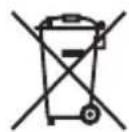
④ Do not dispose of electric tools and batteries together with household waste material
USE
- Charging the tool ⑤
! this screwdriver features an integrated battery.
! the battery supplied is partially charged (to ensure full capacity of the battery, completely charge the battery in the battery charger before
using your power tool for the first time. The optimal charge is achieved after 3 hours)
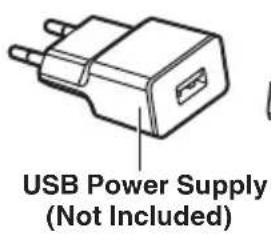
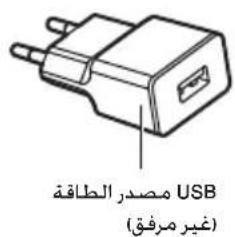
! the screwdriver is only to be charged with a certified USB power supply or power source (5V, max. 1A). Never charge the tool with any power supply or power source that is not certified. Failure to obey this warning could cause battery damage and serious personal injury.
- the battery indicator H indicate the tool charging status:
| Battery/Torque Indicator | Tool Charging Status |
| 3 LEDs flash alternately | Battery capacity is below 30% |
| 1 LED on, 2 LEDs flash alternately | Battery capacity is within 30% - 60% |
| 2 LED on, 1 LED flashes | Battery capacity is above 60% |
| 3 LEDs on Battery is fully charged | |
! it is normal for the tool to become warm during charging
! the tool cannot be used during the charging procedure; it is not defective when inoperative during the charging procedure
! the lithium-ion battery can be charged at any time (interrupting the charging procedure does not damage the battery)
! the lithium-ion battery does not have to be empty before charging (no “memory-effect” as with nickel-cadmium batteries)
! if you anticipate long periods of nonuse for the tool, it is best to unplug the charger from its power source
- Lock / Unlock the tool ⑥
! this tool features a lock-off button G to prevent unintentional starting.
! the tool is shipped unlocked by default.
- to lock the tool, press and hold the lock-off button G for more than 1 second and the lock-off indicator J will light up.
- to unlock the tool, press and hold the
lock-off button G for more than 1 second and the lock-off indicator J will turn off.
! the lock-off indicator J will go off automatically after approximately 1 minute of inactivity.
! when the tool is locked and the lock-off indicator J is off, press the switch E or lock-off button G and the lock-off indicator J will light up.
- Combined switch for on/off and forward/reverse ⑦
! change direction of rotation only when tool is at a complete standstill
- Changing bits ⑧
! do not use bits with a damaged shank
- Torque control (VariTorque) ⑨
! the torque can be set depending on the size and type of fastener and the material in which the fastener is driven. Use the lower torque for driving screws with a small diameter or when driving screws into soft materials. Use the higher torque is for driving larger screws or when driving screws into hard materials.
- Unlock the tool by pressing the lock-off button G until the lock-off indicator J goes off.
- Briefly press the torque button G and the torque indicators H will display the current torque setting.
- Press the torque button to switch between the three torque settings.
! when the tool is re-started after a break, the torque setting will return to the previously used torque setting.
! the torque indicator H will go off automatically after approximately 1 minute of inactivity.
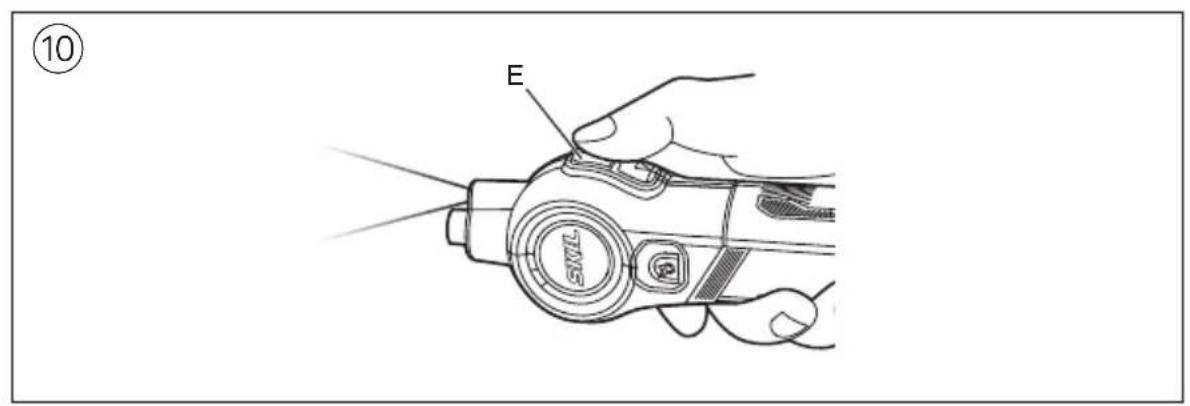
- LED work light ⑩
- LED work light C automatically lights on when activating switch E
- LED work light C switches off automatically approximately 10 seconds after the switch E is released.
- LED work light C will rapidly flash when the tool becomes overloaded or too hot and the internal sensors will turn the tool off. Rest the tool for a while or place the tool under airflow for cooling.
- LED work light C will flash more slowly to indicate that the battery charge is low.
Recharge the tool.
- Changing the angle of the pivot head ⑪
• Automatic spindle-lock Allows you to manually tighten or loosen screws, when necessary -
Battery protection Switches off the tool or prevents the tool from being switched on, when
-
the load is too high
- the battery temperature is not within the allowable operating temperature range of 4...50°C
- the lithium-ion battery is nearly empty (to protect against deep discharge)
! do not continue to press the switch E after the tool is switched off automatically; battery may be damaged
APPLICATION ADVICE
- Always use the correct type and size of bit for the application. ⑫
! do not use damaged bits - Drill a pilot hole when driving fastener in hard wood, or at or near the cross cut end or an edge of wood, in order to avoid cracking of the wood.
- Only apply the tool to the fastener when the tool is switched off. Rotating bits can slip off and damage the fastener head.
- It is recommended to perform the first few turns manually by hand, key, or a screwdriver to ensure the correct driving of a fastener.
- In case of working with threaded components, do not exert too much pressure on the tool. This can lead to the damage of the thread.
- Always hold the tool bit perpendicularly aligned with the fastener. Holding it at an angle may cause slipping or jamming of the fastener.
- Driving and removing screws ⑬
- For more information see www.skil.com
MAINTENANCE / SERVICE
• This machine is not intended for professional use
• Always keep tool clean
- If the tool should fail despite the care taken in manufacturing and testing procedures, repair should be carried out by an after-sales service centre for SKIL power tools
- send the tool undismantled together with proof of purchase to your dealer or the nearest SKIL service send the tool undismantled together with proof of purchase to your dealer or the nearest SKIL service station (addresses as well as the service diagram of the tool are listed on www.skil.com)
- Be aware that damage due to overload or improper handling of the tool will be excluded from the warranty (for the SKIL warranty conditions see www.skil.com or ask your dealer)
ENVIRONMENT
Only for EU countries
- Do not dispose of electric tools, accessories and packaging together with household waste material
- in observance of European Directive 2012/19/EC on waste of electric and electronic equipment and its implementation in accordance with national law, electric tools that have reached the end of their life must be collected separately and returned to an environmentally compatible recycling facility
- symbol④ will remind you of this when the need for disposing occurs
! remove the batteries before disposal of the tool
Only for UK countries
- Do not dispose of electric tools, accessories and packaging together with household waste material
- in observance of on Waste Electric and Electronic Equipment Regulations 2013 (SI 2013/3113), electric tools that have reached the end of their life must be collected separately and returned to an environmentally compatible recycling facility
- symbol④ will remind you of this when the need for disposing occurs
! remove the batteries before disposal of the tool
- Removing/disposing of batteries
! integrated batteries may only be removed for disposal by qualified personnel
! only remove the batteries if they are completely empty
- open the housing shell to gain access to the battery
- protect battery terminals with heavy tape to prevent short-circuit
- dispose of the batteries at an official collection point for batteries
! batteries may explode when disposed of in fire, so do not burn battery for any reason
NOISE / VIBRATION
- Measured in accordance with EN 62841 the sound pressure level of this tool is 63 dB(A) and the sound power level 71 dB(A) (uncertainty K = 3 dB), and the vibration < 2.5 m/s^2 (triax vector sum; uncertainty K = 1.5 m/s^2 )
- The vibration emission level has been measured in accordance with a standardised test given in EN 62841; it may be used to compare one tool with another and as a preliminary assessment of exposure to vibration when using the tool for the applications mentioned
- using the tool for different applications, or with different or poorly maintained accessories, may significantly increase the exposure level
- the times when the tool is switched off or when it is running but not actually doing the job, may significantly reduce the exposure level
! protect yourself against the effects of vibration by maintaining the tool and its accessories, keeping your hands warm, and organizing your work patterns
F
CONSEILS D'APPLICATION
- under drift 4...50°C
- ved opbevaring -20...+50°C
TILBEH∅R
- SKIL kan kun sikre en korrekt funktion
Twist Screwdriver 2714
ÚVOD
KRUVIKEERAJA OHUTUSJUHISED
TECHNINIAI DUOMENYS ①
Maksimali sraigto jsukimo jėga pagal ISO 5393: 5 Nm
IRANKIO DALYS ②
The following table is provided in the image.
natural_image
Illustration of a hand using a tool to adjust or install a component, with an arrow indicating the process (no text or symbols present)
text_image
ACCESSORIES → WWW.SKIL.COM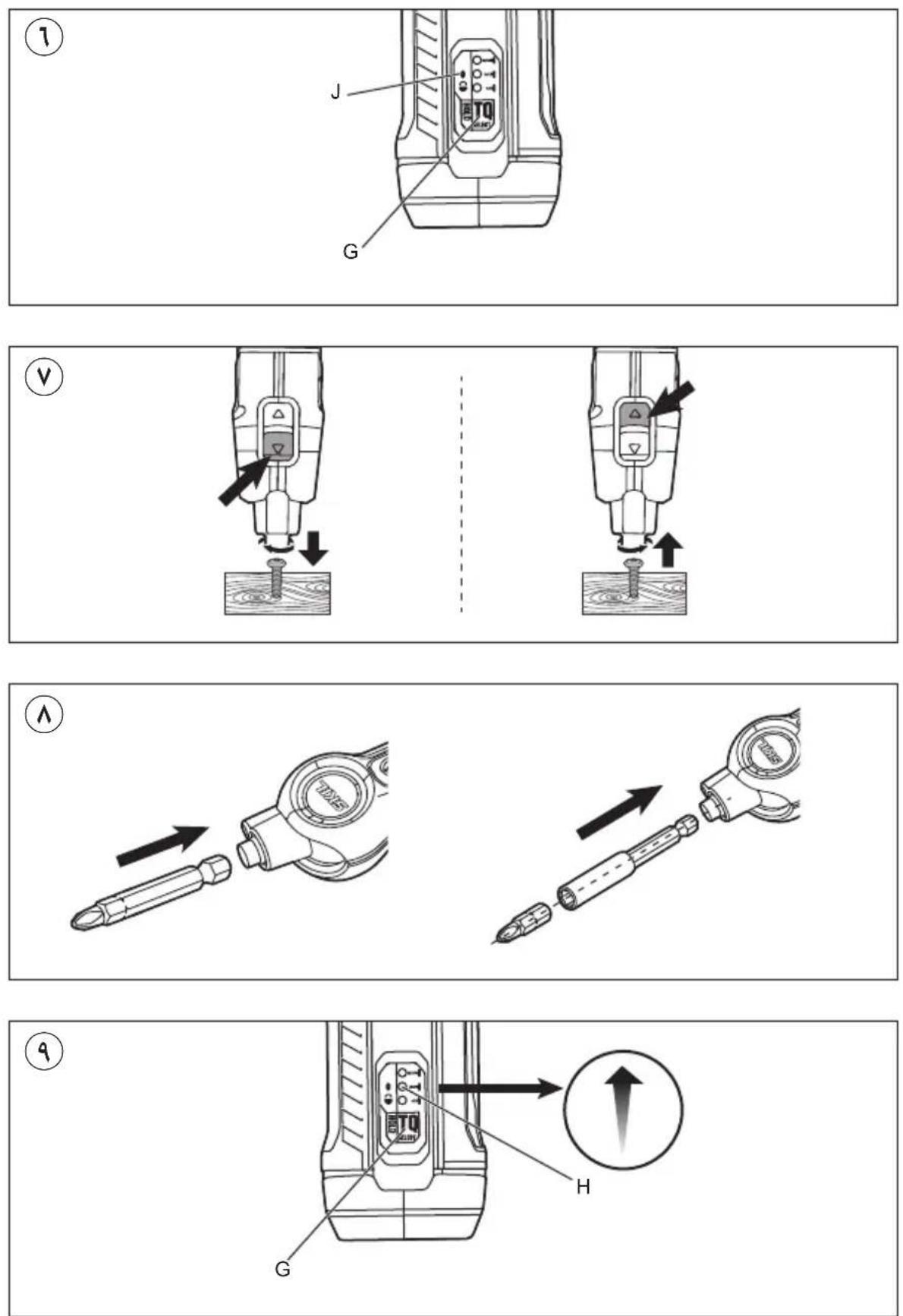
1
2714

1
text_image
AEFH SKIL B J G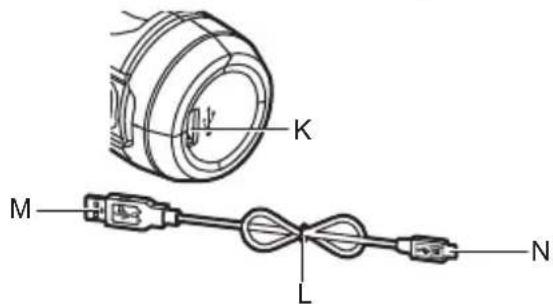
text_image
K M L N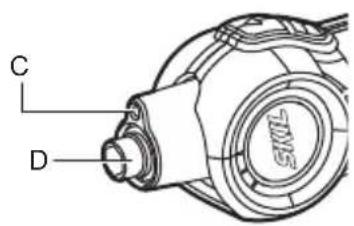
text_image
C DThe image contains a graphical symbol (a stylized number 1) inside a circle, which is not standard alphanumeric text. According to the instructions, non-text figures/diagrams are to be ignored. Therefore, no OCR output is generated.

③
△
natural_image
Illustration of a SKIL device with labeled buttons and ports (no text beyond branding)
text_image
QR code image containing encoded data, no visible human-readable text
text_image
دليل الاستعمال AR راهنماي اصلی FA