FEM 1500 - Rototiller IKRA - Free user manual and instructions
Find the device manual for free FEM 1500 IKRA in PDF.


User questions about FEM 1500 IKRA
0 question about this device. Answer the ones you know or ask your own.
Ask a new question about this device
Download the instructions for your Rototiller in PDF format for free! Find your manual FEM 1500 - IKRA and take your electronic device back in hand. On this page are published all the documents necessary for the use of your device. FEM 1500 by IKRA.
USER MANUAL FEM 1500 IKRA
Operating Instructions - Translation of the original Operating Instructions
Read operating instructions before use!
FR
HnctpyKzno 3KcnJyatau
Ipeep npimmeHHeHm npoHTaTb nHCTpyKcHIO no 3KcnnyatauH!
PL
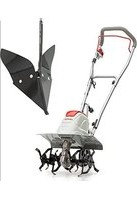
- Handlebars
- Switch
- Stop button
- Cable strain relief
- Centre guide bar
- Mains cable with plug
- Lower guide bar
- Wheel/ Brake spur
- Protective cover
- Tines
- Motor housing
IT
1 Warning! Keep your hands and feet well clear of the blades
2 Keep third parties out of the area of risk
3 If the cable is damaged, disconnect from the mains immediately and replace cable!
4 Read the instructions for use!
5 Wear ear protection
6 Wear eye protection
7 Protection class: II
8 Degree of protection against water IPX4
9 Attention: Environmental Protection! This device may not be disposed of with general/household waste. Dispose of only at a designated collection point.
FR
Names of the parts 1
Illustrations 3-5
Pictogram illustration and explanation 6
Technical specifications GB-1
Intended use GB-2
General safety information GB-2
Safety instructions for Electric-Tiller GB-2
Before starting up GB-3
Assembly GB-3
Operating the electric tiller GB-3
Transport GB-4
Maintenance and storage GB-4
Repair Service GB-5
Waste disposal and environmental protection GB-5
Warranty GB-5
Troubleshooting GB-6
Declaration of Conformity
Service
Electric-Tiller
Technical specifications
Model FEM 1500
| Rated Voltage V~ 230 | |||
| Nominal Frequency Hz 50 | |||
| Nominal Consumption W 1500 | |||
| Idle speed n0 min | -1 | 350 | |
| Working width mm 170/300/450 | |||
| Working depth max. mm 230 | |||
| Weight kg 13.8 | |||
| Sound Pressure Level LpA(according to EN 709+A4) dB (A) 80.5 K=2,5 dB(A) | |||
| Vibration Level (according to EN 709+A4) m/s2 1,659 K=1,5 m/s2 | |||
Protection class: II; Protection system IPX4
Technical and visual changes can be made during the course of the further development and without prior notice. All information given in these instructions for use are therefore given without guarantee. Legal claims, which are based on the instructions for use can therefore not be made.

Attention: Noise protection! Please observe the local regulations when operating your device.
Intended use
This tool is only intended as an electric tiller for use in domestic and hobby gardens.
It is not designed for use in public areas, parks, sports facilities, or in agriculture and forestry.
The device is intended for breaking up pre-loosened, cloudy soil. It also allows peat, fertiliser, and compost to be worked into the soil. The device is not suitable for breaking up firm soils and lawns!
Using the tool for any other purpose is considered improper and therefore not approved. The manufacturer is not liable for any damage or injury resulting from such improper or not approved use. The user is fully liable for any risks associated with such use.
General safety information

WARNING: Read all safety warnings and all instructions. Failure to follow the warnings and instructions may result in electric shock, fire and/or serious injury.
Save all warnings and instructions for future reference.
Safety instructions Electric-Tiller
Before operation
- The tool must be assembled correctly before use.
- The tool should be checked carefully before use. You should only work with a tool that is in good condition. If you notice any defect on the tool that may cause a hazard to the operator, do not operate the tool until such defects have been rectified.
- Replace worn or damaged parts for reasons of safety. Use only original spare parts. Parts not produced by the original manufacturer may have a poor fit and possibly cause injury.
- Before use, all foreign bodies must be removed from the working area, also pay attention to foreign bodies during operation.
- Only work in daylight or sufficiently good artificial light.
- Wear eye protection and face or dust mask if operating in dusty conditions.
-
Dress properly. When operating the tool, pay attention to the following notes concerning your working clothes:
-
The use of protective gloves and rugged footwear is recommended.
- Wear a proper hat or other headgear to contain long hair.
- Avoid wearing loose clothing or jewellery that might get caught in the rotating tines.
Proper use

The user is responsible for third parties while working with the tool.
- People not acquainted with the operating instructions, children, juveniles who have not yet reached the minimum age for using this tool, and people under the influence of alcohol, drugs or medication are not allowed
to use the tool.
- Only use the tool for its intended purposes.
- Keep children and pets away. All onlookers should be kept at a safe distance from the tool when it is operated.
- Make sure that all protective devices are fitted and in good condition.
- Do not operate the tool near underground electric cables, telephone lines, pipes or hoses.
- Before inserting the plug in the mains socket, make sure that the socket ratings are correct and correspond to those indicated on the rating label on the tool.
- The use of the tool is only permitted if the safety distance provided by the guide bar is complied with.
- Do not operate the tool on a slope that is too steep for safe operation. When working on slopes, slow down your working speed and make sure you have good footing.
- Before starting the tool, make sure that the tines are not touching any foreign objects and are completely free to move.
- Grip guide bar firmly with both hands. Never operate the tool with only one hand.
- Be aware that the tool may unexpectedly bounce upward or jump forward if the tines should strike extremely hard, packed soil, frozen ground, or buried obstacles such as large stones, roots or stumps.
- Keep your hands, feet or any other part of your body or clothing away from the rotating tines.
Caution! Danger of injury!
- Only guide the tool at walking pace. Do not overreach. Keep proper footing and balance at all times.
- Be aware of the position of the extension cord during operation. Be careful not to trip over the cord. Make sure to guide the cord away from the tines at all times.
- If the tool strikes a foreign body, examine the tool for signs of damage and carry out any necessary repairs before restarting and continuing to work.
- If the tool should start to vibrate abnormally, switch off the motor and check for the cause, immediately. Vibration is usually a warning sign for trouble.
- Hold the guide bar (carrying handle) and lift the tool to move it from one place to another.
- Always switch off the tool, disconnect the plug and wait until the application stops before carrying out maintenance or cleaning work. Attention! Tines do not stop immediately after switching off.
- Use caution when cleaning or performing maintenance work on the tool. DANGER! Watch your fingers! Wear protective gloves!
- It is forbidden to move or modify any of the electrical or mechanical safety devices.
- This appliance is not intended for use by persons (including children) with reduced physical, sensory or mental capabilities, or lack of experience and knowledge, unless they have been given supervision or instruction concerning use of the appliance by a person responsible for their safety.
- Children should be supervised to ensure that they do not play with the appliance.
Electrical safety
- The mains voltage must correspond to the one marked on the tool's rating label (230V ~50Hz). Do not use
other sources of power.
- For the power supply line, the use of a protective switch (circuit-breaker) with a nominal breaking current in the range of 10 to 30mA is recommended. Consult a qualified electrician.
- Never pass the running tool over the extension cable to which it is connected, as this could cut the cable. Mark sure that you always know where the cable is.
- Use the special cable holder (strain relief) for the connection of the extension cable.
- Never use the tool when it is raining. Try to prevent it from getting wet or being exposed to humidity. Do not leave it outside overnight.
- The power supply cable should be checked regularly and before each time it is used; make sure that the cable is not damaged or worn out. If the cable is not in good condition, do not use the tool; take it to an authorized service centre instead.
- Only use extension cables that are suitable for outdoor use. Keep it away from the cutting area, from damp, wet or oily surfaces or surfaces with sharp edges and also from heat and fuels.
- Use only extension cords that are approved for outdoor use and are not lighter than rubber-sheathed cables of type H07 RN-F according to DIN/VDE 0282 with a diameter of at least 1.5sq.mm . They cords must be splash-proof.
Before starting up
Double insulation
The electric tiller has double insulation. This means that all external metal parts are insulated from the electric power supply. This is achieved by introducing an insulation layer between the electrical and mechanical parts. The double insulation guarantees you the greatest possible safety.
Overload switch
If the unit is blocked by a foreign body or the motor is overloaded, it is switched off automatically via a safety device.
- Release the activation lever. Remove the mains plug!
- Remove the blockage and allow the motor to cool. Replace damaged teeth if necessary.
Assembly (Fig. 2-3)
Centre guide bars (Fig. 2a)
Set the centre guide bar (5) onto the lower guide bars (7) and secure it using the screws (M6× 45) and wing nuts supplied.
Handlebar (Fig. 2a)
Connect the handlebar (1) to the centre guide bars (5) using the screws (M6 x 45) and wing nuts supplied.
Switch installation (Fig. 1) (if required!)
Attach the cable to the switch lever.
Install the 2-handed safety switch on the handlebar.
Use the cable clips and screw to affix the cable to the bar (Fig. 2b).
Installing the brake spur with wheel (Fig. 2c)
Insert the brake spur (8) with the wheel facing downwards into the angle bracket and affix it using the screw (M6x35) and the wing nut.
Operating the electric tiller
Adjust working width (Fig. 6)
The tiller's working width can be adjusted. The unit can be operated with one, two or three sets of teeth on each side (see: "Removal and installation of teeth"). To do this, the set of teeth (X) with the single-sided shaft must always be installed on the outside!
Note: For transport, the spur (8) is mounted such that the wheel is in down position. For working, the spur is mounted the other way round so that the wheel is in up position (Fig. 2c).
- Drive the tool to the intended working area prior to starting the motor.
Adjusting the spur (Fig. 2c)
The position of the spur (8) defines the working depth. The further down the spur is adjusted the deeper the tool will work its way into the ground. The correct tilling depth is key for an optimised result; the correct adjustment may vary depending on the nature of the soil.
Connection to the mains supply (Fig. 3)
Connect the mains cable with the tool's plug and secure it with the strain relief bracket (4) as shown in Fig 3.
Switching on (Fig. 4)
- Use your thumb to press the stop button (I) on the left side of the handle and then the operating switch (II).
- The stop button (I) is only used here as a release so that the motor can be started and does not have to be held once the motor has been started.
To turn the motor off, simply let go of the switch (II).
Please note: In the course of this operation, the motor is mechanically braked down.
Tips
- Hold the application firmly while switching it on.
- The tines will pull the tiller forward during operation; press the guide bar to lower the tines slowly into the ground.
- If the tiller digs so deep that it remains in one spot, gently rock the tiller side to side to get it move forward again.
-
For preparing seed beds, we recommend to apply one of the tilling patterns shown in Fig. 5.
-
Tilling Pattern A - Make two passes over the area to be tilled, the second at a right angle to the first.
-
Tilling Pattern B - Make two passes over the area to be tilled, the second overlapping the first.
-
To prevent tripping take particular care when moving
backwards and when pulling the tiller.
- Always let the tines rotate at top speed; do not work in such a manner as to overload the tool.
- Never pass the tiller over the extension cord; make sure the cord is always in a safe position behind your back.
- When working on inclines, always stand diagonally to the incline in a sturdy, safe position. Do not work on extremely steep slopes.
Transport
Attention! Before transporting the tool, switch off the motor.
The tines and the tool as such may be damaged if you move the tool with the motor switched off, e.g., over solid ground. Make sure that the tines do not touch the ground. Use the wheel to move the tool. To do so, mount the spur as shown in Fig. 2c.
Maintenance and storage
Before carrying out any maintenance operations, cut off the electric power supply by disconnecting the plug from the extension cable.
Clearing tines of foreign objects
During operation, a stone or root may become lodged in the tines, or tall grass or weeds may wrap around the tine shaft.
To clear the tines, release the trigger lever. Unplug the tiller, and dislodge or remove any obstacles from the tines or tine shaft.
To ease the removal of tall grass or weeds that are wrapped around the tine shaft, you may remove one or more of the tines from the tine shaft. See the Tines Removal and Installation section in the manual.
Prior to each time the tool is used
- Check the connecting cable for signs of damage or ageing (wear and tear). Replace the cable if it is cracked, split or otherwise damaged.
- Check the condition of the cutting cylinder, and ensure that all threaded connections are securely tightened.
- If the tines are blunt, take it to a specialist workshop for repair, if necessary.
Once per season
- Lubricate the tines and shaft.
- At the end of the season, have the tool checked and serviced in a specialist workshop.
Cleaning
Attention! Clean the tool after each use. Failure to carry out proper cleaning may result in damage to the tool or cause it to malfunction.
Warning! Injury may occur when working on the tines. Wear protective gloves!
Whenever possible, clean the tool right after you have
finished working with it.
- Clean the underside of the housing around the tines and the protective shield and fender with a scrubbing brush, and a brush or soft cloth dampened with a mild soap and water mixture. Never splash the tool with water!
- To remove soil and debris from the tines and transmission, use a stiff brush or dampened cloth.
- Clean the air vents; remove any remaining grass or dirt.
- Once cleaned, wipe the tine and shaft dry and apply a light coat of oil.
Tines Removal and Installation (Fig.6)
Worn tines lead to poor performance and may overload the motor.
Check the tines' condition before each use. Sharpen or replace tines when necessary. It is recommended to have this done by a specialist.
Attention! Disconnect the mains supply and wear protective gloves.
Removing all sets of teeth from the shaft (Fig. 6)
- Remove the spring cotter pin and the locking pin, and pull the set of teeth from the shaft.
- The sets of teeth are re-installed in reverse order.
Attention: The set of teeth (X) with the single-sided shaft must always be installed on the outside!
To remove and install tines from/to the tine bracket
If one or two pieces of a tine are broken, it is necessary to change the damaged tine; it is not necessary to replace the complete tine set.
- Loosen the screws on one side while holding the lock nuts from the other side.
Take off the damaged tine and replace it by a new one.
Maintenance of the transmission (Fig. 7)
- The transmission lubricant (grease) should be checked and/or filled up about every 15 hours of operation or at least once a year.
- The inlet screw plug (X) for the transmission lubricant is located on the left side of the transmission housing.
- Note: As the transmission heats up during operation, the grease used to lubricate the transmission assembly may liquefy to oil.
- Put the tiller down on its right side and clean the transmission housing before removing the drain screw to prevent dirt and debris from getting into the transmission.
- Use an Allan key (hexagon socket screw key) to loosen the screw.
- Fill in as much grease (directly from the tube or using a grease gun) until it comes out of the outlet bore.
- Use commercially available transmission lubricant (gear grease) of the type Mobil EPO or similar.
-
If necessary, disassemble tines.
-
Screw the inlet screw plug back in.
Storage
The tool should be stored in a dry and clean place and out of the reach of children.
During extended periods of storage as, for example, during the winter, ensure that the tool is protected against corrosion and frost.
At the end of the season, or if the tool is not to be used for longer than a month:
- Clean the tool.
- Wipe all metal surfaces with an oil-impregnated cloth to protect them from corrosion (resin-free oil), or apply a fine coat of spray oil.
- Fold the guide bar down, and store the tool in a suitable place.
Repair Service
Repairs to electrical tools may only be carried out by skilled electricians.
If you send the machine to us for repair, please describe the fault.

Attention! Electrical repairs may only be carried out by a skilled electrician or a customer service workshop!
Waste disposal and environmental protection
If your device should become useless somewhere in the future or you do not need it any longer, do not dispose of the device together with your domestic refuse, but dispose of it in an environmentally friendly manner. Please dispose of the device itself at an according collecting/recycling point. By doing so, plastic and metal parts can be separated and recycled. Information concerning the disposal of materials and devices are available from your local administration.
Warranty
For this electric tool, the company provides the end user - independently from the retailer's obligations resulting from the purchasing contract - with the following warranties:
The warranty period is 36 months beginning from the hand-over of the device which has to be proved by the original purchasing document. For commercial use and use for rent, the warranty period is reduced to 12 months. Wearing parts and defects caused by the use of no fitting accessories, repair with parts that are not original parts of the manufacturer, use of force, strokes and breaking as well as mischievous overloading of the motor are excluded from this warranty. Warranty replacement does only include defective parts, not complete devices. Warranty repair shall exclusively be carried out by authorized service partners or by the company's customer service. In the case of any intervention of not authorized personnel, the warranty will be held void.
All postage or delivery costs as well as any other subsequent expenses will be borne by the customer.
Troubleshooting
| Fault Possible cause | Rectification | |
| The motor cannot be No started. Cable damaged if required, replace the repaired by a qualified Safety switch/plug combi damaged workshop. | power Check mains supply. | |
| Check cable, pull the plug and insert a cable or have it electrician | again, | |
| nation Have the tool repaired by a specialist | ||
| Overheating protection is less working depth 2. Tines are blocked, r3. Soil is too hard, adLet the motor cool down before you resume your work. | activated 1. Working depth too deep, remove blocking. 3. Soil is too hard, adpt working depth for about 15 minutes work. | continue work with accordingly and work soil by repeatedly moving forward and backward over the same place. |
| Unusual Tines are blocked sounds workshop.Screws, nuts or other fast elements are loose | Switch the tool off, wait until the motor fully stops. Eliminate the cause of the blockage. | |
| Lubricating agent is leaking | Have the tool repaired by a specialist | |
| tening Fasten all elements; if the sounds remain contact a specialist workshop. | ||
| Unusually strong vibration Working depth too deep. | Tines are damaged or worn out specialist workshop. | Replace the tines or have them checked by a |
| Adjust working depth to a suitable depth. | ||
| Bad tilling result Worn-out/blunt tines. specialist workshop. | Working depth too low. | Adjust working depth to a suitable depth. |
| Replace the tines or have them checked by a | ||
SOMMAIRE Page
Cihazin her kullanimindan once
MOHTaX BbIKHouaTeJI (pnc.1) (ecn Tpe6yETca!)
YCTaHOBNTe TpOCOBbI npINBOd B KPOHHTeHHe nepeKJIIOyATEIb.
CMOnTHnpyIe BbIKIOuateJIb, ynpaBnEmbi 2-MpykaMn Ha BepxHeHnPaBIAIOUe WtAHre.
YKpeNITe Ka6eNb c nOMOuIb K6eBbHbIX 3aXHMOB IN BnHTOB Ha nepeKlaDInHe (pnc.2b).
MOHTaX XBOCTOBHkA KylbTHBaTopa C KOJIeCOM (pnc. 2c)
YCTaHOBHTe XBOCTOBHK KyIbTnBaTopa (8) KOleCOM BHN3 B KpeIeHHbIy yroLOK n 3aKpeNITe erO, nCNoJIb3yra BnHT (M6x35) n 6apaWkoByu raIKy.
3Kcnpnyataunna 3neKtpOKyIbTNaBaTopa
3aadHne pa6oey unpnHbI (pnc. 6)
Pa6oyuH uynHy KylbTnBaTopa MoxHO MeHr. TaH
HOE yCTPOIcTBO MOXHO IcNoJIb3OBA Tb C OdHM, DByMn HII TpEma pbIXNITeJAMn Ha KaJDoI CTOpOHe (CM. ChTne N yCTaHOBka pbIXNITeJen"). Pnp 3OM pbIXNITeB (X) pa3peWaeTcR MoHTnpoBa Tb ToJIbKO TaK, YTO6bl BaI, BbICrTaNaIOuMn C OdHOB CTOpOHbI, BcerDa 6bl HAnpaBLeH HApxky!
PnmeaHne: TpaHCnpTnPOBKn COuHNK (8) CMOHTnPOBaH TAKIM O6pa3OM, YTO6bI KOJECO 6blIO B HNXHE MIOJOKeHH. IIN PA60tBI COUHNK CMOHTnPOBaH TAK, YTO6bI KOJECO HAXOINOCB B BEPxHEM NOJOKeHHN.
- Iepemecntb INHCTpyMeHT B paOH paOToI nepe3anyckOM DBnraTeJI.
Perynnpobka cowhnka (Pnc. 2c)
IonoJHe couHnka (8) onpeJeT pa6oyuTo rny6nHy.
Em Hxke haxoHTcra couHnK, Tem rny6xke 6ydet
pa6OtaB INCTpyMeHT B 3emJe. IoxoHaar rny6nHa
O6pa6OTKn NOyBbI ABnEeTcpeaHOuei dIn XopoUero
pe3yNbTa; IoxoHaar rny6nHa O6pa6OTKn MoKeT
6bITb pa3NHyOH B 3aBNCIMOCTn OT xapaKTepa NoBbl.
IopKJIIOUeHne K cTeN (Pnc.3)
IoiKIOHHTb Ka6eNb NITaHH K IITeNcEH INHCTpyMeHTa 3aΦHKcnPOBaTb npn NOMOu nn FHKcatopa (4) Jn IODepKKn Ka6eNA TAK, KAK yKa3aHO Ha Pnc.3.
BknHoueHnMaunHbI (Pnc.4)
- HaKaTb 60JIbIbIIM nAJIbIeM Ha CTOn-6yToH (I) Ha JIeBOI cTOPOHe pyKoIrTKn I NOTOM HaKaTaB Ha nepeKIIIOuATEJIb (II).
- Cton-6ytoH (I) B DaHHOM Cnyuae Cnyknt IJRA pa36IOKINPOBaHnra, TaK YTO6 6bIIO MOXHO 3aNcyTNTb MOTOP, H eRO He HaDO DePkaTb NocJe TORO KAK MOTOP 3apa6oTaI.
-Дя Bыкlioуеня MOTopa Heo6xOdmo npocTo NOBepHyTb NepeKlIOUaTeIb (II).
OcToPOKHO! Npeed TpaHCnOpTnpOBKn yCtpoiCTBa BbIKIOHaJeMoTOp.
Φpe3bI n Cam HNCTpyMeHT MOrY T 6bITb IOBpeKDeHbI, ecn nepemeaete C BblIOUeHHbIM DBINrAteJIeM, Hanpimep no TBepdomy rpyHTy. Y6eINTecb, qTO fpe3bI He KacaOTc 3emJe. NnpeMeueHn IcNoB3OBaTb KOleCo. JnTOn CEHN CMOHTnpoBaTb KOleCo TaK, KaK nokaaso Ha Pnc.2.
Texo6cnyKbAHne n xpaHeHne
IpeeBbINHHeHmpe6oTnTeXO6cnyHBAHHO OTcoeHNHHTe yCTPOHCTBOOT3NEKTPONHTAHN -Jn3TORO BbITAHHTe WtencelHyOBnKy ycTPOHCTBa H3 yDnHHTeNbHOro Ka6eJI.
Ocbo6oKdHHe Ppe3 OT nocTopoHHnx npedMeTOB
Bo BpempaobtbiBΦpe3axMoryT 3actprk Kamn nn KOPHn, paBhbIM o6pa3OM BOKpyr BaJa 3y6beB MoKET HamotaBcTpaba NN copHAKN.
IINHCTK3y6bEBOTNYCTHTe pyKOHTKY BKNHOueHHBbTHNTE H3 cETNIHTAHN IITENCEHLHYIO BNIKY3NEKTPoHcybTHBaTOPa H ydaJIHTe BCE NOCTOPOHHe npEdMeTbIC ppe3 n C Bana fpe3.
Bbl MoKTe CHrTb OndHy HIN HeCKoJIbKO fpe3 C BaJa, UTO6bl ynpocNTb ydaJeHne TpaBBI n CopHRKOB. CMOTPnTE B 3Toi CBa3n pa3dEJI pyKOBoDCTBa JEMOHTaX N MOHTaX 3y6beB
Ipeed KaHdbim npHMeHHem yctpoicTba
- PpOBepaTe npCoeHInHeBbI Ka6JIb Ha np3HaKn NOBpeKdEHN n CTapeHn (n3Hoc). 3aMeHnTe Ka6JIb, eCIn OH NMeET TpeuHbI, nJOMaH INN NMeET dpyTne NOBpeKdEHH.
- PpOBePraHTe COCToHHe cUInHnpa fpe3bI y6eINTEcB B TOM, YTO BCE BNHTOBbIe CoeHNHeHn npOuHO 3aTHyTbl.
- Ecni φpe3bI 3aTynJIncb, OTaIte yCTpoIcTBO Ha peMOHT B CneuaJIIn3nPoBAHHyIO MaCTepCKyIO.
Odn pa3Bpa6ouh ce30H
Cma3bIbaIteMaclonΦpe3blBaJ.
- OtdaTe B KOHcE ce3OHa yCTpOiCTBO B CneuaHn3npoBaHHyO MaCTepCKyIO dIra IpoBepKn IN Texo6CnyKuBaHHa.
UHCTHa
OcToPOHNO! OunuainTe ycTpoHCTBO nocJe KaHIO npmHeHH. EcH yCtpoHCTBO He coDePHTCA B uHCTOTE HaJIeHaUHM 6pa3OM, TO 3TO MOKeT pNBeCTn K eR oNBopeKdEHHIO Hnn HEnpAunbHOMy FyHKUOHNPoBaHHIO.
IpeDynpEkenHe!Pn pa6oTe HMeetc onacHocTb TpaBMnPoBaHn Phpe3aMn. HocTe 3a-HThble nepaATKn.
Oueta Ye cTpoIcTBO NO BO3MOKHOCTn cpa3y Je noCne pa6oTbIC Hm.
OuHCTHe HNKHIO Yacb Kopnya BOKpyr fpe3, a TaKKe rpa3eYIOBNTeIb N 3aunTHyIO KpbIbKy uETKO I caJIfoK, CMOeHHoCnAbIM MbJbHbIM pAcTBOpOM. Hn B KOem cnyae He o6pbI3RNaTb ycTpoi-CTBO BOIO!
- IcnoIb3yIte rpy6yIO uTeKy nIN BnaXHyO caNΦeTKy dIaYdJIeHn 3eMnN 3aRpa3HeHn C φpe3 n peDyKTopa.
OuHCTnTe OTBepCTnIbN BbIXOa BO3NyXa, ydaJI-Te OCTaTK TpaBBI N 3aPra3HeHNI.
- Bbitepuhe hacyxo fpe3bI n BaI nocIe nuCTkn Hn HaHeCInTe Ha HIX TOHKn CIOI MaCla.
JEmoHTaH MoHTaH Φpe3 (Pnc.6)
H3HOeHHbIe Φpe3bI BeyT K IIOxHM pe3yNbTaTAM pa60t b cNooc6CTByOT nepeRpy3Ke MOTopa.
PpOBepaTe cOcToHHe Ppe3 nepeK KaKdbIM npImeHHeHem ycTpoInCTBa. Pn Heo6xOAnMoCTn 3aTaunBaInTe Ppe3bl HIN 3aMeHnTe HX HOBbIMn. PeKOMeHdyetc no-pyatb 3TN pa60tbl CneuaJIIncty.
OcToPOxHO! BbITaHBaTe WTeNceJIbHyIO BnIky H3 CeTH NHTaHn I HOCHTe 3aunTHbIe nep- yATKn.
Charthe Bcex pbxntene c bana (Pnc.6)
- CHNMMTE COOTBeTCTByHouNi npyXHHbI IINPiHT N BCTaBHOI naleuC n CTAHnTe pbIXnTeJB C BaJa.
- YctaHOBka pbIXInTeNe npOnCxOInT B o6paTHoN noCneIOBaTeIbHOCTn.
BHHMaHHe!PbIXNHTeJIb(X)pa3peWaeTcMOnTHpoBaTbToJbKO TaK,YTO6bl BaI,BbICTyNaIOUncC OJHOI CTOPOHbI,6bl HAnpaBLeH HApKy!
ChTne ycTaHOBHaΦpe3 c/Ha dEpHaTeJIbΦpe3
EcnnoBpeKdHeHbOHa HnDBe Yactn Ppe3bl, Heo6XoDMo COOTBetCTByIOUyO Ppe3y 3aMeHHTb OTdeNbHO;3aMeHrTb NOnHbIKOMPNeKT Ppe3 npN 3Tom He Tpe6yETcra.
- OTKpyTHTe BnHTbI Ha oJHOH CTOpOHe n KpeNko depKHTe CTOnOpHbIe rAknHa dpyrO h CTOpOHe.
- CHIMITE NOBpeKdEHHyO Φpe3y i 3aMeHInTe ee HO-BblM.
Texo6cnyHbAHne peykTopa (Pnc.7)
- TpaHCMnCCNOHHyO CMa3Ky Heo6xOdmo IpoOBeprTb NIN MeHrTb IprMepHO uepe3 KaKdBiE 15 Yacob pa60Tb ININ ODN H pa3 B rOJ.
- Pe3b60Ba npo6Ka 3aJIbHOrO OTBepCTn (1)ДЯ TpaHCmCCNoHHo Cma3Kn HaxOJNTc Ha IpaBOI CTopoHe KOpNyCa peDyKTopa.
Yka3aHHe: TaK KaK peDyKTop BO BpEmpa60Tb pa30- rpeBaeTc,TO TpaHCmCCnOHHa Cma3Ka MoKeT pa3- JXHHtbcB MaCIO.
- YIOnKHe 3JIeKToPOKyIbTHBaTOp Ha IeByIO CTOpOHy N OUHCTnTe peDyKTop, UTObI ppeDTBpaNTb NOnaDaHne 3aRpa3HeHn B peDyKTop npu ydaJeHHn pe3b6oBOI pO6Kn 3aJIbHOrO OTBepCTnA.
-Приименяпесдг OTКрунвань BИNTа KIIOU c BHYTpEHHM WecTnRpahHnKOM.
- HanonHnIe TpaHcMnCCnOHHy CMa3ky nprMo n3 THo6nka nnC NOMOsbHO 3anpaBOuHOro Wnpuca Do Tex nop, noka OH He BbICTyNT H3 OTBepCTnIa.
-ПиMuMeHЯнTe CTAHДaPTHyO TpaHCMnCCnOHHyIO CMa3-Ky MapKn Mobil EPO nIN paBHOueHHyIO.
- CHINMITE npH Heo6xOAnMoCTn Phe3bl.
- CHOBA BkpyTHe pe3b60Byo npo6ky 3aJIiBHOrO OT-BepCTHa.
XpaHeHne
YcTPOIcTBO DOJIHKHO XpaHHTbcB C yXOM N YnCTOM NOMeUeHN BHE DOcRAeMOCTN DeTeN.
Bo Bpemn nnntenbHoro xpaHHeHn - Hapnpmep, B TeueHne 3IMbl - Heo6xOIMO CneDHTb 3a Tem, YTo6bl YcTpoNCTBO 6blno 3aunuEHO O pKaBUNHbI MOp03a.
B KOHue ce3OHa HnB CnUyae HeNCnoIb3OBAHNY yCTpoi-CTBa DOnblwe OndHOro Mecra:
OuHCTHTe yctpoiCTBO.
BbIePHTE BCE MetaJIInueckne NOBepxHocTn CMOeHHoM MacJOM caJfKo, YTObI 3aUHTb INX OT pKaBcHbI (CMAuBaIte MacJOM, He COePkaUIM CMOJIcTBIX BeIeCTB) IIN HaHeCITe TOHKN CNOI paCIIJIeHHOrO MaCJa.
- Onyctnte HnpaBnIouyIO nonepeunHy BnI3 n ycta-HOBITE yCTpOcTBo Ha XpaHeHne B NOxOJaIeM MecTe.
PemOHTha cIyK6a
Pemont 3neKtpOnHCTpyMeHTa pa3peWaeTc npOn3BO- dtb TOnbKO CneuaHcTy-3neKTPnky.
OnnHInTe, noXaIyIcTa, o6HapUxEHHyU BAMn HencnpaBHOCTb npn OtnpabVe ycTpoiCtBa Ha peMOHT.
BHHMaHHe! PeMOHTbIe pa6Otbl Ha 3NeKTpOo6OpyDoBaHH pa3peWaeTc npOn3BOaNTb TOnbKO cneuaHnCTy-3NeKTpHKy H/Hnn B cepBnCHOH MaTePckOi
YcTpaHHeHne OTxOIOB H OxpaHa OKpyKaIOUeI cpebl
Ecn Baun np6op korga-to cnomaetc nHn ecn Bb 60nbwe He noB3yntecb BaWemy np6opy, HN B KOem Cnyae He Bb6paCbBaIte np6op BMeCTe C 06bIKHOBeHbIM DOMaunm Mycopom, a yctpaHnte ero 6e3BpeHNO dnn OkpykaOoee cpebl. CdaiTe np6op B cneuaNBbHbC6OpHbN pyhKT dnn nepepa6OTKn. TaKIM o6pa3OM, PnaCTMaCCOBBe N MeTAnuYeCKne Detanu MoYr 6bITb pa3DeJIeHHbIMN MOYr BO3BpaUaTBcR B IpON3BODCTBeHHbN uNKl. HfOpMaunIO NO NOBody npaBnBHOyTuIN3auNN pa3NHybIX MaTePnANoB IN BeueCTB Bbl NoJyHTe OT BaUNx MeCTHBIX aDMNHnCTpAInBbIX opraHOB.
TapaHTna
B OTHoWeHn DaHHoro 3NeKTPoHnHCTpyMeHTa KOMnHaHn - He3aBnCmO OT cNeDyUuX N3 DOrOBopa o NOKynKe 6b3aTeNbCTB po3NnuHoro npoDaBua - npeIOcTaBnEe KOHeHOMy NOIb3ObaTeJIIO CneDyUuNE rapaHTn:
TapaHTnHbI cPOK 36 Mecra c MOMeHTa nepeJayn yCTpoiCTBa, NOITBepKDeHHoOpINHaON DOkymeHTa O NOKyNke. B OTHOWeHN KOMMepueckoro IcNoIb3OBAHn I Cdaun B apEnHy rapaHTnCOKpaUaetcdo 12 MecaeB. IV3 HactoJeI TapaHTn NCKIOuAOTcN IODBeRKeHHbIe N3HOCy YAcTn IN3HOC IN DePeKTbI, Bbl-3BaHHbIe PnpMeHeHem HENODXoJxN AkCECCyapOB, peMOHTom C pnpMeHeHem HeOpInHaJIbHbIX 3aNaChbIX YAcTeI, PnpMeHeHem CINbl, YdApAMN INOLOMKAMn, a TaKKe 3JIOHaMEpeHHbIMn Neperpy3KaMn MOTopa. 3aMeHa No rapaHTn He BKIOHaeT DePeKThble YAcTn, HEKOMNKeTHbIe yCTpoiCTBa. TapaHTnHbI pEmOH dOnJxH npBOOHTbcr NCKIOUHTeNbHO ABTOP3OBAHbIMn cepBnCHbIMn napThepAmN. B cnUye BMeuaTeNbCTBa JIO6Oro HeABTOPI3OBAHHO nepcoHana rapaHTn 6byET npIN3HaHa HeJeCTBtNEbHOH.
Bce nouToBbIe nII TpaHcnpTHbIe paXoDbI, a TaKKe IIO- 6bIe NoCNeDyUOUIne paXoDbI, ONJaunBaIOTc KJInEHTOM.
YcTpaHeHHe OTKa3OB
TYTO POKNY SI DOBRE USCHOVEJTE.
Pa6oTe cAmo Ha nHeBHa CBetnHa nn npn HAnuH eTo HA MHOro Do6pO N3KYCTBeHO OCBeTneHne.
Hocete npedna3n Ounna n Macka, ako pa6oTne B 3anpaueHa cpea.
Hocete noxoaduo 6bkeNo. OsbpheTe BHMaHne Ha cneHNTE 3a6eJekn OTHOcH o6oTHOTo 6bKeIO: -PpenopbVbame da HOCHTpeJna3n pKabu n CtaBnHn 6yBKn.
-Hocete wanka, katoNbIraTkoCA Tp8Ba da e cb-6paHa.
-He hocete cbo6oHN dpexn nn ykpaueHna, KOton MORat da 6bDat 3axBaHaTN OT DBVKeuHte ce YaCTN.
Ynotpe6a no npedHa3HaueHne
OnepaTopbT Hocn OTROBOPHOCT KbM TpeTu Nlua no Bpeme Ha pa6ota c ypeda.
He ce pa3pewaba da pa6oTc ypeda nua, He3ano3- HATn C pBKOBOCTBOTo 3a EKCNIOATAuN, Deua N Iua na ND MHNIMaJIHATA Bb3pact, KOrTO ce n3nCKBa 3a pa6oTa c ypeDa, KaTOn n Iua NaOD BnIyHne Ha aIKOXOJ, HAPKOTUIN INDpyTN YNOBAuN BEueCTBa.
- 3no3BaTe ypeDa cMo no npedHa3HaueHHe.
- Deuata u KINBOTHnTe Tp6Ba Da ca Ha 6e3oNaCHO pa3CTOHNHe DOKATO ypeBt pa6OtN.
- YBepTe Ce Ye BCnUKN IpEJaNtEni Ca MOHTnpaHn i ca B Do6Po CbCTOHaHne.
He n3no3BaIte ypea B 6n3oCT Do noD3emHneEneK Tpuueckn Ka6eN, TelefoHHn Ka6eN, TpbN nn Mapkyu.
-Ппсдддддддддддддддддддддддддддддддддддддддддддддддддддддддддддддддддддддддддддддддддддддддддддддддддддд徳а
ДАИЗТСТЕОТОНANPPEKEHNEOTROBAPRAHOBO3HAueHOTOHaФбPNHATA Tabela.
Pa3peHHe O da ce pa6oTn cypea camo npu ycnoBne, ye ce cna3Ba 6e3OnachOTO OTCTOHNHe, KoETO CE ONPeDEnr OT DbJxHnHa Tn PbKoXBaTKnte Ha Hocaya.
He pa6oTe cypeHa MHORO CtpbmeH hakloH. Korato pa6OTte Ha HAKIOHE TepeH, HamaTe pa6OTHATA CKOPCT N CTbNAHTe BHIMATEHNO HCTa6NJHO.
- Ppei Da nychete ypea B DeinCTBne, npoBepeTe daNN MOTIKTE Hma Da Bn3at B KOHTAKT C UyKIn TeJa N daN MoRt Da ce DBNKAT CBO6OHO.
- PpbKTe pbkoXBaTKaTa Ha Hocaya 3paBO C DBeTe pIue. HnKora He pa6oTe cAmO c eHa pbka.
ImaTe npedBn, ye ypeDbT MoKe HeoayKaBaHO da NODCKOHN Haroep nn Happei, aKO MOTNKTE ce bc6nbckat c MHO rTBpda, c6nta NOyBa nn 3amPb3HaJa 3eMa nn 3apNTu B 3emrTa TOneMn KaMbHn, KopeHn nn PbHOBe.
- PaaTe pBcTe, KpaKaTa N dpyr NaCTn Ha TAnTo n 6bneknoto daJeY OT BbPTaUHTe Ce MOTnKn. BHMaHne! OnaCHOt OT HapaHbBaHe!
Bunarn pa6oTe c paBHomepHa noXoJa. Ipe3 yraTO BPEME na3eTe paBHOBecne n CTbNaBte CtaBuHNo.
BHHMabaTe 3a noJoxeHneTo Ha Ka6en-ynbIKNTeTnno BpeMe Ha pa6oTa 3a Da He ce CnBHeTe B Hero, KaTOcbIO Taka Ro Na3eTe OT MOTKNTe.
Ako ypeBc ce ynapn Buykdo Tno Bpeme Ha pa-60ta, cnpete ro, orneaTe ro 3a eBeHTyaHa nobpe-4a n oTcpaHete npedn da ro pectapTupaTe n da npoDbJxnte pa60ta.
Ako yceTte Heo6uHn Hb6paun, He3a6abHo n3- KIOUcTe DBratEn I npOBepTe KaBa e npuHaTa. B6paunra o6knHOe npdynpeDnten 3hak 3a HaUNHeTo Ha npO6nem.
XBaHETe 3a pbkoXBATkata N BmHHeTe ypeDa 3a da ro PDEMECTITE OT EDHO MACTO Ha Dpyro.
BnHarH n3KIOUbaIte ypeJa, n3BaXJaIte Ie enCeJa OTO KOHTaTa n 3uKaBaIte Da cnpe Da ce DnKn npedn da npednpneMeTe onepaunno NO NODpBxKata NN NOChCTBaHeTo My. BnMaHne! Motknte He cnnpat BeDHara CNEd n3KIOUbaHeTo Ha ypeJa.
-Бьдete BHHMaTeHn,KORATo NOUcTBaTe NIN OCB- 电CTBbATE NOIDpbXka Ha ypea. ONACHOCT! Na-3eTe nPbCTITE cn! Hocete npednaHn pbkabuHn!
3a6paheHo e da ce CBAJr TIN MOINΦnIpuT KOnTO
I da 6nno ot eNeKtpuuecknte nn MexaHnuecknte npedna3Hn yctpoiCTBa.
3a6paHЯBa ce n3noI3BaHeTo Ha MaunHaTa ot Xopa (BKNIOUHTeJIHO Deua) C yMCTBEHN, fN3nueckn nn cEH3OpHN yBpeKdAnHn nn He3aNo3HaTu C NaHnA pa6ota, OCBEN aKO He CE NOJ KOHTpOJ Ha TpeTO JnCe, OTROBOPHO 3a TExHATA cnrypHOCT nn Ca 6nnn o6yehn KAK Da n3noI3BaT ypeJa.
- PanaTe DeIaTa Ha pa3ctOHa n O BpeMe Ha pa6oTa Ha MaunHaTa.
Eneko6e3onachoc
3axpaHbAIOTo HnpeXeHHe Tpr6Ba Da CbOTBeCTBa Ha OT6eJ3aHOTo Ha 4abPnuHata Ta6eHa ypeJa (230V 50Hz) .He n3noJ3BaIte npyIn n3TOuHnHa eHepnra.
- IpenopbUbaMe n3noJI3BaHeTo Ha aBTOMaTnueH npedna3nteC yBCTBnTeJHoCT O T 10 do 30 mA. KoHCyItnpaIte Ce c npabocnoc6eH enekTpOTEXnK.
Hikora He npenacrpe pa6oTeu ypeh Hnd Ka6eynbIKeTEn, TbKATO MOKe Da cpekete Ka6eNa. BbB BCEKN eINH MOMENT Tp6Ba da Cte HaRCHO bDe ce Hamnpa Ka6eNbT.
- I3noJ3BaIe CneuHaHOTo rHe3do 3a noCTabRe Ha Ka6en ydbJnxTeTae.
- Hikora He pa6oTe TE DOKaTO BaII NbXd. IpeDna3BaI-Te ypeDa OT HamokpRe Hnnn N3JaRaHe Ha Bnara. He ro OCTaBraTe HABh Npe3 HoUTa.
- PpOBePbAaTe peDObH O npeDn BCaKo NOr3BaHe CbCToAHneTo Ha 3axpaHbAunna Ka6eN. YBepTe ce, ye ToH He e NOBpeDen Hnnn H3NoCeH. Ako Ka6eIbT He e B Do6po cbCToAHne, He pa6oTe c ypeDa, 3aHeceTe ro Ha cepBn3.
- I3noJI3BaIte cAmO Ka6eJ-yDbIaKInTeJI, KOINTo ca npedHa3HaueHn 3a pa60Ta Ha OTkpnto. Pa3eTe Ha pa3CToHHe OT pa60THaTa 3OHa HA MOTNKInTe, CbIo N OT BJaXHn, Ma3Hn NOBbPxHOCTN INI INpeDMeTn C ocTpN KpaUca, OT TOnJIInHa n rOpINA.
H3noJ3BaIte caMo yIbIJIHTeHN Ka6eHN, KOITo ca npedHa3HaueHn 3a pa6Ota Ha OTKpIto N KOITo He ca no-JeKn OT Ka6eHN B rymen Mapkyu H07 RN-F no DIN/VDE 0282 cbcceHne Hau-MaIKo 1,5 mm². Te Tp6Ba da ca 3aunTeHN CpeUy BODHN pBcKN.
Ppei Da 3anouHeTe pa6Ota
Двонинзолацья
EneKtpnueckataΦpe3aecDBoHn H3Olaunr. Toba O3HaUaba,Ye BCNUKN BbHUN MeTaNHN Yactu Ca H3OJNpaHnOT eNEKtpo3axpaHbaHeTo. Toba ce ocBJeCTBraBa Ype3 N3NoJ3BaHEnoHa N3OlaunHO NOKPNTNe Mekdy eNEKtpnuecknte IMexAHUnHHTe Yactn.DBoHATA H3OJaUNBn rapaHTnpa Ha-Do6pTa Bb3MOxHa 3aunTa.
3aunTa ot npetOBapBaHe
Ako ypeBt ce 6JIOKnpa OT yXkDo TAno NIn DBNrAtenrT ce npTeOBapn, DBNrAtenrT ce n3KJIIOUyBa ABTomATuHOr OT npEpa3HO npncnocO6JIeHne.
- OtnycheTe loCTa 3a BkHouBaHe. N3BaJeTe mpekoBnA uencel!
- OTePHe 6IokpaunI npEIMe I octaBeTe DnraTeIa ce oxlaI. Pnp Hxka nOdmehete eBentyaHIO NOpeDeHn Iann.
Crrno6BaHe (fHr. 2)
CpeHn HappaBnaBau n rpeN (pHr. 2a)
IocTaBeTe cpeHaTa HnpaBnaBaUa rpeA (4) KbMdoJHnTe HnpaBnaBaUnrpeu (6) n 3akpenTe C DocTaBeHnTe BnHTOBe (M6 x 45) n KpnUaTu raKn.
TopHa HanpaBnaBaasa rpea (fur. 2a)
CbeHHeTe rOpHaTa HnPaBnaBaUa rpeJa (2) n cpeHata (4) cdoCTaBeHnTe BnHTObe (M6 x 45) n KpnJuaTn raikn.
MOHTaX Ha npEeKnIOuBaTeI (Φur. 1) (aKo e Heo6xoOIM!)
3akpenete xniloto kbm npebknoubaaata dbra (2).
MOnTpaIe npedna3Hn npEKBIOvBaTeI 3a 2 pbce KbM rOpHaTa HnPaBnBaUa rpeJa (1).
3akpenete Ka6eJa c nOmoUta Ha Ka6eJHnTe Cko6n INBnTOBe 4,2x13, KbM rpeData (fNr. 2b).
MOnTax Ha Konaea onopa c KoeNo (fur. 2c)
IocTabeteKonaeuaTOnopa(7)c konenotoHaDonyB 3akpenBaunrybblnny3akpenTe C BnHTa (M6x35) n KpInuataTa raiaKa.
Pa6oTa c eJektpnuecknkyjTnBaTop
HactpoBaHe Ha pa60ThaTa WnpOuHa (Φn.r. 6)
Pa60HaTa ⅢnOuHnHa Ha KjNTnBaTopa MoKe Ce npomeHЯ. YpeIbT MoKe Da 6bDe H3NON3BaH C nO eHN, DBAHnn TpN KOMnNeKTA NaHn OT BcKa cTpaHa (BnXte:MeMOHTaX MoHTaX Ha NaHn"). Pn ToBa KOMnNeKTbT NaHn (D) C eHnocTpAHn BaI Tpr6Ba BnHaRn Da ce MOHTnpa OTBh!
3a6eJekka: Pn TpaHcnpTnpaHe NoCTyeTo (7) ce noCTaB TaKa, Ye KOJIeNtA da ca B DoJIHo NonoXeHne. Pn pa6Ota NoCTyeTo Ce NoCTaB B o6paTHoTO NonoXeHne, Taka Ye KOJIeJaTa Da ca B RopHO NonoXeHne (ΦIr. 2c).
- Ппемecтete Инстумента в палнирабову усанлpenдда CTapTupaTe MoTopa.
PerynnpaHe Ha IocTcTe 3a cnnpaHe (Φnr. 2c)
IonoJxHeTo Ha NoCTyeTo 3a cnnpaHe (7) onpeJeIaBn6OuHnHaTa Ha pa6oTa. KonKOTO no-HaOny e npemeTeHO NoCTyeTo, TOnKOBA NO-DbN6OKO B 3emrTa Ie pa6oTHn HnCTpyMeHTbT. PpaBnHnTa HAcTpoKa Ha Dbl6OuHnTa e Ha-N-BaxKHOTo 3a NoCTurHe Ha ONtMaIeH pe3yIITa, a NODxOJaTuA Ta Dbl6OuHa Ha pa6oTa 3aBnCnOT XapaKTePa Ha NoYbata.
Cbbp3BaHe KbM MPexoBOTo 3axpaHbHe (Фиr.3)
Cbpxte Ka6ena 3a 3axpaHbaHe ot MPexkata c uenceHa Ha HnCTpymEnta n rto 3akpenete Cbc CKo6aTa 3a 0neKyuBaHe Ha onbBAHeTo, KAKTO e NOKa3aHO Ha Fnr.3.
BknuBaHe (Hr.4)
- Hatnche Tc nane 6ytoHa cToI (I) Ha JraBata CtpaHa HApbkoxBatkata u nocJe pa6oTHnKInou (II).
-
Bytohcton (I) ce n3no3Ba camo kaTo ocB6oxKdaBaHe Ha 6nokpOBkata, 3a da MoKe da ce npche MOTopa H He Tpa6Ba Da ce DbpxN, Cnei KaTo MToOppt 3apa60tN.
-
3a n3KJIIOUBAHe Ha MOTopa npocTo ro n3KJIIOUte c KInOua (II).
BhimaHne: Pn Ta3n Opeaun Dnuratent Ce cnnpa MexaHNo.
CbBETn
-ДрьжTe 3драВо урета ДOKаТо Г ВКПИЧБАte.
- Motukte ue npuBnKbTa pfpe3aTa Hanpei no BpeMe Ha pa60Ta,HaTncHete pkoXbaTkata,3a da npu6nKte MOTUKTE 6abHO Do 3emra.
AkoΦpe3aTa ce Bkonnae ToNkoBa HaIbIb6Oko,Ye HENOMpbIbBa OT MrcTOTO cN,JIeKO pa3KlAteTe OT eHaCTpaHa Ha dpyra 3a Da npOdbnKn Hanpei..
- 3a noIroTOBka Ha Iexn, npenOpbUBaMe da npuIoxNTe eDIn OH To MoJeINe, nOKa3aHn Ha Ir.5.
- Moen Ha φpe3Obahe A - HanpaBete DBe npemHaBaHna Ha 30HaTa 3a φpe3ObaHe, BTOPOTo NOd npab bIbN KbM NpBPBOTo.
- Moen Ha Φpe3ObaHe B - HanpaBete DBe npemHaBaHnHa 3oHaTa 3a Φpe3ObaHe, BTOPO To npINOKpNBA NbpBOTo.
3a da n36eHete onachocTta OT cnBbaHe, 6bTeOco6eHO BHIMATEJIHH KOrato Ce DBNKNTe Ha3aI ININDbpNaTe fpe3ata.
BunHn nyckaIte MOTIKnte da ce BbptT ha MaKcMaHa: He pa6oTeTe Taka, ye da npetOBapnte DBNrataJIa.
- Hinkora He npekapbaTe Φpe3aTa Hn Ka6eJ-ybJIxnteI; rneJaTe Ka6eBbT da e BnHaHn Ha 6e3oac-HO MRCTO 3aD TbP6a BN.
Korato pa6oTnTe no HAKIOHe TepeH, BnHaH 3aCTaBaIte DaIraHOHaIIHO Ha HAKIOHa, I 3aCTaBaIte B CTa6nHo nOioKeHne. He pa6oTeTe Ha MHOrO cTpBMn HAKOHN.
TpaHcnpOpTupaHe

BHHMaHHe! Ppei npemecTbaHe Ha nHcTpymeHTa N3KJIIOUeTe MoToPA.
3b6uTe n HnCTpyMeHTbT MoKe Da ce NOBpeJr, aKO npEmecBaTe HnCTpyMeHtca N3KnIOueH MOTOp HApnMep no TBbpda NoUba. Y6eTe ce, ye 3b6uTe He DOKOCBaT 3emra. 3a npEmecBaHe Ha INCTpyMeHTa H3NoJ3BaIte KOJIeNaTa. 3a CEJIta NoCTabete NoCTyeTo Taka, KaKTo e NOKa3aHO Ha Phr. 2c.
IopdpbXka ncbxpaHeHne

Ppei Da npdpnpmeTe KaKBnTo n da 6nO onepaunno no npdApkKaTa, npekbChete 3aXpaHBAHeTo, KaTO n3KJIHOHTe Ka6eI-yDJIIXN-TeJr OKTAKTA.
IoynCTBaHe Ha 3b6cnte OT cTpaHnHy IpeDmetn
IbpeMa pa6oTa MeKdy 3b6uTe MoRaT Da 3aceiHAt KaMbHN nn KopeHN, nn Nk Okono Bana Da ce yBn-RT BnCoka TpeBa nn 6ypeHN.
3a nouctbahe Ha 3b6uTe OCBO6oTe nycOBaTa cko6a. OTKaHTe KUITnBaTopa OT 3axpaHbAHeTo N OTcPaHete CTPaHnHInTe PpeMmTo OT 3b6uTe.
3a yIeChraBaHe Ha maxaHTo Ha BncoKa TpeBa nn 6y-
peH, KOHTo Ca Ce yBUNN OKONo Bana Ha KynTnBaTopa, MOKe Da CBanTe eDIn Hnn Nobeue 3b6uN OT Bana. Bx. pa3dena „CbanrHe N MOHTnpaHe Ha 3b6uNTe" B PkoBOJCTBOTO.
PpeiBcKaIO n3nOJ3BaHe Ha ypeDa
- Пюверете 3axpaHbaunя ka6eJ 3a npn3Haun Ha n3-HocBaHe nIn noBpeJa. CmeHete Ka6eJa, aKe e HanyKaH nIn noBpeDeH.
- PpOBepTe cBCTOHNHeTo Ha pEKeUHnA uNnHbP n ce yBepTe, Ye BCnUKn CkpeNITeJHn EneMeHTn Ca do6pe 3aTERHaTn.
- Ako MOTIKnte ca ce 3aTbNiln, 3aHecTe ypeDa B CneuHaN3npaH cepBn3 3a nonpaBAka.
BdHbX Ha ce3OH
Cma3BaIte MOTIKITE IN Bala.
B KpaHa ce3oHa, 3aHeceTe ypeDa 3a npOBepKa B CneuaHn3npaH cepBu3.
NouchTaHe

BHHMaHHe!NouchTBAuTe ypeDa cneB BCaKo n3nO13BaHe. IpponyckaHaTo Ha noUcTbaHaTo MOKe Da IOBeDe Do nobpeDa Hn NIOWo 0yHK- CUNOHnpaHe Ha ypeDa.

BHHMaHHe! OnaCHOCT OT HapaHbAhe npu pa-6ota no MOTnKHTe. Hocete npedna3HN pbKaBnI!
Bunharu, koraTo mMaTe Bb3MOxHocT, noUcTBaIte ypeDa BeHaRa cNeD KaTo CTe npKlnOuHIn da pa6oTnTe c Hero.
- PoiuHCTe TEOHATA YACT Ha KOpNya OKONo MOTnKeI Te InpEJa3HnE ekpaH N KaHnKa C TBbPda YeTka, N C YeTka INI Mek NapaJ, HATOneH B canyHeHa BOda. Hnkora He 3aJIbBaIte MaunHaTa C BOda!
3a da OTcTaHnTe NoBaTa N OCTaTbUHe OT MOTKInTe n TpaHCMnCnraTa, IN3NoJ3BaIe TBbpDa YETKa INN BLnAKeH NapcaI. - Nocntete BEHTnlaaOnHHnte OTBOp;OTcPaHete OCTaTbUInTe O TpeBa n KAn.
CneI NOUcTBaHeto,3abpweTe MOTKnTe n BaJa, 3a da IIN NOCDyWHTe HHaHeCETe TbHbK CNOI CMA3Ka.
CbaJHHe MoHTnPaHe Ha MOTNKTe (fur.6)
3aTbneHnTe MOTKn BOJr DO JNOo 0yHKUOHnpaHe Ha ypeDa n MoRat Da npetobapr DBrurataJI.
PpOBepaBae CbCToHHeTo Ha MOTnKInTe BCEKn nT npEa pa6Ta. HatoTe IINI NOMeHete MOtKNte npN Heo6xOAnMoCt. PpenOpbUHTeJIHO e Ta3n Opeaun da ce N3BbPwBa OT CneuaJIInCT.

BhImaHHe! N3KnIOUeTe ypeDa ot 3axpaHbaHeto HocTe npedna3Hn pbKaBn.
CBAJIaHE Ha BCnUKN KOMNJIeKTH JIaH N OT BaJa (fNr. 6)
CbaNete cBoTBeHTNte npyHHeH uNnInHT n uNΦT n 3DbpaNTe KOMnEKTa JannOT BaJa.
- MoTajkBT Ha KOMIIeKTIte JIaIN Ce I3BbPbBA B 06paTHa NocJIeIOBaTeJIHOCT.

BHHMaHHe: KOMnJIeKbT Jann (D) C eHocTpahHnBa BAn TpA BnHar Da Ce MOHTnpa OTbH!
| GB | EC Declaration of Conformity | CE |
| We, ikra GmbH, Schlesierstrasse 36, 64839 Münster, Germany, declare under our sole responsibility that the product Motor Hoe FEM 1500, to which this declaration relates correspond to the relevant basic safety and health requirements of Directives 2006/42/EC (Machinery Directive), 2004/108/EC (EMC-Guideline), 2011/65/EU (RoHS-Guideline) and 2000/14/EC (noise directive) incl. modifications. For the relevant implementation of the safety and health requirements mentioned in the Directives, the following standards and/or technical specification(s) have been respected:EN 60335-1:2012; EN 709:1997+A4; EN 62233:2008; ZEK 01.4-08/11.11; EN 50581:2012EN 55014-1:2006+A1+A2; EN 55014-2:1997+A1+A2; EN 61000-3-2:2006+A1+A2, EN 61000-3-3:2013measured acoustic capacity level 91,86 dB (A)guaranteed acoustic capacity level 93,00 dB (A)Testing laboratory: SNCH 0499Conformity assessment method to annexe VI / Directive 2000/14/ECThe year of manufacture is printed on the nameplate and can be additionally retrieved via the consecutive serial number.Münster, 19.05.2015Gerhard Knorr, Technical Management Ikra GmbHMaintenance of technical documentation: Gerhard Knorr, Kärcherstraße 57, DE-64839 Münster | ||
rapaHTnpoBaHHbI ypOBeH 3ByKOBo MOuHOCTH 93,00 dB (A)
OTBeTCTBHeHHaOpraHn3aUH:SNCH0499
MeToD oueHKn COOTBeTCTBna COrnaCHO npuJIOKeHHo VI K DnpeKTHBe 2000/14/EC
Iog npou3BOcTBa otneuataH ha fapnHOn TaBnueKe I donoHHTeBHO MOKHO yCTaHOBTb erO npn NOMOUI NOCEIOBATeBHO CepnHOro HOpema.
Munster, 19.05.2015

H3MepeHO HnBO Ha 3ByKOBaTa MOuHOCT 91,86 dB(A)
TapaHTnpaHO HnBO Ha 3ByKObTa MoHoc93,00 dB(A)
MeToD 3a OueHka Ha CbOTBeTCTBne CbIJaCHO PpInIOxKeHne VI / DnpeKtnBa 2000/14/EG
KoHTpOHa Ia6opatopn SNCH Notified Body 0499
TOnHATA Ha npOn3BOcTBo e OToBEnaHa HtNoBaTa TaBekA, a CbUo Taka MoKe da 6bJe yCTaHOBe H cnopei cepHnHn Hoomep.
Munster, 19.05.2015

knorm
Gerhard Knorr, Texnuecko pkoBDTO Ha Ikra GmbH
Texnueckata doKymentaua cse cbxpaHbHa ha apec: Gerhard Knorr, Karcherstraße 57, DE-64839 Munster
DElkra Mogatec - Service
11 Othellos Street, Dali Industrial Zone
2540 Nicosia
Tel.: +357 22667908
+35722667157
CZ Drupal
T.G.Masaryka 81/833
277 13 Kostelec nad Labem
+420326981228
+420326990012
DK Bahn-Larsen
Skov-Have-og Parkmaskiner
Vinkelvej 28
7840 Hoejslev
+45 40 45 08 86
+4548287070
EeHouldusbuss OU
Kabelikopli tee, 5
79221 Kohila vald, Raplamaa
+37256678672
ES Yaros Dau
C/ Puigpalter n° 48, Poligono Industrial UP4
17820 Banyoles (Girona)
+34972575264
+34972573600
Unit E. Clayton Works Business Centre
Midland Road
Leeds, LS10 2RJ
03448243524
01133851115
GR Panos Vrontanis & Co
3 Molas Street
13671 Aharnes
+302102402020
+302102463300
HRVAR-ERCO d.o.o.
Stipana Vilova 14A
10090 ZAGREB
+385915713164
38513454906
HU Tooltechnic Kft.
Nagytétényi ut 282.
1225 Budapest
+3613304465
+3612836550
IN Agritech Floritech Inc.
206 - B Rajindera Arihant Tower
B-1 Community Centre Janak Puri
New Delhi - 110058 / India
+911145662679
+91 11 25597432
IRJ&M Distribution Systems Ltd
Unit E, Clayton Works Business Centre
Midland Road
Leeds, LS10 2RJ
+3531890882374
+441133851115
Tikra Service Italia, by BRUMAR
Loc. Valgera 110/B
14100 ASTI (AT)
C+390141477309
+390141440385
JO Taha & Qashou Agri Co. (LLC)
205Mekka Street
Amman 11821, Jordan
+96265850251
+96265825728
LTUAB „Baltic Continent"
P. Luksio g. 23
09132 Vilnius
+370870055595
@ remontas@bcsc.lt
LU Bobinage Georges Back
53, Rue Nic. Meyers
4918 Bascharage
+352 507622
+352504889
MD OLSOM S.R.L.
Mateevici Str., 38/1
2009 Chsinau
+37322214075
+37322225009
MK FEROELEKTRD.O.O.
Str.Nikola Parapunov br.35A/3
1000 Skoje
+38923063190
+38923063190
NL Muldertechniek
Noorderkijl 1
9571 AR 2 e Exloermond
+31599671570
+31599672650
Timetable: 09:00 to 12:30 and
14:00 to 18:30 (except Friday that is 18:00)
RO BRONTO COMPROD S.R.L.
Str. Corneliu Coposu nr. 35-37
400235 Cui-Napoca
+40264435337
+40264406703
RUCAI IN KOleco
BapwabckoeW.125,ctp.1
117587, r. MockBa
+74957812167
+74953191878
SEikra Service Sweden
Stallbergavagen 1B
57361 Sommen
+46763268982
@ikrawinbladh@gmail.com
SI BIBIRO d.o.o.
Trzaskacesta233
1000 Ljubljana
+38612564868
+38612564867
SK AGF Invest s.r.o.
Hlinikova 365/39
95201 Vrable 1
+4210262859549
+4210262859052
TR ZIMAS Ziraat Makinalari Sanayi ve Ticaret A.S.
1202/1 Sokak No:101/G Yenisehir
35110 IZMIR
+902324580586-4591581
+902324572697
UA DHEIPOKOP
yJy6aHOBA,1
69600r.3anopoxkbe
+380612281152